
Capturing the beauty of our planet through landscape photography is an adventure that doesn’t have to break the bank. Join me as we explore affordable spots that will inspire your photography journey without emptying your wallet.
Understanding Landscape Photography
What is Landscape Photography?
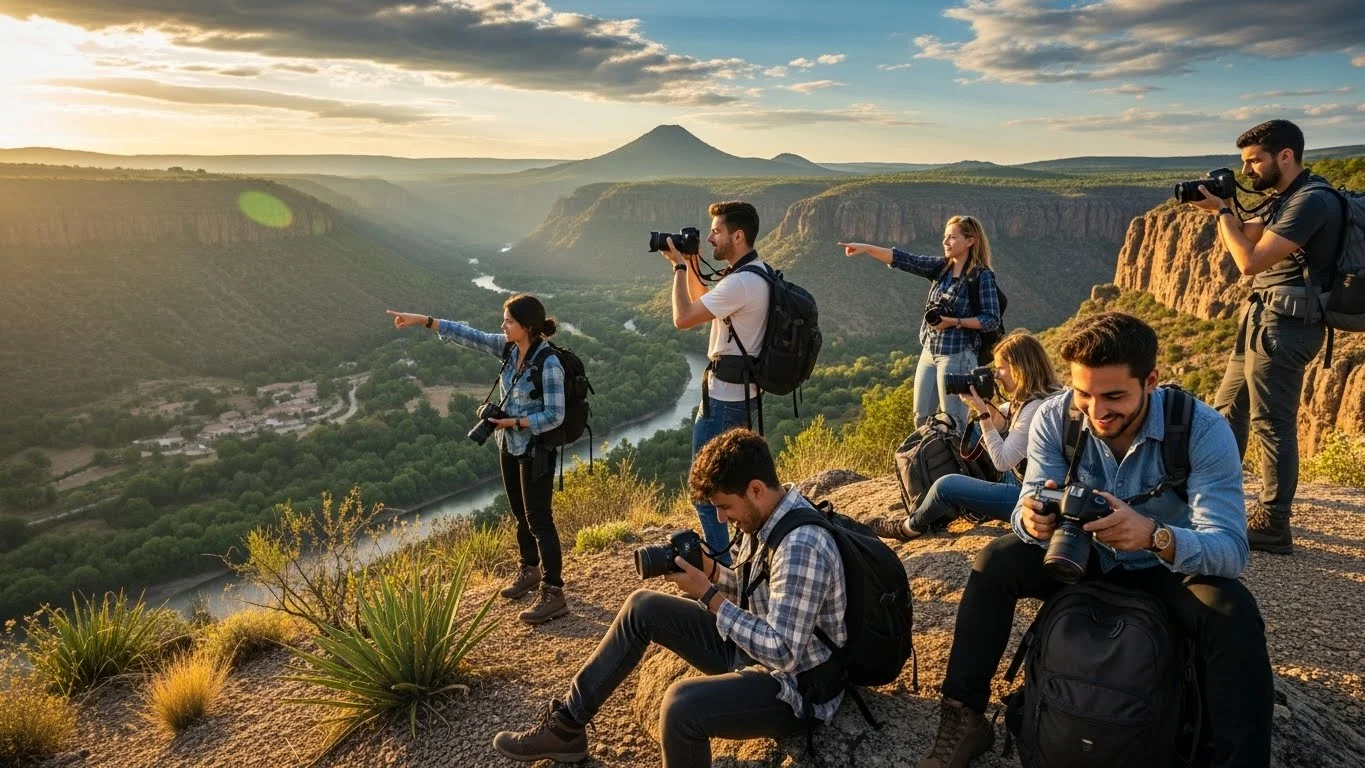
Landscape photography is more than just snapping pictures of pretty views; it’s about capturing the essence and emotion of a place. I remember the first time I stood at the edge of a breathtaking vista, my camera in hand, feeling the wind on my face and the light dancing across the landscape. It’s a genre that focuses on the natural environment, showcasing everything from mountains and forests to beaches and deserts. The goal is to convey the beauty of nature and evoke feelings in the viewer. Whether you’re a seasoned pro or just starting, it’s all about finding the right scene and capturing it in a way that speaks to your audience.
Essential Gear for Budget-Friendly Photography
When I first ventured into landscape photography, I thought I needed the most expensive gear to get great shots. However, I quickly learned that you can create stunning imagery without a hefty investment. Here’s what I think you should have:
- Camera: A DSLR or mirrorless camera is ideal, but even a decent smartphone can work wonders. I started with a basic DSLR and gradually upgraded my gear.
- Tripod: A sturdy tripod is essential for long exposures and stabilizing your shots, especially in low light. I always carry a lightweight model that’s easy to transport.
- Lenses: A wide-angle lens is perfect for capturing expansive landscapes, while a telephoto lens helps zoom into distant details. I recommend starting with a versatile zoom lens that covers multiple focal lengths.
- Filters: Neutral density (ND) and polarizing filters help control light and enhance colors. I’ve found that investing in a good ND filter can really elevate the quality of my images.
- Editing Software: Post-processing can transform your photos. I use software like Lightroom or even free options like GIMP to enhance my images after the fact.
Photography Techniques for Stunning Landscapes
Techniques can make all the difference in your photography. I’ve experimented with various methods, and here are some that have enriched my work:
- Composition: The rule of thirds is a simple yet powerful guideline. By placing the main subject off-center, my photos often feel more dynamic. Try to find leading lines that draw the viewer’s eye into the image.
- Lighting: Golden hour, right after sunrise or before sunset, provides the best natural light. I’ve made it a habit to wake up early or stay out late to capture that magical glow.
- Depth of Field: Using a smaller aperture (higher f-stop number) can help keep more of the scene in focus, creating a more immersive experience for the viewer. I often shoot at f/8 or f/11 for landscapes.
- Long Exposures: This technique allows you to capture movement in the scene, like flowing water or moving clouds. I love using ND filters to achieve this effect, especially in waterfall shots.
- Experimentation: Don’t be afraid to try new things. I’ve learned some of my best techniques through trial and error. Sometimes, a unique angle or different time of day can produce unexpected results.
As I ventured further into the world of landscape photography, I discovered how important it is to connect with the environment. Each location has its own story, and I try to capture that narrative in my images. By being mindful of the surroundings, I not only improve my photography but also deepen my appreciation for nature.
Whether you’re just starting out or looking to improve your skills, understanding these basics can set a strong foundation for your journey into landscape photography. Remember, it’s not just about the gear or techniques; it’s about your unique perspective and the stories you want to tell through your lens.
Top Budget-Friendly Landscape Photography Destinations
National Parks
Yellowstone National Park
Yellowstone has always held a special place in my heart. The diverse landscapes and vibrant geothermal features create an otherworldly experience. I remember my first visit, early in the morning, with the mist rising off the hot springs. The colors were so vivid, it felt like I was in a painting. With vast meadows, towering mountains, and iconic geysers like Old Faithful, every corner of the park offers something unique to capture. Plus, the entry fee is quite reasonable compared to other attractions, making it a perfect spot for budget-friendly photography.
Yosemite National Park
Yosemite is another gem that I recommend wholeheartedly. The dramatic cliffs of El Capitan and the stunning views from Glacier Point are simply breathtaking. I recall hiking to Yosemite Falls, where the sound of rushing water provided a perfect backdrop for my photos. The park’s towering sequoias and lush valleys create endless opportunities for stunning shots. If you visit during the off-peak season, you can find even better deals on accommodations and enjoy fewer crowds, allowing for a more intimate experience with nature.
Coastal Locations
Big Sur, California
There’s something magical about the coastline of Big Sur. The rugged cliffs meeting the Pacific Ocean create dramatic scenery that can leave any photographer in awe. I remember pulling over at various viewpoints, my heart racing with excitement as I snapped photos of the waves crashing against the rocks and the vibrant sunsets. The drive along Highway 1 itself is a feast for the eyes, and while some areas can be touristy, there are plenty of hidden spots that you can access without spending a lot. Pack a picnic, find a quiet overlook, and let the landscape inspire you. Explore Coastal Wonders: Budget-Friendly Photography Guide
Acadia National Park, Maine
Acadia has a charm all its own, especially in the fall when the foliage transforms into a rainbow of colors. I was lucky enough to visit during this season, and it was one of the highlights of my photography journey. The park offers a variety of landscapes, from rocky coastlines to serene lakes. One of my favorite experiences was hiking up Cadillac Mountain to capture the sunrise. It’s a simple thrill to be one of the first people in the U.S. to see the sun each day. Acadia’s entrance fee is also quite affordable, making it easy on the wallet.
Mountain Ranges
The Rocky Mountains
The Rocky Mountains are a true playground for landscape photographers. I’ve spent countless weekends exploring this majestic range, from Colorado to Canada. Each season brings its own beauty, whether it’s the vibrant wildflowers or the snow-covered peaks in winter. I found that places like Rocky Mountain National Park offer spectacular views and plenty of trails, allowing you to discover hidden gems without breaking the bank. Early morning hikes often reward you with breathtaking scenery and fewer people, letting you connect with nature.
The Appalachian Trail
The Appalachian Trail holds a special place in my heart, as it stretches over 2,000 miles along the eastern U.S. There are numerous access points where you can hike a small portion without needing to commit to the entire trail. I’ve captured countless sunrises and sunsets from various overlooks, each view telling its own story. The changing seasons add an extra layer of beauty, from blooming wildflowers in spring to the stunning fall foliage. Plus, the surrounding towns often have affordable accommodations and local eateries that make the trip even more enjoyable.
Desert Landscapes
Monument Valley, Arizona
Monument Valley is iconic, and I was thrilled to photograph its towering sandstone buttes. The contrast between the deep blue sky and the red rock formations creates a striking image. I remember driving through the valley, soaking in the scenery, and stopping at various viewpoints to catch the light as it changed throughout the day. It’s a photographer’s dream, and the entrance fees are minimal, making it easy to explore without spending too much. Visiting during sunrise or sunset can yield some of the most stunning shots.
Death Valley National Park
While it might sound paradoxical, Death Valley has an ethereal beauty that I found captivating. The vast, otherworldly landscapes and extreme conditions create unique photography opportunities. I was fascinated by the salt flats and the colorful badlands. I learned to plan my visits around the cooler months, as summer temperatures can be daunting. The solitude of the park allows for a deep connection to nature, and I often found myself lost in thought while capturing the shifting light and shadows. It’s a budget-friendly destination since entrance fees are low and the views are priceless.
International Landscape Photography Spots on a Budget
Europe
Lake Bled, Slovenia
Lake Bled is one of those places that feels like it’s straight out of a fairy tale. I vividly remember the first time I laid eyes on its emerald waters with the charming island in the center. The backdrop of the Julian Alps makes it a stunning location for landscape photography. I found that hiking up to the viewpoint at Ojstrica provided an unforgettable sunrise experience. The soft light reflecting off the lake was magical. Best of all, the costs are reasonable, with free access to many trails surrounding the lake. I recommend exploring the area in the off-season, as it allows you to capture the beauty without the crowds.
Scottish Highlands, Scotland
The Scottish Highlands are a photographer’s dream. I was completely enchanted by the rugged landscapes, lochs, and castles. I remember driving through Glencoe, where the dramatic mountains and valleys just took my breath away. Every turn in the road reveals another picturesque scene begging to be captured. The highlands are relatively affordable to explore, and I discovered that wild camping is allowed in many areas, offering a unique and budget-friendly way to immerse myself in nature. I suggest visiting during the shoulder seasons for vibrant colors and fewer tourists.
Asia
Mount Fuji, Japan
Mount Fuji is iconic, and witnessing its beauty was a highlight of my travels. I stood at the shores of Lake Kawaguchi, where the reflection of the mountain on the water was simply perfect. I learned that the best time to photograph Mount Fuji is during the early morning when the air is crisp and the skies are clear. The surrounding area has plenty of affordable accommodations, and I found that getting around via public transport was both easy and economical. Exploring the nearby flower fields during spring added a burst of color to my shots, making the experience unforgettable.
Rice Terraces, Bali, Indonesia
The rice terraces in Bali are like a living canvas, and I was fascinated by the lush greens and intricate patterns. I spent a day wandering through Tegalalang, taking photos of the farmers tending to their crops. The soft morning light created a serene atmosphere that made my images pop. I found it easy to engage with the locals, learning about their farming practices and gaining insights for my photography. The best part? The cost of visiting these terraces is minimal, and often there are no entry fees. Just be sure to show respect for the land and the people who work it.
South America
Patagonia, Chile and Argentina
Patagonia has always been on my bucket list, and when I finally made it there, it didn’t disappoint. The landscapes are jaw-dropping, from the glacial lakes to the towering mountains of Torres del Paine. I remember hiking the W Trek and being awed by the ever-changing scenery. Capturing the vibrant blues of the lakes against the stark whites of the glaciers was one of my favorite challenges. While Patagonia can seem pricey, I discovered that there are budget-friendly hostels and camping options that make it accessible. Traveling during the shoulder seasons also helps reduce costs while still offering stunning views.
Amazon Rainforest, Brazil
The Amazon Rainforest is a treasure trove for photographers. I was fortunate to spend time in a lodge that offered guided tours into the jungle. I learned so much about the biodiversity and the importance of conservation. The lush greens and the intricate wildlife provided endless opportunities for capturing unique shots. While some parts of the Amazon can be expensive, I found that joining a group tour helped lower costs. Visiting during the dry season allowed for easier access to various locations while still providing a vibrant environment for photography.
When to Visit: Best Times for Landscape Photography
Seasons and Weather Considerations
Timing can make a significant difference in the quality of your landscape photography. In my experience, early spring and late fall are often the best times to capture vibrant colors without the crowds. I’ve found that each season brings its own magic—spring blossoms, summer greens, autumn foliage, and winter snows all present unique photography opportunities. It’s essential to check the weather forecasts as well, as conditions can change rapidly, especially in mountainous or coastal areas. I strive to be flexible with my plans, allowing me to adjust based on the best lighting and weather conditions. Your Guide to Budget-Friendly Seasonal Landscape Photography
Golden Hour and Blue Hour Tips
The golden hour, which occurs shortly after sunrise and before sunset, is my favorite time for landscape photography. I’ve learned that the soft, diffused light creates stunning images, adding depth and warmth to the scene. I often scout locations ahead of time to identify the best spots for capturing this magical light. The blue hour, which happens just before sunrise and after sunset, can also create beautiful, moody images. It’s a great time to capture the transition from day to night, especially with cityscapes reflecting off water. I recommend bringing a tripod for these moments, as longer exposures can enhance your shots significantly.
Major Photography Events and Festivals
Attending photography events and festivals has been a fantastic way for me to connect with other photographers and learn new techniques. I’ve attended events like the Banff Mountain Film and Book Festival, which showcases stunning photography and offers workshops. Festivals often provide opportunities for networking and gaining insights from experienced photographers. I recommend checking local calendars for events in the areas you plan to visit. Not only do these festivals offer inspiration, but they can also provide valuable tips on best practices for capturing the local landscapes. Capture Nature’s Wonders: Budget-Friendly Photography Tips
Budget Travel Tips for Photographers
Finding Affordable Accommodations
When I travel for photography, I always keep an eye out for budget-friendly accommodations. I’ve found that hostels, motels, and budget hotels can save a good deal of money. Websites like Hostelworld and Booking.com often have great deals, and I always check for reviews to ensure I’m getting a decent place. I’ve also tried camping in national parks, which not only saves money but immerses me in nature, right where I want to be. There’s nothing quite like waking up to the sound of birds and the smell of fresh pine. Plus, it gives me unique opportunities for early morning shots without the hassle of commuting from far away.
Transportation Options for Budget Travelers
Getting around can sometimes be a challenge, but I’ve discovered a few tricks that help keep costs down. Renting a car can offer flexibility, especially in places where public transit is limited, but I tend to look for options like public transportation or rideshare services for shorter distances. In cities, walking can also be a great way to explore and find hidden spots that aren’t in the guidebooks. I remember once wandering through a quaint neighborhood in San Francisco, just following my feet, and stumbled upon a breathtaking view of the Golden Gate Bridge that wasn’t on any tourist map. For longer trips, I often use buses or trains, which can be both affordable and scenic.
Eating on a Budget: Local Cuisine Tips
Food is an essential part of the travel experience, but it doesn’t have to be expensive. I’ve learned to seek out local markets and street food vendors, which often provide delicious meals without the hefty price tag. In places like Thailand, I found that street vendors served up some of the best food I’ve ever tasted! Packing snacks or simple meals can also help cut costs while out shooting. I often take along fruits, nuts, and sandwiches, allowing me to focus more on capturing the beauty around me without worrying about finding a place to eat. Plus, it gives me more time to enjoy the landscapes I’m there to photograph!
Local Culture and Community Engagement
Interacting with Locals for Unique Perspectives
One of the most rewarding aspects of my photography travels has been connecting with local communities. I’ve found that engaging with locals can provide invaluable insights and unique perspectives that I might not have discovered on my own. Whether it’s chatting with farmers in Bali or joining a guided tour in the Amazon, these interactions often lead to unexpected photographic opportunities. I remember talking with a local artist in the Scottish Highlands who shared stories about the landscape’s history. Her passion was contagious, and it added depth to my photos, capturing not just the scenery, but the heart of the place.
Respecting Nature and Local Guidelines
As photographers, it’s our responsibility to respect the environments we explore. I always make it a point to follow local guidelines and leave no trace when I’m out in nature. I’ve witnessed the impact that careless visitors can have on fragile ecosystems, and I strive to be a good steward of the places I photograph. Whether it’s sticking to marked trails or being mindful of wildlife, I believe that showing respect for nature enhances not just my experience but also the quality of my photography. I’ve often found that a little bit of mindfulness can lead to more authentic and meaningful images.
Post-Processing Tips for Landscape Photography
Basic Editing Techniques
Once I’ve captured my images, the editing process begins. I tend to keep my edits simple, focusing on enhancing the natural beauty of the landscape rather than transforming it. I often adjust the exposure, contrast, and saturation to make colors pop without looking unnatural. Cropping can also help improve composition, allowing me to draw attention to the most important elements of the photo. I remember spending hours in front of my computer screen, learning the ins and outs of editing software, and it was worth every minute. These tweaks can truly elevate a good photo to something special.
Recommended Software for Beginners
For those just starting with post-processing, I highly recommend trying out Lightroom or Adobe Photoshop. They both offer user-friendly interfaces and plenty of online tutorials to help you learn. If you’re looking for free options, GIMP and Darktable can also do the trick. I started with basic programs before moving on to more advanced options, and each step taught me something new about editing. No matter which software you choose, just remember to have fun with it and let your creativity shine through!
Final Thoughts
Reflecting on my journey through landscape photography, I feel grateful for the experiences and lessons learned along the way. Whether it’s standing atop a mountain at sunrise or wandering through a bustling market, each moment has contributed to my growth as a photographer. I encourage you to explore the world around you with an open heart and mind. Capture the beauty that speaks to you and share your unique perspective with others. Remember, photography is not just about the final image; it’s about the stories we tell through our lenses and the connections we make along the way. Happy shooting!
Frequently Asked Questions
What is landscape photography?
Landscape photography is about capturing the essence and emotion of a place, showcasing natural environments like mountains, forests, beaches, and deserts. The goal is to convey nature’s beauty and evoke feelings in the viewer.
What essential gear do I need for budget-friendly landscape photography?
You should consider having a camera (DSLR or mirrorless), a sturdy tripod, a versatile zoom lens, neutral density and polarizing filters, and editing software like Lightroom or GIMP to enhance your images.
What techniques can enhance my landscape photography?
Key techniques include composition using the rule of thirds, shooting during golden hour for optimal lighting, using a smaller aperture for depth of field, experimenting with long exposures, and being open to trying new methods.
Which national parks are recommended for budget-friendly photography?
Recommended national parks include Yellowstone National Park, known for its diverse landscapes; Yosemite National Park, with dramatic cliffs and waterfalls; and Acadia National Park, especially beautiful in the fall.
What are some budget-friendly coastal photography locations?
Big Sur in California offers stunning coastal views, while Acadia National Park in Maine features picturesque coastlines and serene lakes, especially vibrant during the fall season.
What international locations are good for landscape photography on a budget?
Affordable international spots include Lake Bled in Slovenia, the Scottish Highlands in Scotland, Mount Fuji in Japan, and the rice terraces in Bali, Indonesia.
When is the best time to visit for landscape photography?
Early spring and late fall are often the best times for vibrant colors without crowds. Each season offers unique photography opportunities, and checking weather forecasts is essential for good lighting conditions.
How can I find affordable accommodations while traveling for photography?
Consider budget-friendly options like hostels, motels, camping in national parks, and using websites like Hostelworld and Booking.com for great deals on accommodations.
What tips can help me eat on a budget while traveling?
Seek out local markets and street food vendors for delicious and inexpensive meals. Packing snacks and simple meals can also help reduce costs while you’re out shooting.
How can I engage with local culture and communities while traveling?
Engaging with locals can provide valuable insights and unique perspectives. Interactions, like chatting with farmers or joining guided tours, often lead to unexpected photographic opportunities and enrich your experience.