Web Analytics

Recent Posts

Best Accommodations for Families with Babies on a Budget

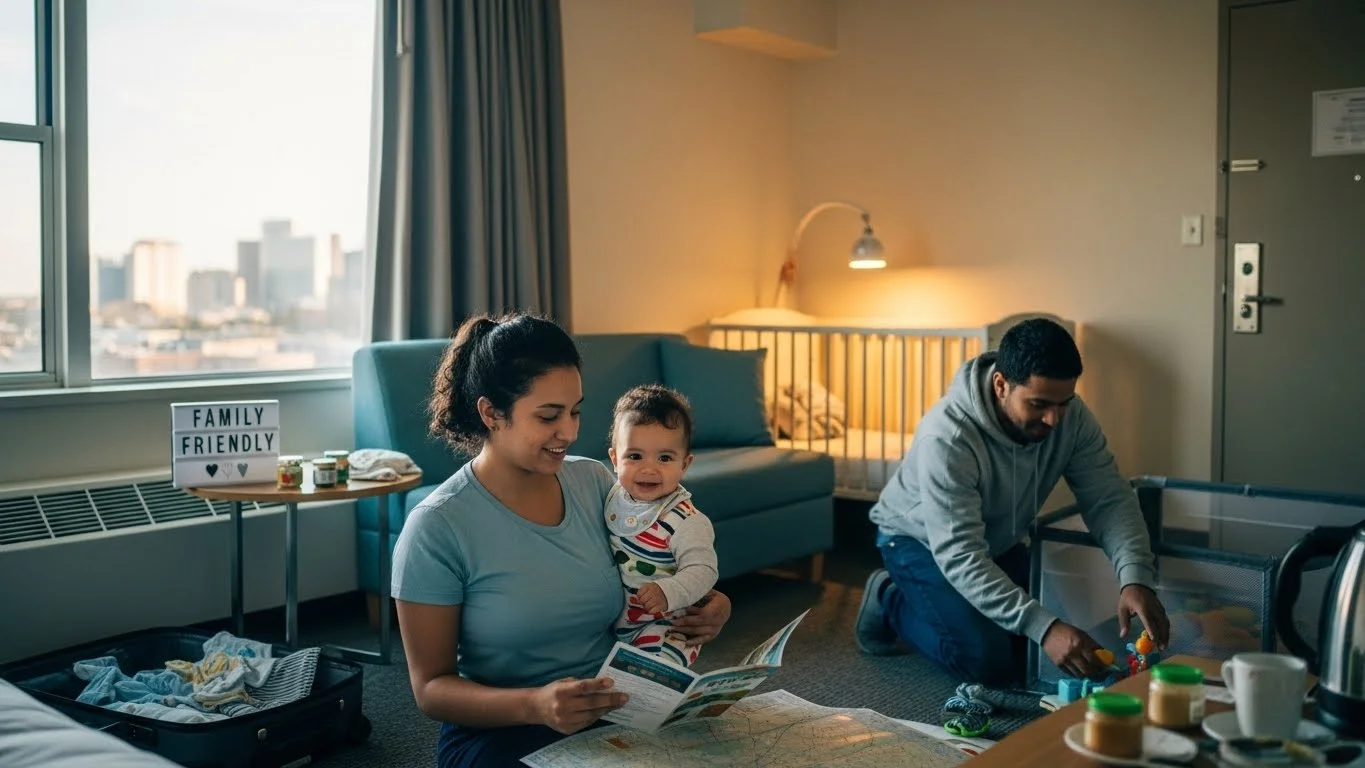
Traveling with a baby doesn’t have to break the bank! I’ve discovered that with some smart planning, families can find fantastic budget-friendly accommodations that cater to their little ones’ needs. To help you with this, check out Family Travel: Discover Budget Accommodations Worldwide.
Best Accommodations for Families with Babies on a Budget

Understanding Family Travel with Babies

Challenges of Traveling with Infants

As a parent, I know firsthand the unique challenges of traveling with infants. Packing for a baby is like preparing for a small expedition. You need to consider everything from diapers and wipes to formula and baby food. Not to mention the countless toys and comfort items that seem essential. When I first traveled with my little one, I felt overwhelmed just thinking about getting everything organized. Add the stress of transportation, feeding schedules, and nap times, and it can become quite a daunting task.

In my experience, the unpredictability of a baby’s mood can also make travel challenging. One minute, they’re happily giggling in their stroller, and the next, they’re crying for reasons only they understand. This is where choosing the right accommodations can make a world of difference. A comfortable space can help keep stress levels down, allowing us to enjoy our family adventures.

Importance of Budget-Friendly Accommodations

Finding budget-friendly accommodations is crucial for families like ours. I remember that during our first family trip, we went for the cheapest option, thinking it wouldn’t matter much. However, we quickly learned that the lack of baby-friendly amenities made our stay much more challenging. We spent more time worrying about the space, safety, and cleanliness than we did enjoying our vacation. For more insights, you can Explore Budget Accommodations for Family Adventures.

Staying within a budget doesn’t mean you have to compromise on quality. There are many affordable options that provide comfort and essential services, allowing us to focus on making memories instead of being stuck worrying about whether the accommodation is suitable for our little one. In my opinion, a well-chosen place can enhance the overall travel experience, making it enjoyable for everyone.

Factors to Consider When Choosing Accommodations

Location and Accessibility

Location is one of the first things I consider when choosing a place to stay. I like to have attractions and essential services within easy reach, especially when traveling with a baby. During our last trip, we opted for a hotel that was centrally located, and it made all the difference. Being close to grocery stores, parks, and restaurants helped us tremendously. Plus, it was easier to return to our room for naps or feedings without too much hassle.

Accessibility is equally important. I always check if the place has elevators, ramps, or even parking options close to the entrance. Navigating with a stroller can be tricky, and I remember one time when we stayed in a place that had stairs everywhere. It was exhausting for us, and I constantly worried about our safety.

Room Size and Amenities

When it comes to room size, I’ve learned that bigger is often better, especially for families. Having a separate sleeping area for the baby gives us a chance to relax without worrying about waking them up. A suite or a room with a kitchenette can be a game-changer. I love having the option to prepare simple meals, especially when my little one is fussy about food. It also saves money compared to dining out for every meal.

Safety and Cleanliness

Safety is non-negotiable for me. Before booking, I do my research to ensure that the accommodation follows good safety practices. I remember once staying in a hotel that seemed clean, but I later discovered some hidden areas that were not well-maintained. This led me to prioritize cleanliness in my searches. I look for places that offer baby-proofed environments or at least have safety measures in place, such as secure windows, clean floors, and well-maintained furniture.

Family-Friendly Services

Family-friendly services can turn an ordinary stay into something special. I’ve found that places offering services like free cribs, high chairs, or even family activities can make a big difference. On our last trip, we stayed at a hotel that provided complimentary baby gear rentals. This feature allowed us to travel lighter, which I greatly appreciated. I also look for accommodations that offer childcare services or play areas since they can give parents a much-needed break.

Cost-Effective Options

Lastly, I always keep an eye out for cost-effective options. For families on a budget, deals that include breakfast or other perks can save a lot of money in the long run. I remember booking a place that offered a breakfast buffet, and it saved us both time and money every morning. Being mindful of these little things can help keep our travel budget in check, allowing us to spend more on experiences rather than just a place to sleep.

Types of Budget Accommodations

Hotels with Family Suites

One of my favorite options when traveling with my family is hotels that offer family suites. These accommodations provide much-needed space for everyone. I remember staying at a hotel that had a separate bedroom for my partner and me while our baby slept in a crib just a few feet away. It felt great to have our own area to unwind after a long day of exploring. Family suites often come equipped with multiple beds and sometimes even a small living room area where we could hang out together without worrying about waking the baby. For families like ours, this kind of setup is a lifesaver!

Vacation Rentals and Apartments

Vacation rentals have become a go-to choice for many families, and I completely understand why. We once booked a cozy apartment through a popular rental site, and it felt just like home. Having a full kitchen was a game-changer, especially since my little one had specific eating habits. It allowed us to prepare meals at our convenience and saved us a good chunk of money. Plus, the added bonus of laundry facilities helped us keep everything clean without needing to pack a mountain of baby clothes. I highly recommend this option for families looking for comfort and flexibility.

Hostels with Family Rooms

It might surprise some, but hostels can be a great budget-friendly option for families. Not all hostels are the same; many now offer family rooms that are private and spacious. I’ve found that staying in these environments allows us to meet other families, share tips, and even bond over our travel experiences. While some might think hostels are just for backpackers, our experience showed that many cater to families by providing shared kitchen facilities and play areas. It’s worth considering if you’re traveling to a location where hostels are prevalent.

Bed and Breakfasts

Staying at a bed and breakfast can add a unique touch to your family vacation. I remember booking a charming B&B with a lovely garden where my little one could play safely. The owners were incredibly welcoming and even provided us with a crib and high chair. The home-cooked breakfast each morning was not only delicious but also a wonderful way to start our day. B&Bs often have a warm, cozy feel that makes you feel like part of the family, and I think they can offer a memorable experience away from the usual hotel setting.

Camping and Glamping Options

If you’re feeling adventurous, camping or glamping can be an incredible way to bond as a family. I’ve always loved the outdoors, and introducing my little one to camping was an experience to cherish. We found a campsite that allowed for easy access to nature while providing facilities like showers and restrooms. Plus, many campgrounds now offer glamping options, which means you get the fun of camping without sacrificing comfort. Having a cozy tent with a real bed and sometimes even electricity transformed our experience. It was a budget-friendly way to explore the great outdoors while making lasting family memories.

Best Budget-Friendly Accommodations by Destination

Best Accommodations in Major U.S. Cities

When heading to major U.S. cities, I’ve learned that some neighborhoods have fantastic budget-friendly accommodations. For example, in New York City, we found a family-oriented hotel in a quieter area of Brooklyn that provided easy access to public transportation. It allowed us to explore the city without the high prices of Manhattan hotels. Similarly, cities like Chicago and San Francisco offer family hotels that provide amenities like kitchenettes and free breakfast, which helped us save money while staying close to the attractions we wanted to visit.

Top Family Hotels in National Parks

National parks are a fantastic destination for families, and many parks have budget-friendly lodges or campsites. On our last visit to Yellowstone, we discovered a quaint lodge that offered family rooms and was just a short drive from the park entrance. This allowed us to get up early and enjoy the sights without the hassle of long commutes. Many national park accommodations also provide educational programs for kids, which turned our trip into an exciting learning experience. For more budget options, check out Top 10 Budget-Friendly Accommodations for Family Travel.

Affordable Beachfront Rentals

If you’re dreaming of a beach getaway, I recommend looking for affordable beachfront rentals. We once found a lovely little cottage that was steps away from the sand. It was perfect for our family because we could easily go back to the rental for naps or meals. Many beachfront rentals come with kitchen facilities, which gives families the freedom to prepare their meals while enjoying the beautiful view. I believe that being close to the beach enhances the entire vacation experience, especially for families who want to enjoy the sun and surf without breaking the bank.

City vs. Suburban Accommodation Options

Choosing between city and suburban accommodations can greatly impact your travel experience. While city hotels offer proximity to attractions, suburban options often provide more space and family-friendly amenities at a lower cost. We’ve stayed in both settings, and I’ve noticed that suburban hotels typically have more extensive parking and outdoor space for kids to play. They also tend to be quieter, which can be a blessing for naptime. We’ve had great experiences staying just outside major cities, taking advantage of public transport to explore while enjoying the comforts of a more spacious accommodation.

Essential Amenities for Families with Babies

Cribs and High Chairs Availability

One of the first things I check when booking accommodations is whether they provide cribs and high chairs. I remember our first trip with our baby; we were pleasantly surprised to find a hotel that had a crib ready for us upon arrival. It made settling in so much easier! Not having to worry about packing a portable crib saved us space in our luggage. I can’t stress enough how beneficial it is to confirm the availability of these items in advance. It really helps to ensure our little one has a safe and comfortable place to sleep, and it takes one more worry off our plates.

Kitchen Facilities for Meal Preparation

Having kitchen facilities can be a game-changer for families traveling with babies. I’ve found that being able to prepare simple meals makes a world of difference. During one trip, we stayed in a vacation rental with a full kitchen, which allowed us to whip up everything from baby-friendly purees to our own meals. This not only saved money, but it also meant that my little one could eat at their usual times without any fuss. Plus, it’s nice to have the option to prepare snacks for outings. I recommend looking for accommodations that offer at least a kitchenette; it really enhances the experience for both parents and babies.

Childcare Services and Babysitting

As parents, we all need a little break now and then. That’s why I always look for places that offer childcare services or babysitting. I remember one particularly memorable evening during a family vacation when we were able to book a babysitter through our hotel. It allowed my partner and me to sneak out for a nice dinner, something we hadn’t done in months! It felt wonderful to reconnect as a couple while knowing our baby was in safe hands. If you can find accommodations that provide these services, I highly recommend taking advantage of them for a little parental downtime.

Play Areas and Family Activities

Play areas and family activities can transform a stay from ordinary to extraordinary. I once stayed at a hotel that had a fantastic playroom filled with toys and games. It was a lifesaver on a rainy day! My little one was able to explore and play while I relaxed with a cup of coffee. I’ve noticed that some accommodations also organize family-friendly activities, like scavenger hunts or movie nights. These kinds of amenities not only entertain the kids but also help parents meet other families, which can be really nice for socializing. I always keep an eye out for these features when I’m researching options.

Tips for Saving on Family Accommodations

Booking in Advance vs. Last-Minute Deals

From my experience, booking accommodations in advance usually saves money and secures better options. I remember one time when we waited too long to book, and we ended up paying more for a place that didn’t have the amenities we wanted. On the flip side, I’ve also had luck with last-minute deals, especially during off-peak seasons. It’s a bit of a gamble, but if you’re flexible with your travel dates, it can pay off. I recommend weighing both options based on your travel plans and deciding what works best for your family.

Utilizing Loyalty Programs and Discounts

If you travel frequently, signing up for loyalty programs can be a smart move. I’ve benefitted from points accumulated from previous stays, which helped us save quite a bit on our last family trip. It’s also worth checking for discounts, like military or AARP rates, which can significantly reduce costs. I always make it a habit to inquire about any available discounts when booking, as it’s surprising how many places offer them, even if they don’t advertise them prominently.

Considering Off-Peak Travel Times

Traveling during off-peak times can lead to significant savings. We’ve found that traveling in the shoulder seasons—just before or after the peak tourist period—can yield lower rates for accommodations. For instance, we visited a popular beach destination in late September, and we enjoyed fewer crowds and much better pricing on our rental. Not only did it save us money, but it also created a more relaxed atmosphere. If your schedule allows, I highly recommend planning your trips during these quieter times.

Exploring Package Deals with Activities

Package deals that include accommodations and activities can be a great way to save money. I remember booking a family vacation package that bundled our hotel stay with tickets to local attractions. It not only streamlined our planning but also ended up costing less than booking everything separately. I’ve found that many hotels partner with nearby attractions to offer these deals, so it’s worth checking out when planning your trip. This way, you can enjoy more experiences while sticking to your budget.

Frequently Asked Questions

What are some challenges of traveling with infants?

Traveling with infants can be overwhelming due to the need to pack many essentials, including diapers, wipes, formula, baby food, and comfort items. Additionally, managing feeding schedules, nap times, and the unpredictability of a baby’s mood can add to the stress of travel.

Why is it important to find budget-friendly accommodations when traveling with a baby?

Budget-friendly accommodations are crucial because they can provide the necessary baby-friendly amenities that make travel easier. Choosing the right place helps ensure safety, cleanliness, and comfort, allowing families to focus on enjoying their vacation instead of worrying about their environment.

What factors should be considered when choosing accommodations for family travel?

When choosing accommodations, consider location and accessibility, room size and amenities, safety and cleanliness, family-friendly services, and cost-effective options. These factors ensure that the stay is convenient, comfortable, and suitable for families traveling with babies.

What types of accommodations are recommended for families on a budget?

Recommended budget accommodations for families include hotels with family suites, vacation rentals and apartments, hostels with family rooms, bed and breakfasts, and camping or glamping options. Each provides different benefits that cater to family needs and preferences.

What are some essential amenities to look for in family-friendly accommodations?

Essential amenities include the availability of cribs and high chairs, kitchen facilities for meal preparation, childcare services or babysitting, and play areas or family activities. These features enhance the experience for both parents and children during travel.

How can families save on accommodations when traveling?

Families can save on accommodations by booking in advance or taking advantage of last-minute deals, utilizing loyalty programs and discounts, considering off-peak travel times, and exploring package deals that include both accommodations and activities.

What are the benefits of having kitchen facilities in accommodations?

Having kitchen facilities allows families to prepare simple meals, which can save money and accommodate specific dietary needs for babies. This flexibility also means that families can maintain regular feeding schedules, reducing fussiness during travel.

How can location impact the choice of accommodation for families?

Location impacts accommodation choice by determining proximity to attractions and essential services. Staying in a centrally located place can make it easier to access grocery stores, parks, and restaurants, and allows for easier returns to the room for naps or feedings.

What are some examples of budget-friendly accommodations in major U.S. cities?

In major U.S. cities, families can find budget-friendly options like family-oriented hotels in quieter neighborhoods, which provide easy access to public transportation. Cities such as Chicago and San Francisco also offer family hotels with amenities like kitchenettes and free breakfast.

Why are family-friendly services important during travel?

Family-friendly services enhance the travel experience by providing conveniences like free cribs, high chairs, and family activities. These services can alleviate stress for parents and create a more enjoyable environment for children, allowing families to bond and relax during their trip.
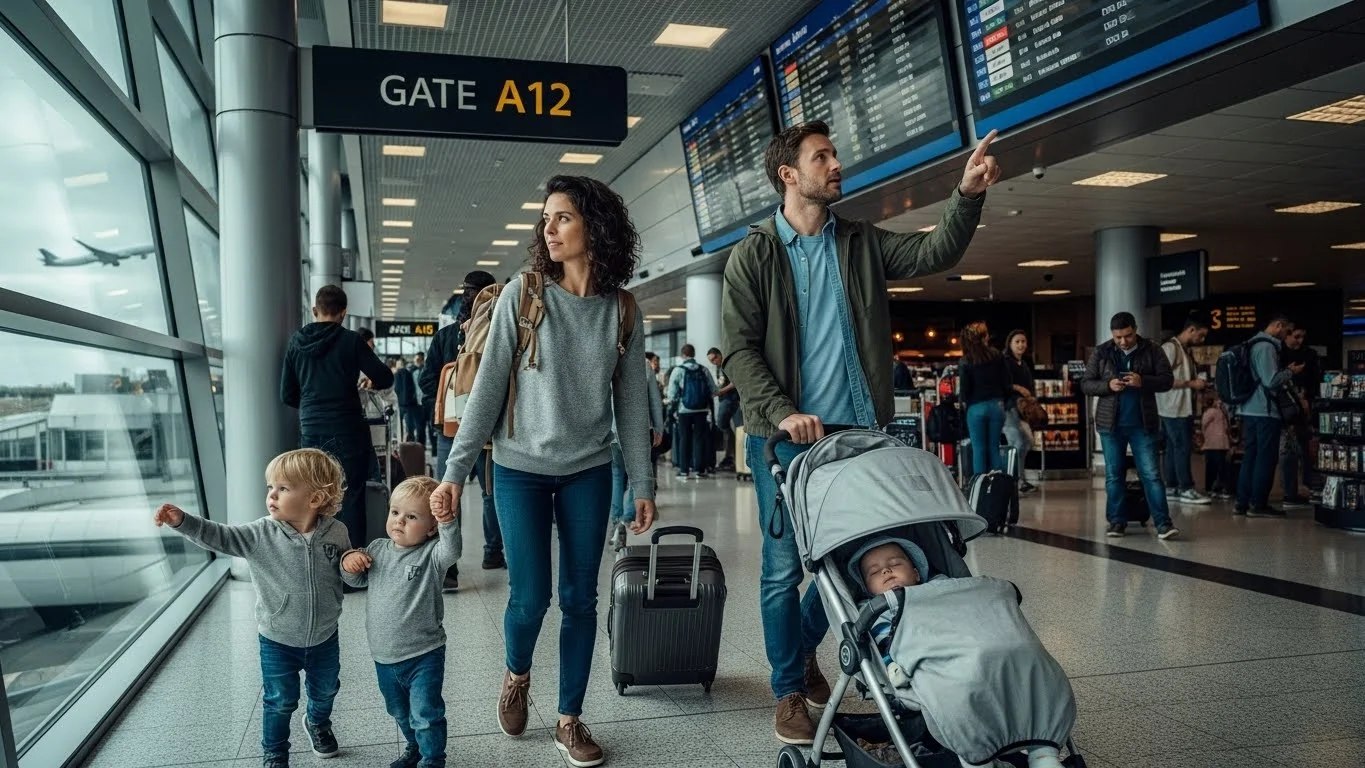
Top Family-Friendly Airlines for Traveling with Toddlers

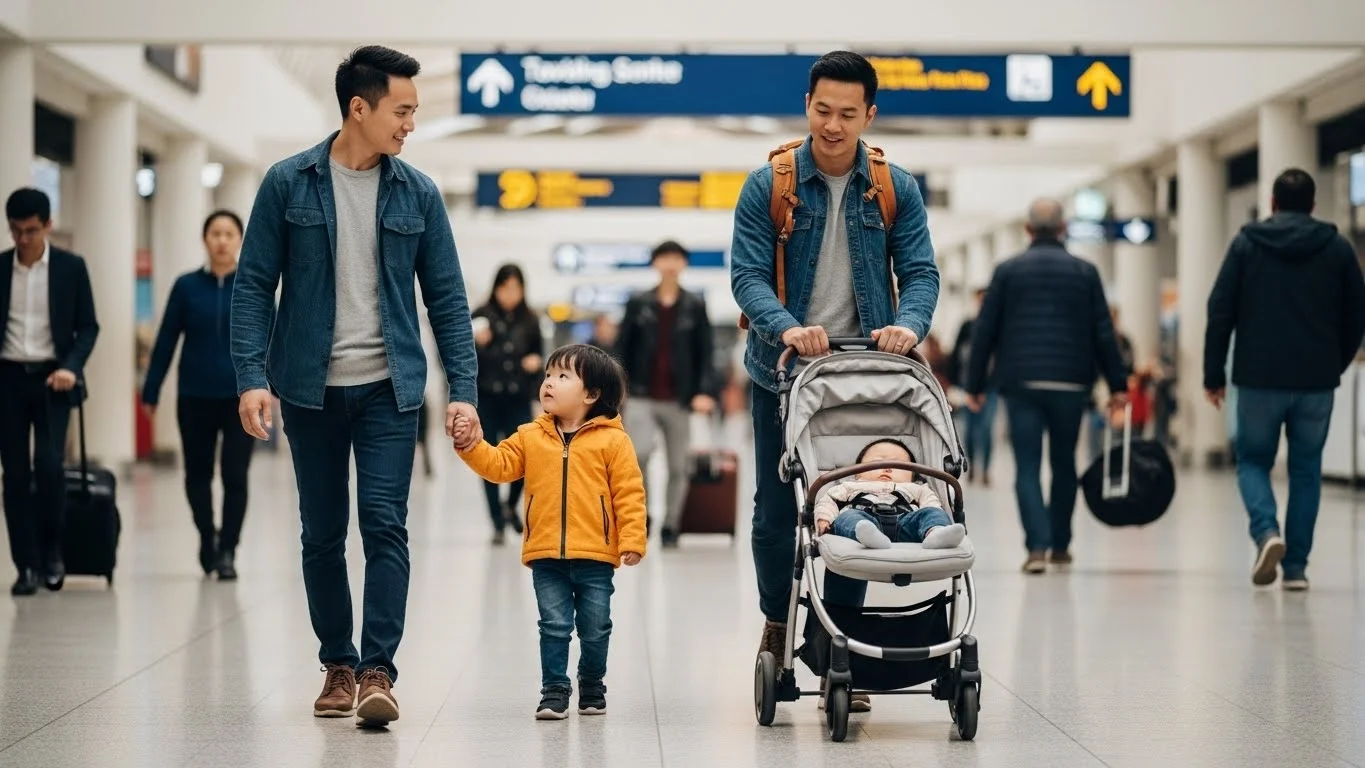
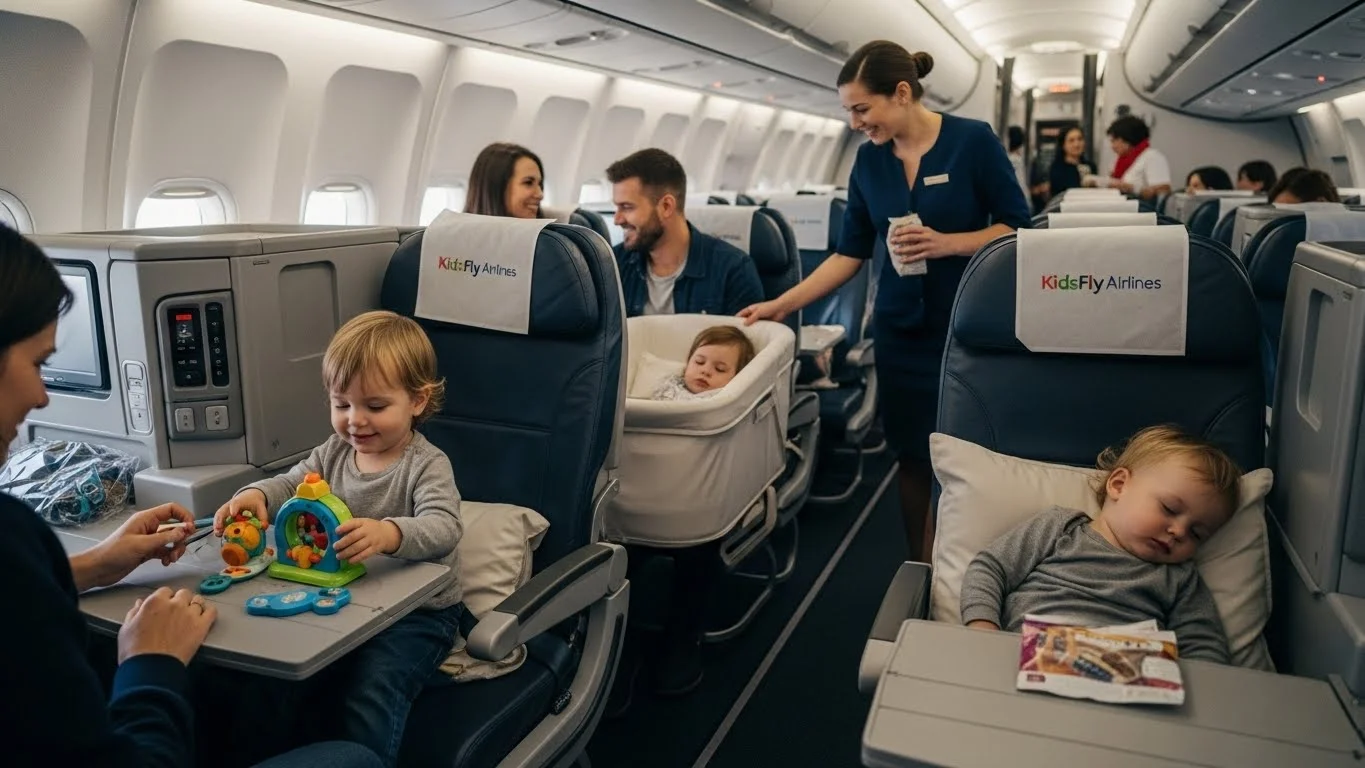
Traveling with toddlers can be a delightful adventure or a stressful ordeal. Choosing the right airline is crucial to ensuring a smooth journey for your family. For more insights on traveling with kids, you might want to check out Essential Tips for Navigating Airports with Kids.

Top Family-Friendly Airlines for Traveling with Toddlers

Understanding Family-Friendly Airlines

What Makes an Airline Family-Friendly?

When I first started planning trips with my toddler, I realized that not all airlines are created equal. Family-friendly airlines have a few key features that make traveling with little ones easier and more enjoyable. I’ve learned that these airlines focus on comfort, convenience, and specific services tailored for families. For instance, many of them offer early boarding, which allows families to settle in without the rush of last-minute stragglers. I can’t tell you how much this helped us during our first family flight!

Another aspect that I noticed is the availability of family seating arrangements. Some airlines allow you to choose seats together, which can be a lifesaver when trying to keep an eye on your little one. It’s also comforting to know that if you need assistance, many flight attendants are trained to help families with children. This creates a supportive atmosphere where I felt more at ease traveling with my toddler.

Importance of Airlines Catering to Toddlers

Traveling with toddlers comes with its own set of challenges. I’ve found that airlines that cater specifically to the needs of young children help alleviate some of that stress. For example, an airline that provides toddler meals or allows extra luggage for baby gear can make a huge difference. I remember one flight where my daughter was hungry, and I was so grateful to find that the airline offered kid-friendly snacks. It saved us from a potential meltdown!

Moreover, some airlines also provide entertainment options tailored for young kids. This means fewer worries about keeping them engaged during the flight. I’ve learned that having a few movies or games on hand can keep my little one entertained, which is a huge win for everyone on board. The importance of airlines considering the needs of toddlers cannot be overstated, as it significantly impacts the overall travel experience for the whole family.

Top Family-Friendly Airlines

JetBlue Airways

JetBlue has become a favorite in my family for many reasons. Their free in-flight entertainment is a game-changer, especially for toddlers who might get restless. I also appreciate their spacious legroom, which gives my little one some room to wiggle. Plus, they offer snacks and drinks that are kid-friendly, making the flight experience a lot more pleasant. Recently, we had a flight where the crew was incredibly helpful, and it left a lasting impression on all of us.

Southwest Airlines

Southwest Airlines is known for its family-friendly policies, and I can personally vouch for this. They allow two free checked bags for families, which is a blessing when you’re packing strollers and extra clothes. The boarding process is also easy for families since they have family boarding options. I felt like we were given a little more time to get settled, which made a big difference with my toddler in tow.

Delta Air Lines

Delta has consistently provided great service when I’ve flown with my child. They offer a fantastic range of in-flight entertainment, including kid-friendly shows and movies. I found that their staff is generally attentive and understanding, which is crucial when traveling with young children. On one flight, I noticed how the crew took the time to engage with my child, which helped make the journey feel more personal and enjoyable.

Alaska Airlines

Alaska Airlines is another one of my go-to options. Their “Kids Fly Free” promotion for children under two is quite appealing. I’ve used this on a few occasions and found it to be a great way to save money while traveling as a family. Additionally, they provide fun activity kits for kids, which kept my toddler entertained during the flight. It’s those little touches that made our travel experience memorable.

United Airlines

United Airlines has some excellent family policies that I have come to appreciate. They offer early boarding for families traveling with small children, which I always found beneficial. Their in-flight meal options are also accommodating for kids, and I loved that they provided coloring books and crayons to keep little hands busy. It’s these thoughtful details that help make the overall experience smoother.

American Airlines

American Airlines is another solid choice for families. They have a good selection of in-flight entertainment and offer a variety of meals for kids. I’ve also noticed that their flight attendants often go above and beyond to help families, making sure we had everything we needed. Their family boarding policy allows us to get settled without the added stress of worrying about other passengers rushing in.

Services and Amenities for Toddlers

Child-Friendly Policies

When I think about flying with my little one, having child-friendly policies is a top priority. Airlines that recognize the unique needs of families tend to make the journey smoother. For example, I’ve noticed that some airlines allow for additional luggage specifically for baby gear without hefty fees. That extra allowance can be a lifesaver, especially when you need to pack a stroller, diapers, and toys. I remember a flight where I had to bring a portable crib, and the airline was accommodating, which eased my worries about fitting everything in. Such policies really show that they understand what traveling families go through.

In-Flight Entertainment Options

Keeping a toddler entertained during a flight can sometimes feel like juggling flaming torches. I’ve discovered that airlines with strong in-flight entertainment options make a big difference. Some airlines offer personal screens with a selection of kid-friendly movies, cartoons, and games. I can’t tell you how many times a simple animated movie has saved us from a potential tantrum. On one flight, I was pleasantly surprised to find that the airline had a whole channel dedicated to kids’ programming. It was like a mini vacation for my toddler in the sky!

Additionally, I often pack a few of my child’s favorite toys or books. But having an airline that provides entertainment means I don’t have to rely solely on my own stash. This balance allows us all to enjoy the journey and makes the flight seem much shorter.

Meal Options for Young Children

Feeding a toddler on a flight can be a whole adventure on its own. I’ve encountered airlines that offer special meals for young kids, and it’s always a pleasant surprise. I remember my daughter being particularly picky one time, and the airline provided a meal that she actually enjoyed. When airlines cater to young tastes, it saves us from the usual chaos of hunger-induced meltdowns. The simple act of having a meal that my child likes can make a world of difference.

Moreover, I appreciate airlines that allow parents to request meals in advance. This way, we can ensure that our little ones’ dietary needs are met, whether they’re vegetarian, allergic to certain foods, or just prefer specific flavors. It’s all about making the travel experience smoother for the whole family.

Seating Arrangements for Families

Choosing the right seats can feel like a game of Tetris when traveling with toddlers. I’ve realized that airlines offering family seating arrangements make my life much easier. It’s comforting to know that we can sit together, especially on long flights. Some airlines even guarantee that families with young children can sit together without additional fees, which I think is a huge plus.

During one particular flight, I was so grateful for the seat selection policy. We were seated next to another family with kids, and the camaraderie made the flight more enjoyable. Plus, I felt less anxious knowing that my toddler had a buddy to play with during the flight. If the airline can facilitate these arrangements, it definitely improves the overall experience.

Priority Boarding for Families

When it comes to boarding the plane, I’ve learned that priority boarding can be a game-changer. Airlines that allow families with young children to board first reduce the stress of getting settled. I remember the chaos of boarding with my toddler, trying to wrangle our bags while keeping an eye on her. Being able to board early gave us the chance to get situated and organized without the pressure of fellow passengers waiting behind us.

Priority boarding also means more time to get my toddler acclimated to her surroundings. We can unbuckle her seatbelt and explore a bit, which helps her feel relaxed before the flight takes off. This thoughtful gesture by airlines can make all the difference in how a family experiences the journey.

Tips for Traveling with Toddlers on Airlines

What to Pack for Your Toddler

Packing for a toddler can feel like planning for an expedition. I’ve learned that it’s essential to have the right supplies on hand. I always bring a small backpack filled with snacks, a favorite toy, an extra outfit, and, of course, some colorful crayons and a coloring book. These items have saved me more times than I can count!

Snacks are crucial. I prefer to pack a mix of healthy options and a few treats to keep my toddler excited. I also make sure to include a water bottle that can be refilled after security. That little detail helps keep her hydrated and happy throughout the flight.

Managing Toddler Behavior During Flights

Managing a toddler’s behavior during flights is often the biggest challenge. I’ve found that keeping my child engaged is key. I often bring along an array of activities like sticker books or interactive games on a tablet. But I also believe that discussing the journey ahead can help set expectations. Before each trip, I explain what will happen, from takeoff to landing, which seems to help ease anxiety.

During the flight, I try to maintain a routine similar to our daily life. I find that sticking to snack times and nap times helps my little one stay calm and content. If things get a bit chaotic, I remind myself that it’s all part of the adventure. The most important thing is to stay patient and keep a sense of humor!

Using Car Seats and Strollers

Bringing a car seat on board is a decision that I’ve grappled with. I’ve found that some airlines allow you to use your car seat, which is incredibly reassuring, especially during turbulence. If you decide to use one, be sure it’s FAA-approved. I remember feeling so much more relaxed knowing that my daughter was secure and comfortable in her seat.

As for strollers, I love that many airlines allow you to check them at the gate. It makes getting through the airport much easier. I usually opt for a lightweight stroller that can fold easily. This way, I can navigate the terminal without feeling like I’m lugging a tank around!

How to Choose the Best Seats

When it comes to selecting seats, I’ve learned that the layout of the plane can significantly impact our experience. I often prefer seats where I can have easy access to the aisle. This makes bathroom trips easier and allows for more flexibility during the flight. I’ve also found that sitting near the front of the plane can lead to a quieter environment, which is beneficial for a toddler trying to nap.

Before booking, I check the seat map and read reviews about specific aircraft configurations. This little research can lead to a more enjoyable experience for our family. Plus, I’ve discovered that some airlines may have special sections for families, which can be a bonus!

Cost Considerations for Family Travel

Comparing Family Fare Options

When I started planning family trips, one of the first things I learned was that comparing fare options can save us quite a bit of money. Different airlines have varying policies on children traveling, with some offering discounts for young travelers. I remember being excited to find that certain airlines allowed children under two to fly for free if they sat on a parent’s lap. This can make a big difference in the overall cost of travel, especially for larger families.

Another factor to consider is the flexibility of fares. I’ve found that some airlines, while they might have slightly higher ticket prices, offer more perks for families that can offset the initial cost. For example, airlines that allow free checked bags can make a huge difference when you’re traveling with kids, as you often need to bring extra gear. In my experience, it’s worth doing a bit of homework and comparing what’s included in the fare versus the total cost after adding in fees for bags, meals, and seat selections.

Hidden Fees to Watch For

As parents, we’re often juggling a million things, and it’s easy to overlook hidden fees that can sneak up on us when booking flights. I’ve learned to read the fine print carefully. Some airlines charge extra for seat selection, especially if you want to sit together as a family. I remember one time, we were excited to fly, only to realize later that we’d been charged a significant amount for our preferred seats. I now always check if the airline has complimentary seat assignments for families.

Another area to keep an eye on is baggage fees. While some airlines are generous with checked baggage, others can hit you hard with fees for extra bags or even for carry-ons. I’ve made it a habit to confirm the luggage policy before booking. It’s also helpful to know that some credit cards offer perks like free checked bags when you use them to book flights, which can save us some money as well.

Best Times to Book Family Flights

Timing can play a crucial role in how much we spend on flights. I’ve found that booking during off-peak times can lead to significant savings. Traveling during the shoulder season—just before or after the peak travel season—often yields lower prices. For instance, flying in late September or early May can be more economical than during the summer months when families are on vacation.

Additionally, I’ve noticed that mid-week flights tend to be cheaper compared to weekend travel. It can be a little tricky to manage schedules with a toddler, but if we can swing it, flying on a Tuesday or Wednesday often provides budget-friendly options. I also like to sign up for fare alerts from different airlines. This way, I can keep an eye on price drops and snag deals as soon as they come up.

Frequent Flyer Programs for Families

Benefits of Joining Loyalty Programs

Joining frequent flyer programs has been a game-changer for my family. I remember the first time we signed up; I didn’t realize how beneficial it could be. Many airlines offer family-friendly loyalty programs where families can pool miles, which means that we can accumulate points faster for future trips. I’ve found that just by flying with one airline consistently, we often earn free flights or upgrades that make long trips more manageable.

Moreover, frequent flyer programs often come with additional perks, such as priority boarding, discounted baggage fees, and exclusive offers for families. These little extras can make a big difference in our travel experience. I always recommend checking if there’s a loyalty program with the airline you’re flying with, as the benefits can add up quickly with just a few flights.

How to Earn Miles Traveling with Kids

Traveling with kids can sometimes feel like a whirlwind, but I’ve learned that there are many ways to earn those valuable miles even amidst the chaos. For instance, booking flights, hotel accommodations, and car rentals through the airline’s partner programs can rack up miles quickly. I always check if the hotel we’re staying at offers points for our airline’s loyalty program, which has helped us earn rewards even when we aren’t flying.

I also make it a habit to use our airline’s credit card for everyday purchases. Some cards offer bonus miles for spending in specific categories, like groceries or dining, which is perfect for our family’s routine. I remember the excitement of redeeming those miles for a free flight; it felt like a reward for our family adventures!

Additionally, some airlines offer promotions or bonuses for families traveling together. I keep an eye out for these, as they can provide a nice boost to our mileage account. It’s all about being strategic and planning ahead, which ultimately makes our travel experiences more enjoyable and affordable.

Frequently Asked Questions

What are some key features of family-friendly airlines?

Family-friendly airlines focus on comfort, convenience, and specific services tailored for families, such as early boarding, family seating arrangements, and trained flight attendants who assist families with children.

How do airlines cater to the needs of toddlers?

Airlines that cater to toddlers often provide toddler meals, allow extra luggage for baby gear, and offer entertainment options tailored for young kids, which helps alleviate stress for families traveling with young children.

What are some examples of family-friendly airlines?

Some top family-friendly airlines include JetBlue Airways, Southwest Airlines, Delta Air Lines, Alaska Airlines, United Airlines, and American Airlines, each with specific policies and amenities that make travel easier for families.

What in-flight services do family-friendly airlines typically offer?

Family-friendly airlines often provide in-flight entertainment options for kids, special meal choices, and allow additional luggage specifically for baby gear without hefty fees, contributing to a smoother travel experience.

How can parents manage their toddler’s behavior during flights?

Parents can manage toddler behavior by keeping them engaged with activities like sticker books or games, discussing the journey ahead to set expectations, and maintaining a routine similar to daily life, including regular snack and nap times.

What should parents pack for traveling with toddlers?

Parents should pack a small backpack with snacks, a favorite toy, an extra outfit, and activities like crayons and coloring books to keep their toddlers happy and entertained during the flight.

What are the benefits of priority boarding for families?

Priority boarding allows families with young children to board first, reducing stress and giving them time to settle in and acclimate to their surroundings before the flight takes off.

How can families save money on flights?

Families can save money by comparing fare options, looking for airlines that offer discounts for children, and being mindful of hidden fees for seat selection and baggage when booking flights.

What are the advantages of joining frequent flyer programs for families?

Frequent flyer programs allow families to pool miles, earn rewards faster, and enjoy additional perks such as priority boarding and discounted baggage fees, enhancing the overall travel experience.

How can families earn miles while traveling with kids?

Families can earn miles by booking flights, hotel accommodations, and car rentals through airline partner programs, using airline credit cards for everyday purchases, and taking advantage of promotions for families traveling together.

Read Interesting article: Affordable Family-Friendly Stays: Travel on a Budget

Read Interesting article: Essential Safety Tips for Traveling with Babies and Toddlers

How to Ensure Safety When Traveling with Little Ones Abroad

Traveling with little ones can be both an exciting adventure and a challenging experience. Ensuring their safety while exploring new places is crucial for a stress-free family trip. For more insights, check out Traveling with Young Children: Safety Tips You Can’t Ignore.

How to Ensure Safety When Traveling with Little Ones Abroad

Understanding the Importance of Safety When Traveling with Children

Why Safety Should Be a Priority

When I think about traveling with my kids, safety is always at the top of my list. I remember our first family trip abroad; I was a bundle of nerves, constantly thinking about what could go wrong. The truth is, our children rely on us to protect them, and ensuring their safety can greatly enhance our travel experiences. It allows us to focus on making memories rather than worrying about what might happen. I believe that taking the time to prepare for potential risks can transform our adventures into joyful experiences instead of stressful ones.

Common Concerns Parents Have When Traveling Abroad

As I prepared for our family trips, I noticed a few common worries that surfaced time and again. Will my child get lost in a crowded place? What if they get sick? Are the local foods safe for them? These thoughts can be overwhelming, but sharing them with other parents can be comforting. We can support each other by discussing our experiences and strategies. For me, I learned that acknowledging these concerns and planning ahead made all the difference.

One of the biggest concerns I’ve seen among parents is the fear of losing a child. I remember a time when we visited a bustling market, and I held my child’s hand tightly, feeling anxious every time they wanted to explore a little further. It’s natural to worry about their safety in unfamiliar environments, especially when faced with large crowds. I found that establishing a plan for staying together, like setting up a designated meeting spot, helped ease my mind.

Health is another significant concern. I’ve often worried about what my kids might eat in a place where the cuisine differs greatly from what they’re used to. The risk of foodborne illnesses is real, and it’s something I always research beforehand. Understanding local health recommendations and vaccination requirements can also alleviate anxiety and ensure our kids are protected during our travels.

Lastly, I think about the unpredictability of emergencies. What if we need medical assistance while we’re away? I’ve learned that having a plan and knowing where to find help can provide peace of mind. In my experience, being proactive about safety is the key to enjoying our adventures. For more essential insights, see Essential Safety Tips for Traveling with Babies and Toddlers.

Pre-Travel Preparations

Researching Your Destination

Preparing for a trip with kids starts long before we pack our bags. Researching our destination has become a ritual for me. I love to dive into the specifics – from understanding local customs to identifying family-friendly attractions. Websites, travel blogs, and forums can be invaluable resources. I often look for tips from other parents who have traveled with kids to the same location. Their insights can reveal hidden gems or potential pitfalls that I hadn’t considered.

For example, when we planned our trip to Italy, I discovered that many restaurants offered children’s menus, and some even had play areas. That made it easier for us to choose where to eat without worrying about our kids getting restless. I think it’s also critical to understand the weather and seasonal activities. Traveling during a festival can be a blast, but being aware of crowd sizes and what to expect can help us prepare accordingly.

Understanding Local Laws and Regulations

Another vital aspect of preparation is understanding local laws and regulations. I learned this the hard way during a trip, when I was surprised to find out that certain items were illegal in the country we were visiting. Each destination has its rules, especially regarding child safety, and it’s essential to be informed. For instance, I now always check car seat laws, as they can differ significantly from what we’re used to at home. Knowing this information ahead of time can help avoid any unpleasant surprises during our trip.

Health and Vaccination Requirements

It’s also crucial to ensure that our children are up to date on their vaccinations and any specific health requirements for the country we’re visiting. I remember when we traveled to Southeast Asia, and I realized my kids needed vaccinations for things like hepatitis and typhoid. I was grateful I looked into this ahead of time; it allowed us to visit the doctor and get everything sorted without any last-minute rush. I recommend checking with your pediatrician well in advance to discuss necessary shots or medications, especially for travel to more remote areas.

Travel Insurance: What You Need to Know

Travel insurance is something I can’t stress enough. For a while, I didn’t see the value in it, thinking we would be fine. But after hearing about friends who faced unexpected medical emergencies abroad, I quickly changed my mind. When I travel with my kids, I always make sure to have comprehensive travel insurance that covers not just medical emergencies but also trip cancellations, lost luggage, and more. It gives me peace of mind, knowing that we’re protected in case something goes awry.

Emergency Contacts and Local Resources

Before heading out, I always compile a list of emergency contacts and local resources. This includes the nearest hospital, local police, and our country’s embassy or consulate. I print this list and keep it handy in my travel documents, just in case. It’s easy to think everything will go smoothly, but it’s best to be prepared for the unexpected. Knowing where to go for help can make a stressful situation much easier to navigate.

Packing Essentials for Safety

First Aid Kit: What to Include

Packing a first aid kit has become a non-negotiable part of my travel preparations. I’ve learned the hard way that minor injuries can quickly escalate if you don’t have the right supplies on hand. I always make sure to include essential items like adhesive bandages, antiseptic wipes, and pain relievers tailored for kids. I also pack any prescription medications my children might need, along with their instructions. It’s comforting to know that I have a little safety net in my bag, ready for any bumps or scrapes that might happen during our adventures.

Besides the basics, I also like to add a thermometer and some anti-allergy medication just in case. Once, while traveling, my child had an allergic reaction to something they ate. Having those extra medications on hand made it easier for us to manage the situation without panicking. I suggest customizing your first aid kit based on your family’s specific needs and the activities you’ll be doing. Having what you need at your fingertips can make a world of difference.

Travel Safety Gear for Children

When traveling, I find that certain safety gear can make our trips much smoother. For instance, I always bring a child-friendly harness or leash, especially for younger kids. It’s a great way to keep them close in crowded areas. I remember visiting a theme park once, and it was a lifesaver to have that harness. My child felt independent while I felt more secure knowing they couldn’t wander off.

I also consider using safety vests or bright clothing that makes my children easily identifiable in busy areas. It’s something so simple, yet it gives me peace of mind. If they do wander off, they’re easier to spot in a crowd. I’ve even seen parents using reflective gear during evening outings, which is a fantastic idea for staying visible.

Identification for Kids: Tags and Documents

Identification for my kids has become a priority when we travel. I’ve created simple ID tags that include their name, our contact information, and even a small note about any allergies. I attach these tags to their backpacks or clothing. It might seem like a small detail, but it helps me feel more secure knowing that there’s a way for others to identify and assist them if they get separated from us.

Additionally, I keep copies of important documents like passports and travel insurance in a waterproof pouch. It’s a great idea to have backups, just in case something gets lost or stolen. I recommend taking a photo of these documents and keeping them on your phone as well. Being prepared can make a stressful situation a lot more manageable.

Childproofing Items to Bring Along

Childproofing doesn’t just happen at home; it’s equally important when we travel. I always pack a few childproofing items to ensure my little ones are safe in unfamiliar environments. Outlet covers are a must, especially if we’re staying in a rental or hotel room. I also bring along corner guards and any necessary items to secure furniture that might pose a risk.

One time, we stayed in a lovely, old hotel, and I was so grateful I had my childproofing supplies. The furniture was a bit wobbly, and I had peace of mind knowing that I could secure it for my kids. I recommend assessing the environment when you arrive and using items like these to minimize potential hazards. It’s a small step that can make a big difference in keeping our children safe during our travels.

Choosing Safe Accommodations

Family-Friendly Hotels vs. Rentals

When it comes to choosing accommodations, I’ve found that family-friendly hotels often provide an added layer of safety. Many of them have amenities such as cribs, high chairs, and even kid-friendly activities. I prefer hotels with a solid reputation for hospitality and guest safety. It’s refreshing to know that the staff is trained to handle families, which can be particularly important in case of emergencies.

On the other hand, rentals can offer more space and flexibility, which I appreciate. However, I always do thorough research about the property’s safety features. I look for secure entrances, safety gates for stairs, and a well-lit environment. I remember a time when we opted for a rental, and the location was perfect, but the lack of security features made me uneasy. I recommend reading reviews from other families about their experiences to help make the best choice.

Safety Features to Look For

When reviewing accommodations, there are specific safety features I keep an eye out for. Exit signs, smoke detectors, and carbon monoxide detectors are non-negotiables for me. I always ask if these are present and functioning properly. If I can, I also like to request a room on a lower floor, especially if my kids are still young. This way, if there’s an emergency, I know we can exit quickly and safely.

Another thing I appreciate is accommodations with 24-hour front desk service. It provides an extra layer of security and assurance that help is available at any time. I’ve had experiences where I needed assistance late at night, and having someone there to help was invaluable. I encourage families to prioritize these features when choosing their home away from home.

Location Considerations: Proximity to Emergency Services

One of the most overlooked aspects of selecting accommodations is the location and its proximity to emergency services. I always consider how close we are to hospitals, pharmacies, and even police stations. Knowing that help is nearby can ease my mind, especially when traveling with children.

During one trip, we found ourselves near a medical facility that offered urgent care. It turned out to be a lifesaver when my child developed a sudden fever. Being aware of these resources ahead of time allowed us to act quickly without wasting precious time. I recommend mapping out emergency services in advance, so you know where to go if the need arises.

Transportation Safety Tips

Choosing the Right Transportation Mode

Deciding how to get around a new place can be a bit daunting, especially with kids in tow. I’ve learned that choosing the right mode of transportation can make a significant difference in our overall safety and comfort. For instance, when we traveled to Europe, we opted for trains instead of flying. It turned out to be a fantastic choice! The train stations are often more family-friendly, and the journey itself was more relaxed with space for my kids to move around.

Public transportation can be a great way to blend in with the locals, but I always assess the situation first. Is the public transport system reliable? Is it safe for families? I remember one trip where we took a bus that turned out to be crowded and uncomfortable. We ended up wishing we had chosen a taxi instead. I usually check reviews and do some research on the safest options available before we even land.

Using Car Seats and Safety Restraints Abroad

When we travel by car, car seats become a major consideration. I can’t stress enough how important it is to have the right safety gear for my children during car rides. I’ve learned that not all countries have the same car seat laws as we do back home. During our trip to Australia, I discovered that car seat rental options were limited. So, I decided to bring our own. It gave me peace of mind knowing my kids were in something familiar and safe.

Many international rental companies also offer car seats, but I recommend checking their safety ratings and ensuring they comply with local standards. One thing I always do is practice with the car seat before we hit the road—just to ensure everything is secure and that my kids know how to buckle themselves in. This way, we can focus on enjoying the scenery instead of stressing over safety.

Public Transportation: Navigating Safely with Kids

Taking public transportation can sometimes feel like a juggling act. I remember one time we hopped onto a crowded subway with our two kids, and it was a bit overwhelming. I found that discussing our travel plan with the children beforehand helps. I explain where we’re going, how we’ll get there, and what to expect. This preparation seems to ease their anxiety and keeps them engaged during the journey.

I also make sure to hold my children’s hands tightly, especially in busy areas. A simple rule I’ve established is that they should stay close to me and pay attention to their surroundings. I always keep an eye out for any potential hazards and try to choose seats that provide a clear view of the exits, just in case we need to make a quick getaway.

During our travels, I’ve noticed that some cities have dedicated family areas on public transport, which can make a big difference. If we’re in a city with such amenities, I always try to use them. It allows my kids to feel more comfortable and gives me a little extra peace of mind.

Staying Safe While Exploring

Keeping Kids Close in Crowded Areas

Exploring new places is one of the highlights of traveling, but it can also be a little nerve-wracking, especially in crowded areas. I’ve learned that keeping my kids close is key to preventing any scares. When we visit bustling markets or festivals, I make it a point to have a conversation with them about the importance of staying nearby. We come up with a fun little code word that they can use to signal if they feel overwhelmed or lost.

I also encourage my kids to wear bright, easily identifiable clothing, which helps me keep an eye on them when the crowds get thick. It’s amazing how much it helps to have a visual cue in the chaos of a busy street or event. If they’re wearing something distinctive, I can spot them more easily, and they feel a bit more empowered.

Teaching Children About Stranger Danger

Before we set off on our adventures, I always take time to teach my kids about stranger danger. It’s not about scaring them; rather, it’s about empowering them with knowledge. I explain to them what to look out for and how to react if they feel uncomfortable. I remember one time when we were at a park, and I pointed out that it’s perfectly okay to say “no” to adults if something feels off.

We also practice scenarios together, discussing what they should do if they ever get separated from us. I encourage them to find a trusted adult, like a police officer or a store employee, if they need help. These conversations have helped my kids feel more secure and aware of their surroundings while exploring.

Using Technology for Safety: Apps and Trackers

In today’s tech-savvy world, I find that using safety apps and trackers can be a game-changer for families traveling with kids. I’ve tried various apps that allow me to share my location with family members, and it gives me peace of mind knowing we can always find each other if needed.

Additionally, we’ve used wearable GPS trackers for our kids during busy outings. These devices are small and can be attached to their backpacks or wristbands. I remember feeling so relieved when my little one wandered off during a festival, and I was able to locate them with just a few taps on my phone. It’s incredible how technology can enhance our safety while traveling.

Setting Up Meeting Points and Safety Plans

Before we head out for a day of exploring, I always set up a meeting point with my kids. It could be a landmark, a specific store, or any easily recognizable spot. I explain that if we ever get separated, that’s where we’ll meet. I’ve found that establishing a clear plan helps reduce anxiety for both me and the kids.

In addition to our meeting points, I also talk to my kids about what to do if they’re lost. We practice staying calm, looking for a safe place to wait, and knowing how to describe me or their surroundings. This preparation always makes our adventures feel a little less daunting and a lot more enjoyable.

Frequently Asked Questions

Why is safety a priority when traveling with children?

Safety is crucial when traveling with children as it allows parents to focus on making memories rather than worrying about potential risks. Preparing for safety can transform travel experiences into joyful adventures.

What common concerns do parents have when traveling abroad?

Common concerns include fears of losing a child, health issues related to unfamiliar foods, and the unpredictability of emergencies. Acknowledging these concerns and planning ahead can alleviate anxiety during travels.

What should I include in a first aid kit for traveling with kids?

A first aid kit should include essential items like adhesive bandages, antiseptic wipes, pain relievers for kids, prescription medications, a thermometer, and anti-allergy medication. Customizing the kit based on family needs and activities is also recommended.

How can I ensure my child’s safety in crowded areas?

To keep kids safe in crowded areas, it’s helpful to teach them a code word for when they feel overwhelmed, encourage them to wear bright clothing for easy identification, and maintain close proximity to them at all times.

What should I consider when choosing accommodations for family travel?

When choosing accommodations, look for family-friendly hotels that offer amenities for children, secure rentals with safety features, and ensure the location is close to emergency services like hospitals or pharmacies.

How important is travel insurance for families traveling with children?

Travel insurance is very important as it covers unexpected medical emergencies, trip cancellations, and lost luggage. Having comprehensive travel insurance provides peace of mind for families while traveling.

What technology can assist in keeping kids safe while traveling?

Using safety apps and wearable GPS trackers can enhance safety by allowing parents to share their location or track their children during busy outings, providing peace of mind in crowded environments.

What measures can be taken to prepare for medical emergencies while traveling?

Preparing for medical emergencies includes compiling a list of emergency contacts, knowing the nearest hospital or medical facility, and ensuring children are up to date on vaccinations required for the destination.

How can parents teach their children about stranger danger before traveling?

Parents can teach children about stranger danger by discussing what to look out for, practicing scenarios on how to react if they feel uncomfortable, and encouraging them to find trusted adults for help if needed.

What pre-travel preparations are essential for family trips?

Essential pre-travel preparations include researching the destination, understanding local laws and health requirements, packing a first aid kit, ensuring travel insurance is in place, and compiling emergency contacts and local resources.

Read Interesting article: Family Adventures: Best Destinations for Traveling with Toddlers

Top Safety Hacks for Family Travel with Babies and Toddlers

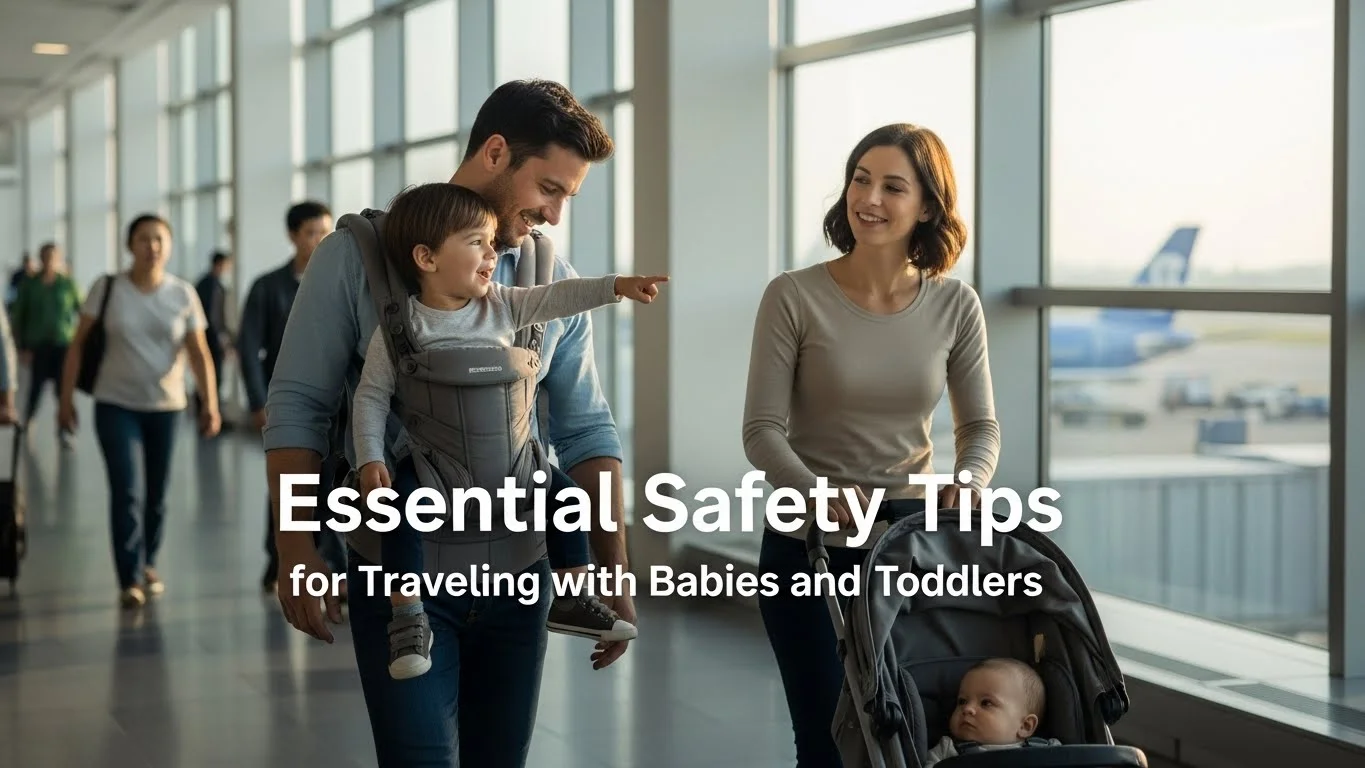
Traveling with babies and toddlers can be both exhilarating and daunting. With the right safety hacks, we can ensure our little ones stay safe while creating unforgettable memories together.

Top Safety Hacks for Family Travel with Babies and Toddlers

Understanding Travel Safety for Families

The Importance of Safety in Family Travel

When my family and I first began traveling with our little ones, I quickly realized that safety had to be at the forefront of our plans. It’s easy to get caught up in the excitement of new destinations, but I learned the hard way that overlooking safety can lead to stressful situations. Ensuring that our travels are safe means more than just keeping an eye on our kids. It involves a comprehensive approach that considers their needs in every step of the journey.

For families, safety isn’t just a checklist item; it’s a cornerstone of our travel experiences. I believe that when we prioritize safety, it allows us to relax and truly enjoy our adventures. It helps create a travel environment where laughter and exploration can thrive without the constant worry of accidents or mishaps. After all, family travel should be about bonding and creating lifelong memories, not stressing over potential hazards.

Common Safety Concerns for Babies and Toddlers

As I reflected on my own experiences, I noticed there are several common safety concerns that many parents share. First and foremost, there’s the worry about our children’s comfort and health during travel. Babies and toddlers are particularly sensitive to changes in environment—whether it’s a new climate or unfamiliar surroundings. I remember one trip where our little one developed a rash from a hotel detergent that we hadn’t anticipated. Since then, I’ve always been vigilant about checking products used in accommodations.

Another concern is the risk of injuries. Toddlers are notoriously curious, and when we travel, they tend to explore every nook and cranny. I learned to keep an eye out for sharp edges, small objects that could pose choking hazards, or even places that are too high for them to safely reach. Understanding these common concerns has helped me prepare better for our trips.

Additionally, I’ve become acutely aware of the importance of knowing the nearest medical facilities at our destination. It may sound overly cautious, but having that information handy gives me peace of mind. I can enjoy our travels knowing that help is just a short distance away if needed.

Pre-Travel Preparations

Choosing Family-Friendly Destinations

When planning our travels, I’ve discovered that choosing the right destination can make all the difference. Family-friendly locations not only accommodate our needs but also provide activities that keep our little ones happy. I always look for places known for their family-oriented amenities, such as children’s parks, kid-friendly restaurants, and attractions designed for young audiences.

For instance, on our last trip to a beach resort, I was thrilled to find a kids’ club where our toddler could play safely while we relaxed nearby. It allowed us to unwind while knowing she was entertained and supervised. I recommend researching destinations that cater to families, as they often offer resources and support that make traveling easier and more enjoyable. Read Interesting article: Must-Know Travel Safety Tips for Family Backpacking Trips

Essential Packing List for Safety

Packing for family travel can be overwhelming, but I’ve learned that having an organized packing list focused on safety eases the process. Here’s what I typically include:

  • First Aid Kit: I always pack a basic first aid kit with essentials like band-aids, antiseptic wipes, and any necessary medications for our kids.
  • Child-Safe Sunscreen: Protecting our little ones from sunburn is a must when we travel. I prefer using baby-specific sunscreen.
  • Portable Baby Gear: Items like a travel crib, stroller, and high chair are essential. They help create a familiar environment for our kids.
  • Emergency Contact Information: I write down essential contacts and keep it in my wallet, just in case.

Health and Safety Preparations

Before any trip, I always consult with our pediatrician. This step has become routine for us, especially when we’re traveling to places that might have different health risks. I’ve found that discussing vaccinations, medications, and any potential health concerns specific to our destination helps a lot. It’s also a great opportunity to ask about any travel-specific advice tailored to our children’s ages.

Consulting with Pediatricians

During one of our consultations, our pediatrician advised us about the importance of keeping our kids hydrated during flights. This simple tip has made a huge difference in how they handle air travel. Understanding their health needs ahead of time allows me to prepare better and feel more confident in our travels.

Travel Insurance Considerations

In our family, we’ve made it a rule to always consider travel insurance when planning trips. While it may feel like an extra expense, I’ve come to appreciate the peace of mind it brings. Having coverage for unexpected events, such as illnesses or trip cancellations, is crucial when traveling with little ones. I recommend looking for policies that specifically cover family needs, as they often include benefits that cater to children.

Traveling by Air

Airport Safety Tips

Flying with little ones can be a bit of a juggling act, but I’ve found that a few safety tips can make the process smoother. First, I always make sure our kids know the basics of airport behavior, like staying close to us and not running off. Airports can be overwhelming places, and I remember the first time we flew as a family; I felt a mix of excitement and anxiety. To keep our kids calm and secure, we set ground rules before we even leave home.

One tip that works well for us is to establish a meeting point in case anyone gets lost. It’s typically near a recognizable landmark, like a specific shop or a certain gate. I also dress my kids in bright colors, which makes it easier to spot them in a crowd. Keeping a close eye on them and having a plan helps me feel more at ease during our airport adventures.

Preparing for Security Checks with Kids

Going through airport security can be a bit nerve-wracking, especially with kids in tow. I learned early on that preparation is key. I make sure to have all our essentials—like boarding passes and IDs—readily accessible. This way, I can focus on keeping an eye on my little ones. I also love using a backpack for our essentials, as it allows me to be hands-free while managing the kids and their belongings.

When we approach the security line, I explain to my kids what to expect. I tell them they’ll have to take off their shoes and put their bags on the conveyor belt. Having them know this ahead of time means fewer surprises and less stress for everyone. I’ve also found that letting them carry their own small backpacks gives them a sense of responsibility and keeps them engaged in the process.

Best Practices for In-Flight Safety

Flying with babies and toddlers means taking special safety precautions while in the air. One thing I always do is secure our little ones in their car seats whenever possible. We’ve even invested in an FAA-approved car seat, which has made a world of difference. I feel more comfortable knowing they’re safely strapped in, just like they would be in the car.

Choosing the Right Car Seat

Choosing the right car seat for air travel can feel overwhelming with so many options available. I recommend looking for a lightweight, travel-friendly model that meets FAA guidelines. I remember spending hours reading reviews and watching videos before finally deciding on one that fit our needs. It’s also essential to check if your rental car provider can accommodate the seat for your vehicle, so you’re not left scrambling at your destination.

Managing In-Flight Emergencies

Sometimes, emergencies can happen mid-flight, and it’s best to be prepared. I always bring a small bag with essentials like extra snacks, water, and a few toys or activities to keep the kids engaged. I’ve learned that having a variety of things to entertain them helps distract from any potential turbulence or discomfort.

If one of my kids starts feeling unwell, I try to stay calm and address their needs quickly. I keep a list of travel-friendly medications in my first aid kit, including child-safe pain relievers and motion sickness remedies. Knowing that I’m prepared helps me feel more at ease, and I can handle those little bumps in the journey with greater confidence.

Traveling by Car

Car Seat Safety Guidelines

When we hit the road for family road trips, car seat safety is our top priority. I can’t stress enough how crucial it is to follow the age and weight guidelines for car seats. I remember when my oldest was transitioning to a booster seat; it felt like a big milestone! We always ensure that the car seat is correctly installed and that the kids are securely buckled in for every ride, no matter how short. I’ve found that checking the installation every time we switch cars or take a break is a good habit to maintain.

Road Trip Safety Hacks

Road trips can be a fantastic adventure, but keeping everyone safe and entertained is key. I usually plan our routes ahead of time, looking for family-friendly stops along the way. This not only breaks up the journey but also gives everyone a chance to stretch their legs and refresh. Plus, I find that planning fun stops, like parks or interesting roadside attractions, keeps the kids engaged and excited about the trip. Read Interesting article: Traveling with Young Children: Safety Tips You Can’t Ignore

Planning Rest Stops

During our travels, I’ve learned that taking regular breaks is vital. I plan to stop every couple of hours to let the kids stretch and get some fresh air. It’s also a great time for snacks, which I make sure to pack in advance. I sometimes involve the kids in choosing rest stop locations to give them a sense of control and make the journey feel less monotonous.

Keeping Kids Entertained Safely

Keeping the kids entertained during long stretches of driving can be a challenge. I usually pack a mix of toys, books, and screens loaded with their favorite shows or games. I’ve found that audiobooks are a fantastic alternative, too—they keep the kids engaged and spark their imagination. One of our favorite family traditions is listening to a series of stories that we all can enjoy together. It creates a shared experience that makes the journey even more special.

Accommodation Safety

Choosing Safe Lodgings

Finding the right place to stay is crucial for a safe and enjoyable family trip. I’ve come to realize that not all accommodations are created equal when it comes to safety. Whenever we book a hotel or rental, I look for places that specifically cater to families. These lodgings often have safety features like secure entrances and childproofed rooms.

My favorite strategy is to read reviews from other families. I remember one trip where we chose a hotel based on a review that highlighted its kid-friendly amenities, only to discover that the pool area was poorly lit and had no safety barriers. That experience taught me to dig deeper before making a reservation. I recommend looking for hotels that have a good reputation for safety and cleanliness, which can significantly enhance our peace of mind.

Checking for Baby-Proofing Features

When we arrive at our accommodation, I always do a mini safety audit of the space. I check for things like sharp corners on furniture, accessible outlets, and whether the windows can be securely locked. I once stayed at a vacation rental where I had to improvise baby-proofing with some cushions from the couch! It’s a good idea to contact the property owner beforehand to ask about the baby-proofing measures in place, especially if we have a little explorer in tow.

Hotel vs. Vacation Rentals: Pros and Cons

Choosing between hotels and vacation rentals has its advantages and disadvantages. I’ve experienced both, and I appreciate the unique benefits each offers. Hotels often provide amenities like on-site dining and 24-hour assistance, which can be helpful if we need anything in a pinch. However, I find that vacation rentals can give us more space and a homey atmosphere, which is particularly nice for longer stays.

On our last trip, we opted for a vacation rental that came with a full kitchen. This allowed us to prepare meals and store snacks, which saved us money and made it easier to cater to our kids’ tastes. I suggest weighing the pros and cons based on our family’s needs and preferences. For instance, if we prioritize space and flexibility, a vacation rental might be the way to go, but if we want the convenience of services, a hotel could be the better option.

Room Safety Tips

Once we’re settled into our accommodation, I take a moment to ensure our room is safe for the kids. I usually start by unpacking and organizing our belongings to minimize clutter. I find that having a tidy space helps prevent accidents. It’s amazing how many tripping hazards can be created with a few stray toys or bags!

Identifying Potential Hazards

Next, I scan the room for potential hazards. I check for things like accessible cords, small items that could be choking hazards, or any items left behind by previous guests. In one instance, I found a small button in the corner of a rental living room, which could have been dangerous if my toddler had found it. It’s a good reminder that being vigilant can go a long way in keeping our kids safe.

Using Travel Cribs and Baby Gear

When traveling with babies, I always ensure we have a safe sleeping environment. I prefer using a travel crib that meets safety standards, as it provides a familiar space for the little ones to sleep. I remember one trip where we had to use a different kind of crib that wasn’t as secure, and it made me anxious every time the kids went to bed.

If we’re using hotel-provided cribs or playpens, I make sure to inspect them closely for any damage or safety concerns. I also recommend bringing along familiar bedding or a favorite blanket to help our little ones feel more at ease in a new place.

Outdoor Activities and Excursions

Assessing Risks in Different Environments

When planning outdoor activities, assessing risks is essential. I’ve learned that different environments come with their own set of challenges. For instance, hiking trails may have steep drops or uneven terrain, while urban areas may present hazards like busy streets. Before we head out, I do a bit of research on the location, checking for family-friendly paths and any safety advisories.

On one memorable hike, I underestimated the difficulty of the trail and found myself navigating some tricky spots with my toddler. Since then, I always choose trails that are marked as easy or kid-friendly, ensuring we have a fun and safe experience together.

Safety Gear for Outdoor Adventures

Having the right safety gear can make all the difference during outdoor excursions. I’ve found that investing in quality gear is worth it, especially when it comes to protecting our kids. One of my favorite items is a good pair of hiking shoes. They not only provide better support but also help prevent slips and falls on rocky terrain.

Sun Protection for Babies and Toddlers

Sun protection is a must, especially during outdoor activities. I always make sure to apply child-safe sunscreen before stepping out and reapply it every couple of hours. I also pack wide-brimmed hats and UV-protection clothing. I remember a particularly sunny day at the beach when my little one got a bit too much sun because I didn’t reapply sunscreen often enough. Now, I set a timer on my phone as a reminder!

Water Safety Considerations

If our adventures include swimming or visiting water parks, I’m especially cautious. I ensure my kids wear life jackets when needed and that they’re supervised closely at all times. I’ve learned to never underestimate the risks associated with water, no matter how shallow it may look. On our last trip to a water park, we had a blast, but I was always within arm’s reach of my kids, ready to jump in if necessary.

Frequently Asked Questions

What are the main safety concerns when traveling with babies and toddlers?

The main safety concerns include ensuring children’s comfort and health, avoiding injuries from sharp edges or small objects, and knowing the nearest medical facilities at the destination.

How can I prepare for a family trip to ensure safety?

Preparing for a family trip involves choosing family-friendly destinations, packing a safety-focused checklist, consulting with a pediatrician, and considering travel insurance.

What should be included in a safety packing list for family travel?

A safety packing list typically includes a first aid kit, child-safe sunscreen, portable baby gear, and emergency contact information.

How can I ensure my children behave safely in airports?

To ensure safe behavior in airports, establish ground rules for your kids, set a meeting point in case anyone gets lost, and dress them in bright colors for easy visibility.

What are the best practices for in-flight safety with young children?

Best practices for in-flight safety include securing children in FAA-approved car seats, packing a bag with essentials for emergencies, and keeping a list of travel-friendly medications handy.

How can I ensure car seat safety during road trips?

To ensure car seat safety, always follow age and weight guidelines, check the installation of the car seat regularly, and ensure children are securely buckled for every ride.

What should I look for when choosing accommodations for family travel?

When choosing accommodations, look for family-friendly places with safety features, read reviews from other families, and check for baby-proofing measures in the lodging.

How can I keep children entertained safely during long car rides?

To keep children entertained during long car rides, pack a mix of toys, books, screens with favorite shows, and consider using audiobooks for a shared family experience.

What safety gear is important for outdoor activities with kids?

Important safety gear for outdoor activities includes quality hiking shoes, child-safe sunscreen, wide-brimmed hats, and UV-protection clothing.

What precautions should I take regarding water safety during trips?

For water safety, ensure children wear life jackets when needed, supervise them closely at all times, and never underestimate the risks associated with water activities.

Traveling with Young Children: Safety Tips You Can’t Ignore

Traveling with young children can feel like a daunting adventure, but with the right safety tips, it can be a rewarding experience. Here’s how to navigate the journey while keeping your little ones safe and secure. Read Interesting article: Essential Safety Tips for Traveling with Babies and Toddlers

Traveling with Young Children: Safety Tips You Can't Ignore

Understanding the Unique Challenges of Traveling with Young Children

Traveling with young children is like stepping into an entirely new world of excitement, unpredictability, and, let’s be honest, a bit of chaos. I remember our first family trip with my toddler; it felt like packing for a month-long expedition rather than a weekend getaway. From the moment I stepped out of the door, I quickly realized that traveling with kids brings unique challenges that I hadn’t considered before. Whether it’s tantrums in the airport or finding safe places to explore, there’s so much to keep in mind.

Age-Specific Concerns

One of the first things I learned is that age plays a significant role in what safety measures to prioritize. For infants, I focused on ensuring their comfort and health. This meant packing enough diapers, wipes, and bottles, and always having a change of clothes handy. I found that having a good travel crib was essential for making sure our baby had a safe sleeping space, whether we were at a hotel or a family member’s home.

As my kids grew, I noticed new challenges emerging. Toddlers are naturally curious but can be a handful in unfamiliar places. I found myself constantly keeping an eye on them to prevent any accidents. With preschoolers, the challenge shifted to explaining safety rules in a way they could understand. I learned to talk about things like staying close to me in busy areas and what to do if they got lost. Each age brings its own challenges, and I think it’s crucial to adapt our approach accordingly. Read Interesting article: Family Adventures: Best Destinations for Traveling with Toddlers

Common Travel Stressors for Families

I quickly discovered that travel stressors can come from anywhere. Airports, for example, can be overwhelming. Long lines, security checks, and crowded spaces can cause anxiety for both parents and children. I remember one particularly hectic trip where my son decided to throw a fit just as we reached the security checkpoint. It was a stressful moment, but it taught me the importance of preparation. I started to aim for early flights to avoid crowds and give us plenty of time to navigate through the chaos.

Car rides present their own set of challenges. I’ve experienced everything from unexpected car sickness to the dreaded “Are we there yet?” chorus. I found that packing a variety of entertainment options, from audiobooks to coloring books, helped ease the tension. Planning for regular breaks also made the journey more enjoyable. We would stop at fun roadside attractions to stretch our legs and break the monotony, which turned out to be a highlight of our trips.

Another stressor is the unpredictability that comes with travel. Kids can get sick, have meltdowns, or misplace important items. I learned to always have a plan B, whether it was knowing where the nearest pharmacy was or having a backup pair of shoes for unexpected weather. These little things made a big difference in reducing my stress levels during our travels.

In my experience, it’s also important to set realistic expectations. I no longer aim for a perfectly planned itinerary; instead, I focus on flexibility. If a child needs a nap or a meal, I adjust our schedule. I’ve learned that some of our best travel memories came from spontaneous adventures rather than strict adherence to a plan.

Traveling with young children may come with challenges, but it’s also filled with precious moments. I believe that the effort we put into ensuring their safety and comfort pays off in creating lasting memories. Navigating these challenges together as a family not only strengthens our bond but also teaches my kids valuable lessons about adaptability and resilience.

Pre-Travel Preparations: Ensuring Safety Before You Go

Choosing Family-Friendly Destinations

When it comes to picking a destination, I’ve learned that some places are simply more accommodating for families with young children. I remember planning a vacation to a bustling city, only to realize after arriving that there weren’t many parks or kid-friendly activities. It became a scramble to keep my kids entertained, and honestly, it was a bit stressful for all of us. Now, I aim for destinations that offer plenty of family-friendly options. National parks, beach resorts, or amusement parks tend to be great choices. Not only do they have activities tailored for kids, but they also often feature safe environments for little ones to explore. I recommend looking for places with kids’ clubs or family-oriented tours, which can take some pressure off parents while still providing fun experiences for the kids. Read Interesting article: Traveling on a Dime: Budget Tips for Family Trips You’ll Love

Researching Accommodations with Safety Features

Once the destination is set, the next step is finding the right place to stay. I’ve had my fair share of experiences in hotels that weren’t quite as family-friendly as I’d hoped. In one case, I booked a beautiful hotel, only to find there were no safety gates for the stairs or secure windows. It made me wish I had taken a bit more time to research. Now, I prioritize accommodations that explicitly cater to families. I look for places that offer cribs, safety gates, and even kitchenettes so we can prepare meals for the kids. Many rentals come with safety features like childproof locks and fenced yards, which can give me peace of mind. Plus, I check reviews from other families to see what their experiences were regarding safety and child-friendliness.

Preparing Travel Documents and Health Insurance

Before heading out, I also make sure that all our travel documents are in order. I keep a checklist because it’s so easy to overlook something crucial. I learned the hard way that even a small detail, like forgetting my child’s passport for international travel, can lead to a major headache. I also double-check our health insurance coverage for the trip. This is especially important if we’re traveling abroad. I’ve found it beneficial to have a clear understanding of what our health insurance covers in case of an emergency. I keep a printed copy of our insurance card and any necessary medical information with me during our travels. This way, in case we need to visit a doctor, we can be prepared and minimize stress.

Packing Essentials for Traveling with Young Children

Must-Have Safety Gear

Packing for children can feel overwhelming, but over the years, I’ve figured out some must-have safety gear that is non-negotiable for us. A portable first-aid kit is at the top of my list. I like to include band-aids, antiseptic wipes, and any necessary medications, like allergy medicine or pain relief. A child locator device is another tool I swear by, especially when we visit crowded places. I remember the time my daughter wandered off at a fair; it was terrifying! Since then, I’ve made it a point to have a reliable way to keep track of my kids in busy environments. There are many options available, from wristbands with our contact information to GPS trackers. Finding a solution that works for us has made me feel much more secure during our outings.

Child-Friendly Snacks and Entertainment

Let’s talk snacks—keeping my kids’ energy up is crucial during travel. I always pack a variety of healthy snacks like fruit, granola bars, and nuts. I learned that having their favorite snacks handy can help avoid meltdowns, especially during long waits at airports or in the car. Plus, it’s a great way to mitigate hunger-related crankiness! Entertainment is another essential part of our packing strategy. I’ve found that a mix of activities works best, like coloring books, travel games, and tablets filled with their favorite shows and movies. I try to limit screen time when we’re away, but when the road gets long, having a few digital distractions can be a lifesaver.

Emergency Contacts and Medical Information

Finally, I make sure to have all our emergency contacts and important medical information organized and easily accessible. I create a simple document with all necessary phone numbers, including family members, our pediatrician, and any local emergency numbers for our destination. I keep this information on my phone and in a printed format tucked into my wallet. Additionally, I note any allergies or medical conditions my kids have, just in case we need to visit a healthcare provider. Having this information readily available not only provides peace of mind but also ensures we can act quickly if any issues arise during our travels. Traveling with young kids can be a rollercoaster ride, but with the right preparations, we can make it as safe and enjoyable as possible. Each trip is a chance to learn and grow together, and I wouldn’t trade those experiences for anything.

Transportation Safety: Navigating Airports and Roads

Choosing the Right Car Seat for Travel

When it comes to road trips, I’ve learned that selecting the right car seat is one of the most critical safety precautions I can take. I remember the first time we took a long drive with my little ones. I was overwhelmed by the options available and the different regulations. It felt daunting, but I quickly realized that understanding my children’s needs based on their age and size was essential. For infants, a rear-facing car seat is a must until they reach a certain weight or height limit. As they grow, transitioning to a forward-facing seat and eventually to a booster seat is important for their safety. I found it helpful to check the car seat’s expiration date and ensure it meets current safety standards. There are also travel-friendly options that are lighter and easier to install, which can be a game changer when we’re on the go. Additionally, I make sure to familiarize myself with the car seat laws in the states or countries we’re visiting. I once made the mistake of assuming the rules were the same everywhere, and it led to a last-minute scramble to comply. Taking a few minutes to research these details can save a lot of stress and keep my kids safe.

Airport Safety Tips for Families

Airports can be a whirlwind of excitement and anxiety, especially with kids in tow. I vividly remember my first experience navigating through an airport with a toddler and a baby. It felt like we were on a never-ending quest to find our gate while avoiding the chaos around us. To make things smoother, I’ve developed a few airport safety tips that really help. First, I always opt for family lanes at security checkpoints when available. They tend to be more accommodating for families, allowing us to go through without the added pressure of rushing. I also pack our bags in a way that makes it easy to pull out what I need quickly—like snacks or a favorite toy—without digging through everything. While at the airport, I keep a close eye on my kids, especially in crowded areas. I encourage them to hold onto the stroller or my bag, and I’ve even had them wear brightly colored shirts to make it easier to spot them in a crowd. I also make a habit of discussing our meeting point in case we get separated. This makes them feel more secure, knowing they have a plan if they can’t find me.

Public Transportation Considerations

Using public transportation can be an exciting adventure for kids, but it also presents unique challenges. I remember one trip where we decided to take the subway instead of a taxi. It was an experience, to say the least! I’ve learned to keep a few things in mind to ensure our safety and enjoyment. I always try to explain to my kids how to behave on public transportation. We talk about the importance of holding onto the handrails and staying close to me, especially in crowded spaces. I also make sure they know not to talk to strangers and to come to me immediately if they feel uncomfortable. When choosing public transport, I look for family-friendly options. Some transit systems offer family discounts or priority seating for parents with young children. I’ve found that planning our route ahead of time can also minimize confusion, especially in unfamiliar cities. Sometimes, just having a map or app at hand can help me navigate with confidence—and keep my kids engaged by letting them help read the stops. Traveling with kids, whether by car, plane, or train, comes with its own set of challenges, but with a little planning and preparation, we can make it a safe and enjoyable experience for everyone. Each time we embark on a new journey, I feel like we’re not just traveling; we’re creating memories and learning together. The giggles, the curious questions, and even the occasional hiccup make the adventure worthwhile.

On the Road: Keeping Kids Safe During Travel

Road Trip Safety Tips

When it comes to road trips, I’ve picked up quite a few safety tips that help keep our travels smooth and worry-free. One of the first things I learned is the importance of having a well-organized car. Before we hit the road, I make sure that my children’s car seats are properly installed and that everyone is buckled up. I also like to double-check that the car is in good condition before our trip. It’s amazing how a simple oil change or tire check can prevent a lot of headaches on the road. I also try to avoid distractions while driving. I remember a time when I tried to juggle snacks and help with a dropped toy while driving—definitely a recipe for disaster! Now, I prepare ahead of time by having snacks within reach and encouraging my kids to call for help if they need something. I’ve found that having a designated “snack and toy” area in the car helps keep things organized and reduces the chance of things flying around. To keep our travels engaging, I’ve discovered that planning interactive activities can be a lifesaver. We often play games like “I Spy” or sing along to our favorite playlists. Not only does it keep the kids entertained, but it also creates a fun atmosphere in the car that makes the journey enjoyable for everyone.

Managing Travel-Related Illnesses

No one wants to deal with a sick child while traveling, but it happens more often than we think. I recall a family vacation where one of my kids came down with a stomach bug. It was a tough situation, but it taught me the importance of being prepared for travel-related illnesses. I always pack a small travel health kit that includes basic medications like pain relievers, antihistamines, and any prescription medications my kids may need. I also bring along some electrolyte solutions in case they get dehydrated. Having these essentials on hand has saved us from a lot of stress during our trips. Another thing I’ve found helpful is keeping my children’s medical records digitally stored on my phone. This way, if we need to see a doctor while away from home, I have all the necessary information readily available. It’s a small step that can make a big difference in ensuring they receive the right care quickly.

Rest Stops and Breaks: Making the Journey Comfortable

Breaks are crucial during long road trips. I’ve learned that stopping every couple of hours to stretch our legs and take a breather not only helps keep my kids comfortable but also ensures we all stay alert and refreshed. I love finding interesting rest stops along the way—sometimes, they turn out to be unexpected adventures themselves! I like to check in advance for fun places to stop, like parks or scenic viewpoints. These breaks provide an excellent opportunity for the kids to burn off some energy. I remember one trip where we stopped at a quirky roadside attraction, and it became the highlight of our journey. When we take these breaks, I also make it a habit to check in with my kids. I ask them how they’re feeling and if they need anything. It’s a good way to keep communication open and ensure everyone is on the same page as we continue our travels.

Accommodation Safety: Ensuring a Secure Stay

Childproofing Your Hotel or Rental

When we arrive at our accommodation, I usually do a quick safety assessment. I learned early on that hotels and rentals can vary significantly in terms of safety features. I’ve had instances where I needed to adapt our surroundings to make them safer for my kids. I typically check for things like loose cords, sharp edges, and the availability of safety gates. In some cases, I’ve even brought along my own portable safety gate for peace of mind. I remember staying in a charming cabin where I had to move furniture around to create a safe play area for my little ones. A little adjustment can go a long way in ensuring their safety while allowing them to explore comfortably.

Identifying Potential Hazards in Your Lodging

Part of my safety routine involves identifying potential hazards in our lodging. I walk through the space and look for anything that could pose a risk, such as heavy furniture that could topple over or open balconies. I also make sure to explain any safety concerns to my kids in a way they can understand, so they know what to avoid. I’ve found that involving them in this process helps them learn about safety and gives them a sense of ownership over their environment. It’s also a good opportunity to establish rules for our stay—like not climbing on furniture or touching anything that could break.

Emergency Procedures and Local Contacts

Finally, I always make it a priority to familiarize ourselves with emergency procedures for our accommodation. I check for fire exits, how to contact reception, and where the nearest hospital is located. It might seem like overkill, but having this information readily available can truly make a difference in an emergency situation. I also keep local emergency contacts handy, including the nearest pediatrician, pharmacy, and police station. I’ve created a small card that I keep in my wallet with all this information—having it all in one place reduces stress if anything goes wrong.

Outdoor Safety: Exploring New Environments

Assessing Risks in Play Areas and Parks

Once we venture outdoors, I’m always keen to assess the safety of play areas and parks. I remember a time when we visited a new park, and I was surprised by how some equipment looked worn out. I learned to be cautious and not just assume everything would be safe for my kids. I usually take a walk around the area first, checking for hazards like broken glass, rusty equipment, or uneven surfaces. If the park looks good, I then set some ground rules with my kids about how to play safely—like using equipment correctly and watching out for others.

Beach and Water Safety Tips

Spending time at the beach or pool can be so much fun, but it also comes with safety challenges. I’ve learned the hard way how important it is to keep a close watch on my kids when they’re near water. I make it a rule that someone always has to be watching them while they swim or play. Another tip I find helpful is to ensure the kids wear life jackets, especially when they’re not strong swimmers. And sunscreen—don’t even get me started! I’ve become quite the sunscreen advocate after a few too many sunburns. I always apply it before we head out and reapply regularly throughout the day.

Wildlife Encounters: Teaching Kids About Safety

Exploring new environments often means encountering wildlife. I think it’s important to teach my kids about respecting animals and keeping a safe distance. I remember a hike where they spotted a deer; instead of running towards it, I explained the importance of observing quietly from a distance. This not only keeps them safe, but it also fosters an appreciation for nature. I also teach them not to feed wildlife, as it can lead to dangerous situations. I’ve found that instilling this understanding early on helps them feel more empowered and responsible during our outdoor adventures.

Health and Emergency Preparedness While Traveling

Packing a Travel Health Kit

A well-prepared travel health kit is another essential I never overlook. I include items like band-aids, antiseptic wipes, and any medications we might need. I also add some basic first-aid items like gauze pads and tweezers, just in case. I learned that keeping this kit organized and easily accessible can save time in emergencies. I use a small, lightweight bag that fits nicely in our luggage but is easy to grab when needed.

Identifying Local Medical Facilities

Before we arrive at our destination, I always take a moment to look up local medical facilities, especially if we’re traveling far from home. Knowing where to go in case of an emergency provides peace of mind for me. I usually make a note of the nearest hospitals and clinics, and I keep their contact details handy. It’s also a good idea to check if there’s a pharmacy nearby for any prescriptions we might need during our stay.

Understanding Local Health Risks and Vaccinations

Depending on where we’re traveling, I often research any health risks associated with the area. I remember a trip abroad where I had to ensure my kids were up to date on certain vaccinations. It’s wise to be informed about any specific health advisories for your destination—whether it’s mosquito-borne illnesses or food safety recommendations. This preparation helps me feel more confident about our travels, knowing that I’ve taken the necessary steps to protect my family’s health.

Travel Etiquette and Safety Awareness

Teaching Kids About Stranger Safety

As we travel, I think it’s important to teach my kids about stranger safety. I’ve had conversations with them about what to do if they feel uncomfortable or if someone approaches them. We practice a few simple rules, like not talking to strangers and always coming back to me if they feel unsure. We also discuss how to ask for help if they need it, whether that’s from a trusted adult or a uniformed police officer. I believe that empowering them with this knowledge helps them feel more secure while also teaching them valuable lessons about awareness and social interactions.

Encouraging Respect for Local Cultures and Customs

Travel is an excellent opportunity to teach my children about respecting local cultures and customs. We often discuss the traditions and etiquette of the places we visit, and I encourage them to be curious and ask questions while being respectful. I think it’s great when they get to try local foods or participate in traditional activities, as it broadens their horizons and fosters a sense of global awareness.

Maintaining Communication and Supervision

Throughout our travels, I prioritize maintaining open communication with my kids. I encourage them to share their thoughts and feelings about our experiences. I also make it a point to check in regularly to see how they’re doing, especially during busy outings. Supervision is key, too. I’ve learned to keep my kids close, particularly in crowded areas. I often remind them to stay within arm’s reach and encourage them to use a buddy system when exploring new places.

Post-Travel Safety: Reflecting on the Journey

Assessing the Travel Experience with Your Kids

After each trip, I like to sit down with my kids and reflect on our experience together. We talk about what they enjoyed the most and what they found challenging. This discussion not only helps us bond but also allows them to express their feelings and thoughts about our travels. I’ve noticed that they often surprise me with their insights. Sometimes, it’s the little moments, like trying a new food or making a new friend, that stand out the most to them.

Preparing for Future Travels: What to Improve

I also take this time to discuss what we could improve for our next trip. I think it’s important to learn from our experiences. If something didn’t go as planned, I talk about how we might handle it differently next time. This practice encourages my kids to think critically and helps them understand that travel is a learning experience.

Sharing Safety Lessons Learned

Finally, I make it a point to share the safety lessons we’ve learned during our travels with friends and family. I believe that these conversations can help others prepare better for their own adventures. Whether it’s sharing tips on packing a health kit or how to keep kids safe in new environments, I think it’s valuable to pass on the knowledge we’ve gained. For me, travel is about creating lasting memories and experiences. While it can be challenging, the lessons learned along the way make it all worthwhile. I cherish these moments and look forward to many more adventures with my family.

Final Thoughts

Traveling with young children certainly requires a bit of extra effort, but the rewards are immeasurable. I’ve found that each trip not only strengthens our family bond but also teaches my kids important life skills—like adaptability, empathy, and resilience. Through all the challenges and adventures, I feel proud of the memories we create together. Ultimately, it’s about embracing the journey and learning to navigate the ups and downs as a family. I believe that with the right preparation, patience, and a sense of adventure, we can make traveling with young ones an enriching experience for everyone involved.

Frequently Asked Questions

What are some unique challenges of traveling with young children?

Traveling with young children can be unpredictable and chaotic, with challenges like tantrums in airports and finding safe places to explore. Each age group, from infants to preschoolers, brings its own set of safety concerns and requires different approaches.

How can I prepare for traveling with infants?

When traveling with infants, ensure their comfort and health by packing enough diapers, wipes, bottles, and a change of clothes. A good travel crib is essential for providing a safe sleeping space in hotels or other accommodations.

What are some common travel stressors for families?

Common travel stressors include navigating crowded airports, managing car rides with kids, and dealing with the unpredictability of travel. Preparation, such as aiming for early flights, packing entertainment, and having a backup plan, can help reduce stress.

What should I look for when choosing a family-friendly destination?

When choosing a destination, look for places that offer family-friendly options like parks, kid-friendly activities, and safe environments. National parks, beach resorts, and amusement parks are often good choices.

What are important packing essentials for traveling with young children?

Important packing essentials include a portable first-aid kit, child locator devices, healthy snacks, entertainment options, and emergency contacts. Having these items organized can help ensure a safe and enjoyable trip.

What safety measures should I take when using public transportation with kids?

When using public transportation, explain to your kids how to behave, emphasize the importance of holding onto handrails, and ensure they know not to talk to strangers. Planning your route ahead of time can also minimize confusion.

How can I ensure the safety of my accommodation?

Conduct a safety assessment upon arrival at your accommodation by checking for hazards like loose cords or sharp edges. It’s also helpful to familiarize yourself with emergency procedures and local contacts for medical facilities.

What should I include in a travel health kit?

A travel health kit should include items like band-aids, antiseptic wipes, pain relievers, antihistamines, and any prescription medications. Keeping this kit organized and accessible can save time in emergencies.

How can I teach my kids about stranger safety while traveling?

Teach your kids about stranger safety by discussing what to do if they feel uncomfortable and practicing simple rules like not talking to strangers. Encourage them to ask trusted adults for help if needed.

What should families do after returning from a trip?

After returning from a trip, families should reflect on their experiences, discuss what went well and what could be improved, and share safety lessons learned with friends and family. This helps reinforce valuable travel skills and knowledge.

Essential Safety Tips for Traveling with Babies and Toddlers

Traveling with babies and toddlers can be an exciting yet daunting adventure. As a parent, I know the challenges we face while ensuring our little ones are safe and happy on the go. For inspiration, check out Family Adventures: Best Destinations for Traveling with Toddlers.

Essential Safety Tips for Traveling with Babies and Toddlers

Understanding the Challenges of Traveling with Infants and Toddlers

When I first started traveling with my little ones, I quickly realized that the journey comes with a unique set of challenges. Kids are curious, energetic, and sometimes unpredictable. From security checks at the airport to long car rides, every step requires extra planning and attention. I learned that understanding these challenges is crucial to ensuring a smooth travel experience for both parents and children.

Common Safety Concerns

One of the biggest worries I had was the safety of my children during the trip. I often found myself questioning if the environment was safe enough for them. Common safety concerns include the risk of injuries, food safety, and exposure to germs. I remember a moment when my toddler nearly tripped over a suitcase in a crowded airport, reminding me to always keep an eye on them. It’s essential to stay vigilant and aware of our surroundings.

Additionally, I noticed that traveling can expose children to unfamiliar illnesses, especially in crowded places like airplanes or tourist attractions. This awareness drove me to prioritize health and hygiene, which became a significant part of my travel preparation. I also found that maintaining a routine, even while traveling, helped keep my kids calm and secure. For more tips on keeping toddlers on a schedule while abroad, see Travel Tips: Keeping Toddlers on Sleep Schedules Abroad.

Traveling with Different Age Groups

Traveling with infants is quite different from traveling with toddlers. I experienced this firsthand when my baby was just a few months old. For infants, safety often revolves around their basic needs—feeding, diaper changes, and making sure they are comfortable. I found that having a good baby carrier allowed me to keep my hands free while ensuring my baby was safe and close to me.

With toddlers, safety becomes a bit more complex. They are more mobile and adventurous, which means we have to keep a closer eye on them. I remember visiting a theme park and being overwhelmed by how quickly my toddler darted off. Establishing rules, such as holding hands in crowded areas and staying close to a parent, became crucial. I also learned to choose child-friendly activities that kept my toddler engaged and safe.

Preparation Before the Trip

Preparation is key to any successful trip, especially when traveling with young children. I often spent a good amount of time planning ahead to avoid any surprises during the journey.

Researching Your Destination

Before any trip, I make it a point to research our destination thoroughly. I look for family-friendly attractions, safe neighborhoods, and local medical facilities. This research not only helps me feel more at ease but also allows my kids to enjoy the trip without unnecessary stress. For example, I once discovered a nearby park with a playground, which became a perfect spot for my kids to burn off energy after a long flight. If you’re looking for affordable options, check out Affordable Family Getaways: Ideal Spots for Toddlers.

Choosing Baby-Friendly Accommodations

Selecting the right place to stay can make a world of difference. I always opt for accommodations that are baby-friendly, meaning they provide amenities like cribs, high chairs, and kitchenettes. These little touches make traveling with kids so much easier. I remember staying at a hotel that offered complimentary baby gear, which saved me from lugging everything with me.

Packing Essentials for Safety

Packing smart is vital for a safe and enjoyable trip. I often create a checklist to ensure I don’t forget any essentials. Here are some of the items I always include:

Travel Cribs and Portable Playards

Having a safe sleeping space for my kids is non-negotiable. I prefer travel cribs or portable playards, which are easy to set up and pack away. They provide a familiar place for my little ones to sleep, helping them adjust better to new environments.

Car Seats and Strollers

When traveling by car, a good car seat is essential. I always check the car seat regulations of the states we’re visiting. For air travel, I found it helpful to have a lightweight stroller that folds easily. It makes getting through the airport and navigating new places so much easier.

Health and Safety Kits

I never leave home without a health and safety kit. I ensure it’s stocked with basic first-aid supplies, any necessary medications, hand sanitizers, and wipes. I learned the hard way that being prepared for minor scrapes or unexpected allergies can save a lot of stress during a trip.

Traveling with babies and toddlers can feel overwhelming, but with the right preparation and understanding, we can create wonderful memories while keeping our little ones safe. I remember the joy of watching my kids discover new places, and that makes every effort worthwhile.

Transportation Safety Tips

Flying with Babies and Toddlers

Flying can be one of the trickiest parts of traveling with young kids. I remember my first flight with my toddler; I was a bundle of nerves! But over time, I learned some valuable tips that made the experience much smoother. One of the first things I discovered is that preparation is key.

Choosing the Right Airline

Not all airlines are created equal when it comes to traveling with kids. I found that some airlines offer family-friendly policies, like early boarding or priority seating. I prefer airlines that provide extra amenities such as bassinets for infants or free checked luggage for baby gear. In my experience, knowing that I can take along our stroller and car seat without hefty fees eases a lot of stress. I always check reviews from other parents as well; their insights can be a game-changer.

Airport Security and Check-in Procedures

Airport security can feel daunting, especially with little ones in tow. I remember my first experience; I was juggling bags, a baby, and a toddler, all while trying to make sure we made it through security smoothly. I learned that arriving early can make a huge difference. It gives us ample time to get through check-in without feeling rushed. I also found that keeping our essentials handy, like baby food and milk, can help. The TSA allows liquids for babies, so I packed a few snacks and drinks for my little ones, which kept them happy during the wait.

In-Flight Safety Tips

Once on the plane, I realized that keeping my kids entertained is essential for a peaceful flight. I always bring along a small bag filled with their favorite toys, books, and snacks. I’ve also discovered that downloading movies or shows beforehand can be a lifesaver. I encourage my kids to chew on something during takeoff and landing to ease the pressure in their ears. It’s become a little tradition for us—grabbing a gummy snack as the plane ascends. The more I prepared for in-flight scenarios, the more enjoyable the experience became for all of us.

Road Trip Safety

Road trips have their own set of challenges, but they can also be incredibly rewarding. The freedom of the open road allows for spontaneous adventures, and I’ve learned to embrace that while still prioritizing safety.

Car Seat Regulations by State

One of the first things I did before embarking on a road trip was familiarize myself with car seat regulations in each state we were passing through. I remember planning a trip through several states and was surprised at how different the laws could be. Some states require specific types of seats based on age and weight, so I made sure to double-check our car seat’s compatibility. It’s crucial to keep not only safety in mind but also to ensure that our car seat is correctly installed, as a secure fit can make all the difference in an accident.

Stopping for Breaks and Stretching

Long car rides can be tough on little ones, so I always plan for regular breaks. I try to stop every couple of hours for my kids to stretch their legs and get some fresh air. I found that stopping at parks or rest areas with play equipment can turn a mundane break into an exciting adventure. We can run around, explore, and recharge before getting back on the road. This has helped keep my kids happy and engaged throughout our travels.

On the Ground Tips for Safety

Keeping Your Child Safe in Crowded Areas

Once we reach our destination, I quickly realized that crowded areas pose their own set of challenges. Whether it’s a busy market or a theme park, I’ve learned to keep my kids close and aware of our surroundings. I often use a child harness for my younger one, which allows a bit of freedom while ensuring they’re safely connected to me. I also emphasize the importance of staying close to a parent. I remember a moment when my toddler wandered off in a crowd; it was terrifying! Since then, I’ve made it a point to set clear rules about sticking together.

Emergency Preparedness

No one wants to think about emergencies while traveling, but I believe it’s essential to be prepared. I’ve always kept my phone charged and saved important contacts, including our hotel, local hospitals, and emergency services.

Identifying Local Emergency Services

Before we head out to explore a new area, I take a few minutes to find out where the nearest hospital or urgent care facility is located. I also show my kids what to do if they get lost, like finding a staff member or a police officer. Knowing that we have a plan helps me feel more secure while exploring new places.

Carrying Important Documents

I make it a habit to keep all important documents, like health insurance cards, ID, and emergency contact information, in a designated travel pouch. I even have a digital backup on my phone in case something gets lost. I believe this small step can save a lot of headaches if we ever need to seek medical help away from home.

Health and Hygiene Considerations

Maintaining Hygiene While Traveling

Keeping my kids healthy while traveling is always a top priority. I’ve learned that maintaining hygiene on the go can be a bit of a challenge, especially when we’re in unfamiliar places. One of the first things I do before any trip is pack a hygiene kit filled with essentials. I always make sure it’s easily accessible in our travel bag, so I can grab it whenever necessary. This way, I’m prepared to tackle any germs that come our way.

Hand Sanitizers and Wipes

Hand sanitizers and wipes have become my best friends during our travels. I remember a family vacation where we visited a busy tourist attraction. I was amazed at how many surfaces my kids touched! I always encourage them to wash their hands frequently or use hand sanitizer, especially before eating. I usually keep a good-sized bottle of hand sanitizer in my bag, alongside a pack of antibacterial wipes. These come in handy not just for cleaning hands but also for wiping down surfaces, like airplane trays or restaurant tables, where I might feel a little uneasy about germs.

For me, it’s all about making it a habit. I’ve taught my kids to use hand sanitizer whenever we enter a new place or after they’ve played in public areas. It gives me peace of mind knowing that we’re taking steps to minimize the risk of illness while still enjoying our time together.

Dealing with Illness Away from Home

Despite our best efforts, illness can still strike when we’re traveling. I recall a trip when my youngest caught a mild stomach bug, and it was a challenging situation. I learned quickly that knowing how to deal with such incidents while away from home can make a huge difference. Keeping a list of local pharmacies and clinics at our destination is something I now prioritize. It helps me feel prepared if we need to seek medical care quickly. I also pack basic medications like fever reducers or stomach relief, just in case.

I make it a point to monitor my kids for any signs of illness during our travels. If they seem off, I try to keep them hydrated and rested. I also remind them to take it easy and adjust our plans if necessary. It’s important to listen to our bodies, especially for little ones who may not always express how they feel. This mindset helps me keep stress levels down and focus on getting them back to feeling better.

Traveling with Special Needs

Accommodating Medical Equipment

Traveling with a child who has special needs can be particularly challenging, but I believe a little preparation can go a long way. In my experience, it’s essential to know how to accommodate any medical equipment or necessities they may require. I remember a trip I took with a friend whose child had a feeding tube. We made sure to plan our itinerary around places that were accessible and had the facilities she needed.

When packing, I always double-check that we have all necessary equipment, including extra supplies. It’s crucial to keep everything organized, so we can find items quickly when we need them. In our case, having a dedicated bag for medical supplies helped us stay on top of things. I also recommend checking with airlines and accommodations ahead of time to ensure they can accommodate any special needs, whether that’s extra storage for equipment or special meal requests.

Finding Accessible Services

Accessibility is vital when traveling with a child who has special needs. I find that doing a bit of research before we travel is very helpful. I look for accommodations that are ADA-compliant, which often means they have ramps, elevators, and other features that can make life easier. I remember an instance where we booked a hotel that was not only accessible but also had staff trained to assist families with special needs. This made our stay so much smoother.

Additionally, I always check for accessible attractions and transportation options. Many places now offer services specifically designed for families with special needs, which can make a huge difference during our travels. I’ve learned to reach out to local organizations or online communities for recommendations, which often leads to discovering hidden gems that cater well to our requirements.

Post-Travel Safety Tips

Recognizing Signs of Travel-Related Illness

Once we return from our adventures, I always stay vigilant for any signs of illness that might have crept in during our trip. I remember a time when my child seemed perfectly fine while we were traveling, but a few days later, they developed a fever. It’s essential to monitor for symptoms like stomach issues, fever, or unusual fatigue. If I notice anything out of the ordinary, I act quickly, consulting a pediatrician if necessary.

Reflecting on Your Experience for Future Trips

After every trip, I find it helpful to reflect on what went well and what could be improved for next time. I often jot down notes about the places that worked best for us, the safety measures we took, and anything we might need to adjust in our future travel plans. This practice has helped me become more confident in my travel approach. I truly believe that learning from each experience makes us better prepared for our next adventure.

Frequently Asked Questions

What are the common challenges when traveling with infants and toddlers?

Traveling with infants and toddlers presents unique challenges, including the need for extra planning and attention to safety, managing their curiosity and energy, and navigating environments like airports and long car rides.

How can I ensure the safety of my children while traveling?

To ensure safety while traveling, it’s important to stay vigilant about potential hazards, maintain awareness of surroundings, and prioritize health and hygiene. Keeping a routine can also help keep children calm and secure.

What should I consider when choosing accommodations for my family?

When selecting accommodations, look for baby-friendly amenities such as cribs, high chairs, and kitchenettes. These features can make traveling with kids significantly easier and more comfortable.

What are essential items to pack for safety when traveling with young children?

Essential items to pack include travel cribs or portable playards for safe sleeping, car seats that comply with state regulations, lightweight strollers for easy navigation, and a health and safety kit stocked with first-aid supplies and necessary medications.

What tips can help make flying with young children easier?

Preparation is key when flying with young children. Choose airlines with family-friendly policies, arrive early for a smoother check-in process, and keep snacks and entertainment handy for the flight. Encourage children to chew during takeoff and landing to ease ear pressure.

How should I handle road trips with young kids?

For road trips, familiarize yourself with car seat regulations in each state, plan regular breaks for stretching and fresh air, and consider stopping at parks or rest areas with play equipment to keep kids engaged during long drives.

What should I do to keep my children safe in crowded areas?

To keep children safe in crowded areas, keep them close and use child harnesses if needed. Establish clear rules about staying together, and ensure they know what to do if they get lost, such as finding a staff member or police officer.

How can I maintain hygiene while traveling?

Maintaining hygiene while traveling involves packing a hygiene kit with hand sanitizers and wipes, encouraging frequent hand washing, and using sanitizers in public spaces. This helps minimize the risk of illness during the trip.

What should I do if my child gets sick while traveling?

If your child gets sick while traveling, it’s important to have a list of local pharmacies and clinics, keep basic medications on hand, and monitor their symptoms closely. Ensure they stay hydrated and adjust travel plans if necessary.

How can I prepare for traveling with a child who has special needs?

When traveling with a child who has special needs, accommodate their medical equipment and necessities, research accessible accommodations and attractions, and check with airlines to ensure they can meet any specific requirements you may have.