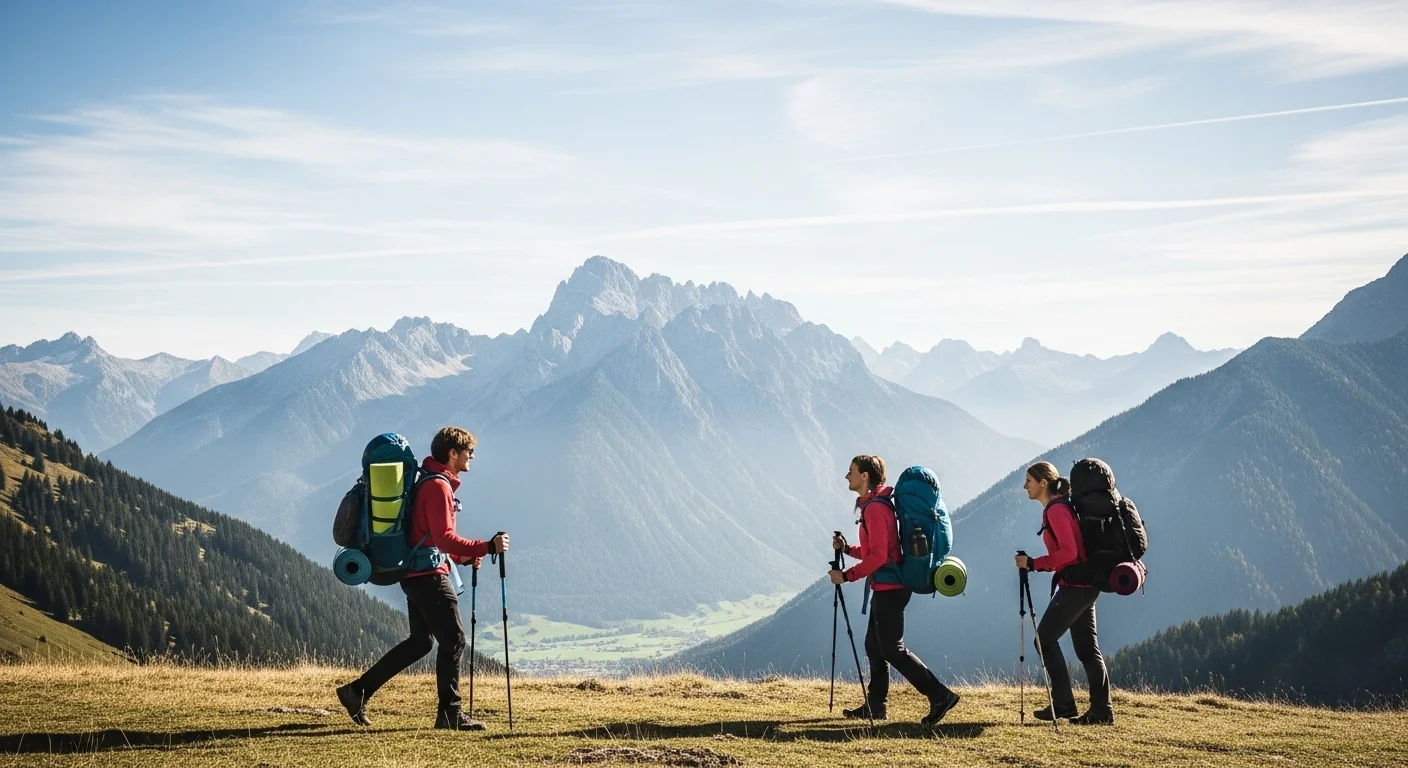
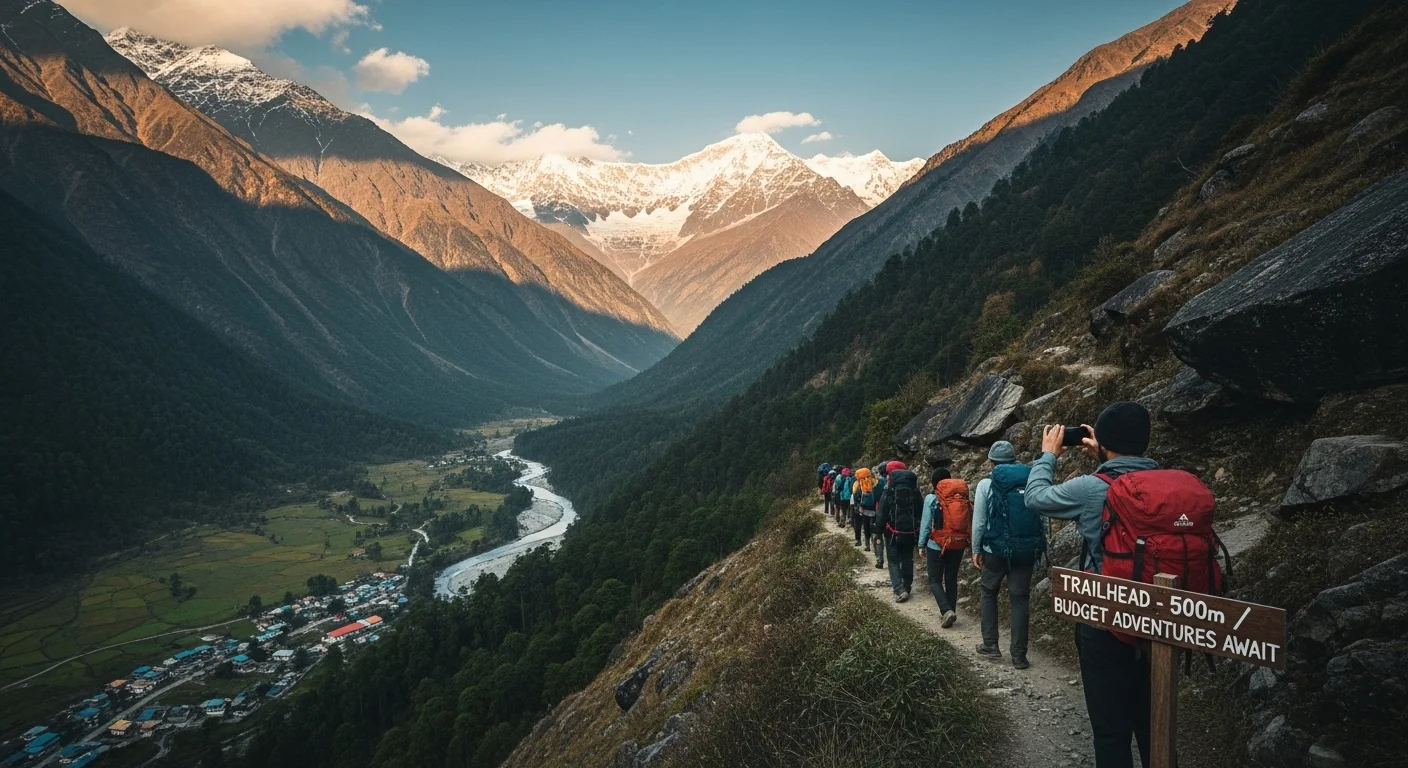
Mountain trekking offers a thrilling escape into nature, balancing adventure with the tranquility of breathtaking landscapes. Whether you’re a beginner or a seasoned trailblazer, there are affordable options waiting for you to explore. Read Interesting article: How to Trek Mountains on a Budget: Tips & Tricks
Understanding Mountain Trekking
What is Mountain Trekking?
Mountain trekking is more than just walking; it’s a journey through rugged terrains, often over long distances and in diverse weather conditions. I remember my first trek vividly. As I climbed higher, the air became crisper, and the views more spectacular. Each step brought a sense of accomplishment. Trekking usually involves multi-day excursions, where hikers set out to explore remote areas, often sleeping in tents or basic lodges along the way. The beauty of trekking lies in its immersive experience of nature, allowing us to connect deeply with the environment around us.
Benefits of Mountain Trekking
The benefits of mountain trekking stretch beyond the physical. Personally, I’ve found that trekking enhances my mental well-being. The combination of fresh air, physical exertion, and stunning landscapes has a way of clearing my mind and boosting my mood. Each trek is a unique experience that can improve cardiovascular health, build strength and endurance, and, importantly, foster a sense of adventure. I’ve met incredible people on the trails, all sharing stories and, sometimes, friendly challenges, which adds a social aspect that enriches the experience.
Difference Between Trekking and Hiking
While the terms “trekking” and “hiking” are often used interchangeably, they do have distinct meanings. Hiking usually refers to shorter, less strenuous walks on well-marked paths, perfect for a day trip. Trekking, on the other hand, often involves longer, more challenging routes that can span several days. I’ve enjoyed both activities, but trekking has a unique allure. There’s something about spending multiple days in nature, navigating various terrains, and experiencing the changing environments that I find deeply rewarding. It’s not just about the destination; it’s about the journey.
Choosing the Right Trekking Trail
Factors to Consider When Selecting a Trail
Choosing the right trekking trail can feel overwhelming, especially with so many options available. I’ve learned that several factors come into play when making this decision. Firstly, consider your fitness level. I remember my first trek was a bit ambitious; I wasn’t fully prepared, and it turned out to be tougher than I anticipated. Researching the trail’s difficulty and ensuring it matches your fitness level is crucial. Secondly, think about the duration of the trek. Some trails can take days or even weeks, while others might be suited for just a few hours. Adjusting your expectations and plans accordingly can lead to a much more enjoyable experience.
Skill Levels: Beginner, Intermediate, and Advanced Trails
For those just starting, I recommend looking for beginner trails. These trails typically have well-marked paths, gentle slopes, and shorter distances. As I became more experienced, I ventured into intermediate and advanced trails, which brought new challenges and rewards. Intermediate trails may have steeper inclines and rougher terrains, while advanced trails often require navigation skills and physical endurance. Understanding your skill level and selecting trails that match it will keep you safe and motivated.
Trail Length and Duration
Trail length is another crucial factor. I’ve made the mistake of underestimating how long trails might take. A short distance on a map can take longer than expected, especially if the terrain is challenging. I suggest planning a trek that allows for breaks and time to enjoy the scenery. For example, if you’re considering a 10-mile trek, give yourself enough time to complete it comfortably while soaking up the views along the way. Remember, it’s not just about finishing; it’s about enjoying the journey.
Terrain Types: Rocky, Forested, Alpine
The type of terrain can significantly impact your trekking experience. I’ve trekked through rocky paths, lush forests, and breathtaking alpine regions, each offering something special. Rocky terrains can be tough on the feet, so I learned that proper footwear is essential. Forested trails often provide shelter and cooler temperatures, making them ideal for summer treks. Alpine trails, with their stunning vistas, can be more challenging due to altitude and weather changes. Understanding the terrain types helps in choosing the right trail and preparing adequately for it.
Top Affordable Mountain Trekking Trails in the USA
Appalachian Trail
The Appalachian Trail is a dream for any trekking enthusiast. Stretching over 2,190 miles, it traverses through 14 states, from Georgia to Maine. While completing the entire trail is quite the ambitious feat, I’ve found that even tackling short sections can offer a fulfilling experience. The scenery varies tremendously, offering everything from lush forests to stunning mountain vistas. Plus, there are plenty of access points, so you can choose a stretch that fits your schedule and fitness level. One of my favorite segments was near Shenandoah National Park, where I encountered beautiful overlooks and an abundance of wildlife. It’s a perfect reminder of how accessible nature can be and how affordable it is to explore it.
Pacific Crest Trail
The Pacific Crest Trail (PCT) is another iconic trail that runs from Mexico to Canada, covering about 2,650 miles. It’s known for its diverse landscapes, including deserts, mountains, and forests. I’ve hiked a portion of this trail in California, and the experience was nothing short of magical. The views of the Sierra Nevada mountains were breathtaking, and the camaraderie among fellow hikers added an extra layer of enjoyment. Like the Appalachian Trail, you don’t have to hike the entire PCT in one go; many choose to explore shorter sections, which makes it more manageable and budget-friendly. Just pack some snacks and enjoy the journey!
John Muir Trail
If you’re looking for stunning scenery, the John Muir Trail is a must-visit. This 211-mile trail runs through the heart of the Sierra Nevada, including Yosemite, Sequoia, and Kings Canyon National Parks. I remember standing at the base of Half Dome, feeling awe-struck by the towering granite cliffs and clear blue skies. The trail can be challenging, but it’s well worth the effort. The beauty of the pristine lakes and vibrant wildflower meadows is something I’ll never forget. Many people choose to complete it in sections or as a multi-day trek, which allows for a more leisurely pace and time to soak in the sights.
Mount Rainier National Park
Mount Rainier National Park in Washington State offers a variety of trails, from easy day hikes to more strenuous multi-day treks. I had the chance to explore this park, and I was immediately captivated by its iconic snow-capped peak and the rich biodiversity surrounding it. One of my favorite trails was the Wonderland Trail, which circles the mountain. It’s about 93 miles long, but you can tackle it in segments. The alpine meadows bursting with wildflowers during the summer months are a sight to behold. The park also has affordable camping options, making it a great choice for budget-conscious trekkers.
Great Smoky Mountains National Park
The Great Smoky Mountains National Park, straddling the border between North Carolina and Tennessee, is another fantastic destination for mountain trekking. With over 800 miles of trails, there’s something for everyone. I particularly enjoyed the hike to Clingmans Dome, the highest point in the park. The panoramic views from the observation tower were simply breathtaking. The park is known for its rich wildlife and diverse plant life, and the mist-covered mountains give it a magical feel. Best of all, entrance to the park is free, which makes it an incredibly affordable option.
White Mountains, New Hampshire
The White Mountains in New Hampshire are a treasure for outdoor lovers. The Presidential Range, including Mount Washington, offers rugged beauty and challenging trails. I’ve hiked a few sections here, and the experience was exhilarating. The weather can change rapidly, so being prepared is essential. The Franconia Ridge Loop is a popular choice, providing stunning views and a sense of accomplishment. Campsites and lodges in the area offer affordable options for those looking to extend their stay. The charm of New England and the striking landscapes will leave you wanting to return.
International Affordable Mountain Trekking Trails
International Affordable Mountain Trekking Trails
Inca Trail, Peru
The Inca Trail is a bucket-list trek for many adventurers, and for a good reason. Stretching about 26 miles, this trail leads you through breathtaking landscapes and ancient ruins, culminating at the iconic Machu Picchu. I had the opportunity to hike this trail a few years ago, and I can still feel the excitement as I approached the Sun Gate at dawn, watching the first light illuminate the ancient city. The trek typically takes four days, and while it can get busy, the experience of walking through the misty mountains and lush cloud forests is absolutely worth it. Plus, there are budget-friendly camping options available, making it accessible for various travelers.
Torres del Paine, Chile
Torres del Paine National Park is another stunning destination for those looking to explore nature on a budget. Located in Patagonia, this park offers several trekking routes, including the famous W Trek, which spans around 50 miles. I was mesmerized by the towering granite peaks and vibrant blue lakes during my hike. The park has a variety of accommodation options, from campsites to budget lodges. I found that planning my trek in the shoulder season allowed me to enjoy the beauty of the park without overwhelming crowds. Watching the sunrise over the Cuernos del Paine was one of my favorite moments, reminding me of the power and peace of nature.
Mount Toubkal, Morocco
For those seeking adventure in a different cultural setting, the trek to Mount Toubkal in Morocco is a fantastic option. At 13,671 feet, it’s the highest peak in North Africa, and I remember feeling a mix of excitement and nervousness as I prepared for the ascent. The trek usually takes two days, with the first day spent hiking to a refuge where you can rest before the final push to the summit. The views from the top are breathtaking, with the surrounding Atlas Mountains sprawling out before you. The cost is relatively low, with affordable guides and accommodation options available. Plus, experiencing the local Berber culture along the way adds a rich layer to the adventure.
Hiking the Dolomites, Italy
The Dolomites in Italy are a hidden gem for trekking enthusiasts. I stumbled upon these majestic mountains during a trip to Europe and was instantly captivated by their unique rock formations and stunning alpine meadows. There are numerous trails to choose from, accommodating all skill levels. One of my favorite hikes was the Alta Via 1, which takes about 10 days to complete but can be enjoyed in sections if you’re short on time. The combination of breathtaking scenery and delicious Italian cuisine along the way truly makes this a memorable experience. The cost of food and lodging can be reasonable, especially if you opt for local inns or mountain huts.
When to Go Trekking
Best Seasons for Mountain Trekking
Timing can make or break your trekking experience. I’ve found that spring and fall are often the best seasons for trekking in many areas. The weather is typically milder, and you can avoid the summer crowds. For instance, I remember trekking in the fall when the foliage was ablaze with colors, making the experience even more magical. However, I always check the specific climate of the area I’m heading to, as conditions can vary widely from one region to another.
Weather Considerations
Weather can be unpredictable in the mountains. I’ve been caught in unexpected rainstorms and sudden temperature drops. It’s crucial to check the weather forecast before heading out, and I always pack extra layers just in case. Understanding the typical weather patterns for the area you’re trekking in helps in planning your gear and clothing. For example, I learned the hard way to always carry a waterproof jacket, no matter the season.
Peak vs. Off-Peak Seasons
Choosing whether to trek during peak or off-peak seasons is essential for both your experience and budget. Peak seasons often mean more crowds and higher prices. I’ve trekked during off-peak times and found it to be a more peaceful experience, allowing me to enjoy the solitude and beauty of nature. Of course, you have to be prepared for potential weather changes, but the serenity can be worth it. If you’re flexible with your schedule, consider looking at the shoulder seasons for a balance of good weather and fewer people.
Essential Gear for Mountain Trekking
Footwear: Hiking Boots vs. Trail Runners
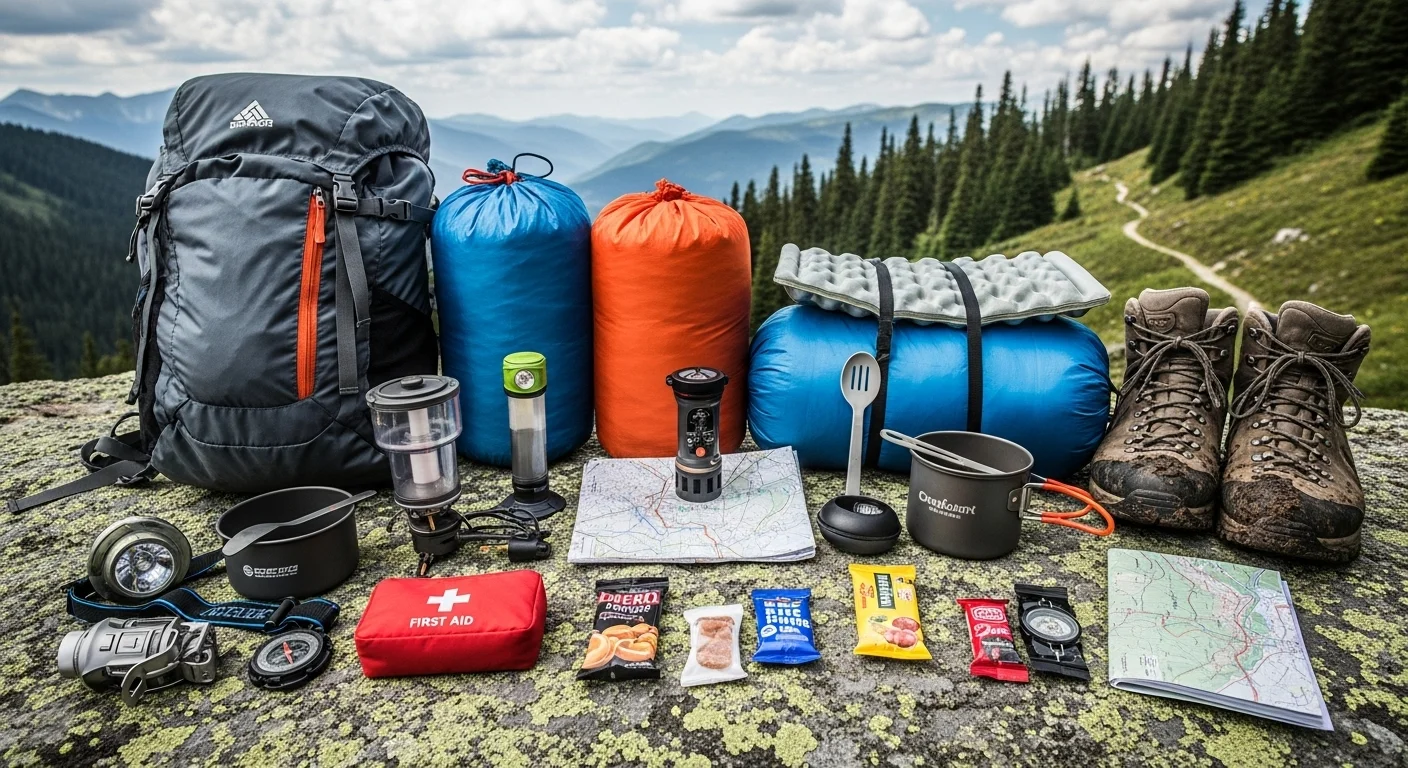
When it comes to trekking, I can’t stress enough the importance of good footwear. I’ve made the mistake of not investing in a solid pair of hiking boots, and let me tell you, sore feet can ruin a trek. Hiking boots provide the ankle support and durability needed for rough terrains, while trail runners are lighter and offer flexibility, making them a great choice for well-maintained paths. I’ve often opted for trail runners during warmer months when I wanted to feel more agile. It’s all about what feels right for you and the type of terrain you’ll be facing. Just remember to break them in before your trek to avoid blisters!
Clothing Layers and Fabrics
Layering is key to staying comfortable while trekking. I’ve learned the hard way that the weather can change quickly, especially in the mountains. I usually start with a moisture-wicking base layer to keep sweat away from my skin, followed by an insulating layer for warmth, and finally, a waterproof and windproof outer layer. I’ve loved using materials like merino wool and synthetic fabrics for their breathability and quick-drying properties. It’s all about adjusting your layers based on the conditions and your own comfort level. Don’t forget a good hat and gloves for added warmth!
Backpacks: Size and Features
The right backpack can make all the difference. I remember when I first started, I had a backpack that was too big and bulky for day hikes. It was uncomfortable and made me feel weighed down. After trying out different sizes, I found that a 40-60 liter backpack is usually perfect for multi-day treks, allowing enough room for essentials without being overly cumbersome. Look for features like padded straps, a hip belt, and compartments for easy access to your gear. I also appreciate hydration reservoirs for easy sipping on the go!
Navigation Tools: Maps, GPS, and Apps
Getting lost can be a real concern on the trails. I always carry a physical map and a compass, even if I’m relying on a GPS app on my phone. Technology can fail, and having a backup plan is essential. I’ve found several apps that provide offline maps, which have saved me during treks in areas with poor reception. It’s wise to familiarize yourself with your route before you head out. I recommend downloading maps and waypoints in advance, so you’re ready for anything.
Planning Your Trek
Creating a Trekking Itinerary
Planning is half the fun! When I’m gearing up for a trek, I sit down and create an itinerary that includes my route, estimated times, and points of interest. It helps me stay organized and ensures I make the most out of my time on the trail. I usually highlight spots where I can take breaks, enjoy the scenery, and snap some photos. I feel that having a plan gives me a sense of direction and purpose, especially on longer journeys.
Permits and Reservations
Some trails require permits, and I’ve learned that it’s crucial to check ahead of time. I once showed up at a trailhead only to find out I needed a permit I hadn’t applied for in advance. It was a bummer! Now, I always research the regulations for the area and secure my permits online if possible. This not only ensures I’m compliant but also helps in managing the number of trekkers on popular trails, which is a plus for the environment.
Transportation to Trailheads
Getting to the trailhead can be just as important as the trek itself. I’ve had great experiences carpooling with fellow trekkers, as it cuts down on costs and makes the journey more enjoyable. If you’re traveling solo, public transportation options can sometimes be available, but they require a little extra planning. I’ve found that checking local shuttle services or ride-sharing apps can open up more opportunities, especially for remote trails.
Accommodation Options: Camping vs. Lodges
Choosing where to lay your head at night is another part of the adventure. I’ve tried both camping and staying in lodges, and each has its own charm. Camping under the stars has a magical quality, allowing me to connect with nature in a profound way. On the other hand, lodges can offer a cozy retreat after a long day of trekking with hot meals and showers. Depending on your budget, I suggest researching both options and seeing which fits your style best. Read Interesting article: Essential Gear for Budget Mountain Trekking Adventures
Safety Tips for Mountain Trekking
Understanding Trail Markers and Signs
Familiarizing myself with trail markers has been a game-changer for my trekking experience. I remember getting lost on a trail due to misreading signs, which taught me to pay close attention to trail markers. Different colors and symbols usually indicate various levels of difficulty or directions. Understanding these signs helps keep us on track and safe, and I always make it a point to remind others to do the same.
Wildlife Safety Precautions
Encountering wildlife can be a thrilling part of trekking, but it comes with responsibilities. I’ve learned to respect the animals’ space and habitats. Carrying bear spray in bear country and knowing how to react to different wildlife encounters has kept me safe. I find it valuable to educate myself about the local fauna before heading out, so I know what to expect and how to react if I cross paths with any critters.
First Aid Essentials
Accidents can happen, and I’ve always made it a priority to carry a well-stocked first aid kit. I’ve had to use it for blisters, scrapes, and even allergic reactions. It’s crucial to know how to use the contents of your kit, and I recommend taking a basic first aid course to equip ourselves with the skills needed in emergencies. It gives me peace of mind to know that I’m prepared for anything!
Staying Hydrated and Nourished
Hydration is vital during trekking. I remember a trek where I underestimated how much water I needed and ended up feeling sluggish. Now, I always pack extra water and snacks, like nuts or energy bars, to keep my energy up. I’ve found that regular hydration helps maintain my stamina, especially during long ascents. Keeping our bodies fueled is just as important as enjoying the scenery!
Budgeting for Your Trek
Costs to Consider: Gear, Travel, and Accommodation
Budgeting is essential for a successful trek. I’ve learned to break down costs into categories: gear, travel, food, and accommodation. Investing in quality gear can save money in the long run, but I also look for deals and second-hand options. Transportation can vary widely, so planning ahead helps me avoid last-minute price hikes. I’ve found that having a clear budget allows for more freedom on the trail, knowing I’m prepared for the adventure!
Free and Low-Cost Trails
Not all amazing trails come with a hefty price tag. I’ve discovered numerous free or low-cost trails that offer stunning views and memorable experiences. National parks often have free access days, and state parks typically have lower fees. Seeking out lesser-known trails can lead to hidden gems that are less crowded and just as beautiful. Exploring these options has opened my eyes to the vastness of nature without breaking the bank! Read Interesting article: Top 10 Budget-Friendly Mountain Trekking Destinations
Finding Discounts on Gear and Permits
There are many ways to save on trekking gear and permits. I’ve found great deals on websites that offer discounts for seasonal sales, and local outdoor shops often have clearance sections. Additionally, some parks offer discounted permits for certain times of the year, which has allowed me to stretch my budget further. Always keep an eye on local outdoor expos or swap meets for budget-friendly gear options!
Community and Resources
Online Forums and Groups for Trekking Enthusiasts
Joining online forums and groups has dramatically enhanced my trekking experience. I’ve connected with fellow trekkers who share tips, trail recommendations, and even gear advice. Social media platforms have groups dedicated to specific trails and regions, offering real-time advice and support. I believe that community plays a huge role in enriching our outdoor experiences.
Useful Apps and Websites for Trail Information
Technology has made it easier than ever to access trail information. I rely on various apps like AllTrails and Gaia GPS to find routes and read reviews from other hikers. These platforms provide valuable insights about trail conditions, difficulty levels, and points of interest. I’ve discovered some fantastic trails just by browsing through user-generated content!
Local Trekking Clubs and Meetups
Getting involved with local trekking clubs has been one of the best decisions I’ve made. Not only do they offer organized group treks, but they also foster friendships and a sense of community. I’ve met incredible people who share my passion for the outdoors and have learned so much from their experiences. Plus, it’s a great way to stay motivated and find trekking buddies!
Final Thoughts
Mountain trekking is a beautiful blend of adventure, nature, and personal growth. Each trek I’ve taken has taught me something new, whether it’s about the trails, the gear, or myself. It’s a journey that goes beyond the physical; it’s about connecting with nature, embracing challenges, and sharing experiences with others. I hope this guide inspires you to lace up those hiking boots and explore the trails waiting for you. Remember, the world is vast, and every trek holds the promise of new stories and memories. So, get out there and discover the beauty that awaits!
Frequently Asked Questions
What is mountain trekking?
Mountain trekking is a journey through rugged terrains, often over long distances and in diverse weather conditions. It typically involves multi-day excursions where hikers explore remote areas, often sleeping in tents or basic lodges along the way.
What are the benefits of mountain trekking?
The benefits of mountain trekking include improved cardiovascular health, increased strength and endurance, enhanced mental well-being, and the opportunity to meet new people. Trekking allows for a unique experience that fosters a connection with nature.
How does trekking differ from hiking?
Trekking usually refers to longer, more challenging routes that can span several days, while hiking refers to shorter, less strenuous walks on well-marked paths, typically suitable for day trips.
What factors should I consider when choosing a trekking trail?
Consider your fitness level, the duration of the trek, skill levels (beginner, intermediate, advanced), and the type of terrain. Researching the trail’s difficulty and ensuring it matches your fitness level is crucial for a safe and enjoyable experience.
What are some affordable mountain trekking trails in the USA?
Some affordable mountain trekking trails in the USA include the Appalachian Trail, Pacific Crest Trail, John Muir Trail, Mount Rainier National Park, Great Smoky Mountains National Park, and the White Mountains in New Hampshire.
What is the best time to go trekking?
The best seasons for mountain trekking are typically spring and fall when the weather is milder. It’s important to check the specific climate of the area you’re heading to, as conditions can vary widely from one region to another.
What essential gear do I need for mountain trekking?
Essential gear for mountain trekking includes proper footwear (hiking boots or trail runners), clothing layers (moisture-wicking base layers, insulating layers, waterproof outer layers), a suitable backpack, navigation tools (maps, GPS, and apps), and a first aid kit.
How should I plan my trekking itinerary?
Creating a trekking itinerary involves outlining your route, estimated times, and points of interest. It’s important to plan for breaks and to ensure you make the most out of your time on the trail.
What safety precautions should I take while trekking?
Safety precautions include understanding trail markers and signs, practicing wildlife safety, carrying a well-stocked first aid kit, and staying hydrated and nourished during your trek.
How can I budget for my trek?
When budgeting for a trek, consider costs for gear, travel, food, and accommodation. Look for free or low-cost trails and discounts on gear and permits to stretch your budget further.