Web Analytics

Recent Posts

Explore Stunning Cultural Heritage Sites on a Budget

Exploring cultural heritage sites doesn’t have to drain your wallet. Join me as we uncover stunning destinations that celebrate history and tradition while keeping your budget intact! Read Interesting article: Top Heritage Sites for Cultural Immersion on a Budget
Explore Stunning Cultural Heritage Sites on a Budget

Understanding Cultural Heritage Sites

Definition of Cultural Heritage Sites

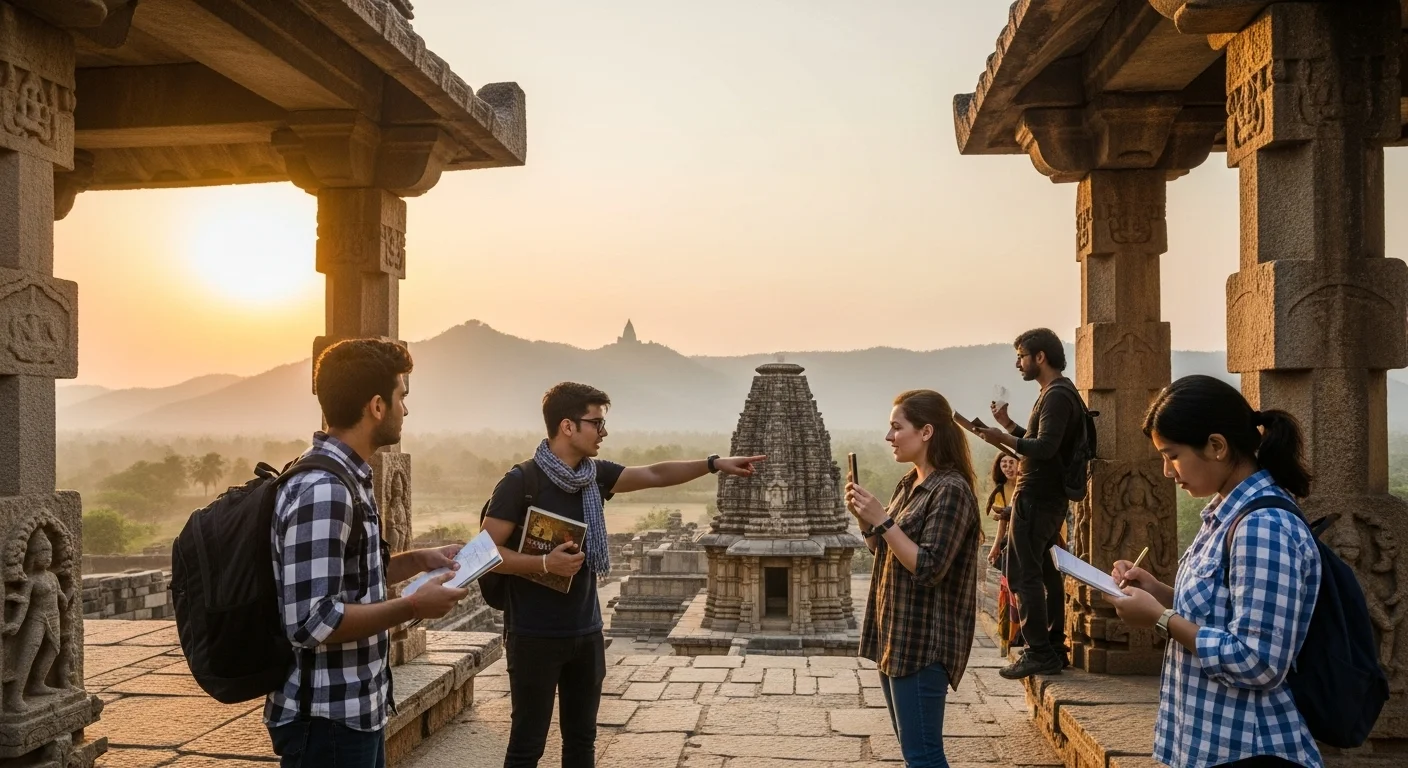
Cultural heritage sites are places that hold historical, cultural, or social significance. These sites can be buildings, monuments, landscapes, or even entire cities that reflect the heritage of a community or nation. UNESCO recognizes some of these sites globally, highlighting their importance to humanity. I remember the first time I stood before an ancient ruin, feeling the weight of history around me. It was like stepping into a story, and I realized that each site has its own unique tale to tell.

Importance of Preserving Cultural Heritage

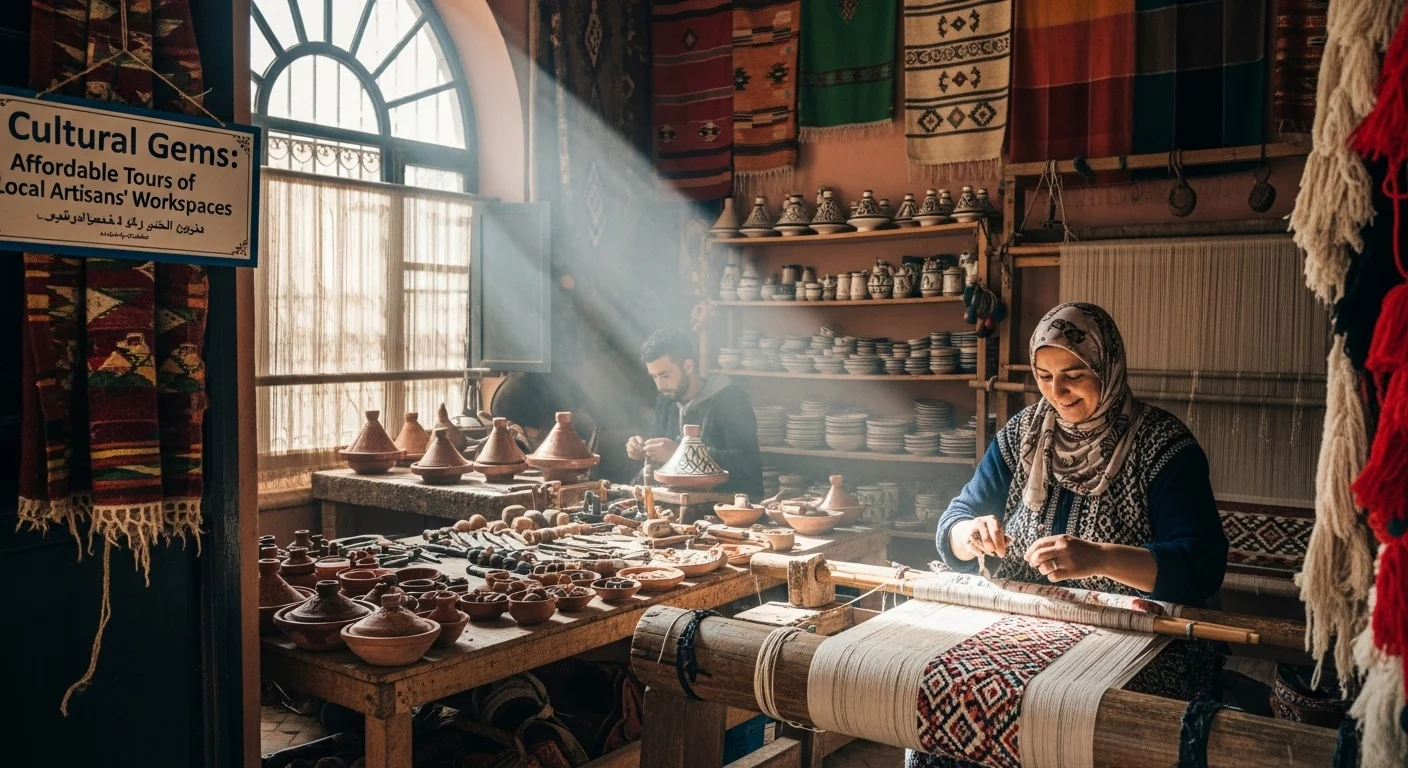
Preserving cultural heritage is crucial for several reasons. First, it helps maintain a sense of identity for communities. When I visited a small town in Italy, I noticed how proud the locals were of their traditions and history. They shared stories that had been passed down for generations, making me feel connected to their past. Additionally, cultural heritage sites attract tourism, which can significantly boost local economies. I’ve seen firsthand how the preservation of a historical site can bring life to a community, creating jobs and opportunities for local artisans and guides. Read Interesting article: Cultural Gems: Affordable Tours of Local Artisans’ Workspaces

Top Affordable Cultural Heritage Sites Around the World

UNESCO World Heritage Sites

Many UNESCO World Heritage Sites are surprisingly affordable to visit. One of my favorites is the Old City of Jerusalem, where I wandered through ancient streets filled with history and spirituality. While some attractions have entry fees, many areas are free to explore. I found that just walking around and absorbing the atmosphere was an experience in itself. Other notable sites include the Great Wall of China, where you can choose less popular sections that are just as breathtaking but less crowded and often cheaper.

Historic Cities and Towns

Historic cities offer a glimpse into the past without the price tag of larger tourist destinations. For instance, I visited the charming town of Český Krumlov in the Czech Republic, where the medieval architecture took my breath away. Wandering through narrow streets and quaint shops didn’t cost a dime. I discovered that small towns often have free walking tours led by enthusiastic locals willing to share their knowledge and love for their heritage. These tours not only save money but also provide a deeper connection to the culture.

Archaeological Sites

Archaeological sites can be some of the most fascinating places to explore. Places like Machu Picchu in Peru can be pricey, but I found that visiting lesser-known sites like Ollantaytambo offered similar awe without the hefty fees. These sites are often rich in history and culture, yet less frequented by tourists. I remember standing among the ancient stones, feeling like I was part of history, and it didn’t cost an arm and a leg. I encourage you to seek out local archaeological sites that may not be on the typical tourist path—they often hold hidden treasures.

Traditional Villages

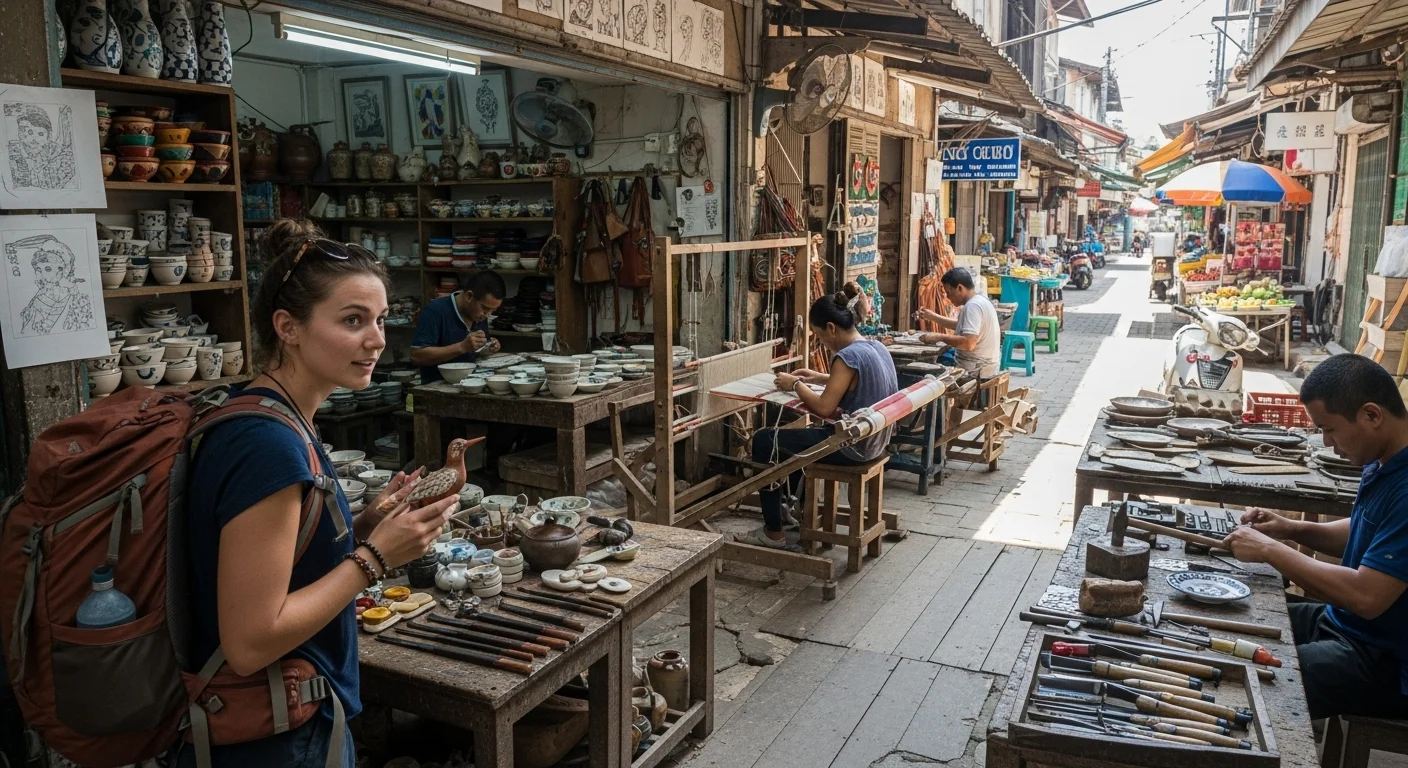
Visiting traditional villages provides an authentic cultural experience. During my travels in Vietnam, I stumbled upon a small village in the mountains where the locals still lived as they had for centuries. Interacting with the residents and learning about their customs was priceless. These villages often have minimal tourist infrastructure, so costs are low. Plus, I found that participating in local activities, like weaving or cooking, not only enriched my experience but was often budget-friendly. Supporting local artisans by purchasing handcrafted goods also felt rewarding and meaningful. Read Interesting article: Uncover the Magic of Traditional Cultural Celebrations

Budget Travel Tips for Visiting Cultural Heritage Sites

Finding Affordable Accommodations

When I travel, finding a comfortable yet affordable place to stay is always at the top of my list. I often turn to hostels, which can be a fun way to meet fellow travelers and share experiences. I’ve found some amazing hostels near cultural heritage sites that offer not just beds but also shared kitchens, which helps save on meals. Another great option is Airbnb; I’ve scored some fantastic deals staying with local families, giving me a chance to immerse myself in the culture even more. I remember booking a small apartment in a historic building in Lisbon, and waking up to the sounds of the city coming alive each morning was an experience I cherish.

Transportation Options on a Budget

Getting around can sometimes be a challenge, especially when you’re trying to stick to a budget. I usually look for public transportation options, like buses and trains, which can be more cost-effective than taxis or ride-sharing services. For instance, while visiting Rome, I used the metro and buses extensively, which allowed me to see more of the city without breaking the bank. I found that some cities offer travel passes that provide unlimited travel for a set number of days—definitely worth it! And if you’re feeling adventurous, renting a bike or walking can be an excellent way to explore while getting some exercise. I often discover hidden gems when I’m wandering on foot.

Free and Discounted Entry Days

Many cultural heritage sites offer free or discounted entry days, which can be a real money-saver. I’ve often planned my visits around these days to make the most of my travel budget. For example, I once visited the Louvre on a Friday evening when entry was free for all under 26. The experience was magical, and I got to enjoy the art without the usual crowds. I recommend checking the official websites of the sites you want to visit to find out about any upcoming promotions or special events. It’s also worth looking into city passes that bundle multiple attractions at a reduced price, which can be a great deal if you plan to see a lot in one go.

Local Eating: Affordable Cuisine Options

Food is a big part of experiencing a new culture, and I’ve learned that you don’t need to eat at fancy restaurants to enjoy delicious meals. Street food is often an excellent option for trying local flavors without spending too much. I vividly remember munching on fresh banh mi in Vietnam, which was not only tasty but also cost just a couple of dollars! Local markets are another great place to eat; I love wandering through them, soaking in the atmosphere, and sampling fresh produce and homemade dishes. Not only is this a budget-friendly choice, but it also provides a more authentic experience. I’ve found that chatting with vendors often leads to discovering local favorites that aren’t in any guidebook.

Planning Your Trip

Best Times to Visit Cultural Heritage Sites

Timing can significantly impact your travel experience and expenses. I’ve learned that visiting during the shoulder seasons—just before or after the peak tourist times—can save you money. For example, I traveled to Greece in late spring instead of summer, and the weather was still beautiful, but there were fewer crowds. This not only made it easier to explore sites like the Acropolis but also meant lower accommodation prices. I recommend researching the best times to visit specific destinations, as some sites may have unique events or festivals that can enhance your experience, even if they attract a few more visitors.

Creating a Budget Travel Itinerary

Having a budget travel itinerary is something I find incredibly helpful in keeping my spending in check. I usually start by listing all the cultural heritage sites I want to see and then research each one’s costs. I also look for free activities and local events that I can include. For example, when I planned a trip to Mexico City, I combined visits to museums with local markets and parks, making for a rich experience without overspending. I like to stay flexible; sometimes, the best experiences come from spontaneous decisions. Still, having a rough plan helps me stay on track.

Essential Packing Tips for Budget Travelers

Packing smart can also save you money while traveling. I’ve learned to pack light to avoid checked baggage fees, and I usually bring a refillable water bottle to save on drinks while exploring. Comfortable shoes are a must; you’ll be doing a lot of walking! I also pack snacks to avoid pricey tourist traps. On my last trip, I brought nuts and dried fruit, which kept me energized while exploring. Additionally, I find a travel guidebook or an app with local information can save me from unnecessary spending on tours, allowing me to explore at my own pace.

Local Culture and Etiquette

Understanding Local Customs

When I travel, I’ve found that immersing myself in local customs can greatly enhance my experience. Every culture has its own unique set of traditions and social norms, and taking the time to learn about them shows respect and appreciation. For instance, during my visit to Japan, I made it a point to familiarize myself with the etiquette surrounding meals. I remember being told that saying “itadakimasu” before eating is a way to express gratitude for the food. I loved how this small gesture made me feel connected to the culture. I think it’s essential to approach each destination with an open mind and a willingness to learn, as it significantly enriches our travel experience.

Respecting Traditions at Heritage Sites

Visiting cultural heritage sites means stepping into spaces that hold deep significance for local communities. I learned early on that being respectful is crucial. For example, I visited a sacred temple in Bali where it was important to dress modestly and remove my shoes before entering. Observing these traditions not only honors the culture but often enhances the experience itself. I felt a sense of peace and reverence as I wandered through the temple grounds. It’s important to research any specific customs or rules at the sites you plan to visit, as this can help avoid misunderstandings and ensure a more fulfilling visit.

Engaging with Local Communities

One of the highlights of my travels has been the moments spent engaging with local communities. I remember participating in a traditional dance workshop in a village in Guatemala. The locals were so welcoming and eager to share their heritage. I found that asking questions and showing genuine interest in their way of life opened doors to meaningful conversations. It’s these interactions that often lead to unforgettable memories and a deeper understanding of the culture. I believe that when we engage with locals, we not only enrich our own experiences but also contribute positively to their communities. I highly recommend looking out for local events, workshops, or festivals that invite tourists to participate. You’ll find it’s one of the best ways to immerse yourself in the culture.

Safety and Security Tips

Staying Safe While Exploring

Safety is always a priority when I’m traveling, especially when exploring areas rich in history and culture. I’ve found that being aware of my surroundings and sticking to well-trafficked areas can go a long way in ensuring a safe experience. For instance, while wandering through the busy markets in Marrakech, I kept my belongings close and was mindful of my surroundings. I also made it a habit to research any travel advisories or safety tips specific to the region I was visiting. It’s always a good idea to stay informed, as this knowledge can help you avoid potential pitfalls and enjoy your trip with peace of mind.

Travel Insurance for Cultural Heritage Trips

While no one likes to think about mishaps during their travels, I’ve learned that having travel insurance is a smart move. I remember a time when I lost my camera while exploring a remote archaeological site, and having insurance helped me recover some costs. Travel insurance can cover a range of issues from lost belongings to unexpected medical needs, and I believe it’s a small price to pay for the peace of mind it brings. I recommend shopping around for policies that suit your travel plans, especially if you plan to engage in activities like hiking or visiting more remote locations.

Emergency Contacts and Resources

Being prepared for emergencies is essential, especially when visiting cultural heritage sites that may be far from urban centers. I always make a point to have a list of emergency contacts handy, including local health services and my country’s embassy. During my travels, I’ve also found it useful to familiarize myself with local emergency numbers, as they can differ from what we’re used to. I carry a portable charger for my phone, ensuring I can reach out for help or directions when needed. I remember feeling a bit lost in a small town in Portugal, but having my phone handy allowed me to navigate back easily. It’s these small preparations that can make a significant difference in a stressful situation.

Staying Connected: Technology Tips

Apps for Budget Travelers

In this digital age, I’ve found that technology can be incredibly helpful when traveling on a budget. There are countless apps designed to assist travelers, from those that help find affordable lodging to ones that offer local dining deals. I remember using an app that showed me nearby attractions and their prices, which helped me plan my days without spending too much. I also love using translation apps when I’m in a country where I don’t speak the language; they’ve made communicating with locals much easier. I highly recommend downloading a few handy apps before your trip to make your travel experience smoother and more enjoyable.

Using Maps and Guides Effectively

Getting lost can sometimes be an adventure, but I prefer having a reliable map or guide. I often download offline maps to my phone, so I can navigate even without Wi-Fi. I once visited an ancient city with winding streets, and having a map on my phone helped me explore without the stress of getting lost. Additionally, local guidebooks can offer insights into cultural heritage sites that you might miss otherwise. I’ve found that reading about a site’s history or significance before visiting enhances my appreciation and understanding while I’m there.

Staying Connected Without Breaking the Bank

Staying connected while traveling is important for safety and sharing experiences with loved ones. To avoid high roaming charges, I usually get a local SIM card or use Wi-Fi wherever I can. Many cafes and public spaces offer free Wi-Fi, which I’ve found to be a great way to stay connected without racking up costs. I remember sitting in a small café in Greece, sharing photos of my travels with friends while enjoying a delicious meal. It’s these moments that make the journey even more special. I recommend looking into various options based on your travel destination to ensure you stay connected without overspending.

Personal Experiences and Recommendations

Traveler Testimonials

Throughout my travels, I’ve often encountered fellow travelers who share their experiences and tips, which have greatly influenced my adventures. One memorable encounter was with a group of backpackers in Southeast Asia. They shared stories about off-the-beaten-path cultural sites that I hadn’t heard about before. Their enthusiasm was contagious, and I found myself altering my itinerary to include some of their recommendations. I think it’s essential to connect with other travelers; they can provide insights that guidebooks might miss. Each traveler’s perspective adds a unique layer to the cultural experiences we seek.

Guided Tours vs. Self-Guided Exploration

I have a love-hate relationship with tours. On one hand, I appreciate the knowledge that a good guide can provide. For instance, I took a guided tour of the Colosseum in Rome, and I learned so much about its history that I would have missed otherwise. However, I also cherish the freedom of self-guided exploration. I remember wandering through the streets of Barcelona, stumbling upon local art galleries and hidden cafés that I would have missed on a structured tour. I think the key is to find a balance; sometimes guided tours are great for specific sites, while other times, you can let your curiosity lead the way.

Hidden Gems: Lesser-Known Heritage Sites to Explore

Every traveler has their hidden gems, and I love discovering these lesser-known cultural heritage sites. For example, I visited the stunning but often overlooked town of Matera in Italy, known for its ancient cave dwellings. The experience felt intimate and less commercialized compared to more famous destinations. I encourage you to seek out these hidden treasures; not only are they often less crowded, but they also provide unique insights into local culture and history. I’ve found that my most meaningful experiences often come from places that aren’t on the typical tourist radar.

Frequently Asked Questions

What are cultural heritage sites?

Cultural heritage sites are places that hold historical, cultural, or social significance, including buildings, monuments, landscapes, or entire cities that reflect a community’s or nation’s heritage. UNESCO recognizes some of these sites globally for their importance to humanity.

Why is it important to preserve cultural heritage?

Preserving cultural heritage is crucial as it helps maintain a sense of identity for communities and attracts tourism, which can boost local economies by creating jobs and opportunities for local artisans and guides.

Can you name some affordable UNESCO World Heritage Sites?

Some affordable UNESCO World Heritage Sites include the Old City of Jerusalem and the Great Wall of China, particularly less popular sections that are breathtaking yet less crowded and cheaper to visit.

What are some budget travel tips for visiting cultural heritage sites?

Budget travel tips include finding affordable accommodations such as hostels or Airbnb, using public transportation, planning visits around free or discounted entry days, and enjoying local street food or markets for affordable cuisine options.

When is the best time to visit cultural heritage sites?

The best times to visit cultural heritage sites are during shoulder seasons, just before or after peak tourist times, which can save money and minimize crowds while still enjoying pleasant weather.

How can I create a budget travel itinerary?

To create a budget travel itinerary, start by listing cultural heritage sites you want to see, researching their costs, and looking for free activities or local events to include. Flexibility in your plans can also lead to spontaneous and enriching experiences.

What safety tips should I follow while exploring cultural heritage sites?

Safety tips include being aware of your surroundings, sticking to well-trafficked areas, researching travel advisories, and having emergency contacts and resources handy for any unexpected situations.

What technology tips can help budget travelers stay connected?

Budget travelers can benefit from using apps for lodging and dining deals, downloading offline maps, and getting a local SIM card or utilizing free Wi-Fi in cafes and public spaces to stay connected without incurring high roaming charges.

What is the value of engaging with local communities while traveling?

Engaging with local communities enhances travel experiences by opening doors to meaningful conversations and interactions, often leading to unforgettable memories and a deeper understanding of the culture.

How do guided tours compare to self-guided exploration?

Guided tours offer valuable knowledge about specific sites, while self-guided exploration allows for freedom and spontaneity in discovering local art galleries and hidden cafés. Finding a balance between both can enrich the travel experience.
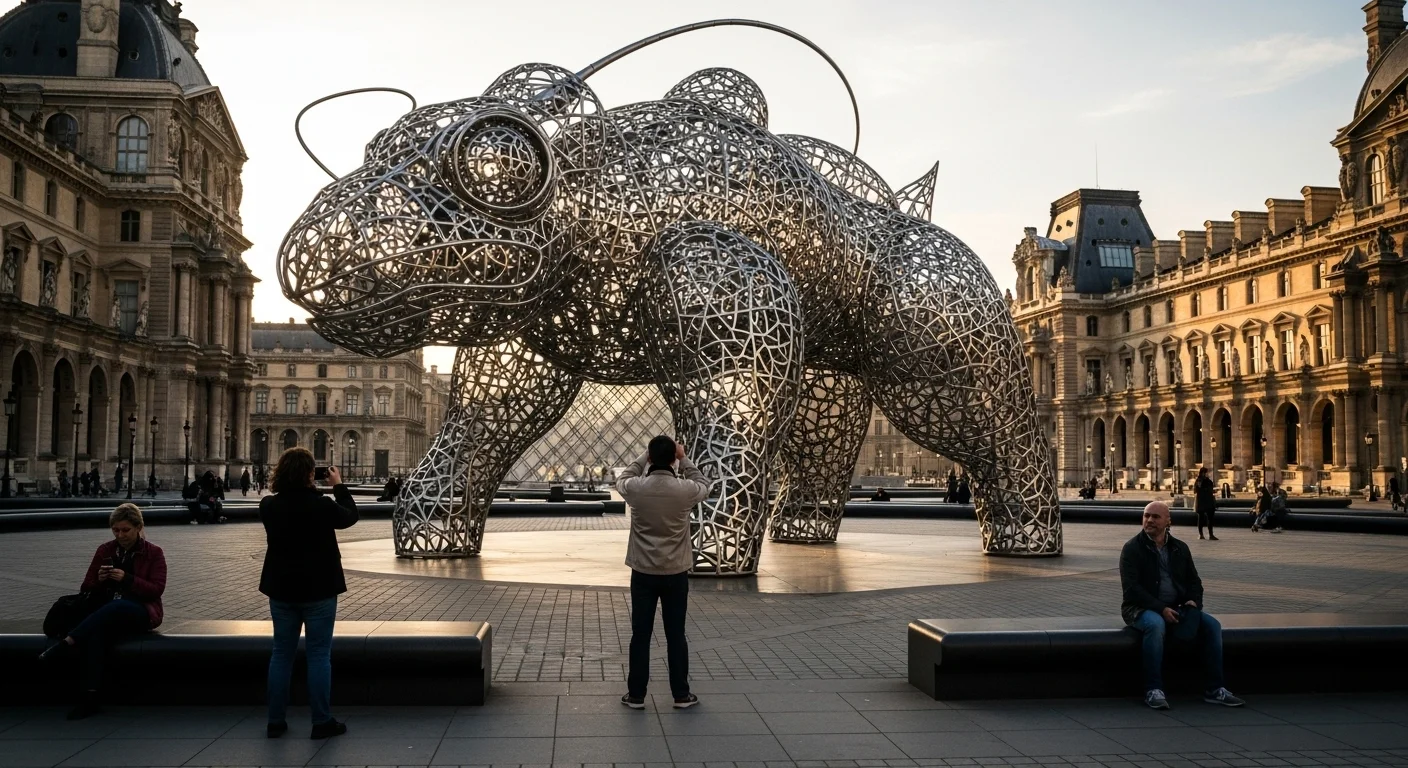
Uncover Hidden Gems: Top Public Art in Major Cities

Public art is a vibrant expression of creativity that adds character to our cities. It tells stories, sparks conversations, and invites us to see our surroundings in new ways. Read Interesting article: Unlock History: Best Budget Art Tours for Culture Lovers Let’s dive into the fascinating world of public art and uncover its hidden gems.

Uncover Hidden Gems: Top Public Art in Major Cities

Understanding Public Art: Definition and Importance

What is Public Art?

Public art, in my eyes, is any artwork created for public spaces, accessible to everyone. It can be anything from a stunning mural on a city wall to a large sculpture in a park. The beauty of public art is that it transforms ordinary places into extraordinary experiences. I remember strolling through my city and being captivated by a giant mural—its colors and characters seemed to breathe life into the otherwise bland street. That’s the magic of public art; it’s about engaging with the community and expressing ideas that resonate with us all.

The Role of Public Art in Urban Spaces

The role of public art goes beyond mere aesthetics; it plays a vital part in urban planning and community development. I’ve seen how a well-placed sculpture or mural can enhance public spaces, making them more inviting and enjoyable. It encourages people to gather, interact, and appreciate their surroundings. In my experience, a park with vibrant public art tends to attract more visitors, fostering a sense of community and belonging. The interaction between art and the environment can create a unique atmosphere that encourages social connections. Whenever I walk through these spaces, I feel more connected to the community.

Impact on Community and Culture

Public art has a profound impact on community identity and culture. It reflects the values, struggles, and aspirations of the people who live there. I’ve noticed that in neighborhoods with rich public art scenes, there’s often a palpable sense of pride among locals. For instance, visiting a city known for its public murals, I’ve felt a strong connection to the stories depicted on the walls—stories of resilience, heritage, and celebration. Public art can also serve as a catalyst for discussion about important social issues. When I see a mural addressing topics like climate change or social justice, I’m reminded of the power art holds to inspire change and provoke thought.

Top Cities Known for Their Public Art

New York City

New York City is a treasure trove of public art, showcasing everything from grand installations to hidden gems. I love how each neighborhood has its unique flair, reflected in its public art.

Iconic Installations: The High Line

The High Line is one of my favorite spots in NYC. This elevated park, built on an old railway track, features stunning art installations along its path. Walking through the lush greenery, I’ve stumbled upon thought-provoking sculptures and murals that make me pause and reflect. The combination of nature and art creates an immersive experience that’s hard to beat.

Street Art: Bushwick Collective

Another must-see is the Bushwick Collective in Brooklyn. I remember exploring this vibrant area, where every wall tells a story through street art. The colors, styles, and messages vary greatly, showcasing local and international artists. It’s like walking through an open-air gallery, and I constantly find myself snapping pictures and sharing them with friends.

Los Angeles

Los Angeles offers an incredible canvas for artists, and its public art scene is nothing short of spectacular.

Mural Scene in Downtown LA

Downtown LA is renowned for its murals, and I’ve spent hours wandering the streets, discovering new pieces. From large-scale murals to smaller, hidden works, each one adds depth to the city’s vibe. I often find myself captivated by the stories behind the art, learning about the artists and their inspirations. It feels like a living gallery, constantly evolving.

The Getty Center’s Outdoor Sculptures

The Getty Center is another highlight, with its stunning outdoor sculptures set against breathtaking views of the city. I remember visiting and feeling a mix of tranquility and inspiration as I walked among the art. It’s a space that encourages reflection, making it a perfect escape from the hustle and bustle of city life.

Chicago

Chicago is rich in public art, with installations that celebrate the city’s diverse culture and history.

Millennium Park: Cloud Gate and More

One of the most iconic pieces is Cloud Gate, affectionately known as “The Bean.” I can’t tell you how many times I’ve taken a picture in front of it! It’s not just a sculpture; it’s a gathering place for locals and tourists alike. The way it reflects the city skyline is simply magical. Millennium Park is filled with other public art pieces, making it a hub for creativity and community.

Historic Murals in Pilsen

Pilsen is another neighborhood worth exploring. Its historic murals celebrate the rich Mexican culture and heritage of the area. I’ve walked these streets and felt the stories come alive through the art. Each mural is a testament to the community’s vibrancy and resilience.

Philadelphia

Philadelphia is often referred to as the mural capital of the U.S., and for good reason.

Mural Arts Program and Its Impact

The Mural Arts Program has transformed the city, turning blank walls into stunning artworks. I’ve had the pleasure of witnessing how this initiative not only beautifies neighborhoods but also engages local communities. It brings together artists and residents, fostering collaboration and creativity. Read Interesting article: Explore the World: Affordable Historical Art Tour Destinations

Iconic Pieces: LOVE Sculpture

The LOVE sculpture in Love Park is perhaps the most famous piece in the city. Every time I visit, I see people from all walks of life taking pictures, smiling, and sharing the moment. It’s a beautiful reminder of connection and positivity amidst the urban landscape.

Miami

Miami’s public art scene is as vibrant as its culture, overflowing with color and creativity.

Wynwood Walls: A Street Art Mecca

The Wynwood Walls are a must-visit for any art lover. I’ve walked through this outdoor museum and felt overwhelmed by the sheer talent on display. Each wall is a new experience, and I love how the area constantly evolves with fresh pieces from global artists. It’s a celebration of street art that draws visitors from around the world.

Public Installations at Pérez Art Museum

The Pérez Art Museum Miami also features impressive public installations. I remember being mesmerized by the way art interacts with the surrounding environment, creating a dialogue between nature and creativity. It’s a thrilling experience that I recommend to anyone visiting the city.

Types of Public Art to Discover

Murals and Street Art

Murals and street art are perhaps the most recognizable forms of public art. I’ve always been drawn to the way these artworks can transform a dull wall into a vibrant storytelling canvas. Each mural I encounter tells a unique story, often reflecting the culture and history of its surroundings. I remember my first encounter with a massive mural depicting local legends in a neighborhood I was visiting; it was like stepping into a living history book. Street art, on the other hand, can be spontaneous and raw, often created in response to current events or social issues. I feel that this immediacy connects us to the artists and their messages in a profound way. It’s fascinating to see how these artworks evolve and change over time, sometimes even sparking conversations about the issues they represent.

Sculptures and Installations

Sculptures and installations bring a three-dimensional aspect to public art that I find captivating. I love walking through parks or plazas where large sculptures stand as focal points, inviting viewers to engage from multiple angles. One of my favorite experiences was visiting a park that had an interactive sculpture—people could walk through it, touch it, and experience it in a way that felt personal. It made me realize how sculptures can alter our perception of space. Installations often incorporate elements of the environment, blending art with nature. I’ve seen installations that use light, water, or even sound to create an immersive experience that stays with you long after you leave.

Interactive Art and Performances

Interactive art takes public engagement to a whole new level. I’ve come across pieces that invite participation, allowing me to become part of the artwork itself. For instance, I once stumbled upon an art installation where visitors were encouraged to paint on a wall as a form of expression. Watching strangers come together to create something beautiful was a powerful experience. Performance art in public spaces also captivates me; I remember watching a dance performance in a plaza, where the dancers used the environment as their stage. It was spontaneous and electric, drawing in onlookers and creating a shared moment of joy. These types of art remind me that creativity can break boundaries and connect us in unexpected ways.

Monuments and Memorials

Monuments and memorials hold significant cultural and historical value. They often commemorate important events, people, or movements. I’ve visited memorials that moved me deeply, as they serve as powerful reminders of our past. For example, visiting a war memorial, I felt a heavy sense of respect and reflection, as the artwork captured the essence of sacrifice and resilience. These pieces can evoke strong emotions and provoke thought about our collective history. I believe that monuments can foster a sense of shared identity, as they represent the stories and struggles of a community. Each visit to such places teaches me something new about our history and our shared humanity.

How to Find Hidden Gems in Public Art

Utilizing Local Resources and Guides

Finding hidden gems in public art often requires a bit of exploration, and local resources can be incredibly helpful. I’ve discovered that city tourism offices or local art organizations usually have guides or maps that highlight notable public art installations. I remember using a map provided by a local art collective in a city I was visiting, which led me to a small alley filled with stunning murals that I never would have found on my own. Engaging with local artists or residents can also provide insights into lesser-known spots, making the experience feel more authentic.

Social Media and Art Apps

In today’s digital age, social media and art apps are fantastic tools for discovering public art. I often find inspiration on Instagram, where hashtags like #PublicArt or #StreetArt lead me to amazing pieces around the world. There are also apps specifically designed to highlight public art locations, providing information about the artists and the stories behind the works. I’ve used these apps to plan my visits, ensuring I don’t miss out on any hidden treasures. It’s thrilling to see real-time updates from other art lovers, sharing their finds and experiences. Read Interesting article: Top 10 Budget-Friendly Historical Art Tours to Explore Now

Art Walks and Tours

Participating in art walks or tours can be an enriching experience. I remember joining a guided tour in a city known for its murals, where the guide shared fascinating stories about the artists and their works. It felt like being part of a community of art enthusiasts, all excited to explore together. These tours often lead you to places you might overlook when exploring solo. Plus, the opportunity to ask questions and gain insights from knowledgeable guides adds depth to the experience. I always leave such walks feeling inspired and more connected to the city’s artistic pulse.

Best Times to Explore Public Art

Seasonal Considerations

When it comes to exploring public art, timing can really enhance the experience. I’ve found that different seasons bring unique perspectives to the artwork. For example, spring is a beautiful time to wander through parks filled with blooming flowers, complementing the vibrant colors of outdoor sculptures and murals. I remember visiting a local park in April, where the artwork seemed to come alive against the backdrop of new growth and fresh air. It created a magical atmosphere that made the art feel even more inviting.

Summer is also a fantastic time to explore public art. Many cities host outdoor festivals, making it the perfect opportunity to discover both established and emerging artists. I often plan my trips during summer evenings when the weather is warm, allowing me to stroll through outdoor galleries and enjoy live performances. In contrast, fall offers a different charm; the changing leaves can provide a beautiful backdrop for the artworks, and the cooler temperatures make it comfortable for long walks. I once visited a mural festival in the fall, and the combination of art and autumn colors was breathtaking.

Winter, while colder, can also be a unique time to experience public art. Some cities have holiday light displays or winter-themed installations that create a festive ambiance. I recall exploring a downtown area during the holidays, where the public art was adorned with twinkling lights, making the experience feel cozy and cheerful. Each season brings its own flavor to public art, and I encourage you to embrace the changes as you explore.

Special Events and Festivals

Special events and festivals dedicated to public art can be some of the most exciting times to explore. I’ve attended a few art festivals where artists come together to create live murals or installations. The energy in the air is palpable, as people gather to watch the creative process unfold. One of my favorite experiences was at a mural festival where I got to meet the artists, hear their stories, and see their work come to life right before my eyes. It felt like being part of something larger, and I left feeling inspired.

Many cities also have art walks, where a group of artists showcases their work in various locations. I’ve participated in these walks and found them to be an amazing way to interact with both the art and the community. It’s a wonderful opportunity to meet fellow art enthusiasts, all while discovering hidden gems that you might not find on your own. I remember one art walk that led us through alleyways filled with stunning murals that transformed the neighborhood into a colorful canvas.

Additionally, keep an eye out for public art exhibitions or pop-up galleries, which can add a fresh twist to the art scene. I’ve stumbled upon pop-up installations in unexpected places, like vacant lots or underused buildings, where artists take the opportunity to display their work in unique settings. These moments often create a sense of spontaneity and excitement, as you never know what you might discover.

In my experience, attending these events not only enriches your understanding of public art but also strengthens your connection to the community. It’s a way to celebrate creativity and engage with the stories that shape our surroundings.

Safety and Accessibility Tips

Understanding the Environment

As much as I love exploring public art, I’ve learned the importance of being aware of my surroundings. Some art installations are located in busy urban areas, so it’s crucial to stay alert, especially when navigating through crowds. I remember visiting a popular mural district where the streets were bustling with activity. By being mindful of my surroundings, I was able to enjoy the art without feeling overwhelmed.

Additionally, it’s wise to familiarize yourself with the neighborhoods you’re visiting. Some areas may have different safety considerations, and it’s always better to be cautious. I tend to visit during daylight hours, which enhances my sense of security and allows me to fully appreciate the art in natural light. However, if I’m exploring a vibrant arts scene in the evening, I stick to well-lit areas and busy streets, ensuring I stay in places where I feel comfortable.

Transportation Options

Getting around to see public art can be part of the adventure! I’ve found that cities often have various transportation options, from public transit to rideshare services, which make exploring more accessible. In many cases, taking a bus or train can provide a unique view of the city and its art along the way. I remember hopping on a tram in a city known for its street art, and the ride itself offered glimpses of murals and installations I hadn’t planned to see. It felt like a bonus on my journey!

If you prefer to walk or bike, many cities are becoming more pedestrian and cyclist-friendly, which I appreciate. I often find that walking allows me to discover smaller, lesser-known pieces that I might miss otherwise. Biking can also be a fun way to cover more ground, especially in areas with many art installations. Just be sure to follow local traffic rules and keep an eye out for bike lanes.

Accessibility for All Visitors

Accessibility is an essential aspect of public art that I feel passionate about. I believe everyone should have the chance to experience and engage with art in their community. Many cities are making strides to ensure public art is accessible to all, including those with disabilities. I’ve noticed that some installations are designed with accessibility in mind, featuring ramps and clear pathways.

When exploring, I often look for resources or websites that provide information on accessible routes and installations. Knowing that a venue is wheelchair-friendly or has sensory-friendly options can make a significant difference in planning my visit. Additionally, I appreciate when public art is accompanied by braille descriptions or audio guides, as these elements enhance the experience for all visitors.

By being mindful of accessibility, we can encourage inclusive engagement with public art. It’s heartening to see communities come together to celebrate creativity in ways that invite everyone to participate. Ultimately, I believe that public art should be enjoyed by all, fostering a sense of belonging and connection among us.

Frequently Asked Questions

What is public art?

Public art is any artwork created for public spaces that is accessible to everyone. It can include murals, sculptures, and installations, transforming ordinary places into extraordinary experiences.

How does public art impact community and culture?

Public art reflects the values, struggles, and aspirations of the local community, fostering a sense of pride and identity. It can also spark discussions on important social issues, inspiring change and provoking thought.

Which cities are known for their public art?

Notable cities for public art include New York City, Los Angeles, Chicago, Philadelphia, and Miami, each showcasing unique installations and vibrant art scenes.

What are some examples of public art in New York City?

In New York City, The High Line features stunning art installations along an elevated park, while the Bushwick Collective in Brooklyn is known for its vibrant street art.

What is the Mural Arts Program in Philadelphia?

The Mural Arts Program in Philadelphia has transformed the city by turning blank walls into stunning artworks, engaging local communities and fostering collaboration among artists and residents.

How can I find hidden gems in public art?

To discover hidden gems in public art, utilize local resources such as tourism offices or art organizations, explore social media and art apps, and participate in art walks and tours.

What is the best time to explore public art?

Seasonal considerations play a role in exploring public art, with spring and summer offering vibrant experiences, while fall brings a beautiful backdrop of changing leaves, and winter can feature festive displays.

What are some safety tips for exploring public art?

When exploring public art, be aware of your surroundings, familiarize yourself with neighborhoods, and consider visiting during daylight hours for added security.

How can public art be made accessible for all visitors?

Accessibility in public art can be enhanced by designing installations with ramps and clear pathways, providing information on accessible routes, and including braille descriptions or audio guides.

What types of public art can I discover?

Types of public art include murals and street art, sculptures and installations, interactive art and performances, as well as monuments and memorials, each offering unique experiences and stories.

Explore Global Street Murals: A Backpacker’s Guide

Street murals are more than just splashes of paint on walls; they are vibrant expressions of culture, history, and community. Join me as we embark on a journey to explore the incredible world of street art across the globe!

Explore Global Street Murals: A Backpacker's Guide

What Are Street Murals?

Definition and Significance

Street murals are large-scale artworks painted directly onto outdoor walls or surfaces in public spaces. To me, they represent the voice of a community, a canvas where local artists can express their thoughts, emotions, and cultural narratives. These murals can range from intricate designs to bold political statements, transforming otherwise dull urban landscapes into vibrant galleries. They invite us to pause, reflect, and engage with the stories they tell. I’ve always found it fascinating how one mural can change the entire vibe of a neighborhood, turning it into a lively area that attracts both locals and tourists alike.

History of Street Art

The roots of street art can be traced back to ancient civilizations, where murals adorned the walls of temples and public buildings. However, the modern street art movement took shape in the late 20th century, particularly in the 1970s and 1980s. I remember reading about how graffiti artists began using spray paint to express their identities and frustrations, often in urban areas that seemed overlooked. This transformation from graffiti to street murals was crucial; many artists began to view their work as legitimate art rather than vandalism.

As I learned more about street art, I discovered that it evolved alongside hip-hop culture and social movements. Artists like Keith Haring and Jean-Michel Basquiat brought street art into galleries, blurring the lines between public and private spaces. Today, street murals are not only celebrated in the art world but also commissioned by communities and governments to beautify public spaces and foster a sense of identity. If you’re interested in combining your love for travel and environmental responsibility, you might want to offset your travel by exploring top carbon offset programs for backpackers.

Top Cities for Street Murals

Berlin, Germany

Berlin is often regarded as the street art capital of the world, and after visiting, I can confirm that it lives up to its reputation. The city is a canvas of creativity, with murals that reflect its history, struggles, and vibrant culture. Wandering through neighborhoods like Kreuzberg and Friedrichshain, I was amazed by the sheer diversity of styles and messages. The famous East Side Gallery, a long stretch of the Berlin Wall covered in art, is a must-see. It’s a poignant reminder of the city’s past while celebrating freedom and unity through art.

Melbourne, Australia

When I think of street art, Melbourne immediately comes to mind. This city has an incredible street art scene, with hidden laneways filled with stunning murals. I remember exploring Hosier Lane, where I was surrounded by an explosion of colors and creativity. The ever-changing nature of this space is part of its charm, as new murals pop up frequently, showcasing local talent and international artists alike. For me, Melbourne’s street art isn’t just about the visuals; it’s a representation of community spirit and artistic expression. If you’re looking for budget adventures, don’t forget to explore cultural treks that await you in various cities!

Buenos Aires, Argentina

In Buenos Aires, street murals tell the story of a city rich in culture and history. My time there was filled with exploration, particularly in neighborhoods like La Boca and Palermo. The murals often address social and political issues, reflecting the city’s vibrant culture and its struggles. One mural that struck me was the giant depiction of Evita Perón, which captures the essence of Argentine identity. It made me realize how powerful street art can be in conveying messages and connecting people to their heritage.

Lisbon, Portugal

Lisbon’s streets are adorned with an eclectic mix of traditional tiles and contemporary murals that celebrate the city’s artistic spirit. As I strolled through the Alfama district, I stumbled upon breathtaking pieces that merged the old with the new. The Portuguese street artist Vhils, known for his unique technique of carving into walls, left me in awe. His work beautifully captures the essence of Lisbon, combining art with the city’s architectural heritage. I believe Lisbon is a perfect example of how street art can engage with its surroundings.

Philadelphia, USA

Philadelphia, known for its rich history and vibrant culture, has embraced street art in an incredible way. The Mural Arts Philadelphia program has transformed the city into a living gallery, with over 3,600 murals scattered throughout. Walking through neighborhoods like Fishtown and South Philadelphia, I felt a sense of pride in the community’s commitment to art. One of my favorite experiences was seeing the “Love” mural, a symbol of the city’s spirit. It’s inspiring how murals can become landmarks, inviting both residents and visitors to connect with the city’s story.

Planning Your Mural-Hopping Adventure

When to Visit: Best Seasons for Street Art

When I think about the best times to explore street murals, I can’t help but remember my own adventures in different cities. Generally, spring and fall are ideal seasons for mural-hopping. The weather tends to be mild, allowing for comfortable strolls without the sweltering heat of summer or the chill of winter. For instance, during my visit to Melbourne in the spring, I felt invigorated, with colorful blooms and vibrant murals around every corner. It was a season that seemed to amplify the city’s artistic vibe.

In Berlin, I found summer particularly lively, with street festivals often featuring live mural painting. This bustling atmosphere made my experience feel even more immersive. However, keep in mind that summer can also bring larger crowds. If you prefer a quieter experience, visiting during the shoulder months of late spring or early fall might be more enjoyable. I recommend checking local event calendars as well; many cities host street art festivals that can enhance your experience.

How to Get Around: Transportation Tips

Getting around a city while mural-hopping can be part of the adventure itself. In my experience, public transport is often the easiest and most economical option. Cities like Berlin have extensive networks of trams, buses, and trains that can take you close to major mural districts. I remember hopping on the U-Bahn in Berlin, excitedly anticipating each new stop. The public transport system allows you to engage with the local atmosphere, and you might even stumble upon unexpected murals along the way.

In Melbourne, I found cycling to be a fabulous way to explore the urban landscape. The city is bike-friendly, and I enjoyed riding through laneways and finding hidden gems. If you’re not keen on biking, walking is also a great way to soak in the local culture and discover murals that aren’t listed on any map. Trust me, some of my best finds came from simply wandering around neighborhoods. Always keep your camera ready; you never know when you’ll encounter a striking piece of art!

Budgeting for Your Trip

Traveling to see street art doesn’t have to break the bank. I’ve learned that many street art destinations are free to explore, which is a huge plus. However, it’s wise to budget for transportation, meals, and perhaps a few souvenirs. When I visited Buenos Aires, I discovered that local street food was not only delicious but also very affordable. I enjoyed empanadas from a street vendor while admiring the murals in La Boca, which was a delightful experience.

Accommodations can vary widely based on your preferences. Hostels and budget hotels are plentiful in cities known for their street art, making it easier to keep costs down. I’ve had great experiences in hostels that not only provided a bed but also connected me with other travelers who shared my passion for art. If you’re planning to stay longer, consider looking for Airbnb options, as they can offer a more local experience and often come with kitchens, allowing you to save on meals.

Lastly, if you’re looking to support the local community, consider participating in mural tours or workshops, which typically have reasonable fees. These experiences not only enrich your understanding of the art but also help sustain the artists and local initiatives. I participated in a workshop in Lisbon, and it turned out to be one of the highlights of my trip! Don’t forget to savor the world with budget culinary experiences that you can’t miss!

Must-See Murals in Each City

Iconic Murals in Berlin

When exploring Berlin, some murals simply take your breath away. One of my all-time favorites is the mural of the “Kiss” between Soviet leader Leonid Brezhnev and East German leader Erich Honecker on the East Side Gallery. It’s a powerful piece that captures the essence of the Cold War era and the complex relationships of that time. I remember standing there, feeling the weight of history and the hope symbolized by the kiss. Another must-see is the “Molecule Man” sculpture in the River Spree, which is surrounded by stunning murals that celebrate the city’s vibrancy. Each time I walk by, I notice something new, a reminder of how art can evolve and continue to inspire.

Street Art Hotspots in Melbourne

Melbourne’s street art scene is alive and buzzing, and it’s hard to pick just a few murals to spotlight. One that truly stood out to me was the gigantic mural of a woman, painted by the talented artist Adnate, located on the wall of a building in the CBD. The mural’s striking colors and the emotion captured in her eyes made me stop and reflect. Then there’s the iconic “The Catfish” in Hosier Lane, a whimsical piece that perfectly embodies Melbourne’s playful spirit. I found myself snapping photo after photo, each angle revealing a different side of the artwork. The laneways are an experience in themselves, with new murals popping up regularly, so I recommend just wandering and letting the art guide your journey.

Historical Murals in Buenos Aires

In Buenos Aires, the murals are not just art; they are a part of the city’s heartbeat. One of the most beautiful pieces I encountered was in La Boca, depicting tango dancers in vibrant colors. This mural encapsulates the essence of Argentine culture and its passion for dance. I felt the rhythm just standing in front of it! Another powerful mural I discovered was in Palermo, featuring a tribute to the mothers of the Plaza de Mayo, who fought for human rights during the country’s dark past. These artworks are not just visually striking; they tell stories that resonate deeply with the people and their history.

Colorful Walls of Lisbon

In Lisbon, murals often reflect the city’s rich maritime history and culture. One mural that caught my eye was the stunning depiction of a giant fish by the artist Bordalo II, made entirely from recycled materials. This piece not only showcases artistic talent but also carries a message about sustainability. I remember being in awe of how art could raise awareness while beautifying urban spaces. Another great find was the mural of the Portuguese poet Fernando Pessoa, which I stumbled upon in the Chiado district. It felt like a meeting with the past, as the mural invited me to reflect on the impact of literature and art on society.

Famous Murals in Philadelphia

Philadelphia is a treasure trove of iconic murals. One that left a lasting impression on me was the “We the People” mural, which celebrates diversity and community. I was moved by the way it visually represented unity among different cultures. The Mural Arts Philadelphia program has made it possible for art to flourish in every neighborhood, and I loved wandering through South Philly, where I discovered murals dedicated to the city’s jazz heritage. Another fantastic mural I encountered was the “Philadelphia Love” mural, a colorful reminder of the city’s welcoming spirit. It’s amazing how these pieces can foster a sense of belonging and pride among residents and visitors alike.

Each city I visited offered a unique perspective through its murals, and I found myself reflecting on the stories they told, the emotions they evoked, and the connections they fostered. As I continued my mural-hopping adventures, I realized that these vibrant artworks are not only a feast for the eyes but also a profound way to engage with the culture and history of each place. So, pack your camera, your curiosity, and your sense of adventure—there’s a world of street art waiting to be explored!

Engaging with Local Street Art Communities

Street Art Tours and Festivals

One of my favorite ways to experience street art is through guided tours. When I joined a street art tour in Berlin, I was amazed at how much I learned from the local guides. They shared fascinating insights about the artists, the stories behind the murals, and the cultural significance of the art in different neighborhoods. I felt like I was seeing the city through a new lens. Festivals are another fantastic way to engage with street art. I remember going to the Melbourne Street Art Festival, where I watched artists create live murals. The energy and creativity in the air were exhilarating, and it was inspiring to see different styles and techniques come to life right before my eyes. If you’re planning to visit a city known for its murals, check local listings for any upcoming festivals or tours that coincide with your trip; they can add an extra layer of excitement to your adventure!

Meeting Local Artists

Connecting with local artists can be one of the most enriching experiences during a mural trip. I once had the chance to meet a muralist in Buenos Aires who invited me to see his studio. Listening to him talk about his creative process and the messages he aimed to convey through his work was incredible. He showed me sketches and shared the challenges he faced in his artistic journey. I learned that many artists are open to sharing their stories with curious travelers, and it can lead to unforgettable encounters. I recommend reaching out to artists via social media or local art collectives to see if they’re open to meet-ups or discussions. Knowing the story behind a mural adds depth to your experience and appreciation of the art.

Participating in Workshops

If you’re looking for a hands-on experience, consider participating in a mural workshop. I took part in a workshop in Lisbon where I learned about mural techniques and had the chance to create my own small piece of art. It was gratifying to express my creativity and gain insights from professional artists. Workshops are often designed for all skill levels, and they can be a fun way to immerse yourself in the local art scene. Plus, you’ll walk away with new skills and a unique souvenir from your travels. Check local community centers or art studios for offerings; they can be a great way to connect with the culture and contribute to the community.

Safety Tips for Backpackers

Staying Safe in Urban Environments

As much as I love exploring vibrant street art, safety is always a priority. I’ve learned a few tips over my travels that can help keep you safe while you enjoy your mural-hopping adventure. First, be aware of your surroundings. In bustling urban areas, it’s easy to get lost in the beauty of the art, but staying alert will help you avoid potential issues. I usually avoid venturing into isolated or poorly-lit areas, especially when I’m alone or at night. Another tip is to keep your belongings secure and close to you. I’ve opted for a crossbody bag that allows me to keep my camera and essentials within reach without drawing too much attention.

Respecting Local Cultures and Communities

Engaging with street art also means respecting the communities and cultures surrounding it. During my travels, I’ve always made it a point to learn about the local customs and traditions. For instance, in Buenos Aires, I found that murals often have deep-rooted connections to the community’s history, so understanding that context enriched my experience. When photographing murals, I try to be mindful of the artists’ intent and the message behind their work. Avoid touching the murals unless invited, and if you’re planning to photograph artists at work, politely ask for their permission. Respecting the local culture not only enhances your experience but also fosters positive relationships between travelers and communities.

Documenting Your Journey

Photography Tips for Capturing Murals

Capturing the essence of street art through photography can be challenging but incredibly rewarding. I’ve picked up a few tips that help me get the best shots. First, consider the lighting—early mornings or late afternoons provide soft, diffused light that enhances colors. I also recommend experimenting with angles; sometimes shooting from below or above a mural can create a dramatic effect. Don’t be afraid to include people in your shots to show how the artwork interacts with the community. Lastly, I always carry extra batteries and memory cards to ensure I don’t miss any spontaneous moments!

Sharing Your Experience on Social Media

After documenting my mural adventures, I love sharing them on social media. It’s a wonderful way to connect with fellow art lovers and inspire others to explore street art. I often use hashtags related to the cities and artists I’ve encountered, which can help others find my posts and engage with the content. In my experience, sharing stories about the murals and the cultural significance behind them invites more meaningful conversations. Plus, it’s a fun way to keep memories alive and encourage others to appreciate the beauty of street art around the world!

Local Food and Drink Recommendations

Street Food Near Popular Murals

No mural adventure is complete without indulging in local street food! I’ve discovered that many cities renowned for street art also boast incredible culinary scenes. In Philadelphia, for example, I loved grabbing a cheesesteak from a food truck near a mural hotspot. The combination of art and food created a perfect day of exploration. In Buenos Aires, I relished the empanadas while soaking in the vibrant murals of La Boca. I recommend asking locals for their favorite street food spots; they often have hidden gems that you wouldn’t find in tourist guides.

Cafés and Restaurants with Artistic Ambiance

After long days of mural-hopping, I enjoy winding down in cafés or restaurants that have their own artistic flair. In Melbourne, I found a cozy café adorned with local artwork, where I sipped on a flat white while admiring the creative environment. It’s always nice to relax in a space that celebrates art. Look for restaurants that feature murals or local artists; they often provide a unique atmosphere that adds to your overall experience. Sharing a meal surrounded by art is a delightful way to reflect on your adventures and plan your next mural exploration!

Resources for Further Exploration

Books and Documentaries on Street Art

If you’re as captivated by street art as I am, there are plenty of resources to further your understanding. I’ve enjoyed reading books that explore the history and techniques of street art, offering insights into the lives of famous artists. Documentaries also provide a behind-the-scenes look at the creation of murals and the stories they tell. One of my favorites is “Exit Through the Gift Shop,” which showcases various artists and their journeys. These resources can ignite your passion for street art and inspire your own creative endeavors!

Online Communities and Forums

Connecting with fellow street art enthusiasts online can expand your horizons. I joined a few Facebook groups dedicated to street art, where members share their experiences, photos, and recommendations. Reddit also has vibrant communities focused on street art, where you can find discussions about specific artists or locations. Engaging with these groups has allowed me to discover new cities and artists that I hadn’t previously considered, enriching my travel experiences.

Apps for Finding Street Murals

To navigate street art scenes more easily, I’ve found several apps that can guide you to the best murals in different cities. Apps like “Street Art Cities” and “Artivive” provide mapped locations and user-generated content that keeps you updated on the latest murals. They can also help you discover hidden gems off the beaten path, making your mural adventure even more exciting. I recommend downloading a couple of these apps before your trip; they can be invaluable tools for any mural enthusiast!

Final Thoughts

Traveling to explore street murals has been one of the most enriching experiences of my life. The stories, emotions, and connections I’ve encountered through these vibrant expressions of art have left a lasting impact on me. Each city offers a unique perspective, revealing the heart and soul of its community. I encourage you to embark on your own mural-hopping adventure. Take your time, connect with local artists, and let the art guide your journey. Whether you’re an art lover or just looking for a new way to explore a city, street murals have something to offer everyone. So grab your camera, dive into the local culture, and let the murals inspire you! I can’t wait to hear about your adventures!

Frequently Asked Questions

What are street murals?

Street murals are large-scale artworks painted directly onto outdoor walls or surfaces in public spaces. They represent the voice of a community, allowing local artists to express their thoughts, emotions, and cultural narratives.

What is the history of street art?

The roots of street art trace back to ancient civilizations, but the modern street art movement began in the late 20th century, particularly in the 1970s and 1980s. It evolved alongside hip-hop culture and social movements, with artists seeing their work as legitimate art rather than vandalism.

Which cities are known for their street murals?

Some top cities for street murals include Berlin, Melbourne, Buenos Aires, Lisbon, and Philadelphia. Each city has its unique styles, themes, and community engagement through street art.

When is the best time to visit for street art?

Spring and fall are generally the best seasons for exploring street murals due to mild weather. Summer can be lively with street festivals, but it may also attract larger crowds.

How can I get around while mural-hopping?

Public transport is often the easiest and most economical option for getting around cities known for street art. Biking and walking are also great ways to explore and discover unexpected murals.

How much should I budget for a trip focused on street art?

Many street art destinations are free to explore, but it’s wise to budget for transportation, meals, and souvenirs. Local street food is often affordable and can enhance your experience while enjoying the murals.

What are some must-see murals in Berlin?

In Berlin, iconic murals include the “Kiss” mural on the East Side Gallery and the “Molecule Man” sculpture near the River Spree, both capturing the city’s history and vibrancy.

How can I engage with local street art communities?

You can engage with local street art communities by joining guided tours, attending street art festivals, meeting local artists, or participating in mural workshops.

What safety tips should I keep in mind while exploring urban street art?

Stay aware of your surroundings, avoid isolated areas, keep your belongings secure, and respect local cultures and communities while enjoying the street art.

What resources can help me learn more about street art?

You can explore books and documentaries on street art, join online communities and forums, or use apps like “Street Art Cities” and “Artivive” to find and learn about murals in various cities.

Immerse in Art: Budget Workshops with Local Artisans

Immerse yourself in creativity and community by attending budget workshops with local artisans. These experiences not only enrich your skills but also connect you to the heart of your local art scene. For more insights, check out Budget Backpacking: Artisans and Workshops You Can’t Miss.

Immerse in Art: Budget Workshops with Local Artisans

Understanding the Importance of Local Artisans

When I think about local artisans, I can’t help but feel a sense of pride and connection to my community. Artisans are the heartbeat of our neighborhoods, infusing culture and creativity into every corner. Their work isn’t just about creating beautiful items; it’s about telling stories and preserving traditions that might otherwise fade away. I’ve learned that the role of artisans extends far beyond mere craftsmanship; they are educators, innovators, and vital contributors to our local economies.

The Role of Artisans in the Community

Artisans often serve as bridges between generations, passing down techniques that have been honed over years, sometimes even centuries. I remember attending a pottery workshop where the instructor shared stories about his grandmother’s methods, making the experience feel personal and rich with history. This not only made the craft more meaningful but also created a bond between participants and the art form. By engaging with local artisans, we’re not just learning a skill; we’re becoming part of a narrative that connects us to our roots.

Moreover, local artisans contribute to the economy by creating jobs and supporting other local businesses. When we buy handmade goods or sign up for workshops, we’re choosing to support someone’s dream instead of a faceless corporation. I’ve often felt that every purchase tells a story, and when that story is local, it resonates even more deeply with me. If you’re interested in discovering more about workshops, you can explore Discover Hidden Workshops: Art and Culture on a Budget.

Benefits of Supporting Local Artists

Supporting local artisans comes with a plethora of benefits, both for us and the community at large. For one, I’ve found that the quality of handmade goods often surpasses that of mass-produced items. When you invest in something crafted with care, you can feel the passion behind it. Each piece is unique, often with a story that makes it even more special.

Additionally, attending budget workshops not only helps local artists thrive but also allows us to explore new hobbies or refine our skills. I’ve tried my hand at painting, pottery, and even woodworking, and I can honestly say that the experiences have been incredibly fulfilling. Each workshop I attended has taught me something new, challenged my creativity, and even introduced me to new friends who share similar interests.

There’s something truly magical about being part of a community that values creativity and craftsmanship. I’ve found that supporting local artisans fosters a sense of belonging, and it’s a reminder that art is not just a luxury but a vital part of our lives. Together, we can help sustain traditions and inspire the next generation of creators.

Types of Budget Workshops Available

Now that we’ve established the significance of local artisans, let’s dive into the types of budget workshops that are available. I’ve been amazed at the variety out there, each offering a unique way to explore our creative sides while being affordable.

Painting Workshops

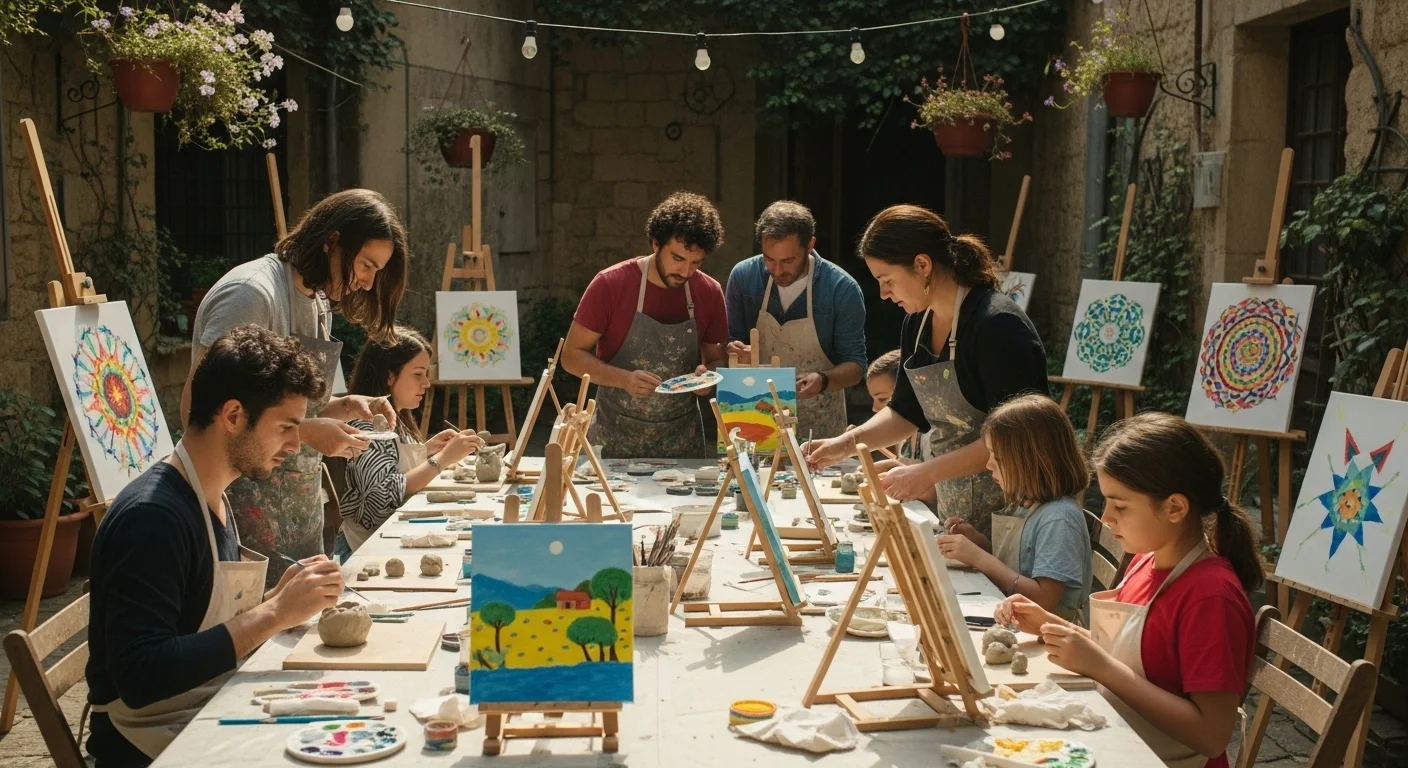
Painting workshops are a fantastic way to unleash your inner artist. I remember my first painting class; I was nervous but excited. The instructor guided us through techniques like blending and layering, and by the end of the session, I had created a piece that I was genuinely proud of. These workshops usually cater to all skill levels, so don’t hesitate to join in!

Pottery Classes

There’s something incredibly therapeutic about working with clay. Pottery classes allow you to get your hands dirty and create something tangible. I loved the feeling of molding the clay on the wheel. Each piece I made was a representation of my creativity, and I enjoyed the sense of accomplishment when I took home my finished works. Plus, there’s nothing like the satisfaction of drinking from a mug you crafted yourself!

Textile and Fiber Arts Workshops

If you’re interested in fiber arts, you’ll be delighted to find workshops that teach knitting, weaving, or sewing. I took a knitting class once, and it turned out to be a delightful experience. I felt like I was entering a new world with endless possibilities, all while creating something cozy and useful. Plus, the community during these workshops is often warm and inviting, making it a great place to meet fellow craft enthusiasts.

Jewelry Making Courses

Jewelry making is another exciting avenue to explore your creativity. I found a local workshop that focused on beading and wire wrapping, and I was hooked! It’s fascinating to see how simple materials can be transformed into beautiful pieces of art. Each workshop feels like a mini celebration of creativity and craftsmanship.

Woodworking and Sculpture Workshops

For those who enjoy working with their hands, woodworking and sculpture workshops offer a fantastic outlet. I remember being a little intimidated by the tools at first, but the instructors were incredibly supportive, guiding us through every step. It was a joy to create something from raw materials and see it take shape. There’s a unique satisfaction in creating functional art that you can display in your home.

These budget workshops not only provide a fantastic opportunity to learn but also create a supportive community of like-minded individuals. Each experience has enriched my life, and I encourage you to dive in and explore what local artisans have to offer!

Finding Local Artisans and Workshops

Once you’re ready to dive into the world of local artisans and workshops, the next step is finding the right ones that fit your interests. I’ve learned that there are several avenues to explore when searching for local artisans and engaging workshops. Each method offers its unique way to connect with the creative community.

Online Platforms for Artisan Listings

In today’s digital age, I’ve found that online platforms are a treasure trove for discovering local artisans and workshops. Websites like Etsy not only showcase handmade goods but often feature local sellers who host workshops. I remember scrolling through pages of beautiful handmade jewelry and stumbled upon a link to a beading workshop right in my neighborhood. Additionally, platforms like Eventbrite and Meetup frequently list budget-friendly workshops, making it easy to find classes that align with your interests. I appreciate the convenience of filtering by location, date, and type of craft, which helps me plan my creative escapes efficiently.

Community Centers and Local Arts Organizations

Another fantastic resource is community centers and local arts organizations. I’ve visited my local community center and been pleasantly surprised by the range of workshops offered. They often host events at affordable prices, encouraging participation from all skill levels. I took a woodworking class at one such center and found not only great instructors but also a vibrant community eager to share their love for art. Local arts organizations frequently collaborate with artisans to provide workshops, so checking their websites or bulletin boards can lead to invaluable opportunities.

Social Media and Art Communities

Social media can be a powerful tool for discovering artisans and workshops. I often scroll through Instagram and Facebook, where many local artisans showcase their work. I’ve come across several posts announcing upcoming workshops, often accompanied by beautiful images that spark my creativity. Joining local art groups on these platforms can also lead to discovering hidden gems in your area. I remember a friend inviting me to a private Facebook group dedicated to local crafting, where members share events and workshops. It became a vibrant hub of inspiration for me, and I met people who were equally passionate about exploring their creativity.

What to Expect from a Budget Workshop

Now that you know how to find local artisans and workshops, let’s talk about what you can expect when you attend a budget workshop. My experiences have varied, but there are some common elements I’ve noticed that can help prepare you for your creative journey.

Class Duration and Structure

When I sign up for a workshop, I usually check how long it lasts. Most workshops are typically structured to last between two to four hours, which I’ve found to be a perfect time frame to learn something new without feeling overwhelmed. The structure often includes a brief introduction, a demonstration by the instructor, and ample time for hands-on practice. I remember attending a painting workshop that started with a quick overview of techniques, then we dove straight into creating our masterpieces. This balance kept me engaged and excited!

Materials Provided vs. Materials Needed

One of the most common questions I had before attending my first workshop was about materials. Many workshops provide all the necessary supplies, which is a huge plus for beginners like me. For instance, I showed up to a pottery class, and everything was laid out for us—clay, tools, and even aprons! However, it’s always a good idea to check beforehand. Sometimes, you might be asked to bring a specific item, like a pair of scissors for a textile workshop. I’ve made it a habit to reach out to the instructor if I’m uncertain, and they’ve always been happy to clarify what I need to bring.

Skill Levels Accommodated

One of the things I appreciate most about budget workshops is their inclusivity. Most instructors are keen to accommodate all skill levels, from complete beginners to seasoned crafters. I remember feeling nervous about my lack of experience when I joined a knitting class, but the instructor reassured me that everyone was there to learn. I ended up making some great progress and even formed friendships with fellow participants who were also new to the craft. It’s empowering to be in an environment where everyone is encouraged to explore their creativity, no matter their background.

Benefits of Joining Budget Workshops

After diving into workshops, I’ve realized that they offer so much more than just learning a new skill. The benefits extend far beyond the classroom, enriching various aspects of our lives.

Learning New Skills

Every workshop I’ve attended has been a new learning experience. I’ve picked up techniques that I never thought I’d master, whether it’s blending colors in painting or learning the intricacies of woodworking. Each new skill builds my confidence and expands my creative toolkit. It’s a wonderful feeling to walk away from a workshop knowing I’ve accomplished something tangible.

Networking Opportunities with Artists and Participants

Attending budget workshops has also opened doors to incredible networking opportunities. I’ve met many talented individuals along the way, including professional artists and fellow hobbyists. We’ve shared tips, resources, and even collaborated on projects outside of class. These connections have sometimes led to friendships that extend beyond the workshop environment. I think it’s amazing how creativity can bring people together!

Creative Expression and Personal Growth

Finally, I can’t stress enough how participating in these workshops has fostered my creative expression and personal growth. It’s not just about making art; it’s about discovering parts of myself that I didn’t know existed. I’ve often left workshops feeling inspired and rejuvenated, eager to explore new ideas and projects. Engaging in creative activities has become a vital part of my routine, and I encourage anyone to embrace it!

Tips for Making the Most of Your Workshop Experience

Arriving Prepared: What to Bring

Having attended quite a few workshops, I’ve learned that arriving prepared can make a huge difference in your overall experience. First and foremost, I recommend checking the workshop details in advance to see if there’s a materials list. Some workshops provide everything you need, while others may ask you to bring specific items. For instance, during a textile workshop, I found it helpful to bring my own scissors and yarn, which allowed me to work with familiar materials.

Additionally, I like to bring a notebook or a sketchbook. It’s great for jotting down notes, ideas, or techniques that I want to remember later. In my experience, I often get so inspired during workshops that I want to capture those moments. Plus, it’s a fantastic way to document my progress over time. Don’t forget to wear comfortable clothes that you don’t mind getting a little messy. Trust me; it’s part of the fun!

Engaging with the Instructor and Participants

One of the most rewarding parts of attending workshops is the chance to engage with both the instructor and fellow participants. I’ve found that asking questions, sharing my thoughts, and listening to others can greatly enhance my learning experience. Instructors usually have a wealth of knowledge and are eager to share tips and insights. I remember asking an instructor about their creative process during a pottery class, and they opened up about their journey, which was incredibly inspiring.

Connecting with fellow participants has also led to lasting friendships. I often strike up conversations during breaks or while working on projects. We share our experiences, challenges, and successes, which creates a supportive environment. I’ve even collaborated with some of them on side projects after workshops, which has enriched my creative journey. So, don’t be shy—engage, ask questions, and share your own story!

Exploring Further Learning Opportunities

After attending a workshop, I’ve noticed a natural urge to continue exploring the craft. Many instructors offer advanced classes or follow-up sessions, which I always consider. It’s exciting to think about diving deeper into a skill I’ve just started to explore. For example, after taking a beginner painting class, I signed up for an intermediate class that focused on specific techniques like color theory and brushwork. It was a fantastic way to build on what I had already learned.

Furthermore, I recommend looking for online tutorials or additional resources related to the workshop topic. Platforms like YouTube or craft blogs are treasure troves of information and can offer fresh perspectives or techniques. I’ve often revisited my notes from workshops while watching a tutorial, reinforcing what I learned and even picking up new skills along the way. The key is to keep the momentum going and not let the learning stop when the workshop ends!

Artistic Events and Exhibitions: Engaging with the Local Art Scene

Art Walks and Open Studios

Once I became more immersed in the local arts community, I discovered the joy of attending art walks and open studio events. These gatherings allow you to experience the creativity of local artists firsthand. I still remember the first art walk I attended; the energy was electric! Artists opened their studios to the public, showcasing their work, processes, and inspirations. It felt like stepping into a world of creativity, and I found myself connecting with artists and their stories.

During these events, I’ve often had the chance to ask questions and even watch live demonstrations. It’s inspiring to see artists at work, and it has helped me appreciate the craft even more. Plus, art walks typically feature a variety of mediums, so there’s always something new to discover. I recommend checking local listings for art walks or open studio events, as they can provide a deeper connection to the artistic community.

Local Art Fairs and Markets

Local art fairs and markets are another fantastic way to engage with the art scene while supporting local artisans. I’ve visited numerous fairs where I could browse handmade goods, from jewelry to paintings, all created by talented artisans in my area. The atmosphere is usually lively, with music, food, and a sense of community that’s hard to beat.

What I love most about these events is the opportunity to meet the makers behind the art. I’ve had many conversations with artisans about their creative processes, inspirations, and experiences. Buying directly from them adds a personal touch to my purchases, knowing that I’m supporting their craft. Plus, I often leave with unique pieces that remind me of the local talent in my area, which I truly cherish.

Exhibitions Showcasing Artisan Work

Exhibitions are another wonderful way to celebrate local artisans. Many galleries host shows that focus on specific themes or mediums, highlighting the creativity of local talent. I’ve attended exhibitions that spotlighted everything from photography to mixed media, and each experience was inspiring in its own right. It’s fascinating to see how different artists interpret similar themes, and it has broadened my understanding of the art world.

Visiting these exhibitions has also encouraged me to explore new artistic avenues. After seeing an exhibition on textile art, I felt inspired to delve deeper into my own fiber arts practice. If you’re curious about local exhibitions, I recommend checking gallery websites or local arts organizations for upcoming shows. It’s a great way to immerse yourself in the local art scene and support the creative community. You might also want to look at Cultural Gems: Affordable Tours of Local Artisans’ Workspaces for more opportunities to engage with artisans.

Frequently Asked Questions

What are budget workshops with local artisans?

Budget workshops with local artisans are experiences that allow individuals to engage in creative activities while learning new skills and connecting with the local art community. These workshops are often affordable and cover various art forms such as painting, pottery, and textile arts.

Why are local artisans important to the community?

Local artisans play a crucial role in the community by preserving traditions, telling stories through their crafts, and contributing to the local economy. They serve as educators and innovators, bridging generations and enriching the cultural landscape of neighborhoods.

What types of workshops are available?

There is a wide variety of budget workshops available, including painting workshops, pottery classes, textile and fiber arts workshops, jewelry making courses, and woodworking and sculpture workshops, each offering unique opportunities to explore creativity.

How can I find local artisans and workshops?

You can find local artisans and workshops through online platforms like Etsy, Eventbrite, and Meetup, as well as community centers, local arts organizations, and social media. These resources often list upcoming events and workshops in your area.

What should I expect during a budget workshop?

During a budget workshop, you can expect a structured experience that typically lasts between two to four hours, including introductions, demonstrations, and hands-on practice. Many workshops provide materials, but it’s essential to check in advance for any specific items you might need to bring.

What are the benefits of attending budget workshops?

Attending budget workshops offers numerous benefits, including learning new skills, networking opportunities with artists and participants, and fostering creative expression and personal growth. Each workshop provides a chance to create something tangible while connecting with others.

How can I prepare for a workshop?

To prepare for a workshop, check the details for a materials list, bring a notebook or sketchbook for notes, and wear comfortable clothing. Arriving prepared can enhance your overall experience and help you make the most of the workshop.

What is the significance of engaging with the instructor and other participants?

Engaging with the instructor and fellow participants can significantly enrich your learning experience. Asking questions, sharing thoughts, and making connections can lead to lasting friendships and collaborative opportunities, enhancing the overall enjoyment of the workshop.

What are art walks and open studio events?

Art walks and open studio events are gatherings that allow the public to experience local artists’ creativity firsthand. They provide opportunities to meet artists, ask questions, and see live demonstrations, creating a vibrant connection to the local art scene.

How can exhibitions showcasing artisan work inspire attendees?

Exhibitions showcasing artisan work highlight the creativity of local talent and can inspire attendees to explore new artistic avenues. Visiting these exhibitions broadens understanding and appreciation of various art forms and encourages personal exploration in the arts.

Cultural Gems: Affordable Tours of Local Artisans’ Workspaces

Exploring the world through the eyes of local artisans is like stepping into a vibrant tapestry of culture and creativity. Affordable tours of their workspaces allow us to connect with traditions that span generations and appreciate the artistry that defines communities. Explore Local Artisans: Budget Tours for Art Lovers can help you discover these experiences.

Cultural Gems: Affordable Tours of Local Artisans' Workspaces

Understanding Local Artisans and Their Craft

When I think about local artisans, I feel a deep appreciation for the unique skills and stories they bring to their craft. These talented individuals often dedicate their lives to preserving traditional methods, showcasing their cultural heritage through their work. Every item they create—be it a handwoven textile, a beautifully painted ceramic, or intricate jewelry—carries the essence of their community. This is not just about the final product; it’s about the journey of creation, the time and effort invested, and the passion that fuels their artistry.

The Importance of Local Artisans in Cultural Heritage

Local artisans play a crucial role in maintaining cultural heritage. I remember visiting a small village where the potters have been shaping clay for centuries. They shared stories about how their techniques have been passed down from their ancestors, each generation adding its own flair. This connection to the past keeps traditions alive, and by supporting these artisans, we contribute to the sustainability of their crafts. It’s a beautiful cycle: the artisans thrive, and in turn, they keep their culture vibrant for future generations.

Types of Crafts: From Pottery to Weaving

Diving deeper into the world of local artisans, I’ve discovered a rich variety of crafts. For instance, pottery has always fascinated me. I love the way a simple lump of clay transforms into something functional and beautiful through skilled hands. In many cultures, pottery isn’t just about utility; it often carries symbolic meanings or tells a story.

Weaving is another craft that captivates my interest. I once attended a workshop where I learned about different weaving techniques. The artisans explained how each pattern and color choice reflects their heritage and environment. I was amazed at how a single piece of fabric could embody history, stories, and even emotions. From jewelry making to wood carving, each craft showcases the artisan’s skill and connection to their culture.

As I explored these crafts, I began to understand that they are more than just products; they are cultural expressions. Every artisan has a unique story, and their work is a testament to their heritage. This realization deepened my appreciation for handmade items and inspired me to seek out affordable tours where I could learn directly from these talented creators. Explore the World: Affordable Historical Art Tour Destinations to find more options.

Benefits of Taking Affordable Tours

Supporting Local Economies

One of the most rewarding aspects of taking affordable tours of artisans’ workspaces is knowing that I’m supporting local economies. When we choose to engage with local craftsmen and women, we’re not just purchasing a product; we’re investing in the community. I remember visiting a small workshop in a bustling market, where I saw firsthand how the income from tours helped families thrive. This direct support fosters economic growth and helps keep traditions alive.

Gaining Insight into Traditional Techniques

On my tours, I’ve had the privilege of witnessing traditional techniques that have been honed over generations. I once took a trip to a weaving village where the artisans demonstrated their craft. Watching them work was mesmerizing. They explained the intricate patterns, the significance behind each design, and the natural materials they used. This hands-on experience gave me a deeper understanding of the time and skill involved in their creations. It’s one thing to read about these techniques; it’s entirely different to see them in action and ask questions directly from the artisans.

Unique Souvenir Opportunities

One of my favorite parts of these tours is the opportunity to find unique souvenirs. Unlike mass-produced items, the crafts I discovered during my travels carry personal stories. I remember purchasing a hand-painted bowl from a ceramic artist who shared the inspiration behind her designs. It felt special to take home a piece of her art, knowing the care and creativity that went into making it. These souvenirs serve as reminders of my travels and the connections I made along the way.

Choosing affordable tours of local artisans’ workspaces not only enriches our travel experiences but also allows us to forge meaningful connections with cultures. I’ve learned that every piece I bring home represents not just the skill of the artisan but also their story, their heritage, and our shared experience. By engaging with these talented individuals, we keep their crafts alive and support the cultural fabric of their communities. With each tour, I find myself more inspired and appreciative of the beauty that surrounds us in every corner of the world.

Top Destinations for Artisan Tours

Exploring Artisan Workshops in Italy

Italy holds a special place in my heart for its rich artistic heritage, and exploring artisan workshops there is an experience I’ll never forget. Each region has its unique specialties. I remember wandering through the narrow streets of Florence, where I stumbled upon a small leather workshop. The artisan, an elderly gentleman, shared stories about how he uses techniques passed down through generations to create exquisite leather goods. I was captivated by the smell of the leather and the precision in his stitching. This experience made me realize that in Italy, every artisan’s work is not just about the product; it’s about preserving a tradition that feels alive and vibrant.

In Venice, I visited a glass-blowing workshop on Murano Island. Watching the artisans skillfully transform molten glass into delicate pieces was mesmerizing. They explained the history of Murano glass and its significance in Venetian culture. I left with a beautiful glass pendant, knowing that I had witnessed the artistry behind it firsthand. These tours allow us to appreciate the hard work and dedication that goes into each piece, making our souvenirs even more meaningful.

Handcrafted Goods in Mexico

When I think of Mexico, vibrant colors and intricate designs come to mind, especially when it comes to artisan crafts. I had the pleasure of visiting a small town near Oaxaca known for its alebrijes—brightly colored wood carvings of fantastical creatures. The artisans welcomed us into their workshops, sharing not only their craft but also the cultural significance behind their creations. I learned how each carving tells a story, often rooted in local folklore. Picking out an alebrije to take home felt like bringing a piece of their culture with me.

Another highlight was the traditional textile workshops in the village of Teotitlán del Valle. Here, I saw the entire process of weaving, from dyeing the wool using natural pigments to creating beautiful rugs and tapestries. The artisans were eager to explain their techniques, and I even got to try my hand at weaving. It was a delightful way to connect with the community, and I left with a stunning rug that I cherish as a reminder of the experience.

Textile Artisans in India

India is a treasure trove of textile arts, and my journey through its artisan workshops was nothing short of enchanting. In Jaipur, I visited a block-printing workshop where artisans skillfully carved designs into wooden blocks. Watching them stamp fabric with precision was eye-opening. They explained how each pattern has historical significance, often inspired by nature and traditional motifs. I was thrilled to purchase a hand-printed scarf, knowing the effort that went into creating it.

In the village of Kutch, I found myself immersed in the world of embroidery. The artisans there shared their techniques, which have been honed over centuries. I was fascinated to learn about the different stitches they use and how each community has its own style. Participating in a workshop made me appreciate the complexity and beauty of Indian textiles even more, and I felt honored to take part in a craft that has deep cultural roots.

Pottery and Glassblowing in Eastern Europe

Eastern Europe offers a unique perspective on artisan crafts, particularly in places like Poland and the Czech Republic. I remember visiting a pottery studio in Bolesławiec, known for its distinctive blue and white patterns. The artisans not only demonstrated their skills but also shared the history of the pottery, explaining how each piece is made by hand. I enjoyed selecting a few pieces to bring home, knowing that each one was crafted with love and tradition.

In the Czech Republic, I experienced the art of glassblowing in the historic town of Nový Bor. The artisans there are incredibly skilled, and watching them blow glass into intricate shapes was mesmerizing. They shared stories about the importance of glass in their culture and how it has evolved over the years. I loved the idea that I was witnessing a craft that has been practiced for centuries. I walked away with a stunning glass vase that felt like a piece of history.

Each destination taught me something new about the local culture and the artisans’ dedication to their craft. I found that these experiences opened my eyes to the beauty of handmade goods, and I developed a deeper appreciation for the stories behind them. Traveling to these artisan hubs not only enriched my journey but also allowed me to connect with people and traditions in a meaningful way.

What to Expect on an Artisan Tour

Typical Itinerary of a Local Artisan Tour

When I signed up for my first artisan tour, I wasn’t entirely sure what to expect. However, the itinerary turned out to be a delightful mix of exploration and learning. Usually, tours start with a warm welcome from the artisan, who often shares their background and passion for their craft. This personal touch immediately sets the tone for an intimate experience.

In my experience, the itinerary typically includes a guided walkthrough of the workspace where the artisan creates their masterpieces. I remember wandering through a vibrant studio filled with colorful textiles and the rhythmic sounds of looms in action. Tours often offer a chance to observe the artisans at work and see the stages of their craft, from raw materials to finished products. This behind-the-scenes look is what makes these tours so special. I found that having the opportunity to ask questions throughout the process enriched my understanding of their craft.

Many tours also incorporate interactive elements, such as hands-on workshops, where participants can try their hand at a craft under the artisan’s guidance. I took part in a pottery session in a quaint village, and it was exhilarating to shape the clay myself, even if my final creation was far from perfect! The itinerary usually wraps up with a chance to purchase unique pieces, allowing us to take home a piece of the experience. Discover Historical Art Tours: A Budget Backpacker’s Guide to enhance your knowledge on this topic.

Interactive Workshops vs. Observational Tours

As I delved deeper into artisan tours, I found that there are two main types: interactive workshops and observational tours. Each offers a distinct experience, depending on what you’re hoping to gain from your visit.

Interactive workshops are hands-on and often allow participants to engage directly with the craft. I attended a weaving workshop where I not only learned about the techniques but also got to create a small tapestry of my own. It was incredibly fulfilling to leave with something I made, no matter how simple it was. I think these workshops often foster a deeper appreciation for the skills involved since you get to experience the challenges and triumphs firsthand.

On the other hand, observational tours focus more on watching the artisans at work. These tours provide a broader understanding of the craft’s history and significance. I remember visiting a glassblowing studio where the artisan performed a live demonstration. Watching the molten glass transform into intricate shapes left me in awe. While I couldn’t try my hand at glassblowing that day, the artistry and skill on display were unforgettable. I believe both types of tours can be rewarding, depending on your interests.

Meet the Artisans: Personal Stories and Backgrounds

One of the most enriching aspects of artisan tours for me has been the chance to meet the artisans themselves. They often share personal stories that provide context to their craft. For instance, during a tour in a small village, I met an elderly woman who had been weaving baskets for over fifty years. As she worked, she recounted how her grandmother taught her the craft, and how it had been a source of income and pride for her family. There’s something incredibly touching about hearing firsthand how these artisans dedicate their lives to preserving their traditions.

I’ve found that these personal connections add depth to the experience. Each artisan has a unique journey shaped by their culture, community, and personal inspirations. When I learned that the patterns in the baskets reflected the surrounding landscape, it made each piece feel so much more alive. It’s not just about the craft but about identity and legacy. Meeting artisans allows us to connect with their stories, making our journey not just a visit but a shared experience.

These tours often encourage a dialogue, allowing us to ask questions and learn more about their techniques and challenges. I remember a young artisan I met in a pottery studio who spoke passionately about the environmental issues affecting clay sourcing. It was enlightening to understand how global challenges impact local artisans and their crafts.

In every artisan I’ve met, I’ve seen a reflection of resilience and dedication. Their willingness to share their stories has left a lasting impression on me, reinforcing the importance of supporting their work. Each tour not only opens a window into their craft but also into their lives, making for unforgettable memories.

How to Find Affordable Artisan Tours

Online Platforms and Travel Agencies

Finding affordable artisan tours can be easier than I initially thought, thanks to various online platforms and travel agencies. Websites like Airbnb Experiences and Viator offer a wide range of options, allowing us to filter by price and type of craft. I often browse these platforms before my trips, as they provide user reviews that give insights into what to expect. One of my favorite experiences came from an Airbnb listing where I joined a local artist in their studio for a pottery class. The intimacy of the experience felt special, and it was reasonably priced, too.

Local Tourism Offices and Community Programs

Another great resource is local tourism offices. During my travels, I’ve found that these offices are treasure troves of information about artisan tours. They often promote community programs that support local artisans and provide maps or brochures detailing various workshops. I remember visiting a tourism office in a small town in Portugal, where the staff enthusiastically guided me to a nearby tile-making workshop that I would have otherwise missed. They also offered packaged deals for tours, making it even more affordable.

Seasonal Discounts and Promotions

Timing can also play a significant role in finding affordable artisan tours. Many artisans offer seasonal discounts or promotions, especially during local festivals or events. I once planned a trip during a cultural festival in a small village, where artisans showcased their crafts and provided discounted tours. This not only allowed me to experience the local culture but also saved me money! Following local artisan social media pages or subscribing to newsletters can keep you updated on such offers, ensuring that you don’t miss out on wonderful opportunities.

Tips for Maximizing Your Artisan Tour Experience

Questions to Ask Artisans During Your Visit

Engaging with artisans during your tour can enhance your experience immensely. I’ve learned that asking thoughtful questions can open up meaningful conversations. I usually start with queries about their craft, such as, “What inspired you to start this?” or “Can you tell me about a memorable piece you’ve created?” These questions often lead to fascinating stories that deepen my appreciation for their work. I’ve found that expressing genuine interest not only enriches my understanding but also builds a connection with the artisan.

Respecting Cultural Norms and Practices

As I’ve traveled, I’ve realized how important it is to respect local customs and practices. Each culture has its own set of values, and being mindful of these during artisan tours shows respect for the artisans and their craft. For example, in some cultures, it’s customary to ask permission before taking photographs or to wait for the artisan to finish a demonstration before approaching them with questions. I always try to observe and adapt to the local norms, which enhances the overall experience and builds mutual respect.

Photography Etiquette in Workspaces

Photography can be a tricky subject in artisans’ workspaces. While I love capturing moments, I’ve learned to be sensitive to the artisans’ preferences. I always ask for permission before taking photos, and if they decline, I completely respect their wishes. There’s something special about the memories we create without a camera, and I’ve found that focusing on the experience rather than just documenting it can lead to a more enriching visit.

Reviews and Recommendations for Artisan Tours

Top-Rated Tours by Travelers

When looking for artisan tours, I often turn to travel forums and review websites like TripAdvisor to find top-rated tours. Reviews from fellow travelers can provide insights into the quality of the experience, the friendliness of the artisans, and whether the tour is worth the price. I once stumbled upon an incredible glassblowing tour in a small town in Italy that had glowing reviews, and it lived up to every expectation. Reading about others’ experiences helps me make informed decisions about which tours to choose.

Hidden Gems: Lesser-Known Artisan Experiences

In my travels, I’ve discovered that sometimes the best experiences come from lesser-known artisan tours. While famous workshops attract many visitors, I find that smaller, off-the-beaten-path tours offer a more intimate experience. For instance, I once visited a tiny pottery studio in a remote village, where the artisan was incredibly passionate and welcoming. I left with not only a beautiful piece of pottery but also a personal story that I will cherish forever. I always keep an eye out for these hidden gems, as they often lead to the most memorable experiences.

Safety Considerations When Touring Artisans’ Workspaces

Health and Safety Protocols

When participating in artisan tours, I’ve learned that it’s essential to be aware of health and safety protocols, especially in shared spaces. Many artisans have their own safety measures in place, such as wearing masks or providing hand sanitizer. I always make sure to follow these guidelines, as they not only help protect myself but also show respect for the artisan’s workspace. Being mindful of these protocols can make the experience enjoyable for everyone involved.

Transport and Accessibility Tips

Getting to artisan workshops can sometimes be a challenge, especially in rural areas. I’ve found that researching transportation options in advance is key. Whether it’s renting a bicycle or organizing a ride with a local, knowing how to get to the workshop can help avoid any last-minute stress. Additionally, I always check if the workshop is accessible, as some artisans may work in spaces that aren’t wheelchair-friendly. Planning ahead ensures that I can fully enjoy the experience without any hiccups.

COVID-19 Considerations for Travelers

With the ongoing changes due to COVID-19, I always check the latest travel advisories and health guidelines before embarking on artisan tours. Many artisans have adapted their practices to ensure safety, and it’s crucial to stay informed about any restrictions or requirements. I’ve found that being flexible and understanding of these changes not only helps keep everyone safe but also shows support for the artisans as they navigate these challenging times.

Final Thoughts

Exploring the world through artisan tours has deeply enriched my travels and broadened my understanding of different cultures. Each encounter with local artisans has been a reminder of the beauty and complexity of handmade crafts. From their heartfelt stories to the intricate techniques they share, these experiences have inspired me to appreciate craftsmanship in all its forms. I’ve realized that when we choose to support local artisans, we’re not just buying a product; we’re investing in stories, traditions, and communities. So, the next time you travel, I encourage you to seek out these opportunities. You might just discover a piece of the world that connects you to something greater.

Frequently Asked Questions

What is the significance of local artisans in cultural heritage?

Local artisans play a crucial role in maintaining cultural heritage by preserving traditional methods and showcasing their cultural heritage through their work. Their crafts keep traditions alive and contribute to the sustainability of their communities.

What types of crafts can be explored through artisan tours?

Artisan tours provide opportunities to explore a rich variety of crafts, including pottery, weaving, jewelry making, and wood carving. Each craft reflects the artisan’s skill and their connection to their culture.

What are the benefits of taking affordable tours of artisans’ workspaces?

Taking affordable tours supports local economies, provides insight into traditional techniques, and offers unique souvenir opportunities, allowing travelers to connect with the artisans and their crafts on a deeper level.

How can artisan tours enrich travel experiences?

Artisan tours enrich travel experiences by allowing travelers to forge meaningful connections with local cultures, understand the stories behind handmade items, and appreciate the artistry and effort involved in creating these crafts.

What can travelers expect on a typical artisan tour itinerary?

A typical artisan tour itinerary includes a warm welcome from the artisan, a guided walkthrough of their workspace, opportunities to observe their craft in action, hands-on workshops, and a chance to purchase unique pieces at the end of the tour.

What is the difference between interactive workshops and observational tours?

Interactive workshops allow participants to engage directly with the craft and create something themselves, while observational tours focus on watching artisans at work and learning about the history and significance of their craft.

How can travelers find affordable artisan tours?

Travelers can find affordable artisan tours through online platforms like Airbnb Experiences and Viator, local tourism offices that promote community programs, and by looking for seasonal discounts or promotions during local events.

What questions should travelers ask artisans during their visits?

Travelers should ask thoughtful questions about the artisan’s craft, such as what inspired them to start, memorable pieces they’ve created, and the significance of their techniques, to foster engaging conversations and deepen their understanding.

What safety considerations should travelers keep in mind when touring artisans’ workspaces?

Travelers should be aware of health and safety protocols in shared spaces, research transportation options to reach workshops, and stay informed about COVID-19 guidelines to ensure a safe and enjoyable experience.

What final thoughts does the author have about exploring artisan tours?

The author emphasizes that exploring artisan tours enriches travel and broadens understanding of different cultures. Supporting local artisans means investing in stories, traditions, and communities, creating a deeper connection to the places visited.

Budget Backpacking: Artisans and Workshops You Can’t Miss

Budget backpacking offers a unique way to explore the world while connecting with local artisans and their crafts. Discovering workshops and learning from talented creators can enhance your travel experience without breaking the bank. For those interested in architectural wonders, consider checking out Budget Backpacking: Unveiling Modern Architectural Gems.

Budget Backpacking: Artisans and Workshops You Can't Miss

Understanding Budget Backpacking

What is Budget Backpacking?

When I first heard about budget backpacking, I was intrigued. It’s not just about traveling on a tight budget; it’s a lifestyle choice that emphasizes adventure, discovery, and cultural immersion. Instead of staying in fancy hotels or eating at touristy restaurants, budget backpackers like us often seek affordable accommodations, local food, and unique experiences. It’s about getting off the beaten path and really experiencing the heart and soul of a destination.

I remember my first backpacking trip; I stayed in hostels and mingled with other travelers. We swapped stories about our adventures and even shared tips on where to find the best local eats. Budget backpacking is about forming connections, not just with fellow travelers, but also with the places we visit and the people who call those places home.

Benefits of Budget Backpacking

The benefits of budget backpacking are plentiful. First and foremost, it allows us to stretch our travel dollars. Instead of spending a lot on accommodations, we can allocate our funds towards experiences, like attending artisan workshops or exploring local markets. This way, we can immerse ourselves in the culture and gain a deeper understanding of the area.

I’ve found that by opting for budget-friendly options, I often stumble upon the most extraordinary experiences. For instance, I once joined a local cooking class in a tiny village in Thailand for just a few dollars. Not only did I learn how to make authentic pad Thai, but I also got to know the charming family who ran the class. It was a moment I would have missed if I had chosen to dine in a high-end restaurant.

Another benefit is the opportunity to meet new people. Hostels and budget accommodations are usually filled with like-minded adventurous souls. I’ve made lifelong friends while sharing a dorm room or cooking dinner together in a hostel kitchen. These connections often lead to spontaneous adventures and unforgettable memories. Explore Indigenous Cultures: Budget Backpacking Guide for more insights on connecting through culture.

Essential Gear for Budget Backpacking

When it comes to budget backpacking, having the right gear can make all the difference. I’ve learned that packing light is key. A well-fitted backpack, comfortable clothes, and essential travel items are all I need. Here are some must-haves that I never travel without:

  • Durable Backpack: Choose one that fits your body well and is designed for comfort. I prefer a pack with multiple compartments, which makes it easier to organize my gear.
  • Travel-Size Toiletries: Instead of lugging around full-size bottles, I use travel-size containers. They save space and weight, making my backpack lighter.
  • Portable Charger: Keeping my devices charged is crucial for navigation and communication. I always carry a portable charger to ensure I stay connected.
  • First Aid Kit: A small first aid kit can save the day. I’ve had my share of minor scrapes and ailments while traveling, and having basic supplies on hand is a lifesaver.
  • Reusable Water Bottle: Staying hydrated is essential, and I love my reusable water bottle. It not only saves money, but it’s also better for the environment.

Investing in quality gear is worth it, especially when it comes to comfort and safety. I’ve made the mistake of choosing cheaper alternatives that didn’t last, and I ended up spending more in the long run. I recommend doing your research and finding what works for you.

As I prepare for my next adventure, I remember to keep my packing list simple and focus on the essentials. The less I carry, the more freedom I feel to explore and discover the hidden gems of each destination.

Artisans and Workshops: An Overview

What are Artisans and Workshops?

Artisans are skilled craftsmen and women who create handmade goods, often using traditional techniques passed down through generations. Workshops are spaces where these artisans share their skills, allowing both locals and travelers like us to learn and create. I’ve always been fascinated by the stories behind handmade items, and visiting artisans is a way to appreciate their craft on a deeper level.

One of my favorite experiences was attending a pottery workshop in Morocco. The artisan taught us how to shape clay using a traditional wheel while sharing insights about the cultural significance of pottery in his community. It wasn’t just a class; it was a glimpse into his life and heritage.

Importance of Supporting Local Artisans

Supporting local artisans is not just about purchasing unique souvenirs; it’s about contributing to the local economy and preserving cultural traditions. I feel that every time I buy a handmade item, I’m helping to sustain a craft that might otherwise fade away. It’s a meaningful way to give back to the community while also bringing home a piece of my travel experience.

During my travels, I’ve seen the impact that our support can have. In many cases, artisans rely on tourists to keep their crafts alive. When we choose to engage with them directly, we create a ripple effect that can empower communities and promote sustainable practices.

Types of Workshops Available

The types of workshops available can vary greatly depending on the region, but they all offer unique insights into local culture. I’ve participated in a range of workshops—from cooking classes that teach traditional recipes to art classes focusing on local painting techniques. Some of the most popular types include:

  • Cooking Workshops: These are a fantastic way to learn about a country’s cuisine. You get hands-on experience, and you often get to enjoy the delicious meals you prepare!
  • Textile and Weaving Workshops: I’ve tried my hand at weaving in places like Peru, where the vibrant colors and patterns tell stories of the local culture.
  • Pottery and Ceramics: These workshops allow you to create your own pieces while learning about the history of the craft.
  • Art and Craft Classes: From painting to jewelry making, these workshops let you express your creativity while learning from talented artisans.

Each workshop I’ve attended has left me with not only a tangible item to remember my experience by but also invaluable lessons and connections with the local community. It truly enriches my travels, making each trip more memorable. Additionally, consider reading about how to offset your travel emissions in Budget Backpacking: How to Offset Carbon Emissions Easily.

Top Destinations for Budget Backpacking with Artisans

Europe

Italy: Craftsmanship and Culinary Workshops

Italy has always held a special place in my heart, and when I think of this beautiful country, I can’t help but recall the incredible craftsmanship I encountered. From pottery in the Amalfi Coast to leather-making workshops in Florence, the options are endless. I once took a cooking class in a rustic kitchen overlooking rolling hills in Tuscany. We learned to make fresh pasta from scratch, and I’ll never forget the joy of sitting around the table with fellow travelers, savoring the fruits of our labor paired with local wine.

Engaging in these workshops not only allowed me to learn new skills but also connected me with locals who shared their stories and traditions. It felt like stepping inside a living museum, where every dish had a story behind it. Budget-friendly options abound, and many local families offer classes at reasonable prices, making it easy to immerse yourself in Italian culture without overspending.

Spain: Traditional Crafts and Artisanal Foods

Spain is another gem for budget backpackers seeking artisan experiences. I was fortunate to join a flamenco dance lesson in Seville, which was not only entertaining but also a wonderful way to connect with the local culture. The vibrant energy and passion of the dance left a lasting impression on me.

In addition to dance, Spain’s artisanal food workshops are a must-try. I participated in a tapas-making class where I learned to prepare classic dishes like patatas bravas and gambas al ajillo. Sharing these meals with new friends made it all the more special. Spain’s rich tapestry of art and culinary traditions offers countless opportunities to engage with local artisans, often at a fraction of what you’d pay for similar experiences in other parts of Europe.

Asia

Thailand: Textile and Handicraft Workshops

When I think of Thailand, I’m reminded of the vibrant textiles and intricate handicrafts that are so deeply embedded in its culture. During my travels, I took part in a textile workshop in Chiang Mai, where I learned about the traditional dyeing techniques used by local artisans. The colors were mesmerizing, and I was amazed at how much care and skill goes into each piece of fabric.

In addition to textiles, Thailand is famous for its handicrafts, such as wood carving and basket weaving. I remember visiting a local market where artisans showcased their work; it was an excellent opportunity to support them directly. Engaging in these workshops not only enriched my understanding of Thai culture but also provided me with unique souvenirs that I cherish to this day.

India: Pottery and Art Workshops

India is a land of immense diversity, and its artisan workshops reflect that. I found myself in Jaipur, where I participated in a pottery workshop that introduced me to the art of crafting traditional clay pots. The artisans were generous with their knowledge, and I loved getting my hands dirty while creating something I could take home as a memory of my journey.

Art workshops focusing on traditional painting techniques are also popular, especially in Rajasthan. I joined a session where I learned about the intricate designs of miniatures. The patience and precision required for this art form left me in awe. Each experience was not just a lesson in skills but also a lesson in the importance of preserving culture through art.

South America

Peru: Weaving and Artisan Markets

Peru is a treasure trove of artisan workshops, particularly in the Andean regions. I had the pleasure of attending a weaving workshop in a small village near Cusco. The artisans taught us how to use traditional looms, and I was fascinated by the stories behind the patterns and colors they used. It was incredible to see firsthand how these textiles are more than just fabric; they carry cultural significance and history.

Visiting local artisan markets is another highlight of traveling in Peru. I remember haggling for vibrant textiles and handmade jewelry while learning about their origins from the artisans themselves. Supporting these craftspeople felt meaningful and rewarding, as I knew my purchases helped sustain their livelihoods.

Argentina: Leather Workshops

Argentina is famous for its high-quality leather goods, and during my visit to Buenos Aires, I was eager to dive into this world. I took a leather-making workshop where I learned how to craft a simple wallet. The instructors shared their expertise and tips, making the experience both educational and enjoyable. It was empowering to create something tangible that I could use daily.

While exploring the city, I also visited leather markets where artisans displayed their work. The craftsmanship was impressive, and I loved listening to their stories about the techniques passed down through generations. Supporting them by purchasing a piece felt like a meaningful way to connect with the culture.

Must-Visit Artisans and Workshops

Handmade Pottery Workshops

Pottery workshops are truly special and often reflect the heart of a community. I’ve visited several places where artisans mold clay into beautiful pieces of art, and each experience has been unique. For example, in Mexico, I joined a pottery workshop in a small village known for its traditional techniques. The artisan guided us through the process, sharing the history of pottery in his family and demonstrating how the clay is treated. I loved getting my hands dirty and creating my own piece to take home. It felt like I was connected to centuries of tradition, and I left with a newfound appreciation for each handcrafted item I saw in shops afterward.

Textile and Weaving Centers

I cannot emphasize enough how impactful attending a textile workshop can be. The vibrant colors and intricate patterns speak volumes about the culture they represent. During my travels in Guatemala, I visited a weaving center run by local artisans. They taught us how to use backstrap looms, a technique that has been passed down through generations. I was amazed at the skill it took to create such detailed designs. Not only did I get to weave my own small piece, but I also learned about the meanings behind the different patterns. Every thread told a story, and I loved being part of that narrative.

Local Culinary Classes

Food has a way of bringing people together, and local culinary classes are a fantastic way to dive into a destination’s culture. I’ve taken classes in several countries, from making sushi in Japan to baking pastries in France. Each class offered a chance not just to learn recipes but also to understand the ingredients and cooking methods that make a cuisine unique. I remember a cooking class I took in Vietnam, where we prepared a traditional meal using fresh herbs from a nearby market. The vibrant flavors we created together were unforgettable, and sharing the meal with locals made it even more special. I always recommend seeking out these culinary experiences as they enrich your journey and palate.

Jewelry-Making Studios

Jewelry-making workshops are another great way to connect with local artisans. During my time in Bali, I had the pleasure of attending a jewelry-making class where we crafted pieces from silver and semi-precious stones. The artisan shared his journey, explaining how each piece of jewelry represented Bali’s rich culture and spirituality. It was fascinating to learn about the significance of the materials we used. Creating my own piece not only gave me a beautiful souvenir but also allowed me to carry a piece of the culture with me. Plus, I felt a sense of pride wearing something I made with my own hands.

How to Find Affordable Workshops

Online Resources and Platforms

In today’s digital age, finding affordable workshops has become easier than ever. I often start my search on platforms like Airbnb Experiences, Viator, or even local Facebook groups. These platforms often feature unique workshops hosted by local artisans at reasonable prices. I’ve discovered some hidden gems this way. For example, while planning a trip to Lisbon, I found a local artist offering a watercolor painting class for a fraction of the price of typical tourist activities. It was a fun and authentic experience that I wouldn’t have found otherwise.

Local Tourism Offices and Community Boards

Once I arrive in a new place, I make it a point to visit local tourism offices or check out community boards. These are goldmines for discovering workshops that might not be advertised online. I remember going to a tourism office in Florence, where the staff shared information about a leather workshop run by a local family. It wasn’t widely advertised, but it turned out to be one of the highlights of my trip. Engaging with locals at these offices often leads to insider tips and authentic experiences that you won’t find in guidebooks.

Networking with Other Backpackers

Lastly, never underestimate the power of fellow travelers. I’ve met some amazing people while backpacking, and sharing tips and experiences can lead to discovering great workshops. I often ask other backpackers where they’ve been and if they’ve tried any local workshops. On one trip, I met a couple who had just taken a soap-making class in Thailand, and they couldn’t stop raving about it. Their enthusiasm inspired me to look for similar experiences. Whether it’s in a hostel common area or over coffee, exchanging ideas can significantly enhance your travel plans.

Tips for a Successful Experience

Planning Your Itinerary Around Workshops

When I plan my travels, I always make sure to include workshops in my itinerary. It’s important to check the schedule of classes and the time they take so that I don’t miss out on other attractions. I usually try to group workshops near other sites I want to see. For instance, while in Kyoto, I planned a pottery class right after visiting a nearby temple, making it convenient and enriching. This way, I get the most value out of my time and budget.

Budgeting for Workshops and Materials

While many workshops are affordable, some do come with additional material costs. I’ve learned to budget for these ahead of time to avoid surprises. When I took a cooking class in Greece, for example, there was a small fee for the ingredients, but it was totally worth it. I always recommend checking in advance what’s included in the workshop fee and planning accordingly. By budgeting wisely, I can enjoy these experiences without feeling guilty about spending.

What to Bring: Essentials for Workshops

Before heading to a workshop, I make sure to pack a few essentials. Comfortable clothes are a must, especially for hands-on activities like cooking or pottery. I also bring a reusable bag for any items I create and often a notebook to jot down tips and recipes. If the workshop involves any physical activity, like dance or weaving, wearing suitable footwear can make a huge difference. These small preparations help me feel ready and excited for the experience ahead.

Frequently Asked Questions

What is budget backpacking?

Budget backpacking is a lifestyle choice that emphasizes adventure, discovery, and cultural immersion while traveling on a tight budget. It focuses on affordable accommodations, local food, and unique experiences instead of luxury options.

What are the benefits of budget backpacking?

Budget backpacking allows travelers to stretch their travel dollars, allocate funds towards experiences, meet new people, and immerse themselves in local cultures. It often leads to extraordinary experiences and lasting connections with fellow travelers and locals.

What essential gear is recommended for budget backpacking?

Essential gear for budget backpacking includes a durable backpack, travel-size toiletries, a portable charger, a first aid kit, and a reusable water bottle. Packing light and investing in quality gear enhances comfort and safety during travels.

What are artisans and workshops?

Artisans are skilled craftsmen and women who create handmade goods using traditional techniques. Workshops are spaces where these artisans share their skills, allowing locals and travelers to learn and create while appreciating the craft on a deeper level.

Why is it important to support local artisans?

Supporting local artisans contributes to the local economy and helps preserve cultural traditions. Purchasing handmade items sustains crafts that may otherwise fade, empowering communities and promoting sustainable practices.

What types of workshops are commonly available?

Common types of workshops include cooking classes, textile and weaving workshops, pottery and ceramics, and art and craft classes. Each workshop offers insights into local culture and opportunities for creative expression.

What are some top destinations for budget backpacking with artisan experiences?

Top destinations include Italy for culinary and craftsmanship workshops, Spain for traditional crafts and artisanal foods, Thailand for textile and handicraft workshops, India for pottery and art workshops, and Peru for weaving and artisan markets.

How can travelers find affordable workshops?

Travelers can find affordable workshops through online resources like Airbnb Experiences and Viator, by visiting local tourism offices and community boards, and by networking with other backpackers for recommendations.

What tips can enhance the experience of attending workshops?

To enhance the workshop experience, travelers should plan their itinerary around workshops, budget for any additional material costs, and bring essentials like comfortable clothing, a reusable bag, and a notebook for notes.

Can you share an example of a memorable workshop experience?

One memorable workshop experience was attending a pottery workshop in Morocco, where the artisan taught participants to shape clay using traditional techniques while sharing cultural insights. This experience provided a deep appreciation for the craft and the artisan’s heritage.