Web Analytics

Recent Posts

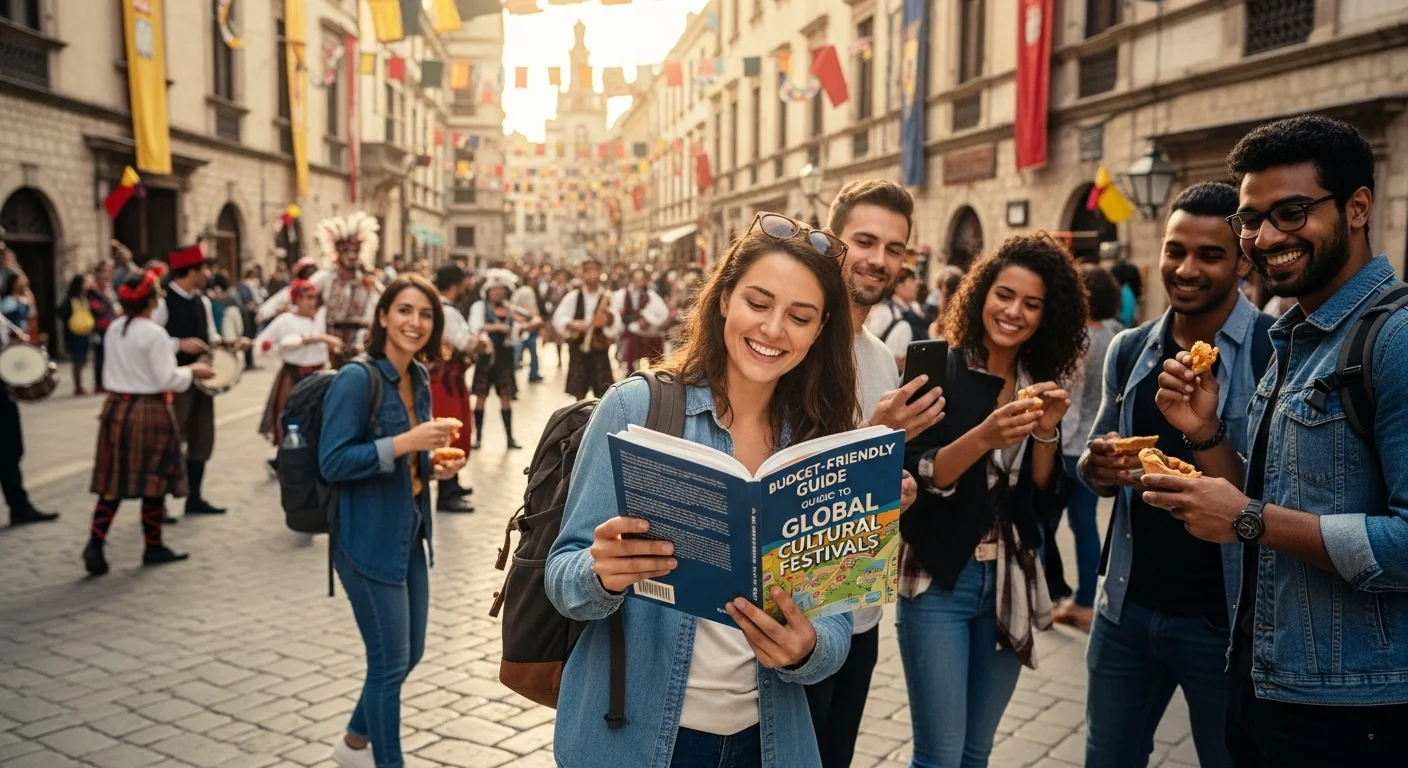
Budget-Friendly Guide to Global Cultural Festivals

Exploring global cultural festivals is an exhilarating way to dive into diverse traditions, flavors, and celebrations. Plus, you don’t have to break the bank to enjoy these vibrant experiences! For more insights, check out Affordable Music Festivals: Your Guide to Cultural Experiences.
Budget-Friendly Guide to Global Cultural Festivals

Overview of Global Cultural Festivals

Definition and Importance of Cultural Festivals

Cultural festivals are gatherings that celebrate the traditions, art, music, and food of a specific culture or community. They can range from local fairs to massive international events. I’ve always felt that these festivals provide a unique lens through which we can view the world. They allow us to connect with people, understand different customs, and appreciate the beauty of diversity.

For me, attending a cultural festival feels like stepping into a different world. You witness not just the sights and sounds, but also the stories and histories that shape a community. These gatherings often serve to preserve cultural heritage and promote understanding among different groups. I know that many festivals also focus on sustainability, encouraging us to appreciate the local environment and traditions.

Benefits of Attending Festivals

There are countless reasons to attend cultural festivals, especially if you’re on a budget. First, they often offer free or low-cost entry, making them accessible to everyone. I remember my first festival experience; I was amazed by how much I could enjoy without spending a fortune. From live music and dance performances to delicious street food, there’s always something to experience without the high price tag.

Another benefit is the opportunity to meet new people. I’ve made some great friends at festivals, bonding over our shared love for music, food, or simply the joy of being in a lively atmosphere. It’s a chance to connect with locals, understand their way of life, and even pick up a few phrases in their language. Festivals often have workshops and demonstrations, allowing you to learn something new, like traditional crafts or local cooking methods.

Moreover, cultural festivals can also be a feast for the senses. You’ll find vibrant colors, mouth-watering scents, and sounds that can make your heart race. I’ve enjoyed exploring the different culinary offerings at festivals, from spicy street tacos to sweet desserts. Often, these dishes reflect the local culture, and trying them gives you a taste of the community’s identity.

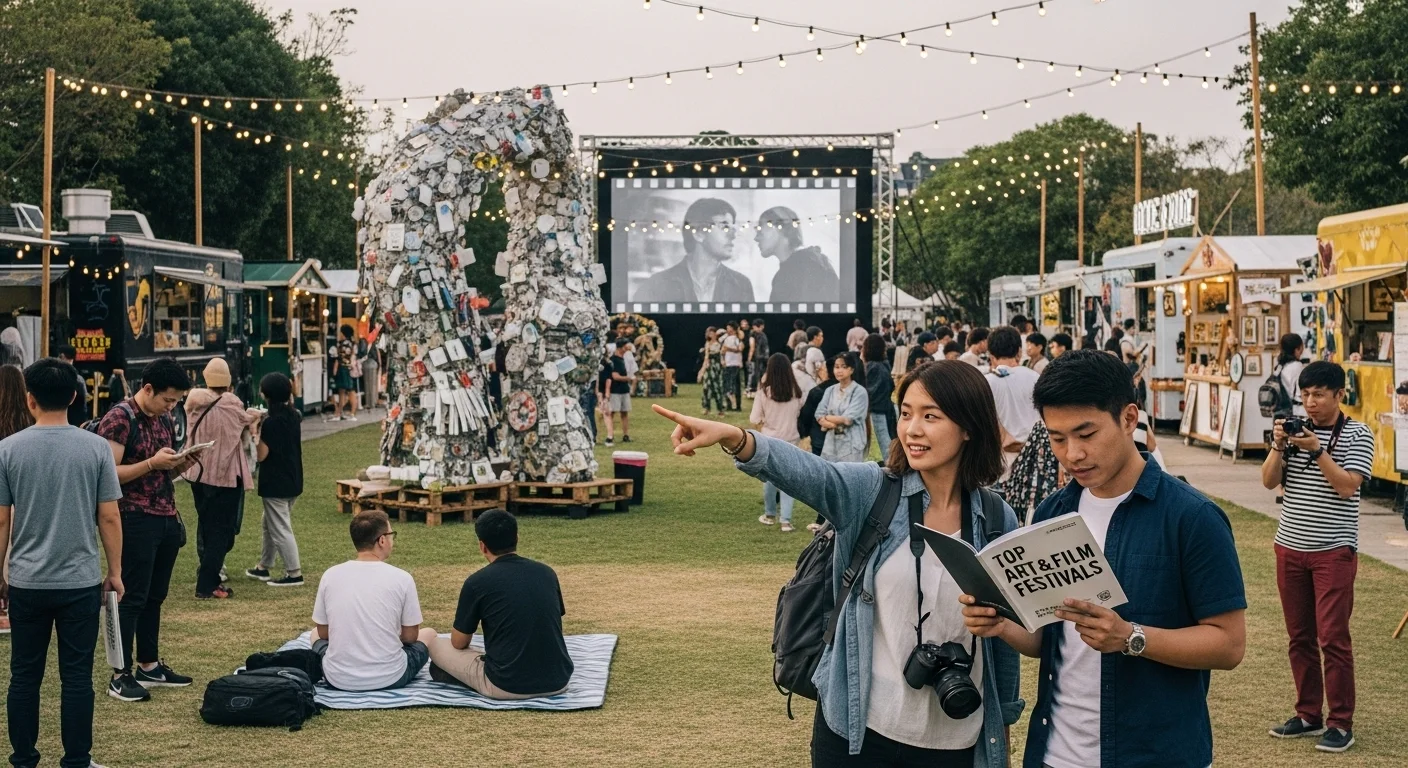
Lastly, attending festivals can be a wonderful escape from our daily routines. They provide a sense of adventure and excitement, breaking the monotony of everyday life. I believe that experiencing different cultures enriches our lives and broadens our perspectives, making us more empathetic and open-minded individuals. For more festival ideas, check out Unmissable Art and Film Festivals for Budget Travelers.

Top Budget-Friendly Cultural Festivals Around the World

La Tomatina (Spain)

One of the most famous festivals that I’ve always wanted to experience is La Tomatina in Buñol, Spain. Every year, thousands of participants gather for the world’s largest food fight, where they throw overripe tomatoes at each other. The entry fee is minimal, and it’s incredibly fun to let loose and enjoy the chaos. Plus, after the fight, you get to wash off in the nearby river, making it a refreshing experience!

Diwali (India)

In my opinion, Diwali, the Festival of Lights, is one of the most beautiful cultural festivals. Celebrated by millions across India and beyond, it involves lighting lamps, bursting fireworks, and sharing sweets. I’ve attended local Diwali celebrations, and I was captivated by the vibrant decorations and the sense of community. Many festivities are free, allowing everyone to participate in the joy of the occasion, making it budget-friendly as well.

Oktoberfest (Germany)

Oktoberfest in Munich is another festival that draws people in from all over the world. While it’s famous for its beer, the festival also offers a wealth of traditional German food, music, and fun activities. I remember wandering through the festival grounds, sampling pretzels and sausages while listening to lively folk music. Much of the festival is free to enter, and you can enjoy the atmosphere without spending too much.

Chinese New Year (China)

Celebrating Chinese New Year, or Spring Festival, can be a magical experience. I’ve seen vibrant parades with dragon dances, lantern festivals, and fireworks lighting up the night sky. Participating in local celebrations is often free, and it’s a fantastic way to immerse yourself in the rich traditions of Chinese culture. From family feasts to street fairs, there’s so much to enjoy without a hefty price tag.

Mardi Gras (USA)

Mardi Gras in New Orleans is a vibrant celebration filled with parades, music, and masquerade balls. I love how the city transforms during this time, with colorful floats and lively street performances. Many events are free to attend, making it an accessible way to experience the unique culture of New Orleans. The atmosphere is electrifying, and I felt a deep sense of community among the revelers.

Rio Carnival (Brazil)

The Rio Carnival is another festival that I dream of attending. Known for its extravagant parades and samba music, it’s one of the largest and most famous festivals in the world. While some events require tickets, there are plenty of street parties that are free to join. I believe experiencing the rhythm and energy of Brazilian culture during Carnival would be an unforgettable adventure.

When to Attend: Best Times for Festivals

Seasonal Considerations

When it comes to planning your festival adventures, timing can make all the difference. I’ve learned from experience that some festivals are tied closely to specific seasons, which can greatly enhance the experience. For instance, summer often brings a plethora of outdoor festivals, filled with music, food, and vibrant activities. I remember attending a summer arts festival where the warm weather really brought out the best in the art displays and performances.

Spring is another magical time for festivals, especially those celebrating new beginnings, like Holi in India, the festival of colors. The atmosphere is electric with joy and excitement as people throw colored powders and dance together. I found that experiencing these seasonal celebrations helped me appreciate the cycles of nature and the cultural significance behind them.

In the fall, harvest festivals are prevalent, showcasing local produce and traditions. I stumbled upon a quaint harvest festival in a small town once, and it was a delightful experience filled with pumpkin carving, apple picking, and homemade treats. Winter brings its own charm, especially with holiday festivals like Christmas markets in Europe, where the twinkling lights and festive spirit create an enchanting ambiance.

Local Climate and Weather Impacts

While considering the perfect time to attend a festival, don’t forget to check the local climate and weather conditions. I remember planning a trip to a winter festival, only to find out that a snowstorm was forecasted. Thankfully, I decided to look for alternatives and found a warm, indoor festival that turned out to be a fantastic experience! It’s crucial to keep an open mind and be flexible with your plans.

For summer festivals, I suggest packing light, breathable clothing to stay comfortable in the heat. Hydration is essential too—there’s nothing worse than feeling sluggish and missing out on the fun because of the weather. Conversely, if you’re attending a festival during cooler months, layering is your best friend. I’ve learned that being prepared for the elements can make or break your experience. I once forgot to bring a jacket to an evening festival in the fall, and I regretted it as the temperature dropped! Be sure to check the forecast before heading out.

Planning Your Trip: Budget Tips

Finding Affordable Accommodation

When it comes to traveling for festivals, one of the biggest expenses can be accommodation. I’ve found some great ways to save money while still enjoying a comfortable stay. First, consider booking your accommodation well in advance. Prices can skyrocket as the festival date approaches, and I’ve often seen better deals when I plan ahead.

Another tip is to explore alternative lodging options. Instead of a hotel, why not look into hostels, guesthouses, or even Airbnb? I remember staying in an Airbnb during a festival and having a wonderful experience. It felt more personal and often comes with the added benefit of kitchen facilities, which can save you money on meals.

Don’t forget to check for local camping options as well. Some festivals offer camping on-site or nearby, which can be a fun and adventurous way to immerse yourself in the festival atmosphere. I’ve camped at a few music festivals, and waking up to the sound of performers warming up is an unforgettable experience!

Transport Options on a Budget

Getting to the festival can also be a significant expense, but I’ve learned that there are plenty of budget-friendly transport options out there. If the festival is local, consider using public transportation. Buses and trains can be a great way to avoid parking fees and the hassle of traffic. I’ve used public transit plenty of times and met some wonderful people who were heading to the same event.

If you’re traveling further, consider carpooling or sharing rides with friends or fellow festival-goers. Not only does it cut costs, but it can also add to the fun of the journey. I once shared a ride with a couple of festival enthusiasts, and we spent the entire trip bonding over our favorite artists and music.

Dining on a Dime: Local Street Food

One of the best parts of attending a cultural festival is the food, but it can also add up quickly. I’ve discovered that seeking out local street food vendors is a fantastic way to enjoy delicious meals without emptying my wallet. Street food is often not only affordable but also gives you a taste of the local culture. At a recent festival, I tried an amazing taco from a street vendor that was both budget-friendly and packed with flavor!

While at the festival, I recommend trying to eat during off-peak hours. Lines can get long, and prices might hike during busy times. I’ve found that going for a late lunch or an early dinner can not only save me money but also allow me to enjoy the festival atmosphere more comfortably. Packing some snacks or a reusable water bottle can also help keep costs down. I’ve always felt more prepared when I have a little something on hand to keep my energy up throughout the day!

Festival Activities and Experiences

Workshops and Cultural Demonstrations

One of the most enriching aspects of attending cultural festivals is the opportunity to participate in workshops and cultural demonstrations. I remember attending a festival focused on indigenous cultures, where I joined a pottery workshop led by a local artisan. It was fascinating to learn about the traditional techniques that have been passed down through generations. Getting my hands dirty and creating something unique made me feel more connected to the culture.

Workshops often cover a wide range of activities, from dance and music to cooking and crafts. I’ve seen festivals where you can learn to make traditional dishes, like paella in Spain or dumplings in China. These experiences provide a hands-on approach to learning about different cultures, and I always walk away with new skills and a deeper appreciation for the traditions behind them. Plus, it’s a great way to meet others who share similar interests!

In my experience, cultural demonstrations can also be incredibly moving. Watching traditional dances or performances can transport you to another time and place. I once attended a festival where they showcased traditional Hawaiian hula dancing. The stories told through movement and music were so powerful, and I found myself mesmerized by the performers’ passion.

Parades and Performances

Parades are often the heart and soul of cultural festivals. I’ve always found the energy of a parade to be infectious. From colorful floats to lively marching bands, parades are a feast for the eyes and ears. I recall attending the Chinese New Year parade in my city, where the streets were filled with vibrant dragon dances and the rhythmic sounds of drums. It felt like a celebration of life and community.

Performances at festivals also showcase local talent and traditions. Whether it’s a folk music concert, a traditional theater performance, or street performers entertaining the crowd, there’s always something captivating happening. I remember catching an impromptu dance battle at a festival once—it was exhilarating to see local talent shine right in front of me!

What I love most is how these performances often invite audience participation. I once jumped into a community dance during a cultural festival in Mexico. It was a bit daunting at first, but the welcoming smiles and encouragement from others made it a memorable experience. Participating in these events can really enhance your connection to the culture.

Local Markets and Crafts

Exploring local markets at festivals is another highlight for me. These markets are treasure troves of handmade crafts, locally produced goods, and delicious food. I’ve spent hours wandering through stalls, chatting with artisans, and picking up unique souvenirs. I remember finding a beautifully crafted necklace at a market in India, made by a local artist. It became my favorite piece of jewelry, and every time I wear it, I’m reminded of the vibrant festival atmosphere.

Markets also provide a wonderful opportunity to support local economies, and I always feel good about purchasing items directly from artisans. I’ve learned that many crafts carry significant cultural meanings, and the stories behind them can be just as valuable as the items themselves. Whether it’s handwoven textiles or intricate pottery, each piece tells a story.

Food markets are equally exciting, offering a chance to taste authentic local dishes that you might not find in restaurants. I’ve enjoyed sampling everything from spicy curry to freshly made pastries, and it’s always fun to discover new flavors. Plus, there’s something special about eating where the locals eat—it’s a genuine experience that adds to the festival’s authenticity.

Safety and Etiquette at Cultural Festivals

Understanding Local Customs

As I’ve traveled to different cultural festivals, I’ve come to appreciate the importance of understanding local customs. Each culture has its own set of traditions and etiquette, and being respectful can make your experience much more enjoyable. I remember experiencing this firsthand when I attended a festival in Japan. I was a bit nervous about making a cultural faux pas, but I took some time to learn about the customs beforehand.

For example, I discovered that bowing is a common greeting, and showing respect to elders is highly valued. It was heartwarming to see how these customs fostered a sense of community. I made an effort to observe and follow the local customs, which not only helped me blend in but also allowed me to connect with the people I met. I believe that taking the time to learn about local customs shows that you value their culture and history.

Health and Safety Tips

Staying safe and healthy while enjoying a festival is crucial, and I’ve picked up a few tips along the way. First, always be mindful of your belongings. Festivals can get crowded, and it’s easy to lose track of your bag or personal items. I’ve learned to keep my valuables close and to be aware of my surroundings, which has saved me from some sticky situations.

It’s also wise to keep an eye on your hydration, especially during outdoor festivals in hot weather. I always carry a reusable water bottle to stay refreshed throughout the day. Additionally, wearing sunscreen and comfortable shoes is essential, as you’ll likely be on your feet a lot! I once made the mistake of wearing new shoes to a festival, and I regretted it by the end of the day.

Finally, be sure to have a plan for emergencies. I always familiarize myself with the festival layout, including the locations of first-aid stations and restrooms. In my experience, festivals can be overwhelming, but being prepared allows me to focus on having fun!

Frequently Asked Questions

What are cultural festivals?

Cultural festivals are gatherings that celebrate the traditions, art, music, and food of a specific culture or community. They can vary in scale from local fairs to large international events.

Why are cultural festivals important?

Cultural festivals provide a unique lens to view the world, allowing individuals to connect with others, understand different customs, and appreciate diversity. They help preserve cultural heritage and promote understanding among different groups.

What are some benefits of attending cultural festivals?

Attending cultural festivals can offer free or low-cost entry, opportunities to meet new people, a feast for the senses with diverse food and performances, and a chance to escape daily routines while experiencing different cultures.

What is La Tomatina, and where is it held?

La Tomatina is a famous festival held in Buñol, Spain, known for being the world’s largest food fight where participants throw overripe tomatoes at each other. The entry fee is minimal, making it an accessible and fun event.

What activities can I expect at cultural festivals?

Activities at cultural festivals can include workshops, cultural demonstrations, parades, performances, and local markets. These experiences allow attendees to learn traditional crafts, enjoy live entertainment, and explore handmade goods.

When is the best time to attend cultural festivals?

The best time to attend cultural festivals can depend on the season. Summer often features outdoor festivals, spring has celebrations like Holi, fall is known for harvest festivals, and winter offers holiday markets.

How can I save on accommodation while attending festivals?

To save on accommodation, consider booking in advance, exploring alternative lodging options like hostels or Airbnb, or looking for camping opportunities that some festivals offer nearby.

What are some budget-friendly transport options for getting to festivals?

Budget-friendly transport options include using public transportation for local festivals, carpooling with friends, or sharing rides with fellow festival-goers to cut costs and enhance the journey experience.

What health and safety tips should I keep in mind at festivals?

Key health and safety tips include being mindful of your belongings, staying hydrated, wearing sunscreen and comfortable shoes, and familiarizing yourself with the festival layout, including the locations of first-aid stations and restrooms.

How can I respect local customs while attending a cultural festival?

Respecting local customs can be achieved by taking the time to learn about the traditions and etiquette of the culture you are visiting, which helps create a more enjoyable experience and fosters connections with the local community.

Read Interesting article: Budget Backpacker’s Guide to Art and Film Festivals
Uncover the Magic of Traditional Cultural Celebrations

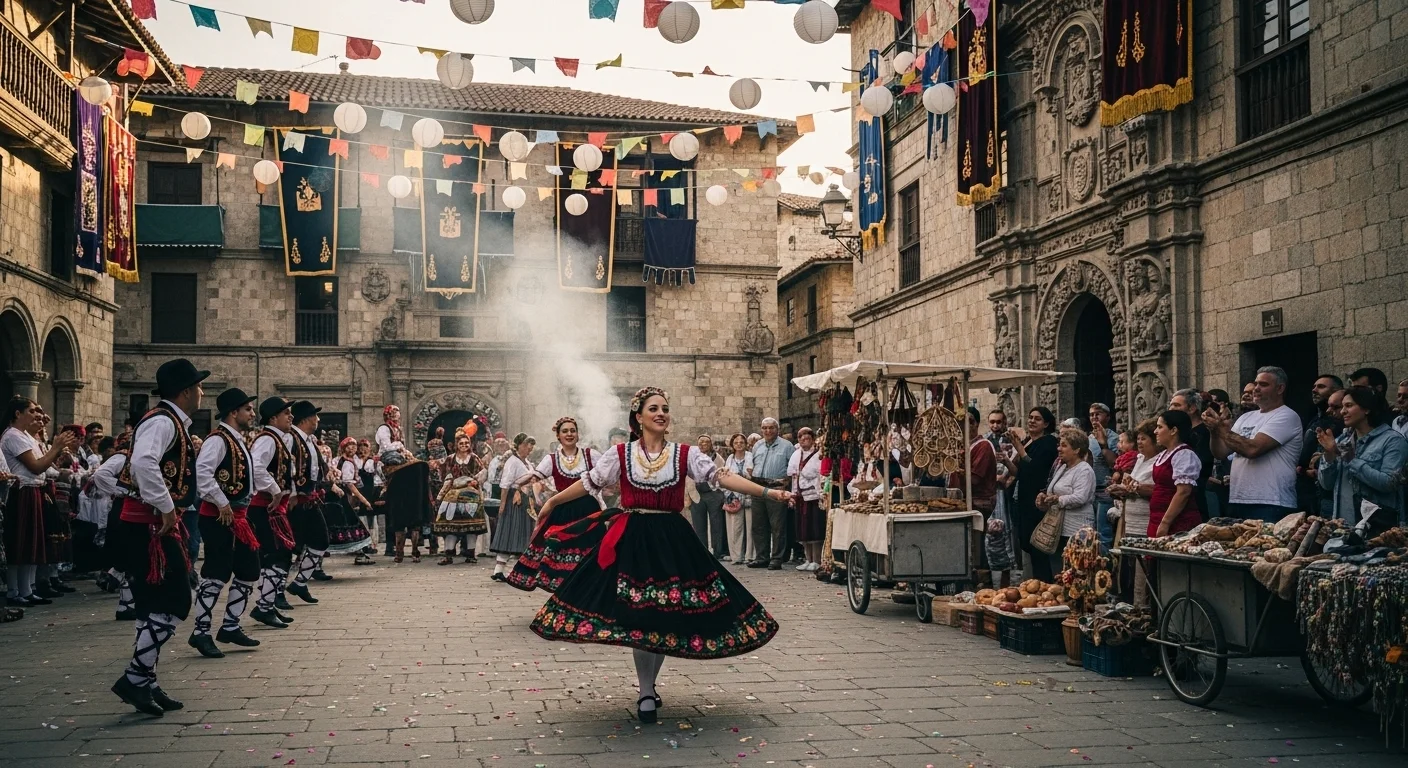
There’s something enchanting about traditional cultural celebrations that draws us in, connecting us to history, community, and joy. These vibrant events not only showcase unique customs but also remind us of our shared humanity.

Uncover the Magic of Traditional Cultural Celebrations

Understanding Traditional Cultural Celebrations

Definition of Cultural Celebrations

When I think of cultural celebrations, I envision colorful parades, lively music, and the delicious aroma of traditional foods. At their core, these celebrations are events where communities come together to honor their heritage, beliefs, and shared experiences. They can be rooted in religion, history, or seasonal changes, bringing people together in joyous unity. Each celebration tells a story, often passed down through generations, and reflects the values and traditions of a community. For me, attending a cultural celebration feels like stepping into a living history book, where every moment is filled with meaning and excitement. Cultural food festivals are a great way to experience these traditions without breaking the bank.

Importance of Tradition in Culture

Tradition plays a crucial role in shaping our identities and connecting us to our past. I’ve often found that traditions provide a sense of belonging, helping us understand who we are and where we come from. They create bonds between generations, allowing elders to pass down wisdom and practices to the younger ones. This cycle of sharing enriches our lives, fostering respect for diverse ways of living. In my experience, participating in these traditions can be a deeply moving experience. It’s not just about the event; it’s about honoring those who came before us and keeping their spirit alive.

Global Significance of Cultural Celebrations

Cultural celebrations are not confined to one region or country; they manifest in various forms across the globe. I remember my travels, where I encountered festivals that sparked my curiosity and broadened my perspective. These celebrations promote understanding and appreciation for diversity. When we come together to celebrate our differences, we build bridges and foster peace. For instance, learning about another culture’s holiday can inspire us to embrace new ideas and practices in our own lives. I’ve seen firsthand how these events can transform communities, creating an atmosphere of acceptance and celebration. In my opinion, cultural celebrations hold significant power to unite us, reminding us that, despite our differences, we all share the same planet and a common humanity. Cultural cuisine tours during these events can enhance our understanding of these diverse practices.

Types of Traditional Cultural Celebrations

Religious Festivals

Religious festivals are perhaps the most recognized type of cultural celebration. I’ve attended various religious events, each offering a unique insight into the beliefs and practices of different faiths. These festivals often feature rituals, prayers, and communal gatherings that highlight the importance of spirituality in people’s lives. For example, during Ramadan, I was invited to break fast with my Muslim friends. The warmth and kindness I experienced during that time opened my eyes to the depth of their traditions and the value of sharing meals with others.

Seasonal Festivals

Seasonal festivals celebrate the changing of the seasons, marking important agricultural or natural cycles. I remember the joy of participating in a harvest festival where the community came together to celebrate the fruits of their labor. There was music, dancing, and an abundance of food that reflected the season’s bounty. These festivals not only honor nature but also remind us of the hard work and dedication that goes into cultivating our land. They often serve as a time for reflection and gratitude, allowing us to appreciate the resources we have.

National Holidays

National holidays are another significant aspect of cultural celebrations. They often commemorate key events in a country’s history, fostering patriotism and unity among citizens. I’ve experienced national holidays in various countries, from Independence Day in the United States to Bastille Day in France. Each celebration is filled with parades, fireworks, and performances that evoke a strong sense of pride and belonging. These days remind us of the sacrifices made for freedom and the shared values that unite us as a nation.

Cultural Heritage Days

Cultural heritage days are dedicated to celebrating the unique traditions of specific communities. These events allow individuals to showcase their heritage, often featuring art, music, and traditional attire. I’ve had the privilege of attending a cultural heritage day where I immersed myself in the stories and customs of a vibrant community. It was a beautiful reminder of the rich tapestry of human experience, and I left feeling inspired and enriched by the diversity around me. These days not only preserve cultural practices but also encourage inclusivity, inviting everyone to learn and participate. Backpacking to these festivals can offer a unique way to experience cultural diversity on a budget.

Famous Traditional Celebrations Around the World

Diwali in India

Diwali, also known as the Festival of Lights, holds a special place in my heart. Celebrated by millions across India and around the globe, this festival symbolizes the triumph of light over darkness and good over evil. I remember attending a Diwali celebration with friends from India. The vibrant colors of the rangoli designs, the flickering of oil lamps, and the joyous sounds of laughter enveloped me. The whole atmosphere was electric! Families come together to share sweets and exchange gifts, and the night sky is illuminated with spectacular fireworks. For me, Diwali is not just a festival; it’s a beautiful reminder of hope and renewal.

Oktoberfest in Germany

Oktoberfest in Munich is something I’ve always wanted to experience. This world-famous beer festival draws millions of visitors each year, and it’s about much more than just beer! I’ve seen pictures of the lively crowds dressed in traditional Bavarian attire, enjoying hearty foods like pretzels and sausages. The lively music and dancing create an atmosphere of joy and camaraderie. Attending Oktoberfest would be like stepping into a fairy tale of camaraderie and celebration, where people from all walks of life come together to enjoy good company, food, and drink. I believe it’s a wonderful example of how a celebration can foster both local pride and global connection.

Chinese New Year

Chinese New Year, or Spring Festival, is another celebration that fascinates me. I’ve watched documentaries about the preparations that take place weeks in advance. The vibrant parades, the dragon dances, and the intricate decorations all create an atmosphere of excitement and festivity. Families reunite to honor their ancestors and exchange red envelopes filled with money, symbolizing good fortune. I recall the first time I tried dumplings during this time; they tasted like tradition and prosperity wrapped in one delicious bite! The spirit of togetherness and hope during Chinese New Year is contagious, and it’s a fantastic way to celebrate the start of a new year with family and friends.

Day of the Dead in Mexico

Day of the Dead, or Día de los Muertos, is a unique celebration that combines indigenous traditions with Catholic influences. I remember learning about this day and being captivated by the colorful altars adorned with marigolds, sugar skulls, and photos of loved ones who have passed. It’s a time for families to gather and honor their ancestors with offerings and celebrations. I find it beautiful how this event embraces both remembrance and joy, creating a space where grief and celebration coexist. Experiencing the vibrant parades and heartfelt rituals would be a profound way to connect with the rich cultural heritage of Mexico.

Holi Festival

The Festival of Colors, or Holi, is a celebration of love, spring, and the victory of good over evil. I’ve seen videos of people joyfully throwing colored powders and water at each other, creating a rainbow of colors filling the streets. The laughter, music, and dance that accompany Holi celebrations create such a vibrant atmosphere. I can only imagine the feeling of freedom and joy as everyone comes together, regardless of background, to celebrate life. For me, Holi represents a beautiful reminder to embrace joy and let go of our differences, even if just for a day.

Elements that Make Cultural Celebrations Special

Traditional Music and Dance

Music and dance are essential components of cultural celebrations. I’ve always found that they bring people together and create a sense of unity. Whether it’s the rhythmic beats of drums during a harvest festival or the melodic tunes of a folk band at a wedding, music has a way of stirring emotions and memories. I’ve danced at various cultural events, and it’s fascinating how every move tells a story. The energy of a traditional dance can be contagious, pulling everyone into the celebration and making it feel like a shared experience, regardless of language or background.

Food and Culinary Traditions

Food has an incredible power to connect us, and during cultural celebrations, it often takes center stage. I have cherished memories of sampling traditional dishes at different festivals. The flavors, aromas, and presentation tell a story of culture and heritage. For instance, at a Diwali celebration, I was delighted by the variety of sweets, each with its own significance. Food not only nourishes our bodies but also serves as a symbol of hospitality and connection. I believe that sharing a meal during a celebration creates bonds that last long after the event ends.

Costumes and Attire

Costumes and traditional attire are another vital aspect of cultural celebrations. I love how these garments often reflect the history and identity of a community. Wearing traditional clothes can make one feel a deeper connection to the celebration. I remember dressing up in a colorful kimono during a Japanese festival, and it felt like I was stepping into another world. The intricate designs and vibrant colors tell stories of culture and pride. It’s fascinating how clothing can bridge generations, allowing us to honor the past while celebrating the present.

Rituals and Customs

Rituals and customs are the heartbeat of every cultural celebration. They provide structure and meaning to the festivities. I’ve experienced various rituals, from lighting candles during Hanukkah to the pouring of libations in African ceremonies. These acts often carry deep personal and communal significance. I’ve found that participating in these rituals adds a layer of understanding and respect for the culture itself. They remind us that every celebration is steeped in history and purpose, making our participation all the more meaningful.

How to Participate in Cultural Celebrations

Research and Understand the Celebration

Before attending any cultural celebration, I believe it’s essential to do a bit of homework. Understanding the significance of the event can enrich your experience immensely. I remember the first time I attended a Diwali celebration; I spent a few hours online learning about its history and customs. This preparation made me appreciate the rituals and the atmosphere so much more. Knowing the meanings behind specific practices, like lighting diyas to symbolize the triumph of light over darkness, added a layer of depth to my participation. I recommend checking local community websites, reading articles, or even asking friends who have attended similar events. It’s a great way to show respect and appreciation for the culture you are engaging with.

Respect Local Customs and Traditions

Respect is a crucial aspect of participating in any cultural celebration. Each tradition comes with its own set of customs, and understanding these can help avoid any unintentional faux pas. I’ve noticed that some festivals have specific rules about behavior, dress, or what is considered appropriate. For instance, during a traditional Japanese tea ceremony I attended, I learned that it’s essential to wait for the host’s cues before taking any action. Embracing local customs not only demonstrates respect but also allows you to immerse yourself more fully in the celebration. It’s all about creating a safe and welcoming environment for everyone involved.

Engage with the Community

One of the most rewarding aspects of attending cultural celebrations is the chance to engage with the community. I’ve found that people are often excited to share their traditions and stories with newcomers. During a local festival, I struck up a conversation with an elder who shared the history behind a particular dance performance. This interaction made me feel more connected to the celebration. I recommend being open and approachable, asking questions, and showing genuine interest. The stories and experiences you gather from the community can turn a simple event into a memorable adventure.

Dress Appropriately

Wearing appropriate attire is another way to show respect for the culture you’re participating in. I remember attending a colorful Holi festival and choosing to wear white, as is traditional for the event. As the day went on and splashes of color filled the air, I felt a sense of belonging among the participants. Dressing according to local customs can enhance your experience and signal your willingness to embrace the celebration. I often suggest researching what clothing is suitable for the event—sometimes traditional attire is encouraged, while other times casual wear may be appropriate. Just be mindful not to wear anything that could be considered offensive or disrespectful.

Planning Your Visit to Cultural Celebrations

When to Attend

Timing is everything when it comes to cultural celebrations! I’ve learned that many events have specific dates based on the lunar calendar, local customs, or historical anniversaries. Researching when the festivities occur can help ensure you don’t miss out. I recall planning a trip specifically to experience the Lantern Festival in Taiwan. The vibrant displays and the sense of community during that time were unforgettable. I recommend checking local tourism websites or community boards to find out when celebrations are happening, and if possible, plan your travel around them.

Best Locations for Celebrations

Some celebrations are best experienced in their place of origin. I’ve discovered that visiting the source of a cultural celebration can provide a richer experience. For instance, attending Mardi Gras in New Orleans is a completely different experience than celebrating it elsewhere. The energy, history, and tradition are palpable in the air. I suggest researching the best locations for specific celebrations, as they often have unique characteristics that make them special. Whether it’s a small village or a bustling city, being in the heart of the celebration can amplify your experience.

Accommodation and Transportation Tips

When planning to attend cultural celebrations, arranging accommodation and transportation early can really alleviate stress. I’ve learned the hard way that booking last minute can lead to inflated prices or limited options. Finding a place close to the venue can enhance your experience, allowing you to soak in the atmosphere before and after the events. I also recommend looking into local transportation options. Public transport can be an adventure in itself, and using it during a celebration can help you engage more with the local culture.

Safety and Etiquette Considerations

Finally, keeping safety and etiquette in mind is essential when attending cultural celebrations. I’ve attended events where the crowds were overwhelming, and it’s crucial to stay aware of your surroundings. Keeping personal belongings secure and being cautious about food and drink is wise. Additionally, observing the behavior of locals can provide insights into what’s acceptable and what’s not. During a Diwali celebration, for instance, I noticed how people respected personal space while still being friendly. Adopting this same respect can help ensure that everyone has a pleasant experience.

Impact of Cultural Celebrations on Society

Strengthening Community Bonds

Cultural celebrations have a powerful way of bringing people together. I’ve experienced firsthand how these events can strengthen bonds within a community. During a local festival, I saw neighbors greet each other with warmth, share laughter, and collaborate on activities. This shared experience fosters a sense of belonging and unity, reinforcing connections that might fade in daily life. I believe that these gatherings are vital for maintaining community spirit, especially in our fast-paced world. They remind us that we are all part of something bigger, creating a supportive atmosphere that can last long after the celebration ends.

Preservation of Cultural Heritage

Participating in cultural celebrations is crucial for preserving traditions and heritage. I’ve observed how these events allow communities to pass down their customs to younger generations. When children see their parents and grandparents engaging in rituals, it instills a sense of pride and ownership over their cultural identity. I remember attending a traditional music festival where families gathered to learn songs and dances passed down for generations. This preservation effort helps keep history alive, ensuring that future generations can appreciate and cherish their roots.

Economic Benefits of Cultural Tourism

Cultural celebrations often bring significant economic benefits to communities. I’ve seen how festivals attract tourists, which can provide a boost to local businesses. Whether it’s food vendors, artisans, or hotels, the influx of visitors creates economic opportunities. For example, during Oktoberfest in Germany, local breweries and restaurants thrive as tourists flock to experience the festivities. I believe that supporting local economies through cultural celebrations is a win-win situation, as it fosters community pride while also allowing visitors to enjoy and learn about different cultures.

Challenges Facing Traditional Cultural Celebrations

Commercialization of Festivals

Unfortunately, one of the significant challenges facing traditional cultural celebrations today is commercialization. I’ve noticed that some festivals have shifted focus from their original meaning to become more about profit. For instance, while attending a once-authentic cultural fair, I felt that it had turned into a marketplace dominated by corporate sponsors. It’s disheartening to see the essence of these celebrations diluted. I believe that it’s crucial for communities to find a balance between attracting visitors and preserving the authenticity of their traditions.

Loss of Authenticity

Alongside commercialization, the loss of authenticity is another pressing concern. I’ve seen how certain cultural celebrations may adapt to cater to tourists, sometimes overshadowing genuine practices. This shift can lead to a watered-down experience that doesn’t reflect the true spirit of the celebration. I feel it’s essential for communities to hold onto their core values and traditions while also embracing new influences. Striking this balance can be challenging, but it’s vital for maintaining cultural integrity.

Environmental Impact

Lastly, the environmental impact of large-scale celebrations is an issue we can’t ignore. I’ve attended festivals where the aftermath left behind litter and waste, raising concerns about sustainability. It’s essential for organizers and participants to consider eco-friendly practices to minimize harm to the environment. I believe that integrating sustainable practices—like reducing plastic use or promoting recycling—can help ensure that these cherished traditions endure for future generations. Celebrating culture shouldn’t come at the cost of our planet’s health.

Frequently Asked Questions

What are traditional cultural celebrations?

Traditional cultural celebrations are events where communities come together to honor their heritage, beliefs, and shared experiences. They can be rooted in religion, history, or seasonal changes, showcasing unique customs and reflecting the values of a community.

Why are traditions important in culture?

Traditions play a crucial role in shaping identities and connecting us to our past. They foster a sense of belonging, create bonds between generations, and allow elders to pass down wisdom and practices to the younger ones, enriching lives and fostering respect for diverse ways of living.

What types of traditional cultural celebrations exist?

There are several types of traditional cultural celebrations, including religious festivals, seasonal festivals, national holidays, and cultural heritage days. Each type serves a unique purpose in honoring specific aspects of culture and community.

Can you give examples of famous traditional celebrations around the world?

Examples of famous traditional celebrations include Diwali in India, Oktoberfest in Germany, Chinese New Year, Day of the Dead in Mexico, and Holi Festival. Each of these celebrations has its own unique customs and significance.

What elements make cultural celebrations special?

Cultural celebrations are special due to elements such as traditional music and dance, food and culinary traditions, costumes and attire, as well as rituals and customs. These elements create an atmosphere of unity and shared experience among participants.

How can one participate in cultural celebrations?

To participate in cultural celebrations, it’s important to research and understand the significance of the event, respect local customs and traditions, engage with the community, and dress appropriately for the occasion.

When is the best time to attend cultural celebrations?

The best time to attend cultural celebrations often depends on specific dates based on the lunar calendar, local customs, or historical anniversaries. Researching when events occur can help ensure that you don’t miss out on the festivities.

What are some safety and etiquette considerations when attending cultural celebrations?

Safety and etiquette considerations include staying aware of your surroundings, keeping personal belongings secure, and observing the behavior of locals to understand acceptable conduct. Respecting personal space and local customs can enhance the overall experience.

What impact do cultural celebrations have on society?

Cultural celebrations strengthen community bonds, preserve cultural heritage, and provide economic benefits through cultural tourism. They foster unity and pride within communities while also offering opportunities for cultural exchange with visitors.

What challenges do traditional cultural celebrations face today?

Challenges include commercialization of festivals, loss of authenticity, and environmental impacts. These issues can dilute the essence of celebrations and raise concerns about sustainability, highlighting the need for communities to find a balance between attracting visitors and preserving traditions.

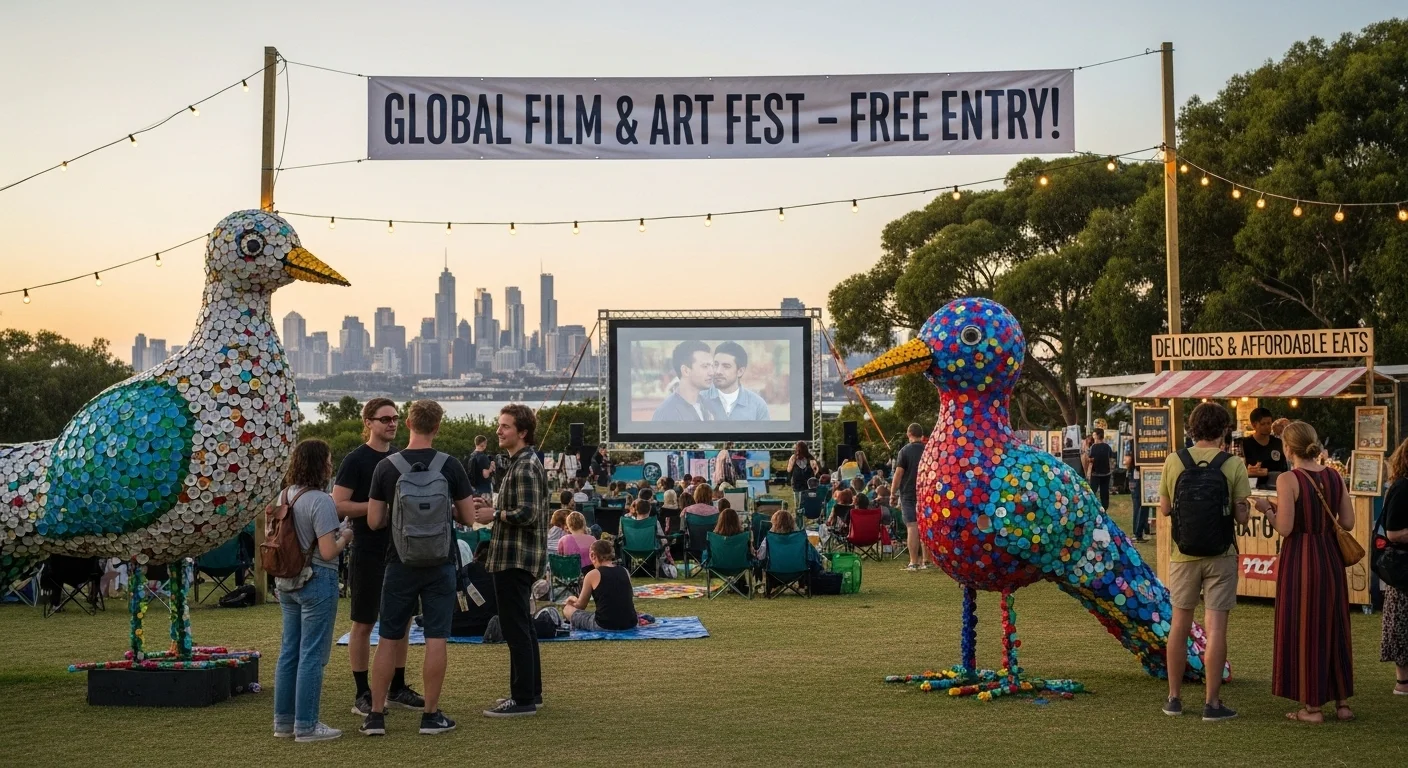
Unmissable Art and Film Festivals for Budget Travelers

Art and film festivals offer an incredible opportunity to immerse ourselves in creativity, culture, and community. For budget travelers, these events can be both affordable and enriching, making them a must-see on any travel itinerary. Budget Backpacker’s Guide to Art and Film Festivals provides valuable insights for those looking to make the most of their festival experience.
Unmissable Art and Film Festivals for Budget Travelers

Overview of Art and Film Festivals

What Are Art and Film Festivals?

Art and film festivals are vibrant celebrations where artists, filmmakers, and audiences come together to showcase and appreciate various forms of creative expression. I think of them as temporary worlds bursting with creativity and passion. These festivals can range from large, internationally renowned events to smaller, local gatherings. They feature everything from contemporary art installations and classic films to interactive workshops and panel discussions. For me, attending a festival often feels like stepping into a creative playground, where I can explore new ideas and meet like-minded individuals.

The Importance of Festivals in Art and Cinema

Festivals play a vital role in promoting and supporting artists and filmmakers. They provide a platform for emerging talents to share their work with the public and industry professionals. I’ve seen firsthand how such exposure can lead to opportunities for collaboration, funding, and even career advancement. Festivals also foster a sense of community among attendees, creating spaces for dialogue and connection. Personally, I remember attending a small film festival where I had the chance to engage in discussions with filmmakers about their creative processes. It deepened my appreciation for their work and sparked my own creativity.

Top Art Festivals Around the World

Art Basel

Art Basel is one of the most prestigious art fairs in the world, held annually in Miami Beach, Switzerland, and Hong Kong. What I love about Art Basel is its blend of modern and contemporary art, featuring works from both established and emerging artists. The atmosphere is electric, with galleries showcasing innovative pieces and collectors hunting for the next big thing. While attending might seem pricey, I discovered that many galleries host free events and openings during the week, making it accessible for those on a budget.

Venice Biennale

The Venice Biennale is a grand celebration of contemporary art, happening every two years in the stunning city of Venice, Italy. This event has a rich history dating back to 1895, and walking through the pavilions feels like a journey through time and creativity. I’ve always wanted to experience the unique installations and performances that fill the city. Although tickets for the main exhibitions can get expensive, I found that exploring the city’s smaller art spaces and events during the Biennale often comes at little to no cost. If you’re interested in more options, check out Discover Top Art and Film Festivals for Budget Travelers.

Frieze Art Fair

Frieze Art Fair, held in London and Los Angeles, is another significant event that showcases contemporary art from around the globe. The fair features an incredible selection of galleries and artists, creating an atmosphere buzzing with creativity. I remember visiting Frieze and being blown away by the variety of artistic expressions. For budget travelers, the good news is that London offers numerous free museums and galleries nearby, allowing you to soak up even more art during your visit without spending a dime.

Burning Man

Burning Man is unlike any other festival I’ve experienced. Set in the Nevada desert, it’s a week-long event that focuses on art, self-expression, and community. Attendees create large-scale art installations and participate in various performances, all while embracing the principles of gifting and self-reliance. While the ticket price can be steep, there are ways to save, like sharing a ride or camping gear with friends. The experience of being part of such a unique community is worth every penny, in my opinion.

Documenta

Documenta is a major exhibition of contemporary art that takes place every five years in Kassel, Germany. It showcases groundbreaking works from artists around the world, sparking conversation and debate about the role of art in society. I remember exploring Documenta and feeling inspired by the boldness of the installations. The event offers free admission for certain days, making it a fantastic option for budget travelers eager to engage with cutting-edge art.

Top Film Festivals Around the World

Cannes Film Festival

Cannes is the crème de la crème of film festivals, showcasing the best in international cinema. While the glitz and glamour might intimidate budget travelers, I found plenty of opportunities to enjoy the festival without breaking the bank. Many screenings are open to the public, and the atmosphere along the Croisette is electric. I recommend keeping an eye out for the Cinéfondation screenings, which often feature emerging filmmakers’ works at no cost.

Sundance Film Festival

Sundance is a treasure trove of independent films, held annually in Park City, Utah. It’s an excellent place to discover new talent and innovative storytelling. I remember attending some free screenings and events during the festival, which allowed me to immerse myself in the indie film scene. For budget travelers, it’s worth considering volunteer opportunities at Sundance, as they can grant you access to screenings and networking events.

Toronto International Film Festival (TIFF)

TIFF is one of the largest film festivals in the world, and it’s known for its diverse selection of films and vibrant atmosphere. I always look forward to the buzz of movie premieres and the chance to meet filmmakers. What I love about TIFF is that, while some tickets can be pricey, there are also free outdoor screenings during the festival. This allows everyone to enjoy films under the stars without spending a dime.

Berlin International Film Festival (Berlinale)

Berlinale is another major festival that offers a mix of mainstream and independent films. It’s famous for its relaxed atmosphere and focus on artistic expression. I’ve found that many screenings are affordable, and there are various programs aimed at making films accessible to everyone. The festival even offers a selection of free screenings, making it an excellent choice for those of us on a budget.

South by Southwest (SXSW)

SXSW is a unique blend of film, music, and interactive media, held annually in Austin, Texas. It’s a fantastic opportunity to explore new ideas and connect with creators. I remember stumbling upon several free events, showcases, and panels that were open to the public. While passes can be pricey, I always recommend keeping an eye on the free events section of the SXSW website for budget-friendly experiences.

Budget-Friendly Festival Tips

Finding Affordable Accommodations

Finding a place to stay during a festival can feel overwhelming, especially when prices skyrocket. I’ve learned that booking accommodations early is key. I often check platforms like Airbnb or hostels, which usually offer more budget-friendly options. One time, I found a cozy little apartment just a short walk from an art festival venue. It was perfect for saving on transportation costs, and I loved being able to come and go easily. Additionally, consider staying a bit farther from the event; often, you can find great deals in neighborhoods that aren’t right in the thick of things. Just make sure there are reliable public transport options nearby!

Transportation Options for Budget Travelers

Transportation can be another area where costs add up quickly if you’re not careful. I’ve found that using public transportation is usually the best way to get around during festivals. Many cities offer discounted passes for tourists, which can make getting to and from venues much more affordable. I remember taking the subway to a film festival in Toronto, and it not only saved me money but also allowed me to experience the city like a local. If you’re traveling with a group, ridesharing can also be a cost-effective way to split expenses. Always keep an eye out for bike rentals too; it’s a fun and healthy way to explore the festival area!

Free Events and Activities at Festivals

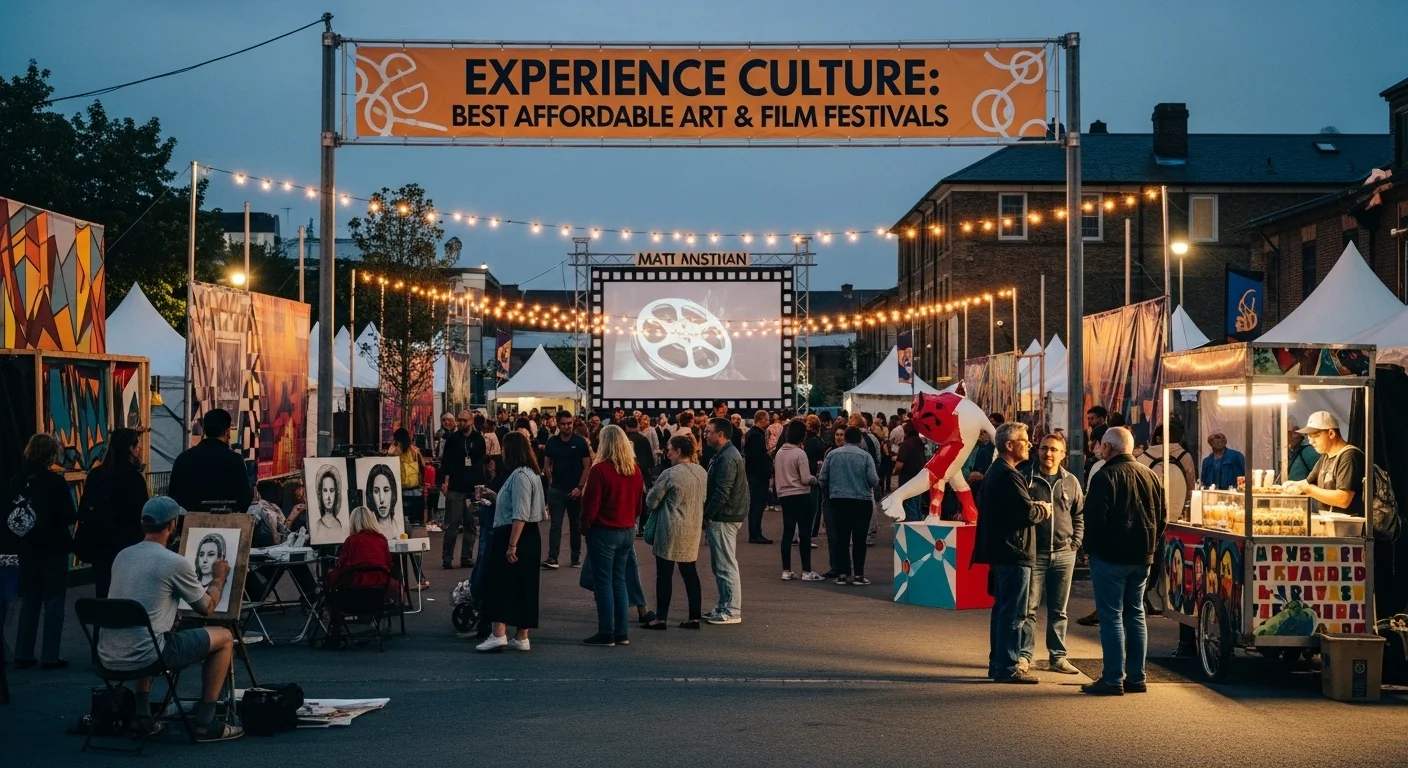
One of the best parts about attending art and film festivals is the multitude of free events. I often make it a point to research what’s available ahead of time. Many festivals offer free workshops, panel discussions, and even screenings. For instance, at the Sundance Film Festival, I stumbled upon a series of free filmmaker Q&A sessions that were incredibly inspiring. It’s a great way to soak in knowledge without spending a dime. I also recommend checking out local art galleries and museums that may be running special promotions during festival weeks. Many offer free entry or discounted rates to festival-goers, creating even more opportunities to engage with the art scene. To learn more about affordable options, check out Experience Culture: Best Affordable Art & Film Festivals.

Discount Passes and Early Bird Tickets

When planning to attend a festival, I always keep an eye out for discount passes or early bird tickets. These can save you a significant amount, especially at bigger events like the Cannes Film Festival or TIFF. I remember purchasing an early bird pass for a festival that allowed me access to multiple screenings and events, which would have cost much more if I had bought them individually. Some festivals also offer student discounts, so it’s worth checking if you qualify. Additionally, signing up for newsletters and following festivals on social media can alert you to flash sales or special promotions, ensuring you don’t miss out on great deals.

When to Attend: Festival Seasons and Dates

Summer Festivals

Summer is a fantastic time for festivals, with so many vibrant events happening outdoors. I find that the warmth and longer days create a lively atmosphere that’s hard to beat. Festivals like the Edinburgh Festival Fringe and the Montreal Jazz Festival draw huge crowds, showcasing an eclectic mix of art and performances. If you’re planning to attend a summer festival, try to book your accommodations and transportation early, as they can fill up fast. It’s also wise to stay hydrated and wear sunscreen when you’re out enjoying the festivities!

Fall Festivals

Fall brings a different kind of charm to festivals with the changing leaves and crisp air. I’ve attended several art fairs during this season, like the New York Film Festival, where the cultural vibe feels particularly rich. Fall festivals often celebrate harvest themes, so you can also enjoy seasonal foods and drinks. I recommend layering your clothing since temperatures can fluctuate throughout the day. Plus, many festivals offer unique experiences at this time, such as outdoor installations that blend with the beautiful autumnal backdrop.

Winter Festivals

Winter festivals are magical in their own right. I’ve always been drawn to the festive atmosphere of events like the Sundance Film Festival, where the snow-covered mountains add to the charm. Winter festivals often include cozy indoor events as well as outdoor activities, providing a mix of experiences. One tip I’ve found helpful is to dress in warm layers and invest in good winter boots to keep my feet warm while walking between venues. Hot cocoa or coffee stands are usually plentiful, making it easy to stay warm and energized!

Spring Festivals

Spring is a time of renewal, and festivals during this season reflect that energy. Events like the Coachella Valley Music and Arts Festival and the Tribeca Film Festival are highlights for many. I love how spring festivals often feature fresh art and innovative performances. The weather is usually mild, so it’s perfect for enjoying performances and installations outside. Just be prepared for the occasional spring shower by bringing a light rain jacket or poncho. Festivals in spring can also be less crowded than summer events, giving you a chance to engage more deeply with the art and artists.

What to Pack for Art and Film Festivals

Comfortable Clothing and Footwear

Dressing comfortably is essential when attending festivals. I’ve learned the hard way that wearing stylish shoes can lead to sore feet by the end of the day! I always opt for comfortable shoes that I can walk in for long periods. Loose, breathable clothing is also a must, especially if I’m attending outdoor events. Layering is a smart strategy, as the temperature can vary throughout the day. I usually pack a light jacket just in case it gets chilly in the evening.

Essential Gear for Outdoor Festivals

If you’re heading to an outdoor festival, there are a few items I never leave home without. A portable phone charger is a lifesaver; I want to capture every moment without worrying about battery life. I also recommend bringing a reusable water bottle to stay hydrated. Some festivals have refill stations, which make it easy to keep that water flowing. A small backpack can be helpful to carry essentials like snacks, sunscreen, and a light blanket for sitting on the grass.

Art Supplies for Interactive Workshops

Many festivals offer interactive workshops that encourage participants to unleash their creativity. When I attend these, I like to bring a small sketchbook or notebook to jot down ideas and inspirations. Sometimes, I’ll even bring basic art supplies like colored pencils or markers. It’s so rewarding to engage in the creative process and take home a piece of my experience. I also recommend checking the festival’s website beforehand; they often provide lists of recommended supplies to bring for specific workshops.

Local Food and Drink Options

Street Food at Festivals

One of the absolute joys of attending festivals is diving into the local street food scene. I’ve always been drawn to the vibrant food stalls that pop up at these events, offering everything from gourmet treats to traditional snacks. At festivals like SXSW, I found myself indulging in delicious tacos and artisanal donuts while mingling with fellow festival-goers. Street food often reflects the local culture, and it’s a fantastic way to experience the region’s culinary delights without spending a fortune. I recommend checking out food trucks or stands that showcase local flavors, as they often provide a unique taste of the area.

Local Restaurants and Cafés

Exploring local restaurants and cafés during a festival can enhance your experience significantly. I remember discovering a charming little café near the Venice Biennale that served the best espresso I’ve ever had. Eating at local establishments not only supports the community but also allows you to savor authentic dishes that you won’t find anywhere else. I suggest asking locals for their recommendations or browsing online reviews to find spots that capture the essence of the area. Plus, many restaurants have special festival menus at reasonable prices, which is a win-win for budget travelers like us!

Affordable Food Markets Nearby

Food markets are another hidden gem for budget-conscious festival-goers. I’ve enjoyed wandering through bustling markets filled with fresh produce, artisanal goods, and homemade delicacies. At the Toronto International Film Festival, I stumbled upon a nearby market that offered great deals on local snacks and meals. It was a perfect way to grab a bite without spending too much. Many markets also host events during festivals, featuring live music or cooking demonstrations, which can add an extra layer of fun to your culinary adventure. I always recommend taking the time to explore these markets; you might just find your new favorite dish!

Safety Tips for Festival-Goers

Staying Safe in Large Crowds

Navigating large crowds can sometimes feel overwhelming, but I’ve learned a few tricks to stay safe and enjoy the festival experience. First and foremost, I always make a plan of where to meet up with friends if we get separated. Something as simple as choosing a landmark can help. I also recommend keeping an eye on your belongings; using a crossbody bag or a secure backpack can deter pickpockets. Additionally, staying aware of your surroundings and avoiding overly crowded areas can help keep things manageable. It’s all about being prepared and staying mindful.

Health and Wellness Considerations

Health should always be a priority, especially during long days at festivals. I’ve learned the importance of staying hydrated and taking breaks when needed. Most festivals have water refill stations, so I always carry a reusable water bottle to keep myself refreshed. If you’re attending an outdoor festival, remember to wear sunscreen, even on cloudy days. I also recommend packing a small first-aid kit with essentials like band-aids, pain relievers, and allergy medications, just in case. Listening to your body and taking care of yourself will ensure you can enjoy every moment of the festival.

Emergency Contacts and Services

Being aware of emergency contacts and services can provide peace of mind during a festival. I always take a moment to familiarize myself with the layout of the venue and locate emergency services. Festivals usually have medical tents or staff on-site, and knowing where they are can be a lifesaver. I also recommend saving local emergency numbers in my phone and sharing my location with a trusted friend or family member. It’s all about being prepared for anything that might come up, allowing you to focus on enjoying the creativity and excitement of the festival.

Making the Most of Your Festival Experience

Networking Opportunities

Festivals are incredible places for networking, and I’ve found that striking up conversations can lead to amazing opportunities. Whether I’m chatting with artists, filmmakers, or fellow attendees, I’ve learned to embrace these moments. I always carry business cards or have my contact information ready to share. Joining workshops or attending panel discussions offers even more chances to connect with like-minded individuals. I remember meeting someone at a film festival who later became a collaborator on a project I was passionate about. You never know who you might meet and how they could impact your creative journey!

Participating in Workshops and Panels

Workshops and panels are fantastic ways to deepen your understanding of art and film while also connecting with experts in the field. I’ve participated in several hands-on workshops that have inspired me to try new techniques and approaches. Panels often feature industry leaders discussing trends, challenges, and their creative processes, and I’ve found these insights invaluable. I recommend checking the festival schedule ahead of time to choose sessions that resonate with your interests. Engaging in these experiences can not only enhance your knowledge but also spark new ideas for your own projects.

Documenting Your Experience: Photography and Blogging

Capturing your festival experience through photography or blogging is a great way to relive the memories later. I always bring my camera and take candid shots of art installations, performances, and the overall atmosphere. It’s a way to document not just the events, but also the emotions and connections I experience. I’ve also enjoyed writing about my festival adventures on my blog, sharing my insights and tips with others. Whether you’re sharing on social media or creating a personal record, documenting your journey can be a rewarding part of the festival experience.

Frequently Asked Questions

What are art and film festivals?

Art and film festivals are vibrant celebrations where artists, filmmakers, and audiences come together to showcase and appreciate various forms of creative expression, ranging from large international events to smaller local gatherings.

Why are festivals important for artists and filmmakers?

Festivals play a vital role in promoting and supporting artists and filmmakers by providing a platform for emerging talents to share their work, fostering a sense of community, and creating opportunities for collaboration and career advancement.

What is Art Basel?

Art Basel is one of the most prestigious art fairs in the world, held annually in Miami Beach, Switzerland, and Hong Kong, showcasing modern and contemporary art from both established and emerging artists.

How can budget travelers enjoy the Venice Biennale?

Budget travelers can enjoy the Venice Biennale by exploring the city’s smaller art spaces and events, which often come at little to no cost, despite the main exhibitions being expensive.

What unique experience does Burning Man offer?

Burning Man is a week-long event in the Nevada desert focused on art, self-expression, and community, where attendees create large-scale art installations and engage in performances while embracing principles of gifting and self-reliance.

What tips are there for finding affordable accommodations during festivals?

When looking for affordable accommodations during festivals, it’s advisable to book early, consider platforms like Airbnb or hostels, and explore options a bit farther from the event venue for better deals.

What types of free events can be found at festivals?

Many festivals offer free events such as workshops, panel discussions, and screenings, providing opportunities to engage without spending money.

What should I pack for an art or film festival?

When attending a festival, pack comfortable clothing and footwear, essential gear for outdoor events like a portable charger and water bottle, and art supplies if participating in interactive workshops.

How can I enhance my festival experience through networking?

Enhancing your festival experience through networking can be achieved by striking up conversations with artists and filmmakers, participating in workshops, and being prepared with business cards or contact information to share.

What are some health and safety tips for festival-goers?

To stay safe and healthy at festivals, make a plan to meet with friends, keep track of your belongings, stay hydrated, wear sunscreen, and familiarize yourself with emergency services available at the venue.

Budget Backpacker’s Guide to Art and Film Festivals
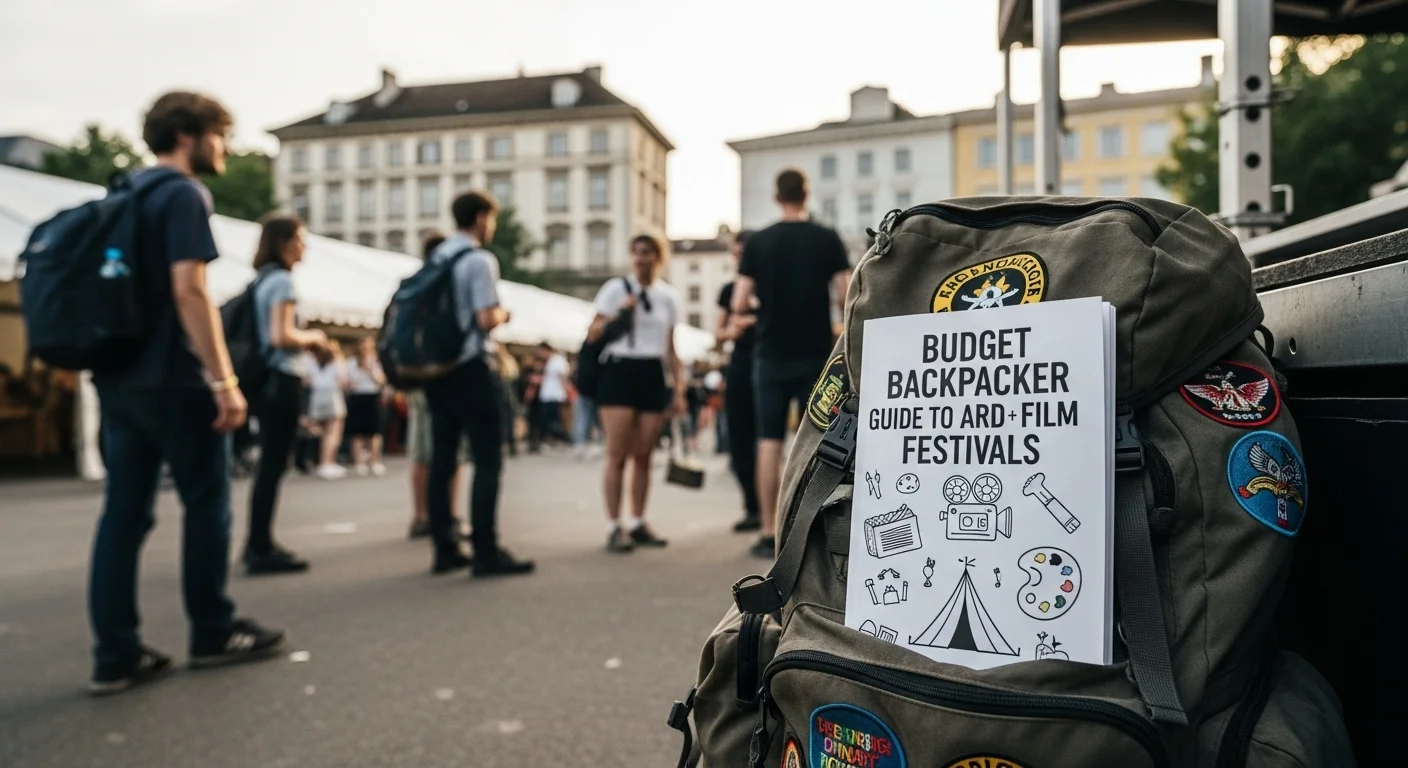
Art and film festivals are where creativity and culture collide, offering unforgettable experiences for those eager to explore. As a budget backpacker, I’ve learned how to navigate these vibrant events without breaking the bank. Read Interesting article: Unlock Local Culture: Top Festivals for Budget Backpackers

Budget Backpacker's Guide to Art and Film Festivals

Understanding Art and Film Festivals

What Are Art and Film Festivals?

Art and film festivals are more than just showcases; they are celebrations of creativity, culture, and community. I remember my first experience at a local film festival. It felt like stepping into a different world where every corner buzzed with excitement and inspiration. At these festivals, artists and filmmakers come together to present their work, often including screenings, exhibitions, and performances. Attendees get the chance to watch new films, view stunning artwork, and engage in discussions with creators. It’s a melting pot of ideas, and you can feel the passion in the air.

The Importance of Art and Film Festivals in Culture

These festivals play a crucial role in the cultural landscape. They provide a platform for emerging artists and filmmakers who might not have the opportunity to showcase their work elsewhere. I’ve seen how these events can highlight social issues, spark discussions, and inspire change. For me, attending these festivals has broadened my understanding of various cultures and perspectives. They remind us of the power of storytelling and art to connect us, provoke thought, and ignite our imagination. Festivals also foster community, bringing together locals and visitors alike, creating shared memories and experiences.

Types of Festivals: Film, Art, and Hybrid

There’s a variety of festivals out there, each with its own unique flavor. Film festivals usually focus on screening films, often featuring specific genres or themes—like documentaries, shorts, or independent films. I’ve enjoyed several that spotlight niche films, which often lead to incredible discussions with the creators afterward. Experience Culture: Best Affordable Art & Film Festivals

Art festivals, on the other hand, showcase visual arts such as painting, sculpture, and performance art. These can range from large, internationally recognized events to smaller, community-driven gatherings. I remember wandering through an outdoor art festival, marveling at the creativity on display and even chatting with some of the artists about their works.

Then there are hybrid festivals, which combine elements of both art and film. These events often feature multimedia installations, interactive performances, and cross-disciplinary works, which for me, create a dynamic atmosphere. It’s fascinating to see how different forms of art can intersect and inspire one another.

Planning Your Festival Experience

Choosing the Right Festival for Your Interests

Before diving into the festival scene, it’s essential to choose the right event for you. I’ve found that researching the festival’s focus helps me determine if it aligns with my interests. Are you a film buff, an art enthusiast, or both? Maybe you’re interested in emerging voices in cinema or contemporary art? I usually look for festivals that highlight specific themes or genres I’m passionate about, as this makes the experience more fulfilling.

Researching Festival Dates and Locations

Once I’ve settled on a festival, I dive into researching its dates and location. Festivals often happen at specific times of the year, and finding one that fits into my travel plans is crucial. I’ve learned to keep an eye on the festival’s official website or social media pages for announcements and updates. This way, I can plan my trip around the festival, ensuring I don’t miss out on any events or activities.

Budgeting for Festival Attendance

Budgeting is key when it comes to enjoying a festival experience without overspending. I typically create a budget that includes travel, accommodation, food, and ticket costs. It’s helpful to break down each category based on what I’ve learned from attending previous festivals. I always try to look for early bird tickets or package deals that offer discounts. When I attended a festival last year, I managed to save significantly by purchasing my ticket months in advance. Plus, it’s easier to enjoy the festival when I know I’ve planned my finances accordingly!

As I gear up for the next festival adventure, I can’t help but feel excited about the new experiences and connections awaiting me. Each festival is a unique journey, full of inspiration, creativity, and a chance to meet like-minded people. Whether you’re an art lover, a cinephile, or simply looking for a good time, there’s a festival out there for you. Let’s dive deeper into the world of art and film festivals together, exploring when to attend, how to get there, and much more in the sections ahead!

When to Attend Art and Film Festivals

Seasonality: Best Times of Year for Festivals

Timing can make a significant difference in your festival experience. From my travels, I’ve noticed that different seasons bring a variety of festivals, each with its own charm. Spring is often a vibrant time, with many festivals celebrating renewal and creativity. I remember attending a film festival in early spring, surrounded by blooming flowers and a refreshing breeze. The atmosphere just added to the thrill of discovering new films and art.

Summer is typically the peak season for festivals, especially outdoor events. The longer days and warm weather invite lively gatherings. I’ve seen some of the most colorful and energetic festivals during this time, where artists showcase their work in open-air settings. However, this is also when crowds can swell, so I often prepare for busier venues.

Autumn offers a unique vibe, with many festivals celebrating the harvest season. The changing leaves provide a beautiful backdrop for outdoor events, and I’ve found that the cooler temperatures make it easier to enjoy long days of exploring. Winter festivals tend to be more intimate, often focusing on art that reflects the season’s spirit. I’ve attended cozy gatherings that showcase holiday-themed films and art, making for a heartwarming experience.

Major Festivals by Month

As I’ve explored various festivals, I’ve come to appreciate how certain months are known for specific events. For example, January is often quiet, but I’ve discovered some hidden gems in smaller towns. February brings excitement with events like the Sundance Film Festival, which I highly recommend for any film lover. It’s often filled with buzz and the chance to see potential award winners.

In March, I’ve enjoyed the South by Southwest (SXSW) festival, which blends music, film, and interactive media. The energy is contagious, and I’ve had fantastic conversations with other attendees. Moving into summer, I look forward to festivals like the Cannes Film Festival in May, where the glamour and creativity are at their peak. I’ve never attended Cannes, but the stories I’ve heard make it a bucket-list item.

As the year progresses, I usually check out the Toronto International Film Festival in September, known for showcasing diverse films and attracting industry professionals. October brings art fairs and festivals, while December often features holiday-themed events that celebrate local culture. I’ve noted that each month can offer something unique, and it’s worth planning your travels around these major events. Discover Top Art and Film Festivals for Budget Travelers

Last-Minute Festival Tips

Even if you’re not a planner like I used to be, I’ve learned that spontaneity can lead to some of the best festival experiences. If you find yourself in a city during festival season, don’t hesitate to check for last-minute tickets or passes. I remember stumbling upon a festival while traveling and managed to snag a ticket just hours before it started. It turned out to be one of my favorite experiences!

For those of us on a budget, I recommend looking for day passes or single tickets rather than committing to a full festival pass. This way, you can sample the event without overspending. I also suggest checking social media for any last-minute deals or promotions; many festivals will offer discounts on their platforms to fill seats.

Lastly, don’t be afraid to get involved with the community. I’ve found that volunteering can not only save you money on admission but also provide a unique behind-the-scenes perspective. I volunteered at a local festival once, and it was such a rewarding experience. I not only got to meet fellow art and film lovers but also made connections that led to future opportunities in my own creative pursuits.

How to Get There: Transportation Options

Budget Airlines and Train Travel

When it comes to getting to a festival, I’ve found that transportation can make or break my budget. I often start by looking for budget airlines that offer affordable flights to festival locations. I remember finding a great deal on a flight to a film festival in a different state—saving money on travel allowed me to splurge a little more on accommodation and food once I arrived.

For destinations closer to home, I’ve also enjoyed traveling by train. It’s a scenic and relaxing option that allows me to take in the views. I’ve taken trains to various festivals, and there’s something special about arriving at the venue by rail, often right into the heart of the city. Plus, many train stations are conveniently located near festival sites, making it easy to get around.

Public Transportation vs. Rental Cars

Once I reach my destination, I typically rely on public transportation to navigate the area. Most cities hosting festivals have reliable transit systems, and I find it’s a great way to meet locals and other festival-goers. I’ve used buses, trams, and subways to hop from event to event, which has always added to the adventure.

However, there have been occasions when I’ve opted for a rental car, especially if I planned to explore nearby attractions or other festival sites. I’ve discovered that having a car gives me the freedom to venture off the beaten path, but it’s essential to factor in parking fees and the hassle of city traffic.

Walking and Biking Around Festival Venues

Many festivals, especially those in urban settings, are designed for walking. I love the energy of wandering through festival grounds on foot, soaking up the atmosphere and discovering hidden gems. Some cities even offer bike rentals, which I’ve taken advantage of to cruise around and explore the area. It’s a fun way to get some exercise while immersing myself in the festival scene. Just be sure to check for bike paths or designated lanes to ensure a safe ride!

Where to Stay: Budget Accommodation Options

Hostels vs. Hotels: Pros and Cons

When it comes to finding a place to stay during a festival, I’ve often found myself weighing the options between hostels and hotels. Hostels are usually my go-to choice because they offer affordable rates and a social atmosphere. I remember staying in a hostel during a film festival, and it turned out to be a fantastic way to meet fellow travelers and festival enthusiasts. We shared stories, exchanged tips on what to see, and even formed a little group to attend screenings together.

On the other hand, hotels can provide a bit more privacy and comfort, but they often come with a higher price tag. I’ve booked a hotel room when I needed some downtime away from the hustle and bustle of the festival. It was nice to have a quiet space to recharge. However, I’ve learned that if I’m looking to save money, hostels are usually the better choice. Weighing the pros and cons based on my budget and needs has always helped me make the right decision.

Camping and Alternative Accommodations

For those who are adventurous, camping can be an exciting option, especially for outdoor festivals. I’ve camped at a few events, and I loved the sense of community among fellow campers. It’s a fun way to connect with others while enjoying the natural surroundings. Just be sure to check if the festival offers designated camping areas and what amenities are available.

If camping isn’t your style, consider alternative accommodations like guesthouses or hostels that cater specifically to festival-goers. I’ve discovered unique places that offer group rooms, which can be an economical choice if you’re traveling with friends. Staying in these types of accommodations often allows for a more immersive experience, as you can interact with both locals and other festival attendees.

Airbnb and Couchsurfing for Budget Travelers

Airbnb has become one of my favorite options for finding budget-friendly stays during festivals. I love the variety of choices available, from shared rooms to entire apartments. It often feels more personal than a hotel, and sometimes I’ve even had the chance to chat with the host about the festival and get insider tips on what to do. I remember booking an Airbnb near a film festival venue, which allowed me to walk to all the events, saving both time and money.

Couchsurfing is another great option I’ve explored. The idea of staying with locals for free while immersing myself in their culture is incredibly appealing. I’ve made some amazing connections this way, and it’s led to unforgettable experiences. Staying with someone who shares my love for art and film has often provided a deeper understanding of the local scene. Just make sure to read references and communicate clearly with your host to ensure a positive experience.

Festival Tickets and Passes

Understanding Ticket Tiers and Pricing

One of the first things I do when planning for a festival is to dive into the ticket options. Festivals often have multiple tiers of tickets, which can vary significantly in price based on access. I’ve learned to pay attention to what each tier includes. For example, some might offer access to exclusive events, panels, or meet-and-greets with filmmakers and artists. It’s essential to evaluate what I truly want from the experience. Sometimes, it’s worth spending a little extra for those unique opportunities.

On the flip side, I’ve found that general admission tickets can still provide a fantastic experience. I remember attending a festival with just a basic pass, and I still had an amazing time exploring the exhibits and watching films. It’s all about determining my priorities and weighing the benefits of each ticket type to find the best fit for my budget.

Early Bird Discounts and Group Rates

One of my favorite strategies for saving money on festival tickets is to keep an eye out for early bird discounts. I can’t tell you how many times I’ve snagged a great deal by purchasing my tickets months in advance. Festivals often offer lower prices for those who commit early, and it’s a fantastic way to secure my spot without stretching my budget too thin.

If I’m traveling with friends, I also look into group rates. I’ve organized trips with fellow festival-loving friends and taken advantage of group discounts, which can be a win-win situation. It’s always fun to experience these events together, and saving money is just the cherry on top!

Volunteer Opportunities for Free Admission

Volunteering at festivals is something I highly recommend for anyone looking to save money while still fully immersing themselves in the experience. I’ve volunteered at a couple of events, and it turned out to be one of the best decisions I made. Not only did I get free access to the festival, but I also met amazing people and gained an insider’s perspective on how everything operates.

From helping with setup to assisting at screening venues, I found that volunteering can give you a sense of purpose during the festival while allowing you to connect with a community of passionate individuals. Many festivals offer perks for volunteers, such as free merchandise or meals, which can help save even more money. It’s definitely worth considering if you’re flexible and open to contributing your time and energy!

Frequently Asked Questions

What are art and film festivals?

Art and film festivals are celebrations of creativity, culture, and community where artists and filmmakers present their work through screenings, exhibitions, and performances. They offer attendees the chance to watch new films, view stunning artwork, and engage in discussions with creators.

Why are art and film festivals important in culture?

These festivals provide a platform for emerging artists and filmmakers, highlight social issues, spark discussions, and inspire change. They broaden attendees’ understanding of various cultures and perspectives and foster community connections.

What types of festivals are there?

There are several types of festivals: film festivals, which focus on screening films; art festivals, showcasing visual arts; and hybrid festivals, which combine elements of both art and film. Each type offers a unique atmosphere and experience.

How can I choose the right festival for my interests?

Researching the festival’s focus is essential to determine if it aligns with your interests, whether you are a film buff, an art enthusiast, or both. Look for festivals that highlight specific themes or genres you are passionate about to enhance your experience.

What should I consider when budgeting for festival attendance?

Budgeting involves planning for travel, accommodation, food, and ticket costs. It’s beneficial to break down each category based on past experiences, look for early bird tickets or package deals, and ensure you have a clear financial plan to enjoy the festival.

When is the best time to attend art and film festivals?

Seasonality plays a significant role, with spring offering vibrant festivals, summer being peak season for outdoor events, autumn celebrating harvests, and winter featuring intimate gatherings. Each season brings its own charm and unique experiences.

What are some last-minute tips for attending a festival?

If you find yourself in a city during festival season, check for last-minute tickets or passes. Consider day passes instead of full festival passes for budget-friendly options, and look for volunteer opportunities, which can provide free admission and valuable experiences.

What transportation options are available to get to festivals?

Transportation options include budget airlines for long distances, train travel for scenic routes, and public transportation to navigate cities. Renting a car can also provide flexibility for exploring nearby attractions.

What accommodation options are available for festival-goers?

Accommodation options include hostels for affordable rates and social experiences, hotels for privacy and comfort, camping for a community vibe, and alternatives like Airbnb or Couchsurfing for budget-friendly stays and local insights.

How can I save money on festival tickets?

To save money on festival tickets, look for early bird discounts, consider group rates when attending with friends, and explore volunteer opportunities for free admission while gaining a unique perspective on the festival.

Experience Culture: Best Affordable Art & Film Festivals

Art and film festivals offer a vibrant way to experience culture without breaking the bank. Let’s dive into the world of these affordable festivals, where creativity and community come together in remarkable ways. Read Interesting article: Discover Top Art and Film Festivals for Budget Travelers

Experience Culture: Best Affordable Art & Film Festivals

Understanding Art and Film Festivals

Definition and Importance of Art Festivals

Art festivals are gatherings aimed at showcasing various forms of visual art, including painting, sculpture, photography, and installation art. These events provide artists a platform to display their work, connect with audiences, and engage in meaningful dialogues about their creative processes. Personally, I’ve found that art festivals can be a feast for the senses. The energy in the air, the passion of the artists, and the diversity of work create an immersive experience that’s hard to replicate elsewhere.

But why are these festivals important? For me, they serve as a bridge between artists and the community. They democratize art, making it accessible to everyone. When I attended my first art festival, I was struck by how many conversations sparked from simply wandering through the booths. It’s not just about viewing art; it’s about experiencing it together, discussing it, and sometimes even buying pieces that resonate with us. Art festivals also support local economies, encouraging tourism and fostering community pride.

Definition and Importance of Film Festivals

Film festivals, on the other hand, celebrate the art of cinema. They range from small, independent showcases to large, internationally recognized events. These festivals screen a variety of films, including documentaries, short films, and feature films, often before they are released to the public. I remember the first film festival I attended; the excitement of seeing a filmmaker present their work and discuss it afterward was unlike anything else. It felt personal, like I was part of something bigger.

The importance of film festivals goes beyond simply showcasing films. They create a space for filmmakers to network, share their experiences, and promote their work. They highlight diverse voices and stories, giving a platform to filmmakers who might not have the resources to mainstream distribution. I’ve learned that attending film festivals can also spark inspiration and offer a fresh perspective on storytelling. Plus, who doesn’t love the thrill of discovering the next big film before anyone else? Read Interesting article: Guide to Affordable Religious Festivals for Backpackers

How Festivals Promote Cultural Awareness

Art and film festivals play a vital role in promoting cultural awareness. By featuring works from different backgrounds and perspectives, they allow us to see the world through another person’s eyes. I’ve noticed that at these festivals, whether it’s an art piece or a film, there’s often a deeper story connected to cultural heritage, social issues, or historical contexts. It opens up conversations that we might not have otherwise had.

For instance, at a recent film festival, I watched a documentary about indigenous cultures. The film not only told a story but also educated the audience about the challenges these communities face today. Similarly, art installations often reflect social issues or celebrate cultural traditions, inviting discussions that promote understanding and empathy. Festivals create a welcoming space for dialogue, encouraging us to engage with and learn from one another. In a world that can sometimes feel divided, this cultural exchange is more important than ever.

Top Affordable Art Festivals in the U.S.

South by Southwest (SXSW)

One of the most renowned festivals, SXSW, takes place in Austin, Texas. While it’s known for its music, the film and art components are equally impressive. The festival features interactive installations, exhibitions, and a myriad of film screenings. I’ve always appreciated the inclusive atmosphere, where artists and audiences mingle, share ideas, and inspire one another. Plus, there are affordable ticket options, making it accessible to a wider audience.

Art Basel Miami Beach

While Art Basel is a global name, the Miami Beach edition offers a plethora of art experiences without the hefty price tag. The event features a range of galleries and artists, showcasing everything from contemporary pieces to modern art. I once wandered through the outdoor sculptures, captivated by the creativity surrounding me. The festival also includes panels and discussions, which can provide valuable insights for emerging artists or art enthusiasts.

New York City’s Governors Island Art Fair

This unique festival takes place on Governors Island, transforming the space into a vibrant art community. Local artists display their work in repurposed spaces, and the festival is entirely free to attend. I remember exploring the island, uncovering hidden gems around every corner. The mix of art and nature creates a stunning backdrop, making it an experience that stays with you long after you leave.

Chicago’s Art on theMART

Art on theMART is a fascinating projection of artwork onto the side of a building in Chicago. It’s a free event that runs several times a year, showcasing both local and international artists. I’ve enjoyed sitting along the river, watching the art come to life as the sun sets. It’s a beautiful blend of technology and creativity, which makes art accessible to everyone who walks by.

Los Angeles’ DTLA Film Festival

The Downtown Los Angeles Film Festival is a celebration of independent filmmakers from around the globe. It offers a chance to see new talent and diverse stories that might not get mainstream attention. I love the sense of community that comes with it—people discussing films, sharing recommendations, and even participating in Q&A sessions with filmmakers. The best part? Tickets are often affordable, making it an excellent option for film lovers.

Top Affordable Film Festivals in the U.S.

Sundance Film Festival

Sundance is perhaps the most famous film festival in the U.S., held annually in Park City, Utah. While it does attract a star-studded lineup, there are plenty of affordable ways to enjoy this festival. I remember my first experience there; I was thrilled to see independent films that I wouldn’t otherwise have a chance to watch. The energy was palpable, with filmmakers and audiences buzzing with excitement. Attending Sundance gave me a real sense of the indie film community, and I found myself discovering hidden gems that stayed with me long after the screenings. The festival offers various ticket options, including day passes that can fit into a tighter budget.

Tribeca Film Festival

Founded by Robert De Niro and others, the Tribeca Film Festival in New York City is another gem. It’s not just about films; it combines storytelling in various forms, including virtual reality and new media. I particularly love wandering around Tribeca and soaking in the atmosphere while watching innovative films from both new and established filmmakers. The festival often has free events and panels, which provide insights into the filmmaking process. It’s an excellent opportunity to engage with filmmakers, and who doesn’t enjoy a free screening or two in the heart of Manhattan?

Seattle International Film Festival

The Seattle International Film Festival (SIFF) spans several weeks and is one of the largest film festivals in the U.S. I’ve found it to be incredibly accessible, with a broad range of ticket prices and options. The festival showcases a diverse collection of films from around the globe, and I’ve often left a screening with a new perspective on a culture or issue. SIFF also organizes events like discussions and Q&As with directors, which can really enhance the experience. Plus, the vibrant Seattle backdrop makes the whole experience even more delightful, especially during the warmer months.

Newport Beach Film Festival

The Newport Beach Film Festival is a fantastic celebration of independent cinema, often showcasing films from filmmakers in the local area and beyond. I remember attending this festival and being struck by the stunning coastal views and the relaxed atmosphere. The festival encourages mingling, so there are plenty of chances to chat with filmmakers and share thoughts on their work. The ticket prices are reasonable, especially compared to larger festivals, which makes it a great option for film lovers looking to discover new talent without spending a fortune.

AFI Docs

AFI Docs is a documentary film festival held in Washington, D.C. It focuses on stories that matter, bringing important social issues to light. I appreciate how this festival provides a platform for filmmakers to showcase their work and for audiences to engage in meaningful discussions. The tickets are generally affordable, and the festival often includes panel discussions that allow us to delve deeper into the topics presented in the films. I’ve found that attending AFI Docs not only entertains but also educates, making it a valuable experience for anyone interested in social change. Read Interesting article: Explore the World’s Most Vibrant Religious Festivals on a Budget

How to Choose the Right Festival for You

Assessing Your Interests: Art vs. Film

Choosing between an art festival and a film festival can be a bit of a challenge if you love both. Personally, I find that it helps to assess what I’m in the mood for. I’ve often asked myself whether I want to immerse myself in visual art and engage with artists, or if I’m craving the storytelling of cinema. Sometimes, I opt for a mix and attend both types of festivals throughout the year. If you’re an art enthusiast, consider how a festival’s featured artists align with your tastes. For film, look at the types of films being screened. I’ve learned that aligning my interests with the offerings makes for a more enjoyable experience.

Location and Accessibility Considerations

Next, I think about location. Some festivals are in bustling cities, while others are set in serene environments. For me, the location can significantly affect my experience. I love exploring new places, so festivals in unique settings always appeal to me. However, if accessibility is a concern, I make sure to choose a festival that’s easy to get to, whether by car, public transport, or even walking. I’ve noticed that some festivals can be quite accommodating, offering options for easy access, which enhances the experience for everyone.

Budgeting for Festivals: Ticket Prices and Accommodation

Budgeting is crucial when planning to attend a festival. I’ve learned to look for ticket packages or early bird specials that can save us some money. Accommodation can be another cost factor; sometimes, staying a bit further from the venue and using public transport can be a great way to cut costs. I’ve also found that some festivals offer lodging recommendations or partnerships with local hotels, which can make finding a place to stay easier. Balancing the festival experience while keeping an eye on expenses can lead to a fulfilling and financially manageable trip.

Festival Experiences: What to Expect

Art Installations and Exhibitions

When I walk into an art festival, I’m often greeted by vibrant installations that truly capture the essence of creativity. Each piece tells a story, and I find myself wandering through a maze of colors, textures, and emotions. I’ve learned to appreciate how artists use space and materials to invite us into their world. I remember a particular installation that involved interactive elements where viewers could contribute, blurring the lines between artist and audience. It made me feel like I was part of something bigger, and that’s a unique experience I cherish at festivals.

The diversity of art showcased at these festivals is mind-blowing. From traditional paintings to avant-garde sculptures and multimedia displays, there’s something for everyone. I’ve often found myself drawn to unexpected pieces that challenge my perceptions or provoke thought. Each festival I attend offers a chance to discover new artists, and I love how these events can sometimes lead to lifelong favorites. Plus, engaging in conversations with the artists themselves often provides deeper insights into their creative processes, making the experience even more enriching.

Film Screenings and Premieres

Film festivals have a magic all their own, and I can’t help but feel a thrill every time I sit down for a screening. The atmosphere is charged with anticipation, especially when it comes to premieres. I still remember the rush of excitement when I attended a world premiere; the energy in the room was electric. The collective experience of watching a film unfold on the big screen, surrounded by fellow film lovers, is something I never take for granted.

What I love most about film festivals is the range of films on offer. From gripping documentaries to thought-provoking shorts and experimental features, every screening brings a new narrative to explore. I’ve often left screenings with so many questions, eager to discuss the film with friends or fellow attendees. Q&A sessions with filmmakers afterward are a highlight for me, as they provide a glimpse into the inspiration behind the story. Hearing directly from the creators adds layers of meaning that can’t be captured on the screen alone.

Networking Opportunities

Festivals are a hub for creativity and collaboration, and I’ve found that the networking opportunities can be invaluable. Whether I’m mingling with artists at an art fair or chatting with filmmakers at a screening, there’s a shared passion that brings people together. I remember striking up a conversation with a budding filmmaker after a panel discussion, and we ended up exchanging ideas and contact information. Those connections can lead to future collaborations or simply friendships built around a mutual love for art and film.

In my experience, many festivals offer structured networking events that facilitate meeting new people. Workshops, panels, and discussions often attract artists and filmmakers who are eager to share their stories and insights. It’s an environment where everyone is willing to learn and grow, which is incredibly refreshing. I believe that these connections can have a profound impact on an artist’s journey, providing inspiration and encouragement along the way.

Workshops and Interactive Sessions

One of the highlights of attending art and film festivals for me is the opportunity to participate in workshops and interactive sessions. These events are often led by experienced artists or industry professionals who share their skills and knowledge. I remember attending a workshop focused on mixed media art, where I was encouraged to explore my creative side and experiment with different techniques. It was a liberating experience that reignited my passion for making art.

Interactive sessions can be a fantastic way to dive deeper into specific topics. I’ve attended several discussions about the impact of cinema on social change, where panelists shared their experiences and challenged us to think critically about the stories we tell. I always leave these sessions feeling inspired and motivated to engage with my own creative endeavors. The hands-on approach offered by workshops can be particularly rewarding, allowing us to build practical skills while connecting with others who share similar interests.

In summary, attending festivals is about more than just viewing art and films; it’s an immersive experience that fosters creativity, community, and connection. Whether wandering through art installations, enjoying a powerful film, or participating in discussions and workshops, I’ve found that these experiences deeply enrich my understanding of culture and art. Each festival I attend leaves me with lasting memories and inspiring stories to share.

Frequently Asked Questions

What are art festivals and why are they important?

Art festivals are gatherings that showcase various forms of visual art, providing artists a platform to display their work and engage with audiences. They are important because they democratize art, making it accessible to everyone, and support local economies by fostering community pride and encouraging tourism.

What types of films are typically shown at film festivals?

Film festivals screen a variety of films, including documentaries, short films, and feature films, often before they are released to the public. They celebrate the art of cinema and highlight diverse voices and stories.

How do art and film festivals promote cultural awareness?

These festivals promote cultural awareness by featuring works from different backgrounds and perspectives, allowing audiences to see the world through another person’s eyes. They open up conversations about cultural heritage, social issues, and historical contexts, promoting understanding and empathy.

What is South by Southwest (SXSW) known for?

SXSW, held in Austin, Texas, is renowned for its music, but it also features impressive film and art components, including interactive installations and exhibitions. The festival offers affordable ticket options, making it accessible to a wider audience.

Are there any free art festivals in the U.S.?

Yes, the Governors Island Art Fair in New York City is entirely free to attend, allowing local artists to display their work in repurposed spaces, creating a vibrant art community.

What makes the Sundance Film Festival notable?

Sundance is one of the most famous film festivals in the U.S., held annually in Park City, Utah. It attracts a star-studded lineup and offers various affordable ticket options, allowing attendees to enjoy independent films they might not otherwise see.

What kind of experiences can attendees expect at art festivals?

Attendees can expect vibrant installations and exhibitions that showcase a diversity of art, including traditional paintings and avant-garde sculptures. Engaging with artists and discovering new favorites is a common experience.

What networking opportunities exist at festivals?

Festivals provide valuable networking opportunities, where attendees can mingle with artists and filmmakers, exchange ideas, and potentially collaborate on future projects. Structured networking events and workshops often facilitate meeting new people.

What role do workshops play in art and film festivals?

Workshops at festivals are led by experienced artists or industry professionals who share their skills and knowledge. They offer hands-on experiences that allow attendees to explore their creativity and build practical skills while connecting with others who share similar interests.

How can one choose the right festival to attend?

To choose the right festival, assess your interests in art versus film, consider the festival’s location and accessibility, and budget for ticket prices and accommodation. Aligning your interests with the festival offerings can enhance your overall experience.

Discover Top Art and Film Festivals for Budget Travelers

Art and film festivals are a fantastic way to immerse ourselves in creativity without breaking the bank. Whether you’re a passionate cinephile or an art enthusiast, there’s something magical about experiencing these events firsthand. For those who love food, consider exploring the Top 10 Budget Food Festivals Around the World to complement your festival adventures.

Discover Top Art and Film Festivals for Budget Travelers

Understanding Art and Film Festivals

What Are Art and Film Festivals?

Art and film festivals are dynamic events that celebrate creativity, offering a platform for filmmakers, artists, and audiences to gather and share their passions. I’ve always found these festivals to be a blend of excitement and inspiration. They often showcase new films, installations, or performances, creating a lively atmosphere filled with dialogues about culture, innovation, and storytelling. Attending these festivals allows us to witness firsthand the artistic processes and the minds behind the works, making the experience feel personal and profound.

The Importance of Festivals in the Art and Film Community

Festivals play a critical role in both the art and film communities. For artists and filmmakers, these events are avenues to showcase their work to a broader audience. I remember attending a small local film festival where an indie director shared their journey, struggles, and triumphs. It was inspiring to see how passionate individuals could connect through their stories, regardless of their background or resources. Festivals also provide networking opportunities that can lead to collaborations and career advancements. The energy in the air during these gatherings is palpable, as we all share a common appreciation for creativity.

Key Art and Film Festival Categories

International Film Festivals

International film festivals are often the grandest of events, attracting filmmakers and movie buffs from around the world. These festivals, like the Cannes Film Festival or the Sundance Film Festival, are known for their glitz and glamour. But even if you’re on a budget, these festivals can still be accessible. I remember saving up to attend Sundance, where I didn’t just watch films; I also absorbed the vibrant atmosphere of independent cinema and learned a lot through Q&A sessions with directors and actors. Watching a world premiere in a packed theater, surrounded by fellow enthusiasts, was an experience I’ll never forget.

Local and Regional Festivals

Local and regional festivals often provide a more intimate experience. I discovered my love for documentary films at a regional festival in my hometown. Not only were the tickets affordable, but I also had the chance to engage with filmmakers during workshops and panels. These smaller festivals often highlight community stories, showcasing works that might not make it to larger venues. I think attending these festivals is a fantastic way to support local talent while enjoying unique and meaningful narratives. Additionally, for those interested in exploring affordable destinations, check out Heritage Tours: Affordable Destinations for Art Lovers.

Art Biennales and Triennales

Art biennales and triennales are another exciting category, featuring a wide range of contemporary art. I had the pleasure of visiting the Venice Biennale, which felt like a dream. The event features national pavilions and installations by artists from around the world. While some exhibitions might be ticketed, many events and installations are free or low-cost. I found myself exploring the vibrant streets of Venice while marveling at innovative art, making it a memorable experience that I cherish to this day.

Independent and Emerging Talent Festivals

These festivals focus on showcasing independent filmmakers and emerging artists. I’ve often felt that these are the hidden gems of the festival circuit. They may not have the same recognition as larger festivals, but they often feature groundbreaking work that challenges norms and offers fresh perspectives. I recall attending a festival dedicated to student filmmakers; it was incredible to see the raw talent and creativity on display. It reminded me that art comes from all corners of life, and sometimes, the most impactful stories are told by those just starting out on their creative journeys.

As I dive deeper into the world of art and film festivals, I’ve realized that they offer far more than just entertainment. They are spaces for connection, inspiration, and discovery. For anyone looking to explore these creative realms without overspending, there are countless opportunities waiting to be found. I can’t wait to share more about the top affordable art and film festivals worldwide in the next part! Stay tuned for some exciting recommendations that will help you plan your next adventure. Also, for budget backpackers, I highly recommend checking out Unlock Local Culture: Top Festivals for Budget Backpackers.

Top Affordable Art and Film Festivals Worldwide

Sundance Film Festival

The Sundance Film Festival is often the first festival that comes to mind when I think about independent cinema. While it can be on the pricier side, I’ve discovered that there are ways to enjoy it without blowing your budget. For instance, attending the free outdoor screenings and events can be a fantastic way to soak in the festival atmosphere without purchasing a ticket. I remember standing in the snow, watching films under the stars, surrounded by a crowd of fellow film lovers. It was an unforgettable experience that perfectly captured the spirit of creativity and community.

Cannes Film Festival

Cannes is known for its glamour, but it also offers numerous opportunities for budget-conscious attendees. While the red carpet events are reserved for the stars, I’ve learned that many screenings are open to the public, and you can often find tickets at reasonable prices. I once managed to snag a ticket for a screening of an up-and-coming filmmaker’s work, and the energy in the theater was electric. Plus, just being in Cannes during the festival, soaking in the sights and sounds, is an experience in itself. I recommend checking the festival’s schedule closely to find lower-cost screenings and events.

Toronto International Film Festival (TIFF)

TIFF is one of my all-time favorites. The festival is known for showcasing a diverse range of films, from blockbusters to indie gems. What I love about TIFF is that it feels incredibly accessible. There are numerous screenings available at various price points, and I often find myself taking advantage of rush tickets for popular films. This way, I can catch a glimpse of the latest buzz-worthy films without spending a fortune. Plus, the atmosphere in Toronto during the festival is vibrant, with street performances and events happening all over the city.

Berlin International Film Festival (Berlinale)

The Berlinale is another festival that I cherish. It combines a rich history with a commitment to showcasing both established and emerging talent. I was pleasantly surprised to find that many of the screenings are relatively affordable, and there are even some free outdoor showings. I remember attending a late-night screening that was packed with locals and tourists alike, and the excitement in the air was contagious. The festival’s unique cultural backdrop adds to the overall experience, making it a must-visit for anyone passionate about film.

Venice Biennale

As I mentioned previously, the Venice Biennale is a highlight for art lovers. While some exhibitions can be pricey, I’ve found that there are plenty of free events and installations if you know where to look. The best part is that wandering through Venice, discovering art in unexpected places, is an adventure in itself. I spent hours exploring the pavilions and stumbled upon some of the most thought-provoking works of art. The spirit of creativity is palpable, and being surrounded by international artists makes it feel like a grand celebration of culture.

Frieze Art Fair

Frieze Art Fair is another event that I highly recommend, especially if you’re into contemporary art. Although it can get expensive, I’ve discovered that there are various talks and panels that are free to attend. I’ve had the chance to listen to conversations with artists and curators, which deepened my appreciation for their work. Plus, the fair is often held in beautiful locations, making the experience even more enjoyable. Walking through the fair, surrounded by cutting-edge art, was exhilarating, and it felt like stepping into a world of limitless creativity.

South by Southwest (SXSW)

SXSW is a unique blend of film, music, and interactive media that I absolutely love. While the festival can be quite busy, I’ve found that many of the film screenings are accessible, especially if you purchase a badge early. Plus, the festival is not just about the films; it’s also a hub for networking and discovering new music. I remember meeting some amazing people during SXSW while waiting for a film to start, and those connections have lasted beyond the festival. The energy in Austin during this time is infectious, making it an experience to remember.

Edinburgh Festival Fringe

The Edinburgh Festival Fringe is one of the largest arts festivals in the world and offers a plethora of performances, including theater, comedy, and live music. While some shows can be pricey, the Fringe is known for its wide range of free events, making it accessible for everyone. I once attended a small theater production that I discovered by chance, and it turned out to be one of my favorite performances of the festival. The spirit of creativity feels alive and vibrant on every corner of Edinburgh during this time, and I can’t recommend it enough.

Locarno Film Festival

Finally, the Locarno Film Festival in Switzerland is a hidden gem for film enthusiasts. It’s known for its stunning outdoor screenings, especially in the Piazza Grande. I was amazed to learn that many of the screenings are free or low-cost, making it an ideal spot for budget travelers. I remember watching a classic film under the stars, surrounded by the beautiful backdrop of Locarno. It was a magical experience that combined stunning scenery with fantastic cinema.

New York Film Festival

The New York Film Festival is a staple for cinephiles. While some tickets can be pricey, there are often discounts for students and members. I’ve enjoyed attending Q&A sessions with directors and actors that are included with the ticket price, which adds an extra layer of value to the experience. The energy of the city during the festival is invigorating, and simply being in the midst of the film community makes it worthwhile.

When to Attend: Best Times for Festivals

Seasonal Insights for Film Festivals

One thing I’ve learned over the years is that the timing of festivals can greatly influence our experience. Many film festivals occur in the fall or spring, taking advantage of milder weather. For instance, the Toronto International Film Festival (TIFF) usually takes place in September when the city is bursting with life. I find that attending during these peak seasons not only offers a vibrant atmosphere but also increases the networking possibilities. Just last year, I attended a fall festival and the crisp air added to the excitement of seeing films and meeting fellow enthusiasts. It just felt like the right time to celebrate creativity!

Timing for Art Festivals

Art festivals, on the other hand, can be a bit more varied in terms of timing. Many biennales and triennales are held every couple of years, while others happen annually. For example, as I mentioned, the Venice Biennale takes place every two years, making it a must-see event for art lovers when it arrives. I remember planning my trip around this festival, and it was worth every moment. It’s essential to check the festival calendar ahead of time, as some smaller local festivals might pop up unexpectedly throughout the year. I’ve stumbled upon local arts fairs and exhibitions that truly enriched my experience and offered a more personal connection to the community.

Special Events and Anniversaries

Another factor to consider is special events or anniversaries. Some festivals celebrate milestones, and those events often feature unique programming or guest speakers that wouldn’t be available during a typical year. I recall attending the 50th anniversary of a famous film festival, and it was like witnessing history in the making. The excitement in the air was palpable, and I felt fortunate to be part of such a significant occasion. Keeping an eye out for these special events can enhance our experience and provide us with memories that last a lifetime.

Budget-Friendly Tips for Festival Travel

Finding Affordable Accommodation

When it comes to attending festivals, accommodation can often be the biggest expense. I’ve learned that booking well in advance can make a significant difference in price. I usually opt for hostels or budget hotels, but I’ve also found that platforms like Airbnb can offer great deals. There was one festival where I stayed in a cozy apartment shared with other festival-goers. It turned out to be a wonderful way to meet fellow artists and film lovers. We bonded over our shared experiences, and it added a personal touch to the festival.

Transportation Options for Budget Travelers

Transportation is another area where costs can add up quickly. I’ve discovered that using public transport is often the most economical choice. During my trips, I’ve relied on buses and trains to get around, which allowed me to explore the city even further. Plus, walking is a fantastic way to soak in the local culture! I remember one festival where I walked between venues, discovering charming cafés and shops along the way. It was a delightful and affordable way to experience the city while attending events.

Food and Dining on a Budget

Food can also be a significant expense during festivals, but there are ways to keep it budget-friendly. I’ve learned to seek out local food markets or street food vendors, which often serve delicious meals at a fraction of the price of restaurants. At one festival, I stumbled upon a food truck area that offered incredible dishes from diverse cultures. Sharing meals with new friends while enjoying the festival atmosphere created unforgettable memories. I always try to pack snacks as well, just in case I find myself in between events and need a quick pick-me-up.

Festival Passes vs. Individual Tickets

Finally, deciding between festival passes and individual tickets can impact your budget significantly. I usually opt for a festival pass when it’s available, as it often grants access to multiple screenings and events at a lower cost. For instance, at the Sundance Film Festival, I purchased a pass that allowed me to see a variety of films and attend exclusive events, making the experience feel all the more enriching. However, if you’re only interested in specific films or events, individual tickets might be the way to go. I’ve found that planning ahead and mapping out what I really want to see helps me make the best choice for my budget.

What to Expect at Art and Film Festivals

Festival Atmosphere and Vibe

The atmosphere at art and film festivals is something truly special. Each festival has its own unique vibe, influenced by the location, the attendees, and the works being showcased. I remember walking into the bustling streets of Edinburgh during the Fringe Festival, where the excitement was infectious. Everywhere I turned, there was laughter, creativity, and a sense of community. That feeling of being surrounded by like-minded individuals who share a passion for art can be incredibly uplifting.

Networking Opportunities

Networking is another highlight of the festival experience. Whether it’s chatting with filmmakers after a screening or discussing artwork with fellow attendees, I’ve often found that some of the best connections happen organically. At one festival, I struck up a conversation with a director, and we ended up discussing our favorite films over coffee. Those spontaneous moments can lead to lasting friendships and collaborations. I always recommend being open to meeting new people; you never know who you might connect with!

Workshops and Panels

Many festivals also host workshops and panels that offer insights into the creative process. I’ve attended some truly inspiring sessions led by industry professionals, where they shared their experiences and provided valuable tips. I once attended a panel on storytelling in film that changed my perspective on narrative structure. Participating in these sessions not only enhances our appreciation for the art but also equips us with new knowledge to carry into our own creative endeavors.

Exhibitions and Screenings

Finally, the exhibitions and screenings are, of course, the main attractions. Each festival curates a lineup that reflects current trends and innovative practices. I love the thrill of discovering a hidden gem of a film or an artist that I hadn’t heard of before. Sometimes, those unexpected discoveries become my favorites. Keeping an open mind and being willing to explore outside of my comfort zone has led me to some unforgettable moments at these festivals.

Frequently Asked Questions

What are art and film festivals?

Art and film festivals are dynamic events that celebrate creativity, providing a platform for filmmakers, artists, and audiences to gather and share their passions. They often showcase new films, installations, or performances, creating an atmosphere filled with dialogues about culture, innovation, and storytelling.

Why are festivals important in the art and film community?

Festivals play a critical role in the art and film communities by offering artists and filmmakers avenues to showcase their work to a broader audience. They also provide networking opportunities that can lead to collaborations and career advancements, fostering connections among passionate individuals.

What types of art and film festivals are there?

There are several categories of art and film festivals, including international film festivals, local and regional festivals, art biennales and triennales, and festivals dedicated to independent and emerging talent. Each type offers unique experiences and showcases different aspects of creativity.

Can I attend international film festivals on a budget?

Yes, international film festivals like Sundance and Cannes offer budget-friendly options. Many screenings are open to the public, and attending free outdoor screenings or events can help you enjoy the festival atmosphere without overspending.

What is the Venice Biennale?

The Venice Biennale is a prominent art festival featuring national pavilions and installations by artists from around the world. Although some exhibitions may require tickets, many events and installations are free or low-cost, making it an accessible adventure for art lovers.

What should I expect at art and film festivals?

At art and film festivals, you can expect a vibrant atmosphere filled with creativity, networking opportunities, workshops, panels, and engaging exhibitions and screenings. Each festival has its unique vibe and offers various experiences that enhance appreciation for the art.

How can I find affordable accommodation during festivals?

To find affordable accommodation during festivals, consider booking well in advance, opting for hostels or budget hotels, or using platforms like Airbnb. Staying with other festival-goers can also provide a personal touch and enhance your experience.

What are some budget-friendly dining options during festivals?

When attending festivals, seek out local food markets or street food vendors for delicious meals at lower prices. Packing snacks is also a great way to save money while enjoying the festival atmosphere.

Should I purchase a festival pass or individual tickets?

Choosing between a festival pass and individual tickets depends on your interests. A festival pass often provides access to multiple screenings and events at a lower cost, while individual tickets may be suitable if you’re only interested in specific films or events.

When is the best time to attend festivals?

The best time to attend festivals can vary; many film festivals occur in the fall or spring, while art festivals may happen annually or biennially. Special events or anniversaries can also enhance your experience, so it’s essential to check the festival calendar ahead of time.