
Solo travel can be an exhilarating journey of self-discovery, but it also comes with its own set of challenges. Crafting a solid safety plan can help ensure your adventures remain thrilling and worry-free.
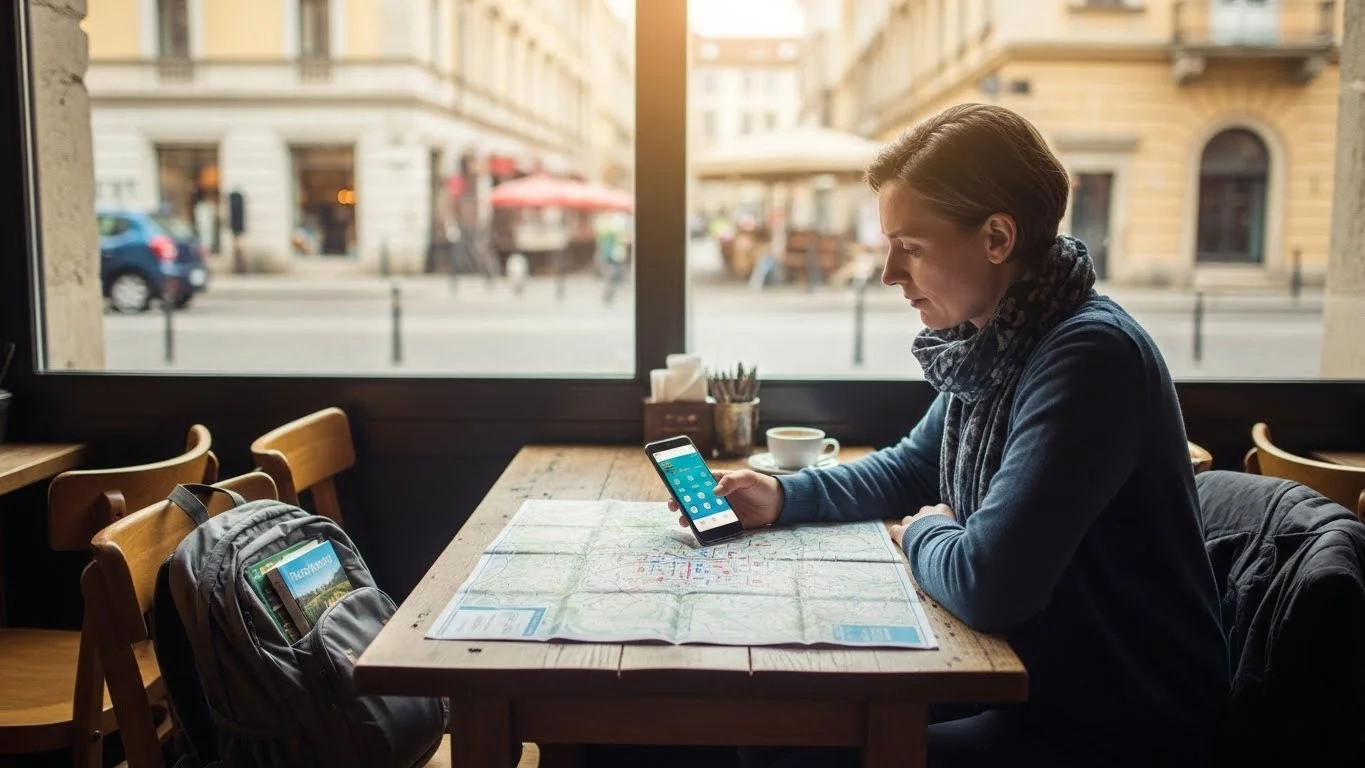
Understanding the Importance of a Safety Plan for Solo Travel
When I first ventured out on my solo travel adventures, I quickly realized that it was essential to have a safety plan in place. The freedom of exploring new places alone was exciting, but it also came with risks that I hadn’t fully considered. From my experience, a well-thought-out safety plan not only protects you but also enhances your confidence as you navigate unfamiliar territories.
Why Solo Travel Requires a Unique Safety Approach
Traveling alone is a unique experience that brings joy and challenges in equal measure. I learned early on that when you’re on your own, you can’t rely on a travel buddy to keep an eye on your surroundings or help you make quick decisions. This reality means that I had to be more vigilant and proactive about my safety. Having a safety plan helped me stay prepared for unexpected situations, from minor inconveniences like losing my way to more serious issues like medical emergencies.
Moreover, solo travelers often attract more attention, both positive and negative. In some cultures, being a solo traveler can draw curiosity, while in others, it might raise concerns. I’ve found that understanding these dynamics has been crucial for navigating my interactions and maintaining my safety.
Statistics on Solo Travel Risks
It’s not just intuition that tells us solo travel has its risks; there are statistics to back it up. According to various travel safety studies, solo travelers face higher chances of encountering theft, scams, or even physical harm than those traveling in groups. For instance, a survey revealed that nearly 30% of solo travelers reported experiencing theft in foreign countries. These numbers remind me of the importance of being prepared and staying alert. By creating a safety plan, we can significantly reduce our vulnerability and enjoy our travels with more peace of mind.
Key Components of a Safety Plan
Researching Your Destination
Before any trip, I make it a point to thoroughly research my destination. This involves more than just looking at popular tourist spots. I dive deep into understanding the local culture, customs, and even the social dynamics at play. For instance, I’ve learned that certain neighborhoods might be safer than others and that local laws can differ significantly from what I’m used to at home. Websites, forums, and blogs from fellow travelers provide invaluable insights that help me feel prepared for what to expect.
Identifying Safe Areas vs. Risky Areas
As part of my research, I always map out which areas are considered safe and which ones I should avoid. I’ve found that most cities have online resources or travel guides that highlight these zones. For example, when I traveled to a new country, I spent an afternoon walking around the city to get a feel for the neighborhoods, which helped me identify where to stay and explore. This way, I can plan my routes accordingly and avoid getting lost or wandering into areas that may not be safe.
Local Emergency Contacts and Resources
Having a list of local emergency contacts is a crucial part of my safety plan. I always jot down the address and contact information for the nearest hospital, police station, and my country’s embassy. This small step gives me comfort knowing that I have a plan in case things go sideways. Additionally, I’ve found it helpful to save these contacts in my phone, as well as writing them down in a travel journal. This way, even if I lose my phone, I still have access to important information.
Health and Medical Considerations
Health concerns can often take a backseat when we’re caught up in the excitement of travel, but I learned the hard way how important it is to prioritize them. Before I travel, I make sure I have all necessary vaccinations and pack a basic first-aid kit tailored to my destination. For instance, when I went to a tropical location, I made sure to bring mosquito repellent and any medications I might need. I also recommend looking into health care options available at your destination, just in case you need medical assistance. Being prepared can make all the difference in ensuring a safe and enjoyable trip.
Creating a safety plan for solo travel is an empowering step that enhances our travel experiences. By understanding the importance of safety, researching our destinations, and preparing for potential health risks, we can embark on our adventures with confidence and excitement. Remember, the more prepared we are, the more we can enjoy our journey, knowing we have taken steps to protect ourselves.
Pre-Travel Preparations
Creating an Itinerary
One of the first things I do when planning a solo trip is to create a detailed itinerary. This doesn’t just mean listing where I’ll go and when; it’s about crafting a roadmap for my journey. I include all my major activities, but I also leave room for spontaneity, because let’s face it, some of the best travel experiences happen when we least expect them. During my last trip to Spain, I mapped out must-see attractions, local eateries, and even a couple of off-the-beaten-path gems I discovered through research. Having this plan provided a sense of structure, helping me balance exploration with safety.
While planning, I also highlight any potential risks associated with my activities. For example, if I wanted to hike in a national park, I researched trail conditions and safety tips for solo hikers. Understanding these elements ahead of time has helped me feel more secure when I’m out and about, especially in unfamiliar environments.
Sharing Your Travel Plans with Trusted Contacts
Another essential step in my pre-travel preparations is sharing my itinerary with trusted friends or family. I believe this is crucial for safety, especially when traveling solo. By letting someone know my whereabouts, they can keep track of me, which brings peace of mind for both parties. I usually send a quick email or text, detailing where I’ll be and when I expect to check in. During my last trip to Italy, I made sure to keep my sister updated on my plans. It not only gave her comfort, but it also allowed her to share my excitement and be part of my journey, even from afar.
If I know I’ll be in an area with limited connectivity, I let my contacts know in advance that they may not hear from me for a while. This way, they aren’t left worrying if they don’t receive an update. I also provide them with emergency contact numbers and the hotel where I’m staying, just in case they need to get in touch with me or send help.
Setting Up Communication Plans
In my experience, staying connected while traveling is incredibly important, especially when I’m exploring new places alone. I usually set up a communication plan before I leave. This can include purchasing a local SIM card or ensuring my international phone plan is active. I’ve found that having access to data helps me navigate, stay in touch with friends, and access safety apps. On my last solo trip to Thailand, I got a local SIM card right at the airport, which made a world of difference. I felt more confident knowing I could reach out if I needed assistance.
Additionally, I download messaging apps that work over Wi-Fi, like WhatsApp or Viber, to keep in touch with my loved ones. It’s comforting to know that I can easily share updates or check in with family and friends, regardless of where I am in the world.
Understanding Local Laws and Customs
Before I set foot in a new country, I always take the time to understand local laws and customs. This may seem tedious, but trust me, it’s worth it. I’ve encountered situations where knowing the local etiquette made a significant difference in how I was perceived as a traveler. For example, I learned that in some countries, it’s considered disrespectful to take photos of certain religious sites or to wear inappropriate clothing. I remember visiting a temple in Bali, where I was grateful that I had researched the dress code beforehand. Observing local customs not only keeps me safe but also enriches my travel experience.
I also familiarize myself with local laws that might differ from what I’m used to, such as alcohol consumption, public behavior, or transportation regulations. Understanding these can help me avoid misunderstandings or even legal troubles. It’s all part of being a responsible traveler, and I believe it shows respect for the communities I’m visiting.
Essential Safety Gear and Technology
Travel Insurance: What You Need to Know
As someone who has traveled solo, I cannot stress enough the importance of having travel insurance. Before each trip, I research different plans and choose one that suits my needs. I’ve had experiences where travel insurance saved me from significant financial loss, especially when I had to cancel a trip due to unforeseen circumstances. It gives me peace of mind, knowing that I’m covered in case of emergencies like trip cancellations, medical issues, or lost luggage.
When selecting a travel insurance policy, I recommend looking for coverage that includes medical emergencies, evacuation, and personal liability. Additionally, check for 24/7 support, so you can get help whenever you need it. My last trip was to Central America, and having insurance allowed me to explore more freely, knowing I had a safety net in place if something went wrong.
Choosing the Right Travel Gear
Having the right travel gear can make a huge difference in my safety and overall experience. I carefully select my luggage and accessories, prioritizing items that are durable and secure. For example, my favorite travel backpack has lockable zippers, which gives me a sense of security when I’m out in busy areas. I’ve learned the hard way that keeping my belongings secure is crucial; during a previous trip, I had a close call with a pickpocket in a crowded market.
In addition to securing my bag, I invest in lightweight, versatile clothing that allows me to blend in with locals rather than standing out as a tourist. I’ve found that wearing neutral colors and avoiding flashy accessories helps me feel more comfortable and less conspicuous. Plus, I pack a small personal safety alarm, which I can easily carry. It’s a small device, but knowing I have it in case of an emergency makes me feel more at ease.
Essential Safety Gear and Technology
Apps and Tools for Safety
In today’s tech-savvy world, I’ve found that my smartphone can be an invaluable tool for ensuring my safety while traveling solo. There’s a plethora of apps out there designed specifically for travelers. For instance, I always download maps that work offline, like Google Maps or Maps.me, which have saved me more than once when I lost cell service. Having access to these offline maps allows me to navigate confidently without the fear of getting lost in unfamiliar places.
Another app I swear by is a personal safety app, such as bSafe or Life360. These apps allow me to share my location with trusted friends and family, which provides an extra layer of security. For instance, I can send a quick message or alert if I ever feel uneasy or if something doesn’t feel right. I remember using one of these apps while wandering through a market alone in a foreign country; just knowing that someone could track my location gave me peace of mind.
Additionally, I make sure to have local emergency numbers saved in my phone. Some apps, like SafetyNet, offer emergency services tailored to the country you’re in, which can be a lifesaver if you find yourself in a tough situation. Having these resources at my fingertips allows me to act quickly if needed.
Portable Safety Devices
While technology is fantastic, I also believe in the value of physical safety devices. One of my must-haves is a portable door lock. I’ve found that using one of these locks in hotel rooms or hostels adds an extra layer of security, especially when I’m not completely confident in the safety of my accommodations. I remember a time in a shared hostel where I attached this lock, giving me peace of mind while I slept. It’s a simple but effective way to feel a little more secure when I’m in an unfamiliar place.
Furthermore, I carry a personal alarm. This small device can emit a loud sound when activated, drawing attention in case of an emergency. I’ve never had to use it, but just knowing it’s there makes me feel safer. I remember a moment while walking back to my hotel late one evening when I felt uneasy due to some suspicious activity nearby. Having that personal alarm ready gave me the confidence to navigate my way back without fear.
Another device that I find essential is a portable charger. It’s easy to underestimate how quickly our phones can drain, especially when we are using them for navigation and communication. I always carry a power bank with me to ensure that I can keep my phone charged and ready for use. I once found myself in a situation where I was out later than expected, and my phone battery was lower than I liked. Thankfully, my portable charger saved the day, allowing me to stay connected and safe.
Staying Safe While Traveling
Situational Awareness and Personal Safety
One of the most important lessons I’ve learned about solo travel is the significance of situational awareness. Staying aware of my surroundings has helped me avoid potentially dangerous situations. I’m always mindful of where I am, who is around me, and how I feel in those surroundings. If something feels off, I trust my instincts and make adjustments. Whether it’s changing my route or stepping into a crowded café for a moment, I’ve learned to prioritize my gut feelings.
I also try to blend in as much as possible. Dressing like a local can help me avoid drawing unwanted attention. I often research common clothing styles in the area I’m visiting and adjust my wardrobe accordingly. This simple change has made a noticeable difference in how I’m perceived by others. When I visited Morocco, for instance, I opted for loose-fitting clothing that aligned with local customs, which helped me feel more at ease.
Transportation Safety Tips
Transportation safety is another crucial aspect of solo travel. I always choose reputable transport options, whether I’m using taxis, rideshare apps, or public transportation. For me, researching the safest and most reliable transportation methods before I arrive is essential. When I traveled to Mexico City, I opted for authorized taxi services rather than hailing a cab on the street, which gave me more confidence in my safety.
When using public transport, I make sure to sit near the driver or in well-lit areas. I’ve also learned to be strategic about my arrival times; traveling during daylight hours is always safer. I remember a time when I had to take a late bus. It wasn’t ideal, but I stuck to the well-trafficked areas and kept my valuables hidden, making sure I stayed alert throughout the journey.
Accommodation Safety Precautions
Choosing the right accommodations is another key element of my safety plan. I always opt for places with good reviews that highlight their safety features. For instance, I look for accommodations that have 24/7 reception or security. I remember booking a hotel in a bustling city where the front desk was manned at all hours; it made me feel more secure knowing help was always available if needed.
When I check into a hostel or hotel, I always familiarize myself with the emergency exits and safety protocols. I also keep my valuables in a secure location, like a locked suitcase or a hotel safe. I’ve learned the hard way not to leave important items out in the open. During one trip, I had a near miss when I left my wallet on the dresser. Thankfully, I caught it just in time, but it taught me to be more vigilant about my belongings.
Staying Connected with Friends and Family
Finally, staying connected with loved ones while traveling is essential for my safety. I often schedule regular check-ins via text or video calls, which keeps me accountable and reassures my family. I usually set a specific time to touch base, so they know when to expect an update. This practice not only keeps my loved ones in the loop but also lets me share my travel experiences and adventures with them.
In my experience, maintaining open lines of communication helps foster a sense of security. I’ve found that when my family knows I’m safe and enjoying my travels, it enhances the experience for all of us. Sharing stories and photos after my adventures always brings smiles, and it’s a great way to feel connected despite the distance.
Frequently Asked Questions
What is the importance of having a safety plan for solo travel?
A safety plan is essential for solo travel as it protects travelers and enhances their confidence when navigating unfamiliar territories. It prepares them for unexpected situations and helps mitigate risks associated with traveling alone.
Why does solo travel require a unique safety approach?
Traveling alone means that travelers cannot rely on a companion for support or safety, making it necessary to be more vigilant and proactive. A safety plan helps solo travelers stay prepared for various challenges, from minor inconveniences to serious emergencies.
What are some common risks faced by solo travelers?
Statistics indicate that solo travelers face higher chances of encountering risks such as theft, scams, and physical harm. Nearly 30% of solo travelers reported experiencing theft in foreign countries, underscoring the importance of preparation and alertness.
What should be included in a safety plan for solo travel?
A safety plan should include thorough destination research, identifying safe and risky areas, local emergency contacts, health considerations, and pre-travel preparations like creating an itinerary and setting up communication plans.
How can travelers research their destination effectively?
Travelers should look into local culture, customs, and social dynamics, as well as mapping out safe and risky areas. Online resources, travel guides, and personal experiences from other travelers can provide valuable insights.
Why is it important to share travel plans with trusted contacts?
Sharing travel plans with trusted friends or family enhances safety as it allows them to keep track of the solo traveler’s whereabouts. It provides peace of mind for both the traveler and their loved ones.
What role does situational awareness play in solo travel safety?
Situational awareness is crucial for avoiding potentially dangerous situations. Travelers should stay aware of their surroundings and trust their instincts, making adjustments to their plans when something feels off.
What transportation safety tips should solo travelers follow?
Solo travelers should choose reputable transportation options, sit near the driver or in well-lit areas on public transport, and travel during daylight hours whenever possible. Researching safe transportation methods before arrival is also essential.
What are essential safety gear and technology for solo travelers?
Essential safety gear includes travel insurance, portable safety devices like door locks and personal alarms, and technology such as offline maps and personal safety apps. These tools enhance safety and ensure travelers can stay connected.
How can solo travelers stay connected with their loved ones while traveling?
Travelers can maintain communication by scheduling regular check-ins via text or video calls. This practice keeps loved ones informed about their safety and allows travelers to share their experiences and adventures.