
Travel photography is more than just snapping pictures; it’s about capturing the essence of a place and its people. With a tight budget, you can still create stunning visuals that reflect the culture you experience.
Understanding Travel Photography
What is Travel Photography?
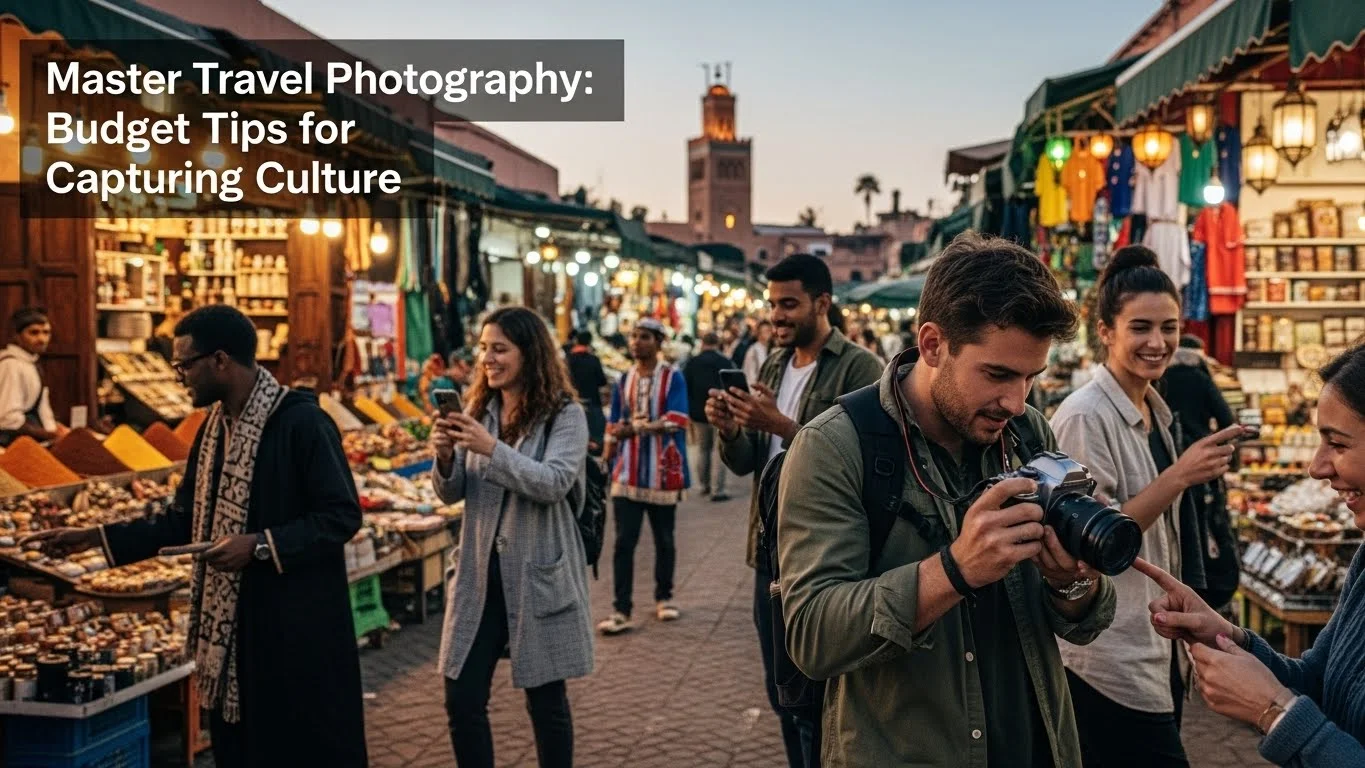
When I think about travel photography, I imagine the vibrant streets of a bustling market, the serene beauty of a sunrise over a mountain, or the candid laughter of locals enjoying their day. It’s this blend of art and storytelling that makes travel photography special. For me, it’s not just about the destination but the moments that unfold along the journey. Travel photography involves capturing the essence of different cultures, landscapes, and experiences that make each place unique. Whether it’s through the lens of a professional camera or a smartphone, the goal is to tell a story that resonates with viewers, allowing them to feel the place even if they’ve never been there.
The Importance of Cultural Representation
When I travel, I often reflect on how important it is to represent the cultures I encounter accurately and respectfully. Every culture has its own stories, traditions, and nuances that deserve to be portrayed authentically. I’ve experienced this firsthand when I visited a small village in Thailand. Instead of just taking pictures of the scenery, I focused on capturing the interactions among locals, their traditional attire, and even the food they were preparing. By doing this, I felt like I was not just a tourist, but a storyteller bringing these moments to life. I believe that when we share photographs that respect and reflect the culture, we foster understanding and appreciation among people from different backgrounds. Capturing cultural events is a great way to enhance this representation.
Essential Gear for Budget Travel Photography
Choosing the Right Camera
Choosing a camera for travel is a personal journey. I remember my first travel camera; it was a compact point-and-shoot. While it was easy to carry, I quickly found myself wanting more control over my shots. For budget-conscious travelers, I recommend considering entry-level DSLRs or mirrorless cameras. They offer great image quality without breaking the bank. I learned that even a budget-friendly camera can produce stunning photos if you know how to use it well. Before you buy, think about what type of photography you want to pursue. If you’re into landscapes, a camera with a good dynamic range is essential. For street photography, a lightweight option that allows for quick shots might be more beneficial. You can also explore cultural portraits for inspiration.
Affordable Lenses for Different Scenarios
Lenses can be a bit tricky, especially when you’re on a budget. I used to think that I needed a whole kit of expensive lenses to get great photos. But I’ve since realized that a versatile lens can do wonders. A 24-70mm lens, for example, is great for landscapes and portraits alike, and it doesn’t have to be the priciest one out there. I remember finding a second-hand lens that became my go-to for capturing local life. If you’re using a smartphone, consider adding clip-on lenses for added versatility. They are often inexpensive and can dramatically change the way you capture images.
Smartphone Photography: Is It Enough?
Smartphones have come a long way in terms of photography capabilities. I have a friend who swears by her smartphone for all her travel photos. She captures incredible images using just her device, proving that you don’t need a fancy camera to create beautiful travel photography. For many of us, the convenience of a smartphone is unmatched. Plus, with editing apps readily available, you can enhance your images right on your phone. Just remember to pay attention to lighting and composition, and you can achieve stunning results without carrying heavy gear.
Accessories That Don’t Break the Bank
When it comes to photography accessories, I’ve found that you don’t need to splurge to get quality items. A sturdy tripod can make a huge difference, especially for low-light shots or long exposures. I picked up a lightweight travel tripod that fits easily into my backpack, making it a constant companion on my journeys. Additionally, a good camera bag is essential to protect your gear. I recommend looking for bags that are both functional and stylish, so you can blend in while exploring urban landscapes. Filters, such as polarizers or ND filters, can also be found at reasonable prices and can elevate your photos significantly. I also carry a microfiber cloth, which is handy for keeping my lens clean while out and about.
Planning Your Photography Journey
Researching Cultural Events and Festivals
One of the most exciting parts of travel photography is capturing cultural events and festivals. I remember planning a trip to India during Diwali, the Festival of Lights. I dove deep into researching the local events happening during my stay, and it paid off immensely. I found myself surrounded by vibrant colors, joyous celebrations, and heartwarming traditions that I could never have anticipated. To make the most of your photography journey, I suggest looking up local festivals, parades, or rituals specific to your destination. Websites, local tourism boards, and social media groups can be great resources for finding these events. By aligning your travel schedule with these cultural happenings, you can capture the essence of a place in ways that go beyond the usual tourist attractions. You can also learn how to capture candid moments effectively during these events.
Best Locations for Capturing Local Life
When it comes to travel photography, finding the right locations can make all the difference. I’ve often wandered off the beaten path, discovering hidden gems that truly reflect local life. Markets, parks, and community centers are fantastic spots to capture candid moments. I once stumbled upon a small fishing village in Greece that was teeming with life. The fishermen were bringing in their catch, and the locals were bustling about, chatting and laughing. These spontaneous moments created an authentic narrative that I cherished in my photos. I recommend checking out local blogs or travel forums to find suggestions on where to go in your destination. Don’t shy away from asking locals too; they often have the best insights into where to find the heart of their culture.
Understanding Local Customs and Etiquette
Every culture has its own customs and etiquette, and understanding these can enhance your photography experience. I learned this the hard way during a trip to Japan. I excitedly raised my camera to capture a beautiful Shinto shrine, but I quickly realized I was doing so without understanding the local customs regarding photography in sacred spaces. I felt embarrassed and learned that taking the time to understand local customs not only enriches our experience but shows respect to the people and places we encounter. Before you visit a new destination, it’s worth spending some time researching what’s acceptable. This can include knowing when it’s appropriate to take photos, asking for permission, or understanding how to dress respectfully in certain areas.
Budget-Friendly Tips for Capturing Culture
Using Natural Light Effectively
One of the best things I’ve learned about photography is how to take advantage of natural light. I often find that the soft glow of early morning or the warm hues of sunset can transform a simple scene into something magical. I remember walking through a vibrant market at sunrise, with golden light filtering through the stalls, creating a stunning backdrop for my shots. I recommend planning your outings around these times of day for the best lighting. This doesn’t just apply to landscapes; even portraits can benefit from natural light. Experimenting with shadows and highlights can produce compelling images without needing any extra gear.
Timing: The Golden Hour and Blue Hour
The golden hour—the period shortly after sunrise or before sunset—can make your photos look incredible. I’ve been lucky enough to capture some breathtaking moments just as the sun dipped below the horizon. The colors during this time are rich and warm, adding depth to my images. The blue hour, which occurs just before sunrise and after sunset, offers a different kind of beauty, with soft blue tones creating a serene atmosphere. Timing your photography sessions to coincide with these periods can elevate your work significantly. It’s a bit of planning, but trust me, the results are worth it.
Engaging with Locals for Authentic Shots
Some of my favorite travel photos have come from engaging with locals. I remember visiting a small café in Portugal, striking up a conversation with the owner, who shared stories about the history of the neighborhood. I asked if I could take her portrait, and the result was a beautiful image that I cherish. People often appreciate it when you show genuine interest in their lives. Not only does this create an opportunity for stunning photographs, but it also helps us connect on a human level. I encourage you to approach locals, ask questions, and share your journey. You’ll find that this leads to authentic shots that tell a story far beyond the surface.
Free and Low-Cost Photography Workshops
Finding ways to improve my photography skills on a budget has been a game-changer for me. I’ve discovered that many cities offer free or low-cost photography workshops, which can be incredibly beneficial. I participated in one during my travels in Vietnam, where a local photographer shared tips on capturing street life and cultural nuances. These workshops often provide not only valuable learning experiences but also opportunities to meet fellow travelers who share your passion. Look for community centers, galleries, or local photography groups that might offer sessions. Even if it’s just a few hours, the insights you gain can elevate your photography game.
Post-Processing on a Budget
Free Editing Software Options
After capturing those stunning travel photos, the next step is bringing them to life through post-processing. I used to think great editing required expensive software, but I quickly learned that there are fantastic free options available. Programs like GIMP and darktable are powerful tools that can handle everything from basic adjustments to complex edits. I remember downloading GIMP for the first time and playing around with its features; I was amazed at how much I could achieve without spending a dime. Additionally, mobile apps like Snapseed and Lightroom Mobile are great for editing on-the-go, offering user-friendly interfaces and creative filters. They’ve become my go-to tools for quick edits while traveling. The key is to explore these options and find what works best for your style.
Basic Editing Techniques for Stunning Photos
Editing doesn’t have to be overwhelming, and I’ve found that sticking to a few basic techniques can drastically improve my photos. First, I always start with adjusting the exposure and contrast. I remember my travel photos from a rainy day in Paris; with a slight tweak in exposure, those cloudy skies transformed into a beautiful backdrop. Next, I play with saturation and vibrance to make the colors pop without looking unnatural. Cropping is another essential tool; sometimes, simply tightening the frame can draw focus to the subject and create a more impactful image. I also recommend exploring the use of sharpening and noise reduction tools, especially for low-light shots. Each of these techniques can make a significant difference in the final outcome of your images.
Organizing and Storing Your Photos Efficiently
As someone who loves to take a lot of photos, I’ve learned the importance of organization. I used to just dump all my images into one folder, but that quickly became chaotic. Now, I create specific folders for each trip or event, which helps me find what I need later. I also tag my photos with keywords, making it easier to search for specific images. Cloud storage options like Google Drive or Dropbox have been lifesavers for me, ensuring that my photos are backed up and accessible from anywhere. This way, I can focus on editing without the fear of losing precious memories. I recommend investing a little time in organizing your files; it makes a world of difference when looking back at all the incredible moments captured.
Sharing Your Travel Photography
Creating an Online Portfolio on a Budget
Once I started building my photography skills, I felt the urge to share my work with others. Creating an online portfolio doesn’t have to be expensive or complicated. I found platforms like WordPress and Wix to be user-friendly and cost-effective. You can choose from various templates that allow you to showcase your photos beautifully. I remember being thrilled when I launched my first portfolio; it felt like a milestone in my photography journey. The best part is that these platforms often have free options, so you can start sharing your work without any financial commitment. The key is to choose your best images, create engaging captions, and consider organizing your portfolio by themes or locations.
Utilizing Social Media for Exposure
Social media has been a game-changer for sharing my travel photography. Platforms like Instagram and Pinterest allow us to reach a broader audience without spending a dime. I’ve found that posting regularly and engaging with my followers has helped me grow my presence. Using relevant hashtags also makes it easier for people to discover my work. I recall one of my photos gaining unexpected attention when I used popular travel hashtags, which led to meaningful connections with fellow photographers. It’s essential to not only post your photos but also interact with other users by commenting on their work and sharing tips. This community aspect can be incredibly rewarding.
Participating in Photography Communities
Joining photography communities has enhanced both my skills and my network. There are numerous online forums and groups dedicated to travel photography, where members share tips, critiques, and inspiration. I remember joining a Facebook group dedicated to travel photography. Not only did I receive feedback on my work, but I also learned a lot from others’ experiences. Sites like Flickr and 500px can also be great platforms to showcase your images and connect with like-minded individuals. Engaging in these communities fosters a sense of camaraderie and support that can ignite your passion for photography even further. I encourage you to explore these avenues; you never know what you might learn or who you might meet along the way.
Final Thoughts on Budget Travel Photography
Reflecting on my journey through travel photography, I can’t help but feel grateful for the experiences I’ve had and the lessons I’ve learned along the way. It’s incredible how a camera can open doors to new cultures, friendships, and perspectives. I believe that travel photography is not just about capturing pretty images; it’s about creating a visual narrative that shares our experiences with the world. Even on a budget, we have the power to create compelling stories that resonate with others.
One of the greatest revelations for me has been the realization that great photography doesn’t always require expensive gear or extravagant trips. Instead, it comes down to our willingness to explore, engage, and immerse ourselves in different environments. Every trip I take teaches me something new, whether it’s discovering an off-the-beaten-path location or learning how to communicate with locals despite language barriers. These experiences enrich our photographs and help us grow as photographers and individuals.
As I continue to refine my skills, I always keep a few principles in mind: be curious, be respectful, and be open to the unexpected. I’ve had moments where the best shots came from spontaneous encounters rather than planned ones. Embracing these moments has made my photography journey all the more rewarding. I encourage you to grab your camera, venture out, and capture the world around you. You never know what incredible stories await you on your next adventure.
Finally, remember that photography is a journey, not a destination. As we share our images and connect with others through our art, we contribute to a collective understanding of the world. So, let’s celebrate the beauty of each culture, each moment, and each photograph we create. I can’t wait to see what you capture on your travels!
Frequently Asked Questions
What is travel photography?
Travel photography involves capturing the essence of different cultures, landscapes, and experiences that make each place unique. It blends art and storytelling, allowing viewers to feel the place even if they’ve never been there.
How can I represent cultures accurately in my travel photography?
To represent cultures accurately, focus on capturing authentic moments, interactions among locals, and traditional aspects like attire and food. This fosters understanding and appreciation among people from different backgrounds.
What type of camera is recommended for budget travel photography?
For budget-conscious travelers, entry-level DSLRs or mirrorless cameras are recommended as they offer great image quality without being expensive. Even budget-friendly cameras can produce stunning photos if used well.
Are smartphones sufficient for travel photography?
Yes, smartphones have advanced significantly in photography capabilities. Many travelers use them successfully to capture beautiful images without the need for a fancy camera, especially with the availability of editing apps.
What are some essential accessories for budget travel photography?
Essential accessories include a sturdy tripod for low-light shots, a good camera bag for protection, and filters like polarizers or ND filters. A microfiber cloth is also useful for keeping the lens clean.
How can I find cultural events to photograph during my travels?
Research local festivals, parades, or rituals specific to your destination by checking websites, local tourism boards, and social media groups. Align your travel schedule with these events to capture unique cultural moments.
What is the significance of the golden hour in photography?
The golden hour, occurring shortly after sunrise or before sunset, provides rich and warm colors that can enhance the beauty of your photos. Timing your photography sessions around these periods can significantly elevate your work.
How can I improve my photography skills on a budget?
Look for free or low-cost photography workshops in the cities you visit. These workshops often provide valuable insights and opportunities to connect with fellow travelers who share your passion for photography.
What free editing software options are available for post-processing photos?
Free editing software options include GIMP and darktable for desktop use, and mobile apps like Snapseed and Lightroom Mobile for on-the-go editing. These tools can handle a range of adjustments and enhancements.
How can I create an online portfolio for my travel photography?
Creating an online portfolio can be done using user-friendly platforms like WordPress and Wix, which often have free options. Choose your best images, create engaging captions, and organize your portfolio by themes or locations.