
Underwater photography opens up a mesmerizing world beneath the waves, capturing the beauty of marine life like nothing else. If you’re ready to dive in and take stunning shots, let’s explore the essential elements of this exciting art form!
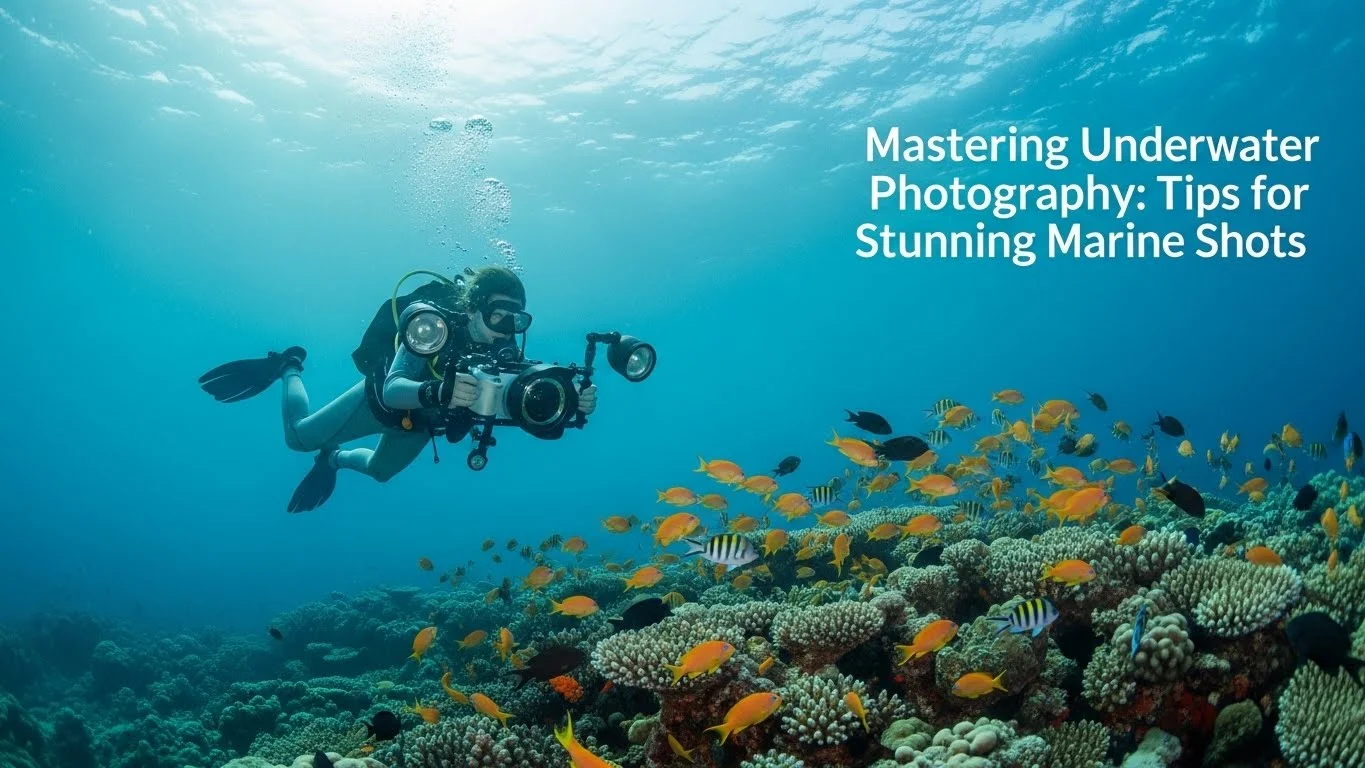
Understanding Underwater Photography
What is Underwater Photography?
Underwater photography is the art of taking pictures while submerged in water, typically in oceans, lakes, or rivers. I remember the first time I donned my diving gear and slipped beneath the surface; the vibrant colors and dynamic creatures blew my mind. This form of photography can range from capturing small, intricate marine organisms to sweeping landscapes of coral reefs. The thrill of freezing a moment in time while underwater is exhilarating, and every shot tells a unique story about life beneath the waves.
The Importance of Underwater Photography
Underwater photography plays a crucial role in raising awareness about marine ecosystems and conservation. I’ve seen how powerful images can evoke emotions and inspire action. By showcasing the beauty and fragility of underwater life, photographers help advocate for the protection of these environments. Plus, with over 70% of our planet covered by water, there’s an entire world to explore and document. Every photograph can serve as a reminder of what is at stake and why we should care about preserving it. Best Budget-Friendly Underwater Photography Equipment Tips can also help aspiring photographers get started without breaking the bank.
Essential Equipment for Underwater Photography
Underwater Cameras: Types and Features
Choosing the right camera is fundamental to underwater photography. I’ve used various types, from compact point-and-shoots to DSLRs, each with its own strengths. Compact cameras are great for beginners due to their portability and ease of use, while DSLRs offer more control and superior image quality. Mirrorless cameras are another fantastic option, providing the benefits of DSLRs without the bulk. When selecting a camera, I always look for features like a fast autofocus system and good low-light performance — both crucial for capturing sharp images in often challenging conditions.
Housing for Cameras: Importance and Choices
Once you’ve picked your camera, you need a reliable housing to protect it underwater. I can’t stress this enough: having a good housing is essential for ensuring your gear stays dry and functional. There are two main types of housings: plastic and aluminum. Plastic is lightweight and affordable, making it a good option for casual photographers. On the other hand, aluminum housings are sturdier and often provide better controls for advanced users. I recommend investing in a quality housing as it can significantly affect your underwater experience.
Lenses for Underwater Shots
The right lens can make all the difference in your underwater photography. I’ve experimented with various lenses, and I find that wide-angle lenses are fantastic for capturing expansive underwater landscapes and schools of fish, giving a sense of the environment. For more detailed shots of tiny creatures, macro lenses are essential. They allow you to get up close and personal with small subjects, showcasing their details beautifully. I learned that having a good versatile lens setup can significantly enhance the way I capture the underwater world.
Lighting Equipment: Strobes and Video Lights
Underwater environments can be quite dark, especially below the surface where natural light diminishes rapidly. I’ve been in situations where I couldn’t quite get the colors to pop, and that’s when I realized the importance of lighting equipment. Strobes are a photographer’s best friend, as they provide a powerful burst of light to illuminate your subjects and bring out their vivid colors. Video lights are also great for continuous lighting, especially if you’re capturing video footage alongside stills. I recommend experimenting with both to see what works best for your style and subjects.
Accessories: Filters, Tripods, and More
Don’t overlook the importance of accessories in underwater photography. I’ve found that color correction filters can help enhance the natural hues of underwater scenes, especially in deeper dives where colors can fade. A tripod can also be incredibly useful for stabilizing your shots, particularly in low-light conditions or when capturing slow-moving subjects. Other accessories like spare batteries, memory cards, and lens cleaning kits are essential for a smooth shooting experience. When I first started, I made a checklist of all my gear to ensure I didn’t forget anything essential before each dive. For those looking for cost-effective solutions, Essential Tips for Budget Underwater Adventure Photography can be very helpful.
Mastering Techniques for Stunning Marine Shots
Understanding Water Conditions: Currents and Visibility
Before diving into the water, I always check the conditions — currents and visibility can make or break a dive. I learned this the hard way on one of my early adventures. The visibility was poor, and I struggled to capture clean shots of stunning coral formations. Strong currents can also sway you and your camera, making it difficult to frame your subject properly. I recommend always researching the dive site beforehand and even talking to local divers or guides for insights. It’s amazing how much a little prep can enhance your experience and the quality of your images.
Composition Techniques: Rule of Thirds and Leading Lines
Composition is a vital part of photography, and underwater shots are no exception. I often find myself using the rule of thirds to frame my subjects. This technique helps create a more balanced and engaging photo. Instead of placing the subject in the center, I position it along one of the grid lines, which often leads to a more dynamic shot. I’ve also used leading lines to draw the viewer’s eye into the image. For instance, a school of fish swimming in a line can guide the eye deeper into the underwater landscape. I feel that being mindful of composition can elevate your underwater photography significantly.
Color and Light in Underwater Photography
When I first started diving, one thing that struck me was how quickly colors fade underwater. The deeper you go, the less color you see. I remember taking a photo of a beautiful coral reef only to find it looked dull in my camera. I learned that using strobes or video lights can help bring back those vibrant colors. Also, I’ve found that shooting in shallow water, where natural light is more abundant, often yields better results. I recommend adjusting your white balance settings on your camera to compensate for the blue-green cast that can occur underwater. It makes a huge difference!
Getting Close: Macro vs. Wide-Angle Shots
One of the most exciting aspects of underwater photography is the choice between macro and wide-angle shots. I’ve had great experiences with both, but they require different techniques. Macro photography is all about getting up close and personal with small subjects like nudibranchs or tiny fish. I remember the rush I felt when I captured an intricate detail of a seahorse. Wide-angle shots, on the other hand, allow you to capture the grandeur of underwater landscapes. When I want to showcase a vibrant reef or a school of fish, I opt for a wide-angle lens. I suggest experimenting with both styles — you might find your passion lies in one over the other.
Capturing Motion: Techniques for Dynamic Shots
Underwater life is full of movement, and I’ve learned that capturing it can be both challenging and rewarding. When I first tried to photograph swimming fish, it felt like an exercise in frustration! I realized that using a faster shutter speed can help freeze the action, especially in low light. However, I’ve also played around with slower shutter speeds to create a sense of motion, blurring the fins of a fish as it swims by. This technique can add a beautiful dynamic feel to the image. I recommend practicing these techniques until you find the right balance for your style and the subjects you’re photographing.
Choosing the Best Locations for Underwater Photography
Top Diving Destinations for Photographers
Over the years, I’ve had the pleasure of diving at some incredible locations that are perfect for underwater photography. One of my favorites is the Great Barrier Reef in Australia. The vibrant coral and diverse marine life are a photographer’s dream. I’ve also fallen in love with the clear waters of the Maldives, where you can capture stunning shots of manta rays and whale sharks. Another hidden gem I discovered is the cenotes in Mexico, where the light filtering through the surface creates magical underwater scenes. I believe selecting the right location can inspire creativity and lead to some of your best shots.
Marine Protected Areas: Responsible Photography
As I’ve journeyed through various underwater environments, I’ve come to realize the importance of marine protected areas. These locations are vital for conserving marine ecosystems, and I feel a strong responsibility as a photographer to respect and protect these habitats. When diving in these areas, I make sure to follow guidelines and avoid touching or disturbing marine life. By doing so, we can help ensure that these beautiful places remain intact for future generations to enjoy and photograph.
Seasonal Considerations: When to Go
The timing of your dive can greatly impact your underwater photography. I’ve noticed that certain seasons bring unique opportunities for capturing marine life. For example, many species of fish spawn at specific times of the year, creating a lively spectacle. I remember being lucky enough to witness a massive gathering of fish during a seasonal migration, and the photos I took that day are some of my favorites. Researching the best times to visit a destination can make a significant difference in the variety and quantity of subjects you’ll encounter.
Post-Processing for Underwater Images
Editing Software: Options and Tips
After capturing those stunning underwater shots, the next step is putting the finishing touches on them through post-processing. I remember feeling overwhelmed by the number of software options available at first. However, I found that programs like Adobe Lightroom and Photoshop are fantastic for editing underwater images. Lightroom is great for making quick adjustments, like exposure and color balance, while Photoshop offers more advanced features like layer manipulation and retouching. I recommend starting with Lightroom to get a feel for basic edits before diving into the more complex tools in Photoshop. It’s amazing how much a little tweaking can bring a photo to life!
Color Correction and Enhancing Details
One of the biggest challenges I faced was dealing with the color loss that often occurs underwater. In my experience, the deeper you dive, the more colors fade. I learned that color correction tools in editing software can help restore those vibrant hues. I usually start by adjusting the white balance; this simple change can drastically improve an image. Additionally, I use the saturation and vibrance sliders to enhance colors without making them look unnatural. I’ve also discovered that sharpening the details, especially in macro shots, can help highlight the intricate textures of marine life. The right adjustments can turn a good shot into a breathtaking one!
Managing Noise and Improving Clarity
Sometimes, when I pull my images from my camera, I notice a bit of noise, especially in low-light situations. Noise can be a real downer, but I’ve learned to manage it during editing. Programs like Lightroom have noise reduction features that can help smooth out grainy images. I typically apply a little noise reduction, but I’m careful not to overdo it, as it can lead to a loss of detail. Improving clarity is another key aspect of post-processing. I usually adjust the clarity slider to enhance the mid-tones in my images, which helps in making the subject pop against the background. It’s all about finding that perfect balance to showcase the beauty I witnessed underwater!
Common Challenges in Underwater Photography
Dealing with Low Light Conditions
Low light underwater can be a significant hurdle, and I’ve faced this challenge numerous times. I remember one dive where the sun was setting, and I found myself struggling to capture any decent shots. When faced with low light, I’ve learned that using a wider aperture can help let in more light. Additionally, increasing the ISO can make a difference, but I have to be cautious about introducing noise into the images. I often find that using my strobes or video lights can provide the necessary illumination to bring out colors and details. It took some trial and error, but mastering low-light techniques has improved my underwater photography dramatically.
Handling Equipment Issues Underwater
Let’s be honest: equipment issues can arise at the most inconvenient times, especially underwater. I’ve had moments where my camera housing developed a leak or my strobe wouldn’t fire just when I spotted a stunning sea turtle. When I first started, I didn’t realize how important it was to check my gear before each dive. Now, I make it a habit to test everything on the surface and ensure all seals are secure. I also carry backup gear, like extra batteries and memory cards, to avoid missing out on those once-in-a-lifetime shots. Learning to troubleshoot quickly underwater has saved me more than once, so I suggest practicing those skills before heading out.
Overcoming Fear and Anxiety While Diving
Diving itself can be an intimidating experience, and I’ve had my fair share of anxiety before heading underwater. I remember feeling anxious about the depths and what lies beneath. What helped me was taking my time and gradually getting comfortable with diving environments. I also connected with fellow divers who shared their experiences and tips, which made a huge difference in my confidence. Finding ways to relax before a dive, like deep breathing or visualizing the adventures ahead, can help ease those nerves. In my opinion, building comfort in the water enhances not only your diving experience but also your ability to capture stunning underwater images.
Tips for Beginners in Underwater Photography
Starting Small: Techniques for New Photographers
For anyone just starting in underwater photography, I recommend beginning with simple techniques. I remember my first dives with a compact camera; I focused on getting comfortable with my surroundings rather than stressing about perfect shots. I found that practicing basic composition, like the rule of thirds, and simply observing marine life helped me improve my skills. Don’t be afraid to take lots of photos; shooting in burst mode can increase your chances of getting that perfect shot, especially when the subjects are moving. I believe that starting small and gradually building up to more complex techniques can help any beginner develop their style.
Learning from Others: Workshops and Courses
One of the best decisions I made was enrolling in underwater photography workshops. Learning from experienced photographers allowed me to gain valuable insights and feedback on my work. I also enjoyed the opportunity to ask questions and share experiences with fellow enthusiasts. There are many online courses too, which can be a great way to learn at your own pace. I encourage new photographers to seek out these resources; they can provide different perspectives and techniques that may resonate with your own style.
Building a Portfolio: Showcasing Your Work
As I progressed in my underwater photography journey, I realized the importance of building a portfolio. I started by selecting my best images, focusing on a variety of subjects and techniques. I created an online gallery to showcase my work, which not only helped me track my progress but also allowed me to share my passion with others. I recommend taking time to curate your portfolio thoughtfully, as it can open doors to opportunities like exhibitions or collaborations. Sharing your work can be a great way to connect with others who share your love for underwater photography! Affordable Underwater Wildlife Photography Tips for Backpackers can also inspire you to create a stunning portfolio.
Frequently Asked Questions
What is underwater photography?
Underwater photography is the art of taking pictures while submerged in water, typically in oceans, lakes, or rivers. It captures the beauty of marine life and can range from intricate organisms to expansive coral reefs.
Why is underwater photography important?
Underwater photography raises awareness about marine ecosystems and conservation. It showcases the beauty and fragility of underwater life, advocating for the protection of these environments, which cover over 70% of our planet.
What types of cameras are best for underwater photography?
Compact cameras are great for beginners due to their portability, while DSLRs offer more control and superior image quality. Mirrorless cameras are also a good option, providing the benefits of DSLRs without the bulk.
What is the significance of camera housing in underwater photography?
A reliable housing is essential to protect your camera underwater. There are plastic housings, which are lightweight and affordable, and aluminum housings, which are sturdier and offer better controls for advanced users.
What types of lenses are recommended for underwater shots?
Wide-angle lenses are excellent for capturing expansive underwater landscapes, while macro lenses are essential for detailed shots of small creatures. Having a versatile lens setup significantly enhances underwater photography.
How can lighting equipment improve underwater photography?
Lighting equipment, such as strobes and video lights, can help illuminate subjects and bring out their colors, especially in dark underwater environments where natural light is limited.
What composition techniques should be used in underwater photography?
Using the rule of thirds to frame subjects can create more balanced and engaging photos. Leading lines can also draw the viewer’s eye into the image, enhancing the composition.
What are some top diving destinations for underwater photography?
Some top destinations include the Great Barrier Reef in Australia, the clear waters of the Maldives, and the cenotes in Mexico, each offering unique opportunities for stunning underwater shots.
What editing software is recommended for post-processing underwater images?
Adobe Lightroom and Photoshop are recommended for editing underwater images. Lightroom is great for quick adjustments, while Photoshop offers more advanced features for detailed editing.
What are common challenges faced in underwater photography?
Common challenges include low light conditions, equipment issues, and overcoming fear and anxiety while diving. It’s important to prepare and practice techniques to manage these challenges effectively.