
Underwater photography is an exhilarating adventure that captures the beauty of the ocean’s depths. With the right tips and precautions, you can explore this vibrant world safely and creatively. Read Interesting article: Mastering Underwater Photography: Tips for Stunning Marine Shots
Understanding Underwater Photography
What is Underwater Photography?
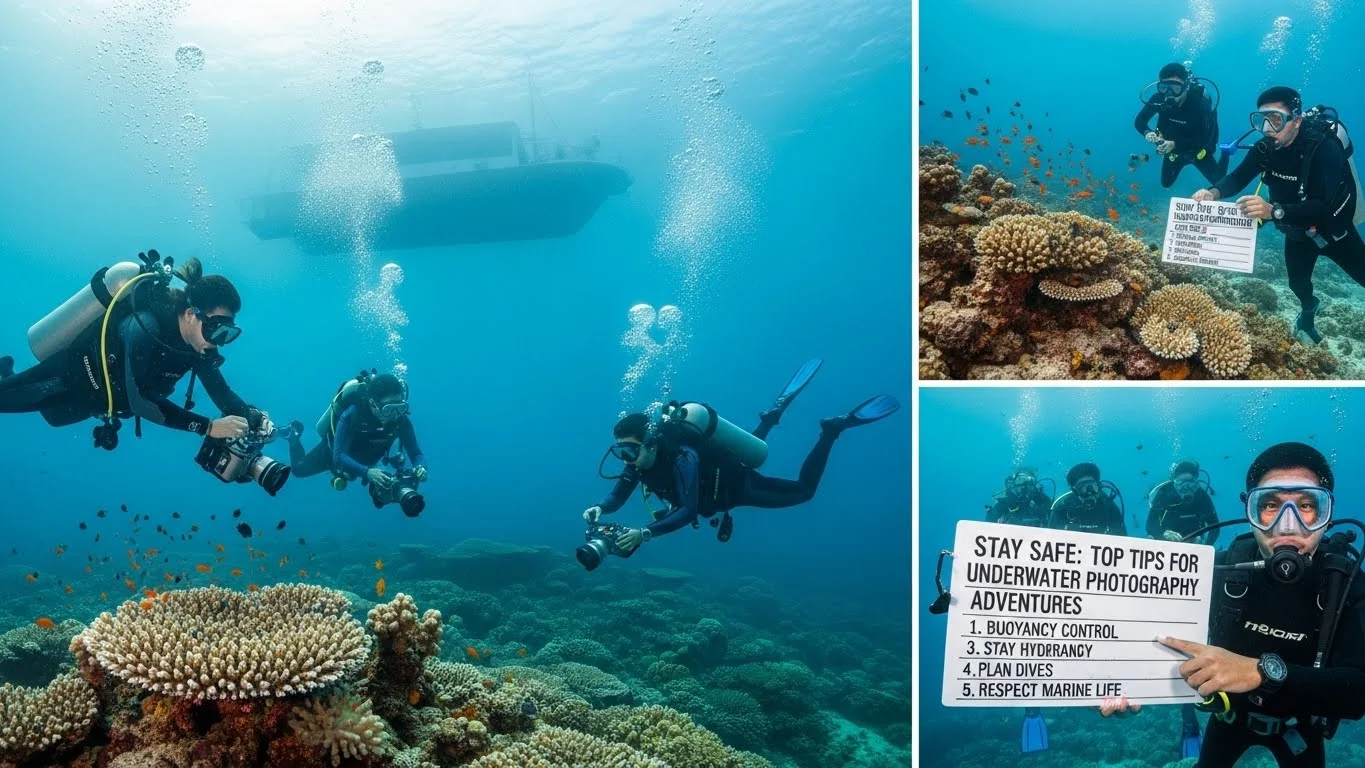
Underwater photography is a unique art form that involves taking pictures beneath the water’s surface. I remember the first time I tried it; the moment I submerged my camera, I felt like I had entered another realm. It’s not just about snapping photos; it’s about capturing the intricate details of marine life and the stunning underwater landscapes. This type of photography can range from exciting close-ups of small creatures to sweeping wide-angle shots of expansive coral reefs.
Types of Underwater Photography
There are several types of underwater photography that cater to different interests and skill levels. Here are some that I’ve found particularly fascinating:
- Wide-Angle Photography: This type captures expansive scenes and is perfect for showcasing large marine habitats. I’ve had incredible experiences shooting vast coral reefs or schools of fish moving together in harmony.
- Macro Photography: If you enjoy photographing small creatures like seahorses or nudibranchs, macro photography is for you. It requires specialized equipment and a steady hand, but the results can be stunning.
- Ambient Light Photography: Utilizing natural light creates a different atmosphere in your photos. I love experimenting with the sun’s rays filtering through the water, creating ethereal images.
- Night Diving Photography: This can be thrilling and challenging. Underwater life behaves differently at night, and capturing it requires careful planning and specific lighting techniques. I remember my first night dive; it felt like exploring an alien world!
Essential Equipment for Underwater Photography
Getting started in underwater photography requires some essential gear. I’ve learned the hard way that having the right equipment can make all the difference in capturing great shots. Here’s a list of what I consider must-haves:
- Underwater Camera: While some people use DSLRs with underwater housings, I’ve found that compact cameras designed for underwater use are user-friendly and effective. They often come with built-in features that make underwater shooting easier.
- Housing: If you decide to use a DSLR or mirrorless camera, investing in a good underwater housing is crucial. It protects your camera from water damage and allows you to access the controls easily.
- Strobe Lights/Flash: Natural light can be limited underwater, especially at greater depths. Adding an underwater strobe can help illuminate your subjects and bring out their colors.
- Filters: Using color correction filters can enhance your photos by compensating for the color loss that occurs underwater. I always keep a red filter handy for my dives.
- Tripod: Stability is important, especially for longer exposures or macro shots. I often bring a lightweight tripod to help steady my camera.
- Safety Gear: Don’t forget about safety equipment like a buoyancy control device, dive computer, and safety knife. These are essential for ensuring your safety while capturing stunning images. Read Interesting article: Best Budget-Friendly Underwater Photography Equipment Tips
Safety Precautions for Underwater Photography
Personal Safety Tips
Before embarking on an underwater photography adventure, I always keep safety at the forefront of my mind. Here are some essential personal safety tips I’ve learned over time:
Understanding Diving Basics
Before diving into underwater photography, it’s important to have a solid understanding of diving principles. I took a basic diving course that taught me about buoyancy, equalizing pressure, and dive tables. These skills are essential for ensuring a safe dive experience. Always dive with a buddy, as there’s safety in numbers. Plus, having someone to share the experience with makes it even more enjoyable.
Checking Equipment Before Diving
There’s nothing worse than realizing your equipment is malfunctioning once you’re underwater. I always conduct a thorough pre-dive check to ensure my camera, housing, and safety gear are in working order. I recommend testing all your gear in shallow water first to avoid any surprises during the actual dive.
Environmental Safety Considerations
We should also pay attention to the environment while capturing underwater beauty. Here are some considerations I’ve learned to keep in mind:
Awareness of Marine Life
Understanding the marine life you may encounter is crucial. Some creatures can be dangerous, while others are simply fascinating to observe. I always do a bit of research on local species before diving in. Remember to respect wildlife and give them space; capturing a moment is great, but the safety of both you and the creatures comes first.
Understanding Water Conditions
Water conditions can vary greatly depending on the location and time of year. I’ve experienced everything from crystal-clear waters to strong currents. Before diving, I always check local conditions and forecasts. If the water looks too rough or visibility is low, I choose to wait for a better day. Safety should always come before the perfect shot.
Choosing the Right Location
Popular Underwater Photography Destinations
Choosing the right location can truly make or break your underwater photography experience. I’ve been fortunate to explore some of the world’s most stunning underwater landscapes, and each destination offers its own unique charm. Here are a couple of my favorites that I think every underwater photographer should consider:
Great Barrier Reef, Australia
The Great Barrier Reef is often at the top of many photographers’ lists, and for good reason. I remember my first dive there; it felt like swimming through a vibrant, living painting. The variety of marine life is astounding, from colorful corals to playful turtles and even majestic manta rays. The reef is massive, so you can find a range of environments to suit your photography style, whether you’re into wide-angle shots of the reef itself or macro photography of the tiny critters hiding among the corals. I always suggest visiting during the warmer months for the best visibility and to see the reef teeming with life.
Blue Hole, Belize
The Blue Hole in Belize is another stunning location that I can’t recommend enough. This underwater sinkhole is famous for its deep blue waters and unique geological formations. I found it mesmerizing to capture the contrasting colors of the deep blue against the lighter shades of the coral reefs surrounding it. The marine life here is also remarkable, with opportunities to photograph everything from sharks to vibrant fish schools. However, I would advise making sure you’re comfortable with deeper dives, as the Blue Hole plunges to about 400 feet!
Local Regulations and Permits
Before diving in any location, it’s essential to understand local regulations and whether you need any permits. I’ve learned this the hard way in some places where I was caught off guard by strict rules. Some areas have guidelines to protect the marine environment, so it’s crucial to respect these regulations. Always check if you need a permit for underwater photography or if there are specific rules about where you can dive. I usually contact local dive shops or check official websites for the latest information. This helps me feel confident that I’m diving responsibly and ethically.
Techniques for Capturing Stunning Underwater Shots
Lighting Techniques for Underwater Photography
Lighting can be a tricky aspect of underwater photography, but it can also elevate your images to another level. I’ve found that natural light works beautifully for shallow dives, especially when the sun is high. The rays can create stunning patterns and highlights on the ocean floor. However, for deeper dives or when visibility is low, I recommend using strobes. I remember the first time I added a strobe to my setup; it transformed my photos by bringing out the vibrant colors that often get lost underwater. Experimenting with different lighting angles can create dramatic effects, so don’t hesitate to play around.
Composition Tips for Underwater Photos
Composition is crucial in any type of photography, and underwater shots are no exception. I often remind myself to think about the rule of thirds and framing. One tip I like to use is to include something in the foreground to create depth in my images. For example, if I’m photographing a school of fish, I’ll try to include some coral or rocks in the foreground. This can draw viewers into the scene and make them feel part of the underwater world. Additionally, I pay attention to the background, ensuring it’s not too cluttered, which can distract from the main subject.
Using Filters and Housing
Using filters is another technique I’ve found beneficial, especially for color correction. The deeper you go, the more color you lose due to water absorption. A red filter can help restore those vibrant colors that are often muted underwater. I always keep a few filters in my gear bag and switch them out depending on the depth and conditions. Moreover, using proper housing for your camera is essential. I learned early on that having a sturdy, well-sealed housing not only protects my investment but also allows me to access all the controls easily while underwater. It’s all about making sure I’m comfortable so I can focus on capturing the beauty around me.
Post-Shooting Safety and Best Practices
Caring for Your Equipment
After a dive, taking care of your equipment is just as important as preparing it beforehand. I always rinse my gear with fresh water to remove salt or chlorine, which can damage the seals and electronics over time. I remember the first time I neglected this, and I regretted it when my camera started showing signs of wear. Make sure to dry everything properly and store it in a cool, dry place. Regular maintenance can extend the life of your gear significantly. I also suggest checking the seals and O-rings before each dive. It’s a simple step that can save you from potential disasters.
Managing Your Images After the Dive
Once I’m back on dry land, I find that managing my images is just as important as capturing them. I always back up my photos as soon as I can; I usually keep copies on an external hard drive and in cloud storage. This way, I feel secure knowing that my hard work is safe. I also like to take time to go through my images, editing them to enhance colors and contrast while staying true to the original scene. It’s a great way to relive the experience and share my adventures with friends and family. Read Interesting article: Essential Tips for Budget Underwater Adventure Photography
Environmental Responsibilities in Underwater Photography
Lastly, I believe that with the beauty of underwater photography comes a responsibility to protect the environments we explore. I always make a conscious effort to minimize my impact. This includes not touching coral or marine life, avoiding stirring up sediment, and being mindful of my buoyancy to avoid damaging delicate ecosystems. I encourage fellow photographers to adopt similar practices. We have the power to inspire others to protect the oceans through our images, so let’s make sure we’re doing our part.
Resources for Underwater Photography Enthusiasts
Online Communities and Forums
As I dove deeper into underwater photography, I discovered the incredible value of connecting with others who share the same passion. There are numerous online communities and forums that can provide support, tips, and inspiration. I found places like Wetpixel and DivePhotoGuide to be fantastic resources where photographers of all levels gather to share their work and experiences. It’s amazing to see different styles and techniques, and I often find myself learning something new every time I visit these sites.
Social media platforms like Instagram and Facebook also have dedicated groups where photographers post their stunning underwater shots and discuss their gear, settings, and experiences. I remember joining a Facebook group focused on underwater photography, and it’s been such a joy to interact with fellow enthusiasts. We share our challenges and successes, and it feels great to receive feedback on my work from people who understand the unique aspects of underwater photography.
Books and Courses on Underwater Photography
If you’re looking to deepen your knowledge, there are many books and online courses specifically focused on underwater photography. I remember picking up a copy of “The Underwater Photographer” by Martin Edge; it became my go-to reference. The book covers everything from gear selection to advanced techniques, and I often find myself flipping through it before a dive to refresh my memory. The way Martin explains complex concepts in simple terms makes it accessible, regardless of your skill level.
Online platforms like Udemy and Skillshare offer courses in underwater photography as well. I took a course focused on post-processing underwater images, which opened my eyes to new editing techniques. It’s one thing to capture stunning images underwater, but it’s another to enhance them and make them pop in post-production. I think investing in a good course can save you a lot of trial and error time and help you grow faster as a photographer.
Additionally, many local diving schools offer workshops and courses specifically for underwater photography. I attended one at a dive shop near my home, and it was instrumental in building my confidence. Combining diving lessons with photography training helped me learn how to manage my buoyancy while focusing on capturing great shots.
Inspiration and Motivation in Underwater Photography
Following Influential Underwater Photographers
Finding inspiration is crucial in any creative endeavor, and underwater photography is no exception. I’ve followed several prominent underwater photographers whose work continually motivates me. For instance, I admire the stunning imagery of David Doubilet, who has an incredible ability to capture the majesty of the ocean’s depths. I follow him on social media, and seeing his latest projects always ignites my enthusiasm to grab my camera and dive in.
There’s also Cristina Mittermeier, a conservation photographer whose work highlights both the beauty and fragility of marine life. Her stunning compositions have inspired me to think more about the stories behind the images I capture. I realized that photography can be a powerful tool for raising awareness about marine conservation, and I want my work to reflect that mission.
Participating in Photography Contests and Exhibitions
Another great way to stay motivated is by entering photography contests or showcasing your work in exhibitions. I remember entering my first underwater photography contest; it was nerve-wracking but exhilarating. It pushed me to focus on my best shots and refine my editing skills. Even if I didn’t win, receiving feedback from judges and fellow participants was invaluable.
Exhibitions provide an opportunity to share your passion with others and connect with like-minded individuals. I found that presenting my work in a local gallery not only helped boost my confidence but also opened doors to new friendships and collaborations. It feels amazing to see your images on display and to inspire others to explore the underwater world.
Staying Motivated and Setting Goals
Lastly, I believe that setting personal goals can keep the passion alive. I often set challenges for myself, like trying to capture a specific marine species or mastering a new technique. It keeps my photography journey exciting and encourages me to continue learning. I’ve also joined photo walks or group dives specifically focused on underwater photography, which can be a fantastic way to stay motivated while enjoying the thrill of diving with friends.
Whether it’s through online communities, books, or personal goals, there are endless resources available to help us grow as underwater photographers. Let’s embrace the journey, keep learning, and continue capturing the beauty of our oceans.
Frequently Asked Questions
What is underwater photography?
Underwater photography is a unique art form that involves taking pictures beneath the water’s surface, capturing the intricate details of marine life and stunning underwater landscapes.
What types of underwater photography are there?
There are several types of underwater photography, including wide-angle photography, macro photography, ambient light photography, and night diving photography, each catering to different interests and skill levels.
What essential equipment do I need for underwater photography?
Essential equipment for underwater photography includes an underwater camera, housing, strobe lights/flash, filters, tripod, and safety gear such as a buoyancy control device and dive computer.
What safety precautions should I take before diving?
Before diving, it’s important to have a solid understanding of diving principles, check your equipment thoroughly, and be aware of the marine life and water conditions you may encounter.
What are some popular underwater photography destinations?
Popular underwater photography destinations include the Great Barrier Reef in Australia, known for its vibrant marine life, and the Blue Hole in Belize, famous for its deep blue waters and unique geological formations.
How can lighting affect underwater photography?
Lighting can significantly affect underwater photography; natural light works well for shallow dives, while strobes are recommended for deeper dives or low visibility to bring out vibrant colors.
What composition tips can improve my underwater photos?
To improve composition in underwater photos, consider the rule of thirds, include foreground elements for depth, and ensure the background is not too cluttered to distract from the main subject.
What should I do to care for my equipment after a dive?
After a dive, rinse your gear with fresh water to remove salt or chlorine, dry it properly, store it in a cool, dry place, and regularly check seals and O-rings to maintain your equipment.
How can I find inspiration for underwater photography?
Finding inspiration can involve following influential underwater photographers, participating in photography contests and exhibitions, and setting personal goals to keep your passion alive.
What resources are available for underwater photography enthusiasts?
Resources for underwater photography enthusiasts include online communities and forums, books and courses on underwater photography, and local diving schools offering workshops and training.