
Travel photography has a unique power to capture the essence of a culture. Through cultural portraits, we can tell stories that transcend borders and connect us to people around the world. For a deeper understanding of this art form, consider reading Cultural Portraits: A Guide to Authentic Travel Photography.
Understanding Cultural Portraits in Travel Photography
Definition of Cultural Portraits
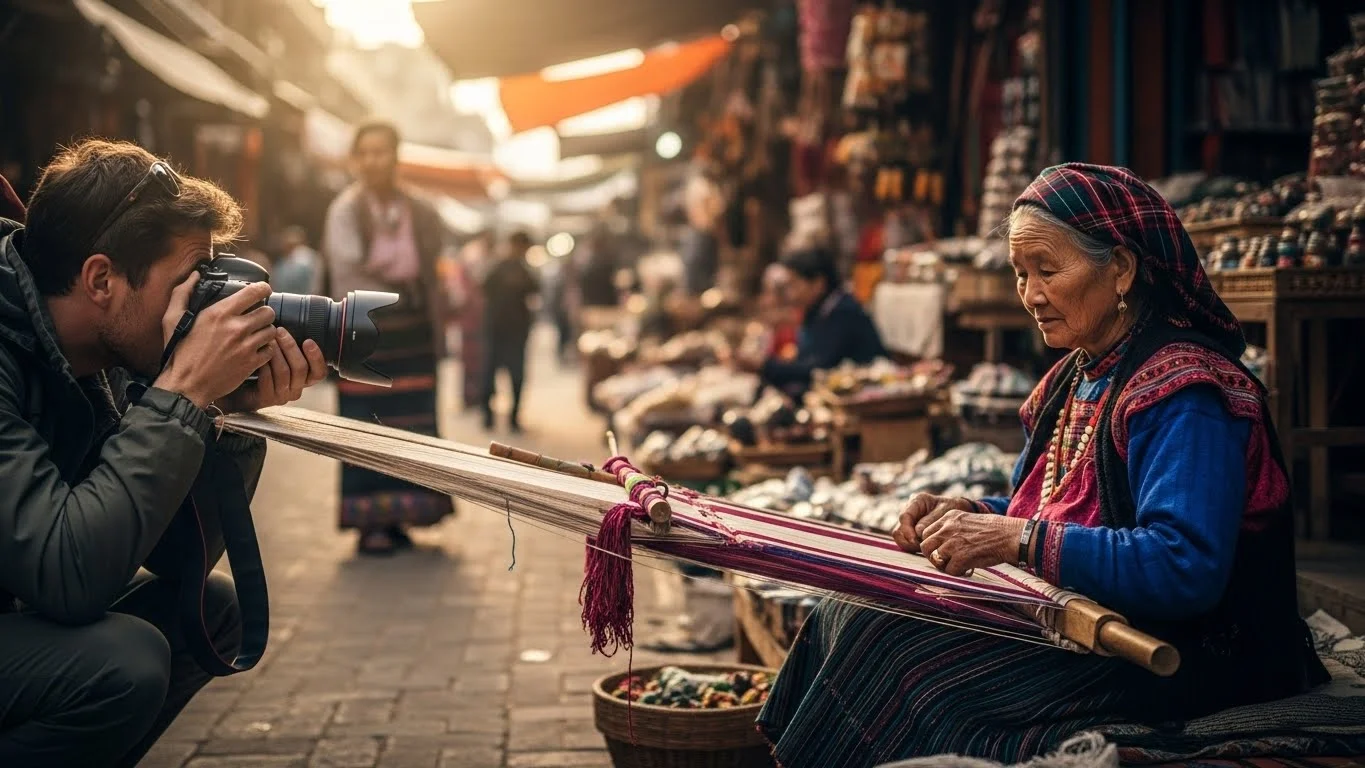
Cultural portraits are more than just pictures of people; they are windows into the soul of a community. When I think of cultural portraits, I envision vibrant images that encapsulate traditions, lifestyles, and identities within a specific cultural context. These portraits often feature individuals in traditional attire, showcasing their heritage and connection to their environment. For me, the beauty of cultural portraits lies in their ability to convey a story at a single glance. Each portrait is filled with layers of meaning, reflecting personal histories and collective narratives.
The Importance of Cultural Portraits in Storytelling
Storytelling has always been at the heart of human connection, and cultural portraits serve as powerful visual narratives. During my travels, I’ve learned that every face tells a story, and cultural portraits help to weave these stories together. They allow us to explore different cultures and perspectives, fostering empathy and understanding. For instance, I remember visiting a small village in India where the residents were eager to share their customs and traditions. By capturing their portraits, I felt I could convey their warmth and hospitality to those who had never set foot in that village. It’s through these images that we can bridge cultural gaps and invite others into our shared human experience.
Essential Equipment for Capturing Cultural Portraits
Cameras: DSLRs vs. Mirrorless
Choosing the right camera can make a significant difference in capturing cultural portraits. I’ve experimented with both DSLRs and mirrorless cameras, and I found that while DSLRs offer fantastic image quality and a wide range of lenses, mirrorless cameras are lighter and often more compact, making them ideal for travel. When I’m wandering through bustling markets or quiet villages, I appreciate the agility that a mirrorless camera provides. It allows me to blend in more seamlessly with my surroundings, capturing candid moments without drawing too much attention.
Lenses: Prime vs. Zoom for Portraits
The choice of lens is crucial for portrait photography. I have a soft spot for prime lenses, particularly an 85mm f/1.8. The sharpness and beautiful bokeh that prime lenses offer can truly enhance a portrait, giving it that professional touch. On the other hand, I understand the versatility of zoom lenses, especially when I’m in dynamic environments where I need to quickly adjust my framing. During a recent trip, I used a 24-70mm lens to capture a range of portraits, from wide shots in cultural festivals to close-ups of artisans at work. Each lens has its own charm, and I recommend experimenting with both to see what fits your style best.
Lighting Equipment: Natural Light vs. Flash
Lighting is everything in photography, and I believe that natural light often provides the most flattering look for cultural portraits. I’ve spent countless mornings waiting for the golden hour, when the light is soft and warm, to capture portraits that feel alive. However, there are moments when the light isn’t ideal, and that’s where a good flash can come in. I remember a day when I was taking photos at a cultural event in a dimly lit hall. My external flash saved the day, allowing me to capture the vibrant colors and emotions that were unfolding around me. Balancing natural light and flash is essential, and I’ve learned to adapt based on the situation I find myself in.
Accessories: Tripods, Reflectors, and Backdrops
While I often travel light, I’ve found a few accessories invaluable. A sturdy tripod can make a difference, especially in low-light conditions or when I’m experimenting with long exposure shots. Reflectors have also become a staple in my gear; they help bounce light onto the subject, enhancing features and adding warmth. I remember using a simple collapsible reflector during a portrait session in a crowded market, and it made a noticeable difference in the final images. As for backdrops, I usually prefer to use the environment around my subjects—cultural landmarks or local scenery—which adds authenticity to the portraits. The essence of cultural portraits is about immersing yourself in the experience, and I believe your equipment should support that journey.
Researching and Understanding Cultural Context
The Role of Cultural Sensitivity in Photography
When I first started taking cultural portraits, I quickly realized that understanding the culture I was photographing was just as important as my technical skills. Cultural sensitivity plays a vital role in how we approach our subjects and how they perceive us as photographers. I’ve found that being respectful and aware of local customs can make a huge difference in the outcome of our portraits. For instance, during my visit to a remote village in Peru, I learned that asking permission before photographing someone is not just polite but essential. It shows that I value their culture and their individuality. Without this sensitivity, the images can come across as exploitative, and that’s something I wanted to avoid at all costs.
How to Research Local Customs and Traditions
Before embarking on a trip, I always try to do a bit of homework on the culture I’ll be visiting. I start by reading books and articles, watching documentaries, and even joining online forums where locals share their experiences. I remember my trip to Japan; I immersed myself in learning about their traditions, from tea ceremonies to festivals. This not only prepared me for what to expect but also gave me conversation starters when I met locals. I also recommend reaching out to local photographers or guides—many of them are more than happy to share insights and tips. Their local knowledge can enrich my experience and help me capture portraits that truly reflect the culture. Additionally, for more insights on cultural portraits, check out Portraits in Context: A Guide to Cultural Travel Photography.
Engaging with Local Communities: Best Practices
Engagement is key when it comes to capturing authentic cultural portraits. I’ve found that simply observing and respecting the daily lives of people can lead to the most genuine interactions. When I traveled to Morocco, I spent time in the markets, learning about local crafts and chatting with artisans. This not only made me feel more connected but also opened doors for candid portraits. I always approach people with a smile and introduce myself, explaining my intent as a photographer. Sometimes, I even offer to share the photos with them afterward, which builds trust and rapport. I believe that when we show genuine interest and respect, we are often welcomed with open arms, and that’s when the magic happens.
Techniques for Capturing Stunning Cultural Portraits
Composition Tips for Portrait Photography
Composition is a game-changer in portrait photography, and I’ve learned a few tips over the years that have transformed my images. One of my favorites is the rule of thirds—placing the subject slightly off-center to create a more dynamic composition. I also like to experiment with leading lines, using paths or architectural elements to draw the viewer’s eye toward the subject. During a recent visit to a traditional dance performance, I positioned myself low to capture the dancers against the vibrant backdrop of the festival, which added depth to my portraits. I realized that sometimes, it’s about getting creative with angles and perspectives, which can result in unique and stunning cultural portraits.
Using Color and Textures to Enhance Cultural Identity
Color and texture are powerful tools in storytelling through photography. I’ve found that vibrant colors can evoke emotions and convey a sense of place. For instance, while photographing the colorful attire of the Maasai people in Kenya, I made sure to highlight the intricate patterns and textures of their garments. I often play with contrasts to emphasize cultural elements; for example, capturing a subject against a contrasting background can make the colors pop even more. I also pay attention to the textures in the environment, whether it’s the roughness of a stone wall or the softness of fabric, as they can add layers of meaning to the portrait.
Incorporating Local Elements into Portraits
One of the best ways to enrich cultural portraits is by incorporating local elements into the shots. I love to use surroundings that resonate with the subject’s identity. For instance, while photographing a talented weaver in Guatemala, I positioned her in front of her loom, surrounded by colorful threads. This not only told her story but also highlighted her craft. I’ve found that local elements can create a stronger narrative and provide context to the portraits. It’s about capturing the essence of the culture and the individual in a single frame, which often leads to more impactful images. For more tips on achieving this, refer to Cultural Portraits: Tips for Stunning Travel Photography.
Building Rapport with Subjects
Approaching People for Portraits
Approaching someone for a portrait can be daunting, but I’ve learned that a friendly demeanor can work wonders. I always start with a polite greeting and a smile, which helps to break the ice. I try to engage them in conversation about their daily life or interests before mentioning my intention to take their portrait. It’s all about establishing a connection first. When I was in the streets of Istanbul, I noticed that showing genuine curiosity about people’s stories led to many spontaneous portraits that were both authentic and meaningful. I believe that when we take the time to connect, we’re more likely to capture the essence of who they are.
Communicating Effectively Across Languages
Language barriers can be challenging, but I’ve found that non-verbal communication can often bridge the gap. Simple gestures, smiles, and body language can convey warm intentions. I usually carry a translation app on my phone or learn a few basic phrases in the local language, which helps immensely. For instance, during my travels in Thailand, I learned how to say “hello” and “thank you,” and it was amazing how these small efforts opened up conversations. It’s all about making an effort to connect, and I believe that people appreciate it when we show respect for their language, even if it’s just a few words.
Gaining Trust and Respect from Subjects
Building trust is crucial for capturing authentic portraits. I’ve learned that honesty and transparency go a long way. I always explain my purpose and how I intend to use the photos, which helps reassure subjects that I respect their privacy and their story. I remember a moment in the Andes when I photographed a local farmer. After chatting about his life and sharing a bit about mine, he agreed to let me take his portrait. That trust transformed the image; you could see his pride and connection to the land in his expression. Gaining trust isn’t just about taking a photo; it’s about sharing a moment and creating a connection that resonates in the final portrait.
Post-Processing Techniques for Cultural Portraits
Editing Software: Lightroom vs. Photoshop
After capturing cultural portraits, post-processing is where the magic really begins. I’ve tried both Lightroom and Photoshop, and each has its strengths. Lightroom is fantastic for batch editing and offers a user-friendly interface that makes adjusting exposure, contrast, and color balance a breeze. I often use it to enhance the overall look of my portraits quickly. On the other hand, Photoshop is where I dive deeper. I love the ability to retouch, remove distractions, and fine-tune specific elements. For instance, during a portrait session in a vibrant market, I used Photoshop to eliminate some background clutter, allowing the subject to really shine. In my opinion, using both together gives a well-rounded approach to editing, ensuring that each portrait feels true to the experience while looking polished and professional.
Enhancing Colors and Textures
Colors and textures are essential in cultural portraits, as they convey emotions and tell stories. When I edit, I focus on enhancing these elements without going overboard. I remember a time in Morocco when I captured portraits of women wearing colorful traditional clothing. In post-processing, I adjusted the vibrancy and saturation to make those colors pop, but I was careful not to lose the natural feel of the scene. I find that using selective adjustments can help bring out textures, whether it’s the intricate details in fabric or the weathered features of a subject’s face. For me, it’s all about striking a balance—making the colors vibrant while keeping the authenticity of the moment intact.
Maintaining Authenticity in Post-Processing
Authenticity is something I hold dear in my photography, especially in cultural portraits. I want viewers to feel the essence of the culture and the individual in my images. I’ve learned that it’s easy to get carried away with filters and presets, but I strive to keep my edits true to what I experienced. For example, while editing a portrait of a local artisan in Peru, I resisted the urge to overly smooth the skin or alter the background dramatically. Instead, I focused on enhancing the raw beauty of the moment, which included subtle imperfections. I believe that these nuances tell a story and make the portrait relatable. Staying true to the original scene not only respects the subjects but also honors the culture they represent.
Ethics and Legal Considerations in Cultural Photography
Understanding Consent and Permissions
As I’ve navigated the world of cultural photography, I can’t stress enough the importance of understanding consent. Each time I photograph someone, I ensure that they are comfortable and willing to be in my frame. I’ve learned that asking for permission can open up conversations and create trust. During my time in a rural village in Thailand, I approached an elder with a smile and a respectful request to take her portrait. Her enthusiastic nod not only gave me the green light but also made the image feel more personal and genuine. I think it’s essential to remember that we’re not just capturing images; we’re sharing stories and experiences, and obtaining consent is a vital part of that process.
Respecting Cultural Norms and Privacy
Every culture has its own set of norms and values, and being aware of these is crucial in our photography. I’ve encountered situations where certain communities might be hesitant about being photographed due to cultural beliefs. For instance, when I was in a remote area in Mongolia, I learned that some tribes prefer not to have their photos taken as it is believed to capture their spirit. Respecting such beliefs is paramount; it’s not just about getting the shot but understanding the implications behind it. I’ve found that taking the time to learn and respect local customs not only enhances my photography but also fosters a richer connection with the people I meet.
Copyright Issues in Portrait Photography
Copyright can be a tricky area in photography, especially when it comes to cultural portraits. I’ve made it a point to educate myself about the rules surrounding image rights. When I take someone’s portrait, I believe it’s important to discuss how the image might be used. I remember a moment in Ecuador when I captured a young girl in traditional dress. After taking her portrait, I asked her family if they would be okay with me sharing the image online. Their approval not only respected their wishes but also built a bond of trust. I think it’s vital to navigate copyright issues with care, as it ensures that both the subject and the photographer feel respected in the creative process.
Showcasing Your Cultural Portraits
Creating an Online Portfolio
After investing so much time and effort into capturing cultural portraits, showcasing them is a rewarding experience. I’ve found that creating an online portfolio is a fantastic way to display my work. I like to use platforms like Squarespace or WordPress, where I can customize my gallery to reflect my style. I always focus on telling a story through the layout, grouping portraits from similar cultures or themes together. This not only helps viewers understand the narrative behind my work but also highlights the diversity of experiences I’ve encountered. It’s important for me that my portfolio feels cohesive and inviting, as it represents not just my photography but also the cultures I’ve had the privilege to engage with.
Using Social Media to Share Your Work
Social media has become an invaluable tool for photographers like myself. I use platforms like Instagram and Facebook to share my cultural portraits because they allow for immediate feedback and connection with a wider audience. I often engage with followers by sharing the stories behind each photograph, which I believe adds depth to the images. For instance, when I posted a portrait of a craftsman in Indonesia, I included a caption about his dedication to his craft, and it resonated with many people. I think using social media effectively can help build a community around our work, creating conversations that honor the cultures we depict.
Participating in Cultural Photography Exhibitions
There’s something special about seeing my work displayed in person, and participating in cultural photography exhibitions has been a fulfilling experience. I remember the first time I showcased my portraits at a local gallery; it was both nerve-wracking and exhilarating. Being able to share the stories of the people I photographed face-to-face created a deeper connection with the audience. I’ve found that exhibitions not only help to elevate the visibility of my work but also provide an opportunity for dialogue about cultural representation in photography. It’s a chance to celebrate the beauty of diverse cultures and foster appreciation among viewers.
Frequently Asked Questions
What are cultural portraits in travel photography?
Cultural portraits are images that capture the essence of a community, showcasing traditions, lifestyles, and identities. They often feature individuals in traditional attire and convey a story that reflects personal histories and collective narratives.
Why are cultural portraits important in storytelling?
Cultural portraits serve as powerful visual narratives that allow us to explore different cultures and perspectives, fostering empathy and understanding. They help weave together the stories of individuals, making cultural connections accessible to those who may never visit those places.
What type of camera is best for capturing cultural portraits?
Both DSLRs and mirrorless cameras have their advantages. DSLRs offer fantastic image quality and a wide range of lenses, while mirrorless cameras are lighter and more compact, making them ideal for travel and capturing candid moments.
What lens is recommended for portrait photography?
Prime lenses, particularly an 85mm f/1.8, are favored for their sharpness and beautiful bokeh, while zoom lenses, like a 24-70mm, offer versatility in dynamic environments. Experimenting with both can help photographers find their preferred style.
How important is lighting in cultural portrait photography?
Lighting is crucial in photography. Natural light often provides the most flattering look, particularly during the golden hour. However, external flash can be useful in low-light situations to capture vibrant colors and emotions.
What role does cultural sensitivity play in travel photography?
Cultural sensitivity is essential in approaching subjects. Being respectful and aware of local customs can significantly affect how subjects perceive photographers and the resulting images, helping to avoid exploitative representations.
What are effective ways to engage with local communities when taking portraits?
Engagement involves observing and respecting the daily lives of people, establishing connections through conversation, and showing genuine interest in their stories. This can lead to more authentic and candid portraits.
What techniques can enhance the composition of cultural portraits?
Using the rule of thirds, experimenting with leading lines, and getting creative with angles and perspectives can transform portrait photography, making images more dynamic and visually appealing.
How can post-processing maintain the authenticity of cultural portraits?
Maintaining authenticity in post-processing involves enhancing colors and textures while avoiding excessive edits. It’s important to keep the edits true to the original scene, respecting the subjects and their stories.
What are the ethical considerations in cultural photography?
Ethical considerations include understanding consent and permissions, respecting cultural norms and privacy, and being aware of copyright issues. It’s vital to navigate these aspects thoughtfully to ensure respect for both the subjects and the photographer.