
Aerial photography has taken the travel photography world by storm, offering breathtaking perspectives that can transform ordinary scenes into extraordinary visuals. If you’re eager to elevate your travel shots, let’s dive into the techniques that will help you capture stunning aerial images. For more insights, check out Master Aerial Photography: Essential Techniques for Beginners.
Understanding Aerial Photography
What is Aerial Photography?
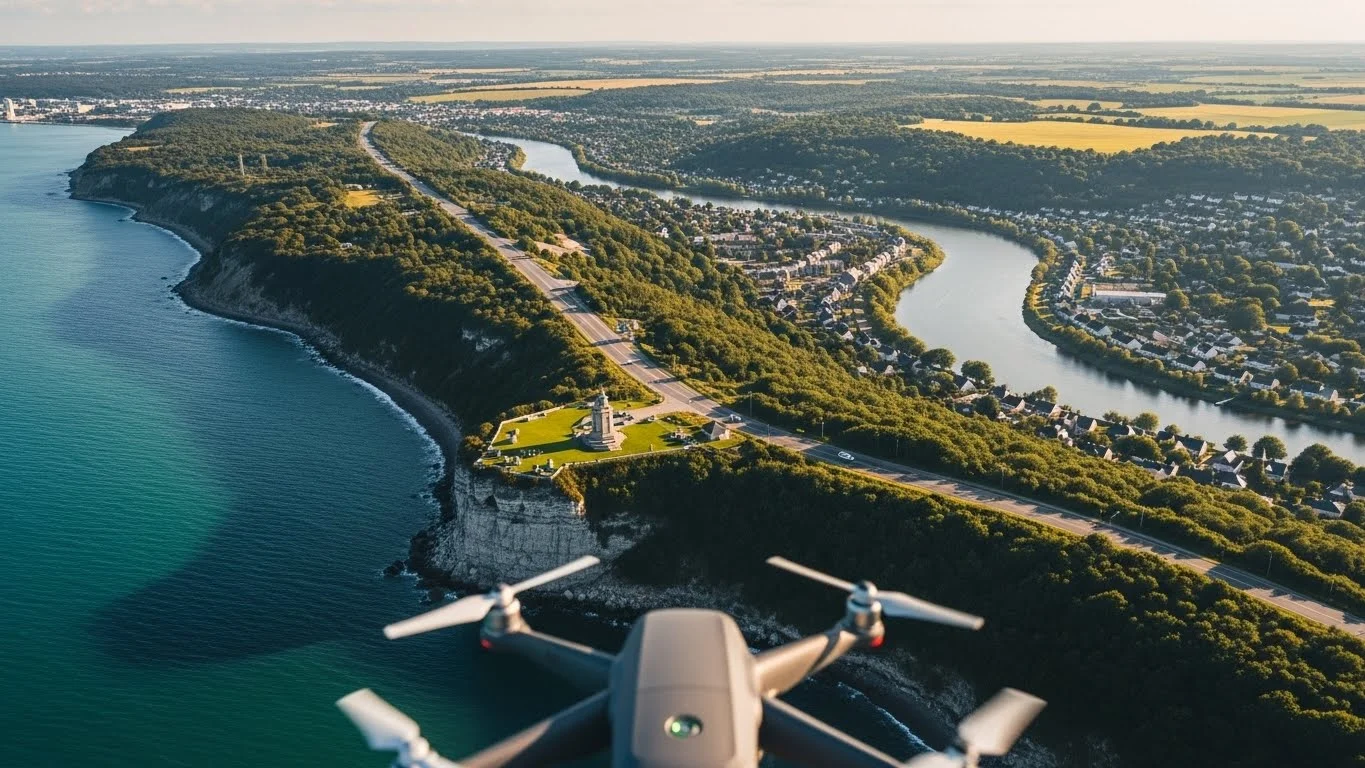
Aerial photography is all about capturing images from an elevated perspective, typically from a drone, airplane, or helicopter. I remember the first time I saw a stunning aerial shot of a coastline; it felt like I was seeing the world from a completely new angle. This type of photography allows us to explore landscapes, cityscapes, and natural wonders in ways that ground-level shots simply can’t achieve. The images can reveal patterns, textures, and compositions that are often invisible from below.
Benefits of Aerial Photography for Travel
There are countless reasons why aerial photography is a game-changer for travel enthusiasts. For one, it provides a unique viewpoint that can highlight the beauty of a destination in a dramatic and captivating way. I’ve found that aerial shots can evoke emotions and tell stories that traditional photography sometimes misses. For travelers, this means not just capturing memories, but creating art that reflects the essence of a place.
Another significant benefit is the ability to showcase scale and context. When I took aerial photos of the Grand Canyon, I noticed how the vastness of the landscape was truly captured from above, showing its grandeur in ways that ground-level shots couldn’t replicate. It offers viewers a sense of the land’s true size and beauty, making them feel as if they are soaring above the destination themselves.
Moreover, aerial photography can help highlight human impacts on the environment, such as urban sprawl or deforestation. Documenting these changes from above can create awareness and encourage responsible tourism. I believe that with the right approach, aerial photography can contribute to a greater understanding of the places we visit, enriching our travel experiences. You might also find inspiration in exploring Top Destinations for Affordable Wildlife Adventure Photography.
Essential Equipment for Aerial Photography
Drones: Choosing the Right Model
When I first ventured into aerial photography, choosing the right drone was a bit overwhelming. There are so many options out there! My advice? Start by considering your budget and the features that are important to you. If you’re a beginner, a mid-range drone with a good camera and stable flight features can be a great starting point. I settled on a model that was user-friendly and compact enough for travel, which made all the difference on my adventures. For more information, you can check out Best Compact Drones for Stunning Aerial Travel Shots.
Don’t forget to check the drone’s camera specifications as well. Look for a model with at least a 12 MP camera and the capability to shoot in 4K for the best quality shots. Battery life is another crucial factor; I’ve learned the hard way that nothing ruins an aerial session like a drone running out of battery mid-flight. Aim for a drone with longer flight times if you plan to cover large areas.
Camera Types and Specifications
If you’re using a drone, it likely has a built-in camera. However, some drones allow for interchangeable cameras, which can significantly enhance image quality. I found that using a camera with a larger sensor can yield better results, especially in low-light conditions. If you’re serious about aerial photography, consider investing in a high-quality DSLR or mirrorless camera that can be mounted on a drone for more versatility.
Accessories: Lenses, Filters, and More
The right accessories can make a world of difference in your aerial photography. I’ve found that using ND (neutral density) filters helps control the amount of light entering the lens, allowing for better exposure and more creative shooting options. Additionally, wide-angle lenses can help capture more of the landscape in a single shot, which is especially useful when photographing vast areas like mountains or beaches.
Safety Gear and Regulations
Safety should always be a priority when flying drones. I always ensure I’m aware of the local regulations regarding drone use, as these can vary widely by location. Many areas have restrictions on where and when you can fly, so it’s essential to do your research. I also recommend investing in safety gear, such as propeller guards and carrying cases, to protect your equipment during transport and while flying.
In my experience, keeping a checklist of safety measures not only protects my gear but also gives me peace of mind while capturing those stunning aerial shots. Remember, being responsible helps us all enjoy the beauty of aerial photography!
Top Aerial Photography Techniques
Understanding Composition and Framing
When I first started taking aerial photos, I quickly learned that composition is key to creating stunning images. It’s not just about getting the shot but about how you frame it. I remember my excitement when I discovered the rule of thirds—it’s a simple yet powerful technique. By placing key elements along the grid lines or at their intersections, I found that my shots became much more engaging. I often visualize a tic-tac-toe grid in my mind while composing my aerial images, which helps me balance the visual weight of each shot.
Another aspect I focus on is the foreground and background. Including interesting elements in the foreground can add depth to my aerial photos. For instance, when I captured a beautiful beach scene, I made sure to include some rocky outcrops in the foreground, which really helped frame the vast ocean behind it. This technique gives the viewer a sense of place and helps them feel more connected to the scene.
Utilizing Natural Light and Timing
Natural light can make or break an aerial photograph. I’ve found that the golden hours—just after sunrise and just before sunset—offer the most magical light. The warm, soft tones during these times create an almost ethereal quality to the images. I remember one particular morning when I flew my drone over a misty lake; the sun rising behind the hills bathed everything in a golden hue, and it was one of my favorite shots to date.
Cloudy days can also be advantageous. While I used to think that overcast weather meant dull photos, I’ve found that it actually helps reduce harsh shadows and highlights, allowing for more even lighting across the scene. Embracing the natural lighting conditions available at your location can lead to some unexpectedly beautiful results.
Exploring Different Angles and Perspectives
One of the joys of aerial photography is the freedom to explore and experiment with various angles. I’ve learned that shooting directly overhead can yield some of the most striking images, especially in urban settings or when capturing geometric patterns in nature. I remember hovering above a sunflower field and capturing a shot that looked like a giant, swirling mandala—it was incredible!
But it’s not just about being directly above the subject; I often tilt my drone at different angles to create dynamic shots. I’ve had great success capturing landscapes from a slight angle, adding a sense of depth and movement that keeps the viewer’s eye engaged. If you’re feeling adventurous, try varying your altitude too—some of my most unique photos came from shooting at different heights, revealing new perspectives on familiar scenes.
Incorporating Leading Lines and Patterns
Patterns and leading lines are like visual guides that can draw the viewer’s eye into the photo. When I’m out shooting, I often look for natural lines in the landscape, such as roads, rivers, or even the way shadows fall. These elements can create a sense of flow and lead the viewer’s gaze through the image. For example, while capturing an aerial shot of a winding river, I noticed how the curves created a natural path that made the photo feel alive. I think it’s one of those little tricks that can turn a good photo into a great one.
Don’t overlook repetitive patterns in nature, either! From fields of crops to the rows of houses in a city, these can add a layer of intrigue to your images. I often find myself getting lost in the details when I focus on capturing these patterns from above.
Capturing Movement: Dynamic Shots
Adding movement to your aerial photography can result in vibrant, exciting images. I’ve experimented with capturing moving subjects, such as people walking on the beach or cars driving along a highway. One of my favorite techniques is to follow the movement with my drone, creating a sense of action in the shot. I remember shooting a festival parade from above; the energy of the people and the vibrant colors really popped, making the final images feel alive.
Another way to bring dynamism to your photos is by using longer exposure times to capture motion blur. I’ve done this when photographing waves crashing on rocks, and the effect is mesmerizing. It creates a sense of action that static shots can’t replicate. Just be sure to use ND filters to manage the light and avoid overexposure while doing this!
Editing Techniques for Aerial Photos
Basic Editing Tools and Software
Once I’ve captured my aerial shots, the next exciting step is editing. I remember feeling a bit overwhelmed at first, not knowing where to start. However, I discovered that using editing software can significantly enhance my photos. Programs like Adobe Lightroom and Photoshop are favorites among many photographers, including myself. These tools offer a range of features to help refine and elevate our images.
I typically start with basic adjustments such as cropping, exposure, and contrast. Cropping can help improve composition, especially if I need to eliminate distractions. I’ve found that adjusting the exposure can make a huge difference in how my images feel. For instance, brightening a shot can evoke warmth and joy, while lowering exposure can add drama and mood. The clarity slider is another feature I love to use; it sharpens details and can make textures pop, which is especially important in aerial photography.
Color Correction and Enhancements
Color correction is a crucial step in my editing process. Aerial shots often capture vibrant landscapes, but sometimes those colors need a little boost to truly shine. I usually adjust the saturation and vibrance to keep colors looking natural while enhancing their appeal. I also pay attention to white balance; the right temperature can change the mood of an image dramatically. For example, I remember editing a sunset shot where adjusting the warmth made the colors richer and more inviting.
Another trick I’ve learned is to use color grading to create a specific atmosphere or style. By applying different tones to the shadows, midtones, and highlights, I can establish a unique look that reflects my artistic vision. Sometimes, a slight teal in the shadows and a warm orange in the highlights can give my aerial images a cinematic feel that’s hard to resist.
Creating HDR Images from Aerial Shots
Creating High Dynamic Range (HDR) images has been a game-changer for my aerial photography. HDR allows me to capture a broader range of tones, especially in scenes where the sky is bright and the ground is darker. I’ve often blended multiple exposures to bring out details in both the highlights and shadows. The first time I tried this technique, I was amazed at how much more dynamic my images looked!
To create an HDR image, I typically take a series of shots at different exposure levels. I use a tripod when possible to ensure consistency, though it can be tricky with a drone. Afterward, I stitch these images together in software like Lightroom or Photoshop. The result is a beautifully balanced photo that showcases the full spectrum of light in the scene, which I find particularly effective in landscapes.
Using Filters for Dramatic Effects
Filters can add a whole new layer of creativity to my aerial photography. One of my favorites is the graduated neutral density (ND) filter. This filter helps balance the exposure between the sky and the land, which is especially useful during sunrise or sunset. I’ve had some stunning results when shooting landscapes where the sky is bright, and the ground is in shadow. The graduated ND filter allows me to retain detail in both areas without compromising the overall image quality.
I also enjoy experimenting with polarizing filters. They help reduce glare and enhance colors, particularly in shots of water or foliage. I remember capturing a lake surrounded by trees; using a polarizer made the colors pop and the water look crystal clear. The difference was striking, and I believe it can take an aerial shot from good to spectacular.
In my experience, post-processing is where the magic truly happens. It allows us to express our creativity and vision, transforming ordinary captures into breathtaking works of art. And the best part? The more I practice editing, the more confident I feel in my abilities, unlocking new potential in every aerial shot I take.
Best Locations for Aerial Photography
Iconic Landscapes and Landmarks
When it comes to aerial photography, some locations are simply iconic. I’ve always been drawn to places like the Cliffs of Moher in Ireland or the Great Wall of China. These landmarks offer dramatic topography and sweeping views that are breathtaking from above. I remember being awestruck while capturing the vastness of the Grand Canyon, where you can see the intricate patterns carved by nature over millions of years. It’s a reminder of how small we are in the grand scheme of things.
National Parks and Natural Wonders
National parks are treasure troves for aerial photography. Yosemite National Park is one of my favorites, with its towering granite cliffs and beautiful waterfalls. From the air, the park reveals a stunning array of textures and colors that are often missed at ground level. I’ve flown my drone over the lush forests and vast meadows, capturing the vibrant hues of wildflowers in spring. Each park has its unique charm, making them ideal for stunning aerial shots. I highly recommend checking the regulations for drone use in these areas, as they often have specific guidelines to protect wildlife and natural beauty.
Urban Environments and Cityscapes
Capturing the hustle and bustle of urban life from above can be exhilarating. I’ve had some incredible experiences photographing cities like New York and San Francisco. The intricate patterns of buildings, roads, and parks create a fascinating patchwork from the sky. I remember taking a shot of the iconic Golden Gate Bridge framed by the city skyline; it was one of those moments that made me appreciate both nature and human ingenuity. Urban environments provide endless opportunities for creative compositions that can tell compelling stories.
Unique Travel Destinations for Aerial Shots
Sometimes, the most unexpected places yield the best aerial shots. I’ve discovered that remote islands or lesser-known destinations can provide stunning visuals that stand out from the typical tourist spots. For instance, I found an isolated beach in the Maldives that looked like a paradise from above. The water was so clear, and the sand so white that it almost felt surreal. Exploring off-the-beaten-path locations can lead to some of my favorite captures, and I encourage everyone to seek out those hidden gems! They often result in unique perspectives that are both refreshing and inspiring.
Common Challenges in Aerial Photography
Dealing with Weather Conditions
Weather can be a significant factor in aerial photography. I’ve experienced my share of windy days and unexpected rain while trying to capture the perfect shot. It’s crucial to check the weather forecast before heading out. On breezy days, I often find it challenging to keep my drone stable, which can lead to blurry images. I’ve learned that waiting for the right conditions can make all the difference. Sometimes, a little patience pays off with stunning light and clear skies.
Navigating Airspace Regulations
Understanding airspace regulations is essential for safe and responsible flying. I remember feeling a bit nervous the first time I flew in a busy area, but knowing the rules helped me feel more at ease. Each country and region has its own regulations, and it’s vital to research them before flying. I often check local guidelines and even consult apps that provide information on no-fly zones. This diligence not only keeps me out of trouble but also helps protect other airspace users.
Managing Battery Life and Flight Time
Battery life can make or break an aerial shoot. I’ve had moments when I was just about to nail the perfect shot, only to have my drone beep at me, warning of low battery. I’ve learned to carry extra batteries for longer sessions, which has saved me on multiple occasions. It’s also helpful to plan my flights around battery life—aiming to shoot in shorter bursts allows me to maximize my time in the air without fear of losing my drone mid-flight.
Stability and Wind Resistance Issues
Wind can be another challenge I’ve faced while flying drones. Even a slight breeze can impact stability, making it tough to get those crisp shots. I’ve found that flying on calm days or early in the morning often provides the best conditions. Adjusting my shooting techniques—like avoiding high altitudes or using the drone’s GPS for stabilization—has helped me manage these wind-related issues. Over time, I’ve become more adept at reading conditions and making the necessary adjustments for smoother shots.
Tips for Capturing Stunning Travel Shots
Planning Your Shots in Advance
Before heading out, I always take some time to plan my aerial shots. I research the locations I want to capture and consider the best times for lighting and angles. Sometimes, I even create a shot list to ensure I don’t miss anything important. This preparation allows me to be more efficient during my flights and helps me stay focused on capturing the best images possible.
Experimenting with Different Settings
I’ve found that experimenting with different camera settings can yield exciting results. Don’t be afraid to try various shutter speeds, ISO levels, and exposure settings. I remember one shoot where I decided to play with a slower shutter speed, which allowed me to capture beautiful motion blur in the waves crashing against the rocks. It’s all about finding what works best for the scene and not being afraid to think outside the box.
Utilizing Post-Processing Techniques
Post-processing is an essential part of my workflow. I tweak exposure, contrast, and colors to ensure my photos truly shine. I love the feeling of bringing an image to life during editing, and it’s often where I can add my personal touch. I recommend taking the time to learn various editing techniques to elevate your work further.
Sharing and Showcasing Your Work
Finally, sharing my aerial photography has been a rewarding experience. Whether it’s through social media or photography exhibitions, I love showcasing my work. It connects me with fellow enthusiasts and opens the door for feedback and inspiration. I also enjoy hearing the stories behind other photographers’ experiences, and it often motivates me to keep creating and exploring.
Final Thoughts
Aerial photography has truly transformed the way I view the world around me. The unique perspectives and stunning visuals I’ve captured have not only enhanced my travel experiences but also deepened my appreciation for the beauty in our surroundings. By understanding the essential techniques, equipment, and editing processes, we can all elevate our aerial photography game. So whether you’re flying over iconic landmarks, breathtaking landscapes, or vibrant cities, I hope you’ll find joy in capturing the world from above. Embrace the adventure, and don’t forget to keep exploring—the sky is the limit!
Frequently Asked Questions
What is aerial photography?
Aerial photography is the practice of capturing images from an elevated perspective, typically using a drone, airplane, or helicopter. It allows photographers to explore landscapes and urban environments in ways that ground-level shots cannot achieve, revealing patterns, textures, and compositions from above.
What are the benefits of aerial photography for travel?
Aerial photography offers unique viewpoints that highlight the beauty of destinations dramatically. It can evoke emotions, tell stories, showcase scale and context, and even document environmental changes, thereby enriching travel experiences and promoting responsible tourism.
What equipment is essential for aerial photography?
Essential equipment for aerial photography includes a good quality drone, preferably with at least a 12 MP camera capable of shooting in 4K, and accessories like ND filters and wide-angle lenses. A high-quality DSLR or mirrorless camera can also enhance image quality when mounted on a drone.
What are some key techniques for capturing stunning aerial photos?
Key techniques include understanding composition and framing (like using the rule of thirds), utilizing natural light during golden hours, experimenting with different angles and perspectives, incorporating leading lines and patterns, and capturing movement to add dynamism to images.
How can post-processing enhance aerial photographs?
Post-processing is crucial for enhancing aerial photographs. It involves basic adjustments like cropping, exposure, and contrast, as well as color correction and enhancements to ensure colors shine. Techniques like creating HDR images and using filters can also add dramatic effects to the final images.
What are some ideal locations for aerial photography?
Ideal locations for aerial photography include iconic landscapes and landmarks like the Cliffs of Moher and the Grand Canyon, national parks such as Yosemite, urban environments like New York City, and unique travel destinations like remote islands that offer stunning visuals from above.
What challenges do photographers face in aerial photography?
Challenges in aerial photography include dealing with weather conditions that can affect stability, navigating airspace regulations, managing battery life for drones, and ensuring stability in windy conditions. Each of these factors can impact the quality of aerial shots.
How can one plan effectively for aerial photography shoots?
Effective planning for aerial photography involves researching locations, considering the best times for lighting and angles, and creating a shot list to ensure all important images are captured. This preparation helps maximize efficiency during flights.
What tips can improve aerial photography skills?
To improve aerial photography skills, photographers should experiment with different camera settings, utilize post-processing techniques, and share their work for feedback. Engaging with other enthusiasts can provide inspiration and motivate continued exploration and creativity.
What is the overall impact of aerial photography on a photographer’s perspective?
Aerial photography transforms how photographers view the world by offering unique perspectives and stunning visuals. It enhances travel experiences and deepens appreciation for the beauty in surroundings, encouraging photographers to embrace adventure and continuous exploration.