
Traveling doesn’t have to come at the expense of our planet. For budget backpackers like us, eco-conscious gear can make a huge difference in our adventures while keeping our environmental impact low.
Understanding Eco-Conscious Travel Gear
What is Eco-Conscious Travel Gear?
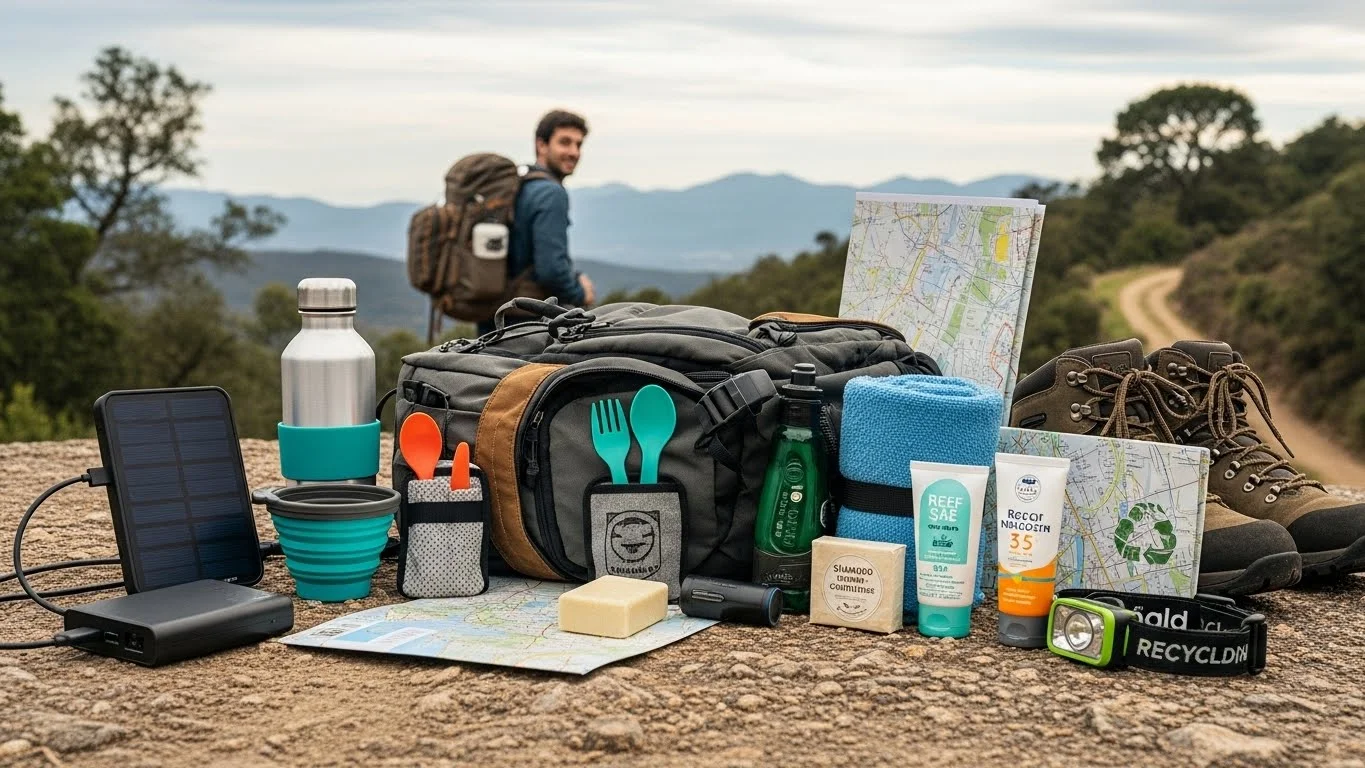
Eco-conscious travel gear refers to products designed with the environment in mind. These items are typically made from sustainable materials, use natural dyes, and are produced through ethical manufacturing processes. I remember the first time I discovered eco-friendly gear; it felt like a light bulb went off in my head. I realized that I could enjoy my travels while also being kind to the planet. From backpacks to toiletries, eco-conscious gear is about making mindful choices that benefit both us and the earth.
Benefits of Eco-Conscious Gear for Backpackers
Choosing eco-conscious travel gear comes with a multitude of benefits. For starters, many eco-friendly products are more durable. I’ve found that items made from sustainable materials often last longer than their conventional counterparts. This means fewer replacements and less waste over time. Additionally, eco-conscious gear typically features designs that prioritize functionality. For example, I’ve used backpacks made from recycled materials that are not only sturdy but also lightweight and functional. They fit all my essentials without weighing me down, which is crucial when you’re backpacking across hilly terrains. Another benefit is the positive impact on local communities. Many eco-friendly brands focus on fair trade practices and work with local artisans. When I purchase from these companies, I feel like I’m contributing to a better world, supporting jobs and livelihoods in the areas I explore. Finally, using eco-conscious gear can inspire others. When friends see my sustainable choices, they often ask questions and express interest in making similar shifts. It creates a ripple effect, encouraging more people to travel responsibly. For those looking to further enhance their eco-friendly travel, Top Carbon Offset Travel Options for Eco-Conscious Backpackers is a great resource.
Essential Eco-Conscious Gear for Budget Backpackers
Eco-Friendly Backpacks
When it comes to backpacking, your backpack is your lifeline. I can’t stress enough how important it is to invest in an eco-friendly backpack. Look for options made from recycled plastics or organic cotton. Brands like Patagonia offer a range of backpacks that are not only stylish but also durable and environmentally friendly. I personally love my recycled polyester backpack. It’s super lightweight and has held up against rain, mud, and everything in between. Plus, knowing it’s made from recycled materials gives me peace of mind. The investment is often worth it, especially when you consider how much use you’ll get out of it.
Sustainable Clothing Options
Choosing the right clothing is another essential aspect of eco-conscious travel. I’ve made it a point to opt for clothes that are made from organic cotton, hemp, or recycled materials. Not only do these fabrics often feel better on my skin, but they also tend to be more breathable and comfortable for long hikes. Brands like prAna and Toad&Co provide an array of sustainable clothing options that are perfect for outdoor adventures. I have a pair of recycled material hiking pants that are durable, lightweight, and have pockets—what more could I ask for? Layering is key in backpacking, so having versatile pieces that can be mixed and matched is incredibly helpful.
Biodegradable Toiletries
Toiletries are often overlooked in the quest for eco-friendly travel gear, but they can make a big difference. I switched to biodegradable toiletries a few years ago, and it was a game-changer. From shampoo bars to bamboo toothbrushes, there are so many options available that reduce plastic waste. My favorite has been a solid shampoo bar that lasts for months. It’s compact, easy to carry, and I never have to worry about spilling liquid shampoo in my bag. Plus, I feel good knowing I’m not contributing to the plastic pollution problem that plagues our oceans.
Reusable Water Bottles and Filters
Staying hydrated is crucial while backpacking, and using a reusable water bottle is one of the easiest ways to be eco-conscious. I carry a stainless steel bottle with me everywhere. Not only does it keep my water cool, but it also reduces my reliance on single-use plastic bottles. To take it a step further, I invested in a water filter. I love that I can refill my bottle from streams or taps without worrying about contaminants. It’s saved me money and, more importantly, reduced the amount of plastic waste I produce during my travels.
Solar-Powered Chargers
In our tech-driven world, staying connected while traveling is often a necessity. I used to worry about draining my devices, but solar-powered chargers have changed the game for me. These chargers are eco-friendly and allow me to harness the power of the sun to keep my gadgets juiced up. I’ve used a portable solar charger on several trips, and it’s been incredibly reliable. I simply set it out while I’m hiking or relaxing, and by the time I’m back at camp, my devices are charged and ready to go. It’s a win-win for me and the environment.
Top Brands for Eco-Conscious Travel Gear
Patagonia: Leading the Way in Sustainability
When I think of eco-friendly travel gear, Patagonia always comes to mind first. This brand has been a pioneer in sustainable practices for years, and their commitment to the environment is genuinely inspiring. I remember the first time I bought a Patagonia jacket; it was not just about the quality but also the feeling that I was supporting a brand that values sustainability as much as I do. Their products are made from recycled materials, and they offer a repair program that encourages customers to keep their gear in use longer rather than tossing it aside. This aligns perfectly with my belief that we should all aim to reduce waste whenever we can.
Patagonia also donates a percentage of their profits to environmental causes, which makes me feel even better about my purchases. They offer everything from technical gear for serious adventures to casual wear that’s perfect for everyday use. For budget backpackers like us, their gear might seem a bit pricey initially, but the durability and ethical practices behind the brand make it a worthwhile investment.
Terra Thread: Affordable and Eco-Friendly Options
Another brand that really caught my attention is Terra Thread. I stumbled upon them while searching for affordable eco-friendly backpacks, and I was pleasantly surprised. They focus on using organic cotton and recycled materials to create their products, which is a huge plus for me. I remember ordering a tote bag from them that I now use for day trips and groceries. It’s sturdy, stylish, and I love that I can carry it around without worrying about harming the planet.
What I admire most about Terra Thread is their dedication to fair trade practices. They ensure that everyone involved in their supply chain is treated fairly, which is something I believe we should all consider when making purchases. If you’re looking for practical, budget-friendly options that don’t compromise on sustainability, I highly recommend checking them out.
REI Co-op: Quality Gear with a Green Focus
REI Co-op is another go-to for me when it comes to eco-conscious travel gear. Their commitment to sustainability is evident in their wide range of products. I always find myself browsing their website for new gear before a trip. They have a fantastic selection of outdoor clothing, gear, and accessories, and many items are made with recycled materials or sustainable practices. Plus, the REI Co-op membership offers discounts and access to unique events, which is a bonus for anyone who loves exploring the outdoors.
One thing I really appreciate about REI is their used gear program, where you can buy quality secondhand items at a fraction of the price. This is a great option for budget backpackers who want eco-friendly gear without breaking the bank. I once found a used tent that was still in excellent condition, and it served me well on multiple camping trips. Their focus on sustainability, community, and outdoor adventure makes REI a brand I love to support.
Budget-Friendly Tips for Eco-Conscious Backpacking
Where to Find Affordable Eco-Friendly Gear
Finding eco-conscious travel gear on a budget can feel daunting at times, but I’ve discovered some great strategies along the way. One of my favorite places to start is online marketplaces like Poshmark or eBay. I’ve found gently used items from trusted brands at a fraction of the retail price. Plus, buying secondhand reduces waste, which is a win-win!
Another tip is to keep an eye out for sales events at eco-friendly brands. Many companies have seasonal sales where you can snag great deals on sustainable items. Joining email lists or following brands on social media can help you stay updated on these offers. I once scored an amazing deal on a pair of eco-friendly hiking boots during a clearance sale—it definitely paid off!
Secondhand Shopping for Sustainable Items
Secondhand shopping has become one of my favorite pastimes. Not only is it a budget-friendly option, but it’s also a fantastic way to find unique and high-quality gear. I love visiting local thrift stores and consignment shops, where I’ve stumbled upon some hidden gems like gently used jackets, camping gear, and even travel accessories. Each item I find has its own story, and I feel good knowing that I’m giving it a new life.
There are also online platforms dedicated to secondhand outdoor gear, like GearTrade or REI’s used gear section, where you can find items specifically tailored for travelers and outdoor enthusiasts. It’s amazing how much you can save while being kind to the planet at the same time!
DIY Solutions for Travel Gear
If you’re crafty or love a good project, I’ve found that creating your own travel gear can be a fun and rewarding experience. For instance, I made my own lightweight travel pouch from upcycled fabric scraps, and it’s perfect for organizing my toiletries. Not only did I save money, but I also made something unique that reflects my personality.
There are countless DIY projects available online for creating everything from reusable snack bags to travel pillowcases. I’ve even seen tutorials for making your own eco-friendly soap or shampoo bars, which can save you money in the long run. If you’re looking for a way to personalize your travel gear while being eco-friendly, I highly encourage you to give DIY a try!
Eco-Conscious Travel Accessories
Packable Tote Bags
One of the simplest yet most effective eco-conscious accessories I’ve added to my travel gear is a packable tote bag. I can’t tell you how many times I’ve been in a situation where I needed an extra bag for groceries, souvenirs, or even dirty laundry. These tote bags are lightweight, easy to fold, and take up almost no space in my backpack. I’ve found that having one on hand makes it so much easier to avoid single-use plastic bags when I’m out and about.
I remember a trip to a farmer’s market where I didn’t plan on buying much but ended up with an armful of fresh produce. Having my packable tote meant I could carry everything without the guilt of using plastic bags. Plus, many brands make these totes from recycled materials, which aligns perfectly with my eco-conscious goals.
Travel Utensils: Reducing Single-Use Plastics
When it comes to meals on the go, I’ve made it a habit to carry my own travel utensils. I can still recall the first time I grabbed a bamboo fork and knife set before heading out on a trip. Not only did it save me from using single-use plastic cutlery, but it also sparked conversations with fellow travelers about sustainability. It’s amazing how such a small change can lead to bigger discussions about our individual impacts on the environment.
These travel utensils often come in compact cases, making them easy to store. Whenever I find myself eating street food or enjoying a picnic, I pull them out with pride. I’ve even found some sets that include reusable straws, which has further decreased my reliance on disposable plastics. For me, it’s about creating new habits that honor our planet while enjoying delicious meals on my travels.
Eco-Friendly Sleeping Gear
Getting a good night’s sleep while traveling is crucial, and I’ve found that eco-friendly sleeping gear makes a significant difference in comfort and sustainability. I invested in a sleeping bag made from recycled materials, and I honestly couldn’t be happier. It not only keeps me warm during chilly nights, but I also feel good knowing that my choice supports sustainable practices. I remember one camping trip in the mountains where the temperature dropped unexpectedly, and my sleeping bag proved to be a lifesaver!
Additionally, I’ve seen some fantastic options for eco-friendly sleeping pads that provide insulation and comfort without harming the environment. Many of these products are made from natural materials and are designed to be lightweight, which is perfect for backpacking. I even discovered a company that produces sleeping pads that are fully biodegradable, which is just incredible. Having quality, eco-friendly sleeping gear allows me to enjoy my adventures outdoors while minimizing my impact.
Traveling Responsibly: Beyond Gear
Choosing Eco-Friendly Accommodations
While packing the right gear is essential, I’ve learned that where I stay during my travels plays a huge role in my overall environmental impact. I always try to choose eco-friendly accommodations whenever possible. This includes everything from hostels that implement green practices to hotels that focus on sustainability.
On a recent trip, I stayed at a small eco-lodge that was built using local materials and offered a unique experience. They used solar panels for energy and had a garden where they grew some of their own food. It was refreshing to see how they blended comfort with sustainability, and I felt good knowing my stay was supporting eco-friendly practices. I encourage fellow travelers to do a bit of research and seek out accommodations that prioritize sustainability; it can enhance the experience while helping the planet.
Supporting Local Communities
As I travel, I’ve found that supporting local communities is not just about buying souvenirs but also about engaging with the culture and economy. I always try to eat at local restaurants rather than large chains. Not only do I get to enjoy authentic cuisine, but I also know that my money is going directly to the community rather than a corporation. I remember sharing a meal with a family-run eatery in Thailand; the food was incredible, and the stories they shared about their traditions made the experience unforgettable.
Additionally, I look for opportunities to participate in local workshops or buy handmade crafts. This not only supports artisans but also gives me a deeper understanding of the culture I’m experiencing. In my opinion, connecting with locals is one of the best parts of traveling, and it reinforces the importance of responsible travel.
Minimizing Your Carbon Footprint While Traveling
Every little choice we make while traveling can contribute to minimizing our carbon footprint. I’ve become more mindful about my transportation options. Whenever possible, I opt for public transport, biking, or walking rather than renting a car or relying on taxis. I remember exploring a city on foot and discovering hidden gems that I would have missed if I had taken a bus or taxi. It’s a great way to immerse myself in the local culture.
Additionally, I try to offset my carbon footprint by supporting companies that focus on sustainability. Some airlines, for example, offer carbon offset programs where you can contribute to environmental projects to balance out your travel emissions. It’s a small step, but it makes me feel more proactive about my environmental responsibility. I believe that as travelers, we have a duty to protect the beautiful places we visit, and being conscious of our carbon footprint is one way to do that.
Frequently Asked Questions
What is eco-conscious travel gear?
Eco-conscious travel gear refers to products designed with the environment in mind, typically made from sustainable materials, using natural dyes, and produced through ethical manufacturing processes.
What are the benefits of using eco-conscious gear for backpackers?
Benefits include increased durability, functional designs, positive impacts on local communities, and the potential to inspire others to travel responsibly.
What type of materials should I look for in eco-friendly backpacks?
Look for backpacks made from recycled plastics or organic cotton. Brands like Patagonia offer a range of stylish and durable eco-friendly backpacks.
What clothing options are recommended for eco-conscious travel?
Opt for clothing made from organic cotton, hemp, or recycled materials. Brands like prAna and Toad&Co provide sustainable clothing options suitable for outdoor adventures.
How can biodegradable toiletries contribute to eco-conscious travel?
Biodegradable toiletries, such as shampoo bars and bamboo toothbrushes, reduce plastic waste and have a lower environmental impact compared to conventional toiletries.
What are the advantages of using reusable water bottles and filters?
Reusable water bottles reduce reliance on single-use plastic, and water filters allow travelers to refill their bottles from natural sources without worrying about contaminants.
Which brands are known for their commitment to sustainability in travel gear?
Patagonia, Terra Thread, and REI Co-op are notable brands known for their commitment to sustainability and eco-friendly practices in their travel gear.
How can I find affordable eco-friendly gear?
Look for gently used items on online marketplaces like Poshmark or eBay, keep an eye out for sales at eco-friendly brands, and consider secondhand shopping at thrift stores and consignment shops.
What DIY solutions can I create for eco-conscious travel gear?
You can create your own travel gear, such as lightweight pouches from upcycled fabric or eco-friendly soap and shampoo bars, which can be both cost-effective and personalized.
How can I minimize my carbon footprint while traveling?
Minimize your carbon footprint by opting for public transport, biking, or walking whenever possible, and consider supporting companies that focus on sustainability and carbon offset programs.
Read Interesting article: Top 5 Wildlife Conservation Tours for Eco-Conscious Travelers
Read Interesting article: Budget-Friendly Eco Camping: Top Tips for Green Travelers