
Traveling solo can be an exhilarating experience, but staying connected is crucial for both safety and enjoyment. Here are some top tips to help you maintain those important connections while exploring the world on your own.
Understanding the Importance of Staying Connected While Traveling Solo
When I decided to embark on my first solo adventure, I quickly realized that staying connected was not just a luxury; it was a necessity. Communication plays a pivotal role in the solo travel experience, enhancing not only safety but also enriching our journeys. In this section, I’ll share why staying connected matters so much during solo travels. For further insights, check out How to Create a Safety Plan for Solo Travel Adventures.
The Role of Communication in Solo Travel
Communication is vital for various reasons when traveling alone. First and foremost, it provides a safety net. Knowing that my friends and family are just a message away gives me peace of mind. I remember one time when I found myself lost in a bustling city. I was able to quickly message a friend who helped guide me back to my hotel. Without that connection, I might have felt overwhelmed and anxious.
Moreover, sharing experiences in real-time can enhance your journey. Whether it’s sending a photo of a stunning sunset or sharing a funny travel mishap, these interactions make me feel connected to my loved ones, even when miles apart. For me, it’s like having a little piece of home wherever I go.
Benefits of Staying Connected
Staying connected while traveling solo offers numerous benefits. One of the most significant advantages is the ability to access information quickly. Need to find a local restaurant? Want to know the best tourist attractions? With the internet at your fingertips, you can get all the information you need, which can save you time and enhance your experience.
Additionally, staying connected allows for spontaneous adventures. I remember exploring a new city and discovering a local festival through a social media post. If I hadn’t been connected, I would have missed out on that amazing experience. It’s these little surprises that make solo travel truly special. Furthermore, knowing essential emergency contacts every solo traveler needs can provide peace of mind during your travels.
Another advantage is the ability to document your journey. I love capturing moments and sharing them through social media or with friends. It creates a sense of belonging and makes my travels feel more meaningful. By sharing my experiences, I also inspire others to embark on their own adventures.
Lastly, staying connected is essential for emergencies. Whether it’s a natural disaster or a personal emergency, having a reliable way to communicate can make all the difference. I’ve learned the importance of keeping local emergency numbers saved in my phone, along with the contact information for my country’s embassy.
Essential Tools for Staying Connected
Now that we’ve explored why staying connected is important, let’s dive into the tools that can help us do just that. From smartphones to portable Wi-Fi hotspots, there are plenty of options available. I’ve tried a few different tools myself, and here’s what I’ve found most effective.
Smartphones and Mobile Apps
First and foremost, having a reliable smartphone is crucial. It’s not just a communication device; it’s also your camera, map, and information hub. I rely heavily on various mobile apps to stay connected. Apps like Google Maps have been lifesavers, especially when navigating unfamiliar territories. I also use messaging apps to stay in touch with friends and family.
Moreover, it’s important to download the necessary applications before you head out. For instance, I always download my travel apps, translation apps, and any local guides for the destinations I plan to visit. This way, I’m prepared and can hit the ground running as soon as I arrive.
Portable Wi-Fi Hotspots
Another essential tool for staying connected is a portable Wi-Fi hotspot. I invested in one for my last trip, and it was a game changer. It allowed me to connect multiple devices without relying on public Wi-Fi, which can sometimes be unreliable. Plus, it gave me the freedom to explore without constantly searching for internet access.
Local SIM Cards vs. International Roaming
When it comes to connectivity, you’ll also need to decide between using a local SIM card or opting for international roaming. I’ve tried both, and my personal preference is to get a local SIM card. It’s usually more cost-effective and often provides better coverage. I remember getting a local SIM in Thailand, and it allowed me to stay connected without breaking the bank. Just be sure to check your phone’s compatibility before you go!
How to Choose the Right Communication Apps
Messaging Apps: WhatsApp, Telegram, and More
When it comes to staying connected while traveling solo, choosing the right messaging app can make a world of difference. Personally, I have relied heavily on WhatsApp during my travels. It not only allows for quick messaging but also makes it easy to share photos and videos with friends and family. I remember sending a hilarious video of a street performer I encountered in Barcelona, and my friends loved being a part of that moment, even from afar.
Telegram is another messaging app I’ve come to appreciate. It offers features like channels and groups, which can be handy for organizing travel plans with fellow travelers or even joining local communities. I once joined a group of travelers in Vietnam through Telegram, and it led to some amazing adventures I wouldn’t have experienced otherwise. Depending on your needs, exploring other options like Signal or Facebook Messenger can also be beneficial.
Video Calling Options: Zoom, Skype, FaceTime
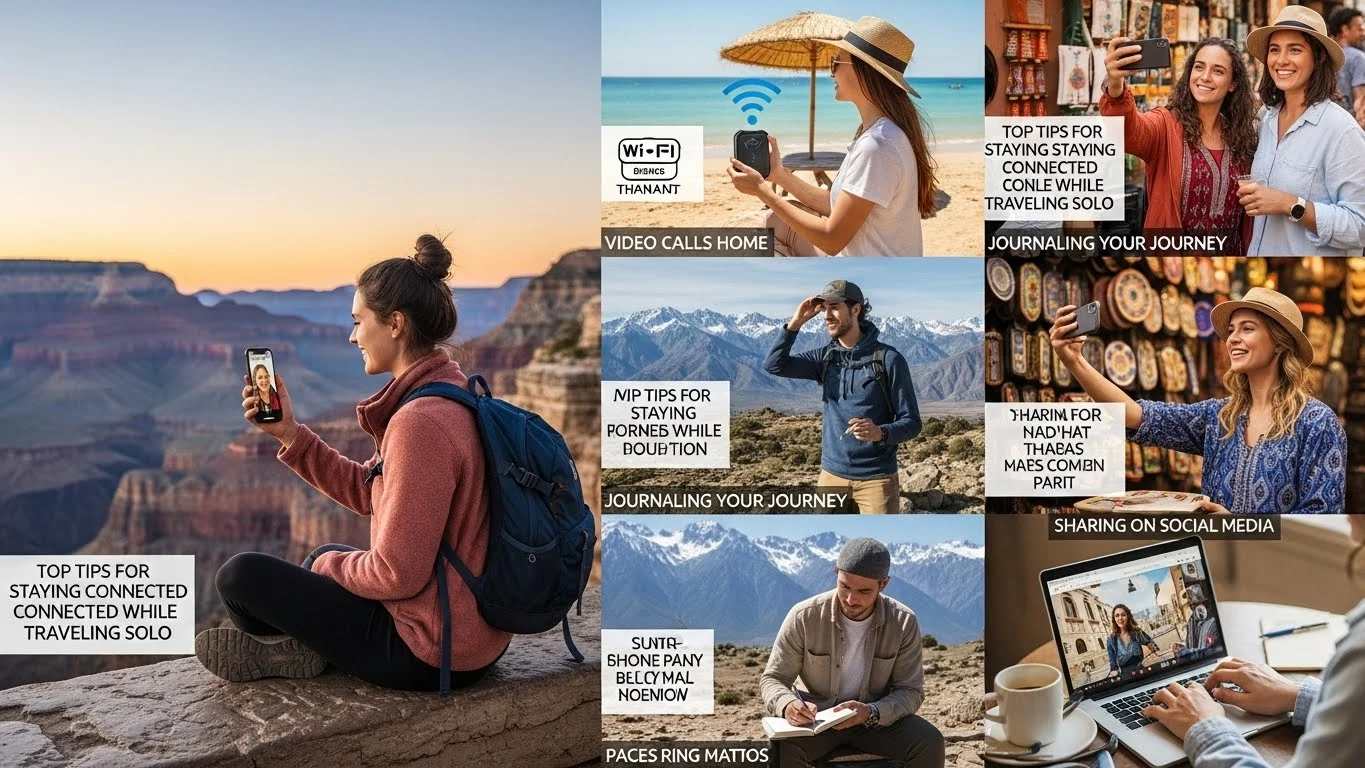
Video calling has become essential for maintaining connections while I’m on the road. I often use FaceTime to stay in touch with my family. There’s something special about seeing their faces and having a real-time conversation that messaging just can’t replicate. On one trip, I Facetimed my sister while visiting a breathtaking viewpoint in New Zealand. Sharing that moment with her made the experience even more memorable.
Zoom and Skype are great options, particularly if I want to catch up with a larger group of friends or family. I’ve even had virtual family dinners where everyone joins from different locations. It’s a fun way to share what I’m up to and hear about their lives too. Just make sure you have a good internet connection when planning to video call; I’ve learned the hard way that a weak signal can lead to frustrating dropped calls!
Social Media for Sharing Experiences
Social media can be a fantastic way to stay connected while traveling solo. For me, sharing my travel experiences on Instagram has not only kept my friends updated but also allowed me to document my adventures visually. I love posting stories and photos that capture the essence of the places I’m visiting. Recently, I posted a stunning sunset photo from Santorini, which sparked a conversation with a friend who had been there years ago. We reminisced about our travels, which made me feel even closer to home.
Facebook is also useful for connecting with like-minded travelers or joining travel groups where I can ask for recommendations. I’ve found hidden gems through group suggestions that I would have never discovered on my own. While it’s easy to get caught up in the online world, I believe it’s important to balance sharing experiences with actually being present in the moment.
Planning Ahead: Connectivity Before You Go
Researching Internet Availability at Destinations
Before I embark on any solo journey, I always do a bit of research on internet availability at my destination. Knowing whether my hotel has Wi-Fi or if certain areas have good coverage can save me a lot of headaches. For example, during my trip to Iceland, I read that many rural areas had limited connectivity, so I made sure to download necessary maps and apps before heading into the countryside. This preparation allowed me to fully enjoy the stunning landscapes without constantly worrying about finding a signal.
Downloading Offline Maps and Content
Another essential step for me is downloading offline maps and content. I use Google Maps to download specific areas, which helps me navigate even without a data connection. I remember exploring Paris and effortlessly finding my way to hidden cafes and charming neighborhoods, all thanks to my pre-downloaded maps. Additionally, downloading music, podcasts, or even eBooks keeps me entertained during long journeys or downtime.
Setting Up Emergency Contact Plans
I believe it’s crucial to have a plan for emergencies before I travel. I make sure to share my itinerary with a trusted friend or family member, so they know where I’ll be and how to reach me. I also save important contact numbers, like local emergency services and my country’s embassy, in my phone. This way, I feel more secure knowing I have a plan in place if something unexpected happens. I’ve found that simply being prepared can alleviate a lot of travel anxiety. For more tips on this subject, refer to essential emergency contacts every solo traveler needs.
Staying Connected with Friends and Family
Scheduling Regular Check-Ins
One of my favorite strategies for staying connected while traveling solo is scheduling regular check-ins with friends and family. I set aside time each week to catch up with my loved ones. It gives me something to look forward to and keeps our connections strong. During one trip, I made a habit of calling my mom every Sunday. Hearing her voice and sharing my experiences made me feel connected to home, even when I was far away.
Sharing Your Itinerary
Another practice I’ve found helpful is sharing my itinerary with a close friend or family member. By doing this, I’m not only keeping them informed but also creating a sense of accountability. If they know where I am, it offers an extra layer of safety. I remember sharing my itinerary while exploring Southeast Asia, and my friends would often check in to see how things were going. It felt reassuring to know they were following along on my journey.
Using Location Sharing Features
Finally, I utilize location-sharing features on my phone to keep my loved ones updated on my whereabouts. It’s comforting for both me and my family to know that they can see my location if they ever need to reach me. During my travels in South America, I shared my live location with a friend, which helped ease their worries. It’s a small thing, but it makes a big difference in maintaining that connection while I’m on the go.
Local Connectivity Options While Traveling
Finding Wi-Fi Hotspots in Public Places
Once I arrive at my destination, one of the first things I do is seek out public Wi-Fi hotspots. In many cities, cafes, libraries, and transportation hubs provide free Wi-Fi, which can be a lifesaver. I remember wandering through Lisbon and discovering that almost every café had Wi-Fi available. I would grab a coffee, pull out my laptop, and catch up on emails or share my latest adventures on social media. It felt great to stay connected without draining my mobile data or searching for a reliable signal.
To make the most of public Wi-Fi, I’ve learned to do a bit of research beforehand. Websites and apps like WiFi Map can help pinpoint hotspots in your area. When I traveled to Tokyo, I found a few local parks that offered free Wi-Fi, allowing me to enjoy the beautiful scenery while staying connected. Just remember to be mindful of your surroundings and choose busy places where you feel safe connecting to the internet.
Using Cafés and Restaurants for Internet Access
Restaurants and cafés are fantastic places to connect, not just for the Wi-Fi, but also for the opportunity to mingle with locals and other travelers. I’ve had some of my best experiences sitting in a bustling café, sipping on a local beverage while chatting with the person next to me. During my time in Buenos Aires, I discovered a charming little café that had free Wi-Fi and served the most delicious empanadas. I ended up spending several hours there, connecting with fellow travelers and even sharing tips on must-see spots in the city.
When looking for places to eat or relax, I often use review apps like Yelp or TripAdvisor to find spots with good Wi-Fi. I find that reading reviews can lead me to hidden gems where I can not only enjoy a meal but also get my connectivity fix. Plus, supporting local businesses while enjoying their offerings makes the experience even more rewarding.
Staying Safe on Public Wi-Fi Networks
While public Wi-Fi is incredibly convenient, it’s essential to prioritize your online safety. I’ve learned a few tricks to keep my information secure when using these networks. First, I always check for a secure connection (look for “https://” in the URL) before entering sensitive information. I also make it a habit to avoid accessing my bank accounts or sharing personal details while on public Wi-Fi.
Using a VPN (Virtual Private Network) is another great way to protect my data. I started using a VPN on my travels, and it has made me feel much more secure when connecting to public networks. It encrypts my internet connection, making it much harder for anyone to intercept my information. I remember feeling a sense of relief while using Wi-Fi in a crowded airport after turning on my VPN, knowing that my data was protected.
Managing Your Digital Footprint
Balancing Connectivity with Privacy
While I love staying connected, I’ve also realized the importance of managing my digital footprint. Traveling solo can sometimes feel isolating, and I’ve noticed that I tend to reach for my phone to fill that void. However, I’ve learned to strike a balance between staying connected and being mindful of my privacy. It’s easy to overshare on social media, and I try to be selective about what I post. I prefer to share experiences after I’ve left a location, which also adds an element of surprise for my friends and family.
Additionally, I’ve found that disabling location tracking for my social media apps helps maintain my privacy. I remember feeling uneasy when I noticed my location was being tagged in every post. Now, I can share my adventures without worrying about broadcasting my exact whereabouts in real-time. This approach allows me to enjoy my experiences more fully, focusing on the moment rather than on what I need to share.
Best Practices for Online Safety
In a world where we’re constantly connected, ensuring our online safety is more critical than ever. I’ve adopted several best practices to safeguard my information while traveling. Besides using a VPN, I always make sure my devices have the latest software updates to protect against vulnerabilities. I also enable two-factor authentication for my important accounts, adding an extra layer of security.
Another practice I’ve found helpful is using unique passwords for different accounts. I use a password manager to keep track of them, which saves time and boosts security. I can’t stress enough how important it is to stay vigilant about online safety, especially while navigating unfamiliar networks. I remember a time when I wasn’t as cautious, and it led to a frustrating situation where my accounts were compromised. Since then, I’ve made it a point to prioritize my digital security.
Maintaining Mental Well-Being While Staying Connected
The Importance of Digital Detox
As much as I appreciate the connectivity that technology offers, I’ve also realized the importance of unplugging occasionally. It’s easy to get caught up in the online world, especially when I’m traveling solo. I believe taking a digital detox can rejuvenate both my mind and spirit. During my travels in Costa Rica, I made a conscious decision to go offline for a full day while exploring the lush jungles. The experience was transformative; I was fully present in the moment, taking in the sights and sounds around me without distractions.
Since then, I’ve tried to incorporate regular digital detoxes into my trips. Whether it’s setting aside a few hours each day to go without my phone or designating specific days to unplug, I find these moments refreshing. They allow me to connect with my surroundings and the people I meet, enhancing my travel experiences in ways that technology simply can’t.
Creating Boundaries for Device Use
Another crucial aspect of maintaining mental well-being while staying connected is setting boundaries for device use. I’ve learned to create dedicated times for checking my messages or social media, rather than letting my phone dictate my day. For instance, I try not to check my phone during meals or while engaging in activities. This practice helps me be more present and makes my experiences more enjoyable. I remember one evening in Barcelona, sitting at a beautiful restaurant, and instead of scrolling through my phone, I focused on the ambiance and the conversations around me. It made the evening much more fulfilling.
Engaging with Local Culture vs. Constant Connectivity
While staying connected is important, I feel it’s equally crucial to engage with local culture. I’ve had moments where I found myself lost in my phone instead of soaking in the atmosphere around me. I strive to balance my digital interactions with authentic experiences. When I traveled to Morocco, I made a pact with myself to limit my phone use in markets and bustling streets. Instead, I immersed myself in conversations with locals, trying new foods, and absorbing the vibrant culture. Those memories are some of the most precious from my journey, and I believe that being present made all the difference. For luxury solo travelers, consider exploring top exclusive experiences to enrich your journey.
Frequently Asked Questions
Why is staying connected important while traveling solo?
Staying connected while traveling solo is crucial for safety and enjoyment. It provides a safety net, enhances communication with loved ones, allows for quick access to information, and helps document your journey, making the experience more meaningful.
What are some benefits of staying connected while traveling alone?
Staying connected offers benefits such as quick access to information about local attractions, the ability to document and share experiences, and a reliable way to communicate during emergencies.
What tools can help maintain connectivity when traveling solo?
Essential tools for staying connected include reliable smartphones, portable Wi-Fi hotspots, local SIM cards, and various mobile apps for messaging, navigation, and information access.
Which messaging apps are recommended for solo travelers?
Recommended messaging apps for solo travelers include WhatsApp for quick messaging and photo sharing, and Telegram for organizing travel plans and connecting with local communities.
How can I ensure my online safety while using public Wi-Fi?
To ensure online safety on public Wi-Fi, check for secure connections (look for ‘https://’ in URLs), avoid accessing sensitive accounts, and consider using a VPN to encrypt your internet connection.
What steps should I take to prepare for connectivity before traveling?
Before traveling, research internet availability at your destinations, download offline maps and content, and set up emergency contact plans by sharing your itinerary with someone you trust.
How can I maintain connections with friends and family while traveling?
Maintain connections by scheduling regular check-ins with loved ones, sharing your itinerary for accountability, and using location-sharing features on your phone to keep them updated on your whereabouts.
What are some best practices for managing my digital footprint while traveling?
To manage your digital footprint, be selective about what you post on social media, disable location tracking for social media apps, and share experiences after leaving a location to maintain privacy.
How can I balance staying connected with engaging in local culture?
Balancing connectivity with local culture involves setting boundaries for device use, such as limiting phone usage during meals or activities, and making an effort to engage with locals and soak in the environment.
What is a digital detox, and why is it important while traveling?
A digital detox involves unplugging from technology for a period, allowing you to fully experience your surroundings and enhance your mental well-being. It helps rejuvenate your mind and spirit by reducing distractions.