
Travel portraits are more than just photographs; they capture the essence of cultures through the lens of our experiences. With each click, we have the power to tell stories, connect with people, and embrace the diversity of our world. Read Interesting article: Capturing Culture: Top Tips for Stunning Travel Portraits
Understanding Travel Portraits
Definition of Travel Portraits
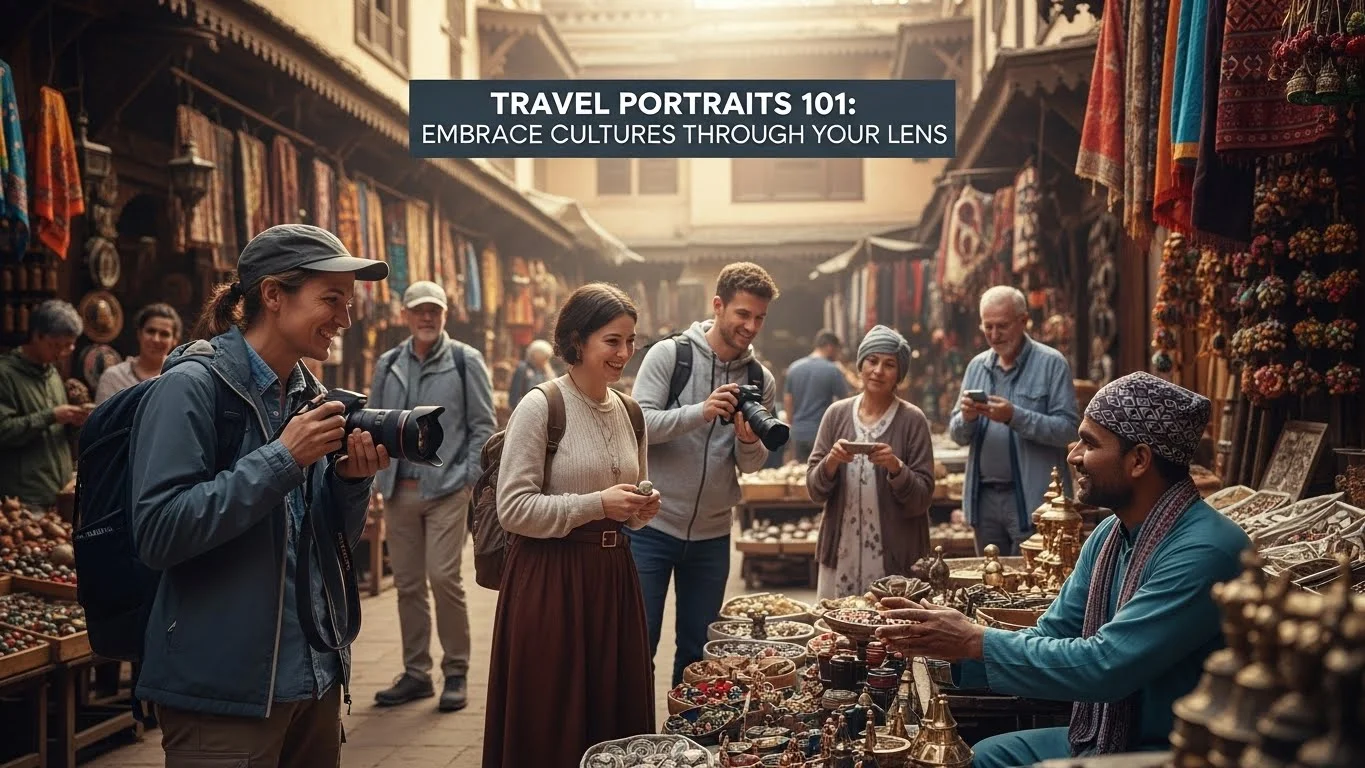
Travel portraits are unique images that showcase individuals in their cultural context. They go beyond just capturing faces; they embody the spirit, stories, and traditions of the people we encounter on our journeys. When I first began my travels, I thought of portraits as simple snapshots. But I soon learned that a true travel portrait is about creating a narrative that resonates with viewers. It’s about understanding the person behind the smile, the story behind their eyes, and the cultural background that shapes them. Each portrait can serve as a window into a different world, inviting others to experience the vibrancy of various cultures through our lens.
Importance of Cultural Representation in Photography
As I’ve traveled, I’ve become increasingly aware of the importance of cultural representation in photography. It’s not just about taking pictures; it’s about portraying cultures with authenticity and respect. When we represent cultures accurately, we help to break down stereotypes and foster understanding among diverse groups. I remember visiting a small village in Morocco where I met a group of local artisans. Instead of merely taking their photos, I spent time learning about their craft. This not only enriched my experience but also allowed me to capture their essence in a way that a casual snapshot never could. I believe that through thoughtful representation, we can create a bridge between cultures, encouraging empathy and appreciation in today’s global society.
Essential Equipment for Capturing Travel Portraits
Camera Types: DSLRs, Mirrorless, and Smartphones
Choosing the right camera for travel portraits can feel overwhelming given the variety of options. I started out with a DSLR, which I loved for its image quality and versatility. However, as I traveled more, I found myself gravitating towards a mirrorless camera. It’s lighter and more compact, which made it easier to carry around during long days of exploration. Recently, I’ve even started using my smartphone for portraits. The quality of smartphone cameras today is impressive, and I found that they can be less intimidating for subjects, helping to create a more relaxed atmosphere. Ultimately, the best camera is the one you’re comfortable with and can easily use to capture those spontaneous moments.
Lenses: Prime vs. Zoom for Portraits
When it comes to lenses, I’ve had my fair share of experimentation. I initially believed that a zoom lens was the best option because of its versatility, allowing me to shoot both wide-angle and close-up shots without changing lenses. While that’s true, I’ve come to appreciate the beauty of prime lenses. They often have a wider aperture, which creates a lovely bokeh effect, making the subject pop against the background. I remember taking portraits in a bustling market in Thailand with a 50mm prime lens, and the results were stunning. The vibrant colors of the market blurred beautifully behind the subject, drawing the viewer’s focus directly to the person. For me, investing in a good prime lens has been one of my best decisions as a travel photographer.
Accessories: Tripods, Reflectors, and Lighting
While a camera and lenses are essential, I’ve learned that accessories can elevate my portrait photography significantly. A lightweight tripod has saved me during low-light situations, especially during sunset when natural light can be tricky. Reflectors, on the other hand, are fantastic for bouncing light onto your subject’s face, especially in harsh sunlight. I’ll never forget an afternoon in the Greek islands when I used a simple white reflector to soften the shadows on a local fisherman’s face, creating a more flattering portrait. If you’re serious about capturing stunning portraits, I highly recommend investing in a few good accessories. They can make all the difference in your results.
Mastering the Art of Portrait Photography
Understanding Composition Techniques
Composition is one of those magic ingredients in photography that can truly make or break a portrait. I remember the first time I learned about the rule of thirds. It felt like discovering a secret. Instead of placing my subject smack in the center of the frame, I’d create a more dynamic image by aligning them along the grid lines. This small adjustment made such a difference in how engaging my portraits became. I often find myself experimenting with different compositions, like leading lines or framing with surrounding elements. Each technique adds depth and context, making the viewer feel more connected to the subject and their environment. I believe that mastering composition is essential for anyone wanting to elevate their travel portraiture.
Utilizing Natural Light vs. Artificial Light
Light is everything in photography, and I’ve learned to embrace both natural and artificial light in my work. Natural light, especially during the golden hour, offers a warm, soft glow that is simply magical. There was a moment in Bali when I was photographing a local dancer at sunset. The soft light illuminated her features beautifully, creating a portrait that felt alive. However, I also appreciate the versatility of artificial light. A simple flash or even LED panel can come in handy when I find myself in poorly lit situations. I’ve found that a balance of both types of light allows me to adapt to different environments and create the mood I want in my portraits.
Framing and Angling for Impactful Shots
The angle from which we shoot can drastically change the story a portrait tells. I’ve had experiences where changing my perspective has led to shots that feel entirely different. For instance, crouching down to the eye level of a child I met in a small village brought a whole new level of intimacy to the photo. It’s about capturing the world from their perspective. I often experiment with high and low angles, sometimes tilting the camera slightly to create a more dynamic composition. The framing can also play a huge role—using doorways, windows, or trees to create natural frames can add layers to the image. It’s all about finding new ways to present our subjects and their stories.
Connecting with Cultures Through Portraits
Researching Local Customs and Traditions
Before I set out on a new adventure, I make it a point to research the customs and traditions of the places I’ll be visiting. This preparation not only helps me understand the culture better but also allows me to approach my subjects with respect. For example, when I traveled to Japan, I learned about the significance of bowing and how it plays a role in their communication. This knowledge helped me connect with locals on a deeper level. I found that having this insight can open doors and make people more willing to share their stories and let me capture their portraits. Understanding the cultural context enhances the authenticity of the photos I take. Read Interesting article: Unforgettable Candid Travel Portraits: Techniques You Need
Building Rapport with Subjects
Creating a genuine connection with the people I photograph is one of the most rewarding parts of travel portraiture. I’ve found that a simple smile or asking questions about their lives can break the ice. In a small fishing village in Portugal, I spent time chatting with a fisherman before asking to take his portrait. He shared stories about his family and the sea, and by the time I clicked the shutter, I felt we had built a connection that showed in the photograph. I believe that when subjects feel comfortable, their true personalities shine through, resulting in more authentic and compelling portraits.
Respecting Cultural Sensitivities in Photography
Respect is crucial in photography, especially when it involves different cultures. I’ve become acutely aware of the potential impact my presence can have on a community. I remember visiting a sacred site in Peru where photography was not allowed. I respected that boundary and chose to observe rather than capture images. This taught me the importance of understanding when to step back and appreciate the moment without a camera. I think it’s vital for us as photographers to be aware of cultural sensitivities and to honor them, ensuring that our art does not exploit or misrepresent the communities we engage with.
Choosing the Right Locations for Travel Portraits
Urban vs. Rural Settings
The choice between urban and rural settings can greatly influence the mood and context of travel portraits. I’ve enjoyed the vibrant energy of urban landscapes, which often provide a rich backdrop of colors and life. In cities like New York, I found that the hustle and bustle can add a layer of storytelling to portraits. On the other hand, rural settings often offer a serene atmosphere that allows for a more intimate connection with my subjects. During my travels through the countryside of Italy, I found that the simplicity of rural life often resulted in portraits that felt timeless and genuine.
Iconic Landmarks vs. Local Hangouts
When considering locations, I often weigh the allure of iconic landmarks against the charm of local hangouts. While landmarks can be visually stunning, I’ve discovered that local spots often offer a more authentic representation of a culture. For instance, while I was in Mexico City, I took portraits at a local market, surrounded by vibrant colors and the hustle of daily life. The portraits I captured there felt more alive and connected to the people’s everyday experiences than if I had taken them with a famous monument in the background. I think it’s essential to strike a balance between the two, choosing locations that tell a more profound story.
Natural Backdrops: Parks, Beaches, and Mountains
Natural environments can elevate portraits to new heights. I’ve found that parks, beaches, and mountains serve as stunning backdrops and can enhance the mood of a photograph. The natural light filtering through trees in a park can create a dreamy atmosphere, while the rugged beauty of mountains can evoke a sense of adventure. I once spent an afternoon photographing a group of friends at a beach during sunset, and the colors in the sky added a magical quality to the portraits. It’s all about using nature to complement and enhance our subjects, creating portraits that resonate emotionally with viewers.
Techniques for Capturing Authentic Expressions
Engaging Your Subjects: Conversation Starters
One of the most important aspects of capturing travel portraits is making a genuine connection with the people I photograph. I’ve found that engaging in conversation can be a game-changer. Asking open-ended questions about their lives, traditions, or even their favorite places in the area can lead to meaningful dialogue. I remember chatting with a street vendor in Istanbul who shared stories about his family and the history of his craft. As I listened, I noticed how the warmth of our conversation reflected in his smile, which made for a much more authentic portrait. I think that taking the time to connect transforms a simple photo into a story worth telling. Read Interesting article: Mastering Candid Travel Portraits: A Beginner’s Guide
Using Props and Environment to Enhance Portraits
In my experience, props and surroundings can add depth and context to portraits. When I was in India, I encountered a woman selling colorful textiles at a market. I asked if I could borrow one of her vibrant shawls for a portrait, and she gladly obliged. The shawl not only highlighted her personality but also told a story about her culture. I’ve discovered that using elements from the environment or objects that are meaningful to my subjects can turn a great portrait into something extraordinary. It’s about weaving in the narrative of the person and their surroundings, making the final image resonate even more with viewers.
Timing Your Shots: Candid vs. Posed
There’s something magical about candid shots that often captures the essence of a person in a way that posed portraits might not. I’ve learned to be patient and observe the moments around me. When I was in a small village in Cambodia, I noticed children playing in the streets. Instead of interrupting their fun, I quietly captured their laughter and joy without them noticing. The resulting portraits were filled with life and authenticity. However, there are times when a posed shot is necessary, such as when I want to highlight a specific feature or detail. I think the key is knowing when to step back and when to guide your subjects into a pose that feels natural. This balance can lead to portraits that are both genuine and impactful.
Post-Processing Tips for Travel Portraits
Editing Software: Lightroom, Photoshop, and Mobile Apps
Post-processing is the final touch that can elevate a travel portrait to new heights. I often use Adobe Lightroom for its user-friendly interface and powerful tools. It allows me to adjust exposure, contrast, and color balance easily. For more detailed edits, like retouching skin or removing distractions, I turn to Photoshop. Recently, I’ve also started using mobile apps like Snapseed for quick edits on the go. I find that having the right tools can make a significant difference in how my portraits come to life, ensuring they reflect the beauty and essence of the moment I captured.
Color Correction and Enhancing Details
Color correction is essential in making sure that my portraits look true to life. I remember processing a portrait taken during a festival in India, where the colors were vivid and vibrant. I adjusted the saturation and vibrance to bring those colors back to life while ensuring they remained natural. I also pay close attention to enhancing details, especially in the eyes. A sharp, clear focus on the eyes can draw viewers in, making them feel connected to the subject. Through my experience, I’ve learned that subtle adjustments can create a more polished look without making the portrait feel overly processed.
Maintaining Authenticity in Post-Processing
While editing is essential, I always strive to maintain the authenticity of my portraits. I think it’s crucial to preserve the original essence of the subject and their environment. In my opinion, over-editing can lead to images that don’t reflect the reality I experienced. I remember editing a portrait of a woman in a market, where I enhanced the colors and sharpness but made sure to retain the natural light and imperfections that added character to her face. It’s all about striking a balance between enhancing the image and respecting the raw beauty of the moment. I believe authenticity is what makes travel portraits resonate, so I try to keep that in mind throughout the editing process.
Showcasing Your Travel Portraits
Creating an Online Portfolio
Showcasing my travel portraits has become one of the most fulfilling aspects of my photography journey. I realized early on that creating an online portfolio is a fantastic way to share my work and connect with a broader audience. I started by choosing a platform that resonated with me, one that allowed me to display my images beautifully. Each photo tells a story, and I wanted my portfolio to reflect that narrative. I organized my images by theme or location, allowing viewers to explore different cultures through my lens. It’s essential to include a brief description of each photo, sharing the experience behind it. I’ve found that this adds depth and context, making the portraits even more engaging for those who view them.
Sharing on Social Media Platforms
Social media has been a game changer for sharing my travel portraits. Platforms like Instagram and Facebook are excellent for reaching people who share similar passions. I’ve enjoyed connecting with other photographers and travelers through these channels. I make it a point to share not just the final portraits but also snippets of the stories behind them. Using relevant hashtags has helped me gain visibility, and I often engage with my followers by asking for their thoughts or experiences related to the images I post. I also love sharing stories in my captions, which can spark meaningful conversations. It’s amazing to see how my work can resonate with others and inspire them to explore the world through their own photography.
Participating in Photography Exhibitions
Participating in photography exhibitions has been another rewarding way to showcase my work. I remember my first exhibit; it was exhilarating to see my portraits displayed in a gallery setting. It offered a different level of interaction with my audience. People could engage with the images up close, and I found that many were curious about the stories behind each shot. I also learned a lot from other photographers at these events, exchanging ideas and techniques. If you have the chance to showcase your work in a local gallery or a community event, I highly recommend it. It can be a fantastic opportunity to connect with others who appreciate the art of travel portraiture.
Travel Portrait Photography Ethics
Understanding Consent and Model Releases
One of the biggest lessons I’ve learned in travel portrait photography is the importance of consent. I always approach my subjects with respect and make sure they are comfortable with being photographed. When I’m capturing someone’s portrait, I take a moment to explain who I am and why I want to take their photo. In many cases, I’ve found that people are excited to share their stories. However, I’ve also learned that sometimes, it’s best to walk away if a subject is hesitant. Understanding when to ask for consent and when to step back is crucial in maintaining ethical standards in our work. For formal portraits, I often use a model release form to ensure both parties are on the same page.
Impact of Cultural Appropriation in Photography
Cultural appropriation is another significant aspect to consider. As photographers, we must be aware of the influence our work can have on the cultures we are portraying. I remember visiting a vibrant festival in India and being aware of the cultural significance behind the celebrations. I made sure to honor the traditions instead of using them merely as a backdrop for my photographs. I believe that by understanding and respecting the cultures we engage with, we can create art that celebrates rather than exploits. It’s essential to approach each culture with curiosity and humility, ensuring our work contributes positively to the narrative of that community.
Giving Back to the Communities You Photograph
I feel strongly that as photographers, we should give back to the communities we photograph. After capturing portraits in a remote village, I often think about how I can contribute to that place. Whether it’s through supporting local artisans or participating in community projects, I try to find ways to make a positive impact. Sharing the portraits with my subjects is another way to give back. I usually offer to send them a copy of their portrait, which I’ve found can mean a lot to them. It’s a small gesture, but it promotes mutual respect and gratitude, fostering a deeper connection between photographer and subject.
Final Thoughts
Travel portrait photography is a journey of connection, culture, and storytelling. As I reflect on my experiences, I realize that the best portraits stem from genuine relationships and a deep understanding of the subjects in front of us. Each photograph holds a piece of the world that can inspire others to appreciate the diversity and richness of human experiences. Let’s continue to embrace the beauty of travel through our lenses while respecting and uplifting the voices of those we capture. By doing so, we contribute not only to our art but to a more empathetic world.
Frequently Asked Questions
What are travel portraits?
Travel portraits are unique images that showcase individuals in their cultural context, capturing the spirit, stories, and traditions of the people encountered during travels. They go beyond simple snapshots to create narratives that resonate with viewers.
Why is cultural representation important in travel photography?
Cultural representation is crucial in photography as it helps portray cultures with authenticity and respect, breaking down stereotypes and fostering understanding among diverse groups. Thoughtful representation can create a bridge between cultures and encourage empathy.
What types of cameras are recommended for travel portraits?
For travel portraits, DSLRs, mirrorless cameras, and smartphones are all viable options. While DSLRs offer great image quality, mirrorless cameras are lighter and more compact, making them easier to carry. Smartphones have also become increasingly capable for capturing portraits.
What is the difference between prime and zoom lenses for portrait photography?
Zoom lenses offer versatility for capturing both wide-angle and close-up shots, while prime lenses often have a wider aperture that creates a bokeh effect, enhancing the subject’s prominence. Many photographers find prime lenses particularly rewarding for portrait photography.
How can accessories enhance travel portrait photography?
Accessories like tripods, reflectors, and lighting can significantly improve portrait photography. Tripods are useful in low-light situations, reflectors help bounce light onto subjects, and additional lighting can enhance images taken in poorly lit environments.
What composition techniques are important for portrait photography?
Understanding composition techniques, such as the rule of thirds, leading lines, and framing with surrounding elements, can greatly enhance a portrait’s engagement. These techniques add depth and context, making viewers feel more connected to the subject.
How can photographers connect with cultures through portraits?
Photographers can connect with cultures by researching local customs and traditions before their travels, which helps them approach subjects with respect. Building rapport through conversation and understanding cultural sensitivities also enriches the photographic experience.
What are some effective methods for capturing authentic expressions in portraits?
Engaging subjects in conversation, using props or elements from the environment, and knowing when to take candid versus posed shots can all lead to more authentic portraits. These methods help to evoke genuine emotions and interactions in the photographs.
What post-processing tips can improve travel portraits?
Using editing software like Lightroom and Photoshop for color correction and detail enhancement can elevate portraits. It’s also important to maintain authenticity in post-processing by avoiding over-editing and preserving the original essence of the subjects and their environment.
What ethical considerations should photographers keep in mind?
Photographers should understand the importance of consent and model releases, be aware of cultural appropriation, and strive to give back to the communities they photograph. Respecting cultural sensitivities and fostering genuine connections is vital for ethical travel portrait photography.