
Planning a family road trip can be thrilling, but figuring out the budget can feel daunting. With the right budgeting strategies, we can ensure our adventure is fun and financially manageable! Read Interesting article: Essential Safety Tips for Family Road Trips on a Budget
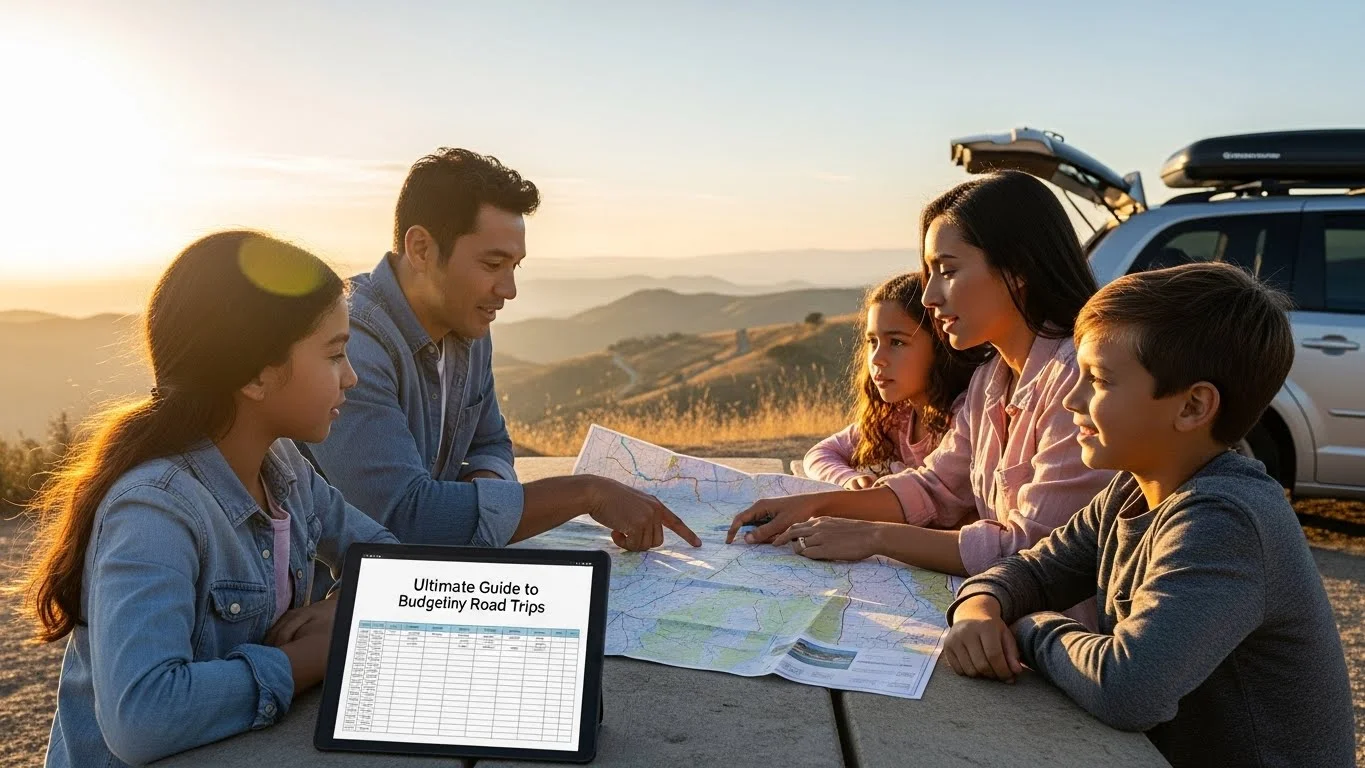
Understanding Family Road Trip Budgeting
Importance of Budgeting for Road Trips
When my family and I decided to hit the road for a week-long adventure, I quickly learned that budgeting was essential. I remember how excited we were, but as the trip approached, I realized we had to keep our finances in check. Budgeting helps avoid surprises, ensuring we can enjoy our trip without stressing about money. In my experience, having a clear budget sets expectations, allows us to prioritize our spending, and helps us make the most of our time together. It also gives us peace of mind, knowing we won’t overspend or run into financial trouble while we’re away.
Overview of Typical Expenses
Budgeting for a family road trip involves several key expenses that I’ve found can stack up quickly if we’re not careful. Here’s a breakdown of typical costs we should consider:
- Transportation: Fuel, car maintenance, and any potential rental car fees.
- Accommodation: Whether we’re camping, staying in hotels, or renting a cabin.
- Food: Groceries for meals on the road versus dining out.
- Entertainment: Entrance fees for parks, attractions, and activities.
- Miscellaneous: Souvenirs, emergency funds, and other unexpected expenses.
By mapping out these expenses ahead of time, we can get a clearer picture of what our overall budget should look like. During my own road trips, I found that this breakdown allowed us to prioritize our spending based on what we really wanted to experience. Read Interesting article: Top 10 Fun Activities for Family Road Trips
Setting a Realistic Budget
Creating a realistic budget starts with knowing our limits. I like to begin by assessing our total travel budget, and then I break it down into each category. Here’s how I typically approach it:
- Determine Total Budget: First, I gather our savings and any potential income that might contribute to our travel fund. It’s essential to have a clear idea of how much we can realistically spend without feeling the pinch later.
- Allocate Funds by Category: I divide our total budget into categories based on the breakdown we discussed earlier. For example, if we have a $2,000 budget, I might set aside $600 for gas, $800 for accommodation, and $400 for food, leaving room for entertainment and miscellaneous expenses.
- Factor in Extra Costs: I’ve learned to include a buffer for unexpected expenses. This means adding about 10-15% to each category. It might seem excessive, but during one trip, we had to deal with a flat tire, and that little buffer saved us from panic.
As I set our budget, I also consider our family’s preferences. For instance, do we prefer a few nice dinners out, or are we more comfortable cooking in? I ask everyone for their input, and this helps ensure that everyone feels included in the planning process.
Pre-Trip Planning
Choosing Your Destination
Choosing a destination can be both exciting and challenging. I remember when we decided to explore national parks; it opened up a world of adventure. It’s crucial to pick a spot that everyone in the family is eager about. Sometimes, I sit down with my family to brainstorm ideas, and we make a list of places we want to visit. We look at factors like travel distance, activities, and what we’d like to see along the way. In our case, the kids love the idea of hiking and wildlife, while I enjoy the scenic drives and cultural stops.
Mapping Your Route
Once we have our destination, I turn to mapping tools to plan our route. I find it helpful to take into account scenic byways, interesting landmarks, and even quirky roadside attractions to break up the drive. We often use apps that allow us to chart our course, ensuring we minimize backtracking and maximize fun stops. I once made the mistake of not planning our route well, which led to us missing out on a beautiful waterfall that was just a short detour from our path!
Estimating Travel Time and Distance
Estimating how long it will take to reach our destination is another critical step. I usually check the distance and factor in rest stops, meal breaks, and potential traffic. On our last trip, I learned the hard way that long stretches without breaks can lead to cranky kids and tired parents. I tend to plan for at least one break every two to three hours, allowing us to stretch, grab snacks, and recharge. This not only makes the trip more pleasant, but it also keeps the excitement alive as we look forward to the next stop!
Transportation Costs
Fuel Expenses
Fuel expenses can be one of the most significant costs during a road trip, and I’ve learned that it’s essential to plan for them ahead of time. I usually start by checking the fuel efficiency of our vehicle to estimate how much we’ll need. For instance, if our car gets 25 miles per gallon and we’re planning a trip of 1,000 miles, I calculate that we’ll need about 40 gallons of gas. With gas prices fluctuating, I keep an eye on the current rates in the areas we’ll be traveling through. This helps me allocate a realistic budget for fuel. In my experience, apps like GasBuddy have been lifesavers in finding the cheapest gas stations along our route, which definitely helps us save a few bucks!
Car Maintenance and Preparation
Before hitting the road, I always make sure our car is in tip-top shape. I learned this the hard way when we encountered a minor issue on a previous trip. I recommend setting aside some funds for car maintenance, such as an oil change, tire rotation, and checking the brakes and fluids. Creating a checklist of things to inspect before we leave has been helpful, as it keeps me organized and ensures we don’t miss anything crucial. I also like to pack a basic roadside emergency kit just in case. It not only gives me peace of mind but also saves us in unexpected situations.
Rental Car Options (if applicable)
If we’re flying to our starting destination or if our vehicle isn’t road trip-ready, renting a car can be a great option. I’ve found that it’s essential to shop around for the best rental deals, especially if we plan to drive long distances. Websites like Kayak or Rentalcars.com let me compare prices easily. It’s also worth considering whether we need a larger vehicle for the family or if a compact car will suffice. I learned that factoring in mileage limits and fuel policies when renting is crucial. Some companies offer unlimited mileage, which can be a blessing for road trips, while others may charge extra for going over a specific limit. Knowing these details helps to avoid unexpected charges on our final bill.
Toll Roads and Fees
Toll roads can sneak up on you, and I’ve had my share of surprises on trips. I usually research our route to identify any toll roads we might encounter. Many states have toll calculators online, allowing us to estimate those costs in advance. I remember one trip where we took a toll road without realizing it, and we ended up spending more than we anticipated. To save on toll costs, I sometimes look for alternative routes that might be longer but avoid the tolls. Additionally, I’ve found it helpful to bring cash or a prepaid toll pass, as some places don’t accept cards. It’s a small detail, but it can make our journey smoother.
Accommodation Budgeting
Types of Accommodations
When it comes to accommodation, we have a few options to consider. I’ve experienced everything from camping to hotels, and each has its pros and cons. For families, hotels can provide convenience and amenities like breakfast and pools, which my kids love. On the other hand, camping offers a unique experience, especially when exploring nature. I enjoy sitting around a campfire at night, sharing stories under the stars. Recently, we discovered vacation rentals through platforms like Airbnb and Vrbo, which can be budget-friendly, especially for larger families. They give us the chance to cook our own meals and feel a bit more at home during our travels.
Average Costs by Location
Accommodation costs can vary widely based on where we’re traveling. I’ve learned that urban areas tend to be pricier, while rural spots often have more budget-friendly options. When planning our trip, I always check the average rates for hotels and rentals in our destination. Websites like Expedia help me compare prices, and I also like to read reviews to find a balance between cost and quality. I remember one trip where we splurged on a nice hotel because it was a special occasion, but I made sure to balance it by choosing a budget option for the next few nights.
Budget-Friendly Accommodation Options
There are several strategies I use to find budget-friendly accommodations. I often look for off-season travel deals or mid-week stays, which can be significantly cheaper than weekend nights. I’ve also found that using loyalty programs or credit card points can save us a lot. Sometimes, we even opt for hostels or motels, especially if they’re well-rated and have family rooms. I think it’s essential to keep an open mind and be flexible with our accommodations since sometimes the hidden gems are the most memorable experiences!
Camping vs. Hotels
Camping has become one of my family’s favorite ways to travel. It allows us to immerse ourselves in nature and bond in a way that hotels just can’t replicate. I enjoy the simplicity of camping, but I also recognize that it comes with its challenges. Planning ahead is key—making sure we have the right gear and knowing how to set up camp. I’ve learned to budget for campsite fees, which can be very reasonable, especially in national parks. On the flip side, hotels can provide comfort and convenience when we need a break from the outdoors. I think it all comes down to what kind of experience we’re looking for on our trip.
Food and Dining Expenses
Eating Out vs. Cooking Meals
Food is one of those expenses that can really add up on a road trip if we’re not careful. I’ve had trips where we dined out for almost every meal, and while it was delicious, it left our budget in shambles. I found that mixing it up between eating out and cooking meals is a great way to keep costs down while still enjoying the experience. When we stay at vacation rentals, we often make breakfast and dinner ourselves. It’s a fun way to involve the kids in meal prep, and we save money too. I remember one trip where we had pancake breakfasts, and those moments became some of our favorite family memories.
Budget-Friendly Restaurants
When we do decide to eat out, I like to look for budget-friendly restaurants in the area. Before our trips, I browse online reviews and check out food blogs or local guides to find hidden gems that won’t break the bank. I’ve discovered that many local diners or food trucks offer delicious meals at a fraction of the price of touristy spots. On one road trip, we stumbled upon a small barbecue joint that had some of the best ribs I’ve ever tasted—definitely a highlight of our trip! I also recommend looking for kids-eat-free nights or family meal deals, which can make dining out much more affordable.
Snacks and Groceries for the Road
Packing snacks is another crucial part of our road trip food strategy. I typically go to the grocery store before we leave and stock up on things like fruits, nuts, granola bars, and crackers. Having these on hand not only saves money but also keeps everyone satisfied between meals. I remember times when we had a cooler filled with sandwiches and drinks, making it easy to pull over for a picnic at a scenic spot. It’s a cost-effective way to enjoy a meal while soaking in the beauty of the locations we pass through. Plus, it helps us avoid those overpriced convenience store snacks that can add up quickly!
Entertainment and Activities
Free and Low-Cost Attractions
One of the best parts of road tripping is exploring new places, and thankfully, there are tons of free or low-cost attractions to enjoy. I often do some research before our trip to find parks, hiking trails, and historical sites that we can visit without spending much. Many national parks offer free entry days, and I’ve found that local festivals or community events can be a great way to experience the culture without spending a lot. During our last trip, we discovered a local art fair that not only had free admission but also showcased some amazing talents from the area.
National Parks and Entry Fees
If we choose to visit national parks, I’ve learned that entry fees vary, but there are often options for annual passes or family passes that can save us money if we plan to visit multiple parks. I recommend checking the National Park Service website for information on park fees and any special programs they might have. During our last trip to a national park, we opted for a week-long pass, which allowed us to explore multiple areas at our leisure. It was worth every penny as we enjoyed breathtaking views and endless hiking opportunities.
Family-Friendly Activities and Experiences
Finding family-friendly activities is essential for keeping everyone entertained without straining our budget. I often look for local attractions with group discounts or combo tickets. For example, we once visited a science museum that offered a family combo deal, making it more affordable for us to enjoy a day of learning and fun. In addition, I’ve found that many cities have free concerts or movie nights in the park during the summer months. These activities allow us to experience the local vibe while enjoying quality time together without spending too much! Read Interesting article: Family Road Trips: Discover Budget-Friendly Destinations
Miscellaneous Costs
Travel Insurance
While it might seem like an extra expense, I always recommend considering travel insurance. It’s something we started doing after hearing about friends facing unexpected cancellations and medical emergencies during their trips. Travel insurance can provide peace of mind, especially for larger families. I’ve learned that the cost is usually quite reasonable compared to the potential expenses that could arise from unforeseen circumstances. Whether it’s a canceled flight or medical needs, having that safety net makes the journey feel a lot smoother.
Emergency Funds
Setting aside some funds for emergencies is another practice I’ve found invaluable. I make it a habit to keep a small amount of cash on hand for unexpected expenses, like car troubles or an impromptu stop at a roadside attraction. I like to think of it as a little safety net that allows us to handle surprises without derailing our budget. On one trip, we ended up needing to replace a tire, and having that emergency fund helped us deal with the situation without stress.
Souvenirs and Unexpected Expenses
Souvenirs are a fun part of any trip, but they can easily add up if we’re not careful. I usually set a small budget for souvenirs, encouraging the kids to pick one meaningful item rather than several. I’ve found that often, the best souvenirs are the memories we create rather than the physical items we buy. However, I also recognize that unexpected expenses can pop up, so it’s good to have some wiggle room in our budget. For instance, we once discovered an exciting attraction that wasn’t on our original itinerary, and having some extra funds allowed us to enjoy that experience without guilt.
Frequently Asked Questions
Why is budgeting important for family road trips?
Budgeting is essential for family road trips as it helps avoid financial surprises, sets expectations, and allows for prioritization of spending. It provides peace of mind, ensuring that families can enjoy their trip without stressing about money.
What are some typical expenses to consider when planning a road trip?
Typical expenses include transportation (fuel, car maintenance, rental car fees), accommodation (camping, hotels, or cabins), food (groceries versus dining out), entertainment (entrance fees for parks and attractions), and miscellaneous costs (souvenirs and emergency funds).
How can I set a realistic budget for a road trip?
To set a realistic budget, begin by determining your total budget, allocating funds by category based on expenses, and factoring in extra costs for unexpected expenses. It’s also helpful to consider family preferences when budgeting for activities and meals.
What should I consider when choosing a road trip destination?
When choosing a destination, consider factors like travel distance, activities available, and what everyone in the family is eager to see. Brainstorming together can help in making a decision that excites everyone.
How can I estimate travel time and distance for my road trip?
Estimate travel time and distance by checking the distance to your destination and factoring in rest stops, meal breaks, and potential traffic. Planning for breaks every two to three hours can help keep the trip pleasant and everyone refreshed.
What strategies can I use to find budget-friendly accommodations?
To find budget-friendly accommodations, consider off-season travel deals, mid-week stays, using loyalty programs or credit card points, and being flexible with options like hostels or motels. Checking reviews can also help balance cost and quality.
How can I manage food expenses during a road trip?
Managing food expenses can be done by mixing cooking meals with dining out, looking for budget-friendly restaurants, and packing snacks and groceries for the road. This approach not only saves money but also creates enjoyable family moments.
What types of entertainment and activities can families enjoy on a budget?
Families can enjoy free or low-cost attractions like parks, hiking trails, and local festivals. Many national parks offer free entry days, and looking for group discounts or free community events can also provide affordable entertainment options.
Why is it important to have emergency funds during a road trip?
Having emergency funds is important as it allows families to handle unexpected expenses, like car troubles or spontaneous stops, without derailing their budget. It provides a safety net that reduces stress during the trip.
How can I budget for souvenirs and unexpected expenses?
To budget for souvenirs, set a small limit and encourage choosing meaningful items over several small ones. Additionally, having some wiggle room in the budget for unexpected expenses can allow for spontaneous experiences without guilt.