
Have you ever dreamed of diving into the ocean’s depths to capture its vibrant, colorful life? Underwater photography allows us to explore and share the beauty of the underwater world like never before.
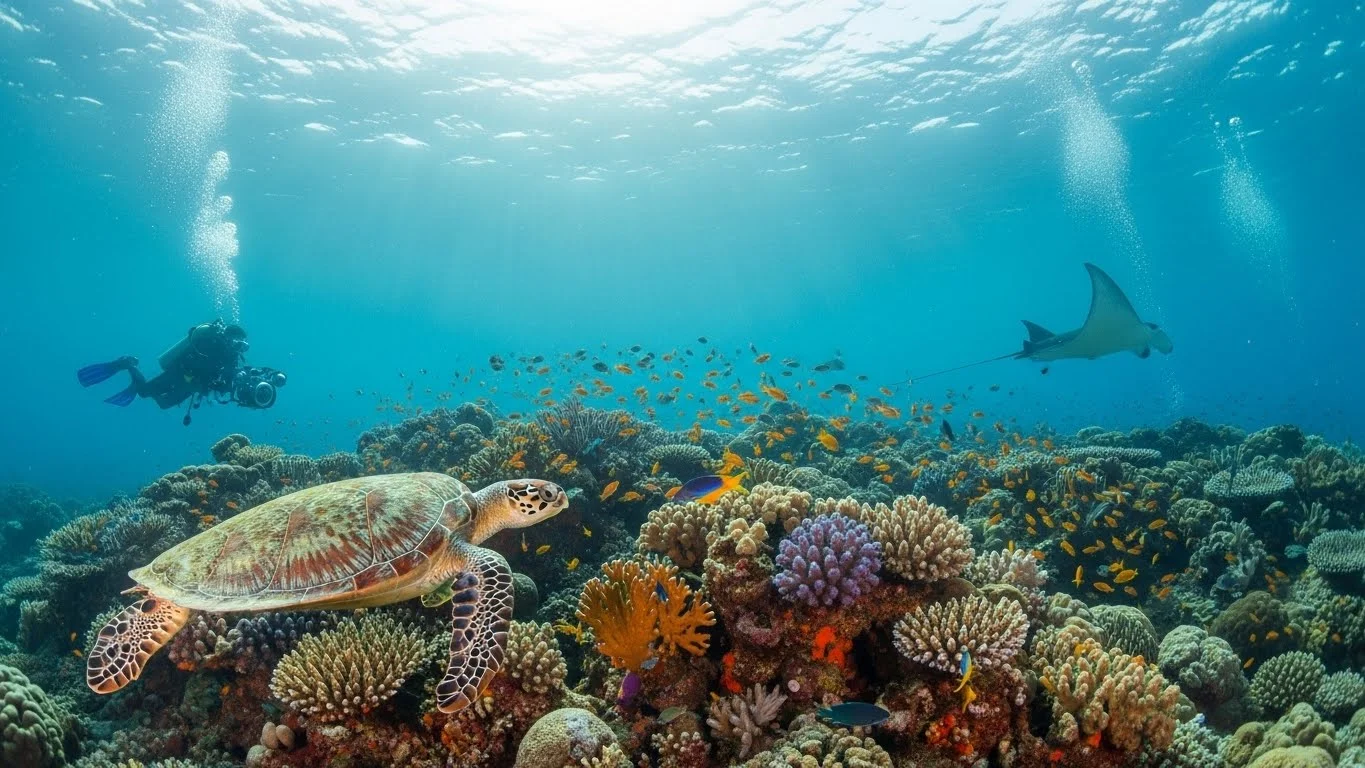
Understanding Underwater Photography
The Basics of Underwater Photography
Underwater photography is a blend of two incredible worlds: photography and marine exploration. When I first dipped my toes into this fascinating hobby, I quickly learned that taking pictures underwater is not as straightforward as it might seem. The moment you submerge, everything changes—the light, the colors, even the way we perceive movement. It’s like entering a different universe. I remember my first few photos were disappointing; they lacked color and clarity. I realized then that understanding the basics would be my first step towards improvement.
One of the first things I discovered was the importance of light. Underwater, colors begin to fade, with reds disappearing at just a few meters deep. This means that I had to adapt my approach to capturing vibrant scenes. I learned to look for contrasts and bright subjects that would stand out against the blue backdrop. Furthermore, the movement of water can distort images, so stability became a key focus. Practicing buoyancy control helped me reduce blurriness in my shots, which I found incredibly rewarding. Read Interesting article: Essential Techniques for Capturing Breathtaking Marine Life
Importance of Equipment
Having the right equipment is crucial for underwater photography. When I started out, I didn’t invest much in gear, thinking it wasn’t necessary. However, as I gained experience, I realized that good equipment can make all the difference. My first camera was a basic point-and-shoot, and while it served its purpose, I quickly found myself frustrated with its limits. I upgraded to a DSLR, which vastly improved my image quality and control over settings.
It’s not just the camera body that matters; the lenses you use can also dramatically affect your images. I found that wide-angle lenses are fantastic for capturing expansive scenes, while macro lenses excel at showcasing the intricate details of small marine creatures. Each lens opened up new creative possibilities for my underwater adventures. Best Budget-Friendly Underwater Photography Equipment Tips
Types of Underwater Photography
Underwater photography encompasses several different styles, each offering a unique way to showcase ocean life. During my journey, I’ve experimented with various types, including wide-angle, macro, and ambient light photography. I found that wide-angle photography is perfect for capturing the grandeur of underwater landscapes, such as coral reefs or shipwrecks. It immerses the viewer in the scene, making you feel as though you’re swimming alongside the marine life.
On the other hand, macro photography allows for detailed close-ups of tiny creatures, revealing the intricate patterns and colors that often go unnoticed. I remember coming across a vibrant nudibranch one day and being mesmerized by its beauty. Capturing it with a macro lens was a thrilling challenge, and it taught me to appreciate the smaller inhabitants of the ocean.
Another approach I found intriguing was ambient light photography, which relies on natural light rather than additional strobes. This technique can create soft, ethereal images, particularly during the golden hours of sunrise or sunset. I often used this method to create dreamy shots of swimming dolphins or playful turtles silhouetted against the sunlit surface.
Essential Equipment for Underwater Photography
Camera Types: DSLR vs. Mirrorless vs. Compact
Choosing the right camera for underwater photography depends on your level of expertise and the type of shots you want to achieve. I started with a compact camera, which was lightweight and easy to use for beginners. However, as I grew more passionate, I transitioned to a mirrorless system. I found mirrorless cameras to be lighter and more versatile than DSLRs, especially when diving. They offer excellent image quality and the ability to change lenses, which is essential for underwater photography.
Underwater Housing Options
Regardless of the camera type, investing in a quality underwater housing is vital. I learned this the hard way when I accidentally submerged my first camera without proper protection. There are various housing options available, ranging from budget-friendly to professional-grade. Choosing the right one can keep your equipment safe and dry while allowing you to access all the necessary controls under the water.
Lenses for Underwater Photography
Having the right lenses can enhance your underwater photography experience significantly. I mainly use wide-angle lenses for capturing grand scenes and macro lenses for those incredible tiny details. Wide-angle lenses help you capture the vastness of the ocean while showcasing the colorful fish and stunning coral formations in the foreground. Conversely, macro lenses let you explore the hidden wonders of the ocean, like the delicate patterns on a sea star.
Lighting: Strobes and Video Lights
Underwater lighting is another critical aspect I had to learn about. When I first started, I relied solely on natural light, but I quickly noticed that colors were still washed out deeper in the water. Adding strobes or video lights can illuminate your subjects and restore the vibrant colors that the ocean tends to swallow. I remember my first time using a strobe; the difference was astonishing! Suddenly, I could see the vivid reds and oranges of the coral I had been missing.
Accessories: Buoyancy Control Devices and Tripods
Lastly, don’t underestimate the power of accessories. Buoyancy control devices (BCD) help you maintain your position in the water without your hands, allowing you to focus on capturing that perfect shot. I also found tripods helpful for stabilizing my camera when photographing stationary subjects, especially in murky waters. These small adjustments made a world of difference in my underwater photography, giving me more control over my shots.
Techniques for Capturing Vibrant Ocean Life
Composition Techniques
When I first started underwater photography, I quickly learned that composition plays a crucial role in creating captivating images. The way I framed my shots could either enhance the beauty of the scene or distract from it. One technique that I found incredibly useful was the rule of thirds. By dividing my image into a 3×3 grid, I could place important subjects along the lines or at their intersections, which often resulted in more visually appealing photos. I experimented with this technique during a dive at a reef, and it transformed my images from ordinary to extraordinary.
Leading lines have also become a favorite of mine. I noticed that the natural formations of coral or the way fish swim in schools can guide the viewer’s eye through the photo. This technique helped me capture the sense of movement and life in the ocean. Additionally, I’ve learned to play with perspective. Sometimes, getting low to the sand or shooting from above can create a dramatic effect and provide unique insights into underwater life.
Using Natural Light Effectively
Natural light can be both a friend and a foe in underwater photography. I remember my first dives where I relied heavily on sunlight. I quickly discovered that as I descended, the intensity of light changed, and colors began to fade. To make the most of natural light, I learned to shoot upwards towards the surface during daytime dives, capturing the sun’s rays filtering through the water. This technique created stunning beams of light that added depth and drama to my images.
Timing is also essential. I’ve found that the golden hours—just after sunrise and before sunset—provide the most beautiful lighting conditions. The warm tones during these times not only enhance colors but also create a magical atmosphere. I try to plan my dives around these periods, making the extra effort to wake up early or stay out late to capture those golden moments.
Mastering White Balance Underwater
Mastering white balance underwater was another game changer for me. I remember struggling with images that appeared overly blue or green due to the water’s natural colors. It became clear that adjusting the white balance was vital for maintaining accurate colors. While some cameras have an automatic white balance setting, I found that using manual settings often yielded better results. I started experimenting with different white balance presets, and I even learned how to adjust it in post-processing to restore the true colors of the underwater world.
During a dive, I would take a few test shots and adjust my settings accordingly. I often brought a white slate or a piece of light-colored coral with me to help set my white balance accurately. This little trick made a significant difference in my photos, allowing me to capture the vibrant hues of marine life that I had initially overlooked.
Macro Photography Techniques
Macro photography has become one of my absolute favorite styles for underwater shooting. I was astonished at the intricate details of marine creatures that I’d missed in wider shots! To excel in macro photography, I learned the importance of getting close to my subjects while maintaining a steady hand. I often practiced my buoyancy control to avoid disturbing the sand or coral, which could cloud the water and ruin a potential shot.
Using manual focus was another technique that I adopted. Autofocus can sometimes struggle with close-up shots, so by manually focusing on my subject, I could ensure I captured the intricate details, like the tiny hairs on a shrimp or the delicate textures of a starfish. I also found that using a smaller aperture enhanced the depth of field, allowing me to keep more of my subject in focus, which was especially helpful for photographing small creatures.
Wide-Angle Photography Techniques
Wide-angle photography has its own set of challenges and rewards. I learned that capturing expansive underwater scenes requires a different approach than macro photography. I began to focus on creating a sense of depth in my wide-angle shots. To do this, I would try to include both foreground and background elements. For example, I’d position colorful coral or a diver in the foreground while capturing the vastness of the ocean behind them. This layering technique often resulted in stunning images that conveyed the scale and beauty of underwater environments.
Additionally, I experimented with different angles and perspectives. Shooting from below the subject looking up often produced dramatic images, especially when the sun was shining above. I also found that incorporating leading lines, like the edges of a reef or the curves of a school of fish, helped guide the viewer’s eye through the composition and added an engaging dynamic to my photos.
Best Practices for Underwater Photography
Maintaining Equipment Safety
One of the most important lessons I learned in my underwater photography journey is the significance of keeping my gear safe. The underwater environment can be harsh and unpredictable, and I quickly discovered that one small mistake could lead to a ruined camera. I remember my first dive, excitedly taking pictures, only to realize I hadn’t properly secured my underwater housing. Water began to seep in, and I was heartbroken. Since then, I’ve made it a priority to always check seals and closures before each dive.
I also invested in a good quality float strap. This simple accessory can be a lifesaver. It keeps your camera from sinking to the ocean floor if you accidentally let go of it. Plus, I’ve found that using a dive bag specifically designed for underwater photographers can help keep everything organized and safe during transport. Regular maintenance is key too; rinsing my gear in fresh water after each dive helps prevent salt buildup and ensures longevity.
Understanding Ocean Currents and Conditions
Understanding the conditions of the ocean is crucial for successful underwater photography. I remember my first dive in a location known for strong currents. I felt overwhelmed as I struggled to maintain my position while trying to capture images. Since then, I’ve learned to take time to familiarize myself with the area before diving. Checking local tide charts and understanding how currents work can help ensure a safer and more enjoyable experience.
It’s also important to consider visibility. Sometimes, I’ve found that diving early in the morning or later in the afternoon provides better light and clearer water. I’ve often planned my dives around these times to increase my chances of capturing stunning images. Additionally, being mindful of weather conditions can help. If I notice that the ocean is choppy or that there’s a storm brewing, I’ve learned to rethink my plans for the day.
Respecting Marine Life and Environment
As underwater photographers, we have a responsibility to respect the marine life and environments we explore. During my early days, I didn’t fully grasp the impact of our actions on delicate ecosystems. I remember one time inadvertently disturbing a nesting sea turtle while trying to take a photograph. The incident opened my eyes to the importance of maintaining a respectful distance from wildlife. I’ve since adopted a “look, don’t touch” philosophy. This approach allows us to enjoy the beauty of the ocean while ensuring that we don’t disrupt the natural behaviors of its inhabitants.
Additionally, I make it a point to educate myself about local regulations and conservation efforts in the areas I dive. Many locations have specific guidelines aimed at protecting marine life, and adhering to these rules is crucial. I often support local conservation initiatives and participate in beach cleanups whenever possible. It’s a small way to give back to the ocean that has given me so much joy and inspiration.
Post-Processing Tips for Underwater Photography
Editing Software Options
Post-processing is where I really get to enhance my underwater images and bring them to life. After I upload my photos, I dive into editing software. I’ve experimented with several options over the years, but Adobe Lightroom and Photoshop have become my go-to tools. They offer a range of features that allow me to adjust colors, contrast, and sharpness effectively.
For those just starting, I recommend exploring free software like GIMP or even mobile apps like Snapseed. They might not have all the bells and whistles, but they are user-friendly and can help you learn the basics of photo editing without feeling overwhelmed.
Color Correction Techniques
Color correction is one of the most crucial aspects of editing underwater photos. I’ve often found that my images can appear too blue or green, a common issue caused by the natural colors of the water. To fix this, I use the white balance tool in my editing software, adjusting the temperature and tint to bring out the true colors of the marine life. Sometimes I’ll even use the HSL (Hue, Saturation, Lightness) sliders to enhance specific colors, like the vibrant oranges of coral or the deep blues of the ocean.
Another technique I’ve found useful is adjusting the vibrance and saturation selectively. This means I can boost colors without making the entire image look unnatural. It’s all about finding that perfect balance to make the scene pop while still looking realistic.
Enhancing Details and Sharpness
One of my favorite parts of post-processing is enhancing details and sharpness. I’ve learned that subtle adjustments can make a world of difference. Using the clarity slider helps to bring out the textures in coral and the fine details of fish scales. I also apply a slight sharpening filter, but I’m careful not to overdo it; too much sharpening can lead to artifacts that detract from the overall quality of the image.
Lastly, cropping can be a powerful tool. I often find that a little crop can help to focus attention on the subject and eliminate distractions from the background. By experimenting with different compositions in post-processing, I can create images that truly capture the beauty and essence of the underwater world.
Frequently Asked Questions
What is underwater photography?
Underwater photography is a blend of photography and marine exploration that allows individuals to capture and share the beauty of the underwater world.
Why is lighting important in underwater photography?
Lighting is crucial because colors begin to fade underwater, with reds disappearing at just a few meters depth. Understanding how to adapt to these changes is essential for capturing vibrant images.
What types of cameras are recommended for underwater photography?
Choosing between DSLR, mirrorless, or compact cameras depends on your expertise and the type of shots you want. For beginners, compact cameras are lightweight and easy to use, while mirrorless systems offer more versatility as you gain experience.
What types of lenses are best for underwater photography?
Wide-angle lenses are excellent for capturing expansive underwater scenes, while macro lenses are ideal for detailed close-ups of small marine creatures. Each lens type enhances different aspects of underwater photography.
How can I improve my underwater photography composition?
Utilizing techniques like the rule of thirds, leading lines, and varying perspectives can enhance composition. Framing your shots thoughtfully can either enhance or distract from the beauty of the scene.
What is the importance of buoyancy control in underwater photography?
Buoyancy control is vital for maintaining stability and reducing blurriness in underwater shots. Practicing buoyancy helps photographers avoid disrupting the water and their subjects.
How can I effectively use natural light underwater?
To maximize natural light, shoot upwards towards the surface during daytime dives and aim to dive during golden hours for the best lighting conditions, which enhance color and atmosphere.
What are some best practices for maintaining underwater photography equipment?
Always check seals and closures before each dive, use a float strap to prevent loss, and rinse equipment in fresh water after each dive to prevent salt buildup. Regular maintenance is crucial for longevity.
How can I respect marine life while underwater photography?
Photographers should maintain a respectful distance from wildlife, avoid disturbing habitats, and educate themselves about local regulations and conservation efforts. Adopting a “look, don’t touch” philosophy is important for protecting marine ecosystems.
What software is recommended for post-processing underwater photos?
Adobe Lightroom and Photoshop are popular choices for editing underwater photos. For beginners, free options like GIMP or mobile apps like Snapseed can help you learn basic editing skills.