
Capturing the essence of a moment through candid travel portraits can transform your travel photography. These images tell stories, evoke emotions, and connect us to places and people in a unique way. Read Interesting article: Mastering Candid Travel Portraits: A Beginner’s Guide
Understanding Candid Travel Portraits
Definition of Candid Photography
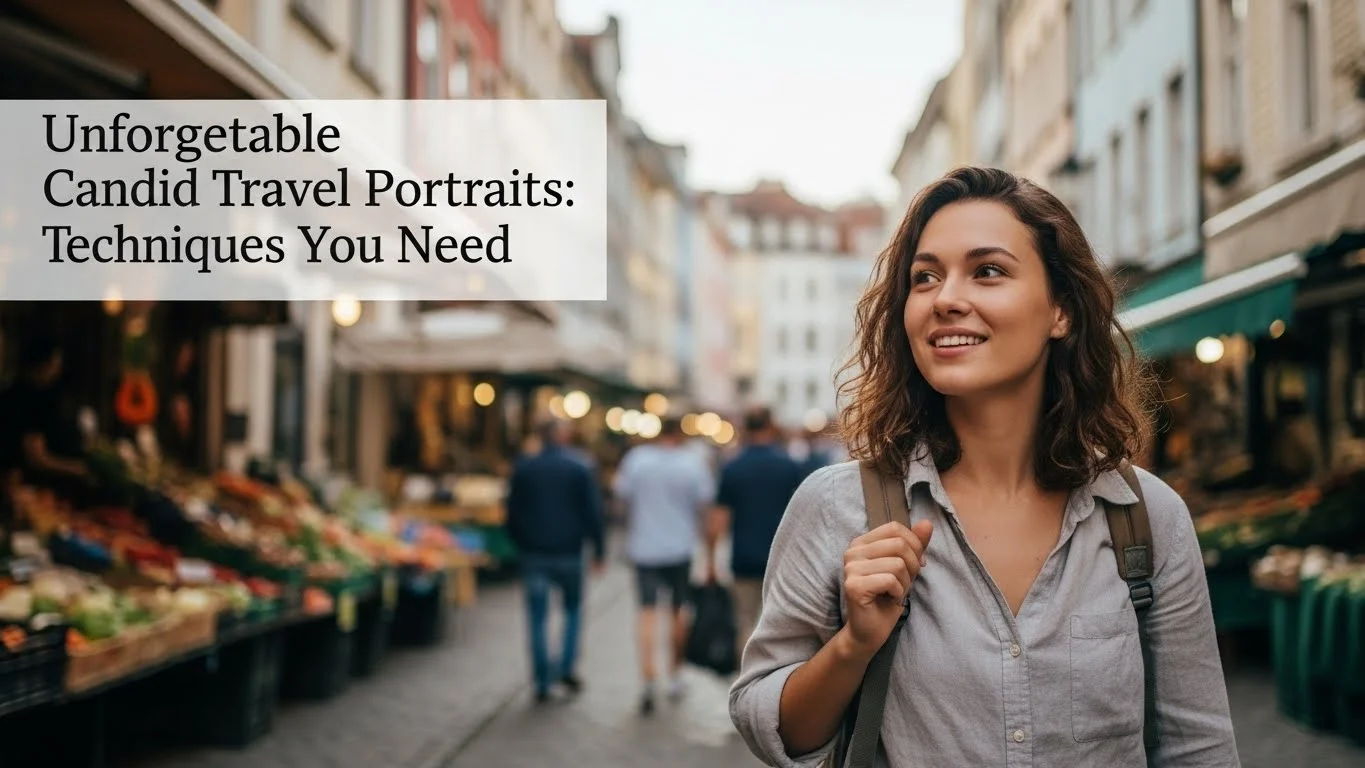
Candid photography is all about capturing real moments as they happen, without the subjects being aware they are being photographed. I’ve always found that these spontaneous shots bring out the true emotions and personalities of people, making the images feel alive. Unlike posed portraits, where everyone is aware of the camera and often puts on a smile, candid shots reflect genuine interactions and feelings. It’s like freezing a moment in time where laughter, surprise, or joy happens naturally. Every little detail in these images tells a part of the story, and that’s what makes candid photography so captivating.
Importance of Candid Portraits in Travel
When I travel, I often find myself drawn to the people around me. I’ve learned that candid travel portraits can convey the spirit of a place far better than any landmark photo can. Each person I photograph adds a layer to the narrative of my journey. For instance, capturing a street vendor engrossed in their craft or a child playing in a bustling market brings the culture to life in ways that static images simply can’t. I believe these portraits help bridge the gap between cultures, allowing viewers to feel a connection to the lives of others. They remind us that travel is not just about the sights we see, but the people we meet along the way. Read Interesting article: 10 Stunning Destinations for Candid Travel Portraits
Essential Techniques for Capturing Candid Travel Portraits
Mastering Composition
Composition is crucial when it comes to candid photography. I’ve often found that the rule of thirds is a good starting point. Placing your subject off-center can create a more dynamic shot. However, I’ve also learned to break this rule if the moment calls for it. Sometimes a centered subject with an interesting background can tell a more compelling story. I also like to play with different angles. Shooting from a lower angle can provide a unique perspective, while shooting from above might highlight the surroundings better. The key is to keep your eyes open and adapt to what’s happening around you. Don’t be afraid to experiment with framing; sometimes the most unexpected compositions yield the best results.
Using Natural Light Effectively
After spending time photographing in various environments, I can confidently say that natural light is my best friend. Soft, diffused light during the golden hour—just after sunrise or before sunset—can create a magical glow that enhances skin tones and adds depth to portraits. I often find myself wandering the streets, waiting for the perfect lighting conditions. If I’m shooting mid-day, I look for shaded areas to avoid harsh shadows. Reflectors can be useful, but sometimes I just use the natural surroundings to block or bounce light. Whenever I’m photographing someone, I always pay attention to the light source and angle, as this can dramatically change the mood of the photo.
Choosing the Right Camera Settings
Getting the right camera settings for candid photography can be the difference between a good shot and a missed opportunity. I usually shoot in aperture priority mode, allowing me to control the depth of field, which is crucial for portraits. A wider aperture (like f/2.8) can beautifully blur the background, making my subject stand out. I keep my shutter speed at least at 1/200s or faster to capture movement without blur—especially since candid moments can happen quickly. I often increase the ISO if the light is low, as I’ve learned that it’s better to have a slightly grainy image than to miss a moment altogether. Keeping my camera in continuous shooting mode also helps me catch fleeting expressions and gestures that might otherwise be lost.
Preparing for Candid Portrait Sessions
Researching Locations and Cultures
Before I embark on a trip, I make it a priority to research the locations I plan to visit. Understanding the culture, customs, and daily life of the people adds depth to my photography. I often find myself diving into travel blogs, reading guidebooks, and even watching documentaries to get a feel for the area. This knowledge helps me identify potential spots for candid portraits, as well as the best times when the locals are most active. I remember wandering through the vibrant streets of Marrakech, where I had read about the bustling marketplaces. Armed with this insight, I was able to capture beautiful interactions between merchants and their customers, which turned into some of my favorite shots. It’s not just about knowing where to go; it’s about understanding the stories behind the faces I want to photograph. Read Interesting article: Capture Authentic Moments: Candid Travel Portraits Tips
Building Rapport with Subjects
One of the most rewarding aspects of candid photography is forming connections with the people I photograph. I’ve learned that a genuine smile or a simple greeting can go a long way in making someone comfortable. I often try to break the ice with a friendly conversation, even if it’s just small talk about their craft or daily life. In my experience, this rapport helps me get more natural expressions. I remember meeting a woman selling handmade jewelry in Thailand. After chatting with her about her creations, she opened up, and I was able to capture her joy as she interacted with customers. That moment of connection translated into a stunning portrait filled with authenticity. I believe that when people feel valued, they let their guard down, allowing me to capture their true selves.
Timing Your Shots: Best Times of Day
Timing can make all the difference in candid photography. I’ve found that certain times of day yield the best lighting and liveliest scenes. Early mornings and late afternoons, known as the golden hours, are my favorite times to shoot. The warm, soft light enhances the colors and textures of any scene, making my subjects glow. I often plan my outings around these times. For instance, during a recent trip to Italy, I woke up before sunrise to capture the fishermen at work along the coast. The way the light played on the water and the faces of the fishermen created a magical atmosphere, one I was thrilled to document. Additionally, being aware of local events or festivals can provide unique opportunities for capturing candid moments. Festivals bring people together, and the energy and excitement can lead to some truly unforgettable portraits.
Equipment Recommendations for Candid Photography
Choosing the Right Camera
When it comes to candid photography, I believe that having the right camera can greatly enhance my ability to capture those fleeting moments. I prefer using a camera that’s lightweight and easy to handle, especially when I’m out exploring. For me, mirrorless cameras have become a favorite due to their compact size and high-quality images. They allow me to be discreet while shooting, which is essential for candid portraits. I remember how much easier it was to blend in with the crowd in a busy market when I was using my mirrorless camera compared to my bulkier DSLR. I always recommend choosing a camera that feels comfortable in your hands, as this will help you stay focused on the moments happening around you.
Essential Lenses for Portraits
The lens I choose can significantly impact the outcome of my portraits. I often gravitate towards prime lenses, especially a 50mm or an 85mm. These lenses create stunning depth of field, allowing me to isolate my subject against a beautifully blurred background. I’ve found that shooting with a wider aperture makes the portraits pop. For instance, while photographing street performers in New Orleans, my 50mm lens allowed me to capture their expressions while softly blurring the vibrant colors of the crowd behind them. A zoom lens can also be handy, as it provides flexibility when I need to adjust my distance without disrupting a moment. However, I’ve learned that nothing beats the sharpness and quality of a good prime lens when it comes to portraits.
Accessories to Enhance Your Shots
While the camera and lens are essential, I’ve discovered that certain accessories can elevate my candid photography experience. A sturdy strap is a must; I prefer cross-body straps that keep my camera secure while allowing quick access. A lens hood is another accessory I never leave home without, as it reduces lens flare and improves contrast in bright conditions. Additionally, portable reflectors can be incredibly useful for bouncing light onto my subjects, especially in challenging lighting situations. I remember using a small reflector during an afternoon shoot in a shaded alleyway, which helped illuminate a child’s face just perfectly. Lastly, a small bag to carry extra batteries and memory cards is a lifesaver, ensuring I’m always prepared for those unplanned, magical moments.
Post-Processing Tips for Candid Portraits
Basic Editing Techniques
Once I’ve captured my candid portraits, the fun doesn’t stop there. I’ve learned that post-processing plays a vital role in enhancing the final image. My editing workflow typically starts with basic adjustments in a software like Adobe Lightroom or Capture One. I usually begin by correcting the exposure; sometimes I have to brighten the image if the lighting was less than ideal. I’ve found that a little contrast can go a long way, helping my subjects pop against the background. Next, I often adjust the white balance to ensure the colors remain true to life. I sometimes shift it slightly warmer to give that inviting glow to the skin tones, especially after shooting in cooler light conditions. I also like to play with shadows and highlights, bringing out details in the darker areas while keeping the bright spots from getting too harsh. These adjustments help convey the mood I felt when I took the shot. I’ll then add a touch of sharpening, but I’m careful not to overdo it. My goal is to maintain a natural look that reflects the authenticity of the moment. I also enjoy cropping my images for better composition, often remembering the rule of thirds. It’s amazing how a small adjustment can change the entire feel of a photo. Lastly, I like to apply a subtle vignette to draw attention to my subject. This simple technique can make a significant difference in focusing the viewer’s eye on the essence of the moment I captured.
Creating a Cohesive Look with Presets
Creating a cohesive look across my candid travel portraits has been a journey of trial and error. I love using presets to streamline my editing process while maintaining a consistent style. I’ve developed a few of my own based on my preferred color palette and mood, which I apply to my images. This not only saves me time but also ensures that all my photos feel connected, telling a more unified story of my travels. When I use presets, I always tweak them to suit the specific lighting and colors of each shot. I find that while presets provide a strong foundation, fine-tuning them is essential to keep the individuality of each portrait intact. I’ve noticed that a photo taken in a sun-drenched market will need different adjustments compared to one captured in the soft light of dawn. The goal is to enhance the authenticity rather than mask it, bringing out the unique character of each subject and setting.
Showcasing Your Candid Travel Portraits
Building an Online Portfolio
Once I’ve edited my candid portraits, I think it’s crucial to showcase them effectively. Building an online portfolio has been one of the best decisions I made for my photography journey. I use platforms like Squarespace or WordPress to create a visually appealing website where I can curate my best work. It feels rewarding to have a space dedicated to my travel experiences and the incredible people I’ve met along the way. I’ve learned that it’s essential to organize the portfolio by themes or locations. This way, viewers can easily navigate through my adventures. I often include a short story or a description beside each photograph, giving context to the moment captured. This offers a glimpse into the emotions I felt and the connection I formed with my subjects. I believe this storytelling aspect is what makes my portfolio resonate with others, inviting them to journey through my lens.
Sharing on Social Media Platforms
Social media has become a powerful tool for sharing my candid travel portraits. Platforms like Instagram and Facebook allow me to reach a broader audience and connect with fellow photography enthusiasts. I’ve found that consistency is key, so I try to post regularly while keeping my aesthetic cohesive. When sharing my portraits, I prefer to write engaging captions that reflect my experiences and thoughts during the shoot. I often use relevant hashtags to increase visibility and connect with others who share my passion for candid photography. Additionally, I love engaging with my followers by responding to comments and sharing behind-the-scenes stories. This interaction not only builds a community around my work but also deepens the connection with the people in my photos.
Networking with Other Photographers
Networking has opened up so many opportunities for me in the photography world. I’ve met fellow photographers through social media, workshops, and local meetups. Connecting with others who share my passion has been invaluable. I often exchange insights and techniques, and I’ve even collaborated on projects that have enriched my style and approach. I remember attending a photography workshop in my area where I met an incredible group of candid photographers. We spent time sharing our work, critiquing each other’s styles, and learning from one another. These experiences have not only improved my skills but have also led to friendships that inspire me to keep pushing my craft forward. I think it’s crucial to surround ourselves with like-minded individuals who motivate us and share our enthusiasm for capturing life’s fleeting moments.
Common Mistakes to Avoid in Candid Photography
Over-posing Subjects
One of the biggest pitfalls I’ve noticed in candid photography is the tendency to over-pose subjects. I’ve seen many photographers inadvertently direct their subjects too much, which takes away from the authenticity of the moment. In my experience, the best candid portraits happen when people are free to express themselves naturally. I often remind myself to step back and let the moment unfold instead of trying to control every aspect of the shot. Trusting the spontaneity of the moment can lead to some of the most breathtaking images.
Ignoring Background Elements
Another mistake I’ve made in the past is neglecting the background when composing my shots. While the subject is important, the environment can greatly enhance the story being told. I always try to be aware of what’s happening behind my subjects. A distracting background can pull focus away from the main subject, while a well-chosen backdrop can add layers to the narrative. I’ve learned to take a moment to assess my surroundings and adjust my angle or framing to ensure the background complements my subject rather than detracts from it.
Not Being Patient Enough
Patience is essential in candid photography. I’ve often rushed my shots, thinking I had to capture a moment quickly before it passed. However, I’ve found that sometimes, the most magical moments happen when I take a step back and wait. Observing the interactions around me can lead to unexpected and beautiful candid portraits. I remember waiting in a crowded market in India, watching a group of children play. After a few minutes of patience, I captured a joyful moment that perfectly embodied the spirit of that place. It taught me that good things come to those who wait.
Inspiration from Famous Candid Photographers
Notable Candid Photographers to Follow
Finding inspiration from renowned candid photographers has helped shape my own style. I often turn to the works of legends like Henri Cartier-Bresson and Mary Ellen Mark, whose ability to capture the human experience in its rawest form is incredibly inspiring. Their photographs remind me of the beauty in everyday moments, pushing me to be more observant and engaged in my surroundings. Following contemporary photographers on social media also gives me fresh ideas and perspectives, which I find invaluable.
Analyzing Their Techniques and Styles
When I see a photograph that resonates with me, I love analyzing what makes it work. I study the composition, lighting, and how they’ve captured emotion. For example, I’ve noticed that many successful candid photographers have a unique way of framing their subjects that sets them apart. By breaking down their techniques, I’ve been able to incorporate new ideas into my own work. I believe learning from others is a vital part of growing as a photographer, and it fuels my passion for candid travel portraits.
Frequently Asked Questions
What is candid photography?
Candid photography involves capturing real moments as they happen, without the subjects being aware they are being photographed. It reflects genuine interactions and emotions, making the images feel alive.
Why are candid travel portraits important?
Candid travel portraits convey the spirit of a place better than landmark photos. They add layers to the narrative of a journey by showcasing the culture and people, reminding us that travel is about the connections we make.
What composition techniques are recommended for candid photography?
Mastering composition is crucial; the rule of thirds is a good starting point. However, breaking this rule can be effective if the moment calls for it. Experimenting with different angles and framing can lead to compelling shots.
How can natural light be effectively used in candid portraits?
Natural light is essential for candid portraits. Shooting during the golden hour provides a magical glow, while shaded areas can help avoid harsh shadows. Paying attention to the light source and angle is key to capturing the mood of the photo.
What camera settings are best for candid photography?
Using aperture priority mode to control depth of field is recommended. A wider aperture can blur the background, while maintaining a shutter speed of at least 1/200s helps capture movement without blur. Increasing ISO in low light is also useful.
How can I build rapport with my subjects for candid photography?
Building rapport with subjects can be achieved through friendly conversation and genuine smiles. Making subjects feel comfortable leads to more natural expressions, allowing for authentic portraits.
What are the best times of day for taking candid photos?
Early mornings and late afternoons, known as the golden hours, provide the best lighting conditions. Planning shoots around these times can enhance the colors and textures of the scene.
What equipment is essential for candid photography?
A lightweight camera, such as a mirrorless model, is recommended for its discreet nature. Prime lenses like 50mm or 85mm are ideal for their depth of field. Accessories like a sturdy strap and lens hood can enhance the shooting experience.
What post-processing techniques should be applied to candid portraits?
Basic editing techniques include correcting exposure, adjusting white balance, and playing with shadows and highlights. Applying a subtle vignette can help draw attention to the subject, ensuring the authenticity of the moment is maintained.
How can I showcase my candid travel portraits effectively?
Building an online portfolio using platforms like Squarespace or WordPress helps showcase work. Organizing by themes or locations and including stories alongside photographs enhances viewer engagement and context.