
Landscape photography offers a unique way to capture the beauty of nature, regardless of the season. In this guide, I’ll share how to enjoy this passion without breaking the bank. Let’s dive into the world of budget-friendly seasonal landscape photography!
Understanding Landscape Photography
What is Landscape Photography?
Landscape photography, to me, is more than just snapping pictures of beautiful scenery. It’s about telling a story through the lens, capturing the essence of a moment in nature. I remember my first attempt at landscape photography; I felt like I was part of something bigger. Each photograph can evoke emotions, whether it’s the calm of a serene lake at dawn or the vibrant colors of a sunset over the mountains. Read Interesting article: Capture Nature’s Wonders: Budget-Friendly Photography Tips
Key Elements of Landscape Photography
Several elements come together to create a stunning landscape photograph. First, there’s composition. I’ve learned that the way you frame your shot can make all the difference. Using techniques like the rule of thirds can help guide the viewer’s eye and create a more balanced image. Another critical element is light; the quality of light can dramatically change the mood of your photo. I often find myself planning my shoots around the golden hour, that magical time just after sunrise or before sunset when the light is soft and warm.
Texture and depth are also important. They can be achieved by including foreground elements, like flowers or rocks, that lead the viewer’s eye into the scene. I love experimenting with different angles and perspectives, often getting low to the ground or finding a higher vantage point to add interest to my shots. Lastly, the seasons play a vital role in landscape photography, influencing colors, textures, and the overall feel of a scene.
Importance of Seasons in Landscape Photography
Seasons bring a variety of colors and moods to landscapes. Each season offers unique opportunities that I’ve come to appreciate in my photography journey. Spring bursts with fresh blooms, summer provides vibrant greenery and golden sunsets, autumn showcases rich, warm hues, and winter introduces a serene, often stark beauty. I’ve discovered that embracing each season can lead to a diverse portfolio and endless inspiration.
For instance, during spring, I find myself drawn to blooming flowers and lush landscapes. The colors are so vibrant that it’s hard not to capture their beauty. Summer is perfect for long days spent exploring, and I often take advantage of the clear skies for wide-angle shots of vast fields or coastal scenes. In autumn, the changing leaves create a tapestry of colors that never fails to amaze me. Finally, winter offers a unique tranquility; capturing the stillness of a snow-covered landscape can be incredibly rewarding. I often feel like I’m stepping into a postcard!
Seasonal Landscape Photography Overview
Spring Photography Opportunities
Spring is one of my favorite times for photography. The world seems to come alive with color and energy. I love heading out to local parks or botanical gardens during this season. The cherry blossoms, tulips, and daffodils put on a dazzling display. I often find that early mornings, with dew still glistening on petals, create magical shots. If you’re near a mountain area, capturing the snowmelt rushing down streams can add a dynamic element to your images.
Summer Photography Opportunities
Summer brings warm sunshine and vibrant landscapes, making it perfect for outdoor adventures. I often plan trips to the beach, where the sunrises and sunsets can be breathtaking. The golden hour during this season is something I look forward to, as the light casts beautiful reflections on the water. I also enjoy hiking in the mountains during summer; the views from the trails can be spectacular, especially when wildflowers are in bloom. Packing a picnic and taking my camera along always leads to a fun day of exploration. Read Interesting article: Explore Coastal Wonders: Budget-Friendly Photography Guide
Autumn Photography Opportunities
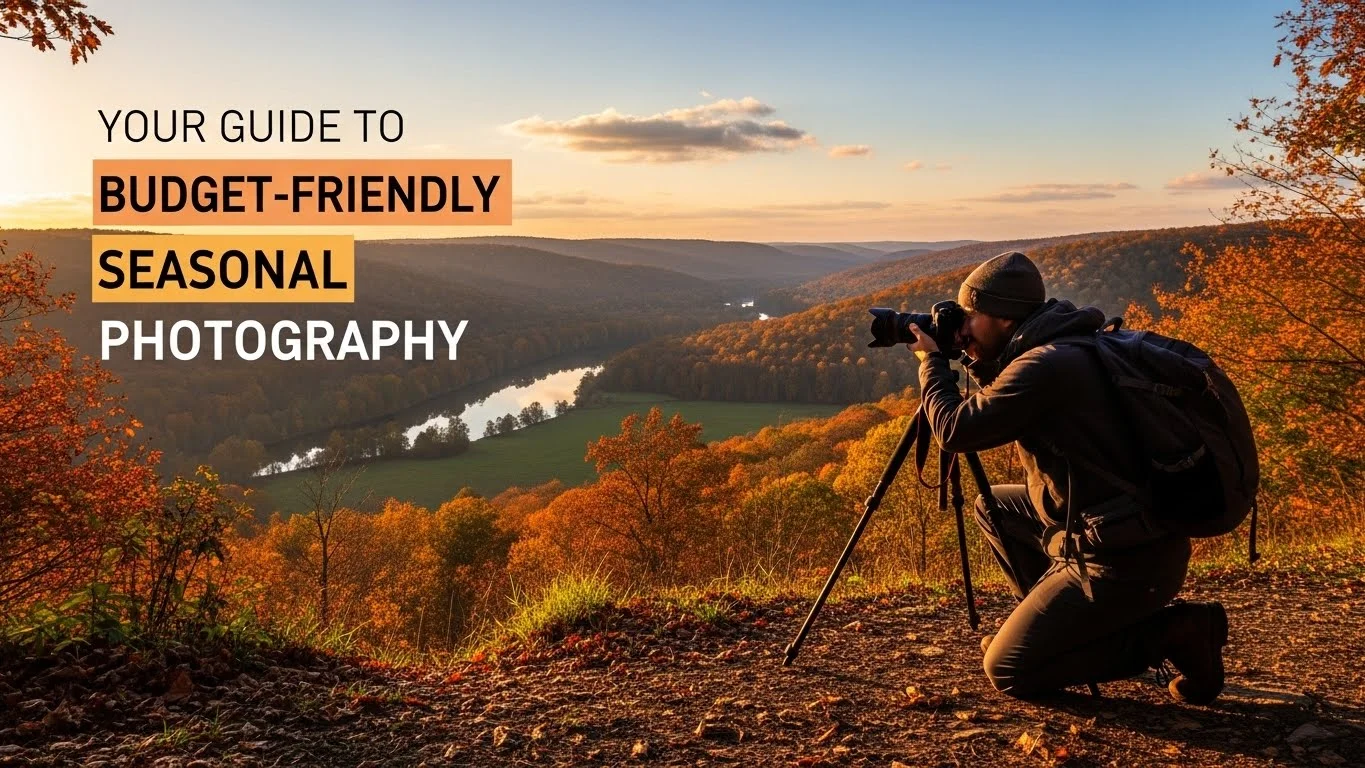
Autumn is like nature’s farewell party before winter sets in. The rich colors of changing leaves create a stunning backdrop for any photograph. I usually plan trips to nearby forests or parks to capture the vibrant oranges, reds, and yellows. I’ve learned that overcast days can actually enhance the colors, making them pop against the gray sky. Plus, I love capturing the crispness of the air in my photos; there’s something about that season that feels nostalgic and warm.
Winter Photography Opportunities
Winter landscape photography presents a unique set of challenges and rewards. The world transforms into a wonderland of white, and capturing that tranquility can be incredibly fulfilling. I often explore local trails covered in snow, where the quiet stillness allows me to connect with nature in a different way. I’ve also found that photographing ice formations and frosted trees can lead to some stunning close-ups. While it can be cold, dressing warmly and being prepared allows me to enjoy the beauty of winter without hesitation.
Budget-Friendly Equipment for Landscape Photography
Camera Options for Beginners
When I first dipped my toes into landscape photography, the camera I chose played a massive role in shaping my experience. I remember feeling overwhelmed by the options available. I decided on a DSLR because I wanted something versatile and capable of capturing high-quality images without breaking the bank. I often recommend entry-level models like the Canon EOS Rebel series or the Nikon D3500. These cameras are user-friendly, and they produce fantastic results while remaining affordable.
If you’re looking for something even more compact, mirrorless cameras have become increasingly popular. They’re lightweight and deliver excellent image quality. I’ve seen friends use models like the Sony Alpha a6000, which is great for beginners and offers flexibility as you grow in your photography journey. Ultimately, choose a camera that feels comfortable in your hands and meets your needs.
Affordable Lenses for Various Seasons
Lenses can be a bit of a tricky investment, but I’ve learned that you don’t need to buy the most expensive ones to get great results. A solid all-around lens is usually a standard zoom lens, like a 18-55mm, which comes with most entry-level cameras. This lens is perfect for spring and summer landscapes, allowing you to capture everything from wide vistas to detailed shots of flowers.
For those autumn colors, I’ve found a 50mm lens to be incredibly useful. It’s affordable, and the sharpness it provides is just stunning. You can create beautiful bokeh effects that really make the colors pop. As for winter, a wide-angle lens (like a 10-18mm) can be magical, helping you capture the vastness of snowy landscapes. Investing in a versatile set of lenses can open up new creative possibilities without stretching your budget too thin.
Tripods: Importance and Budget Choices
A tripod is one piece of equipment I can’t recommend enough. It’s essential for landscape photography, especially when shooting in low light or when using longer exposures. I remember my first few attempts at night photography ended in frustration because my hands weren’t steady enough. Investing in a decent tripod made a world of difference. You don’t need to go for the high-end models; there are plenty of budget-friendly options that still offer stability. Brands like Manfrotto and AmazonBasics have tripods that are sturdy and won’t break your wallet.
When choosing a tripod, consider its weight and height. I usually opt for one that’s lightweight enough to carry on hikes but still sturdy enough for windy days. A good tripod can make all the difference in capturing sharp, beautifully composed images.
Editing Software on a Budget
Once I started taking landscape photos, I quickly realized that editing was an essential part of the process. I remember experimenting with different software options. For those just starting out, I highly recommend free programs like GIMP or Paint.NET. They’re user-friendly and have many features to enhance your images without cost. As I progressed, I found myself gravitating towards Adobe Lightroom, which offers a subscription model that’s still relatively affordable compared to purchasing expensive software upfront.
Lightroom is fantastic for organizing and processing photos, especially for batch editing. I discovered that it allows you to bring out the best in your images, from adjusting colors to fine-tuning exposure. There are also plenty of tutorials available online that can help you learn how to use these tools effectively. I think investing time in editing can elevate your photography and help you achieve the look you envision in your mind’s eye.
Choosing the Right Locations
National Parks and Their Seasonal Beauty
One of my favorite places to explore for landscape photography is our national parks. Each park has its unique charm and changes dramatically with the seasons. I remember visiting Yellowstone in the spring when everything was coming back to life. The wildflowers were in full bloom, and the waterfalls were gushing with snowmelt. It’s like stepping into a different world every time! I recommend checking out parks like Yosemite or the Great Smoky Mountains, as they offer endless opportunities for stunning shots, especially during the peak of each season.
In summer, the parks become vibrant with lush greenery and can be quite crowded, but the stunning vistas make it worth it. I usually wake up early to beat the crowds and capture the serene beauty of the landscapes. The fall is a magical time in national parks, where the colorful foliage creates a spectacular backdrop for photos. I find that even a short hike can lead to breathtaking views, so I always carry my camera while exploring.
Local Parks and Nature Reserves
Sometimes, I’ve found that beauty is just around the corner in local parks or nature reserves. These spots often have hidden gems that can be perfect for photography. I love to visit my nearby conservation areas, especially during the different seasons. In spring, the blooming trees and fresh leaves offer a perfect contrast for vibrant landscape shots. Summer brings lush greenery and opportunities to capture wildlife in their natural habitats, which adds a dynamic element to my photos.
Autumn transforms these local areas into a riot of colors, and I often make it a point to walk the trails with my camera. The reflections in ponds or lakes surrounded by colorful trees can result in stunning images. Even winter, with its stark beauty, can be captured beautifully in these places; I remember one morning when I stumbled upon a frozen pond that looked like glass. It reminded me of how much beauty we can find in our everyday surroundings.
Hidden Gems for Landscape Photography
As I’ve explored more, I’ve discovered that some of the best photography spots are off the beaten path. I love searching for those hidden gems that aren’t crowded with tourists. I’ve come across secluded beaches, quiet forests, and remote hillsides that offer incredible views without the hustle and bustle. I often use local photography groups on social media to find recommendations for unique spots.
One of my favorite hidden spots was an abandoned barn in a field. It was surrounded by wildflowers in the summer, creating a stunning juxtaposition against the rustic structure. I’ve learned that sometimes the most memorable shots come from places that are less known. Exploring these hidden gems not only adds diversity to my portfolio but also leads to incredible adventures!
Urban Landscapes: Finding Beauty in the City
While nature often steals the spotlight in landscape photography, I believe urban landscapes have their own unique beauty. I’ve spent time wandering my city with my camera, capturing the architecture and the way light interacts with buildings. My favorite time to shoot urban landscapes is during golden hour when the warm light enhances the colors and textures of the buildings. I often look for interesting angles or reflections in windows to add depth to my images.
Street photography can also be combined with landscape shots, especially in vibrant neighborhoods. I love capturing bustling streets or tranquil parks in the city, which can tell a story about urban life. Sometimes, I even venture out at night to photograph cityscapes illuminated by streetlights and neon signs. There’s something magical about the city at night that can create dramatic and captivating images.
In my experience, each location offers a chance to explore and express creativity through photography. Whether it’s a national park or a quiet corner of my city, I’ve learned to embrace the beauty around me, capturing the essence of each place and season. So, grab your camera and start exploring—you never know what stunning landscapes await just outside your door!
Timing Your Shots: The Importance of Light
Golden Hour Photography Tips
One of the most magical times for landscape photography is during the golden hour, which is the period shortly after sunrise and just before sunset. I can’t stress enough how much this time enhances the beauty of any scene. The soft, warm light creates a gentle glow that can transform ordinary landscapes into something extraordinary. I love setting my alarm early to capture the dawn light. It requires some effort, but the rewards are incredible. I often find that the early morning calmness allows for a peaceful and reflective shooting experience.
When planning for golden hour, I usually scout my locations beforehand. Knowing where to stand and what to frame can save precious moments when the light is just right. I also recommend using a tripod to ensure stability, especially in low-light conditions. This can help capture sharper images, which is vital when the light is fading quickly. I’ve learned to be patient too; sometimes it takes several tries to get the perfect shot. But when I do, it feels so rewarding!
Understanding Blue Hour
While golden hour is often celebrated, I’ve discovered the beauty of blue hour—the time just before sunrise and just after sunset when the sky takes on a deep, rich blue hue. This moment can add a dramatic flair to landscape photographs. I remember one evening, capturing a lake with mountains in the background. The blue hour created a serene and moody atmosphere, turning the lake into a mirror reflecting the sky.
To make the most of blue hour, I recommend experimenting with longer exposures, allowing you to capture the subtle shifts in light. I often use this time to play with composition and frame my shots creatively, as the light can add depth and dimension. So, if you’re looking to explore beyond the typical golden hour, don’t overlook the magic of blue hour!
Weather Conditions and Their Impact on Photography
Weather can significantly affect landscape photography, and I’ve learned to embrace it rather than shy away from it. Overcast days can be a blessing, softening shadows and creating a uniform light that’s perfect for capturing details. I often find that a foggy morning can add a mystical quality to my photos, especially in forests or along coastlines. The way fog wraps around trees or hills can create a dreamy atmosphere that I absolutely love.
Conversely, dramatic weather such as storms or approaching rain can produce stunning images too. I recall a time when I was caught in a rainstorm while photographing a mountain range. The clouds were dark and heavy, but as the rain cleared, the light broke through, illuminating the peaks in a way that took my breath away. Capturing the power of nature in these moments is something I cherish, and it’s a reminder that sometimes the best shots come when conditions aren’t perfect.
Techniques for Capturing Stunning Seasonal Landscapes
Composition Techniques for Landscape Photography
Composition is crucial in landscape photography, and I’ve learned a few techniques that help me create more engaging images. One of my favorites is the rule of thirds, where I mentally divide my frame into a grid and place the subject along those lines or at their intersections. This technique helps create balance and draws the viewer’s eye into the scene.
Another method I often use is leading lines. Whether it’s a winding path, a river, or a row of trees, lines can guide the viewer through the photo. I remember hiking to a viewpoint where a river snaked through the valley. Framing the river as a leading line brought depth and dimension to my shot, making the landscape feel more inviting.
Using Filters for Enhanced Images
Filters can be a useful tool in landscape photography. I’ve found that polarizing filters are fantastic for reducing glare and enhancing colors, especially on sunny days. They can make the sky appear more vibrant and deepen the blues, making clouds pop against the background. Additionally, neutral density (ND) filters allow me to take longer exposures, which is beneficial for capturing movement, like flowing waterfalls or waves.
Experimenting with filters can elevate my images, but I remind myself that they aren’t necessary to achieve great results. It’s all about understanding how to use light and what looks good in the scene in front of me.
Long Exposure Techniques for Capturing Motion
Long exposure photography is a technique that I’ve come to love, especially for capturing the motion of water or clouds. By using a slower shutter speed, I can create a beautiful, silky effect on flowing water, which adds a sense of tranquility to my landscapes. I remember spending an afternoon at a waterfall, experimenting with different exposures to find the perfect balance between motion and clarity.
To achieve the desired effect, I always use a sturdy tripod and a remote shutter release to prevent camera shake. It’s amazing how patience pays off; sometimes I wait for the perfect moment when the light hits just right or when the water cascades beautifully. The final images are a testament to the beauty of nature and my commitment to capturing it.
Post-Processing on a Budget
Free and Affordable Editing Tools
Editing is an essential part of my photography process, and I’ve found that I can achieve stunning results without spending a lot of money. There are plenty of free tools like GIMP and RawTherapee that offer great features for editing. I often use these programs to make basic adjustments such as cropping, exposure, and color correction. They allow me to enhance my images while keeping costs low.
Basic Editing Techniques for Landscape Photos
When editing my landscape photos, I typically start with basic adjustments. I fine-tune the exposure to ensure it reflects what I saw in person. I also adjust contrast and saturation to bring out the colors that the camera might not have captured perfectly. Sometimes I apply sharpening to make details pop, especially in landscapes where texture is key. I’ve learned that less is often more; subtle edits can enhance an image without making it look overly processed.
Enhancing Seasonal Colors in Post-Processing
One of my favorite aspects of post-processing is enhancing the seasonal colors in my images. I often adjust the hue and saturation to make spring blooms or autumn leaves stand out. For winter scenes, I might increase the cool tones to give the image that chilly, crisp feel. Understanding how to manipulate color can completely change the mood of a photograph, and I’ve grown to appreciate this creative aspect of the process.
Sharing and Selling Your Landscape Photography
Social Media Platforms for Photographers
Sharing my landscape photography on social media has been a game changer. Platforms like Instagram and Facebook allow me to connect with fellow photographers and reach a wider audience. I enjoy posting my images and engaging with others who share my passion. It’s also a fantastic way to receive feedback and learn from others. I’ve found that using relevant hashtags can help my work get noticed and even lead to new opportunities.
Building a Portfolio Website
Creating a portfolio website was one of the best decisions I made for my photography journey. It serves as a central hub for showcasing my work, and I can curate the images I want to share. I often use platforms like Wix or Squarespace, which offer user-friendly templates that don’t require extensive tech skills. A well-organized portfolio can attract clients, and it’s a great way to establish my brand as a photographer.
Low-Cost Print Options for Selling Photos
If you’re interested in selling your landscape photography, I’ve found several low-cost print options that can help get my work out there. Online services like Printful and Redbubble offer print-on-demand services, which means I can sell prints without upfront costs. I love the idea of providing my photos on various products, like canvas prints or phone cases, allowing people to enjoy my work in their everyday lives. Read Interesting article: Explore Budget-Friendly Locations for Wildlife Photography
Final Thoughts
Ultimately, my journey through landscape photography has been a rewarding adventure filled with exploration, creativity, and connection. I believe that capturing the beauty of our world doesn’t have to be expensive; with a little resourcefulness and determination, anyone can create stunning images. Whether you’re just starting or looking to refine your skills, I encourage you to get outside, embrace the seasons, and let your passion guide you. Remember, every photograph tells a story, and I can’t wait to see the stories you’ll capture!
Frequently Asked Questions
What is landscape photography?
Landscape photography is about telling a story through the lens and capturing the essence of a moment in nature. It involves evoking emotions through images, whether it’s the calm of a serene lake at dawn or the vibrant colors of a sunset over the mountains.
Why are seasons important in landscape photography?
Seasons bring a variety of colors and moods to landscapes, each offering unique opportunities for photography. Embracing each season can lead to a diverse portfolio and endless inspiration, allowing photographers to capture everything from blooming flowers in spring to the stark beauty of winter landscapes.
What camera options are recommended for beginners in landscape photography?
For beginners, entry-level DSLR cameras like the Canon EOS Rebel series or the Nikon D3500 are recommended for their versatility and affordability. Mirrorless cameras, such as the Sony Alpha a6000, are also great options for beginners due to their lightweight design and excellent image quality.
What type of lens is best for capturing seasonal landscapes?
A standard zoom lens (like an 18-55mm) is ideal for spring and summer landscapes. For autumn colors, a 50mm lens is useful for its sharpness and bokeh effects. In winter, a wide-angle lens (like a 10-18mm) helps capture the vastness of snowy landscapes.
How can I effectively use tripods in landscape photography?
Tripods are essential for landscape photography, especially in low light or long exposure situations. A good tripod ensures stability and can help capture sharp images. Budget-friendly options are available from brands like Manfrotto and AmazonBasics, providing stability without breaking the bank.
What are some budget-friendly editing software options for photographers?
For editing on a budget, free programs like GIMP or Paint.NET are highly recommended for their user-friendliness and features. As photographers progress, Adobe Lightroom offers an affordable subscription model for organizing and processing photos.
Where are some recommended locations for landscape photography?
National parks like Yellowstone, Yosemite, and the Great Smoky Mountains offer stunning seasonal beauty. Local parks and nature reserves can also provide hidden gems, while urban landscapes present unique opportunities to capture architecture and city life.
What is golden hour and why is it important for landscape photography?
Golden hour is the period shortly after sunrise and just before sunset when the light is soft and warm. This magical time enhances the beauty of landscapes, creating a gentle glow that transforms ordinary scenes into extraordinary images.
How can weather conditions impact landscape photography?
Weather can significantly affect landscape photography. Overcast days can soften shadows and create uniform light, while dramatic weather like storms can produce stunning images. Embracing various weather conditions can lead to unique and powerful photographs.
What are some ways to share and sell landscape photography?
Photographers can share their work on social media platforms like Instagram and Facebook to connect with others and receive feedback. Creating a portfolio website using platforms like Wix or Squarespace can help showcase their work, and online print-on-demand services like Printful and Redbubble allow for selling prints without upfront costs.