
Embarking on a solo travel adventure is exhilarating, yet packing can feel overwhelming. Having the right essentials not only enhances your experience but also ensures your safety and comfort on the road. For more insights, check out Top 10 Packing Tips for Solo Backpacking Adventures.
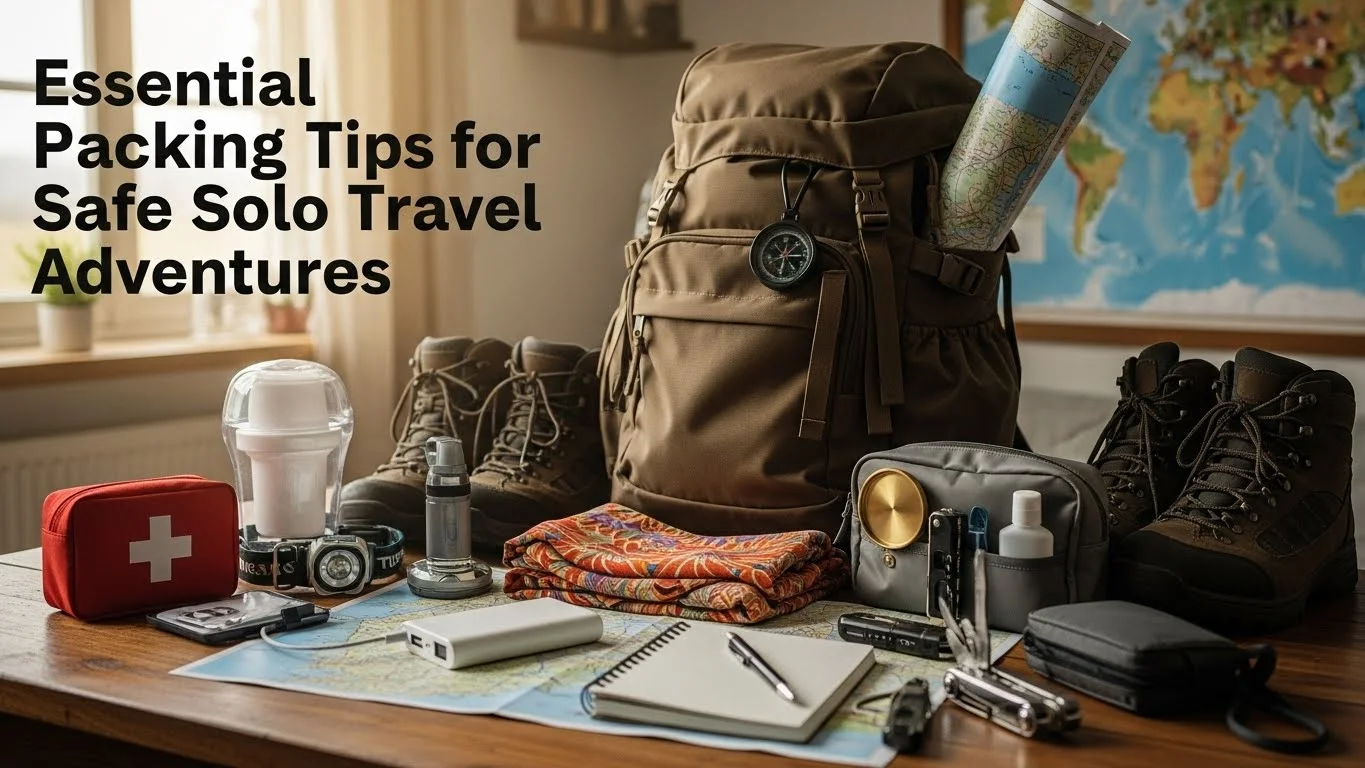
Understanding the Importance of Packing for Solo Travel
When I first started traveling alone, I quickly learned that packing is more than just throwing clothes into a suitcase. It’s a vital part of the travel experience that directly influences our safety and enjoyment throughout the journey. The way we pack can determine how well we adapt to different situations and environments. For me, packing became a ritual that helped ease my travel anxiety and set the tone for the adventures to come.
The Role of Packing in Travel Safety
One of the biggest lessons I’ve learned from my travels is that packing smart enhances my safety. It’s crucial to have all the necessary items on hand to respond to unexpected situations. Imagine being in a foreign city and needing a first aid kit but finding it buried under a pile of clothes. I’ve been there, and it’s not a fun scenario. By organizing my packing list and ensuring I have safety items easily accessible, I feel more in control when exploring new places.
For instance, I always pack a basic first aid kit, which includes band-aids, antiseptic wipes, and pain relievers. This not only gives me peace of mind but also allows me to handle minor injuries without seeking help immediately. Additionally, I make sure to keep my emergency contact information in an easily accessible spot, so I can act quickly if needed.
Benefits of Packing Light
Over the years, I’ve also realized that packing light is a game changer. When I traveled with heavy luggage, I often felt weighed down, both physically and mentally. It’s liberating to move around easily without dragging a suitcase everywhere. I remember one trip where I had to navigate a crowded train station. With just a small backpack, I felt agile and free, allowing me to focus on the adventure instead of my baggage.
Packing light also encourages creativity in my wardrobe choices. I’ve learned to mix and match essentials, making it easier to adapt to different environments without needing a vast array of clothing. My go-to strategy is to choose versatile pieces that can be dressed up or down and layered for varying temperatures. This way, I have fewer items, but I still feel stylish and comfortable throughout my travels. For budget-conscious travelers, I recommend checking out Budget Backpacking Tips for the Savvy Solo Traveler.
Essential Packing List for Solo Travelers
Now that we understand the importance of packing, let’s dive into the essentials every solo traveler should consider. Having a well-thought-out packing list can make a huge difference in your travel experience.
Clothing Essentials
When I think about clothing for my trips, I prioritize comfort and versatility. I usually opt for lightweight, breathable fabrics that can handle different weather conditions. Here’s my go-to list of clothing essentials:
- 2-3 Tops: I prefer a mix of short and long sleeves.
- 1-2 Pairs of Pants: One casual pair and one dressier option work well.
- 1-2 Dresses: Perfect for versatility and can be easily dressed up or down.
- Lightweight Jacket: A packable rain jacket or windbreaker is essential.
- Underwear and Socks: 5-7 pairs should suffice for a week-long trip.
I always make sure my clothing choices align with the destination’s climate. If I’m heading somewhere warm, I stick with lighter fabrics, while colder destinations require layering options. I’ve learned the hard way that being unprepared for the weather can put a damper on my plans.
Footwear: Choosing the Right Shoes
Footwear is another critical aspect of my packing strategy. I can’t stress enough how much the right shoes can impact your travel experience. I usually pack two pairs: one comfortable pair for walking and exploring, and another pair that’s a bit dressier for evenings out. I remember a trip where I only brought one pair of shoes. By the end of the week, my feet were sore, and I wished I had made better footwear choices!
When choosing shoes, I look for options that provide good support and are easy to clean. I’ve found that breathable materials are best for keeping my feet comfortable during long days of exploration. Investing in a good pair of walking shoes has always paid off for me.
Travel Accessories
Travel accessories might seem trivial, but they can make a world of difference. For me, packing a reusable water bottle is a must. Staying hydrated while traveling can be a challenge, and having my own bottle helps me save money and reduce waste. I also carry a travel pillow, especially for long flights or bus rides. It’s a simple addition that has improved my comfort immensely.
- Reusable Water Bottle
- Travel Pillow
- Daypack: Great for daily excursions and carrying essentials.
- Travel Umbrella: A must-have for unpredictable weather.
These accessories not only improve my day-to-day travel experience but also make me feel prepared for whatever comes my way.
Toiletries: What to Bring and What to Leave
When it comes to toiletries, I’ve learned to pack only the essentials. I like to keep it simple, usually opting for travel-sized containers to save space. Here’s what I typically include:
- Toothbrush and Toothpaste
- Travel-sized Shampoo and Conditioner
- Body Wash
- Deodorant
- Skincare Basics: Sunscreen and moisturizer are non-negotiable.
I’ve found that many accommodations provide basic toiletries, so it’s wise to check ahead. This way, I can avoid packing unnecessary items and lighten my load even more.
Electronics and Gadgets
Last but not least, I can’t forget about electronics. Staying connected while traveling is important for safety and convenience. My must-haves include:
- Smartphone: For navigation, communication, and capturing memories.
- Charger and Portable Battery Pack: To ensure my devices are always powered up.
- Adaptors: Depending on the country, having the right plug adaptor is crucial.
I also carry a lightweight laptop or tablet to document my travels and keep in touch with family. I’ve experienced times when I wished I had these gadgets handy, especially when planning my next destination or needing to book accommodations on the go.
By following these packing tips and keeping my list organized, I feel confident heading off on my solo adventures. Each trip presents new opportunities, and I’ve learned that the way I pack can significantly influence my experience. As I continue to explore the world, I’m excited to share more insights on packing strategies and essentials that have worked for me. Additionally, for more tips, check out Solo Backpacking Tips: Travel Smart and Save Money.
Safety Gear for Solo Travelers
Travel Insurance: Why It’s Crucial
When I started traveling solo, I didn’t think much about travel insurance. It felt like an unnecessary expense. However, as I delved deeper into my adventures, I quickly realized its importance. Travel insurance provides a safety net that can protect us from unexpected events—like flight cancellations, medical emergencies, or lost belongings. I remember a time when my luggage went missing on a trip, and having insurance eased my worries about replacing essential items.
Choosing the right travel insurance can be overwhelming, but I found it helpful to look for plans that cover emergency medical expenses and trip cancellations. I always read reviews and compare different policies to find one that fits my needs. I feel much more secure knowing that, should something go wrong, I have support. It’s a small investment for peace of mind during my travels.
Emergency Contact Information
One of the first things I do before any trip is create an emergency contact list. I include important phone numbers, such as local emergency services, the nearest embassy or consulate, and contacts back home. I keep this information in a variety of places—stored on my phone, printed out in my travel wallet, and even tucked in my luggage. This way, if I find myself in a tight spot, I can act quickly.
Additionally, I make sure my family and friends know my itinerary, including where I’ll be staying and significant travel dates. It’s comforting to have them in the loop, and it adds another layer of safety. In today’s digital age, sharing my location with someone I trust is another effective way to keep connected while traveling solo.
Personal Safety Devices
Personal safety devices have become essential in my solo travel toolkit. I’ve invested in a few items that provide peace of mind, such as a whistle, pepper spray, and a personal alarm. These tools are small and lightweight, so they don’t add much to my packing load, but they can be invaluable in a pinch.
I remember one time when I felt uneasy walking back to my hotel late at night. I had my personal alarm on hand, and just knowing it was there made me feel more secure. It’s a simple device that can deter potential threats and draw attention if needed. While I hope I never have to use these devices, having them offers reassurance that I’m prepared for any situation.
First Aid Kit Essentials
Putting together a first aid kit is one of the most practical steps I’ve taken for my solo travels. I’ve learned that the right supplies can make a huge difference in minor accidents. My first aid kit typically includes adhesive bandages, antiseptic wipes, pain relievers, and any personal medications I might need. I also pack items like blister pads and anti-nausea medication, especially for longer trips where I might be more susceptible to discomfort.
Whenever I restock my first aid kit, I take a moment to review what I’ve used in previous travels. This helps me tailor it to my needs and ensures I’m not overpacking unnecessary items. I also make sure my kit is easily accessible in my bag so that I can quickly grab it when needed. Having these supplies on hand allows me to handle minor mishaps without needing to rush to a pharmacy or clinic.
Smart Packing Techniques
Rolling vs. Folding Clothes
As I refined my packing skills, I discovered the age-old debate of rolling vs. folding clothes. Personally, I’ve found rolling to be my preferred method. Not only does it save space, but it also helps minimize wrinkles. I remember the first time I rolled my clothes for a trip; I was amazed at how much I could fit into my suitcase while keeping everything organized.
When I roll my clothes, I ensure that I start with the larger pieces and work my way to smaller items, which creates a sort of “clothing burrito.” It’s fun, and it’s become a ritual I look forward to. Plus, I can easily see everything I packed without digging through layers of folded clothing.
Using Packing Cubes
In my quest for better organization, I came across packing cubes, and they’ve changed how I pack. These cubes allow me to compartmentalize my items, making it easier to find things without unpacking my entire bag. I typically use one cube for tops, another for bottoms, and a smaller one for accessories. This system not only keeps my luggage neat but also helps me maximize space.
I initially hesitated to invest in packing cubes, thinking they might be an unnecessary expense. However, after using them, I can confidently say they’re worth it. I love how they help me stay organized and make it simple to switch between destinations without a hassle.
Maximizing Space in Your Luggage
Maximizing space is an art form, and I’ve learned several tricks over the years. One of my favorites is to stuff smaller items, like socks or chargers, inside my shoes. This not only saves space but also helps maintain the shape of my shoes while in transit. I also make use of every nook and cranny in my luggage, including pockets and compartments.
Another technique I use is to pack heavier items, like shoes and toiletries, at the bottom of my suitcase. This keeps my bag balanced and makes it easier to carry. I also try to leave a bit of room for souvenirs I might pick up along the way. Each trip is a new opportunity to collect memories, and I want to make sure I have space for them!
How to Choose the Right Luggage for Solo Travel
Backpacks vs. Suitcases
Choosing the right luggage has been a significant factor in my travel experience. I’ve experimented with both backpacks and suitcases, and I can honestly say each has its advantages. Backpacks are my go-to for a lot of reasons. They allow for hands-free travel, which is fantastic when navigating crowded places or hopping on and off public transport. I remember one trip where I had to make a quick transfer between trains, and having my backpack on made it so much easier to maneuver through the station.
On the other hand, I’ve also appreciated the organized space of a suitcase. When I travel for longer periods or to destinations with less mobility, a suitcase can provide more structure and ease of access. I often use a suitcase when I know I’ll be staying in one place for a while, as it allows me to unpack easily without rummaging through a backpack. Ultimately, I’ve found that the choice between a backpack and a suitcase depends on the type of trip I’m taking and how much I plan to move around.
Durability and Weight Considerations
Durability and weight are critical factors I consider when selecting luggage. I’ve learned the hard way that lightweight luggage can save a lot of hassle, especially when navigating airport terminals or city streets. I remember dragging a heavy suitcase through cobblestone streets in Europe, and it was exhausting! Now, I always opt for luggage that is both lightweight and sturdy. Materials like nylon or polycarbonate have served me well because they strike a good balance between durability and weight.
It’s also important to think about how much wear and tear my luggage will face. I’ve had suitcases that fell apart after just a few trips, so I make it a point to invest in quality brands known for their reliability. Additionally, checking reviews has helped me find options that last longer and withstand the rigors of travel. I believe that investing in good luggage pays off in the long run, making my travel experience more enjoyable.
Security Features in Luggage
In today’s world, security features in luggage are more crucial than ever. I’ve become more aware of how important it is to keep my belongings safe while traveling. I look for luggage with lockable zippers or built-in TSA locks, which give me peace of mind when I’m away from my bags. There was a time when I felt uneasy leaving my luggage unattended, but knowing I have secure options allows me to relax a bit more.
I also appreciate luggage that has RFID-blocking compartments. With identity theft on the rise, having my passport and cards protected is a priority for me. I remember reading about someone who had their information stolen while traveling, and it made me realize how essential these features can be. I feel much better equipped for solo travel with luggage designed to keep my items safe.
Tech Tips for Solo Travelers
Apps for Packing and Travel Organization
As I dove deeper into the world of solo travel, I discovered a plethora of apps that help streamline the packing process and keep my travels organized. One of my favorites is a packing list app that lets me create custom lists. I use it to keep track of what I’ve packed and what I still need. This way, I don’t have to rely on memory alone, which can be tricky when preparing for a trip.
Additionally, I’ve found apps that help with itinerary management invaluable. They allow me to pull together all my reservations in one place, making it easy to access important information on the go. I remember one time while traveling in a foreign city; my itinerary was all in one app, and I could quickly find my hotel address and transport options without flipping through papers or emails. It’s a game changer for solo travelers who want to stay organized!
Staying Connected: Mobile Plans and Wi-Fi Options
Staying connected while traveling solo is vital for both safety and convenience. I’ve learned that having a reliable mobile plan can save me a lot of headaches. I often opt for local SIM cards when I arrive at my destination, as they usually provide better rates for data and calls. I remember the first time I didn’t do this and ended up with exorbitant roaming charges. Now, I do my research ahead of time to find the best options available.
Wi-Fi is another aspect I can’t overlook. I make a habit of downloading maps and important information before heading out for the day, just in case I can’t find a reliable connection. Many places offer free Wi-Fi, but I’ve also invested in a portable Wi-Fi hotspot for times when I need to ensure I’m connected. This way, I can stay in touch with family and friends and access vital information whenever I need it.
Portable Chargers and Power Banks
Portable chargers and power banks have become essential companions on my solo journeys. I can’t tell you how many times my phone battery has died while I was out exploring. Having a power bank on hand gives me the freedom to use my phone without worrying about running out of juice. I usually carry a lightweight, high-capacity charger that can recharge my devices multiple times in a day.
There was one memorable day when I was out and about for over twelve hours. My phone was my lifeline for navigation and communication, and having that power bank meant I could keep using it without stress. I recommend finding a power bank that’s compact enough to fit in your daypack but powerful enough to give you the boost you need when you’re on the go. It’s a small piece of tech that makes a big difference!
Frequently Asked Questions
Why is packing important for solo travel?
Packing is crucial for solo travel as it directly influences safety and enjoyment throughout the journey. It helps travelers adapt to different situations and environments, easing travel anxiety and setting the tone for the adventure.
What are the benefits of packing light?
Packing light allows for easier movement and less mental burden, making it liberating to navigate crowded places without heavy luggage. It also encourages creativity in wardrobe choices, promoting the use of versatile pieces that can be easily mixed and matched.
What should be included in a solo traveler’s packing list?
A solo traveler’s packing list should include clothing essentials like tops, pants, dresses, a lightweight jacket, and sufficient underwear and socks. Footwear, travel accessories, toiletries, and electronics should also be considered to enhance comfort and convenience during the trip.
What kind of footwear is recommended for solo travelers?
It is recommended to pack two pairs of shoes: one comfortable pair for walking and exploring, and another dressier pair for evenings out. Shoes should provide good support and be easy to clean for maximum comfort during long days of exploration.
What travel accessories are essential for solo travelers?
Essential travel accessories for solo travelers include a reusable water bottle, travel pillow, daypack for daily excursions, and a travel umbrella for unpredictable weather. These items enhance the travel experience and help travelers feel prepared for various situations.
What toiletries should a solo traveler pack?
A solo traveler should pack essential toiletries, including a toothbrush and toothpaste, travel-sized shampoo and conditioner, body wash, deodorant, and skincare basics like sunscreen and moisturizer. It’s wise to check accommodations for provided items to avoid overpacking.
Why is travel insurance important for solo travelers?
Travel insurance is important as it provides a safety net for unexpected events, such as flight cancellations, medical emergencies, or lost belongings. It offers peace of mind and financial protection during travels.
What safety measures should solo travelers consider?
Solo travelers should create an emergency contact list, invest in personal safety devices (like a whistle or personal alarm), and assemble a well-stocked first aid kit. These measures enhance safety and preparedness while traveling alone.
What packing techniques can help maximize space?
Techniques to maximize packing space include rolling clothes instead of folding them, using packing cubes for organization, and stuffing smaller items inside shoes. Packing heavier items at the bottom of the suitcase helps maintain balance and makes for easier transportation.
How can technology assist solo travelers in their packing and organization?
Technology can assist solo travelers through apps for creating custom packing lists and managing itineraries in one place. Staying connected with reliable mobile plans and portable chargers ensures access to important information and communication while on the go.