Web Analytics

Recent Posts

Top 10 Sustainable Community Destinations for Backpackers

Traveling sustainably is not just a trend; it’s a way to explore our planet while respecting its beauty. For backpackers, seeking out eco-friendly destinations is a rewarding journey that connects us to communities and cultures. To enhance your sustainable travel experience, explore community-based tourism for eco-friendly travel tips.

Top 10 Sustainable Community Destinations for Backpackers

Understanding Sustainable Travel

What is Sustainable Travel?

Sustainable travel is about making choices that minimize our impact on the environment and support local communities. It means choosing eco-friendly accommodations, participating in conservation efforts, and being mindful of how our presence affects the places we visit. Personally, I’ve found that embracing sustainable travel has deepened my experiences, allowing me to connect more authentically with the destinations I explore.

The Importance of Sustainable Tourism

As travelers, we have a responsibility to protect the places we love to visit. Sustainable tourism helps preserve natural resources, supports local economies, and fosters an appreciation for cultural heritage. I remember visiting a small village where tourism had just begun to flourish. The pride in the locals’ eyes as they shared their traditions was something I’ll never forget. Sustainable tourism plays a crucial role in ensuring that these experiences can continue for future generations.

Backpacking and Sustainability: A Perfect Match

Backpacking, by its nature, is often more sustainable than traditional travel. We tend to seek out local experiences, use public transport, and stay in small guesthouses or hostels. I’ve found that backpacking allows us to immerse ourselves in different cultures while being conscious of our environmental footprint. It’s about connecting with the land, the people, and the stories that make each destination unique. I’ve had countless adventures, from hiking in the mountains to learning local crafts in workshops, all while ensuring my journey supports the places I visit. To ensure you travel sustainably, consider sustainable transport options for green travelers.

Criteria for Selecting Sustainable Community Destinations

Environmental Practices

When looking for sustainable community destinations, I prioritize places that practice environmental conservation. This can include waste reduction efforts, renewable energy use, and protecting natural habitats. For instance, I once visited a town that had a zero-plastic policy. It was inspiring to see how the community came together to create a cleaner environment, and it motivated me to adopt similar practices back home.

Community Engagement

Engagement with the local community is another key factor. I love destinations that promote local participation in tourism. Workshops, guided tours, and community events allow travelers and locals to connect and learn from each other. In my travels, I’ve participated in community clean-up days and cultural exchange programs, which not only enriched my experience but also helped the locals thrive.

Local Economy Support

Supporting the local economy is so important. I always choose to eat at local eateries, shop at markets, and stay in locally-owned accommodations. I remember enjoying a meal at a small family-run café in a remote village, where the owner shared stories about the region’s history while serving delicious homemade dishes. Supporting local businesses helps create jobs and keeps the community vibrant.

Cultural Preservation

Cultural preservation is something I deeply value. I seek destinations that actively promote their heritage, allowing travelers to learn and appreciate local traditions. I’ve attended traditional festivals and cultural performances that not only entertained but also educated me about the local customs. It’s a beautiful way to honor and support the unique identities of each community I visit.

Top 10 Sustainable Community Destinations

1. Ubud, Bali, Indonesia

Overview of Ubud

Ubud is often referred to as the cultural heart of Bali. Nestled among lush rice paddies and steeped in art and spirituality, it’s a haven for those seeking a deeper connection to nature and local culture. I remember walking through the vibrant streets, feeling the energy of creativity all around.

Sustainable Practices in Ubud

The community in Ubud is dedicated to sustainability. Many accommodations have adopted eco-friendly practices, such as using solar energy and minimizing plastic waste. I stayed in a guesthouse that sourced its food from local organic farms, providing fresh produce while supporting the community.

Top Attractions

Must-visit spots include the Tegalalang Rice Terrace, where you can enjoy stunning views while learning about rice cultivation. The Ubud Monkey Forest offers a chance to see the local wildlife, and there are numerous art galleries showcasing Balinese artists. Each experience felt like a journey into the heart of Balinese culture.

Local Cuisine

Don’t miss trying traditional dishes like Nasi Campur and Sate Lilit. I loved visiting local warungs where I could taste authentic flavors and meet the friendly chefs who prepared my meals. The food in Ubud not only satisfies your taste buds but also connects you to the land and its people.

2. Tulum, Mexico

Overview of Tulum

Tulum is a magical place where the jungle meets the Caribbean Sea. It’s known for its beautiful beaches, ancient Mayan ruins, and a laid-back vibe that makes you feel at home right away. I remember arriving there and being struck by the stunning turquoise waters and the lush greenery surrounding everything. Tulum has this unique blend of natural beauty and rich history that I just couldn’t get enough of.

Sustainable Practices in Tulum

The local community in Tulum is incredibly focused on sustainability. Many establishments are committed to eco-friendly practices, such as using renewable energy and supporting local farmers. I stayed at a boutique hotel that was built with sustainability in mind, featuring local materials and solar panels. It was heartwarming to see how the community works together to reduce their environmental impact, and it inspired me to think about how I can do the same at home.

Top Attractions

When in Tulum, visiting the Tulum Ruins is a must. Perched on a cliff overlooking the sea, the ancient Mayan structures are awe-inspiring. I spent hours exploring the site, soaking in the history, and appreciating the breathtaking views. Additionally, the cenotes (natural sinkholes) around Tulum are perfect for a refreshing swim. I found myself swimming in a cenote surrounded by stunning rock formations, feeling like I had stepped into another world. Each attraction offers a chance to connect with nature and history, making my visit truly unforgettable.

Local Cuisine

The food scene in Tulum is vibrant and delicious. I loved dining at local eateries where the emphasis is on fresh, organic ingredients. One of my favorite meals was at a beachside restaurant where I tried ceviche made from freshly caught fish. The flavors were incredible, and I enjoyed chatting with the owner about his fishing practices and how he supports local fishermen. Tasting the local cuisine was not just about food; it was an experience that connected me to the culture and the community.

3. Chiang Mai, Thailand

Overview of Chiang Mai

Chiang Mai, nestled in the mountains of Northern Thailand, is a city rich in culture and tradition. The ancient temples and bustling markets create a vibrant atmosphere that I found enchanting. When I visited, I was struck by the kindness of the locals and the sense of community that permeated the air. It’s no wonder that Chiang Mai is often referred to as the cultural capital of Thailand.

Sustainable Practices in Chiang Mai

The commitment to sustainability in Chiang Mai is evident everywhere. Many guesthouses focus on eco-friendly practices, such as using biodegradable products and reducing waste. I stayed in a charming eco-lodge that not only offered comfortable accommodations but also promoted local artisans. It was refreshing to see how businesses prioritize the environment while providing unique experiences for travelers.

Top Attractions

In Chiang Mai, I highly recommend visiting the Doi Suthep-Pui National Park. The hike to Wat Phra That Doi Suthep, a stunning temple located on the mountain, was one of my highlights. The panoramic views of the city below made the trek worthwhile. I also enjoyed wandering through the Sunday Walking Street Market, sampling local street food, and buying handmade crafts from local artisans. Each experience felt like a celebration of Chiang Mai’s rich heritage and community spirit.

Local Cuisine

Chiang Mai’s food scene is a treasure trove of flavors. I was particularly drawn to Khao Soi, a coconut curry noodle soup that is a specialty of the region. I found a cozy local restaurant where I could enjoy a steaming bowl while chatting with the owner about her family’s recipes. Eating in Chiang Mai was not just about satisfying hunger; it was an opportunity to learn and connect with the local culture.

4. Ljubljana, Slovenia

Overview of Ljubljana

Ljubljana, the charming capital of Slovenia, is like stepping into a fairytale. With its picturesque architecture, lush green spaces, and friendly atmosphere, it’s a city that captures the heart. I remember strolling along the Ljubljanica River, enjoying the vibrant street life and the stunning views of the castle perched on the hill. It felt like a hidden gem waiting to be explored.

Sustainable Practices in Ljubljana

The commitment to sustainability in Ljubljana is inspiring. The city has been recognized as a green capital, with initiatives aimed at reducing carbon emissions and promoting eco-friendly transportation. I loved exploring the city on foot and using public transport, which made my travels not just enjoyable but also responsible. The locals take pride in maintaining their green spaces, and I could see the community’s efforts in action as they participated in various environmental projects.

Top Attractions

While in Ljubljana, don’t miss out on the Ljubljana Castle, where you can enjoy breathtaking views over the city. The Central Market is another highlight, offering fresh produce and local delicacies. I enjoyed sampling locally-made cheeses and chatting with the friendly vendors, who were eager to share their stories. Every corner of Ljubljana felt alive with culture and community.

Local Cuisine

The local cuisine in Ljubljana is a delightful fusion of flavors. I was particularly drawn to traditional dishes like Štruklji, rolled dough filled with various fillings. Dining at a local restaurant allowed me to taste authentic Slovenian flavors while connecting with the passionate chefs who prepared them. It’s these culinary experiences that truly bring a destination to life.

5. Cape Town, South Africa

Overview of Cape Town

Cape Town is one of the most stunning cities I’ve ever visited. Nestled between the iconic Table Mountain and the sparkling Atlantic Ocean, it offers breathtaking views at every turn. I remember arriving and being instantly captivated by its natural beauty and vibrant culture. The blend of stunning landscapes, rich history, and diverse communities makes Cape Town a unique destination that beckons travelers from all over the world.

Sustainable Practices in Cape Town

The city has made significant strides toward sustainability. Many businesses focus on environmental responsibility, from restaurants to hotels. I stayed at a boutique hotel that emphasized green initiatives, such as water conservation and energy efficiency. One of my favorite experiences was visiting local vineyards that practice organic farming. I learned about their efforts to protect the environment while producing world-class wines. It was inspiring to see how the local community works towards sustainability and how visitors can support these efforts.

Top Attractions

When in Cape Town, the Table Mountain National Park is a must-visit. I took the cable car up to the summit, and the panoramic views were nothing short of breathtaking. Hiking trails abound, offering a chance to explore the diverse flora and fauna. Another highlight was visiting the Cape of Good Hope, where I marveled at the stunning cliffs and the meeting point of two oceans. I also enjoyed strolling through the Bo-Kaap neighborhood, famous for its colorful houses and rich cultural heritage. Each attraction allowed me to connect with the natural beauty and history of the area.

Local Cuisine

Cape Town’s culinary scene is a delightful fusion of flavors, influenced by its diverse cultural background. I loved trying local dishes like bobotie and biltong at small eateries and food markets. One of my favorite meals was at a food stall in the Old Biscuit Mill, where I enjoyed fresh ingredients sourced from local farmers. Dining here was not just about the food; it felt like participating in a community celebration, where stories were shared and connections were made.

6. Reykjavik, Iceland

Overview of Reykjavik

Reykjavik, the capital of Iceland, is a city like no other. With its striking architecture, laid-back atmosphere, and proximity to nature, it quickly stole my heart. I remember wandering the colorful streets, where every corner had a story to tell, from the stunning Hallgrímskirkja church to the bustling Harpa Concert Hall. The friendly locals and their passion for sustainability made my visit even more special.

Sustainable Practices in Reykjavik

The commitment to sustainability in Reykjavik is impressive. The city uses geothermal energy for heating, which is both eco-friendly and efficient. I learned that many businesses prioritize local and organic products. I stayed at a hotel that implemented waste reduction initiatives and offered fresh, locally-sourced breakfast options. It felt great to support a community that values environmental stewardship.

Top Attractions

Visiting the Blue Lagoon was a highlight of my trip. Soaking in the geothermal waters surrounded by a lava field was a surreal experience. I also explored the Golden Circle, where I witnessed the stunning Gullfoss waterfall and the geysers of Haukadalur. Each natural wonder reminded me of the raw beauty of Iceland’s landscape. Don’t forget to take a walk along the waterfront, where I enjoyed the crisp air and views of the mountains.

Local Cuisine

The food in Reykjavik is a delightful mix of traditional Icelandic dishes and modern cuisine. I tried fresh seafood at a quaint restaurant, where the chef shared his passion for sustainability and local sourcing. The lamb soup was another favorite of mine, warming me up on chilly evenings. Meals in Reykjavik are not just about nourishment; they are a celebration of local culture and the incredible ingredients that the land and sea provide.

7. Porto, Portugal

Overview of Porto

Porto, known for its stunning bridges and port wine, is a city that captured my heart with its charm. I remember walking along the Douro River, taking in the picturesque views of the colorful buildings and the bustling atmosphere. The city is steeped in history, and every street felt like a journey through time.

Sustainable Practices in Porto

Porto is making strides in sustainable tourism. Many restaurants focus on farm-to-table concepts, sourcing ingredients from local producers. I had the pleasure of dining at a small bistro that emphasized organic ingredients and seasonal menus. The commitment to sustainability was evident everywhere I went, from eco-friendly accommodations to community-supported agriculture initiatives.

Top Attractions

A visit to Porto wouldn’t be complete without exploring the Livraria Lello, one of the most beautiful bookstores in the world. I spent hours admiring the stunning architecture and browsing the shelves. The Ribeira District offers a vibrant atmosphere filled with street performers and local markets, making it the perfect spot to soak in the culture. I also enjoyed a wine tour at a local vineyard, where I learned about the winemaking process and had the chance to taste some exceptional port wines.

Local Cuisine

The food scene in Porto is rich and diverse. I indulged in traditional dishes like Francesinha, a hearty sandwich that’s a local favorite. I found a cozy tavern where the owner shared his family recipe, making the meal even more special. Eating in Porto was not just about the flavors; it was about connecting with the history and stories that each dish carries.

8. Medellín, Colombia

Overview of Medellín

Medellín, once known for its turbulent past, has transformed into a vibrant city full of life and culture. I was amazed by the warm hospitality of the locals and the city’s commitment to innovation and sustainability. The transformation of public spaces and community engagement projects made me feel hopeful about the future. Each neighborhood had its unique vibe, and I loved exploring them all.

Sustainable Practices in Medellín

The city is dedicated to sustainable development. Public transportation is efficient and eco-friendly, making it easy to get around. I enjoyed using the Metrocable, a cable car system that connects the hillside communities to the city center. Many local businesses focus on sustainability, and I was impressed by the community gardens and initiatives promoting local produce.

Top Attractions

While in Medellín, I highly recommend visiting the Comuna 13 neighborhood. The street art and murals tell powerful stories of resilience and hope. I joined a guided tour that not only showcased the art but also highlighted the community’s journey. I also visited Plaza Botero, where I marveled at the oversized sculptures by artist Fernando Botero. Each attraction gave me a deeper appreciation for the city’s rich culture and history.

Local Cuisine

Medellín’s culinary scene is a delightful mix of traditional Colombian flavors. I tried bandeja paisa, a hearty dish that embodies the region’s flavors. Dining at local eateries allowed me to connect with the chefs and learn about their culinary traditions. The experience of sharing a meal with locals was not just about the food; it was about building connections and understanding the culture.

9. Asheville, North Carolina, USA

Overview of Asheville

Asheville is a hidden gem in the Appalachian Mountains, known for its vibrant arts scene and stunning natural beauty. I remember arriving and being enveloped by the charm of the historic downtown and the surrounding landscape. The city has a rich history and a welcoming spirit that makes it feel like home.

Sustainable Practices in Asheville

The commitment to sustainability in Asheville is evident in its community-driven initiatives. Many local businesses focus on eco-friendly practices, from sustainable farming to green building. I enjoyed staying at an eco-conscious hotel that emphasized energy efficiency and local sourcing for their breakfast. The city’s focus on sustainability made my visit feel responsible and fulfilling.

Top Attractions

In Asheville, I highly recommend visiting the Biltmore Estate, a magnificent mansion surrounded by beautiful gardens. The Blue Ridge Parkway offers breathtaking views and countless hiking trails, providing a perfect escape into nature. I also loved exploring the local art galleries and studios that showcase the creativity of the community.

Local Cuisine

The food scene in Asheville is a true highlight. I indulged in farm-to-table experiences at local restaurants, where the chefs create dishes that celebrate the region’s flavors. One of my favorite meals included locally sourced vegetables and meats, paired with craft beer from nearby breweries. Eating in Asheville felt like a celebration of the land and its people.

10. Vancouver, Canada

Overview of Vancouver

Vancouver is a city that seamlessly blends urban living with stunning natural landscapes. I remember being in awe of the mountains framing the city and the waterfront views that surrounded me. The vibrant mix of cultures and outdoor activities makes Vancouver an exciting destination for any traveler.

Sustainable Practices in Vancouver

The city is committed to sustainability, with initiatives aimed at reducing carbon footprints and promoting green spaces. I loved exploring the city on foot and using public transit, which made my travels not only enjoyable but also eco-friendly. Many local restaurants focus on sustainability, sourcing ingredients from local farms, and I was thrilled to support these efforts during my visit.

Top Attractions

While in Vancouver, don’t miss Stanley Park, where I enjoyed biking along the seawall and taking in the beautiful views of the city and ocean. Granville Island is another must-visit, with its bustling market filled with local artisans and fresh produce. I also explored the Capilano Suspension Bridge Park, where I walked among the treetops and learned about the local ecosystem.

Local Cuisine

The culinary scene in Vancouver is incredibly diverse. I loved trying fresh seafood, particularly at the local fish markets and restaurants. One of my favorite meals was a sushi platter made with fish caught only hours earlier. Dining in Vancouver was not just about the food; it was an opportunity to connect with the local culture and the stunning landscapes that surround the city.

Travel Tips for Backpackers

How to Travel Sustainably

Traveling sustainably is about making mindful choices that positively impact the environment. I recommend researching your destinations and looking for eco-friendly accommodations, supporting local businesses, and minimizing waste during your travels. Simple actions like carrying a reusable water bottle and shopping with a reusable bag can make a significant difference.

Budgeting for Sustainable Travel

Budgeting for sustainable travel is essential, and I’ve learned that it doesn’t have to be expensive. I often find that local eateries and markets are more affordable than touristy restaurants. Planning your activities around free or low-cost options, like hiking or exploring local parks, can help stretch your budget while allowing you to experience the destination authentically. For more ideas, check out the top sustainable transportation options for eco-travelers.

Essential Gear for Backpacking

When packing for a sustainable backpacking trip, I focus on essential gear that is versatile and environmentally friendly. A durable, reusable water bottle, a compact, lightweight bag, and eco-friendly toiletries are at the top of my list. I also recommend packing clothes made from sustainable materials that can be layered for different climates. Each item contributes to a lighter footprint while ensuring you’re prepared for your adventures.

Engaging with Local Communities

Engaging with local communities is one of the most rewarding aspects of travel. I always make an effort to learn a few phrases in the local language and show respect for cultural customs. Participating in community events or volunteering can foster connections and create lasting memories. Through these interactions, I’ve discovered the heart of each destination and the stories that connect us all.

Resources for Sustainable Backpacking

Books and Guides

Reading about sustainable travel can provide valuable insights and inspiration. I recommend checking out books like “The Responsible Traveler’s Handbook” and “How to Travel the World on $50 a Day.” These resources guide how to approach travel mindfully and sustainably, ensuring your adventures are enriching for both you and the places you visit.

Websites and Blogs

There are numerous websites and blogs dedicated to sustainable travel. I often visit sites like Eco Warrior Princess and Responsible Travel to find tips on eco-friendly destinations and practices. These platforms offer firsthand accounts and advice from travelers who prioritize sustainability, making it easier for us to learn from their experiences.

Apps for Sustainable Travel

Technology can be a great ally in sustainable travel. I’ve found apps like “HappyCow” to locate vegan and vegetarian restaurants, and “EarthHero” to discover eco-friendly products and travel gear. Using these resources helps me make informed choices while on the road, ensuring my travels are as sustainable as possible.

Frequently Asked Questions

What is sustainable travel?

Sustainable travel is about making choices that minimize our impact on the environment and support local communities. It involves selecting eco-friendly accommodations, participating in conservation efforts, and being mindful of how our presence affects the places we visit.

Why is sustainable tourism important?

Sustainable tourism helps preserve natural resources, supports local economies, and fosters an appreciation for cultural heritage. It ensures that future generations can enjoy the same experiences that we do today.

What are some criteria for selecting sustainable community destinations?

Key criteria include environmental practices (like waste reduction and renewable energy), community engagement (promoting local participation in tourism), supporting the local economy (choosing local eateries and accommodations), and cultural preservation (promoting local traditions and heritage).

Can backpacking be considered a sustainable form of travel?

Yes, backpacking is often more sustainable than traditional travel as it typically involves seeking out local experiences, using public transport, and staying in small guesthouses or hostels, which help reduce environmental footprints.

What are some examples of sustainable community destinations mentioned in the article?

Examples include Ubud in Bali, Tulum in Mexico, Chiang Mai in Thailand, Ljubljana in Slovenia, Cape Town in South Africa, Reykjavik in Iceland, Porto in Portugal, Medellín in Colombia, Asheville in North Carolina, and Vancouver in Canada.

How can travelers engage with local communities sustainably?

Travelers can engage with local communities by learning a few phrases in the local language, participating in community events, volunteering, and showing respect for cultural customs, which helps foster connections and create lasting memories.

What travel tips are recommended for sustainable backpacking?

Travelers are encouraged to research eco-friendly accommodations, support local businesses, minimize waste, carry reusable items, and plan activities around free or low-cost options to ensure a responsible and authentic travel experience.

What resources are available for those interested in sustainable backpacking?

Books like “The Responsible Traveler’s Handbook” and websites such as Eco Warrior Princess and Responsible Travel provide valuable insights and tips for sustainable travel. Additionally, apps like “HappyCow” and “EarthHero” can help travelers make environmentally friendly choices on the road.

What kind of local cuisine can travelers expect in sustainable destinations?

Travelers can expect to enjoy local dishes made from fresh, organic ingredients that reflect the region’s culinary traditions. Dining experiences often include opportunities to connect with local chefs and learn about their cooking practices.

What are some sustainable practices observed in the highlighted destinations?

Many destinations focus on sustainability by using renewable energy, reducing plastic waste, promoting local farming, and engaging in community-driven environmental projects, all of which contribute to a more sustainable travel experience.

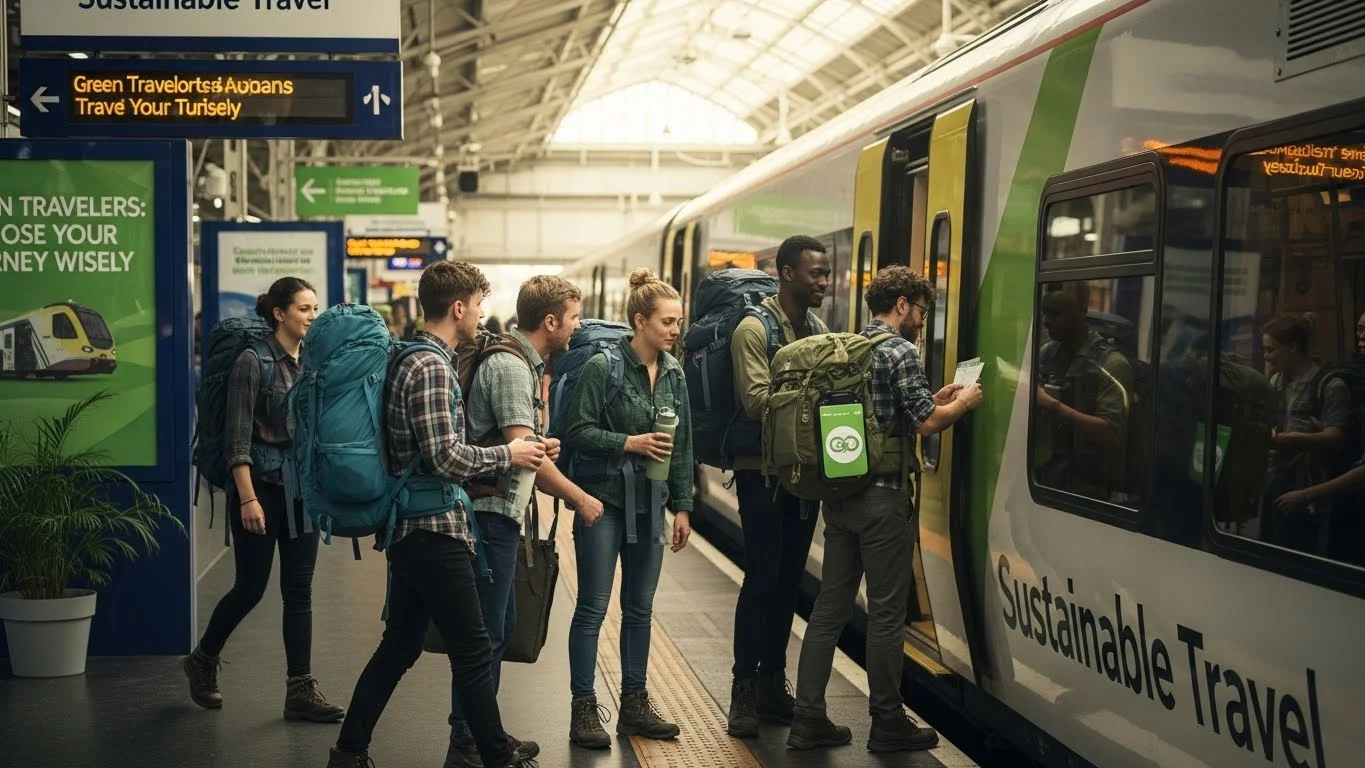
Explore Community-Based Tourism: Eco-Friendly Travel Tips

Community-based tourism is more than just a travel trend; it’s a chance to connect deeply with the places we visit and the people who call them home. Let’s dive into how we can travel responsibly and make a positive impact. Read Interesting article: Community-Based Tourism: Eco-Friendly Adventures Await You

Explore Community-Based Tourism: Eco-Friendly Travel Tips

Understanding Community-Based Tourism

Definition and Importance

Community-based tourism (CBT) revolves around the idea of local engagement in the tourism experience. It’s not just about visiting a place; it’s about immersing ourselves in the culture, nature, and daily lives of the local community. I remember my first experience with CBT when I visited a small village in Thailand. Instead of the typical tourist attractions, I participated in rice planting with local farmers. It was a profound experience that allowed me to understand their way of life, traditions, and challenges.

CBT is essential because it empowers local communities, allowing them to take control over their resources and share their culture authentically. When we choose to engage in this form of tourism, we’re not just passive visitors; we become part of a collective effort to preserve cultural heritage and promote sustainable practices. In my opinion, this creates a more enriching travel experience.

Benefits of Community-Based Tourism

There are numerous benefits to community-based tourism, both for travelers and the local communities involved. For travelers, it offers a unique opportunity to learn and connect in ways that traditional tourism often overlooks. I feel that these interactions lead to more meaningful memories and insights. We often get the chance to participate in local events, learn about traditional crafts, or enjoy homemade meals, which is far more rewarding than a standard hotel stay. Read Interesting article: How to Experience Authentic Travel Through Community-Based Tourism

For local communities, CBT can provide crucial economic support. It helps create jobs and encourages the preservation of local cultures and environments. I’ve seen young people in these communities gain skills in hospitality, guiding, and craftsmanship, giving them pride in their heritage while contributing to their economy. This reciprocal relationship is what makes CBT so powerful.

How It Differs from Traditional Tourism

While traditional tourism often focuses on mass consumption and convenience, community-based tourism emphasizes sustainability and interaction. Traditional tourism can lead to over-commercialization, where locals may feel like mere background characters in a staged experience. In contrast, CBT prioritizes community involvement and the promotion of authentic experiences.

When I traveled to a popular tourist destination, I often felt overwhelmed by the crowds and the frantic pace of sightseeing. In a CBT setting, however, I felt a sense of calm and purpose. I was contributing to the local economy and forming connections that I cherish to this day. This contrast made me realize that travel can be more than just checking off destinations from a list; it can be about building relationships and understanding different perspectives.

Key Principles of Eco-Friendly Travel

Sustainable Travel Practices

Embracing eco-friendly travel starts with understanding sustainable practices. This means making choices that benefit the environment and local communities. For example, opting for public transportation or biking instead of renting a car can significantly reduce your carbon footprint. I remember biking through the lush landscapes of a small village in Costa Rica; it allowed me to appreciate the scenery while minimizing my impact.

Reducing Your Carbon Footprint

Reducing our carbon footprint while traveling isn’t just about transportation. It’s also about being mindful of our consumption. I try to pack light and utilize reusable items like water bottles and shopping bags. I’ve learned that small changes, like choosing a local restaurant over a chain, can contribute to a smaller ecological impact. Plus, it often leads to discovering delicious local cuisine!

Supporting Local Economies

One of the most rewarding aspects of community-based tourism is the opportunity to support local economies directly. I often seek out local artisans and markets during my travels. Buying handcrafted goods ensures that my money stays in the community, helping families thrive. Visiting local markets not only enriches my experience but also allows me to engage with artisans, hear their stories, and appreciate the craftsmanship behind the products.

In my experience, engaging with the locals helps create a lasting bond and fosters a respect for their culture and livelihood. Every time I choose to invest in local businesses, I feel like I’m contributing to something bigger than just a vacation; I’m helping to preserve the unique identity of the place I’m exploring.

Choosing Destinations for Community-Based Tourism

Top Eco-Friendly Destinations

When it comes to community-based tourism, choosing the right destination can make all the difference. I’ve discovered that some places really stand out for their commitment to sustainable practices and community involvement. For instance, Costa Rica is often at the top of my list. Known for its rich biodiversity and eco-friendly initiatives, this country offers visitors the chance to explore rainforests while supporting local communities that prioritize conservation.

Another remarkable destination is Bhutan, where the government emphasizes Gross National Happiness over pure economic growth. Here, I found that tourism is carefully regulated, ensuring that visitors engage with local culture and contribute to the welfare of the people. The warm hospitality of the Bhutanese people and their commitment to preserving their culture made my experience truly special.

In Africa, I was captivated by the community-based tourism projects in Namibia. The Himba people, for example, invite visitors to learn about their nomadic lifestyle and unique traditions. I felt honored to hear their stories and participate in their customs, all while ensuring that my presence was beneficial to them. These destinations not only offer breathtaking landscapes but also a chance to engage meaningfully with the locals. Read Interesting article: Top 10 Community-Based Tourism Destinations for Budget Travelers

Criteria for Selecting a Community-Based Destination

Choosing a community-based tourism destination involves more than just picking a beautiful spot on the map. I’ve learned to consider several factors to ensure that my travels genuinely benefit the local community. First, I look for destinations that prioritize sustainability, whether through eco-friendly practices or community development initiatives. This often means researching how local tourism is managed and whether the community benefits directly from visitors.

Another essential criterion is community involvement. I prefer places where locals have a say in how tourism operates and where they actively participate in sharing their culture. It’s rewarding to know that my visits help foster a sense of pride and ownership among the residents. I also pay attention to accommodations and activities that are run by locals, as this often leads to more authentic experiences and greater economic support for the community.

Lastly, I think about the cultural richness of the destination. Engaging with a community that has a vibrant history and traditions can create a deeper understanding and appreciation of their way of life. This is why I often seek out destinations that celebrate their unique heritage through festivals, art, and local cuisine.

Examples of Successful Community-Based Tourism Projects

Throughout my travels, I’ve come across some remarkable community-based tourism projects that truly exemplify the benefits of this approach. In Thailand, I visited a project called the “Village Development Project,” where local families opened their homes to tourists. Guests can participate in daily activities like cooking classes, weaving, and farming. This not only provides visitors with a hands-on experience but also strengthens the community by generating income and preserving traditional skills.

In Peru, I had the pleasure of visiting the Sacred Valley, where indigenous communities invite travelers to experience their traditions. One project, called “Kuychi,” allows visitors to stay with local families and learn about ancient agricultural practices. I found it incredibly enriching to see how the locals maintain their customs while providing a unique experience for travelers. The mutual respect and understanding fostered through such initiatives are truly inspiring.

Another example is in the Pacific Islands, where the “Cultural Heritage Program” empowers local communities to share their stories and traditions with visitors. I recall sitting around a fire, listening to elders recount tales of their ancestors while enjoying traditional music and dance. This project not only supports the local economy but also helps keep their culture alive for future generations.

These projects show that community-based tourism can take many forms, each uniquely tailored to fit the culture and needs of the local people. Through my experiences, I’ve realized that supporting such initiatives allows us to become more than mere tourists; we become storytellers and partners in preserving the beauty and richness of our world.

Engaging with Local Communities

Understanding Local Culture and Traditions

One of the most rewarding aspects of community-based tourism is the opportunity to immerse ourselves in the local culture and traditions. I’ve found that understanding a community’s story often leads to richer experiences. For instance, during my time in a small village in Greece, I was invited to participate in a traditional olive harvest. This wasn’t just about helping out; it was a chance to learn about the significance of olives in their culture, the rituals surrounding the harvest, and even the local folklore associated with it. Listening to the stories from the elders while we worked made me feel like I was part of something much larger than just a visit.

To truly engage with a community, I believe it’s essential to be open and respectful. Researching their customs and practices before I arrive has helped me avoid unintentional faux pas. I recall in Japan, learning about the etiquette of bowing and the importance of removing shoes before entering homes made my interactions feel more genuine. It’s this level of respect that fosters a connection, showing locals that we appreciate their way of life and want to honor it.

Participating in Community Activities

Getting involved in local activities is a fantastic way to deepen our understanding of a community. I remember a trip to Peru, where I joined a weaving workshop with local artisans. Not only did I learn about the intricate designs that tell stories of their culture, but I also bonded with the weavers over shared laughter and stories. This active participation transformed my experience from just being a tourist into something much more meaningful.

Many communities offer workshops, festivals, and events that invite visitors to engage. For example, I’ve participated in traditional cooking classes in Italy, where I not only learned to make pasta but also discovered the history behind the recipes and the significance of food in their gatherings. These moments of participation are often the highlight of my travels, as they allow for real interactions that go beyond the surface level.

Respecting Local Customs and Practices

Respecting local customs is crucial when engaging with communities. I recall my visit to a Maasai village in Kenya, where I learned about their customs, including their traditional dress and unique ceremonies. I was reminded to dress modestly and respect their practices, which included participating in a welcoming ceremony. It was a profound experience that honored their traditions, and I was grateful for their willingness to share their lives with me.

In every destination, I’ve noticed that being respectful can lead to deeper connections. When we acknowledge and honor local customs, it sends a powerful message that we value their culture. It’s not just about observing; it’s about understanding and participating in a way that uplifts their traditions. This respect often opens doors, leading to further insights and experiences that we might not have encountered otherwise.

Eco-Friendly Accommodation Options

Eco-Lodges and Sustainable Hotels

Finding eco-friendly accommodations has become a priority for me when traveling. Eco-lodges and sustainable hotels often prioritize local materials and sustainable practices, which aligns with my values. For example, I stayed at an eco-lodge in the Amazon rainforest that was built using sustainable techniques and operated by local families. Not only did the lodge minimize its impact on the environment, but it also provided employment and training for the community.

Staying in these lodges allows me to contribute directly to the local economy while enjoying unique experiences. I remember waking up to the sounds of the rainforest and participating in guided nature walks led by local guides who shared their knowledge about the ecosystem. This connection to the environment and the community added layers to my experience that I wouldn’t have found in a standard hotel.

Community-Run Guesthouses

Community-run guesthouses are another fantastic option for eco-friendly travel. I love staying in places where the owners are local residents who offer their insights and stories. During my trip to Vietnam, I stayed at a guesthouse run by a family in a small town. They served home-cooked meals made from ingredients sourced from their garden, and I felt like I was part of their family during my stay. The warmth and hospitality were unmatched, and I learned so much from our conversations.

These guesthouses often embody the principles of community-based tourism, offering a more authentic experience. I’ve found that the personal connections made through these stays can lead to lasting memories and friendships. Plus, knowing that my stay directly supports the family and community gives me a sense of satisfaction that I truly cherish.

Camping and Homestays as Alternatives

Camping and homestays are also great alternatives for those who want to experience local life more intimately. During a trip to New Zealand, I camped on a family farm where the owners welcomed guests to pitch their tents on their land. It was an incredible way to connect with nature while engaging with the family. They shared stories around the campfire, and I felt an authentic sense of community that I loved.

Homestays take this a step further by allowing travelers to live alongside local families. I had a wonderful experience staying with a family in India, where I learned about their daily routines, from cooking to farming. It offered me a glimpse into their lives that I wouldn’t have experienced in any other way. These types of accommodations not only create lasting memories but also deepen our appreciation for the local way of life.

Responsible Travel Tips

Minimizing Waste During Your Travels

One of the things I’ve become increasingly aware of while traveling is the importance of minimizing waste. When I reflect on my trips, I realize that small changes can have a big impact. For instance, I always carry a reusable water bottle and a set of utensils. This not only helps me avoid single-use plastics, but it also encourages me to drink more water and try local foods in a more sustainable way. I remember a memorable day in Bali, where I filled my water bottle at a local fountain and enjoyed street food without creating any waste. It felt great to know I was making eco-conscious choices.

Another effective strategy is to bring reusable bags for shopping. I’ve found that many local markets appreciate it when visitors opt for reusable bags, as it reduces plastic waste. It’s a simple step, but it shows respect for the environment and the community I’m visiting. I’ve often engaged with locals who have shared their views on waste management, and it’s rewarding to know that my efforts align with their values and practices.

Choosing Eco-Friendly Transportation

Transportation can significantly impact our carbon footprint while traveling, and I’ve learned to prioritize eco-friendly options. Whenever possible, I opt for walking or biking to explore a new destination. For me, there’s something special about wandering through the streets on foot or by bike; it allows me to see the sights at my own pace and discover hidden gems I might have missed otherwise.

In cities, I often use public transportation, as it not only reduces emissions but also gives me a taste of local life. I remember taking the metro in Paris and chatting with locals, which added to the richness of my experience. When renting a car is necessary, I try to choose a hybrid or electric vehicle, as it shows a commitment to reducing my environmental impact.

Supporting Local Artisans and Businesses

Traveling responsibly also means supporting local artisans and businesses. I’ve always believed that when I purchase handmade crafts or dine at local eateries, I help preserve the culture and economy of the community. I remember visiting a small market in Mexico where artisans proudly displayed their work. I bought a beautiful hand-painted pottery piece, and the joy on the artisan’s face made the purchase even more meaningful.

Dining at local restaurants is another way to support the community. I try to seek out places that focus on local ingredients and traditional recipes. Each meal becomes an opportunity to connect with the culture, and I’ve found that these experiences often lead to the most memorable meals of my travels. It’s incredible to think that my choices, however small, can have a positive ripple effect on the lives of the people I meet.

Preparing for Your Community-Based Tourism Experience

Researching Your Destination

Before embarking on a journey, I always take time to research my destination. Learning about local customs, history, and current issues helps me engage more meaningfully with the community. I remember planning a trip to Morocco and diving into books and documentaries about Berber culture. This preparation made me more respectful and aware during my interactions, enriching my experience significantly.

What to Pack for Eco-Friendly Travel

When packing for my adventures, I focus on sustainability. I’ve learned to bring items such as biodegradable toiletries, a sturdy reusable shopping bag, and a portable charger to keep my devices powered without relying on disposable batteries. I also carry a lightweight, reusable travel mug. Not only does it help cut down on waste, but I love sipping my morning coffee while enjoying the views wherever I am. It’s these little touches that help make my travel more eco-friendly.

Health and Safety Considerations

Planning for health and safety is another crucial aspect of my travel prep. I always check vaccination requirements and health advisories for the regions I’m visiting, ensuring I’m up-to-date on necessary immunizations. Additionally, I pack a basic first-aid kit because being prepared feels reassuring. During my travels, I’ve encountered minor scrapes and allergies, and having that kit on hand has made a world of difference.

Sharing Your Experience

Documenting Your Journey Responsibly

As someone who enjoys sharing my travel experiences, I’ve learned the importance of documenting my journey responsibly. I often take photos, but I’m careful to focus on capturing moments that respect local customs and privacy. I remember visiting a village in Indonesia and asking permission before taking photos of the locals. The smiles and openness I received in return were a beautiful reminder of the mutual respect that can be built through our interactions.

How to Share Your Story with Others

When it comes to sharing my stories, I prefer to do so in ways that inspire others to travel responsibly. Whether it’s through social media, blogs, or casual conversations, I emphasize the importance of community engagement and sustainable practices. I often share tips and personal anecdotes, and I’ve seen how they resonate with friends and family, encouraging them to consider community-based tourism in their travels.

Encouraging Others to Explore Community-Based Tourism

Encouraging others to explore community-based tourism is something I feel passionate about. I love sharing the joy and fulfillment I’ve found in this style of travel. I often invite friends to join me in choosing destinations that focus on sustainability and community engagement. I believe that the more we share our experiences, the more we can inspire others to travel mindfully and create lasting connections with the places they visit.

Final Thoughts

Community-based tourism has transformed the way I experience the world. It deepens connections, fosters respect for local cultures, and promotes sustainability. By embracing this approach, we can all contribute to a more positive and impactful travel experience. I encourage everyone to seek out opportunities that allow us to connect with communities in meaningful ways, ensuring our travels not only enrich our lives but also uplift the places we visit. Together, we can make a difference, one journey at a time.

Frequently Asked Questions

What is community-based tourism (CBT)?

Community-based tourism (CBT) revolves around local engagement in the tourism experience, focusing on immersing travelers in the culture, nature, and daily lives of local communities. It empowers these communities to share their culture authentically and preserve their cultural heritage.

What are the benefits of community-based tourism for travelers?

For travelers, CBT offers unique opportunities to learn and connect with local cultures, often leading to more meaningful memories and insights. Travelers can participate in local events, learn traditional crafts, and enjoy homemade meals, which enrich their travel experience compared to standard tourism.

How does community-based tourism differ from traditional tourism?

While traditional tourism often focuses on mass consumption and convenience, community-based tourism emphasizes sustainability and interaction. CBT prioritizes community involvement and authentic experiences, contrasting with the over-commercialization that can occur in traditional tourism settings.

What are some sustainable travel practices to adopt?

Embracing sustainable travel practices includes using public transportation or biking, packing light, using reusable items like water bottles and shopping bags, and choosing local restaurants over chains to reduce your carbon footprint and support local economies.

How can travelers support local economies while traveling?

Travelers can support local economies by seeking out local artisans and markets, purchasing handcrafted goods, and dining at local eateries. This ensures that their money stays within the community, helping families thrive and preserving local culture.

What should travelers consider when choosing a community-based tourism destination?

Travelers should consider the destination’s commitment to sustainability, community involvement, and the cultural richness of the area. Researching how local tourism is managed and ensuring that the community benefits directly from visitors is vital for a meaningful experience.

Can you provide examples of successful community-based tourism projects?

Examples include the “Village Development Project” in Thailand, which invites tourists to participate in daily activities with local families, and the “Kuychi” project in Peru, where travelers learn about ancient agricultural practices while staying with indigenous families.

What types of accommodations are recommended for eco-friendly travel?

Eco-lodges and sustainable hotels that prioritize local materials and practices, community-run guesthouses offering authentic experiences, and camping or homestays that allow deeper engagement with local life are all recommended options for eco-friendly travel.

What are some tips for minimizing waste during travels?

Travelers can minimize waste by carrying reusable items, such as water bottles and shopping bags, to avoid single-use plastics. Additionally, being mindful of consumption and choosing eco-friendly transportation options can significantly reduce their ecological impact.

How can travelers document and share their experiences responsibly?

Travelers should focus on capturing moments that respect local customs and privacy when documenting their journeys. Sharing stories that emphasize community engagement and sustainable practices can inspire others to consider community-based tourism in their travels.

Budget Backpacking: Sustainable Transport for Green Travelers

Budget backpacking is about exploring our beautiful planet without breaking the bank or harming the environment. Join me as I share insights into sustainable transport options that every green traveler should consider! Read Interesting article: Top 10 Sustainable Transportation Options for Eco-Travelers

Budget Backpacking: Sustainable Transport for Green Travelers

Understanding Budget Backpacking

What is Budget Backpacking?

When I first heard the term “budget backpacking,” I pictured young travelers with oversized packs, trekking through vibrant cities and breathtaking landscapes on a shoestring budget. To me, it’s not just about saving money; it’s a lifestyle that emphasizes exploration and adventure while being mindful of our impact on the Earth. Budget backpacking allows us to travel freely, immersing ourselves in new cultures and experiences without the weight of high expenses. It’s about finding joy in the simple pleasures of travel: the local street food, the scenic trails, and the connections we make along the way.

Benefits of Budget Backpacking

There are countless benefits to budget backpacking that I have personally experienced over the years. First and foremost, it fosters a sense of independence and resourcefulness. I’ve learned to navigate new places with just a map and my wits, relying on public transport or my own two feet to explore. This independence often leads to unexpected adventures and friendships, turning a simple trip into a cherished memory.

Moreover, budget backpacking encourages environmental consciousness. By choosing to travel cheaply, we often end up using sustainable transport methods like buses, trains, and bicycles. I remember one trip where I hopped on a train across Europe, marveling at the beautiful landscapes and reducing my carbon footprint in the process. Each journey becomes a chance to appreciate our surroundings while also being responsible travelers. Read Interesting article: Eco-Friendly Transport: Best Options for Sustainable Journeys

Finally, budget backpacking introduces us to local cultures in a unique way. When I travel on a budget, I tend to stay in hostels or community-run accommodations, which leads to deeper interactions with locals. I’ve shared meals with families, learned about traditions, and even picked up a bit of the language, all of which made my travels richer and more meaningful.

Common Misconceptions

Despite the joys of budget backpacking, there are several misconceptions that often deter people from trying it. One common myth is that it’s unsafe. I used to think that budget travel meant sacrificing safety, but I’ve found that with proper planning and awareness, it can be just as secure as more luxurious options. Staying in reputable hostels, using well-known transport services, and being aware of my surroundings have always kept me safe.

Another misconception is that budget backpacking limits your experiences. On the contrary, I’ve discovered that traveling on a budget often opens doors to opportunities that travelers with larger budgets might miss. For example, I once stumbled upon a local festival while walking through a small town because I wasn’t tied down by expensive tours. I felt like a part of the community for that day, dancing and enjoying the festivities alongside the locals.

Lastly, many believe that budget travel means sacrificing comfort. While it’s true that I’ve had my fair share of uncomfortable bus rides or shared dorm rooms, these experiences often lead to the best stories. I’ve met fascinating people during those times, forged connections, and often laughed about the little inconveniences that made the journey memorable. I believe that a little discomfort can lead to some of the most rewarding travel experiences!

Sustainable Transportation Options

Public Transport: Buses and Trains

One of my favorite ways to travel sustainably is by utilizing public transportation. Buses and trains are not only economical but also reduce the carbon footprint significantly compared to individual car travel. I remember taking a train from Paris to Amsterdam, and not only was it affordable, but I also enjoyed the stunning views along the way. The experience was far more enriching than a quick flight would have been.

Alternative Transport: Bicycles and E-Scooters

Bicycles and e-scooters have become incredibly popular in many cities, and for good reason. I’ve rented bikes in places like Amsterdam and Copenhagen, feeling the wind in my hair while exploring at my own pace. It’s a fun way to get around, and it allows me to cover more ground than walking while still being environmentally friendly. Plus, many cities have dedicated bike lanes, making it a safe option for travelers.

Walking and Hiking: The Eco-Friendly Choice

Nothing beats the experience of walking or hiking through a new city or nature trail. I’ve found that some of my most memorable travel moments happened while strolling through a historic neighborhood or hiking to a hidden waterfall. Walking not only allows us to connect more deeply with our surroundings, but it’s also one of the most sustainable forms of transportation. I cherish the moments when I can take my time, breathe in the fresh air, and truly soak in the beauty around me.

Carpooling and Ridesharing

Carpooling and ridesharing services have become increasingly popular, offering a cost-effective and eco-friendly alternative to solo driving. I once used a rideshare app to connect with fellow travelers heading to a festival, which not only saved money but also allowed for great conversations along the way. These options help reduce the number of vehicles on the road, making them a smart choice for budget-conscious green travelers.

Top Destinations for Budget Backpacking

Europe: Affordable Cities with Great Public Transport

Europe has always been a favorite for budget backpackers, and for good reason! I’ve traveled across various European cities, and I’ve found that many of them are incredibly affordable while offering fantastic public transport. Cities like Budapest and Lisbon are prime examples. I remember wandering through the stunning streets of Budapest, where the tram system made it easy to explore both the historic and modern parts of the city without spending a fortune. Plus, there are plenty of free walking tours that allow you to experience the culture and history in a budget-friendly way.

Then there’s Lisbon, where the iconic yellow trams not only provide great transportation but also a scenic view of the city’s beautiful hills and architecture. I loved hopping on the tram to explore the Alfama district, discovering hidden cafés and local markets along the way. With affordable hostels and restaurants, I found that I could stretch my budget and enjoy a rich cultural experience without feeling constrained.

Asia: Backpacking Hotspots with Sustainable Options

Asia is another incredible continent for budget backpacking. I’ve had some of my best travel experiences in places like Thailand and Vietnam. In Thailand, the public transport options are not only budget-friendly but also allow you to connect with locals. I took a long-tail boat ride in Bangkok that was both affordable and immersive, gliding through the city’s canals while absorbing the daily lives of the residents. The local buses and trains are also a great way to travel between cities without burning a hole in your wallet.

Vietnam is equally appealing. I recall my journey from Ho Chi Minh City to Hanoi, hopping on a sleeper train that was surprisingly comfortable and affordable. The scenic views along the route made the experience even better. The food is delicious and cheap, and there are countless street vendors that provide authentic local flavors without the hefty price tag. Plus, many cities in Vietnam are bike-friendly, allowing for a sustainable way to discover the surroundings.

South America: Eco-Friendly Travel Choices

South America is a hidden gem for budget travelers seeking eco-friendly options. Countries like Colombia and Peru offer breathtaking landscapes, rich cultures, and accessible transportation. I remember arriving in Medellín, where the city’s cable car system not only connects neighborhoods but also provides stunning views of the surrounding mountains. Using public transport here was not just economical; it was an adventure in itself!

Peru is another must-visit. When I trekked to Machu Picchu, I opted for the bus to Aguas Calientes, which was both affordable and offered a chance to meet fellow travelers. I found that many locals are incredibly welcoming, and by choosing local transport, I felt like I was giving back to the community. Additionally, there are numerous eco-lodges that promote sustainable practices, making it easier to enjoy nature without leaving a heavy footprint. Read Interesting article: Discover Sustainable Stays: Eco-Friendly Lodging Options

Africa: Exploring with Minimal Impact

Africa may not be the first continent that comes to mind for budget backpacking, but it’s filled with opportunities for sustainable travel. I had an unforgettable experience in Kenya, where I took local matatus (shared minibuses) to get around. It was a fun and affordable way to travel, and I loved the energy of the fellow passengers. The matatus are often colorful and decorated, adding a unique cultural flair to the journey.

Another highlight was my trip to Tanzania, where I chose to hike instead of taking a vehicle to explore the stunning landscapes. Walking through villages and national parks allowed me to connect with nature and the local people. I discovered that many accommodations and tours focus on sustainability, which made me feel good about my travel choices. I remember staying at a community-run lodge that was dedicated to preserving the environment while supporting local livelihoods. It was a rewarding experience that truly captured the essence of responsible travel.

Planning Your Backpacking Trip

Choosing Sustainable Accommodations

When it comes to planning my backpacking trips, I always prioritize finding sustainable accommodations. I’ve learned that hostels and eco-lodges not only provide affordable options but also often have a commitment to sustainability. My favorite places have been those that use renewable energy, recycle waste, and support local communities. I remember staying in a hostel in Costa Rica that had a fantastic garden and offered yoga classes, which helped me connect with both the environment and fellow travelers.

Budgeting for Transportation Costs

Budgeting for transport is essential, and it’s something I’ve become quite adept at over time. I usually make a rough estimate of costs before my trip, factoring in local transport options. I’ve found that using apps or websites to compare prices for buses and flights can save a lot of money. Additionally, I try to book in advance whenever possible, especially for long-haul trips, to secure the best rates. This way, I can allocate more of my budget to experiences rather than just getting from point A to B.

Finding Eco-Friendly Travel Resources

In today’s digital age, finding eco-friendly travel resources has never been easier. I often rely on websites and apps that specialize in sustainable travel options. They help me discover eco-friendly accommodations, transport, and activities. I’ve also found that social media groups and forums can be a treasure trove of advice from fellow travelers. I remember joining a Facebook group focused on sustainable travel, which led me to some incredible recommendations that I would have otherwise missed.

Creating an Itinerary with Minimal Footprint

When I plan my itineraries, I always aim to include activities that have a minimal footprint. I try to focus on local experiences, such as visiting farmers’ markets or participating in community events, rather than commercialized tourist traps. I remember creating an itinerary in Thailand that included a cooking class with a local family, which not only supported their livelihood but also allowed me to learn about their culture firsthand. It’s moments like these that make my travels truly enriching and sustainable.

Tips for Green Travelers

Pack Light: The Essentials Only

I can’t stress enough how packing light has transformed my travel experience. When I first started backpacking, I used to overpack, thinking I needed everything “just in case.” However, I quickly realized that carrying less not only makes traveling easier but also supports eco-friendliness. With a lighter load, I found it simpler to use public transport, walk longer distances, and reduce wear and tear on my body. I focus on packing versatile clothing that I can mix and match, as well as multifunctional gear like a travel towel that can double as a blanket. This way, I only bring what I truly need, which allows me to travel more freely and sustainably.

Reduce Waste: Reusable Items to Bring

In my journey towards being a more responsible traveler, I’ve learned the importance of reducing waste. This starts with the items I bring along. I always pack a reusable water bottle, which not only saves money but also helps me reduce plastic waste. I remember being in a bustling market in Bangkok where I used my water bottle to stay hydrated without buying single-use plastic bottles. I also carry reusable shopping bags for groceries and souvenirs, which has become a habit I cherish. These small changes may seem insignificant, but collectively, they contribute to a much larger impact on our planet.

Support Local Economies: Choosing Local Transport

One of the most rewarding aspects of budget backpacking is the opportunity to support local economies. Whenever I can, I opt for local transport options instead of international chains or expensive taxis. For instance, in Peru, I hopped on a local bus filled with laughter and music, and it was a great way to connect with the community. I found that local drivers often share stories and tips about the area, enriching my travel experience. By choosing local transport, I not only save money but also contribute directly to the livelihoods of the people I meet.

Engage with Local Communities Responsibly

Engaging with local communities has always been a highlight of my travels. However, I believe it’s essential to do so respectfully and responsibly. I learned this during a visit to a small village in Cambodia, where I participated in a community project. The locals welcomed us with open arms, and I felt honored to contribute. I always try to seek out opportunities that allow me to learn more about the culture and traditions of the places I visit while being mindful of their customs and practices. This approach not only enhances my experience but also fosters a sense of connection and mutual respect.

Resources for Sustainable Backpacking

Apps for Green Travel

Over the years, I’ve discovered several apps that make sustainable travel easier and more accessible. One of my favorites is “HappyCow,” which helps me find plant-based restaurants and cafés wherever I go. It’s been invaluable for me as a conscious eater. Another app I love is “Green Key,” which lists eco-certified hotels and accommodations. Using these apps has not only simplified my planning but also ensured that I’m making greener choices. I always recommend downloading these apps before heading out on your adventures!

Websites Offering Eco-Friendly Travel Guides

There’s no shortage of online resources dedicated to sustainable travel. I often turn to websites like “Sustainable Travel International” and “Responsible Travel” for tips and destination guides. They provide insights on eco-friendly accommodations, local transport options, and activities that benefit the environment. I recall planning my trip to Costa Rica using their recommendations, which led me to some fantastic eco-lodges and activities that prioritized sustainability. It’s heartening to know that such resources are just a click away.

Books on Sustainable Travel Practices

Books have played a significant role in shaping my approach to travel. Titles like “The Sustainable Travel Handbook” and “Leave Only Footprints: My Acadia-to-Zion Journey Through Every National Park” have provided me with practical advice and inspiration. I enjoy curling up with a good travel book before my trips, and it’s fascinating to learn from others’ experiences and insights. They help me think critically about my travel choices and encourage a deeper commitment to sustainability.

Challenges and Solutions in Sustainable Transport

Overcoming Language Barriers

One challenge I often face while traveling is the language barrier, especially when navigating public transport. I remember being in a small town in Spain where the bus schedules were entirely in Spanish. I felt a bit overwhelmed at first, but I found that using translation apps like Google Translate made a significant difference. I also learned a few key phrases in the local language, which not only helped me communicate but also endeared me to the locals. Making an effort to understand the language shows respect and can open doors to wonderful interactions.

Navigating Public Transport Systems

Navigating public transport can sometimes feel daunting, especially in larger cities. I’ve had my fair share of confusion, but I’ve learned to embrace it as part of the adventure. Researching the transport system beforehand can be a game-changer. I usually check out local blogs and videos that explain how to get around. Additionally, I’ve found that asking locals for help or directions can lead to unexpected discoveries and friendships. I remember one time in Tokyo when a kind stranger went out of their way to guide me to the right train station—it was a heartwarming experience!

Staying Safe While Traveling Sustainably

Safety is always a priority, especially when I’m focused on budget and eco-friendly travel. I’ve developed a few strategies to stay safe while making environmentally conscious choices. For example, I prefer traveling during the day when using public transport and always keep my belongings secure. I also make sure to stay aware of my surroundings and trust my instincts. I remember walking home from a local market in Mexico City after dark and feeling a bit uneasy, so I decided to take a rideshare instead. It’s essential to balance sustainable choices with personal safety, and I’ve learned that it’s okay to adapt my plans when necessary.

Frequently Asked Questions

What is budget backpacking?

Budget backpacking is a lifestyle that emphasizes exploration and adventure while being mindful of our impact on the Earth. It allows travelers to immerse themselves in new cultures and experiences without incurring high expenses, focusing on the simple pleasures of travel.

What are some benefits of budget backpacking?

Budget backpacking fosters independence and resourcefulness, encourages environmental consciousness through the use of sustainable transport, and introduces travelers to local cultures through deeper interactions with locals.

Is budget backpacking safe?

Many believe budget backpacking is unsafe, but with proper planning and awareness, it can be just as secure as more luxurious options. Staying in reputable hostels and using well-known transport services contributes to safety while traveling on a budget.

How does budget backpacking limit experiences?

Contrary to the belief that it limits experiences, budget backpacking often opens doors to unique opportunities that travelers with larger budgets might miss, such as stumbling upon local festivals or hidden gems while exploring.

What sustainable transportation options are recommended for budget backpackers?

Recommended sustainable transportation options include public transport like buses and trains, bicycles and e-scooters for local exploration, and walking or hiking as eco-friendly choices.

Which regions are ideal for budget backpacking?

Europe, Asia, South America, and Africa are all great regions for budget backpacking, each offering affordable cities, sustainable transport options, and rich cultural experiences.

How can I choose sustainable accommodations while backpacking?

Look for hostels and eco-lodges that are committed to sustainability, such as those that use renewable energy and support local communities. Researching these options ahead of time helps ensure responsible travel choices.

What tips can help reduce waste while traveling?

Packing reusable items like a water bottle and shopping bags can significantly reduce waste. These small changes help travelers minimize their environmental impact during their journeys.

What resources are available for sustainable backpacking?

There are various resources including apps for green travel, websites offering eco-friendly travel guides, and books on sustainable travel practices that can help travelers make informed choices.

How can I stay safe while traveling sustainably?

Staying safe involves traveling during the day, securing belongings, remaining aware of surroundings, and being willing to adapt plans when necessary. Balancing sustainable choices with personal safety is crucial.

Eco-Friendly Transport: Best Options for Sustainable Journeys

Traveling sustainably isn’t just a trend; it’s a necessity. As we become more aware of our environmental footprint, exploring eco-friendly transport options can help us make a positive impact while enjoying our journeys. For more information, check out our article on Top 10 Sustainable Transportation Options for Eco-Travelers.

Eco-Friendly Transport: Best Options for Sustainable Journeys

Understanding Eco-Friendly Transport

Definition and Importance of Sustainable Transport

When I think about eco-friendly transport, I picture the many ways we can move ourselves and our goods while being kind to our planet. Sustainable transport refers to methods that minimize environmental impacts, reduce greenhouse gas emissions, and conserve resources. It’s about finding alternatives to conventional vehicles that rely heavily on fossil fuels. I believe this shift is crucial—not just for our generation but for future ones too. As more people embrace sustainable transport, we can collectively reduce our carbon footprint.

Impact of Transportation on the Environment

Transportation is one of the biggest contributors to global emissions. I learned that according to various studies, it accounts for nearly a quarter of all greenhouse gas emissions. This overwhelming figure made me realize just how vital it is to rethink how we travel. I remember a time when I would drive everywhere without a second thought. But after understanding the environmental impact, I wanted to change my habits. The pollution from vehicles not only harms our planet but also affects our health, leading to respiratory issues and other health problems. For me, this realization was a wake-up call, prompting a deeper exploration into more sustainable options.

Types of Eco-Friendly Transport Options

Bicycles and E-Bikes

Bicycles have long been a favorite eco-friendly transport method. I love the feeling of freedom I get while cycling through my neighborhood or on a scenic trail. Bicycles don’t just reduce emissions; they also promote physical health. E-bikes have taken this a step further by providing electric assistance that makes longer rides more accessible for everyone. I remember the first time I tried an e-bike; it felt like flying! Whether you’re commuting to work or just enjoying a leisurely ride, bikes and e-bikes are fantastic options for eco-friendly transport.

Public Transportation Systems

Public transportation is another vital piece of the sustainable transport puzzle. Buses, trains, and subways can move many people at once, which significantly reduces the number of individual cars on the road. I’ve had some great experiences using public transport while traveling in different cities. It not only helps the environment but also provides a chance to meet new people and experience local culture. I find that taking the bus or train often leads to unexpected adventures and discoveries that I wouldn’t have had if I were driving alone.

Carpooling and Ride-Sharing Services

Carpooling and ride-sharing services are excellent ways to reduce the number of vehicles on our roads. By sharing a ride with others, we can decrease emissions and save on fuel costs. I often use ride-sharing services when I’m in a hurry or when I want to relax and enjoy the ride without worrying about parking. It’s a win-win situation! Plus, I appreciate how these services are becoming more accessible, making it easier for more people to join in on the eco-friendly movement. For information on accommodations during your travels, see The Best Eco-Friendly Accommodations for Every Budget.

Electric Vehicles (EVs)

Electric vehicles represent a significant leap forward in sustainable transport. I was initially skeptical about EVs, worrying about their range and charging infrastructure. However, I learned that advancements in battery technology have made them more reliable and accessible. Driving an EV not only reduces emissions but also saves on fuel costs. When I took a road trip in an EV, I was pleasantly surprised by how easily I could find charging stations along the way. It felt great knowing I was making a positive choice for the environment.

Walking: The Original Eco-Friendly Transport

Let’s not forget walking! It’s the simplest form of transport and, of course, completely emissions-free. I often choose to walk for short trips around my community. Not only does it benefit my health, but I also get to enjoy the sights and sounds of my neighborhood. Walking can sometimes spark creativity and give me time to think or just unwind. If you haven’t tried it lately, I highly recommend stepping out for a stroll the next time you need to run an errand nearby.

Alternative Fuel Vehicles (Hydrogen, Biodiesel)

Alternative fuel vehicles are gaining traction as well. Hydrogen and biodiesel are two options that can reduce reliance on fossil fuels. I’ve read fascinating stories about hydrogen fuel cell vehicles, which produce only water vapor as a byproduct. While these options aren’t as common yet, they show promise for the future of transport. I’m excited to see how technology continues to evolve and make these alternatives more mainstream in the coming years.

Benefits of Choosing Eco-Friendly Transport

Environmental Benefits

One of the most compelling reasons to choose eco-friendly transport is the positive impact on our environment. I can’t help but feel a sense of responsibility every time I opt for a greener mode of travel. For instance, using public transport or biking decreases the number of cars on the road, which directly reduces air pollution and greenhouse gas emissions. I’ve noticed that when I’m in a city with good public transit, the air feels fresher, and the surroundings seem more vibrant. Every small step we take can help combat climate change, and it’s heartening to think that my choices contribute to a cleaner planet for future generations.

Economic Savings

Switching to eco-friendly transport can also lead to significant financial savings. I used to spend a considerable amount on gas and parking fees. However, since embracing public transport and biking more often, I’ve noticed my wallet feels a little heavier. Public transport typically offers affordable rates, and many cities provide discounts for frequent riders. I also discovered that biking not only saves money on gas but eliminates wear and tear on my car. Plus, think about all the cash saved on parking! It’s incredible how much I can save, allowing me to allocate those funds for experiences or adventures instead. If you’re looking for budget-friendly places to stay, check out Affordable Eco-Friendly Hotels for Eco-Conscious Travelers.

Health Benefits

Choosing eco-friendly transport is a win for our health as well. I’ve always tried to incorporate physical activity into my daily routine, and biking or walking naturally fits into that. I remember the first time I cycled to work; I arrived feeling energized rather than stressed from a long car ride. Studies show that regular physical activity can reduce the risk of chronic diseases, boost mood, and improve overall well-being. Being outdoors while walking or biking helps clear my mind, and I often find that I’m more productive throughout the day. Plus, I appreciate the chance to connect with nature, even if it’s just a few minutes in my local park.

Community Engagement and Social Benefits

Using eco-friendly transport can foster a sense of community. I’ve had the pleasure of meeting new people while riding the bus or biking along popular trails. These interactions can lead to friendships or collaborations, further enriching our community ties. I’ve learned that shared experiences, like waiting for the train or chatting with fellow cyclists, create a sense of belonging. When we travel sustainably, we contribute to vibrant, connected neighborhoods where people know one another and work together for common goals. I think this social aspect often gets overlooked but is incredibly valuable in our increasingly digital world.

Choosing the Right Eco-Friendly Transport for Your Journey

Factors to Consider When Choosing Transport

When it comes to selecting the best eco-friendly transport option, I find that several factors come into play. Each journey is unique, and what works for one situation may not be ideal for another. For instance, I consider the distance, convenience, and availability of options when planning my outings. If I’m just heading to the grocery store a mile away, walking or cycling is perfect. However, for a longer distance or when time is tight, public transport might be the better choice. I recommend always assessing the specific needs of your journey to find the most suitable eco-friendly option.

Distance and Duration of Travel

The distance and duration of travel significantly influence my transport choices. For short trips, I often walk or bike, feeling the benefits of fresh air and exercise. When I know I’ll be traveling farther, like visiting friends in another city, I lean towards public transportation or rideshare services. I remember a particular trip where I took a train to a nearby city; it was comfortable, and I could relax and enjoy the scenery without the stress of driving. Evaluating how far I need to go and how long I have makes it easier to choose wisely.

Urban vs. Rural Travel Options

Living in an urban area offers a variety of eco-friendly transport options that might not be available in rural settings. I’ve seen how cities prioritize public transportation and biking infrastructure, making it easier for residents to choose sustainable methods. In contrast, rural areas may rely more on personal vehicles due to limited public transport. I’ve had experiences in both settings, and it’s fascinating to adapt my travel choices based on location. Wherever you are, it’s essential to explore what’s available and make the best of those resources.

Traveling with Family or Group Considerations

Traveling with family or a group adds another layer of complexity to choosing eco-friendly transport. I love planning outings with friends, and sometimes we find it challenging to find a single mode of transport that suits everyone. In these situations, I suggest considering carpooling or using ride-sharing services, which can accommodate larger groups while reducing emissions. I remember a road trip with friends where we opted for a big electric vehicle; sharing the ride made it more fun and eco-conscious. Plus, it often feels more efficient when everyone contributes to the journey.

Case Studies: Cities Leading in Sustainable Transport

Copenhagen: Pioneering Bicycle Infrastructure

Copenhagen is often hailed as a model for bicycle-friendly cities, and I can see why. During a visit there, I was amazed by the extensive network of bike lanes that crisscross the city. It felt like every street was designed with cyclists in mind. I remember seeing people of all ages riding their bikes to work, school, or just for leisure. The city has made a significant investment in its cycling infrastructure, including dedicated bike lanes and bike-only traffic signals. This commitment not only encourages residents to choose cycling but also significantly reduces traffic congestion and pollution. I felt inspired by how a city can prioritize sustainable transport and create a culture that embraces it. It’s a testament to how thoughtful planning can lead to healthier, happier communities.

Amsterdam: The Bike-Friendly City

Amsterdam is another city that stands out for its dedication to cycling. I had the opportunity to explore the city’s picturesque canals and historic architecture while biking along its well-maintained paths. I was struck by the sight of thousands of bikes parked at every corner, showcasing just how popular cycling is among locals. The city’s efforts to promote cycling are impressive, from bicycle parking facilities to public bike-sharing programs. I learned that Amsterdam’s focus on bike accessibility has reduced reliance on cars, leading to cleaner air and vibrant streets filled with life. It’s no wonder that people from all over the world flock to Amsterdam to experience its cycling culture. For me, it was a refreshing reminder of how cities can innovate to create sustainable transport solutions.

San Francisco: Innovative Public Transport Solutions

San Francisco offers a different perspective on sustainable transport with its public transportation systems. I’ve always been captivated by the city’s iconic cable cars and the extensive bus and light rail networks. While I was there, I hopped on the Muni and found it to be an efficient way to get around the hilly streets. I noticed that using public transport allowed me to relax and take in the scenery instead of stressing over driving. San Francisco is also investing in electric buses and other green technologies, making public transport a cleaner option for residents and visitors alike. The city’s commitment to improving its public transport infrastructure serves as a reminder that sustainable transport can be both accessible and enjoyable, setting a fantastic example for other urban areas.

Challenges and Limitations of Eco-Friendly Transport

Infrastructure Limitations

While cities like Copenhagen and Amsterdam shine as examples of sustainable transport, many urban areas face significant challenges. I’ve noticed that in some places, the lack of infrastructure can be a major barrier to adopting eco-friendly transport options. For instance, inadequate bike lanes or poorly maintained public transport systems can discourage people from using them. I once traveled through a city that had very few bike paths, making it feel unsafe to ride. This experience highlighted how crucial it is for local governments to invest in infrastructure that supports sustainable transport. Without the necessary facilities in place, people may be less inclined to choose greener alternatives, which ultimately hampers progress toward a more sustainable future.

Cultural Attitudes Toward Sustainable Transport

Another hurdle is the cultural attitudes surrounding transportation. In some areas, there’s a deep-rooted reliance on cars that can be tough to shift. I’ve heard people express concerns about the convenience of public transport compared to driving. It can be challenging to change mindsets when people are accustomed to the status quo. I remember talking to friends who were hesitant to try biking or taking the bus, simply because they weren’t used to it. Encouraging a culture of sustainability requires patience and education, as well as demonstrating the benefits of eco-friendly transport through tangible experiences.

Cost of Electric Vehicles and Charging Stations

While electric vehicles (EVs) are a fantastic step toward sustainable transport, I’ve found that their initial costs can be prohibitive for many. Not everyone can afford the upfront investment, even though they save money in the long run. Additionally, I’ve noticed that charging infrastructure can be lacking in certain areas, making it challenging for EV owners to find convenient charging stations. During my travels, I encountered situations where I had to plan my stops carefully to ensure I could charge my vehicle. This experience reinforced the idea that for sustainable transport to be truly accessible, we need widespread investment in charging networks and incentives to help more people transition to electric vehicles.

Future Trends in Eco-Friendly Transport

Advancements in Electric and Autonomous Vehicles

Looking ahead, I’m excited about the advancements in electric and autonomous vehicles. The technology is evolving rapidly, and I believe we’ll see more affordable options and improved charging solutions in the near future. I’ve read about companies working on electric cars that can cover longer distances and charge faster than ever before. The potential for autonomous vehicles to reduce traffic congestion and improve safety is also a topic that fascinates me. As these technologies become mainstream, I hope they will encourage more people to choose sustainable transport.

Integration of Smart Technology in Public Transport

Integrating smart technology into public transport systems is another trend that I think holds great promise. I’ve seen some cities experimenting with apps that provide real-time information on bus and train schedules, making it easier for riders to plan their trips. Imagine knowing exactly when your bus will arrive or being able to reserve a bike at your destination—these innovations can make public transport more attractive. I believe that as technology continues to advance, public transport will become even more efficient and user-friendly, drawing more people to sustainable options.

Government Policies Supporting Sustainable Transport

Lastly, I can’t help but feel hopeful about the role of government policies in promoting sustainable transport. Many cities are beginning to implement incentives for using public transport, biking, or driving electric vehicles. I’ve seen initiatives that offer tax breaks for EV owners or investments in bike lanes and infrastructure. When local governments commit to sustainability, it sends a strong message about the importance of eco-friendly transport. I believe that with continued advocacy and support, we can create a future where sustainable transport is not just an option, but the preferred choice for everyone.

Frequently Asked Questions

What is sustainable transport?

Sustainable transport refers to methods that minimize environmental impacts, reduce greenhouse gas emissions, and conserve resources. It focuses on finding alternatives to conventional vehicles that heavily rely on fossil fuels.

How does transportation impact the environment?

Transportation accounts for nearly a quarter of all greenhouse gas emissions, making it one of the biggest contributors to global emissions. The pollution from vehicles harms the planet and affects health, leading to respiratory issues and other health problems.

What are some eco-friendly transport options?

Some eco-friendly transport options include bicycles and e-bikes, public transportation systems, carpooling and ride-sharing services, electric vehicles (EVs), walking, and alternative fuel vehicles such as hydrogen and biodiesel.

What are the benefits of choosing eco-friendly transport?

Choosing eco-friendly transport has several benefits, including positive environmental impacts, economic savings on gas and parking, health benefits from increased physical activity, and fostering community engagement through shared experiences.

What factors should be considered when choosing eco-friendly transport?

Factors to consider include the distance and duration of travel, the availability of transport options, urban versus rural travel considerations, and whether traveling with family or a group.

How do urban and rural areas differ in eco-friendly transport options?

Urban areas typically offer a variety of eco-friendly transport options, such as public transportation and biking infrastructure, while rural areas may rely more on personal vehicles due to limited public transport availability.

What challenges do cities face in implementing sustainable transport?

Challenges include infrastructure limitations, cultural attitudes that favor car reliance, and the high initial costs of electric vehicles and insufficient charging station availability.

What future trends are expected in eco-friendly transport?

Future trends include advancements in electric and autonomous vehicles, the integration of smart technology in public transport systems, and government policies that support sustainable transport initiatives.

How can choosing eco-friendly transport contribute to community engagement?

Using eco-friendly transport fosters a sense of community by facilitating interactions among individuals, leading to friendships and collaborations, and enriching community ties through shared experiences.

What role do government policies play in promoting sustainable transport?

Government policies can promote sustainable transport by implementing incentives for using public transport, biking, or driving electric vehicles, as well as investing in necessary infrastructure like bike lanes and charging stations.

Top 10 Sustainable Transportation Options for Eco-Travelers

Eco-travelers, rejoice! Sustainable transportation options are on the rise, offering a chance to explore the world while caring for our planet. Let’s dive into the various ways we can travel sustainably and make a positive impact.

Top 10 Sustainable Transportation Options for Eco-Travelers

Understanding Sustainable Transportation

Definition of Sustainable Transportation

Sustainable transportation refers to any method of moving people or goods that minimizes harm to the environment. This can include reducing greenhouse gas emissions, conserving resources, and promoting eco-friendly alternatives. I remember when I first learned about this concept; it really opened my eyes to how we can travel without leaving a massive footprint on the planet. Whether it’s walking, biking, or using electric vehicles, the goal is to find methods that support both our mobility needs and the health of our planet.

Importance of Eco-Friendly Travel

Traveling should be a joy, but it can also lead to significant environmental challenges. I’ve felt that tug of guilt when flying long distances or driving gas-guzzling vehicles. That’s why eco-friendly travel is so important. Not only does it help preserve our natural landscapes, but it also contributes to a healthier planet for future generations. I think about my travels not just for leisure but also for the impact they have and the legacy I want to leave behind. I believe we all share this responsibility, and it’s exciting to think that with sustainable options, we can enjoy our adventures guilt-free!

Environmental Impact of Transportation

The transportation sector is a major contributor to global pollution and climate change. I remember reading that the burning of fossil fuels for transportation is responsible for a significant percentage of carbon emissions. This reality hit home when I researched the impact of my own travels. From airplanes to cars, every choice we make has consequences. The good news is that we can actively choose alternatives that lessen our environmental impact. By opting for sustainable transportation, we can reduce our carbon footprint and make a meaningful difference in combating climate change.

Top 10 Sustainable Transportation Options

Bicycles

Bicycles are one of my favorite sustainable transportation options. Not only do they have zero emissions, but they also promote physical health and well-being. I remember the first time I rented a bike in a new city; it felt liberating and fun. Cycling allows you to explore areas at your own pace and discover hidden gems you might miss while driving. Plus, many places have extensive bike lanes and rental services, making it easier than ever to choose this eco-friendly option.

Electric Vehicles (EVs)

Electric vehicles are gaining popularity, and for good reason! They produce zero tailpipe emissions, which can significantly reduce air pollution. I recently had the chance to drive an EV, and it was amazing how quiet and smooth the ride was. With advancements in battery technology and charging infrastructure, EVs are becoming more accessible to everyone. I feel that these vehicles represent a crucial step toward a more sustainable future in transportation.

Public Transit Systems

Using public transit is another fantastic way to travel sustainably. Buses, subways, and trams can transport a large number of people simultaneously, which reduces the number of individual cars on the road. I’ve found that navigating a city’s public transport not only minimizes my carbon footprint but also gives me a chance to experience the local culture and connect with fellow travelers. Many cities are investing in improving their public transportation systems, making it a viable and enjoyable option for everyone.

Carpooling and Ride-Sharing Services

Carpooling and ride-sharing are great solutions for reducing the number of vehicles on the road. I’ve used ride-sharing apps during my travels and found them to be convenient and often more affordable than renting a car. Not only do these services help cut down on emissions, but they also create opportunities to meet new people. Sharing a ride means we can all benefit from the same resources while making our journeys more sustainable. For more tips on saving money while traveling, check out Budget-Friendly Transportation: Save Money While Traveling.

Walking

Walking is the simplest and most natural form of transportation. I’ve discovered that exploring new destinations on foot allows me to truly immerse myself in the surroundings. It’s a fantastic way to get exercise while reducing my environmental impact. Plus, there’s something special about wandering through a neighborhood, soaking in the sights, sounds, and smells that you might miss while zooming by in a car.

Trains and Rail Travel

Train travel is one of the most eco-friendly options available. I’ve taken several train journeys that provided stunning views of the countryside while allowing me to relax and enjoy the ride. Trains typically produce fewer emissions per passenger than cars and planes. They also encourage sustainable tourism, as many rail systems are designed to connect major attractions and cities. I think traveling by train can be a unique and enriching experience.

Ferries and Boats

For coastal destinations or places with many islands, ferries and boats can offer an eco-friendly way to travel. I had an incredible experience taking a ferry to an island last summer. Not only was it a scenic journey, but it significantly reduced the number of cars on the island. Ferries can be a sustainable option for transportation while also providing beautiful views of the water and surrounding landscapes.

Hybrid Vehicles

Hybrid vehicles combine traditional gasoline engines with electric power, offering improved fuel efficiency and lower emissions. I’ve seen more and more hybrids on the roads, and I find them to be a great compromise for those who need a car but also want to be environmentally conscious. They can be a practical choice for travelers who want to explore without completely giving up on the convenience of personal vehicles.

Telecommuting and Remote Work Options

With the rise of remote work, telecommuting has become a sustainable transportation option. I’ve personally enjoyed the flexibility that working from home provides, as it eliminates my daily commute. This option not only reduces my carbon emissions but also gives me more time for personal pursuits and travel. As more companies embrace remote work, we can significantly decrease transportation-related emissions.

Alternative Fuel Vehicles (e.g., hydrogen, biofuels)

Alternative fuel vehicles are emerging as a promising solution to reduce reliance on fossil fuels. I’ve read about advancements in hydrogen fuel cells and biofuels, and it’s exciting to see how these technologies can pave the way for cleaner transportation options. While they may not be as common yet, they hold great potential for the future of sustainable travel.

Evaluating the Environmental Impact

Carbon Footprint of Each Transportation Option

When considering sustainable transportation, I think it’s crucial to understand the carbon footprint of each option. I remember reading that different modes of transport contribute varying levels of greenhouse gas emissions. For instance, taking a train can be substantially less harmful than flying, with trains emitting much lower CO2 per passenger mile. Electric vehicles, while cleaner than traditional cars, still rely on electricity sources that may not be entirely renewable. It’s interesting to see how walking and biking not only have zero emissions but also promote healthier lifestyles. I feel that by evaluating these footprints, we can make informed decisions that align with our eco-friendly goals.

Comparative Analysis of Emissions

To truly grasp the impact of our travel choices, I found it helpful to look at a comparative analysis of emissions. For example, I learned that traveling by bus can produce significantly fewer emissions per passenger compared to driving alone in a car. In fact, some studies suggest that public transit can reduce individual carbon footprints by up to 45%. I’ve also noticed how much cleaner it feels to ride my bike instead of driving short distances. This kind of analysis not only sheds light on the best choices for our journeys but also encourages us to engage in conversations about sustainable practices with friends and family.

Life Cycle Assessment of Transportation Methods

A life cycle assessment (LCA) is another valuable tool that I’ve come to appreciate in evaluating transportation methods. This process considers the environmental impacts of a transport option from start to finish—including production, operation, and disposal. For example, when I looked into electric vehicles, I realized that while they may produce fewer emissions during use, the manufacturing of batteries and sourcing of materials can have significant environmental consequences. It’s a bit of a balancing act, and I find it rewarding to dive deeper into this topic, prompting discussions about how to make not just our travels, but our lifestyles, more sustainable.

Tips for Eco-Travelers

Choosing the Right Option for Your Journey

Choosing the right transportation option can sometimes feel overwhelming, but I’ve learned a few tips that help simplify the process. My first piece of advice is to always consider the distance and destination. For shorter trips, I often opt for biking or walking, which allows me to connect with the local area. If I’m traveling further, I assess the options available, whether it’s trains, buses, or even carpooling. I think it’s all about finding a balance between convenience and sustainability. Personally, I love to use an app that shows me all transportation options available in a specific area, making it easier to pick the most eco-friendly choice. Additionally, I recommend checking out Discover Sustainable Stays: Eco-Friendly Lodging Options for accommodation ideas that align with your sustainable travel goals.

How to Plan Your Trip with Sustainability in Mind

Planning a trip with sustainability in mind is something I’ve come to enjoy. I like to start by researching eco-friendly accommodations that prioritize sustainable practices. When I booked my last trip, I made it a point to find hotels that use renewable energy and promote local sourcing in their restaurants. Additionally, I always try to map out my itinerary to include activities that are accessible by public transportation or within walking distance. It feels rewarding to know that every small choice contributes to a larger impact on the environment, and it often leads to unexpected adventures and experiences.

Apps and Resources for Sustainable Travel

Over the years, I’ve discovered several apps and resources that make eco-friendly travel easier. One of my favorites is an app that helps find the lowest carbon emissions options for transportation. It allows me to compare my choices side-by-side and often suggests routes I hadn’t considered. There are also platforms dedicated to green accommodations that can guide you toward eco-conscious hotels and vacation rentals. I recommend checking out local travel blogs or forums as well, as they often provide insights and tips from fellow eco-travelers. It’s amazing to see how technology can foster a community of like-minded individuals committed to sustainable travel.

Case Studies and Success Stories

Cities Leading in Sustainable Transportation

As I explored different cities, I became intrigued by those leading the way in sustainable transportation. For example, Amsterdam is renowned for its cycling infrastructure, with extensive bike paths and rental services that encourage residents and tourists alike to ditch their cars. I remember visiting and being inspired by how integrated biking is in daily life there. Similarly, cities like Copenhagen have successfully implemented robust public transit options and pedestrian-friendly zones that prioritize eco-friendly travel. These examples show that when cities invest in sustainable practices, they not only reduce emissions but also enhance the quality of life for their residents.

Innovative Projects Around the World

It’s incredible to see innovative projects sprouting up worldwide that aim to revolutionize sustainable transportation. I recently read about a city that is piloting a network of electric scooters as a complement to public transport. This initiative promotes micro-mobility and offers a fun, emission-free way to navigate urban areas. Additionally, there are projects focused on electric buses and solar-powered ferries, showing how diverse and creative solutions can be. It’s exciting to think about the potential these advancements have to reshape how we travel and how they can lead to a cleaner, more efficient future for everyone.

Future Trends in Sustainable Transportation

Advancements in Electric and Autonomous Vehicles

As I look toward the future, one of the most exciting trends in sustainable transportation is the advancement of electric and autonomous vehicles. I recently attended a conference where experts discussed the rapid development of electric vehicles (EVs), and it was fascinating to learn about the innovations on the horizon. These vehicles are not just becoming more efficient; they are also being designed to integrate seamlessly with renewable energy sources. I think about how charging stations powered by solar energy could make EVs even more eco-friendly.

Moreover, autonomous vehicles are set to revolutionize our travel experience. I’ve seen prototypes that can optimize routes to reduce traffic congestion and emissions. Imagine a future where self-driving cars can communicate with each other to create a more efficient flow of traffic, leading to fewer stops and a decrease in overall emissions. It’s thrilling to think that these advancements could significantly diminish our reliance on fossil fuels and enhance the sustainability of our transport system.

Smart City Initiatives

Another trend that has caught my attention is the rise of smart city initiatives. I remember reading about how cities are using technology to improve transportation systems’ efficiency and sustainability. These initiatives often include smart traffic lights that adjust based on real-time traffic conditions, reducing idle times and emissions.

Additionally, cities are increasingly investing in data-driven projects that promote public transit use and cycling. For me, the prospect of integrating technology with urban planning is promising. I’ve noticed that in cities where smart technology is implemented, there seems to be a greater emphasis on sustainable practices, making it easier for residents and visitors to choose eco-friendly transportation options.

Policy Changes and Government Incentives

Policy changes and government incentives play a crucial role in promoting sustainable transportation. I’ve seen firsthand how governments can encourage eco-friendly travel through subsidies, tax breaks, and grants for electric vehicles and public transit systems. For example, I learned about a city that offers tax incentives for residents who purchase electric vehicles, making them more accessible to the average person.

Moreover, some governments are implementing stricter regulations on emissions and promoting car-free zones in city centers. I believe that these initiatives not only help reduce pollution but also encourage communities to embrace alternative modes of transport. It’s inspiring to see how policy can shape our transportation landscape and motivate individuals to make more sustainable choices.

Challenges and Barriers to Sustainable Transportation

Infrastructure Limitations

While the advances in sustainable transportation are exciting, I’ve come to recognize that there are significant challenges we must address. Infrastructure limitations are one of the most pressing issues. I remember traveling to a city where public transit options were sparse, making it difficult for residents to rely on anything other than cars. It’s disheartening to see how inadequate infrastructure can hamper the shift toward more sustainable practices.

Many cities lack the necessary bike lanes or public transport systems to support eco-friendly travel. I think about how important it is for local governments to invest in infrastructure that promotes sustainable options, such as expanding public transit routes or creating safe pathways for cyclists and pedestrians. Addressing these limitations is crucial to making sustainable transportation accessible to everyone.

Cost Considerations for Eco-Friendly Options

Cost can also be a barrier to adopting sustainable transportation. I’ve spoken with friends who want to buy electric vehicles but feel dissuaded by the price tag. While prices are gradually coming down, I believe that more needs to be done to make eco-friendly options affordable for a wider audience.

Additionally, public transport fares can be a concern in some areas. I’ve seen how disparities in pricing can deter people from using buses or trains, pushing them back toward personal vehicles. It’s essential for governments and organizations to find ways to make sustainable transportation financially viable for everyone, whether through subsidies, reduced fares, or other incentives.

Public Awareness and Education

Lastly, public awareness and education are critical components in promoting sustainable transportation. I’ve realized that many people are simply unaware of their options. I think about how much I learned through my own research and conversations with eco-conscious travelers. There’s a wealth of information out there, but it needs to be more accessible to the general public.

Educational campaigns can help inform people about the benefits of sustainable travel and encourage them to make greener choices. I’ve seen successful initiatives that involve community workshops, social media campaigns, and partnerships with local businesses to spread the message. By fostering a culture of sustainability, we can inspire more individuals to engage in eco-friendly travel habits.

Frequently Asked Questions

What is sustainable transportation?

Sustainable transportation refers to any method of moving people or goods that minimizes harm to the environment, which includes reducing greenhouse gas emissions, conserving resources, and promoting eco-friendly alternatives.

Why is eco-friendly travel important?

Eco-friendly travel is important because it helps preserve natural landscapes and contributes to a healthier planet for future generations, allowing travelers to enjoy their adventures without a significant environmental impact.

What are some examples of sustainable transportation options?

Some examples of sustainable transportation options include bicycles, electric vehicles (EVs), public transit systems, carpooling and ride-sharing services, walking, trains and rail travel, ferries and boats, hybrid vehicles, telecommuting, and alternative fuel vehicles.

How does using public transit help the environment?

Using public transit helps the environment by transporting a large number of people simultaneously, which reduces the number of individual cars on the road, thus lowering overall emissions and carbon footprints.

What is the carbon footprint of different transportation options?

Different modes of transport contribute varying levels of greenhouse gas emissions, with trains typically emitting much lower CO2 per passenger mile compared to flying, and biking or walking having zero emissions.

How can I plan my trip sustainably?

To plan a trip sustainably, research eco-friendly accommodations, map out itineraries that prioritize public transportation or walking, and consider the distance and destination when choosing transportation options. For a luxurious yet sustainable option, don’t miss Affordable Luxury: Best Sustainable Resorts for Your Next Trip.

What role do smart city initiatives play in sustainable transportation?

Smart city initiatives use technology to improve the efficiency and sustainability of transportation systems, including smart traffic lights that reduce idle times and emissions, promoting public transit use and cycling.

What are the challenges to adopting sustainable transportation?

Challenges to adopting sustainable transportation include infrastructure limitations, cost considerations for eco-friendly options, and the need for increased public awareness and education about sustainable travel choices.

What is a life cycle assessment (LCA) of transportation methods?

A life cycle assessment (LCA) evaluates the environmental impacts of a transport option from start to finish, including production, operation, and disposal, helping to understand the overall sustainability of different transportation methods.

How can policy changes promote sustainable transportation?

Policy changes can promote sustainable transportation through subsidies, tax breaks, and grants for eco-friendly options, as well as implementing stricter regulations on emissions and promoting car-free zones in urban areas.

The Best Eco-Friendly Accommodations for Every Budget

Finding eco-friendly accommodations can truly enhance your travel experience while being kind to our planet. Whether you’re on a budget or looking to indulge, there’s a perfect sustainable stay waiting for you. For budget-conscious travelers, exploring Top Eco-Friendly Accommodations for Budget Backpackers can provide great options.

The Best Eco-Friendly Accommodations for Every Budget

Understanding Eco-Friendly Accommodations

What Defines Eco-Friendly Accommodations?

When I first started exploring eco-friendly accommodations, I found myself wondering what exactly defines them. Eco-friendly accommodations are places that actively minimize their environmental impact through various sustainable practices. This can range from using renewable energy sources like solar power to implementing recycling programs and conserving water. It’s not just about being green; it’s also about creating a sustainable environment for future generations. Many eco-friendly places strive to reduce carbon footprints while providing guests with an enjoyable and comfortable experience.

Benefits of Choosing Sustainable Lodging

There’s something incredibly fulfilling about choosing accommodations that prioritize sustainability. For one, staying at eco-friendly places often means you’re supporting local communities. I remember my trip where I stayed at a small eco-lodge that sourced its food from nearby farms. It felt great knowing that my stay contributed to the local economy. Additionally, these lodgings often provide unique experiences that traditional hotels can’t match. From organic meals to nature-based activities, I’ve found that eco-friendly places often offer a deeper connection to the surrounding environment.

Another major benefit is the reduction of environmental impact. By staying at a sustainable accommodation, I felt like I was doing my part in helping to preserve nature. These establishments are committed to reducing waste, conserving energy, and protecting natural resources. Plus, many eco-friendly accommodations focus on educating their guests about sustainability practices, which can inspire us to adopt greener habits in our own lives.

Key Certifications to Look For

As I delved deeper into eco-friendly accommodations, I discovered that not all places are created equal. Certain certifications can serve as a reliable guide to identifying genuinely sustainable options. For example, the Green Key certification is awarded to hotels that meet strict environmental standards. Similarly, the LEED (Leadership in Energy and Environmental Design) certification indicates that a building adheres to high sustainability standards in its design and operation.

Another noteworthy certification is EarthCheck, which focuses on sustainable tourism practices. When I book my stays, I always look for these certifications to ensure that my accommodations are genuinely committed to eco-friendly practices. It’s a simple way to feel confident that I’m making a responsible choice when traveling.

Budget-Friendly Eco-Friendly Stays

Hostels and Shared Accommodations

If you’re traveling on a budget, hostels and shared accommodations are excellent options. I’ve stayed in several hostels that prioritize eco-friendliness by encouraging guests to recycle and conserve water. Many of them also offer communal kitchens where guests can prepare their meals. This not only saves money but also reduces food waste. One of my favorite hostels even organized local cleanup events, which allowed us to contribute to the environment while meeting fellow travelers. For a more comprehensive list, check out Top 10 Eco-Friendly Accommodations for Budget Backpackers.

Eco-Friendly Camping Options

Camping is another fantastic way to enjoy the outdoors while being eco-conscious. I remember my first experience camping in a national park. The thrill of sleeping under the stars was unforgettable! Many campgrounds now promote eco-friendly practices, like using solar-powered facilities and providing recycling bins. For those who prefer a bit more comfort, glamping options have also emerged, offering luxury tents with sustainable amenities. It’s a beautiful way to connect with nature while minimizing your footprint.

Affordable Sustainable Hotels

Don’t overlook budget-friendly sustainable hotels. I’ve found some gems that offer eco-conscious amenities without breaking the bank. These hotels often feature energy-efficient systems, locally sourced materials, and organic toiletries. One memorable stay was at a small hotel that used reclaimed wood for its decor and served breakfast made with ingredients from local farms. It was a cozy and guilt-free experience that I still think about. Checking websites that specialize in sustainable travel can help you find affordable hotels that align with your values.

Airbnb and Vacation Rentals

Airbnb and other vacation rental platforms can also be great resources for eco-friendly stays. I’ve had some amazing experiences staying in homes that have been designed with sustainability in mind. Many hosts prioritize eco-friendly practices, such as using renewable energy, providing organic linens, and encouraging recycling. When searching for a rental, I recommend looking at reviews to see if previous guests have noted any sustainable practices. It’s a wonderful way to have a more personalized experience while keeping your eco-footprint low.

Mid-Range Eco-Friendly Accommodations

Green Boutique Hotels

When I think of green boutique hotels, I envision charming places that blend sustainability with style. There’s something about staying in a boutique hotel that makes me feel special, and when they also prioritize eco-friendly practices, it’s a win-win. I remember visiting a lovely little boutique hotel in a vibrant city, where every detail was carefully thought out to minimize environmental impact. From the organic, locally sourced breakfast to the recycled decor, it felt like I was part of a movement toward conscious living.

Many of these hotels are small, independently owned, and genuinely care about their community and the planet. They often have programs that support local artisans, promoting crafts and products from the area. I found that staying in such places not only enhanced my travel experience but also allowed me to contribute positively to the local economy. It’s refreshing to see a hotel that not only offers comfortable accommodations but also makes a meaningful effort to be eco-friendly.

Eco-Resorts with Modern Amenities

Eco-resorts are another fantastic option for travelers looking to enjoy a mid-range stay while being kind to the planet. I once spent a weekend at an eco-resort that was nestled in the mountains. It was equipped with modern amenities, yet it seamlessly blended into its natural surroundings. The resort emphasized sustainability in every aspect, from its energy-efficient designs to its waste management systems. I loved that I could enjoy luxurious features like a spa and gourmet dining without compromising my values.

These resorts often offer guided nature tours and workshops aimed at educating guests about local ecosystems and conservation efforts. I participated in a workshop on native plants, which enriched my understanding of the area and allowed me to appreciate the beauty of nature even more. It’s amazing how much more connected I felt to the environment when I stayed at a place dedicated to preserving it.

Certified Green Chains and Their Offerings

Some hotel chains have taken significant steps toward sustainability by implementing green practices across all their locations. I’ve stayed at several certified green chains, and I’ve always been impressed by their commitment to eco-friendly initiatives. For instance, they often have energy-efficient lighting, water-saving fixtures, and extensive recycling programs in place.

Additionally, many chains participate in social responsibility programs, dedicating resources to local communities. I remember staying at a chain where a portion of the profits went towards environmental charities. It felt good to know that my stay was contributing to a larger cause. I recommend looking for chains that have earned certifications like the Green Key or LEED, as these labels indicate a genuine commitment to sustainability.

Luxury Eco-Friendly Stays

High-End Sustainable Resorts

If you’re looking to indulge while still being eco-conscious, high-end sustainable resorts can offer the best of both worlds. I had the pleasure of visiting a luxury resort that was built with sustainability at its core. Everything, from the architecture to the amenities, was designed to support the environment. The resort utilized solar panels, offered organic spa treatments, and even sourced its food from local, sustainable farms.

Staying at such a resort didn’t feel like a sacrifice; instead, it felt like a retreat into luxury that honored the planet. The staff was incredibly knowledgeable about their sustainability practices, and I was able to learn a lot during my stay. It’s comforting to know that luxurious experiences can coexist with eco-friendly practices, allowing us to pamper ourselves without guilt.

Unique Eco-Lodges Around the World

For those seeking a truly unique experience, eco-lodges around the world offer fascinating stays that are often set in breathtaking locations. I’ve stayed in some eco-lodges that are built high in the trees or right on the edge of a stunning cliff. Each lodge was designed to have minimal impact on the surrounding environment, and they often incorporate local materials and styles into their architecture.

What I love most about eco-lodges is their emphasis on connecting with nature. Many of these places offer excursions that allow you to explore the local wildlife and ecosystems. I remember going on a guided hike that took us through lush forests and vibrant landscapes. It was a thrilling experience, and knowing I was supporting a lodge that valued sustainability made it even better.

Luxury Hotels with Green Practices

Even traditional luxury hotels are stepping up their game when it comes to sustainability. I’ve noticed a growing trend among high-end hotels to adopt more eco-friendly practices, such as providing organic bath products, implementing energy-saving technology, and reducing single-use plastics. I once stayed at a luxury hotel that had a fantastic rooftop garden, which not only provided fresh herbs for the kitchen but also served as a space for guests to relax and reconnect with nature.

These hotels often offer opportunities for guests to participate in their sustainability initiatives, whether through educational workshops or community service projects. As a traveler, I appreciate when hotels go beyond the basics and truly engage with their guests in meaningful ways. It makes my stay feel more special and aligned with my values.

Location-Specific Recommendations

Eco-Friendly Accommodations in Urban Areas

Traveling to a bustling city doesn’t mean I have to sacrifice my eco-conscious values. I’ve discovered that many urban areas are home to fantastic eco-friendly accommodations. For instance, during a recent trip to San Francisco, I stayed at a hotel that emphasized sustainability in every aspect, from energy-efficient lighting to locally sourced breakfast options. It was refreshing to experience a city hotel that was so committed to green practices.

What I love about urban eco-friendly stays is the opportunity to explore the city while minimizing my impact. Many of these hotels are located near public transportation, making it easy to get around without using a car. I often look for places that offer bike rentals or guided walking tours, which can enhance my experience while keeping my carbon footprint low. I remember one hotel even provided me with a reusable water bottle and a list of the nearest refill stations, which I thought was a thoughtful touch.

Rural and Nature-Based Eco-Stays

For those of us who crave the great outdoors, rural eco-friendly accommodations are a dream come true. I’ve found that there’s something incredibly soothing about staying in a cabin or cottage surrounded by nature. One of my favorite experiences was at a small eco-resort in the countryside, where they used solar energy and practiced permaculture on-site. I loved waking up to the sounds of birds chirping and the sight of rolling hills just outside my window.

Many rural eco-stays offer unique experiences like farm-to-table dining, guided nature hikes, and workshops on sustainable living. I participated in a cooking class where we prepared dishes using fresh ingredients grown right on the property, and it was a highlight of my trip. Staying at these kinds of places allows me to disconnect from the fast-paced world and truly immerse myself in nature while supporting eco-friendly practices.

Beachfront Eco-Resorts

There’s something magical about staying right by the beach, and choosing an eco-friendly beachfront resort elevates that experience even further. I remember my stay at a gorgeous eco-resort in Costa Rica, where the focus was on preserving the natural beauty of the coastline. The resort had a strict no-plastic policy and encouraged guests to engage in conservation efforts, such as beach cleanups.

What made this stay particularly special was the stunning architecture that blended seamlessly with the environment. I enjoyed my morning coffee on a terrace overlooking the ocean, feeling grateful for the opportunity to unwind in such a beautiful, sustainable setting. Many beachfront eco-resorts prioritize protecting marine life and often offer activities like snorkeling or guided tours that educate guests about local ecosystems. I signed up for a turtle conservation program, which was an unforgettable experience that connected me to the environment in a meaningful way.

What to Look For in Eco-Friendly Accommodations

Sustainable Practices and Initiatives

When I’m searching for eco-friendly accommodations, I pay close attention to the sustainable practices and initiatives they promote. For me, it’s important to stay at places that actively engage in reducing waste and conserving resources. I often look for lodgings that have implemented recycling programs, use energy-efficient appliances, and source their food locally. Knowing that my stay supports these initiatives makes my experience more rewarding.

Additionally, I appreciate when accommodations provide information about their sustainability efforts. I’ve stayed at places that offered eco-friendly guides in the room, detailing their practices and encouraging guests to participate. It’s a nice touch that shows they are genuinely committed to making a positive impact.

Local Community Engagement

Supporting local communities is a significant aspect of eco-friendly travel for me. I often seek out accommodations that engage with their local surroundings, whether through partnerships with local artisans or programs that contribute to community development. During a trip to a small town, I stayed at a bed and breakfast that sourced all of its furnishings from local craftspeople, and it was heartwarming to see how they were contributing to the local economy.

Some places even offer volunteering opportunities, allowing guests to give back while they travel. I remember volunteering at a local school during my stay, which not only made my experience more meaningful but also allowed me to connect with the community on a deeper level. These interactions enrich my travels and create lasting memories.

Eco-Friendly Amenities and Services

Lastly, I appreciate the little things that eco-friendly accommodations do to enhance my stay. From organic toiletries to refillable water stations, these amenities make a big difference. I love when hotels provide bike rentals or offer eco-tours as part of their services. It shows that they’re invested in helping guests enjoy their surroundings in a sustainable way.

When booking, I also look for accommodations that collaborate with local organizations focused on sustainability. For instance, I once stayed at a hotel that partnered with a local conservation group to plant trees for every guest that checked in. Knowing that my stay contributed to a greater cause made me feel good about my choice.

How to Plan Your Eco-Friendly Stay

Researching Sustainable Options

When it comes to planning an eco-friendly stay, the research process can be both exciting and enlightening. I’ve learned that taking the time to look into sustainable options can lead to some amazing discoveries. I usually start by checking online travel platforms that specialize in eco-friendly accommodations, as they often feature lodgings that have been vetted for their sustainability practices. Social media can also be a treasure trove of information; I remember finding a beautiful eco-lodge through an Instagram post that highlighted its commitment to environmental stewardship.

Reviews are particularly helpful. I always look for comments from previous guests about the eco-friendly practices of the place I’m considering. Are they genuinely committed to sustainability, or is it just a marketing buzzword? Personal stories from other travelers can provide valuable insights. I recall reading about a guest’s experience at a hotel that provided detailed information about their green initiatives, which helped me decide to book my stay there.

Budgeting for Eco-Friendly Travel

Budgeting for an eco-friendly trip can sometimes feel daunting, but I’ve discovered that it’s all about prioritizing what’s important to me. I often allocate funds for sustainable accommodations, knowing that this choice supports local economies and conservation efforts. One strategy that’s worked for me is to compare prices of eco-friendly options with traditional hotels. Surprisingly, I’ve often found sustainable stays to be competitively priced, especially when factoring in the unique experiences they offer.

Additionally, I try to find deals or discounts specifically for eco-conscious travelers. Many sustainable lodgings offer promotions to encourage guests to embrace greener practices. For example, I once found a hotel that offered a discount for guests who traveled by public transport or bicycle. It felt good to save some money while making a positive impact!

Booking Tips for Eco-Conscious Travelers

When I’m ready to book, I ensure that I’m selecting the right place for my values. First and foremost, I double-check the cancellation policies, especially since plans can change unexpectedly. I also prefer booking directly through the hotel’s website rather than third-party sites. This not only often guarantees the best rate but also allows the hotel to avoid commission fees, meaning more of my money goes directly to them and their green initiatives.

During the booking process, I always take a moment to communicate with the accommodation. I might ask about their sustainability practices or inquire if they offer any community projects I could get involved with during my stay. It’s a great way to establish a connection and show that I’m genuinely interested in supporting their efforts. Plus, I’ve found that many places are more than happy to share what they’re doing to be eco-friendly, which enhances my overall experience.

Frequently Asked Questions about Eco-Friendly Accommodations

Are Eco-Friendly Accommodations More Expensive?

One question I often hear is whether eco-friendly accommodations cost more than traditional ones. In my experience, it really depends on the location and the type of accommodation. Some sustainable hotels may have a higher price tag due to their commitment to eco-friendly practices and sourcing. However, I’ve also found many affordable options that prioritize sustainability—especially in hostels, camping sites, and smaller boutique hotels. It’s all about doing the research and being open to different types of lodging.

How Can I Verify the Green Claims of a Hotel?

Verifying the green claims of a hotel can be straightforward. I always look for certifications like Green Key, LEED, or EarthCheck. These certifications indicate that the hotel has met specific sustainable criteria. Additionally, I read reviews from previous guests, as personal experiences can shed light on how seriously the hotel takes its sustainability commitments. Finally, don’t hesitate to reach out to the hotel directly if you have questions about their environmental practices.

What Are the Best Practices for Eco-Conscious Travelers?

As an eco-conscious traveler, I’ve learned a few best practices that can enhance my experience while minimizing my environmental impact. First, I make an effort to reduce waste during my stay: bringing my reusable water bottle, shopping bag, and toiletries helps cut down on single-use plastics. Second, I try to use public transportation, cycle, or walk whenever possible. Lastly, I engage with the local community through tours, classes, or volunteering opportunities, which enriches my experience while supporting local economies.

Final Thoughts

Traveling sustainably is not just a trend; it’s a way for us to connect with the planet and the communities we visit. Through my experiences, I’ve come to appreciate the beauty and uniqueness of eco-friendly accommodations. Choosing where to stay can significantly impact not just our travel experiences but also the world around us. I encourage everyone to consider their options and seek out places that align with their values. By doing so, we can all make a difference—one stay at a time.

Frequently Asked Questions

What defines eco-friendly accommodations?

Eco-friendly accommodations are places that actively minimize their environmental impact through various sustainable practices, such as using renewable energy sources, implementing recycling programs, and conserving water. They aim to reduce carbon footprints while providing a comfortable experience for guests.

What are the benefits of choosing sustainable lodging?

Choosing sustainable lodging supports local communities, often provides unique experiences, reduces environmental impact, and educates guests about sustainability practices. Staying at these accommodations can lead to a deeper connection with the surrounding environment.

What key certifications should I look for in eco-friendly accommodations?

Look for certifications like Green Key, LEED (Leadership in Energy and Environmental Design), and EarthCheck, which indicate that an accommodation meets strict environmental standards and focuses on sustainable tourism practices.

Are there budget-friendly eco-friendly accommodation options?

Yes, budget-friendly options include hostels, shared accommodations, eco-friendly camping, affordable sustainable hotels, and vacation rentals like Airbnb that prioritize eco-friendly practices.

What are green boutique hotels?

Green boutique hotels are charming, often independently owned accommodations that blend sustainability with style. They typically focus on eco-friendly practices, such as offering locally sourced meals and supporting local artisans.

What are eco-resorts?

Eco-resorts are mid-range accommodations that emphasize sustainability while providing modern amenities. They often incorporate energy-efficient designs and offer nature tours and workshops to educate guests about local ecosystems.

How can I verify the eco-friendliness of a hotel?

To verify a hotel’s green claims, look for certifications like Green Key or LEED, read reviews from previous guests, and feel free to reach out to the hotel directly with questions about their sustainability practices.

What should I consider when looking for eco-friendly accommodations?

Consider the sustainable practices and initiatives the accommodations promote, their engagement with local communities, and the eco-friendly amenities and services they provide, such as organic toiletries and recycling programs.

How can I plan my eco-friendly stay?

Research sustainable options by checking online travel platforms focused on eco-friendly accommodations, reading reviews, and considering budget by comparing prices and looking for discounts for eco-conscious travelers.

What are some best practices for eco-conscious travelers?

Best practices include reducing waste by using reusable items, utilizing public transportation or walking, and engaging with the local community through tours or volunteering to enrich the travel experience while supporting local economies.