Web Analytics

Recent Posts

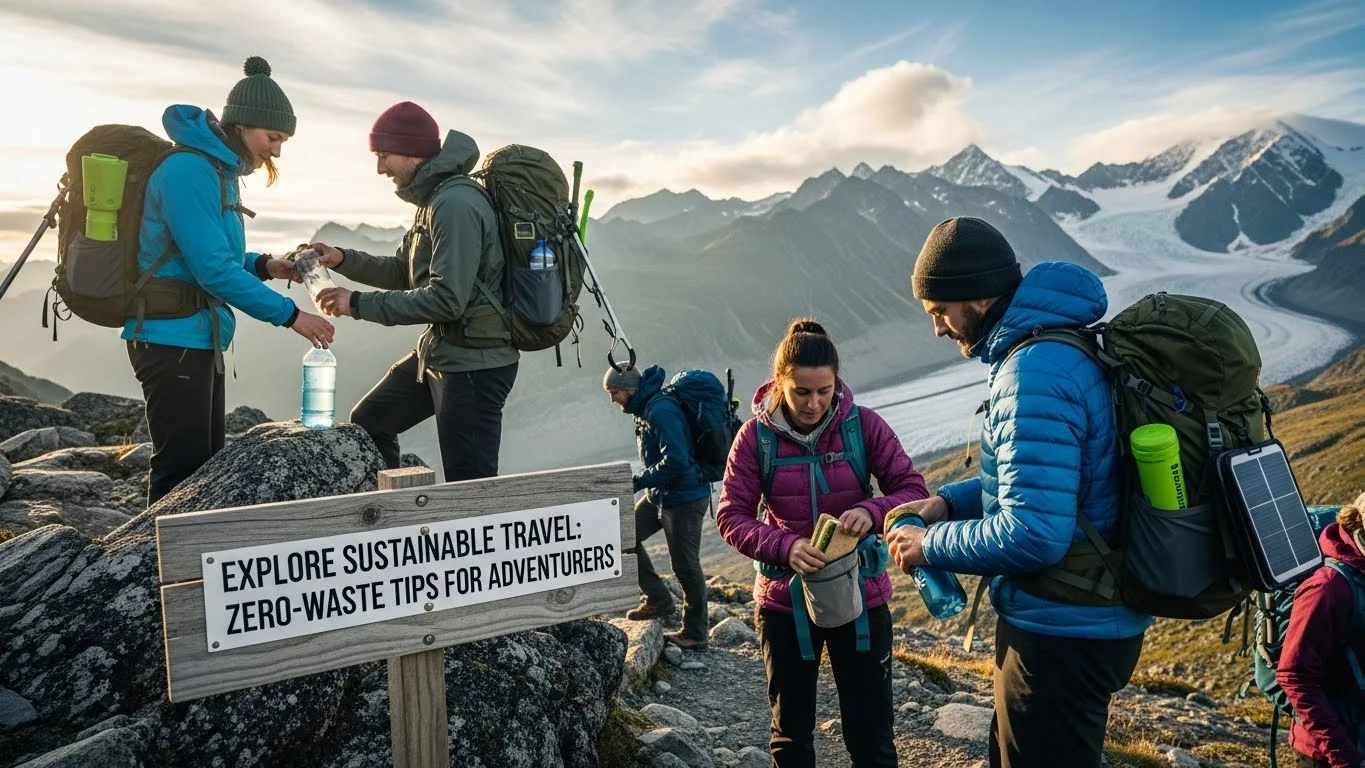
Explore Sustainable Travel: Zero-Waste Tips for Adventurers

Traveling sustainably is more than just a trend; it’s a movement that can transform our adventures and protect our planet. Join me as we dive into zero-waste travel tips that can help us leave a positive impact while exploring the world. Read Interesting article: Ultimate Zero-Waste Travel Tips for Budget Backpackers
Explore Sustainable Travel: Zero-Waste Tips for Adventurers

Understanding Sustainable Travel

Definition of Sustainable Travel

Sustainable travel, in my view, is all about exploring the world in a way that preserves the environment, supports local cultures, and benefits communities. It’s not just about where we go, but how we get there and what we do while we’re there. I believe that every traveler has the power to make choices that minimize their impact on the planet. For instance, simple decisions like opting for eco-friendly accommodations or using public transport can make a huge difference.

Importance of Sustainability in Travel

When I started my journey toward sustainable travel, I quickly realized how crucial it is for the health of our planet. Tourism can often lead to environmental degradation, cultural disruption, and economic inequality. By embracing sustainable practices, we not only protect the natural beauty we love to explore but also empower local communities. I remember visiting a small village where the tourism revenue directly supported education and healthcare. It was a powerful reminder of how our travel choices can foster positive change.

Overview of Zero-Waste Philosophy

The zero-waste philosophy resonates deeply with me, as it encourages minimizing waste and making conscious decisions that benefit the environment. This idea promotes reducing, reusing, and recycling not just in our day-to-day lives but also while we’re on the road. I’ve learned that by adopting a zero-waste mindset, we can significantly reduce our environmental footprint during our adventures. It’s about being mindful of the resources we consume and striving to leave places better than we found them. I remember my first zero-waste trip; I felt empowered knowing that every little effort counted.

Preparing for Your Zero-Waste Adventure

Choosing Eco-Friendly Destinations

Selecting the right destination is the first step in planning a zero-waste adventure. I like to look for places that are committed to sustainability and have green initiatives in place. Eco-friendly destinations often prioritize conservation, support local communities, and offer unique experiences that align with sustainable values. I’ve found that researching destinations that promote ecotourism can lead to incredible opportunities to immerse myself in nature while enjoying the local culture. For example, visiting countries that prioritize wildlife conservation or sustainable agriculture can be both educational and thrilling. Read Interesting article: Experience Local Cultures: Budget-Friendly Eco-Tourism Tips

Researching Local Sustainable Practices

Before I embark on my travels, I make it a point to research local sustainable practices. Understanding how a destination handles waste management, supports local businesses, and promotes cultural preservation can significantly influence my travel choices. Websites, social media, and local blogs are great resources for discovering how to travel sustainably in a specific area. I’ve learned about initiatives like community-supported agriculture (CSA) in various regions, which allows travelers to connect with local farmers and enjoy fresh, organic produce while supporting the local economy.

What to Pack for Zero-Waste Travel

When it comes to packing for a zero-waste adventure, I like to be as prepared as possible. Here are some essentials I never leave home without:

Reusable Bags and Containers

One of my favorite tips is to pack reusable bags and containers. These are perfect for shopping at local markets or storing leftovers from meals. I invested in a set of collapsible containers and reusable produce bags, which have proven to be lifesavers on my trips. Not only do they help me avoid single-use plastics, but they also keep my food fresh and safe.

Zero-Waste Toiletries

Another must-have for my travels is zero-waste toiletries. Instead of bringing traditional shampoo or conditioner bottles, I now pack solid bars that are plastic-free and lightweight. Additionally, I always bring a bamboo toothbrush and a small tin for my homemade toothpaste. These small changes have made a massive difference in reducing my waste while traveling.

Eco-Friendly Clothing Options

Choosing eco-friendly clothing has become a priority for me. I look for brands that use sustainable materials and ethical labor practices. Packing versatile pieces that can be mixed and matched helps me travel light while making a statement about my commitment to sustainability. For me, it’s not just about looking good; it’s about feeling good knowing that my clothing choices align with my values.

As I plan my zero-waste adventures, I feel a sense of excitement and responsibility. Each step I take towards sustainable travel not only enhances my experiences but also contributes to the preservation of the places I love to explore. I can’t wait to share more tips on how we can make our travels even more eco-friendly!

Transportation Tips for Sustainable Travel

Choosing Sustainable Modes of Transportation

Transportation is a significant part of our travel footprint, and I’ve learned that making thoughtful choices can lead to more sustainable adventures. I often consider my options carefully before planning my travels. For instance, flying may be unavoidable for long distances, but I try to limit my air travel whenever possible. Instead, I look for alternatives that are less polluting. Trains, for example, can be a fantastic option. They not only reduce carbon emissions but also provide scenic views along the way that you simply miss from an airplane window. On my last trip through Europe, taking the train allowed me to relax and enjoy the beautiful landscapes while knowing I was making a greener choice.

Public Transport vs. Car Rentals

Whenever I arrive at a new city, I usually opt for public transportation instead of renting a car. Buses, trams, and subways can be incredibly efficient and are often a great way to immerse myself in the local culture. I remember hopping on a bus in a bustling city, surrounded by locals, and it added so much to my experience. I felt connected to the place in a way that a rental car wouldn’t have allowed. Plus, using public transport reduces the number of vehicles on the road, which is better for the environment. If I do need a vehicle, I look into car-sharing services or electric vehicles, which are becoming more common and are more eco-friendly than traditional cars.

Walking and Biking

Walking and biking are two of my favorite ways to explore a new destination. Not only do they allow me to see more of the local area, but they also give me an opportunity to interact with the environment and the people living there. I’ve discovered hidden gems—like quaint cafes and vibrant street art—simply by wandering around on foot or cycling through neighborhoods. In fact, many cities offer bike rentals, making it easy to get around while also promoting a healthier lifestyle. On a recent trip, I rented a bike to tour a coastal city, and I felt a sense of freedom as I pedaled along the water, soaking in the atmosphere.

Minimizing Carbon Footprint While Traveling

Being mindful of my carbon footprint is something I actively consider during my travels. I’ve learned that every decision counts, even the small ones. For example, choosing direct flights when possible can help reduce emissions. Additionally, I try to travel during off-peak times to avoid crowded flights and roads, which can contribute to increased pollution. When I do fly, I make it a point to pack light; fewer bags mean less fuel consumption. I remember how satisfying it felt to travel for a week with just a carry-on, knowing I was making a lighter impact on the planet.

Offsetting Travel Emissions

Even with the best intentions, some travel emissions are unavoidable. That’s when I turn to carbon offset programs. I’ve found organizations that allow me to invest in renewable energy projects or reforestation efforts to counterbalance my travel emissions. It gives me peace of mind knowing that I can still contribute positively to the environment. For instance, after a long-haul flight, I made a small donation to a tree-planting initiative. Knowing that my contribution would help somewhere else made me feel more connected to the global effort of preserving our planet.

Accommodation Choices for Eco-Conscious Travelers

Staying in Eco-Friendly Hotels

When it comes to accommodations, I always look for eco-friendly hotels that prioritize sustainable practices. These establishments often implement energy-efficient systems, use organic materials, and promote water conservation. I love staying in places that have a clear commitment to minimizing their environmental impact. On a recent trip, I stayed at a hotel that was powered by solar energy, and it felt great knowing that my stay supported such initiatives. They also had a lovely garden where they grew their herbs, which was a nice touch that added to the overall experience.

Considering Eco-Lodges and Hostels

Eco-lodges and hostels can offer unique and sustainable experiences that hotels just can’t match. I’ve stayed at cozy eco-lodges nestled in nature, where the focus is on harmony with the environment. They often use local materials for construction and provide opportunities to learn about the local ecosystem. Hostels can also be a great option for budget-conscious travelers who want to meet like-minded individuals. I remember staying in a hostel where they organized community events focused on sustainability and education, which allowed me to connect with other travelers who shared my values.

Alternatives: House Swapping and Camping

House swapping and camping are two more accommodations that have captured my interest. House swapping lets you live like a local while minimizing the environmental impact of a hotel stay. I’ve had great experiences swapping homes with other travelers, and it often leads me to discover hidden spots in the area that I wouldn’t have found otherwise. Camping, on the other hand, allows me to connect directly with nature. Whether it’s setting up a tent in a national park or staying at a campground, I find that being outdoors enhances my travel experience. Plus, it’s a fantastic way to unplug from the hustle and bustle of daily life!

Zero-Waste Practices During Your Trip

Reducing Single-Use Plastics

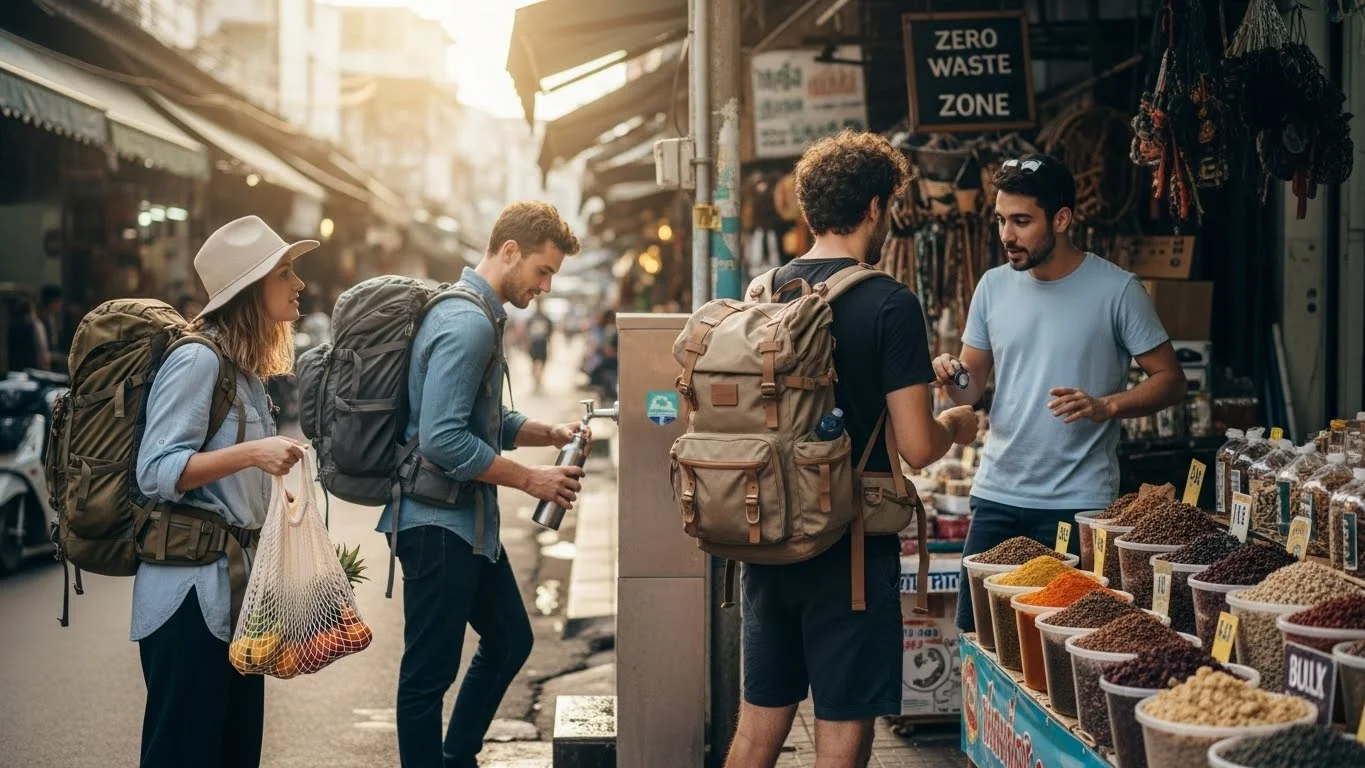
One of the most impactful changes I’ve made during my travels is actively reducing single-use plastics. I remember the first time I realized just how much plastic waste was generated during trips—those plastic water bottles, bags, and straws seemed to be everywhere. Now, I carry a reusable water bottle with me, and I always look for ways to refill it. Many places now have water refill stations, and I find it refreshing to drink clean water while minimizing waste. I also bring my own utensils and a stainless-steel straw, which has helped me refuse single-use cutlery and straws at restaurants. These small adjustments have made a big difference in my overall impact on the environment.

Choosing Local and Organic Food Options

Food is a big part of our travel experience, and I’ve learned to make conscious choices that support local agriculture while reducing my waste. When I visit new places, I seek out local markets and farm-to-table restaurants. Not only does this allow me to taste the region’s authentic flavors, but it also helps minimize packaging waste. I recall visiting a farmer’s market while traveling in Italy, where I enjoyed fresh produce and homemade pasta sold without excess plastic. I made it a point to ask the vendors about their farming practices, and it was rewarding to hear how they prioritized organic methods. Sourcing food locally not only supports the community but also reduces the carbon footprint associated with transporting food long distances.

Supporting Local Businesses and Artisans

When I think about travel, I often reflect on the importance of supporting local businesses and artisans. Instead of shopping at big chain stores, I enjoy exploring local shops, craft markets, and family-owned restaurants. I remember wandering through a vibrant street market in Mexico, where I found handmade crafts and traditional textiles. Purchasing directly from artisans not only helps sustain their livelihoods but also fosters a sense of connection to the culture. I’ve learned that each item I buy has a story, and I cherish those unique finds that remind me of my adventures. Plus, it feels good to know that my spending contributes to the local economy.

Participating in Community Clean-Up Events

Engaging with the community is one of my favorite aspects of travel, and participating in local clean-up events has been an incredibly fulfilling experience. I often check local social media groups or community boards to find organized clean-up efforts in the areas I visit. On a recent trip to a coastal town, I joined a beach clean-up organized by a local environmental group. It was heartwarming to see families, kids, and fellow travelers come together to protect the beautiful shoreline. Not only did we remove trash, but we also had the chance to meet amazing people who share a passion for the environment. It reminded me that our actions—big or small—can contribute to preserving the places we love.

Activities and Experiences for Sustainable Travelers

Eco-Tourism Activities

Eco-tourism has opened up a world of sustainable experiences for me. I’ve discovered that there are so many activities that allow us to appreciate nature while being mindful of our impact. For instance, I love participating in wildlife conservation programs during my travels. I once volunteered for a sea turtle conservation project where we helped monitor nesting sites and educate visitors about protecting these beautiful creatures. Knowing I was contributing to the preservation of wildlife while learning about their habits was such a rewarding experience.

Wildlife Conservation Programs

Wildlife conservation programs are a fantastic way to dive deep into the local ecosystem. I’ve seen programs that focus on various species, from elephants to sea turtles. Joining these initiatives allows me to connect with nature and understand the challenges these animals face. I remember spending a week in a reserve in Africa, where we helped with tracking and monitoring endangered species. The experience was not only educational but also helped raise awareness about conservation efforts. It’s inspiring to see how travelers can become advocates for wildlife and contribute to essential research.

Nature Hiking and Responsible Wildlife Watching

Nature hiking has become a cherished activity for me. I love exploring national parks and protected areas, where I can immerse myself in breathtaking landscapes. While hiking, I practice responsible wildlife watching, keeping a respectful distance from animals and ensuring I follow guidelines to avoid disturbing their natural habitats. I remember hiking in a national park where I was lucky enough to spot a family of deer. I felt a rush of excitement, but I made sure to observe quietly and from a distance. These moments connect us to nature and remind us of the importance of preserving these environments.

Cultural Experiences that Promote Sustainability

Embracing the local culture is vital for sustainable travel, and I love seeking out experiences that promote sustainability. I’ve participated in workshops that teach traditional crafts, like pottery or weaving, which often use local and sustainable materials. These experiences allow me to appreciate the artistry of local cultures while ensuring that I support their continued practice. I remember attending a cooking class where we learned to make traditional dishes using locally sourced ingredients. Not only did I leave with new skills, but I also gained a deeper understanding of the cultural significance behind the food. It’s a beautiful way to immerse myself in a community while promoting sustainable practices. Read Interesting article: Cultural Immersion: Your Guide to Sustainable Travel Adventures

Frequently Asked Questions

What is sustainable travel?

Sustainable travel is about exploring the world in a way that preserves the environment, supports local cultures, and benefits communities. It involves making choices that minimize one’s impact on the planet, such as opting for eco-friendly accommodations or using public transport.

Why is sustainability important in travel?

Sustainability is crucial in travel because tourism can lead to environmental degradation, cultural disruption, and economic inequality. Embracing sustainable practices helps protect natural beauty and empower local communities, fostering positive change through travel choices.

What is the zero-waste philosophy?

The zero-waste philosophy encourages minimizing waste and making conscious decisions that benefit the environment. This approach promotes reducing, reusing, and recycling during travels, aiming to leave places better than they were found.

How can I prepare for a zero-waste adventure?

Preparing for a zero-waste adventure involves choosing eco-friendly destinations, researching local sustainable practices, and packing essentials like reusable bags, zero-waste toiletries, and eco-friendly clothing options.

What transportation options are best for sustainable travel?

Sustainable transportation options include using trains, public transport, walking, and biking. Choosing these alternatives reduces carbon emissions and allows travelers to immerse themselves in local culture while minimizing their environmental footprint.

What should I look for when choosing accommodations?

When choosing accommodations, look for eco-friendly hotels that prioritize sustainable practices, such as energy efficiency and water conservation. Eco-lodges and hostels can also provide unique experiences that align with sustainable values.

How can I reduce single-use plastics while traveling?

To reduce single-use plastics while traveling, carry a reusable water bottle, bring your own utensils and stainless-steel straw, and seek out places with water refill stations to minimize plastic waste.

What are some ways to support local communities while traveling?

Support local communities by choosing local and organic food options, shopping at local markets, and participating in community clean-up events. Engaging with local businesses and artisans helps sustain their livelihoods and fosters cultural connections.

What types of eco-tourism activities can I participate in?

Eco-tourism activities include wildlife conservation programs, nature hiking, and cultural experiences that promote sustainability. These activities allow travelers to appreciate nature while being mindful of their environmental impact.

How can I offset my travel emissions?

You can offset travel emissions by participating in carbon offset programs, which allow you to invest in renewable energy projects or reforestation efforts. This helps counterbalance the emissions generated during your travels.
Ultimate Zero-Waste Travel Tips for Budget Backpackers

Traveling the world doesn’t have to come at the expense of our planet. As budget backpackers, we can explore breathtaking destinations while embracing a zero-waste lifestyle. Let’s dive into how we can make travel sustainable and enjoyable!

Ultimate Zero-Waste Travel Tips for Budget Backpackers

Understanding Zero-Waste Travel

What is Zero-Waste Travel?

Zero-waste travel is all about minimizing waste and reducing our environmental impact while exploring new places. Instead of tossing items into the trash, I focus on using reusable products and making conscious choices that keep waste to an absolute minimum. This means ditching single-use plastics, finding eco-friendly accommodations, and embracing a mindset of sustainability as I travel. It’s not just a trend; it’s a way to honor the beautiful places we visit and the planet as a whole.

The Importance of Sustainable Travel

In today’s world, the impact of tourism on the environment is staggering. I’ve seen firsthand how litter and pollution can tarnish once-pristine landscapes. By choosing sustainable travel practices, we can help preserve these spaces for future generations. It’s important to recognize that every small action counts—whether it’s bringing a reusable water bottle or supporting local economies. Our choices can influence not just the places we visit, but also the local communities and ecosystems that thrive there.

Benefits of Zero-Waste Travel for Backpackers

As a budget backpacker, I’ve discovered that adopting a zero-waste mindset actually enhances my travel experience. Here’s how:

  • Cost Savings: By using reusable items, like a water bottle or cloth bags, I save money that would otherwise be spent on single-use products.
  • Greater Connection: Traveling sustainably often leads me to local markets and community events, allowing for more authentic interactions.
  • Personal Satisfaction: Knowing that I’m making an effort to protect the environment fills me with a sense of purpose during my travels.
  • Adventure Opportunities: Many eco-friendly activities offer unique experiences, such as volunteering for conservation projects or staying with local families.

Planning Your Zero-Waste Backpacking Trip

Choosing Eco-Friendly Destinations

When planning my trips, I’ve found that selecting eco-conscious destinations is crucial. Some places prioritize sustainability, making it easier for travelers like us to maintain a zero-waste lifestyle. For instance, cities like Copenhagen, known for their bike-friendly infrastructure and focus on green spaces, are great for minimizing my carbon footprint. Similarly, areas that promote local produce and sustainable practices can enhance my experience while keeping waste low. Eco-friendly cycling is a great way to explore these destinations.

Researching Local Sustainability Practices

Before I head to a new destination, I like to do a bit of homework on local sustainability practices. Are there farmers’ markets? What’s the recycling system like? Understanding how the locals approach waste management helps me align my habits with theirs. I remember visiting a small town in Costa Rica where the community had established robust recycling programs. It inspired me to follow suit and find ways to engage with their efforts.

Budgeting for Zero-Waste Travel

Budgeting for a zero-waste trip doesn’t have to be stressful. I often find that spending a little extra on eco-friendly products can save money in the long run. For example, investing in a good reusable water bottle means I won’t have to buy bottled water during my travels. Plus, I love saving cash by cooking my own meals instead of eating out all the time. I make a point to set aside funds for sustainable experiences, such as local tours or workshops that support the environment.

Finding Sustainable Accommodations

Finding the right place to stay can make all the difference in my zero-waste journey. I usually look for hostels or hotels with eco-credentials. These accommodations often have programs in place for recycling, energy conservation, and even local sourcing.

Hostels with Eco-Credentials

Staying in eco-friendly hostels has become my go-to option. Many of these places have a strong commitment to sustainability, offering amenities like solar energy, composting systems, and even organic food. I remember my stay at a hostel in Berlin that provided free breakfast with locally sourced ingredients, which made me feel good about my choices while enjoying some tasty food.

Camping and Nature-Based Lodging

I’ve also discovered that camping or opting for nature-based lodgings can be a fantastic way to connect with the environment. Camping allows me to immerse myself in nature and practice minimalism. Plus, many campgrounds have waste management systems in place to help reduce our footprint. Staying at eco-lodges or treehouses not only minimizes waste but also offers unique experiences that I cherish.

Essential Gear for Zero-Waste Backpackers

Reusable Water Bottles

One of my favorite zero-waste essentials is a sturdy, reusable water bottle. I can’t tell you how many times I’ve been on a trip and wished I had one handy. Having a reliable bottle not only saves me money but also keeps me hydrated without contributing to plastic waste. I opted for a stainless steel one that keeps my drinks cold for hours. Plus, most places have water refill stations, so it’s easy to stay refreshed. I remember hiking in the mountains of Colorado and being able to fill up my bottle at a scenic spring, feeling great about my choice and deeply connected to nature.

Eco-Friendly Toiletries

Another area where I’ve made significant changes is my toiletries. I switched to solid shampoo and conditioner bars that come with minimal packaging. They last longer than traditional bottles, and I don’t have to worry about leakages in my bag! I also use a bamboo toothbrush and refillable toothpaste tablets. It’s amazing how a few small changes can make a big difference in reducing waste. I always feel good knowing that I’m not contributing to the millions of plastic toothbrushes that end up in landfills every year.

Cloth Bags and Containers

Cloth bags are a game-changer when it comes to shopping and carrying items around. I keep a few reusable cloth bags in my backpack for groceries or souvenirs. They fold up nicely and take virtually no space, which is perfect for a backpacker. I also carry my own food containers for takeout meals or storing leftovers. I’ve had countless positive experiences with local eateries when I pull out my container, and many places are happy to fill it up, reducing unnecessary waste. It feels good to be proactive in my environmental impact while enjoying delicious local cuisine.

Multi-Use Tools and Gadgets

When it comes to packing, I love bringing along multi-use tools. A simple Swiss Army knife can serve many purposes—like opening cans, cutting fruit, or even making minor repairs on the go. This not only saves space in my backpack but also minimizes the need for unnecessary single-use items. I’ve had moments where I’ve used my knife to slice fresh bread from a local market while enjoying a picnic in a gorgeous park. It’s these little things that make my travels feel special and sustainable. Top 10 Eco-Friendly Travel Gear for Budget Backpackers can provide more insights on essential tools.

Zero-Waste Packing Tips

How to Pack Light While Staying Sustainable

Packing light is an essential skill for backpackers, especially when trying to maintain a zero-waste lifestyle. I’ve learned to be intentional about what I bring. I create a packing list that includes only the essentials. I find that versatile clothing pieces that can be mixed and matched not only save space but also allow me to dress appropriately for various occasions. For instance, a lightweight scarf can serve as a wrap during cooler evenings, or as a beach towel. I remember one trip where I packed just a few tops and a pair of pants, and it was liberating not to be weighed down by unnecessary clothes!

Choosing the Right Clothing Materials

When selecting clothes, I prioritize natural, sustainable materials like cotton, hemp, or bamboo. These fabrics are not only comfortable but also biodegradable. I’ve swapped out synthetic materials that contribute to microplastic pollution in our oceans. I feel better knowing that my clothing choices are aligned with my values. Thrift shopping has also become a favorite pastime of mine, allowing me to find unique pieces while contributing to a circular economy.

Zero-Waste Packing List for Backpackers

Creating a zero-waste packing list tailored to backpacking has been incredibly helpful for me. Here’s a list of essentials I always include:

  • Reusable water bottle
  • Cloth bags for shopping
  • Solid toiletries (shampoo, conditioner, soap)
  • Bamboo toothbrush
  • Multi-use tools (like a Swiss Army knife)
  • Lightweight, versatile clothing
  • Reusable food containers
  • Portable utensils (fork, knife, spoon)
  • Eco-friendly first-aid kit

This list helps me remain focused and intentional about my choices, ensuring I’m prepared without overpacking.

Transportation Tips for Eco-Conscious Travelers

Using Public Transportation Effectively

Using public transportation is one of the best ways to reduce my carbon footprint when traveling. I’ve found that local buses, trams, and trains not only offer an authentic experience but also help me connect with the culture of the place I’m visiting. On a recent trip to Japan, I was amazed by the efficiency of the rail system. I was able to travel effortlessly between cities while enjoying the scenic views. Plus, it felt great to know I was contributing to less pollution compared to renting a car.

Eco-Friendly Modes of Transport

When possible, I opt for eco-friendly modes of transport like biking or walking. Many cities today have bike-sharing programs that allow me to explore at my own pace while being mindful of the environment. I remember cycling through Amsterdam, where the bike lanes are incredibly well-designed and safe. It was not only a fun way to explore but also a fantastic workout!

Reducing Carbon Footprint While Traveling

Every small effort counts when it comes to reducing our carbon footprint. I try to travel slower, taking my time in each destination rather than hopping from place to place. This allows me to immerse myself more in the culture and create meaningful experiences. I’ve seen how spending a few extra days in one spot leads to deeper connections with locals and a better understanding of their way of life. Ultimately, it enhances my overall travel experience while also being kinder to the planet.

Eating Sustainably on the Road

Finding Local and Organic Food Options

One of the joys of traveling is experiencing local cuisine. I’ve always loved exploring new flavors, and embracing a zero-waste lifestyle has pushed me to seek out local and organic food options. Not only does this support the community, but it also helps reduce my carbon footprint. I often visit farmer’s markets or local eateries that prioritize fresh, seasonal ingredients. For example, during my travels in Italy, I discovered a small trattoria that sourced its produce from nearby farms. The meals were not only delicious but also made me feel like I was part of the local culture. Every bite was a reminder of why supporting local businesses is so important.

Cooking Your Own Meals

Cooking my own meals while traveling has become one of my favorite activities. It’s a fantastic way to save money, reduce waste, and enjoy the fresh local produce. When I can, I book accommodations with kitchen facilities, so I can whip up my own dishes. I’ve learned to shop for ingredients at local markets, which often leads me to discover new ingredients and recipes. I remember making a simple pasta dish with fresh tomatoes and basil I picked up at a market in Barcelona. It was not only fun to cook but also fulfilling to know I was minimizing waste by using my cloth bags and reusable containers for shopping.

Zero-Waste Dining Practices

Dining out while maintaining a zero-waste mindset can be a bit tricky, but I’ve found ways to make it work. Before I head to a restaurant, I usually check if they offer takeout, and I make sure to bring my own containers. This has led to some interesting conversations with restaurant staff, and they often appreciate my efforts. I also try to eat at places that emphasize sustainability and offer plant-based options since those typically have a lower environmental impact. On a recent trip to Thailand, I enjoyed visiting a restaurant that served meals in banana leaves instead of plastic containers. It was refreshing to see such innovative practices, and it made my meal feel even more special.

Waste Management Strategies While Traveling

Reducing Single-Use Plastics

One of the biggest challenges I face while traveling is the prevalence of single-use plastics. I’ve learned to be proactive in reducing my reliance on these items. For instance, I always carry my own reusable utensils, straws, and bags. It’s a small change, but it can significantly cut down on waste. I remember being in a food market in Vietnam, and when I pulled out my reusable chopsticks, the vendor was surprised but appreciated my effort. It sparked a conversation about sustainability that I cherished. Making small changes like this helps not only my journey but also sets an example for others.

Proper Disposal of Waste in Different Countries

Understanding local waste disposal practices is crucial when traveling. I’ve experienced a wide range of systems, from strict recycling regulations to more relaxed approaches. Before I travel, I try to research how waste is managed in my destination. For example, in Japan, I learned that separating waste into burnable, non-burnable, and recyclable categories is essential. At first, it was confusing, but I found it rewarding to adapt and respect their customs. I always make sure to follow local rules to avoid adding to the problem. It’s about respect for the environment and the practices of the places I visit.

Composting and Recycling Options Abroad

Composting may not be commonly practiced in every country, but I’ve come across some places where it is encouraged. I usually ask locals or check online resources for composting options. In Costa Rica, for instance, I discovered eco-lodges that had composting systems in place for food waste. I made it a habit to ask if I could contribute any leftovers to their composting efforts. It felt good to know that my waste could turn into something beneficial, rather than just being tossed in the trash. Similarly, finding recycling bins can be hit or miss, but I’ve learned to keep my recyclables until I find a proper place to dispose of them. It’s all about being adaptable and considerate of the local environment.

Engaging with Local Communities

Participating in Local Conservation Efforts

Engaging with local communities is one of the most fulfilling aspects of traveling sustainably. I’ve often sought out ways to volunteer or participate in conservation efforts during my trips. Whether it’s beach clean-ups, tree-planting events, or wildlife conservation projects, I find these experiences deeply enriching. On a trip to New Zealand, I participated in a project to restore native plant habitats. Not only did I learn about the local ecosystem, but I also met incredible people who share my passion for the environment. It felt great to contribute positively to the places I visited.

Supporting Eco-Friendly Businesses

I make a conscious effort to support eco-friendly businesses while traveling. This includes everything from restaurants that source local ingredients to shops that sell sustainable products. I’ve found that these businesses often have a story to share, and I love learning about their missions. When I was in Bali, I stumbled upon a small shop that sold handmade items made from recycled materials. By purchasing a few souvenirs there, I felt good knowing my money went to a business that cared about the environment.

Volunteering for Sustainable Projects

Volunteering has become a vital part of my travels. It allows me to give back while experiencing the culture in a meaningful way. I often look for organizations that focus on sustainability and conservation. For example, in South Africa, I worked with a group dedicated to protecting endangered species. The experience was eye-opening, and I walked away with valuable insights and friendships. I encourage fellow travelers to seek out these types of opportunities. Not only do they create lasting memories, but they also foster a sense of community and responsibility towards our planet.

Frequently Asked Questions

What is zero-waste travel?

Zero-waste travel is about minimizing waste and reducing environmental impact while exploring new places. It involves using reusable products and making conscious choices to keep waste to an absolute minimum, such as avoiding single-use plastics and choosing eco-friendly accommodations.

Why is sustainable travel important?

Sustainable travel is important because tourism can have a significant negative impact on the environment. By adopting sustainable practices, travelers can help preserve beautiful landscapes and ecosystems for future generations, and their choices can positively influence local communities.

What are some benefits of zero-waste travel for backpackers?

Benefits of zero-waste travel for backpackers include cost savings from using reusable items, greater connections through authentic local interactions, personal satisfaction from contributing to environmental protection, and unique adventure opportunities through eco-friendly activities.

How can I choose eco-friendly destinations?

Choosing eco-friendly destinations involves selecting places that prioritize sustainability, such as cities with bike-friendly infrastructure and a focus on local produce. Researching local sustainability practices can also help align your travel choices with the community’s efforts.

What essential gear should zero-waste backpackers carry?

Essential gear for zero-waste backpackers includes a reusable water bottle, cloth bags for shopping, solid toiletries, a bamboo toothbrush, multi-use tools, and reusable food containers. This gear helps minimize waste while traveling.

How can I pack light while maintaining a zero-waste lifestyle?

Packing light involves being intentional about what you bring, creating a packing list of essentials, and choosing versatile clothing that can be mixed and matched. This approach keeps your backpack manageable and reduces unnecessary items.

What are some transportation tips for eco-conscious travelers?

Using public transportation, opting for eco-friendly modes of transport like biking or walking, and traveling slower to immerse yourself in each destination are effective strategies for reducing your carbon footprint while traveling.

How can I find local and organic food options while traveling?

Finding local and organic food options involves visiting farmer’s markets and eateries that prioritize fresh, seasonal ingredients. Cooking your own meals using local produce can also enhance your travel experience and minimize waste.

What strategies can I use for waste management while traveling?

Strategies for waste management while traveling include reducing single-use plastics by carrying reusable utensils and containers, understanding local waste disposal practices, and seeking composting and recycling options in the areas you visit.

How can I engage with local communities while traveling sustainably?

Engaging with local communities can involve participating in conservation efforts, supporting eco-friendly businesses, and volunteering for sustainable projects. These actions foster a sense of connection and responsibility towards the environment and the local culture.

Cultural Immersion: Your Guide to Sustainable Travel Adventures

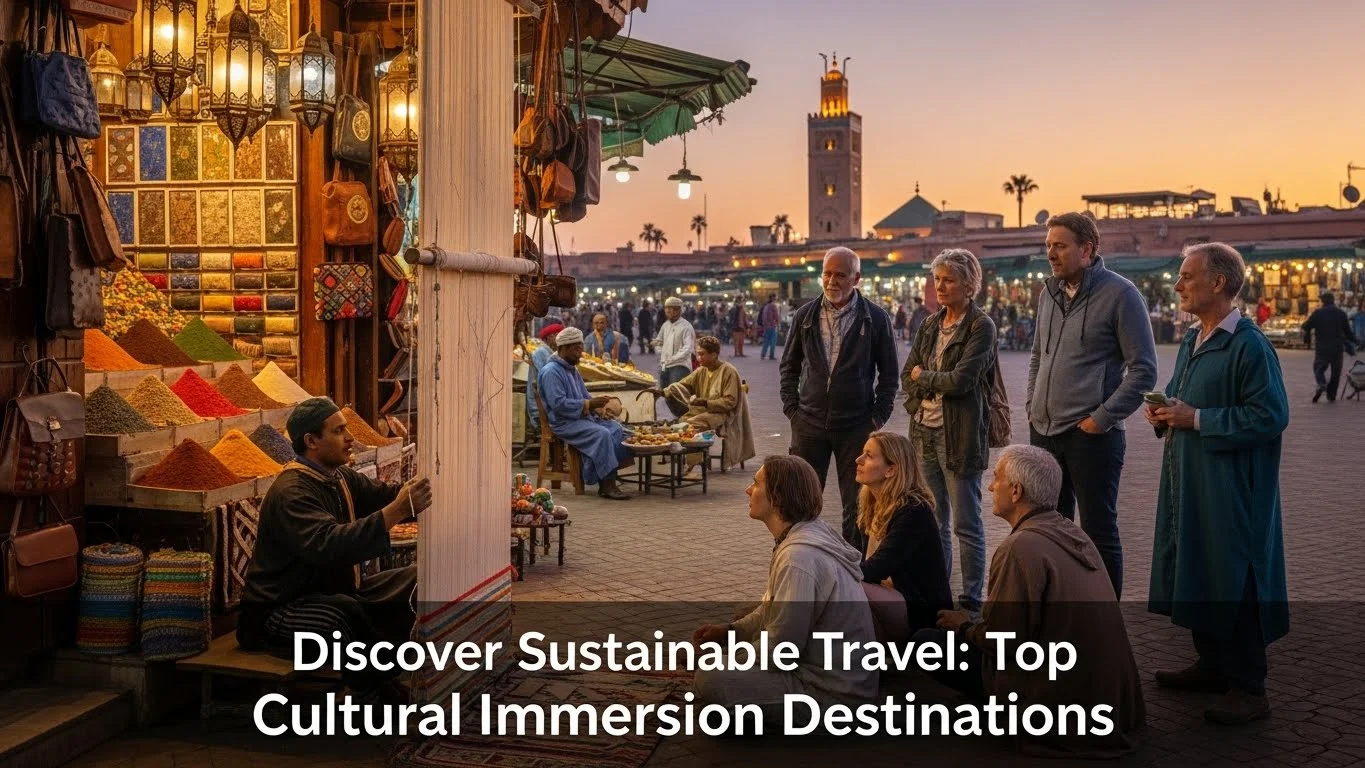
Cultural immersion is more than just a travel trend; it’s a journey that transforms the way we connect with the world. If you’re ready for an adventure that respects local cultures and environments, you’re in the right place! Read Interesting article: Discover Sustainable Travel: Top Cultural Immersion Destinations

Cultural Immersion: Your Guide to Sustainable Travel Adventures

Understanding Cultural Immersion in Travel

Definition of Cultural Immersion

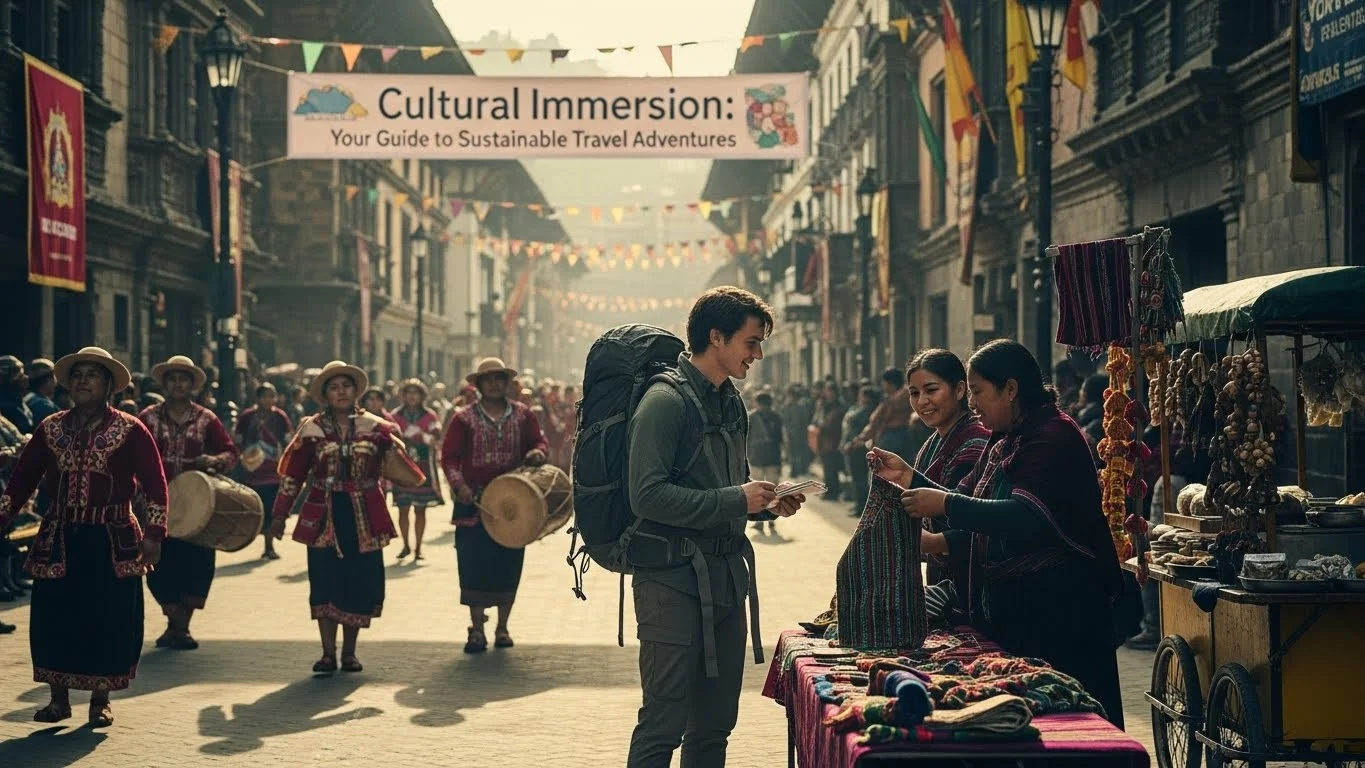
Cultural immersion, to me, is about diving deep into the heart of a place. It means engaging with local communities, understanding their traditions, and experiencing their daily lives rather than just observing from the sidelines. Instead of simply visiting a destination, cultural immersion invites us to become a part of it. I’ve found that this approach helps break down barriers and fosters genuine connections that can change our perspectives forever.

Benefits of Cultural Immersion for Travelers

From my experience, the benefits of cultural immersion are immense. First and foremost, it makes travel more meaningful. When I participate in local customs or attend festivals, I feel a sense of belonging, even if just for a moment. It’s exciting to learn a few words in a new language or try a traditional dance. These experiences enrich my travels and create lasting memories.

Moreover, cultural immersion opens our eyes to the challenges local communities face. I remember visiting a small village where the people struggled with water scarcity. Engaging with them allowed me to see their daily lives and understand their resilience. It inspired me to support sustainable tourism initiatives that benefit these communities directly. By immersing ourselves in their culture, we become advocates for preservation and change.

The Importance of Sustainable Travel

Sustainable travel is essential in today’s world. I believe that as travelers, we have a responsibility to minimize our impact on the places we visit. This means being mindful of our environmental footprint, supporting local economies, and respecting local cultures. When we choose sustainable travel options, we not only protect the environment but also ensure that future generations can enjoy the same experiences we had.

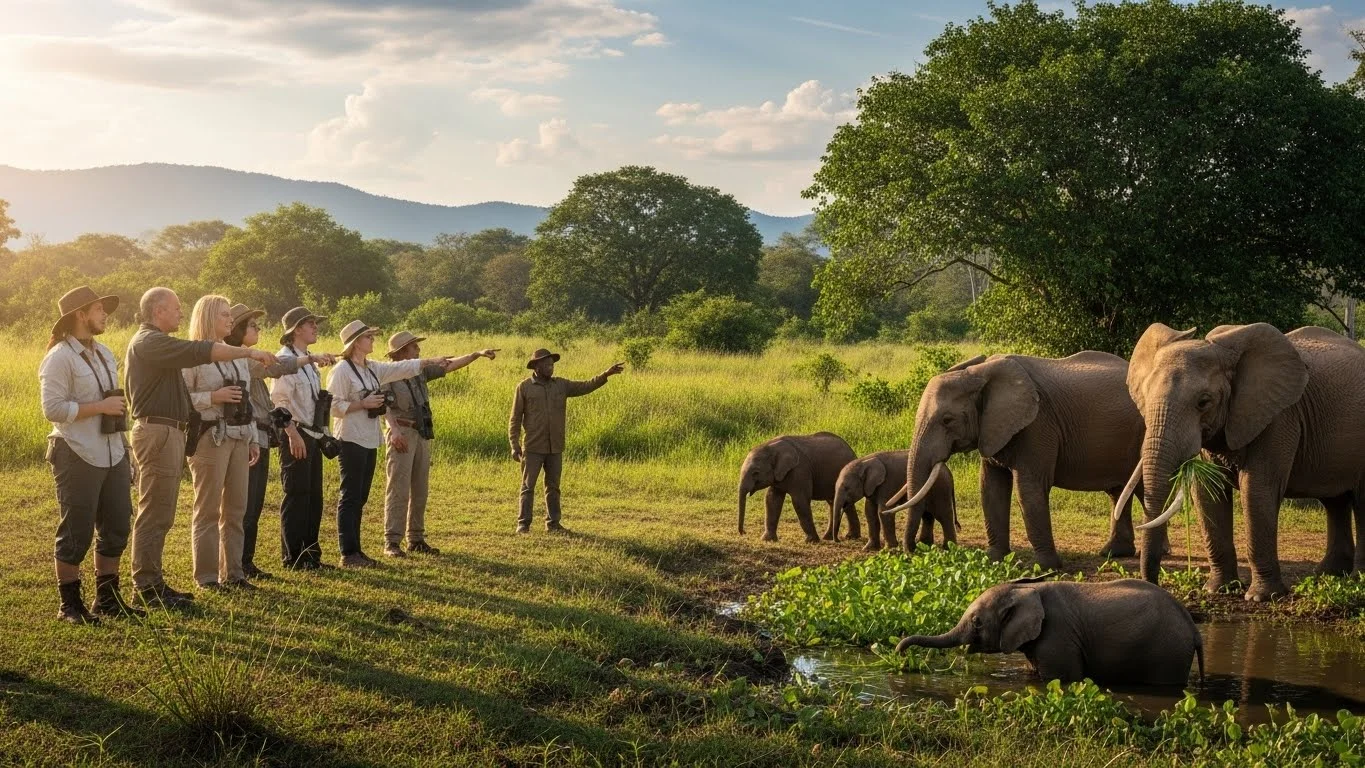
I’ve noticed how small changes make a big difference. When I travel, I try to support local artisans and businesses rather than international chains. This not only boosts the local economy but also provides me with unique souvenirs that hold stories behind them. I recommend looking for eco-friendly activities, like guided nature walks or farm-to-table dining, which contribute to environmental sustainability while allowing me to experience the local culture more deeply. Read Interesting article: Explore Sustainable Travel: Best Wildlife Conservation Spots

Traveling sustainably has also taught me about the interconnectedness of the world. Through cultural immersion, I’ve formed friendships with people from different backgrounds, which has enriched my life. Whether it’s learning about their customs, sharing meals, or participating in festivals, I’ve found that these connections transcend borders and foster a greater understanding of our shared humanity.

In short, cultural immersion transforms the way we see travel. It’s not just a vacation; it’s a chance to learn, grow, and connect with the world around us. By embracing sustainable travel, we can ensure that our adventures have a positive impact on the places and people we encounter. This journey shapes us just as much as we shape it, and I’m excited to share how to plan your own sustainable travel adventure!

Planning Your Sustainable Travel Adventure

Choosing Your Destination Wisely

When it comes to planning a sustainable travel adventure, the first step for me has always been choosing the right destination. I think about places that prioritize cultural preservation and environmental sustainability. For example, countries like Costa Rica and Bhutan have made significant efforts to balance tourism with conservation, which draws me in. I also look for destinations that are less crowded and have a strong commitment to sustainability. These places often allow for a more immersive experience, as you can connect with local people without the overwhelming presence of mass tourism.

In my experience, it’s helpful to consider how each destination manages tourism. I remember planning a trip to a small island community that heavily relied on tourism revenue. By researching beforehand, I discovered their initiatives to promote eco-friendly practices, from plastic waste reduction to supporting local artisans. This made my visit more meaningful, as I knew my presence would contribute positively to their community.

Researching Local Cultures and Traditions

Before I travel, I spend time learning about the local culture and traditions. This research helps me understand how to show respect and appreciation for the people I’ll meet. I often start by reading books or watching documentaries about the region. I also check blogs and forums where travelers share their experiences and insights.

One of my favorite tools is social media. I’ve connected with locals through platforms like Instagram and Facebook. They often share their culture, traditions, and events, giving me a glimpse into their lives. Sometimes, I’ve even reached out to ask questions or seek recommendations, and the responses I’ve received have been incredibly helpful. This preparation not only enriches my experience but also helps me establish a more personal connection with the community.

Understanding Environmental Impact

Understanding the environmental impact of my travels has become a priority for me. I think it’s essential to be aware of how our choices affect the places we visit. For instance, I’ve learned to choose activities that promote environmental conservation, like guided wildlife tours with reputable organizations that support habitat preservation. This way, I can enjoy nature while contributing to its protection.

I also pay attention to my carbon footprint. When I travel, I opt for transportation modes that minimize emissions. I try to use public transport whenever possible or even walk to explore nearby attractions. I remember a trip to Japan where I relied on their extensive train system. Not only was it efficient, but it also allowed me to see the countryside in a way that I wouldn’t have experienced otherwise.

Another aspect I consider is waste management in the areas I visit. I always carry a reusable water bottle and reusable bags to minimize single-use plastics. In many countries, these practices are becoming increasingly important. I’ve noticed that locals appreciate when travelers take responsibility for their waste, which further enhances my connection with the community.

When to Visit: Timing Your Cultural Immersion

Best Seasons for Cultural Festivals

Timing is everything when it comes to cultural immersion. I’ve found that visiting during local festivals can lead to some of the most memorable experiences. For example, I once traveled to India during Diwali, the Festival of Lights. The atmosphere was electric, with homes adorned with colorful lights and families celebrating together. Being part of such a vibrant celebration made me feel connected to the culture in a way I never could have experienced otherwise.

Researching the best seasons for festivals can enhance your travel experience significantly. I typically check local calendars to see what events are happening during my visit. These festivals often include traditional music, dance, and food, providing a window into the local way of life. Plus, experiencing these events alongside locals creates a sense of community that I cherish.

Weather Considerations for Sustainable Travel

Weather is another crucial factor in planning my trips. I’ve learned the hard way that visiting a destination during its rainy season can sometimes dampen my plans. I prefer to travel during shoulder seasons when the weather is mild, and crowds are smaller. This not only makes for a more enjoyable experience but also allows me to engage more deeply with the culture without feeling rushed or overwhelmed.

Local Events and Their Significance

Before I head out on my travels, I like to dive into the significance of local events. Understanding the meaning behind cultural celebrations helps me appreciate them more deeply. For instance, while attending a local harvest festival in Peru, I learned about the importance of the land to the community and their dedication to sustainable farming practices. This knowledge transformed my experience, allowing me to engage with the locals genuinely.

By timing my visits to coincide with these unique events, I not only witness their significance but also create lasting memories and connections. I encourage everyone to dive into the local culture and learn about the events that shape their communities. It’s an eye-opening experience that enriches the adventure and deepens our appreciation for the world around us.

Where to Stay: Sustainable Accommodation Options

Eco-Friendly Hotels and Lodges

When it comes to finding a place to stay, I’ve realized that opting for eco-friendly hotels and lodges can make a significant difference. I often look for accommodations that prioritize sustainability by incorporating green practices, like energy-efficient lighting and water conservation programs. For instance, during my trip to Costa Rica, I stayed at a lodge that not only powered itself using solar energy but also had a commitment to preserving local wildlife habitats. Being surrounded by nature while knowing I was supporting environmentally-friendly initiatives made my experience even more rewarding.

Many eco-friendly hotels also offer unique experiences, like guided tours of their sustainable practices or meals made from locally sourced ingredients. I remember enjoying a delicious breakfast made with fruits and vegetables grown right on their property. It’s these little touches that make me feel connected to the land and the people who care for it.

Homestays and Local Guesthouses

For a more authentic experience, I highly recommend exploring homestays and local guesthouses. These options often allow travelers like us to live alongside local families, immersing ourselves in their daily lives. During my stay in a small village in Thailand, I was welcomed into a local family’s home. They guided me through their daily routines, from cooking traditional meals to participating in local rituals.

Homestays often provide a unique insight into the culture, as the hosts are usually eager to share their stories and customs. I felt a strong sense of community that I don’t always find in larger hotels. Plus, the money I spent went directly to the families, supporting their livelihoods and promoting sustainable tourism.

Responsible Airbnb Choices

Airbnb has become a go-to choice for many travelers, including myself, but it’s crucial to make responsible selections. I’ve learned to look for hosts who prioritize sustainability, such as those who implement eco-friendly practices in their properties. For example, I once stayed at an Airbnb that used rainwater harvesting and provided recycling bins for guests. It was comforting to know that my stay was contributing to environmentally-conscious efforts.

Reading reviews from previous guests can also help identify hosts who are committed to responsible hosting. I often search for comments about local experiences or how hosts engage with the community. This way, I not only find a cozy place to rest but also connect with people who genuinely care about their surroundings and their guests’ experiences.

Top Activities for Cultural Immersion

Participating in Local Workshops and Classes

One of the most fulfilling ways to experience a new culture is by participating in local workshops and classes. I’ve always found that hands-on activities, like pottery or cooking classes, allow me to connect with the local way of life in a meaningful way. For instance, while traveling in Morocco, I took a cooking class where I learned to make traditional tagine. The chef shared stories about her family’s culinary traditions and the significance of the dishes in Moroccan culture. It was a unique way to bond over food and share perspectives.

These workshops often provide insights into local traditions and customs that you wouldn’t find in guidebooks. I love how they create opportunities for interaction, allowing us to ask questions and learn directly from locals. Plus, I come home with new skills and recipes that I can share with friends and family!

Engaging with Community Projects

Another rewarding way to immerse myself in a new culture is by engaging with community projects. I’ve participated in various volunteer initiatives that have opened my eyes to local challenges and solutions. For example, during a trip to Tanzania, I joined a local organization focused on education for girls. I spent time in classrooms, helping with English lessons and learning about the hurdles these young women faced.

Getting involved in community projects not only allows me to contribute positively but also fosters deeper connections with locals. I’ve found that these experiences often lead to friendships and stories that last long after the trip. It’s a beautiful way to see the impact of our efforts while gaining a greater understanding of the community’s needs and aspirations.

Exploring Traditional Markets and Artisans

Visiting traditional markets is one of my favorite activities while traveling. These bustling hubs are often filled with vibrant colors, enticing smells, and the sounds of local vendors selling their goods. I remember wandering through a market in Mexico where I encountered artisans showcasing their handmade crafts. I took the time to chat with them about their work, learning about the techniques passed down through generations.

Supporting local artisans not only helps sustain traditional crafts but also allows me to bring home unique souvenirs that carry stories and history. Whether it’s a beautifully woven basket or a hand-painted pottery piece, I cherish these items knowing that my purchase contributes directly to the artisans’ livelihoods. It’s this connection to the local culture that enhances my travel experience and helps preserve their heritage.

Local Cuisine: Tasting the Culture

Traditional Dishes to Try

One of my absolute favorite aspects of traveling is diving into local cuisine. I’ve always felt that food is a gateway to understanding a culture. Each dish tells a story, reflecting the land, traditions, and the people who prepare it. For instance, during my travels in Vietnam, I couldn’t resist trying pho. The rich broth, fresh herbs, and perfectly cooked noodles created a symphony of flavors that left me wanting more. I learned that pho is not just a dish; it’s a daily ritual for many locals, often enjoyed with family and friends.

Similarly, I remember my time in Italy, where I indulged in homemade pasta made from scratch. It was incredible to see how the locals take pride in their cooking, often passing down recipes through generations. I recommend asking locals about their favorite dishes—these recommendations often lead to hidden gems that may not be in any travel guide!

Farm-to-Table Dining Experiences

Farm-to-table dining is another way to connect with local culture while supporting sustainable practices. I had a memorable experience in California’s Napa Valley, where I enjoyed a meal sourced entirely from local farms. The freshness of the ingredients made every bite delightful. Not only did I savor delicious food, but I also learned about the local agriculture and the importance of supporting sustainable farming.

Restaurants that prioritize local sourcing often provide insight into their menus, sharing stories about the farmers and producers they work with. It makes the dining experience feel more personal and connected to the region. I advise seeking out these establishments, as they typically offer a unique taste of the area and foster a deeper appreciation for the land.

Cooking Classes with Local Chefs

Taking a cooking class while traveling is one of the best decisions I’ve made! It not only allows me to learn new culinary skills, but it also immerses me in the local culture. I once enrolled in a cooking class in Thailand, where the chef walked us through the process of making traditional Thai curries. As we chopped fresh herbs and stirred fragrant spices, I felt a connection to the culture that went beyond just eating the food.

These classes often include trips to local markets to gather ingredients, which is an adventure in itself! I’ve found that participating in these culinary experiences helps bridge gaps between tourists and locals, fostering connections that last long after the class ends. If you enjoy cooking or simply want to learn about different cuisines, I wholeheartedly recommend seeking out local cooking classes during your travels.

Transporting Sustainably: Getting Around

Public Transport Options in Different Countries

Getting around a new place can be an exciting part of the adventure. I’ve discovered that utilizing public transportation is not only eco-friendly but also a great way to engage with local life. In cities like Barcelona, I found the metro system to be efficient and easy to navigate. It allowed me to travel like a local, seeing neighborhoods and interacting with the everyday hustle and bustle.

Many cities around the world offer affordable public transport options, which can help cut down on travel costs while minimizing our carbon footprint. I often recommend checking out local bus or train schedules before traveling to make the most of these options.

Biking and Walking Tours

Biking and walking tours have become my go-to ways to explore new destinations. Not only do they provide an intimate experience of a place, but they also allow for a leisurely pace that encourages exploration. I remember cycling through the picturesque streets of Amsterdam, where I could stop at cafes and parks as I pleased. It was a wonderful way to soak in the city’s charm while staying active.

Walking tours, particularly those led by locals, offer insights into the history and culture of the area that I wouldn’t have learned otherwise. I love asking questions and really getting to know the stories behind the places I visit. If you enjoy being outdoors, I highly recommend seeking out biking and walking tours in the places you go.

Carpooling and Ride-Sharing Services

While I prefer public transport, there are times when I need a more direct route, especially in remote areas. That’s where carpooling and ride-sharing services come in handy. I’ve used these services in various countries, and they often provide a more local experience than traditional taxis. Plus, they can be a great way to meet new people along the way.

In some places, I’ve found that local ride-sharing services are committed to sustainability, providing electric or hybrid vehicles. It’s reassuring to know that my travel choices are contributing to environmentally-friendly initiatives. I recommend looking into these options as a way to travel comfortably while still being conscious of our environmental impact.

Safety and Health Considerations for Travelers

Understanding Local Health Guidelines

As we dive deeper into cultural immersion, it’s essential to stay informed about local health guidelines. I always take the time to research what vaccinations or health precautions are recommended for the region I’m visiting. This not only helps protect my health, but it also shows respect for the local community.

During my travels, I’ve encountered places where specific health protocols are in place, especially during flu seasons or health crises like a pandemic. I’ve found that being aware of these guidelines helps me navigate my travels more smoothly and responsibly.

Staying Safe While Immersed in Culture

Safety is a priority for any traveler, and I’ve learned the importance of staying vigilant while immersing myself in new cultures. I try to blend in with the local community by dressing appropriately and following social norms. This not only helps me feel more comfortable, but it also reduces the chances of drawing unwanted attention.

I also recommend keeping copies of important documents, such as passports and IDs, stored separately from the originals. This way, if something does go awry, I have backup options. I’ve found that staying connected with fellow travelers or friends back home can also provide peace of mind.

Travel Insurance for Cultural Adventures

Having travel insurance can provide a safety net for unexpected situations. I’ve learned the hard way that things can go wrong while traveling, whether it’s a medical emergency or a cancelled flight. Investing in comprehensive travel insurance offers me peace of mind, knowing that I’m covered in case of unforeseen circumstances.

I always read the policy details to ensure it covers activities I plan to engage in, especially if I’m participating in any adventurous or cultural activities. It’s worth taking the time to find the right coverage that aligns with my travel plans.

Budgeting for Your Cultural Immersion Trip

Estimating Costs for Sustainable Travel

Budgeting for my trips is something I take seriously. I’ve learned that sustainable travel doesn’t have to break the bank. I start by estimating the costs of accommodations, meals, transportation, and activities. This helps me create a realistic budget that allows for both cultural immersion and sustainability.

By prioritizing local experiences, I’ve found that I can enjoy rich cultural experiences without overspending. I often choose budget-friendly accommodations, eat at local restaurants, and participate in free or low-cost community events. I believe that with a little planning, it’s possible to travel sustainably without compromising on experiences. Read Interesting article: Budget Backpacking: Sustainable Transport for Green Travelers

Finding Affordable Local Experiences

One of the best ways to keep costs down while still immersing myself in the culture is by seeking out affordable local experiences. I often look for community events or festivals that are free to attend. These events are an excellent opportunity to connect with locals and enjoy traditional music, dance, and food without spending much.

I’ve also found that many cities offer discounted passes for attractions, which can save money while allowing access to various cultural experiences. Utilizing online resources and local tourism boards can help uncover hidden gems that are budget-friendly.

Tips for Saving Money While Traveling Sustainably

Saving money while traveling sustainably is entirely possible, and I’ve picked up a few tips along the way. I always try to travel during the shoulder season, as prices for flights and accommodations tend to be lower. Additionally, I avoid tourist traps and seek out local eateries and markets for authentic meals that won’t strain my budget.

Another strategy is to engage in volunteer opportunities that provide free accommodation in exchange for work. I’ve participated in several initiatives that allowed me to stay with local families while making a positive impact in their communities. It’s a win-win situation that not only saves money but also deepens my cultural immersion.

Connecting with Locals: Building Meaningful Relationships

Language Tips for Better Communication

Learning a few key phrases in the local language can go a long way in connecting with residents. I’ve found that even basic greetings or thank yous create a sense of goodwill. During my travels in Japan, I learned to say “arigato” (thank you), which opened up conversations and made me feel more welcome. Locals often appreciate the effort, and it helps break down barriers.

Participating in Community Events

Joining community events is another fantastic way to build relationships. I once participated in a community clean-up event in the Philippines, which allowed me to meet locals passionate about preserving their environment. Working alongside them fostered a sense of camaraderie, and I learned so much about their culture and values through our shared efforts.

Respecting Local Customs and Etiquette

Every culture has its own customs and etiquette, and I’ve always made it a point to respect these practices. I remember visiting a temple in Bali and learning about the proper dress code and behavior expected from visitors. Understanding these nuances not only shows respect but also helps me feel more integrated into the community.

Documenting Your Cultural Immersion Experience

Photography Tips for Travel Documentation

Documenting my travels through photography has become a cherished part of my experience. I always aim to capture moments that reflect the essence of the culture, whether it’s candid shots of locals or stunning landscapes. I’ve learned to ask for permission before taking photos of individuals, respecting their privacy while also making genuine connections.

Journaling Your Adventures

Journaling has been a powerful tool for reflecting on my experiences. I jot down my thoughts, feelings, and lessons learned each day. It’s a way to process my cultural immersion and remember the small details that might fade over time. I often look back on my entries and cherish the memories they bring back.

Sharing Your Experience Responsibly Online

In today’s digital age, sharing my travels online is common. However, I’ve learned the importance of doing so responsibly. I aim to highlight positive experiences while being respectful of the communities I visit. It’s essential to share not just the highlights but also the challenges faced by local communities, encouraging others to travel mindfully.

Final Thoughts

Cultural immersion is a journey that transforms the way we travel and interact with the world. It’s about building connections, understanding different perspectives, and respecting the cultures we encounter. Through sustainable practices, we can ensure that our adventures have a positive impact on the communities we visit. As we explore new places, let’s embrace the beauty of cultural exchange, be mindful travelers, and cherish the stories we gather along the way. I believe that if we all share and learn from our experiences, we contribute to a more compassionate and connected world.

Frequently Asked Questions

What is cultural immersion in travel?

Cultural immersion is about deeply engaging with local communities, understanding their traditions, and experiencing their daily lives rather than just observing from the sidelines. It invites travelers to become a part of the destination, fostering genuine connections and changing perspectives.

What are the benefits of cultural immersion for travelers?

Cultural immersion makes travel more meaningful by allowing travelers to participate in local customs and experiences, creating lasting memories. It also opens their eyes to the challenges faced by local communities, inspiring advocacy for sustainable tourism initiatives that directly benefit these communities.

Why is sustainable travel important?

Sustainable travel is essential to minimize the environmental impact on the places visited, support local economies, and respect local cultures. It ensures that future generations can enjoy the same experiences travelers had while protecting the environment and communities.

How can I choose a sustainable travel destination?

To choose a sustainable travel destination, look for places that prioritize cultural preservation and environmental sustainability. Research how each destination manages tourism and consider less crowded locations with a strong commitment to sustainability, allowing for a more immersive experience.

What should I research before traveling to a new culture?

Before traveling, it’s helpful to learn about the local culture and traditions by reading books, watching documentaries, and checking blogs or forums. Connecting with locals through social media can also provide valuable insights into their culture and events.

What are some eco-friendly accommodation options?

Eco-friendly accommodation options include hotels and lodges that prioritize sustainability through green practices, homestays that allow travelers to live alongside local families, and responsible Airbnb choices that implement eco-friendly practices in their properties.

What activities can enhance cultural immersion?

Activities that enhance cultural immersion include participating in local workshops and classes, engaging with community projects, and exploring traditional markets and artisans. These experiences provide insights into local traditions and foster connections with locals.

How can I budget for sustainable travel?

Budgeting for sustainable travel involves estimating costs for accommodations, meals, transportation, and activities while prioritizing local experiences. Seek affordable local experiences, utilize discounts for attractions, and consider volunteer opportunities that provide free accommodation in exchange for work.

What safety and health considerations should I keep in mind while traveling?

Travelers should stay informed about local health guidelines, dress appropriately to blend in with the local community, and keep copies of important documents stored separately. Having travel insurance can also provide peace of mind for unexpected situations.

How can I connect with locals during my travels?

Connecting with locals can be achieved by learning a few key phrases in the local language, participating in community events, and respecting local customs and etiquette. These actions foster goodwill and build meaningful relationships with the community.

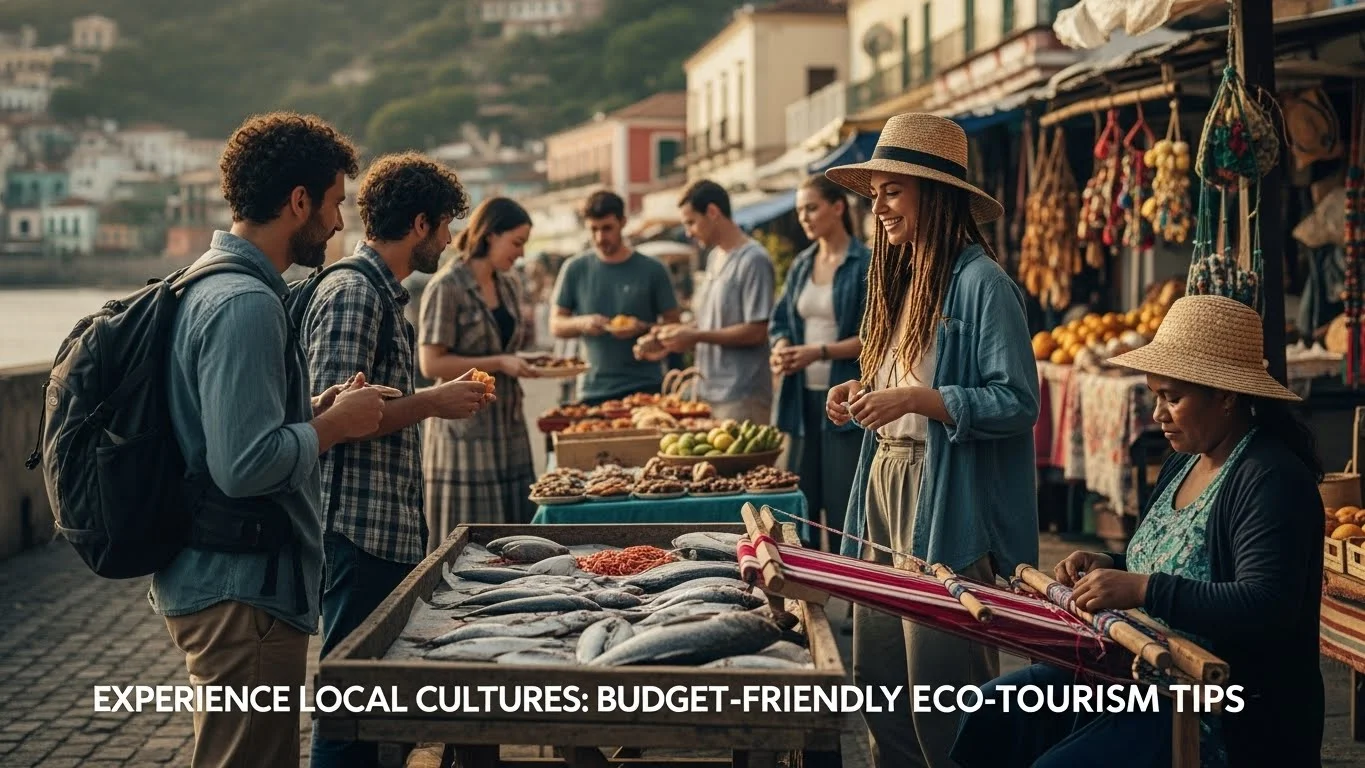
Experience Local Cultures: Budget-Friendly Eco-Tourism Tips

Exploring local cultures while being kind to the planet is not just a dream; it’s achievable! Let’s dive into the world of eco-tourism and uncover how we can experience new places without breaking the bank. Read Interesting article: Budget Travel: Embrace Community-Based Eco-Tourism Now

Experience Local Cultures: Budget-Friendly Eco-Tourism Tips

Understanding Eco-Tourism

Definition of Eco-Tourism

Eco-tourism is more than just a trendy term; it’s a philosophy that emphasizes responsible travel to natural areas. I’ve been on trips where local flora and fauna were preserved, and I felt a genuine connection to the environment. By focusing on sustainable practices, eco-tourism encourages us to explore while minimizing our footprints. This means choosing experiences that support both the environment and local communities. For me, eco-tourism is about enjoying the beauty of nature while respecting it and learning from the cultures that thrive within it.

Benefits of Eco-Tourism for Local Cultures

One of the most rewarding aspects of eco-tourism is how it can benefit local cultures. I remember visiting a small village in Costa Rica, where the community thrived on eco-tourism. By welcoming travelers, they were able to preserve their traditions and crafts, which might have otherwise faded away. When we choose eco-friendly options, we help ensure that local customs, languages, and histories are celebrated and maintained. This creates a rich exchange where travelers like us get to learn from locals, and locals get to share their passions. It’s a win-win!

Impact of Eco-Tourism on the Environment

When done right, eco-tourism can greatly benefit our planet. I’ve seen firsthand how eco-friendly practices can lead to the preservation of ecosystems. For example, in the Galápagos Islands, responsible tourism helps fund conservation efforts. This means that every tour we take can contribute to protecting wildlife and habitats. It’s inspiring to think that our travel choices, however small, can create positive change. Eco-tourism encourages us to reduce waste, respect wildlife, and support initiatives that aim to restore nature. I believe we all have a role in protecting the beautiful places we visit.

Why Choose Budget-Friendly Travel?

Benefits of Budget-Friendly Travel

Traveling on a budget doesn’t mean sacrificing quality; in fact, it often leads to more authentic experiences. I’ve found that budget-friendly travel encourages creativity and resourcefulness. Whether it’s seeking out affordable accommodations or discovering local eateries, I’ve learned that some of the best experiences come from exploring off the beaten path. Plus, it leaves more room in my wallet for experiences that truly matter. When we travel wisely, we can stretch our dollars and immerse ourselves in the culture more deeply. Read Interesting article: Budget Backpacking: Embrace Community-Based Eco-Tourism

How Budget-Friendly Travel Supports Local Economies

Every time we spend money in local markets or dine at family-owned restaurants, we help support the community. I learned this during my travels in Southeast Asia, where every bite of street food was not just tasty but also a boost for local families. By choosing budget-friendly options, we’re investing in the livelihoods of locals instead of large corporations. This empowers communities and keeps their cultures alive. It’s rewarding to know that our travel choices can have a positive impact, encouraging sustainable development and helping families thrive.

Planning Your Eco-Tourism Trip

Choosing the Right Destination

Picking the perfect destination for eco-tourism is key. I remember feeling a sense of excitement when I researched places known for their sustainable practices. Look for destinations that prioritize eco-tourism and have a good reputation for environmental protection. Sometimes, lesser-known spots can offer the most enriching experiences. I love finding hidden gems that allow me to connect deeply with nature and local cultures. This exploration makes my journey unique and memorable.

Researching Local Cultures and Communities

Before I head out on any journey, I like to dive into the local culture. Reading about customs, traditions, and even some basic phrases can enhance my experience tremendously. For instance, during my trip to Peru, learning a few words of Quechua opened doors to more authentic interactions with the locals. They appreciated my efforts, and it made my visits to local markets and festivals even more special. Understanding the local culture helps us engage respectfully and meaningfully.

Understanding Eco-Friendly Accommodations

Finding eco-friendly accommodations is easier now than ever! I’ve used websites dedicated to sustainable stays, and I’ve always been impressed with the options available. From eco-lodges in the rainforest to hostels that promote green practices, each option allows us to minimize our impact. I remember staying at a charming eco-lodge in the mountains that sourced its energy from solar panels and served organic meals. Not only was I comfortable, but I also felt good about my stay. It’s a great way to support sustainability in the travel industry.

Transportation Options for Eco-Tourism

Transportation can significantly affect the carbon footprint of our travels. I often opt for public transportation or even walking whenever I can. Not only does it save money, but it also allows me to experience the destination more intimately. In cities where biking is popular, I’ve rented bicycles to explore and discovered hidden spots I might have missed in a car. Plus, using trains or buses often gives a glimpse into the daily lives of locals, which is enriching. I’ve learned that sometimes, the journey can be just as memorable as the destination.

Budget-Friendly Eco-Tourism Tips

Finding Affordable Eco-Friendly Accommodations

When it comes to finding affordable eco-friendly accommodations, I’ve discovered that a little research can go a long way. Many eco-lodges and sustainable hotels offer competitive prices, especially if you book in advance or during off-peak seasons. I remember staying at a quaint bed and breakfast in a small coastal town, where the owners used local materials for construction and provided locally sourced breakfasts. Not only was it budget-friendly, but I also felt good knowing my money was supporting a local family. Websites like EcoBnB and Green Key can help you find accommodations that fit your budget while ensuring that they prioritize sustainability. I suggest checking guest reviews to confirm that they genuinely adhere to eco-friendly practices.

Eating Local: Budget-Friendly Dining Options

One of my favorite ways to immerse myself in a new culture is through food. Eating local doesn’t have to break the bank. In my travels, I’ve found that street food often offers some of the most delicious and authentic meals at a fraction of the price of fancy restaurants. For example, in Thailand, I indulged in mouth-watering Pad Thai from a street vendor for just a couple of dollars. I also love visiting local markets, where I can sample fresh produce and homemade snacks, sometimes even joining in on cooking classes for a reasonable fee. Eating locally not only supports the economy but also gives you a taste of the region’s culture that you simply can’t get from chain restaurants.

Participating in Free or Low-Cost Local Events

Many destinations offer a wealth of free or low-cost events that are perfect for travelers on a budget. I remember stumbling upon a vibrant local festival in a small village in Spain, where the community celebrated their harvest with music, dance, and traditional games—all completely free to enjoy! Researching local events ahead of time can lead to unexpected adventures. Look for community calendars or local tourism websites that highlight festivals, art walks, or outdoor concerts. These events often showcase the culture and spirit of the area while providing a chance to connect with locals and fellow travelers.

Utilizing Public Transportation for Eco-Tourism

Using public transportation is one of the best ways to explore a new place while minimizing your environmental impact. I’ve found that taking buses, subways, or trains not only cuts down on carbon emissions but also allows you to experience the local rhythm of life. In Japan, for instance, the train system was incredibly efficient and economical, making it easy to travel between cities while enjoying breathtaking countryside views. Plus, each ride offered a glimpse into everyday life, making my journey more enriching. Many cities also provide bike-sharing programs, which are not only budget-friendly but also a fun way to explore at your own pace. I highly recommend checking out local transport options before your trip to plan your adventures.

Experiencing Local Cultures

Engaging with Local Communities

Engaging with local communities has been one of the most rewarding aspects of my travels. I’ve learned that simply stepping outside my comfort zone and initiating conversations can lead to incredible experiences. In Indonesia, I joined a community fishing trip, where locals taught me traditional fishing methods. Not only did I feel welcomed, but I also gained a deeper understanding of their way of life. Participating in community-led initiatives, like clean-up drives or cultural exchanges, allows us to contribute positively while forging meaningful connections. I believe that when we immerse ourselves in local communities, we help foster understanding and appreciation for different ways of living.

Participating in Cultural Workshops and Classes

One of the best ways I’ve found to connect with local culture is through workshops and classes. Whether it’s a cooking class in Italy or a pottery workshop in Mexico, these experiences offer hands-on opportunities to learn and create. I remember taking a weaving class in Peru, where I learned to use traditional techniques from a local artisan. Not only did I leave with a beautiful piece of art, but I also gained insight into the history and significance behind the craft. Many local businesses offer these classes at reasonable prices, and they often support artisans directly, making it a win-win for everyone involved. I highly recommend seeking out these opportunities—they’re often the highlight of my trips!

Volunteering Opportunities in Local Projects

Volunteering while traveling can be a fantastic way to give back and immerse yourself in the local culture. I’ve dedicated a week to volunteering with an environmental conservation group in Costa Rica, where we worked on reforestation projects. It was incredibly rewarding to see the impact of our efforts while learning about the local ecosystem from knowledgeable guides. Many organizations welcome short-term volunteers and provide a way to stay locally, which can save you money on accommodations. Whether you’re interested in wildlife conservation, education, or community development, there are countless opportunities to make a difference while traveling. I believe that these experiences not only enrich our travels but also help create a more sustainable future for the places we visit. Read Interesting article: Top 5 Eco-Tourism Experiences for Wildlife Lovers

Eco-Friendly Activities to Experience Local Cultures

Nature Walks and Eco-Tours

One of the most fulfilling ways I’ve engaged with local cultures is through nature walks and eco-tours. These experiences allow me to appreciate the beauty of the natural world while learning from knowledgeable guides who are often local residents. I remember hiking through the rainforest in Costa Rica, where our guide shared stories about the various plants and animals we encountered. It became clear that the locals had a deep connection to their land, and their passion for preserving it was infectious. Eco-tours often include educational elements about conservation and the importance of sustainable practices, which makes the experience even richer. I highly recommend seeking out guided nature walks; they provide a unique perspective on both the environment and cultural heritage.

Local Markets and Artisans

Visiting local markets has become one of my favorite activities when traveling. Not only do these markets showcase fresh produce and unique crafts, but they also offer a glimpse into the daily lives of residents. I’ve spent hours wandering through bustling markets in places like Marrakech, where the vibrancy of the colors and sounds was simply captivating. Interacting with artisans who create handmade goods is particularly special. I remember meeting a talented potter in Mexico who shared the history of his craft and even let me try my hand at making a small piece. Supporting local artisans not only helps preserve traditional skills but also ensures that my travel dollars contribute directly to the community. I always leave these markets with a sense of connection to the culture and a few unique souvenirs!

Cultural Festivals and Celebrations

Experiencing local festivals has been one of the highlights of my travels. These celebrations often reflect the heart and soul of a culture. I recall attending a harvest festival in a small village in Italy, where I was invited to join in the festivities that included traditional dances, music, and, of course, delicious food. Festivals offer a wonderful opportunity to witness age-old customs and traditions while meeting locals who are eager to share their culture with visitors. I’ve discovered that many of these events are free to attend, making them a budget-friendly way to experience a destination. I recommend checking local calendars before your trip to find out what’s happening during your stay—you might just stumble upon an unforgettable experience!

Safety and Responsible Travel Practices

Staying Safe While Exploring Local Cultures

While immersing myself in local cultures, safety is always a priority. I’ve learned to stay aware of my surroundings and keep my belongings secure, especially in crowded areas. I also find it helpful to research any travel advisories or safety tips specific to the region I’m visiting. Some places have unique cultural practices or even specific legal considerations that I need to be mindful of. For example, in certain countries, it’s important to dress modestly or respect local customs regarding greetings. Engaging with locals can be a great way to learn about safety tips directly from those who know the area best. I always trust my instincts and don’t hesitate to ask questions if I feel unsure about something.

Respecting Local Customs and Traditions

Respecting local customs has been a guiding principle for me while traveling. I’ve seen how a small gesture can make a big difference in how I’m perceived by locals. For example, during my trip to Thailand, I learned about the importance of removing my shoes before entering someone’s home or a temple. This simple act of respect opened doors to deeper interactions and friendships. I also make it a point to educate myself about cultural norms, such as dining etiquette or traditional greetings, before visiting a new place. This approach not only helps me avoid unintentional faux pas but also shows my appreciation for the culture I’m experiencing. I think it’s essential for all travelers to approach local traditions with an open mind and a willingness to learn.

Minimizing Your Environmental Impact

Minimizing my environmental impact while traveling is something I take seriously. I’ve adopted various practices to ensure I leave a positive mark on the places I visit. For instance, I always carry a reusable water bottle to reduce plastic waste and make use of refill stations when available. I also try to bring my own reusable bags for shopping at local markets, which helps cut down on single-use plastic. Choosing eco-friendly activities, such as those that support conservation efforts, has become a priority for me. I believe that every small action counts, and by being mindful of my choices, I can contribute to the preservation of the beautiful places I explore. It’s empowering to know that we can enjoy our travels while also caring for the environment.

Budgeting for Your Eco-Tourism Adventure

Estimating Travel Costs

Estimating travel costs can sometimes feel overwhelming, but I’ve found that breaking it down into smaller categories makes it manageable. I usually start by setting a rough budget for transportation, accommodation, food, activities, and souvenirs. When I traveled to Vietnam, I was pleasantly surprised to find that many local experiences were affordable. By researching and planning my itinerary, I could allocate funds wisely. I also keep a close eye on exchange rates and any additional fees that might pop up. Having a solid budget in place helps me enjoy my trip without the stress of overspending.

Tips for Saving Money While Traveling

Saving money while traveling is something I’ve become quite passionate about. I’ve learned to take advantage of travel deals, such as off-peak pricing or last-minute discounts. I also find that booking in advance for accommodations can yield significant savings. Another trick I’ve picked up is to eat like a local; I avoid tourist traps and seek out eateries where locals dine. Not only is the food better, but it’s usually less expensive as well. I also enjoy taking advantage of free walking tours, which are often led by locals who share their insights and stories. These small strategies have allowed me to stretch my budget further while still experiencing all the richness a destination has to offer.

How to Budget for Unique Local Experiences

When budgeting for unique local experiences, I prioritize what truly matters to me. I’ve learned that it’s okay to splurge on activities that provide lasting memories, such as a cooking class or a guided tour of a historical site. I often set aside a specific portion of my budget for these experiences while keeping an eye on my overall spending. Additionally, I like to look for deals or package options that may include multiple activities at a discounted rate. By being intentional about my spending, I can enjoy meaningful experiences without breaking the bank. I encourage fellow travelers to reflect on what they value most and invest in those unique moments that make a trip unforgettable.

When to Travel for the Best Local Experiences

Understanding Seasonal Variations

Understanding seasonal variations is crucial for planning an eco-tourism adventure. I’ve noticed that some destinations blossom in different ways throughout the year. For instance, visiting Japan during cherry blossom season was a magical experience, but it also meant navigating larger crowds. On the flip side, traveling during the shoulder season can offer pleasant weather and fewer tourists. I’ve found that researching the best times to visit can help me strike a balance between enjoying the local culture and avoiding the rush. Plus, some attractions might even offer discounted rates during off-peak periods!

Best Times to Experience Local Festivals

Timing my travels to coincide with local festivals has added an extra layer of excitement to my journeys. I’ve experienced lively celebrations that opened my eyes to the rich traditions of a culture. For example, participating in the Diwali festival in India was an illuminating experience, filled with vibrant colors and joyous celebrations. I’ve learned that local tourism boards often post schedules of upcoming events, and I make it a point to plan my trips around these festivals. It’s a fantastic way to immerse myself in the culture and create lasting memories.

Weather Considerations for Eco-Tourism Destinations

Weather can significantly impact my travel experience, so I always check the climate of my destination before booking. I’ve learned that some places are best visited during certain seasons for optimal conditions. For instance, I enjoyed my trek through the Swiss Alps in the summer when the trails were accessible, but I would avoid winter due to heavy snowfall. I also pack according to the forecast, ensuring I’m prepared for anything from rain to sunshine. Being mindful of weather patterns helps me make the most of my adventures while enjoying all that nature has to offer.

Frequently Asked Questions

What is eco-tourism?

Eco-tourism is a philosophy that emphasizes responsible travel to natural areas, focusing on sustainable practices to explore while minimizing our environmental footprints. It encourages experiences that support both the environment and local communities.

How does eco-tourism benefit local cultures?

Eco-tourism can help preserve local traditions and crafts by welcoming travelers who support these communities. This creates a rich exchange where travelers learn from locals, and locals share their passions, helping to maintain customs, languages, and histories.

What are some environmental impacts of eco-tourism?

When done correctly, eco-tourism can greatly benefit the planet by funding conservation efforts and preserving ecosystems. It encourages travelers to reduce waste, respect wildlife, and support initiatives aimed at restoring nature.

How can budget-friendly travel enhance my experience?

Traveling on a budget often leads to more authentic experiences by encouraging creativity and resourcefulness. Seeking affordable accommodations and local eateries allows for deeper immersion in the culture and leaves more room in the budget for meaningful experiences.

What are some tips for finding affordable eco-friendly accommodations?

Researching options in advance, booking during off-peak seasons, and checking guest reviews can help find budget-friendly eco-friendly accommodations. Websites like EcoBnB and Green Key can assist in finding places that prioritize sustainability.

How can I engage with local cultures during my travels?

Engaging with local communities through conversations, participating in cultural workshops, and volunteering in local projects allows travelers to immerse themselves in the culture and gain a deeper understanding of local ways of life.

What are some eco-friendly transportation options for travelers?

Opting for public transportation, walking, or biking can significantly reduce the carbon footprint of travels. These options also allow travelers to experience destinations more intimately and provide insights into local life.

How can I minimize my environmental impact while traveling?

Travelers can minimize their environmental impact by carrying reusable water bottles, using reusable bags, and choosing eco-friendly activities that support conservation efforts. Small actions can collectively contribute to environmental preservation.

What should I consider when budgeting for eco-tourism trips?

Estimating travel costs by breaking them down into categories like transportation, accommodation, food, and activities can help manage expenses. Taking advantage of travel deals and local dining options can also stretch the budget further.

When is the best time to experience local festivals?

Timing travels to coincide with local festivals can enhance the experience by immersing travelers in cultural traditions. Local tourism boards often provide schedules of upcoming events, making it easier to plan trips around these celebrations.

Discover Sustainable Travel: Top Cultural Immersion Destinations

Traveling sustainably isn’t just about seeing new places; it’s about understanding and respecting the cultures we encounter. Join me as we explore top destinations where we can immerse ourselves in traditions and practices while making a positive impact. Read Interesting article: Explore Sustainable Travel: Best Wildlife Conservation Spots

Discover Sustainable Travel: Top Cultural Immersion Destinations

Understanding Sustainable Travel

Definition of Sustainable Travel

Sustainable travel, in my view, is all about exploring the world in a way that protects its natural resources and cultural heritage. It’s about being mindful of our footprint while experiencing the richness each destination has to offer. I remember the first time I took a step towards sustainable travel; I was amazed at how much deeper my experiences became when I focused on preserving the places I visited.

Importance of Cultural Immersion

Cultural immersion is at the heart of sustainable travel. When we engage with local communities, we learn their stories, traditions, and values, which enriches our own lives. I recall a trip where I participated in a local festival. It was an unforgettable experience that deepened my appreciation for the culture, and I returned home with a new perspective. Immersing ourselves in local cultures not only benefits us but also supports the communities we visit.

Benefits of Sustainable Travel

The benefits of sustainable travel are numerous, and I can attest to them from personal experience. Firstly, it fosters a deeper connection with the places we visit. I’ve found that when I travel sustainably, I’m more likely to form genuine relationships with locals. Secondly, it helps preserve the environment and cultural heritage for future generations. I often think about the impact of my travels and how I can ensure that the beauty I witness remains intact for those who come after me. Lastly, sustainable travel often leads to more authentic experiences. I’ve discovered hidden gems and local favorites that tourists often overlook, simply because I took the time to engage meaningfully. Read Interesting article: Budget Backpacking: Wildlife Conservation Travel on a Dime

Top Cultural Immersion Destinations

1. Kyoto, Japan

Cultural Significance

Kyoto holds a special place in my heart. With its stunning temples, traditional tea houses, and beautiful gardens, every corner of this city tells a story. I learned that Kyoto is often seen as the cultural capital of Japan, and its historical significance is palpable as you stroll through its ancient streets.

Traditional Experiences

One of my favorite experiences in Kyoto was participating in a traditional tea ceremony. I remember the calm atmosphere, the intricate rituals, and the mindfulness it encouraged. It felt like being part of something much larger than myself, a centuries-old practice that continues to thrive. Additionally, I recommend exploring the Geisha districts, where you can witness the art of Geisha performance and even attend a cultural show.

Local Cuisine

Food is an essential part of cultural immersion, and Kyoto’s culinary scene is remarkable. From kaiseki dining to street food stalls, every meal is a chance to taste history. I still crave yudofu, a simple yet delicious tofu dish that embodies the city’s philosophy of simplicity and purity. Be sure to visit Nishiki Market to indulge in local delicacies and pick up some unique snacks!

2. Oaxaca, Mexico

Rich History and Traditions

Oaxaca is a vibrant tapestry of culture and tradition. I felt its rich history as I wandered through the colorful streets adorned with murals. The local festivals, particularly the Guelaguetza, are a celebration of indigenous culture that I was fortunate enough to witness. The energy and pride of the community during these events are truly inspiring.

Art and Handicrafts

One of the highlights of my visit was exploring the local artisans’ workshops. I was amazed by the craftsmanship of the pottery and textiles. Each piece tells a story, and I learned that many techniques have been passed down through generations. I even tried my hand at pottery during a workshop, and it was satisfying to create something unique while learning from a local artisan.

Gastronomic Highlights

No trip to Oaxaca is complete without indulging in its culinary delights. From mole to mezcal, the flavors are unforgettable. I still remember savoring a plate of tlayudas while chatting with locals about their favorite recipes. The food here is not just a meal; it’s a celebration of culture.

3. Bali, Indonesia

Spiritual and Cultural Practices

Bali is often referred to as the Island of the Gods, and for good reason. The spiritual practices and ceremonies are integral to daily life here. I felt a profound sense of peace during a temple visit, surrounded by locals engaged in prayer and offerings. It reminded me of the importance of spirituality in culture.

Eco-Tourism Initiatives

What’s fantastic about Bali is its commitment to eco-tourism. I explored eco-friendly resorts and local initiatives focused on conservation. It was heartwarming to see how the community works towards preserving its natural beauty while welcoming travelers. I believe that supporting these initiatives enriches both our travels and the environment.

Local Food Experiences

Balinese cuisine is an adventure in itself. I had the chance to take a cooking class where I learned to make traditional dishes like Nasi Goreng and Satay. Not only did I enjoy the food, but I also gained insight into the cultural significance of each ingredient and dish. Eating locally is essential for sustainable travel, and I loved every bite!

4. Marrakech, Morocco

Historic Sites and Markets

Marrakech is a feast for the senses, and I felt its vibrant energy the moment I arrived. The historic sites, especially the stunning Koutoubia Mosque and the beautiful Saadian Tombs, left me in awe of the city’s rich history. Wandering through the winding alleys of the Medina, I discovered the bustling souks filled with colorful textiles, intricate pottery, and fragrant spices. I remember bargaining for a handwoven carpet, which was not just a purchase but a connection to the artisan who crafted it. Each item I found had a story, and I cherished the moments spent chatting with local vendors who shared their craft with pride.

Traditional Moroccan Cuisine

No visit to Marrakech would be complete without indulging in its incredible cuisine. I found myself drawn to the vibrant flavors and aromas of Moroccan food. Tagine, a slow-cooked stew, became one of my favorites, especially when enjoyed in a rooftop restaurant overlooking the bustling square. I also loved sipping on refreshing mint tea, a symbol of hospitality in Moroccan culture. Learning to prepare a traditional Moroccan meal during a cooking class was a highlight of my trip. The experience not only satisfied my taste buds but also gave me a deeper appreciation for the culinary traditions that have been passed down through generations.

Cultural Festivals

Marrakech hosts numerous cultural festivals throughout the year, showcasing its rich heritage. I was lucky enough to experience the Marrakech Popular Arts Festival, where vibrant performances filled the streets and local musicians brought energy to the atmosphere. This kind of festival is an excellent way to immerse ourselves in the local culture and witness the pride Moroccans have for their traditions. I felt grateful to be part of such lively celebrations, where people came together to honor their history and art.

5. Florence, Italy

Renaissance Art and Architecture

Florence is like stepping into a living museum, with its gorgeous architecture and rich artistic heritage. I was particularly moved by the awe-inspiring works of Michelangelo and Botticelli in the Uffizi Gallery. Standing in front of “David” was a surreal experience; I felt connected to the passion and history that surrounded me. The city is filled with stunning churches and palaces, each with its own story to tell. I often found myself wandering the streets, admiring the Renaissance architecture and imagining the artists who once walked the same paths.

Culinary Traditions

Italian cuisine is a huge part of the culture, and I reveled in sampling local dishes. From the famous Florentine steak to ribollita soup, each meal was a testament to the region’s agricultural bounty. A cooking class in a rustic villa just outside the city allowed me to dive deeper into the culinary traditions. I remember preparing fresh pasta and learning the significance of seasonal ingredients. The experience was not just about cooking; it was a lesson in the love and care that goes into every dish.

Local Craftsmanship

While in Florence, I made it a point to explore the local artisans’ workshops. I watched skilled craftsmen create beautiful leather goods and intricate gold jewelry, each piece reflecting the skill and dedication of its maker. I even purchased a leather bag that now serves as a reminder of my journey and the craftsmanship that went into it. Supporting local artisans feels essential to me, as it not only helps preserve these traditional skills but also connects me with the heart of the culture.

When to Visit Each Destination

Best Times for Cultural Festivals

Timing your visit can greatly enhance your experience, especially if you want to engage in local cultural festivals. I’ve found that visiting during festival seasons allows for more vibrant interactions. For instance, Kyoto’s cherry blossom season in spring is breathtaking, and Oaxaca’s Guelaguetza festival in July showcases the diversity of indigenous cultures. Understanding the local calendar can help us align our travels with these enriching experiences.

Seasonal Weather Considerations

Weather can impact our travel experiences significantly. I learned this the hard way when I visited Bali during the rainy season and had to adjust my plans. Each destination has its own ideal times for weather, and it’s worth researching to avoid surprises. For example, Florence is lovely in the spring and fall when the crowds are thinner, and the weather is pleasant. Marrakech, on the other hand, is best visited in the cooler months to enjoy outdoor activities comfortably.

Off-Peak Travel Benefits

Traveling during off-peak times can be a game changer. I’ve found that visiting popular destinations when they’re less crowded often leads to a more authentic experience. Not only can you enjoy sites without the hustle and bustle, but local businesses also appreciate our support during quieter months. I remember strolling through the streets of Florence in November, where I could take my time admiring the sights without feeling rushed. Plus, I often found better deals on accommodations and activities, making it easier to stick to my budget while traveling sustainably.

Where to Stay: Sustainable Accommodation Options

Eco-Friendly Hotels

Finding the right place to stay can enhance our sustainable travel experience, and I’ve discovered that eco-friendly hotels are often the perfect choice. These accommodations focus on minimizing their environmental impact through energy conservation, water-saving initiatives, and eco-conscious building practices. For example, I once stayed at a hotel in Bali that incorporated solar panels and rainwater harvesting systems. Not only did it feel great to support a business that prioritizes sustainability, but the hotel also offered beautiful views and a tranquil atmosphere. When choosing eco-friendly hotels, I recommend looking for certifications like LEED or Green Key, which indicate that the property meets certain environmental standards.

Local Homestays

Staying in a local homestay can be one of the most rewarding experiences during our travels. I remember my time in Oaxaca, where I had the chance to stay with a local family. It provided me with a unique perspective on daily life and culture. Sharing meals, learning about their traditions, and even helping with household chores made my stay far more personal and enriching. I believe homestays allow us to support local economies directly while fostering meaningful connections with the families we stay with. Many homestays also offer cooking classes or guided tours, making for an even more immersive experience.

Community-Based Lodging

Community-based lodging options are another fantastic way to travel sustainably. These accommodations often focus on benefiting the local community by employing residents and investing in local projects. I experienced this first-hand at a lodge in the Amazon rainforest, where the profits went towards preserving the forest and supporting indigenous communities. It felt good knowing that my stay contributed to something larger than just my vacation. I recommend searching for lodges or guesthouses that highlight their community involvement and commitment to sustainability. This way, we can enjoy our travels while making a positive impact on the destinations we love.

Engaging in Local Cultures

Participating in Workshops and Classes

One of the most fulfilling ways to immerse ourselves in local cultures is by participating in workshops and classes. I’ve found that hands-on experiences not only enhance my travels but also deepen my understanding of the traditions and skills that define a community.

Cooking Classes

Cooking classes have become one of my favorite activities when traveling. They offer a delicious way to learn about local flavors and ingredients. I can still taste the rich spices from a cooking class I took in Marrakech, where I learned to make traditional tagine. It was a fun afternoon spent chopping vegetables and blending spices while chatting with locals about their culinary heritage. I believe that cooking classes are particularly special because they often take place in local homes or markets, allowing us to engage with the culture in an intimate setting.

Art and Craft Workshops

Art and craft workshops are another fantastic way to connect with local traditions. During my travels in Kyoto, I signed up for a pottery workshop. It was thrilling to learn from a master artisan, shaping clay with my own hands. This experience not only taught me about the craft but also instilled a sense of appreciation for the artistry involved. I recommend seeking out workshops that focus on traditional crafts, such as weaving, painting, or pottery, as they often reveal the stories and significance behind each art form.

Volunteering Opportunities

Volunteering while traveling is a meaningful way to give back to the communities we visit. I remember taking part in a beach clean-up in Bali, where I not only contributed to preserving the island’s natural beauty but also met amazing locals who shared their passion for environmental conservation. There are countless organizations around the world that welcome travelers looking to volunteer, whether it’s teaching, conservation projects, or community development. I believe that volunteering allows us to create lasting connections and truly understand the challenges and strengths of the communities we engage with.

Local Guides and Cultural Exchange Programs

Engaging local guides during our travels is a great way to gain insights into the culture and history of a destination. I’ve found that local guides often share stories and perspectives that are not found in guidebooks. In Florence, for instance, a local guide took us through the city’s hidden gems, sharing tales of artists and historical events that shaped the Renaissance. Additionally, cultural exchange programs can provide opportunities to meet locals, learn their language, and understand their way of life. These experiences not only enrich our travels but also foster mutual respect and understanding.

Local Food: A Key to Cultural Immersion

Traditional Dishes to Try

One of the best parts of traveling is indulging in the local cuisine. Each dish tells a story, reflecting the region’s culture and history. I still dream about the street food I enjoyed in Oaxaca, particularly the tlayudas topped with fresh ingredients. I’ve learned that trying traditional dishes is not just about satisfying hunger; it’s an opportunity to connect with the people and their heritage. When traveling, I always make a list of must-try dishes to ensure I experience the culinary landscape of the destination fully.

Supporting Local Farmers and Markets

Visiting local farmers’ markets is another fantastic way to dive into the culinary scene. I love wandering through markets, sampling fresh produce, and chatting with farmers about their practices. In Bali, I enjoyed visiting a local market where I learned about the significance of each ingredient in Balinese cooking. By purchasing directly from farmers, we support local economies and often enjoy fresher, tastier food. I think that these experiences add depth to our travels and help us understand the connection between food and culture.

Food Festivals and Culinary Tours

Food festivals are a culinary adventure that showcases local flavors and traditions. I remember attending a food festival in Florence that featured local chefs and their signature dishes. The atmosphere was vibrant, filled with the sounds of laughter and the aromas of delicious food. Culinary tours, whether they’re focused on street food or fine dining, can also provide insights into local dining customs and practices. These experiences allow us to not only taste the food but also understand the stories behind them, making our travels even more memorable.

Frequently Asked Questions

What is sustainable travel?

Sustainable travel is about exploring the world in a way that protects natural resources and cultural heritage while being mindful of our footprint and experiencing the richness each destination has to offer.

Why is cultural immersion important in sustainable travel?

Cultural immersion is important because it allows travelers to engage with local communities, learn their stories and traditions, and enrich their own lives while supporting the communities they visit.

What are some benefits of sustainable travel?

The benefits of sustainable travel include fostering deeper connections with places and locals, preserving the environment and cultural heritage for future generations, and leading to more authentic experiences.

Which destinations are recommended for cultural immersion?

Top recommended destinations for cultural immersion include Kyoto, Japan; Oaxaca, Mexico; Bali, Indonesia; Marrakech, Morocco; and Florence, Italy.

What unique experiences can travelers expect in Kyoto?

In Kyoto, travelers can participate in traditional tea ceremonies, explore Geisha districts, and indulge in local cuisine, such as kaiseki dining and yudofu.

How does Oaxaca celebrate its culture?

Oaxaca celebrates its culture through vibrant local festivals like the Guelaguetza, showcasing indigenous culture, and by maintaining rich traditions in art and cuisine, such as pottery and mole dishes.

What eco-tourism initiatives can be found in Bali?

Bali has various eco-tourism initiatives focusing on conservation, including eco-friendly resorts and local projects that aim to preserve the island’s natural beauty while welcoming travelers.

What should travelers know about Marrakech’s cuisine?

Marrakech’s cuisine is known for its vibrant flavors, with dishes like tagine and refreshing mint tea. Cooking classes are also available for those wanting to learn about traditional Moroccan cooking.

What are some benefits of staying in eco-friendly accommodations?

Staying in eco-friendly accommodations minimizes environmental impact, often features energy conservation and water-saving initiatives, and supports businesses that prioritize sustainability.

How can travelers engage with local cultures?

Travelers can engage with local cultures by participating in workshops and classes, such as cooking or art workshops, and through volunteering opportunities that allow for meaningful connections with the community.

Wildlife Conservation Travel: Discover Eco-Friendly Adventures

Wildlife conservation travel offers a unique opportunity to explore the natural world while supporting efforts to protect it. Get ready for eco-friendly adventures that not only inspire but also help sustain the planet’s precious ecosystems. To dive deeper into budget options, check out Budget Backpacking: Wildlife Conservation Travel on a Dime.

Wildlife Conservation Travel: Discover Eco-Friendly Adventures

Understanding Wildlife Conservation Travel

What is Wildlife Conservation Travel?

Wildlife conservation travel is more than just a trip; it’s a commitment to experiencing nature in a way that respects and preserves it. I remember the first time I set out on such a journey. It wasn’t just about seeing exotic animals or breathtaking landscapes; it was about understanding my place in the larger web of life. This type of travel combines adventure with a mission: to support conservation efforts and learn about the delicate ecosystems that sustain wildlife. Whether it’s through eco-tours, wildlife safaris, or even volunteering, conservation travel allows us to engage with nature meaningfully.

The Importance of Eco-Friendly Adventures

In my opinion, eco-friendly adventures are essential for several reasons. First, they raise awareness about environmental issues and the critical need to protect endangered species. As I traveled to various conservation sites, I realized how much we can learn from local guides who are passionate about preserving their natural heritage. These experiences changed my perspective on travel, making me more mindful of my impact on the environment.

Secondly, eco-friendly adventures help local communities. Many destinations rely on tourism to support their economies, so when we choose to travel responsibly, we contribute directly to those who are dedicated to protecting wildlife. I’ve seen firsthand how a single visit can provide funding for schools, health care, and conservation projects. It’s heartwarming to know that my travels can make a difference.

Lastly, these adventures promote sustainable practices. During one of my trips, I was amazed by how eco-lodges operate. They use renewable energy, recycle waste, and often grow their own food. Staying at such places not only reduces my carbon footprint but also supports businesses that prioritize the environment. I believe that every little choice we make while traveling can lead to a larger impact on conservation efforts.

Top Destinations for Wildlife Conservation Travel

Africa

Africa is often the first destination that comes to mind for wildlife conservation travel. The vast landscapes and rich biodiversity make it a paradise for animal lovers. I vividly remember my safari experience in Tanzania, where I saw the Great Migration unfold across the Serengeti. The sight of thousands of wildebeests and zebras crossing the plains was awe-inspiring, and knowing that my visit helped fund local conservation efforts made it even more special.

The Serengeti National Park

The Serengeti National Park is a UNESCO World Heritage Site renowned for its incredible wildlife. Here, you can witness the incredible migration of wildebeests and zebras, as well as the predators that follow them. I felt like I was in a real-life documentary, surrounded by such raw beauty. The park’s commitment to conservation is evident in its well-managed tour programs, where a portion of the proceeds goes directly to protecting the wildlife and their habitats.

Kruger National Park

Another must-visit destination is Kruger National Park in South Africa. I spent days exploring its diverse ecosystems, from savannas to dense bushveld. The park is home to the Big Five—lions, leopards, elephants, rhinos, and buffalos—which I was fortunate enough to see on multiple occasions. Kruger offers various eco-friendly lodges that focus on sustainability and conservation, making it an ideal choice for responsible travelers. For more information on the best wildlife conservation spots, check out Explore Sustainable Travel: Best Wildlife Conservation Spots.

Asia

Asia also has its share of breathtaking wildlife experiences. When I visited Borneo, I was overwhelmed by the lush rainforests teeming with unique species. The biodiversity was incredible, from orangutans swinging through the trees to proboscis monkeys leaping from branch to branch. I found that many tours in Borneo emphasize conservation, allowing visitors to contribute to local wildlife rescue efforts.

Borneo Rainforest

The Borneo Rainforest is one of the oldest rainforests in the world and a critical habitat for endangered species. I participated in a guided eco-tour that educated me about the rainforest’s unique ecology and the threats it faces, such as deforestation. I felt proud knowing that the tour fees directly supported local conservation projects focused on protecting wildlife and their habitats.

Ranthambore National Park

In India, Ranthambore National Park offers a unique opportunity to see tigers in their natural habitat. I was lucky enough to join a jeep safari that took us deep into the park. The thrill of spotting a tiger lounging by a waterhole is hard to describe. The park’s conservation initiatives also work to protect other species and their habitats, making it a vital destination for those passionate about wildlife conservation.

South America

South America is another incredible region for wildlife conservation travel, especially the Amazon Rainforest. I remember the moment I first stepped into the jungle; the sheer diversity of life around me was breathtaking. From vibrant birds to exotic plants, every corner of the Amazon is filled with wonders. Many eco-lodges in the area focus on sustainable tourism and conservation efforts, making it easier for travelers like me to make a positive impact.

The Amazon Rainforest

The Amazon is crucial for our planet’s health, absorbing carbon dioxide and producing oxygen. While traveling there, I learned about deforestation’s impact and how eco-tourism can help combat it. Participating in local conservation projects was one of the most rewarding experiences of my life, as I felt connected to a cause larger than myself.

Galápagos Islands

The Galápagos Islands are another gem for wildlife enthusiasts. Known for their unique species that inspired Charles Darwin’s theory of evolution, these islands offer an unparalleled opportunity to see animals that exist nowhere else on earth. I found that many tours prioritize conservation education, helping visitors understand the importance of protecting these fragile ecosystems. For those looking for a comprehensive list, check out Top 10 Wildlife Conservation Destinations for Eco-Friendly Travelers.

Activities and Experiences in Wildlife Conservation Travel

Wildlife Safaris

One of the most exhilarating activities I’ve experienced in wildlife conservation travel is going on a wildlife safari. The adrenaline rush of spotting animals in their natural habitats is unlike anything else. I remember my first safari in Kenya, and how the excitement bubbled within me as we drove through the savannah. Every rustle in the grass had me on the edge of my seat, hoping it would reveal a lion or a herd of elephants. Safaris are designed not only for adventure but also to educate us about the importance of preserving these magnificent creatures and their habitats. In many cases, the fees from safari tours are reinvested into conservation projects, which makes the experience even more rewarding.

Volunteer Opportunities

Volunteering while traveling has been one of the most fulfilling choices I’ve made. Many conservation programs offer chances to work on the ground with wildlife in need. I took part in a sea turtle conservation project in Costa Rica, where I helped patrol beaches for nesting turtles and protected their eggs from poachers. Not only did I learn about the challenges these turtles face, but I also felt a genuine connection to the work we were doing. It was inspiring to see how a group of volunteers could come together to make a real difference in the lives of endangered species. Plus, the friendships I made with fellow volunteers made the experience even more memorable.

Eco-Tours and Guided Nature Walks

Eco-tours and guided nature walks offer another fantastic way to experience wildlife conservation travel. I’ve had the pleasure of joining several eco-tours that focus on educating travelers about local ecosystems and their inhabitants. During one of my trips to the Amazon, I went on a guided nature walk through the rainforest. Our guide, a local expert, shared incredible insights about the flora and fauna we encountered, explaining how each species plays a role in the ecosystem. I learned about the medicinal plants used by indigenous people and the importance of biodiversity. These tours often emphasize conservation and sustainable practices, making them a perfect fit for eco-conscious travelers.

Marine Conservation Programs

For those who love the ocean, marine conservation programs present an exciting opportunity to engage with marine life while promoting their protection. I had the chance to participate in a coral reef restoration project in the Caribbean, where we worked to transplant coral fragments onto damaged reefs. The idea of actively helping to restore such vital ecosystems was incredibly fulfilling. Not only did I gain hands-on experience in marine biology, but I also learned about the significant threats facing coral reefs, such as climate change and pollution. Programs like these often rely on volunteers to help with their initiatives, so it’s a way to immerse myself in both learning and action.

Planning Your Wildlife Conservation Travel

Best Time to Visit

Timing is everything when it comes to wildlife conservation travel. I’ve realized that each destination has its peak seasons, which can greatly affect the experience. For instance, in Africa, the dry season is ideal for wildlife viewing as animals congregate around water sources. I found that visiting during these months offered me the best chance to see diverse wildlife. On the other hand, if you’re interested in witnessing animal migrations, like the Great Migration in the Serengeti, planning your trip around this event can be awe-inspiring. Researching the best times to visit your chosen destination will enhance your overall experience.

Choosing Eco-Friendly Accommodations

When planning my travels, I prioritize eco-friendly accommodations. Staying at lodges or camps that support conservation efforts makes a big difference. I’ve seen places that utilize solar energy, practice water conservation, and support local communities through employment and sourcing local products. For example, during my stay in an eco-lodge in Costa Rica, I was impressed by their commitment to sustainability and their focus on minimizing environmental impact. I encourage others to look for accommodations that align with eco-friendly principles, as it not only enhances the travel experience but also contributes to conservation.

Transportation Options for Eco-Friendly Travel

Transportation is another key aspect to consider. I’ve found that choosing trains or buses over flights can significantly reduce my carbon footprint. When I traveled through Europe, I relied on the extensive train network, which not only allowed me to see more of the countryside but also contributed to lower emissions. Additionally, many wildlife conservation destinations offer eco-friendly transportation options like electric vehicles or bicycles for exploring the area. I believe that being mindful of how we get around can complement our efforts in conservation travel.

Health and Safety Considerations

Before traveling, I always make sure to consider health and safety. Vaccinations, travel insurance, and knowing about local health conditions are crucial. For instance, when I went to the Amazon rainforest, I learned about the importance of vaccinations against diseases like yellow fever and took precautions against mosquito bites. It’s essential to be prepared, especially in remote areas. I also recommend researching any safety advisories for the region before you go. By being proactive, I felt more at ease during my travels, allowing me to fully immerse myself in the experience.

Supporting Local Communities through Wildlife Conservation

The Role of Eco-Tourism in Conservation

Eco-tourism plays a pivotal role in wildlife conservation, and I’ve come to see it as a powerful tool for positive change. When we travel to places that prioritize eco-friendly practices, we contribute to initiatives that protect the environment and wildlife. During my travels, I’ve witnessed how eco-tourism fosters a sense of stewardship among local communities. For instance, in Costa Rica, many local tours are designed to educate visitors about the importance of conserving biodiversity. I remember joining a workshop where local farmers shared how they transitioned to sustainable farming practices. It was inspiring to see how eco-tourism not only raises awareness but also empowers communities to take an active role in preserving their natural resources.

How to Contribute to Local Economies

One of the most rewarding aspects of wildlife conservation travel is the opportunity to support local economies directly. I’ve learned that choosing locally-owned accommodations, dining at local restaurants, and purchasing handmade crafts can significantly impact the livelihoods of residents. On my trip to the Galápagos Islands, I made it a point to engage with local artisans. I bought a beautiful piece of jewelry crafted from recycled materials that not only supported the artist but also highlighted the importance of sustainability. Knowing that my spending contributed to the local economy made my purchases feel more meaningful.

Additionally, I’ve realized that many eco-tours and wildlife experiences are designed to funnel proceeds back into local conservation projects. For example, while on a safari in South Africa, I learned that a portion of our tour fees went directly to anti-poaching initiatives. It’s empowering to know that my travels can help fund efforts that protect wildlife for future generations.

Engaging with Indigenous Cultures

Connecting with indigenous cultures during wildlife conservation travels has been one of the most enriching experiences for me. These communities often hold deep knowledge about their local ecosystems and have been stewards of the land for generations. I remember visiting a village in the Amazon where the locals shared their traditions, stories, and sustainable practices. They emphasized the importance of living in harmony with nature, a lesson that resonated with me. Engaging with indigenous cultures not only provides insight into their way of life but also highlights the critical role they play in conservation.

When I traveled to Borneo, I had the privilege of participating in a cultural exchange with the indigenous Dayak people. We learned about their sustainable farming techniques and how they protect their forests. This experience opened my eyes to the interconnectedness of culture and conservation. I believe that by supporting indigenous communities and respecting their knowledge, we can create a more sustainable future for both people and wildlife.

Tips for Responsible Wildlife Viewing

Ethical Wildlife Encounters

Having ethical wildlife encounters is fundamental to wildlife conservation travel. I’ve often found myself in awe of animals in their natural habitats, but I’ve also learned that respecting their space is crucial. For instance, during my safari in Kruger National Park, I was reminded of the importance of keeping a safe distance from wildlife. Our guide emphasized that approaching animals too closely can cause them stress and disrupt their natural behaviors. I think it’s essential to follow guidelines and listen to expert advice to ensure our interactions do not negatively impact the animals.

Staying Safe While Observing Wildlife

Staying safe while observing wildlife is another key consideration. I remember feeling a rush of excitement while on a night safari, but our guide reminded us to stay in the vehicle for our safety, as approaching wild animals can be dangerous. Every destination has its own set of safety guidelines, and I always make it a point to familiarize myself with them. I’ve learned that being cautious and aware not only protects us but also allows wildlife to thrive without unnecessary disturbances.

Leave No Trace Principles

Adopting Leave No Trace principles has become a mantra for my travels. I’ve made it a personal commitment to leave the environment as I found it. This means packing out what I bring in, staying on marked trails, and avoiding any actions that could harm wildlife. I remember hiking in a national park and being struck by the beauty surrounding me. I made sure to take only photographs and leave behind no trace of my visit. It’s a small effort that we can all make, but it can significantly impact preserving these incredible ecosystems for future travelers.

Frequently Asked Questions

What is Wildlife Conservation Travel?

Wildlife conservation travel is a commitment to experiencing nature in a way that respects and preserves it. It combines adventure with a mission to support conservation efforts and learn about the ecosystems that sustain wildlife.

Why are eco-friendly adventures important?

Eco-friendly adventures raise awareness about environmental issues, help local communities by supporting their economies through responsible tourism, and promote sustainable practices that reduce our carbon footprint.

What are some top destinations for Wildlife Conservation Travel?

Some top destinations include Africa, particularly the Serengeti National Park and Kruger National Park; Asia, such as Borneo and Ranthambore National Park; and South America, including the Amazon Rainforest and the Galápagos Islands.

What activities can one participate in during Wildlife Conservation Travel?

Activities include wildlife safaris, volunteer opportunities, eco-tours, guided nature walks, and marine conservation programs, each aimed at promoting education and engagement with wildlife while supporting conservation efforts.

When is the best time to visit for Wildlife Conservation Travel?

The best time to visit varies by destination; for example, the dry season in Africa is ideal for wildlife viewing, and planning around events like the Great Migration in the Serengeti can enhance the experience.

How can travelers choose eco-friendly accommodations?

Travelers can prioritize eco-friendly accommodations by selecting lodges or camps that utilize renewable energy, practice water conservation, and support local communities through employment and sourcing local products.

What transportation options are recommended for eco-friendly travel?

Travelers are encouraged to choose trains or buses over flights to reduce their carbon footprint, and many wildlife conservation destinations offer eco-friendly transportation options like electric vehicles or bicycles.

How can wildlife conservation travel support local communities?

Wildlife conservation travel supports local communities by choosing locally-owned accommodations, dining at local restaurants, and purchasing handmade crafts, which contributes directly to the local economy and conservation projects.

What are the ethical considerations for wildlife encounters?

Ethical wildlife encounters involve respecting animals’ space by keeping a safe distance and following guidelines to avoid causing them stress or disrupting their natural behaviors.

What are the Leave No Trace principles?

Leave No Trace principles involve minimizing environmental impact by packing out what you bring in, staying on marked trails, and avoiding actions that could harm wildlife, ensuring that nature remains preserved for future visitors.