Web Analytics

Recent Posts

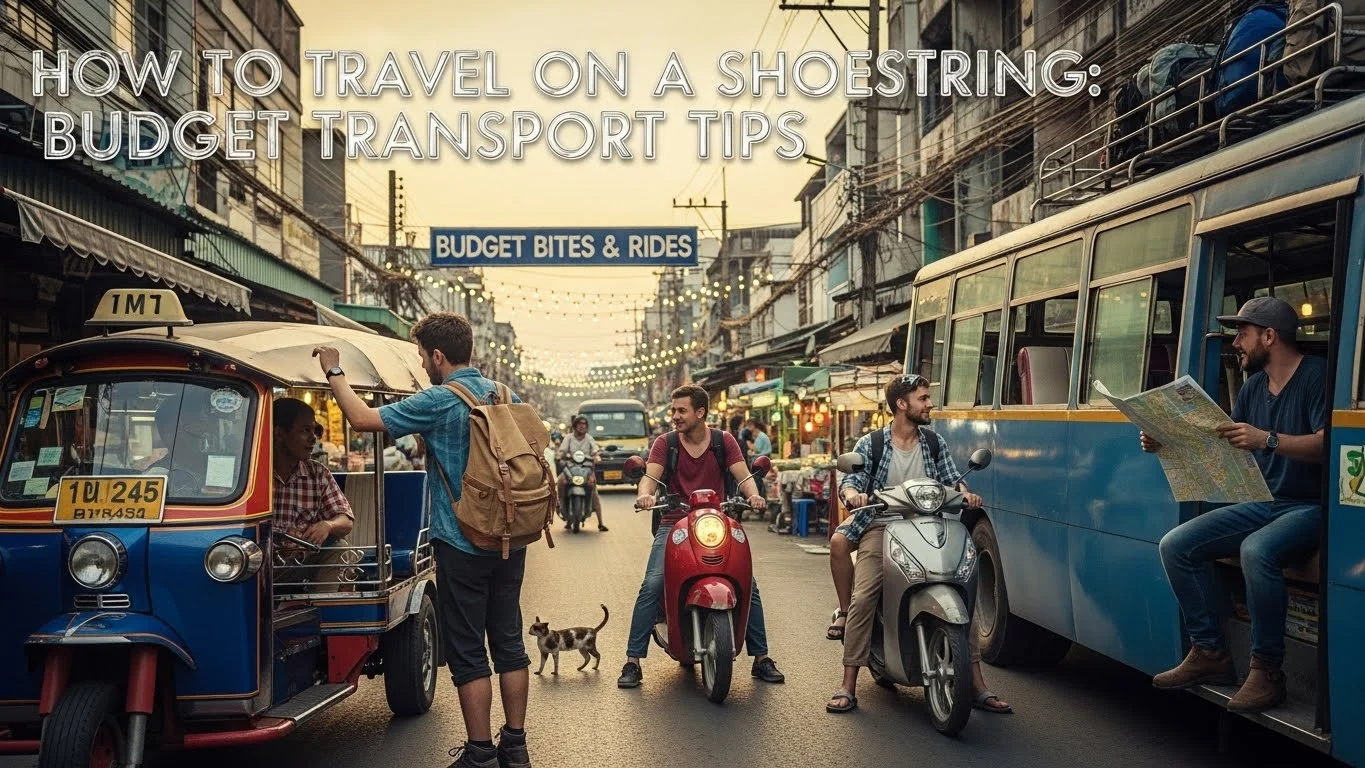
How to Travel on a Shoestring: Budget Transport Tips

Traveling on a shoestring can be one of the most rewarding experiences, allowing you to explore the world without breaking the bank. Let’s dive into how to make every penny count while enjoying the journey. Read Interesting article: Travel Smart: Essential Public Transport Tips for Budget Travelers
How to Travel on a Shoestring: Budget Transport Tips

Understanding Shoestring Travel

What Does Traveling on a Shoestring Mean?

When I first heard the term “traveling on a shoestring,” I imagined a frugal backpacker munching on instant noodles and sleeping in hostels. But really, it’s about being resourceful and making the most of your budget. This kind of travel encourages us to explore beyond the typical tourist traps, discovering local culture and experiences that many overlook. Shoestring travel doesn’t mean sacrificing enjoyment; it’s more about prioritizing what matters most to us and finding creative ways to stretch our dollars.

Benefits of Budget Travel

Budget travel has so many perks that I didn’t expect when I started my own journey. First, it opens up a world of possibilities. I’ve found that being mindful of my spending led me to unique experiences, like joining a local cooking class or exploring hidden gems that aren’t in guidebooks. Plus, traveling on a budget often cultivates a sense of adventure. I remember the thrill of hopping onto a local bus, unsure of where it would take me, only to discover a stunning view or a quaint village.

Another benefit is the community you build while traveling. While waiting for a bus or sitting in a shared dorm, I’ve met countless fellow travelers, each with their own stories and tips. These connections often lead to new friendships and shared adventures. I also found that budget travel encourages me to appreciate the little things—like a beautifully prepared street meal or the kindness of locals. In my experience, these small moments create lasting memories that luxurious trips sometimes overlook.

Choosing Budget-Friendly Modes of Transport

Public Transportation: Buses and Trains

Public transportation is often the backbone of budget travel, and for good reason! When I traveled through Europe, for instance, I relied heavily on trains and buses. They’re not only affordable, but they also offer a glimpse into everyday life in the places I visited. I remember taking a bus from Florence to Venice, and the scenic countryside views were simply breathtaking. Plus, with many cities offering extensive public transport networks, it’s easy to get around without needing to hire a car. These options can be budget-friendly and efficient.

One tip I’ve learned is to research different transportation companies. Some may offer discounts for early bookings or special deals for travelers. For instance, I discovered that in many countries, if you book your tickets a few weeks in advance, you can save a significant amount. There’s also something exciting about the unpredictability of public transport; it adds an element of adventure to the journey.

Walking and Biking: Exploring Locally

Walking and biking are two of my favorite ways to explore a new destination. Not only do they save on transportation costs, but they also allow me to immerse myself in the surroundings. I still cherish those peaceful mornings biking along the coast of Barcelona, feeling the breeze and stopping at local cafes for fresh pastries. Walking also lets you discover hidden alleyways and local art that you’d miss while zooming by in a car or bus.

Many cities offer bike rentals at a very reasonable price or even for free! I remember stumbling upon a bike-sharing program in Amsterdam, which made it convenient and affordable to explore the city. Even if you’re not a biking enthusiast, I encourage everyone to lace up their walking shoes and wander the streets. You never know what you’ll uncover!

Carpooling and Ridesharing Options

Carpooling and ridesharing are increasingly popular, especially in places like the U.S. and Europe. I’ve used apps like BlaBlaCar to connect with locals headed in the same direction, which not only saves money but also gives you the opportunity for a chat and cultural exchange. It’s like hitching a ride with a friend! Plus, these options are often more comfortable than public transport, especially for longer journeys.

When trying ridesharing, I always check reviews and choose drivers with good ratings. Safety is always paramount, and I’ve learned to trust my instincts. If something doesn’t feel right, I don’t hesitate to back out. But overall, this mode of transport has enriched my travel experiences immensely.

Hitchhiking: Safety and Tips

Hitchhiking can seem daunting, and I admit it took me a while to try it. However, it can be a rewarding way to travel for free while meeting interesting people along the way. I’ve met fellow travelers who shared incredible stories of their hitchhiking adventures, which inspired me to give it a shot in New Zealand. I found that standing in a visible spot and holding a sign with my destination helped attract drivers more effectively.

Safety is crucial when hitchhiking. I always choose to travel during the day, wear something eye-catching to improve visibility, and trust my gut when getting into a car. I’m always mindful of who I’m getting a ride from and make sure to share my location with a friend as a precaution. Despite the risks, I’ve found that when approached with caution, hitchhiking can lead to some incredible, spontaneous experiences.

Finding Affordable Transportation Options

Using Apps and Websites to Compare Prices

One of the game changers for me when it came to budget travel was discovering various apps and websites that help compare transportation prices. I remember the first time I used Skyscanner to check flight prices; I was amazed at how many options popped up. This site allows you to see a variety of airlines and fares side by side, which helps in making informed decisions. I also found Google Flights to be incredibly useful for getting a sense of price trends over time.

For ground transportation, I became a fan of Rome2rio, which shows all available travel methods between two points, whether it’s a bus, train, or even a ferry. This comprehensive view helped me select the most affordable and convenient options. I often found myself checking multiple apps to ensure I was getting the best deal. The more I explored, the more I realized that taking the time to compare options pays off in savings!

Discount Passes and Travel Cards

Another great way to save money on transportation is by using discount passes or travel cards. I remember arriving in London and quickly purchasing an Oyster Card, which allowed me to travel seamlessly on public transport while saving a bunch on fares. These cards often come with special offers and discounts for tourists, which can make a significant difference in the overall budget.

In cities like Paris, I was thrilled to discover the Navigo pass, which covers unlimited travel for a week. It was a lifesaver as I explored the city’s iconic sites. I recommend researching which passes are available in your destination; they can provide immense value and make your travels much easier. Plus, when you know you have unlimited travel, you can explore with a sense of freedom!

Booking in Advance vs. Last-Minute Deals

I’ve had mixed experiences when it comes to booking transportation. There were times when booking in advance secured me great deals. For example, I remember landing a round-trip train ticket in Italy for just $20 because I booked a month ahead. However, I’ve also stumbled upon fantastic last-minute deals that made me rethink my approach. Once, I was in Spain and found a discounted flight just a few days before my journey to Athens. The spontaneity of booking last-minute can be thrilling, but it’s definitely a gamble.

In my opinion, it’s essential to have a flexible mindset. I often set alerts on travel websites for specific routes I’m interested in. This way, I can keep an eye on price fluctuations and seize opportunities as they arise. Balancing between early bookings and last-minute deals really depends on the destination and time of year. I’ve learned to stay adaptable!

Tips for Saving on Transportation Costs

Traveling Off-Peak and During Shoulder Seasons

One of the best tips I can share is to travel during off-peak or shoulder seasons. I’ll never forget my trip to Thailand in February, when the crowds were manageable, and prices were much lower compared to the high season. I found that not only were flights and accommodations cheaper, but transportation costs also dropped significantly.

Traveling during these times allows you to experience a destination more authentically as well. You’re less likely to be caught in tourist traps, and the locals are more available to share their culture with you. I recommend doing some research on the peak seasons for your destination and planning your travels accordingly. It can lead to both savings and richer experiences!

Choosing the Right Luggage for Easy Mobility

When I first started traveling on a budget, I made the mistake of bringing a large suitcase everywhere. It quickly became a burden, especially when navigating cobbled streets or hopping on and off public transport. I learned the hard way that choosing the right luggage can make all the difference. Now, I prefer a good-quality backpack or a carry-on roller that’s easy to maneuver.

Being light on your feet not only saves costs but also makes it easier to take public transport or walk between destinations. I remember rushing through the streets of Lisbon, navigating steep hills with my backpack. It felt liberating to have everything I needed in one compact bag. I encourage everyone to think about packing light and only bringing essentials—it can enhance your travel experience.

Leveraging Local Knowledge: Asking Locals for Tips

One of the best resources I’ve found while traveling is the locals themselves. Whether it’s through casual conversations at cafes or asking hotel staff for recommendations, I’ve often uncovered the best transportation options and hidden gems. I’ll never forget chatting with a friendly bartender in a small Cuban town who told me about a local bus that took me to a stunning beach for a fraction of the cost of a taxi.

Locals know their area better than anyone else, and they can steer you away from tourist traps while guiding you toward experiences that truly reflect their culture. I always try to approach interactions with an open mind and genuine curiosity. Engaging with locals not only enriches my travels but often results in finding budget-friendly transportation methods that I wouldn’t have discovered otherwise. These insights can be invaluable.

Budget Transport Tips for Specific Destinations

Europe: Eurail Pass and Budget Airlines

When I think of traveling in Europe, I can’t help but recall the incredible experiences I had using the Eurail Pass. This pass is a game changer for budget travelers like us who want to explore multiple countries without the hassle of buying separate tickets. I remember my adventure hopping on and off trains from Paris to Amsterdam and then down to Rome, all thanks to the flexibility of the pass. It allowed me to travel at my own pace while making spontaneous decisions about where to go next.

But it’s not just trains that offer budget-friendly options. I’ve also flown with low-cost carriers like Ryanair and EasyJet. While they may lack some of the frills of larger airlines, the savings are often worth it. I once snagged a flight from Barcelona to London for just 25 euros! Just keep an eye on additional fees, like baggage charges, so you don’t end up spending more than anticipated. My advice for anyone traveling in Europe is to mix and match these options to create a memorable and affordable adventure.

Asia: Local Trains and Buses

Traveling through Asia opened up a whole new world of budget transport options for me. I found that local trains and buses are not only cost-effective but also allow you to experience the landscape and culture more intimately. For instance, I took a local train from Bangkok to Chiang Mai, and the journey was just as enjoyable as the destination. I met fellow travelers and locals on board, sharing stories and snacks, which made the experience all the more enriching.

In countries like India, I learned that the train system is extensive and can accommodate all budgets. I once traveled overnight on an Indian train in a sleeper compartment, which was quite the adventure. I recommend booking tickets in advance to secure your spot, especially for longer journeys. And don’t shy away from local buses, either! They can be a bit cramped, but they often take you directly to small towns and hidden gems, making them worth the discomfort.

North America: Greyhound and Megabus

My travels in North America led me to discover Greyhound and Megabus, which are fantastic budget options for getting around. I fondly remember taking a Megabus from New York City to Washington, D.C. for just $10! The buses are usually comfortable and equipped with Wi-Fi, making the journey enjoyable. Plus, with multiple stops along the way, it’s a great chance to see various cities without spending a fortune.

Greyhound, with its extensive network, also offers a range of routes and prices. I found that booking in advance can lead to significant savings, and it’s a good idea to check for any special promotions. While the travel times can be longer than flying, I appreciate the opportunity to see the countryside and meet fellow travelers along the way.

South America: Collectivos and Local Buses

In South America, budget travel takes on a different flavor, especially with options like collectivos and local buses. I remember arriving in Peru and being introduced to collectivos, which are shared taxis that run fixed routes. They’re a fantastic way to get around town affordably while meeting locals. I found myself crammed with friendly locals, all excited to share tips about the area. It was a fun way to break the ice and practice my Spanish!

Local buses are another great option, especially in countries like Brazil and Colombia. They’re often the most cost-effective way to travel between cities. I took a long-distance bus from Bogotá to Medellín, and although the journey was lengthy, the views were breathtaking! I recommend packing snacks and some entertainment for the ride, as it can take several hours. Plus, always keep a close eye on your belongings, as buses can get crowded.

Safety Considerations While Traveling on a Budget

Staying Safe on Public Transport

As I’ve traveled on a budget, I’ve learned that staying safe on public transport should always be a priority. I remember feeling a bit anxious when I first boarded a crowded bus in a foreign country. Over time, I developed some strategies to keep myself safe. First, I always keep my valuables close and use a money belt or a secure travel pouch. It’s also wise to avoid displaying expensive items like cameras or large amounts of cash, as it can attract unwanted attention.

Another tip is to stay alert and be aware of your surroundings. I often choose to sit near the driver or other passengers who seem trustworthy. If I ever feel uncomfortable, I don’t hesitate to change seats or even get off at the next stop and wait for another bus. Trusting your instincts is key when it comes to protecting yourself while traveling.

Travel Insurance: Is It Worth the Cost?

Travel insurance is something I didn’t think much about in the beginning, but after a few experiences, I realized it’s worth the investment. I remember losing my backpack during a trip, which held my passport, money, and essential items. Luckily, I had travel insurance that helped cover some of the costs, which provided peace of mind during a stressful situation. I recommend researching different policies to find one that fits your needs; it’s always better to be safe than sorry.

While it might feel like an extra expense, having travel insurance can save you from significant financial losses in case of emergencies. It’s especially important when you’re working within a shoestring budget, as unexpected costs can quickly derail your plans.

Emergency Contacts and Local Laws

Knowing emergency contacts is something I always look into before traveling to a new country. I make it a point to have the local emergency numbers saved on my phone, and I also memorize the address of my country’s embassy or consulate. This preparation has helped me feel more secure and informed, especially in unfamiliar places.

Understanding local laws and customs is equally essential. I’ve learned the hard way that certain behaviors acceptable back home might not be viewed the same way abroad. For example, I was surprised to discover that jaywalking could lead to fines in some cities. Taking the time to familiarize myself with local customs and laws has helped me avoid misunderstandings and ensure a smoother travel experience.

Frequently Asked Questions

What does traveling on a shoestring mean?

Traveling on a shoestring means being resourceful and making the most of your budget while exploring the world. It encourages travelers to discover local culture and experiences rather than just visiting typical tourist traps.

What are the benefits of budget travel?

Budget travel opens up a world of possibilities, allowing for unique experiences, a sense of adventure, and the opportunity to build community with fellow travelers. It encourages appreciation for the little things and can create lasting memories.

What are some budget-friendly modes of transport?

Budget-friendly modes of transport include public transportation like buses and trains, walking and biking, carpooling and ridesharing, and even hitchhiking. Each option offers its own advantages for saving money and enhancing the travel experience.

How can I find affordable transportation options?

Using apps and websites to compare prices, looking for discount passes and travel cards, and balancing between booking in advance or finding last-minute deals are effective strategies for finding affordable transportation.

What is the importance of traveling during off-peak seasons?

Traveling during off-peak or shoulder seasons can lead to lower costs for flights, accommodations, and transportation. It also allows for a more authentic experience with fewer crowds and more opportunities to engage with locals.

Why is it recommended to choose the right luggage for mobility?

Choosing the right luggage, such as a good-quality backpack or carry-on roller, enhances mobility and ease of travel. It makes navigating public transport and walking between destinations much easier and reduces the burden of carrying heavy bags.

How can I leverage local knowledge while traveling?

Engaging with locals can uncover the best transportation options and hidden gems. Casual conversations can lead to valuable recommendations, helping travelers avoid tourist traps and discover authentic experiences.

What transportation options are available for budget travel in Europe?

The Eurail Pass is a great option for budget travelers in Europe, allowing flexible travel across multiple countries. Additionally, low-cost airlines like Ryanair and EasyJet offer affordable flights, though travelers should be wary of extra fees.

What should I consider for safety while using public transport?

To stay safe on public transport, keep valuables close, avoid displaying expensive items, and remain aware of your surroundings. Trusting your instincts and being cautious can help protect you while traveling.

Is travel insurance worth the cost?

Yes, travel insurance is worth the investment as it can cover unexpected emergencies, such as losing important belongings. It provides peace of mind, especially when traveling on a budget, where unexpected costs can have a significant impact.
Top 10 Cheapest Transportation Options for Backpackers

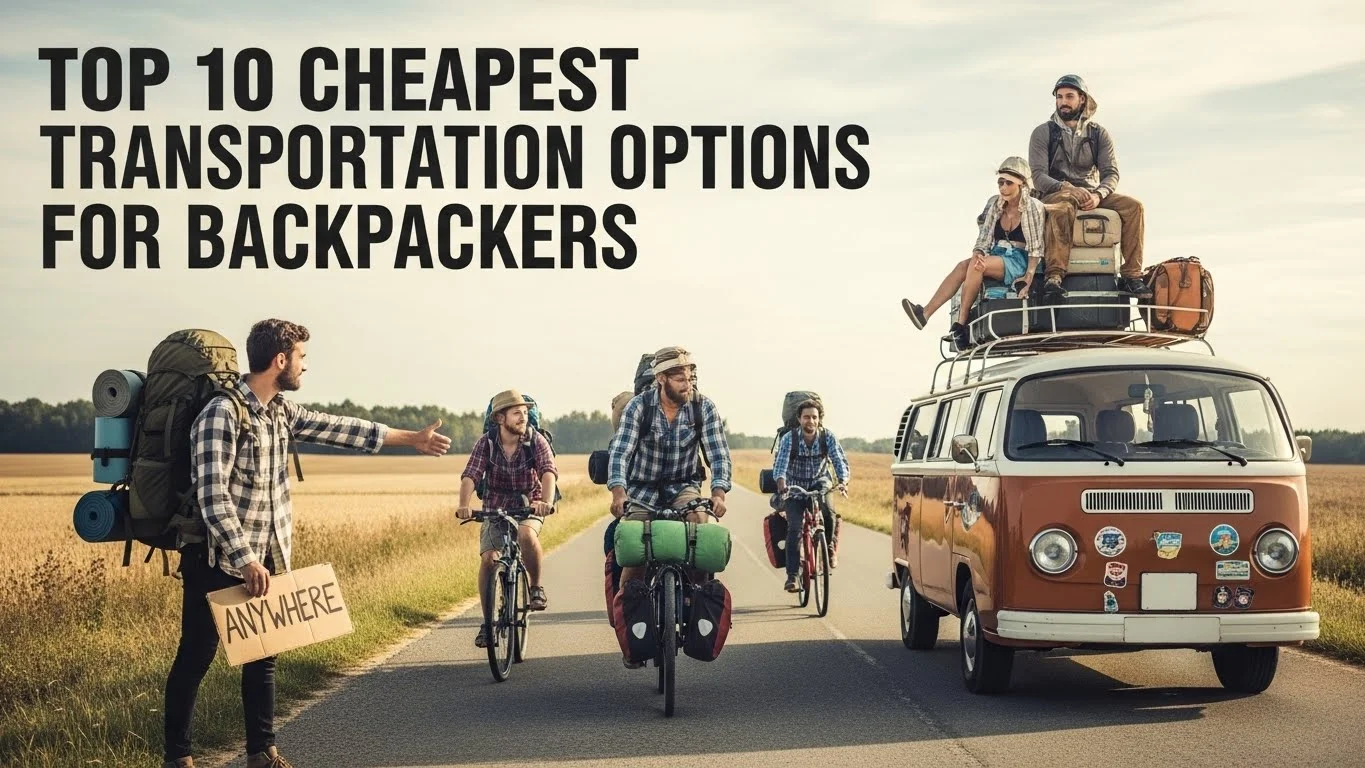
Backpacking is an adventure that comes with its own set of challenges, especially when it comes to transportation. Finding affordable ways to get around can make all the difference in your travel experience. For tips on affordable options, check out the Affordable Transportation Hacks Every Backpacker Should Know.

Top 10 Cheapest Transportation Options for Backpackers

Understanding Transportation for Backpackers

The Importance of Budget-Friendly Travel

When I first started backpacking, I quickly realized that one of the biggest expenses I would face was transportation. I wanted to explore as much as possible without breaking the bank. This is where budget-friendly travel options became essential. I found that having a well-thought-out travel plan can help stretch my dollars further, allowing me to experience more of the world without compromising on my adventures.

Budget-friendly travel means more than just saving money; it provides the freedom to spend on experiences rather than transport. I learned that the cheaper my transportation, the more I could invest in local food, attractions, and activities. Each destination has its unique charm, and I wanted to soak up every bit of it. Understanding the various transportation options available can significantly enhance our backpacking journey. For a comprehensive overview, refer to the Ultimate Guide to Cheap Transportation for Backpackers.

Factors to Consider When Choosing Transportation

Choosing the right mode of transportation isn’t just about cost; it also depends on several factors. I found it helpful to consider the following:

  • Distance: How far do I need to go? For shorter distances, walking or cycling might be best, while longer distances may require buses or trains.
  • Time: How much time do I have? Sometimes spending a little more on transportation can save hours, allowing for more exploration.
  • Comfort: I realized that comfort levels vary depending on the mode of transport. After a long day of hiking, a comfortable bus seat can be a welcome change.
  • Local Culture: I love immersing myself in local culture, and sometimes the way I travel can enhance that experience. Public transport often provides a more authentic feel of a place.
  • Safety: I always consider the safety of the transport option, especially when traveling alone or in unfamiliar areas.

By weighing these factors, I’ve been able to make informed decisions that enhance my travel experience while keeping costs low.

Top 10 Cheapest Transportation Options

1. Buses

Pros and Cons of Bus Travel

Buses are often the backbone of affordable transportation for backpackers. I’ve taken countless bus rides across countries, and there’s something unique about them. On the plus side, buses are usually the cheapest option. They connect even the most remote areas, making them incredibly versatile. However, there can be downsides, such as long travel times and sometimes less comfortable seating. I’ve had my share of bumpy rides, but the views often made up for it.

Popular Bus Companies for Backpackers

When it comes to bus travel, I’ve found that certain companies cater specifically to backpackers. For instance, FlixBus in Europe offers extensive routes at low prices. In South America, companies like Cruz del Sur provide comfortable buses for longer journeys. I recommend checking online for reviews and schedules before booking, as the experience can vary widely depending on the provider.

2. Trains

Types of Train Services (Local vs. Long-Distance)

Trains can be a fantastic way to travel, especially in regions with extensive rail networks. Local trains are often affordable and offer a great way to see the countryside. I remember hopping on a local train in Italy, watching the vineyards roll by—it was magical! Long-distance trains, while sometimes pricier, can also be a great experience, especially sleeper trains that allow you to rest during overnight journeys.

Discount Passes and Offers

Many countries offer discount passes for backpackers. For example, I found the Eurail Pass incredibly useful for traveling through Europe. It allowed me unlimited travel in several countries for a set number of days, saving me a lot of money. Always look for these deals; they can make train travel much more affordable.

3. Ridesharing Services

How to Use Ridesharing Apps Effectively

Ridesharing apps like Uber and Lyft have become popular options for getting around cities. I’ve used them extensively, especially when public transport wasn’t convenient. They can be cheaper than traditional taxis, especially if you’re traveling with friends. I recommend comparing prices beforehand and using them during off-peak hours for the best rates.

Cost Comparison with Traditional Taxis

From my experience, ridesharing services often beat traditional taxis in terms of cost and convenience. I’ve noticed that taxi fares can skyrocket due to surges, while ridesharing apps often provide a clearer pricing structure. Additionally, with ridesharing, I love being able to track my ride and know exactly when it will arrive.

4. Hitchhiking

Safety Tips for Hitchhikers

Hitchhiking might seem daunting, but I’ve met some of my most interesting travel companions this way. It’s an adventure that can lead to unique experiences. However, safety should always be a priority. I always make sure to choose safe-looking drivers and avoid rides at night or in sketchy areas. Trust your instincts—if a situation doesn’t feel right, it’s okay to pass.

Best Practices for Successful Hitchhiking

To increase your chances of getting a ride, I learned to stand in safe, visible spots, like gas stations or roadside stops. Having a sign indicating my destination also helped. Additionally, I always try to smile and make eye contact with potential drivers; it makes me seem more approachable. After a few successful rides, I felt more confident, and I always carry a small snack or drink to share with my driver as a friendly gesture.

5. Cycling

Benefits of Exploring by Bike

Cycling has become one of my favorite ways to explore new cities and countryside. Not only is it budget-friendly, but it also allows for a deeper connection with the places I visit. I’ve discovered hidden gems that I would have missed if I were in a car or on a bus. Plus, it’s great exercise!

Bike Rental Services and Cost

Many cities have bike rental services, making it easy to pick up a bike for the day. I’ve found that most rentals are reasonably priced, and some cities even offer free bike-sharing programs. I recommend checking out local options and reading reviews to find the best deals before renting.

6. Walking

Best Destinations for Walking Tours

Walking is often the most cost-effective way to get around, and it gives you the chance to truly immerse yourself in your surroundings. Cities like Paris and Barcelona are perfect for walking tours. I remember wandering the streets of Barcelona, stumbling upon charming cafes and street performers that I wouldn’t have noticed otherwise.

Benefits of Walking for Backpackers

Not only do I save money by walking, but it also allows me to feel more connected to the places I visit. I’ve met locals and fellow travelers while strolling through markets or parks. Plus, walking is a fantastic way to stay active while traveling.

7. Carpooling

How to Find Carpooling Opportunities

Carpooling is another budget-friendly option. I’ve found websites and apps specifically designed for matching riders with drivers going the same direction. This is great for longer trips where public transport might not be available. Websites like BlaBlaCar have been incredibly helpful for me, connecting me with others looking to share rides.

Cost Benefits of Carpooling

The cost savings can be significant when you split fuel costs with others. I’ve had some fantastic conversations during carpool rides, making the journey just as enjoyable as the destination. Plus, it’s better for the environment, which is always a bonus in my book!

8. Ferries and Boats

Affordable Ferry Options in Popular Regions

When exploring coastal areas or islands, ferries can be an affordable way to travel. I remember taking a ferry from one Greek island to another, and it was an experience in itself! There are often discounts for students or backpackers, so it’s worth checking.

Scenic Boat Rides Worth Considering

Some scenic boat rides can be a bit pricier, but they’re often worth it. I’ve taken boat tours through fjords in Norway that provided breathtaking views. If you can budget for a few splurges like this, they can create unforgettable memories.

9. Local Transport Passes

Understanding Day Passes and Multi-Trip Tickets

Many cities offer transport passes allowing unlimited travel for a set period. I’ve found that these can save a lot of money, especially if I plan to do a lot of sightseeing. For example, in London, the Oyster card provides discounted fares on public transport, which I highly recommend.

How to Maximize Local Transport Passes

To make the most of these passes, I always plan my routes and activities in advance. This way, I can use my pass efficiently and visit multiple attractions in one day. I remember cramming so many experiences into a single day during my time in Tokyo, thanks to their efficient subway system.

10. Budget Airlines

Finding the Cheapest Flights

When traveling between countries or regions, budget airlines can be a lifesaver. I’ve flown with various budget airlines, and while they might not offer the same amenities as traditional carriers, the savings are often worth it. I recommend using flight comparison websites to snag the best deals. For more tips, check out my article on How to Find the Cheapest Flights with Budget Airlines.

Tips for Booking Budget Airlines

Flexibility is key when booking budget flights. I’ve found that flying on weekdays or during off-peak seasons can save a lot of money. Additionally, I always check baggage policies, as some airlines charge extra for checked bags. Traveling light has become my motto!

Tips for Saving Money on Transportation

Planning Your Routes Efficiently

One of the most effective ways I’ve saved money on transportation is by planning my routes ahead of time. I remember a trip where I spent hours just figuring out how to get from one city to another. It was frustrating and definitely not cost-effective. Now, I always take a little time to map out my journey before I set off. I use apps like Google Maps or local transport apps to check the best routes and options available. This helps me avoid unnecessary detours or expensive last-minute decisions.

For instance, in Southeast Asia, I discovered that there were local buses that not only cost a fraction of a taxi but also offered a great experience. By planning my routes, I could easily switch between different modes of transport, maximizing my time and minimizing my expenses. I also keep an eye on the distances I need to cover and try to combine walking with public transport wherever possible.

Using Technology to Find Deals

Technology has become a backpacker’s best friend when it comes to finding deals on transportation. I’ve used various apps and websites to score discounts that I wouldn’t have known about otherwise. For example, I discovered Skyscanner and Kayak for flights, which allow me to compare prices across different airlines and find the cheapest options. I often set alerts for specific routes to be notified when prices drop.

Another tool I found helpful is Rome2rio, which shows different ways to get from point A to point B, including buses, trains, and ferries, along with estimated costs. This has saved me both time and money, allowing me to choose the most affordable option for my travels. Plus, I love how I can get a sense of how much a trip will cost before I commit. It makes budgeting so much easier!

Traveling Off-Peak Times

Traveling during off-peak times has been a game changer for me. I used to think that I had to travel on weekends or during the busiest tourist seasons, but I quickly learned that traveling mid-week or during shoulder seasons can lead to significant savings. I remember booking a train from Madrid to Barcelona on a Tuesday instead of the weekend, and the ticket cost was nearly half the price!

Beyond just transportation, this strategy also applies to accommodation and attractions. Many places offer discounts on weekdays or during less busy periods, so I try to plan my itinerary around these factors. It not only saves money but also allows me to enjoy a more relaxed travel experience with fewer crowds. I’ve found that I can connect more with the locals and truly soak in the culture when I’m not surrounded by throngs of tourists.

Safety Considerations for Backpackers

Staying Safe While Traveling

Safety is a top priority for me when I’m on the road. I’ve learned some valuable lessons about staying safe while using different modes of transportation. First off, I always do my research on the areas I’m traveling to. Understanding the local customs and any potential safety concerns helps me stay vigilant. For instance, I avoid traveling alone at night in unfamiliar areas and choose well-lit, populated routes when walking or waiting for transport.

I also keep my belongings secure. I use a money belt or a secure backpack that I can keep an eye on at all times. When I’m on public transport, I try to sit near the driver or in places that feel safer. It’s about finding that balance between being open to new experiences and protecting myself. I’ve had a few close calls, but being cautious and aware of my surroundings has always helped me navigate safely.

Staying Aware of Your Surroundings

Being aware of my surroundings is something I practice every day while traveling. I remember a time when I was in a busy market in Bangkok, and I could feel the energy buzzing around me. I made it a point to stay alert, keeping an eye on my belongings and being aware of who was around me. This helped me avoid any potential issues and allowed me to enjoy the vibrant atmosphere without worrying.

Another tip I’ve picked up is to observe local behavior. This not only helps in staying safe but also enhances my travel experience. For example, if I notice locals waiting at a bus stop, I’ll join them; it often indicates a safe and reliable transport option. In unfamiliar places, blending in with the locals can sometimes be the best way to stay safe while exploring.

Frequently Asked Questions

What is the importance of budget-friendly travel for backpackers?

Budget-friendly travel allows backpackers to explore more without breaking the bank. It enables them to spend on experiences, local food, attractions, and activities rather than just transportation, enhancing their overall travel experience.

What factors should I consider when choosing transportation?

When choosing transportation, consider the distance you need to travel, the amount of time you have, your comfort level, the local culture, and safety concerns. Weighing these factors will help you make informed decisions that enhance your travel experience while keeping costs low.

What are some of the cheapest transportation options for backpackers?

The top 10 cheapest transportation options include buses, trains, ridesharing services, hitchhiking, cycling, walking, carpooling, ferries and boats, local transport passes, and budget airlines.

How can I use ridesharing apps effectively?

To use ridesharing apps like Uber and Lyft effectively, compare prices beforehand, particularly during off-peak hours, as they can often be cheaper than traditional taxis. Tracking your ride also adds to the convenience.

What safety tips should I follow when hitchhiking?

When hitchhiking, prioritize safety by choosing safe-looking drivers, avoiding rides at night or in sketchy areas, and trusting your instincts. Stand in visible spots and use a sign for your destination to increase your chances of getting a ride.

What are the benefits of exploring by bike?

Cycling is budget-friendly and allows for a deeper connection with the places visited. It can help discover hidden gems and provides great exercise, making it a favorite mode of exploration for many backpackers.

How can I save money on transportation as a backpacker?

You can save money on transportation by planning your routes efficiently, using technology to find deals, and traveling during off-peak times. These strategies can help maximize your budget and enhance your travel experience.

What are local transport passes and how can they benefit me?

Local transport passes allow unlimited travel for a set period, which can save a lot of money, especially for sightseeing. Planning routes in advance can help maximize the use of these passes to visit multiple attractions in one day.

How can I stay safe while traveling?

To stay safe while traveling, research the areas you are visiting, understand local customs, and choose well-lit, populated routes. Keeping your belongings secure and staying aware of your surroundings is also crucial for safety.

What technology can help me find deals on transportation?

Apps and websites like Skyscanner, Kayak, and Rome2rio can help backpackers find discounts and compare prices on transportation options. Setting alerts for specific routes can notify you when prices drop, making it easier to budget for travel.

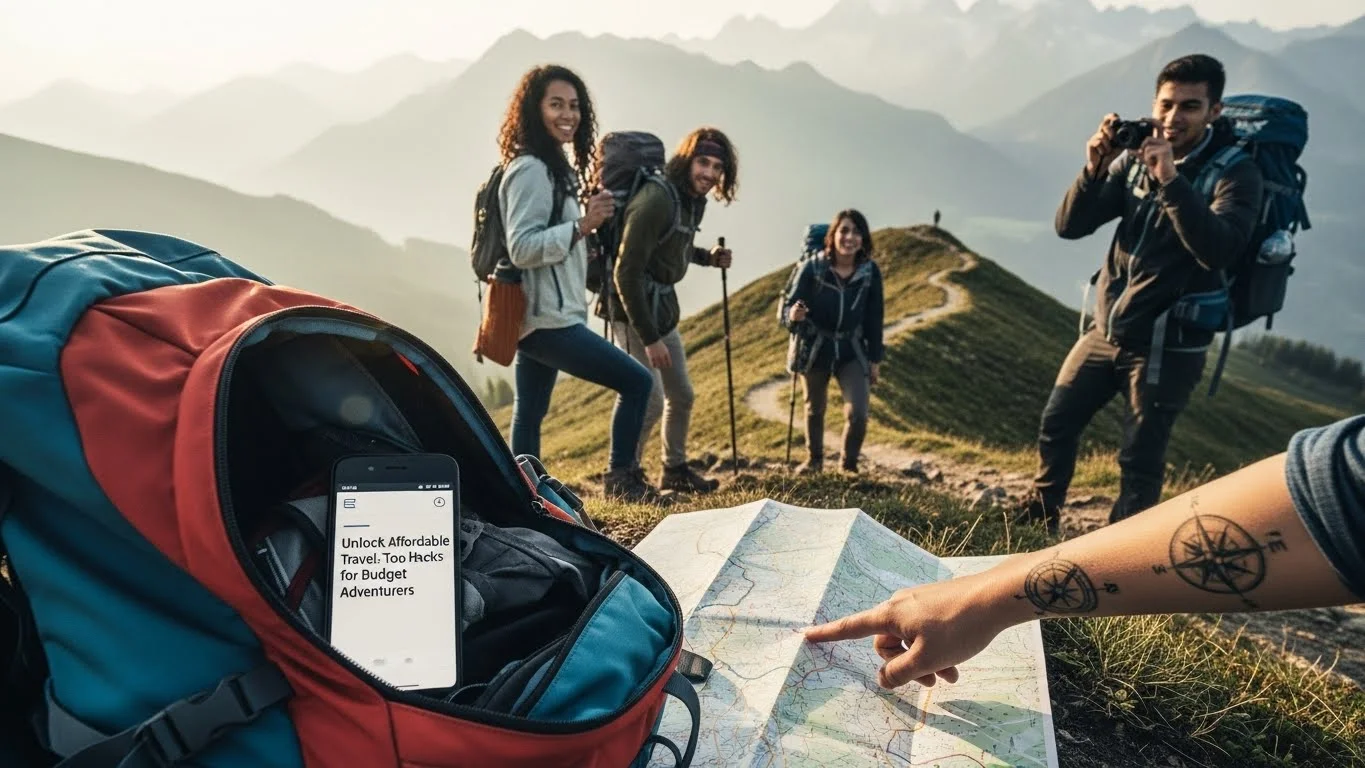
Unlock Affordable Travel: Top Hacks for Budget Adventurers

Traveling doesn’t have to break the bank. With a little creativity and some smart planning, you can unlock affordable adventures that won’t leave your wallet empty. Let’s dive into the world of budget travel!

Unlock Affordable Travel: Top Hacks for Budget Adventurers

Understanding Budget Travel

What is Budget Travel?

Budget travel, in my experience, is all about exploring the world while being mindful of how much you spend. It’s about finding those sweet spots where adventure meets affordability. When I first started traveling on a budget, I realized it wasn’t just about saving money. It was about being resourceful, finding hidden gems, and immersing myself in local cultures without overspending. I remember my first trip to Europe where I spent time in hostels, ate street food, and used public transport instead of taxis. It was one of the best experiences of my life, and I hardly spent anything! Budget travel means more than just cheap flights; it’s a mindset that embraces creativity and spontaneity.

Benefits of Traveling on a Budget

Traveling on a budget comes with its own set of perks that I absolutely cherish. First off, it allows for more frequent trips. Instead of saving up for one big vacation, I can go on several small getaways throughout the year. For me, that’s the best of both worlds! I also find that budget travel encourages me to seek out unique experiences. When I’m not tied to a lavish itinerary, I’m more likely to stumble upon local markets, festivals, and food stalls. Plus, traveling economically often means engaging more with locals, which leads to authentic interactions and friendships that last long after the trip ends. And let’s not forget the thrill of scoring a great deal—nothing feels better than booking a flight or accommodation at a fraction of the expected price!

Common Misconceptions about Budget Travel

Despite its benefits, budget travel often comes with misconceptions. I used to think that traveling on a budget meant sacrificing comfort or missing out on experiences. That couldn’t be further from the truth! I’ve had some of my most luxurious moments in budget-friendly accommodations like boutique hostels or charming guesthouses that offered incredible hospitality. Another misconception is that budget travel limits your destination options. From my travels, I can confidently say that there are budget-friendly destinations all around the world, often less famous but full of character! Lastly, many believe that budget travel means roughing it. While it can involve a bit of adventure, it’s all about striking a balance. Sometimes, I treat myself to a nice meal or a unique experience, and that’s totally okay! Budget travel is about making choices that align with our priorities.

Essential Travel Hacks for Saving Money

Finding Affordable Flights

One of the biggest expenses in travel is often the flights. Over the years, I’ve picked up some essential hacks that have helped me score amazing deals.

Using Fare Comparison Websites

When I’m searching for flights, I always start with fare comparison websites. They allow me to see prices from various airlines all in one place. I’ve found sites like Skyscanner and Google Flights to be invaluable. They help me identify the best times to fly, and I can filter my results by price, duration, and layovers, which is super helpful. I remember once using Skyscanner to find a flight to Thailand that was almost half the price of what I had seen elsewhere. It was a game changer!

Flexible Travel Dates

I learned early on that being flexible with travel dates can lead to huge savings. I often check flights on different days to see if I can get a better deal. Midweek flights tend to be cheaper, so I usually try to avoid weekend travel. Plus, many comparison sites have “flexible date” options, allowing me to see the entire month’s prices at a glance. This hack helped me score a flight to Barcelona that saved me nearly $200 just by shifting my departure by a couple of days!

Setting Fare Alerts

Setting fare alerts has become one of my favorite strategies for snagging the best flight deals. I sign up for alerts on different platforms, so when the prices drop, I’m one of the first to know. I can’t tell you how many times I’ve received an alert for a fare drop and booked my tickets within minutes. It’s like having a personal shopper for flights!

Accommodation Hacks

Finding affordable places to stay can significantly impact your budget. Over the years, I’ve experimented with various accommodation options, and here’s what I’ve discovered.

Staying in Hostels vs. Hotels

Hostels have been my go-to choice for budget travel. They’re not just cheap; they’re also a fantastic way to meet fellow travelers. I remember staying in a hostel in Prague where I made friends from all over the world. The common areas became a hub for sharing stories and planning adventures together. Plus, many hostels offer free breakfast, which is a big perk!

Using Home-Sharing Platforms

Home-sharing platforms like Airbnb have also become a favorite. They often provide unique accommodations that hotels can’t offer, like staying in a local’s apartment. I once found an Airbnb in a cozy neighborhood in Lisbon, complete with a terrace overlooking the city. It was a more authentic experience than any hotel stay, and the price was surprisingly affordable!

Camping and Glamping Options

Camping is another budget-friendly option that I’ve come to appreciate. There’s something magical about pitching a tent under the stars. I’ve found that many national parks and beautiful natural sites offer camping at a fraction of the cost of hotels. For those who want a bit more comfort, glamping is a fantastic compromise. I once splurged on a glamping site in the California desert, and it was worth every penny for the stunning views and cozy amenities.

Essential Travel Hacks for Saving Money

Transportation Savings

Transportation can often take a huge chunk out of our travel budget. From my experience, finding ways to get around that don’t break the bank can really enhance the overall adventure. Here are some tips that have worked wonders for me.

Public Transportation vs. Car Rentals

When I visit a new city, I usually opt for public transportation over renting a car. Public transport systems can be incredibly efficient and affordable. I remember hopping on a bus in Seoul that took me all around the city for just a couple of dollars. I could explore neighborhoods and landmarks without worrying about parking fees or gas costs. Plus, using trains and buses often allows me to interact with locals, which adds to the experience. Car rentals can be appealing in some remote areas, but I find that I often save money and time by sticking to public transport.

Using Rideshare Apps

Rideshare apps like Uber and Lyft have become essential tools in my travel toolkit. Whenever I need a quick ride, I check these apps for deals. I remember one evening in San Francisco when public transport wasn’t an option due to late-night hours. I used a rideshare app to get to a popular restaurant, and the fare was reasonable. Many cities also offer promo codes for new users, which can be a nice bonus. Just keep an eye out for surge pricing, especially during peak hours!

Walking and Biking for Local Exploration

One of the best ways to explore a new destination is by walking or biking. I’ve discovered some amazing spots I would have never found while driving. In Amsterdam, I rented a bike for the day, which allowed me to see the city at my own pace. I cruised along the canals, stopped at little cafes, and enjoyed the vibrant street art. Plus, biking is often cheaper than public transport for a day, and I felt great getting some exercise while taking in the sights. Walking is just as rewarding; I can’t tell you how many hidden gems I’ve stumbled upon by simply wandering around!

Budget-Friendly Destinations

Top Affordable Cities to Visit

Choosing the right destination can make a massive difference in how far your budget stretches. I’ve been fortunate enough to visit some incredible places that won’t leave your wallet empty. Here are some of my favorites.

Eastern European Cities

Eastern Europe has become one of my go-to regions for budget-friendly travel. Cities like Budapest and Prague offer stunning architecture, rich history, and delicious food at a fraction of what you’d pay in Western Europe. I spent an unforgettable week in Budapest, enjoying thermal baths and traditional goulash without breaking the bank. I even joined a free walking tour, which was a fantastic way to learn about the city from a local perspective.

Affordable Asian Destinations

Asia is another continent where your money can go a long way. I found countries like Vietnam and Thailand to be incredibly budget-friendly. The street food is not only mouthwatering but also cheap! One of my best meals in Vietnam cost me less than $2, and I still reminisce about the flavors. The transportation is also affordable, making it easy to explore multiple regions without spending a fortune. Transportation savings tips can help maximize your budget further.

South American Travel Spots

South America is filled with vibrant cultures, breathtaking landscapes, and affordable options. I loved my time in Colombia, where I trekked through lush coffee plantations and danced the night away in Cartagena. The cost of living is low, which means you can enjoy activities like guided tours and local culinary experiences without worrying about your budget. I met fellow travelers who shared similar stories, and we often swapped tips on the best places to visit.

Off-Peak Travel Benefits

Timing your travels can also lead to significant savings. I’ve learned that traveling during off-peak seasons can make a world of difference.

When to Travel for Lower Prices

When planning my trips, I try to avoid peak tourist seasons. I’ve found that flying in the shoulder seasons—like late spring or early fall—often yields better deals on flights and accommodations. For instance, I visited Italy in late September, and the weather was still beautiful, but the crowds had thinned out. This made for a more enjoyable experience, and I saved a good amount of money!

How to Avoid Tourist Crowds

Avoiding tourist crowds is about more than just saving money; it can significantly enhance the travel experience. I often look for lesser-known attractions or visit popular sites early in the morning or later in the evening. I remember visiting the Colosseum in Rome right after it opened, and it felt like I had the place to myself. It was magical! Plus, fewer crowds often mean you can take better photos and enjoy a more intimate experience.

Smart Spending During Your Trip

Eating on a Budget

Food is one of those areas where I’ve learned to be both creative and frugal while traveling. Eating well doesn’t have to drain your funds, and I’ve found some great ways to enjoy local cuisines without breaking the bank.

Local Street Food vs. Restaurants

Street food is often my first choice when it comes to meals while traveling. I can’t tell you how many delicious and authentic dishes I’ve tasted from food stalls around the world. For instance, in Thailand, I indulged in pad thai from a street vendor that cost less than $2, and it was hands down the best I’ve ever had! Street food not only saves money, but it also gives you a glimpse into the local culture. I love watching the vendors prepare the food right in front of you, and the communal atmosphere adds to the experience. I’ve often found that these meals are just as tasty, if not more so, than those in sit-down restaurants.

Grocery Store Meals

Another strategy I’ve found effective is shopping at grocery stores. Picking up ingredients to prepare simple meals can save a lot of money, especially if you’re staying in accommodations with kitchen facilities. I remember a trip to Barcelona where I bought fresh bread, cheese, and olives from a local market and enjoyed a picnic at Park Güell. It was a delightful meal in a stunning setting, and I spent just a fraction of what I would have paid at a restaurant. Plus, it gave me the chance to interact with locals while shopping, which is something I always enjoy!

Free and Low-Cost Activities

When it comes to filling my itinerary, I’ve discovered that there are plenty of ways to explore without spending much at all. There’s nothing like finding free or low-cost activities to enhance a trip! Read Interesting article: DIY Travel Hacks: Affordable Activities for Your Next Adventure

Exploring Nature and Parks

Nature has always been a big part of my travel experiences. National and state parks often have low entrance fees or even free access, making them an excellent option for budget travelers. I’ve spent entire days hiking, exploring, and taking in breathtaking views without needing to pay a thing. One of my favorite memories is hiking in the Cinque Terre in Italy, where I enjoyed stunning coastal views for the price of a train ticket between the towns. Just being out in nature and away from the hustle and bustle is worth its weight in gold!

Free City Tours and Attractions

Many cities offer free walking tours, which I’ve taken advantage of in numerous places. These tours not only help me learn about the city’s history and culture but also allow me to connect with other travelers. I remember joining a free walking tour in Berlin, where the guide was enthusiastic and knowledgeable, and I ended up discovering hidden spots I never would have found on my own. I always tip my guide based on my budget, but even that is far less than what I would’ve spent on a traditional tour. Additionally, I look for museums that offer free admission days or discounted entry times. Each city has its own gems waiting to be uncovered!

Managing Daily Expenses

Keeping track of my spending while traveling has been crucial in ensuring I stay within my budget. I’ve come up with some methods that make it easier for me to manage daily expenses effectively.

Creating a Daily Budget

Before I set out on a trip, I usually create a daily budget that includes food, transportation, activities, and any souvenirs I might want to buy. This helps me stay grounded in my spending. I often carry a small notebook or use my phone to jot down what I’ve spent each day. Knowing I have a limit keeps me from splurging on unnecessary items. For example, during a trip to Japan, having a clear budget helped me prioritize experiences like visiting temples and savoring sushi without feeling guilty about spending too much.

Using Travel Apps for Expense Tracking

In today’s digital age, I’ve also turned to travel apps to help keep my finances in check. I found apps like Trail Wallet and Travel Mapper to be particularly useful. They allow me to input expenses in real-time and categorize them, making it easy to see where my money is going. This has been a lifesaver, especially when traveling in countries where I’m not familiar with the local currency. With these tools, I’ve avoided overspending and made more informed choices about my daily expenses.

Maximizing Rewards and Discounts

Travel Rewards Programs

One of the best financial decisions I made was signing up for travel rewards programs. They have opened doors to some fantastic savings and perks.

Credit Card Rewards for Travel

Using a credit card that offers travel rewards has been a game changer. I earn points for every dollar spent, which can later be redeemed for flights, hotel stays, or even experiences. I remember using points from my travel rewards credit card to book a flight to London, which significantly reduced my travel costs. I always make sure to pay off my balance each month to avoid interest fees, ensuring that my rewards don’t end up costing me more in the long run.

Loyalty Programs for Airlines and Hotels

Alongside credit cards, I’ve signed up for loyalty programs with airlines and hotel chains. Accumulating miles or points can lead to free upgrades, priority boarding, or complimentary nights. I’ve been pleasantly surprised by how quickly points can add up. After a few trips, I found myself with enough points to book a free stay in a lovely hotel in New York City. It felt amazing to enjoy a bit of luxury without the hefty price tag!

Frequently Asked Questions

What is budget travel?

Budget travel is about exploring the world while being mindful of spending. It involves being resourceful, finding hidden gems, and immersing oneself in local cultures without overspending.

What are the benefits of traveling on a budget?

Traveling on a budget allows for more frequent trips, encourages unique experiences, promotes engagement with locals, and provides the thrill of scoring great deals on flights and accommodations.

What are common misconceptions about budget travel?

Common misconceptions include the belief that budget travel means sacrificing comfort, limiting destination options, or roughing it. However, one can enjoy luxurious moments in budget accommodations and visit a variety of affordable destinations.

How can I find affordable flights?

To find affordable flights, use fare comparison websites, be flexible with travel dates, and set fare alerts to catch price drops quickly.

What are some accommodation hacks for budget travelers?

Budget travelers can save money by staying in hostels, using home-sharing platforms like Airbnb, or opting for camping and glamping options to find unique and affordable places to stay.

What transportation savings tips can I use while traveling?

Opt for public transportation instead of car rentals, utilize rideshare apps for convenience, and explore cities by walking or biking to save money and have a more immersive experience.

What are some budget-friendly destinations to visit?

Eastern European cities like Budapest and Prague, affordable Asian destinations like Vietnam and Thailand, and vibrant spots in South America such as Colombia are excellent choices for budget travel.

How can I avoid tourist crowds and save money?

Avoiding tourist crowds involves traveling during off-peak seasons and seeking lesser-known attractions. Visiting popular sites early or late can also enhance the experience and save money.

How can I eat on a budget while traveling?

Travelers can save money by choosing local street food, shopping at grocery stores for ingredients, and preparing simple meals, which provide a more authentic experience and cost less than dining in restaurants.

What strategies can I use to manage daily expenses while traveling?

Creating a daily budget and using travel apps for expense tracking can help manage spending effectively, ensuring travelers stay within their budget while enjoying their trip.

How to Save Big: Smart Travel Hacks for Shoestring Travelers

Traveling doesn’t have to break the bank. With the right hacks, you can explore the world on a shoestring budget and create unforgettable memories without financial stress. Read Interesting article: 10 Essential Travel Hacks for Budget Backpacking Adventures

How to Save Big: Smart Travel Hacks for Shoestring Travelers

Understanding Shoestring Travel

What is Shoestring Travel?

Shoestring travel, as I’ve come to understand it, is all about exploring new places without spending a fortune. It’s about seeking out incredible experiences while keeping your expenses low. I remember my first shoestring adventure; I was a college student with a limited budget, but I was determined to see the world. I quickly learned to prioritize experiences over luxury, which opened the door to a whole new way of traveling. Shoestring travel involves careful planning and resourcefulness, allowing you to immerse yourself in different cultures without feeling the pressure of a hefty price tag.

Benefits of Traveling on a Budget

Traveling on a budget has its perks that go beyond just saving money. First, I’ve found that it encourages creativity. When you’re working with limited funds, you start thinking outside the box. I once discovered a hidden gem of a local market simply because I was looking for affordable food options. Budget travel can also foster deeper connections with locals, as I often found myself seeking their advice on cost-effective activities. Additionally, since I wasn’t splurging on high-end hotels or fancy dinners, I could extend my trips longer, allowing me to explore more places and meet more people. Every shoestring trip I’ve taken has enriched my life with unforgettable stories and experiences.

Common Misconceptions About Budget Travel

Many people assume that budget travel means sacrificing comfort or missing out on great experiences. I used to think this way until I realized how wrong I was. Budget travel doesn’t mean you have to sleep in uncomfortable hostels or eat instant noodles every day. In fact, I’ve stayed in fantastic hostels that felt more like boutique hotels and enjoyed delicious street food that was both affordable and memorable. Another misconception is that budget travel restricts your options; however, I’ve discovered that it actually opens up a world of unique experiences that you might not find in luxury settings. The secret is being open-minded and willing to explore alternatives. It’s about prioritizing what truly matters to you, and for me, that’s always been the experiences and memories created along the way.

Pre-Travel Planning

Setting a Realistic Budget

Setting a budget is one of the first steps I take when planning a trip. It’s essential to know how much I can spend without feeling stressed. I usually break down my budget into categories: transportation, accommodation, food, activities, and a little extra for unexpected expenses. To make it easier, I often use apps that help me track my spending while I’m away. I’ve learned that it’s okay to adjust my spending based on priorities; for instance, if I find a great deal on accommodation, I might splurge a little more on local experiences or dining. Having a clear budget gives me peace of mind and allows me to focus on enjoying the journey.

Choosing the Right Destination

Some destinations are naturally more budget-friendly than others. I remember planning a trip to Southeast Asia, where I could stretch my dollars much further than in Europe. Researching destinations that offer affordable accommodations, cheap transportation, and lower food costs has been a game-changer for me. I also consider the season; traveling during the off-peak season can save you a lot, and you often get to experience the place without the crowds. I’ve found that some of my most memorable trips were to places off the beaten path, where I could immerse myself in local culture without the tourist prices.

When to Book Flights and Accommodations

Timing can be everything when it comes to booking flights and accommodations. I’ve learned that booking flights several months in advance can lead to significant savings, especially if you’re flexible with your travel dates. I often use fare comparison websites to track prices and set alerts for price drops. For accommodations, I’ve found that last-minute deals can also be a great way to save money, but I prefer to have at least a rough idea where I’ll be staying to avoid any last-minute stress. I often check for discounts on travel websites or consider alternative accommodations like hostels or guesthouses, which can be much cheaper than mainstream hotels. Read Interesting article: Unlocking Affordable Travel: Essential Insurance Hacks

Utilizing Travel Apps and Websites

In today’s digital age, we have access to countless resources that can help us travel smarter and cheaper. I’ve spent hours scouring travel apps and websites that offer deals on flights, accommodation, and activities. Some of my favorites include Skyscanner for flights, Hostelworld for budget accommodations, and TripAdvisor for finding activities and restaurants. These tools have not only saved me money but have also introduced me to new places I wouldn’t have considered otherwise. I recommend checking out local forums and travel blogs, too, where fellow travelers share their tips and experiences. The more information you gather, the better equipped you’ll be to make the most of your shoestring adventure!

Transportation Hacks

Finding Cheap Flights

Finding cheap flights has become an art form for me over the years. I remember a time when I was planning a trip to Europe, and my heart sank when I saw the prices for round-trip tickets. However, after a bit of research, I learned some tricks that changed the game. One of my go-to strategies is being flexible with my travel dates. Sometimes, shifting my trip by just a few days can save me a significant amount of money. I often use tools like Google Flights to compare prices across different dates and destinations.

Another hack that has worked wonders for me is taking advantage of budget airlines. While they might not offer all the frills of traditional airlines, they often have unbeatable prices. I’ve flown with several low-cost carriers, and while the experience might be different—think no free snacks or legroom—it’s a small price to pay for the savings. I also recommend signing up for newsletters from airlines and travel websites to stay updated on flash sales and promotional offers. In my experience, being in the know can lead to some fantastic deals!

Utilizing Public Transportation

Once I arrive at my destination, I love exploring the local culture through public transportation. I’ll never forget the thrill of hopping on the metro in Paris and navigating the city like a local. Not only is it budget-friendly, but it also allows me to experience the city from a different perspective. I’ve found that public transport often takes me to places I wouldn’t have visited otherwise, like quaint neighborhoods and hidden cafés.

In many cities, a single ticket can take you quite far, so I make sure to research options like day passes or multi-ride tickets, which can save me even more money. I’ve noticed that some places even offer discounts for tourists, so I always ask at the ticket counter. Plus, using apps that provide real-time information on public transport schedules has made it easier to navigate unfamiliar places. I remember once getting caught in a downpour in Singapore, but thanks to public transport, I was able to stay dry and continue my adventures!

Carpooling and Ridesharing Options

When public transportation isn’t an option, I often turn to carpooling or ridesharing services like Uber or Lyft. I’ve found this to be a great way to save money while meeting locals. There’s something special about sharing a ride with someone who knows the area; I’ve made friends in the most unlikely of places, and those conversations are often the highlight of my trips. I remember a ride in Barcelona where the driver shared hidden spots to visit, which led to one of my favorite days exploring the city.

Similarly, apps like BlaBlaCar have allowed me to find rides with other travelers going in the same direction, often at a fraction of the cost of a taxi. If you’re comfortable with it, I highly recommend trying it out. Just remember to check ratings and reviews to ensure safety.

Traveling by Train or Bus: Pros and Cons

Traveling by train or bus has been a staple of my shoestring adventures. I’ve taken overnight buses in South America, where the price was unbeatable, and I didn’t have to pay for accommodation for that night. However, I’ve also learned that this mode of travel comes with its own set of pros and cons. For instance, while trains can be a bit pricier, the comfort and scenery can make it worthwhile. I loved riding the scenic train through the Swiss Alps—it was breathtaking! On the other hand, I’ve found that buses can be less expensive but sometimes lack the same level of comfort and reliability. There have been times when delays threw off my plans, so it’s essential to stay flexible.

In my experience, the key is to weigh the options. If time isn’t a concern, buses can be a great way to save money. But if I have limited time and want an experience, I opt for trains. I’ve also discovered that booking in advance usually gives me better deals, especially for popular routes. No matter what, I always make sure to have some snacks and a good playlist ready for the journey!

Accommodation Strategies

Budget Hotels vs. Hostels

When I first started my budget travel journey, I was unsure whether to stay in budget hotels or hostels. I remember my first hostel experience; it was a bit nerve-wracking sharing a room with strangers. However, I quickly realized the benefits. I loved the communal vibe, and I met fellow travelers who shared stories, tips, and even travel plans. Hostels often offer organized events, which can be a fun way to meet people. Plus, I could save a significant amount of money on accommodation, which left me with more to spend on experiences.

On the other hand, I found that budget hotels can also be a great option, especially when traveling with a friend or family. They tend to offer more privacy, and I’ve discovered some charming, affordable hotels that provided a cozy atmosphere. I recommend checking reviews to ensure you’re getting quality for your money. In my experience, it all boils down to what type of experience you’re looking for—social interaction or a quiet retreat.

Alternative Accommodation: Airbnb and Couchsurfing

As I explored different ways to save on accommodations, I stumbled upon Airbnb and Couchsurfing. Using Airbnb can be a fantastic way to find unique places to stay, from private rooms to entire homes. I remember finding an adorable apartment in the heart of Lisbon for a fraction of what a hotel would cost. Plus, having access to a kitchen allowed me to cook some meals, which was a fun experience in itself.

Couchsurfing, on the other hand, took my budget travel to another level. It’s a platform where travelers can stay with locals for free. I had an incredible experience staying with a host in Tokyo who not only provided me with a couch but also took me around the city, sharing the culture and hidden gems. It’s an amazing way to make friends and see a city through the eyes of a local. If you’re open to it, I highly suggest giving Couchsurfing a try; it can lead to some of the most memorable experiences of your travels.

House Sitting and Work Exchange Programs

Another option I discovered is house sitting and work exchange programs. I was intrigued by the idea of staying in someone’s home for free in exchange for taking care of their pets or home. I signed up for a house-sitting website, and it opened the door to a beautiful home in a quiet area of Costa Rica. I spent my days exploring the surrounding beaches and taking care of the lovely dog, all while saving on accommodation costs.

Work exchange programs like Workaway or WWOOF (World Wide Opportunities on Organic Farms) have also been rewarding. I once spent a month helping on an organic farm in Italy, and in return, I received free accommodation and meals. This not only saved money but also allowed me to immerse myself in the local culture and make lifelong friends. If you’re willing to put in some work, these options can significantly enhance your travel experience.

How to Find Last-Minute Deals

Sometimes, plans change, and I’ve found myself needing last-minute accommodation. In these situations, I’ve learned to be strategic. Using apps like HotelTonight or checking last-minute deals on booking websites has often led me to fantastic bargains. I remember being in Barcelona and finding a beautiful hotel room at half price simply because I booked it the same day.

Additionally, I recommend checking social media for flash sales or promotions on hotels and hostels. Following these accounts can keep you in the loop for incredible deals. Flexibility is key; if you’re willing to adjust your plans or stay a bit further from the center of town, you can often find amazing last-minute deals that fit your budget perfectly.

Dining on a Budget

Eating Like a Local: Street Food and Markets

One of the greatest joys of traveling on a budget is discovering local cuisine without breaking the bank. I’ve found that eating like a local can lead to some of the best meals. Street food has been a highlight of my travels. In places like Bangkok or Mexico City, I’ve savored delicious dishes for just a few dollars. I remember trying fresh spring rolls from a street vendor in Vietnam, and it was not only affordable but also one of the best meals I’ve ever had.

Visiting local markets has also been a delightful experience. I love wandering through vibrant stalls, sampling local delicacies, and picking up fresh fruits and snacks. It’s not just about saving money; it’s about experiencing the culture through food. In my opinion, meals that you enjoy while soaking in the atmosphere of a bustling market are often the most memorable.

How to Save Money on Meals

To save money while still enjoying great food, I’ve learned a few tricks. First, I try to eat where the locals eat. Restaurants that cater to tourists often have inflated prices, so I ask locals for recommendations. I’ve found that dining away from tourist hotspots can lead to authentic and budget-friendly meals. Another tip is to take advantage of lunch specials; many restaurants offer lower prices during lunch hours compared to dinner.

When I’m in a new city, I also try to avoid buying drinks at restaurants. Instead, I fill my reusable water bottle and carry it with me. This simple habit has saved me a good chunk of money over time. Lastly, I often search for happy hour deals or local food festivals, which can be a fun way to try a variety of dishes at a lower price.

Cooking Your Own Meals: Tips for Travelers

Cooking your own meals can be a game-changer for budget travelers. I’ve had numerous trips where I stayed in accommodations with kitchen facilities. It’s not only a way to save money, but it can also be a fun and creative outlet. I remember shopping at a local grocery store in Greece and preparing a simple meal in my apartment. It felt rewarding and allowed me to savor the local flavors while keeping costs down.

If you’re planning to cook during your travels, I recommend starting with simple meals that require minimal ingredients. Pasta dishes, stir-fries, or salads are usually easy to whip up. Also, keep an eye out for local ingredients that you can incorporate into your meals. I’ve found that experimenting with fresh produce can lead to delightful culinary adventures.

Frequently Asked Questions

What is shoestring travel?

Shoestring travel is about exploring new places without spending a fortune. It focuses on seeking incredible experiences while keeping expenses low, prioritizing experiences over luxury.

What are the benefits of traveling on a budget?

Traveling on a budget encourages creativity, fosters deeper connections with locals, and allows for longer trips. It often leads to unique experiences that enrich travelers’ lives with memorable stories.

Does budget travel mean sacrificing comfort?

No, budget travel does not mean sacrificing comfort. Many budget accommodations can be quite comfortable, and affordable food options can be delicious. It’s about being open-minded and prioritizing experiences over luxury.

How should I set a realistic budget for my trip?

Setting a budget involves breaking down expenses into categories like transportation, accommodation, food, activities, and unexpected costs. Using apps to track spending can also help manage the budget effectively.

When is the best time to book flights and accommodations?

Booking flights several months in advance can lead to significant savings, especially if travel dates are flexible. Last-minute deals can also be an option, but having a rough idea of accommodations ahead of time is advisable to avoid stress.

What are some good resources for finding cheap flights?

Tools like Google Flights and fare comparison websites are great for finding cheap flights. Signing up for newsletters from airlines and travel websites can also keep travelers informed about flash sales and promotions.

How can I save money on transportation while traveling?

Using public transportation is often budget-friendly and provides a local experience. Alternatives like carpooling and ridesharing services can also save money, while being open to using trains or buses can offer various cost-effective options.

What are some accommodation options for budget travelers?

Budget travelers can consider hostels, budget hotels, Airbnb, Couchsurfing, house sitting, and work exchange programs. Each option varies in terms of social interaction and privacy, catering to different travel preferences.

How can I save money on meals while traveling?

To save money on meals, travelers can eat where locals eat, take advantage of lunch specials, avoid buying drinks at restaurants, and look for happy hour deals or local food festivals.

What are some tips for cooking meals while traveling?

Cooking meals can save money and allow travelers to enjoy local flavors. Simple recipes using minimal ingredients, such as pasta or salads, are easy to prepare. Shopping for local produce can enhance the cooking experience.

10 Essential Travel Hacks for Budget Backpacking Adventures

Budget backpacking can be one of the most rewarding ways to explore the world. With a little planning and some smart hacks, you can make the most of your adventures without breaking the bank! For tips on affordable destinations, check out Travel on a Shoestring: Budget-Friendly Destinations to Love.

10 Essential Travel Hacks for Budget Backpacking Adventures

Understanding Budget Backpacking

What is Budget Backpacking?

Backpacking on a budget is all about traveling with minimal expenses while still enjoying the journey. I remember my first experience with budget backpacking; it was a mix of excitement and uncertainty. The idea is to explore new places, meet people, and experience different cultures without spending a fortune. This means finding ways to cut costs on accommodation, food, transportation, and activities, all while keeping the spirit of adventure alive.

Benefits of Backpacking on a Budget

There are numerous benefits to backpacking on a budget that I’ve come to appreciate over the years. First and foremost, it teaches you to be resourceful and creative. I’ve learned to think outside the box when planning my trips. Budget traveling also allows for longer trips, since you’re not draining your wallet on luxury accommodations or pricey meals. Additionally, it often leads to more authentic experiences. When I chose to stay in hostels or camp instead of hotels, I found that I connected more with locals and fellow travelers. We shared stories, experiences, and sometimes even meals, creating memories that I cherish.

Essential Travel Hacks for Budget Backpacking

1. Researching Affordable Destinations

Before embarking on any trip, I always spend time researching destinations that are budget-friendly. Some places naturally cater to travelers looking to save money. For instance, Southeast Asia has been my go-to region for affordable adventures. I found that countries like Thailand and Vietnam offer stunning landscapes, rich cultures, and delicious street food—all at a fraction of the cost of more popular destinations. Websites like Budget Your Trip and Nomadic Matt provide insights into the cost of living and travel tips for various countries. This research helps me map out my journey and ensure I’m making the most of my travel budget.

2. Finding Budget Accommodation

When it comes to accommodation, I’ve discovered that hostels can be a game-changer for budget backpackers. They’re not just a place to sleep; they’re vibrant hubs for travelers. Plus, they often offer shared kitchens where you can prepare your meals, saving more money. While hotels can be comfortable, they usually come with higher price tags. I remember my first hostel experience; I met travelers from all around the world, and we often shared tips and ideas for our journeys.

Hostels vs. Hotels

If you’re debating between staying in a hostel or a hotel, consider what you value in your trip. Hostels typically offer dormitory-style accommodations, which can be noisy but are perfect for meeting others. On the other hand, hotels provide privacy and comfort but at a higher cost. I recommend checking platforms like Hostelworld or Booking.com, where you can find reviews and compare prices easily. I often choose hostels, especially when I’m in cities where I plan to spend most of my time exploring rather than lounging in my room.

Using Apps for Finding Cheap Stays

In today’s digital age, finding affordable accommodation has never been easier. I’ve relied on apps like Airbnb, Hostelworld, and Booking.com to snag great deals. These platforms often have last-minute specials or discounts for longer stays. I once booked a cozy Airbnb for a week in Lisbon at a fraction of the cost of a hotel, which allowed me to splurge on experiences like local tours and dining.

3. Utilizing Public Transportation

One of my favorite aspects of traveling is using public transportation. Not only is it often cheaper than taxis or rideshares, but it also gives you a glimpse into the daily life of locals. I’ve hopped on trains, buses, and even trams in various countries, and each ride has been an adventure in itself.

Types of Public Transport

Different countries have different public transport systems. In Europe, for example, trains can be a fantastic way to travel between cities, and they’re often quite affordable if booked in advance. I remember taking a scenic train ride through the Swiss Alps that was breathtaking and reasonably priced. In contrast, in Southeast Asia, I found that local buses and tuk-tuks were my go-to options for getting around cities. Each type of transport offers a unique experience and perspective on the places I visited.

Apps for Navigation and Tickets

Navigating public transport can sometimes be overwhelming, especially in crowded cities. I’ve found that apps like Google Maps and local transit apps can be lifesavers. They provide real-time updates and clear directions, making it easy to find the right bus or train. I also recommend downloading apps for purchasing tickets in advance, which can save both time and money. For example, I used the Omio app to book train tickets across Europe, and it saved me a lot of hassle at the stations.

4. Packing Smartly to Save Money

Packing is an art form that I’ve honed over the years. I’ve learned that what I pack can significantly impact my budget. The key is to bring only what you need and to optimize your luggage for versatility. I remember traveling with a 50-liter backpack for two weeks and managing to fit everything I needed while still having room for souvenirs.

Essential Items for Backpackers

When packing, I focus on essentials. A good quality water bottle is a must; it saves money on buying drinks and is better for the environment. I also recommend packing a portable charger, a first-aid kit, and a compact jacket for unexpected weather. Each item plays a crucial role in making my travels smoother and more enjoyable.

Tips for Minimizing Luggage Weight

Minimizing luggage weight is a challenge I faced on my early trips. I realized I was overpacking and carrying unnecessary items. Now, I stick to a packing list and often lay out everything I want to bring, then eliminate half of it. I also pack clothes that can mix and match, allowing me to create different outfits without bringing my entire wardrobe. This not only lightens my load but also makes traveling between locations easier.

5. Eating on a Budget

Food is one of the areas where I often find ways to save money while traveling. Eating out can quickly add up, especially in touristy areas. One of my favorite experiences was discovering local markets while exploring new cities. The variety of fresh produce and street food was not only delicious but also affordable.

Local Markets vs. Restaurants

I’ve learned to seek out local markets where I can grab a quick meal. For example, in Vietnam, I enjoyed bowls of pho from street vendors for just a couple of dollars. This not only saved me money but also allowed me to experience authentic local cuisine. Restaurants can be fun, but I usually save them for special occasions or when I want to indulge in a particular dish.

Cooking Your Own Meals

When staying in hostels or Airbnb accommodations with kitchens, I often take advantage of the opportunity to cook. I’ll usually make a big batch of pasta or stir-fry that lasts a few days. It’s not only cost-effective but also a great way to unwind after a long day of exploring. Plus, it feels nice to have a home-cooked meal while on the road.

Essential Travel Hacks for Budget Backpacking

6. Free and Low-Cost Activities

One of the great joys of budget backpacking is discovering that many amazing experiences come with little or no cost. I’ve learned to seek out free and low-cost activities in every place I visit, which not only saves money but often leads to the most memorable moments of my travels.

Exploring Nature and Parks

Nature is a fantastic ally for budget travelers. I’ve spent countless hours hiking in national parks, walking along coastlines, or simply relaxing in local green spaces. For instance, my trip to the Canadian Rockies was filled with stunning hikes that cost nothing, just a little effort and some good shoes. I remember standing at the edge of a serene lake, surrounded by towering mountains, feeling grateful for the beauty that nature offers without a price tag. Always check if the area has free parks or hiking trails, as they can provide breathtaking views and a dose of tranquility.

Free Walking Tours

Another budget-friendly option is joining free walking tours. These tours are typically run by locals who share their knowledge and passion for their city. I stumbled upon one in Barcelona, and it opened my eyes to the city’s rich history and culture. The guides often work for tips, so I recommend bringing some cash to show your appreciation. These tours are a great way to get oriented in a new place, meet fellow travelers, and discover hidden gems you might not find in a guidebook.

7. Travel Insurance: Why It’s Worth It

While it may seem like an extra expense, I’ve learned that travel insurance is one of those things that you’ll be grateful for if something goes wrong. I remember a time when my luggage got lost during a flight, and having insurance made the process of recovering my belongings much smoother.

Types of Travel Insurance

There are various types of travel insurance, from basic trip coverage to comprehensive plans that include health, trip cancellations, and lost belongings. I usually opt for a plan that covers medical emergencies and trip cancellations, as these can be the most costly if they occur. I’ve found that there are many reputable companies where I can compare plans and choose the coverage that fits my travel style and budget best.

How to Choose the Right Plan

When choosing travel insurance, I focus on reading reviews and understanding what each policy covers. I’ve made the mistake in the past of going for the cheapest option, only to find out it didn’t cover essential aspects. I recommend looking for plans that offer 24-hour assistance, as it can be really comforting to have someone to call if you encounter issues while abroad. Websites like InsureMyTrip or World Nomads have been great resources for me to explore different options based on my needs.

8. Making Use of Travel Apps

Technology has made it easier than ever to travel smartly on a budget. I rely on various travel apps that help me save money, navigate new cities, and even connect with other travelers.

Budgeting and Expense Tracking Apps

Keeping track of expenses while traveling can be challenging, but I’ve found that using budgeting apps like Trail Wallet or Mint helps me stay on top of my spending. I set a daily budget before my trip and adjust as necessary based on what I experience. This practice has taught me to prioritize what I really want to spend on, whether that’s a unique meal or an unforgettable activity.

Navigation and Language Apps

Getting around in a new city can be daunting, especially if there’s a language barrier. I’ve often relied on Google Maps for directions, but I’ve also discovered apps like Citymapper that provide public transport options in various cities. For language, I use Duolingo to learn a few key phrases before I go, and sometimes I’ll download Google Translate to help me communicate. This little preparation pays off, making interactions smoother and more enjoyable.

9. Networking with Other Travelers

One of the most rewarding aspects of budget backpacking is the connections I’ve made with fellow travelers. There’s a sense of camaraderie among backpackers that I absolutely love.

Using Social Media and Travel Forums

Social media can be a great tool for connecting with other travelers. I often join Facebook groups or follow travel-related hashtags on Instagram. This way, I can ask for tips or recommendations from others who’ve been to the same places. I once found a travel buddy through a group, and we ended up exploring Europe together, sharing costs and experiences that made the adventure even more fun.

Joining Backpacker Communities

Many cities have backpacker communities or meetups where travelers can share stories or plan outings together. I remember attending a meetup in Melbourne, and it was fascinating to hear about others’ travels. This kind of networking not only helps in finding travel partners but also opens up opportunities for new experiences, like discovering local events or hidden spots that I wouldn’t have known about otherwise.

10. Embracing Flexibility in Your Travel Plans

Flexibility is key when it comes to budget backpacking. I’ve learned that being open to changing my plans can lead to unexpected adventures and savings.

Benefits of Last-Minute Decisions

Sometimes, I’ve found that the best experiences come from spontaneous decisions. I recall a time when I had a free day in Lisbon, and instead of sticking to my rigid itinerary, I decided to explore a nearby town. That day turned into one of the highlights of my trip! Flexibility allows me to take advantage of last-minute deals, whether it’s a discounted tour or a special event happening in the area.

How to Find Last-Minute Deals

Several apps and websites specialize in last-minute travel deals. I often check out Secret Escapes or HotelTonight for last-minute accommodation discounts. Additionally, I’ve found that some attractions offer reduced prices for same-day tickets, which can help me save a bit while still having fun. Embracing flexibility not only enhances my travel experience but also helps me stick to my budget.

Tips for Staying Safe While Traveling on a Budget

Staying Aware of Your Surroundings

One of the most important lessons I’ve learned while backpacking is the significance of being aware of my surroundings. It’s easy to get lost in the excitement of exploring new places, but I’ve found that maintaining a sense of alertness is crucial for safety. I remember wandering through a bustling market in Marrakech, and while it was vibrant and colorful, I made sure to keep an eye on my belongings and be mindful of the crowd around me. I’ve noticed that the more aware I am, the less likely I am to encounter problems.

Keeping Your Belongings Secure

When traveling on a budget, I often carry valuable items like my phone, camera, and important documents. I’ve developed a few strategies to keep my belongings secure. For instance, I always use a money belt or a hidden pouch that I can wear under my clothes. This way, my cash and cards are less accessible to pickpockets. When I’m in hostels or shared accommodations, I’ve learned to use lockers for my backpack, ensuring that I can enjoy my time exploring without worrying about my stuff. I also recommend using anti-theft backpacks that come with locking zippers and cut-resistant straps; they provide an extra layer of security I appreciate.

Health and Safety Considerations

Staying healthy while backpacking is another aspect I prioritize. I’ve come to realize that being in good health allows me to fully enjoy my travels. Before I head out on a trip, I always check if any vaccinations are recommended for the region I’m visiting. I remember getting a vaccine for typhoid before traveling to Southeast Asia, which gave me peace of mind. Additionally, I pack a first-aid kit with essentials like band-aids, pain relievers, and any personal medications I might need. This preparation has saved me on several occasions, especially when I’ve encountered minor injuries while hiking or exploring.

Budgeting for Your Backpacking Adventure

Creating a Daily Budget

One of the most effective ways I’ve managed my finances while backpacking is by creating a daily budget. Before each trip, I sit down and outline my expected expenses, including accommodation, food, transportation, and activities. I find it helpful to break down these costs into daily amounts. For example, I typically allocate a certain amount for meals and another for activities, allowing me to track my spending easily. This practice has helped me avoid overspending and stay on track with my budget. I remember a trip to Portugal where I set a daily budget and ended up having enough left over to treat myself to a special dinner on my last night!

Saving Money Before You Go

In my experience, saving money before embarking on a backpacking adventure can make a significant difference in my overall budget. I often start setting aside a small amount each month leading up to my trip. Additionally, I’ve sold items I no longer need or use; this not only clears space but also adds to my travel fund. Every little bit helps! I also recommend looking for discounts on flights and accommodations well in advance. I once scored a fantastic deal on a flight to Southeast Asia by booking several months ahead, which allowed me to allocate more for experiences once I arrived.

Dealing with Unexpected Expenses

Despite careful planning, unexpected expenses can still arise while traveling. I’ve learned to build a buffer into my budget for these surprises. For instance, I always set aside a small emergency fund—just in case something goes wrong, like needing to change my travel plans or facing unexpected medical costs. I remember when my train in Italy got canceled, and I had to book a last-minute ticket on a different route. Having that extra cash allowed me to handle the situation without stress. Additionally, I recommend keeping an eye on exchange rates and fees when using your credit or debit cards abroad, as they can sometimes add up if you’re not cautious.

Frequently Asked Questions

What is budget backpacking?

Budget backpacking is about traveling with minimal expenses while still enjoying the journey. It involves exploring new places, meeting people, and experiencing different cultures without spending a fortune, by cutting costs on accommodation, food, transportation, and activities.

What are the benefits of backpacking on a budget?

Backpacking on a budget teaches resourcefulness, allows for longer trips, and leads to more authentic experiences. Staying in hostels or camping often results in deeper connections with locals and fellow travelers.

How can I find affordable destinations for backpacking?

Researching destinations that cater to budget travelers is key. Regions like Southeast Asia, particularly countries like Thailand and Vietnam, are known for stunning landscapes and rich cultures at lower costs. Websites like Budget Your Trip and Nomadic Matt can provide insights into cost-effective travel options.

What types of accommodation are best for budget backpackers?

Hostels are often the best choice for budget backpackers as they offer affordable rates and the chance to meet other travelers. They usually have shared kitchens for cooking meals, which can help save money. For more options, check out 10 Affordable Accommodations for Budget Backpackers.

How can I save money on food while traveling?

To save money on food, seek out local markets for quick and affordable meals, and consider cooking your own meals when accommodations allow it. Eating street food can also provide delicious and budget-friendly options.

What are some budget-friendly activities to consider while traveling?

Look for free and low-cost activities such as exploring nature and parks or joining free walking tours led by locals. These activities often provide memorable experiences without the cost.

Why is travel insurance important for backpackers?

Travel insurance is important because it can help cover unexpected events such as lost luggage or medical emergencies, making recovery and assistance smoother during your travels.

How can technology assist in budget backpacking?

Using travel apps can help you save money, navigate new cities, and connect with other travelers. Budgeting apps can track expenses, while navigation and language apps can ease communication and travel logistics.

What are some tips for staying safe while backpacking on a budget?

Stay aware of your surroundings and keep your belongings secure by using money belts and lockers in shared accommodations. Maintaining good health and packing a first-aid kit are also essential for a safe trip.

How should I prepare a budget for my backpacking adventure?

Creating a daily budget by outlining expected expenses for accommodation, food, transportation, and activities helps manage finances. Additionally, saving money before the trip and building a buffer for unexpected expenses is advisable.

Travel on a Shoestring: Budget-Friendly Destinations to Love

Traveling doesn’t have to break the bank! With the right mindset and a little creativity, we can explore the world on a budget, discovering beautiful destinations without overspending. For those looking for inspiration, check out our Top 10 Budget-Friendly Travel Packages for Savvy Travelers.

Travel on a Shoestring: Budget-Friendly Destinations to Love

Understanding Budget Travel

What is Budget Travel?

Budget travel means exploring the world without draining our wallets. It’s about finding the most cost-effective ways to experience new places. I remember my first budget trip; I was nervous but excited. Instead of lavish hotels and fine dining, I focused on local experiences, affordable accommodations, and public transport. I learned that this approach not only saved me money but also allowed me to connect more deeply with the culture and people of the places I visited.

Benefits of Traveling on a Shoestring

Traveling on a shoestring offers so many benefits I never considered until I tried it. First, it pushes us to be more resourceful. I found myself diving into local markets instead of restaurants, tasting authentic dishes that I might have missed otherwise. I also discovered off-the-beaten-path attractions that were often free or low-cost. This led to some of my most cherished travel memories.

Another advantage is the flexibility that comes with budget travel. Without the constraints of expensive bookings, we can change our plans on a whim. I once extended my stay in a little village in Thailand because I fell in love with the sunset views. That kind of spontaneity just isn’t possible with a rigid, high-cost itinerary.

Lastly, budget traveling fosters a sense of community. I met fellow travelers who shared their tips and stories, turning strangers into friends. We swapped travel hacks over cheap street food, creating bonds that lasted long beyond our travels.

Common Misconceptions about Budget Travel

There are a lot of myths out there about budget travel that I’ve encountered, and I want to clear them up. One common misconception is that budget travel is synonymous with discomfort or lack of quality. That couldn’t be further from my experience! I’ve stayed in charming hostels with amazing atmospheres and met wonderful people. Many budget accommodations are clean and well-maintained, offering a great experience at a fraction of the cost of hotels.

Another myth is that you can’t have memorable experiences on a budget. I think this is simply not true. I’ve had some of my most profound travel experiences while exploring local neighborhoods, participating in community events, or hiking scenic trails rather than visiting pricey tourist attractions. Sometimes, the best memories come from the simplest moments.

Lastly, some believe that budget travel requires a lot of planning and effort. While I admit that a bit of research helps, I’ve found that many adventures happen spontaneously. I’ve stumbled upon beautiful sites just by wandering or asking locals for recommendations. It’s all about being open to new experiences!

Top Budget-Friendly Destinations Worldwide

Backpacking in Southeast Asia

Southeast Asia is often the first choice for budget travelers, and for good reason! The affordability, vibrant culture, and stunning landscapes make it a dream destination without the hefty price tag.

Thailand

Thailand has a special place in my heart. From delicious street food to breathtaking beaches, it’s hard not to fall in love. I remember exploring Bangkok on a shoestring, hopping on local transport and tasting Pad Thai for just a few dollars. The islands, like Koh Lanta and Koh Phi Phi, offer stunning views and budget accommodations, making it easy to soak up the sun without overspending.

Vietnam

Vietnam is another gem that I found incredibly budget-friendly. I was amazed at how far my money stretched there. I spent days wandering the streets of Hanoi, indulging in pho for a mere dollar. The landscapes, especially in places like Ha Long Bay and Sapa, are simply breathtaking, and I found several affordable accommodations that offered amazing views. Traveling by bus or train was also an affordable way to see the country.

Indonesia

Indonesia, particularly Bali, is often seen as a high-end destination, but I discovered many budget-friendly options. I stayed in charming guesthouses and enjoyed local warungs where meals cost just a few dollars. Exploring the rice terraces and beautiful beaches didn’t require a hefty budget, and the vibrant culture and friendly locals made every penny spent worthwhile.

Exploring Eastern Europe

Eastern Europe is often overlooked, but it’s a treasure trove of history, culture, and stunning landscapes, all at affordable prices.

Budapest, Hungary

Budapest is a magical city with its stunning architecture and rich history. I was surprised at how affordable it was to explore the thermal baths and enjoy a cruise on the Danube. The local cuisine is delicious and budget-friendly; I savored goulash at a cozy eatery without breaking the bank.

Krakow, Poland

Krakow quickly became one of my favorite cities in Europe. With its beautiful old town and rich history, I found it easy to enjoy without spending much. I recommend visiting the Wawel Castle and sampling the local pierogi, which were both affordable and delightful experiences. For additional tips on exploring iconic sites, check out Explore Iconic Castles: Budget-Friendly Travel Tips.

Prague, Czech Republic

Prague’s stunning architecture and lively atmosphere make it a must-visit. I took long walks around Charles Bridge and enjoyed street performances. The public transportation system is efficient and inexpensive, making it easy to navigate the city and surrounding areas.

Affordable Destinations in Central America

Central America is a region often packed with adventure and rich experiences, and it won’t hurt your wallet.

Guatemala

I found Guatemala to be an affordable paradise. From the colorful markets in Antigua to the stunning views at Lake Atitlán, I was amazed at how much I could see and do without spending much. Local food was tasty and cheap, and I loved exploring ancient ruins like Tikal.

Nicaragua

Nicaragua, known for its volcanoes and beautiful lakes, offers a wealth of affordable experiences. I enjoyed surfing in San Juan del Sur and exploring the vibrant city of Granada, all while keeping my budget in check.

Hidden Gems in South America

South America has countless hidden treasures that won’t break the bank.

Colombia

Colombia has recently emerged as a fantastic budget travel destination. I was captivated by the colorful streets of Cartagena and the lush landscapes around Medellín. The local food is both delicious and affordable, making it easy to indulge without guilt.

Peru

When I traveled to Peru, I was blown away by the beauty of the landscapes and history. I trekked to Machu Picchu on a budget by choosing less expensive routes and enjoyed the vibrant culture in Cusco. Eating at local markets helped me save money while still enjoying fantastic meals. For more tips on budget-friendly eating, see Eat Well on a Dime: Budget-Friendly Food Tips for Travelers.

Budget Travel in Africa

Africa is a continent filled with diverse cultures and breathtaking landscapes, and there are plenty of budget-friendly options.

Morocco

Morocco is a must for budget travelers! I found the souks in Marrakech to be an adventure in themselves. Staying in riads was both affordable and incredibly charming, and I indulged in delicious tagines without spending much at all.

South Africa

South Africa offers a mix of urban and natural beauty. I took advantage of the local transport to explore cities like Cape Town and Johannesburg. The stunning landscapes of the Garden Route were accessible without breaking the bank, making it easy to experience the beauty of the country.

Planning Your Budget Trip

Setting a Realistic Budget

One of the first things I learned when I started traveling on a budget was the importance of setting a realistic budget. It’s easy to get excited and overspend, especially when we’re in a new place with so many tempting options. I remember my first trip where I didn’t quite plan my budget properly, and it led to some stressful moments. I had to keep track of every little expense, which took away some of the joy of exploring.

Now, I always start by listing out the major costs: flights, accommodations, food, activities, and transportation. I find it helpful to set a daily spending limit based on the destination. For instance, in Southeast Asia, I could comfortably manage $30 a day, while in Europe, I might aim for $60. It’s all about finding that balance where I feel I can enjoy my trip without worrying about money every second.

Finding Affordable Flights

When it comes to budget travel, flights can be one of the biggest expenses, but I’ve discovered several tricks to score affordable tickets. One of my favorite strategies is to use flight comparison websites and apps. These tools allow me to see prices from various airlines side by side, making it easier to find the best deal.

I also try to be flexible with my travel dates. Sometimes flying a day earlier or later can save a significant amount. I remember booking a flight to Europe and saving nearly $100 just by shifting my departure by a few days. Signing up for fare alerts from airlines is another great way to catch those sudden price drops!

Choosing Budget Accommodations

Finding the right place to stay can make or break a budget trip. I love exploring different types of accommodations, as each offers a unique experience. Hostels became my go-to for budget travel since they’re often affordable and a great way to meet fellow travelers. I’ve had some incredible conversations and made lasting friendships in hostel common rooms.

Hostels vs. Hotels

Hostels are not what they used to be! I remember my first experience in a hostel; I was surprised by how clean and modern they could be. Many offer private rooms at a lower price than hotels while still providing shared facilities like kitchens and lounges. I often find that staying in hostels allows me to allocate more money towards experiences rather than just a bed for the night.

That said, there are times I prefer a hotel, especially if I’m traveling with family or looking for more privacy. I’ve discovered that budget hotels can be gems if you do a little research. They often have special deals or packages that can save money, especially if you book directly through their website.

Vacation Rentals

Another fantastic option is vacation rentals. I love using platforms like Airbnb when I want to experience a destination like a local. I remember renting a cozy apartment in Barcelona, which not only saved me money but also gave me a kitchen to prepare some meals. Cooking with local ingredients was an adventure in itself! Vacation rentals often provide a more authentic experience, allowing us to immerse ourselves in the local culture.

Local Transportation Options

Getting around on a budget is another crucial aspect of planning a trip. I’ve learned that using local transportation can save a lot of money. Each city offers its own set of options, from buses and trains to trams and ferries. When I visited Paris, I bought a multi-day metro pass that allowed me unlimited travel around the city, which was a lifesaver!

Public Transport

Public transport is often the most cost-effective way to explore a new city. I’ve had some of my best travel moments while navigating local buses or trains, chatting with locals, and absorbing the atmosphere. I remember riding the bus in Mexico City, where I met a friendly local who shared recommendations for food and sights that I would never have found otherwise.

Walking and Biking

For shorter distances, I always opt for walking or biking. I find that it’s not only budget-friendly but also a great way to truly experience a place. During my travels in Amsterdam, I rented a bike for the day and explored the city’s charming streets and canals. It felt exhilarating to discover hidden gems that I would have missed while on public transport. Plus, I love the feeling of freedom that comes with pedaling around a new city!

Saving Money While Traveling

Eating on a Budget

Food is one of the most enjoyable parts of traveling, but it can also be a significant expense if we’re not careful. I’ve learned that with a little creativity, we can eat well without going broke. The key is to explore local options and embrace the culinary culture of the destination.

Street Food

Street food is often one of the best ways to experience local cuisine without overspending. I remember my time in Thailand, where I indulged in mouthwatering dishes prepared right in front of me for just a few dollars. It was an adventure tasting various flavors while mingling with locals. Each bite felt like a story, and I could feel the heart of the culture in every meal. I recommend trying street food in every country you visit; it’s not just budget-friendly, but it’s also an authentic experience.

Local Markets

Visiting local markets can also be a fantastic option for budget-conscious travelers. I’ve wandered through bustling markets in places like Marrakech and Hanoi, where I found fresh fruits, vegetables, and homemade goods at low prices. Not only did I save money, but shopping at local markets also allowed me to interact with vendors and learn about their traditions. Sometimes, I’d buy ingredients and prepare a meal in my vacation rental, which was both fun and economical!

Free and Low-Cost Activities

When it comes to activities, there’s no need to spend a fortune to have a great time. I’ve discovered many ways to explore and enjoy without breaking the bank.

Nature and Hiking

Nature often provides the best experiences for free! I’ve hiked through beautiful national parks and scenic trails around the world, from the stunning landscapes of Patagonia to the lush greenery of the Appalachian Trail. These hikes not only offer breathtaking views but also a chance to connect with nature. I find that some of my fondest travel memories come from simply wandering through nature and soaking in the surroundings.

Museums with Free Admission Days

Many cities have museums that offer free admission days or discounted rates. I’ve taken advantage of this numerous times, allowing me to appreciate art and history without spending a dime. I remember visiting the Louvre in Paris on a free first Sunday of the month, which made the experience even sweeter. It’s worth researching ahead of time to find out when these opportunities arise, as it can greatly enhance our travel experience while keeping costs low.

Smart Shopping Tips

Shopping while traveling can be a delightful experience, but it’s essential to be smart about it so we don’t end up overspending.

Souvenirs and Local Art

I love picking up unique souvenirs and local art to remember my travels by. I’ve found that shopping at local markets instead of tourist traps usually yields better prices and more authentic items. For instance, I once bought a beautiful handwoven tapestry in Guatemala that not only supports local artisans but also reminds me of my journey every time I see it. I always try to choose something meaningful rather than generic trinkets.

Negotiating Prices

In many cultures, haggling is a common practice, and I’ve learned that it can be a fun part of the shopping experience. I remember negotiating for a beautiful piece of jewelry in a Moroccan souk, which not only felt rewarding but also helped me save money. It’s essential to approach these situations with respect and an open mind; it’s all part of the cultural exchange. Just remember to keep it friendly, and you might end up with a great deal!

Safety and Health Considerations

Staying Safe While Traveling on a Budget

Safety is always a priority when traveling, especially on a budget. I’ve found that being aware of my surroundings and taking some precautions can go a long way in ensuring a smooth trip. I always do a bit of research on the areas I plan to visit, understanding local customs and potential risks. For instance, I remember reading about pickpocketing in certain cities and making a conscious effort to keep my belongings secure.

Another tip is to stay connected. I often share my location with a friend or family member, so someone knows where I am. Having a local SIM card or portable Wi-Fi device has helped me stay in touch and navigate unfamiliar places without relying on public Wi-Fi, which can sometimes be risky.

Health Tips for Budget Travelers

Staying healthy while traveling can be a challenge but is crucial to enjoying our adventures to the fullest. I make it a point to pack a basic health kit with essentials like band-aids, pain relievers, and any personal medications. I also research the health care options in my destination, just in case I need medical assistance.

Vaccinations and Medications

Before traveling, I always check if there are any recommended vaccinations. During my travels in Southeast Asia, I made sure to get vaccinated for certain diseases that are more prevalent there. It’s one of those things that might seem like a hassle at first, but it’s worth it for peace of mind.

Travel Insurance

In my experience, having travel insurance is essential for budget travelers. I’ve had a couple of unexpected incidents, like a minor injury or losing my luggage, and insurance helped ease the burden. It’s a small investment that can save a lot of stress and money in the long run. I always compare plans to find coverage that fits my needs without overspending.

Frequently Asked Questions

What is budget travel?

Budget travel means exploring the world without draining our wallets. It’s about finding the most cost-effective ways to experience new places, focusing on local experiences, affordable accommodations, and public transport.

What are the benefits of traveling on a shoestring?

Traveling on a shoestring encourages resourcefulness, provides flexibility to change plans on a whim, and fosters a sense of community by connecting with fellow travelers.

Is budget travel uncomfortable or low quality?

No, budget travel does not mean discomfort or lack of quality. Many budget accommodations are clean, well-maintained, and provide great experiences at a fraction of the cost of hotels.

Can you have memorable experiences while budget traveling?

Absolutely! Many profound travel experiences occur while exploring local neighborhoods, participating in community events, or hiking scenic trails, rather than visiting pricey tourist attractions.

What are some recommended budget-friendly destinations?

Some budget-friendly destinations include Thailand, Vietnam, Indonesia, Budapest, Krakow, Prague, Guatemala, Nicaragua, Colombia, and Peru.

How can I set a realistic budget for my trip?

Start by listing major costs such as flights, accommodations, food, activities, and transportation. Set a daily spending limit based on the destination to maintain balance and enjoy your trip without financial stress.

What are some tips for finding affordable flights?

Use flight comparison websites and apps, be flexible with travel dates, and sign up for fare alerts from airlines to catch sudden price drops on flights.

What types of accommodations are best for budget travelers?

Hostels, budget hotels, and vacation rentals are great options for budget travelers. Hostels offer affordable rates and opportunities to meet fellow travelers, while vacation rentals provide a local experience.

How can I save money on food while traveling?

Explore local options like street food and local markets, which often provide delicious and affordable meals. Cooking in vacation rentals can also help save money on food expenses.

What should I consider for safety and health while budget traveling?

Research local customs and potential risks, stay connected with friends or family, pack a basic health kit, check for recommended vaccinations, and consider travel insurance to protect against unexpected incidents.