Web Analytics

Recent Posts

Discover the Best Budget Stays for Your Next Adventure

Planning an adventure doesn’t have to break the bank! Discovering budget stays can open up a world of possibilities for your travels without sacrificing comfort or safety. Discover Budget-Friendly Stays: Your Guide to Affordable Lodging
Discover the Best Budget Stays for Your Next Adventure

Overview of Budget Stays

What Are Budget Stays?

When I think of budget stays, I picture cozy little corners around the globe where you can lay your head without emptying your wallet. Budget stays include a variety of accommodations that prioritize affordability while still offering a decent level of comfort and service. This can range from hostels and budget hotels to homestays and vacation rentals. In my travels, I’ve found that these options allow us to spend more on experiences rather than just a place to sleep. If you’re like me, you want to explore new destinations, dive into local cultures, and meet fellow travelers, all while keeping your budget in check. Budget stays are perfect for this, as they often foster a communal atmosphere. Whether you’re sharing a room with new friends in a hostel or chatting with a local host in a guesthouse, there’s something special about these interactions that enrich your travel experience.

Benefits of Choosing Budget Accommodations

Choosing budget accommodations comes with a multitude of benefits that I’ve experienced firsthand. For one, they can significantly reduce your overall travel costs, allowing you to allocate more money to activities, dining, and experiences. I remember one trip to Southeast Asia where I stayed in a charming budget hostel. The savings allowed me to explore street food markets and participate in local tours that I wouldn’t have been able to afford otherwise. Additionally, budget stays often have a unique charm. Many budget hotels or guesthouses are family-run, which means you might receive personalized attention and local insights that larger hotels can’t provide. I’ve stayed in places where the owners went out of their way to recommend hidden gems or local favorites, making my trip even more memorable. Moreover, budget accommodations are typically located in vibrant neighborhoods where you can immerse yourself in the local culture. I’ve found that staying in these areas has allowed me to experience a destination in a more authentic way, from the sounds of bustling markets to the aromas of local cuisine wafting through the streets.

Types of Budget Accommodations

Hostels

Hostels are often the go-to choice for budget travelers, and for good reason. I’ve stayed in numerous hostels around the world, and they often provide a friendly and social atmosphere. You can meet fellow travelers from different backgrounds, share stories over a communal meal, or even join activities organized by the hostel. Many hostels offer both dormitory-style accommodations and private rooms, which is great if you want a mix of socializing and privacy. One of my favorite memories is from a hostel in Barcelona where I met a group of travelers, and we ended up exploring the city together. The options for amenities vary, but I’ve often found free Wi-Fi, kitchens for cooking, and even organized tours.

Budget Hotels

Budget hotels can be a reliable option when you want a bit more privacy without a hefty price tag. From my experiences, these hotels usually provide basic amenities like clean rooms, private bathrooms, and sometimes even breakfast included. They’re great for travelers who want comfort and a bit more space. I remember a budget hotel I stayed at in Prague that was not only affordable but also centrally located, making it easy to explore the city on foot. While they might lack the character of hostels or homestays, budget hotels can be a smart choice, especially for families or those traveling in groups. They typically offer a straightforward booking process and the peace of mind that comes with a more traditional accommodation.

Homestays and Guesthouses

Homestays and guesthouses have a special place in my heart. Staying in a homestay allows you to connect with local families and gain an inside perspective on their culture. I once stayed with a lovely family in Vietnam, where they shared meals with me and taught me how to cook traditional dishes. This experience was priceless and gave me a deeper appreciation for their way of life. How to Find the Best Budget Homestays Easily Guesthouses are usually smaller and can offer a cozy, intimate atmosphere. They often provide a homey feel and the chance to interact with other guests. I’ve found that the owners of guesthouses are often enthusiastic about sharing their local knowledge, which can lead to unique experiences.

Apartments and Vacation Rentals

In recent years, vacation rentals and apartments have surged in popularity, and for good reason. I’ve used platforms like Airbnb to find affordable stays that feel like a home away from home. Renting an apartment can be particularly beneficial if you’re traveling with a group or planning a longer stay. You can enjoy the comfort of having a kitchen, which helps save money on meals. One time, I rented an apartment in Lisbon that had a stunning view of the city. It was a bit more expensive than a hostel but offered a unique experience to live like a local. Plus, we discovered local markets nearby where we could buy fresh ingredients to cook. Choosing the right type of budget accommodation can enhance your travel experience and keep you within budget. Whether you prefer the social vibe of a hostel or the comfort of an apartment, there’s something for everyone. Now let’s dive into some top destinations where you can find these fantastic budget stays.

Top Destinations for Budget Stays

Backpacking in Southeast Asia

Southeast Asia has become a haven for budget travelers like me. Countries such as Thailand, Vietnam, and Indonesia offer an incredible variety of budget stays that cater to different tastes and preferences. I remember my backpacking trip through Thailand, where I found delightful hostels in bustling cities like Bangkok. They were not only affordable but also vibrant, with fellow travelers sharing tales of their adventures over a cold Chang beer. One of the highlights for me was staying in a beach bungalow in Koh Lanta. It was incredibly budget-friendly, and waking up to the sound of waves was a luxury I could hardly believe I was experiencing without breaking the bank. Local food stalls nearby offered delicious meals for just a couple of dollars, allowing me to enjoy authentic Thai cuisine every day.

Exploring Eastern Europe

Eastern Europe has its own charm and is often overlooked when it comes to budget travel. Cities like Budapest, Krakow, and Prague are dotted with budget accommodations that are both affordable and rich in character. I had the pleasure of staying in a quaint guesthouse in Budapest, where the owner provided me with tips on the best local spots to visit, which I wouldn’t have found in a guidebook. The public transportation system in these cities is usually efficient and budget-friendly, making it easy to explore. I found beautiful parks, historical sites, and vibrant markets, all while keeping my expenses low. The blend of history, culture, and affordable prices makes Eastern Europe a fantastic destination for those of us looking to save while traveling.

Affordable Beach Getaways

If you’re dreaming of sun-soaked beaches without the hefty price tag, there are plenty of affordable beach destinations out there. Places like Mexico’s Playa del Carmen or Portugal’s Algarve region have budget accommodations that allow you to enjoy the sun without costing a fortune. I remember visiting Playa del Carmen, where I found a charming hostel just a short walk from the beach. It was a great place to unwind after a day of exploring nearby Mayan ruins. Moreover, I discovered local eateries serving delicious tacos and fresh ceviche at prices that wouldn’t break the bank. The communal vibe at the hostel also meant I could share beach days and adventures with new friends, making the experience even more enjoyable.

City Breaks on a Budget

City breaks can be remarkably budget-friendly if you know where to look. Cities like Lisbon, Barcelona, and Budapest are packed with affordable options. When I visited Lisbon, I stayed in a budget-friendly apartment that allowed me to cook some meals and save money on dining out. Discovering local bakeries for breakfast and enjoying coffee at quaint cafes became part of my routine, and it felt more authentic than just eating at tourist spots. Additionally, many cities have free walking tours that are a fantastic way to explore while learning about the local history. I took advantage of these tours in Barcelona and found them to be a great way to meet other travelers while getting the lay of the land. The combination of affordable stays, local culture, and unique experiences made these city breaks incredibly fulfilling and memorable.

How to Find the Best Budget Stays

Online Booking Platforms

In my experience, utilizing online booking platforms can significantly simplify the search for budget stays. Websites like Booking.com, Hostelworld, and Airbnb have become my go-to resources. They offer a range of filters that allow us to narrow down options by price, location, and amenities. I often find myself scrolling through pictures and reviews, which helps me visualize my potential stay. I remember booking a last-minute stay in a charming guesthouse in Hanoi through one of these platforms. The ease of comparing prices and reading guest reviews gave me confidence in my choice, and I was pleasantly surprised by the quality of the accommodation.

Using Comparison Websites

Comparison websites can be a game changer when it comes to finding the best deals. I often use sites like Trivago and Kayak to compare prices across different platforms. This not only helps me find the best rates but also allows me to see different options in one place. I discovered a fantastic budget hotel in Berlin this way, which turned out to be a hidden gem that combined affordability with an excellent location.

Reading Reviews and Ratings

Before booking any budget accommodation, I always read reviews and ratings from previous guests. Websites like TripAdvisor and Google Reviews are invaluable resources. They provide insights into what to expect, from cleanliness to the friendliness of the staff. I remember one instance where I avoided a highly-rated hostel simply because of consistent complaints about noise levels. By taking the time to read reviews, I often feel more informed about my choices. It’s also a good idea to look for recent reviews, as this can indicate how the property has maintained its standards over time.

Seasonal Discounts and Promotions

Keeping an eye out for seasonal discounts can lead to amazing deals on budget stays. I’ve found that many accommodations offer promotions during the off-peak seasons or for last-minute bookings. Signing up for newsletters or following social media accounts of favorite hostels and hotels can alert us to exclusive deals. I once snagged a fantastic discount for a beachfront hostel in Bali during the rainy season, making my trip even sweeter. Finding the right budget accommodation doesn’t just save money; it can enhance the entire travel experience. I hope these tips will help you discover incredible stays on your next adventure!

Essential Tips for Saving on Accommodations

Traveling in Off-Peak Seasons

One of the best ways I’ve found to save money on accommodations is by traveling during off-peak seasons. This strategy not only reduces costs but also enhances the overall experience. I’ve noticed that places like Bali or the Amalfi Coast can be much more affordable during the rainy season or the shoulder months when crowds are thinner. For example, I once visited Rome in January, and while the weather was cooler, I was able to snag a fantastic deal on a charming hotel near the Colosseum. The lack of tourists meant I could explore the city more leisurely, taking my time to enjoy the sights without feeling rushed or overwhelmed. Additionally, many attractions offer reduced prices during off-peak times, making it a win-win situation.

Staying Flexible with Dates

Flexibility with travel dates can significantly impact accommodation costs. I’ve learned that shifting my travel days by just a day or two can lead to massive savings. Tools like Google Flights or Skyscanner can help me visualize price changes across a calendar, making it easier to select the most economical days to travel. There was a time I wanted to visit Barcelona for a long weekend. By being flexible, I changed my departure from a Friday to a Thursday, which not only cut my flight costs but also allowed me to find a beautiful apartment at a lower rate. Plus, it gave me an extra day to immerse myself in the culture, enjoy the tapas, and explore without the typical weekend crowds.

Joining Loyalty Programs and Memberships

Joining loyalty programs can be a game changer for budget travelers. I’ve signed up for several hotel loyalty programs and found that they often offer exclusive discounts, rewards points, and even perks like free breakfasts or room upgrades. It’s a simple way to save money on future trips, especially if you frequently visit a particular brand or chain. Additionally, memberships like Hostelling International or AAA can provide discounts at various accommodations. I remember using my AAA membership to book a hotel in Chicago, which resulted in a sweet discount and a complimentary breakfast—little things that add up! Another resource I’ve found helpful is the travel community on social media. Following travel bloggers and accounts can alert me to flash sales or exclusive memberships that I might not have come across otherwise.

What to Expect from Budget Stays

Common Amenities in Budget Accommodations

When booking budget accommodations, it’s essential to have realistic expectations about the amenities offered. While budget stays can be charming and comfortable, they may not always come with all the frills of luxury hotels. From my experiences, I’ve noticed that many budget options provide the essentials: clean sheets, a comfortable bed, and sometimes even Wi-Fi. A few times, I’ve been pleasantly surprised to find things like free breakfast or communal kitchens in hostels. Those small touches can make a big difference in the overall experience. For example, I once stayed at a hostel in Amsterdam that included a simple breakfast spread. It was a great way to start the day and mingle with fellow travelers, discussing plans and sharing recommendations. However, it’s important to clarify what amenities are available before booking. I usually check the listing or ask the host directly to ensure I won’t be caught off guard. Basic items like towels, toiletries, and kitchen access can vary widely, so knowing what to expect can help set the right expectations.

Understanding the Trade-Offs

Budget accommodations often come with trade-offs that I’ve had to embrace. While I love saving money, I’ve learned that sometimes, I might sacrifice a bit of luxury or privacy. For instance, when I choose a hostel, I know I might be sharing a room with several other travelers. This can lead to great friendships, but it also means I have to tolerate some noise or varying schedules. I recall staying in a bustling hostel in Paris where the common area was always lively, and people were coming and going at all hours. It was fun and exciting, but I also missed the quiet evenings I might have had in a private hotel room. Understanding these trade-offs has made me prioritize what matters most for each trip—whether that’s socializing, privacy, or location. Additionally, I’ve noticed that some budget stays may not be in the prime tourist areas. While this can lead to lower prices, it sometimes means longer commutes to popular attractions. I remember staying in a budget hotel a bit farther from the city center in Lisbon. While it took a little longer to get to the main sites, I discovered charming neighborhoods I wouldn’t have seen otherwise, giving me a deeper appreciation for the local culture. Navigating the world of budget stays can be a rewarding experience filled with savings and adventures. By applying these tips, I’ve been able to maximize my travel experiences without overspending, and I hope you find them helpful on your journey!

Frequently Asked Questions

What are budget stays?

Budget stays are affordable accommodations that prioritize cost-effectiveness without sacrificing comfort or safety. They include options like hostels, budget hotels, homestays, and vacation rentals.

What are the benefits of choosing budget accommodations?

Choosing budget accommodations can significantly reduce overall travel costs, allowing more funds for activities and dining. They often have a unique charm, offer personalized attention from owners, and are usually located in vibrant neighborhoods for a more authentic experience.

What types of budget accommodations are available?

Types of budget accommodations include hostels, budget hotels, homestays and guesthouses, and apartments or vacation rentals. Each type offers a different experience in terms of amenities and social interaction.

What are hostels known for?

Hostels are known for their friendly and social atmosphere, allowing travelers to meet others from different backgrounds. They typically offer both dormitory-style and private room options, along with communal amenities like kitchens and organized activities.

How do budget hotels differ from hostels?

Budget hotels provide a bit more privacy and comfort compared to hostels, usually offering basic amenities like clean rooms and private bathrooms. They are suitable for families or groups looking for straightforward accommodations.

What is the experience like in a homestay?

A homestay allows travelers to connect with local families, gaining insights into their culture. Guests often share meals and experiences with their hosts, leading to a deeper appreciation of local traditions. Top 10 Budget Homestays Worldwide You Can’t Miss

How can I find the best budget stays?

Utilizing online booking platforms like Booking.com, Hostelworld, and Airbnb, as well as comparison websites like Trivago and Kayak, can help you find the best deals. Reading reviews and keeping an eye out for seasonal discounts also aids in finding quality budget stays.

What are some essential tips for saving on accommodations?

Traveling during off-peak seasons, staying flexible with dates, and joining loyalty programs can help save money on accommodations. These strategies often lead to better rates and exclusive offers.

What amenities can I expect from budget accommodations?

Budget accommodations typically provide essential amenities such as clean sheets, comfortable beds, and sometimes Wi-Fi or free breakfast. However, it’s important to check what is included before booking to set the right expectations.

What trade-offs should I consider when booking budget stays?

When booking budget stays, you may sacrifice some luxury or privacy, such as sharing a room in a hostel or staying farther from tourist attractions. Understanding these trade-offs helps prioritize what matters most for your travel experience.
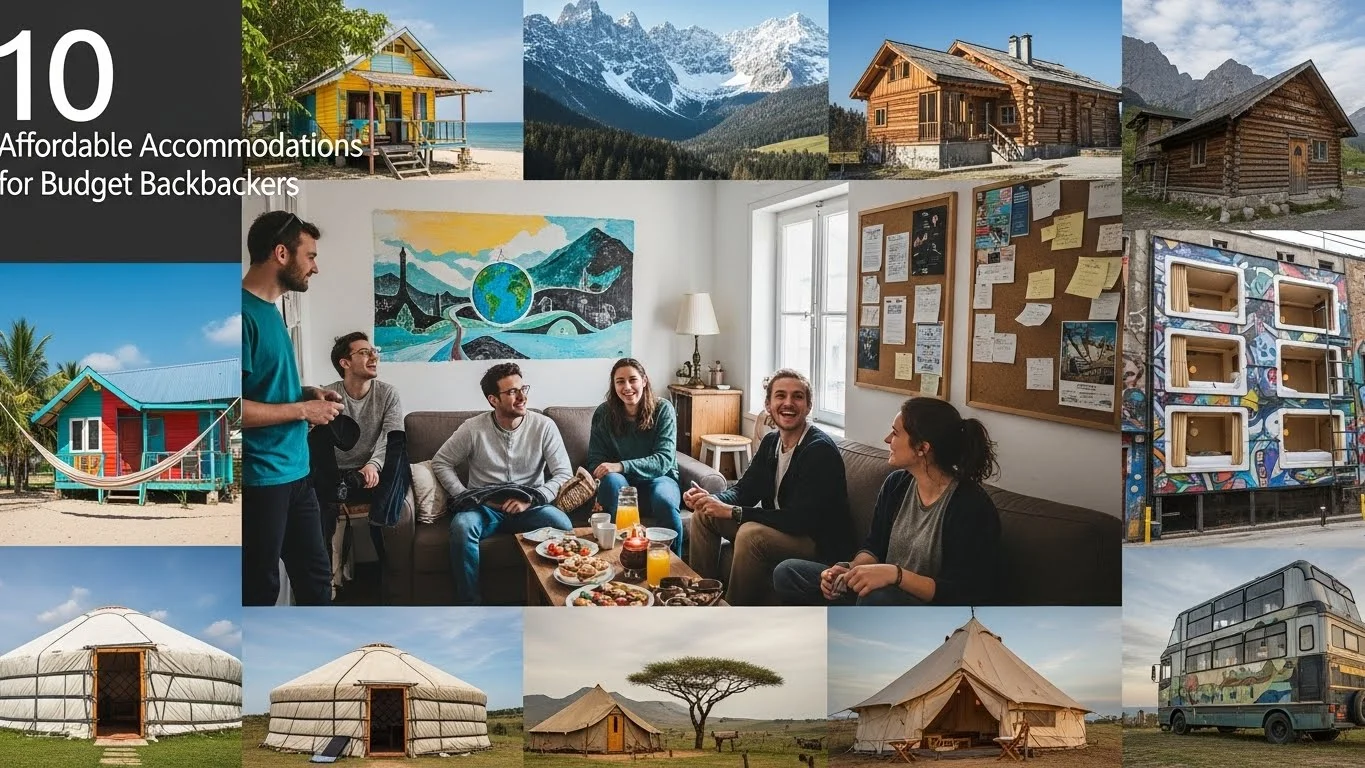
10 Affordable Accommodations for Budget Backpackers

Backpacking on a budget can be a thrilling way to explore the world without breaking the bank. I’ve discovered that with the right accommodations, it’s possible to travel far and wide while keeping costs low. Read Interesting article: How to Find the Best Deals on Affordable Accommodations

10 Affordable Accommodations for Budget Backpackers

Understanding Budget Backpacking

What is Budget Backpacking?

Budget backpacking, in my experience, is all about exploring new destinations without spending a fortune. It involves traveling with minimal gear, often carrying everything in a backpack, and seeking out affordable options for food, activities, and accommodations. This style of travel allows us to make the most of our adventures while meeting fellow travelers along the way. I remember my first time backpacking, feeling the thrill of staying in hostels and meeting people from all walks of life. It was a game changer for my travel experiences.

Benefits of Backpacking on a Budget

There are numerous benefits to backpacking on a budget that I’ve personally enjoyed. Firstly, it encourages us to immerse ourselves in local cultures rather than just skimming the surface. Staying in affordable accommodations often places us right in the heart of local neighborhoods, where we can discover hidden gems that mainstream tourists might miss. Additionally, budget travel fosters creativity and resourcefulness. I’ve learned to navigate cities using public transport, find local eateries that serve delicious meals at a fraction of restaurant prices, and connect with locals who can offer insider tips. It also instills a sense of community among fellow backpackers, as we often share stories and recommendations over a shared meal or in a common area of a hostel. Last but not least, traveling on a budget allows us to stretch our dollars further, meaning we can experience more destinations or activities. I fondly recall how my budget backpacking trip through Southeast Asia opened my eyes to stunning landscapes and vibrant cultures, all while keeping expenses low. Read Interesting article: Discover Affordable Stays: Budget Accommodations Worldwide

Essential Gear for Budget Backpackers

Choosing the right gear is crucial for any budget backpacker. I’ve learned that packing light not only saves on airline fees but also makes moving from place to place a breeze. Here are some essentials I always recommend for a budget backpacking adventure:

  • Backpack: A sturdy, comfortable backpack is your best friend. I’ve found that a size between 50-70 liters suits most of my journeys, allowing enough space for everything I need without being overly bulky.
  • Travel Insurance: This is a non-negotiable for me. Having travel insurance has given me peace of mind, knowing I’m covered in case of emergencies or unexpected events.
  • Portable Charger: Staying connected is vital, so I always carry a portable charger. It’s saved me more than once when my phone battery was low and I needed to navigate or reach out to someone.
  • Multi-Use Clothing: I prefer packing clothes that can be mixed and matched. Quick-dry fabrics are a lifesaver for washing clothes on the go and keeping my packing light. I also love items that can serve multiple functions, like a sarong that can be used as a blanket or beach cover-up.
  • First-Aid Kit: Having a small first-aid kit with basic supplies is essential. It has saved me from minor scrapes and headaches on the road.

Through my travels, I’ve realized that good gear makes a world of difference, allowing me to focus on the experience rather than worrying about my belongings.

Types of Affordable Accommodations

Hostels: The Backpacker’s Haven

Hostels are often the go-to choice for budget backpackers, and for good reason. I’ve stayed in dozens of hostels around the world, and they’ve always provided a friendly atmosphere and opportunities to meet fellow travelers. Many hostels offer dormitory-style rooms, which allow for significant savings, especially in pricier cities. On a recent trip to Barcelona, I found a vibrant hostel that offered not only beds but also daily social events, like group dinners and city tours. It made meeting new friends easy and added so much fun to my stay. Plus, since hostels often have communal kitchens, I could save money by preparing my own meals.

Guesthouses: A Homely Touch

For a slightly more personal touch, guesthouses can be a great option. I remember staying at a lovely guesthouse in Thailand where the owner treated us like family, offering homemade meals and insights on local culture. The prices were affordable, and the experience was incredibly enriching. Guesthouses often reflect the local charm and provide a cozy environment, making them a wonderful alternative to hostels.

Campsites: Connecting with Nature

If you’re looking to save money while enjoying the great outdoors, campsites are a fantastic choice. I’ve camped in beautiful settings, from national parks to lakesides, and it’s a great way to connect with nature. Many campsites offer basic amenities like showers and restrooms, while also allowing us to enjoy stunning views for a fraction of the cost of hotels. Just remember to bring your camping gear and perhaps a good book to unwind by the fire.

Budget Hotels: Comfort on a Budget

When I need a bit more comfort, I turn to budget hotels. These often provide private rooms at reasonable rates. I’ve found that sites like Booking.com and Hotels.com frequently feature deals on budget hotels, allowing us to enjoy perks like Wi-Fi and breakfast. I once stayed at a budget hotel in Lisbon that was clean, comfortable, and conveniently located near public transport, making it an excellent choice for exploring the city.

Home Exchanges: Unique Experiences

For those willing to try something different, home exchanges can be a unique and affordable accommodation option. I’ve participated in a home exchange program where I swapped my apartment for someone else’s in another country. This not only saved money but also provided an authentic living experience in a local neighborhood. It was a fantastic way to immerse myself in a new culture while feeling at home.

Top 10 Affordable Accommodations for Budget Backpackers

1. The Green Tortoise Hostel (San Francisco, USA)

I remember the first time I stepped into The Green Tortoise Hostel in San Francisco. It immediately had a lively, welcoming vibe. Located in the heart of the city, it’s an ideal base for exploring iconic landmarks like Fisherman’s Wharf and the Golden Gate Bridge. The hostel has a fantastic communal atmosphere with events like free dinners and pub crawls, making it easy to meet other travelers. Plus, it features a unique bus that serves as additional accommodation, creating an unforgettable experience.

2. Generator Hostels (Multiple Locations)

Generator Hostels have a reputation for being trendy and affordable, with locations in popular cities across Europe. I stayed at the Generator Hostel in Berlin and was blown away by its modern design and vibrant atmosphere. The social areas are perfect for mingling, and the staff are always eager to share insider tips on the best local spots. With themed events and activities, it’s hard not to feel excited about staying there.

3. HI Hostels (Canada)

As a traveler who appreciates the outdoors, I found HI Hostels in Canada to be an excellent choice. They offer a range of accommodations, from urban hostels in cities like Vancouver to more remote locations near national parks. I once stayed at a HI Hostel in Banff, surrounded by breathtaking mountains. The community vibe and opportunities for hiking and other activities made it an unforgettable experience. Plus, they often have kitchen facilities, which saved me money on meals.

4. Selina (Various Destinations)

Selina is a chain that caters to digital nomads and backpackers alike, with locations in trendy spots across Central and South America. I recently visited Selina in Costa Rica, and it was a fantastic blend of comfort and community. The lively coworking spaces and wellness activities like yoga made it easy to balance work and travel. Plus, the café on-site served delicious local coffee, which I couldn’t resist. Selina is perfect for those looking to meet people while enjoying a laid-back atmosphere.

5. The Flying Pig (Amsterdam, Netherlands)

Staying at The Flying Pig in Amsterdam was one of my favorite hostel experiences. This hostel is renowned for its laid-back, friendly atmosphere and proximity to the city’s attractions. I enjoyed hanging out in the cozy common areas, where I met fellow travelers and shared stories of our adventures. The staff organized fun activities like pub crawls and group dinners, which made it easy to connect with others. Plus, the location is unbeatable for exploring the city on foot.

6. YHA (Youth Hostels Association, UK)

The Youth Hostels Association (YHA) has a fantastic network of affordable hostels across the UK. I’ve stayed in several YHA locations, and they consistently provide clean, comfortable accommodations with a friendly atmosphere. I particularly loved the YHA in London, which had easy access to public transport and major attractions. The communal kitchens also made it easy to prepare budget-friendly meals and connect with other travelers over a shared dinner.

7. Casa Granda (Santiago, Chile)

Casa Granda in Santiago is a charming guesthouse that made my stay in Chile memorable. The warm hospitality of the owners added a personal touch that I truly appreciated. They offered delicious breakfast options and were always ready with recommendations for local dining and attractions. The location was perfect for exploring Santiago’s vibrant neighborhoods, and the cozy atmosphere felt like a home away from home.

8. K’s House (Japan)

K’s House is a well-known chain of hostels in Japan that I highly recommend. I stayed at K’s House in Kyoto, and the experience was incredible. The hostel was impeccably clean, with a friendly staff who provided helpful tips about local sights. I loved the traditional Japanese-style dormitory, which added a cultural touch to my stay. Plus, the communal kitchen was a great place to meet fellow travelers and share meals.

9. The Backpack (Cape Town, South Africa)

The Backpack in Cape Town is not just a hostel; it’s a social enterprise that supports local communities. I was drawn to its ethical mission while also enjoying the comfortable accommodations and friendly atmosphere. The staff organized various tours and activities, allowing me to explore the stunning landscapes of the surrounding area. Plus, the location near the city center made it easy to access attractions like Table Mountain and the V&A Waterfront.

10. Hostelworld Recommendations (Various Locations)

For those looking for personalized suggestions, Hostelworld is an excellent resource. After using their site, I discovered hidden gems that might not be on every traveler’s radar. I found a cozy hostel in Lisbon through them that had a fantastic rooftop terrace and was located in a vibrant neighborhood. The site’s user reviews helped me make informed choices, ensuring I had memorable stays during my travels. They often feature deals and discounts, making it easier to stick to a budget. Read Interesting article: DIY Travel Hacks: Affordable Activities for Your Next Adventure

Factors to Consider When Choosing Accommodations

Location: Proximity to Attractions

When I’m planning a trip, the location of my accommodations plays a huge role in my decision-making process. Staying near key attractions or public transportation can save both time and money. I’ve learned that being within walking distance of my must-visit spots allows me to explore at my own pace, rather than wasting time commuting. I remember in Rome, I chose a hostel that was a short walk from the Colosseum, which meant I could enjoy sunrises there without the crowds.

Price: Finding the Best Deals

Price is always a critical factor for budget backpackers like me. I’ve spent hours comparing prices on different booking platforms, looking for the best deals. Sometimes, I find that booking directly through the hostel’s website can yield discounts or perks, like free breakfast or Wi-Fi. Budget accommodations can vary significantly in price, so I always recommend keeping an eye out for seasonal offers or last-minute deals that can help keep costs down.

Facilities: Essential Amenities

Over time, I’ve realized the importance of facilities when choosing where to stay. Free Wi-Fi, communal kitchens, and laundry facilities can make a big difference during my travels. I often prefer places with a kitchen to cook my meals, which not only saves money but allows me to try local ingredients. I once stayed at a hostel with a fantastic kitchen in Barcelona, where I cooked with fellow travelers and shared some great meals.

Reviews: Gauging Quality and Experience

Reading reviews has become a staple in my pre-travel routine. I trust fellow travelers’ experiences to help gauge whether a place is worth my time and money. I often look for comments on cleanliness, safety, and the general atmosphere. It’s fascinating to see different perspectives, and often, I find hidden gems that I might have overlooked otherwise. I remember being pleasantly surprised by a small hostel in Budapest that wasn’t on my radar but had glowing reviews for its friendly staff and cozy environment.

Tips for Booking Affordable Accommodations

Using Comparison Sites

One of the best tricks I’ve learned over the years is utilizing comparison sites when searching for budget accommodations. Websites like Booking.com, Kayak, and Trivago allow me to compare prices across various platforms in one go. This gives me a clear picture of what’s available in my desired destination. I remember planning a trip to Prague, and by using a comparison site, I discovered a charming hostel that was significantly cheaper than others I had found. It felt like I was winning the travel lottery! Additionally, many of these sites offer filters to narrow down options based on specific amenities, which I find incredibly helpful.

Seasonal Discounts and Promotions

Keeping an eye out for seasonal discounts has also been a game-changer for me. I often check for promotions during off-peak travel times when prices tend to drop. For example, I once traveled to Greece in the shoulder season (late spring), and I was amazed at how much I saved on accommodations without sacrificing the quality of my stay. Many places offer discounts if you book directly through their website, so I make it a point to check that before finalizing any reservation. Subscribing to newsletters from my favorite hostels or booking sites has also alerted me to flash sales and exclusive offers.

Last-Minute Booking Strategies

While I prefer to plan ahead, there have been occasions when spontaneous travel has led me to incredible deals. I’ve learned that last-minute bookings can sometimes result in significant savings, especially in cities with a high volume of accommodations. Apps like HotelTonight specialize in last-minute deals, and I’ve snagged some fantastic rates on great places this way. Just last summer, I found a cozy guesthouse in Barcelona that was offering last-minute discounts because they had a few open rooms. The thrill of finding a perfect place at a bargain price? Pure joy!

Staying Flexible with Travel Dates

Flexibility with travel dates can make a major difference in finding affordable accommodations. I often try to avoid weekends or major holidays, as prices can skyrocket during those times. Being willing to shift my plans by a day or two has led me to better deals. For instance, when I traveled to London, I noticed that staying from Sunday to Thursday drastically reduced my accommodation costs compared to a Friday or Saturday night. If my schedule allows, I recommend being open to different travel dates for a more budget-friendly experience.

Safety and Security in Budget Accommodations

Choosing Safe Neighborhoods

One of my top priorities while backpacking is safety. I’ve learned that choosing the right neighborhood can significantly impact my overall experience. I always do a bit of research about the area where I plan to stay. For example, while visiting Buenos Aires, I opted for accommodations in Palermo, known for its vibrant culture and safety, instead of staying in a less reputable area. I read about neighborhoods in various travel forums and even checked local safety ratings. Ensuring I’m in a safe neighborhood allows me to explore with peace of mind.

Personal Safety Tips for Backpackers

Along with selecting a safe area, I also follow a few personal safety tips. I always keep my belongings close, especially in crowded areas like markets or public transport. Using a money belt or a secure daypack helps me feel more secure. I find it helpful to let a friend or family member know my itinerary, just in case. I also avoid walking alone late at night, and when I do, I stick to well-lit streets. These measures may seem small, but they’ve allowed me to travel confidently.

Securing Your Belongings

In budget accommodations, securing my belongings is crucial. I’ve experienced the peace of mind that comes from using lockers provided by hostels. If lockers aren’t available, I always carry a sturdy travel lock to secure my bag to furniture in my room. I’ve also learned to keep my valuables, like my passport and electronics, in a hidden pouch instead of leaving them out in the open. I remember a time in a busy hostel in Bangkok where my friend and I were able to relax because we had secured our belongings and could enjoy our time exploring the city without worrying about theft.

Budgeting for Accommodations

Setting a Daily Accommodation Budget

Creating a budget for accommodations is an essential part of my travel planning. I usually set a daily limit based on my overall travel budget and the destinations I plan to visit. For me, figuring out how much I can spend on housing helps me allocate funds for other experiences, like food and activities. While planning a trip to Vietnam, I decided to allocate more for a few nights in a boutique guesthouse, allowing me to experience luxury without breaking the bank. It’s about finding a balance that works for my travel style.

Hidden Costs to Watch Out For

I’ve learned that budget accommodations can sometimes come with hidden costs. Things like resort fees, cleaning fees, or charges for Wi-Fi can quickly add up. I always read the fine print before booking to avoid any surprises. I once booked a hostel that seemed cheap at first but had high additional fees for linens and towels, making it less of a bargain than I thought. Being aware of these hidden costs helps me stay within my budget and enjoy my travels without unexpected financial stress.

Alternative Funding Options (Work Exchanges, etc.)

Exploring alternative funding options has opened up new avenues for budget travel. I’ve participated in work exchange programs like Workaway and WWOOF, where I offer a few hours of work each day in exchange for free accommodation and meals. This has allowed me to travel longer and experience life in a different way. I remember volunteering at an eco-lodge in Costa Rica, where I made new friends and learned about sustainable living while enjoying my stay for free. It’s a win-win and a fantastic way to immerse myself in local culture.

Frequently Asked Questions

What is budget backpacking?

Budget backpacking is about exploring new destinations without spending a fortune, typically involving minimal gear carried in a backpack and seeking affordable options for food, activities, and accommodations.

What are the benefits of backpacking on a budget?

Backpacking on a budget encourages immersion in local cultures, fosters creativity and resourcefulness, builds community among travelers, and allows for stretching dollars further to experience more destinations or activities.

What essential gear should a budget backpacker have?

Essential gear for budget backpackers includes a sturdy backpack (50-70 liters), travel insurance, a portable charger, multi-use clothing, and a small first-aid kit.

What types of affordable accommodations are recommended for budget backpackers?

Recommended types of affordable accommodations include hostels, guesthouses, campsites, budget hotels, and home exchanges.

How can I find the best deals on accommodations?

Finding the best deals on accommodations can be achieved by using comparison sites, looking for seasonal discounts, considering last-minute booking options, and being flexible with travel dates.

What factors should I consider when choosing accommodations?

When choosing accommodations, consider factors such as location (proximity to attractions), price (finding the best deals), facilities (essential amenities), and reviews (gauging quality and experience).

How can I ensure my safety while staying in budget accommodations?

To ensure safety while staying in budget accommodations, choose safe neighborhoods, follow personal safety tips, and secure belongings using lockers or travel locks.

How do I set a daily accommodation budget for my travels?

Setting a daily accommodation budget involves creating a budget based on your overall travel budget and the destinations planned, allowing for a balance between accommodation and other expenses.

What are some hidden costs to watch out for when booking budget accommodations?

Hidden costs to watch out for include resort fees, cleaning fees, and charges for Wi-Fi, which can add up and impact the overall affordability of a stay.

What alternative funding options can help with budget travel?

Alternative funding options for budget travel include participating in work exchange programs like Workaway and WWOOF, where travelers work in exchange for free accommodation and meals.

Top 7 Destinations for Budget Backpackers in 2023

Embarking on a budget backpacking adventure can be one of the most liberating experiences of your life! In 2023, there are incredible destinations waiting to be explored without breaking the bank. Read Interesting article: How to Plan a Budget-Friendly Backpacking Trip

Top 7 Destinations for Budget Backpackers in 2023

Overview of Budget Backpacking in 2023

What is Budget Backpacking?

Budget backpacking, for me, is all about traveling on a shoestring while immersing myself in new cultures. It’s about prioritizing experiences over luxury, making those unforgettable memories without the hefty price tag. I’ve found that this style of travel often leads to the most authentic experiences, as I connect with locals and fellow travelers in budget hostels, street markets, and communal dinners.

Benefits of Backpacking on a Budget

The benefits of backpacking on a budget are numerous. First and foremost, it allows me to stretch my travel funds, enabling me to visit more places. I remember my trip to Southeast Asia, where my limited budget forced me to seek out local gems rather than tourist traps. This not only saved me money but also gave me a deeper understanding of the culture and traditions of each destination. Plus, budget travel often means meeting like-minded adventurers who share tips and experiences, turning strangers into lifelong friends. For more on saving money while traveling, check out Backpacking on a Budget: Your Ultimate Guide to Savings.

How to Prepare for Budget Travel

Preparation is key for successful budget travel. I always start by researching potential destinations. I look for places that are known for being friendly to budget travelers, like Vietnam or Mexico. Creating a rough itinerary helps me stay organized without feeling restricted. I also recommend booking flights and accommodations in advance to snag the best deals. Another tip I learned is to pack light; it makes moving from place to place so much easier. I usually take a backpack that’s just the right size to fit all my essentials but still allows me to navigate crowded buses and bustling markets effortlessly.

Top 7 Destinations for Budget Backpackers

1. Vietnam

Overview of Vietnam as a Backpacking Destination

Vietnam has to be one of my favorite countries for budget backpacking. From the breathtaking landscapes of Ha Long Bay to the bustling streets of Ho Chi Minh City, there’s so much to see without emptying your wallet. The friendly locals, vibrant culture, and rich history make it an unforgettable destination.

Key Cities to Explore

Some must-visit cities include Hanoi, where you can wander around the Old Quarter, and Hoi An, known for its charming ancient town and lantern-lit streets. I’ll never forget how I felt riding a bicycle around Hoi An, soaking in the atmosphere while devouring delicious street food.

Local Cuisine and Street Food

Vietnamese cuisine holds a special place in my heart. I can’t recommend trying pho and banh mi enough! Eating at street stalls is not only budget-friendly but also offers some of the freshest and most authentic meals I’ve ever had. I often found myself eating alongside locals, which was a fun way to connect with the culture.

Transportation and Getting Around

Getting around Vietnam is surprisingly affordable. I often opted for buses or trains for long distances, and for short trips within cities, I found that using Grab (a ridesharing app) was both economical and convenient. Renting a scooter is another popular option that allows for flexibility and adventure.

Accommodation Options

There’s no shortage of budget accommodations in Vietnam. I usually stayed in hostels or guesthouses, which provided a great way to meet fellow travelers. Places like Hanoi’s Old Quarter have numerous budget options that are both comfy and social.

Budget Tips for Vietnam

To make the most of your money in Vietnam, I recommend always negotiating prices, especially at markets. Also, consider traveling during the off-peak season to save on costs and avoid the crowds. Lastly, try to stick to local eateries instead of touristy restaurants for the best food at lower prices.

2. Thailand

Overview of Thailand as a Backpacking Destination

Thailand is another hotspot for budget backpackers. With its stunning beaches, rich culture, and vibrant nightlife, it’s hard not to fall in love. During my travels there, I felt a unique blend of relaxation and excitement at every turn.

Must-See Islands and Beaches

The islands, such as Koh Samui and Koh Phi Phi, are breathtaking, and I can honestly say that the beaches are some of the best I’ve ever visited. There are plenty of budget-friendly accommodations on these islands, which is a huge plus!

Cultural Experiences and Festivals

Experiencing local festivals like Songkran (Thai New Year) was one of my travel highlights. The water fights in the streets were exhilarating! These cultural experiences are often free or low-cost, making them perfect for budget travelers.

Transportation and Getting Around

Thailand has a well-connected transport system. I often traveled by overnight buses or trains, which saved me on accommodation costs and got me to my next destination swiftly. In cities, I loved taking tuk-tuks for a fun and memorable ride.

Accommodation Options

Hostels, guesthouses, and budget hotels are plentiful in Thailand. I’ve stayed in some amazing places where I paid less than $10 a night! The best part is meeting fellow backpackers in these shared spaces.

Budget Tips for Thailand

To save money in Thailand, I suggest eating street food—it’s not only cheap but delicious! Also, booking transportation and accommodation in advance can help you snag better deals. And don’t forget to bargain when shopping at local markets!

3. Portugal

Overview of Portugal as a Backpacking Destination

Portugal surprised me with its affordability and charm. From the stunning coastline to the historic cities, there’s so much to explore without overspending. I cherished my time there and felt that my budget went a long way.

Top Cities: Lisbon and Porto

Lisbon’s vibrant neighborhoods and Porto’s picturesque riverfront are must-sees. I loved getting lost in the winding streets of Alfama in Lisbon and enjoying wine tastings in Porto’s wine cellars.

Cultural Heritage and Attractions

Visiting historical sites, such as the Belem Tower and Jeronimos Monastery, was a highlight for me. Many museums offer free entry on specific days, which is a great way to soak in the culture without spending much.

Transportation and Getting Around

Portugal has an excellent public transport system. I found trains and trams to be affordable and scenic ways to get around. In Lisbon, the iconic tram 28 was a fun way to see the city.

Accommodation Options

In Portugal, budget travelers can find hostels, guesthouses, and even affordable Airbnb options. I loved staying in hostels where I met fellow travelers and shared stories over breakfast.

Budget Tips for Portugal

To save money, I recommend dining at local eateries instead of tourist restaurants and taking advantage of free walking tours. You’ll get to know the city while keeping your budget intact!

4. Mexico

Overview of Mexico as a Backpacking Destination

Mexico is a treasure trove for budget backpackers, offering a vibrant mix of culture, history, and stunning landscapes. I was amazed by how far my money went during my travels there. With its rich traditions, friendly locals, and delicious cuisine, Mexico quickly became one of my favorite backpacking destinations. Whether exploring ancient ruins or lounging on pristine beaches, there’s something for everyone without breaking the bank.

Historic Cities and Natural Wonders

When I think of Mexico, cities like Oaxaca and Guanajuato come to mind. Each has its unique charm and cultural significance. Oaxaca, known for its vibrant markets and culinary delights, captivated me with its colorful streets and rich history. The ancient ruins of Monte Albán, just outside the city, provided a stunning backdrop for exploration. Then there’s the picturesque town of Guanajuato, where I wandered through its colorful alleyways and enjoyed the local arts scene. And let’s not forget the natural wonders like the cenotes in the Yucatan Peninsula—swimming in these natural sinkholes was one of the highlights of my trip!

Local Cuisine and Street Food

I have to say, the food in Mexico is one of the main reasons I keep going back. Tacos, tamales, and fresh ceviche are just a few of the mouthwatering dishes you can find. Street food is an absolute must-try because it’s not just budget-friendly; it’s also incredibly delicious. I remember trying tacos al pastor from a street vendor in Mexico City, and I still dream about them! Eating where the locals do not only saves money but also immerses you in the culinary culture.

Transportation and Getting Around

Getting around Mexico is fairly easy and affordable. I often used buses for longer distances, which were comfortable and efficient. The ADO buses, in particular, are a great choice if you’re traveling between major cities. For local travel, I found that colectivos (shared vans) were a fun way to meet people and save on transportation costs. Plus, many cities are walkable, which is perfect for soaking in the atmosphere.

Accommodation Options

Mexico offers a wide range of budget accommodation options. Hostels provide a great social atmosphere, and I loved meeting fellow travelers in the common areas. In places like Tulum, I found beautiful cabanas near the beach that were surprisingly affordable. I also recommend checking out guesthouses or Airbnb options, which can often be cheaper than hotels while offering a more personal experience.

Budget Tips for Mexico

To save money in Mexico, always keep an eye out for local markets where you can find fresh produce and affordable meals. Another great tip is to travel during the off-peak season, which not only helps you dodge the crowds but also gets you better deals on accommodations and activities. Lastly, learn a few basic Spanish phrases—it goes a long way in enhancing your interactions and may even lead to some special local recommendations!

5. Colombia

Overview of Colombia as a Backpacking Destination

Colombia is an emerging favorite among backpackers, and I can see why. With its stunning landscapes, from lush mountains to beautiful coastlines, and its warm, welcoming people, I felt an instant connection to the country. My adventures in Colombia were filled with excitement, and the best part is that it’s incredibly affordable for travelers.

Cultural Hotspots and Natural Beauty

Every corner of Colombia has something unique to offer. I was particularly taken with Medellín, where I experienced the vibrant culture and innovative spirit of the city. The transformation of Medellín, which was once known for its struggles, into a hub of creativity and resilience is inspiring. I also loved visiting Cartagena, with its historic architecture and Caribbean vibes. Then there’s the natural beauty of the Coffee Region, where I toured coffee farms and soaked in the breathtaking scenery.

Local Cuisine and Street Food

Colombian cuisine is a delightful mix of flavors, and I was eager to try as much as possible. Arepas, empanadas, and bandeja paisa quickly became some of my go-to dishes. Eating at local eateries is not only budget-friendly but also gives you a taste of authentic Colombian life. I remember enjoying a hearty bowl of ajiaco soup in Bogotá that was both filling and affordable!

Transportation and Getting Around

Colombia has a reliable transportation system, and I often took buses between cities. They were generally cheap and comfortable. In cities, I found the metro in Medellín to be an efficient way to get around, while in Bogotá, I used the TransMilenio bus system. Using public transport allowed me to see more of the cities while staying within my budget.

Accommodation Options

There is no shortage of budget accommodations in Colombia. I usually opted for hostels, where I met incredible people and shared experiences. In places like Santa Marta, I found charming hostels near the beach that offered great deals. There are also many guesthouses that provide a more personal touch, which I appreciated during my travels.

Budget Tips for Colombia

To get the most out of your budget in Colombia, I suggest eating at local restaurants instead of touristy spots, as the prices are much lower and the food is fantastic. Additionally, consider traveling during the shoulder seasons when prices drop. And don’t hesitate to haggle at markets—that’s part of the experience and can save you some cash!

6. India

Overview of India as a Backpacking Destination

India is a country that has left an indelible mark on my heart. It’s a land of contrasts, where ancient traditions coexist with modern life. I found that my budget stretched further here than in many other countries, making it a fantastic destination for backpackers. The diversity in culture, languages, and landscapes keeps every day exciting.

Key Regions to Explore: North vs. South

When I traveled through India, I noticed that each region has its unique charm. In the North, I was captivated by the grandeur of the Taj Mahal and the bustling streets of Delhi. In contrast, the South offered stunning beaches and lush greenery. I remember spending a few days in Kerala, enjoying backwater boat rides and indulging in local cuisine. Each region provided an entirely different perspective on Indian life.

Cultural Experiences and Festivals

Cultural immersion is never in short supply in India. I experienced Diwali, the Festival of Lights, while I was in Jaipur, and it was a magical experience filled with lights, fireworks, and delicious sweets. Participating in local festivals and rituals gave me a deeper understanding of the culture and traditions that define this incredible country.

Transportation and Getting Around

Traveling in India can be an adventure in itself! I often used trains to get between cities, which were not only affordable but also gave me a chance to meet locals and other travelers. For shorter distances, buses and rickshaws were my go-to options. I found that embracing the chaos of Indian transport added to the overall experience.

Accommodation Options

In India, budget accommodations range from hostels to guesthouses and homestays. I loved staying in family-run guesthouses that offered a welcoming atmosphere. Places like Rishikesh and Varanasi have plenty of options that cater to backpackers, allowing us to connect with others while enjoying comfortable and affordable stays.

Budget Tips for India

To save money in India, I recommend eating at local dhabas (roadside restaurants) and markets, where you can enjoy delicious meals for just a few dollars. Negotiating prices in markets is common, so don’t be shy about haggling. Finally, try to travel overnight on trains or buses to save on accommodation costs while getting to your next destination.

7. Greece

Overview of Greece as a Backpacking Destination

Greece is a dream destination for many, and I found it to be surprisingly budget-friendly, particularly if you plan wisely. The blend of history, stunning landscapes, and delicious food makes it a must-visit. I fell in love with both the mainland and the islands, each offering unique experiences without requiring a fortune.

Popular Islands and Historical Sites

During my time in Greece, I explored some of the most famous islands like Santorini and Crete. While Santorini is known for its picturesque views, I discovered that there are plenty of budget-friendly accommodations if you book ahead. Crete, with its beautiful beaches and rich history, quickly became one of my favorite places to relax and explore. On the mainland, sites like Athens’ Acropolis are must-sees, and I loved wandering through its ancient ruins.

Local Cuisine and Street Food

Greek cuisine is a highlight of any trip. I couldn’t get enough of gyros, souvlaki, and fresh seafood. Eating at local tavernas was both economical and delicious. One of my fondest memories was enjoying a meal in a small taverna in a hillside village, surrounded by friendly locals.

Transportation and Getting Around

Greece has a good transportation network, especially for getting to the islands. Ferries are a popular option, and I found them to be affordable and a fun way to travel. On the islands, public buses were a great way to move around, and many towns are walkable, which I loved for exploring at my own pace.

Accommodation Options

For budget accommodation, hostels and guesthouses are plentiful in Greece. I often stayed in hostels where I met fellow backpackers and made lasting friendships. In some of the islands, I found family-run guesthouses that offered great hospitality, often at a fraction of the cost of hotels.

Budget Tips for Greece

To save money in Greece, I suggest dining at local spots rather than touristy restaurants. Also, consider visiting during the shoulder seasons for lower prices and fewer crowds. Finally, explore free walking tours in major cities—these are a great way to learn about the culture without spending much.

General Tips for Budget Backpackers

How to Save Money While Traveling

Essential Gear for Budget Backpacking

Staying Safe and Healthy on a Budget

How to Connect with Other Backpackers

Frequently Asked Questions

What is budget backpacking?

Budget backpacking is all about traveling on a shoestring while immersing oneself in new cultures, prioritizing experiences over luxury, and creating unforgettable memories without the hefty price tag.

What are the benefits of backpacking on a budget?

Backpacking on a budget allows travelers to stretch their travel funds, visit more places, connect with locals, and meet like-minded adventurers who share tips and experiences.

How should I prepare for budget travel?

Preparation involves researching destinations known for being budget-friendly, creating a rough itinerary, booking flights and accommodations in advance, and packing light to make traveling easier.

What are some top budget backpacking destinations in 2023?

Top budget backpacking destinations in 2023 include Vietnam, Thailand, Portugal, Mexico, Colombia, India, and Greece, each offering unique experiences and affordability.

What should I know about traveling in Vietnam?

Vietnam is known for its breathtaking landscapes, vibrant culture, and budget-friendly local cuisine. Transportation options include affordable buses and trains, and accommodations like hostels and guesthouses are plentiful.

How can I save money while traveling in Thailand?

To save money in Thailand, eat street food, book transportation and accommodation in advance, and bargain when shopping at local markets.

Is Portugal a good destination for budget backpackers?

Yes, Portugal is affordable and charming, with vibrant cities like Lisbon and Porto, many free or low-cost cultural attractions, and a good public transport system.

What makes Mexico a great choice for budget backpackers?

Mexico offers a vibrant mix of culture, history, and landscapes, with affordable street food, budget accommodations, and easy transportation options like buses and colectivos.

What transportation options are available in Colombia?

Colombia has a reliable transportation system with affordable buses between cities and efficient metro systems in cities like Medellín and Bogotá.

What are some budget tips for traveling in Greece?

To save money in Greece, dine at local spots instead of touristy restaurants, visit during the shoulder seasons for better prices, and take advantage of free walking tours in major cities.

Where can I find budget-friendly scuba diving options?

For those interested in scuba diving, check out Scuba Diving on a Budget: Best Destinations for Backpackers for great insights on affordable diving spots around the world.

Secrets to Backpacking Cheaply Without Sacrificing Fun

Backpacking on a budget doesn’t mean sacrificing fun. In fact, it opens doors to unique experiences and adventures that can create lasting memories. Let’s dive into the secrets of budget backpacking without losing the joy of exploring new places!

Secrets to Backpacking Cheaply Without Sacrificing Fun

Understanding Budget Backpacking

Defining Backpacking

When I think of backpacking, I picture wandering through beautiful landscapes with just a pack on my back and a sense of adventure in my heart. Backpacking isn’t just about traveling; it’s a way of exploring the world on your own terms. It involves carrying all your essentials, often staying in budget accommodations, and embracing the spontaneity of travel. Whether you’re hiking through national parks or navigating busy city streets, backpacking is about experiencing life outside your comfort zone. Read Interesting article: Backpacking Tips for Visiting Cultural Heritage Sites Cheaply

Why Choose Budget Backpacking?

Choosing to backpack on a budget has been one of the best decisions I’ve made in my travel journey. Budget backpacking allows us to stretch our funds further, enabling us to see more places and meet more people. I remember my first trip, and how liberating it felt to navigate a new city with minimal expenses. By focusing on budget options, we often find ourselves engaging with locals, discovering hidden gems, and making lifelong friends along the way. Hidden gems can often be found off the beaten path, enriching our travel experiences.

Budget backpacking also encourages creativity. I’ve learned to seek out free attractions, find local eateries, and utilize public transportation. These experiences not only enrich our travels but also help us appreciate the world around us. It’s about creating unforgettable memories without breaking the bank, and honestly, that’s the heart of adventure for me.

Planning Your Trip

Setting a Realistic Budget

Before embarking on any adventure, setting a budget is crucial. It’s easy to get excited and overlook this step, but I’ve found that having a clear budget in mind keeps my travels stress-free. Start by calculating how much you can afford to spend. Consider transportation, accommodation, food, activities, and a contingency fund for unexpected expenses. I typically use budgeting apps to track my spending, which helps me stay within my limits while traveling.

While creating my budget, I also prioritize my spending. For instance, I’m willing to splurge on experiences, like guided tours or unique food tastings, but I’ll cut costs on accommodation or meals. Finding that balance between comfort and cost can lead to a fulfilling travel experience. Read Interesting article: Smart Backpacking Tips to Save Money on Your Next Trip

Choosing Your Destination Wisely

The world is full of exciting places, but some are more budget-friendly than others. I’ve learned that researching destinations is key to finding the best spots that fit my budget. Countries in Southeast Asia, Eastern Europe, and Central America often offer rich experiences at lower costs compared to Western Europe or North America.

When selecting a destination, I also consider the local cost of living. For instance, I remember a trip to Thailand where I could enjoy delicious street food for just a couple of dollars. By choosing wisely, I’ve been able to experience vibrant cultures without overspending.

Timing Your Trip for Savings

The timing of your trip can make a dramatic difference in your expenses. Traveling during off-peak seasons not only saves money but also enhances the experience. I’ve found that fewer crowds allow for a more authentic interaction with the locals and a chance to truly immerse myself in the culture. For example, I traveled to Europe in late fall and enjoyed cheaper flights and accommodations, all while exploring the cities without the usual tourist rush.

Additionally, I keep an eye out for local events and festivals. Sometimes, visiting during a local celebration can provide unique experiences at little to no cost. I remember stumbling upon a small music festival in a town in Italy, which was a highlight of my trip!

Affordable Travel Options

Budget Airlines and Train Travel

Getting from one place to another doesn’t have to drain your wallet. Budget airlines have made it easier than ever to travel cheaply. I’ve had some amazing adventures thanks to low-cost flights that allowed me to hop from city to city without feeling guilty about my budget. Just keep in mind to book in advance and be flexible with your travel dates for the best deals.

In addition to flying, train travel can be a scenic and budget-friendly option. I’ve taken numerous trains across Europe and found them not only economical but also a wonderful way to see the countryside. Each journey brings about new scenery and a chance to meet fellow travelers.

Using Public Transportation

When I arrive in a new city, I make it a priority to learn about the public transportation system. It’s often the most economical way to get around, and I’ve found that many cities offer day passes that can save money if you plan to explore extensively. Using buses, trams, and subways allows us to experience daily life in the city, and I’ve had some of my most memorable moments riding alongside locals.

Carpooling and Ridesharing Services

For those times when public transport isn’t available or convenient, ridesharing services can be a budget-friendly alternative. Apps like Uber or Lyft can often be cheaper than traditional taxis, especially when splitting costs with fellow travelers. I’ve met some incredible people this way, sharing rides and stories that enriched my travel experience.

Accommodation on a Budget

Hostels: The Backpacker’s Haven

When it comes to budget accommodations, hostels are often the first thing that comes to mind, and for good reason. I have spent countless nights in hostels, and each stay has brought its own unique experience. Hostels offer not only a place to sleep but also a vibrant community of fellow travelers. I remember arriving at a hostel in Barcelona and instantly feeling at home. The communal kitchen, the common room filled with laughter, and the friendly staff made it easy to meet new friends from around the world.

What I love about hostels is the variety they offer. From large backpacker hostels with dormitories to smaller, quieter ones that feel more like a cozy guesthouse, there’s something for everyone. I usually opt for dorm-style rooms to save money, and I’ve found that sharing a space with others often leads to great conversations and shared adventures. Plus, many hostels organize events, pub crawls, and day trips, making it a breeze to connect with other travelers.

Couchsurfing and Home Exchanges

If hostels aren’t your style, I highly recommend exploring Couchsurfing. This platform allows you to stay with locals for free, immersing yourself in their culture and lifestyle. My first experience with Couchsurfing was in Paris, and it completely changed my perspective on travel. I was welcomed into a local’s home, shared meals, and even got insider tips on lesser-known spots in the city. It felt like I was part of a family rather than just a tourist.

Home exchanges are another fantastic option. If you have a place you can offer, consider swapping homes with someone else. I’ve seen friends do this successfully, and it’s a wonderful way to live like a local in a new destination. I believe it not only saves money but also deepens the travel experience by providing a glimpse into the everyday life of a different culture.

Camping and Outdoor Options

For nature lovers like me, camping can be an incredible way to save money and enjoy breathtaking views. I’ve camped in national parks and enjoyed waking up to stunning sunrises over mountains and lakes. Many parks have affordable campgrounds, and some even offer yurts or cabins for a slightly higher price but still budget-friendly. What I love about camping is the simplicity it brings. It allows me to disconnect from the hustle and bustle and connect with nature.

If you’re not keen on traditional camping, consider glamping as a trendy alternative. Glamping combines the joys of camping with some added comforts. I once stayed in a safari tent in the woods, complete with a comfy bed and a fire pit. This experience felt special while still being affordable, and I got to enjoy the great outdoors without sacrificing too much comfort.

Eating Well on a Budget

Street Food and Local Markets

When I travel, one of my favorite ways to experience a new culture is through food. Street food has become my go-to for affordable and delicious meals. I can still picture the mouthwatering tacos I had on the streets of Mexico City—each bite bursting with flavor and costing less than a dollar! I always make it a point to try local specialties from food stalls and markets. It’s often fresher, cheaper, and way more authentic than dining in touristy restaurants.

Visiting local markets is another delightful experience. I enjoy wandering through bustling stalls, sampling fresh fruits, cheeses, and baked goods. Often, I’ll grab some snacks and have a picnic in a nearby park, which is both economical and enjoyable. Plus, it gives me a chance to connect with vendors and learn more about the local cuisine.

Cooking Your Own Meals

If I’m staying in a hostel or a rental with a kitchen, I love to cook a few meals myself. It not only saves money but also allows me to experiment with local ingredients. I’ve had some fun cooking sessions with fellow travelers, where we’ve combined our food cultures and created delicious dishes together. I remember making a huge pasta feast with friends I met in Italy, using fresh ingredients from the local market. It was a fantastic way to bond and share our travel stories over a homemade meal.

Finding Affordable Restaurants

While street food and cooking are great options, sometimes I want to sit down for a nice meal. In those cases, I always do a bit of research to find affordable restaurants. I often rely on travel apps or blogs to get recommendations on places that offer good food at reasonable prices. I’ve discovered hidden gems this way, like a small family-run restaurant in Greece where I had the best moussaka, all while supporting local businesses. I’ve learned that being open to exploring off-the-beaten-path dining options often leads to the most memorable meals.

Activities and Entertainment

Free and Low-Cost Attractions

One of the best parts about budget travel is discovering free or low-cost attractions. I’ve visited countless museums that offer free admission on certain days, and I’ve taken advantage of walking tours that are often donation-based. I remember wandering the streets of Lisbon, soaking in the vibrant architecture and street art, and all it cost me was my time and curiosity.

Exploring Nature and Outdoor Activities

Nature provides some of the best activities at little to no cost. Hiking, swimming in natural water bodies, and exploring national parks can fill days with adventure without emptying my wallet. I’ve hiked trails that lead to breathtaking viewpoints, and the satisfaction of reaching the top after a challenging climb is unbeatable. Plus, it’s a great way to connect with fellow nature lovers who share a love for exploration.

Local Events and Festivals

Embracing local events and festivals can add an extra layer of excitement to my trips. I often check local listings to find out what’s happening in the area during my visit. These events are usually free or low-cost and provide a wonderful opportunity to experience the culture up close. I’ll never forget attending a vibrant street festival in Brazil, filled with music, dancing, and local food. It felt like a celebration that I was lucky to be part of, and it was a highlight of my trip!

Staying Connected and Informed

Using Apps for Budget Travel

In our digital age, having the right apps on your phone can transform your budget travel experience. I remember when I first started backpacking, I felt a bit overwhelmed by navigating new cities, but then I discovered a few essential travel apps that made everything easier. For instance, I use Google Maps not just for directions, but also to find nearby attractions, restaurants, and even public transport options. The ability to download maps for offline use has saved me countless times in areas with spotty internet service.

Another app I can’t live without is Skyscanner, which helps me find the best flight deals. I love how it allows for flexible date searches, letting me spot the cheapest days to fly. For accommodation, I frequently browse Hostelworld and Booking.com, comparing prices and reading reviews. These apps have become my trusty companions, ensuring I stay on budget while still enjoying my travels.

Additionally, I’ve started using apps like Meetup, which connects travelers and locals with similar interests. I’ve attended various events, from photography walks to language exchanges, which not only broadened my experience but also introduced me to amazing people along the way. It’s fascinating how technology can enhance our travel adventures, helping us stay informed and connected on the go.

Finding Local Tips and Recommendations

One of the best ways to make the most of a budget backpacking trip is by tapping into local knowledge. I’ve learned that locals often have the inside scoop on the best places to eat, less touristy attractions, and budget-friendly activities. Whenever I arrive in a new city, I try to chat with locals, whether that’s at a café, a market, or even while waiting for public transport. Some of my most memorable experiences have come from these spontaneous conversations.

Social media can also be a treasure trove of local tips. I’ve joined travel groups on platforms like Facebook and Instagram, where members share their experiences and recommendations. Following local influencers can lead me to hidden gems that aren’t in any guidebook. Plus, checking out hashtags related to the city I’m visiting often uncovers unique events and lesser-known attractions that I might not have found otherwise.

Another resource I highly recommend is travel blogs. Whether you’re looking for budget tips, local dining recommendations, or must-see sights, there’s a blog out there covering it. I remember coming across a blog post that detailed the best free walking tours in Prague, which turned out to be one of the highlights of my trip!

Travel Safety on a Budget

Staying Safe While Backpacking

Safety is a top priority for me when traveling, especially when I’m on a budget. I’ve learned to trust my instincts and take precautions to ensure a safe experience. For instance, I always keep my belongings secure and avoid showing off valuables in public. I remember walking through a busy market in Morocco, and while I was enchanted by the vibrant atmosphere, I made sure to keep my bag close to me and my phone tucked away.

Researching the areas I plan to visit is another critical step. I check online reviews and local news to stay informed about any safety concerns or travel advisories. I also try to blend in with the locals as much as possible, wearing appropriate clothing and avoiding touristy areas late at night. I’ve found that being aware of my surroundings and trusting my gut helps me navigate new places with confidence.

Travel Insurance: Is It Worth It?

Travel insurance is something I’ve debated about for a long time. Initially, I thought it was an unnecessary expense, but after hearing stories from fellow travelers who faced unexpected situations, I decided to invest in it. I’ve found that having travel insurance gives me peace of mind, especially when backpacking in areas where access to medical care might be limited.

When choosing a plan, I recommend looking for one that covers medical emergencies, trip cancellations, and lost belongings. I’ve learned that not all insurance is created equal, so it’s worth taking the time to read the fine print. Having that safety net in place has allowed me to focus on enjoying my travels without constantly worrying about what could go wrong.

Maximizing Fun Without Overspending

Socializing with Other Travelers

Travel is all about connections, and I believe that socializing with other travelers can enhance our experiences immeasurably. I love meeting new people, sharing stories, and often discovering new adventures through them. Hostels have been my favorite places to connect, but I also seek out communal spaces in cafes or parks where fellow travelers gather. I remember one evening in a hostel courtyard, where a group of us shared a meal and swapped travel tips. It felt like a mini family gathering, and I left with new friends from around the globe.

Engaging in Authentic Local Experiences

Instead of spending money on expensive tours, I’ve found that engaging in authentic local experiences often leads to the most memorable moments. For example, I joined a cooking class in a small village in Italy, where I learned to make pasta from scratch. It wasn’t just about the food; it was about the stories shared around the kitchen table, the laughter, and the warmth of the local community. I believe that immersing ourselves in local cultures can create deeper connections and enrich our travels.

Embracing Spontaneity and Flexibility

One of the joys of budget backpacking is the freedom to be spontaneous. I’ve learned that some of the best adventures come from not having a rigid itinerary. When I allow myself to wander and change plans based on new opportunities, I often stumble upon unexpected experiences. I once met a fellow traveler who invited me to join a last-minute hiking trip. It wasn’t on my agenda, but it turned out to be one of the highlights of my journey. Embracing spontaneity has taught me to appreciate the unpredictable nature of travel and to savor every moment!

Frequently Asked Questions

What is budget backpacking?

Budget backpacking is a way of exploring the world by carrying all your essentials, staying in budget accommodations, and embracing the spontaneity of travel, allowing you to stretch your funds further and engage with local cultures.

How can I set a realistic budget for my trip?

To set a realistic budget, calculate how much you can afford, considering transportation, accommodation, food, activities, and a contingency fund for unexpected expenses. Prioritize your spending, such as splurging on experiences while cutting costs on accommodation or meals.

What are some budget-friendly destinations?

Budget-friendly destinations include countries in Southeast Asia, Eastern Europe, and Central America, which often offer rich experiences at lower costs compared to Western Europe or North America.

How can timing my trip save me money?

Traveling during off-peak seasons can save money and enhance your experience by reducing crowds, allowing for more authentic interactions with locals and access to cheaper flights and accommodations.

What are some affordable travel options to consider?

Affordable travel options include budget airlines, train travel, public transportation, carpooling, and ridesharing services, all of which can help you move around without overspending.

What types of accommodations are recommended for budget backpackers?

Recommended accommodations for budget backpackers include hostels, Couchsurfing, home exchanges, and camping, all of which can provide unique experiences while keeping costs low.

How can I eat well on a budget while traveling?

To eat well on a budget, try street food and local markets for affordable meals, cook your own meals when possible, and research affordable restaurants to discover good food at reasonable prices.

What are some free or low-cost activities to do while traveling?

Free or low-cost activities include visiting museums on free admission days, exploring nature through hiking and swimming, and attending local events and festivals for a taste of local culture.

How can technology help with budget travel?

Technology can enhance budget travel through apps that help find the best flight deals, accommodations, and local tips, as well as enabling offline maps for navigation and connecting with locals through platforms like Meetup.

What safety precautions should I take while backpacking on a budget?

Safety precautions include keeping your belongings secure, blending in with locals, researching areas before visiting, and considering travel insurance for peace of mind while traveling.

How to Plan a Budget-Friendly Backpacking Trip

Planning a budget-friendly backpacking trip can open the door to incredible adventures without breaking the bank. Join me as I share my insights and experiences on how to make the most of your travels while keeping costs low. For more tips, check out Backpacking on a Budget: Your Ultimate Guide to Savings.

How to Plan a Budget-Friendly Backpacking Trip

Understanding Backpacking: A Budget-Friendly Approach

What is Backpacking?

Backpacking is more than just a way to travel; it’s a lifestyle choice for many adventurers like myself. It involves carrying all your essentials in a backpack and exploring different destinations, often staying in budget accommodations. I remember my first backpacking trip; the thrill of wandering through unfamiliar cities, meeting new people, and experiencing diverse cultures was exhilarating. It’s about embracing spontaneity and making the journey itself just as rewarding as the destination.

Benefits of Backpacking

There are countless benefits to backpacking that I’ve discovered over the years. Firstly, it offers a sense of freedom. You can change your plans on a whim, explore hidden gems, and immerse yourself in nature. I’ve found that backpacking allows me to connect more deeply with my surroundings. Living out of a backpack forces you to simplify and prioritize what you truly need, which can be a liberating experience. Plus, it’s a fantastic way to meet fellow travelers and forge friendships, often leading to unforgettable shared experiences.

Why Choose a Budget-Friendly Option?

Choosing a budget-friendly approach to backpacking is not just about saving money; it’s about maximizing the experience. I’ve learned that when I keep my expenses low, I can travel longer and visit more places. Budget-friendly travel doesn’t mean sacrificing quality; instead, it encourages creativity. For instance, I’ve discovered local eateries that serve delicious meals at a fraction of the price of tourist traps. By planning wisely, I can allocate more of my budget towards experiences, whether that’s a guided hike or a local cultural event. You can also enhance your experience by exploring Budget Backpacking: Cultural Experiences on Safari Trips.

Choosing Your Destination

Popular Budget-Friendly Backpacking Destinations

When it comes to selecting a destination, I’ve learned that some places are inherently more budget-friendly than others. Southeast Asia has always been a favorite of mine; countries like Thailand, Vietnam, and Indonesia offer stunning landscapes, rich culture, and incredibly low costs for food and accommodation. In Europe, countries like Portugal and Hungary can provide a similar experience without the hefty price tag of more popular spots. I’ve found that researching lesser-known locations can lead to unexpected adventures and savings.

Considerations for Destination Selection

Choosing the right destination involves several factors. I always consider the season; traveling during the off-peak times not only saves money but also allows for a more authentic experience without the crowd. Weather is another critical aspect. I remember planning a trip to the mountains in winter, only to be met with harsh conditions that limited my options. It’s essential to think about what activities you want to engage in and ensure your destination aligns with those interests.

Researching Local Costs and Attractions

Before finalizing my destination, I take the time to research local costs. Websites like Numbeo provide a breakdown of living costs in various cities, which helps me gauge how much I’ll spend on essentials. I also look into local attractions and their entry fees. I’ve often found that many cities offer free walking tours or discounted passes that cover multiple attractions. This kind of research has saved me a lot of money and helped me prioritize what to see based on my budget. Additionally, I always refer to 10 Essential Tips for Budget Backpacking Adventures for more insights.

Planning Your Itinerary

How to Create a Flexible Itinerary

When planning my backpacking itinerary, I’ve learned that flexibility is key. I usually start with a rough outline of where I’d like to go and the main attractions I want to see, but I leave room for spontaneity. Sometimes the best experiences come from unexpected detours or recommendations from fellow travelers. For instance, during a trip in Spain, I stumbled upon a local festival that wasn’t on my radar, but it ended up being one of the highlights of my journey.

Must-See Attractions vs. Off-the-Beaten-Path

While it’s tempting to check off the must-see attractions, I’ve found that some of the most memorable moments happen off the beaten path. I often balance my itinerary by including both. For instance, I might visit a famous landmark in the morning, but then spend the afternoon wandering through a local neighborhood, sipping coffee and soaking up the atmosphere. This mix helps me enjoy a well-rounded experience without feeling too rushed.

Time Management Tips for Backpackers

Time management can make or break a backpacking trip. I’ve discovered that setting priorities is crucial. Each morning, I take a few minutes to review my plans and adjust as needed. I also keep travel times in mind. Public transport can be unpredictable, so I always allow extra time to avoid stress. One of my favorite tricks is to arrive at attractions early to avoid crowds and take photos without the hustle of other tourists.

Budgeting for Your Trip

Estimating Daily Expenses

One of the first things I do when planning a budget-friendly backpacking trip is estimate my daily expenses. This helps me stay on track and avoid any surprises along the way. I usually start by thinking about where I’ll be going and what activities I want to do. For me, it’s important to consider the costs of accommodation, food, transport, and activities. I’ve found it helpful to create a simple spreadsheet to break down these expenses by day and location. This way, I can see how much I can afford to spend while still enjoying my trip. I remember one trip where I underestimated my daily budget, but by keeping a close eye on my spending, I was able to adjust and still have a fantastic experience. Knowing my limits allows me to truly enjoy my travels without the stress of financial worry.

Accommodation: Affordable Options

Accommodation can take up a significant chunk of our travel budget, but I’ve discovered plenty of affordable options. Hostels are often my go-to, as they provide not just a bed, but also an opportunity to meet fellow travelers. I love the communal atmosphere, and many hostels offer kitchen facilities, which can save money on meals. I’ve also had great experiences with guesthouses and budget hotels that provide a cozy environment while still being easy on the wallet. Sometimes, I even look for unique lodging options like treehouses or yurts, which can be both fun and affordable! I find that using websites like Hostelworld or Booking.com helps me find good deals while reading reviews from other travelers.

Food and Drink Budgeting

Food is one of the areas where I can either save a lot or overspend, depending on my choices. I prefer to budget a set amount for meals each day. Eating out for every meal can quickly add up, so I often seek out local markets or grocery stores where I can buy fresh ingredients and prepare my own meals. I remember one trip where I made a point to cook in the hostel’s kitchen a few times a week. Not only was it cheaper, but it also became a fun social activity as I teamed up with other travelers to whip up dinners together. On the flip side, I also make room in my budget to enjoy local cuisine. Trying street food is a must for me! I’ve discovered some of the best meals from food stalls that offer delicious dishes at unbeatable prices.

Transportation Costs and Tips

Getting around can be one of the more daunting aspects of budgeting for a backpacking trip. I’ve learned to research transportation options in advance. In many cities, public transport is affordable and efficient. I love using buses and trains as they often provide a chance to see the countryside or cityscapes I wouldn’t experience from a car. I also keep an eye out for transport passes that offer discounts for multiple rides. On my last trip, I found a rail pass that allowed unlimited travel for a week, which gave me the freedom to explore without worrying about individual ticket prices. If I’m in a city, I usually opt for walking whenever possible. It’s not only free, but it also allows me to discover hidden gems that I might miss while on public transport.

Finding Affordable Accommodation

Hostels: What to Expect

When I think of hostels, I remember the first one I stayed in; it was a cozy little place in Barcelona. Hostels can vary widely in terms of quality, but I’ve generally found them to be great value. You can expect a range of options, from shared dorms to private rooms. Some hostels even offer unique experiences, like themed rooms or activities like pub crawls or group dinners. I appreciate the social aspect of hostels, as they often attract like-minded travelers. If you’re concerned about privacy, many hostels now offer female-only dorms or private options that can be quite affordable. Just remember to read reviews beforehand to ensure that you’re picking a clean and safe place to stay.

Camping and Couchsurfing Options

For those of us who love the outdoors, camping can be an amazing way to save money while enjoying nature. I’ve camped in some breathtaking locations, from the beaches of Thailand to the national parks in the U.S. Many campsites are quite affordable, and some are even free. Plus, I love the experience of cooking over a campfire and falling asleep to the sounds of nature. Couchsurfing is another fantastic option I’ve used several times. It allows you to stay with locals for free while getting a taste of their culture. I remember one time in Lisbon, I was hosted by a wonderful couple who not only provided a place to sleep but also took me on a tour of their favorite local spots, which made my experience much richer.

Budget Hotels and Guesthouses

If hostels aren’t your style, I’ve had great luck finding budget hotels and guesthouses that offer a more private experience. Websites like Agoda or Airbnb often have listings that cater to budget travelers. I recommend looking for places that offer breakfast included, as this can save money and time in the morning. I’ve found that family-run guesthouses often provide a warm, inviting atmosphere, and the owners are usually more than willing to share tips about the area. Sometimes, I book a place for a few nights and then extend my stay if I really like it, which has led to some lovely memories.

Transporting Yourself on a Budget

Public Transport vs. Walking

One of the best ways I save money while backpacking is by using public transport. In many cities, the public transport system is not just economical; it’s also efficient. I remember hopping on a bus in Prague and being amazed at how easy it was to navigate the city. It allowed me to get to places I wanted to see without the hassle of taxis or rideshares. You can often buy day passes or travel cards that offer unlimited rides, which can be a fantastic deal.

Walking is another favorite of mine. It’s free, and more importantly, it allows me to experience the destination in a unique way. I love wandering through neighborhoods, discovering hidden corners, and stopping to chat with locals. I’ve stumbled upon charming cafes or vibrant street art that I would have missed if I’d been zooming by in a car. Plus, walking is a great way to stay active during my travels, balancing out those delicious meals I tend to indulge in!

Budget Airlines and Train Passes

If my travels involve moving between cities or countries, I’ve found that budget airlines can be a lifesaver. Companies like Ryanair and EasyJet offer incredibly low fares across Europe, and I’ve snagged some fantastic deals that made it possible for me to hop from one destination to another without breaking the bank. I usually book these flights well in advance and keep an eye on promotions. Just be cautious about extra fees for baggage or seat selection — I’ve learned to travel light to avoid these costs.

Train travel is another favorite of mine, especially in regions with well-connected rail systems. I’ve discovered that purchasing rail passes can be a smart choice if I plan to travel extensively by train. For example, the Eurail Pass offers flexibility and often saves money compared to buying individual tickets. I remember one trip through Italy where I could hop from Florence to Venice without any hassle, all while enjoying the stunning countryside views from my window.

Car Rentals and Rideshares

While I usually lean towards public transport, there are times when renting a car makes sense, especially when exploring rural areas or national parks. I’ve rented a car a few times, and it allowed me to visit off-the-beaten-path locations that aren’t easily accessible by public transport. I make sure to compare prices across different rental companies and book in advance to get the best deal. Also, I always check for hidden fees like insurance and fuel costs.

Rideshare services like Uber or Lyft can also be budget-friendly options, particularly if I’m traveling with a group. The cost can be split, making it more affordable than traditional taxis. However, I’ve found that walking or using public transport is usually cheaper, so I tend to reserve rideshares for those times when I’m too tired to walk or when public transport isn’t an option.

Saving Money on Food and Activities

Cooking Your Own Meals

One of the best ways to save money while traveling is to cook my own meals. When I stay in hostels or guesthouses with kitchen facilities, I take full advantage of that. I love visiting local markets to buy fresh ingredients. There’s something special about preparing my meals while chatting with locals about their favorite recipes. I remember making a pasta dish in a hostel kitchen in Rome, using tomatoes and basil from a nearby market. Not only did it save money, but it was also a memorable experience that added to my trip.

I usually plan to cook a few meals each week, which not only saves money but also gives me a break from eating out. Plus, it’s a great way to bond with other travelers. I’ve had some fantastic cooking nights where fellow backpackers join in, sharing recipes and stories from their own travels.

Eating Like a Local: Street Food and Markets

While cooking is great, I also believe in indulging in local cuisine. Street food has given me some of the most delicious meals I’ve ever had. I remember biting into a crispy banh mi in Vietnam that was so good I went back for seconds! Eating like a local doesn’t just save money; it immerses me in the culture. I often seek out popular street food spots or local markets where I can sample various dishes.

Markets are also wonderful places to grab a quick bite. I’ve spent whole afternoons wandering through markets, trying different snacks, and soaking up the vibrant atmosphere. It’s one of my favorite ways to experience the local culture and flavors while keeping my food budget in check.

Free and Low-Cost Activities in Your Destination

There’s no need to spend a fortune to have fun while traveling. I’ve discovered countless free and low-cost activities that are often just as rewarding as pricier tours. Many cities offer free walking tours, which provide a fantastic way to learn about the area’s history and culture. I remember joining a free walking tour in Budapest that led me to hidden gems I wouldn’t have found on my own.

Additionally, I always look for local festivals or events happening during my visit; many are free and offer a vibrant glimpse into the community. Nature is another great option. I love hiking or visiting parks, which often don’t cost a thing. Exploring beautiful landscapes can be the highlight of my trip, and it’s a great way to connect with nature and reflect on my journey.

Frequently Asked Questions

What is backpacking?

Backpacking is a lifestyle choice for many adventurers, involving carrying all essentials in a backpack while exploring different destinations and staying in budget accommodations. It emphasizes spontaneity and the journey itself as much as the destination.

What are the benefits of backpacking?

Backpacking offers a sense of freedom, the ability to change plans on a whim, and a deeper connection with surroundings. It simplifies travel by prioritizing essentials and fosters friendships with fellow travelers through shared experiences.

Why should I choose a budget-friendly backpacking option?

A budget-friendly approach maximizes the travel experience by allowing for longer trips and more destinations. It encourages creativity in finding affordable local eateries and experiences without sacrificing quality.

What are some popular budget-friendly backpacking destinations?

Popular budget-friendly destinations include Southeast Asia, particularly Thailand, Vietnam, and Indonesia, as well as European countries like Portugal and Hungary. Researching lesser-known locations can also yield unexpected adventures and savings.

How can I create a flexible itinerary for my backpacking trip?

Start with a rough outline of desired destinations and attractions, but allow room for spontaneity. Some of the best experiences may come from unexpected detours or recommendations from fellow travelers.

What are some tips for estimating daily expenses while backpacking?

Estimate daily expenses by considering accommodation, food, transport, and activities. Creating a simple spreadsheet to track expenses by day and location can help avoid surprises and ensure an enjoyable trip within budget.

What types of affordable accommodations are available for backpackers?

Affordable accommodations include hostels, guesthouses, budget hotels, and unique lodging options like treehouses or yurts. Websites like Hostelworld and Booking.com can help find good deals and read reviews from other travelers.

How can I save money on food while traveling?

To save money on food, budget a set amount for meals, shop at local markets, and prepare your own meals when possible. Enjoying street food and local cuisine can also provide delicious and affordable options.

What transportation options can help me save money while backpacking?

Utilizing public transport is often economical and efficient. Walking is a free way to explore neighborhoods, while budget airlines and train passes can provide affordable options for longer distances. Renting cars or using rideshare services can also be budget-friendly when traveling in groups.

What are some free or low-cost activities to do while traveling?

Many cities offer free walking tours, local festivals, and outdoor activities such as hiking or visiting parks. Exploring these options can provide rich experiences without spending much money.

Backpacking on a Budget: Your Ultimate Guide to Savings

Backpacking on a budget can open up a world of adventure without breaking the bank. With a little planning and creativity, we can explore new places, meet interesting people, and create unforgettable memories—all while keeping our expenses low. For more insights, check out Backpacking on a Budget: Secrets to Finding Discount Deals.

Backpacking on a Budget: Your Ultimate Guide to Savings

Understanding Backpacking on a Budget

What is Backpacking?

Backpacking, for me, has always been more than just a way to travel; it’s a lifestyle. It’s about immersing ourselves in new cultures, exploring unfamiliar landscapes, and often, doing it all with just a backpack. When I first started backpacking, I was amazed by how liberating it felt to travel lightly and spontaneously. We’re talking about hopping on a bus to a destination without a fixed itinerary or a strict plan. It’s the thrill of adventure at its core!

In the traditional sense, backpacking involves hiking with gear in tow, but in the travel world, it often refers to budget travel and staying in affordable accommodations. It encourages us to embrace the essentials and prioritize experiences over luxury. Whether it’s a weekend getaway or a months-long journey, backpacking allows us to explore the world in a way that’s both enriching and economical.

The Benefits of Budget Backpacking

One of the biggest perks of budget backpacking is the ability to travel more frequently. When I transitioned from regular vacations to budget backpacking, I found that I could take multiple trips each year without feeling financially strained. We don’t need to spend a fortune to have amazing experiences. Instead, we can focus on the journey itself—connecting with locals, discovering hidden gems, and tasting authentic street food. For tips on how to enjoy free activities while backpacking on a budget, visit this article.

Budget backpacking also fosters creativity and resourcefulness. I remember my first trip, where I had to figure out how to navigate public transportation in a foreign country. It taught me problem-solving skills I never knew I had! Plus, there’s a real sense of community among backpackers. I’ve made lifelong friends on the road, shared stories around campfires, and even collaborated on travel plans. There’s a shared understanding that we’re all in it together, which can lead to some of the most memorable experiences.

Common Misconceptions About Budget Travel

Despite the numerous advantages, there are some misconceptions about budget backpacking that I’ve encountered. For instance, many people believe that traveling on a budget means sacrificing comfort or safety. From my experience, this isn’t true! It’s possible to find comfortable hostels, stay in safe areas, and enjoy fulfilling meals without spending a fortune. I’ve often found some of the best experiences are in the most unexpected places, such as local markets or community events.

Another misconception is that budget travel is only for young people or those without families. I’ve met families, retirees, and solo travelers of all ages who embrace budget backpacking. It’s about finding the right approach that fits our lifestyle. While we might not stay in five-star hotels, we can still enjoy unique accommodations that provide character and warmth.

Finally, some people think that budget backpacking requires extensive planning and research, which can be overwhelming. Yes, there’s some prep work involved, but I’ve found that the excitement often lies in spontaneity. Booking flights or accommodations at the last minute can lead to incredible deals and unexpected adventures. By being flexible, we can truly make the most out of our travels.

Essential Planning Tips for Budget Backpacking

Creating a Realistic Budget

When I first began backpacking, I learned the importance of setting a realistic budget. It’s essential to outline how much we can afford to spend on transportation, accommodations, food, and activities. I recommend tracking expenses during our trips to see where our money goes. This way, we can adjust our spending as needed. It’s also helpful to have a little extra set aside for unexpected expenses, like a last-minute excursion or a special meal.

Choosing the Right Destinations

Choosing the right destination can make a significant difference in our travel budget. Some places are notoriously expensive, while others offer a wealth of experiences at a fraction of the cost. I’ve found that countries in Southeast Asia, Eastern Europe, and Central America often provide fantastic value for money. Researching destinations before we go is crucial; I usually look up blogs and travel forums to find the best locations for budget backpacking.

Best Times to Travel for Budget Savings

Timing can be everything in budget travel. Traveling during the off-peak season usually means lower prices and fewer crowds. I’ve had some of my best experiences exploring popular destinations when they weren’t swarmed with tourists. Additionally, I’ve noticed that mid-week flights tend to be cheaper than weekend ones. Little tips like these can lead to significant savings!

Researching Travel Restrictions and Requirements

Finally, one of the most important steps in planning is understanding any travel restrictions or requirements for our chosen destination. This includes checking visa regulations, health advisories, and local laws. I remember a trip where I overlooked this detail and ended up needing a visa last minute. It taught me to always do thorough research before I go. Staying informed can help avoid costly mistakes and ensure a smoother travel experience.

Budget-Friendly Travel Gear and Packing

Must-Have Backpacking Gear

When I first started backpacking, I quickly realized that having the right gear can make a huge difference in my experience. I remember browsing through countless blogs and gear lists, trying to figure out what I truly needed versus what was just nice to have. Ultimately, I learned that the essentials are relatively simple. A good-quality backpack is a must—it should be comfortable and big enough to hold all your gear without being overly bulky.

In my experience, a lightweight sleeping bag is also crucial, especially if you plan to camp or stay in hostels. I’ve found that packing a compact camping stove can save money on meals. It’s amazing how cooking a simple meal can feel rewarding after a long day of exploring. And let’s not forget about a reliable water bottle! Staying hydrated is key, and having a refillable bottle not only saves money but is also eco-friendly.

Budget Packing Tips: What to Bring

Packing can feel overwhelming at times, especially when I thought about all the “just in case” items I might need. Over the years, I’ve learned to pack smarter. The first tip I live by is to choose clothes that can be mixed and matched. This way, I can create different outfits without overpacking. I usually opt for lightweight, quick-drying fabrics that don’t take up much space.

Another tip is to roll my clothes instead of folding them. Not only does this save space, but it also helps minimize wrinkles. I also recommend packing a small, portable laundry bag for keeping dirty clothes separate from the clean ones. Trust me, it makes a world of difference when you’re on the move!

Lastly, I always carry a small first aid kit. Having basic supplies like band-aids, antiseptic wipes, and pain relievers is invaluable during travels. I’ve had moments where I was thankful for these little essentials, especially after a long hike or when trying street food for the first time!

How to Pack Light and Efficiently

Packing light is a game-changer for backpacking. I’ve had trips where I overpacked and it made everything feel cumbersome. I found that a good rule of thumb is to lay out everything I think I need, then cut that list in half! It’s surprising how little we actually need when we’re out there living the adventure.

I also use packing cubes to stay organized. They help compartmentalize my clothes and gear, making it easier to find what I need without rummaging through my entire backpack. I’ve even designated one cube for clean clothes and another for dirty ones. This simple tactic saves me so much time and hassle!

Another technique I’ve adopted is to wear my bulkiest items on travel days—like my hiking boots or a heavy jacket. This not only frees up space in my pack but also makes navigating airports or bus stations much easier. Trust me, you want to minimize the weight of your backpack if you’re going to be lugging it around for hours!

Affordable Transportation Options

Finding Cheap Flights and Train Tickets

One of the biggest expenses while traveling can be transportation. I’ve learned that there are several strategies for saving money on flights and train tickets. For flights, I recommend using fare comparison websites to find the best deals. I often set up alerts for my desired routes, which lets me know when prices drop. Flexibility is key—if I can adjust my travel dates, I often find much cheaper options.

Another method I’ve found helpful is booking flights during weekdays rather than weekends. I’ve noticed that mid-week flights usually come with lower prices. Additionally, I always try to book in advance when possible. This doesn’t mean I don’t love a last-minute deal, but having a plan can often lead to significant savings.

Public Transportation vs. Walking

Once I arrive at my destination, I often rely on public transportation, which can be a great way to save money. Buses and trains are usually much cheaper than taxis or rideshares, plus they give me a chance to see more of the local culture. I remember taking a city bus in Barcelona, and it was such an authentic experience, watching everyday life unfold around me.

Walking is another fantastic option, especially in cities that are pedestrian-friendly. I personally love exploring on foot; it allows me to discover hidden gems that I might miss when zipping by in a vehicle. I’ve lost track of how many beautiful parks, quaint cafes, and interesting shops I’ve stumbled upon simply because I decided to walk instead of taking a bus.

Carpooling and Rideshares for Budget Travel

Sometimes, public transportation isn’t the most convenient option, especially in more rural areas. This is where I found carpooling and rideshares to be incredibly useful. Apps designed for ridesharing can connect us with locals willing to share a ride for a fraction of the cost of a taxi. I remember a time in South America when I joined a rideshare to a remote hiking trail. Not only did I save money, but I also made a great friend along the way!

Carpooling not only cuts costs but can also create a sense of community. Sharing travel stories and experiences with fellow travelers makes the journey feel much more enriching. Plus, it can lead to some unexpected adventures. I always keep my options open when it comes to transportation; you never know where the road will lead you!

Where to Stay on a Budget

Hostels: The Budget Backpacker’s Best Friend

When I think about budget accommodations, hostels immediately come to mind. I remember my first experience in a hostel—it was a bit daunting at first, but it quickly became one of my favorite ways to stay while traveling. Hostels offer a unique environment where I could meet fellow travelers from around the globe, share stories, and often even plan adventures together. Plus, the prices are unbeatable!

Many hostels also provide amenities like free Wi-Fi, communal kitchens, and common areas to hang out. I’ve had nights where I joined other guests for a potluck dinner, sharing recipes from our home countries. It’s these connections that make the experience memorable! While some might worry about sharing a dorm room, I’ve found that it’s a great way to meet new friends. Just be sure to research the hostel reviews beforehand to find a place that suits our vibe and comfort level.

Camping: Embracing Nature for Free

If you’re a nature lover like me, camping can be an incredible budget-friendly option. I’ve camped in stunning national parks and even on the beach, waking up to breathtaking views. While camping might require a bit of gear, I’ve learned that it’s worth it for the experience of being so close to nature. Many campgrounds are affordable, and some are even free!

It’s also a chance to unwind and disconnect from the daily grind. I remember one trip where I pitched my tent by a serene lake. I spent my evenings stargazing and listening to the sounds of nature, which was far more rejuvenating than staying in a hotel. If you’re new to camping, there are plenty of resources and communities online to help you get started. Just don’t forget to pack a good sleeping pad and a warm sleeping bag!

Alternative Accommodation: Couchsurfing and House Sitting

Thanks to the rise of technology, there are innovative ways to save on accommodations that I absolutely love. Couchsurfing, for example, allows travelers to stay with locals for free. I’ve had some of my most authentic experiences through Couchsurfing, from sharing meals with my hosts to getting insider tips on hidden spots in the city. These connections can turn into lasting friendships, and it’s amazing to see a place through the eyes of someone who lives there.

House sitting is another fantastic option. I’ve house-sat for families while they were on vacation, which not only meant free accommodation but also the joy of caring for a pet! Websites like TrustedHousesitters connect travelers with homeowners in need of sitters. This way, we can enjoy a home-like atmosphere while exploring a new area without the typical costs associated with lodging.

Food on a Budget: Eating Well While Traveling

Cooking Your Own Meals: Essential Tips

One of the joys of traveling is trying new foods, but dining out for every meal can really add up. I’ve found that cooking my own meals is a great way to save money while also enjoying the local markets. Many hostels have kitchens, and it’s amazing how much fun it can be to whip up a meal with fellow travelers. I remember one night making pasta with an Italian backpacker who shared his family recipe—it was delicious and made for a fun evening!

When I’m planning my meals, I try to stick to simple recipes that use fresh local ingredients. Not only is this budget-friendly, but it also allows me to experience the local cuisine in a new way. I often buy fresh produce from markets, which adds a vibrant touch to my meals and supports local vendors. Plus, cooking together can be a great bonding experience with new friends!

Street Food: Delicious and Affordable Options

If there’s one thing I absolutely love about traveling, it’s street food. It’s often the most authentic way to taste the flavors of a region without spending a fortune. I remember walking through the streets of Bangkok, enjoying pad thai from a street vendor who whipped it up right in front of me. Not only was it cheap, but it was also incredibly tasty! Street food not only fills our bellies but also gives us a glimpse into the local culture.

When trying street food, I usually look for places with a line of locals—it’s a good sign that the food is both authentic and safe. I’ve discovered some of my favorite meals this way, and it often leads to unexpected culinary adventures. Just make sure to have some napkins handy because things can get messy, but that’s all part of the experience!

Local Markets: Eating Like a Local for Less

Visiting local markets is another way to eat well on a budget. I love wandering through vibrant markets filled with fresh produce, cheeses, and local delicacies. Not only can I find ingredients for cooking, but I often stumble upon meal options that are both affordable and delicious!

In many cities, markets also come alive with food stalls offering everything from fresh fruit smoothies to hearty local dishes. I’ve spent entire afternoons at markets, sampling various foods and chatting with vendors. It’s a great way to immerse myself in the culture while enjoying a meal that won’t break the bank. Plus, supporting local businesses feels good, knowing that I’m contributing to the community.

Frequently Asked Questions

What is backpacking on a budget?

Backpacking on a budget is a way to travel that emphasizes exploring new places and cultures while keeping expenses low. It involves staying in affordable accommodations and prioritizing experiences over luxury.

What are the benefits of budget backpacking?

Budget backpacking allows for more frequent travel, fosters creativity and resourcefulness, and creates a sense of community among travelers. It enables connections with locals, discovery of hidden gems, and the enjoyment of authentic street food without financial strain.

Are comfort and safety compromised when budget traveling?

No, budget travel does not mean sacrificing comfort or safety. It is possible to find comfortable hostels, stay in safe areas, and enjoy fulfilling meals at affordable prices.

Who can participate in budget backpacking?

Budget backpacking is for everyone, not just young people or those without families. People of all ages, including families and retirees, can embrace this type of travel by finding an approach that fits their lifestyle.

What should I include in my travel budget?

A realistic travel budget should outline expenses for transportation, accommodations, food, and activities. It’s also wise to track spending and set aside extra funds for unexpected expenses.

What are some tips for choosing budget-friendly travel destinations?

Research destinations that offer experiences at a lower cost, such as those in Southeast Asia, Eastern Europe, and Central America. Blogs and travel forums can provide valuable insights on budget-friendly locations.

When is the best time to travel for budget savings?

Traveling during the off-peak season usually results in lower prices and fewer crowds. Additionally, mid-week flights tend to be cheaper than weekend ones, leading to significant savings.

What are essential items to pack for budget backpacking?

Must-have items include a good-quality backpack, a lightweight sleeping bag, a portable camping stove, and a refillable water bottle. These essentials enhance the backpacking experience while keeping costs down.

How can I save money on food while traveling?

Cooking your own meals, trying street food, and visiting local markets are great ways to eat well on a budget. These options allow travelers to enjoy local cuisine without overspending.

What types of accommodations are best for budget backpackers?

Hostels, camping, Couchsurfing, and house sitting are excellent budget-friendly accommodation options. They provide unique experiences and opportunities to connect with other travelers and locals.