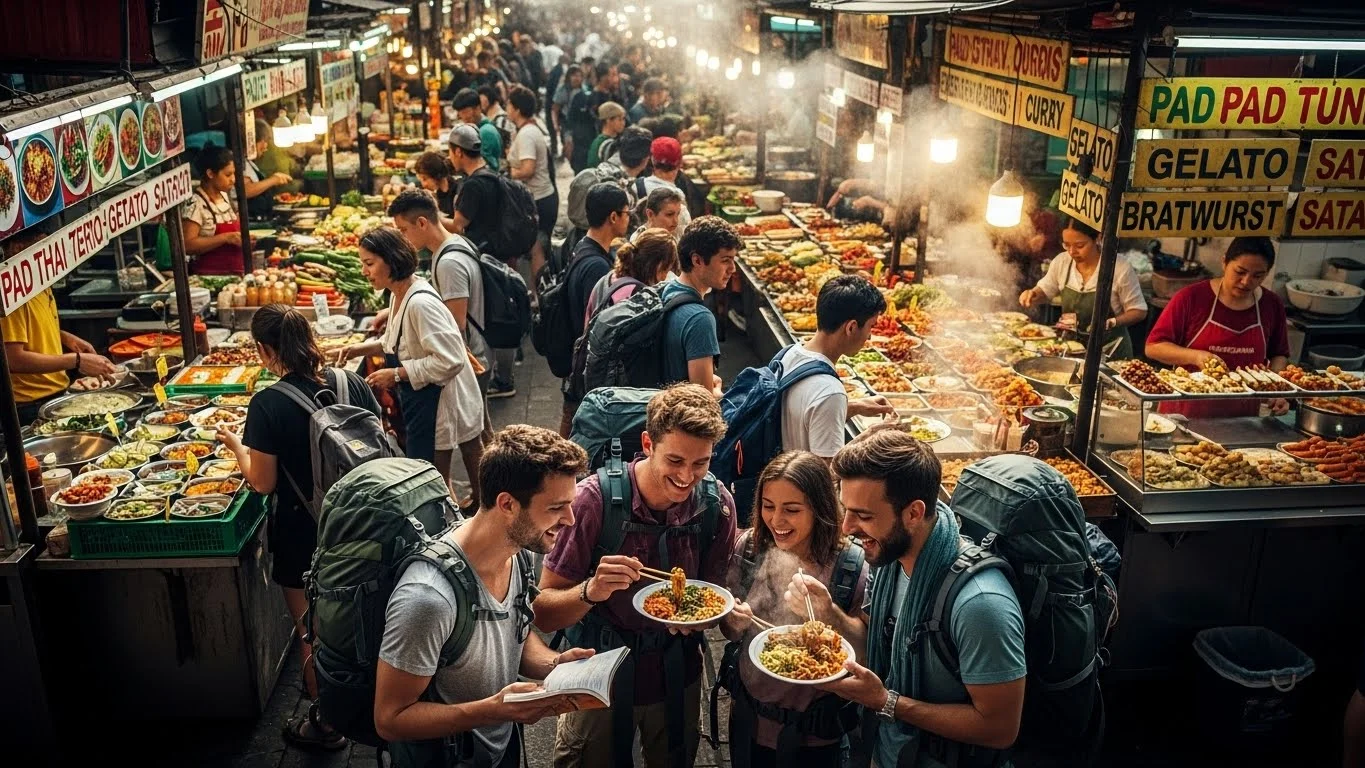
Traveling opens doors to new experiences, and dining is one of the most enriching. Mastering cultural dining etiquette can enhance our adventures, making meals memorable and respectful. Read Interesting article: Navigate Dining Etiquette: Cultural Tips for Budget Backpackers

Understanding Cultural Dining Etiquette
Definition of Dining Etiquette
Dining etiquette refers to the accepted behavior and practices surrounding meals. It encompasses everything from how to use utensils to what to say when you’re offered food. I remember my first trip abroad, stepping into a local restaurant and feeling completely lost amidst unfamiliar customs. I realized that understanding dining etiquette can make all the difference in how we connect with people and cultures. It’s like speaking a language; when we know the rules, we can engage more fully.
The Importance of Cultural Sensitivity
Cultural sensitivity in dining is crucial. Every culture has unique norms and values tied to food and eating habits. I learned this the hard way when I unknowingly committed a faux pas while dining in Thailand. I had no idea that pointing with my feet was considered disrespectful—something I discovered only after my host’s shocked expression! This experience taught me that being aware of cultural differences is not just about following rules; it’s about showing respect and appreciation for the traditions of others. When we take the time to learn these customs, we open ourselves up to richer interactions and deeper connections with locals.
General Dining Etiquette Tips for Travelers
Dress Code Considerations
When traveling, dressing appropriately for meals can be a challenge. I’ve found that what’s acceptable varies widely. For instance, in some Asian countries, casual attire may be frowned upon in more formal settings, while in parts of Europe, you might be expected to dress stylishly, even for lunch. I always recommend researching the dining culture of your destination before you go. Packing a versatile outfit or two can save you from feeling underdressed or out of place. It’s about respecting the local customs, which can lead to better service and a more enjoyable experience. Read Interesting article: Essential Dining Etiquette Tips for Cultural Travel Adventures
Timing: When to Eat
Timing can be just as important as attire. Each culture has its own meal schedule, and knowing when to eat can impact your dining experience. For instance, in Spain, it’s common to have dinner around 9 or 10 PM, while in many countries, breakfast is often served early, around 7 or 8 AM. I learned this the hard way when I arrived at a restaurant in Spain at 6 PM, only to find it closed until the evening rush. I recommend adjusting your eating schedule to align with local customs. This not only helps you fit in but also allows you to enjoy the authentic dining experience that locals cherish.
Table Manners Across Cultures
Table manners can vary significantly. For example, in some cultures, it’s polite to finish everything on your plate, while in others, leaving a bit of food is a sign that you are satisfied. I remember dining in Italy, where my host encouraged me to leave some pasta on my plate to show appreciation for the meal. However, in Japan, slurping noodles is a compliment to the chef. It’s fascinating how small gestures can carry such different meanings. I encourage fellow travelers to observe others at the table and follow their lead. This attentiveness can help avoid misunderstandings and enrich your experience.
Using Utensils: A Guide
Using utensils correctly can be a tricky subject. In some cultures, like in the U.S., forks and knives are standard, but in Japan, chopsticks are preferred. I once made the mistake of using my fork to eat sushi, and my friends were quick to correct me. Additionally, understanding how to hold utensils is also important; for instance, in many Asian cultures, it’s considered impolite to stick chopsticks upright in rice. I recommend practicing with the local utensils before diving into a meal. It shows respect for the culture and can make your dining experience more enjoyable.
Dining Etiquette by Region
European Dining Etiquette
Traveling through Europe is like stepping into a patchwork of cultures, each with its own dining etiquette. I remember my first meal in France, where every aspect of dining felt like an art form. The French take their meals seriously, often spending hours at the table enjoying good food and conversation. I was amazed to see that even the simplest café meal came with a side of etiquette. A polite “bonjour” as you enter, along with using “s’il vous plaît” and “merci,” can make a world of difference in how you’re treated. It’s a reminder that dining is as much about the experience as it is about the food itself.
France: The Art of Fine Dining
In France, fine dining is characterized by several distinct customs. For instance, I learned that the bread is often placed directly on the table rather than on the plate—a subtle but important detail. It’s also customary to keep your hands on the table (but not your elbows) while dining. I found myself enchanted with the multi-course meals and the way each dish is savored. If you’re invited to a French home, bringing a small gift, such as wine or flowers, is appreciated. It’s all about showing gratitude for the invitation and respecting the host’s effort.
Italy: Family and Tradition
Italy has a warm, familial approach to dining. When I dined in Italy, I was struck by how meals often became communal events, with dishes shared among guests. I learned that it’s polite to wait for the host to start the meal before digging in. It’s also important to appreciate every bite by complimenting the food. Italians are passionate about their cuisine, and expressing gratitude for a well-prepared meal is a must. Additionally, I discovered that it’s not customary to ask for modifications to dishes—what you see is what you get, and that’s part of the experience!
Asian Dining Etiquette
Asian cultures offer a fascinating array of dining practices, each steeped in history and respect. I remember feeling a bit anxious before my first meal in Japan, knowing that the customs could be quite different from what I was used to.
Japan: Respect and Rituals
In Japan, mealtime rituals are deeply rooted in respect. I quickly learned that it’s polite to say “itadakimasu” before starting a meal, expressing gratitude for the food. Using chopsticks properly is also essential; for instance, never stick them upright in a bowl of rice, as this mimics a funeral rite. I found that slurping noodles is considered a compliment, which was a delightful surprise for me. Dining in Japan is not just about the food; it’s about the experience, the presentation, and the respect for the ingredients.
China: Hierarchy and Sharing
Dining in China is often a communal affair, with an emphasis on sharing dishes. I remember my first experience with a lazy Susan, a rotating tray that made sharing easier and more interactive. I learned that the host typically serves everyone, and it’s polite to wait for them to start before you dig in. Also, toasting before a meal is common, and I found that it’s important to make sure your glass is lower than that of the elder as a sign of respect. The variety of flavors and textures in Chinese cuisine is remarkable, and I loved how each dish had a story behind it.
Middle Eastern Dining Etiquette
Middle Eastern dining is all about hospitality and sharing. I once attended a dinner in Morocco, and the experience was unforgettable. Guests are treated with the utmost respect, and food is presented beautifully. It’s customary to eat with your hands, which was a fun and unique experience for me. I found it fascinating how everyone shares from the same platter, making the meal feel intimate. Saying “bismillah” before eating is a way to express gratitude, and it’s essential to finish everything on your plate to show appreciation for the meal.
Latin American Dining Etiquette
In Latin America, family and festivity play a significant role in dining etiquette. I encountered this firsthand during a vibrant family dinner in Mexico. Meals often stretch into long, lively gatherings filled with laughter and conversation. I learned that arriving a bit late is often the norm; it’s seen as part of the enjoyment of the event. When dining, it’s customary to compliment the host on the food, and sharing stories over the meal is highly encouraged. The warmth and sense of community during meals in Latin America made me feel right at home. Read Interesting article: Cultural Street Food Experiences: A Backpacker’s Guide
Common Dining Scenarios and How to Handle Them
Invitations to Local Homes
Receiving an invitation to a local home can be one of the most rewarding parts of traveling. I’ll never forget the warmth I felt when a family I met in Peru invited me over for dinner. However, I quickly learned that knowing how to behave in someone’s home is crucial. It’s often customary to bring a small gift, like dessert or a bottle of wine, as a token of appreciation. In my case, I opted for a local delicacy, which made my hosts smile.
Once at the dinner table, I discovered that I needed to wait for the host to start the meal. I was a bit eager to dig in, but I held back. I realized this was a way to show respect and gratitude. And remember, if there’s a dish you’re not familiar with, don’t hesitate to ask about it. I once tried a unique soup that I had never seen before, and asking about the ingredients led to a delightful conversation about local cuisine.
Dining Out: Choosing Restaurants
Choosing where to eat can often feel overwhelming, especially in countries known for their culinary scenes. When I was in Thailand, I found myself standing in front of a sea of street food stalls, each more tempting than the last. A local friend advised me to look for places that were busy with locals, as this is usually a good sign of quality. I took his advice and ended up enjoying some of the best Pad Thai I’ve ever had!
Additionally, I learned that reading reviews can be helpful, but personal recommendations are like gold. I’ve discovered some hidden gems thanks to locals who were excited to share their favorites. Don’t be afraid to ask around; it often leads to a more authentic dining experience.
Business Meals: Navigating Formalities
Business meals can sometimes feel daunting, especially when they take place in a different culture. I remember attending a business dinner in Germany, where the etiquette was more formal than I was used to. I learned quickly that punctuality was a sign of respect; being late would have been a huge faux pas. I also noticed that toasting before meals is common, and it’s essential to maintain eye contact while clinking glasses—something I initially overlooked!
In many cultures, it’s polite for the host to order for everyone, which was a surprise to me during my first official dinner in Japan. I felt a bit out of my depth, but I observed my colleagues and followed their lead. I learned that it’s also respectful to wait for everyone to be served before starting to eat. These small gestures can create a positive impression and foster good relationships.
Street Food Etiquette
Street food is often one of the most exciting parts of a trip, but knowing how to enjoy it properly can elevate the experience. During my travels in Vietnam, I found myself at a bustling street market filled with enticing aromas. I quickly learned the importance of cleanliness—wiping down surfaces and choosing busy stalls usually ensured fresher food. I was hesitant at first, but I soon embraced the thrill of eating while standing at a small table with locals, sharing laughter and stories.
When it comes to ordering, it’s common in many places to point at what you want if there’s a language barrier. I did this a few times, and it led to some delicious surprises! Just remember to be patient and respectful of the vendors; they often work hard to serve you quickly.
Cultural Food Practices to Be Aware Of
Dietary Restrictions and Food Taboos
When traveling, it’s vital to be aware of dietary restrictions that may exist in different cultures. I learned this firsthand during a trip to India when I was offered a dish containing beef. I had no idea that cows are considered sacred in Hindu culture, and my host was quite accommodating when I politely declined. Since then, I’ve made it a point to research local dietary customs before eating out.
Being mindful of food taboos is also crucial. For example, in some Middle Eastern countries, it’s considered inappropriate to eat in public during the day during Ramadan. I found it respectful to adjust my eating habits and be discreet. By understanding these practices, we can show respect and appreciation for local customs while enjoying our culinary adventures.
Traditional Foods to Try in Different Cultures
Every culture has its culinary treasures, and part of the joy of traveling is discovering them. I remember being introduced to paella in Spain, a vibrant dish that beautifully represented the region. Each bite told a story of local ingredients and traditions. I often recommend asking locals what their favorite traditional dish is; it’s a surefire way to experience the true essence of the cuisine.
In Ethiopia, I was fortunate enough to eat injera, a sourdough flatbread that serves as both a plate and utensil. It was such a unique experience to tear pieces of the bread and use them to scoop up flavorful stews. I found that embracing these traditional foods not only satisfied my hunger but also deepened my appreciation for the culture.
Engaging with Locals Over Meals
How to Start Conversations
One of the most delightful aspects of traveling is the opportunity to connect with locals, especially over a meal. I remember sitting at a small café in Greece, and I felt a bit shy about striking up a conversation. But I decided to ask my server about a particular dish on the menu. That simple question opened the floodgates to a wonderful discussion about local ingredients and the history behind the meal. I learned that asking questions about food not only shows your interest but also creates a bond with the person sharing the meal with you.
In my experience, starting conversations can be as easy as complimenting the food or asking for recommendations. I’ve found that people love to share their favorite dishes or stories about their culinary traditions. When I visited a street market in Mexico, I asked a vendor about the salsa he was serving with tacos. This led to him giving me a mini-lesson on the different types of peppers and how they’re used in traditional Mexican cooking. Engaging in these conversations makes dining an interactive experience and adds depth to my travels.
Understanding Local Dining Customs
Every culture has its unique dining customs, and taking the time to understand these practices can enhance our experiences. I once attended a traditional tea ceremony in China, where I learned that the way tea is served and consumed carries significant meaning. I found it fascinating how the host poured tea with such grace and respect. Following their lead, I made sure to hold my cup with both hands as a sign of appreciation.
In many cultures, it’s common to wait for the elder or the host to start the meal before anyone else begins eating. I experienced this in a family gathering in Indonesia, where I was taught to wait until the oldest person at the table said “selamat makan,” meaning “enjoy your meal.” This understanding brought a sense of respect and unity to the gathering. Paying attention to these nuances not only shows respect but also helps you blend in seamlessly with local dining customs.
Resources for Learning Cultural Dining Etiquette
Books and Guides
For those of us eager to learn more about dining etiquette around the world, there are some fantastic resources available. One of my favorites is “The Etiquette Advantage in Business” by June D. K. K. M. L. K. L. K. K. It covers a variety of cultural practices that can be essential in both personal and professional settings. Additionally, travel books often include sections dedicated to dining etiquette, which I find quite helpful before embarking on a journey. I remember flipping through a guidebook on Asian countries before my trip to Japan, and it made me feel much more prepared for the cultural nuances I would encounter.
Online Courses and Workshops
In our digital age, we have access to a wealth of online courses and workshops focused on cultural etiquette. Websites like Coursera and Udemy offer courses tailored to specific cultures, which I found incredibly beneficial. I took an online course about Japanese dining etiquette before my trip, and it made a noticeable difference. I felt confident and respectful throughout my dining experiences, and I was able to immerse myself in the culture with greater ease.
Travel Blogs and Forums
Another great way to learn about dining etiquette is through travel blogs and forums. I often browse these platforms, looking for firsthand accounts from travelers who have navigated dining in different cultures. I remember reading a blog post about dining in India where the writer described how to eat with your hands properly. This insight prepared me for my experience and made me feel more comfortable. Engaging with online communities can provide tips and tricks that you won’t find in traditional guidebooks, making it an invaluable resource for any traveler.
Final Thoughts
Dining while traveling can be a transformative experience, opening doors to cultural understanding and connection. By embracing local customs, engaging with locals, and being mindful of dining etiquette, we can deepen our appreciation for the places we visit. I’ve found that each meal offers a unique opportunity to learn and grow, and those moments often become my fondest memories. So, the next time you sit down for a meal in a new country, remember to savor not just the food, but the entire experience that comes with it. Let’s continue to explore, learn, and enjoy the rich tapestry of global dining habits together.
Frequently Asked Questions
What is dining etiquette?
Dining etiquette refers to the accepted behavior and practices surrounding meals, including how to use utensils and what to say when offered food. It helps enhance our connections with different cultures.
Why is cultural sensitivity important in dining?
Cultural sensitivity is crucial in dining as every culture has unique norms and values related to food and eating habits. Understanding these customs demonstrates respect and appreciation for the traditions of others, leading to richer interactions.
What should I consider about dress codes when dining abroad?
Dress codes can vary widely by culture; for example, casual attire may be inappropriate in formal settings in some Asian countries, while stylish dress is expected in parts of Europe. Researching the dining culture of your destination can help ensure you dress appropriately.
How does timing affect dining experiences in different cultures?
Each culture has its own meal schedule, which can impact your dining experience. For instance, in Spain, dinner is typically served around 9 or 10 PM, and adjusting your eating schedule to align with local customs can enhance your experience.
What are some common table manners to be aware of?
Table manners can differ significantly across cultures. For example, in some cultures, finishing your plate is polite, while in others, leaving food indicates satisfaction. Observing others at the table can help you follow appropriate etiquette.
What utensils are commonly used in different cultures?
Using utensils correctly varies by culture; for instance, forks and knives are standard in the U.S., while chopsticks are preferred in Japan. It is also important to know the proper way to hold and use these utensils to show respect for local customs.
What is the dining etiquette in France?
In France, dining is considered an art form, and it includes customs like placing bread directly on the table and keeping hands on the table (but not elbows). A polite “bonjour” and using phrases like “s’il vous plaît” and “merci” can enhance your dining experience.
How is dining etiquette observed in Japan?
In Japan, it is polite to say “itadakimasu” before meals, and using chopsticks properly is essential. For instance, sticking chopsticks upright in rice is considered disrespectful, and slurping noodles is seen as a compliment to the chef.
What should I do if invited to a local’s home for dinner?
When invited to a local’s home, it is customary to bring a small gift, such as dessert or wine, as a token of appreciation. Additionally, waiting for the host to start the meal before eating shows respect and gratitude.
How can I engage with locals over meals when traveling?
Starting conversations with locals can enhance your dining experience. Asking about dishes or complimenting the food can lead to meaningful discussions and connections, enriching your understanding of local culinary traditions.