Web Analytics

Recent Posts

Top 10 Affordable Culinary Festivals to Experience Worldwide

If you’re a food lover like me, there’s nothing quite like the thrill of experiencing a culinary festival. These vibrant events celebrate flavors, cultures, and community, and many are surprisingly affordable, making them accessible to everyone. Let’s explore what culinary festivals are all about.

What Are Culinary Festivals?

Definition and Purpose

Culinary festivals are events that celebrate food, cooking, and the cultural significance of cuisine. They often feature a variety of activities, including tastings, cooking demonstrations, competitions, and workshops. My first experience at a culinary festival was unforgettable. I remember walking from booth to booth, sampling everything from gourmet cheeses to artisanal chocolates, all while chatting with passionate chefs and local food artisans. The purpose of these festivals extends beyond just tasting delicious food; they aim to educate, inspire, and create a sense of community among attendees.

Top 10 Affordable Culinary Festivals to Experience Worldwide

The Role of Culinary Festivals in Culture

Food is a universal language, and culinary festivals are a way to express and celebrate cultural heritage. Each festival showcases the unique flavors and traditions of its region. I’ve noticed that the best festivals not only highlight local dishes but also incorporate storytelling through food. For instance, at one festival, I learned about the historical significance of certain recipes and how they evolved over generations. This cultural exchange enriches our understanding of different communities and promotes appreciation for diverse culinary practices.

Criteria for Selecting Affordable Culinary Festivals

Cost Considerations

When I look for affordable culinary festivals, the first thing I consider is the cost. Many festivals offer free admission, but I still keep an eye on pricing for food samples, cooking classes, and other activities. I’ve attended festivals where I spent just a few dollars and left with my stomach full and my wallet still intact. It’s essential to research what’s included in your ticket and find out if there are any discounts available for early registration or group bookings. You can also discover the best culinary festivals for budget travelers that fit your needs.

Accessibility and Location

Accessibility is another crucial factor. Some of the best culinary festivals are located in cities that are easy to reach by public transport or have affordable lodging options. I remember attending a festival in a small town that was easy to explore on foot, allowing me to soak in the atmosphere without the stress of transportation. I recommend looking for festivals that not only feature great food but are also situated in places where you can enjoy local sights and attractions.

Variety of Culinary Experiences

Lastly, I consider the variety of culinary experiences available at each festival. I enjoy festivals that offer a wide range of foods, including local specialties, international cuisines, and even vegetarian or vegan options. One standout experience was at a festival where local chefs showcased their creativity in a cook-off. I got to taste the innovative dishes they created on the spot! Festivals that include cooking classes or workshops also provide fantastic opportunities to learn new skills while having fun. For more options, explore global culinary delights at these affordable festivals.

Top 10 Affordable Culinary Festivals Worldwide

1. Taste of Chicago, USA

Taste of Chicago is a must-visit if you’re in the Windy City during the summer. This festival not only showcases Chicago’s famous deep-dish pizza and hot dogs but also offers a taste of various cuisines from local restaurants. Admission is free, and you can purchase food tickets to sample a variety of dishes. I loved wandering through the park, trying everything from gourmet cupcakes to savory tacos.

2. La Tomatina, Buñol, Spain

Though primarily known for its tomato-throwing antics, La Tomatina in Buñol is also a culinary adventure. Held in August, this festival celebrates tomatoes, and you can enjoy local tapas and regional wines. The entry fee is minimal, and the fun of participating in the tomato fight is unmatched. I’ve seen people covered head-to-toe in tomatoes, laughing and enjoying the camaraderie of it all.

3. Pizzafest, Naples, Italy

If you’re a pizza fan, Pizzafest in Naples is the place to be. The festival celebrates the birthplace of pizza, and you can taste authentic Neapolitan pizza made by master pizzaiolos. With affordable ticket prices, you’ll have access to numerous tastings and cooking demonstrations. I remember savoring each slice, feeling like I was part of something special in the heart of Italy.

4. Melbourne Food and Wine Festival, Australia

This festival is a food lover’s paradise, featuring a variety of events showcasing the best of Australia’s culinary scene. From wine tastings to immersive dining experiences, it’s a great way to explore local ingredients. The entry prices are reasonable, and I appreciated how many events offered free admission, allowing everyone to partake in the festivities.

5. Sapporo Snow Festival, Japan

While known for its stunning ice sculptures, the Sapporo Snow Festival also offers a fantastic culinary experience. Held in February, you can enjoy local delicacies like ramen and seafood while taking in the winter wonderland. I loved trying the freshly made ramen right at the festival—nothing beats hot noodles in the cold! Admission is free, and the food stalls are reasonably priced.

6. Street Food Festival, London, UK

The Street Food Festival in London transforms various neighborhoods into vibrant food markets. Featuring cuisines from around the world, this festival is perfect for trying new dishes without breaking the bank. I’ve spent an entire day just wandering through the stalls, sampling everything from Indian curries to gourmet burgers. It’s an experience that brings together food lovers from all walks of life.

7. Gilroy Garlic Festival, California, USA

If you love garlic, then the Gilroy Garlic Festival is a must! This quirky festival showcases all things garlic, from garlic fries to garlic ice cream. The entry fee is modest, and the atmosphere is incredibly fun. I remember laughing with friends as we tried the garlic-infused creations, and it was a delightful culinary adventure!

8. Food and Wine Festival, New Orleans, USA

New Orleans is known for its vibrant flavors, and the Food and Wine Festival celebrates that heritage. With affordable tasting options, you can enjoy local dishes while sipping on exquisite wines. The live music adds to the festive atmosphere, and it’s a chance to experience the culinary magic of the Big Easy. I found myself captivated by the rich culture and delicious food at every turn.

9. Fête de la Gastronomie, France

This nationwide celebration of French cuisine takes place every September, with many events featuring local chefs and artisans. The festival highlights regional dishes, and many activities are free or low-cost. I had the opportunity to participate in a cooking workshop and learned how to make a classic French dish from a local chef—it was a culinary experience I’ll never forget!

10. Oktoberfest, Munich, Germany

While Oktoberfest is famous for its beer, the festival also offers a fantastic array of traditional Bavarian foods like pretzels, sausages, and schnitzels. Admission to the festival grounds is free, and the food prices are quite reasonable considering the experience. I remember enjoying a plate of bratwurst with a giant pretzel, surrounded by laughter and music, making it a highlight of my travels.

When to Attend Culinary Festivals

Seasonal Considerations

Timing is everything when it comes to attending culinary festivals. Each season brings its own unique flavors and experiences. Personally, I’ve found that summer and fall are particularly vibrant times for food festivals. In summer, fresh produce is abundant, which means you can enjoy everything from ripe tomatoes to sweet peaches. I remember attending an outdoor festival in July where the sun was shining, and the air was filled with the scent of grilled corn and fresh herbs. The energy was contagious! Conversely, fall brings harvest celebrations, and I’ve enjoyed rustic flavors like pumpkin, apple, and spice at various events. It’s a time when the food reflects the changing seasons, and there’s something magical about that.

Festival-Specific Dates

It’s essential to check the specific dates of each festival as they can vary year by year. I learned this the hard way when I planned to attend a festival only to find it had shifted its dates. Many festivals also have special events or themes that occur within a week or specific days. For example, some culinary festivals might host special tastings or chef demonstrations on weekends that are not available during the weekdays. I highly recommend researching the festival’s schedule in advance to make the most of your visit. Mark your calendar and, if possible, plan your trip around any special events that catch your interest!

How to Prepare for a Culinary Festival

Budgeting for the Trip

Planning a budget is crucial to ensure you have a fantastic experience without breaking the bank. I usually start by estimating travel costs, including transportation and accommodation. Then, I figure out how much I’m willing to spend on food and activities at the festival. It’s easy to get carried away when there are so many delicious options! I’ve set a daily limit for myself in the past, which helped me prioritize my tastings. It’s also smart to look for package deals or group discounts to save a little extra. I remember finding a great deal for food tickets at one festival, which allowed me to try more dishes without overspending.

Booking Accommodations

Finding a place to stay can greatly enhance your festival experience. I always recommend booking accommodations close to the festival venue if possible. This way, you can walk back after a long day of tasting and exploring. When I attended a festival in a beautiful coastal town, staying within walking distance made it so much easier to pop back to my hotel and freshen up before heading out for more food adventures. If the festival is in a popular area, I suggest booking your accommodations well in advance—this can help you avoid inflated prices and limited availability.

Planning Your Festival Itinerary

Having a plan can really make a difference in how much you enjoy a culinary festival. I like to prioritize must-try dishes and events that I can’t miss. Before I go, I usually make a list of food vendors I want to visit, cooking demonstrations I’d love to see, and any workshops I want to attend. It’s also helpful to check out the layout of the festival to minimize walking back and forth. I once made a map of the booths I wanted to visit, which helped me make the most of my time. Flexibility is key, though—I always leave some space in my schedule for spontaneous discoveries!

What to Pack

Packing for a culinary festival is an exciting part of the process. I typically bring a few essentials to ensure I’m comfortable and ready to enjoy everything the festival has to offer. A reusable water bottle is a must to stay hydrated, especially during warm weather. I also recommend wearing comfortable shoes since you’ll likely be walking a lot. A small backpack or tote bag is perfect for carrying snacks, souvenirs, or anything you might pick up along the way. I’ve learned that having a portable phone charger is also a lifesaver—you’ll want to take plenty of photos and stay connected with friends. Lastly, I always pack a light jacket or sweater for cooler evenings, just in case the temperature drops after sunset.

Local Cuisine Highlights at Each Festival

Signature Dishes and Beverages

One of the best parts of attending a culinary festival is discovering the signature dishes and beverages that represent the region. Each festival has its own unique offerings, and I love trying local specialties that I might not find anywhere else. For instance, at the Food and Wine Festival in New Orleans, I was blown away by the incredible gumbo and beignets. Each bite had such depth of flavor, reflecting the city’s rich culinary heritage. I often seek out local beverages too, whether it’s craft beers, regional wines, or artisanal sodas. At one festival, I even discovered a fantastic local cider that became one of my favorites!

Cooking Demonstrations and Workshops

Many culinary festivals feature cooking demonstrations and workshops, which can be a fantastic way to learn from talented chefs. I remember attending a cheese-making workshop at a festival, where I got to make my own mozzarella. It was both fun and educational, and I left with a newfound appreciation for the craft! These hands-on experiences not only enhance your skills but also create lasting memories. I always encourage fellow food lovers to participate in these sessions—they often provide insight into the culinary techniques and traditions that make regional cuisine so special.

Safety Tips for Attending Culinary Festivals

Health and Hygiene Considerations

Staying healthy at a culinary festival is essential, especially with so many food options around. I always wash my hands frequently, particularly before sampling food from different vendors. It’s also wise to make sure the food looks fresh and that food stalls maintain good hygiene practices. I’ve noticed that most festivals provide handwashing stations, which is a great resource. If you have any food allergies, be sure to communicate them clearly to vendors. I’ve found that most chefs are more than willing to accommodate dietary restrictions if you ask politely!

Staying Safe in Crowded Areas

Festivals can get crowded, and it’s important to remain aware of your surroundings. I try to keep my belongings secure and close to me. Using a crossbody bag helps me keep my hands free while still having my essentials within reach. If you’re attending with friends or family, I recommend establishing a meeting spot in case anyone gets separated. I remember getting caught up in the excitement of a cooking demonstration and losing track of my partner. Having a plan helped us reconnect quickly. Lastly, stay hydrated and take breaks as needed; it’s easy to get swept up in the fun and forget to take care of yourself!

Making the Most of Your Culinary Festival Experience

Engaging with Vendors and Chefs

One of the most rewarding aspects of attending a culinary festival is the opportunity to engage with the vendors and chefs. I remember my excitement when I discovered that many chefs are more than happy to share their stories and cooking tips. Whether it’s a small stand run by a local farmer or a renowned chef with a popular restaurant, each vendor has a unique perspective on food. I encourage you to strike up conversations; you might learn about their inspiration, their cooking techniques, or even the history behind a particular dish. I once found myself deep in conversation with a chef who was passionate about sustainable cooking. It made my tasting experience so much richer when I understood the thought and care that went into each dish.

Participating in Tastings and Events

Culinary festivals often feature a range of tastings and events that highlight the best of local cuisine. I’ve attended festivals where I got to sample everything from artisanal cheeses to locally brewed beers. These tastings are usually included in the ticket price or available for a small fee, and they’re a fantastic way to try dishes you might not normally order. I recall a memorable wine tasting session at a food festival where the sommelier explained the nuances of each wine, making the experience not just about drinking but truly appreciating each sip. Look for tasting events that catch your eye, and don’t hesitate to join in. They often offer a delightful way to discover new flavors!

Taking Part in Cooking Classes

Many culinary festivals also host cooking classes, and I think these are some of the best experiences you can have at a festival. When I took a pasta-making class at a festival in Italy, I was amazed at how much I learned in just a couple of hours. Working alongside local chefs, I not only picked up valuable cooking skills but also made some great memories with fellow food lovers. These classes often cater to all skill levels, so whether you’re a beginner or an experienced cook, you can find something that suits you. I recommend signing up early, as spots can fill up quickly!

Documenting Your Experience

Don’t forget to document your culinary adventure! I’ve found that taking photos is a fun way to remember each dish and moment. I love snapping pictures of the colorful stalls, mouth-watering food, and the smiling faces of chefs I meet along the way. I also keep a little journal during festivals to jot down my favorite dishes and experiences. It’s a great way to reflect on the things I’ve tried and help me remember where to go back if I ever return to the festival. Plus, sharing these moments on social media can inspire others to explore culinary festivals too!

Connecting with Other Food Lovers

Culinary festivals are a haven for food enthusiasts, and I always enjoy meeting fellow food lovers. Whether it’s standing in line for a popular tasting or chatting at a cooking demonstration, there’s a shared excitement that makes for great conversations. I often exchange recommendations for dishes to try or even upcoming festivals to attend. Some of my best festival memories include the new friends I’ve made along the way. You never know who you might meet and what connections you could forge over a shared love of food!

Support Local Businesses

One of the beautiful things about culinary festivals is their focus on local businesses and artisans. I always try to support these vendors by purchasing ingredients, cookbooks, or handmade kitchen tools. Not only does it feel good to support local economies, but I also love bringing home unique items that remind me of my experience. I once bought a jar of locally made hot sauce that has become a staple in my kitchen, reminding me of the festival every time I use it. Keep an eye out for local products that resonate with you; they can make for great souvenirs!

Reflecting on Your Experience

After the festival, I like to take some time to reflect on my experience. What dishes stood out to me? Which vendors left a lasting impression? I often find that writing down my thoughts helps me appreciate the culinary journey even more. It’s also a great way to prepare for future festivals by noting what I enjoyed and what I might want to try next time. I believe taking the time to reflect enhances the overall experience and ensures that I carry those moments with me long after the festival ends.

Frequently Asked Questions

What are culinary festivals?

Culinary festivals are events that celebrate food, cooking, and the cultural significance of cuisine. They often include tastings, cooking demonstrations, competitions, and workshops, aiming to educate and inspire attendees while creating a sense of community.

How do culinary festivals express cultural heritage?

Culinary festivals express cultural heritage by showcasing unique flavors and traditions of their region. They often incorporate storytelling through food, enriching attendees’ understanding of different culinary practices and promoting appreciation for diverse cultures.

What should I consider when selecting affordable culinary festivals?

When selecting affordable culinary festivals, consider the cost of admission and food samples, accessibility and location, and the variety of culinary experiences offered, such as local specialties and cooking classes. You might find great recommendations in Savor the Flavors: Affordable Culinary Festivals in Europe.

Can you name some affordable culinary festivals worldwide?

Some affordable culinary festivals worldwide include Taste of Chicago in the USA, La Tomatina in Spain, Pizzafest in Naples, Australia’s Melbourne Food and Wine Festival, Sapporo Snow Festival in Japan, Street Food Festival in London, Gilroy Garlic Festival in California, Food and Wine Festival in New Orleans, Fête de la Gastronomie in France, and Oktoberfest in Munich, Germany.

When is the best time to attend culinary festivals?

The best time to attend culinary festivals is generally during the summer and fall, as these seasons are vibrant with fresh produce and harvest celebrations. Specific festival dates can vary year by year, so it’s essential to check in advance.

How can I prepare for a culinary festival?

To prepare for a culinary festival, budget for travel and food expenses, book accommodations near the venue, and plan your festival itinerary by prioritizing must-try dishes and events.

What should I pack for a culinary festival?

When packing for a culinary festival, consider bringing a reusable water bottle, comfortable shoes, a small bag for snacks and souvenirs, a portable phone charger, and a light jacket for cooler evenings.

What are some safety tips for attending culinary festivals?

Safety tips for attending culinary festivals include practicing good hygiene by washing hands frequently, staying aware of your surroundings in crowded areas, keeping belongings secure, and establishing meeting spots with friends or family in case anyone gets separated.

How can I engage with vendors and chefs at a culinary festival?

You can engage with vendors and chefs by striking up conversations, asking about their stories and cooking tips, and participating in tastings or cooking demonstrations to enhance your culinary experience.

What should I do after attending a culinary festival?

After attending a culinary festival, take time to reflect on your experience, write down your favorite dishes and vendors, and consider supporting local businesses by purchasing unique items that remind you of your experience.

Discover the Best Culinary Festivals for Budget Travelers

Culinary festivals offer a vibrant way to explore local cultures and flavors without breaking the bank. Whether you’re a foodie or just looking for a fun adventure, these events can serve up unforgettable experiences at affordable prices. For those interested in exploring culinary delights in Europe, check out Your Guide to Europe’s Must-Visit Budget Culinary Festivals.

What Are Culinary Festivals?

Definition and Importance

Culinary festivals are more than just gatherings to showcase food; they are vibrant celebrations of culture, tradition, and community. From local street food to gourmet dishes, these festivals highlight the unique culinary offerings of a region. I’ve always found that attending these events gives me a deeper appreciation for local customs, as food is often intertwined with history and culture. Whether it’s a tomato-throwing festival in Spain or an international food expo, culinary festivals offer something for everyone, making them an important aspect of local tourism and cultural exchange.

Discover the Best Culinary Festivals for Budget Travelers

Types of Culinary Festivals

Culinary festivals come in various shapes and sizes, each emphasizing different aspects of food and drink. Personally, I love how diverse these events can be. Some focus on specific types of cuisine, while others celebrate particular ingredients or cooking methods. Here’s a rundown of the types I’ve encountered:

  • Food and Wine Festivals: These festivals often feature tastings, cooking demonstrations, and workshops, allowing attendees to sample local wines and gourmet dishes. They often bring together chefs and winemakers, creating an immersive experience.
  • Street Food Festivals: These are my favorite! Street food festivals highlight local vendors and their unique offerings. You can find everything from tacos to dumplings, all for a reasonable price.
  • Seasonal Festivals: These celebrate specific harvests or seasonal ingredients. Think pumpkin festivals in the fall or cherry blossom festivals in spring. It’s a great way to enjoy food that’s fresh and at its peak.
  • Cooking Competitions: These events showcase local talent and often involve live cooking demonstrations. I love watching chefs battle it out, and sometimes, attendees even get to taste the dishes!

No matter the type, attending these festivals allows us to gather around food, meet new people, and share experiences. It’s a beautiful reminder of how food connects us all.

Top Culinary Festivals Around the World for Budget Travelers

La Tomatina, Spain

La Tomatina is not your typical food festival, but it’s a unique experience I highly recommend! Held in Buñol, Spain, every August, this famous tomato-throwing festival is all about having fun with food. While it’s primarily an event for throwing tomatoes, there are also local food stalls offering delicious paella and tapas at reasonable prices. I remember joining in the tomato fight and then enjoying a meal with new friends right afterward. The experience was unforgettable and so worth it!

Oktoberfest, Germany

Germany’s Oktoberfest is another fantastic festival that combines food, drink, and culture. While it’s renowned for its beer, the festival also features traditional Bavarian foods like pretzels, sausages, and schnitzel. If you plan your visit well and enjoy the street vendors, you can indulge in tasty treats without spending a fortune. I found the atmosphere electrifying, filled with music, laughter, and, of course, amazing food!

Food and Wine Festival, Australia

Australia hosts several food and wine festivals, with the Melbourne Food and Wine Festival being one of the best. This festival celebrates local produce and chefs, and while it offers premium experiences, there are also budget-friendly options. I enjoyed sampling delicious wines and dishes from local vendors without breaking my bank. Plus, the outdoor setting was perfect for mingling and enjoying the sunny weather!

Street Food Festival, Thailand

If you love street food as much as I do, the Street Food Festival in Thailand is a must-visit. With cities like Bangkok hosting these festivals, you can indulge in flavorful dishes like pad thai, mango sticky rice, and more, all at incredibly low prices. I remember wandering through the stalls, trying everything from grilled skewers to spicy salads, and it felt like a culinary adventure. The vibrant atmosphere and the variety of food were simply amazing.

World Gourmet Summit, Singapore

This festival is a great way to taste the best of Singapore’s culinary scene. The World Gourmet Summit features a mix of high-end dining experiences and affordable food stalls. I appreciated that it showcased both local and international chefs. While some events can be pricey, I found plenty of budget-friendly options, making it accessible for everyone. Plus, I loved discovering new flavors and techniques!

New Orleans Jazz & Heritage Festival, USA

The New Orleans Jazz & Heritage Festival is another gem that combines music and food. While you enjoy incredible live jazz, you can sample local dishes like gumbo, jambalaya, and beignets. The festival atmosphere is lively, and the food prices are often reasonable. I remember dancing to the music while savoring some of the best Southern cuisine I’ve ever had!

Montreal’s Just for Laughs Culinary Festival, Canada

Montreal’s Just for Laughs Culinary Festival blends humor and food in a delightful way. This festival features local chefs and unique food experiences, and you can often find affordable tasting menus. I loved the combination of laughter and delicious bites; it made the whole experience feel special and entertaining. Plus, you get to explore the wonderful city of Montreal while tasting amazing dishes!

Budget-Friendly Tips for Attending Culinary Festivals

Early Bird Tickets and Discounts

One of the best ways I’ve found to save money when attending culinary festivals is by purchasing early bird tickets. Many festivals offer discounts for those who buy their tickets in advance, which can really add up if you’re planning to attend multiple events. I remember scoring some fantastic deals for a couple of my favorite festivals simply by keeping an eye on their websites and social media pages. Sometimes, they even have promotional codes or special offers that pop up, so it pays to be proactive!

Choosing Off-Peak Days

If your schedule allows it, consider attending festivals on off-peak days. For example, weekends are usually the busiest times, which means higher prices and larger crowds. When I visited a food festival on a Thursday, I found the atmosphere much more enjoyable. Not only was it easier to navigate the stalls, but some vendors offered discounts to draw in crowds. Plus, I discovered that many chefs are more eager to chat on quieter days, which turned out to be a great way to learn more about the food I was tasting!

Accommodations on a Budget

Finding budget-friendly accommodations can significantly cut down your overall costs. I’ve had great success using platforms like Airbnb or looking for hostels that offer shared rooms. On one trip, I shared a cozy apartment with fellow foodies I met online. This not only saved us money but also allowed us to bond over our culinary adventures in the city! Sometimes, festivals even partner with local hotels to offer discounts, so it’s worth checking their websites for deals.

Transportation Savings

Transportation can be a hidden expense when attending culinary festivals. I’ve learned that using public transport is often the most cost-effective option. Many cities offer day passes for buses and trains, which can save you money if you plan to visit multiple areas. When I attended a festival in a large city, I found it helpful to use rideshare apps during off-peak hours, too. Plus, walking is a great way to soak up the local atmosphere while keeping costs down!

Eating Smart at Festivals

When it comes to food, I always try to eat smart at festivals. Instead of filling up on every single item, I like to share dishes with friends or fellow festival-goers. This way, I can taste a variety of offerings without overspending or overindulging. I also keep an eye out for smaller portions or sample sizes, which many vendors offer at a lower price. This approach not only lets me enjoy more flavors but also helps me stay within my budget! For more tips, check out Top Budget-Friendly Culinary Festivals in Europe to Visit.

How to Plan Your Culinary Festival Trip

Researching Festivals and Dates

Before embarking on a culinary adventure, I spend some time researching the festivals I want to attend. It’s essential to know the dates, locations, and specific events happening at each festival. I often start with a simple online search or check travel blogs for recommendations. This way, I can track when my favorite festivals are taking place and plan my trips accordingly. I’ve even learned that some festivals have unique themes or special guests, making each visit a new experience!

Creating a Budget for Your Trip

Having a budget is crucial to make sure I enjoy my culinary festival experience without overspending. I usually break down my budget into categories like accommodations, transportation, food, and entertainment. This helps me keep an eye on my spending and prioritize what’s most important for my trip. I remember one year when I allocated a little extra for trying new dishes, and it led to some unforgettable meals that I still think about!

Packing Essentials for Festival Visits

When packing for a culinary festival, I keep it simple but practical. Comfortable shoes are a must since I usually end up walking for hours. I also bring a reusable water bottle to stay hydrated and some snacks to munch on between tastings. One tip I learned the hard way is to bring a lightweight bag for carrying any goodies I buy. Having a small, foldable bag can make it easy to stash souvenirs or extra food without feeling overwhelmed.

Connecting with Other Foodies

One of the joys of attending culinary festivals is meeting fellow food enthusiasts. I often look for groups on social media or apps dedicated to food lovers, where I can connect with others who share my passion. This has led to some amazing friendships and culinary discoveries. At one festival, I met a local chef who invited me to a pop-up event later in the weekend, which was one of the highlights of my trip!

Local Cuisine Highlights at Festivals

Signature Dishes to Try

Every culinary festival I’ve attended has its own signature dishes that reflect the local culture. For instance, at a seafood festival in New England, I found myself devouring fresh lobster rolls that were unlike anything I had tasted before. These local specialties often showcase the region’s best ingredients and cooking techniques, and I always make it a point to try them. It’s fascinating to see how each festival encapsulates the essence of its location through food!

Regional Specialties

I love discovering regional specialties at festivals. For instance, when I visited a chili festival in Texas, I was blown away by the variety of chili recipes, each with its own twist. From spicy to sweet, the flavors were so diverse! These regional dishes tell a story about the area’s history and culture, making every bite a lesson in local traditions.

Cooking Demonstrations and Workshops

Many culinary festivals also offer cooking demonstrations and workshops, which can be a fantastic way to learn new skills. I’ve participated in a few hands-on cooking classes, where I had the chance to learn from talented chefs. It’s not just about watching but actually getting involved in the cooking process. I remember making pasta from scratch at one workshop, and it was a thrill to enjoy the fruits of my labor right after!

Safety and Accessibility at Culinary Festivals

Health and Safety Considerations

When attending culinary festivals, I always keep health and safety in mind. With so many people gathered in one place, it’s essential to be cautious, especially regarding food safety. I remember one event where the weather was hot, and I noticed some vendors were not keeping their food at safe temperatures. That’s when I learned to pay attention to how food is being stored and served. If something looks questionable, I don’t hesitate to skip it.

In recent years, health protocols have become a standard part of festival experiences. Many festivals now provide hand sanitizing stations, which I appreciate. I also make sure to stay hydrated, especially on warm days. Bringing my reusable water bottle has been a game-changer. It’s important to listen to your body and take breaks when needed. I’ve found that stepping away from the hustle and bustle for a few moments can help me recharge and fully enjoy the food later on!

Accessibility for All Travelers

Accessibility is another crucial aspect I consider when planning to attend culinary festivals. Many festivals strive to be inclusive, providing facilities for individuals with disabilities. However, I’ve learned that it’s always best to check in advance. I usually visit the festival’s official website to see what accommodations they offer. For example, some festivals have wheelchair-accessible paths, seating areas, and restrooms. This can make a significant difference in the experience for those who may need these services.

I remember attending a festival where there were great accommodations for people with mobility issues, making it easy for everyone to enjoy the festivities. In addition, I’ve noticed that some festivals provide sensory-friendly times or spaces, which can be a welcome relief for those who might find large crowds overwhelming. It’s heartwarming to see the food community come together to ensure everyone can partake in the joy of culinary celebrations.

Unique Experiences at Culinary Festivals

Food Pairing Events

One of my favorite experiences at culinary festivals has been participating in food pairing events. These gatherings focus on the perfect combination of food and drink, and they can elevate the tasting experience to a whole new level. I remember attending a cheese and wine pairing workshop that was nothing short of magical! Learning how different flavors complement one another made me appreciate both the cheese and wine even more. Plus, I got to meet some incredible people who shared my passion for food.

Cultural Performances and Entertainment

Culinary festivals are not just about food; they often showcase cultural performances that enrich the overall experience. I’ve enjoyed everything from live music to traditional dance performances at various festivals. For instance, at a local food festival, I was treated to a lively cooking demonstration followed by a traditional dance that celebrated the region’s heritage. It added a vibrant atmosphere that made the event even more memorable. I think these performances allow us to connect with the culture behind the cuisine, making it a more immersive experience.

Interactive Experiences

Another aspect I love about many culinary festivals is the opportunity for interactive experiences. Some festivals offer workshops where attendees can learn how to cook specific dishes or participate in hands-on food crafting. I remember a festival where I could make my own sushi rolls under the guidance of a skilled chef. It was so exciting to create something delicious and then enjoy it right there! Interactive experiences like this not only teach valuable skills but also foster a sense of community among participants.

Making the Most of Your Culinary Festival Experience

Arriving Early

One tip I always follow is to arrive early at culinary festivals. Getting there before the crowds allows me to explore the stalls without feeling rushed. I remember one festival where I arrived just as it opened, and I had the chance to chat with vendors and learn more about their offerings. It felt special to have that personal interaction before the hustle and bustle began. Plus, arriving early means I can snag the best items before they sell out!

Trying New Things

Culinary festivals are the perfect place to step outside your comfort zone and try new foods. I’ve made it a point to sample dishes I would normally overlook. At one festival, I tried a dessert I’d never heard of before, and it became one of my new favorites! I think being open to new flavors and experiences is one of the most rewarding parts of attending these events. Who knows, you might find your next favorite dish!

Documenting Your Journey

I love documenting my culinary festival experiences through photos and notes. It’s fun to capture the vibrant colors of the food and the lively atmosphere. Later, I can look back and remember not just the tastes but also the people I met and the stories we shared. I often recommend taking a small notebook or using your phone to jot down your favorite dishes and vendors. This way, you can easily find them again or even recommend them to friends later!

Frequently Asked Questions

What are culinary festivals?

Culinary festivals are vibrant celebrations of culture, tradition, and community that showcase local culinary offerings, from street food to gourmet dishes. They play an important role in local tourism and cultural exchange.

What types of culinary festivals are there?

Culinary festivals can vary widely, including food and wine festivals, street food festivals, seasonal festivals, and cooking competitions, each emphasizing different aspects of food and drink.

Can I find budget-friendly options at culinary festivals?

Yes, many culinary festivals offer budget-friendly options, including affordable food stalls, early bird ticket discounts, and workshops that allow attendees to sample local cuisine without overspending.

What are some examples of culinary festivals around the world?

Examples include La Tomatina in Spain, Oktoberfest in Germany, the Melbourne Food and Wine Festival in Australia, the Street Food Festival in Thailand, the World Gourmet Summit in Singapore, and the New Orleans Jazz & Heritage Festival in the USA.

How can I save money when attending culinary festivals?

You can save money by purchasing early bird tickets, attending on off-peak days, finding budget-friendly accommodations, using public transportation, and sharing dishes with friends to sample a wider variety of food. For more information on budget-friendly options, see Explore Europe’s Best Culinary Festivals on a Budget.

What should I research before attending a culinary festival?

Before attending, research the festival dates, locations, specific events, and any unique themes or special guests that might enhance your experience.

What are some essential items to pack for a culinary festival?

Essentials include comfortable shoes, a reusable water bottle, snacks, and a lightweight bag for carrying any items purchased or collected during the festival.

How can I connect with other food enthusiasts at culinary festivals?

Connecting with other food enthusiasts can be done through social media groups or apps dedicated to food lovers, where you can share experiences and even meet up during festivals.

What unique experiences can I expect at culinary festivals?

Unique experiences may include food pairing events, cultural performances, cooking demonstrations, and interactive workshops where attendees can learn new cooking skills.

What health and safety considerations should I keep in mind at culinary festivals?

Pay attention to food safety practices, stay hydrated, utilize hand sanitizing stations, and ensure that the festival is accessible for individuals with disabilities to enhance your experience.

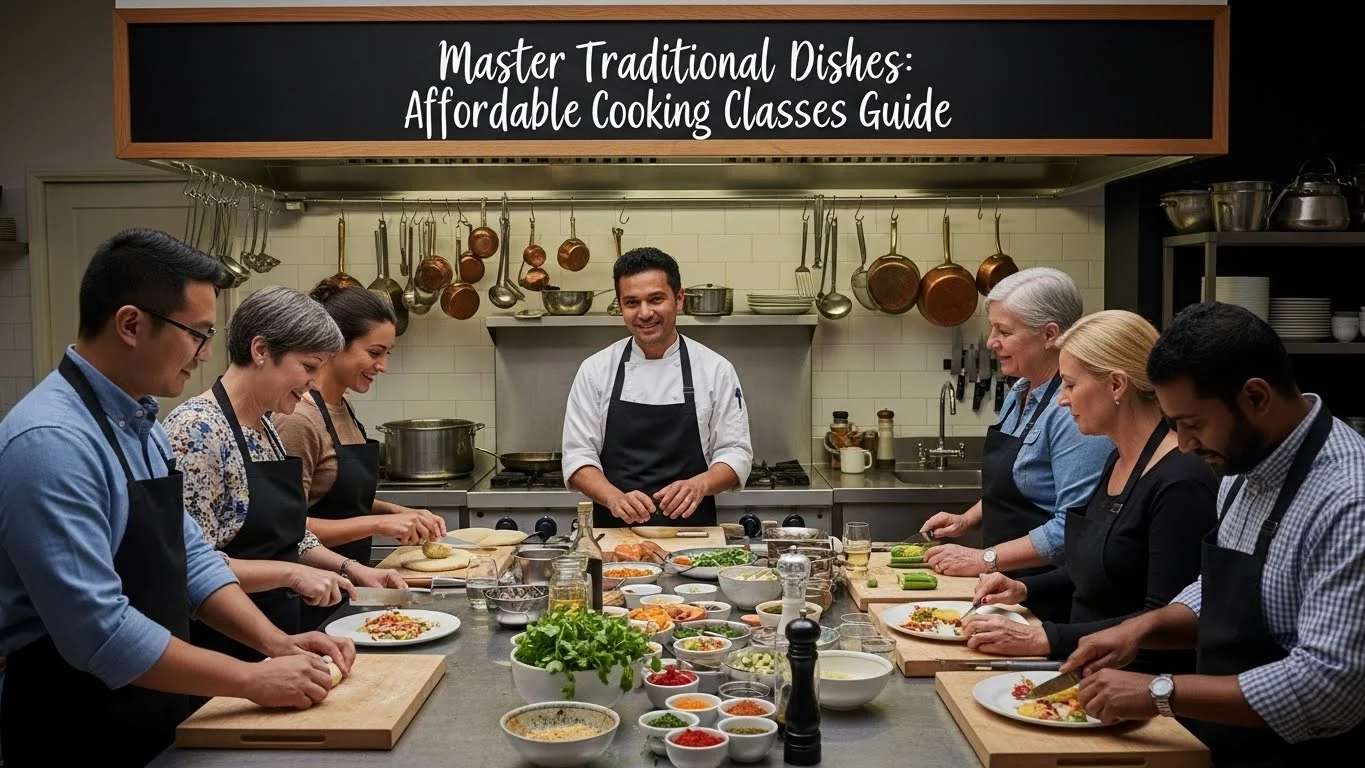
Master Traditional Dishes: Affordable Cooking Classes Guide

Cooking is not just about sustenance; it’s a way to connect with our culture and history. Mastering traditional dishes opens up a world of flavors while offering a glimpse into different cultures. Let’s dive into the essence of traditional cooking!

Master Traditional Dishes: Affordable Cooking Classes Guide

Understanding Traditional Dishes

What Are Traditional Dishes?

For me, traditional dishes are the heart and soul of a culture. They embody the stories, practices, and history of a community, often passed down through generations. Each bite tells a tale, from the spices used to the cooking methods employed. When I think of my grandmother’s recipes, I remember how they brought our family together, creating moments of joy and connection around the dinner table.

Traditional dishes can vary widely and often reflect the ingredients that are readily available in a region. For instance, a classic Italian risotto showcases Arborio rice, while a traditional Moroccan tagine highlights the use of spices like cinnamon and saffron. Understanding these ingredients helps us appreciate the depth of flavors that traditional dishes bring to the table. If you’re interested in exploring more about Italian cooking, consider taking a class with a focus on regional dishes. Master Italian Cuisine: Affordable Cooking Classes Abroad can provide valuable insights.

The Importance of Traditional Cooking Techniques

Learning to prepare traditional dishes also means embracing time-honored cooking techniques. I’ve found that there’s something special about slow-cooking a stew or kneading dough by hand. These methods not only enhance the flavors but also create a sense of mindfulness in the cooking process. I remember the first time I made homemade pasta from scratch; the simple act of rolling and cutting the dough felt like a ritual, connecting me to generations of cooks before me.

Traditional cooking techniques often emphasize the importance of patience and skill. For example, fermenting vegetables or making a rich broth requires time but rewards you with layers of flavor. By mastering these methods, we not only honor our culinary heritage but also develop a deeper appreciation for the food we consume.

Regional Variations in Traditional Cuisine

One of the most fascinating aspects of traditional dishes is how they vary from region to region. As I’ve traveled, I’ve been amazed at how the same basic ingredients can be transformed into completely different dishes. For instance, consider the difference between Northern and Southern Italian cuisine. While Northern Italy is known for creamy risottos and rich polenta, the South boasts vibrant tomato sauces and fresh seafood.

Regional variations reveal not just flavor differences but also cultural influences and historical trade. I remember enjoying a spicy jambalaya in New Orleans, which reflected a melting pot of Creole and Cajun flavors. Similarly, while learning about Mexican cuisine, I found that the tacos I made in Oaxaca were entirely different from those in Mexico City, showcasing local ingredients and flavors unique to each area.

Exploring these regional variations has enriched my cooking experience. It encourages me to experiment with ingredients and techniques, leading to a more personal touch in my culinary creations. Understanding where a dish originates can inspire us to try new flavors and broaden our palates.

Benefits of Taking Cooking Classes

Enhancing Culinary Skills

Taking cooking classes has been one of the best decisions I’ve made for my culinary journey. I remember walking into my first class feeling a mix of excitement and nervousness. However, I quickly discovered that cooking is a learning experience, and each class offers an opportunity to enhance our skills. I learned how to properly chop vegetables, balance flavors, and even plate dishes beautifully.

With each class, I gained confidence in my abilities. The hands-on experience allowed me to practice various techniques, from sautéing to baking, under the guidance of experienced instructors. Whether you’re a beginner or looking to refine your skills, I believe taking cooking classes can provide invaluable insights and practical knowledge.

Exploring Cultural Heritage Through Food

Cooking classes also serve as a gateway to explore cultural heritage. Each dish is steeped in tradition, and through cooking, we can connect with the stories behind the food. I’ve learned that recipes often carry the essence of a culture’s history, reflecting the values and practices of its people. When I joined a class focusing on Indian cuisine, I not only learned to make curry but also understood the significance of spices in Indian culture. It was eye-opening!

This exploration of culinary heritage has helped me appreciate food on a deeper level. We often take for granted the dishes we eat, but understanding their background and significance adds a whole new dimension to our meals. It’s like taking a journey around the world, all from the comfort of our own kitchens. If you want to experience Asian flavors, I recommend checking out Experience Asia: Affordable Cooking Classes for Food Lovers.

Meeting Like-Minded Food Enthusiasts

One of the most enjoyable aspects of cooking classes is meeting fellow food enthusiasts. I cherish the friendships I’ve formed with people who share my passion for cooking. It’s amazing how food brings us together, creating a sense of community. In class, we exchange tips, share our favorite recipes, and laugh over our kitchen mishaps.

These connections can lead to lasting relationships, and I’ve even organized cooking get-togethers with some of my classmates. We’ve explored cuisines from around the world, creating a potluck of flavors and memories. So, when considering a cooking class, remember that it’s not just about the food; it’s also about the connections we create along the way.

Types of Cooking Classes Available

In-Person Cooking Classes

In-person cooking classes have a certain charm that can’t be replicated. I remember the first time I stepped into a bustling kitchen filled with the aroma of fresh herbs and sizzling pans. There’s something truly special about being in the same space as other food lovers, sharing the excitement of learning together. In-person classes often provide hands-on experience, allowing us to engage directly with instructors who can offer immediate feedback.

What I appreciate most about in-person classes is the sense of community. Whether it’s a small group or a larger gathering, I’ve found that we all bond over our shared love for food. These classes can include a variety of cuisines, from Italian to Thai, and often culminate in a delightful meal where we get to savor the fruits of our labor. I cherish the memories of those evenings spent chopping, sautéing, and laughing with newfound friends.

Online Cooking Classes

Online cooking classes have surged in popularity, especially in recent years. I was initially skeptical, wondering how I could learn effectively from behind a screen. However, I soon discovered the convenience and flexibility they offer. I can join a class from the comfort of my own kitchen, wearing pajamas if I want! These classes range from live sessions to pre-recorded tutorials, catering to various skill levels and interests.

One of the benefits I’ve noticed is the accessibility of diverse culinary traditions. I’ve explored classes from chefs across the globe without leaving my home. It also allows me to pause and replay parts of the lesson, which is incredibly helpful when I’m trying to master a new technique. Plus, I love that I can take these classes whenever it fits my schedule, making it easier to incorporate learning into my busy life.

Workshops and Short Courses

Workshops and short courses are fantastic for those who want to dive deep into a particular cuisine or technique without a long-term commitment. I’ve participated in several workshops focused on specific skills, like bread-making or knife skills. These sessions usually last a few hours to a couple of days and are packed with information and hands-on practice.

What I love about these focused classes is that they allow me to explore specific aspects of cooking in-depth. I remember attending a weekend bread-making workshop where I learned everything from mixing dough to mastering the perfect crust. The best part? I got to take home a loaf of my own creation, which made all the effort feel so rewarding. Workshops often foster a collaborative environment where participants can share tips and troubleshoot challenges together, which enhances the learning experience.

How to Choose an Affordable Cooking Class

Assessing Class Content and Curriculum

When looking for an affordable cooking class, the first thing I consider is the content and curriculum. It’s essential to find a class that aligns with my interests and goals. I often look for descriptions that highlight specific dishes or techniques I want to learn. For example, if I’m eager to master Italian cuisine, I seek classes that focus on pasta making or regional dishes. A well-structured curriculum can significantly enhance my learning experience.

I also appreciate when instructors provide a detailed outline of what to expect. This transparency helps me determine if the class is worth the investment. In my experience, classes that offer hands-on practice alongside theoretical knowledge tend to be the most fulfilling.

Considering Instructor Credentials and Experience

The instructor’s background can make a world of difference in the quality of a cooking class. I always take a moment to research their credentials and experience. Have they worked in renowned kitchens? Do they have a culinary degree? Their expertise can bring tremendous value to the learning process.

Moreover, I’ve found that instructors who are passionate about teaching often create a more engaging environment. I remember taking a class with a chef who not only demonstrated exceptional skills but also shared personal stories about their culinary journey. This connection made the learning experience much more enjoyable and relatable.

Evaluating Class Size and Student Interaction

The size of the class is another important factor to consider. Smaller classes tend to provide more opportunities for interaction and personalized guidance. I’ve noticed that in larger classes, it can be challenging to get one-on-one attention. When I choose a cooking class, I look for a setup that encourages interaction, allowing me to ask questions freely and receive constructive feedback.

Some of my most memorable cooking experiences have been in intimate settings where everyone felt comfortable sharing their own stories and mistakes. It’s these connections that enrich the learning process, making cooking feel like a shared adventure rather than just a task. So, I always keep an eye out for classes that emphasize a community feel and foster student engagement.

Top Cooking Class Platforms

Local Community Centers and Culinary Schools

When I first started exploring cooking classes, I discovered that local community centers and culinary schools often offer fantastic options. These venues typically provide a range of classes at various skill levels, making them accessible to everyone from beginners to seasoned cooks. I remember signing up for a series of classes at my neighborhood community center, where I learned the basics of cooking while also making friends in the process.

What I love about community centers is their focus on inclusivity. They often have affordable rates, catering to people from different backgrounds. Culinary schools, on the other hand, can offer a more structured curriculum taught by professional chefs. I’ve taken a few classes at a culinary school, and the experience was incredible. Being in a professional kitchen and learning from chefs who have worked in renowned restaurants added a layer of authenticity to the learning experience.

Online Platforms (e.g., Skillshare, Udemy)

Online cooking classes have revolutionized how we learn to cook. I was amazed at the wealth of resources available on platforms like Skillshare and Udemy. These sites offer a wide array of courses covering everything from basic techniques to advanced culinary skills. One of my favorite features is the ability to learn at my own pace. There were evenings when I’d cozy up on the couch with my laptop and dive into a class on French pastry-making, pausing and rewinding as needed.

What really stands out to me is the diversity of instructors. I’ve learned from chefs across the globe without having to leave my home. The reviews and ratings on these platforms help me choose the right courses, ensuring I get value for my money. Additionally, many classes include downloadable resources and community forums, allowing me to connect with others who share my culinary interests.

Specialty Cooking Schools (e.g., Sur La Table, The Real Food Academy)

Specialty cooking schools have a charm of their own. I’ve been to a few classes at Sur La Table, and I can’t recommend them enough. They offer a broad range of classes focusing on various cuisines and techniques, making them perfect for anyone looking to explore specific areas of interest. The atmosphere is always lively, and the instructors are passionate about sharing their knowledge.

The Real Food Academy is another gem I found. They emphasize healthy cooking, using fresh, seasonal ingredients. I remember taking a class there that focused on plant-based dishes, which opened my eyes to new flavors and cooking methods. These specialty schools often have themed classes that make learning fun and engaging, encouraging us to experiment with our cooking styles.

Popular Traditional Dishes to Learn

Italian Cuisine: Pasta Making

Learning to make fresh pasta is a rite of passage for anyone interested in Italian cuisine. I still vividly recall the first time I rolled out dough and cut it into fettuccine. The process felt incredibly rewarding! Mastering pasta not only allows you to create delicious dishes but also connects you to the heart of Italian cooking traditions. I recommend finding a class that takes you through the entire process, from mixing the dough to making various sauces.

Mexican Cuisine: Tacos and Mole

When it comes to Mexican cuisine, tacos are a classic dish that I love to make. I once attended a class where we crafted homemade tortillas from scratch and filled them with vibrant ingredients. The instructor also introduced us to mole, a rich and complex sauce that elevated our tacos to another level. I felt like I was getting a real taste of Mexico’s culinary heritage, and it inspired me to explore more traditional dishes at home.

Indian Cuisine: Curry and Biryani

The first time I learned to make curry, it was a game-changer. Indian cuisine is so diverse, and each region has its own take on curry and biryani. I took a class that covered various spices and their roles in creating authentic flavors. I remember being amazed at the depth of flavor that came from simple ingredients. It’s an experience I cherish because it taught me how to balance spices, which is essential for Indian cooking.

Japanese Cuisine: Sushi and Ramen

Japanese cuisine is another favorite of mine, especially sushi and ramen. I was fortunate enough to join a sushi-making class where we learned about the importance of rice and the art of rolling. I still use those techniques today when making sushi at home! Ramen is equally fascinating, with its rich broth and endless variations. I love how these dishes reflect the precision and care that go into Japanese culinary traditions.

French Cuisine: Baguettes and Coq au Vin

Learning to make a traditional French baguette was an experience I’ll never forget. The smell of freshly baked bread filled the kitchen, and the process felt like an art form. Coq au vin is another dish that has a special place in my heart. It’s all about the slow-cooking process that deepens the flavors. Taking a class focused on these French staples helped me understand the elegance and simplicity that characterize French cooking.

Tips for Making the Most of Your Cooking Class

Preparing Ahead of Time

Preparation can make all the difference in how much I enjoy a cooking class. I’ve learned that reading through any materials provided ahead of time helps me feel more confident. I also gather the necessary ingredients and tools, ensuring I’m ready to dive in. This little bit of effort allows me to focus entirely on the cooking experience rather than scrambling at the last minute.

Engaging with Instructors and Peers

During my classes, I’ve found that actively engaging with instructors and classmates enhances my learning experience. Asking questions and sharing my own cooking stories often leads to rich conversations. Plus, it creates a more communal atmosphere, which I love. I’ve made friends this way, and it’s wonderful to learn from each other.

Practicing at Home Post-Class

One of my favorite parts of any cooking class is the motivation it gives me to practice at home. I try to recreate the dishes I learned and often put my own spin on them. This practice helps solidify the techniques I picked up and encourages me to explore further. I’ve discovered that cooking regularly not only builds my confidence but also deepens my appreciation for traditional dishes.

Cost-Saving Tips for Cooking Classes

Finding Discounts and Promotions

Finding a great deal on cooking classes can make the experience even more enjoyable. I often check online for discounts or promotions, especially during holidays or special events. Some cooking schools offer introductory rates for new students, which can be a fantastic way to get started without breaking the bank. Signing up for newsletters is also a great way to stay informed about any upcoming deals.

Group Classes vs. Private Lessons

When weighing the cost of cooking classes, I’ve found that group classes are often more affordable than private lessons. While private lessons offer personalized instruction, group classes allow for shared learning experiences. I’ve enjoyed meeting new people in group settings, and the collaborative atmosphere often makes cooking feel less daunting.

Utilizing Community Resources

Many community centers and local organizations offer free or low-cost cooking classes. I’ve taken advantage of these resources, which not only support local chefs but also bring people together. It’s a wonderful way to learn and connect with others in my community while keeping costs down.

Frequently Asked Questions about Cooking Classes

What Should I Bring to a Cooking Class?

When I attend a cooking class, I make sure to bring a few essentials like a notebook, a pen, and any specific tools mentioned in the class description. I also recommend wearing comfortable clothing and closed-toe shoes. Some classes may provide aprons, but it’s wise to check in advance.

How Long Do Cooking Classes Typically Last?

Most cooking classes I’ve taken range from two to four hours. Some specialty workshops can last all day, especially if they dive into intricate techniques. I’ve found that longer classes often provide a deeper learning experience, allowing ample time for hands-on practice.

Can I Take a Class If I Have Dietary Restrictions?

Absolutely! Many cooking schools are becoming more accommodating of dietary restrictions. When I signed up for a class, I always inform the instructor about my dietary preferences. They often provide alternative ingredients or suggest modifications to ensure everyone can enjoy the dishes.

What Level of Experience Do I Need?

There’s usually a cooking class out there for everyone, regardless of experience level. Beginners can find classes tailored to their skills, while seasoned cooks can dive into advanced techniques. I always check the class description to gauge whether it suits my skill level before signing up.

Frequently Asked Questions

What are traditional dishes?

Traditional dishes embody the stories, practices, and history of a community, often passed down through generations. They reflect the ingredients available in a region and offer a glimpse into different cultures.

Why are traditional cooking techniques important?

Traditional cooking techniques enhance flavors and create a sense of mindfulness in the cooking process. Methods like slow-cooking or hand-kneading promote patience and skill, leading to a deeper appreciation for food.

What types of cooking classes are available?

Cooking classes can be in-person, online, or in the form of workshops and short courses. Each type offers different experiences, from hands-on practice in a community setting to flexible online learning.

How can cooking classes enhance my culinary skills?

Cooking classes provide hands-on experience and guidance from experienced instructors, helping to improve skills such as chopping, balancing flavors, and plating dishes. They also boost confidence in cooking abilities.

What should I consider when choosing a cooking class?

When choosing a cooking class, consider the content and curriculum, the instructor’s credentials and experience, and the class size for personalized interaction. These factors can significantly impact the learning experience.

Are there affordable options for cooking classes?

Yes, affordable options include local community centers and culinary schools, which often offer a range of classes at various skill levels. Look for discounts, group classes, or community resources to keep costs down.

What popular traditional dishes can I learn in cooking classes?

Popular traditional dishes to learn include Italian pasta, Mexican tacos and mole, Indian curry and biryani, Japanese sushi and ramen, and French baguettes and coq au vin. Each offers a unique culinary experience.

Can I take a cooking class if I have dietary restrictions?

Yes, many cooking schools accommodate dietary restrictions. It is advisable to inform the instructor about any preferences so they can provide alternative ingredients or modifications as needed.

How can I make the most of my cooking class?

To maximize your cooking class experience, prepare ahead of time by reviewing materials, engage actively with instructors and peers, and practice at home to solidify the techniques you learn.

What should I bring to a cooking class?

When attending a cooking class, bring essentials like a notebook, pen, and any specific tools mentioned in the class description. Comfortable clothing and closed-toe shoes are also recommended.

Culinary Adventures: Unforgettable Cooking Classes Abroad

Embarking on a culinary adventure abroad can transform your travels into unforgettable experiences. Imagine learning to cook authentic dishes in picturesque locations while making lasting memories. Read Interesting article: Unlock Culinary Secrets: Top Wine and Cooking Classes Abroad

Culinary Adventures: Unforgettable Cooking Classes Abroad

Overview of Culinary Adventures Abroad

When I first started exploring the world of cooking classes while traveling, I didn’t realize how much these experiences could enrich my journeys. Culinary tourism has become a significant trend, allowing travelers to dive deeper into local cultures through their food. Cooking is such a universal language, and it’s fascinating how it can open doors to new friendships and insights about a place. I remember the thrill of standing in a bustling market in Thailand, learning about ingredients and flavors that were completely foreign to me. It felt like a rite of passage into a new world.

The Rise of Culinary Tourism

The explosion of culinary tourism over the past decade has been truly remarkable. Many travelers, myself included, now seek out food experiences as a primary reason to visit a new country. According to various studies, a substantial portion of tourists actively looks for cooking classes as part of their itinerary. This trend is about more than just food; it’s about connecting with local traditions and communities. I think about how cooking classes allow us to engage with locals, hear their stories, and understand their way of life. Each dish we prepare tells a story, and I’ve found that the more I learn about food, the more I learn about the people behind it. Read Interesting article: Master Italian Cuisine: Affordable Cooking Classes Abroad

Benefits of Taking Cooking Classes While Traveling

One of the most rewarding aspects of taking cooking classes abroad is the chance to gain practical skills. For me, cooking classes have turned into a personal journey of discovery. I’ve been able to enhance my culinary techniques, from mastering knife skills to learning how to balance flavors. Beyond skill-building, these classes foster a sense of community. I remember joining a group of fellow travelers in a small Italian kitchen, sharing laughter and stories while we kneaded dough together. The friendships formed in these classes often last beyond the trip itself. There’s something magical about gathering around a table, enjoying a meal that we created together, and sharing our experiences.

Moreover, cooking classes offer a unique opportunity to immerse ourselves in a culture. I’ve tasted foods I never knew existed and learned about the history behind each dish. These experiences can deepen our appreciation for local ingredients and cooking methods, giving us a taste of authenticity that’s often missing in tourist spots. And let’s not forget about the joy of eating! After working hard to create a dish, the satisfaction of sharing it with others is a reward in itself. I think every bite becomes more meaningful when you’ve invested time and effort into its preparation.

Top Destinations for Cooking Classes

As I’ve delved into the world of cooking classes, certain destinations have stood out for their culinary richness. Each place offers unique flavors and cooking styles. It’s like taking a culinary tour of the globe without leaving the kitchen.

Italy: A Journey Through Italian Cuisine

Italy holds a special place in my heart when it comes to culinary adventures. The passion Italians have for their food is contagious. I always recommend starting in Tuscany, where rolling hills and vineyards create a stunning backdrop for cooking classes.

Cooking Classes in Tuscany

In Tuscany, I found myself in a rustic kitchen, surrounded by fresh produce and aromatic herbs. We learned to make classic dishes like risotto and tiramisu. The hands-on approach made all the difference; I remember the moment I realized that the secret to great Italian cooking lies in its simplicity. Using quality ingredients and cooking them with love can turn even basic meals into masterpieces.

Hands-On Pasta Making in Bologna

Bologna is known as the food capital of Italy, and I can personally attest to that. I had the opportunity to take a pasta-making class there, where we crafted tagliatelle from scratch. The instructor shared tips on achieving the perfect dough consistency, and I was amazed at how satisfying it was to roll out the pasta by hand. The experience was both educational and delicious, and sitting down to enjoy our creations afterward was the icing on the cake.

Thailand: Exploring Thai Flavors

Thailand is another destination that has captivated my culinary spirit. The explosion of flavors and aromas in Thai cuisine is unparalleled. I remember my first cooking class in Bangkok, where the vibrant street food scene became my classroom.

Street Food Cooking Classes in Bangkok

In Bangkok, I joined a street food cooking class that started with a market tour. We explored local ingredients, from fragrant herbs to colorful produce. I felt like I was on an adventure, discovering flavors that were completely new to me. Once we got back to the kitchen, we prepared dishes like Pad Thai and green curry. The thrill of recreating those flavors was incredibly fulfilling.

Traditional Thai Cuisine in Chiang Mai

In Chiang Mai, I experienced a more traditional approach to Thai cooking. Here, cooking classes often incorporate local customs and ingredients. We learned how to prepare Northern Thai specialties, and I loved how each dish reflected the region’s culture. The joy of cooking together with fellow participants, surrounded by the lush landscapes of Thailand, made this experience unforgettable.

These culinary adventures abroad have not only enhanced my cooking skills but have also deepened my appreciation for the cultures I’ve explored. Each dish prepared and shared has brought a sense of connection that transcends language and borders. Whether in the rolling hills of Tuscany or the vibrant markets of Bangkok, every cooking class has added a unique flavor to my travel experiences.

Top Destinations for Cooking Classes

France: Mastering French Culinary Techniques

France is synonymous with gourmet cuisine, and for me, experiencing French cooking classes felt like stepping into a culinary dream. The passion that French chefs have for food is palpable, and every lesson was steeped in tradition and technique. I remember my first class in Paris, where we delved into the art of French cooking, from sauces to pastries. It was a whole new level of culinary education.

Baking Bread in Paris

There’s something magical about the smell of freshly baked bread wafting through a kitchen. In Paris, I took a bread-making class that completely transformed my understanding of this staple. We learned about the different types of flour and how each affects the dough. Kneading the dough by hand, I felt a connection to generations of bakers who had perfected their craft. I still remember the excitement when we pulled our golden loaves from the oven. Sharing that first slice with fellow classmates was a moment I’ll cherish forever.

Provencal Cooking Classes in the South of France

Traveling to the South of France was like stepping into a postcard. The vibrant markets filled with fresh produce inspired my cooking in ways I hadn’t anticipated. In a Provencal cooking class, I learned to focus on seasonal ingredients and simple techniques that highlighted the natural flavors. We prepared dishes like ratatouille and bouillabaisse, celebrating the region’s culinary heritage. I realized that French cooking is not just about techniques; it’s about the joy of sharing food with loved ones. Sitting on a terrace with a view of lavender fields, enjoying what we created, deepened my appreciation for the French way of life.

Mexico: A Fiesta of Flavors

Mexico holds a special spot in my heart for its vibrant culture and incredible flavors. The country’s culinary landscape is as diverse as its regions, and I was eager to dive into it through cooking classes. Every experience was bursting with color, warmth, and camaraderie.

Authentic Mexican Cooking in Oaxaca

Oaxaca is often referred to as the culinary heart of Mexico, and taking a cooking class there was an experience of a lifetime. I remember walking through the local market, surrounded by stalls of fresh produce and vibrant chiles. Our instructor guided us in choosing ingredients, emphasizing the importance of local sourcing. We made mole from scratch, a dish that encapsulates the soul of Oaxacan cuisine. The complexity of flavors fascinated me, and I felt proud of the dish we created together. Sharing this meal with new friends was a joy that went beyond the food.

Street Tacos and Salsas in Mexico City

In Mexico City, I sought out a cooking class that promised street-style tacos and salsas, and it did not disappoint. The energy of the city mirrored the excitement of our cooking session. We learned to craft different types of tortillas and pair them with various fillings and salsas. I was amazed at how simple ingredients could lead to such an explosion of flavor. The class ended with us feasting on the tacos we had made, surrounded by laughter and stories. Every bite tasted like the essence of Mexico, rich and fulfilling.

These culinary adventures in France and Mexico added richness to my travels that I hadn’t expected. Each class not only taught me valuable cooking skills but also allowed me to forge connections with cultures and people. It’s incredible how food can break down barriers and bring us together, making our travel experiences even more meaningful. Read Interesting article: Elevate Your Travel: Discover Luxury Cooking Classes Abroad

Types of Cooking Classes Available

Hands-On Workshops vs. Demonstrations

When choosing a cooking class, I found that it’s essential to consider the format. Hands-on workshops are my favorite because they allow for active participation. I remember feeling immersed in the cooking process—chopping, stirring, and tasting. The thrill of getting my hands dirty made the experience more memorable.

On the other hand, cooking demonstrations can be equally valuable, especially if you’re eager to learn about techniques without the pressure of doing it all yourself. In these sessions, I’ve had the chance to observe skilled chefs at work, absorbing tips that I later applied in my own cooking.

Private Classes vs. Group Experiences

Private classes offer a tailored experience, allowing you to focus on specific techniques or cuisines that spark your interest. I’ve enjoyed private lessons where the chef was able to adapt recipes to my dietary preferences, making the experience feel personal and unique.

Group experiences, however, have their own charm. Cooking alongside fellow food enthusiasts fosters a sense of community. I’ve made friends for life in these settings, bonding over our shared love for cooking and the delicious results of our efforts.

Culinary Tours with Cooking Elements

Culinary tours that incorporate cooking elements are another fantastic way to explore local cuisine. During my travels, I’ve joined tours that started with a market visit and ended with a cooking session using the ingredients we selected. This approach allowed me to engage with local food culture on multiple levels, deepening my understanding of the dishes we prepared.

Each type of cooking class offers a unique perspective on the culinary traditions of a region. Whether I’m kneading dough in a hands-on workshop or observing a master chef, I always come away with new skills and insights that enhance my culinary journey.

Culinary Skills You Can Learn

Knife Skills and Preparation Techniques

One of the first things I noticed when taking cooking classes abroad was the emphasis on knife skills. I used to think cutting vegetables was a simple task, but I quickly learned there’s an art to it. During a class in Tuscany, I was amazed at how the chef demonstrated various cuts—julienne, dice, and chiffonade. Each technique served a specific purpose and transformed the way I approached meal prep.

I remember practicing my knife skills until my hands felt sore, but it was worth it. Not only did I gain confidence, but I also realized how proper technique could elevate my cooking. For instance, slicing garlic paper-thin can release more flavor than rough chopping. I believe that mastering these foundational skills is essential; they make cooking more efficient and enjoyable. Plus, when I returned home, I felt proud to show off my newfound expertise to friends and family.

Flavor Pairing and Ingredient Sourcing

Another valuable lesson I learned in cooking classes was about flavor pairing and ingredient sourcing. I’ll never forget my time in Bangkok, where the instructor took us on a market tour to source ingredients. We wandered through vibrant stalls filled with fresh herbs, spices, and exotic produce. The experience was eye-opening. I had never seen some of the ingredients before, and I could hardly wait to learn how to cook with them.

Back in the kitchen, we explored how certain flavors complement each other. The chef taught us about balancing sweetness, acidity, and heat, which is crucial in Thai cuisine. I remember making a spicy papaya salad, where the combination of lime juice, fish sauce, and chili created a flavor explosion. This experience taught me that understanding flavor profiles can turn a simple dish into something extraordinary. Now, whenever I cook, I think about those lessons and try to experiment with new combinations in my own kitchen.

Cooking Regional Dishes and Specialties

Every cooking class I attended introduced me to regional dishes that showcased local culinary traditions. There’s something so special about preparing a dish that has deep cultural significance. For example, in Oaxaca, I learned how to make authentic mole from scratch, which involved toasting various ingredients and grinding them together to create a rich, complex sauce. The process was labor-intensive, but the satisfaction of tasting the final product was unforgettable.

Each region has its specialties, and I loved diving into the stories behind them. In France, I had the chance to create a classic ratatouille, which taught me not just about the ingredients but also about the French way of cooking with the seasons. I felt a connection to the land and its people through the food we prepared. I believe cooking regional dishes allows us to appreciate the culture and history of a place, making our culinary adventure even more meaningful.

What to Expect from a Cooking Class

Typical Class Structure and Duration

When I sign up for a cooking class, I like to know what to expect. Most classes typically start with an introduction, where the chef shares their background and what we’ll be making. I remember feeling excited as we gathered around to hear the menu for the day. Classes can last anywhere from a couple of hours to a full day, depending on the complexity of the dishes we’re preparing. I appreciate that hands-on approach because it allows us to dive deeply into the cooking process.

As we progressed through the class, I found that each step was well-structured. The chefs guided us through preparation, cooking, and presentation, ensuring that we felt comfortable at every stage. I loved how they encouraged questions, making it feel like a collaborative experience. Having that framework helped me absorb the lessons more effectively, and I always left feeling accomplished after creating a delicious meal.

Ingredients and Equipment Provided

Another aspect to consider is the quality of ingredients and equipment provided in the class. In my experience, top-notch cooking classes use fresh, local ingredients, which makes a huge difference in the flavor of the dishes. I remember in France, we used heirloom tomatoes and fragrant herbs from the market, and it was incredible to taste the difference compared to what I usually use at home.

The equipment was also well thought out, from sharp knives to high-quality pans. Having access to professional tools made the cooking process smoother and more enjoyable. I found that using the right tools not only enhanced the cooking experience but also made it safer and more efficient. It’s something I carry over to my own kitchen now, investing in good equipment that makes a difference in my everyday cooking.

Meal Sharing and Dining Experience

One of the most rewarding parts of any cooking class is the meal-sharing experience. After putting in all that effort to create a dish, sitting down to enjoy the fruits of our labor is truly special. I remember the sense of accomplishment as we all gathered around the table, sharing stories and laughter while savoring the dishes we had made together.

In many classes, the dining experience is as important as the cooking. Often, we would take turns presenting our creations, which added a personal touch to the meal. I loved hearing everyone’s take on the dishes and the little tweaks they made. It felt like a celebration of our culinary journey together, and I walked away from those meals not just full but also enriched by the connections made with fellow food lovers.

Frequently Asked Questions

What is culinary tourism?

Culinary tourism is a significant trend that allows travelers to dive deeper into local cultures through their food. It involves participating in food experiences, such as cooking classes, as a primary reason to visit a new country.

What are the benefits of taking cooking classes while traveling?

Taking cooking classes abroad provides practical skills, fosters a sense of community, and offers a unique opportunity to immerse oneself in local culture. It also enhances appreciation for local ingredients and cooking methods while creating lasting memories with fellow participants.

What are some top destinations for cooking classes mentioned in the article?

Some top destinations for cooking classes include Italy, Thailand, France, and Mexico. Each location offers unique culinary experiences and traditional dishes to learn about.

What type of cooking classes can travelers expect?

Travelers can choose between hands-on workshops, cooking demonstrations, private classes, and group experiences. Each format offers a different perspective on culinary traditions and engagement with food.

What culinary skills can be learned in cooking classes?

In cooking classes, participants can learn knife skills, flavor pairing, ingredient sourcing, and how to prepare regional dishes and specialties that showcase local culinary traditions.

What is the typical structure and duration of a cooking class?

Most cooking classes start with an introduction from the chef about their background and the dishes to be prepared. Classes can last from a couple of hours to a full day, depending on the complexity of the dishes. They typically include structured guidance through preparation, cooking, and presentation.

What kind of ingredients and equipment are provided in cooking classes?

Top-notch cooking classes usually provide fresh, local ingredients and high-quality equipment. The use of professional tools enhances the cooking experience and ensures better flavor and safety during preparation.

What is the significance of the meal-sharing experience in cooking classes?

The meal-sharing experience is one of the most rewarding parts of cooking classes. After preparing dishes, participants gather to enjoy their creations, share stories, and celebrate their culinary journey together, enriching their experience and fostering connections.

How have cooking classes impacted the author’s travels?

The author found that cooking classes have enhanced their cooking skills, deepened their appreciation for different cultures, and created lasting friendships through shared culinary experiences.

What makes Italian cooking classes particularly memorable?

Italian cooking classes, especially in Tuscany and Bologna, are memorable due to the passionate approach to food, hands-on experiences with high-quality ingredients, and the joy of creating and sharing classic Italian dishes.

Cook Like a Local: Best Budget-Friendly Cooking Classes

Cooking is more than just a necessity; it’s a doorway to understanding culture and tradition. Join me as we explore budget-friendly cooking classes around the world that allow us to cook like locals and savor authentic flavors. Read Interesting article: Unlock Italian Flavors: Budget-Friendly Cooking Classes

Cook Like a Local: Best Budget-Friendly Cooking Classes

Understanding Local Cuisine

The Importance of Cooking Classes in Local Culture

When I think about traveling, one of my favorite aspects is diving into the local food scene. Food tells stories, and I believe cooking classes are a bridge that connects us to those narratives. Each region’s cuisine reflects its history, traditions, and the people who inhabit it. For instance, during a recent trip to Italy, I took a pasta-making class in a rustic kitchen nestled in the hills. The instructor shared tales of her grandmother’s recipes, and I felt an immediate connection to the culture. It was as if I was weaving myself into the fabric of Italian life, one ravioli at a time. If you’re interested in exploring more about Italian culinary experiences, check out Unlock Italian Flavors.

Benefits of Learning Local Cooking Techniques

Learning local cooking techniques can unlock a treasure trove of culinary knowledge. I remember feeling overwhelmed by the vast array of spices in a cooking class I attended in India. The instructor explained not just how to use each spice, but also its background and significance in Indian cuisine. This experience not only enriched my cooking skills but also deepened my appreciation for the culture. Understanding local techniques allows us to recreate dishes that truly reflect the essence of a place, and it often leads to deeper connections with locals. Additionally, I’ve found that street food cooking classes are a fantastic way to engage with authentic culinary traditions.

Moreover, cooking classes can be a fantastic way to meet new friends. I’ve made lasting connections with fellow travelers and locals while chopping vegetables side by side. Sharing laughter and stories over a shared meal creates bonds that stretch beyond borders. Plus, many cooking classes include a communal dining experience, allowing us to enjoy the fruits of our labor together. There’s something incredibly satisfying about sharing a meal that we’ve all pitched in to create.

Top Destinations for Budget-Friendly Cooking Classes

Cooking Classes in Italy

Italy is a dream destination for food lovers, and its cooking classes are often surprisingly affordable. In regions like Tuscany or Emilia-Romagna, you can find classes that offer hands-on experiences without breaking the bank. I once enrolled in a class that focused on making fresh pasta from scratch. Not only did I learn the technique, but I also enjoyed a delightful meal with a glass of local wine afterward. I recommend looking for classes that are hosted in local homes for an authentic experience.

Cooking Classes in Thailand

Thailand’s street food is famous worldwide, but taking a cooking class there gives you a deeper insight into its vibrant flavors. During my visit to Chiang Mai, I took a market tour followed by a cooking class. The instructor guided us through selecting fresh ingredients, and I loved learning how to balance flavors in dishes like Pad Thai and green curry. Classes in Thailand often focus on using fresh, local produce, which makes the experience even more enjoyable. Plus, many of them are budget-friendly, often ranging between $30 to $60. This makes them a great option for travelers looking to explore local cuisines.

Cooking Classes in Mexico

Mexican cuisine is rich and varied, and the cooking classes available are equally exciting. I remember attending a class in Oaxaca that centered around traditional mole. The instructor not only taught us how to prepare the dish but also shared its historical significance. Classes in Mexico often emphasize the use of local ingredients and techniques, such as grinding spices using a molcajete. I think this connection to the land makes the dishes even more special. Many of these classes are reasonably priced, making it accessible for travelers.

Cooking Classes in India

India’s culinary landscape is incredibly diverse, and taking a cooking class can feel like stepping into a new world. I participated in a class in Jaipur that focused on vegetarian dishes, showcasing the country’s rich vegetarian heritage. The hands-on experience of preparing fragrant curries and breads was unforgettable. Classes often include a visit to local markets, which I found to be a great way to learn about spices and ingredients unique to the region. With prices usually around $50, it’s a great way to immerse yourself in Indian culture.

Cooking Classes in France

France is synonymous with fine dining, but it also offers many budget-friendly cooking classes. I tried my hand at making classic French pastries in a small bistro in Paris. The instructor was patient and passionate, guiding us through every step. Many cooking classes in France also focus on regional specialties, like Provençal dishes or rustic bread baking. While some classes can be pricey, you can find excellent options under $100, especially in smaller towns where the culinary traditions run deep. It’s an experience that’s well worth the investment.

Types of Cooking Classes Offered

Hands-On Cooking Classes

One of my favorite types of cooking classes is the hands-on experience. There’s something incredibly satisfying about rolling up your sleeves and getting right into the cooking process. I remember a class in Florence where we not only learned to make classic Italian sauces but also got to chop, sauté, and taste everything we created. It felt like we were part of something greater, crafting meals that could easily be served at a family dinner. Hands-on classes often emphasize practical skills, which is perfect for someone like me who thrives on learning by doing. Plus, the joy of sharing the meal afterward makes it even more special.

Market Tours and Cooking Classes

Market tours combined with cooking classes are another fantastic way to dive deep into local cuisine. I experienced this in Bangkok, where our instructor took us through a bustling market filled with vibrant produce and aromatic spices. We learned how to select the freshest ingredients, which added a whole new layer to our cooking. After the market tour, we headed back to the cooking school, where we used what we’d picked out to create authentic dishes. It was eye-opening to see how the ingredients directly influenced the flavors of our meals. I recommend looking for classes that include a market tour because it’s a unique way to connect with the local food culture.

Culinary Workshops and Demonstrations

Culinary workshops and demonstrations offer a different vibe compared to hands-on classes. They’re often more relaxed, allowing you to watch expert chefs in action while soaking in their knowledge. I attended a pastry-making demonstration in Paris, where the chef showcased techniques for crafting delicate macarons. Watching them whip egg whites and fold in the sugar was mesmerizing. While you might not get to cook yourself, you gain valuable insights into professional methods that you can try at home later. These workshops are great for anyone who enjoys the art of cooking and wants to appreciate the finer details without the pressure of cooking in a group.

What to Expect in a Cooking Class

Class Structure and Duration

Most cooking classes I’ve attended have a clear structure, beginning with an introduction to the day’s menu and ingredients. Classes usually last anywhere from two to four hours, depending on the complexity of the dishes we’re making. I’ve found that shorter classes tend to focus on simpler recipes, while longer ones allow for deeper exploration of techniques and dishes. I particularly love the classes that start with a little history lesson about the recipes, as it enriches my understanding of the food culture. It makes the entire experience feel more immersive.

Ingredients and Equipment Used

When it comes to ingredients, I’ve noticed that many classes prioritize freshness and local sourcing. In my experience, this makes a significant difference in taste. During a cooking class in Mexico, we used freshly picked herbs and homemade tortillas, which elevated the entire meal. As for equipment, most classes provide everything you need, from knives to pots and pans. However, I always recommend wearing comfortable clothing and closed-toe shoes, as you never know when you might need to jump in and help with a task!

Instruction Style: Group vs. Private Lessons

The instruction style can vary quite a bit, and I’ve experienced both group and private lessons. I enjoy group classes for the social aspect—they’re a great way to meet new people and share the cooking experience. However, I’ve found that private lessons cater more to my specific interests and skill level. I once took a private class focused on vegetarian Italian cuisine, where the chef tailored the experience to what I wanted to learn. For me, that personal touch made all the difference, allowing me to ask questions and receive feedback directly related to my cooking goals.

How to Choose the Right Cooking Class

Assessing Your Skill Level

Before signing up for a cooking class, it’s essential to assess your skill level. I’ve learned the hard way that not all classes are created equal. As someone who loves to cook but isn’t a professional, I prefer classes that cater to home cooks. I’ve found that knowing what skill level is expected helps set realistic expectations for the experience. Whether I’m a beginner or more advanced, there’s always something new to learn, and finding the right class can make all the difference.

Understanding Class Focus: Traditional vs. Modern Cuisine

Different cooking classes focus on various cuisines or styles. I love traditional classes that honor age-old recipes, but I’ve also enjoyed modern twists on classic dishes. It’s worth considering what type of cuisine excites you the most. I remember taking a modern Asian fusion class where we learned to incorporate unexpected flavors into traditional recipes. It opened my eyes to creativity in cooking and inspired me to experiment more in my kitchen.

Reading Reviews and Recommendations

Reading reviews and recommendations is crucial before committing to a class. I often check online platforms or travel blogs to see what others have experienced. Honest feedback helps me gauge whether a class is worth my time and money. I also love asking fellow travelers or locals for their recommendations, as they often have insider knowledge about the best classes available. In my experience, finding a class that comes highly recommended can lead to unforgettable culinary adventures. Additionally, for those interested in culinary festivals, be sure to explore Top Budget-Friendly Culinary Festivals in Europe.

Budget Considerations for Cooking Classes

Average Costs of Cooking Classes

The cost of cooking classes can vary widely depending on the location, type of class, and included experiences. I’ve seen classes range anywhere from $30 to over $200. In many cases, you get what you pay for—higher prices often mean more in-depth experiences or exclusive locations. I try to find classes within my budget that still offer quality instruction. For example, I took a delightful class in Barcelona for about $50, which included a market tour and a full meal, making it a great deal.

Discounts and Deals for Travelers

I’ve found that many cooking schools offer discounts for travelers, especially during off-peak seasons. Signing up for classes well in advance or booking for a larger group can also lead to savings. I remember finding a fantastic deal on a cooking class in Lisbon that included a wine pairing, simply because I booked early. Keeping an eye out for local deals can help keep your culinary adventures budget-friendly.

What to Bring: Additional Costs to Consider

While many cooking classes provide everything needed, there are some additional costs to consider. I often bring my own apron and a notebook for jotting down tips or recipes. Some classes may also have optional ingredients or products for purchase, which can add to the overall cost. I recommend being mindful of these extras, so you’re not caught off guard when it’s time to check out.

Tips for Maximizing Your Cooking Class Experience

Preparing Ahead: What to Research

Before attending a cooking class, I find that it’s helpful to do a little research about the local cuisine and the specific dishes we’ll be making. This preparation enhances my experience and allows me to engage more meaningfully. For instance, when I signed up for a class in Thailand, I looked up the different types of curry and their regional variations. By knowing a bit about the flavors and ingredients beforehand, I felt more connected to the dishes we prepared. I also recommend checking if the class has any prerequisites or suggested reading materials, as this can help you feel more at ease on the day of the class.

Engaging with Instructors and Fellow Participants

One of the joys of cooking classes is the opportunity to connect with others who share your passion for food. I’ve found that engaging with instructors can provide valuable insights not only about the recipes but also about the culture behind them. I remember chatting with a chef in Spain who shared his family’s cooking secrets, which added a personal touch to the experience. Don’t hesitate to ask questions—most instructors love sharing their knowledge! Additionally, bonding with fellow participants over chopping vegetables or stirring sauces can lead to lasting friendships. I’ve exchanged contact information with several cooking buddies after classes, and it’s a great way to stay connected and share future culinary adventures.

Practicing Techniques at Home

After taking a cooking class, I always feel inspired to recreate the dishes at home. Practicing the techniques we learned helps solidify my skills. For example, after my pasta-making class in Italy, I invested in a pasta machine and made it a goal to try different shapes and sauces. It was a fun challenge! I also recommend keeping notes from the class, especially tips about cooking techniques or ingredient substitutions. This way, I can refer back to them when I’m in my kitchen. Not only does this practice enhance my culinary skills, but it also allows me to relive the memories of the class as I cook.

Local Recipes to Try at Home

Signature Dishes from Italy

Italian cuisine is all about fresh ingredients and simple techniques. One of my favorite recipes to recreate from my cooking class is **Pasta al Pomodoro**. It’s a classic tomato sauce that highlights the flavors of fresh basil and ripe tomatoes. The beauty of this dish lies in its simplicity. Start with high-quality olive oil, sauté some garlic, and add fresh tomatoes. Let it simmer and then toss it with your homemade pasta. You’ll feel like you’re right back in that cozy Italian kitchen!

Popular Thai Recipes

After my cooking adventure in Thailand, I couldn’t resist trying to replicate **Pad Thai** at home. The balance of sweet, salty, and sour flavors makes this dish a favorite. I make sure to have tamarind paste, fish sauce, and plenty of fresh lime juice on hand. The trick is to cook the noodles just right so they have that perfect chewy texture. Each time I make it, I feel transported back to the bustling streets of Chiang Mai.

Classic Mexican Dishes

Mexican cuisine is rich with flavors, and one dish I love to whip up is **Chiles en Nogada**. This dish is not just delicious but also tells a story of Mexican independence, featuring green, white, and red colors representing the national flag. I enjoy preparing the stuffed poblano peppers and drenching them in a creamy walnut sauce. It’s a bit of a labor of love, but every bite is worth it and feels like a celebration of culture.

Traditional Indian Recipes

After my class in Jaipur, I became hooked on making **Paneer Tikka Masala**. It’s a comforting dish featuring marinated paneer cooked in a rich tomato-based sauce. I love how the spices meld together, creating a warm and inviting aroma in my kitchen. I often serve it with homemade naan, which I learned to make during the class. It’s a fantastic way to share a taste of India with my friends and family.

French Culinary Staples

My cooking class in France inspired me to perfect the art of making **Ratatouille**. This simple yet flavorful vegetable dish showcases the best of summer produce. I love chopping fresh zucchini, eggplant, and bell peppers, then letting them simmer with herbs de Provence. It’s not only a feast for the eyes but also a great way to embrace the French concept of using seasonal ingredients. I often serve it alongside crusty bread and cheese, making for a delightful meal.

Frequently Asked Questions

What is the significance of cooking classes in understanding local culture?

Cooking classes serve as a bridge to connect with local narratives, reflecting each region’s history, traditions, and cultural essence through its cuisine.

What are the benefits of learning local cooking techniques?

Learning local cooking techniques enriches culinary skills, deepens appreciation for the culture, and often leads to lasting connections with locals and fellow travelers.

What are some recommended destinations for budget-friendly cooking classes?

Italy, Thailand, Mexico, India, and France offer many budget-friendly cooking classes, often ranging from $30 to $100, allowing travelers to experience authentic local cuisines.

What type of cooking classes can travelers expect?

Travelers can expect hands-on cooking classes, market tours combined with cooking experiences, and culinary workshops or demonstrations, each offering unique insights into local cuisine.

How long do cooking classes typically last?

Most cooking classes last between two to four hours, with shorter classes focusing on simpler recipes and longer classes allowing for a deeper exploration of techniques and dishes.

What should participants bring to a cooking class?

While most classes provide necessary equipment, participants may consider bringing their own apron and a notebook for jotting down tips or recipes, as some classes may have optional purchases.

How can travelers assess their skill level when choosing a cooking class?

Travelers should assess their cooking skills to find classes that cater to home cooks, ensuring a suitable learning experience that meets their expectations.

What factors should be considered when selecting a cooking class?

Travelers should consider the class focus (traditional vs. modern cuisine), read reviews and recommendations, and assess their own skill level to find the right fit.

What are the average costs of cooking classes around the world?

The cost of cooking classes can range from $30 to over $200, with higher prices often indicating more in-depth experiences or exclusive locations.

What tips can help maximize the cooking class experience?

Preparing ahead by researching local cuisine, engaging with instructors and fellow participants, and practicing techniques at home can significantly enhance the overall experience.

Discover Authentic Flavors: Top Traditional Cooking Classes

Unleashing your inner chef has never been more exciting! Discover authentic flavors and immerse yourself in new culinary traditions through engaging cooking classes around the world. For those interested in elevating their culinary experiences, Epicurean Adventures: Wine Pairing Cooking Classes You Need is a great resource.

Discover Authentic Flavors: Top Traditional Cooking Classes

Overview of Traditional Cooking Classes

What Are Traditional Cooking Classes?

Traditional cooking classes offer a unique opportunity to explore the rich tapestry of global cuisines. These classes are designed to teach participants not only how to prepare specific dishes but also the cultural significance behind them. I remember the first time I stepped into a cooking class; the aroma of spices filled the air, and I instantly felt transported. Each session often includes a hands-on approach, allowing us to chop, stir, and sauté alongside experienced chefs who share their culinary secrets and stories. Whether you’re a novice or a seasoned cook, traditional cooking classes provide an environment where learning is both fun and fulfilling.

Benefits of Taking Cooking Classes

Taking cooking classes has numerous benefits. For starters, it enhances our cooking skills. I’ve noticed that I gained confidence in the kitchen, mastering techniques I used to shy away from. These classes also foster creativity; experimenting with new flavors and ingredients opens our minds to endless possibilities. Moreover, cooking together creates a sense of community. I’ve made lifelong friends in these classes, bonding over shared experiences and delicious meals. Additionally, learning about the history and culture of different cuisines adds depth to our culinary journey. We come away with not just recipes, but stories and traditions that we can carry into our own homes. If you’re looking for diverse options, check out Taste and Travel: Affordable Wine and Cooking Classes Worldwide.

Popular Cuisines and Their Cooking Classes

Italian Cuisine

Italian cuisine is beloved worldwide, and for a good reason. The flavors are rich, and the techniques are approachable. I’ve always found joy in the simplicity of Italian cooking, and taking classes in this cuisine has been one of my favorite experiences.

Pasta Making Classes

There’s something incredibly satisfying about making pasta from scratch. During my first pasta-making class, I learned how to knead the dough and roll it out into perfect sheets. The instructor taught us about different types of pasta and their regional origins, which added another layer to our cooking. By the end, we were able to create several shapes, and the taste of fresh pasta is unbeatable!

Pizza Workshops

Who doesn’t love pizza? In pizza workshops, I discovered the art of creating the perfect pizza dough and the importance of using high-quality ingredients. I remember being amazed by how a few simple components could create such a delightful meal. We experimented with various toppings, and I found my new favorite—fig, prosciutto, and arugula. The best part? Enjoying our creations straight from the oven!

Thai Cuisine

Thai cooking is a beautiful balance of flavors—sweet, salty, sour, and spicy. I remember my first experience in a Thai cooking class; the vibrant colors of the ingredients were mesmerizing.

Authentic Curry Classes

Learning to make a traditional Thai curry was a game-changer for me. The instructor shared secrets on selecting fresh herbs and spices, which I had never considered before. I loved how we created our own curry paste from scratch, using mortar and pestle. The fragrant aroma filled the room, and I couldn’t wait to taste the final dish!

Street Food Cooking Sessions

Street food is an essential part of Thai culture. I took a street food cooking session where we learned how to prepare classic dishes like Pad Thai and Som Tum (green papaya salad). The instructor guided us through each step, and I found myself immersed in the experience. The energy of street food is infectious, and I felt like I was right there on the bustling streets of Bangkok.

Mexican Cuisine

Mexican cuisine is another favorite of mine, known for its bold flavors and vibrant ingredients. I’ve taken several cooking classes that celebrate this rich culinary tradition.

Taco and Salsa Making

In a taco-making class, I learned how to make fresh corn tortillas. The satisfaction of pressing the dough into the tortilla press was unmatched. We paired our tacos with freshly made salsa, exploring different types of peppers and spices. I remember being surprised by how much flavor could come from simple ingredients!

Traditional Mole Preparation

Mole is one of the most complex sauces in Mexican cuisine. I joined a class dedicated to this dish, where we learned about the different types of mole and their ingredients. It was a lengthy process, but the end result was a rich, flavorful sauce that I still dream about. The best part? Sharing our creations with classmates over a communal meal, celebrating our hard work and delicious food.

French Cuisine

French cuisine is often regarded as the backbone of culinary arts. I’ve always wanted to learn the classics, and French cooking classes have been an unforgettable part of my journey.

Baking Croissants and Baguettes

There’s nothing quite like the smell of freshly baked bread. My croissant-making class involved learning about lamination and how to achieve that flaky texture. It took practice, but the joy of pulling warm, buttery croissants from the oven was worth every minute. Baguette classes were equally satisfying, as I learned the technique behind achieving the perfect crust.

Classic French Sauces

In a classic sauce class, I discovered the foundations of French cooking. Learning to make sauces like béchamel and hollandaise opened my eyes to the art of flavor building. Each sauce taught me how to elevate dishes with just a few ingredients. I’ve since incorporated these techniques into my everyday cooking.

Indian Cuisine

Indian cuisine is a vibrant tapestry of spices, and exploring it through cooking classes has been a transformative experience for me.

Spice Blending Workshops

One of the most enlightening experiences was a spice blending workshop. I learned how to select and blend spices to create my own garam masala. The instructor emphasized the importance of using fresh spices, and I’ve carried that lesson into my kitchen. The aroma was intoxicating, and I left feeling inspired to experiment.

Traditional Thali Preparation

In a thali preparation class, I experienced the diversity of Indian cuisine. Each dish on the thali represented a different region and flavor profile. I loved how preparing a thali encouraged me to think about balance and presentation. Sharing the meal with others made it feel even more special.

Where to Find the Best Cooking Classes

Cooking Schools and Culinary Institutes

When I first embarked on my culinary journey, I discovered that cooking schools and culinary institutes are treasure troves for aspiring chefs. These institutions offer a variety of classes that cater to different skill levels, from beginners to advanced cooks. I remember walking into a local culinary school, feeling a mix of excitement and nervousness. The energy in the air was palpable, filled with the sounds of sizzling pans and bubbling pots. The instructors, often seasoned professionals, bring a wealth of knowledge and experience. I learned everything from knife skills to intricate plating techniques. If you’re serious about enhancing your culinary skills, I highly recommend checking out reputable cooking schools in your area.

Local Community Centers

Community centers often host cooking classes that are not only affordable but also a great way to meet fellow food enthusiasts. I stumbled upon a cooking class at a nearby community center and decided to give it a try. The relaxed atmosphere made it easy to connect with others, and the classes focused on practical, everyday cooking. We explored a variety of cuisines, and I found myself looking forward to each session. Plus, the instructors were usually very approachable, eager to share their tips and tricks. I believe that learning in a community setting adds an extra layer of enjoyment to the experience.

Online Platforms Offering Virtual Classes

In today’s digital age, the convenience of online cooking classes cannot be overstated. I’ve taken several virtual cooking classes that allowed me to explore global cuisines from the comfort of my kitchen. Platforms like MasterClass, Udemy, and even YouTube offer courses led by talented chefs. I remember participating in a live cooking session where the chef guided us step-by-step through an exotic dish. It felt like being in a real kitchen, and the interactive nature made it even more engaging. If you have a busy schedule or prefer learning at your own pace, online classes are a fantastic option. For those interested in wine pairing, don’t miss out on Savor Global Flavors: Best Wine Pairing Classes to Explore.

What to Expect in a Cooking Class

Typical Class Structure

Each cooking class tends to have its own rhythm, but there are some common elements I’ve noticed. Most classes begin with a brief introduction where the instructor shares what we’ll be making and the key techniques involved. I appreciate this part because it sets the stage for what’s to come. After the intro, we usually dive right into hands-on cooking. I love how everyone gets involved, chopping, stirring, and mixing together. Finally, the class wraps up with a tasting session, which is often my favorite part. There’s something magical about sharing the fruits of our labor with fellow participants.

Duration and Skill Levels

Cooking classes can vary significantly in duration, typically lasting anywhere from a couple of hours to a full day. I’ve taken classes that are just a few hours long, perfect for learning a specific dish, while others have been more comprehensive, covering multiple recipes in one session. It’s essential to consider your skill level as well. Some classes are designed for beginners, focusing on fundamental techniques, while others cater to more experienced cooks looking to refine their skills. I remember feeling a bit intimidated at my first advanced class, but I ended up learning so much and pushing my boundaries.

Ingredients and Equipment Provided

One of the great things about cooking classes is that most of the time, all the ingredients and equipment are provided. I’ve never had to worry about bringing my own supplies, which makes the experience stress-free and enjoyable. The instructors usually source fresh, high-quality ingredients, and it’s fascinating to learn about their choices. I often make mental notes of the brands or products I’d like to try at home. Plus, having access to professional-grade equipment really enhances the learning experience, allowing us to achieve results that might be difficult with standard home tools.

Tips for Choosing the Right Cooking Class

Researching Class Reviews and Ratings

Before signing up for a cooking class, I always take the time to research reviews and ratings. Online platforms and social media are excellent resources for finding feedback from previous participants. I find that reading about others’ experiences helps me gauge whether a class will meet my expectations. Look for comments about the instructor’s teaching style, the class atmosphere, and the overall value. I’ve often chosen classes based on honest reviews that highlighted not just the positives but also any areas for improvement.

Considering Class Size and Instructor Experience

The size of a cooking class can significantly impact the learning experience. In my experience, smaller classes tend to offer more personalized attention from the instructor. I remember one class where the group was small enough that the chef could provide individual feedback, which made a big difference in my learning. Additionally, I always check the instructor’s background. A chef with extensive experience often brings invaluable insights and tips that can elevate our cooking. I appreciate when instructors share their personal stories or culinary journeys, as it adds a layer of authenticity to the class.

Assessing Location and Accessibility

Location is another crucial factor to consider. I’ve had classes in various settings, from urban culinary schools to charming countryside venues. Accessibility can also affect your experience, especially if you’re planning to travel for a class. Ensure that the venue is easy to reach and has adequate parking or public transport options. I’ve found that a convenient location makes it easier to focus on the cooking rather than worrying about logistics. After all, the goal is to enjoy the experience and learn something new!

Cost of Traditional Cooking Classes

Average Pricing and What’s Included

The cost of cooking classes can vary widely depending on factors like location, duration, and the reputation of the instructor. In my experience, many classes range from $50 to $200 per session. I’ve often found that higher-priced classes tend to offer more comprehensive experiences, including high-quality ingredients and specialized equipment. Most classes will outline what’s included in the price, such as meals, materials, and sometimes even take-home recipes. Being clear about what you’re getting can help justify the investment.

Finding Discounts and Promotions

I love hunting for discounts and promotions when signing up for cooking classes. Many schools and platforms offer special deals, especially for first-time participants or during off-peak seasons. I’ve also found that joining mailing lists or following cooking schools on social media can provide insights into upcoming sales or exclusive offers. Another tip is to look for group classes or workshops, as these can sometimes be more affordable compared to private lessons. Being patient and doing a little research can lead to fantastic savings!

Cooking Class Etiquette and Best Practices

What to Bring and Wear

Before heading to a cooking class, I always make sure to check if there are specific recommendations regarding what to wear and bring. Comfortable, closed-toe shoes are usually a must, as we’ll be on our feet and working in a kitchen environment. I’ve learned the hard way that wearing something too loose or baggy can be a safety hazard. As for what to bring, many classes provide everything needed, but it’s a good idea to bring a notebook for jotting down tips or recipes. I often find myself scribbling notes during the class, especially about techniques I want to remember later.

Respecting Kitchen Rules

Each cooking class has its own set of kitchen rules, and I’ve learned that following these guidelines is crucial for a smooth experience. Whether it’s washing hands before handling food or cleaning up as we go, respecting the instructor’s rules helps everyone focus on learning. I always appreciate when instructors emphasize safety and hygiene, as it sets a professional tone for the class. Plus, these practices are essential skills that I’ve carried over into my own cooking adventures.

Enhancing Your Cooking Skills at Home

Recommended Cookbooks and Resources

After taking so many cooking classes, I’ve collected a few must-have cookbooks that have become staples in my kitchen. I find that having a reliable resource can really enhance my skills at home. One of my favorites is “Salt, Fat, Acid, Heat” by Samin Nosrat, which offers a fantastic understanding of the principles of cooking. Another go-to is “The Joy of Cooking,” a classic that covers everything from basic techniques to intricate recipes. I also love exploring food blogs and YouTube channels for inspiration. It’s amazing how much I can learn just by watching someone else cook!

Joining Local Cooking Communities

Being part of a local cooking community has enriched my culinary journey. I’ve found that joining groups, whether they’re online or in-person, opens up a world of opportunities for learning and sharing. Many communities organize potlucks, workshops, and even cooking competitions. These gatherings not only help me practice my skills but also allow me to meet others who share my passion for cooking. I often leave feeling inspired and eager to try new recipes. I believe that building connections with fellow food lovers can truly enhance our culinary adventures.

Frequently Asked Questions

What are traditional cooking classes?

Traditional cooking classes offer a unique opportunity to explore global cuisines, teaching participants how to prepare specific dishes and understand their cultural significance. They often include a hands-on approach, allowing participants to engage directly with experienced chefs.

What are the benefits of taking cooking classes?

Taking cooking classes enhances cooking skills, fosters creativity, builds community, and provides insight into the history and culture of different cuisines. Participants often gain confidence and make lifelong friends through shared experiences in these classes.

What types of cuisines are commonly featured in cooking classes?

Common cuisines featured in cooking classes include Italian, Thai, Mexican, French, and Indian, each offering unique dishes and cooking techniques to explore.

What can I expect in a typical cooking class?

Each cooking class usually begins with an introduction from the instructor, followed by hands-on cooking, and concludes with a tasting session. Classes can vary in duration and skill levels, catering to both beginners and more experienced cooks.

Are ingredients and equipment provided in cooking classes?

Yes, most cooking classes provide all necessary ingredients and equipment, allowing for a stress-free experience. Instructors typically source fresh, high-quality ingredients and use professional-grade equipment.

How can I choose the right cooking class for me?

When choosing a cooking class, consider researching class reviews, the instructor’s experience, class size for personalized attention, location accessibility, and the overall cost versus what’s included in the class.

What is the average cost of traditional cooking classes?

The cost of cooking classes can range from $50 to $200 per session, depending on factors like location, duration, and instructor reputation. Higher-priced classes often offer comprehensive experiences with quality ingredients and specialized equipment.

What should I wear and bring to a cooking class?

It’s recommended to wear comfortable, closed-toe shoes for safety, and to bring a notebook for jotting down tips or recipes. Many classes provide everything else needed for the cooking experience.

How can I enhance my cooking skills at home after taking classes?

To enhance cooking skills at home, it’s beneficial to have recommended cookbooks, explore food blogs and YouTube channels, and join local cooking communities for opportunities to practice and share experiences.

Where can I find the best cooking classes?

Cooking classes can be found at cooking schools, culinary institutes, local community centers, and online platforms offering virtual classes. Each option has its unique advantages and can cater to different learning preferences.