Web Analytics

Recent Posts

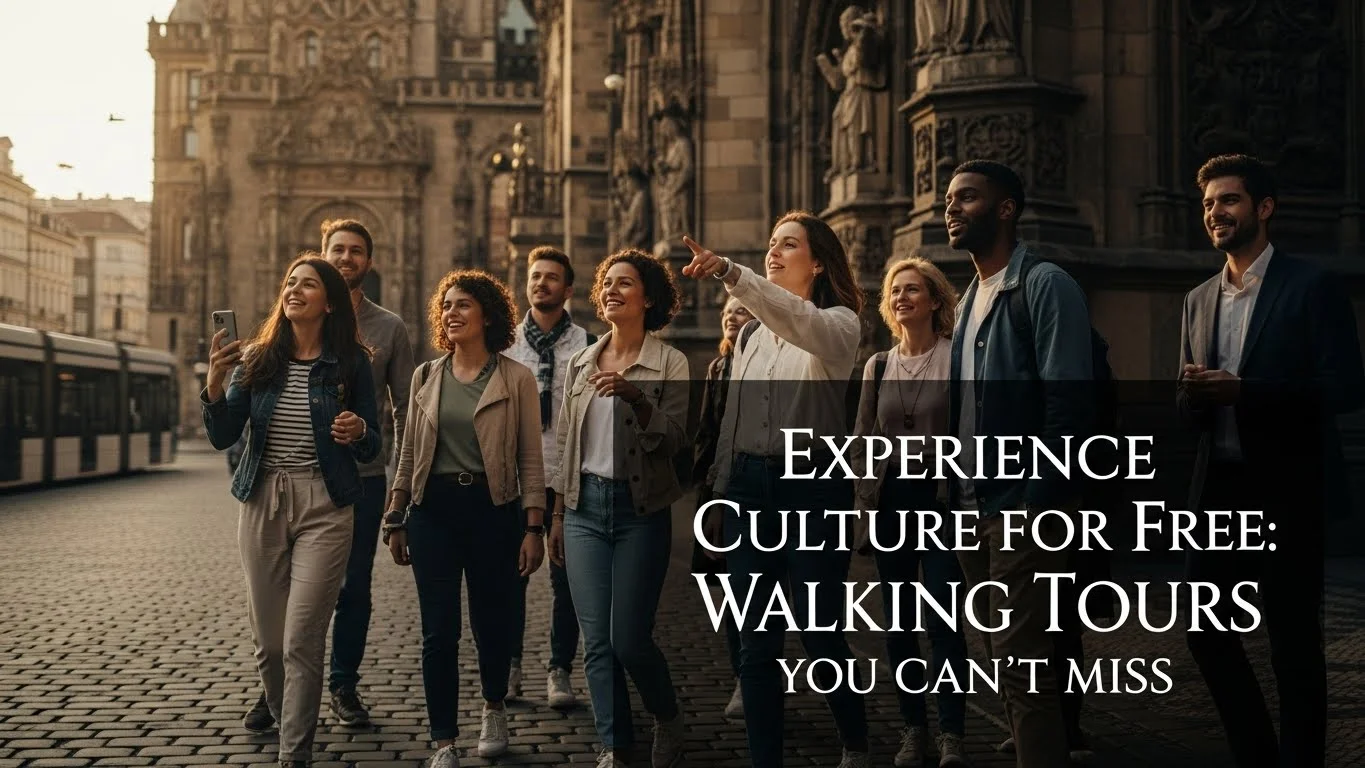
Experience Culture for Free: Walking Tours You Can’t Miss

Walking tours offer a unique way to immerse yourself in the local culture without spending a dime. Whether you’re a seasoned traveler or planning your first adventure, these experiences are unforgettable and enriching. For those looking to explore more options, I recommend checking out Budget Backpacking: The Best Free Walking Tours Worldwide.
Experience Culture for Free: Walking Tours You Can't Miss

Understanding Walking Tours: A Cultural Exploration

What are Walking Tours?

Walking tours are guided explorations of a city, where participants stroll through streets, neighborhoods, and parks while learning about the area’s history, culture, and hidden gems. I remember my first walking tour in a quaint European town; it was like peeling back layers of history with each step. These walks can be organized by professional guides or locals keen to share their knowledge and passion for their city. What’s beautiful about walking tours is that they can be tailored to various interests, from history to art to food. You get to see the city up close and personal, something that can be missed when zooming by in a car or bus.

Benefits of Walking Tours

There are countless benefits to joining a walking tour. One of the most significant advantages is the opportunity to get some exercise while sightseeing. I often find myself feeling energized after a few hours of walking, and it’s a great way to counteract that heavy lunch I just had. Additionally, walking tours encourage you to engage with your surroundings. You can stop to chat with locals, snap photos, or simply take a moment to appreciate the architecture around you. It’s a much more intimate way to experience a city than a fast-paced bus tour.

Another benefit is the social aspect. I’ve met so many incredible people during these tours, from fellow travelers to passionate guides. Sharing stories with others can turn a simple tour into a memorable experience. Plus, walking tours are often free or based on tips, making them accessible to everyone. This aspect of giving what you can creates a sense of community and mutual appreciation among participants. You can find more about this in Top Free Walking Tours: Uncover Hidden Gems in Your City.

How Walking Tours Enhance Cultural Experience

Walking tours are more than just a way to explore; they are a gateway to understanding a culture deeply. When I walked through the historic streets of a city, my guide didn’t just regurgitate facts; they shared stories that brought the past to life. I vividly remember standing in front of a centuries-old building, the guide passionately recounting tales of significant events that took place there. It truly felt like I was stepping into another time. This storytelling aspect is what makes walking tours special—they connect the dots between the past and present.

Moreover, local guides often share their personal stories and perspectives, giving a unique insight into the culture. During one tour, I learned about a local festival that celebrated the community’s heritage, and I was fortunate enough to witness it a few days later. It was a beautiful blend of the traditions I had just heard about and the vibrant energy of the people celebrating. This kind of cultural immersion is something I believe is hard to replicate in any other format.

In my experience, walking tours also encourage you to explore beyond the typical tourist spots. You might end up in a charming neighborhood brimming with local cafes or art galleries that wouldn’t usually make it onto a travel itinerary. This exploration often leads to discovering hidden treasures, like a small park with a stunning view or a mural that tells a story of the community. Every corner turned feels like a new adventure waiting to unfold.

Another factor to consider is how these tours can break down cultural barriers. When I’m wandering through a city, striking up conversations with locals becomes more natural. I’ve found that people are often eager to share their experiences and recommendations. This interaction not only enriches my understanding of the culture but also fosters a sense of connection, making the world feel a little smaller and more welcoming.

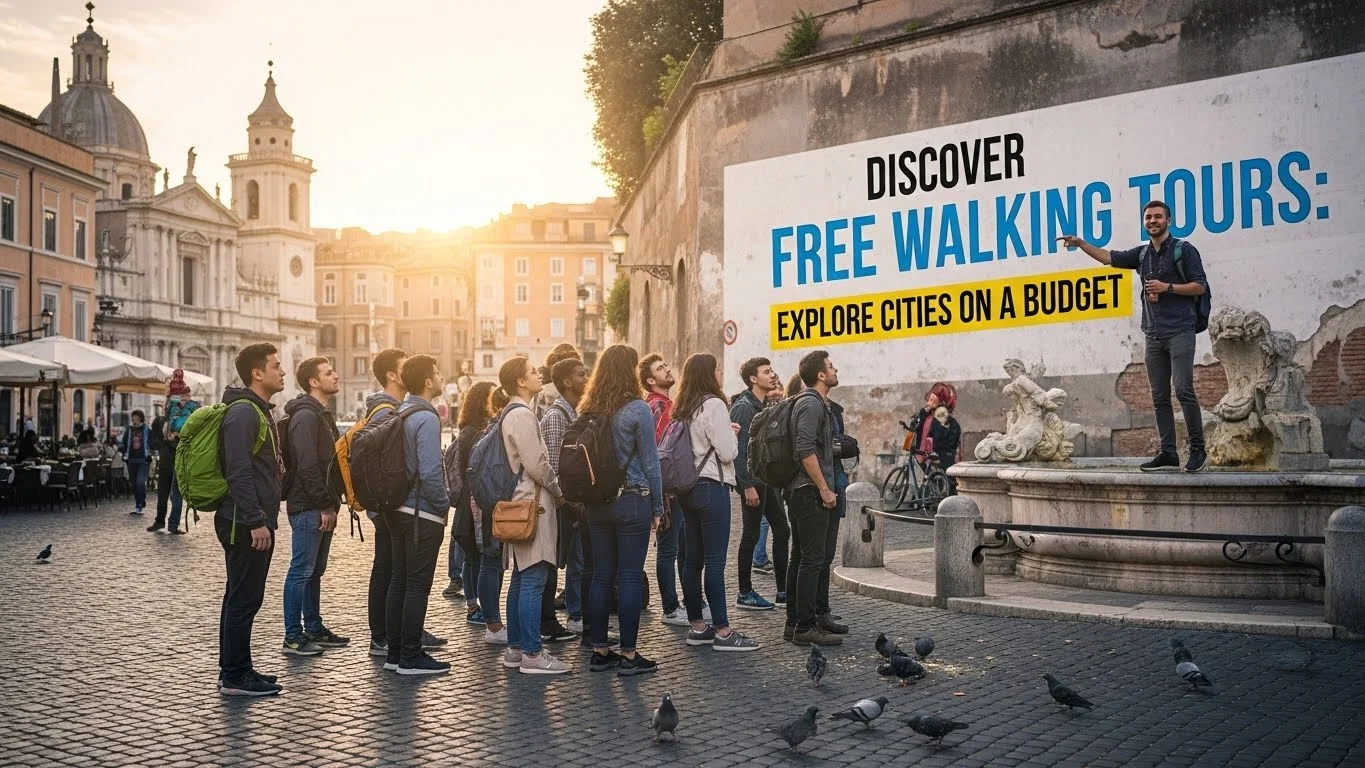
Ultimately, walking tours allow us to slow down and truly see a place for what it is. We can appreciate the nuances—the street art, the local sounds, the tantalizing smells wafting from nearby bakeries. For me, it’s about more than just checking off sights on a list; it’s about experiencing the essence of a city. So, if you haven’t yet, I highly recommend stepping out of your comfort zone and joining a walking tour. You might just find yourself falling in love with a city in ways you never expected. If you’re looking for a way to explore cities on a budget, check out Discover Free Walking Tours: Explore Cities on a Budget.

Top Cities for Free Walking Tours

New York City: Discover the Big Apple’s Hidden Gems

New York City is a place that seems to pulse with life and energy. When I first joined a free walking tour in Manhattan, I was blown away by how much I learned about the city. We wandered through neighborhoods like Greenwich Village and SoHo, where I was introduced to hidden gems that I might have otherwise overlooked. Our guide shared fascinating stories about the history of the buildings and the people who once walked those streets. For example, I had no idea that the iconic Washington Square Park was home to a vibrant bohemian culture in the 1960s! The experience felt like a treasure hunt, and I left with a new appreciation for the city.

London: Explore History on Foot

Walking through London is like stepping into a living history book. I remember being part of a walking tour that took us from the Tower of London to the bustling streets of Covent Garden. The guide, a passionate local, brought the history to life with tales of the city’s past, from the Great Fire to the swinging sixties. I was particularly struck by the juxtaposition of modern architecture alongside medieval buildings. It felt like every corner had a story to tell, and I found myself captivated by the city’s rich tapestry of history. Plus, I appreciated the opportunity to pause at each landmark and truly soak in the atmosphere.

Paris: The Artistic Soul of Europe

Paris has a certain magic that I believe can only be fully appreciated on foot. I joined a free walking tour that focused on the artistic heritage of the city, which was a delightful experience. We meandered through Montmartre, where I learned about the artists who once called this neighborhood home, like Picasso and Van Gogh. The charm of the cobblestone streets and the stunning views of the Sacré-Cœur brought the stories alive. I even found a small café where I could imagine these artists sketching and sipping coffee. This tour not only deepened my appreciation for the art but also for the culture that shaped Paris.

Barcelona: A Walk Through Modernisme

Barcelona, with its unique blend of Gothic and modern architecture, is a dream for anyone who appreciates design. I joined a walking tour that focused on Gaudí’s masterpieces, and it was nothing short of inspiring. As we strolled through the streets of the Eixample district, I marveled at buildings like Casa Batlló and La Pedrera. Our guide shared insights into Gaudí’s vision and the symbolism behind his work, which made each stop feel like a revelation. It was fascinating to learn how the city’s layout was designed to maximize light and space. This walking tour left me with a deeper understanding of how architecture can reflect culture and creativity.

Berlin: A Journey Through History

Berlin is a city steeped in history, and walking through its streets felt like walking through time. I participated in a free walking tour that covered significant sites from WWII to the Cold War. The guide was incredibly knowledgeable, sharing personal stories of life in Berlin during different eras. I remember standing at the Berlin Wall, feeling the weight of history in that moment. The tour was not just about the past; it also highlighted how the city is rebuilding and redefining itself today. This blend of history and modernity made my experience in Berlin unforgettable, reminding me that every city has layers waiting to be uncovered.

Must-See Attractions on Walking Tours

Iconic Landmarks and Their Stories

When on a walking tour, you often encounter iconic landmarks that carry rich histories. I found that learning their stories made them come alive in a way that just seeing them from a distance never could. For instance, during a tour in Rome, I stood before the Colosseum, listening to tales of gladiators and ancient spectacles. The guide’s vivid descriptions transported me back in time, and I could almost hear the roar of the crowd. These landmarks are more than just beautiful structures; they are testaments to the cultures that built them.

Local Neighborhoods to Experience

One of my favorite parts of walking tours is venturing into local neighborhoods that tourists often miss. During a walking tour in Lisbon, we explored Alfama, the oldest district in the city. The narrow, winding streets were lined with colorful houses and vibrant tiles. I enjoyed stopping by a local market where I tasted delicious pastéis de nata (custard tarts) fresh out of the oven. It felt like I was getting a true taste of Lisbon’s spirit, something I wouldn’t have experienced if I had stuck to the main tourist spots.

Public Art and Street Performances

Many cities are alive with public art and street performances, which can be best appreciated on foot. I remember walking through the streets of Melbourne, where every corner revealed stunning murals and talented buskers. One of the highlights was a street performer who captivated the crowd with a stunning juggling act. This interaction with the arts made me feel like part of the vibrant community, and I left with a sense of joy and inspiration. Walking tours often guide you to these artistic expressions, showcasing the local culture in a way that’s engaging and memorable.

Cultural Institutions and Historic Sites

Walking tours frequently include stops at cultural institutions and historic sites, providing a deeper understanding of the place. In Washington, D.C., I joined a tour that took us past important monuments and museums, where I learned about the stories behind each one. I remember being particularly moved by the Martin Luther King Jr. Memorial; standing there and reflecting on his legacy was a powerful moment. These tours often provide context that enriches your visit, making the cultural institutions feel more relevant and connected to the city’s history.

Types of Walking Tours You Can’t Miss

Historical Tours: Uncovering the Past

Historical walking tours are one of my favorite ways to connect with a city’s heritage. When I joined a historical tour in Athens, I was fascinated by how the guide intertwined myths and facts. We wandered through ancient ruins, and as I stood by the Parthenon, I felt a profound connection to the past. The guide painted vivid pictures of how life was thousands of years ago, sharing stories about gods, battles, and famous philosophers. I realized that these tours are more than just a stroll; they are a deep dive into the stories that shaped civilizations. Each landmark has a narrative waiting to be told, and I felt like a time traveler during that experience.

Food Tours: Tasting Local Cuisine

Food tours are another gem I can’t recommend enough. They allow you to experience the local culture through its flavors. During a recent food tour in Bangkok, we stopped at street vendors and local markets, tasting everything from spicy pad Thai to sweet mango sticky rice. I remember how the guide explained the origins of each dish, making every bite a lesson in Thai culinary traditions. What stood out to me was the community aspect; sharing food with others creates a bond that transcends language. I found myself connecting with fellow food lovers, swapping stories about our favorite meals. These tours are a feast for the senses and a delicious way to explore a city.

Street Art Tours: The Urban Canvas

If you enjoy art, I highly recommend joining a street art tour. I was fortunate to take one in Berlin, where the walls seemed to echo the city’s history and contemporary issues through vibrant murals. Our guide, an artist himself, shared insights about the artists and the messages behind their work. Each piece told a story, often reflecting the city’s evolution and struggles. I was particularly moved by a mural that depicted hope amidst adversity. Walking through those streets felt like being part of a living gallery, and I left with a newfound appreciation for urban art. It’s not just about beauty; it’s a powerful form of expression that connects us to the culture around us.

Nature and Parks Tours: Urban Green Spaces

For those who love the outdoors, nature and parks tours provide a refreshing break from the hustle and bustle of city life. I joined a walking tour in San Francisco that took us through the lush landscapes of Golden Gate Park. As we strolled, our guide pointed out various species of trees and flowers, sharing their significance in the local ecosystem. I enjoyed the peacefulness of the park, which contrasted beautifully with the busy city just beyond it. I learned how these green spaces are essential not just for nature but for our well-being too. Walking through a park can be a grounding experience, and it’s a great way to connect with both nature and fellow walkers.

Tips for Enjoying Free Walking Tours

What to Bring: Essential Items

When heading out on a walking tour, it’s important to bring a few essentials to enhance your experience. I always make sure to have a comfortable backpack with plenty of water to stay hydrated, especially during long tours. I also pack snacks, as the energy boost can be helpful when you’re on your feet for hours. A good camera or smartphone is a must for capturing those memorable moments, but I recommend being mindful of not getting too distracted by taking pictures. Finally, I always carry a small notebook—sometimes, jotting down notes can help me remember the fascinating stories I’ve heard during the tour.

Dress Code: Comfort Meets Style

Comfort is key when choosing what to wear on a walking tour. I’ve learned this the hard way after trying to look stylish in a new pair of shoes. I recommend wearing comfortable, broken-in shoes to avoid blisters. Dress in layers, as the weather can change throughout the day; a light jacket is always a good idea. I also opt for breathable fabrics, especially in warmer climates. While looking good is nice, I find that feeling comfortable allows me to fully enjoy the experience without distractions.

Group Dynamics: Navigating a Crowd

Being part of a group during a walking tour can be a wonderful experience, but it can also come with its challenges. I’ve been on tours where large groups made it hard to hear the guide or engage fully. I recommend arriving a bit early to secure a good spot near the front. It’s also helpful to introduce yourself to others in the group; making connections can enhance the experience. We all have different backgrounds and stories, and sharing them can turn a simple tour into a richer experience. If the group gets too large, don’t hesitate to ask the guide if they can help manage the pace or ensure everyone can hear the information clearly.

Respect Local Customs and Guidelines

Every city has its own customs and norms, and being respectful goes a long way during a walking tour. I remember being on a tour in Kyoto, where our guide emphasized the importance of quietness in certain areas to respect the local culture. It’s essential to listen to your guide and follow any guidelines provided. This respect extends to the locals we encounter as well. I’ve found that simply saying a polite hello or thank you can create a positive atmosphere. Being mindful of our surroundings not only enriches our experience but also fosters goodwill between visitors and residents.

Frequently Asked Questions

What are walking tours?

Walking tours are guided explorations of a city where participants stroll through streets, neighborhoods, and parks while learning about the area’s history, culture, and hidden gems. They can be organized by professional guides or locals eager to share their knowledge.

What are the benefits of joining a walking tour?

Walking tours provide exercise while sightseeing, encourage engagement with surroundings, offer social opportunities, and are often free or based on tips. This makes them accessible while fostering a sense of community among participants.

How do walking tours enhance cultural experiences?

Walking tours allow for deep cultural understanding through storytelling by local guides, encouraging exploration beyond typical tourist spots, and fostering connections with locals. This immersion creates a more enriching experience than traditional sightseeing methods.

What are some top cities known for free walking tours?

Some top cities for free walking tours include New York City, London, Paris, Barcelona, and Berlin, each offering unique historical and cultural explorations that can be appreciated on foot.

What types of attractions can you expect to see on walking tours?

Walking tours often include iconic landmarks with rich histories, local neighborhoods, public art, street performances, and cultural institutions. Each of these elements contributes to a deeper understanding of the city.

What types of walking tours should I consider?

Consider various types of walking tours such as historical tours, food tours, street art tours, and nature and parks tours. Each offers a unique perspective and experience related to the local culture and environment.

What should I bring on a walking tour?

Essential items for a walking tour include a comfortable backpack with water, snacks, a good camera or smartphone for photos, and a small notebook for jotting down notes and stories from the tour.

What should I wear on a walking tour?

Wear comfortable shoes to avoid blisters, dress in layers for changing weather, and choose breathable fabrics, especially in warmer climates. Comfort is key to fully enjoying the experience.

How can I navigate group dynamics during a walking tour?

To enhance your experience in a group, arrive early to secure a good spot near the front, introduce yourself to others, and engage with fellow participants. If the group is too large, you can ask the guide for assistance in managing the pace or ensuring everyone can hear.

Why is it important to respect local customs during walking tours?

Respecting local customs and guidelines enriches the experience and fosters goodwill between visitors and residents. Listening to your guide and being mindful of your surroundings can create a positive atmosphere during the tour.
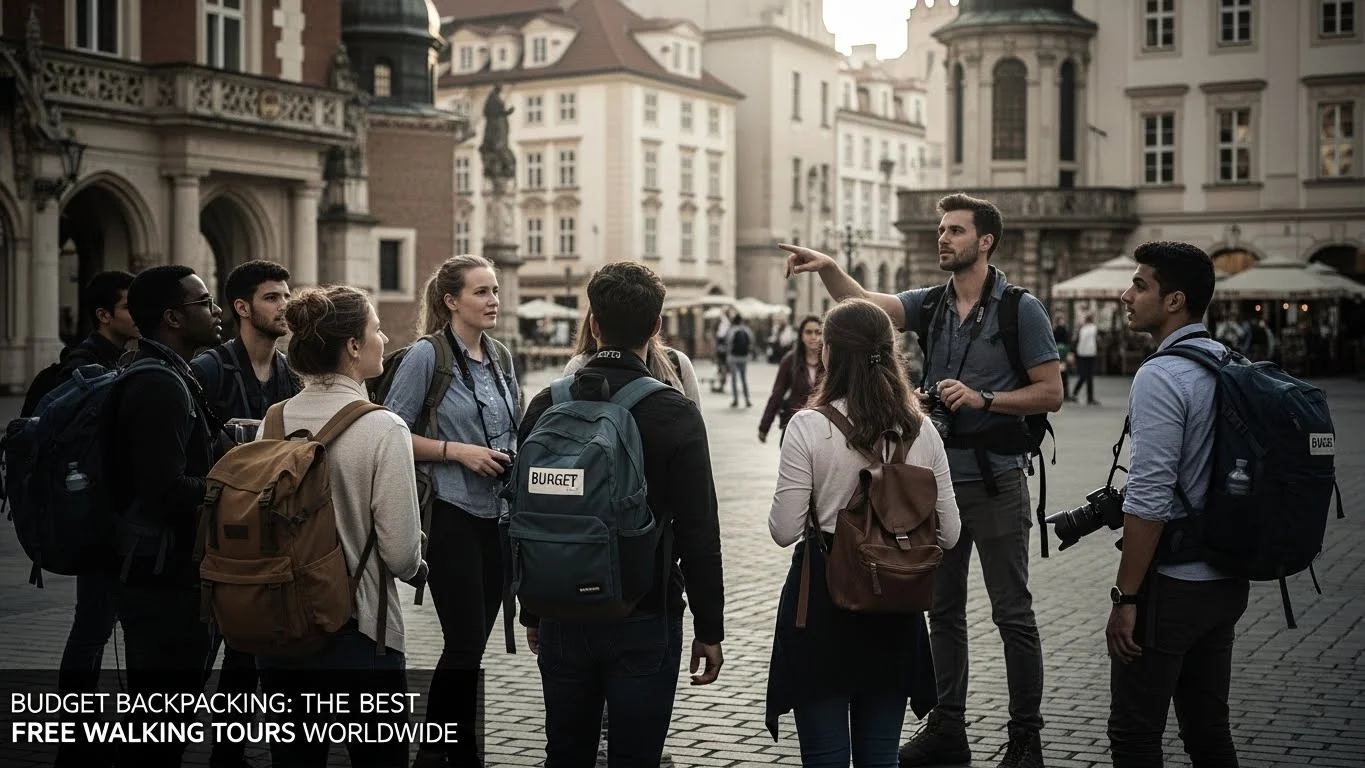
Budget Backpacking: The Best Free Walking Tours Worldwide

Backpacking on a budget opens up a world of adventure and exploration without breaking the bank. One of the best ways to experience a city’s culture and history is through free walking tours!

Budget Backpacking: The Best Free Walking Tours Worldwide

Understanding Budget Backpacking

What is Budget Backpacking?

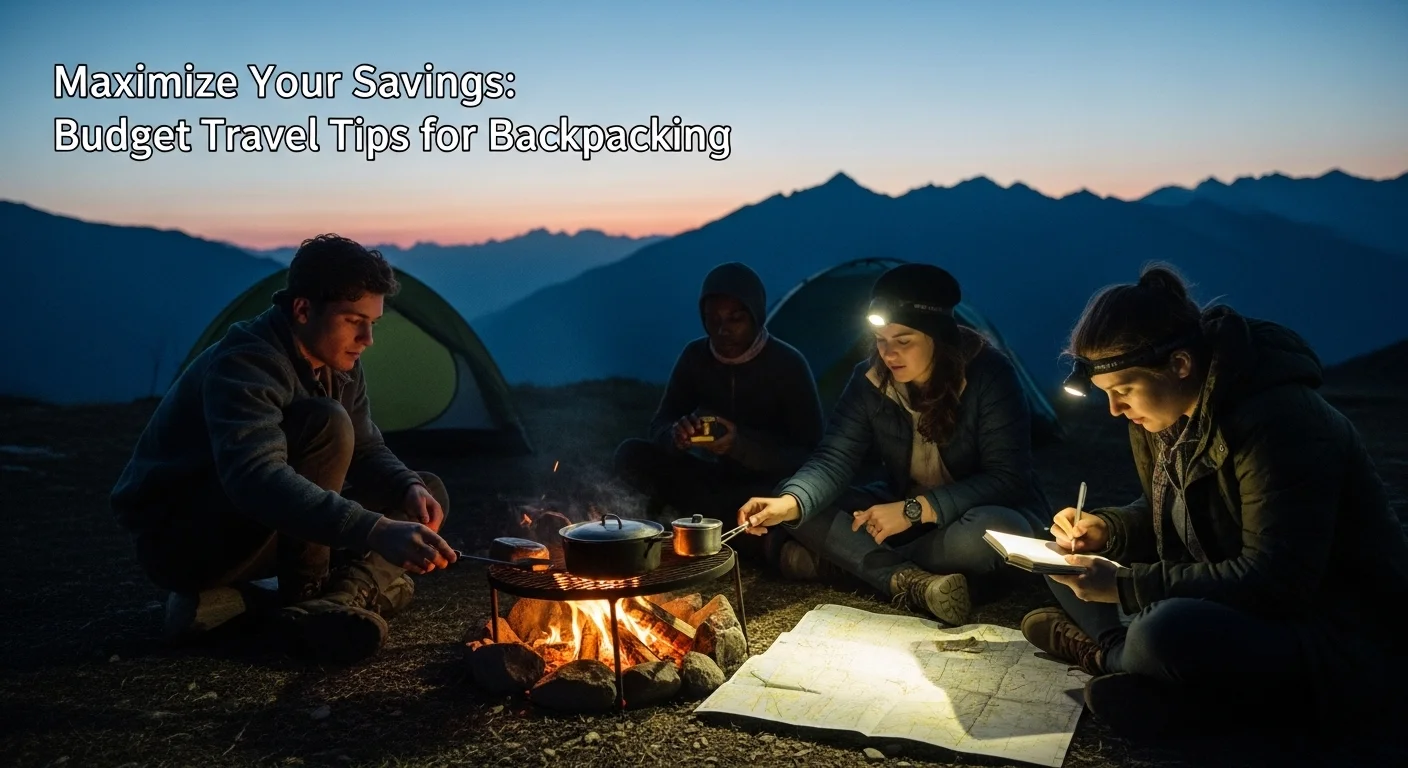
Budget backpacking is all about exploring destinations while keeping expenses as low as possible. I remember when I first started backpacking; my goal was to see as much as I could without spending more than I had to. It involves choosing affordable accommodations, eating local street food, and seeking out free or low-cost activities. This approach allows us to immerse ourselves in different cultures, meet fellow travelers, and create unforgettable memories without blowing our savings.

Benefits of Budget Backpacking

There are countless benefits to budget backpacking that I’ve discovered over the years. For one, it encourages creativity and resourcefulness. I often found myself seeking out local tips, discovering hidden gems, and making friends along the way. Plus, there’s something incredibly rewarding about navigating a foreign city on a tight budget. We learn to appreciate the small things, like a stunning sunset or a cozy café that we stumbled upon.

Another significant advantage of this style of travel is that it opens doors to new experiences. You can prioritize your interests, whether that’s hiking in nature, exploring museums, or, in my case, joining free walking tours to learn about the city’s history. Traveling on a budget often leads to spontaneous adventures that I wouldn’t have planned if I had a strict itinerary.

Essential Gear for Backpacking

Over time, I’ve come to realize that having the right gear can make all the difference in a successful backpacking trip. Here are some essentials that I always recommend:

  • Backpack: A good-quality backpack that fits your body type is crucial. I once had a backpack that was too big for me, and it became a pain to carry around all day.
  • Comfortable Clothing: Layers are key. I usually pack a mix of lightweight, breathable fabrics that can be layered for different weather conditions.
  • Footwear: A sturdy pair of walking shoes is a must. Trust me, your feet will thank you after a long day of walking.
  • Travel Guide: While I love exploring spontaneously, having a guidebook or an offline map can be a lifesaver in unfamiliar places.
  • Water Bottle: Staying hydrated is essential, and I always bring a refillable water bottle to save money and reduce waste.

These basics have supported me through various adventures, ensuring I stay comfortable while exploring new places.

Overview of Free Walking Tours

What are Free Walking Tours?

Free walking tours are guided tours that allow participants to explore a city while learning about its history, culture, and local secrets. The key word here is “free,” which means you can join without any upfront cost. I love the concept! Typically, at the end of the tour, you’re encouraged to tip the guide based on your satisfaction and what you can afford. This unique model supports local guides and enhances the experience for everyone involved.

How Do Free Walking Tours Work?

When I first joined a free walking tour, I was a bit unsure of what to expect. The process is pretty straightforward. You typically meet at a designated location, often a popular landmark or square, where a guide will introduce themselves and outline the tour route. I found that most tours last around two to three hours, covering significant sites and local anecdotes. It’s a great way to get a feel for the city right after arriving.

Most importantly, every guide has their unique style and flair. Some focus on the historical aspects, while others emphasize the local culture, food, or even ghost stories! I’ve loved each tour I’ve taken for the diverse perspectives and engaging storytelling. It helps to keep an open mind and ask questions—guides are usually more than happy to share their insights.

Benefits of Joining Free Walking Tours

The benefits of these tours are numerous. For starters, they offer a fantastic way to meet fellow travelers. I’ve bonded with people from all over the world during these experiences, sharing laughs and stories. Additionally, free walking tours provide a local’s viewpoint, which I value immensely. Learning about a city from someone who lives there adds depth to my understanding and appreciation of the place.

Another major benefit is the flexibility they offer. Since many tours happen daily, it’s easy to fit one into your schedule. I often use free walking tours as a way to kickstart my exploration, allowing me to decide which areas I want to explore further afterward.

In essence, free walking tours have become a staple in my travel routine, enriching my understanding of each destination I visit and connecting me with like-minded adventurers. If you’re interested in discovering more about these experiences, check out Top Free Walking Tours: Uncover Hidden Gems in Your City.

Top Destinations for Free Walking Tours

Europe

Barcelona, Spain

Barcelona is one of my all-time favorite cities for free walking tours. The vibrant streets, rich history, and stunning architecture make it a fantastic place to explore on foot. I remember joining a tour that took us through the Gothic Quarter, where our guide shared stories about the city’s medieval past. We wandered through narrow alleys, admired breathtaking cathedrals, and learned about the famous artist Antoni Gaudí. I loved how the guide encouraged us to ask questions, making the experience even more interactive.

Berlin, Germany

Berlin is a city steeped in history, and there are plenty of free walking tours that focus on its complex past. I participated in a tour that covered significant sites like the Berlin Wall and Brandenburg Gate. The guide was not only knowledgeable but also passionate about the city’s history. I found it fascinating to hear personal anecdotes that brought the history to life, making me feel more connected to the events that shaped modern Germany.

Prague, Czech Republic

In Prague, free walking tours provide a perfect introduction to the city’s enchanting charm. The cobblestone streets and historical buildings set a picturesque backdrop for any tour. I joined a walking tour that focused on the Old Town, and the guide’s storytelling made the history of the Astronomical Clock and Charles Bridge come alive. I particularly enjoyed learning about local legends and folklore, which added an extra layer of intrigue to my visit.

Asia

Bangkok, Thailand

Bangkok can be overwhelming with its bustling streets and vibrant markets, but a free walking tour can help you navigate this lively city. I remember joining a group that explored the old quarter, visiting temples and sampling delicious street food along the way. Our guide was a local who shared insights about Thai culture and traditions. It was an eye-opening experience that helped me appreciate the city beyond its touristy attractions.

Kyoto, Japan

Kyoto is a city rich in history, and the free walking tours here are a fantastic way to immerse yourself in its culture. I loved joining a tour that focused on the traditional tea houses and historic temples. The serene beauty of the gardens and the stories behind each location made me feel like I had stepped back in time. The guides are often locals who are eager to share their love for the city, making each tour unique and special.

Hanoi, Vietnam

Hanoi’s chaotic streets are best explored on foot, and free walking tours are the perfect way to do so. I participated in a tour that took us through the Old Quarter, where we learned about the French colonial architecture and sampled local delicacies. The guide was incredibly friendly and enthusiastic, which made the experience enjoyable. I particularly appreciated the chance to interact with local vendors and hear their stories, giving me a deeper understanding of daily life in Hanoi.

North America

New York City, USA

New York City offers a plethora of free walking tours that cater to various interests. I remember joining a tour that explored the history of Central Park. The guide shared fascinating anecdotes about the park’s construction and the designers behind it. The sights were incredible, and I found myself taking countless photos. It was a fantastic way to appreciate the city’s history while enjoying the beauty of one of its most iconic landmarks.

Vancouver, Canada

Vancouver is a stunning city surrounded by mountains and water, and free walking tours highlight its natural beauty and cultural diversity. On one tour, we explored Gastown, the city’s oldest neighborhood. Our guide shared stories about the early settlers and the city’s development. I was particularly impressed by the blend of nature and urban life, and the tour gave me a new perspective on Vancouver’s unique character.

South America

Buenos Aires, Argentina

Buenos Aires is famous for its rich culture and tango, and free walking tours are an excellent way to experience this vibrant city. I joined a tour that focused on the San Telmo neighborhood, known for its historic buildings and lively markets. The guide was passionate about showcasing local art and music, which made the experience truly immersive. I felt like I had discovered the heart of Buenos Aires through the eyes of a local.

Lima, Peru

Lima’s free walking tours provide a fantastic overview of its history and culinary scene. I remember taking a tour that highlighted the historic center, where our guide explained the significance of various landmarks. We also had the chance to try some local snacks along the way, which was a delicious bonus! The blend of history and gastronomy made for an unforgettable day of exploration.

Africa

Cape Town, South Africa

Cape Town is breathtaking, and free walking tours allow travelers to explore its stunning landscapes and rich history. I once took a tour that focused on the Bo-Kaap neighborhood, known for its colorful houses and Cape Malay culture. The guide shared fascinating stories about the area’s heritage, and I loved learning about the local cuisine. It was a great way to connect with the community and understand the cultural tapestry that makes Cape Town so unique.

Marrakech, Morocco

Marrakech is a city that dazzles the senses, and free walking tours help you navigate its bustling markets and historical sites. I experienced a fantastic tour that introduced us to the medina, where the guide shared insights into traditional Moroccan life. The vibrant colors, sounds, and smells of the souks were enchanting. I appreciated how the guide encouraged us to interact with local artisans, deepening my appreciation for the craftsmanship involved in their work.

How to Find Free Walking Tours

Online Resources and Websites

Finding free walking tours has become so simple with the internet at our fingertips. I often start my search on popular travel websites or platforms dedicated to tours, like GetYourGuide or FreeTour.com. These sites list various walking tours available in countless cities around the world. I love how they provide ratings and reviews from other travelers, which helps me choose a tour that fits my interests. Plus, it’s comforting to know that I’m not the only one who appreciates a good story about the places I visit!

Social media can also be a goldmine. Instagram and Facebook groups often highlight local guides offering free tours. I’ve even found local travel influencers who share their experiences and suggestions for free walking tours. It really feels like a community looking out for each other, and I’ve discovered some fantastic tours this way!

Local Tourist Information Centers

Whenever I arrive in a new city, I make it a point to stop by the local tourist information center. These centers are incredibly helpful and often have brochures or flyers for free walking tours available in the area. I remember walking into one in Florence, Italy, and being greeted by friendly staff who not only provided me with a map but also highlighted several free walking tours I could join that week. They even suggested the best times to go to avoid the crowds!

Talking to locals at these centers is a great way to gain insights about the tours, too. They can recommend specific guides based on their experiences, which can lead to a more enjoyable time. After all, nothing beats a recommendation from someone who knows the city inside and out!

Apps for Travelers

In this digital age, I can’t overlook the convenience of travel apps. There are several apps designed specifically for travelers that list free walking tours. One of my favorites is “Civitatis,” which allows you to search for tours based on your location and preferences. I’ve used it in several cities, and it has yet to let me down!

Another app worth mentioning is “Meetup.” This platform helps people with similar interests connect, and I’ve found walking tours listed there as well. I love the idea of joining a group of like-minded travelers, and it often leads to some great friendships along the way.

Using these tools not only saves time but also enhances my overall travel experience. They help me find unique opportunities to explore a city in ways I might not have considered otherwise.

What to Expect on a Free Walking Tour

Typical Itinerary and Duration

When I join a free walking tour, I usually know to expect a mix of history, culture, and fun! Most tours last about two to three hours, which I find to be just the right amount of time to get a good feel for the city without feeling rushed. During these tours, I’ve seen everything from iconic landmarks to hidden spots that I would never have discovered on my own.

Typically, the itinerary includes several major sites, along with a few lesser-known gems. I remember the thrilling feeling of discovering a quaint little café or a street artist performing in a hidden alley while on these tours. It’s like getting a mini-adventure packed into a few hours!

Common Themes and Focus

One of the things I appreciate most about free walking tours is their diversity in themes. Whether you’re interested in history, food, or even ghost stories, there’s usually a tour that fits your interests. I’ve taken tours that focused on art, architecture, and even local legends. Each guide brings their unique perspective and storytelling style, making every tour a new experience.

I fondly recall a food-focused walking tour in Lisbon where we sampled local pastries and learned about the significance of each dish. It felt more like a culinary adventure than a traditional tour, and my taste buds were thrilled!

Interaction with Tour Guides

The best part of free walking tours, for me, has always been the interaction with the guides. They’re often passionate locals eager to share their knowledge and love for their city. I’ve found that asking questions and engaging in discussions makes the experience even more enriching. During one tour in Amsterdam, the guide invited us to share our travel stories, which sparked conversations and connections among the group.

Most guides are also open to recommendations on places to visit after the tour. I’ve often walked away with a list of suggestions that have led me to amazing experiences during my travels. The personal touch that comes with these tours has added a layer of depth to my adventures that I truly cherish.

Frequently Asked Questions

What is budget backpacking?

Budget backpacking is about exploring destinations while keeping expenses as low as possible. It involves choosing affordable accommodations, eating local street food, and seeking out free or low-cost activities to immerse oneself in different cultures and create memorable experiences.

What are the benefits of budget backpacking?

Budget backpacking encourages creativity and resourcefulness, allows for spontaneous adventures, and helps travelers appreciate the small things. It also opens doors to new experiences and connections with fellow travelers.

What essential gear is recommended for backpacking?

Essential gear for backpacking includes a good-quality backpack, comfortable clothing in layers, sturdy walking shoes, a travel guide or offline map, and a refillable water bottle to stay hydrated and save money.

What are free walking tours?

Free walking tours are guided tours that allow participants to explore a city while learning about its history, culture, and local secrets, typically without any upfront cost. Participants are encouraged to tip the guide based on satisfaction.

How do free walking tours work?

Participants meet at a designated location where a guide introduces themselves and outlines the tour route. Most tours last around two to three hours, covering significant sites and local anecdotes, with each guide bringing their unique style to the experience.

What are the benefits of joining free walking tours?

Free walking tours provide a way to meet fellow travelers, offer a local’s viewpoint, and allow for flexibility in scheduling. They also enhance the understanding of a destination and often lead to further exploration of specific areas.

Where are some top destinations for free walking tours?

Top destinations for free walking tours include Barcelona, Berlin, and Prague in Europe; Bangkok, Kyoto, and Hanoi in Asia; New York City and Vancouver in North America; Buenos Aires and Lima in South America; and Cape Town and Marrakech in Africa.

How can you find free walking tours?

Free walking tours can be found through online resources and websites like GetYourGuide or FreeTour.com, local tourist information centers, and travel apps designed for travelers, such as Civitatis and Meetup.

What can you expect on a free walking tour?

On a free walking tour, expect a mix of history, culture, and fun, typically lasting two to three hours. The itinerary usually includes major sites as well as hidden gems, with diverse themes focused on interests like food, history, or ghost stories.

How do tour guides interact with participants during free walking tours?

Tour guides are often passionate locals eager to share their knowledge. Engaging with them by asking questions and discussing travel experiences enriches the tour, and they usually provide recommendations for places to visit afterward.

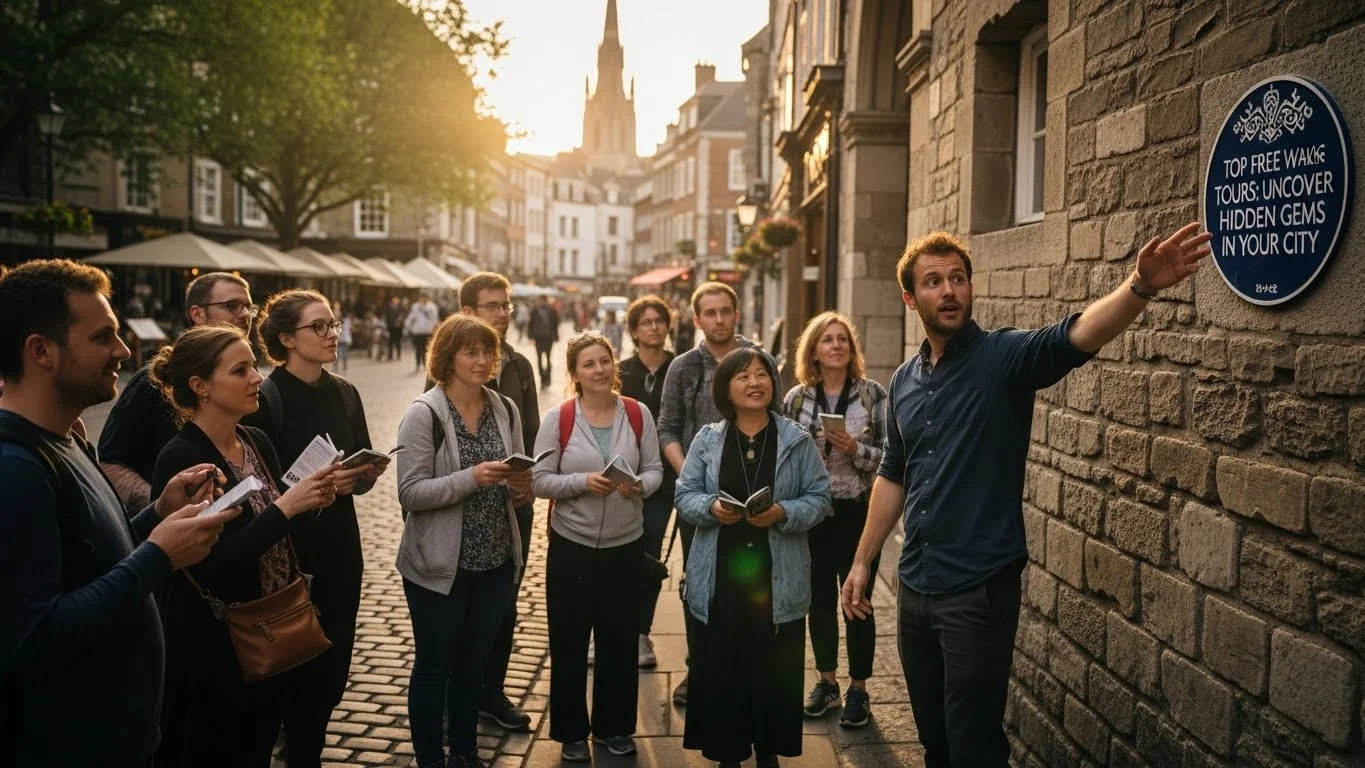
Top Free Walking Tours: Uncover Hidden Gems in Your City

Walking through a city can be like opening a treasure chest filled with stories, history, and hidden gems. Free walking tours are a fantastic way to explore urban landscapes, connect with locals, and experience the heart of a place. Read Interesting article: Discover Free Walking Tours: Explore Cities on a Budget

Top Free Walking Tours: Uncover Hidden Gems in Your City

Introduction to Free Walking Tours

What is a Free Walking Tour?

When I first heard about free walking tours, I was intrigued. The idea of exploring a city alongside a knowledgeable guide, without a set price, seemed almost too good to be true. Essentially, these tours are guided walks where participants are encouraged to give tips based on their experience. It’s a pay-what-you-want model that allows anyone to join, regardless of their budget. The tours often cover various aspects of a city, from its historical landmarks to quirky local anecdotes, providing a rich tapestry of information in a short amount of time.

Benefits of Joining Free Walking Tours

One of my favorite parts about free walking tours is the sense of community they foster. I remember joining a tour in a city where I knew no one. The guide was incredibly friendly and made a point to introduce us to each other. By the end, I felt connected not just to the city, but also to my fellow travelers. These tours often highlight the local culture, showcasing lesser-known sites that typical tourist traps overlook. Plus, the guides are usually passionate locals who share their personal stories and insights, making the experience feel authentic and immersive.

Another significant benefit is flexibility. I’ve found that many free walking tours operate on a ‘tip what you can’ basis, which means I can choose how much to give based on the quality of the experience. This made it easier for me to explore more cities during my travels without breaking the bank. Furthermore, if I ever wanted to revisit a specific area, the guides often share additional recommendations that I could explore on my own afterward. Budget Backpacking: Best Free Experiences to Enjoy can provide even more insights into exploring cities on a budget.

How Do Free Walking Tours Work?

Participating in a free walking tour is simple and straightforward. First, you find a tour that interests you. Most cities have several options, and you can usually book a spot online or just show up at the designated meeting point. I’ve noticed that many tours begin in popular squares or tourist information centers, making them easy to locate.

Once you gather with your group, your guide will introduce themselves and give you a brief overview of the tour. It typically lasts about two to three hours, depending on the city and the route. During the walk, the guide will share stories, point out interesting landmarks, and sometimes include fun facts or local legends that bring the city to life. I particularly enjoy these tidbits; they often inspire me to dig deeper into the culture and history of the place.

As the tour progresses, you might visit several neighborhoods, parks, and hidden spots that are off the beaten path. I remember wandering through a small alleyway in Lisbon that I would have never discovered on my own, thanks to a guide who took us there. This is where I tasted my first pastel de nata, a delicious Portuguese custard tart, which is a memory I cherish.

At the end of the tour, it’s customary to tip your guide. I always find it rewarding to express my gratitude for their time and knowledge, and it feels good to support someone who is passionate about sharing their city. The amount can vary, but I usually gauge it based on how much I enjoyed the experience. It’s a win-win situation!

In my experience, free walking tours are an incredible way to soak up the local culture while meeting new people. They allow you to explore a city at your own pace, without the pressure of a hefty price tag. Whether you’re a solo traveler, a couple, or a family, these tours can cater to everyone. I’ve found that they not only enhance my travel experience but also deepen my understanding of the places I visit. There’s something special about wandering through a city with an open heart and mind, guided by someone who loves sharing their home.

Finding Free Walking Tours in Your City

Popular Platforms for Locating Tours

When I’m on the hunt for free walking tours, I usually start online. There are several platforms that have become my go-to resources. Websites like Free Tour and ToursByLocals are amazing for discovering local tours in various cities around the world. I love how they organize the listings by city, type of tour, and even by popularity. Not only do these platforms provide basic information about each tour, but they also include reviews from fellow travelers, which helps me gauge what to expect. I remember using one of these sites to find a fantastic tour in Prague, and the reviews really guided my decision.

Local Tourism Offices and Websites

Another excellent resource is the local tourism office. I can’t stress enough the value of stopping by or checking out their website. They often have up-to-date information on free walking tours and sometimes even host their own. I’ve wandered into tourism offices in cities like Rome and Paris, where the staff were eager to share recommendations. They often know about special events or seasonal tours, which I found particularly helpful. Plus, they can provide maps and brochures that can enhance your experience beyond just the tour itself.

Social Media and Travel Forums

Social media can be a treasure trove for finding walking tours! I’ve stumbled upon fantastic recommendations through Instagram and Facebook groups dedicated to travel. Just searching for hashtags like #FreeWalkingTour or checking out local travel communities can lead to exciting discoveries. I remember joining a Facebook group for travelers in Barcelona, and a member shared an upcoming walking tour that included a street art segment. That was one of the highlights of my trip! Also, platforms like Reddit have threads where travelers share their experiences and tips about walking tours, which I find super valuable. Travel Smart: Discover Free Events and Activities can also help you find other enjoyable experiences in your destination.

Top Cities for Free Walking Tours

New York City

Must-See Neighborhoods

New York City is a vibrant tapestry of cultures, and its free walking tours reflect that diversity. On my last visit, I chose to explore neighborhoods like Greenwich Village and Harlem. The guides not only shared fascinating stories but also personal anecdotes that brought each area to life. In Greenwich Village, I learned about the rich history of the Beat Generation and the role the neighborhood played in the civil rights movement. It was eye-opening and made me appreciate the city even more.

Unique Historical Insights

One of the most engaging aspects of New York’s free walking tours is the blend of historical facts with modern-day culture. I remember a tour that focused on the Lower East Side, where we delved into the immigrant history of the area. The guide took us to places that had once been bustling with activity and shared personal stories from residents who lived there. It was a stunning reminder of how history shapes the vibrant city we see today.

San Francisco

Iconic Landmarks

San Francisco is another city that offers fantastic free walking tours, especially around iconic landmarks like the Golden Gate Bridge and Fisherman’s Wharf. I remember joining a tour that started in the Marina District and ended at the bridge, allowing us to soak in stunning views while learning about the city’s history. The guide shared tales about the 1906 earthquake and its impact on the city’s architecture, making the experience both educational and memorable.

Hidden Gems in the Mission District

The Mission District, known for its vibrant murals and food scene, is also a great spot for free walking tours. I was blown away by the hidden gems tucked away in this neighborhood. The tour I joined took us down alleyways adorned with street art, and I learned about the artists and the messages behind their work. Plus, we stopped for a delicious taco at a local spot, which was the cherry on top of an already amazing experience!

London

Historic Sites and Royal History

London is steeped in royal history and iconic landmarks, and the free walking tours there are plentiful. I remember walking through Westminster, where the guide shared stories about the monarchy and the history of places like Buckingham Palace and Westminster Abbey. It was incredible to walk the same streets where history unfolded, and the guide’s anecdotes made the sites feel even more alive.

Exploring Lesser-Known Areas

Besides the tourist hotspots, I also enjoyed a tour in East London, which introduced me to a different side of the city. The guide took us to markets, vintage shops, and community spaces that reflect London’s diverse culture. That experience opened my eyes to the creative pulse of the city, and I left with a newfound appreciation for the local art scene.

Berlin

Culture and Street Art

Berlin’s free walking tours are a fantastic way to explore the city’s dynamic culture and rich history. The last time I was there, I joined a tour focused on street art. It was fascinating to learn about the artists and their messages while wandering through various neighborhoods like Kreuzberg. I felt like I was part of a living canvas, experiencing the city in a way that was both artistic and historical.

Rich History of the Berlin Wall

Another tour I loved was focused on the Berlin Wall. The guide shared powerful stories about the city’s division and the lives affected by it. Standing at the East Side Gallery, I felt a deep connection to the past, and the guide’s passion made the history resonate even more. This tour was an emotional reminder of the importance of freedom and unity.

Barcelona

Architectural Marvels

Barcelona is famous for its stunning architecture, and the free walking tours there highlight this beautifully. I joined a tour that took us through the works of Antoni Gaudí, including the breathtaking Sagrada Família. The guide shared not just facts about the buildings but also the stories behind Gaudí’s vision and the cultural significance of his work. It was a truly inspiring experience.

Local Culture in El Raval

Exploring the El Raval neighborhood was another highlight of my trip. This vibrant area is packed with local culture and history. The tour guide introduced us to local businesses, art studios, and the community’s efforts to preserve its heritage. I felt a strong sense of community and was glad to learn about the local initiatives to support small businesses and artists. Each walking tour I’ve done in Barcelona left me with new insights and a deeper appreciation for the city’s unique charm.

What to Expect on a Free Walking Tour

Typical Itinerary Structure

Free walking tours usually follow a structured itinerary, although there is often flexibility based on the interests of the group. I’ve noticed that most tours begin with an overview of the area and then move into specific neighborhoods. This structure helps ensure that the guide can cover key highlights while also allowing for spontaneous storytelling when something interesting pops up. It’s a nice touch that keeps the experience engaging.

Duration of Tours

Typically, free walking tours last between two to three hours. I appreciate this timeframe because it’s enough to absorb a lot of information without feeling overwhelmed. I find it’s the perfect balance—long enough to see several sights, but not so long that it feels like a marathon. I’ve often found myself wishing for just a bit more time at certain spots, but that’s part of the adventure!

Group Size and Interaction

Group sizes can vary, but I’ve experienced tours with anywhere from a handful to several dozen participants. Smaller groups often allow for more interaction, which I enjoy. I’ve had guides encourage questions and discussions, making the experience feel more personal. On the bigger tours, while it can be harder to ask questions, I still felt a sense of camaraderie with fellow travelers as we explored together. Regardless of the group size, I always come away with new friends and shared stories.

Tips for Maximizing Your Walking Tour Experience

Choosing the Right Tour for You

Choosing the right walking tour can really make a difference in your experience. I’ve learned to consider what I want to get out of it. For example, if I’m interested in history, I look for tours that highlight historical sites and stories. On the other hand, if I’m in the mood for art, I search for tours that focus on street art or local galleries. Platforms like Free Tour and ToursByLocals often have descriptions that help narrow down my choices. I remember one trip where I wanted to dive into local cuisine, so I opted for a food-themed walking tour. It turned out to be a highlight of my journey, filled with delicious tastings and fascinating insights into the city’s culinary culture.

What to Bring Along

It’s surprising how much of a difference the right gear can make on a walking tour. I’ve always found it helpful to wear comfortable shoes because you’ll be doing quite a bit of walking. I usually opt for sneakers or cushioned sandals. Additionally, bringing a reusable water bottle is key to staying hydrated, especially on warm days. I also like carrying a small backpack where I can store snacks, a light jacket, and my camera. I’ve missed some great photo opportunities because I didn’t have my camera ready! Lastly, I always check the weather before heading out. If rain is in the forecast, a light poncho can save the day.

How to Engage with Your Guide

Engaging with your guide can truly enhance your experience. I’ve found that the more I interact, the more I learn. I try to ask questions, share my own experiences, and express my interest in certain topics. Most guides love to share additional stories or recommendations when they see you’re genuinely interested. I remember one guide in Berlin who noticed my enthusiasm for street art and ended up taking us to a hidden mural that wasn’t on the tour. It felt like a special little secret just for our group! So, don’t hesitate to chat with your guide; they’re there to bring the city to life and appreciate when you show interest.

Understanding the Payment Model

How Tips Work on Free Walking Tours

The tipping model can be a bit confusing if you’re not familiar with it. It’s important to remember that even though the tour is labeled as “free,” the guides rely on tips for their income. From my experience, I’ve found that guides appreciate when you tip based on the quality of the experience. I usually carry some cash with me, just in case. When the tour wraps up, I assess how much I enjoyed the tour and tip accordingly. It’s a great way to show appreciation for their efforts. I’ve noticed that when I tip well, it often leads to deeper conversations, as the guides feel more comfortable sharing their personal stories and insights.

Suggested Tip Amounts

Determining how much to tip can vary depending on the city and the experience. In my travels, I’ve seen a common guideline of around $10-20 per person for a two to three-hour tour, but it really depends on your budget and how much you enjoyed the tour. In larger cities, like New York or London, I tend to tip a bit more given the higher cost of living. I remember a fantastic tour in Paris where the guide was particularly engaging, and I decided to tip $20. It felt good to reward that enthusiasm and expertise! Ultimately, it’s about what feels right for you; there’s no strict rule.

Supporting Local Guides and Community Initiatives

Tipping is not only about compensation; it’s also a way to support local guides and their initiatives. Many of these guides are passionate about their cities and work hard to provide insightful experiences. I’ve met guides who use their tips to support local charities or community projects, which adds another layer of connection to the experience. Knowing that my tip contributes to something bigger makes me feel good about participating in these tours. Next time you’re on a walking tour, remember that your contribution can help sustain the guide’s livelihood and support local causes.

Safety and Etiquette on Walking Tours

Staying Safe in Crowded Areas

While walking tours are generally safe, it’s wise to stay aware of your surroundings, especially in crowded places. I’ve learned to keep my belongings close and be mindful of pickpockets, particularly in tourist-heavy areas. If I’m in a busy market or square, I make sure my bag is zipped up and positioned in front of me. I also try to stick close to the group so I don’t get separated from the guide and fellow participants. It’s all about being smart and enjoying the experience without unnecessary worry.

Respecting Local Culture and Customs

Every city has its own cultural norms, and I’ve found it’s essential to respect these during walking tours. Before heading out, I usually do a quick research about local customs or behaviors I should be aware of. For example, in some cultures, it’s important to dress modestly or remove shoes before entering certain areas. During my time in Asia, I made sure to be respectful in temples and other sacred sites I visited. This not only shows respect but also enhances the overall experience, making me feel more connected to the places I visit.

Following Your Guide’s Instructions

Lastly, I’ve learned that following your guide’s instructions can greatly enhance the tour experience. They know the best routes, how to navigate crowds, and often have tips to ensure everyone gets the most out of the tour. I remember a guide in Barcelona who suggested we stay close together to hear his stories better. By listening, I was able to absorb so much more from the experience. Plus, it helps foster a sense of camaraderie within the group!

Reviews and Recommendations

Reading Reviews Before Joining a Tour

Before I commit to a walking tour, I always make a point to read reviews from other travelers. My go-to platforms often include TripAdvisor or Google Reviews. I find that reading about others’ experiences can give me valuable insights into what to expect. I remember booking a tour in Prague based on glowing reviews, and it turned out to be one of the best decisions I made on that trip! It’s a way to gauge the quality of the tour and the guide’s expertise. Plus, it helps me feel more confident about my choice.

Top-Rated Free Walking Tour Companies

There are several companies known for their high-quality free walking tours. I often come across names like Sandemans New Europe and Free Tours by Foot, both of which have a strong reputation. These companies tend to have experienced guides who are passionate about their cities. I’ve had memorable experiences with both, where the guides made history come alive through engaging storytelling. When you see consistently positive reviews, it gives me peace of mind knowing I’m choosing a reputable tour.

Frequently Asked Questions

What is a Free Walking Tour?

A free walking tour is a guided walk where participants are encouraged to tip the guide based on their experience. It operates on a pay-what-you-want model, allowing anyone to join regardless of their budget, and covers various aspects of a city, including historical landmarks and local anecdotes.

What are the benefits of joining Free Walking Tours?

Free walking tours foster a sense of community, showcase local culture, and provide flexibility in payment. They allow travelers to explore cities without financial pressure while meeting new people and often receiving recommendations for further exploration.

How do Free Walking Tours work?

Participants can find a tour online or show up at the meeting point. Tours typically last two to three hours, during which guides share stories and point out landmarks. At the end, it’s customary to tip the guide based on the quality of the experience.

Where can I find Free Walking Tours in my city?

Free walking tours can be found on platforms like Free Tour and ToursByLocals, local tourism offices, and through social media and travel forums. These resources provide listings, reviews, and recommendations for various tours available in different cities.

What can I expect on a Free Walking Tour?

Free walking tours typically follow a structured itinerary, last between two to three hours, and may have various group sizes. Participants can expect to learn about key highlights of a city while engaging with the guide and fellow travelers.

What should I bring along for a Free Walking Tour?

It’s best to wear comfortable shoes, bring a reusable water bottle, and carry a small backpack for snacks and a camera. Checking the weather beforehand and being prepared with a light jacket or poncho is also advisable.

How does the tipping model work on Free Walking Tours?

Although the tours are labeled as “free,” guides rely on tips for their income. It’s customary to tip based on the quality of the experience, typically ranging from $10-20 per person for a two to three-hour tour, depending on the city and individual budget.

What are some safety tips for walking tours?

To stay safe, be aware of your surroundings in crowded areas, keep your belongings close, and stick with the group. It’s also important to respect local culture and customs during the tour and follow the guide’s instructions for a better experience.

Why is it important to read reviews before joining a tour?

Reading reviews on platforms like TripAdvisor or Google Reviews provides valuable insights into the quality of the tour and the guide’s expertise. This can help travelers make informed decisions and feel more confident about their choice of tour.

Which companies are known for high-quality Free Walking Tours?

Companies like Sandemans New Europe and Free Tours by Foot are recognized for their high-quality free walking tours, featuring experienced guides who are passionate about their cities and provide engaging storytelling during the tours.

Discover Free Walking Tours: Explore Cities on a Budget

Exploring a new city can be an exhilarating experience, especially when it doesn’t break the bank. Free walking tours are a fantastic way to discover the hidden gems of a city while keeping your budget intact. If you’re looking for more ways to save while traveling, check out Budget Backpacking: Best Free Experiences to Enjoy.

Discover Free Walking Tours: Explore Cities on a Budget

What Are Free Walking Tours?

Definition and Concept

Free walking tours are guided excursions that allow participants to explore a city on foot, typically led by knowledgeable local guides. The beauty of these tours lies in their accessibility — anyone can join, regardless of budget constraints. I remember my first free walking tour in Barcelona. I was captivated by the stunning architecture and the vibrant culture, all while meeting fellow travelers and locals. It felt like an adventure waiting to be uncovered.

How They Work: The ‘Tip-Based’ Model

The model for free walking tours is quite simple yet effective. They operate on a tip-based system where participants are encouraged to pay what they feel the tour was worth. This approach allows people to enjoy the experience without upfront costs, making it easier to join in regardless of financial circumstances. I’ve often found that tipping a bit more when I truly enjoyed the tour feels rewarding. It’s my way of showing appreciation for the guide’s efforts and insights.

Benefits of Free Walking Tours

Explore Cities on a Budget

One of the main reasons I gravitate towards free walking tours is the opportunity to explore cities without spending a fortune. Traveling can add up quickly with accommodations, meals, and attractions. By joining a free walking tour, I can learn about the city’s history, culture, and hidden spots without worrying about hefty ticket prices. For instance, while wandering the streets of Prague, I stumbled upon charming cafes and vibrant street art, all thanks to the local guide’s recommendations. I truly believe that experiencing a city doesn’t have to come with a high price tag. For more tips on enjoying free experiences, see Explore Without Spending: Free Attractions Worldwide.

Local Insights and Unique Perspectives

Walking tours often provide insights that are hard to find in guidebooks. Guides are typically passionate locals who share stories and personal experiences that give life to the places we visit. For me, the most memorable moments on these tours have been listening to guides share local legends or personal anecdotes. In Berlin, for example, my guide’s stories about the Berlin Wall and its significance made the history feel tangible and real, igniting a deeper appreciation for the city’s complex past.

Social Interaction and Meeting Fellow Travelers

Another great aspect of free walking tours is the chance to meet new people. I love traveling solo, but I often find that other travelers are more approachable when grouped for a shared experience. During a walking tour in London, I met a fellow backpacker from Australia, and we ended up exploring the city together afterward. It was a delightful connection that added to my journey. These tours create a friendly atmosphere where everyone is eager to share experiences and recommendations, making it feel like we’re all on this adventure together. To find more activities to connect with others, check out Travel Smart: Discover Free Events and Activities.

Popular Cities for Free Walking Tours

New York City

New York City is a vibrant hub of culture, and its free walking tours cover diverse neighborhoods, from the historic streets of Lower Manhattan to the artistic vibes of Brooklyn. I recommend the Brooklyn Bridge tour; walking across that iconic bridge with a guide sharing its history was a highlight of my trip.

Paris

In Paris, free walking tours often focus on landmarks like the Eiffel Tower and Notre-Dame Cathedral, but they also take you through the charming backstreets of Montmartre. I remember getting lost in the beauty of cobblestone streets and hidden art studios during my tour there.

Barcelona

In Barcelona, the Gothic Quarter is a must-see on any free walking tour. The history wrapped in the alleys and plazas is enchanting. I loved learning about Gaudí’s influence on the city while wandering through bustling markets and stunning architecture.

Berlin

Berlin’s rich history makes it a prime destination for free walking tours. I found the East Side Gallery tour particularly moving, as it combines art with the historical narrative of the Berlin Wall.

London

London offers numerous free walking tours, including a fascinating Jack the Ripper tour that dives into the darker side of the city’s history. Each guide brings their unique flair, and I often walked away from these tours with new perspectives and stories to share.

Rome

In Rome, the Vatican and its surrounding areas are popular stops on free tours. The guides often share intriguing tales about the city’s ancient past. I loved how my guide brought to life the stories of emperors and gladiators as we walked through the ruins.

How to Find Free Walking Tours in Your Destination

Online Platforms and Websites

Finding free walking tours has become easier than ever, thanks to various online platforms. Websites like FreeTour.com and Sandemans New Europe offer comprehensive lists of free walking tours worldwide. I often rely on these sites to plan my trips. They provide not only the names of the tours but also reviews from fellow travelers, which can be incredibly helpful. For instance, when I was heading to Lisbon, I used one of these platforms and discovered a wonderful tour that took me through the city’s historic neighborhoods, guided by a local who shared her personal insights. It’s like having a treasure map at your fingertips!

Local Tourist Information Centers

Another great resource for finding free walking tours is local tourist information centers. When I arrive in a new city, one of my first stops is always the tourist office. The staff there are usually friendly and knowledgeable, ready to recommend tours that may not be listed online. I remember in Budapest, the center provided me with a flyer for a lesser-known tour that focused on the city’s Jewish heritage. It turned out to be one of the most enlightening experiences of my trip. Plus, chatting with the locals at these centers can lead to unexpected gems and tips.

Social Media and Travel Apps

Social media platforms and travel apps have also transformed how we discover free walking tours. I often browse Instagram and Facebook groups dedicated to travel in specific cities. Travelers frequently share their experiences and recommendations, and sometimes, you might find a small group organizing a tour. Additionally, apps like Meetup can be a fantastic way to connect with local guides and other travelers. I once stumbled upon a spontaneous walking tour in Florence through a travel group on Facebook. It was a delightful experience that I hadn’t planned, but it ended up being one of the highlights of my trip!

What to Expect on a Free Walking Tour

Typical Itinerary and Duration

Each free walking tour may have a different itinerary, but most typically last around two to three hours. I’ve found that guides often cover major landmarks while also taking the time to delve into the local culture and stories. For example, during a walking tour in Oslo, we started at the iconic Opera House, moved through the Aker Brygge waterfront, and ended at the historic Akershus Fortress. It was a wonderful mix of sights that painted a picture of the city’s history while allowing for some leisurely strolls. Expect to walk at a comfortable pace; after all, it’s about enjoying the journey as much as the destination!

Types of Tours Available (Historical, Cultural, Themed)

When it comes to free walking tours, there’s a wide variety to choose from. Some tours focus on historical landmarks and events, while others highlight cultural aspects or specific themes like street art or food. I remember joining a street art tour in Berlin that showcased incredible murals and discussed the artists behind them. It wasn’t just about the art; it provided a deeper understanding of the city’s modern culture and social issues. Whatever your interest, there’s likely a walking tour that will cater to it, making it easy to find something that resonates with you.

Group Size and Participant Interaction

Group sizes can vary significantly, from intimate gatherings of just a few people to larger groups with dozens of participants. I’ve experienced both, and I can say that smaller groups often allow for more interaction with the guide. In a small group during a tour in Amsterdam, we were able to ask questions freely, and the guide even tailored the experience to our interests. On the other hand, larger groups can be fun too, filled with diverse travelers from various backgrounds. Regardless of size, I’ve found that everyone is generally friendly, making it easy to connect and share experiences.

Tips for Enjoying Your Free Walking Tour

Dressing Comfortably and Preparing for Weather

Comfort is key when you’re walking around a city for a couple of hours. I always make sure to wear comfortable shoes and dress in layers, as weather can be unpredictable. I remember a chilly day in Edinburgh when I underestimated the temperature. Having a light jacket made all the difference, allowing me to enjoy the tour without freezing. Checking the weather forecast before heading out can help you prepare adequately, ensuring you’re comfortable throughout the experience.

Arriving on Time and Being Respectful to Guides

Arriving on time is crucial. I’ve learned from experience that missing the starting point can mean missing out on the tour altogether. Not only does punctuality show respect for the guide and other participants, but it also ensures you don’t miss any valuable insights. Additionally, being attentive and engaged during the tour makes the experience more enjoyable for everyone. I always try to participate in discussions and ask questions; it enhances my understanding and helps build rapport with the group.

Bringing Cash for Tips and Refreshments

Since most free walking tours rely on tips, it’s essential to bring cash to show appreciation for the guide’s efforts. I usually set a budget for tips before I go, depending on how much I enjoyed the tour. It’s also a good idea to have some cash on hand for refreshments along the way. During a tour in Florence, we stopped at a local gelato shop, and I was glad I had cash to indulge in a delicious treat while supporting a local business.

Common Questions About Free Walking Tours

Are They Really Free?

I’ve often encountered this question when talking about free walking tours, and it’s a fair one. While the tours don’t have a set fee, they operate on a tip-based model. This means that, yes, you can join without paying upfront, but it’s expected that you’ll tip your guide at the end based on your experience. I find it refreshing because it allows me to enjoy the tour without financial pressure initially, and I can reward the guide for their hard work. I remember in Paris, the guide was so engaging and knowledgeable that I decided to tip much more than I originally planned. It felt good to show appreciation for the effort and passion they brought to the tour.

How Much Should You Tip?

Deciding how much to tip can sometimes be tricky. From my experience, a good rule of thumb is to consider the duration and quality of the tour. Typically, for a two to three-hour tour, tipping around $10 to $20 is common, but it really depends on your budget and the level of satisfaction. I’ve tipped less on a tour that didn’t resonate with me and more for an outstanding experience. I remember one tour in Berlin where the guide went above and beyond, sharing personal stories and answering all our questions. I felt compelled to tip more because it truly enhanced my understanding of the city.

What If the Tour is Canceled?

Life happens, and sometimes things don’t go as planned. If a tour is canceled, I’ve found that most guides will notify participants in advance, either via email or through the booking platform. In case of a cancellation, I usually check for alternative tours or other activities in the area. For instance, when a walking tour in Lisbon was canceled due to rain, I was able to find a nearby museum that offered a fascinating exhibit on Portuguese history. It turned out to be a blessing in disguise! Always have a backup plan, just in case.

Can You Join a Tour Last Minute?

Joining a free walking tour last minute is often possible, but it can depend on the popularity of the tour and the group size limits. I’ve had experiences where I just showed up at the meeting point and was welcomed into the group. However, I’ve also encountered situations where the tour was fully booked. To increase your chances, I recommend arriving early to secure your spot. For example, when I was in Edinburgh, I arrived at the tour meeting point 30 minutes early, and not only did I get a spot, but I also struck up conversations with other eager travelers, which added to the fun of the experience.

Safety Considerations While on Tour

Staying Aware of Your Surroundings

Even while on a guided tour, it’s essential to stay aware of your surroundings. I’ve learned that being in a new city can sometimes lead to distractions, but I always make an effort to be mindful. I remember walking through the bustling streets of Rome, captivated by the architecture and history, but I also kept an eye on my belongings. It’s easy to get lost in the moment, but maintaining a sense of awareness helps you enjoy the experience without worry. I recommend taking notes or pictures of your favorite spots, so you can revisit them later without losing track of your surroundings.

Personal Belongings and Valuables

When participating in a free walking tour, I always make sure to secure my personal belongings and valuables. I typically carry a small backpack with just the essentials: my camera, a water bottle, and some cash. I’ve learned to avoid carrying large amounts of cash or valuables like jewelry that could attract unwanted attention. During a tour in Barcelona, I saw a fellow traveler get distracted and unfortunately had her phone snatched. It was a stark reminder to keep my belongings close to me. I recommend using a crossbody bag or a money belt that you can easily access while keeping it secure.

Health Guidelines and Regulations

In light of recent global events, health guidelines have become an important consideration. Before joining a tour, I always check for any local regulations regarding health and safety. For example, some tours may require masks or adherence to social distancing protocols. I remember joining a tour in Amsterdam during a health crisis, and the guide ensured everyone was following the rules, which made me feel safe and comfortable. Staying informed about local health guidelines helps ensure a smooth and enjoyable experience. I also carry hand sanitizer and practice good hygiene, especially when visiting crowded areas.

Alternatives to Free Walking Tours

Self-Guided Walking Tours

Sometimes, I find that I prefer exploring a city at my own pace. Self-guided walking tours can be a fantastic alternative to the structured nature of group tours. There are numerous apps and websites that provide maps and information about various routes. I once downloaded a self-guided audio tour in Florence, which allowed me to pause and explore at my leisure. It felt like I was curating my own adventure, and I discovered some hidden gems that I might have missed on a guided tour. This option is perfect for those who enjoy a mix of independence and discovery.

Paid Guided Tours: Pros and Cons

While I love free walking tours, there are times when a paid guided tour can be worth the splurge. Paid tours often offer specialized themes or in-depth knowledge that might not be available in a free tour. I’ve taken a few paid tours that provided unique insights, such as a culinary tour in Bangkok, where we sampled street food and learned about the cultural significance behind each dish. However, I’ve also found that the experience can be hit or miss, especially if the guide isn’t engaging. It’s essential to do your research and read reviews before committing to a paid tour.

Virtual Walking Tours: A New Trend

In recent years, virtual walking tours have gained popularity, especially for those unable to travel. I’ve participated in a few online tours that allowed me to experience iconic cities from the comfort of my home. While it’s not the same as being there in person, it offers a glimpse into various cultures and landmarks. I remember joining a virtual tour of Tokyo during lockdown, and it inspired me to prioritize visiting when travel became possible again. Virtual tours can be a fun way to explore new destinations and connect with guides from around the world, making them a great alternative for anyone looking to learn from home.

Frequently Asked Questions

What are free walking tours?

Free walking tours are guided excursions that allow participants to explore a city on foot, typically led by knowledgeable local guides. They are accessible to anyone, regardless of budget constraints.

How do free walking tours work?

Free walking tours operate on a tip-based model where participants are encouraged to pay what they feel the tour was worth. This allows individuals to join without upfront costs.

What are the benefits of joining a free walking tour?

Free walking tours provide an opportunity to explore cities on a budget, gain local insights and unique perspectives, and meet fellow travelers, enhancing the overall travel experience.

How can I find free walking tours in a city?

You can find free walking tours through online platforms and websites like FreeTour.com and Sandemans New Europe, local tourist information centers, and social media or travel apps.

What should I expect on a free walking tour?

Free walking tours typically last around two to three hours and cover major landmarks while delving into local culture and stories. There are various types of tours available, including historical, cultural, and themed tours.

What are some tips for enjoying my free walking tour?

Dress comfortably and prepare for the weather, arrive on time, and bring cash for tips and refreshments. Engaging with the guide and other participants can also enhance your experience.

Are free walking tours really free?

Yes, while free walking tours do not have a set fee, they operate on a tip-based model, meaning participants are expected to tip their guides based on their experience.

How much should I tip for a free walking tour?

A common tipping range for a two to three-hour tour is around $10 to $20, but it ultimately depends on your budget and the quality of the tour.

What if the tour is canceled?

If a tour is canceled, guides usually notify participants in advance. It’s advisable to have a backup plan for alternative activities or tours in the area.

Can I join a free walking tour last minute?

Joining a free walking tour last minute is often possible, but it depends on the popularity of the tour and group size limits. Arriving early can increase your chances of securing a spot.

Maximize Your Savings: Budget Travel Tips for Backpacking

Backpacking is not just a way to travel; it’s an adventure that can transform your perspective and your wallet. With a few budget-friendly tips, you can maximize your savings and explore the world without breaking the bank. Read Interesting article: Unlock Amazing Travel Deals: Budget Tips for Backpackers

Maximize Your Savings: Budget Travel Tips for Backpacking

Understanding Budget Travel and Backpacking

What is Budget Travel?

When I first stumbled into the world of budget travel, I didn’t quite understand what it really meant. To me, it was about finding ways to enjoy travel without spending a fortune. Budget travel emphasizes making the most of your experiences while being mindful of your expenses. It’s about prioritizing what matters most to you on your journey, whether that’s food, activities, or accommodations.

Budget travel doesn’t mean sacrificing quality or fun. Instead, it’s about being strategic. I often found that spending less doesn’t have to equate to a lack of adventure. It encourages creativity, resourcefulness, and a deeper connection with the places we visit. For instance, I’ve learned to seek out local eateries instead of tourist traps or to explore lesser-known destinations that offer rich experiences without the hefty price tag. Read Interesting article: Budget Travel Tips for Exploring Indigenous Heritage Sites

Benefits of Backpacking

Backpacking is one of my favorite ways to travel. It’s a liberating experience that allows you to explore new cultures and landscapes. One of the biggest benefits I’ve noticed is the flexibility it offers. You can change your plans on a whim, extend a stay in a location you love, or venture into a new town without the constraints of an itinerary.

Moreover, backpacking often leads to incredible friendships with fellow travelers. I remember meeting people from all over the world while sharing a room in a hostel or sitting around a campfire. These connections enrich the experience, bringing diverse perspectives and stories that I cherish long after the trip ends.

Another great advantage is that backpacking encourages minimalism. Packing light has taught me to focus on what I truly need, which not only saves money but also reduces the stress of carrying excess baggage. It’s amazing how little we can get by with when we prioritize essentials over luxuries.

Essential Gear for Backpackers

Having the right gear can make or break your backpacking experience. I’ve learned that investing in quality gear is worth it in the long run. Here are some essentials I always carry:

  • Backpack: Choose one that fits comfortably and has enough space for your belongings. I recommend looking for one with adjustable straps and compartments for organization.
  • Sleeping Bag: A lightweight, compact sleeping bag is crucial. I’ve found that the right one can significantly enhance my comfort levels during my travels.
  • Portable Stove: Cooking your own meals can save a lot of money. A small stove allows you to whip up simple dishes, and it becomes a fun way to connect with others in hostels.
  • First Aid Kit: I never travel without a basic first aid kit. It’s comforting to have the essentials on hand, especially when venturing into remote areas.
  • Water Bottle: Staying hydrated is vital. A reusable water bottle not only saves money but is also better for the environment.

These are just a few items I consider must-haves, but the list can vary depending on your destination and personal needs. Over time, I’ve learned to adapt my gear based on the climates and activities I plan to engage in. It’s all about finding what works best for you.

In my experience, the right gear not only enhances comfort but also contributes to a more enjoyable travel experience overall. When you’re comfortable and prepared, you can focus on exploring and making the most of your trip.

Planning Your Backpacking Adventure

Choosing Affordable Destinations

When it comes to planning my backpacking trips, one of the first things I consider is the destination. I’ve found that some places are just more budget-friendly than others. Countries in Southeast Asia, Eastern Europe, and Central America often provide incredible experiences for less money. For example, I remember traveling through Vietnam and being amazed at how affordable the food, accommodation, and transportation were. It allowed me to indulge in local experiences without worrying about overspending.

Another tip I’ve learned is to follow the seasonality of destinations. Some places become significantly cheaper during the off-peak season, which can lead to quieter experiences and lower prices. I’ve enjoyed exploring cities like Lisbon in the winter when there are fewer tourists, and the prices are much friendlier. I recommend researching the best times to visit your desired destinations to maximize your savings while still having a fantastic experience.

Best Times to Travel on a Budget

Timing your trips can have a huge impact on your budget. I’ve noticed that traveling during shoulder seasons—just before or after the peak tourist season—can yield great savings. For instance, flights and accommodations are often lower in price, and attractions are less crowded. I’ve traveled to Spain in late September when the scorching summer heat had passed, and I found that everything was more enjoyable without the relentless crowds.

Additionally, I keep an eye on flight deals and promotions. Sometimes, airlines have flash sales that offer unbelievable prices. I remember coming across a deal for a round-trip flight to Thailand for less than $400! I immediately booked my ticket and was able to secure a great adventure without burning a hole in my pocket.

Creating a Realistic Budget

Creating a budget for my trips has been a game-changer in my travel planning. I start by breaking down my expected expenses, including transportation, accommodation, food, activities, and a little extra for unexpected costs. I’ve made it a habit to use budgeting apps to track my spending while I’m on the road. This way, I can adjust my plans if I find myself overspending in one area.

While I enjoy having a general idea of my budget, I’ve learned to be flexible. Sometimes, I stumble upon experiences that are worth splurging on, like a hot air balloon ride over Cappadocia or a cooking class in Thailand. I believe that these moments can enrich my travel experience, so I try to allocate some funds for spontaneous adventures. Budgeting doesn’t mean depriving myself; it’s about making informed choices that align with my travel goals.

Transportation Tips for Budget Backpacking

Finding Cheap Flights

One of my favorite parts of backpacking is finding cheap flights. I’ve discovered a few strategies that help me score great deals. First, I always use flight comparison websites to see the best prices across different airlines. Sometimes, I’ll find that flying mid-week is cheaper than weekend flights, so I try to be flexible with my travel dates. I even set up fare alerts to get notified when prices drop for specific routes.

Another tip I’ve learned is to consider nearby airports. I’ve saved quite a bit by flying into a smaller airport nearby instead of the main one. It might take a little extra time to reach my final destination, but the savings are often worth it. Additionally, I’ve found that booking flights well in advance often leads to better prices, especially for popular routes.

Using Public Transportation

Once I arrive at my destination, I always opt for public transportation whenever possible. It’s often the most budget-friendly way to get around, and it provides a more authentic experience. I remember taking the metro in Paris, which not only saved money but also allowed me to see the city from a local perspective. Plus, it’s a great way to meet people and immerse myself in the culture.

In some places, I’ve noticed that walking is just as effective as public transport for short distances. It’s a fantastic way to discover hidden gems and local neighborhoods that I wouldn’t have seen otherwise. I make it a point to explore on foot when I can, and it often leads to the most memorable experiences.

Ridesharing and Hitchhiking

For those who love a bit of adventure, ridesharing and hitchhiking can be exciting options. I’ve had some great experiences hitchhiking in places like New Zealand, where people were friendly and eager to help travelers. It’s a bit of a leap of faith, but I’ve learned that being open to these experiences can lead to extraordinary stories and connections.

Ridesharing apps have also been a lifesaver for budget travel. In many countries, they offer cheaper alternatives to taxis. I remember using ridesharing services in Mexico City, which made navigating the city easy without draining my wallet. Just like with other forms of transportation, I always prioritize my safety and trust my instincts when choosing this option.

Accommodation Options for Budget Travelers

Hostels vs. Hotels

When it comes to choosing where to stay while backpacking, I’ve found that hostels are often my go-to option. They offer not only affordability but also a unique social atmosphere. I remember my first hostel experience in Barcelona, where I met travelers from different corners of the world. The communal spaces made it easy to strike up conversations and share travel tips, which I found invaluable. Plus, most hostels have kitchens, so you can save money by cooking your own meals.

On the other hand, I also understand that sometimes a hotel might be more suitable, especially if I’m looking for extra privacy or comfort after a long day of exploring. While hotels can be pricier, I’ve discovered that mid-range options may offer great deals, especially if booked in advance or during off-peak times. I’ve learned to balance my accommodations based on the type of experience I want to have. If I’m traveling solo, hostels might be the perfect fit, but for a romantic getaway, a cozy hotel could be ideal.

Camping and Couchsurfing

Camping has become one of my favorite ways to save money on accommodations while immersing myself in nature. There’s something magical about sleeping under the stars and waking up to the sounds of nature. I remember camping in national parks throughout the U.S., where the fees were minimal compared to hotels. Plus, many campsites offer stunning views and easy access to hiking trails. I usually bring my own gear, but I’ve also rented equipment locally when necessary, which can still save a lot compared to hotel stays.

Couchsurfing is another fantastic option I’ve explored. This platform allows travelers to stay with locals for free, providing an authentic experience. I’ve had some incredible experiences through Couchsurfing, meeting generous hosts who shared their culture and tips about the area. It’s not just a way to save money; it’s also about building connections. I’ve made lifelong friends by staying with locals who were eager to share their favorite spots. However, I always read reviews and communicate with hosts beforehand to ensure a safe and comfortable experience.

Booking Tips for the Best Rates

Finding the best rates for accommodations has become a bit of a hobby for me. I’ve learned that flexibility with my travel dates can lead to significant savings. For example, I prefer to book my stays during the week rather than on weekends, as prices often drop dramatically. Additionally, I make it a point to compare prices across multiple sites before making a decision. I’ve found that using aggregator websites can save me a lot of time and hassle.

Another strategy I’ve implemented is to book last-minute when I’m feeling adventurous. Sometimes, hotels and hostels reduce prices to fill empty rooms. It’s a bit risky, but for me, it adds an element of excitement to my travels. However, when traveling to popular destinations, I tend to book in advance to avoid higher prices. I also keep an eye out for special promotions or discounts, especially during holidays or events. Overall, I think it’s all about being strategic and open to different types of accommodations.

Eating on a Budget While Traveling

Street Food vs. Restaurants

One of the highlights of my travels has always been trying local cuisine. I’ve discovered that street food often offers some of the most authentic and delicious meals at a fraction of the price of restaurants. In Thailand, for example, I couldn’t get enough of the pad thai from street vendors. It was fresh, flavorful, and cost less than a dollar!

While I enjoy street food, I also indulge in local restaurants from time to time. I’ve found that lunch menus are often more affordable than dinner options. I remember dining at a small family-owned restaurant in Italy that served the best homemade pasta I’ve ever tasted, all while being reasonably priced. I recommend asking locals for their favorite dining spots; they often lead you to hidden gems away from tourist traps.

Cooking Your Own Meals

Cooking my own meals has been a lifesaver in keeping my budget in check. Many hostels have communal kitchens, and I’ve made it a habit to stop by local markets for fresh ingredients. I remember one evening in Greece, where I prepared a simple yet delicious meal with fresh vegetables, bread, and local cheese. Not only was it cost-effective, but it was also a fun way to experiment with local flavors and ingredients.

I’ve found that cooking together with fellow travelers can turn into a social event. Sharing recipes and meal prep can lead to laughter, stories, and friendships. It’s a wonderful way to bond over a shared experience while enjoying a home-cooked meal.

Finding Local Markets

Visiting local markets has become one of my favorite activities while traveling. They are treasure troves of fresh produce, local delicacies, and unique snacks. I recall wandering through a bustling market in Mexico City, where the vibrant colors and aromas captivated me. I made a point to buy fresh fruits, snacks, and even some local spices to take home.

Not only do these markets offer budget-friendly options, but they also give me a glimpse into daily life in the area. I’ve often struck up conversations with vendors, learning about their products and the culture surrounding them. It feels rewarding to support local farmers and artisans while indulging in delicious food. I recommend setting aside some time to explore markets—it’s an experience that often becomes a highlight of my trip!

Activities and Attractions for Budget Travelers

Free and Low-Cost Activities

When I travel, I always look for free or low-cost activities that allow me to soak up the local culture without spending much. I remember wandering through the beautiful parks in London, where I could enjoy a leisurely stroll and take in the sights without spending a penny. Museums often have free entry days, which I make it a point to check out. For instance, I discovered that many museums in Paris are free on the first Sunday of the month, allowing me to explore art and history without any admission fees.

Additionally, I love finding local events or festivals that showcase the culture of the area. While in Thailand, I stumbled upon a local water festival that not only entertained me but also gave me a taste of the vibrant culture. It’s amazing how many experiences you can find that don’t require a ticket but are filled with authentic local flavor. I suggest checking local tourism websites or community boards to find free events happening during your visit.

Discount Passes and City Cards

Another great way to budget for activities is by using discount passes or city cards. I recall a trip to Barcelona where I purchased a city card that provided free entry to several attractions and unlimited public transport for a few days. It felt like I was getting the most out of my money while exploring the city. I recommend doing some research for similar deals in your destination. Sometimes, these passes can save you a significant amount of money if you plan to visit multiple attractions.

One thing to keep in mind is to prioritize the attractions you genuinely want to see. I’ve made the mistake in the past of buying a pass for attractions I wasn’t really interested in, just to feel like I was getting my money’s worth. Instead, I’ve learned to focus on experiences that will truly enhance my trip.

Exploring Nature and Outdoor Activities

For me, nature offers some of the best adventures at little to no cost. Hiking, biking, or simply exploring national parks has been a highlight of my travels. I’ve hiked beautiful trails in places like Colorado and Yosemite, where the only cost was the entrance fee to the park, which is often very reasonable. I remember standing at the edge of a breathtaking viewpoint, feeling grateful that I could enjoy such beauty without spending a fortune.

Many national parks also offer ranger-led programs that are free and provide valuable insights into the local ecosystem. I’ve attended talks and guided hikes that not only broadened my knowledge but also connected me to fellow nature lovers. If you’re an outdoor enthusiast like me, be sure to seek out local parks or outdoor spaces wherever you go; they often offer unforgettable experiences that don’t require a hefty budget.

Staying Safe and Healthy on a Budget

Travel Insurance: Is It Worth It?

One of the best decisions I made was to invest in travel insurance. Initially, I was hesitant about the extra cost, but after hearing a scary story from a fellow traveler who faced unexpected medical expenses abroad, I quickly changed my mind. I believe that having travel insurance provides peace of mind, allowing me to enjoy my adventures without constant worry. It’s essential to read the fine print and choose a plan that covers your specific needs, especially if you plan on engaging in adventurous activities. Read Interesting article: Save Big on Travel: Insider Tips for Budget Insurance

Staying Healthy While Traveling

Maintaining my health on the road is another priority for me. I always make sure to stay hydrated, especially in warmer climates. I’ve found that carrying a reusable water bottle helps me keep track of my water intake and saves money. Eating well is also crucial; I try to balance my street food indulgences with fresh fruits and veggies from local markets to keep my energy up for all the exploring.

Additionally, I keep a small stash of basic medications for headaches or stomach issues. I’ve learned the hard way that being prepared can save you from a lot of discomfort and frustration while traveling.

Safety Tips for Backpackers

Safety is something I’m always mindful of as I travel. I’ve developed a few habits that help keep me secure. For example, I make sure to keep my valuables close and use a money belt or a hidden pouch for important documents. I’ve also learned to blend in with the locals, which helps me avoid drawing attention as a tourist. Researching the areas I plan to visit, including any safety concerns, has been invaluable in keeping me informed and prepared.

Trusting my instincts is crucial; if something feels off, I don’t hesitate to change my plans. I’ve had moments where I felt uneasy in a particular area, and it turned out to be the right instinct. It’s all about being aware of your surroundings while enjoying your adventure.

Maximizing Savings with Smart Travel Hacks

Using Travel Rewards and Points

I’ve found that using travel rewards and points can significantly cut costs. I make it a habit to sign up for airline loyalty programs and credit cards that offer travel rewards. For instance, I once used points to book a flight to Europe, which saved me a fantastic amount of money. I’ve learned to maximize these rewards by being strategic about my spending and ensuring I pay off my balance in full each month to avoid interest charges.

Discount Websites and Apps

Discount websites and apps have become my best friends when planning trips. Apps like Hopper or Skyscanner help me find the best flight deals, while others like Hostelworld or Airbnb can lead to great accommodation options. I also check out Groupon for local experiences and activities. I remember finding an incredible deal for a cooking class while in Italy, which not only saved money but also provided an unforgettable experience.

Traveling Light to Save Money

One of the best hacks I’ve discovered is to travel light. I used to overpack, thinking I needed everything under the sun, but I’ve learned that packing light not only saves money on baggage fees but makes traveling easier. I’ve managed to fit everything I need into a carry-on, which allows me to move quickly through airports and avoid waiting for luggage. Plus, with fewer items to keep track of, I feel more relaxed and focused on the journey ahead.

Final Thoughts

Backpacking on a budget has taught me so much about life, travel, and myself. It’s about embracing experiences that enrich our lives without the need for extravagance. I genuinely believe that the most memorable adventures often come from being resourceful and open to new experiences. Through budget travel, I’ve discovered hidden gems, formed lasting friendships, and created stories that I hold dear. So, if you’re considering taking the plunge into budget backpacking, I encourage you to dive in! You never know what incredible experiences await you.

Frequently Asked Questions

What is budget travel?

Budget travel is about finding ways to enjoy travel without spending a fortune. It emphasizes making the most of your experiences while being mindful of your expenses, prioritizing what matters most to you on your journey, whether that’s food, activities, or accommodations.

What are the benefits of backpacking?

Backpacking offers flexibility, the chance to meet fellow travelers, and encourages minimalism. It allows spontaneous changes in plans, fosters friendships, and teaches you to focus on essentials, saving money and reducing stress.

What essential gear should a backpacker carry?

Essential gear includes a comfortable backpack, a lightweight sleeping bag, a portable stove for cooking, a basic first aid kit, and a reusable water bottle. These items enhance comfort and contribute to a more enjoyable travel experience.

How can I choose affordable travel destinations?

Consider destinations in Southeast Asia, Eastern Europe, and Central America, which often provide incredible experiences for less money. Also, traveling during off-peak seasons can lead to quieter experiences and lower prices.

What are some tips for finding cheap flights?

Use flight comparison websites, be flexible with travel dates, consider nearby airports, and book flights well in advance to secure better prices. Setting up fare alerts can also help you snag great deals.

What are budget-friendly accommodation options for backpackers?

Hostels are often more affordable and provide a social atmosphere, while camping and Couchsurfing can save money and offer unique experiences. Mid-range hotels may also have great deals, especially if booked in advance.

How can I eat on a budget while traveling?

Try street food for authentic meals at lower prices, cook your own meals using hostel kitchens, and visit local markets for fresh ingredients. These options can help you enjoy delicious food without overspending.

What are some free or low-cost activities while traveling?

Look for free entry days at museums, explore local parks, and attend community events or festivals. Many places offer unique experiences without requiring a ticket, allowing you to soak up local culture on a budget.

Is travel insurance worth it?

Yes, investing in travel insurance provides peace of mind and protection against unexpected expenses, especially when engaging in adventurous activities. It’s essential to choose a plan that covers your specific needs.

How can I maximize savings with travel hacks?

Use travel rewards and points, check discount websites and apps for flight and accommodation deals, and travel light to save on baggage fees. These strategies can significantly cut costs and enhance your travel experience.

Backpacking on a Budget: Secrets to Finding Discount Deals

Backpacking on a budget can be one of the most rewarding experiences, allowing you to explore new places without breaking the bank. I’ve gathered some tips and secrets that helped me find incredible deals and make the most of my adventures. Read Interesting article: Budget Backpacking: Best Free Experiences to Enjoy

Backpacking on a Budget: Secrets to Finding Discount Deals

Understanding the Backpacking Lifestyle

What is Backpacking?

Backpacking, in my experience, is more than just traveling with a pack on your back; it’s about immersing yourself in new cultures, meeting fellow travelers, and embracing the unexpected. When I first started backpacking, I was drawn to the freedom it offered. I could choose my path, go wherever the wind took me, and stay for as long or as short as I wanted. The thrill of wandering from one place to another, often with little more than a map and my backpack, opened my eyes to the beauty of the world around me.

The Appeal of Budget Travel

One of the greatest joys of backpacking is discovering that you don’t need a hefty bank balance to travel. I remember my first trip where I spent weeks exploring Southeast Asia on a shoe-string budget. Budget travel allows us to stretch our dollars further, giving us the chance to experience more while spending less. It encourages creativity—whether it’s finding the best deals on accommodations or seeking out local eateries instead of tourist traps. The thrill of finding a hidden gem can be just as rewarding as visiting a famous landmark. Read Interesting article: 10 Hidden Gems for Budget Backpacking Adventures

Planning Your Backpacking Trip

Choosing Your Destination

Choosing the right destination is key to a successful backpacking trip, especially on a budget. I’ve learned that some places are inherently cheaper than others. Countries in Southeast Asia, Eastern Europe, and parts of Central America often offer great value for travelers. When picking a destination, I consider not just the cost of living but also what experiences I want to have. Do I want to hike through jungles, relax on beaches, or dive into vibrant city life? The more aligned my destination is with my interests, the more rewarding my trip will be.

Best Times to Travel for Discounts

Timing can be everything when it comes to finding budget deals. I’ve found that traveling during shoulder seasons—just before or after peak tourist times—can save you a lot of money. For example, visiting Europe in late April or early September typically means fewer crowds and lower prices for flights and accommodations. I remember booking my flight to Italy in early May, and I was pleasantly surprised by how much cheaper it was compared to summer prices.

Traveling Off-Season: Pros and Cons

Traveling off-season has its perks and downsides. On the plus side, I’ve enjoyed quieter attractions, better availability of accommodations, and reduced prices. However, I’ve also faced challenges, like unpredictable weather or limited services. For instance, I visited a beach town in the off-season and found several restaurants closed, which limited my dining options. It’s essential to research your destination and weigh the pros and cons before committing to off-season travel.

Finding Budget Accommodations

Hostels vs. Hotels: Which is Cheaper?

When I first started backpacking, I quickly discovered that hostels are often the most budget-friendly option. They typically offer dormitory-style accommodations, which can be a great way to meet other travelers. I’ve had some of my best travel stories come from late-night chats in hostel common areas! While hotels can be comfortable, I’ve found them to be pricier, especially in popular tourist destinations. If you’re looking for a social experience and a lower cost, hostels are definitely the way to go.

Camping and Outdoor Options

Camping is another fantastic way to save money while enjoying nature. I remember pitching my tent under the stars in national parks, which not only saved me money but also gave me a unique experience. Many parks and campgrounds offer affordable rates, and some even let you camp for free! Just make sure to check the regulations and prepare properly for the outdoors.

Utilizing Couchsurfing and Home Exchanges

Couchsurfing opened up a whole new world for me while traveling. This community connects travelers with locals willing to offer a free place to stay. It’s not just about saving money; it’s about the connections you make. I’ve shared meals and stories with hosts who have given me insights into their culture that I would have never found in a guidebook. Home exchanges are another great option if you have a place to swap. This way, you can enjoy a home-like environment while saving on accommodation costs.

Discount Accommodation Websites and Apps

There are numerous websites and apps that focus on budget accommodations. I often find great deals on platforms like Hostelworld, Booking.com, and Airbnb. These sites often have last-minute deals, especially if you’re flexible with your travel plans. I’ve snagged some amazing places at a fraction of the original price simply by being open to change and checking these sites regularly. Read Interesting article: Budget Backpacking: Best Travel Passes for Frugal Travelers

Transportation on a Budget

Finding Cheap Flights

When it comes to traveling on a budget, finding cheap flights can feel like the Holy Grail. I’ve spent countless hours scouring the internet for the best deals, and I’ve learned a few tricks along the way. First and foremost, flexibility is key. I remember booking a flight to Thailand where the prices varied dramatically depending on the day of the week. I often use flight comparison websites to find the best deals. Websites like Skyscanner and Google Flights allow you to see prices over a month, helping you pinpoint the cheapest days to fly.

Additionally, I’ve found that flying on weekdays, especially Tuesdays and Wednesdays, can save a good chunk of change compared to weekend flights. Also, don’t forget to consider nearby airports. Sometimes, a short bus or train ride can lead to significant savings on airfare. Signing up for airline newsletters has also helped me catch flash sales that I might have missed otherwise.

Using Trains and Buses: Best Practices

Once I land in a new country, public transportation is often my go-to. Trains and buses are not only budget-friendly but also provide a unique way to experience the local culture. I had a memorable ride on a train through the hills of Italy, with breathtaking views of vineyards and quaint villages. To make the most of train travel, I recommend booking tickets in advance, as prices can soar closer to the travel date.

For buses, companies like Flixbus offer incredibly low fares across Europe and beyond. I’ve often found myself hopping on a bus for just a few dollars, allowing me to stretch my budget while still seeing new places. A travel pass for unlimited rides over a certain period can also be a good deal if you plan to move around a lot.

Ridesharing and Carpooling Options

Ridesharing apps like BlaBlaCar have changed the way I think about getting from one place to another. I remember a time in France when I needed to travel between two cities that didn’t have a direct train. I found a ride through BlaBlaCar that not only saved me money but also gave me the chance to chat with a local who shared some amazing tips about hidden gems in the area. It’s a fantastic way to make travel more social and budget-friendly.

As an alternative, I’ve also used ridesharing apps like Uber or Lyft for short distances. They can be a bit pricier than public transport, but when split between friends, they can still be a cost-effective option, especially late at night when buses aren’t running.

Getting Around Locally for Less

Once I arrive at my destination, figuring out how to get around without spending too much is crucial. I’ve found that walking is often the best way to explore a new place. Not only does it save money, but it also allows me to stumble upon charming streets, local markets, and unique boutiques that I might miss while riding in a vehicle. I love wandering through neighborhoods, soaking in the atmosphere, and snapping photos along the way.

Biking is another fantastic option, especially in cities that are bike-friendly. I’ve rented bicycles in places like Amsterdam and Berlin, which not only saved me money but also provided a bit of exercise. Many cities even have bike-sharing programs that offer affordable rates for short-term rentals. If public transport is necessary, I usually buy a multi-day pass, as it often pays for itself after just a few rides.

Eating on a Budget While Traveling

Street Food vs. Restaurants

One of my favorite parts of traveling is exploring the local food scene, and I’ve discovered that street food can be a delicious and inexpensive option. I remember trying amazing tacos from a street vendor in Mexico City for just a couple of dollars. Eating where the locals eat not only saves money but also provides an authentic taste of the culture.

While I do enjoy the occasional sit-down meal, I’ve learned to balance my dining experiences by mixing upscale restaurants with street food and local diners. This way, I can enjoy a variety of flavors without overspending. I try to look for places that are buzzing with locals, as this usually indicates good food at reasonable prices.

Grocery Shopping Tips

Another way I save money on food while traveling is by shopping at local grocery stores. I’ve found that preparing a few meals myself can cut down on costs significantly. Often, I’ll buy fresh fruits, bread, and cheese for a simple picnic lunch. I remember picnicking in a park in Prague, surrounded by stunning architecture, while enjoying a meal that cost me only a few dollars. Plus, it’s a fun way to try local products and ingredients!

While grocery shopping, I keep an eye out for deals and discounts, especially on local specialties. I also enjoy visiting markets; they’re often lively and provide a glimpse into the local culture. I love bartering a bit and chatting with vendors; it makes the experience feel even more rewarding.

Cooking Your Own Meals

If I’m staying in a hostel or a rental with a kitchen, I take advantage of it by cooking my own meals. I’ve found that even making a simple breakfast can save a lot—think oatmeal, eggs, or toast. I remember making pasta in an Italian hostel, which was not only fun but also a great way to connect with other travelers who joined in. Cooking can be a social activity, and it’s a fantastic way to unwind after a day of exploring.

When I plan my meals, I keep it simple and budget-friendly. I often rotate between a few recipes that require minimal ingredients, which makes shopping easier and cooking quicker. Plus, it feels good to have a home-cooked meal when you’re on the road!

Activities and Attractions: Saving Money

Free and Low-Cost Attractions

One of the best ways to explore a new destination without overspending is to seek out free and low-cost attractions. I’ve been amazed at how many incredible experiences I’ve had without spending a dime! For instance, walking tours often take place in cities worldwide, offering insights into the history and culture of the area. I remember joining a free walking tour in Barcelona, where the guide shared fascinating stories about the architecture and local legends. It was a fantastic way to learn while also getting my bearings in the city.

Many cities also have beautiful parks, beaches, and hiking trails that are completely free to enjoy. I love spending afternoons in public parks, soaking up the sun, or exploring scenic trails. In my travels, I’ve stumbled upon amazing viewpoints that offered stunning vistas without a ticket price. I often check local tourism websites to find lists of these hidden gems.

Discount Passes and City Cards

In my experience, many major cities offer discount passes or city cards that can save you a lot of money on attractions. These passes frequently include entry to multiple sights, often at a fraction of the regular price. I once purchased a city pass in London that granted me access to popular attractions like the Tower of London and Westminster Abbey, plus free public transportation for a couple of days. Not only did it save me money, but it also allowed me to skip long lines at various venues.

Before buying a pass, I recommend reviewing which attractions you truly want to visit. Sometimes, if you only plan to see a few sights, the pass may not be worth it. However, if you have a packed itinerary, these cards can be a game-changer.

Group Discounts and Deals

Traveling with friends or fellow backpackers? I’ve found that group discounts can really help stretch our budget. Many attractions, tours, and even transportation options offer reduced rates for groups. When I traveled with a few friends through Thailand, we managed to get a significant discount on a day trip to an island by booking as a group. It felt great knowing we were saving money while enjoying an unforgettable adventure together.

Additionally, if you’re staying in hostels, ask the staff about group deals or tours they may offer. They often have insider information and can help arrange outings that provide a great experience at a lower cost. I’ve had staff members suggest off-the-beaten-path activities that turned out to be some of the highlights of my trips.

Using Technology to Your Advantage

Apps for Finding Deals and Discounts

Embracing technology can make a significant difference in how we budget for travel. I rely heavily on apps that help me find deals and discounts. For flights, I use Hopper, which tracks prices and predicts the best time to book. I love how it sends me notifications when prices drop, allowing me to snag great fares without constantly checking myself.

For accommodations, I often turn to apps like HotelTonight for last-minute deals. I remember finding a beautiful room in Paris for half the regular price just by being flexible and booking on the same day. There are also apps like GetYourGuide that offer discounts on tours and activities, allowing me to experience unique local adventures without overspending.

Social Media and Travel Forums for Tips

Social media is another treasure trove of travel tips and budget advice. I follow various travel influencers and bloggers who share their insights on budgeting, the best places to eat, and hidden gems in cities. I’ve often found recommendations for affordable restaurants and activities that I would have missed otherwise.

Travel forums, like those found on Reddit or Lonely Planet, are also great resources. I’ve posted questions about destinations I was planning to visit and received first-hand advice from fellow travelers. It’s reassuring to connect with others who share my passion for exploring the world on a budget!

Setting Price Alerts for Flights and Accommodations

Setting price alerts has been a game-changer for me when planning my trips. I typically use Skyscanner and Kayak to track prices for flights and accommodations. When I decide on a destination, I set alerts to notify me when prices drop. This way, I can move quickly when I see a great deal. I remember planning a trip to Greece and getting an alert for a flight that was significantly cheaper than I had previously seen. I jumped on that opportunity and saved a chunk of money!

Taking advantage of these tools not only makes the planning process more efficient but also helps keep my budget on track. It’s incredible how technology can assist us in our travels, making the entire experience smoother and more enjoyable.

Frequently Asked Questions

What is backpacking?

Backpacking is more than just traveling with a pack; it involves immersing oneself in new cultures, meeting fellow travelers, and embracing the unexpected. It offers freedom in choosing paths and experiences.

How can I travel on a budget?

Traveling on a budget involves being creative in finding deals on accommodations, seeking local eateries, and choosing destinations that offer great value, such as Southeast Asia or Eastern Europe.

When is the best time to travel for discounts?

Traveling during shoulder seasons, just before or after peak tourist times, can save money. For example, visiting Europe in late April or early September often results in fewer crowds and lower prices.

Are hostels cheaper than hotels for backpackers?

Yes, hostels are often the most budget-friendly option compared to hotels, as they provide dormitory-style accommodations, allowing for social interactions among travelers at a lower cost.

What are some tips for finding cheap flights?

To find cheap flights, remain flexible with travel dates, use flight comparison websites like Skyscanner, consider flying on weekdays, and sign up for airline newsletters for flash sales.

How can I save money on food while traveling?

Save money on food by eating street food, grocery shopping, and cooking your own meals in hostels or rentals. Preparing simple meals can significantly reduce dining costs.

What are some ways to find free or low-cost attractions?

Look for free walking tours, visit public parks and beaches, and check local tourism websites for lists of free attractions to enjoy without overspending.

How can I utilize technology to save on travel costs?

Use apps to find deals on flights and accommodations, follow travel influencers on social media for tips, and set price alerts on platforms like Skyscanner and Kayak to track price drops.

What are discount passes or city cards?

Discount passes or city cards allow access to multiple attractions at a reduced price and often include public transportation. They can save money if you plan to visit several sights.

Are there benefits to group travel discounts?

Yes, traveling with friends can lead to group discounts on attractions and tours. Many activities offer reduced rates for groups, making it easier to stretch your budget while enjoying experiences together.