Web Analytics

Recent Posts

Budget-Friendly Cultural Exchange Programs You Can’t Miss

Exploring the world through cultural exchange programs can be an eye-opening experience. If you’re looking for affordable ways to dive into different cultures, you’re in the right place! Read Interesting article: Your Guide to Personalized Cultural Experiences Without Breaking the Bank

Budget-Friendly Cultural Exchange Programs You Can't Miss

Overview of Cultural Exchange Programs

What Are Cultural Exchange Programs?

Cultural exchange programs are unique opportunities that allow individuals to immerse themselves in a different culture while sharing their own. These programs can take many forms, including volunteering, studying abroad, or participating in language exchanges. The idea is to foster mutual understanding and appreciation between people of different backgrounds. I remember the first time I participated in a cultural exchange; it felt like stepping into a whole new world. I learned so much not just about the culture I was visiting but also about my own identity and values. To learn more about various options, check out Explore the World: Top Cultural Exchange Programs Abroad.

Benefits of Participating in Cultural Exchange Programs

Participating in cultural exchange programs offers a treasure trove of benefits. From my experience, the most significant advantages include:

  • Personal Growth: Being in a foreign environment challenges you in ways you never imagined. It can boost your confidence, adaptability, and problem-solving skills.
  • Cultural Understanding: You gain firsthand insights into another culture’s traditions, customs, and daily life, which helps break down stereotypes and fosters empathy.
  • Language Skills: Being immersed in a language can dramatically improve your fluency and communication skills. I found myself picking up phrases and slang within days!
  • Networking Opportunities: You meet people from various backgrounds—locals and fellow travelers—who can become lifelong friends or professional connections.
  • Resume Boost: Cultural exchange experiences make your resume stand out. Employers value the skills developed through such programs, like cross-cultural communication and adaptability.

Types of Cultural Exchange Programs

Volunteer Programs

Volunteer programs offer a hands-on way to give back while experiencing a new culture. From teaching English to wildlife conservation, there are endless opportunities to make a difference. I volunteered in a local school during my last trip, and it was incredibly rewarding to see the children’s faces light up when they learned something new. Plus, I made lasting friendships with fellow volunteers who shared my passion for education and service.

Language Exchange Programs

Language exchange programs are perfect for those looking to improve their language skills while engaging with native speakers. These programs often pair you with a local who wants to learn your language, allowing both parties to teach and learn from each other. I’ve participated in several language exchanges, and I found them to be not only educational but also a lot of fun. We often shared meals, which led to deeper conversations and cultural sharing.

Study Abroad Opportunities

For students, study abroad programs can be life-changing. They provide academic experiences coupled with cultural immersion. I recall my semester abroad—it was filled with classes that explored local history and culture, paired with weekend trips to nearby cities. This blend of learning and exploration made my education feel more dynamic and impactful.

Work and Travel Programs

Work and travel programs allow you to earn money while exploring a new country. Many people take on seasonal jobs, like working in hostels or farms, which helps cover living expenses. I tried this during one summer, and it was the perfect way to meet locals and travelers alike. Plus, I got to travel on my days off, which felt like a mini-vacation every week!

Budget-Friendly Options for Cultural Exchange

Scholarships and Grants

Many organizations offer scholarships and grants specifically for cultural exchange programs. I’ve found that researching and applying for these opportunities can significantly reduce costs. While it takes some effort, the payoff is worth it. There are programs that cover tuition, housing, and even living expenses, making them more accessible.

Low-Cost Programs to Consider

There are numerous low-cost cultural exchange programs out there. I’ve come across programs that charge minimal fees while offering valuable experiences. Some may include homestays, meals, and local excursions, which can be a great value for your money. I always recommend doing thorough research and reading reviews to find the best options. For additional tips on managing costs, you might find helpful insights in Backpacking Tips for Visiting Cultural Heritage Sites Cheaply.

How to Fund Your Experience

Finding funding for cultural exchange can be challenging, but it’s possible! I’ve used a mix of savings, crowdfunding, and part-time jobs to finance my adventures. If you’re passionate about a specific program, don’t hesitate to reach out to friends and family for support. Sharing your goals can inspire others to contribute to your journey.

Top Budget-Friendly Cultural Exchange Programs

Program 1: Workaway

One of my favorite platforms for budget-friendly cultural exchange is Workaway. It connects travelers with hosts around the world who need help with various tasks, from farming to hostel work. In return for a few hours of work each day, you receive free accommodation and often meals. I remember staying with a family in a small village in Italy, where I helped tend their garden. Not only did I save money, but I also got to enjoy authentic home-cooked meals and learn about local customs firsthand. It was a genuine cultural immersion experience that I cherish to this day.

Program 2: WWOOF (World Wide Opportunities on Organic Farms)

WWOOF is another fantastic option for those who want to connect with nature while experiencing a new culture. It focuses on organic farming and sustainability, matching volunteers with farms around the globe. In my experience, I joined a WWOOF project in New Zealand, where I spent weeks learning about permaculture and organic farming practices. The hosts were passionate about their work, and I gained valuable skills while making friends with fellow volunteers from different countries. Plus, the breathtaking landscapes of New Zealand were an added bonus!

Program 3: AIESEC

AIESEC is a global platform for youth that offers internships and volunteer opportunities. Their programs vary in duration and can take you to numerous countries. I had the chance to volunteer in a community development project in Brazil through AIESEC, and it was transformative. The program was well-organized, and I felt supported throughout my journey. Not only did I contribute to meaningful community work, but I also got to experience Brazilian culture in a unique way, from samba dancing to local cuisine.

Program 4: Cultural Homestays International

Cultural Homestays International (CHI) focuses on providing homestay experiences that allow you to live with a host family in your target country. This can be a wonderful way to learn the language and customs while feeling at home. I participated in a CHI program in Spain, where I lived with a family in Madrid. They welcomed me with open arms and taught me traditional dishes. Sharing meals together led to discussions that deepened my understanding of Spanish culture, and I still keep in touch with them to this day!

Program 5: Global Education and Training (GET)

GET offers affordable teaching placements in various countries, allowing you to teach English while experiencing a new culture. I decided to join this program in Vietnam, and it was one of the best decisions I ever made. Not only did I get paid for my work, but I also had the chance to explore the beautiful landscapes and meet incredible people—from students to fellow educators. The program provided me with resources and support, making the transition into a new environment much smoother. I came back feeling fulfilled and enriched by the experience.

Countries with Affordable Cultural Exchange Opportunities

Latin America

Latin America is a treasure trove of cultural exchange opportunities, often at a fraction of the cost compared to other regions. Countries like Mexico, Colombia, and Peru offer affordable living, making it easy to find programs that fit within any budget. I spent time volunteering in Peru, where the cost of living was low, and I got to experience the rich history and vibrant culture. The warmth of the local people made my stay even more enjoyable!

Eastern Europe

Eastern Europe is becoming increasingly popular for cultural exchange, with nations like Poland, Hungary, and Romania offering unique programs. I visited Budapest during a cultural exchange, and I was amazed by the blend of history and modern life. The affordability of accommodations and food allowed me to explore while participating in a language exchange program. I felt like I was stepping back in time while also engaging with a youthful, vibrant culture.

Asia

Asia is another region where you can find countless affordable cultural exchange opportunities. Countries like Thailand, Vietnam, and Indonesia offer programs that cater to a range of interests, from teaching to volunteering in conservation efforts. I had an unforgettable experience in Thailand, where I joined a conservation project and learned about the local wildlife. The combination of cultural immersion and adventure made it a standout experience in my travels.

Africa

Africa is rich in culture and history, and many countries provide budget-friendly options for cultural exchange. From volunteering in community development projects in South Africa to wildlife conservation in Kenya, the possibilities are endless. I remember my time in Kenya, where I volunteered at a local school. The experience was eye-opening, and the connections I made with the students and community left a lasting impact on my life.

How to Choose the Right Program for You

Assessing Your Interests and Goals

Choosing the right cultural exchange program can feel overwhelming, but I’ve learned that starting with a clear understanding of your interests and goals makes the process much easier. I remember when I first began my search; I took the time to reflect on what I wanted to gain from the experience. Was I looking to improve my language skills, volunteer for a cause I care about, or immerse myself in a particular culture? Assessing what excites and motivates me helped narrow down my options significantly. I recommend writing down your interests and any specific goals you have—this way, you can refer back to them as you explore different programs.

Evaluating Program Costs

Cost is a significant factor to consider when selecting a cultural exchange program. I’ve found that some programs can be quite pricey while others are budget-friendly. Make sure to look beyond the initial fees; consider what’s included in the cost. For instance, does the program cover housing, meals, or excursions? I had an experience where I initially overlooked additional fees for meals and transportation, which added up quickly. It’s also wise to compare the value you’re getting relative to your budget. I suggest creating a spreadsheet to track different programs and their costs, which can help you visualize your options better.

Reading Reviews and Testimonials

One of the best ways to gauge the quality of a cultural exchange program is by reading reviews and testimonials from past participants. I can’t stress enough how helpful this practice has been for me. I remember reading about a volunteer program in Thailand that everyone raved about, which ultimately led me to apply. The personal stories of previous participants provided insights I couldn’t find on official websites, such as the level of support offered and the authenticity of the cultural experience. Websites, social media groups, or forums can be great places to find these reviews. Don’t hesitate to reach out to people who have gone through the program to ask questions directly!

Preparing for Your Cultural Exchange Experience

Visa and Travel Requirements

Once you’ve selected a program, preparing for your cultural exchange experience becomes essential. One of the first things I recommend is checking visa and travel requirements for the country you’ll be visiting. Depending on your nationality and the duration of your stay, visa regulations can vary greatly. I remember the stress I felt when I realized I needed a specific visa for my trip to Brazil that required a bit of paperwork. It’s best to start this process as early as possible to avoid any last-minute issues. Websites like the embassy or consulate of the country can provide reliable information.

Health and Safety Considerations

Health and safety should always be a priority when traveling abroad. I’ve learned this the hard way. Before my first cultural exchange, I made sure to check if any vaccinations were recommended or required for my destination. Additionally, I recommend getting travel insurance, which has given me peace of mind during my travels. I once faced a minor health issue while volunteering in a remote area, and having insurance made it much easier to get the care I needed without stressing over costs. Researching safety tips specific to your location can also help you feel more prepared and secure.

Packing Essentials for Cultural Exchange

Packing for your cultural exchange can be both exciting and daunting. I always start by making a list of essentials based on the climate and activities I’ll be engaging in. For instance, when I traveled to Peru, I packed layers for varying temperatures and comfortable shoes for hiking. It’s also essential to consider any items that might be specific to your program, such as teaching materials if you’re volunteering in education. I recommend checking with your program coordinator for any specific packing suggestions. And don’t forget to leave some room for souvenirs—you never know what treasures you’ll find!

Making the Most of Your Cultural Exchange

Engaging with Local Communities

Once you arrive at your destination, immersing yourself in the local community is key to having a fulfilling experience. I’ve found that the more I engaged with locals, the richer my cultural understanding became. Whether it’s attending community events, trying local foods, or participating in traditions, these interactions often lead to the most memorable moments. I remember joining a local festival in a small town in Italy, where I learned traditional dances and met amazing people who welcomed me with open arms. It’s these connections that truly enhance your cultural exchange experience.

Participating in Cultural Activities

Don’t shy away from participating in cultural activities! From cooking classes to art workshops, embracing new experiences can deepen your understanding of the culture. I took a cooking class in Thailand where I learned to make authentic Pad Thai. Not only did I gain a new skill, but I also connected with locals who shared their cooking secrets and stories. It’s important to keep an open mind and be willing to try new things—those spontaneous moments often turn into the highlights of your journey!

Building Lasting Connections

Finally, building connections during your cultural exchange can lead to friendships that last a lifetime. I’ve kept in touch with many friends I made along the way, and we often reminisce about our shared experiences. Social media makes it easier than ever to maintain these relationships, so don’t hesitate to exchange contact information. I also recommend joining local groups or communities related to your interests. This can provide ongoing support and friendship even after your program ends. Embrace the connections you make; they are often the most rewarding part of the journey!

Frequently Asked Questions (FAQs)

What is the average cost of cultural exchange programs?

The cost of cultural exchange programs can vary widely depending on the type of program, duration, and location. Some programs may be low-cost or even free, while others can range from a few hundred to several thousand dollars. It’s essential to evaluate what’s included in the cost to understand the true value of the program.

How long do cultural exchange programs typically last?

Cultural exchange programs can last anywhere from a few weeks to several months or even a year. The duration often depends on the type of program and your availability. I’ve participated in programs that ranged from short-term volunteering to entire academic semesters abroad.

Are cultural exchange programs safe?

While most cultural exchange programs prioritize participant safety, it’s always wise to do your research. Look for programs with good reviews and safety measures in place. I always recommend staying informed about the local culture and customs, as this can help you navigate your experience more confidently.

Can I travel while participating in a cultural exchange program?

Many cultural exchange programs offer flexibility that allows for travel during your time abroad. I’ve often taken weekend trips or explored nearby cities while participating in programs. However, it’s crucial to communicate with your program coordinators to ensure you’re meeting any commitments and staying within guidelines.

Explore the World: Top Cultural Exchange Programs Abroad

Exploring new cultures is one of the most enriching experiences we can have. Cultural exchange programs offer an incredible opportunity to immerse ourselves in different traditions, languages, and lifestyles while making lasting connections. For those interested in maximizing their experiences, Your Guide to Personalized Cultural Experiences Without Breaking the Bank can provide valuable insights.

Explore the World: Top Cultural Exchange Programs Abroad

Understanding Cultural Exchange Programs

Definition of Cultural Exchange

Cultural exchange programs are structured initiatives that allow individuals to travel abroad and engage with different cultures, often through homestays, educational experiences, or volunteer work. These programs aim to promote understanding and appreciation between people from diverse backgrounds. Personally, I’ve found that stepping into another culture helps break down stereotypes and fosters genuine connections.

Benefits of Participating in Cultural Exchange Programs

Participating in a cultural exchange program has profoundly impacted my life, and I believe many others would echo this sentiment. Here are some of the benefits I’ve experienced:

  • Enhanced Cultural Awareness: Living in another country opens your eyes to new perspectives. I remember the first time I tried local dishes in Japan; it was a revelation about how much food reflects a culture’s values.
  • Language Skills: Immersion is the most effective way to learn a new language. I practiced my Spanish in Spain daily, and I noticed a significant improvement in my fluency within just a few months.
  • Personal Growth: Facing challenges in a foreign environment builds resilience. I often felt out of my comfort zone, but each experience helped me grow. I learned to navigate unfamiliar situations, from ordering food to asking for directions in a new language.
  • Networking Opportunities: Cultural exchanges often connect you with people from around the world, laying the groundwork for lifelong friendships. My friends from these programs have become my travel buddies and collaborators in various projects.

Types of Cultural Exchange Programs

There are several types of cultural exchange programs, each catering to different interests and age groups. I’ve explored a few, and here’s a breakdown:

  • Student Exchange Programs: These programs are designed for high school and university students. I participated in a high school exchange that allowed me to study in another country for a year, which was a life-changing experience.
  • Volunteer Opportunities: Programs that combine volunteering with cultural exchange have become my favorite. I spent a summer helping in a community garden in Brazil, learning about sustainability while engaging with locals.
  • Internships and Work Study: For those looking to gain professional experience, these programs offer a chance to work abroad. I know friends who have interned in Europe, gaining valuable skills while exploring a new culture.
  • Language Immersion Programs: These focus on language learning through immersion. I attended a Spanish language school in Mexico, where classes were complemented by cultural activities, enhancing my learning experience. You can also find helpful backpacking tips for visiting cultural heritage sites cheaply to enhance your journey.

Top Cultural Exchange Programs Around the World

1. AFS Intercultural Programs

AFS is one of the oldest and most respected cultural exchange organizations. It offers a variety of opportunities for students and young adults to study abroad. My friend had a wonderful experience with AFS in Italy, where she not only learned about Italian culture but also made lifelong friends.

2. Rotary Youth Exchange

Rotary International provides exchange programs for high school students. This program emphasizes service and community involvement. I’ve met several participants who shared how engaging in local service projects changed their outlook on life.

3. CIEE (Council on International Educational Exchange)

CIEE offers a wide range of study abroad programs, internships, and volunteer opportunities. Through CIEE, I learned about their cultural immersion programs, which focus on combining academics with real-life experiences in the host country.

4. Youth For Understanding (YFU)

This organization provides high school students with the chance to live with host families in various countries. I’ve heard many success stories from YFU alumni who fondly recall their time abroad and how it shaped their identities.

5. EF Education First

EF offers language courses, study abroad, and cultural exchange programs. Their immersive language programs helped me grasp the nuances of local dialects, making my travels even more enjoyable.

6. Cultural Vistas Programs

Cultural Vistas focuses on professional exchange programs, allowing participants to gain work experience while immersing themselves in local cultures. I read about individuals who landed remarkable jobs through this platform, combining work and travel seamlessly. They also emphasize the importance of preserving indigenous languages, which can be an enriching aspect of travel.

Popular Destinations for Cultural Exchange

North America

United States

When it comes to cultural exchange, the United States is a melting pot of diverse cultures and traditions. I’ve had friends participate in exchange programs in cities like New York and Los Angeles, where they experienced everything from vibrant street art to diverse culinary scenes. I remember visiting a local festival in New Orleans that celebrated the city’s rich history and multicultural influences; it felt like a mini world tour right in one place. The U.S. offers so many opportunities to learn about different ways of life, and I believe it’s a fantastic destination for anyone looking to broaden their horizons.

Canada

Canada is another incredible destination for cultural exchange. The friendly atmosphere and stunning natural beauty make it a perfect backdrop for immersing oneself in a new culture. I recall a friend’s experience in Vancouver, where she both volunteered with local environmental groups and participated in community events. The sense of community was palpable, and she made connections that lasted well beyond her stay. Canada’s multicultural makeup allows you to experience a blend of traditions, languages, and lifestyles, making it an enriching place to explore.

Europe

United Kingdom

The UK has long been a popular choice for cultural exchange programs. I had the chance to visit London, where I was struck by the blend of modernity and history. From museums filled with art and artifacts to the lively atmosphere of local markets, it’s impossible not to feel inspired. I’ve seen many exchange students dive into British culture, from enjoying traditional afternoon tea to participating in local traditions, which deepened their understanding of the country’s rich history.

France

Ah, France! The land of art, fashion, and exquisite cuisine. I remember my time in Paris, where I took a cooking class that opened my eyes to the importance of food in French culture. I’ve met individuals who lived with host families in small towns, where they learned the language and got a deeper appreciation for French customs. It’s fascinating to see how cultural exchange fosters not just learning but also a genuine love for another way of life.

Germany

Germany is another fantastic destination for cultural exchange. I’ve heard so many stories from friends who participated in programs there, particularly around Oktoberfest or Christmas markets. They talked about the warmth of German hospitality and how engaging with locals helped them learn about the country’s history and traditions. I think visiting places like Berlin, with its mix of history and modern culture, really enriches the experience.

Asia

Japan

Japan is a dream destination for many looking to explore a unique culture. I had the pleasure of attending a cultural festival in Kyoto, and it was an eye-opening experience. The blend of ancient traditions and cutting-edge technology is something I believe everyone should experience. Friends of mine who did cultural exchanges in Japan have shared how engaging with the locals, participating in tea ceremonies, and even learning calligraphy made their stay unforgettable. Japan’s emphasis on politeness and respect is something that resonates deeply with many of us.

China

China offers rich experiences that are truly unlike anywhere else. I remember my friend who participated in a cultural exchange program in Shanghai. She was fascinated by the blend of history and rapid modernization. Exploring landmarks like the Great Wall and the Forbidden City helped her appreciate the depth of Chinese culture. Engaging with locals through language exchange and community projects helped her forge connections that went beyond cultural differences.

Oceania

Australia

Australia’s laid-back lifestyle and incredible natural wonders make it a popular choice for cultural exchange programs. I’ve seen many friends head to Sydney to experience the vibrant arts scene and beautiful beaches. They often rave about the friendly locals and how welcoming Australians are. Some participated in programs that focused on environmental conservation, giving them a chance to learn about the unique ecosystems while connecting with the local community in meaningful ways.

New Zealand

New Zealand is known for its stunning landscapes and rich indigenous Maori culture. I’ve heard amazing stories from those who participated in cultural exchanges there. They often mention how engaged they felt in learning about Maori traditions, from weaving to language. Hiking through breathtaking scenery and participating in local events provided them a unique perspective on life in New Zealand. I believe the connection to nature and culture makes this destination truly special for anyone looking to grow personally and culturally.

How to Choose the Right Program

Assessing Your Goals and Interests

Choosing the right cultural exchange program can feel overwhelming, but it’s crucial to take a moment to assess your personal goals and interests. I remember when I first considered participating in a program; I had to think deeply about what I wanted to gain from the experience. Were you looking to improve your language skills, explore a new culture, or both? For me, I wanted to experience life as a local rather than just a tourist. Asking yourself these questions can help narrow down your options to programs that align with your aspirations.

Program Length and Structure

The duration and structure of the program are also essential factors to consider. Some programs last a few weeks, while others can extend for a year or more. I participated in a summer program once, which was fantastic for a short-term experience, but I also found that longer stays allowed me to connect more deeply with the culture. Think about how much time you can commit and what kind of structure suits you best. Do you prefer a rigid schedule filled with activities, or are you looking for a more flexible arrangement that allows for exploration? I personally enjoyed a mix of both, where I could engage in structured activities while also having free time to roam.

Host Family vs. Group Accommodation

Another decision to make is whether you want to stay with a host family or in group accommodation. I’ve done both, and each has its unique benefits. Living with a host family can provide an authentic experience, letting you immerse yourself in daily life, customs, and home-cooked meals. I recall bonding over dinner conversations with my host family in Brazil; it was a highlight of my trip. On the other hand, group accommodations can offer a social environment, perfect for meeting fellow participants and forming lasting friendships. I remember feeling energized after exploring a new city with a group of friends I met in a hostel in Europe. Consider which living situation would help you get the most out of your exchange.

Costs and Financial Aid Options

Understanding the costs involved is vital when choosing a program. Prices can vary significantly based on the destination, program length, and included amenities. When I was considering my options, I found some programs that seemed perfect but were out of my budget. However, many organizations offer financial aid or scholarship opportunities. I applied for a scholarship when I was heading to South America and was thrilled to receive assistance that made my dream trip possible. Take the time to research different funding options and reach out to organizations for guidance; you may be surprised at what you can find.

Safety and Support Services

Lastly, safety should always be a top priority. I remember feeling anxious before my first trip abroad, wondering how I would navigate a foreign country. Look for programs that offer robust support services, including orientation sessions, emergency contacts, and local assistance. Most reputable organizations prioritize participant safety and provide resources to help you feel secure. I found it comforting to know that there were local coordinators available in case anything went wrong during my stay. It’s important to choose a program that makes you feel safe and supported, allowing you to fully immerse yourself in the experience without worry.

Preparing for Your Cultural Exchange Experience

Application Process

The application process can sound daunting, but it can also be exciting as it marks the beginning of your journey. Most programs will require you to submit an application form, letters of recommendation, and sometimes even a personal statement. I remember spending nights perfecting my application, hoping to convey my passion for cultural exchange. When filling out the application, be sure to highlight your motivations and what you hope to achieve. It’s your chance to showcase your enthusiasm and personality, so make it count!

Documentation and Visa Requirements

Once accepted into a program, you’ll need to gather your documentation and understand visa requirements. This can be one of the more tedious parts of preparing for your trip. I once got caught up in paperwork and almost missed the deadline for my visa application. Make a checklist of what you need, including your passport, visa documents, and any other necessary paperwork. I found it helpful to keep everything organized in one folder, ensuring I didn’t scramble at the last minute.

Cultural Preparation and Language Skills

Preparing culturally is just as important as the logistics. I recommend doing some research on the customs and traditions of your host country. Watch documentaries, read books, or even connect with previous participants to get insights into the culture. If you’re heading to a country where a different language is spoken, brushing up on your language skills can be immensely beneficial. I took a language class before my trip, and it made a world of difference when trying to communicate. Plus, locals appreciate the effort, and it often opens doors to deeper conversations.

Packing Essentials for Abroad

Packing can be a stressful part of preparing for a cultural exchange. I’ve learned from experience that less is often more. I recommend creating a packing list that includes essentials like clothing suited for the local climate, toiletries, and any unique items that may assist in adapting to your new environment. Don’t forget to pack a journal! Documenting your experiences not only helps you reflect but can also serve as a beautiful keepsake to look back on. I still cherish the journals from my travels; they’re filled with memories and lessons learned.

Making the Most of Your Cultural Exchange

Building Relationships with Host Families

One of the most rewarding aspects of a cultural exchange is the opportunity to build relationships with host families. I remember my first evening with my host family in Spain. They welcomed me with open arms, and that warmth made all the difference. Sharing meals together became a cherished ritual, where we exchanged stories and laughter. I learned to appreciate their customs and even picked up a few cooking tips. I recommend making an effort to engage with your host family; they can provide insights about the local culture that you won’t find in guidebooks. Plus, these relationships often turn into lifelong friendships.

Engaging with the Local Community

Diving into the local community can deepen your experience significantly. I found that participating in community events, markets, or festivals allowed me to connect with locals on a personal level. Whether it was joining a neighborhood clean-up in Brazil or attending traditional celebrations in Japan, being part of the community made me feel like I truly belonged. I believe that the more you engage, the more you learn. This engagement not only enhances your cultural understanding but also opens doors to new friendships and experiences that you won’t find in tourist hotspots.

Participating in Cultural Activities and Events

I’ve often discovered that participating in local cultural activities can be incredibly enriching. Whether it’s taking a dance class in Argentina, attending a tea ceremony in Japan, or learning to play a traditional instrument, these experiences are invaluable. I remember attending a local music festival in Ireland, and it was like stepping into a vibrant tapestry of culture. Engaging in these activities allows you to learn in a hands-on way while making unforgettable memories. Don’t hesitate to try something new; it’s all part of the adventure!

Documenting Your Experience

Documenting your experiences during your cultural exchange can have lasting benefits. Throughout my travels, I’ve kept journals filled with reflections, sketches, and even mementos like ticket stubs or postcards. Looking back at those pages reminds me of the lessons I learned and the people I met. I also encourage taking photos, but try to balance capturing moments with truly living them. Create a scrapbook or a digital album when you return; it’s a great way to share your journey with friends and family while cherishing the memories for yourself.

Post-Exchange Opportunities

Staying Connected with New Friends

After returning home, it’s important to maintain the connections you’ve made. I’ve found that social media makes it easy to stay in touch with friends from my exchange programs. Regular check-ins, video calls, or even planning future visits can keep those bonds strong. I feel lucky to have friends around the world who I can share experiences with, and it’s fascinating to witness how our lives unfold in different corners of the globe. Such friendships often lead to travel opportunities in the future, allowing you to revisit or explore new places together.

Leveraging Your Experience for Career Advancement

The skills and insights you gain from a cultural exchange can be immensely valuable in your career. Employers often look for candidates with international experience, cultural awareness, and adaptability. I’ve used my experiences to enhance my resume and showcase my communication skills and ability to work in diverse environments. I recommend reflecting on how your exchange has shaped your perspective and incorporating those insights into your job applications or interviews. It’s a unique advantage that can set you apart from others.

Continuing Cultural Engagement After the Program

Don’t let your cultural exchange be an isolated experience. I believe in continuing to engage with cultures even after returning home. This could involve joining cultural organizations, attending festivals, or exploring local communities that reflect the cultures you’ve encountered. I’ve participated in cultural events in my hometown that celebrate diversity, and it’s a great way to share what I’ve learned while fostering understanding in my community. By staying engaged, you not only honor your experience but also contribute to a more inclusive world.

Final Thoughts

Participating in a cultural exchange can be life-changing, opening up a world of opportunities for growth, understanding, and connection. I’ve experienced firsthand how immersing myself in different cultures has enriched my life, expanded my worldview, and created friendships that span continents. As you consider embarking on your own journey, remember to embrace every moment, cherish the connections you make, and stay open to the lessons that come your way. Whether you’re exploring new cuisines, learning a language, or engaging with vibrant communities, every experience shapes who you are. Let your journey be one of curiosity and connection, paving the way for a lifetime of cultural appreciation.

Frequently Asked Questions

What are cultural exchange programs?

Cultural exchange programs are structured initiatives that allow individuals to travel abroad and engage with different cultures, often through homestays, educational experiences, or volunteer work. They aim to promote understanding and appreciation between people from diverse backgrounds.

What are some benefits of participating in cultural exchange programs?

Benefits include enhanced cultural awareness, improved language skills, personal growth, and networking opportunities. Participants often gain new perspectives, build resilience, and form lasting friendships.

What types of cultural exchange programs are available?

There are several types including student exchange programs, volunteer opportunities, internships and work study, and language immersion programs, catering to various interests and age groups.

Can you name some popular cultural exchange programs?

Some popular programs include AFS Intercultural Programs, Rotary Youth Exchange, CIEE (Council on International Educational Exchange), Youth For Understanding (YFU), EF Education First, and Cultural Vistas Programs.

What are some recommended destinations for cultural exchange?

Recommended destinations include the United States, Canada, the United Kingdom, France, Germany, Japan, China, Australia, and New Zealand, each offering unique cultural experiences.

How can one choose the right cultural exchange program?

Choosing the right program involves assessing personal goals and interests, considering the program length and structure, deciding between host family or group accommodation, understanding costs and financial aid options, and prioritizing safety and support services.

What is involved in the application process for cultural exchange programs?

The application process typically requires submitting an application form, letters of recommendation, and sometimes a personal statement. It’s important to showcase your motivations and what you hope to achieve.

How can participants prepare for their cultural exchange experience?

Preparation includes gathering necessary documentation and understanding visa requirements, researching cultural customs, brushing up on language skills, and packing essential items for the trip.

What are some ways to make the most of a cultural exchange?

Participants can build relationships with host families, engage with the local community, participate in cultural activities and events, and document their experiences to enhance their journey and learning.

How can one stay connected after the cultural exchange program ends?

Staying connected can be done through social media, regular check-ins, planning future visits, and continuing cultural engagement in local communities to foster understanding and maintain friendships made during the exchange.

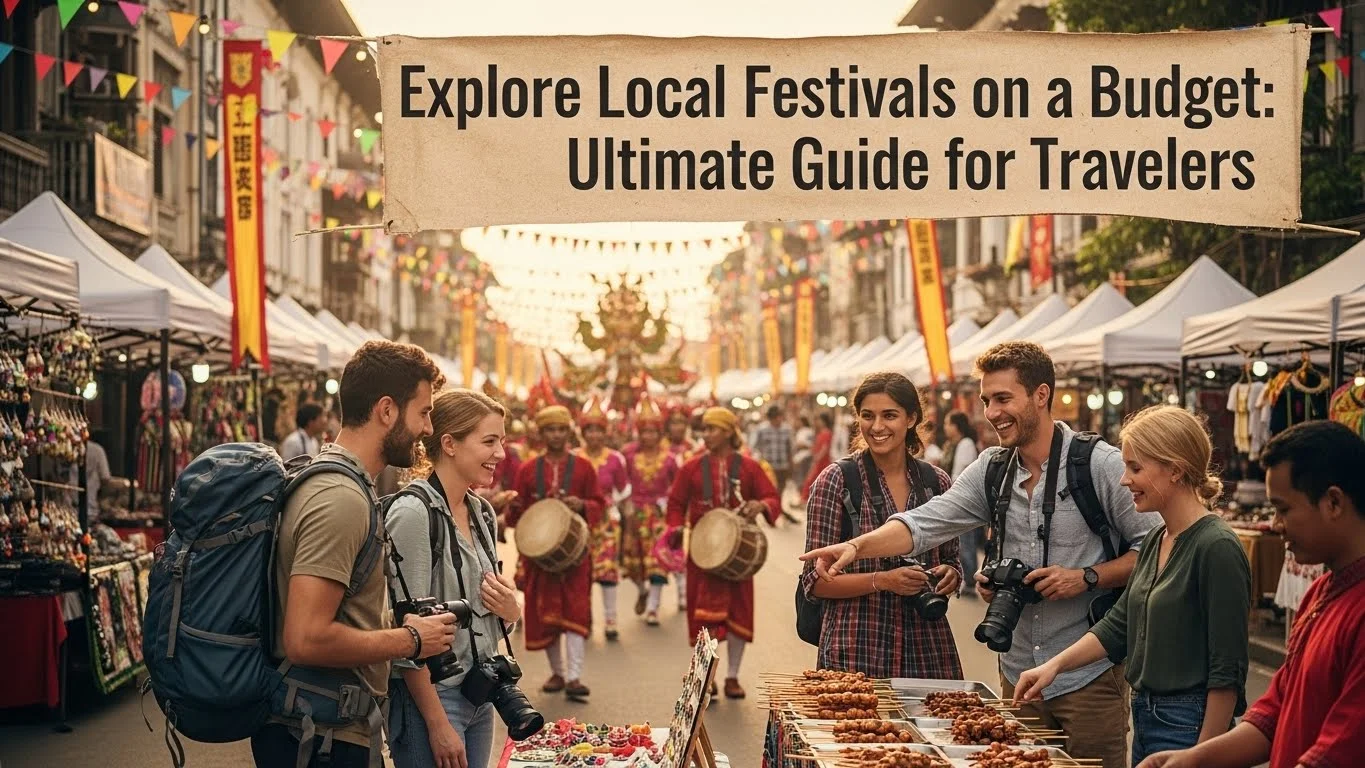
Explore Local Festivals on a Budget: Ultimate Guide for Travelers

Local festivals are vibrant celebrations that showcase culture, art, and community spirit. If you’re looking to explore these amazing events without breaking the bank, you’ve come to the right place! For some great ideas, check out the Top 10 Budget-Friendly Local Festivals You Must Experience.

Explore Local Festivals on a Budget: Ultimate Guide for Travelers

Understanding Local Festivals

What are Local Festivals?

Local festivals are community-driven events that celebrate cultural heritage, seasonal changes, or significant historical moments. I remember my first local festival; it was a small-town fair celebrating the harvest season. Colorful stalls, cheerful music, and the aroma of delicious food filled the air, making it an unforgettable experience. These festivals often feature parades, music performances, art displays, and local cuisines, providing an immersive glimpse into a region’s culture.

The Cultural Significance of Festivals

Festivals hold a special place in our hearts and communities. They bring people together, allowing us to connect with one another and celebrate diversity. I’ve often thought about how these gatherings are not just about entertainment; they foster a sense of belonging and pride among locals. For example, during a Diwali festival I attended, the joy in the air was palpable. Everyone, regardless of age, came together to light lamps and share sweets. That feeling of unity is what makes these occasions so precious.

Types of Local Festivals

There are various types of local festivals, each with its unique flavor and purpose. Here are a few popular categories I’ve encountered:

  • Cultural Festivals: These are centered around the traditions, arts, and crafts of a community. They often feature performances, workshops, and exhibitions. I once visited a cultural festival that showcased traditional dances and crafts, and I still cherish the handmade pottery I brought back.
  • Food Festivals: These festivals celebrate local cuisine and culinary traditions. I can’t help but get excited about food festivals! Whether it’s street food or gourmet dining, these events are a food lover’s paradise. A food festival I attended once had booths featuring everything from local cheeses to artisanal chocolates.
  • Music Festivals: These focus on musical performances, sometimes spanning multiple genres. I’ve enjoyed several music festivals where I discovered new artists and danced with strangers who quickly became friends. For more information on budget-friendly options, check out Experience Culture: Budget Local Music Festivals to Attend.
  • Seasonal Festivals: Marking the change of seasons, these festivals often coincide with harvests or holidays. An autumn festival I went to featured pumpkin carving contests and hayrides, immersing us in the spirit of the season.

Planning Your Festival Experience

Researching Festivals: Online Resources and Apps

To fully enjoy a festival, planning is key. I know from experience that researching ahead can save you time and money and ensure you don’t miss out on must-see events. Websites like Facebook Events, Eventbrite, and even local tourism sites are fantastic resources for finding upcoming festivals. I often download apps like Meetup or Google Maps to keep tabs on events happening around me. They provide real-time updates and can guide you to nearby attractions related to the festival.

Choosing the Right Festival for Your Interests

With so many options, choosing the right festival can be overwhelming. I usually start by considering my interests: Do I want to immerse myself in local culture, taste new foods, or enjoy live music? I think it’s essential to pick a festival that resonates with you. For instance, if you’re an art lover, seek out festivals that feature local artists or craftspeople. I once attended a small art festival that turned out to be one of the highlights of my travels!

When to Visit: Best Times for Festivals

Timing your visit is crucial. Many festivals occur annually, often around the same time each year. I usually mark my calendar well in advance to avoid missing out. For instance, summer is a popular season for many outdoor festivals, while winter could be perfect for holiday-themed events. I remember planning a trip to a winter festival, and it transformed my perspective on cold-weather travel. Researching local climates and festival dates can help you prepare appropriately.

How to Create a Festival Itinerary

Creating a festival itinerary allows you to maximize your experience. I often jot down a list of must-see events, performances, and food stalls I want to try. I find it helpful to map out my day, keeping in mind travel times and potential waiting periods. Some festivals offer guided tours or special events that require advance booking, so I always look into that as well. By organizing my schedule, I ensure I’m not running around last minute, and I get to soak in every moment!

Budget-Friendly Travel Tips

Finding Affordable Accommodations

When it comes to attending festivals, finding a place to stay that fits your budget can sometimes feel like a daunting task. I’ve been there—searching for a cozy, affordable spot while trying not to overspend. One of my go-to strategies is to look for accommodations outside the main festival area. I remember one time, I booked a charming little Airbnb just a short drive away from a major festival. Not only did it save me money, but it also gave me a chance to explore a quieter side of the town. I often check websites like Booking.com, Airbnb, and even hostels for options that are budget-friendly. Additionally, sharing accommodations with friends or fellow festival-goers can significantly cut costs.

Transportation Options for Budget Travelers

Getting to and from a festival can also eat into your budget, but I’ve discovered that there are plenty of affordable transportation options. Public transit is often the easiest and cheapest way to navigate local areas. I’ve found buses and trains to be reliable, especially in cities where parking can be a hassle. Rideshare apps can also be a good deal if you’re traveling with a group. During my last festival trip, we used a rideshare service to split fares, which made getting around so much simpler. If you’re feeling adventurous, consider renting a bike or using scooters available in many cities to explore the festival area while enjoying the local scenery.

Eating on a Budget During Festivals

Festival food can be a highlight, but it can also be pricey. I’ve learned to approach festival dining with a plan. Instead of splurging on every food stall, I try to look for local recommendations or festival guides that highlight the best food experiences. Often, there will be stalls featuring local favorites that won’t break the bank. I recommend bringing your own snacks or a picnic lunch to enjoy during the festival. During one of my favorite festivals, I packed my own sandwiches and snacks, which allowed me to save money for trying just a few special dishes. Plus, it’s nice to sit on the grass and enjoy a meal while taking in the atmosphere!

Free Activities and Events at Festivals

One of the best things about local festivals is that many of them offer free activities and events. I’ve found that taking advantage of these can significantly enhance your experience without costing a dime. From free concerts to workshops and art displays, there’s often a wealth of things to do that don’t require a ticket. I remember stumbling upon a free storytelling event at a festival once, where local storytellers shared tales from the region. It was a highlight of my trip! Always keep an eye on the festival schedule for activities that don’t require an additional fee, and don’t hesitate to explore beyond the ticketed events.

Top Budget-Friendly Festivals in Popular Destinations

Festival of Colors (Holi) – India

The Festival of Colors, or Holi, is a vibrant celebration that marks the arrival of spring. It’s an incredible experience filled with joy, music, and, of course, colorful powders thrown in the air. What I love about Holi is that it’s often free to participate in the festivities. Many cities host public celebrations where everyone is welcome to join in the fun. I remember attending a Holi event where locals provided free food and drinks, making it easy for travelers to immerse themselves in the culture without worrying about costs.

Oktoberfest – Germany

Oktoberfest in Munich is one of the world’s largest beer festivals, attracting visitors from all over. While you might think it’s expensive, there are numerous ways to enjoy this iconic event on a budget. Beer tents often allow you to bring your own food, which can save you money on meals. I found that exploring the festival grounds and enjoying the live music and parades was just as fun as spending on drinks. Plus, many events during Oktoberfest are free, making it a perfect budget-friendly outing!

Mardi Gras – New Orleans, USA

Mardi Gras in New Orleans is a celebration full of parades, music, and vibrant costumes. The best part? Many of the festivities are free to attend! I’ve had an amazing time watching parades, enjoying live music in the streets, and reveling in the festive atmosphere without spending much. It’s all about finding a good spot along the parade routes to enjoy the festivities. I also recommend checking out local parks for free events and performances that pop up during the season.

La Tomatina – Spain

La Tomatina is an iconic tomato-throwing festival in Bunol, Spain, and while it may sound wild, it’s an experience I’ll never forget! Participation in the event is relatively inexpensive, and the joy of being part of such a unique festival is priceless. After the tomato fight, I explored the town, where many local eateries offer affordable meals. I discovered that after the chaos, many locals open their doors to festival-goers for free activities like live music and dancing, making it a budget-friendly adventure.

Edinburgh Festival Fringe – Scotland

The Edinburgh Festival Fringe is the world’s largest arts festival, showcasing everything from theater to comedy. While some shows can be pricey, many performances offer “pay what you can” options. I loved wandering the streets, where street performers and musicians would entertain audiences for free. It was heartwarming to see the community spirit shining through the arts. Plus, the city itself is free to explore, with stunning architecture and history at every corner! For more insights into enjoying music festivals while saving money, check out the Ultimate Guide to Budget-Friendly Local Music Festivals.

Maximizing Your Festival Experience

Engaging with Local Culture

One of the most rewarding aspects of attending a festival is the opportunity to engage with local culture. I’ve always made it a point to immerse myself in the traditions and customs of the places I visit. During a cultural festival I attended, I participated in traditional workshops and even learned a few local dances. It was a fantastic way to connect with the community and truly understand what the festival was all about. I think we often focus too much on the surface-level attractions, but diving into the local culture can lead to unforgettable experiences.

Volunteering Opportunities at Festivals

If you’re looking to make the most out of a festival experience, consider volunteering. Not only does it often come with perks like free entry, but it also allows you to meet locals and other travelers who share your interests. I volunteered at a music festival once, and it was an incredible way to see behind the scenes. From helping set up stages to guiding attendees, I felt more connected to the festival and learned so much about the organization behind it.

Tips for Navigating Crowds and Lines

Festivals can get crowded, and I’ve learned a few tricks to make navigating through the throngs of people easier. I usually arrive early to avoid long lines, especially for popular events or food stalls. I also try to visit less busy areas of the festival, where I can enjoy the atmosphere without feeling overwhelmed. If it’s possible, I recommend visiting on weekdays instead of weekends when the crowds can be overwhelming. Being strategic about your timing and location has made my festival experiences so much more enjoyable!

Safety and Health Considerations

Staying Safe While Traveling

When I head out to a festival, safety is always on my mind. It might sound a bit boring, but I’ve learned the hard way that being aware of my surroundings can make all the difference. First off, I always try to keep my belongings secure. A small crossbody bag or a money belt can be a lifesaver, especially in crowded areas. I remember one festival where I was so caught up in the excitement that I nearly lost my phone. Thankfully, I had it tucked away securely.

Another important aspect is to stay aware of my surroundings. If something feels off or if I’m in an unfamiliar area, I trust my gut. I also make a point to familiarize myself with the festival layout. Knowing where the exits, first aid stations, and security personnel are can help me feel more at ease. During a music festival, I noticed a friend getting overwhelmed in the crowd, so we found a quieter spot to regroup. It’s a great reminder that being prepared can keep the fun flowing!

Health Tips for Attending Festivals

Health is another key component of having a great time at a festival. I’ve learned to prioritize hydration, especially if I’m spending a lot of time outdoors. Whether it’s sunny or chilly, staying hydrated is essential. I usually carry a reusable water bottle and look for water refill stations at the festival. I remember one summer festival where the heat was intense, and having that water bottle made such a difference in my energy levels.

Another tip that I swear by is to wear comfortable shoes. I can’t emphasize this enough! I’ve made the mistake of wearing cute but impractical footwear, and by the end of the day, my feet were begging for mercy. I recommend breaking in your shoes before the festival and opting for something that you can stand and walk in for hours. It really pays off in the long run!

Also, don’t forget about sun protection. Bringing along sunscreen and a hat can help shield you from harmful rays. I had a friend who got sunburned at an outdoor festival and had to miss out on the fun the next day because of it. I learned my lesson from that experience, and I never go without sunscreen now!

Emergency Contacts and Resources

Having a plan in case of emergencies is something I wish I had thought about earlier in my festival days. Knowing who to contact for help can provide peace of mind. I usually jot down important numbers, like local emergency services and the festival’s contact information. It’s also a good idea to keep a copy of your ID and any important medical information in case you need assistance.

Another tip is to identify a designated meeting spot in case my friends and I get separated. It can get chaotic, and knowing where to regroup can save us a lot of stress. I remember one festival where we lost each other in the crowd, and it took a while to find each other again. Now, we always pick a spot, like a food stall or a landmark, to meet up if we get split up.

Lastly, I make sure to familiarize myself with the festival’s health services. Most festivals provide first aid stations, and knowing where they are can be really useful. I once ended up helping someone who had a minor injury, and it was comforting to know that the first aid station was nearby. Being proactive about safety and health has helped me enjoy many festivals to the fullest!

Post-Festival Reflections

Documenting Your Experience: Photography and Journaling

After attending a festival, I love taking the time to reflect on my experience. One of my favorite ways to do this is through photography. I often capture moments that resonate with me—whether it’s the vibrant colors of a performer’s costume or the laughter of friends enjoying the festivities. I like to create a small photo album on my phone or social media, which helps me relive those memories later. I’ve found that looking back at those photos often brings a smile to my face.

Journaling is another way I document my experiences. I jot down my thoughts and feelings about the festival, the people I met, and the unique things I tried. It’s fascinating to look back at my entries from past festivals and see how my interests and perceptions have evolved over time. Sometimes, I even write about things I’d do differently next time, which helps me grow and plan better for future events.

Sharing Your Festival Experience Online

Sharing my festival experiences online has become a delightful way to connect with others. I often post photos and stories on social media, and I find that my friends and followers enjoy hearing about my adventures. It’s also a great way to inspire others to explore new festivals. I’ve had people message me asking for recommendations after seeing my posts! I love the sense of community that arises from sharing these experiences, and I encourage everyone to do the same.

Additionally, many festivals have their own social media pages or hashtags. I like to engage with those communities by sharing my thoughts or photos. It’s a cool way to connect with other attendees and see the festival from different perspectives. I’ve even made new friends through these online interactions!

Planning for Future Festivals

As soon as I leave a festival, I’m already thinking about the next one. I keep an eye out for upcoming events and often sign up for newsletters or follow social media pages of festivals I’ve enjoyed in the past. This way, I can stay in the loop and plan ahead for the ones I don’t want to miss. I’ve learned that some festivals sell out quickly, so having alerts set can be beneficial. It’s exciting to anticipate what’s next on my festival journey!

I also take note of the things I loved and the lessons I learned during each festival. I keep a list of must-try events or food stalls that I want to revisit. This reflective practice has enriched my festival experiences and keeps the excitement alive for future adventures.

Frequently Asked Questions

What are local festivals?

Local festivals are community-driven events that celebrate cultural heritage, seasonal changes, or significant historical moments. They often feature parades, music performances, art displays, and local cuisines, providing an immersive glimpse into a region’s culture.

What types of local festivals are there?

There are various types of local festivals, including cultural festivals, food festivals, music festivals, and seasonal festivals. Each type has its unique flavor and purpose, celebrating traditions, culinary experiences, musical performances, or seasonal changes.

How can I research upcoming festivals?

You can research upcoming festivals using online resources like Facebook Events, Eventbrite, and local tourism sites. Additionally, apps like Meetup or Google Maps can provide real-time updates and guide you to nearby attractions related to the festival.

What are some affordable accommodation options for festival-goers?

To find affordable accommodations, consider looking for places outside the main festival area, using websites like Booking.com or Airbnb. Sharing accommodations with friends or fellow festival-goers can also significantly cut costs.

What transportation options are available for budget travelers attending festivals?

Public transit is often the easiest and cheapest way to navigate local areas during festivals. Buses and trains are reliable, and rideshare apps can be a good deal when traveling with a group. Renting bikes or using scooters can also be a fun way to explore the festival area.

How can I enjoy festival food on a budget?

To save money on festival food, look for local recommendations or festival guides that highlight the best food experiences. Bringing your own snacks or a picnic lunch can also help you save money while enjoying the festival atmosphere.

What are some free activities at local festivals?

Many local festivals offer free activities and events, such as free concerts, workshops, and art displays. It’s a great way to enhance your experience without incurring additional costs, so always check the festival schedule for activities that don’t require a ticket.

How can I stay safe while attending festivals?

To stay safe at festivals, keep your belongings secure, be aware of your surroundings, familiarize yourself with the festival layout, and know where the exits and first aid stations are located. It’s also helpful to have important contact numbers written down for emergencies.

What health tips should I consider when attending festivals?

Prioritize hydration by carrying a reusable water bottle, wear comfortable shoes, and bring sunscreen and a hat for sun protection. Staying hydrated and comfortable can significantly enhance your festival experience.

How can I document and share my festival experience?

You can document your festival experience through photography and journaling, capturing moments that resonate with you. Sharing your experiences online through social media can also connect you with others and inspire them to explore new festivals.

Top 10 Budget-Friendly Local Festivals You Must Experience

If you’re looking for unforgettable experiences without breaking the bank, local festivals are where it’s at! They offer a taste of culture, community, and creativity, all while being budget-friendly. Let’s dive into the wonderful world of local festivals!

Top 10 Budget-Friendly Local Festivals You Must Experience

What Are Local Festivals?

Definition and Importance of Local Festivals

Local festivals are community events that celebrate various cultural, historical, or seasonal themes. These gatherings often showcase local traditions, arts, crafts, music, and food. I’ve found that local festivals are not just about entertainment; they foster a sense of belonging and pride in the community. They allow us to connect with our neighbors and appreciate the rich tapestry of culture that surrounds us. I remember attending a small town festival where the entire community came together to celebrate their heritage. It felt like being part of something bigger than myself.

Types of Local Festivals

There’s a festival for almost everything! From music and food to arts and crafts, the types of local festivals are as diverse as the communities that host them. I’ve seen everything from blueberry festivals celebrating the harvest, to arts and crafts fairs showcasing local talents. Each festival brings its unique flavor, often blending different elements to create a lively atmosphere. You might enjoy live performances, hands-on workshops, or even parades showcasing the town’s history. I’ve found that no matter the theme, there’s always something new to experience! Read Interesting article: Experience Culinary Delights at These Budget-Friendly Festivals

Criteria for Choosing Budget-Friendly Festivals

Affordability: Entry Fees and Costs

When I plan my festival outings, cost is always a top consideration. Many local festivals have free entry or very low fees, making them accessible for everyone. It’s essential to look for festivals that offer free activities or include most of the entertainment in the admission price. I often find that even if there’s a nominal fee, the experiences offered can far outweigh the costs. Plus, many festivals offer free samples of local food and drinks, which is a tasty bonus!

Accessibility: Location and Transportation

Accessibility plays a big role in enjoying local festivals. I prefer festivals that are held in central locations or parks where parking is easy, or public transport is available. I remember one festival that was just a short bike ride away, and it was fantastic to see the local scenery along the way. If you can walk, bike, or take public transportation to a festival, not only do you save on gas and parking fees, but it also allows you to soak in the local vibe. I always recommend checking the festival website for transportation tips and directions.

Value: Activities and Experiences Offered

In my experience, a festival is well worth attending if it offers a variety of activities that cater to different interests. Whether it’s live music, workshops, food tastings, or family-friendly events, the more diverse the offerings, the better! I once attended a festival that had cooking demonstrations, craft booths, and even a petting zoo for the kids. I could spend a whole day there without spending much at all. Always look for festivals that provide free entertainment and engaging activities to maximize your experience. Additionally, you can discover budget-friendly cultural festivals that offer a wide range of activities!

Top 10 Budget-Friendly Local Festivals

1. The Garlic Festival

Location and Date

This festival takes place in Gilroy, California, typically in late July. I’ve made it a tradition to visit this festival, and it never disappoints!

Highlights and Activities

Expect cooking demonstrations, garlic-themed dishes, and live music. The smell of roasted garlic wafts through the air, making it a culinary delight. I’ve enjoyed everything from garlic fries to garlic ice cream—yes, you read that right!

Budget Tips

Entry is affordable, and many vendors offer free samples, so you can try various dishes without spending a lot. Bringing your own water bottle can help save on drinks!

2. The Pumpkin Festival

Location and Date

Located in Half Moon Bay, California, this festival usually happens in mid-October. It’s one of my favorite fall traditions!

Highlights and Activities

You can enjoy pumpkin carving contests, a giant pumpkin weigh-off, and plenty of fun activities for kids. The atmosphere is filled with fall colors and excitement.

Budget Tips

Parking can be pricey, so carpooling or arriving early helps. Bring a picnic to enjoy while you take in the sights, which can also help keep your budget in check.

3. The Arts and Crafts Fair

Location and Date

This takes place in various towns across the U.S. during the summer months. I always look for these fairs when I travel!

Highlights and Activities

Local artisans showcase their crafts, and you can often find live music and food vendors. I love browsing unique handmade items and sometimes even participating in workshops!

Budget Tips

Many fairs offer free entry. Set a budget for any purchases you want to make, and enjoy the free entertainment!

4. The Strawberry Festival

Location and Date

This delightful festival takes place in various locations, including Garden Grove, California, in late May. Who doesn’t love strawberries?

Highlights and Activities

Enjoy strawberry-themed food, games, and live entertainment. I can’t resist the strawberry shortcake!

Budget Tips

Look for free activities and bring cash for affordable treats. Sampling is often available, so you can enjoy the flavors without spending a fortune.

5. The Cherry Blossom Festival

Location and Date

In Washington, D.C. every April, I make it a point to enjoy the beautiful blooms during this festival.

Highlights and Activities

This festival not only celebrates the stunning cherry blossoms but also features cultural performances, food vendors, and art exhibits.

Budget Tips

Most of the activities are free, and you can bring your picnic to enjoy under the blossoms!

6. The Folk Music Festival

Location and Date

Taking place in various locations, these festivals usually happen during the summer. I often find myself in a local park enjoying the tunes!

Highlights and Activities

Local and national folk artists perform, and there are often workshops to learn about music styles. I love the family-friendly atmosphere.

Budget Tips

Many of these festivals are free, and food trucks often have affordable options. Bring your own seating to save on rentals!

7. The Chocolate Festival

Location and Date

Tucked away in various charming towns, this festival usually happens in the spring. It’s a sweet treat I always look forward to!

Highlights and Activities

Chocolate tastings, cooking demos, and workshops abound. I’ve had some of the best chocolate desserts here!

Budget Tips

Entry is often low-cost, and you can sample many treats. It’s a perfect day out for chocolate lovers without overspending.

8. The County Fair

Location and Date

County fairs happen throughout the summer in many states. I’ve made countless memories at my local fair!

Highlights and Activities

From carnival rides to livestock shows and contests, there’s something for everyone. I love the excitement of the games and the local competitions.

Budget Tips

Look for discount days or coupons online. Many activities are free once inside the fairgrounds!

9. The Renaissance Festival

Location and Date

Usually held from late summer to early fall in various locations, these festivals transport you back in time. I always appreciate the creativity!

Highlights and Activities

Enjoy jousting, artisan demonstrations, and period-themed foods. I never miss the chance to watch a sword fight!

Budget Tips

Discount tickets are often available online, and many vendors offer inexpensive snacks. Dress in costume for added fun without added cost!

10. The Music Festival

Location and Date

Held in various cities, music festivals often take place during the summer months. I love discovering new artists here!

Highlights and Activities

Live performances from local and national artists fill the air with energy. You can often find food trucks and local crafts.

Budget Tips

Look for free stages and local performances that don’t require a ticket. Don’t forget to bring your water bottle!

What to Expect at Local Festivals

Atmosphere and Community Spirit

Walking into a local festival is like stepping into a vibrant tapestry of life. The energy buzzes in the air, and I can feel the excitement radiating from the crowd. There’s something magical about the way people come together to celebrate. I remember the first time I attended a local festival; it was a beautiful sunny day, and the streets were filled with laughter, music, and the tantalizing aroma of food. It felt like everyone was part of a big family, all sharing the joy of the moment. I’ve noticed that regardless of the festival’s theme, there’s always a sense of community that makes you feel welcome. People smile, engage in conversations, and share stories, which adds to the charm of the experience.

Local Cuisine and Vendors

One of my favorite parts of any local festival is the food. I’ve tasted the most delicious and unique dishes that are often exclusive to these events. From fresh-made tacos at a street fair to artisanal cheeses at a farmers’ market, there’s a delightful variety of flavors to explore. I remember one festival where I tried a dish I had never heard of before—smoked salmon on a bagel with cream cheese and capers. It was heavenly! I always look forward to discovering local vendors, as supporting them not only satisfies my taste buds but also helps the community thrive. Plus, many vendors offer samples, which means you can try multiple dishes without spending a fortune. And let’s not forget about the sweet treats! I’ve indulged in everything from funnel cakes to locally crafted ice creams that make the experience even sweeter.

Entertainment and Performances

Local festivals are typically brimming with entertainment options. Whether it’s live music, dance performances, or theatrical shows, there’s usually something happening at every corner. I recall attending a festival where a local band played, and I was completely captivated by their energy. Everyone was dancing and singing along, creating an atmosphere that was simply unforgettable. Workshops are another fantastic feature of festivals; I’ve participated in everything from pottery making to salsa dancing classes. These activities not only entertain but also provide a chance to learn something new while having fun. I think the best part is that you can often watch these performances for free, which enhances the value of the entire experience. You can also check out the Ultimate Guide to Budget-Friendly Local Music Festivals for more exciting options!

Tips for Enjoying Local Festivals on a Budget

Planning Ahead: Research and Scheduling

To make the most of a festival without overspending, I always recommend doing a bit of research beforehand. Knowing the festival schedule can help you prioritize which events or activities you don’t want to miss. I remember missing a cooking demonstration once because I didn’t check the timing, and it was a bummer! I also look up the vendors that will be present so I can plan my meals. This way, I can set a budget for food and stick to it. Additionally, many festivals provide maps and schedules on their websites, which can be super helpful in planning my day effectively.

Finding Free Activities and Events

Free activities are the hidden gems of local festivals! I always keep an eye out for workshops, performances, and games that don’t require tickets. Many festivals have free community events that are family-friendly, like parades or contests. I’ve participated in a pie-eating contest just for the fun of it, and it didn’t cost a thing! I also look for scavenger hunts or photo contests that encourage exploration. These activities add so much to the experience without putting a dent in my wallet.

Budget-Friendly Food and Drink Options

Eating at festivals can add up quickly, but I’ve learned a few tricks to keep my food budget in check. I usually bring my own snacks or a packed lunch to save some money. It’s easy to bring along some sandwiches, fruit, or granola bars to munch on between meals. When I do buy food, I try to share dishes with friends or family, which not only helps reduce costs but also allows us to try more flavors. Plus, many festivals have food trucks with reasonable prices, so it’s worth scouting them out.

Staying Safe and Healthy at Festivals

While enjoying the festivities, I always make sure to stay hydrated and take breaks when needed. I’ve learned the hard way that the excitement can lead to a long day on my feet! I carry a reusable water bottle to refill throughout the day. It’s crucial to listen to your body and find a shady spot to relax if the sun gets too intense. I also keep hand sanitizer on me, especially after enjoying various food samples. Festivals can be crowded, and taking these small precautions helps me stay healthy while having a great time. I believe that being prepared allows me to fully enjoy everything a festival has to offer.

How to Get the Most Out of Your Festival Experience

Connecting with Locals and Other Festival-Goers

One of the best parts of attending local festivals is the opportunity to connect with people. I always make it a point to strike up conversations with locals and other festival-goers. It’s amazing how a shared love for food, music, or art can break the ice and lead to meaningful interactions. I remember chatting with a vendor at a craft fair who shared the story behind their handmade goods, and it deepened my appreciation for their work. Engaging with others not only enhances the experience but also allows for unique insights into the culture and community. I often find that locals are happy to share tips on what to see and do, and sometimes they even let me in on hidden gems that aren’t advertised. Making connections at festivals enriches my experience and creates lasting memories.

Documenting Your Experience: Photos and Social Media

Capturing moments at festivals is something I truly enjoy. I’ve learned that documenting experiences through photos not only allows me to relive the joy later but also lets me share the excitement with friends and family. I like to take candid shots of performances, food, and the vibrant atmosphere, but I also make sure to ask people if I can take their picture. In my experience, people are usually happy to pose, especially when they’re enjoying the festival. Sharing my experiences on social media adds another layer of fun. I love seeing how others are experiencing the same festival through their posts. It creates a sense of community that extends beyond the event itself. I always remember to use the festival’s hashtag to join in on the larger conversation and connect with others who are there.

Post-Festival Reflection and Recommendations

After the festival ends, I like to take some time to reflect on my experience. I find that jotting down my thoughts helps me remember the highlights and things I loved the most. I often recommend festivals to friends and family based on my experiences, and sharing what I enjoyed helps others discover these events. It’s also interesting to think about what I would do differently next time or what new activities I would like to try. I remember attending a festival that had a great workshop on pottery-making—next time, I’m definitely signing up for that! Reflecting on these experiences not only helps me grow as a festival-goer but also allows me to keep the excitement alive for future events.

Frequently Asked Questions

What are local festivals?

Local festivals are community events that celebrate various cultural, historical, or seasonal themes. They showcase local traditions, arts, crafts, music, and food, fostering a sense of belonging and pride in the community.

What types of activities can I expect at local festivals?

Activities at local festivals can include live performances, hands-on workshops, parades, cooking demonstrations, and various family-friendly events. Each festival brings its unique flavor and often blends different elements to create an engaging atmosphere.

How can I find budget-friendly local festivals?

To find budget-friendly festivals, look for those with free entry or low fees. Many festivals offer free activities, free samples of local food and drinks, and engaging experiences that make them accessible for everyone.

What are some tips for enjoying local festivals on a budget?

Some budget tips include researching the festival schedule to prioritize events, finding free activities, bringing your own snacks or a packed lunch, and sharing food with friends or family to try more flavors without overspending.

What are some popular budget-friendly local festivals?

Popular budget-friendly local festivals include The Garlic Festival, The Pumpkin Festival, The Arts and Crafts Fair, The Strawberry Festival, The Cherry Blossom Festival, The Folk Music Festival, The Chocolate Festival, The County Fair, The Renaissance Festival, and The Music Festival.

How can I connect with others at local festivals?

Engaging in conversations with locals and other festival-goers is a great way to connect. Sharing interests in food, music, or art can lead to meaningful interactions and insights into the culture and community.

What should I expect from the atmosphere at local festivals?

The atmosphere at local festivals is typically vibrant and filled with energy. People come together to celebrate, creating a welcoming environment characterized by laughter, music, and delicious food aromas.

Are there usually food vendors at local festivals?

Yes, local festivals often feature a variety of food vendors offering unique dishes. Many vendors provide samples, allowing festival-goers to try multiple foods while supporting local businesses.

What precautions should I take to stay safe and healthy at festivals?

To stay safe and healthy at festivals, it’s important to stay hydrated, take breaks when needed, carry hand sanitizer, and listen to your body. Bringing a reusable water bottle and finding shaded areas to rest can enhance your experience.

How can I document my festival experience?

Documenting your festival experience can be done through photos and social media. Capturing moments allows you to relive the joy later and share the excitement with friends and family, helping to create a sense of community around the event.

DIY Travel Hacks: Affordable Activities for Your Next Adventure

Planning an adventure without breaking the bank is possible! With DIY travel hacks, you can enjoy exciting experiences while keeping your expenses low. Let’s dive into how we can make our next trip affordable and memorable.

DIY Travel Hacks: Affordable Activities for Your Next Adventure

Understanding DIY Travel Hacks

What are DIY Travel Hacks?

I’ve always been fascinated by the idea of traveling on a budget. DIY travel hacks are creative strategies and tips that help travelers save money while maximizing their experiences. These hacks can range from finding affordable accommodations and transportation to discovering free activities in various destinations. It’s all about being resourceful and thinking outside the box. I remember my first trip where I used a few of these hacks, and it completely transformed my travel experience.

Benefits of DIY Travel Hacks

Embracing DIY travel hacks has opened up a world of possibilities for me. Here are some key benefits I’ve personally experienced:

  • Cost Savings: The most obvious benefit is saving money. By using these hacks, I can stretch my travel budget further, allowing for more experiences or even longer trips.
  • Unique Experiences: I’ve discovered hidden gems and local secrets that most tourists miss. This often leads to memorable moments that make my trips truly special.
  • Flexibility: DIY travel hacks allow for more spontaneity in planning. I can adapt my plans based on local opportunities or deals that come my way.
  • Empowerment: I feel empowered knowing that I can make my travel dreams a reality without relying solely on expensive packages or tours.

How DIY Travel Hacks Save You Money

When I first started traveling, I was shocked at how quickly costs could add up. But by implementing DIY hacks, I found ways to significantly cut expenses. Here are some strategies I learned that really work:

  • Researching Before You Go: I always spend some time researching my destination. Websites, blogs, and travel forums can provide insights into what to see and how to save money.
  • Using Travel Apps: Mobile apps are my go-to tools for finding deals on flights, accommodations, and activities. For example, I love using apps that compare prices across various platforms.
  • Traveling Off-Peak: Traveling during off-peak seasons not only saves money on flights and accommodations but also lets me enjoy popular sites without the crowds.
  • Opting for Local Transportation: Instead of splurging on taxis or rental cars, I prefer using buses or trains. This not only saves money but also gives me a glimpse into daily life in different cultures.
  • Utilizing Loyalty Programs: I’ve signed up for loyalty programs with airlines and hotels. Accumulating points has allowed me to enjoy free flights and stays over time.

As I delve deeper into my travels, I’ve realized that the essence of a great trip isn’t found in lavish spending but rather in authentic experiences. DIY travel hacks have become a way for me to connect more with the places I visit and the people I meet. I remember visiting a quaint little town where I stayed in a local guesthouse instead of a hotel. It was an incredible experience—not just financially, but also enriching, as I interacted with the locals and learned about their way of life.

In my experience, planning a trip with these hacks can be a fun and engaging process. I often find myself getting excited about uncovering new ways to save money and explore more. Whether it’s hunting for free walking tours or finding local markets, every little effort adds up to an unforgettable adventure.

So, if you’re looking to travel without the hefty price tag, DIY travel hacks are your best friends. They not only help you save money but also lead you to experiences that bring you joy, connection, and adventure. As we continue through this journey of planning affordable activities, let’s see how we can set our travel budgets and find the best destinations for our next adventure.

Planning Your Adventure on a Budget

Setting a Realistic Travel Budget

One of the first steps I take when planning a trip is setting a realistic travel budget. I’ve learned that having a clear idea of how much I can spend helps me make better decisions throughout the planning process. To do this, I start with the main expenses: transportation, accommodation, food, activities, and a little extra for unexpected costs. I like to break it down into daily spending limits, and I often use a simple spreadsheet or budgeting app to keep track. I remember one trip where I set a strict budget, and surprisingly, it pushed me to get more creative with my choices. It was empowering to see how much I could do with a limited amount of money.

Choosing Affordable Destinations

When it comes to choosing where to go, I’ve found that some places can be much more budget-friendly than others. I often consider countries or cities with a lower cost of living. For instance, Southeast Asia has been a fantastic destination for me with its beautiful landscapes and affordable prices. I also look for destinations that offer a wealth of free activities or sights. Some cities have parks, museums, and vibrant street life that don’t cost a dime. I think it’s essential to do some research beforehand, so I can identify places that fit my budget while still offering unique experiences.

Seasonal Travel: When to Go for Savings

Timing can make a massive difference in the cost of a trip. Traveling during off-peak seasons has saved me a lot of money. I usually check the peak tourist seasons for my destination and plan my trips outside of those times. Not only do I get better deals on flights and accommodations, but I also enjoy a more relaxed atmosphere at popular attractions. I remember visiting a popular beach destination in the fall when the crowds were gone, and the prices dropped significantly. It felt like I had the place almost to myself, which made the experience even more special.

Affordable Accommodation Options

Hostels: A Cost-Effective Stay

Hostels have been a game-changer for my travels. They’re not just for young backpackers; they offer a great way to meet fellow travelers and often provide a fun atmosphere. I love the communal kitchens where I can whip up a meal and share stories with new friends. My first hostel experience was eye-opening. I stayed in a cozy place with friendly staff and met people from all over the world. Plus, I saved a ton of money compared to hotels!

Vacation Rentals vs. Hotels

When I think about where to stay, I often weigh the pros and cons of vacation rentals versus hotels. Vacation rentals can be a great option, especially if I’m traveling with friends or family. We can split the costs, and having a kitchen lets us prepare meals, which saves even more. On the other hand, I appreciate the convenience of hotels, especially when they offer breakfast included. I try to find a balance based on the trip. I recall a fantastic vacation home I rented once, complete with a grill and a patio, which allowed us to enjoy a few cozy dinners together.

Camping and Glamping Adventures

Camping is another option I’ve explored, and it can be surprisingly affordable. There’s something incredibly refreshing about sleeping under the stars and being surrounded by nature. I’ve camped in national parks and found that the fees are usually minimal compared to hotels. Glamping, on the other hand, is a luxurious take on camping that I’ve tried once. It combines the outdoor experience with comfort, like staying in a yurt or safari tent. I enjoyed the best of both worlds, and it was a unique experience that made my trip memorable.

Staying with Locals: Couchsurfing and Homestays

One of the most enriching experiences I’ve had was staying with locals through platforms like Couchsurfing. It’s a fantastic way to immerse myself in the culture and get insider tips on the best places to visit. I remember one host who took me to a local festival that I would have never found in a guidebook. Homestays provide a similar experience where I can enjoy the comforts of a home while connecting with my hosts. It’s a win-win situation: I save on accommodation costs while making genuine connections.

Finding affordable accommodation has been a big part of my budget travel journey. Each option has its own unique charm, and I enjoy discovering what fits best for each adventure. It adds to the thrill of planning and makes every trip an opportunity to learn something new about the places I visit and the people I meet.

Low-Cost Transportation Tips

Finding Affordable Flights

Finding affordable flights can feel like hunting for treasure, but I’ve picked up some tips along the way that have made it easier for me. I always start by being flexible with my travel dates. If I can shift my plans by a few days, I often find significant savings. I use flight comparison websites that let me see prices across a range of dates, which helps me spot the best deals. I also set up fare alerts for routes I’m interested in, so I’m notified when prices drop. One of my favorite tricks is to book flights on Tuesdays or Wednesdays, as I’ve noticed that airlines tend to offer better deals mid-week. It’s all about being persistent and patient!

Public Transportation: Buses, Trains, and Subways

Once I reach my destination, public transportation is usually my best friend. I’ve saved so much money by using buses, trains, and subways instead of taxis or rideshares. Most major cities have efficient public transport systems, and I love the chance to see the local life unfold around me. I remember navigating the subway in Tokyo, where I was amazed by how clean and punctual everything was. It felt like a mini-adventure every time I hopped on a train! Not to mention, it’s a great way to meet locals and other travelers.

Car Rentals: How to Save on Wheels

If I need a car, I’ve learned a few strategies to save money on rentals. First, I always compare prices across different rental companies and look for discounts or promo codes online. I used to think that renting from the airport was the most convenient option, but I found that off-airport locations often offer better rates. Additionally, I always opt for a smaller car; they’re usually cheaper and easier to park, especially in crowded cities. I remember one trip where I managed to rent a compact car at half the price by booking in advance and choosing a rental agency a few miles from the airport.

Walking and Biking: Exploring on Foot

One of the joys of traveling is exploring a new place on foot or by bike. I’ve discovered that walking allows me to connect with the destination in a way that public transport can’t. I often take walking tours or simply wander around, soaking in the sights and sounds. I’ve stumbled upon hidden cafes, street art, and friendly locals during these strolls. Biking is also a fantastic option; many cities have bike rental programs that make it easy and affordable to get around. I vividly remember renting a bike in Amsterdam and cycling along the canals—it was one of the highlights of my trip! If you’re interested in biking, check out the Ultimate Guide to Budget-Friendly Cycling Gear for Travelers for tips on how to gear up.

Free and Low-Cost Activities

Exploring Nature: Parks and Hiking Trails

One of the best ways to enjoy a destination without spending a dime is by exploring its natural beauty. I’ve found that most places have beautiful parks, hiking trails, or beaches that are free to access. Nature has a way of rejuvenating the spirit, and I’ve often spent entire days hiking or lounging in a park. I remember visiting a national park where I spent hours hiking scenic trails, taking in breathtaking views, and even spotting wildlife. These experiences reminded me that the simplest activities often bring the most joy!

Free Walking Tours in Major Cities

Free walking tours have become a staple for me when I visit new cities. They provide a fantastic introduction to the area, and I love how many local guides share their passion for their city. It’s a great way to learn about the history, culture, and must-see attractions without spending a lot. I’ve participated in several free tours, and I always make sure to tip my guide. Their stories and insights often make the experience unforgettable. I remember one guide who shared hidden spots and local legends that I would have never known otherwise.

Museums and Galleries: Free Admission Days

Museums and galleries are fantastic places to soak in culture and history, and many offer free admission days or discounted rates. I always check the websites of museums I plan to visit to see if they have any special offers. During my travels, I’ve visited incredible art galleries on their free days and enjoyed exhibitions that sparked my creativity. I once visited a museum in Paris that was free on the first Sunday of the month, and it was a delightful experience to wander through the exhibits without the usual crowds.

Local Festivals and Events

Attending local festivals and events is another way I’ve enjoyed unique cultural experiences without spending much. Many towns host festivals that celebrate their heritage, and these events often include free entertainment like music, dance, and food tastings. I remember stumbling upon a local harvest festival in a small town, where I was welcomed with open arms and enjoyed homemade treats and traditional performances. It was a beautiful reminder of the joy of community and culture. If you’re looking for inspiration, check out Unmissable Art and Film Festivals for Budget Travelers for some great ideas!

Community Activities and Volunteering

Volunteering while traveling has become one of my favorite ways to connect with the local community. There are often opportunities to lend a hand at local organizations or events, and it’s a great way to meet people and learn about the culture. I once volunteered at a community garden in a city I was visiting, and I not only made friendships but also gained a deeper understanding of the local lifestyle. Plus, many volunteering opportunities provide free meals or accommodation, making it a win-win situation!

These free and low-cost activities have enriched my travel experiences immensely. They not only help me save money but also allow me to immerse myself in the local culture and create lasting memories. Whether it’s a hike in nature or a local festival, I’ve learned that the most meaningful adventures often don’t require a hefty price tag.

Food on a Budget

Cooking Your Own Meals: Kitchen Access in Rentals

One of the biggest ways I’ve saved money while traveling is by cooking my own meals. When I stay in vacation rentals or hostels with kitchen access, I love preparing simple breakfasts or dinners. It’s not only budget-friendly but also a fun way to try local ingredients. I remember staying in a charming apartment in Italy where I shopped at local markets for fresh produce and pasta. Cooking together with friends was a highlight, and sharing a meal made us feel more connected to the place we were visiting.

Street Food: Tasty and Inexpensive Options

I’ve discovered that street food is often one of the best ways to enjoy local cuisine without overspending. From food trucks to market stalls, I’ve found delightful dishes that are both budget-friendly and delicious. In Thailand, I savored pad thai and mango sticky rice from street vendors, and it was some of the best food I’ve ever tasted. Eating like a local not only filled my stomach but also gave me insights into the culture through the flavors and cooking techniques. I always recommend trying street food wherever I go—just look for busy stalls with lots of locals!

Local Markets: Shopping for Fresh Ingredients

Visiting local markets has become one of my favorite activities during my travels. Not only can I find fresh and affordable ingredients, but it’s also a great way to immerse myself in the local culture. I love wandering through colorful stalls, chatting with vendors, and picking up snacks or ingredients to take back to my accommodation. I recall a market in Barcelona where I grabbed fresh bread, cheese, and olives—perfect for a picnic at the park! Shopping at local markets has turned into a wonderful experience that enriches my travels.

Dining Deals: Happy Hours and Discounts

When I do eat out, I always look for dining deals. Many restaurants offer happy hour specials or discounts for early diners. I’ve enjoyed some great meals at reduced prices by doing a little research beforehand or asking locals for recommendations. One evening in New Orleans, I stumbled upon a local restaurant with a happy hour that included delicious appetizers at half price. It was a delightful way to enjoy the local cuisine without breaking the bank!

Saving on Entertainment and Experiences

Discount Passes for Attractions

When visiting popular attractions, I’ve found that discount passes can be a lifesaver. Many cities offer passes that provide entry to multiple attractions at a reduced rate. During a trip to San Francisco, I purchased a city pass that allowed me to visit museums, take a ferry to Alcatraz, and ride the cable cars—all for one price. It made my experience more enjoyable knowing I was saving money while seeing all the must-see spots.

Using Apps for Deals and Coupons

There are so many apps out there that offer deals and coupons for various attractions and experiences. I always check for discounts before purchasing tickets for activities. For instance, I once used an app to find discounted entry to an amusement park, which saved me quite a bit. I find that even checking social media pages of attractions can reveal exclusive offers or promotions, making it worth the effort!

Off-Peak Pricing for Tours and Activities

Timing can play a huge role in the cost of tours and activities. I often look for off-peak pricing for experiences, which can significantly lower the cost. For example, I once joined a city tour during the week instead of the weekend and saved almost half the price! Exploring during less busy times not only saves money but also means a more personalized experience with fewer crowds.

Travel Gear and Packing Tips

Essential Gear for Budget Travelers

Having the right travel gear can save money and enhance the overall experience. I always pack essentials like a reusable water bottle, snacks, and a portable charger. These items have proven invaluable, especially when I’m out exploring for long hours. I remember hiking in a national park when I ran out of water, but luckily, I had a refillable bottle that kept me hydrated. Smart packing not only helps with expenses but also makes my travel experience smoother.

Packing Light: The Benefits of Minimalism

Packing light is something I’ve grown to appreciate over the years. Traveling with just a carry-on not only saves on baggage fees but also makes moving around easier. I’ve learned to choose versatile clothing that I can mix and match, and it’s amazing how little I actually need. I once packed for a two-week trip with only a small backpack, and it felt liberating! Plus, I spent less time worrying about my luggage and more time enjoying my adventure.

Travel Hacks for Keeping Costs Down

Throughout my travels, I’ve picked up various hacks that keep costs down. For example, I always research the best times to visit attractions, as some offer free or discounted entry on specific days. I also sign up for newsletters from airlines and hotels to stay informed about flash sales or loyalty bonuses. These little tricks have helped me save a considerable amount over time, enabling me to pour those savings back into other experiences.

Staying Safe While Traveling on a Budget

Travel Insurance: Is It Worth It?

When it comes to travel safety, I always consider travel insurance. While it may seem like an extra cost, it has saved me from financial headaches in the past. I remember a trip where I got sick and had to visit a doctor overseas; my insurance covered the expenses, which was a huge relief. It’s always better to be safe than sorry!

Emergency Funds: Budgeting for the Unexpected

I always set aside a small emergency fund when traveling. This way, I’m prepared for unexpected expenses, whether it’s a last-minute change in plans or an unforeseen medical bill. Having that cushion gives me peace of mind and allows me to enjoy my trip without constant worry.

Staying Informed: Local Laws and Customs

Understanding the local laws and customs is crucial for any traveler. I always take some time to research the cultural norms of the places I visit. This not only keeps me safe but also helps me to be respectful to the local communities. I’ve learned things the hard way before, and it’s much better to be informed ahead of time!

Maximizing Your Travel Experience

Connecting with Locals: Cultural Insights

One of the most rewarding aspects of my travels is connecting with locals. I’ve had countless enriching conversations that have deepened my understanding of their culture and way of life. I often use platforms like Meetup or Couchsurfing to find events or gatherings where I can meet locals. These experiences have turned into some of my fondest memories, and they often lead to friendships that last long after my travels.

Documenting Your Journey: Blogging and Vlogging

I’ve realized how important it is to document my travels. Whether through blogging or vlogging, sharing my experiences has allowed me to reflect on my adventures and inspire others. I love looking back at the photos and stories I’ve collected; they remind me of the incredible moments I’ve had. Plus, it’s a fun way to keep in touch with friends back home!

Sharing Your DIY Travel Hacks with Others

Finally, I believe in the power of sharing knowledge. I often share my DIY travel hacks with friends and family, and I love hearing their tips in return. It creates a beautiful cycle of learning, where we can all benefit from each other’s experiences. I’ve even hosted travel workshops to share my passion for budget traveling, and it’s been amazing to see others get excited about exploring the world affordably.

Final Thoughts

Traveling on a budget doesn’t have to mean sacrificing experiences or adventures. With the right mindset and a few clever hacks, we can explore the world without breaking the bank. From cooking our meals to connecting with locals, each step we take can lead to not only great savings but also unforgettable memories. As I continue to discover new destinations and embark on new adventures, I feel grateful for the lessons learned along the way. So, whether you’re planning your next getaway or dreaming of future travels, remember that every journey is an opportunity to explore, learn, and grow—without spending a fortune.

Frequently Asked Questions

What are DIY travel hacks?

DIY travel hacks are creative strategies and tips that help travelers save money while maximizing their experiences. They can include finding affordable accommodations, transportation, and discovering free activities in various destinations.

What are the benefits of using DIY travel hacks?

Some key benefits of DIY travel hacks include cost savings, unique experiences, flexibility in planning, and a sense of empowerment in making travel dreams a reality without relying solely on expensive packages or tours.

How can I save money on transportation while traveling?

To save money on transportation, consider using public transport like buses and trains instead of taxis. Additionally, research and compare prices for car rentals, look for off-peak travel deals, and be flexible with your travel dates to find the best flight deals.

What are some affordable accommodation options?

Affordable accommodation options include hostels, vacation rentals, camping, and homestays. Each option has its unique charm and can enhance the travel experience while keeping costs low.

How can I find free activities during my travels?

Free activities can include exploring nature in parks and hiking trails, participating in free walking tours, visiting museums on free admission days, attending local festivals, and engaging in community activities or volunteering.

What are some budget-friendly food options while traveling?

Budget-friendly food options include cooking your own meals when possible, trying street food, shopping at local markets for fresh ingredients, and looking for dining deals such as happy hours or early diner discounts.

Is travel insurance worth it?

Yes, travel insurance is often worth the cost as it can save travelers from financial headaches due to unexpected events, such as medical emergencies or trip cancellations.

How can I maximize my travel experience?

Maximize your travel experience by connecting with locals for cultural insights, documenting your journey through blogging or vlogging, and sharing DIY travel hacks with others to create a community of learning and sharing.

What should I consider when setting a travel budget?

When setting a travel budget, consider main expenses such as transportation, accommodation, food, activities, and a little extra for unexpected costs. Breaking it down into daily spending limits can also help in making better decisions throughout the planning process.

How can I take advantage of seasonal travel for savings?

Traveling during off-peak seasons can significantly lower costs on flights and accommodations, while also allowing for a more relaxed experience at popular attractions, as there are usually fewer crowds.

Travel Smart: Top DIY Experiences for Budget Travelers

Traveling on a budget doesn’t mean sacrificing experiences. In fact, with DIY travel, you can explore the world in a way that’s both affordable and authentic. Let’s dive into how we can make the most of our adventures! Read Interesting article: Unlock Budget Travel: DIY Experiences You Can’t Miss

Travel Smart: Top DIY Experiences for Budget Travelers

Understanding DIY Travel

Definition of DIY Travel

DIY travel is all about taking control of your journey. Instead of relying on traditional travel agencies or packaged tours, you plan your own itinerary, accommodations, and activities. I remember when I first discovered this style of travel; it felt liberating to create my own adventure, tailored exactly to my interests and budget. Whether it’s backpacking through Southeast Asia or road tripping across the U.S., DIY travel allows us to choose our paths.

Benefits of DIY Travel for Budget Travelers

As a budget traveler, I can tell you that DIY travel offers several advantages. One of the biggest perks is cost savings. By planning your own trip, you can find deals on flights and accommodations and choose activities that fit your budget. I’ve learned to cook a few meals while traveling, which not only saves money but also gives me the chance to experience local markets and cuisines firsthand. Read Interesting article: 10 Amazing DIY Travel Experiences for the Budget Backpacker

Another benefit is flexibility. When I was in Europe last summer, I had the freedom to change my plans on a whim. If I stumbled upon a quaint little village or a festival, I could easily adjust my itinerary. This spontaneity often leads to the most memorable experiences!

Common Misconceptions About DIY Travel

Some people might think DIY travel is too complicated or time-consuming. I used to feel this way too, but I realized that with a little research and planning, it can be quite straightforward. There’s also a myth that DIY travel is only for seasoned travelers. I’ve seen families, retirees, and everyone in between embrace this style, often discovering new strengths and interests in the process. The truth is, anyone can enjoy DIY travel with the right mindset and resources.

Planning Your DIY Travel Experience

Choosing Your Destination

The first step in planning my DIY travel experience is choosing a destination that excites me. I usually start by thinking about what kind of experience I want—relaxation on a beach, adventure in the mountains, or cultural immersion in a city. I remember planning a trip to Japan and being drawn to its mix of modernity and tradition. I spent hours researching various regions, and I loved how each place offered something unique.

Setting a Realistic Budget

Next, I set a budget. It’s crucial to be realistic about what I can afford. I break down my budget into categories like accommodations, food, activities, and transportation. I’ve found that using budgeting apps can help keep me on track. For instance, on my last trip, I allocated more for experiences like dining and activities, while staying at budget hostels. This way, I enjoyed the local cuisine without feeling guilty about my spending.

Researching Accommodations

When it comes to accommodations, I’ve tried everything from hostels to Airbnb. I often look for places that offer kitchen facilities, which allows me to save money by cooking some of my meals. Websites like Booking.com or Hostelworld give me a range of options, and I always check reviews first—nothing beats the insights from fellow travelers! I remember finding a cozy little Airbnb in Lisbon that was both affordable and close to the city’s main attractions.

Creating an Itinerary

Creating an itinerary has become one of my favorite parts of the planning process. I like to map out the must-see sights but leave room for spontaneity. I often include a mix of popular tourist spots and lesser-known gems. This way, I can immerse myself in the local culture while still checking off my bucket list items. On my last trip to Italy, I made sure to schedule a cooking class in addition to visiting the famous landmarks. It turned out to be the highlight of my trip!

Top DIY Experiences for Budget Travelers

Exploring National Parks

One of the best ways I’ve found to experience the beauty of nature without breaking the bank is by visiting national parks. There’s something incredibly refreshing about stepping into the great outdoors, surrounded by stunning landscapes. I remember my trip to Yellowstone—hiking through the park’s geothermal wonders and watching bison roam freely was an experience I’ll never forget.

Best National Parks for Budget Travelers

When it comes to national parks, some are particularly budget-friendly. For example, places like Joshua Tree National Park in California offer amazing rock formations and desert scenery, usually at a low entry fee. I found that many national parks charge a small fee for vehicle entry, which can be shared among friends or family, making it even more affordable. Other parks like Great Smoky Mountains in Tennessee and North Carolina have no entrance fee at all! I loved hiking there and soaking in the natural beauty without worrying about costs.

Free Activities in National Parks

Many national parks offer free activities that I’ve enjoyed time and again. Ranger-led programs, for instance, are often complimentary and provide fascinating insights into the local ecosystem. I remember attending a stargazing event at a national park where the rangers guided us through the constellations. It was one of those unexpected moments that turned out to be a highlight of the trip.

Cultural Immersion Through Local Festivals

Experiencing local culture through festivals has always excited me. They provide a unique lens into the traditions and values of different communities. I vividly recall attending the Albuquerque International Balloon Fiesta; the sight of hundreds of colorful hot air balloons filling the sky was magical. Plus, the atmosphere was electric, with food stalls, music, and laughter all around.

Notable Festivals Around the World

There are countless festivals worth attending, from the vibrant Holi festival in India, celebrating colors and love, to the Running of the Bulls in Pamplona, Spain. Each of these events showcases the rich cultural heritage of their regions. I believe that participating in these festivals can turn a regular trip into an unforgettable experience. It’s like being part of a living postcard!

How to Participate Without Breaking the Bank

To enjoy these festivals on a budget, I suggest planning ahead. Many local festivals have free admission or very low costs. Street food is often inexpensive, allowing us to indulge in local flavors without overspending. During the Fiesta, I filled up on delicious tacos and churros that were both satisfying and affordable. I also recommend checking out local community boards or websites to find out about free or low-cost events happening during your stay.

Hiking Adventures

Hiking is a personal favorite of mine for experiencing nature up close. It’s a great way to explore breathtaking landscapes while staying fit. I remember my hike in the Canadian Rockies, where the views at the summit were worth every step. There’s something about the connection with nature that brings me peace and joy.

Most Affordable Hiking Trails

When looking for affordable hiking trails, I often turn to local parks and regional trails. Many state parks have fantastic hiking options that don’t require an entrance fee. For example, the Appalachian Trail offers sections that are free to access, and I’ve found countless hidden gems along the way. I recommend checking out local hiking groups, as they often share their favorite trails and tips on where to go.

Essential Gear for Budget Hikers

For budget hikers, it’s crucial to invest in some essential gear, but it doesn’t have to cost a fortune. I’ve found that buying second-hand hiking gear or renting equipment can save a lot of money. Additionally, a good pair of hiking shoes and a sturdy backpack can make a world of difference without emptying your wallet. I often rely on gear swaps or community events where I can borrow or trade equipment.

DIY Road Trips

Road trips have a special place in my heart and are perfect for budget travelers. The freedom to explore at our own pace is exhilarating. I remember driving along the Pacific Coast Highway, with the ocean on one side and stunning cliffs on the other. Each stop along the way brought unexpected adventures and beautiful views.

Planning a Budget-Friendly Road Trip

To plan a budget-friendly road trip, I focus on mapping out my route with plenty of free or low-cost attractions. I often use apps that highlight scenic routes and points of interest to keep the journey exciting. Packing snacks and meals for the road also helps save money compared to frequent stops at restaurants. I love making picnic lunches and enjoying them at beautiful viewpoints.

Must-See Stops Along the Way

As we plan our stops, I recommend seeking out quirky roadside attractions; they often provide fun photo ops and a bit of local flavor. I once stopped at a giant ball of twine and ended up chatting with the local folks, who shared their favorite hidden spots. It’s these spontaneous moments that make road trips memorable!

Volunteering Abroad

For those who want to travel and give back, volunteering abroad is an incredible option. I’ve participated in a few programs where I helped teach English in rural communities. Not only did I save money on accommodations, but I also gained valuable experiences and made friends from around the world.

Best Programs for Budget Travelers

There are many volunteering organizations out there that cater to budget travelers. Programs like Workaway and WWOOF allow you to exchange your labor for food and lodging. Before committing, I always read reviews and research to ensure the program aligns with my values. It’s important to find a reputable organization that values both the volunteers and the communities they serve.

How to Find Volunteer Opportunities

To find volunteer opportunities, I often browse websites dedicated to travel and non-profit work. Social media groups also can be great resources where past volunteers share their experiences. I’ve found that connecting with other travelers who have volunteered can provide insights and recommendations. It’s a fantastic way to combine adventure with purpose!

Home Exchanges and Couchsurfing

Lastly, home exchanges and couchsurfing have opened up so many doors for affordable travel. I remember using Couchsurfing in Europe, where I stayed with locals who shared their stories and culture. It felt like having a friend in a foreign country.

Understanding Home Exchange Platforms

Home exchange programs allow you to swap homes with someone in your desired destination. Platforms like HomeExchange facilitate this process. I think it’s a fantastic way to experience a new place like a local while saving on accommodation costs. It’s important to communicate openly with your exchange partner to set expectations.

Benefits of Couchsurfing for Budget Travelers

Couchsurfing is another great option, especially for those looking to connect with locals. Not only do you save money on lodging, but you also gain insights into the culture that you wouldn’t find in a guidebook. I’ve made lifelong friends through couchsurfing, and sharing meals and experiences with my hosts has enriched my travels in ways I never anticipated.

Tips for Saving Money While Traveling

Eating on a Budget

One of the biggest expenses while traveling can be food. I’ve discovered that with a little creativity, we can enjoy delicious meals without overspending. For me, eating on a budget is all about striking a balance between local flavors and cost efficiency.

Grocery Shopping vs. Dining Out

When I’m in a new destination, I like to explore the local grocery stores and markets. I remember my trip to Thailand, where I found fresh produce and local snacks at a fraction of the cost of dining out. Buying ingredients to make simple meals not only saves money but also allows me to try my hand at local cooking. I’ve learned that a hearty breakfast can be made with a few dollars spent on eggs, bread, and local fruits. Plus, it’s a fun way to immerse myself in the local culture!

Local Street Food Recommendations

While I enjoy cooking, I also believe that street food is a must-try when traveling. It’s often inexpensive and gives us a taste of authentic local cuisine. I still think about the delicious tacos I had in Mexico City, which were both affordable and bursting with flavors. I try to ask locals for their favorite street food spots; it’s amazing what hidden gems you can find off the beaten path. Street food not only fills our bellies but also provides a cultural experience that a fancy restaurant often can’t match.

Transportation Tips

Navigating a new city or country can be daunting, especially when trying to keep costs low. I’ve picked up a few tricks along the way that have helped me save money on transportation.

Public Transportation vs. Car Rentals

Using public transportation is often my go-to when exploring a new place. I remember using the metro in Paris—it was efficient and way cheaper than taking taxis. I’ve found that many cities offer travel passes that allow unlimited rides for a set price, which can be a great deal. Buses and trains not only save money but also provide a chance to see the city through a local’s eyes. However, if I find myself in more rural areas, I consider renting a car for flexibility, but I always compare prices ahead of time to get the best deal.

Using Rideshare Apps Effectively

Rideshare apps like Uber or Lyft can be helpful, especially late at night when public transport isn’t running. In my experience, I’ve learned to compare the cost of rideshare with public transportation. Sometimes, it’s worth it to splurge a little if it saves time, but I always check for any discounts or promotions that might be available. I remember using an app to share a ride with fellow travelers in a foreign country, splitting the cost and making new friends along the way!

Finding Free or Low-Cost Attractions

One of the joys of travel is discovering unique attractions without spending much. I’ve made it a point to seek out free or low-cost activities wherever I go.

Researching Free Local Events

Before my trips, I often spend some time researching local events happening during my stay. Websites and local community boards are great resources. I stumbled upon a free music festival in Lisbon that turned out to be one of my favorite nights of the trip! These local events not only entertain but also provide a wonderful opportunity to mingle with locals and learn more about their culture.

Discount Passes for Major Attractions

Many cities offer discount passes that bundle several attractions for one price. I’ve used city passes in places like New York and London, which allowed me to visit multiple sites while saving money. I always check the attractions included and plan my visits accordingly. Sometimes, just wandering through a city’s parks or historical neighborhoods can be just as rewarding as visiting a famous museum—and it’s often free!

Safety Considerations for DIY Travelers

Staying Safe While Traveling Solo

Traveling solo can be an exhilarating experience, but it’s essential to prioritize safety. I remember feeling a mix of excitement and nervousness on my first solo trip, but I learned some valuable tips along the way. Keeping my belongings secure and staying aware of my surroundings has always helped me feel more at ease.

Health and Emergency Tips

Being prepared for health-related issues while traveling is crucial. I always carry a basic first aid kit and any necessary medications. It’s also wise to have travel insurance that covers medical emergencies. I’ve had a couple of minor mishaps on trips, and I was grateful I had coverage. Knowing where the nearest hospital or pharmacy is upon arrival can also make a world of difference.

Keeping Your Belongings Secure

To avoid theft, I’ve developed a few habits that keep my belongings safe. I never carry all my valuables in one place and often use a money belt when I’m out exploring. Keeping an eye on my bags in crowded areas is essential, and I try to blend in with the locals rather than drawing attention to myself. In my experience, being aware of my surroundings and trusting my instincts has helped me navigate many situations safely.

Resources for DIY Budget Travelers

Travel Apps and Websites

With so many resources available today, planning a DIY trip has never been easier. I rely on a variety of travel apps and websites to help streamline my planning and maximize my experiences. Read Interesting article: Explore the World: DIY Budget Activities for Every Traveler

Travel Blogs and Vlogs to Follow

Following travel blogs and vlogs has opened my eyes to new tips and destinations. I love hearing about other travelers’ experiences and learning from their adventures, as it often inspires my next trip. I recommend finding blogs that resonate with you and subscribe to their updates!

Social Media Groups and Forums

Joining social media groups and forums dedicated to travel can be an incredible resource. I’ve connected with fellow travelers who share tips and advice, and it’s comforting to know I’m part of a community. Plus, these platforms often feature firsthand accounts and suggestions for budget-friendly options in various locations.

Frequently Asked Questions

“`html

What is DIY travel?

DIY travel is about taking control of your journey by planning your own itinerary, accommodations, and activities, rather than relying on traditional travel agencies or packaged tours.

What are the benefits of DIY travel for budget travelers?

DIY travel offers cost savings, as travelers can find deals on flights and accommodations and choose budget-friendly activities. It also provides flexibility, allowing for spontaneous changes to plans based on new discoveries.

Is DIY travel complicated to plan?

No, with a little research and planning, DIY travel can be straightforward. It’s a style of travel that anyone can enjoy, regardless of their experience level.

How do I choose a destination for DIY travel?

Start by considering what kind of experience you want, such as relaxation, adventure, or cultural immersion. Research various regions to find a destination that excites you.

What are some tips for setting a realistic budget for travel?

Break down your budget into categories like accommodations, food, activities, and transportation. Using budgeting apps can help you keep track of your spending during the trip.

What types of accommodations are best for budget travelers?

Budget travelers can consider a range of options, from hostels to Airbnb. Look for places that offer kitchen facilities, which allow for cooking meals and saving money.

How can I find affordable hiking trails?

Local parks and regional trails often offer excellent hiking options at no or low cost. Check for free-access sections of popular trails like the Appalachian Trail.

What are some budget-friendly activities in national parks?

Many national parks offer free ranger-led programs and events. These activities provide valuable insights into the local ecosystem without incurring additional costs.

What are effective ways to save on food while traveling?

Consider grocery shopping to prepare your own meals and explore local street food, which is often inexpensive and provides a taste of authentic cuisine.

How can I ensure my safety while traveling solo?

Keep your belongings secure by not carrying all valuables in one place, using a money belt, and staying aware of your surroundings to avoid theft.

“`