Web Analytics

Recent Posts

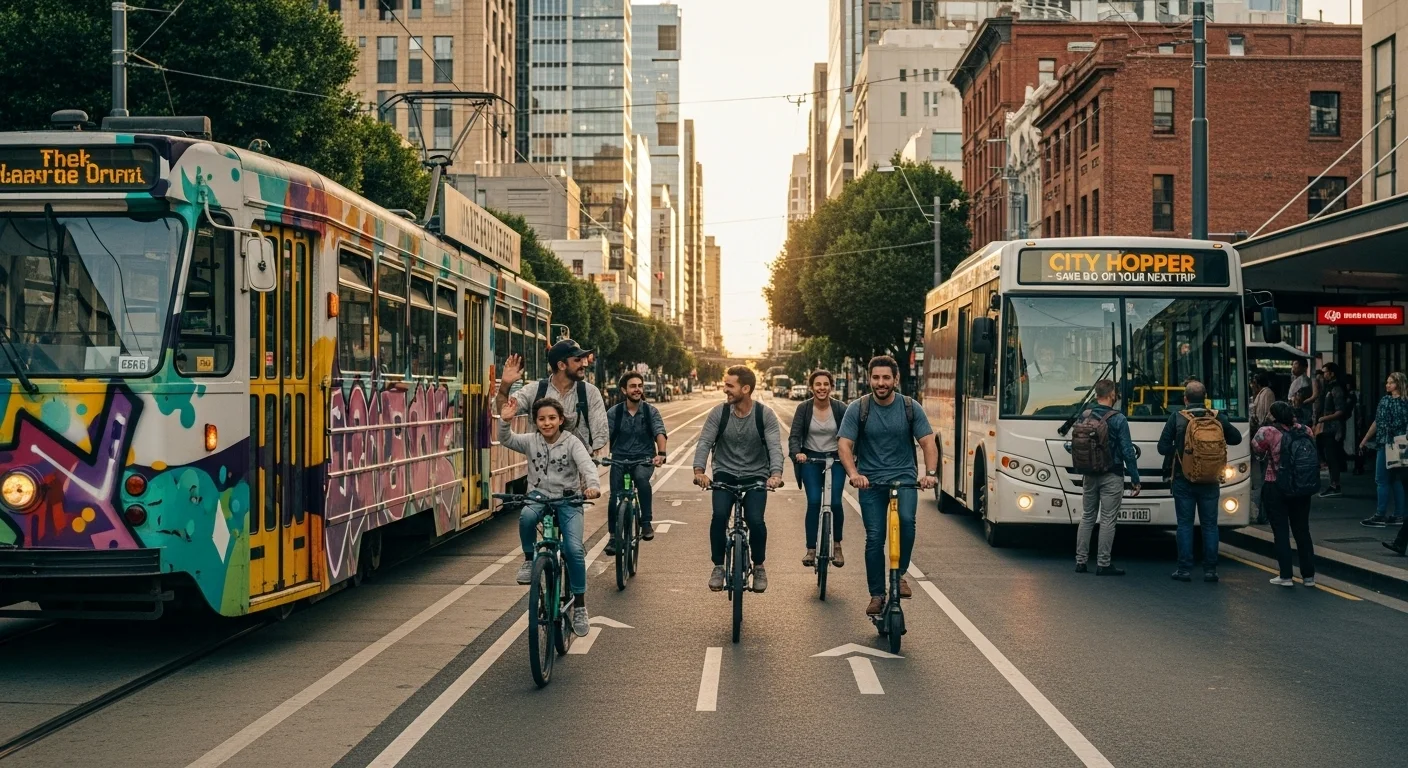
Master Local Transportation: Save Big on Your Next Trip

Traveling can be a fantastic adventure, but navigating local transportation often feels overwhelming. Master it, and you can save big while discovering hidden gems during your trip! Read Interesting article: Top 5 Travel Passes to Slash Your Transportation Costs
Master Local Transportation: Save Big on Your Next Trip

Understanding Local Transportation

When I first started traveling, I didn’t quite understand what local transportation really meant. I often relied on taxis or my rental car, thinking that was the easiest way to get around. However, local transportation encompasses various options to help you navigate a city more effectively and affordably. It’s not just about moving from one place to another; it’s about immersing yourself in the local culture and environment.

What is Local Transportation?

Local transportation refers to the different methods people use to travel within a city or nearby areas. It includes everything from buses and subways to ridesharing, biking, and even walking. Each option has its own set of advantages and challenges, but what’s important is finding what works best for you. I’ve learned that understanding the local system can make a world of difference in both cost and experience.

Types of Local Transportation

Let’s break down the primary types of local transportation. When I traveled to a new city, I often found myself switching between these methods, each offering a unique perspective on the area.

Public Transit

Public transit systems, like buses and trains, are often the backbone of local transportation. They can be a budget-friendly way to explore a city. For instance, during my trip to San Francisco, I used the Muni system extensively. It was efficient and allowed me to connect with locals. I remember hopping on the cable car one morning, feeling the cool breeze as I marveled at the iconic hills of the city. Using public transit can sometimes be daunting, especially in large cities, but I’ve found that most systems have user-friendly maps and schedules. Read Interesting article: 10 Budget Accommodation Tips for Savvy Backpackers

Ridesharing Services

Services like Uber and Lyft have changed the way we think about transportation. I often use ridesharing when public transit isn’t convenient or when I’m traveling late at night. It’s a flexible option that allows you to get from point A to point B without the hassle of parking or navigating public transit routes. However, I’ve learned to keep an eye out for surge pricing during peak hours. Planning your rides can save you a good amount of money!

Biking and Walking

One of my favorite ways to explore a new city is by biking or walking. Many cities are becoming more bike-friendly, with designated bike lanes and rental services available. I remember renting a bike in Amsterdam, and it was one of the highlights of my trip! Riding along the canals and stopping at cafes made me feel like a local. Walking is equally rewarding; it allows you to take in the sights, sounds, and smells of a place that you might miss while speeding by in a car.

Car Rentals

While I often lean toward public transportation, there are times when renting a car is worth it, especially if you plan to explore areas outside the city. I rented a car during my trip to the Pacific Northwest, which gave me the freedom to visit small towns and stunning natural parks that public transit wouldn’t reach. However, I’ve learned to factor in parking fees and gas costs when considering this option. Sometimes, the extra money spent on a rental can add up quickly!

Benefits of Mastering Local Transportation

Mastering local transportation can have a significant impact on your travel experience. I’ve come to appreciate the little things that make a trip memorable, and understanding how to navigate a city plays a crucial role in that journey.

Cost Savings

One of the primary benefits of mastering local transportation is cost savings. I can’t tell you how many times I’ve saved money by opting for public transit instead of taxis or rideshares. Many cities offer day passes or weekly passes that can significantly cut costs if you plan on using the transit system frequently. I learned this lesson the hard way after spending too much on ridesharing during a weekend trip. By the end of my trip, I wished I had utilized the local bus system more!

Time Efficiency

Another benefit I’ve noticed is time efficiency. Often, local transportation can get you to your destination faster than driving, especially in cities with heavy traffic. I remember getting stuck in traffic during a car rental in Los Angeles, realizing that the metro would have been a much quicker option. Plus, with public transportation, you can use your travel time to read, plan, or just enjoy the scenery.

Environmental Impact

Lastly, using local transportation can have a positive impact on the environment. I’ve tried to be more conscious of my carbon footprint while traveling. Utilizing public transit, biking, or walking whenever possible can help reduce pollution and lessen congestion. I feel good knowing that my travel choices contribute to a greener planet.

How to Navigate Public Transit

When I first started using public transit in different cities, I felt a mix of excitement and anxiety. It seemed like there was a lot to learn, but once I got the hang of it, I realized how empowering it could be. Navigating public transit can really open up a city to you, and I want to share some tips I’ve gathered along the way that made it easier for me.

Understanding Transit Systems

Each city has its own transit system, which can be both a blessing and a challenge. I’ve found that spending a little time studying the layout can make a huge difference. Many cities have maps available at stations or online, showing bus and train routes. On my recent trip to Paris, I took a few moments to download the RATP app, which not only has the transit maps but also real-time updates. It helped me plan my routes and avoid any unexpected delays. I suggest familiarizing yourself with the key transit hubs, as those are often the best places to switch lines or catch a bus. Understanding how the system works—like transfers and peak hours—can save you from a lot of frustration!

Buying Tickets and Passes

Buying the right ticket or pass can sometimes feel like a puzzle. During my travels, I’ve encountered a variety of ticketing options, from single rides to day passes. I remember being in Tokyo and being overwhelmed by the different types of tickets available. Eventually, I settled on a prepaid Suica card, which was super convenient. I could just tap in and out without worrying about buying a ticket each time. Many cities offer similar options, so I recommend checking the local website or asking someone at the station about the best choice for your travel plans. It’s often cheaper to buy a pass if you plan to use the transit system multiple times a day.

Using Mobile Apps for Navigation

In this digital age, mobile apps have made navigating public transit easier than ever. I can’t stress enough how much I rely on them when I’m exploring a new city. Apps like Google Maps or Citymapper provide real-time directions, estimated travel times, and even notifications about service disruptions. I remember trying to get to a concert in Berlin, and the app helped me navigate the U-Bahn system like a pro! Using your phone to track your route can take away a lot of the anxiety that comes with public transit. Just make sure to have a portable charger on hand; you don’t want your phone dying while you’re out and about!

Ridesharing Services: A Cost-Effective Option

While I love the local experience that public transport offers, there are moments when ridesharing becomes my go-to option. Whether it’s late at night or I’m in a hurry, having a rideshare app on my phone has made my travels much more convenient. I want to share some insights on how to make the most of these services.

Popular Ridesharing Platforms

Uber and Lyft are the most popular ridesharing services that I’ve used in the US, but other countries have their own versions, like Bolt in Europe or Grab in Southeast Asia. What I appreciate about these platforms is the convenience they offer. You can call a ride from practically anywhere, and I’ve often struck up conversations with drivers who shared local tips and hidden gems. I remember a driver in Austin who took the time to recommend some amazing food trucks that I would have missed otherwise!

Tips for Saving on Ridesharing

As convenient as ridesharing is, it can also add up quickly. I learned to be strategic about my rides to save money. One trick I found helpful is to check the fare estimates before requesting a ride. If prices seem high due to surge pricing, waiting a few minutes or walking a short distance can sometimes lead to lower fares. I also keep an eye out for promo codes or discounts that can pop up in the app. Plus, I’ve noticed that sharing a ride with others going in the same direction can bring costs down significantly!

When to Use Ridesharing vs. Public Transit

Deciding between ridesharing and public transit often depends on the situation. I try to use public transit when I have the time and want to soak in the local atmosphere, but if I’m running late or heading somewhere that’s not easily accessible, I’ll opt for ridesharing. There have been times, like late-night outings or early morning flights, when ridesharing felt like the safest and quickest option. Ultimately, it’s about balancing convenience, cost, and safety based on your specific travel circumstances.

Biking and Walking: Exploring the City on Your Own

After learning about various transportation options, I started to discover the joys of biking and walking. There’s something uniquely satisfying about exploring a city at your own pace, taking in the sights and sounds that you simply can’t experience from a car. I want to share some of my favorite aspects of biking and walking as a means of transportation.

Benefits of Biking

Biking is one of my favorite ways to get around, especially in cities designed for it. I remember renting a bike in Copenhagen and riding along the waterfront. It was exhilarating! Biking gives you the freedom to explore off the beaten path, and you can cover more distance than walking while still feeling connected to your surroundings. Plus, I’ve found that biking can be a fun way to stay active while traveling. Just be sure to check if the city offers bike lanes and rental services before you go. This preparation can make your experience much smoother!

Finding Bike Rental Services

In many cities, bike rental services have become increasingly common. I love that some places, like Barcelona, have bike-sharing systems where you can pick up and drop off bikes at various locations. It’s as easy as finding a station near you, hopping on a bike, and setting off on your adventure. I recommend checking local tourism websites for rental options, or you can use apps that list nearby rental services. Just remember to familiarize yourself with local biking regulations—some cities have specific rules about where cyclists can ride.

Best Walking Routes in Major Cities

Walking is another fantastic way to explore a city. I often find the best routes by simply wandering and seeing where the streets take me. However, I’ve also discovered that certain cities have established walking tours that highlight the must-see sights. For instance, during my time in Florence, I took a self-guided walking tour that led me through historical landmarks and charming piazzas. If you’re looking for the best walking routes, I suggest using travel blogs or local guidebooks, as they can offer insights into scenic paths and hidden spots that aren’t in the usual tourist guides.

Car Rentals: When is it Worth It?

Car rentals can be a game-changer for travelers looking to explore beyond the urban landscape. While I often enjoy using public transportation, I’ve found that there are certain situations where renting a car makes perfect sense. Let me share my experiences and insights about when to consider this option and what to keep in mind.

Pros and Cons of Renting a Car

Renting a car definitely has its perks. One of the biggest advantages I’ve experienced is the freedom to go wherever I want, whenever I want. For instance, during a trip to the beautiful national parks in Utah, having a rental car allowed me to visit Zion and Bryce Canyon at my own pace. I could stop along scenic routes, take photos, and explore hidden trails that I might have missed otherwise.

However, it’s important to weigh these benefits against the downsides. Renting a car can come with hidden costs, including fuel, parking fees, and insurance. I once rented a car in a bustling city where parking costs added up quickly, making me wish I had planned better. It’s crucial to think about where you’ll be driving and whether parking is available and affordable.

How to Find the Best Rental Deals

When I’m looking for a rental car, I always start my search online. I’ve discovered that comparing prices on different rental company websites and aggregator sites can lead to some fantastic deals. I also recommend booking in advance, especially during peak travel seasons, as prices tend to rise closer to your travel dates.

Another tip I’ve found helpful is to check for any discounts through memberships or credit cards. For instance, my AAA membership often gives me access to exclusive rates, which has saved me a chunk of change on several occasions. Lastly, don’t forget to read the fine print! Understanding the rental agreement and any potential fees can help you avoid surprises when you pick up the car.

Understanding Insurance and Fees

Insurance can be a tricky topic when it comes to renting a car. I remember my first rental experience where I was bombarded with options for insurance coverage. After doing some research, I realized that many credit cards offer rental car insurance, which can save you money. I recommend checking with your credit card company before you rent to see what coverage you already have.

Additionally, be aware of other fees that can come into play, such as a young driver surcharge if you’re under a certain age or fees for returning the car to a different location. I once made the mistake of not considering the drop-off fees when planning a road trip, and it ended up costing me more than I had anticipated. Being informed can help you budget accordingly and avoid any unexpected expenses.

Saving Money on Local Transportation

As travel enthusiasts, we’re always on the lookout for ways to save money, especially when it comes to local transportation. I’ve learned several strategies that have helped me keep my travel expenses in check while still enjoying everything a city has to offer.

Discount Passes and Cards

Many cities offer discount passes for public transportation, which can be a fantastic deal if you plan to use the system frequently. I remember visiting London, where I purchased an Oyster card. It not only provided convenient access to buses and trains but also offered reduced fares compared to buying single tickets. I’ve found that researching these options before a trip can lead to significant savings. Read Interesting article: Hitchhiking Safety Tips: Travel Smart on a Budget

In some cases, tourist cards can provide additional benefits, like discounts on local attractions or free transportation. During my trip to Barcelona, I got a Barcelona Card, which gave me unlimited access to public transportation and discounts to several museums. It felt great to save money while exploring!

Off-Peak Travel Strategies

Traveling during off-peak hours can often lead to cheaper fares and less crowded public transportation. I learned this lesson during a recent trip to New York City, where I took the subway at non-rush hours. The journey was much quicker and more comfortable, and I even got to snag a seat!

In addition, some ridesharing services offer lower rates during off-peak times. I’ve noticed that planning my rides for later in the evening or early mornings can save a few bucks. It might take a little adjustment to your schedule, but the savings can be worth it!

Using Loyalty Programs and Rewards

If you frequently travel, joining loyalty programs for transportation services can pay off. I signed up for a loyalty program with a major car rental company, and it has offered me perks like free upgrades and discounted rates. When planning a trip, I always check my loyalty accounts for any available benefits.

Additionally, accumulating points through travel credit cards can lead to free rides or upgrades. I once redeemed points for a free rideshare to the airport, which felt like a nice little bonus after a long trip! Keeping an eye on these opportunities can help maximize your travel budget.

Frequently Asked Questions

What is local transportation?

Local transportation refers to the different methods people use to travel within a city or nearby areas, including buses, subways, ridesharing, biking, and walking. It helps travelers navigate a city effectively and affordably while immersing themselves in the local culture.

What are the primary types of local transportation?

The primary types of local transportation include public transit (buses and trains), ridesharing services (like Uber and Lyft), biking, walking, and car rentals. Each offers unique advantages and challenges for travelers.

How can mastering local transportation save money?

Mastering local transportation can lead to significant cost savings. Public transit options often have day or weekly passes that reduce expenses compared to taxis or rideshares. Understanding the local transit system can help avoid overspending on transportation.

What are some tips for navigating public transit?

To navigate public transit effectively, familiarize yourself with the transit system layout, buy the appropriate tickets or passes, and use mobile apps for real-time navigation and updates. Studying maps and key transit hubs can also help ease anxiety when using public transport.

When is it best to use ridesharing services?

Ridesharing services are ideal when public transit is inconvenient, late at night, or when traveling to less accessible areas. They offer flexibility and convenience, particularly in situations where time is a constraint.

What are the benefits of biking as a form of transportation?

Biking allows travelers to explore cities at their own pace, cover more ground than walking, and stay active while enjoying the surroundings. Many cities offer bike lanes and rental services to facilitate biking as a transportation option.

What should travelers consider when renting a car?

Travelers should weigh the benefits of freedom and convenience against hidden costs like fuel, parking fees, and insurance when considering a rental car. It’s crucial to plan for parking availability and understand rental agreements to avoid unexpected expenses.

How can travelers save money on local transportation?

Travelers can save money by purchasing discount passes for public transportation, traveling during off-peak hours for lower fares, and using loyalty programs for transportation services. Researching these options before a trip can lead to significant savings.

What are some popular ridesharing platforms?

Popular ridesharing platforms include Uber and Lyft in the US, as well as alternatives like Bolt in Europe and Grab in Southeast Asia. Each platform offers convenience and can connect travelers with local drivers who may share helpful tips.

What are the advantages of using mobile apps for navigation?

Mobile apps provide real-time directions, estimated travel times, and notifications about service disruptions, making it easier to navigate public transit systems. They help reduce anxiety and enhance the overall travel experience.
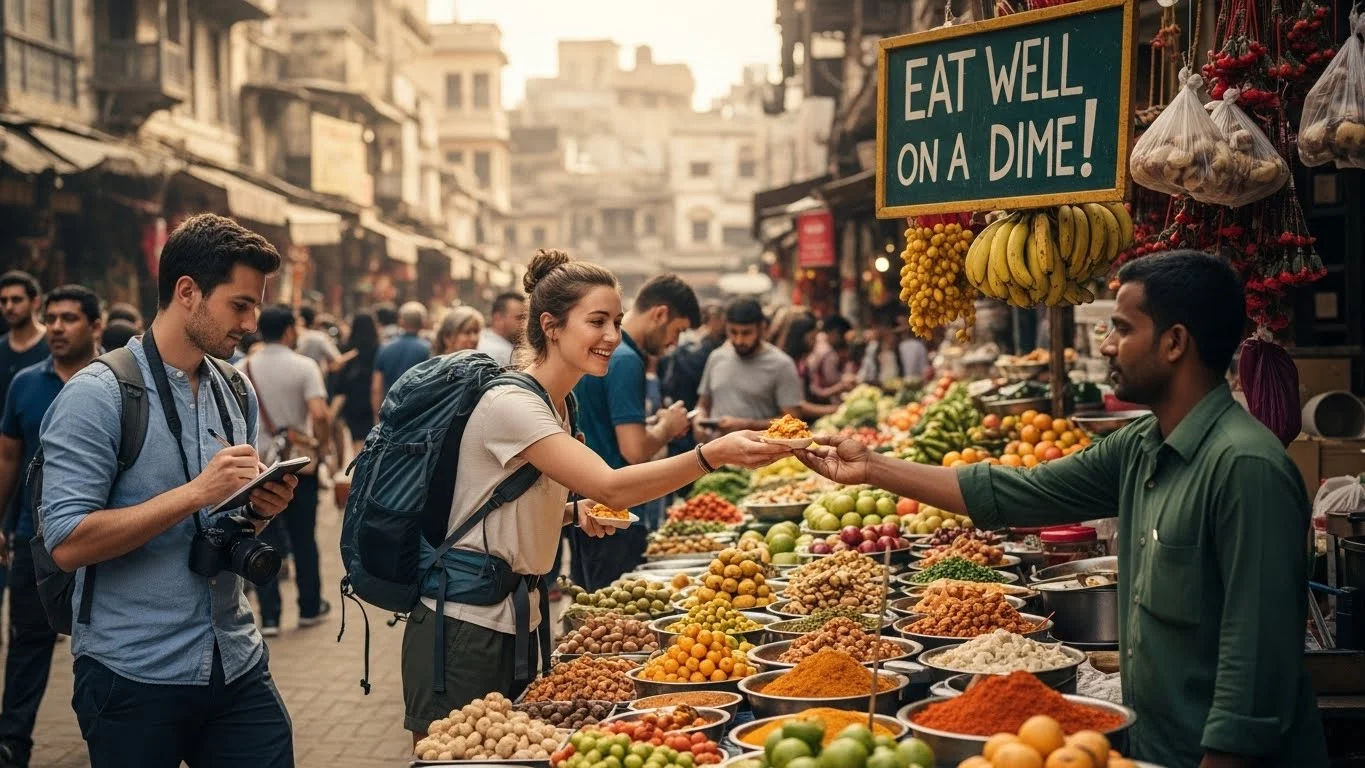
Travel Smart: 7 Hacks for Eating Cheap on Your Journey

Traveling is a joy, but eating well on a budget can feel like a challenge. Fortunately, I’ve gathered some savvy hacks for enjoying delicious meals without breaking the bank while exploring new places! Read Interesting article: Savvy Tips for Eating Cheap While Traveling on a Budget

Travel Smart: 7 Hacks for Eating Cheap on Your Journey

Understanding the Importance of Budget Dining While Traveling

Why Eating Cheap Matters

As I embarked on my travel adventures, I quickly realized that food could either make or break my budget. I remember my first trip to Europe, where I spent a significant chunk of my savings on meals. It hit me hard when I had to cut down on activities I wanted to do just because I overspent on dining. That’s when I learned that eating cheap doesn’t mean sacrificing quality or flavor; it’s about being smart and strategic.

Eating cheap while traveling matters not just for saving money, but also for enhancing the overall experience. Local cuisine is often the heart of a culture, and discovering affordable ways to indulge in it makes the journey even more enriching. I’ve found that when I eat like a local, I get a deeper understanding of the place I’m visiting, and my taste buds get a delightful workout in the process!

The Impact of Food Costs on Travel Budgets

Food costs can heavily influence your travel budget, and I’ve seen this firsthand. In some countries, a meal at a nice restaurant can cost as much as a night’s stay in a budget hotel. I remember my trip to Japan, where high-end dining options could lead to a hefty bill. I quickly adapted by seeking out local ramen shops and curry houses, which not only filled my stomach but also left my wallet intact.

In my experience, I make it a point to allocate a specific percentage of my budget to food. I’ve learned to balance my dining expenses by mixing between splurging on a special meal and keeping it low-key on other days. Adjusting my expectations and getting creative allowed me to indulge in the culinary wonders of different places without the financial stress. For more insights, check out Delicious and Cheap: Dining on a Budget While Traveling.

Hack 1: Research Local Cuisine and Eating Habits

Identifying Affordable Local Dishes

Before I travel, I dive deep into researching the local cuisine. I love browsing food blogs, travel forums, and even social media posts to find out what dishes are not only popular but also budget-friendly. For instance, when I went to Thailand, I discovered that street food was not only delicious but also incredibly cheap. I couldn’t resist the mouthwatering Pad Thai from a roadside vendor that cost less than a dollar!

Identifying affordable local dishes can be a game-changer. I’ve compiled a list of favorites, like tacos in Mexico, bánh mì in Vietnam, and falafel in Israel. Each country has its own hidden gems, often found in the bustling markets or local eateries. When I approach a new destination, I keep a list of these dishes handy, making it easier to spot them during my explorations.

Understanding Food Culture in Different Regions

Understanding food culture is just as important. During my travels, I’ve noticed that every region has its own unique dining customs. In Italy, for example, I learned about the tradition of having a light lunch and a larger dinner. Adapting to these local habits helped me save money while enjoying the experience. I often ask locals for their recommendations, which has led me to some of the best food I’ve ever tasted!

Being aware of dining hours and customs can also make a big difference. In Spain, for example, the tradition of tapas allows you to try several dishes without spending too much. I can’t tell you how many times I’ve sat at a bar, savoring small bites and enjoying a drink, all while keeping my budget in check.

Hack 2: Utilize Food Apps and Websites

Best Apps for Finding Local Deals

In today’s digital age, smartphone apps have become my trusty companions. I’ve discovered fantastic food apps like Yelp, TripAdvisor, and Zomato, which help me locate great eateries. These apps often highlight local deals, happy hours, and even discounts. I remember finding an amazing burger joint in Chicago through Yelp that had a “buy one, get one free” deal during lunchtime. It was a win-win!

Another app I’ve come to love is Foursquare, where I can explore not only places to eat but also reviews that guide me to the best spots. I often scroll through photos and ratings to find hidden gems that might not be in the travel guides. It’s like having a local friend sharing their favorite spots with me!

Online Reviews and Recommendations

Online reviews can be a treasure trove of information. I make it a habit to read through reviews before selecting a place to eat. I look for comments about portion sizes, price points, and the authenticity of the dishes. Sometimes, I even check out local food bloggers or influencers on social media to get the inside scoop on the best budget-friendly options. I’ve had some of my best meals simply by following the recommendations of food enthusiasts who’ve been there before me!

Hack 3: Choose Accommodations with Kitchen Facilities

Benefits of Cooking Your Own Meals

One of the best decisions I made on my travels was opting for accommodations that include kitchen facilities. Whether it’s a hostel, Airbnb, or a vacation rental, having access to a kitchen allows me to cook my own meals and experiment with local ingredients. I remember staying in an apartment in Greece where I could prepare a fresh salad with local feta and olives. It was a delightful experience!

Cooking my own meals not only saves money but also gives me the chance to enjoy fresh produce and flavors that I might not find in a restaurant. I often enjoy visiting local markets, where I can buy fresh fruits, vegetables, and other ingredients. The excitement of creating my own meals has become a memorable part of my journey.

Grocery Shopping Tips for Travelers

When grocery shopping, I’ve learned to stick to local markets and shops instead of touristy supermarkets. Local markets often offer fresh produce at better prices, and I enjoy chatting with vendors about their products. I’ve also got into the habit of planning meals ahead of time, which helps me avoid impulse buying and waste. Simple dishes like pasta, stir-fry, or sandwiches can be both affordable and satisfying.

Keeping a few essentials on hand, like spices or olive oil, can also elevate my home-cooked meals. I feel a sense of satisfaction when I can put together a meal with local ingredients after an exciting day of exploring.

Hack 4: Take Advantage of Street Food

Popular Street Food Options Around the World

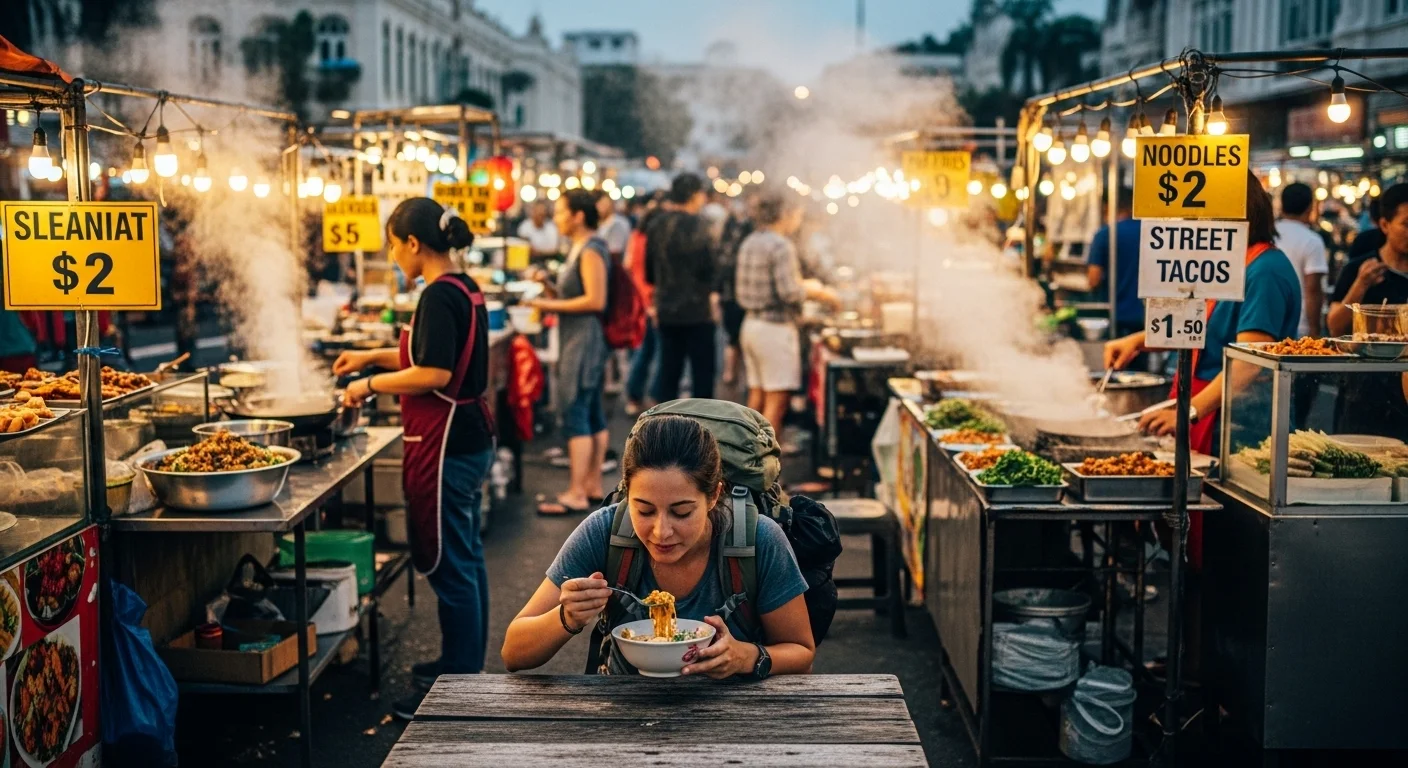
One of my favorite experiences while traveling has been diving into the world of street food. There’s something so authentic about grabbing a snack from a vendor on the street. I remember wandering through the night markets in Taipei, where the aroma of grilled meats and sweet pastries filled the air. I tried the famous Taiwanese “stinky tofu,” which was surprisingly delicious, and it cost me just a couple of dollars!

Street food varies wildly from place to place, and I’ve learned to embrace it wherever I go. In Mexico, I couldn’t resist the al pastor tacos, perfectly spiced and served with fresh cilantro and onions. In India, chaat was a delightful explosion of flavors that I devoured as I meandered through the bustling streets. Each bite tells a story, connecting me to the local culture in a way that a sit-down restaurant often can’t.

Besides being a budget-friendly option, street food often reflects the culinary heart of a city. I’ve found that some of the best meals I’ve ever had were enjoyed while standing on a busy street corner, surrounded by locals. Plus, it’s a fantastic way to meet people and soak up the vibrant atmosphere of a new place!

Safety Tips for Eating Street Food

While street food is an adventure, I’ve learned that some precautions can make the experience safer and more enjoyable. First off, I always look for stalls with a queue of locals. If the locals are eating there, that’s a good sign that the food is not only tasty but also safe to eat. I also pay attention to how the food is being prepared; cleanliness matters! I try to choose vendors who cook food fresh in front of me, ensuring it’s hot and handled properly.

I’ve had my fair share of street food adventures, but I’ve also experienced the consequences of not being careful. A few years ago in Thailand, I was tempted by a vendor selling beautifully vibrant mango sticky rice. It was delicious, but I later learned that the vendor didn’t follow proper hygiene practices. I ended up feeling unwell for a couple of days. Now, I always ask myself if the vendor’s area looks clean and if the food is freshly prepared. It’s all about balancing adventure with caution!

Hack 5: Look for Lunch Specials and Happy Hour Deals

Understanding Restaurant Pricing Strategies

One tip I’ve picked up over the years is to take advantage of lunch specials. Many restaurants offer reduced prices during lunchtime to attract customers. I recall a charming little Italian restaurant in Rome where I enjoyed a three-course meal for half the price of dinner. It felt like I was winning while indulging in authentic pasta and tiramisu!

Understanding restaurant pricing strategies has helped me maximize my food budget. I’ve noticed that some places might have a higher markup during dinner hours, while lunch offerings allow you to sample their best dishes without spending a fortune. I often plan my day around these specials, allowing me to enjoy quality meals without the evening price tag.

Best Times to Eat for Budget-Friendly Options

In addition to lunch specials, happy hour can be a goldmine for budget-conscious travelers. I remember discovering a bar in Barcelona that offered tapas and drinks at a significant discount during happy hour. It was a fun way to try various small dishes without emptying my wallet. Plus, enjoying local drinks while mingling with other travelers made for an unforgettable evening!

Timing is everything—eating out early or late can sometimes lead to better deals. Many restaurants offer discounts during off-peak hours, so I’ve learned to be flexible with my meal times. This strategy not only saves money but also allows me to enjoy a more relaxed dining experience without the hustle and bustle of peak hours.

Hack 6: Join Local Food Tours or Cooking Classes

Finding Affordable Food Tours

One of the most enriching experiences I had during my travels was joining a local food tour. I’ll never forget my time in Lisbon, where I joined a small group to explore the city’s culinary scene. It was amazing to walk through the streets with a local guide who introduced us to traditional dishes and the stories behind them. We sampled everything from pastéis de nata to bacalhau, all while learning about the city’s history.

Food tours often provide great value for the money, as you get to try multiple dishes and learn about the culture simultaneously. I’ve found that many local companies offer affordable options, especially if booked in advance. Additionally, these tours often give insider tips on where to eat afterwards, making them a double treat!

Cooking Classes as a Culinary Experience

Another fantastic way to immerse myself in local cuisine has been through cooking classes. I’ve taken classes in various countries, from making pasta in Italy to crafting sushi in Japan. These experiences not only teach me how to prepare local dishes but also allow me to connect with local chefs and fellow food lovers.

Cooking classes can often be found at reasonable prices, especially if you seek out smaller, family-run establishments. I remember my cooking class in Thailand where we visited a local market to buy fresh ingredients. It was such a joy to learn how to make a traditional Thai curry from scratch and then enjoy the fruits of our labor. Not only did I walk away with new skills, but I also gained a deeper appreciation for the local culture through its food.

Hack 7: Use Social Media for Foodie Tips

Following Local Food Influencers

In the age of social media, I’ve found that platforms like Instagram and TikTok can be gold mines for discovering local eateries. I remember scrolling through my feed while planning a trip to Mexico City and stumbled upon a food influencer who shared mouthwatering photos of authentic street tacos and vibrant markets. Following local food influencers not only gives me visual inspiration but also helps me find places that I might not come across in traditional travel guides.

What I love about this approach is the authenticity. These influencers often share their genuine experiences, complete with tips on what to order and where to find the best dishes. I’ve even messaged a few of them for specific recommendations, and they’ve been more than happy to help! It’s like having a local friend guiding me through the culinary landscape of a new city.

Finding Deals and Hidden Gems via Social Platforms

Besides following influencers, I’ve realized that social media can also help me uncover fantastic deals and hidden gems. Many restaurants promote special offers or discounts exclusively on their social media pages. I’ve discovered pop-up events, food festivals, and even local markets through these channels. For instance, I once found out about a “food crawl” event in Singapore that allowed me to sample dishes from various stalls at a discounted price!

Another tip I’ve learned is to join local food groups or pages. These communities often share the latest dining deals, upcoming events, or even secret menu items. During my trip to Paris, I joined a Facebook group focused on budget dining, and it led me to an amazing bistro that offered a three-course meal for a fraction of the price during weekdays. It was an absolute steal!

Final Thoughts on Eating Cheap While Traveling

Balancing Quality and Cost

While it’s essential to save money, I believe it’s equally important to maintain a balance between quality and cost. I’ve learned that spending a little more on a meal that provides a unique experience is sometimes worth it. For example, during my travels, I’ve splurged on a local delicacy that truly embodies the culture, and it has always been a memorable part of my journey.

It’s all about knowing when to treat myself. I usually reserve my splurges for meals that offer a taste of something special, like a chef’s recommendation or an iconic dish that I can’t get anywhere else. This way, I still manage to keep my overall budget in check while creating lasting memories through food.

Personalizing Your Food Experience on a Budget

Ultimately, I’ve found that personalizing my food experience is key to enjoying my travels without overspending. I take the time to explore local markets, interact with vendors, and even try my hand at cooking with local ingredients. Every meal can be an adventure, and I often find that the most meaningful experiences come from the simplest of meals, whether it’s sharing street food with locals or preparing a dish in my rental kitchen.

This journey of discovering food on a budget has taught me that it’s not just about saving money; it’s about connecting with cultures, meeting new people, and savoring the flavors of the world. Whether I’m enjoying a lavish meal or a humble street snack, every bite tells a story, and I’m here for every delicious moment!

Frequently Asked Questions

Why is eating cheap important while traveling?

Eating cheap while traveling is important for saving money and enhancing the overall travel experience. It allows travelers to enjoy local cuisine, which is often the heart of a culture, without overspending.

How can food costs impact a travel budget?

Food costs can significantly influence a travel budget, sometimes costing as much as a night’s stay in a budget hotel. This can lead to having to cut down on other activities if dining expenses are too high.

What are some tips for identifying affordable local dishes?

Researching local cuisine through food blogs, travel forums, and social media can help identify popular and budget-friendly dishes. Keeping a list of these dishes handy while exploring a new destination can also be beneficial.

What are some effective food apps for travelers?

Apps like Yelp, TripAdvisor, and Zomato are great for finding local eateries and deals. Foursquare is also useful for exploring local food options and reading reviews to discover hidden gems.

What are the benefits of choosing accommodations with kitchen facilities?

Accommodations with kitchen facilities allow travelers to cook their own meals, which saves money and provides the opportunity to enjoy fresh local ingredients. It also adds a personal touch to the travel experience.

What precautions should be taken when eating street food?

When eating street food, it’s important to choose stalls with a queue of locals, ensure that food is freshly prepared, and pay attention to cleanliness to avoid foodborne illnesses.

How can travelers benefit from lunch specials and happy hour deals?

Many restaurants offer reduced prices during lunch or happy hour to attract customers. Taking advantage of these specials can allow travelers to enjoy quality meals at a lower cost.

What are the advantages of joining local food tours or cooking classes?

Local food tours offer great value by allowing travelers to sample multiple dishes and learn about the culture. Cooking classes provide hands-on experience and deeper appreciation for local cuisine.

How can social media be used to find local food recommendations?

Social media platforms like Instagram and TikTok can help travelers discover local eateries and deals. Following local food influencers and joining food groups can lead to finding hidden gems and special offers.

What is the key to balancing quality and cost when dining while traveling?

It’s essential to maintain a balance between quality and cost by knowing when to splurge on a unique meal while keeping the overall budget in check. Personalizing the food experience can enhance the enjoyment of travel.

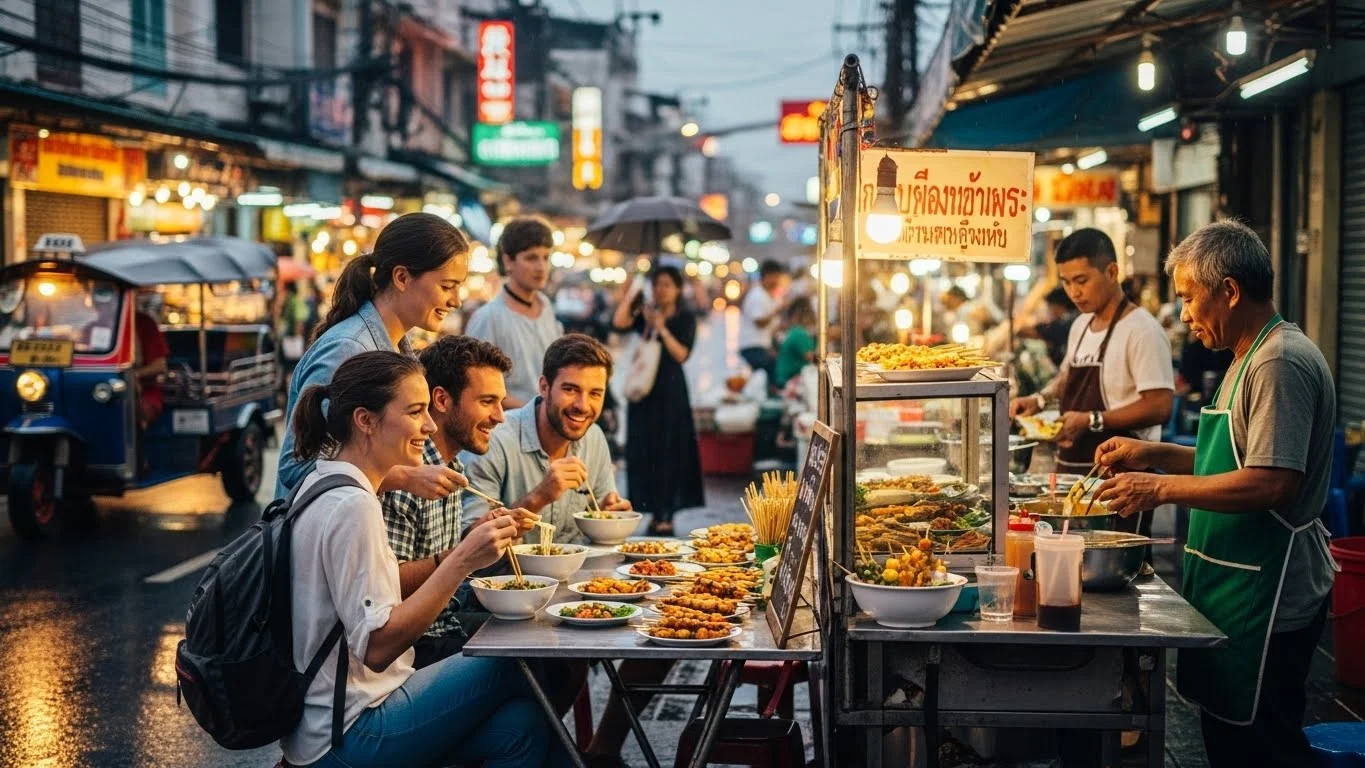
Delicious and Cheap: Dining on a Budget While Traveling

Traveling doesn’t have to break the bank, especially when it comes to dining. I’ve learned that with a little planning, you can enjoy delicious meals without spending a fortune. Let’s dive into how to savor local flavors while keeping your wallet happy!

Delicious and Cheap: Dining on a Budget While Traveling

Understanding Budget Dining While Traveling

Importance of Budget-Friendly Dining

When I first started traveling, I quickly realized that food can take up a huge chunk of my budget. I remember that trip to Italy where I splurged on a few fancy dinners and ended up eating instant noodles for the rest of the week. It was a learning experience! Budget-friendly dining is essential not just for saving money but also for enjoying the full travel experience. Eating like a local often means finding hidden gems that you wouldn’t discover in touristy restaurants. It gives you a taste of the culture and lets you connect with the locals. Read Interesting article: Gourmet Dining on a Budget: Hidden Gems to Discover

Benefits of Eating Cheap While Traveling

Eating cheap doesn’t mean sacrificing quality. In fact, I’ve found that some of the best meals I’ve had were from street vendors or local markets. Here are some benefits I’ve discovered:

  • Savings: When I choose budget-friendly options, I can allocate more funds to activities like sightseeing or shopping.
  • Dining Diversity: Trying out various inexpensive eateries allows me to sample a broader range of flavors and cuisines.
  • Local Experiences: Eating where the locals eat often leads to more authentic and memorable experiences. I remember sitting at a humble table in a small café in Paris, enjoying a croissant while chatting with the owner about the neighborhood.
  • Healthier Choices: Sometimes, local markets have fresh produce and dishes that are much healthier than the processed options often found in tourist traps.

Essential Tips for Dining on a Budget

Researching Local Cuisine and Prices

Before I head to a new destination, I love researching local dishes and typical prices. It helps me understand what to expect and allows me to plan my meals accordingly. Websites, travel blogs, and social media platforms like Instagram can give you a glimpse of the local food scene. I usually jot down a few must-try dishes and check if there are any budget-friendly options available. For instance, when I visited Thailand, I learned about the street food scene and made it a point to try pad thai from a local vendor instead of a restaurant.

Utilizing Food Apps and Websites

There are fantastic apps and websites that can help find budget dining options. Some of my favorites include Yelp and TripAdvisor, which offer user reviews and price ranges. I also love using local apps that cater specifically to the area I’m visiting. They often have deals or highlight lesser-known spots that may not be on the tourist radar. In my experience, this approach has led me to some incredible meals without overspending. Read Interesting article: Savoring Savings: Top Budget Dining Hacks for Travelers

Timing Your Meals: Lunch vs. Dinner Deals

Timing is everything when it comes to dining on a budget. I’ve noticed that many restaurants offer lunch specials that are both delicious and significantly cheaper than dinner prices. Whenever I’m in a new city, I try to have my big meal during lunch and snack lightly in the evening. This not only saves money but also allows me to experience two different dining scenes in one day! For instance, I remember enjoying an exquisite lunch of tapas in Spain for a fraction of what I would have paid for dinner.

Staying Hydrated: Avoiding Expensive Drinks

One thing I’ve learned the hard way is that drinks can sneakily elevate your dining bill. I used to order a fancy cocktail or soda at every meal, but now I often opt for water, which is usually complimentary. If I want something extra, I look for local drinks that are affordable, like fresh coconut water in Southeast Asia or lemonade from street vendors in South America. Staying hydrated without spending a lot is key to enjoying my meals and keeping my budget intact.

Dining on a budget while traveling can be an exciting journey of discovery. With the right approach, I’ve found that it’s possible to enjoy amazing food experiences without emptying my wallet. Each meal has become a highlight of my travels, teaching me about local cultures and flavors. I can’t wait to share even more tips and options to help you on your next adventure! Read Interesting article: Gourmet Dining on a Budget: Wine and Dine Adventures Await

Top Budget-Friendly Dining Options

Street Food: A Culinary Adventure

One of my favorite parts of traveling is diving into the world of street food. It’s like an adventure in every bite! Street vendors often serve some of the most authentic dishes you can find, and at prices that won’t leave you gasping. I remember my trip to Mexico City, where I tried tacos from a small stand. The flavors were incredible, and I could barely believe I only spent a couple of dollars. Each region has its specialties, from bánh mì in Vietnam to crepes in France. While enjoying street food, I always keep an eye out for places with long lines of locals, as that’s usually a good sign of tasty food. Plus, there’s something special about eating outdoors, surrounded by the hustle and bustle of the city.

Local Markets: Fresh and Affordable Options

Local markets are another treasure trove for budget-friendly dining. Not only can you find fresh produce, but many markets also feature food stalls selling ready-to-eat meals. I’ve spent some unforgettable afternoons wandering through markets, sampling everything from local cheeses to homemade pastries. During my visit to Barcelona, I stumbled upon La Boqueria, where I tried fresh seafood and a variety of tapas for a fraction of what I would have paid at a restaurant. Eating at a market is a great way to experience the local food culture while keeping costs low.

Cafés and Bistros: Casual Dining Experiences

Cafés and bistros often provide a more relaxed dining experience. They are perfect for a light meal or a coffee break after a long day of exploring. I love sitting at a small café, sipping espresso while people-watching. In many European cities, you can find charming little bistros offering daily specials that are both delicious and affordable. I once enjoyed a hearty quiche in a cozy Parisian café for under ten euros! These spaces not only serve great food but also offer a glimpse into local life, making them a must-visit.

Buffets and All-You-Can-Eat Restaurants

All-you-can-eat restaurants can be a fun way to sample a variety of dishes without worrying about overspending. I remember trying a buffet in Las Vegas that featured everything from sushi to Italian pasta. While I wouldn’t recommend it for every meal, they can be a fantastic option when you’re really hungry or when traveling with a group. Just be sure to pace yourself! It’s easy to get carried away and fill up on food you may not enjoy as much as local specialties. I’ve found that trying a little bit of everything can lead to some exciting culinary discoveries.

Food Trucks: Trendy and Economical Choices

Food trucks have become a popular dining option in many cities, and for good reason! They often serve gourmet dishes at a fraction of the price you’d find in a sit-down restaurant. I’ve had some of the best meals from food trucks, like the time I tried a fusion taco in Los Angeles that combined Korean BBQ with classic Mexican flavors. These mobile kitchens often change locations and menus, so they provide a fun and ever-evolving dining experience. I recommend checking social media or local food blogs to find where the best food trucks are parked during your visit.

Finding budget-friendly dining options while traveling doesn’t mean skimping on quality or flavor. Each of these options has its charm and offers a unique way to experience local cuisine. I cherish the moments spent enjoying street food, exploring bustling markets, and relaxing in cozy cafés with a good book. With a little creativity and willingness to explore, we can savor the best our destinations have to offer without breaking the bank!

Destination-Specific Budget Dining Guides

Dining on a Budget in Europe

Europe is filled with diverse culinary experiences, but it can also be a bit pricey if you’re not careful. I remember my time in Lisbon, where I discovered that local tascas (small taverns) offer authentic Portuguese dishes at reasonable prices. I tried bacalhau à brás (codfish) for just a few euros, and it became a highlight of my trip! Another great tip is to take advantage of bakeries; they often have delicious pastries and sandwiches that make for perfect budget meals. In cities like Prague, I found that lunch menus offered substantial meals at half the dinner price, making it easy to enjoy local food without overspending.

Cheap Eats in Southeast Asia

Southeast Asia is a paradise for budget travelers, especially food lovers like me. Countries like Thailand, Vietnam, and Indonesia are known for their street food culture, where you can indulge in flavorful dishes without breaking the bank. I recall my experience in Bangkok, where a plate of pad see ew cost me less than two dollars! Local markets are the way to go; not only can you find meals that are freshly prepared, but you’ll also experience the vibrant atmosphere of the market. In Vietnam, I couldn’t get enough of phở from street vendors, and let me tell you, it was way more delicious and affordable than any restaurant version I tried.

Affordable Dining in South America

Traveling through South America opened my eyes to some incredible budget dining options. In countries like Peru, I found that lunch menus, known as menú del día, offered a full meal for a very low price. I remember enjoying a hearty plate of lomo saltado with rice and a drink for less than five dollars! In Brazil, the pastel stalls were my go-to for quick, tasty snacks. These deep-fried pastries filled with anything from cheese to meat are cheap and oh-so-satisfying. Exploring local food markets in places like Buenos Aires is also a great way to budget your meals while enjoying local flavors.

Budget-Friendly Options in North America

When I think of budget dining in North America, food trucks and casual eateries come to mind. I’ve had some fantastic meals from food trucks in cities like Los Angeles and Austin, where tacos and barbeque are served up at prices that won’t dent your wallet. In New York City, I discovered that deli sandwiches or bagels can fill you up for under ten dollars, especially if you choose a local spot instead of a touristy restaurant. Plus, exploring neighborhoods like Chinatown or Little Italy can lead to surprisingly affordable dining options, giving you a taste of culture without the high price tag.

Local Specialties Worth Trying

Street Food Delicacies Around the World

Street food is truly one of the best ways to experience the local culture, and I’ve found that each destination has its own must-try delicacies. In Mumbai, I couldn’t resist trying vada pav, a spicy potato fritter served in a bun, which cost me just a few rupees. In Mexico, I discovered elote, grilled corn on the cob slathered in mayonnaise, cheese, and chili powder. Each bite was a burst of flavors! From kebabs in Istanbul to skewers in Jakarta, street food not only satisfies your hunger but also immerses you in the local vibe.

Regional Dishes That Won’t Break the Bank

Every region I’ve visited has its own signature dishes that are often affordable and absolutely delicious. In the southern United States, I found that gumbo is a hearty and filling dish that can be found at local diners for a reasonable price. Up north, I enjoyed poutine in Canada, a delightful mix of fries, cheese curds, and gravy that is both comforting and budget-friendly. There’s something special about trying the local cuisine that makes each trip memorable, and I love discovering these regional gems.

Affordable Dining in Major Cities

Major cities can sometimes feel overwhelming with their price tags, but I’ve learned that with a little creativity, I can still eat well without overspending. For example, in Tokyo, I found conveyor belt sushi restaurants where I could grab plates for just a couple of dollars each. In Paris, I often enjoyed a simple baguette sandwich from a local boulangerie while sitting in a park, soaking in the atmosphere. Each city has its affordable spots, and I’ve found that asking locals for their favorite budget-friendly places often leads to the best culinary discoveries.

Strategies for Saving Money on Food While Traveling

Cooking Your Own Meals: Hostels and Rentals

One of my favorite strategies for saving money on food while traveling is cooking my own meals. Many hostels offer kitchen facilities, and I’ve made some amazing meals with fresh ingredients from local markets. During my stay in Florence, I bought fresh pasta and local tomatoes and whipped up a simple dish that was both delicious and budget-friendly. If I’m renting an apartment, it’s even better! I love making breakfast at home, which not only saves money but also gives me a chance to enjoy a leisurely morning.

Finding Discounts and Deals

In my quest for budget dining, I’ve become quite the expert at hunting for discounts and deals. Many restaurants offer early bird specials or happy hour discounts that can significantly reduce costs. I remember discovering a lovely bistro in Barcelona that had a two-for-one deal on tapas during specific hours. Additionally, I’ve found that signing up for local dining newsletters or following restaurants on social media can alert me to any special promotions. It’s all about being proactive and keeping an eye out for opportunities!

Using Coupons and Loyalty Programs

Using coupons and loyalty programs has become a game-changer for me when traveling. Many cities have local coupon books or websites that offer discounts on dining. I remember finding a coupon book while exploring San Francisco that had great deals on popular restaurants. Additionally, I’ve signed up for loyalty programs at chains I enjoy, which often reward me with discounts or even free meals after a certain number of visits. It’s a simple way to save money while enjoying meals I love!

Safety and Hygiene Considerations

Choosing the Right Places to Eat

When it comes to dining on a budget, safety and hygiene are paramount. I remember wandering through markets and street food stalls, excited to try everything, but I also learned to be cautious. I tend to look for places that appear clean and are busy with locals; this usually indicates a good reputation. For example, in Bangkok, I found a bustling street vendor serving pad thai that had a line of locals waiting. That was my cue! It’s essential to trust your instincts. If a place looks questionable, it’s often best to move on. I’ve also come to appreciate asking locals for recommendations. They often know the hidden gems where the food is not only delicious but also safe to eat.

Food Safety Tips for Travelers

Food safety is something I take seriously while traveling. I’ve picked up some tips over the years that help me avoid food-related illnesses. First, I always watch how food is prepared. If I see vendors using fresh ingredients and cooking food at high temperatures, I feel more confident. I also try to stick with cooked foods rather than raw ones, especially in places where hygiene standards may not be as strict. Additionally, I’ve learned to always drink bottled water in areas where tap water isn’t safe. It may seem like common sense, but it’s easy to forget when you’re caught up in the excitement of travel. And remember, if something doesn’t taste right, it’s better to err on the side of caution and not eat it!

Traveling with Dietary Restrictions on a Budget

Finding Affordable Vegan and Vegetarian Options

Traveling as a vegan or vegetarian can pose its own set of challenges, but I’ve found that it’s more than possible to enjoy delicious meals without overspending. I remember my trip to India, where vegetarian food is not just common but often the best option available. I discovered local dishes like chana masala, which was both hearty and inexpensive. In many cities, you can also find vegetarian buffets that offer a variety of options for a fixed price. I recommend checking out local markets or vegetarian restaurants, as they often have affordable daily specials. This way, I can enjoy the rich flavors of the cuisine while sticking to my dietary preferences.

Gluten-Free Dining on a Budget

For those of us who need to avoid gluten, finding affordable options can sometimes be tricky. I’ve learned to research local gluten-free-friendly dishes before I arrive. In Italy, for instance, I was delighted to discover that many restaurants offer gluten-free pasta at reasonable prices. I also keep an eye out for naturally gluten-free foods, like rice dishes or fresh salads. When visiting markets, I often ask vendors about gluten-free options. Generally, I find local chefs to be accommodating and happy to help with dietary needs. It’s all about communicating and being open to trying new things!

Restaurants That Cater to Various Dietary Needs

Many modern restaurants are becoming more aware of dietary restrictions and often list options that cater to various needs. I’ve found that searching for places that advertise themselves as inclusive can lead to some fantastic meals. In cities like San Francisco and Berlin, I’ve seen an increase in restaurants that offer extensive menus featuring gluten-free, vegan, and vegetarian dishes. These places not only cater to specific dietary requirements but often have a creative twist on traditional dishes. I recommend checking reviews online to find restaurants that are not only budget-friendly but also highly rated for their dietary accommodations. This way, I can enjoy a meal that feels thoughtful and satisfying.

Cultural Etiquette and Dining Practices

Understanding Local Dining Customs

One of the joys of traveling is experiencing the dining customs of different cultures. I’ve found that understanding local dining etiquette can enhance my meals and help me connect with locals. For example, in Japan, I learned the importance of saying “itadakimasu” before a meal as a sign of gratitude. In contrast, in Italy, I discovered that it’s common to linger over a meal and savor every bite. Being respectful of these customs not only shows appreciation for the culture, but it can also lead to a more immersive experience while dining.

Tips for Tipping and Payment Practices

Tipping practices can vary widely from country to country, and I’ve had my share of awkward moments figuring it out! In some places like the United States, tipping is expected, while in others, it’s not customary at all. I always do a little research on the tipping norms before each trip. For example, in many Asian countries, tipping is not expected and can sometimes be seen as rude. When it comes to payment, I’ve learned that using local currency is usually the best way to avoid unfavorable exchange rates at tourist spots. Plus, it can help me avoid hidden fees associated with credit card transactions. Being informed about these practices can make dining out a smoother experience.

Final Thoughts

Dining while traveling doesn’t have to be an expensive endeavor. With a little creativity and understanding of local customs, we can enjoy amazing flavors and cultures without breaking the bank. From exploring street food to finding local markets, each meal can be a memorable part of our adventures. I’ve learned that the key is to keep an open mind and be willing to explore the delicious and diverse food options available. Let’s savor the journey, one bite at a time!

Frequently Asked Questions

What is the importance of budget-friendly dining while traveling?

Budget-friendly dining is essential for saving money and enjoying the full travel experience. Eating like a local often leads to discovering hidden gems and allows for a deeper connection with the culture and locals.

What are some benefits of eating cheap while traveling?

Eating cheap can lead to savings that can be used for other activities, offers dining diversity with a broader range of flavors, provides local experiences, and often results in healthier choices from local markets.

How can I research local cuisine and prices before traveling?

Before heading to a new destination, you can research local dishes and typical prices through websites, travel blogs, and social media platforms like Instagram. Jotting down must-try dishes and checking for budget-friendly options can help you plan your meals.

What are some recommended apps or websites for finding budget dining options?

Apps and websites like Yelp and TripAdvisor are great for finding budget dining options, as they offer user reviews and price ranges. Local apps specific to the area you’re visiting can also provide deals or highlight lesser-known dining spots.

What is the advantage of timing meals to take advantage of lunch specials?

Many restaurants offer lunch specials that are significantly cheaper than dinner prices. By having a big meal during lunch and snacking lightly in the evening, you can save money and experience two different dining scenes in one day.

Why is it important to stay hydrated and avoid expensive drinks while dining?

Drinks can significantly elevate your dining bill. Opting for water, which is usually complimentary, or choosing affordable local drinks helps keep your budget intact while allowing you to enjoy your meals.

What are some top budget-friendly dining options while traveling?

Top budget-friendly dining options include street food, local markets, casual cafés and bistros, buffets, and food trucks. Each option offers unique experiences and authentic local flavors at affordable prices.

How can cooking my own meals save money while traveling?

Cooking your own meals in hostels or rentals allows you to use fresh ingredients from local markets, saving money while enjoying delicious meals at home. It also provides a leisurely morning experience.

What food safety tips should travelers keep in mind?

Travelers should look for clean places that are busy with locals, watch how food is prepared, stick to cooked foods, drink bottled water in areas with unsafe tap water, and trust their instincts about food quality.

How can travelers find affordable vegan and vegetarian options?

Travelers can find affordable vegan and vegetarian options by checking out local dishes, searching for vegetarian buffets with daily specials, and exploring local markets where such foods are often available at reasonable prices.

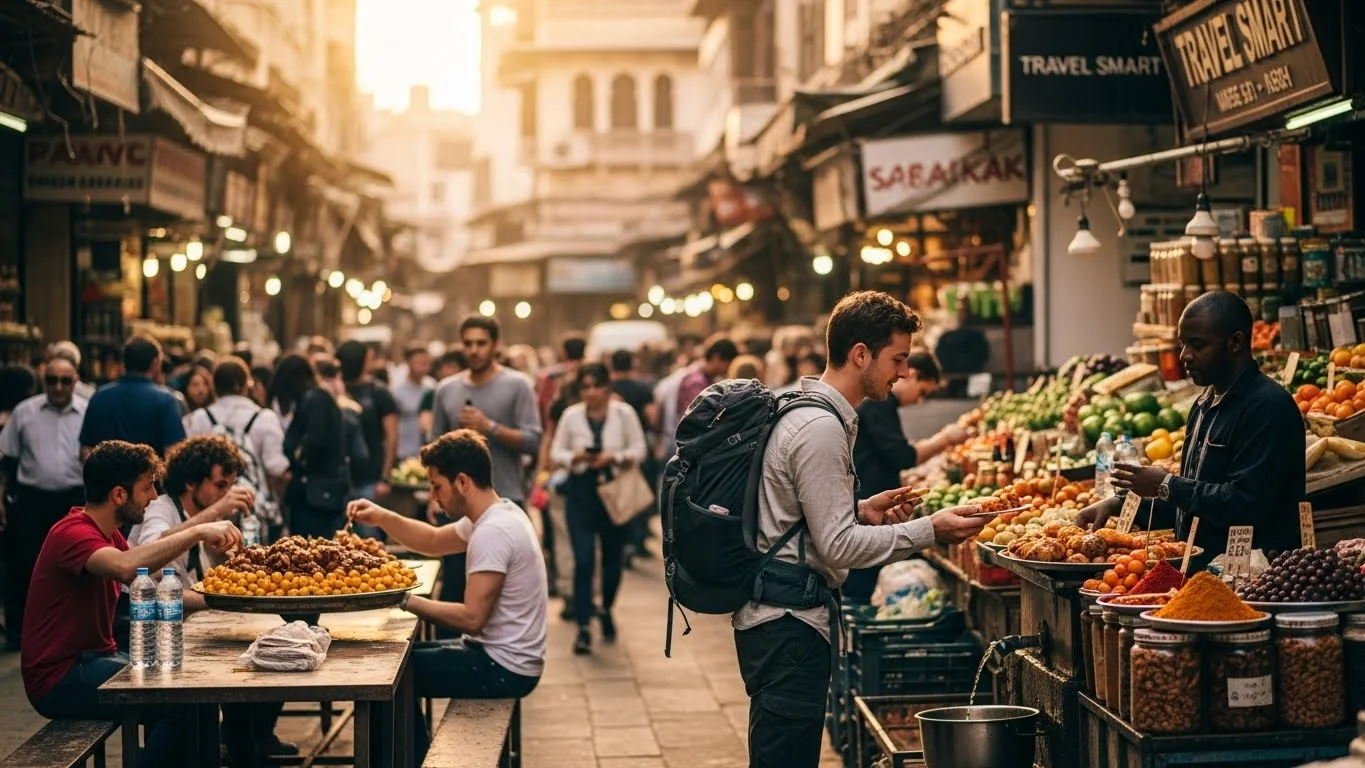
Ultimate Guide to Affordable Dining While Backpacking

Backpacking doesn’t mean sacrificing great food. With some planning and a little creativity, you can enjoy delicious meals without breaking the bank. Let’s dive into the essentials of affordable dining while on your adventures!

Ultimate Guide to Affordable Dining While Backpacking

Understanding Affordable Dining While Backpacking

When I first started backpacking, I quickly learned that food could eat up a huge chunk of my budget if I wasn’t careful. I remember feeling overwhelmed by the choices and costs in different countries. That’s when I realized the importance of budgeting for food. Understanding how to manage your dining expenses can truly enhance your travel experience without skimping on flavor. For more tips on budgeting, check out How to Enjoy Free Activities While Backpacking on a Budget.

The Importance of Budgeting for Food

Budgeting for food while backpacking is essential. It’s not just about the money; it’s about the experiences that come with trying local dishes. I’ve often found that the best memories are tied to sharing a meal with friends and locals. When I first budgeted, I set aside a specific amount for food each day, which helped me make choices without the stress of overspending. I recommend tracking your expenses when you start and adjusting as needed based on your experiences.

It’s also important to be flexible. Sometimes, you might stumble upon a local market or a food truck that’s too good to pass up! I learned to embrace spontaneity in my dining choices, which often led to some of my best meals. Just remember to keep your budget in mind and prioritize your must-try dishes.

How to Balance Quality and Cost

Finding that sweet spot between quality and cost can feel like a juggling act. I used to think that cheap food meant low quality, but I soon discovered that some of the most delicious meals came from street vendors or hole-in-the-wall restaurants. These places often focus on perfecting a few dishes rather than trying to please everyone, making them both affordable and authentic.

During my travels in Southeast Asia, I learned to look for busy stalls. If locals were lining up, it was usually a good sign. The food was fresh, and the prices were often lower than touristy restaurants. I also began asking locals for recommendations. They often pointed me to hidden gems that I would have missed otherwise. I believe that exploring local cuisine is an integral part of experiencing a new culture. For more on discovering hidden gems, check out 10 Hidden Gems for Budget Backpacking Adventures.

Another way to balance quality and cost is to share meals. Whether you’re traveling solo or with friends, splitting a meal allows you to try more dishes without overspending. When I was in Italy, I remember sharing a few pasta dishes with my travel companions. Not only did we save some money, but we also got to experience a variety of flavors!

Key Factors to Consider for Affordable Dining

There are several key factors that can significantly influence your dining expenses while backpacking. It’s worth taking the time to consider these when planning your meals, as they can help you make more informed choices and maximize your food budget.

Destination Influences on Food Costs

Your destination plays a huge role in how much you’ll spend on food. I’ve traveled to places where a hearty meal could cost just a couple of dollars, while in others, even a simple meal could be quite pricey. For instance, I found that Southeast Asia offered incredible meals for just a few bucks, while Western Europe could be a bit more expensive.

Researching your destination ahead of time can help you set realistic expectations. I often check online forums or travel blogs to gauge typical meal costs in the areas I plan to visit. This way, I can adjust my budget accordingly. I also discovered that eating where the locals eat often leads to better prices and authentic experiences.

Seasonality and Its Impact on Prices

Seasonality can greatly impact food prices. When I traveled to Mexico during the off-peak season, I noticed that not only were accommodations cheaper, but food prices were lower as well. Local markets were abundant with fresh produce, and I found myself enjoying seasonal dishes that were both affordable and delicious.

Conversely, during peak tourist seasons, prices tend to rise, and the quality may drop as places cater to tourists. I learned to plan my travels during shoulder seasons when possible, which not only helped with food costs but also allowed me to enjoy a less crowded experience.

Local Customs and Dining Etiquette

Understanding local customs can greatly affect your dining experience and costs. For instance, in some countries, it’s customary to share dishes, which can help you save money and enjoy a broader range of flavors. I remember being invited to a family dinner in Thailand, where we shared numerous dishes, each more delicious than the last. It was an incredible way to bond and immerse myself in the culture.

Additionally, knowing whether to leave a tip or how to order can prevent any awkward moments. When in doubt, I always ask locals or staff for guidance. It’s amazing how much a little cultural knowledge can enhance your travel experience and help you enjoy affordable dining options.

Types of Affordable Dining Options

Street Food: Tasty and Inexpensive

Street food has become one of my favorite ways to experience local flavors without spending a fortune. I remember wandering through the bustling streets of Bangkok, where food vendors lined the sidewalks, each offering mouthwatering dishes. From spicy grilled meats to fresh spring rolls, I felt like I was on a culinary adventure. The best part? Most of these meals cost just a couple of dollars!
Street food not only satisfies hunger but also gives you a taste of the local culture. I often found myself chatting with the vendors, who were more than happy to share their stories and recommendations. The vibrant atmosphere, combined with the tantalizing aromas, made each meal an experience to remember. Just keep an eye out for busy stalls; if locals are queuing up, you know you’re in for a treat!

Local Markets: Cooking Your Own Meals

Visiting local markets is another fantastic way to save money while enjoying delicious food. I love strolling through these markets, soaking in the sights and sounds, and picking up fresh ingredients for a meal. When I was in Italy, we found a charming market filled with fresh produce, cheeses, and cured meats. We decided to purchase a few items and prepare a simple picnic. Not only was it budget-friendly, but it also felt special to create our own meal with local ingredients.
Cooking your own meals can also be a fun bonding experience if you’re traveling with friends. We’ve often gathered in hostel kitchens to whip up a feast, sharing recipes and stories from home. Plus, it’s a great way to meet other travelers who might join in the fun. I highly recommend planning at least one meal where you can shop and cook together, allowing you to taste a bit of the local cuisine while keeping costs down.

Budget Restaurants: Where to Find Them

When I’m in the mood to dine out but still want to keep my budget intact, I turn to budget restaurants. These places often offer hearty meals at reasonable prices. I’ve found that exploring side streets instead of main tourist areas usually leads to discovering hidden gems. For example, in Lisbon, I stumbled upon a cozy eatery that served traditional Portuguese dishes at a fraction of the price of those in popular tourist spots.
Before traveling, I like to do a bit of research on local budget-friendly restaurants. Online platforms, travel blogs, and social media can provide great insights. I also enjoy asking fellow travelers or locals for their favorite affordable eateries. They often recommend places that aren’t on the typical tourist radar, which can lead to some unforgettable dining experiences.

Hostel Kitchens and Shared Meals

Hostel kitchens can be lifesavers for budget travelers. I’ve had many delightful experiences cooking alongside fellow backpackers while sharing meals and stories. Not only does it save money, but it also creates a sense of community among travelers. One time, I cooked a huge pot of chili with some friends I met at a hostel in Budapest. We all pitched in with different ingredients, and it turned out to be one of the best meals of the trip!
Additionally, some hostels organize communal dinners where guests can share meals. It’s a fantastic way to meet new people and swap travel tips while enjoying delicious food. I’ve noticed that these shared meals often lead to late-night conversations full of laughter and bonding. If you’re staying in a hostel, take advantage of these kitchen facilities and communal meals; they can truly enhance your travel experience.

Best Regions for Affordable Dining While Backpacking

Southeast Asia: A Food Lover’s Paradise

Southeast Asia holds a special place in my heart when it comes to affordable dining. The region is a treasure trove of flavors, and I’ve been blown away by how delicious and inexpensive the food can be. From the fragrant curries of Thailand to the savory pho in Vietnam, there’s something for everyone. I remember indulging in a plate of Pad See Ew for less than a couple of bucks while soaking in the sights of Chiang Mai. Exploring local markets filled with fresh ingredients made my culinary experience even more enjoyable.
What I love most is the variety, from street food stalls to cozy restaurants. Each country has its unique specialties that are worth trying. I highly recommend spending time in this region to fully embrace the affordable culinary adventure it offers. To discover more affordable destinations, be sure to check out Top 7 Affordable Destinations for Backpackers in 2023.

Eastern Europe: Hidden Gems for Budget Travelers

Eastern Europe has also surprised me with its affordable dining options. I found myself enchanted by the hearty meals in countries like Poland, Hungary, and the Czech Republic. I remember enjoying goulash in a small tavern in Budapest for just a few dollars, and it was one of the most comforting meals I’ve ever had. The best part is that these meals often come with a side of local charm and hospitality.
As I wandered through cities, I discovered many budget-friendly eateries and even some amazing bakeries where I could grab a pastry to enjoy on the go. Be sure to try the local specialties; you might be surprised at how delicious and affordable they can be!

South America: Flavorful and Affordable Options

South America is another fantastic region for those seeking affordable and flavorful dining experiences. I found myself enjoying empanadas and arepas at street vendors in Colombia and Venezuela, and they were packed with flavor at a low price. The warm hospitality of locals made it even more special as they often shared their favorite recipes and cooking tips.
In countries like Peru, I indulged in ceviche that was fresh and affordable, and I learned about the local culinary traditions from friendly vendors. Embrace the local foods and don’t be afraid to try street vendors; they often serve some of the most authentic dishes at prices that won’t break the bank.

Top Affordable Dishes to Try Around the World

Pho in Vietnam

When I think of affordable and delicious meals, pho in Vietnam immediately comes to mind. This flavorful noodle soup is a staple in Vietnamese cuisine. I remember my first bowl of pho in Hanoi, where I sat on a small plastic stool at a bustling street stall. The aroma of fresh herbs and spices wafted through the air, making my mouth water. For just a few dollars, I was served a steaming bowl filled with aromatic broth, tender meat, and a generous pile of rice noodles. It was a complete meal, and I felt I was truly experiencing the heart of Vietnamese culture with every slurp!
Pho is not just affordable; it’s also customizable! I loved adding fresh basil, lime, and chili to create my perfect bowl. Many local spots offer variations with different meats or even vegetarian options, catering to everyone’s tastes without breaking the bank.

Tacos in Mexico

Tacos are another budget-friendly meal that never disappoints. During my travels in Mexico, I discovered that you could find authentic tacos for less than a dollar at many street vendors. I remember stopping at a taco stand in Mexico City, where the owner proudly served me freshly made corn tortillas filled with marinated meat, topped with onions and cilantro. The burst of flavors was incredible, and I quickly learned that the secret often lies in the simplicity of the ingredients.
What I really appreciated was the sense of community around taco stands. Locals often gather to share stories over these tasty bites, making it a social event. I recommend trying different types of tacos, like al pastor or carnitas, and don’t forget to experiment with the various salsas available!

Pad Thai in Thailand

In Thailand, pad thai is a must-try dish that perfectly encapsulates the balance of flavors that Thai cuisine is known for. I remember dining at a small street vendor in Bangkok where they prepared my pad thai right in front of me. The sizzling sound of the wok and the aromatic scents made my stomach growl with anticipation. For a few dollars, I got a generous serving of stir-fried noodles tossed with shrimp, tofu, peanuts, and bean sprouts, all topped with a squeeze of lime.
What I loved about pad thai is that it’s not only delicious but also filling. Plus, you can find it almost everywhere in Thailand, from street stalls to casual dining spots. Each vendor adds their twist, making it a fun dish to try in different locations!

Crepes in France

While traveling through France, I discovered that crepes are not only a delightful treat but also an affordable meal option. I remember visiting a small creperie in Paris where I indulged in a savory crepe filled with ham and cheese. The crepe was thin, warm, and bursting with flavor, all for a very reasonable price. What was even more exciting was the variety. Sweet crepes with Nutella, strawberries, or lemon sugar were just as tempting, and I often found myself grabbing one as a snack while exploring the city.
Crepes are versatile and can cater to different diets, whether you’re in the mood for something savory or sweet. They are widely available from street vendors and local cafes, making them a perfect affordable option while wandering through beautiful French streets.

Tips for Finding Affordable Meals

Using Apps and Websites for Recommendations

In today’s digital age, finding affordable meals has never been easier, thanks to various apps and websites. I’ve relied on platforms like Yelp and TripAdvisor to seek out budget-friendly dining options. These apps allow you to filter restaurants by price range, read reviews, and see photos of dishes, which helps in making informed choices before diving in.
Additionally, I discovered apps specifically designed for budget travelers, such as EatWith or LocalEats, that highlight local eateries offering great deals. These resources can lead you to hidden gems that might not be on the typical tourist radar. I often found that using these apps made my dining experiences richer and more enjoyable.

How to Ask Locals for the Best Budget Eats

Engaging with locals can be one of the best ways to discover affordable dining options. I’ve learned that simply striking up a conversation with someone—whether it’s a fellow traveler or a local shop owner—can lead to fantastic recommendations. When I was in Lisbon, I asked a barista for her favorite budget restaurant, and she directed me to a small family-run place that served incredible food at a fraction of the cost of more touristy spots.
I recommend being friendly and open when asking for tips. Most locals are proud of their culinary culture and love to share their favorite eateries. Plus, this interaction often leads to enriching conversations that can enhance your travel experience.

Timing Your Meals to Save Money

Timing can significantly affect food costs, and I’ve seen this firsthand during my travels. Opting to have meals during off-peak hours can save you money, as many restaurants offer lunch specials or discounts if you dine early. For instance, I found that many places in Barcelona had great lunch deals that allowed me to enjoy a multi-course meal at a lower price than dinner.
Another strategy is to look for all-you-can-eat offers or happy hour specials. I remember discovering a local pub in Dublin that had amazing deals on appetizers and drinks during specific hours. Being mindful of when you eat can lead to delightful culinary experiences that won’t break the bank!

Frequently Asked Questions

What is the importance of budgeting for food while backpacking?

Budgeting for food while backpacking is essential as it helps manage dining expenses and enhances the travel experience. Setting aside a specific amount for food each day can relieve the stress of overspending and allows for enjoyable dining experiences.

How can I find affordable dining options while traveling?

Affordable dining options can be found by exploring local markets, enjoying street food, and seeking out budget restaurants. Researching online and asking locals for recommendations can also lead to hidden gems that are not on the typical tourist radar.

What types of meals can I prepare using local markets?

Visiting local markets allows you to buy fresh ingredients for meals. You can prepare simple dishes like picnics or cook together with fellow travelers, creating a fun bonding experience while enjoying local flavors.

How does destination impact food costs?

Your destination greatly influences food costs. Some places offer hearty meals for just a few dollars, like Southeast Asia, while others, such as Western Europe, can be pricier. Researching typical meal costs in advance can help set realistic expectations for your budget.

What are some key factors that affect food prices while backpacking?

Key factors include the destination, seasonality, local customs, and dining etiquette. Understanding these aspects can help you make informed choices and maximize your food budget.

What are some popular affordable dishes to try around the world?

Some popular affordable dishes include pho in Vietnam, tacos in Mexico, pad thai in Thailand, and crepes in France. These dishes are not only delicious but also budget-friendly, often available from street vendors or local eateries.

How can I take advantage of hostel kitchens?

Hostel kitchens can be a great way to save money and create a sense of community among travelers. Cooking together with fellow backpackers can lead to enjoyable meals and shared experiences, often enhancing your travel journey.

What tips are there for finding affordable meals using technology?

Using apps and websites like Yelp, TripAdvisor, and budget-specific apps can help you find affordable dining options. These platforms allow you to filter by price, read reviews, and discover local eateries offering great deals.

How can I engage with locals to find the best budget eats?

Engaging with locals by asking for recommendations can lead to discovering fantastic budget-friendly dining options. Locals often take pride in their culinary culture and are happy to share their favorite eateries with travelers.

What is a good strategy for timing meals to save money?

Timing your meals during off-peak hours can save money, as many restaurants offer lunch specials or discounts at certain times. Looking for all-you-can-eat offers or happy hour specials can also lead to great savings while dining out.

Eat Well on a Dime: Budget-Friendly Food Tips for Travelers

Traveling doesn’t have to break the bank, especially when it comes to food. Let’s explore how to eat well while keeping your budget intact, so you can savor every bite without worrying about your wallet.

Eat Well on a Dime: Budget-Friendly Food Tips for Travelers

Understanding Budget-Friendly Eating While Traveling

The Importance of Eating Well on a Budget

When I first started traveling, I quickly realized that food costs could easily add up. I remember a trip where I splurged on fancy dinners and ended up eating instant noodles for the rest of the week. It’s amazing how one decision can impact your entire travel experience. Eating well on a budget is essential not just for your wallet but also for your overall enjoyment and energy levels while exploring new places.

Food is such an integral part of travel. It connects us to the culture, telling stories of history and traditions through flavors and ingredients. I believe that we shouldn’t have to sacrifice a good meal just because we’re on a budget. In fact, with a little creativity and planning, I’ve found that I can enjoy some of the best local cuisine without overspending. Top 10 Budget-Friendly Foods for Backpackers provides some great ideas to help.

Food Costs Around the World: A Comparative Overview

One thing I’ve learned from my travels is that food costs can vary dramatically from one country to another. For example, dining out in Southeast Asia can be incredibly affordable, with delicious street food available for just a couple of dollars. On the other hand, enjoying a meal in Western Europe might set you back quite a bit, especially in major cities. I’ve compared prices, and it’s fascinating to see how much you can stretch your dollars depending on where you are.

For instance, in Thailand, I could enjoy a hearty meal at a street vendor for around $1.50, while in Paris, a simple sandwich might cost me $8. This comparison led me to appreciate the importance of selecting destinations wisely based on food affordability. Knowing where to go can make a significant difference in my travel experience.

Planning Your Food Budget

Setting a Daily Food Budget

Once I understood the landscape of food costs around the world, I started setting a daily food budget for myself. This practice has transformed the way I travel. I like to allocate a specific amount for breakfast, lunch, dinner, and snacks. For me, this approach helps me stay on track without feeling deprived. I usually aim for a total daily budget that allows for both street food and the occasional nice meal.

Creating a budget also means I can enjoy treats guilt-free. I remember one trip to Mexico where I set aside a little extra for tacos al pastor. It was worth every peso! I believe it’s all about balance. By being mindful of my spending in other areas, I can indulge in the local cuisine without feeling stressed about my finances.

Identifying Affordable Destinations

Identifying which destinations are budget-friendly when it comes to food has been a game-changer for me. Some places are known for their affordable dining options, while others can be quite pricey. I’ve made it a habit to research countries or regions where I can get the most bang for my buck.

For example, if I’m planning a trip to Eastern Europe, I know I can enjoy hearty meals without breaking the bank. Countries like Poland or Hungary offer a variety of traditional dishes at reasonable prices. I also discovered that traveling during the off-peak season can help me save even more, as many restaurants offer discounts or specials to attract travelers. Savor the Flavor: Budget-Friendly Food Festivals are also a great way to enjoy local cuisine at a lower cost.

Top Budget-Friendly Food Tips for Travelers

Grocery Shopping: Finding Local Markets

One of my favorite budget-friendly tips is to seek out local grocery stores and markets. I love wandering through markets, soaking in the sights, sounds, and smells, and discovering fresh, local ingredients. Not only do these markets typically offer better prices than restaurants, but they also give me a chance to connect with the local culture.

When I was in Italy, I found a charming market in Florence where I could buy fresh produce, cheese, and bread to make my own meals. Having a picnic in a nearby park became one of my favorite experiences. I also learned that shopping at local markets allows me to try seasonal ingredients, which are often more affordable and taste better.

Cooking Your Own Meals: Hostel and Airbnb Kitchens

Cooking my own meals has been another great way to save money while traveling. Many hostels and Airbnb accommodations come with communal kitchens, which I’ve found to be a fantastic opportunity. I remember my stay in a cozy hostel in Barcelona where I shared cooking duties with fellow travelers. We pooled our resources and created a delicious meal together, which was not only budget-friendly but also a lot of fun!

Having the ability to whip up a meal means I can also cater to my dietary preferences. I often cook simple dishes like stir-fries or pasta, which are easy to prepare and don’t require fancy ingredients. Plus, I get to enjoy the satisfaction of creating a home-cooked meal in a foreign country.

Eating Like a Local: Street Food and Food Stalls

Street food has become one of my favorite ways to experience local culture while sticking to my budget. Each destination has its unique offerings, and I love trying out local specialties. Whether it’s a banh mi in Vietnam or a hot dog from a street vendor in New York City, these meals often pack a ton of flavor at a low cost.

I’ve discovered that asking locals for recommendations can lead to hidden gems. I remember chatting with a local in Thailand who directed me to a small food stall that served the best pad thai I’ve ever tasted. It was a fraction of the price of restaurant meals, and the experience was so much more authentic. If you’re looking for a deeper culinary experience, consider Discover Culinary Delights: Budget-Friendly Food Tours Abroad for some amazing options.

Participating in Community Meals: Potlucks and Cooking Classes

Another unique way to enjoy budget-friendly meals is by participating in community meals or cooking classes. I’ve found that many hostels or travel groups organize potlucks where travelers bring dishes to share. This not only allows me to try various cuisines but also creates a sense of community among travelers.

Cooking classes can be a bit of an investment, but they often include a meal at the end. I remember taking a cooking class in Thailand, where we learned to make traditional dishes using fresh ingredients from the market. It was an unforgettable experience that allowed me to take home new skills while having fun.

Best Budget-Friendly Foods to Look For

Staple Foods: Rice, Pasta, and Bread

During my travels, I discovered that staple foods like rice, pasta, and bread are not just filling; they’re also extremely affordable and versatile. In many cultures, these staples are a significant part of daily meals, and I’ve enjoyed them in countless ways. For instance, in Asia, I often found myself savoring simple bowls of rice paired with fresh vegetables and a protein. It’s remarkable how a basic ingredient can be transformed into something delicious and satisfying.

In Italy, I had the pleasure of indulging in pasta dishes that were not only easy on the wallet but bursting with flavor. I remember one evening, I threw together a quick aglio e olio using spaghetti, garlic, olive oil, and a sprinkle of chili flakes. It became one of my favorite meals, and it cost just a couple of euros! Bread, too, can be a delightful companion. I’ve enjoyed fresh loaves from local bakeries and turned them into sandwiches or simply dipped them in olive oil. These staples can stretch a budget while still allowing for creativity in the kitchen.

Local Fresh Produce and Seasonal Ingredients

I’ve always believed that eating seasonally not only supports local farmers but also enhances the flavors of the food I eat. When I visit local markets, I seek out fresh produce that’s in season. I remember wandering through a vibrant market in Mexico, where the fruits and vegetables were bursting with color and flavor. I picked up ripe avocados, juicy tomatoes, and zesty limes, all of which were incredibly affordable.

Using these fresh ingredients, I could whip up simple salads or salsas, which made my meals not only delicious but also healthy. Seasonal produce tends to be less expensive since it’s abundant, and it’s often a great way to immerse myself in the local culinary scene. I’ve learned that when I prioritize fresh ingredients, I can create meals that are both budget-friendly and satisfying.

Protein Sources: Legumes, Eggs, and Local Meats

Finding affordable protein sources is key to maintaining a balanced diet while traveling. I’ve found that legumes, such as beans and lentils, are not only cost-effective but also incredibly filling. In many places, like India, I’ve enjoyed hearty lentil soups and curries that are rich in flavor and nutrients. They’re often served with rice or bread, making for a wholesome meal.

Eggs are another fantastic option. I remember staying in a hostel in Spain where I enjoyed a simple Spanish omelette made with potatoes and onions. It was not only affordable but also a great way to start my day. When I wanted to splurge a bit, I explored local markets for fresh meats. In places like Argentina, I couldn’t resist trying the beef, which was relatively inexpensive compared to what I’d pay at home. By focusing on these accessible protein sources, I could keep my meals varied and interesting without going over budget.

Dining Out on a Budget

Finding Affordable Restaurants and Cafés

Dining out doesn’t have to mean spending a fortune. I’ve learned that finding affordable restaurants and cafés often requires a little research and asking locals for their favorites. I remember exploring the streets of Lisbon, where I stumbled upon a small café that served delicious local dishes at a fraction of the price of touristy spots. The atmosphere was cozy, and I ended up making friends with the owner, who recommended the best local wines.

Another trick I’ve picked up is to look for places that offer lunch specials. Many restaurants have reduced prices during lunchtime, and I’ve scored great meals this way. I’ve also found that eateries with daily specials often serve up creative dishes made with seasonal ingredients, allowing me to enjoy unique flavors while keeping my budget in check.

Utilizing Food Apps: Discounts and Deals

With technology at our fingertips, I’ve found that food apps can be a lifesaver when trying to stick to a budget. There are numerous apps available that offer discounts, deals, and even reviews of local eateries. I remember being in a bustling city and using an app that pointed me to a popular restaurant offering a “happy hour” special on food and drinks. Not only did I enjoy a fantastic meal, but I also met fellow travelers who were taking advantage of the deal.

Another app helped me discover local food tours, where I could sample various dishes at a lower cost than dining alone at each spot. I’ve found that these tours often introduce me to hidden gems I might not have discovered otherwise, making my dining experiences richer and more enjoyable.

Tip on Tipping: How to Save Without Offending

Tipping customs can vary widely from country to country, and I’ve learned that understanding the local norms can help me save money while still showing appreciation for good service. In some places, tipping is expected, while in others, it might be considered unnecessary. I remember being in Japan, where tipping can be viewed as rude; instead, I focused on showing my gratitude through polite expressions.

In contrast, when I traveled to the United States, I made sure to tip around 15-20% as a standard practice. I’ve also discovered that some restaurants add a service charge to the bill, which can help me avoid confusion. By being aware of these nuances, I can enjoy my meals without worrying about how much to tip, allowing me to keep my budget intact.

Understanding Local Eating Customs

When to Eat: Lunch Specials and Early Bird Deals

Over the years, I’ve realized that timing can play a huge role in saving money while enjoying local flavors. Many countries have specific eating customs that dictate when meals are typically served, and this can be a great opportunity to grab a deal. For instance, in Spain, I noticed that lunch is the main meal of the day, often served between 1:00 PM and 3:00 PM. Many restaurants offer a “menu del día,” where you can get a multi-course meal at an incredibly reasonable price. I remember savoring a delicious three-course meal for just €12, which would have easily cost me double if I had chosen to dine at dinner.

Also, I’ve discovered that early bird specials can be a fantastic way to enjoy a meal at a reduced price. In some places, especially in the United States, restaurants may offer discounts for diners who arrive before a certain hour. I remember visiting a cozy Italian bistro that had a special price for meals served before 6 PM. I took advantage of that and enjoyed a hearty pasta dish while saving a few bucks in the process!

Social Eating: Sharing Plates and Family Style Dining

Eating is often more than just nourishment; it’s a way to connect with others. Embracing social eating customs can help with both budget and experience. In many cultures, sharing plates or family-style dining is a common practice. During my travels in Turkey, I found that ordering a variety of mezes (small dishes) to share with friends not only allowed me to sample a bit of everything but also significantly reduced the overall cost compared to ordering individual meals.

I recall a delightful evening in a bustling market in Istanbul, where we ordered a feast of dips, bread, and grilled meats to share among a group of fellow travelers. Not only did we enjoy a variety of flavors, but the experience of passing plates around the table created a warm, communal atmosphere that I cherish. This approach not only saves money but also deepens the connections we make while traveling.

Special Dietary Needs on a Budget

Vegetarian and Vegan Options

As someone who often seeks out vegetarian and vegan meals while traveling, I’ve discovered that it’s entirely possible to eat well without breaking the bank. Many countries have rich culinary traditions that feature plant-based dishes. In India, for example, I was amazed at how many delicious vegetarian options were available, all made with fresh ingredients and spices that added incredible flavor. I remember enjoying a hearty thali filled with various lentil dishes, vegetables, and rice for less than $5.

I’ve also found that local grocery stores often stock affordable vegetarian proteins like beans, lentils, and tofu. In Southeast Asia, I was thrilled to find fresh produce markets that offered a variety of seasonal vegetables, allowing me to whip up simple, budget-friendly meals. I think it’s important to embrace the local cuisine, as many cultures have a long history of delicious vegetarian dishes that are often overlooked.

Gluten-Free and Allergy-Friendly Choices

Navigating dietary restrictions while traveling can be challenging, but I’ve learned that with a little planning, I can still enjoy delicious meals. In places like Italy, for instance, gluten-free options are widely available, especially in restaurants that cater to tourists. I remember being pleasantly surprised by the variety of gluten-free pasta dishes I found. Many restaurants were eager to accommodate my dietary needs without any extra charge.

Additionally, seeking out fresh, whole foods like fruits and vegetables is an excellent way to ensure I’m eating safely and healthily while sticking to my budget. I often explore local markets, where seasonal fruits are not only affordable but also a delightful way to experience the local flavors. By focusing on naturally gluten-free ingredients, I can craft delicious meals that cater to my dietary restrictions without overspending.

Staying Healthy While Eating on a Budget

Balancing Nutrition: Avoiding Processed Foods

While it’s tempting to grab quick, cheap meals, I’ve learned that avoiding processed foods can make a big difference in how I feel while traveling. I try to prioritize whole, nutrient-dense ingredients, which keep me energized and ready to explore. For example, when I was in Greece, I opted for fresh salads topped with local feta cheese and olives instead of greasy fast food. The vibrant flavors not only satisfied my hunger but also kept my spirits high throughout the day.

I focus on incorporating a variety of food groups into my meals. When I prepare my own dishes, I love mixing grains, proteins, and plenty of vegetables. This approach helps ensure I’m not just filling up on cheap fillers but actually nourishing my body. It’s all about finding that balance, which ultimately enhances my travel experience and keeps me feeling my best.

Hydration: Cost-Effective Ways to Stay Hydrated

Staying hydrated while traveling is crucial, especially when exploring new places. I’ve found that buying bottled water can quickly add up, so I look for cost-effective alternatives. Many cities offer free or low-cost water refill stations, which can be a lifesaver. I make it a point to carry a reusable water bottle, allowing me to refill whenever possible.

In some countries, like Japan, I’ve noticed that tap water is safe to drink, which saves me money and reduces plastic waste. I also enjoy hydrating foods like fruits and vegetables—think juicy watermelons, cucumbers, and refreshing salads—which not only quench my thirst but also contribute to my overall nutrition. Being mindful of my hydration has truly made a positive impact on my travels, helping me feel more vibrant and ready for adventure.

Frequently Asked Questions

What is the importance of eating well on a budget while traveling?

Eating well on a budget is essential for both your wallet and overall enjoyment during your travels. It allows you to savor local cuisine without overspending and helps maintain your energy levels while exploring new places.

How can food costs vary around the world?

Food costs can vary dramatically depending on the country. For instance, dining out in Southeast Asia can be very affordable, with street food available for just a couple of dollars, while meals in Western Europe, such as a simple sandwich in Paris, can be significantly more expensive.

What tips can help set a daily food budget while traveling?

Setting a daily food budget involves allocating specific amounts for breakfast, lunch, dinner, and snacks. This practice helps travelers stay on track financially while allowing for both street food and occasional nice meals.

What are some affordable destinations for food while traveling?

Countries like Poland and Hungary in Eastern Europe are known for their affordable dining options. Traveling during off-peak seasons can also lead to discounts and specials in many restaurants.

How can travelers save money by grocery shopping?

Travelers can save money by seeking out local grocery stores and markets, which typically offer better prices than restaurants. Shopping at these markets also provides an opportunity to connect with local culture and enjoy fresh, seasonal ingredients.

What are the benefits of cooking your own meals while traveling?

Cooking your own meals can save money and allow for dietary preferences. Many hostels and Airbnb accommodations have communal kitchens, enabling travelers to prepare simple, budget-friendly dishes while enjoying a communal experience with fellow travelers.

How can street food contribute to budget-friendly eating while traveling?

Street food is a great way to experience local culture at a low cost. These meals often offer unique flavors and are usually significantly cheaper than those found in restaurants. Asking locals for recommendations can lead to discovering hidden gems.

What are some staple foods that help stretch a travel budget?

Staple foods like rice, pasta, and bread are filling, affordable, and versatile. They can be prepared in various ways and are often available at low prices, allowing travelers to create satisfying meals without overspending.

How can travelers utilize food apps to save money?

Food apps can help travelers find discounts, deals, and reviews of local eateries. They can also point to restaurants offering specials and help discover food tours that provide samples at a lower cost than dining individually at each spot.

What dietary options are available for budget-conscious travelers?

Vegetarian and vegan options are often readily available and affordable in many countries. Additionally, gluten-free and allergy-friendly choices can be found with a bit of planning, allowing travelers to enjoy delicious meals that cater to their dietary needs without overspending.

Savoring Savings: Top Budget Dining Hacks for Travelers

Traveling is an adventure, but dining expenses can add up quickly. Luckily, I’ve discovered some fantastic budget dining hacks that allow us to savor delicious meals without breaking the bank. For more tips on saving money while traveling, check out Insider Tips: Flight Hacks to Slash Travel Costs Today.

Savoring Savings: Top Budget Dining Hacks for Travelers

Understanding Budget Dining for Travelers

Defining Budget Dining

When I think about budget dining, I imagine delicious meals that don’t cost a fortune. It’s about finding ways to enjoy local flavors while keeping our wallets happy. Budget dining can mean different things depending on where you are. It might involve street food in Bangkok, cozy cafes in Paris, or hidden gems in New York City. I’ve learned that budget dining doesn’t mean settling for less; it often means discovering the best local spots that truly reflect the culture and flavors of the place.

The Importance of Eating Well on a Budget

Eating well while traveling is crucial for a good experience. When I’m on the road, I want to enjoy the local cuisine, and I believe that food is a big part of what makes a place special. However, I’ve also found that I don’t want to stretch my budget too thin. This balance is vital because good food can enhance our travels, giving us energy for exploring and creating lasting memories. Eating well on a budget allows us to indulge in local delicacies without the stress of overspending. Plus, it encourages me to try new things and taste the local culture without the guilt. I’ve come to appreciate how budget dining can lead to some of my most memorable culinary experiences.

Top Budget Dining Hacks

Eating Like a Local: Finding Authentic Cuisine

One of my favorite hacks is to eat like a local. When I travel, I often ask the locals where they go for a meal. This not only leads me to hidden gems but also helps me enjoy authentic dishes that are often cheaper than tourist traps. For instance, in Italy, I learned to avoid the restaurants lining the main squares. Instead, I wandered into small trattorias tucked away in side streets, where the locals gathered. Not only did I enjoy amazing pasta, but my wallet appreciated it too! I recommend keeping an eye out for places filled with locals; if they’re there, it’s a good sign that the food is both delicious and reasonably priced.

Utilizing Food Apps and Websites

In today’s tech-savvy world, food apps and websites have become my best friends when traveling. I often use apps like Yelp or TripAdvisor to search for budget-friendly dining options. They allow me to filter by price range and read reviews from fellow travelers and locals, which is super helpful. I remember when I visited Spain, I found a fantastic tapas bar through an app that was highly rated but reasonably priced. It was a game-changer! Beyond just finding places, these apps can also alert us to special deals or happy hour promotions, which can make dining out even more affordable. For more accommodation options, explore Top 10 Budget Homestays Worldwide You Can’t Miss.

Exploring Street Food Options

Street food is another treasure trove of budget dining. Some of my best meals have been from street vendors. It’s often fresh, flavorful, and significantly cheaper than sit-down restaurants. When I was in Thailand, I couldn’t resist the aroma of grilled skewers and pad thai wafting through the air. I remember standing in line with locals, eagerly waiting for my turn to order. Not only was the food delicious, but it also allowed me to immerse myself in the local culture. I’ve found that street food can be a delicious adventure and a fantastic way to save money while enjoying unique culinary experiences.

Visiting Local Markets for Fresh Ingredients

Another hack I love is visiting local markets. These bustling hubs are not only a feast for the eyes but also a great way to pick up fresh ingredients at a fraction of the price. I enjoy wandering through stalls, sampling local fruits and snacks. On my last trip to Mexico, I bought fresh tortillas, avocados, and salsa, which became a delicious meal back at my accommodation. Plus, shopping at local markets allowed me to connect with vendors and learn about their products. It’s a wonderful way to experience the local culture while keeping dining expenses low.

Timing Your Meals for Discounts

Timing can also play a big role in saving money on meals. Many places offer discounts during off-peak hours. I’ve found that having lunch instead of dinner can save me a bundle, especially in tourist-heavy areas. Some restaurants even have a ‘lunch special’ that’s significantly cheaper than their dinner menu. When I traveled through Paris, I noticed that many bistros offered a fixed-price lunch menu, making it easy to enjoy a three-course meal without spending a fortune. So, if you can be flexible with your meal times, I highly recommend taking advantage of these deals.

Destination-Specific Budget Dining Tips

Budget Dining in Europe

Traveling through Europe can be a dream come true for food lovers, but it can also be pretty pricey. I’ve found that the key to enjoying delicious meals without spending a fortune lies in knowing where to go. In many European cities, especially in Italy and Spain, lunch is often less expensive than dinner. I remember wandering the charming streets of Florence, where I stumbled upon a quaint café offering a delightful lunch special that included a panini, a drink, and a dessert for a fraction of what I would have paid for dinner. I recommend keeping an eye out for these lunch deals and taking advantage of local bakeries and delis, which often sell fresh, affordable options. Also, look for “Menu del Dia” in Spain, which offers a fixed-price meal, allowing you to taste authentic dishes without breaking the bank.

Affordable Eats in Asia

Asia is a treasure trove of affordable dining options. When I traveled to Thailand, I found myself drawn to the vibrant street food scene. The variety was staggering! I could indulge in everything from savory pad thai to sweet mango sticky rice for just a few dollars. Another tip I learned is to explore local food courts in shopping malls, especially in countries like Malaysia and Singapore. These places offer a wide range of dishes at reasonable prices. I remember sharing a table with locals while sampling a bit of everything, from noodles to curries, which was not only delicious but also gave me a taste of the local dining culture. I encourage you to embrace the street food and local markets; they’re often the heart and soul of culinary experiences in Asia.

Cost-Effective Dining in South America

South America is another fantastic region for budget dining. In countries like Peru and Argentina, I discovered that dining like a local can save you a lot. In Peru, I learned about “menu del dia” similar to Spain, where restaurants offer a set lunch menu that’s both hearty and cheap. I remember enjoying a delicious ceviche and a refreshing drink for less than ten dollars! In Buenos Aires, I found that many parillas (steakhouses) offer special pricing for early diners. It’s a great way to enjoy some of the best steaks in the world without overspending. Don’t forget to check out local markets too; they often have food stalls that sell traditional dishes at a fraction of the price of sit-down restaurants.

Dining on a Budget in North America

Dining in North America can sometimes feel overwhelming due to the range of options and prices. However, I’ve found that exploring food trucks and local diners can lead to some great finds. For example, during a trip to Portland, Oregon, I discovered a food truck pod that offered everything from gourmet tacos to vegan BBQ. The prices were incredibly reasonable, and I loved the casual atmosphere. Also, many cities have happy hour specials, especially in bars and restaurants. I often plan my meals around these times to enjoy discounted appetizers and drinks. I’ve found that using social media to follow local eateries can also lead to discovering hidden gems and exclusive promotions. For great hotel options, check out Discover the Best Budget Hotels: Travel Smart & Save Big.

Best Budget Dining in Australia and New Zealand

In Australia and New Zealand, I’ve noticed that dining out can get pricey, but there are still plenty of budget-friendly options. In Australia, I recommend looking for “cheap eats” sections in local guidebooks or apps. During my time in Sydney, I found a small café that offered an incredible $10 breakfast deal, which included a coffee and a generous serving of eggs and toast. It was a fantastic way to start the day! In New Zealand, I loved visiting local markets, where I could find fresh, affordable produce and ready-to-eat meals. The food trucks in Wellington were another highlight, offering diverse dishes at reasonable prices. I’ve learned that embracing the local food culture can lead to delightful and budget-friendly dining experiences in these beautiful countries.

Types of Budget Dining Options

Buffets and All-You-Can-Eat Deals

One dining option that I’ve enjoyed while traveling is buffets and all-you-can-eat deals. I remember my experience at a buffet in Las Vegas; for one price, I could sample a bit of everything from sushi to desserts. While buffets can sometimes feel overwhelming, they can be a good value if you’re looking to try various dishes without spending a lot. I’ve found that some places offer lunch buffets at a lower price than dinner, making it a perfect opportunity to indulge without overspending. Just remember to pace yourself; it’s easy to overdo it when there are so many tempting options!

Happy Hour Specials and Promotions

Happy hour specials are another fantastic way to dine on a budget. I’ve often taken advantage of these deals when dining out, especially in cities like San Francisco. Many bars and restaurants offer discounted appetizers and drinks during specific hours, usually in the late afternoon. I remember enjoying a fantastic selection of small plates with friends while sipping on half-priced cocktails. It’s a fun way to try a variety of dishes without the financial stress. Plus, many places have lively atmospheres during happy hour, making it a great social experience.

Family-Style Dining for Groups

If I’m traveling with friends or family, family-style dining can be a wonderful way to enjoy a meal together while saving money. I’ve had great experiences where we ordered several dishes to share, allowing everyone to try a little of everything. This approach not only reduces costs but also fosters a sense of togetherness. I remember a meal in a cozy Italian restaurant where we shared platters of pasta and antipasti, which turned into a delightful evening filled with laughter and good food. I recommend looking for restaurants that offer family-style options, as they often provide generous servings at a reasonable price.

Meal Prep and Cooking Your Own Food

One of my favorite budget dining hacks is preparing meals myself. When I have access to a kitchen, I love visiting local grocery stores or markets to pick up fresh ingredients. On a trip to Greece, I found a charming market where I bought fresh vegetables, feta cheese, and bread. I whipped up a simple but delicious meal back at my accommodation. Cooking not only saves money but also allows me to connect with the local ingredients and flavors. I’ve learned that meal prepping can be a fun and creative way to explore new cuisines, all while sticking to a budget.

Planning Your Budget Dining Experience

Setting a Daily Food Budget

One of the first things I learned about budget dining is the importance of setting a daily food budget. When I travel, I like to sit down and figure out how much I want to spend on meals each day. This approach helps me prioritize where to splurge and where to save. I remember on a trip to Portugal, I set aside a specific amount for breakfast, lunch, and dinner. It made me more mindful of my choices. I found that having a budget also encouraged me to seek out those hidden gems—places that provided great value for money. By sticking to my budget, I could indulge in a lovely dinner without feeling guilty about blowing my funds. I recommend keeping track of your expenses with a simple app or even a notepad to stay accountable.

Researching Restaurants Before You Go

Before any trip, I dive into researching dining options. I often spend a few hours browsing food blogs, social media, and travel forums to gather recommendations. This planning pays off, as I can find budget-friendly spots that aren’t always on the typical tourist radar. I remember planning my last trip to Tokyo; I stumbled upon a blog that highlighted affordable conveyor belt sushi restaurants and cozy ramen shops. These recommendations allowed me to experience authentic Japanese cuisine without overspending. I find that having a list of a few must-try places helps me stay focused while exploring, making it easier to stick to my budget.

Making Reservations for Special Deals

Another trick I’ve found useful is making reservations in advance for special deals. Some restaurants offer discounts for early diners or set menus that are more affordable when booked ahead. I experienced this in Barcelona, where I booked a dinner at a popular tapas bar and discovered a fantastic fixed-price menu for reservations made online. It felt like a win-win; I got to enjoy an amazing meal at a great price. I recommend checking restaurant websites or calling ahead to see if they offer any promotions for reserving a spot. This little effort can lead to a memorable dining experience without the hefty price tag.

Utilizing Coupons and Discount Cards

Before heading to a new city, I often look for coupons or discount cards that can help save money on dining. Many cities have tourist cards that provide discounts at various restaurants, attractions, and shops. I remember using a discount card in New Orleans that granted me 10% off at several local eateries. It added up quickly! Websites and apps often feature deals too, so I make it a habit to explore options before arriving. Utilizing these resources not only helps keep costs down but also encourages me to try places I might not have considered otherwise. I believe that being savvy about discounts enhances the travel experience.

Tips for Staying Healthy While Budget Dining

Choosing Healthier Options on a Budget

Staying healthy while dining on a budget is important to me. I noticed that when I focus on nutritious meals, I feel better and have more energy for exploring. I’ve learned to seek out places that offer fresh salads, fruits, and vegetables, even when I’m on a budget. For example, when I visited a local market in Vietnam, I was thrilled to find affordable and delicious fruit smoothies that kept me energized while I roamed the streets. I often look for meals that include lean proteins and lots of vegetables. It’s a great way to indulge in local cuisine while still taking care of my health.

Avoiding Overeating and Food Waste

Another aspect of healthy dining is being mindful of portion sizes to avoid overeating. I’ve found that many restaurants offer large servings, and it can be tempting to finish every bite. Instead, I try to listen to my body and stop when I feel satisfied. On a trip to Greece, I shared a few dishes with friends, which not only reduced waste but also allowed us to try more options without overindulging. I recommend sharing meals or ordering smaller portions whenever possible. It’s better for our waistlines and our wallets!

Staying Hydrated Without Breaking the Bank

Staying hydrated while traveling is vital, but it doesn’t have to cost a fortune. I’ve found that purchasing bottled water every time can add up quickly. Instead, I often carry a reusable water bottle and fill it up whenever I can. Many cities have public drinking fountains or places where you can refill your bottle for free. I remember wandering through the parks in Paris, where I refilled my bottle from a fountain and enjoyed a lovely picnic with fresh bread and cheese. Staying hydrated keeps me energized and focused during my adventures, and it’s a small step that makes a big difference in my travels.

Frequently Asked Questions

What is budget dining?

Budget dining refers to enjoying delicious meals without spending a fortune. It involves finding ways to savor local flavors while keeping expenses low, which can vary by location, such as street food in Bangkok or cozy cafes in Paris.

Why is eating well on a budget important while traveling?

Eating well on a budget is crucial for enhancing travel experiences. Good food provides energy for exploring and creates lasting memories, allowing travelers to indulge in local delicacies without overspending.

How can I find authentic local cuisine while traveling?

One effective way to find authentic local cuisine is to ask locals for recommendations. Seeking out places filled with locals is usually a good indicator of delicious and reasonably priced food.

What role do food apps and websites play in budget dining?

Food apps and websites like Yelp and TripAdvisor help travelers find budget-friendly dining options. They allow users to filter by price range and read reviews, which can lead to discovering great deals and promotions.

What are some tips for exploring street food options?

Street food offers fresh, flavorful meals at lower prices than sit-down restaurants. It provides a way to immerse in local culture and often leads to unique culinary experiences.

How can local markets help save money on food while traveling?

Visiting local markets allows travelers to purchase fresh ingredients at lower prices. It also offers the opportunity to connect with vendors and sample local snacks, which can contribute to budget-friendly meals.

What is the benefit of timing meals for discounts?

Eating during off-peak hours can lead to significant savings, as many restaurants offer discounts for lunch specials or fixed-price menus that are cheaper than dinner options.

What should I consider when setting a daily food budget?

Setting a daily food budget helps prioritize spending on meals. It encourages mindful choices and allows for splurging on special occasions without feeling guilty about overspending.

How can I make reservations for special deals at restaurants?

Making reservations in advance can lead to special deals or discounted menus at restaurants. It’s advisable to check restaurant websites or call ahead to find out about any promotions.

What are some strategies for staying healthy while budget dining?

Choosing healthier options, being mindful of portion sizes to avoid overeating, and staying hydrated with a reusable water bottle can all help maintain health while dining on a budget.