Web Analytics

Recent Posts

Unlock Cheap Flights: Essential Hacks for Budget Travelers

Traveling doesn’t have to break the bank! With a few smart strategies, you can unlock cheap flights and explore the world without overspending. Let’s dive into essential hacks that budget travelers can use to save money on airfare. Read Interesting article: How to Find the Cheapest Flights with Budget Airlines

Unlock Cheap Flights: Essential Hacks for Budget Travelers

Understanding the Basics of Cheap Flights

What Defines a Cheap Flight?

When I think about cheap flights, I often find myself pondering over what actually qualifies as “cheap.” In my experience, a cheap flight is typically one that meets your travel needs while being significantly lower than the average fare for that route. It’s not just about the price tag; it’s also about value. A flight might be inexpensive, but if it involves long layovers or inconvenient departure times, it may not be worth it for me. I’ve learned to look for flights that not only save me money but also fit into my travel schedule seamlessly.

Key Factors Influencing Flight Prices

Price fluctuations can be baffling, right? I’ve spent countless hours trying to figure out why some flights are so much cheaper than others. Here are some key factors that influence flight prices:

  • Demand: If everyone wants to fly to a destination during a holiday, prices will soar. I remember booking a flight to visit family during Thanksgiving, and I definitely paid more because of the high demand.
  • Seasonality: Prices vary depending on the time of year. Traveling during peak seasons usually means higher fares. I’ve seen that flights to Europe in summer can be almost double the price compared to the fall.
  • Day of the Week: I’ve noticed that flying mid-week tends to be cheaper than weekend flights. If I can, I try to book my trips for Tuesdays or Wednesdays.
  • Time of Day: Early morning or late-night flights often come with lower prices. I’ve flown at odd hours just to snag a better deal!
  • Airline Competition: When multiple airlines are vying for the same route, prices can drop. I’ve found that checking smaller airlines can yield surprising savings.

Common Myths About Airfare

Throughout my travels, I’ve stumbled upon several myths that I once believed about airfare. Let me share a few that have been debunked for me:

  • Myth 1: Booking on Tuesdays is always the best. While it’s true that some discounts appear mid-week, I’ve found deals that pop up at any time.
  • Myth 2: Last-minute flights are always cheaper. This was a tough lesson for me. Sometimes, waiting can lead to higher costs, especially for popular routes.
  • Myth 3: Incognito mode always leads to cheaper prices. While I’ve noticed some fluctuations, it’s not a guaranteed hack every time.

Understanding these myths has helped me make more informed decisions instead of getting swayed by common misconceptions. It’s all about doing a bit of research and staying flexible.

Best Times to Book Cheap Flights

Understanding Flight Seasons: High vs. Low

I’ve learned that knowing when to travel can significantly impact my budget. High season typically coincides with holidays and summer breaks, while low season is when fewer people are traveling. I find that traveling during the shoulder seasons—spring and fall—can often provide a perfect balance of good weather and lower prices. For instance, I visited Italy in late September and found the crowds to be minimal, and the prices were much more affordable than in July.

Optimal Booking Windows: When to Buy

From my experience, it’s best to book flights several weeks to months in advance, especially for international travel. Generally, booking 2-3 months ahead gives you a better chance of snagging a good deal. I remember booking my flight to Thailand about three months early and saving a chunk of money compared to last-minute prices. However, I’ve also had success with domestic flights booked just a few weeks in advance.

Last-Minute Deals: Are They Worth It?

While I’ve heard stories of people scoring amazing last-minute deals, I’ve found this approach can be risky. Sure, sometimes airlines drop prices to fill seats, but more often than not, I’ve seen prices skyrocket, especially if you’re flying to a popular destination. If I ever do consider a last-minute flight, I always have a backup plan in mind, just in case the deal doesn’t materialize.

Overall, the key to unlocking cheap flights is understanding the nuances of airfare pricing. By staying informed, flexible, and strategic about when and how I book, I’ve been able to make travel dreams come true without emptying my wallet. The journey to budget travel is a learning experience, and I’m excited to share more tips that have worked for me! Stay tuned for more hacks and tools that can help us all find those amazing flight deals.

Top Websites and Tools for Finding Cheap Flights

Flight Aggregators: Kayak, Skyscanner, Google Flights

Over the years, I’ve become a huge fan of flight aggregators. These sites are fantastic tools that help me compare prices across multiple airlines and booking platforms. Kayak was one of the first I used, and it quickly became a staple in my travel planning. I love how it allows me to filter results based on my preferences, such as flight duration or number of stops. Skyscanner is another gem; I remember discovering that it has a “whole month” search option, allowing me to view the cheapest days to fly within a specific month. It’s like having a crystal ball for my travel budget!

Google Flights has also earned a special place in my heart. Its user-friendly interface makes it easy to spot price trends and even track fares over time. I often use it to check if prices are expected to rise or fall, giving me the confidence to book at the right moment. I highly recommend trying out these platforms; they’ve saved me both time and money countless times. Read Interesting article: Affordable Transportation Hacks Every Backpacker Should Know

Airline Websites: Direct Booking Benefits

While flight aggregators are great, I’ve found that sometimes booking directly from an airline’s website can come with its own set of advantages. For example, many airlines offer exclusive deals or cheaper fares that aren’t displayed on third-party sites. I once booked a flight directly with a budget airline and was pleasantly surprised to find it was cheaper than what I saw on aggregator sites.

Another bonus is that managing my booking can be simpler. When I need to make changes or request customer service, having a direct connection with the airline has often made the process smoother. Plus, some airlines have loyalty programs that reward direct bookings with points or perks. It’s worth checking out the airline’s website after doing some initial research on flight aggregators.

Price Alert Tools: How to Use Them Effectively

One of my favorite tools for scoring cheap flights is setting up price alerts. I’ve used several platforms that offer this feature, and it has proven invaluable. With services like Kayak or Google Flights, I can input my desired route and set a price threshold. When the fare drops below that amount, I receive an email alert. This way, I can stay on top of price changes without constantly checking myself.

I’ve had moments where I felt tempted to book right away, but thanks to these alerts, I’ve often waited and snagged a much better deal. I recommend experimenting with different platforms to see which one works best for you, as some may provide more timely alerts than others. Setting up these reminders has made my travel planning not only easier but also more budget-friendly!

Flight Hacks for Budget Travelers

Flexible Travel Dates: Finding the Cheapest Days to Fly

Flexibility has been a game-changer for me when it comes to finding cheap flights. I’ve learned that if I can adjust my travel dates by just a day or two, I can often unlock significantly lower fares. Using the flexible date search option on sites like Skyscanner has helped me identify the cheapest days to fly. I remember planning a trip to New York and initially aiming for a weekend flight. Once I checked the prices for mid-week departures, I found a fare that was nearly half the cost!

Being open to various travel dates really broadens my options. I think it’s all about finding that sweet spot where my schedule and the best prices intersect. Being flexible can turn an expensive trip into a budget-friendly adventure.

Using Incognito Mode for Better Prices

I’ve heard mixed opinions about using incognito mode while searching for flights. Some swear by it, claiming it helps avoid price hikes based on search history. So, I decided to give it a try. I remember searching for flights to Paris and then checking the same flights in incognito mode. I noticed the prices stayed consistent, but it made me feel like I was getting a fair shot at finding the best deal. While it may not be a foolproof strategy, I think it’s worth trying if I’m concerned about price manipulation.

Ultimately, I think it’s just one of many tools in our arsenal. The key is to combine it with other strategies to maximize savings.

Exploring Nearby Airports for Lower Fares

One tip I’ve come to appreciate is looking at nearby airports when planning my trips. Sometimes, flying into or out of a different airport can save a surprising amount of money. I remember visiting San Francisco and found that flying into Oakland was significantly cheaper than flying directly into SFO. Sure, it added a little longer travel time to my journey, but the savings were worth it, and I even got to explore a new area!

When considering nearby airports, I also check transportation options to get to my final destination. I’ve often found that the cost of a shuttle or public transport can still keep me well within my budget, making it a win-win situation. It’s a small effort for a big payoff, and I encourage everyone to explore this option when planning their travels.

Airline Loyalty Programs and Credit Card Rewards

Understanding Frequent Flyer Programs

Frequent flyer programs have become a significant part of how I approach traveling. I’ve signed up for several programs, and while I don’t fly enough to reach elite status, I still earn points that can help offset future travel costs. I remember joining an airline’s program just before a big trip, and I ended up accumulating enough points to use for a free upgrade. It felt like a little victory!

Understanding how these programs work is essential. Each airline has its own set of rules, so I’ve taken the time to read through the terms and conditions. Being strategic about which airline I choose for my travels has helped me accumulate points more efficiently. I’ve realized that every mile counts, and being loyal to a specific airline can yield great benefits over time.

Best Travel Credit Cards for Points and Miles

When it comes to travel credit cards, I’ve done my homework. There are so many options out there, but I’ve focused on finding cards that offer great rewards for travel-related purchases. I love my travel credit card because it gives me points for every dollar spent, and it often comes with bonuses for booking flights or hotels. I remember signing up for a card that offered a hefty sign-up bonus, which helped me book a flight after just a few purchases!

It’s important to pay attention to annual fees and interest rates, though. I always aim to pay off my balance each month to avoid interest charges, ensuring I maximize my rewards without added costs. With the right card, I genuinely feel like I’m getting a little something extra every time I travel.

How to Maximize Rewards for Budget Travel

Maximizing rewards is all about being strategic. I keep track of my points and make sure to utilize them wisely. For example, I often use my points for flights rather than hotels since I find that airline rewards can provide bigger savings. I also make it a point to check if my credit card offers any travel insurance or other benefits that can come in handy during my trips.

Combining my airline loyalty program with my credit card rewards has led to some incredible experiences. I remember using my accumulated points to book a round-trip flight to Mexico, and the savings made the trip feel even more special! I suggest that fellow travelers keep an eye out for promotions and partner offers, as they can provide additional opportunities to earn and redeem points. Read Interesting article: Backpacking on a Budget: Top Affordable Stay Tips

Hidden Fees and How to Avoid Them

Understanding Baggage Fees and Policies

I can’t stress enough how important it is to be aware of baggage fees when booking flights. In my early days of traveling, I often overlooked this aspect and ended up paying hefty fees at the airport. Each airline has its own baggage policy, and I’ve learned that knowing these details can save us a lot of money. For instance, I remember a flight I booked with a low-cost carrier that seemed cheap initially. However, when I checked the baggage fees, I realized I would be paying nearly as much as the flight cost just to bring my suitcase along!

To avoid surprises, I always check the airline’s baggage policy before booking. Some airlines include a carry-on bag in the ticket price, while others charge extra for everything beyond a personal item. I’ve found that packing light and knowing the specifics about what I can bring helps me travel without incurring additional costs. It’s become a fun challenge for me to pack efficiently, and it often leads to a more hassle-free travel experience!

Choosing the Right Fare Class

Fare classes can be a bit confusing, but understanding them has been beneficial for me. I used to just grab the cheapest fare, thinking I was getting the best deal, but sometimes the lowest fares come with restrictions that aren’t worth it. For example, I’ve found that basic economy tickets often don’t allow for seat selection or changes, which can be a hassle if travel plans shift. Once, I booked a basic fare for a long-haul flight and regretted it when I realized I couldn’t even choose my seat next to my travel buddy!

When looking at fares, I now weigh the pros and cons of each class. Sometimes, spending a little more for a standard economy class that offers more flexibility makes my journey far more enjoyable. I’ve found it’s about balancing savings with the overall experience. I recommend taking a moment to read the details of what each fare includes, as it can make a significant difference in the end.

Additional Costs: Seat Selection and In-Flight Services

Seat selection can be another sneaky cost that adds up. I used to think that choosing a seat was just a minor detail, but I’ve learned that many airlines charge extra for certain seats, especially those with more legroom or in preferred locations. I remember being excited about booking a flight and then realizing that I had to pay an additional fee to sit with my family. Now, I always check if the airline allows free seat selection or if it’s bundled into the ticket price.

Additionally, in-flight services like meals and entertainment can also come with added costs. I recall a flight where I assumed meals would be included, only to find out that I needed to pay for snacks and drinks. Since that experience, I’ve started bringing my snacks on board. It’s a little way to save money and ensure I have something I enjoy eating while traveling! I’ve even made it a fun ritual to pack treats that remind me of home. It makes the travel experience feel a bit more personal.

Alternative Travel Strategies

Consideration of Alternative Transportation (Trains, Buses)

Sometimes, I’ve found that the best travel options aren’t always by plane. Depending on where I’m headed, trains and buses can be excellent alternatives. I remember planning a trip to Europe and initially focusing on flights. However, when I looked into train options between cities, I realized I could enjoy scenic views and often save money. Taking the train from Paris to Amsterdam became one of my favorite travel memories! The ride was comfortable, and I got to see so much more of the countryside compared to flying.

Exploring bus services is also worth it. There are often budget bus companies that provide efficient transport at a fraction of the cost of flights. I’ve used buses for trips within the U.S., where fares were incredibly low, and the rides turned out to be quite pleasant. It’s all about being open to different modes of transportation and finding what fits best for the journey I want to take.

Traveling During Off-Peak Hours

Traveling during off-peak hours is another strategy that has worked wonders for me. I’ve found that flights early in the morning or late at night can often be significantly cheaper. Sure, it can be a bit of a hassle to wake up at the crack of dawn, but I’ve developed a love for those early morning flights. The airports are less crowded, and I often find that boarding is a breeze! Plus, getting to my destination early in the day gives me a head start on exploring.

In my experience, these off-peak options can lead to substantial savings and a more enjoyable travel experience. I’ve noticed that prices tend to drop during weekdays as well, especially if I can avoid the typical Friday and Sunday rush. Being flexible with my flight times often makes for a smoother travel journey.

Using Stopovers and Layovers to Save Money

Using stopovers and layovers has been a surprising yet effective way to save money on flights. There have been times when I’ve found that booking a flight with a longer layover is cheaper than a direct flight. I remember a trip to Australia where I had a long layover in Singapore. Instead of seeing it as a hassle, I embraced it and spent a day exploring the city! It turned out to be one of the highlights of my trip.

Many airlines encourage this practice by offering multi-city tickets, allowing travelers to see more destinations without the added airfare. I recommend checking out these options when booking flights. Who knows? You might uncover an unexpected adventure along the way!

Frequently Asked Questions

What defines a cheap flight?

A cheap flight is typically one that meets your travel needs while being significantly lower than the average fare for that route. It’s not just about the price; it also has to fit into your travel schedule seamlessly.

What factors influence flight prices?

Key factors influencing flight prices include demand, seasonality, day of the week, time of day, and airline competition. High demand during holidays can lead to higher prices, while traveling off-peak can often yield cheaper fares.

Is it true that booking flights on Tuesdays guarantees lower prices?

While some discounts may appear mid-week, booking on Tuesdays is not always the best option. Deals can pop up at any time, so flexibility is important.

When is the best time to book cheap flights?

It’s generally best to book flights several weeks to months in advance, especially for international travel. Booking 2-3 months ahead often provides a better chance of finding good deals.

Are last-minute flight deals a good option?

Last-minute flight deals can be risky; while some airlines drop prices to fill seats, more often than not, prices increase, especially for popular routes. It’s wise to have a backup plan if considering last-minute flights.

What are some recommended websites for finding cheap flights?

Flight aggregators like Kayak, Skyscanner, and Google Flights are excellent tools for comparing prices across multiple airlines. Booking directly from airline websites can also provide exclusive deals.

How can I set up price alerts effectively?

Using platforms like Kayak or Google Flights, you can input your desired route and set a price threshold. You’ll receive an email alert when the fare drops below your specified amount, helping you stay informed on price changes.

What should I know about airline baggage fees?

Understanding baggage fees is crucial as different airlines have varying policies. Knowing these details beforehand can help avoid unexpected costs at the airport, and packing light can save money as well.

How can traveling during off-peak hours save money?

Traveling during off-peak hours, such as early morning or late-night flights, can often lead to lower prices. Additionally, these times usually mean less crowded airports and a more enjoyable flying experience.

How can stopovers or layovers help save money on flights?

Booking flights with longer layovers can sometimes be cheaper than direct flights. This can also give you the opportunity to explore another city, turning a layover into an unexpected adventure.
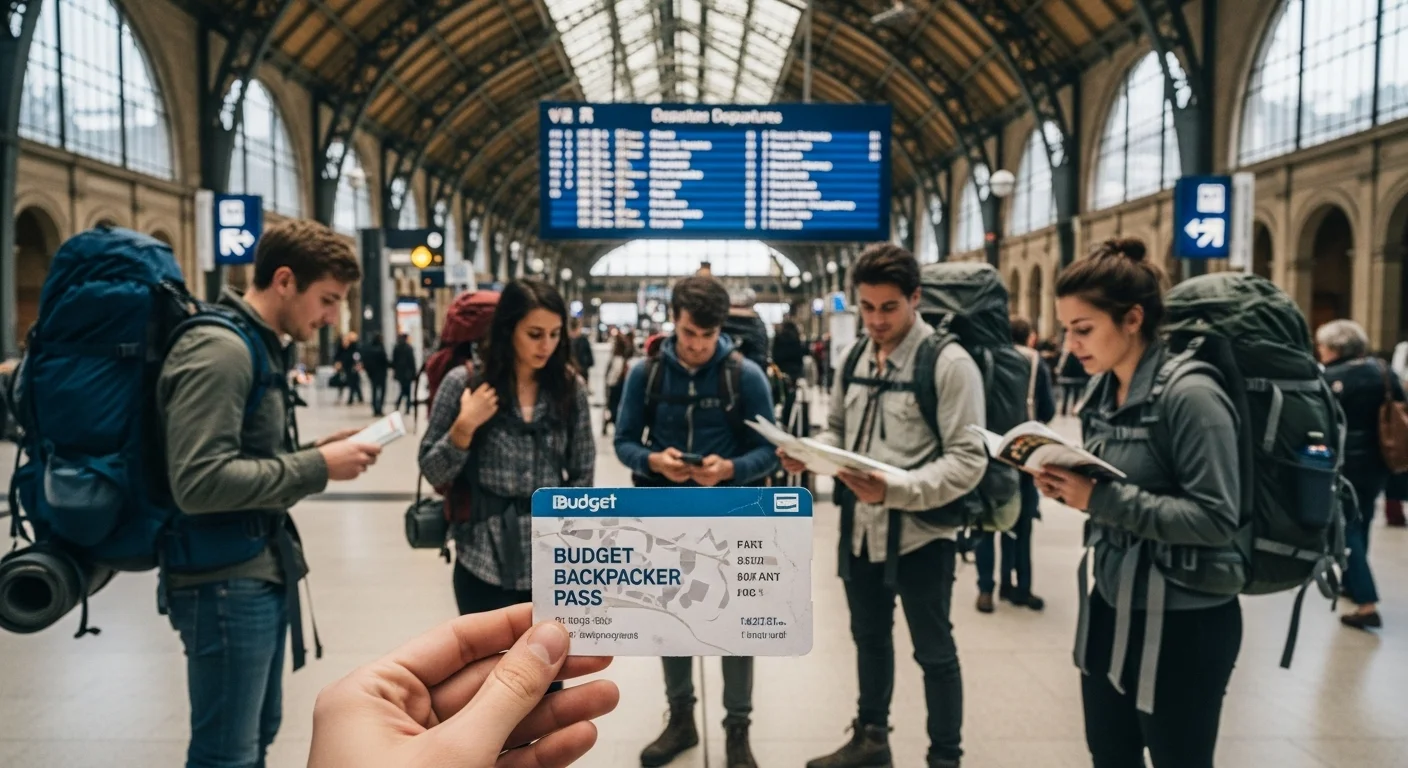

Budget Backpacking: Best Travel Passes for Frugal Travelers

Budget backpacking opens up a world of travel adventures without breaking the bank. With the right travel passes, we can explore stunning destinations while keeping our expenses low. For those looking to save even more, The Ultimate Guide to Discounts on Travel Passes is an excellent resource.

Budget Backpacking: Best Travel Passes for Frugal Travelers

Understanding Budget Backpacking

What is Budget Backpacking?

Budget backpacking is all about traveling on a shoestring. It involves exploring new places while minimizing costs, allowing us to stretch our travel budget further. I remember my first experience of budget backpacking; I took a leap of faith and decided to explore Southeast Asia. I packed my backpack, set a strict budget, and immersed myself in the local culture without splurging on expensive hotels or fancy restaurants. Instead, I learned to embrace hostels, street food, and public transportation, all of which contributed to a rich and unforgettable experience.

Benefits of Budget Backpacking

The benefits of budget backpacking are plentiful and rewarding. For starters, it encourages flexibility and spontaneity. Without a rigid itinerary, we can change our plans on a whim, allowing us to discover hidden gems that aren’t in the guidebooks. I’ve found that some of my best travel moments came from unplanned adventures, like stumbling upon a local festival or a breathtaking viewpoint.

Another significant benefit is the opportunity to meet fellow travelers and locals. When we stay in hostels or use public transportation, we often find ourselves in environments that foster connections. I’ve made lasting friendships with people from all over the globe while sharing stories and travel tips at hostels.

Budget backpacking also instills a sense of accomplishment. Every time I navigate public transport in a foreign country or haggle at a local market, I feel empowered. It’s about learning new skills, becoming resourceful, and gaining confidence in our ability to travel independently.

Essential Tips for Frugal Travelers

To get the most out of budget backpacking, I’ve learned a few essential tips over the years. First, planning is key, but not in a way that confines us to a strict itinerary. I suggest researching our destination in advance to identify the best budget-friendly accommodation and transportation options. Websites and apps like Hostelworld and Rome2rio have been invaluable in my travels.

Another tip is to embrace the local cuisine. I’ve discovered that street food often provides the most authentic culinary experiences at a fraction of the cost of restaurants. Whether it’s enjoying a delicious bowl of pho in Vietnam or tasting tacos on the streets of Mexico, I’ve found that food is one of the most enjoyable aspects of traveling.

It’s also wise to take advantage of free activities. Many cities offer free walking tours, museums, and community events, which can enrich our travel experience without costing a dime. I remember joining a free tour in Berlin and learning about the city’s history from a passionate local guide, which was far more enriching than any museum visit.

Lastly, don’t forget the power of public transportation. Investing in local transport passes can save us money and time. I’ve often found that buses and trains are not only cheaper but also allow us to see a city from a local’s perspective. I recommend checking out transportation schedules online and planning routes in advance. For more details on the best options, check out Top 5 Travel Passes to Slash Your Transportation Costs.

Arming ourselves with these tips creates a more enjoyable travel experience while keeping our budgets in check. Budget backpacking isn’t just about cutting costs; it’s about making the most of every dollar spent and savoring the journey.

Types of Travel Passes for Budget Backpackers

Rail Passes

Rail passes are a fantastic option for budget backpackers, especially if you’re traveling through countries with extensive train networks, like those in Europe or Japan. These passes allow unlimited travel on trains for a set number of days, which can be a game-changer when it comes to exploring multiple cities or regions. I remember getting an Interrail Pass during my European adventures, which gave me the freedom to hop on and off trains without stress. It felt liberating to plan my journey as I went along, with panoramic views of the countryside zipping by as I traveled. Plus, train travel often feels more scenic and immersive than flying.

Bus Passes

Bus passes are another excellent option for budget-conscious travelers. They typically cover long-distance routes and often connect cities that trains may not service directly. I once bought a Greyhound Pass while traveling across the USA, and it allowed me to see so much of the country without spending a fortune. Buses can take a bit longer than trains, but they often provide a more intimate travel experience, where you can chat with locals or other travelers. Many bus companies now offer comfortable seating and free Wi-Fi, making the journey more enjoyable.

City Travel Passes

If you’re planning to explore a specific city, city travel passes can be a fantastic investment. These passes usually include unlimited use of public transport, along with discounts or free entry to various attractions. I discovered this when I visited Barcelona; I purchased a transport pass that included metro and bus rides, allowing me to explore the city without worrying about individual ticket prices. It also gave me access to some museums and attractions at no additional cost, which was an incredible bonus. City passes can save us both time and money, especially when we’re eager to see as much as possible in a short amount of time.

Attraction Passes

Attraction passes are designed for those who want to pack their itinerary with visits to various sites and activities. These passes often bundle several attractions for a discounted price, which can be a win-win situation. I once bought an attraction pass in London, which included entry to the Tower of London, the London Eye, and several other famous sites. It felt great knowing I was saving money while ticking off multiple items from my bucket list. Just be sure to check which attractions are included and plan your visits wisely to get the most out of your purchase.

Multi-Country Travel Passes

For those adventurous souls looking to explore several countries, multi-country travel passes can make the journey smoother and more affordable. These passes allow travel across borders with a single ticket, making it easier to hop from one country to another. I experienced this firsthand when I traveled through Southeast Asia with a regional pass that covered several countries, including Thailand and Cambodia. It allowed me to explore diverse cultures without the hassle of booking individual tickets for every leg of my trip. I recommend looking into options like the South East Asia Pass, which can save both time and money while offering the flexibility to explore at your own pace.

Top Travel Passes for Frugal Travelers

Interrail Pass (Europe)

The Interrail Pass stands out as one of the best options for backpackers in Europe. It offers unlimited train travel across 33 countries for a specified number of days. The freedom to travel spontaneously was one of my favorite aspects of this pass. I could easily change my plans, discover new cities, and meet fellow travelers along the way. It’s perfect for anyone looking to cover a lot of ground in a short amount of time while enjoying the views from the train.

Eurail Pass (Europe)

Similar to the Interrail Pass, the Eurail Pass is designed for non-European residents traveling through Europe. It also provides unlimited train travel across numerous countries. I found it particularly helpful when I wanted to explore less-visited countries and regions, which might be harder to reach by other means of transport. The flexibility it offers is invaluable, especially for those who like to travel on a whim.

Japan Rail Pass (Japan)

If you’re planning a trip to Japan, the Japan Rail Pass is a must-have for budget backpackers. It grants unlimited travel on Japan’s vast rail network, including the famous Shinkansen (bullet trains). I used this pass during my trip and was amazed by how quickly and efficiently I could travel between cities like Tokyo, Kyoto, and Osaka. Plus, it allowed me to experience the local culture at each stop, making it a fantastic investment.

Greyhound Pass (USA)

The Greyhound Pass is ideal for those wanting to see the USA on a budget. It allows unlimited travel on Greyhound buses for a set number of days. I’ve used this pass to explore both big cities and small towns, experiencing the vastness and diversity of the country. The comfort and affordability of Greyhound made it easy to connect with various places, allowing me to appreciate the local culture along the way.

Go City Pass (Various Locations)

The Go City Pass is an excellent choice for travelers who want to experience popular attractions in major cities. This pass lets you choose a set number of attractions to visit over a specific number of days, often at a discounted price. I found this pass particularly handy in locations like San Francisco and Chicago, where I could explore museums, tours, and other experiences without stressing about costs. It truly opened up opportunities for me to enjoy everything these vibrant cities offer. For more insights on maximizing these passes, check out Unlock Amazing Savings with Travel Passes: Your Guide.

Hop-On Hop-Off Bus Passes

Hop-on hop-off bus passes are perfect for those who want to get acquainted with a new city quickly. They allow unlimited rides on a designated route with stops at major attractions. I loved using this system during my travels in places like London and Sydney. It gave me the flexibility to explore at my own pace, and I could jump off whenever something caught my eye. Plus, the commentary provided insight into the city’s history and culture, enriching my experience.

How to Choose the Right Travel Pass

Determining Your Travel Itinerary

Choosing the right travel pass really starts with understanding your itinerary. I’ve learned that mapping out where I want to go, how long I plan to stay in each place, and the distances between locations can help me decide which pass is best. For instance, if I know I’ll be hopping between several cities in a short time, a rail pass might be the way to go. On my last trip to Europe, I plotted my route and found that an Interrail Pass perfectly matched my travel plans, allowing me to explore multiple countries without the stress of individual tickets.

Comparing Costs and Benefits

Another crucial step is comparing the costs and benefits of various travel passes. I once spent hours researching different options, and it paid off immensely. I found that sometimes a slightly more expensive pass offered additional perks, like free entry to popular attractions or discounts on local tours. I recently compared the Go City Pass with individual tickets for attractions in San Francisco and realized I could save a significant amount while visiting my must-see spots. By listing out the attractions I wanted to visit and checking the pass prices, I was able to make an informed choice that maximized my fun and minimized my expenses.

Understanding Validity and Restrictions

Every travel pass comes with its own set of rules, so understanding validity and restrictions is essential. I’ve made the mistake of assuming a pass would cover everything, only to find out there were limitations. For example, some passes only allow travel on certain days, while others might restrict travel during peak hours. When I traveled in Japan, I made sure to check the Japan Rail Pass restrictions, ensuring I could take the Shinkansen without any hiccups. Reading the fine print can save us from unexpected surprises, allowing us to enjoy our journey without any added stress.

Assessing Your Travel Style

Lastly, we should consider our travel style when choosing a pass. Are we the type of travelers who prefer a flexible schedule, or do we like to have a set plan? Personally, I thrive on spontaneity, so I often lean towards passes that offer unlimited travel over a given period. This was incredibly helpful when I backpacked through Southeast Asia, as it allowed me to change my plans on a whim, like taking an unexpected detour to a beach town. On the other hand, if you prefer a more structured itinerary, a pass with specific travel dates might be a better fit. Assessing our travel habits can lead us to the best options available.

Best Practices for Using Travel Passes

Planning Your Route

Once we’ve chosen a travel pass, planning our route is key. I’ve found that taking some time to figure out my must-visit spots and the best travel connections between them helps make the most of my pass. For instance, on a trip to Italy, I mapped out cities I wanted to see and checked train schedules to minimize waiting times. This not only saved me money but also allowed me to experience more in a shorter time frame. I recommend using apps that provide real-time updates on transit schedules to keep our plans flexible and enjoyable.

Maximizing Value from Your Pass

To get the most bang for our buck, I suggest maximizing the value of our travel passes. This means utilizing every aspect they offer, from unlimited travel routes to discounts on attractions. During my time in Barcelona, I made a point to use my city travel pass for both transportation and entry to museums I had on my list. By planning ahead and taking full advantage of the pass, I felt I truly got my money’s worth, all while enjoying the beautiful sights of the city.

Keeping Track of Pass Validity

It’s also crucial to keep track of the validity of our passes. I learned this lesson the hard way when I accidentally let a day lapse on my pass while I was busy exploring. Now, I always mark the first day of use and any expiration dates in my travel journal or phone calendar. This simple habit has saved me from unnecessary stress, ensuring I utilize my pass fully without worrying about running out of time.

Using Mobile Passes vs. Paper Passes

Lastly, I’ve noticed the growing trend of mobile passes, and I’ve tried both mobile and paper options. Personally, I find mobile passes incredibly convenient since they’re easily accessible on my phone. This means I don’t have to worry about losing a physical ticket while traveling. However, I still appreciate having a paper pass for backup or when Wi-Fi isn’t available. In my experience, it’s best to weigh the pros and cons of each option based on our comfort level with technology and the destination’s infrastructure.

Common Mistakes to Avoid

Underestimating Travel Time

A common mistake I’ve made is underestimating travel time, which can throw off an entire day’s plans. I remember once thinking I could zip from one city to another in just a couple of hours, only to find out that the train schedules didn’t align as I hoped. It taught me the importance of factoring in not just travel times but also the waiting periods between connections. I now always budget extra time into my plans, so I can explore more and stress less.

Not Booking in Advance

Another pitfall is not booking in advance, especially during peak travel seasons. I once found myself in a jam trying to catch a train with no available seats because I didn’t secure my ticket early enough. I’ve learned that while some passes allow for last-minute travel, booking in advance often guarantees better prices and availability. I suggest checking the availability of seats for popular routes and planning accordingly to avoid any last-minute hassles.

Ignoring Local Transport Options

It’s easy to get caught up in the convenience of travel passes and forget about local transport options. I used to rely solely on my rail or bus passes, but I’ve learned that local transport, like trams or ferries, can enhance the travel experience. On a recent trip to Amsterdam, I discovered that a short tram ride led me to hidden neighborhoods filled with charm. So, I recommend keeping an eye out for local transport opportunities to broaden our adventures.

Overlooking Discounts for Students and Seniors

Lastly, I’ve seen many travelers overlook discounts for students or seniors, which can greatly reduce costs. During my travels, I found that many attractions and transportation options offer reduced rates with valid ID. I remember getting a student discount at a popular museum, which not only saved me money but also allowed me to enjoy more experiences. Always check for available discounts before purchasing tickets or passes; it’s a simple way to stretch our budgets.

Additional Budget Travel Tips

Accommodation Options for Budget Travelers

Food on a Budget: Eating Cheap While Traveling

Free Activities and Attractions

Staying Safe While Traveling on a Budget

Resources for Budget Backpacking

Travel Blogs and Websites

Mobile Apps for Planning and Booking

Online Forums and Communities

Frequently Asked Questions

What is budget backpacking?

Budget backpacking is a way of traveling on a shoestring, allowing explorers to visit new places while minimizing costs. It encourages the use of hostels, street food, and public transportation to extend travel budgets.

What are the benefits of budget backpacking?

Benefits include flexibility and spontaneity in travel plans, opportunities to meet fellow travelers and locals, and a sense of accomplishment from navigating new environments and learning new skills.

What essential tips can help frugal travelers?

Essential tips include researching destinations for budget-friendly options, embracing local cuisine, taking advantage of free activities, and utilizing public transportation to save money and enhance the travel experience.

What types of travel passes are available for budget backpackers?

Types of travel passes include rail passes, bus passes, city travel passes, attraction passes, and multi-country travel passes. Each offers unique benefits depending on the travel itinerary and destination.

What is the Interrail Pass?

The Interrail Pass is a travel pass for backpackers in Europe that offers unlimited train travel across 33 countries for a specified number of days, allowing for spontaneous travel and exploration.

What should travelers consider when choosing a travel pass?

Travelers should consider their itinerary, compare costs and benefits, understand the validity and restrictions of passes, and assess their travel style to choose the most suitable option.

How can travelers maximize the value of their travel pass?

Travelers can maximize the value of their pass by planning their routes effectively, utilizing every aspect of the pass (like discounts on attractions), and keeping track of the pass’s validity to fully benefit from it.

What common mistakes should budget backpackers avoid?

Common mistakes include underestimating travel time, not booking in advance, ignoring local transport options, and overlooking discounts for students and seniors that can significantly reduce costs.

What resources are available for budget backpacking?

Resources include travel blogs and websites, mobile apps for planning and booking, and online forums and communities where travelers can share tips and experiences.

How does embracing local cuisine benefit budget travelers?

Embracing local cuisine, particularly street food, provides authentic culinary experiences at lower costs compared to restaurants, enhancing the travel experience while staying within budget.

The Ultimate Guide to Discounts on Travel Passes

Traveling can be an adventure, but it can also come with a hefty price tag. Luckily, discounts on travel passes can help us save big while exploring new places. Let’s dive into everything you need to know about travel passes and the discounts that make them more affordable.

The Ultimate Guide to Discounts on Travel Passes

Understanding Travel Passes

What is a Travel Pass?

A travel pass is like a golden ticket for explorers. It provides us with access to various modes of transportation or attractions at a fixed price, usually over a set period. I remember my first experience with a travel pass; I was visiting a new city and didn’t want to worry about buying individual tickets for each ride or entry. The pass made it simple and stress-free. For me, it was not just about saving money but also gaining peace of mind while navigating a new place. Read Interesting article: Top 5 Travel Passes to Slash Your Transportation Costs

Types of Travel Passes

There are several types of travel passes, and each serves a unique purpose. Understanding these can help us choose the best option for our adventures.

City Passes

City passes are fantastic for those looking to explore urban areas. They often include access to public transportation and admission to popular attractions. I’ve found that city passes can save us a lot of money, especially if we plan to visit multiple sites in a short time. For example, when I visited New York City, I used a city pass that allowed me to visit museums, landmarks, and even take a ferry ride—all for one price!

Rail Passes

Rail passes are perfect for those who love to travel by train. They allow unlimited travel on a network of trains within a certain timeframe. I’ve experienced firsthand how liberating it feels to hop on and off trains without worrying about individual ticket prices. In Europe, I used a rail pass that connected me to several countries, making my trip seamless and enjoyable.

Bus Passes

If you’re exploring a city or region that has a robust bus system, bus passes might be the way to go. They can provide unlimited rides for a day or longer, which is fantastic for getting around without breaking the bank. I remember utilizing a bus pass during a weekend getaway, which allowed me to visit all the local hotspots without the hassle of parking or paying for each ride.

Attraction Passes

Attraction passes are ideal for those who want to visit several attractions in one go. These passes typically bundle entry fees for multiple sites, often at a discounted rate. I once bought an attraction pass for a theme park that included not only entrance fees but also discounts at food stalls and merchandise shops. It was a no-brainer for a full day of fun!

Benefits of Using Travel Passes

Cost Savings

The most obvious benefit is cost savings. Travel passes often provide a lower overall price than purchasing individual tickets. I’ve saved a considerable amount of money on trips by using these passes, especially when I plan my itinerary around the attractions included. It feels rewarding to know I’m making the most of my budget!

Convenience and Flexibility

Travel passes offer incredible convenience. They let us skip long ticket lines and gain instant access to attractions. I’ve found this to be a lifesaver during busy tourist seasons. Plus, many travel passes are designed to give us flexibility—allowing us to explore at our own pace without the pressure of strict schedules.

Access to Exclusive Experiences

Some travel passes include exclusive experiences that we might not have access to otherwise. For instance, I once had a special behind-the-scenes tour included in my city pass, which was one of the highlights of my trip. These unique opportunities often enhance our travel experience and create lasting memories.

Discounts on Travel Passes

Common Types of Discounts

Finding discounts on travel passes can make an already great deal even better. Here are some common types of discounts that I’ve come across during my travels:

Student Discounts

Many travel passes offer discounts for students, making it more affordable for young travelers. If you have a student ID, I highly recommend checking for any available deals. During my college years, I took advantage of student discounts on rail passes, which allowed me to explore more while spending less.

Senior Discounts

Likewise, senior discounts are often available, making travel more accessible for older adults. I’ve seen my friends and family take advantage of these discounts, allowing them to enjoy their golden years on the road without straining their finances.

Group Discounts

If you’re traveling with friends or family, group discounts can significantly lower costs. I’ve organized trips where we pooled our resources to purchase a group pass, which made our adventures even more enjoyable. Sharing experiences with friends while saving money is a win-win!

Seasonal Promotions

Keep an eye out for seasonal promotions or limited-time offers. I’ve found that many companies run special sales during holidays or travel seasons, so it’s worth doing a little research before purchasing. Timing can be everything when it comes to snagging a great deal! Read Interesting article: Unlock Amazing Savings with Travel Passes: Your Guide

Where to Find Discounts on Travel Passes

Official Websites and Apps

One of the best places to look for discounts on travel passes is directly on the official websites or apps of transportation services and attractions. I often start my search here because they frequently have exclusive deals or promotions not available elsewhere. For instance, when I was planning a trip to London, I discovered that the rail service had a special offer on their website that provided a discount when purchasing a travel pass online. It felt great to snag that deal and ensure I was getting the best price right from the source!

Travel Agencies and Tour Operators

Travel agencies and tour operators can also be a treasure trove for discounts on travel passes. I remember booking a trip through a travel agency that offered bundled deals, including travel passes. They managed to provide a better price than if I’d purchased everything separately. Plus, they sometimes have insider knowledge about upcoming promotions that aren’t widely advertised. If you’re planning a big trip, I recommend reaching out to a local travel agent to see what they can offer.

Discount Websites and Coupon Platforms

Discount websites and coupon platforms are another fantastic resource. I’ve turned to sites like Groupon and RetailMeNot when planning my adventures. They often have deals on travel passes, but it’s essential to check the terms and conditions carefully. I once found a great deal on a city pass through a coupon site, which saved me quite a bit of money. Just make sure to read the details, as some offers can have specific restrictions or expiration dates.

Social Media and Newsletters

Keeping an eye on social media and subscribing to newsletters can also yield some unexpected discounts. Many companies announce flash sales or exclusive promotions through their social media channels. I’ve been fortunate to catch a few limited-time offers simply by following my favorite travel brands. Additionally, signing up for newsletters can give you early access to discounts or even subscriber-only deals. I always feel like I’m in the loop when I receive those notifications in my inbox, and it’s a great way to stay updated on new travel passes or offers.

How to Maximize Savings with Travel Passes

Planning Your Itinerary

When it comes to maximizing savings, I’ve learned that planning my itinerary around the attractions included in a travel pass can make a huge difference. Before my last trip, I mapped out all the sights I wanted to see and compared them to the travel pass offerings. This way, I was able to ensure I hit all the major spots while reaping the benefits of the pass. It’s not just about saving money; it’s also about making the most of my time. I recommend doing a bit of research to find out which attractions are included and how best to structure your days around them.

Combining Passes for Extra Savings

Sometimes, combining different types of passes can lead to even greater savings. During one of my trips, I used a combination of a city pass for local attractions and a rail pass for day trips outside the city. This approach allowed me to explore more without paying full price for each experience. I think it’s worth considering how different passes can work together to enhance your travel experience, giving you both flexibility and savings.

Timing Your Purchase

Timing can be everything when it comes to purchasing travel passes. I’ve found that buying passes well in advance can lead to significant savings, as many companies provide early bird discounts. On the flip side, waiting for last-minute deals can sometimes yield great offers, especially if you’re flexible with your plans. I remember booking a city pass just a few days before my trip and snagging a fantastic deal that was part of a flash sale. It’s a bit of a gamble, but if you play your cards right, you can save big!

User Experiences and Reviews

Top User Tips for Getting Discounts

Hearing from others can provide fantastic insights into getting discounts on travel passes. From my experience, one of the best tips is to join travel forums or social media groups, where fellow travelers share their experiences and tips. I’ve learned about discounts I would have never found on my own just by participating in these communities. For instance, one user shared a tip about a secret promo code for a popular attraction that saved them a significant amount. It’s amazing what we can learn from one another!

Real-Life Case Studies

Real-life case studies can also offer practical examples of how others have successfully saved money on travel passes. A friend of mine recently traveled to Paris and shared how she used a combination of a city pass and a student discount to visit several museums and attractions. By carefully planning her itinerary and taking advantage of both the pass and her student status, she ended up saving nearly 30% compared to buying individual tickets. Her experience inspired me to always look for multiple ways to save, whether it’s through discounts, passes, or special promotions. Read Interesting article: Budget-Friendly Car Rentals: Travel Without Breaking the Bank

Potential Pitfalls to Avoid

Understanding Terms and Conditions

Before purchasing any travel pass, I’ve learned the importance of diving into the terms and conditions. It may seem tedious, but I can’t stress enough how essential it is to understand what you’re getting into. For instance, I once bought a travel pass that seemed like a steal, only to discover later that it had limitations on certain attractions during peak hours. It was a letdown because I’d planned my day around it. Always check whether there are any blackout dates or restrictions that could affect your experience. Knowing the ins and outs can save us from unexpected surprises down the road!

Comparing Passes and Prices

Another pitfall I’ve encountered is not comparing different passes and their prices before committing. I used to assume that every pass was created equal, but that’s far from the truth. For example, during a trip to San Francisco, I found multiple options offering similar attractions but at vastly different prices. I took the time to compare what was included in each pass, and I ended up choosing one that provided additional benefits, like discounts at local restaurants and shops. This simple comparison effort made my travel experience much more rewarding and budget-friendly. I recommend using comparison websites or apps to help visualize the best options available.

Expiration Dates and Usage Limits

Expiration dates and usage limits can be sneaky little details that catch us off guard. I remember purchasing a rail pass that allowed travel for a set number of days, but I miscalculated my itinerary, and my travel window was shorter than I anticipated. It was disappointing to lose out on some of the trips I had planned. When buying a pass, I always double-check how long I have to use it and how many times I can access certain attractions. This way, I can plan my days more effectively and ensure that I make the most of my investment.

FAQs About Discounts on Travel Passes

How do I know if a discount is valid?

Determining the validity of a discount can be straightforward if you take a few key steps. First, I always look for the terms outlined on the website where I found the deal. Many companies will clearly state the validity period and any special conditions. I also make it a habit to confirm details by reaching out to customer service, just to be safe. I’ve had experiences where I thought a discount was applicable, only to find out it was a limited-time offer that had expired. It’s worth the extra effort to ensure we’re getting a legitimate deal!

Can I stack multiple discounts?

This is a great question, and it’s one I’ve asked myself many times! From my experience, it often depends on the specific terms of the travel pass. Some companies allow you to stack discounts, especially if they are from different sources (like a student ID discount plus a seasonal promotion). However, I’ve also encountered situations where only one discount can be applied at a time. When in doubt, I recommend checking the FAQ section of the website or asking customer service. It’s always exciting to maximize savings whenever possible!

What happens if I lose my travel pass?

Loss of a travel pass can be a real headache, but I’ve learned that many companies have policies in place to help. Typically, I find that if I lose a pass, I should contact customer service as soon as possible. They may require proof of purchase, like a receipt or confirmation email, to issue a replacement. Just keep in mind that some passes might not be replaceable, especially if they are non-transferable. To avoid this situation, I recommend keeping a digital copy or taking a picture of the pass when I receive it. That way, I have a backup if something goes wrong!

Final Thoughts

As I reflect on my travels and experiences with travel passes, I can’t help but feel grateful for the opportunities they have provided me. The ability to explore new cities and enjoy a variety of attractions without the stress of individual ticket purchases has made my adventures so much more enjoyable. I’ve learned that with a little planning and research, travel passes can truly enhance our travel experiences while keeping our budgets in check.

Every trip is unique, and I encourage you to consider how travel passes might fit into your travel plans. Think about what you want to see and do, and how a pass could help you achieve those goals. Whether it’s hopping on a train to explore neighboring towns or enjoying a behind-the-scenes tour at a popular museum, the options are endless.

Don’t hesitate to take advantage of discounts and promotions that come your way. The thrill of snagging a great deal can add an extra layer of excitement to your travels. I’ve learned that a little effort in finding the best prices pays off when I see how much I can save, which often allows me to splurge a bit more on experiences I cherish.

Finally, share your experiences with friends and fellow travelers. We can all learn from each other’s journeys, and your insights may help someone else find their perfect travel pass. Let’s keep the adventure alive, and remember that traveling is not just about the destinations we visit, but also about the memories we create along the way. Happy travels!

Frequently Asked Questions

What is a travel pass?

A travel pass is a fixed-price ticket that provides access to various modes of transportation or attractions over a set period, making it easier for travelers to navigate new places without buying individual tickets for each ride or entry.

What types of travel passes are available?

There are several types of travel passes including city passes, rail passes, bus passes, and attraction passes, each serving a unique purpose for exploring urban areas, traveling by train, getting around via bus, or visiting multiple attractions.

What are the benefits of using travel passes?

The benefits of using travel passes include cost savings, convenience and flexibility, and access to exclusive experiences, allowing travelers to enjoy their adventures without the hassle of individual ticket purchases.

How can I find discounts on travel passes?

Discounts on travel passes can be found on official websites and apps, through travel agencies and tour operators, discount websites and coupon platforms, as well as social media and newsletters that announce promotions and sales.

What are common types of discounts available for travel passes?

Common types of discounts for travel passes include student discounts, senior discounts, group discounts, and seasonal promotions, allowing various travelers to save money based on their circumstances.

How can I maximize savings with travel passes?

To maximize savings, it’s recommended to plan your itinerary around the attractions included in a travel pass, consider combining different types of passes, and time your purchase to take advantage of early bird or last-minute deals.

Can I stack multiple discounts on a travel pass?

Whether you can stack multiple discounts often depends on the specific terms of the travel pass. Some companies allow it, while others may only permit one discount at a time; checking the FAQ section or customer service can provide clarity.

What should I do if I lose my travel pass?

If you lose your travel pass, contact customer service as soon as possible. Many companies have policies for replacements, often requiring proof of purchase, though some passes may not be replaceable.

How do I know if a discount on a travel pass is valid?

To determine if a discount is valid, check the terms on the website where you found the deal and confirm details by contacting customer service to avoid any expired offers.

What potential pitfalls should I avoid when purchasing travel passes?

Potential pitfalls include not understanding the terms and conditions, failing to compare different passes and prices, and overlooking expiration dates and usage limits, which can affect your travel plans.

Top 5 Travel Passes to Slash Your Transportation Costs

Travel can be one of life’s greatest joys, but managing costs can sometimes feel overwhelming. Discovering the right travel passes can drastically reduce transportation expenses, making adventures more enjoyable and budget-friendly.

Top 5 Travel Passes to Slash Your Transportation Costs

Understanding Travel Passes

What is a Travel Pass?

When I first heard the term “travel pass,” I wasn’t entirely sure what it meant. I soon discovered that a travel pass is essentially a ticket or card that allows travelers to use various forms of transportation—like buses, trains, and even attractions—within a certain timeframe. It’s like a key that unlocks numerous travel options, often at a fraction of the cost of purchasing individual tickets for each journey. Depending on where you are, these passes can cover local transit, long-distance trains, and even entry into popular attractions, making them a valuable asset for any traveler.

Benefits of Using Travel Passes

From my experience, using travel passes has transformed the way I explore new cities. One of the biggest benefits is the potential for significant savings. Instead of spending money on each ticket, I can pay a fixed price and travel more freely. This means I can hop on and off buses or trains without worrying about the cost. Additionally, many travel passes offer the convenience of not having to stand in line to buy tickets. I’ve found this to be particularly helpful during peak tourist seasons when lines can be excruciatingly long. Plus, many passes come with added perks, like discounts on attractions or guided tours, which can enhance your journey even more.

Types of Transportation Covered by Travel Passes

Travel passes can cover a wide range of transportation options. I’ve seen passes that include local buses and subways, trains for longer journeys, and even ferries or trams in specific cities. Some passes also grant access to shared bikes or scooters, which is a fun and eco-friendly way to explore. Understanding what types of transportation are included in a pass can help you maximize its value. I remember one trip where I used a city pass that allowed unlimited access to public transport, which made navigating the city so much easier, especially when I wanted to visit multiple neighborhoods in a day.

Top 5 Travel Passes to Consider

1. City Passes

Overview of City Passes

City passes are designed for tourists and typically include public transportation as well as entry to major attractions. I’ve used city passes in places like New York and Paris, and they really enhanced my experience. The convenience of having everything in one package is hard to beat.

Popular City Passes (e.g., Paris Pass, New York CityPASS)

Some of the most well-known city passes include the Paris Pass, which gives you access to over 60 attractions, and the New York CityPASS, which covers several iconic sites like the Statue of Liberty and the Empire State Building. I remember walking right past long lines at the Louvre thanks to my Paris Pass, which was a game changer.

Cost Savings and Included Attractions

City passes often provide a substantial cost benefit. For instance, the New York CityPASS can save you around 40% compared to buying individual tickets. When I used it, I was able to visit attractions I might have skipped due to budget constraints, like the Museum of Modern Art. It really opened my eyes to the cultural richness of the city.

2. Rail Passes

Overview of Rail Passes

Rail passes are a fantastic option if you plan to travel over long distances. They typically allow unlimited travel within a country or even across several countries. I’ve found that rail travel can be one of the most scenic ways to see a region, especially in countries like Italy or Switzerland.

Popular Rail Passes (e.g., Eurail Pass, Japan Rail Pass)

The Eurail Pass and the Japan Rail Pass are two of the best-known options. The Eurail Pass allows flexible travel across 33 countries in Europe, which I’ve used to hop between cities like Paris and Amsterdam without the hassle of purchasing individual tickets. The Japan Rail Pass is similarly amazing, offering unlimited travel on many trains, including the famous Shinkansen, or bullet trains.

Cost Savings for Long-Distance Travel

Using a rail pass can lead to significant savings, especially if you plan to visit multiple cities. I once traveled through Europe for ten days with a Eurail Pass, and it was cheaper than buying separate tickets for each journey. Plus, the ability to jump on a train whenever the mood struck made my travels feel more spontaneous and exciting.

3. Bus Passes

Overview of Bus Passes

For regional travel, bus passes can be a lifesaver. I’ve found that while trains are great for longer distances, buses often cover areas that trains don’t reach. They can be a more affordable option, too.

Popular Bus Passes (e.g., Greyhound Pass, Megabus Pass)

Two popular options are the Greyhound Pass in the US and the Megabus Pass, which covers various routes across major cities. I’ve used Megabus to travel between cities, and it was comfortable and cost-effective. If you have flexible travel plans, these passes can be a great fit.

Cost-Effective Options for Regional Travel

Bus passes typically offer excellent value, especially for budget travelers. I remember taking a long-distance bus ride from New York to Washington, D.C., for a fraction of the cost of a train ticket. The savings allowed me to spend more on experiences once I reached my destination.

4. Tourist Attraction Passes

Overview of Tourist Attraction Passes

Tourist attraction passes have become one of my favorite tools when exploring new destinations. These passes are specifically designed to give you access to various attractions within a city or region, often bundled together for a convenient price. I remember my first experience with a tourist attraction pass in San Francisco; it allowed me to visit places like Alcatraz Island, the California Academy of Sciences, and even take a bay cruise—all without shelling out for each individual ticket. It felt great to have the freedom to explore at my own pace without worrying about the costs accumulating with every stop.

Popular Attraction Passes (e.g., Go City Card, Atlanta CityPASS)

There are several well-known options when it comes to tourist attraction passes. The Go City Card is a favorite among travelers, offering access to a variety of attractions in cities such as Chicago, Los Angeles, and New York. It’s an excellent way to check off multiple must-see spots in a single trip. Similarly, the Atlanta CityPASS covers the top attractions in Atlanta, including the Georgia Aquarium and the World of Coca-Cola. I was amazed at how much I could experience, often at a lower price than if I had bought tickets separately. It’s almost like a treasure hunt—trying to fit in as many sights as possible!

Benefits Beyond Transportation

One of the aspects I truly appreciate about tourist attraction passes is that they often come with additional benefits beyond just entry to sites. Many passes offer discounts at local restaurants, shops, or even guided tours. For example, while using the Go City Card in New York, I found a couple of restaurants that provided a discount just for cardholders. This not only helped me save on meals but also allowed me to indulge a bit more in the local cuisine. It’s these little perks that make traveling feel even more rewarding.

5. Multi-Day Transit Passes

Overview of Multi-Day Transit Passes

Multi-day transit passes have been a game changer for my travels, especially in cities where I know I’ll be using public transportation regularly. These passes allow unlimited travel on buses, trains, and subways for a set number of days. Having the freedom to hop on and off as I please has made exploring cities so much more enjoyable. I remember using a multi-day pass during a trip to London, which meant I could venture out to various neighborhoods without worrying about the costs stacking up.

Popular Multi-Day Passes (e.g., London Travelcard, San Francisco Muni Pass)

Some of the most popular multi-day transit passes include the London Travelcard and the San Francisco Muni Pass. With the London Travelcard, I could travel not just within the central zones but also venture out to places like Greenwich and Windsor. The San Francisco Muni Pass, on the other hand, covered all the buses, trolleys, and cable cars, making it an essential part of my exploration. I felt like I was truly living like a local, which is something I cherish during my travels.

Flexibility and Convenience

One of the greatest advantages of multi-day transit passes is the flexibility they offer. I can change my plans on a whim without worrying about buying another ticket. There were days when I decided to take a detour or just explore a different neighborhood, and having that pass made those spontaneous adventures possible. Plus, I’ve found that these passes often include unlimited rides, which means I could take multiple trips in a day without a second thought. That sense of freedom is something I truly enjoy while traveling.

How to Choose the Right Travel Pass

Assessing Your Travel Itinerary

When it comes to choosing the right travel pass, I always start by assessing my travel itinerary. I think about the places I want to visit and how I plan to get around. For instance, on a recent trip to Tokyo, I laid out my must-see attractions and realized that a Japan Rail Pass would provide the best value for my plans. I tend to jot down a rough schedule to see how many attractions I can realistically fit into my days, and that helps me determine which type of pass aligns best with my activities.

Comparing Costs and Benefits

Once I have my itinerary mapped out, I compare the costs and benefits of different passes. This part can be a bit of a puzzle, but I find it rewarding. I often create a simple chart that outlines the prices of individual tickets versus the pass I’m considering. It’s amazing how much I can save, especially when visiting multiple attractions. I also take into account any additional perks that come with the pass, like discounts on dining or exclusive access to special events, which can enhance the overall experience.

Reading the Fine Print: What’s Included?

Lastly, I always make it a point to read the fine print of each travel pass. It’s essential to understand what’s included and any restrictions that might apply. For example, some passes have specific time frames for usage or may require advance reservations for certain attractions. I remember once I bought a pass that didn’t include access to a popular museum on the day I planned to visit, which was a learning moment for me. Taking the time to ensure I know exactly what I’m getting helps me avoid any unpleasant surprises and allows me to make the most of my travels.

Tips for Maximizing Your Travel Pass

Planning Your Route

Planning your route is one of the best ways I’ve found to maximize the value of a travel pass. Before I travel, I like to spend some time researching all the attractions and transportation options covered by the pass. I usually grab a map or use an app to mark the places I want to visit. This way, I can structure my days around the locations that are closest to each other, making the most of my time and the pass itself. I remember one trip to Barcelona where I planned my route to start with attractions near my accommodation. By doing this, I saved time and energy, allowing me to fit more experiences into each day.

Combining Passes for Greater Savings

Sometimes, I’ve noticed that a single pass may not cover everything I want to see, especially in larger cities. That’s when I’ve found it useful to combine different types of passes. For instance, I once paired a city pass with a specialized museum pass in London. The city pass covered public transportation and major attractions, while the museum pass allowed me to delve deeper into the local art scene. By doing this, I not only saved money but also enhanced my experience, allowing me to explore more than I initially planned. It’s always worth researching if combining passes can lead to greater savings.

Staying Updated on Promotions and Discounts

Another tip I’ve learned over the years is to keep an eye out for promotions and discounts, especially during peak travel seasons. Many travel pass providers often run special offers that can save you a good chunk of change. I remember booking a city pass for Rome during a promotional period that offered an extra day free. That allowed me to extend my stay and explore a few more attractions without additional costs. Signing up for newsletters or following social media accounts of travel pass companies can keep you informed about these deals. It pays to be proactive, and you might end up with unexpected savings!

Frequently Asked Questions (FAQs)

What is the best travel pass for budget travelers?

From my experience, the best travel pass for budget travelers often depends on the destination. City passes tend to offer excellent value for those visiting popular tourist hubs, as they bundle transportation and entry to attractions. I particularly recommend looking into city passes if you plan to visit multiple sites in a short period. For instance, the Paris Pass is fantastic for budget travelers wanting to explore numerous attractions without breaking the bank. Additionally, rail passes like the Eurail Pass can be a game changer for those traveling across multiple countries in Europe.

Are travel passes worth it?

I truly believe that travel passes can be worth it, especially if you plan carefully. If you’re someone who loves to see as much as possible in a limited time, a travel pass can save you money and reduce stress. I’ve often found that the convenience of having everything included allows me to focus more on enjoying my trip rather than worrying about how much each ticket costs. However, it’s essential to assess your itinerary to ensure the pass covers the attractions and transportation you plan to use.

How do I purchase a travel pass?

Purchasing a travel pass has become incredibly easy. Most passes can be bought online through the provider’s website, which I usually do before my trip to avoid wasting time on the ground. Some cities even offer passes that you can buy directly from kiosks or tourist information centers upon arrival. I’ve found that buying ahead can sometimes snag you a better deal than purchasing on-site, so I recommend checking online first. Plus, it helps me feel organized and ready to explore!

Can I use travel passes for public transportation?

Yes, many travel passes include public transportation, which is one of the main reasons I love them! City passes often cover local buses, trains, and sometimes even trams. For example, when I used a city pass in Berlin, I was thrilled to find that it included unlimited access to all public transport within the city. This made getting around super easy and allowed me to visit several neighborhoods in just one day. I always check the details of the pass to know what transportation is included.

What if my travel plans change?

I’ve faced unexpected changes in my travel plans, and I understand the frustration it can bring. The good news is that many travel passes come with flexible options or a certain level of refund policy. However, it’s crucial to read the fine print before purchasing. For instance, some passes might have restrictions on refunds or changes, while others may allow you to transfer your pass to another person. I remember one time I had to cut my trip short, but I was able to adjust my remaining plans to fit the pass’s schedule, which helped me salvage the experience.

Frequently Asked Questions

“`html

What is a travel pass?

A travel pass is essentially a ticket or card that allows travelers to use various forms of transportation—like buses, trains, and even attractions—within a certain timeframe. It offers access to multiple travel options at a reduced cost compared to purchasing individual tickets.

What are the benefits of using travel passes?

Travel passes can lead to significant savings, allow travelers to hop on and off transportation without worrying about costs, and often provide the convenience of skipping ticket lines. Additionally, many passes come with perks like discounts on attractions or guided tours.

What types of transportation are covered by travel passes?

Travel passes can cover a variety of transportation options, including local buses, subways, long-distance trains, ferries, trams, and even shared bikes or scooters in certain cities.

What are city passes and how do they work?

City passes are designed for tourists and typically include public transportation as well as entry to major attractions. They offer convenience by bundling everything into one package, which can also lead to significant cost savings.

What are some popular city passes?

Popular city passes include the Paris Pass, which grants access to over 60 attractions, and the New York CityPASS, covering iconic sites like the Statue of Liberty and the Empire State Building, often offering savings compared to individual ticket purchases.

How do rail passes benefit travelers?

Rail passes allow unlimited travel within a country or across multiple countries, making them ideal for long-distance travel. They can provide substantial savings, especially for those visiting multiple cities, and allow for spontaneous travel without the hassle of buying separate tickets.

What are bus passes and their advantages?

Bus passes are useful for regional travel and can cover areas that trains do not reach, often at a more affordable price. They provide excellent value for budget travelers looking to explore various destinations without spending too much on transportation.

What are tourist attraction passes?

Tourist attraction passes grant access to various attractions within a city or region, bundled together at a convenient price. They often come with additional benefits, such as discounts at local restaurants or shops, enhancing the travel experience.

What are multi-day transit passes?

Multi-day transit passes allow unlimited travel on local public transportation for a set number of days. They offer flexibility and convenience, making it easier for travelers to explore different neighborhoods without worrying about accumulating costs.

How can I choose the right travel pass?

To choose the right travel pass, assess your travel itinerary by determining the places you want to visit and how you plan to get around. Compare costs and benefits of different passes, and read the fine print to understand what’s included and any restrictions that may apply.

“`

Unlock Amazing Savings with Travel Passes: Your Guide

Traveling can often be costly, but with the right travel passes, you can unlock incredible savings. Whether you’re exploring a city or hopping on trains, these passes can enhance your journey without breaking the bank! Read Interesting article: Top 10 Budget Airlines for Affordable Travel Adventures

Unlock Amazing Savings with Travel Passes: Your Guide

Understanding Travel Passes

What is a Travel Pass?

A travel pass is like a golden ticket for travelers. It offers access to various transportation methods, attractions, and sometimes even discounts at local restaurants and shops. When I first stumbled upon travel passes, I was amazed at how much they could save me on trips. They often come in the form of a physical card or a digital version that you can store on your phone. Depending on the pass, it may cover unlimited travel for a certain number of days or provide entry to multiple attractions at a reduced price.

Types of Travel Passes

Travel passes come in different shapes and sizes, designed to cater to various travel styles and needs. Here are some of the most common types I’ve encountered:

  • City Passes: Perfect for urban explorers, city passes offer entry to major attractions and often include public transport options. For example, the Paris Pass grants admission to numerous museums and the metro system.
  • Rail Passes: Ideal for those planning to travel across countries, these passes allow unlimited train travel within a set period. The Euro Rail Pass is one such example that I found invaluable during my travels across Europe.
  • Attraction Passes: These passes focus primarily on popular attractions, allowing visitors to skip lines and save money. The New York CityPASS is a classic, giving access to several iconic sites.
  • Public Transportation Passes: Many cities offer passes for their public transportation systems, which can be cost-effective for travelers who prefer to explore on foot and use buses or trains. For example, I used the Tokyo Metro Pass, which made navigating the city so much easier. Read Interesting article: Save Big on Travel: Top Public Transport Tips for Backpackers

Benefits of Using Travel Passes

Choosing to use a travel pass can transform your travel experience. Here are some benefits I’ve personally enjoyed:

  • Cost Savings: One of the most significant advantages is the potential to save money. By bundling attractions and transportation, I’ve found that I often spend less than if I were to pay for each item separately.
  • Convenience: Having a travel pass is incredibly convenient. I love not worrying about carrying cash or dealing with ticket lines. With a single card or app, I can easily hop on public transport or walk into an attraction without delays.
  • Flexibility: Many passes allow you to visit attractions at your own pace. For instance, if you buy a pass for three days, you can choose when to visit each site, making it easier to fit in activities around your schedule.
  • Additional Perks: Some passes come with extra benefits like discounts at local stores or restaurants. I remember enjoying a nice meal at a restaurant that accepted a discount with my travel pass; it felt like a little bonus to my trip!

In my experience, travel passes have not only saved me money but also enriched my overall travel experience. They provide the freedom to explore without constantly checking prices and budgets. I think of them as a ticket to a more enjoyable and stress-free journey.

If you’re considering a trip soon, I encourage you to explore the travel passes available for your destination. You might just find that they unlock amazing adventures while keeping your wallet happy!

Popular Travel Passes Around the World

City Passes

City passes are a fantastic option for anyone who loves to explore urban environments. When I was in Barcelona, I discovered the Barcelona Card, which allowed me unlimited access to public transport and free entry to many museums. It felt like I had been handed a VIP pass to the city! The best part was that I could hop on and off buses and trams without worrying about buying tickets each time. I remember standing in front of the stunning Sagrada Familia, knowing I could explore without feeling rushed. It’s a great way to see a city without constantly checking my wallet.

Rail Passes

If you’re planning to cover a lot of ground across countries, rail passes are indispensable. I had an amazing experience with the Eurail Pass. It allowed me to travel seamlessly between several European countries, like France, Italy, and Germany. I remember one warm afternoon, sitting on a train with a view of the rolling hills of Tuscany, feeling grateful for the flexibility the pass provided. It’s not just about the savings; it’s about the journey itself. I could spontaneously decide to hop on a train to a neighboring country without a second thought. It’s pure freedom!

Attraction Passes

Attraction passes focus specifically on entry to popular sites. One that stands out for me is the Go City Card. During my visit to Los Angeles, it granted me access to famous places like Universal Studios and the Hollywood Walk of Fame. I loved skipping the lines and jumping straight into the fun! It felt like a little secret weapon for maximizing my time in the city. I was able to explore more attractions than I initially planned, and each experience felt special.

Public Transportation Passes

Public transportation passes are a must for those who want to dive deep into local life. When I visited Tokyo, the Tokyo Metro Pass became my best friend. I used it every day to navigate the sprawling city with ease. I remember feeling overwhelmed when I first arrived, but that pass opened up the city in a way I hadn’t anticipated. From bustling markets to serene temples, I was able to explore hidden gems and local neighborhoods that I might have missed otherwise. Using public transport felt like an authentic way to experience the culture, and the pass made it so convenient. Read Interesting article: Travel Smart: Essential Public Transport Tips for Budget Travelers

How to Choose the Right Travel Pass

Assessing Your Travel Itinerary

Choosing the right travel pass starts with understanding your itinerary. Before I head to a new destination, I always make a list of the attractions I want to visit and the activities I want to do. When I traveled to Paris, I mapped out my days and realized that a city pass would be the best option for my plans. Knowing what I wanted to see really helped me narrow down my choices. I recommend taking a little time to plan, as it can make a big difference in your experience.

Evaluating Cost Savings

Cost savings are a huge factor when selecting a travel pass. I usually compare the price of the pass with the individual entry fees of each attraction I plan to visit. For instance, during my trip to New York, I calculated that buying the New York CityPASS saved me about 40% compared to purchasing tickets separately. I often find myself pleasantly surprised by how much I can save by doing a bit of math! Be sure to consider not just the price of the pass but also what it includes to ensure it’s worth the investment.

Flexibility and Duration Considerations

Flexibility is another key consideration. Some passes offer unlimited access for a set number of days, while others may be valid for a specific number of attractions over a longer period. I once bought a multi-day pass for Vienna, which allowed me to visit attractions at my own pace. I loved having the freedom to decide my daily agenda without feeling rushed. Make sure to choose a pass that fits your travel style and schedule, because flexibility can enhance your experience significantly.

Top Travel Passes by Destination

Europe

Euro Rail Pass

The Euro Rail Pass is ideal for those who want to explore multiple European countries by train. I used it during a backpacking trip and couldn’t believe how easy it was to travel from one country to another. It opened up opportunities for spontaneous adventures that I cherish. The scenery from the trains is breathtaking, and the pass made it all possible.

London Pass

During my visit to London, the London Pass was a game-changer. It included entry to over 80 attractions, including the Tower of London and the historic sites of Westminster. I was able to see so much more than I had anticipated, which made my trip unforgettable.

North America

New York CityPASS

The New York CityPASS is perfect for anyone wanting to take in the best of NYC. I found it incredibly convenient, giving me access to famous attractions, plus the ease of skipping lines. It truly helped me maximize my time in the city.

San Francisco CityPASS

For those visiting San Francisco, the San Francisco CityPASS is worth considering. It includes iconic experiences like a ride on the cable cars and visits to the Aquarium of the Bay. I loved being able to experience the city in such a unique way!

Asia

Tokyo Metro Pass

The Tokyo Metro Pass is a treasure for anyone wanting to explore the vast city. It made getting around so much easier and added to my experience of this vibrant place. I loved how efficient the public transport system is!

Hong Kong Octopus Card

The Hong Kong Octopus Card is another essential for travelers. It works on public transport and even at convenience stores. I found it handy to have, as it allowed me to navigate the city effortlessly while also picking up snacks along the way!

Maximizing Your Savings with Travel Passes

Combining Passes for Greater Savings

One of the best ways I’ve found to maximize savings with travel passes is by combining different types of passes. For example, when I visited London, I decided to purchase both the London Pass and an Oyster card for public transportation. This combo allowed me to enjoy free entry to many attractions while also benefiting from discounted travel on the Tube and buses. I remember visiting the British Museum, where my London Pass gave me skip-the-line access, and then hopping on the Tube to see the famous Tower Bridge without any hassle. By combining passes, I got the most value out of my money and saved time, which is just as precious while traveling!

Timing Your Visits

Timing can make a huge difference in how much you save, too. I learned this firsthand when I visited Paris. I opted for a city pass that allowed me to visit attractions over a few days. Instead of trying to cram everything into one day, I strategically planned my visits during off-peak hours. For instance, I went to the Louvre on a Wednesday afternoon, which was less crowded, allowing me to soak in the art without feeling rushed. Plus, many city passes offer early access or late-night openings for certain attractions. By timing my visits wisely, I not only avoided long lines but also made the most out of my travel pass. I highly recommend checking the schedules for each attraction to see if you can take advantage of these opportunities.

Using Discounts and Promotions

Travel passes often come with additional discounts and promotions, and I always keep an eye out for them. For example, while planning my trip to San Francisco, I discovered that the San Francisco CityPASS included discounts on local restaurants and shops. I remember enjoying a delightful meal at a restaurant that was part of the promotion, and it felt like a hidden gem I might have overlooked otherwise. Sometimes, travel companies or tourism boards will also run special promotions during certain seasons. By doing a bit of research, I found that I could save even more money by booking my pass during a promotional period. It’s like finding an extra treat during your travels!

Common Mistakes to Avoid

Buying Passes Without Research

One of the biggest mistakes I’ve seen travelers make is purchasing travel passes without doing their homework. In my early travel days, I remember buying a pass on a whim, only to realize later that it didn’t cover the attractions I was most interested in. It’s essential to research each pass thoroughly, including the list of attractions, transportation options, and any hidden fees. I learned that spending a little time upfront to compare options can save you a lot of disappointment and money down the road. I recommend checking online reviews or travel forums to see what other travelers have experienced with specific passes.

Ignoring Expiration Dates

Expiration dates can sneak up on you! During my trip to Rome, I purchased a multi-attraction pass that needed to be used within a certain number of days. I failed to keep track of how many attractions I had left to visit, and by the end of my trip, I realized I had let one of my entries go to waste. Now, I always keep a checklist and note the expiration dates for all my passes. It’s a simple yet effective way to ensure that I make the most of what I’ve paid for. Trust me; you don’t want to feel that regret of wasted opportunities!

Overestimating Usage

It’s easy to get carried away and assume you will use every attraction included in a pass. I’ve been guilty of this myself! When I bought an attraction pass for a week in Barcelona, I thought I’d visit every site listed. However, as my trip progressed, I found myself wanting to explore more of the local culture and neighborhoods instead. While the pass was a great deal, I didn’t use it to its full potential. I now recommend honestly assessing how many attractions you realistically plan to visit. It’s better to choose a pass that matches your travel style and pace, ensuring you won’t feel pressured to rush through experiences just to get your money’s worth.

Frequently Asked Questions about Travel Passes

Are Travel Passes Worth It?

From my experience, travel passes can be incredibly worth it, provided they fit your travel plans. They can save you time and money, especially if you plan to visit multiple attractions. It’s all about finding the right one for your itinerary.

How Do I Purchase a Travel Pass?

You can typically purchase travel passes online, through official tourism websites, or at local tourist information centers. I prefer buying them online ahead of time to avoid lines, but if I’m spontaneous, I check for available options once I arrive at my destination.

Can I Get Refunds on Travel Passes?

Refund policies vary by pass, so it’s essential to read the terms and conditions before purchasing. In my case, I once bought a pass that allowed for a 24-hour cancellation policy, which gave me peace of mind in case plans changed.

What Happens if I Lose My Travel Pass?

Most travel companies have policies for lost passes, but it can sometimes be a hassle. I always recommend keeping a digital copy on my phone and taking a photo of the physical pass just in case. It’s a simple precaution that has saved me from stress more than once!

Frequently Asked Questions

Top Budget-Friendly Walking and Biking Tours to Try Now

Walking and biking tours are not only a fantastic way to explore new places on a budget, but they also offer a unique perspective on the world around us. Whether you’re a seasoned traveler or just looking for a fun weekend adventure, these tours can help you connect with your destination in a meaningful way. Read Interesting article: Explore Modern Architecture: Top Budget-Friendly Tours

Top Budget-Friendly Walking and Biking Tours to Try Now

Understanding Budget-Friendly Tours

Definition of Budget-Friendly Tours

When I think about budget-friendly tours, I picture experiences that don’t break the bank but still provide rich, immersive adventures. These tours typically cost less than traditional guided tours, often relying on self-guided options or local guides who are passionate about their cities. You can find everything from free walking tours to discounted bike rentals, making it easy to enjoy a great experience without spending a fortune.

Benefits of Walking and Biking Tours

Walking and biking tours have a special charm that I’ve grown to appreciate over the years. First and foremost, they allow you to explore at your own pace. There’s something magical about wandering through bustling streets, discovering hidden gems, and stopping whenever you feel inspired. I remember one biking tour in Portland where I stumbled upon a quaint little café tucked away in an alley—something I likely would have missed in a car or on a bus.

Another benefit is the physical activity involved. I often find that I enjoy my travels more when I’m active. Walking or biking not only keeps you fit but also gives you a chance to truly absorb your surroundings. Plus, it’s a great way to meet fellow travelers and locals. I’ve met some amazing people on these tours, from fellow wanderers to friendly shop owners who were eager to share their stories.

Environmental Impact of Choosing Walking and Biking

Choosing walking or biking tours also means making a positive impact on the environment. With climate change becoming a pressing issue, I feel a sense of responsibility to travel in a way that minimizes my carbon footprint. Walking and biking are eco-friendly modes of transportation that don’t rely on fossil fuels. By opting for these tours, we not only promote a healthier lifestyle but also contribute to cleaner air and less traffic congestion.

Moreover, many cities are increasingly recognizing the importance of sustainable tourism. I’ve noticed more and more bike lanes and pedestrian-friendly areas popping up, which makes exploring on foot or two wheels even more enjoyable. When we support these initiatives by choosing budget-friendly, eco-conscious tours, we play a role in the larger movement toward sustainable travel and tourism. Read Interesting article: Top Budget-Friendly Personalized Tours for Cultural Enthusiasts

Top Destinations for Walking Tours

Exploring New York City on Foot

New York City is a treasure trove for walking tours. I often recommend starting with the iconic Central Park. It’s a massive park where you can lose yourself in nature while being surrounded by the urban hustle. There are numerous free walking tours available, covering everything from historical landmarks to art scenes in neighborhoods like SoHo and the Lower East Side. My favorite was a guided tour through Greenwich Village, where I learned about the rich cultural history and got to see some amazing street art.

Walking Tours in San Francisco

San Francisco’s hills might be challenging, but they offer some breathtaking views! I discovered the city’s charm through a walking tour that took me through its iconic neighborhoods—Chinatown, North Beach, and Fisherman’s Wharf. I especially enjoyed learning about the Gold Rush era and tasting the delicious dim sum. If you’re looking for a budget option, I found that many locals offer tips-only walking tours, which can be a fantastic way to connect with the community.

Historic Walking Tours in Boston

Boston is steeped in history, and walking the Freedom Trail made me feel like I was stepping back in time. This 2.5-mile route takes you to 16 historical sites, including the Boston Common and Paul Revere’s House. I loved how easy it was to navigate, even for someone like me who tends to get lost! Along the way, I encountered passionate historians who added depth to my understanding of the American Revolution.

Secret Spots in Chicago: Walking Tour Highlights

Chicago has its own unique vibe, and I was eager to explore beyond the typical tourist spots. I found a walking tour that focused on the city’s hidden gems. From unique street art to hidden gardens, I felt like I was uncovering a side of Chicago that most tourists miss. One of my favorite stops was a tiny museum dedicated to the city’s vibrant music scene, where I discovered artists I’d never heard of before. It was a reminder that sometimes the best experiences come from exploring the less-traveled paths.

Nature Walks in Seattle

Seattle’s beautiful landscapes make it a perfect place for nature walks. I often recommend the Discovery Park loop, where I could take in stunning views of Puget Sound and the Olympic Mountains. It’s a fantastic escape from the city buzz, and there are plenty of trails that cater to all skill levels. On my visit, I even spotted a family of seals lounging on the rocks, which felt like a magical moment only nature could provide.

Best Budget-Friendly Biking Tours

Cycling in Amsterdam: A Must-Do

When I think of cycling, Amsterdam always comes to mind. This city is famous for its bike culture, and for good reason. I remember my first experience there—renting a bike for just a few euros and hitting the streets was exhilarating. I loved gliding along the canals, weaving through locals effortlessly going about their day. What struck me most was how dedicated the city is to cyclists; there are bike lanes everywhere, making it one of the safest places to ride.

One of my favorite routes was along the IJ waterfront, where I could enjoy stunning views of the city skyline. I also discovered the Vondelpark, a sprawling green space perfect for a leisurely ride. Plus, you’ll find plenty of spots to stop and grab a snack or coffee, which I highly recommend doing. In my experience, the pastries from nearby cafés are a must-try!

Exploring Portland’s Biking Trails

Portland has earned a reputation as a biking paradise, and I couldn’t agree more. The city is incredibly bike-friendly, with extensive trails and dedicated lanes. On my last visit, I was thrilled to join a guided biking tour that covered the highlights of the city while also showcasing its quirky neighborhoods. We rode through the Pearl District, known for its art galleries and breweries, and I loved how easy it was to hop on and off the bike to explore different spots.

One of the best parts was riding along the waterfront, where we took in the views of the Willamette River. I felt a deep appreciation for the city’s commitment to sustainability, which made biking around even more enjoyable. If you’re looking to save money, I found that many bike rental shops offer discounts for half-day or all-day rentals, making it an affordable way to experience Portland.

Bike Tours in Montreal for Every Budget

Montreal is another fantastic destination for biking enthusiasts. I was pleasantly surprised by the variety of options available, from guided tours to self-guided adventures. One day, I decided to take a guided bike tour that explored the city’s rich history and vibrant culture. As we rode through neighborhoods like Old Montreal, I felt like I was traveling back in time—there’s something magical about the cobblestone streets and historic buildings.

If you’re on a budget, you can also rent a bike from one of the many BIXI stations scattered around the city. It’s a bike-sharing program that’s not only economical but also very convenient. I found it easy to hop on and off as I explored different parts of the city. Plus, riding along the Lachine Canal was a highlight; the views were just breathtaking!

Scenic Biking Routes in Denver

Denver might be known for its stunning mountain views, but the city also boasts incredible biking routes. I discovered the Cherry Creek Trail, which runs through the heart of the city and offers a perfect blend of urban and natural landscapes. Riding along the creek was refreshing, and the trail is well-maintained, making it a smooth ride.

On another day, I joined a biking tour that led us through the city’s historic districts and local parks, giving me a chance to learn about Denver’s culture and history. I remember stopping at a local brewery, which was a great way to cool off and meet fellow cyclists. If you’re like me and love to combine biking with a social atmosphere, these tours are a perfect choice!

Biking Along the California Coast

One of the most memorable biking experiences I’ve had was along the California coast. I rented a bike in Santa Monica and rode along the scenic Pacific Coast Highway. The ocean views were absolutely breathtaking, and I felt so alive with the salty breeze in my hair. The bike path runs for miles, connecting several beaches and picturesque towns like Venice and Malibu.

What I particularly enjoyed was the mix of people I encountered—families, fellow travelers, and local surfers all enjoying the sun and surf. It felt like a vibrant community. I recommend stopping at one of the beachside cafés for a quick bite; the fresh seafood tacos were a highlight of my trip. Overall, biking along the coast was not just budget-friendly but also incredibly enriching, allowing me to soak up California’s natural beauty. Read Interesting article: Taste the World: Budget-Friendly High-End Culinary Tours

Combining Culture and Adventure

Artistic Walking Tours in Major Cities

One of my favorite ways to experience a city is through its art scene. Artistic walking tours have become increasingly popular, and I can’t recommend them enough. During a visit to Paris, I stumbled upon a guided tour that focused on street art in the Belleville neighborhood. It was fascinating to learn about the artists and the stories behind their work. I found myself captivated not just by the art itself but also the creativity and passion embedded in the community.

In cities like Berlin, there are numerous tours dedicated to the vibrant street art culture that emerged after the fall of the Berlin Wall. I remember standing in front of a massive mural, and our guide shared insights that connected the artwork to historical events. It made me see the city differently, as each piece told a story of resilience and hope. I believe these tours are a fantastic way to combine culture with adventure, allowing you to engage with the local scene while exploring on foot.

Culinary Biking Tours: Taste the Local Flavors

Food is a huge part of travel for me, and I’ve found that culinary biking tours are an incredible way to experience a city’s flavors. On a recent trip to Barcelona, I joined a biking tour that took us through various neighborhoods to sample local cuisine. We stopped at multiple tapas bars, each showcasing unique dishes that represented the diversity of Catalan food. Biking from one spot to another not only made it easy to explore but also helped burn off some of those delicious calories!

One memorable moment was trying fresh seafood paella at a small, family-run restaurant. The owner shared her grandmother’s recipe while we enjoyed the dish, which made the experience feel even more special. I’ve learned that culinary biking tours allow you to connect with the culture on a deeper level while indulging in the local favorites. If you get a chance, I suggest seeking out these tours wherever you go—your taste buds will thank you!

Historical Themes in Walking Tours

For history buffs like myself, walking tours with historical themes are a treasure trove of information. I remember taking a ghost tour in Savannah, Georgia, where we wandered the cobblestone streets at night, listening to spooky tales about the city’s past. It was such an engaging way to learn about the history of a place while getting a little thrill at the same time!

Similarly, I’ve participated in civil rights walking tours in cities like Atlanta and Birmingham. These tours deeply moved me as I learned about the struggles and triumphs of those who fought for equality. The guides often include personal stories that make the history come alive, which I found incredibly powerful. I think these themed tours offer a blend of education and adventure that enriches our travel experiences.

Nature and Wildlife Tours on Two Wheels

Combining biking with a love for nature has led me to some unforgettable experiences. During a visit to the Everglades in Florida, I joined a guided biking tour that allowed us to explore the unique ecosystem up close. We rode along the trails, spotting alligators and a variety of bird species. I felt so connected to nature as we moved through the swamps, soaking in the sights, sounds, and smells of this incredible landscape.

In my opinion, biking through natural areas not only provides a sense of freedom but also helps us appreciate the beauty of our environment. I also took a biking tour along the Cape Cod Rail Trail in Massachusetts, where the scenery was just stunning. The trail meanders through forests, alongside ponds, and even near the beach. It was the perfect blend of exercise and exploration, and I loved every minute of it. Nature and wildlife biking tours are a great way to experience the outdoors while having fun.

Planning Your Budget-Friendly Tour

Choosing the Right Gear for Walking and Biking

When it comes to planning your walking or biking tour, having the right gear can make all the difference. I learned this the hard way during my first biking adventure when I wore the wrong shoes. Trust me, blisters are not a fun souvenir! I recommend investing in a good pair of walking shoes or biking shoes that provide comfort and support. For biking, padded shorts can also be a lifesaver on longer rides.

Additionally, I’ve found that having a lightweight backpack is helpful for carrying essentials like water, snacks, and a light jacket. Staying hydrated is crucial, especially during a day of active exploration, so I always pack a water bottle. If you’re biking, consider bringing a small bike lock as well to keep your bike secure when you want to stop and explore on foot.

Staying Safe: Tips for Walking and Biking Tours

Safety is something I always prioritize when I’m out exploring. For walking tours, I pay attention to my surroundings, especially in busier areas. I try to stay in groups when possible, as there’s safety in numbers. If you’re exploring at night, I recommend sticking to well-lit streets and familiar areas.

For biking tours, wearing a helmet is a must! It’s surprising how many people skip this step. Also, familiarize yourself with the local traffic rules, as they can vary from place to place. I’ve learned to be cautious at intersections and to use hand signals to indicate turns. Trust me; being aware can prevent accidents and make your experience more enjoyable.

Best Times to Take Walking and Biking Tours

The timing of your tour can significantly impact your experience. I’ve found that early mornings or late afternoons are often the best times for walking and biking tours. The weather is usually cooler, and crowds tend to be smaller. Plus, there’s something magical about experiencing a city as the sun rises or sets; the lighting creates a beautiful atmosphere.

In some destinations, I’ve noticed that certain tours operate only during specific seasons. For instance, biking along the California coast is particularly lovely in the spring and fall when temperatures are mild. It’s always a good idea to check ahead and plan your visit accordingly to ensure the best experience.

Local Regulations and Etiquette

Understanding local regulations and etiquette can enhance your experience and help you blend in with the locals. For instance, in many cities, cyclists must adhere to specific traffic laws, such as stopping at red lights and yielding to pedestrians. I always make sure to do a bit of research on the rules before I arrive.

Additionally, being respectful of the local culture is essential, especially on walking tours. I’ve noticed that in some places, it’s customary to greet locals or ask for permission before taking photos, especially in quieter neighborhoods. Taking the time to learn these aspects can lead to more meaningful interactions and a deeper appreciation of the places we visit.

Frequently Asked Questions

What are budget-friendly tours?

Budget-friendly tours are experiences that don’t break the bank but still provide rich, immersive adventures. They often cost less than traditional guided tours and can include free walking tours or discounted bike rentals.

What are the benefits of walking and biking tours?

Walking and biking tours allow you to explore at your own pace, enjoy physical activity, absorb your surroundings, and meet fellow travelers and locals.

How do walking and biking tours impact the environment?

Walking and biking tours are eco-friendly modes of transportation that help minimize carbon footprints, promote healthier lifestyles, and contribute to cleaner air and less traffic congestion.

What are some top destinations for walking tours?

Some top destinations for walking tours include New York City, San Francisco, Boston, Chicago, and Seattle, each offering unique experiences and sights to explore on foot.

What should I expect from biking tours in Amsterdam?

In Amsterdam, biking tours allow you to experience the city’s famous bike culture, ride along canals, and enjoy scenic views, with numerous bike lanes making it one of the safest places to ride.

How can I combine culture with biking tours?

You can combine culture with biking tours by participating in culinary biking tours that explore local cuisine or artistic biking tours that delve into the local art scene.

What gear is recommended for walking and biking tours?

It is recommended to wear comfortable walking or biking shoes, padded shorts for biking, and to carry a lightweight backpack with essentials like water and snacks.

What safety tips should I follow during walking and biking tours?

For walking tours, stay aware of your surroundings and prefer group exploration. For biking tours, always wear a helmet, know local traffic rules, and use hand signals to indicate turns.

When is the best time to take walking and biking tours?

Early mornings or late afternoons are often the best times for walking and biking tours due to cooler weather and smaller crowds, while some tours may operate only during specific seasons.

Why is it important to understand local regulations and etiquette?

Understanding local regulations and etiquette can enhance your experience by helping you blend in with locals, ensuring safety, and leading to more meaningful interactions during your tours.