Web Analytics

Recent Posts

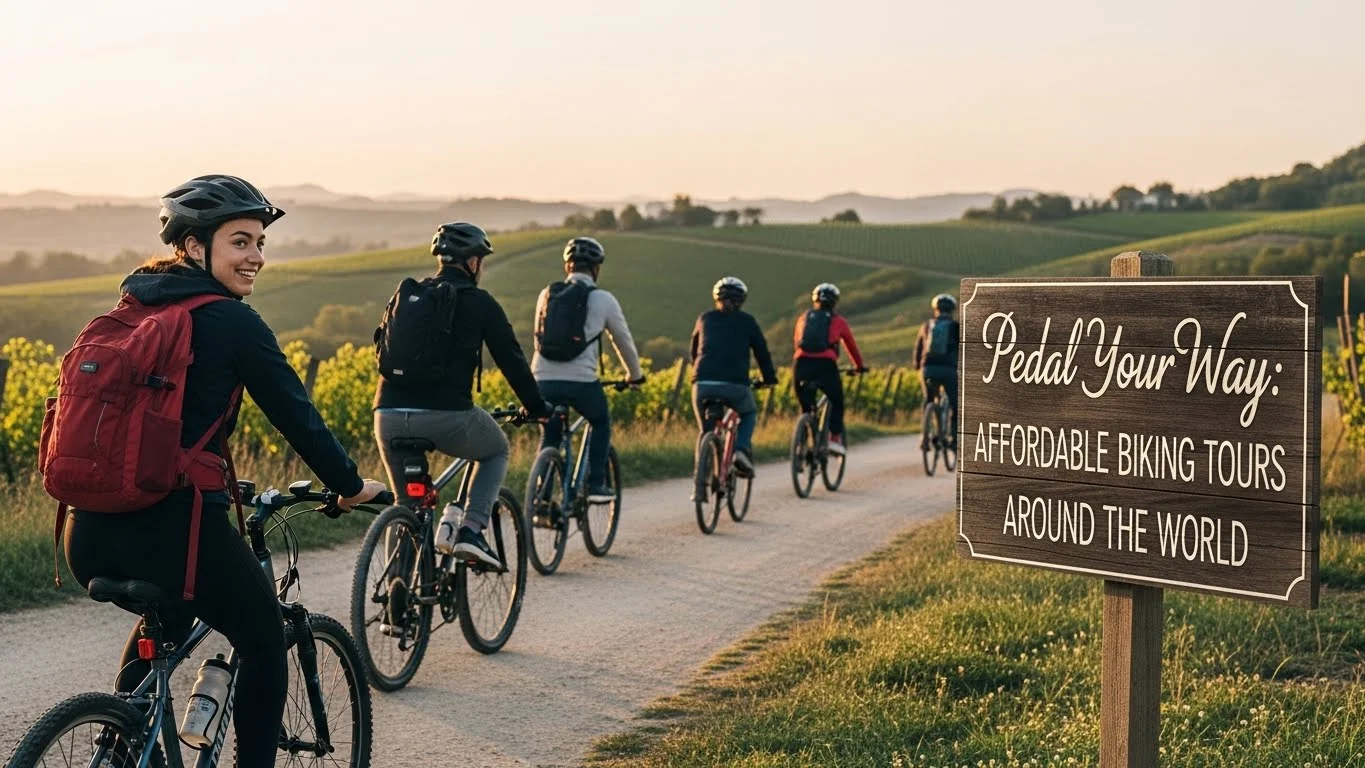
Pedal Your Way: Affordable Biking Tours Around the World

Imagine exploring new destinations, feeling the wind on your face, and experiencing local cultures all while pedaling through stunning landscapes. Affordable biking tours offer an incredible way to see the world without breaking the bank. For those looking to save even more, consider checking out Unlock Affordable Adventures: Budget Car Rentals Guide.
Pedal Your Way: Affordable Biking Tours Around the World

Overview of Affordable Biking Tours

What are Biking Tours?

Biking tours are organized trips that allow you to explore a specific area on a bicycle. They can range from leisurely rides through picturesque towns to challenging routes that test your endurance. I remember my first biking tour; it was in a small town where I discovered hidden gems I would have missed in a car. The freedom of riding at my own pace and stopping wherever I wanted was exhilarating. These tours may be guided, where a leader shows you the way and shares local insights, or self-guided, where you follow a planned route at your own speed.

Benefits of Choosing Biking Tours

Choosing biking tours comes with a bounty of benefits. For one, you get to engage with your environment actively. I’ve found that biking allows me to experience a place more intimately than other forms of travel. There’s something special about hearing the sounds of nature or a bustling market as you glide by. Biking also promotes a healthier lifestyle; it’s a great way to stay active while traveling. Plus, being on two wheels often means you can cover more ground than walking, yet still enjoy the scenery. And let’s not overlook the chance to meet fellow travelers or locals along the way! I’ve made friends on biking tours that I still keep in touch with today. If you’re looking to travel affordably, also check out Top Couchsurfing Tips for Affordable Travel Experiences.

Why Affordability Matters

The affordability of biking tours is a game-changer for many travelers, especially those of us on a budget. Traveling can be expensive, and finding ways to save while still having rich experiences is important. Affordable biking tours often provide value-packed options without compromising on quality. I remember booking a tour in Europe, and not only did it include bike rentals, but it also offered guided experiences at some of the top local attractions. It felt like I was getting so much for my money, and I was able to see and learn more than I would have on my own. Affordability means more people can embark on these adventures, making biking tours accessible to a wider audience. Additionally, consider using Affordable Transportation Hacks Every Backpacker Should Know to enhance your travel experience.

Top Destinations for Affordable Biking Tours

Europe

Amsterdam, Netherlands

Amsterdam is a biking paradise. The flat landscape and extensive bike lanes make it easy to explore the city and its beautiful canals. I loved renting a bike and weaving through the charming streets. The city’s rich history and vibrant culture come alive as you pedal past iconic landmarks.

Barcelona, Spain

In Barcelona, biking offers a unique perspective on the city’s stunning architecture. I remember riding along the beach, soaking in the sun, then heading inland to admire Gaudi’s masterpieces. The combination of scenic coastal paths and bustling urban areas makes for an unforgettable experience.

Budapest, Hungary

Budapest won my heart with its elegant bridges and historic thermal baths. Riding along the Danube River provided breathtaking views, especially at sunset. The city has numerous bike rental options, making it easy to spend a day exploring its stunning sights.

Asia

Chiang Mai, Thailand

Chiang Mai is one of the most bike-friendly cities in Thailand, surrounded by lush mountains and beautiful temples. I found guided tours that took me through the countryside, where I experienced local life firsthand. The combination of culture and nature makes it a must-visit.

Hanoi, Vietnam

In Hanoi, biking through the bustling streets is an adventure in itself. The city’s energy is contagious, and navigating through the vibrant markets and historical sites on a bike allowed me to witness daily life in a way I never could have otherwise.

Tokyo, Japan

Tokyo might not be the first city that comes to mind for biking, but I was surprised at how bike-friendly it is. Riding along the Sumida River or through parks filled with cherry blossoms was a highlight of my trip. Exploring the city at my own pace was a joy.

North America

Portland, Oregon, USA

Portland is known for its bike culture, with dedicated bike lanes and a community that embraces cycling. During my visit, I joined a biking tour that took me to local breweries and coffee shops, showcasing the city’s unique flavor.

Montreal, Canada

Montreal’s mix of European charm and modern flair makes it perfect for biking. I enjoyed cycling along the St. Lawrence River and through historic neighborhoods. The city has numerous bike paths, making it easy to discover its hidden gems.

Mexico City, Mexico

Biking in Mexico City is an exciting way to experience its rich culture. I hopped on a bike and rode through Chapultepec Park, visiting museums and enjoying street food along the way. The city is becoming increasingly bike-friendly, which made my experience even better.

South America

Buenos Aires, Argentina

Buenos Aires is a vibrant city that comes alive when explored on two wheels. I loved biking through its colorful neighborhoods, each with its own personality. The city’s bike-sharing program made it easy to hop on and off for a more immersive experience.

Rio de Janeiro, Brazil

In Rio, biking along the beach was a highlight of my trip. The views of the ocean and mountains were breathtaking. I felt alive as I rode past iconic sites like Sugarloaf Mountain and Copacabana Beach.

Africa

Cape Town, South Africa

Cape Town offers stunning coastal views and majestic mountains, making it a dream destination for biking. I remember biking along the waterfront, feeling inspired by the natural beauty surrounding me. The city’s bike tours often include breathtaking routes that showcase its best features.

Marrakech, Morocco

Marrakech is a sensory overload, and biking through its vibrant markets and historic sites was unforgettable. I joined a guided tour that led me through the busy streets, allowing me to experience the city up close and personal. The hospitality of the locals added to the charm.

Oceania

Melbourne, Australia

Melbourne is known for its diverse culture and artistic vibe, which can be best appreciated on a bike. I loved discovering street art and cozy cafes in different neighborhoods. The city has a well-developed cycling infrastructure, making it easy to explore.

Auckland, New Zealand

Auckland, with its stunning harbors and lush landscapes, is another fantastic biking destination. Riding along the waterfront or through parks, I marveled at the natural beauty on display. The friendly locals and bike rental options made it an enjoyable experience.

Types of Biking Tours Available

Guided Tours vs. Self-Guided Tours

When it comes to biking tours, one of the first decisions you’ll face is whether to opt for a guided or self-guided experience. Personally, I’ve tried both, and each has its own charm. Guided tours often come with a local expert who knows the area intimately. I remember my guided tour in Tuscany, where our guide shared fascinating stories about the landscapes and historical landmarks that I wouldn’t have learned otherwise. On the other hand, self-guided tours allow for more flexibility. I’ve enjoyed the freedom of setting my own pace, stopping for spontaneous photo opportunities or extra gelato breaks. It really boils down to what kind of experience you’re looking for. If you prefer structure and insight, go for a guided tour; if you enjoy spontaneity and independence, a self-guided option might be the way to go.

Day Tours vs. Multi-Day Adventures

Another aspect to consider is whether you want a quick day tour or a more immersive multi-day adventure. I’ve had the pleasure of doing both, and they each offer unique experiences. Day tours are perfect if you’re short on time or just want a taste of biking in a new area. I recall a fantastic day tour through the vineyards of Napa Valley, where we zipped from one vineyard to another, sampling wines and enjoying the beautiful scenery. Multi-day tours, however, allow for deeper exploration. I once embarked on a week-long biking trip through the Scottish Highlands, where every day brought new challenges and breathtaking landscapes. It felt like an adventure that truly connected me to the area.

Family-Friendly Tours

If you’re traveling with family, finding family-friendly biking tours can make all the difference. I’ve seen how much joy biking can bring to kids when it’s approached correctly. Some tours offer kid-sized bikes and specific routes designed for families, keeping safety and fun in mind. I took a family biking trip through the countryside in Oregon, where the paths were safe and the scenery was captivating. We stopped for picnics, explored local farms, and even had a chance to interact with animals. The laughter, the shared experiences, and the memories we created were priceless. Make sure to check if the tour provides necessary gear like helmets and child seats if needed.

Adventure and Off-Road Tours

If you’re an adrenaline junkie like me, adventure and off-road biking tours might be what you’re after. I’ve done some thrilling rides in the mountains, navigating rocky paths and steep descents. It was a whole different world! The rush of biking on rugged trails, surrounded by nature, was a feeling I can’t quite describe. Places like Moab in Utah are famous for their mountain biking trails that cater to all levels of experience. Whether you’re a beginner looking for a gentle introduction or an expert seeking challenging terrain, there’s something out there for everyone. Just make sure you’re adequately prepared for the physical demands and have the right gear for safety.

Planning Your Affordable Biking Tour

When to Go: Seasonal Considerations

Timing your biking tour can significantly impact your experience. From my experience, the best times often depend on the destination. For instance, spring and fall usually provide the most pleasant weather in many regions, allowing for comfortable riding conditions. I remember biking through the vineyards in France during the fall; the colors were stunning, and the weather was perfect! However, in places like Southeast Asia, you might want to avoid the rainy season to ensure a dry and enjoyable ride. Researching the best times to visit your chosen destination can make all the difference in your overall experience.

What to Pack for a Biking Tour

Packing for a biking tour can seem daunting, but I’ve learned it’s all about essentials. I like to pack light while ensuring I have everything I need for comfort and safety. A good pair of padded shorts, moisture-wicking shirts, and layers for changing weather are a must. I always bring a reusable water bottle to stay hydrated, and I’ve found that a lightweight backpack or bike bag is handy for snacks and personal items. Don’t forget your sunscreen and a first-aid kit just in case! The more prepared you are, the more you can focus on enjoying the ride.

Choosing the Right Bike Rental Services

If your biking tour doesn’t include bike rentals, selecting the right rental service is crucial. I’ve had both great and not-so-great experiences with rentals. It’s important to choose a place that offers well-maintained bikes suited to your ride style. I often check reviews online beforehand to gauge the service’s quality. Additionally, I always try to test ride the bike to ensure it feels comfortable. Remember, having the right bike can enhance your experience immensely.

Understanding Local Traffic Rules and Safety

Before hitting the road, familiarizing myself with local traffic laws has been essential. Each country has its own set of rules, and understanding them can keep you safe. I learned this the hard way during a biking trip in Italy when I almost got caught in a roundabout without knowing the proper way to navigate it! Always observe local cyclists and follow their lead. Wearing a helmet, using hand signals for turns, and being aware of your surroundings are vital for a safe ride. I find that being mindful of traffic rules not only protects me but also allows me to enjoy the ride more fully.

Costs Associated with Biking Tours

Average Prices for Biking Tours Around the World

When planning a biking tour, understanding the costs involved is essential. From my experience, prices can vary significantly based on location, duration, and the type of tour you choose. For example, a day tour in Europe might range from $50 to $150, depending on whether it includes bike rentals and guided services. In contrast, multi-day tours can cost anywhere from $500 to $2,500, especially if they cover meals, accommodations, and activities. I remember a week-long tour in Italy that felt like a steal at around $1,200, considering it included bike rentals, hotel stays, and most meals. I learned that researching average prices for the specific destinations I was interested in helped me set realistic expectations for my budget.

Budgeting for Your Trip

Budgeting is key to ensuring your biking adventure remains affordable. I always start by listing essential expenses like tour fees, bike rentals, accommodations, food, and transportation. It’s also wise to allocate some money for unexpected costs, like entrance fees to attractions or extra snacks along the way. I once underestimated my snack budget while biking through France’s countryside and ended up splurging on delicious pastries at quaint bakeries! To keep costs in check, I often look for all-inclusive packages that bundle several expenses, offering better value. Plus, consider traveling during the off-peak season, as many tours offer discounts during quieter times.

Tips for Saving Money on Biking Tours

Finding ways to save money on biking tours can make your adventure even more enjoyable. One of my favorite strategies is to book directly with local tour operators rather than through third-party websites, as this often leads to lower prices. I once saved a good chunk of change by contacting a local biking company in Vietnam directly. Additionally, being flexible with travel dates can open up opportunities for last-minute deals. I’ve also found that joining group tours can be more economical than solo adventures. Sharing costs for accommodations or meals with fellow travelers not only saves money but can also enhance the experience as you make new friends along the way. Lastly, keep an eye out for promotional deals and discounts, as many companies run special offers that can help cut down your overall expenses.

Local Cuisine to Try on Your Biking Tour

Must-Try Dishes in Each Destination

One of the joys of biking tours is discovering local cuisine. Food has always played a significant role in my travels, and I believe it’s a delicious way to experience a culture. For instance, while biking in Thailand, I couldn’t resist trying pad thai from a street vendor; it was bursting with flavors! In France, I made it a point to sample fresh croissants and local cheeses during my rides through the vineyards. Each place has its own specialties that reflect its unique heritage, and I think sampling these dishes adds another layer to the adventure. I even keep a little food journal during my biking tours to remember all the tasty treats I’ve enjoyed along the way.

Where to Eat: Affordable Local Dining Options

Finding affordable dining options while on a biking tour can enhance the experience without breaking the bank. I discovered that local markets often offer a wealth of fresh and inexpensive meals. In places like Barcelona, I loved grabbing tapas from market stalls, devouring small plates while chatting with the friendly locals. Food trucks are also a great option; they often serve delicious, authentic dishes at reasonable prices. During my biking trip in Mexico City, I couldn’t resist the tacos from a bustling street stand—they were not only cheap but also some of the best I’ve ever had! I recommend keeping an open mind and asking locals for their favorite spots; they often know where the hidden gems are that tourists might miss. I’ve found that eating where the locals eat not only saves money but also allows me to experience the true essence of the destination.

Tips for a Successful Biking Tour

Staying Hydrated and Energized

Staying hydrated and energized is crucial for enjoying your biking tour to the fullest. I always make sure to carry a refillable water bottle, which I fill up whenever I can. I’ve also learned the importance of packing energy-rich snacks, like granola bars or dried fruits, to keep my energy levels up during long rides. One time, I was on a scenic route in the Scottish Highlands and found myself running low on energy. Thankfully, I had packed some nuts and a banana, which helped me power through the remainder of the ride. Frequent breaks to hydrate and snack not only help keep me energized but also provide a great opportunity to soak in the surroundings.

Essential Safety Gear and Equipment

Having the right safety gear and equipment can make a significant difference in your biking experience. I always wear a helmet, and I recommend it to everyone because safety should be a top priority. Additionally, wearing bright clothing increases visibility, especially in busy areas. I also carry a basic repair kit, including a tire pump and patches, just in case I encounter any issues along the way. On my last biking tour, I was grateful to have my repair kit handy when I got a flat tire in the middle of nowhere! Preparing for unforeseen circumstances helps me feel more secure and allows me to focus on enjoying the ride.

Communicating with Local Guides and Tours

If you’re on a guided tour, effective communication with local guides can enhance your experience. I’ve found that asking questions about the area or sharing my interests can lead to personalized recommendations or adjustments to the itinerary. During a biking tour in Tuscany, I mentioned my love for local wine, and the guide took us to a hidden vineyard that wasn’t on the original route. It became one of the highlights of my trip! Being open and engaging with local guides not only enriches the experience but also helps build connections that can lead to future adventures.

Respecting Local Culture and Environment

Lastly, respecting local culture and the environment is essential while enjoying your biking tour. I always try to follow local customs and be mindful of the surroundings. For instance, when biking through rural areas, I make it a point to stay on designated paths to minimize my impact on nature. I also appreciate the importance of leaving no trace—cleaning up after myself and not disturbing wildlife. I remember a moment while biking in the Moroccan countryside when I witnessed a group of cyclists respecting the local environment by pausing to clean up litter on the path. It reminded me that we can all play a part in preserving the beauty of these destinations for future travelers.

Frequently Asked Questions

What are biking tours?

Biking tours are organized trips that allow you to explore a specific area on a bicycle. They can range from leisurely rides through picturesque towns to challenging routes that test your endurance. Tours may be guided, where a leader shows you the way, or self-guided, where you follow a planned route at your own speed.

What are the benefits of choosing biking tours?

Biking tours allow you to engage with your environment actively, promote a healthier lifestyle, and cover more ground than walking while still enjoying the scenery. They also provide opportunities to meet fellow travelers or locals along the way.

Why is affordability important for biking tours?

Affordability is crucial as it allows more people to embark on biking adventures without breaking the bank. Affordable biking tours often provide value-packed options, including bike rentals and guided experiences at local attractions, making them accessible to a wider audience.

What are some top destinations for affordable biking tours?

Top destinations for affordable biking tours include Amsterdam, Barcelona, Budapest, Chiang Mai, Hanoi, Tokyo, Portland, Montreal, Mexico City, Buenos Aires, Rio de Janeiro, Cape Town, Marrakech, Melbourne, and Auckland.

What types of biking tours are available?

Types of biking tours include guided vs. self-guided tours, day tours vs. multi-day adventures, family-friendly tours, and adventure or off-road tours, catering to different preferences and skill levels.

What should I consider when planning my biking tour?

When planning a biking tour, consider the best time to go based on seasonal weather, what to pack for comfort and safety, choosing the right bike rental services, and understanding local traffic rules and safety measures.

What are the average costs associated with biking tours?

Average prices for biking tours can vary significantly based on location and duration. Day tours in Europe might range from $50 to $150, while multi-day tours can cost between $500 to $2,500, depending on included amenities.

How can I save money on biking tours?

To save money on biking tours, book directly with local tour operators, be flexible with travel dates, consider joining group tours, and look for promotional deals and discounts offered by tour companies.

What local cuisines should I try on my biking tour?

Must-try dishes vary by destination, such as pad thai in Thailand, croissants and local cheeses in France, and tacos in Mexico City. Exploring local markets and food trucks can lead to discovering affordable and delicious meals.

What tips can help ensure a successful biking tour?

To ensure a successful biking tour, stay hydrated and energized with snacks, wear essential safety gear like helmets, communicate effectively with local guides, and respect local culture and the environment during your ride.
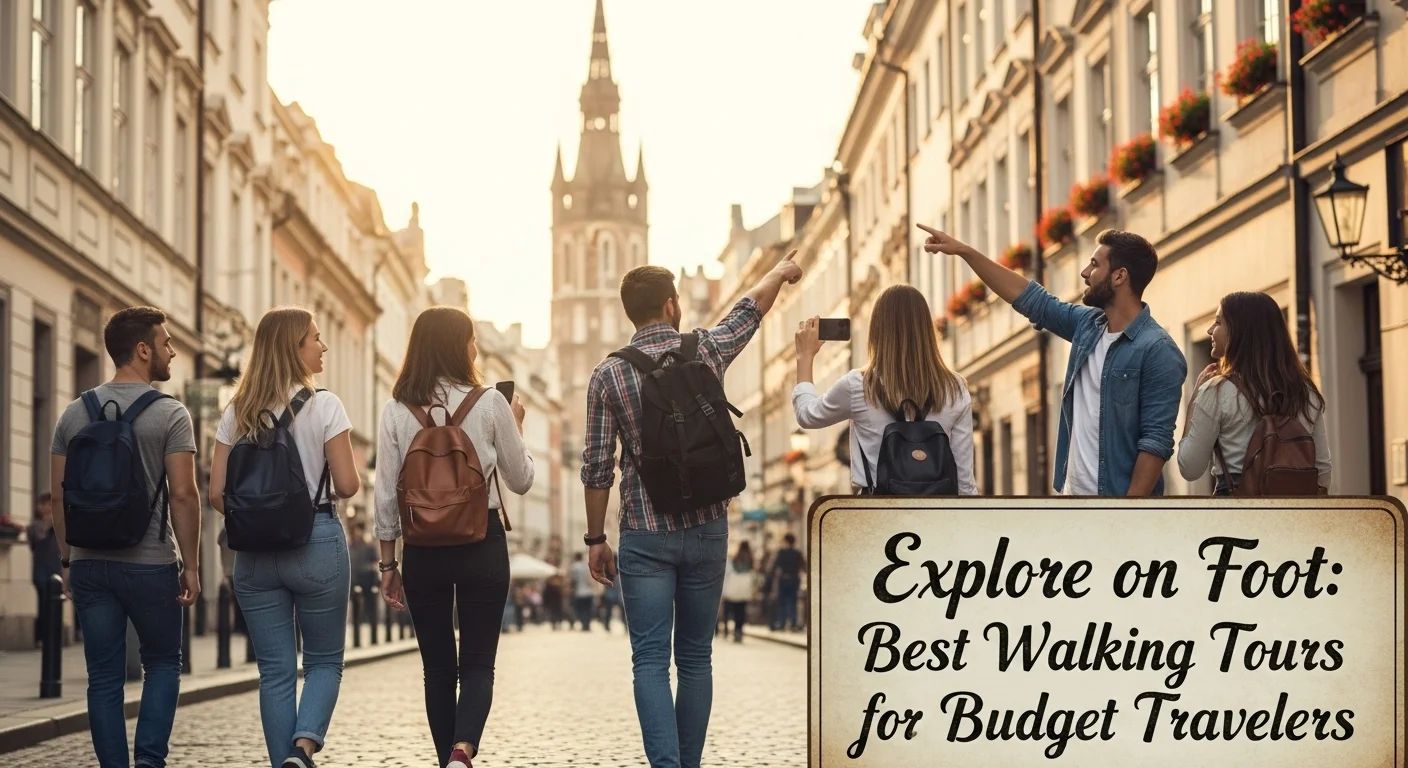
Explore on Foot: Best Walking Tours for Budget Travelers

Walking tours are an incredible way to dive into a city’s culture, history, and charm without breaking the bank. Join me as we explore the best walking tours that cater perfectly to budget travelers!

Explore on Foot: Best Walking Tours for Budget Travelers

Why Choose Walking Tours?

When I first ventured into walking tours, I realized it wasn’t just about seeing the sights; it was about experiencing the heartbeat of a city. Walking allows us to absorb the atmosphere, chat with locals, and discover hidden gems that we might miss while zooming past in a car or bus. If you’re planning your trip, you might also want to unlock affordable adventures by considering budget car rentals.

Benefits of Exploring on Foot

Walking tours come with a slew of benefits that make them a fantastic option for budget travelers like us. First and foremost, they are usually affordable or even free! Many cities offer “pay-what-you-want” tours, ensuring that we can enjoy a rich experience without worrying about our wallets. Walking also grants us the chance to take our time. I remember wandering through the cobbled streets of an old town, stopping to admire street performers and local art – moments that would have rushed by in a vehicle.

Moreover, walking tours often provide a more intimate experience. We get up close and personal with the sights, sounds, and smells of our surroundings. I feel that as I stroll, I’m more likely to stumble upon a quaint café or a unique shop. Walking encourages serendipity, and some of my best travel memories have come from unplanned discoveries.

Walking Tours vs. Other Tour Options

When comparing walking tours to other forms of exploration, the differences are striking. Bus tours often feel impersonal and rushed. I’ve been on a few where I barely had time to snap a photo before we were off to the next location. With walking tours, the pace is leisurely, allowing for interaction with guides and fellow travelers. I’ve found that guides are often locals who can share fascinating stories and insights. For instance, during a tour in Paris, my guide shared not just historical facts, but also personal anecdotes about growing up in the city, making the experience feel more genuine and relatable.

Another aspect to consider is the environmental benefit. Walking is eco-friendly, reducing the carbon footprint of our travels. I feel good knowing that I’m exploring cities sustainably while enjoying my adventures. Plus, walking helps keep us active and fit, which is essential when we’re often indulging in delicious local foods!

Top Destinations for Budget Walking Tours

Now, let’s dive into some of my favorite cities that offer fantastic walking tours, perfect for budget travelers.

New York City

New York City is a walking tour paradise! I’ve wandered through Central Park, explored the vibrant streets of Brooklyn, and strolled through the historic neighborhoods of Manhattan. Many local companies offer “pay what you wish” tours, allowing us to learn about the city’s rich history and culture without spending a fortune. One of my favorite experiences was a guided tour of the Lower East Side, where I learned about immigration and the rise of street art.

San Francisco

San Francisco’s steep hills make it a unique walking destination. I recall feeling invigorated as I climbed to the top of Lombard Street, taking in the stunning views along the way. The city offers various themed tours, from food tours in the Mission District to historical tours in Chinatown. I’ve found the free walking tours around Fisherman’s Wharf particularly enjoyable, often led by enthusiastic guides who share engaging stories about the area.

Washington, D.C.

Exploring Washington, D.C. on foot is an experience like no other. The National Mall is perfect for a leisurely stroll, soaking in the monuments and museums. I loved joining a free walking tour that highlighted the city’s history and architecture. The guides were incredibly knowledgeable, and I got to learn about the significance of each building we passed. Plus, there’s so much to see – I barely scratched the surface in one visit!

Chicago

Chicago’s architecture is best appreciated on foot. I remember joining a walking tour focused on the city’s iconic buildings, and it transformed how I viewed the skyline. The guides were passionate and shared stories about each structure’s design and history. Chicago also has a rich food scene, and many walking tours offer stops at local eateries to sample deep-dish pizza or Chicago-style hot dogs. It’s a win-win!

New Orleans

New Orleans is a city that comes alive when you walk its streets. The French Quarter is filled with music, art, and history. I took a ghost tour one evening, which was both spooky and entertaining, as we learned about the city’s haunted past. The best part about New Orleans walking tours is the chance to stop for beignets or gumbo along the way, making it a delicious experience as well.

Boston

Boston’s Freedom Trail is a must for any walking enthusiast. I remember feeling the history beneath my feet as I followed the brick path through the city. The trail is lined with significant historical sites, and I found that walking made the learning process so much more engaging. Plus, the city’s compact size means you can easily explore various neighborhoods without feeling overwhelmed.

Types of Walking Tours

When it comes to walking tours, the variety is truly astounding. I’ve experienced many different types, and each one brought its own flavor and perspective to the cities I’ve explored. Here are some of my favorites that I think you’ll enjoy as well.

Historical Tours

Historical walking tours are a fantastic way to step back in time. I remember joining a historical tour in Philadelphia, where I learned about the Founding Fathers and the city’s role in American history. Our guide was incredibly knowledgeable, weaving together stories that brought the past to life. I felt as though I was walking alongside history itself. Cities like Boston and Washington, D.C. are rich with stories, making historical tours a must-do for anyone looking to understand the roots of these places.

Food Tours

Now, food tours are where my heart truly sings! I’ve always believed that food is a gateway to understanding culture. During my food tour in New Orleans, we sampled everything from gumbo to po’boys, and each bite told a story. It was a delicious way to discover local flavors while chatting with other food lovers. I also found food tours in cities like Chicago and San Francisco to be engaging, combining taste with exploration. These tours often lead you to hidden culinary gems that you wouldn’t find on your own, which is such a treat!

Street Art Tours

If you’re into art, street art tours are a colorful way to explore a city. I went on a street art tour in Berlin that opened my eyes to the incredible murals and graffiti that tell stories of social change and community spirit. Walking through neighborhoods and soaking in the vibrant visuals felt like stepping into a living gallery. I’ve also discovered amazing street art in cities like Melbourne and Los Angeles, where creativity spills out into the streets, waiting to be explored.

Nature and Scenic Tours

For those who prefer a little greenery, nature and scenic tours offer a refreshing escape from the hustle and bustle. I’ve enjoyed walking tours through parks and natural reserves that showcase the beauty of a city’s landscape. In places like Vancouver or Seattle, I found myself surrounded by stunning views of mountains and water, which made every step feel rejuvenating. I remember one tour that led us through lush trails, where our guide shared insights about local flora and fauna. It was a wonderful reminder that cities can be intertwined with nature.

Ghost Tours

If you’re seeking a thrill, ghost tours can provide a spooky twist to your walking experience. I took part in a ghost tour in Savannah, Georgia, and it was a mix of chills and history. Our guide shared tales of haunted locations and eerie happenings, all while we walked through the historic streets at night. It’s an entertaining way to learn about a city’s darker past while enjoying a little adrenaline rush. I’ve also heard great things about ghost tours in New Orleans, which are said to be particularly haunting, given the city’s rich folklore.

How to Find Affordable Walking Tours

Finding affordable walking tours can be one of the easiest ways to enhance your travel experience without emptying your wallet. I’ve learned a few tricks that have helped me discover some gems along the way.

Free Walking Tours

Free walking tours are often a great option, and I’ve taken many of these around the world. They usually operate on a “tip what you think it’s worth” basis, which means you can enjoy a fantastic experience while controlling your budget. Cities like Barcelona and Lisbon have excellent free tour options, often led by local guides who are passionate about sharing their city. I remember joining one in Prague where the guide was so engaging that I ended up tipping far more than I expected!

Budget-Friendly Paid Tours

Sometimes, spending a little can be worth it for a more specialized or in-depth experience. I’ve found that many companies offer budget-friendly paid tours, especially in tourist-heavy areas. These tours often provide unique themes or focus on specific aspects of a city that you might not find in free tours. For instance, I paid for a food tour in San Francisco, which was worth every penny given the quality of food and the knowledge shared by the guide. It’s also a great way to maximize savings on your travel expenses!

Self-Guided Tours: Apps and Resources

If you prefer exploring at your own pace, self-guided tours can be an excellent alternative. I’ve used several apps and online resources that provide maps and information about various sights. One of my favorites is the Detour app, which features audio tours narrated by locals. It allows me to wander freely while still learning about the history and culture of the area. Self-guided tours are especially useful in cities where I want to take my time or explore off the beaten path.

What to Expect on a Walking Tour

When I first joined a walking tour, I wasn’t entirely sure what to expect. I found myself pleasantly surprised by how engaging and informative they could be. Let me share what you can typically expect on a walking tour to help you prepare for your own adventure.

Typical Itinerary

Most walking tours have a loose itinerary that allows for flexibility based on the group’s interests and pace. I’ve noticed that a good tour often starts with an introduction from the guide, who shares a bit about themselves and the plan for the day. I remember one tour in Edinburgh where our guide took us to a lovely café at the beginning for a quick coffee break before diving into the historical sites. That little detail made the experience feel more personal and relaxed.

As we walked, the itinerary usually covered several key sites, unique neighborhoods, or themed stops that tied into the story of the city. For instance, during a street art tour in Melbourne, we spent time in different districts known for their vibrant murals, with the guide explaining the stories behind each piece. It was fascinating to see how the art reflected the community’s spirit and history.

Duration and Pace

Walking tours can range from one to several hours, depending on the city and the specific tour type. I’ve participated in short tours that lasted about an hour and a half, while longer ones could stretch to four hours or more. The pace is typically easygoing, which I really appreciate. I like to take my time to snap photos or just soak in the surroundings, and most guides are happy to accommodate that.

During a food tour in San Francisco, we stopped multiple times to taste different dishes, which naturally slowed the pace but enriched the experience significantly. I’ve found that this leisurely pace allows for a deeper connection with the city and the people we meet along the way.

Group Size and Interaction

The size of the group can vary widely. I’ve been on tours with just a handful of people, while others had 20 or more. Smaller groups tend to facilitate more interaction, which I find enhances the experience. I remember a tour in Lisbon where there were only six of us. This allowed for more questions and conversations with our guide, who was eager to share personal stories and recommendations for our stay.

On larger tours, it might be harder to engage, but I’ve still had fun meeting fellow travelers. I’ve made some great connections, exchanging tips and stories with others who share my passion for exploring. In one case, I met a fellow traveler on a walking tour in Paris, and we ended up exploring the city together for the rest of the weekend!

Tips for Budget Travelers on Walking Tours

What to Wear and Bring

When embarking on a walking tour, I’ve learned that comfort is key. I always opt for lightweight, breathable clothing that allows for easy movement. Sneakers or comfortable walking shoes are a must! I remember the time I wore brand-new sandals on a tour, and let’s just say my feet weren’t happy by the end of the day. A good pair of shoes can make all the difference in how much you enjoy the experience.

I also recommend bringing a small backpack or tote to hold essentials like a water bottle, sunscreen, and a light jacket, especially if you’re visiting a city with unpredictable weather. I tend to carry a portable phone charger, too, since I love snapping photos and capturing moments along the way. And don’t forget a camera, or at least your phone, to document your journey!

Staying Safe While Walking

Safety is always a priority when exploring new places. I usually stick to well-lit areas and avoid wandering into deserted streets, especially when it gets dark. If you’re in a large group, I’ve found it helpful to stay close together, particularly in busy tourist areas. Keeping an eye on your belongings is essential, as pickpockets can target tourists. I often use a crossbody bag that I can keep in front of me while walking—it’s both practical and keeps my valuables secure.

Additionally, I recommend being aware of your surroundings and trusting your instincts. If something feels off, it’s perfectly fine to step away or seek advice from your guide or locals. I always feel more comfortable when I’ve done a bit of research on the areas I’ll be visiting. Knowing local customs can enhance my experience and keep me informed about potential safety concerns.

Staying Hydrated and Energized

Walking tours can be physically taxing, especially in warm weather or if the tour lasts several hours. I find it’s important to stay hydrated, so I always bring a refillable water bottle with me. Some tours make stops at local cafés or parks, which is a perfect opportunity to rest and hydrate. I remember a tour in Rome where we took a break at a lovely piazza, which allowed us to recharge while enjoying the ambiance of the city.

Snacks are another lifesaver. I like to pack trail mix, granola bars, or fruit to keep my energy levels up. On food tours, you often get plenty of tastings, but on regular walking tours, I’ve found that having a small snack handy can make the experience even more enjoyable. I once brought a banana, and it was just what I needed to power through the rest of the tour!

Best Time to Go on Walking Tours

Seasonal Considerations

The time of year you choose to embark on a walking tour can greatly affect your experience. I’ve walked through cities during both summer and winter, and each season has its unique charm. Spring and fall are often my favorites, as the weather tends to be mild, making it comfortable to wander for extended periods. I remember strolling through the cherry blossoms in Washington, D.C. in April, and it added a magical touch to the tour.

Summer can be lovely but also hot, so it’s important to plan tours for early morning or later in the evening to avoid the heat. In contrast, winter walking tours can be enchanting; I’ve enjoyed holiday-themed tours where the streets were festively decorated. Just be sure to dress warmly!

Weather Impact on Walking Tours

Weather can sometimes be unpredictable, and I’ve had my fair share of tours in the rain. I’ve found that having a small, packable rain jacket can save the day. On one occasion in London, a sudden downpour hit, but our guide found shelter for us, and we continued the tour with even more interesting stories about the city’s history. A little rain can often lead to fewer crowds and a more intimate experience.

Always check the weather forecast before your tour and be prepared to adjust your plans if necessary. I’ve learned to have a backup plan just in case the weather doesn’t cooperate. Sometimes, a quick change in location can turn a gloomy day into a delightful adventure!

Peak vs. Off-Peak Times

Tourist seasons can be tricky. I usually try to plan my walking tours during off-peak times to avoid the crowds. Not only does this provide a more enjoyable experience, but it can also be easier on the wallet. I recall a walking tour in Barcelona during the off-season when I could truly appreciate the sights without feeling rushed.

It’s also worth considering weekdays rather than weekends, especially in busy cities. I find that the atmosphere is often calmer, making it easier to engage with my guide and fellow travelers. Planning my tours thoughtfully has allowed me to create some of my best travel memories.

Local Food to Try During Walking Tours

Street Food Highlights

One of the most exciting aspects of walking tours for me is the chance to sample local street food. Each city offers its unique flavors and dishes that you simply must try. I remember stopping for a falafel in Tel Aviv, and it was hands down the best I’ve ever had. The experience of eating food right from the vendors while exploring the streets adds a whole new layer to the journey.

Street food is often budget-friendly, allowing us to taste a variety of dishes without spending a fortune. I love how food can be a cultural bridge, and I often find myself chatting with vendors, learning about their recipes, and hearing their stories. Plus, it’s a fantastic way to bond with fellow travelers over shared culinary experiences!

Local Specialties by City

Each city has its culinary treasures that I make a point to seek out during my walking tours. In New Orleans, for instance, beignets are a must-try, while in Chicago, the deep-dish pizza is iconic. I’ve also enjoyed the delectable pastries in Paris and the fresh seafood in San Francisco. Trying local specialties not only satisfies my taste buds but also connects me with the cultural fabric of the place.

During a food tour in Mexico City, I was introduced to tacos al pastor, and they completely wowed me! I love discovering local favorites and often end up recommending these dishes to fellow travelers. It’s an unforgettable part of the walking tour experience that enriches my travels and leaves me with delicious memories!

Final Thoughts

Walking tours have a special place in my heart as they allow us to connect with a city on a deeper level. They provide not just a way to see the sights but an opportunity to experience the culture, meet locals, and savor the flavors of each destination. I’ve learned that with a bit of preparation and an open mind, walking tours can turn into unforgettable adventures that fit perfectly within a budget. So, lace up your walking shoes, grab your water bottle, and get ready to explore the world one step at a time!

Frequently Asked Questions

What are the benefits of joining a walking tour?

Walking tours are typically affordable or free, allowing budget travelers to enjoy rich experiences without financial strain. They provide a more intimate connection with the city, enabling travelers to absorb the atmosphere, interact with locals, and discover hidden gems that may be missed when traveling by vehicle.

How do walking tours compare to other tour options?

Walking tours offer a leisurely pace and more personal interactions compared to bus tours, which can feel rushed and impersonal. Guides on walking tours are often locals who share engaging stories and insights, adding depth to the experience. Additionally, walking is eco-friendly and helps keep travelers active.

Which cities are known for offering great budget walking tours?

Some top cities for budget walking tours include New York City, San Francisco, Washington, D.C., Chicago, New Orleans, and Boston. Each city has unique offerings, from historical tours to food tours that cater to budget travelers.

What types of walking tours are available?

There are various types of walking tours, including historical tours, food tours, street art tours, nature and scenic tours, and ghost tours. Each type offers a unique perspective and experience of the city.

How can travelers find affordable walking tours?

Travelers can find affordable walking tours by looking for free tours that operate on a “tip what you think it’s worth” basis. Additionally, budget-friendly paid tours are available in many tourist-heavy areas, and self-guided tours using apps and resources can also be a cost-effective option. Don’t forget to check out top budget homestays to complete your travel experience!

What can participants expect on a walking tour?

Participants can expect a flexible itinerary guided by a knowledgeable tour guide. Tours typically cover several key sites, and the pace is easygoing, allowing time for photos and interaction. Group sizes can vary, impacting the level of interaction with the guide and fellow travelers.

What should travelers wear and bring on a walking tour?

Comfortable, lightweight clothing and good walking shoes are essential for enjoying a walking tour. It’s also recommended to bring a small backpack with essentials like a water bottle, sunscreen, and a portable phone charger for capturing moments along the way.

What are some safety tips for walking tours?

Travelers should stick to well-lit areas, keep an eye on their belongings to avoid pickpockets, and stay close together in large groups. Being aware of surroundings and trusting instincts are also important for ensuring safety while exploring.

What is the best time to go on walking tours?

The best time for walking tours often depends on the season. Spring and fall are typically favorable due to mild weather. Summer tours should be planned for early morning or evening to avoid heat, while winter tours can be enchanting with festive decorations.

What local foods should travelers try during walking tours?

Travelers should seek out local specialties unique to each city, such as beignets in New Orleans, deep-dish pizza in Chicago, and seafood in San Francisco. Sampling local street food also enhances the experience and connects travelers with the culture.

Ultimate Guide to Safe Hitchhiking for Budget Travelers

Hitchhiking can be an adventure of a lifetime, especially for budget travelers seeking unique experiences. In this guide, we’ll explore everything you need to know to hitchhike safely and effectively as you journey through new places. For some great advice on staying safe while hitchhiking, check out our Hitchhiking Safety Tips: Travel Smart on a Budget.

Ultimate Guide to Safe Hitchhiking for Budget Travelers

Understanding Hitchhiking

What is Hitchhiking?

Hitchhiking is a method of travel where individuals solicit rides from passing vehicles, typically by standing at the side of the road and signaling drivers. It’s not just a way to get from point A to point B; for many, it’s about connecting with people and experiencing the journey in a more personal way. I remember my first hitchhiking trip vividly. I stood on the side of a quiet road with my thumb out, heart racing as I tried to make eye contact with drivers. Each time a car passed, I felt a mix of excitement and nervousness. But when a friendly couple finally stopped, I knew I was in for an unforgettable experience.

History of Hitchhiking

The history of hitchhiking is quite fascinating. It gained popularity during the Great Depression when people needed to travel but lacked the funds for transportation. Hitchhiking became a practical solution, allowing individuals to move across the country with minimal expenses. Over the years, it evolved from being a necessity to a daring adventure, appealing to free spirits and explorers. I’ve read stories of hitchhikers from the 1960s, who would travel across the United States, sharing tales of kindness and camaraderie with the drivers who picked them up. There’s something timeless about this form of travel that continues to attract wanderers today.

Why Choose Hitchhiking as a Budget Traveler?

As a budget traveler, I often find myself looking for ways to stretch my dollars further. Hitchhiking stands out as one of the most cost-effective options available. It allows us to travel without spending money on gas or public transport fares, which can quickly add up. This means we can allocate those funds to experiences—like trying local cuisine or staying in unique accommodations. Plus, hitchhiking often leads to unexpected encounters and stories that you can’t get when traveling by bus or train. I once hitched a ride with a local musician who ended up giving me a private mini-concert in the car. It was a moment I’ll cherish forever!

Preparing for Your Hitchhiking Journey

Essential Gear for Hitchhiking

Before setting out on a hitchhiking adventure, it’s crucial to pack wisely. I’ve learned through my experiences that less is more. Here’s a list of essential gear I always take with me:

  • Backpack: A lightweight backpack helps carry your essentials while keeping your hands free.
  • Water bottle: Staying hydrated is essential, especially if you’re waiting a while for a ride.
  • Snacks: I always bring some energy-boosting snacks like nuts or granola bars.
  • Sign: A clear, visible sign with your destination can help drivers know where you’re headed.
  • First aid kit: It’s always wise to be prepared for minor injuries.
  • Portable charger: Keeping your phone charged is vital for communication and safety.

Having the right gear can make all the difference in your hitchhiking journey. I once forgot my water bottle and ended up feeling dehydrated on a hot day, which made the wait for my next ride feel much longer. For more tips on backpacking essentials, check out our 10 Essential Backpacking Tips for Budget Travelers.

Choosing the Right Location to Start

When planning where to start hitchhiking, location is key. I’ve found that certain spots yield better results than others. Ideally, look for areas where cars can easily pull over without creating a hazard. Gas stations, rest stops, and highway on-ramps are some of my favorite starting points. I remember standing at a rest stop once, surrounded by travelers filling up their tanks. I got picked up within minutes by a friendly truck driver who was happy to chat about his own adventures on the road.

Also, consider the time of day. Early mornings or late afternoons often see more traffic, increasing your chances of getting a ride. I’ve tried hitching during the night a few times, but it’s not my favorite option due to safety concerns.

Understanding Local Laws and Regulations

Before hitting the road, it’s essential to be aware of the local laws regarding hitchhiking. In some places, it’s completely legal, while in others, it might be restricted or even illegal. I’ve learned the hard way that ignorance can lead to complications. For instance, during a trip in a country where hitchhiking was frowned upon, I was asked to move along by local authorities. It’s always best to do a bit of research beforehand. I often check online forums or local travel guides to understand the customs and regulations of the area I’m in. This preparation has saved me from potential hassles more than once.

Safety Precautions for Hitchhikers

Evaluating Potential Ride Offers

As exciting as hitchhiking can be, it’s essential to prioritize safety when evaluating potential rides. I’ve had my fair share of experiences where I had to decide whether to hop in a car or wait for the next offer. When a driver stops, I instinctively look for certain signs. First, I assess the driver’s demeanor. Are they friendly and approachable? Do they seem genuinely interested in helping? I remember one time a driver pulled over with a big smile, and as we talked, I felt comfortable enough to get in. However, there have been moments when a driver’s body language or even their vehicle gave me pause. Trusting your gut is vital. If something feels off, it’s perfectly fine to politely decline the ride.

Trust Your Instincts: When to Say No

Trusting my instincts has saved me more times than I can count. There was this one occasion when I was waiting on the roadside, and a car pulled up. The driver looked a bit scruffy and didn’t make eye contact. I felt an uneasy vibe, and despite my eagerness to get moving, I decided to wave them off. It was a tough decision at the moment, but I later realized it was the right one. I’ve learned that if something doesn’t feel right, it’s better to wait for another chance. Remember, it’s okay to say no. Your safety should always come first.

Using Technology to Stay Safe

In today’s digital age, technology can be a valuable ally for hitchhikers. I’ve found that sharing my travel plans with a friend or family member before I hit the road has been reassuring. There are also apps that can help you track your journey and share your location in real-time. I’ve used maps on my phone to stay aware of my surroundings and find safe spots to hitch. Additionally, I often keep my phone charged and handy in case I need to call for help or look up nearby accommodations if I can’t find a ride for a while. Being connected adds an extra layer of security, and I feel more at ease knowing I have support if I need it.

Traveling with a Buddy vs. Solo Hitchhiking

Traveling with a buddy can significantly enhance safety while hitchhiking. I remember my first trip with a friend; we were both nervous but excited. Having someone to share the experience with made it feel more secure. We could look out for each other and boost each other’s confidence when waiting for rides. Plus, sharing the journey means double the stories and laughter! However, I’ve also ventured out solo a few times. While it can feel a bit daunting, I’ve learned to embrace the independence it brings. If you choose to hitchhike alone, I recommend sticking to well-populated areas and being extra cautious. There’s something liberating about traveling solo, but it’s essential to stay alert and aware of your surroundings.

Best Practices for Successful Hitchhiking

How to Communicate Your Destination

Clear communication of your destination can greatly impact your hitchhiking success. I’ve found that being specific helps drivers know where they can drop me off. Instead of just sticking my thumb out, I often hold a sign with the name of my destination. It’s a simple gesture, but it can make a difference. I recall one time I was heading to a small town, and another hitchhiker who had a map showing their route caught the attention of a driver who was heading that way. It’s about making it easy for drivers to understand your plans and deciding if they can help.

Signage Tips for Hitchhikers

Creating an eye-catching sign can be a fun way to attract drivers. I usually opt for large, bold letters that clearly state my destination. Bright colors can also help make my sign stand out. I’ve noticed that adding a smiley face or a friendly doodle can make a sign feel more inviting. My favorite sign I ever made was just a simple “To the Beach!” with a sun drawn in the corner. It not only communicated where I wanted to go but also created a cheerful vibe that encouraged drivers to stop. Remember, a positive attitude goes a long way!

Dressing for Success: What to Wear

The way you present yourself can also influence your hitchhiking success. I’ve learned that dressing comfortably yet neatly can make a strong first impression on drivers. I typically wear casual, weather-appropriate clothing that allows me to blend in rather than stand out too much. Bright colors can be eye-catching, but I prefer outfits that are practical and comfortable for waiting. I also recommend wearing shoes that you can walk in easily, just in case you need to trek a bit to find the right spot. I once wore flip-flops, and let’s just say that was not my best choice! Being comfortable and looking approachable can increase your chances of getting a ride.

Building Rapport with Drivers

Once you’re in the car, building rapport with the driver can lead to a more enjoyable experience. I’ve found that engaging in light conversation helps break the ice. I usually start with a friendly hello and ask about their day or share a bit about my journey. I remember one ride where I chatted with a retired couple, and we ended up sharing travel stories for the entire trip. It created a warm atmosphere, and they even offered to drop me off at a spot they thought I’d enjoy. Showing genuine interest in the driver and being polite can make the ride more pleasant for both of you.

Top Regions for Hitchhiking

Popular Hitchhiking Destinations in Europe

Europe is a fantastic continent for hitchhiking, with its diverse cultures and extensive road networks. I’ve had the pleasure of hitching rides across several countries, and each experience was unique. One of my favorite destinations is Germany. The Autobahn, with its iconic no-speed-limit zones, offers plenty of opportunities to catch a ride. I remember standing by the roadside with my sign, and within minutes, a friendly driver picked me up, sharing stories about his travels as we cruised along. Another great spot is France, particularly near tourist attractions like the Eiffel Tower or Mont Saint-Michel, where travelers are more likely to stop for hitchhikers. I found that being near popular destinations often attracts more drivers willing to help out fellow adventurers.

Hitchhiking in North America

In North America, hitchhiking has a rich history, and it’s still a viable option for budget travelers. I’ve had memorable experiences in the United States, especially when I ventured through California. Highway 1, with its breathtaking views of the Pacific Ocean, not only offers stunning scenery but also attracts many friendly drivers. I once got a ride from a couple who were on a road trip themselves, and we ended up exploring some hidden gems along the coast together. Canada is also hitchhiker-friendly, particularly in the more rural areas of British Columbia and Alberta, where the locals are known for their hospitality. I remember waiting at a gas station in a small town and getting picked up by a local who took me to their favorite diner for a meal before dropping me off at my destination.

Safe Hitchhiking Locations in Asia

Hitchhiking in Asia can be an adventurous experience, though it varies greatly by country. I’ve found that countries like Japan and Thailand are quite accommodating for hitchhikers. In Japan, the culture of helping others is prevalent, and I had several drivers stop to assist me despite my limited language skills. I remember one particular ride where the driver used a translation app to communicate, and we ended up bonding over our shared love for travel. Thailand’s friendly locals are also a plus, especially in tourist-heavy areas. I felt welcomed when I hitched a ride from a local who shared stories about the best places to visit off the beaten path. However, it’s essential to be mindful of the cultural norms and traffic laws in different Asian countries, as they can vary widely.

Stories from Experienced Hitchhikers

Inspiring Hitchhiking Journeys

One of my favorite parts of hitchhiking is hearing the stories of other travelers. I once met a fellow hitchhiker in Europe who had been on the road for over six months. His journey took him through multiple countries, and he shared incredible tales of kindness from strangers he encountered. He told me about a family in Italy who invited him to stay for a week, treating him like one of their own. These stories inspire me to continue exploring and connecting with people along my journey. I believe that every hitchhiking experience has the potential to lead to new friendships and unforgettable moments.

Lessons Learned: Mistakes to Avoid

As with any adventure, there are lessons to be learned from mistakes made along the way. I remember one trip where I was overly eager to catch a ride and accepted a lift from a driver who didn’t seem quite right. I felt uneasy during the ride and realized too late that I should have trusted my instincts. Thankfully, I managed to get out at a rest stop safely, but it was a wake-up call. I learned it’s crucial to take my time when evaluating rides and to never feel rushed into a decision. Another lesson I’ve taken to heart is to always have a backup plan. There have been times when I waited too long for a ride, and having an alternative option, like knowing nearby bus routes or accommodations, has saved me from feeling stuck. If you’re interested in more budget travel tips, check out our article on How to Trek Mountains on a Budget: Tips & Tricks.

Alternative Budget Travel Options

Comparing Hitchhiking with Public Transport

While hitchhiking offers a unique and often more personal travel experience, I’ve also found that public transport can be a reliable option. Buses and trains are prevalent in many regions, and while they require a bit of planning, they can often get you where you need to go without the uncertainty of hitchhiking. I remember taking a bus in a foreign country that had stunning views along the route and allowed me to meet fellow travelers. That said, nothing compares to the spontaneity of hitchhiking, where you never know what kind of adventures await you on the road.

Carpooling and Rideshare Services

Carpooling and rideshare services have gained popularity in recent years as a budget-friendly alternative. I’ve used apps like BlaBlaCar to connect with drivers heading in the same direction. It’s a great way to share costs and meet new people without the uncertainty of traditional hitchhiking. I’ve had positive experiences through ridesharing, with drivers often being friendly and chatty. However, I still prefer the thrill of hitchhiking, where the connection feels more organic compared to the more structured rideshare setups.

Couchsurfing and Other Accommodation Tips

When it comes to saving on accommodation, I always recommend looking into Couchsurfing. This platform allows travelers to stay with locals for free, offering a unique way to experience a destination while also connecting with people. I’ve had amazing experiences staying with Couchsurfing hosts who showed me around their city and introduced me to local customs. This not only saved me money but also enriched my travels in ways that traditional hotels never could. Pairing Couchsurfing with hitchhiking can enhance your journey, providing both transportation and a place to stay with friendly locals.

Frequently Asked Questions (FAQs)

Is hitchhiking safe?

How do I find a good spot to hitchhike?

What should I do if I feel unsafe?

Can I hitchhike with a pet?

Frequently Asked Questions

“`html

What is hitchhiking?

Hitchhiking is a method of travel where individuals solicit rides from passing vehicles by standing at the side of the road and signaling drivers. It is not only a way to get from one place to another but also about connecting with people and experiencing the journey in a personal way.

What should I pack for hitchhiking?

Essential gear for hitchhiking includes a lightweight backpack, a water bottle, energy-boosting snacks, a clear sign with your destination, a first aid kit, and a portable charger to keep your phone charged.

Where are the best locations to start hitchhiking?

Ideal locations for starting your hitchhiking journey include gas stations, rest stops, and highway on-ramps where cars can easily pull over. It’s also beneficial to choose times with higher traffic, such as early mornings or late afternoons.

How can I ensure my safety while hitchhiking?

To ensure safety while hitchhiking, evaluate potential ride offers by assessing the driver’s demeanor and trusting your instincts. If something feels off, it’s perfectly fine to decline the ride. Additionally, sharing your travel plans with a friend or using technology to stay connected can add an extra layer of security.

What should I do if I feel unsafe when hitchhiking?

If you feel unsafe when hitchhiking, it’s important to trust your instincts and politely decline the ride. Always prioritize your safety and don’t hesitate to wait for another opportunity if something doesn’t feel right.

Is it better to hitchhike alone or with a buddy?

Traveling with a buddy can enhance safety and provide companionship while hitchhiking. However, solo hitchhiking can also be liberating if done cautiously. If going alone, it’s advisable to stick to well-populated areas and remain alert.

How can I communicate my destination effectively?

To communicate your destination effectively, be specific by holding a sign that clearly states where you want to go. This helps drivers know if they can assist you with your journey.

What are some tips for creating a hitchhiking sign?

Creating an eye-catching hitchhiking sign involves using large, bold letters and bright colors. Adding a friendly doodle or smiley face can make the sign feel more inviting and encourage drivers to stop.

What should I wear while hitchhiking?

Dressing comfortably yet neatly can make a strong impression on drivers. It’s advisable to wear casual, weather-appropriate clothing and practical shoes that allow easy walking in case you need to move to a better spot.

What are some popular hitchhiking destinations?

Popular hitchhiking destinations include Germany and France in Europe, California’s Highway 1 in North America, and countries like Japan and Thailand in Asia. Each location offers unique experiences and often friendly locals willing to give rides.

“`

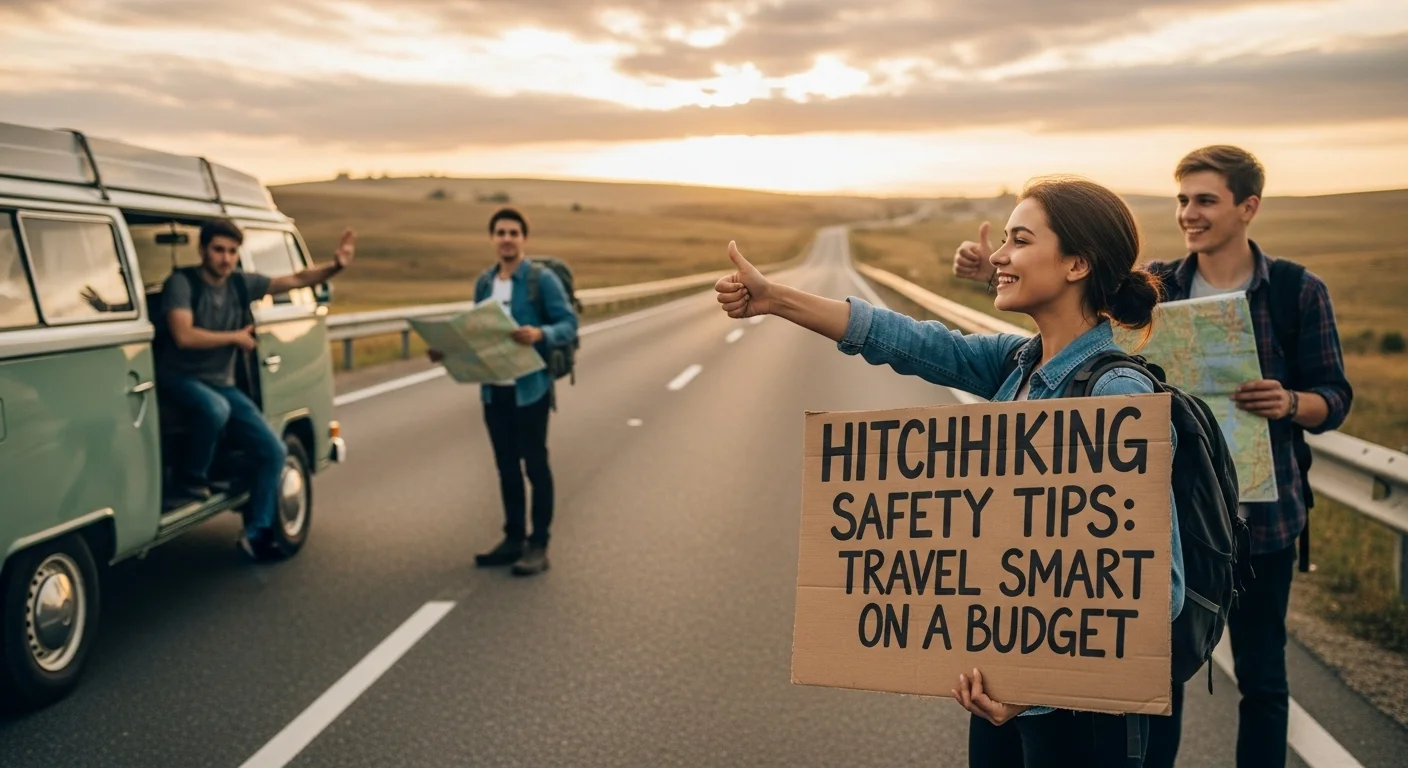
Hitchhiking Safety Tips: Travel Smart on a Budget

Hitchhiking can be an exciting and budget-friendly way to travel, but safety is paramount. Let’s dive into some essential tips and insights to help you make the most of your adventure on the road. Read Interesting article: Top 10 Affordable Transportation Options for Budget Travelers

Hitchhiking Safety Tips: Travel Smart on a Budget

Understanding Hitchhiking

What is Hitchhiking?

Hitchhiking is, at its core, a method of traveling where individuals solicit rides from passing vehicles, typically by standing at the roadside with a sign or simply by raising their thumb. I remember my first experience—standing on a lonely highway with a mix of excitement and apprehension, waiting for someone to pull over. It felt like a leap of faith, but it also opened up a world of unexpected adventures. This form of travel isn’t just about the destinations; it’s about the stories you gather along the way, the people you meet, and the freedom that comes with it.

History and Evolution of Hitchhiking

The history of hitchhiking dates back to the early 20th century. Initially, it was a common practice as cars became more accessible. I’ve learned that during the Great Depression, people often relied on hitchhiking to find work or reconnect with family. Over the decades, the practice has evolved; the spontaneity of it has been both romanticized and criticized. For many, it symbolizes adventure and a break from the norm. I find it fascinating how hitchhiking reflects societal changes—what was once a common travel method has become less prevalent, yet it still holds a certain allure for those looking to explore the world off the beaten path.

Why People Choose to Hitchhike

There are countless reasons why people, including myself, decide to hitchhike. It’s often about budget constraints, as it can be a free way to travel. However, for many of us, it’s about the thrill of meeting new people and sharing stories. I once met a retired couple who told me tales of their travels across Europe, and it made me realize how hitchhiking creates connections that go beyond just a ride. Some people hitchhike to embrace spontaneity, stepping out of their comfort zones and inviting the unexpected. From my experience, hitchhiking teaches you to be flexible and open to change, as the journey can take you to places you never anticipated. Read Interesting article: 10 Essential Backpacking Tips for Budget Travelers

Preparing for Your Hitchhiking Journey

Choosing the Right Destination

When planning a hitchhiking trip, I’ve found that selecting the right destination is critical. Some places are more hitchhiker-friendly than others. For example, rural areas with fewer public transportation options often have drivers who are more willing to stop and help. I remember choosing a scenic route through national parks, where the views were breathtaking, and the locals were eager to share their favorite spots. Researching potential destinations helps you identify areas where hitchhiking is more successful, making your journey smoother and more enjoyable.

Researching Hitchhiking Laws and Regulations

Before I hit the road, I always make sure to familiarize myself with the hitchhiking laws in the areas I’m visiting. Some states or countries have specific regulations that can affect your experience. I once mistakenly stood on a highway where hitchhiking was illegal, and I had to scramble to find a safer spot. Knowing the local laws not only keeps you safe but also shows respect for the communities you’re passing through. I recommend checking online resources or even local travel blogs to get the most updated information.

Essential Gear and Supplies

Packing the right gear can significantly enhance your hitchhiking experience. From my travels, I’ve learned that having a sturdy backpack, a water bottle, and snacks is essential. I can’t tell you how many times I’ve been grateful for a granola bar when waiting for a ride. A good map or a GPS app on your phone can help you navigate and find good hitchhiking spots. Additionally, I always bring a small first aid kit; it’s a comforting thought to have if something goes wrong. It’s these little things that make all the difference in feeling prepared and secure on the road.

Budgeting for Your Trip

Even though hitchhiking is a low-cost travel option, I’ve found that it’s important to have a budget in place. Consider potential expenses like food, accommodation, and any activities you might want to do along the way. I often set aside a small amount for emergencies or unexpected costs. It’s a good feeling to have a little cushion, even while traveling on a budget. Plus, it can help you enjoy your adventure without the stress of financial limitations. Planning ahead, I’ve been able to make the most of my journeys while still keeping my wallet happy.

Safety Tips for Hitchhiking

Choosing Safe Locations to Hitchhike

Finding the right spot to hitchhike can make a world of difference in both your safety and success. I’ve learned to look for locations that are visible to drivers, like gas stations, rest areas, or busy intersections. These places tend to have more traffic, increasing your chances of getting a ride. I remember a time when I stood on a rural road with no shoulder; it felt risky and I quickly moved to a nearby gas station. Not only did I feel safer, but I also got a ride within minutes. It’s all about being strategic and aware of your surroundings, so always choose a location where cars can pull over easily without causing a hazard.

How to Spot a Safe Ride

When a car finally pulls over, I know it’s crucial to assess if it’s a safe option before jumping in. I typically look at the driver’s demeanor—are they friendly and approachable? I try to gauge their intentions by asking simple questions before getting in, like where they’re headed and what they do for a living. I remember one occasion when a driver offered me a ride, but something about their body language felt off. I politely declined and waited for another opportunity. Trusting my gut has often led me to make better choices on the road. It’s all about feeling comfortable and at ease with the person who’s offering you a lift.

Trusting Your Instincts

Trusting my instincts has been one of the most important lessons I’ve learned while hitchhiking. There have been times when I’ve felt that something wasn’t quite right about a situation, and I followed that intuition. For instance, once I got a ride from a guy who seemed overly eager to chat about personal topics. I ended up asking him to drop me off sooner than planned because I felt uncomfortable. It’s essential to listen to that little voice inside you. If a situation feels off, it’s totally okay to say no. Your safety should always come first, and no ride is worth compromising that.

Communicating Effectively with Drivers

Effective communication can really enhance your hitchhiking experience. I’ve found that being friendly yet clear about my destination helps establish a rapport with drivers. When I meet someone new, I often share a little about my journey—where I’m coming from and where I hope to go. This not only builds a connection but can also make them feel more comfortable giving me a ride. I remember one driver was so intrigued by my plans that we ended up swapping travel stories for the entire ride. It turned a simple lift into a memorable conversation. Plus, being polite and grateful goes a long way; I always make sure to thank my drivers and leave them with a positive impression.

Traveling with a Buddy vs. Solo Hitchhiking

Deciding whether to hitchhike alone or with a buddy can depend on your comfort level and experience. Personally, I enjoy solo trips because they allow for spontaneity and self-discovery. However, I’ve also hitchhiked with friends, and I must say, it adds a layer of safety and camaraderie that can be comforting. I remember one trip where my friend and I hitched together; we felt more confident because we could watch each other’s backs. It’s nice to have someone to share the experience with, especially when things get a little daunting. Ultimately, it’s about what feels right for you. If you’re new to hitchhiking, I recommend starting with a buddy—it can make the experience less intimidating and more enjoyable.

Best Practices While Hitchhiking

Creating a Catchy Sign

A well-made sign can be a game changer when hitchhiking. I’ve experimented with different styles over the years, and I’ve found that simple, clear messages work best. When I was hitching to a music festival, I crafted a bright sign that read “FESTIVAL BOUND” with a smiley face. It caught drivers’ attention and led to a ride within minutes! I recommend using large letters and bright colors. If you can, add a little personal flair—it could spark curiosity and make people more willing to stop. Remember, your sign is a way to communicate your destination and your vibe, so have fun with it!

Choosing Appropriate Clothing

The way you present yourself can influence whether drivers stop for you. I try to dress in comfortable, clean clothes that make me look approachable. I’ve noticed that wearing bright colors or fun patterns often helps catch the eye of passing vehicles. Additionally, I find that wearing layers can be beneficial since you never know what the weather will be like on the road. I remember one chilly morning wearing a bright hoodie, and it made me feel more visible and inviting. Being mindful of your clothing can help you create a positive first impression, which is key in hitchhiking.

Maintaining a Positive Attitude

Staying upbeat and positive has helped me immensely during my hitchhiking journeys. I know that not every ride will be quick, and there will be times when I’m waiting longer than expected. I try to keep my spirits high by listening to music, people-watching, or chatting with other travelers. I remember a particularly long wait one time, but I made a game out of it, counting the different types of vehicles that passed by. Keeping a positive mindset can not only improve your experience but also make you more appealing to drivers. A smile can be contagious, and I believe it invites good energy into the journey.

Using Technology to Your Advantage

In our tech-driven world, I’ve found that using apps and maps can significantly enhance my hitchhiking experience. I often use navigation apps to check traffic patterns and find hotspot areas for hitchhiking. Social media also has its perks; I’ve connected with fellow travelers who share tips and ride opportunities. I remember once using a travel app to connect with a group of hitchhikers heading the same way as me. It turned a solo journey into a shared adventure. Embracing technology can help you stay informed and connected, making your travels smoother and more enjoyable. Read Interesting article: How to Trek Mountains on a Budget: Tips & Tricks

Emergency Preparedness

What to Do if You Feel Unsafe

Feeling safe while hitchhiking is essential, and there have been moments when I’ve sensed that things weren’t quite right. In those situations, I’ve learned to have a game plan. First and foremost, trust your gut. If a ride feels off or if the driver makes you uncomfortable, don’t hesitate to politely decline. I remember one particular ride where the driver was overly chatty about personal matters—it just didn’t sit right with me. I kindly asked them to let me out at the next gas station. Having an exit strategy can make all the difference. It’s okay to prioritize your comfort and safety over a ride.

Additionally, I always keep a backup plan in mind. This might mean knowing the location of nearby bus stops or having the contact number of a friend who can pick me up if needed. I even carry a small personal alarm that I can activate if I feel threatened. It’s not just about relying on others for safety; having tools and strategies in place gives me peace of mind as I navigate the open road.

Keeping Important Contacts Handy

Staying connected is crucial while hitchhiking. I make it a habit to have a list of important contacts saved on my phone, including friends and family who know my general itinerary. Before I start my trip, I let someone know where I’m heading and check in with them regularly. It’s a good way to ensure someone is aware of my journey, which adds an extra layer of safety.

In addition to keeping contacts in my phone, I’ve also written down emergency phone numbers on a piece of paper, just in case my phone dies or gets lost. I keep this in my wallet or a secure pocket. It’s a simple practice, but I’ve found it incredibly reassuring to know that I can easily reach out for help if needed.

Basic First Aid Tips for Travelers

Accidents can happen, and being prepared is key. I always carry a small first aid kit in my backpack. I’ve learned that having basic supplies like adhesive bandages, antiseptic wipes, pain relievers, and gauze can be incredibly useful. There was one time I got a blister while walking along a long stretch of road, and I was so glad I had band-aids on hand.

Beyond just packing a kit, I recommend knowing a few basic first aid skills. Simple things like how to clean a wound, how to treat a burn, or how to respond to an allergic reaction can come in handy. I took a basic first aid course a few years ago, and it’s given me the confidence to handle minor injuries on the road. Plus, knowing these skills can make you feel more empowered, allowing you to focus on enjoying your journey rather than worrying about what could go wrong.

Finding Community and Support

Online Forums and Hitchhiking Groups

Connecting with others who share your passion for hitchhiking can be incredibly rewarding. I’ve discovered numerous online forums and social media groups dedicated to hitchhiking. These platforms are filled with tips, personal stories, and even ride-sharing opportunities. I remember joining a Facebook group where members shared their experiences, including the best spots to hitch in different countries.

Being part of a community not only provides useful information but also makes the journey feel less lonely. I’ve connected with fellow hitchhikers who have become friends over time. We’ve met up in person, shared rides, and created lasting memories together. It’s comforting to know that there’s a supportive network out there, ready to welcome you into the fold.

Connecting with Other Travelers

While hitchhiking, I’ve found that striking up conversations with fellow travelers can lead to great connections. Whether it’s someone at a rest stop or another hitchhiker waiting for a ride, we all share a common bond. I remember meeting a backpacker at a gas station who was on a similar journey. We ended up sharing tips and even hitching a few rides together. It felt like an adventure in itself!

Engaging with other travelers can also provide insights into different cultures and perspectives. I’ve learned so much just by sharing stories about our experiences on the road. These interactions not only enrich the journey but also remind us that we’re part of a larger community of explorers.

Sharing Your Experiences and Learning from Others

Documenting my hitchhiking adventures has become one of my favorite pastimes. I often jot down notes in a travel journal or share my experiences on social media. I’ve found that sharing my stories not only helps me remember the little details but also inspires others to explore hitchhiking themselves. I’ve had friends reach out to me after seeing my posts, curious about how to start their own journeys.

Encouraging others to share their experiences is equally important. I often ask fellow hitchhikers about their favorite stories or any lessons learned along the way. It’s amazing how much knowledge is out there, and sharing these insights creates a sense of camaraderie. We’re all in this together, and by exchanging our stories, we can inspire and support one another as we navigate the beautiful and unpredictable world of hitchhiking.

Frequently Asked Questions

What is hitchhiking?

Hitchhiking is a method of traveling where individuals solicit rides from passing vehicles, typically by standing at the roadside with a sign or by raising their thumb. It’s about the stories gathered along the way and the people met during the journey.

Why do people choose to hitchhike?

People choose to hitchhike for various reasons, including budget constraints as it can be a free way to travel, the thrill of meeting new people, and the desire for spontaneity. It often leads to unexpected adventures and meaningful connections.

What should I consider when choosing a destination for hitchhiking?

When planning a hitchhiking trip, it’s important to select a hitchhiker-friendly destination. Rural areas with fewer public transportation options often have drivers who are more willing to stop, making your journey smoother.

Are there laws and regulations I need to know before hitchhiking?

Yes, it’s essential to familiarize yourself with the hitchhiking laws in the areas you are visiting, as some states or countries have specific regulations that can affect your experience.

What essential gear should I bring while hitchhiking?

Essential gear for hitchhiking includes a sturdy backpack, a water bottle, snacks, a good map or GPS app, and a small first aid kit. These items can significantly enhance your experience and ensure you feel prepared and secure.

How can I choose safe locations to hitchhike?

To choose safe locations for hitchhiking, look for visible spots like gas stations, rest areas, or busy intersections where cars can pull over easily. These places tend to have more traffic, increasing your chances of getting a ride.

What should I do if I feel unsafe while hitchhiking?

If you feel unsafe, it’s important to trust your instincts and politely decline a ride if something feels off. Having an exit strategy, such as knowing nearby bus stops and carrying a personal alarm, can also enhance your safety.

Can I hitchhike alone, or is it safer to travel with a buddy?

Hitchhiking can be done both alone or with a buddy. Traveling with a friend can add a layer of safety and camaraderie, while solo trips allow for spontaneity and self-discovery. It’s recommended for beginners to start hitchhiking with a buddy.

How can I effectively communicate with drivers while hitchhiking?

Effective communication involves being friendly and clear about your destination. Sharing a little about your journey can help establish a rapport with drivers and make them feel more comfortable giving you a ride.

How can technology enhance my hitchhiking experience?

Using technology such as navigation apps to check traffic patterns, and connecting with fellow travelers through social media can significantly enhance your hitchhiking experience, making your travels smoother and more enjoyable.

Budget-Friendly Car Rentals: Travel Without Breaking the Bank

Traveling doesn’t have to drain your wallet. With budget-friendly car rentals, you can explore new places without breaking the bank, ensuring a memorable adventure at an affordable price. Unlock Affordable Adventures: Budget Car Rentals Guide

Budget-Friendly Car Rentals: Travel Without Breaking the Bank

Understanding Budget-Friendly Car Rentals

What is a Budget-Friendly Car Rental?

When I first heard about budget-friendly car rentals, I was intrigued. I imagined a world where I could explore new cities without the stress of high costs. Simply put, a budget-friendly car rental is an option that allows you to rent a vehicle at a lower price than typical rental rates. These rentals focus on providing access to vehicles without the frills—think practical cars that get you where you need to go without unnecessary extras. I remember the first time I used a budget rental service; it was like stepping into a new adventure without the hefty price tag.

Benefits of Renting a Car on a Budget

Choosing a budget-friendly car rental comes with a range of benefits that can enhance your travel experience. First and foremost, the savings! With a lower rental cost, I found I had more to spend on activities, dining, and accommodations. Plus, having a rental car grants you the freedom to explore off-the-beaten-path destinations that might not be accessible via public transportation.

Another advantage is convenience. Imagine arriving in a new city, and instead of waiting for a taxi or rideshare, you simply hop into your rental car and head straight to your destination. That was a game-changer for me, especially when traveling with friends or family. We could split the cost, making it even more economical.

Additionally, budget rentals often come with flexible terms. I’ve used rentals that allowed me to return the car at different locations or extend my rental period easily. This flexibility can be a lifesaver when travel plans change unexpectedly.

Factors Affecting Car Rental Prices

Location and Demand

The price of car rentals can vary significantly depending on where you are. For example, I noticed that rental prices in tourist-heavy areas can skyrocket during peak seasons. When I booked a car in a popular beach town in July, I found prices were at least 30% higher than in the off-season. If you can plan your trip during less busy times, you can save a lot of money.

Type of Vehicle

The type of vehicle you choose also plays a critical role in pricing. I once wanted a spacious SUV for my family trip, but I found that opting for a compact car saved me a good chunk of cash. Smaller cars tend to be more budget-friendly, and they often come with better fuel efficiency, which is another cost-saving bonus.

Rental Duration

How long you need the car can affect the overall cost. I discovered that renting a car for a week often results in a lower daily rate compared to just a couple of days. So, if your travel plans allow, consider extending your rental duration to take advantage of these savings.

Insurance Options

Insurance can add a significant amount to your rental cost. I remember being offered various insurance packages when I rented a car for a weekend getaway. After doing some research and talking to my own insurance company, I realized that I didn’t need the extra coverage offered by the rental company. This saved me a lot of money, and I felt more at ease knowing I was covered through my existing policy.

Seasonal Pricing Trends

Seasonality plays a big part in rental prices. I faced sticker shock when I tried to rent a car during school breaks and holidays. I’ve learned to either book well in advance or wait for the peak season to pass to snag better deals. Understanding these trends can help you plan your trips more effectively, ensuring that you get the best price possible.

How to Find Affordable Car Rentals

Online Comparison Tools

When I first started searching for budget-friendly car rentals, I stumbled upon various online comparison tools that made the process so much easier. Websites like Kayak, Expedia, and Rentalcars.com allow you to enter your travel dates and preferences, and they quickly show you a range of options from different rental companies. I remember using these tools to find the best deal for a road trip I planned with my friends. It felt like a treasure hunt, uncovering hidden gems that fit our budget perfectly. I recommend checking these sites regularly as prices can change quickly, and sometimes last-minute deals pop up that are just too good to pass up. Top Tips for Scoring Cheap Car Rentals on a Budget

Discount Codes and Coupons

One of my favorite discoveries in the world of travel savings has been discount codes and coupons. Before booking my rental, I always take a moment to search for any available promo codes. Websites like RetailMeNot and Honey often have great offers. I once found a coupon that saved me 20% off my rental, which allowed me to splurge a bit more on dining during my trip. It’s amazing how a little extra effort in searching for these codes can lead to substantial savings. I suggest signing up for newsletters from rental companies; they often send special deals directly to your inbox.

Loyalty Programs and Membership Discounts

If you travel often, enrolling in loyalty programs can be a game-changer. I joined a couple of car rental companies’ loyalty programs, and the perks have been fantastic. Not only do I earn points toward free rentals, but I also receive discounts and priority service. Additionally, if you’re a member of organizations like AAA or AARP, be sure to check for member discounts that can further lower the cost. I once received a special rate just for being a AAA member, which made my trip even more affordable. It’s worth exploring these options, especially if you plan to rent cars regularly.

Timing Your Rental

The timing of your rental can significantly impact the price. I learned this the hard way when I tried to book a car just days before my trip to a popular festival. Prices were through the roof! I now always aim to book my car rental several weeks in advance. This way, I can secure better rates and have a wider selection of vehicles. I also discovered that some companies offer lower prices if you book your rental during weekdays instead of weekends. I found this to be true during my last trip; I saved a nice amount simply by adjusting my rental dates slightly.

Off-Peak Rental Strategies

Another effective way to keep rental costs low is to be strategic about when you rent. Traveling during off-peak times can lead to significant savings. For instance, I discovered that renting a car in the winter months, away from popular holidays, resulted in much lower rates. Not only did I save money, but I also enjoyed a more relaxed travel experience without the crowds. If you have the flexibility, planning your trips around less busy seasons can make all the difference. I remember feeling like I had the whole city to myself during one of my off-peak adventures!

Best Budget Car Rental Companies

National Brands

When it comes to national brands, there are a few that consistently offer great rates and reliable service. I’ve had good experiences with companies like Enterprise and Budget, which often provide competitive pricing and decent vehicle options. They also run regular promotions, so it’s worth checking their websites. I remember renting from Budget once and was pleasantly surprised by how easy the pickup and drop-off process was. Their friendly staff made the experience even better. For me, having a solid brand backing my rental gives me peace of mind during my travels.

Local and Regional Companies

Don’t overlook local and regional car rental companies as they can provide some fantastic deals. I once rented from a small local outfit during a visit to a charming coastal town, and not only was the price unbeatable, but the service was also personal and friendly. The owner even provided tips on local attractions that made my trip memorable. I learned that sometimes these smaller companies can offer more flexible terms and unique vehicles that larger chains don’t have. It’s worth considering these local options, especially if you’re exploring a specific area.

Peer-to-Peer Car Rental Platforms

In recent years, peer-to-peer car rental platforms like Turo have gained popularity. I’ve used Turo a couple of times and loved the experience. It felt more personal, like borrowing a car from a friend. I found unique vehicles that you wouldn’t see in traditional rental fleets. Plus, the prices were often lower, which was music to my ears. I remember renting a convertible for a weekend getaway, and it was perfect for cruising along the coastal roads. If you’re looking for something a little different and budget-friendly, peer-to-peer platforms are definitely worth exploring.

Types of Vehicles for Budget Rentals

Economy Cars

When I think of budget rentals, economy cars immediately come to mind. These are the workhorses of the rental world, perfect for anyone looking to save money without sacrificing mobility. I remember my first experience with an economy car; it was a compact little sedan that made navigating tight city streets a breeze. Not only are these vehicles typically the cheapest option, but they also offer excellent fuel efficiency. I found that I could fill up the tank for a fraction of what larger vehicles cost, which really added to my savings. If your travel plans don’t require a lot of space or power, I wholeheartedly recommend considering an economy car for your next trip.

Compact SUVs

For those who need a bit more room but still want to stay within a budget, compact SUVs can be a great option. I had a fantastic experience renting a compact SUV for a weekend getaway with friends. It provided enough space for our luggage and gave us a comfortable ride during our travels. Plus, the elevated driving position made it easier to enjoy the beautiful scenery. Compact SUVs often come at a mid-range price point, striking a balance between affordability and comfort. I’ve noticed that they’re particularly useful for road trips where you might want to venture off the main roads a bit.

Hybrid and Electric Vehicles

In recent years, I’ve become more aware of the environmental impact of my travel choices, which led me to explore hybrid and electric vehicles. I was surprised to find that many budget rental companies are now adding these options to their fleets. Renting a hybrid car not only helps reduce fuel costs but also lessens your carbon footprint. I rented a hybrid for a trip last summer and was impressed with how far I could go on a tank of gas. If you’re eco-conscious or just want to save on fuel, check if your rental company offers hybrid or electric options. It’s a win-win for your wallet and the planet!

Additional Costs to Consider

Fuel Costs

One of the biggest expenses I faced with car rentals was fuel. It’s easy to overlook, but fuel costs can add up quickly, especially if you’re planning to do a lot of driving. I’ve learned to be mindful of the vehicle’s fuel efficiency when selecting a car. For example, during a recent road trip, I chose a compact car with great mileage, which allowed us to stretch our budget further. Always consider how much driving you’ll be doing and factor in fuel costs when planning your budget.

Tolls and Fees

Another hidden cost that caught me off guard was tolls and fees. Depending on where you’re traveling, toll roads can significantly increase your overall trip expenses. I remember driving through a city where I didn’t realize I’d be hitting several tolls, which added up faster than I anticipated. Before embarking on your journey, I recommend researching your route and checking for any toll roads. Some rental companies offer toll payment options, but knowing ahead of time can help you decide the best way to tackle these fees.

Additional Driver Fees

If you plan on sharing driving duties with a friend or family member, be aware that many rental companies charge extra for additional drivers. I learned this the hard way when I rented a car with my partner. While it seemed convenient to share the driving, I was surprised by the additional fee when picking up the vehicle. If you think you might need an extra driver, it’s worth checking the rental policy beforehand. In some cases, certain membership programs or credit cards might waive that fee, so it’s good to do your homework.

Late Return Charges

Life can be unpredictable, and sometimes you might find yourself returning the rental car later than planned. I remember one trip where traffic delays made us late returning the car, and I was hit with a late return charge that stung a bit. To avoid this, I always try to give myself a buffer when planning my return time. It’s better to return the car early than to deal with unexpected late fees. Have a plan in place that accounts for any potential hurdles, and keep an eye on the rental company’s policies regarding late returns.

Tips for a Smooth Car Rental Experience

Inspecting the Vehicle

Before driving off, I always make it a point to inspect the vehicle thoroughly. It’s a simple step that can save you a lot of headaches later. I remember examining the car for any scratches or dents and taking photos to document its condition. This way, I had proof if any issues arose when I returned it. I recommend checking the tire pressure, confirming the fuel level, and ensuring everything inside the vehicle is in working order. This little effort goes a long way in ensuring a smooth rental experience.

Understanding the Rental Agreement

Reading the rental agreement might seem tedious, but it’s something I learned to prioritize. Each company has its own policies, and I’ve found that understanding the terms can prevent surprises. I once skimmed through the agreement and missed a crucial detail about mileage limits, which led to unexpected fees. Take the time to read through the agreement, and don’t hesitate to ask questions if anything is unclear. It’s your right to know what you’re signing up for!

Returning the Car

When it comes time to return the car, I always try to arrive a little early. This gives me ample time to refuel the vehicle to the level required by the rental company and avoid any additional charges. I remember feeling rushed one time and ended up forgetting to fill the tank, which resulted in a hefty fee. Make sure to know the return process and keep an eye on the fuel gauge throughout your rental period to avoid surprises.

Dealing with Issues During the Rental

Sometimes, things don’t go as planned. If you encounter any issues during your rental, don’t hesitate to reach out to the rental company. I had a minor issue with a malfunctioning radio once, and when I contacted customer service, they were incredibly helpful. They guided me through troubleshooting and even offered a replacement vehicle if it wasn’t resolved. Keeping the rental company’s contact information handy can make a stressful situation much easier to handle.

Frequently Asked Questions

What is a budget-friendly car rental?

A budget-friendly car rental is an option that allows you to rent a vehicle at a lower price than typical rental rates. These rentals focus on providing access to practical cars that get you where you need to go without unnecessary extras.

What are the benefits of renting a car on a budget?

Choosing a budget-friendly car rental offers savings, convenience, and flexible terms. You can spend more on activities, dining, and accommodations, enjoy the freedom to explore off-the-beaten-path destinations, and have the flexibility to return the car at different locations or extend your rental period easily.

What factors affect car rental prices?

Car rental prices can vary based on location and demand, type of vehicle, rental duration, insurance options, and seasonal pricing trends. Tourist-heavy areas and peak seasons often lead to higher prices, while smaller vehicles and longer rental durations can save money.

How can I find affordable car rentals?

To find affordable car rentals, you can use online comparison tools, search for discount codes and coupons, enroll in loyalty programs, time your rental wisely, and consider renting during off-peak times. Read Interesting article: Travel Smart: Essential Public Transport Tips for Budget Travelers

What types of vehicles are available for budget rentals?

Budget rentals typically include economy cars, compact SUVs, and hybrid or electric vehicles. Economy cars are the cheapest and fuel-efficient, compact SUVs offer more space, and hybrids/electrics help reduce fuel costs and carbon footprints.

What additional costs should I consider when renting a car?

Additional costs to consider include fuel costs, tolls and fees, additional driver fees, and late return charges. Each of these can significantly impact your overall rental expenses.

What should I do to ensure a smooth car rental experience?

To ensure a smooth rental experience, inspect the vehicle before driving off, understand the rental agreement, return the car early to avoid late fees, and keep the rental company’s contact information handy in case of issues.

How can I save money on insurance when renting a car?

You can save money on insurance by reviewing the insurance options offered by the rental company and checking with your own insurance provider to see if you already have coverage that applies to rentals.

Are there specific times when I should book my car rental for better prices?

Booking your car rental several weeks in advance and aiming to rent during weekdays instead of weekends can lead to better prices. Avoiding peak seasons also helps in securing lower rates.

What should I do if I encounter issues during my rental?

If you encounter any issues during your rental, you should contact the rental company immediately. They can provide assistance and may offer solutions, such as troubleshooting or a replacement vehicle.

Top Tips for Scoring Cheap Car Rentals on a Budget

Finding cheap car rentals can turn a costly trip into a budget-friendly adventure. With the right tips and tricks, I’ve learned how to navigate the car rental maze effectively, and I can’t wait to share my experiences with you! Read Interesting article: Unlock Affordable Adventures: Budget Car Rentals Guide

Top Tips for Scoring Cheap Car Rentals on a Budget

Understanding Car Rentals

When I first started renting cars, I felt overwhelmed by all the options available. It’s essential to understand the different types of car rentals and the options out there. This knowledge can help us make informed choices and save money in the process.

Types of Car Rentals

There are several types of car rentals, each catering to different needs and budgets. Here’s a breakdown of the most common options I’ve encountered:

  • Economy Cars: These are compact, fuel-efficient vehicles perfect for city driving and budget travelers. I often choose these for short trips.
  • Standard Cars: Slightly larger than economy cars, these offer more space and comfort. I’ve found them ideal for family trips or longer drives.
  • SUVs and Minivans: Great for larger groups or trips where extra luggage is involved. Although they cost more, I believe the extra space is worth it for family vacations.
  • Luxury Cars: If you want to splurge, luxury rentals provide an upscale experience. I’ve rented a convertible for a special occasion, and it made the trip unforgettable!
  • Specialty Vehicles: This category includes trucks, vans, and even exotic cars. I remember renting a truck for a weekend getaway to the mountains, which was perfect for transporting outdoor gear.

Popular Car Rental Companies

There are many reputable car rental companies to choose from. In my experience, I’ve found that comparing prices and services can yield significant savings. Here are some of the most popular ones:

  • Enterprise: Known for great customer service, they often have a wide selection of vehicles.
  • Hertz: A long-standing company with a reputation for reliability and numerous locations.
  • Budget: As the name suggests, they cater to cost-conscious renters like us.
  • Alamo: Popular among leisure travelers, particularly at airports.
  • Sixt: Offers competitive rates and a great selection of luxury and specialty vehicles.

Rental Car Insurance Options

One of the biggest questions I had when renting a car was whether I needed insurance. Most rental companies offer various coverage options, and it can get confusing. Here’s what I’ve learned:

  • Collision Damage Waiver (CDW): This covers damage to the rental car, but I’ve found it’s often included in my credit card benefits.
  • Liability Insurance: This covers any damage to other vehicles or property. It’s crucial in case of an accident.
  • Personal Accident Insurance: This covers medical expenses, which I’ve found useful if traveling with family.
  • Personal Effects Coverage: This protects personal belongings inside the rental car. I usually skip this since my regular homeowners or renters’ insurance covers it.

I recommend reviewing your personal car insurance and credit card benefits before opting for additional coverage. This way, you can avoid paying for something you’re already covered for.

When to Book for the Best Rates

Timing can make all the difference when it comes to scoring cheap car rentals. I’ve learned that booking at the right time can lead to significant savings. Here are some tips on when to book:

Optimal Booking Window

Based on my experiences, booking your rental car at least two to three weeks in advance typically offers the best rates. I remember when I waited until the last minute, and the prices skyrocketed! Planning ahead not only helps me secure a better price but also gives me more options to choose from.

Seasonal Pricing Trends

Seasonality plays a huge role in rental car prices. I’ve noticed that rates generally spike during holiday seasons and summer vacations. For instance, I learned that renting in the off-peak seasons, like late fall or early spring, often yields lower rates and better availability.

Last-Minute Deals vs. Early Reservations

While I’ve sometimes scored amazing last-minute deals, this approach can be risky. Most of the time, I find it safer and more cost-effective to book early. If you’re flexible with your travel dates, though, it might be worth checking last-minute deals. I’ve had mixed results, so I recommend weighing your options carefully! Read Interesting article: How to Find Affordable Vacation Rentals Without Sacrificing Comfort

Where to Look for Cheap Car Rentals

Finding the best deals on car rentals often comes down to where we search for them. Over the years, I’ve tried various strategies and discovered some reliable sources that consistently offer great prices. Let me share what I’ve learned about the best places to look for cheap car rentals.

Online Comparison Tools

One of my favorite ways to find cheap car rentals is by using online comparison tools. Websites like Kayak, Expedia, or Rentalcars.com allow us to compare prices from different rental companies all in one place. I remember my first time using a comparison site; I was shocked to see how much I could save just by checking a couple of different options. It makes the process so much easier, and I appreciate being able to see the pros and cons of each rental company side by side. I often filter results based on my preferences, like size and price, making it even more tailored to what I need.

Local vs. National Agencies

While big-name rental companies are often reliable, I’ve found some hidden gems with local agencies. Sometimes, local companies offer competitive rates that national chains just can’t match. I remember a trip to a small beach town where I decided to rent from a local agency. Not only was the price lower, but the service was more personalized, and the staff was super friendly. I recommend checking both local and national options because you never know where you might find the best deal.

Membership Discounts and Loyalty Programs

If you’re like me and often rent cars, signing up for loyalty programs can be a game changer. Many rental companies offer membership discounts, and I’ve found that being a loyal customer pays off. For instance, I signed up for a rewards program from one of my favorite rental agencies, and I’ve received significant discounts on my rentals. Plus, they sometimes provide perks like free upgrades or additional driver fees waived. It’s worth taking a few minutes to sign up, especially if you plan on renting cars frequently. Also, don’t forget to check if any memberships you have, like AAA or AARP, offer additional discounts!

Strategies for Lowering Rental Costs

Once we have a good idea of where to look for cheap car rentals, the next step is knowing how to lower those costs even further. I’ve picked up some valuable strategies that can help us keep our expenses in check while still enjoying the benefits of a rental car.

Choosing the Right Car Type

Choosing the right type of car can make a significant difference in rental costs. I’ve learned that it’s essential to match the car size to my needs. For example, if it’s just me going on a solo trip, I opt for an economy car to save on fuel and rental fees. However, if I’m traveling with family or friends, I consider an SUV or minivan. One time, I thought it would be fun to rent a luxury car for a weekend getaway, but the cost was much higher than I anticipated. I realized that sticking to a more practical option usually saves me money without sacrificing comfort.

Understanding Fees and Taxes

Fees and taxes can sneak up on us when renting a car. I once rented a car, excited about a great base rate, only to be hit with additional charges for things I didn’t expect, like airport fees and insurance taxes. I recommend reading the fine print and asking questions if something seems unclear. It’s helpful to budget for these extra costs before finalizing the rental. I often find that a little research on the specific fees associated with different rental companies can lead to surprises—mostly good ones when I choose wisely!

Picking Up from the Airport vs. City Locations

When I’m traveling, I’ve also had to weigh the options between picking up my rental car from the airport versus a city location. While it’s super convenient to grab a car right after landing, airport rental locations often have higher fees. I’ve seen significant savings by choosing a rental location in the city instead. Of course, this means I need to arrange transportation to get there, but in my experience, it’s usually worth the extra effort. I once saved over $50 just by opting for a rental company a few miles away from the airport.

Tips for Saving on Vehicle Extras

When renting a car, the extras can add up quickly. I’ve had my share of experiences with add-ons that I later realized I didn’t need. Here are some tips I’ve found useful for keeping those extra costs down.

Navigating GPS and Car Seats

The temptation to rent a GPS or car seat can be strong, especially if we’re traveling to a new city. However, I’ve learned it’s often more cost-effective to use my smartphone for navigation. Apps like Google Maps work wonders without the extra rental fee. As for car seats, I usually bring my own when traveling with my kids. It not only saves money but also ensures they’re safe and comfortable in the car.

Fuel Policies Explained

Fuel policies can be tricky and vary between rental companies. I’ve found that the “full-to-full” policy is usually the best option. This means I pick up the car with a full tank and return it the same way. I remember a time when I returned a car with a half-full tank and was shocked by the refueling charges. It’s always best to fill up the tank before returning to avoid these added costs.

Understanding Unlimited Mileage vs. Mileage Limits

When I rent a car, I always check if there are mileage limits. Some rentals come with unlimited mileage, which is great if I plan to do a lot of driving. However, I’ve encountered deals with mileage limits that could lead to hefty charges if I exceed them. I recall a road trip where I ended up paying extra because I didn’t realize the rental had a limit. So, I recommend being aware of your travel plans and choosing the right policy that fits your itinerary.

Maximizing Discounts and Promotions

Finding ways to save money on car rentals is a constant quest for me, and maximizing discounts and promotions can be a game changer. I’ve discovered various strategies that have helped me lower my rental costs significantly. Here’s what I’ve learned about getting the most bang for my buck when it comes to discounts and promotions.

Using Coupons and Promo Codes

Coupons and promo codes can be incredibly beneficial when renting a car. I remember the first time I stumbled upon a promo code while booking online; I was amazed at how much I saved! Various websites and apps offer discounts specifically for car rentals. Some of my favorites include RetailMeNot and Honey, which often have updated codes. Whenever I decide to rent a car, I always spend a few minutes searching for these deals. It’s a small effort for such potential savings. Also, don’t forget to check the rental company’s website directly; they sometimes have exclusive offers that aren’t listed elsewhere.

Seasonal Sales and Offers

Seasonal sales can provide excellent opportunities to save on car rentals. I’ve noticed that many companies offer deals during holidays or at the start of peak travel seasons. For example, I found great rates during the early summer when many families were still planning their vacations. Keeping an eye on these seasonal promotions can lead to fantastic savings. I also recommend signing up for newsletters from rental companies and travel websites. They often send out exclusive offers to subscribers, which can be a great way to snag a deal.

Credit Card Benefits for Car Rentals

Using a credit card that offers rewards or benefits for car rentals has been another way to save money. I found out that some credit cards offer rental car insurance, which can save me from having to purchase additional coverage from the rental company. Additionally, many cards have partnerships with rental agencies that provide discounts or cashback. I remember using a credit card that offered 5% cashback on all travel-related expenses, which included my car rental. It felt like I was getting paid to rent a car! Before renting, I always check to see what my credit card offers in terms of rewards and benefits.

Common Mistakes to Avoid

In my journey of renting cars, I’ve encountered a few mistakes that I believe we should all be cautious of. Learning from these can save us both time and money. Here’s what I think we should avoid when renting a car.

Ignoring Terms and Conditions

One of my biggest mistakes was not reading the terms and conditions carefully. It’s easy to skim through the fine print, but doing so can lead to unexpected charges. I once rented a car only to find out later that there was a steep fee for returning it late, even by just a few hours. I recommend taking the time to understand the rental agreement fully. This way, we can avoid surprises that could impact our budget.

Overlooking Insurance Coverage

Insurance coverage is another area where I’ve seen many people—including myself—make mistakes. Initially, I would skip insurance thinking I was covered by my personal car insurance, but I later discovered that it didn’t cover rentals. I’ve learned to dig into my current insurance policy and talk to my provider about what’s covered when renting a car. This knowledge helps me make informed decisions about whether to opt for additional coverage or not.

Failing to Inspect the Vehicle

I can’t stress enough how important it is to inspect the vehicle before driving off. The first time I rented a car, I was in such a rush that I didn’t check for existing damage. When I returned the car, I was charged for scratches that were there before I even started my trip! Now, I make it a point to do a thorough inspection, taking photos of any wear and tear. It’s a simple step that can save us from potential disputes later on.

Additional Considerations for Budget Travelers

For those of us who are budget-conscious, there are more options to explore when it comes to getting around without breaking the bank. Here are some considerations for travelers like us who want to maximize our savings.

Car Rental Alternatives: Rideshares and Public Transport

Sometimes, renting a car isn’t the most cost-effective option, especially if we’re visiting a city with good public transportation or rideshare services like Uber or Lyft. I’ve found that in places like New York or San Francisco, taking public transit or using rideshare services can be much cheaper and more convenient than renting a car. Plus, I don’t have to worry about parking fees or navigating unfamiliar streets. I recommend assessing your itinerary and seeing if ridesharing or public transport fits your travel plans better.

Car Sharing Services

Car sharing services, such as Zipcar or Turo, are another option I’ve explored. These services allow us to rent cars by the hour or day, which can be a great solution for short trips. I remember using Turo during a weekend getaway when I only needed a car for a few hours. It was not only affordable but also gave me access to a wider range of vehicles. If you’re not planning on needing a car for an extended period, I think car sharing can be a fantastic alternative.

Combining Rentals with Accommodations for Deals

Lastly, I’ve discovered that some hotels and resorts offer deals when you book accommodations and a car rental together. When I planned a recent trip, I found a package deal that saved me quite a bit on both my hotel and rental car. It’s worth checking if the place you’re staying offers such packages. Combining rentals with accommodations can lead to significant savings, making it easier for us to enjoy our trips without stretching our budgets too thin. Read Interesting article: Top 10 Budget Vacation Rentals for Your Next Adventure

Frequently Asked Questions

What are the different types of car rentals available?

There are several types of car rentals including economy cars, standard cars, SUVs and minivans, luxury cars, and specialty vehicles. Economy cars are compact and fuel-efficient, standard cars offer more space, SUVs and minivans are ideal for larger groups, luxury cars provide an upscale experience, and specialty vehicles include trucks and exotic cars.

Which car rental companies are considered reputable?

Some popular and reputable car rental companies include Enterprise, Hertz, Budget, Alamo, and Sixt. Comparing prices and services between these companies can lead to significant savings.

Do I need to purchase insurance when renting a car?

While most rental companies offer various coverage options, it’s important to review your personal car insurance and credit card benefits. Collision Damage Waiver (CDW) and liability insurance are common options, but many credit cards often provide coverage that might negate the need for additional insurance.

When is the best time to book a rental car for the best rates?

Booking your rental car at least two to three weeks in advance typically offers the best rates. Additionally, renting during off-peak seasons, such as late fall or early spring, can yield lower rates and better availability.

What are effective ways to find cheap car rentals?

Using online comparison tools like Kayak, Expedia, or Rentalcars.com helps compare prices from different rental companies. Additionally, checking both local and national agencies, signing up for loyalty programs, and looking for membership discounts can help find the best deals.

How can I lower my rental car costs?

Choosing the right car type, understanding fees and taxes, and picking up from city locations instead of airports can help lower rental costs. Additionally, being mindful of vehicle extras and fuel policies can further reduce expenses.

What are some common mistakes to avoid when renting a car?

Common mistakes include ignoring the terms and conditions of the rental agreement, overlooking insurance coverage details, and failing to inspect the vehicle for existing damage before driving off.

Are there alternatives to renting a car?

Yes, alternatives include using rideshare services like Uber or Lyft, utilizing public transportation, or exploring car-sharing services such as Zipcar or Turo. These options can be more cost-effective, especially in cities with good transit systems.

Can I combine car rentals with accommodations for better deals?

Yes, some hotels and resorts offer package deals that include both accommodations and car rentals. Combining these can lead to significant savings, making it easier to budget for your trip.

What are some strategies for maximizing discounts on car rentals?

Using coupons and promo codes, keeping an eye on seasonal sales, and taking advantage of credit card benefits for rentals can help maximize savings. Checking for exclusive offers on rental company websites is also recommended.