Web Analytics

Recent Posts

Top 7 Budget Camping Tips for Thrill-Seeking Backpackers

Camping on a budget doesn’t mean skimping on adventure. For thrill-seeking backpackers, it’s about finding exciting experiences without breaking the bank. Let’s dive into the world of budget camping and how to make the most of it!

Top 7 Budget Camping Tips for Thrill-Seeking Backpackers

Understanding Budget Camping

What is Budget Camping?

Budget camping is all about enjoying the great outdoors without spending a fortune. It’s the practice of making smart choices to minimize expenses while maximizing experiences. When I first started backpacking, I thought I needed to invest heavily in gear and amenities to have a great time. However, I quickly learned that budget camping is more about creativity and resourcefulness than about how much money you spend. From choosing the right campsite to using simple gear, there are countless ways to keep costs down while still having an exhilarating adventure. To save even more on your travels, check out How to Find Cheap Hotels: Tips for Budget Backpackers.

Benefits of Budget Camping for Backpackers

For many of us backpackers, the thrill of the wild is what motivates our adventures. Budget camping not only allows us to explore more frequently but also encourages us to connect with nature in a more meaningful way. Here are some benefits that I’ve discovered along my journey:

  • More Frequent Trips: With a tighter budget, I found myself planning more trips. Instead of waiting for a big vacation, I learned to take shorter, more frequent adventures.
  • Improved Skills: Budget camping forced me to hone my outdoor skills. From navigating to setting up camp quickly, each trip became a learning experience.
  • Connection with Nature: By simplifying my gear and experiences, I found I could appreciate nature’s beauty more profoundly. There’s something special about camping without the distractions of luxury items.
  • Community Building: Budget camping often leads to meeting fellow campers who share similar values. I’ve made friends over campfires, swapping tips on how to save money while enjoying the wilderness.

Essential Gear for Budget Camping

Choosing the Right Backpack

The backpack is the cornerstone of any camping trip. I remember when I first chose my backpack; I felt overwhelmed by the options and prices. But I learned that you don’t need the fanciest gear to have a great experience. Look for a backpack that fits your needs, offers good support, and has enough capacity for your essentials without being too heavy. I recommend trying to find a mid-range backpack that offers durability and comfort but doesn’t break the bank. Checking out second-hand stores can also yield great finds!

Affordable Camping Tents

Finding a decent tent that doesn’t cost a fortune is essential for budget camping. I’ve tried various tents over the years, and one thing I’ve learned is that it’s worth investing in a good quality tent that can withstand different weather conditions. Look for sales or clearance items at outdoor stores, or consider renting a tent if you don’t camp often. I once stumbled upon an excellent deal on a lightweight tent during an end-of-season sale, and it became my go-to for many trips!

Sleeping Bags on a Budget

Your sleeping bag can make a huge difference in your camping experience. When I first started, I bought a cheap bag that left me freezing at night. I quickly realized that spending a little more on a quality sleeping bag is worth it. Look for bags rated for the seasons you’ll be camping in. Consider buying used or checking out local outdoor shops for budget-friendly options. I found my favorite sleeping bag at a thrift store, and it has served me well through countless nights under the stars.

Top 7 Budget Camping Tips

1. Planning Your Destination Wisely

Choosing where to camp can greatly impact your budget. I’ve learned to explore lesser-known spots instead of popular destinations that often come with higher fees and crowds. Researching state parks, national forests, or even local camping sites can lead to incredible adventures without the hefty price tag. I remember discovering a hidden gem in a national forest that not only had stunning views but also offered free camping! Planning ahead allows us to maximize our experience while minimizing costs.

2. Timing Your Trip for Savings

Timing is everything when it comes to budget camping. Peak season can mean higher prices and crowded campsites. I often plan my trips during the shoulder seasons, which are spring and fall. This not only helps me avoid crowds but also saves money on campsite fees. I’ve had some of my best camping experiences during these quieter times, with beautiful weather and fewer people around.

3. Utilizing Free Camping Sites

Many areas offer free or low-cost camping sites, and I can’t recommend them enough! Websites and apps can help you locate these spots, and I’ve found incredible places to pitch my tent without spending a dime. Whether it’s a rustic campsite in the woods or a scenic overlook, free camping sites can lead to the most memorable adventures. I remember my first free campsite, where I woke up to a stunning sunrise over a lake—it was magical!

4. Cooking Your Own Meals

Eating out on camping trips can add up quickly. I’ve always felt that cooking my own meals not only saves money but also enhances the camping experience. Preparing simple meals with a portable stove or even over a campfire can be a fun way to bond with friends or family. Some of my favorite camping meals include quick one-pot dishes or even just roasting marshmallows for dessert. Plus, there’s something about cooking in the great outdoors that makes the food taste even better!

5. Sharing Costs with Fellow Campers

If you’re camping with friends or planning to meet fellow adventurers, consider sharing costs. Whether it’s splitting the cost of a larger campsite or sharing gear, pooling resources can make camping more affordable. I’ve often teamed up with friends to buy food in bulk, which not only saves money but also creates a sense of camaraderie. Sharing costs has led to some of my best memories and helped me meet amazing people along the way.

6. Finding Discounts and Deals on Gear

When it comes to gear, I’ve learned to keep an eye out for discounts and deals. Online retailers often have seasonal sales, and local outdoor stores may have clearance racks. I’ve also found great deals at garage sales and thrift stores. It’s amazing what kind of gear you can find if you’re willing to look a little. I remember scoring a high-quality sleeping pad for half the retail price at a local garage sale—it felt like winning the lottery!

7. Embracing Minimalism in Gear Choices

Finally, one of the best tips I can offer is to embrace minimalism. When I first started camping, I packed everything but the kitchen sink. Over time, I realized that less is more. I started focusing on multi-purpose gear and items that I truly needed. This not only lightened my load but also saved me money. I encourage you to evaluate your gear and consider what you really need to make your camping experience enjoyable. For more tips on saving while traveling, check out the Ultimate Guide to Traveling on a Shoestring Budget.

Safety Considerations for Budget Camping

Staying Safe in the Wilderness

Safety is a top priority when we venture into the great outdoors, especially while budget camping. I’ve learned this the hard way. On one trip, I underestimated the importance of safety gear and found myself in a tricky situation. Here are some key points I’ve discovered to keep us safe while still staying within our budget:

  • Research Your Destination: Before heading out, I always take time to understand the area where I’ll be camping. This includes studying the local wildlife, potential hazards, and weather conditions. Knowing what to expect makes a huge difference in planning for safety.
  • Carry Navigation Tools: While smartphones are great, they can run out of battery or lose service. I always bring a physical map and a compass. These tools are often inexpensive and can be lifesavers when technology fails.
  • Inform Someone: I make it a point to let a friend or family member know my camping plans, including where I’ll be and when I expect to return. This simple step adds an extra layer of safety.
  • Stay Aware of Your Surroundings: Being mindful of my environment has helped me avoid potential dangers. I’ve learned to pay attention to the sounds of nature, as they can alert me to wildlife or changing weather.

Essential First Aid Kits for Backpackers

Having a first aid kit is non-negotiable for any camping trip, regardless of budget. I’ve seen how a well-stocked first aid kit can make a world of difference. You don’t need to spend a fortune on a pre-packaged kit either. I’ve created my own, which has saved me money and ensured I have exactly what I need. Here are the essentials I always include:

  • Bandages and Gauze: I carry a variety of sizes for different injuries, from blisters to cuts.
  • Antiseptic Wipes and Cream: These are crucial for cleaning wounds and preventing infections.
  • Pain Relief Medications: Ibuprofen or acetaminophen can help manage pain or reduce fever during a camping trip.
  • Allergy Medication: I always pack antihistamines in case of unexpected allergic reactions. It’s a small item that can be a big help!
  • Emergency Contact Information: I keep a list of emergency contacts, including local emergency services, which comes in handy if I need to seek help quickly.

Environmental Responsibility While Camping

Leave No Trace Principles

One of the most important lessons I’ve learned while camping on a budget is the significance of environmental responsibility. I believe that enjoying nature comes with the responsibility to protect it. The Leave No Trace principles have guided my camping practices, ensuring that I minimize my impact on the environment. Here’s how I apply them:

  • Plan Ahead and Prepare: I always research the area I’ll be camping in and follow all regulations. This includes understanding fire restrictions and proper waste disposal.
  • Travel and Camp on Durable Surfaces: I stick to established trails and campsites whenever possible to avoid damaging fragile ecosystems.
  • Dispose of Waste Properly: I bring trash bags to pack out all my trash, leftover food, and any other waste. I even carry a small trowel for digging a cat hole if I need to go in the wild!
  • Leave What You Find: I admire the beauty of nature but never take rocks, plants, or artifacts. It’s all part of maintaining the wilderness for future campers.

Eco-Friendly Camping Gear Options

As I’ve become more conscious of my environmental impact, I’ve sought out eco-friendly camping gear options. It’s been an exciting journey discovering sustainable products that don’t break the bank. Here are some of my favorite eco-conscious choices:

  • Recycled Materials: Many brands now offer gear made from recycled materials. I recently bought a backpack made from recycled plastics, and it’s both durable and environmentally friendly.
  • Biodegradable Soap: I use biodegradable soap for washing dishes and bathing. It’s gentle on the environment and doesn’t harm natural water sources.
  • Solar-Powered Gadgets: Investing in solar-powered chargers has been a game-changer. They’re not only cost-effective in the long run but also reduce reliance on disposable batteries.
  • Reusable Utensils: I’ve ditched single-use items and now carry a set of reusable utensils. They save money and reduce waste, making them a win-win for both my budget and the planet!

Resources for Budget Camping

Useful Apps for Planning and Navigation

In today’s digital age, using technology to enhance our camping adventures can be incredibly helpful, especially when we’re budgeting. I’ve discovered several apps that have made planning and navigating my trips so much easier. Here are a few that I can’t recommend enough:

  • AllTrails: This app has become my go-to for finding hiking trails. It provides information on trail difficulty, length, and user reviews, which helps me pick the right path for my skill level.
  • Campsite Locator: I love using apps that help me find nearby campsites, showing both paid and free options. This feature has led me to some hidden gems!
  • Weather Apps: Staying updated on weather conditions is crucial for safety. I rely on weather apps to help plan the best days for camping and ensure I’m prepared for any changes.

Online Communities for Backpackers

Lastly, connecting with fellow backpackers through online communities has enriched my camping experiences. These platforms are great for sharing tips, discovering new spots, and finding someone to join me on my next adventure. I’ve met amazing people and learned so much through these interactions. Here are a couple of communities I’ve found particularly helpful:

  • Reddit’s r/CampingandHiking: This subreddit is full of passionate campers sharing stories, advice, and recommendations that can save you time and money.
  • Facebook Groups: There are numerous groups dedicated to budget camping and backpacking. I’ve found them to be fantastic resources for camaraderie and sharing experiences.

Frequently Asked Questions

What is budget camping?

Budget camping is the practice of enjoying the great outdoors without spending a fortune. It involves making smart choices to minimize expenses while maximizing experiences through creativity and resourcefulness.

What are the benefits of budget camping for backpackers?

Budget camping allows for more frequent trips, improved outdoor skills, a deeper connection with nature, and opportunities for community building with fellow campers who share similar values.

How can I choose the right backpack for budget camping?

Look for a mid-range backpack that offers durability and comfort without breaking the bank. It’s also worth checking second-hand stores for good quality options that fit your needs.

What are some tips for planning budget camping trips?

Consider choosing lesser-known camping spots, timing your trip during shoulder seasons, utilizing free camping sites, cooking your own meals, and sharing costs with fellow campers to save money.

What safety considerations should I keep in mind while budget camping?

Research your destination, carry navigation tools like a map and compass, inform someone about your plans, and stay aware of your surroundings to ensure safety while camping.

What essentials should be included in a first aid kit for budget camping?

A first aid kit should include bandages and gauze, antiseptic wipes and cream, pain relief medications, allergy medication, and emergency contact information.

What are the Leave No Trace principles?

Leave No Trace principles emphasize planning ahead, traveling on durable surfaces, disposing of waste properly, and leaving natural items in their habitat to minimize environmental impact.

How can I choose eco-friendly camping gear options?

Look for gear made from recycled materials, use biodegradable soap, invest in solar-powered gadgets, and opt for reusable utensils to reduce waste and environmental impact.

What apps can help with planning and navigation for budget camping?

Useful apps include AllTrails for finding hiking trails, Campsite Locator for discovering nearby campsites, and weather apps for staying updated on conditions during your trip.

How can online communities benefit budget campers?

Online communities, such as Reddit’s r/CampingandHiking and Facebook Groups, provide platforms for sharing tips, discovering new camping spots, and connecting with fellow backpackers for advice and camaraderie.
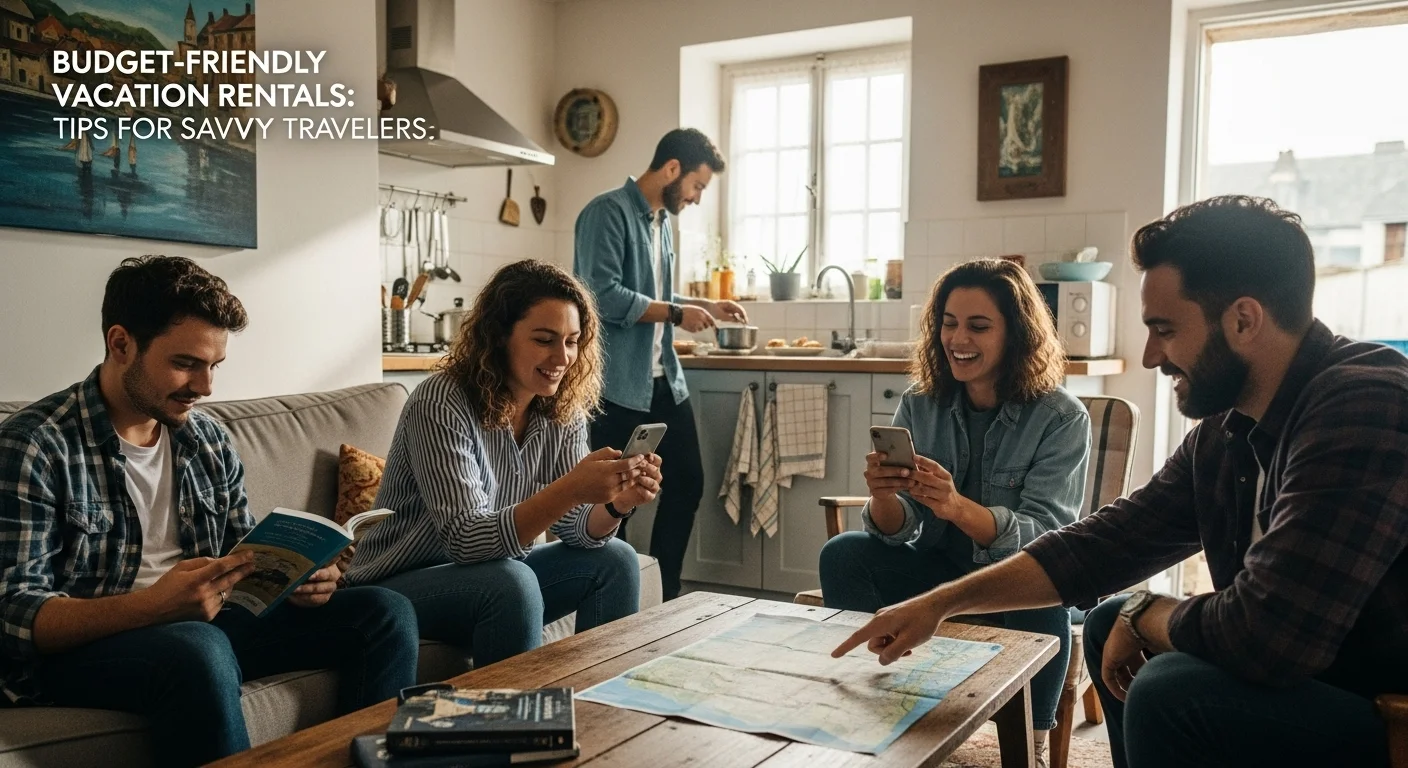

Budget-Friendly Vacation Rentals: Tips for Savvy Travelers

Dreaming of a getaway without breaking the bank? Budget-friendly vacation rentals might just be the secret to making your travel dreams come true. Let’s explore how to find the perfect spot for your next adventure! Read Interesting article: Top 10 Budget Vacation Rentals for Your Next Adventure

Budget-Friendly Vacation Rentals: Tips for Savvy Travelers

Understanding Budget-Friendly Vacation Rentals

When I first started traveling on a budget, I discovered that vacation rentals could be a game-changer. But what exactly are vacation rentals? Essentially, they are properties rented out for short stays, often by private owners. These can range from cozy apartments in the city to charming cabins in the countryside. What I love about vacation rentals is that they offer a unique experience that hotels sometimes can’t match. They provide a sense of home away from home, often in local neighborhoods that let you immerse yourself in the culture of the area. I remember one trip where we rented a quaint little bungalow near the beach, and it completely transformed our experience.

What are Vacation Rentals?

Vacation rentals are typically fully furnished properties available for short-term stays. They can be found in various settings, whether urban, rural, or beachfront. I’ve stayed in many types of vacation rentals, and each has its charm. You can often find them on platforms that cater specifically to travelers looking for something more personalized than a hotel. They can be ideal for families, groups of friends, or even solo travelers looking for a unique experience.

Benefits of Choosing Vacation Rentals Over Hotels

Choosing a vacation rental over a hotel comes with a plethora of benefits. Firstly, they often offer more space and privacy. I remember feeling cramped in a hotel room during one of my first trips, where we all had to share a small space. In contrast, vacation rentals usually come with multiple rooms, kitchens, and common areas, which made a huge difference for my family and me. This means you can cook your meals, host a game night, or just relax without feeling on top of each other.

Another key advantage is cost savings. Many rentals allow you to avoid expenses like dining out for every meal. I’ve found that having a kitchen lets me prepare breakfast or snacks, which can save a lot, especially if you’re traveling with kids. Plus, vacation rentals often come with amenities that hotels charge extra for, like laundry facilities and parking. And let’s not forget, having a local experience that a hotel can’t offer is invaluable. I’ve met wonderful locals through my stays and learned so much about the culture.

Common Types of Vacation Rentals

When searching for vacation rentals, I’ve discovered that there are several types to consider. Each one can cater to different needs and budgets.

Entire Homes

Renting an entire home is perfect for families or groups. I’ve enjoyed this option when traveling with friends, as it allows us to all stay together and share the costs. Plus, having a living room to hang out in after a long day of exploring is a big win!

Private Rooms

If you’re traveling solo or as a couple, a private room in someone’s home can be a fantastic choice. This option often feels more intimate and homey, and I’ve found that many hosts are eager to share their local tips. It’s a great way to connect with people and get a feel for the area.

Shared Accommodations

For the ultimate budget traveler, shared accommodations like hostels or co-living spaces can be a fantastic option. While I haven’t used this option as much (I tend to enjoy my privacy), I’ve heard from friends that they can be fun and social, especially for younger travelers or backpackers. You can meet fellow adventurers and maybe even find a travel buddy for the next leg of your journey.

In my experience, understanding the types of vacation rentals available is the first step to finding the right fit for your trip. Each type has its perks, and it’s all about what suits your travel style and budget best. Remember, whether you’re looking for a cozy home base or an adventure-filled stay in a shared space, there’s a vacation rental out there waiting for you! So let’s dive into how to find those affordable gems next.

Finding Affordable Vacation Rentals

Top Online Platforms for Budget Rentals

When it comes to finding budget-friendly vacation rentals, I’ve learned that having the right tools can make all the difference. There are several online platforms where you can search for rentals, and each has its unique features. Let me share a few of my favorites.

Airbnb

Airbnb is probably the most well-known platform for vacation rentals. I appreciate its vast range of options — from treehouses to urban lofts. The user-friendly interface makes it easy to search by location, price, and amenities. I’ve found that many hosts are quite responsive, which is a huge plus when I have questions about the property. Plus, the reviews from previous guests can really help me gauge whether a place is what it claims to be.

Vrbo

Vrbo, which stands for “Vacation Rentals by Owner,” has become one of my go-to sites for family trips. I like it for its focus on entire homes, which is perfect when traveling with a group. The site allows you to filter results based on your needs, like pet-friendly options or those with a private pool. I remember booking a lovely cabin through Vrbo once, and it was a fantastic experience all around. Read Interesting article: Top 10 Budget-Friendly Accommodations for Backpackers

Booking.com

While Booking.com is traditionally known for hotels, it also offers a range of vacation rentals. I’ve used this platform when I wanted to compare both hotels and rentals side by side. The flexibility in booking options is another reason I turn to it. I can book a place with no prepayment, which often helps when I’m still finalizing my travel plans.

Hostelworld

If you’re on a tighter budget, Hostelworld is a great resource. I’ve found that it not only lists hostels but also private rooms and even budget hotels. The site is particularly popular among younger travelers and backpackers. I remember my first solo trip; I met so many interesting people at a hostel I found through this site, and it was an experience I’ll never forget.

Using Filters and Search Tools Effectively

Once you’ve chosen a platform, using filters effectively can save you a lot of time and money. I typically start by setting my price range to avoid falling in love with something that’s way out of my budget. Most platforms allow you to filter by the number of guests, type of property, and amenities. For instance, if I know I want a kitchen or laundry facilities, I make sure to select those options. It’s amazing how much easier it gets to find the right place when you narrow it down to your specific needs!

How to Set Your Budget

Setting a budget for your vacation rental is crucial. I often start by determining how much I’m willing to spend on lodging and then factor in additional costs, like cleaning fees and deposits. It’s surprising how quickly those extra expenses can add up, so I like to check the total price before making any decisions. One tip I’ve found useful is to keep an eye on the value of the experience versus just the price. Sometimes spending a little more can lead to an unforgettable stay, especially if it offers better amenities or locations.

Best Times to Book Vacation Rentals

Off-Peak Seasons

Booking during off-peak seasons can result in significant savings. I remember planning a trip to a popular beach destination in early fall instead of summer. It was less crowded, and we scored an amazing deal on our rental. Plus, the experience felt more relaxed without the hustle of peak tourist season.

Last-Minute Deals vs. Early Bookings

I’ve found that both last-minute deals and early bookings can work in your favor depending on the situation. If you’re flexible with your travel dates, checking for last-minute deals can sometimes lead to fantastic discounts. On the other hand, if you’re headed to a sought-after destination during a busy time, booking early often ensures you get the best selection at a reasonable price. I remember planning a trip to a popular ski resort and booking my rental months in advance to secure a great spot.

Understanding Seasonal Pricing Trends

Another thing I’ve learned is to pay attention to seasonal pricing trends. Many rentals have peak seasons where prices can skyrocket. For example, I noticed that beach rentals tend to be pricier in the summer, while mountain cabins are often more affordable during the warmer months. Doing a little research on these patterns can help you plan your trip for the best possible rates.

Tips for Getting the Best Deals

Negotiating with Hosts

Don’t be afraid to negotiate! I’ve had success reaching out to hosts to see if they’re willing to lower their rate, especially for longer stays. Sometimes, they may offer a discount just to fill an open slot in their calendar. It’s always worth asking, and I’ve been surprised by how often they’re willing to accommodate.

Utilizing Discounts and Promotions

Many platforms offer discounts, especially for first-time users or during promotional events. I always keep an eye on these opportunities. Signing up for newsletters can also alert you to special deals or sales that may not be widely advertised. A little bit of research can go a long way in saving some cash!

Joining Loyalty Programs

If you frequently use a particular rental service, consider joining their loyalty program. I’ve found that these programs can offer perks like discounts, free nights, or upgrades. It’s a fantastic way to make the most out of my travel budget over time. They often provide exclusive access to deals that can further enhance my travel experience.

Essential Features to Look for in Budget Rentals

Location and Accessibility

Choosing the right location for your vacation rental can make or break your trip. I’ve learned that staying close to local attractions and public transportation can save both time and money. For instance, I once booked a rental that was a bit farther from the main sights, thinking I’d save money. However, I ended up spending more on taxis and rideshares than I would have if I’d chosen a place closer to where I wanted to be. Now, I always look for rentals that are conveniently located near public transport or within walking distance to key attractions. It makes the whole travel experience smoother and more enjoyable.

Amenities that Save You Money

When I’m booking a vacation rental, I always keep an eye out for certain amenities that can help keep my costs down. Here are a few that I highly recommend looking for:

Kitchen Facilities

Having a kitchen can be a game-changer when it comes to saving money on food during your trip. I’ve found that being able to prepare at least one meal a day can significantly cut down on food costs. I love to grab fresh ingredients from local markets and whip up a simple breakfast or even a family dinner. It not only saves money but also allows me to experience local flavors in a unique way. Plus, cooking together can be a fun bonding experience with friends or family.

Free Parking

If you’re traveling by car, free parking can save you a significant amount of money. I once stayed at a rental that charged for parking, and I quickly realized how those costs added up. Now, I always check for properties that offer free parking, especially in cities where parking fees can be exorbitant. It’s a nice bonus that lets me rest easy knowing I won’t be hit with unexpected charges.

Wi-Fi Availability

In today’s digital age, having reliable Wi-Fi is a must for me, whether I’m traveling for work or just want to stay connected. I’ve stayed in places where the internet was spotty, and it made planning my days and staying connected with friends and family a hassle. Before booking, I always check the listing for Wi-Fi availability—it’s just one less thing to worry about during my stay.

Safety and Cleanliness Standards

Safety is always a priority when I book a vacation rental. I like to look for properties with good reviews that mention cleanliness and safety. It’s comforting to know that I’m staying in a well-maintained place. I’ve learned to pay attention to any red flags in reviews, like mentions of cleanliness issues or safety concerns. I also appreciate when hosts provide clear details about their cleaning protocols, especially in the wake of recent health concerns. Knowing that the place has been thoroughly cleaned and sanitized gives me peace of mind.

Planning Your Stay Around Budget Rentals

Local Attractions and Their Proximity

When I’m planning a trip, I like to make a list of local attractions that I want to visit. I found that mapping out these spots in relation to my rental can really help in planning my daily itinerary. For example, during a trip to New Orleans, I found a rental just a short walk from the French Quarter. This made it easy to explore without the hassle of transportation. Knowing that I could pop back to the rental for a quick break made my experience much more enjoyable.

Transportation Options for Budget Travelers

Understanding the transportation options available near my vacation rental has made my travels much smoother. I’ve used public transportation and rideshares in various cities, but I always check local transit options in advance. For instance, in San Francisco, I discovered that my rental was right near a BART station, which made getting around the city a breeze. I’ve even opted for rentals that provide bicycles, which is a fun way to explore local neighborhoods while saving on transport costs.

Dining on a Budget Near Your Rental

Eating out can quickly drain your travel budget, so I always try to find local dining options near my rental that won’t break the bank. I often use apps and blogs to discover hidden gems like food trucks, local diners, or markets. I remember finding a fantastic taco truck just a few blocks from my rental in Austin, and it became our go-to spot. Not only was it delicious, but it also gave us a taste of the local culture, and it was super affordable. Researching dining options ahead of time helps me make better choices and enjoy the local cuisine without overspending. Read Interesting article: Explore Exotic Destinations with Budget-Friendly Villas

Reading Between the Lines: Understanding Rental Listings

Interpreting Reviews and Ratings

When I look for vacation rentals, I always dive deep into the reviews and ratings. They can tell you a lot about what to expect. I remember booking a rental based on a glowing review about its cleanliness and the host’s hospitality, and it turned out to be spot on! However, not every positive review is created equal. I’ve learned to look for consistent themes. If multiple guests rave about the same feature or mention a specific issue, that’s a sign it’s worth noting. I also pay attention to recent reviews, as they reflect the current state of the property. An older review might not capture recent changes or improvements, so staying current is key.

Red Flags to Watch Out For

On the flip side, there are red flags I’ve learned to heed. For instance, if a rental has several negative reviews about cleanliness or communication issues with the host, I usually steer clear. I once faced a situation where the listing had no recent reviews, and I didn’t think much of it. It turned out to be a regrettable choice, as the place didn’t match the online representation at all. I now look for listings that have at least a handful of recent reviews to get a better sense of the property’s reliability and the host’s responsiveness. Any mention of hidden fees or unexpected policies also raises my caution.

Contacting Hosts for Clarification

If something about a listing seems unclear, I don’t hesitate to reach out to the host. I remember once seeing a rental that advertised a “partial kitchen.” I shot a quick message asking for clarification, and the host was extremely helpful, detailed the amenities, and even sent me photos. This experience taught me that most hosts are eager to help, and it can clear up any confusion before I commit. It’s an opportunity to gauge how responsive they are, which can be crucial during your stay.

Local Insights and Cultural Considerations

Engaging with Local Communities

One of my favorite aspects of staying in vacation rentals is the chance to engage with local communities. I often ask my hosts for recommendations on local attractions, restaurants, and hidden gems. For instance, during a stay in a small coastal town, our host invited us to a community event happening that weekend. It became one of the highlights of our trip! I’ve learned that locals are often the best guides to enjoying the area, from authentic dining experiences to cultural events. I feel that embracing the local culture enhances my adventures and makes my travels more memorable.

Respecting Cultural Norms in Rental Spaces

It’s essential to remember that vacation rentals are often in residential neighborhoods. I’ve made it a point to respect the local customs and practices. For example, in some places, noise levels should be kept down during certain hours. I always try to be mindful of my surroundings and treat the property and neighbors with respect. This consideration not only helps maintain a peaceful atmosphere but sometimes leads to warm interactions with locals, which can enrich the travel experience in unexpected ways.

Post-Stay Considerations

Leaving Reviews and Feedback

After each stay, I make it a point to leave a review. Sharing my experiences helps future travelers make informed decisions, and it feels good to give back to the community. I usually focus on what I liked, any challenges I faced, and tips for future guests. A thoughtful review can support hosts who go above and beyond while also guiding others in their search for the perfect rental. I’ve noticed that hosts appreciate feedback, and it can lead to improvements in their offerings.

Rebooking for Future Travels

If I had a fantastic experience at a rental, I often consider rebooking for my next trip. It’s nice to have a familiar place to return to, and I’ve found that many hosts offer loyalty discounts or repeat guest perks. I once returned to a charming cabin I loved and was pleasantly surprised by a special discount for returning guests. This not only saves money but also reinforces connections with the locals I met during my previous stay.

Final Thoughts

Finding budget-friendly vacation rentals can truly enhance your travel experience. By understanding how to navigate listings, utilizing local insights, and planning with care, we can create unforgettable memories without overspending. I believe that the journey is just as important as the destination, and with the right approach to vacation rentals, we can make each trip uniquely ours. So, whether you’re immersing yourself in local culture or enjoying a cozy night in, remember that the perfect getaway is within reach!

Frequently Asked Questions

What are vacation rentals?

Vacation rentals are typically fully furnished properties available for short-term stays, often rented out by private owners. They come in various settings, including urban, rural, or beachfront locations, and provide a unique experience compared to hotels.

What are the benefits of choosing vacation rentals over hotels?

Vacation rentals often offer more space and privacy, allowing guests to cook meals and enjoy common areas. They can also lead to cost savings, as having a kitchen helps avoid dining out for every meal. Additionally, they provide a local experience that hotels may not offer.

What types of vacation rentals are available?

There are several types of vacation rentals, including entire homes, which are great for families or groups; private rooms in someone’s home, which offer an intimate experience; and shared accommodations like hostels, which are ideal for budget travelers.

How can I find affordable vacation rentals online?

Top online platforms for budget-friendly vacation rentals include Airbnb, Vrbo, Booking.com, and Hostelworld. Each platform has unique features that cater to different needs and preferences.

What tips can help me set a budget for vacation rentals?

Start by determining how much you’re willing to spend on lodging and factor in additional costs like cleaning fees and deposits. It’s also important to evaluate the value of the experience versus just the price to ensure a memorable stay.

When is the best time to book vacation rentals?

Booking during off-peak seasons can lead to significant savings. Both last-minute deals and early bookings can be beneficial depending on the situation, with early bookings securing better selection during busy times.

What essential features should I look for in budget rentals?

Look for features such as kitchen facilities, free parking, reliable Wi-Fi, and properties that prioritize safety and cleanliness. These amenities can significantly enhance your travel experience and save money.

How can I engage with local communities while staying at vacation rentals?

Engaging with local communities can be done by asking hosts for recommendations on attractions and dining options. Embracing local culture enhances the travel experience and can lead to memorable interactions.

What should I do after my stay at a vacation rental?

After your stay, consider leaving a review to assist future travelers and provide feedback to the host. If you had a great experience, think about rebooking for your next trip, as many hosts offer loyalty discounts for returning guests.

How can I interpret rental reviews effectively?

When reading reviews, look for consistent themes and pay attention to recent feedback to get a sense of the property’s current state. Be cautious of listings with negative reviews about cleanliness or communication issues.

How to Find Affordable Vacation Rentals Without Sacrificing Comfort

Finding the perfect vacation rental can feel like searching for a needle in a haystack, especially when trying to balance comfort and cost. Let’s dive into how we can score affordable yet cozy accommodations for our next getaway. Read Interesting article: Top 10 Budget Vacation Rentals for Your Next Adventure

How to Find Affordable Vacation Rentals Without Sacrificing Comfort

Understanding Vacation Rentals

What Are Vacation Rentals?

When I first stumbled upon vacation rentals, I was amazed at the concept. Essentially, vacation rentals are properties that homeowners rent out to travelers. Unlike hotels, these can range from cozy apartments to sprawling houses, offering a unique and personalized experience. Each rental has its own character, often reflecting the local culture in a way that a standard hotel room just can’t. I remember staying in a charming beach bungalow that was filled with local art and had the most stunning sea views, something I’d never find in a hotel chain.

Types of Vacation Rentals

There’s a whole world of vacation rentals out there, and exploring them has been part of the fun for me. Here are some common types you might consider:

  • Apartments: Perfect for solo travelers or couples, offering basic amenities and a home-like feel.
  • <strong-Houses: Ideal for families or groups, these often come with kitchens, backyards, and lots of space.
  • Cabins: For a rustic retreat, cabins in the woods or by the lake can offer peace and tranquility.
  • Villas: These luxury rentals often come with stunning views, private pools, and high-end amenities.
  • Shared Spaces: If you’re on a tighter budget, sharing a space with other travelers can be both affordable and fun.

No matter what type you choose, each offers its own set of benefits and can enhance your travel experience.

Benefits of Choosing Vacation Rentals Over Hotels

I’ve found that choosing vacation rentals over traditional hotels can come with a myriad of benefits. For one, you get more space and privacy. I remember cramming into a small hotel room with my family and it just wasn’t comfortable. With a vacation rental, we had multiple rooms and a living area where we could relax together. It felt more like home.

Another great advantage is the kitchen. I love being able to cook some meals rather than relying solely on restaurants; it saves money and allows me to try local ingredients. Plus, having a fridge means I can stock up on snacks and drinks for those late-night cravings without breaking the bank.

Additionally, vacation rentals often allow you to truly immerse yourself in the local culture. I’ve had the pleasure of staying in neighborhoods that are off the beaten path, where I could walk to local markets, restaurants, and parks. This gave me a sense of belonging and connection to the location, which I just don’t get when staying in a hotel.

Lastly, vacation rentals can be more cost-effective, especially for larger groups. Splitting the cost of a house or apartment can often be cheaper than booking multiple hotel rooms. I remember a family reunion where we rented a large house together, which not only saved us money but also made for amazing memories. Read Interesting article: Ultimate Guide to Affordable Hotels for Budget Travelers

Setting a Budget for Your Vacation Rental

Determining Your Overall Vacation Budget

Before I start searching for vacation rentals, I always sit down and figure out my overall vacation budget. I look at everything from travel costs to food, activities, and of course, the rental itself. Having a clear budget helps me narrow down my options and avoid overspending. I find it helpful to break everything down into categories so I can see where my money is going. This way, I can splurge a little on the rental without feeling guilty if I’ve saved in other areas.

Breaking Down Rental Costs

When it comes to rental costs, I’ve learned to look beyond just the nightly rate. It’s essential to consider the total cost, which includes cleaning fees, service fees, and occasionally a security deposit. I remember booking a rental that seemed affordable at first, but once I added in all those extra costs, it turned out to be much pricier than I’d anticipated. I recommend always reading the fine print and calculating the total before making a decision. This way, you won’t get any nasty surprises at checkout.

Hidden Fees to Watch Out For

Speaking of surprises, hidden fees can really add up. Some common ones I’ve come across include:

  • Cleaning Fees: This can be a hefty charge, so always check if it’s included in the price.
  • Service Fees: Platforms often charge a service fee on top of the rental cost, which can be significant.
  • Deposit Fees: Some rentals require a security deposit, which can be returned later but is still money out of your pocket initially.
  • Extra Guest Fees: If you’re traveling with a larger group, some hosts charge extra per guest beyond a certain number.

By being aware of these potential fees, I find it easier to stay within my budget and enjoy my vacation without financial stress.

Where to Search for Affordable Vacation Rentals

Popular Vacation Rental Platforms

When I began my search for vacation rentals, I quickly discovered a handful of popular platforms that make the process easier. Websites like Airbnb and Vrbo dominate the market, offering a vast selection of listings across the globe. I remember scrolling through countless options, filtering by price, location, and amenities until I found the perfect fit for my trip. These platforms also provide user-friendly interfaces, making it simple to compare properties and read reviews from other travelers.

Another platform I found useful is Booking.com, which has expanded its offerings to include vacation rentals alongside hotels. I liked how I could see all my accommodation options in one place, allowing me to make informed decisions based on my budget and preferences. Plus, their flexible cancellation policies have saved me more than once, especially during uncertain travel times. Read Interesting article: Discover Affordable Stays: Budget Accommodations Worldwide

Local Property Management Companies

While searching online, I stumbled upon local property management companies that often list unique rentals not found on larger platforms. I’ve experienced some of my best stays through these local businesses. They typically offer a more personalized touch, often having a better understanding of the area and recommendations for local attractions or dining options. I remember staying in a lovely cottage managed by a local company where the owner greeted us with a welcome basket filled with homemade treats—such a nice touch that made us feel special and at home.

Alternative Platforms and Websites

Exploring alternative platforms has also yielded some fantastic finds. Websites like HomeAway and FlipKey provide additional options, often featuring listings from individual homeowners or smaller property managers. I’ve found that some of the best deals come from these alternative sites, especially if you’re willing to dig a little deeper. Another option I discovered is Couchsurfing, which allows travelers to stay with locals for free. While it’s a different experience entirely, I’ve met some incredible people and learned about their culture firsthand, which has enriched my travels in ways I never expected.

Lastly, social media platforms like Facebook can be surprisingly helpful. I’ve seen groups dedicated to vacation rentals where hosts share their properties directly with potential guests. It’s a great way to find hidden gems while also connecting with local hosts who can provide insider tips on the area.

Essential Features for Comfort

Location Considerations

Finding the right location for a vacation rental can make or break the experience. I’ve learned that being close to local attractions, restaurants, and public transport can save a lot of time and hassle during our trips. For instance, on a recent trip to New Orleans, I chose a rental that was just a short walk from the French Quarter. It made exploring the vibrant streets and indulging in delicious beignets so much easier. I recommend always checking a map and seeing what’s nearby to ensure you’re in a spot that suits your travel style.

Space and Layout

Space is another important consideration. Depending on who I’m traveling with, I look for rentals that offer enough room to spread out and feel comfortable. I once booked a cozy apartment for a family trip, but it turned out to be quite cramped. Since then, I’ve made it a point to check the layout of the rental before booking. I appreciate a good flow, with common areas where we can gather and private spaces for when we need some downtime. In my experience, the right layout can enhance the overall enjoyment of the stay.

Amenities That Enhance Comfort

Amenities can greatly impact our comfort level during a vacation. I’ve found that having a few essential features can make a rental feel like home. A fully equipped kitchen, for example, is a must for me. Cooking a few meals instead of eating out every day can save money and provide a more relaxed dining experience. Other amenities I appreciate include laundry facilities, Wi-Fi, and comfortable beds. I remember one rental that had a hot tub, which was the perfect way to unwind after a long day of exploring. Always keep an eye out for these little extras that can elevate your stay.

Reviews and Ratings: What to Look For

When evaluating potential rentals, I can’t stress enough the importance of checking reviews and ratings. They offer insights that pictures and descriptions sometimes can’t convey. I usually look for properties with a high number of positive reviews, as it indicates a reliable listing. I pay attention to comments about cleanliness, communication with the host, and the accuracy of the listing. I once avoided a rental because several reviews mentioned that it was not as described, which saved me from a disappointing experience. Reading through reviews can guide you towards making a more informed decision and ensure you have a pleasant stay.

Strategies for Finding Deals on Vacation Rentals

Flexible Travel Dates and Off-Peak Seasons

One of the best strategies I’ve discovered for scoring great deals on vacation rentals is to remain flexible with my travel dates. If we can avoid peak travel times, like holidays or school vacations, I often find significantly lower rates. I remember planning a trip to the beach and deciding to go in late September instead of July. We enjoyed beautiful weather, fewer crowds, and saved a good chunk of change on our rental. It’s surprising how much prices can drop outside of the busy season; I’ve seen listings that are half the cost just by shifting my dates by a week or two.

Last-Minute Booking vs. Early Reservations

When it comes to booking a vacation rental, I’ve found that both early reservations and last-minute bookings have their perks. If you’re someone who likes to plan ahead, snagging a rental months in advance can give you access to more options and potentially lower prices. I once booked a beautiful cabin in the mountains a few months ahead and got a fantastic deal simply because I was proactive.

On the flip side, if you’re more spontaneous, waiting until the last minute can work surprisingly well too. I’ve had success finding deep discounts on rentals that haven’t been booked close to the travel date. Hosts often lower their prices to fill vacancies, and I’ve stumbled upon some hidden gems this way. Just remember to have a backup plan in case your preferred rentals are snatched up before you can finalize your booking.

Negotiating with Hosts

Another tip I’ve found useful is the art of negotiation. Sometimes, reaching out to the host directly can yield better rates, especially if you’re booking for a longer stay. I remember contacting a host about a week before our desired trip, asking if they could offer a discount for a week-long stay rather than just a few nights. To my surprise, they agreed! It never hurts to ask. Just be polite and reasonable in your request, and you might be pleasantly surprised at what a host is willing to offer.

Using Discounts and Promotions

Lastly, I always keep an eye out for discounts and promotions. Many vacation rental platforms offer special deals, especially for first-time users or during certain promotional periods. I remember signing up for an Airbnb newsletter and receiving a 10% off coupon for my next booking. Additionally, some credit cards offer cash back or rewards for travel-related purchases, which can be another way to save money. I make it a habit to check for these offers before finalizing my reservations, as it often pays off and makes my trips a bit more affordable.

Researching the Neighborhood

Safety and Accessibility

Before I finalize any vacation rental, I always take the time to research the neighborhood where it’s located. Safety is a top priority for me, and I want to ensure that the area feels secure and welcoming. I often check online reviews, local crime statistics, and even explore the neighborhood on Google Maps to get a sense of what to expect. I once booked a rental that looked perfect in pictures, but I later found out that the neighborhood had a reputation for being sketchy. Thankfully, I had done my homework and was able to find a different place that was not only safe but also vibrant and full of life.

Local Attractions and Activities

Understanding what’s nearby is equally important. When I’m planning a trip, I like to know what local attractions, parks, and activities are available within walking distance or a short drive from the rental. For instance, on a recent trip to Asheville, North Carolina, I chose a rental that was just a stone’s throw away from downtown. This meant I could easily explore the local art scene, visit craft breweries, and enjoy the culinary delights that the city had to offer without needing to drive everywhere. I recommend checking out local tourism websites or blogs to get a feel for what’s worth seeing in the area.

Dining and Grocery Options Nearby

Lastly, I consider dining and grocery options in the neighborhood. Having good food options nearby can really enhance the travel experience. I enjoy trying local restaurants, but I also appreciate having grocery stores close by for quick snacks and breakfast items. I remember staying in a rental in San Diego that was just minutes away from a fantastic taco shop and a grocery store. This made it easy to enjoy delicious meals without breaking the bank. I recommend scouting for nearby dining options before you arrive, so you can make the most of your culinary adventures!

What to Consider Before Booking

Cancellation Policies

One important aspect I always check before booking a vacation rental is the cancellation policy. Life can be unpredictable, and plans can change. I can’t tell you how many times I’ve had to adjust my travel dates due to unforeseen circumstances, and having a flexible cancellation policy has saved me a lot of stress. Some rentals offer full refunds if canceled within a certain time frame, while others may have stricter policies. I remember booking a rental with a strict no-refund policy once, and when my plans changed, I felt locked in. Now, I make it a point to look for rentals that offer a bit more flexibility, just in case. It’s always wise to prioritize peace of mind in your travel plans.

Communication with the Host

How the host communicates is another crucial factor I consider. Before booking, I often reach out with questions or specifics about the rental. I’ve found that responsive hosts usually lead to better stays because they are more likely to address any concerns during my trip. I remember one time I contacted a host about their Wi-Fi speed and received a prompt and detailed response. This gave me confidence in my booking, knowing that they were attentive. Plus, it helps establish a relationship before I even arrive, making the entire experience feel more personable.

Checking for Additional Costs

Checking for any additional costs is something I always do before I hit that “book” button. Beyond the hidden fees I mentioned earlier, some rentals might charge for amenities like parking or even extra towels. I recall booking a gorgeous beach house that had a hefty parking fee that wasn’t mentioned upfront. That experience taught me to look closely at the rental description and ask the host about anything that seems unclear. This way, I can budget more accurately and avoid any unwelcome surprises when I arrive.

Tips for a Comfortable Stay

Arranging Transportation

Before heading to my vacation rental, I always think about transportation. Depending on the location, I sometimes opt for a rental car, while other times, I prefer using public transportation or rideshare services. I remember a trip to San Francisco where I didn’t rent a car because the public transit system was so effective. This allowed me to relax and explore without the stress of parking. I suggest checking the proximity of your rental to public transit options or local attractions, as this can greatly enhance your experience.

Local Etiquette and Customs

Understanding local etiquette adds another layer of enjoyment to our travels. I’ve learned that each place has its own customs and norms, and respecting them can make a huge difference in how we are perceived as visitors. For instance, when I traveled to Japan, I took the time to study local etiquette, like bowing and removing shoes before entering homes. This not only enriched my experience but also helped me connect with locals on a deeper level. I recommend doing a little research on the area you’re visiting and adapting to local customs to show respect.

Personalizing Your Space for Comfort

Finally, making the rental feel like home is something I love to do. I bring a few personal touches, like my favorite snacks or a good book, to make the space feel more inviting. On one trip, I brought along some scented candles that really helped create a cozy atmosphere in the evenings. I also like to take advantage of the kitchen by cooking a few meals that remind me of home. These small touches can transform a rental from just a place to stay into a comforting retreat, enhancing our overall experience.

Final Thoughts

Finding the right vacation rental can truly elevate our travel experiences. By doing a bit of research and considering factors like budget, location, and host communication, we can find a rental that meets our needs and makes us feel at home. I’ve learned that the effort we put into choosing a vacation rental pays off in memories and comfort that last long after the trip is over. So the next time you’re planning a getaway, remember these tips to help you not just find a place to stay but an experience to cherish.

Frequently Asked Questions

“`html

What are vacation rentals?

Vacation rentals are properties that homeowners rent out to travelers, offering a unique and personalized experience compared to hotels. They can range from cozy apartments to sprawling houses, often reflecting the local culture.

How do vacation rentals differ from hotels?

Unlike hotels, vacation rentals provide a more unique and personalized experience, often featuring character and local culture that standard hotel rooms lack.

What types of vacation rentals are available?

Common types of vacation rentals include apartments, which are perfect for solo travelers or couples, offering basic amenities and a home-like feel.

Why should I consider staying in a vacation rental?

Staying in a vacation rental allows you to enjoy a unique atmosphere that reflects the local culture, which can enhance your overall travel experience.

Can vacation rentals vary in size?

Yes, vacation rentals can vary widely in size, from cozy apartments suitable for solo travelers to sprawling houses that can accommodate larger groups.

What amenities can I expect in a vacation rental?

Amenities in vacation rentals can vary, but they typically include basic necessities and may also feature unique local touches that enhance the stay.

Are vacation rentals more affordable than hotels?

While this article does not provide specific pricing information, it suggests that vacation rentals can be a more affordable option for travelers looking for cozy accommodations.

What is the appeal of staying in a vacation rental?

The appeal of vacation rentals lies in their uniqueness and the opportunity to experience local culture, as well as the comfort of having a home-like environment while traveling.

Can I find vacation rentals near the beach?

Yes, vacation rentals can be found in various locations, including near the beach, where they may offer stunning views and local charm.

What personal experiences can enhance my vacation rental stay?

Staying in a vacation rental can be enhanced by the unique character of the property, such as local art and distinctive decor, which might not be found in hotel accommodations.

“`

Top 10 Budget Vacation Rentals for Your Next Adventure

Planning a getaway on a budget can be an exhilarating challenge! From cozy cabins to beachfront bungalows, finding the perfect vacation rental doesn’t have to break the bank. Read Interesting article: How to Find Cheap Hotels: Tips for Budget Backpackers

Top 10 Budget Vacation Rentals for Your Next Adventure

Understanding Budget Vacation Rentals

What are Budget Vacation Rentals?

Budget vacation rentals are affordable lodging options that provide travelers with a place to stay without the hefty price tag of luxury hotels. These rentals can be anything from a private room in someone’s home to entire houses or unique accommodations like treehouses or yurts. I remember the first time I booked a budget vacation rental; I was amazed by how much character and charm I found in homes that were significantly less expensive than typical hotel stays. Each place had its own story, and I loved the personal touches that came with them. Discover the Best Budget Hotels: Travel Smart & Save Big

The Benefits of Choosing Budget Rentals

Opting for budget vacation rentals offers numerous advantages that can enhance your travel experience. First and foremost, they provide significant savings. With the money saved on accommodations, we were able to splurge on local food, activities, and experiences that truly made our trip memorable. Budget rentals often come equipped with kitchens, allowing us to prepare meals and enjoy some home-cooked comfort food, which not only saves money but also brings a sense of homeliness to our travels.

Another perk is the variety. Unlike traditional hotels that can feel sterile, budget rentals offer a range of unique options. I have stayed in everything from a charming cottage in the woods to a modern loft in the heart of a bustling city. Each stay felt like a new adventure. Plus, these rentals often provide a glimpse into local life. Interacting with hosts or neighbors often leads to discovering hidden gems, whether it’s a local restaurant or a secret beach!

How to Identify a Good Budget Rental

Finding the right budget rental requires a bit of research, but it’s worth the effort. First, I suggest looking at reviews. Websites like Airbnb and Vrbo often have user ratings that can give you a good idea of the rental’s condition and the host’s reliability. I always read through both the positive and negative reviews to get a balanced perspective. One time, I nearly booked a place that looked perfect, but a review mentioned a noisy area. I avoided that pitfall and found a quieter spot instead.

Next, consider the amenities offered. A great budget rental might come with essentials like Wi-Fi, air conditioning, or even laundry facilities, which can enhance your stay. For me, I’ve learned that having a kitchen can save a lot of money, especially if you can prepare breakfast or snacks before heading out for the day. It’s also helpful to check the cancellation policies before booking. I always prefer rentals that offer flexible cancellation, just in case plans change.

Lastly, location is key. I’ve found that staying slightly outside the main tourist areas can yield better prices and a more authentic experience. In my travels, I’ve discovered that neighborhoods often have their own charm and local attractions that are just as enjoyable as the tourist spots, sometimes even more so! Look for rentals near public transport or within walking distance to attractions you want to visit.

Top 10 Budget Vacation Rentals by Region

1. East Coast Getaways

Popular Destinations: Cape Cod, Myrtle Beach

When I think of the East Coast, Cape Cod is one of my favorite spots. I remember staying in a quaint cottage right by the beach, where every morning began with a stunning sunrise. Myrtle Beach is another fantastic option, with its vibrant boardwalk and numerous activities. Budget rentals here can range from beachfront condos to charming inland homes.

Average Prices and Amenities

In Cape Cod, you can find rentals starting as low as $100 per night in the off-season, while Myrtle Beach offers similar pricing, especially if you book ahead. Most come with essential amenities like kitchens and free Wi-Fi, making them perfect for families or groups of friends.

2. West Coast Wonders

Popular Destinations: San Diego, Big Sur

San Diego has always held a special place in my heart. From its stunning beaches to the vibrant Gaslamp Quarter, there’s so much to explore. I recall booking a budget rental in a residential neighborhood that allowed me to experience the local vibe. Big Sur is breathtaking, with its dramatic cliffs and ocean views. A cozy cabin rental here could be the perfect romantic getaway.

Average Prices and Amenities

In San Diego, budget rentals typically start around $120 per night, while Big Sur cabins can be found for similar prices, especially during the week. Many rentals in these areas provide outdoor spaces which I always appreciate, especially when I want to enjoy the beautiful California weather.

3. Central USA Escapes

Popular Destinations: Nashville, Chicago

Nashville is a city that never fails to captivate. The live music scene and delicious Southern cuisine are just the beginning. I’ve stayed in some affordable apartments right near the heart of the music district, making it super easy to explore. Chicago, with its stunning architecture and deep-dish pizza, is another fantastic budget destination. I’ve found some amazing deals on rentals that let you enjoy the city without breaking the bank.

Average Prices and Amenities

In Nashville, you can find budget-friendly rentals for about $100 a night, while Chicago offers many options at similar prices. Most come with essential amenities and are often located close to public transportation, which is a huge plus when exploring a big city.

4. Southern Retreats

Popular Destinations: New Orleans, Savannah

New Orleans is a city bursting with life, culture, and incredible food. I remember staying in a charming shotgun house in the heart of the French Quarter, which really immersed me in the local scene. Savannah is equally enchanting, with its beautiful squares and historic homes. The budget rentals here often have that classic Southern charm that makes you feel right at home.

Average Prices and Amenities

In New Orleans, budget rentals can be found for as little as $80 per night, while Savannah offers similar pricing. Many rentals come with unique features like patios or balconies where you can sip coffee while soaking in the local sights.

5. International Budget Rentals

Popular Destinations: Lisbon, Bali

If you’re looking to travel internationally, Lisbon is one of the best budget-friendly destinations I’ve encountered. The colorful streets and delicious pastries make it a must-visit. Bali is another gem, with its stunning landscapes and rich culture. I’ve found amazing villas that are both affordable and luxurious, which is a hard combination to beat.

Average Prices and Amenities

In Lisbon, budget rentals can start around $60 per night, while Bali offers incredible options that can be as low as $30 a night. Many come with pools or beautiful gardens, making them perfect for relaxation after a day of exploring.

Key Features to Look for in Budget Rentals

Location and Accessibility

When searching for a budget vacation rental, location is one of the most important factors I consider. I’ve learned that staying close to the attractions I want to visit not only saves time but also reduces transportation costs. I recall a trip to Nashville where I booked a rental just a short walk from the music venues. It made our nights out easy and enjoyable, allowing us to fully immerse ourselves in the vibrant nightlife without worrying about getting a taxi or rideshare. I always look for rentals that are conveniently located near public transport or main attractions, making it easier to explore the area without the hassle of a car.

Essential Amenities

Amenities can make or break our stay. I often prioritize a few key features when browsing budget rentals. For me, having a kitchen is essential — it allows us to cook some meals and save money on dining out. Other must-haves include Wi-Fi, especially if you want to stay connected or plan activities on the go. I’ve also found that a laundry facility is a great bonus, especially on longer trips where fresh clothes can be a luxury. During one trip, I stayed in a rental that had a washing machine, and it turned out to be a lifesaver after a few days at the beach! Make sure to check the amenities listed in the rental description to ensure you won’t miss out on the comforts of home.

Reviews and Ratings

Reading reviews is like peeking behind the curtain before booking. I always take the time to sift through the comments from previous guests. It’s fascinating to see what others valued during their stay and to learn about any potential red flags. One time, I almost booked a place that had beautiful photos, but a review warned about a persistent plumbing issue. Thanks to that heads-up, I found a different rental that ended up being much better! I recommend focusing on recent reviews for the most accurate representation of what to expect. Also, look for overall ratings; a high rating with several positive reviews can give you confidence in your choice.

Cancellation Policies

Life can be unpredictable, and I always prefer rentals with flexible cancellation policies. I’ve been in situations where plans changed last minute, and it was a relief to have booked a place that allowed for adjustments. Before finalizing a reservation, I check the cancellation terms and any fees that might apply if I need to change my plans. In my experience, some hosts offer more lenient policies than others. It’s worth taking the time to understand those terms to avoid any unpleasant surprises later on.

How to Save Money on Vacation Rentals

Booking in Advance vs. Last-Minute Deals

There’s a fine balance between booking early and waiting for last-minute deals. I’ve found that securing a rental well in advance for popular destinations can save a significant amount, especially during peak travel seasons. For example, when I planned a summer trip to the beach, I booked months ahead and found a fantastic deal. However, I’ve also had success snagging last-minute rentals if I’m flexible with dates and locations. I once booked a last-minute getaway to a cabin in the mountains at a fraction of the usual price — it was a delightful surprise! So, I think it’s good to weigh the pros and cons of each strategy based on your travel style and the destination.

Using Comparison Websites

Comparison websites have become my best friends in the search for budget vacation rentals. I love how they allow me to easily compare prices across various platforms. I often use sites like Kayak or Trivago to get a sense of the price range for my desired destination. They can also highlight deals that I might miss if I were just browsing one website. I remember finding an amazing apartment in Barcelona through a comparison site that I wouldn’t have discovered otherwise. Just be sure to double-check the rental’s official listing after you find a deal, as sometimes prices can vary slightly across platforms. Ultimate Guide to Affordable Hotels for Budget Travelers

Understanding Seasonal Pricing

Seasonal pricing can make a huge difference in what you’ll pay for a rental. I’ve learned to research the high and low seasons for various destinations before planning my trips. For instance, visiting a popular beach town in the off-season can lead to significant savings, and I often enjoy a quieter experience as well. I recall visiting a coastal city in the fall, where I found stunning oceanfront rentals at drastically reduced rates. Understanding when to book can allow us to maximize our budget while still enjoying all the benefits of a great rental.

Tips for a Successful Budget Vacation

Planning Your Itinerary

Having a well-thought-out itinerary can make our budget vacation smoother and more enjoyable. I usually take the time to research local attractions, events, and dining options before we arrive. This way, I can prioritize what we want to see and do, ensuring that we don’t miss out on anything special. I remember planning a trip to New Orleans where I mapped out our days around local festivals, which led to some unforgettable experiences. Additionally, having a flexible plan can help us make the most of unexpected opportunities, like stumbling upon a street fair or a pop-up art gallery.

Local Transportation Options

Understanding local transportation can save us both time and money. I often look into public transport options, like buses or subways, as they can be a very budget-friendly way to navigate a new city. On one trip, I discovered a city pass that allowed unlimited travel on public transit for a few days, which was a fantastic deal! I also suggest checking if bike rentals or ride-sharing services are available, as they can add a fun twist to our travel experience while keeping costs down.

Making the Most of Free Activities

One of the best ways to enjoy a budget vacation is to seek out free activities. Many cities offer free walking tours, outdoor concerts, or museums with free admission days. I’ve discovered some amazing places just by wandering around neighborhoods and exploring local parks. During a trip to Chicago, I was thrilled to find a free outdoor movie screening in the park, which became one of my favorite memories of the trip. Embracing these opportunities can enrich our travel experiences without straining our wallets.

Dining on a Budget

Food is such an essential part of travel, and I love finding ways to enjoy local cuisine without overspending. I often seek out local markets or food stalls where I can try authentic dishes at a fraction of the price of sit-down restaurants. I’ve had some of my best meals from little hole-in-the-wall places that I stumbled upon during my adventures. Additionally, I recommend doing a bit of research on happy hour specials or lunch deals, as they can significantly lower dining costs while still allowing us to enjoy the local flavors.

Staying Safe While Traveling on a Budget

Researching Your Destination

Before I embark on any trip, I make it a point to research my destination thoroughly. Knowing about the local customs, laws, and cultural norms not only enhances my experience but also helps me avoid potential pitfalls. I remember a trip where I didn’t look into the local etiquette and unintentionally committed a cultural faux pas while dining. It was a learning moment! Understanding the area I’m visiting, including safety concerns, can give me peace of mind. I often check travel advisories and read recent travelers’ experiences to get a sense of what to expect.

Staying in Safe Neighborhoods

When choosing a budget rental, neighborhood safety is a top priority for me. I’ve found that some areas, while affordable, may not be the best choice in terms of safety. I usually look for rentals in neighborhoods known for being family-friendly or popular with tourists. A quick search on neighborhood crime statistics or even reading reviews can provide insight into whether a location feels safe. On one occasion, I opted for a rental in what I thought was a budget-friendly area, only to realize later that it was a bit sketchy. Lesson learned! Now, I always prioritize safety over the desire to save a few bucks.

Communicating with Your Host

Having open communication with your rental host can significantly enhance your stay and safety. I always message the host before booking to ask any questions I might have about the property or the area. This helps build trust and gives me a sense of the host’s responsiveness. Once, I stayed at a rental where the host provided invaluable local tips that made my trip so much richer. Plus, a good host will often share safety tips about the area, such as places to avoid at night or the best local resources for emergency situations.

Trusting Your Instincts

Finally, I’ve learned the importance of trusting my instincts when it comes to safety. If something feels off about a rental or a host, I don’t hesitate to look elsewhere. I remember a time when I found a rental that looked perfect on paper, but something about the communication felt a bit off. I decided to pass on it and found a delightful place with a more welcoming host. It’s essential to prioritize comfort and peace of mind.

Understanding Local Culture and Etiquette

Familiarizing Yourself with Local Customs

Embracing the local culture can be one of the best parts of any trip. I always take the time to learn a bit about the customs and traditions of the place I’m visiting. This not only helps in avoiding any unintentional disrespect but also enriches my experience. For example, in Japan, I was intrigued to learn about their bowing culture and the importance of politeness. It made my interactions with locals more meaningful and enjoyable.

Adapting to Dining Etiquette

Dining out is often a highlight of our travels, and I’ve discovered that understanding local dining etiquette can enhance the experience. In some countries, tipping practices differ greatly from what we might be used to. For instance, I learned that in some cultures, leaving a tip can be seen as insulting. Researching these nuances not only shows respect but also allows me to fully enjoy meals without worrying about making a mistake.

Participating in Local Events

One of the best ways to immerse myself in a new culture is by participating in local events or festivals. I love checking local calendars for events during my stay. On a trip to Barcelona, I stumbled upon a local festival celebrating the city’s history, and it was a delightful surprise! Engaging in these experiences often leads to unforgettable memories and connections with locals. I always recommend being open to these opportunities, as they can significantly enrich our travel experiences.

Traveling Responsibly

Supporting Local Businesses

As a budget traveler, I’ve found that supporting local businesses not only enhances my experience but also contributes positively to the communities I visit. I usually seek out local eateries, markets, and shops rather than chain establishments. I remember discovering an amazing family-owned restaurant in a small town during one of my trips, where the food was authentic and the atmosphere welcoming. It felt great knowing my money was going directly to the community.

Being Mindful of the Environment

I always strive to be environmentally conscious while traveling. Simple actions like reducing plastic use, recycling, and being mindful of energy consumption can make a difference. On one trip, I made a point to bring a reusable water bottle and tote, which not only helped reduce waste but also saved me money. I think it’s essential for us travelers to consider our impact on the places we visit and strive to leave them better than we found them.

Engaging with the Community

Engaging with the local community can be one of the most fulfilling aspects of travel. I often seek out opportunities to volunteer or participate in community projects. In one city, I joined a beach cleanup that not only allowed me to give back but also connected me with locals who were passionate about preserving their environment. It’s a wonderful way to create meaningful connections and gain a deeper understanding of the culture.

Frequently Asked Questions

What are budget vacation rentals?

Budget vacation rentals are affordable lodging options that provide travelers with a place to stay without the hefty price tag of luxury hotels. They can include private rooms, entire houses, or unique accommodations like treehouses or yurts.

What are the benefits of choosing budget vacation rentals?

Choosing budget vacation rentals offers significant savings, allowing travelers to spend more on local food and activities. They often come equipped with kitchens, providing the opportunity to prepare meals and enjoy the comforts of home, while also offering a variety of unique and character-filled options.

How can I identify a good budget rental?

To identify a good budget rental, look at reviews on websites like Airbnb and Vrbo, consider the amenities offered (such as Wi-Fi and kitchens), check cancellation policies, and pay attention to the location, ideally staying slightly outside main tourist areas for better prices and experiences.

What should I look for in terms of amenities when booking a budget rental?

Key amenities to look for include a kitchen for preparing meals, Wi-Fi for connectivity, and laundry facilities, which can enhance your stay. It’s also important to ensure the rental meets your essential needs for comfort and convenience.

What are some popular budget vacation rental destinations on the East Coast?

Popular budget vacation rental destinations on the East Coast include Cape Cod and Myrtle Beach, where rentals can start as low as $100 per night during the off-season, often featuring essential amenities like kitchens and free Wi-Fi.

How can I save money on vacation rentals?

To save money on vacation rentals, consider booking in advance for popular destinations, using comparison websites to find the best deals, and understanding seasonal pricing to book during off-peak times for significant savings.

What tips can help ensure a successful budget vacation?

Planning a well-thought-out itinerary, understanding local transportation options, making the most of free activities, and finding ways to dine on a budget are all effective tips for ensuring a successful budget vacation.

How can I stay safe while traveling on a budget?

To stay safe while traveling on a budget, research your destination thoroughly, choose rentals in safe neighborhoods, communicate openly with your host, and trust your instincts if something feels off about a rental or host.

What should I know about local culture and etiquette when traveling?

Familiarizing yourself with local customs and dining etiquette can enhance your travel experience. Participating in local events and understanding cultural norms will help you engage respectfully with the community and enrich your trip.

How can I travel responsibly while on a budget?

Traveling responsibly on a budget involves supporting local businesses, being mindful of the environment by reducing plastic use and conserving energy, and engaging with the community through volunteering or participating in local projects.

How to Find Cheap Hotels: Tips for Budget Backpackers

Finding cheap hotels can feel like hunting for treasure, especially for budget backpackers. With the right tips and tricks, you can secure a cozy spot without breaking the bank, letting you travel further and experience more! For more detailed information, check out our Ultimate Guide to Affordable Hotels for Budget Travelers.

How to Find Cheap Hotels: Tips for Budget Backpackers

Understanding the Budget Backpacker

Who are Budget Backpackers?

When I think of budget backpackers, I picture a diverse group of travelers united by a common goal: exploring the world without depleting their savings. We come in all shapes and sizes, from students looking for adventure during summer break to retirees seeking new experiences on a limited budget. What connects us is our desire to immerse ourselves in different cultures, meet new people, and create unforgettable memories, all while being mindful of our spending.

In my own experiences, I’ve met fellow backpackers from various backgrounds, each with their unique stories and reasons for traveling on a budget. Some are taking a gap year, while others are on a quest for self-discovery. Regardless of the reason, I’ve found we all share a few common traits: a sense of adventure, flexibility, and resourcefulness. These characteristics are essential when navigating the ins and outs of budget travel.

The Importance of Budget Accommodation

Finding affordable accommodation is crucial for budget backpackers like us. It allows us to stretch our travel funds further, enabling us to invest in experiences rather than just a place to sleep. I learned early on that where we stay can significantly impact our overall travel experience. A cheap hotel in a great location can open doors to local attractions, dining, and social opportunities.

Moreover, budget accommodation options often foster a sense of community. Hostels and guesthouses provide a chance to connect with fellow travelers, share tips, and even find travel companions. I remember my first hostel stay; it was a vibrant place filled with laughter, stories, and shared plans for exploring the city. Staying in budget-friendly places has allowed me to build lasting friendships and gain insights into the local culture that I might have missed in a more expensive hotel. For more tips, read 5 Essential Tips for Staying in Budget Hostels.

Key Factors for Finding Cheap Hotels

Location: Where to Look

When searching for cheap hotels, location is everything. I’ve found that some of the best deals are in neighborhoods a bit off the beaten path. While it’s tempting to book a hotel right in the heart of tourist areas, I’ve often discovered that venturing a little further can save a lot of money. Plus, exploring lesser-known areas often leads to hidden gems, like quaint cafes or local markets that aren’t overrun with tourists.

Another strategy I’ve embraced is using public transportation. Staying near a metro or bus line can give you easy access to major attractions without the hefty price tag of staying nearby. I remember one trip where I booked a charming little hotel just a short train ride from the main sights—it was quiet, affordable, and allowed me to explore a local neighborhood that I wouldn’t have seen otherwise.

Seasonality: When to Book

Timing your booking can make a significant difference in securing a cheap hotel. From my experience, traveling during off-peak seasons can lead to substantial savings. For instance, I’ve noticed that hotels drop prices during the shoulder seasons—between high and low tourist seasons. This is a great time to find deals because hotels often want to fill their rooms.

Additionally, I recommend keeping an eye on local events or holidays, as prices can skyrocket during these times. I learned this the hard way when I booked a hotel during a popular festival and ended up paying way more than I intended. Researching the best times to visit a destination can help avoid these pitfalls.

Duration of Stay: Short vs. Long-Term Stays

The length of your stay can also influence hotel prices. I’ve found that many hotels offer discounts for longer stays, so if you plan to explore a city for more than a few days, it might be worth asking about weekly rates. Conversely, if you’re only staying for a night or two, I’ve sometimes found better deals on last-minute bookings. It’s a bit of a gamble, but it can pay off!

When planning my trips, I often weigh the pros and cons of short and long stays. A longer stay allows for deeper exploration and often results in better deals, while a shorter stay can keep my itinerary flexible. Balancing these factors has helped me make the most of my travel budget.

Type of Accommodation: Hotels vs. Hostels vs. Guesthouses

Choosing the right type of accommodation can significantly impact your budget. While hotels can be convenient, I often opt for hostels or guesthouses, especially when traveling solo. Hostels offer a unique atmosphere that encourages socializing and sharing experiences. I’ve made some incredible friends during my stays in dorm-style accommodations, and I love the camaraderie that comes with it.

Guesthouses are another fantastic option. They tend to be more personal and often provide a glimpse into local life. I stayed in a family-run guesthouse in Southeast Asia that felt like home; the owners treated me like family, and I learned so much about their culture and customs. For me, the type of accommodation I choose can enhance my travel experience and help me connect with the places I visit.

Popular Platforms for Finding Cheap Hotels

Travel Aggregators (e.g., Booking.com, Expedia)

When I started my journey as a budget backpacker, travel aggregators quickly became my go-to resources for finding cheap hotels. Websites like Booking.com and Expedia gather options from various hotels, making it easy to compare prices, locations, and amenities all in one place. I remember one trip when I saved a significant amount just by checking different platforms before making my reservation. I often filter results based on my budget and desired location, which helps me find the best deals tailored to my needs.

Another feature I appreciate is the user reviews. I’ve learned to rely on honest feedback from fellow travelers. It’s comforting to read personal experiences before booking a place, ensuring that I won’t be surprised by anything upon arrival. Plus, many of these sites offer price guarantees, which means if I find the same hotel cheaper elsewhere, they’ll match it. This added security gives me peace of mind while planning my adventures.

Hostel-Specific Websites (e.g., Hostelworld, Hostels.com)

For anyone traveling on a budget, hostel-specific websites like Hostelworld and Hostels.com are invaluable. These sites specialize in listing hostels, often providing a range of options from party hostels to quieter retreats. I’ve always found that staying in a hostel offers a unique travel experience, and these platforms make it simple to find exactly what I’m looking for. For example, you can check our list of the Top 10 Budget Hotels for Backpackers in 2023.

One of my favorite features is the ability to read reviews specific to each hostel. I remember reading about a hostel in Barcelona where guests raved about their communal dinners. I decided to book it and ended up not only saving money but also making friends from around the world over a delicious home-cooked meal. Websites like these often have loyalty programs as well, allowing me to earn discounts on future bookings.

Last-Minute Deals and Flash Sales

Sometimes, spontaneity can lead to the best travel experiences, especially when it comes to booking hotels. I’ve often stumbled upon last-minute deals and flash sales that offer incredible discounts for those willing to take the plunge. Apps like HotelTonight cater specifically to last-minute travelers, enabling me to score amazing deals on hotels that need to fill their rooms quickly.

On a recent trip to New York City, I decided to explore this option, and I was pleasantly surprised to find a fantastic rate at a stylish hotel that would’ve been out of my budget if booked in advance. It felt like finding a gold nugget amidst the chaos of the city. However, I’ve learned to keep my schedule flexible to take advantage of these opportunities. If you’re open to where you stay, you might uncover some hidden gems at unbeatable prices.

Mobile Apps for Budget Accommodation

In today’s digital age, I can’t stress enough how handy mobile apps are for budget accommodation. Apps like Airbnb, Hostelworld, and even travel aggregators have streamlined the booking process, allowing me to search for options on the go. My phone has truly become my travel companion, especially when I need to make quick decisions while exploring a new city.

One evening in Lisbon, my friend and I found ourselves without a place to stay as the sun set. We quickly opened an app, searched for nearby hostels, and booked a bed within minutes. Not only was it affordable, but it was also in a vibrant neighborhood where we met other travelers and had a blast. I’ve come to rely on these apps not just for booking but also for discovering unique places to stay that I wouldn’t have found otherwise.

Effective Strategies for Scoring the Best Deals

Booking in Advance vs. Last-Minute Discounts

Finding the perfect balance between booking in advance and waiting for last-minute discounts has become part of my travel strategy. I’ve learned that booking ahead often secures better rates, especially for popular destinations during peak seasons. For example, when I planned my trip to Thailand, I booked my accommodations several months in advance and was thrilled to lock in lower prices.

However, I’ve also had my share of last-minute adventures. There’s something exhilarating about being spontaneous and seeing what deals pop up at the last moment. I think it really depends on the destination and my travel style. If I’m heading somewhere less touristy, I feel more comfortable waiting; but for popular spots, I typically err on the side of caution and book ahead.

Utilizing Price Comparison Tools

I can’t recommend using price comparison tools enough. Websites and apps that compile prices from various booking platforms can help me find the best deal without endless scrolling. I’ve found that tools like Trivago and Kayak not only compare prices but also highlight any additional fees, which can sometimes be a nasty surprise when checking out. I learned this the hard way once, and now I make it a habit to compare before I commit.

Using these tools has saved me time and money, allowing me to focus more on exploring my destination instead of stressing over accommodation. It’s like having a personal assistant, ensuring I get the best bang for my buck!

Leveraging Loyalty Programs and Membership Discounts

For me, joining loyalty programs has been a game-changer. Many hotel chains offer rewards for frequent travelers, so I’ve signed up with a few that align with my budget and travel style. I’ve earned points toward free nights and upgrades, which have enhanced my trips significantly. I remember staying at a hotel chain that rewards guests with free nights after a few stays—it felt amazing to use those points for a much-needed break at a beach resort!

Furthermore, I often check if any memberships I hold (like AAA or AARP) offer additional discounts on hotels. It’s a simple way to save a little extra cash, and every bit helps when you’re traveling on a budget!

Using Coupons and Promo Codes

Before finalizing any booking, I always take a few minutes to search for coupons or promo codes. There are numerous websites dedicated to listing current deals, and I’ve scored some fantastic discounts this way. It’s become a ritual for me: I’ll add my desired hotel to the cart and then do a quick search for available promo codes.

I remember getting 20% off my stay in a beautiful boutique hotel in San Francisco simply by applying a code I found online. It felt like a small victory that made my trip even more enjoyable. I’d recommend everyone make this a part of their booking routine—it’s worth the effort!

Alternative Accommodation Options

Vacation Rentals (e.g., Airbnb, Vrbo)

When it comes to finding affordable places to stay, vacation rentals have become one of my favorite options. Websites like Airbnb and Vrbo offer a wide range of accommodations, from cozy apartments to entire homes. I remember my first Airbnb experience in Paris; I stayed in a charming little studio in the Marais district. It felt like I was living like a local, with a bakery just around the corner and a lovely park nearby.

What I love about vacation rentals is the flexibility they offer. Many come with kitchenettes, which allow me to save money by preparing some of my meals instead of dining out for every meal. This small change has made a big impact on my travel budget. Plus, staying in a residential area often leads to discovering hidden gems that tourists might miss, like local markets and quaint shops.

Couchsurfing and Home Exchanges

For those looking to travel on an even tighter budget, Couchsurfing is a fantastic way to find free accommodation while connecting with locals. I’ve had some incredible experiences using Couchsurfing, where hosts open their homes to travelers without charging a dime. It’s not just about saving money; it’s about sharing stories and cultural insights. I remember being in Berlin, where my host took me on a local tour, sharing his favorite spots that I would have never found in a guidebook.

Home exchanges are another intriguing option. If you have a place to offer, this could be a win-win situation. Websites that facilitate home exchanges allow you to swap homes with someone in a different location, which can give you a unique place to stay without the cost. I’ve considered this for longer trips. Imagine exploring a new city while living in a local’s home; it’s an experience that offers insight into daily life that hotels simply cannot provide.

Camping and Glamping as Budget Options

If you’re an outdoor enthusiast, camping might be your best bet for budget-friendly accommodation. I fondly recall a trip to the national parks where I camped under the stars, surrounded by nature. The experience was not only affordable but also incredibly peaceful. Many campsites offer amenities, and some even have cabins if you prefer a bit more comfort. Check out sites like ReserveAmerica to find campsites that fit your needs.

For those who want the outdoors without sacrificing a bit of luxury, glamping is a great compromise. This trend combines camping with the comforts of home. I once stayed in a luxurious tent in the middle of the woods, complete with a real bed and a gourmet breakfast. It was an unforgettable experience that allowed me to enjoy nature without the usual camping hassles. Plus, it often costs less than a hotel room in a busy tourist area.

Tips for Staying Safe While Booking Cheap Hotels

Reading Reviews and Ratings

One of the most important steps I take before booking any accommodation is reading reviews and ratings. I’ve learned that genuine feedback from fellow travelers can provide valuable insights into what to expect. Websites like TripAdvisor and Yelp can be goldmines for honest opinions. I remember a time I avoided a hotel that looked great online but had multiple reviews mentioning unclean conditions and rude staff. That saved me from a potentially unpleasant stay!

When reading reviews, I look for patterns rather than getting too caught up in a single negative comment. Sometimes, a bad experience may be an outlier, but if several reviews mention the same issue, it’s worth considering. This practice has helped me find hidden gems and avoid potential pitfalls.

Checking for Hidden Fees

It’s essential to be aware of any hidden fees that might pop up during the booking process. I’ve encountered situations where a hotel seemed affordable until I noticed the fine print that included resort fees, cleaning costs, or parking charges. Always read the details carefully before hitting that “book now” button. I’ve made it a habit to compare the total price, including all fees, across different platforms to ensure I’m getting the best deal possible.

Additionally, some vacation rentals may charge extra for cleaning or service fees, so I always factor that into my budget. Being mindful of these costs can save me from surprises when I check out.

Understanding Cancellation Policies

Life can be unpredictable, and plans might change at the last minute. That’s why I always review cancellation policies before booking. Some places offer flexible policies, while others might be strict. I once booked a hotel with a rigid cancellation policy and had to forfeit my payment when my travel plans changed unexpectedly. Now, I make it a priority to choose accommodations that have more lenient policies, providing peace of mind should I need to alter my plans.

In my experience, it’s worth spending a little extra time to understand these policies. It can save me a significant headache down the road, allowing me to travel with confidence.

Frequently Asked Questions

Who are budget backpackers?

Budget backpackers are a diverse group of travelers united by the goal of exploring the world without depleting their savings. They include students, retirees, and individuals from various backgrounds who share a sense of adventure, flexibility, and resourcefulness.

Why is budget accommodation important for travelers?

Budget accommodation is crucial for travelers because it allows them to stretch their travel funds further, enabling them to invest in experiences rather than just a place to sleep. It can significantly impact the overall travel experience and foster a sense of community among travelers.

What are some key factors to consider when finding cheap hotels?

Key factors include location, seasonality, the duration of stay, and the type of accommodation. Staying a bit off the beaten path, traveling during off-peak seasons, and considering different types of accommodations like hostels or guesthouses can help secure better deals.

What are travel aggregators and how can they help find cheap hotels?

Travel aggregators like Booking.com and Expedia compile options from various hotels, making it easy to compare prices, locations, and amenities. They often feature user reviews and price guarantees, providing a comprehensive resource for finding affordable accommodations.

What are hostel-specific websites and their benefits?

Hostel-specific websites like Hostelworld and Hostels.com specialize in listing hostels, offering options that cater to different preferences. They allow travelers to read reviews specific to each hostel and often feature loyalty programs for discounts on future bookings.

How can last-minute deals benefit budget travelers?

Last-minute deals and flash sales can offer incredible discounts for travelers willing to book spontaneously. Apps like HotelTonight cater to last-minute travelers, allowing them to find affordable hotel options that need to fill their rooms quickly.

What alternative accommodation options exist for budget travelers?

Alternative accommodation options include vacation rentals (like Airbnb and Vrbo), Couchsurfing, home exchanges, and camping or glamping. These options can provide unique experiences and often save money compared to traditional hotels.

What tips can help ensure safety while booking cheap hotels?

To ensure safety when booking, travelers should read reviews and ratings, check for hidden fees, and understand cancellation policies. This helps avoid unpleasant surprises and ensures a more secure booking experience.

How can travelers save money through loyalty programs?

Joining loyalty programs can be beneficial as many hotel chains offer rewards for frequent travelers. Earning points toward free nights and upgrades can enhance travel experiences, and checking for additional membership discounts can provide extra savings.

Why is it important to read reviews before booking accommodation?

Reading reviews before booking is important because genuine feedback from fellow travelers can reveal valuable insights about the accommodation. Patterns in reviews can help identify potential issues, ensuring a more informed decision when selecting a place to stay.

Discover the Best Budget Hotels: Travel Smart & Save Big

Traveling doesn’t have to break the bank! Discover how budget hotels can provide comfort and convenience without emptying your wallet. For those looking for specific recommendations, check out our Top 10 Budget Hotels for Backpackers in 2023.

Discover the Best Budget Hotels: Travel Smart & Save Big

Understanding Budget Hotels

What Defines a Budget Hotel?

A budget hotel is typically an affordable lodging option that offers essential services and amenities without the frills of luxury accommodations. I remember the first time I sought out a budget hotel; I was astonished at how many choices there were! These hotels usually provide clean, comfortable rooms, basic furnishings, and minimal extras. They focus primarily on giving travelers a place to rest and recharge without the hefty price tag. While the decor might not rival a five-star resort, the value often lies in the experience and convenience they provide.

The Benefits of Staying in Budget Hotels

Staying in budget hotels has numerous benefits that I’ve come to appreciate over my travels. First and foremost is the cost savings. With the money I save on accommodations, I can allocate more of my travel budget to exploring new places, enjoying local cuisine, or indulging in activities that truly enrich my journey. Budget hotels are often strategically located in city centers or close to attractions, which means I can spend less time commuting and more time enjoying my destination.

Another benefit is the diversity of options. From charming boutique hotels to simple motels and hostels, there’s something for everyone. I’ve found some really unique places that give a sense of the local culture. Plus, budget hotels often provide a more laid-back atmosphere, which makes it easier to connect with fellow travelers. Sharing stories and tips with others in a relaxed setting can enhance the overall travel experience. For more insights, consider reading our Ultimate Guide to Affordable Hotels for Budget Travelers.

Common Misconceptions About Budget Accommodations

Many people have misconceptions about budget hotels. One of the most common is that they are dirty or unsafe. I’ve stayed in plenty of budget hotels that were spotless and felt perfectly secure. It’s all about doing a little research and reading reviews. Another misconception is that budget hotels lack character or charm. In my experience, some budget hotels have the most intriguing designs and stories behind them, making my stay memorable.

Some travelers believe that budget hotels don’t offer any amenities, but I’ve found that many provide free Wi-Fi, breakfast, and even swimming pools. While they may not boast spas or gourmet restaurants, I appreciate the basics. I learned that budget doesn’t mean sacrificing comfort or service. I’ve always had friendly staff willing to help, whether it’s with directions or local recommendations.

In recent years, the landscape of budget hotels has changed dramatically. Many chains are upping their game, focusing on providing better services while keeping prices low. I’ve noticed that some budget hotels now offer modern designs and tech-friendly options. This evolution makes it easier to find an affordable stay that meets my needs without compromising on quality.

Traveling smart means knowing how to enjoy the experience without overspending. Budget hotels play a big part in that journey. Adopting the mindset of looking for value rather than just the lowest price can lead to surprising discoveries. I’ve often found that my favorite stays were those where I paid less but experienced so much more in terms of location, comfort, and friendliness.

Overall, budget hotels often provide a fantastic way to see the world without the heavy price tag. They are a gateway to adventures, local culture, and new friendships. I encourage everyone to explore them as a viable accommodation option. You might find, just as I have, that your next favorite travel experience awaits in a cozy budget hotel. Whether you’re planning a weekend getaway or a longer journey, keeping an open mind about where you stay can lead to amazing experiences. Embrace the opportunity to travel smart and save big!

Top Destinations for Budget Travel

Budget Hotels in Popular Cities

New York City

When I think of New York City, I picture bright lights, bustling streets, and, of course, sky-high prices. However, I’ve discovered that budget hotels can still offer a comfortable stay in this iconic city. Places like the Pod Hotel or HI NYC Hostel provide cozy accommodations without the hefty price tag. They’re often located in neighborhoods that make it easy to explore the city. I found that staying in budget hotels allowed me to splurge on experiences like Broadway shows and delicious street food while saving on my nightly rates.

Los Angeles

In Los Angeles, the charm of budget hotels shines through in areas like Hollywood and Santa Monica. I remember staying at a budget hotel that was just a short walk from the beach. It was a simple place, but it had all I needed after a long day of exploring. Options like the Hollywood Inn Express North or the Motel 6 in Santa Monica offered me clean, affordable rooms close to major attractions. I loved being able to soak up the sun during the day and then return to a comfortable space without worrying about my budget.

Chicago

Chicago is another city where budget hotels can be surprisingly delightful. I stumbled upon the Freehand Chicago, which has a unique vibe and offers both shared and private rooms. Being centrally located, it made it easy for me to explore Millennium Park and the Art Institute without spending much on transportation. The affordability allowed me to enjoy deep-dish pizza and local tours without feeling guilty about overspending.

Miami

Miami’s vibrant culture and beautiful beaches don’t have to drain your wallet, either. I found budget options like the Freehand Miami, which combines a hostel vibe with a stylish atmosphere. It’s the perfect spot for meeting other travelers while enjoying the sun. I appreciated the pool and the bar on-site, which created a great social scene. Staying here helped me enjoy the nightlife and local attractions without sacrificing comfort.

Hidden Gems: Affordable Options Off the Beaten Path

Smaller Cities Worth Exploring

While popular cities are fantastic, I’ve found that some of the best experiences come from exploring smaller cities. Places like Asheville, North Carolina, or Galena, Illinois, often feature a range of budget-friendly hotels that capture the local charm. During a trip to Asheville, I stayed at a quaint hotel that was a short drive from the Blue Ridge Parkway. The beauty of the area was breathtaking, and the savings on my stay allowed me to indulge in local breweries and artisanal dining.

Rural Escapes and Nature Retreats

If you’re into nature, consider seeking out budget hotels in rural areas. I ventured to the Shenandoah Valley in Virginia and found a cozy inn that was both affordable and surrounded by stunning landscapes. It felt like a peaceful retreat away from the hustle and bustle. I spent my days hiking and exploring the natural beauty, and at night, I returned to a charming budget hotel that felt like home. These hidden gems often provide unique experiences that larger cities can’t offer.

How to Find the Best Budget Hotels

Utilizing Online Travel Agencies and Comparison Sites

Finding the right budget hotel can be a breeze when you leverage online travel agencies and comparison sites. I love using platforms like Booking.com and Expedia to compare prices and read user reviews. They often feature deals and discounts that you might miss elsewhere. I remember planning a trip and stumbling upon a last-minute deal that allowed me to stay in a great hotel for half the original price. It’s all about doing a little digging!

Reading Reviews and Ratings

Reviews can be a game-changer when it comes to choosing the right budget hotel. I always make it a point to read what other travelers have to say. Websites like TripAdvisor provide insights into cleanliness, service, and location. I’ve learned that what works for one person might not work for me, but getting a general sense of the hotel’s reputation helps narrow down my options. I once avoided a hotel based on consistent reviews about noise and ended up having a peaceful stay elsewhere.

Understanding Hotel Loyalty Programs

If you travel frequently, hotel loyalty programs can be a smart way to save money. I signed up for a few programs, and I’ve found that accumulating points can lead to free nights or discounts on future bookings. Even budget hotel chains have loyalty programs that reward you for your stays. I remember getting a free night after just a few visits, which felt like such a win! Plus, it often means better service and perks during my stay.

Tips for Booking Budget Hotels

Timing Your Booking for the Best Deals

One of the biggest lessons I’ve learned about booking budget hotels is the importance of timing. I’ve found that booking in advance can often lead to better rates. Whenever I plan a trip, I usually try to secure my hotel at least a few weeks ahead of time. I remember a time when I waited until the last minute, thinking I’d find a great deal, only to be disappointed by the higher prices. On the flip side, I’ve also snagged some incredible last-minute deals, especially during off-peak seasons or when hotels are trying to fill their rooms. A bit of flexibility can sometimes lead to unexpected savings!

Flexibility with Dates and Locations

If you can, try to be flexible with your travel dates. I’ve discovered that adjusting my itinerary by just a day or two can make a significant difference in hotel prices. For example, staying during the week rather than on weekends can often yield lower rates. Additionally, I’ve learned to explore hotel options in surrounding areas instead of just focusing on the city center. Sometimes, a short drive or commute can save me a considerable amount on accommodations. I once stayed at a lovely budget hotel just outside a busy tourist area, and it allowed me to enjoy the local culture while saving money.

Considering Alternative Accommodation Types

While budget hotels are fantastic, I’ve also found that looking into alternative accommodation types can broaden my options even further. Here are a couple of alternatives I’ve enjoyed:

Hostels

Hostels have changed a lot since my first experience with them. They’re not just for young backpackers anymore; many offer private rooms along with shared dorms. I’ve stayed in hostels that have been surprisingly chic and comfortable. They often have communal kitchens and common areas, which are perfect for meeting fellow travelers. I remember making instant friends over breakfast in a hostel in Europe, sharing travel tips and stories. Plus, the prices are usually unbeatable!

Vacation Rentals

Another option I consider is vacation rentals. Services like Airbnb and Vrbo can provide budget-friendly stays, especially if I’m traveling with friends or family. I once rented a cozy apartment in a vibrant neighborhood, and it felt like my home away from home. Having a kitchen allowed me to save money by cooking some meals instead of dining out constantly. I appreciate how vacation rentals can give a more local feel to my stay, as I often find myself in residential areas rather than tourist hotspots.

What to Expect from Budget Hotels

Room Quality and Amenities

When staying in budget hotels, I’ve learned that while the amenities might not be as lavish as those in luxury hotels, I can still expect a decent level of comfort. Most budget hotels offer clean rooms with basic furnishings, and I’ve always found that the bedding is usually comfortable enough for a good night’s sleep. I remember a budget hotel stay where I was pleasantly surprised by the quality of the mattress and the overall cleanliness. Many now provide free Wi-Fi and breakfast, which I appreciate, as it makes my mornings easier.

Location and Accessibility

Another aspect I’ve appreciated about budget hotels is their locations. Often, they’re situated in convenient areas, making it easy for me to explore the city. I’ve found that many budget hotels are close to public transportation, which helps me get around without the hassle of renting a car or dealing with traffic. I once stayed at a budget hotel in a city where I could walk to major attractions, which not only saved me money but also allowed me to experience the destination more intimately.

Customer Service and Staff Experience

Contrary to some myths, I’ve found that the customer service at budget hotels can be quite good. My experience has shown me that staff members are often friendly and eager to help. Whether it’s recommending local spots to eat or providing directions, they usually go out of their way to ensure a pleasant stay. I’ve even had moments where the staff shared personal stories about the area, making my visit feel more connected to the local culture. I appreciate when hotel staff are genuinely invested in making my stay enjoyable.

Maximizing Your Stay at Budget Hotels

Finding Free or Low-Cost Activities Nearby

One of my favorite things to do when I arrive at a new destination is to look for free or low-cost activities. I’ve discovered that many cities offer free walking tours, parks, and museums with discounted entry days. I remember wandering around a city I was visiting and stumbling upon a local art gallery that had free admission. It was a wonderful experience that I wouldn’t have sought out if I hadn’t been open to exploring my surroundings. Connecting with other travelers at the hotel often leads to discovering hidden gems together!

Dining on a Budget: Eating Well for Less

When it comes to dining out, I’ve learned that eating like a local can save me quite a bit of money. Instead of dining at touristy restaurants, I often ask hotel staff for recommendations on where the locals eat. I’ve found that food trucks and small eateries can offer delicious meals at a fraction of the cost. I remember finding a small taco stand near my budget hotel that served the best tacos I’ve ever had, all for under $10! Exploring local markets can also be a fun and affordable way to experience the local cuisine.

Transportation Tips for Travelers

Lastly, I always consider how I’ll get around during my stay. Using public transportation has been a game-changer for me. Many budget hotels are located near bus or train stations, making it convenient to explore without needing a rental car. I’ve also used ride-sharing apps to get to places that weren’t accessible by public transport, and I found it to be a cost-effective solution. On a recent trip, I took advantage of a city’s bike-sharing program, which allowed me to see the sights while staying active!

Budget Hotel Chains and Brands to Consider

Popular Budget Hotel Chains

When it comes to reliable and affordable stays, I often turn to popular budget hotel chains. They have established themselves as go-to options for travelers seeking comfort and value. Here are some of my favorites:

Holiday Inn Express

Holiday Inn Express has become a staple for budget-conscious travelers. I appreciate their consistency in providing clean rooms and complimentary breakfast. I remember staying at one during a road trip, and it was such a relief to start my day with a hearty meal before hitting the road again. Their locations are usually strategic, making it easy to access local attractions without hassle.

Super 8

Super 8 is another brand that I’ve found offers good value, especially for road trips. They often have affordable rates and some locations even provide free breakfast. I’ve stayed in a couple of Super 8s that exceeded my expectations. The rooms were simple yet comfortable, and the staff was always friendly, which made my stays pleasant and stress-free.

Premier Inn

If you’re traveling to the UK, Premier Inn is a fantastic choice. I’ve enjoyed my stays at various locations throughout England. They focus on comfort, and I’ve often found their beds to be some of the best I’ve ever slept on. Plus, their prices are competitive, making it a great option for travelers who want a reliable place to rest without paying a fortune.

Regional and Local Budget Hotels

While chains are a safe bet, I often seek out regional or local budget hotels that reflect the character of the area. There’s something special about staying in a locally-owned establishment. During my travels, I’ve stumbled upon charming family-run hotels that offered a more personalized experience. I recall one delightful inn in New Orleans where the owners provided insider tips on local dining and attractions. Staying there made me feel more connected to the city, and I was grateful for the warm hospitality.

Travel Hacks for Saving Money on Accommodations

Using Credit Card Rewards and Travel Points

One of the best strategies I’ve discovered is leveraging credit card rewards and travel points. I signed up for a travel rewards credit card a few years ago, and it has opened up numerous opportunities for saving on accommodations. By using my card for everyday purchases, I accumulated points that I later redeemed for free nights at budget hotels. It felt like getting a mini-vacation for all my responsible spending!

Last-Minute Deals and Discounts

If you’re flexible with your plans, last-minute deals can be a treasure trove for budget travelers. I’ve found that apps and websites specializing in last-minute bookings often offer steep discounts. There was a time I was in a city without a hotel booked and managed to find a fantastic room at a budget hotel for half the price just a few hours before checking in. It added an exciting twist to my trip!

Booking Directly with Hotels for Better Rates

Sometimes, I’ve noticed that booking directly through a hotel’s website can yield better rates or perks. I remember calling a budget hotel to inquire about rates and ended up getting a discount because I was a direct customer. Plus, some hotels offer special deals or room upgrades for those who book through them. It’s always worth checking their website first!

Safety and Security at Budget Hotels

Choosing Safe Neighborhoods

Safety is always a priority for my travels. When selecting a budget hotel, I make sure to research the neighborhood. I often read reviews and check crime statistics for the area. I remember a trip where I chose a hotel in a lively part of town, which made me feel more secure. Being in a bustling neighborhood with plenty of people around contributed to my peace of mind during my stay.

Tips for Securing Your Belongings

While most budget hotels have secure environments, I’ve learned to take precautions with my belongings. I always use the in-room safe if available, and I carry a lock for my luggage. I remember feeling much more at ease knowing my passport and valuables were secure while I explored the area. Keeping my essentials in a crossbody bag also allowed me to move around without worry.

What to Do in Case of Issues During Your Stay

In the rare case that something goes awry during my stay, I’ve learned to address it promptly with hotel staff. Whether it’s a maintenance issue or a concern about noise, I find that most staff members are eager to help resolve problems. I once had a situation where the air conditioning wasn’t working, and after bringing it to the attention of the front desk, they promptly moved me to another room without hesitation. Open communication often leads to positive resolutions!

Final Thoughts

Budget hotels are more than just a way to save money; they can enhance your travel experience in ways you might not expect. From discovering unique local establishments to finding comfort in familiar chains, they offer a variety of choices that cater to different travelers’ needs. Embracing budget accommodations has taught me to focus on the journey rather than just the destination. Whether it’s making new friends in a hostel or enjoying the personalized touch of a family-run hotel, every experience adds richness to my travels. I encourage everyone to consider budget hotels not just as a place to rest their heads, but as opportunities for adventure, connection, and discovery. With the right approach, you can travel far and wide without breaking the bank! Don’t forget to check out Budget Backpacking: The Best Boutique Hotels for Travelers for more options.

Frequently Asked Questions

What defines a budget hotel?

A budget hotel is typically an affordable lodging option that offers essential services and amenities without the frills of luxury accommodations. They provide clean, comfortable rooms with basic furnishings and minimal extras, focusing on giving travelers a place to rest without a hefty price tag.

What are the benefits of staying in budget hotels?

The benefits include cost savings, allowing travelers to allocate more of their budget to exploring and enjoying local cuisine. Budget hotels are often located in strategic areas, making it easier to access attractions. They also offer a variety of options, from boutique hotels to motels, and often provide a laid-back atmosphere for connecting with fellow travelers.

What are common misconceptions about budget hotels?

Common misconceptions include the belief that budget hotels are dirty or unsafe, lack character, or don’t offer amenities. However, many budget hotels are clean, secure, and have unique designs. They often provide basic amenities like free Wi-Fi and breakfast, proving that budget does not mean sacrificing comfort or service.

How can travelers find the best budget hotels?

Travelers can find the best budget hotels by utilizing online travel agencies and comparison sites like Booking.com and Expedia. Reading reviews and ratings from previous guests can also provide valuable insights into the quality of the hotels.

What tips can help with booking budget hotels?

Booking tips include timing your booking in advance for better rates, being flexible with travel dates to find lower prices, and considering alternative accommodations like hostels or vacation rentals for more budget-friendly options.

What can travelers expect regarding room quality and amenities at budget hotels?

Travelers can expect clean rooms with basic furnishings and comfortable bedding. Many budget hotels now offer amenities like free Wi-Fi and breakfast, providing a decent level of comfort without the luxuries of higher-end hotels.

What are some popular budget hotel chains?

Popular budget hotel chains include Holiday Inn Express, Super 8, and Premier Inn. These chains are known for providing reliable and affordable stays, with consistent service and amenities.

How can travelers maximize their stay at budget hotels?

Travelers can maximize their stay by finding free or low-cost activities nearby, dining at local eateries instead of tourist traps, and using public transportation to explore the area efficiently.

What safety measures should travelers consider at budget hotels?

Travelers should choose hotels in safe neighborhoods, secure their belongings using in-room safes or luggage locks, and address any issues promptly with hotel staff to ensure a pleasant stay.

What are the final thoughts on staying in budget hotels?

Budget hotels can enhance the travel experience by providing opportunities for adventure, connection, and discovery. They allow travelers to focus on the journey rather than just the destination, offering a variety of choices that cater to different needs.