Web Analytics

Recent Posts

Top 10 Budget Hostels for Backpackers in 2023

Backpacking in 2023 can be an exciting adventure, especially when it comes to finding budget-friendly hostels. These shared spaces not only save you money but also offer a chance to meet fellow travelers from around the world. If you’re looking for great places to explore, check out the Top 7 Affordable Destinations for Backpackers in 2023.

Top 10 Budget Hostels for Backpackers in 2023

Understanding Budget Hostels: What to Expect

Definition and Benefits of Staying in Hostels

When I first started my travels, staying in hostels was a revelation. A budget hostel offers dormitory-style accommodations, where you can book a bed in a shared room. This setup allows for a more communal and social experience compared to traditional hotels. I’ve found that hostels often attract like-minded travelers, making it easier to meet new people and share experiences. The best part? They’re usually much cheaper than hotels, allowing you to stretch your travel budget further.

Typical Amenities Offered by Budget Hostels

One thing I love about budget hostels is the variety of amenities they offer. Most places provide free Wi-Fi, which is essential for staying connected and sharing my travel adventures. Many hostels also have communal kitchens, where I could whip up a quick meal or share recipes with fellow travelers. Some even include free breakfast, which is a fantastic way to start the day. Additionally, I’ve noticed that hostels often organize activities like pub crawls, city tours, or group dinners, adding to the fun and camaraderie.

How Budget Hostels Compare to Hotels

In my experience, budget hostels and hotels serve different purposes. While hotels offer privacy and a more formal setting, hostels are all about community. I remember my first night in a hostel; I was nervous at first, but the friendly atmosphere quickly put me at ease. I could chat with travelers from different countries and share tips. Hotels, while comfortable, lack that unique social aspect. Hostels encourage interactions, making it easier to forge friendships that might last even after the trip is over.

Essential Considerations When Choosing a Hostel

Location: Proximity to Attractions and Public Transport

Choosing the right location for a hostel can make a world of difference. I’ve learned that staying close to the main attractions or public transport can save you both time and money. On one trip to Barcelona, I picked a hostel in the heart of the city, which meant I could easily walk to most of the key sights. It was a game changer! I could spend more time exploring and less time navigating complicated transport systems.

Price Range: What to Expect in 2023

This year, pricing for hostels can vary greatly depending on the city and the season. I usually budget between $15 to $50 per night for a dorm bed, but I’ve also found some great deals if I booked in advance. It’s essential to set a budget before you start looking and stick to it. I often compare prices on multiple booking sites to ensure I’m getting the best deal for my stay. Remember to keep an eye out for hidden fees, as some hostels may charge extra for linens or city taxes.

Reviews and Ratings: Importance of Other Travelers’ Experiences

Reading reviews from fellow travelers has been invaluable in my hostel-hunting journey. Websites like Hostelworld or Booking.com provide insights into the experiences of others. I usually look for comments about the cleanliness, atmosphere, and staff friendliness. For instance, I once stayed at a highly-rated hostel that was said to have an amazing social scene. When I arrived, I found that the place lived up to its reputation, and I made wonderful friends there!

Safety and Security Features

Safety is a priority for me when traveling, and I always check for security features before booking a hostel. Most budget hostels provide lockers for your belongings, which is a must. I’ve had experiences where I felt uneasy about leaving my valuables out in the open, so knowing there are secure storage options eases my mind. It’s also important to consider the neighborhood’s safety—staying in a well-lit area and having staff available 24/7 can greatly enhance your sense of security.

Social Atmosphere: Common Areas and Activities

The social vibe of a hostel can significantly affect your experience. I’ve always enjoyed places with spacious common areas, where I can relax, chat, and meet new friends. Some hostels even organize fun activities, like game nights or movie screenings. These interactions can lead to shared adventures, and I’ve often left hostels with new friends ready to explore together. It’s amazing how a simple lounge area can turn into a space full of laughter and memories.

Top 10 Budget Hostels for Backpackers in 2023

1. The Flying Pig: Amsterdam, Netherlands

If you’re heading to Amsterdam, The Flying Pig is a must-visit. Located near Vondelpark, it’s a vibrant hostel known for its friendly atmosphere and eclectic decor. I remember walking in and being welcomed by the lively energy of fellow travelers. The communal areas are perfect for socializing, and they even have a bar where you can unwind after a day of exploring the city. Plus, the staff is super helpful with local tips, making your stay even better.

2. HI Hostel: Montreal, Canada

In the heart of Montreal, HI Hostel is a fantastic spot for budget travelers. The location is ideal, just a stone’s throw from major attractions like Old Montreal. I found the hostel to be clean and welcoming, with a kitchen that made it easy to prepare meals. One of my favorite memories is attending their weekly events, where we learned about Quebec culture together, making new friends in the process.

3. Mad Monkey Hostel: Siem Reap, Cambodia

Mad Monkey Hostel in Siem Reap is a vibrant, fun place to stay for those exploring the Angkor Wat temples. The atmosphere is lively, and they often organize activities like pub crawls and temple tours. I loved the rooftop pool, which was perfect for relaxing after a hot day of sightseeing. The staff was incredible, always ready to help with information about the best local spots to eat and visit.

4. Selina: Costa Rica

Selina’s hostels are spread across Costa Rica, and each location has its own unique vibe. I stayed at the one in Manuel Antonio, which is close to the beach and national park. The hostel offers a coworking space, making it perfect for digital nomads. I found their yoga classes and surf lessons to be a great way to meet people while enjoying the beautiful surroundings.

5. Generator Hostel: Berlin, Germany

Generator Hostel in Berlin is a cool blend of style and affordability. With its trendy design and vibrant bar, it’s a great place to kick back after exploring the city’s rich history. I remember bonding with other travelers over drinks and sharing travel stories. The location is also perfect for accessing public transport, which made visiting attractions easy and convenient.

6. KEX Hostel: Reykjavik, Iceland

KEX Hostel in Reykjavik feels like a hidden gem. Housed in an old biscuit factory, the atmosphere is industrial yet cozy. I enjoyed the onsite bar and live music events, which gave me a taste of local culture right at my doorstep. The hostel also offers great tips for day trips, which helped me make the most of my time in Iceland.

7. Hostel Celica: Ljubljana, Slovenia

Hostel Celica is not just any hostel; it’s an artistic space located in a former prison. I was amazed by the creative designs of each room, all giving a nod to the building’s history. The location is excellent, with the city center just a short walk away. I loved joining their guided tours, which provided interesting insights into Ljubljana’s history and culture.

8. The Backpack: Cape Town, South Africa

The Backpack is more than just a place to stay; it’s a socially responsible hostel that supports local communities. I appreciated the warm atmosphere and the chance to meet travelers from all walks of life. The location is fantastic, close to the city center and Table Mountain. I found the organized tours incredibly helpful for exploring the region.

9. YHA: Sydney, Australia

The YHA in Sydney offers a stunning view of the Sydney Harbour, and it’s a great base for exploring the city. I loved the rooftop terrace where I met fellow travelers and enjoyed a few sunsets. The hostel is equipped with a kitchen and offers various activities, from city walks to beach outings, making it easy to engage with others.

10. St. Christopher’s Inn: Paris, France

In the heart of Paris, St. Christopher’s Inn is a fantastic option for budget travelers. I was impressed by the friendly staff and the vibrant atmosphere. The hostel hosts events like wine tastings and group dinners, which helped me connect with others. Plus, being so close to iconic landmarks made sightseeing incredibly convenient.

Additional Resources for Backpackers

Additional Resources for Backpackers

Travel Apps for Planning Your Hostel Stay

When I travel, my phone becomes my best friend, especially when it comes to planning my hostel stays. I’ve found some fantastic travel apps that make the whole process smoother. For starters, Hostelworld is a go-to for finding and booking hostels. It’s user-friendly and provides a wealth of information, including reviews and ratings from fellow travelers. I also like using Google Maps to get a feel for the area surrounding the hostel before I arrive. It helps me figure out how far I am from popular attractions and public transport. Additionally, I can’t recommend using TripIt enough. This app keeps all my travel details in one place, making it easy to access my bookings and itineraries on the go.

Budgeting Tips for Backpackers

Budgeting is crucial when backpacking, and I’ve learned a few tricks along the way. First, I always set a daily budget for my expenses, including food, activities, and, of course, my hostel stay. I keep track of my spending using a simple note app on my phone, which helps me stay within my limits. Eating at local markets or cooking in the hostel kitchen can significantly cut down costs. I’ve found that trying street food not only saves money but also allows me to experience the local culture. Lastly, I try to book my accommodations in advance, especially during peak seasons, as it often secures the best rates. If you want to explore unique places, consider checking out the Top 10 Must-Visit Castles for Budget Backpackers.

Social Media Groups and Forums for Backpackers

Connecting with other travelers can be so enriching, and social media is a great tool for that. I’ve joined several Facebook groups dedicated to backpacking and budget travel. These groups are filled with fellow adventurers sharing tips, recommendations, and even travel buddies. Reddit has also been a valuable resource; subreddits like r/backpacking offer advice and personal stories that I find helpful. Engaging with these communities has not only provided me with insights but has also led to friendships that span the globe. It’s comforting to know there are people out there who share the same love for travel and adventure.

Tips for a Successful Hostel Experience

How to Meet Fellow Travelers

One of the best parts of staying in a hostel is meeting new people, and I’ve picked up some tips to make those connections easier. First, I try to participate in any activities organized by the hostel. Whether it’s a group dinner, a city tour, or a game night, being part of these events has always helped me break the ice. I also make an effort to hang out in common areas, like lounges or kitchens, where I can strike up conversations with fellow travelers. I usually start with a simple “Where are you from?” or “What brings you here?” You’d be surprised how quickly a chat can turn into a friendly hangout or even a travel buddy for the next leg of the journey!

Staying Safe in Shared Accommodations

Safety is something I always prioritize when staying in hostels. I make it a habit to secure my valuables in a locker, especially when I’m out exploring. If a hostel doesn’t provide lockers, I usually carry a small anti-theft bag with me. I also take the time to familiarize myself with the hostel layout and emergency exits upon arrival. I’ve learned that it’s wise to keep a low profile when meeting new people; while most travelers are friendly, I still exercise caution and trust my instincts. If something doesn’t feel right, I won’t hesitate to move to another area or engage with the staff for help.

Respecting Common Spaces and Roommates

Living in close quarters with others means respecting shared spaces, which I’ve come to appreciate. I always try to clean up after myself in kitchens and lounges, as I believe we all share the responsibility of maintaining a pleasant environment. When it comes to dorm rooms, I make sure to keep my belongings organized and to be mindful of noise levels, especially late at night when others are trying to sleep. I’ve found that a simple “Good morning!” or “How was your day?” can go a long way in creating a friendly atmosphere among roommates.

Maximizing Your Hostel’s Amenities

Every hostel offers unique amenities, and I’ve learned to take full advantage of them. I often check what services are available upon arrival—some hostels offer free bike rentals, laundry facilities, or even guided tours. During my stay at a hostel in Thailand, I discovered they had a movie night every week, which not only provided entertainment but also an opportunity to bond with other guests. I also recommend using communal kitchens not just for cooking, but as a way to share meals with others. I’ve had some of my best travel moments chatting over a pot of pasta or a breakfast spread prepared by a group.

Final Thoughts

As I reflect on my adventures in hostels, I can’t help but feel grateful for the experiences that come with backpacking. Staying in budget hostels has opened up a world of opportunities for me—whether it’s meeting amazing people, making lifelong friends, or discovering new cultures. Each hostel I’ve stayed in has its own unique charm, and I believe that’s what makes the journey special.

In 2023, the backpacking scene continues to evolve, but the essential benefits of hostels remain unchanged. They are more than just a place to sleep; they are vibrant hubs of culture and community. I’ve found that the connections I make in hostels often lead to unforgettable adventures. From spontaneous trips to nearby attractions with newfound friends to sharing meals and stories, these moments have enriched my travels in ways I never anticipated. If you’re into cycling, don’t miss out on the chance to Explore the Best Cycling Events on a Budget in 2023.

When I think about my future travels, I’m excited to explore new hostels and the stories they hold. I encourage you to embrace the unpredictability of backpacking. Each trip is a new chance to learn and grow, to step out of your comfort zone, and to delve into the heart of a destination through the eyes of fellow travelers. Whether you’re a seasoned backpacker or just starting out, remember to be open to the experiences that come your way—each hostel stay has the potential to be a chapter in your travel story.

So, as you plan your next backpacking adventure, keep these insights in mind. Choose a hostel that resonates with your travel style, immerse yourself in the social atmosphere, and don’t forget to respect the space and the people around you. With the right approach, your time in budget hostels can be more than just a stay; it can be a transformative experience that shapes your journey for years to come.

Here’s to many more nights spent in hostels, sharing laughter, stories, and adventures with fellow explorers. Happy travels!

Frequently Asked Questions

What are budget hostels?

Budget hostels offer dormitory-style accommodations where you can book a bed in a shared room, providing a communal and social experience that is typically cheaper than hotels.

What amenities can I expect from budget hostels?

Most budget hostels provide free Wi-Fi, communal kitchens, free breakfast, and often organize activities like pub crawls and city tours to enhance the social experience.

How do budget hostels compare to hotels?

While hotels offer privacy and a formal setting, hostels focus on community, making it easier for travelers to interact and form friendships with others.

What should I consider when choosing a hostel?

Key factors include the location’s proximity to attractions and public transport, the price range, reviews and ratings from other travelers, safety and security features, and the social atmosphere of the hostel.

How much do hostels typically cost in 2023?

In 2023, the cost for a dorm bed in hostels generally ranges from $15 to $50 per night, depending on the city and season, with possibilities of securing better rates by booking in advance.

Why are reviews and ratings important when selecting a hostel?

Reading reviews from fellow travelers provides insights into the cleanliness, atmosphere, and friendliness of the staff, which can greatly influence your hostel experience.

What safety features should I look for in a hostel?

Look for hostels that provide lockers for your belongings and ensure the hostel is located in a safe neighborhood with well-lit areas and 24/7 staff availability.

How can I meet fellow travelers in a hostel?

Participating in organized activities, hanging out in common areas, and initiating conversations with other guests can help you connect with fellow travelers.

What are some tips for staying safe in shared accommodations?

Securing valuables in a locker, familiarizing yourself with the hostel layout, and trusting your instincts can enhance your safety while staying in hostels.

How can I maximize the amenities offered by a hostel?

Check the available services upon arrival, utilize communal kitchens for cooking and socializing, and participate in events or activities organized by the hostel to enhance your experience.
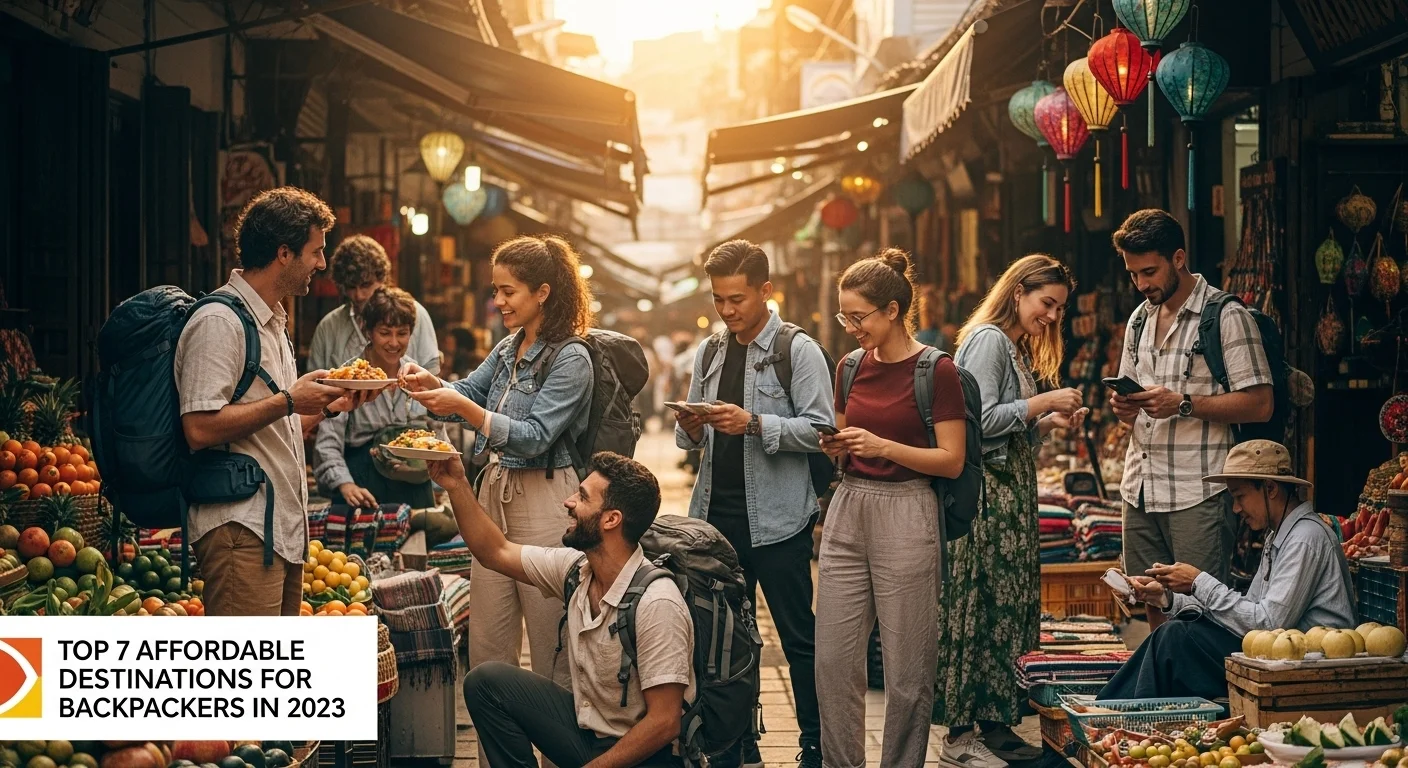
Top 7 Affordable Destinations for Backpackers in 2023

Backpacking is one of the most thrilling ways to explore the world, especially when you can do it on a budget. In 2023, there are countless affordable destinations waiting for you to discover their unique charm. For those interested in exploring nature, consider checking out the Top 5 Affordable African Safari Destinations for Backpackers.

Top 7 Affordable Destinations for Backpackers in 2023

Overview of Affordable Backpacking

What is Backpacking?

When I think of backpacking, I imagine wandering through vibrant streets, discovering hidden gems, and experiencing local cultures firsthand. Backpacking is more than just traveling; it’s about embracing adventure, being spontaneous, and often, living out of a backpack. It allows us to explore new places without the constraints of traditional travel, offering the freedom to go where our hearts take us. Whether it’s hiking remote trails or mingling with locals in bustling markets, backpacking opens up a world of possibilities.

Why Choose Affordable Destinations?

Choosing affordable destinations is not just about saving money; it’s about maximizing the experience. I’ve found that some of the most memorable trips come from exploring places where my dollar stretches further. In these locations, I could indulge in local cuisine, enjoy unique activities, and even extend my travels without breaking the bank. Plus, there’s a certain charm in discovering destinations that aren’t overrun with tourists. They often hold the most authentic experiences, allowing us to connect with the culture on a deeper level.

Backpacking Trends in 2023

This year, I’ve noticed some exciting trends in the backpacking community. More travelers are focusing on sustainability and responsible tourism, seeking to minimize their environmental impact while enjoying the beauty of the world. I also see an increase in digital nomadism, where people embrace remote work while traveling. This shift allows us to spend more time in places we love, blending work and leisure in a beautiful way. Additionally, many backpackers are now leaning towards off-the-beaten-path destinations that offer rich experiences without the crowds. It’s refreshing to see more people exploring places that might not be on everyone’s radar, and I believe it enriches our travel stories. For practical tips on getting around, check out the Affordable Transportation Hacks Every Backpacker Should Know.

Top 7 Affordable Destinations for Backpackers in 2023

1. Southeast Asia: Thailand

Top Cities to Visit

Thailand has long been a favorite among backpackers, and for good reason. Cities like Bangkok, Chiang Mai, and Pai should be on every backpacker’s list. Each city offers something unique—Bangkok is a bustling metropolis filled with vibrant street life, while Chiang Mai is known for its stunning temples and lush mountains. I remember exploring Pai’s laid-back atmosphere, where I found myself relaxing by the river and connecting with fellow travelers.

Budget Accommodation Options

Finding affordable places to stay is easy in Thailand. Hostels, guesthouses, and even homestays are in abundance. I often recommend checking out places like Lub d in Bangkok or the many charming hostels in Chiang Mai. They offer not only a bed but also a chance to meet fellow backpackers and share stories.

Local Cuisine and Street Food

Thai food is a highlight of any trip. The street food scene is unbeatable, and I’ve enjoyed mouth-watering pad Thai and flavorful green curries for just a few dollars. Eating from local vendors not only saves money but also gives you the chance to taste authentic dishes. Don’t miss out on trying mango sticky rice; it’s a sweet treat you’ll remember long after your trip.

Must-See Attractions

Thailand is filled with incredible sights. I recall visiting the Grand Palace in Bangkok, where the architecture left me in awe. In Chiang Mai, the Sunday Walking Street is a feast for the senses, showcasing local crafts, foods, and performances. For nature lovers, the islands like Koh Lanta and Koh Tao offer stunning beaches and amazing snorkeling opportunities.

2. Eastern Europe: Romania

Best Cities for Backpackers

Romania is often overlooked, but it’s a hidden gem for backpackers. Bucharest, the capital, is a blend of modernity and history, while cities like Brașov and Sibiu boast medieval charm. I found the people incredibly welcoming, and the culture rich and diverse.

Low-Cost Lodging Alternatives

Backpackers can find affordable accommodations like hostels and guesthouses throughout Romania. I remember staying in a cozy hostel in Brașov, where I met fellow travelers and shared tips for exploring the beautiful Transylvania region.

Traditional Romanian Dishes

Romanian cuisine is hearty and delicious. Don’t leave without trying sarmale (cabbage rolls) and mămăligă (cornmeal porridge). I loved dining at local restaurants where I could indulge in these traditional dishes without spending much.

Highlights and Attractions

From the stunning castles in Transylvania, like Bran Castle, to the vibrant streets of Bucharest, there’s plenty to see. I was captivated by the Carpathian Mountains, where I hiked and soaked in breathtaking views. Romania’s rich folklore and stunning landscapes make it an unforgettable destination.

3. South America: Colombia

Key Backpacking Locations

Colombia offers a mix of vibrant cities and stunning landscapes. Medellín, Cartagena, and Bogotá are must-visit cities for any backpacker. I was particularly charmed by Medellín, where the transformation from a troubled past to a vibrant culture is inspiring.

Affordable Places to Stay

Hostels in Colombia can be found at reasonable prices, especially in popular areas. I enjoyed my stays in hostels that not only provided comfortable beds but also organized social events to help travelers connect.

Colombian Food and Drinks

The food scene in Colombia is diverse and delicious. I loved trying arepas and bandeja paisa, which are local favorites. And, of course, tasting Colombian coffee was an experience I won’t forget. It’s some of the best in the world!

Top Activities and Sites

There’s no shortage of things to do in Colombia. From the stunning beaches of the Caribbean coast to the lush coffee regions, I found plenty of adventures. Hiking in the Cocora Valley was a highlight, with its towering wax palms and breathtaking scenery.

4. Central America: Guatemala

Backpacker-Friendly Towns

Guatemala is a land rich in culture and natural beauty. Towns like Antigua and Lake Atitlán are popular among backpackers. I fell in love with Antigua’s colonial architecture and vibrant markets.

Budget-Friendly Accommodations

Hostels and guesthouses are plentiful in Guatemala, often with friendly owners eager to share local tips. I found a lovely little hostel in Antigua where I made lifelong friends from around the world.

Local Delicacies to Try

Guatemalan cuisine is a delight. I recommend trying pepian, a traditional stew, and the delicious street food like tamales. Eating at local markets is a great way to experience the culture and taste authentic dishes.

Attractions and Activities

From exploring the ancient ruins of Tikal to relaxing by Lake Atitlán, Guatemala offers diverse activities. I remember hiking up a volcano and watching the sunrise—an experience that felt magical and surreal.

5. Asia: Vietnam

Popular Backpacking Destinations

Vietnam is another favorite destination for backpackers. Cities like Hanoi, Ho Chi Minh City, and Hoi An are vibrant and full of life. I loved the bustling streets of Hanoi, filled with motorbikes and enticing aromas.

Cheap Places to Stay

Finding affordable accommodations is simple in Vietnam. I would often stay in budget hostels that offered clean rooms and great locations. The hospitality I experienced was heartwarming, and it made my trips even more enjoyable.

Vietnamese Cuisine Highlights

Vietnamese food is a highlight of any trip. Pho and banh mi are must-try dishes, and I was amazed at how affordable and delicious they were. Eating at street stalls was one of my favorite experiences, where I could indulge in fresh and flavorful meals.

Must-Visit Places

From the breathtaking landscapes of Ha Long Bay to the ancient town of Hoi An, Vietnam is full of stunning sights. I found myself mesmerized by the rice terraces in Sapa and the historical significance of the Cu Chi Tunnels.

6. Africa: Morocco

Top Cities for Backpackers

Morocco is a vibrant country with rich culture and history. Cities like Marrakech, Fez, and Essaouira are popular among backpackers. I found Marrakech to be a sensory overload in the best way possible, with bustling souks and stunning palaces.

Inexpensive Accommodation Choices

Morocco offers a variety of budget accommodation options, from hostels to traditional riads. Staying in a riad was a delightful experience, where I enjoyed the architecture and hospitality of the locals.

Moroccan Food Experiences

The food in Morocco is a culinary adventure. Tagine and couscous are staples, and I loved exploring the flavors through street food. The spices and aromas tantalized my senses, making every meal memorable.

Cultural and Historical Sites

From the Sahara Desert to the Atlas Mountains, Morocco is filled with incredible sights. I’ll never forget the experience of riding camels in the dunes and watching the sunset—it was one of those moments that felt like a dream.

7. The Balkans: Albania

Key Cities for Exploration

Albania is often overlooked, but it’s bursting with beauty and history. Tirana and Saranda are must-see cities. I discovered Tirana’s vibrant street art scene and Saranda’s stunning beaches, both of which showcased the country’s charm.

Budget Accommodation Options

In Albania, finding affordable lodging is easy. Hostels and guesthouses offer great options for backpackers. I was pleasantly surprised by the quality of the accommodations, which often included friendly hosts and local insights.

Albanian Cuisine to Sample

Albanian food is hearty and delicious. I enjoyed trying traditional dishes like byrek and tavë kosi. The food is filling and affordable, making it easy to indulge while staying within budget.

Notable Attractions

Albania is home to beautiful beaches, ancient ruins, and stunning landscapes. I cherished my time exploring the Albanian Riviera, where I swam in crystal-clear waters and soaked in the sun. The history and natural beauty will leave you captivated.

Travel Tips for Backpackers

How to Plan Your Backpacking Trip

Planning a backpacking trip can feel overwhelming at first, but I’ve learned that it doesn’t have to be. The key is to break it down into manageable steps. Start by choosing your destinations based on your interests and budget. I remember sitting down with a map and a notebook, jotting down places I wanted to visit and the experiences I craved. Once you have a rough itinerary, research the best times to visit each location. This can help you avoid crowds and enjoy better weather.

Next, I recommend booking accommodations for your first few nights in each destination. It’s comforting to have a place to land when you arrive. Websites like Hostelworld or Booking.com can help you find great deals. After that, keep your travel plans flexible. I often left a few days unplanned to allow for spontaneous adventures. This way, if I fell in love with a place, I could stay longer without feeling rushed.

Budgeting for Your Journey

Budgeting is crucial for backpackers, especially when you want to stretch your dollars. I’ve found that creating a daily budget before my trips helps keep my spending in check. I usually start by estimating how much I can spend on accommodation, food, activities, and transportation each day. For example, I might allocate a certain amount for meals, keeping in mind that street food will usually be cheaper than dining in restaurants.

One tip I swear by is to always keep an eye out for local discounts or deals. Many cities offer free walking tours or discounted tickets for attractions on certain days. I often took advantage of these opportunities to explore without spending too much. Additionally, I made it a habit to carry a reusable water bottle, which saved me money and reduced plastic waste. For more insights on budget travel, consider reading the Ultimate Guide to Cheap Transportation for Backpackers.

Safety Tips for Backpackers

Safety is always a priority when I’m backpacking, and I believe it’s essential to have a plan in place. First, I try to stay aware of my surroundings at all times, especially in crowded places. I remember a time in a busy market where I kept my belongings close and was cautious about who was around me. It’s also a good idea to keep copies of important documents, like your passport, in a separate location from the originals.

I’ve found that connecting with other travelers can be incredibly helpful. Joining online forums or social media groups before a trip has often led to valuable advice and tips. Locals can also provide insights into which areas to avoid and what precautions to take. Additionally, I always make sure to have a charged phone with access to maps and emergency contacts. It’s a small step that gives me peace of mind while I’m exploring new places.

Essential Gear for Backpacking

Having the right gear can make all the difference in a backpacking trip. Over the years, I’ve learned what to bring and what to leave behind. A good-quality backpack is non-negotiable. I recommend investing in one that fits comfortably and has enough space for your essentials. In my experience, a pack with multiple compartments makes it easier to stay organized.

Clothing is another area where I’ve refined my choices. I always pack versatile clothing that can be layered and mixed and matched. Quick-dry materials are a lifesaver, especially if you find yourself in a sudden downpour while hiking or exploring. Don’t forget a lightweight rain jacket and comfortable shoes—trust me, your feet will thank you after a long day of walking!

Lastly, I never travel without a basic first aid kit, a portable charger, and a good travel guide or app. These items have saved me more than once, whether it was treating a minor scrape or ensuring my phone stayed charged while navigating through busy streets. Being prepared makes my travels smoother and allows me to focus on the adventure at hand.

Frequently Asked Questions

What is backpacking?

Backpacking is a form of travel that involves exploring new places while living out of a backpack. It emphasizes adventure, spontaneity, and experiencing local cultures firsthand. Backpacking allows travelers to visit various destinations without the constraints of traditional travel, offering the freedom to engage with locals and discover hidden gems.

Why should I choose affordable backpacking destinations?

Choosing affordable destinations maximizes the travel experience by allowing you to stretch your budget further. It enables you to indulge in local cuisine, participate in unique activities, and extend your travels without financial strain. Additionally, these destinations often provide authentic experiences that aren’t overrun with tourists.

What are some backpacking trends in 2023?

In 2023, there is a growing focus on sustainability and responsible tourism among travelers. Many are embracing digital nomadism, allowing them to work remotely while enjoying their travels. Additionally, backpackers are increasingly exploring off-the-beaten-path destinations that offer rich experiences away from the crowds.

What are some affordable destinations for backpackers in 2023?

Top affordable backpacking destinations in 2023 include Thailand in Southeast Asia, Romania in Eastern Europe, Colombia in South America, Guatemala in Central America, Vietnam in Asia, Morocco in Africa, and Albania in the Balkans. Each of these locations offers unique attractions, local cuisines, and budget-friendly accommodations.

How do I plan my backpacking trip?

To plan a backpacking trip, start by selecting destinations based on your interests and budget. Create a rough itinerary and research the best times to visit to avoid crowds and enjoy favorable weather. Book accommodations for your first few nights to have a place to land upon arrival, and keep your travel plans flexible for spontaneous adventures.

What budgeting tips can help during my travels?

Creating a daily budget before your trip helps manage spending. Estimate how much you can allocate for accommodation, food, activities, and transportation. Look for local discounts, such as free walking tours or discounted attraction tickets, and carry a reusable water bottle to save money and reduce plastic waste.

What safety tips should I keep in mind while backpacking?

Stay aware of your surroundings, especially in crowded places, and keep your belongings close. It’s also wise to have copies of important documents in a separate location from the originals. Connecting with other travelers through forums or social media can provide valuable insights and tips for staying safe.

What essential gear should I bring for backpacking?

Essential gear for backpacking includes a high-quality backpack, versatile clothing, a lightweight rain jacket, and comfortable shoes. A basic first aid kit, a portable charger, and a reliable travel guide or app are also important for ensuring a smooth travel experience.

What local dishes should I try while backpacking in these destinations?

While backpacking, be sure to try local dishes like pad Thai and mango sticky rice in Thailand, sarmale and mămăligă in Romania, arepas and bandeja paisa in Colombia, pepian in Guatemala, pho and banh mi in Vietnam, tagine in Morocco, and byrek in Albania. These meals are often delicious and affordable.

How can I find budget accommodations while backpacking?

Budget accommodations can be found in hostels, guesthouses, and homestays in most backpacking destinations. Websites like Hostelworld and Booking.com can help you locate affordable places to stay, often with the added benefit of meeting fellow travelers and sharing experiences.

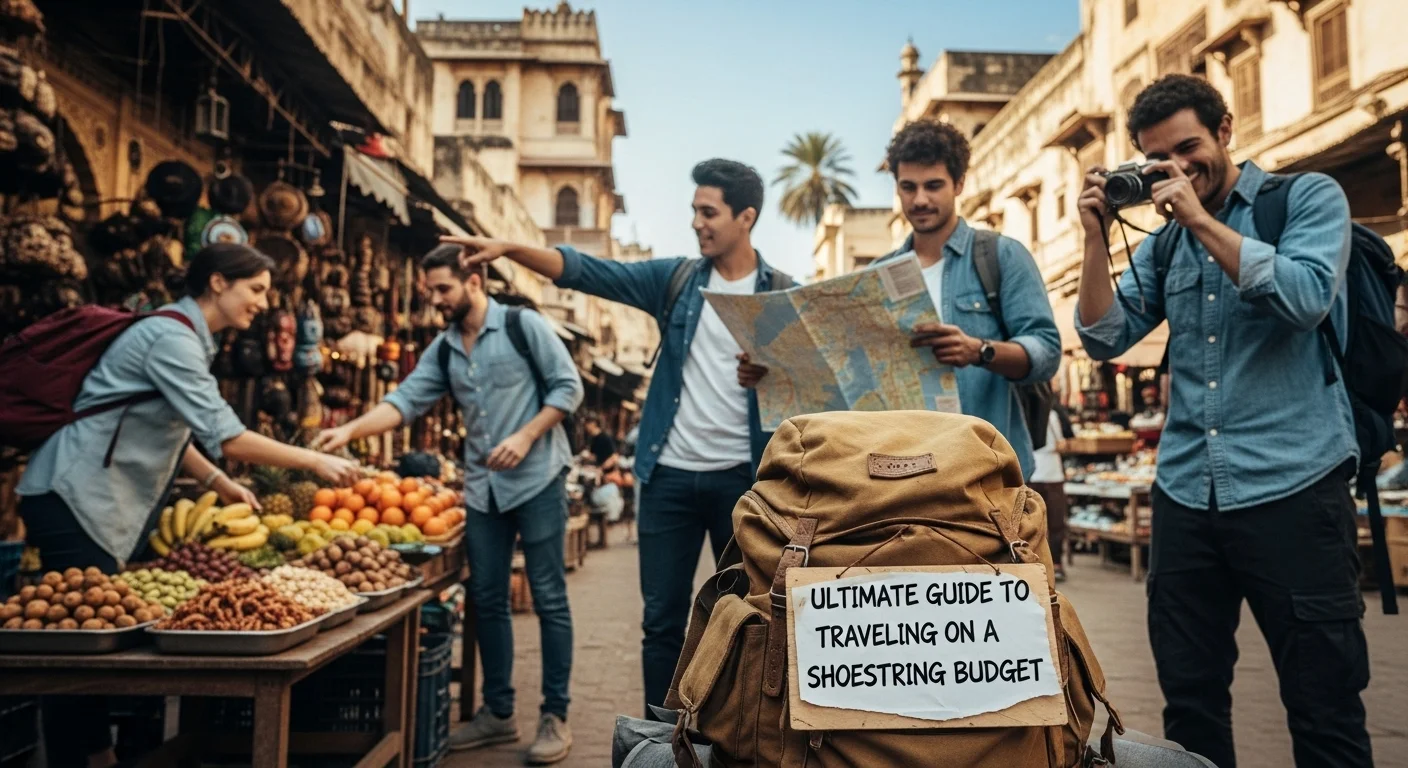
Ultimate Guide to Traveling on a Shoestring Budget

Traveling doesn’t have to break the bank! With a little planning and creativity, you can explore the world without spending a fortune. Join me as we dive into the ultimate guide for traveling on a shoestring budget.

Ultimate Guide to Traveling on a Shoestring Budget

Understanding Shoestring Travel

Definition of Shoestring Budget

When I first heard the term “shoestring budget,” I imagined a traveler navigating the world with just a few coins in their pocket. In reality, it means planning a trip that doesn’t compromise on experiences while keeping costs low. Traveling on a shoestring budget is about being resourceful and flexible. It’s about prioritizing experiences over luxury and making the most out of every dollar spent. This approach allows us to discover hidden gems, embrace local cultures, and create unforgettable memories without the financial stress that often comes with travel. Read Interesting article: 10 Hidden Gems for Budget Backpacking Adventures

Benefits of Budget Travel

Over the years, I’ve come to realize that budget travel comes with a host of benefits beyond just saving money. For one, it encourages creativity and resourcefulness. When we’re on a tight budget, we tend to seek out unique experiences, local food options, and entertainment that we might otherwise overlook. I remember one trip where my friends and I stumbled upon a local festival because we were exploring a neighborhood instead of heading straight to a tourist site. It became the highlight of our trip!

Another significant benefit of shoestring travel is the opportunity to connect with people. When I traveled on a budget, I often stayed in hostels or guesthouses, where I met fellow travelers and locals. These interactions enriched my journey, leading to lasting friendships and invaluable travel tips. Plus, budget travel often means spending more time in nature and less time in expensive attractions. I love hiking, and some of my best memories are from free trails and parks that offered breathtaking views without the hefty price tag.

Lastly, shoestring travel teaches valuable life skills. I’ve learned how to budget, negotiate, and be adaptable in unfamiliar environments. These skills not only benefit my travels but have also made me more resourceful in everyday life. In my experience, the challenges faced while traveling on a budget often lead to the most rewarding experiences.

Planning Your Trip on a Budget

Setting a Travel Budget

Before embarking on a journey, I always start by setting a travel budget. This doesn’t mean rigidly sticking to a number; instead, it’s about creating a framework that allows for flexibility while keeping my expenses in check. I take some time to outline my expected costs, including transportation, accommodation, food, and activities. I find it helpful to categorize my budget into must-haves and nice-to-haves, which allows me to prioritize spending on experiences that matter most to me.

When planning my budget, I also account for unexpected expenses. I’ve learned that things don’t always go as planned, so I set aside a small cushion to manage any surprises, like an unplanned night out or a last-minute activity that catches my interest. This way, I can enjoy my trip without constantly worrying about money.

Choosing Budget-Friendly Destinations

One of the keys to traveling on a budget is picking the right destination. I’ve discovered that some places are inherently more affordable than others. Southeast Asia, for instance, has been a go-to region for budget travelers due to its low cost of living, delicious street food, and rich culture. I fondly remember my trip to Vietnam, where I enjoyed authentic meals for under $2 and stayed in cozy hostels for less than $10 a night.

It’s also worth considering traveling to lesser-known locations. Often, these spots offer unique experiences without the crowds and high costs associated with popular tourist destinations. I’ve loved exploring small towns and rural areas, where the charm and hospitality are unmatched. To find budget-friendly destinations, I recommend checking travel blogs, forums, and social media groups dedicated to budget travel. You never know what hidden gems you might discover!

Best Times to Travel to Save Money

Timing can significantly impact travel costs. After a few trips, I realized that traveling during the shoulder seasons—those periods just before or after peak tourist times—can lead to substantial savings. For instance, traveling to Europe in late spring or early fall often results in lower prices for flights and accommodations while still offering pleasant weather.

I also keep an eye on local holidays and events that might affect prices. Finding out that a popular festival is happening during my trip can lead to higher rates for accommodations and crowded attractions. By being strategic about when I travel, I’ve been able to enjoy the benefits of lower prices and fewer crowds, making my experiences all the more enjoyable.

Finding Affordable Transportation

Cheap Flights and Booking Strategies

Finding affordable flights has become an adventure in itself for me. There are a few strategies I’ve picked up that have helped me snag some great deals. First, I always keep an eye on flight comparison websites. I find that sites like Skyscanner and Google Flights allow me to compare prices across multiple airlines. I often use the “flexible dates” option, which shows me the cheapest days to fly. This little trick has saved me a significant amount over the years.

Also, I’ve learned that booking in advance can be a game changer. While last-minute deals do exist, they can be risky, and I’ve had my share of experiences where I ended up paying more because I waited too long. I try to book my flights at least a couple of months ahead of time. Furthermore, I set up price alerts for specific routes, so I get notified when prices drop. It’s a simple way to stay informed without constantly checking.

Another fun tip I discovered is to be open to flying into nearby airports. Sometimes, a short bus or train ride can save me hundreds of dollars on airfare. I remember one time I was planning a trip to Barcelona and found flights into Valencia for half the price! The extra travel time was worth it for the savings.

Using Public Transportation

Once I arrive at my destination, I always try to rely on public transportation. It’s not only budget-friendly but also gives me a more authentic experience of the place I’m visiting. I’ve navigated sprawling metro systems in cities like Paris and Tokyo, and I’ve learned to appreciate local buses in smaller towns. I remember hopping on a local bus in Mexico, and the friendly bus driver even gave me tips on where to find the best tacos in town!

Many cities offer transport passes that can save me money, especially when I plan to explore extensively. For instance, in London, I’ve found that getting an Oyster card helps reduce costs on rides compared to buying single tickets. I also like to download transportation apps; they’ve been a lifesaver in helping me find the best routes and schedules.

Ridesharing and Car Rentals on a Budget

There are times when public transport just doesn’t cut it, especially if I’m venturing out to remote areas. In those cases, I turn to ridesharing options like Uber or Lyft, which can be cheaper than traditional taxis. I prefer to share rides with fellow travelers whenever possible to split the costs. Plus, it often leads to interesting conversations and new friendships!

If I’m traveling with a group or planning a road trip, renting a car can be an economical choice. I always shop around for the best deals and consider off-airport rental locations to avoid extra fees. I once rented a car in California for a week and was able to drive along the stunning Pacific Coast Highway, creating memories that were worth every penny.

Budget Accommodation Options

Hostels vs. Hotels: Pros and Cons

When it comes to accommodation, I’ve had my fair share of experiences with both hostels and hotels. Hostels are often my go-to choice for budget travel. They offer the chance to meet other travelers, and the communal vibe has led to some of my favorite travel stories. I remember bonding with a group of backpackers over a shared kitchen meal in a hostel in Prague, and it turned into an unforgettable night of laughter and adventure.

However, I’ve also stayed in hotels, especially when I want a bit more privacy or comfort after a long day of exploring. The downside is that hotels can be significantly more expensive, and I’ve sometimes felt a bit isolated compared to the lively atmosphere in hostels. Ultimately, I think it comes down to what kind of experience I’m looking for—whether it’s social interaction or a bit of solitude.

Alternative Lodging: Airbnb and Couchsurfing

Airbnb has been a fantastic resource for me, providing unique lodging options that hotels often don’t offer. I’ve stayed in everything from cozy apartments in the heart of Florence to treehouses in Costa Rica. The ability to cook my own meals can also save money, especially when I’m traveling for a longer period. For more tips on saving money while enjoying local cuisine, check out Savvy Tips for Eating Cheap While Traveling on a Budget.

Couchsurfing is another option I’ve tried, and it turned out to be one of the most enriching experiences of my travels. Staying with locals has given me valuable insights into the culture and lifestyle of the places I visited. I remember couchsurfing in Istanbul, where my host not only provided a place to sleep but also took me to local spots that I never would have discovered on my own.

Camping and Glamping as Budget Options

Camping has become one of my favorite ways to save money on accommodation while immersing myself in nature. National parks offer campsites at a fraction of the cost of hotels, and I’ve enjoyed some breathtaking views right outside my tent. I still recall a magical night under the stars in Yosemite, where I felt completely connected to the great outdoors.

If I’m feeling a bit adventurous but still want some comfort, glamping has become a trendy alternative. Glamping sites often provide an experience of nature without sacrificing comfort. I once stayed in a yurt and felt like I was living a fairytale! It was a perfect balance of adventure and coziness, making it an unforgettable experience.

Eating on a Budget

Local Markets and Street Food

When it comes to eating on a budget, I’ve discovered that local markets and street food can be a treasure trove of delicious and affordable options. I remember wandering through the bustling markets in Bangkok, where the air was filled with the tantalizing aromas of grilled meats and fresh fruits. I tried a mouthwatering Pad Thai for under $2, and it was one of the best meals I’ve ever had! Street food not only allows me to indulge in local flavors but also often comes with the added bonus of being freshly made and full of character.

Visiting local markets is another fantastic way to save money while experiencing the culture of a place. I love browsing stalls filled with colorful produce, spices, and handmade goods. I often pick up fresh ingredients to use for meals if I have access to a kitchen. Plus, engaging with local vendors has led to some wonderful conversations and insights into their way of life. It’s an experience that I cherish just as much as the food itself.

Cooking Your Own Meals

Cooking my own meals has been a game changer for my travel budget. If my accommodation has kitchen facilities, I take full advantage of that. I remember staying in a hostel in Lisbon where I teamed up with a few other travelers to prepare a communal dinner. We all pitched in, bought local ingredients from the nearby market, and ended up with a feast that was not only affordable but also a fun bonding experience. Sharing stories and recipes from our home countries made the meal even more special!

Even during shorter trips, I find that preparing breakfast or simple meals can save a significant amount of money. Packing snacks for the day is another tip I swear by. I often fill my backpack with fruits, nuts, and granola bars. This way, I can avoid pricey tourist traps and enjoy the convenience of eating on the go. It’s amazing how little planning can make such a big difference in my budget.

Finding Budget Restaurants

While I love indulging in street food and cooking my own meals, there are times when I want to experience dining at local restaurants. I’ve learned that asking locals for recommendations often leads me to hidden gems that offer great food at lower prices than popular tourist spots. I remember one evening in Rome when I chatted with a friendly barista who directed me to a small trattoria where I had the most delicious pasta for half the price of the more famous eateries nearby.

Another tip I’ve found helpful is to look for lunch specials. Many restaurants offer discounted meals during lunchtime, making it a great opportunity to enjoy a nice sit-down meal without breaking the bank. I also try to avoid places that have menus in multiple languages or that seem overly geared toward tourists. Instead, I seek out restaurants that are filled with locals, as that’s usually a good sign of quality and reasonable prices. Budget Bites: Where to Find Cheap Eats While Traveling

Free and Low-Cost Activities

Exploring Nature: Parks and Trails

One of my favorite aspects of traveling on a budget is the opportunity to explore nature. Hiking, walking, or simply lounging in parks allows me to connect with the environment and often comes at little to no cost. I vividly remember hiking through the stunning trails in the Canadian Rockies, where the breathtaking views made every step worth it. The fresh air and serene surroundings helped me recharge while being easy on my wallet.

Many cities also have beautiful parks that are perfect for picnics or leisurely strolls. During my visit to Central Park in New York City, I spent an entire afternoon wandering the pathways, enjoying the sights, and even catching a free concert! Nature not only provides a backdrop for some of my most cherished memories but also serves as a reminder of the beauty found outside the bustling tourist attractions.

Museums and Cultural Sites with Free Entry

Another way I save money while traveling is by taking advantage of free or reduced admission days at museums and cultural sites. I’ve found that many museums have specific days or times when entry is free or discounted. For example, during my time in London, I took advantage of the free entry at the British Museum and spent hours exploring its vast collection without spending a penny!

Even if a museum isn’t free, I often look for discounted tickets or city passes that bundle multiple attractions at a lower rate. It enables me to experience the culture and history of a place without straining my budget too much. Plus, I’ve discovered that many cultural sites offer free walking tours, which not only provide insight into the location but also allow me to meet fellow travelers.

Local Festivals and Events

Attending local festivals and events can be one of the highlights of my travels. Often, these events are free or have minimal admission fees, and they provide a fantastic opportunity to immerse myself in the local culture. I remember stumbling upon a vibrant street festival in Barcelona, complete with music, dancing, and delicious food stalls. It was a celebration of local heritage, and I felt lucky to witness it firsthand without spending much at all.

To find out about upcoming events, I usually check local tourism websites or community bulletin boards upon arrival. Social media groups dedicated to the city or region often share information about free activities and events. These festivals are not only budget-friendly but also lead to unforgettable experiences and connections with locals.

Frequently Asked Questions

What is a shoestring budget when it comes to traveling?

A shoestring budget means planning a trip that doesn’t compromise on experiences while keeping costs low. It involves being resourceful and flexible, prioritizing experiences over luxury, and making the most of every dollar spent.

What are some benefits of budget travel?

Budget travel encourages creativity and resourcefulness, allows for connections with people, and teaches valuable life skills such as budgeting and adaptability. It often leads to unique experiences and memorable interactions with locals and fellow travelers.

How should I set a travel budget?

Start by outlining your expected costs, including transportation, accommodation, food, and activities. Categorizing your budget into must-haves and nice-to-haves helps prioritize spending. It’s also wise to account for unexpected expenses by setting aside a small cushion.

What are some budget-friendly destinations?

Southeast Asia is often considered a budget-friendly region due to its low cost of living, delicious street food, and rich culture. Exploring lesser-known locations also provides unique experiences without the high costs associated with popular tourist destinations.

When is the best time to travel to save money?

Traveling during the shoulder seasons—just before or after peak tourist times—can lead to savings on flights and accommodations. It’s important to consider local holidays and events that may affect prices as well.

What strategies can I use to find affordable flights?

Using flight comparison websites, booking in advance, setting up price alerts, and being open to flying into nearby airports can help you find affordable flights. These strategies can result in significant savings on airfare.

How can I save money on transportation once I arrive at my destination?

Relying on public transportation is budget-friendly and offers an authentic experience. Many cities have transport passes that can save money, and ridesharing options can be cheaper than traditional taxis.

What are some budget accommodation options?

Consider staying in hostels for social experiences or using platforms like Airbnb for unique lodging. Couchsurfing provides opportunities to stay with locals, and camping or glamping can be economical ways to enjoy nature.

How can I eat on a budget while traveling?

Eating at local markets and enjoying street food can be affordable and delicious. Cooking your own meals, if your accommodation allows, and seeking out budget restaurants based on local recommendations are also effective strategies.

What are some free or low-cost activities I can do while traveling?

Exploring nature through parks and trails, taking advantage of free admission days at museums, and attending local festivals and events are great ways to enjoy your travels without spending much money.

10 Hidden Gems for Budget Backpacking Adventures

Are you ready to uncover some hidden gems for your next budget backpacking adventure? Traveling on a budget doesn’t mean sacrificing amazing experiences; it simply means exploring lesser-known destinations that offer rich cultures and breathtaking landscapes without breaking the bank. For more insights, check out Backpacking on a Budget: Top Tips for Affordable Adventures.

10 Hidden Gems for Budget Backpacking Adventures

What is Budget Backpacking?

Definition and Overview

Budget backpacking is all about exploring the world with minimal expenses. It’s a style of travel where you can experience new cultures, meet diverse people, and see stunning landscapes while keeping your costs low. I remember my first backpacking trip; I was nervous but excited to step out of my comfort zone. I quickly learned that with the right mindset and planning, I could discover incredible places without spending a fortune.

Benefits of Budget Backpacking

The benefits of budget backpacking are truly endless. First, it allows you to experience different cultures in a more authentic way. When you travel on a budget, you’re often forced to interact with locals, whether it’s asking for directions or seeking advice on where to eat. I’ve found that these interactions often lead to the best memories. Second, you can visit multiple destinations without draining your wallet. I once traveled through Southeast Asia for a month and spent less than I would on a weekend getaway back home!

Moreover, budget backpacking teaches you essential life skills. You learn to navigate new environments, manage your finances, and adapt to unexpected situations. I remember one time getting lost in a bustling market in Thailand. Instead of panicking, I embraced the adventure, tried amazing street food, and ended up discovering hidden spots I would have missed otherwise.

Common Misconceptions

One of the biggest misconceptions about budget backpacking is that it’s uncomfortable or unsafe. I used to think that to travel cheaply meant sacrificing comfort, but I quickly realized that wasn’t the case. There are plenty of affordable accommodations that are both safe and cozy. Plus, many countries are quite welcoming, and the locals are often eager to help travelers. I’ve had numerous encounters with kind strangers who offered me tips or even invited me to their homes for a meal.

Another myth is that you can’t experience luxury on a budget. While it’s true that you won’t be staying in five-star hotels, I discovered that boutique hostels and guesthouses can offer a unique charm and personalized service. I often found that these places had character and warmth that high-end hotels lacked. By prioritizing experiences over luxury, you can create unforgettable memories without overspending.

Criteria for Choosing Hidden Gems

Cost of Living

When selecting hidden gems for budget backpacking, the cost of living is a crucial factor. I always start by researching destinations where my money will stretch further. Countries in Southeast Asia, Eastern Europe, and Central America typically offer lower costs for food, transportation, and activities. For instance, I felt like a king while traveling through Vietnam, where I could feast on delicious street food for just a couple of dollars.

Accessibility and Transportation

Accessibility is another important criterion. I’ve discovered that some of my favorite hidden gems are well-connected by public transport, making it easy to hop from one place to another without spending too much. For example, in Portugal, the train system is efficient, allowing for easy access to stunning coastal towns and scenic countryside. I recommend checking local transportation options before you go; it can save you both time and money. For more tips, read Budget-Friendly Ways to Get Around Your Travel Destination.

Safety and Local Culture

Safety is paramount when choosing destinations. I always read up on local customs and laws to respect the culture and avoid any unintentional faux pas. It’s also comforting to know what to expect in terms of safety, such as common scams or areas to avoid. I remember feeling uneasy in a new city, but I quickly learned to trust my instincts and find places where I felt comfortable. Engaging with locals can also provide valuable insights into safe areas and experiences.

Accommodation Options

Lastly, the variety of accommodation options can greatly influence a destination’s appeal. I’ve found that hostels can be a fantastic way to meet fellow travelers and share experiences, while guesthouses often provide a more intimate setting. I recommend looking for places that offer shared kitchens, as cooking your meals can save a ton of money. On my travels, I’ve met amazing people who became lifelong friends, simply by staying at the same hostel.

Top 10 Hidden Gems for Budget Backpacking

1. Albania

Must-See Destinations

Albania is often overlooked, but I found it to be a true hidden gem. The Albanian Riviera is stunning, with its crystal-clear waters and beautiful beaches. I recommend visiting places like Ksamil and Dhërmi, where you can relax on the sand and enjoy the sun without the crowds. Don’t miss Berat, the city of a thousand windows, where the mix of Ottoman and Byzantine architecture takes your breath away.

Local Cuisine

When it comes to food, Albanian cuisine is a delightful surprise. I feasted on traditional dishes like byrek (savory pastry) and tavë kosi (baked lamb with yogurt). The best part? Meals at local restaurants were incredibly affordable, allowing me to indulge without guilt.

Accommodation Tips

For budget-friendly accommodations, I found guesthouses and hostels in cities like Tirana and Saranda to be both welcoming and affordable. Many places offer home-cooked meals, giving you a taste of authentic Albanian hospitality.

2. Georgia

Must-See Destinations

Georgia is a country that truly captured my heart. Tbilisi, with its eclectic architecture and vibrant arts scene, was a fantastic starting point. I also recommend a trip to the stunning Kazbegi region, where I hiked to the Gergeti Trinity Church, surrounded by breathtaking mountains. The views were worth every step!

Local Cuisine

The food in Georgia is not to be missed. I still remember savoring khachapuri, a cheese-filled bread that is simply divine. Don’t forget to try khinkali, Georgian dumplings, which are a must when in the country. Eating at local tavernas was not only cheap but also a great way to immerse myself in the culture.

Accommodation Tips

In Tbilisi, I stayed in a charming hostel that offered both dormitory beds and private rooms. It was a great way to meet fellow travelers. Plus, the city’s affordable prices made it easy to extend my stay and explore more.

3. Vietnam

Must-See Destinations

Vietnam is a budget backpacker’s paradise. I was blown away by the contrasting landscapes, from the bustling streets of Hanoi to the tranquil beauty of Ha Long Bay. Exploring Hoi An’s ancient town felt like stepping back in time. I also loved the hustle and bustle of Ho Chi Minh City, where the energy is contagious.

Local Cuisine

Food is at the heart of Vietnamese culture, and I couldn’t get enough of it! Pho, banh mi, and spring rolls became my go-to meals. Street food is not only delicious but also incredibly cheap; I often ate for just a few dollars a day.

Accommodation Tips

Hostels in Vietnam are abundant and usually very affordable. I found some great ones that offered free breakfast and organized group outings, which made it easy to connect with others on similar adventures.

4. Bolivia

Must-See Destinations

Bolivia is one of those countries that feels like an adventure waiting to happen. I’ll never forget visiting Salar de Uyuni, the world’s largest salt flat. Standing on that endless white expanse made me feel like I was on another planet! La Paz, the highest capital city in the world, was another highlight, with its unique markets and breathtaking views.

Local Cuisine

Bolivian food is hearty and fulfilling. I loved trying salteñas, which are like baked empanadas filled with meat, vegetables, and spices. And let’s not forget about the delicious quinoa, which is a staple here and can be found in many dishes.

Accommodation Tips

In Bolivia, I found that hostels were not only cheap but also filled with helpful tips from fellow travelers. Many eco-friendly hostels in places like Uyuni offered unique experiences, such as stargazing at night.

5. Portugal

Must-See Destinations

Portugal has a special place in my heart. Lisbon’s colorful streets and historic neighborhoods like Alfama are a delight to explore. I also loved taking a day trip to Sintra to see its fairy-tale castles and beautiful gardens. The coastal town of Porto is famous for its wine and picturesque river views, making it a must-visit.

Local Cuisine

Portuguese cuisine is a blend of flavors that I couldn’t resist. From pastéis de nata (custard tarts) to bacalhau (salted cod), every meal was a treat. Dining in local cafés helped me keep costs down while enjoying authentic dishes.

Accommodation Tips

In Portugal, I discovered plenty of budget-friendly hostels that offer great amenities and locations. Many of them include free walking tours, which helped me learn more about the culture and history of the places I visited.

6. Mexico

Must-See Destinations

Mexico is rich in culture and history, and each region feels like its own world. Places like Oaxaca and San Cristóbal de las Casas are filled with vibrant markets and unique traditions. I was particularly captivated by the ruins of Palenque in Chiapas, where I felt the ancient history come alive.

Local Cuisine

The food in Mexico is incredible. I enjoyed tacos on the street for just a few pesos, and I could never get enough of the fresh guacamole. Exploring local markets and trying new dishes became one of my favorite parts of the trip.

Accommodation Tips

Hostels and budget hotels in Mexico are plentiful. I found that many places offer free breakfast and are often located in the heart of the city, making it easy to venture out and explore.

7. Romania

Must-See Destinations

Romania surprised me with its stunning landscapes and rich folklore. Transylvania, with its castles and charming villages, felt like stepping into a fairy tale. I particularly enjoyed visiting Bran Castle, often associated with Dracula, and the picturesque town of Sibiu.

Local Cuisine

Romanian food is hearty and comforting. I savored dishes like mămăligă (cornmeal porridge) and sarmale (cabbage rolls), both of which were incredibly satisfying after a day of exploring. Meals were affordable, making it easy to dive into the local culinary scene.

Accommodation Tips

In Romania, I found a mix of hostels and guesthouses that offered great value for money. Many of them were family-run, which added a personal touch to my stay.

8. Indonesia (Bali)

Must-See Destinations

Bali is a dream destination for many, and it certainly lived up to the hype for me. Ubud’s rice terraces and vibrant arts scene were highlights of my trip. I also loved the beaches in Seminyak and the serene atmosphere of Canggu, where I could unwind and soak up the sun.

Local Cuisine

The food in Bali is diverse and delicious. I enjoyed trying nasi goreng (fried rice) and babi guling (suckling pig). Eating at local warungs (small family-owned restaurants) was an affordable way to indulge in authentic Balinese cuisine.

Accommodation Tips

In Bali, I found numerous affordable hostels and guesthouses, many with beautiful gardens and pools. Some even offered yoga classes and wellness retreats, making it a perfect place to relax without spending a fortune.

9. India

Must-See Destinations

India is a land of contrasts, and my experience there was nothing short of transformative. From the stunning Taj Mahal in Agra to the chaotic streets of Delhi, every corner had something unique to offer. I especially enjoyed exploring the vibrant markets in Jaipur and the serene backwaters of Kerala.

Local Cuisine

Indian cuisine is a feast for the senses. I tried everything from flavorful curries to street snacks like samosas and pani puri. Eating at local dhabas (roadside eateries) made it easy to savor diverse flavors without overspending.

Accommodation Tips

India has a wide range of budget accommodation options. I often stayed in hostels or guesthouses that provided clean, comfortable rooms. Many places also offered insights into local customs and arranged group activities for travelers.

10. Serbia

Must-See Destinations

Serbia is an up-and-coming destination that I thoroughly enjoyed. Belgrade, with its vibrant nightlife and historic sites, was a highlight. I also loved visiting Novi Sad, especially during the Petrovaradin Fortress for its stunning views over the Danube River.

Local Cuisine

Serbian food is both hearty and flavorful. I relished trying ćevapi (grilled minced meat) and sarma (cabbage rolls). Eating at local restaurants was not only affordable but also an opportunity to chat with locals about their culture.

Accommodation Tips

In Serbia, I found numerous budget-friendly hostels that were social and welcoming. Many places offered common areas where guests could mingle, making it easy to share tips and experiences with fellow travelers.

Tips for Budget Backpacking

How to Save Money on Transportation

Transportation can quickly eat into your travel budget, but I’ve learned several tricks to keep those costs down. One of my favorites is to use local transportation instead of taxis or rideshares. In many countries, public buses or trains are not only cheaper but also offer a more authentic experience. For instance, I remember taking a local bus in Vietnam, which was packed with friendly locals who were eager to chat. It turned out to be one of the highlights of my trip! Additionally, consider checking out Top 10 Affordable Transportation Options for Budget Travelers.

Another tip is to book transportation in advance when possible. Websites and apps often offer discounts for early bookings, which has saved me a good chunk of change. Additionally, consider walking or cycling to see the sights; it keeps you fit and allows you to stumble upon hidden gems that you might miss while zooming by in a vehicle. I discovered some of my favorite cafes and shops just by wandering the streets of Lisbon on foot.

Finding Affordable Accommodations

Finding the right place to stay can make or break a budget trip. I always start by checking a variety of platforms like Hostelworld, Booking.com, and even Airbnb for competitive prices. Sometimes, I’ve found that smaller, local websites have even better deals! I remember landing in a stunning guesthouse in Thailand, which I found through a local booking site; it was cozy, affordable, and right near the beach.

Also, consider staying in places that offer group accommodations or dorms for a more communal experience. Sharing a room with other travelers not only cuts costs but also opens up opportunities to make new friends. On my last trip, staying in a dorm led to an impromptu dinner party with fellow backpackers, which turned into a night of laughter and storytelling.

Eating Well on a Budget

Let’s talk food because, for me, eating is one of the most enjoyable aspects of traveling! I’ve discovered that eating like a local can save you money and introduce you to amazing flavors. Street food markets are often my go-to for delicious and cheap meals. I still remember the mouthwatering tacos I devoured in Mexico City for just a couple of bucks each! Not only did they fill me up, but they also allowed me to experience the vibrant local culture.

When dining out, I look for lunch specials or set menus, which are often cheaper than dinner options. I’ve also learned to embrace cooking for myself when possible. Many hostels have kitchens where you can whip up a meal, and I’ve found that this can be a fun way to bond with other travelers while saving a few dollars. Plus, grocery shopping in local markets allows you to support local economies and enjoy fresh ingredients.

Free and Low-Cost Activities

Exploring new places doesn’t have to cost a fortune. I’ve found that many cities offer free walking tours, which are a great way to learn about the local history and culture from passionate guides. These tours often work on a tip-based system, so you pay what you feel the experience was worth. I remember taking a walking tour in Berlin, and it was one of the best ways to understand the city’s complex past.

Nature is another great way to enjoy your surroundings without spending a dime. Hiking trails, parks, and beaches are often free to access and provide stunning views. I once spent an entire day hiking in the mountains of Georgia, surrounded by breathtaking landscapes and fresh air, without spending a single lari. I came back feeling refreshed and grateful for the experience.

Safety Tips for Backpackers

Researching Local Laws and Customs

Staying safe while traveling is a top priority for me, and I’ve learned that a little research goes a long way. Before heading to a new destination, I always read up on local laws and customs. For instance, I remember being surprised by the dress code in some Middle Eastern countries. Understanding these cultural norms helps me avoid unintentional disrespect and makes me feel more comfortable in my surroundings.

Additionally, I make it a point to know about any common scams or areas to avoid. Websites and travel forums are excellent resources for this information. I once found myself in a bustling market in India, and knowing ahead of time about common pickpocketing tactics helped me keep my belongings secure while I enjoyed the vibrant atmosphere.

Staying Safe in Hostels

While hostels are a fantastic way to meet fellow travelers, I’ve also learned to be mindful of safety. It’s essential to choose hostels with good reviews regarding safety and cleanliness. When I check in, I always lock my valuables in a secure locker and keep a small lock on my backpack when I’m out and about. I’ve also found that chatting with the staff can provide insights into the safest areas to explore and any potential risks.

Another tip is to trust your instincts. If a situation feels off, it’s better to err on the side of caution. I’ve had moments where I just felt uneasy in a certain area, and I chose to leave and find somewhere more comfortable. Listening to that little voice has kept me safe more times than I can count.

Emergency Contacts and Resources

It’s always wise to be prepared for the unexpected while traveling. I carry a list of important contacts, including my country’s embassy or consulate, local emergency numbers, and the contact information for my accommodation. I also download offline maps and save important addresses on my phone so that I can access them without needing Wi-Fi.

In addition to this, I recommend having a small first aid kit for minor injuries, as well as a backup of essential documents like your passport and travel insurance. On a trip to South America, I ended up needing a band-aid after a minor scrape, and having my kit made it easy to take care of the situation. Being prepared not only gives me peace of mind but also allows me to focus on enjoying my travel adventures.

Frequently Asked Questions

What is budget backpacking?

Budget backpacking is a style of travel that focuses on exploring the world with minimal expenses. It allows travelers to experience new cultures, meet diverse people, and see stunning landscapes while keeping costs low.

What are the benefits of budget backpacking?

The benefits of budget backpacking include experiencing different cultures authentically, visiting multiple destinations without overspending, and learning essential life skills such as navigating new environments and managing finances.

What are some common misconceptions about budget backpacking?

Common misconceptions include the belief that budget backpacking is uncomfortable or unsafe, and that you cannot experience luxury on a budget. In reality, there are many safe and cozy accommodations available at affordable prices.

What criteria should I consider when choosing hidden gems for budget backpacking?

When choosing hidden gems, consider the cost of living, accessibility and transportation options, safety, and the variety of accommodation options available in the destination.

Can you name some hidden gems for budget backpacking?

Some hidden gems for budget backpacking include Albania, Georgia, Vietnam, Bolivia, Portugal, Mexico, Romania, Indonesia (Bali), India, and Serbia.

How can I save money on transportation while backpacking?

To save money on transportation, use local transportation instead of taxis, book transportation in advance for discounts, and consider walking or cycling to explore the area more authentically.

What are some tips for finding affordable accommodations?

Start by checking various booking platforms for competitive prices and consider staying in dorms or group accommodations to cut costs and meet other travelers.

How can I enjoy food on a budget while traveling?

Eating like a local, exploring street food markets, looking for lunch specials, or cooking for yourself in hostel kitchens can help you enjoy delicious meals while saving money.

What activities can I do for free or at low cost while backpacking?

Many cities offer free walking tours and access to nature through hiking trails, parks, and beaches. These options provide an opportunity to enjoy stunning views and learn about local culture without spending a fortune.

What safety tips should I keep in mind while backpacking?

Research local laws and customs, be mindful of safety in hostels, and carry a list of important emergency contacts. Being prepared and trusting your instincts can enhance your safety while traveling.

Affordable Transportation Hacks Every Backpacker Should Know

Traveling the world on a budget is exhilarating, especially when you discover clever transportation hacks that can save you money. Let’s dive into some affordable options every backpacker should know!

Affordable Transportation Hacks Every Backpacker Should Know

Understanding Transportation for Backpackers

The Importance of Cost-Effective Travel

As a backpacker, I’ve always sought out ways to stretch my travel budget. I quickly learned that transportation often eats up a significant chunk of my funds. By finding cost-effective travel options, I could allocate more money towards experiences like food, accommodation, and activities. This shift in thinking transformed my travels, allowing me to explore more places without breaking the bank.

Different Modes of Transportation

Backpacking opens up a world of possibilities, and understanding the various modes of transportation can make a huge difference in how far you can go. I often used a mix of buses, trains, and even rideshares, depending on my destination and budget. Each mode has its pros and cons, and finding the right balance of comfort, speed, and cost is key.

For instance, I found that trains can be more scenic and comfortable for longer distances, while buses tend to be cheaper and can take you to more remote areas. Plus, I’ve discovered that in many cities, public transport is not just a way to get around; it’s part of the adventure! It’s a chance to mingle with locals and soak in the atmosphere.

Budget-Friendly Transportation Options

Public Transportation Systems

Public transportation is often the lifeline for backpackers. It allows us to navigate cities without the high costs associated with taxis or rental cars. I’ve always relied on buses and subways to get me to my destinations efficiently and affordably.

Buses and Trains

When I travel, I usually check out the bus and train schedules ahead of time. These options are usually the most economical. I’ve taken overnight buses that not only saved me the price of a hotel bed but also got me to my next destination ready to explore. In Europe, for example, I found that buying a rail pass could offer significant savings for multiple journeys. It’s all about planning ahead!

Subways and Trams

In many major cities, subways and trams can be a backpacker’s best friend. They’re fast, reliable, and often run frequently. I remember taking the tram in Budapest, marveling at the stunning architecture zipping by my window while only spending a few bucks on a ticket. Many cities also offer day passes that allow unlimited rides for a set price, which is fantastic if you plan to explore extensively.

Ride-Sharing Services

Though ride-sharing services like Uber and Lyft can be pricier, they can be useful in certain situations, especially late at night when public transport might not be running. I’ve had great luck using these services in cities where public transport is limited. It’s often still cheaper than a taxi, and I appreciate the convenience of not waiting too long for a ride.

Bicycle Rentals

I’ve found that renting a bicycle can be one of the most enjoyable and budget-friendly ways to explore a new area. Many cities have bike-sharing programs that allow you to rent bikes for a few hours or even a full day. I remember biking around Amsterdam, taking in the sights at my own pace. It’s a great way to stay active while discovering a new city!

Walking Tours

Sometimes, the best way to explore is simply to walk. I’ve stumbled upon hidden gems, cozy cafes, and local markets that I would have missed if I had been zooming by in a vehicle. Many cities offer free walking tours, which are a fantastic way to get acquainted with the area while learning from a local guide. I always tip what I can, as it’s a great way to support the community while keeping my costs down.

Hacks for Scoring Cheap Transportation

Using Apps and Websites for Discounts

In today’s digital age, my phone is my best travel buddy. I’ve found so many apps and websites that offer discounts on transportation. It’s amazing how much money you can save just by being a little tech-savvy!

Popular Travel Apps

Apps like Skyscanner and Google Maps have been life-savers. They not only help find the cheapest flights but also show public transport routes, making it easier to navigate unfamiliar cities. Plus, I’ve discovered that some ride-sharing apps offer discounts or promotions for first-time users, which has saved me a few bucks here and there.

Comparison Websites

Websites that compare travel options can also help me make informed choices. I’ve used sites like Kayak and Rome2Rio to see various transportation methods between destinations, weighing cost and duration. This way, I can choose the option that fits my budget and schedule. I also recommend crafting your dream trip by planning your itineraries based on these comparisons.

Buying Passes and Tickets in Advance

If I know I’ll be using public transport a lot in a city, I make it a point to buy passes in advance. Many cities offer attractive deals for tourists, and I’ve saved a significant amount by planning ahead. For example, I once bought a week-long metro pass in Paris that allowed unlimited travel. It was worth every penny.

Traveling During Off-Peak Times

Timing can also greatly impact travel costs. I’ve learned that traveling during off-peak times often leads to lower fares. Whether it’s a train, bus, or flight, I try to avoid peak hours. For instance, early morning or late-night travel can save you money and help you avoid crowds.

Group Discounts and Family Passes

If I’m traveling with friends or family, I always check for group discounts. Many transport services offer reduced rates for groups, which can be a fantastic way to save money. I remember sharing a family pass with my travel buddies in Australia, allowing us to explore the city’s attractions while keeping our costs low.

International Transportation Tips

Navigating Airports on a Budget

Airports can be overwhelming, especially when you’re trying to save money. I remember landing in a new country and feeling a bit lost, but I’ve picked up some strategies that really help. First, I always check for cheaper transportation options outside the airport. Many cities have bus or train services that connect the airport to the city center at a fraction of the cost of taxis or rideshares.

Another tip is to avoid the airport food court if you can. I learned the hard way that airport food is often overpriced. Instead, I grab a snack or meal before my flight or wait until I reach my destination. Not only does this save money, but it also gives me a chance to try local cuisine once I arrive.

Taking Advantage of Local Transport Cards

When I arrive in a new city, I always look into local transport cards. Many cities offer these cards, which provide unlimited access to public transportation for a set number of days. For me, it’s a fantastic way to explore without worrying about buying individual tickets. I once used a transport card in Barcelona and was able to hop on and off buses and trams freely, visiting all the sights without draining my wallet!

Additionally, some transport cards come with discounts for local attractions. I’ve found that combining travel and sightseeing can be a great way to maximize savings. I remember getting a local pass in Vienna that allowed me to visit museums and use public transport all for one price. That was a win-win for my budget! If you’re interested in heritage sites, check out budget heritage site exploration for more insights.

Cross-Border Travel Hacks

Traveling across borders can sometimes be expensive, but I’ve discovered several ways to save. One of my favorite hacks is using regional buses or trains instead of flying. For example, when I traveled from Prague to Budapest, I took an overnight bus. Not only was it cheaper than a flight, but I also saved on accommodation since I arrived in Budapest early in the morning, ready to explore.

Another trick I use is to book tickets well in advance. Some train companies offer discounts for early bookings, which can significantly cut costs. In Southeast Asia, for instance, I booked my train from Bangkok to Chiang Mai a few weeks ahead and saved a nice chunk of change. It pays to research and plan!

Safety Tips for Backpackers Using Public Transport

Staying Aware of Your Surroundings

While I love using public transport, I always stay vigilant, especially in crowded areas. I’ve learned to keep my eyes and ears open, watching for anything out of the ordinary. When I’m on a bus or train, I try to sit near the front, where I can see the driver and have easier access to the exit if needed. This small choice made me feel safer and more secure during my travels.

Securing Your Belongings

Nothing puts a damper on travel like losing your belongings. I’ve developed a few habits to keep my stuff safe while using public transport. I use a crossbody bag that I can keep in front of me rather than a backpack, which can be easy prey for pickpockets. I also make a habit of keeping essential items like my passport and money in a money belt under my clothes. I find this gives me peace of mind when I’m in busy areas.

Choosing Safe Routes

When planning my transport routes, I always do a little research to ensure I’m taking the safest options. I tend to avoid routes that involve long waits at deserted stations or areas that seem sketchy. I also ask locals or fellow travelers for advice on which routes are safer and more reliable. This not only helps me stay safe but also enhances my overall experience by connecting me with others who share similar adventures.

Real-Life Examples and Experiences

Success Stories from Fellow Backpackers

In my travels, I’ve met so many incredible backpackers who have shared their transportation success stories. One friend I met in Thailand told me about how she managed to cross multiple countries by bus and train, sharing her tips for finding the best routes and deals. Her enthusiasm for the journey inspired me to try a longer, overland trip myself! It’s amazing how stories like these can motivate us to step outside our comfort zones and explore more.

Common Mistakes to Avoid

Over the years, I’ve made my fair share of mistakes when it comes to transportation. One that stands out is when I forgot to consider the time it would take to get to the airport for an early flight. I ended up rushing and almost missing my flight! Now, I always give myself extra time and plan transportation accordingly. I also try to avoid booking flights that arrive late at night, as navigating a new city can be daunting after dark. Learning from these experiences has made me a much more savvy traveler.

Wrapping Up Your Transportation Planning

Creating a Flexible Travel Itinerary

One aspect I’ve found crucial in my travels is creating a flexible travel itinerary. I used to plan every detail down to the minute, but I learned that being too rigid can lead to stress and missed opportunities. Now, I prefer to have a rough outline of my trip, including must-see destinations and activities, but I leave room for spontaneity. This flexibility allows me to adjust my transportation plans based on local advice, weather conditions, or simply my mood that day.

For example, while traveling in Italy, I had a plan to take a train from Florence to Venice. However, a local I met suggested a scenic bus route through Tuscany, which turned out to be one of the highlights of my trip. I felt like I was truly experiencing the beauty of the countryside in a way I wouldn’t have if I stuck to my original plan. Embracing this kind of flexibility can often lead to the most memorable travel experiences!

Staying Informed About Local Transportation Changes

Transportation systems are always evolving, and it’s essential to stay informed about any changes that may affect our travel plans. I remember arriving in a city where the public transport schedule had been altered due to construction. Thankfully, I had checked local transit apps and websites before heading out, which saved me from getting lost or spending too much time waiting for a bus that wasn’t coming.

Another tip I’ve picked up is to join local travel forums or social media groups where travelers share their recent experiences. I’ve found that these platforms can provide real-time updates on public transit, including delays, route changes, or even promotions on transport passes. Staying engaged with the travel community not only keeps me informed but also enhances my travel experience by connecting me with others who share my passion for exploration.

Additionally, downloading local transport apps can be a lifesaver. Many cities have their own apps that provide live updates on schedules, routes, and fares, which I find incredibly useful. When I was in Tokyo, the app I used helped me navigate the complex subway system, ensuring I got to my destinations without a hitch.

Finally, I make it a habit to ask locals about the best ways to travel around their city when I arrive. They often have insights that go beyond what I might find online, such as shortcuts or tips on avoiding crowded routes. This interaction not only helps me navigate the transportation system more efficiently but also gives me a chance to connect with people from different cultures.

In summary, planning your transportation strategically while maintaining some flexibility and staying informed is key to successful backpacking. It makes the journey not just about getting from point A to point B, but about the experiences and stories that unfold along the way. Embracing this mindset has truly transformed my travels, allowing me to make the most of every adventure, big or small.

Final Thoughts

As I reflect on my journey as a backpacker, I realize that transportation is more than just a means to get from one place to another. It’s a crucial part of the adventure itself. The way we travel shapes our experiences, and by being mindful of our choices, we can enhance our journeys significantly.

Budget-friendly transportation options allow us to stretch our funds further, opening doors to experiences we might otherwise miss. I remember the thrill of hopping on a local bus in a foreign country, surrounded by locals, feeling the pulse of the city. It’s in those moments that I truly felt like I was part of the culture, rather than just a tourist passing through.

Using public transportation, exploring on foot, or renting a bike not only saves money but also allows us to connect more deeply with the places we visit. Each mode of transport carries its own stories and adventures. I’ve found joy in the little things, like sharing a laugh with fellow travelers on a train or discovering a hidden café while wandering the streets. These experiences have enriched my travels far beyond the destination itself.

Maintaining flexibility in our travel plans can lead to the most memorable moments, as I’ve learned time and again. Whether it’s taking a spontaneous detour to a picturesque village or adjusting my schedule to join a local festival, these changes often become the highlights of my trips. I encourage you to embrace this spontaneity and allow your journey to unfold naturally.

Staying informed about local transportation options and changes is essential. It empowers us to navigate new cities with confidence. I’ve learned that local advice is invaluable, and asking questions can lead to unexpected discoveries. Engaging with locals not only enhances our travel experience but also fosters a sense of community and connection that transcends borders.

From my experience, the stories we gather along the way are often more precious than the sights we see. Each train ride, bus trip, or walking tour is an opportunity to create lasting memories. So, as you plan your next adventure, remember to keep transportation in mind. Choose wisely, stay safe, and don’t forget to enjoy every moment. Happy travels!

Frequently Asked Questions

What are some cost-effective travel options for backpackers?

Backpackers can utilize public transportation systems, buses, trains, subways, trams, ride-sharing services, bicycle rentals, and walking tours to save money while traveling.

How can public transportation benefit backpackers?

Public transportation allows backpackers to navigate cities efficiently and affordably, avoiding high costs associated with taxis and rental cars.

What are some tips for using buses and trains effectively?

Check bus and train schedules ahead of time, consider overnight buses for savings on accommodation, and look into rail passes for significant savings on multiple journeys.

What should backpackers consider when using ride-sharing services?

While ride-sharing services like Uber and Lyft can be pricier, they may be a convenient option in situations where public transport is limited, especially late at night.

How can bike rentals enhance a backpacking experience?

Renting a bicycle can be an enjoyable and budget-friendly way to explore a new area, allowing travelers to discover sights at their own pace.

What are some strategies for scoring cheap transportation?

Using apps and websites for discounts, buying passes in advance, traveling during off-peak times, and checking for group discounts can help backpackers save money.

What are local transport cards and how can they help travelers?

Local transport cards provide unlimited access to public transportation for a set number of days, often including discounts for local attractions, making it easier and cheaper to explore.

What safety tips should backpackers consider when using public transport?

Backpackers should stay aware of their surroundings, secure their belongings, and choose safe routes by researching transportation options and asking locals for advice.

How can planning flexibility benefit a backpacker?

Creating a flexible travel itinerary allows backpackers to adjust their plans based on local advice or spontaneous opportunities, leading to memorable experiences.

What role does local advice play in navigating transportation options?

Engaging with locals can provide valuable insights into the best ways to travel around a city, including shortcuts and tips to avoid crowded routes, enhancing the overall travel experience.

Budget-Friendly Ways to Get Around Your Travel Destination

Traveling can be a wonderful adventure, but it doesn’t have to break the bank. Let’s explore budget-friendly ways to get around your travel destination without sacrificing fun or convenience. Read Interesting article: Top 10 Affordable Transportation Options for Budget Travelers

Budget-Friendly Ways to Get Around Your Travel Destination

Understanding Budget-Friendly Transportation Options

When I think about traveling, one of the first things that comes to mind is how to get around my destination affordably. Over the years, I’ve learned that there are plenty of budget-friendly options that allow me to explore without spending a fortune. Let’s dive into some of the best transportation methods I’ve discovered while traveling.

Public Transport: Buses, Trains, and Subways

Public transportation is often the backbone of budget travel. I’ve found that buses, trains, and subways can get you just about anywhere you want to go in a city. For instance, on a trip to Barcelona, I relied heavily on the metro system. It was efficient, easy to navigate, and, more importantly, very affordable. A single ticket cost just a couple of euros, and I could use it for multiple stops. Many cities also offer daily or weekly passes that can save you even more if you plan on using public transport frequently.

I’ve also experienced the charm of taking local trains. In Italy, I hopped on a regional train from Florence to Pisa for a mere 8 euros. The ride was scenic, and I met some wonderful locals along the way. Plus, train stations often have connections to other destinations, which can be a great way to explore the surrounding areas without needing to rent a car. Read Interesting article: Exploring Private Jet Charter Options for Budget Travelers

Walking and Biking: Exploring on Foot or Two Wheels

One of my favorite ways to explore a new city is on foot. I remember wandering the streets of Paris, just taking in the sights and sounds. Walking allows you to discover hidden gems that you might miss if you were zipping by on a bus or subway. Plus, it’s completely free! I often download a map of the area or use a navigation app to help me find my way.

Biking is another fantastic option. In many cities, renting a bike can be super affordable. I once rented a bike in Amsterdam for a day and rode along the beautiful canals. It was an experience I’ll never forget and a great way to cover more ground than walking. Some cities even have bike-sharing programs that allow you to pick up a bike at one location and drop it off at another, making it even easier to explore.

Ridesharing Services: Affordable Alternatives

Ridesharing apps like Uber and Lyft can be a lifesaver when public transport isn’t available or convenient. I’ve used these services in cities like San Francisco and Dubai. While it might not always be the cheapest option, splitting a ride with friends or family can make it more budget-friendly. Plus, they offer the convenience of door-to-door service, which is especially helpful late at night or when you have luggage.

Always keep an eye out for promotions or discounts that ridesharing services offer. I’ve been able to save a few bucks by taking advantage of referral codes or special deals during my travels. Just be mindful of surge pricing during peak hours, as it can quickly turn a cheap ride into an expensive one!

Car Rentals: When They Make Sense

Renting a car can seem like a big expense, but sometimes it’s the most economical choice, especially for families or groups. When I traveled to the national parks in Utah, renting a car was the best decision. Public transport options in those areas were limited, and having a car allowed us to explore at our own pace. We could stop whenever we wanted to take photos or enjoy the scenery.

To save money on car rentals, I recommend booking in advance and comparing prices across different rental companies. Also, consider opting for a compact or economy car, which will be cheaper to rent and more fuel-efficient. Make sure to check for any hidden fees, and read the fine print before signing any rental agreements. Sometimes, renting from a local company instead of a big chain can also yield better deals.

All in all, understanding your transportation options can significantly affect your travel budget. By utilizing public transport, walking, biking, ridesharing, or carefully considering a car rental, you can explore your destination without burning a hole in your wallet. I’ve found that planning ahead and being flexible with my transportation choices not only saves money but also enhances my travel experience. From navigating bustling metro systems to leisurely bike rides, I’ve learned that the journey is often just as rewarding as the destination itself.

Top Budget-Friendly Transportation Tips

Using City Passes for Discounts

One of the best discoveries I’ve made while traveling is the value of city passes. Many cities offer these passes, which bundle transportation and admission to various attractions at a discounted rate. I remember when I visited San Diego, I purchased a city pass that not only provided unlimited access to the trolley system but also included entry to several popular attractions like the San Diego Zoo and Balboa Park. It felt amazing to explore without constantly worrying about ticket prices or fare costs.

When I looked into it, I found that these passes can save you money and time. They often allow you to skip lines at popular tourist spots, giving you more time to enjoy your trip. Before buying, it’s essential to do a little research to ensure the attractions included are places you genuinely want to visit. I’ve often found that mapping out my itinerary based on the pass can help maximize its value and enhance my experience.

Timing Your Travel: Off-Peak Benefits

Timing can make a huge difference in transportation costs. I’ve learned that traveling during off-peak hours not only means fewer crowds but also can lead to lower fares. For example, taking the subway during rush hour in New York City can be overwhelming, and the prices for certain services may surge. I often try to plan my outings for mid-mornings or early afternoons when I can enjoy a more relaxed atmosphere and avoid the extra costs that come during busy times.

Additionally, airlines and train services usually have off-peak pricing, which can save a significant amount of money. I remember booking an early morning flight to save some cash, and although it meant waking up at the crack of dawn, the savings were well worth it! I recommend keeping an eye on transportation schedules and being flexible with your travel times whenever possible.

Group Discounts and Family Passes

If you’re traveling with family or a group of friends, always ask about group discounts. Many transportation services offer reduced rates for larger parties. I’ve taken advantage of group discounts for train travel, where the savings added up quickly when I was traveling with a few friends. Additionally, some cities have family passes that allow families to travel together at a lower cost. This can make a big difference in your overall budget.

When we took a trip to Washington, D.C., we found that by purchasing a family pass for the Metro, we could all travel together without breaking the bank. It felt good knowing we were saving money while still enjoying our time together exploring the city. So, whenever I’m planning a trip, I always make a point to check if group rates are available!

Finding Free Transportation Options

You’d be surprised at how many cities have free transportation options available. I’ve stumbled upon free shuttle services, trams, or ferries that can take you to key attractions without costing a dime. For instance, in my experience visiting San Francisco, I discovered the historic cable cars. While they usually charge a fare, I learned that certain routes offer free rides during specific hours. It was a fun and quirky way to see the city without spending anything!

Many tourist information centers also provide maps and information on free transport options, so I always make sure to stop by when I arrive in a new city. I’ve found that talking to locals can also reveal hidden gems, like free bus services or community shuttles that operate in the area. By incorporating these free options into my travel plans, I’ve been able to stretch my budget further while enjoying all the sights and experiences a city has to offer. Read Interesting article: How to Enjoy Free Activities While Backpacking on a Budget

Overall, I’ve realized that by being strategic about transportation, we can make our travel experiences more enjoyable and affordable. From city passes to timing our travels just right, these tips have helped me create lasting memories without overspending. As we continue exploring, let’s look at some destination-specific transportation guides that can further enhance our travel adventures!

Destination-Specific Transportation Guides

Getting Around New York City on a Budget

New York City is a vibrant destination, but I know it can feel overwhelming when it comes to navigating its streets affordably. The subway system is my go-to choice. With a simple MetroCard, I can hop on any train and explore Manhattan, Brooklyn, and beyond. I remember my first trip there; I quickly learned that the subway is not only budget-friendly but also the fastest way to get around the city, especially during rush hour. I found it really helpful to download a subway map app to help me navigate the maze of lines and stops.

Another great option is the NYC Ferry, which offers stunning views of the skyline while being an economical choice. The ride from Manhattan to Brooklyn is not only scenic but costs the same as a subway fare. Plus, I’ve enjoyed walking along the waterfront parks after disembarking, which adds to the adventure. If you plan to do a lot of sightseeing, consider getting a 7-day unlimited MetroCard. It saved me from worrying about individual fares every time I jumped on a train or bus.

Affordable Travel in London: The Tube and Beyond

London is another city where I’ve found great budget transport options. The London Underground, or the Tube, is iconic, and using an Oyster card can significantly reduce travel costs. I remember my first day there; I felt like a local swiping my card at the entrance. Not only is it convenient, but it also allows you to access various attractions quickly. If you’re planning to do a lot of traveling, consider the Travelcard, which gives unlimited travel for a set number of days.

Another fantastic tip is to explore the city on the iconic red buses. They offer a great view of the city while being cheaper than the Tube. I especially loved riding the top deck of the bus for a unique perspective of landmarks like Big Ben and the Tower of London. And if the weather is nice, walking along the Thames River is a great free way to soak in the sights while getting some exercise.

Exploring Paris: Metro and Biking

Paris has a special charm, and getting around on a budget is quite easy. The Paris Metro is extensive, and I quickly learned how to navigate it. The tickets are reasonably priced, and you can buy a carnet, which is a book of ten tickets, for a discount. I found that combining metro rides with leisurely walks through neighborhoods like Montmartre and Le Marais made for a perfect day. Walking allows you to stumble upon quaint cafés or street artists, which is all part of the Parisian experience.

Biking is also a fantastic option in Paris. I remember renting a bike through the Vélib’ bike-sharing program. It was affordable and allowed me to visit places like the Eiffel Tower and the Seine River while enjoying the fresh air. Riding along the river was a highlight of my trip, and I loved feeling like a true Parisian as I zipped past the sights. Just make sure to familiarize yourself with the bike lanes and traffic rules before hitting the road!

Budget Travel in Tokyo: Subways and Trains

Tokyo is a bustling metropolis, and I’ve found that its transportation system is incredibly efficient and budget-friendly. The Tokyo subway and train networks are extensive, and for me, purchasing a prepaid Suica or Pasmo card made getting around hassle-free. I loved simply tapping my card at the gates and hopping on any train or subway line to explore different neighborhoods like Shibuya and Akihabara.

One unique experience I had was taking a ride on the Yamanote Line, which circles central Tokyo. It’s free to ride for a while if you just want to enjoy the views. I also discovered that many stations have designated areas for free Wi-Fi, which was super helpful while planning my next moves. Plus, if you’re feeling adventurous, don’t miss the chance to try the local buses, which can be a great way to see the city from a different perspective.

By using these destination-specific transportation tips, I’ve managed to stretch my budget while fully enjoying all the incredible sights and experiences each city has to offer. Traveling doesn’t have to be expensive; with a little planning and the right choices, we can make the most of our adventures without overspending.

Cost-Effective Strategies for Longer Distances

Intercity Buses vs. Trains: Pros and Cons

When I’m traveling between cities, I often find myself weighing the options between intercity buses and trains. Both have their advantages and disadvantages, and I’ve learned that the best choice really depends on my needs and preferences. For instance, intercity buses can be incredibly affordable, especially if I book in advance. I remember taking a bus from London to Edinburgh for a fraction of what a train ticket would have cost. The ride was comfortable, and I enjoyed some beautiful scenery along the way.

On the flip side, trains are usually faster and more convenient, particularly in Europe. I once took a high-speed train from Paris to Brussels, and it was such a pleasant experience. The train stations are often located right in the city center, which saves me the hassle of dealing with traffic or long transfers. However, I’ve also noticed that last-minute train tickets can be pricey, so I try to plan ahead whenever possible to snag the best deals.

Budget Airlines: Finding the Best Deals

Flying on a budget doesn’t mean I have to compromise on quality or convenience if I do my research. I’ve become quite adept at hunting for budget airlines that often offer lower fares compared to traditional carriers. Websites like Skyscanner or Google Flights are fantastic tools that help me compare prices across different airlines and dates. I once found a round-trip flight from Barcelona to Lisbon for less than $50!

However, I’ve learned to be mindful of additional fees that can sneak up on me, like baggage charges or seat selection fees. I always check the airline’s policies before booking to avoid any surprises. Additionally, I try to remain flexible with my travel dates. Flying midweek or during off-peak seasons often results in much cheaper fares. By being open with my travel plans, I can save a significant amount on flights.

Carpooling and Ride-Sharing for Longer Trips

Carpooling has become a popular option for longer trips, and I’ve found it to be a great way to save money and meet new people. There are several apps and websites that facilitate ride-sharing, allowing me to connect with other travelers heading in the same direction. I remember using a carpool service for a trip from San Francisco to Los Angeles. Not only did I save on gas, but I also had a great conversation with my fellow traveler, making the journey even more enjoyable.

Ride-sharing services can also be a budget-friendly option for longer distances, especially if I’m traveling with friends. Sharing the cost makes it more affordable, and I appreciate the convenience of being dropped off right at my destination. I always look out for deals or discounts offered by these services, as they can make a significant difference in the overall cost of my trip.

Common Challenges and Solutions

Navigating Language Barriers

Traveling to countries where I don’t speak the language can feel daunting, but I’ve found some effective strategies to navigate this challenge. First, I try to learn a few basic phrases before my trip, like “hello,” “thank you,” and “where is…?” This effort often goes a long way in connecting with locals. I also use translation apps on my phone, which have saved me countless times when I needed to ask for directions or order food. During my time in Spain, I used Google Translate to communicate with a waitress, and it made the dining experience much smoother.

Staying Safe While Using Budget Transport

Safety is always a priority when using budget transport options. I’ve learned to stay vigilant and be aware of my surroundings, especially in crowded areas or public transport. I keep my valuables close and avoid drawing attention to myself. When taking public transport, I prefer sitting near the driver or in well-lit areas. It’s also smart to let someone know my travel plans and arrival times, just to be on the safe side.

Dealing with Lost Tickets or Passes

It’s a sinking feeling when I realize I’ve lost a ticket or pass, but I’ve learned that it’s often not the end of the world. Many transportation companies have procedures in place for lost tickets, and I’ve been able to retrieve mine by providing proof of purchase, like an email confirmation. Keeping a digital copy of my tickets on my phone has saved me from potential headaches. If I’m ever in doubt, I don’t hesitate to ask the transportation staff for assistance—they’re usually quite helpful!

Resources for Planning Your Budget-Friendly Travel

Apps for Public Transport and Navigation

Having the right apps on my phone has transformed the way I navigate new cities. I rely heavily on public transport apps that provide real-time information about schedules and routes. For instance, I discovered Citymapper, which has made getting around cities like London and New York so much easier. I can plan my journey, see estimated arrival times, and even get walking directions, all in one place. I also love using Google Maps for not only navigation but also finding nearby attractions and eateries.

Websites Offering Travel Discounts and Coupons

Before booking any travel, I always check websites that specialize in discounts and deals. Sites like Groupon or Travelzoo often have great offers for attractions and transportation. I remember finding a fantastic deal on a guided city tour in Barcelona through one of these websites, which made the experience not only fun but also affordable. Signing up for newsletters from travel companies can also keep me updated on promotions and flash sales.

Local Blogs and Forums for Tips

Connecting with fellow travelers through blogs and forums has been invaluable. I often read local travel blogs that share insider tips and tricks for budget transportation in specific cities. Forums like TripAdvisor or Reddit’s travel communities can provide real-time advice and recommendations from people who have been there recently. I find that these personal experiences help me avoid tourist traps and discover local gems that I might have otherwise missed.

Final Thoughts

Traveling on a budget doesn’t mean sacrificing quality or experiences. From understanding different transportation options to utilizing various tips and resources, I’ve learned that with a little planning and creativity, we can navigate our adventures affordably. Whether it’s hopping on a train in Tokyo, exploring Paris by bike, or taking a scenic bus ride through the countryside, the journey can be just as rewarding as the destination. I hope these insights help you make the most of your travels without breaking the bank, allowing you to create wonderful memories that last a lifetime!

Frequently Asked Questions

What are some budget-friendly transportation options for travelers?

Some budget-friendly transportation options include public transport such as buses, trains, and subways, walking, biking, ridesharing services, and renting a car when necessary.

How can public transportation help save money while traveling?

Public transportation is often affordable and efficient. Many cities offer daily or weekly passes that can save you money if you plan to use public transport frequently. For example, a single metro ticket in Barcelona costs just a couple of euros.

What are the benefits of walking and biking while exploring a city?

Walking allows travelers to discover hidden gems and enjoy the sights without spending money. Biking can be an affordable option in many cities, providing a unique way to cover more ground and experience the area, often through bike-sharing programs.

How can ridesharing services be budget-friendly?

Ridesharing services like Uber and Lyft can be economical, especially when splitting the fare with friends or family. It’s also beneficial to look for promotions or discounts to save money on rides.

When does renting a car make sense for travelers?

Renting a car can be the most economical choice for families or groups, especially in areas with limited public transport. Booking in advance and comparing prices can help find the best deals.

What are city passes, and how can they help travelers save money?

City passes bundle transportation and admission to various attractions at a discounted rate, allowing travelers to save money and time by skipping lines at popular spots.

Why is timing important when it comes to transportation costs?

Traveling during off-peak hours can lead to lower fares and fewer crowds. For example, taking the subway during mid-mornings or early afternoons can save money and provide a more relaxed experience.

What should travelers consider regarding group discounts?

Travelers should always ask about group discounts when traveling with family or friends, as many transportation services offer reduced rates for larger parties, helping to save on overall travel costs.

How can travelers find free transportation options in a city?

Many cities have free transportation options like shuttle services, trams, or ferries. Tourist information centers and local tips can help uncover these free options, allowing travelers to save money.

What are some strategies for navigating language barriers while traveling?

Travelers can learn basic phrases, use translation apps to communicate, and ask for help from locals or staff when needed to navigate language barriers effectively.