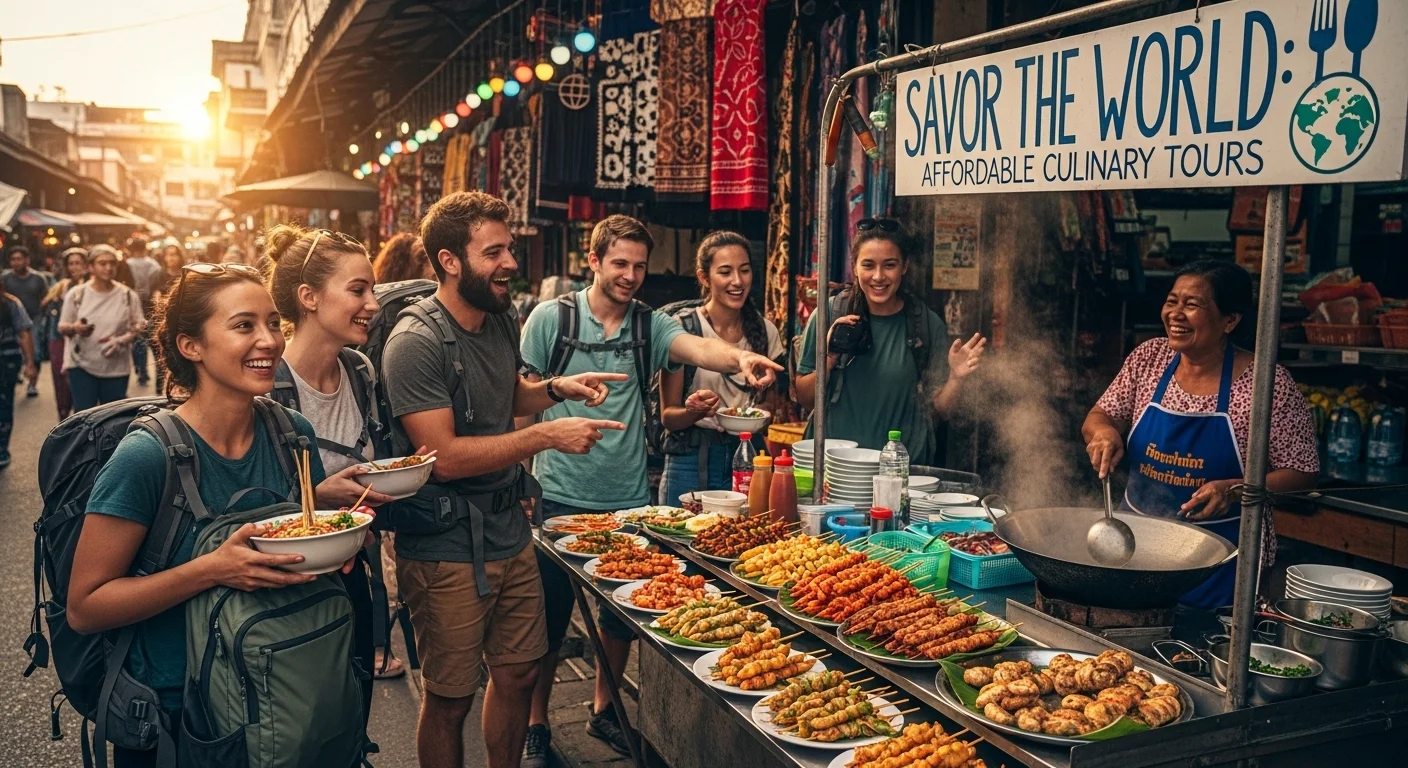
Web Analytics

Recent Posts

Savoring Luxury on a Budget: Fine Dining Tips

Fine dining doesn’t have to mean breaking the bank. I’ve learned that with a little planning and savvy choices, we can savor exquisite meals without the hefty price tag. Read Interesting article: Travel Smart: Budget Tips for Chartering a Private Jet

Savoring Luxury on a Budget: Fine Dining Tips

Understanding Fine Dining

What Defines Fine Dining?

When I first ventured into the world of fine dining, I was amazed by the attention to detail. Fine dining is a culinary experience characterized by high-quality ingredients, expert preparation, and exceptional service. The ambiance often plays a huge role, with elegant decor, soft lighting, and a curated atmosphere that invites us to relax and enjoy our meals. I’ve come to appreciate that fine dining is not just about the food; it’s about creating an experience that engages all the senses.

The Difference Between Fine Dining and Casual Dining

Casual dining is where I often find myself with friends, enjoying hearty meals in a laid-back environment. However, fine dining elevates the experience. One of the most noticeable differences is the level of service. In fine dining, the staff is usually well-trained, attentive, and knowledgeable about the menu. I remember my first time at a fine dining restaurant; the server not only took our orders but also shared insights about the ingredients and the chef’s inspirations. The food presentation was artful, and the courses were thoughtfully paced. This is a far cry from casual dining, where the focus is more on comfort and convenience.

Luxury Dining on a Budget

Finding Affordable Fine Dining Options

One of the biggest misconceptions I had was that fine dining was always expensive. I discovered that many restaurants offer affordable fine dining options. I recommend looking for restaurants that have received awards or recognition but may not be located in high-end areas. These places often offer the same quality of food at a fraction of the price. Websites like Yelp or TripAdvisor can be helpful for finding hidden gems in your city. I found a fantastic French bistro tucked away in a neighborhood that was both elegant and reasonably priced, with a menu that made my taste buds dance. Read Interesting article: Affordable Luxury: Understanding Private Jet Charter Costs

Exploring Fine Dining Lunch Deals

Lunch deals are one of my favorite ways to enjoy fine dining without the dinner prices. Many upscale restaurants offer lunch specials that allow diners to experience their exquisite menus during the day for a more affordable price. I’ve treated myself to a three-course meal for the price of a casual dinner. It’s an amazing way to sample the chef’s creativity without spending a fortune. I remember savoring a delicate lobster bisque followed by a beautifully plated salmon dish, all for less than I would have paid for a typical dinner out.

Utilizing Happy Hour Specials

Happy hour can be a delightful surprise in the fine dining world. Some high-end restaurants offer discounted appetizers and drinks during specific hours. I often take advantage of these specials to enjoy a few small plates without going over budget. During one happy hour, I indulged in truffle fries and a glass of wine at a luxurious restaurant, all while soaking in the elegant environment. It felt like a treat, and I didn’t have to worry about breaking the bank!

Choosing the Right Location

Best Cities for Affordable Fine Dining

When it comes to fine dining on a budget, location matters. I’ve found that some cities offer incredible fine dining experiences at lower prices than major metropolitan areas. For example, cities like Portland and New Orleans have thriving food scenes with many fine dining establishments that don’t charge exorbitant prices. I remember visiting New Orleans and being surprised by the incredible gourmet meals I could find for a fraction of what I’d pay in New York or San Francisco. Exploring these cities can lead to unforgettable culinary adventures without the luxury price tag.

Hidden Gems vs. Popular Restaurants

While popular restaurants often get the buzz, hidden gems can provide an equally remarkable experience. I’ve discovered that some of the best meals come from lesser-known establishments. These restaurants may not have the same level of marketing but often focus more on quality and customer experience. I found a small Italian trattoria that served handmade pasta and an authentic marinara sauce that was simply unforgettable. Dining at these spots often feels like being in on a secret, and the prices reflect their local charm and dedication to food.

Menu Navigation: Making Smart Choices

Understanding Menu Terminology

As I delved deeper into the world of fine dining, I realized that understanding menu terminology can significantly enhance our dining experience. Words like ‘a la carte’, ‘prix fixe’, and ‘tasting menu’ often pop up, and knowing what they mean can help us make informed decisions. For instance, a ‘prix fixe’ menu offers a set number of courses for a fixed price, which can be a great way to enjoy a variety of dishes without overspending. I remember the first time I encountered a tasting menu; I was hesitant at first, but ultimately, it turned out to be an incredible journey through the chef’s creativity, offering small portions of multiple dishes that left me satisfied yet eager for more.

Choosing Seasonal and Local Ingredients

One of the things I’ve learned is that seasonal and locally sourced ingredients not only taste better, but they can also be more affordable. When I see dishes featuring fresh vegetables or seafood that’s in season, I know I’m likely getting a great deal. I once visited a restaurant that changed its menu with the seasons, and I was blown away by how vibrant and flavorful each dish was. I felt like I was truly experiencing the essence of the region, and I was pleasantly surprised to find that these dishes often came at a lower price point than more standard options. Plus, choosing seasonal dishes can be a fun way to explore new flavors and ingredients that I might not usually try.

Wine Pairing on a Budget

Wine pairing can seem intimidating, especially in a fine dining setting, but it doesn’t have to be. I’ve found that asking the server for recommendations can lead to discovering fantastic pairings without feeling pressured to spend a fortune. Most restaurants offer a range of wines by the glass, so I often opt for a glass that complements my meal rather than committing to an expensive bottle. I remember enjoying a lovely evening where I paired a crisp white wine with a seafood dish, and it elevated my dining experience tremendously. I’ve also learned that many places offer a selection of “house” wines that are not only affordable but also delicious. It’s all about being open to recommendations and not shying away from trying something new!

Reservations and Timing Strategies

When to Make Reservations

Making reservations can be a game-changer in fine dining, especially if we want to ensure we get a table at a popular restaurant. I’ve learned that booking a few weeks in advance is often a good strategy, especially for those must-try places that fill up quickly. Additionally, I’ve discovered that some restaurants offer discounts or special deals for early reservations or off-peak dining times. I remember securing a reservation for an upscale restaurant on a Wednesday evening, and not only did I avoid the weekend crowds, but I also enjoyed a special promotion that made my meal feel even more indulgent.

Best Times to Dine for Lower Prices

Timing can also play a crucial role in the cost of a fine dining experience. I’ve noticed that dining during less busy hours, like early evenings or late afternoons, can sometimes net us lower prices or special offers. Many restaurants have prix fixe menus or happy hour specials during these times, allowing us to enjoy a luxurious meal without the hefty price tag. I recall visiting a restaurant on a Sunday afternoon and discovering that they had a fantastic brunch menu with upscale dishes at a fraction of the dinner prices. It felt like a little hidden treasure that made my weekend feel extra special!

Dining Etiquette for Fine Dining

Understanding Dress Codes

One of the first things I learned about fine dining is the importance of understanding dress codes. While some places are more relaxed, others might require a more polished look. I remember my first fine dining experience where I wore my best casual outfit only to feel out of place among the elegantly dressed patrons. Now, I always check the dress code beforehand, and I tend to err on the side of dressing up. Whether it’s a nice dress or a tailored blazer, feeling confident in my attire enhances my overall experience. It’s amazing how much a little effort in our appearance can elevate our dining experience.

Table Manners and Service Expectations

Fine dining also comes with certain expectations regarding table manners and service etiquette. I’ve found that being respectful to the staff and fellow diners goes a long way. Simple gestures like saying “please” and “thank you” can make the experience pleasant for everyone involved. I remember feeling slightly nervous about using the right utensils at my first fine dining meal, but I quickly learned that it’s okay to take my time and observe others if I’m unsure. Most importantly, I’ve realized that the dining experience is about savoring the food and enjoying the company, so I try to relax and focus on that instead of stressing about perfect etiquette.

Using Discounts and Promotions

Finding Coupons and Deals

In my quest for affordable fine dining, I’ve become quite the detective when it comes to finding coupons and deals. I’ve discovered that many restaurants offer promotions through their websites, social media, or dining apps. I once stumbled upon a coupon that gave me 25% off my entire bill, which felt like a mini win. Signing up for newsletters from my favorite restaurants has also paid off, as they often send exclusive offers to loyal customers. It’s a great way to enjoy a fantastic meal while keeping my budget intact!

Loyalty Programs and Membership Benefits

Loyalty programs have become my best friend in the world of dining. Many restaurants offer rewards programs that provide perks, such as discounts, complimentary meals, or exclusive access to special events. I remember joining a loyalty program at a local fine dining establishment, and after a few visits, I received a free dessert during my next meal. It’s a lovely way to feel appreciated as a customer while enjoying the finer things in life without overspending. I highly recommend looking into these programs, as they can turn an exceptional meal into an even more memorable experience.

Sharing Fine Dining Experiences

Dining with Friends: Cost-Saving Tips

Going out for fine dining with friends can be one of the most enjoyable experiences, but it can also add up quickly. I’ve found that dining in a group can actually be a great way to save money while enjoying exquisite meals. One of my favorite strategies is to split the cost of a tasting menu. When I went out with a few friends, we decided to share a multi-course meal, which allowed us to try a variety of dishes without each of us having to order a full meal. It felt like a culinary adventure, and we were able to savor so many flavors together.

Another tip is to consider going out on weeknights instead of weekends. Many restaurants offer special group deals or discounts during the week to attract diners. I remember visiting a restaurant on a Tuesday night, and not only were we able to enjoy a quieter atmosphere, but we also received a substantial discount on our bill. Plus, the staff seemed more relaxed and attentive, which added to the overall experience. It’s always a win-win when we can enjoy an exceptional meal while also keeping an eye on our budget!

Sharing Plates for a Luxury Experience

Sharing plates has become one of my favorite dining styles, especially in fine dining settings. It’s a fantastic way to experience a variety of flavors without overindulging in any one dish. I remember dining at a trendy restaurant where the menu was designed for sharing. We ordered several small plates, ranging from a delicate tuna tartare to a rich duck confit. It felt like a celebration of culinary creativity, and each bite was an exploration of new tastes.

When sharing plates, I’ve learned that it’s helpful to communicate with my dining companions about preferences. Some of us might love seafood, while others prefer vegetarian dishes. By discussing our likes and dislikes upfront, we can curate a meal that satisfies everyone’s palate. I also enjoy asking the server for recommendations on the best dishes for sharing, as they often have insights on what pairs well together. Sharing not only enhances the experience but also creates a sense of camaraderie as we all dig into the meal together.

Post-Dining: Enhancing Your Experience

Writing Reviews and Sharing Feedback

After a memorable fine dining experience, I’ve found that taking a moment to reflect and write a review can be incredibly rewarding. Not only does it help fellow food enthusiasts discover fantastic restaurants, but it also allows me to relive the experience. When I write a review, I focus on what stood out—whether it was the impeccable service, a standout dish, or the ambiance that made the night special. I remember sharing a detailed review of a restaurant that blew me away, and I was thrilled to see my friends and family visiting based on my recommendation.

Moreover, providing feedback directly to the restaurant can be invaluable. I’ve often found that restaurant staff appreciates hearing about our experiences, both positive and constructive. It’s a great way to contribute to the dining community and helps establishments improve their offerings. I’ve had occasions where I’ve received a personal thank-you from the chef or manager for my thoughts, which made me feel connected to the restaurant and its team.

Building a Fine Dining Network

Networking within the fine dining community can enhance our culinary journeys significantly. I’ve met some amazing people through dining experiences—friends, food bloggers, and even chefs who share my passion for exquisite cuisine. Joining local food groups on social media has opened doors to discovering new dining spots and exclusive events. I recall attending a pop-up dinner organized by a chef I’d been following online. Not only was the food incredible, but I also made connections that led to future dining adventures.

Additionally, attending food festivals or culinary workshops can introduce us to like-minded individuals who share our enthusiasm for fine dining. I’ve learned about unique dining experiences and hidden gems through conversations with fellow food lovers. Building these connections enriches our dining experiences, and it’s always fun to have someone to share recommendations or join us on our next culinary exploration.

Final Thoughts

Fine dining is truly an experience that goes beyond just the food; it’s about the atmosphere, the service, and the memories we create. Throughout my culinary journey, I’ve discovered that enjoying exquisite meals doesn’t have to mean spending a fortune. By exploring affordable dining options, understanding menu terminology, and being strategic about reservations and timing, we can indulge in fine dining without the guilt of overspending.

I’ve come to appreciate the value of dining with friends and sharing plates. It not only makes the experience more enjoyable but also allows us to sample a wider range of flavors. Plus, there’s something wonderful about the camaraderie that comes from sharing a meal. Whether it’s a casual dish or an elaborate tasting menu, the act of sharing enhances the experience and makes it more memorable.

Taking the time to write reviews and provide feedback helps us connect with the dining community and contributes to the improvement of restaurants. I always feel good when I share a positive experience with others, and it opens up opportunities to explore new places that might become favorites. Building a network of fellow food enthusiasts has enriched my dining adventures, bringing new perspectives and recommendations into my culinary repertoire.

So here’s what I believe: fine dining can be accessible and enjoyable for everyone. It’s about making informed choices, being open to new experiences, and savoring the journey. Whether it’s discovering a hidden gem in a quaint neighborhood or enjoying a luxurious meal at a well-known establishment, each dining experience can be special and fulfilling. I encourage you to embark on your own fine dining journey, armed with these tips and insights, and create your own wonderful memories along the way! Read Interesting article: Indulge in Style: Luxury Amenities on Private Jet Charters

Frequently Asked Questions

What defines fine dining?

Fine dining is a culinary experience characterized by high-quality ingredients, expert preparation, and exceptional service. It focuses on creating an experience that engages all the senses, with attention to detail in ambiance, decor, and food presentation.

How does fine dining differ from casual dining?

Fine dining elevates the dining experience with a higher level of service, where staff is well-trained and knowledgeable about the menu. The food presentation is more artful, and the courses are thoughtfully paced, unlike casual dining, which focuses more on comfort and convenience.

What are some tips for finding affordable fine dining options?

Look for restaurants that have received awards or recognition but are not located in high-end areas, as they often offer the same quality of food at lower prices. Websites like Yelp or TripAdvisor can help find hidden gems in your city.

How can I enjoy fine dining on a budget during lunch?

Many upscale restaurants offer lunch specials that allow diners to experience exquisite menus at more affordable prices. This can include three-course meals for the price of a casual dinner, allowing you to enjoy the chef’s creativity without overspending.

What is the benefit of dining during happy hour at fine dining restaurants?

During happy hour, some high-end restaurants offer discounted appetizers and drinks, which can allow you to enjoy small plates in an elegant environment without exceeding your budget.

Which cities are best for affordable fine dining?

Cities like Portland and New Orleans are known for offering incredible fine dining experiences at lower prices compared to major metropolitan areas like New York or San Francisco. Exploring these cities can lead to unforgettable culinary adventures.

How can I navigate a fine dining menu effectively?

Understanding menu terminology such as ‘a la carte’, ‘prix fixe’, and ‘tasting menu’ can help you make informed decisions. A ‘prix fixe’ menu offers a set number of courses for a fixed price, allowing you to enjoy various dishes without overspending.

What are some strategies for making reservations at fine dining restaurants?

Booking reservations a few weeks in advance is often a good strategy, especially for popular restaurants. Some restaurants may offer discounts or special deals for early reservations or dining during off-peak times.

How can I save money while dining out with friends?

Dining in a group can be cost-effective by sharing the cost of a tasting menu or taking advantage of special group deals available during weeknights. This allows everyone to enjoy a variety of dishes without ordering full meals individually.

What are the benefits of writing reviews after a fine dining experience?

Writing reviews helps others discover fantastic restaurants and allows you to reflect on your experience. Providing feedback directly to the restaurant can also be invaluable for their improvement and may lead to personal connections with the staff.
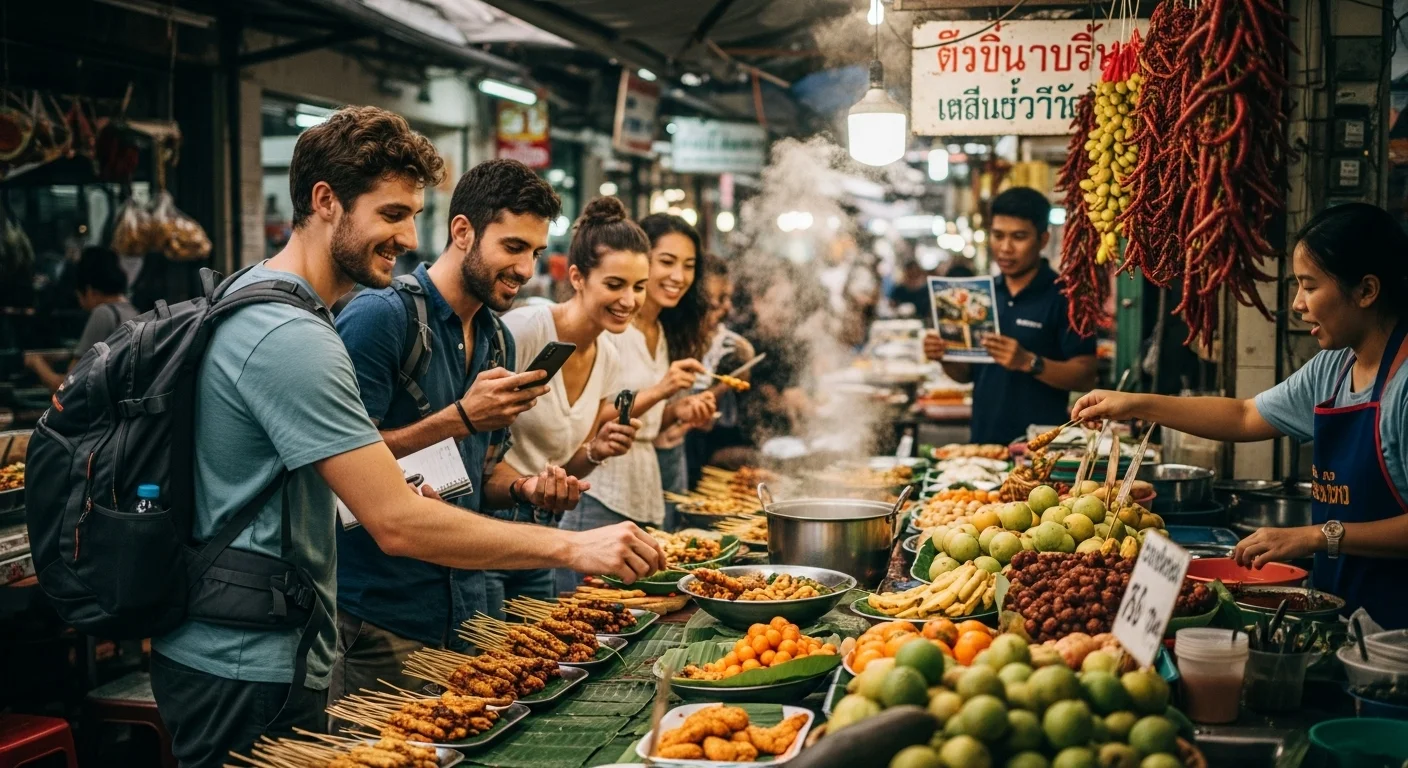
Explore Flavor: Best Budget Culinary Tours for Travelers

Traveling through different cultures is an adventure, but tasting the local flavors makes it unforgettable. Culinary tours offer a delicious way to explore new places without breaking the bank. Read Interesting article: Taste Adventures: Budget-Friendly Culinary Tours Worldwide

Explore Flavor: Best Budget Culinary Tours for Travelers

Understanding Culinary Tours

What Are Culinary Tours?

Culinary tours are designed for food lovers like us who want to dive deep into the culinary traditions of a place. These tours can take many forms, from guided street food adventures to cooking classes and market explorations. I remember my first culinary tour in a bustling city, where every bite told a story. It wasn’t just about tasting food; it was about experiencing the local culture and its history through what was served on the plate.

Benefits of Culinary Tours for Travelers

There are so many benefits to embarking on a culinary tour. First, it’s a fantastic way to connect with locals. I’ve found that sharing a meal can break down barriers and create lasting memories. When I participated in a small-group food tour, I not only tasted incredible dishes but also chatted with the chef, who shared family recipes that had been passed down through generations. It felt special to be part of that story.

Culinary tours also offer a chance to try foods we might not usually seek out. I remember being hesitant about trying certain dishes, but my guide encouraged me to take the plunge. It turned out to be some of the best food I’ve ever had! Plus, many of these tours are budget-friendly, allowing us to explore local flavors without overspending. I found that by combining meals and experiences, I could enjoy the best of a destination for less than I expected. Read Interesting article: Gourmet on a Budget: Top Culinary Tours You Can Afford

How Culinary Tours Enhance Cultural Experience

Food is often a reflection of culture, and culinary tours help us understand this connection. On my travels, I’ve noticed that each dish has a story—a history that connects it to the land and its people. For instance, during a pasta-making class in Italy, I learned not just how to knead dough but also the significance of the ingredients and traditions behind each dish. It made me appreciate Italian cuisine in a way I never thought possible.

Moreover, culinary tours can enrich our travels by introducing us to local customs and practices surrounding food. Participating in meals with local families or vendors (as I did in a remote village) gave me insights into their daily lives and traditions. I felt like I was stepping into their world, sharing laughter and stories over a meal prepared with love. This personal touch is what makes culinary experiences so enriching; they allow us to see a place through its flavors and culinary practices.

Every culinary tour I’ve been on has taught me something new—not just about food but about the people and culture behind it. Whether I was exploring the vibrant spice markets in Marrakech or tasting street tacos in Mexico City, I felt a deeper sense of connection to the world around me. These experiences have shaped my understanding of travel as not just a way to see new sights but as a way to immerse myself in the very essence of different cultures.

In my experience, culinary tours help us to step outside of our comfort zones, encouraging us to try new things and discover flavors we never knew existed. They provide a creative way to learn about history, traditions, and the unique ways communities come together to enjoy food. Plus, they can be incredibly fun! I’ve shared laughs, made new friends, and created unforgettable memories that I cherish long after the trip is over.

As we think about our next adventure, I can’t help but recommend considering a culinary tour. There’s something truly magical about exploring the world through its flavors—each bite is a step into a new culture, a story waiting to be tasted. So, let’s dig in and explore the wonderful world of budget-friendly culinary tours together!

Top Budget-Friendly Culinary Tours Around the World

Street Food Tours

Bangkok Street Food Tour

When I think of street food, Bangkok immediately comes to mind. The vibrant streets filled with food stalls offer an incredible variety of flavors and aromas. On my Bangkok street food tour, I remember the thrill of exploring bustling markets, where each corner revealed a new culinary delight. From spicy papaya salads to fragrant pad thai, I felt like I was on a journey through Thailand’s rich culinary heritage. The best part? The prices were unbelievably affordable! Even with my tight budget, I was able to indulge in countless dishes without breaking the bank. Each vendor was eager to share their specialty, and I loved hearing their stories as much as I enjoyed the food.

Mexico City Street Food Adventure

Mexico City’s street food scene is a paradise for food lovers. I joined a street food adventure that took me through colorful neighborhoods, where taco stands and tamale vendors lined the streets. One of my favorite moments was trying authentic al pastor tacos, bursting with flavor and served on warm corn tortillas. I learned that the secret lies in the marinated pork and the way it’s cooked on a vertical spit. Each bite was like a fiesta in my mouth! The guides were locals who shared tips about the best places to eat and how to navigate the bustling food scene, making the experience even more enriching.

Farm-to-Table Experiences

California Wine Country Farm Tours

If you’re a fan of fresh produce and fine wine, then California’s wine country should be on your list. I participated in a farm-to-table tour that opened my eyes to the importance of local sourcing. We visited lush vineyards and organic farms where I picked fresh vegetables and herbs. I’ll never forget the joy of cooking with ingredients I had just harvested! After our cooking session, we enjoyed a meal paired with local wines, highlighting the flavors of the region. It felt good to know that everything on my plate was sourced right from the farm. This experience not only satisfied my taste buds but also deepened my appreciation for sustainable food practices.

Tuscany Olive Oil and Wine Tours

In Tuscany, I embarked on an olive oil and wine tour that felt like stepping into a postcard. The rolling hills and sun-soaked vineyards were breathtaking. I learned about the art of olive oil production, from the pressing process to the tasting. Sampling fresh bruschetta drizzled with the finest olive oil was heavenly! We also explored local wineries, where the knowledgeable staff guided us through tastings of robust reds and crisp whites. I loved how the tour combined beautiful scenery with fantastic food and drink; it was a true celebration of Tuscan culture.

Cooking Classes and Workshops

Cooking Classes in Bologna, Italy

Bologna, known as the culinary heart of Italy, offers some of the best cooking classes. I remember stepping into a charming kitchen and being greeted by a local chef who was passionate about sharing traditional recipes. We made fresh pasta from scratch, learning the techniques that had been passed down through generations. The satisfaction of rolling out the dough and cutting it into tagliatelle was something I’ll always cherish. After cooking, we enjoyed a feast together, filled with laughter and conversations about food. I left not only with new skills but also with a deeper connection to Italian cuisine.

Thai Cooking Classes in Chiang Mai

Chiang Mai is another fantastic destination for cooking enthusiasts. My class started with a visit to a local market to select ingredients. I felt like a genuine chef as I picked fresh herbs, spices, and vegetables. Back in the kitchen, I learned to prepare classic dishes like green curry and mango sticky rice. The hands-on experience was incredibly rewarding, and I loved the vibrant flavors that came together. Sharing the meal with fellow participants made it even more memorable. I returned home with a new collection of recipes that remind me of my adventures in Thailand every time I cook.

Food Market Tours

La Boqueria Market Tour in Barcelona

La Boqueria in Barcelona is a feast for the senses. I joined a market tour that took me through the colorful stalls filled with fresh produce, meats, and cheeses. Our guide, a local chef, passionately shared the history behind each item, and I was in awe of the variety available. Sampling jamón ibérico and sipping fresh fruit juices made the experience deliciously immersive. I remember wandering through the market, feeling like I was in a culinary wonderland, discovering new ingredients and flavors. It was a fantastic way to connect with the local food scene.

Tsukiji Outer Market in Tokyo

The Tsukiji Outer Market in Tokyo is a must-visit for anyone who loves seafood. I was blown away by the freshness of the fish and the vibrant atmosphere. I took a guided tour that included tastings of sushi, sashimi, and other delicacies. Watching the skilled vendors prepare their food was mesmerizing. I even tried my hand at making my own sushi, which was both challenging and incredibly fun! Eating at the market was an adventure in itself, and I appreciated how each dish reflected Japan’s culinary traditions. The experience deepened my appreciation for the meticulous craftsmanship behind Japanese cuisine.

Regional Cuisine Highlights

Asian Culinary Tours

Japanese Cuisine and Its Delicacies

When I think about Japan, I can’t help but recall the incredible culinary journey I took there. Japanese cuisine is so much more than sushi; it’s a blend of tradition, aesthetics, and flavors. On one of my tours, I had the chance to experience kaiseki, a traditional multi-course meal that showcases seasonal ingredients. Each dish was like a piece of art, beautifully presented and bursting with flavor. I remember savoring each course, from delicate sashimi to savory miso soup, and feeling grateful for the opportunity to taste the essence of Japanese culture.

During my time there, I also ventured into the world of ramen. Visiting a local ramen shop was a highlight. The chef, with years of experience, explained the significance of the broth, noodles, and toppings. Trying to create my own bowl of ramen was both fun and challenging. The complexity of flavors made me appreciate the skill that goes into crafting such a beloved dish. It was a rewarding experience that deepened my understanding of Japan’s culinary landscape.

Street Food in Vietnam

Vietnam’s street food scene is another gem I fell in love with during my travels. The vibrant stalls filled with fresh herbs, meats, and local specialties made every street corner a delight. I joined a street food tour in Ho Chi Minh City, where I was introduced to the famous bánh mì. Tasting that perfect blend of flavors—crispy baguette, savory meats, and fresh vegetables—was an unforgettable experience. I remember chatting with vendors who shared their stories and the secret ingredients that made their offerings unique.

Another highlight was slurping up a bowl of pho at a bustling street eatery. The aromatic broth and tender noodles warmed my soul. I learned that each family has their own recipe, passed down through generations, which is what makes pho so special. The sense of community around food is something I cherish from my time in Vietnam, as it truly connects people from different walks of life.

European Culinary Tours

French Culinary Experiences in Paris

Ah, Paris! A city that captures the heart and palate. I had the pleasure of diving into French cuisine through a culinary tour that took us to iconic bistros and hidden gems. One of my favorite experiences was a pastry-making class where we learned to create flaky croissants. I remember the excitement of kneading dough and rolling it into layers, dreaming of the delicious breakfast that awaited.

We also explored local markets, sampling everything from cheeses to charcuterie. The knowledge of our guide, a local chef, enriched the experience as he shared tips on pairing flavors and understood the stories behind each ingredient. Dining al fresco at a quaint café, I savored a classic coq au vin while soaking in the Parisian ambiance. Each bite felt like a celebration of French culture, and I left with a heart full of memories.

Spanish Tapas Tours in Seville

Seville’s tapas culture is something that truly captivated me during my travels in Spain. I joined a tapas tour where we hopped from one lively bar to another, sampling a variety of small plates. From patatas bravas to jamón ibérico, every dish had a story, and I loved learning about the local traditions surrounding them.

One memorable evening, we gathered around a table, sharing laughter and food with fellow travelers and locals alike. I learned to appreciate the concept of sharing meals, as it fosters connection and conversation. The vibrant atmosphere of the streets, filled with the sound of flamenco music, added to the magical experience. I remember thinking about how food brings us together, transcending language and cultural barriers.

American Culinary Experiences

New Orleans Creole and Cajun Cuisine

New Orleans is like a melting pot of flavors, and I was eager to dive into its culinary scene. On a food tour, I had the chance to learn about the unique blend of Creole and Cajun cuisines. I remember trying gumbo for the first time; the rich, spicy broth was like a warm hug on a chilly day. The guide shared stories about the cultural influences that shaped the city’s food, making each bite even more meaningful.

One of my favorite stops was a local po’ boy shop, where I indulged in a crispy shrimp po’ boy. The sandwich was overflowing with flavor, and I couldn’t help but savor every crunchy bite. I left New Orleans with a deeper understanding of its culinary roots and a desire to recreate those flavors back home.

Southern BBQ Tours in Texas

Texas BBQ is legendary, and I was excited to experience it firsthand. I participated in a BBQ tour that took me to some of the best joints around Austin. The smoky aroma of brisket, ribs, and sausages filled the air, and I was in heaven. Each stop was a chance to meet the pitmasters who shared their passion and techniques for creating mouthwatering BBQ.

Sampling the different styles was a highlight—each bite told a story of tradition and craftsmanship. I remember the joy of learning about the importance of wood choice and cooking time. By the end of the tour, I was not just full but also inspired to try my hand at BBQ when I returned home. Southern hospitality shone through, making this culinary adventure one I’ll always cherish.

Planning Your Culinary Tour

Budgeting for Culinary Tours

When it comes to planning a culinary tour, budgeting is key. I remember feeling overwhelmed by the many options available, but I found that setting a clear budget helped me narrow down my choices. I recommend considering not just the cost of the tour itself, but also expenses for meals, transportation, and any additional activities you might want to include. For instance, while some tours might seem pricier, they often include tastings that can save you money on dining out. I’ve had experiences where the food alone was worth the price of admission!

Another tip I learned is to look for local deals or discounts ahead of time. Many culinary tour companies offer early-bird specials or group rates. Plus, I’ve found great deals on platforms that aggregate tours. It’s always a good idea to read reviews as well, because they can provide insights that help you choose the best value for your money.

Best Times to Book Culinary Tours

Timing can make a huge difference in both your experience and your wallet. I’ve discovered that the best times to book culinary tours often align with the local harvest seasons or food festivals. For instance, visiting Tuscany during the grape harvest was an absolute delight! The vineyards were alive with activity, and the tastings felt more vibrant as everything was fresh and in season.

Additionally, I’ve learned that traveling during the shoulder seasons (the period just before and after peak tourist seasons) can lead to a more authentic experience. Fewer tourists mean smaller groups, more attention from guides, and sometimes even lower prices. I’ve cherished the quiet moments during these times, as they allow for deeper connections with fellow food lovers and local chefs.

Choosing the Right Tour for Your Taste

With so many options available, picking the right culinary tour can feel daunting. I suggest reflecting on what excites you the most. Are you a street food enthusiast, or do you prefer the artistry of fine dining? Personally, I love a mix, so I often look for tours that blend various experiences, like street food followed by a cooking class. This variety keeps things interesting and allows me to explore different facets of a culture’s cuisine.

Reading reviews and asking for recommendations can also provide clarity. I remember joining a tour based on a friend’s recommendation, and it turned out to be one of the highlights of my trip! Don’t hesitate to reach out to tour operators with questions—they’re usually happy to help you find the best fit for your culinary adventure.

Tips for a Successful Culinary Tour

What to Bring on a Culinary Tour

As I prepared for my culinary tours, I often wondered what essentials I should bring along. I found that having a good camera or smartphone is vital; capturing the beauty of the dishes and the moments shared with locals is something I treasure. I also recommend a reusable water bottle to stay hydrated, especially while walking through bustling markets or during hot cooking classes.

Comfortable shoes are a must! Many tours involve walking and standing for periods of time, and I learned the hard way that blisters can ruin a great experience. Lastly, a notepad can be handy for jotting down recipes or tips shared by chefs. I’ve ended up with pages of culinary wisdom that I refer to when I’m back in my kitchen.

Understanding Local Food Etiquette

Food etiquette varies widely from culture to culture, and being aware of these customs can enhance your experience. I remember feeling a bit awkward at first in Japan, where it’s polite to say “itadakimasu” before meals and “gochisousama deshita” after eating. Embracing these little rituals has always made me feel more connected to the local culture.

Also, don’t be afraid to ask questions! I’ve found that local chefs and guides appreciate curiosity. They’re often excited to share insights about their culinary traditions, and in my experience, this has led to some of the most meaningful interactions during my travels.

Engaging with Local Chefs and Guides

Connecting with local chefs and guides can transform a culinary tour from good to unforgettable. I’ve always enjoyed hearing their stories, learning about their passion for food, and understanding the cultural significance behind the dishes they create. I remember one chef in Italy who shared how his grandmother’s recipes inspired him to pursue cooking. That personal touch added depth to the dishes we prepared together.

Don’t be shy about engaging! Ask about their favorite local ingredients, their cooking tips, or even how they got started in their culinary journey. These conversations often lead to unique insights and a more enriching experience overall.

Final Thoughts

Exploring the world through culinary tours has been one of the most rewarding experiences of my travels. Each journey not only satisfied my taste buds but also deepened my understanding of different cultures and communities. I believe that food has a unique way of bringing people together, transcending language and cultural barriers. If you’re considering a culinary tour, I encourage you to jump in! Whether you’re in a bustling market, a cozy kitchen, or a vibrant street stall, there’s a whole world of flavors and stories waiting to be discovered. So, grab your fork, and let’s make some delicious memories! Read Interesting article: Discover Culinary Delights: Budget-Friendly Food Tours Abroad

Frequently Asked Questions

What are culinary tours?

Culinary tours are designed for food lovers who want to explore the culinary traditions of a place. They can include guided street food adventures, cooking classes, and market explorations, allowing travelers to experience local culture and history through food.

What are the benefits of culinary tours for travelers?

Culinary tours help travelers connect with locals, try new foods, and enjoy budget-friendly experiences. Sharing meals can create lasting memories, and many tours provide opportunities to taste incredible dishes while learning about local customs and practices.

How do culinary tours enhance cultural experiences?

Culinary tours offer insights into local customs and traditions surrounding food, allowing travelers to appreciate the connection between food and culture. They provide personal interactions with locals, enriching the travel experience through shared meals and cooking practices.

What types of culinary tours are available around the world?

There are various culinary tours available, including street food tours, farm-to-table experiences, cooking classes, and food market tours. Each type allows travelers to explore local flavors and culinary traditions in different settings, such as bustling markets or serene vineyards.

What should I consider when budgeting for a culinary tour?

When budgeting for a culinary tour, consider the cost of the tour itself, as well as meals, transportation, and additional activities. Look for local deals or discounts and read reviews to find the best value for your money.

When is the best time to book culinary tours?

The best times to book culinary tours often align with local harvest seasons or food festivals. Traveling during shoulder seasons can lead to more authentic experiences, as there are usually fewer tourists and more attention from guides.

How can I choose the right culinary tour for my taste?

To choose the right culinary tour, reflect on what excites you most—be it street food, fine dining, or a mix of experiences. Reading reviews and asking for recommendations can help narrow down your options and ensure a fulfilling culinary adventure.

What should I bring on a culinary tour?

It’s essential to bring a good camera or smartphone for capturing moments, a reusable water bottle for hydration, comfortable shoes for walking, and a notepad for jotting down recipes or tips shared by chefs.

How can I engage with local chefs and guides during culinary tours?

Engaging with local chefs and guides can enhance your culinary tour experience. Ask questions about their favorite ingredients, cooking techniques, and personal stories, as these interactions often lead to unique insights and deeper connections with the local culture.

Why should I consider a culinary tour for my next adventure?

Culinary tours offer a magical way to explore the world through its flavors, making each bite a step into a new culture. They provide opportunities to create unforgettable memories while learning about history, traditions, and the unique ways communities enjoy food.

Taste Adventures: Budget-Friendly Culinary Tours Worldwide

Imagine savoring the vibrant flavors of the world without breaking the bank. Budget-friendly culinary tours offer exciting ways to explore different cultures through their food. Let’s dive into what makes these experiences unforgettable!

Taste Adventures: Budget-Friendly Culinary Tours Worldwide

Overview of Budget-Friendly Culinary Tours

What are Culinary Tours?

Culinary tours are unique travel experiences that focus on exploring food and drink in a specific location. They often include guided visits to local markets, cooking classes, wine tastings, and meals at beloved eateries. I remember my first culinary tour; it felt like stepping into a food lover’s paradise! I was surrounded by the aromas of spices and the sounds of sizzling pans, and I knew I was in for something special.

These tours cater to a variety of tastes and interests, from street food aficionados to fine dining enthusiasts. Whether you’re wandering through a bustling market in Bangkok or enjoying a wine tasting in Tuscany, culinary tours allow you to connect with different cultures through their culinary traditions. It’s like traveling with your taste buds! Gourmet on a Budget: Top Culinary Tours You Can Afford offers more insights into affordable options.

Benefits of Culinary Tours

There are plenty of reasons why culinary tours are a fantastic choice for travelers. One of the biggest benefits I found is the opportunity to learn directly from local experts. Chefs, market vendors, and home cooks share their stories and techniques, giving you a deeper understanding of the food you’re enjoying. When I took a cooking class in Italy, it felt like I was being initiated into a family tradition.

  • Authentic Experiences: Culinary tours often take you off the beaten path, allowing you to experience local dining spots that most tourists might miss. I discovered hidden gems that quickly became my favorite places to eat.
  • Networking with Fellow Foodies: These tours attract like-minded individuals, making it easier to bond over shared interests. I made some great friends during a food festival in Mexico, and we still share recipes and culinary tips!
  • Informed Choices: Guided tours usually provide insights into the history and cultural significance of the dishes you try, enriching your experience. I learned about the traditions behind dishes I thought I knew well, which gave me a newfound appreciation for them.

Why Choose Budget-Friendly Options?

While culinary tours can sometimes carry a hefty price tag, choosing budget-friendly options doesn’t mean sacrificing quality. I’ve found that these tours often provide the same enriching experiences without the premium price. You can still enjoy incredible food, engage with locals, and learn new skills—all while keeping your wallet happy!

Budget-friendly culinary tours can help you explore more destinations within your travel budget. Instead of spending a fortune on one gourmet meal, you can savor many dishes by booking a walking food tour that showcases a variety of culinary delights. For me, this approach opened doors to trying new foods I might have overlooked. Discover Culinary Delights: Budget-Friendly Food Tours Abroad is a great resource to find such tours.

Another reason to consider budget-friendly options is the chance to meet locals who can share their culinary secrets. I remember participating in a market tour in a small village, where the vendors were more than happy to share their recipes and cooking tips with us. It felt rewarding to connect with the community, and I walked away with not just a full stomach but a wealth of knowledge!

Additionally, a budget-friendly tour can help you to be more spontaneous. With more money left over from your culinary adventures, you might find yourself exploring additional activities, like visiting local attractions or indulging in more culinary experiments. The flexibility it gives is something I cherish when I travel; it allows me to create a more diverse travel experience.

In my experience, the thrill of discovering new flavors in an authentic environment is worth every penny spent. Plus, it’s easier to travel light on the budget when you’re not tied down by expensive dining experiences. So, I encourage you to embrace budget-friendly culinary tours; they can transform your travels and lead you to unforgettable taste adventures! Savor the World: Top Culinary Tours for Budget Travelers is another excellent guide to help you plan your next adventure.

Popular Destinations for Culinary Tours

Asia

Street Food Tours in Bangkok

When I think of Bangkok, my mouth waters at the thought of its incredible street food. The city is a haven for food lovers, offering a vibrant mix of flavors and aromas that can only be experienced on the streets. I remember wandering through the bustling markets, where vendors served everything from spicy papaya salad to crispy spring rolls. The best part? These dishes are not just delicious; they’re incredibly affordable!

On a street food tour, you’ll get to sample a variety of local favorites while learning about the ingredients and cooking techniques. I found it fascinating to hear stories from the vendors about their family recipes and the traditions behind each dish. Whether it’s a bowl of steaming boat noodles or a sweet mango sticky rice dessert, every bite tells a story. If you have a chance to join a street food tour in Bangkok, I highly recommend it; it’s an adventure for your taste buds!

Cooking Classes in Hanoi

Hanoi offers a different culinary experience with its rich history and diverse flavors. I had the pleasure of taking a cooking class in a charming local kitchen, where we learned to prepare classic Vietnamese dishes like pho and banh xeo. The hands-on experience was not only educational but also incredibly fun! We shopped for fresh ingredients at a nearby market, where the vibrant colors and smells were intoxicating.

The best part of the class was sitting down to enjoy the fruits of our labor. There’s something so rewarding about cooking a meal from scratch and sharing it with others. I felt a deep connection to the culture as we laughed and chatted over our meal. Cooking classes in Hanoi are a great way to dive into the local culinary scene while also making lasting memories.

Europe

Italian Food Tours in Rome

Italy has always held a special place in my heart, especially when it comes to food. If you’re in Rome, a food tour is a must! I remember exploring Trastevere, where we sampled everything from artisanal cheeses to mouthwatering pizza. The passion and pride that locals have for their food is palpable, and it adds so much to the experience.

On these tours, you often get the chance to try traditional dishes and learn about their origins. One of my favorite moments was visiting a family-run trattoria, where the owner shared his grandmother’s secret recipe for pasta. It’s these kinds of authentic experiences that make culinary tours so special. Rome is full of culinary delights waiting to be explored, and I can’t recommend it enough!

Spanish Tapas Tours in Barcelona

Barcelona is another gem for food lovers. I had the opportunity to join a tapas tour, which was a delightful way to sample various small plates while wandering through the vibrant streets. Each stop was like a mini celebration, showcasing the flavors of Spain—from patatas bravas to jamón ibérico.

What I loved most was the casual atmosphere of tapas dining. Sharing plates with fellow travelers and locals alike created a sense of community that I cherish in my travels. Plus, the tour guide shared interesting stories about the history and culture of the dishes, which added depth to the experience. If you find yourself in Barcelona, grab some friends and embark on a tapas tour; it’s an experience you won’t forget!

North America

Farm-to-Table Experiences in Mexico

Mexico’s culinary scene is diverse, and I’ve been lucky enough to experience a farm-to-table tour in the countryside. This type of tour allows you to explore local farms, learn about sustainable practices, and enjoy fresh, seasonal ingredients. I remember visiting a farm where we picked our own vegetables and herbs, which made the cooking process even more special.

After gathering our ingredients, we prepared a delicious meal together. The flavors were vibrant, and I could taste the difference that fresh produce makes. This hands-on experience not only taught me about the food but also the importance of supporting local farmers. I highly recommend seeking out farm-to-table experiences in Mexico; it’s a fantastic way to appreciate the rich culinary landscape.

Wine and Local Cuisine in Napa Valley

Napa Valley is synonymous with wine, but the food scene is equally impressive. During my visit, I went on a culinary tour that combined wine tasting with gourmet dining. The tour included stops at various wineries, where we paired exquisite wines with locally sourced dishes. I still remember the perfect pairing of a crisp Sauvignon Blanc with a light salad topped with fresh goat cheese.

What I loved most about this experience was the focus on the farm-to-fork movement, which highlights the importance of fresh, local ingredients. It was fascinating to meet chefs who are dedicated to creating seasonal menus that reflect the region. If you’re a food and wine lover, Napa Valley is a dream destination that offers a delicious combination of both!

South America

Argentinian Asado Experiences

Argentina is known for its incredible beef, and experiencing an asado is a must for anyone visiting! I joined a local family for a traditional barbecue, where I learned about the grilling techniques that have been passed down for generations. The smell of the meat sizzling over the open flames was mouthwatering, and the atmosphere was filled with laughter and camaraderie.

Participating in an asado is not just about the food; it’s a cultural event. The locals take great pride in their cooking, and they’re eager to share their stories. I left feeling not only satisfied but also connected to the culture and traditions of Argentina. If you have the chance to partake in an asado, don’t hesitate; it’s an unforgettable experience!

Peruvian Culinary Adventures in Lima

Lima has emerged as a culinary hotspot, and for good reason! I had the chance to explore the city’s vibrant food scene, including a ceviche tour that showcased the freshest seafood. I was amazed at how the chefs prepared ceviche right in front of us, using only the best ingredients.

What struck me about Lima’s culinary adventures was the fusion of flavors from different cultures, creating a unique dining experience. I remember enjoying a delicious pisco sour while learning about its history and significance in Peruvian culture. If you’re a fan of food, Lima should be on your travel list—it’s a feast for the senses!

Types of Budget-Friendly Culinary Tours

Walking Food Tours

Walking food tours are one of my absolute favorite ways to explore a new city. There’s something magical about strolling through vibrant streets, tasting local dishes while soaking in the atmosphere. I remember joining a walking food tour in Lisbon, where I was introduced to pastéis de nata, a delicious custard tart that has since become one of my guilty pleasures. The guide shared insights about the history of the dish and took us to a bakery that had been perfecting its recipe for generations.

These tours often cover a variety of neighborhoods, allowing you to sample different cuisines and specialties along the way. I found that walking food tours not only fill your stomach but also offer a great way to learn about the local culture and stories that surround the food. Plus, they usually come at a lower price point than formal dining experiences, making them budget-friendly options for travelers like us!

Cooking Classes

Cooking classes are another fantastic way to immerse yourself in a culture, and they can be surprisingly affordable. I had the joy of taking a cooking class in a small village in Thailand, where we learned to make traditional dishes like pad thai and green curry. The instructor was passionate and made the experience feel personal, guiding us through each step while sharing anecdotes about her family’s cooking traditions.

What I love about cooking classes is that they often include a market visit, letting you select fresh ingredients and learn about local produce. This hands-on experience not only teaches you recipes but also gives you skills you can take home. Even if you’re on a budget, you can find classes that cater to different price ranges, so you don’t have to miss out on this enriching experience!

Food Festivals

Food festivals are a vibrant celebration of culinary culture and a great way to try various dishes in one spot. I attended a food festival in New Orleans that showcased everything from gumbo to beignets. The atmosphere was electric with live music, local chefs demonstrating their skills, and booths offering samples of delightful dishes. I couldn’t get enough of the flavors and the friendly faces of the chefs who were eager to talk about their creations.

Many food festivals are either free to enter or have a small admission fee, making them perfect for budget travelers. Plus, you can taste a little bit of everything without breaking the bank. I left that festival not just with a full belly but with new ideas for recipes to try back home, proving that you can find culinary inspiration in the heart of a festival!

Market Tours

Market tours are an incredible way to experience local life and cuisine simultaneously. I remember visiting a bustling food market in Istanbul, where the colors, smells, and sounds were captivating. My guide introduced me to spices I had never seen, and I was able to taste fresh olives and cheeses that were simply out of this world.

These tours often allow you to interact with vendors and learn about unique ingredients. I found it fascinating to hear about the origins of various products and how they are used in local dishes. Additionally, market tours can end with a cooking session using the ingredients you’ve just learned about, making the experience all the more worthwhile. It’s a budget-friendly way to delve deep into the culinary traditions of a region!

How to Find Affordable Culinary Tours

Online Platforms and Apps

In today’s digital age, finding affordable culinary tours is easier than ever. I often turn to platforms like Airbnb Experiences or Viator, which offer a range of options at different price points. These sites provide user reviews, so you can gauge the quality of the experience before booking. I’ve discovered some hidden gems this way, like a quaint pasta-making class in a chef’s home in Bologna, which was both budget-friendly and incredibly rewarding.

Local Guides and Community Resources

Another great way to find budget-friendly culinary tours is through local guides or community resources. When I was in Thailand, I stumbled upon a local tourism office that offered insider tips on affordable food tours in the area. They even had a bulletin board filled with flyers from local chefs and food enthusiasts. Connecting with locals can lead you to experiences that aren’t widely advertised, making your culinary adventure even more special.

Seasonal Promotions and Discounts

Keeping an eye out for seasonal promotions and discounts can save you a significant amount of money. Many tour operators offer deals during off-peak seasons or special occasions, like holidays or local festivals. I managed to snag a discount on a wine and cheese pairing tour in France by booking a few weeks in advance. Signing up for newsletters from your favorite tour companies can also alert you to upcoming promotions, ensuring you don’t miss out!

Frequently Asked Questions

What are culinary tours?

Culinary tours are unique travel experiences that focus on exploring food and drink in a specific location. They often include guided visits to local markets, cooking classes, wine tastings, and meals at beloved eateries.

What are the benefits of participating in culinary tours?

Culinary tours offer authentic experiences, opportunities to network with fellow foodies, and informed choices through insights into the history and cultural significance of the dishes being sampled.

Why should I choose budget-friendly culinary tour options?

Budget-friendly culinary tours provide enriching experiences without sacrificing quality, allowing travelers to explore more destinations and engage with locals while keeping costs manageable.

What types of culinary tours are available on a budget?

Types of budget-friendly culinary tours include walking food tours, cooking classes, food festivals, and market tours, each offering unique ways to experience local cuisine.

Can you give an example of a popular culinary destination?

Bangkok is a popular culinary destination known for its incredible street food. A street food tour there allows participants to sample local favorites while learning about the ingredients and cooking techniques.

What is a walking food tour?

A walking food tour is an experience where participants stroll through vibrant streets, tasting local dishes while learning about the culture and history surrounding the food.

How can I find affordable culinary tours?

Affordable culinary tours can be found through online platforms and apps like Airbnb Experiences or Viator, local guides, community resources, and by keeping an eye out for seasonal promotions and discounts.

What can I expect from a cooking class on a culinary tour?

In a cooking class, participants can expect a hands-on experience where they learn to prepare traditional dishes, often including a market visit to select fresh ingredients and insights into local cooking traditions.

What is the significance of food festivals in culinary tours?

Food festivals are vibrant celebrations of culinary culture, allowing participants to try various dishes in one spot, often at a low cost, while enjoying a lively atmosphere with local chefs and live music.

What is unique about market tours?

Market tours provide an opportunity to experience local life and cuisine simultaneously, allowing participants to interact with vendors, learn about unique ingredients, and often culminate in a cooking session using the ingredients learned about.

Gourmet on a Budget: Top Culinary Tours You Can Afford

Exploring the world through culinary tours doesn’t have to break the bank. Join me as we uncover gourmet experiences that are both delicious and budget-friendly. You might be surprised at how affordable gourmet adventures can be! Read Interesting article: Discover Culinary Delights: Budget-Friendly Food Tours Abroad

Gourmet on a Budget: Top Culinary Tours You Can Afford

Understanding Gourmet Culinary Tours

What Defines a Gourmet Culinary Tour?

When I first heard the term “gourmet culinary tour,” I imagined a lavish experience filled with Michelin-starred restaurants and extravagant meals. However, I soon learned that gourmet doesn’t always equate to expensive. A gourmet culinary tour is about exploring local flavors, ingredients, and cooking methods, often led by passionate locals who are eager to share their culture through food. These tours can include everything from guided tastings at local markets to hands-on cooking classes. I’ve found that the best culinary experiences often lie in the small, intimate settings that allow for deeper connections with both the food and the people behind it.

The Importance of Local Cuisine

One of the most enriching aspects of traveling is tasting the local cuisine. It’s a way to connect with a destination’s culture and history. I remember my trip to Italy, where each meal told a story, whether it was the fresh pasta made by hand or the local wine that accompanied it. Local cuisine often reflects the region’s agricultural produce and culinary traditions. Culinary tours that focus on local dishes can help travelers appreciate these vibrant food cultures while also supporting local economies. From my experience, there’s something incredibly special about sharing a meal that’s been crafted with love, using ingredients sourced right from the area. Savor the World: Top Culinary Tours for Budget Travelers can provide even more insight into this.

Top Budget-Friendly Culinary Tour Destinations

Italy: Affordable Culinary Experiences

Italy is a dream destination for food lovers, and I can attest that you don’t need a fortune to enjoy its culinary delights. With a little planning, you can indulge in incredible food experiences without overspending.

Tuscany: Wine and Pasta Tours

My journey through Tuscany was nothing short of magical. I remember joining a small group for a pasta-making class in a rustic kitchen tucked away in the hills. We learned to make pici, a traditional hand-rolled pasta, using just flour and water. The instructor, a local chef, shared stories about the region’s winemaking traditions. After our cooking session, we enjoyed a meal we had all created together, paired with a bottle of the region’s finest Chianti. I found that such experiences, often priced reasonably, not only taught me new skills but also brought me closer to Tuscan culture.

Rome: Street Food Tours

In Rome, I discovered the joy of street food. I joined a guided food tour that took us through the bustling streets, sampling everything from suppli to porchetta sandwiches. What struck me was how affordable these delights were, often costing just a few euros. The guides were locals who knew the best spots to find authentic Roman dishes. These street food tours are a fantastic way to experience the city’s culinary scene without splurging. I left with a full belly and a deeper appreciation for Roman cuisine.

Spain: Tapas and Wine Tours

Spain has long been known for its vibrant food culture, and I found that it’s possible to explore this on a budget.

Barcelona: Market Tours and Tastings

In Barcelona, I visited La Boqueria, one of the city’s most famous markets. The colors and aromas were intoxicating. I joined a market tour where a local chef guided us through the stalls, selecting fresh produce, cured meats, and cheeses. We then participated in a cooking class that focused on creating traditional tapas. The experience was not only affordable but deeply immersive. I learned about the ingredients and the stories behind each dish. This hands-on approach made my culinary adventure in Barcelona memorable.

Madrid: Affordable Culinary Experiences

Madrid’s culinary scene is equally exciting. While wandering through the streets, I stumbled upon numerous tapas bars offering great deals on local dishes. I remember indulging in a variety of small plates, each one a burst of flavor. Many of these bars have “menú del día”—a daily menu that offers an appetizer, main dish, and dessert at a very reasonable price. This made sampling a wide range of local dishes affordable and enjoyable.

Thailand: Street Food Tours

Thailand is a paradise for food enthusiasts, and I quickly learned that delicious meals don’t have to cost much.

Bangkok: Local Food Markets

In Bangkok, I joined a street food tour that introduced me to the vibrant street food scene. From savory pad Thai to sweet mango sticky rice, the options were endless. I loved how the tour focused on small, family-run stalls where I could taste authentic dishes. Each vendor had their own story, and it was fascinating to learn about their craft. I was amazed at how affordable it was to eat here, allowing me to try a variety of dishes without breaking the bank.

Chiang Mai: Cooking Classes on a Budget

In Chiang Mai, I took a cooking class that provided an immersive experience into Thai cuisine. We visited a local market to gather fresh ingredients before heading to the cooking school. The class was reasonably priced, and I left with new skills and recipes to recreate at home. The experience wasn’t just about cooking; it was about understanding the balance of flavors that define Thai food.

Mexico: Authentic Culinary Adventures

Mexico is another country where culinary tours can be done on a budget without sacrificing quality.

Mexico City: Food Markets and Street Vendors

During my time in Mexico City, I was blown away by the variety of street food available. I joined a food tour that took me through bustling markets, sampling everything from tacos al pastor to churros. Each bite was a celebration of flavor. The guides were local foodies who shared their love for their cuisine, which made the experience even more enjoyable.

Oaxaca: Culinary Workshops

In Oaxaca, I participated in a culinary workshop that focused on traditional cooking techniques. The workshop was affordable and provided an intimate setting where I could learn about the region’s unique ingredients. I remember making mole from scratch, a labor of love that resulted in a rich and flavorful sauce. This experience allowed me to appreciate the depth of Oaxacan cuisine and left me with a sense of accomplishment.

Types of Culinary Tours You Can Afford

Walking Food Tours

One of my favorite ways to explore a new city is through walking food tours. There’s something magical about wandering through the streets, tasting delicious bites while learning about the local culture. I remember joining a walking food tour in a quaint neighborhood in New Orleans. The guide, a local chef, took us to hidden gems that I would have never discovered on my own. Each stop featured a unique dish, from mouthwatering beignets to savory gumbo. What I loved most was the chance to chat with the locals who ran these small establishments; their passion for food and hospitality was infectious. Plus, walking from one stop to the next allowed me to work off some of those calories and see the city up close.

Cooking Classes

Cooking classes are another fantastic option for budget-friendly gourmet experiences. I’ve participated in cooking classes in various countries, and each one has been a delightful adventure. In Bali, for instance, I joined a class where we visited a local market to gather fresh ingredients. The instructor, a charming local woman, taught us how to prepare traditional Balinese dishes. I remember feeling a sense of accomplishment as I rolled my own spring rolls and balanced the flavors in a spicy sambal. The best part was enjoying the meal we created together, which felt like a celebration of our hard work. Cooking classes not only provide a hands-on experience but also equip you with skills to impress your friends back home.

Market Tours

Visiting local markets is a must for any food lover. I’ve found that market tours can be both educational and economical. They often give you insight into the local food culture and introduce you to ingredients you may not encounter elsewhere. In Istanbul, I joined a market tour at the Spice Bazaar, where I was mesmerized by the vibrant colors and aromas of spices, dried fruits, and nuts. The guide shared stories about how these ingredients are used in Turkish cuisine, and I found myself sampling everything from baklava to Turkish delight. The best part? After the tour, I left with a bag full of spices to take home, which reminded me of my culinary adventure every time I cooked.

Wine and Brewery Tours

If you enjoy wine or craft beer, I highly recommend exploring wine and brewery tours as an affordable culinary experience. These tours often include tastings and sometimes even a behind-the-scenes look at the production process. I had an unforgettable experience in Sonoma Valley, where I visited several family-owned vineyards. Each vineyard offered unique wines, and the owners shared their personal stories and the history of their wineries. I remember savoring a delicious Zinfandel while enjoying the stunning views of the vineyards. I’ve also gone on brewery tours in Portland, where local craft beers flowed freely, and I learned about the brewing process. These tours are a fun way to indulge while gaining a deeper appreciation for the craft behind your favorite beverages.

How to Choose the Right Culinary Tour

Researching Tour Operators

When it comes to selecting the right culinary tour, doing some research is essential. I usually start by looking up various tour operators in the region I’m interested in. I focus on those that have a good reputation and a clear understanding of the local culinary scene. I’ve found that many local operators are passionate about their food culture and often provide unique experiences that larger companies cannot offer. Checking their websites and social media pages can give you a feel for what they offer, including tour itineraries and prices.

Reading Reviews and Testimonials

Once I’ve narrowed down a few options, I dive into reading reviews and testimonials from previous participants. I often turn to platforms like TripAdvisor or Yelp, where I can find honest feedback about different tours. I look for common themes in the reviews—were participants happy with the food quality? Did they feel the tour was worth the money? I remember when I was deciding on a culinary tour in Mexico City; the reviews helped me choose a tour that not only highlighted street food but also included a visit to a local home where we cooked together. It turned out to be one of the highlights of my trip!

Comparing Prices and Inclusions

Price comparison is a crucial step in choosing the right culinary tour for my budget. I always check what’s included in the price—some tours may seem cheaper but might not cover all the tastings or experiences. For example, when I was looking at cooking classes in Thailand, I noticed that some included market visits while others did not. I prefer tours that offer a full experience, even if they cost a little more. It’s important to weigh the value against the price to ensure I’m getting the best deal without sacrificing quality. Top 10 Affordable Culinary Tours for Budget Backpackers can provide additional ideas for great options.

Tips for Enjoying Gourmet Experiences on a Budget

Traveling Off-Peak

One of the best tips I’ve learned for enjoying gourmet experiences without emptying my wallet is to travel during the off-peak season. I remember planning a trip to Italy in early spring instead of summer. The weather was lovely, and the crowds were much smaller, which made it easier to explore local markets and dine at popular restaurants without waiting for hours. Additionally, many culinary tours offer lower rates during the off-peak times, so I found myself enjoying more experiences for less money. It felt great to savor every bite and conversation without feeling rushed or overwhelmed by other tourists.

Using Local Guides

Local guides can be a treasure trove of knowledge when it comes to culinary tours. I’ve experienced firsthand how much more enriching a tour can be with someone who knows the ins and outs of the area. For instance, in Thailand, my guide was a local chef who took us to hidden gems that weren’t in any travel guide. We visited a family-run restaurant that served the most amazing som tam (papaya salad) I’ve ever tasted. The price was reasonable, and the food was far superior to what I’d find in a tourist trap. Plus, having a local perspective made everything feel more authentic and personal, enhancing my connection to the food and culture.

Taking Advantage of Discounts and Coupons

I always keep an eye out for discounts and coupons when planning my culinary adventures. Websites like Groupon or local tourism boards often have deals on tours and experiences that can help save a significant amount of money. I remember finding a coupon for a cooking class in Barcelona that offered a great discount for the early morning sessions. Not only did I get to learn how to make paella, but I also saved some cash, which I happily used to explore more of the city afterward. It’s amazing how a little research can make gourmet experiences feel much more accessible!

Budgeting for Your Culinary Tour

Estimating Costs of Food and Tours

Budgeting for culinary tours is essential if you want to enjoy gourmet experiences without financial stress. I like to start by estimating the costs of food and tours based on my destination. I usually check online for the average prices of meals and culinary experiences in the area. For example, during my travels in Mexico City, I discovered that street food was not only delicious but also incredibly affordable, often costing just a few dollars. I made a rough budget that included daily food costs, potential tour fees, and any additional expenses like transportation or souvenirs. This way, I could plan my spending wisely and splurge on those unforgettable meals without feeling guilty.

Setting a Daily Food Budget

Once I have a rough estimate of my overall budget, I create a daily food budget. This helps me prioritize my culinary experiences throughout my trip. I often allocate a bit more for certain days when I know I’ll be participating in special tours or dining at renowned restaurants. For instance, when I was in Barcelona, I set aside a larger portion of my budget for a tapas tour I’d been looking forward to. On other days, I opted for casual street food, which allowed me to save money for those must-try experiences. Having a daily budget made me feel more in control of my spending and allowed me to enjoy all the delicious food without worrying about overspending.

Local Food Culture and Etiquette

Understanding Dining Customs

As I’ve traveled, I’ve realized that understanding local dining customs can enhance my culinary experiences immensely. Each culture has its own set of dining etiquette that reflects its values and traditions. For example, in Japan, I learned that it’s polite to say “itadakimasu” before starting a meal, expressing gratitude for the food. In Italy, sharing a meal is often a communal experience, and I’ve enjoyed sitting around a large table with family-style servings. Being aware of these customs not only shows respect for the culture but also helps me feel more connected to the people I’m dining with. I’ve found that embracing these practices can turn a simple meal into a memorable event.

Common Food Terms to Know

Before embarking on culinary adventures, I like to brush up on some common food terms in the local language. This not only helps me navigate menus but also makes interactions with chefs and vendors more enjoyable. For instance, during my time in Thailand, learning basic phrases like “spicy” (phet) and “delicious” (a-roi) allowed me to express my preferences and connect more with the street food vendors. In France, knowing terms like “plat du jour” (dish of the day) and “café crème” (coffee with cream) made ordering a lot more fun. Plus, locals appreciate when visitors make an effort to speak their language, which often leads to warmer interactions. It’s a small step that can enhance the culinary journey significantly!

Safety Tips for Culinary Tours

Selecting Safe Food Options

While enjoying gourmet experiences, I’ve learned the importance of being mindful of food safety, especially when trying street food or dining in new places. I usually look for vendors that have a high turnover of customers, as this often indicates fresher ingredients. During my street food adventures in Thailand, I noticed that the most popular stalls always had a line of locals waiting. This gave me the confidence to try their dishes. Additionally, I make sure to observe basic hygiene practices—like whether the vendor uses gloves or has clean utensils. Following these simple guidelines has allowed me to enjoy delicious food while minimizing the risk of any unpleasant surprises.

Travel Safety in Culinary Destinations

Lastly, it’s crucial to stay aware of my surroundings while exploring culinary destinations. I always keep my belongings secure and avoid flashy displays of wealth. When participating in tours, I prefer to stick with reputable operators, as they tend to prioritize safety. During my culinary adventures in Mexico, I made sure to travel in groups, especially when venturing out at night. Being mindful of my surroundings not only keeps me safe but also enhances my overall experience, allowing me to focus on the joys of discovering new flavors and cultures.

Frequently Asked Questions

What is a gourmet culinary tour?

A gourmet culinary tour is about exploring local flavors, ingredients, and cooking methods, often led by passionate locals. It includes experiences such as guided tastings at local markets and hands-on cooking classes, focusing on the cultural and culinary traditions of a region.

Why is local cuisine important when traveling?

Tasting local cuisine connects travelers with a destination’s culture and history. It reflects the region’s agricultural produce and culinary traditions, allowing travelers to appreciate vibrant food cultures while supporting local economies.

What are some budget-friendly culinary tour destinations mentioned in the article?

The article highlights Italy, Spain, Thailand, and Mexico as budget-friendly culinary tour destinations, each offering unique experiences that don’t require a fortune to enjoy.

What culinary experiences can one find in Tuscany?

In Tuscany, travelers can join pasta-making classes in rustic kitchens and enjoy local dishes paired with regional wines, such as Chianti, often at reasonable prices.

What type of culinary experiences can be found in Barcelona?

In Barcelona, visitors can participate in market tours at famous locations like La Boqueria and join cooking classes that focus on traditional tapas, providing an immersive and affordable culinary experience.

How can one enjoy culinary experiences in Bangkok?

In Bangkok, travelers can join street food tours to explore the vibrant street food scene, tasting authentic dishes from small, family-run stalls at affordable prices.

What tips are suggested for enjoying gourmet experiences on a budget?

Some tips include traveling off-peak to avoid crowds and higher prices, using local guides for authentic experiences, and taking advantage of discounts and coupons found online.

How can one budget for culinary tours?

Budgeting involves estimating costs of food and tours based on destination research, setting a daily food budget, and prioritizing spending for special culinary experiences throughout the trip.

What safety tips are recommended for culinary tours?

It is important to select safe food options by choosing vendors with high customer turnover and observing hygiene practices. Additionally, staying aware of surroundings and traveling in groups can enhance safety while exploring culinary destinations.

How can understanding local dining customs enhance the culinary experience?

Understanding local dining customs shows respect for the culture and enhances the connection to the people dining with you. This familiarity can transform a meal into a memorable experience, making the culinary journey more enriching.

Savor the World: Affordable Culinary Tours for Backpackers

Traveling is about experiences, and what better way to savor new cultures than through their food? If you’re a backpacker seeking affordable culinary adventures, you’re in for a treat! Read Interesting article: Top 10 Affordable Culinary Tours for Budget Backpackers

Savor the World: Affordable Culinary Tours for Backpackers

Understanding Culinary Tours: What to Expect

Definition of Culinary Tours

Culinary tours are immersive experiences that allow travelers to explore a destination’s food culture. These tours can range from guided street food tastings to hands-on cooking classes. They often include visits to local markets, street vendors, and restaurants, giving participants a chance to taste authentic dishes and learn about their origins. During my travels, I found that these tours aren’t just about eating; they’re about connecting with the local community and understanding their history through food. I vividly remember an evening in Thailand where I joined a street food tour. My guide, a local chef, shared stories behind each dish as we savored the flavors of the night.

Benefits of Culinary Tours for Backpackers

For backpackers like us, culinary tours offer numerous benefits. First, they provide a great way to meet fellow travelers and locals. I’ve made some lasting friendships during these tours, bonding over shared meals and laughter. Second, they’re often budget-friendly. Many tours are designed specifically for travelers on a budget, allowing us to indulge in gourmet experiences without breaking the bank.

Another advantage is the knowledge we gain about local ingredients and preparation methods. I remember taking a cooking class in Italy where I learned the art of making pasta from scratch. It was an experience I cherished, and I can confidently recreate those recipes at home now. Plus, culinary tours often lead us to hidden gems—places we might not have discovered on our own. We’ve stumbled upon some of the best local eateries and markets this way, places where the food is not just a meal but a way of life. Read Interesting article: Uncovering Hidden Architectural Gems: Affordable Adventures

Types of Culinary Experiences

The beauty of culinary tours lies in their variety. There’s something for everyone, depending on what you want to explore. Street food tours are incredibly popular, especially in regions like Southeast Asia, where the bustling markets come alive with vibrant flavors and aromas. I often recall my time in Vietnam, where I munched on bánh mì from a tiny stall while chatting with locals. It was delicious and affordable!

If you’re into beverages, wine and cheese tastings in Europe can be a delightful experience. I once joined a small group in France that took us through vineyards, where we sampled exquisite wines paired with local cheeses. It felt like a scene from a movie, and I took away so much knowledge about wine pairings.

Cooking classes are another fantastic option, allowing us to dive deeper into the culinary arts. In Latin America, for instance, I learned how to prepare traditional dishes using local ingredients. It was both fun and educational, and I left with recipes and techniques that I still use today.

Don’t overlook food markets! They are often the heart of culinary experiences. I’ve spent hours wandering through markets in the Middle East, sampling spices, fresh produce, and street snacks. The atmosphere is electric, and the flavors are bold and unforgettable.

Overall, culinary tours can be a passport to authentic experiences. They allow us to connect with a place in a way that is both personal and delightful. Whether we’re savoring street food, sipping fine wine, or learning to cook from a local chef, these experiences enrich our travels and create lasting memories.

Top Affordable Culinary Destinations for Backpackers

Street Food Tours in Southeast Asia

Southeast Asia is the ultimate playground for street food lovers, and I personally can’t recommend it enough. Countries like Thailand, Vietnam, and Indonesia offer a dazzling array of flavors at incredibly low prices. I remember my first street food tour in Bangkok. The vibrant streets were filled with the sizzling sounds of woks and the irresistible aroma of grilled meats. I dove into bowls of steaming pho and munched on skewers of satay, all while chatting with vendors who were eager to share their stories about the dishes they were serving. For backpackers, this is the perfect way to experience authentic local cuisine without straining your wallet.

In Vietnam, I had a similar experience in Ho Chi Minh City, where a local guide led us through narrow alleys to find the best bánh mì. Each bite was a burst of flavors, and I couldn’t believe how affordable everything was! I’ve seen street food tours range from $10 to $30, making them accessible for us budget travelers. Plus, the camaraderie with fellow food enthusiasts on these tours adds an unforgettable layer to the experience.

Wine and Cheese Tasting in Europe

Europe is renowned for its exquisite wine and cheese, and I found that affordable tastings can be discovered in many regions. In France, for instance, we stumbled upon a charming vineyard during a walking tour in Bordeaux. The owner, an amiable local, shared his passion for winemaking while guiding us through tastings that were surprisingly budget-friendly. I remember savoring a rich red wine paired with a delicate cheese, and it felt like I was experiencing some of the finest things in life—all without breaking the bank.

I also explored Tuscany’s rolling hills and joined a group that offered a wine and cheese tasting experience at a modest price. We learned about the different varieties, and the local cheeses complemented the wines perfectly. I’ve found that many places offer affordable tastings, especially if you look for tours that include both food and transport. It’s a wonderful way to indulge in Europe’s culinary delights without overspending.

Cooking Classes in Latin America

Latin America is another treasure trove of culinary experiences, and cooking classes here can be both fun and economical. I took a class in Mexico City where a local chef guided us through making fresh tortillas and quintessential dishes like mole. The hands-on experience was exhilarating! It was fascinating to learn about the history and culture behind each ingredient as we prepared our meals. For me, that class was more than just cooking; it was a deep dive into the heart of Mexican culture.

In Peru, I had the chance to join a culinary workshop that focused on ceviche. We explored local markets to pick fresh fish and ingredients, then went back to the kitchen to whip up a dish that was truly a labor of love. The cost of these classes is generally quite reasonable, often ranging from $30 to $75 depending on the region and the duration. The best part? You leave not just with recipes, but with a real understanding of how to recreate those dishes at home.

Food Markets in the Middle East

The Middle East is a vibrant tapestry of flavors, and food markets are the soul of this culinary scene. I’ve spent countless hours wandering through markets in places like Istanbul and Marrakech, where the sights and smells are utterly intoxicating. These bustling markets are filled with fresh spices, fruits, and street food vendors offering everything from shawarma to baklava. I remember sampling a variety of dips and breads, each bite telling a story and bursting with flavor.

Visiting local markets is a budget-friendly way to experience authentic cuisine. I would often grab a falafel wrap for a couple of dollars or indulge in a plate of hummus and pita while chatting with locals. It’s incredible how much you can learn about a culture just by exploring its food market. The prices are typically very reasonable, allowing us to taste our way through a city without worrying about costs. And let’s be honest, who doesn’t love trying a little of everything?

Traveling through these affordable culinary destinations has not only satisfied my cravings but has also enriched my understanding of different cultures. Each destination offers unique flavors and experiences that resonate on a personal level. I believe that food is one of the best ways to connect with the world and the people in it. Read Interesting article: Affordable Backpacking Adventures to Cultural Heritage Monuments

How to Choose the Right Culinary Tour

Consider Your Budget

When planning for a culinary tour, the first thing I always do is consider my budget. I know how important it is to get the most bang for my buck, especially as a backpacker. Culinary experiences can vary significantly in price, and I’ve learned that there are options for every budget. Some tours might cost upwards of $100, while others can be as low as $20 or $30. I usually try to set a maximum amount I’m comfortable spending, which helps narrow down my choices. Don’t forget to factor in additional costs like transportation or tips for guides, as these can add up quickly. I’ve found that many culinary tours offer great value for money, but being clear about my budget upfront makes it easier to enjoy the experience without financial worries.

Research Local Cuisine

I’ve discovered that understanding the local cuisine is crucial to choosing the right culinary tour. Each region has its unique flavors and cooking techniques, and diving deeper into them can enhance your experience. Before I travel, I usually spend some time researching the dishes that are popular in the area. For instance, before heading to Thailand, I learned about the significance of curries and how they vary from region to region. This knowledge not only helps me appreciate the food more but also allows me to engage with local chefs and vendors when I’m on the tour. A little bit of research can go a long way in making the experience more meaningful and enjoyable.

Read Reviews and Recommendations

In today’s digital age, reading reviews has become my go-to strategy for finding the best culinary tours. I often check travel forums, social media groups, and websites like TripAdvisor or Yelp to see what others have said about various tours. I remember planning a trip to Barcelona and was torn between two cooking classes. After reading several reviews, I decided on one with great feedback about the instructor’s knowledge and the quality of the ingredients used. Reviews can provide insights into what to expect and help you avoid any potential disappointments. I also recommend asking fellow travelers for their recommendations, as they often have firsthand experiences that can guide your decision.

Group Size and Personal Attention

Group size is another important factor for me when choosing a culinary tour. I prefer smaller groups, as they typically allow for more interaction with the guide and a more personalized experience. During a cooking class in Italy, I participated in a group of only six people. This setup made it easy to ask questions and engage with the chef as we learned to make risotto. In contrast, I’ve been on larger tours where it was challenging to hear the guide or get individual attention. If you value a more intimate setting, I recommend looking for tours that advertise smaller group sizes. It can truly make a difference in the overall experience.

Must-Try Dishes Around the World

Asia: Noodles and Dumplings

When I think of Asia, noodles and dumplings immediately come to mind. I’ve indulged in countless bowls of ramen in Japan, each one more delicious than the last. The first time I slurped up a steaming bowl of tonkotsu ramen, I was blown away by the depth of flavor in the broth. The handmade noodles paired with tender pork belly made it an unforgettable meal. In China, I’ve had the pleasure of tasting dumplings made fresh right in front of me. I remember wandering through a bustling market in Shanghai, watching a local chef expertly fold and steam dumplings. The moment I bit into one, the burst of juicy filling was a revelation! These dishes are not just food; they reflect the rich culinary heritage of their regions.

Europe: Paella and Gelato

Europe offers a culinary journey like no other, and two dishes that stand out for me are paella from Spain and gelato from Italy. I’ll never forget my time in Valencia, where I enjoyed a vibrant plate of paella by the beach. The combination of saffron rice, fresh seafood, and vegetables was a feast for both the eyes and the palate. I felt like I was experiencing a piece of Spanish culture with every bite. On the other hand, gelato in Italy is a must-try. I remember standing in front of a gelateria in Florence, overwhelmed by the array of flavors. I finally settled on pistachio, and it was creamy and rich, far superior to any ice cream I had ever tasted. Each scoop felt like a little piece of heaven!

Latin America: Tacos and Empanadas

In Latin America, tacos and empanadas are two dishes that have captured my heart. I’ve tasted tacos al pastor in Mexico City that were bursting with flavor, thanks to the marinated pork and fresh toppings. There’s something special about enjoying them from a street vendor, where the atmosphere is lively and the food is made with love. Then there are empanadas, which I’ve sampled in Argentina. Each empanada, stuffed with various fillings like beef, cheese, or vegetables, is a delightful treat. I remember sitting in a small café, savoring one with a crispy crust while chatting with locals. These dishes are not just meals; they’re a way to connect with the culture and the people.

Africa: Tagine and Jollof Rice

Africa is rich with diverse flavors, and two dishes I can’t recommend enough are tagine from Morocco and jollof rice from West Africa. I had the opportunity to enjoy a traditional tagine while exploring Marrakech, and the combination of spices, tender meat, and vegetables cooked slowly in a clay pot is utterly comforting. The dish embodies the essence of Moroccan cuisine. Then there’s jollof rice, which I discovered during my travels in Nigeria and Ghana. The vibrant, spicy rice dish often served with chicken or fish has a way of bringing people together. I remember sharing a huge platter with friends, laughing and enjoying the communal experience of eating. These dishes tell stories of heritage and tradition, making them a must-try on any culinary journey.

Tips for Budgeting Your Culinary Tour

Finding Affordable Accommodations

When planning a culinary adventure, I always look for budget-friendly accommodations. I’ve discovered that staying in hostels or guesthouses can not only save money but also provide a chance to meet other travelers. I remember one time in Bangkok, I found a cozy hostel that offered free breakfast and was just a short walk from the bustling street food scene. This meant I could save on meals and dive straight into the culinary delights of the city. Websites like Hostelworld and Airbnb can be great for finding affordable options. Additionally, I recommend booking in advance, especially during peak travel seasons, to secure the best deals.

Using Public Transportation

Public transportation is a lifesaver when traveling on a budget! I always opt for buses or trains to get around instead of taxis or rideshares. It not only saves money but also gives me a chance to experience local life. For example, in Barcelona, I took the metro to a culinary tour that was a bit outside the city center. It was efficient, inexpensive, and I even met some locals who offered tips on where to eat. I’ve learned that many cities have affordable transport passes that allow unlimited travel for a set period, making it even easier to explore.

Eating Like a Local

One of my favorite strategies is to eat like a local. I often seek out small, family-run eateries or food stalls rather than touristy restaurants. These places not only offer authentic flavors but often come with a lower price tag. I remember in Lima, I found a small cevicheria where the locals gathered for lunch. The ceviche was fresh, and the owner was more than happy to share the story behind the dish. Eating where the locals go truly enhances the experience and keeps my budget intact.

Discounts and Deals on Tours

Before booking any culinary tour, I always look for discounts or deals. Websites like Groupon or local travel forums often have promotions for various experiences. I’ve scored some amazing deals, like a half-price cooking class in Florence that included a market tour and a full meal. Additionally, don’t hesitate to ask tour guides if they offer any group discounts or off-peak rates. Sometimes, just being a friendly traveler can lead to unexpected savings!

Safety Considerations While Traveling for Food

Researching Local Health Standards

When it comes to food, safety is crucial. I always make it a point to research local health standards before indulging in street food or unfamiliar cuisines. For instance, in countries where food safety practices vary, I’ve learned to pay attention to how food is prepared and served. If a vendor has a long line of locals, it’s usually a good sign! I’ve found that asking locals for recommendations can also save me from any unpleasant experiences.

Understanding Food Allergies and Restrictions

As someone with a few food sensitivities, I always carry a card with my allergies written in the local language. This little tip has saved me from some potentially tricky situations. I remember trying to order in Thailand and pointing to my card helped avoid any misunderstandings. It’s essential to communicate clearly when sampling new dishes, so knowing a few basic phrases or having a translation app can go a long way in ensuring a safe dining experience.

Staying Hydrated and Healthy

Staying hydrated is vital, especially while indulging in rich foods. I always carry a refillable water bottle with me. In many countries, you can find clean water sources, and it saves money. I remember feeling sluggish after a few days of travel and realized I wasn’t drinking enough water amidst all the delicious food! Also, balancing indulgent meals with lighter options like salads or fruits helps me feel my best during the trip.

How to Document Your Culinary Journey

Photography Tips for Foodies

As a food lover, I love capturing the essence of each dish I try. I’ve learned that natural light makes a significant difference, so I try to snap photos near windows or outdoors. I usually take a few shots from different angles to find the one that showcases the dish best. I remember taking a picture of a vibrant paella in Spain, and the colors just popped! It’s not just about the food, but also about the atmosphere around it, so I try to include elements of the setting in my photos.

Keeping a Travel Food Journal

Keeping a travel food journal is another favorite of mine. After each meal or culinary experience, I jot down my thoughts, flavors, and any interesting stories behind the dishes. This practice has helped me remember my experiences better and has become a cherished keepsake. I often look back and relive those moments, and it inspires my cooking at home. Plus, it’s a great way to share recommendations with friends when they ask about my travels!

Sharing Your Experience on Social Media

Social media is an amazing platform for sharing my culinary journey. I’ve found that posting about my experiences not only lets me relive them but also connects me with fellow food enthusiasts. I often use hashtags related to the places I visit and dishes I try to engage with a broader community. It’s heartwarming to see how food can bring people together, even if they are miles apart.

Final Thoughts

Traveling through culinary experiences has been one of the most enriching parts of my adventures. Each dish tells a story, every market has its unique atmosphere, and each cooking class offers a glimpse into the heart of a culture. I’ve learned that food is not just about sustenance; it’s a gateway to understanding the world. Embracing these flavorful adventures has made my travels unforgettable, and I encourage everyone to dive into the culinary delights of their journeys. Trust me; the memories you create around food will last a lifetime.

Frequently Asked Questions

What are culinary tours?

Culinary tours are immersive experiences that allow travelers to explore a destination’s food culture. They include guided street food tastings, hands-on cooking classes, and visits to local markets, street vendors, and restaurants, providing a chance to taste authentic dishes and learn about their origins.

What benefits do culinary tours offer backpackers?

Culinary tours offer backpackers the opportunity to meet fellow travelers and locals, provide budget-friendly experiences, enhance knowledge about local ingredients and preparation methods, and lead to the discovery of hidden gems in the food scene.

What types of culinary experiences can travelers expect?

Travelers can expect a variety of culinary experiences, including street food tours, wine and cheese tastings, cooking classes, and visits to food markets. Each type offers a unique way to connect with local cuisine and culture.

What are some affordable culinary destinations for backpackers?

Some affordable culinary destinations for backpackers include Southeast Asia for street food tours, Europe for wine and cheese tastings, Latin America for cooking classes, and the Middle East for exploring vibrant food markets.

How should one choose the right culinary tour?

To choose the right culinary tour, consider your budget, research local cuisine, read reviews and recommendations, and take into account the group size for a more personalized experience.

What must-try dishes are recommended around the world?

Must-try dishes around the world include noodles and dumplings in Asia, paella and gelato in Europe, tacos and empanadas in Latin America, and tagine and jollof rice in Africa. Each dish reflects the rich culinary heritage of its region.

What tips are there for budgeting a culinary tour?

Tips for budgeting a culinary tour include finding affordable accommodations, using public transportation, eating like a local, and looking for discounts or deals on tours to secure the best prices.

What safety considerations should travelers keep in mind while enjoying food?

Travelers should research local health standards, understand food allergies and restrictions, and stay hydrated while indulging in rich foods to ensure a safe dining experience.

How can travelers document their culinary journey?

Travelers can document their culinary journey by taking food photography, keeping a travel food journal to note their experiences, and sharing their culinary adventures on social media to connect with others.

What is the overall importance of culinary experiences in travel?

Culinary experiences are crucial in travel as they provide insights into the local culture, create lasting memories, and enhance the overall travel experience through the enjoyment of food.

How Private Jet Travel Affects Our Planet: A Deep Dive

Private jet travel offers luxury and convenience, but at what cost to our planet? Let’s explore the nuances of this exclusive mode of transportation and uncover its environmental impacts.

How Private Jet Travel Affects Our Planet: A Deep Dive

Understanding Private Jet Travel

What is Private Jet Travel?

Private jet travel is often seen as the pinnacle of luxury air travel. For many, it represents a lifestyle of exclusivity, allowing passengers to bypass the long lines and crowded terminals of commercial flights. Instead, we are whisked away in our private aircraft, enjoying personalized service and flexibility in scheduling. I remember my first experience on a private jet—it felt like stepping into a world where time was my own. But beyond the glamour lies a complex reality that affects our environment in significant ways. Read Interesting article: Unlock Affordable Private Jet Travel: Tips for Budget Adventurers

Types of Private Jets

There are several types of private jets, each designed for different needs and budgets. The most common categories include:

  • Light Jets: These are smaller aircraft ideal for short trips, accommodating around 4 to 8 passengers. They are known for lower operating costs and are popular for regional travel.
  • Midsize Jets: These jets can carry more passengers and are suited for longer distances, typically accommodating 6 to 9 passengers. They offer a balance between comfort and cost.
  • Heavy Jets: With larger cabins and greater range, heavy jets can carry 10 or more passengers. They often have luxurious amenities and serve international routes.
  • Ultra-Long-Range Jets: These are the top of the line in terms of distance and comfort. They can fly non-stop across continents and are often used by business leaders and celebrities.

Each type of jet serves a different purpose, but they all share one common characteristic: they consume substantial amounts of fuel, impacting our environment. I learned that the type of jet chosen can significantly influence not just the travel experience, but also the carbon footprint associated with that journey.

Popular Destinations for Private Jet Travel

When it comes to popular destinations, private jet travelers often favor exclusive locations that cater to luxury and leisure. I’ve noticed that cities like Aspen, Miami, and St. Tropez are frequently on the radar for those flying privately. These places offer world-class amenities, whether it’s ski resorts or beachfront villas. Internationally, destinations like Paris, London, and Dubai are hot spots for business travelers, who appreciate the ability to land closer to their meetings while avoiding the hassle of commercial airports.

What strikes me most about these destinations is the allure of exclusivity—it seems that the more remote or luxurious a location is, the more appealing it becomes for private jet users. However, as travelers, we should consider how our choices impact both the environment and the communities we visit. Do we really need to jet off to a remote paradise, or can we find joy in more sustainable travel options? These are questions that linger in my mind after each trip.

In addition to leisure, the business sector plays a significant role in private jet travel. Executives often rely on these aircraft to maximize productivity and efficiency, allowing them to attend meetings in multiple locations within one day. From my perspective, while the convenience is undeniable, it’s essential to recognize the environmental consequences of this lifestyle.

As we dive deeper into the environmental aspects of private jet travel, it’s crucial to understand not just the allure of these aircraft, but the broader implications for our planet. I’ve come to realize that with privilege comes responsibility, and it’s time we consider how our travel habits affect future generations. Read Interesting article: Private Jets vs. Eco-Friendly Travel: What’s the Impact?

The Environmental Impact of Private Jet Travel

Carbon Emissions from Private Jets

When I first started looking into the environmental implications of private jet travel, I was shocked by the numbers. Private jets emit significantly more carbon dioxide per passenger than commercial airlines. In fact, studies show that a single private jet can produce two to four times more carbon emissions per passenger than a commercial flight. This realization made me reflect on my own travel choices and the impact they have on our planet.

The carbon footprint of a private jet is staggering, especially when you consider how many flights take place daily. I learned that the average private jet flight emits about 1.5 tons of CO2 for every hour in the air. It’s easy to dismiss this figure when you’re enjoying the luxury of flying privately, but I encourage everyone to think about what those emissions mean in the broader context of climate change.

Comparison with Commercial Aviation Emissions

Comparing private jets and commercial aviation is like comparing apples to oranges, yet it’s essential for understanding the scale of the problem. While commercial airlines carry hundreds of passengers per flight, thereby distributing emissions among many travelers, private jets typically operate with far fewer passengers. I often wonder if travelers are aware that flying privately can be an extravagant luxury that comes at a steep environmental price.

For example, a single commercial flight can have a much lower carbon footprint per passenger when you consider the total number of people onboard. In my experience, discussing these differences with friends who enjoy private jet travel often leads to eye-opening conversations about sustainability. We need to ask ourselves: is the convenience worth the environmental cost?

Fuel Consumption and Efficiency

Fuel consumption is another critical factor in assessing the environmental impact of private jets. I discovered that private jets are less fuel-efficient than commercial airliners. While commercial airlines continually work to improve fuel efficiency and implement cutting-edge technology, many private jets lag behind. Some jets from the 1980s are still in operation, which really surprised me when I learned about it.

For instance, I remember reading about a specific model of private jet that consumes approximately 250 gallons of fuel per hour. In contrast, modern commercial aircraft have made strides in reducing fuel burn. This inefficiency is another reminder of the broader implications of our travel choices. It’s not just about luxury; it’s about the ongoing responsibility we have towards our environment.

Key Factors Influencing Environmental Impact

Flight Distance and Duration

The distance and duration of a flight play a significant role in the environmental impact of private jet travel. Short-haul flights, which are quite common for private jet users, often have a higher per-mile emission rate compared to longer flights. I’ve experienced this firsthand; sometimes, I would take a quick flight for a meeting that could have easily been accomplished through other means, like video conferencing. It made me think about how often we prioritize speed and convenience over sustainability.

In my view, every short trip adds up. Each time a private jet takes off for a brief journey, it contributes to unnecessary carbon emissions. I believe we need to reconsider our travel habits and look for alternative solutions, such as utilizing technology for meetings or even considering train travel for closer destinations. Read Interesting article: Travel Smart: Budget Tips for Chartering a Private Jet

Aircraft Type and Age

The type and age of the aircraft can have a profound impact on its environmental footprint. Newer jets often come equipped with more efficient engines and advanced technologies that reduce emissions. I was surprised to learn that some of the latest models can be up to 40% more fuel-efficient than older counterparts. This made me question the importance of investing in sustainable options when it comes to private aviation.

For me, it feels essential to support companies and individuals who are committed to using modern, fuel-efficient aircraft. As travelers, we have a choice to make—whether to embrace sustainable options or stick with outdated models that harm our planet. We should advocate for responsible travel and encourage others to think about the impact of their choices.

Passenger Capacity and Load Factor

Passenger capacity and load factor are crucial aspects that can dramatically influence the environmental impact of a private flight. When a jet is fully booked, the emissions per passenger decrease significantly. I remember a time when I was part of a group charter that maximized the jet’s capacity. It felt more efficient and, in some way, more responsible. It showed me how sharing a flight can mitigate the carbon footprint of private travel.

However, when jets fly with only a few passengers, the environmental cost per person skyrockets. I often think about the necessity of maximizing passenger loads as a responsible travel choice. By encouraging others to share flights or consider alternative travel arrangements, we can collectively lessen the impact of our journeys. It’s about making smarter decisions and fostering a culture of sustainability in the world of private aviation.

Regulatory Framework and Industry Standards

Government Regulations on Aviation Emissions

As I delved deeper into the environmental impact of private jets, I realized that government regulations play a vital role in shaping the industry. Many countries have enacted laws to curb aviation emissions, with varying degrees of strictness. For instance, the European Union has implemented an Emissions Trading System (ETS) that includes aviation. This means that airlines, including private jet operators, must buy allowances for their carbon emissions. I think this is a step in the right direction, as it creates a financial incentive for reducing emissions.

However, I also learned that regulations can be quite lax in some regions. In the United States, for example, there are fewer stringent rules on private jet emissions compared to commercial airlines. This disparity often leaves private aviation unchecked, allowing for higher emissions without much accountability. It made me consider how important it is for travelers and operators alike to advocate for stricter regulations that apply equally across the board.

International Agreements and Their Impact

International agreements also shape the landscape of aviation emissions. I was intrigued to discover that the Carbon Offsetting and Reduction Scheme for International Aviation (CORSIA) aims to stabilize emissions from international flights. While it’s a significant step, I often wonder how effectively these agreements will be implemented. The challenge lies in the fact that not all countries participate or enforce these regulations uniformly, which can lead to discrepancies in how emissions are managed globally.

As I reflect on these international efforts, it’s clear to me that collaboration among countries is crucial for impactful change. The aviation industry is global, and its emissions do not recognize borders. I believe that as travelers, we should support initiatives that promote accountability and transparency in emissions tracking, regardless of where flights originate.

Efforts by Private Jet Companies to Reduce Emissions

Interestingly, many private jet companies have started to recognize the need for sustainability. During my research, I found that some operators are investing in newer, more fuel-efficient aircraft and implementing carbon offset programs. For instance, I came across several companies that offer clients the option to purchase carbon offsets for their flights, which helps fund renewable energy projects and reforestation efforts. I think this is a commendable initiative, though it certainly feels like a band-aid solution rather than addressing the root of the problem.

Moreover, I’ve seen some private aviation companies investing in sustainable aviation fuel (SAF), which can significantly reduce emissions when compared to traditional jet fuel. This shift toward greener alternatives is encouraging, but I often wonder how widespread these efforts truly are. Are they enough to make a real dent in the overall carbon footprint of private aviation? It’s a question that lingers in my mind as I consider the future of travel.

Alternatives to Private Jet Travel

Commercial Airlines vs. Private Jets

When I think about the alternatives to private jet travel, commercial airlines come to mind immediately. While they may lack the luxury and flexibility of a private jet, they offer a more sustainable option for flying. I’ve taken my fair share of commercial flights, and I can honestly say that the experience has improved over the years. Airlines are now more focused on passenger comfort and have made strides in reducing their carbon footprints. For example, many airlines are upgrading their fleets to more fuel-efficient models, which helps lower emissions significantly.

In my experience, it’s essential to weigh the convenience of private jet travel against the environmental impact. In some cases, I’ve opted for commercial airlines, especially for longer flights where the difference in travel time isn’t as significant. This choice not only reduces my carbon footprint but also supports an industry that is evolving towards sustainability.

Chartered Flights and Their Benefits

Another alternative that I’ve explored is chartered flights. They provide some of the benefits of private jet travel—such as convenience and flexibility—while potentially being more cost-effective and environmentally friendly. I recall a time when my friends and I needed to travel for a group event. Instead of booking multiple private jets, we decided to charter a flight together. Not only did it feel more responsible, but we also had a great time bonding during the journey.

Chartered flights can also maximize passenger capacity, which helps reduce emissions per person. I think this is a fantastic option for those who want to travel collectively without the high environmental cost associated with individual private flights. It’s a win-win situation, in my opinion.

Green Aviation Initiatives

As I continued my exploration of sustainable travel, I discovered that the aviation industry is slowly embracing green initiatives. I came across several organizations and coalitions working towards the goal of reducing aviation’s environmental impact. From promoting the use of sustainable aviation fuel to investing in new technologies that reduce emissions, these initiatives showcase a growing awareness within the industry.

For instance, I learned about the development of electric and hybrid aircraft, which could revolutionize short-haul flights. The idea of flying sustainably is exciting, and I can’t help but feel hopeful about the future. I think it’s essential for travelers to keep an eye on these developments and support companies that prioritize sustainability in their operations. By doing so, we can all contribute to a more environmentally friendly aviation landscape.

Public Perception and Awareness

Consumer Attitudes Towards Private Jet Travel

As I delve into the public perception of private jet travel, it becomes clear that attitudes are shifting. Once viewed solely as symbols of wealth and luxury, private jets are increasingly scrutinized for their environmental impact. I’ve noticed more conversations about sustainability and the responsibilities that come with privilege. Friends and family often express mixed feelings about the idea of flying privately, weighing the benefits against the environmental costs. This change in mindset is crucial, as it reflects a growing awareness that our choices can significantly impact the planet.

Personally, I find it encouraging to see more people questioning the necessity of private jet travel. It feels like a collective realization that we all have a role in protecting our environment. I often share my thoughts on this topic with others, and it sparks meaningful discussions about what sustainable travel looks like. I believe that as consumers become more informed, they will demand greater accountability from the aviation industry.

The Role of Social Media in Environmental Awareness

Social media plays a pivotal role in shaping public opinion about private jet travel. Platforms like Instagram and Twitter have brought attention to the environmental consequences of flying privately. Influencers and activists often highlight the carbon footprint of private jets, urging followers to consider more sustainable travel options. I remember scrolling through my feed and coming across a post that compared the emissions of a private jet to a commercial flight. It struck a chord with me, prompting me to reflect on my travel choices.

Through viral campaigns and hashtags, awareness is spreading about the environmental impact of luxury travel. I’ve seen stories of individuals choosing to forego private flights in favor of more eco-friendly alternatives, and it inspires me to consider my own travel habits. Social media can be a powerful tool for advocacy, and I think we should harness it to promote sustainable practices and hold the aviation industry accountable.

Case Studies of High-Profile Private Jet Users

High-profile private jet users often find themselves under scrutiny, especially in light of increased environmental awareness. Celebrities and business leaders who frequently travel privately can inadvertently influence public perception. I remember reading about a well-known celebrity who faced backlash for their lavish jet-setting lifestyle. It made me think about how public figures can set an example—either positively or negatively—when it comes to sustainable travel choices.

There are cases where some high-profile individuals have taken steps to address their environmental impact, such as pledging to offset their carbon emissions or using sustainable aviation fuel. These actions can help shift the narrative around private jet travel, showing that it is possible to enjoy luxury while also being mindful of our planet. For me, it’s a reminder that regardless of status, we can all make choices that contribute to a more sustainable future.

The Future of Private Jet Travel and Sustainability

Technological Innovations in Aviation

The future of private jet travel is exciting, especially with the advancements in technology aimed at reducing environmental impacts. I’ve been following developments in aircraft design and fuel efficiency, and it’s fascinating to see how innovation can lead to more sustainable options. Companies are investing in research and development to create jets that consume less fuel and emit fewer emissions. From my perspective, these innovations could revolutionize the industry, making private travel more environmentally friendly.

For example, I read about a new jet model that promises to reduce fuel consumption by incorporating lighter materials and advanced aerodynamics. It’s innovations like these that give me hope for the future of aviation. If the industry can adapt and prioritize sustainability, we might see a shift towards greener travel options that still maintain the luxury experience.

Electric and Hybrid Aircraft Development

The development of electric and hybrid aircraft is another thrilling avenue in the quest for sustainable aviation. I’ve seen prototypes emerge that promise to significantly cut down on emissions for short-haul flights. The idea of boarding an electric jet and soaring through the skies with minimal environmental impact feels like a dream come true. I think about how these advancements could transform travel for everyone, not just the wealthy. It’s refreshing to imagine a future where luxury and sustainability go hand in hand.

However, I’m also aware that widespread adoption is still a few years away. Infrastructure, battery technology, and regulatory hurdles are just a few challenges that need to be addressed. But I remain optimistic that with continued investment and interest, electric and hybrid aircraft could become a viable option in the near future.

Future Regulations and Industry Trends

Looking ahead, I believe that regulations will play a critical role in shaping the future of private jet travel. As awareness grows about the environmental impact of aviation, I expect to see more governments implementing stricter emissions standards and encouraging the use of sustainable practices. This could push private jet companies to innovate further and adopt greener technologies.

In my opinion, it’s essential for consumers to advocate for these changes. By supporting companies that prioritize sustainability and demanding accountability from the industry, we can help steer private aviation toward a more responsible future. I think the path forward lies in collaboration—between airlines, governments, and travelers—to create a more sustainable aviation landscape for generations to come.

Final Thoughts

Reflecting on the complexities of private jet travel, I realize that it embodies both luxury and a significant environmental challenge. While the allure of bypassing crowded airports and enjoying personalized service is undeniable, we must also face the reality of our carbon footprints. Each time I step onto a plane, I carry the weight of those emissions with me, and it’s a responsibility I take seriously.

I believe that we can enjoy the benefits of private travel while being mindful of its impact on our planet. By embracing sustainable practices, supporting advancements in technology, and advocating for stricter regulations, we can shape a future where private jet travel aligns with our environmental values. It’s up to us to make conscious choices that reflect our commitment to protecting the earth for future generations. Let’s not only travel, but travel responsibly.

Frequently Asked Questions

What is private jet travel?

Private jet travel is often seen as the pinnacle of luxury air travel, allowing passengers to bypass long lines and crowded terminals of commercial flights. It offers personalized service and flexibility in scheduling, representing a lifestyle of exclusivity.

What are the different types of private jets?

The most common categories of private jets include Light Jets, Midsize Jets, Heavy Jets, and Ultra-Long-Range Jets. Each type is designed for different needs and budgets, with varying capacities and ranges, but all consume substantial amounts of fuel impacting the environment.

What are some popular destinations for private jet travelers?

Popular destinations for private jet travelers include exclusive locations like Aspen, Miami, and St. Tropez for leisure, as well as international business hubs like Paris, London, and Dubai, where the convenience of landing closer to meetings is appreciated.

How do private jets compare to commercial airlines in terms of carbon emissions?

Private jets emit significantly more carbon dioxide per passenger than commercial airlines. A single private jet can produce two to four times more carbon emissions per passenger compared to a commercial flight, making private travel an extravagant luxury with a steep environmental price.

What factors influence the environmental impact of private jet travel?

Key factors include flight distance and duration, aircraft type and age, and passenger capacity and load factor. Short-haul flights often have a higher per-mile emission rate, while newer aircraft are typically more fuel-efficient. Maximizing passenger loads can also decrease emissions per person.

What role do government regulations play in aviation emissions?

Government regulations are vital in shaping the private aviation industry, with some countries implementing laws to curb emissions. For example, the European Union has an Emissions Trading System. However, regulations can be lax in some regions, often leaving private aviation unchecked.

Are there efforts by private jet companies to reduce emissions?

Yes, many private jet companies are investing in newer, more fuel-efficient aircraft and implementing carbon offset programs. Some are also exploring sustainable aviation fuel (SAF) as a way to significantly reduce emissions compared to traditional jet fuel.

What are some alternatives to private jet travel?

Alternatives to private jet travel include commercial airlines, which are more sustainable, and chartered flights, which offer some benefits of private travel while potentially being more cost-effective and environmentally friendly.

How is public perception of private jet travel changing?

Public perception is shifting as more individuals scrutinize private jet travel for its environmental impact. Discussions about sustainability and the responsibilities associated with luxury travel are becoming more common, leading to a greater awareness of the choices we make.

What advancements are being made in sustainable aviation?

The future of private jet travel includes advancements in technology aimed at reducing environmental impacts, such as electric and hybrid aircraft development. These innovations could lead to more sustainable options, although widespread adoption faces challenges like infrastructure and regulatory hurdles.