Web Analytics

Recent Posts

Learn to Cook Like a Chef: Best Luxury Classes Worldwide

Have you ever dreamed of cooking like a top chef? Luxury cooking classes offer an opportunity to master culinary skills in stunning locations worldwide, turning your cooking aspirations into delicious reality. Read Interesting article: Elevate Your Travel: Discover Luxury Cooking Classes Abroad
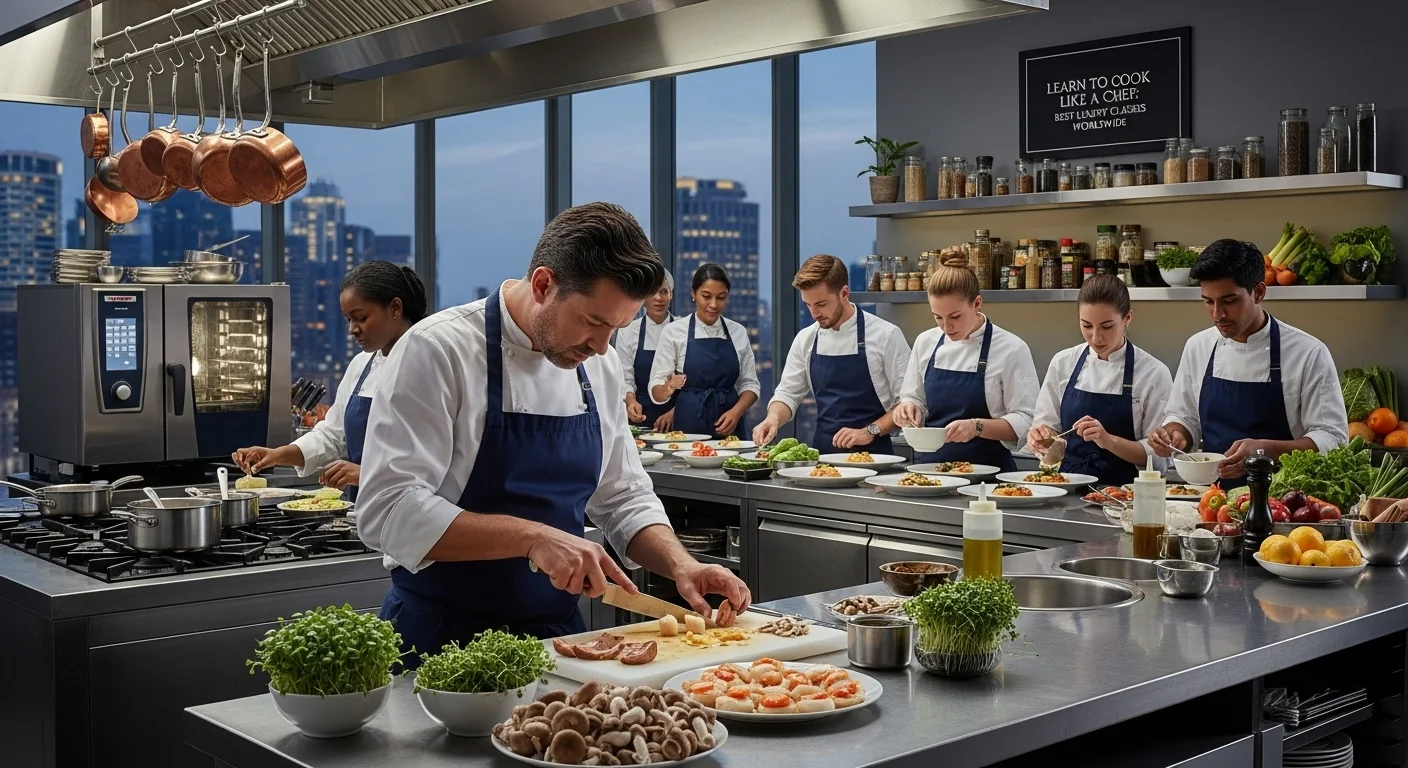
Learn to Cook Like a Chef: Best Luxury Classes Worldwide

Understanding Luxury Cooking Classes

Luxury cooking classes are more than just a way to learn how to cook; they are an experience that immerses you in the art of cuisine. I remember my first cooking class at a prestigious culinary school, where I felt like I had stepped into a world of flavors and techniques that were previously beyond my reach. The atmosphere was electric, and the quality of instruction was unparalleled. This is what sets luxury cooking classes apart from regular classes—they provide an enriching experience that encompasses not only cooking skills but also a deeper appreciation for food and culture.

What Defines a Luxury Cooking Class?

When I think of luxury cooking classes, I envision a blend of expert instruction, high-quality ingredients, and an intimate setting. These classes typically feature renowned chefs who share their knowledge and techniques, often in stunning kitchens equipped with state-of-the-art appliances. I’ve taken classes where the chef walked us through each step, ensuring we understood the why behind each technique, not just the how. The focus is on quality, from the ingredients used to the overall experience, making it feel undeniably special.

Benefits of Taking a Luxury Cooking Class

One of the most rewarding aspects of attending a luxury cooking class is the confidence it builds in your culinary abilities. I’ve noticed that after participating in a well-structured class, I felt empowered to experiment in my own kitchen. These classes often emphasize hands-on learning, allowing you to practice techniques in real-time, which I found invaluable. Moreover, you gain insights into the cultural context of the cuisine, which adds depth to your cooking and makes the process even more enjoyable.

Additionally, luxury cooking classes frequently provide opportunities for networking and meeting fellow food enthusiasts. I’ve made wonderful friends in my cooking classes, and we often share recipes and tips long after the class has ended. There’s something magical about bonding over a love for food while learning from the best in the industry. Read Interesting article: Savor the Experience: Top Luxury Cooking Classes to Try

Types of Cuisine Offered in Luxury Classes

Luxury cooking classes often feature a wide variety of cuisines, allowing you to explore global flavors without ever leaving the kitchen. I’ve enjoyed classes focusing on Italian, French, Japanese, and even fusion cuisine. Each type of class offers a unique perspective on cooking techniques, flavor profiles, and cultural history. For instance, in an Italian cooking class, I learned how to make fresh pasta from scratch, a skill that has since become a highlight in my dinner parties. In contrast, a Japanese cooking class taught me the delicate art of sushi making, which felt like a meditative experience.

Furthermore, many luxury cooking classes also offer themed workshops that focus on specific techniques or ingredients, such as baking artisan bread or mastering the perfect steak. These specialized classes can be a great way to hone in on a particular skill set that you’re interested in. I often find that after attending a few classes, I develop a favorite cuisine, and I feel a newfound passion to explore it further.

In my experience, the type of cuisine you choose can significantly influence your cooking journey. I once took a French pastry class that not only taught me how to bake delicate éclairs but also introduced me to the philosophy of French culinary traditions. It was an eye-opening experience that deepened my understanding of the culinary arts.

So, if you’re considering diving into the world of luxury cooking classes, think about what cuisine excites you the most. Whether it’s the rustic flavors of Italian cooking, the finesse of French dishes, or the precision of Japanese techniques, there’s a class out there waiting to elevate your culinary skills and ignite your passion for cooking. Read Interesting article: Top Unique Luxury Resorts for the Ultimate Getaway

Top Luxury Cooking Classes Worldwide

Italy

Florence: Tuscan Cooking Workshops

When it comes to cooking classes, Italy is often at the top of many food lovers’ lists, and for good reason. I had the chance to attend a Tuscan cooking workshop in Florence, and it was nothing short of magical. The workshop was held in a rustic villa surrounded by rolling hills and olive groves, which made the experience even more enchanting. We started the day by visiting a local market to select fresh ingredients. I loved being able to chat with the vendors, learning about the local produce as we handpicked ripe tomatoes and fragrant basil.

Once back in the kitchen, we dove into making classic Tuscan dishes like ribollita and homemade pici pasta. The chef was incredibly passionate, sharing stories about each recipe’s origins. I remember feeling so accomplished as I rolled out my pasta dough, transforming simple ingredients into a dish that would make any Italian grandmother proud. The best part? We enjoyed our creations al fresco, savoring every bite with a glass of the local Chianti. It was a culinary experience that I’ll always treasure.

Bologna: Traditional Italian Cuisine

Bologna is known as the gastronomic capital of Italy, and taking a cooking class here is an unforgettable experience for anyone who appreciates Italian food. I enrolled in a class that focused on traditional Bolognese dishes, specifically the famous ragù alla Bolognese. Learning to make this sauce from scratch was eye-opening; I never knew the importance of slow-cooking and the balance of flavors that goes into it.

The chef not only guided us through the cooking process but also emphasized the historical significance of each dish. I felt a connection to the region’s culinary heritage as we prepared a feast that included fresh tagliatelle and rich sauces. Finally, sharing the meal with fellow participants, we swapped stories and laughter, and I realized that cooking is as much about community as it is about the food itself.

France

Paris: Michelin-Star Cooking Experiences

Ah, Paris—the city of love and incredible cuisine. My experience in a Michelin-star cooking class here was nothing short of surreal. Set in a chic culinary school, the class was taught by a chef who had worked in some of the best restaurants in the city. I remember feeling a mix of excitement and nervousness, but the chef’s warm demeanor made everyone feel at ease.

During the class, we created a multi-course meal that included a delicate soufflé and a beautifully plated fish dish. Learning the precision and techniques that go into Michelin-star dining was inspiring. The chef emphasized the importance of presentation, and I found myself paying as much attention to the plating as I did to the flavors. It was a challenge, but seeing our dishes come together beautifully was incredibly rewarding.

Provence: Rustic French Cooking

In Provence, I had the pleasure of participating in a rustic French cooking class that focused on regional dishes. We worked with seasonal ingredients, and I was amazed at how simple elements could create such depth of flavor. The chef taught us how to make a traditional ratatouille and a fresh tarte Tatin, both of which have since become staples in my home cooking.

One of the highlights was cooking outdoors in the Provençal sun, surrounded by lavender fields. The environment inspired creativity, and I found myself falling in love with the vibrant colors and aromas of French cuisine. The experience was not just about cooking; it was about enjoying the beauty of the surroundings and the joy of creating something delicious with fresh, local ingredients.

Spain

Barcelona: Catalan Culinary Classes

Barcelona’s culinary scene is vibrant, and I was thrilled to immerse myself in a Catalan cooking class. The chef’s passion for regional recipes shone through as we prepared traditional dishes like escalivada and crema catalana. I remember being amazed by the bold flavors and how each dish told a story of the region’s history and culture.

One memorable part of the class was discovering the importance of using high-quality olive oil and fresh seafood, which are staples in Catalan cuisine. Cooking alongside fellow food enthusiasts made the class feel like a communal celebration of food, and we shared plenty of laughs while trying to master the techniques. The best part was enjoying the meal together, right in the heart of the bustling city, with the sounds of Barcelona surrounding us.

San Sebastián: Basque Cooking Techniques

San Sebastián is known for its pintxos and culinary excellence, so I was eager to take a class focused on Basque cooking techniques. This class opened my eyes to the art of creating small plates filled with flavor and creativity. I learned how to prepare several pintxos, each with unique ingredients and presentation styles.

The experience was hands-on, allowing me to experiment with different flavor combinations. I loved the challenge of balancing tastes and textures while keeping the dishes visually appealing. After cooking, we enjoyed a tasting session where we shared our creations and exchanged ideas with the chef and fellow participants. It was a delightful way to explore the rich culinary traditions of the Basque Country.

Japan

Tokyo: Sushi Making and Traditional Japanese Cuisine

Japan offers an incredible culinary journey, and I found myself captivated by a sushi-making class in Tokyo. The chef, who was a sushi master, guided us through the meticulous process of preparing sushi rice and selecting fresh fish. I was in awe of his precision and the respect he had for each ingredient.

One of my favorite moments was when we learned how to create nigiri and maki rolls. I remember feeling a sense of accomplishment as I shaped the rice and sliced the fish, trying to emulate the chef’s skillful techniques. The attention to detail in Japanese cuisine was something I had never appreciated before. Sitting down to enjoy our sushi after the class felt like a celebration of everything we had learned.

Kyoto: Kaiseki Cooking Classes

In Kyoto, I had the chance to experience kaiseki, a traditional multi-course Japanese dinner that emphasizes seasonal ingredients and artful presentation. The class was held in a serene tea house, which added to the peaceful ambiance. I remember being fascinated by the philosophy behind kaiseki, focusing on harmony and balance in both flavors and aesthetics.

We prepared dishes that included delicate sashimi, soup, and beautifully arranged vegetable dishes. Each course was a work of art, and I learned how to plate my food in a way that reflected Japanese traditions. The experience was not just about cooking; it was about understanding the cultural significance of each dish and the care that goes into creating a complete dining experience.

United States

New York City: Culinary Institute of America

Attending a class at the Culinary Institute of America in New York City was a dream come true for me. This prestigious institution is known for its rigorous culinary programs, and I was excited to learn from some of the best in the industry. The class I took focused on modern American cuisine, incorporating diverse influences from around the world.

We explored techniques such as sous-vide cooking and molecular gastronomy, which were both fascinating and a bit intimidating. The chef instructor was incredibly knowledgeable and encouraged us to push our culinary boundaries. I found myself experimenting with flavors and techniques I previously hadn’t considered, and it opened up a whole new world of cooking possibilities for me.

San Francisco: Farm-to-Table Cooking Classes

San Francisco is known for its emphasis on fresh, local ingredients, and I loved taking a farm-to-table cooking class there. We started with a visit to a local farmer’s market, where we handpicked seasonal produce. The vibrant colors and variety of ingredients were inspiring, and I felt more connected to the food we would be preparing.

In the kitchen, we created dishes that showcased the local bounty, focusing on flavors that highlighted the freshness of the ingredients. The chef shared tips on how to cook with what’s in season, which has influenced how I approach cooking at home. The experience was a great reminder of how important it is to appreciate the quality of ingredients and where they come from.

Australia

Sydney: Modern Australian Cuisine

Australia has a unique culinary scene that blends influences from around the world, and I was excited to take a class focused on modern Australian cuisine in Sydney. The chef emphasized the use of fresh, local produce and sustainable practices, which resonated with me.

During the class, we prepared dishes that included native ingredients like kangaroo and bush tomatoes. I remember being intrigued by the creative ways we could incorporate these elements into modern dishes. The chef’s enthusiasm for Australian cuisine was infectious, and I left the class feeling inspired to explore my own culinary creativity at home.

Melbourne: Coffee and Culinary Workshops

Melbourne is known for its coffee culture, and I couldn’t resist taking a workshop that combined culinary skills with coffee expertise. We learned how to brew the perfect cup of coffee while also preparing a delightful brunch menu. The balance of flavors in both the food and the coffee was a fascinating aspect of the class.

During the workshop, we also explored pairing coffee with different dishes, which was an eye-opener for me. I loved how the chef brought together the worlds of food and coffee, creating an experience that celebrated both. This class highlighted the importance of attention to detail in every aspect of cooking and serving, making it a unique culinary experience I won’t forget.

What to Expect from Luxury Cooking Classes

Class Structure and Duration

When I signed up for my first luxury cooking class, I wasn’t entirely sure what to expect. I soon learned that these classes are often structured to maximize both learning and enjoyment. Typically, a class lasts anywhere from a few hours to a full day, depending on the complexity of the cuisine. I remember my day-long culinary adventure in Tuscany, where we started with breakfast before diving into a series of cooking sessions that spanned the entire afternoon. Classes usually begin with an introduction, where the chef shares a bit about the dishes we’ll be preparing and their history. This is where I felt the excitement building as I learned not only what to cook but also the cultural significance behind each dish. Following the introduction, the hands-on portion lets participants dive right into cooking. I loved this part the most; it was thrilling to chop, sauté, and create alongside fellow food lovers. In some cases, you might even have the opportunity to enjoy the meal you’ve prepared at the end of the class, which adds a celebratory touch to the entire experience. I’ve found that savoring your creations with the group fosters a sense of community, making the experience even more memorable.

Ingredients and Equipment Provided

One of the great things about luxury cooking classes is the emphasis on high-quality ingredients. I remember stepping into a beautiful kitchen and being greeted by an array of fresh, seasonal produce and artisanal products. From vibrant vegetables to specialty oils and spices, the focus is on sourcing the best ingredients to enhance the cooking experience. The equipment is also top-notch. I’ve used professional-grade knives, cookware, and appliances that I could only dream of having in my kitchen. Having access to these tools elevates the class and allows you to learn techniques in a way that feels both professional and exciting. In my experience, working with great tools made a difference in how I approached the cooking process. It inspired me to be more meticulous and creative.

Chef Instructors: Experience and Background

The chefs leading these classes often have impressive backgrounds, and this adds to the allure of luxury cooking classes. Many have trained in prestigious culinary schools or worked in renowned restaurants, bringing a wealth of experience and passion to the table. I was fortunate to learn from chefs who shared not just their skills but also their personal stories and culinary philosophies. I remember in one class, the chef shared anecdotes from his time in Michelin-starred kitchens, and it was fascinating to hear about the pressures and triumphs of working at that level. It gave me insights into the culinary world that I had never considered before. Their personal passion for food is infectious, and I found myself more eager to learn and experiment under their guidance.

Small Class Sizes vs. Group Classes

The class size can greatly influence your experience. Luxury cooking classes often favor smaller groups, which allows for more personalized attention from the chef. I’ve taken classes with as few as six participants, which allowed everyone to ask questions and receive hands-on guidance. This intimate setting fosters a collaborative atmosphere where everyone feels comfortable sharing their thoughts and experiences. Conversely, larger group classes can still be enjoyable, but they might feel a bit more rushed. I’ve participated in a few of these, and while they had their charm, I missed the one-on-one interaction that smaller classes provide. You might find it more challenging to get the chef’s attention when there are many people vying for their expertise. Ultimately, I believe that the size of the class can shape the overall experience. If you prefer more personalized instruction, I recommend seeking out smaller classes. They tend to create a more engaging environment, and you’ll likely walk away with a deeper understanding of the techniques learned.

Preparation for Your Cooking Class

Choosing the Right Class Based on Your Skill Level

Before enrolling in a luxury cooking class, it’s essential to consider your skill level. I’ve seen classes that cater to beginners, intermediates, and advanced cooks alike. When I first started, I opted for beginner classes that focused on fundamental techniques and simple recipes. This helped me build confidence and a solid foundation. As I grew more comfortable in the kitchen, I moved on to more advanced classes that challenged me with intricate techniques and unique flavors. I learned that it’s okay to push yourself, but it’s equally important to find classes that match your current abilities. I recommend reading reviews or asking for recommendations to find the right fit for you.

What to Bring: Aprons, Knives, and More

Most luxury cooking classes provide the necessary equipment, but it’s always a good idea to check in advance about what you should bring. I’ve found that wearing a comfortable apron is essential; it not only keeps me clean but also makes me feel more like a chef! Some classes encourage participants to bring their own chef’s knives, especially if you have a favorite one that you feel comfortable using. Don’t forget to bring a notebook for jotting down tips or recipes. I’ve often regretted not taking notes during classes, as I wanted to remember the little details that made a big difference. Finally, a positive attitude and a sense of adventure are vital; be ready to learn, make mistakes, and enjoy the process!

Understanding Class Policies and Cancellations

Before signing up, take some time to familiarize yourself with the class policies. I’ve learned this the hard way after a last-minute cancellation left me scrambling to find a replacement. Most classes have clear guidelines regarding cancellations, refunds, or rescheduling, so it’s worth reading the fine print. Being informed about the policies will not only save you stress but also help you plan your cooking adventures more effectively. Whether you’re looking to explore new cuisines or refine your skills, understanding what to expect will enhance your overall experience in luxury cooking classes.

Frequently Asked Questions

What are luxury cooking classes?

Luxury cooking classes are immersive experiences that not only teach culinary skills but also enhance appreciation for food and culture, often featuring expert instruction in stunning locations.

What distinguishes luxury cooking classes from regular cooking classes?

Luxury cooking classes provide a blend of expert instruction, high-quality ingredients, and an intimate setting, often taught by renowned chefs in well-equipped kitchens.

What are some benefits of attending luxury cooking classes?

Benefits include building confidence in culinary abilities, hands-on learning, gaining cultural insights, and networking with fellow food enthusiasts.

What types of cuisine are typically offered in luxury cooking classes?

Luxury cooking classes feature a variety of cuisines, including Italian, French, Japanese, and fusion, allowing participants to explore global flavors and cooking techniques.

What can I expect in terms of class structure and duration?

Classes typically last from a few hours to a full day and begin with an introduction about the dishes, followed by hands-on cooking, often culminating in enjoying the meal prepared.

What kind of ingredients and equipment are provided in luxury cooking classes?

High-quality ingredients, including seasonal produce and artisanal products, are provided, along with access to professional-grade kitchen equipment that enhances the cooking experience.

How experienced are the chefs who lead luxury cooking classes?

Chefs leading these classes often have impressive backgrounds, having trained in prestigious culinary schools or worked in renowned restaurants, bringing valuable skills and passion to their teaching.

What is the typical class size in luxury cooking classes?

Luxury cooking classes often favor smaller groups, allowing for more personalized attention from the chef, while larger classes may feel more rushed and less interactive.

How should I prepare for a luxury cooking class?

Consider your skill level when choosing a class, wear a comfortable apron, and bring a notebook for notes. Some classes may encourage bringing your own knives if preferred.

What should I know about class policies and cancellations?

It’s important to familiarize yourself with class policies regarding cancellations, refunds, or rescheduling to avoid stress and plan your culinary adventures effectively.
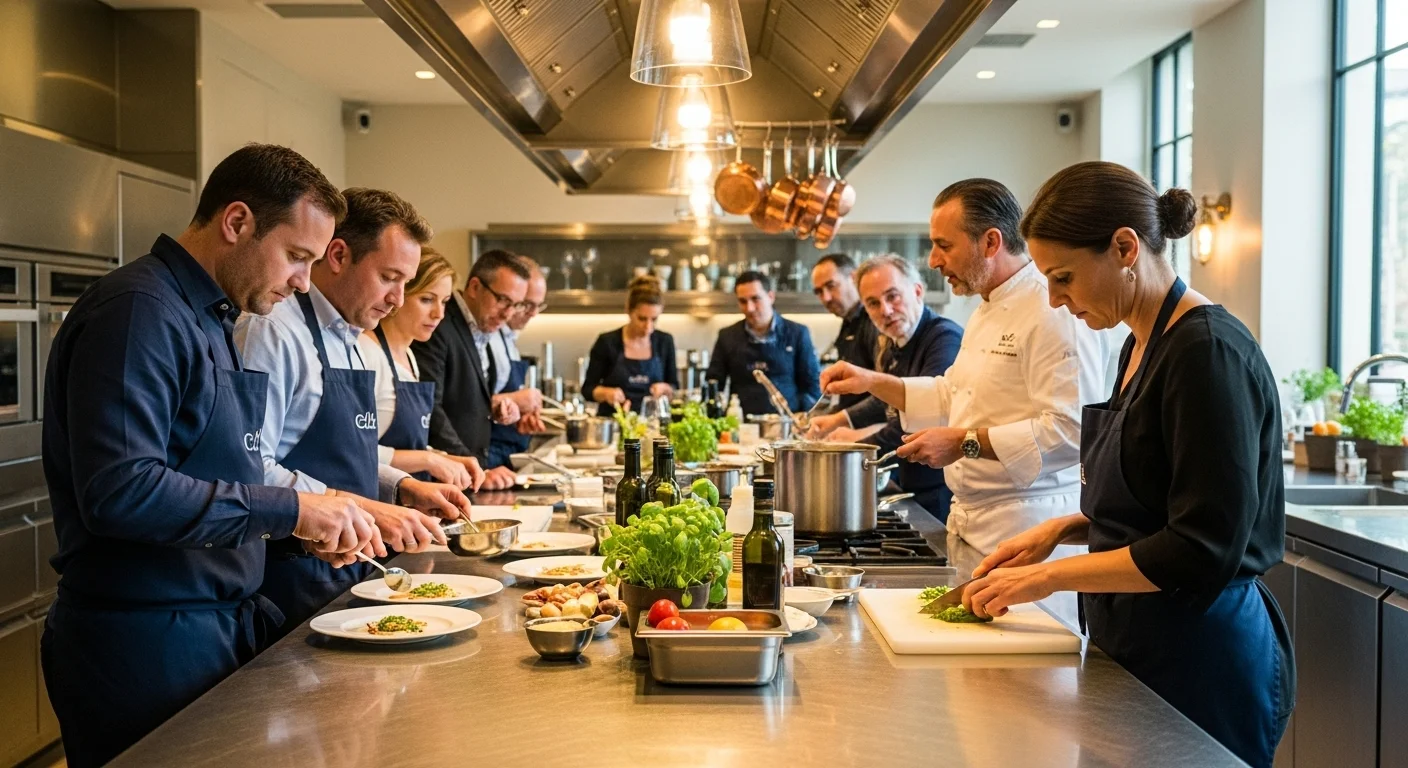
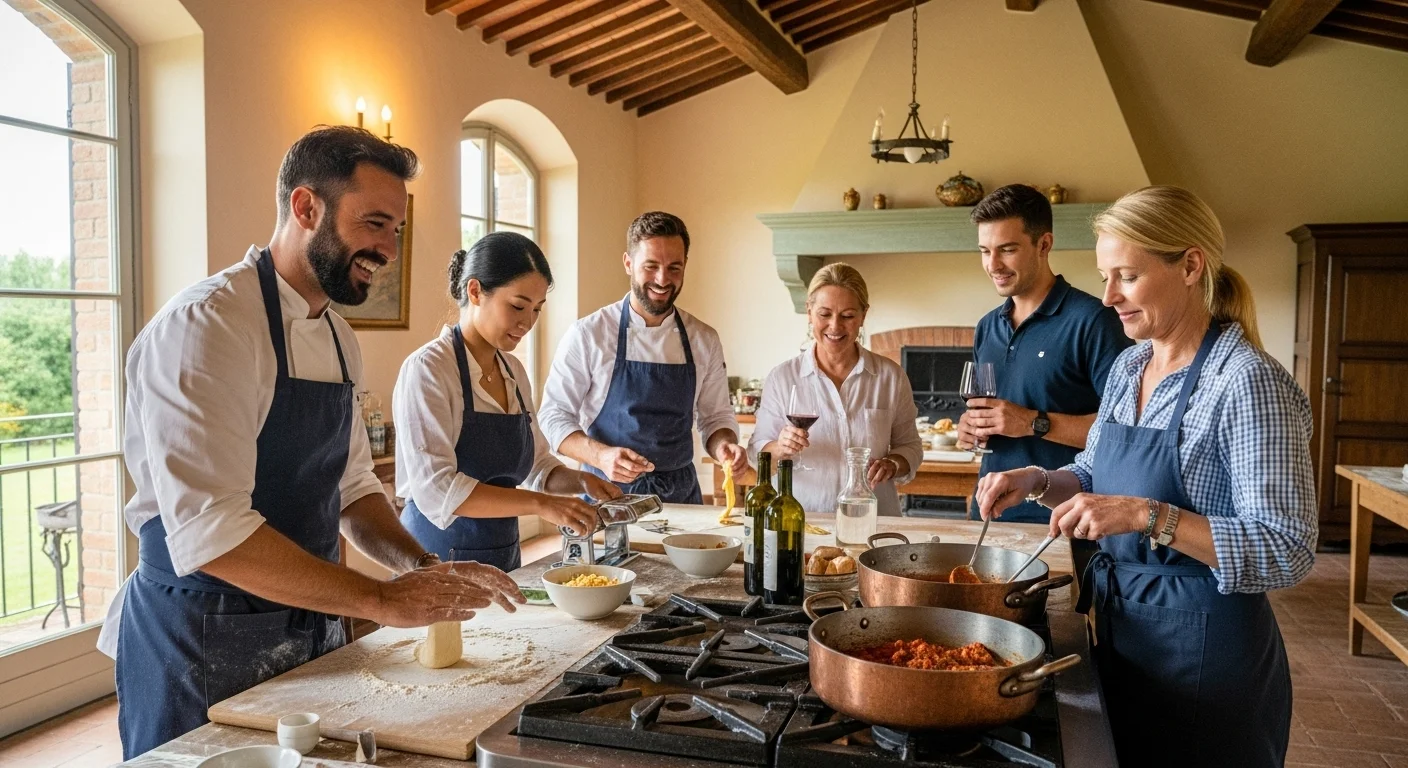
Savor the Experience: Top Luxury Cooking Classes to Try

Cooking can be an art, a science, and a delightful adventure. If you’re ready to elevate your culinary skills and indulge in a luxurious experience, luxury cooking classes offer the perfect blend of education and enjoyment.

Savor the Experience: Top Luxury Cooking Classes to Try

Understanding Luxury Cooking Classes

What Defines a Luxury Cooking Class?

When I think of luxury cooking classes, I envision a space filled with top-notch equipment, the aroma of exquisite ingredients, and the guidance of a master chef. These classes go beyond just learning how to chop onions or sauté vegetables. They focus on high-quality techniques, gourmet recipes, and a refined culinary experience. In my experience, luxury cooking classes often take place in beautiful settings, from elegant kitchens in high-end culinary schools to stunning locations in the heart of some of the world’s greatest cities. It’s all about creating an ambiance that enhances the learning experience.

Benefits of Taking Luxury Cooking Classes

There are so many reasons to consider a luxury cooking class, and I’ve personally found the benefits to be invaluable. First, these classes provide access to expert instructors who often have years of experience in the culinary world. They share insights that you simply won’t find in your average cooking tutorial. I remember the first time I learned about the importance of seasoning from a Michelin-starred chef—it completely transformed my cooking.

Another benefit is the quality of ingredients used. In luxury classes, you’ll typically work with fresh, high-end produce, premium meats, and specialty items that may not be available in your regular grocery store. Cooking with these ingredients not only elevates your dishes but also enhances your appreciation for quality food.

Moreover, luxury cooking classes create a unique environment for networking and meeting like-minded individuals. I’ve met some wonderful people while cooking side by side in these classes, forging friendships that have led to delightful dinner parties and culinary adventures.

What to Expect in a Luxury Cooking Class

So, what can you expect when you sign up for a luxury cooking class? For starters, most classes begin with an overview of the day’s menu and the techniques we’ll be learning. I’ve noticed that many chefs take the time to explain the cultural significance of the recipes, which adds depth to the experience. This isn’t just about following a recipe; it’s about understanding the heritage behind it.

The hands-on part is where the magic truly happens. You’ll be chopping, stirring, and plating your creations under expert guidance. I recall a pasta-making class where we learned to create the dough from scratch. The tactile experience of kneading the dough and watching it transform into fresh pasta was incredibly rewarding.

Throughout the class, expect to have plenty of opportunities to ask questions and receive personalized feedback. I’ve found that the smaller class sizes typical of luxury cooking classes allow instructors to give more attention to each participant, which enhances the learning experience.

Finally, the culmination of the class is often a shared meal where everyone gets to enjoy the fruits of their labor. There’s something so fulfilling about sitting down with new friends and savoring dishes that we created together. It’s a moment to reflect on what we’ve learned and appreciate the flavors we’ve crafted.

In summary, luxury cooking classes are not just about learning how to cook; they are a holistic experience that encompasses learning, enjoying, and connecting. Whether you’re a novice or a seasoned cook, there’s always something new to discover in these enriching environments.

Top Global Destinations for Luxury Cooking Classes

Paris, France: Culinary Capital of the World

When I think of culinary excellence, Paris immediately comes to mind. The city is not only famous for its iconic landmarks but also for its rich food culture. I remember my first cooking class there, surrounded by the aroma of freshly baked baguettes and the vibrant colors of market-fresh produce. In Paris, luxury cooking classes often feature classic French techniques like pastry making, sauce preparation, and gourmet dish presentations. Many classes also include excursions to local patisseries or markets, allowing participants to immerse themselves fully in the French culinary experience. It’s incredible how much I learned just by understanding the importance of patience and precision in French cooking.

Tuscany, Italy: Embrace Italian Culinary Traditions

Tuscany holds a special place in my heart. The rolling hills, olive groves, and vineyards create a picturesque backdrop that’s perfect for a cooking class. Here, I found that luxury cooking classes often focus on traditional Italian recipes, emphasizing the use of fresh, local ingredients. I’ve enjoyed learning how to make homemade pasta and perfecting my risotto skills amid the warmth of Tuscan hospitality. The classes usually culminate in a communal meal where everyone shares their creations, paired with local wines. The whole experience feels like a celebration of life, food, and the joy of cooking with friends.

Tokyo, Japan: Mastering Japanese Cuisine

Tokyo is a culinary adventure unlike any other. I was thrilled to dive into the world of sushi making and learn about the meticulous techniques that go into preparing this artful dish. Luxury cooking classes in Tokyo often showcase not just sushi, but also other Japanese staples like ramen and kaiseki, which is a traditional multi-course meal. I remember attending a class where we visited a fish market to select the freshest ingredients. The hands-on experience of preparing dishes while learning about the cultural significance behind each ingredient made me appreciate Japanese cuisine even more. Plus, the focus on presentation is something that I now incorporate into my own cooking.

Barcelona, Spain: A Fusion of Flavors

Barcelona is a vibrant city that reflects its diverse culinary influences. I’ve had the pleasure of taking luxury cooking classes here that blend traditional Spanish recipes with modern techniques. Working with fresh seafood and local vegetables while learning to create paella was a highlight for me. The classes often emphasize the importance of flavor blending and the use of spices, and I found myself experimenting with new flavor profiles I had never considered before. What’s more, many classes include a visit to a local market, where we learned about selecting the best ingredients for our dishes. The energy in Barcelona is contagious, and cooking amidst it really ignited my passion for culinary exploration.

New York City, USA: Diverse Culinary Experiences

New York City offers an eclectic mix of culinary classes that reflect its multicultural identity. I was amazed at the variety available, from Italian to Thai and everything in between. Luxury cooking classes here often feature renowned chefs who bring their unique expertise to the table. In one memorable class, I learned how to create a fusion dish that blended elements of different cuisines—a technique that has since inspired me to experiment in my own kitchen. The opportunities for networking and sharing ideas with fellow food enthusiasts are endless in a city that thrives on creativity. Each class feels like a new adventure, and I always leave with fresh inspiration and new friendships.

Types of Luxury Cooking Classes to Consider

Hands-On Cooking Classes

Hands-on cooking classes are truly where the magic happens. I love getting my hands dirty and fully engaging in the cooking process. These classes allow participants to take an active role, from chopping vegetables to plating dishes. It’s a great way to learn through experience, and I’ve found that the more involved I am, the more I retain the techniques I learn. Working alongside others in a supportive environment adds to the fun and camaraderie of the cooking experience.

Private Chef Experiences

For a more personalized touch, private chef experiences are an incredible option. I once arranged for a private chef to guide me through a cooking class in my home. This one-on-one instruction made it possible to tailor the class to my specific interests and skill level. I was able to ask questions freely and receive immediate feedback. It felt like having a culinary mentor right in my kitchen! This type of class can be particularly useful if you want to master a specific cuisine or technique.

Farm-to-Table Classes

Farm-to-table classes emphasize the importance of fresh, locally sourced ingredients, and they’re some of my favorites. I’ve participated in classes where we started our day with a visit to a local farm to select produce. The connection to the food makes cooking even more meaningful. I remember the vibrant flavors of the vegetables we picked and how they enhanced the dishes we created. This hands-on approach not only teaches cooking techniques but also fosters a deeper appreciation for the ingredients we use.

Wine and Cooking Pairing Classes

For those who enjoy pairing food with wine, these classes offer a delightful experience. I’ve attended classes where we cooked dishes specifically designed to complement various wines. Learning about the science of pairing flavors opened my eyes to new culinary possibilities. It’s fascinating how the right wine can elevate a meal. Plus, sharing the experience with fellow wine enthusiasts creates a relaxed and enjoyable atmosphere.

Culinary Tours with Cooking Elements

Combining cooking classes with culinary tours is a fun way to explore a region’s food culture. I’ve enjoyed tours that included visits to local markets, street food tastings, and cooking demonstrations. These experiences provide a broader perspective on a cuisine and often inspire new ideas for my own cooking. I love how culinary tours allow me to immerse myself in the local culture while honing my culinary skills. Exploring culinary tours can be a unique adventure that enhances your cooking journey.

What to Look for in a Luxury Cooking Class

Instructor Credentials and Experience

When searching for a luxury cooking class, I believe the instructor’s background is a crucial factor. I’ve attended classes led by chefs with impressive credentials, including Michelin stars and years of experience in top restaurants. Their passion for food and cooking techniques is contagious and can truly enhance the learning experience. I remember taking a class where the chef not only demonstrated techniques but also shared personal stories about their culinary journey. It made the class feel more relatable and inspiring. I recommend looking up the instructors before enrolling, as their experience can often dictate the depth of knowledge you’ll gain.

Class Size and Personal Attention

The size of the class can significantly impact your experience. In my experience, smaller class sizes offer a more intimate setting where you can receive personalized feedback. I’ve participated in classes with as few as five participants, which allowed the chef to spend time with each of us, correcting our techniques and answering our questions. This one-on-one attention made a world of difference in my learning process. If you prefer a more tailored experience, look for classes that limit the number of participants. It’s worth it to invest in an environment where you can truly engage and enhance your skills.

Cooking Techniques and Cuisine Focused

Consider what specific techniques or cuisines interest you most. I’ve found that some luxury cooking classes specialize in particular styles, like French pastry making or sushi rolling, while others offer a broader overview of various cuisines. When I was eager to improve my baking skills, I chose a class that focused solely on that. The depth of knowledge I gained was fantastic, and I felt confident trying new recipes at home. I recommend reflecting on what you want to learn and seeking out classes that cater to those interests. A focused class can provide you with skills that you can build upon in your culinary adventures.

Facilities and Equipment Quality

The quality of the facilities and equipment can also enhance your cooking class experience. I’ve been in kitchens that were well-stocked with top-of-the-line tools, making the cooking process much more enjoyable. Using professional-grade knives and appliances allowed me to experiment without the limitations of lesser equipment. It’s also a more realistic environment for learning as it mirrors what you might find in a professional kitchen. When researching classes, check if they provide details about their facilities, as this can greatly impact the overall quality of your learning experience.

Popular Luxury Cooking Schools and Chefs

Cordon Bleu (Paris & Worldwide)

Cordon Bleu is one of the most prestigious culinary schools in the world. I remember my excitement when I took a class there; the atmosphere was electric with creativity and passion for food. The instructors are typically highly experienced chefs, and the curriculum covers everything from basic techniques to gourmet cooking. The classes I attended were structured yet flexible, allowing for creativity while still providing solid foundational skills. If you’re looking for a globally recognized institution, this is certainly a place to consider.

Apicius (Florence, Italy)

Apicius offers a unique blend of culinary education and Italian culture. I had the opportunity to attend a class there focused on Tuscan cuisine, and it was one of my favorite experiences. The school is situated in a historic building, which adds to its charm. The instructors not only teach cooking but also share insights about Italian culinary traditions and ingredients. It’s an immersive experience that truly enhances one’s understanding of Italian food culture. If you have a passion for Italy’s culinary scene, this school won’t disappoint.

Cookly (Various Locations)

Cookly is a platform that connects food enthusiasts with local chefs around the world. I’ve used it to find cooking classes in different cities, and I’ve always been impressed by the variety. Whether you’re looking for a market tour followed by a cooking session or a specialized class, Cookly has options to fit every preference. The flexibility and diversity of classes make it an excellent resource for anyone seeking culinary experiences while traveling. I always check Cookly when planning my next foodie adventure!

Atelier des Chefs (Paris, France)

Atelier des Chefs is another gem in Paris that offers a range of cooking classes tailored for various skill levels. I enjoyed a class here that focused on classic French dishes, and the hands-on approach made it easy to follow along. The instructors were knowledgeable and friendly, creating an inviting atmosphere that encouraged questions and experimentation. They have locations in other cities too, which is a bonus. If you’re in Paris, make sure to check them out for a delightful cooking experience!

Leiths School of Food and Wine (London, UK)

Leiths is famed for its rigorous culinary training, and I found their classes to be incredibly thorough. While many culinary schools focus on a specific cuisine, Leiths offers a wider range of techniques and styles, which I appreciated immensely. The instructors are not only experienced chefs but also passionate teachers, helping to instill confidence in their students. I felt empowered to try new recipes after completing my class, and I think anyone aiming to deepen their culinary skills could benefit from their well-structured curriculum.

Cost Considerations for Luxury Cooking Classes

Typical Pricing Ranges

When it comes to luxury cooking classes, the cost can vary widely depending on several factors. From my experience, I’ve noticed that most classes range from about $100 to $500 per session. Introductory classes might start on the lower end, while specialized classes featuring high-profile chefs or unique experiences can go much higher. I remember attending a truffle hunting and cooking class in Italy that was on the pricier side, but the entire experience was worth every penny. The unique opportunity to forage for truffles and then transform them into a gourmet meal made it unforgettable.

What Influences the Cost?

Several elements can influence the pricing of luxury cooking classes. First and foremost, the reputation of the chef or school plays a significant role. Classes led by Michelin-starred chefs or those at renowned culinary schools often come with a premium price tag. Additionally, the quality of ingredients used, the duration of the class, and any extra activities (like market tours or wine pairings) can also affect the cost. I’ve seen that classes that include farm visits or special culinary experiences tend to be more expensive, but they also offer an immersive experience that adds immense value.

Is It Worth the Investment?

In my opinion, investing in a luxury cooking class can be incredibly worthwhile. The skills and knowledge I gained from these experiences have greatly enhanced my cooking abilities and confidence in the kitchen. Plus, the memories and friendships formed during these classes are priceless. I think about the connections I made while chopping veggies in a bustling Parisian kitchen or enjoying the fruits of our labor in Tuscany. For anyone serious about improving their culinary skills or simply seeking a unique experience, I wholeheartedly recommend considering a luxury cooking class as a worthwhile investment. These experiences truly elevate your culinary journey.

Tips for Making the Most of Your Luxury Cooking Class

Preparing Before the Class

Preparation can truly enhance your experience in luxury cooking classes. Before attending, I like to do a bit of research on the class focus. Whether it’s mastering French sauces or exploring Asian flavors, having a basic understanding can set you up for success. I also recommend arriving hungry! There’s nothing better than cooking and tasting delicious dishes, so having an appetite can make the experience even more enjoyable.

Engaging with Instructors and Peers

Engagement is key in these classes. I’ve found that asking questions and participating actively can elevate your learning experience. Instructors usually appreciate enthusiastic students, and I’ve had some of my best learning moments come from spontaneous discussions with chefs. Plus, connecting with fellow participants can lead to meaningful relationships. Cooking alongside others who share your passion can result in lasting friendships, and I’ve often found myself chatting and sharing recipes with classmates well after the class ends.

Practicing Techniques at Home

One of the most rewarding aspects of attending a luxury cooking class is being able to take those skills home. After each class, I make a point to practice what I’ve learned. Whether it’s perfecting my pasta-making skills or trying out new flavor combinations from a wine pairing class, I believe practicing at home solidifies those techniques. It’s not just about recreating the dishes; it’s about gaining confidence in my abilities. I always feel a sense of accomplishment when I successfully replicate a dish I learned in class.

Exploring Local Markets for Ingredients

Another tip is to explore local markets for high-quality ingredients. After attending classes, I’ve made it a habit to visit farmers’ markets or specialty stores to find fresh produce and unique items. This not only supports local farmers but also helps me recreate dishes with authentic flavors. I remember visiting a market in Barcelona after a cooking class and being inspired by the vibrant colors and aromas, which led me to try new recipes that incorporated the seasonal ingredients I found. It’s a beautiful way to stay connected to the principles of cooking I learned during my classes.

Final Thoughts

Luxury cooking classes have the power to transform not just your cooking skills, but also how you view food and culture. Each class I’ve attended has opened my eyes to new techniques, flavors, and friendships that have enriched my culinary journey. Whether you’re a novice or a seasoned chef, there’s always something new to learn and experience. I encourage you to find a class that speaks to your interests and dive in. You might just discover a new passion or take your cooking to an extraordinary level.

Frequently Asked Questions

What defines a luxury cooking class?

A luxury cooking class is characterized by high-quality techniques, gourmet recipes, and a refined culinary experience, often guided by a master chef in a well-equipped, beautiful setting.

What are the benefits of taking luxury cooking classes?

Luxury cooking classes provide access to expert instructors, high-quality ingredients, and opportunities for networking with like-minded individuals, enhancing both culinary skills and appreciation for food.

What can I expect during a luxury cooking class?

You can expect an overview of the day’s menu, hands-on cooking experiences, personalized feedback from instructors, and a shared meal at the end, allowing for reflection on what you’ve learned.

What are some top global destinations for luxury cooking classes?

Top destinations include Paris for French culinary techniques, Tuscany for traditional Italian recipes, Tokyo for Japanese cuisine, Barcelona for a fusion of flavors, and New York City for diverse culinary experiences.

What types of luxury cooking classes are available?

Types of luxury cooking classes include hands-on classes, private chef experiences, farm-to-table classes, wine and cooking pairing classes, and culinary tours with cooking elements.

What should I look for in a luxury cooking class?

Look for the instructor’s credentials and experience, class size for personalized attention, specific cooking techniques or cuisine focus, and the quality of facilities and equipment.

What are some popular luxury cooking schools and chefs?

Popular schools include Cordon Bleu, Apicius, Cookly, Atelier des Chefs, and Leiths School of Food and Wine, each offering unique culinary education experiences.

What is the typical pricing range for luxury cooking classes?

Pricing for luxury cooking classes typically ranges from $100 to $500 per session, depending on factors such as the instructor’s reputation and the class’s unique offerings.

What influences the cost of luxury cooking classes?

The cost can be influenced by the chef’s reputation, the quality of ingredients, the duration of the class, and any additional activities included, such as market tours or wine pairings.

How can I make the most of my luxury cooking class?

To maximize your experience, prepare beforehand, engage actively with instructors and peers, practice techniques at home, and explore local markets for ingredients after the class.

Elevate Your Travel: Discover Luxury Cooking Classes Abroad

Imagine immersing yourself in a vibrant culture while mastering culinary techniques that tantalize your taste buds. Luxury cooking classes abroad offer the perfect blend of travel and gastronomy, letting you elevate your culinary skills to new heights. For those also interested in unique accommodations, check out Top Unique Luxury Resorts for the Ultimate Getaway.

Elevate Your Travel: Discover Luxury Cooking Classes Abroad

Understanding Luxury Cooking Classes

What Defines a Luxury Cooking Class?

When I first thought about luxury cooking classes, I wondered what really set them apart from the typical cooking workshops I had attended before. In my experience, luxury cooking classes are all about the details. They often take place in beautiful, well-equipped kitchens, sometimes even in historic buildings or stunning locations. The instructors tend to be highly skilled chefs, often with years of international culinary experience, who not only teach recipes but also share their passion for food and culture.

In a luxury setting, the focus is on quality ingredients. I’ve attended classes where the freshest produce is sourced directly from local markets or even the chef’s own garden. The classes usually limit the number of participants, which creates a more intimate atmosphere. This allows for personalized attention and interaction with the chef, making the learning experience much more enriching. Luxury also includes extras, like wine pairings, gourmet tastings, and the chance to explore local food traditions beyond just cooking.

Benefits of Taking Cooking Classes Abroad

Taking cooking classes abroad has been one of the most rewarding experiences for me, and I believe it can be transformative for anyone. For starters, learning to cook in a foreign country immerses you in the local culture. You don’t just learn recipes; you understand the history and traditions behind the dishes. I remember my first class in Italy, where the chef told stories about his grandmother’s recipes, connecting me to the food on a deeper level.

Another advantage is the opportunity to meet people from all over the world. I’ve shared kitchen spaces with fellow food enthusiasts from different countries, and those friendships often extend beyond the class. We exchange cooking tips, share our culinary journeys, and sometimes even plan future trips together. Plus, it’s a fantastic way to break the ice and socialize while sharing a common interest.

Traveling for cooking classes also expands your palate. I’ve tasted flavors I never knew existed and learned techniques that have transformed how I cook at home. Whether it’s learning how to make traditional pasta from scratch in Italy or mastering the perfect croissant in France, these experiences not only enhance your cooking skills but also make your future dinner parties much more exciting. If you’re looking for a way to combine travel with luxury stays, consider Unforgettable Unique Luxury Resort Experiences You Must Try.

In addition, luxury cooking classes often offer a comprehensive package that includes visits to local markets, wine tastings, and even excursions to learn about local agriculture. I remember wandering through a bustling market in Barcelona, picking out ingredients for our cooking class while the vibrant atmosphere surrounded me. It was a sensory overload, and the excitement of selecting fresh produce added to the experience of cooking with it later.

Lastly, let’s not forget the joy of sharing your creations. After each class, we would sit down together to enjoy the meals we had prepared. This communal dining experience made the food taste even better, as we swapped stories and laughter over our culinary efforts. It’s a reminder that cooking is not just about the food; it’s about the connections we make and the memories we create.

Top Destinations for Luxury Cooking Classes

Italy: The Heart of Culinary Excellence

Italy has long been known as a culinary destination, and for good reason. Each region boasts its own specialties, and I found that taking cooking classes here feels like stepping into a beloved family tradition. The passion Italians have for their food is palpable, and learning from local chefs who have dedicated their lives to their craft is truly inspiring.

Tuscany: Farm-to-Table Experiences

Tuscany is a gem for anyone wanting to experience the essence of Italian cuisine. I remember spending a day at an organic farm in the countryside, harvesting vegetables and herbs for our cooking class. The farm-to-table philosophy resonated with me deeply, and I can still taste the vibrant flavors of the dishes we prepared. The combination of fresh ingredients and age-old recipes created a culinary experience like no other.

Rome: Traditional Italian Cooking

In Rome, I had the chance to learn about traditional dishes like pasta and tiramisu. The class was a mix of hands-on cooking and learning about the cultural significance of each dish. I found it fascinating how every ingredient had a story, and that connection made every bite more meaningful. Plus, sharing my homemade pasta with fellow classmates in a charming Roman kitchen was an unforgettable treat.

France: A Culinary Journey

France is another incredible destination for luxury cooking classes. With its rich culinary history, learning to cook French cuisine is like stepping into a gourmet wonderland. I’ve taken classes in Paris and Provence, and each experience was unique and enlightening.

Paris: Mastering French Pastry

In Paris, I focused on pastries, where I learned to create delicate macarons and flaky croissants. The attention to detail in French pastry-making is unlike anything I’ve encountered before. I remember the thrill of watching the dough transform into something magical in the oven, and indulging in my creations with a cup of café au lait was pure bliss.

Provence: Rustic Cooking Classes

In Provence, the emphasis was on rustic and seasonal cooking. I learned to prepare hearty dishes using fresh herbs, local vegetables, and olive oil. The classes often included visits to local markets, where I discovered the charm of selecting ingredients while chatting with farmers. It was a beautiful way to connect with the land and its people.

These experiences have shaped my culinary journey and inspired me to explore more cooking classes in other parts of the world, each with its unique culinary identity. Whether it’s the vibrant flavors of Spain, the exotic spices of Thailand, or the meticulous techniques of Japan, I’ve found that luxury cooking classes abroad offer an unforgettable way to elevate my travel experiences. The adventure begins with each dish, and I can’t wait to share more about the exciting destinations that await us in the culinary world. If you’re planning your next family vacation, consider ways to Experience Luxury on a Budget: Family Resorts to Visit.

Top Destinations for Luxury Cooking Classes

Spain: A Flavorful Adventure

Spain is a treasure trove of culinary delights, and I can’t help but get excited when I think about the luxury cooking classes I experienced there. Each region of Spain offers its own unique flavors and cooking styles, and immersing myself in this vibrant culture was nothing short of exhilarating.

Barcelona: Tapas and More

My journey in Spain began in Barcelona, where I dove into the world of tapas. I remember walking through the bustling streets, the aromas of grilled seafood and roasted peppers wafting through the air. In my cooking class, we learned how to prepare a variety of tapas, from classic patatas bravas to delicate gambas al ajillo. The chef was passionate about sharing the history behind each dish, and I found myself captivated by the stories of how these small plates played a significant role in Spanish dining culture.

One of my favorite moments was learning how to make the perfect tortilla Española. It was such a simple dish, yet mastering the technique took some finesse. I struggled a bit at first, but when I finally flipped that golden tortilla onto the plate, I felt a sense of accomplishment. Sharing that delicious creation with my classmates, along with some local wine, made for an unforgettable evening. It was a reminder of how food can bring people together, no matter where you come from.

San Sebastián: Basque Cuisine

Next, I traveled to San Sebastián, a city renowned for its incredible food scene. The Basque Country is famous for its pintxos, a delightful variation of tapas. In a local cooking class, I had the opportunity to learn about the art of creating these small bites. It was fascinating to see how traditional recipes were infused with modern twists, showcasing the innovation that characterizes Basque cuisine.

During the class, we prepared an assortment of pintxos, including marinated anchovies with a zesty vinegar dressing and skewered chorizo. The experience was both hands-on and interactive, allowing us to experiment with flavors and presentation. I remember feeling a real sense of pride as my fellow classmates and I plated our creations, ready to share and enjoy the fruits of our labor. The camaraderie we built over food was a highlight of my time in San Sebastián.

Thailand: An Exotic Culinary Experience

Thailand offers an entirely different culinary adventure. The vibrant flavors and aromatic spices make it a must-visit destination for anyone looking to expand their cooking repertoire. My time in Thailand was filled with colorful ingredients and bold flavors, and I loved every moment spent in the kitchen.

Bangkok: Street Food and Traditional Dishes

In Bangkok, I took a cooking class that focused on traditional Thai dishes. I remember wandering through a local market, guided by our chef, who introduced us to a wide array of fresh herbs, vegetables, and spices. The sensory overload was incredible; I could hardly contain my excitement as I picked up ingredients I’d only ever seen in cookbooks.

Back in the kitchen, we prepared dishes like Pad Thai and Green Curry from scratch. The chef emphasized the importance of balancing flavors—sweet, sour, salty, and spicy—and it was eye-opening to see how each ingredient contributed to the final dish. I still remember the thrill of achieving that perfect balance in my cooking. Sharing the delicious meals we prepared with fellow food lovers made the experience even more special, and I left feeling inspired to recreate those flavors at home.

Chiang Mai: Northern Thai Cooking

My culinary journey continued in Chiang Mai, where I had the chance to learn about Northern Thai cuisine. The dishes here are distinct, often featuring unique ingredients like sticky rice and fresh herbs. In a cozy cooking school set in a lush garden, we were taught how to make Khao Soi, a creamy coconut curry noodle soup that quickly became one of my favorites.

During the class, we discussed the significance of each ingredient used in Northern Thai cooking and how it reflects the region’s culture. I remember feeling a strong connection to the food, as it was not just about the flavors but the stories behind them. Cooking in Chiang Mai was more than just a class; it was a deep dive into a way of life that values community, tradition, and flavor.

Japan: Discovering Japanese Culinary Arts

Japan is another incredible destination for those wanting to delve into luxury cooking classes. The meticulous attention to detail in Japanese cuisine speaks volumes about their culture, and I found it fascinating to learn about their culinary philosophies.

Tokyo: Sushi Making Classes

In Tokyo, I enrolled in a sushi-making class that completely transformed my perception of this beloved dish. The chef’s precision and techniques were awe-inspiring. I remember feeling a bit intimidated at first, but the chef’s passion made it easy to learn. We started with the basics, mastering the art of cooking the perfect sushi rice before moving on to slicing fresh fish.

Once we began rolling our sushi, it was like a dance—the rhythm and flow of the movements were almost meditative. Sharing my handcrafted sushi with classmates surrounded by the vibrant Tokyo skyline was a memory I cherish deeply. It was a blend of tradition and innovation, and I walked away with not just recipes, but a newfound respect for Japanese culinary arts.

Kyoto: Traditional Kaiseki Cuisine

Finally, my culinary adventure in Japan took me to Kyoto, where I had the opportunity to experience kaiseki, a traditional multi-course meal. The cooking class was all about presentation, seasonal ingredients, and balance. I loved learning how to prepare each dish with such care, from the delicate sashimi to the beautifully arranged vegetables.

Preparing kaiseki was a lesson in patience and artistry. Each course was thoughtfully designed to create a visual and flavor experience that reflects the changing seasons. I felt a profound connection to the food and culture, and the meal we shared afterward was nothing short of magical. It wasn’t just a dinner; it was a celebration of nature, art, and culinary mastery that I will always remember.

Types of Luxury Cooking Classes

Hands-On Classes vs. Demonstrative Classes

When it comes to luxury cooking classes, you’ll often find two main formats: hands-on and demonstrative classes. Personally, I lean towards hands-on experiences where I can get my hands dirty and truly engage with the cooking process. There’s something incredibly satisfying about chopping vegetables, mixing ingredients, and tasting as I go. I remember a class in Barcelona that focused on making paella. Each of us had a role in the process, from sautéing the seafood to stirring the rice just right. The energy in the kitchen was electric, and the sense of accomplishment when we finally sat down to eat was unforgettable.

On the other hand, demonstrative classes have their merits too. In these classes, the chef often takes center stage, showcasing techniques and methods while you watch and absorb the information. I’ve been to a few of these, and while it’s less interactive, I found it fascinating to see the chef’s expertise firsthand. Watching a French pastry chef whip up an éclair in minutes was mesmerizing, and I took away valuable tips that I still use in my own kitchen. In my experience, both types of classes can be enriching, depending on how you learn best.

Private One-on-One Instruction

If you’re looking for a truly tailored experience, private one-on-one instruction can be a game changer. I had the opportunity to take a private lesson in Tuscany, and it was one of the most rewarding culinary experiences of my life. The chef worked with me to create a menu that reflected my interests, and I felt like I had a VIP pass into the world of Italian cooking. This personalized approach allowed me to ask questions freely and receive immediate feedback, which made the learning curve so much smoother.

During my private lesson, we focused on making handmade pasta. The chef’s patience and expertise helped me master the basics, and by the end of our session, I was rolling out sheets of pasta like a pro. The ability to ask for tips on specific techniques made a huge difference in my confidence in the kitchen. If you have the chance, I highly recommend investing in a private class to elevate your cooking skills.

Group Classes: A Social Experience

Group classes offer a fantastic opportunity for social interaction, and I’ve met some of the most interesting people through these sessions. Cooking together creates a natural bond, and I always look forward to sharing stories and laughter with fellow food lovers. I remember a class in San Sebastián where we were all strangers at the beginning but ended up sharing our favorite recipes and travel stories over a delicious meal we cooked together.

These group experiences can be both fun and educational. It’s amazing how much you can learn from each other, whether it’s a cooking tip or a cultural insight. Plus, there’s something special about celebrating your collective efforts at the end of the class, enjoying the dishes you’ve prepared side by side. For me, the social aspect of group classes is just as valuable as the cooking skills I acquire.

Culinary Tours with Cooking Classes Included

Culinary tours are another exciting option that I’ve come to appreciate. These tours combine the thrill of travel with immersive cooking experiences, allowing you to explore a region’s food culture in depth. I once joined a culinary tour in Thailand that included cooking classes alongside market visits and street food tastings. Each day was packed with adventures, and I loved how the classes complemented our culinary explorations.

During one memorable day, we visited a floating market and learned how to cook dishes using ingredients we had just picked. The experience of selecting fresh produce while chatting with local vendors added a special layer to our cooking. It felt like we were connecting directly with the heart of Thai cuisine. If you’re someone who loves to travel and explore new flavors, a culinary tour with cooking classes can be the perfect way to indulge both passions.

What to Expect from a Luxury Cooking Class

Class Structure and Duration

Every luxury cooking class has its unique structure, but I’ve noticed some common elements. Most classes typically start with an introduction, where the chef outlines the menu and shares a bit about the ingredients we’ll be using. I appreciate this moment to mentally prepare and get excited about what’s to come. Depending on the class, the duration can range from a couple of hours to an entire day, allowing for a deep dive into specific cuisines or techniques.

In my experience, longer classes often include more comprehensive lessons, like multiple courses or a full meal preparation. I remember a full-day class in Provence where we tackled everything from starters to desserts, and by the end, I felt like I had truly immersed myself in the culinary arts. It was a full day of laughter, learning, and, of course, indulging in the fruits of our labor.

Ingredients and Equipment Used

Luxury cooking classes pride themselves on using high-quality ingredients, and this has been a standout feature in all the classes I’ve attended. I’ve had the pleasure of cooking with organic produce, artisanal cheeses, and freshly caught seafood. The emphasis on quality makes a noticeable difference in the final dishes, and it’s an excellent reminder of the importance of using the best ingredients possible.

The equipment used in these classes is often top-notch as well. I remember using professional-grade knives and kitchen gadgets that made the cooking process smoother and more enjoyable. It’s inspiring to work with tools that chefs use in their professional kitchens, and it’s a great way to learn about techniques that I can replicate at home.

Chef Instructors: Who Will Teach You?

The chefs leading these luxury cooking classes are typically seasoned professionals with impressive backgrounds. I’ve had the chance to learn from chefs who’ve worked in Michelin-starred restaurants and have extensive training in culinary schools. Their passion and knowledge are infectious, and I always leave with a greater appreciation for the art of cooking.

What I love most is how these chefs often share personal stories about their culinary journeys, which adds a unique touch to the experience. Hearing about their challenges and successes makes the learning process feel more relatable and inspiring. Whether they’re teaching a traditional technique or a modern twist, their enthusiasm is what truly elevates the class.

Dining Experience: Enjoying Your Creations

One of the highlights of any cooking class is the chance to savor the dishes you’ve prepared. There’s something magical about sitting down with fellow participants to enjoy a meal crafted with your own hands. In my experience, this communal dining aspect often leads to lively conversations, sharing stories about the dishes, and discussing cooking tips. I remember a class in Italy where we dined al fresco, surrounded by the breathtaking countryside, and the meal felt like a celebration of our hard work.

Sharing a meal not only enhances the experience but also deepens the connections made in class. Each dish we create carries a piece of our shared journey, and it’s a beautiful reminder of how food can bring people together. Whether it’s a simple pasta dish or an elaborate multi-course meal, enjoying our creations is the perfect way to conclude a luxury cooking class.

Frequently Asked Questions

What defines a luxury cooking class?

Luxury cooking classes are distinguished by their attention to detail, beautiful and well-equipped kitchens, highly skilled instructors, quality ingredients, and a limited number of participants for personalized attention. They often include extras like wine pairings and local food traditions.

What are the benefits of taking cooking classes abroad?

Taking cooking classes abroad immerses you in local culture, allows you to meet people from diverse backgrounds, expands your palate, and provides opportunities for communal dining experiences. You also learn about the history and traditions behind the dishes, enhancing the overall experience.

Which destinations are recommended for luxury cooking classes?

Top destinations include Italy, France, Spain, Thailand, and Japan. Each region offers unique culinary experiences, such as traditional Italian cooking in Rome, pastry classes in Paris, tapas in Barcelona, and sushi making in Tokyo.

What types of culinary classes are available?

Luxury cooking classes can be hands-on, demonstrative, private one-on-one instruction, group classes, or part of culinary tours. Each type offers different levels of interaction and learning experiences, catering to various preferences.

What can participants expect from a luxury cooking class?

Participants can expect a structured class with an introduction by the chef, a variety of cooking techniques, use of high-quality ingredients, professional-grade equipment, and a communal dining experience to enjoy the dishes prepared.

What is the importance of ingredients used in luxury cooking classes?

High-quality ingredients are a hallmark of luxury cooking classes. They often use organic produce, artisanal cheeses, and freshly caught seafood, which significantly enhances the flavor and quality of the final dishes.

Who typically teaches luxury cooking classes?

Luxury cooking classes are usually led by experienced chefs with impressive backgrounds, often including experience in Michelin-starred restaurants and formal culinary training. They share their passion and personal stories, enriching the learning experience.

What types of dining experiences can participants expect?

Participants can look forward to communal dining experiences where they share the meals they’ve prepared. This aspect fosters connections and lively conversations, making the culinary journey even more memorable.

How long do luxury cooking classes usually last?

The duration of luxury cooking classes can vary, typically ranging from a couple of hours to a full day. Longer classes allow for more comprehensive lessons and deeper immersion into specific cuisines or techniques.

What is the role of social interaction in group cooking classes?

Group cooking classes provide a fantastic opportunity for social interaction, allowing participants to bond over shared experiences, exchange recipes, and enjoy the dishes they’ve prepared together. This aspect adds significant value to the learning experience.

Experience Culinary Delights at These Budget-Friendly Festivals

Are you ready to indulge in mouthwatering dishes without breaking the bank? Culinary festivals are the perfect way to experience diverse flavors while enjoying a vibrant atmosphere. Let’s dive into the world of budget-friendly culinary festivals!

Experience Culinary Delights at These Budget-Friendly Festivals

Overview of Budget-Friendly Culinary Festivals

Definition of Culinary Festivals

Culinary festivals are exciting events where food lovers gather to celebrate and taste a variety of dishes from local chefs, food trucks, and exhibitors. These festivals often showcase regional specialties, innovative cuisine, and the creative talents of chefs who pour their heart into each dish. From tasting competitions to cooking demonstrations, these gatherings are a feast for the senses. I remember my first culinary festival; the aroma of spices, the colorful displays of food, and the laughter of fellow foodies created an atmosphere that was simply unforgettable. Read Interesting article: Discover Budget-Friendly Cultural Festivals Around the World

Importance of Culinary Festivals for Local Economies

Beyond the joy of eating, culinary festivals play a vital role in boosting local economies. They attract visitors, which in turn helps local businesses—from restaurants to hotels—thrive. When I attended a food festival in my hometown, I noticed how bustling the local shops became. People were not just there for the food; they were also exploring the area, shopping, and contributing to the community. It felt great knowing that my love for food was also supporting small businesses and artisans.

Benefits of Attending Budget-Friendly Festivals

Attending budget-friendly culinary festivals offers numerous benefits. First and foremost, it allows you to sample a wide range of dishes without spending a fortune. I’ve tasted everything from gourmet burgers to artisanal desserts at festivals, all for a fraction of the price I’d pay at a restaurant. Additionally, these festivals often feature local ingredients and traditional recipes, so you get an authentic taste of the region. The community aspect is another perk; I’ve met fellow food enthusiasts who share my passion and have exchanged recommendations and tips. Plus, many festivals host workshops and cooking demos where you can learn new skills without the hefty tuition of a cooking class! Ultimate Guide to Budget-Friendly Local Music Festivals

Top Budget-Friendly Culinary Festivals in the U.S.

New Orleans Food and Wine Festival

The New Orleans Food and Wine Festival is a true celebration of Southern cuisine. With its rich history and vibrant culture, this festival showcases the best of local flavors—think jambalaya, gumbo, and beignets. I’ve gone back year after year for the live music, cooking demonstrations, and, of course, the delectable food. Tickets are reasonably priced, especially considering the quality of the culinary talent on display.

Chicago Gourmet

Chicago Gourmet is perfect for those who want to experience high-end dining at a fraction of the cost. This festival features some of the city’s top chefs and their signature dishes. I remember trying a dish from a Michelin-starred restaurant for just a few dollars. The festival also includes wine pairings, cooking classes, and chef-led discussions, making it a comprehensive culinary experience.

Los Angeles Food & Wine Festival

The Los Angeles Food & Wine Festival is a glamorous event that showcases the best in California cuisine. With a focus on fresh, local ingredients, the festival attracts renowned chefs and wineries. I had a fantastic experience sipping on local wines while sampling dishes from food trucks and pop-up restaurants. It’s a perfect blend of laid-back and upscale, and there are often free events and tastings available.

Portland Food Festival

Portland is known for its eclectic food scene, and the Portland Food Festival captures that spirit beautifully. From food carts to gourmet dining, there’s something for everyone. I loved the variety of ethnic cuisines and the emphasis on sustainability. The festival often includes free workshops and talks, making it an educational as well as a culinary adventure. Plus, the atmosphere is incredibly friendly, allowing for easy mingling and sharing of food experiences.

San Francisco Street Food Festival

If you want to explore street food at its finest, the San Francisco Street Food Festival is the place to be. This festival celebrates the city’s diverse food culture, featuring local vendors and food trucks. I discovered so many unique flavors, from Korean BBQ tacos to gourmet donuts. There’s a relaxed vibe, and many dishes are affordably priced, making it easy to try a little bit of everything.

As I reflect on my experiences at these festivals, I can’t help but feel grateful for the chance to explore different cultures through food. Each festival offers a unique experience, allowing us to celebrate our love for culinary arts without emptying our wallets. So, whether you’re a foodie or just looking for a fun outing, these budget-friendly festivals are waiting for you to dive in and enjoy! Stay tuned as we explore regional specialties and the best times to attend these delicious events.

Regional Specialties to Enjoy at Festivals

Southern Cuisine: Barbecue and Soul Food

I’ve always had a deep appreciation for Southern cuisine, especially when it comes to barbecue and soul food. There’s something incredibly comforting about a plate of tender pulled pork or a side of collard greens. At culinary festivals, I’ve indulged in mouthwatering barbecue from renowned pitmasters, and the flavors are always rich and smoky. I remember standing in line at a festival in Savannah, eagerly waiting to try a heaping serving of traditional Brunswick stew, which was a perfect blend of meats and vegetables. Festivals highlight these regional specialties, giving attendees a chance to experience authentic dishes that tell the story of the South. The vibrant atmosphere, paired with the sounds of live music, makes it a memorable experience that I cherish every time.

Midwestern Comfort Foods: Corn and Casseroles

The Midwest has its own charm, and its comfort foods reflect that warmth. At a festival in the heart of Ohio, I discovered the joy of corn dishes—corn on the cob, corn chowder, and even corn fritters were all on offer. I found myself reminiscing about family gatherings where these dishes were staples. Each bite brought back fond memories and a sense of nostalgia. Casseroles are another Midwestern favorite; I had the chance to sample a variety of them, from cheesy potato casseroles to savory green bean dishes. The festivals often celebrate these hearty meals, showcasing local farms and their fresh produce, which makes the experience even richer. It’s an invitation to relive those family traditions while discovering new flavors.

Northwestern Seafood: Salmon and Dungeness Crab

When I think of the Northwest, I can’t help but picture the stunning coastlines and the bounty of the sea. Seafood festivals are a highlight for me, especially those focused on salmon and Dungeness crab. At a festival in Seattle, I had the pleasure of tasting grilled salmon that was perfectly flaky and seasoned. I also participated in a crab feast where we cracked open fresh Dungeness crabs right on the table. The atmosphere was lively, with laughter and the sounds of waves in the background. Attending these festivals lets you appreciate the region’s unique culinary offerings, and I love how the chefs emphasize sustainability, often sourcing their ingredients locally. It feels great to enjoy delicious seafood while supporting local fishermen.

Eastern Delicacies: Lobster Rolls and Clam Chowder

Living on the East Coast, I’ve developed a soft spot for lobster rolls and clam chowder. There’s nothing quite like biting into a buttery, toasted roll packed with fresh lobster meat. At a festival in Maine, I indulged in multiple lobster rolls, each with its own twist—some were dressed with a touch of lemon, while others were slathered in flavorful garlic butter. Clam chowder is another staple that I look forward to at these events. The creamy, hearty chowder warms the soul and pairs perfectly with a side of crusty bread. Festivals often feature local seafood purveyors who share their secret recipes and cooking techniques, making it an educational experience as well as a delicious one. I always leave these festivals with a full belly and new inspiration for my own cooking.

Southwestern Flavors: Tacos and Tex-Mex

The Southwestern part of the U.S. brings a vibrant explosion of flavors that I can’t resist. Tacos are a festival favorite for me, especially when they’re filled with fresh ingredients and bold spices. At a festival in Santa Fe, I tasted an array of tacos, from classic carne asada to unique options like grilled cactus and sweet potato. The combination of textures and flavors was astounding. Tex-Mex dishes like enchiladas and tamales are also featured heavily at these festivals. I remember attending a cooking demonstration where I learned how to make homemade salsa that perfectly complemented the meals. The community atmosphere at these festivals is infectious; I often find myself chatting with fellow attendees about their favorite dishes and discovering new flavor combinations I never thought to try.

Exploring regional specialties at culinary festivals has been an incredible journey for me. Each dish tells a story and connects me to the culture of the area. It’s a beautiful reminder of how food can bring people together, and I’m always excited to dive into the next festival to uncover even more culinary treasures. As we continue exploring these festivals, the next thing to tackle is when to attend them for the best experience!

When to Attend Culinary Festivals

Seasonal Considerations

When it comes to planning my visits to culinary festivals, I’ve learned that the season can truly make a difference in the overall experience. Spring and summer are popular times for these festivals, as the weather is typically warm and inviting. Fresh produce is abundant during these months, which means the dishes on offer are often vibrant and flavorful. I remember attending a spring food festival where everything was bursting with freshness—from juicy strawberries to crisp asparagus. It felt like the chefs were showcasing the best of what the season had to offer. Fall is another fantastic time for culinary festivals, especially those focused on harvest themes. The flavors of pumpkin, apple, and hearty root vegetables come alive, creating a cozy, inviting atmosphere. Each season brings its own unique ingredients and flavors, and I love how they reflect the local culture and traditions.

Annual Festival Dates

Marking your calendar for annual festival dates can be one of the best decisions I’ve made as a food lover. Many festivals occur at the same time each year, so keeping an eye out for specific dates is key. Some festivals even offer early bird tickets at discounted rates, which can be a great way to save money. I recall planning a trip around the Chicago Gourmet, which takes place every September. It became a tradition for me, and I look forward to it every year. Checking websites, social media, and local tourism boards can help ensure you don’t miss out on your favorite events. Plus, many festivals have a loyalty program or offer perks for returning attendees, making it even more enticing to come back year after year.

Weather Impacts on Festival Experience

The weather can play a significant role in how enjoyable a festival is. I’ve experienced both the joys and challenges that different weather conditions can bring. Rainy days can dampen the fun if there’s no proper shelter, but I’ve also attended festivals where a little drizzle led to fewer crowds, making it easier to explore without feeling rushed. On the flip side, scorching heat can be tough, especially when you’re sampling rich and hearty dishes. I’ve learned to prepare by bringing sunscreen, a hat, and staying hydrated. Checking the forecast before attending helps me plan my outfit and gear. Plus, knowing the best times to visit—like early mornings or later in the evening—can help avoid the peak sun hours. Ultimately, I’ve found that adapting to the weather and embracing the experience, no matter the conditions, makes for unforgettable memories.

Budgeting for Festival Attendance

Cost of Admission and Food Samples

Budgeting for a culinary festival can feel overwhelming at first, but I’ve discovered it’s all about understanding the costs involved and planning accordingly. Admission fees can vary widely, from free entry to ticket prices that can reach over a hundred dollars. I always check the festival website for pricing details, and if possible, I opt for early bird tickets. Once inside, I’ve found food samples can range from a few dollars to more expensive gourmet offerings. I usually set a budget for samples and stick to it, prioritizing the dishes I most want to try. Many festivals offer “taste tickets” that allow you to purchase a set amount for sampling, which helps manage costs. I also keep an eye out for special deals or combo packages that can save me money. Budget-Friendly Guide to Global Cultural Festivals

Transportation and Accommodation Options

Getting to a festival can sometimes add to the overall cost, but I’ve learned that planning my transportation in advance can help minimize expenses. If the festival is in a nearby city, I often opt for a carpool with friends to share fuel costs and parking fees. If I’m traveling further, I check for affordable accommodation options like hostels or budget hotels. I’ve also had great experiences using platforms like Airbnb, which can offer unique stays close to the festival. Some festivals even partner with local hotels to provide discounts for attendees, so I always look out for those opportunities.

Tips for Saving Money at Festivals

Through my festival adventures, I’ve gathered a handful of tips for saving money while still enjoying a fantastic experience. One of my favorites is to bring my own water bottle to stay hydrated without spending extra on drinks. I also scout out vendors that offer combo deals or sample platters, allowing me to try several items at a lower price. Another trick I’ve found useful is to attend the festival during off-peak hours, which sometimes means shorter lines and better access to samples. Plus, many festivals have free workshops and demonstrations, so I make sure to take advantage of those experiences. Planning ahead and being thoughtful about spending truly enhances my festival experience without breaking the bank.

Planning Your Festival Experience

Creating a Festival Itinerary

As I’ve attended more culinary festivals, I’ve realized that having a plan can really enhance the experience. I always create a festival itinerary to make the most of my time. I start by checking the festival schedule for events like chef demonstrations, tastings, and workshops. It can be so easy to miss out on special sessions if I’m not keeping an eye on the clock! I remember at one festival, I almost missed a cheese tasting that featured a local artisan. Thankfully, I had my itinerary, which alerted me to its timing. I also map out which food vendors I want to try and prioritize those that offer unique dishes or local specialties. It feels great to have a plan, but I also leave some time for spontaneity. There’s always a chance to stumble upon something incredible that I hadn’t considered!

Must-Try Dishes and Beverages

Making a list of must-try dishes has become a fun ritual for me before each festival. I often research what’s popular or recommended by previous attendees. For instance, at a recent festival, I focused on trying dishes that showcased the local ingredients, like heirloom tomatoes or artisanal cheeses. I’ve found that beverages often complement the food experience, so I pay attention to local craft beers or regional wines being offered. When I visited a festival in California, I made it a point to sample a few local wines that paired perfectly with the gourmet foods available. Sharing my tasting notes with friends afterward adds another layer to the experience, as we discuss our favorites and what surprised us the most!

Engaging in Workshops and Cooking Demonstrations

One of the highlights of any culinary festival for me is participating in workshops and cooking demonstrations. I love learning from chefs who are passionate about their craft. At one festival, I attended a workshop on how to make authentic pasta and got hands-on experience rolling the dough. It was a fun, interactive way to learn something new, and I left with a recipe that I still use today. I also appreciate that these workshops often highlight local ingredients and techniques, giving me a deeper understanding of the region’s culinary culture. If you’re considering attending a festival, I highly recommend signing up for these experiences. They can be the highlight of your festival journey!

Safety and Health Tips at Food Festivals

Food Safety Concerns

While enjoying delicious food at festivals, I always keep food safety in mind. I make sure to look for vendors who prioritize cleanliness and have their food properly stored. It’s also a good idea to avoid dishes that have been sitting out for long periods. I remember one festival where I quickly opted for a hot dish straight off the grill instead of a cold one that didn’t look as fresh. Staying alert about food safety helps ensure I enjoy the experience without any unpleasant surprises later on.

Staying Hydrated and Healthy

With so much food to taste and explore, it can be easy to forget to drink water. I always bring a reusable water bottle to stay hydrated throughout the day. Having water on hand helps me keep my energy up, especially during long hours of tasting and walking. Additionally, I try to balance my food choices by incorporating some healthier options amid the indulgent treats. For instance, if I know I’m planning to have a rich dessert, I’ll choose a lighter dish for lunch, making the whole experience more enjoyable.

COVID-19 Considerations

As we’ve all navigated through the pandemic, I’ve learned to be more mindful of health and safety measures at festivals. I always check for any guidelines or restrictions beforehand. Many festivals have implemented measures like contactless payment and spacing between vendors to ensure everyone’s safety. I also carry hand sanitizer with me and make a habit of using it often while munching on those tasty bites. Feeling safe while enjoying the festival enhances the experience, allowing me to focus on the flavors and fun.

How to Make the Most of Your Festival Experience

Networking with Chefs and Foodies

One of the best parts of attending culinary festivals is the opportunity to meet chefs and fellow food lovers. I’ve often struck up conversations while waiting in line or at tasting stations. Sharing our food stories and tips has led to some great friendships and connections. I remember meeting a chef at a festival whose passion for local ingredients inspired me to explore cooking with them at home. Networking can open doors for experiences and collaborations that go beyond the festival.

Participating in Contests and Giveaways

Many festivals host contests or giveaways, which can add to the excitement of the day. I always keep an eye out for these opportunities, whether it’s a chance to win a cooking class or a gift basket filled with local goodies. Participating in contests not only increases the fun but sometimes leads to delightful surprises. At one festival, I entered a contest and ended up winning a pair of tickets to a future culinary event!

Exploring Nearby Attractions and Activities

Lastly, I’ve found that making a day out of the festival experience includes exploring nearby attractions. Often, these festivals are held in beautiful locations, so I take time to enjoy the scenery and culture of the area. I’ll check out local shops or historical sites, making the festival part of a larger adventure. It’s a fantastic way to immerse myself in the local culture, and I come away with not only great food memories but also a deeper appreciation for the place I’m visiting.

Final Thoughts

Attending culinary festivals has enriched my life in so many ways. They’re a celebration of food, culture, and community that allow us to indulge in delicious dishes while supporting local economies. I love how these events provide a unique opportunity to connect with chefs and fellow food lovers, share experiences, and even learn new cooking skills. Every festival I attend creates lasting memories and inspires me to explore more flavors in my kitchen. So, as you plan your next culinary adventure, remember to embrace the experience fully—savor every bite, engage with others, and leave room for spontaneity. I can’t wait for you to experience the joy and excitement that culinary festivals bring!

Frequently Asked Questions

What are culinary festivals?

Culinary festivals are exciting events where food lovers gather to celebrate and taste a variety of dishes from local chefs, food trucks, and exhibitors. They often showcase regional specialties, innovative cuisine, and the talents of chefs, featuring activities like tasting competitions and cooking demonstrations.

How do culinary festivals benefit local economies?

Culinary festivals attract visitors who help local businesses thrive. Attendees often explore the area, shop, and contribute to the community, supporting small businesses and artisans through their love for food.

What are some benefits of attending budget-friendly culinary festivals?

Budget-friendly culinary festivals allow attendees to sample a wide range of dishes without spending a fortune. They often feature local ingredients and traditional recipes, provide opportunities to meet fellow food enthusiasts, and include workshops and cooking demonstrations.

Can you name some top budget-friendly culinary festivals in the U.S.?

Some top budget-friendly culinary festivals include the New Orleans Food and Wine Festival, Chicago Gourmet, Los Angeles Food & Wine Festival, Portland Food Festival, and San Francisco Street Food Festival.

What types of regional specialties can be enjoyed at culinary festivals?

Regional specialties at culinary festivals can include Southern cuisine like barbecue and soul food, Midwestern comfort foods like corn dishes and casseroles, Northwestern seafood such as salmon and Dungeness crab, Eastern delicacies like lobster rolls and clam chowder, and Southwestern flavors such as tacos and Tex-Mex dishes.

When is the best time to attend culinary festivals?

The best times to attend culinary festivals are during spring, summer, and fall, as these seasons often feature warm weather and abundant fresh produce. Each season showcases unique ingredients and flavors reflective of local culture and traditions.

How can I budget for attending a culinary festival?

To budget for a culinary festival, check admission fees, set a budget for food samples, and look for combo deals or taste tickets. Planning transportation and accommodation in advance can also help minimize costs.

What safety and health tips should I consider at food festivals?

When attending food festivals, prioritize food safety by choosing vendors with clean practices, staying hydrated by bringing a reusable water bottle, and being mindful of health guidelines, particularly in relation to COVID-19.

How can I enhance my festival experience?

Enhancing your festival experience can involve creating a festival itinerary to prioritize events and vendors, making a list of must-try dishes and beverages, and engaging in workshops and cooking demonstrations for hands-on learning.

What opportunities exist for networking at culinary festivals?

Culinary festivals offer opportunities to network with chefs and fellow food lovers, participate in contests and giveaways, and explore nearby attractions, allowing attendees to immerse themselves in the local culture and cuisine.

Top 10 Gourmet Food Festivals You Can’t Afford to Miss

Gourmet food festivals are a feast for the senses, celebrating culinary creativity and excellence. If you’re a food lover like me, you’ll want to explore these vibrant gatherings that showcase the best in gastronomy. Read Interesting article: Gourmet Dining on a Budget: Wine and Dine Adventures Await

Top 10 Gourmet Food Festivals You Can't Afford to Miss

What Are Gourmet Food Festivals?

Definition and Overview

Gourmet food festivals are events dedicated to celebrating food and drink through tastings, demonstrations, and exhibitions. These festivals often feature local and international cuisines, showcasing everything from artisanal cheeses to craft cocktails. I remember my first experience at a gourmet food festival; the air was filled with delicious aromas, and my excitement was palpable. Each booth offered a unique taste of culinary artistry, creating an atmosphere that felt almost electric. It’s like stepping into a world where food is the star, and everyone is invited to indulge.

Importance of Gourmet Food Festivals in Culinary Culture

These festivals play a vital role in culinary culture by not only providing a platform for chefs to showcase their skills but also promoting local ingredients and traditions. For me, attending these festivals has taught me about the importance of community in food culture. Chefs often collaborate with local farmers and artisans, highlighting the connection between the land and the food on our plates. It’s a beautiful reminder of how food brings people together, fostering a sense of belonging and appreciation for diverse culinary heritages.

Criteria for Choosing the Top Gourmet Food Festivals

Location and Accessibility

When considering which gourmet food festivals to attend, location is key. I’ve learned that a picturesque setting can enhance the experience significantly. Think about how the backdrop of a vineyard or a bustling city can elevate the ambiance. Plus, accessibility matters—festivals in major cities are often easier to reach, especially if you’re traveling from afar. I always check how close the festival is to accommodations, transportation options, and whether there are any nearby attractions to explore after indulging in gourmet delights.

Variety of Cuisine Offered

Another critical aspect is the variety of cuisines offered. Personally, I love festivals that celebrate diverse food cultures, introducing me to flavors I’ve never experienced before. A good festival should feature a mix of local favorites and global cuisines, allowing attendees to embark on a culinary journey in just a few hours. I remember trying dishes from different countries at one festival, and it felt like a mini world tour for my taste buds. The more variety, the more exciting the experience!

Chef Participation and Notable Guests

The participation of renowned chefs can elevate a festival’s reputation. I’ve often found that events featuring celebrity chefs draw larger crowds and create a buzz that adds to the excitement. Attending a cooking demonstration by a chef I admire was one of the highlights of my festival experiences. Their passion and expertise are contagious, inspiring me to try new recipes at home. It’s also fun to see chefs interacting with attendees, sharing stories and tips that make the experience feel personal and engaging. Read Interesting article: Gourmet Dining on a Budget: Hidden Gems to Discover

Workshops and Educational Opportunities

Workshops and educational sessions are another fantastic aspect of gourmet food festivals. I’ve attended several hands-on classes where I learned about everything from food pairing to cooking techniques. These opportunities allow you to deepen your culinary knowledge while having fun. I remember a particularly engaging workshop on making artisan pasta; not only did I get to learn a new skill, but I also met some wonderful fellow food enthusiasts who shared my passion. Educational opportunities like these make a festival more than just an indulgent experience; they turn it into a learning adventure.

Top 10 Gourmet Food Festivals You Can’t Afford to Miss

1. The New York City Wine and Food Festival

Overview and Highlights

The New York City Wine and Food Festival is a must-visit for any food lover. Held in October, this festival brings together the best of both food and beverage in the heart of the city. I remember attending last year, and it was like a dream come true! From celebrity chef demonstrations to wine tastings, every moment felt special. The energy of the city combined with the culinary masterpieces created an unforgettable atmosphere. Highlights of the festival include the Grand Tasting, which offers guests an opportunity to sample an impressive array of dishes from top chefs and restaurants.

Top Chefs and Restaurants Participating

This festival attracts renowned chefs from around the globe. I was thrilled to see my favorite chef, who is known for his innovative takes on classic dishes, showcasing his culinary skills in a live cooking demonstration. It’s exciting to see both established celebrity chefs and emerging talents come together, sharing their passion for food and inspiring attendees to take their culinary skills to new heights.

Best Events to Attend

Among the many events, I highly recommend the “BBQ Block Party.” It’s a fantastic way to enjoy delicious barbecue while mingling with chefs and fellow foodies. Also, keep an eye out for the “Taste of the South” dinner, where you can savor Southern-inspired dishes paired with exquisite wines. These unique experiences are what make the festival truly special!

2. Taste of Chicago

Overview and Highlights

Taste of Chicago is one of the largest food festivals in the country, celebrating the city’s culinary diversity every summer. I went a couple of years ago, and it was an absolute treat! The festival spans several days and features local restaurants offering bite-sized portions of their signature dishes, making it easy to try a little bit of everything. The vibrant atmosphere, filled with music and laughter, made it a perfect day out in the city.

Local Favorites and Signature Dishes

What I loved most was the chance to sample iconic Chicago dishes, like deep-dish pizza and Italian beef sandwiches. Each bite reminded me of the rich food culture embedded in the city. The festival is also a great way to discover hidden gems—local restaurants that you might not otherwise try.

Live Music and Entertainment

Beyond the food, the live music adds to the festival’s charm. I remember swaying to some incredible local bands while waiting in line for my favorite treats. The combination of delicious food and great music creates an inviting atmosphere that keeps everyone coming back for more.

3. Napa Valley Wine Auction

Overview and Highlights

If you’re a wine enthusiast, the Napa Valley Wine Auction is an event you won’t want to miss. This festival typically takes place in June and is known for its luxurious ambiance and exquisite wine tastings. I had the pleasure of attending last year, and the stunning vineyard views were the perfect backdrop for a day dedicated to wine and gourmet food.

Wine Pairing Events and Dinners

One of my favorite parts of the festival is the wine pairing dinners, which feature incredible chefs collaborating with local wineries. I was blown away by the creativity of the pairings. Each dish was carefully crafted to enhance the flavors of the wine, making for an exceptional dining experience.

Impact on Local Charities

What truly sets this festival apart is its commitment to philanthropy. Proceeds from the auction go directly to local charities, which makes every sip and bite feel even more meaningful. Knowing that I was supporting the community while enjoying world-class food and wine made the experience all the more rewarding.

4. Austin Food + Wine Festival

Overview and Highlights

The Austin Food + Wine Festival is a celebration of innovative food and the vibrant Texas culinary scene. I’ve attended this festival a few times, and each year it gets better! Set against the backdrop of the lively city of Austin, the festival showcases a mix of local chefs and culinary talent from around the country.

Innovative Local Chefs

What I love about this festival is the focus on local ingredients and creativity. Chefs often take classic Texan dishes and put a unique twist on them, resulting in flavors that are both familiar and exciting. One year, I had the chance to taste a smoked brisket taco that was out of this world!

Unique Tasting Experiences

In addition to tastings, the festival offers interactive experiences, such as cooking demonstrations and artisan workshops. I found myself completely engrossed in a hands-on grilling class led by a local pitmaster, where I learned tips and tricks that I still use today. It’s these unique experiences that make the Austin Food + Wine Festival a standout in my book.

5. Epcot International Food & Wine Festival

Overview and Highlights

The Epcot International Food & Wine Festival is a magical experience that combines food, culture, and entertainment in one of the most iconic theme parks. I’ve visited this festival multiple times, usually during the fall, and it never fails to impress. Walking around the park while sampling global dishes from various kiosks is a delight for the senses!

Global Tastes and Culinary Demonstrations

This festival features tastings from all over the world. I remember trying a delectable dish from Spain that transported me back to my travels there. Plus, the culinary demonstrations led by celebrity chefs are not to be missed. I loved watching a famous chef prepare a dish I’d never attempted at home; it inspired me to try my hand at it later!

Family-Friendly Activities

What’s great about this festival is that it caters to everyone, including families. There are plenty of activities for kids, making it a fun experience for all ages. I saw families enjoying interactive exhibits and games, which adds to the overall festive atmosphere. It’s the perfect place to create lasting memories with loved ones while indulging in incredible food.

6. Charleston Wine + Food Festival

Overview and Highlights

The Charleston Wine + Food Festival is a celebration of the rich culinary traditions of the South, taking place each spring in the charming city of Charleston, South Carolina. I was fortunate enough to attend a few years back, and I found myself completely enamored with the city’s historic backdrop and vibrant food scene. The festival features a variety of events, from intimate dinners to large tastings, all designed to highlight the best of Southern cuisine. The atmosphere is warm and inviting, just like the locals, and there’s something really special about enjoying incredible food in such a picturesque setting.

Southern Cuisine and Traditions

What I love most about this festival is the way it celebrates Southern food heritage. I remember savoring dishes like shrimp and grits, fried green tomatoes, and beautifully crafted biscuits that melted in my mouth. Each bite was a reminder of the culture and history that shape Southern cooking. The chefs often incorporate traditional recipes while adding their unique twists, making it a delightful blend of old and new. It’s a true homage to the depth of flavor and creativity that Southern cuisine offers.

Signature Events

Among the many events, the “Chef’s Table” dinner stands out as one of my favorites. It’s an exquisite multi-course meal prepared by acclaimed chefs, paired with carefully selected wines. I remember feeling like I was part of something special, sitting at a long table with fellow food lovers, sharing stories and laughter as we enjoyed each course. The festival also hosts engaging cooking demonstrations that invite attendees to learn from the best, making it an unforgettable experience for anyone who loves food.

7. Pebble Beach Food & Wine

Overview and Highlights

Pebble Beach Food & Wine is a luxurious festival set against the stunning backdrop of the Pacific Coast in California. I visited this festival a couple of years ago, and I was completely blown away by the stunning scenery and incredible culinary offerings. The event brings together world-renowned chefs, winemakers, and food enthusiasts for a weekend of indulgence. It’s not just about the food; it’s truly an experience that combines breathtaking views with gourmet delights.

Celebrity Chef Lineup

One of the highlights of attending Pebble Beach is the chance to meet and learn from top chefs. I remember bumping into a celebrity chef at one of the tastings, and it was surreal to listen to him share his culinary journey. The chef lineup is always impressive, featuring a mix of established stars and rising talents. Each chef brings their unique flair, and it’s exciting to see how they interpret flavors and techniques.

Scenic Locations and Experiences

The festival takes advantage of its picturesque location, with events held in stunning venues that overlook the ocean. I’ll never forget the evening I spent at a sunset dinner on the beach, enjoying fresh seafood paired with local wines as the sun dipped below the horizon. It’s these kinds of unique experiences that make Pebble Beach Food & Wine truly special. Whether you’re participating in tastings or enjoying a leisurely meal, the setting enhances every moment.

8. Alaska Seafood Festival

Overview and Highlights

The Alaska Seafood Festival is a unique celebration dedicated to the state’s bountiful seafood. Held in various locations, it’s a chance to dive deep into the flavors of the ocean. I attended the festival on a whim during a trip to Alaska, and it quickly became one of my favorite food experiences. The focus on fresh, sustainable seafood is evident in every dish, and the festival emphasizes the connection between the community and its fishing heritage.

Focus on Sustainable Seafood

What sets this festival apart is its commitment to sustainability. Many vendors showcase local fishermen and their catches, which made me appreciate the hard work that goes into bringing seafood to our tables. I remember tasting dishes made from freshly caught salmon and halibut, and the flavors were simply unparalleled. It’s an inspiring reminder of how important it is to support local sources and promote responsible fishing practices.

Workshops and Activities

The festival also offers a variety of workshops and activities that cater to both seafood enthusiasts and casual food lovers. I participated in a hands-on cooking class where I learned to prepare traditional Alaskan dishes. It was a fantastic opportunity to learn new techniques while meeting fellow attendees who shared my passion for food. The festival creates an engaging environment that fosters learning and appreciation for the local seafood culture.

9. Los Angeles Food & Wine Festival

Overview and Highlights

The Los Angeles Food & Wine Festival is a glamorous event that showcases the vibrant culinary scene in LA. I visited this festival last summer, and it was a whirlwind of flavors and experiences. With an impressive lineup of celebrity chefs, renowned wineries, and delicious food from the city’s best restaurants, it’s truly a food lover’s paradise. The festival is packed with events that cater to every palate, making it an exciting adventure for anyone who attends.

Star-Studded Events and Tastings

One of the highlights for me was the Grand Tasting event, where I could sample a wide array of dishes and wines. I was thrilled to taste creations from some of my favorite chefs, each showcasing their unique approach to cuisine. The energy in the air was palpable, filled with laughter and the aroma of delicious food. It’s a perfect opportunity to mingle with culinary stars and other food enthusiasts, making it a memorable experience.

Influence of Hollywood on Culinary Trends

With its roots in Hollywood, this festival often reflects the latest culinary trends and innovations. I noticed how many chefs were experimenting with fusion cuisines, blending flavors from different cultures in exciting ways. Being at the forefront of culinary creativity is one of the reasons why I love attending this festival; it’s a chance to see what’s next in the food world while enjoying fantastic food and drinks.

10. Montreal en Lumière

Overview and Highlights

Montreal en Lumière is a winter festival that combines food, art, and culture in a vibrant celebration. I’ve experienced the charm of this festival, and it’s remarkable how it transforms the city into a winter wonderland filled with culinary delights. From gourmet meals to art installations, the festival captures the essence of Montreal’s creative spirit.

Winter Festival Atmosphere

The winter atmosphere adds a unique touch to this festival. I remember strolling through the streets of Montreal, surrounded by twinkling lights and the scent of warm food wafting through the air. There’s something magical about indulging in delicious comfort food while navigating through the snowy streets. The blend of culture and culinary experiences makes it stand out during the winter months.

Culinary Innovations and Experiences

What I appreciate most is the emphasis on culinary innovation. Chefs from around the world gather to showcase their creativity, often featuring seasonal ingredients and local products. I had the pleasure of attending a pop-up dinner where each course was a testament to the chef’s skill and imagination. It’s an incredible opportunity to explore new flavors and techniques while enjoying the warmth of the community. Read Interesting article: Discover Local Music Festivals That Won’t Break the Bank

Planning Your Visit to Gourmet Food Festivals

When to Book Tickets

Travel and Accommodation Tips

What to Pack for Food Festivals

Frequently Asked Questions

What are gourmet food festivals?

Gourmet food festivals are events dedicated to celebrating food and drink through tastings, demonstrations, and exhibitions. They showcase local and international cuisines, offering a variety of culinary experiences.

Why are gourmet food festivals important in culinary culture?

These festivals provide a platform for chefs to showcase their skills and promote local ingredients and traditions. They foster a sense of community and appreciation for diverse culinary heritages.

What criteria should I consider when choosing a gourmet food festival to attend?

Key criteria include location and accessibility, variety of cuisine offered, chef participation and notable guests, and the availability of workshops and educational opportunities.

Can you recommend some top gourmet food festivals?

Some top gourmet food festivals include the New York City Wine and Food Festival, Taste of Chicago, Napa Valley Wine Auction, Austin Food + Wine Festival, Epcot International Food & Wine Festival, Charleston Wine + Food Festival, Pebble Beach Food & Wine, Alaska Seafood Festival, Los Angeles Food & Wine Festival, and Montreal en Lumière.

What can I expect at the New York City Wine and Food Festival?

This festival features celebrity chef demonstrations, wine tastings, and events like the Grand Tasting and BBQ Block Party, offering a vibrant atmosphere for food lovers.

What is unique about the Alaska Seafood Festival?

The Alaska Seafood Festival focuses on sustainable seafood and showcases local fishermen’s catches. It also offers hands-on cooking classes and workshops related to seafood preparation.

What types of events can I find at the Los Angeles Food & Wine Festival?

The festival features star-studded events and tastings, including the Grand Tasting event, where attendees can sample dishes from renowned chefs and experience the latest culinary trends.

What makes the Epcot International Food & Wine Festival family-friendly?

This festival includes a variety of activities for kids, making it a fun experience for all ages, alongside the opportunity to sample global dishes and enjoy culinary demonstrations.

How does the Charleston Wine + Food Festival celebrate Southern cuisine?

The festival highlights Southern food heritage through various events that feature traditional dishes and innovative twists from acclaimed chefs, celebrating the rich culinary traditions of the South.

What kind of atmosphere can I expect at Montreal en Lumière?

This winter festival transforms the city into a winter wonderland filled with culinary delights, combining food, art, and culture while emphasizing culinary innovation and community warmth.

Gourmet Dining on a Budget: Wine and Dine Adventures Await

Imagine indulging in exquisite flavors and fine wines without emptying your wallet. Gourmet dining is not just for the affluent; it’s an adventure that anyone can enjoy, even on a budget! Read Interesting article: Gourmet Dining on a Budget: Hidden Gems to Discover

Gourmet Dining on a Budget: Wine and Dine Adventures Await

Understanding Gourmet Dining on a Budget

Defining Gourmet Dining

When I think of gourmet dining, I picture beautifully plated meals crafted from high-quality ingredients, bursting with flavor and creativity. It’s not just about the food; it’s about the experience. The ambiance, the service, and the attention to detail all play a crucial role in what makes a meal gourmet. You might envision white tablecloths, elegant glassware, and meticulously prepared dishes that look like works of art. But the truth is, gourmet dining can be so much more than just a fancy night out in a high-end restaurant. It can be a delightful exploration of tastes that you can enjoy without going into debt.

Why Budget Gourmet Dining is Possible

Many people assume that gourmet experiences come with a hefty price tag, but I’ve found that this isn’t always the case. In fact, with a little creativity and research, anyone can enjoy gourmet dining on a budget. One of the biggest reasons for this is the rise of pop-up restaurants and food trucks that offer innovative, gourmet-style dishes at a fraction of the cost of traditional dining establishments. Plus, many restaurants are now embracing a farm-to-table philosophy, sourcing local ingredients that are both fresh and affordable. I remember my own surprise when I stumbled upon a small bistro during a weekend getaway that served a three-course gourmet meal for less than I would typically spend on a takeout pizza!

Another factor to consider is the increased competition in the culinary world. Chefs are now more willing than ever to experiment with flavors and presentation at various price points. This means that we, as diners, have the opportunity to enjoy gourmet dining experiences without the associated costs. Many chefs are eager to bring their culinary skills to a wider audience, which opens up possibilities for budget-friendly gourmet dining. Read Interesting article: Savor the World: Budget-Friendly Wine and Dine Escapes

Top Destinations for Affordable Gourmet Dining

Urban Centers with Culinary Delights

When I think about affordable gourmet dining, vibrant urban centers come to mind. Cities like New York, Los Angeles, and Chicago are brimming with culinary options. You can find hidden gems where talented chefs whip up stunning dishes without the hefty price tag. For instance, I recall a cozy restaurant in Brooklyn that offered a tasting menu highlighting local ingredients. The food was incredible, and it felt special without being overly expensive. Urban areas often have diverse culinary scenes with ethnic restaurants that elevate traditional dishes, making them gourmet. Exploring these neighborhoods not only leads to delicious finds but also supports small businesses and local chefs.

Hidden Gem Restaurants in Smaller Cities

Sometimes, the best gourmet dining experiences are found in unexpected places. Small towns and cities often have unique restaurants that pride themselves on quality and creativity. I remember visiting a charming little town in Vermont, where a small café had a farm-to-table menu featuring seasonal produce. The flavors were vibrant, and the chef took the time to explain each dish and its origin. It felt intimate and special, and it was a pleasant surprise to find such high-quality food in a small setting. Small-town restaurants often focus on community and sourcing local ingredients, making it possible to enjoy gourmet meals without the big-city prices.

Key Elements of Gourmet Dining

Quality Ingredients

One of the cornerstones of gourmet dining is the use of quality ingredients. I have learned that the freshest produce, high-quality proteins, and artisanal products can elevate any dish. Even when dining on a budget, it’s possible to find restaurants that prioritize these elements. I often seek out spots that use local farms or markets to source ingredients, as they tend to offer fresher and more flavorful options. For me, knowing that my meal comes from a local farm adds an extra layer of satisfaction to the dining experience.

Artful Presentation

Gourmet dining is as much about the visuals as it is about the taste. I find that a beautifully presented dish can make even the simplest ingredients feel luxurious. Many budget-friendly restaurants still focus on the art of plating, using vibrant colors and creative arrangements to create an enticing dining experience. I remember being wowed by a dish that was arranged like a painting on my plate, and the flavors were just as impressive. This love for artistry in food doesn’t have to come at a high price—many chefs are passionate about sharing their craft and do so in creative ways without breaking the bank.

Exceptional Service

Finally, the service can make or break a gourmet dining experience. I’ve visited places where the staff went above and beyond to ensure that my meal was memorable. They were knowledgeable about the menu and eager to share their recommendations. I believe that exceptional service can elevate even a simple meal into a gourmet experience. Look for restaurants where the staff is enthusiastic and genuinely cares about your dining experience; it’s often a sign of a place that values quality, even at a lower price point.

How to Find Budget-Friendly Gourmet Restaurants

Online Resources and Apps

In today’s digital age, I’ve discovered countless tools that make it easier to find budget-friendly gourmet dining options. Websites and apps like Yelp, TripAdvisor, and Google Maps can be a goldmine for uncovering hidden gems. I remember scrolling through Yelp while on a trip, looking for local recommendations. I stumbled upon a small French bistro that had rave reviews, and the prices were surprisingly reasonable. The reviews often highlight the quality of food and the dining experience, helping me make informed decisions.

Social media is another fantastic resource. I often find inspiration on platforms like Instagram, where foodies share their dining experiences. Following local food bloggers or chefs can lead me to new places that offer gourmet-style dishes at a fraction of the cost. I think it’s wonderful how these platforms allow us to connect with others who share our passion for food. I’ve even made a few friends along the way who love discovering new cuisine as much as I do!

Local Recommendations and Word of Mouth

There’s something special about getting recommendations from locals. I always ask friends, family, or coworkers for their favorite budget-friendly gourmet spots. I’ve found that locals often know the best places to eat, which aren’t always listed in guidebooks or online. On a recent trip, I was chatting with a barista at a local coffee shop. When I asked for dining suggestions, she enthusiastically shared her favorite hidden gem—a family-run Italian restaurant that offered homemade pasta at reasonable prices. I took her advice, and it turned out to be one of the best meals I’ve ever had.

Community events and farmers’ markets can also be great places to discover local dining options. Many restaurants set up stalls or booths at these events, allowing me to sample their offerings. This not only gives me a taste of their food but also connects me with the chefs and owners. It’s a great way to learn more about their philosophy and the ingredients they use. Plus, I feel good about supporting local businesses while indulging in gourmet flavors!

Wine Pairing on a Budget

Choosing Affordable Yet Quality Wines

Pairing wine with gourmet food can elevate the dining experience, but I know that wine can sometimes come with a hefty price tag. However, I’ve learned that it’s entirely possible to enjoy quality wines without breaking the bank. I often look for lesser-known regions that produce excellent wines at more affordable prices. For instance, I’ve discovered that wines from South America, like those from Chile and Argentina, can be both delicious and budget-friendly.

Another tip I’ve found useful is to explore value-driven wine brands that focus on quality without the high price. Many grocery stores and wine shops have knowledgeable staff who can recommend wines that pair well with your meal without exceeding your budget. I remember walking into a local wine shop, and the owner suggested a fantastic red that complemented my homemade gourmet meal perfectly—at just a fraction of what I expected to pay!

Understanding Wine Regions and Varieties

Familiarizing myself with different wine regions has also enriched my dining experiences. Each region has its own unique characteristics that influence the flavor profiles of its wines. For example, I’ve developed a fondness for Italian wines, often opting for a Sangiovese or a Chianti when I want something robust yet reasonably priced. I’ve also learned that some vineyards offer tasting events, which not only allow me to sample various wines but often come at a lower cost than dining out.

As I’ve delved deeper into the world of wine, I’ve realized that blending different varieties can create delightful pairings. Trying a blend or a less popular grape can lead to surprising discoveries. I think it’s all about being open to experimenting and finding what works for your palate. For me, the joy of discovering a great wine is just as thrilling as enjoying a beautifully crafted dish.

Special Promotions and Discounts

Happy Hours and Special Menus

Many restaurants offer happy hour specials or prix fixe menus that allow diners to enjoy gourmet dishes at reduced prices. I’ve taken advantage of these promotions multiple times, and they’ve often led me to some of my favorite dining experiences. During a recent visit to a local gastropub, I found out they had an amazing happy hour deal on their small plates and craft cocktails. Not only did I savor delicious food, but I also got to try several items without spending a fortune.

Some establishments even run themed nights, like taco Tuesdays or wine Wednesdays, where they offer gourmet twists on classic dishes. I think these promotions can be a fantastic way to explore a restaurant’s menu while keeping my budget intact. I’ve had memorable evenings enjoying gourmet tacos with a twist, all thanks to a simple happy hour special!

Dining Deals and Coupons

Another way to save while enjoying gourmet dining is to keep an eye out for dining deals and coupons. Websites like Groupon often feature discounts for local restaurants, including gourmet options. I remember scoring a fantastic deal at a farm-to-table restaurant that allowed me to try a tasting menu for half the price! It was a delightful experience, and I couldn’t believe I was indulging in such high-quality food for so little.

Don’t forget to sign up for newsletters from your favorite restaurants; they often share exclusive deals or discounts with their subscribers. I’ve received emails that included special offers for my birthday or anniversary, which made dining out feel even more special without stretching my budget. These small savings can add up, allowing us to enjoy gourmet dining more frequently without the guilt!

Dining Experience Tips

Timing Your Visit

One of the simplest yet most effective ways I’ve found to enjoy gourmet dining on a budget is to pay attention to the timing of my visit. Many restaurants have specific times when they offer discounts or specials, especially during off-peak hours. I’ve noticed that dining early in the evening or during the week can lead to significant savings. For instance, I remember visiting a popular restaurant on a Tuesday night, and not only did I avoid the weekend crowds, but I also found that they had a special on their tasting menu. It felt like a steal to enjoy gourmet dishes in a cozy setting without the usual hustle and bustle.

Additionally, if a restaurant offers lunch and dinner menus, I often opt for lunch. Many restaurants serve similar gourmet dishes at a lower price during lunch hours, and I find that the quality remains high. This strategy allows me to savor the same culinary creativity and flavors for a fraction of the dinner cost. I think it’s a win-win situation where I can experience gourmet dining without the hefty price tag!

Ordering Wisely: Sharing Plates and Specials

When it comes to savoring gourmet meals on a budget, I’ve learned that how we order can make a world of difference. I love to share plates when dining with friends or family. This way, we not only get to sample various dishes but also enjoy a more diverse dining experience without overspending. I remember one evening at a tapas restaurant where we ordered a handful of small plates to share. Each dish was crafted with care, allowing us to taste a little bit of everything, from savory to sweet. It turned a simple dinner into a delightful culinary journey!

Another tip I’ve picked up is to pay attention to daily specials. Many chefs create unique dishes based on seasonal ingredients or special promotions that don’t always make it onto the main menu. I often ask the server for recommendations or about any off-menu items. I recall a lovely night when the waiter mentioned a special dish of the day that featured fresh, local seafood. It was reasonable in price and absolutely delicious, making me realize that being curious about specials can lead to unexpected gastronomic adventures.

Budget-Friendly Gourmet Recipes to Try at Home

Simple Appetizers and Small Plates

Cooking gourmet meals at home is an excellent way to enjoy exquisite flavors while keeping costs in check. I’ve discovered that simple appetizers can make a big impact without requiring extensive ingredients. For example, I love making bruschetta topped with fresh tomatoes, basil, and a drizzle of balsamic glaze. It’s easy to prepare and bursting with flavors that transport me straight to an Italian trattoria.

Another favorite is a charcuterie board. I enjoy curating a selection of cheeses, cured meats, olives, and fruits that can easily impress guests. Not only is it budget-friendly, but it allows for creativity in presentation. I remember hosting a small gathering and laying out a beautiful board that had everyone raving about the diverse flavors and how gourmet it felt, all while keeping my budget intact.

Decadent Main Courses on a Budget

For main courses, I’ve learned that using high-quality yet affordable ingredients can elevate a dish. One of my go-to recipes is a creamy mushroom risotto. Arborio rice, which is relatively inexpensive, paired with fresh mushrooms and a splash of white wine creates an indulgent meal that feels luxurious. It’s comforting and satisfying without breaking the bank. I find the process of slowly stirring the risotto therapeutic, and the end result is always a crowd-pleaser.

Another recipe I love is a herb-crusted chicken breast. By using fresh herbs and a bit of parmesan cheese, I can turn a simple chicken dish into something gourmet. I often serve it with seasonal vegetables, which not only adds color but also enhances the overall presentation. I’ve hosted friends for dinner, and they were surprised to learn that I made such a restaurant-quality meal at home for a fraction of the price!

Gourmet Food Events and Festivals

Seasonal Food Festivals

Attending food festivals has become one of my favorite ways to explore gourmet flavors on a budget. Many cities host seasonal food events where local chefs showcase their culinary talents. These festivals often feature tasting booths for a small price, allowing attendees to sample gourmet dishes without committing to full meals. I remember visiting a summer food festival where I tried everything from gourmet grilled cheese sandwiches to artisanal ice creams. It felt like a mini vacation for my taste buds, and I could enjoy so many different flavors in one day!

Additionally, many of these events highlight local ingredients, which not only supports farmers and producers but also keeps prices manageable. I think it’s a wonderful opportunity to engage with the community, learn about the culinary scene, and discover new favorite dishes—all while staying budget-conscious.

Cheese and Wine Pairing Events

Another enjoyable experience is attending cheese and wine pairing events. I’ve found that local wineries and cheese shops often host these events, allowing guests to taste a variety of pairings at reasonable prices. It’s a fun way to learn about different flavor profiles while enjoying gourmet bites. I remember attending a tasting where an expert guided us through the pairings, explaining the nuances of each cheese and wine combination. I left not only with a full stomach but also with a newfound appreciation for the art of pairing flavors.

These events often encourage social interaction, making it a great way to meet fellow food enthusiasts. Plus, they’re a fantastic opportunity to explore new cheeses and wines that I might not have tried otherwise, sometimes leading to delightful discoveries that I can recreate at home.

Frequently Asked Questions

What is gourmet dining?

Gourmet dining refers to beautifully plated meals crafted from high-quality ingredients, focusing on flavor and creativity. It encompasses the overall experience, including ambiance and service, making the meal feel special.

Can gourmet dining be enjoyed on a budget?

Yes, gourmet dining can be enjoyed on a budget. With creativity and research, individuals can find affordable options, such as pop-up restaurants and food trucks, that offer gourmet-style dishes at lower prices.

What are some top destinations for affordable gourmet dining?

Urban centers like New York, Los Angeles, and Chicago are known for affordable gourmet dining. Additionally, hidden gem restaurants in smaller cities can provide unique and high-quality dining experiences without the big-city prices.

What key elements define gourmet dining?

The key elements of gourmet dining include quality ingredients, artful presentation, and exceptional service. These aspects enhance the overall dining experience, even at budget-friendly establishments.

How can I find budget-friendly gourmet restaurants?

Online resources and apps like Yelp, TripAdvisor, and social media platforms can help uncover budget-friendly gourmet dining options. Additionally, local recommendations and word-of-mouth can lead to hidden gems.

What are some tips for pairing wine with gourmet food on a budget?

To enjoy wine without overspending, look for lesser-known wine regions that offer quality wines at affordable prices. Value-driven wine brands and recommendations from knowledgeable staff at wine shops can also help find great options.

Are there special promotions for gourmet dining?

Many restaurants offer happy hour specials, prix fixe menus, or themed nights that provide gourmet dishes at reduced prices. Websites like Groupon can also feature dining deals and coupons for local gourmet restaurants.

What are some effective dining experience tips for saving money?

Timing your visit to restaurants during off-peak hours or opting for lunch menus can lead to significant savings. Additionally, sharing plates and paying attention to daily specials can enhance the dining experience while keeping costs down.

Can I prepare gourmet meals at home on a budget?

Yes, cooking gourmet meals at home is a great way to enjoy exquisite flavors affordably. Simple appetizers and decadent main courses can be made with high-quality yet affordable ingredients, creating a gourmet experience without breaking the bank.

What types of gourmet food events can help me explore culinary flavors on a budget?

Seasonal food festivals and cheese and wine pairing events are excellent opportunities to sample gourmet dishes at reasonable prices. These events showcase local ingredients and allow participants to engage with the culinary community.