Web Analytics

Recent Posts

Top 10 Must-Visit Cultural Heritage Sites for Backpackers

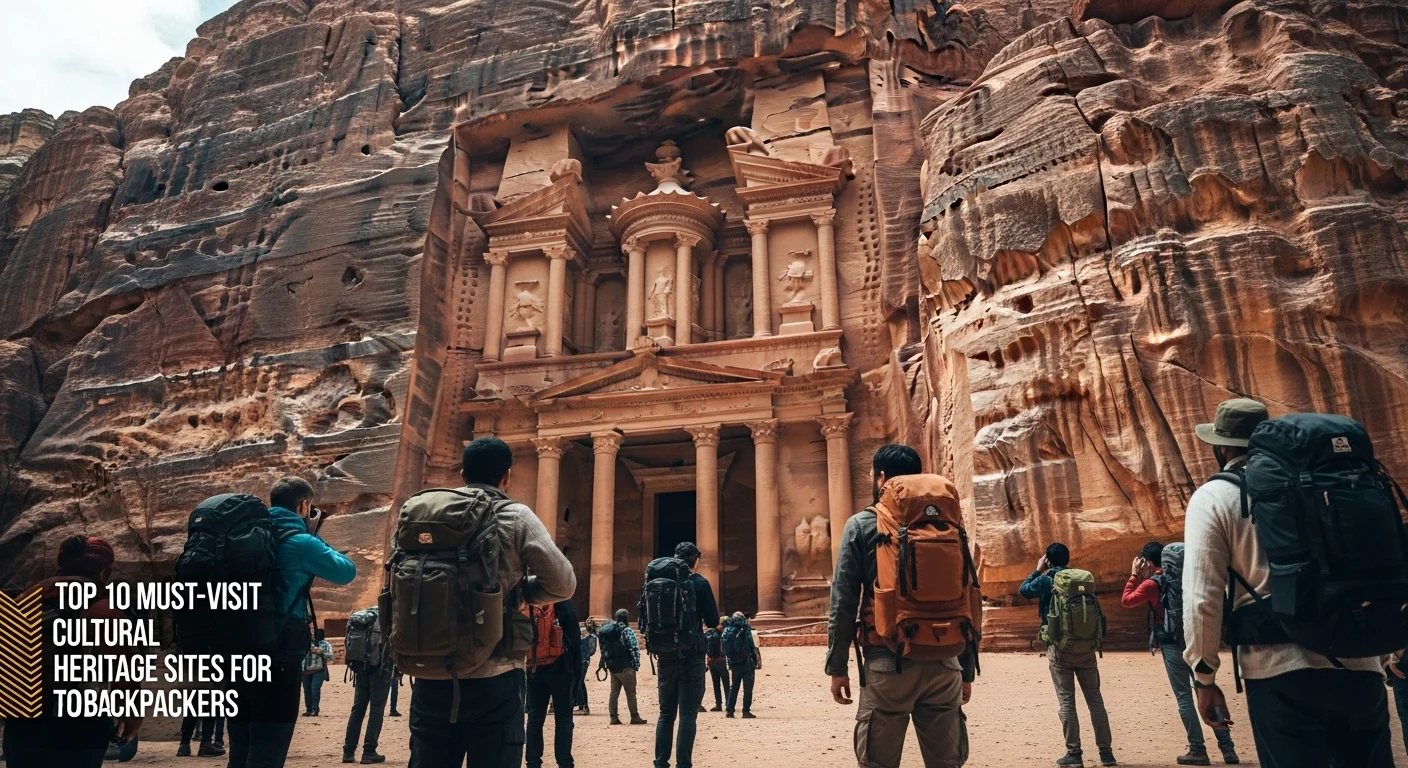
Traveling to cultural heritage sites has a way of connecting us with history and the stories of those who came before us. For backpackers, these sites offer unforgettable experiences and a chance to immerse ourselves in the world’s rich tapestry of culture. If you’re interested in budget-friendly options, check out Uncover Hidden Gems: Budget Cultural Heritage Sites Worldwide.
Top 10 Must-Visit Cultural Heritage Sites for Backpackers

Understanding Cultural Heritage Sites

Definition and Importance

I’ve often found that cultural heritage sites hold a unique power to transport us to different times and places. These locations are significant due to their historical, artistic, or scientific value. They serve as a testament to the cultures that shaped them, offering a glimpse into our shared human experience. When I visit these sites, I can almost feel the echoes of the past, which adds a profound layer to my travels. Cultural heritage sites remind us of our roots and the diversity of human expression, making them essential destinations for anyone seeking a deeper understanding of the world.

UNESCO World Heritage Criteria

UNESCO’s World Heritage List is like a badge of honor for cultural heritage sites. To be included, a site must meet at least one of ten criteria, which highlight its exceptional value to humanity. I remember reading about how places like Machu Picchu and the Great Wall of China were recognized not only for their beauty but also for their significance in telling the story of their respective cultures. The criteria cover aspects like representing a masterpiece of human creative genius or exhibiting an important interchange of human values over time. This makes visiting these sites even more compelling; they are not just pretty landscapes but vital pieces of the puzzle that is our history.

Top 10 Must-Visit Cultural Heritage Sites for Backpackers

1. Machu Picchu, Peru

Overview and Historical Significance

Machu Picchu is often the first site that comes to mind when I think of cultural heritage. Nestled high in the Andes, this ancient Incan city is a marvel of engineering and a symbol of Peru’s rich history. Built in the 15th century, it was later abandoned and remained hidden until its rediscovery in 1911. Walking through the ruins, I can’t help but feel a connection to the past, imagining how the Inca people lived and thrived in this breathtaking setting.

How to Get There

Getting to Machu Picchu is an adventure in itself. Most travelers take a train from Cusco to Aguas Calientes, the gateway to the ruins. I recommend booking your tickets in advance, as seats can fill up quickly, especially during peak season. Once in Aguas Calientes, it’s a short bus ride to the entrance. For the more adventurous, hiking the Inca Trail is a fantastic option that I’ve always wanted to try, though it requires some planning and a permit.

Best Time to Visit

The best time to visit Machu Picchu is during the dry season, which runs from May to September. I’ve found that early morning visits are the most magical, with fewer crowds and the beautiful sunrise illuminating the ruins. Just be prepared for chilly mornings and pack layers!

Local Accommodations and Budget Tips

Aguas Calientes offers a range of accommodations, from budget hostels to more luxurious hotels. I usually opt for hostels that provide not just a bed but also a chance to meet fellow travelers. Eating at local markets is a great way to save money and experience authentic Peruvian cuisine. I remember enjoying hearty meals of rice and beans, which fueled my adventures and kept my budget intact. For more tips on visiting cultural heritage sites cheaply, check out Backpacking Tips for Visiting Cultural Heritage Sites Cheaply.

2. Angkor Wat, Cambodia

Overview and Historical Significance

Angkor Wat is one of the most famous temple complexes in the world, and for good reason. I was blown away by its intricate carvings and massive scale. Originally built in the 12th century as a Hindu temple, it later transformed into a Buddhist site. Walking around, I felt like I was wandering through a living piece of art, each stone telling a story of Cambodia’s rich history.

How to Get There

Traveling to Angkor Wat is quite straightforward. Siem Reap is the nearest city, and I found it easy to fly in or take a bus from Phnom Penh. From Siem Reap, renting a bicycle or hiring a tuk-tuk to explore the temples is a popular choice. Trust me, the freedom of pedaling my way through ancient ruins was an experience I’ll never forget.

Best Time to Visit

The cooler months from November to February are ideal for visiting, as the weather is more manageable. I visited in December and loved the pleasant temperatures, which made exploring the vast complex much more enjoyable.

Local Accommodations and Budget Tips

Siem Reap has a variety of accommodations, from budget hostels to mid-range hotels. I found that many hostels offer free breakfast, which is a great bonus. Make sure to try street food while you’re there; I remember enjoying delicious noodle dishes without breaking the bank!

3. Petra, Jordan

Overview and Historical Significance

Petra is often called the “Rose City” due to the stunning pink sandstone cliffs that surround it. As I explored this ancient Nabatean city, I was captivated by its elaborate architecture, including the famous Treasury and Monastery. Dating back to the 5th century BC, Petra is a UNESCO World Heritage Site that showcases the ingenuity of its creators. Walking through the Siq, the narrow canyon that leads to Petra, I felt the thrill of anticipation building as I approached the breathtaking views.

How to Get There

Reaching Petra is relatively easy. I flew into Amman and took a bus to Wadi Musa, the town just outside the site. The journey was filled with stunning desert landscapes that made the trip worthwhile. I recommend checking the local bus schedules to make your travel smoother.

Best Time to Visit

The spring (March to May) and fall (September to November) seasons are perfect for visiting Petra. I went in April and enjoyed mild temperatures, which made hiking around the site much more pleasant. Avoid the summer heat if you can; it can get scorching!

Local Accommodations and Budget Tips

Wadi Musa offers a range of accommodations, including budget-friendly hostels. I found staying close to Petra gave me the chance to catch the sunrise over the ruins, which was magical. For food, I recommend trying local Jordanian dishes; I remember savoring a delicious plate of mansaf that was both filling and affordable.

4. The Great Wall of China

Overview and Historical Significance

The Great Wall of China is one of the most iconic symbols of human achievement. Stretching over 13,000 miles, it was built over centuries to protect against invasions. When I stood atop the wall, I was filled with awe, realizing how many hands had shaped this landmark over the ages. The views from the wall are simply breathtaking, and I felt a deep sense of history wash over me.

How to Get There

Accessing the Great Wall is easy from Beijing. I took a day trip to the Mutianyu section, known for its beautiful scenery and fewer crowds. Buses and guided tours are readily available, making it convenient to plan your visit.

Best Time to Visit

The best times to visit are during spring and fall when the weather is mild. I went in October, and the fall foliage made the views even more stunning. I highly recommend going early in the morning to avoid the tourist rush.

Local Accommodations and Budget Tips

Beijing has a wide range of accommodation options, from hostels to hotels. I found staying in a hutong (traditional courtyard) area gave me a real sense of local culture. Eating at local street vendors is a great way to save money while trying delicious dumplings and noodles.

5. Colosseum, Italy

Overview and Historical Significance

The Colosseum is a symbol of Rome’s grandeur and its tumultuous history. As I walked through this ancient amphitheater where gladiators once battled, I was struck by the weight of history. Built in 80 AD, the Colosseum is an engineering marvel that has survived the test of time, and I felt privileged to be standing in such a remarkable place.

How to Get There

Getting to the Colosseum is simple. I took the metro to the Colosseum station, and it’s just a short walk to the entrance. I recommend purchasing tickets in advance to skip the long lines, especially during peak tourist seasons.

Best Time to Visit

The best time to visit Rome, and the Colosseum specifically, is during the shoulder seasons of spring and fall. I visited in late September and enjoyed warm weather and fewer crowds.

Local Accommodations and Budget Tips

Rome offers a range of accommodations suitable for backpackers. I found some great hostel options that provided both a bed and opportunities to meet other travelers. For dining, I suggest trying local trattorias for delicious pasta dishes that won’t break the bank.

6. Taj Mahal, India

Overview and Historical Significance

The Taj Mahal is one of the most recognizable structures in the world, a stunning symbol of love built by Emperor Shah Jahan in memory of his wife, Mumtaz Mahal. Standing before this magnificent mausoleum, I felt a wave of emotion wash over me. Its intricate marble work and beautiful gardens create an atmosphere of serenity that I will never forget.

How to Get There

Agra, where the Taj Mahal is located, is easily accessible by train or bus from major cities like Delhi and Jaipur. I opted for a train, which was a comfortable and scenic way to travel. Once in Agra, rickshaws and taxis are available to take you to the Taj.

Best Time to Visit

The ideal time to visit the Taj Mahal is during the cooler months from October to March. I went in January, and the weather was perfect for exploring. Just be prepared for the possibility of fog in the early mornings.

Local Accommodations and Budget Tips

Agra has a variety of accommodations, from budget hostels to luxury hotels. I chose a hostel that offered stunning views of the Taj Mahal at sunset, which was worth every penny. Eating at local dhabas (roadside eateries) can keep costs low while treating your taste buds to authentic Indian cuisine.

7. Stonehenge, England

Overview and Historical Significance

Stonehenge is one of the most famous prehistoric monuments in the world. As I stood before the massive stones, I felt a sense of mystery and wonder. Built over 5,000 years ago, its purpose remains a topic of debate, which only adds to its allure. The energy of the site is palpable, and I found myself pondering the lives of those who constructed it.

How to Get There

To visit Stonehenge, I took a train from London to Salisbury and then a bus directly to the site. The journey was straightforward and offered beautiful views of the English countryside. It’s wise to book tickets in advance, as this popular site often draws large crowds.

Best Time to Visit

The best time to visit Stonehenge is during the spring or summer months when the weather is more temperate. I visited in June, which allowed me to enjoy the summer solstice celebrations, a truly magical experience.

Local Accommodations and Budget Tips

Salisbury has several accommodation options, including budget-friendly hostels and guesthouses. I recommend staying in the city for a night to explore its charming streets and historic sites. For meals, local pubs offer hearty fare at reasonable prices, making it a great option for backpackers.

8. Chichen Itza, Mexico

Overview and Historical Significance

Chichen Itza is a breathtaking archaeological site that showcases the grandeur of the Maya civilization. The famous El Castillo pyramid is an architectural wonder, and I was captivated by the history that surrounded me. It’s a UNESCO World Heritage Site that draws visitors from all over the world, and I felt honored to walk the same paths as the ancient Maya.

How to Get There

Traveling to Chichen Itza is easy from nearby towns like Cancun or Playa del Carmen. I took a bus that was comfortable and affordable, offering a pleasant ride through the Yucatan Peninsula. Once I arrived, I found it simple to navigate the site on foot.

Best Time to Visit

The best time to visit Chichen Itza is during the dry season from November to April. I went in March and enjoyed sunny weather without the oppressive heat. Visiting early in the morning is also a plus to avoid the crowds.

Local Accommodations and Budget Tips

There are various accommodation options in the nearby town of Piste, which is just a short distance from the site. I opted for a budget guesthouse that was both comfortable and affordable. For meals, I found local eateries that served delicious Yucatecan dishes, allowing me to experience the local flavors on a budget.

9. Machu Picchu, Peru

Overview and Historical Significance

Returning to Machu Picchu, it’s easy to see why it’s often on the travel bucket list. The site’s stunning views and incredible history make it a must-visit. I can’t stress enough how important it is to soak in the surroundings and appreciate the incredible engineering that went into this ancient city.

How to Get There

As mentioned earlier, the train from Cusco is the best way to reach Machu Picchu, and I found it convenient and scenic. The train ride offered stunning views of the Sacred Valley, which added to the overall experience.

Best Time to Visit

The dry season remains the ideal time for a visit, and I recommend planning your trip for the early morning to catch the ruins bathed in the soft light of dawn.

Local Accommodations and Budget Tips

Accommodations in Aguas Calientes range from budget options to more luxurious stays. I found staying in a dormitory-style hostel was a fun way to meet fellow travelers. For food, local markets serve up delicious meals that won’t break the bank.

10. The Acropolis, Greece

Overview and Historical Significance

The Acropolis stands as a testament to ancient Greek civilization, showcasing incredible structures like the Parthenon. As I walked through this historical site, I felt a profound respect for the people who built it over 2,500 years ago. It’s a powerful reminder of the achievements of humanity and the stories that have shaped our world.

How to Get There

Reaching the Acropolis is straightforward if you’re in Athens. I took the metro, which was efficient and easy to navigate. The walk up to the Acropolis offers fantastic views of the city, which made the journey even more enjoyable.

Best Time to Visit

Spring and early fall are the best times to visit the Acropolis. I visited in May, and the weather was perfect for exploring the ruins comfortably. Early morning visits also help avoid the crowds, allowing for a more peaceful experience.

Local Accommodations and Budget Tips

Athens offers a plethora of accommodation options. I stayed in a budget hostel that provided a great location and friendly atmosphere. Dining out in Athens can be affordable if you seek out local tavernas where you can enjoy traditional Greek dishes without overspending.

Best Practices for Backpacking to Cultural Heritage Sites

Respecting Local Cultures and Traditions

When we set out to explore cultural heritage sites, one of the most important lessons I’ve learned is to respect local cultures and traditions. Each site is not just a tourist destination but a living part of a community’s identity. I remember visiting the Taj Mahal and being struck by the reverence locals had for the site. Simple gestures, like asking before taking photos of people or participating in local customs, can go a long way. I also find it enlightening to learn a few phrases in the local language. It shows respect and often leads to warmer interactions with the locals.

Another aspect of respecting culture is dressing appropriately. For instance, when visiting religious sites like Angkor Wat or the Acropolis, I always ensure my attire is respectful. This not only reflects my understanding of the site’s significance but also helps me feel more comfortable during my visit. I recommend doing a bit of research before you go; it can be fascinating to discover the customs and traditions associated with these extraordinary places.

Eco-Friendly Travel Tips

As backpackers, we often think about our budget, but I believe we should also consider our environmental impact. I’ve adopted several eco-friendly practices while traveling, especially at cultural heritage sites. For starters, I always carry a reusable water bottle and refill it at clean water stations. It not only saves money but significantly reduces plastic waste. I also try to bring my own snacks instead of buying packaged foods, which helps minimize waste.

When visiting sites, I make a conscious effort to stick to marked paths and avoid touching or climbing on structures, especially at places like the Great Wall of China or Stonehenge. These actions help preserve the integrity of these historical landmarks for future generations. I’ve also participated in local clean-up efforts when I noticed litter in areas around popular sites. It felt great to contribute positively while exploring.

Safety Considerations

Safety is always a priority when I travel, especially to cultural heritage sites where crowds can be large. I like to keep my belongings secure, using a crossbody bag that I can easily reach and monitor. Before I set out for the day, I make sure to have a plan, including knowing the location of the nearest medical facilities or police stations. It gives me peace of mind to know I’m prepared.

Some sites, like Petra or Machu Picchu, involve hiking or walking on uneven terrain. I always wear comfortable shoes and keep a small first-aid kit on hand. I’ve learned the hard way that blisters can ruin a day of exploration! It’s also wise to stay hydrated and use sunscreen to avoid the fatigue that can set in, especially when exploring in hot climates.

Budgeting for Heritage Site Visits

Traveling doesn’t have to break the bank, especially when visiting cultural heritage sites. I’ve found that proper budgeting can enhance the experience rather than limit it. First, I prioritize which sites are non-negotiable on my list. This helps me allocate funds accordingly. For instance, while the entry fees for places like the Colosseum or Chichen Itza can be steep, I’ve learned to look for discounts or free entry days.

I also save money by planning my visits during off-peak seasons. For example, visiting the Acropolis in early spring allowed me to enjoy the site with fewer tourists and at a lower cost. Accommodations can be another significant expense, so I often look for hostels or guesthouses that offer kitchens. Cooking a few meals can save quite a bit, and it’s an enjoyable way to meet fellow travelers.

Finally, I keep an eye on local transportation options. In cities like Siem Reap, renting a bicycle proved to be an affordable way to explore Angkor Wat while also enjoying the scenery. Being flexible and open to different experiences often leads to discovering budget-friendly options that I otherwise wouldn’t have considered, such as the Top 10 Affordable Cultural Heritage Sites to Visit This Year.

Useful Resources for Backpackers

Travel Guides and Apps

When planning my backpacking trips, I’ve found that utilizing travel guides and apps is invaluable. I often turn to trusted guidebooks for insights on cultural etiquette, historical context, and practical tips. However, I also love to use apps like Google Maps and local transport apps to navigate new cities. Having offline maps downloaded has saved me more than once when I found myself in areas with poor reception.

Online Communities and Forums

I’ve come to appreciate the wealth of information available in online communities and forums. Websites like Reddit and travel blogs provide first-hand accounts and tips from fellow travelers. It’s helped me avoid common pitfalls and discover hidden gems. I remember finding out about a small, lesser-known temple near Angkor Wat through a travel forum, which turned out to be one of my favorite experiences!

Local Tour Operators and Guides

Finally, sometimes it’s worth investing in a local tour operator or guide. I’ve found that having a knowledgeable guide can enhance my understanding of cultural heritage sites tremendously. They often share stories and insights that I wouldn’t find in a guidebook. On my visit to Petra, the guide not only showed us the main attractions but also led us to stunning viewpoints that most tourists miss. It added depth to my experience and made my trip feel more connected to the local culture.

Frequently Asked Questions

What are cultural heritage sites and why are they important?

Cultural heritage sites are locations with historical, artistic, or scientific value that connect us to the stories of past cultures. They offer insight into our shared human experience and remind us of our roots and the diversity of human expression.

What is the significance of UNESCO’s World Heritage List?

UNESCO’s World Heritage List recognizes cultural heritage sites that meet at least one of ten specific criteria, highlighting their exceptional value to humanity. Inclusion on this list signifies that a site is not only beautiful but also important in telling the story of its respective culture.

What is the best time to visit Machu Picchu?

The best time to visit Machu Picchu is during the dry season, which runs from May to September. Early morning visits are particularly magical due to fewer crowds and beautiful sunrise views.

How can I get to Angkor Wat?

To reach Angkor Wat, the nearest city is Siem Reap. Travelers can fly in or take a bus from Phnom Penh, and then rent a bicycle or hire a tuk-tuk to explore the temples.

What should I consider when visiting Petra?

When visiting Petra, it’s best to go during the spring (March to May) or fall (September to November) when the temperatures are mild. Arriving early can also enhance the experience by avoiding crowds.

What are some local accommodations and budget tips for visiting the Great Wall of China?

Beijing offers a variety of accommodations, from hostels to hotels. Staying in a hutong area can provide a sense of local culture. Eating at street vendors is also a great way to save money while trying delicious food.

How can I travel to Chichen Itza?

Chichen Itza is easily accessible from nearby towns like Cancun or Playa del Carmen by taking a comfortable and affordable bus. Once there, the site is simple to navigate on foot.

What are the best practices for backpacking to cultural heritage sites?

Respecting local cultures and traditions, practicing eco-friendly travel, and ensuring personal safety are crucial. This includes dressing appropriately, using reusable items, and keeping belongings secure.

What resources are available for backpackers planning their trips?

Travel guides and apps, online communities and forums, as well as local tour operators and guides are valuable resources. They provide insights into cultural etiquette, historical context, and practical travel tips.

What is the best time to visit the Acropolis in Greece?

The best times to visit the Acropolis are during spring and early fall. Visiting in May offers perfect weather for exploration and allows visitors to avoid the crowds.

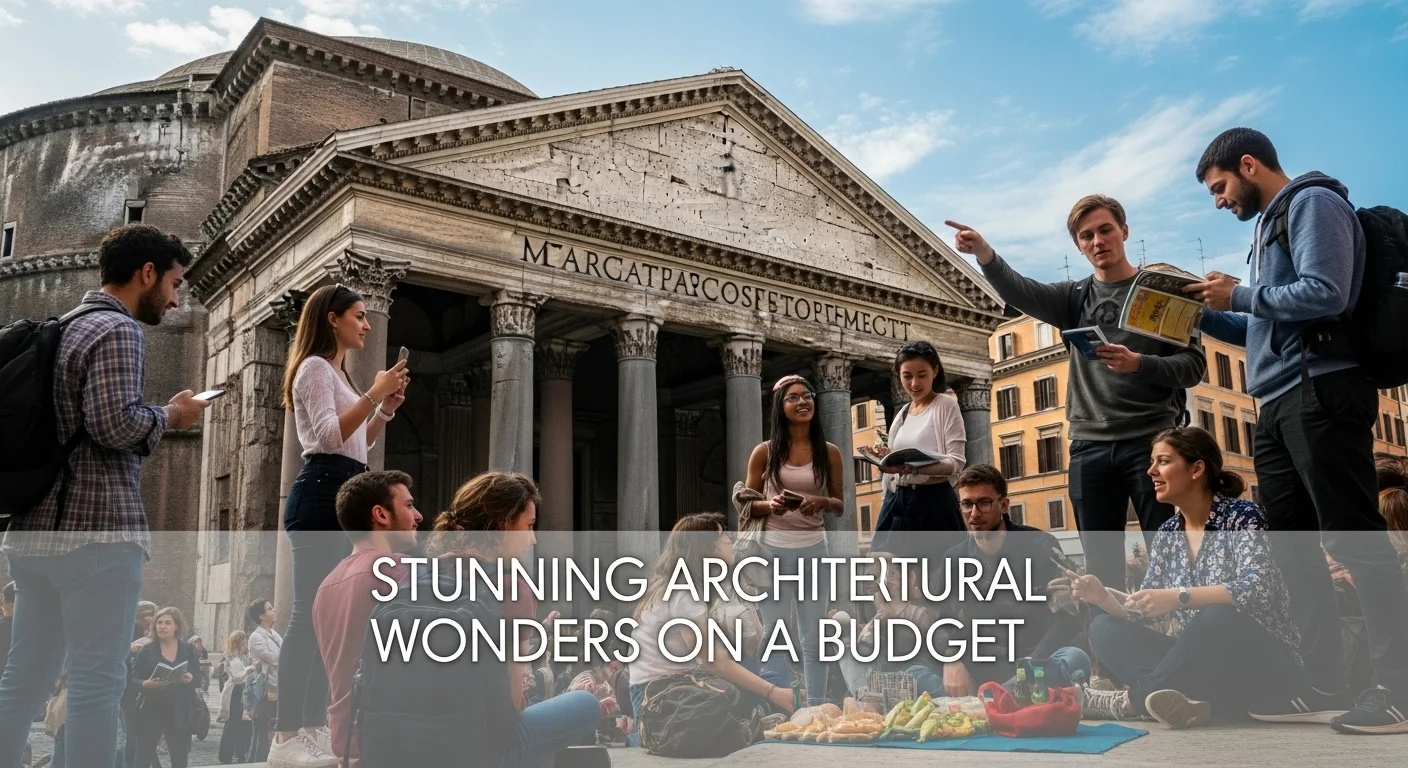
Explore Iconic Cultural Heritage Monuments on a Budget

Exploring cultural heritage monuments doesn’t have to break the bank. Join me on a journey to discover awe-inspiring landmarks that tell stories of our past while keeping your budget intact! Read Interesting article: Top 10 Affordable UNESCO World Heritage Sites to Visit

Explore Iconic Cultural Heritage Monuments on a Budget

Understanding Cultural Heritage Monuments

Definition of Cultural Heritage Monuments

Cultural heritage monuments are structures, sites, or locations that hold historical, architectural, and cultural significance. They can range from ancient ruins to modern buildings that represent a particular culture’s identity. Personally, I’ve always been drawn to these places because they embody the spirit and stories of the people who came before us. Every stone and every archway whispers tales of history, love, and struggle. Whether it’s a grand castle or a humble chapel, these monuments serve as a reminder of our shared human experience.

Importance of Preserving Cultural Heritage

Preserving cultural heritage monuments is crucial for several reasons. Firstly, they are tangible links to our past, helping us understand where we came from. I think of visiting the ruins of ancient civilizations, like those in Greece or Egypt, where I could almost feel the echo of footsteps from centuries ago. Secondly, they foster a sense of identity and pride within communities. When I visited a small town that had preserved its historical buildings, I felt a deep connection to the local culture and its people. Lastly, cultural heritage sites often boost tourism, which can benefit local economies. This means that by visiting these sites, we’re not just exploring; we’re also supporting the communities that cherish them. It’s a win-win situation!

Top Iconic Cultural Heritage Monuments Around the World

The Great Wall of China

The Great Wall of China is one of the most iconic monuments in the world. Stretching over 13,000 miles, this colossal structure was built over several dynasties to protect Chinese states from invasions. Walking along the wall, I remember the feeling of standing in a place that has witnessed centuries of history. The breathtaking views and the sheer scale of the wall left me speechless. If you plan to visit, I recommend exploring less touristy sections like Jinshanling or Simatai to avoid the crowds and enjoy a more authentic experience.

The Colosseum in Rome

Next on the list is the Colosseum in Rome, a remarkable amphitheater that once hosted gladiatorial games and public spectacles. I still recall the moment I first laid eyes on it; the architecture is stunning, and the history is palpable. Imagine being in an arena where thousands gathered to witness bravery and drama! To experience it fully, consider joining a guided tour; they often provide insights that you might miss if you go solo. Plus, seeing the Colosseum at night when it’s beautifully lit is something I highly recommend!

Angkor Wat in Cambodia

Angkor Wat is another treasure, known for its intricate carvings and stunning architecture. This temple complex is a UNESCO World Heritage site and a testament to the Khmer Empire’s grandeur. I remember wandering through its vast grounds, getting lost in the beauty of its details. Each corner tells a story through its art, and it was fascinating to learn about its significance in both religious and cultural contexts. Visiting during the early morning for sunrise over the temple is a magical experience; the reflection in the water is absolutely breathtaking.

Machu Picchu in Peru

Machu Picchu is a must-see for any traveler. Nestled high in the Andes Mountains, this Incan citadel boasts spectacular views and rich history. The journey to get there is an adventure in itself, whether you hike the Inca Trail or take the train. I chose to hike, and the sense of accomplishment upon reaching the site was indescribable. Standing among the ruins, surrounded by misty mountains, I felt a connection to the ancient civilization. Don’t forget to explore the surrounding area; the Sacred Valley is full of beautiful landscapes and local culture!

The Taj Mahal in India

The Taj Mahal is arguably one of the most romantic monuments in the world. Built as a mausoleum for Mumtaz Mahal, the Taj Mahal is a symbol of love and devotion. I found myself mesmerized by its stunning white marble facade, especially during sunrise when it shimmers. Walking through its gardens, I couldn’t help but appreciate the artistry and effort that went into its creation. For budget travelers, visiting during the off-peak hours can help you avoid large crowds and capture that perfect picture.

Planning Your Budget-Friendly Visit

When to Visit Each Monument

Timing can greatly influence your experience at cultural heritage monuments, especially when it comes to your wallet. I’ve learned that visiting during the shoulder seasons—those periods just before or after the peak tourist season—can save you a lot of money. For instance, I visited the Taj Mahal in late September, and while it was still warm, the crowds were much thinner than in the peak summer months. Not to mention, ticket prices can sometimes drop during these off-peak times, which is a win in my book!

For places like Machu Picchu, the dry season from May to September is popular but can get crowded. If you can, try to book a visit in April or October when the weather is still decent, but the tourist rush has lessened. I remember exploring Angkor Wat at dawn in the off-season, and the tranquility was incredible. It felt like I had the place all to myself, allowing me to soak in the beauty without feeling rushed. Read Interesting article: Uncover Hidden Gems: Budget Cultural Heritage Sites Worldwide

Finding Affordable Travel Options

Traveling on a budget doesn’t mean sacrificing comfort or adventure. I’ve found that there are often affordable flight deals if you’re flexible with your travel dates. Websites like Skyscanner or Google Flights allow you to see the best rates across different airlines. I personally try to book flights months in advance, which often results in significant savings.

Once you arrive, consider using local transportation options like buses or trains instead of taxis or private cars. I remember taking a bus from Athens to Delphi, which was both economical and a great way to see the countryside. Plus, it gives you a chance to mingle with locals—I’ve had some of the best conversations on public transport!

Budget Accommodation Near Monuments

Finding a place to stay can sometimes be the biggest expense, but there are ways to find budget-friendly options. I’ve had great experiences staying in hostels or guesthouses, which not only save money but also create opportunities to meet fellow travelers. Websites like Hostelworld and Booking.com are excellent resources for finding affordable accommodations.

When I visited the Colosseum, I stumbled upon a charming little guesthouse just a short walk away. It was a fraction of the price of the big hotels, and the owner shared incredible tips about the area, making my experience even richer. Additionally, consider looking for homestays or Airbnb options, which can provide a more personal touch and often come at a lower cost than traditional hotels. Read Interesting article: Backpacking Tips for Visiting Cultural Heritage Sites Cheaply

Cost-Effective Ways to Explore Cultural Heritage Sites

Free and Discounted Entry Days

One of the best-kept secrets I’ve uncovered is that many cultural heritage sites offer free or discounted entry on certain days of the month. For instance, when visiting the Louvre in Paris, I discovered that it’s free on the first Saturday of every month! This tip has saved me quite a bit of money, and I’ve made it a point to research similar deals for different monuments I plan to visit.

Local tourism boards often have this information, so I recommend checking their websites before your visit. I once visited the British Museum on a Wednesday when they had a special discount, and it felt amazing to explore such a treasure trove of history without breaking the bank!

Guided Tours vs. Self-Guided Exploration

When it comes to exploring cultural heritage sites, I’ve weighed the pros and cons of guided tours versus going solo. Guided tours can provide a wealth of knowledge that enhances your understanding of the site. However, I’ve also enjoyed the freedom of self-guided exploration, which allows for a more personal experience. I remember wandering through the ruins of Machu Picchu without a guide, getting lost in the serene beauty of the mountains, and stopping wherever my curiosity led me.

That said, I’ve signed up for a few guided tours that were absolutely worth it, especially when the guide shared stories and historical context that I wouldn’t have known otherwise. It’s all about finding the right balance for your travel style. If you choose to go with a tour, look for smaller groups to keep it intimate and engaging.

Public Transportation Options

Using public transportation can be a game-changer for budget travelers like us. I’ve found that cities with robust public transit systems often have affordable day passes, which allow you unlimited travel for a flat fee. For instance, while exploring Rome, I took advantage of the metro and buses, which made getting around to see the Colosseum and other sites easy and economical. Plus, it’s a fantastic way to feel like a local!

In places where public transit is limited, consider renting a bike or walking. I remember biking through the historic streets of Amsterdam, soaking in the architecture and vibrant culture all at once. It was not just a cost-effective choice but also one of the most enjoyable experiences of my trip!

Best Local Experiences to Enhance Your Visit

Local Cuisine to Try Nearby Monuments

One of my favorite parts of traveling is indulging in local cuisine, especially near cultural heritage sites. Each dish tells a story of its own, reflecting the culture and history of the area. For instance, when I visited the Taj Mahal, I made sure to try the local favorite, biryani. The aromatic spices and tender meat were a delight! I even learned that this dish has roots that go back centuries, often enjoyed by royalty. I believe that trying local dishes not only satisfies your palate but also connects you deeper with the culture.

Similarly, in Rome, I couldn’t resist the temptation of authentic pasta dishes. The carbonara from a small trattoria near the Colosseum was one of the best meals I’ve ever had. Each bite was a delicious reminder of the culinary traditions that have been passed down through generations. I highly recommend exploring local markets or street vendors for a taste of regional specialties; it’s often more affordable and gives you a chance to experience the daily life of the locals.

Community Events and Festivals

Experiencing local events and festivals can truly enrich your travel experience. I remember visiting Angkor Wat during a traditional Khmer New Year celebration. The vibrant colors, music, and joyous atmosphere were unforgettable. Participating in local festivities allowed me to immerse myself in the culture, meet locals, and share in their traditions. It felt special to be part of something that connected so many people, even if just for a moment.

Many cultural heritage sites have events throughout the year, from music festivals to art exhibitions. I recommend checking local event calendars or asking at your accommodation for details. I once stumbled upon a small folk festival in a town near Machu Picchu, where locals showcased their crafts, dancing, and music. It was a wonderful way to engage with the community while learning more about their customs and heritage.

Souvenir Shopping on a Budget

Shopping for souvenirs can be a fun way to remember your travels, but it can also be expensive if you’re not careful. I’ve learned that the best souvenirs are often found at local markets rather than touristy shops. When I visited the Great Wall of China, I discovered a local market selling handmade crafts. I ended up purchasing a beautiful silk scarf that not only supported local artisans but also served as a unique reminder of my trip.

Another tip is to negotiate prices at markets; it’s often expected in many cultures, and I’ve had some great conversations while doing so! I also try to look for small, meaningful items that reflect the culture, like spices or traditional crafts. When I returned from my travels, I found that these souvenirs sparked stories and memories that I loved sharing with friends and family.

Safety and Travel Tips for Budget Travelers

Staying Safe While Exploring

As much as I love exploring new places, I always prioritize my safety. I’ve found that being aware of my surroundings and trusting my instincts goes a long way. For instance, while wandering through the bustling streets of Rome, I made sure to keep my belongings secure and avoid poorly lit areas at night. It’s also wise to research any specific safety tips related to the area you’re visiting. I once read about pickpocketing in certain tourist-heavy areas, so I was extra cautious and kept my valuables close.

Additionally, I always share my travel itinerary with a family member or friend back home. It’s a simple step that gives me peace of mind knowing someone is aware of my plans. I also keep copies of important documents, like my passport and travel insurance info, in a separate location just in case of emergencies.

Travel Insurance Recommendations

Travel insurance is something I never travel without. I’ve had experiences where it proved invaluable, especially when I had to cancel a trip due to unforeseen circumstances. I recommend looking for a policy that covers medical emergencies, trip cancellations, and lost baggage. Websites like InsureMyTrip or World Nomads allow you to compare different plans easily. Personally, I’ve always opted for a plan that includes 24/7 assistance; knowing there’s someone to help if things go sideways brings a lot of comfort.

Before purchasing, I also check reviews and make sure to read the policy details thoroughly. I once had a friend who found herself stranded due to a flight cancellation, and because she didn’t have adequate insurance, it turned into quite a costly ordeal. It’s definitely worth investing in to protect your travel plans and peace of mind!

Emergency Contacts for Travelers

Having a list of emergency contacts can save you a lot of stress while traveling. I always make sure to note down the local emergency numbers, my country’s embassy contact, and any relevant health service info before my trip. For instance, when I was in Peru, I had the contact for a local doctor handy, just in case. It’s one of those things we hope to never use, but having it can make a huge difference in a stressful situation.

I also recommend downloading essential apps that can assist in emergencies. Apps like Google Maps and translation tools have saved me countless times when I needed directions or help communicating. Keeping a portable charger handy ensures that my phone is always ready, especially when I’m out exploring. Being prepared gives me the confidence to venture out and discover all the amazing cultural heritage monuments waiting for me!

Making the Most of Your Cultural Experience

Engaging with Local Communities

One of the most rewarding aspects of visiting cultural heritage sites is the opportunity to connect with local communities. I’ve found that engaging with locals can transform a simple visit into a memorable experience. When I traveled to the Great Wall of China, I took the time to chat with some of the artisans selling handmade crafts near the entrance. Their stories about the wall’s history and their families’ connections to it gave me a deeper appreciation for the monument. I believe that building these connections enriches our understanding and fosters a sense of global community.

In addition, participating in community-led initiatives or workshops can be a fantastic way to immerse yourself in the local culture. I remember joining a cooking class in Italy where we learned to make traditional pasta from scratch. Not only did I get to enjoy a delicious meal, but I also made friends with the locals and learned about their culinary traditions firsthand. Whether it’s a language exchange, art class, or cultural festival, these experiences can create lasting memories and friendships.

Volunteer Opportunities at Heritage Sites

If you’re passionate about preserving cultural heritage, consider volunteering at a site during your travels. I came across a fantastic opportunity to volunteer at a historical site in Peru, where I helped with restoration work and guided tours for visitors. The experience allowed me to contribute to the preservation of the site while learning from experts in the field. I recommend researching local organizations that offer volunteering options; it’s a meaningful way to give back and connect with the community.

Volunteering can also help you gain a unique perspective on the challenges and triumphs involved in preserving cultural sites. Plus, it often leads to friendships with fellow volunteers and locals, enhancing your travel experience. I remember feeling a deep sense of fulfillment knowing I was part of something bigger, making a difference while exploring a new culture.

Documenting Your Journey: Photography Tips

Capturing the beauty of cultural heritage sites through photography is something I truly enjoy. I’ve learned that the right approach can turn ordinary snapshots into extraordinary memories. One of my favorite tips is to shoot during the golden hour, just after sunrise or before sunset. The soft, warm light adds a magical touch to photos, especially at iconic locations like the Taj Mahal or Machu Picchu. I remember standing there at dawn, the soft light illuminating the marble and creating a surreal atmosphere—it was like stepping into a painting!

When taking photos, I also try to include elements of local life. Instead of just focusing on the monument itself, capturing locals interacting with the site can tell a richer story. I’ve found that candid shots of people going about their daily lives, or participating in events near the monuments, add a layer of depth to my travel albums. Lastly, don’t forget to take moments to simply enjoy the view without a camera in hand. I believe that some experiences are best savored in the moment, creating memories that go beyond pictures.

Final Thoughts

Exploring cultural heritage monuments is not just about visiting beautiful places; it’s about engaging with history, appreciating diverse cultures, and creating meaningful connections. From wandering through ancient ruins to tasting local cuisines, each experience shapes our understanding of the world and our place in it. By following these tips, I hope you can enjoy budget-friendly adventures that allow you to connect deeply with the stories that these monuments tell. I believe that travel is one of the most enriching ways to learn and grow, and cultural heritage sites offer a gateway to that journey. So pack your bags, open your heart, and embark on your own adventure—there’s a world of history waiting for you!

Frequently Asked Questions

What are cultural heritage monuments?

Cultural heritage monuments are structures, sites, or locations that hold historical, architectural, and cultural significance, ranging from ancient ruins to modern buildings that represent a specific culture’s identity.

Why is it important to preserve cultural heritage monuments?

Preserving cultural heritage monuments is crucial as they serve as tangible links to our past, foster a sense of identity and pride within communities, and often boost tourism, benefiting local economies.

What is one iconic cultural heritage monument in China?

The Great Wall of China is one of the most iconic monuments, stretching over 13,000 miles and built over several dynasties to protect Chinese states from invasions.

What experience is recommended when visiting the Taj Mahal?

It is recommended to visit the Taj Mahal during sunrise when the white marble facade shimmers, and to go during off-peak hours to avoid large crowds.

How can travelers save money when visiting cultural heritage sites?

Travelers can save money by visiting during shoulder seasons, finding affordable travel options, and looking for free or discounted entry days at cultural heritage sites.

What are some affordable accommodation options near monuments?

Budget-friendly accommodation options include hostels, guesthouses, homestays, or Airbnb, which often provide a more personal touch at lower costs than traditional hotels.

How can visitors enhance their cultural experience at heritage sites?

Visitors can enhance their experience by engaging with local communities, participating in local events and festivals, and trying local cuisine near the heritage sites.

What safety tips should travelers keep in mind while exploring?

Travelers should stay aware of their surroundings, keep their belongings secure, share their travel itinerary with someone back home, and have copies of important documents in case of emergencies.

What should travelers consider when it comes to travel insurance?

Travelers should look for a policy that covers medical emergencies, trip cancellations, and lost baggage, and consider options that include 24/7 assistance for peace of mind.

What is a good practice for documenting travel experiences through photography?

Travelers should aim to shoot during the golden hour for the best lighting, include elements of local life in their photos, and remember to take moments to enjoy the view without a camera.

Uncovering Hidden Architectural Gems: Affordable Adventures

There’s something magical about uncovering architectural gems tucked away in cities around the world. These hidden treasures offer a glimpse into history, culture, and creativity without breaking the bank. Read Interesting article: Backpacking to Architectural Marvels: A Budget Guide

Uncovering Hidden Architectural Gems: Affordable Adventures

Understanding Architectural Gems

Definition of Architectural Gems

When I think about architectural gems, I envision buildings and structures that go beyond the well-trodden tourist paths. These are places that might not appear in every travel guide but tell rich stories through their design and history. They can be anything from stunning historic buildings and quirky homes to breathtaking bridges and unexpected public spaces. What makes them gems is their unique character, craftsmanship, and the way they often reflect the culture of the area. I’ve spent hours wandering through cities, stumbling upon these hidden marvels, and each time I feel a thrill of discovery.

Importance of Architectural Heritage

Exploring architectural heritage is more than just a visual experience; it’s a way to connect with the past. I’ve learned that these structures often embody the values, aspirations, and challenges of the times in which they were built. They can inspire us and spark our creativity. For me, understanding the architectural styles and the stories behind them adds depth to my travel experiences. It’s like piecing together a puzzle that reveals the identity of a city or a community. We have a responsibility to preserve these treasures for future generations, recognizing their significance and the beauty they bring to our world.

Top Destinations for Hidden Architectural Gems

North America

Unique Buildings in New Orleans

New Orleans is a city that practically pulses with history and character. One of my favorite hidden gems is the **Lafayette Cemetery No. 1**, where above-ground tombs create an eerie yet beautiful landscape. The intricate designs and the stories behind the families buried there are fascinating. Then there’s the **Hotel Monteleone**, a stunning example of a historic hotel that blends classic architecture with modern luxury. Walking through its ornate lobby, I felt as if I had stepped back in time.

Art Deco in Miami

Miami might be famous for its beaches, but its **Art Deco District** is a must-see. I remember wandering down Ocean Drive, surrounded by pastel-colored buildings with neon lights. Each structure tells its own story, reflecting the glamour and style of the 1920s and ’30s. The **Wolfsonian-FIU Museum** is another hidden gem that showcases the impact of design on culture and society. I found myself captivated by the exhibits that highlight the Art Deco movement and its relevance today. Read Interesting article: Top 10 Architectural Wonders You Can Visit Cheaply

Europe

Underrated Structures in Lisbon

Lisbon is a city rich in history and architectural beauty, yet some of its best-kept secrets remain hidden. The **Bairro Alto district** features narrow streets lined with colorful buildings and stunning tiled facades. I loved wandering around and discovering local shops and cafes tucked away from the tourist crowds. The **MAAT (Museum of Art, Architecture, and Technology)**, with its contemporary design, juxtaposes Lisbon’s older architecture beautifully. It’s a place where old meets new, and I found that blend incredibly inspiring.

Hidden Churches in Rome

While the Vatican gets a lot of attention, I found that some of Rome’s lesser-known churches are equally breathtaking. The **Basilica di San Clemente** is a prime example. It’s layered with history, with a church built over a church and remnants of ancient Rome below. Standing there, I felt a connection to the past that is hard to describe. Additionally, don’t miss the **San Giovanni in Laterano**, the cathedral of Rome, which boasts stunning architecture and ornate decorations. Each visit to these sites left me humbled and in awe of the craftsmanship.

Asia

Traditional Architecture in Kyoto

Kyoto is a treasure trove of traditional Japanese architecture. I loved visiting the **Kinkaku-ji**, or the Golden Pavilion, which is as striking in person as it appears in photos. The reflective pond surrounding it creates a serene atmosphere that I could never forget. Exploring the **Gion district**, with its wooden machiya houses and tea shops, gave me insight into Japan’s rich cultural heritage. Walking through these historic streets felt like stepping into a different time.

Modern Marvels in Singapore

Singapore is a dynamic blend of culture and innovation. I was blown away by the **Marina Bay Sands**, with its futuristic design and breathtaking views. But it’s the lesser-known **The Hive** at Nanyang Technological University that caught my attention. This building looks like a giant honeycomb, and I loved how it creatively integrates natural light and greenery into its design. It’s fascinating to see how modern architecture can harmonize with nature.

Africa

Colonial Architecture in Cape Town

Cape Town is a city where colonial architecture meets natural beauty. The **Castle of Good Hope** is a remarkable example of this blend. Walking through its walls, I felt a deep connection to the history of South Africa. The **Bo-Kaap neighborhood** with its vibrant, colorful houses is another highlight. I enjoyed wandering the streets, learning about the Cape Malay culture, and absorbing the lively atmosphere.

Ancient Structures in Marrakech

Marrakech is filled with ancient structures that tell stories of a bygone era. The **Koutoubia Mosque** is not just a beautiful sight; it’s a symbol of the city. I was awed by its minaret, which stands tall and proud. The **Saadian Tombs** are another hidden gem, showcasing intricate tile work and design. Exploring these historical sites was like stepping into a living museum, each corner revealing something new.

Top Destinations for Hidden Architectural Gems

South America

Baroque Architecture in Quito

Quito, Ecuador, is a place that truly astonished me with its rich tapestry of Baroque architecture. As I wandered through its historic center, I was captivated by the intricate details of the **Iglesia de San Francisco**. The façade, adorned with ornate carvings, is just a prelude to the stunning interior. Walking inside, I felt a sense of reverence as I admired the gold leaf and vibrant religious artwork. It’s a space that invites reflection, and I found myself taking a moment to just soak it all in. As I strolled through the charming streets, I also discovered the **Basilica del Voto Nacional**. Its neo-Gothic style might not scream Baroque, but the details—like the whimsical gargoyles shaped like Ecuadorian animals—are a delightful surprise that made the experience even richer.

Modernist Buildings in São Paulo

When I think of São Paulo, I think of the bold and daring modernist architecture. One structure that left an impression on me was the **Copan Building**, designed by the iconic Oscar Niemeyer. Its wavy lines and organic shape make it stand out against the city skyline. I remember standing beneath it, marveling at how it seems to flow like a river. The **Museum of Modern Art** is another must-see. Its minimalistic design harmonizes beautifully with the lush greenery surrounding it. As I explored the exhibits inside, I felt a deep appreciation for how architecture can influence art and vice versa. São Paulo’s architectural scene is a vibrant blend of the past and present, and each building adds to the city’s unique story. Read Interesting article: Explore Stunning Architectural Wonders on a Budget

Planning Your Affordable Architectural Adventure

Budgeting for Your Trip

One of the things I’ve learned while traveling is that you don’t need to spend a fortune to experience incredible architecture. Budgeting for your trip is all about prioritizing what matters most to you. I usually start by setting aside funds for entry fees to must-see sites, but I also look for free walking tours that often highlight hidden gems. Meal planning is another essential part of my budgeting—eating at local markets can save money while giving you a taste of local culture. I recommend keeping an eye out for city passes that may include discounts on attractions and public transportation, allowing you to stretch your budget even further.

Best Times to Visit for Architecture Tours

Timing your trip can make a big difference in your architectural adventure. I’ve found that spring and fall tend to offer the best weather for exploring, with fewer crowds. In my experience, visiting during these seasons allows for a more relaxed exploration of the sites. For example, I loved wandering the streets of Paris in the early spring; the blooming flowers and pleasant temperatures made each architectural marvel even more enchanting. It’s also worth checking local calendars for architecture festivals or events, as these can provide unique insights and experiences that you won’t want to miss.

Transportation Options for Budget Travelers

Navigating a new city can be daunting, but I’ve discovered that there are often affordable transportation options that make it easier to explore architectural sites. Public transportation is usually a budget-friendly choice. In cities like Barcelona, I found that the metro system was efficient and allowed me to reach various architectural gems quickly. I also enjoyed walking when possible, as it gave me the chance to stumble upon hidden treasures along the way. In some cases, I’ve rented bicycles or used rideshare apps, especially if I was traveling with friends. Sharing those costs made it an economical way to cover more ground.

Exploring Architectural Styles and Movements

Gothic Architecture

Gothic architecture holds a special place in my heart. I’ve always been fascinated by its soaring spires and intricate details. When I visited Notre-Dame Cathedral in Paris, I was awestruck by the flying buttresses and the stunning stained glass windows. Each element tells a story, and I felt like I was walking through a piece of history. I recommend seeking out lesser-known Gothic structures, like the **St. Vitus Cathedral** in Prague, where the artistry is just as mesmerizing, yet crowds are often smaller.

Baroque Architecture

Baroque architecture is another style that never fails to impress me. I remember visiting the **Palace of Versailles** in France and being overwhelmed by its grandeur. The opulence and detailed ornamentation are breathtaking. I also find that exploring smaller Baroque churches can be just as rewarding. The **Chiesa di San Giovanni Battista** in Turin, for instance, is a hidden gem that showcases the beauty of this architectural style without the overwhelming crowds. It’s the little details—like the frescoes on the ceilings—that make these visits unforgettable.

Modernism and Brutalism

Modernism and Brutalism have captured my attention for their bold approaches to design. I’ve found that visiting buildings by architects like Le Corbusier or Louis Kahn can be a transformative experience. Their use of space and materials challenges traditional architectural norms. While exploring **Torre Velasca** in Milan, I appreciated how it stands out amidst the city’s more classical buildings. It’s a reminder that architecture can be about breaking the mold, and I love seeking these kinds of structures in different cities.

Art Nouveau

Art Nouveau, with its flowing lines and organic forms, has always felt like a celebration of nature. I vividly remember visiting **Casa Batlló** in Barcelona, where the colorful mosaics and whimsical shapes transport you to another world. Exploring districts like the **Vila de Gràcia** allows for intimate encounters with lesser-known Art Nouveau gems. I enjoy how this style often blends seamlessly with the environment, making each building feel like a natural extension of the landscape.

Local Insights and Tours

Self-Guided Tours

One of my favorite ways to uncover hidden architectural gems is through self-guided tours. I’ve found that wandering at my own pace allows me to soak in the details that might get lost in a group setting. I usually do a bit of research beforehand to create a route that highlights lesser-known sites. For instance, in Barcelona, I mapped out a walk that took me from the stunning **Hospital de Sant Pau** to the quirky **Casa Vicens**, designed by Gaudí before he became a household name. The chance to explore these spaces without the rush of a tour group not only makes for a more personal experience but also lets me stumble upon unexpected delights along the way.

Free Walking Tours

Free walking tours have become a staple in many cities, and I can’t recommend them enough. They’re usually led by passionate locals who share not just historical facts, but also personal stories and insights that bring the architecture to life. I remember joining a walking tour in Prague, where the guide took us to hidden courtyards and overlooked buildings that I would have missed otherwise. The tip-based model keeps it affordable, and I often find myself wanting to give more because the experiences have been so enriching. Plus, connecting with fellow travelers during these tours can lead to wonderful conversations and shared discoveries.

Local Architecture Guides and Apps

In our tech-savvy world, I’ve discovered that there are fantastic apps and online resources dedicated to architectural exploration. Apps like **Architizer** and **Google Arts & Culture** can be invaluable. They provide detailed information about various structures, including historical context and architectural significance. I once used an app while in Amsterdam that pointed me to the **NDSM Wharf**, a former shipyard turned cultural hub with striking street art and modern buildings. The insights I gained from the app made my visit far more meaningful. I believe these tools can enhance our appreciation for the art of architecture, especially when exploring unfamiliar areas.

Connecting with Local Culture

Food and Dining Near Architectural Sites

Food is an integral part of the travel experience, and I’ve found that dining near architectural sites can deepen my connection to the culture. In Paris, after visiting the stunning **Sainte-Chapelle**, I stumbled upon a cozy café called **Le Café Louise**, where I enjoyed a delicious croissant while taking in the gorgeous view of the chapel’s stained glass from across the street. Sharing a meal in close proximity to these architectural wonders creates a sensory experience that ties together taste, sight, and history. I’ve learned that asking locals for their recommendations often leads to discovering hidden culinary gems that are just as vibrant as the structures we admire.

Local Festivals Celebrating Architecture

Attending local festivals can also provide unique insights into the architectural heritage of a place. I remember visiting Florence during the **Firenze Architettura Festival**, which highlights contemporary architecture while celebrating the city’s rich historical context. Events like open house days, where buildings not usually open to the public welcome guests, can be a fantastic way to see architectural masterpieces up close. Engaging with locals during these events often leads to fascinating conversations and a deeper understanding of how architecture shapes their community.

Art and Craft Markets in Architectural Districts

Exploring art and craft markets can be another enriching way to connect with both architecture and local culture. I often find myself wandering through markets in areas known for their unique architecture. For example, in Mexico City’s **Coyoacán district**, the vibrant market is surrounded by stunning colonial buildings. I enjoyed not only the crafts and artisanal food but also the chance to appreciate the architecture that provided the backdrop. These markets are often filled with local artists whose work reflects the architectural styles of the region, creating a beautiful blend of creativity and heritage.

Safety and Accessibility Considerations

Staying Safe While Exploring

Staying safe while exploring architectural gems is crucial, and I always keep a few tips in mind. First, I pay attention to my surroundings, especially in busy areas. I’ve learned that tourist hotspots can sometimes attract pickpockets, so I keep my belongings secure and close. Also, I prefer exploring during daylight hours. If I’m out later, I make sure I’m in well-lit and populated areas. If I’m in a new city, I often download offline maps to ensure I can navigate without relying solely on my phone, especially when I’m in unfamiliar environments.

Accessibility for Tourists with Disabilities

When planning my architectural adventures, I also consider accessibility for all travelers. Many cities have made significant strides in providing accessible routes to notable sites. I appreciate when buildings have ramps, elevators, or audio guides available for those with disabilities. I’ve recently discovered that many museums and historic sites offer accessible tours, which can be a game-changer. Before visiting, I usually check the venue’s website for accessibility information or call ahead to ensure that everyone in my travel party can enjoy the experience fully.

Frequently Asked Questions

What are architectural gems?

Architectural gems are buildings and structures that go beyond popular tourist paths, telling rich stories through their design and history. They can include historic buildings, quirky homes, breathtaking bridges, and unexpected public spaces, characterized by their unique character and craftsmanship.

Why is exploring architectural heritage important?

Exploring architectural heritage connects us with the past, embodying the values and aspirations of the times in which structures were built. It adds depth to travel experiences and helps preserve these treasures for future generations.

What are some architectural gems to visit in North America?

In North America, notable architectural gems include Lafayette Cemetery No. 1 and Hotel Monteleone in New Orleans, as well as the Art Deco District and Wolfsonian-FIU Museum in Miami.

Which hidden architectural gems can be found in Europe?

In Europe, hidden gems include the Bairro Alto district in Lisbon, the Basilica di San Clemente and San Giovanni in Laterano churches in Rome, and various historic structures in cities like Prague.

What architectural styles can be explored in Asia?

In Asia, travelers can explore traditional Japanese architecture in Kyoto, such as Kinkaku-ji, as well as modern structures like Marina Bay Sands and The Hive in Singapore.

How can travelers budget for an architectural adventure?

Travelers can budget by prioritizing entry fees, seeking free walking tours, and planning meals at local markets. City passes that offer discounts on attractions and transportation can also help stretch a budget.

What are the best times to visit for architecture tours?

Spring and fall are ideal for architecture tours, offering pleasant weather and fewer crowds, allowing for a more relaxed exploration of architectural sites.

What transportation options are available for budget travelers?

Budget travelers can utilize public transportation, walk when possible to discover hidden gems, and consider renting bicycles or using rideshare apps to cover more ground economically.

How can self-guided tours enhance the experience of exploring architecture?

Self-guided tours allow travelers to explore at their own pace, soak in details that might be missed in group settings, and create personalized routes to highlight lesser-known architectural sites.

What safety considerations should travelers keep in mind while exploring architectural gems?

Travelers should stay aware of their surroundings, secure their belongings, explore during daylight, and use offline maps in unfamiliar areas to navigate safely.

Backpacking to Architectural Marvels: A Budget Guide

Backpacking to architectural marvels is an adventure that combines exploration, culture, and stunning visuals on a budget. Join me as we dive into the world of breathtaking structures and how to experience them without breaking the bank. Read Interesting article: Explore Indigenous Cultures: Budget Backpacking Guide

Backpacking to Architectural Marvels: A Budget Guide

Understanding Architectural Marvels

Definition and Importance

When I think of architectural marvels, I envision structures that tell stories, reflect cultures, and showcase human creativity at its finest. These incredible feats of design and engineering represent more than just buildings; they symbolize history, traditions, and the aspirations of the people who created them. Whether ancient or modern, each marvel has its unique charm that captivates travelers like us. Seeing these structures in person adds a layer of depth that you simply can’t get from photographs or documentaries. The experience of standing before the Great Wall of China or gazing up at the Sagrada Familia is nothing short of awe-inspiring.

Types of Architectural Marvels

Architectural marvels can be as varied as the cultures they represent. From ancient ruins that have stood the test of time to modern skyscrapers that redefine city skylines, there’s something for everyone. Here are a few types I’ve encountered on my travels:

  • Ancient Wonders: These include the Pyramids of Giza and Machu Picchu, which remind us of civilizations that thrived long ago.
  • Religious Structures: Temples, cathedrals, and mosques like Angkor Wat and the Taj Mahal evoke a sense of spirituality and peace.
  • Modern Architectural Icons: Buildings like the Sydney Opera House and the Burj Khalifa showcase contemporary design and engineering.
  • Bridges and Monuments: Structures like the Golden Gate Bridge and the Arc de Triomphe serve as landmarks that connect people and places.

Each type offers a distinct experience, and I’ve found that discovering the stories behind them enhances my appreciation for their beauty.

Influence on Culture and History

The influence of architectural marvels goes beyond their physical presence. They often serve as cultural symbols, embodying the values and beliefs of the societies that built them. For example, the Eiffel Tower stands not just as a tourist attraction but as a testament to France’s innovative spirit and artistic heritage. Similarly, I’ve learned that structures like the Colosseum in Rome reflect the grandeur of the Roman Empire and the importance of public entertainment in ancient times.

These marvels also play a significant role in shaping the identity of a place. When I visited Petra, I felt a connection to the Nabateans who carved their city from rose-red rock, and I understood how their culture was intertwined with the landscape. Such experiences remind me that architecture is a living history, inviting us to engage with the past in a meaningful way.

As I travel more, I’ve come to realize that architectural marvels are not just destinations; they are gateways to understanding the world. Each trip has been an opportunity to immerse myself in diverse cultures and appreciate the artistry behind these structures. The journey of discovering these engineering feats doesn’t have to be expensive either. With the right planning, I believe anyone can embark on a backpacking adventure to witness these incredible sites firsthand.

So, if you’re ready to explore the world of architectural wonders, let’s look at some of the top marvels to backpack to next!

Top Architectural Marvels to Backpack To

The Great Wall of China

The Great Wall of China is one of those places that just takes your breath away. I remember standing on a section of the wall, surrounded by lush mountains and thinking about how it was built over centuries to protect different dynasties. It feels like stepping back in time, and I was amazed at how long and winding it is. Backpacking here is great because you can choose to explore more remote sections, like Jinshanling or Simatai, which are less crowded than the more famous Badaling segment. The hike provides spectacular views and a deeper connection to the history of this incredible structure.

The Eiffel Tower, Paris

Ah, the Eiffel Tower! It’s hard to describe the feeling of seeing this iconic landmark in person. I vividly recall my first glimpse of it, standing tall against the Parisian skyline. The best part about visiting the Eiffel Tower is going up to the second level, where you can enjoy sweeping views of the city. I recommend visiting in the early morning or late evening to avoid the crowds. Plus, the light show at night is magical! When I was there, I found a little café nearby that served the best croissants, making my visit even more special.

The Colosseum, Rome

The Colosseum is like a giant time capsule of ancient Rome. I felt so small standing before its grand arches and imagining the gladiators who once fought there. What struck me was the mix of history and modern-day life surrounding the structure. I suggest taking a guided tour, as it gives you insights into its construction and the events that occurred within its walls. Plus, you can often skip the long lines, which feels like a win in itself. After exploring, I wandered around the nearby Roman Forum, where I found more remnants of ancient life, which made everything feel even more connected.

Angkor Wat, Cambodia

Visiting Angkor Wat was a dream come true for me. The sheer size and intricate carvings of this temple complex left me in awe. I remember waking up early to watch the sunrise behind the temple, and it was one of the most beautiful sights I’ve ever seen. Backpacking in this area is affordable, with plenty of guesthouses nearby. I found that hiring a bicycle to explore the surrounding temples was a fantastic way to soak in the beauty and history at my own pace. Each temple has its own unique charm, and I loved learning about the stories etched into the stone.

Taj Mahal, India

The Taj Mahal is often referred to as a symbol of love, and after visiting, I completely understood why. Standing in front of this magnificent structure, I was struck by its beauty and the story of its creation. I remember the moment I first caught sight of it through the gardens; it looked like it was straight out of a fairy tale. I recommend going early in the morning to avoid the crowds and get that perfect photograph. Plus, the surrounding area has some wonderful local eateries where you can try authentic Indian cuisine, making for a delightful day.

Petra, Jordan

Petra is a hidden gem that really surprised me. Walking through the Siq, the narrow canyon leading to the Treasury, was like stepping into another world. I felt like an explorer discovering something magical. The pink stone of the buildings is mesmerizing, especially during sunset. Backpacking here is quite manageable, with various hostels and budget options available. I joined a guided tour to learn about the Nabateans, and it really added another layer to my experience. I also suggest exploring the lesser-known sites within Petra; they are often less crowded but just as breathtaking.

Sagrada Familia, Barcelona

The Sagrada Familia is unlike any church I’ve ever seen. The combination of Gothic and Art Nouveau styles is stunning, and I was captivated by the intricate details. I remember spending hours just admiring the facades and the colorful stained glass inside, which creates a beautiful play of light. Backpacking in Barcelona allows you to experience not just the Sagrada Familia but also Gaudí’s other works, like Park Güell. I’d recommend visiting the Sagrada Familia early in the day and booking tickets online to skip the lines. Plus, indulging in some tapas nearby made for a perfect day.

When to Visit Architectural Marvels

Best Seasons for Backpacking

Choosing the right time to visit these incredible architectural marvels can really enhance the experience. From my travels, I’ve learned that each destination has its own peak seasons that can either draw in throngs of tourists or offer a more serene atmosphere. For example, spring and fall are often considered the best times to explore places like the Great Wall of China and the Sagrada Familia. During these seasons, the weather is pleasant, and the crowds are usually thinner compared to the summer months. I remember hiking along the wall in early October, feeling the crisp air and enjoying the stunning foliage surrounding me.

In contrast, visiting during the winter can also have its perks. I explored the Eiffel Tower in December, and it was beautifully adorned with holiday lights, creating a magical atmosphere. However, it’s essential to pack accordingly, as temperatures can drop significantly. Each marvel has its unique charm throughout the year, so I recommend researching the best time to visit based on the weather and crowd levels for each specific place.

Local Festivals and Events

Attending local festivals can add an unforgettable dimension to your travels. I remember being in India during Diwali, the Festival of Lights, and visiting the Taj Mahal was a surreal experience. The atmosphere was electric with celebrations, and it felt like I was witnessing the monument not just as a historical site but as part of a living culture. Many architectural marvels are linked to local traditions and events, so checking out the festival calendar before planning your trip can open doors to unique experiences. Read Interesting article: Explore Unique Festivals: Your Budget Backpacking Guide

For instance, if you visit Angkor Wat during the Khmer New Year in April, you might get to see traditional dances and ceremonies that honor the rich Cambodian culture. I’ve found that these events often make for incredible photo opportunities and deeper connections with the local people.

Weather Considerations

Weather can greatly impact your experience. I learned this the hard way when I visited Petra in the summer. The heat was intense, and it made exploring the site exhausting. I quickly realized that planning trips around milder weather, like spring or fall, can make all the difference. Checking historical weather patterns before you go is a crucial step in ensuring a more comfortable backpacking adventure.

For example, visiting the Colosseum in Rome is best done in the spring or fall when temperatures are moderate, allowing for leisurely exploration without the sweltering heat. I also found that overcast days can be perfect for photography, as they reduce harsh shadows and enhance the details of the structures.

Budgeting for Your Backpacking Trip

Estimating Overall Costs

Budgeting is one of the most critical parts of planning a backpacking trip to architectural marvels. I always start by estimating my overall costs, which usually include flights, accommodations, food, and entrance fees. I recommend using budgeting apps to help keep track of expenses. They make it easy to set limits and stick to them. For my last trip to Barcelona, I set a daily budget that included sightseeing, meals, and even a little splurge for souvenirs.

Transportation Expenses

Transportation can add up quickly, especially if you’re visiting multiple sites. For me, I found that using public transport is the best way to save on costs. I bought a multi-day pass in Paris, which allowed unlimited travel on the metro while I hopped from the Eiffel Tower to various other sites. Similarly, many cities offer tourist passes that provide discounts on public transportation and entry fees to major attractions. It’s worth researching these options before you go to maximize your savings.

Accommodation Options

When it comes to accommodations, I often prefer hostels or budget guesthouses. They allow me to save money and sometimes even meet fellow travelers. During my trip to Angkor Wat, I stayed at a cozy guesthouse where I connected with other backpackers, and we shared tips on exploring the temples. Many hostels also offer free walking tours, which can be a fantastic way to get to know a city while keeping costs low.

Food and Dining on a Budget

Food is another area where I try to stick to my budget. Street food can be one of the best ways to experience local cuisine without spending a fortune. For instance, I loved trying street tacos in Mexico City and finding local eateries near the Taj Mahal that served delicious Indian thalis at a fraction of the price of tourist restaurants. I always look for places filled with locals; it’s usually a sign that the food is authentic and wallet-friendly!

Entry Fees and Tours

Finally, I always check the entry fees for architectural sites beforehand. Some places, like the Sagrada Familia, have different pricing tiers depending on the type of tour. I suggest booking tickets online to avoid long queues and take advantage of any discounts available for students or groups. Guided tours can sometimes seem pricey, but they often provide insights that enhance your visit, making them worth the investment. I’ve learned that a little planning can lead to a more rewarding experience while keeping my budget intact.

Where to Stay While Backpacking

Hostels Near Major Attractions

When it comes to finding a place to stay while backpacking, I’ve always had a soft spot for hostels. They offer not just budget-friendly rates but also a chance to meet like-minded travelers. I remember staying at a lively hostel in Rome that was just a short walk from the Colosseum. Each evening, they organized group dinners, and I had the chance to connect with fellow adventurers from all over the world. Many hostels also provide free walking tours, which are a fantastic way to get acquainted with the local area without spending a dime.

In Paris, I found a cozy hostel near the Eiffel Tower that had a rooftop terrace. The views were breathtaking, especially at sunset. It’s these little experiences that make hosteling worth it. I recommend checking reviews and locations to ensure you’re close to public transportation and major attractions to make your travels easier.

Camping Options

If you’re looking for a unique experience, camping can be an exciting option. I once camped near the Great Wall of China, and it felt incredible to sleep under the stars, surrounded by ancient history. There are designated camping areas that provide basic amenities and stunning views. Camping can be a budget-friendly choice, and it’s a great way to immerse yourself in nature while exploring architectural marvels. Just make sure to check the local regulations, as some areas require permits.

Budget Hotels and Guesthouses

For those who prefer a little more comfort, budget hotels and guesthouses are excellent alternatives. During my travels, I’ve discovered charming guesthouses that offer a local touch and sometimes include breakfast. In Angkor Wat, I stayed at a family-run guesthouse that provided insight into Cambodian culture, which added a special layer to my visit. I often use booking sites to compare prices and read reviews to find the best deals that fit my travel style.

Getting Around: Transportation Tips

Public Transport Systems

Navigating a new city can be daunting, but I’ve found that most major cities have efficient public transportation systems. In Barcelona, the metro was incredibly easy to use, and I appreciated how it connected me to various attractions without the hassle of traffic. I always recommend getting a transportation pass if you plan to use public transit frequently; it makes your travel budget stretch further and simplifies your journeys.

Walking and Biking Options

One of my favorite ways to explore a new city is on foot or by bike. Many architectural wonders are located within walking distance of each other, allowing for spontaneous discoveries along the way. I remember renting a bike in Amsterdam and cycling along the canals; it was a delightful way to appreciate the unique architecture. Plus, walking or biking gives you the chance to interact with locals and discover hidden gems that might not be in guidebooks.

Budget Airlines and Train Travel

If you’re planning to visit multiple countries, budget airlines can be a fantastic option. I often keep an eye on flight deals through various travel websites. Trains are also an excellent choice for traveling between cities, especially in Europe, where the rail system is extensive and efficient. I enjoyed taking the train from Rome to Florence, soaking in the picturesque countryside along the way. It’s a great way to travel comfortably while still being budget-conscious.

Local Food and Dining Recommendations

Street Food to Try

Food is a huge part of experiencing a new culture, and street food is often the most authentic and budget-friendly option. I remember my time in Bangkok, where the street vendors offered everything from spicy noodles to fresh fruit. I made it a point to try something new every day. I always look for busy stalls, as those typically indicate good quality and freshness. Eating where the locals eat is part of the adventure!

Local Budget Restaurants

In addition to street food, I love exploring local restaurants that offer affordable meals without sacrificing quality. In India, I found a small family-run restaurant near the Taj Mahal that served incredible vegetarian dishes at a fraction of the price of tourist spots. Dining where local families go not only saves you money but often leads to the best culinary experiences. I always make it a point to ask locals for their recommendations; after all, they know best!

Food Markets and Cafés

Food markets are another wonderful way to sample local cuisine. I vividly recall wandering through the Mercado de la Boqueria in Barcelona, where the vibrant stalls were filled with fresh produce, cured meats, and delicious pastries. It’s a great spot to grab a quick bite or pick up snacks for a day of exploring. Cafés also provide a cozy atmosphere to relax and soak in the local vibe. I often settle in with a cup of coffee and a pastry, taking the time to enjoy the moment.

Safety Tips for Backpackers

Staying Safe in Crowded Tourist Areas

While exploring popular tourist spots, I’ve learned to stay vigilant about my belongings. Crowded areas can attract pickpockets, so I always keep my bag close and avoid carrying valuables. It’s also wise to be aware of your surroundings and trust your instincts. I’ve found that blending in with the locals by dressing appropriately for the culture helps me feel more secure.

Health Precautions and Travel Insurance

Health should always be a priority when traveling. I make sure to carry a small first-aid kit and any personal medications I might need. Travel insurance is a must-have for me; it provides peace of mind in case of unexpected incidents, whether it’s a lost bag or a last-minute change in plans. I always check out the local health guidelines related to food and water to stay safe during my travels.

Dealing with Theft and Scams

Every traveler faces the possibility of encountering scams. I’ve learned to be cautious, especially when approached by overly friendly strangers offering unsolicited help. It’s essential to trust your gut and remain aware of common scams in the regions you’re visiting. I always try to inform myself about local customs, as understanding cultural norms can help me navigate situations more smoothly.

Essential Packing Tips for Backpacking

What to Pack for Comfort

Packing light but smart is key for any backpacking trip. I make a checklist of essentials, ensuring I bring versatile clothing suitable for various weather conditions. Comfortable shoes are a must; I’ve spent days walking through cities, and the last thing I want is sore feet. I also recommend packing a lightweight rain jacket, as weather can be unpredictable.

Tech Gear and Travel Accessories

I’ve found that having the right tech gear makes a significant difference. A portable charger is invaluable for keeping my devices powered during long days of exploring. I also carry a universal adapter for charging my devices in different countries. A good quality camera is essential for capturing memories, and I always bring a small backpack for day trips to keep my belongings organized and accessible.

Clothing for Varying Climates

Each destination I visit can have vastly different climates, so I pack layers. Lightweight, breathable fabrics work well in warmer climates, while a warmer jacket is essential for cooler destinations. I also recommend packing a scarf or shawl, which can serve multiple purposes, from warmth to modesty when entering religious sites. Being prepared means I’m ready for any adventure that comes my way.

Resources for Planning Your Trip

Travel Blogs and Websites

I often turn to travel blogs for inspiration and insider tips. There’s something special about reading personal experiences that make planning my own trip feel less daunting. Websites like Lonely Planet and TripAdvisor also provide invaluable information about attractions, accommodations, and local customs. They help me get a clearer picture of what to expect.

Mobile Apps for Backpackers

There are fantastic mobile apps that help streamline the travel experience. I rely on apps for navigation, translation, and even budgeting. Google Maps has been a lifesaver in unfamiliar cities, while language apps have helped me communicate better with locals. I recommend downloading essential apps before your trip to avoid data roaming charges.

Guidebooks and Maps

Even in the digital age, I still love having a physical guidebook or map. They come in handy when I don’t have internet access, and flipping through a guidebook often sparks new ideas for my itinerary. I frequently highlight places I want to visit and jot down notes about them, making planning feel more personal and engaging. Plus, I enjoy the nostalgia of flipping through pages, reminding me of past adventures.

Final Thoughts

Backpacking to architectural marvels has been one of the most enriching experiences of my life. The blend of history, culture, and personal connections I’ve made along the way has shaped my understanding of the world. Each site tells a story, and being able to witness them firsthand fosters a deeper appreciation for our shared human heritage. I hope my tips and experiences inspire you to embark on your own journey of discovery. Remember, every adventure begins with a single step, so pack your bags, hit the road, and let the marvels of architecture guide you to new horizons! Read Interesting article: Backpacking to Music Festivals: A Budget Traveler’s Guide

Frequently Asked Questions

What are architectural marvels?

Architectural marvels are structures that tell stories, reflect cultures, and showcase human creativity. They symbolize history, traditions, and the aspirations of the people who created them, offering unique experiences to travelers.

What types of architectural marvels are there?

There are several types of architectural marvels, including ancient wonders (like the Pyramids of Giza), religious structures (such as Angkor Wat and the Taj Mahal), modern architectural icons (like the Sydney Opera House), and bridges and monuments (like the Golden Gate Bridge).

What is the best way to experience the Great Wall of China?

Backpacking allows you to explore more remote sections of the Great Wall, such as Jinshanling or Simatai, which are less crowded and offer spectacular views and a deeper connection to its history.

When is the best time to visit architectural marvels?

Spring and fall are often considered the best times to explore architectural marvels as the weather is pleasant and crowds are usually thinner. Winter can also be beautiful, but you must pack accordingly for colder temperatures.

How can I budget for a backpacking trip to architectural sites?

Start by estimating overall costs, including flights, accommodations, food, and entrance fees. Use budgeting apps to track expenses and consider public transport, hostels, and street food to save money.

What are some recommendations for affordable accommodations while backpacking?

Hostels, camping, and budget guesthouses are great options for affordable accommodations. They provide budget-friendly rates and opportunities to meet fellow travelers while being close to major attractions.

What transportation options are best for exploring cities with architectural marvels?

Public transport systems, walking, and biking are excellent ways to explore cities. Public transportation passes can save money, while walking or biking allows for spontaneous discoveries and interaction with locals.

What should I look for in local dining options while traveling?

Look for street food vendors and local budget restaurants that are popular with locals for authentic and affordable meals. Food markets and cafés also offer delicious local cuisine in a cozy atmosphere.

How can I stay safe while exploring crowded tourist areas?

Stay vigilant about your belongings, keep bags close, and dress appropriately to blend in with locals. Being aware of your surroundings and trusting your instincts can also help you stay safe.

What resources are helpful for planning a backpacking trip?

Travel blogs, websites like Lonely Planet and TripAdvisor, mobile apps for navigation and budgeting, and physical guidebooks can all provide valuable information and inspiration for planning your trip.

Top 10 Architectural Wonders You Can Visit Cheaply

Exploring architectural wonders doesn’t have to break the bank. From ancient ruins to modern marvels, there are stunning sites around the world that you can visit affordably. Let’s dive into some incredible architectural feats that are budget-friendly for travelers. Read Interesting article: Explore Stunning Architectural Wonders on a Budget

Top 10 Architectural Wonders You Can Visit Cheaply

Understanding Architectural Wonders

Definition of Architectural Wonders

Architectural wonders are structures that stand out due to their design, history, and cultural significance. These can range from ancient monuments, like the Great Wall of China, to modern masterpieces, such as the Sydney Opera House. Each of these wonders tells a story, reflecting the ingenuity and creativity of the people who built them. I’ve always been fascinated by how these structures not only serve practical purposes but also symbolize the cultures and eras they originate from. It’s as if each one is a time capsule, offering us a glimpse into the past.

Importance of Visiting Architectural Sites

Visiting architectural sites can be a transformative experience. For me, there’s something incredibly special about standing before a structure that has witnessed centuries of history. It allows us to connect with the past and understand the cultural contexts in which these wonders were created. Plus, exploring these sites often inspires us in our own lives. Whether it’s seeing the intricate details of a gothic cathedral or the sweeping lines of a modern building, I find that these experiences spark creativity and appreciation for art and design. If you’re interested in capturing these moments, consider joining Budget-Friendly Architectural Photography Tours You Can’t Miss.

Top 10 Architectural Wonders You Can Visit Cheaply

1. The Colosseum, Rome, Italy

Overview and History

The Colosseum is one of the most iconic symbols of Rome. This ancient amphitheater, built between 70-80 AD, was used for gladiatorial contests and public spectacles. I remember walking around its grand arches and imagining the roaring crowds cheering on fighters so many centuries ago. The history that permeates this structure is overwhelming, and it’s a must-see for anyone visiting Italy.

Cost of Admission and Discounts

Admission to the Colosseum varies, but it’s generally around €18. However, I recommend checking for discounts. There are often reductions for students and EU citizens under 25. If you book in advance online, you can save a bit on the ticket price too. I’ve found that planning ahead can really make a difference in budgeting for such visits.

Best Time to Visit

To make the most of your visit, I suggest going early in the morning or later in the afternoon to avoid the peak crowds. The Colosseum is particularly stunning in the soft light of sunset, and it’s a great time to take photos without too many people in the background. Plus, visiting during the off-peak seasons, like late fall or early spring, can help you avoid the large tourist crowds and potentially lower ticket prices.

2. The Eiffel Tower, Paris, France

Overview and Significance

The Eiffel Tower is a beacon of romance and charm in Paris. Completed in 1889 for the Exposition Universelle, it has become a global icon. I’ve always been captivated by its intricate iron lattice structure, and standing beneath it evokes a sense of awe. The views from the top are unforgettable, offering a panoramic glance at the City of Lights.

Cost of Tickets and Free Viewing Options

Visiting the Eiffel Tower can be affordable if you plan wisely. Tickets to the second floor are around €10, while the summit is about €25. However, I’ve found that you can enjoy stunning views by simply visiting the park below or climbing the steps to the second floor, which is a more economical option and can be quite fun.

Tips for Visiting on a Budget

If you want to save even more, consider visiting during the evening when the tower sparkles with lights. You can enjoy the ambiance without paying for admission. Also, pack a picnic and enjoy it in the Champ de Mars park, soaking in the scenery without spending a dime! I’ve enjoyed many evenings here, just people-watching and taking in the beauty around me.

3. Machu Picchu, Peru

Overview and Cultural Significance

Machu Picchu, the ancient Incan city perched high in the Andes, is a bucket-list destination for many. Built in the 15th century, it remains a testament to Incan engineering and culture. I still remember the first time I caught sight of its majestic ruins emerging from the mist; it felt like stepping back in time. The energy of the place is palpable, and the breathtaking views are worth every step of the journey.

Entrance Fees and Budget Tips

Entrance to Machu Picchu typically costs around $50, but there are discounts for students. Booking your tickets online in advance can help you avoid long lines and ensure you get the experience you’re looking for. To save on transportation, I suggest taking a bus from Aguas Calientes to the site instead of the train, which can be pricier. Hiking the Inca Trail is another adventurous option, but it requires more planning.

Best Times to Visit

The dry season, from May to September, is the best time to visit, but it’s also the busiest. I’ve found that visiting in early May or late September can offer good weather with fewer tourists. Sunrise at Machu Picchu is magical, and if you can make that trek early in the morning, you won’t regret it.

4. The Great Wall of China

Overview and Historical Context

The Great Wall of China is one of the most ambitious architectural feats in history. Stretching over 13,000 miles, it was built to protect against invasions and to regulate trade. Walking along the wall, I felt a deep connection to the history of China and the countless lives that have shaped its narrative over the centuries.

Cost of Entry and Access Points

Entry fees to different sections of the wall vary. Popular spots like Badaling can be crowded and a bit pricier. I prefer visiting sections like Jinshanling or Mutianyu, which are less crowded and offer stunning views. Costs can be around ¥40-¥60, which is quite reasonable for the experience.

Best Sections to Visit on a Budget

If you’re looking to save money and avoid the crowds, I highly recommend the sections that are farther from Beijing. These areas often have fewer tourists and allow for a more authentic experience. Plus, many hostels and travel agencies offer group tours that can help cut down on costs. Hiking from one section to another is also a fantastic way to immerse yourself in the landscape.

5. The Taj Mahal, Agra, India

Overview and Architectural Highlights

The Taj Mahal is often described as one of the most beautiful buildings in the world. Built in the 17th century as a mausoleum for Mumtaz Mahal, it symbolizes love and loss. I’ll never forget the first time I laid eyes on its shimmering white marble and the intricate carvings that adorn it. The reflection in the water gardens is something I could stare at for hours.

Ticket Prices and Discounts

The entrance fee to the Taj Mahal is about ₹1,000 for international visitors and ₹50 for Indian citizens, making it incredibly affordable. I’ve found that visiting at sunrise or sunset gives you a chance to see the monument in different lights, and the experience is just breathtaking.

Optimal Visiting Times

Winter months, from October to March, are the best times to visit India, with pleasant weather and beautiful skies. I’ve also noticed that early mornings not only provide a stunning view of the Taj but also help you avoid the heavy crowds that can be overwhelming later in the day.

6. Petra, Jordan

Overview and Historical Background

Petra, known as the “Rose City,” is famous for its rock-cut architecture and water conduit system. As I walked through the Siq, the narrow gorge leading to Petra, I felt a rush of excitement and anticipation. The first glimpse of Al Khazneh (the Treasury) is something I’ll never forget. It’s hard to believe such a majestic place existed in the desert.

Entry Fees and Budget-Friendly Tips

The entry fee for Petra is around $70 for a day pass, but if you can, opt for a two or three-day ticket to explore more of this incredible site. I’ve found that joining a local guided tour can enhance your experience and often provides insights you wouldn’t discover on your own. Plus, pack your own snacks and water to save some cash during your visit!

Best Times to Experience Petra

The spring and fall months are ideal for visiting Petra, with mild temperatures perfect for exploring. During my trip, I noticed that the early morning hours not only offered cooler weather but also fewer tourists, allowing for a more enjoyable experience.

7. The Parthenon, Athens, Greece

Overview and Cultural Importance

The Parthenon stands as a symbol of ancient Greece and democracy. Built in the 5th century BC, this temple dedicated to Athena, the goddess of wisdom, is an architectural masterpiece. I remember standing before it, marveling at its columns and the stories embedded in its structure. It’s hard to imagine the rich history that surrounds this site.

Cost of Admission and Free Entry Days

Admission to the Acropolis, where the Parthenon resides, is around €20. However, I recommend checking for specific days when Athens offers free entry to archaeological sites, which can be a fantastic way to save money. I’ve visited on such days and felt like I was walking through history without the cost!

Best Time to Visit

The best time to explore the Parthenon is in the spring or fall when the weather is mild. Additionally, visiting early in the morning or late in the afternoon can help you avoid crowds and enjoy a more peaceful experience. I’ve found that the light during those hours makes the Parthenon look even more stunning.

8. The Sydney Opera House, Australia

Overview and Architectural Significance

The Sydney Opera House is one of the most recognizable buildings in the world, known for its unique design resembling sails on the harbor. I’ve always been in awe of its architecture, which perfectly complements the stunning backdrop of Sydney Harbour. Attending a performance there is a bucket-list experience, but just exploring the building is exhilarating too.

Cost of Tours and Free Experiences

While tours of the Opera House can range from $40 to $80, there are free guided tours available at certain times. I recommend checking their website for updates on these free opportunities. Just walking around the exterior and enjoying the views from the nearby parks is free and absolutely worth it!

Best Times to Visit

The best times to visit Sydney are during the shoulder seasons of spring and fall, when the weather is ideal for outdoor activities. I’ve found that mornings are particularly lovely, with fewer crowds and a chance to catch the sunrise over the harbor.

9. Angkor Wat, Cambodia

Overview and Historical Importance

Angkor Wat is a breathtaking temple complex that reflects the grandeur of the Khmer Empire. Built in the 12th century, it is one of the largest religious monuments in the world. Walking through its halls, I felt a sense of serenity and wonder at the intricate carvings that tell stories of gods and ancient kings.

Entrance Fees and Multi-Day Pass Options

The entrance fee for Angkor Wat is about $37 for a one-day pass. However, purchasing a multi-day pass can significantly reduce the daily cost, making it more economical if you want to explore further. I found that spending a few days there allowed me to fully soak in the rich history and diverse temples.

Optimal Visiting Times

Visiting during the cooler months, from November to February, is ideal. I’ve noticed that the early mornings are the best time to explore Angkor Wat, as the sunrise over the temple is nothing short of magical. Plus, you’ll have a chance to enjoy the site before it gets too crowded.

10. The Leaning Tower of Pisa, Italy

Overview and Historical Context

The Leaning Tower of Pisa is famous for its unintended tilt. Built in the 12th century, this bell tower stands as an architectural anomaly. I remember the excitement of posing for photos pretending to hold it up—it’s a fun experience that draws visitors from all over the world.

Cost of Climbing and Viewing Options

Climbing the tower costs around €20, but if you’re looking to save money, you can still enjoy the view from the surrounding area for free. I often recommend grabbing a gelato and lounging in the square while soaking in the atmosphere.

Best Time to Visit

The best time to visit the Leaning Tower of Pisa is during the spring or fall when the weather is pleasant. I found that early mornings or late afternoons are best for avoiding crowds and enjoying the site in peace.

Budget Travel Tips for Visiting Architectural Wonders

Finding Affordable Accommodations

When planning my trips to see architectural wonders, finding the right place to stay has always played a big role in my overall budget. I usually look for accommodations that offer both comfort and affordability. Hostels often come to mind, as they are not only budget-friendly but also provide opportunities to meet fellow travelers. I’ve made some great friends in hostels while sharing stories about our adventures!

If hostels aren’t your style, consider budget hotels or guesthouses. Websites like Booking.com or Airbnb can help you find economical options that fit your needs. I’ve even had success with local bed and breakfasts, which often include breakfast and allow you to experience the local culture a bit more intimately. I always try to book in advance, as prices can rise quickly as the travel date approaches.

Transportation Options to Save Money

Transportation is another major expense when traveling, especially when visiting multiple architectural wonders. I’ve learned that public transportation is usually the most cost-effective way to get around. Trains, buses, and even subways can take you to your desired destinations without breaking the bank. For instance, when I visited Rome, I used the metro system extensively, making it easy and affordable to explore various sites.

Consider walking or biking for shorter distances, too. I often enjoy wandering around a city on foot, as it allows me to discover hidden gems that I might miss while riding in a car or on public transport. In many cities, bike rentals are also available at a reasonable price, giving you the chance to explore at your own pace while enjoying the fresh air!

Best Time to Visit for Lower Prices

Timing is everything when it comes to budget travel! I’ve found that traveling during the shoulder seasons—spring and fall—can lead to significant savings. Not only are accommodation prices often lower, but popular attractions are also less crowded. My visit to the Taj Mahal in late September was magical; I got to enjoy the site without feeling rushed by tourist crowds.

Some cities also have specific off-peak days or months when entrance fees are reduced. I always check local tourism websites before I go. For example, many museums and architectural sites offer free entry on certain days of the month, which can be a great way to save money while still experiencing the beauty of the locations.

Free and Low-Cost Activities Nearby

While visiting major architectural wonders is often the highlight of my trips, I also love exploring the surrounding areas for free or low-cost activities. Many cities have beautiful parks, local markets, or community events that can enrich my experience without costing much.

For instance, when I was in Paris, I spent an afternoon strolling along the Seine, enjoying a picnic while admiring the view of the Eiffel Tower from afar. I also recommend checking out local festivals or street fairs, which can provide a unique cultural experience without straining your wallet. I’ve stumbled upon some great live music performances and art displays that were completely free!

Another great tip is to ask locals for recommendations. I’ve often found that the best experiences come from the suggestions of people who know the area well. Whether it’s a hidden viewing spot for a famous monument or a lesser-known site that’s rich in history, locals can provide insights that guidebooks often miss.

Frequently Asked Questions

What are architectural wonders?

Architectural wonders are structures that are notable for their design, history, and cultural significance. They can include ancient monuments like the Great Wall of China and modern masterpieces like the Sydney Opera House, each telling a story about the people and cultures that created them.

Why is it important to visit architectural sites?

Visiting architectural sites provides a transformative experience, allowing individuals to connect with the past and understand the cultural contexts of these structures. It can also inspire creativity and appreciation for art and design.

What is the admission cost for the Colosseum in Rome?

The admission cost for the Colosseum is generally around €18, with discounts available for students and EU citizens under 25. Booking in advance online can also help save money.

How can I view the Eiffel Tower for free?

You can enjoy stunning views of the Eiffel Tower by visiting the park below or climbing the steps to the second floor, which is a more economical option. Additionally, visiting in the evening to see the tower sparkle with lights offers a beautiful experience without the admission cost.

What is the best time to visit Machu Picchu?

The best time to visit Machu Picchu is during the dry season from May to September. However, visiting in early May or late September can provide good weather with fewer tourists, and experiencing sunrise at the site is particularly magical.

What is the entrance fee for Petra, Jordan?

The entrance fee for Petra is around $70 for a day pass. Opting for a two or three-day ticket can provide better value if you wish to explore more of the site.

When is the best time to visit the Taj Mahal?

The best time to visit the Taj Mahal is during the winter months from October to March, when the weather is pleasant. Early mornings are particularly advantageous for avoiding crowds and enjoying stunning views.

How much does it cost to climb the Leaning Tower of Pisa?

Climbing the Leaning Tower of Pisa costs around €20, but visitors can also enjoy views from the surrounding area for free.

What are some budget travel tips for visiting architectural wonders?

Some budget travel tips include finding affordable accommodations like hostels or guesthouses, using public transportation to save on travel costs, visiting during shoulder seasons for lower prices, and exploring free or low-cost activities nearby.

How can I find free entry days for architectural sites?

Many cities have specific off-peak days or months when entrance fees are reduced. Checking local tourism websites before visiting can provide information on free entry days for museums and architectural sites.

Read Interesting article: Top 10 Destinations for Architectural Photography Enthusiasts

Explore Stunning Architectural Wonders on a Budget

Traveling the world and marveling at stunning architectural wonders doesn’t have to drain your wallet. Join me as we explore magnificent structures that are both breathtaking and budget-friendly! Read Interesting article: Explore Iconic Castles: Budget-Friendly Travel Tips

Explore Stunning Architectural Wonders on a Budget

Understanding Architectural Wonders

Definition of Architectural Wonders

When I think about architectural wonders, I picture structures that tell a story, embody cultural significance, or showcase innovative design. These marvels aren’t just buildings; they’re symbols of human creativity and resilience. From ancient ruins to modern masterpieces, architectural wonders have a unique way of capturing our imagination and connecting us to the past, present, and future. For me, standing before such a structure often feels like stepping into a living history book. I can almost hear the whispers of those who built them and the tales they hold.

Historical Significance and Cultural Impact

Every architectural wonder has a rich history that speaks volumes about the culture and society that created it. For instance, I remember visiting the Colosseum in Rome and being awed not just by its grandeur but by understanding its role in ancient Roman life. It was a venue for gladiatorial contests, a place of social gathering, and a testament to engineering prowess. I felt a connection to the past, realizing how such structures have shaped our understanding of history and culture.

The cultural impact of these wonders is profound. They attract millions of visitors each year, influencing local economies and inspiring future generations of architects and builders. I’ve seen how places like the Eiffel Tower in Paris or the Taj Mahal in India become symbols of national pride, often featured in art, literature, and even film. They become part of our shared human experience, sparking curiosity and admiration across the globe.

Moreover, as I traveled, I discovered that these wonders also offer a reflection of the values and aspirations of the people who built them. The intricate designs of the Sydney Opera House convey a sense of creativity and innovation, while the Great Wall of China showcases perseverance and strength. Each structure carries its own legacy, and I find it incredibly enriching to learn about the historical context in which they were constructed. Read Interesting article: Ancient Ruins on a Budget: Your Ultimate Travel Guide

Top Affordable Architectural Wonders Around the World

The Colosseum in Rome, Italy

The Colosseum is not just a sight to behold; it’s an experience. I remember the first time I laid eyes on it. Standing in front of the massive stone structure, I could almost hear the roar of the crowds from centuries ago. Entry fees are often reasonable, especially if you book online in advance, which I recommend for avoiding long lines. Plus, there are certain days when you can enter for free, making it even more budget-friendly.

The Eiffel Tower in Paris, France

The Eiffel Tower is synonymous with romance and beauty. I found that there are ways to enjoy this iconic landmark without spending a fortune. While the ticket prices to go up can be steep, simply enjoying its beauty from the Champ de Mars park is a delightful experience and completely free. The view of the tower against the Parisian skyline takes your breath away, and I often found myself just sitting there, soaking it all in.

The Taj Mahal in Agra, India

Visiting the Taj Mahal felt like stepping into a dream. I was surprised by how affordable the entry fee was, especially given its immense global significance. If you plan your visit early in the morning, not only do you beat the crowds, but you also get to witness the sunrise illuminating this stunning monument. It’s a sight I’ll never forget, and it was a budget-friendly way to experience something so priceless.

The Sydney Opera House in Australia

The Sydney Opera House is another architectural gem that amazed me. While guided tours can be pricey, I discovered that you could enjoy a free walking tour around the area. The views of the building from various angles are incredible. Plus, the surrounding gardens and waterfront offer a beautiful backdrop for photos—totally free of charge!

The Great Wall of China

Walking along the Great Wall is one of those bucket-list experiences. I opted for a less touristy section, which not only saved me money but also allowed me to enjoy a quieter, more authentic experience. I found that entrance fees vary depending on the section of the wall you choose, so researching beforehand can help you find the best deal.

Chichen Itza in Mexico

Chichen Itza is a UNESCO World Heritage site that offers a glimpse into the ancient Mayan civilization. The entry fee is quite reasonable, and I was thrilled to find that audio guides were available for free with entry, enhancing my understanding of the site’s rich history. Walking among the ruins, I felt connected to a culture that thrived long ago.

The Parthenon in Athens, Greece

Seeing the Parthenon was a highlight of my trip to Greece. While entry can be pricey, it’s worth it to explore such a significant historical site. I learned that if you visit during the off-season, fees tend to be lower, and the experience is much more enjoyable with fewer tourists around. Standing there, I felt a sense of awe and reverence for the ancient Greeks who built such a majestic structure.

Budget-Friendly Tips for Exploring Architectural Sites

Researching Free Entry Days and Discounts

One of the best ways I’ve found to save money while exploring architectural wonders is by researching free entry days or discounts. Many sites offer special days where entry fees are waived or reduced, especially during national holidays or museum days. For instance, I remember visiting the Louvre in Paris on the first Saturday of the month when entry was free. It was crowded, but the experience was exhilarating, knowing I was standing in front of some of the world’s most famous art for no charge. Checking the official websites of these attractions ahead of time can really pay off!

Using City Passes for Multiple Attractions

If you’re planning to see several sights within a short period, I highly recommend looking into city passes. These passes often include entrance fees to multiple attractions and can save you a significant amount of money. For example, I purchased a pass while in Barcelona that granted me access to not only the Sagrada Familia but also to several other sites and even public transportation. It felt good knowing I was maximizing my budget while still seeing everything I wanted. Plus, it often comes with perks like skip-the-line access, which is a lifesaver for popular sites!

Exploring Off-Peak Times for Lower Fees

Visiting architectural wonders during off-peak times can be a game changer. I learned this firsthand when I visited the Acropolis in Athens early in the morning. Not only was the entry fee lower, but the site was less crowded, making it easier to take in the breathtaking views and capture stunning photographs. I recommend checking the off-peak seasons for the sites you wish to visit. Generally, weekdays and the shoulder seasons (spring and fall) offer fewer crowds and sometimes lower prices, allowing for a more enjoyable experience overall. Read Interesting article: Explore Ancient Ruins: Top Budget Backpacking Destinations

Utilizing Public Transportation for Cost-Effective Travel

Getting around cities can sometimes be a drain on your budget, but using public transportation is a fantastic way to save money. I’ve had great experiences riding subways and buses in cities like Tokyo and New York. Not only is it cheaper than taxis, but it also gives you a glimpse into the daily lives of locals. In many cases, public transport systems offer day passes that allow unlimited travel for a set fee. I found this especially helpful when hopping from one architectural site to another. It’s a great way to immerse yourself in the culture while keeping costs down!

Planning Your Visit

When to Visit: Seasonal Considerations

Choosing the right season for your visit can make a significant difference in your experience. I’ve visited places during peak tourist season and felt overwhelmed by the crowds, which made it hard to appreciate the architecture fully. I realized that visiting during the off-season not only meant fewer tourists but also often resulted in better weather and more manageable travel costs. For example, visiting the Alhambra in Granada during late fall allowed me to enjoy the beauty of the gardens without the hustle and bustle of summer crowds.

Best Times of Day for Visiting Popular Sites

The time of day you choose to visit can greatly affect your experience. I generally find that early mornings or late afternoons are ideal. For instance, during my trip to the Vatican, getting there before opening time meant I could explore St. Peter’s Basilica with fewer visitors around. The soft morning light streaming through the windows made the place feel almost magical. Plus, I had the opportunity to take some stunning photos without tons of people in the background. It’s definitely worth considering the lighting and ambiance when planning your visits!

How to Get There: Transportation Options

Deciding how to get to the architectural sites can enhance your experience. I’ve often opted for walking when in cities with compact layouts, and I found it to be the best way to absorb the local atmosphere. On a trip to Florence, I walked from the Ponte Vecchio to the Duomo, enjoying quaint streets and hidden gems along the way. However, if the sites are farther apart, I recommend using a bike rental service or public transport. Many cities have bike-sharing systems, which allow you to explore at your own pace while enjoying the fresh air. Just make sure to plan your route ahead of time so you don’t miss any highlights along the way!

Local Experiences to Enhance Your Visit

Free Walking Tours and Guided Experiences

One of my favorite ways to immerse myself in a new place is by joining free walking tours. These tours often provide a fantastic overview of the city’s history and culture, and they’re usually led by passionate locals who know their stuff. I remember wandering through the cobblestone streets of Lisbon on a free tour, as our guide shared fascinating stories about the city’s past, architecture, and hidden gems. We got to explore areas I might have missed otherwise, and the best part? I felt comfortable tipping at the end based on what I could afford. It was a win-win! I highly recommend checking online platforms where these tours are listed, as they often cover major attractions and local secrets alike.

Exploring Surrounding Neighborhoods

Many architectural wonders are located in vibrant neighborhoods that are just as captivating as the sites themselves. I discovered this while visiting the Gaudí buildings in Barcelona. After marveling at the Sagrada Familia, I ventured into the nearby Gràcia district. I was delighted by the charming squares, quirky shops, and local cafes that offered authentic experiences away from the tourist crowds. Exploring these neighborhoods not only enriched my understanding of the area but also allowed me to interact with locals and enjoy their daily lives. I believe that the true essence of a city often lies in its less touristy areas, and I recommend wandering around and letting curiosity guide you.

Local Food and Markets Near Architectural Sites

Food is a huge part of any travel experience, and often, the best local cuisine can be found near famous architectural sites. I’ve had memorable meals at food stalls and markets nearby. For example, after visiting the iconic Petronas Towers in Kuala Lumpur, I stumbled upon a bustling food market. The vibrant atmosphere and array of street food were a feast for the senses. I tried some delicious nasi lemak and freshly squeezed juices, all at a fraction of what I would have paid in a fancy restaurant. I’ve learned that eating like a local not only saves money but also gives you a taste of the culture. So, be sure to ask locals for recommendations or look for busy spots filled with locals—they’re usually the best!

Safety and Accessibility Considerations

Understanding Safety Protocols at Major Sites

As travelers, our safety should always be a priority, especially when visiting popular architectural wonders. I make it a habit to familiarize myself with safety protocols at major sites. For instance, I noticed that many attractions have security checks similar to those at airports. When I visited the Louvre, I made sure to arrive with plenty of time to go through security and enjoy the art without feeling rushed. It’s also wise to keep an eye on personal belongings in crowded places. I’ve found that using a crossbody bag can help keep my essentials secure while allowing easy access when I need it.

Accessibility Options for Disabled Travelers

Accessibility is an important consideration when planning visits to architectural sites. During my travels, I’ve noticed that many major attractions are making strides to accommodate visitors with disabilities. For example, when I visited the Colosseum, I was relieved to see wheelchair ramps and elevators available for those who needed them. Before heading out, I recommend checking the official website of each site for information on accessibility options. It’s reassuring to know that everyone can experience the beauty of these wonders, and many places offer services like audio guides and sign language interpreters as well.

Travel Insurance and Emergency Planning

Traveling can be unpredictable, and it’s always best to be prepared for the unexpected. I learned this lesson the hard way when I lost my wallet in a busy market. Thankfully, I had travel insurance that covered theft, and the process of getting help was much smoother than I expected. I always make it a point to purchase travel insurance before any trip, as it offers peace of mind for medical emergencies, trip cancellations, and other unforeseen issues. I also recommend keeping a list of emergency contact numbers handy, including the local embassy, in case things go awry. Being prepared allows us to focus on the beauty and experiences of our travels without unnecessary stress.

Maximizing Your Budget While Traveling

Accommodation Options: Hostels vs. Hotels

When it comes to accommodation, I’ve found that hostels can be an incredible way to save money while traveling. I remember my stay at a hostel in Prague, where I met fellow travelers from around the world. The communal atmosphere made it easy to share tips about local attractions and budget-friendly dining options. Hostels often have kitchen facilities, which allow you to prepare meals and save on dining out. In contrast, I’ve also enjoyed the comfort of budget hotels, especially when I wanted a bit more privacy. Websites that compare prices can be useful for finding the best deals, and don’t forget to read reviews to ensure you’re choosing a place that fits your needs.

Dining on a Budget: Local Eateries and Street Food

Eating out can quickly add up, but I’ve found that seeking out local eateries and street food can be both delicious and affordable. I recall discovering a small family-run restaurant in a back alley of Florence. The prices were reasonable, and the food was authentic and made with love. I often seek out places where locals dine, and I’ve been pleasantly surprised by how satisfying and inexpensive these meals can be. Plus, I love trying regional specialties that I might not find elsewhere. Always keep an eye out for lunch deals or special menus that many restaurants offer to attract midday diners.

Souvenir Shopping Without Breaking the Bank

When it comes to souvenirs, I used to feel pressure to buy something from every destination I visited. However, I’ve learned that it’s possible to find meaningful keepsakes without overspending. I prefer to shop at local markets where artisans sell their crafts. Not only do I get a unique item, but I also support local artists directly. In many places, I’ve found beautiful handmade jewelry or traditional crafts that tell a story. I also recommend keeping an eye out for smaller shops away from major tourist areas, as they often have better prices and more authentic items. If you’re mindful about your purchases, you’ll end up with treasures that remind you of your experiences without straining your budget.

Frequently Asked Questions

What are architectural wonders?

Architectural wonders are structures that tell a story, embody cultural significance, or showcase innovative design. They symbolize human creativity and resilience, capturing our imagination and connecting us to different times in history.

Which architectural wonder is known for its historical significance in ancient Rome?

The Colosseum in Rome is a notable architectural wonder, serving as a venue for gladiatorial contests and social gatherings, while also being a testament to ancient engineering prowess.

How can I enjoy the Eiffel Tower without spending a lot of money?

You can enjoy the Eiffel Tower by visiting the Champ de Mars park for free, where you can take in the view of the tower against the Parisian skyline instead of purchasing an expensive ticket to go up.

What is a budget-friendly tip for visiting the Taj Mahal?

Visiting the Taj Mahal early in the morning allows you to avoid crowds and witness the beautiful sunrise illuminating the monument, all while enjoying an affordable entry fee.

What is one way to save money while exploring architectural sites?

Researching free entry days and discounts can help you save money, as many sites offer special days where entry fees are reduced or waived, particularly during national holidays.

What are city passes and how can they help travelers?

City passes provide access to multiple attractions for a single fee, allowing travelers to save money and often offering benefits like skip-the-line access at popular sites.

When is the best time to visit popular architectural sites?

Early mornings or late afternoons are ideal times to visit popular sites, as they tend to be less crowded, allowing for a more enjoyable experience and better photo opportunities.

What are some ways to explore surrounding areas near architectural wonders?

Exploring vibrant neighborhoods near architectural wonders can enrich your travel experience, as they often host local shops, cafes, and hidden gems away from tourist crowds.

How can travelers ensure safety while visiting major architectural sites?

Travelers should familiarize themselves with safety protocols at major sites, such as security checks, and keep an eye on their personal belongings, especially in crowded areas.

What accommodation options are budget-friendly for travelers?

Hostels are a great budget-friendly accommodation option, offering communal living and kitchen facilities. Budget hotels can also be a good choice for those seeking more privacy, and comparing prices online can help find the best deals.