Web Analytics

Recent Posts

Budget Tips for Visiting UNESCO World Heritage Sites

Exploring UNESCO World Heritage Sites is like stepping into a living history book. These places offer breathtaking beauty and rich cultural significance, but they don’t have to break the bank. Let’s dive into how to experience them affordably!
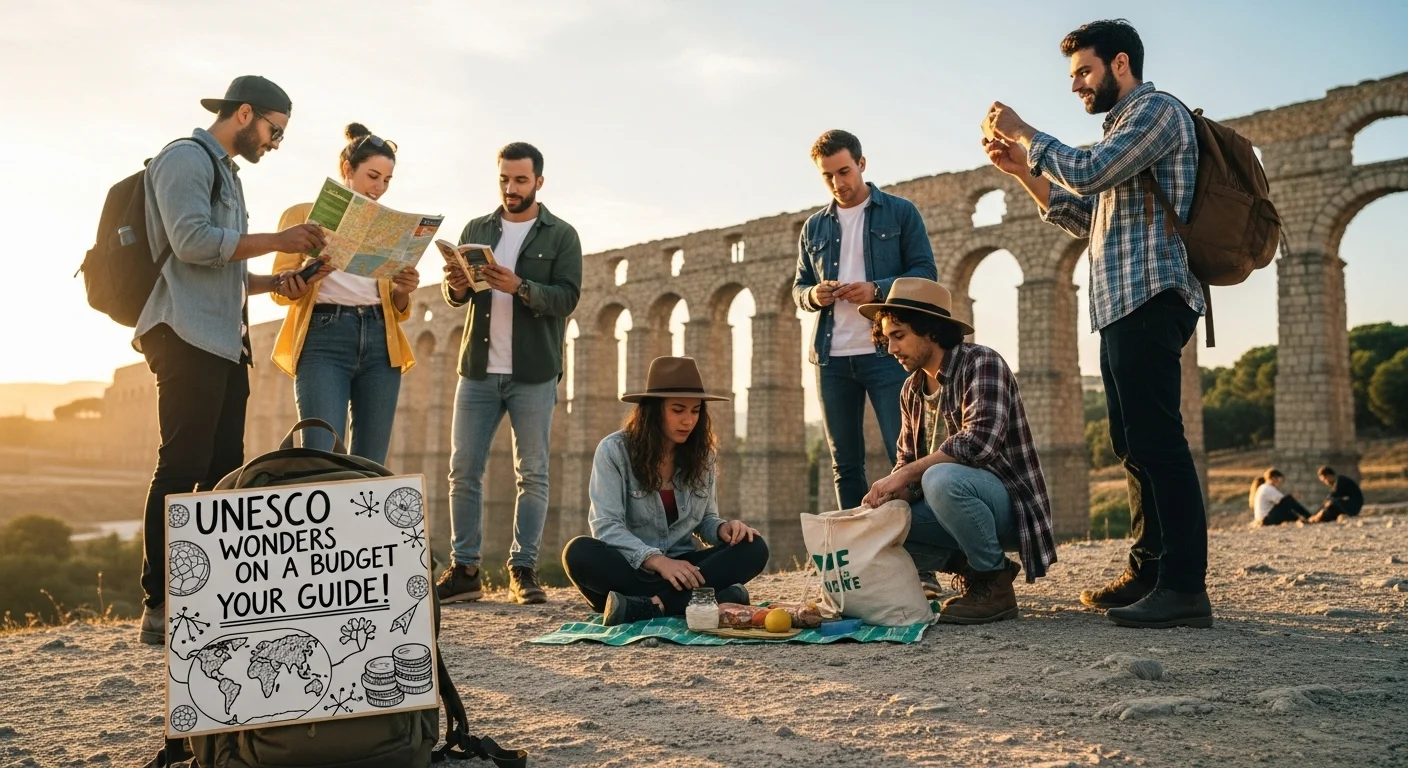
Budget Tips for Visiting UNESCO World Heritage Sites

Understanding UNESCO World Heritage Sites

What are UNESCO World Heritage Sites?

UNESCO World Heritage Sites are landmarks or areas recognized by the United Nations Educational, Scientific and Cultural Organization for their cultural, historical, scientific, or other forms of significance. I remember the first time I heard about these sites; I was amazed at how they connect us to our global heritage. They range from ancient ruins like Machu Picchu in Peru to natural wonders like the Great Barrier Reef in Australia. Each site tells a story, and visiting them can be a transformative experience.

Importance of UNESCO Designation

The designation of UNESCO World Heritage Sites is crucial not just for preservation but also for tourism and education. These sites receive international recognition, which often leads to increased funding for conservation efforts. From my perspective, visiting these sites is a way of supporting their preservation. When we choose to spend our dollars at these locations, it helps ensure that future generations can enjoy and learn from them too.

List of Notable UNESCO World Heritage Sites

There are over 1,100 UNESCO World Heritage Sites across the globe. Some of the most notable include:

  • The Pyramids of Giza, Egypt: These ancient wonders have fascinated travelers for centuries.
  • Stonehenge, England: A mysterious monument that sparks curiosity about ancient civilizations.
  • The Great Wall of China: An iconic symbol of China’s historical resilience.
  • Acropolis of Athens, Greece: A stunning representation of ancient Greek architecture and philosophy.
  • Galápagos Islands, Ecuador: A natural wonder that played a key role in Charles Darwin’s theory of evolution.

Each of these sites offers unique insights into human history and the natural world. I’ve always found that reading about them beforehand makes the visit even more meaningful.

Planning Your Visit on a Budget

When is the Best Time to Visit?

Timing can greatly affect your travel budget. I’ve learned that visiting during the off-peak seasons can save a significant amount on flights and accommodations. For many sites, this means traveling in late fall or early spring. Not only is it cheaper, but these times often come with fewer crowds, allowing for a more intimate experience. I remember visiting a UNESCO site in May when the weather was perfect, and I felt like I had the place almost to myself.

Choosing Affordable Destinations

Not all UNESCO World Heritage Sites are created equal when it comes to cost. Some destinations are more tourist-friendly and budget-conscious than others. For example, if you’re considering a trip to Europe, places like Portugal and Hungary offer incredible sites without the hefty price tag that comes with visiting more popular spots like France or Italy. I found that sometimes lesser-known sites can be just as rewarding. We discovered a beautiful heritage site in Croatia that was just as stunning as its more famous counterparts but far less crowded and affordable.

Flight and Transportation Tips

When planning a trip, flights can eat up a large portion of your budget. I always recommend using flight comparison sites to find the best deals. Flexibility with travel dates can also lead to significant savings. For transportation once you’ve arrived, exploring local options can save a lot. I prefer using public transport whenever possible; it’s not only budget-friendly but also gives you a chance to see the local life up close. I remember hopping on a local bus to reach a UNESCO site in Italy, and it turned into one of the highlights of my trip, filled with friendly locals and scenic views.

As you can see, visiting UNESCO World Heritage Sites doesn’t have to be a costly endeavor. With the right planning and a few strategies, you can immerse yourself in these cultural wonders without breaking the bank. In the next sections, we will explore accommodation options, cost-effective activities, and more ways to enjoy these incredible sites while keeping our budget in check.

Accommodation Options

Budget Hotels and Hostels

Finding a comfortable place to stay doesn’t have to cost a fortune. I’ve discovered that budget hotels and hostels can be a fantastic way to save money while still enjoying a good night’s sleep. Hostels, especially, have changed quite a bit over the years. They’re no longer just for young backpackers; many offer private rooms that are perfect for couples or families. I remember staying in a charming hostel in Prague with an amazing rooftop terrace. It was affordable, and the views were unforgettable.

When searching for budget hotels, I always check for places with good reviews on sites like Booking.com or Airbnb. In my experience, it’s important to read recent guest reviews and look for those little extras, like free breakfast or Wi-Fi, which can add extra value to your stay. Whenever I book accommodations, I make it a point to look for places that are conveniently located near public transportation or within walking distance of the UNESCO sites I plan to visit.

Vacation Rentals and Homestays

Another option I’ve enjoyed is vacation rentals or homestays. Platforms like Airbnb or Vrbo allow travelers to rent homes or apartments, often at prices lower than hotels. I particularly love this option because it often gives you a taste of local life, something I appreciate when I travel. One time, I rented a quaint apartment in Lisbon that had a little kitchen. I spent my mornings sipping coffee and listening to the sounds of the city waking up.

Homestays can be an even more immersive experience, as you often get to interact with the locals. I once stayed with a lovely family in Vietnam who shared delicious homemade meals and stories about their culture. Not only did I save money, but I also gained a deeper understanding of the area. When choosing this option, I recommend looking for hosts with excellent reviews that highlight their hospitality and helpfulness.

Camping Near Heritage Sites

If you’re feeling adventurous, camping can be a fantastic way to experience UNESCO World Heritage Sites while keeping your budget in check. National parks and natural heritage sites often have campgrounds that offer a great way to connect with nature. I remember camping near the Acropolis in Greece; waking up to the sun rising over the ancient ruins was truly magical.

Before heading out, I always check the campground’s facilities and rules. Some sites have basic amenities like restrooms and showers, while others may be more rustic. I find that having a camping stove and cooking my meals not only saves money but also adds a sense of adventure to the trip. Plus, nothing beats a campfire dinner under the stars after a day of exploring!

Cost-Effective Activities and Attractions

Free or Low-Cost Entry Days

One of the best ways to save money is to take advantage of free or low-cost entry days. Many UNESCO sites offer specific days or times when entry fees are reduced or waived entirely. I recall visiting the Colosseum in Rome, and on the first Sunday of the month, entry was free! It was a fantastic way to experience such an iconic site without the hefty fee. Researching these opportunities ahead of time can really help stretch your travel budget.

Furthermore, I’ve found that some museums and cultural sites provide discounts for students, seniors, or groups. Always check their websites for promotions or consider getting a local city pass, which often includes access to multiple attractions at a discounted price.

Walking Tours and Self-Guided Exploration

Walking tours are a great way to explore UNESCO sites without spending much. Many cities offer free walking tours where guides work for tips, and they’re often filled with fascinating stories and insights about the history and culture of the area. I once joined a free walking tour in Budapest that took us through the city’s beautiful historic center, and it was one of the highlights of my trip.

If you prefer to go at your own pace, self-guided exploration is also a fantastic option. I love downloading maps or tour apps that highlight important sights and offer background information. This way, I can create my own adventure and spend as much time as I want at each stop without feeling rushed.

Community Events and Local Festivals

Participating in community events or local festivals can also be a fun and cost-effective way to enhance your travel experience. I remember stumbling upon a local festival in a town near a UNESCO site in Spain. The event featured traditional music, dance, and delicious local food, all for a very reasonable price. It was a wonderful opportunity to interact with locals and immerse myself in the culture.

Checking local tourism websites or community boards can help you discover what’s happening during your visit. These events often provide a unique glimpse into local traditions and customs, making your trip even more memorable.

Dining on a Budget

Local Street Food and Markets

When it comes to dining while traveling, I’ve found that street food is often the best way to experience local culture without spending a fortune. There’s something magical about eating at a bustling market, surrounded by the sounds and smells of a place. I remember standing in a vibrant market in Thailand, savoring delicious Pad Thai for just a few dollars. It was freshly made right in front of me, and I felt like I was truly immersed in the local lifestyle.

Markets are not only a great source of affordable meals but also a fantastic way to sample a variety of local dishes. I often make it a point to visit food stalls that are busy with locals; it’s a good sign that the food is tasty and fresh. I’ve noticed that trying local specialties can also help me connect with the culture, as each dish tells a story of its own.

Affordable Restaurants and Cafés

If you’re looking for a sit-down meal, I recommend seeking out local restaurants rather than tourist traps. The hidden gems are often where the locals eat. I learned this lesson the hard way in Paris when I ended up at a pricey tourist spot with mediocre food. Since then, I’ve made it a priority to research local favorites before my trip. Websites like Yelp and TripAdvisor can be a good starting point, but I often find that asking locals for recommendations leads me to the best places.

Another tip I’ve picked up is to dine during lunch instead of dinner. Many restaurants offer lunch specials or prix-fixe menus that are much more affordable. I remember enjoying a delightful three-course meal at a lovely bistro in Rome for a fraction of what I would have paid for the same meal in the evening. It felt like a win-win situation!

Grocery Shopping and Picnic Ideas

For those days when I want to save even more, grocery shopping has been a game-changer. I love visiting local supermarkets or farmer’s markets to pick up fresh ingredients. It’s not only budget-friendly, but it also allows me to experience the local food scene in a new way. I recall one sunny afternoon in Barcelona, where I bought fresh baguettes, local cheese, and ripe tomatoes. We found a picturesque park near the Sagrada Familia and enjoyed a delightful picnic. It was one of my favorite memories from that trip!

When packing for a picnic, I usually opt for easy-to-carry items like sandwiches, fruits, and snacks. Many UNESCO sites have lovely areas where you can relax and eat, allowing you to enjoy the view while saving money on meals. Plus, having a picnic adds a special touch to the experience, making you feel like a true traveler rather than just a tourist.

Transportation Tips at UNESCO Sites

Public Transport Options

Getting around can be one of the biggest challenges when visiting UNESCO World Heritage Sites, but I’ve found that public transport is usually the most budget-friendly option. Many cities have reliable bus and train systems that make it easy to reach various sites. I remember riding the metro in Paris, which was not only affordable but also incredibly efficient. It brought me right to the heart of the city, and I loved the experience of traveling alongside locals.

In some cases, I also discovered that many cities offer transportation passes that provide unlimited travel for a set number of days. This can be a great deal if you plan to visit multiple sites in a short period. I once bought a transport pass in London that allowed me to hop on and off buses and tubes freely. It made my travels much easier and stress-free!

Biking and Walking Opportunities

Another option I thoroughly enjoy is biking or walking, especially in cities with beautiful scenery and pedestrian-friendly paths. I have to say that biking around Amsterdam was one of the highlights of my trip! It was an affordable way to explore the city, and I felt like I was part of the local culture. Many UNESCO sites, especially those in urban areas, are often best experienced on foot or by bike, allowing you to soak in the sights and sounds at your own pace.

Not only does this save money, but it also offers a chance to discover hidden gems along the way. I’ll never forget stumbling upon a charming café while walking to a site in Barcelona, where I enjoyed the best espresso of my life. You never know what unexpected treasures you might find when you take the time to explore!

Car Rentals vs. Local Transport

While renting a car can provide flexibility, I think it’s essential to weigh the costs against local transport options. In some places, such as rural areas or regions with limited public transport, renting a car can be a practical choice. I learned this during my visit to the Italian countryside, where public transport options were scarce, and having a car allowed me to explore charming villages and less-visited UNESCO sites at my leisure.

On the flip side, in larger cities or well-connected areas, I often find that relying on public transport is a more economical and stress-free option. Parking fees and navigating traffic can add up quickly. I prefer to save my money for experiences, so I usually opt for public transport or biking whenever I can.

Saving on Souvenirs and Shopping

Where to Find Authentic Local Crafts

Shopping for souvenirs can be a tricky endeavor, especially if you want to bring home something unique without overspending. I’ve discovered that local markets are often the best places to find authentic crafts and souvenirs. I remember browsing through a market in Morocco, where artisans displayed handmade pottery, textiles, and jewelry. The atmosphere was vibrant, and I loved supporting local artists while finding one-of-a-kind treasures.

Another tip is to look for workshops that offer classes or demonstrations. I once took a pottery class in a small village in Mexico, and not only did I create my own piece, but I also learned about the local craft traditions. It’s a fantastic way to take home a special memento that carries a meaningful story. Plus, it’s often more affordable than buying pre-made items from tourist shops.

Tips for Bargaining and Negotiating Prices

When shopping in markets, I’ve found that bargaining is often expected and can lead to great deals. I remember feeling a bit nervous my first time negotiating prices in a bazaar, but I quickly learned it was all part of the experience. Being polite and friendly goes a long way, and I always try to start with a reasonable offer, then see where the conversation takes us. The thrill of striking a good deal can be just as memorable as the items I bring home.

It’s also worth noting that some places have fixed prices, especially in stores. In these situations, I respect the pricing and focus on finding other ways to save, like purchasing items in bulk or buying from local artisans instead of larger retailers.

Frequently Asked Questions

“`html

What are UNESCO World Heritage Sites?

UNESCO World Heritage Sites are landmarks or areas recognized by the United Nations Educational, Scientific and Cultural Organization for their cultural, historical, scientific, or other forms of significance. They connect us to our global heritage and include a range of sites from ancient ruins to natural wonders.

Why is the UNESCO designation important?

The designation of UNESCO World Heritage Sites is crucial for preservation, tourism, and education. It leads to increased funding for conservation efforts and supports the preservation of these significant locations for future generations.

When is the best time to visit UNESCO World Heritage Sites to save money?

Visiting during off-peak seasons, such as late fall or early spring, can save a significant amount on flights and accommodations. These times often come with fewer crowds, enhancing the experience.

How can I find affordable destinations among UNESCO World Heritage Sites?

Some destinations are more budget-conscious than others. For example, countries like Portugal and Hungary offer incredible UNESCO sites without the hefty price tags associated with more popular locations like France or Italy.

What are some budget-friendly accommodation options near UNESCO sites?

Budget hotels, hostels, vacation rentals, and homestays are great options for affordable accommodation. Hostels often provide private rooms, and platforms like Airbnb or Vrbo can offer lower prices compared to hotels.

How can I save money on food while visiting UNESCO World Heritage Sites?

Eating street food and shopping at local markets can provide affordable and authentic dining experiences. Additionally, seek out local restaurants instead of tourist traps, and consider dining during lunch for better deals.

Are there cost-effective activities available at UNESCO sites?

Yes, many UNESCO sites offer free or low-cost entry days, and joining free walking tours is a great way to explore without spending much. Participating in community events and local festivals can also enhance the experience at little to no cost.

What transportation options are available at UNESCO World Heritage Sites?

Public transport is typically the most budget-friendly option for getting around. Many cities have reliable bus and train systems, and some offer transportation passes for unlimited travel. Biking and walking are also enjoyable and economical ways to explore.

How can I find authentic local crafts as souvenirs?

Local markets are excellent places to find authentic crafts and souvenirs. Participating in workshops can also provide a unique way to create your own memento while supporting local artisans.

What tips can help with bargaining when shopping in markets?

Bargaining is often expected in markets. Being polite and friendly, starting with a reasonable offer, and engaging in a conversation can lead to great deals. However, in stores with fixed prices, it’s best to respect those prices and explore other savings methods.

“`
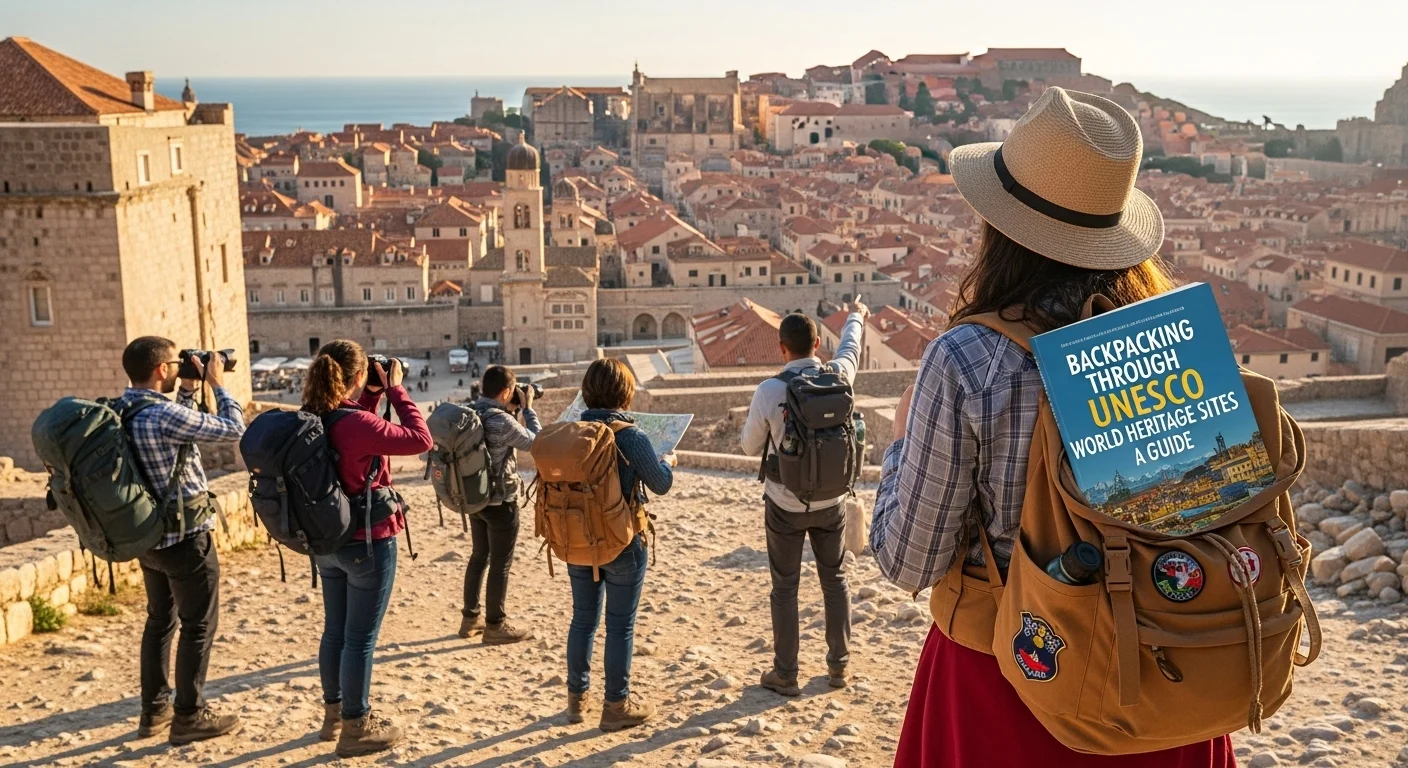
Backpacking Through UNESCO World Heritage Sites: A Guide

Backpacking through UNESCO World Heritage Sites is an adventure that combines exploration, culture, and history. Each site tells a story that connects us to our shared heritage, making every step of the journey worthwhile. If you’re looking for budget-friendly options, check out Top 10 Affordable UNESCO World Heritage Sites to Visit.

Backpacking Through UNESCO World Heritage Sites: A Guide

Understanding UNESCO World Heritage Sites

What are UNESCO World Heritage Sites?

UNESCO World Heritage Sites are places that have been recognized for their cultural, historical, scientific, or other forms of significance. To me, there’s something magical about standing in a location that’s been deemed worthy of global recognition. These sites can be anything from ancient ruins and sacred temples to natural wonders and vibrant cityscapes. Personally, I’ve often felt a sense of awe walking through places like the Great Wall of China or Machu Picchu, knowing that I’m treading the same paths that countless others have walked before me.

Criteria for UNESCO World Heritage Designation

To be designated as a UNESCO World Heritage Site, a location must meet at least one of ten criteria set by UNESCO. These include representing a masterpiece of human creative genius, exhibiting an important interchange of human values, or containing superlative natural phenomena. I remember reading about the selection process and realizing just how stringent the requirements are — it made me appreciate these sites even more. It’s not just about being beautiful; it’s about the story and the impact a site has had on humanity.

Importance of Preservation and Cultural Heritage

Preservation of these sites is crucial, not only for their historical and aesthetic value but also for the cultural identity they uphold. When we travel to these locations, we’re not just tourists; we become part of a larger narrative. I’ve often found myself reflecting on the impact of globalization and modernization on these sites. Many are vulnerable to environmental changes and human activity. It’s vital for us as travelers to be responsible stewards of these precious places. By visiting, we contribute to their preservation, and I believe it’s our duty to support local communities in maintaining their cultural heritage. For more tips on budget-friendly travel, read Explore UNESCO World Heritage Sites on a Budget.

Top UNESCO World Heritage Sites for Backpackers

Historic Centre of Rome

The Historic Centre of Rome is like stepping into a living museum. I remember my first visit, wandering through cobblestone streets, gazing at ancient ruins, and indulging in delicious gelato. The Colosseum, the Vatican, and countless piazzas are all within walking distance, making it an ideal hub for backpackers. Plus, there’s something surreal about enjoying a meal in a place that has been the heart of civilization for centuries.

Great Wall of China

Walking the Great Wall of China is an experience I’ll never forget. Spanning thousands of miles, it offers breathtaking views and a sense of connection to ancient history. I hiked a less touristy section, which allowed me to soak in the surroundings without the crowds. It felt like a personal journey through the heart of China, and I learned so much about the culture and the people along the way.

Machu Picchu, Peru

Machu Picchu is a backpacker’s dream. The trek to this Incan citadel is as rewarding as the destination itself. I remember the exhilaration of hiking the Inca Trail, surrounded by stunning landscapes and rich history. When I finally arrived at Machu Picchu, the sight took my breath away. It’s amazing how the remnants of a civilization can evoke such wonder.

Acropolis of Athens, Greece

The Acropolis stands as a testament to ancient Greek civilization. I was captivated by the Parthenon’s grandeur and spent hours exploring the ruins and reflecting on the philosophical ideas birthed in this very place. Athens is vibrant and full of life, making it easy to blend historical exploration with modern Greek culture.

Stonehenge, England

Stonehenge is one of those sites that feels mystical. I visited on a chilly morning, and the atmosphere was almost ethereal. Standing among the ancient stones, I was struck by the mysteries surrounding their origin and purpose. It’s a place that encourages contemplation and connection to the past.

Yellowstone National Park, USA

Yellowstone is not just a national park; it’s a treasure trove of natural wonders. From geysers to hot springs, the beauty of this site is awe-inspiring. I remember camping under the stars and waking up to the sounds of nature. It was a perfect blend of adventure and serenity, which I believe every backpacker should experience.

Galápagos Islands, Ecuador

The Galápagos Islands are a unique blend of nature and wildlife that can’t be found anywhere else. I found myself snorkeling with sea turtles and observing giant tortoises in their natural habitat. The islands are a reminder of the delicate balance of ecosystems, and my time there taught me the importance of conservation.

Planning Your Backpacking Trip

Best Time to Visit UNESCO World Heritage Sites

Timing your trip is crucial. Each UNESCO site has its own peak seasons, and I’ve learned the hard way that visiting during these times can lead to large crowds and higher prices. For example, I visited Machu Picchu during the dry season, which is from May to September. While the weather was perfect for hiking, it was also packed with tourists. I found that visiting during the shoulder seasons—like late April or early October—allowed me to enjoy the sites with fewer people around. I recommend checking climate patterns and local festivals, as they can enhance your experience while also affecting the number of visitors.

How to Choose Your Destinations

When selecting destinations, I often think about what type of experience I want. Do I crave history, nature, or a bit of both? For instance, if you’re keen on natural wonders, Yellowstone and the Galápagos Islands might be at the top of your list. If you’re drawn to rich history, sites like the Acropolis or the Historic Centre of Rome will captivate you. I also like to consider the accessibility of these sites. Some might be remote and require extra planning to reach. I suggest mapping out your must-see places and then looking for others nearby to create an itinerary that flows smoothly.

Budgeting for Your Trip

Budgeting is an essential part of planning a backpacking adventure. I usually start by estimating how much I intend to spend on flights, accommodations, food, and activities. When I traveled to the Great Wall, I was surprised at how affordable local eateries were compared to international chains. I also found that using public transportation instead of taxis saved me a ton of money. I try to set aside some extra funds for unexpected experiences—like a local tour or a unique meal. It’s important to have flexibility in your budget, as spontaneous adventures often lead to the most memorable moments. For more budgeting tips, check out Budget Tips for Visiting Indigenous Heritage Landmarks.

Essential Gear for Backpacking

Over the years, I’ve learned that packing the right gear can make or break your trip. I always pack a lightweight backpack, a good pair of hiking boots, and quick-dry clothing. A reusable water bottle is a must, especially in places like Yellowstone, where you can refill at various locations. I also bring a portable charger, since I often rely on my phone for maps and photos. For me, a travel journal has been invaluable; jotting down my experiences not only helps me remember the details but also adds a personal touch to my travels. Finally, don’t forget a first-aid kit—trust me, you’ll be glad to have it if you need it.

Transportation Options for Backpackers

Getting to UNESCO World Heritage Sites

Getting to UNESCO sites can vary greatly depending on the location. When I planned my trip to Stonehenge, I discovered that public transport from London was quite efficient, with buses running regularly. However, for more remote sites like those in the Galápagos Islands, I found that booking a flight to a nearby major city and then taking a smaller plane was the best option. I recommend researching transportation options beforehand to see what fits your schedule and budget. Sometimes, you may find that renting a car offers the most flexibility, especially if you’re traveling with others.

Local Transportation Tips

Once you arrive at your destination, navigating the area can be a fun adventure. In cities like Athens, I found that walking was the best way to explore. Not only did it allow me to stumble upon hidden gems, but I also got to absorb the local culture. In more rural areas, I’ve used bicycles or public transportation to reach UNESCO sites. For instance, in Rome, the metro system was a lifesaver, allowing me to hop from the Vatican to the Colosseum with ease. Always look into transportation passes, as they can save you money if you plan to do a lot of sightseeing.

Eco-Friendly Travel Options

As travelers, I believe we have a responsibility to minimize our impact on the environment. I’ve tried to incorporate eco-friendly practices into my trips whenever possible. Using public transport or biking not only reduces my carbon footprint but also lets me experience the local culture more intimately. Additionally, I seek out eco-friendly accommodations and tour options. Many places are becoming more aware of sustainability, and supporting these businesses helps promote responsible tourism. For instance, in the Galápagos, I chose a tour operator committed to conservation, which made my experience even more meaningful.

Accommodation Options

Hostels Near UNESCO Sites

When it comes to backpacking, finding a good place to stay is key. I’ve always had a soft spot for hostels, especially those located near UNESCO World Heritage Sites. They not only offer budget-friendly rates but also a chance to meet fellow travelers. I remember staying at a cozy hostel just a short walk from the Acropolis in Athens. The atmosphere was lively, and it was great to share stories with others who were just as eager to explore the city’s rich history. Many hostels also organize group activities, which can be a fun way to discover the area together. I recommend checking reviews to find ones that prioritize cleanliness and a welcoming vibe.

Campsites and Budget Lodging

If you’re looking to immerse yourself in nature while visiting UNESCO sites, campsites can be an excellent option. I had an unforgettable experience camping in Yellowstone National Park, where the nights were filled with the sounds of nature, and the views were absolutely stunning. There are often designated camping areas that provide basic amenities while allowing you to connect with the outdoors. Plus, it’s a great way to save money! I’ve also found that some places offer budget lodges or cabins that can be just as affordable as hostels, especially when split among a group. For example, I stayed in a charming cabin near Machu Picchu, which offered a unique experience and a peaceful retreat after long hikes.

Local Guesthouses and Homestays

Another option I thoroughly enjoy is staying at local guesthouses or homestays. This allows me to dive deeper into the culture of the place I’m visiting. I remember a fantastic homestay experience in a small village near the Great Wall of China. The family I stayed with welcomed me with open arms, and they shared homemade meals that were delicious and authentic. These experiences often come with insights and stories about the area that you won’t find in guidebooks. I believe that connecting with locals can enhance your travel experience, and it’s often a more affordable option too. Plus, staying in guesthouses supports local economies, which is a win-win!

What to Expect When Visiting

Guided Tours vs. Self-Guided Exploration

One of the first decisions I face when visiting a UNESCO site is whether to join a guided tour or explore on my own. There are pros and cons to both. I often lean towards self-guided exploration, as it allows me to go at my own pace and linger a little longer at places that captivate me. For instance, wandering through the ruins of the Historic Centre of Rome, I loved taking time to sit and soak in the atmosphere. However, I’ve also found guided tours to be invaluable at certain sites. When I visited Machu Picchu, I opted for a guided tour, and the insights from my guide brought the history to life in a way I couldn’t have done alone. In the end, it really depends on your personal style and the specific location.

Cultural Etiquette and Respecting Local Customs

As I’ve traveled to various UNESCO sites, I’ve learned that understanding and respecting local customs is essential. Each place has its own traditions and etiquette that can enhance your experience. For example, when visiting sacred sites, I always make sure to dress modestly and be mindful of local customs. In places like the Acropolis, I made sure to follow the guidelines provided and be respectful of the rules. I believe that showing respect not only honors the culture but also fosters a connection with the people and the place. I often feel that I leave a part of myself behind in these moments of respect and understanding.

Safety Tips for Backpackers

Safety is something I always keep in mind while backpacking, especially at popular tourist sites. I remember my visit to the Galápagos Islands, where I made sure to keep my belongings secure while exploring. I’ve learned a few tips along the way that I swear by. Carrying a money belt or a secure backpack is a must, as it keeps my valuables safe. Additionally, I try to stay aware of my surroundings and avoid isolated areas, particularly when it’s dark. I also recommend sharing your itinerary with someone back home, just for peace of mind. It’s important to enjoy your adventure while staying vigilant.

Local Cuisine and Dining Options

Must-Try Foods Near UNESCO Sites

One of the best parts of traveling for me is trying the local cuisine. Each UNESCO site usually has its own unique flavors and dishes that reflect the culture and history of the region. For example, while exploring the Historic Centre of Rome, I made it a point to indulge in traditional Roman dishes like Cacio e Pepe and Carbonara. The rich flavors and fresh ingredients were unforgettable. When I was in Greece, I couldn’t resist trying Moussaka and Souvlaki near the Acropolis, which added an extra layer of enjoyment to my time there. I believe that tasting local food is like tasting history itself, and it often brings me closer to the culture I’m experiencing.

Street Food Recommendations

Street food is another adventure in itself! I’ve found that some of the best meals come from local vendors. In Peru, while trekking to Machu Picchu, I tried street corn and tamales from a vendor in a small town — they were delicious and so affordable! In Asia, the street food scene is vibrant; I remember having mouth-watering dumplings from a stall near the Great Wall. It’s a wonderful way to eat like a local and connect with the community. I always recommend asking locals for their favorite spots; they often know the best hidden gems that aren’t in guidebooks.

Budget-Friendly Restaurants and Cafés

Finding budget-friendly dining options can be a game changer on a backpacking trip. I’ve discovered that many UNESCO site areas have cafes and restaurants that offer hearty meals without breaking the bank. For instance, in Athens, I stumbled upon a quaint taverna where I enjoyed a filling Greek salad and some freshly made bread for a fraction of the price I’d expect. I also recommend using apps or websites that focus on local eateries; they often highlight budget-friendly options that are not only affordable but also authentic.

Engaging with Local Culture

Participating in Local Festivals and Events

When I travel, I try to immerse myself in the local culture as much as possible. Participating in local festivals is one of my favorite ways to do this. For instance, I was privileged to be in Rome during the Feast of the Immaculate Conception, where the streets were filled with festivities, music, and delicious food. I felt so connected to the culture and history of the place. I believe that these events create a unique atmosphere that can’t be replicated, and they often give insight into the traditions and values of the local community.

Art and Craft Workshops

Another wonderful way to engage with the local culture is through art and craft workshops. I remember attending a pottery class in a small village near the Acropolis, where a local artisan shared their skills with us. Not only did I learn about traditional techniques, but I also got to take home a piece of my experience. Workshops like these are often a great way to meet locals and learn about their craft, providing a deeper understanding of the culture and its artistic expressions.

Community Tours and Volunteer Opportunities

Volunteering while traveling is something I feel strongly about. I’ve participated in community tours that support local initiatives, such as environmental conservation projects in the Galápagos Islands. These experiences have not only enriched my travels but also allowed me to give back to the communities I visit. I believe it’s important to leave a positive impact wherever we go, and these opportunities often lead to meaningful connections with local people.

Traveling Responsibly

Leave No Trace Principles

As travelers, it’s our responsibility to minimize our impact on the environment. I’ve adopted the Leave No Trace principles, which encourage me to respect the places I visit. This includes sticking to marked trails, packing out what I pack in, and being mindful of wildlife. I remember hiking in Yellowstone and being careful not to disturb the natural habitats. It’s a small effort that can make a big difference in preserving these beautiful sites for future generations.

Supporting Local Economies

When I travel, I try to prioritize spending my money in ways that benefit local communities. This includes eating at local restaurants, staying in guesthouses, and buying crafts from local artisans. I’ve found that these choices not only enrich my experience but also contribute to the livelihoods of the people I meet. Supporting local economies is an essential part of responsible travel, and I believe it creates a more authentic experience.

Conservation Efforts and How to Get Involved

Many UNESCO sites are under threat, and I think it’s vital for travelers to support conservation efforts. I often look for ways to get involved, whether it’s through donations to local organizations or participating in eco-tours that promote conservation. For instance, during my time in the Galápagos, I joined a tour that focused on conservation efforts, and it was incredibly rewarding to see how tourism can positively impact the environment. It’s a reminder that our travels can be a force for good.

Final Thoughts

Backpacking through UNESCO World Heritage Sites has been one of the most enriching experiences of my life. Each site is a treasure trove of history, culture, and natural beauty that invites us to explore deeper. I’ve learned that being a responsible traveler is just as important as the adventures we seek. By respecting local customs, engaging with communities, and supporting conservation efforts, we can ensure that these incredible sites are preserved for generations to come. I hope my experiences encourage you to embark on your own journey through these remarkable places. Happy travels!

Frequently Asked Questions

What are UNESCO World Heritage Sites?

UNESCO World Heritage Sites are places recognized for their cultural, historical, scientific, or other forms of significance. These sites can include ancient ruins, sacred temples, natural wonders, and vibrant cityscapes.

What criteria must a location meet to be designated as a UNESCO World Heritage Site?

A location must meet at least one of ten criteria set by UNESCO, which include representing a masterpiece of human creative genius, exhibiting an important interchange of human values, or containing superlative natural phenomena.

Why is the preservation of UNESCO World Heritage Sites important?

Preservation is crucial for maintaining the historical and aesthetic value of these sites, as well as the cultural identity they uphold. Responsible stewardship by travelers helps contribute to their preservation and supports local communities.

What are some top UNESCO World Heritage Sites recommended for backpackers?

Some top UNESCO World Heritage Sites for backpackers include the Historic Centre of Rome, the Great Wall of China, Machu Picchu in Peru, the Acropolis of Athens, Stonehenge in England, Yellowstone National Park, and the Galápagos Islands in Ecuador.

When is the best time to visit UNESCO World Heritage Sites?

The best time to visit varies by site, but generally, visiting during shoulder seasons—like late April or early October—can help avoid large crowds and higher prices. Checking climate patterns and local festivals can enhance the experience while affecting visitor numbers.

What essential gear should backpackers pack for their trips?

Backpackers should pack a lightweight backpack, hiking boots, quick-dry clothing, a reusable water bottle, a portable charger, a travel journal, and a first-aid kit to ensure a comfortable and safe journey.

What are some local transportation tips for getting to UNESCO sites?

Public transport is often efficient for reaching UNESCO sites, as seen with buses to Stonehenge from London. For remote sites like the Galápagos Islands, booking a flight to a nearby city and then taking a smaller plane is recommended.

How can travelers engage with local culture when visiting UNESCO sites?

Travelers can engage with local culture by participating in local festivals, attending art and craft workshops, and joining community tours or volunteer opportunities that support local initiatives.

What are the Leave No Trace principles?

Leave No Trace principles encourage travelers to minimize their environmental impact by respecting the places they visit, sticking to marked trails, packing out what they pack in, and being mindful of wildlife.

How can travelers support local economies while visiting UNESCO sites?

Travelers can support local economies by eating at local restaurants, staying in guesthouses, and purchasing crafts from local artisans, thereby enriching their experience while contributing to the livelihoods of the people they meet.

Top 10 Affordable UNESCO World Heritage Sites to Visit

Are you dreaming of exploring the world without breaking the bank? Visiting UNESCO World Heritage Sites can be an incredible way to experience culture, history, and breathtaking scenery—all while keeping your budget in check. Let’s dive into some amazing options!

Top 10 Affordable UNESCO World Heritage Sites to Visit

Understanding UNESCO World Heritage Sites

What is a UNESCO World Heritage Site?

I’ve always been fascinated by the concept of UNESCO World Heritage Sites. These are places recognized by the United Nations Educational, Scientific and Cultural Organization for their cultural, historical, scientific, or other forms of significance. There’s something special about visiting a site that’s acknowledged globally for its importance. When I first learned about them, I couldn’t believe how many incredible places existed around the world that are not just beautiful but also tell the story of our shared humanity.

Criteria for Selection

To be designated as a UNESCO World Heritage Site, a location must meet at least one out of ten criteria established by the organization. Some of these criteria include representing a masterpiece of human creative genius or exhibiting an important interchange of human values, over a span of time or within a cultural area of the world. I remember discussing this with friends while planning a trip, and we were amazed at how many sites have rich histories that reflect the artistry and struggles of past civilizations.

Importance of Preservation

Preserving these sites is crucial because they serve as a window into our past. Without proper care, they could be lost to time or damaged by climate change, tourism, or neglect. I feel a strong sense of responsibility when visiting these places; my experience becomes part of their ongoing story. Knowing that I’m contributing to their preservation by visiting helps me appreciate them even more.

Top 10 Affordable UNESCO World Heritage Sites to Visit

1. Great Wall of China, China

Overview and History

The Great Wall of China is one of the most iconic structures in the world. Stretching over 13,000 miles, it was built over several centuries to protect Chinese states from invasions. I remember standing on a section of the wall, feeling the weight of history around me. It’s not just a wall; it’s a testament to human ingenuity and determination.

Best Times to Visit

The best times to visit are during spring (April to June) and fall (September to November) when the weather is mild and the crowds are smaller. I visited in October, and the fall foliage made the experience even more magical.

Budget-Friendly Tips

To keep costs down, consider taking public transportation to the wall instead of joining a tour. I found that taking a local bus was not only cheaper but also gave me a glimpse into daily life in China. Pack your own snacks to enjoy while exploring, as food prices near tourist sites can be high.

2. Acropolis of Athens, Greece

Overview and History

The Acropolis is a symbol of ancient Greece, featuring remarkable structures like the Parthenon. When I stood atop the Acropolis, I couldn’t help but think about the philosophers and artists who walked the same paths centuries ago. It felt like stepping back in time.

Best Times to Visit

Spring and fall are ideal, with fewer tourists and comfortable weather. I visited in late September, when the sun was warm but not scorching, making it perfect for exploring.

Budget-Friendly Tips

Entry fees can add up, but I recommend visiting on the first Sunday of the month from November to March when entry is free. Also, consider getting a combined ticket for multiple sites to save money. I found exploring nearby neighborhoods for affordable dining options to be enjoyable and a great way to experience local culture.

3. Historic Centre of Florence, Italy

Overview and History

Florence is known as the birthplace of the Renaissance. The Historic Centre is home to stunning art and architecture. Walking through the cobblestone streets, I felt surrounded by the ghosts of artists like Michelangelo and Da Vinci. Each corner held a piece of history waiting to be discovered.

Best Times to Visit

The best time to visit Florence is during the shoulder seasons—spring and fall. I went in early May, and the weather was perfect for exploring without overwhelming crowds.

Budget-Friendly Tips

Getting around Florence is easy and affordable by walking. I also loved visiting smaller museums, which often have lower entrance fees. Don’t forget to enjoy the local street food; it’s delicious and budget-friendly!

4. Ancient City of Petra, Jordan

Overview and History

Petra, often referred to as the “Rose City,” is famous for its rock-cut architecture and water conduit system. When I first laid eyes on the Treasury, I was completely awestruck. It felt like being in a real-life treasure hunt!

Best Times to Visit

The ideal time to visit Petra is during spring (March to May) and fall (September to November) when temperatures are milder. I visited in late April, and the blooming flowers added to the stunning landscape.

Budget-Friendly Tips

Consider staying in nearby Wadi Musa, where accommodations are often cheaper. I found joining a local guide for a small fee was a great investment, as they shared fascinating stories about the city’s history. Bring your own water and snacks to save on costs while exploring.

5. Stonehenge, England

Overview and History

Stonehenge is one of the world’s most famous prehistoric monuments, shrouded in mystery. When I visited, I felt a deep sense of wonder about the people who built this remarkable site. Standing there, I couldn’t help but think about the countless generations who have pondered its purpose.

Best Times to Visit

Late spring and early fall are great times to visit. I went in June, and the long daylight hours allowed me to explore without feeling rushed.

Budget-Friendly Tips

To save on entry fees, consider visiting during off-peak hours. I also recommend taking a bus or train from London, as this can be more economical than driving. Pack a picnic to enjoy in the surrounding fields—it’s a lovely way to soak in the atmosphere!

6. Chichen Itza, Mexico

Overview and History

Chichen Itza is one of the most famous archaeological sites in Mexico and a significant remnant of the Mayan civilization. When I visited, I was in awe of the El Castillo pyramid, which stands majestically against the backdrop of the Yucatan forest. The site is a blend of history, culture, and astronomical significance. I learned that during the equinox, the shadows cast by the pyramid create a serpent effect, symbolizing the descent of the feathered serpent god. It felt like stepping into a living history book, where every stone has a story to tell.

Best Times to Visit

The best time to visit Chichen Itza is during the dry season, from November to April. I went in early March, and the weather was absolutely perfect for exploration—not too hot, and the crowds were manageable. I recommend arriving early to beat the heat and enjoy the site before the larger tour groups arrive.

Budget-Friendly Tips

To save money, consider taking a bus from Cancun or Playa del Carmen instead of a tour. The bus is affordable and gives you the flexibility to explore at your own pace. I also packed my own lunch, which was a great way to enjoy a picnic while soaking in the stunning views. Don’t forget to bring plenty of water, as it can get very hot!

7. Iguazu National Park, Argentina/Brazil

Overview and History

Iguazu Falls is one of the most breathtaking natural wonders I’ve ever encountered. The massive waterfalls stretch across the border of Argentina and Brazil, creating a stunning panorama. Standing at the edge of the falls, I felt the mist on my face and heard the thunderous roar of water plunging into the river below. It’s an experience that connects you to nature in a profound way, reminding us of the planet’s incredible power and beauty.

Best Times to Visit

The best time to visit is during the shoulder seasons, from March to May and September to November, when the weather is mild and the crowds are thinner. I visited in late April, and the experience was magical with fewer tourists and vibrant greenery all around.

Budget-Friendly Tips

To keep costs down, I recommend staying in Puerto Iguazu, where accommodations are more affordable. You can easily walk to the park entrance, or take a local bus to save money on transport. Inside the park, I found that bringing my own snacks and drinks helped reduce expenses while enjoying the trails and viewpoints.

8. Historic Town of Dubrovnik, Croatia

Overview and History

Dubrovnik, famously known as the “Pearl of the Adriatic,” is a beautifully preserved medieval town. Walking along the city walls, I felt like I had stepped into a fairy tale, with its terracotta roofs and stunning sea views. The history here is rich, with influences from various cultures. I remember visiting the Rector’s Palace and marveling at its blend of Gothic and Renaissance architecture—it’s a true testament to the city’s storied past.

Best Times to Visit

Visiting in the late spring or early fall is ideal. I went in early October, and the weather was still warm, but the tourist crowds had thinned out. This made wandering through the narrow alleyways and enjoying local cuisine much more pleasant.

Budget-Friendly Tips

To save money, explore Dubrovnik on foot. While the city walls have an entrance fee, the views from outside are still spectacular. I also found that dining in the less touristy areas offered delicious meals at lower prices. Trying local street food, like burek, was a highlight of my trip!

9. Old City of Jerusalem and Its Walls, Israel

Overview and History

The Old City of Jerusalem is a unique blend of history, culture, and spirituality. Walking through the narrow streets, I felt the weight of thousands of years of history. Key sites like the Western Wall, the Church of the Holy Sepulchre, and the Dome of the Rock are all located here. I was struck by the diversity of people and cultures, all coexisting in this sacred space.

Best Times to Visit

The best times to visit Jerusalem are during spring (March to May) and fall (September to November). I visited in early April, and the pleasant weather made it easy to explore without feeling rushed.

Budget-Friendly Tips

To keep costs down, I recommend staying in hostels or guesthouses outside the Old City and using public transportation to get around. Many of the major sites are free to enter or have minimal fees. I also enjoyed visiting some of the local markets, where I could find affordable meals and unique souvenirs.

10. Rani-ki-Vav (Queen’s Stepwell), India

Overview and History

Rani-ki-Vav is a stunning stepwell located in Gujarat, India. It was built in the 11th century and is known for its intricate carvings and design. When I visited, I was amazed by the architectural beauty and the artistry displayed in every corner. It’s fascinating to think about how this structure was not just a water reservoir but also a social and cultural hub for the community.

Best Times to Visit

The best time to visit Rani-ki-Vav is from October to March, when the weather is cooler and more comfortable for exploring. I went in December, and the mild temperatures made my experience enjoyable.

Budget-Friendly Tips

Entry fees to Rani-ki-Vav are very affordable, and I recommend spending a leisurely afternoon here. To save on food costs, consider eating at local eateries rather than tourist spots. I found the local cuisine to be delicious and much cheaper, plus it offered an authentic taste of the region.

Planning Your Visit

How to Get There

When I plan a trip to a UNESCO World Heritage Site, the journey often becomes part of the adventure. For some destinations, I’ve found that flying is the quickest option, but there are also many places accessible by train or bus, which can be a fun way to see the countryside. For instance, when I went to Florence, I took a train from Rome, which was not only economical but also gave me a chance to enjoy the beautiful Italian landscapes along the way. Each site has its own unique transportation options, so I recommend checking local travel guides or websites for the best routes.

Accommodations Near Each Site

Finding a place to stay can be a delightful part of the planning process. I love staying in local guesthouses or small hotels that offer a more personal experience than large chains. For example, when I visited Petra, I opted for a charming inn in Wadi Musa, which was just a short walk from the entrance to the site. This made it super convenient for early morning visits. Remember to book in advance, especially in popular tourist seasons, to ensure you get the best deals and locations.

Local Transportation Options

Once I arrive at my destination, I always look for local transportation options to explore the area. Public transport, like buses and trams, is often affordable and gives you a chance to mingle with locals. In Dubrovnik, I used the local bus system to navigate around the city, which was efficient and saved me on taxi fares. For many UNESCO sites, walking is also a wonderful option, as it allows you to soak in the surroundings and discover hidden gems you might miss while zooming by in a car. Just be sure to wear comfortable shoes!

Dining and Local Cuisine

For me, food is an essential part of travel. Exploring local cuisine can be both a cultural experience and a way to save money. In Jerusalem, I stumbled upon a small market where I tasted delicious falafel and fresh pita bread—much cheaper than dining in touristy restaurants. I’ve found that eating at local eateries not only helps my budget but also provides a more authentic taste of the culture. I remember enjoying a delightful meal of fresh seafood in Dubrovnik by a local vendor, which was both satisfying and easy on the wallet. Always keep an eye out for street food; some of my best meals have come from small carts!

Tips for Budget Travelers

Finding Affordable Flights

One of the biggest expenses when traveling is often flights, but I’ve learned a few tricks to find affordable options. I typically start my search on flight comparison websites to compare prices across multiple airlines. Setting up fare alerts has worked wonders for me too; I get notified when prices drop for my desired routes. Additionally, being flexible with travel dates can lead to significant savings. I often aim to fly mid-week when ticket prices tend to be lower. In my experience, booking in advance usually helps, but sometimes last-minute deals pop up, especially during off-peak seasons.

Budget Accommodation Options

When it comes to accommodations, I often rely on platforms like Airbnb or hostels. They can provide unique experiences at a fraction of the cost of hotels. I remember staying in a cozy shared room in a hostel in Athens, where I met fellow travelers and exchanged stories over breakfast. Plus, many hostels offer kitchen facilities, which allows you to prepare some of your own meals and save even more money. If you prefer more privacy, look for guesthouses or boutique hotels that are affordable yet charming.

Cost-Saving Travel Apps

In today’s tech-savvy world, I’ve discovered some amazing travel apps that help me save money and stay organized. Apps like Skyscanner and Hopper help me track flight prices, while Google Maps is my go-to for navigating new cities. I also love using apps like Citymapper for public transport directions. For accommodations, I often check out Hostelworld or Booking.com for the best deals and user reviews. Utilizing these resources can make a significant difference in my travel experience and budget!

Free and Low-Cost Activities Near Heritage Sites

Exploring UNESCO sites can be an affordable adventure if you know where to look for free or low-cost activities. Many cities offer free walking tours, which provide insightful commentary while allowing you to see the main highlights. For instance, during my trip to Florence, I joined a free walking tour that introduced me to the history of the city without costing a dime. Additionally, local parks and public spaces often have free events or festivals, providing a taste of the local culture. I always recommend checking the local tourism office for a calendar of events; you might find hidden treasures waiting to be discovered!

Frequently Asked Questions

What is a UNESCO World Heritage Site?

A UNESCO World Heritage Site is a location recognized by the United Nations Educational, Scientific and Cultural Organization for its cultural, historical, scientific, or other forms of significance. These sites are acknowledged globally for their importance and offer a glimpse into our shared humanity.

What criteria must a location meet to be designated as a UNESCO World Heritage Site?

To be designated as a UNESCO World Heritage Site, a location must meet at least one out of ten established criteria, such as representing a masterpiece of human creative genius or exhibiting an important interchange of human values over time or within a cultural area.

Why is it important to preserve UNESCO World Heritage Sites?

Preserving these sites is crucial as they serve as a window into our past. Without proper care, they could be lost to time or damaged by climate change, tourism, or neglect. Visiting these places contributes to their ongoing story and appreciation.

When is the best time to visit the Great Wall of China?

The best times to visit the Great Wall of China are during spring (April to June) and fall (September to November) when the weather is mild and the crowds are smaller.

What are some budget-friendly tips for visiting the Acropolis of Athens?

To save money when visiting the Acropolis, consider going on the first Sunday of the month from November to March when entry is free, and look for combined tickets for multiple sites. Exploring nearby neighborhoods for affordable dining options can also be enjoyable.

What is the ideal time to explore the Ancient City of Petra?

The ideal time to visit Petra is during spring (March to May) and fall (September to November) when temperatures are milder, making for a more pleasant experience.

How can travelers save money when visiting Stonehenge?

Travelers can save on entry fees by visiting during off-peak hours and consider taking a bus or train from London, which can be more economical than driving. Packing a picnic to enjoy in the surrounding fields is also a great idea.

What is the best way to explore Chichen Itza affordably?

To save money at Chichen Itza, consider taking a bus from Cancun or Playa del Carmen instead of a tour, which allows for flexibility and is more affordable. Packing a lunch can also enhance the experience while saving on food costs.

What are some tips for finding affordable flights for travel?

To find affordable flights, travelers can start by using flight comparison websites, setting up fare alerts for price drops, and being flexible with travel dates to take advantage of lower mid-week fares. Booking in advance is generally helpful but last-minute deals can also be found.

What are some budget accommodation options for travelers?

Travelers can find budget accommodations through platforms like Airbnb or hostels, which can provide unique experiences at lower costs. Many hostels offer kitchen facilities to prepare meals, further saving money.

Read Interesting article: Discover Indigenous Heritage Sites: A Backpacker’s Guide

Read Interesting article: Essential Guide to Affordable Buddhist Pilgrimages Worldwide

Explore UNESCO World Heritage Sites on a Budget

Exploring UNESCO World Heritage Sites doesn’t have to break the bank. With careful planning and a sense of adventure, you can experience the world’s most cherished locations without overspending. For more tips, check out Budget Tips for Visiting Indigenous Heritage Landmarks.

Explore UNESCO World Heritage Sites on a Budget

Understanding UNESCO World Heritage Sites

What are UNESCO World Heritage Sites?

UNESCO World Heritage Sites are places of cultural or natural significance that have been recognized by the United Nations Educational, Scientific and Cultural Organization (UNESCO). These sites are chosen for their outstanding value to humanity, showcasing the richness of our shared heritage. I remember the first time I learned about these sites; it was like discovering a treasure map filled with destinations that tell the world’s story. Each site holds a unique narrative, whether it’s the ruins of an ancient civilization or a breathtaking natural landscape. I felt a deep connection to these places, knowing they represent both our history and our environment.

Significance of UNESCO Designation

The designation as a UNESCO World Heritage Site brings heightened awareness and protection to these treasures. For many communities, it’s a point of pride, attracting visitors from around the globe. I’ve noticed that when a site receives this recognition, there are often improvements in conservation efforts and infrastructure, making it easier and safer for us to visit. Plus, it usually means there’s a story or a lesson to be learned, which adds to the richness of the experience. For instance, visiting a site like the Pyramids of Giza or the Great Wall of China isn’t just about seeing something spectacular; it’s about understanding the culture and history behind these monumental works.

Types of World Heritage Sites

World Heritage Sites fall into one of two categories: cultural or natural. Cultural sites include historic towns, monumental architecture, and archaeological sites, while natural sites comprise stunning landscapes, wildlife habitats, and geological formations. Personally, I find that both types have their unique charm. Cultural sites often allow me to step back in time, while natural sites provide a sense of awe and appreciation for the planet’s beauty. I’ve had moments where I stood at the edge of the Grand Canyon or wandered through the ancient streets of Rome, and it felt as if I was part of something much larger than myself.

Top UNESCO World Heritage Sites to Explore on a Budget

Ancient Cities and Ruins

Machu Picchu, Peru

Machu Picchu is one of those places that feels like a dream. Nestled high in the Andes Mountains, I remember the excitement I felt as I hiked the Inca Trail, surrounded by breathtaking scenery. While the entrance fee can be a bit steep, there are ways to save. I found that planning my visit during the off-peak season not only reduced costs but also allowed me to experience fewer crowds. Plus, hiking to the site rather than taking the train was not only budget-friendly but also incredibly rewarding.

Petra, Jordan

When I visited Petra, I was blown away by the sheer beauty of the rock-cut architecture and the ancient ruins. It’s often called the “Rose City” due to the color of the stone. To save money, consider visiting during the evening when they have special candlelight tours. The experience of walking through the Siq, lit by thousands of candles, is something I will never forget. It’s a magical way to explore without spending a fortune.

Natural Wonders

Grand Canyon National Park, USA

The Grand Canyon is another stunning site that’s surprisingly accessible on a budget. I remember my first visit when I stood at the rim, overwhelmed by the vastness of the canyon. Entrance fees are reasonable, and if you pack a picnic to enjoy while taking in the views, you can save quite a bit on food. Hiking the trails or simply taking a scenic drive offers countless opportunities for breathtaking photographs without spending extra.

Great Barrier Reef, Australia

While diving or snorkeling at the Great Barrier Reef can get pricey, there are budget-friendly options available. I discovered that many local operators offer reasonably priced day trips. Additionally, exploring the reef from the shore can often be just as rewarding. I spent hours swimming in the shallow waters, surrounded by colorful fish, and it didn’t cost me an arm and a leg. Don’t forget to bring your own snorkel gear if you can, as rentals can add up!

Cultural Heritage Sites

Acropolis of Athens, Greece

The Acropolis is a highlight of any trip to Greece. I remember standing there, soaking in the history that stretches back thousands of years. The ticket prices are fairly reasonable, especially if you buy a multi-site ticket that gives access to other ancient sites. To save even more, consider visiting early in the morning or later in the afternoon when the crowds are lighter.

Historic Centre of Florence, Italy

Florence is a feast for the senses, and you don’t need to spend a lot to enjoy it. I wandered the cobblestone streets, taking in the stunning architecture and art. Many museums offer free admission on specific days, and exploring the city’s outdoor attractions, like the Ponte Vecchio and the Duomo, is completely free. I recommend grabbing a gelato and finding a spot to relax while people-watching.

Planning Your Budget-Friendly Trip

How to Choose Destinations Wisely

When I think about planning a trip to a UNESCO World Heritage Site, choosing the right destination is crucial. I’ve learned that not all sites are created equal when it comes to budget-friendliness. Some locations, like the Eiffel Tower in Paris, can be quite expensive, especially during peak tourist seasons. Instead, I’ve found that looking for lesser-known sites can lead to incredible experiences without the hefty price tag. For example, instead of heading straight to the more famous sites, I discovered beautiful gems like the Historic Town of Ronda in Spain, which is rich in history and culture but much less crowded.

Also, considering the time of year is essential. Traveling during the shoulder seasons—spring or fall—can not only save you money but also provide a more authentic experience. I remember visiting the Alhambra in Granada during April; the blooming flowers were stunning, and there were fewer tourists compared to the summer months. It really enhanced my experience, allowing me to appreciate the beauty without feeling rushed or overwhelmed. Additionally, for those interested in unique experiences, I highly recommend Exploring Indigenous Cultures: Must-See Heritage Sites.

Finding Affordable Accommodations

Accommodations can eat up a large part of your travel budget, but there are ways to find deals that won’t break the bank. I usually start my search by looking at hostels, guesthouses, and budget hotels, which can offer unique experiences at a fraction of the cost of a luxury hotel.

Hostels and Guesthouses

Staying in hostels is a great way to meet fellow travelers and share stories. I remember my stay in a cozy hostel in Lisbon, where I not only enjoyed affordable dormitory-style lodging but also made great friends. Many hostels offer free walking tours, which can be a fantastic way to get to know the city without spending a dime. Guesthouses can also provide a homely feel, often including breakfast and local travel tips from the owners.

Budget Hotels and Airbnbs

If hostels aren’t your style, consider budget hotels or Airbnbs. I’ve had some wonderful experiences renting small flats through Airbnb, which often come equipped with kitchens. This allows me to save money by cooking my own meals. Plus, staying in residential neighborhoods gives me a chance to feel like a local. Just last summer, I found a charming little apartment in Budapest that was just a short walk from the city center and much more affordable than staying at a hotel.

Cost-Effective Transportation Options

Getting around can be one of the biggest expenses when traveling, but with a little planning, it’s easy to find cost-effective options. Personally, I always look into public transport first. It’s often cheaper and gives you a glimpse of daily life in the area.

Public Transport and Walking Tours

Public transport systems in many cities are incredibly efficient. I’ve ridden subways in cities like Tokyo and Paris and found them to be both affordable and convenient. Plus, walking tours can be a fantastic way to explore on a budget. I remember joining a free walking tour in Prague, which provided fascinating insights into the city’s history while allowing me to see the sights up close. Just remember to tip your guide if you enjoyed the tour!

Car Rentals vs. Public Transit

Renting a car can sometimes seem like a good idea, especially if you’re planning to visit multiple sites in rural areas. However, I’ve often found that public transit is just as effective and much easier on the wallet. During my trip to the Canadian Rockies, I took advantage of the local shuttle services that connected major attractions. It saved me the hassle of parking and allowed me to relax and enjoy the stunning views without worrying about the road.

Saving Money on Activities and Attractions

Free or Low-Cost Entry Days

One of the best ways to experience UNESCO World Heritage Sites without spending a lot is to take advantage of free or low-cost entry days. Many museums and attractions offer discounted rates or even free admission on certain days of the month. I’ve marked my calendar for these days during my travels. For example, visiting the Louvre on the first Saturday of each month allowed me to explore one of the most famous museums in the world without paying a dime. It made for a fantastic experience, and I was able to appreciate the art without feeling rushed.

Guided Tours vs. Self-Guided Exploration

While guided tours can offer valuable insights, they can also come with a hefty price tag. I’ve often opted for self-guided explorations, especially in cities where I can download audio guides or use apps that provide historical context. Exploring at my own pace has allowed me to linger at spots that fascinated me. For instance, when I explored the historic sites in Kyoto, I appreciated being able to go off the beaten path and discover hidden temples that weren’t on the usual tour routes.

Local Experiences and Festivals

Engaging with local culture can provide unforgettable experiences, often at little or no cost. I’ve stumbled upon festivals and events that celebrated local heritage, which allowed me to connect with the community. For example, during my visit to Portugal, I joined a local festival in a small town and enjoyed traditional music and dance. It not only enriched my understanding of the culture but was also completely free. I always recommend checking local calendars for events happening during your visit; you never know what you might discover!

Food on a Budget While Exploring

Local Street Food and Markets

When it comes to exploring UNESCO World Heritage Sites, one of my favorite parts is diving into the local cuisine. There’s something incredibly authentic about tasting street food or visiting local markets. I remember wandering through the bustling streets of Bangkok, where the aroma of freshly cooked Pad Thai filled the air. I found that grabbing a quick bite from a street vendor not only satisfied my hunger but also saved me a lot of cash. The food was delicious, and I felt like I was truly experiencing the local culture. I’ve also discovered that many cities have vibrant markets where you can sample various dishes at reasonable prices. Visiting the Mercado de La Boqueria in Barcelona was an unforgettable experience filled with vibrant colors and flavors. I grabbed some fresh fruit and tapas, and it felt like a feast without the hefty restaurant bill.

Affordable Restaurants and Cafés

While street food is a fantastic option, I also enjoy finding cozy local restaurants and cafés that offer budget-friendly meals. I’ve learned that asking locals for recommendations often leads me to hidden gems. For instance, during my visit to Rome, I stumbled upon a small trattoria where I could enjoy authentic pasta at a fraction of the cost of more touristy spots. The ambiance was warm, and the owner shared stories about the dishes. I remember feeling like I was part of the community rather than just another tourist. Many cities also have lunch specials or prix fixe menus that can save you money while still allowing you to enjoy a nice meal. I recommend checking out the local lunch spots in any area you visit; often, they provide the best dining experiences at a lower price.

Cooking Your Own Meals

If you’re looking to save even more on food, consider cooking your own meals. I’ve found that staying in accommodations with kitchen facilities can be a game-changer. During my last trip to Lisbon, I rented an apartment with a small kitchen. I enjoyed visiting local grocery stores and picking out fresh ingredients. Cooking my own meals not only helped me save money but also allowed me to explore the local food culture on a deeper level. I remember preparing a simple yet delicious Portuguese dish, and it felt rewarding to create something from scratch while chatting with friends. Plus, I could enjoy a nice meal at my own pace without the pressure of restaurant dining.

Tips for Traveling on a Budget

Best Times to Visit for Lower Prices

Timing can make a significant difference when traveling on a budget. I’ve learned that visiting popular UNESCO World Heritage Sites during the off-peak season can save you money on accommodations and attractions. For instance, I visited the Alhambra in Granada in late autumn, when the crowds were thin and the weather was still pleasant. The reduced prices on entry fees and hotel rates made my trip much more affordable. Additionally, many sites have fewer tourists during these times, allowing for a more intimate experience. I recommend doing some research on the best times to visit specific sites, as this can really enhance both your experience and your wallet.

Using Travel Apps for Discounts

In today’s digital age, using travel apps can be a fantastic way to save money while exploring. I’ve found that apps like Hopper and Skyscanner help me track flight prices and alert me when there’s a good deal. Additionally, I often use local travel apps to find discounts on attractions, dining, and transportation. One time, I discovered a discount on entry tickets for the Acropolis through an app just a few days before my visit, which allowed me to enjoy my experience without overspending. Plus, many apps offer user-generated reviews and tips that can guide you to budget-friendly options you might not have considered.

Travel Insurance and Safety Tips

While it might seem like an extra expense, I believe travel insurance is essential when planning a budget trip. It’s a safety net that can save you from unexpected costs due to cancellations, medical emergencies, or lost belongings. I’ve had my share of travel mishaps; one time, my flight was canceled, and thanks to my insurance, I was able to get a refund that helped cover additional expenses. Additionally, being aware of safety tips specific to each destination can help you avoid costly mistakes. I always research local customs and safety recommendations before heading out, which allows me to navigate new places with confidence. This knowledge not only keeps me safe but also enhances my overall experience, letting me focus on enjoying the adventure.

Maximizing Your Experience Without Breaking the Bank

Engaging with Local Culture

One of the most enriching aspects of traveling is engaging with local culture. I’ve found that participating in community events or workshops often provides a deeper understanding of the places I visit. For instance, in Mexico, I joined a traditional cooking class where I learned to make authentic mole. It was an affordable way to immerse myself in the culture, and I left with a delicious recipe and new friends. I recommend checking local calendars for events, as many communities host free cultural festivals, dance performances, or art exhibitions that allow you to connect with the locals. Also, for those interested in exploring further, check out Discover Indigenous Heritage Sites: A Backpacker’s Guide.

Photography Tips for Memorable Shots

Capturing memories through photography is something I truly cherish. I’ve learned that you don’t need fancy equipment to take beautiful photos. I often rely on natural light and interesting angles. For instance, when I visited the Taj Mahal, I made sure to arrive early in the morning to catch the sunrise, which gave my photos a magical glow. I also enjoy experimenting with different perspectives, like getting low to the ground or framing my shots with nearby elements. I recommend taking your time to explore and find unique viewpoints; this often leads to some of my favorite travel photos.

Souvenir Shopping on a Budget

When it comes to souvenirs, I’ve realized that it’s easy to get carried away. I try to focus on meaningful items rather than typical tourist trinkets. Markets are often the best places to find unique souvenirs at reasonable prices. I remember picking up handmade pottery in Mexico that reminded me of my time there, and it was much more special than a generic keychain. I also recommend haggling a little; it’s part of the experience in many cultures and can lead to great deals. Keeping an eye out for local artisans can also yield memorable treasures that support the community and are often more affordable than what you’d find in tourist shops.

Frequently Asked Questions

What are UNESCO World Heritage Sites?

UNESCO World Heritage Sites are places of cultural or natural significance recognized by the United Nations Educational, Scientific and Cultural Organization (UNESCO) for their outstanding value to humanity, showcasing the richness of our shared heritage.

Why is UNESCO designation significant?

The designation as a UNESCO World Heritage Site brings heightened awareness and protection, often leading to improvements in conservation efforts and infrastructure, which makes it easier and safer for visitors to experience these treasures.

What types of World Heritage Sites exist?

World Heritage Sites fall into two categories: cultural sites, which include historic towns and monumental architecture, and natural sites, which comprise stunning landscapes and wildlife habitats.

How can I explore UNESCO sites on a budget?

Budget-friendly exploration can be achieved by visiting during off-peak seasons, choosing lesser-known sites, finding affordable accommodations, and utilizing public transportation.

What are some budget-friendly UNESCO sites to visit?

Some budget-friendly UNESCO sites include Machu Picchu in Peru, Petra in Jordan, the Grand Canyon National Park in the USA, and the Acropolis of Athens in Greece.

How can I save money on food while traveling?

You can save money on food by enjoying local street food, dining at budget-friendly restaurants, and cooking your own meals if staying in accommodations with kitchen facilities.

What are some tips for finding affordable accommodations?

Consider staying in hostels, guesthouses, budget hotels, or Airbnbs, which can offer unique experiences at lower costs compared to luxury hotels.

How can I save on activities and attractions?

Look for free or low-cost entry days at museums and attractions, opt for self-guided explorations instead of guided tours, and engage with local experiences or festivals that are often free.

What role do travel apps play in budget travel?

Travel apps can help track flight prices, find discounts on attractions, dining, and transportation, and provide user-generated reviews and tips for budget-friendly options.

What are some effective photography tips while traveling?

To take memorable photos, rely on natural light, explore interesting angles, and take your time to find unique viewpoints, which can lead to beautiful travel photography.

Uncover Ancient Ruins: Affordable Backpacking Adventures

There’s something magical about ancient ruins; they connect us to the past and ignite our wanderlust. Join me as we uncover affordable backpacking adventures that lead us to these magnificent historical treasures! If you’re looking for tips on backpacking to ancient ruins, you’re in the right place.

Uncover Ancient Ruins: Affordable Backpacking Adventures

Understanding Ancient Ruins

Definition and Significance of Ancient Ruins

Ancient ruins are remnants of past civilizations that have survived through centuries, often telling stories of human ingenuity, culture, and history. I remember my first encounter with an ancient ruin; the sheer awe of standing where countless others had walked before me was overwhelming. These sites often represent significant architectural achievements and provide insights into the social, political, and religious practices of their time.

The significance of ancient ruins goes beyond their physical presence. They serve as powerful reminders of our shared human history and can evoke a sense of connection to our ancestors. Through these ruins, we can learn about the triumphs and challenges faced by those who came before us. For me, each stone tells a story, and exploring these places is like walking through a living museum.

Popular Ancient Ruins Worldwide

There are countless ancient ruins scattered around the globe, but certain sites have gained fame for their stunning beauty and historical importance. Some of the most popular include:

  • Machu Picchu, Peru: This Incan citadel nestled in the Andes is a bucket-list destination for many travelers.
  • Angkor Wat, Cambodia: The largest religious monument in the world, it showcases the architectural brilliance of the Khmer Empire.
  • Petra, Jordan: Known as the “Rose City” for its stunning pink sandstone cliffs, it’s a wonder of ancient engineering.
  • Chichen Itza, Mexico: The iconic pyramid of Kukulcan is a testament to the Mayan civilization’s astronomical knowledge.
  • Roman Forum, Italy: The heart of ancient Rome, where politics, commerce, and social life flourished.
  • Stonehenge, England: This prehistoric monument continues to fascinate with its mysterious origins and purpose.
  • Acropolis of Athens, Greece: A symbol of ancient Greece, home to the Parthenon and other remarkable structures.

Each of these sites offers a unique glimpse into the past, and I’ve found that visiting them often sparks a deeper appreciation for the cultures that created them. Whether you’re exploring the intricate carvings of Angkor Wat or the towering structures of Machu Picchu, the stories embedded in these ruins can leave a lasting impression. If you want to discover more about budget-friendly options, check out Explore Ancient Ruins: Top Budget Backpacking Destinations.

Why Explore Ancient Ruins? Benefits of Cultural Travel

Exploring ancient ruins goes beyond just seeing beautiful sights; it’s about engaging with history and culture in a way that enriches our lives. From my experience, visiting these historical sites can transform our understanding of the world. Here are some benefits of traveling to ancient ruins:

  • Cultural Understanding: By immersing ourselves in the history and culture of a place, we gain a deeper appreciation for the world’s diversity.
  • Personal Growth: Traveling can push us out of our comfort zones, allowing us to learn more about ourselves and what we value.
  • Connection with Nature: Many ancient ruins are located in stunning natural settings that offer breathtaking views and a chance to connect with the environment.
  • Inspiration: Witnessing the incredible achievements of past civilizations can inspire us in our own lives, motivating us to pursue our passions.

For me, every trip to an ancient ruin has been a journey of self-discovery. The challenges of navigating new environments and the joy of uncovering hidden histories open my mind to new perspectives. I believe that cultural travel enriches our lives and helps us build connections with people from different backgrounds.

In embarking on these affordable backpacking adventures to ancient ruins, we not only satisfy our wanderlust but also contribute to preserving these historical sites by supporting local communities. I encourage you to consider an adventure that brings you face-to-face with the remnants of the past. Who knows what stories and lessons await you on your journey? For more insights on traveling affordably, read Ancient Ruins on a Budget: Your Ultimate Travel Guide.

Top Affordable Backpacking Destinations with Ancient Ruins

Machu Picchu, Peru

Machu Picchu has always held a special place in my heart. I remember the first time I laid my eyes on those ancient Inca ruins nestled high in the Andes. The journey to get there is an adventure in itself, often involving breathtaking hikes through lush landscapes and cloud forests. Traveling on a budget, I found that taking the Inca Trail, while a bit challenging, was totally worth it. The views as you approach the site are nothing short of magical.

To save on costs, I recommend booking your trek in advance and considering a guided group that offers meals included. Once you’re there, take your time exploring the terraces, temples, and the iconic Intihuatana stone. Standing there, surrounded by the mist and the mountains, I felt a profound sense of connection to the past.

Angkor Wat, Cambodia

Visiting Angkor Wat was another unforgettable experience for me. This vast temple complex is a testament to the Khmer Empire’s grandeur and creativity. I remember waking up early to catch the sunrise over the temple; the way the light danced across the stone was breathtaking. The best part? There are affordable guesthouses nearby that cater to backpackers, making it easy to find a place to rest after a long day of exploring.

When you visit, I suggest renting a bike to get around the expansive site. Not only is it a budget-friendly option, but it also allows you to discover hidden gems like the lesser-known temple of Ta Prohm, where giant trees intertwine with ancient stone structures. It’s a magical place where nature and history collide.

Petra, Jordan

Petra is often referred to as the “Rose City,” and for good reason. The soft pink hues of the sandstone against the deep blue sky took my breath away. As I wandered through the Siq—an impressive gorge leading to the Treasury—I couldn’t help but feel a sense of wonder. It felt like stepping back in time to an era of Nabatean traders. While it’s a popular tourist destination, there are ways to keep it affordable.

I found that staying in nearby towns like Wadi Musa can save you money, and there are plenty of budget-friendly eateries. Plus, exploring Petra at sunrise or sunset when the crowds thin out adds to the experience. Don’t forget to hike to the Monastery for stunning views; it’s a bit of a trek, but the journey is part of the adventure!

Chichen Itza, Mexico

Chichen Itza is perhaps the most iconic representation of the Mayan civilization. Standing in front of the pyramid of Kukulcan, I felt a deep appreciation for the astronomical knowledge of the Mayans. The best time to visit is early in the morning to avoid the heat and crowds, and I found that joining a guided tour was a great way to learn about the history and significance of each structure.

There are budget accommodations in nearby towns like Valladolid, where you can enjoy local cuisine at a fraction of the price. The cenotes—natural sinkholes—are an added bonus and provide a refreshing swim after a day exploring the ruins. Just don’t forget your camera; the vibrant colors and unique architecture are photo-worthy!

Roman Forum, Italy

Exploring the Roman Forum felt like walking through the pages of history. As I strolled among the ruins of temples, basilicas, and public spaces, I imagined the bustling life of ancient Rome. It’s one of those places where every corner whispers stories of political intrigue and social life. I found that combining a ticket for the Colosseum with the Forum was a smart way to save money while maximizing my experience.

In the surrounding area, there are plenty of affordable eateries where you can enjoy authentic Italian food. I remember sitting at a small café, savoring a slice of pizza and reflecting on the grandeur of the civilization that once thrived there. Visiting in the off-season can also help you avoid hefty tourist prices.

Stonehenge, England

Visiting Stonehenge was like stepping into a different world. The mystery surrounding this prehistoric monument fascinated me. I recommend booking tickets in advance, as they can get pricey last minute, but the visitor center offers engaging exhibits that enrich your understanding of the site. Walking around the stones, I couldn’t help but wonder about the people who built it and their beliefs.

There are budget-friendly options in nearby towns like Amesbury, where you can find cozy hostels and charming pubs. I spent a lovely afternoon walking the surrounding fields, absorbing the tranquility of the landscape. The experience was not just about the stones; it was about connecting with the ancient energy that still lingers in the area.

Acropolis of Athens, Greece

The Acropolis is the crown jewel of Athens and visiting it felt like a rite of passage for any traveler. I’ll never forget the moment I stood before the Parthenon. The architecture is stunning, and the views of the city below are breathtaking. I found that purchasing a combined ticket for other archaeological sites nearby, like the Ancient Agora, was a great way to save money while immersing myself in ancient Greek history.

Accommodations in Athens can vary in price, but I discovered several budget-friendly hostels that were both comfortable and centrally located. After a day of exploration, I loved wandering the Plaka district, where I savored delicious Greek food at local tavernas without breaking the bank. Each bite felt like a taste of history.

When to Visit Ancient Ruins

Best Seasons for Backpacking

Choosing the right season to visit ancient ruins can make a world of difference in your experience. I’ve learned through my travels that certain times of the year can offer more pleasant weather, fewer crowds, and often better prices. For many destinations, the shoulder seasons—spring and fall—are ideal. I remember visiting Machu Picchu in late April; the weather was mild, and the number of tourists was manageable, allowing me to truly soak in the beauty of the site without feeling rushed.

For places like Petra, late autumn can be a fantastic time. The temperatures are cooler, making it easier to explore the vast area without overheating. I’ve found that researching local climates can help ensure that you plan your trip during a time that enhances your adventure and keeps you comfortable.

Weather Considerations for Ruins

Weather plays a crucial role in how much you enjoy your visits to ancient ruins. Some sites, like the Roman Forum, are best visited during sunny days, as wandering through the ruins under clear skies enhances the experience. I recall one rainy day in Athens; while the Acropolis is still stunning, the views weren’t quite as breathtaking as they could have been with blue skies.

Additionally, be mindful of monsoon seasons in places like Angkor Wat, which can create muddy paths and hinder exploration. I learned firsthand that checking weather forecasts and being prepared with appropriate gear—like a lightweight rain jacket—can make a huge difference in your comfort level and overall enjoyment.

Local Festivals and Events

Experiencing local festivals can add a unique layer to your visit to ancient ruins. I’ve encountered vibrant celebrations that not only highlight the rich culture of the area but also offer a glimpse into how locals honor their heritage. For instance, visiting Chichen Itza during the spring equinox is unforgettable. The site comes alive with festivities as people gather to witness the shadow of the serpent descending the pyramid, a phenomenon that reflects the Mayans’ astronomical skills.

Similarly, the annual reenactments of ancient rituals at sites like Stonehenge attract many travelers, providing insight into the beliefs and traditions of ancient peoples. I recommend researching festivals that coincide with your travel dates. Engaging with these events can enrich your experience and allow you to connect with the local culture in a meaningful way.

Budgeting for Your Adventure

Estimated Costs for Backpacking Trips

Budgeting for a backpacking trip can be a daunting task, but I’ve found that with a bit of planning, it can be quite manageable. For many of the popular ancient ruins, entrance fees can vary, but they generally range from $5 to $30. I remember budgeting around $20 for my entry to the Roman Forum, which included access to several nearby sites, making it a great deal. It’s always a good idea to check for any discounts or free admission days, especially for students or seniors.

When considering other costs, think about transportation, food, and accommodation. I’ve found that using public transport can significantly reduce expenses. For example, in Athens, using the metro instead of taxis allowed me to stretch my budget further. Overall, I estimate that a week-long trip focused on visiting ruins can range from $300 to $800, depending on your travel style.

Tips for Saving on Accommodation

Accommodation costs can add up quickly, but I’ve discovered some fantastic budget-friendly options while traveling. Hostels are often the go-to choice for backpackers, and I’ve stayed in some that provided not just a place to sleep but also opportunities to meet fellow travelers. In places like Wadi Musa near Petra, there are cozy hostels and guesthouses that cater to budget-conscious explorers. Booking in advance can also secure better rates.

Another great tip is to look for homestays or guesthouses, which not only save money but also provide a chance to interact with locals. I find that some of my best experiences have come from staying with families who share their stories and traditions, adding depth to my travels.

Affordable Food Options Near Ancient Sites

Food can be another area where costs can pile up, but I’ve always managed to find delicious and budget-friendly options near ancient ruins. Street food is often a fantastic choice, both for its price and for the local flavors it offers. I remember savoring a mouthwatering banh mi in Vietnam while exploring the ruins of My Son; it was both filling and inexpensive.

In many places, local markets are great spots to grab fresh produce or snacks. For instance, while in Mexico near Chichen Itza, I found a small market where I could enjoy fresh fruit and homemade tortillas at a fraction of the price of touristy restaurants. Eating where the locals eat not only saves money but also gives you a taste of authentic cuisine.

Transportation Tips for Budget Travelers

Getting around can be a challenge, but I’ve learned several tips to make it easier and more affordable. When traveling between ancient sites, consider using local buses or trains; they’re usually much cheaper than taxis or rideshares. For example, in Italy, taking a train to and from the Roman Forum was affordable and allowed me to enjoy the scenic countryside.

Another option is to rent a bicycle or scooter in locations where it’s safe to do so. In Angkor Wat, I rented a bike for the day, which not only saved money but also allowed me to explore at my own pace. Be sure to check the bike rental prices beforehand, as they can differ greatly from place to place. Overall, a bit of research and flexibility can go a long way in keeping transportation costs low while maximizing your adventure.

Frequently Asked Questions

What are ancient ruins?

Ancient ruins are remnants of past civilizations that have survived through centuries, often telling stories of human ingenuity, culture, and history. They represent significant architectural achievements and provide insights into the social, political, and religious practices of their time.

Why should I explore ancient ruins?

Exploring ancient ruins enriches our lives by enhancing cultural understanding, fostering personal growth, connecting with nature, and inspiring us through the achievements of past civilizations.

What are some popular ancient ruins to visit worldwide?

Some popular ancient ruins include Machu Picchu in Peru, Angkor Wat in Cambodia, Petra in Jordan, Chichen Itza in Mexico, the Roman Forum in Italy, Stonehenge in England, and the Acropolis of Athens in Greece.

When is the best time to visit ancient ruins?

The best times to visit ancient ruins are often during the shoulder seasons of spring and fall, which typically offer more pleasant weather, fewer crowds, and better prices.

How can I save money on a backpacking trip to ancient ruins?

To save money, consider using public transportation, staying in budget accommodations such as hostels or guesthouses, eating local street food, and looking for discounts or free admission days for entrance fees.

What should I budget for a week-long trip focused on ancient ruins?

A week-long trip focused on visiting ancient ruins can range from $300 to $800, depending on your travel style and choices regarding transportation, food, and accommodation.

What are some affordable food options near ancient sites?

Affordable food options near ancient ruins often include street food and local markets, where you can find fresh produce and authentic regional dishes at lower prices than touristy restaurants.

What transportation tips can help budget travelers?

Budget travelers can save money by using local buses or trains, renting bicycles or scooters in safe locations, and researching transportation options to find the most affordable ways to get around.

What are some tips for staying comfortable while visiting ancient ruins?

To stay comfortable while visiting ancient ruins, be mindful of local weather conditions, plan visits during optimal seasons, and prepare with appropriate gear, such as lightweight clothing or rain jackets.

How do local festivals enhance the experience of visiting ancient ruins?

Local festivals add a unique layer to visits by highlighting the rich culture of the area and providing insights into how locals honor their heritage, making the experience more immersive and memorable.

Backpacking to Ancient Ruins: Must-Visit Destinations

Backpacking to ancient ruins offers a thrilling blend of adventure and history. Imagine wandering through remnants of civilizations long gone, feeling the stories echo through time. Let’s dive into the world of ancient wonders waiting to be explored! Read Interesting article: Explore Ancient Ruins: Top Budget Backpacking Destinations

Backpacking to Ancient Ruins: Must-Visit Destinations

Overview of Backpacking to Ancient Ruins

What is Backpacking?

Backpacking, for me, is more than just a way to travel; it’s a lifestyle choice. It’s about packing your essentials into a sturdy backpack and setting off on an adventure, often with a sense of spontaneity. I love the freedom it brings—no rigid itineraries, just the open road. It’s about immersing myself in new cultures, meeting people from all walks of life, and discovering hidden gems along the way. I’ve often found that some of my most memorable experiences come from the unplanned moments during my travels.

When it comes to backpacking to ancient ruins, the journey becomes even more enriching. Picture yourself trekking through rugged terrain, navigating unfamiliar paths, and finally standing before a breathtaking monument that has stood for centuries. The thrill of anticipation builds with each step, making the experience all the more rewarding. I’ve learned that the adventure really begins when you leave the typical tourist trails behind.

The Allure of Ancient Ruins

There’s something undeniably captivating about ancient ruins. They whisper tales of lost civilizations and invite us to ponder the lives of those who walked the same paths centuries ago. When I first laid eyes on the majestic ruins of Machu Picchu, I was taken aback by how the mist wrapped around the ancient stones, creating an almost mystical atmosphere. It was a moment of connection with history that I will never forget.

Ancient ruins serve as portals to the past, allowing us to explore the architectural marvels and cultural achievements of our ancestors. I find that each site has its own unique story. For instance, while exploring the Roman Forum in Italy, I felt the weight of history as I walked through the remnants of one of the most powerful civilizations. The blend of art, architecture, and social dynamics is fascinating.

Moreover, visiting these sites often takes us off the beaten path. I’ve discovered that some of the best adventures come from the journeys to these ruins, whether it’s hiking through dense jungles to reach Angkor Wat or navigating the winding roads to the Great Wall of China. These experiences connect us to nature and provide a sense of accomplishment when we finally arrive at our destination. Read Interesting article: Ancient Ruins on a Budget: Your Ultimate Travel Guide

Backpacking to ancient ruins is not just about the final destination; it’s about the stories we create along the way. I remember my trek to Petra, where I encountered fellow travelers who shared their insights and experiences. We swapped recommendations and tips, forming bonds that transcended borders. It’s incredible how travel can unite us, no matter where we come from.

As we explore the world of ancient ruins, it’s important to remember the significance of preserving these sites. Many are under threat from tourism, environmental factors, and neglect. By traveling responsibly, we can help ensure that future generations will also have the opportunity to experience these amazing places. I always make it a point to follow local guidelines, respect the sites, and support conservation efforts.

In the following sections, we’ll dive deeper into some of the most remarkable ancient ruins I’ve visited, each offering a unique glimpse into the past. From the towering peaks of Machu Picchu to the enigmatic stones of Stonehenge, each destination is sure to inspire your wanderlust and ignite your curiosity about history.

Top Ancient Ruins to Visit

Machu Picchu, Peru

Machu Picchu has always held a special place in my heart. The journey starts with a train ride through the breathtaking Andes, and then the real adventure begins when you set foot on the Inca Trail. I remember hiking through lush valleys and steep mountains, surrounded by the sounds of nature and the chatter of fellow trekkers. When I first glimpsed the iconic terraces of Machu Picchu peeking through the morning mist, I felt a wave of awe wash over me. I learned that this site was not just a city but a spiritual center for the Inca civilization, and I could truly feel its energy as I explored.

Petra, Jordan

Petra, often known as the “Rose City,” is another marvel that left me speechless. The approach to Petra is just as stunning as the ruins themselves. Walking through the Siq, a narrow gorge flanked by towering cliffs, I felt a mix of excitement and anticipation. When the Treasury finally came into view, I was captivated by its intricate carvings and the sunlight illuminating its facade. It’s hard not to be moved by the rich history of the Nabateans who carved this city from the rock. I spent hours wandering through the ancient streets, imagining what life was like thousands of years ago.

Angkor Wat, Cambodia

Angkor Wat is a place that truly embodies the spirit of exploration. I visited during sunrise, and watching the sun rise over the temple was a moment I’ll cherish forever. The way the light danced across the ancient stone brought the carvings to life. I spent days exploring the vast temple complex, each ruin telling a different story. It’s fascinating to see how nature has intertwined with the architecture, as trees grow through the stones, creating a magical atmosphere. The local guides I met shared so much knowledge about the Khmer Empire, making my visit even more enriching. Read Interesting article: Backpacking Tips for Visiting Cultural Heritage Sites Cheaply

Roman Forum, Italy

Walking through the Roman Forum was like stepping back in time. I found myself surrounded by the remnants of what was once the heart of Ancient Rome. I could almost hear the echoes of political debates and the hustle of citizens going about their daily lives. As I stood in front of the Curia, where the Senate met, I was filled with a sense of respect for the history that unfolded in that very spot. I recommend taking a guided tour to truly appreciate the historical context and the fascinating stories behind the ruins.

Chichen Itza, Mexico

Chichen Itza is a UNESCO World Heritage site that truly showcases the brilliance of the Mayan civilization. I was particularly struck by the Pyramid of Kukulcan, also known as El Castillo. The way it aligns with the equinox, casting a shadow that resembles a serpent, was mind-blowing. I spent time exploring the nearby cenotes and the Great Ball Court, where the Mayans played a sacred game. There’s a magical energy to the site that draws you in, making it easy to imagine the rituals and celebrations that once took place there.

Stonehenge, England

Stonehenge is one of those places that sparks the imagination. When I visited, I was taken aback by the sheer size of the stones and the mystery surrounding their purpose. Standing in the presence of such an ancient structure, I couldn’t help but ponder the lives of the people who built it. The surrounding landscape adds to the experience, making it feel even more special. I learned about the various theories behind its construction, which only deepened my appreciation for this enigmatic site.

Great Wall of China, China

The Great Wall is a testament to human determination and ingenuity. I chose to hike a less touristy section, which allowed me to truly soak in the beauty of the surrounding countryside. Walking along the wall, I was struck by its vastness and the stories it holds. I could almost picture the soldiers who once patrolled these ancient stones. I recommend bringing plenty of water and snacks because the journey can be physically demanding, but reaching each watchtower and enjoying the panoramic views is worth every step.

These ancient ruins not only offer a glimpse into our past but also allow us to connect with the cultures that shaped our world. I always leave feeling inspired and enriched, eager to share my experiences with others. Each site has its own unique character, inviting us to explore, learn, and appreciate the incredible history that surrounds us.

When to Visit Ancient Ruins

Best Seasons for Each Destination

Choosing the right time to visit ancient ruins can significantly enhance your experience. I’ve learned that each destination has its own ideal season, and timing my visits accordingly has led to unforgettable adventures. For instance, I found that Machu Picchu is best visited during the dry season from May to September. With clearer skies and less rain, the views are absolutely breathtaking. On the other hand, if you’re planning a trip to Angkor Wat, I recommend visiting between November and February. The cooler temperatures make exploring the vast temple complex much more enjoyable, and you’ll avoid the oppressive heat of the summer months.

Petra is another destination that shines in the cooler months, typically from October to April. I remember wandering through the Siq and admiring the Treasury without the scorching sun beating down on me. For the Great Wall of China, spring (April to May) and autumn (September to November) are fantastic times to visit. The weather is mild, and the foliage adds a beautiful backdrop to this majestic structure.

Chichen Itza is best experienced from December to April, when the weather is dry and pleasant. I loved wandering the ruins during this time, as the comfortable climate made the experience even more enjoyable. As for Stonehenge, visiting in late spring or early summer allows you to experience the site under long daylight hours, which is perfect for capturing those stunning photographs.

Weather Considerations

Weather can truly make or break a trip to ancient ruins. I’ll never forget my first experience at the Roman Forum, where I was caught in an unexpected downpour. While it was memorable, I would have preferred to explore the ruins in a drier season! Checking historical weather data for each location can be a game-changer. For example, if you decide to visit the Great Wall in winter, be prepared for cold temperatures and possible snow, which can create a picturesque but challenging hiking experience.

When planning my trips, I also pay attention to the rainy seasons. For instance, visiting Angkor Wat during the monsoon months could mean navigating muddy paths and missing out on stunning sunrises. I’ve found that bringing a good rain jacket can help me stay comfortable, but avoiding the rain altogether is usually my first choice!

Crowd Levels and Events

Another factor to consider is the crowd levels at these ancient sites. I’ve noticed that major tourist destinations like Chichen Itza and Machu Picchu can get quite crowded during peak season. To avoid the hustle and bustle, I often try to visit these locations early in the morning or later in the afternoon. There’s something magical about standing before these ancient stones with fewer people around, allowing for a more intimate experience.

Some visitors plan their trips around significant local events, which can add a unique flavor to the journey. For example, experiencing the winter solstice at Stonehenge is an extraordinary event that many travelers look forward to. There’s a communal energy that’s palpable when you’re surrounded by others who share an appreciation for history and culture.

In my experience, planning ahead and researching specific events can lead to delightful surprises and richer experiences. I remember visiting the Roman Forum during a historical reenactment, where actors brought the past to life. It was an unexpected highlight of my trip!

How to Get There

Transportation Options

Getting to ancient ruins can be an adventure in itself. I often find that the journey adds to the overall experience. For instance, when traveling to Machu Picchu, I opted for a combination of train and hiking along the Inca Trail. The stunning scenery along the way was just as captivating as the destination itself! Many travelers also take the train from Cusco, but if you’re up for a challenge, the hike is rewarding.

For Petra, most visitors fly into Amman, then take a bus or shuttle to the town of Wadi Musa. I recommend booking a private taxi for a more comfortable experience, especially after a long flight. In contrast, reaching the Great Wall is relatively straightforward. Beijing has plenty of public transportation options, including buses and subways that connect to various sections of the wall. I remember taking a bus to the less touristy Jinshanling section, which allowed for a more peaceful hike.

Visa Requirements and Travel Restrictions

Before embarking on my adventures, I make it a point to check the visa requirements for each destination. Some places, like Jordan for Petra, require a visa, while others may have specific entry requirements. I’ve learned that applying for visas well in advance not only saves me stress but also allows for better planning of my itinerary.

Additionally, I keep an eye on any travel restrictions, especially in the wake of global events. Some ruins may have limited access or specific guidelines for visitors. I’ve found that staying informed through official tourism websites or travel forums is essential for a smooth experience.

Where to Stay

Camping vs. Hostels vs. Hotels

When it comes to finding a place to stay near ancient ruins, I think the choice largely depends on your travel style and budget. Personally, I enjoy the thrill of camping when I can. There’s something magical about sleeping under the stars, especially after a long day of exploring. I remember camping near Angkor Wat, waking up to the sound of nature, and then watching the sunrise over the temple. It was an unforgettable experience that made me feel connected to the land.

Hostels are another great option, especially for backpackers looking to meet fellow travelers. I’ve made some amazing friends in hostels while sharing stories and tips about the ruins we visited. They often provide a fun atmosphere and affordable rates, making them perfect for those of us on a budget. For instance, in Cusco, I found a cozy hostel with a view of the mountains, and it was a great base for my adventures to Machu Picchu.

If you prefer more comfort, hotels can be a good choice, especially those that offer unique local experiences. I often look for boutique hotels that reflect the culture of the area. I remember staying in a charming hotel in Petra that was designed to resemble the ancient architecture. Waking up there felt like stepping back in time, and it added a special touch to my visit.

Recommended Accommodations Near Key Ruins

When planning my trips, I always check reviews and recommendations for places to stay. For Machu Picchu, I’d suggest staying in Aguas Calientes, where you’ll find various hostels and hotels. The ones that offer early breakfast can help you catch the sunrise at the ruins before the crowds arrive.

In Petra, I highly recommend the Petra Guest House, which is conveniently located a short walk from the entrance. The local hospitality is warm, and it’s great to unwind there after a day of exploration. For those visiting Angkor Wat, the Golden Temple Residence provides a luxurious experience with easy access to the temple complex.

For the Great Wall, I enjoyed staying in a guesthouse in a nearby village, which allowed me to immerse myself in the local culture while being close to the wall itself. It’s these small, personal touches that often make my trips more memorable.

Top Attractions Near Ancient Ruins

Cultural Experiences

One of the best parts of traveling to ancient ruins is the opportunity to dive into the local culture. Near Machu Picchu, I had the chance to participate in a traditional Peruvian cooking class, where I learned to make ceviche and enjoy the flavors of the Andes. It was fascinating to see how much of the local cuisine is influenced by the land.

In Jordan, visiting Petra also means experiencing the Bedouin culture. I remember spending an evening with a local family, enjoying a traditional meal while listening to stories about their way of life. It’s these interactions that make travel truly enriching.

Local Markets and Shopping

Exploring local markets is another favorite activity of mine. In the town near Chichen Itza, I discovered a vibrant market filled with handmade crafts and delicious street food. I couldn’t resist picking up a few souvenirs that reminded me of my journey. Haggling for prices is part of the fun, and I always enjoy chatting with local artisans about their crafts.

Guided Tours and Activities

While I love exploring on my own, I’ve also found that guided tours can enhance the experience, especially at places like the Roman Forum. I took a guided tour that brought the history to life, sharing stories that I wouldn’t have learned otherwise. It’s amazing how much knowledge a good guide can impart, making the ruins even more fascinating.

Local Food and Cuisine

Must-Try Dishes at Each Destination

Food is such a crucial part of any travel experience. In Peru, I fell in love with lomo saltado, a delicious stir-fry that combines flavors from Chinese immigrants and local Peruvian ingredients. I remember sitting in a local eatery, savoring every bite while soaking in the atmosphere. Similarly, in Jordan, I couldn’t leave without trying mansaf, a traditional dish made with lamb and yogurt served over rice. It was a feast for the senses!

Food Safety Tips for Backpackers

As much as I love trying local foods, I’ve learned to be cautious about food safety. I always opt for busy eateries where locals dine. It’s usually a good sign of fresh and safe food. Carrying hand sanitizer is also essential, especially when eating street food. I’ve had my share of adventurous meals, but staying safe is always my top priority!

Safety Tips for Backpacking to Ancient Ruins

General Safety Guidelines

Safety is paramount when backpacking, especially in unfamiliar territories. I always keep my belongings secure and be aware of my surroundings. When I visited the Great Wall, I made sure to stay on marked paths and follow the guidelines to avoid any accidents. Traveling in groups is also a good idea when exploring less populated areas.

Health Precautions

Before heading out, I ensure I’m up-to-date on vaccinations relevant to the regions I’m visiting. I’ve learned the hard way to carry a basic first-aid kit with essentials like band-aids, antiseptic wipes, and any personal medication. It’s always better to be prepared!

Local Laws and Customs

Understanding local laws and customs can help avoid misunderstandings. I remember being reminded to dress modestly in Jordan out of respect for the culture. It’s these little things that show respect and can lead to a more enriching travel experience.

Budgeting for Your Trip

Estimated Costs for Each Destination

Budgeting can be tricky, but I’ve learned to do some research before each trip. For instance, I found that traveling in Peru can be quite affordable, with plenty of budget accommodations and meals. However, visiting places like Angkor Wat can require a bit more planning, as entrance fees and guided tours can add up. I always set a daily budget to help keep track of my expenses.

Tips for Saving Money

One of my favorite money-saving tips is to eat where the locals eat. Street food is usually cheaper and often tastier than restaurant meals. I also look for free walking tours in the cities I visit; these are a great way to learn while saving some cash. Additionally, traveling during the shoulder season often means lower prices on accommodations and flights.

Essential Travel Gear and Packing List

Packing wisely is crucial for backpacking. I always take a lightweight backpack, comfortable shoes, and a reusable water bottle. A portable charger is a lifesaver, especially when I’m out exploring ancient ruins all day. I also bring a compact rain jacket, just in case—weather can be unpredictable! My packing list has evolved over the years, and I always try to pack light but smart.

Eco-Friendly Backpacking Practices

Leave No Trace Principles

As I explore these beautiful places, I’ve become more conscious of my impact on the environment. Following the Leave No Trace principles is essential. I always pack out what I pack in and make sure to stay on marked trails to minimize my footprint. I even carry a reusable shopping bag for souvenirs to reduce plastic waste.

Supporting Local Communities

Traveling responsibly means supporting local economies. I prefer to shop at local markets, eat at family-run restaurants, and hire local guides. It’s a small way to give back and ensures that my travels benefit the communities I visit. I’ve found that the connections I make with locals often enrich my experience far beyond the ruins themselves.

Final Thoughts

Backpacking to ancient ruins has been one of the most rewarding experiences of my life. Each destination offers a unique slice of history, along with the chance to connect with diverse cultures and forge unforgettable memories. I’ve learned that travel is not just about the places we visit, but the journeys we take and the stories we collect along the way. I encourage everyone to embark on this adventure, to explore the past, and to embrace the beauty of our world with open hearts and curious minds. Together, let’s make every trip an opportunity for discovery and growth, honoring both the ancient and the present.

Frequently Asked Questions

“`html

What is backpacking to ancient ruins?

Backpacking to ancient ruins is a thrilling adventure that combines travel with exploring historical sites. It involves packing essentials into a backpack and setting off to uncover remnants of civilizations while immersing oneself in new cultures and experiences.

What are some top ancient ruins to visit?

Some of the top ancient ruins to visit include Machu Picchu in Peru, Petra in Jordan, Angkor Wat in Cambodia, the Roman Forum in Italy, Chichen Itza in Mexico, Stonehenge in England, and the Great Wall of China.

When is the best time to visit Machu Picchu?

The best time to visit Machu Picchu is during the dry season from May to September, as this offers clearer skies and less rain for breathtaking views.

What should I consider when planning a visit to ancient ruins?

When planning a visit, consider the best seasons for each destination, weather conditions, crowd levels, and any significant local events that might enhance your experience.

How do I get to Petra?

To get to Petra, most visitors fly into Amman, Jordan, and then take a bus or shuttle to the town of Wadi Musa. Booking a private taxi can provide a more comfortable experience, especially after a long flight.

What types of accommodations are available near ancient ruins?

Accommodations near ancient ruins range from camping and hostels to hotels. The choice depends on travel style and budget, with each option offering unique experiences and connections to the local area.

What are some local dishes to try when visiting these ancient ruins?

Some must-try dishes include lomo saltado in Peru, mansaf in Jordan, and various street foods found near Chichen Itza. These dishes reflect the local culture and cuisine of each region.

What safety precautions should I take when backpacking to ancient ruins?

Safety precautions include securing belongings, being aware of surroundings, traveling in groups, staying on marked paths, and understanding local laws and customs to avoid misunderstandings.

How can I travel responsibly when visiting ancient ruins?

Traveling responsibly involves following Leave No Trace principles, supporting local communities by shopping and eating locally, and respecting the sites you visit to help preserve them for future generations.

What is the significance of preserving ancient ruins?

Preserving ancient ruins is crucial as many sites are threatened by tourism, environmental factors, and neglect. Responsible travel helps ensure that these historical treasures remain accessible for future generations to explore and appreciate.

“`