Web Analytics

Recent Posts

Backpacking Through Indigenous Cultures: A Traveler’s Guide

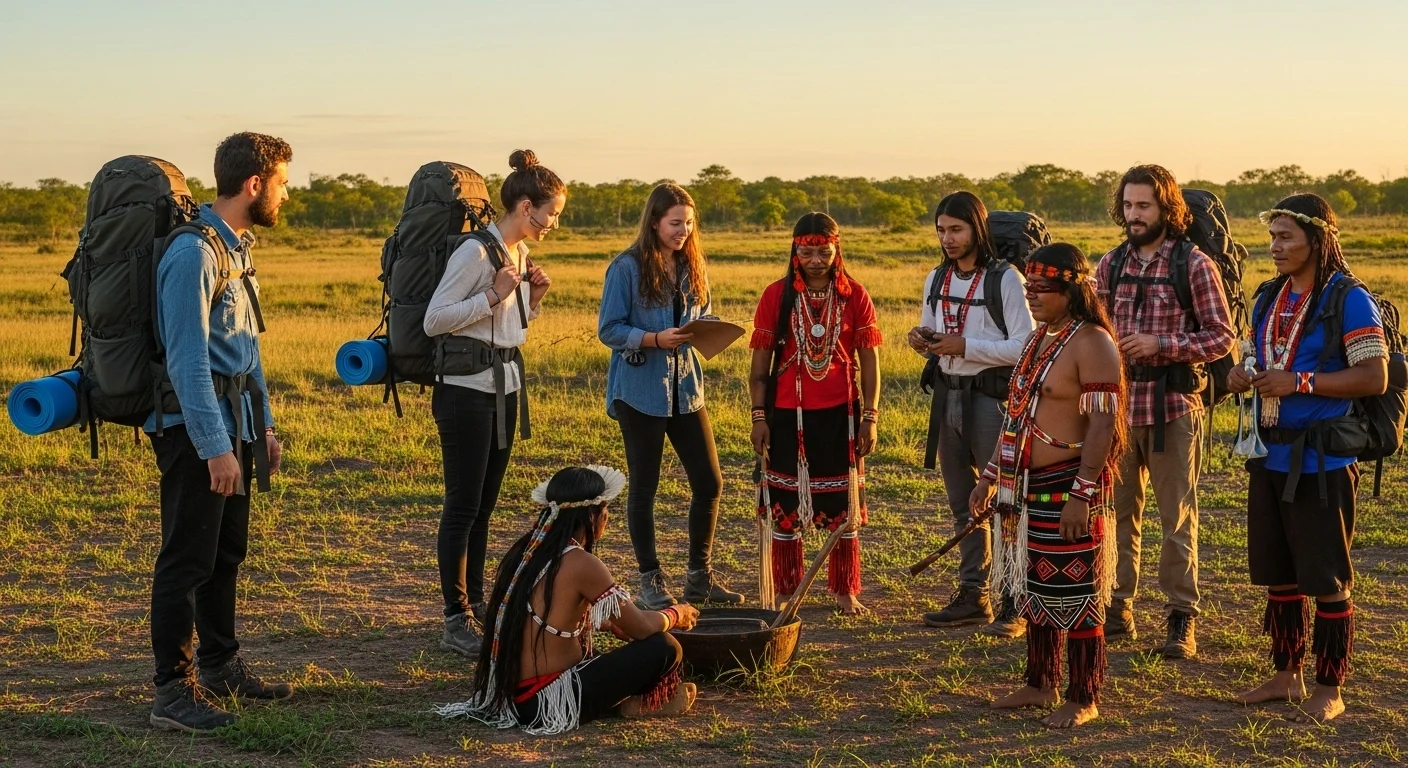
Backpacking through Indigenous cultures is a unique adventure that opens doors to rich histories and traditions. Join me as we explore how to navigate these experiences respectfully and meaningfully. Read Interesting article: Experience Authentic Indigenous Cultures While Backpacking

Backpacking Through Indigenous Cultures: A Traveler's Guide

Understanding Indigenous Cultures

Definition of Indigenous Cultures

When I think about Indigenous cultures, I envision vibrant traditions, deep spiritual connections to the land, and communities that have thrived for thousands of years. Indigenous peoples are the original inhabitants of a region and have unique cultural identities that distinguish them from dominant societies. They possess languages, customs, and knowledge systems that reflect their relationship with nature and their ancestors. I’ve learned that understanding these aspects is crucial for anyone looking to immerse themselves in these communities.

Importance of Cultural Preservation

During my travels, I noticed that many Indigenous cultures are facing challenges due to globalization, environmental changes, and historical injustices. This realization made me appreciate the importance of cultural preservation even more. Many Indigenous groups are actively working to maintain their languages, traditions, and ways of life. I remember visiting a community where elders shared stories of their ancestors with pride, highlighting how storytelling is a vital part of cultural transmission. Supporting these efforts feels like a privilege, as it allows us to honor their heritage while learning from it.

Respectful Travel Practices

I’ve always believed that respectful travel is about more than just observing; it’s about engaging meaningfully. One thing I discovered is that being a good visitor involves understanding the historical and cultural context of the places we explore. For example, before my trip to a remote Indigenous village, I researched their customs and etiquette. I learned the significance of greetings, appropriate dress, and the importance of asking for permission before taking photos. These small gestures helped me connect with the community deeply and respectfully.

Additionally, I found that listening is one of the most powerful tools we can use as travelers. I spent hours sitting with community members, absorbing their stories and perspectives. Each conversation illuminated the resilience and wisdom of their culture, and I left with a better understanding of their world. Sharing my own experiences was also important, as it fostered a two-way exchange that felt enriching for both sides.

Planning Your Backpacking Trip

Choosing Destinations with Indigenous Communities

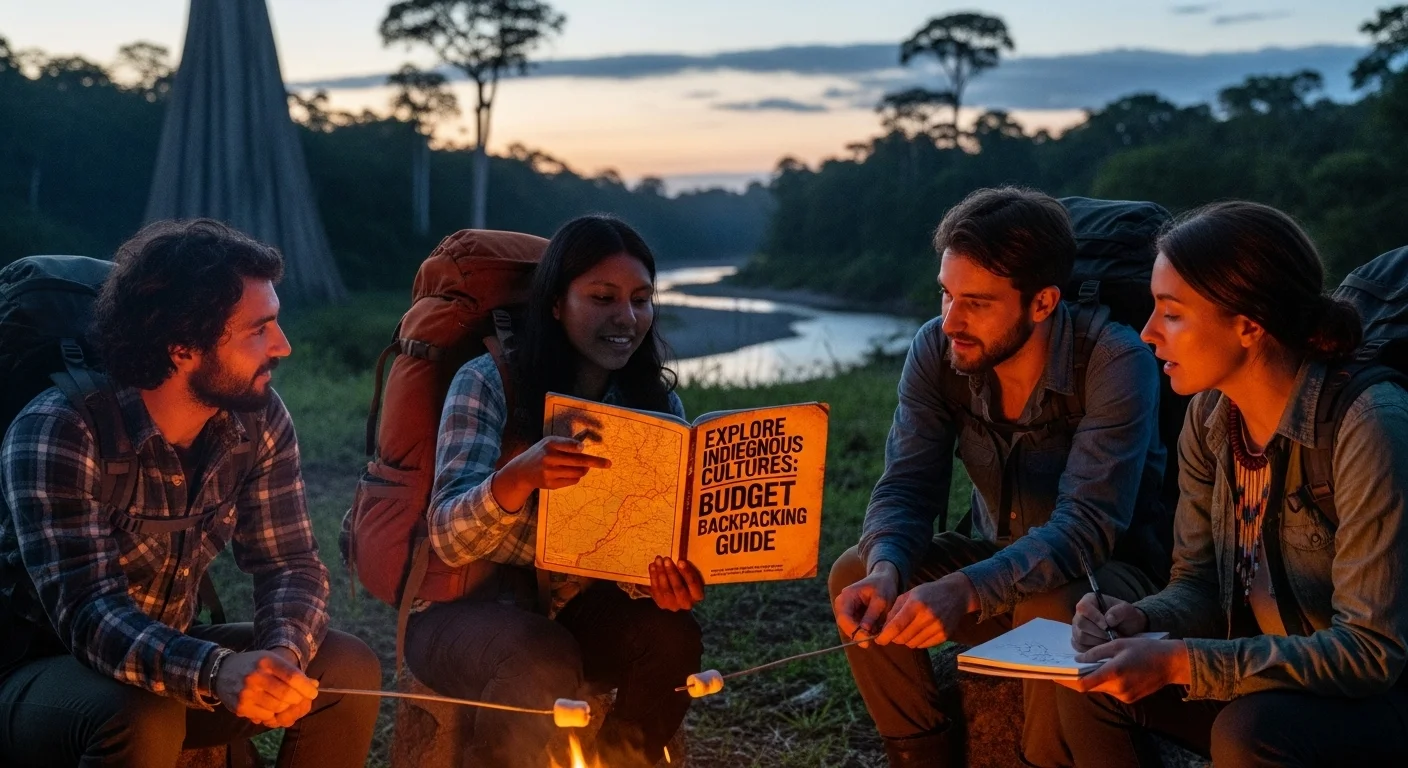
When planning my backpacking trip, I focused on destinations known for their Indigenous communities. I wanted to experience vibrant cultures, learn from local traditions, and contribute to their economies. I’ve found that researching areas with a strong commitment to cultural tourism can lead to rewarding experiences. For example, destinations like the Navajo Nation in the United States, the Maori communities in New Zealand, and the Sami people in Scandinavia all offer unique encounters with Indigenous cultures. Each place has its own stories and customs, inviting travelers to delve into a rich tapestry of life. Read Interesting article: Explore Indigenous Cultures: Budget Backpacking Guide

Best Times to Visit Indigenous Regions

Timing can greatly enhance your experience. I discovered that many Indigenous communities have specific festivals or ceremonies that visitors are welcome to attend. For instance, visiting during a harvest festival can give insights into traditional practices and communal celebrations. I learned to check local calendars and plan my travels around these events. Seasonal variations also affect accessibility; some roads may be closed in winter, while summer might bring more tourists. I found that shoulder seasons—spring and fall—often provide a balance of fewer crowds and milder weather.

Visa Requirements and Legal Considerations

Understanding visa requirements and legal considerations is crucial for a smooth journey. I always make it a point to check the entry requirements for each country I plan to visit. Some Indigenous areas may have specific regulations, especially if they are part of a protected territory. I’ve had experiences where I needed special permits to visit certain sites, which added an extra layer of excitement to my planning. Reaching out to local tourism boards or community organizations can provide up-to-date information and help ensure compliance with local laws.

Health and Safety Precautions

Health and safety should always be a priority while traveling, especially in remote areas. Before my last trip, I consulted with my doctor about vaccinations and necessary medications, and I made sure to pack a well-stocked first aid kit. I also carried a reusable water bottle with a filtration system to ensure I had access to clean drinking water. I’ve learned that staying informed about potential health risks, like altitude sickness in mountainous regions or insect-borne diseases in tropical areas, is essential. Additionally, it’s wise to have emergency contacts and a communication plan in place, especially when venturing into less accessible areas.

Essential Gear for Backpacking

Backpacking Essentials (Backpack, Tent, etc.)

When I think about embarking on a backpacking adventure, packing the right gear is always at the top of my list. A good backpack is essential; it needs to be comfortable and fit well to carry all my belongings without straining my back. I’ve found that a 50-70 liter pack usually provides ample space for my gear and keeps everything organized. Lightweight tents are also crucial. I remember when I first started backpacking, I made the mistake of choosing a heavier tent. It was cumbersome to carry and set up. Now, I opt for a lightweight, weather-resistant tent that can withstand a bit of rain and wind. It’s amazing how much easier it is to enjoy the experience when I’m not lugging around extra weight!

Other essentials include a reliable sleeping bag suited for the climate, a sleeping pad for comfort, and a portable cooking system. I love cooking outdoors, but I’ve learned to keep it simple. A small camping stove, some lightweight cookware, and a few basic ingredients can make for delightful meals under the stars. Don’t forget a good headlamp or flashlight! I once found myself rummaging through my backpack in the dark, and it’s not an experience I want to repeat.

Cultural Sensitivity Gear (Gifts, Clothing, etc.)

As I began to learn more about Indigenous cultures, I realized the importance of cultural sensitivity gear. Bringing gifts is a lovely way to show appreciation when visiting local communities. I often pack small items that represent my own culture, like local snacks or handicrafts. It’s heartwarming to see the smiles they bring, and it fosters a spirit of friendship. I also pay attention to my clothing. I’ve learned to dress modestly and respect local customs, especially when visiting sacred sites. Wearing breathable, comfortable clothing suitable for the environment helps me blend in while respecting their traditions.

Additionally, I try to carry a reusable bag for shopping. Many Indigenous communities are working hard to reduce plastic waste, and it feels good to contribute positively. A good sun hat and sunscreen are also key, especially in areas with high UV exposure. I’ve had my share of sunburns, and trust me, they can put a damper on any adventure!

Navigation Tools and Apps

In my travels, I’ve come to rely heavily on navigation tools. Having a physical map is invaluable, particularly in remote areas where cell service may be spotty. I usually carry a waterproof map of the region I’m visiting. However, I also appreciate modern technology. I’ve found several apps that work offline, allowing me to navigate even when I’m off the grid. Apps like Maps.me and AllTrails have been lifesavers, helping me find trails and plan my routes without relying on data.

When I was backpacking in the mountains, I used a combination of an offline map and GPS. It gave me peace of mind knowing I wouldn’t get lost in unfamiliar territory. Plus, I could track my route and share it with friends or family back home. A portable charger is another must-have for keeping my devices powered while I’m out exploring.

Where to Stay: Accommodation Options

Eco-Lodges and Community-Based Tourism

Finding the right place to stay can elevate the entire backpacking experience. During my travels, I’ve come across some fantastic eco-lodges that focus on sustainability and community involvement. Staying at these lodges not only gives me a comfortable place to rest but also allows me to support local economies. I’ll never forget my stay at an eco-lodge in Ecuador, where everything from the food to the building materials was sourced locally. Connecting with the owners, who shared their passion for conservation and cultural preservation, left a lasting impression on me.

Community-based tourism options often provide immersive experiences that go beyond just a bed for the night. I’ve participated in cooking classes, learned about traditional crafts, and even joined in local festivities, all while staying in these unique lodgings. It’s a wonderful way to contribute to the community while enriching my own travel experience.

Camping in Indigenous Territories

Camping is another fantastic way to immerse myself in nature and experience Indigenous cultures. I’ve had the pleasure of camping in some breathtaking landscapes that hold spiritual significance for local communities. Before setting up camp, I always check in with the community to ensure I have permission, which has led to some incredible exchanges. I remember a night camping under the stars where a local elder shared stories about the constellations and their meanings in their culture. Those moments are what make camping special!

It’s essential to respect the land when camping. I’ve adopted the Leave No Trace principles to minimize my impact, ensuring I leave the environment as I found it. This includes packing out all trash, using established campsites, and being mindful of fire regulations. The peace of mind I feel knowing I’m honoring the land and the people who have cared for it for generations enhances my connection to nature.

Homestays and Cultural Exchange Experiences

Homestays offer a unique chance to connect with Indigenous families and learn about their daily lives. I’ve stayed in homes where I was welcomed as part of the family, sharing meals, stories, and laughter. It’s incredible how much I’ve learned just by being present in these homes. From traditional cooking methods to family rituals, each experience has been a glimpse into their world.

I’ve found that many families are eager to share their culture, and they often appreciate the interest in their lifestyles. I remember one evening where we cooked a traditional meal together, and they taught me the significance behind each dish. It felt rewarding to contribute and witness their pride in their heritage. Homestays also allow for deeper conversations and connections that might not happen in more commercial settings.

Experiencing Indigenous Cultures

Participating in Traditional Ceremonies

One of the most enriching aspects of my travels has been participating in traditional ceremonies. I remember attending a powwow in the United States, where I was invited to witness vibrant dances, drumming, and storytelling. The energy was palpable, and I felt honored to be included in such a sacred event. Before the ceremony, I made sure to understand the cultural significance behind the dances and songs, which added depth to the experience. I learned that many of these gatherings serve not just as entertainment, but as a way to strengthen community bonds and pass on traditions. For me, being a respectful observer and participant deepened my connection to the culture.

In another instance, I was able to join a healing ceremony with a local Indigenous healer. It was a profound experience that emphasized the importance of spirituality and connection to the earth. The healer spoke about their relationship with the land, and I felt a sense of peace and understanding that lingered long after the ceremony concluded. Participating in these events has taught me the importance of approach and intention; I always ask for permission and guidance beforehand to ensure I’m respecting their traditions.

Learning Indigenous Languages

During my journeys, I discovered that language is a vital part of cultural identity. I decided to take the plunge and learn a few words and phrases from the Indigenous languages of the areas I visited. I remember my excitement when I greeted a local elder in their language. The joy on their face was priceless and instantly broke the ice, leading to deep conversations filled with laughter and shared stories. Even a simple “hello” or “thank you” can show that you’re making an effort to respect and appreciate their culture.

There are many resources available for learning Indigenous languages, from apps to local classes. I’ve found that taking the time to learn even a bit of the language opens doors to more meaningful interactions. It shows a level of commitment to understanding the culture on a deeper level. Plus, it can be a fun challenge to pick up new sounds and words!

Connecting with Local Artisans and Craftsmanship

One of my favorite ways to experience Indigenous cultures is through their arts and crafts. I’ve met many talented artisans who create beautiful, meaningful pieces that tell stories of their heritage. I fondly remember visiting an artisan market where I watched a local woman weave a traditional basket. She shared with me the symbolism behind her designs, and it felt like I was witnessing history unfold right before my eyes. I couldn’t resist purchasing a small basket as a reminder of that moment.

Supporting local artisans not only helps sustain their livelihoods but also encourages the continuation of these traditional crafts. I love bringing home unique souvenirs, knowing they are made with love and carry a story. Many artisans also offer workshops, which I highly recommend. I once took a pottery class with a local Indigenous potter, and it was both a hands-on learning experience and a chance to connect personally with the craft.

Indigenous Cuisine: Foods to Try

Food is another gateway to understanding a culture, and Indigenous cuisine is rich with history and flavor. I remember my first taste of frybread at a local festival. The warm, soft bread topped with honey was a delightful treat, and I learned that it has a deep historical context. Many dishes reflect the land’s resources and the community’s traditions. I’ve tried everything from traditional game meats to wild plants that have been foraged from the land, each bite telling a story of resilience and adaptation.

Joining a cooking class focused on Indigenous cuisine was an eye-opening experience. I learned how to prepare dishes using traditional methods and ingredients, and it was fascinating to hear the stories behind each recipe. I also made a point to ask about the significance of certain foods in their culture, which added layers to my understanding of their lifestyle and values. Plus, sharing meals with local families often led to vibrant conversations and laughter, making it a truly unforgettable experience.

Top Indigenous Attractions and Activities

Cultural Heritage Sites

One of the most impactful experiences I’ve had while traveling has been visiting cultural heritage sites. These places tell stories of resilience and strength, showcasing the rich history of Indigenous peoples. I remember standing at the foot of Chichen Itza in Mexico, feeling the weight of the past as I learned about the Maya civilization. The energy of the site was palpable, and I was struck by the intricate architecture that has stood the test of time. Guided tours by local Indigenous elders were particularly enlightening, as they shared their perspectives and stories about the significance of the site, which I found to be far more meaningful than any textbook could provide. Read Interesting article: Budget Travel Tips for Exploring Indigenous Heritage Sites

Another memorable site was Machu Picchu. Hiking through the Andes and arriving at this ancient citadel, I felt a profound connection to the Incan culture. While there, I sought out local guides who shared insights into their ancestors’ sophisticated agricultural practices and spiritual beliefs. Exploring these sites with an understanding of their cultural importance made the experience unforgettable, and I encourage fellow travelers to seek out Indigenous-led tours for a deeper understanding.

Natural Attractions with Indigenous Significance

Nature has a special place in the hearts of Indigenous cultures. I’ve had the privilege of exploring several natural attractions that hold deep significance for local communities. One experience that stands out is visiting Uluru in Australia, a sacred site for the Anangu people. I learned about the cultural stories tied to the rock and the surrounding landscape. Rather than climbing Uluru, as many tourists opt to do, I decided to participate in a guided walking tour led by Indigenous rangers. Their knowledge of the flora, fauna, and spiritual significance of the area enriched my understanding and respect for the land.

Similarly, I visited the Bay of Fundy in Canada, home to the Mi’kmaq people. I was fortunate to join a whale-watching tour led by local Indigenous guides who shared their connection to the ocean and its creatures. Their deep respect for the environment and sustainable practices deeply resonated with me, and it was a reminder of the importance of protecting these natural wonders for future generations.

Wildlife Tours with Indigenous Guides

Wildlife tours can be a fantastic way to learn about Indigenous cultures, especially when led by local guides. I recall a canoe trip with an Indigenous group in Canada’s boreal forest, where we explored the waterways while discussing traditional hunting and fishing practices. As we glided through the serene landscape, the guide shared stories about the animals we encountered and their significance in Indigenous traditions. This experience opened my eyes to the interconnectedness of nature and culture.

In another instance, I joined a guided tour to observe the Northern Lights in Alaska. The Indigenous guide shared their cultural stories about the aurora borealis, which added a magical layer to the experience. Listening to their tales while witnessing the stunning natural light show felt like a beautiful blend of nature and culture, reinforcing the value of Indigenous perspectives in understanding the world around us.

Respectful Interaction with Indigenous Communities

Building Genuine Relationships

Throughout my travels, I’ve learned that building genuine relationships with Indigenous communities is essential. It’s about creating connections that go beyond the surface. I remember attending a local gathering where I took the time to engage with community members. Asking questions and showing a genuine interest in their stories led to heartfelt conversations. I felt welcomed and learned so much more than I would have otherwise. I believe it’s crucial to approach these interactions with an open heart and an eager mind.

One of my most cherished friendships blossomed during a homestay with an Indigenous family. Living with them allowed me to witness their daily lives, traditions, and values firsthand. I found that sharing my own experiences in return created a bond of mutual respect. It’s these authentic exchanges that enrich our travels and foster understanding between cultures.

Photography Etiquette

Photography can be a sensitive subject in many Indigenous communities. I’ve learned to always ask for permission before taking photos of people or sacred sites. One time, while visiting a ceremonial gathering, I was reminded of the importance of respecting the privacy and wishes of the participants. After asking for permission, I found that many community members were happy to share their stories and allowed me to capture the moments. The respect I showed led to more meaningful interactions and beautiful photographs filled with authenticity.

Additionally, I’ve made it a habit to be mindful of how I share these images. I think it’s important to honor the culture and not exploit it for likes on social media. Sharing photographs thoughtfully, ensuring they represent the community positively, can help preserve their dignity and respect their heritage.

Understanding and Supporting Local Economies

Supporting local economies is essential when traveling through Indigenous territories. I consciously seek out local artisans and businesses to purchase handmade crafts and food. I remember visiting a small market where I bought beautiful jewelry made by a local Indigenous artist. Not only did I receive a unique piece to remember my trip, but I also felt a sense of pride knowing that my purchase directly supported the artist’s livelihood. It’s these small actions that can have a significant impact on their community.

Moreover, I always try to dine at local eateries instead of larger chain restaurants. Enjoying traditional dishes prepared by community members not only satisfies my palate but also supports their culinary heritage. I found that these experiences often come with rich stories behind the food, creating a deeper appreciation for the culture.

Sustainability and Ethical Considerations

Minimizing Environmental Impact

As travelers, we have a responsibility to minimize our environmental impact, especially in delicate ecosystems. I remember hiking through areas that were pristine and untouched, which made me realize how important it is to leave no trace. I always pack out what I bring in, stay on marked trails, and respect wildlife. I’ve learned that being mindful of my footprint enhances not just my experience but also helps preserve these beautiful landscapes for future generations.

Supporting Indigenous Rights and Initiatives

During my travels, I’ve become increasingly aware of the importance of supporting Indigenous rights and initiatives. I actively seek out organizations that advocate for Indigenous communities and contribute to their projects. For instance, I participated in a workshop focused on land rights while visiting a community in Canada. The knowledge I gained was humbling and showed me the ongoing struggles these communities face. I encourage others to educate themselves and consider how they can lend their support.

Volunteering Opportunities

Volunteering can be a fulfilling way to give back while experiencing Indigenous cultures. I discovered various programs that allow travelers to assist in community projects, such as environmental conservation or language preservation. These opportunities not only enrich my travels but also create a lasting impact within the community. I remember volunteering in a local garden project where I learned about traditional farming techniques, and it was rewarding to see how our efforts contributed to food security in the community.

Budgeting for Your Trip

Cost of Travel in Indigenous Areas

Budgeting for a trip involving Indigenous cultures can vary significantly depending on the location. I’ve noticed that some regions have more affordable options than others. For example, I found that traveling in areas like the Navajo Nation offered a range of budget-friendly lodgings and experiences, while other places might be pricier due to their tourist appeal. I recommend researching costs ahead of time to plan my budget accordingly. It’s also helpful to keep an eye out for local events that might be free or low-cost, providing rich cultural experiences without breaking the bank.

Affordable Accommodation Options

While planning my trips, I often look for affordable accommodation options that align with my values. I’ve discovered that eco-lodges and community-run hostels can provide comfortable stays at reasonable prices. I enjoy connecting with fellow travelers who share similar interests, and these settings often encourage conversations about cultural experiences. Additionally, many Indigenous communities offer homestays or camping opportunities that support local families while providing an immersive experience.

Local Transportation Tips

Getting around can also impact my budget. I’ve found that using local transportation, such as buses or shared rides, not only saves money but also gives me a chance to meet locals. One memorable journey was a shared taxi ride through the highlands in Peru, where I chatted with fellow passengers about our travels and experiences. It was a reminder that the journey itself can be just as enriching as the destination.

Resources for Further Exploration

Books and Documentaries on Indigenous Cultures

Diving deeper into Indigenous cultures through books and documentaries has enhanced my understanding immensely. I’ve found that several authors and filmmakers dedicate their work to showcasing the beauty and struggles of Indigenous peoples. One documentary that profoundly impacted me was “Rumble: The Indians Who Rocked the World,” which celebrates Indigenous musicians and their contributions to music history. Reading books by Indigenous authors, like “Braiding Sweetgrass” by Robin Wall Kimmerer, has also opened my eyes to the wisdom and perspectives of these communities.

Websites and Organizations Supporting Indigenous Tourism

There are numerous websites and organizations dedicated to promoting responsible Indigenous tourism. I recommend checking out the Indigenous Tourism Association of Canada and the American Indian Alaska Native Tourism Association. They provide valuable resources for travelers and support local initiatives. By engaging with these groups, I’ve learned more about respectful travel practices and how to contribute positively to the communities I visit.

Travel Blogs and Personal Accounts

Finally, I find personal travel blogs and accounts incredibly helpful for planning my trips. Many travelers share their experiences interacting with Indigenous cultures, offering insights and tips that I might not find in guidebooks. Following these accounts has introduced me to lesser-known destinations and unique cultural experiences. I appreciate the authenticity and firsthand perspectives that come from those who have walked the path before me.

Final Thoughts

Backpacking through Indigenous cultures has been an eye-opening journey that has enriched my life in countless ways. Each experience, each story, and each connection has shaped my understanding of the world and the beauty of diversity. I encourage everyone to approach these travels with curiosity, respect, and humility. By immersing ourselves in Indigenous cultures, we not only honor their histories but also enrich our own lives. As we continue to explore, let us remember the importance of leaving a positive impact and sharing our experiences to foster greater understanding and appreciation for the cultures we encounter.

Frequently Asked Questions

What are Indigenous cultures?

Indigenous cultures refer to the unique cultural identities of the original inhabitants of a region, characterized by vibrant traditions, deep spiritual connections to the land, and distinct languages, customs, and knowledge systems that reflect their relationship with nature and their ancestors.

Why is cultural preservation important for Indigenous communities?

Cultural preservation is crucial for Indigenous communities as many face challenges due to globalization, environmental changes, and historical injustices. It helps maintain their languages, traditions, and ways of life, allowing them to honor their heritage while sharing it with others.

What are some respectful travel practices when visiting Indigenous communities?

Respectful travel practices include understanding the historical and cultural context of the places you visit, researching local customs and etiquette, asking for permission before taking photos, and engaging meaningfully with community members through listening and sharing experiences.

How can I choose destinations that support Indigenous cultures?

To choose destinations that support Indigenous cultures, research areas known for their Indigenous communities and cultural tourism, such as the Navajo Nation, Maori communities in New Zealand, and the Sami people in Scandinavia, which offer unique cultural experiences.

What should I consider regarding health and safety when backpacking in Indigenous areas?

Health and safety considerations include consulting with a doctor about necessary vaccinations, packing a well-stocked first aid kit, ensuring access to clean drinking water, staying informed about potential health risks, and having emergency contacts and a communication plan in place.

What gear is essential for backpacking?

Essential gear for backpacking includes a comfortable backpack (50-70 liters), a lightweight and weather-resistant tent, a reliable sleeping bag, a sleeping pad, a portable cooking system, and a good headlamp or flashlight for nighttime activities.

What types of accommodation are available when traveling in Indigenous territories?

Accommodation options in Indigenous territories include eco-lodges focused on sustainability, community-based tourism for immersive experiences, camping with permission from local communities, and homestays that allow travelers to connect with Indigenous families.

How can I participate in Indigenous cultural experiences?

Travelers can participate in Indigenous cultural experiences by attending traditional ceremonies, learning Indigenous languages, connecting with local artisans, and trying Indigenous cuisine, which allows for deeper engagement with the culture.

What role does photography play in interactions with Indigenous communities?

Photography in Indigenous communities requires sensitivity; it is essential to ask for permission before taking photos of people or sacred sites. Respecting privacy and wishes can lead to more meaningful interactions and authentic photographs.

How can I support Indigenous rights and initiatives while traveling?

Travelers can support Indigenous rights and initiatives by seeking out organizations that advocate for Indigenous communities, participating in workshops focused on their issues, and making conscious choices to support local artisans and businesses during their travels.
Budget Travel Tips for Exploring Indigenous Heritage Sites

Exploring Indigenous heritage sites offers a unique peek into the rich traditions and stories of diverse cultures. With careful planning, I’ve learned that you can experience these wonders without breaking the bank. Read Interesting article: Explore Indigenous Cultures: Budget Backpacking Guide

Budget Travel Tips for Exploring Indigenous Heritage Sites

Understanding Indigenous Heritage Sites

Definition and Importance

Indigenous heritage sites are more than just places; they are living testaments to the cultures, histories, and traditions of Indigenous peoples around the world. When I first discovered these sites, it felt like stepping into a different realm, where every rock, tree, and building held a story waiting to be told. These sites often symbolize the connection between the land and its people, preserving languages, customs, and spiritual beliefs that have been passed down through generations.

Visiting these locations is not only an opportunity to learn but also a chance to honor and respect the traditions of the Indigenous communities. I remember my visit to a sacred site in the Southwest United States, where the local tribe shared their creation stories and the significance of the land. Such experiences deepen our appreciation of cultural diversity and promote understanding among different communities. Read Interesting article: Immersive Travel: Budget-Friendly Community Engagement Tips

Key Indigenous Cultures and Their Sites

There are countless Indigenous cultures, each with unique heritage sites that resonate with their history. For instance, the Navajo Nation in the U.S. boasts stunning landscapes like Monument Valley, while the Māori of New Zealand celebrate their history at places like Waitangi Treaty Grounds. I’ve found that each site reflects the distinctive practices and beliefs of its people, offering insights into their way of life. This diversity enriches our understanding of humanity as a whole.

Another remarkable example is the Aboriginal heritage sites in Australia, such as Uluru. This majestic rock formation is not just a natural wonder; it’s a sacred place for the Anangu people. I once joined a guided tour led by an Indigenous elder who shared the Dreamtime stories that explain the origins of Uluru. It was an eye-opening experience that left me with a profound respect for the land and its people.

UNESCO World Heritage Sites

Many Indigenous heritage sites have been recognized by UNESCO as World Heritage Sites, highlighting their global significance. These include the ancient rock art of the Aboriginal peoples in Kakadu National Park or the cultural landscape of the Wadden Sea, which is vital for the Indigenous communities that rely on its resources. I’ve always believed that UNESCO’s recognition helps protect these sites from the pressures of modern development and tourism, ensuring they remain intact for future generations.

When planning my travels, I often seek out these UNESCO sites because they offer not only beauty but also well-curated educational experiences. I learned that visiting these places can make a real difference, as the funds generated from tourism often contribute to conservation efforts and support the local communities. Knowing that my visit could positively impact Indigenous peoples made each trip more meaningful.

Planning Your Budget Trip

Choosing the Right Indigenous Heritage Sites to Visit

With so many Indigenous heritage sites around the world, narrowing down the choices can be challenging. I usually start by considering what resonates with my interests—whether it’s art, history, nature, or spirituality. For example, if I’m drawn to ancient architectural wonders, I might choose to visit the Incan sites of Machu Picchu in Peru or the Mayan ruins in Guatemala. On the other hand, if I want to immerse myself in living cultures, I might opt for places with vibrant community practices, like visiting the Navajo Nation or attending a Māori cultural festival.

Another tip I’ve found useful is to look into lesser-known sites. While popular destinations often attract larger crowds, hidden gems can offer more intimate experiences. I once stumbled upon a small Indigenous community in Canada that welcomed visitors to learn about their traditions without the usual tourist hustle. That day was one of the most authentic travel experiences I’ve ever had.

Best Times to Visit Indigenous Heritage Sites

Timing can significantly enhance your experience at Indigenous heritage sites. Each culture has specific seasons or festivals that are especially meaningful. For example, I learned that visiting the Hopi people during their annual Snake Dance ceremony allowed me to witness their spiritual connection with the land in a way I would never have experienced otherwise.

Researching the climate is equally important. For instance, I once visited a site in the Amazon rainforest during the rainy season, which made travel challenging. Now, I try to plan my trips for the dry seasons or shoulder months when the weather is milder, allowing me to explore without the hassle. Additionally, visiting during off-peak times can help avoid crowds and enhance the overall experience.

Researching Local Customs and Etiquette

One of the most valuable lessons I’ve learned while visiting Indigenous heritage sites is the importance of respecting local customs and etiquette. Each culture has its own set of values and practices, and understanding these can enrich your experience. For example, I remember feeling a bit lost when I encountered a sacred site where photography was prohibited. However, once I learned about the site’s significance and the reason behind the rules, I appreciated the importance of honoring those traditions.

Before visiting, I always spend some time researching the customs. This can involve simple gestures, like greeting the local people in their language or participating in traditional ceremonies with an open heart. I’ve found that such respect often leads to warm interactions and a deeper connection to the community. It’s a beautiful reminder that travel is not just about seeing new places but also about sharing experiences and forging bonds with others.

Transportation Options

Budget Airlines and Train Services

When planning a visit to Indigenous heritage sites, getting there can be one of the biggest challenges. I’ve found that budget airlines can be a game-changer. They often offer low fares to major cities near Indigenous sites. For instance, I once snagged a great deal on a flight to Albuquerque, New Mexico, which served as a perfect base for exploring the nearby Pueblo sites. I always check websites that compare prices across different airlines, making it easier to find the best deals.

Train services can also offer unique travel experiences while being eco-friendly. I remember taking a scenic train ride in Canada from Vancouver to the Rockies, and it felt like a journey through a postcard. The views were breathtaking, and it gave me a chance to connect with fellow travelers and learn about their adventures. Researching train routes that pass through or near Indigenous areas can reveal some hidden gems along the way.

Public Transportation in Indigenous Areas

Once I arrived at my destination, I found that public transportation can be an affordable way to explore local Indigenous areas. Many cities have bus and tram systems that connect to sites of interest. For example, during my visit to the Māori community in Rotorua, I discovered that a local bus service provided access to several cultural centers and natural wonders without burning a hole in my pocket.

However, I also realized that public transportation may not always reach more remote Indigenous sites. In those cases, I often plan ahead and check local resources for shuttle services or community transport options. I once joined a shuttle van organized by a local Indigenous group, which not only made travel easy but also offered insights into the area’s history and culture along the way.

Car Rentals vs. Guided Tours

Choosing between renting a car or booking a guided tour can be a tough decision. I know that renting a car gives you flexibility, and I’ve enjoyed the freedom it offers. On one trip, I drove through the stunning landscapes of the Navajo Nation, stopping at various viewpoints and sites along the way. It allowed me to linger longer in places that captivated my heart.

However, I also love the experience of guided tours. They often allow me to immerse myself in the culture through stories shared by the guides. I remember joining a tour at the Grand Canyon led by a member of the Havasupai tribe, who shared stories about their connection to the land. It was an unforgettable experience that I couldn’t have gained through a guidebook alone. In my opinion, the choice between the two really depends on your travel style and how deeply you want to engage with Indigenous cultures.

Affordable Accommodation Choices

Hostels and Guesthouses

When it comes to finding a place to stay, I always look for hostels and guesthouses. These options not only save money but also provide opportunities to meet fellow travelers. I’ve stayed in a cozy hostel in Alaska that was run by a local Indigenous family. They shared stories about their culture over breakfast, creating a warm and welcoming atmosphere. I often use websites that specialize in budget accommodations, and I always check reviews to ensure a good experience.

Camping Near Heritage Sites

Camping is another fantastic way to connect with nature and Indigenous heritage. I remember camping near Uluru and waking up to the sunrise illuminating the rock. It was an incredible moment that made me feel even more connected to the land. Many Indigenous sites have designated camping areas or nearby parks that allow you to pitch a tent. Just be sure to check for permits and follow local guidelines to respect the environment.

Homestays and Community-Based Lodging

For a truly immersive experience, I recommend looking into homestays or community-based lodging. Staying with Indigenous families can provide you with a deeper understanding of their culture and way of life. I once stayed in a Māori homestay where I participated in traditional activities, like weaving and cooking. It was the highlight of my trip! Websites that connect travelers with local hosts can help you find these unique opportunities, ensuring that your stay supports the community directly.

Low-Cost Dining Options

Local Markets and Street Food

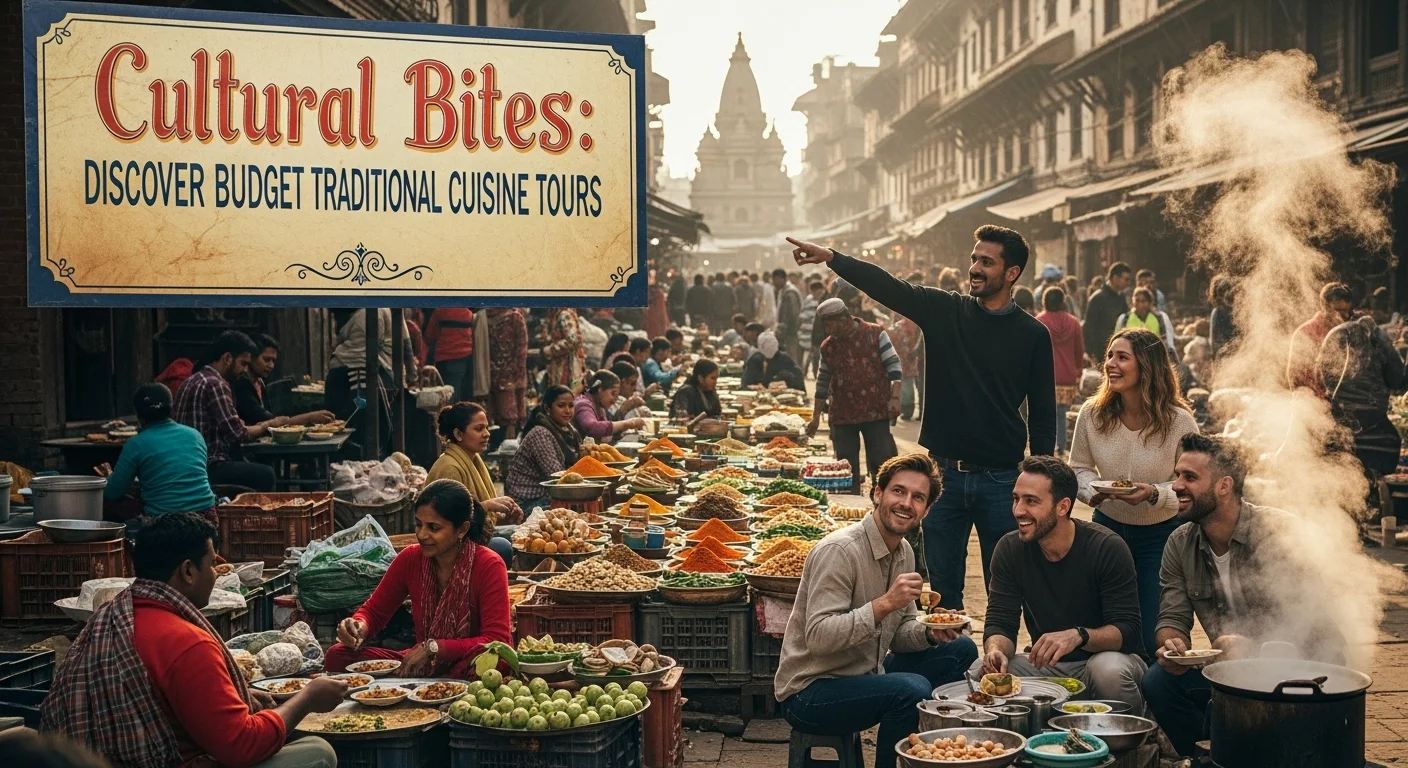
Food is often one of the best ways to experience a new culture. I love seeking out local markets and street food stalls when I travel. Not only are the prices usually budget-friendly, but the flavors often tell a story of the land and its people. During my travels through Indigenous communities, I’ve enjoyed dishes made from traditional ingredients, like frybread from Navajo vendors or hangi from Māori food stalls. Eating from these sources made me feel like I was taking part in the culture, rather than just observing it.

Traditional Indigenous Restaurants

Another option I enjoy is dining at traditional Indigenous restaurants. These places often serve dishes that reflect their culture and heritage. I once dined at a restaurant in New Zealand that focused on using locally sourced ingredients and traditional cooking methods. It was a delight to learn about the significance of each dish from the menu. I believe that trying local cuisine not only supports local businesses but also gives you a taste of the culture.

Cooking Your Own Meals

For budget travelers, I recommend considering cooking your own meals. Many hostels and guesthouses have kitchen facilities, allowing you to prepare simple meals. While traveling in remote areas, I often gather ingredients from local markets and whip up something delicious. It’s a fun way to experiment with local flavors, and it’s also a nice break from eating out every day. Plus, it’s a great way to connect with fellow travelers over a shared meal!

Free and Low-Cost Activities

Guided Tours by Local Indigenous Groups

One of the best ways to experience Indigenous heritage is through guided tours led by local Indigenous groups. I’ve found these tours to be a treasure trove of knowledge and authentic experiences. By participating in one of these tours, I learned directly from community members who shared their stories, traditions, and the significance of their land. For example, during a visit to a reservation in the Southwest, I joined a tour where a local guide explained the intricate symbols in the rock art, linking them to their ancestors. The passion and pride they expressed for their culture were truly inspiring.

Many of these tours are budget-friendly or even donation-based, making them accessible to various travelers. I always make it a point to ask about the costs upfront, but I’ve found that the value of the shared knowledge often far exceeds any price tag. It’s a mutually beneficial experience—while I gain insight, the community receives support that helps preserve their cultural heritage.

Cultural Festivals and Events

One of my favorite ways to immerse myself in Indigenous cultures is by attending local festivals and events. I remember stumbling upon a powwow in a small town, where I was welcomed with open arms. These events often showcase traditional dances, crafts, and food, creating a vibrant atmosphere filled with community spirit. It was fascinating to see the colorful regalia worn by the dancers and to learn about the stories behind each performance.

Each culture has its unique celebrations throughout the year, and many are free to attend. Before I travel, I always research local calendars for festivals, which can be a great way to experience the culture in a lively setting. Plus, it often provides opportunities to connect with locals and other travelers who share similar interests.

Nature Trails and Outdoor Activities

Exploring the natural beauty surrounding Indigenous heritage sites can be an enriching experience, both physically and spiritually. I’ve found that many sites offer well-maintained nature trails that showcase the local flora and fauna, often with historical significance tied to the Indigenous peoples. For instance, hiking a trail leading to a sacred site not only offered stunning views but also deepened my understanding of how the land is intertwined with the culture.

Many Indigenous areas have parks and preserves where you can hike, canoe, or even fish, often at little to no cost. I once spent a day kayaking in a lake that held spiritual significance for a tribe, and it felt like I was part of their story. Just being surrounded by nature in a setting so rich in history made the experience unforgettable. Always remember to check local guidelines and respect nature as well as cultural sites while enjoying these activities.

Tips for Sustainable Travel

Supporting Indigenous Communities

Sustainable travel is not just about minimizing our footprint; it’s also about maximizing our positive impact on the communities we visit. I’ve learned that one of the best ways to do this is by supporting Indigenous-owned businesses. Whether it’s dining at a local restaurant, purchasing handmade crafts, or staying in community-run accommodations, I feel good knowing my money contributes to the local economy. For example, during my last trip, I made it a point to buy art directly from Indigenous artists instead of mass-produced souvenirs. This not only felt more meaningful, but it also helped support the artists directly.

I also recommend participating in community programs or workshops that help preserve traditional practices. I once took a weaving class taught by a local artisan and came away with a beautiful piece of art and a deeper appreciation for the craftsmanship involved. Supporting these initiatives ensures that cultural knowledge is passed on to future generations.

Responsible Photography and Respecting Traditions

Whenever I travel, I carry a camera, but I’ve learned to be mindful of when and how I take photos. In many Indigenous cultures, photography can be seen as intrusive or disrespectful. I remember visiting a sacred site where photography was prohibited. Initially, I was disappointed, but I soon understood that the land held significance that transcended pictures. Instead, I focused on absorbing the experience, allowing myself to connect with the surroundings on a deeper level.

Before snapping photos, I always ask for permission, especially when it involves people or sacred spaces. Respecting traditions in this way fosters trust and allows for a more genuine interaction with the community. Additionally, it’s often beneficial to share the stories behind the images rather than just capturing them for social media.

Volunteering Opportunities

For those looking to make an even greater impact, volunteering can be a fulfilling way to engage with Indigenous communities. I’ve participated in a few volunteer programs that focus on environmental conservation and cultural preservation. I remember joining a project that involved replanting native trees in a sacred area. Working alongside community members not only allowed me to contribute positively but also gave me a chance to learn about their environmental practices and worldview.

Many Indigenous communities welcome volunteers, especially for projects that align with their values and needs. I always recommend checking with local organizations to see what opportunities are available. Engaging in this way can create lasting connections and a deeper understanding of the culture I so admire. Volunteering has truly enriched my travel experiences, reminding me that meaningful connections can lead to personal growth and shared learning.

Frequently Asked Questions

What are Indigenous heritage sites?

Indigenous heritage sites are places that serve as living testaments to the cultures, histories, and traditions of Indigenous peoples around the world. They symbolize the connection between the land and its people, preserving languages, customs, and spiritual beliefs passed down through generations.

Why is it important to visit Indigenous heritage sites?

Visiting Indigenous heritage sites is an opportunity to learn about and honor the traditions of Indigenous communities. Such experiences deepen our appreciation of cultural diversity and promote understanding among different communities.

Can you provide examples of significant Indigenous heritage sites?

Examples include Monument Valley in the Navajo Nation, Waitangi Treaty Grounds for the Māori in New Zealand, and Uluru, a sacred site for the Anangu people in Australia.

What role does UNESCO play in protecting Indigenous heritage sites?

Many Indigenous heritage sites have been recognized by UNESCO as World Heritage Sites, which highlights their global significance and helps protect them from modern development and tourism pressures, ensuring they remain intact for future generations.

What are some tips for planning a budget trip to Indigenous heritage sites?

Start by choosing sites that resonate with your interests, consider visiting lesser-known sites for more intimate experiences, and research the best times to visit to avoid crowds and enhance your experience.

How can travelers show respect for local customs and etiquette at Indigenous heritage sites?

Travelers can enrich their experiences by researching local customs before visiting, participating in traditional ceremonies, and being mindful of rules, such as photography restrictions, to honor the significance of the sites.

What are some affordable accommodation options near Indigenous heritage sites?

Affordable accommodation choices include hostels, guesthouses, camping near heritage sites, and homestays with Indigenous families, which provide opportunities for deeper cultural engagement.

What are low-cost dining options available while visiting Indigenous communities?

Travelers can enjoy local markets and street food, dine at traditional Indigenous restaurants, or cook their own meals if their accommodation has kitchen facilities, allowing for budget-friendly and culturally immersive dining experiences.

How can travelers participate in free or low-cost activities related to Indigenous heritage?

Travelers can join guided tours by local Indigenous groups, attend cultural festivals and events, or explore nature trails and outdoor activities that are often free or low-cost, providing rich cultural and natural experiences.

What are some sustainable travel practices when visiting Indigenous communities?

Travelers can support Indigenous communities by patronizing local businesses, participating in cultural programs, being mindful of photography rules, and exploring volunteering opportunities that align with community values and needs.

Experience Authentic Indigenous Cultures While Backpacking

Backpacking offers a unique way to experience the world, and immersing ourselves in authentic Indigenous cultures can be one of the most rewarding adventures. Let’s explore how to connect with these rich traditions while traveling. Read Interesting article: Explore Indigenous Cultures: Budget Backpacking Guide

Experience Authentic Indigenous Cultures While Backpacking

Understanding Indigenous Cultures

What are Indigenous Cultures?

Indigenous cultures are the original inhabitants of a region, each with their own unique languages, traditions, and beliefs. I remember my first encounter with Indigenous culture while hiking through the stunning landscapes of the American Southwest. I was captivated by the vibrant art, storytelling, and deep connection the people had with their land. These cultures often reflect a profound understanding of nature and community, shaped by centuries of experience.

Every Indigenous group shares a common thread: a connection to their ancestry and a deep respect for their environment. They carry knowledge passed down through generations, and it’s this shared history that shapes their identity. When we think about what makes these cultures so special, it’s about more than just traditions and customs; it’s about a way of life that has endured throughout time.

Importance of Cultural Preservation

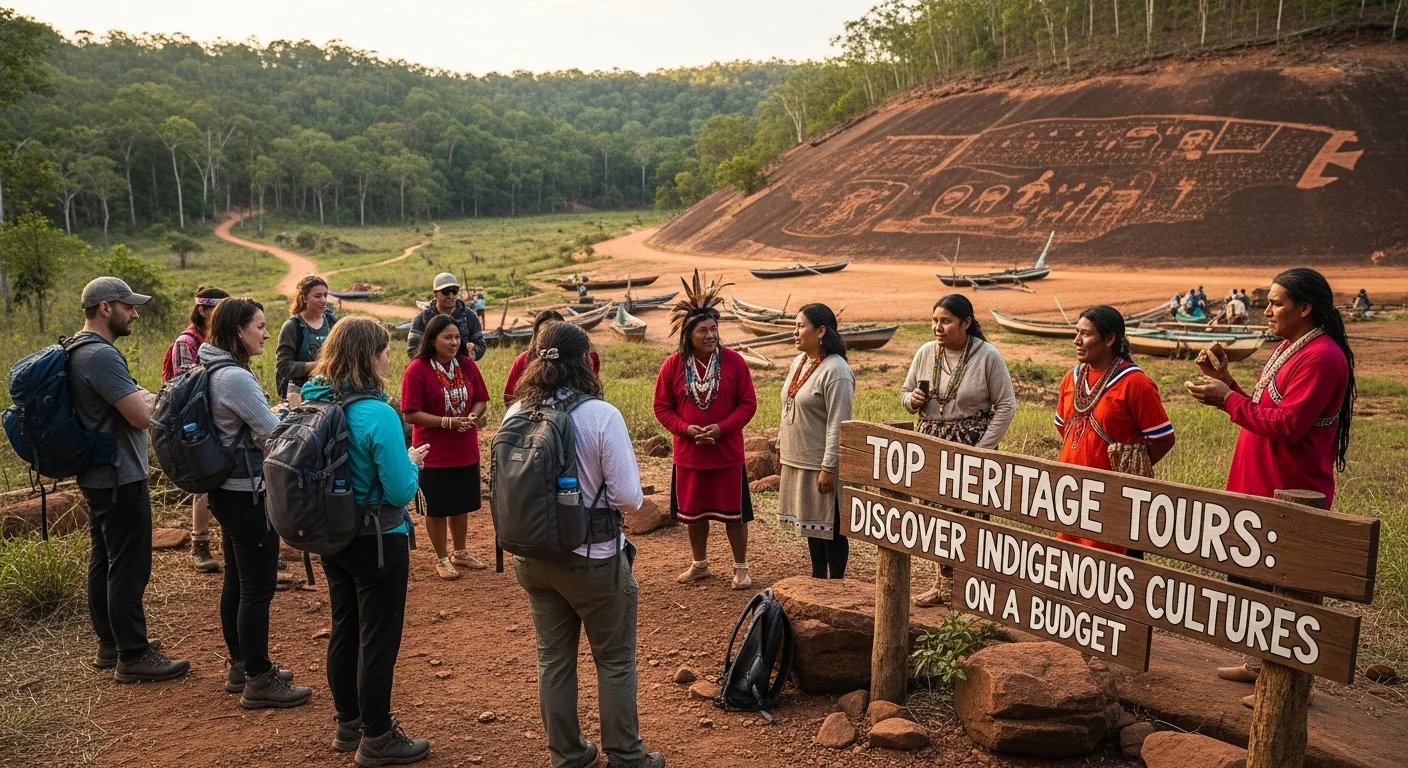
Cultural preservation is vital for Indigenous communities. I learned that many of these cultures face challenges like globalization and environmental changes, which threaten their traditions. When we travel and engage with Indigenous cultures, we are not just spectators; we become part of a larger movement to respect and preserve these unique ways of life. Supporting Indigenous initiatives can help ensure that future generations continue to celebrate their history and identity. Read Interesting article: Top Heritage Tours: Discover Indigenous Cultures on a Budget

During my travels, I visited a community where local leaders shared their stories about the importance of keeping their language alive. It was fascinating to see how language was intertwined with their daily practices and spirituality. I realized that by valuing these narratives, we can all contribute to a more respectful understanding of the world around us.

Planning Your Backpacking Trip

Choosing Destinations with Rich Indigenous Heritage

When planning a backpacking trip centered around Indigenous cultures, choosing the right destinations is crucial. I’ve found that some of the most enriching experiences come from places where Indigenous history is preserved and celebrated. For example, visiting places like the Navajo Nation in Arizona or the Maori regions in New Zealand can open up a world of understanding and connection.

Before you go, I recommend researching various Indigenous cultures and the regions they inhabit. Each area offers a unique story, and I’ve noticed that some places are more open to sharing their heritage than others. Connecting with local guides can also enrich your experience as they provide insights that you might not find in guidebooks.

Best Times to Visit Indigenous Communities

Timing your visit can make a big difference in your experience. I discovered that many Indigenous communities have specific celebrations or ceremonies throughout the year. Attending these events can provide an authentic glimpse into their culture. For instance, I planned my trip to coincide with a traditional powwow in the United States, which was a vibrant display of dance, music, and art. These gatherings allowed me to engage with the community and learn about their customs firsthand.

Each Indigenous community has its own calendar of events, so I suggest checking out local websites or social media for updates. This way, you can plan your backpacking route accordingly and ensure you don’t miss out on these special occasions.

Understanding the Local Laws and Customs

Before stepping into any Indigenous territory, it’s essential to familiarize ourselves with local laws and customs. I learned this the hard way during my travels. While exploring, I accidentally wandered into a sacred site without understanding its significance. Thankfully, the community was understanding, but it taught me the importance of respecting their customs and practices.

Each Indigenous group has its own rules about photography, land use, and interactions. I recommend taking the time to read about these customs before your trip. Many communities also have guidelines available online, and it’s a good idea to carry a respectful attitude while engaging with locals. Understanding their perspective can lead to deeper connections and a more enriching experience.

Top Indigenous Cultures to Experience While Backpacking

Native American Cultures in the United States

I’ve always been fascinated by the diversity of Native American cultures across the United States. Each tribe has its own distinct traditions, beliefs, and languages. For instance, visiting the Navajo Nation allowed me to appreciate their rich history and connection to the land. I was lucky enough to tour Monument Valley, where the iconic red rock formations tell stories of the Navajo people. Engaging with local artisans who create stunning jewelry and crafts was a highlight of my trip. The pride they take in their heritage is palpable, and I learned so much just by asking questions and listening to their stories.

Another culture that left a mark on me was the Lakota people. I attended a powwow that celebrated their traditions through dance, music, and storytelling. It was an immersive experience that made me feel welcomed into their world. I believe that exploring the histories and contemporary lives of Native communities can deepen our understanding and appreciation of this land we call home.

Aboriginal Cultures in Australia

When I traveled to Australia, I was eager to learn about the Aboriginal cultures that have existed for tens of thousands of years. One experience that stood out to me was a guided tour led by an Aboriginal guide in the Blue Mountains. He shared insights into traditional bush tucker and how his ancestors have used the land wisely, respecting nature while living in harmony with it. Walking through ancient landscapes while hearing stories of the Dreamtime was nothing short of magical.

Visiting art galleries showcasing Aboriginal art was another enriching experience. I was struck by the vibrant colors and deep symbolism in the paintings. They tell stories of creation, connection to the land, and cultural practices. I felt that art is not just a form of expression for these communities; it’s a vital way of preserving their history and sharing it with the world.

Indigenous Peoples of Canada

Canada is home to a myriad of Indigenous cultures, each with its unique heritage and traditions. While backpacking through British Columbia, I had the chance to visit a First Nations community. I participated in a cedar weaving workshop, where I learned about the significance of cedar trees in their culture. This hands-on experience gave me a deeper appreciation for their resourcefulness and connection to nature.

Additionally, I attended a potlatch ceremony, which is a traditional gathering that involves feasting, dancing, and storytelling. It was incredible to witness the community come together to honor their history and celebrate important milestones. I felt honored to be included in such a significant event that emphasized the importance of family and community cohesion.

Maori Culture in New Zealand

During my travels to New Zealand, I was drawn to the vibrant Maori culture. I remember attending a traditional haka performance, which is a powerful expression of unity and pride. The energy in the room was electric, and I felt a deep respect for the performers and their heritage. They conveyed stories of their ancestors through movement and song, making it a truly memorable experience.

I also had the opportunity to visit a marae, which is a communal meeting ground. Here, I learned about the customs surrounding hospitality and the protocols that govern interactions. Participating in a hangi, a traditional feast where food is cooked in an underground oven, was a highlight. It’s such a beautiful way to connect with the land and enjoy a shared meal with the community.

Indigenous Tribes in South America

Traveling through South America opened my eyes to the rich tapestry of Indigenous cultures. From the Quechua and Aymara in the Andes to the Amazonian tribes, each group offers unique insights into their way of life. I trekked to Machu Picchu, where I learned about the Incan civilization and its descendants. The connection they have to their ancestors is profound, and I felt privileged to walk in their footsteps.

In the Amazon rainforest, I visited a community of the Yanomami people, where I discovered their deep knowledge of the forest’s plants and animals. I participated in a guided tour that emphasized the importance of conservation and sustainable living. Witnessing their harmonious relationship with nature made me reflect on our responsibilities as travelers and stewards of the earth.

Experiencing the rich cultures of Indigenous peoples across the world has been one of the most enriching aspects of my travels. It has opened my eyes to different ways of being and understanding our place in the world. Each moment spent with these communities has deepened my appreciation for their histories and ongoing contributions to our global tapestry.

Immersive Cultural Experiences

Participating in Traditional Ceremonies

One of the most profound ways to connect with Indigenous cultures while backpacking is by participating in traditional ceremonies. I’ll never forget the time I was invited to a sweat lodge ceremony in a Native American community. It was an intimate gathering where participants shared personal stories and intentions. The experience was both spiritual and emotional, as I felt a deep sense of connection not only to the community but also to myself. It reminded me of the importance of rituals and how they serve to bond individuals with their heritage.

I learned that many Indigenous cultures have ceremonies that mark significant life events, seasonal changes, or spiritual beliefs. If you’re fortunate enough to be invited, approach these with respect and openness. I found that being a part of these sacred practices allowed me to gain insights into their values and perspectives in ways that mere observation could never achieve. Just remember, it’s essential to ask permission and follow the guidance of the elders leading these ceremonies.

Attending Cultural Festivals

Cultural festivals are another fantastic way to immerse yourself in Indigenous traditions. I once attended the Gathering of Nations Powwow in Albuquerque, New Mexico, and it was an experience like no other. The atmosphere was electric, filled with vibrant colors, music, and the rhythmic sounds of drums. I was amazed by the diversity of tribes represented and the rich tapestry of cultures on display.

Festivals often showcase traditional dancing, crafts, and food, providing a sensory overload that I found incredibly enriching. Participating in these events taught me about the importance of celebration in Indigenous cultures, where community and heritage are honored and shared. I recommend checking local calendars for festivals during your travel, as these events can provide unique opportunities to learn and engage with the community.

Engaging with Local Artisans

During my travels, I discovered that engaging with local artisans is one of the best ways to appreciate Indigenous cultures. I remember visiting a small village in Canada where I met a talented First Nations woman who created intricate beadwork. As she worked, she shared stories about the significance of her craft and how it was passed down through generations. It was mesmerizing to watch her hands skillfully bring her ancestors’ stories to life through her art.

Shopping for handcrafted items not only supports local artisans but also helps keep traditional practices alive. I made it a point to ask questions and learn about the meaning behind the pieces I purchased. In every interaction, I felt a deeper connection to the culture and the people. Whether it’s pottery, weaving, or jewelry, I found that each handmade item carries a story worth sharing.

Tasting Traditional Indigenous Foods

Food is often a gateway to understanding a culture, and Indigenous cuisines are no exception. I’ve had the pleasure of tasting various traditional dishes during my travels. For instance, I remember savoring fry bread at an Indigenous festival, which was not only delicious but also steeped in history. Each bite told a story of resilience and adaptation, reflecting the community’s journey through generations.

Many Indigenous communities have unique ingredients and cooking methods that reflect their environment. I was surprised to learn about the significance of wild game and foraged plants in their diets. When I visited an Aboriginal community in Australia, I participated in a bush tucker tour, where I learned about edible plants and their traditional uses. It was a wonderful way to connect with the land and appreciate the knowledge that has been passed down through the ages.

Seeking out local eateries or community gatherings where Indigenous foods are served can enhance your travel experience. I’ve found that sharing a meal often leads to deeper conversations and connections, making it a highlight of my travels.

Where to Stay for an Authentic Experience

Cultural Homestays

Finding the right place to stay can greatly enhance your experience with Indigenous cultures. I’ve discovered that cultural homestays are a fantastic option for travelers looking to immerse themselves in local life. Staying with an Indigenous family allowed me to experience their daily routines and traditions firsthand.

During one of my trips, I stayed with a Maori family in New Zealand. They welcomed me with open arms and shared their customs, stories, and even meals. We spent evenings discussing the importance of whānau (family) and how it shapes their identity. I felt like part of their family, and it was an enriching experience that I will always treasure. I recommend looking for homestay opportunities when planning your trip, as they often provide insights that hotels simply can’t offer.

Eco-Lodges and Indigenous-Owned Accommodations

Eco-lodges and Indigenous-owned accommodations are another excellent choice for travelers. I remember staying at an eco-lodge run by a local Indigenous community in the Amazon rainforest. The lodge was designed to minimize environmental impact, which made me feel good about my stay. Plus, the community benefited directly from my visit, which was a win-win!

The owners shared stories about their efforts to preserve the rainforest and its ecosystems, which made the experience feel even more meaningful. Many eco-lodges offer activities that highlight traditional practices and engage guests with the local environment. I found that these types of accommodations often promote cultural exchange and support conservation efforts, making them a responsible choice for travelers who want to make a positive impact.

Respectful Engagement with Indigenous Communities

Understanding Cultural Sensitivity

I think one of the most crucial aspects of engaging with Indigenous communities is understanding cultural sensitivity. Each culture has its own unique set of beliefs and practices, which can be deeply rooted in their identities. I’ve learned through my travels that what might seem innocent or trivial to one person could be profoundly significant to another. For instance, during my time in a Native American community, I was reminded to approach their customs with an open heart and mind, always aware of the weight they carry.

I remember visiting a sacred site and being struck by how the elders emphasized the need for respect and reverence. They shared stories of their ancestors and how these places are integral to their spiritual practices. It made me realize that even the smallest actions, like how I dressed or interacted, could impact how I was received. To me, cultural sensitivity means actively listening, being aware of my surroundings, and showing genuine appreciation for their way of life.

Guidelines for Responsible Tourism

As travelers, we have a responsibility to be mindful of the impact we have on the communities we visit. I’ve learned that following guidelines for responsible tourism can help ensure that our presence is welcomed and appreciated. It starts with doing our homework before the trip: learning about local customs, traditions, and even the history of the land we’re visiting.

During my adventures, I often sought advice from local guides and community members. They provided invaluable insights into how to engage respectfully. For example, I was advised to ask before taking photographs of people or sacred sites. This simple act of asking not only respects their boundaries but fosters a more meaningful connection. Additionally, I always make it a point to support local businesses and artisans, ensuring that my spending benefits the community directly.

Budgeting for Your Backpacking Adventure

Expected Costs for Accommodations

Budgeting for a backpacking trip focused on Indigenous cultures can vary widely depending on the region and the type of experience you’re looking for. I’ve found that staying in cultural homestays or eco-lodges may cost a bit more than traditional hostels or hotels, but the value they offer is immeasurable. For example, a homestay in New Zealand might range from $50 to $150 per night, depending on the amenities and the family’s offerings.

When planning my trips, I always factor in the potential for additional costs, like tour guides or cultural workshops. While these might seem like extras, they often provide enriching experiences that deepen my understanding and appreciation of the culture. I’ve found that making room in my budget for such experiences often leads to the most memorable parts of my travels.

Food and Activities Budget

Food is another area where I like to budget generously. Traditional Indigenous foods can often be found at community gatherings or local markets, and I’ve found these to be some of the most delicious meals I’ve had. Expect to spend between $10 and $30 per meal, depending on where you are and what you choose. Participating in food tours or cooking classes can also be a great way to learn about the local cuisine while enjoying a meal.

In terms of activities, I typically set aside a specific amount for cultural experiences. Whether it’s a workshop with artisans or attending a festival, I’ve learned that spending a little more on these activities can lead to unforgettable moments. I generally budget around $50 to $100 per day for activities, depending on my itinerary.

Transportation Options Between Indigenous Sites

Getting from one Indigenous site to another can be a significant part of your budget, especially in remote areas. I usually explore various transportation options, including buses, shared rides, or even renting a vehicle for more flexibility. In some regions, public transportation is limited, so planning ahead is key. I’ve found that budgeting around $15 to $50 per day for transportation is reasonable, but this can vary widely based on location and the distances involved.

Safety Considerations While Traveling

Health Precautions in Remote Areas

Traveling to remote Indigenous communities can be an incredible experience, but it also comes with health considerations. I always ensure that I carry a basic first aid kit and any personal medications I might need. Depending on the region, vaccinations or preventative medications might be necessary, so I recommend checking with a healthcare provider before your trip.

I remember visiting an Amazonian village where access to medical facilities was limited. It was a reminder of the importance of being prepared and taking care of my health while enjoying this beautiful adventure. Staying hydrated and being mindful of food safety are also vital, as they can make a significant difference in how we feel during our travels.

Staying Safe in Indigenous Communities

While I’ve always felt welcomed in Indigenous communities, it’s essential to be aware of safety and respect. I’ve learned to trust my instincts and follow local advice. Engaging respectfully with the community and being mindful of local customs can help foster a safe environment for everyone. I often find that making connections with locals leads to deeper insights and helps ensure a safe travel experience.

Final Thoughts

Traveling to connect with Indigenous cultures has been one of the most enriching experiences of my life. Each destination has its own unique story, and I’ve learned to approach these journeys with an open heart and mind. By engaging respectfully and being mindful of cultural sensitivities, we can create meaningful connections that honor the rich histories and traditions of Indigenous peoples.

I believe we all have the power to make a positive impact when we travel, not just for ourselves but for the communities we visit. So, as you plan your own backpacking adventure, remember to listen, learn, and engage. The world is full of incredible stories waiting to be uncovered, and I know that every moment spent with Indigenous cultures will leave a lasting impression on you, just as it has on me.

Frequently Asked Questions

What are Indigenous cultures?

Indigenous cultures are the original inhabitants of a region, each with their own unique languages, traditions, and beliefs. They reflect a profound understanding of nature and community, shaped by centuries of experience.

Why is cultural preservation important for Indigenous communities?

Cultural preservation is vital for Indigenous communities as globalization and environmental changes threaten their traditions. Engaging with Indigenous cultures can help respect and preserve these unique ways of life for future generations.

How can I choose destinations that celebrate Indigenous heritage for my backpacking trip?

When planning a backpacking trip, research various Indigenous cultures and their regions. Look for places like the Navajo Nation in Arizona or Maori regions in New Zealand, which actively preserve and celebrate their heritage.

What are the best times to visit Indigenous communities?

Many Indigenous communities have specific celebrations or ceremonies throughout the year. Attending these events can provide an authentic glimpse into their culture, so it’s beneficial to check local calendars for updates before your visit.

What should I know about local laws and customs before visiting Indigenous territories?

It’s essential to familiarize yourself with the local laws and customs of Indigenous territories. Each group has its own rules about photography, land use, and interactions, and understanding these can lead to deeper connections.

What are some immersive cultural experiences I can participate in while backpacking?

Participating in traditional ceremonies, attending cultural festivals, engaging with local artisans, and tasting traditional Indigenous foods are all excellent ways to connect with Indigenous cultures while backpacking.

How can I find authentic places to stay during my travels?

Cultural homestays and eco-lodges run by Indigenous communities are great options for an authentic experience. These accommodations often allow you to engage directly with local customs and traditions.

What guidelines should I follow for responsible tourism in Indigenous communities?

To engage respectfully, learn about local customs and history before your trip, ask permission before taking photographs, and support local businesses and artisans to ensure your presence is welcomed.

What should I budget for a backpacking trip focused on Indigenous cultures?

Budgeting can vary widely based on your chosen experiences. Expect to spend around $50 to $150 per night for accommodations, $10 to $30 per meal, and around $50 to $100 per day for activities.

What health precautions should I take when visiting remote Indigenous communities?

Carry a basic first aid kit, any personal medications, and check with a healthcare provider about necessary vaccinations. Staying hydrated and being mindful of food safety is also important while traveling in remote areas.

Top Heritage Tours: Discover Indigenous Cultures on a Budget

Embarking on a heritage tour offers a unique chance to connect with Indigenous cultures while exploring breathtaking landscapes. Want to immerse yourself in these rich traditions without breaking the bank? Let’s dive in!

Top Heritage Tours: Discover Indigenous Cultures on a Budget

Understanding Indigenous Cultures

Key Concepts and Values

When I first began to explore Indigenous cultures, I was surprised by the depth and complexity of their worldviews. Each community has its own unique beliefs, traditions, and ways of life. One concept that stood out to me was the idea of connection—how Indigenous peoples view their relationship with the land, animals, and each other as intertwined and sacred. I discovered that many Indigenous cultures emphasize respect for nature and community, valuing collective well-being over individual success. This was eye-opening for me, as it shifted my perspective on how I relate to my surroundings and the people in my life.

Another fascinating element I encountered was the storytelling tradition. I remember sitting around a fire with a group of Indigenous elders, listening to them share stories that had been passed down for generations. These narratives not only entertain but also serve as vessels of knowledge, teaching younger generations about their history and cultural values. I felt honored to witness this exchange and realized how powerful storytelling can be in preserving identity.

The Importance of Heritage Preservation

Heritage preservation is crucial for maintaining the identity of Indigenous groups. I began to understand the challenges these communities face, such as land dispossession and cultural assimilation. These issues can lead to the erosion of languages, traditions, and practices that have existed for centuries. I was struck by how vital it is for us, as travelers and visitors, to support efforts aimed at preserving this rich heritage.

Visiting Indigenous communities with respect and a willingness to learn can contribute to their preservation. I’ve seen firsthand how tourism, when done responsibly, can provide economic support to these groups, allowing them to maintain their cultural practices and share them with others. By participating in heritage tours, we can play a part in this preservation, fostering appreciation for Indigenous cultures while ensuring their stories and traditions continue to thrive.

Top Destinations for Heritage Tours

North America

Navajo Nation, Arizona

Navajo Nation is a place I’ve always wanted to visit. Spanning Arizona, Utah, and New Mexico, it’s the largest reservation in the U.S. The landscape is stunning, with red rock formations that take your breath away. During my visit, I joined a guided tour where a Navajo guide shared stories about their history, spirituality, and connection to the land. We explored Monument Valley, and I felt an overwhelming sense of peace as I learned about their traditions and the significance of the land around me.

Blackfeet Nation, Montana

Another fantastic destination is the Blackfeet Nation in Montana. I had the chance to experience their cultural immersion program, where I learned about their history, language, and traditional practices. The Blackfeet people are known for their incredible artistry, from beadwork to pottery. I even tried my hand at making traditional crafts, which was a memorable experience. The Blackfeet Nation also hosts cultural events that welcome visitors, allowing us to engage with their community and experience authentic Blackfeet hospitality.

South America

Quito, Ecuador

Traveling to Quito was a dream come true for me. Nestled in the Andes, this city is rich in Indigenous history. One afternoon, I visited the nearby Otavalo Market, famous for its vibrant textiles and handicrafts. I learned that these crafts often carry ancestral meanings, and the artisans take great pride in their work. Interacting with the local artisans gave me insight into their culture, and I left with a handmade scarf that serves as a beautiful reminder of my experience.

Peruvian Andes, Peru

In the Peruvian Andes, I embarked on a trek through the Sacred Valley, where I encountered numerous Indigenous communities. One highlight was visiting the village of Ollantaytambo, where I participated in a traditional cooking class. I learned to make dishes using local ingredients, like quinoa and potatoes, which are staples in their diet. This hands-on experience allowed me to appreciate their culinary traditions while connecting with local families.

Australia

Aboriginal Experiences in the Outback

The Outback is a magical place, and my time there with Aboriginal guides was unforgettable. They shared their deep connection to the land through bush tucker tours, teaching me to identify edible plants and their traditional uses. The stories they told about their ancestors and the Dreamtime legends brought the landscape to life in a way I never expected. I felt a sense of belonging as I learned to appreciate their view of the world.

Tasmania’s Indigenous Heritage

Tasmania’s Indigenous heritage is equally captivating. I visited the Tasmanian Museum and Art Gallery, where I learned about the island’s rich history, including the struggles faced by the Palawa people. Engaging with local artists and attending cultural performances gave me a deeper understanding of their customs and traditions. The warmth and resilience of the Tasmanian Indigenous community left a lasting impression on me.

Asia

Maasai Mara, Kenya

The Maasai Mara is another incredible destination for experiencing Indigenous culture. I’ll never forget my first night in a Maasai village. The vibrant colors of their traditional attire and the rhythmic dancing created an atmosphere of joy and celebration. I learned about their customs, including their cattle-rearing practices and the significance of their warrior traditions. The Maasai people’s strong sense of community was evident, and I felt privileged to be welcomed into their world.

Indigenous Tribes of the Amazon Rainforest

My journey to the Amazon rainforest was awe-inspiring. I had the opportunity to connect with several Indigenous tribes, each with its own unique traditions. I participated in a nature walk guided by a local elder, who shared his knowledge about medicinal plants and the importance of biodiversity. The experience underscored the fragile relationship between the rainforest and its inhabitants, and I came away feeling a greater sense of responsibility to advocate for their rights and environmental preservation.

Budget-Friendly Heritage Tour Options

Affordable Tour Companies

When I was planning my heritage tour, I quickly realized that the options could be overwhelming. However, I found that many affordable tour companies specialize in Indigenous experiences. One company that caught my eye was Intrepid Travel. They offer immersive tours that don’t just skim the surface but dive deep into the cultures we were visiting. I remember being pleasantly surprised at how reasonably priced their packages were, especially when you consider the unique experiences they provide.

Another company I stumbled upon was G Adventures. They focus on small group tours, which I found to be a huge plus for a more intimate experience. The guides are often local, providing insights that you wouldn’t get from a general tour. I felt that paying a little more for a small group experience was worth it, as it allowed for more personal interactions with the communities we visited.

Finally, I discovered some local Indigenous-led tour companies. Some communities have their own guided tours available at a lower price point, and this helps directly support local economies. I remember meeting a Navajo guide who started his own tour business. Not only was it affordable, but it also felt good to know I was supporting his efforts to share his culture.

DIY Heritage Tours

If guided tours aren’t in your budget, don’t worry! I learned that planning a DIY heritage tour can be just as rewarding. With a little research, I found that many Indigenous communities offer self-guided experiences. For example, I visited cultural centers or museums that provided information on local heritage. I grabbed maps and brochures, which helped me navigate the area on my own schedule.

Another tip for a DIY approach is to use social media and local forums. I found local Indigenous groups on platforms like Facebook that shared events and activities open to visitors. I was able to connect with community members who offered advice on must-see sites and experiences. This not only saved me money but also led to some amazing interactions that I wouldn’t have had on a formal tour.

Additionally, I recommend checking out state and national parks. Many of these locations highlight Indigenous history and culture through interpretive trails and exhibits, often at no cost. I remember wandering through a state park and being captivated by the stories shared on plaques along the trails, allowing me to engage with the area’s Indigenous heritage without the price tag of a guided tour.

Volunteering Opportunities

Volunteering has been one of my favorite ways to connect with Indigenous cultures while traveling. I found various programs that welcome volunteers into their communities. For me, this was a win-win situation. I got to contribute to meaningful projects, and in return, I gained a deeper insight into their way of life.

I remember volunteering with an Indigenous organization focused on environmental conservation. It was eye-opening to learn how their traditional knowledge plays a crucial role in sustainable practices. Not only did I make lasting friendships, but I also participated in initiatives that supported the community’s efforts to protect their land and resources.

Many organizations offer room and board in exchange for your help, which can significantly cut down travel costs. Websites like Workaway or WWOOF can connect you with such opportunities. I found this method of travel to be incredibly rewarding, as it allowed me to be a part of the community and contribute to its preservation while learning from the locals.

What to Expect on a Heritage Tour

Cultural Activities and Experiences

One of the most enriching aspects of my heritage tours has been the variety of cultural activities available. I remember participating in traditional dances and ceremonies, which provided me with a profound sense of connection to the community. Being invited to join in these activities made me feel like I was part of something bigger than myself.

Workshops are another fantastic way to dive into local culture. During my travels, I took part in a pottery-making class with Indigenous artisans. Watching their techniques and learning about the significance behind their art taught me so much about their traditions. These hands-on experiences are often more meaningful than simply observing from the sidelines.

Accommodation Options

When it comes to accommodations, I found a range of options that catered to different budgets and preferences. While hotels can be convenient, I discovered that staying in local guesthouses or lodges often led to richer experiences. I remember one night in a family-run guesthouse where the owners shared stories about their culture over dinner, transforming my stay into a memorable cultural exchange.

Campsites and eco-lodges are also great choices if you’re looking to immerse yourself in nature. I stayed at a lodge run by an Indigenous community that offered stunning views and eco-friendly practices. I felt a sense of peace waking up to the sounds of nature and being surrounded by the very landscapes that hold such significance in their culture.

Transportation and Accessibility

Getting around during my heritage tours varied depending on the location. In some areas, public transportation was surprisingly good, which allowed me to travel on a budget. However, in more remote regions, I found that renting a car gave me the freedom to explore at my own pace. I recommend checking out local transportation options ahead of time, as many Indigenous communities have shuttle services that cater to visitors.

It’s also essential to consider accessibility options. Some tour companies have made significant strides to ensure that their experiences are inclusive. I remember visiting a cultural center that was fully accessible, allowing everyone to engage with the exhibits and learn about Indigenous culture. Researching and asking about these options beforehand can make a big difference in planning your trip.

When to Visit Indigenous Heritage Sites

Seasonal Considerations

Choosing the right time to visit Indigenous heritage sites can greatly enhance your experience. From my travels, I’ve learned that each season brings its own unique beauty and activities. For instance, I visited the Navajo Nation in late spring, which was perfect for witnessing the vibrant blooms and mild weather. The landscape was alive with color, and it felt like the land was awakening, much like the communities preparing for the summer season.

In contrast, I found that visiting the Peruvian Andes during the dry season from May to September made trekking through the Sacred Valley much more enjoyable. The weather was clear, and the trails were easier to navigate, allowing me to fully immerse myself in the breathtaking scenery without the worry of rain. However, I also learned that visiting during the rainy season can offer a different perspective, with fewer tourists and a lush green landscape that is equally stunning.

Ultimately, I think it’s essential to consider what you want to experience. Do you prefer a bustling atmosphere with cultural festivals, or are you looking for a quieter time to reflect and connect with nature? Researching the climate and community activities during different seasons helped me make informed decisions, ensuring I got the most out of my heritage tours.

Cultural Festivals and Events

One of the highlights of my travels has been attending cultural festivals and events within Indigenous communities. These gatherings provided a rich tapestry of experiences, showcasing traditional dances, music, and culinary delights. I remember attending the Gathering of Nations Powwow in Albuquerque, New Mexico, where thousands of Indigenous people came together to celebrate their cultures. The energy was palpable, and I felt incredibly honored to witness such a vibrant display of pride and unity.

In the Blackfeet Nation, I stumbled upon their annual Powwow, which was a whirlwind of color and sound. Watching the dancers in their elaborate regalia was mesmerizing, and I learned so much about the significance of their movements and songs. It was a reminder of how deeply these traditions are woven into their identity and the importance of sharing them with visitors like me.

Festivals are often accompanied by workshops and demonstrations, which I found to be a great way to learn hands-on. I participated in a weaving workshop during one festival, where local artisans taught me the intricacies of their craft. It was such a fulfilling experience to create something meaningful while learning about its cultural significance.

I highly recommend checking local calendars and community websites before your trip to align your visit with any cultural events. Read Interesting article: Experience Heritage Tours: Best Festivals for Backpackers Being part of these celebrations not only enriches your understanding but also allows you to engage more meaningfully with the community.

Local Cuisine and Dining Experiences

Traditional Dishes to Try

Food is one of the most delightful ways to connect with a culture. During my travels, I made it a point to try traditional dishes, and I was never disappointed. In Ecuador, I had the chance to savor cuy (guinea pig), a delicacy that holds cultural significance. I was initially hesitant, but trying it with the local community turned out to be an extraordinary experience. It was a dish prepared with love, served during special occasions, and sharing it with them helped me appreciate its importance in their culture.

In the Peruvian Andes, I learned about the significance of quinoa and potatoes in Indigenous diets. I remember enjoying a hearty meal of causa, a layered potato dish that was beautifully presented and bursting with flavor. The best part was hearing the stories behind these ingredients and how they are woven into daily life and celebrations.

Don’t overlook the chance to sample local beverages. In the Navajo Nation, I discovered the traditional drink called “blue corn mush,” which was both comforting and nutritious. I enjoyed it at a local gathering, where it was shared among family and friends, highlighting the community aspect of food.

Community-Based Dining Options

Eating at community-based dining options can enhance your travel experience while supporting local economies. I found that many Indigenous communities offer meals prepared by local families, which not only provides a more authentic taste but also fosters connections. One memorable evening, I enjoyed dinner in a Blackfeet home, where the family shared stories and traditional recipes while we dined together. It felt like being welcomed into their lives, and the warmth of the hospitality made the meal unforgettable.

Additionally, participating in a community feast or potluck can be a fantastic way to engage with local traditions. During one of my visits to a Maasai village, I was invited to join a feast featuring a variety of dishes, and it was an incredible way to bond with the community. Sharing food in this way emphasized the importance of relationships and respect in their culture.

As you plan your heritage tour, keep an eye out for community dining experiences that offer insight into local flavors and the significance of food within cultural practices. Read Interesting article: Cultural Bites: Discover Budget Traditional Cuisine Tours These moments can deepen your understanding and appreciation of the communities you visit, enriching your journey in ways you might not expect.

Frequently Asked Questions

What is the main purpose of embarking on a heritage tour?

Embarking on a heritage tour offers a unique chance to connect with Indigenous cultures while exploring breathtaking landscapes.

What are some key concepts and values in Indigenous cultures?

Indigenous cultures emphasize the idea of connection, viewing their relationship with the land, animals, and each other as intertwined and sacred. They value respect for nature and community, prioritizing collective well-being over individual success.

Why is heritage preservation important for Indigenous communities?

Heritage preservation is crucial for maintaining the identity of Indigenous groups, as it helps combat challenges like land dispossession and cultural assimilation that can erode languages, traditions, and practices.

What are some top destinations for heritage tours in North America?

Notable destinations include the Navajo Nation in Arizona and the Blackfeet Nation in Montana, where visitors can engage in cultural immersion programs and learn about Indigenous histories and practices.

How can travelers participate in budget-friendly heritage tours?

Travelers can consider affordable tour companies like Intrepid Travel and G Adventures, or explore local Indigenous-led tour companies. Additionally, DIY heritage tours and volunteering opportunities can provide cost-effective ways to connect with Indigenous cultures.

What kind of activities can participants expect on a heritage tour?

Participants can expect a variety of cultural activities, such as traditional dances, workshops, and ceremonies that provide a profound sense of connection to the community.

What accommodation options are available during heritage tours?

Accommodation options range from local guesthouses and lodges to campsites and eco-lodges, which can enhance the cultural experience by providing richer interactions with local communities.

When is the best time to visit Indigenous heritage sites?

The best time to visit varies by location, as each season offers unique beauty and activities. Researching seasonal climate and community events can help travelers choose the optimal time for their visit.

What are some traditional dishes to try on a heritage tour?

Travelers should try traditional dishes like cuy (guinea pig) in Ecuador, quinoa and potatoes in the Peruvian Andes, and blue corn mush in the Navajo Nation, all of which hold cultural significance.

How can travelers engage with local cuisine during their heritage tours?

Travelers can enhance their experience by dining at community-based options, such as meals prepared by local families or participating in community feasts, which foster connections and provide insight into local traditions.

Explore Indigenous Cultures: Budget Backpacking Guide

Backpacking through Indigenous cultures offers a unique opportunity to connect with rich traditions and histories while being mindful of our budgets. This guide is designed to help you explore these vibrant communities without breaking the bank. Read Interesting article: Budget Backpacking: Embrace Community-Based Eco-Tourism

Explore Indigenous Cultures: Budget Backpacking Guide

Understanding Indigenous Cultures

Definition and Significance

Indigenous cultures are those of the original inhabitants of a region, characterized by distinct languages, traditions, and social practices. For me, learning about these cultures has always been a personal journey of discovery and respect. Each Indigenous community has its own unique story, reflecting a deep connection to the land and a wealth of knowledge passed down through generations. I’ve found that understanding these cultures enriches our travel experiences, making them more meaningful and impactful.

Key Indigenous Groups Around the World

There are countless Indigenous groups around the world, each with fascinating histories. In North America, for example, the Navajo Nation offers insights into traditional crafts and spiritual practices. The Maori in New Zealand share their rich storytelling through art, dance, and language. In South America, the Quechua people maintain their ancient agricultural methods in the Andes. During my travels, I’ve noticed that despite geographical distances, many Indigenous groups share common values, such as a strong sense of community and respect for nature. Read Interesting article: Backpacking Adventures: Discover Traditional Music & Dance

In Australia, Aboriginal cultures are one of the oldest living cultures in the world, showcasing traditions that date back thousands of years. Each of these groups has faced unique challenges, particularly regarding land rights and cultural preservation, which makes engaging with them even more important to me. I believe that as travelers, we have the responsibility to honor and respect these cultures, particularly in how we choose to interact with them.

Historical Context and Modern Challenges

Understanding the historical context of Indigenous cultures is crucial for any traveler. Many Indigenous peoples have faced significant challenges due to colonization, resulting in loss of land, culture, and autonomy. I remember visiting a community in Canada where the elders spoke about these struggles, the stories resonating deeply with me. It was a reminder of the resilience and strength of these cultures despite ongoing challenges.

Today, many Indigenous communities are working hard to revitalize their languages and traditions. They face modern challenges such as climate change, which impacts their traditional lifestyles and resources. I’ve seen firsthand how these issues affect communities and have learned that supporting Indigenous-led initiatives is a meaningful way to contribute to their sustainability efforts. It’s not just about observing but being an ally and advocating for their rights and recognition.

As travelers, we should approach Indigenous cultures with humility and a desire to learn. I’ve often found that asking questions and engaging in conversations can lead to profound insights. Understanding the struggles and triumphs of these communities has truly changed my perspective on travel and cultural exchange. It’s vital to remember that our presence in these communities should be one of respect and support, not exploitation.

When to Visit Indigenous Communities

Seasonal Events and Festivals

One of the best ways to immerse yourself in Indigenous cultures is by attending seasonal events and festivals. These gatherings often celebrate traditional practices, music, and art. I’ve made it a point to plan my travels around these events, as they offer an authentic glimpse into the community’s spirit. For example, the Pow Wow circuit in North America is an incredible opportunity to witness traditional dancing, drumming, and storytelling firsthand. Each festival has its own unique flavor and significance, making it a rich experience for any backpacker.

Best Time for Backpacking

The best time to visit Indigenous communities often varies based on the region and climate. I’ve learned that late spring and early fall tend to be ideal for most areas, as the weather is generally mild and pleasant. This timing also coincides with many festivals, allowing for a deeper cultural experience. However, I’ve found that each community has its timing based on local customs and agricultural cycles, so it’s worth doing some research ahead of your trip.

Climate Considerations

Climate can significantly impact your backpacking experience, especially in Indigenous regions where weather can change rapidly. I remember trekking through the Andes and being caught in a sudden rainstorm. It made me realize the importance of checking the climate forecast before heading out. Packing versatile clothing that can handle both warm days and chilly nights is something I now prioritize. Understanding the local climate not only enhances your comfort but also shows respect for the land and its people.

Budget Backpacking Essentials

Packing Tips for Backpackers

Packing for a backpacking trip, especially one focused on Indigenous cultures, is an art form in itself. I remember my first big adventure; I overpacked and ended up lugging around a heavy backpack filled with items I never used. Now, I’ve learned to prioritize essentials that make traveling easier and more respectful of the places I visit. I recommend starting with a good quality, lightweight backpack that fits comfortably. This makes all the difference when you’re trekking through remote areas.

Layering is key for clothing. I like to pack a mix of breathable fabrics and warmer layers since temperatures can change quickly. A lightweight rain jacket is a must; I’ve been caught in unexpected downpours more than once! Additionally, I always include a reusable water bottle and a portable water filter. Staying hydrated is crucial, and being environmentally conscious is a priority for me when traveling through nature.

Don’t forget a small first-aid kit and any personal medications you may need. The last thing you want is to be out in the wilderness without proper supplies. I’ve found that packing a small journal can also be a wonderful addition; it allows me to document my experiences and reflections, which can be incredibly rewarding in the long run.

Budget-Friendly Gear Recommendations

Over the years, I’ve tried various gear options, and I’ve come to realize that quality doesn’t always mean spending a fortune. There are plenty of budget-friendly options that perform well. For sleeping gear, I recommend a compact sleeping bag that’s rated for the temperatures you expect. I’ve had great luck with ones that compress nicely into my backpack without sacrificing warmth.

For cooking, I use a lightweight camping stove and a small set of cookware. It’s amazing how much you can save by preparing your own meals, especially in areas where food prices can be higher. I tend to scour local markets for fresh ingredients; it’s a great way to engage with the community and experience local flavors.

When it comes to footwear, I suggest investing in a pair of durable, comfortable hiking shoes. They should provide good ankle support and be broken in before your trip. I’ve made the mistake of wearing new shoes on a trek, and blisters can ruin the best of adventures!

Transportation Options for Budget Travel

Getting around Indigenous regions can be one of the most rewarding aspects of backpacking. I’ve discovered that local transport is often the most budget-friendly option. Buses and shared taxis, known as “collectivos” in some areas, are reliable ways to travel. I remember hopping on a collectivo in Peru, crammed with locals, laughing and sharing stories; it was one of those moments that truly made the trip memorable.

In more remote areas, hitchhiking can be an option, and I’ve found that people are often willing to give you a ride, especially if you’re respectful and friendly. Just be sure to use common sense and trust your instincts. I always check in with locals about the safety of this option before attempting it.

For those who prefer a bit more independence, renting a bike can be an enjoyable way to explore. I’ve rented bikes in various communities, and it often allows me to venture off the beaten path, discovering hidden gems along the way. Plus, cycling is a great way to immerse myself in the scenery and culture at a slower pace.

Where to Stay

Affordable Accommodations in Indigenous Regions

Finding a place to stay that aligns with my budget while being respectful to Indigenous communities has become one of my travel goals. I’ve often chosen hostels or guesthouses run by locals, which provide not just a bed but also an authentic experience. These places usually come with insider tips and insights that you wouldn’t find in a guidebook.

Staying in a homestay has been one of my favorite options. I remember an incredible experience in a small village where I stayed with a local family, learning to cook traditional meals and understanding their daily lives. It felt like I was part of their community, and the connections I made were unforgettable.

Cultural Lodging Options (Homestays, Eco-lodges)

Eco-lodges are another fantastic choice, especially in areas where preserving the environment is a priority. I’ve found that many eco-lodges dedicate themselves to sustainability and often employ local staff. This not only benefits the environment but also supports the local economy. I remember staying at a lodge in Costa Rica, where the hosts shared their knowledge about sustainable practices and the surrounding biodiversity. It added so much depth to my experience.

Before booking, I always check reviews to ensure that the accommodation respects the local culture and supports the community. Engaging with hosts who are passionate about their culture can lead to enriching experiences and memorable stories.

Camping and Outdoor Options

If you’re a nature lover like I am, camping can be the ultimate budget-friendly way to stay. Many Indigenous regions offer camping options, allowing you to immerse yourself in nature while respecting the land. I’ve camped in stunning locations, sometimes right next to cultural sites. It’s an incredible way to wake up to the sounds of nature and experience the land in a way that’s truly intimate.

Before you go, make sure to check local regulations regarding camping, as some areas may have designated spots or require permits. I always carry a lightweight tent and sleeping gear, and I try to leave no trace behind, ensuring I respect the land and its people. The memories made while camping in these beautiful locations are some of the most cherished from my travels.

Top Attractions and Activities

Exploring Indigenous Art and Craft Markets

Visiting Indigenous art and craft markets has become one of my favorite activities while traveling. These markets are often vibrant hubs of culture, showcasing the creativity and craftsmanship of local artisans. I remember wandering through a market in Oaxaca, Mexico, where I was surrounded by colorful textiles, pottery, and intricate wood carvings. Each piece told a story, often reflecting the community’s history and beliefs. I love how buying directly from artists not only supports their work but also connects me to their culture in a personal way.

It’s essential to take the time to converse with the artisans. I’ve learned so much just by asking about their techniques and the significance behind their designs. These interactions not only enrich my experience but often lead to lasting friendships. I recommend keeping an open mind and being respectful, as many artists appreciate when visitors show genuine interest in their craft.

Participating in Cultural Workshops

Another enriching experience is participating in cultural workshops offered by Indigenous communities. I once took a pottery class with a group of Navajo artisans, who patiently guided us through the process of making traditional clay pots. Engaging in these hands-on activities provides a unique insight into the community’s traditions and practices. It’s not just about the final product but also about understanding the history and context behind the craft.

From weaving textiles to learning traditional cooking methods, workshops offer a chance to immerse ourselves in the culture actively. I always feel a sense of accomplishment after creating something with my own hands, and it brings me closer to the community. Plus, these experiences often come with the added bonus of learning local stories and customs, enriching my understanding of their way of life.

Nature Trails and Scenic Spots

No trip to Indigenous regions would be complete without exploring the stunning natural landscapes that often hold deep cultural significance. Hiking through these areas has allowed me to appreciate the beauty of nature while understanding its importance to Indigenous peoples. I remember trekking through the mountains in Patagonia and learning about the Mapuche people’s connection to the land. The trails often lead to breathtaking views and hidden gems, making each step feel like a journey through history.

Many communities have designated nature trails that you can explore, often guided by locals who share their knowledge about the flora and fauna. I’ve found that these guided hikes are a fantastic way to connect both with the environment and the people who have lived there for generations. Just being in nature, breathing in the fresh air, and absorbing the beauty around me has been a rejuvenating experience each time I embark on such adventures.

Visiting Historical Sites

Engaging with history is another vital aspect of backpacking through Indigenous cultures. Visiting historical sites provides a window into the past and allows us to witness the resilience of these communities. I remember standing at the ancient ruins of Machu Picchu, feeling a profound respect for the Inca civilization and their connection to the land. These sites often carry stories of struggle, triumph, and cultural significance that are essential to understanding the present-day communities.

When visiting historical sites, it’s crucial to be respectful and mindful of the significance they hold. Many sites have cultural protocols that visitors should follow, such as restrictions on photography or areas that should not be entered. I always try to educate myself beforehand and follow local guidelines to ensure that I honor the history and traditions tied to these sacred places.

Local Food and Cuisine

Traditional Indigenous Dishes

Food is such an integral part of any culture, and I’ve found that traditional Indigenous dishes often tell a story of the land and its people. I remember trying a traditional Maori hangi in New Zealand, where food is cooked underground with heated stones. The flavors were incredible, and the communal aspect of sharing a meal made it all the more special. Exploring local cuisines has led to some of my most memorable experiences while traveling.

Trying traditional dishes often involves visiting local eateries or participating in community meals. I’ve enjoyed everything from the rich stews of the Quechua people in Peru to the intricate seafood dishes of the Inuit in Canada. Each meal has been an adventure, offering flavors and ingredients that are deeply tied to the land and the community’s history. I highly recommend asking locals for their favorite spots; they often lead you to hidden gems that you won’t find in any travel guide.

Where to Eat on a Budget

Eating on a budget while still enjoying authentic Indigenous cuisine is completely possible. I’ve discovered that local markets and street vendors offer delicious meals at a fraction of the price of restaurants. It’s a fantastic way to sample a variety of dishes without overspending. I remember savoring fresh ceviche from a local vendor in Peru; it was not only affordable but also incredibly delicious.

Many communities also host food festivals where you can try various dishes for a reasonable price. I love these events because they not only allow me to taste local flavors but also provide an opportunity to connect with community members. Plus, it’s an excellent way to support local economies while enjoying great food!

Food Markets and Street Vendors

Food markets are one of my favorite places to explore when traveling through Indigenous regions. They often serve as vibrant communal spaces where people come together to buy fresh produce, meats, and prepared foods. I remember wandering through a bustling market in Guatemala, filled with colorful fruits and vegetables, and being tempted by the aromas of traditional dishes being cooked on-site.

Street vendors are another excellent way to enjoy local flavors without spending a lot. I always make it a point to try whatever looks appealing; it’s often where you’ll find the most authentic dishes. Just be sure to check that the vendor maintains good hygiene practices, as this can vary. Eating from street vendors has introduced me to flavors and combinations I would never have tried otherwise, making every meal an adventure! Read Interesting article: Explore Exotic Jungles: Backpacking on a Budget

Frequently Asked Questions

What are Indigenous cultures?

Indigenous cultures are those of the original inhabitants of a region, characterized by distinct languages, traditions, and social practices. They reflect a deep connection to the land and a wealth of knowledge passed down through generations.

Why is it important to understand Indigenous cultures when traveling?

Understanding Indigenous cultures enriches travel experiences, making them more meaningful and impactful. It allows travelers to honor and respect these communities while learning about their struggles and triumphs.

What are some key Indigenous groups mentioned in the article?

Key Indigenous groups mentioned include the Navajo Nation in North America, the Maori in New Zealand, the Quechua people in South America, and Aboriginal cultures in Australia, each with unique traditions and historical contexts.

When is the best time to visit Indigenous communities?

The best time to visit varies by region, but late spring and early fall are often ideal due to mild weather and coinciding festivals. Researching local customs and agricultural cycles is advised for specific communities.

What packing tips are recommended for backpackers visiting Indigenous cultures?

Backpackers should prioritize essentials, including a lightweight backpack, breathable clothing, versatile layers, a rain jacket, a reusable water bottle, and a small first-aid kit. Documenting the experience with a journal is also encouraged.

What are some budget-friendly accommodation options in Indigenous regions?

Affordable accommodations include hostels or guesthouses run by locals, homestays, and eco-lodges that focus on sustainability while often providing an authentic cultural experience.

How can travelers engage with Indigenous communities?

Travelers can engage by attending seasonal events and festivals, participating in cultural workshops, and visiting art and craft markets to support local artisans and learn about their traditions.

What types of food can travelers expect from Indigenous cultures?

Travelers can expect traditional dishes that reflect the land and its people, such as Maori hangi, Quechua stews, and Inuit seafood dishes. Local eateries and community meals often provide these experiences.

How can one eat on a budget while enjoying local cuisine?

Eating on a budget is possible by exploring local markets and street vendors, which offer delicious meals at lower prices. Food festivals also provide opportunities to try various dishes affordably.

What are some recommendations for transportation in Indigenous regions?

Local transport options, such as buses and shared taxis (collectivos), are budget-friendly. Hitchhiking can also be viable if approached with respect and caution, while renting bikes can offer a more independent exploration experience.

Cultural Bites: Discover Budget Traditional Cuisine Tours

Embarking on a culinary journey doesn’t have to break the bank. Let’s explore budget-friendly traditional cuisine tours that offer a rich taste of culture and mouthwatering experiences! Read Interesting article: Savor Authentic Flavors: Budget Traditional Cuisine Tours

Cultural Bites: Discover Budget Traditional Cuisine Tours

Understanding Traditional Cuisine Tours

What Are Traditional Cuisine Tours?

Traditional cuisine tours are incredible experiences where travelers dive deeply into the culinary heart of a destination. I remember my first one vividly; I was in a bustling market, surrounded by vibrant colors and intoxicating smells, as local vendors showcased their best dishes. These tours usually include guided visits to local markets, street food stalls, and restaurants specializing in regional fare. Often, you’ll get to meet chefs and locals who share their stories and cooking techniques, providing a unique insight into the culture.

What I love about these tours is that they don’t just serve food; they serve history, culture, and community on a plate. For instance, when I participated in a traditional cuisine tour in Vietnam, each dish told a story about the region’s history and the people who lived there. I felt like I was tasting a piece of the past with each bite.

Importance of Cultural Experiences in Culinary Travel

Food is more than just sustenance; it’s a window into a culture. I’ve always believed that the best way to understand a place is through its food. Engaging with local cuisine allows us to immerse ourselves in the traditions and lifestyles of the people. For me, that connection is the essence of travel. I’ve found that when we share a meal with locals, we’re not just tasting flavors—we’re sharing laughter, stories, and moments that create lasting memories.

Moreover, culinary travel fosters appreciation and respect for diverse cultures. When I tried making traditional pasta in Italy during a cooking class, I realized the importance of the ingredients and techniques passed down through generations. I didn’t just learn how to cook; I learned about the Italian way of life, their values, and their passion for food.

Participating in these food-centric experiences can also be a more affordable way to enjoy a destination. You get to sample authentic dishes without the high price tags often associated with fine dining. Plus, many traditional cuisine tours are designed to be accessible, offering a range of options that fit various budgets. I’ve found that the best meals often come from the most unexpected places—like a tiny street stall or a family-run eatery tucked away in a local neighborhood. Read Interesting article: Explore Heritage Through Food: Affordable Cuisine Adventures

Top Destinations for Budget Traditional Cuisine Tours

Mexico: Street Food Tours in Mexico City

If you’re looking for an exciting spot to dive into traditional cuisine, Mexico City is a treasure trove of flavors. I joined a street food tour here that took me through bustling neighborhoods, where I tasted tacos al pastor, tamales, and fresh churros. Each stop had its unique charm, and the guides shared fascinating stories about the food’s origins. I felt so connected to the vibrant culture, surrounded by the sounds of laughter and sizzling meat on the grill. The best part? Everything was super affordable!

Italy: Affordable Food Experiences in Bologna

Bologna, often referred to as the food capital of Italy, is a must-visit for any culinary enthusiast. When I traveled there, I booked a budget-friendly food tour that introduced me to local delicacies like tortellini and ragu. The guides were passionate and knowledgeable, taking us to family-owned trattorias where we enjoyed generous tastings. The experience was not only delicious but also educational; I learned how to make pasta from scratch, and I’ve been trying to recreate that magic at home ever since!

Thailand: Local Markets and Street Food in Bangkok

Bangkok’s street food scene is legendary, and for a good reason! During my visit, I took a local market tour that opened my eyes to the vast array of flavors and ingredients. We sampled everything from spicy papaya salad to fragrant coconut curries. I remember standing in a market, surrounded by colorful produce and the smell of grilled meat, feeling the energy of the city pulse around me. The best part was trying dishes that I would have never ordered on my own, all while staying within a budget.

India: Culinary Walks in Delhi

Delhi is a paradise for food lovers. My culinary walk through the streets introduced me to rich curries, crispy samosas, and sweet jalebi. The guide led us through narrow lanes, pointing out hidden gems and explaining the spices that make Indian cuisine so unique. I got to watch locals prepare food in their shops, which added an authentic touch to the experience. I loved the idea of eating where the locals eat; it felt like I was part of their world, even if just for a moment.

Budget-Friendly Tour Options

Group Tours vs. Private Tours

When it comes to traditional cuisine tours, one of the first decisions I faced was whether to join a group tour or book a private one. In my experience, both have their perks, but it really depends on what you’re looking for. Group tours are often more budget-friendly because costs are shared among participants. I joined a group tour in Thailand, and it was such a lively atmosphere! We bonded over our love for food, shared recommendations, and made new friends. Plus, the guides were skilled at keeping the energy high and ensuring we all had a great time.

On the other hand, private tours provide a more personalized experience. I once decided to splurge a bit for a private tour in Italy, where the chef customized the experience based on my dietary preferences and interests. It felt special to have that one-on-one time, and I ended up learning so much more about the local ingredients and cooking techniques. While private tours can be pricier, you might find that they give you a deeper connection to the food and culture. I think it’s all about what suits your style and budget best!

Self-Guided Tours: Exploring on Your Own

If you’re feeling adventurous and want to explore at your own pace, self-guided tours can be a fantastic option. I’ve done this in a couple of cities, and it was liberating! With a good map and some research, I found hidden gems that I might’ve missed on a guided tour. For example, in Lisbon, I mapped out a route to several local bakeries known for their pastéis de nata. With each stop, I savored a pastry and learned about the history behind it from nearby locals. It felt like a treasure hunt, and the best part was that I could linger as long as I wanted at each spot.

For a self-guided tour, I recommend downloading food apps or checking local blogs to find the best spots. I’ve also found that talking to locals can lead to amazing suggestions. Just be open to spontaneity, and you might stumble upon a delightful eatery that’s off the beaten path.

Free and Low-Cost Walking Tours

Another great budget-friendly option is to join free or low-cost walking tours that focus on food. I discovered this gem while visiting Barcelona. There are numerous organizations that offer these tours, often led by passionate locals who want to share their food culture. While they are technically free, it’s common to give a tip or donation at the end based on what you think the experience was worth.

During a walking tour in Barcelona, we visited local markets and sampled tapas at various stands. The guide shared stories that not only highlighted the food but also the history and culture of the city. It felt like a casual hangout with friends rather than a structured tour, which made the experience even more enjoyable. I think these tours are a wonderful way to learn and taste, all while being mindful of your budget.

Essential Elements of a Traditional Cuisine Tour

Local Markets and Street Food Stalls

One of my favorite parts of any traditional cuisine tour is visiting local markets and street food stalls. I’ve found that these places are where the heart of a city’s food culture beats the loudest. In my travels, I’ve often been captivated by the vibrant atmosphere, rich aromas, and the sight of locals bargaining for fresh produce.

For instance, wandering through the markets in Marrakech was a feast for the senses. I could see colorful spices piled high, hear the calls of vendors, and taste samples of fresh olives and dried fruits. It was exhilarating! I believe that these local markets are living museums of culture, offering a genuine glimpse into daily life. You can learn so much just by observing how people interact with food and each other.

Culinary Workshops and Cooking Classes

Culinary workshops and cooking classes are another essential part of a traditional cuisine tour. I remember taking a cooking class in Tuscany that forever changed the way I viewed Italian cooking. We started by visiting a local farmer’s market to choose our ingredients, and then we headed to a rustic kitchen to prepare a multi-course meal together. It was hands-on and incredibly fun!

Being able to learn directly from a local chef and then enjoy the fruits of our labor made the experience all the more special. I left not just with new recipes, but with a deeper appreciation for the art of cooking in that region. I think cooking classes are a fantastic way to bring home a piece of the culture, and they often fit within a budget compared to fancy restaurants.

Home-Cooked Meals with Local Families

Sharing a meal with a local family is perhaps one of the most intimate experiences I’ve had on culinary tours. I had the opportunity to dine with a family in a small village in Peru. They prepared a traditional dish called ceviche, and the warmth of their hospitality was overwhelming. It felt like sitting at the table with old friends, even though we had just met.

These home-cooked meals offer a unique perspective on local flavors and customs. I’ve learned that food is a universal language, breaking down barriers and creating connections. I think there’s something truly special about experiencing a meal prepared with love and tradition, and it often comes at a fraction of the cost of dining out in restaurants. If you get a chance to participate in such an experience, I wholeheartedly recommend it!

Tips for Enjoying Budget Traditional Cuisine Tours

How to Choose the Right Tour for You

Choosing the right culinary tour can feel a bit overwhelming, especially with so many options out there. I remember feeling that way before my trip to Thailand. To make the best choice, I recommend considering what type of experience you want. Are you looking to sample street food, or do you want a more hands-on cooking class? For me, it often comes down to what excites my taste buds and what kind of atmosphere I want to be in.

Reading reviews can also be incredibly helpful. I tend to look for feedback from fellow travelers who have similar interests. Their insights can give you a better idea of what to expect. Also, don’t hesitate to reach out to the tour company with questions; they’re usually more than happy to help you find the perfect fit. In my case, I discovered a delightful little tour in Mexico City that focused on street food and local history, and I ended up having one of the best experiences of my life!

What to Bring: Essentials for Food Tours

When I head out on a culinary tour, I’ve picked up a few essentials that make the experience even more enjoyable. First and foremost, a reusable water bottle is a must. Staying hydrated is important, especially when indulging in rich and spicy foods! I also like to bring a small notebook or use an app on my phone to jot down my favorite dishes and recipes. This way, I can recreate them at home later.

Comfortable shoes are non-negotiable. You’ll likely be walking a lot, so I always wear something that can handle a bit of pavement. A light jacket or scarf can be handy too, as some places may have air conditioning that feels a bit chilly compared to the outside heat. Lastly, I make sure to have my camera ready to capture those mouthwatering dishes and vibrant markets. I love being able to look back at those memories, and sharing them with friends adds to the fun!

Staying Safe While Sampling Local Cuisine

Safety is a priority for all of us when traveling, especially when it comes to food. I’ve learned a few tricks along the way that have helped me enjoy local cuisine without worry. First, always trust your instincts. If a food stall looks busy with locals, that’s typically a good sign of freshness and quality. I remember standing in line at a bustling taco stand in Mexico City, and the delicious smells wafting through the air made me feel confident about my choice.

Also, pay attention to how food is handled. I often look for places where the food is cooked fresh in front of me, as that usually means it’s safe to eat. If you’re ever unsure about a dish, don’t hesitate to ask questions. Locals are often proud of their food and happy to share information about ingredients and preparation methods. And if you do experience any stomach discomfort, it’s best to stay hydrated and take it easy. I’ve found that drinking ginger tea or peppermint tea can work wonders!

Maximizing Your Culinary Experience

Engaging with Local Chefs and Artisans

One of the most enriching aspects of culinary tours is the opportunity to meet local chefs and artisans. I remember taking a tour where we visited a family-run bakery in Paris. The owner shared stories about his great-grandfather’s baking techniques and even let us try our hand at kneading dough! Engaging with these passionate individuals not only deepened my appreciation for the craft but also created a connection that I’ll cherish forever.

When you meet chefs, ask them about their favorite dishes or local ingredients. It’s amazing how much knowledge they are willing to share! In my case, I learned about a unique spice blend used in Moroccan cuisine that I now incorporate into my cooking. I believe that these interactions transform a simple meal into an unforgettable experience.

Understanding Cultural Context Behind Dishes

As I’ve traveled, I’ve come to realize that understanding the cultural context of a dish adds layers to the experience. For example, during a culinary walk in India, my guide explained the significance of each spice used in a curry, and it made my taste buds tingle with excitement! I find that learning about the history and traditions connected to food helps me appreciate it on a whole new level. It’s like tasting a story.

I recommend asking your guides to share the cultural significance behind the meals you try. You’ll often find that each dish carries stories of the people, their struggles, and their celebrations. This deeper understanding enriches the entire culinary journey, and it’s something I’ll always carry with me.

Photography Tips for Food Enthusiasts

As a food lover, capturing my culinary adventures has become a delightful part of the experience. I’ve discovered a few tips that have helped me take mouthwatering photos while on tours. First, natural light is your best friend! Whenever possible, try to position your dish near a window or outdoors to highlight its colors and textures. I’ve found that soft, diffused light can make a world of difference in how appetizing a dish looks on camera.

Don’t be afraid to experiment with angles. Overhead shots work well for flat lays, while side angles are great for showcasing height and detail. I also like to include a few elements of the surroundings in my photos, like utensils or the market ambiance, to tell a fuller story of where the food comes from. And lastly, don’t rush! Taking a moment to arrange your dish and capture the perfect shot can really pay off when you look back at your travel memories.

Frequently Asked Questions

What are traditional cuisine tours?

Traditional cuisine tours are experiences where travelers explore the culinary heart of a destination, often including guided visits to local markets, street food stalls, and restaurants. Participants get to meet chefs and locals who share their cooking techniques and cultural stories.

Why are cultural experiences important in culinary travel?

Cultural experiences in culinary travel allow travelers to immerse themselves in local traditions and lifestyles through food. Sharing meals with locals fosters connections and creates lasting memories while promoting appreciation and respect for diverse cultures.

What are some budget-friendly destinations for traditional cuisine tours?

Some budget-friendly destinations for traditional cuisine tours include Mexico City for street food, Bologna for affordable food experiences, Bangkok for local markets and street food, and Delhi for culinary walks.

What is the difference between group tours and private tours?

Group tours are often more budget-friendly as costs are shared among participants, creating a lively atmosphere. Private tours provide a more personalized experience, allowing for customization based on dietary preferences, but they tend to be pricier.

What are self-guided tours and how can they be beneficial?

Self-guided tours allow travelers to explore at their own pace, often leading to discovering hidden gems. With good research and local recommendations, individuals can enjoy unique culinary experiences without the structure of a guided tour.

What are free and low-cost walking tours?

Free and low-cost walking tours focus on food and are often led by locals who share their food culture. While technically free, it is customary to give a tip or donation based on the experience’s value.

What should I bring on a culinary tour?

Essential items to bring on a culinary tour include a reusable water bottle, a notebook or app for jotting down favorite dishes, comfortable shoes for walking, and a camera for capturing memories.

How can I ensure safety while sampling local cuisine?

To stay safe while sampling local cuisine, trust your instincts about food stalls, pay attention to how food is handled, and don’t hesitate to ask locals about ingredients and preparation methods.

How can I engage with local chefs and artisans during a tour?

Engaging with local chefs and artisans can enhance your culinary experience. Ask them about their favorite dishes and local ingredients, as these interactions can deepen your appreciation for the food and the culture behind it.

Why is understanding the cultural context behind dishes important?

Understanding the cultural context of a dish adds depth to the culinary experience. Learning about the history and traditions connected to food can enrich your appreciation of the flavors and stories behind each meal.

Read Interesting article: Backpacking on a Budget: Cultural Festivals Worth Visiting