Web Analytics

Recent Posts

Budget-Friendly Historical Landmarks Around the World

Traveling to see historical landmarks doesn’t have to break the bank. There are countless iconic sites around the world that offer rich experiences without hefty price tags. Let’s explore these gems together! Read Interesting article: Explore Iconic Historical Landmarks on a Budget
Budget-Friendly Historical Landmarks Around the World

Understanding Historical Landmarks

Definition of Historical Landmarks

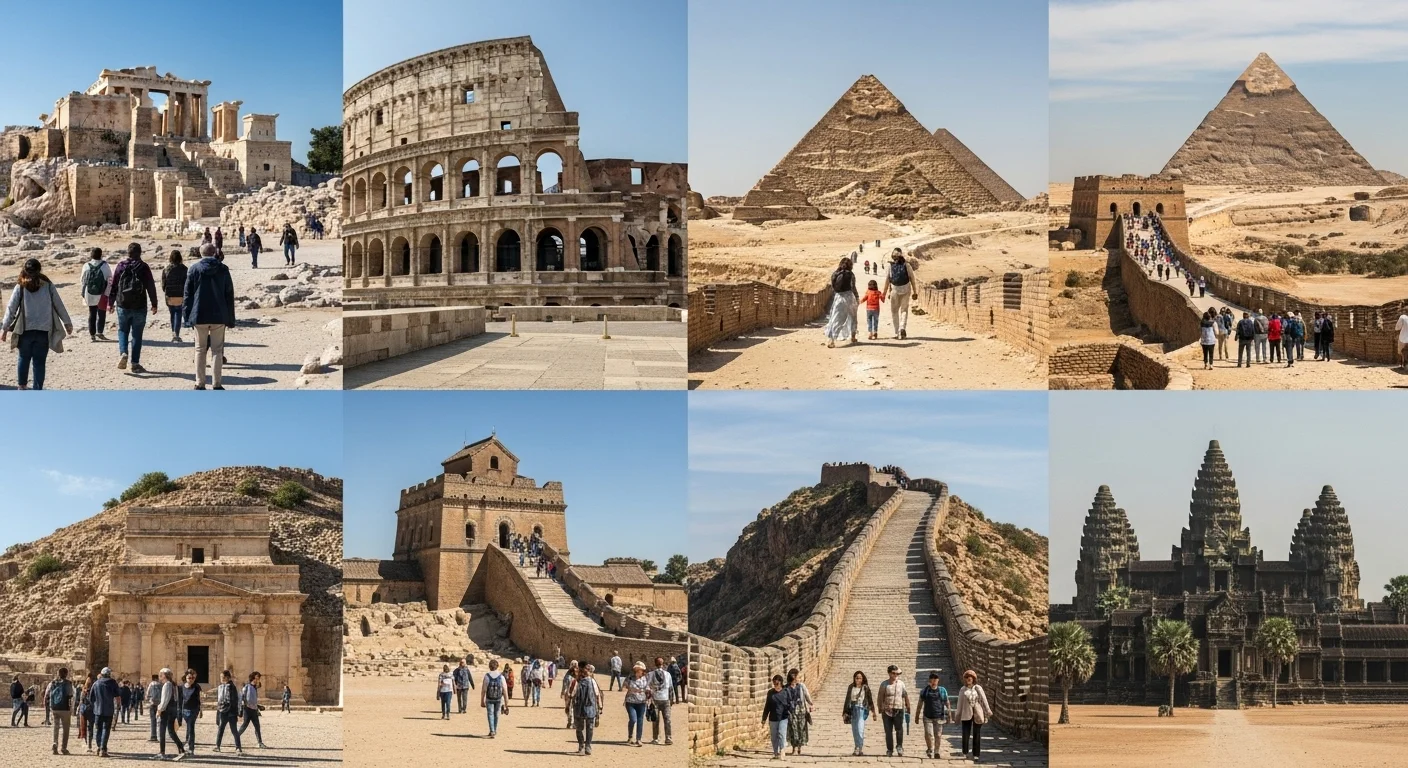
When I think of historical landmarks, I picture places steeped in stories, moments frozen in time that speak to our shared past. These sites are often recognized for their cultural, historical, or architectural significance. A landmark can be anything from a towering castle to an ancient ruin or a simple monument. For instance, when I visited the Colosseum in Italy, I felt the weight of history surrounding me, reminding me that people had gathered there for entertainment centuries ago. It’s this connection to our history that makes these sites so captivating.

Importance of Historical Landmarks in Culture

Historical landmarks are more than just pretty sights; they are vital to understanding our cultures and identities. They teach us about our heritage, allowing us to connect with the past and reflect on our journey as a society. I remember visiting the Great Pyramids of Giza and feeling an overwhelming sense of awe at how these structures have stood the test of time. They are not just stones; they tell the story of ancient civilizations and their incredible achievements. These landmarks foster a sense of pride and belonging, reminding us of our roots and the legacies we carry forward. Read Interesting article: Backpacking Through History: Landmarks You Can’t Miss

Top Budget-Friendly Historical Landmarks by Continent

North America

The Statue of Liberty, USA

Visiting the Statue of Liberty is a must when in New York City, and thankfully, it won’t cost you an arm and a leg to see it! While there is a fee for the ferry, you can enjoy stunning views of Lady Liberty from various points in Manhattan without spending a dime. I remember standing by Battery Park, gazing out at the statue on a clear day, feeling the excitement of being in the presence of such an iconic symbol of freedom.

Independence Hall, USA

Another gem is Independence Hall in Philadelphia. This site is where both the Declaration of Independence and the U.S. Constitution were debated and adopted. Best of all, tours are often free, but you might want to reserve tickets in advance. When I visited, I felt a sense of pride walking through the same halls where our nation’s founding principles were established. It’s a powerful experience that’s accessible to all.

South America

Christ the Redeemer, Brazil

Christ the Redeemer is an iconic symbol of Brazil, and it’s surprisingly budget-friendly! While there’s an entrance fee to go up the mountain, I found that you can view the statue from various spots in the city without paying. The view from the top is breathtaking, but just seeing it from the streets of Rio de Janeiro is equally impressive. I loved snapping pictures with the statue in the background and soaking in the vibrant culture around it.

Inca Trail, Peru

If you’re feeling adventurous, hiking the Inca Trail to Machu Picchu is a fantastic way to experience history and nature simultaneously. While guided tours can be pricey, I learned that there are budget-friendly options available. We opted for a less commercialized route, which allowed us to connect more with the environment and the ancient ruins. The sense of achievement upon reaching Machu Picchu after days of trekking through stunning landscapes was unforgettable.

Europe

The Colosseum, Italy

Back to Italy, the Colosseum is a bucket-list landmark that shouldn’t be missed. While there is an entry fee, we discovered that visiting later in the day can help avoid crowds and may even offer lower rates. Standing inside the Colosseum, I imagined the gladiators who fought there and the crowds that cheered. It’s a powerful reminder of Rome’s rich history, and I recommend taking a guided tour for deeper insights.

Stonehenge, England

Stonehenge is another fascinating site that leaves visitors in awe of its mystery. Although there’s an admission fee, I found that the nearby town of Amesbury offers beautiful views of the stones from a distance for free. Just walking around the countryside, I felt a connection to the ancient people who built this monument. It’s a special place that sparks the imagination.

Africa

The Great Pyramids of Giza, Egypt

The Great Pyramids of Giza are perhaps one of the most recognized landmarks in the world, and they are definitely budget-friendly. While entering the pyramids requires a ticket, viewing them from outside is completely free. I loved wandering around the site, taking in the grandeur of these ancient wonders. The energy of the place is palpable, and it’s an experience I feel everyone should have.

Robben Island, South Africa

Robben Island is steeped in history, particularly related to Nelson Mandela’s imprisonment. A ferry ride to the island is affordable, and once there, you can take a guided tour led by former prisoners. This personal touch made the experience deeply moving for me, as I learned about the struggles for freedom and equality. It’s a poignant reminder of the power of resilience and hope.

Asia

The Great Wall of China

The Great Wall of China is a marvel that stretches across thousands of miles. While some parts of the wall have entry fees, many sections are free to explore. I chose a lesser-known section, which allowed me to experience the wall without the crowds. Walking along the ancient stones, I felt a sense of connection to the history of the people who built it.

Angkor Wat, Cambodia

Angkor Wat is a UNESCO World Heritage site and is the largest religious monument in the world. The entry fee is reasonable, especially considering the vastness of the complex. I spent an entire day wandering through the temples, captivated by the intricate carvings and the stories they tell. It’s a feast for the senses and a place where history comes alive. Read Interesting article: Affordable Heritage Tours: Discover Historical Gems

Australia

The Sydney Opera House

The Sydney Opera House is one of the most recognizable landmarks in the world. While catching a show can be pricey, simply walking around the harbor and enjoying the views is free. I found myself mesmerized by the unique architecture and the vibrant atmosphere of the area. It’s a perfect spot for a picnic or a leisurely stroll.

The Port Arthur Historic Site, Tasmania

Port Arthur is a former convict settlement and offers a glimpse into Australia’s past. Entry fees are quite reasonable, and the grounds are expansive. I spent hours exploring the site, learning about the convict history that shaped the country. The stories I heard during the guided tour added depth to my understanding of Australia’s heritage.

When to Visit Budget-Friendly Historical Landmarks

Best Seasons for Travel

Timing your visit to historical landmarks can truly make a difference in your experience and your wallet. I’ve found that visiting during the shoulder seasons—spring and fall—often yields the best results. The weather is typically pleasant, and the crowds are thinner. For instance, when I visited the Great Wall of China in late September, the weather was perfect, and I could really soak in the atmosphere without feeling rushed. Plus, prices for accommodations and tours can be lower during these times, which is a nice bonus.

Summer, while popular, can be hot and crowded, which means you might end up spending more time in lines than enjoying the sights. I remember trying to visit the Colosseum in July and being overwhelmed by the throngs of tourists. In contrast, my trip in early May was a breeze—lots of space to explore and take photos without too much hassle.

Off-Peak Travel Benefits

Traveling during off-peak times has its perks beyond just fewer crowds. Many historical landmarks offer discounted entry fees during these periods. For example, I learned that some museums and sites have “free admission days” or reduced rates during certain months. When I visited Angkor Wat in Cambodia during the rainy season, I found that the entry fee was lower, and the lush surroundings made for stunning photographs. Just a little research can go a long way in saving money!

Also, off-peak travel often means a more authentic experience. You’ll have a better chance to interact with locals and appreciate the culture surrounding these landmarks. During my visit to Robben Island, the smaller group size allowed for a more intimate tour, where I could ask questions and engage more with the history being shared. It felt like I was part of a special moment rather than just a number in a massive group.

How to Save Money Visiting Historical Landmarks

Free Entry Days and Discounts

One of the best strategies I’ve discovered is to plan visits around free entry days or special discounts. Many cities have designated days when residents and visitors can explore museums and landmarks at no cost. I remember visiting the British Museum in London on a day when they had free entry, which was exhilarating! I spent hours wandering the halls, marveling at artifacts, and saving money all at once.

Additionally, I’ve found that some landmarks offer discounts for students, seniors, or families. Always check their official websites before you go, as these deals can make a significant difference. For example, when I visited the Port Arthur Historic Site, I learned that there was a family pass that made entry for my group much more affordable. Every little bit helps!

City Passes and Tour Packages

Another great option is looking into city passes or bundled tour packages. I’ve used city passes in places like Paris and New York, which provided access to numerous attractions at a fraction of the regular price. It was fun to hop from one landmark to another, knowing I had saved money. Plus, many of these passes come with skip-the-line privileges, which is a lifesaver at busy sites!

When I was in Rome, I decided to purchase a combined ticket for the Colosseum, Roman Forum, and Palatine Hill. It not only saved me money but also allowed me to explore these significant sites at my own pace. I highly recommend researching what’s available in your destination city before you arrive.

Public Transportation vs. Private Tours

I’ve often debated whether it’s worth it to book private tours versus navigating on my own using public transportation. From personal experience, I’ve found public transport to be a fantastic way to save money while getting a taste of local life. For example, in Barcelona, I utilized the metro to visit landmarks like Sagrada Familia and Park Güell, all while enjoying the vibrant atmosphere of the city.

However, there are times when a guided tour can enhance your experience, especially if the guide has insider knowledge or stories to share. In my case, I booked a small group tour for the Inca Trail, which provided me with a deeper understanding of the history and culture I would have missed on my own. It was a perfect balance of learning and adventure!

Local Culture and Experiences at Historical Landmarks

Guided Tours vs. Self-Guided Exploration

Choosing between guided tours and exploring independently can be tough. I’ve enjoyed both experiences depending on the location and what I wanted to get out of my visit. Guided tours often provide valuable insights and stories that give context to what you’re seeing. For instance, on my visit to the Great Pyramids, our guide shared fascinating tales about the construction and the lives of the workers that I would never have learned otherwise.

On the flip side, self-guided exploration allows for spontaneity. Wandering around the streets of Rome without a strict itinerary led me to hidden gems like small, local cafes and lesser-known historical sites. It’s about finding the right balance for your travel style. I believe that both approaches can lead to memorable experiences, so don’t hesitate to mix it up!

Local Events and Festivals

One of the most rewarding aspects of visiting historical landmarks is discovering local events and festivals. These occasions often provide a deeper connection to the culture and history of the area. During my trip to the Sydney Opera House, I coincidentally attended a free outdoor concert that showcased local artists. It was a fantastic way to experience the culture in the heart of Sydney while enjoying the stunning views of the harbor.

Similarly, I stumbled upon a traditional festival in a small town near Stonehenge. The locals celebrated their heritage with music, food, and dance, making my visit to the landmark even more memorable. I recommend checking local event calendars before your trip; you may find that your visit coincides with something special!

Travel Tips for Budget Travelers

Accommodation Options Near Historical Sites

Finding a place to stay can feel overwhelming, especially when trying to stick to a budget. I’ve learned that choosing accommodations near historical landmarks can save both time and money. Instead of opting for expensive hotels, I often look for hostels, guesthouses, or vacation rentals. Using platforms like Airbnb, I’ve found cozy places that allow me to immerse myself in local culture while being just a stone’s throw away from the sites I want to visit.

For instance, during my trip to Rome, I stayed in a charming little apartment in Trastevere, which gave me easy access to the Colosseum and other attractions. Not only did it save me on transportation costs, but I also loved wandering the picturesque streets of the neighborhood. Plus, having a kitchen meant I could prepare my meals, further stretching my travel budget. I recommend checking for options that offer free cancellation policies, just in case your plans change!

Local Cuisine on a Budget

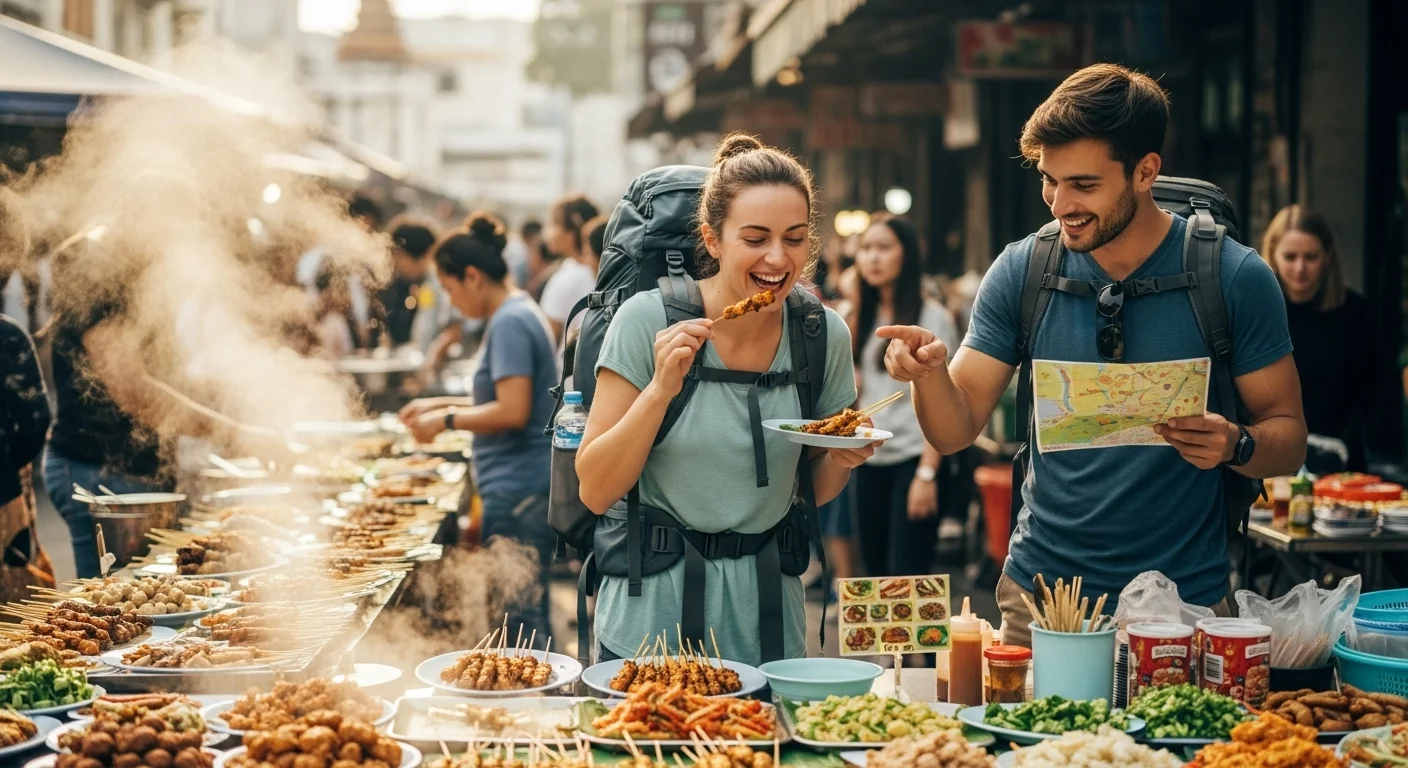
One of my favorite parts of traveling is trying the local cuisine, but dining out can quickly add up. I’ve discovered that street food and local markets are fantastic ways to enjoy authentic flavors without breaking the bank. For example, when I visited Bangkok, I indulged in delicious Pad Thai from a street vendor that cost less than a couple of dollars. The flavors were incredible, and it felt great to support local businesses.

Another enjoyable experience was in Lisbon, where I visited a local market filled with fresh produce and homemade treats. I grabbed a few ingredients to make a simple picnic lunch, which I enjoyed at a nearby historical site. Eating like a local not only saves money but also adds a unique touch to the overall travel experience. I recommend researching popular local dishes and finding out where the locals eat; it can lead to some delicious discoveries!

Safety Tips for Visiting Landmarks

While exploring historical landmarks is thrilling, it’s essential to stay safe during your adventures. I always make sure to keep my belongings secure, especially in crowded places. A small crossbody bag has been my go-to for carrying essentials while keeping my hands free for taking photos. I’ve noticed that wearing a money belt under my clothes gives me extra peace of mind, especially in busy tourist areas.

Additionally, being aware of my surroundings helps prevent unwanted situations. I remember visiting the Great Wall of China and feeling a bit anxious about the steep climbs and large crowds. I made it a point to stick with my group and keep an eye on my belongings. It’s also wise to have a backup plan, like knowing the location of the nearest hospital or police station, just in case. Trust your instincts, and if something doesn’t feel right, don’t hesitate to remove yourself from the situation.

Additional Resources for Planning Your Visit

Travel Blogs and Websites

When planning my trips, I often turn to travel blogs and websites for inspiration and advice. There’s a wealth of information out there from seasoned travelers who share their experiences and tips. I love reading personal stories that detail unique experiences at historical landmarks, along with practical advice on saving money. Websites like Lonely Planet and TripAdvisor are great starting points, but I’ve found that smaller, niche blogs often offer insider secrets that make my travels even more enjoyable.

For example, I discovered a blog dedicated to budget travel in Europe, which listed hidden gems off the beaten path. One suggestion led me to a fantastic, lesser-known historical site in Portugal that turned out to be a highlight of my trip. Blogs can be a treasure trove of information, so I recommend taking the time to read through articles related to your destination.

Mobile Apps for Landmark Information

In today’s tech-savvy world, mobile apps can be a traveler’s best friend. I’ve downloaded several apps that provide useful information about historical landmarks, including opening hours, ticket prices, and even audio guides. One of my favorites is Google Maps, which not only helps with navigation but also shows reviews and photos from fellow travelers. It’s especially handy for discovering attractions nearby and planning my day efficiently.

Another app that I found incredibly helpful during my travels is TripIt. It allows me to organize my itinerary, including flight details and accommodation information, all in one place. This way, when I visit a historical site, I have all the essential information right at my fingertips. I highly recommend exploring apps that cater to your specific travel needs—they can make your journey smoother and more enjoyable!

Frequently Asked Questions

What are historical landmarks?

Historical landmarks are places steeped in stories and moments frozen in time that speak to our shared past. They are recognized for their cultural, historical, or architectural significance, ranging from castles to monuments.

Why are historical landmarks important in culture?

Historical landmarks are vital to understanding our cultures and identities. They teach us about our heritage and allow us to connect with the past, fostering pride and belonging by reminding us of our roots and legacies.

What are some budget-friendly historical landmarks in North America?

In North America, budget-friendly historical landmarks include the Statue of Liberty in the USA, where you can enjoy views for free, and Independence Hall in Philadelphia, which often offers free tours with reserved tickets.

How can I view Christ the Redeemer without paying the entrance fee?

You can view Christ the Redeemer from various spots in Rio de Janeiro without paying the entrance fee, allowing you to enjoy the iconic statue without spending money.

What is the best time to visit historical landmarks to save money?

The best time to visit historical landmarks for budget travelers is during the shoulder seasons—spring and fall—when the weather is pleasant, crowds are thinner, and prices for accommodations and tours can be lower.

How can I save money when visiting historical landmarks?

You can save money by planning visits around free entry days, looking for discounts for students or seniors, and considering city passes or bundled tour packages that provide access to multiple attractions at a reduced cost.

What are the benefits of off-peak travel?

Off-peak travel offers benefits such as fewer crowds, discounted entry fees for historical sites, and more authentic experiences, allowing for better interaction with locals and a deeper appreciation of the culture surrounding the landmarks.

Should I choose guided tours or self-guided exploration when visiting historical sites?

Both options have their advantages. Guided tours provide valuable insights and stories about the landmarks, while self-guided exploration allows for spontaneity and discovery of hidden gems. It can be beneficial to mix both approaches based on your travel style.

How can I find local events when visiting historical landmarks?

Check local event calendars before your trip to find festivals and events that coincide with your visit. These occasions can enhance your connection to the culture and history of the area you are exploring.

What mobile apps can help with visiting historical landmarks?

Mobile apps like Google Maps can provide information about opening hours and ticket prices, while TripIt helps organize your itinerary. Exploring apps that cater to your specific travel needs can make your journey smoother and more enjoyable.

Backpacking Through History: Landmarks You Can’t Miss

Backpacking through history can be one of the most rewarding adventures. Imagine wandering through ancient ruins and standing before iconic structures that tell stories of humanity’s past. Let’s dive into the world of historical landmarks you can’t miss! Read Interesting article: Top 10 Must-See Historical Landmarks for Backpackers

Backpacking Through History: Landmarks You Can't Miss

Understanding Historical Landmarks

Definition and Importance of Historical Landmarks

When I think of historical landmarks, I picture more than just buildings or monuments; they are the very essence of our shared history. A historical landmark is typically a structure or site that holds significant cultural, architectural, or historical value. These places are like time capsules, preserving the stories of civilizations that came before us. For me, visiting these sites feels like walking through pages of a history book, where every stone and pathway has a tale to tell.

One of the reasons I find historical landmarks so important is their ability to connect us with our past. They remind us of our roots and help us understand the evolution of societies and cultures. For instance, standing in front of the Great Wall of China, I felt a profound respect for the ingenuity and determination of those who built it. It’s a reminder of human resilience, something we can all relate to in our personal journeys.

The Role of Landmarks in Culture and Heritage

Landmarks play a pivotal role in shaping our culture and heritage. They are often tied to significant events or figures in history, serving as symbols of national pride and identity. I remember visiting the Colosseum in Rome and feeling a deep appreciation for the gladiatorial games that once captivated millions. It’s not just about the architecture; it’s about the stories of the people who walked those same corridors centuries ago.

Moreover, these landmarks often inspire art, literature, and music, creating a rich tapestry of cultural expression. When I visited the Taj Mahal, I was struck by how it has inspired countless poems and songs, encapsulating the love story of Shah Jahan and Mumtaz Mahal. In a way, these landmarks become living entities, evolving and adapting as they influence and are influenced by the culture around them.

In today’s world, historical landmarks also play a critical role in tourism, providing an economic boost to local communities. However, with this influx of visitors, I’ve noticed the importance of sustainable practices to preserve these sites for future generations. Our responsibility as travelers is to respect and protect these treasures, ensuring they remain part of our history for years to come. Read Interesting article: Explore Iconic Historical Landmarks on a Budget

Top Historical Landmarks Around the World

The Great Wall of China

There’s something truly awe-inspiring about the Great Wall of China. Stretching over 13,000 miles, it’s a marvel of engineering that took centuries to build. I had the privilege of hiking a portion of it, and I can’t express how humbling it felt to walk along the same paths as ancient soldiers. The views from the wall are breathtaking, and I found myself reflecting on the history and strategy that went into its construction. If you ever get the chance, I highly recommend exploring this incredible landmark.

The Pyramids of Giza

The Pyramids of Giza are another must-visit landmark that left me speechless. As I stood in the shadow of the Great Pyramid, I was overwhelmed by the sheer scale and precision of this ancient wonder. It’s fascinating to think about the lives of the workers who built these colossal structures and the mysteries that still surround them. A visit to the pyramids is not just a trip; it’s an experience that connects you to the heart of ancient Egypt.

The Colosseum in Rome

Visiting the Colosseum was like stepping back in time to the days of gladiators and grand spectacles. I remember walking through the arches, imagining the roaring crowds and the intensity of the battles that once took place there. The stories behind this iconic amphitheater are rich and layered, offering a glimpse into the social and political life of ancient Rome. If you’re a history buff or just curious about the past, this landmark should be on your list.

Stonehenge in England

Stonehenge is one of those places that feel almost mystical. As I stood among the ancient stones, I couldn’t help but wonder about the people who constructed it and their intentions. This prehistoric monument is shrouded in mystery, and exploring its history makes for an intriguing experience. I recommend visiting during the summer solstice to witness the sunrise illuminating the stones—it’s a moment you won’t forget.

Machu Picchu in Peru

Machu Picchu is perhaps one of the most iconic landmarks in the world, and for good reason. The journey to this ancient Incan city is just as exhilarating as the destination itself. I’ll never forget the feeling of reaching the Sun Gate and seeing the ruins unfold before me, surrounded by breathtaking mountains. It’s a place that truly captures the imagination, and learning about the Incan civilization adds another layer to your visit.

The Taj Mahal in India

The Taj Mahal stands as a symbol of love and devotion, and visiting this magnificent structure left me awestruck. The intricate details and stunning marble work are a testament to the artistry of its time. I felt a deep connection to the story behind its creation—the love story of Shah Jahan and Mumtaz Mahal. As I wandered through its gardens, I couldn’t help but admire the beauty and serenity of this historic landmark.

Angkor Wat in Cambodia

Angkor Wat is the largest religious monument in the world, and walking through its ancient temple complex is like stepping into a living history book. I found myself captivated by the intricate carvings and the sheer scale of the site. Each temple tells a story, and I enjoyed learning about the Khmer Empire’s rich history as I explored. It’s a place that allows you to connect with the past in a profound way.

The Acropolis in Greece

The Acropolis is an enduring symbol of ancient Greece and its contributions to art, philosophy, and democracy. Standing atop the rocky hill overlooking Athens, I felt a sense of reverence for the significant events that unfolded there. The Parthenon, in particular, is breathtaking, and learning about its history and the ideals it represents made my visit even more meaningful. I believe every history enthusiast should experience the Acropolis firsthand.

Planning Your Backpacking Trip

Choosing Your Destinations

When I started planning my backpacking trip to explore historical landmarks, the first step was choosing my destinations. I remember feeling overwhelmed by the sheer number of incredible places to visit! I found it helpful to narrow my choices based on my interests—whether I was more drawn to ancient architecture, significant battles, or cultural stories. For instance, if you’re fascinated by ancient civilizations, destinations like Machu Picchu and the Pyramids of Giza should definitely be on your radar. On the other hand, if you’re enchanted by ancient Greece, the Acropolis is an absolute must.

Sometimes, the best way to choose is to think about the stories behind these landmarks. For example, I was particularly interested in the tales of the gladiators in Rome, which made the Colosseum a priority for me. I also recommend considering the logistics—how easy it is to travel between these sites and the kind of experiences you want to have. Creating a rough itinerary helped me visualize my journey and ensure I didn’t miss any must-see places. Read Interesting article: Explore Heritage Sites: Budget Backpacking Tips & Tricks

Best Time to Visit Historical Landmarks

Timing can make all the difference in your experience. I learned this the hard way when I visited Stonehenge during peak tourist season! The crowds were overwhelming, and it was hard to connect with the site’s serene energy. Now, I always check the best times to visit before finalizing my trip. For many landmarks, the shoulder seasons (spring and fall) are ideal. You can enjoy fewer crowds, more pleasant weather, and often, lower prices on accommodations and flights.

Another tip I picked up is to be aware of local festivals or events that may coincide with your visit. These can enhance your experience significantly, as they often showcase local culture and traditions. For example, visiting Angkor Wat during Khmer New Year was a vibrant experience filled with colors, traditional dances, and delicious street food!

Budgeting for Your Trip

Budgeting can be tricky, especially when you’re eager to see so many amazing landmarks. I suggest starting by making a list of all potential expenses. Consider transportation, accommodation, entry fees for landmarks, food, and even souvenirs. I remember thinking I’d have enough money set aside, only to realize I hadn’t accounted for entrance fees at some sites.

One great way to save is to look for combination tickets or passes that cover multiple sites in one area. For example, in Rome, I got a pass that allowed me entry to the Colosseum, Roman Forum, and Palatine Hill, which saved me both time and money. Additionally, I found that some landmarks offer free admission on certain days, so it’s worth doing some research ahead of time to maximize your budget!

Essential Gear for Backpacking

Packing the right gear is essential for a successful backpacking trip. I learned this through trial and error—especially when it came to footwear! I can’t emphasize enough the importance of sturdy, comfortable shoes. You’ll be walking a lot, sometimes on uneven terrain, so having a good pair of hiking boots is crucial. I also found that packing lightweight, moisture-wicking clothes made a huge difference in comfort, especially in warm climates.

Don’t forget to bring a durable backpack that fits your needs. I’ve seen people struggle with oversized or under-equipped bags, which can really put a damper on your adventure. A hydration system or reusable water bottle is also a smart choice to stay hydrated while exploring. Lastly, I recommend packing a portable charger for your devices. Taking photos and navigating can drain your battery quickly, so having backup power is a lifesaver.

Backpacking Safety Tips

Safety should always be a priority when you’re traveling, especially in unfamiliar places. I learned this the hard way when I didn’t pay attention to my surroundings while exploring a bustling market near the Taj Mahal. To ensure a safer experience, I always keep my valuables close and use a money belt or hidden pouch. It’s also wise to research local customs and laws to avoid unintentional faux pas.

Another important safety tip is to have a plan for emergencies. I always carry a small first-aid kit, which has come in handy more than once. Make sure to have emergency contact numbers saved in your phone, and familiarize yourself with the local emergency services. Lastly, I recommend keeping a copy of your passport and other important documents separate from the originals. This way, if anything gets lost or stolen, you’ll have a backup to help you navigate the situation.

How to Experience History at Each Landmark

Guided Tours vs. Self-Guided Exploration

When I visit a historical landmark, I often find myself torn between joining a guided tour or exploring on my own. Both options have their perks, but I’ve noticed that my experience can be greatly influenced by my choice. Guided tours provide a wealth of knowledge; I remember joining a group at Machu Picchu where the guide shared fascinating stories that I wouldn’t have known otherwise. Each stone had a history, and listening to the guide brought the site to life in a way that my imagination alone might not have achieved.

On the other hand, self-guided exploration offers more freedom. I love the idea of wandering at my own pace, taking time to soak in the details and capture my thoughts in my journal. For instance, while visiting the Acropolis, I decided to skip the tour and instead, I spent hours roaming around, sitting in the shade, and contemplating the significance of the Parthenon. It felt intimate and personal. Ultimately, I think it comes down to what you prefer. If you’re a history enthusiast who craves in-depth knowledge, a guided tour can be enlightening. If you enjoy a more personal experience, self-exploration might be your best bet.

Local Customs and Etiquette

As I’ve traveled to various historical sites, I’ve learned that respecting local customs and etiquette can enhance my experience significantly. Each country has its own set of traditions, and I’ve found that being aware of these can make a big difference. For example, when visiting the Taj Mahal, I was reminded to dress modestly and to remove my shoes before entering certain areas. Not only did this show respect for the site, but it also helped me connect more deeply with the culture.

In Cambodia, I discovered that there are specific rules when visiting Angkor Wat. Visitors should dress conservatively, covering shoulders and knees. I noticed that adhering to these customs not only enriched my experience but also showed my appreciation for the local culture. It’s a small gesture that can lead to a warmer interaction with locals, who often take pride in sharing their heritage with respectful travelers.

Photography Tips for Capturing Landmarks

Capturing the beauty of historical landmarks through photography is a passion of mine. I remember my visit to Stonehenge, where I spent hours trying to get the perfect shot, especially during the golden hour when the light casts a magical glow over the stones. One tip I’ve learned is to be mindful of the time of day. Early mornings or late afternoons often provide the best lighting, and the fewer crowds let you capture the site’s essence without distractions.

Another tip is to experiment with different angles. At the Colosseum, I found that shooting from above or from the surrounding areas offered a unique perspective that many tourists miss. I also recommend using a tripod if you want to capture long exposures or if you’re shooting in low light. Lastly, be respectful of others while photographing. I always try to be considerate and not block paths or disrupt the experience for fellow visitors.

Understanding Historical Context

To truly appreciate a landmark, I believe it’s essential to understand its historical context. Before visiting, I often read up on the site’s background, which transforms my experience from simply looking at a structure to understanding its significance. For instance, before I explored the Pyramids of Giza, I immersed myself in the fascinating history of ancient Egypt, which made standing before those majestic structures much more meaningful.

While at Angkor Wat, I took the time to learn about the Khmer Empire and the purpose of the temple. This knowledge allowed me to appreciate the intricate carvings and the spiritual significance of the site on a deeper level. I recommend looking for books, documentaries, or podcasts related to the landmarks you plan to visit. Engaging with the history adds layers to your experience, turning a simple visit into a profound journey through time.

Local Cuisine Near Historical Sites

Food Culture in China

One of my favorite parts of traveling is indulging in local cuisine, especially near historical landmarks. When I visited the Great Wall of China, I couldn’t resist trying the local specialties. Street vendors offered delicious dumplings and steamed buns that filled the air with mouthwatering aromas. I remember enjoying a hot bowl of noodles while gazing at the Wall, which was an experience that combined history with culinary delight.

Egyptian Delicacies Near the Pyramids

Exploring the area near the Pyramids of Giza was a treat for my taste buds. I discovered traditional Egyptian dishes such as koshari and falafel. Eating at local restaurants, I felt connected to the culture in a way that just seeing the pyramids wouldn’t have captured. Sharing a meal with friends while discussing our experiences at the pyramids created memories that I cherish.

Italian Cuisine Around the Colosseum

Italy is known for its rich culinary heritage, and being in Rome was a dream come true for me. After exploring the Colosseum, I wandered into a nearby trattoria and savored a plate of authentic pasta. The flavors of fresh ingredients and traditional recipes were incredible. I also recommend trying Roman-style pizza, which is a must-have! Eating local food while reflecting on the history around me made the experience even more special.

Traditional Dishes in Peru

While traveling to Machu Picchu, I made it a point to sample Peruvian cuisine. From ceviche to lomo saltado, every dish was a delightful exploration of flavors. I remember enjoying a hearty meal after my hike, surrounded by the stunning Andes. The connection between the food and the land made it feel like I was experiencing the culture in a way that went beyond just sightseeing.

Street Food Near the Taj Mahal

No trip to India is complete without indulging in its vibrant street food scene. Near the Taj Mahal, I found myself drawn to a lively market filled with stalls selling everything from spicy chaat to sweet jalebi. The energy of the place was infectious, and I loved trying different snacks while chatting with locals. Eating street food not only satisfied my hunger but also provided a deeper understanding of Indian culture and traditions.

Frequently Asked Questions

What is the definition of a historical landmark?

A historical landmark is typically a structure or site that holds significant cultural, architectural, or historical value. These places preserve the stories of civilizations that came before us.

Why are historical landmarks important?

Historical landmarks connect us with our past, reminding us of our roots and helping us understand the evolution of societies and cultures. They also serve as symbols of national pride and identity.

What are some examples of top historical landmarks around the world?

Some notable historical landmarks include the Great Wall of China, the Pyramids of Giza, the Colosseum in Rome, Stonehenge in England, Machu Picchu in Peru, the Taj Mahal in India, Angkor Wat in Cambodia, and the Acropolis in Greece.

What should I consider when planning a backpacking trip to historical landmarks?

When planning your trip, consider choosing your destinations based on your interests, the best times to visit to avoid crowds, and budgeting for expenses like transportation and entry fees.

What is the best time to visit historical landmarks?

The shoulder seasons (spring and fall) are ideal for visiting many landmarks, as they typically offer fewer crowds, more pleasant weather, and often lower prices on accommodations and flights.

What essential gear should I pack for a backpacking trip?

Essential gear includes sturdy, comfortable shoes, lightweight moisture-wicking clothes, a durable backpack, a hydration system, and a portable charger for your devices.

What safety tips should I keep in mind while backpacking?

Keep your valuables close, research local customs and laws, carry a small first-aid kit, have emergency contact numbers saved, and keep a copy of your passport separate from the originals.

Should I join a guided tour or explore historical landmarks on my own?

Both options have benefits: guided tours provide in-depth knowledge, while self-guided exploration offers freedom to wander at your own pace. Choose based on your preferences for learning and experience.

How can I enhance my experience at historical landmarks?

To enhance your experience, understand the historical context of the site, respect local customs and etiquette, and capture photographs thoughtfully by considering lighting and angles.

What local cuisines can I try near historical landmarks?

Near historical landmarks, you can enjoy local specialties such as dumplings and noodles near the Great Wall of China, koshari and falafel near the Pyramids of Giza, authentic pasta in Rome, and vibrant street food near the Taj Mahal.

Affordable Heritage Tours: Discover Historical Gems

Exploring the world’s heritage sites doesn’t have to break the bank. Affordable heritage tours give us the chance to uncover historical gems while connecting with cultures that have shaped our world. You can even explore gastronomic heritage sites on a budget for a unique twist on your travels.

Affordable Heritage Tours: Discover Historical Gems

Understanding Heritage Tours

Definition of Heritage Tours

When I first heard about heritage tours, I was intrigued. These tours focus on exploring places rich in history, culture, and traditions. They often include visits to historical landmarks, museums, and cultural sites that tell the story of a region or a people. I think of them as a bridge to the past, allowing us to understand the context of the world we live in today.

Importance of Heritage in Travel

In my travels, I’ve always felt that understanding a destination’s history makes the experience much more enriching. Heritage is not just about visiting old buildings; it’s about connecting with the stories behind them. I remember wandering through the ancient streets of a small town in Italy, and feeling as if I was walking through a living history book. The people, the architecture, and the local traditions all played a part in this narrative. Heritage tours emphasize this connection, helping us appreciate the cultural significance of places we visit.

Moreover, exploring historical sites fosters a sense of respect and appreciation for different cultures. By engaging with local histories, we learn about the struggles and triumphs of communities, which can often lead to a greater understanding and empathy for their modern-day experiences. This is why I believe that heritage tours are essential for meaningful travel.

Benefits of Affordable Heritage Tours

Cost-Effective Travel Options

One of the most appealing aspects of affordable heritage tours is that they provide cost-effective travel options. I’ve always been on a budget while traveling, so finding tours that are both enriching and affordable is a priority for me. Many tour operators offer packages that include transportation, accommodation, and guided experiences at a fraction of the price of luxury tours. I’ve found that by choosing group tours, I not only save money but also gain the chance to meet fellow travelers who share my interests.

Additionally, affordable tours often include access to multiple sites within a single price. I remember booking a tour in Spain that allowed me to visit several UNESCO World Heritage Sites within just a few days. It was incredible to see so much history in such a short time, all while sticking to my budget. For those interested in culinary experiences, you can discover culinary delights through budget-friendly food tours abroad.

Supporting Local Economies

Another significant benefit of these tours is their impact on local economies. When we choose affordable heritage tours, we often support local guides, artisans, and businesses. I’ve experienced firsthand how tourism can invigorate a community. For instance, in a small village in Peru, I met a local guide who shared stories of his ancestors and took us to small family-run restaurants where we tasted authentic dishes. The money spent on those meals directly supported the community, and for me, that made the experience even more rewarding.

It’s heartening to know that our travel choices can contribute to the sustainability of local cultures and traditions. By opting for affordable heritage tours, we help preserve these sites and the stories they hold for future generations.

Experiencing Authentic Culture

One of the things I treasure most about heritage tours is the opportunity to experience authentic culture. I’ve participated in various activities that allowed me to immerse myself in local traditions. For instance, during a heritage tour in India, I learned how to make traditional Indian bread in a local’s home. It’s experiences like these that stick with me long after the trip ends. They create lasting memories and a deeper appreciation for the culture.

On heritage tours, we often have the chance to engage with local artisans, attend cultural performances, or participate in festivals. These interactions not only enrich our understanding but also foster connections with the people we meet. I believe that when we engage with locals, we create a shared experience that transcends the usual tourist path. It’s all about creating bonds that celebrate our differences and similarities.

Affordable heritage tours make this kind of travel accessible to everyone. They allow us to explore without the stress of overspending while enriching our journey with culture and history. I’ve always found that these experiences are some of the most valuable aspects of traveling. In fact, you might want to savor the world through top culinary tours for budget travelers to enhance your journey even further.

Top Affordable Heritage Tour Destinations

Europe

Exploring Ancient Rome

When I think of heritage tours in Europe, Ancient Rome immediately comes to mind. Walking through the Colosseum, I felt like I was stepping back in time, surrounded by echoes of gladiators and spectators. It was thrilling to explore the Roman Forum and imagine the bustling life that once filled the streets. I discovered that there are many affordable guided tours that provide insights into this rich history without costing a fortune. Some tours even include skip-the-line tickets, which can save both time and money, allowing us to truly soak in the experience.

Historic Sites in Athens

Athens is another treasure trove for history lovers. I remember visiting the Acropolis and being awestruck by the Parthenon’s grandeur. There are plenty of budget-friendly options for tours that cover not just the Acropolis but also the ancient Agora, where philosophers once gathered. I learned that many local guides offer walking tours that provide a personal touch, sharing stories and insights that you might not find in a guidebook. The best part? These tours often combine visits to lesser-known sites, giving us a more comprehensive view of Athens’ history.

Asia

Cultural Treasures of Jaipur

In Asia, Jaipur stands out with its stunning palaces and vibrant culture. I had the pleasure of joining a budget-friendly heritage tour that took me through the Hawa Mahal and the City Palace. Each stop was a lesson in royal history and architectural beauty. What I loved most was the opportunity to interact with local artisans who shared their craft, from block printing to jewelry making. These experiences are often included in affordable tours, making them an incredible way to connect with the local community.

Historical Landmarks in Kyoto

Kyoto, with its serene temples and traditional tea houses, is a dream for heritage travelers. I participated in a group tour that focused on several UNESCO World Heritage Sites, including Kinkaku-ji and Kiyomizu-dera. The tour was not only budget-friendly but also enriched by the guide’s knowledge of Japan’s history and culture. I found that many tours in Kyoto offer a blend of historical sites with cultural experiences, like participating in a tea ceremony, which was an unforgettable highlight of my trip.

Americas

Colonial Cities in Mexico

Traveling to Mexico, I was fascinated by its colonial cities, especially Oaxaca and Guanajuato. I discovered affordable heritage tours that showcase the unique architecture and cultural heritage of these cities. In Oaxaca, visiting the ancient ruins of Monte Albán was a standout moment. I was captivated by the history and breathtaking views. These tours often include meals at local eateries, which is a fantastic way to taste authentic Mexican cuisine while supporting the local economy.

Historical Tours in Boston

Boston’s rich history as one of the oldest cities in the U.S. offers great opportunities for heritage tours. I joined a walking tour that followed the Freedom Trail, which is packed with significant historical sites, from the Boston Massacre site to Paul Revere’s house. What made it special was the guide’s storytelling; I felt like I was living the events of the American Revolution. Many tours also offer discounts for students or families, making it accessible to everyone.

How to Choose the Right Heritage Tour

Researching Tour Companies

Choosing the right heritage tour can make all the difference in our travel experience. I always start by researching tour companies. I look for those with positive reviews, a solid reputation, and a commitment to sustainable tourism practices. Websites like TripAdvisor or even social media can be helpful in finding recommendations. It’s essential to find a company that aligns with our travel values, especially if we want an authentic experience.

Reading Reviews and Testimonials

Reading reviews and testimonials from other travelers is another crucial step. I find it incredibly helpful to see what others have experienced before booking. Sometimes, I look for specific comments about the guides, the itinerary, and customer service. Personal stories can give me insight into what to expect and help me avoid tours that might not meet my expectations.

Considering Group Size

Group size is something I always take into account. Smaller groups often mean a more personal experience, allowing for better interaction with the guide and locals. I’ve been on both large group tours and smaller, intimate ones, and I prefer the latter for the chance to ask questions and engage more deeply with the material. It feels like I’m part of a community, rather than just another tourist.

Assessing Inclusions and Exclusions

Before booking a tour, I carefully assess what is included in the package. Some tours may seem affordable at first glance but can have hidden costs for entrance fees, meals, or other activities. I’ve learned to read the fine print and clarify any questions with the tour operator. Knowing what’s included helps me budget better and ensures that I’m not caught off guard during the trip.

Planning Your Heritage Tour

When to Visit: Seasonal Considerations

Timing can significantly impact our experience on a heritage tour. I’ve learned that different seasons bring different flavors to a destination. For example, visiting Europe in the spring means witnessing beautiful blossoms and milder weather, making it comfortable for exploration. I remember wandering through the gardens of Versailles in April, surrounded by vibrant flowers and fewer crowds. It felt like a secret I had stumbled upon.

On the other hand, traveling during the off-peak season, like fall or winter, can offer its own advantages. I visited Kyoto in late autumn, and the changing leaves painted the temples in stunning hues of red and orange. The fewer tourists meant I could fully appreciate the serene beauty without feeling rushed. However, it’s essential to consider local weather conditions—like monsoon season in parts of Asia—that might affect our plans. I always check seasonal weather patterns before finalizing my itinerary to ensure the best experience.

What to Pack for Heritage Tours

Packing for a heritage tour can be a challenge, especially when we want to be prepared for various activities. I’ve found that layering is key. Depending on where I’m traveling, I like to pack lightweight clothing that can be adjusted based on the temperature. A comfortable pair of walking shoes is non-negotiable for me. I remember one tour where we walked for hours exploring ancient ruins, and I was grateful for my supportive footwear!

Another tip I swear by is bringing a reusable water bottle and a daypack. Staying hydrated is crucial, especially during long days of exploration. I also carry a small journal with me to jot down thoughts and experiences. It’s amazing how reflective writing can enhance my travel experience. Sometimes I even sketch the places I visit, capturing moments that photographs can’t.

Tips for Budgeting Your Trip

Budgeting for a heritage tour is something I take seriously, and over the years, I’ve developed a few strategies that really help. First, I create a rough plan of the total expenses — accommodation, meals, tour fees, and any extra activities. I usually set aside a little extra for unplanned adventures or souvenirs that catch my eye. I’ve learned that unexpected experiences often turn out to be the best memories.

When it comes to meals, I like to explore local eateries and street food options. Not only are they often more affordable, but they also provide a genuine taste of the culture. I remember trying street tacos in Mexico City, and they were not only delicious but also a fraction of the cost of sit-down restaurants. Additionally, I look for tours that include meals, as this can sometimes save money in the long run.

Lastly, I seek out discounts or passes that allow access to multiple sites. I once purchased a city pass in Boston that provided entry to several historical sites and museums at a reduced rate. It felt great to save money while diving deep into the city’s rich history!

Must-See Historical Gems on Your Tour

UNESCO World Heritage Sites

Examples of Notable Sites

UNESCO World Heritage Sites are often highlights of heritage tours, and visiting them can be a bucket-list experience. One such site that left a lasting impression on me was the Historic Center of Florence. The art, architecture, and history blend seamlessly, and I remember standing in front of the Florence Cathedral, completely awestruck. The guided tour I took provided context that enriched my understanding, making the visuals even more powerful.

Another UNESCO site that I found mesmerizing was the Great Wall of China. Hiking along its ancient paths, I felt a connection to the countless people who had walked there before me. The panoramic views were breathtaking, and I appreciated how the tour included stops at lesser-known sections of the wall, away from the typical crowds. This experience truly emphasized the importance of preservation and the stories these sites hold.

Local Historical Landmarks

Hidden Gems Off the Beaten Path

While UNESCO sites are incredible, I’ve discovered that some of the most memorable experiences come from visiting lesser-known landmarks. I remember wandering into a small, unmarked chapel in a remote village in Portugal. The locals welcomed us with open arms, sharing the stories behind the chapel that dated back hundreds of years. It was moments like these that made me feel like I was part of the community, rather than just a tourist passing through.

Another hidden gem was a small museum dedicated to local history in a quaint town in Ireland. The curator, a retired historian, passionately narrated stories of the town’s past, making every artifact come alive with meaning. These personal touches often create a more profound connection to the culture and history, reminding me that travel is about the stories we gather along the way.

Engaging with Local Cultures

Traditional Cuisine to Try

One of my favorite ways to connect with a culture is through its food. During my travels, I’ve learned that traditional cuisine offers a delicious glimpse into a region’s history and values. For instance, while in Thailand, I couldn’t resist the opportunity to join a cooking class. We visited a local market, where I marveled at the vibrant fruits and vegetables, and I was able to learn about each ingredient’s significance in Thai dishes. Making pad thai from scratch was not only fun, but it also deepened my appreciation for the flavors that define the country.

When exploring heritage tours, I recommend trying local specialties that reflect the area’s traditions. In Italy, for example, savoring handmade pasta in a family-run trattoria felt like a rite of passage. Each bite was infused with the love and care of generations. I believe that food is a powerful way to experience culture—something that connects us all, no matter where we come from.

Customs and Etiquette to Observe

Engaging with local cultures also means understanding their customs and etiquette. I remember feeling a bit nervous before visiting a temple in Bali, unsure of the proper behavior. However, our guide took the time to explain the dos and don’ts, which made me feel more comfortable. Simple gestures, like removing shoes before entering sacred spaces or dressing modestly, showed respect and helped me connect more deeply with the community.

Observing local customs can enhance our experience significantly. I’ve found that taking the time to learn a few phrases in the local language can go a long way. On a trip to Mexico, greeting locals with “Hola” and “Gracias” opened doors and created smiles. These small efforts often lead to more meaningful interactions and memorable experiences.

Participating in Local Festivals

One of the highlights of my travels has been participating in local festivals. Festivals are vibrant celebrations that showcase a culture’s identity. I’ll never forget the joy I felt attending the Diwali festival in India, where the streets lit up with colorful lights and the aroma of delicious sweets filled the air. We were welcomed to join in the festivities, which included dancing and fireworks. Being part of such a momentous occasion allowed me to truly feel the spirit of the community.

Many heritage tours align their itineraries with local festivals, providing us with the chance to experience these rich cultural expressions firsthand. I encourage others to seek out these opportunities, as they often make for the most unforgettable travel experiences. It’s wonderful to see the pride and joy in the faces of locals as they share their traditions with visitors.

Safety Tips for Heritage Tours

Staying Safe While Exploring

While exploring new cultures, safety should always be a priority. I’ve learned a few valuable tips over the years that help me feel secure during my travels. First and foremost, I always keep my belongings close, especially in crowded places. A small crossbody bag has become my go-to, allowing me to keep my essentials within reach.

It’s also important to familiarize myself with the local emergency numbers and the general safety vibe of the area I’m visiting. I tend to stay aware of my surroundings and avoid walking alone in unfamiliar places at night. Trusting my instincts has served me well in ensuring a smoother travel experience.

Health Precautions to Consider

Maintaining good health while traveling is essential. I always pack a small first-aid kit with basic supplies, such as band-aids, pain relievers, and any personal medications I might need. Additionally, I’ve learned to stay hydrated, especially during heritage tours that involve a lot of walking. Carrying a reusable water bottle is not just eco-friendly; it keeps me refreshed and ready for exploration.

Before embarking on a trip, I often check if any vaccinations or health precautions are recommended for my destination. I remember feeling reassured after getting the necessary shots before traveling to certain parts of Asia. It’s all about being proactive and ensuring that my adventure is as healthy and enjoyable as possible.

Final Thoughts

Traveling through heritage tours offers an incredible opportunity to connect with the past and embrace diverse cultures without overspending. I believe these experiences enrich our lives and broaden our perspectives in ways we can’t always anticipate. By choosing affordable options, engaging with local customs, and being mindful of our health and safety, we can create meaningful memories that last a lifetime. So, let’s pack our bags, open our hearts, and embark on a journey through history that celebrates the beauty of our shared human experience.

Frequently Asked Questions

“`html

What are heritage tours?

Heritage tours focus on exploring places rich in history, culture, and traditions. They often include visits to historical landmarks, museums, and cultural sites that tell the story of a region or people, providing a bridge to the past and enhancing our understanding of the present.

Why is heritage important in travel?

Understanding a destination’s history enriches the travel experience by connecting us with the stories behind the places we visit. This connection fosters respect and appreciation for different cultures, leading to greater empathy for their modern-day experiences.

What are the benefits of affordable heritage tours?

Affordable heritage tours offer cost-effective travel options, support local economies by employing local guides and businesses, and provide opportunities to experience authentic culture. They help travelers explore without overspending while enriching their journeys with history and cultural experiences.

What are some recommended affordable heritage tour destinations in Europe?

In Europe, notable affordable heritage tour destinations include Ancient Rome, where visitors can explore the Colosseum and Roman Forum, and Athens, which offers budget-friendly tours of the Acropolis and ancient Agora.

What cultural experiences can be found in Asia on heritage tours?

In Asia, heritage tours in Jaipur include visits to stunning palaces and interactions with local artisans, while tours in Kyoto often feature UNESCO World Heritage Sites and cultural experiences like traditional tea ceremonies.

How can travelers choose the right heritage tour?

Travelers can choose the right heritage tour by researching tour companies for positive reviews, reading testimonials, considering group size for a more personal experience, and assessing the inclusions and exclusions of the tour package to avoid hidden costs.

When is the best time to visit for a heritage tour?

The best time to visit for a heritage tour can vary by season. Spring in Europe offers beautiful blossoms, while off-peak seasons like fall can provide fewer crowds. It’s essential to check seasonal weather patterns to ensure the best experience.

What should travelers pack for a heritage tour?

Travelers should pack lightweight clothing for layering, comfortable walking shoes, a reusable water bottle, and a small journal for notes. Staying hydrated and being prepared for various activities is key to enjoying the tour.

How can travelers budget for their heritage tours?

Travelers can budget for heritage tours by planning total expenses, exploring local eateries for affordable meals, seeking out discounts or passes for multiple site access, and setting aside extra funds for unplanned experiences.

What safety tips should travelers consider during heritage tours?

Travelers should keep belongings close, familiarize themselves with local emergency numbers, stay aware of their surroundings, travel in groups when possible, and pack a small first-aid kit. Maintaining good health and staying hydrated is also essential during their travels.

“`

Top 10 Must-See Historical Landmarks for Backpackers

Backpacking through history is an adventure like no other. If you’re a traveler who craves both exploration and knowledge, visiting historical landmarks is a must. Let’s dive into the charm of these incredible sites! Read Interesting article: Explore Iconic Historical Landmarks on a Budget

Top 10 Must-See Historical Landmarks for Backpackers

Understanding Historical Landmarks

What Defines a Historical Landmark?

When I think about historical landmarks, I reflect on the stories they tell. A historical landmark isn’t just a pretty building or a monument; it’s a piece of history that has stood the test of time. These sites often symbolize important events, cultures, or people that have shaped our world. I remember standing in front of the Colosseum in Rome, absorbing the weight of history that echoes through its ancient stones. Each landmark has its unique character, and that’s what makes them so special to us as travelers.

In my travels, I’ve encountered landmarks that range from ancient ruins to modern marvels. They are often recognized by their architectural significance, cultural relevance, or historical context. Whether it’s the Great Wall of China winding through mountains or the majestic Taj Mahal reflecting the love story of an emperor, each site has its own tale, waiting to be discovered. I believe that understanding what defines a historical landmark adds depth to our travel experiences, making them all the more meaningful. Read Interesting article: Explore Heritage Sites: Budget Backpacking Tips & Tricks

The Importance of Historical Landmarks for Backpackers

Backpacking is not just about hitting popular tourist spots; it’s about immersing ourselves in the cultures and histories of the places we visit. Historical landmarks offer a unique opportunity to connect with the past. When I stood before the Pyramids of Giza, I felt a sense of awe and wonder at how they have persisted through centuries, much like the stories and traditions of the people who built them.

Visiting these sites can also be a lesson in resilience, creativity, and cultural exchange. Many of these landmarks have inspired me to think about the lives of those who came before us. For example, exploring Angkor Wat in Cambodia allowed me to reflect on the intricate craftsmanship and dedication of the Khmer Empire. I could almost envision the bustling life that once surrounded the temple.

For backpackers, historical landmarks serve as anchors in our journeys. They help us understand the regions we traverse and often lead us to local stories, foods, and traditions. Engaging with locals around these sites can open doors to unique experiences that traditional tourism might overlook. I remember sharing meals with local families near Chichen Itza, laughing and learning about their culture while savoring delicious homemade dishes. The world feels a little smaller, and our experiences become richer when we connect through history. Read Interesting article: Experience Thrills: Best White Water Rafting for Backpackers

Top 10 Must-See Historical Landmarks

The Great Wall of China

The Great Wall is truly one of the most iconic structures in the world, stretching over 13,000 miles across northern China. I remember hiking along the less-crowded sections, admiring the stunning views of the mountains and valleys. Standing on the wall, I felt a deep sense of history and accomplishment. The tales of its construction and the lives of the soldiers who guarded it are compelling. Visiting the Great Wall is more than just a physical journey; it’s a spiritual one that connects you to thousands of years of Chinese history.

Colosseum in Rome

Ah, the Colosseum! Walking through its massive arches, I could almost hear the roar of the crowds from centuries ago. This architectural marvel is more than just ruins; it’s a testament to Roman engineering and gladiatorial history. I spent hours wandering through the site, imagining the battles that took place there. The stories I learned from local guides enriched my visit, giving me insights into the social and political life of ancient Rome. If you ever find yourself in Rome, I highly recommend taking a guided tour to fully appreciate its significance.

Machu Picchu in Peru

Visiting Machu Picchu was a dream come true for me. Located high in the Andes, this Incan citadel is breathtaking in every sense. The journey to get there, whether by the Inca Trail or train, adds to the excitement. As I explored the ruins, I felt a deep connection to the ancestors who once inhabited this incredible site. The views from the terraces are nothing short of spectacular, and I found myself contemplating life while surrounded by such natural beauty and history. It’s a place that stays with you long after you leave.

The Pyramids of Giza, Egypt

The Pyramids of Giza are synonymous with ancient Egypt, and standing at their base is surreal. I was lucky enough to join a guided tour that included fascinating anecdotes about their construction and the pharaohs buried within. The sheer scale of the pyramids is awe-inspiring, and I often found myself lost in thought, pondering the mysteries of the ancient world. The nearby Sphinx, with its enigmatic expression, only added to the allure. If you’re visiting Egypt, don’t miss this chance to step back in time.

Stonehenge in England

Stonehenge captivated me from the moment I arrived. This prehistoric monument is shrouded in mystery, and standing among the stones felt almost spiritual. I remember being surrounded by the lush English countryside, contemplating the purpose of this ancient site. The theories about its origins and uses are as fascinating as the monument itself. I recommend visiting early in the morning or late in the afternoon for a more peaceful experience, away from the crowds.

Angkor Wat in Cambodia

Angkor Wat is a marvel of architectural design, and exploring its intricate carvings was a highlight of my travels. The sunrise at Angkor Wat is something I’ll never forget; the way the light dances on the temple’s stones is breathtaking. I felt a sense of connection to the rich history of the Khmer Empire as I wandered through the ancient ruins. Don’t rush your visit; spend time absorbing the atmosphere and learning about the culture that built this extraordinary site.

The Acropolis of Athens, Greece

The Acropolis stands as a symbol of ancient Greece and is a must-see for anyone visiting Athens. I loved climbing to the top, where the Parthenon sits majestically overlooking the city. The historical significance of this site is immense, reflecting the birthplace of democracy and philosophy. I took my time exploring the ruins, soaking in the stories of the gods, myths, and history that echo through its walls. The view of modern Athens juxtaposed with ancient history is truly a sight to behold.

Taj Mahal in India

The Taj Mahal is often described as a love story in marble, and I couldn’t agree more. As I approached it, the stunning symmetry and intricate details took my breath away. The story of Shah Jahan’s devotion to his wife, Mumtaz Mahal, adds a beautiful layer to this architectural masterpiece. I found myself wandering the gardens, reflecting on love and loss, while the sun painted the monument in warm hues. If you’re in India, visiting the Taj Mahal is an unforgettable experience.

Chichen Itza in Mexico

Chichen Itza is one of the most famous archaeological sites in Mexico, and it’s easy to see why. I was amazed by the massive pyramid of El Castillo, standing tall against the backdrop of the sky. The history of the Mayan civilization is rich, and learning about their astronomy, architecture, and culture was eye-opening. I took a guided tour that included stories about the ball game played here, which added depth to my appreciation of the site.

Christ the Redeemer in Brazil

Christ the Redeemer is an iconic symbol of Brazil, and visiting it was a highlight of my trip to Rio de Janeiro. The statue towers over the city, and the panoramic views from the top are nothing short of spectacular. I felt a sense of peace standing there, with the ocean and mountains spread out before me. The cultural significance of this landmark is immense, and interacting with locals who shared their love for the statue made the experience even more special. Don’t forget your camera; the views are breathtaking!

Planning Your Visit

Best Time to Visit Each Landmark

When it comes to historical landmarks, timing can significantly enhance your experience. I’ve learned that each site has its ideal visiting windows, often dictated by weather patterns and peak tourist seasons. For instance, if you’re planning to visit the Great Wall of China, the best time is during the spring (April to June) or fall (September to October). The weather is mild, and the crowds are less overwhelming, making it easier to soak in the vastness of this incredible structure.

For Machu Picchu, I recommend going during the dry season, which runs from May to September. I visited in early June, and the clear skies allowed for stunning views of the ruins and surrounding Andes. However, be mindful of peak tourist times in July and August, when the site can get crowded.

In Egypt, visiting the Pyramids of Giza in the cooler months, from October to April, is a game-changer. The heat during summer can be intense, and wandering the site is much more enjoyable when it’s comfortable. Meanwhile, if you’re heading to Stonehenge, I found that visiting during the summer solstice was quite magical, as the monument is steeped in celebration and local culture.

Travel Tips for Backpackers

Embarking on a backpacking journey to historical landmarks can be both thrilling and overwhelming. I’ve gathered a few travel tips that have served me well over the years. Firstly, always book your tickets in advance when possible, especially for popular sites like the Colosseum or Angkor Wat. This not only saves you time but often money too. I remember waiting in long lines at some places, and it’s not the best way to spend your precious travel hours.

Another tip is to go early in the morning or later in the afternoon. This strategy not only helps you avoid the crowds but also gives you the chance to experience these sites in a different light. For example, the way the sun sets behind the Taj Mahal creates a breathtaking view that you won’t want to miss. Plus, early visits can allow you to take those Instagram-worthy photos without throngs of people in the background!

Lastly, I suggest engaging with local guides whenever possible. They often share stories and insights that you won’t find in guidebooks, enriching your experience. I once had a local guide in Rome who brought the stories of the Colosseum to life, making the visit unforgettable.

What to Pack for Historical Tours

When packing for a trip filled with visits to historical landmarks, I’ve learned that less is often more. Comfort is key, so I always include a good pair of walking shoes, as you’ll likely be doing a lot of exploring on foot. I remember my first trip to the Acropolis; I wore stylish sandals thinking I’d look good, but my feet were sore by the end of the day! Sturdy sneakers or hiking boots are a much better choice.

Don’t forget essentials like a reusable water bottle to stay hydrated while wandering through sites. I also recommend bringing a lightweight backpack to carry your belongings, a portable charger for your phone, and sunscreen—especially if you’re visiting places like Chichen Itza or the Pyramids, where shade can be scarce.

Lastly, consider bringing a small notebook or a sketchpad. I’ve found that jotting down thoughts or sketching the landmarks enhances my connection to the experience. It’s a wonderful way to remember the details that might otherwise fade away.

Budgeting for Your Trip

Estimated Costs for Each Landmark

Budgeting for historical landmarks can vary widely depending on the destination and the experiences you choose. I’ve gathered some estimated costs for popular sites to help you plan your trip. For example, visiting the Great Wall of China is relatively affordable. Entrance fees can range from $6 to $10, depending on the section you visit. However, if you opt for a guided tour, expect to pay more, but it could be worth it for the insights you gain.

In contrast, visiting Machu Picchu can be pricier. Entrance fees are around $50, and if you take the Inca Trail, the costs can rise significantly due to permits and guide fees. I found it worthwhile to splurge on a guided trek for the breathtaking views and cultural insights along the way.

In Egypt, entry to the Pyramids of Giza is around $10, but I recommend budgeting extra for a guided tour or a camel ride, which can enhance your experience. For Angkor Wat, the one-day pass costs about $37, but multi-day passes are available if you want to explore the extensive temple complex.

Affordable Accommodation Options Nearby

Finding affordable accommodation near historical landmarks can make a huge difference in your trip budget. I’ve discovered that hostels and guesthouses are often the best options for backpackers. In Rome, I found a lovely hostel just a short distance from the Colosseum, allowing me to walk there each morning. It was a great way to save on transportation costs while immersing myself in the city.

If you’re visiting Machu Picchu, consider staying in Aguas Calientes, the town at the base of the mountain. There are various budget-friendly hostels and hotels, which make it easy to get an early start for your ascent. In Egypt, I recommend looking for budget hotels in Cairo that offer easy access to the Pyramids.

Always check reviews and look for places that offer kitchen facilities, as cooking your meals can save money while traveling. It’s also a great way to meet fellow travelers and share experiences!

Budgeting for Your Trip

Transportation Tips for Backpackers

Getting to and around historical landmarks can be a big part of your travel budget, so I’ve picked up a few tricks along the way that can help save you money and time. I remember my first trip to Machu Picchu; figuring out how to get there was quite the adventure! I found that using public transportation, like buses and trains, is often the most economical way to travel. For instance, when I visited the Great Wall of China, I took a local bus from Beijing, which was not only affordable but also offered a glimpse into everyday life in the city.

For many landmarks, booking tickets in advance can save you both time and money. For example, I once bought a combined ticket for the Colosseum, Roman Forum, and Palatine Hill online. This not only spared me from waiting in long lines but also saved me a few bucks compared to buying individual tickets on-site. Also, look for any available discounts for students or young travelers, as many sites offer cheaper rates if you show your ID.

Another tip that worked well for me was to consider alternate routes. Instead of taking a direct flight to my destination, I sometimes found that flying into a nearby city and then traveling by bus or train was significantly cheaper. When I visited Chichen Itza, I flew into Cancun and took a bus, which allowed me to explore a little more of the Yucatán Peninsula on my way!

When it comes to local transport, I highly recommend downloading apps like Google Maps or Citymapper to navigate public transport systems. They can be lifesavers, especially when you’re in a new city and trying to figure out the best routes.

Safety Considerations

General Safety Tips for Backpackers

Safety is always a top concern for me while traveling, especially when visiting historical landmarks. I’ve learned that being aware of my surroundings and staying vigilant is crucial to having a smooth experience. Before heading out, I usually take a moment to research the area I’m visiting. This includes checking the latest travel advisories and understanding local customs. I remember feeling a bit nervous before my trip to Egypt, but knowing that I had planned my itinerary and understood the local culture helped ease my worries.

When exploring historical sites, I always keep my valuables secure. I opt for a money belt or a secure backpack that I can easily keep an eye on. During my visit to Angkor Wat, I noticed how crowded it could get, especially during sunrise. I made sure to keep my camera close and my belongings tucked away to avoid any potential mishaps.

I find that traveling with a buddy is a great way to enhance safety. Having someone to share experiences with not only makes things more enjoyable but also helps to keep each other accountable. For instance, when I visited the Acropolis, my friend and I took turns watching our bags while the other explored. We even took turns capturing photos of each other, making the memories even more special.

Country-Specific Safety Tips

It’s interesting how safety tips can differ from one country to another. In places like Brazil, where I visited Christ the Redeemer, I read about certain neighborhoods that were best to avoid, especially if I was traveling alone. Researching local safety conditions really helped me feel more secure during my travels.

In Egypt, I learned that it’s advisable to dress modestly when visiting historical sites, which not only shows respect for the local culture but also helps you blend in. I wore lightweight, long-sleeve clothing to stay comfortable in the heat while respecting local customs. While in England at Stonehenge, I noticed the importance of following the designated paths and respecting barriers to ensure both personal safety and preservation of the site.

If you’re traveling to a country where you’re not fluent in the language, I find it helpful to learn a few basic phrases. This can go a long way in making connections with locals and can even help in emergency situations. I once had a minor issue with a taxi in Cambodia, but being able to communicate in simple Khmer phrases helped me resolve it quickly.

Ultimately, using common sense and trusting your instincts go a long way. If something feels off, it’s okay to change your plans. I learned that sometimes it’s better to miss a sunset at a landmark than to put myself in an uncomfortable situation. Being aware and prepared can help ensure that your travels remain enjoyable and safe.

Frequently Asked Questions

What defines a historical landmark?

A historical landmark is a piece of history that has stood the test of time, symbolizing important events, cultures, or people that have shaped our world. They are recognized for their architectural significance, cultural relevance, or historical context.

Why are historical landmarks important for backpackers?

Historical landmarks offer backpackers a unique opportunity to connect with the past and immerse themselves in the cultures and histories of the places they visit. They serve as anchors in journeys, leading to local stories, foods, and traditions.

What are some must-see historical landmarks mentioned in the article?

Some must-see historical landmarks include the Great Wall of China, Colosseum in Rome, Machu Picchu in Peru, Pyramids of Giza in Egypt, Stonehenge in England, Angkor Wat in Cambodia, Acropolis of Athens in Greece, Taj Mahal in India, Chichen Itza in Mexico, and Christ the Redeemer in Brazil.

When is the best time to visit the Great Wall of China?

The best time to visit the Great Wall of China is during the spring (April to June) or fall (September to October) when the weather is mild and the crowds are less overwhelming.

What are some travel tips for backpackers visiting historical landmarks?

Backpackers should book tickets in advance for popular sites, visit early in the morning or later in the afternoon to avoid crowds, and engage with local guides for enriched experiences.

What should travelers pack for historical tours?

Travelers should pack comfortable walking shoes, a reusable water bottle, a lightweight backpack, a portable charger, sunscreen, and possibly a notebook or sketchpad for jotting down thoughts or sketches.

How much does it typically cost to visit Machu Picchu?

Visiting Machu Picchu typically costs around $50 for entrance fees, and if you take the Inca Trail, the costs can rise significantly due to permits and guide fees.

What are some affordable accommodation options near historical landmarks?

Hostels and guesthouses are often the best options for backpackers. For example, there are budget-friendly hostels in Aguas Calientes near Machu Picchu and budget hotels in Cairo for easy access to the Pyramids.

What safety tips should backpackers keep in mind while visiting historical landmarks?

Backpackers should stay aware of their surroundings, keep valuables secure, consider traveling with a buddy, and research local customs and safety conditions specific to each country.

How can travelers save money on transportation to historical landmarks?

Travelers can save money by using public transportation, booking tickets in advance, considering alternate routes to nearby cities, and looking for discounts for students or young travelers.

Explore Iconic Historical Landmarks on a Budget

Traveling to iconic historical landmarks doesn’t have to break the bank. With the right tips and insights, you can explore these amazing sites while keeping your budget intact. For more detailed strategies, check out Your Ultimate Guide to Budget Heritage Site Exploration.

Explore Iconic Historical Landmarks on a Budget

Understanding Iconic Historical Landmarks

Definition and Significance

When I think about iconic historical landmarks, I envision places that tell stories of our past. These sites often hold cultural, architectural, or historical significance, making them crucial to understanding the heritage of a country or region. For many travelers, visiting a landmark like the Eiffel Tower or the Great Wall of China isn’t just about seeing a famous site; it’s about connecting with history and experiencing the essence of a place. I’ve always felt that standing in front of these monumental sites gives a sense of awe and perspective on human achievement.

Global Examples of Iconic Landmarks

There are countless landmarks around the world, each with its unique story to tell. For instance, the Colosseum in Rome not only showcases ancient engineering but also reflects the vibrancy of Roman culture and society. On the other side of the globe, the Pyramids of Giza stand as timeless symbols of ancient Egypt’s architectural prowess and the mysteries of the past. I remember my visit to Machu Picchu; the breathtaking views and the rich history made it a once-in-a-lifetime experience that I’ll cherish forever. Through these examples, it’s clear that each landmark not only captivates visitors but also invites us to delve deeper into the stories that shaped our world. If you’re looking for more tips, Explore Heritage Sites: Budget Backpacking Tips & Tricks is a great resource.

Top Iconic Historical Landmarks to Explore on a Budget

The Great Wall of China

Visiting the Great Wall of China is an experience that left me speechless. Stretching over 13,000 miles, it’s not just a wall; it’s a testament to human ingenuity. While many tourists flock to the most popular sections, like Badaling, I learned that exploring less crowded areas like Jinshanling or Mutianyu can be both budget-friendly and breathtakingly beautiful. The entrance fees are generally lower, and the chance to hike along the wall in relative solitude is priceless. Pack some snacks and water, and you can spend the entire day soaking in the views without spending a fortune.

The Colosseum in Rome

The Colosseum is another masterpiece worth visiting. Its history as a gladiatorial arena is fascinating, but the ticket prices can be steep. I found that booking tickets online in advance often comes with a discount and allows you to skip the long lines. Plus, consider visiting during the late afternoon; the light is magical, and you’ll not only save money but also avoid the crowds. I recommend taking a guided tour to learn about its rich history, which enhances the experience without straining the wallet too much.

The Eiffel Tower in Paris

The Eiffel Tower is undoubtedly a must-see when in Paris. While the elevator prices can be high, I decided to climb the stairs to the second level. Not only did I save money, but I also enjoyed the experience of ascending the tower step by step. The views of Paris as you climb are fantastic, and it feels rewarding to reach the top on foot. Plus, sunset from the second level is truly magical, and you can take stunning photos without the rush of tourists vying for the view.

The Pyramids of Giza

Standing in front of the Pyramids of Giza is surreal. I remember feeling incredibly small next to these ancient structures. While entry fees are reasonable, I suggest planning your visit early in the morning to avoid the heat and crowds. We also opted for a local guide, which was a great decision. They shared insights that helped us appreciate the site much more than if we had explored on our own. Plus, negotiating with local vendors for souvenirs can be a fun part of the experience, as long as you’re respectful and fair.

Machu Picchu in Peru

Machu Picchu is known for its breathtaking scenery and rich history. When I visited, I discovered that the entry fee can be a little steep, but there are ways to make it more affordable. I recommend purchasing the entry ticket in advance and looking for deals on train tickets. Instead of taking an overpriced tour, we hiked part of the Inca Trail, which was both challenging and rewarding. The sense of accomplishment I felt upon reaching the ruins made the budget-friendly decisions all the more worthwhile. Plus, being surrounded by nature added to the magic of the experience. Don’t forget to check out Connect and Discover: Budget Backpacking Cultural Tours for more insights.

Budget-Friendly Tips for Visiting Landmarks

Off-Peak Times for Cheaper Entry

One of the best tips I’ve learned for visiting historical landmarks on a budget is to go during off-peak times. I remember visiting the Louvre in Paris on a rainy weekday, and it was one of the best decisions I made. The lines were significantly shorter, and I felt as if I had the whole place to myself. Many landmarks have lower entry fees at specific times or days, so I highly recommend doing some research beforehand. Often, visiting early in the morning or later in the afternoon can save you both time and money. Plus, you get to enjoy the site with fewer people around, which makes for a more intimate experience.

Free Walking Tours and Guided Options

When exploring a new city, I’ve found that free walking tours can be a fantastic way to learn about historical landmarks without spending much. During my trip to Barcelona, we joined a free walking tour that focused on the city’s Gothic Quarter. The guide shared fascinating stories and insights that I wouldn’t have discovered on my own. While these tours are technically free, it’s customary to tip the guide based on what you can afford. If you’d like a more structured experience, look for budget-friendly guided tours that offer a lower price than the typical tourist packages. They often provide a more in-depth understanding of the landmarks, enhancing your visit.

Discount Passes and City Cards

Many cities offer discount passes that cover entry fees to multiple attractions. For instance, when I was in London, I bought the London Pass, which allowed me to visit several landmarks at a fraction of the cost. It included places like the Tower of London and Westminster Abbey, and I saved a lot compared to buying individual tickets. I suggest looking into similar passes wherever you travel. They often come with additional perks like fast-track entry or discounts at local restaurants. It’s an affordable way to maximize your sightseeing while cutting down on costs.

Public Transportation vs. Guided Tours

When exploring historical landmarks, I’ve learned that using public transportation is often much cheaper than opting for guided tours. During my visit to Athens, I relied on the metro and buses to get to places like the Acropolis and the Ancient Agora. The public transport system was not only budget-friendly but also gave me a chance to see everyday life in the city. For those who prefer some guidance, consider joining small group tours that use public transport rather than larger buses. They’re usually more affordable and provide a more authentic experience as you navigate the city like a local.

Planning Your Visit: When and How

Best Times to Visit Historical Landmarks

Choosing the best time to visit a landmark can make a significant difference. I learned this firsthand during my trip to the Taj Mahal. I woke up early to catch the sunrise, and it was absolutely stunning—both the view and the lack of crowds. Visiting during the shoulder seasons, like spring or fall, can help you avoid the rush and often comes with milder weather. I recommend checking local calendars for any events or festivals that might draw larger crowds, and planning your trip around them for a more enjoyable experience.

How to Research Before You Go

Researching beforehand has enhanced my travel experiences immensely. I like to read travel blogs, watch vlogs, and check official tourism websites for updated information on the landmarks I plan to visit. For instance, I found a blog detailing the lesser-known spots around the Acropolis that helped me explore beyond the main attractions. I also encourage downloading apps that provide audio guides or maps, which can be useful while wandering around. The more I know before visiting, the more I appreciate the history and significance of each landmark.

Accommodation on a Budget Near Historical Landmarks

Affordable Hotels and Hostels

Finding accommodation close to major landmarks can be tricky, but there are plenty of budget-friendly options available. I’ve stayed in hostels that are not only inexpensive but also located just a short walk from iconic sites. For example, during my stay in Berlin, I found a cozy hostel that was mere minutes from the Brandenburg Gate. It made early morning visits so much easier! Many hostels now offer private rooms at a reasonable price, which can be a great compromise between comfort and budget. It’s worth exploring different lodging options to find the best fit for your travel style.

Alternative Options: Airbnb and Camping

If hostels aren’t your thing, consider renting an Airbnb or camping. I discovered that Airbnb can be a great way to find unique accommodations at a lower price. During my trip to Rome, we stayed in a charming apartment in Trastevere. It was affordable and gave us the chance to experience the city like locals. On the other hand, if you’re feeling adventurous, camping can be a fun way to save money while being close to nature. I remember camping near the Grand Canyon, which not only saved us money but also provided a stunning backdrop for our trip. Just make sure to check camping regulations and availability in the area you plan to visit.

Local Cuisine and Dining on a Budget

Street Food Options at Major Landmarks

One of the joys of traveling for me is trying local cuisine, and street food offers an authentic taste of the culture without breaking the bank. I remember exploring the area around the Great Wall of China, where various vendors sold delicious snacks like baozi (steamed buns) and jianbing (savory crepes). These treats were not only affordable but also a great way to fuel up for a day of hiking. I’ve found that many iconic landmarks have nearby food stalls that serve local specialties, allowing you to experience the culinary culture while saving money. Plus, eating street food often means mingling with locals, adding to the overall experience.

Local Markets and Affordable Restaurants

In my travels, I’ve discovered that local markets can be a treasure trove for budget-conscious diners. During my trip to Barcelona, we stumbled upon La Boqueria, a vibrant market filled with fresh produce, local delicacies, and small eateries. We sampled tapas at affordable prices while soaking in the lively atmosphere. I highly recommend seeking out markets or small, family-run restaurants when visiting major landmarks. These spots often provide not only better prices but also more authentic meals compared to touristy restaurants. I learned to ask locals for recommendations, which has led me to some of my favorite dining experiences abroad.

Safety and Travel Considerations

Understanding Local Laws and Customs

When visiting historical landmarks, being aware of local laws and customs is crucial for a smooth experience. I remember my visit to the sacred sites in Kyoto, where I learned that certain behaviors, like loud talking or inappropriate clothing, could be frowned upon. It’s essential to research the cultural norms of the country you’re visiting. I often check local tourism websites or guidebooks to understand what’s acceptable. This knowledge not only helps me avoid unintentional disrespect but also allows me to immerse myself more fully in the culture.

Staying Safe While Exploring Landmarks

Safety is always a priority for me when traveling. While exploring iconic landmarks, I’ve found that staying aware of my surroundings significantly enhances my security. For example, while visiting the Colosseum, I kept my belongings close and avoided less crowded areas. I recommend traveling in groups when possible and using reputable transportation options. Additionally, I’ve learned that keeping digital copies of important documents, like my passport and travel insurance, can save a lot of headaches if something goes missing. I always feel more at ease knowing I have a backup plan.

Maximizing Your Experience

Photography Tips for Iconic Landmarks

Capturing memories through photography is one of my favorite aspects of traveling. I’ve discovered some tips that help make my photos stand out while visiting iconic landmarks. First off, I try to visit early in the morning or during the golden hour near sunset for the best lighting. I also play around with angles and perspectives—sometimes lying down or climbing stairs can result in unique shots that set my photos apart. Additionally, I recommend taking candid shots of locals interacting with the landmark. These moments tell a story and create a richer narrative of my travels.

Engaging with Local Culture and History

To truly appreciate a landmark, I believe it’s essential to engage with the local culture and history. During my visit to the Eiffel Tower, I joined a guided tour that included fascinating tales about its construction and impact on Paris. This experience deepened my connection to the site and made my visit more meaningful. I’ve also found that attending local events or festivals near historical landmarks can offer insights into the culture. Whether it’s a music festival or a food fair, these experiences add depth to my travels and create lasting memories.

Essential Packing Tips for Landmark Exploration

What to Pack for Comfort and Convenience

Packing for comfort is something I’ve learned to prioritize over the years, especially when exploring landmarks. I always bring comfortable walking shoes—there’s nothing worse than sore feet when you’re trying to enjoy a site. I also pack a lightweight backpack to carry essentials like water, snacks, and a portable charger for my phone. Layering my clothing is another tip I swear by; it helps me adapt to changing weather conditions, especially when visiting places like Machu Picchu, where temperatures can shift quickly throughout the day.

Budget Travel Gear Recommendations

When it comes to budget travel gear, I’ve found that investing in versatile items can save money in the long run. I highly recommend a good quality travel backpack, which can double as a daypack and carry-on. Additionally, packing cubes have been a game-changer for me—they keep my clothes organized and make it easier to find what I need without rummaging through my bag. A reusable water bottle is also a must; not only does it save money, but it’s better for the environment. With the right gear, exploring iconic landmarks becomes a much more enjoyable experience.

Final Thoughts

Traveling to iconic historical landmarks has a way of enriching our lives, creating memories that last a lifetime. Through my adventures, I’ve come to realize that these experiences don’t have to come with a hefty price tag. Exploring the Great Wall of China, the Colosseum, or even the Eiffel Tower can be done thoughtfully, allowing us to immerse ourselves in history without straining our budgets.

What I’ve learned is that preparation is key. Researching the best times to visit, understanding local customs, and knowing transportation options can transform your experience. I remember feeling a sense of accomplishment when my careful planning led to a day filled with breathtaking views, tasty local food, and fascinating stories. Those moments of connection—whether with a local vendor, a fellow traveler, or the history of the place—are what make each trip special.

Finding affordable accommodations, whether in hostels or through platforms like Airbnb, can also enhance your journey. Staying close to landmarks means you can easily revisit them, perhaps just to catch the sunset. Plus, it opens up opportunities to explore lesser-known attractions nearby, creating more diverse experiences. During my travels, I’ve often stumbled upon hidden gems just a short walk from the main sites, which became highlights of my trips.

Dining doesn’t have to be an expensive affair, either. The street food and local markets I’ve discovered have often been my favorite food experiences. Trying regional dishes while mingling with locals adds flavor to my travels—both literally and figuratively. I still remember the delicious baozi I had by the Great Wall, and how the atmosphere made it taste even better.

Safety and respect for the local culture are paramount as well. Understanding the laws and customs not only keeps you out of trouble but also allows you to connect more deeply with the places you visit. I’ve found that a little awareness and respect can lead to some of the most authentic interactions during my travels.

Lastly, capturing these memories through photography is a wonderful way to relive those moments. I make it a point to look for unique angles and lighting, which often results in photos that tell a story. Engaging with local culture and history while taking these pictures adds another layer to my experience, making it richer and more fulfilling.

As I look back on my travels, I feel grateful for the incredible landmarks I’ve explored. Each one has taught me something new, not just about history, but about life and connection. So, as you plan your next adventure, remember that with a little preparation and creativity, you can enjoy breathtaking historical sites while being kind to your wallet.

Frequently Asked Questions

What are iconic historical landmarks?

Iconic historical landmarks are places that tell stories of our past and hold cultural, architectural, or historical significance, crucial for understanding the heritage of a country or region.

How can I visit the Great Wall of China on a budget?

To visit the Great Wall of China on a budget, consider exploring less crowded areas like Jinshanling or Mutianyu, where entrance fees are generally lower. Pack snacks and water to enjoy a full day without overspending.

What is a tip for visiting the Colosseum in Rome economically?

Booking tickets online in advance often comes with a discount and allows you to skip long lines. Visiting during the late afternoon also helps save money and avoid crowds.

What should I do to save money when visiting the Eiffel Tower?

Instead of taking the elevator, consider climbing the stairs to the second level, which saves money and offers rewarding views of Paris along the way.

What are some budget-friendly tips for visiting Machu Picchu?

Purchase entry tickets in advance and look for deals on train tickets. Hiking part of the Inca Trail can also be a budget-friendly and rewarding alternative to expensive tours.

How can I find cheaper entry fees for historical landmarks?

Visit during off-peak times, such as early mornings or late afternoons. Researching specific days that offer lower entry fees can also help save money.

What are the benefits of free walking tours?

Free walking tours provide a fantastic way to learn about historical landmarks without spending much money, and it’s customary to tip the guide based on what you can afford.

How can discount passes help during sightseeing?

Discount passes allow you to cover entry fees to multiple attractions at a lower cost, often including perks like fast-track entry or discounts at local restaurants.

What should I consider regarding local laws and customs when visiting landmarks?

Being aware of local laws and customs is crucial to avoid disrespectful behavior and enhance your experience. Researching these norms beforehand helps you connect more deeply with the local culture.

What are some essential packing tips for visiting historical landmarks?

Always pack comfortable walking shoes, a lightweight backpack for essentials, and layer your clothing to adapt to changing weather conditions, especially in places with variable climates.

Explore Gastronomic Heritage Sites on a Budget

Exploring the world’s culinary heritage doesn’t have to break the bank. Join me as we delve into budget-friendly ways to experience these gastronomic treasures!

Explore Gastronomic Heritage Sites on a Budget

Understanding Gastronomic Heritage

Definition of Gastronomic Heritage

When I first encountered the term “gastronomic heritage,” I was intrigued. It refers to the traditional culinary practices, recipes, and ingredients that define a region’s culture and identity. Think of it as the food stories passed down from generation to generation, rich with history and flavor. From the artisan bread of France to the spicy salsas of Mexico, each dish tells a story of the people and places it comes from. It’s not just about eating; it’s about experiencing a culture through its flavors, techniques, and rituals. For me, every bite is a connection to the past, a way to travel through taste.

Importance of Culinary Traditions

Culinary traditions are vital for several reasons. They foster community, preserve local ingredients, and support sustainable practices. I remember visiting a small village in Italy, where the locals gathered to make pasta from scratch. This wasn’t just a cooking session; it was a celebration of their heritage. I felt the warmth and camaraderie as families shared recipes that had been handed down for generations. These traditions not only keep the culture alive but also create economic opportunities for local farmers and artisans. By embracing culinary heritage, we can appreciate the diversity of our world and the stories that unite us.

Top Gastronomic Heritage Sites Around the World

Italy: The Birthplace of Culinary Arts

Italy is often hailed as the birthplace of culinary arts, and I can see why. Each region boasts its own specialties, from the rich pasta dishes of Bologna to the fresh seafood of Sicily. I once wandered through the markets of Florence, where the air was filled with the aroma of truffle oil and fresh basil. It felt like stepping into a painting, with vibrant colors and bustling energy all around. One of my favorite experiences was participating in a cooking class in a rustic villa in Tuscany. Learning to make authentic Italian dishes while surrounded by breathtaking landscapes was truly unforgettable. Italy’s respect for ingredients and traditional cooking methods makes it a must-visit for anyone passionate about food.

France: A Culinary Wonderland

France has a reputation for culinary excellence, and my visits there confirmed this. Paris, with its bakeries and cafés, is a dream for any food lover. I remember sitting in a small café by the Seine, savoring a buttery croissant and a rich café au lait. Beyond Paris, the regions of Provence and Normandy offer their own unique flavors, from fragrant herbs to fresh seafood. One of the highlights of my travels was exploring the local markets in Nice. I discovered an array of cheeses, olives, and cured meats that made my taste buds dance. France’s dedication to culinary artistry makes it a fascinating destination for anyone looking to explore gastronomy.

Mexico: A Fusion of Flavors

Mexico is a vibrant tapestry of flavors, colors, and traditions. During my travels there, I was amazed by how each region contributes to the culinary landscape. From the street tacos in Mexico City to the rich mole sauces of Oaxaca, every dish has a story. I fondly recall visiting a local market and trying fresh tortillas made right in front of me. The experience was so much more than just eating; it was about engaging with the local culture. The warmth of the people and the passion for their food was palpable. Mexican food isn’t just something to enjoy; it’s a celebration of life itself.

Japan: A Taste of Tradition

Japan is a country where tradition and innovation blend seamlessly, especially in its cuisine. I had the chance to experience a kaiseki meal, which is a multi-course dining experience that showcases seasonal ingredients. Each dish was beautifully presented, and I could feel the care and thought behind every element. I also explored local izakayas, where I tried everything from sushi to ramen. The culture of food in Japan emphasizes respect for ingredients and the importance of presentation, which I found truly inspiring. It’s a culinary journey that invites you to savor each moment and appreciate the artistry involved.

Budget-Friendly Tips for Exploring Gastronomic Heritage Sites

Planning Your Trip: Off-Peak Seasons

One of the best pieces of advice I can share is to consider traveling during off-peak seasons. I’ve often found that planning my culinary adventures when fewer tourists are around not only saves money but also enhances the experience. Take Italy, for example; visiting in late autumn or early spring means I can enjoy local cuisine without the crowds. I remember strolling through the streets of Florence in November, enjoying the peaceful ambiance and being able to chat with shop owners who were more than happy to share their culinary insights. Plus, some restaurants offer seasonal discounts, making it easier to enjoy a gourmet meal without breaking the bank. Read Interesting article: Explore Global Culinary Delights at These Affordable Festivals

Finding Affordable Accommodations

Another way to keep costs down is by choosing budget-friendly accommodations. I’ve had great experiences staying in hostels, guesthouses, or even opting for home-sharing platforms like Airbnb. These options not only save money but also allow for a more authentic experience. I once rented a small apartment in Paris, which came with a tiny kitchen. It was delightful to shop at the local markets and prepare a simple meal with fresh baguettes and cheese. The atmosphere of living like a local made the experience so much richer. Plus, it’s often cheaper than staying in hotels, leaving more budget for culinary explorations. Read Interesting article: Top 10 Budget-Friendly Mountain Climbing Destinations

Local Transportation on a Budget

Getting around in a new city can be daunting, but there are usually budget-friendly options available. I’ve found that using public transportation, like buses or subways, can be a great way to save money while immersing myself in the local culture. For instance, during a trip to Tokyo, I relied on the subway system, which was efficient and affordable. I often discovered hidden gems in neighborhoods I wouldn’t have explored otherwise. Walking is another lovely option; it allows for spontaneous stops at food stalls or markets. There’s something special about wandering through a city and following my nose to the next great meal!

Dining on a Dime: Local Eateries vs. Fine Dining

When it comes to dining, I believe that some of the best experiences can be found in local eateries rather than high-end restaurants. I fondly recall a tiny taco stand in Mexico City where I tried some of the best tacos I’ve ever tasted—all for just a few bucks. Eating where the locals eat not only saves money but also offers a glimpse into everyday life. I encourage everyone to seek out markets, food trucks, and family-owned establishments. They often serve authentic dishes made with love, and the atmosphere is always vibrant. Plus, it’s a great way to connect with the community.

Must-Visit Affordable Gastronomic Experiences

Street Food Markets to Explore

Street food markets are like culinary treasure troves, and they’re often budget-friendly! I’ve spent hours wandering through markets, sampling various dishes. In Bangkok, for example, the street food scene is lively and incredibly diverse. I remember my first taste of pad thai from a street vendor—delicious, fresh, and so affordable! These markets provide an opportunity to try a little bit of everything without spending too much. Plus, the atmosphere is electric, filled with the sounds and smells of cooking that make my heart race with excitement.

Food Festivals and Local Events

Attending food festivals can be another fantastic way to explore culinary heritage on a budget. I’ve had the pleasure of visiting local food festivals where I could taste various dishes and learn about the region’s culinary traditions. For example, the Taste of Chicago festival was a feast for the senses, with food stalls offering everything from deep-dish pizza to Italian beef sandwiches. These events often feature local chefs and artisans, who share their stories and passion for food. Plus, there’s typically no entry fee, making it a win-win for budget-conscious travelers! Read Interesting article: Capture the Wild: Top Wildlife Photography Tips for Safaris

Cooking Classes and Workshops

Participating in cooking classes is a wonderful way to immerse yourself in a culture while also being budget-savvy. I’ve taken a few classes around the world that were both fun and educational. In Thailand, I joined a cooking class that included a market tour to buy ingredients. It was an incredible experience to learn traditional recipes and cooking techniques directly from a local chef. Not only did I get to enjoy the meal we prepared, but I also came home with new recipes to try in my kitchen. It’s a fantastic way to ensure that memories of the culinary journey last long after the trip is over.

Where to Find Authentic Local Cuisine

Hidden Gems: Family-Owned Restaurants

Sometimes, the best meals come from family-owned restaurants that aren’t in the guidebooks. I’ve discovered some of my favorite dining spots simply by wandering around neighborhoods and following the locals. In Lisbon, I stumbled upon a small, family-run eatery where the owner greeted me like an old friend. The authenticity of the food was unmatched, and the prices were reasonable. I always make it a point to ask locals for their recommendations; they often know the best places to find delicious, homemade dishes that reflect the heart of the culture.

Community Food Tours

Joining a community food tour can be an enriching experience that doesn’t have to be pricey. I’ve been on several of these tours, where passionate locals guide you through their favorite food spots, often sharing stories and history along the way. In Barcelona, a food tour led me through bustling neighborhoods, sampling tapas while learning about the city’s culinary heritage. Plus, it’s a great way to meet other travelers who share a love for food. These tours often include tastings at hidden spots, allowing you to experience the local food scene in a way that feels intimate and authentic.

Essential Tips for Budget Travelers

How to Stay Within Your Budget

Sticking to a budget while indulging in culinary experiences can be a challenge, but I’ve learned a few tricks along the way. First, I always set a daily budget for meals and stick to it. This helps me prioritize where I want to splurge and where I can save. For instance, I might allocate more for a special dinner at a notable restaurant but opt for street food or local markets for lunch. I find that this balance allows me to experience both the luxury of fine dining and the authenticity of local fare.

Another tip is to keep an eye out for lunch specials or early bird menus. Many restaurants offer significantly reduced prices during off-peak hours. I remember wandering into a charming bistro in Barcelona just before noon, and I was delighted to find a three-course meal for a fraction of the dinner price. Eating where and when locals do often leads to the best deals and experiences.

Using Apps and Resources for Discounts

Technology has made it easier than ever to find budget-friendly dining options. I’ve come to rely on various apps that help me discover discounts, happy hours, and special deals. For example, using apps like Yelp or TripAdvisor not only helps me find highly-rated eateries but often highlights special promotions that I might not have noticed otherwise.

Additionally, I recommend checking out local food blogs or social media pages dedicated to the area you’re visiting. I’ve found great recommendations and insider tips this way. There’s something exciting about following local food influencers who share their favorite spots and discounts; it feels like having a friend in the city guiding me to the best culinary experiences.

What to Pack for a Culinary Adventure

Packing wisely for a culinary journey can really enhance the experience. I always make sure to bring a reusable water bottle, which helps save money and is better for the environment. Staying hydrated is key, especially when indulging in rich, flavorful dishes. I also pack a small notebook or a digital note app on my phone to jot down memorable meals and recipes that I want to recreate later. There’s something special about remembering the details of a meal, from the ingredients to the stories behind them.

Another essential for me is a portable phone charger. When I’m out exploring local markets or hidden gems, I want to document everything, and my phone is my camera, map, and guide all in one. Lastly, I always carry a small reusable tote bag. It’s perfect for carrying home local snacks or ingredients I pick up at markets, and it helps reduce plastic waste.

Safety and Health Considerations

Food Safety Tips While Traveling

Food safety is an essential aspect of traveling that I take seriously. While I love to try street food and local delicacies, I’ve learned a few guidelines to help me stay safe. For starters, I always choose vendors that have a bustling line of locals; this usually indicates that the food is fresh and safe to eat. I remember the vibrant street stalls in Bangkok, where the crowds were a good sign that the food was not only popular but also prepared with care.

Another tip is to ensure that food is cooked thoroughly and served hot. I often watch how food is prepared and stored. If there’s a lack of cleanliness or the food looks questionable, I simply move on. Your health is worth it! I also try to avoid tap water in places where sanitation is a concern, sticking to bottled water or drinks with sealed packaging.

Health Considerations for Dietary Restrictions

Traveling with dietary restrictions can be tricky, but I’ve found it’s manageable with a little planning. I always research local cuisine before I go. For example, I’m a vegetarian, so when I visited Italy, I looked up traditional vegetarian dishes ahead of time. I was delighted to discover that Italy is rich in plant-based options, from pasta primavera to margherita pizza. Knowing what to look for made my dining experiences enjoyable and stress-free.

I also recommend learning a few key phrases in the local language to communicate my dietary needs. Simple phrases like “I am vegetarian” or “No meat, please” can go a long way in ensuring a positive dining experience. Additionally, I carry a translation app on my phone, which has been a lifesaver in some situations. It’s great to have the ability to explain my dietary preferences clearly, ensuring that I can enjoy the local cuisine without any issues.

Making the Most of Your Culinary Journey

Engaging with Local Chefs and Artisans

One of the most rewarding aspects of my culinary travels has been the opportunity to connect with local chefs and artisans. I can’t tell you how many unforgettable meals I’ve had simply by striking up a conversation in a market or a small café. I remember chatting with a chef in a rustic Italian trattoria, who invited me into the kitchen to see how he made his famous sauce. That experience not only enriched my understanding of Italian cuisine but also created a personal connection to the food I was enjoying.

Whenever I can, I make it a point to attend local culinary events, such as cooking demonstrations or tastings, where I can learn directly from the experts. These interactions often lead to discovering hidden treasures and unique recipes that I might not have found otherwise. I believe that engaging with the people behind the food adds an incredible depth to the culinary journey.

Documenting Your Food Journey: Tips for Blogging

Lastly, documenting my culinary adventures has become a passion of mine. Whether through a blog, social media posts, or simply journaling, capturing these experiences helps me remember them vividly. I started by sharing my travels with friends and family, but as I continued, I realized I could reach a broader audience interested in food and travel. I recommend taking lots of photos, but also writing down my thoughts and feelings about each meal. It’s amazing how the flavors and memories come rushing back when I look at my notes later.

I also suggest being authentic in my writing. Sharing personal anecdotes and insights makes my content relatable and engaging. If I had a humorous mishap with a dish or a delightful interaction with a vendor, I include those details. Over time, I’ve built a community of fellow foodies who connect with my journey, and it’s a wonderful feeling to share this passion with others.

Frequently Asked Questions

What is gastronomic heritage?

Gastronomic heritage refers to the traditional culinary practices, recipes, and ingredients that define a region’s culture and identity. It encompasses the food stories passed down through generations, rich with history and flavor, and emphasizes experiencing a culture through its flavors, techniques, and rituals.

Why are culinary traditions important?

Culinary traditions are vital as they foster community, preserve local ingredients, and support sustainable practices. They keep cultures alive, create economic opportunities for local farmers and artisans, and allow us to appreciate the diversity of our world.

Which countries are highlighted for their culinary heritage?

The article highlights Italy, France, Mexico, and Japan as significant destinations for exploring culinary heritage, each offering unique flavors, dishes, and cooking traditions that reflect their respective cultures.

What are some budget-friendly tips for exploring culinary heritage sites?

Some budget-friendly tips include traveling during off-peak seasons to avoid crowds and find discounts, choosing affordable accommodations like hostels or home-sharing platforms, using public transportation to explore, and dining at local eateries instead of high-end restaurants.

What are some must-visit culinary experiences on a budget?

Must-visit culinary experiences include exploring street food markets, attending local food festivals, and participating in cooking classes or workshops, which offer immersive experiences into the local culinary culture at a lower cost.

How can travelers find authentic local cuisine?

Travelers can find authentic local cuisine by discovering hidden gems like family-owned restaurants, joining community food tours led by locals, and asking for recommendations from residents to ensure a genuine dining experience.

What should travelers consider when sticking to a budget?

Travelers should set a daily budget for meals, prioritize where to splurge and save, look for lunch specials or early bird menus, and use apps to find discounts and promotions at local eateries.

What should travelers pack for a culinary adventure?

Travelers should pack a reusable water bottle, a notebook or digital note app for jotting down memorable meals, a portable phone charger, and a small reusable tote bag for carrying local snacks or ingredients from markets.

What food safety tips should travelers keep in mind?

Travelers should choose vendors with a bustling line of locals, ensure food is cooked thoroughly and served hot, avoid questionable food preparation practices, and stick to bottled water in places where sanitation is a concern.

How can travelers engage with local chefs and artisans?

Travelers can engage with local chefs and artisans by striking up conversations in markets or cafes, attending local culinary events, and participating in cooking demonstrations or tastings to deepen their understanding of the local cuisine.