Web Analytics

Recent Posts

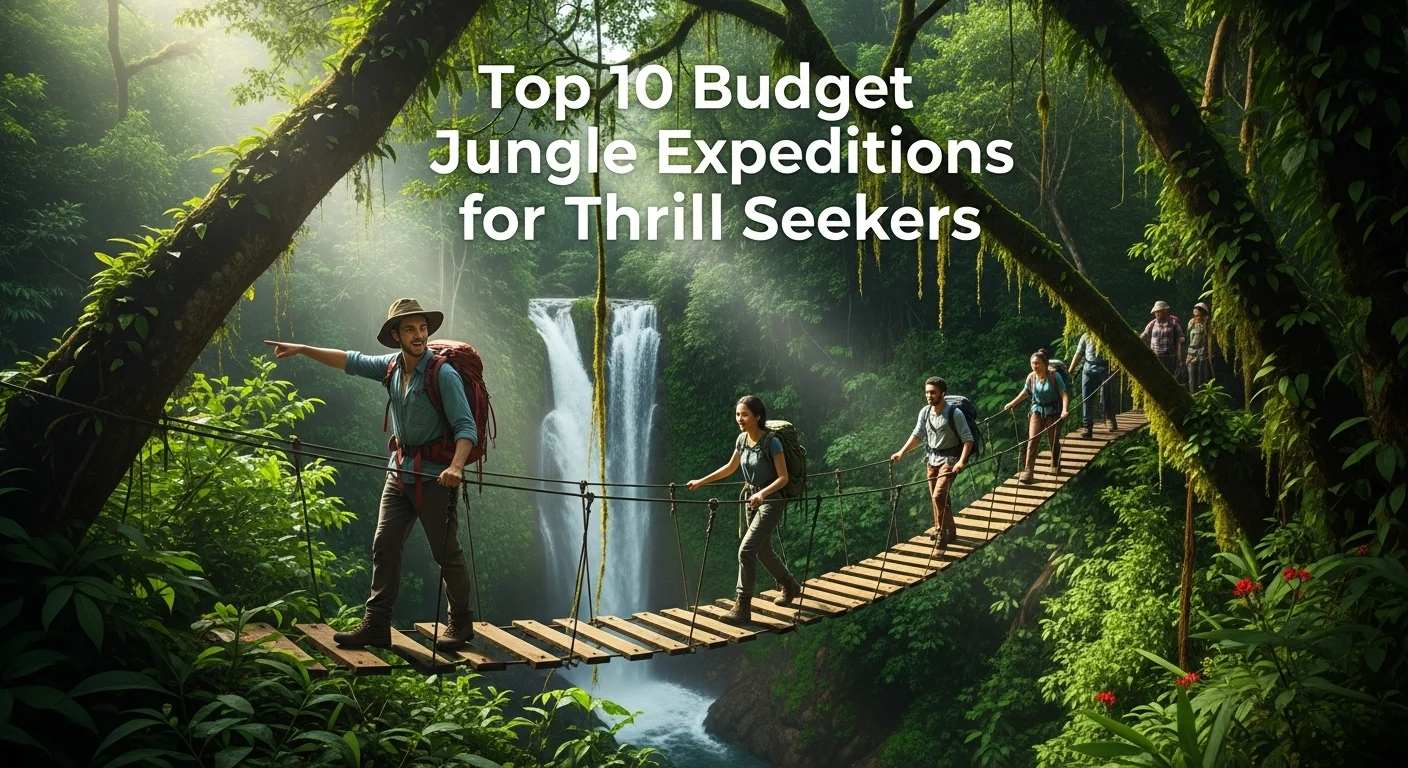
Top 10 Budget Jungle Expeditions for Thrill Seekers

For thrill seekers, few adventures match the excitement of exploring lush jungles. These vibrant ecosystems are home to incredible wildlife, stunning scenery, and unforgettable experiences, all without breaking the bank. If you’re also interested in land adventures, check out our Top 10 Budget-Friendly Mountain Trekking Destinations.

Top 10 Budget Jungle Expeditions for Thrill Seekers

Understanding Jungle Expeditions

What is a Jungle Expedition?

A jungle expedition is an immersive journey into dense, tropical forests where nature thrives in its most raw and beautiful form. These expeditions can range from guided tours with expert naturalists to self-directed hikes through remote paths. I remember the first time I stepped into a jungle; the sounds and sights were overwhelming in the best possible way! The rustle of leaves, the calls of exotic birds, and the vibrant colors of flora and fauna enveloped me. It’s an experience that stays with you long after the trip ends.

Why Choose a Budget Jungle Expedition?

Choosing a budget jungle expedition doesn’t mean sacrificing quality; instead, it opens the door to unique experiences without emptying your wallet. I’ve often found that some of the best adventures come from being resourceful. Not only do budget options allow for more frequent trips, but they also encourage us to engage with local communities and cultures in deeper ways. Plus, there’s something satisfying about traveling smartly and making memories while being considerate of our finances. For more budget travel inspiration, consider our article on Unforgettable Desert Treks: Budget Adventures Await You.

Types of Jungle Expeditions

There are various types of jungle expeditions, each offering a different flavor of adventure. From guided tours to self-guided treks, the options are plentiful. Here are a few types I’ve encountered over the years:

  • Guided Tours: These usually come with an expert who knows the area well. I find they offer deeper insights into the ecosystem and wildlife.
  • Self-Guided Hikes: For those who love the thrill of exploration, self-guided options allow for flexibility and personal discovery. I learned so much by getting a little lost and having to find my way back!
  • Cultural Immersion Trips: These tours focus on the local culture and traditions, often including homestays. I’ve cherished the moments spent chatting with locals over a home-cooked meal.
  • Adventure Activities: Some expeditions are packed with activities like zip-lining, rafting, or night safaris. I remember the adrenaline rush of zip-lining through the canopy—what a way to see the jungle from above!

Top 10 Budget Jungle Expeditions

1. Amazon Rainforest, Brazil

Overview

The Amazon Rainforest is often referred to as the lungs of our planet, and for good reason. Spanning multiple countries, the Brazilian section is rich in biodiversity. When I ventured into the Amazon, I was surrounded by towering trees, vibrant wildlife, and the sounds of nature that felt almost symphonic.

Best Time to Visit

The best time to explore the Amazon is during the dry season from June to November. However, I visited in the shoulder months, and the experience was still magical with fewer tourists and a lush landscape.

Activities and Attractions

There’s so much to do in the Amazon! I enjoyed wildlife watching, canoeing through the rivers, and learning about medicinal plants from local guides. The experience of spotting a sloth hanging lazily in a tree will never leave me!

Budget Tips

To save money, consider staying in eco-lodges or camps instead of expensive hotels. I found that joining group tours rather than private ones can also significantly reduce costs. Also, eating local foods instead of dining at touristy spots can save a few bucks while giving you a taste of authentic Amazonian cuisine.

2. Costa Rica Rainforest

Overview

Costa Rica is a paradise for eco-tourism, with its lush rainforests and commitment to sustainability. I was blown away by how friendly everyone was and how passionately they talked about conserving nature. It’s a place where adventure awaits around every corner.

Best Time to Visit

The dry season from December to April is ideal for exploring. I found the weather perfect for trekking and wildlife watching, though the rainy season can be a great time to find fewer tourists and lower prices.

Activities and Attractions

From zip-lining through the canopy to hiking in national parks, Costa Rica offers incredible activities. I particularly enjoyed the guided night tours, where we saw critters like frogs and snakes that we wouldn’t have noticed during the day.

Budget Tips

Opt for public transportation instead of renting a car, and consider hostels or budget hotels for accommodations. I also recommend looking for local eateries to enjoy delicious, affordable meals. Many places serve a hearty “casado” plate that’s both filling and wallet-friendly!

3. Borneo Jungle, Malaysia

Overview

Borneo is a treasure trove of biodiversity, known for its orangutans and towering rainforests. My trip to Borneo was surreal; walking through the jungle felt like stepping into another world. The thick humidity and rich plant life were unlike anything I’d ever experienced.

Best Time to Visit

March to October is typically the dry season, perfect for jungle treks. I went in June, and the weather was just right for exploring.

Activities and Attractions

Wildlife spotting is a must, and I was lucky enough to see orangutans in their natural habitat. River cruises and trekking through the rainforest were highlights of my trip. Don’t miss out on the canopy walkways; they offer a breathtaking view of the forest.

Budget Tips

Staying in budget lodges or camping can drastically cut costs. I found local guides to be reasonably priced and invaluable for spotting wildlife and sharing their knowledge. Eating at local markets was another way to save money while enjoying delicious food.

4. Congo Basin, Africa

Overview

The Congo Basin is one of the planet’s last great wilderness areas. I felt a sense of adventure when I stood at the edge of the forest, knowing I was about to embark on a journey into untamed nature. The sights and sounds here are truly one-of-a-kind.

Best Time to Visit

The dry season from June to September is the best time to visit. I discovered that the trails were much more manageable during this time.

Activities and Attractions

Exploring the rainforest, tracking wildlife, and visiting local tribes were the highlights of my trip. I learned about the unique ecosystem and the importance of conservation from local guides. Seeing gorillas in their natural habitat was an experience I’ll cherish forever.

Budget Tips

Traveling with a group can help reduce costs. I also recommend booking a package that includes accommodation, meals, and guided tours to save money. Local meals can be both delicious and affordable.

5. Madagascar Rainforest

Overview

Madagascar, known for its unique wildlife, is a dream destination for adventurers. I was mesmerized by the diversity of plants and animals, many of which can only be found here. The lush rainforests are simply breathtaking.

Best Time to Visit

The best time to visit is from April to November, when the weather is cooler and drier. I went in October, and it was perfect for trekking and wildlife watching.

Activities and Attractions

From hiking to spotting lemurs, Madagascar has it all. I loved exploring the national parks and discovering the unique wildlife that thrives there. The landscapes were so varied; one day I was hiking through the rainforest, and the next I was on a beach.

Budget Tips

Staying in budget accommodations like guesthouses can save you money. I also found that hiring local guides was affordable and enhanced my experience. Eating at local markets is a great way to enjoy delicious Malagasy cuisine without spending a fortune.

6. Belize Rainforest

Overview

Belize is a hidden gem in Central America, known for its stunning rainforests and diverse wildlife. I loved the feeling of adventure everywhere I went; it felt like every turn held a new surprise. The combination of jungle and coast makes it truly special.

Best Time to Visit

The dry season from December to April is the best time for jungle explorations. I was thrilled by the weather and the lush, vibrant scenery that surrounded me.

Activities and Attractions

There’s plenty to do in Belize! I enjoyed visiting ancient Mayan ruins, snorkeling in the coral reefs, and hiking through the rainforest. The wildlife was incredible, and I was lucky enough to spot howler monkeys in the trees.

Budget Tips

Traveling during the shoulder season can lead to lower prices. Staying in hostels and eating at local diners can help keep costs down. I also recommend booking tours directly with local operators rather than through big companies to save money.

7. Thailand’s Khao Sok National Park

Overview

Khao Sok National Park is one of Thailand’s natural gems, featuring stunning limestone cliffs, lush jungles, and the beautiful Cheow Lan Lake. My visit here was filled with adventure; I felt like I was in a movie set with the breathtaking scenery around me.

Best Time to Visit

The best time to visit is during the dry season, from December to April. I went in early March, and it was perfect for trekking and exploring the lakes.

Activities and Attractions

From jungle trekking to canoeing on the lake, there’s so much to explore. I particularly enjoyed the night safaris, where we spotted various wildlife active after dark. The experience felt magical!

Budget Tips

Staying in guesthouses and eating local food is a great way to keep costs down. I also found that joining group tours for activities was much more affordable than private tours.

8. India’s Sundarbans

Overview

The Sundarbans is a UNESCO World Heritage site and the largest mangrove forest in the world. I was fascinated by its unique ecosystems and the chance to see the elusive Bengal tiger in its natural habitat. The atmosphere is unlike any other place I’ve been.

Best Time to Visit

Visit between November and February when the weather is cooler. I found the experience much more enjoyable without the intense heat and humidity.

Activities and Attractions

Wildlife spotting, boat rides through the mangroves, and exploring local villages were highlights of my trip. I remember the thrill of catching a glimpse of a tiger in the distance; it was an unforgettable moment!

Budget Tips

Traveling off-peak can save money, and staying in local guesthouses is affordable. I also recommend joining group tours to reduce costs while maximizing the experience.

9. Ecuador’s Cuyabeno Wildlife Reserve

Overview

Cuyabeno is one of the most biodiverse places on Earth. I was awestruck by the sheer variety of wildlife and plants; it felt like being in a nature documentary. The tranquility of the Amazon is truly something to experience.

Best Time to Visit

The best time to visit is during the dry season from July to December. I went in September, and it was perfect for spotting wildlife.

Activities and Attractions

From canoeing to guided wildlife tours, there’s plenty to see and do. I loved the canoe trips at night, where the jungle came alive with sounds and sights I had never experienced before.

Budget Tips

Look for package deals that include lodging and meals, and consider traveling with a group to reduce costs. Eating local food is not only cheaper but also a great way to experience the culture.

10. Papua New Guinea’s Rainforests

Overview

Papua New Guinea is a haven for adventure seekers. I was continuously amazed by the vibrant cultures and stunning landscapes. The rainforests here are teeming with wildlife and are some of the most pristine on the planet.

Best Time to Visit

The best time to visit is during the dry season from May to October. I went in August, and the weather was great for exploring.

Activities and Attractions

From trekking to cultural experiences with local tribes, Papua New Guinea offers unique adventures. I loved the chance to learn about the local customs and traditions while exploring the breathtaking landscapes.

Budget Tips

Traveling with a group can help save on costs, and I found local operators to offer budget-friendly tours that were both informative and fun. Eating at local markets is a great way to enjoy delicious food without breaking the bank.

Planning Your Jungle Expedition

Essential Gear and Supplies

When I started planning my jungle expeditions, I quickly realized how important it is to have the right gear. The jungle environment can be unpredictable, and having the right supplies can make a huge difference. Here’s what I found essential during my travels:

  • Footwear: Comfortable, waterproof hiking boots are a must. I remember my first trek where I wore regular sneakers and ended up with sore feet and wet socks! A good pair of boots can make all the difference.
  • Clothing: Lightweight, breathable fabrics that dry quickly are ideal. I also recommend long sleeves and pants for protection against insects and sun. My favorite jungle outfit is a lightweight long-sleeve shirt and cargo pants—perfect for keeping cool and protected.
  • Insect Repellent: This is non-negotiable. I learned the hard way that mosquitoes can be relentless. I always carry a high-DEET repellent and apply it regularly, especially during dusk when they seem to be most active.
  • Water Bottle: Staying hydrated in the heat is crucial. I always bring a reusable water bottle and a water purification system. It’s a great way to save money and reduce plastic waste.
  • First Aid Kit: I never venture into the jungle without a basic first aid kit. It’s reassuring to have band-aids, antiseptics, and pain relievers handy, just in case.

Having these supplies ready made my adventures more enjoyable and less stressful. I recommend packing light but smart!

Finding Budget Accommodations

One of my favorite parts of traveling is finding unique places to stay. When I’m in the jungle, I often prefer budget accommodations that offer a more authentic experience. Here are some options that have worked well for me:

  • Hostels: These can be found in many jungle areas and are a great way to meet fellow travelers. I’ve made some fantastic friends in hostels, sharing stories and even planning excursions together!
  • Eco-Lodges: While some can be pricey, many eco-lodges offer affordable rates, especially during low seasons. Staying in a lodge that emphasizes sustainability is not only budget-friendly but also helps support local conservation efforts.
  • Camping: If you’re up for an adventure, camping in the jungle can be exhilarating. I loved sleeping under the stars and waking up to the sounds of nature. Just make sure to check the safety of the area and follow local regulations.
  • Homestays: Staying with local families can provide an enriching experience. I remember sharing meals and learning about daily life in the jungle, which added a personal touch to my travels.

Using platforms like Airbnb and Booking.com can help you discover hidden gems, and don’t forget to read reviews to find the best spots that fit your budget.

Travel Insurance and Safety Tips

Before heading into the jungle, I always make sure to have travel insurance. It gives me peace of mind knowing I’m covered for unexpected events, such as injuries or cancellations. Here are some tips I’ve picked up along the way:

  • Choose the Right Coverage: Look for insurance that covers adventure activities like hiking, zip-lining, or canoeing. I once had a minor accident while trekking, and my insurance came in handy.
  • Stay Informed: Before I travel, I research the area’s safety, wildlife, and health risks. Being informed helps me prepare better and avoid potential dangers.
  • Respect Local Guidelines: I’ve noticed that local guides often have the best knowledge of how to navigate safely through the jungle. Following their advice is crucial, whether it’s about avoiding certain animals or understanding the terrain.
  • Stay Connected: Having a portable charger for my phone is essential for navigation and emergencies. I also share my itinerary with someone back home, so they know where I am during my adventures.

Being prepared is key to a successful jungle expedition. I’ve learned that the more I prepare, the more I can focus on enjoying the experience.

Local Guides and Tour Companies

One of the best decisions I made during my jungle explorations was hiring local guides. Not only do they provide valuable insights about the ecosystem, but they also enhance the overall experience. Here’s why I think working with local guides is worth it:

  • Expert Knowledge: Local guides have a deep understanding of the flora and fauna. I remember spotting wildlife I would have missed without their keen eyes and expertise.
  • Support Local Economy: By choosing local guides and tour companies, I felt good knowing my money was directly benefiting the community. It’s a great way to make a positive impact while traveling.
  • Safety and Comfort: Local guides know the safest paths and are trained to handle emergencies. I appreciated the reassurance they provided during my treks, especially in unfamiliar territory.
  • Customized Experiences: I’ve often been able to tailor my tours to my interests, whether it was focused on bird watching, trekking, or exploring cultural sites. It’s like having a personalized adventure!

Finding the right guide can make a world of difference, so I recommend doing some research or asking for recommendations. Join local forums or travel groups to connect with others who have had good experiences. For more budget travel ideas, check out Explore the Best Desert Treks Without Breaking the Bank.

Frequently Asked Questions

What is a jungle expedition?

A jungle expedition is an immersive journey into dense, tropical forests where nature thrives. It can range from guided tours with expert naturalists to self-directed hikes through remote paths.

Why choose a budget jungle expedition?

Choosing a budget jungle expedition allows for unique experiences without sacrificing quality. It enables more frequent trips, encourages engagement with local communities, and provides a satisfying way to travel smartly while considering finances.

What types of jungle expeditions are available?

There are various types of jungle expeditions, including guided tours, self-guided hikes, cultural immersion trips, and adventure activities like zip-lining or night safaris.

What are some budget tips for exploring the Amazon Rainforest?

To save money in the Amazon, consider staying in eco-lodges or camps, joining group tours, and eating local foods instead of dining at touristy spots.

When is the best time to visit Costa Rica?

The best time to visit Costa Rica is during the dry season from December to April, although the rainy season can offer fewer tourists and lower prices.

What essential gear is recommended for a jungle expedition?

Essential gear includes comfortable, waterproof hiking boots, lightweight breathable clothing, insect repellent, a reusable water bottle, and a basic first aid kit.

How can travelers find budget accommodations in the jungle?

Travelers can find budget accommodations such as hostels, eco-lodges, camping sites, and homestays. Platforms like Airbnb and Booking.com can help discover affordable options.

Why is it beneficial to hire local guides during jungle expeditions?

Hiring local guides is beneficial because they provide expert knowledge of the ecosystem, support the local economy, enhance safety, and allow for customized experiences tailored to individual interests.

What activities can be enjoyed in Borneo’s jungle?

Activities in Borneo’s jungle include wildlife spotting, river cruises, trekking through the rainforest, and exploring canopy walkways for breathtaking views.

What safety tips should travelers keep in mind when planning a jungle expedition?

Travelers should choose the right insurance coverage, stay informed about the area’s safety, respect local guidelines, and stay connected with a portable charger and shared itinerary with someone back home.

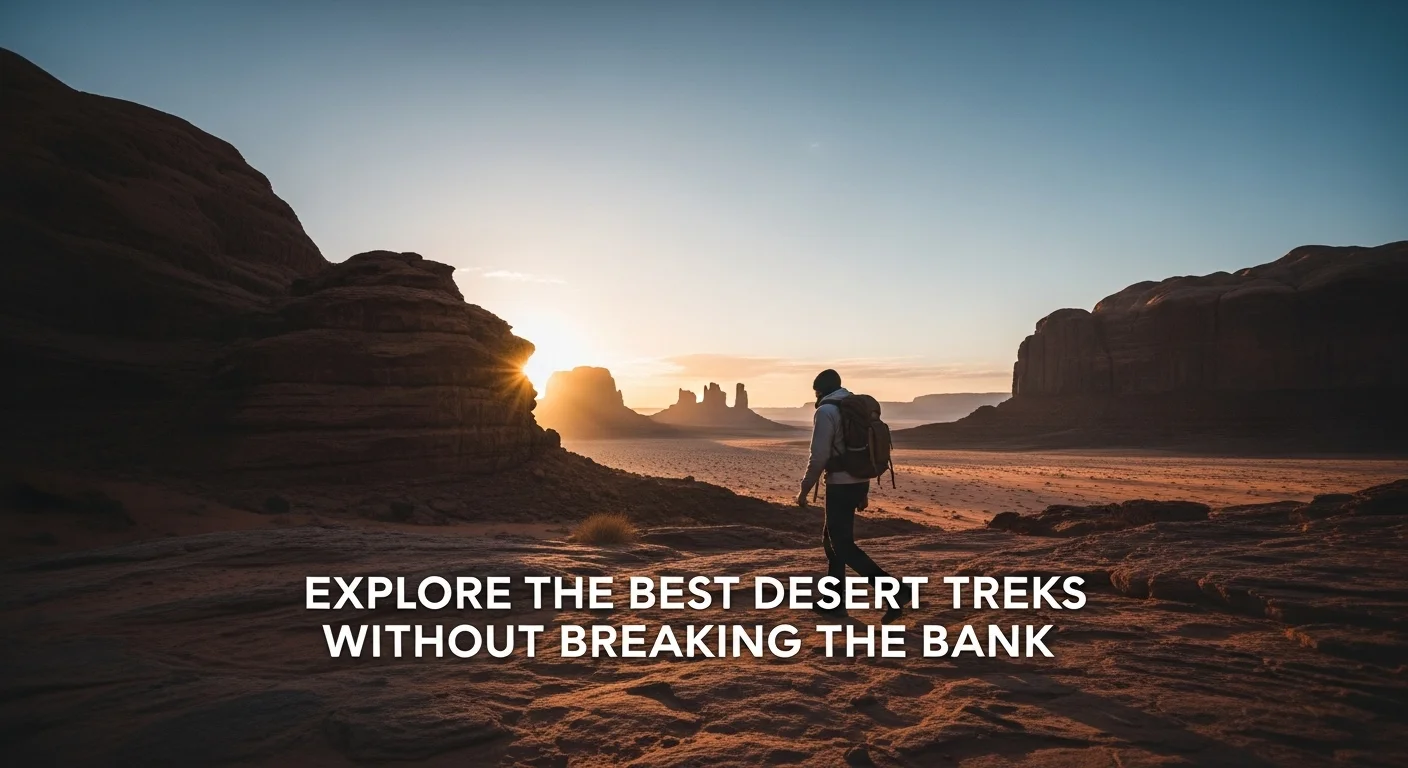
Explore the Best Desert Treks Without Breaking the Bank

Desert trekking offers a unique adventure filled with stunning landscapes and unforgettable experiences. Let’s dive into the world of desert treks that won’t drain your wallet, allowing you to explore the beauty of arid terrains without breaking the bank. For more inspiration, check out our Top 5 Budget-Friendly Desert Treks for Adventurous Souls.

Explore the Best Desert Treks Without Breaking the Bank

Understanding Desert Treks

What is a Desert Trek?

When I think of a desert trek, I picture vast, open spaces, vibrant sunsets, and the thrill of exploring a landscape that feels both alien and familiar. A desert trek is essentially a journey through these arid regions, often involving hiking, camping, or simply wandering through the unique terrains. These treks can range from a few hours to multi-day adventures, giving us the flexibility to choose what suits our schedule and skill level. The beauty of a desert trek lies in its simplicity; it often requires minimal gear, yet offers a wealth of experiences that are hard to find elsewhere.

Benefits of Trekking in Desert Landscapes

I’ve always found that trekking in the desert has its own magic. The first benefit that comes to mind is the tranquility of the environment. The vastness of the desert can make you feel small in the best possible way, allowing for a deep connection with nature. The silence is profound, interrupted only by the whispers of the wind or the rustling of sand.

Another benefit is the unique wildlife and plant life you can encounter. I remember stumbling upon a resilient cactus flowering against the harsh backdrop of the desert. It reminded me of how life can thrive in the most unexpected places. Additionally, the weather is often dry and predictable, making it easier to plan your trek without worrying about sudden downpours.

For those of us who enjoy photography, deserts provide incredible lighting conditions and stunning vistas that change dramatically throughout the day. Sunrise and sunset casts a magical glow over the landscapes, making every moment feel like a postcard. I’ve spent countless evenings setting up my camera just to catch that perfect shot as the sun dipped below the horizon.

Lastly, trekking in the desert offers a chance to disconnect from our hectic lives. It’s an opportunity to escape the noise, clear our minds, and reconnect with ourselves. When I trekked through the vast expanses of the Atacama Desert, I found clarity and peace that I hadn’t felt in a long time.

Top Budget-Friendly Desert Trekking Destinations

Joshua Tree National Park, California

Joshua Tree National Park is a gem that I always recommend to fellow adventurers looking for budget-friendly options. The park’s iconic Joshua trees and stunning rock formations create an otherworldly landscape that is perfect for exploration. The best part? Entrance fees are reasonable, and there are plenty of camping options available, which keeps costs down. I remember my first visit there; I spent hours hiking through Hidden Valley and marveling at the unique rock formations. It felt like I was on another planet!

Death Valley National Park, California

Many people think of Death Valley as an inhospitable place, but I found it to be one of the most fascinating locations I’ve ever trekked. It boasts some of the lowest points in North America and has a unique ecosystem. The vastness of the landscape can be overwhelming, yet it’s incredibly beautiful. Camping in Death Valley is affordable, and the stargazing opportunities at night are worth every penny. I can still recall lying on my back under a blanket of stars, feeling utterly awed by the universe.

Big Bend National Park, Texas

Big Bend National Park is one of those places that can take your breath away. The rugged mountains, the winding Rio Grande, and the diverse wildlife make it an ideal spot for trekking on a budget. I spent a few days there and loved that the park offers a variety of trails catering to all experience levels. The camping facilities are well-maintained, and the views from the Chisos Mountains are absolutely unforgettable. I remember feeling on top of the world as I hiked up to the Emory Peak—what a rewarding experience!

Desert National Park, Rajasthan, India

For those considering international travel, the Desert National Park in Rajasthan, India, should be on your radar. The stark beauty of the sand dunes, combined with the rich culture of the area, creates a unique trekking experience. While it’s a bit farther from home, the affordability of food and lodging in India can make this trip quite budget-friendly. I was enchanted by the sight of local wildlife, such as chinkara and desert foxes, and the sunset over the golden dunes is something I will cherish forever.

Wadi Rum, Jordan

Wadi Rum, with its majestic sandstone mountains and vast desert landscapes, feels like stepping into a scene from a movie. It’s a popular spot for trekkers, and for good reason. I found that many local guides offer affordable package deals, which can include meals and camping gear. Having a local guide also enriched my experience, as they shared stories about the Bedouin culture and the history of the region. The experience of sitting around a campfire under the stars in Wadi Rum is something I’ll never forget.

Atacama Desert, Chile

The Atacama Desert is often called the driest place on Earth, and trekking there is an adventure unlike any other. The landscapes are diverse, from salt flats to volcanic craters. While some tours can be pricey, I discovered that there are numerous ways to explore on a budget. I opted for DIY treks and found that the scenery was incredibly rewarding. Watching the sunrise at Valle de la Luna was a highlight of my trip, and the vibrant colors of the landscape were stunning. I would recommend bringing plenty of water and snacks to keep costs down while you explore.

Read Interesting article: Unforgettable Desert Treks: Budget Adventures Await You

Planning Your Desert Trek

When to Visit: Best Seasons for Desert Treks

Choosing the right time to visit the desert can make or break your trek. From my experience, the best seasons usually depend on the specific desert you’re exploring. In many places, like Joshua Tree and Death Valley, spring and fall are ideal. The temperatures are milder, making hikes more enjoyable. I remember my spring trek in Joshua Tree; the wildflowers were blooming, adding splashes of color to the otherwise arid landscape. Summer can be brutally hot, especially in Death Valley, where temperatures can soar above 120°F. That’s not the kind of heat I want to be trekking in!

If you’re considering a trek in the Atacama Desert, the best time is between April and October. It’s cooler, and you’re less likely to encounter the strong winds that can whip through the region. I discovered that the nights can get quite chilly, so layering is key. Similarly, for Wadi Rum, visiting in the cooler months, from November to March, makes for a far more pleasant experience. I’ve trekked during both the hot and cool seasons, and trust me, the latter is much more enjoyable.

Essential Gear for Budget Trekking

When it comes to packing for a desert trek, I’ve learned that less is often more—especially if you’re trying to keep costs low. My first piece of advice is to invest in a good pair of hiking boots. Comfort is key, and a solid pair can make long treks so much easier. I still remember the blisters I got on my first trek when I didn’t prioritize proper footwear!

Hydration is also crucial. I recommend carrying a refillable water bottle or a hydration pack to keep yourself hydrated without the added expense of buying bottled water. Alongside water, I usually pack some trail mix or energy bars for quick snacks. They’re lightweight, nutritious, and easy to eat on the go.

Depending on the season, you’ll also want to pack layers. In the desert, temperatures can swing from scorching during the day to freezing at night. I’ve had nights where I was bundled in my sleeping bag, wishing I had brought an extra layer. A lightweight, waterproof jacket is another item I never leave behind, just in case the weather takes an unexpected turn.

Lastly, don’t forget your sun protection: sunscreen, a wide-brimmed hat, and sunglasses are must-haves. I’ve learned that even on cloudy days, the sun can be surprisingly strong, and protecting my skin has become a priority on my treks.

How to Stay Safe in the Desert

Safety is paramount when trekking in the desert. I’ve encountered my fair share of unexpected situations, and I always remind myself of a few key rules. First, never embark on a trek alone—if possible, go with a buddy. In my experience, having someone else along not only makes for a more enjoyable time but also provides support in case of emergencies.

Knowing the terrain is also important. I’ve gotten lost a couple of times, but having a map or GPS on hand can save a lot of headaches. It’s also wise to familiarize yourself with the area’s wildlife. Understanding which animals are harmless and which to avoid is a lesson I learned the hard way after coming too close to a rattlesnake during a trek!

Another crucial safety tip is to be mindful of the signs of dehydration. I always gauge how I’m feeling; if I’m getting dizzy or overly fatigued, that’s my cue to take a break, hydrate, and cool down. I’ve learned that pacing myself is essential in the desert’s heat. And if you’re trekking during the day, plan your route around the sun; starting early in the morning or later in the afternoon helps avoid the harsh midday sun.

Finding Affordable Accommodations

Campsites vs. Hotels: Cost Comparison

When it comes to accommodations, I’ve found that camping is often the most budget-friendly option, especially in desert areas where campgrounds are plentiful. I love the experience of sleeping under the stars, and campsites can vary from basic to more developed ones with facilities. For instance, in places like Big Bend, I found campgrounds that were well-maintained and offered stunning views. The cost is usually minimal compared to hotels, and I appreciate the chance to immerse myself in nature.

However, if camping isn’t your thing, there are budget hotels and motels nearby many desert destinations. I’ve sometimes opted for these for the sake of comfort, especially after a long day of trekking. While they can be pricier than camping, I usually look for deals or off-season rates to bring the costs down. I remember finding a cozy motel near Death Valley that offered a great discount during the fall, making it a perfect pit stop after exploring the park.

Hostels and Budget Lodging Options

If you’re traveling solo or looking to meet other trekkers, hostels can be a fantastic option. I’ve stayed in some lovely hostels near desert parks that not only offered affordable rates but also connected me with fellow adventurers. They often have communal kitchens, which can save money on meals. I’ve enjoyed cooking up a storm with new friends while sharing stories of our travels.

Additionally, sites like Airbnb can yield some unique lodging options, from desert cabins to glamping tents, making it easy to find something that fits your budget and adventure style. I once stayed in an amazing tent that came with all the comforts of home but still allowed me to feel close to nature. It was a perfect blend of comfort and adventure.

Camping Permits and Regulations

Before setting up camp, it’s crucial to check the regulations for camping in the area you’re planning to visit. Some parks require a camping permit, while others have specific guidelines about where you can set up your tent. I remember my first trip to a national park where I overlooked this detail and ended up scrambling to find a site. Always check ahead of time to avoid unnecessary stress.

Additionally, be sure to follow Leave No Trace principles. I’ve made it a habit to leave my camping spot cleaner than I found it. Not only does it help protect the environment, but it also ensures future trekkers can enjoy the beauty of the desert just as we did. It’s a small effort with a big impact!

Local Guides and Tour Options

Choosing Local Guides for Trekking

One of the best decisions I’ve made during my desert adventures has been to hire local guides. These knowledgeable individuals can enhance your experience in ways you might not expect. I remember trekking in Wadi Rum and being guided by a local Bedouin. He shared fascinating stories about the desert’s history and culture that transformed my understanding of the landscape. Having a local guide not only supports the community but also gives us insights into the flora, fauna, and hidden gems of the area. I think it’s a win-win situation—allowing us to learn while giving back to the locals who know the land best.

Affordable Group Tours vs. Solo Trekking

When planning my desert treks, I’ve often faced the dilemma of choosing between group tours and going solo. Group tours can be a great way to meet other adventurers and often come with added benefits like meals and organized itineraries. I once joined a group tour in the Atacama Desert, which allowed me to visit multiple sites that I wouldn’t have managed on my own, all while keeping costs down through shared expenses. However, I’ve also cherished my solo treks, where I could set my own pace and take detours to explore hidden wonders. In my opinion, it really depends on your personality and what kind of experience you seek.

DIY Trekking: Maps and Resources

If you’re the adventurous type, DIY trekking can be an incredibly rewarding option. I’ve found that many desert areas have well-marked trails and resources available online to help you plan your route. For instance, I used apps like AllTrails to find trails that matched my skill level and interests. A physical map can also be invaluable, especially in remote areas where cell service might be spotty. I remember navigating through Big Bend using a combination of a downloaded map and my trusty compass, which felt like a real adventure in itself! It’s empowering to chart your own path, and with the right resources, it’s entirely feasible.

What to Expect on a Desert Trek

Typical Terrain and Weather Conditions

As I’ve trekked through various deserts, I’ve learned that each one has its own unique terrain and weather patterns. For example, the sandy dunes of the Sahara are vastly different from the rocky landscapes of Death Valley. I vividly recall my trek in Joshua Tree, where I navigated through boulders and unique rock formations. It’s crucial to prepare for varying conditions. I’ve experienced everything from scorching sun to chilly nights, so dressing in layers has become my go-to strategy. Understanding the typical weather for the specific desert you’re visiting will help you pack appropriately and adjust your plans if necessary.

Wildlife Encounters and Plant Life

One of the most delightful surprises during my desert treks has been the wildlife encounters. While deserts may seem barren at first glance, they are teeming with life. I’ve spotted everything from lizards basking on rocks to majestic birds soaring overhead. I remember hiking through the Atacama and coming across a group of flamingos feeding in a salt flat—such a stunning sight! The plant life is equally fascinating; I’ve learned to appreciate the resilience of desert flora, like cacti and hardy shrubs. They tell a story of survival that resonates deeply with me.

Photography Tips for Desert Landscapes

As an avid photographer, the desert landscapes have always captivated me. Capturing the vastness and beauty of these terrains requires some specific techniques. I’ve found that shooting during the golden hours—just after sunrise and just before sunset—yields the most dramatic lighting. The way the sun casts shadows across the dunes or illuminates the rocky formations can truly make a photo pop. I recommend using a polarizing filter to enhance the colors and contrast, especially in bright daylight. And don’t forget to take plenty of candid shots; the spontaneous moments often tell the best stories of our adventures!

Budgeting for Your Desert Trek

Cost Breakdown: Transportation, Food, and Activities

Budgeting for a desert trek can seem daunting at first, but I’ve learned that it’s all about breaking down the costs. Transportation is usually my biggest expense, especially if I’m flying to a distant desert destination. I’ve found that booking flights well in advance can save a lot of money. Once at my destination, I prefer renting a car or joining group shuttles to split costs with fellow trekkers. Food is another area where I like to save—packing snacks and cooking my own meals when camping can keep expenses low. Lastly, some activities, like guided tours or entrance fees to national parks, should be factored into your budget. I usually set aside a portion of my budget for unexpected adventures that might pop up along the way!

How to Save Money on Food and Supplies

Eating well while staying on a budget is totally possible! I often pack non-perishable foods like trail mix, granola bars, and instant oatmeal. These items are lightweight, nutritious, and easy to prepare, especially when camping. I also recommend shopping at local markets for fresh produce when you arrive at your destination. I remember finding a delightful farmer’s market near Big Bend, where I stocked up on fruits and vegetables, making my meals feel special without breaking the bank. Bringing a portable stove can also help; cooking your own meals is not only cost-effective but also a fun experience!

Travel Insurance: Is it Necessary?

Travel insurance is something I never overlook when planning a trip, especially for outdoor adventures like trekking in the desert. I’ve heard stories of unexpected accidents or gear malfunctions that could easily ruin a trip, and having insurance can offer peace of mind. It’s an additional expense, but I think of it as a safety net. I usually opt for a policy that covers medical emergencies and trip cancellations, ensuring I’m protected in case things go sideways. After all, a little preparation can go a long way in making our adventures worry-free!

Frequently Asked Questions

What is a desert trek?

A desert trek is essentially a journey through arid regions, often involving hiking, camping, or wandering through unique terrains. These treks can vary in duration from a few hours to multi-day adventures, offering a flexible experience that requires minimal gear.

What are the benefits of trekking in desert landscapes?

Trekking in the desert provides tranquility, unique wildlife and plant life encounters, predictable weather, incredible photography opportunities, and a chance to disconnect from everyday life. The vastness of the desert allows for a deep connection with nature and personal clarity.

Which budget-friendly desert trekking destinations are recommended?

Some recommended budget-friendly desert trekking destinations include Joshua Tree National Park, Death Valley National Park, Big Bend National Park, Desert National Park in Rajasthan, Wadi Rum in Jordan, and the Atacama Desert in Chile. For more options, refer to our article on Top 10 Budget-Friendly Mountain Trekking Destinations.

When is the best time to visit desert areas for trekking?

The best seasons to visit deserts like Joshua Tree and Death Valley are typically spring and fall when temperatures are milder. For the Atacama Desert, the ideal time is between April and October, while Wadi Rum is best visited from November to March.

What essential gear should I pack for a budget desert trek?

Essential gear for a budget desert trek includes a good pair of hiking boots, a refillable water bottle or hydration pack, trail mix or energy bars, layers of clothing for temperature changes, a lightweight waterproof jacket, and sun protection like sunscreen, a hat, and sunglasses.

What safety measures should I take while trekking in the desert?

Safety measures include not trekking alone, knowing the terrain, being aware of local wildlife, monitoring for signs of dehydration, and planning routes that avoid the harsh midday sun. Having a map or GPS is also crucial to avoid getting lost.

How do camping and hotels compare in terms of cost for desert accommodations?

Camping is often the most budget-friendly option in desert areas, providing a chance to immerse in nature. While budget hotels and motels are available, they tend to be pricier than camping. Look for deals or off-season rates to reduce costs.

Are there advantages to hiring local guides for desert trekking?

Hiring local guides can enhance your trekking experience by providing valuable insights into the culture, history, flora, and fauna of the area. It also supports the local community, making it a beneficial choice for both trekkers and locals.

What should I consider when budgeting for a desert trek?

When budgeting for a desert trek, consider transportation costs, food expenses, and activity fees. Packing snacks and cooking your own meals can help save money. Additionally, setting aside a portion of your budget for unexpected adventures is wise.

Is travel insurance necessary for desert trekking?

Travel insurance is recommended for outdoor adventures like desert trekking as it offers peace of mind against unexpected accidents or gear malfunctions. A policy covering medical emergencies and trip cancellations is advisable for adequate protection.

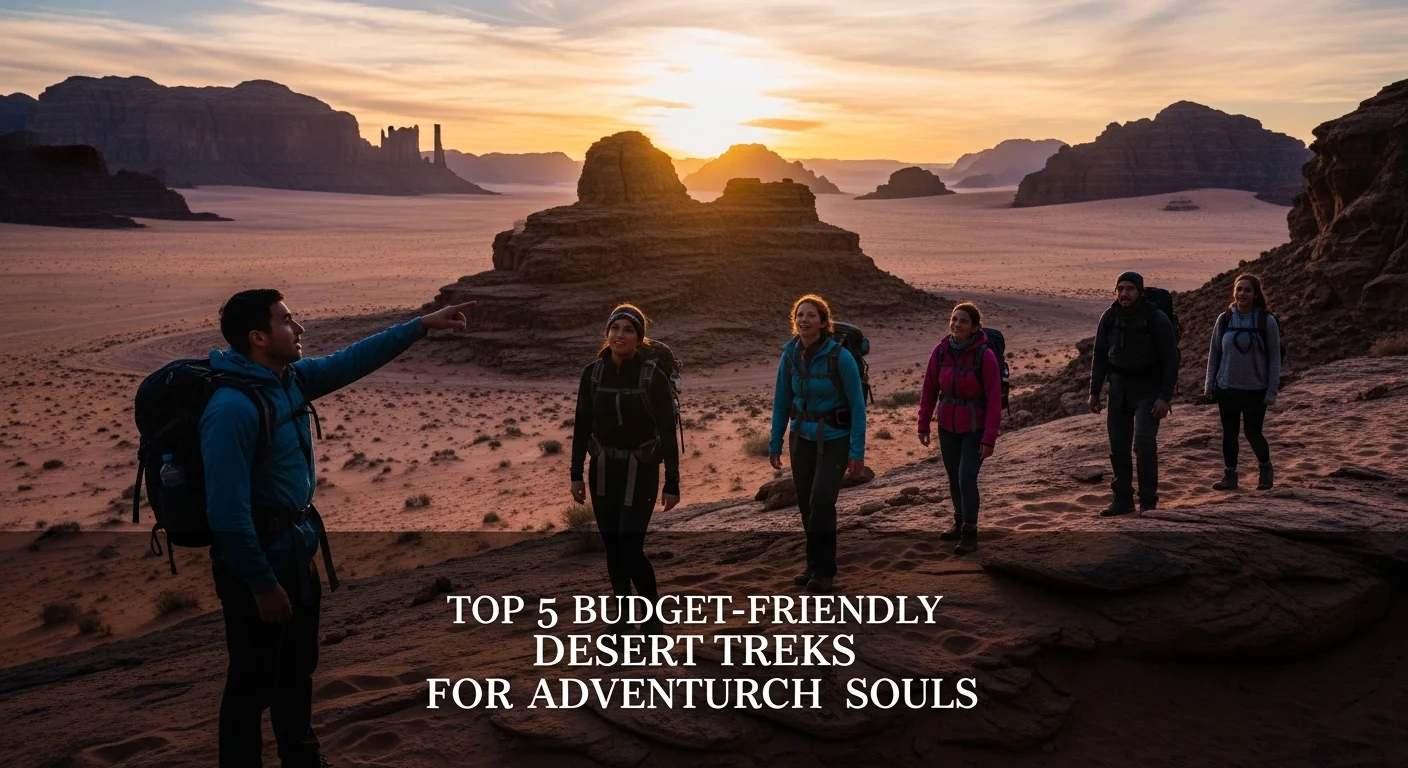
Top 5 Budget-Friendly Desert Treks for Adventurous Souls

If you’re itching for adventure without breaking the bank, desert treks offer the perfect blend of excitement and affordability. Let’s explore some of the best budget-friendly desert treks that will quench your thirst for exploration! Read Interesting article: Unforgettable Desert Treks: Budget Adventures Await You

Top 5 Budget-Friendly Desert Treks for Adventurous Souls

Understanding Desert Treks

What is a Desert Trek?

A desert trek is more than just a hike; it’s an immersive experience that allows you to explore the vast, often breathtaking landscapes of arid regions. Picture endless sand dunes, rocky canyons, and unique flora and fauna that thrive under the sun’s relentless gaze. For me, a desert trek is about embracing the solitude and serenity of nature, away from the hustle and bustle of city life. Each step taken on the warm sands or rugged trails feels like a step into another world—a world that is both harsh and incredibly beautiful.

Benefits of Trekking in Desert Environments

Trekking in the desert has its unique set of perks. One of the most prominent benefits is the stunning scenery. I’ve always been captivated by the colors of the desert—the deep oranges, reds, and browns that come alive at sunrise and sunset. The air is often clear and crisp, providing some of the best stargazing opportunities at night. I remember lying on the cool ground, gazing up at the stars, feeling so small yet so connected to the universe.

Additionally, desert treks are less crowded than other hiking destinations. When I hiked in the desert, I felt a sense of peace as I walked alone or with just a few fellow adventurers. This solitude can be refreshing for those of us looking to escape the noise of everyday life. And let’s not forget about the fitness aspect—trekking in a dry, sandy environment can be a great way to build endurance and strength. Read Interesting article: Top 10 Budget-Friendly Mountain Trekking Destinations

Essential Gear for Desert Treks

Before heading out on a desert trek, it’s crucial to have the right gear. I’ve learned from experience that proper preparation can turn a good trek into a fantastic one. Here’s a list of essentials I recommend packing:

  • Water: Hydration is key. I always carry at least two liters of water per day, and sometimes more, especially in hotter climates.
  • Sun Protection: A wide-brimmed hat, sunglasses, and high-SPF sunscreen are must-haves. I learned the hard way how painful a sunburn can be when hiking in the desert.
  • Comfortable Footwear: Sturdy hiking boots or shoes that support your ankles and provide traction are essential.
  • Layered Clothing: The temperature can fluctuate dramatically, so wearing layers is crucial. I usually opt for moisture-wicking materials that keep me cool during the day and warm during chilly nights.
  • Navigation Tools: A map, compass, or GPS device can help you find your way, especially in those vast desert landscapes where trails may not be as visible.
  • First Aid Kit: Always be prepared for minor injuries or illnesses.

By ensuring I have the right gear, I’ve been able to fully enjoy my desert adventures without unnecessary stress or discomfort.

Top 5 Budget-Friendly Desert Treks

1. Joshua Tree National Park, California

Overview of Joshua Tree

Joshua Tree National Park is one of my favorite desert destinations. It’s famous for its unique Joshua trees and stunning rock formations. The park offers a mix of stunning views, rich biodiversity, and a variety of trails for all skill levels. I remember my first visit; I was in awe of how the desert landscape changes with the light. It’s truly a photographer’s paradise.

Best Trails for Budget Travelers

For budget travelers, I recommend the Hidden Valley Trail. This easy, one-mile loop takes you through a beautiful valley surrounded by towering rocks and joshua trees. Another favorite is the Barker Dam Trail, a slightly longer hike with the chance to see wildlife and historic rock art. Both trails are free to access, making them perfect for those of us who want to explore without spending a dime.

Camping and Accommodation Options

Camping in Joshua Tree can be an unforgettable experience. I’ve camped at several sites within the park, and nothing beats sleeping under a blanket of stars. The park has a few campgrounds that operate on a first-come, first-served basis, so I always recommend arriving early to secure a spot. If you prefer a roof over your head, look for budget-friendly motels or Airbnb options in nearby towns like Twentynine Palms.

Local Attractions and Activities

Besides hiking, Joshua Tree offers plenty of other activities. I’ve enjoyed rock climbing, stargazing, and even visiting the Cholla Cactus Garden. The park’s diverse landscape makes it easy to find something new to explore, whether you’re looking for adventure or just a peaceful place to relax.

2. Wadi Rum, Jordan

Overview of Wadi Rum

Wadi Rum, often called the “Valley of the Moon,” is a breathtaking desert landscape that has captured my heart. This UNESCO World Heritage Site is famous for its dramatic sandstone mountains, narrow canyons, and stunning rock formations. When I first arrived, I felt like I had stepped onto a movie set; it’s no wonder that films like “Lawrence of Arabia” and “The Martian” were shot here. The sheer beauty of the landscape takes your breath away, and there’s a sense of untouched authenticity that makes it special.

Budget Trekking Options

For budget travelers, Wadi Rum offers several trekking options that won’t cost an arm and a leg. I recommend starting with a guided day hike. Local Bedouin guides are not only knowledgeable about the terrain but also share fascinating stories about the region’s history and culture. I found that the guided tours are quite reasonable, and you can often haggle for a better price. If you’re feeling adventurous, consider a multi-day trek, which can be arranged with local operators. Camping under the stars in the desert is an experience I cherish deeply; it’s a chance to disconnect and truly appreciate nature.

Where to Stay on a Budget

Accommodations in Wadi Rum range from traditional Bedouin camps to budget-friendly hostels. I stayed in a Bedouin camp, which was an incredible experience. They typically offer shared tents, meals, and sometimes even cultural performances at night. If you’re looking for something even more economical, consider camping at designated areas where you can pitch your tent. Just remember to bring your gear, as facilities might be limited. This way, you can enjoy the tranquility of the desert while keeping costs low.

Cultural Experiences with Local Bedouins

One of the highlights of my time in Wadi Rum was the chance to connect with the local Bedouin community. They are incredibly welcoming and eager to share their culture. I had the opportunity to enjoy traditional meals cooked over an open fire, and the flavors were unforgettable. I also joined in on a tea ceremony, which felt like a warm hug after a long day of trekking. Engaging with the Bedouins added a rich layer to my experience, reminding me that the desert is not just about the landscapes but also the people who call it home.

3. Saguaro National Park, Arizona

Overview of Saguaro National Park

Saguaro National Park is another gem that I absolutely love. Located in southern Arizona, this park is famous for its iconic saguaro cacti, some of which can grow to be over 40 feet tall and live for more than 150 years. The sight of these majestic giants against the backdrop of the Sonoran Desert is something I’ll never forget. I remember hiking through the park and feeling a sense of wonder as I explored the diverse ecosystems that thrive here.

Affordable Hiking Trails

For anyone on a budget, Saguaro National Park has several trails that are not only free but also showcase the park’s stunning beauty. The Signal Hill Trail is a favorite of mine; it’s a short hike where you can see ancient petroglyphs and enjoy panoramic views of the surrounding desert. Another great option is the Bajada Loop Drive, which allows for easy access to multiple trailheads without needing to pay for entrance fees. I found this to be a perfect way to explore while keeping costs minimal. Read Interesting article: Ultimate Guide to Affordable Mountain Trekking Trails

Camping and Lodging Recommendations

If you want to immerse yourself in nature, the park has campgrounds that offer a great experience. I camped at the Gilbert Ray Campground, which is just outside the park. It features beautiful views and affordable rates. For those who prefer a more comfortable stay, there are budget hotels in nearby Tucson, where you can find reasonable rates and easy access to the park.

Wildlife Spotting and Nature Activities

Saguaro National Park is a paradise for wildlife enthusiasts. During my visits, I’ve spotted everything from javelinas to roadrunners. I highly recommend taking a slow walk and keeping an eye out for these unique animals. The park also offers ranger-led programs, which are a fantastic way to learn more about the desert’s flora and fauna. Exploring this unique ecosystem made me appreciate the beauty and resiliency of life in such a harsh environment.

4. Death Valley National Park, California

Overview of Death Valley

Death Valley may sound intimidating, but it’s one of the most stunning and diverse landscapes I’ve ever experienced. Known as the hottest place on Earth, it’s full of extremes characterized by vast salt flats, towering mountains, and colorful canyons. I was surprised by how beautiful it is, even in its harshness. Each corner I turned revealed something new, whether it was the vibrant colors of the Artist’s Palette or the surreal beauty of Badwater Basin, the lowest point in North America.

Cost-Effective Trekking Routes

For those looking to explore on a budget, Death Valley offers numerous trails that are free to access. I recommend the Golden Canyon Trail, which is a relatively easy hike that leads to stunning views of the surrounding formations. Another great option is the Mosaic Canyon, where you can enjoy a unique glimpse of smooth, polished rock formations. Both hikes provide excellent photo opportunities without costing anything.

Budget-Friendly Accommodation Options

Camping is a fantastic option in Death Valley, and it’s a memorable experience. The park has several campgrounds, most of which operate on a first-come, first-served basis. I’ve camped at Furnace Creek, where you can enjoy amenities like restrooms and potable water. If you prefer a roof over your head, look for budget motels in nearby towns like Beatty or Amargosa Valley; they usually offer comfortable stays at reasonable prices.

Unique Natural Features to Explore

Death Valley is filled with unique natural features waiting to be explored. I found the Mesquite Flat Sand Dunes to be a magical place, especially during sunrise when the dunes are bathed in soft light. The salt flats at Badwater Basin are equally mesmerizing, where you can walk on the salt crust and soak in the vastness of the landscape. Each feature tells a story of Earth’s geological history, and I felt a deep connection to the planet as I wandered through these awe-inspiring sites.

5. Atacama Desert, Chile

Overview of the Atacama Desert

The Atacama Desert holds a special place in my heart as one of the most surreal landscapes I’ve ever encountered. As one of the driest places on Earth, it features otherworldly scenery with salt flats, geysers, and vibrant valleys. I remember standing at the Valle de la Luna, feeling as though I had landed on another planet. The colors of the rocks and the vastness of the desert left me in awe. The unique geography of the Atacama creates stunning contrasts; one moment you’re surrounded by shimmering salt flats, and the next you’re gazing at towering volcanoes in the distance.

Inexpensive Trekking Adventures

If you’re looking for budget-friendly trekking options in the Atacama, you’re in luck! One of my favorite treks is the hike to the Tatio Geysers. It’s best to go early in the morning to catch the geysers in action, and while guided tours are available, I found it easy to join a local group that kept costs low. Another unforgettable experience is the hike through the Valle de la Luna. It’s relatively easy and allows you to explore the fascinating rock formations and dunes. I recommend going during sunset; the colors transform the landscape into a kaleidoscope of hues that you won’t want to miss.

Affordable Lodging and Food Options

Finding a place to stay in the Atacama doesn’t have to break the bank. I often choose to stay in hostels or guesthouses in San Pedro de Atacama, which offer comfortable accommodations at reasonable rates. Some even include breakfast, making it easier to fuel up for a day of trekking. As for food, there are plenty of local restaurants where you can enjoy delicious Chilean cuisine without spending a fortune. I discovered a charming little café that served empanadas and fresh juices; it quickly became my go-to spot after long days of hiking.

Must-See Attractions and Activities

The Atacama Desert is packed with must-see attractions that are easy on the wallet. Besides the Tatio Geysers and Valle de la Luna, I highly recommend visiting the Salar de Atacama, a massive salt flat that’s a haven for wildlife, particularly flamingos. I’ve spent hours just wandering around, taking in the stunning views and watching the birds. The Altiplanic Lagoons, located at a higher altitude, provide another breathtaking experience. They’re a bit more challenging to reach but completely worth the effort. Each stop in the Atacama felt like a new adventure, and the memories I created there are priceless.

Planning Your Desert Trek

When to Visit Desert Areas for Optimal Trekking

Timing is everything when it comes to planning a desert trek. I’ve learned that visiting during the shoulder seasons—spring (March to May) and fall (September to November)—is often ideal. The weather tends to be milder, making for more comfortable hiking conditions. For example, when I trekked in the Atacama during the fall, I enjoyed sunny days with cooler nights, which made my experience even more enjoyable. Avoiding the peak summer months can save you from extreme heat and ensure you can fully appreciate the beauty of the landscape.

Safety Tips for Desert Trekking

Safety should always be a top priority when trekking in the desert. I can’t stress enough the importance of staying hydrated; I always carry a water bottle and refill it whenever possible. It’s also wise to let someone know your plans before heading out. In my experience, I’ve found that having a trekking buddy or group adds to the fun and provides an extra layer of safety. Wearing appropriate gear is essential, too—sturdy shoes and sun protection can make a big difference in your comfort and safety. I remember one trek where my trusty hat and sunscreen saved me from sunburn after hours under the sun!

Budgeting for Your Trek: Costs to Consider

Creating a budget for your desert trek can help you manage expenses and ensure you have a great time without overspending. I usually start by calculating transportation costs since getting to remote desert locations can vary widely. Next, I consider accommodation and food, as these can quickly add up. I often look for local markets to stock up on snacks and meal supplies, which not only saves money but also allows me to try local flavors. Lastly, I account for any entrance fees to parks or guided tours, keeping in mind that many natural attractions are free or have minimal costs associated.

Frequently Asked Questions

What is a desert trek?

A desert trek is an immersive experience that allows individuals to explore the vast landscapes of arid regions, featuring sand dunes, rocky canyons, and unique flora and fauna. It offers a chance to embrace the solitude and serenity of nature away from city life.

What are the benefits of trekking in desert environments?

Trekking in the desert provides stunning scenery with captivating colors at sunrise and sunset, clear air for stargazing at night, and less crowded trails. It also helps build endurance and strength.

What essential gear should I pack for a desert trek?

Essential gear includes: water (at least two liters per day), sun protection (hat, sunglasses, sunscreen), comfortable footwear (sturdy boots or shoes), layered clothing, navigation tools (map, compass, GPS), and a first aid kit.

What budget-friendly desert trek options are available in Joshua Tree National Park?

In Joshua Tree, budget-friendly options include the Hidden Valley Trail, a one-mile loop, and the Barker Dam Trail. Both are free to access and offer beautiful landscapes and wildlife viewing opportunities.

What types of accommodations are available in Wadi Rum?

Accommodations in Wadi Rum range from traditional Bedouin camps to budget-friendly hostels. Visitors can also consider camping in designated areas to save costs while enjoying the desert’s tranquility.

What wildlife can be spotted in Saguaro National Park?

In Saguaro National Park, visitors can spot various wildlife, including javelinas and roadrunners. The park also offers ranger-led programs for a deeper understanding of the desert’s flora and fauna.

What are some cost-effective trekking routes in Death Valley National Park?

Cost-effective trekking routes in Death Valley include the Golden Canyon Trail and the Mosaic Canyon, both of which are free to access and offer stunning views and unique geological features.

What should I know about the Atacama Desert’s landscape?

The Atacama Desert is one of the driest places on Earth, featuring surreal landscapes with salt flats, geysers, and vibrant valleys. The unique geography creates stunning contrasts, making it a breathtaking destination.

When is the best time to visit desert areas for trekking?

The best times to visit desert areas for trekking are during the shoulder seasons—spring (March to May) and fall (September to November)—when the weather is milder and more comfortable for hiking.

What budgeting tips should I consider for my desert trek?

When budgeting for a desert trek, consider transportation costs, accommodation, food, and any entrance fees. Look for local markets for snacks and meal supplies to save money and experience local flavors.

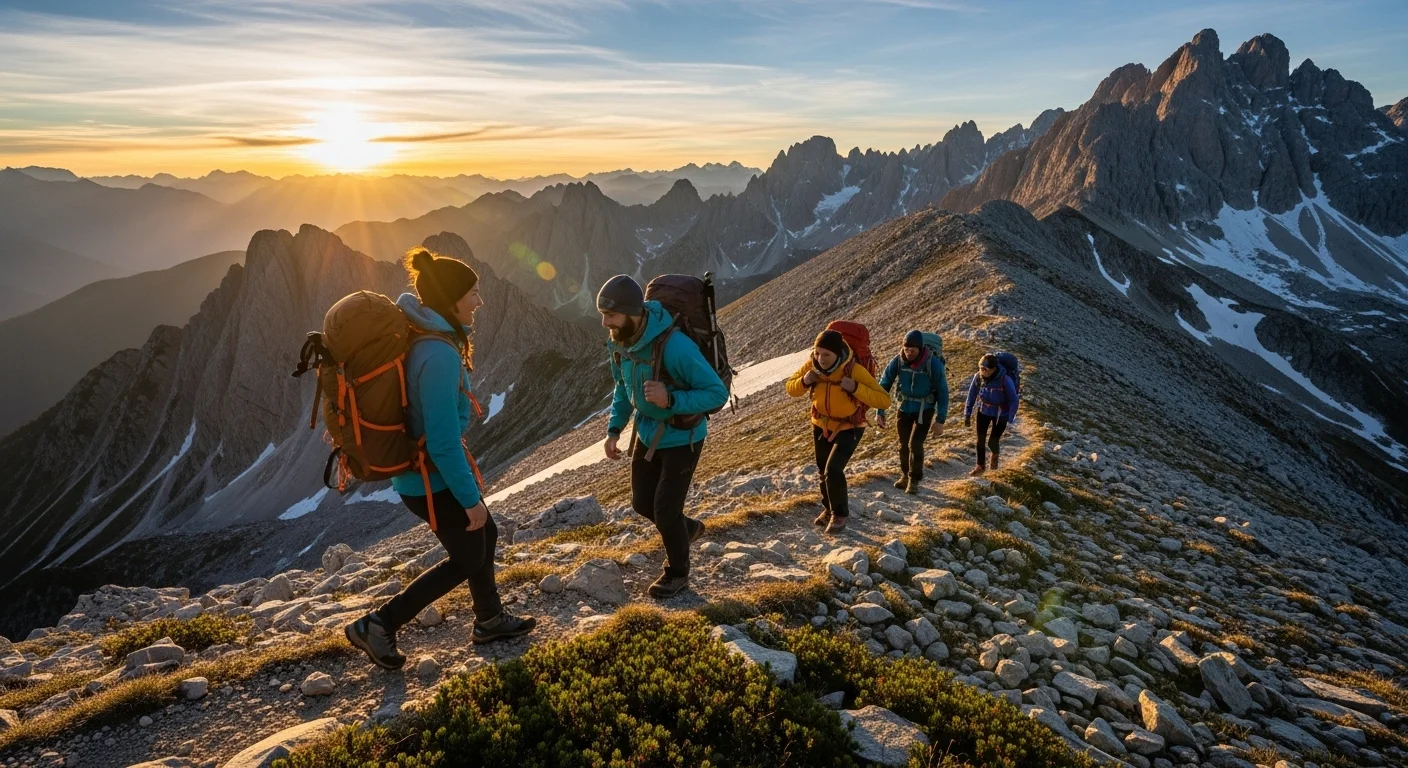
Unforgettable Desert Treks: Budget Adventures Await You

Desert treks offer a thrilling escape into nature’s raw beauty and adventure. Whether you’re seeking solitude or a chance to connect with local cultures, unforgettable experiences await you without breaking the bank. For those interested in exploring more budget options, check out our Top 10 Budget-Friendly Mountain Trekking Destinations.

Unforgettable Desert Treks: Budget Adventures Await You

Overview of Desert Treks

What is a Desert Trek?

A desert trek is more than just a hike; it’s an immersive journey through vast, arid landscapes, where sandy dunes and rocky terrains create breathtaking scenery. I remember my first trek in the Sahara, where the golden sands stretched endlessly beneath the scorching sun. Each step was an invitation to explore the mysteries of the desert, from ancient rock formations to unique wildlife that thrives in extreme conditions.

Desert trekking can take many forms, from guided tours led by local experts to self-guided adventures where you navigate the terrain on your own. Regardless of the path you choose, the experience is often filled with awe-inspiring views, rich history, and the chance to connect deeply with nature. I’ve learned that every desert has its own character, shaped by its geography and climate, making each trek a unique adventure. Read Interesting article: Essential Gear for Budget Mountain Trekking Adventures

Benefits of Desert Treks

When I think about the benefits of desert trekking, the first thing that comes to mind is the incredible sense of peace. The vastness of the landscape gives you room to breathe, both literally and figuratively. There’s something incredibly calming about the stillness of the desert, allowing you to reflect and recharge. I often find that my thoughts become clearer as I walk under the expansive sky.

Another significant benefit is the opportunity for adventure. Desert treks can offer a mix of challenging terrains, beautiful vistas, and exhilarating activities like sandboarding or rock climbing. I’ve had unforgettable experiences, like watching the sun dip below the horizon as the sky transformed into a canvas of oranges and purples—moments that etch themselves into my memory.

Moreover, engaging with local cultures is a major highlight. From sharing a meal with Bedouins in the Arabian Desert to learning about ancient traditions, these interactions enrich my understanding of the world. Each trek offers a chance to broaden my horizons and deepen my appreciation for diverse ways of life.

Why Choose Budget Adventures?

Budget adventures don’t mean compromising on the experience. In fact, I’ve found that some of the best memories come from exploring off the beaten path, often in more affordable ways. Choosing budget options allows us to stretch our travel funds further, giving us the freedom to explore more destinations or stay longer. I’ve discovered that many budget-friendly tours still provide enriching experiences, led by knowledgeable guides who are passionate about sharing their culture and environment.

Another reason I prefer budget adventures is the camaraderie they foster. When traveling with others on a budget trek, I’ve often met like-minded individuals who share my passion for exploration. Some of my closest friends have emerged from these journeys, bonding over shared experiences in the great outdoors. I remember a trip to the Mojave Desert, where I teamed up with fellow trekkers to navigate through stunning landscapes, creating memories and friendships that lasted long after the trek ended.

Additionally, budget trekking encourages a minimalist mindset. It teaches us to appreciate the essentials and find joy in nature’s simple pleasures. I’ve learned that I don’t need luxurious accommodations to enjoy stunning sunsets or starry nights. Sometimes, the most valuable moments come from sitting around a campfire with new friends, exchanging stories and laughter under the vast desert sky.

Embracing budget adventures has also led me to find hidden gems that many tourists miss. Local eateries, lesser-known trails, and off-the-grid camping spots often provide more authentic and memorable experiences than their pricier counterparts. I often reminisce about a small, family-run restaurant I discovered while trekking in the Atacama Desert, where the warmth of the locals made me feel right at home.

Top Desert Regions for Trekking

The Sahara Desert

The Sahara Desert holds a special place in my heart. Stretching over 3.6 million square miles, it’s the world’s largest hot desert, and the sheer scale of it is breathtaking. I remember standing atop a dune at sunrise, watching the golden sands come alive as the day began. The Sahara offers diverse landscapes, from rolling sand dunes to rocky plateaus and even oases teeming with life. I found myself captivated by the endless horizon, feeling incredibly small yet connected to something vast and timeless.

One of the highlights of trekking in the Sahara is the opportunity to interact with the nomadic Berber and Tuareg tribes. Their rich traditions and ways of life are woven into the desert’s fabric. I was fortunate enough to join a traditional music gathering one evening, surrounded by the sounds of drums and the warmth of shared stories. It’s experiences like these that make a trek through the Sahara unforgettable.

The Mojave Desert

The Mojave Desert, known for its stunning Joshua Trees and unique rock formations, offers an entirely different vibe. I was blown away by the contrast of the vibrant, spiky trees against the arid landscape. The Mojave is home to some incredible trails that cater to various skill levels, making it accessible for everyone—from seasoned trekkers to beginners like I was during my first visit.

One of my favorite memories is hiking in the Joshua Tree National Park, where I stumbled upon a hidden rock climbing spot. I decided to give it a try, and although I was nervous, the thrill was unbeatable. The scenic beauty of the Mojave, especially during sunset, is something I think everyone should experience at least once. The way the colors shift in the sky, paired with the silhouette of the trees, is nothing short of magical.

The Atacama Desert

The Atacama Desert in Chile is often hailed as the driest place on Earth, and I found it to be a surreal experience. The landscapes felt almost otherworldly, with salt flats, volcanic craters, and unique rock formations. I remember taking a guided trek to the Valle de la Luna, where I felt like I had stepped onto another planet. The colors of the rocks and the vastness of the area were mesmerizing.

What truly surprised me was the wildlife that thrives in such an extreme environment. I spotted flamingos wading in the salt flats, and it felt surreal to see such beauty in such desolation. The Atacama also offers incredible stargazing opportunities. I spent one night lying on the ground, gazing at the stars, and it felt as if I could reach out and touch them. This desert is a paradise for those who appreciate nature’s extremes.

The Arabian Desert

The Arabian Desert is a treasure trove of history and culture, and I found it to be an incredible place to explore. From the vast dunes of the Rub’ al Khali to the rocky landscapes of Oman, the diversity here is astounding. I remember exploring the ancient city of Petra, which is surrounded by desert beauty. The experience of trekking through such a historic region made me feel like I was walking in the footsteps of ancient travelers.

During my time in the Arabian Desert, I had the chance to experience a traditional Bedouin camp. Sharing stories over a campfire and enjoying authentic dishes was a highlight for me. The warmth and hospitality of the locals made the experience feel all the more special. The Arabian Desert is not just about the landscapes; it’s also about the rich cultural tapestry that comes alive through these interactions.

The Namib Desert

The Namib Desert in Namibia is one of the oldest deserts in the world and offers strikingly beautiful landscapes. I was in awe of the towering red dunes at Sossusvlei, which are often featured in travel magazines for their breathtaking views. Climbing Dune 45 at sunrise was one of the most rewarding challenges I faced on my travels. The sense of accomplishment, combined with the stunning views, made it worth every step.

What I loved most about the Namib Desert was its unique wildlife. I spotted oryx, springbok, and even desert-adapted elephants during my treks. The beauty of this desert is in its contrasts—the vibrant colors of the dunes against the blue sky create a visual feast. The Namib is a place where you can truly disconnect from the world and immerse yourself in nature, and I think that’s what makes it so special.

Planning Your Desert Trek

When to Visit the Desert

Timing is everything when it comes to desert trekking. I’ve learned that each season brings its own charm and challenges. For instance, I found the best time to visit the Sahara is during the cooler months, from November to February. The temperatures are much more bearable, allowing for longer treks during the day without the scorching heat. I remember feeling grateful for the mild climate as I explored the dunes and valleys without feeling like I was melting.

In the Mojave Desert, spring is a fantastic time to visit. The wildflowers bloom, painting the landscape with vibrant colors. I was fortunate to witness this during my trip, and it was like stepping into a natural art gallery. Conversely, the summer months can be sweltering, so if you’re planning a trek then, early mornings or late afternoons are your best friends. I definitely recommend keeping an eye on the weather forecasts, as conditions can change rapidly in the desert.

Essential Gear for Desert Trekking

Having the right gear can make or break your desert trekking experience. I remember investing in a quality pair of hiking boots—something I absolutely recommend. They provided support and protection as I navigated rocky paths and sandy trails. A hydration pack is also essential; keeping hydrated is crucial in the dry desert climate. I once neglected this advice, and it taught me a valuable lesson about the importance of water.

Sun protection is another must. I usually pack a wide-brimmed hat, sunglasses, and high-SPF sunscreen, since the sun can be relentless. Lightweight, breathable clothing helps keep you cool while protecting your skin from harsh rays. I also bring a lightweight backpack to carry snacks, a first-aid kit, and a good camera to capture those unforgettable moments. Trust me, you’ll want to remember the beauty you witness!

Safety Tips for Desert Adventures

Safety should always be a priority during your desert adventures. One of the first things I learned was to never trek alone. It’s always better to go with a friend or group, as this ensures that someone is there to help in case of an emergency. I remember a time in the Atacama when I got a little too far off the beaten path. If I hadn’t had my trekking buddy with me, it could have turned into a risky situation.

Another vital tip is to be aware of your surroundings. Deserts can be deceptive, with vast expanses that might seem similar. I’ve found that keeping a map or GPS handy is useful, even if you think you know the area. Additionally, listen to your body and take breaks when needed. I’ve pushed myself a little too hard during treks, only to feel exhausted later. It’s essential to pace yourself and enjoy the journey.

Lastly, familiarize yourself with the local wildlife. Knowing what to expect can help you stay safe and appreciate the unique creatures that call the desert home. I’ve spotted everything from camels to various birds, and understanding their behaviors made my encounters even more enriching.

Budget-Friendly Trekking Options

Guided Budget Tours

Guided budget tours are an excellent way to experience the desert without breaking the bank. I’ve participated in several of these tours, and they often provide a fantastic mix of adventure and affordability. The guides typically know the best routes and hidden gems, which means you get to see more than you would on your own. I remember one tour in the Namib Desert where our guide took us to secret viewing spots for the stunning sunsets. Memories like these are priceless!

Another perk of guided tours is the chance to meet fellow travelers. I’ve made lasting friendships during budget tours while sharing stories around a campfire or over a meal. Plus, the tour operators often include necessary gear, which can save you money and hassle when packing for your trip. It’s a win-win situation!

Self-Guided Trekking Routes

If you prefer a more independent experience, self-guided trekking routes can be an exciting option. I’ve enjoyed venturing out on my own in places like the Mojave Desert, where the trails were well-marked and easy to navigate. This approach allows for spontaneity; you can change your plans on a whim based on what you discover along the way. I remember one afternoon deciding to take a detour in Joshua Tree, leading me to an unexpected rock formation that became one of my favorite spots.

However, while self-guided trekking can be liberating, it’s essential to prepare adequately. I always ensure I have a map, water, and snacks on hand, and I let someone know my plans before heading out. Avoid venturing too far off marked trails, especially in remote areas, as getting lost can quickly turn into a serious situation.

Camping vs. Lodging: Cost Comparison

When it comes to accommodation options while trekking in the desert, camping often emerges as the more budget-friendly choice. I’ve found that camping allows you to immerse yourself in nature, and there’s nothing quite like falling asleep under a blanket of stars. The experience is magical! In many desert regions, campsites are affordable and provide basic amenities, making it easy to connect with fellow travelers.

On the other hand, if camping isn’t your style, there are budget lodging options available. I’ve stayed in hostels and guesthouses that offer a cozy place to rest without costing a fortune. These accommodations often provide local insights and tips that enhance your trekking experience. I remember chatting with a guesthouse owner in the Atacama, who shared hidden trails that led to stunning vistas.

In my experience, choosing between camping and lodging often comes down to personal preference and the type of experience you want. I think both options have their merits, and you can even mix and match based on your itinerary and comfort level.

Top Budget Desert Treks

Sahara Desert: Budget Tours and Experiences

Exploring the Sahara on a budget is not only doable but can also lead to some of the most rewarding experiences. I remember signing up for a budget tour that took us through the stunning dunes of Merzouga. The tour included camel rides and a night camping under the stars, which was an incredible way to experience the vastness of the desert. I was pleasantly surprised by how affordable it was, and the memories we created around the campfire, sharing stories and laughter with fellow travelers, are some of my favorites.

Many tour operators offer budget packages that include meals and accommodations, which makes it easier to plan your trip without worrying about expenses piling up. I found that some local guides were not only knowledgeable but also genuinely passionate about sharing their culture, which added depth to our experience. If you’re looking to explore the Sahara without breaking the bank, I highly recommend checking out group tours led by local companies.

Mojave Desert: Affordable Hiking Trails

If the Mojave Desert is on your list, you’re in for a treat! There are so many trails that are free or low-cost. I spent an unforgettable day hiking the Hidden Valley Trail in Joshua Tree National Park, which is not only stunning but also accessible for all skill levels. The entrance fee to the park is quite reasonable, and once you’re in, the trails are all yours to explore!

Additionally, I found several unofficial trails that led to breathtaking vistas without the crowds. Just remember to pack your lunch and plenty of water for the day. I made a habit of setting out early to catch the sunrise, and let me tell you, witnessing the colors of dawn breaking over the desert can be a transformative experience. And the best part? It doesn’t cost a dime!

Atacama Desert: Cost-Effective Adventures

The Atacama Desert is famous for its otherworldly landscapes, and exploring this region doesn’t have to be expensive. I took advantage of budget tours that included visits to key sights like Valle de la Luna and the Altiplanic Lagoons. I was amazed by how much I could see without straining my wallet.

For those who prefer a more independent approach, there are affordable hostels in San Pedro de Atacama that can help you organize day trips. I met fellow travelers who shared tips on the best local experiences, which often included hiking routes that were both stunning and free. I remember a hike to the Puritama Hot Springs, which was an extraordinary way to soak in the natural beauty and relax after days of trekking.

Arabian Desert: Budget-Friendly Options

The Arabian Desert is rich in history and culture, and exploring it on a budget can lead to fascinating discoveries. I took part in a budget-friendly tour that included visits to historical sites and local markets. The experience of wandering through the bustling souks and tasting local delicacies was worth every penny.

You can also find affordable camping options, especially if you’re open to experiencing Bedouin-style hospitality. I stayed in a traditional tent one night in Wadi Rum, which was not only economical but also deeply enriching. Sharing stories with locals around a fire and enjoying traditional meals gave me a deeper appreciation for the culture.

Namib Desert: Affordable Trekking Routes

The Namib Desert is another fantastic destination for budget-conscious trekkers. I stumbled upon several affordable guided tours that focused on the scenic Sossusvlei area. The tours often included park entrance fees and transportation, which made the logistics much easier.

For those who prefer to go solo, many campsites can be found at reasonable rates, allowing you to explore the desert at your own pace. I remember spending one night at a campsite where I could hear the sounds of nature all around me, and it felt magical. The combination of stunning sunsets, stargazing, and the tranquility of the Namib is an experience you won’t want to miss, and it can all be done without spending a fortune.

What to Expect on Your Desert Trek

Desert Landscapes and Wildlife

When trekking in the desert, be prepared for breathtaking landscapes that vary from rolling sand dunes to rocky outcrops. I’ve spotted unique wildlife, including lizards and various birds, that adapt to the harsh conditions. Understanding the ecosystem adds an extra layer of appreciation to your trek.

Cultural Encounters with Local Communities

Engaging with local communities is one of the most enriching aspects of desert trekking. I’ve had the chance to meet nomadic tribes and learn about their customs and traditions. These interactions often come with stories that have been passed down through generations, making your experience even more memorable.

Unique Desert Experiences (e.g., Stargazing, Sandboarding)

Don’t forget to take advantage of unique experiences that the desert offers! Each trek I’ve taken has included moments of stargazing that are simply out of this world. When the sun sets, the sky fills with stars, and I found it to be one of the most beautiful sights I’ve ever witnessed. Additionally, many deserts offer thrilling activities like sandboarding that can add a fun twist to your adventure.

Local Cuisine and Refreshments

Traditional Dishes in Desert Regions

Sampling local cuisine is one of my favorite parts of traveling. In desert regions, I’ve enjoyed traditional dishes that reflect the local culture. Whether it’s a hearty tagine in Morocco or a simple but delicious Bedouin meal, these flavors have a way of making the experience come alive.

Street Food and Budget-Friendly Eateries

Street food is often a fantastic way to eat on a budget while immersing yourself in local culture. I’ve found that trying local snacks and meals from street vendors is not only affordable but also a culinary adventure. Some of my best meals have come from small, family-run eateries that offer authentic flavors at reasonable prices.

Travel Tips for Budget Desert Treks

How to Save on Transportation Costs

Transportation can eat up a big chunk of your budget, but there are ways to save. I’ve often used public transport, which is not only cheaper but also gives you a taste of local life. In some cases, I found that hitchhiking can be a viable option, though it’s essential to do so safely.

Best Practices for Packing Light

Packing light is key to enjoying your trek. I’ve learned to bring only the essentials—like a multi-functional tool, a small first aid kit, and lightweight clothing that dries quickly. This way, I can move more freely and enjoy my adventure without being weighed down.

Finding Affordable Souvenirs

While trekking, I’ve made it a point to look for affordable souvenirs that reflect the local culture. I often find that smaller crafts made by local artisans can be both unique and budget-friendly. They carry stories and memories that remind me of my travels long after I return home.

Final Thoughts

Trekking through the desert has been one of the most transformative experiences of my life. From the stunning landscapes to the rich cultural encounters, every journey has left me with lasting memories. I believe that with a little planning and an open heart, anyone can explore these breathtaking regions without spending a fortune. Embracing budget adventures not only allows us to see more but also connects us with the essence of the places we visit. So, if you’re considering a desert trek, I wholeheartedly encourage you to take the leap. You never know what incredible experiences await you!

Frequently Asked Questions

What is a desert trek?

A desert trek is an immersive journey through vast, arid landscapes, featuring sandy dunes and rocky terrains that create breathtaking scenery. It can involve guided tours or self-guided adventures, offering unique experiences shaped by the desert’s geography and climate.

What are the benefits of desert trekking?

Desert trekking offers a sense of peace, opportunities for adventure, and the chance to engage with local cultures. The stillness of the desert provides clarity for reflection, while the diverse terrains and activities like sandboarding add excitement. Interactions with local communities enrich the experience and broaden cultural appreciation.

When is the best time to visit the desert for trekking?

The best time to visit varies by region. For the Sahara, the cooler months from November to February are ideal. In the Mojave Desert, spring is fantastic for wildflower blooms, while summer treks should be planned for early mornings or late afternoons to avoid the heat.

What essential gear is needed for desert trekking?

Essential gear includes quality hiking boots, a hydration pack, sun protection (wide-brimmed hat, sunglasses, sunscreen), lightweight breathable clothing, and a backpack to carry snacks and a first-aid kit. A good camera is also recommended to capture memorable moments.

What safety tips should I follow during desert treks?

Always trek with a companion, stay aware of your surroundings, and keep a map or GPS handy. Listen to your body, take breaks, and familiarize yourself with local wildlife to enhance safety and enjoyment during your adventure.

What are guided budget tours?

Guided budget tours provide an affordable way to explore the desert, offering a mix of adventure and camaraderie. Experienced guides know the best routes and often include necessary gear, making it easier to navigate and enjoy the experience without overspending.

What are the advantages of self-guided trekking routes?

Self-guided trekking allows for independence and spontaneity. You can explore at your own pace and change plans based on discoveries. However, it’s important to prepare adequately with a map, water, and snacks, and to inform someone of your plans before heading out.

Is camping cheaper than lodging while desert trekking?

Yes, camping is typically more budget-friendly than lodging. It allows for immersive experiences in nature, while budget lodging options like hostels and guesthouses provide comfort without high costs. The choice between the two often depends on personal preference and desired experiences.

What are some budget-friendly options for exploring the Sahara Desert?

Budget tours in the Sahara often include camel rides and camping experiences at affordable rates. Many local guides offer packages that include meals and accommodations, providing enriching experiences without significant financial strain.

How can I find affordable souvenirs while trekking?

Look for small crafts made by local artisans, which can be unique and budget-friendly. These souvenirs often carry stories and memories that remind you of your travels long after returning home.

Experience Epic Mountain Treks Without Breaking the Bank

Imagine standing atop a majestic peak, the world sprawling beneath you, all while keeping your wallet intact. Epic mountain treks are waiting for you, and they don’t have to cost a fortune! For those looking for more information, check out the Ultimate Guide to Affordable Mountain Trekking Trails.

Experience Epic Mountain Treks Without Breaking the Bank

Understanding Mountain Trekking

What is Mountain Trekking?

Mountain trekking, for me, is more than just a hike; it’s an adventure that connects us with the raw beauty of nature. It involves walking long distances, often on challenging terrain, which can range from rugged mountain trails to serene forest paths. Unlike a casual walk in the park, trekking pushes your limits both physically and mentally. I’ve found that each trek offers a unique journey, taking me through breathtaking landscapes and sometimes testing my endurance. Whether you’re an experienced trekker or a complete novice, there’s a trail out there that’s perfect for you.

Benefits of Trekking in Nature

I’ve experienced firsthand the numerous benefits of trekking in nature. It’s not just about the stunning views; it’s about what those views do for your mind and body. Trekking allows us to escape the hustle and bustle of daily life, providing a much-needed break from screens and noise. I remember my first multi-day trek; I returned home feeling refreshed and clearer in my thoughts.

Moreover, being surrounded by nature has a calming effect. Studies suggest that spending time outdoors can reduce stress and improve mental health. I find that the rhythm of my footsteps on the trail and the sound of rustling leaves bring a sense of peace that’s hard to replicate anywhere else. It’s a chance to disconnect and reconnect with myself, and I believe everyone should experience that at least once.

Physically, trekking is a fantastic workout. It strengthens your muscles, improves cardiovascular health, and boosts endurance. On my recent trek, I felt my legs growing stronger with each step, and I couldn’t help but smile at how my body was adapting. It’s a rewarding feeling to conquer a challenging trail, knowing I pushed myself to new limits while enjoying the beauty of the great outdoors.

Best Budget-Friendly Mountain Trekking Destinations

Top Mountain Regions for Affordable Treks

Now that we have a firm grasp on what trekking entails and its benefits, let’s dive into some of the best budget-friendly mountain trekking destinations. I’ve been fortunate enough to explore a few of these places, and I can’t recommend them enough!

Appalachian Trail

The Appalachian Trail stretches over 2,190 miles along the eastern United States, from Georgia to Maine. It’s a hiker’s paradise, offering a variety of terrains, from lush forests to rocky ridges. I love that there are numerous entry points along the trail, making it easy to plan shorter hikes or even multi-day treks without breaking the bank. Many sections allow for free camping, and the scenery is nothing short of spectacular. Plus, if you’re looking to meet fellow trekkers, this trail’s community vibe is unmatched.

Rocky Mountain National Park

Located in Colorado, Rocky Mountain National Park boasts stunning alpine lakes, towering peaks, and diverse wildlife. I remember trekking here and being in awe of the views at every turn. The park offers a range of trails that cater to all levels, from beginners to seasoned trekkers. For budget-conscious explorers, camping within the park is an affordable option, and I found the experience of sleeping under the stars to be unforgettable.

Pacific Crest Trail

If you’re looking for a challenge, the Pacific Crest Trail is a gem. Spanning 2,650 miles from Mexico to Canada, this trail traverses some of the most breathtaking landscapes in California, Oregon, and Washington. While the entire trail is a commitment, many sections can be tackled independently. I’ve ventured on shorter segments and always found them accessible and affordable, especially with the option to camp along the way.

Andes Mountains

The Andes, stretching through South America, are a bucket-list destination for trekkers. Countries like Peru offer incredible hiking experiences, such as the famous Inca Trail leading to Machu Picchu. While some parts can get pricey, I discovered that there are plenty of lesser-known trails nearby that provide stunning views at a fraction of the cost. Embracing local culture and exploring the rich history of the region made my trek even more rewarding. For more tips, check out How to Trek Mountains on a Budget: Tips & Tricks.

In my experience, these destinations highlight that epic mountain treks are not only possible on a budget but can also offer some of the most unforgettable experiences of your life. As we continue, I’d like to share my insights on how to effectively plan your trek, ensuring you enjoy every moment without overspending.

Planning Your Trek

When to Go: Best Seasons for Trekking

Deciding when to trek can significantly influence your experience, and I’ve learned this the hard way. Each mountain region has its own optimal trekking season, which can impact everything from trail accessibility to weather conditions. For instance, I found that trekking in the Rocky Mountain National Park is best during the summer months when the trails are clear of snow and the wildflowers are in full bloom. However, this also means that it can get crowded, especially on popular trails.

In contrast, I’ve trekked the Appalachian Trail in the fall, and the vibrant colors of changing leaves create a magical atmosphere. The crisp air and fewer hikers made it feel like I had the trail all to myself. I recommend checking the specific conditions of the region you plan to visit, as weather can change quickly in the mountains. Websites and local ranger stations are great resources to ensure you’re embarking on your adventure at the right time.

Essential Gear for Budget Trekkers

When it comes to trekking, having the right gear is crucial, but it doesn’t have to break the bank. I’ve made my fair share of gear mistakes, purchasing expensive items that I ended up not using or reselling. So, I learned to prioritize essential gear that offers both quality and affordability. For a thorough guide, see Essential Gear for Budget Mountain Trekking Adventures.

Backpacks

A good backpack is your best friend on the trail. I remember my first trek with a cheap backpack that didn’t fit properly, which led to discomfort and fatigue. I recommend investing in a comfortable, well-fitted backpack with enough capacity for your gear. Look for sales or second-hand options to save money. I found an excellent deal on a gently used backpack that has served me well over several adventures.

Footwear

Your feet take a lot of punishment on the trails, so proper footwear is essential. I’ve tried various hiking boots and shoes, and I always suggest finding something that fits well and provides good support. While it’s tempting to go for the cheapest option, I learned that spending a bit more on quality footwear can prevent blisters and discomfort on long treks. I often check discount outdoor stores or online sales for great deals on last season’s models.

Clothing

Layering is key when trekking. I’ve experienced both scorching sun and unexpected rain on the same trek, so being prepared with the right clothing can make or break your trip. I generally stick to moisture-wicking fabrics and pack a lightweight rain jacket. I also recommend checking thrift stores for outdoor clothing; I once found an amazing fleece jacket that kept me warm during chilly nights in the mountains!

Finding Affordable Accommodation

Accommodation can eat up a big chunk of your budget, especially in popular trekking areas. However, I’ve discovered that there are plenty of affordable options if you know where to look.

Campsites vs. Hostels

Campsites are often the most economical choice for trekkers. I can’t emphasize enough how much I love camping under the stars after a long day on the trail. Many national parks offer designated campsites that are either free or have a minimal fee. I suggest checking in advance about reservations, as spots can fill up quickly during peak seasons.

If camping isn’t your thing, hostels can be a great alternative. I’ve enjoyed staying in hostels in towns near trailheads, where I’ve met fellow trekkers and shared stories from the road. Plus, they often offer kitchen facilities, which brings me to my next point about saving on food.

Budget Hotels and Lodges

If you prefer a bit more comfort, look for budget hotels and lodges. I’ve found great deals on local hotels by booking in advance or through discount travel websites. Sometimes, I even called the hotel directly to ask for their best rate. It’s amazing how often they’ll offer a better price than what’s listed online!

Cost-Saving Tips for Trekking

Meal Planning on a Budget

Food can be another significant expense when trekking, but with some planning, it doesn’t have to be. I learned early on that prepping meals in advance can save both money and time. I typically create a simple meal plan and prep snacks like trail mix, energy bars, and dried fruits. For meals, dehydrated meals are a favorite of mine—they’re lightweight, convenient, and just need hot water to prepare.

Transportation Options to Reach Trails

Getting to the trailhead can also add up, but I’ve found several cost-effective options. Carpooling with friends or fellow trekkers can cut down on fuel costs. Additionally, I’ve used public transportation to reach some trailheads, which not only saves money but also allows me to relax and enjoy the scenery without worrying about navigating mountain roads.

Group Treks and Discounts

If you’re not trekking solo, consider organizing a group trek. I’ve participated in group hikes where the costs of transportation and accommodation are shared. Many outdoor companies also offer discounts for groups, so it’s worth reaching out to see if you can save some money while enjoying the company of friends. Plus, I’ve found that sharing the adventure makes the experience even more enjoyable!

Safety Tips for Budget Trekkers

Understanding Trail Conditions

One of the most crucial aspects of trekking is understanding the trail conditions, and I can’t stress this enough. I’ve been on trails that looked relatively easy on paper but turned out to be quite challenging due to weather changes or maintenance issues. I recommend checking the latest updates on trail conditions before you set out. Websites, local ranger stations, and even social media groups dedicated to trekking can offer insights that you might not find in guidebooks.

For example, I remember planning a trek in early spring to a popular national park. I had my heart set on a specific trail, but after reading recent reports, I discovered that a section of it was still covered in snow. Instead of being disappointed, I was able to pivot and choose another route that was accessible and just as beautiful. This flexibility not only ensured my safety but also allowed me to explore a part of the park I hadn’t considered before.

Staying Safe in the Wilderness

When it comes to safety, being prepared is key. I’ve learned that having a basic understanding of wilderness safety can make all the difference on the trail. First and foremost, always let someone know your plans. I try to share my itinerary with a friend or family member, including where I’ll be and when I plan to return. It’s a simple step that adds an extra layer of security.

I also recommend carrying a map and a compass, even if you plan to use a GPS. Technology can fail us when we least expect it, and having a backup plan is essential. I once relied on my phone for navigation, only to find myself in an area with no signal. Thankfully, I had a paper map tucked away in my backpack, which guided me back to the trail. It’s those little things that can turn a potentially stressful situation into a manageable one.

As for wildlife encounters, I’ve had my fair share of surprises. Whether it’s deer, bears, or snakes, it’s important to know how to react. I’ve taken the time to familiarize myself with the wildlife in the areas I trek. Learning about the local fauna helps me to remain calm and collected should I come across a curious creature. I’ve found that a little preparation goes a long way in ensuring both my safety and the well-being of the animals.

Emergency Preparedness

No one likes to think about emergencies, but they can happen, even on the best-planned treks. I’ve learned to carry a basic first aid kit, which has been invaluable on more than one occasion. Having band-aids for blisters or antiseptic wipes for minor cuts can help prevent small issues from turning into larger ones. I also keep a small supply of emergency food and water purification tablets in my pack, just in case I find myself in a pinch.

Another essential item I never leave home without is a whistle. I once found myself in a thick fog on a mountain trail, and the sound of my own voice was lost in the mist. A whistle is lightweight and can carry much further than your voice, making it a crucial tool for signaling for help if needed. It’s a simple addition, but I’ve felt more secure knowing I have it with me, especially in less trafficked areas.

Additionally, I recommend familiarizing yourself with the location of the nearest help centers or ranger stations on your trek. Knowing where to go for assistance can save precious time in case of an emergency. I’ve found that a little research before heading out can prepare me for unexpected situations and help me enjoy my trek with greater peace of mind.

Local Culture and Engagement

Connecting with Local Guides

One of the highlights of trekking for me has been the opportunity to connect with local guides. I’ve always found that engaging with those who know the land intimately enriches my experience. Local guides can offer insights into the culture, history, and ecology of the area that I might not discover on my own. On one of my treks in Peru, I hired a local guide who not only navigated the trails with ease but also shared fascinating stories about the Inca civilization. It made every step feel like a lesson in history.

Additionally, I’ve learned that hiring local guides can be a budget-friendly option. They often have different pricing structures than larger tour companies and can customize your experience to fit your needs. By investing in local knowledge, I’ve found that I support the community while gaining invaluable insights and a more authentic trekking experience.

Experiencing Local Cuisine on a Budget

Food is another fantastic way to engage with local culture, and I’ve discovered that trying local cuisine doesn’t have to be expensive. On my journeys, I often seek out small family-owned restaurants or food stalls instead of tourist traps. I remember enjoying a delicious meal of homemade pasta in a tiny eatery after a long day of trekking. Not only was it budget-friendly, but it also gave me a taste of the local flavors I wouldn’t have experienced otherwise.

I also love visiting local markets, where I can find fresh produce and snacks to take on my treks. Packing some local treats into my backpack has become a tradition for me. It’s a great way to savor the culture while enjoying the great outdoors. Plus, I’ve found that trying new foods has often led to delightful conversations with the locals, making my trekking experience even more memorable.

In my opinion, immersing myself in local culture while trekking enhances the journey. It’s about more than just the trails; it’s about the stories and flavors that shape the landscapes we traverse. Whether it’s through guides or cuisine, connecting with the essence of a place brings depth to every adventure I undertake.

Frequently Asked Questions

What is mountain trekking?

Mountain trekking is an adventure that involves walking long distances on challenging terrain, connecting individuals with the beauty of nature. It differs from casual walking as it pushes physical and mental limits, offering unique experiences through breathtaking landscapes.

What are the benefits of trekking in nature?

Trekking in nature provides numerous benefits, including stress reduction, improved mental health, and physical fitness. It allows individuals to disconnect from daily life and reconnect with themselves while enjoying the calming effects of nature.

What are some budget-friendly mountain trekking destinations?

Some budget-friendly mountain trekking destinations include the Appalachian Trail, Rocky Mountain National Park, the Pacific Crest Trail, and the Andes Mountains. These locations offer various terrains, affordable camping options, and unique experiences without breaking the bank.

When is the best time to go trekking?

The best time to go trekking varies by region. For example, summer is ideal for Rocky Mountain National Park when trails are clear, while fall is great for the Appalachian Trail due to the vibrant colors and fewer hikers. It’s essential to check local conditions before planning a trek.

What essential gear do budget trekkers need?

Budget trekkers should prioritize essential gear such as a comfortable backpack, proper footwear, and moisture-wicking clothing. It’s advisable to look for sales or second-hand options to save money while ensuring quality and comfort on the trails.

How can trekkers find affordable accommodation?

Trekkers can find affordable accommodation by opting for campsites, which are often free or low-cost, or by staying in hostels near trailheads. Budget hotels and lodges can also be economical if booked in advance or through discount websites.

What are some cost-saving tips for trekking?

Cost-saving tips for trekking include meal planning, using public transportation to reach trailheads, carpooling to reduce fuel costs, and organizing group treks to share expenses. Preparing meals in advance can also help save money on food while trekking.

How can trekkers ensure their safety?

Trekkers can ensure their safety by understanding trail conditions, letting someone know their plans, carrying a map and compass, and familiarizing themselves with local wildlife. Having a basic first aid kit and emergency supplies is also crucial for preparedness.

How can trekkers engage with local culture?

Trekkers can engage with local culture by connecting with local guides who provide insights into the area’s history and ecology, as well as by trying local cuisine at family-owned restaurants and markets. This enhances the trekking experience and supports local communities.

What should trekkers do in case of an emergency?

In case of an emergency, trekkers should carry a basic first aid kit, have emergency food and water purification tablets, and know the location of the nearest help centers or ranger stations. Carrying a whistle can also be helpful for signaling for help if needed.

Ultimate Guide to Affordable Mountain Trekking Trails

Mountain trekking offers a thrilling escape into nature, balancing adventure with the tranquility of breathtaking landscapes. Whether you’re a beginner or a seasoned trailblazer, there are affordable options waiting for you to explore. Read Interesting article: How to Trek Mountains on a Budget: Tips & Tricks

Ultimate Guide to Affordable Mountain Trekking Trails

Understanding Mountain Trekking

What is Mountain Trekking?

Mountain trekking is more than just walking; it’s a journey through rugged terrains, often over long distances and in diverse weather conditions. I remember my first trek vividly. As I climbed higher, the air became crisper, and the views more spectacular. Each step brought a sense of accomplishment. Trekking usually involves multi-day excursions, where hikers set out to explore remote areas, often sleeping in tents or basic lodges along the way. The beauty of trekking lies in its immersive experience of nature, allowing us to connect deeply with the environment around us.

Benefits of Mountain Trekking

The benefits of mountain trekking stretch beyond the physical. Personally, I’ve found that trekking enhances my mental well-being. The combination of fresh air, physical exertion, and stunning landscapes has a way of clearing my mind and boosting my mood. Each trek is a unique experience that can improve cardiovascular health, build strength and endurance, and, importantly, foster a sense of adventure. I’ve met incredible people on the trails, all sharing stories and, sometimes, friendly challenges, which adds a social aspect that enriches the experience.

Difference Between Trekking and Hiking

While the terms “trekking” and “hiking” are often used interchangeably, they do have distinct meanings. Hiking usually refers to shorter, less strenuous walks on well-marked paths, perfect for a day trip. Trekking, on the other hand, often involves longer, more challenging routes that can span several days. I’ve enjoyed both activities, but trekking has a unique allure. There’s something about spending multiple days in nature, navigating various terrains, and experiencing the changing environments that I find deeply rewarding. It’s not just about the destination; it’s about the journey.

Choosing the Right Trekking Trail

Factors to Consider When Selecting a Trail

Choosing the right trekking trail can feel overwhelming, especially with so many options available. I’ve learned that several factors come into play when making this decision. Firstly, consider your fitness level. I remember my first trek was a bit ambitious; I wasn’t fully prepared, and it turned out to be tougher than I anticipated. Researching the trail’s difficulty and ensuring it matches your fitness level is crucial. Secondly, think about the duration of the trek. Some trails can take days or even weeks, while others might be suited for just a few hours. Adjusting your expectations and plans accordingly can lead to a much more enjoyable experience.

Skill Levels: Beginner, Intermediate, and Advanced Trails

For those just starting, I recommend looking for beginner trails. These trails typically have well-marked paths, gentle slopes, and shorter distances. As I became more experienced, I ventured into intermediate and advanced trails, which brought new challenges and rewards. Intermediate trails may have steeper inclines and rougher terrains, while advanced trails often require navigation skills and physical endurance. Understanding your skill level and selecting trails that match it will keep you safe and motivated.

Trail Length and Duration

Trail length is another crucial factor. I’ve made the mistake of underestimating how long trails might take. A short distance on a map can take longer than expected, especially if the terrain is challenging. I suggest planning a trek that allows for breaks and time to enjoy the scenery. For example, if you’re considering a 10-mile trek, give yourself enough time to complete it comfortably while soaking up the views along the way. Remember, it’s not just about finishing; it’s about enjoying the journey.

Terrain Types: Rocky, Forested, Alpine

The type of terrain can significantly impact your trekking experience. I’ve trekked through rocky paths, lush forests, and breathtaking alpine regions, each offering something special. Rocky terrains can be tough on the feet, so I learned that proper footwear is essential. Forested trails often provide shelter and cooler temperatures, making them ideal for summer treks. Alpine trails, with their stunning vistas, can be more challenging due to altitude and weather changes. Understanding the terrain types helps in choosing the right trail and preparing adequately for it.

Top Affordable Mountain Trekking Trails in the USA

Appalachian Trail

The Appalachian Trail is a dream for any trekking enthusiast. Stretching over 2,190 miles, it traverses through 14 states, from Georgia to Maine. While completing the entire trail is quite the ambitious feat, I’ve found that even tackling short sections can offer a fulfilling experience. The scenery varies tremendously, offering everything from lush forests to stunning mountain vistas. Plus, there are plenty of access points, so you can choose a stretch that fits your schedule and fitness level. One of my favorite segments was near Shenandoah National Park, where I encountered beautiful overlooks and an abundance of wildlife. It’s a perfect reminder of how accessible nature can be and how affordable it is to explore it.

Pacific Crest Trail

The Pacific Crest Trail (PCT) is another iconic trail that runs from Mexico to Canada, covering about 2,650 miles. It’s known for its diverse landscapes, including deserts, mountains, and forests. I’ve hiked a portion of this trail in California, and the experience was nothing short of magical. The views of the Sierra Nevada mountains were breathtaking, and the camaraderie among fellow hikers added an extra layer of enjoyment. Like the Appalachian Trail, you don’t have to hike the entire PCT in one go; many choose to explore shorter sections, which makes it more manageable and budget-friendly. Just pack some snacks and enjoy the journey!

John Muir Trail

If you’re looking for stunning scenery, the John Muir Trail is a must-visit. This 211-mile trail runs through the heart of the Sierra Nevada, including Yosemite, Sequoia, and Kings Canyon National Parks. I remember standing at the base of Half Dome, feeling awe-struck by the towering granite cliffs and clear blue skies. The trail can be challenging, but it’s well worth the effort. The beauty of the pristine lakes and vibrant wildflower meadows is something I’ll never forget. Many people choose to complete it in sections or as a multi-day trek, which allows for a more leisurely pace and time to soak in the sights.

Mount Rainier National Park

Mount Rainier National Park in Washington State offers a variety of trails, from easy day hikes to more strenuous multi-day treks. I had the chance to explore this park, and I was immediately captivated by its iconic snow-capped peak and the rich biodiversity surrounding it. One of my favorite trails was the Wonderland Trail, which circles the mountain. It’s about 93 miles long, but you can tackle it in segments. The alpine meadows bursting with wildflowers during the summer months are a sight to behold. The park also has affordable camping options, making it a great choice for budget-conscious trekkers.

Great Smoky Mountains National Park

The Great Smoky Mountains National Park, straddling the border between North Carolina and Tennessee, is another fantastic destination for mountain trekking. With over 800 miles of trails, there’s something for everyone. I particularly enjoyed the hike to Clingmans Dome, the highest point in the park. The panoramic views from the observation tower were simply breathtaking. The park is known for its rich wildlife and diverse plant life, and the mist-covered mountains give it a magical feel. Best of all, entrance to the park is free, which makes it an incredibly affordable option.

White Mountains, New Hampshire

The White Mountains in New Hampshire are a treasure for outdoor lovers. The Presidential Range, including Mount Washington, offers rugged beauty and challenging trails. I’ve hiked a few sections here, and the experience was exhilarating. The weather can change rapidly, so being prepared is essential. The Franconia Ridge Loop is a popular choice, providing stunning views and a sense of accomplishment. Campsites and lodges in the area offer affordable options for those looking to extend their stay. The charm of New England and the striking landscapes will leave you wanting to return.

International Affordable Mountain Trekking Trails

International Affordable Mountain Trekking Trails

Inca Trail, Peru

The Inca Trail is a bucket-list trek for many adventurers, and for a good reason. Stretching about 26 miles, this trail leads you through breathtaking landscapes and ancient ruins, culminating at the iconic Machu Picchu. I had the opportunity to hike this trail a few years ago, and I can still feel the excitement as I approached the Sun Gate at dawn, watching the first light illuminate the ancient city. The trek typically takes four days, and while it can get busy, the experience of walking through the misty mountains and lush cloud forests is absolutely worth it. Plus, there are budget-friendly camping options available, making it accessible for various travelers.

Torres del Paine, Chile

Torres del Paine National Park is another stunning destination for those looking to explore nature on a budget. Located in Patagonia, this park offers several trekking routes, including the famous W Trek, which spans around 50 miles. I was mesmerized by the towering granite peaks and vibrant blue lakes during my hike. The park has a variety of accommodation options, from campsites to budget lodges. I found that planning my trek in the shoulder season allowed me to enjoy the beauty of the park without overwhelming crowds. Watching the sunrise over the Cuernos del Paine was one of my favorite moments, reminding me of the power and peace of nature.

Mount Toubkal, Morocco

For those seeking adventure in a different cultural setting, the trek to Mount Toubkal in Morocco is a fantastic option. At 13,671 feet, it’s the highest peak in North Africa, and I remember feeling a mix of excitement and nervousness as I prepared for the ascent. The trek usually takes two days, with the first day spent hiking to a refuge where you can rest before the final push to the summit. The views from the top are breathtaking, with the surrounding Atlas Mountains sprawling out before you. The cost is relatively low, with affordable guides and accommodation options available. Plus, experiencing the local Berber culture along the way adds a rich layer to the adventure.

Hiking the Dolomites, Italy

The Dolomites in Italy are a hidden gem for trekking enthusiasts. I stumbled upon these majestic mountains during a trip to Europe and was instantly captivated by their unique rock formations and stunning alpine meadows. There are numerous trails to choose from, accommodating all skill levels. One of my favorite hikes was the Alta Via 1, which takes about 10 days to complete but can be enjoyed in sections if you’re short on time. The combination of breathtaking scenery and delicious Italian cuisine along the way truly makes this a memorable experience. The cost of food and lodging can be reasonable, especially if you opt for local inns or mountain huts.

When to Go Trekking

Best Seasons for Mountain Trekking

Timing can make or break your trekking experience. I’ve found that spring and fall are often the best seasons for trekking in many areas. The weather is typically milder, and you can avoid the summer crowds. For instance, I remember trekking in the fall when the foliage was ablaze with colors, making the experience even more magical. However, I always check the specific climate of the area I’m heading to, as conditions can vary widely from one region to another.

Weather Considerations

Weather can be unpredictable in the mountains. I’ve been caught in unexpected rainstorms and sudden temperature drops. It’s crucial to check the weather forecast before heading out, and I always pack extra layers just in case. Understanding the typical weather patterns for the area you’re trekking in helps in planning your gear and clothing. For example, I learned the hard way to always carry a waterproof jacket, no matter the season.

Peak vs. Off-Peak Seasons

Choosing whether to trek during peak or off-peak seasons is essential for both your experience and budget. Peak seasons often mean more crowds and higher prices. I’ve trekked during off-peak times and found it to be a more peaceful experience, allowing me to enjoy the solitude and beauty of nature. Of course, you have to be prepared for potential weather changes, but the serenity can be worth it. If you’re flexible with your schedule, consider looking at the shoulder seasons for a balance of good weather and fewer people.

Essential Gear for Mountain Trekking

Footwear: Hiking Boots vs. Trail Runners

When it comes to trekking, I can’t stress enough the importance of good footwear. I’ve made the mistake of not investing in a solid pair of hiking boots, and let me tell you, sore feet can ruin a trek. Hiking boots provide the ankle support and durability needed for rough terrains, while trail runners are lighter and offer flexibility, making them a great choice for well-maintained paths. I’ve often opted for trail runners during warmer months when I wanted to feel more agile. It’s all about what feels right for you and the type of terrain you’ll be facing. Just remember to break them in before your trek to avoid blisters!

Clothing Layers and Fabrics

Layering is key to staying comfortable while trekking. I’ve learned the hard way that the weather can change quickly, especially in the mountains. I usually start with a moisture-wicking base layer to keep sweat away from my skin, followed by an insulating layer for warmth, and finally, a waterproof and windproof outer layer. I’ve loved using materials like merino wool and synthetic fabrics for their breathability and quick-drying properties. It’s all about adjusting your layers based on the conditions and your own comfort level. Don’t forget a good hat and gloves for added warmth!

Backpacks: Size and Features

The right backpack can make all the difference. I remember when I first started, I had a backpack that was too big and bulky for day hikes. It was uncomfortable and made me feel weighed down. After trying out different sizes, I found that a 40-60 liter backpack is usually perfect for multi-day treks, allowing enough room for essentials without being overly cumbersome. Look for features like padded straps, a hip belt, and compartments for easy access to your gear. I also appreciate hydration reservoirs for easy sipping on the go!

Navigation Tools: Maps, GPS, and Apps

Getting lost can be a real concern on the trails. I always carry a physical map and a compass, even if I’m relying on a GPS app on my phone. Technology can fail, and having a backup plan is essential. I’ve found several apps that provide offline maps, which have saved me during treks in areas with poor reception. It’s wise to familiarize yourself with your route before you head out. I recommend downloading maps and waypoints in advance, so you’re ready for anything.

Planning Your Trek

Creating a Trekking Itinerary

Planning is half the fun! When I’m gearing up for a trek, I sit down and create an itinerary that includes my route, estimated times, and points of interest. It helps me stay organized and ensures I make the most out of my time on the trail. I usually highlight spots where I can take breaks, enjoy the scenery, and snap some photos. I feel that having a plan gives me a sense of direction and purpose, especially on longer journeys.

Permits and Reservations

Some trails require permits, and I’ve learned that it’s crucial to check ahead of time. I once showed up at a trailhead only to find out I needed a permit I hadn’t applied for in advance. It was a bummer! Now, I always research the regulations for the area and secure my permits online if possible. This not only ensures I’m compliant but also helps in managing the number of trekkers on popular trails, which is a plus for the environment.

Transportation to Trailheads

Getting to the trailhead can be just as important as the trek itself. I’ve had great experiences carpooling with fellow trekkers, as it cuts down on costs and makes the journey more enjoyable. If you’re traveling solo, public transportation options can sometimes be available, but they require a little extra planning. I’ve found that checking local shuttle services or ride-sharing apps can open up more opportunities, especially for remote trails.

Accommodation Options: Camping vs. Lodges

Choosing where to lay your head at night is another part of the adventure. I’ve tried both camping and staying in lodges, and each has its own charm. Camping under the stars has a magical quality, allowing me to connect with nature in a profound way. On the other hand, lodges can offer a cozy retreat after a long day of trekking with hot meals and showers. Depending on your budget, I suggest researching both options and seeing which fits your style best. Read Interesting article: Essential Gear for Budget Mountain Trekking Adventures

Safety Tips for Mountain Trekking

Understanding Trail Markers and Signs

Familiarizing myself with trail markers has been a game-changer for my trekking experience. I remember getting lost on a trail due to misreading signs, which taught me to pay close attention to trail markers. Different colors and symbols usually indicate various levels of difficulty or directions. Understanding these signs helps keep us on track and safe, and I always make it a point to remind others to do the same.

Wildlife Safety Precautions

Encountering wildlife can be a thrilling part of trekking, but it comes with responsibilities. I’ve learned to respect the animals’ space and habitats. Carrying bear spray in bear country and knowing how to react to different wildlife encounters has kept me safe. I find it valuable to educate myself about the local fauna before heading out, so I know what to expect and how to react if I cross paths with any critters.

First Aid Essentials

Accidents can happen, and I’ve always made it a priority to carry a well-stocked first aid kit. I’ve had to use it for blisters, scrapes, and even allergic reactions. It’s crucial to know how to use the contents of your kit, and I recommend taking a basic first aid course to equip ourselves with the skills needed in emergencies. It gives me peace of mind to know that I’m prepared for anything!

Staying Hydrated and Nourished

Hydration is vital during trekking. I remember a trek where I underestimated how much water I needed and ended up feeling sluggish. Now, I always pack extra water and snacks, like nuts or energy bars, to keep my energy up. I’ve found that regular hydration helps maintain my stamina, especially during long ascents. Keeping our bodies fueled is just as important as enjoying the scenery!

Budgeting for Your Trek

Costs to Consider: Gear, Travel, and Accommodation

Budgeting is essential for a successful trek. I’ve learned to break down costs into categories: gear, travel, food, and accommodation. Investing in quality gear can save money in the long run, but I also look for deals and second-hand options. Transportation can vary widely, so planning ahead helps me avoid last-minute price hikes. I’ve found that having a clear budget allows for more freedom on the trail, knowing I’m prepared for the adventure!

Free and Low-Cost Trails

Not all amazing trails come with a hefty price tag. I’ve discovered numerous free or low-cost trails that offer stunning views and memorable experiences. National parks often have free access days, and state parks typically have lower fees. Seeking out lesser-known trails can lead to hidden gems that are less crowded and just as beautiful. Exploring these options has opened my eyes to the vastness of nature without breaking the bank! Read Interesting article: Top 10 Budget-Friendly Mountain Trekking Destinations

Finding Discounts on Gear and Permits

There are many ways to save on trekking gear and permits. I’ve found great deals on websites that offer discounts for seasonal sales, and local outdoor shops often have clearance sections. Additionally, some parks offer discounted permits for certain times of the year, which has allowed me to stretch my budget further. Always keep an eye on local outdoor expos or swap meets for budget-friendly gear options!

Community and Resources

Online Forums and Groups for Trekking Enthusiasts

Joining online forums and groups has dramatically enhanced my trekking experience. I’ve connected with fellow trekkers who share tips, trail recommendations, and even gear advice. Social media platforms have groups dedicated to specific trails and regions, offering real-time advice and support. I believe that community plays a huge role in enriching our outdoor experiences.

Useful Apps and Websites for Trail Information

Technology has made it easier than ever to access trail information. I rely on various apps like AllTrails and Gaia GPS to find routes and read reviews from other hikers. These platforms provide valuable insights about trail conditions, difficulty levels, and points of interest. I’ve discovered some fantastic trails just by browsing through user-generated content!

Local Trekking Clubs and Meetups

Getting involved with local trekking clubs has been one of the best decisions I’ve made. Not only do they offer organized group treks, but they also foster friendships and a sense of community. I’ve met incredible people who share my passion for the outdoors and have learned so much from their experiences. Plus, it’s a great way to stay motivated and find trekking buddies!

Final Thoughts

Mountain trekking is a beautiful blend of adventure, nature, and personal growth. Each trek I’ve taken has taught me something new, whether it’s about the trails, the gear, or myself. It’s a journey that goes beyond the physical; it’s about connecting with nature, embracing challenges, and sharing experiences with others. I hope this guide inspires you to lace up those hiking boots and explore the trails waiting for you. Remember, the world is vast, and every trek holds the promise of new stories and memories. So, get out there and discover the beauty that awaits!

Frequently Asked Questions

What is mountain trekking?

Mountain trekking is a journey through rugged terrains, often over long distances and in diverse weather conditions. It typically involves multi-day excursions where hikers explore remote areas, often sleeping in tents or basic lodges along the way.

What are the benefits of mountain trekking?

The benefits of mountain trekking include improved cardiovascular health, increased strength and endurance, enhanced mental well-being, and the opportunity to meet new people. Trekking allows for a unique experience that fosters a connection with nature.

How does trekking differ from hiking?

Trekking usually refers to longer, more challenging routes that can span several days, while hiking refers to shorter, less strenuous walks on well-marked paths, typically suitable for day trips.

What factors should I consider when choosing a trekking trail?

Consider your fitness level, the duration of the trek, skill levels (beginner, intermediate, advanced), and the type of terrain. Researching the trail’s difficulty and ensuring it matches your fitness level is crucial for a safe and enjoyable experience.

What are some affordable mountain trekking trails in the USA?

Some affordable mountain trekking trails in the USA include the Appalachian Trail, Pacific Crest Trail, John Muir Trail, Mount Rainier National Park, Great Smoky Mountains National Park, and the White Mountains in New Hampshire.

What is the best time to go trekking?

The best seasons for mountain trekking are typically spring and fall when the weather is milder. It’s important to check the specific climate of the area you’re heading to, as conditions can vary widely from one region to another.

What essential gear do I need for mountain trekking?

Essential gear for mountain trekking includes proper footwear (hiking boots or trail runners), clothing layers (moisture-wicking base layers, insulating layers, waterproof outer layers), a suitable backpack, navigation tools (maps, GPS, and apps), and a first aid kit.

How should I plan my trekking itinerary?

Creating a trekking itinerary involves outlining your route, estimated times, and points of interest. It’s important to plan for breaks and to ensure you make the most out of your time on the trail.

What safety precautions should I take while trekking?

Safety precautions include understanding trail markers and signs, practicing wildlife safety, carrying a well-stocked first aid kit, and staying hydrated and nourished during your trek.

How can I budget for my trek?

When budgeting for a trek, consider costs for gear, travel, food, and accommodation. Look for free or low-cost trails and discounts on gear and permits to stretch your budget further.