Web Analytics

Recent Posts

Explore Cultural Treks: Budget Adventures Await You
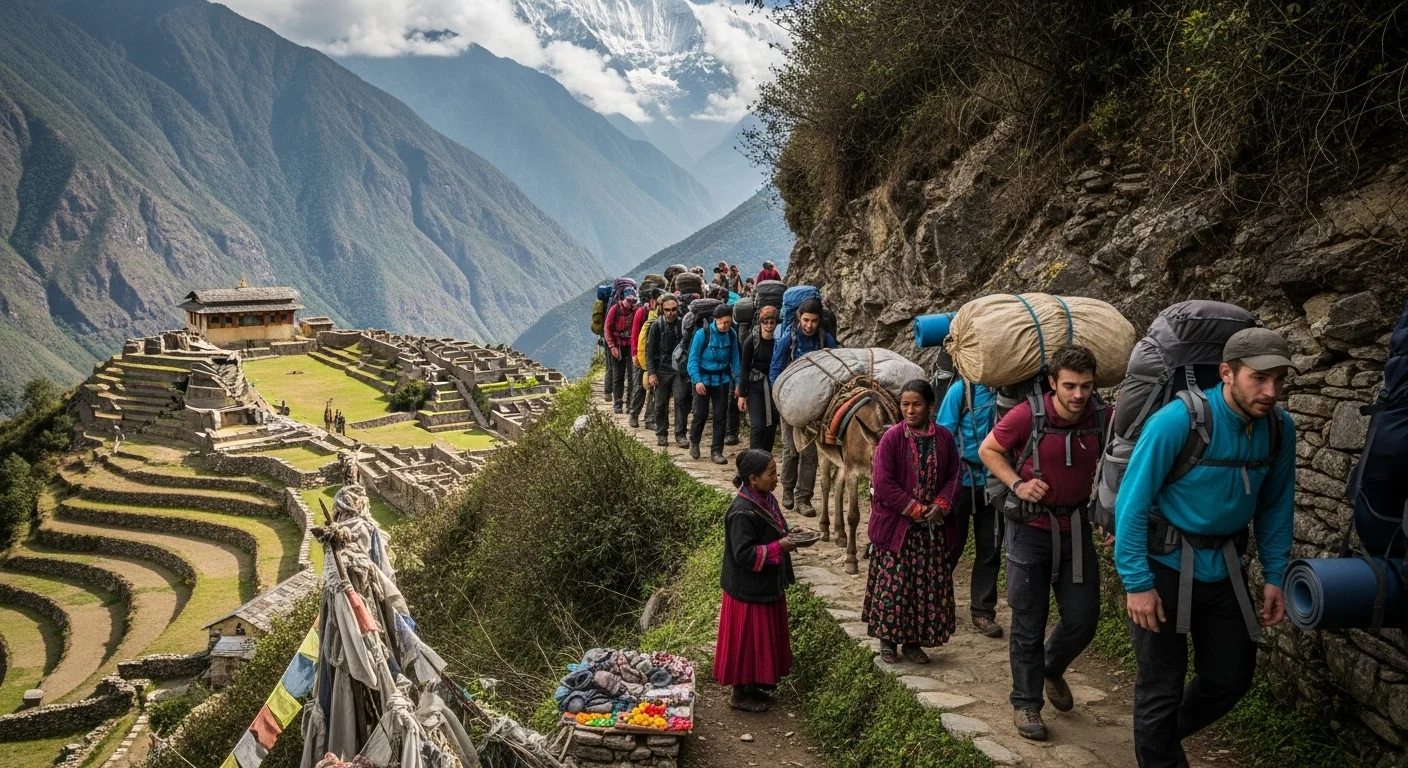
Are you ready to embark on an adventure that goes beyond just hiking? Cultural treks offer the chance to connect with local communities and immerse yourself in their stories. Let’s dive into the world of cultural trekking and discover budget-friendly adventures waiting for you. If you’re also interested in desert treks, be sure to check out Top 5 Budget-Friendly Desert Treks for Adventurous Souls.

Explore Cultural Treks: Budget Adventures Await You

Understanding Cultural Treks

Cultural treks are more than just physical journeys; they are a way to experience the heart and soul of a region. I remember my first cultural trek through the lush valleys of Peru. It was not just about the stunning landscapes but also about the people I met and the traditions I encountered. These treks allow us to step into different cultures and see life through the eyes of locals. Whether it’s the music, art, or daily rituals, cultural treks provide a rich tapestry of experiences that traditional trekking often overlooks.

What is a Cultural Trek?

A cultural trek is an immersive travel experience that combines hiking with cultural exploration. It often involves walking through villages, meeting locals, and participating in community activities. I’ve found that these treks can take you through breathtaking scenery while allowing you to engage with the culture in a personal way. For example, when I trekked in Nepal, I not only enjoyed the majestic Himalayas but also learned about the Sherpa way of life and their connection to the mountains.

Benefits of Cultural Trekking

The benefits of cultural trekking extend far beyond just physical fitness. Here’s what I’ve discovered:

  • Immersive Learning: You get to learn directly from locals about their customs, traditions, and history. I remember sharing stories with a local family in a small village, and it made my trek truly unforgettable.
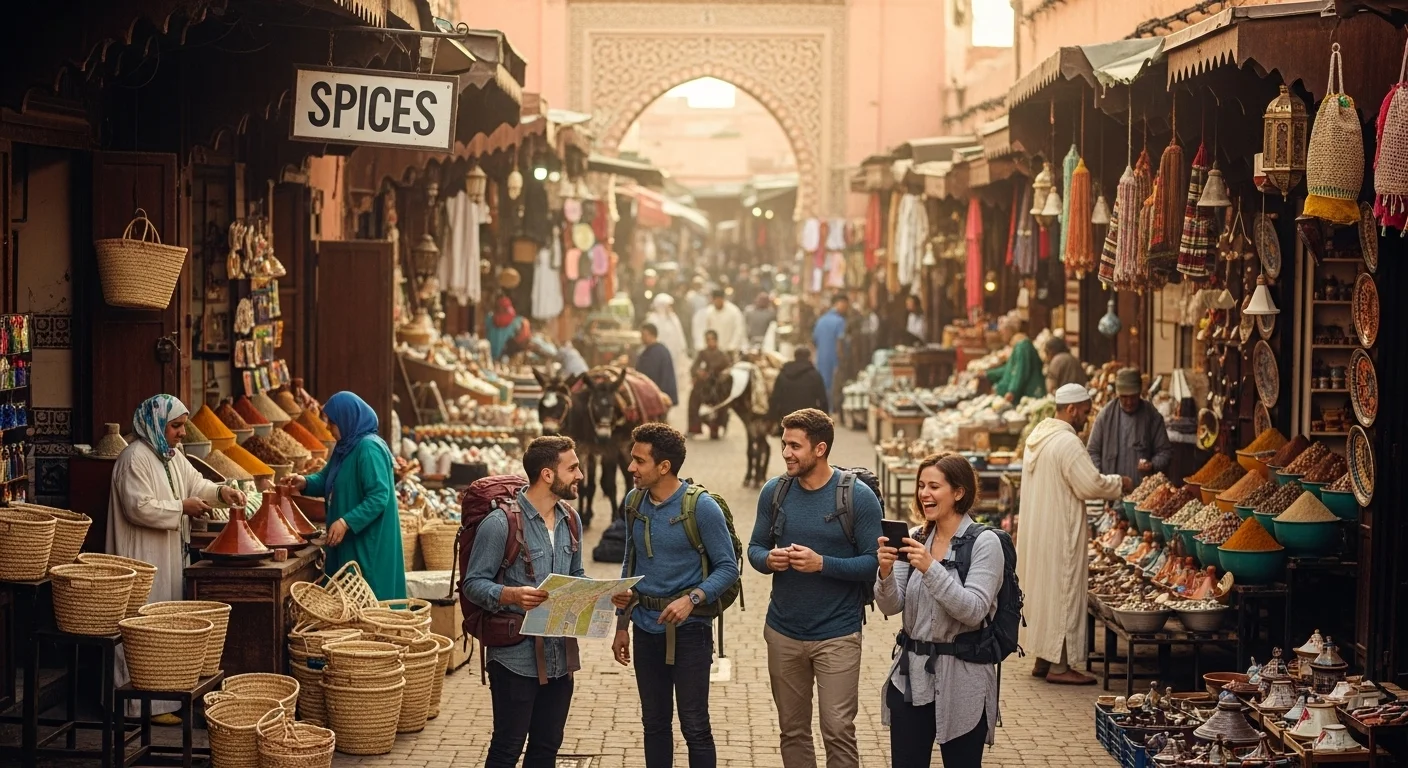
  • Personal Connections: Cultural treks often foster friendships with locals and fellow trekkers. I still keep in touch with friends I met during my trek in Morocco.
  • Support Local Economies: By participating in these treks, you contribute to the local economy. I’ve seen firsthand how tourism can help communities thrive.
  • Sustainable Travel: Many cultural treks focus on eco-friendly practices, ensuring that the beautiful places we love to explore remain pristine for future generations.

Differentiating Cultural Treks from Traditional Trekking

While traditional trekking often emphasizes the physical challenge of reaching a summit or traversing difficult terrain, cultural treks prioritize engagement with the local culture. For instance, on my traditional trek in the Andes, I was focused on the hike itself, but on my cultural trek through Vietnam, every step was an opportunity to interact with the vibrant communities along the way. We stopped to share a meal with a local family, and that connection made the experience so much richer. Cultural treks invite us to slow down, appreciate the journey, and learn from the people we meet.

In my opinion, the difference ultimately lies in the intention. Traditional trekking can be about the destination, while cultural trekking is about the journey and the connections we make. When I think back on my travels, it’s those moments of cultural exchange that stand out the most. Whether it’s sharing a meal, participating in a festival, or learning a craft, the memories created during a cultural trek are often the ones I cherish the most.

Top Budget-Friendly Cultural Trekking Destinations

When it comes to cultural trekking, I’ve found that some places just stand out for their rich heritage and breathtaking landscapes. Exploring these destinations on a budget can be quite rewarding, allowing us to connect with cultures while managing our expenses. Here are some of my favorite budget-friendly cultural trekking destinations that I think you should consider for your next adventure. If you’re looking for more budget ideas, check out Unforgettable Desert Treks: Budget Adventures Await You.

South America: The Inca Trail

The Inca Trail is one of the most iconic treks in the world, and for good reason. As I hiked along the ancient paths, I was surrounded by stunning mountain views and incredible archaeological sites. The trek culminates at Machu Picchu, which is a sight I’ll never forget. While some tours can be pricey, there are ways to budget effectively. I recommend booking with local companies rather than larger operators. They often offer competitive rates and a more authentic experience. Plus, camping along the trail gives you a chance to interact with fellow trekkers and share our experiences around the campfire.

Asia: The Himalayas

The Himalayas are not only a paradise for trekkers but also a cultural hub where diverse traditions come to life. I remember trekking through the Annapurna Circuit, where I encountered local villages, each with unique customs and flavors. While there are luxurious trekking options, I found that hosting in tea houses or local homestays can cut costs significantly while immersing you in the local culture. These experiences allow you to share meals with families, listen to their stories, and even join in on daily activities, making it a fulfilling journey.

Africa: The Maasai Mara

In Kenya, the Maasai Mara is a stunning destination for cultural trekking. I was lucky enough to participate in community-led treks that not only focused on the scenery but also on learning about Maasai traditions. These treks often include visits to local villages where you can interact with Maasai warriors and learn about their way of life. I found the costs to be quite reasonable, and the proceeds typically support community projects. This added layer of purpose made my trek feel even more special.

Europe: The Camino de Santiago

The Camino de Santiago offers a unique blend of history and culture as you walk toward the shrine of Saint James in Spain. I joined this pilgrimage a few years ago, and it was one of the most meaningful experiences of my life. Not only did I enjoy the beautiful landscapes, but the sense of community among fellow pilgrims was incredible. There are ample budget accommodations along the route, from albergues to camping spots. I felt grateful for the shared meals and stories with others who were also seeking something deeper on their journey.

North America: The Appalachian Trail

The Appalachian Trail stretches across the eastern United States, offering diverse landscapes and rich cultural experiences. I’ve trekked sections of it and found that each area has its own story to tell. Whether you’re in Virginia’s rolling hills or the rugged terrain of Maine, you can connect with local hikers and learn about the history of each region. Camping or staying in hostels is a great way to save money, and many towns along the trail are welcoming to hikers, providing opportunities to experience local culture firsthand.

These destinations have all provided me with unforgettable experiences, and I truly believe that cultural trekking allows us to learn about the world while also enjoying it. Each location offers its own unique flavor of culture, history, and community, making them perfect choices for your next budget-friendly adventure. For those interested in jungles, don’t miss Explore Exotic Jungles: Backpacking on a Budget.

Planning Your Cultural Trek

Planning a cultural trek can be just as exciting as the trek itself. From choosing the best time to visit to packing the right gear, each step is crucial in ensuring we have the adventure of a lifetime. I’ve learned that a little preparation goes a long way in making the journey smooth and enjoyable.

When to Go: Best Seasons for Trekking

Timing can make a significant difference in our trekking experience. I remember trekking in Nepal during the spring, when the rhododendrons were in full bloom. The colors were stunning, and the weather was perfect for hiking. Generally, the best seasons for trekking vary by region. In South America, for example, the dry season from May to September is ideal for the Inca Trail. Meanwhile, in the Himalayas, the pre-monsoon months of April and May offer clear skies and pleasant temperatures. I’ve found that researching the local climate can help us avoid unexpected weather conditions and ensure we see the landscapes at their best.

What to Pack: Essential Gear for Budget Treks

Choosing the right gear is another essential part of planning. I’ve learned from experience that packing light can make a huge difference. Here’s what I usually pack for my cultural treks:

  • Comfortable Footwear: A good pair of hiking boots or shoes can keep our feet happy on long walks. I always break in my shoes before hitting the trails.
  • Lightweight Backpack: A durable, lightweight backpack helps carry essentials without weighing me down.
  • Clothing Layers: Weather can change quickly in mountainous areas, so I pack layers for warmth and protection. I like to bring moisture-wicking shirts and a waterproof jacket.
  • Reusable Water Bottle: Staying hydrated is key, and I’ve found that carrying a reusable bottle is both eco-friendly and cost-effective.
  • Basic First Aid Kit: A small kit with essentials like band-aids, antiseptic wipes, and pain relievers can be a lifesaver.

By keeping my packing list simple, I can focus more on the adventure and less on lugging heavy bags around.

Travel Insurance: Why It’s Necessary

I can’t stress enough how important travel insurance is when embarking on a cultural trek. I learned this the hard way when I twisted my ankle during a trek in the Andes. Thankfully, I had insurance that covered medical expenses and evacuation. It gave me peace of mind knowing that I was protected. When choosing travel insurance, I recommend looking for policies that cover trekking activities, as not all plans include this. Reading reviews and asking fellow travelers for recommendations can help us find the right fit.

Budgeting for Your Adventure

Once the planning is underway, creating a budget for our cultural trek becomes essential. I’ve found that a well-thought-out budget can help us enjoy the journey without breaking the bank.

Estimated Costs: Transportation, Accommodation, and Food

Understanding the costs involved can help us make informed decisions. For instance, in many parts of South America, public transportation is quite affordable, and I often prefer it to taxis or private transfers. When it comes to accommodation, I’ve had great experiences staying in hostels or local guesthouses that not only save money but also enhance the cultural experience. As for food, I love trying local dishes. Street food is often delicious and very budget-friendly. I remember savoring empanadas from a street vendor in Argentina—it was an unforgettable treat!

Tips for Saving Money on Cultural Treks

Over the years, I’ve picked up a few tips that help me save money while still having an enriching experience:

  • Travel During Off-Peak Seasons: Prices for flights and accommodations can drop significantly outside of peak tourist times. This also means fewer crowds, allowing for more authentic interactions.
  • Negotiate Prices: In many cultures, haggling is a common practice. During my travels in markets, I learned that a friendly negotiation can often lead to better deals.
  • Group Travel: Joining a group can cut costs significantly when it comes to tours and accommodation. I’ve enjoyed the camaraderie and shared experiences with fellow travelers.

Free and Low-Cost Activities Along the Trek

Exploring local culture doesn’t always have to come with a price tag. I’ve discovered countless free or low-cost activities that enhance my experience. For instance, during my trek in the Appalachian Trail, I stumbled upon a local festival celebrating traditional music and dance. Participating in such events allows us to connect with the community in a meaningful way. I also recommend taking advantage of local parks or natural sites that often have no entry fees. Many areas also offer free walking tours led by locals, which provide great insight into their culture and history.

With a bit of planning and budgeting, we can create amazing memories while embarking on our cultural trekking adventures. Each step brings new experiences and connections that make the journey all the more special.

Experiencing Local Culture

Interacting with Local Communities

One of the most rewarding aspects of cultural trekking is the opportunity to interact with local communities. I can’t tell you how many memorable moments I’ve had just by being open to conversations with locals. During my trek in the Andes, I stopped in a small village where the children were playing soccer. I joined in, and before I knew it, I was part of their world—sharing laughs and stories. These spontaneous interactions often lead to friendships that transcend language barriers. I’ve learned that a smile and a genuine interest can open doors to experiences that guidebooks can’t provide.

It’s fascinating to hear the stories of the people who call these places home. I’ve sat with elders in various cultures, listening to their tales about their ancestors and how their traditions have evolved. I remember a man in Nepal sharing how the community worked together to build their school. Each story I’ve heard has added layers of understanding about their way of life, which has enriched my journey tenfold.

Traditional Foods to Try During Your Trek

Food is a significant part of cultural experiences, and I always make it a point to indulge in local cuisine during my treks. The flavors, ingredients, and cooking methods tell a story all their own. In Peru, I tasted ceviche that was so fresh it sparked a love for the dish that I still carry. In Morocco, I enjoyed tagine with locals, learning about the spice combinations that make the dish unique.

I’ve often tried to replicate these dishes at home, but nothing beats the authenticity of eating them in their country of origin. I think food not only nourishes our bodies but also connects us to the culture. I recommend asking locals for their favorite dishes or dining spots; they often know the hidden gems that tourists overlook. Food markets are another great place to experience the culinary culture firsthand while mingling with locals.

Cultural Etiquette: Do’s and Don’ts

Understanding cultural etiquette is essential for respectful interaction. I’ve learned a lot from my travels about what to do—and what not to do. In many cultures, greetings are vital. For instance, in Nepal, a simple “Namaste” with a slight bow shows respect. In contrast, while trekking in parts of Morocco, I learned that it’s polite to ask for permission before taking photos of people. These small gestures can go a long way in building rapport.

I’ve also noticed the importance of being mindful of local customs, especially regarding dress codes and behavior. When I trekked through rural regions, I made sure to dress modestly to honor local traditions. Observing and adapting to these customs not only helps us fit in but also shows our appreciation for the culture.

Safety Tips for Cultural Treks

Staying Safe in Remote Areas

Safety is always a priority when trekking, especially in remote areas. I remember when I was trekking in the Himalayas, I made it a point to stay on marked trails and always let someone know my plans for the day. Having a buddy system is also helpful. I’ve trekked with friends, and we always keep an eye on each other. Additionally, I found that carrying a whistle and having a first aid kit can be lifesavers in emergencies.

Health Precautions: Vaccinations and Medications

Before embarking on any trek, I always check with my doctor about necessary vaccinations and medications. For example, when I traveled to Southeast Asia, I was recommended to get vaccines for typhoid and hepatitis A. It might seem like a hassle, but these precautions are worth it for peace of mind. I also make sure to pack any regular medications I need, along with a few basics like pain relievers and diarrhea medications, just in case.

Emergency Contacts and Resources

It’s wise to have a list of emergency contacts and resources handy when trekking. I usually write down local emergency numbers, the nearest hospital, and my insurance information. During one trek, I found myself in a situation where I had to use this list, and it provided immense comfort in a stressful moment. Knowing how to reach help can make all the difference in ensuring a safe and enjoyable experience.

Eco-Friendly Trekking Practices

Leave No Trace Principles

As trekkers, we have a responsibility to protect the beautiful landscapes we explore. I’ve embraced Leave No Trace principles, ensuring that I pack out whatever I pack in. During my treks, I’ve seen the impact of litter on natural sites, and it always motivates me to be more conscious. I encourage everyone to carry a small trash bag and dispose of waste properly. It’s a simple act that contributes to preserving the environment for future trekkers.

Supporting Local Economies and Conservation Efforts

Participating in activities that support local economies and conservation efforts can enhance our trekking experience. I’ve taken part in community initiatives that focus on preserving local ecosystems, and I’ve felt a sense of fulfillment knowing I was making a positive impact. Whenever possible, I recommend choosing local guides and businesses, as this not only enriches our experience but also contributes directly to the communities we visit.

Resources for Cultural Trekkers

Guidebooks and Online Resources

Before setting out on my trekking adventures, I often rely on guidebooks and online resources for insights into local cultures and tips on what to expect. Websites like Lonely Planet and forums on Reddit can provide valuable information. I’ve found that reading up on local customs and recommendations helps prepare me for the journey ahead.

Local Guides and Tour Companies

Hiring local guides has been one of the best decisions I’ve made during my travels. They offer profound insights into the culture that I might not have discovered on my own. Plus, it supports their livelihood. I remember hiring a guide in Vietnam who shared stories that brought the history of the region to life, making my experience far more enriching.

Community Forums and Social Media Groups

Joining community forums and social media groups dedicated to trekking can be a great way to connect with fellow travelers. I’ve gained tips and advice from experienced trekkers that I wouldn’t have found elsewhere. Sharing experiences and learning from others can inspire and inform our next adventure.

Final Thoughts

Cultural trekking has transformed how I travel and experience the world. Each trek has been more than just a physical journey; it has allowed me to connect with remarkable people and their rich cultures. I believe that by embracing these experiences, we can create lasting memories and foster mutual understanding. As we lace up our hiking boots and step into different landscapes, let’s not forget to open our hearts and minds to the incredible stories that await us. Our adventures can inspire positive change, both within ourselves and in the communities we visit.

Frequently Asked Questions

What is a cultural trek?

A cultural trek is an immersive travel experience that combines hiking with cultural exploration. It often involves walking through villages, meeting locals, and participating in community activities while enjoying breathtaking scenery.

What are the benefits of cultural trekking?

The benefits of cultural trekking include immersive learning about local customs and traditions, forming personal connections with locals and fellow trekkers, supporting local economies, and engaging in sustainable travel practices.

How do cultural treks differ from traditional trekking?

Cultural treks prioritize engagement with local culture, while traditional trekking often focuses on the physical challenge of reaching a destination. Cultural treks invite participants to slow down and appreciate the journey and interactions with locals.

What are some budget-friendly cultural trekking destinations?

Some budget-friendly cultural trekking destinations include the Inca Trail in South America, the Himalayas, the Maasai Mara in Africa, the Camino de Santiago in Europe, and the Appalachian Trail in North America.

When is the best time to go trekking?

The best time to trek varies by region. For example, the dry season from May to September is ideal for the Inca Trail, while the pre-monsoon months of April and May are great for the Himalayas. Researching local climates helps ensure a pleasant experience.

What essential gear should I pack for a cultural trek?

Essential gear for a cultural trek includes comfortable footwear, a lightweight backpack, clothing layers for varying weather, a reusable water bottle, and a basic first aid kit.

Why is travel insurance important for trekking?

Travel insurance is important for trekking as it provides protection for medical expenses and emergencies. It is advisable to choose policies that specifically cover trekking activities.

How can I save money on cultural treks?

To save money on cultural treks, consider traveling during off-peak seasons, negotiating prices in local markets, and joining group travels to cut costs on tours and accommodations.

What are some cultural etiquette tips for interacting with locals?

Understanding cultural etiquette is essential; for example, greetings are important, and it’s polite to ask for permission before taking photos. Adapting to local customs, including dress codes, shows respect for the culture.

What practices support eco-friendly trekking?

Eco-friendly trekking practices include following Leave No Trace principles by packing out what you pack in, participating in community initiatives that conserve local ecosystems, and choosing local guides and businesses to enrich the experience and support local economies.

Budget-Friendly Coastal Hikes: Explore Nature on a Dime

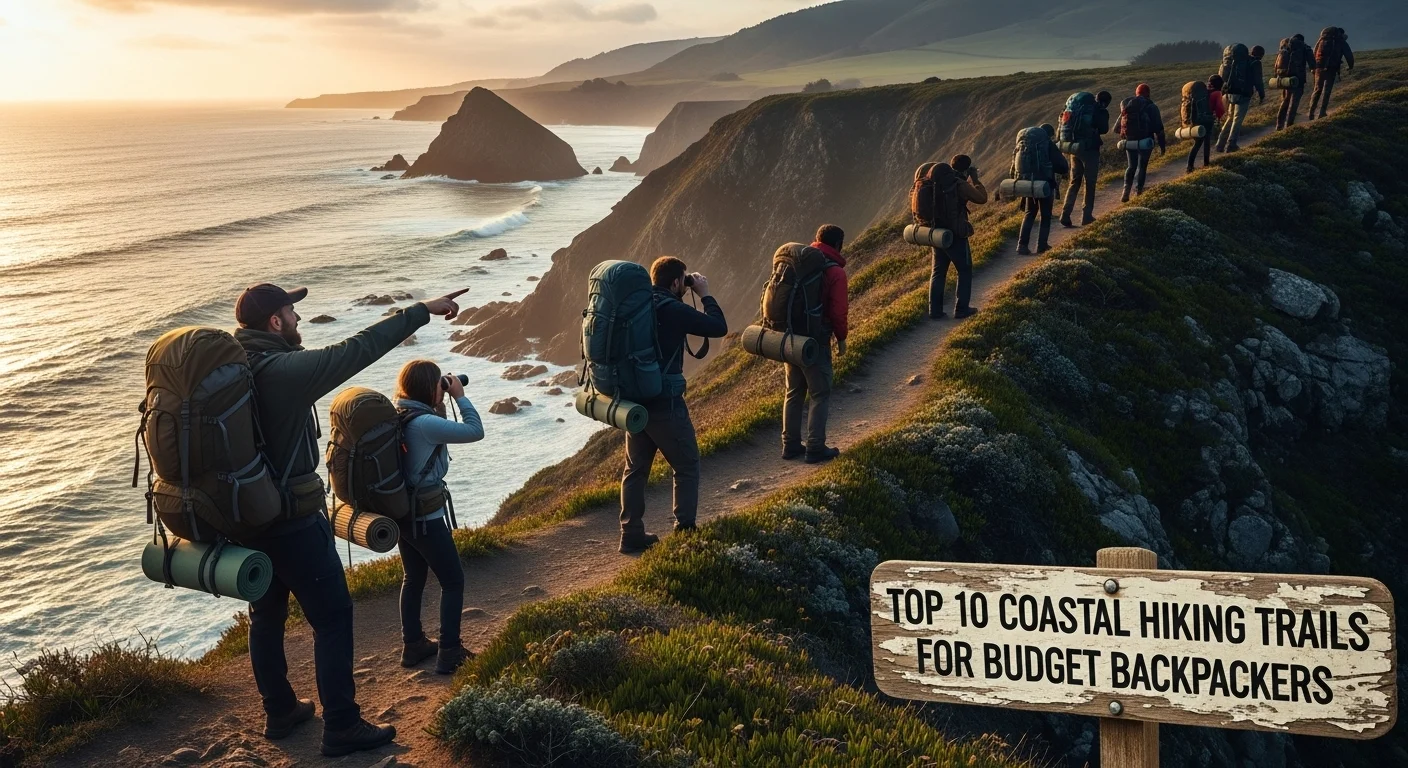
Exploring the beauty of coastal hikes doesn’t have to break the bank. With stunning views and fresh ocean air, budget-friendly coastal hiking offers an adventure that anyone can enjoy without spending a fortune. For those looking for more options, check out our article on Top 10 Coastal Hiking Trails for Budget Backpackers.

Budget-Friendly Coastal Hikes: Explore Nature on a Dime

Overview of Budget-Friendly Coastal Hiking

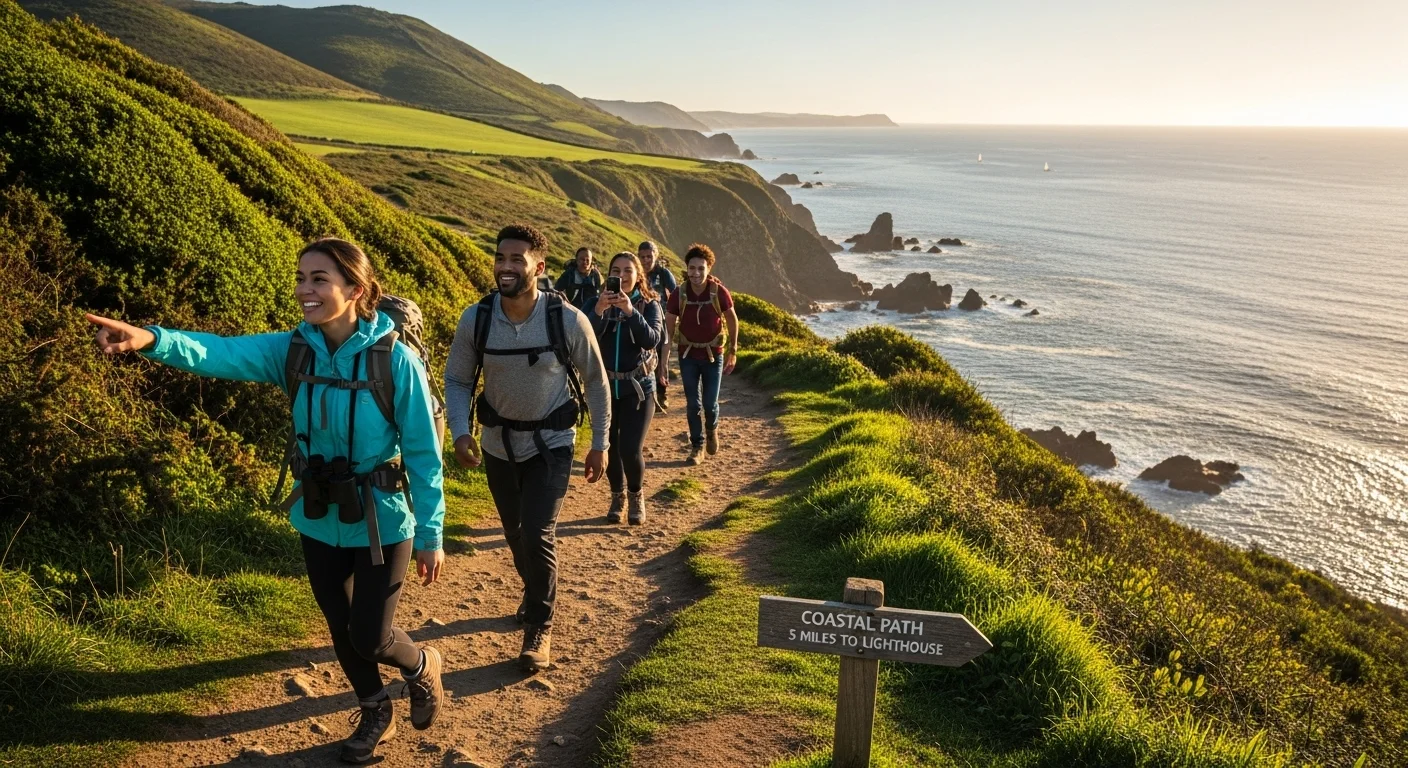
Coastal hiking has a special charm that draws many of us in. The sound of waves crashing against the shore, the scent of salt in the air, and the breathtaking vistas make it an experience like no other. When I first started hiking, I was surprised to learn that there are plenty of options that don’t require a hefty budget. It’s become my go-to for weekend getaways and even day trips. I’ve found that with a little planning, I can enjoy these beautiful trails without worrying about finances.

Benefits of Coastal Hiking

Coastal hiking is more than just a scenic stroll; it’s an opportunity to connect with nature. I remember the first time I hit a coastal trail; the rugged cliffs and soft sandy beaches were mesmerizing. The benefits are numerous: physical fitness, mental clarity, and the chance to escape the hustle and bustle of daily life. Hiking along the coast can also be a social experience. I’ve met so many friendly fellow hikers who are just as eager to enjoy the beauty around us. Sharing stories and experiences makes every hike memorable. Plus, the diverse ecosystems along coastal areas provide a unique chance to see wildlife and plants that you might not encounter elsewhere.

Why Choose Budget-Friendly Options?

When I think about budget-friendly hiking, I feel empowered. Choosing trails that won’t cost an arm and a leg means I can explore more often and with less financial stress. Hiking doesn’t have to be pricey; many stunning coastal trails are free or have minimal entrance fees. I used to think that the best hikes were always the ones that came with a price tag, but I quickly learned that some of the most breathtaking vistas were accessible without spending a dime.

Moreover, budget-friendly options encourage more people to get outside. I’ve found that when I share my favorite low-cost hikes with friends, it inspires them to join me. It’s a great way to build a community around outdoor activities while keeping costs low. We can simply pack our own snacks, enjoy the views, and make memories without feeling the pinch in our wallets. If you’re interested in exploring more budget-friendly hikes, consider reading about how to trek mountains on a budget in our article How to Trek Mountains on a Budget: Tips & Tricks.

Top Budget Coastal Hiking Destinations

Pacific Coast Trail

The Pacific Coast Trail is one of the most famous long-distance trails in the U.S., stretching over 2,600 miles from Mexico to Canada. I’ve hiked sections of it and can vouch for its incredible views and diverse terrain. While some parts can be challenging, there are many accessible sections that are perfect for day hikes. Plus, the variety of landscapes—from beaches to forests—keeps every hike fresh and exciting.

Appalachian Trail Coastal Sections

Don’t underestimate the Appalachian Trail! While it’s often associated with its mountainous areas, there are stunning coastal sections too. I explored parts of it in Maine, where the rugged coastline meets dense forests. The beauty of this trail is that you can pick and choose sections that fit your budget and time constraints. It’s a fantastic way to experience the Appalachian Trail without committing to a long trek.

Florida’s Coastal Heritage Trail

If you’re looking for warm weather and beautiful scenery, Florida’s Coastal Heritage Trail is perfect. This trail offers a mix of beaches, wetlands, and historical sites. I found it to be a great place to spot wildlife, especially birds. The best part? Many segments are completely free, making it an excellent choice for budget-conscious hikers.

Oregon Coast Trail

The Oregon Coast Trail is another gem. It winds along the Pacific coastline, providing breathtaking views of cliffs and beaches. I’ve spent days hiking here, and I can honestly say that the sunsets are something you have to experience. There are numerous access points, which means you can choose how far you want to hike without pressure.

New Jersey Coastal Heritage Trail

Last but not least, the New Jersey Coastal Heritage Trail offers a delightful adventure. It features a mix of beaches, marshes, and historical landmarks. I was pleasantly surprised to find so many options for nature lovers within New Jersey. The best part is that many of the trails are free to access, making it a budget-friendly option for local hikers.

Essential Gear for Budget Hikers

Footwear: Affordable Options

When it comes to hiking, I can’t stress enough how essential a good pair of shoes is. I learned this the hard way on my first hike when I wore my regular sneakers and ended up with sore feet and blisters. Investing in budget-friendly hiking shoes or boots doesn’t have to be expensive. I found that brands like Merrell and Columbia often have sales or outlet options that make quality footwear accessible. Look for shoes with good traction and support, especially for coastal hikes where the terrain can vary from sandy beaches to rocky paths. I also recommend checking local thrift stores or online marketplaces; I’ve stumbled upon some amazing deals there that have served me well on numerous hikes.

Backpacks and Hydration Solutions

Having the right backpack is crucial for any hike, especially on the coast where you might need to carry extra water, snacks, and gear. I remember my first backpack was a little too small, and I had to leave behind some essentials. Luckily, I found a mid-sized backpack that fits just right for day hikes without breaking the bank. Look for options with hydration packs or compartments for water bottles. Staying hydrated is key when hiking, especially under the sun. I’ve also used collapsible water bottles to save space and weight. It’s a simple way to ensure you have enough water without carrying bulky containers.

Clothing for Variable Coastal Weather

Coastal weather can be unpredictable. I’ve experienced sunny mornings that turned into chilly afternoons, so layering is the name of the game. I’ve learned to pack lightweight, moisture-wicking clothing that can keep me comfortable regardless of changes in temperature. Thrift stores are great for finding affordable long-sleeve shirts and lightweight jackets. Investing in a good raincoat is essential too; I can’t tell you how many times I’ve been caught in unexpected showers! A packable rain jacket doesn’t take up much space and can save a hike from being a soggy disaster.

Navigation Tools: Maps vs. Apps

Knowing where you’re going is essential, especially in coastal areas where trails can be less marked. I prefer to have a physical map on hand, just in case I lose my phone signal. However, I also rely on hiking apps like AllTrails or Gaia GPS, which can provide real-time updates and trail information. Many of these apps are free or have a low-cost subscription option. I recommend downloading maps before heading out to ensure you have access even without cell service. Having both a map and an app gives me peace of mind, knowing I won’t get lost while enjoying the stunning coastal views.

Cost-Saving Tips for Coastal Hiking

Transportation Options to Coastal Trails

Getting to the trailhead without spending a lot is something I’ve become pretty good at. Carpooling with friends is one of my favorite ways to save on gas. Not only does it cut costs, but it also adds to the fun of the hike. I’ve also found that many public transport systems offer routes to popular hiking spots, which is a great budget-friendly option. I remember taking a bus to a coastal trail and meeting some fellow hikers along the way, which made the experience even more enjoyable.

How to Save on Food and Water

Food can be one of those sneaky expenses if you’re not careful. I used to buy snacks at gas stations or trailheads, but I quickly realized how much it added up. Now, I pack my own snacks, like trail mix, fruits, or energy bars. Preparing sandwiches or wraps is easy and keeps me fueled for the hike without breaking the bank. I also carry a reusable water bottle filled with water from home. It’s a small change that really helps cut costs while keeping me hydrated. I’ve found that planning meals ahead of time makes all the difference for a day out.

Camping vs. Day Hiking: Which is More Affordable?

Deciding between camping and day hiking can be tricky. I’ve tried both, and I think it comes down to personal preference and budget. Camping can sometimes be more economical if you consider the cost of multiple day hikes versus a single camping trip. Many coastal areas have campgrounds that charge a modest fee, and you can enjoy several hikes in one trip. On the other hand, day hiking allows for flexibility and doesn’t require committing to overnight gear. I’ve had amazing experiences with both, but if you want to truly immerse yourself in the coastal environment, I recommend giving camping a try.

Finding Free or Low-Cost Parking

One of the best tips I’ve learned is to plan ahead for parking. Many coastal trails have free parking areas, but some popular spots can charge fees. I usually check online for parking information before heading out. Sometimes, arriving early can help avoid the parking fees altogether. I’ve noticed that some local communities offer free parking for hikers, so it’s worth doing a bit of research. Whenever I can save on parking, I feel like I can enjoy the hike even more without worrying about costs.

Wildlife and Natural Features to Look For

Coastal Flora: Plants Unique to Coastal Regions

One of the joys of coastal hiking for me has been discovering the unique plants that thrive in these environments. I’ve found that coastal regions often have a variety of flora adapted to salty air and sandy soils. For example, I was fascinated by the sight of beachgrass swaying in the wind, which helps prevent erosion along shorelines. I’ve also come across stunning wildflowers like the California poppy and sea thrift, which add a splash of color to the landscape. Learning about the plant life not only enriches my hiking experience but also deepens my appreciation for nature’s resilience. If you’re interested in botany, I recommend bringing along a field guide or using a plant identification app. It’s rewarding to recognize and understand the flora that surrounds us on these trails.

Common Wildlife Sightings on Coastal Hikes

Wildlife is another highlight of coastal hikes. I remember my first hike along the Oregon Coast Trail, where I was lucky enough to spot a pod of sea lions basking on the rocks. The thrill of seeing these creatures in their natural habitat is something I cherish. Coastal areas are home to a wide range of wildlife, from birds like eagles and pelicans to marine animals like dolphins and whales. I’ve also seen tide pools teeming with life, including starfish and anemones, which are always a hit with fellow hikers, especially families. Keeping an eye out for wildlife makes every hike feel like an adventure filled with surprises. I suggest bringing binoculars for birdwatching, as it can enhance your experience and allow you to observe these amazing creatures up close.

Scenic Views: Best Coastal Lookouts

No coastal hike is complete without breathtaking views. I’ve hiked many trails, but some of my favorite lookout points have left me utterly speechless. One that stands out is the viewpoint at Cape Lookout in Oregon, where you can see the rugged coastline stretching out into the horizon. It’s moments like these that make all the effort worthwhile. I’ve found that taking a moment to pause and soak in the surroundings can be incredibly grounding. Other notable lookouts include the cliffs along Big Sur in California, where the Pacific Ocean crashes against the rocks below, creating a stunning display of nature’s power. If you’re hiking with friends, I recommend taking a break at these scenic spots to share the moment and snap some photos. You’ll create memories to cherish long after the hike is over.

Safety Tips for Coastal Hiking

Understanding Tides and Coastal Hazards

Safety is paramount when hiking along the coast. I’ve learned that understanding tides is crucial, especially if your trail takes you near the water. There have been times when I didn’t check the tide schedule and ended up getting a bit too close to the water’s edge—definitely a lesson learned! Familiarizing yourself with local tide charts can help you plan your hike effectively. Additionally, be cautious of sudden weather changes, as coastal areas can be unpredictable. I’ve experienced fog rolling in quickly, which made navigation trickier. Always have a plan and be prepared for varying conditions.

What to Do in Case of Emergencies

Even with the best planning, emergencies can happen. A few years back, I had a friend twist their ankle during a hike. We were in a remote area, and it was a bit daunting. Thankfully, we had a first aid kit with us and knew how to stabilize the injury until we could get back to safety. I recommend carrying a small first aid kit on every hike, complete with essentials like band-aids, antiseptic wipes, and any personal medications. It’s also wise to let someone know your hiking plans and estimated return time. Having a charged phone for emergencies can be a lifesaver, but remember that service might be spotty in some areas.

Staying on Trail: Importance of Marked Paths

Staying on marked trails is not just about following the path; it’s about protecting the environment and ensuring your safety. I’ve witnessed some hikers venture off-trail, which can damage fragile ecosystems. I’ve made it a point to stick to established paths to help preserve the beauty we enjoy. Additionally, marked trails reduce the risk of getting lost, especially in coastal regions where the landscape can change rapidly. Always pay attention to trail markers and signs. If you’re unsure about a path, don’t hesitate to consult maps or ask other hikers. I’ve found that a little caution goes a long way in ensuring a safe and enjoyable hiking experience.

When to Hike: Seasonal Considerations

Best Times of Year for Coastal Hiking

Timing can make a big difference in your hiking experience. I’ve hiked during different seasons, and each one offers its own unique charm. In my experience, spring and fall are the best times for coastal hiking. The weather tends to be mild, and the trails are less crowded. I remember hiking along the California coast in early spring when the wildflowers were just beginning to bloom; it was like walking through a vibrant painting. On the other hand, summer brings sunny days perfect for beach access, but it can also mean larger crowds. I’ve learned to plan my hikes early in the morning or later in the evening to avoid the peak times. Winter can be beautiful too, especially if you enjoy cooler temperatures and the chance to see dramatic waves crashing against the shore, but I always check weather forecasts to avoid storms.

Weather Patterns and Their Impact on Hiking

Weather can be unpredictable, especially along the coast. I’ve had hikes where I started in sunshine only to be caught in unexpected rain. It’s crucial to keep an eye on local weather patterns before you head out. For instance, I’ve noticed that coastal fog can roll in quickly, making visibility tricky. Always pack layers to adapt to changing temperatures. I find it helpful to check apps that provide hourly forecasts specific to the area I’m hiking in. Being prepared means I can focus on enjoying the hike rather than worrying about the weather. Also, I’ve learned that some trails can become muddy after rain, so being cautious about trail conditions is essential.

Local Events and Festivals Along Coastal Trails

One of the delightful surprises I’ve encountered while hiking are local events or festivals happening nearby. They can add an extra layer of fun to your hiking trip. I remember hiking in a coastal town during their annual seafood festival. After a long day on the trail, I got to enjoy fresh seafood and local crafts, which was a fantastic way to unwind. Many coastal areas host events like beach clean-ups, nature walks, or art festivals, which can provide a great opportunity to meet locals and learn more about the area. I recommend checking community calendars to see if any events align with your hiking plans; it can make for a memorable experience.

Community and Resources for Budget Hikers

Online Forums and Hiking Groups

Connecting with fellow hikers has been one of the most enriching aspects of my adventures. I’ve found that online forums and hiking groups can be a treasure trove of information. Websites like Meetup or local Facebook groups often have members sharing their favorite budget-friendly trails. I’ve joined a few groups and learned about hidden gems I would have never found on my own. It’s also a great way to find hiking buddies if you’re looking to explore new trails together. Sharing experiences and tips with others fuels my passion for hiking, and I always feel more connected to the outdoor community.

Local Conservation Organizations

Many coastal areas have local conservation organizations dedicated to preserving natural habitats. I’ve volunteered with a few, and it’s been an eye-opening experience. Not only do you get to give back, but you also learn a lot about the ecosystems you’re hiking through. These organizations often host events, educational programs, and even guided hikes that can be both affordable and informative. I recommend checking their websites to see if they have any upcoming events or volunteer opportunities. It’s a rewarding way to deepen your connection to nature while supporting the trails we love.

Apps and Websites for Finding Coastal Hikes

In this digital age, there are countless apps and websites designed to help hikers find trails. I’ve had great success with apps like AllTrails, which allows me to filter hikes by distance, difficulty, and even user reviews. It’s comforting to know what to expect before I hit the trail. Additionally, websites like the American Hiking Society provide resources and tips for budget hikers. I often browse these resources to discover new trails or get advice on planning my next coastal adventure. Technology has made it easier than ever to explore, and I think we should take full advantage of it!

Final Thoughts

Coastal hiking on a budget is not just possible; it’s incredibly rewarding. From the breathtaking views to the unique wildlife you encounter, every hike offers an opportunity to connect with nature without draining your wallet. I’ve learned that with a little planning, flexibility, and a sense of adventure, the great outdoors becomes accessible for everyone. Whether it’s packing your snacks or discovering local trails, these small changes can lead to unforgettable experiences. So, grab your gear, gather some friends, and hit the trails—you never know what amazing sights and memories await you on your next budget-friendly coastal hike!

Frequently Asked Questions

What are the benefits of coastal hiking?

Coastal hiking offers numerous benefits, including physical fitness, mental clarity, and an escape from daily life. It also provides opportunities for social interaction with fellow hikers and a chance to observe unique wildlife and diverse ecosystems.

Why should I choose budget-friendly coastal hiking options?

Budget-friendly hiking options empower hikers to explore more often without financial stress. Many stunning coastal trails are free or have minimal fees, making it easier to enjoy the outdoors and build a community around hiking.

What are some top budget coastal hiking destinations mentioned?

Some top budget coastal hiking destinations include the Pacific Coast Trail, Appalachian Trail coastal sections, Florida’s Coastal Heritage Trail, Oregon Coast Trail, and New Jersey Coastal Heritage Trail. Each offers unique scenery and accessible trails.

What essential gear should I have for budget hiking?

Essential gear for budget hiking includes good footwear, a suitable backpack with hydration options, and clothing suitable for variable coastal weather. A first aid kit and navigation tools like maps or hiking apps are also recommended.

How can I save on transportation to coastal trails?

To save on transportation costs, consider carpooling with friends or using public transport systems that offer routes to popular hiking spots. This not only reduces expenses but can also enhance the hiking experience.

What are some tips for saving on food and water during hikes?

Packing your own snacks, such as trail mix, fruits, or sandwiches, can help reduce food costs. Additionally, carrying a reusable water bottle filled with water from home is a simple way to save money and stay hydrated.

Is camping more affordable than day hiking?

Camping can sometimes be more economical than day hiking, as it allows for multiple hikes in one trip at a modest fee for campgrounds. However, day hiking offers more flexibility without the need for overnight gear.

What wildlife can I expect to see while coastal hiking?

Coastal hikes offer opportunities to see a variety of wildlife, including sea lions, eagles, pelicans, dolphins, and tide pool creatures like starfish and anemones. Bringing binoculars can enhance wildlife observation experiences.

What should I know about safety while coastal hiking?

Understanding tides, being aware of coastal hazards, and staying on marked paths are crucial for safety. It’s also advisable to carry a first aid kit, inform someone of your hiking plans, and be prepared for changing weather conditions.

When is the best time of year for coastal hiking?

The best times for coastal hiking are typically spring and fall when the weather is mild and trails are less crowded. Summer offers sunny days, while winter can provide beautiful scenery, but it’s important to check weather forecasts to avoid storms.

Top 10 Coastal Hiking Trails for Budget Backpackers

If you love the ocean’s salty breeze and the thrill of adventure, coastal hiking trails offer some of the best experiences out there. Let’s dive into the world of budget-friendly coastal hikes that won’t break the bank!

Top 10 Coastal Hiking Trails for Budget Backpackers

Overview of Coastal Hiking Trails

What is Coastal Hiking?

Coastal hiking is all about exploring trails that hug the shoreline, giving you breathtaking views of the ocean, cliffs, and sandy beaches. I remember my first coastal hike; the sound of waves crashing and the scent of salt in the air made it unforgettable. These trails can vary in difficulty, ranging from easy walks along the beach to challenging treks up rugged cliffs. Regardless of your fitness level, there’s usually a coastal trail that will suit your pace and skill. It’s a chance to immerse yourself in nature while enjoying the stunning scenery that only the coast can provide.

Benefits of Coastal Hiking

Coastal hiking comes with numerous perks that can enhance your outdoor experience. For starters, I’ve found that being near the ocean can be incredibly calming. The rhythmic sound of the waves can wash away life’s stresses, making it easier to connect with nature and yourself. Plus, these trails often feature diverse ecosystems, from sandy shores to rocky cliffs. This variety means you’re likely to encounter a rich array of wildlife, including seabirds, marine life, and even seals or whales if you’re lucky. Another significant benefit is the accessibility of many coastal trails. Many of them are free or have low entry fees, making them perfect for budget backpackers like us. I’ve explored multiple trails without spending a dime on entry, only needing to pack my gear and snacks. Hiking along the coast can also be a fantastic workout, engaging your muscles as you navigate varying terrains, and providing a great way to improve your fitness while enjoying the great outdoors. Read Interesting article: Essential Guide to Affordable Jungle Trekking Adventures

Top 10 Budget-Friendly Coastal Hiking Trails

1. Pacific Crest Trail (California)

The Pacific Crest Trail (PCT) is well-known among backpackers, and for good reason. Stretching over 2,600 miles from Mexico to Canada, the PCT offers segments that run along the breathtaking California coastline. I hiked a section near Big Sur, and the views were nothing short of spectacular. The cliffs looming over the ocean paired with the wildflowers in full bloom made it a magical experience. Best of all, you can choose shorter sections to fit your schedule and budget!

2. Oregon Coast Trail (Oregon)

The Oregon Coast Trail is another gem that caught my attention during my travels. This 382-mile trail offers accessible sections, making it perfect for both day hikes and longer backpacking trips. I remember walking through quaint seaside towns and stunning headlands, with each step revealing a new vista. The trail is free, and there are plenty of campsites along the way that won’t dent your wallet.

3. Coastal Trail in Acadia National Park (Maine)

Acadia National Park is a treasure in Maine, and its Coastal Trail is a must-do for any budget backpacker. The path weaves along the rocky shoreline, offering a unique blend of forest and coastal views. I was fortunate enough to catch a sunrise here, and the sight of the sun rising over the Atlantic was breathtaking. This park is relatively affordable, with a nominal entrance fee, and the views make it worth every penny.

4. Cape Cod National Seashore (Massachusetts)

Cape Cod National Seashore is a fantastic choice for those looking to experience the beauty of the East Coast. With miles of sandy beaches, marshes, and ponds, this area is perfect for an easy-going hike. I loved walking through the quaint towns and tasting the local seafood along the way. The national seashore has a small entrance fee, but the miles of trails and stunning views more than compensate for it.

5. Gulf Islands National Seashore (Florida)

The Gulf Islands National Seashore is another budget-friendly option, offering a beautiful blend of history and nature. The hiking trails here lead you through stunning white sandy beaches and coastal forests. I was amazed by the wildlife I saw, including dolphins playing in the surf. Best of all, many areas of the park are free to access, making it great for those on a tight budget.

6. Olympic National Park Coastal Trail (Washington)

The Olympic National Park offers an incredible coastal trail that feels like stepping into a different world. I remember hiking through lush forests that opened up to rugged beaches, where I could hear the waves crashing against the rocks. The scenery is diverse, and the wildlife is plentiful. This park does require an entrance fee, but the experience is truly priceless.

7. Big Sur Coastal Trail (California)

Big Sur is iconic for its dramatic coastline and breathtaking views. I spent an unforgettable day hiking along the Big Sur Coastal Trail, where the Pacific Ocean stretched endlessly before me. The cliffs, the crashing waves, and the vibrant wildflowers made every step worth it. This trail is free, aside from parking fees, making it a budget-friendly option for those looking to experience California’s coastline.

8. Assateague Island National Seashore (Maryland)

Assateague Island is famous for its wild horses and stunning coastal scenery. I loved hiking along the pristine beaches and marshes, spotting wildlife along the way. The park charges a small entrance fee, but it’s a fantastic deal for such a beautiful place. The trails are easy to navigate, making it perfect for families and casual hikers.

9. Point Reyes National Seashore (California)

Point Reyes is a favorite of mine, with its stunning coastal cliffs and diverse ecosystems. I enjoyed hiking along the trails that offered views of the rugged coastline and the chance to see wildlife such as elephant seals and migrating whales. The park charges an entrance fee, but the experience is worth every penny. Plus, the number of trails available means you can customize your hike based on your budget and time.

10. Fundy Footpath (New Brunswick, Canada)

The Fundy Footpath is a hidden gem for those willing to venture into Canada. It offers stunning views of the Bay of Fundy, known for having the highest tides in the world. I found the trails challenging but rewarding, with breathtaking landscapes at every turn. While it’s a bit of a trek to get there, the experience is incredibly budget-friendly, especially for those who love to camp. Read Interesting article: 5 Must-Visit Jungle Destinations for Budget Travelers

Planning Your Coastal Hiking Trip

Best Time to Hike Coastal Trails

I’ve learned that timing can greatly enhance your coastal hiking experience. Personally, I prefer to hike during the shoulder seasons—spring and fall. The weather tends to be milder, and the trails are less crowded, giving us a chance to truly connect with nature. For instance, when I hiked the Oregon Coast Trail in early June, the wildflowers were in full bloom, painting the landscape with vibrant colors. I remember feeling like I had stumbled into a painting, and it was all thanks to the timing of my trip. Summer is popular for many hikers, but it can be sweltering and crowded along some coastlines. If you can brave the cooler months, winter hikes can also provide a unique experience, especially if you enjoy dramatic coastal storms (safely, of course!). Just keep an eye on weather forecasts and be prepared for sudden changes, which is typical along coastal areas.

Essential Packing List for Coastal Hikes

When it comes to packing for a coastal hike, I’ve found that less is often more. Here’s a list I usually stick to that keeps me prepared without overloading my backpack:

  • Comfortable Hiking Shoes: A good pair of shoes makes all the difference. I always opt for something breathable and sturdy to handle various terrains.
  • Weather-Appropriate Clothing: Layers are key! I usually pack a moisture-wicking base layer, an insulating layer, and a waterproof shell. You never know when the sky might change.
  • Hydration System: Staying hydrated is crucial. I often carry a refillable water bottle or hydration pack to keep my energy up.
  • Snacks: I love bringing along trail mix, energy bars, or fresh fruit to keep my energy levels steady during the hike.
  • First Aid Kit: It’s always smart to be prepared for minor injuries. I keep a small kit with band-aids, antiseptic wipes, and pain relievers.
  • Navigation Tools: A physical map and compass or a hiking app on my phone helps me stay on the right path.
  • Sun Protection: Sunscreen, a hat, and sunglasses are essential, especially when hiking along exposed coastlines.

By packing wisely, I can focus more on enjoying the hike and less on what I forgot!

Choosing the Right Gear on a Budget

Finding quality gear without spending a fortune can feel daunting, but I’ve discovered some great strategies. First off, I recommend checking out local thrift stores or online marketplaces. I’ve found incredible hiking boots that have barely been worn for a fraction of the price. Another tip is to take advantage of seasonal sales at outdoor retailers. I once snagged a high-quality rain jacket at a huge discount simply because it was last season’s color. Additionally, rental services can be a lifesaver if you need specific gear for a one-time hike. I’ve rented tents and backpacks before, saving money while still enjoying the experience. Lastly, talk to friends or fellow hikers. I’ve borrowed gear from friends who weren’t using it, which not only saved me money but also helped me try out different equipment before making a purchase. Don’t hesitate to ask around; you’d be surprised at how willing people are to help. Read Interesting article: Experience Epic Mountain Treks Without Breaking the Bank

Where to Stay While Hiking

Camping Options Near Coastal Trails

Camping is often the best way to immerse yourself in the outdoors while keeping costs down. I’ve found that many coastal areas offer fantastic campgrounds, sometimes right by the trail. For example, the campsites along the Oregon Coast Trail are not only affordable but often come with stunning ocean views. I remember waking up to the sound of waves crashing right outside my tent—there’s nothing quite like it! When planning your trip, it’s essential to check whether you need a reservation. Some popular sites fill up quickly, especially during peak season. I always have a backup plan, such as nearby dispersed camping options, which can be a great way to enjoy the wild without the crowds.

Budget-Friendly Hostels and Inns

If camping isn’t your style, hostels can be a great alternative. During my travels, I’ve discovered cozy, budget-friendly hostels located just a short distance from popular coastal trails. Not only do they offer affordable rates, but they’re also a fantastic way to meet fellow adventurers. I remember staying at a charming hostel in California where I bonded with fellow hikers over shared meals and stories about our hikes. Plus, many hostels provide kitchen facilities, allowing me to save even more by cooking my own meals. It’s a win-win!

Tips for Finding Affordable Accommodations

When searching for places to stay, I often use travel websites and apps that allow me to compare prices and read reviews. Being flexible with my travel dates can also lead to better deals. I’ve found that staying midweek instead of on weekends often results in significant savings. Another great tip is to look for off-the-beaten-path locations. Sometimes, staying a bit farther from popular tourist spots can save money and lead to discovering hidden gems. I once booked a cozy inn that was slightly inland, and it turned out to be a peaceful retreat while still providing easy access to the coast. It’s all about being open to new experiences.

Local Attractions and Activities

Exploring Wildlife Along Coastal Trails

One of my favorite parts of coastal hiking is the chance to spot wildlife. I’ve had some incredible encounters, from watching seals basking on the rocks to spotting dolphins playing in the waves. Many coastal trails are situated in or near protected areas, so the chances of seeing animals in their natural habitat are high. I recommend keeping an eye out for local birdwatching opportunities too. I once joined a small group of birdwatchers along a coastal trail, and it was amazing to learn about different species while enjoying the hike. Bring binoculars if you can; they can enhance your experience significantly.

Visiting Nearby Beaches and Towns

After a long hike, visiting nearby beaches or charming towns can be the perfect way to unwind. I love exploring the quaint shops and local eateries after hitting the trails. For example, after hiking at Acadia National Park, I visited a nearby town where I enjoyed fresh lobster rolls while watching the sun set over the harbor. These little adventures often reveal the unique culture and flavors of the region, making my hiking trips even more memorable. Don’t rush; take the time to soak in the local vibe!

Local Cuisine to Try on Your Hike

Speaking of local flavors, I always make it a point to try regional dishes while hiking in new areas. Fresh seafood is a must along coastal hikes; I’ve found that nothing beats a good fish taco after a long day on the trail. I usually look for small, family-owned places rather than chain restaurants, which often provide a more authentic experience. I also keep an eye out for farmers’ markets or local food festivals that might be happening during my visit. I once stumbled upon a seafood festival while hiking in Maine, and it turned into a delightful culinary adventure. Trying local cuisine is just another way to enhance my hiking experience and connect with the area I’m exploring.

Safety Tips for Coastal Hiking

Understanding Coastal Weather Conditions

When I first started coastal hiking, I quickly realized that weather can change in an instant. I remember hiking along the Big Sur coastline when the sun was shining bright one moment, only to be greeted by a thick fog rolling in the next. It taught me the importance of checking the weather forecast before heading out. Coastal areas can experience sudden temperature drops and unexpected rain, so layering my clothing is essential. I always carry a lightweight rain jacket and a warm layer, just in case.

Another thing I’ve learned is to pay attention to local weather patterns. For example, during certain times of the year, coastal areas can have strong winds and high tides. I make it a habit to research the specific trail conditions and any warnings from local authorities. This way, I can enjoy my hike while staying safe from potential hazards like flash floods or rogue waves. Trust me, being prepared makes all the difference!

Wildlife Encounters: What to Know

Coastal hiking offers the thrill of encountering wildlife, but it’s important to know how to interact safely. I’ve been lucky enough to see seals lounging on the rocks, and it’s a mesmerizing sight. However, I always keep my distance and respect their space. I remember reading about an incident where someone got too close to a seal pup, stressing the animal out unnecessarily. It made me realize that while it’s tempting to snap a picture, our responsibility is to protect these creatures and their habitat.

Additionally, coastal trails can be home to other wildlife, such as snakes, jellyfish, or even bears in certain areas. I always research the specific wildlife in the region I’m hiking through to know what to expect. Carrying a small first aid kit for bites or stings can also help me feel more prepared. After all, I want to enjoy the beauty of nature while ensuring my safety and that of the wildlife.

Trail Etiquette and Safety Guidelines

During my hikes, I’ve encountered many fellow adventurers, and I’ve learned that practicing good trail etiquette makes everyone’s experience better. For me, it starts with yielding to those going uphill and being mindful of my noise level. I remember hiking in Acadia National Park, where the tranquility of nature was palpable. Keeping my voice down allowed others to enjoy their experience, too.

Another important guideline is to stay on marked trails. I’ve seen how easily the environment can be damaged when hikers wander off the path. By sticking to designated routes, I help preserve the delicate ecosystems along the coast. I also make it a point to pack out what I pack in—trash, leftover food, and anything else I bring along. It’s a simple way to ensure that nature remains beautiful for everyone.

Lastly, I always let someone know my hiking plans before heading out. Whether it’s a friend or a family member, having someone aware of my itinerary adds an extra layer of safety. I’ve learned that it’s better to be cautious, especially when venturing into remote areas. Having a charged phone with my location services on is also a simple yet effective safety measure.

Budgeting for Your Coastal Hiking Adventure

Estimating Costs for Gear and Supplies

Budgeting for a coastal hiking trip can feel overwhelming at first, but I’ve found that it’s all about planning ahead. I usually start by listing the gear I already have and what I might need to buy or rent. Shopping for high-quality gear can be a significant investment, but I’ve learned to keep an eye out for sales or second-hand options. I remember scoring a fantastic deal on a high-performance backpack that had barely been used, and it made a huge difference on my hikes.

When estimating my costs, I also factor in supplies like food and hydration. I try to pack my own meals instead of relying on expensive trail snacks. I typically prepare energy bars or sandwiches ahead of time, which keeps my expenses down. Plus, cooking my meals is a fun way to experiment with different recipes while I’m on the go. I’ve found that meal prepping not only saves money but also ensures I have nutritious options during my hikes.

Transportation Options to Trails

Getting to coastal trails without breaking the bank can be a challenge, but I’ve uncovered some great tips along the way. First, I consider using public transportation whenever possible. I remember taking a bus from San Francisco to Point Reyes, which was not only affordable but also gave me a chance to relax before my hike. Local shuttles often run to popular trailheads, so checking those options can save a lot on gas and parking fees.

If public transport isn’t available, carpooling with friends or fellow hikers can be a fun way to share costs. I’ve met some fantastic people through hiking clubs and social media groups that are always up for sharing rides. Not only does it save money, but it also turns the journey into a social event!

How to Save Money on Food and Drink

Food can quickly eat into a hiking budget, but I’ve discovered several ways to save. First, I always plan my meals around what’s available locally. For instance, I love stopping at farmers’ markets to pick up fresh produce and local snacks. I remember finding delicious fresh fruit while hiking in Florida that made my meals much tastier and healthier.

I also recommend packing a portable stove or a camping grill if you’re staying in one place for several days. Cooking meals on the trail is a great way to save money and allows for creativity. I’ve experimented with one-pot meals that are easy to prepare and keep my energy up for the hikes ahead. Plus, there’s something incredibly rewarding about enjoying a warm meal after a long day on the trail.

Frequently Asked Questions

What is coastal hiking?

Coastal hiking involves exploring trails that hug the shoreline, offering breathtaking views of the ocean, cliffs, and sandy beaches. The trails can vary in difficulty, making it suitable for various fitness levels.

What are the benefits of coastal hiking?

Coastal hiking provides numerous benefits, such as a calming atmosphere near the ocean, access to diverse ecosystems, opportunities for wildlife encounters, and the affordability of many trails, which are often free or have low entry fees.

What are some budget-friendly coastal hiking trails?

Some budget-friendly coastal hiking trails include the Pacific Crest Trail, Oregon Coast Trail, Coastal Trail in Acadia National Park, Cape Cod National Seashore, Gulf Islands National Seashore, Olympic National Park Coastal Trail, Big Sur Coastal Trail, Assateague Island National Seashore, Point Reyes National Seashore, and Fundy Footpath.

What is the best time to hike coastal trails?

The best times to hike coastal trails are during the shoulder seasons—spring and fall—when the weather is milder and trails are less crowded. However, summer is also popular despite being hotter and busier.

What should I pack for a coastal hike?

Essential items to pack for a coastal hike include comfortable hiking shoes, weather-appropriate clothing, a hydration system, snacks, a first aid kit, navigation tools, and sun protection like sunscreen and a hat.

How can I find affordable gear for hiking?

To find affordable hiking gear, consider checking local thrift stores or online marketplaces, taking advantage of seasonal sales, renting gear for specific hikes, and borrowing from friends.

What camping options are available near coastal trails?

Many coastal areas offer affordable campgrounds, sometimes right by the trail. It is important to check if reservations are needed, as popular sites can fill up quickly. Dispersed camping options are also available for a more secluded experience.

What are some tips for finding affordable accommodations while hiking?

To find affordable accommodations, use travel websites to compare prices, be flexible with travel dates, and look for off-the-beaten-path locations that may offer better deals.

How can I save money on food while hiking?

To save money on food during hikes, plan meals around local availability, pack your meals instead of buying expensive trail snacks, and consider cooking meals on the trail using a portable stove or camping grill.

What safety tips should I keep in mind for coastal hiking?

Safety tips for coastal hiking include checking weather conditions before heading out, keeping a safe distance from wildlife, practicing good trail etiquette, and informing someone about your hiking plans.

5 Must-Visit Jungle Destinations for Budget Travelers

If you’re dreaming of lush landscapes, exotic wildlife, and vibrant cultures, but worried about breaking the bank, jungle destinations might be your answer. Let’s explore how you can enjoy these adventures without overspending. Read Interesting article: Explore Exotic Jungles: Backpacking on a Budget

5 Must-Visit Jungle Destinations for Budget Travelers

Overview of Jungle Travel for Budget Travelers

Why Choose Jungle Destinations?

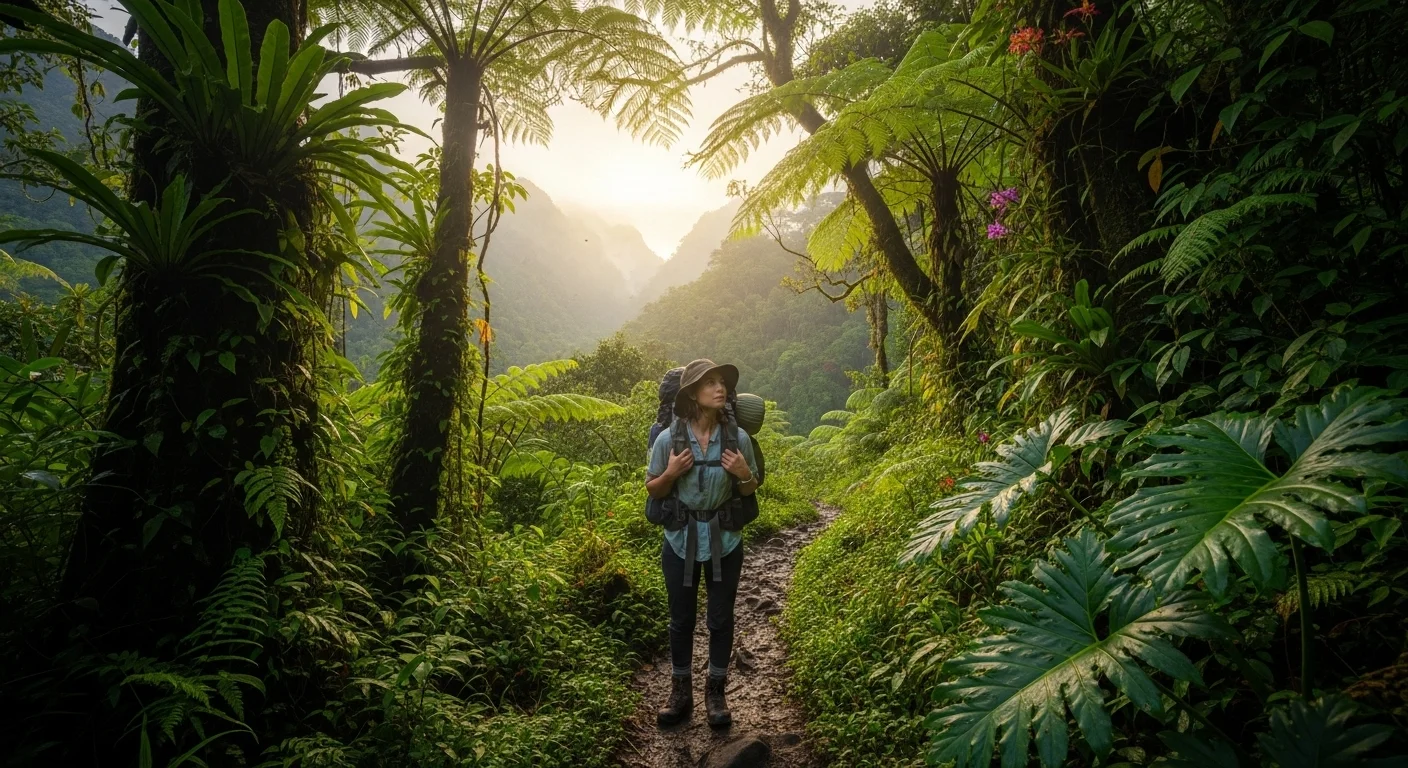
Choosing jungle destinations for travel is like stepping into another world. I remember the first time I found myself surrounded by towering trees, the air thick with the sounds of nature. Whether it’s the call of tropical birds or the rustle of leaves, there’s something magical about being immersed in a jungle environment. For many of us, jungles represent the wild and unexplored—a chance to disconnect from the hustle and bustle of city life and reconnect with nature. Plus, they often offer rich cultural experiences that can be as exciting as the landscapes themselves. These budget jungle expeditions can enhance your travel experience.

Benefits of Budget Travel in Jungle Areas

Traveling on a budget in jungle areas can be incredibly rewarding. First off, many jungle destinations are less commercialized than others, meaning you can find authentic experiences at a lower cost. I’ve discovered that local markets and small eateries often serve the best food, and they won’t empty your wallet. Additionally, outdoor activities like hiking, bird watching, and swimming in natural pools are usually free or low-cost compared to activities in urban settings. There’s something about enjoying nature that makes every penny spent feel worthwhile. Lastly, traveling on a budget often leads to meeting fellow travelers and locals, which can enhance your experience and create new friendships. For more tips on affordable travel, check out the Essential Guide to Affordable Jungle Trekking Adventures.

Top 5 Jungle Destinations for Budget Travelers

1. Costa Rica

Key Attractions

Costa Rica is a paradise for nature lovers and budget travelers alike. With its stunning national parks like Manuel Antonio and Corcovado, you can witness incredible wildlife, from sloths to bright macaws. I found myself hiking through lush trails and soaking up the beauty of waterfalls, often without spending a dime on entry fees.

Best Time to Visit

The best time to visit Costa Rica is during the dry season, which runs from December to April. During this time, the weather is more predictable, and you can enjoy outdoor activities without the worry of downpours. However, traveling during the rainy season (May to November) can save you money, as accommodations and activities often have lower rates.

Accommodation Options

Budget accommodations are plentiful in Costa Rica. Hostels, guesthouses, and eco-lodges offer affordable rates, and many are located near national parks. I’ve stayed in a few charming hostels where I met fellow travelers and shared stories over a cup of Costa Rican coffee. Additionally, some places offer discounts for longer stays, which can be a nice way to save a bit more.

Local Cuisine and Budget-Friendly Dining

The local cuisine in Costa Rica is delicious and budget-friendly. I loved trying “casados,” a traditional meal featuring rice, beans, plantains, and your choice of protein, all at a very reasonable price. Small sodas (local diners) offer authentic food for even less. Eating where the locals eat is a great way to keep costs down and enjoy the true flavors of the region.

Transportation Tips

Getting around Costa Rica on a budget is doable, especially with public buses that connect various regions. I’ve found that these buses are not only cheap but also give you a chance to experience the local culture. If you’re traveling with friends, consider renting a car, as splitting the cost can make it affordable and gives you the freedom to explore at your own pace.

2. Amazon Rainforest (Brazil)

Key Attractions

The Amazon Rainforest is one of the most biodiverse places on Earth, and it’s a must-visit for any adventurous traveler. Exploring its vast rivers and lush greenery offers a unique experience. I remember taking guided tours where we spotted everything from pink dolphins to exotic birds, immersing myself in the beauty of this natural wonder.

Best Time to Visit

The dry season, from June to November, is the best time to visit the Amazon, as the weather is more pleasant and wildlife is more active. However, visiting during the wet season (December to May) often means lower prices and fewer tourists, which can enhance your experience.

Accommodation Options

There are various accommodation options in the Amazon, ranging from budget hostels to eco-lodges. I stayed in a basic lodge that offered comfortable rooms and meals included in the price, which helped me stick to my budget while enjoying the surroundings.

Local Cuisine and Budget-Friendly Dining

In the Amazon, local ingredients take center stage. I enjoyed trying fresh fish and exotic fruits at local markets. Street food is also a great way to eat well for less, with vendors often selling tasty snacks that are easy on the wallet.

Transportation Tips

Getting around the Amazon can be a bit tricky, but I found that taking local boats to reach different areas was an exciting and affordable option. These boats connect many small communities and can be an adventure in themselves.

3. Borneo (Malaysia and Indonesia)

Key Attractions

Borneo is a true gem for anyone looking to explore the jungle without breaking the bank. One of my favorite experiences was visiting the Sepilok Orangutan Rehabilitation Centre, where I got to see these magnificent creatures up close. Watching the feeding sessions was a moment I’ll never forget. Additionally, Borneo’s rainforests are home to incredible biodiversity, including the rare proboscis monkeys and the magnificent Rafflesia flower. I found that hiking through places like Kinabalu National Park offered breathtaking views and a chance to connect with nature in a profound way.

Best Time to Visit

The best time to visit Borneo is during the dry season, from March to October. I went during this period and was able to enjoy outdoor activities without worrying about slippery trails or heavy rains. However, if you don’t mind a little rain and want to save some money, visiting during the wet season (November to February) can lead to lower accommodation prices and fewer crowds.

Accommodation Options

Borneo has a range of budget-friendly accommodations, from hostels to guesthouses. I remember staying in a cozy guesthouse in Kuching, where the owner shared local tips and stories with me. Many places also offer dormitory-style rooms, which are great for meeting fellow travelers. Additionally, some lodges provide unique experiences like staying in treehouses or floating bungalows, which can be quite affordable.

Local Cuisine and Budget-Friendly Dining

The local cuisine in Borneo is a culinary adventure all its own. I loved trying dishes like Nasi Goreng and Laksa at small warungs (local eateries), which are not only delicious but also budget-friendly. Street food is also prevalent, and I often found myself enjoying satay skewers or fried bananas from vendors for just a few ringgit. Eating where locals dine is a fantastic way to enjoy authentic flavors while keeping costs low.

Transportation Tips

Getting around Borneo can be quite affordable if you use local transportation like buses and shared taxis. I often hopped on a local bus to explore nearby towns and attractions. Renting a bicycle in cities like Kota Kinabalu is also a fun way to see the sights while saving money. If you’re traveling with friends, consider sharing a taxi or renting a car for a day to explore at your own pace.

4. Madagascar

Key Attractions

Madagascar is a unique destination with its own distinct ecosystems and wildlife. When I visited, I was amazed by the variety of lemurs. I took a trip to Andasibe-Mantadia National Park, where I could see the indri lemurs up close. The island’s landscapes, from the Avenue of the Baobabs to the otherworldly Tsingy de Bemaraha, left me in awe. Madagascar’s rich cultural heritage also intrigued me, with opportunities to engage with local tribes and learn about their traditions.

Best Time to Visit

The best time to visit Madagascar is during the dry season, from April to October. I went in September, and the weather was perfect for exploration. However, if you’re looking to save some money and don’t mind a few showers, the shoulder months at the beginning and end of the rainy season (November and March) can also be a good option.

Accommodation Options

In Madagascar, you can find budget accommodations ranging from simple guesthouses to boutique hostels. I stayed in a small guesthouse run by a local family, which added a personal touch to my experience. Many accommodations offer basic amenities at a low cost, and some even provide meals, allowing you to keep your expenses down.

Local Cuisine and Budget-Friendly Dining

Madagascar’s cuisine is a mix of influences, and I enjoyed trying local dishes like Romazava and Zebu skewers at street stalls. Meals were usually quite inexpensive, especially when I ate at local markets. I found that dining in smaller eateries not only saved me money but also gave me a taste of the local lifestyle.

Transportation Tips

Traveling around Madagascar can be an adventure in itself. I relied on “taxi-brousse,” which are shared minivans that connect different regions at a low cost. While the journey might take longer, I enjoyed the scenery and the opportunity to meet locals along the way. For shorter distances, I often walked or rented a bicycle to explore nearby areas.

5. Belize

Key Attractions

Belize is a fantastic destination for jungle lovers and budget travelers. I was captivated by the stunning Belize Barrier Reef, but the jungles offer equal allure with places like the Belize Zoo and the ancient ruins of Caracol. I remember hiking through the lush foliage in the Cayo District, where I encountered howler monkeys and vibrant toucans. The blend of wildlife and history makes Belize a unique spot for exploration.

Best Time to Visit

The best time to visit Belize is during the dry season, from late November to mid-April. I found that traveling during this time allowed me to make the most of outdoor activities without worrying about rain. However, visiting during the shoulder months can offer better deals on accommodations.

Accommodation Options

Belize has a variety of budget-friendly lodging options. I stayed in a charming hostel that not only provided affordable rooms but also organized group activities, which helped me connect with other travelers. Additionally, many eco-lodges offer special rates for longer stays, allowing you to enjoy the jungle experience without overspending.

Local Cuisine and Budget-Friendly Dining

The local cuisine is a treat in Belize. I found myself indulging in dishes like rice and beans and fried plantains at local eateries. Food stalls were another great option for tasty meals without a hefty price tag. I loved sampling street food, which was both delicious and a great way to immerse myself in the local culture.

Transportation Tips

Getting around Belize is quite easy on a budget. I primarily used local buses, which are cheap and connect major towns. For more remote areas, I found that sharing taxis with fellow travelers was an economical and fun option. Renting a bike in towns like San Ignacio allowed me to explore at my own pace while enjoying the beautiful landscape.

Planning Your Jungle Adventure

Budgeting for Your Trip

Budgeting for a jungle adventure can be both exciting and a bit daunting. I remember when I first started planning my trip, I was overwhelmed by all the possibilities and expenses. The key is to break down your budget into categories: transportation, accommodation, food, activities, and souvenirs. I found that setting a daily limit helped me keep track of my spending. For instance, I allocated a certain amount for meals, which allowed me to enjoy local food without worrying too much about costs. Also, I made sure to leave a little room for unexpected expenses—because, let’s be honest, those tend to pop up! I often recommend researching average costs for each destination to get a better idea of what to expect and how to plan accordingly.

Essential Packing List for Jungle Travel

Packing for a jungle trip can feel like preparing for an expedition. I learned the hard way to pack light but smart. Here’s what I consider essential for any jungle adventure:

  • Lightweight Clothing: Breathable, moisture-wicking fabrics are a must. I always bring long sleeves to protect against bugs and sun.
  • Comfortable Footwear: Sturdy hiking boots or waterproof shoes can make all the difference on uneven terrain.
  • Insect Repellent: Trust me, you don’t want to skip this. The jungle is home to many insects, and repellent will keep them at bay.
  • Reusable Water Bottle: Staying hydrated is key, and I love using a reusable bottle to reduce waste.
  • First-Aid Kit: Accidents happen, and having basic supplies on hand can give you peace of mind.
  • Binoculars or Camera: If you want to capture the beauty of the jungle or spot wildlife from a distance, these are great to have.

I also recommend checking the weather for your destination before you pack, as conditions can vary widely in different jungles.

Safety Tips for Jungle Exploration

Safety is paramount when you’re exploring the jungle. I remember feeling a mix of excitement and apprehension the first time I ventured into the dense undergrowth. Here are a few tips I’ve learned along the way:

  • Stay on Designated Trails: It’s easy to get lost, so stick to marked paths whenever possible.
  • Travel with a Guide: Having a local guide can enhance your experience and keep you safe. They know the area well and can point out things you might miss.
  • Be Mindful of Wildlife: Observe animals from a distance and never approach or feed them. I’ve seen too many travelers get too close for a photo and put themselves in danger.
  • Know Your Surroundings: Familiarize yourself with the area and potential hazards, whether it’s plants, insects, or rough terrain.
  • Trust Your Instincts: If something doesn’t feel right, don’t hesitate to turn back or seek help.

I’ve found that staying aware and prepared makes all the difference in having a safe and enjoyable jungle adventure.

Responsible Travel Practices

As passionate travelers, I believe it’s essential to leave a positive impact on the places we visit. When exploring jungle areas, practicing responsible travel is a way to honor these beautiful environments. Here are some practices I always try to follow:

  • Leave No Trace: This means packing out whatever you bring in. I make it a habit to carry out any trash, no matter whose it is.
  • Respect Local Cultures: Learning about and respecting the customs of the indigenous communities I encounter enriches my experience and promotes goodwill.
  • Support Local Economies: I try to buy from local artisans and eat at small family-run restaurants. This helps ensure that my money goes directly to the community.
  • Use Eco-Friendly Products: From biodegradable soap to reef-safe sunscreen, I find that using environmentally friendly products helps protect the delicate ecosystems I enjoy.

Practicing these tips not only enhances my travel experience but also helps preserve the enchanting jungles for future generations to enjoy.

Final Thoughts

Reflecting on my adventures in the jungle, I can confidently say that these trips are some of the most enriching experiences I’ve ever had. The vibrant ecosystems, the diverse wildlife, and the warmth of local cultures captivated me in ways I never anticipated. Each destination offered unique moments that made my heart race and my spirit soar. I think the beauty of jungle travel lies not only in the breathtaking landscapes but also in the connections we forge with nature and the people we meet along the way.

One of the most important lessons I learned is that you don’t have to spend a fortune to experience these wonders. With a bit of planning and an open mind, it’s possible to explore some of the world’s most incredible jungles without breaking the bank. I’ve found that immersing myself in local life—whether through food, transportation, or even staying in small guesthouses—adds layers to the experience that you simply can’t buy. Budget travel in jungles is not just about saving money; it’s about embracing the adventure and the stories waiting to unfold.

As you set out on your own jungle journey, keep in mind the importance of responsible travel. It’s our responsibility to care for the environments we explore and the cultures we encounter. By practicing sustainable tourism, we can help preserve these magical places for future generations. So, pack your bags, bring your curiosity, and get ready to experience the wonders of the jungle. Whether it’s your first adventure or your hundredth, every trip has something to teach us if we take the time to listen.

I believe that the jungle is not just a destination; it’s a journey of discovery that can change our perspectives and inspire our souls. So go ahead, take the plunge, and let the jungle enchant you as it has enchanted so many before.

Frequently Asked Questions

What are the benefits of choosing jungle destinations for travel?

Choosing jungle destinations allows travelers to immerse themselves in rich natural environments and vibrant cultures. They provide authentic experiences that are often less commercialized, making them more budget-friendly. Additionally, outdoor activities like hiking and bird watching are usually free or low-cost.

What are some top jungle destinations for budget travelers?

Some top jungle destinations for budget travelers include Costa Rica, the Amazon Rainforest in Brazil, Borneo, Madagascar, and Belize. Each destination offers unique wildlife, landscapes, and cultural experiences that can be enjoyed without overspending.

When is the best time to visit Costa Rica?

The best time to visit Costa Rica is during the dry season, which runs from December to April. However, traveling during the rainy season (May to November) can also be economical, as accommodations and activities often have lower rates.

What types of accommodations are available in the Amazon Rainforest?

In the Amazon Rainforest, accommodations range from budget hostels to eco-lodges. Many places provide comfortable rooms with meals included, helping travelers stick to their budgets while enjoying the natural surroundings.

What local cuisine can budget travelers expect in Borneo?

In Borneo, travelers can enjoy local dishes like Nasi Goreng and Laksa at small warungs (local eateries) and street food options such as satay skewers and fried bananas, all of which are budget-friendly.

How can travelers get around Belize on a budget?

Travelers can get around Belize economically using local buses, which connect major towns. For more remote areas, sharing taxis with fellow travelers can be a fun and cost-effective option, and renting a bike allows for exploration at one’s own pace.

What should travelers pack for a jungle adventure?

Essential items for a jungle adventure include lightweight clothing, comfortable footwear, insect repellent, a reusable water bottle, a first-aid kit, and binoculars or a camera to capture wildlife and scenery.

What safety tips should travelers follow when exploring jungles?

Travelers should stay on designated trails, travel with a guide, observe wildlife from a distance, familiarize themselves with their surroundings, and trust their instincts if something feels off to ensure safety during jungle exploration.

How can travelers practice responsible travel in jungle areas?

Travelers can practice responsible travel by following “Leave No Trace” principles, respecting local cultures, supporting local economies, and using eco-friendly products to minimize their impact on the environment and communities.

What is the overall message about budget travel in jungles?

The overall message is that with careful planning and an open mind, travelers can explore incredible jungles without spending a fortune. Immersing in local life and practicing responsible tourism enhances the experience while preserving these beautiful environments for future generations.

Explore Exotic Jungles: Backpacking on a Budget

Imagine trekking through lush greenery, surrounded by the sounds of nature, and discovering breathtaking landscapes without breaking the bank. Backpacking in exotic jungles offers a unique adventure that’s both thrilling and affordable.

Explore Exotic Jungles: Backpacking on a Budget

Overview of Exotic Jungle Destinations

When I think about exploring exotic jungles, my mind races with images of vibrant landscapes, diverse wildlife, and the adventure of navigating through the unknown. There’s something so mysterious and exhilarating about jungles that pulls at my adventurous spirit. The world is full of these lush havens, each offering its own charm and unique experiences. Whether you’re an experienced backpacker or just starting out, these destinations promise unforgettable memories without having to splurge. Explore the Best Desert Treks Without Breaking the Bank can provide additional insights into budget-friendly adventures.

Top Jungle Regions to Explore

During my travels, I’ve been fortunate enough to explore a few different jungle regions, each with its own allure. The Amazon Rainforest is often at the top of everyone’s list, and I can see why—it’s a vast network of rivers and forests, teeming with life. Then there’s Southeast Asia, with jungles in Thailand, Vietnam, and Indonesia offering incredible landscapes and rich cultures. I also discovered the jungles of Central America, which are home to colorful wildlife and stunning ancient ruins. And let’s not forget Africa, with its impressive jungles like the Congo Basin and Madagascar, and India’s lush Sundarbans and Western Ghats. Each region has its own story, waiting to be uncovered.

Unique Flora and Fauna

One of the most fascinating aspects of jungles is the unique flora and fauna that thrive there. I remember hiking through the jungles of Costa Rica, surrounded by towering trees, exotic plants, and vibrant flowers. The biodiversity was astonishing! I encountered sloths hanging lazily from branches, toucans flaunting their colorful beaks, and even glimpsed a jaguar in the distance. Every step I took felt like a journey into a living, breathing ecosystem. I found that learning about the local wildlife and plant life not only enriched my experience but also helped me appreciate the delicate balance of these ecosystems.

Why Backpacking in Jungles is Special

Backpacking in jungles is not just about the destination; it’s about the experience and the adventure that comes with it. I’ve found that being in the heart of nature brings a sense of peace and fulfillment that’s hard to replicate elsewhere. The challenges of navigating through dense vegetation, crossing rivers, or finding a suitable campsite only added to the thrill. Plus, there’s something liberating about disconnecting from the hustle and bustle of city life and immersing myself in the natural world. I remember sitting by a river, listening to the sounds of wildlife while enjoying a simple meal, and feeling incredibly grateful for that moment. It’s this connection to nature and the adventure of exploring that makes jungle backpacking so special.

Ultimately, I believe that exploring exotic jungles while backpacking on a budget can be one of the most rewarding experiences. With the right planning and mindset, we can immerse ourselves in nature’s wonders without spending a fortune. The journey is as important as the destination, and the memories we create along the way are priceless. Whether it’s the thrill of spotting wildlife or the joy of connecting with fellow travelers, every moment spent in the jungle is an opportunity for growth and adventure. As we delve deeper into this topic, I hope to share insights and tips that can help you embark on your own jungle adventure, making it memorable and affordable. For those interested in mountain trekking, check out How to Trek Mountains on a Budget: Tips & Tricks.

Best Jungle Destinations for Budget Backpacking

When it comes to choosing the best jungle destinations for backpacking on a budget, I’ve learned that certain regions stand out for their affordability, accessibility, and sheer beauty. Each of these spots not only offers stunning views and unique wildlife but also provides options for budget-conscious travelers like us. Let me share some of my favorite places that have left a lasting impression on me during my adventures.

Amazon Rainforest (Brazil, Peru, Colombia)

The Amazon Rainforest is often seen as the crown jewel of jungle destinations. I remember planning my trip to the Amazon and feeling a mix of excitement and nervousness. Stretching across multiple countries, including Brazil, Peru, and Colombia, this vast rainforest is packed with adventure. I found budget accommodations in small lodges or even hostels in towns like Manaus and Iquitos. From there, I took affordable guided tours that allowed me to explore the rainforest without breaking the bank. I had the chance to canoe through winding waterways and spot pink dolphins, which felt like a dream come true. The key is to book tours directly with local operators rather than through middlemen, which can save you a significant amount of money.

SE Asia Jungles (Thailand, Vietnam, Indonesia)

Southeast Asia has become a hotspot for budget travelers, and the jungles there are no exception. I spent some unforgettable days in the jungles of Thailand, where I trekked through dense foliage and visited local hill tribes. The cost of food and accommodation was incredibly low, allowing me to enjoy everything without a financial worry. In Vietnam, I explored the lush jungles of Phong Nha-Kẻ Bàng National Park, where I discovered breathtaking caves and unique wildlife. Indonesia’s jungles, especially on Bali and Sumatra, offer amazing opportunities for eco-tourism. Local guesthouses and homestays are great options that add a personal touch to your stay, making the experience even more enriching.

Central American Jungles (Costa Rica, Belize, Nicaragua)

Central America is another fantastic region for jungle backpacking. Costa Rica has a reputation for its biodiversity, and I was amazed by how accessible the rainforests were. I stayed in budget hostels that offered guided tours to national parks, where I hiked and swam in waterfalls. Belize’s jungles are equally enchanting, with opportunities for cave tubing and exploring ancient Mayan ruins. Nicaragua, often overlooked, has beautiful jungles and a friendly atmosphere. I found that traveling by bus between these countries was affordable, allowing me to explore multiple destinations while keeping my budget intact.

African Jungles (Congo Basin, Madagascar)

When I think of Africa, the jungles of the Congo Basin and the unique biodiversity of Madagascar come to mind. The Congo is often considered one of the most biodiverse regions on the planet. I remember budgeting for a trip to the Congo by choosing local guesthouses instead of upscale lodges. It’s essential to connect with local guides who can offer insights and ensure you experience the best of the jungle without overspending. Madagascar, with its distinctive flora and fauna, is another treasure. I found that traveling there during the off-peak season helped me save money on flights and accommodation. The experience of spotting lemurs in their natural habitat was something I’ll never forget.

Indian Jungles (Sundarbans, Western Ghats)

India’s jungles are a treasure trove of experiences waiting to be uncovered. The Sundarbans is famous for its mangrove forests and the elusive Bengal tiger. I had an incredible time taking a boat tour through the waterways, discovering the unique wildlife and lush scenery. While in the Western Ghats, I trekked through beautiful landscapes filled with coffee plantations, waterfalls, and rich biodiversity. I found affordable homestays and local eateries that served delicious meals, making it easy to stick to my budget. Plus, the warmth and hospitality of the locals made my experience even more special.

When to Visit Exotic Jungles

Timing can make a huge difference in our jungle adventures. After experiencing various jungles, I’ve learned that understanding the climate and seasons is vital for maximizing our exploration. Each region has its own rhythm, with weather patterns that can influence not just our comfort but also the wildlife we encounter. Let’s dive into the best times to visit these lush landscapes and what to expect during those seasons.

Understanding the Climate and Seasons

Every jungle destination I’ve visited has its unique climate, which can greatly affect our travel plans. For instance, the Amazon Rainforest is humid and warm year-round, but the rainy season from December to May can lead to swollen rivers and flooded paths, making some areas inaccessible. I found it best to visit during the dry season, from June to November, when trails are clearer, and wildlife is more active.

In Southeast Asia, the monsoon season can be quite intense. I discovered that visiting Thailand and Indonesia from November to February offers pleasant weather, while Vietnam’s jungles are best explored from March to May when it’s drier and less humid. Similarly, in Central America, the dry season from December to April is perfect for hiking in Costa Rica, while Belize and Nicaragua also thrive during these months, although occasional rain can still be expected.

African jungles, like those in the Congo Basin, are best visited during the dry season from June to September. This timing not only means less rain but also that animals like gorillas are easier to spot. For Madagascar, visiting between April and November is ideal, as these months provide a balance of comfortable weather and wildlife visibility. In India, the Western Ghats and Sundarbans are often best visited from November to March, avoiding the heavy monsoon rains.

Best Times for Wildlife Viewing

One of the most thrilling aspects of jungle trekking is the chance to observe wildlife in their natural habitat. I remember sitting, quiet as a mouse, waiting for a troop of monkeys to swing by in Costa Rica. The best time for wildlife viewing happens to coincide with the dry seasons in many regions. This is when animals are more active and tend to gather near water sources, making it easier for us to spot them. For example, in the Amazon, I found that early mornings and late afternoons were perfect for spotting elusive fauna, like capybaras and caimans.

In Southeast Asia, I enjoyed incredible wildlife sightings, especially in the early morning hours when animals were most active. The same goes for Madagascar, where I saw lemurs in their playful antics during the cooler parts of the day. I learned that keeping our eyes peeled and being patient pays off; sometimes, just sitting quietly in one spot can lead to unexpected encounters with marvelous creatures.

Local Festivals and Events

Visiting during local festivals can add a whole new dimension to our jungle adventures. I remember experiencing the vibrant Kecak Dance in Bali, surrounded by the lush jungles that enveloped Ubud. Local festivals not only celebrate cultural heritage but also involve the community in a way that’s often quite heartwarming. In the Amazon, I stumbled upon a local festival celebrating the river, complete with music, dance, and traditional foods, which made my visit even more memorable.

In Costa Rica, I participated in the Festival de la Luz, which features colorful parades and vibrant displays of local culture, all while being surrounded by the stunning beauty of the rainforest. These festivals often coincide with the dry season, making them not just a cultural experience but also a great time for exploration. I recommend checking local calendars before planning our trips; sometimes, a festival can turn an ordinary visit into something truly extraordinary.

Budget Travel Tips for Backpacking in Jungles

Planning a jungle adventure on a budget can feel overwhelming, but I’ve discovered numerous strategies to make it both enjoyable and affordable. I remember my early trips when I felt the pressure of costs, but with a little creativity and research, I learned how to stretch my dollars without compromising the experience. Here are some of my best tips that helped me along the way.

Finding Affordable Flights

Finding budget-friendly flights is often the first step in planning our jungle escapade. Personally, I’ve found that being flexible with travel dates can lead to significant savings. I often use flight comparison websites to track prices and set alerts for my desired destinations. I also look into flying during the shoulder season. For example, if you’re aiming for Southeast Asia, flying just before or after the peak tourist season can lower flight costs dramatically. It’s also worth checking out budget airlines, which can offer great deals, especially for regional travel within countries.

Cost-Effective Accommodation Options

When it comes to accommodation, I always seek local guesthouses, hostels, or homestays, which provide both comfort and a glimpse into local life. During my stay in Costa Rica, I discovered a lovely family-run guesthouse that not only offered affordable rates but also delicious home-cooked meals! Booking directly with the hosts rather than through third-party sites often results in better deals and the opportunity for personal connections. Additionally, I’ve found that camping can be a great cost-effective option in many jungles, allowing us to immerse ourselves fully in nature.

Transportation Tips Within Jungle Regions

Navigating jungle regions can be an adventure in itself! I learned that local transportation options, like buses or shared taxis, are usually affordable and a great way to connect with locals. In places like the Amazon, I opted for boat rides which were not only economical but also a fantastic way to see the scenery. I recommend researching public transport options ahead of time and even asking local travelers for their tips. Often, they can point us to the best modes of transport that fit our budget.

Saving on Food and Daily Expenses

Food is another area where we can save money while enjoying local flavors. I’ve often found that eating where the locals eat can lead to both delicious meals and significant savings. Street food is a must-try! In Thailand, I indulged in mouthwatering pad Thai from a street vendor for just a few dollars. Additionally, I’ve learned to shop at local markets for snacks and ingredients if I’m in an area where cooking is an option. This way, I can enjoy fresh produce while keeping my expenses low.

Essential Gear for Jungle Backpacking

Having the right gear can make a world of difference in our jungle experience. I’ve learned this firsthand after a few trips where I didn’t prepare adequately. Here are some essential items I always pack for my jungle adventures.

Backpack Selection and Packing Tips

Choosing the right backpack is crucial. I prefer a medium-sized backpack with good support and enough space for my essentials without being overly bulky. Packing light is key! I usually stick to the basics—clothing that can be layered, a lightweight sleeping bag, and essential gear. I find that packing items that serve multiple purposes helps reduce weight. For instance, a sarong can be a towel, a blanket, or a makeshift bag.

Clothing and Footwear for Jungle Conditions

Understanding the environment helps with clothing choices. I always pack lightweight, breathable clothing that dries quickly. I learned the hard way that long sleeves and pants help protect against insects and sun exposure. Sturdy, comfortable footwear is a must; I’ve trekked through muddy trails and rocky paths, so having the right shoes can really make or break the experience.

Health and Safety Gear (Insect Repellent, Medications)

Health and safety gear are non-negotiable. I’ve had my share of mosquito bites, and a good insect repellent is essential. I also pack a basic first-aid kit, including any medications I might need. Researching health advisories for the region I’m visiting is something I always do before my trips, ensuring I have the necessary vaccinations and preventative medications.

Top Attractions and Activities in Jungle Regions

Once we’ve arrived in the jungle, the possibilities for exploration are endless. I’ve found that each region has its own unique offerings that make it special.

Wildlife Spotting and Birdwatching

Wildlife spotting is often the highlight of my jungle trips. I remember waking up early in the Amazon to catch a glimpse of the stunning macaws and sloths. Bringing binoculars can enhance the experience, allowing us to appreciate the diverse birdlife and elusive creatures.

Trekking and Hiking Trails

Trekking through the jungles is invigorating! I love discovering hidden waterfalls and breathtaking views. Each step taken feels like an exploration of nature’s beauty. Many parks have well-marked trails, but I enjoy venturing off the beaten path when possible, with a local guide, of course, for safety.

Outdoor Adventures (Canopy Tours, Zip-lining)

For the thrill-seekers, canopy tours and zip-lining offer a unique perspective of the jungle. I had an exhilarating experience flying through the treetops in Costa Rica, feeling like I was part of the forest. It’s a fantastic way to see wildlife and take in the stunning landscapes from above.

Cultural Experiences with Indigenous Communities

Engaging with local communities can be one of the most enriching parts of a jungle adventure. I’ve had opportunities to learn about traditional practices and customs, which have deepened my appreciation for the region. Participating in workshops, such as crafting or cooking, has created unforgettable connections and memories.

Safety Tips for Jungle Backpacking

As thrilling as jungle adventures can be, safety should always be a top priority. I’ve learned a few crucial tips that have kept me safe during my explorations.

Wildlife Encounters and Precautions

It’s important to respect wildlife and maintain a safe distance. I’ve always been cautious and have kept my voice low, especially during wildlife encounters. Understanding which animals to watch out for and how to react can prevent dangerous situations, ensuring our adventures remain enjoyable.

Navigation and Avoiding Getting Lost

Getting lost in a jungle can happen quickly. I always carry a map and a compass, even if I have a GPS on my phone. Following well-marked trails and informing someone about my plans before heading out has kept me on track.

Health Risks and Vaccinations

Staying informed about health risks is crucial. I’ve made a habit of checking travel advisories and ensuring I receive necessary vaccinations ahead of my trips. Carrying a first-aid kit and knowing where to seek medical help in remote areas is also essential for peace of mind.

Local Cuisine and Eating on a Budget

Exploring local cuisine is one of my favorite aspects of traveling. I find that trying new foods adds another layer to the adventure! Here’s how I manage to eat well while sticking to my budget.

Traditional Dishes to Try in Jungle Regions

Each region boasts its own culinary delights. In Costa Rica, I couldn’t get enough of gallo pinto, a delicious rice and beans dish. In Thailand, I savored the flavors of tom yum soup. Trying local dishes not only satisfies the palate but also supports local economies.

Street Food Options

Street food often delivers the best flavors at budget-friendly prices. I’ve enjoyed everything from fresh fruit smoothies in Vietnam to spicy tacos in Central America. It’s a fun way to interact with locals and experience their culture.

Tips for Cooking on a Budget While Backpacking

If you’re staying in a place with cooking facilities, consider preparing your meals. I love visiting local markets to pick up fresh ingredients. Cooking can be not only budget-friendly but also a fun way to bond with fellow travelers.

Final Thoughts

Exploring exotic jungles on a budget is not only possible but can also be incredibly rewarding. I’ve found that with the right planning, an open mind, and a sense of adventure, we can experience the beauty and wonder of these lush landscapes without spending a fortune. Each trip has taught me something new about the world and myself, and I believe the memories we create in the jungle will stay with us forever. So, if you’re considering a jungle adventure, don’t hesitate! Grab your backpack, embrace the journey, and immerse yourself in the incredible experiences waiting in the heart of nature. For more travel inspiration, check out Top 10 Budget-Friendly Mountain Trekking Destinations.

Frequently Asked Questions

What are some top jungle regions to explore for backpacking?

Some top jungle regions for backpacking include the Amazon Rainforest, Southeast Asia (Thailand, Vietnam, Indonesia), Central America (Costa Rica, Belize, Nicaragua), African jungles (Congo Basin, Madagascar), and Indian jungles (Sundarbans, Western Ghats).

Why is backpacking in jungles considered special?

Backpacking in jungles is special because it offers a unique connection to nature, the thrill of exploring dense vegetation, and the opportunity to disconnect from city life. The journey and experiences, including wildlife sightings and encounters with fellow travelers, make it incredibly rewarding.

What is the best time to visit the Amazon Rainforest?

The best time to visit the Amazon Rainforest is during the dry season from June to November when trails are clearer and wildlife is more active.

How can travelers save on accommodation while backpacking in jungles?

Travelers can save on accommodation by opting for local guesthouses, hostels, or homestays, and by booking directly with hosts rather than through third-party sites. Camping is also a cost-effective option in many jungles.

What are essential items to pack for jungle backpacking?

Essential items for jungle backpacking include a medium-sized backpack, lightweight and breathable clothing, sturdy footwear, insect repellent, a basic first-aid kit, and any necessary medications.

What are effective transportation tips for navigating jungle regions?

Effective transportation tips include using local options like buses or shared taxis, opting for boat rides in areas like the Amazon, and researching public transport options ahead of time to save money and connect with locals.

What are some traditional dishes to try in jungle regions?

Some traditional dishes to try include gallo pinto in Costa Rica, tom yum soup in Thailand, and various street food options available in each region, which often reflect local flavors and ingredients.

When is the best time for wildlife viewing in jungles?

The best time for wildlife viewing in jungles coincides with the dry seasons, as animals are more active and tend to gather near water sources. Early mornings and late afternoons are ideal for spotting wildlife.

How can travelers stay safe while backpacking in jungles?

Travelers can stay safe by respecting wildlife, carrying a map and compass, following well-marked trails, and staying informed about health risks, including vaccinations and having a first-aid kit on hand.

What are some tips for cooking on a budget while backpacking?

Travelers can cook on a budget by shopping at local markets for fresh ingredients, preparing meals in places with cooking facilities, and trying street food, which often provides delicious options at affordable prices.

Essential Guide to Affordable Jungle Trekking Adventures

Jungle trekking can be one of the most thrilling and affordable adventures out there! Imagine immersing yourself in vibrant greenery, discovering hidden trails, and encountering unique wildlife—it’s an experience like no other. Let’s dive into this essential guide to help you plan your next jungle trek!

Essential Guide to Affordable Jungle Trekking Adventures

Overview of Jungle Trekking Adventures

What is Jungle Trekking?

Jungle trekking, in my experience, is an exhilarating way to explore dense forests and wilderness areas. It’s not just a hike; it’s an adventure that takes you through lush landscapes, often teeming with exotic flora and fauna. When I first tried jungle trekking, I was amazed at how different it felt compared to walking on well-paved trails. The sights, sounds, and smells of the jungle create an atmosphere that’s both enchanting and a little intimidating.

Typically, jungle trekking involves navigating through thick vegetation, often with a guide who knows the terrain well. This is crucial, as the jungle can be tricky to traverse. You’ll encounter muddy paths, streams, and possibly steep ascents, but the rewards are immense—stunning views, wildlife sightings, and a deep sense of connection to nature. For those looking to plan an affordable trip, check out our Top 10 Budget Jungle Expeditions for Thrill Seekers.

Benefits of Jungle Trekking

The benefits of jungle trekking go beyond just physical exercise. For me, it’s about reconnecting with nature and escaping the hustle and bustle of daily life. Here are some of the key benefits I’ve noticed:

  • Physical Fitness: Trekking is a fantastic way to stay active. It works not just your legs but also your core and upper body, especially if you’re climbing or maneuvering through obstacles.
  • Mental Clarity: Spending time in nature has a calming effect. I often return from treks feeling refreshed and mentally clear, ready to tackle whatever life throws my way.
  • Cultural Exposure: Many treks pass through indigenous communities. Interacting with local cultures can broaden your understanding and appreciation of different ways of life.
  • Wildlife Encounters: Spotting wildlife in its natural habitat is thrilling. From colorful birds to elusive mammals, every trek holds the promise of new discoveries.

Different Types of Jungle Treks

When it comes to jungle trekking, there are various types to choose from, depending on what you’re looking for. I’ve tried a few different styles, and I learned that each offers a unique experience:

  • Guided Treks: These treks are led by experienced guides who know the area well. I find this option is great for beginners or those wanting to learn more about the ecosystem.
  • Self-Guided Treks: For the more adventurous, self-guided treks allow for greater freedom. However, I recommend having a good map and a sense of direction, as getting lost in the jungle can be daunting.
  • Day Treks: Perfect for those short on time, day treks allow you to experience the jungle without committing to overnight camping. I often enjoy these when I want a quick escape from the city.
  • Multi-Day Expeditions: If you’re up for a challenge, multi-day treks offer a deep dive into the jungle experience. You camp along the way, which lets you immerse yourself in the environment. It’s hard to describe the magic of spending a night under the stars in the jungle!

Regardless of which type you choose, I’ve found that planning is key to ensuring a safe and enjoyable experience. It’s essential to know your limits and prepare accordingly. Remember, every trek is an adventure waiting to unfold, and being open to whatever comes your way can lead to unforgettable memories.

Popular Jungle Trekking Destinations

Amazon Rainforest

The Amazon Rainforest is often the first destination that comes to mind when people think of jungle trekking. I remember my own experience there vividly; the sheer magnitude of the trees and the symphony of sounds from hidden creatures were overwhelming. This vast rainforest spans several countries, including Brazil, Peru, and Colombia, and offers countless trekking opportunities. Guided tours are widely available, allowing you to safely explore while learning about the rich biodiversity. From spotting pink dolphins in the river to learning about medicinal plants from local guides, the Amazon offers a profound connection to nature. I’d recommend taking your time and soaking in the atmosphere—there’s truly no rush when you’re surrounded by such beauty!

Jungle Trekking in Southeast Asia

Southeast Asia is another fantastic region for jungle treks. Countries like Thailand, Vietnam, and Malaysia boast stunning landscapes and vibrant wildlife. I had the pleasure of trekking in the jungles of Northern Thailand, where I encountered not only breathtaking views but also the warmth of local hill tribes. The trails here vary from easy day hikes to more challenging multi-day excursions. I found it particularly rewarding to stay in local villages, sharing meals and stories with the residents. In my experience, immersing yourself in the local culture adds a whole new layer to the trekking adventure.

African Jungle Adventures

African jungles, although less talked about than their counterparts in South America and Asia, have their own unique allure. Countries like Uganda and Rwanda are renowned for their lush landscapes and opportunities to see mountain gorillas in their natural habitat. When I journeyed to Uganda, I was struck by the vibrant greenery and the chance to trek through the dense forest to observe these magnificent creatures up close. The thrill of trekking alongside gorillas was unlike anything I had ever experienced, and it filled me with a deep sense of appreciation for wildlife conservation. If you’re considering an African jungle trek, be prepared for steep climbs and muddy paths, but the stunning views and unforgettable encounters make it worth every bit of effort!

Jungle Trails in Central America

Central America is home to some hidden gems for jungle trekking. Countries like Costa Rica and Belize offer incredible biodiversity and well-marked trails. I recall trekking through Costa Rica’s Monteverde Cloud Forest, where the mist hung like a shroud over the trees, creating an otherworldly atmosphere. I was thrilled to spot sloths hanging lazily from branches and hear the calls of howler monkeys echoing through the canopy. Costa Rica’s emphasis on eco-tourism is evident, and I felt good knowing that my trek was supporting conservation efforts. Belize is another great option, especially for those interested in ancient Mayan ruins nestled deep in the jungle. These treks often provide a mix of adventure and history, which I find incredibly enriching.

When to Go Jungle Trekking

Best Seasons for Jungle Trekking

Choosing the right time to go jungle trekking can make all the difference in your experience. I’ve learned that each destination has its peak seasons, typically influenced by weather patterns. In the Amazon, for example, the dry season (June to December) is usually the best time for trekking, as trails are more accessible. In contrast, Southeast Asia’s dry season (November to February) offers cooler temperatures and less humidity, which I found made trekking much more enjoyable. Understanding the best seasons for your chosen destination can help ensure you have the most pleasant experience possible.

Weather Considerations

Weather can be unpredictable in the jungle, and I’ve learned to always prepare for sudden changes. I remember being caught in an unexpected downpour in Costa Rica, soaking wet but also exhilarated by the experience. It’s crucial to check weather forecasts and be prepared for both heat and rain. Lightweight, quick-drying clothing is a lifesaver, and waterproof gear can make your trek much more comfortable. Packing a small poncho or a rain jacket is something I’ve come to consider essential for any jungle adventure.

Wildlife Sightings by Season

Wildlife sightings can vary dramatically by season, and I’ve found that timing my treks carefully can lead to some unforgettable encounters. For example, in the Amazon, I’ve noticed that certain animals are more active during the dry season. In contrast, migrating birds flock to Southeast Asia during specific months, providing fantastic opportunities for birdwatching. Keeping track of the best times to see certain species can enhance your trekking experience, making it even more rewarding to plan accordingly.

Budgeting for Your Jungle Trekking Adventure

Cost of Trekking Tours

Budgeting for a jungle trek can vary widely depending on your destination and the type of experience you’re seeking. I remember being surprised by the range of costs for guided tours. In some regions, you can find affordable group tours, while in others, private guides can significantly increase your expenses. It’s worth doing some research on local providers to find options that suit your budget while still ensuring safety and quality. I’ve often found that spending a little more for a reputable guide can enhance the overall experience. For tips on trekking mountains on a budget, check out How to Trek Mountains on a Budget: Tips & Tricks.

Gear and Equipment Expenses

Investing in the right gear is crucial for any jungle trek. I’ve learned that comfortable footwear, appropriate clothing, and essential accessories can make a world of difference. While it’s tempting to skimp on gear to save money, I believe it’s wise to prioritize quality over cost. For instance, a good pair of trekking shoes can prevent blisters and discomfort, allowing you to truly enjoy your adventure. I recommend setting aside a budget specifically for gear, as it can greatly affect your trekking experience. For more insights on gear, you might find Essential Gear for Budget Mountain Trekking Adventures helpful.

Accommodation Options

Accommodation can also impact your budget. Depending on your trekking location, you might find anything from luxury lodges to basic camping. I remember camping under the stars in the Amazon, which was both thrilling and economical. However, if you prefer more comfort, researching local lodges or eco-resorts can be a great alternative. Understanding what type of experience you want—whether it’s camping or cozy accommodations—can help you budget appropriately.

Food and Water Budgeting

Food and hydration are essential during your jungle trek, and budgeting for these can vary significantly. I’ve experienced both packaged meals on guided tours and local cuisine in villages, each offering a unique experience. If you go with a guided tour, meals are often included, but if you’re trekking independently, you’ll want to plan your meals and snacks carefully. I highly recommend packing high-energy snacks like nuts and dried fruits, which have been lifesavers for me on long treks. Always factor in the cost of clean drinking water as well, as staying hydrated is key in the jungle!

Essential Gear and Equipment

Footwear Recommendations

When it comes to jungle trekking, the right footwear can make or break your experience. I’ve learned this lesson the hard way! A sturdy pair of hiking shoes or boots is essential for navigating uneven terrain and slippery paths. I remember my first trek, wearing a pair of old sneakers that were soaked through by the end of the day—my feet ached, and I regretted not investing in better shoes. Look for footwear with good grip and waterproof features, as the jungle can often be muddy and wet. I’ve found that breathable shoes help keep my feet comfortable, especially during those long days of trekking. Don’t forget to break in your boots before the trek; trust me, your feet will thank you!

Clothing for Jungle Conditions

Choosing the right clothing is just as crucial as picking the right shoes. I’ve experienced everything from sweltering heat to sudden downpours, so I recommend wearing moisture-wicking fabrics that keep you dry and comfortable. Lightweight, long-sleeved shirts and pants offer protection from the sun and insects, which can be a real nuisance. In my case, I’ve found that wearing light colors helps me stay cooler, plus it makes it easier to spot any bugs! Additionally, packing a good rain jacket is a must since weather in the jungle can change unexpectedly. Layering is key, allowing you to adjust your clothing as temperatures fluctuate throughout the day.

Backpacks and Daypacks

A reliable backpack is essential for carrying all your gear while trekking. I’ve tried several types, but I’ve found that a daypack that fits comfortably and has multiple compartments works best for me. It’s important to find a pack that distributes weight evenly, especially if you’re carrying water and snacks for the day. Look for a pack with hydration reservoir compatibility too; staying hydrated in the jungle is vital! When I first started trekking, I underestimated the importance of packing light, but I learned quickly that every extra ounce can feel like a ton when you’re on the move. I recommend making a checklist of essentials to ensure you don’t overpack, and always consider what items you truly need for the trek.

Navigation Tools and Maps

Getting lost in the jungle can be daunting, so having reliable navigation tools is key. I’ve found that a good old-fashioned map and compass can be incredibly helpful, especially in areas where GPS signals might be weak or non-existent. I remember a trek where my guide used a map to navigate through dense foliage, and it inspired me to learn more about traditional navigation methods. If you’re trekking with a guide, they’ll likely have the necessary tools, but it’s always good to have a backup plan. I also recommend downloading offline maps on your smartphone before heading out. Just make sure you have a portable charger; you don’t want your phone dying when you need it most!

First Aid Kit Essentials

Health and safety should always be a priority when trekking through the jungle. I’ve learned to always carry a well-stocked first aid kit, as you never know what might happen. My kit includes essentials like band-aids, antiseptic wipes, pain relievers, and any personal medications. I also carry insect repellent and antihistamines just in case I encounter pesky bugs or have an allergic reaction. When trekking in remote areas, I recommend including items such as blister care products and even a small snake bite kit if you’ll be in particularly wild regions. Knowing how to use each item in your kit is just as important as having it on hand, so familiarize yourself with first aid basics before you head out.

Planning Your Jungle Trek

Choosing a Trekking Company

Choosing the right trekking company can significantly impact your jungle experience. I’ve worked with a few different companies, and I’ve learned that a good reputation is crucial. Look for companies that prioritize safety, sustainability, and have positive reviews from previous trekkers. I often check online forums and social media for recommendations from fellow travelers. When I found a company with knowledgeable guides who were passionate about the environment, it made all the difference. Don’t hesitate to ask questions about their practices and itineraries; a good company will be happy to provide information and help you feel more prepared.

What to Expect on a Trek

Understanding what to expect during your jungle trek can ease any anxiety you might have. Generally, the days are filled with a mix of hiking, wildlife spotting, and cultural interactions. I’ve found that it’s important to maintain a flexible mindset—sometimes, plans change due to weather or other factors. Each trek offers its own surprises, which I’ve learned to embrace. It’s also essential to pace yourself, especially if you’re trekking in a group. Communicating with your guide about your comfort level can help make the journey more enjoyable. I’ve often been amazed at how engaged I felt in the experience when I was mindful of my energy levels throughout the trek.

Safety Precautions to Take

Staying safe in the jungle is paramount. I’ve learned to always inform someone about my trekking plans and expected return time, especially if I’m going solo. Additionally, understanding the terrain and potential hazards—like wildlife encounters or difficult passages—can prepare you for what lies ahead. Wearing appropriate gear, staying hydrated, and taking breaks are all crucial for avoiding accidents or exhaustion. I’ve also invested time in learning about local wildlife, so I know what to do in case of an unexpected encounter. It’s all about being informed and prepared!

Permits and Regulations

Before embarking on your jungle trek, it’s important to research whether you need any permits or need to follow specific regulations. I’ve encountered areas where permits were necessary, and I learned the hard way that not having one can lead to fines or being turned away. Checking with local authorities or your trekking company can clarify what’s required. I’ve also found that respecting local regulations and guidelines not only ensures a smooth journey but also contributes to conservation efforts. It feels good to know that I’m doing my part to protect the beautiful ecosystems I love exploring!

Frequently Asked Questions

What is jungle trekking?

Jungle trekking is an exhilarating way to explore dense forests and wilderness areas, involving navigation through lush landscapes teeming with exotic flora and fauna. It often requires a guide due to tricky terrain and offers stunning views and wildlife sightings.

What are the benefits of jungle trekking?

The benefits of jungle trekking include physical fitness, mental clarity, cultural exposure, and wildlife encounters. It allows you to reconnect with nature while also providing a unique adventure that can be refreshing and enlightening.

What types of jungle treks are available?

There are various types of jungle treks, including guided treks led by experienced guides, self-guided treks for more adventurous trekkers, day treks for those short on time, and multi-day expeditions for a deeper immersive experience.

What are some popular jungle trekking destinations?

Popular jungle trekking destinations include the Amazon Rainforest, Southeast Asia (Thailand, Vietnam, Malaysia), African jungles (Uganda, Rwanda), and Central America (Costa Rica, Belize), each offering unique landscapes and wildlife experiences.

When is the best time to go jungle trekking?

The best time for jungle trekking varies by destination. Generally, the dry season is ideal for trekking, such as June to December in the Amazon and November to February in Southeast Asia, offering more accessible trails and pleasant weather.

What should I budget for a jungle trekking adventure?

Budgeting for a jungle trek can vary widely based on the destination and type of experience. Costs can include guided tours, gear and equipment, accommodation, and food and water. Researching local options can help you find a suitable budget.

What essential gear do I need for jungle trekking?

Essential gear for jungle trekking includes sturdy footwear, moisture-wicking clothing, a reliable backpack, navigation tools like maps and compasses, and a well-stocked first aid kit to ensure health and safety during your trek.

How do I choose a trekking company?

When choosing a trekking company, look for one with a good reputation that prioritizes safety and sustainability. Checking online reviews and recommendations from fellow travelers can help you find knowledgeable guides and reliable practices.

What safety precautions should I take while trekking?

Safety precautions include informing someone about your trekking plans, understanding the terrain and potential hazards, wearing appropriate gear, staying hydrated, and being informed about local wildlife to prepare for unexpected encounters.

Do I need permits for jungle trekking?

It’s important to research whether permits are required for your jungle trek, as some areas may enforce regulations. Checking with local authorities or your trekking company can clarify what is necessary to avoid fines or being turned away.