
Stepping into the world of solo backpacking is thrilling yet daunting. As I prepare for my own adventures, I’ve discovered that the right packing techniques can make all the difference. Let’s dive into how to get started!
Understanding Solo Backpacking
What is Solo Backpacking?
Solo backpacking is a unique travel experience where you venture out on your own, carrying all your essentials in a backpack. This means you’re not just exploring a new destination; you’re also navigating the journey by yourself. For me, this personal adventure often leads to self-discovery and unforgettable experiences. I remember my first solo trip; I felt a mix of excitement and apprehension as I set off on my own. Each step was a lesson in independence.
Benefits of Solo Backpacking
The benefits of solo backpacking are countless. I’ve found that traveling alone gives me the freedom to set my own itinerary. I can wake up when I want, change plans on a whim, and explore places that pique my interest without worrying about anyone else’s preferences. It’s incredibly liberating! Moreover, I’ve met fascinating people along the way, from fellow travelers to locals who shared their stories with me. Solo backpacking also challenges me to step out of my comfort zone, which helps me grow as a person. I used to be shy, but traveling alone has really boosted my confidence! Solo Backpacking Tips: Travel Smart and Save Money can provide additional insights into this journey.
Common Misconceptions
Many people think that solo backpacking is lonely or dangerous. I felt that way at first, too. However, I quickly realized that the world is filled with friendly people. Traveling solo doesn’t mean you’re isolated; it opens doors to new friendships. I’ve had countless conversations with other travelers and locals that I wouldn’t have experienced if I were with a group. Safety is a valid concern, but with a bit of preparation and awareness, I’ve found that I can navigate new environments without fear. Embracing solo backpacking has shown me that we can create our own adventures, even when we’re on our own.
Essential Packing Considerations
Choosing the Right Backpack
The first step in successful solo backpacking is choosing the right backpack. I’ve learned from experience that the fit is crucial. A backpack that’s too big can lead to unnecessary weight, while one that’s too small may not accommodate all your gear. I recommend trying on several backpacks to find one that feels comfortable on your back and has adjustable straps. Look for features like padded hip belts and breathable materials; they make a significant difference during long hikes. Remember, this backpack will be your home on the road, so choose wisely!
Weight Distribution and Comfort
Once you have your backpack, it’s time to consider weight distribution. I’ve made the mistake of packing heavy items at the bottom, which made my backpack uncomfortable to carry. Instead, I now place heavier items closer to my back and at the center of the pack. This adjustment has improved my balance and made hiking much easier. Additionally, I always ensure that I distribute weight evenly across both sides to prevent strain. Comfort is key, especially during long days on the trail!
Pack Size and Capacity
Determining the right pack size can be tricky, but I’ve found that a 50 to 70-liter backpack is ideal for most solo trips, especially if you’re planning to be out for more than a few days. I remember my first backpack was way too large, and I ended up carrying unnecessary items that I never used. Now, I aim for a pack that’s just the right size; it makes a world of difference in how mobile I feel. As a general rule, if you’re hesitating about whether to take something, it’s probably best to leave it behind!
Top 10 Packing Tips for Solo Backpacking
1. Make a Packing List
Before any trip, I always create a detailed packing list. This helps me stay organized and ensures I don’t forget anything essential. I break my list down into categories like clothing, gear, and toiletries. I’ve learned that checking items off as I pack them provides a sense of accomplishment and peace of mind.
2. Choose Versatile Clothing
When it comes to clothing, I opt for versatile pieces that can be mixed and matched. For example, a pair of quick-dry pants can be worn for hiking and dressed up for a night out. Layers are also essential; they allow me to adapt to changing weather without overpacking. I remember bringing too many outfits on my first solo trip, and it turned out I wore the same favorites repeatedly!
3. Opt for Lightweight Gear
I can’t stress enough how important it is to choose lightweight gear. Whether it’s a sleeping bag, tent, or cooking equipment, lighter options can drastically reduce your pack weight. I’ve swapped traditional camping gear for ultralight alternatives, and it’s made my journeys much more enjoyable. Every ounce counts, especially when you’re hiking long distances!
4. Use Packing Cubes for Organization
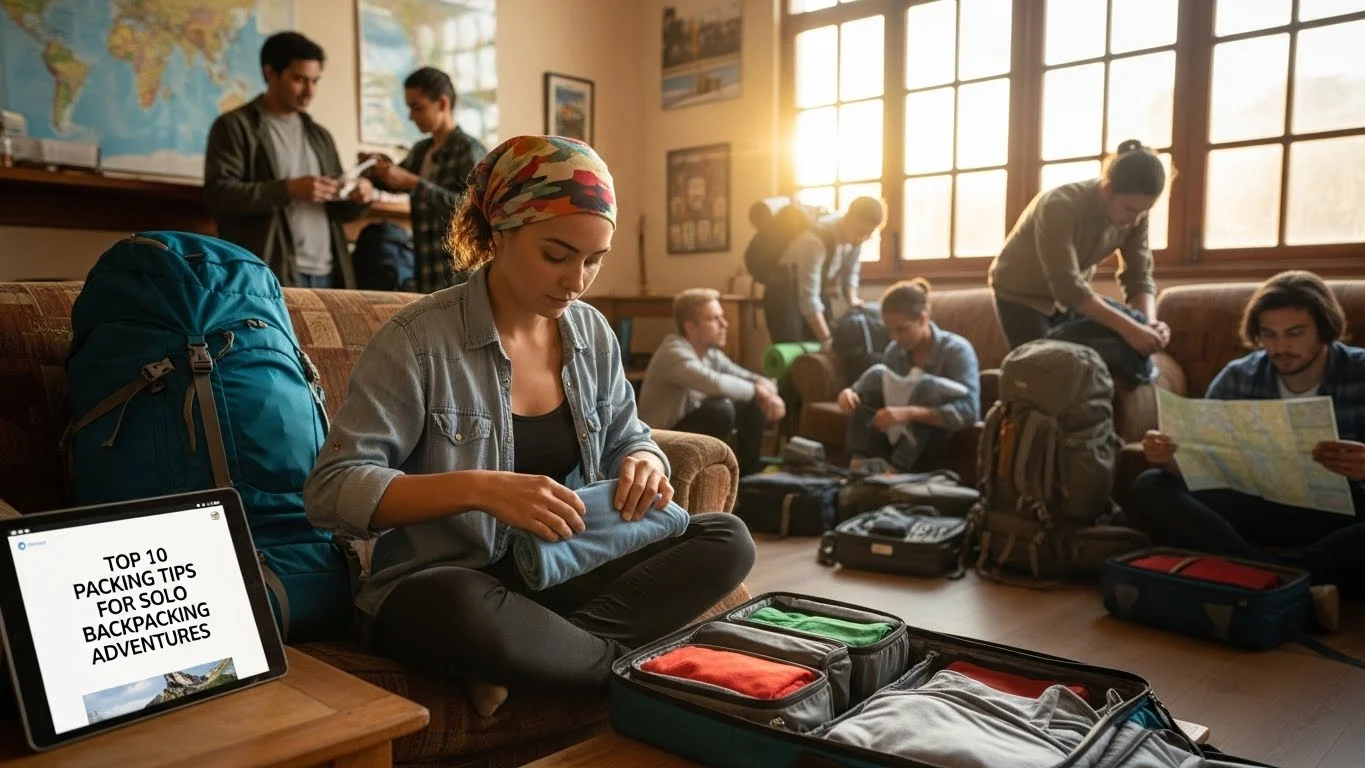
Packing cubes have become my best friend on solo adventures. They help keep my clothing and gear organized and make it easy to find what I need without rummaging through my entire pack. I remember the frustration of digging through a messy backpack, and packing cubes have changed that experience for me! I typically use one for clothes, another for toiletries, and a third for my electronics.
5. Include a First Aid Kit
No matter where I’m headed, I always pack a basic first aid kit. Accidents can happen, and having supplies on hand, like band-aids, antiseptic wipes, and pain relievers, can be a lifesaver. I started carrying one after a minor mishap on the trail, and now I don’t leave home without it!
6. Bring Travel-Sized Toiletries
Travel-sized toiletries not only save space but also comply with airline regulations if you’re flying. I’ve found that many brands offer compact versions of essential products like shampoo, conditioner, and soap. I also refill these bottles with my favorite products to save money and avoid waste. It’s a win-win!
7. Don’t Forget Important Documents
Before any trip, I make sure I have all my important documents—like my passport, travel insurance, and copies of reservations—stored securely in my backpack. I’ve learned the hard way that losing these can create unnecessary stress. I recommend keeping digital copies on your phone as a backup, just in case!
8. Consider Local Climate and Culture
Researching the local climate and culture of your destination is crucial for packing appropriately. I always check the weather forecast and cultural norms before I go. It can help me decide what to wear and what to bring. For instance, I once packed shorts for a trip only to discover that they were not acceptable in certain cultural contexts. Knowledge is power!
9. Plan for Entertainment and Downtime
Traveling solo means you’ll have downtime, so I always pack a book or download some podcasts to keep myself entertained during breaks. I find that having something to read or listen to helps me unwind and feel less isolated during quiet moments.
10. Leave Room for Souvenirs
Lastly, I always leave some space in my backpack for souvenirs. Whether it’s a local snack, a piece of art, or something unique to the culture, I love bringing back reminders of my travels. It’s a small way to carry a piece of my adventure home with me!
Common Packing Mistakes to Avoid
Overpacking vs. Underpacking
When I first started solo backpacking, I quickly learned the fine line between overpacking and underpacking. I remember my initial trips where I stuffed my backpack with items I thought I might need—extra shoes, multiple jackets, and enough snacks to feed a small army. The result? A ridiculously heavy pack that made every hike feel like a marathon. I’ve since come to appreciate the importance of packing smart rather than packing heavy. Striking a balance is key. I now focus on taking only what I know I will actually use. One trick that works for me is laying everything out before packing and then removing at least a couple of items. It’s surprising how much I can leave behind while still feeling prepared!
Ignoring Local Customs and Dress Codes
Another lesson I learned the hard way was not paying enough attention to local customs and dress codes. On one trip, I showed up in what I thought was standard hiking gear, only to realize I was in a more conservative area where such attire was frowned upon. This experience taught me to always do my homework on the culture of my destination. I now research what is considered appropriate attire and pack accordingly. If the local dress is more formal or modest, I make sure to include a couple of versatile outfits that fit in. It not only helps me blend in but also shows respect for the culture, enhancing my experience.
Neglecting Safety Essentials
Safety should always be a priority when packing, and I can’t stress this enough. In my earlier trips, I sometimes forgot to pack essential items like a whistle, a flashlight, or a multi-tool, thinking I could manage without them. However, after a few close calls—like getting lost on a hike or needing something to fix a broken gear—I realized how important these tools are. I now make it a point to include a safety kit in my packing. It usually contains a whistle, a small flashlight, a multi-tool, and a mini emergency blanket. These may seem like small items, but they can be lifesavers in unexpected situations.
Additional Tips for a Successful Solo Adventure
Staying Connected: Tech and Communication
In our tech-savvy world, staying connected while backpacking can be both a blessing and a challenge. I remember my first few adventures, where I tried to disconnect completely, thinking it would enhance my experience. While there’s value in being present, I’ve realized that having a way to communicate can be crucial. I always carry a portable charger and ensure that my phone is loaded with offline maps and essential apps before I leave. I’ve also found that keeping a local SIM card handy can help me stay connected to loved ones and access information when I need it. This way, I can share my journey without feeling completely cut off from the outside world.
Adapting Your Packing Strategy for Different Destinations
Every destination has its own unique environment and culture that can affect what you need to pack. For instance, when I traveled to a tropical destination, I made sure to bring breathable clothing, a good pair of sandals, and plenty of sunscreen. However, on my hike through the mountains, my packing list looked completely different: warm layers, sturdy boots, and waterproof gear became priorities. I’ve learned to adjust my packing strategy based on the climate and activities I’ll be engaging in. This not only helps me feel more comfortable but also ensures I’m prepared for whatever comes my way. Budget Backpacking Tips for the Savvy Solo Traveler can provide further insights on this topic.
Budgeting for Packing Essentials
Finally, budgeting for packing essentials is something I’ve come to appreciate. I used to think that I could get away with using whatever gear I had lying around, but I soon realized that investing in quality items is worth it in the long run. I’ve learned to set aside a portion of my travel budget specifically for gear and packing essentials. This might mean saving up for a good backpack or quality hiking boots that will last for years. While it can be tempting to go for the cheapest option, I’ve found that spending a little more upfront often saves me from frustration and discomfort down the line. For more tips, check out 10 Essential Backpacking Tips for Budget Solo Travelers.
Understanding Solo Backpacking
Planning Your Itinerary
When I embark on a solo backpacking trip, one of the first things I do is plan my itinerary. This doesn’t mean I map out every minute of my day; rather, I sketch a flexible outline of where I want to go and what I’d like to see. I’ve learned that having a rough idea of my route helps me feel more secure and organized. For instance, during my last trip, I planned to visit a few national parks, but I also left room for spontaneous detours. Each time I allowed myself to wander off the beaten path, I discovered hidden gems that weren’t in any guidebook. This balance of planning and spontaneity is crucial for me.
Trusting Your Instincts
One of the most valuable lessons I’ve learned on my solo trips is to trust my instincts. There have been moments when I felt uneasy about a situation or a place, and I’ve learned to listen to that inner voice. I remember one evening when I was exploring a new city and felt a sense of discomfort in a certain area. Instead of pushing through, I chose to change my route and ended up finding a lively local market that felt safe and welcoming. Trusting my instincts not only keeps me safe but also enhances my overall experience, allowing me to enjoy my adventures without unnecessary stress.
Meeting Other Travelers
While solo backpacking is about self-discovery, I’ve found that connecting with other travelers can enrich the experience. I often stay in hostels or join group activities, which opens the door to meeting people from all walks of life. I remember one particular night at a hostel where I struck up a conversation with a fellow backpacker over dinner. We shared stories of our travels, and I ended up joining him for a hike the next day. This kind of spontaneity has led to some of my favorite travel memories. I think there’s something special about sharing the journey, even if it’s just for a short time.
Essential Packing Considerations
Weather Preparedness
Weather can make or break a trip, so I always check the forecast before I leave. Depending on where I’m headed, I pack accordingly. For example, in warmer climates, I’ll bring breathable clothing, a wide-brimmed hat, and plenty of sunscreen. On the other hand, if I’m venturing into colder regions, layering is essential. I remember one hike where I underestimated the temperature drop in the evening. I ended up shivering in my sleeping bag, wishing I had packed an extra thermal layer. Now, I always make sure to include weather-specific gear, even if it means carrying a little extra weight. It’s better to be prepared than to be cold or uncomfortable!
Food and Hydration
Food and hydration are crucial parts of my solo backpacking strategy. I’ve learned the hard way that not having enough snacks or water can lead to exhaustion. I always pack lightweight, nutrient-dense snacks like nuts, dried fruit, and energy bars. I keep these easily accessible in my bag for quick refueling during hikes. Hydration is just as important; I carry a reliable water bottle and a portable water filter or purification tablets when I’m hiking in areas without easy access to clean water. Staying hydrated keeps my energy levels up and my spirits high!
Staying Healthy on the Trail
Maintaining my health while backpacking is essential, especially when I’m out in nature. I try to incorporate some form of exercise into my daily routine, even if it’s just a gentle stretch in the morning or a quick yoga session. It helps me stay limber for all the hiking ahead! I also prioritize eating balanced meals whenever possible. While it’s tempting to grab quick snacks, I aim for meals that provide real sustenance. After all, a happy belly means a happy traveler!
Common Packing Mistakes to Avoid
Forgetting to Test Gear
One mistake I made early on was not testing my gear before hitting the road. It’s crucial to ensure everything works properly. I remember my first tent, which I set up for the first time in the dark after a long day of hiking. It turned out I hadn’t practiced enough, and I spent a frustrating hour fumbling with poles and stakes. Now, I always set up my tent at home before I leave, so I’m confident I can do it quickly and efficiently in the field. This goes for other gear too—whether it’s cooking equipment or my sleeping bag; I always test it out beforehand.
Neglecting Physical Preparation
Another common mistake is neglecting physical preparation. I’ve been guilty of diving into a trip without adequately preparing my body for the physical demands of backpacking. I used to underestimate how much strength and stamina I’d need. Now, I make it a point to incorporate walking, hiking, or another form of exercise into my routine leading up to the trip. This not only boosts my endurance but also heightens my excitement as I feel more prepared for the adventure ahead.
Not Researching Destinations
Failing to research destinations can lead to missed opportunities and unexpected surprises. I learned this when I arrived at a popular trailhead only to find out that permits were required. I had to scramble to find an alternative. Now, I always do a bit of research on the areas I plan to visit—learning about necessary permits, popular trails, and local highlights. This preparation pays off, ensuring that I can fully enjoy my time without unnecessary hiccups.
Frequently Asked Questions
What is solo backpacking?
Solo backpacking is a unique travel experience where you venture out on your own, carrying all your essentials in a backpack. It not only involves exploring a new destination but also navigating the journey independently.
What are the benefits of solo backpacking?
The benefits of solo backpacking include the freedom to set your own itinerary, the opportunity to meet fascinating people, and the challenge of stepping out of your comfort zone, which can boost confidence and lead to personal growth.
What are common misconceptions about solo backpacking?
Many people believe that solo backpacking is lonely or dangerous. However, it often leads to new friendships and experiences. With proper preparation and awareness, one can navigate new environments safely and enjoyably.
What should I consider when choosing the right backpack?
When choosing a backpack, it’s crucial to find one that fits comfortably, has adjustable straps, and features like padded hip belts and breathable materials. The size should be appropriate for your gear to avoid carrying unnecessary weight.
How can I ensure proper weight distribution in my backpack?
To ensure proper weight distribution, place heavier items closer to your back and in the center of the pack. Distributing weight evenly across both sides is also important to prevent strain and improve balance while hiking.
What are some essential packing tips for solo backpacking?
Some essential packing tips include making a detailed packing list, choosing versatile clothing, opting for lightweight gear, using packing cubes for organization, and including a basic first aid kit.
What common packing mistakes should I avoid?
Common packing mistakes include overpacking or underpacking, ignoring local customs and dress codes, and neglecting safety essentials like a whistle or flashlight. It’s important to find a balance and prepare appropriately for your destination.
How can I stay connected while backpacking?
To stay connected while backpacking, carry a portable charger, ensure your phone has offline maps and essential apps, and consider keeping a local SIM card handy for communication and accessing information during your travels.
What should I do to prepare for different climates when packing?
Researching the local climate is crucial for packing appropriately. For warmer climates, pack breathable clothing and sunscreen, while in colder regions, focus on layering and waterproof gear to ensure comfort and preparedness.
Why is it important to test your gear before a trip?
Testing your gear before a trip is important to ensure everything works properly. Practicing with your equipment, like setting up your tent or using cooking gear, helps avoid frustration and inefficiencies while on the road.