
Exploring new cultures doesn’t have to break the bank or harm the planet. By embracing eco-friendly practices, we can enjoy rich experiences while being mindful of our environmental impact. Here are some tips to help you travel sustainably and affordably. Read Interesting article: Explore Community-Based Tourism: Eco-Friendly Travel Tips
Understanding Eco-Friendly Cultural Exploration
What is Eco-Friendly Travel?
When I first heard the term “eco-friendly travel,” I wondered if it meant I had to give up all my travel comforts. To my surprise, I learned that eco-friendly travel is all about making choices that positively impact the environment and local communities. It’s about being conscious of our footprint while immersing ourselves in the places we visit. For me, this meant choosing destinations with a commitment to sustainability, respecting local customs, and minimizing waste during my adventures.
Eco-friendly travel can take many forms. It might mean using public transportation instead of renting a car, staying in eco-conscious accommodations, or supporting local businesses. I found that the more I learned about eco-friendly options, the more exciting my travel experiences became. I began to connect with locals in a meaningful way and discovered hidden gems I would have missed otherwise.
Importance of Cultural Exploration
Cultural exploration is a chance to step outside our comfort zones and experience life through the lens of others. I think cultural travel enriches our understanding of the world and helps bridge gaps between different societies. Each country, city, or community we visit has its own unique story to tell. When I traveled to Thailand, for instance, I learned so much about their customs, beliefs, and daily life – things I would have never grasped through a textbook.
Moreover, exploring different cultures broadens our perspectives. I’ve found that engaging with local traditions and people fosters a deeper appreciation for diversity. It’s a reminder that while we may have different lifestyles, we all share common dreams and aspirations. By choosing to travel responsibly, we can contribute to preserving these cultures and ensuring they thrive for future generations.
Budgeting for Eco-Friendly Travel
Setting a Realistic Budget
One of the biggest challenges I faced when planning eco-friendly trips was establishing a budget. It felt daunting at first, but what helped was breaking it down into manageable parts. I started by listing all potential expenses: transportation, accommodation, food, activities, and souvenirs. This way, I could see where I could save and where I wanted to splurge.
I discovered that setting a realistic budget also meant being flexible. I would often check travel websites for deals or promotions, especially during off-peak seasons. If I found a great flight deal, I could adjust my accommodation budget accordingly. Moreover, I learned to prioritize experiences over material goods, which kept me focused on what truly mattered during my travels.
Identifying Affordable Destinations
Finding the right destination is crucial when traveling on a budget. I realized that some places are inherently more affordable than others. Countries in Southeast Asia and Central America often offer rich cultural experiences without the hefty price tag. I remember my trip to Guatemala, where I could explore ancient ruins and vibrant markets with just a few dollars. It was exhilarating to immerse myself in the local culture while keeping my spending in check.
Another tip I found helpful was to look for places that actively promote eco-tourism. Often, these destinations offer affordable packages or discounts for eco-conscious travelers. I discovered that many local governments encourage sustainable tourism with lower rates for attractions or accommodations that follow eco-friendly practices. It felt great knowing that my travels were supporting the local economy while being gentle on the planet. Read Interesting article: Top Eco-Friendly Transportation Tips for Budget Travelers
Transportation Options for Eco-Conscious Travelers
Public Transportation: Buses and Trains
One of the most impactful choices I made while traveling was to utilize public transportation. Not only is it often cheaper than renting a car, but it also reduces my carbon footprint. I’ve taken countless buses and trains across cities and countries, and I can say that it adds an element of adventure. Whether it’s chatting with locals or simply observing daily life, each ride has its own story.
During a trip to Italy, I relied heavily on trains to hop between cities. It was a scenic experience, gliding through beautiful countryside and interacting with fellow travelers. I learned to embrace the spontaneity of public transport, which often led me to unexpected places and experiences I hadn’t planned for.
Walking and Biking Tours
Walking and biking tours have become some of my favorite ways to explore new areas. They keep me active and allow me to connect with the environment on a deeper level. I remember a time in Amsterdam when I rented a bike and rode through the city’s canals and parks. I felt more in tune with the place than if I had been in a car or bus.
Many cities offer free or low-cost guided walking tours, which can be both budget-friendly and informative. I once joined a local guide in Barcelona who shared insights about the city’s history and culture while showing us hidden gems. It felt like I was part of a community rather than just a visitor.
Carpooling and Ridesharing Services
While I love public transit, there are times when it just isn’t practical. In those moments, I turned to carpooling and ridesharing services. They can be affordable alternatives and are often more eco-friendly than driving alone. I’ve used ridesharing apps to connect with fellow travelers, sharing rides to popular attractions. It not only saved money but also provided an opportunity to meet new friends and share travel stories.
Choosing Eco-Friendly Accommodations
Sustainable Hotels and Hostels
Finding the right place to stay can significantly influence the sustainability of our travels. When I started seeking out eco-friendly accommodations, I realized there were so many wonderful options available. Sustainable hotels often incorporate green practices, such as energy-efficient lighting, water conservation measures, and the use of local, organic products. I remember staying at a small eco-hotel in Costa Rica that not only had solar panels but also provided natural toiletries and sourced their breakfast ingredients from local farms. It felt like I was contributing to the community just by choosing where to sleep.
Hostels can also be a fantastic choice for eco-conscious travelers. Many hostels are committed to sustainability and offer shared resources, reducing the overall environmental footprint. I had a great experience in a hostel in Berlin that encouraged guests to use public transport and provided bikes for rent. It was a budget-friendly way to meet fellow travelers while supporting an establishment that cares about the environment.
Eco-Friendly Vacation Rentals
Another option I found appealing was eco-friendly vacation rentals. Platforms like Airbnb and Vrbo have listings that highlight sustainable features. For instance, I stayed in a cozy cabin in the woods that was built with reclaimed materials and had a composting toilet. It was an incredible experience, connecting me with nature while supporting an owner who values sustainability.
When looking for vacation rentals, I always check for features like energy-efficient appliances, recycling options, and the use of natural cleaning products. It feels rewarding to know that my choice is benefiting both the planet and the local economy. Plus, having a kitchen allows me to prepare meals using local ingredients, which is both fun and eco-friendly!
Camping and Nature Lodges
If you’re looking for a more adventurous option, consider camping or staying at nature lodges. I’ve had some of my most memorable experiences under the stars, surrounded by breathtaking landscapes. Campsites often encourage minimal impact, teaching us to respect nature and leave no trace. I remember a camping trip in the national parks of Utah, where I fell asleep to the sounds of nature and woke up to stunning sunrises. It was a humbling reminder of how beautiful our planet is. Read Interesting article: Top 10 Eco-Friendly Camping Tips for Budget Travelers
Nature lodges are another fantastic choice, as many of them focus on conservation and eco-tourism. I once stayed in a lodge in the Amazon rainforest that employed local staff and offered guided tours to educate visitors about the ecosystem. It was heartwarming to see how the lodge was dedicated to protecting the environment while providing jobs for the community. Knowing my stay helped preserve such a beautiful area made the experience all the more special.
Engaging with Local Culture on a Budget
Free and Low-Cost Cultural Events
One of the best ways to immerse myself in a new culture is by attending local events. I discovered that many cities host free or low-cost festivals, markets, and performances that showcase their heritage. For example, when I visited Mexico City, I stumbled upon a free cultural festival in a local park filled with music, dance, and traditional foods. I felt like I was part of something truly special, experiencing the culture firsthand without spending much money.
Many communities also organize events that are open to visitors. I often check local tourism websites or community boards for information on upcoming events during my stay. Participating in these activities not only enriches my travel experience but also supports local artists and performers.
Visiting Museums on Discount Days
Museums can be a fantastic way to learn about a region’s history and culture, but admission fees can add up quickly. I’ve found that many museums offer discounted rates on certain days or times. For instance, I visited the Louvre on a Friday evening, where entrance fees were significantly reduced, allowing me to explore the stunning art collections without breaking the bank. It also meant shorter lines, which was a win-win!
Additionally, some museums have free entry days each month. I always make a point to research this before my trips, as it allows me to enjoy cultural experiences while being budget-conscious. It’s a reminder that museums want to share their treasures with everyone, and it feels good to take advantage of those opportunities.
Participating in Community Festivals
Community festivals are another incredible way to engage with local culture. I’ve found that attending these gatherings helps me connect with residents and learn more about their traditions. I remember visiting a small town in Italy during their olive oil festival, where locals showcased their products and traditional recipes. It was a delightful experience, filled with laughter, delicious food, and friendly conversations. Plus, it felt amazing to support local artisans and farmers directly.
Many towns have their own unique festivals throughout the year, celebrating everything from harvests to music. I recommend checking local calendars or tourism offices to find out what’s happening during your visit. Participating in these events creates lasting memories and deepens my appreciation for the culture.
Eating Sustainably While Traveling
Local Markets and Street Food
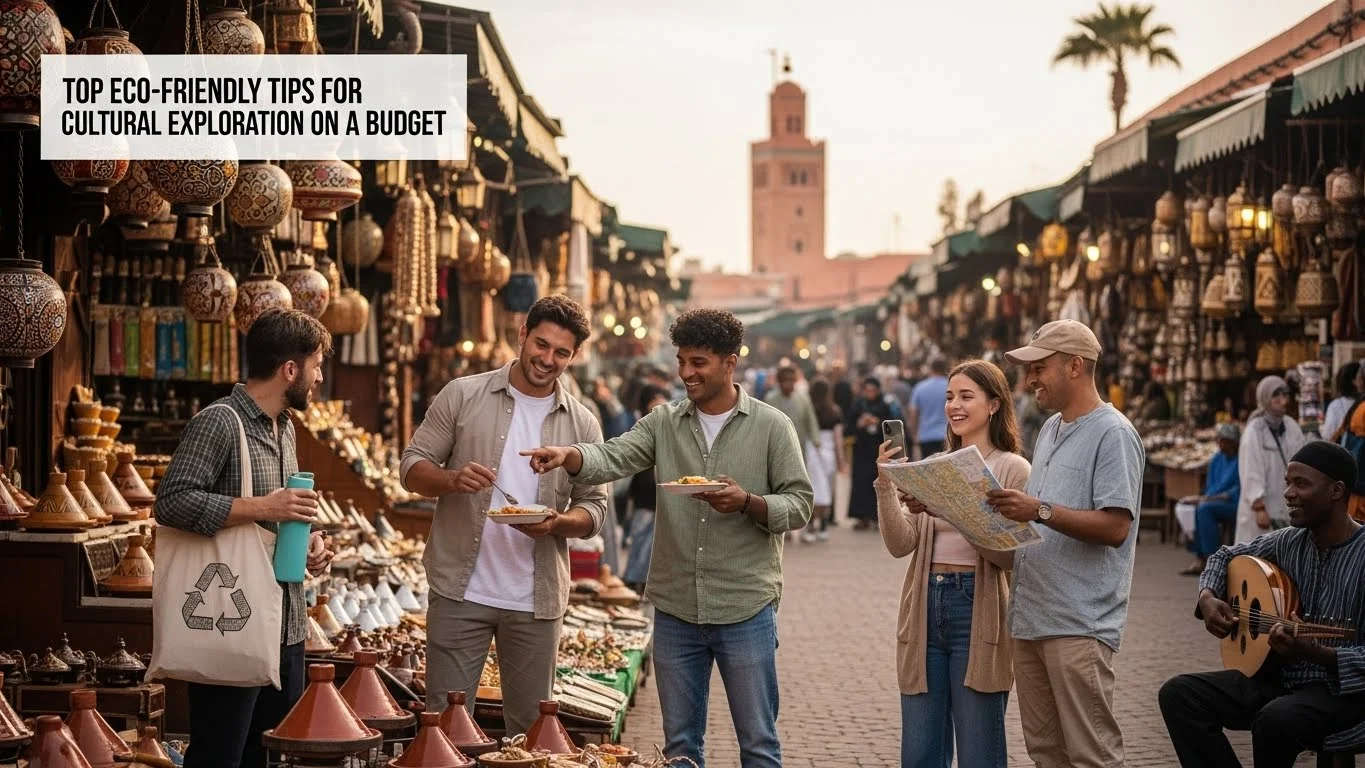
One of my favorite parts of traveling is indulging in local cuisine, and I’ve discovered that eating sustainably doesn’t have to be expensive. Visiting local markets is a fantastic way to experience the culture through its food. I vividly remember strolling through a bustling market in Marrakech, where the vibrant colors and enticing aromas filled the air. Sampling fresh fruits, spices, and local delicacies was not only affordable, but it also allowed me to connect with the local community.
Street food is another treasure trove of culinary experiences. I found that trying street food often costs a fraction of what you’d pay in a restaurant, plus it gives you a taste of authentic local flavors. For instance, during my travels in Vietnam, I tried pho from a street vendor, and it was hands down one of the best meals I’ve ever had. Eating in this way feels like participating in the daily life of the locals, which enhances the overall experience.
Vegetarian and Vegan-Friendly Options
When I shifted to a more plant-based diet, I was pleasantly surprised to find that many cultures have delicious vegetarian and vegan options. I think it’s important to consider the environmental impact of our food choices, and opting for plant-based meals can be a great way to travel sustainably. During my time in India, I enjoyed a variety of vegetarian dishes that were not only flavorful but also prepared with local ingredients. I often sought out restaurants that highlighted their commitment to using fresh, seasonal produce.
While traveling in places like Thailand, I discovered the vibrant world of street food that caters to vegetarians. Dishes like pad thai and green curry can easily be made without meat, allowing me to enjoy the local cuisine while sticking to my dietary choices. I recommend asking locals for their favorite vegetarian spots; they often know the best places to eat!
Supporting Local Restaurants
Eating at local restaurants is a fantastic way to support the community. I’ve made it a point to choose eateries that source their ingredients locally and have a commitment to sustainability. During my travels in Portugal, I stumbled upon a small family-run restaurant that served dishes made from ingredients grown in their own garden. It was heartwarming to know my meal had a low carbon footprint and supported a local family.
Moreover, I’ve found that smaller, locally-owned establishments often have a unique charm and a personal touch that larger chains simply can’t match. Engaging with the owners and staff, learning about their stories, and hearing about the dishes they create adds depth to the dining experience. I believe that dining sustainably is not just about the food itself, but also about the connections we build along the way.
Eco-Friendly Activities for Cultural Immersion
Volunteering Opportunities
One of the most fulfilling ways to immerse myself in a culture is through volunteering. I’ve had the chance to participate in various volunteer programs that align with my interests and values. For instance, during my trip to Costa Rica, I volunteered at a wildlife rescue center. It felt incredible to contribute to conservation efforts and learn about local wildlife while forging connections with other volunteers and staff.
Volunteering allows for a deeper understanding of local issues and challenges faced by communities. I’ve found that organizations often welcome travelers who want to help, making it a win-win situation. Websites like Workaway and HelpX can connect you with opportunities around the world, offering a chance to make a positive impact while experiencing life as a local.
Nature and Wildlife Conservation Tours
Engaging in nature and wildlife conservation tours has been another enriching way for me to connect with the environment and culture. During a visit to the Galápagos Islands, I joined a guided tour focused on conservation efforts. The guides shared valuable insights about the unique ecosystems and the importance of protecting them. Participating in these tours made me feel like I was contributing to something bigger than myself.
I recommend seeking out tours that prioritize eco-friendly practices, such as small group sizes and minimal environmental impact. It’s a fulfilling way to appreciate the beauty of nature while learning about local conservation initiatives and the cultural significance behind them.
Art and Craft Workshops with Locals
Experiencing local art and craft workshops has provided me with unforgettable memories and a deeper appreciation for the culture. I remember taking a pottery class in a small village in Italy, where the instructor passionately shared the history of the craft. Not only did I learn a new skill, but I also connected with the local community through their traditions.
Participating in these workshops allows us to support local artisans and immerse ourselves in their way of life. I’ve found that many workshops are affordable and provide a unique insight into the culture. Whether it’s a cooking class, a painting workshop, or a traditional craft session, these experiences have enriched my travels in ways I never expected.
Frequently Asked Questions
What is eco-friendly travel?
Eco-friendly travel is about making choices that positively impact the environment and local communities. It involves being conscious of our footprint while immersing ourselves in the places we visit, such as choosing sustainable destinations, respecting local customs, and minimizing waste.
How can I budget for eco-friendly travel?
To budget for eco-friendly travel, start by listing all potential expenses like transportation, accommodation, food, activities, and souvenirs. Be flexible and look for deals, especially during off-peak seasons. Prioritize experiences over material goods to stay focused on what truly matters during your travels.
What are some affordable destinations for eco-friendly travel?
Countries in Southeast Asia and Central America are often more affordable and offer rich cultural experiences. Destinations like Guatemala are highlighted for their ancient ruins and vibrant markets without a hefty price tag. Look for places that promote eco-tourism, as they may offer discounts for eco-conscious travelers.
What transportation options are available for eco-conscious travelers?
Eco-conscious travelers can use public transportation like buses and trains, which are often cheaper and reduce carbon footprints. Walking and biking tours are also great for exploring areas actively and connecting with the environment. Carpooling and ridesharing services can be alternatives when public transit isn’t practical.
How can I find eco-friendly accommodations?
Look for sustainable hotels and hostels that incorporate green practices like energy-efficient lighting and water conservation. Eco-friendly vacation rentals on platforms like Airbnb and Vrbo often highlight sustainable features. Camping and nature lodges are also good options for eco-conscious travelers.
What are some ways to engage with local culture on a budget?
Engage with local culture by attending free or low-cost cultural events, such as festivals and markets. Visiting museums on discount days can also provide enriching experiences without high admission fees. Participating in community festivals allows you to connect with residents and support local traditions.
How can I eat sustainably while traveling?
Eating sustainably can involve visiting local markets and trying street food, which are often affordable and provide authentic local flavors. Opting for vegetarian and vegan-friendly options can also reduce the environmental impact of your food choices. Supporting local restaurants that source ingredients locally helps the community.
What are some eco-friendly activities for cultural immersion?
Volunteering opportunities can provide deep cultural immersion while contributing positively to local communities. Engaging in nature and wildlife conservation tours helps connect with the environment and learn about local ecosystems. Participating in art and craft workshops with locals supports artisans and offers insight into their traditions.
What benefits does cultural exploration provide?
Cultural exploration enriches our understanding of the world, fosters appreciation for diversity, and helps bridge gaps between societies. Engaging with local traditions and people allows travelers to gain insights into different lifestyles, reminding us of our shared dreams and aspirations.
Why should I prioritize experiences over material goods while traveling?
Prioritizing experiences over material goods keeps travelers focused on what truly matters during their journeys. It encourages deeper connections with local cultures and communities, promoting sustainable travel practices that support the environment and enhance overall travel experiences.