Web Analytics

Recent Posts

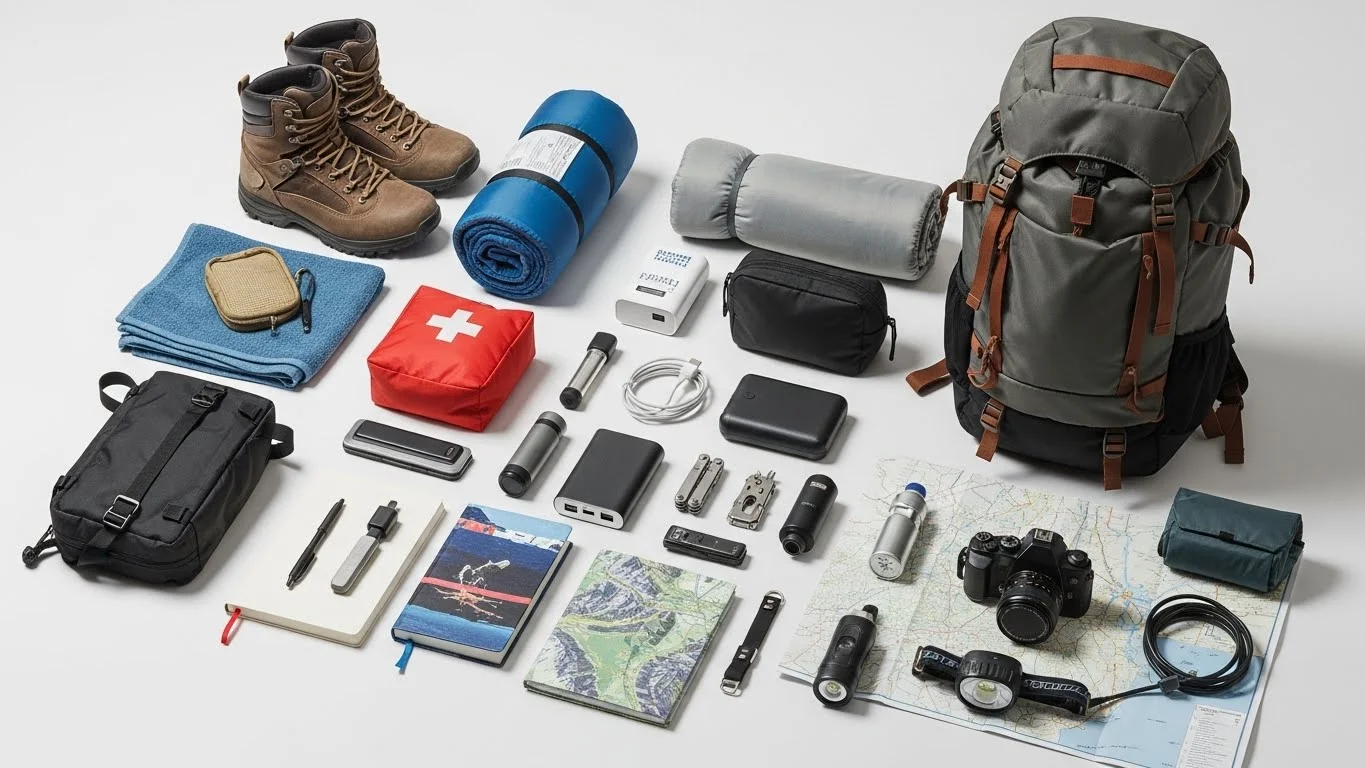
Must-Have Packing Essentials for Your Solo Travel Journey

Solo travel is an exhilarating adventure that opens up a world of possibilities. However, packing smartly is crucial to ensure your journey is as enjoyable and stress-free as possible. Read Interesting article: Top 10 Solo Travel Packing Essentials for Budget Backpackers
Must-Have Packing Essentials for Your Solo Travel Journey

Understanding the Importance of Packing for Solo Travel

When I first embarked on my solo travel journey, I quickly learned that packing isn’t just about stuffing a bag with clothes. It’s about being prepared, comfortable, and organized. The right packing strategy can make all the difference, especially when you’re on your own and need to rely on yourself. I remember the feeling of standing in front of my open suitcase, unsure of what to bring and what to leave behind. Through trial and error, I discovered the importance of thoughtful packing, and I want to share that insight with you.

Benefits of Traveling Light

One of the biggest lessons I learned is the sheer joy of traveling light. I used to be the person who packed for every possible scenario: “What if it rains? What if I want to dress up for dinner?” But as I lugged around a heavy suitcase on cobblestone streets, I realized that less is more. Traveling light has numerous benefits:

  • Increased Mobility: Imagine breezing through train stations and airports without the burden of a heavy bag. I found that being able to move quickly made my travels smoother and more enjoyable.
  • Less Stress: The less you carry, the less you have to worry about. I noticed that with fewer items, I was less anxious about losing something important.
  • More Space for Souvenirs: Traveling light allows you to have extra room for items you pick up along the way. I still cherish the handmade crafts I brought back from my travels.

For me, packing light meant carefully selecting versatile pieces that I could mix and match. It became a fun challenge rather than a chore. Each trip, I got better at it, and I want to help you do the same! Read Interesting article: Safety-First Packing Essentials for Solo Backpackers

Common Packing Mistakes to Avoid

Before I became a seasoned solo traveler, I made my fair share of packing mistakes. Here are some common pitfalls I encountered, along with tips to avoid them:

  • Packing Too Many Clothes: It’s easy to overpack when you’re unsure of what you might need. I remember bringing five pairs of shoes for a week-long trip! Now, I limit myself to two versatile pairs.
  • Ignoring the Weather: I once packed a summer wardrobe for a trip that unexpectedly turned chilly. Always check the forecast and plan accordingly! Layering is key to staying comfortable in changing conditions.
  • Not Considering Activities: Think about what you’ll be doing. I made the mistake of packing formal clothes for a hiking trip. Now, I plan my outfits based on my itinerary to ensure comfort and appropriateness.
  • Forgetting Essential Items: I’ve left behind chargers, toiletries, and even my travel pillow. Create a checklist to ensure you have everything you need before you zip up your bag.

Essential Packing List for Solo Travelers

Now that we’ve covered the importance of packing, let’s dive into the essentials you should consider for your solo adventure. As I’ve traveled alone, I’ve developed a packing list that I swear by. I believe that having the right items can make any journey smoother. Read Interesting article: Ultimate Guide to Packing Carry-On Essentials for Travel

Clothing Essentials

Versatile Outfits for Different Climates

One of my favorite strategies is to pack clothes that can be worn in various ways. I opt for items that can be layered or styled differently. For example, a lightweight cardigan can be worn over a tank top during the day and still look great for dinner at night. Fabrics that dry quickly are also a lifesaver for unexpected weather changes. My go-to pieces include:

  • Lightweight tops
  • Convertible pants that can be turned into shorts
  • A versatile dress that can be dressed up or down

Comfortable Footwear for Walking

Comfortable shoes are non-negotiable for solo travelers. I once made the mistake of wearing stylish shoes that ended up giving me blisters. Now, I always pack a pair of comfortable walking shoes that I’ve broken in. I also bring a pair of sandals for warmer climates and lounging around. A good rule is to choose shoes that are not only comfortable but also suitable for various activities, from sightseeing to dining out.

Travel Accessories

Travel Backpack vs. Suitcase

Your choice of luggage can greatly affect your travel experience. I’ve tried both backpacks and suitcases, and I personally prefer a good travel backpack. It allows for greater flexibility, especially when navigating through crowded areas or uneven terrain. A backpack also leaves your hands free for other things, like holding a camera or a coffee!

Packable Daypack

A packable daypack is a game changer. I always bring a lightweight, foldable bag that I can use for day trips or as an extra bag for souvenirs. It’s super convenient and doesn’t take up much space in my main luggage. Having this extra bag has saved me on numerous occasions!

Electronics and Gadgets

Power Banks and Chargers

Staying connected is essential during solo travel, and I’ve learned that having a reliable power bank is a must. There’s nothing worse than your phone dying when you’re trying to navigate a new city. I recommend investing in a good quality power bank that can charge your devices multiple times. Along with that, don’t forget the chargers for all your gadgets!

Travel Adapters

If you’re traveling internationally, a universal travel adapter is a lifesaver. I’ve been caught without one in the past, and it was a hassle trying to find a solution. Having an adapter ensures that I can charge my devices wherever I go, keeping me connected and organized.

Toiletries and Personal Care

Travel-sized Toiletries

When it comes to toiletries, I always opt for travel-sized products. Not only do they save space, but they also comply with airline regulations. I remember once having to throw away a full-sized product at security, and it was such a waste! I find that refilling smaller containers with my favorite products works best.

Essential Medications and First Aid

Don’t forget to pack essential medications and a small first aid kit. I’ve learned the hard way that it’s not always easy to find specific medications in different countries. I keep my medications in their original containers and pack a few basic items like band-aids and pain relievers just in case.

Safety and Security Items

Travel Locks and Anti-Theft Bags

As I explored various destinations, I quickly realized that keeping my belongings safe is just as important as choosing the right items to pack. Investing in travel locks and anti-theft bags has been a game-changer for me. I often use a lock on my backpack when I’m in crowded places, like markets or public transportation. It gives me peace of mind, knowing that my things are secure while I focus on enjoying my adventure.

One of my favorite anti-theft bags has a hidden zipper and cut-resistant straps. I remember a time when I was wandering through a bustling city, and I felt an uneasy tug at my bag. Thankfully, my anti-theft features kept everything safe, and I was able to brush it off as just a moment of paranoia. I highly recommend looking for bags with RFID-blocking technology, especially if you’re carrying credit cards or passports. This little feature can be a lifesaver in our tech-driven world.

Personal Safety Devices

In my experience, it’s wise to have some personal safety devices on hand while traveling solo. I always carry a small whistle and a pepper spray keychain. These items may seem simple, but they offer an extra layer of comfort when I’m in unfamiliar places. I once found myself in a quiet area that felt a bit sketchy, and just having the whistle made me feel more secure. I know it’s not about being paranoid but rather being prepared for any situation. There are even personal alarms that can emit a loud noise to deter potential threats, which I think is a smart addition to anyone’s travel kit.

Documents and Important Items

Passport, ID, and Travel Insurance

Your documents are your lifeline when traveling, and I can’t stress enough how important it is to keep them organized and secure. I always carry a photocopy of my passport and other essential IDs, just in case I lose the originals. I keep these copies in a separate location from the originals, which has saved me once when I accidentally misplaced my wallet. Travel insurance is another item I never travel without. It may seem like an extra cost, but it has provided me peace of mind when facing unexpected situations like delays or medical emergencies abroad.

Emergency Contacts and Copies of Important Documents

Another tip I’ve learned is to keep a list of emergency contacts and copies of crucial documents in my bag. I write down important phone numbers—like my bank, family contacts, and local emergency services—so I can reach out if I need help. Additionally, I take pictures of my important documents, including my travel insurance policy and bookings, and store them in a secure cloud service. This way, I can access them anytime, even without internet access. It’s all about making sure I’m prepared for anything that might come my way!

Packing Techniques for Solo Travelers

Rolling vs. Folding Clothes

As I continued to refine my packing skills, I discovered that the way I packed my clothes could make a significant difference in my luggage space. Rolling clothes instead of folding has become my go-to technique. I find that rolling not only saves space but also minimizes wrinkles, which is a bonus! On my last trip, I managed to fit an entire week’s worth of clothing into a small backpack simply by rolling. Plus, when I arrived at my destination, I could easily pull out what I needed without disturbing everything else.

Utilizing Packing Cubes

Packing cubes have revolutionized my packing experience. I was skeptical at first, but once I tried them, I couldn’t go back. They help keep everything organized and make it easy to find what I need without digging through my entire bag. For me, it’s all about having one cube for tops, another for bottoms, and a separate one for undergarments. This way, I can quickly grab what I need when I’m on the go. I also use a smaller cube for my electronics and chargers, which keeps those items separate and easy to access. It’s amazing how a little organization can simplify everything while traveling solo.

Tips for Efficient Packing

How to Pack for Different Destinations

Every destination is unique, and I’ve learned that tailoring my packing strategy accordingly makes a significant difference. For beach trips, I pack lightweight, breathable fabrics, and a good swimsuit. When heading to colder climates, I prioritize layers and pack items that can be easily combined for warmth. I’ve found that researching the culture and activities of my destination ahead of time also helps me choose the right items. For example, knowing that I would be visiting religious sites in a certain country led me to pack more modest clothing, ensuring I felt comfortable and respectful.

Seasonal Packing Tips

Seasonality plays a huge role in what I pack. I’ve learned to pay extra attention to the time of year and expected weather conditions. In winter, I prioritize warm layers and thermal wear, while summer trips call for lighter fabrics and sun protection gear. I also find that packing for transitional seasons can be tricky, so I always include a lightweight jacket that can be layered. It’s all about adaptability and being prepared for whatever Mother Nature throws my way!

Maintaining Organization While Traveling Solo

Strategies for Keeping Your Belongings Organized

Staying organized while on the road is essential for a smooth travel experience. I’ve developed a habit of setting aside a specific place for my belongings whenever I check into a new hotel or hostel. This way, I always know where my essentials are. I use small pouches to group similar items, like toiletries or electronics, which keeps everything neat. At the end of the day, I take a few minutes to repack and ensure everything is in its designated spot. This habit has saved me from frantic searches for my passport or charger on more than one occasion.

Apps and Tools for Travelers

Technology has made it easier to stay organized. I rely on a few apps that help me keep track of my itinerary, accommodation details, and even packing lists. My favorite app allows me to create a digital packing list that I can check off as I go. I also have a note-taking app where I jot down important info, such as local emergency numbers or language translations. These tools not only help me stay organized but also provide peace of mind when I’m navigating new places alone.

Frequently Asked Questions

What is the importance of packing for solo travel?

Packing for solo travel is crucial for being prepared, comfortable, and organized. A thoughtful packing strategy can significantly enhance your travel experience, especially when you’re relying on yourself.

What are the benefits of traveling light?

Traveling light offers increased mobility, less stress, and more space for souvenirs. It allows travelers to move more easily through transport hubs and reduces anxiety about losing items.

What are some common packing mistakes to avoid?

Common packing mistakes include packing too many clothes, ignoring the weather, not considering activities, and forgetting essential items. Creating a checklist can help ensure you have everything you need.

What are some essential clothing items for solo travelers?

Essential clothing items for solo travelers include versatile outfits for different climates, such as lightweight tops, convertible pants, and a versatile dress. Comfortable footwear is also critical for walking.

What type of luggage is recommended for solo travelers?

A travel backpack is recommended for solo travelers due to its flexibility and ease of movement in crowded areas. It also keeps your hands free for other activities.

What electronics should solo travelers consider packing?

Solo travelers should consider packing a power bank, chargers for all devices, and a universal travel adapter for international trips to ensure they stay connected.

What toiletries should solo travelers bring?

Travel-sized toiletries are advisable as they save space and comply with airline regulations. It’s also important to pack essential medications and a small first aid kit.

How can solo travelers keep their belongings safe?

Investing in travel locks and anti-theft bags can help keep belongings secure. Personal safety devices, such as a whistle and pepper spray, can also provide added security.

What packing techniques can help maximize space?

Rolling clothes instead of folding them and utilizing packing cubes are effective techniques to maximize luggage space and keep items organized.

How can travelers maintain organization while traveling solo?

Travelers can maintain organization by setting aside specific places for their belongings, using small pouches for grouping items, and utilizing apps to track itineraries and packing lists.
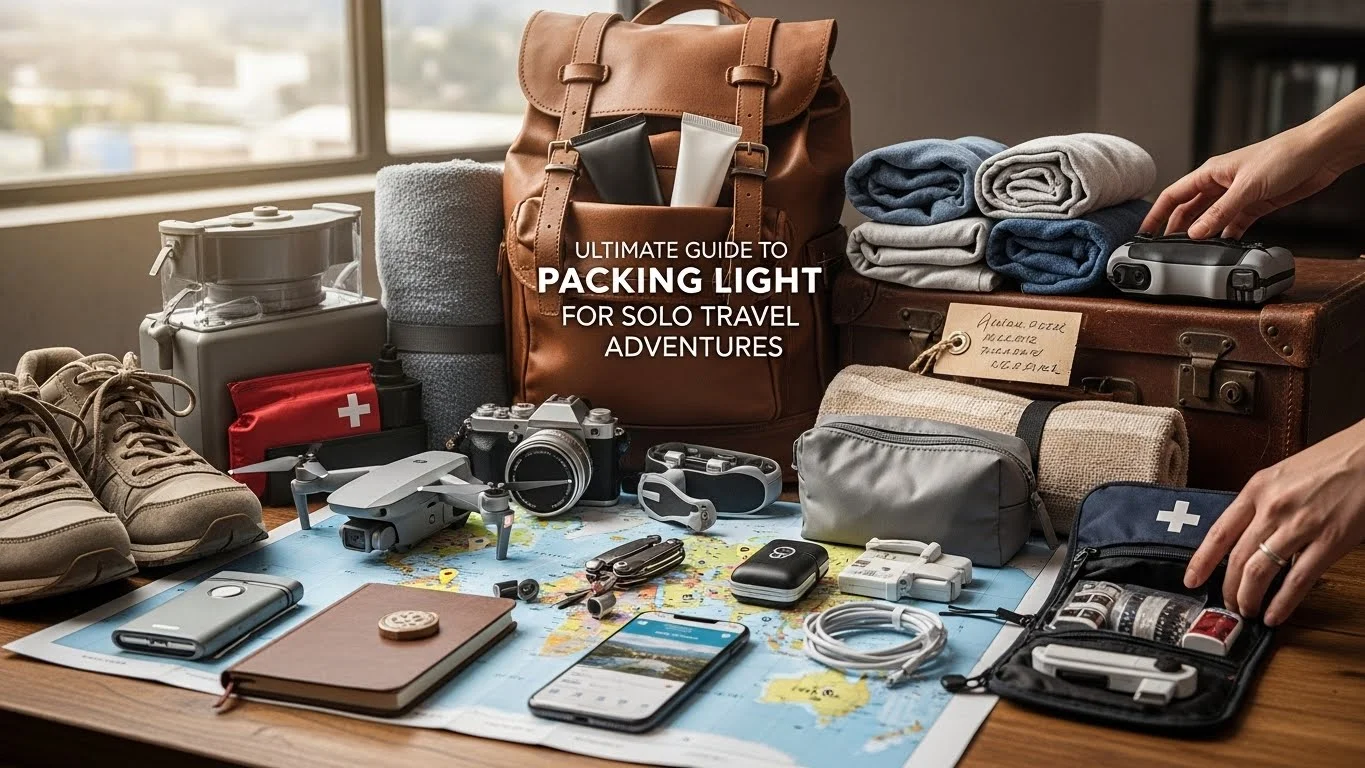
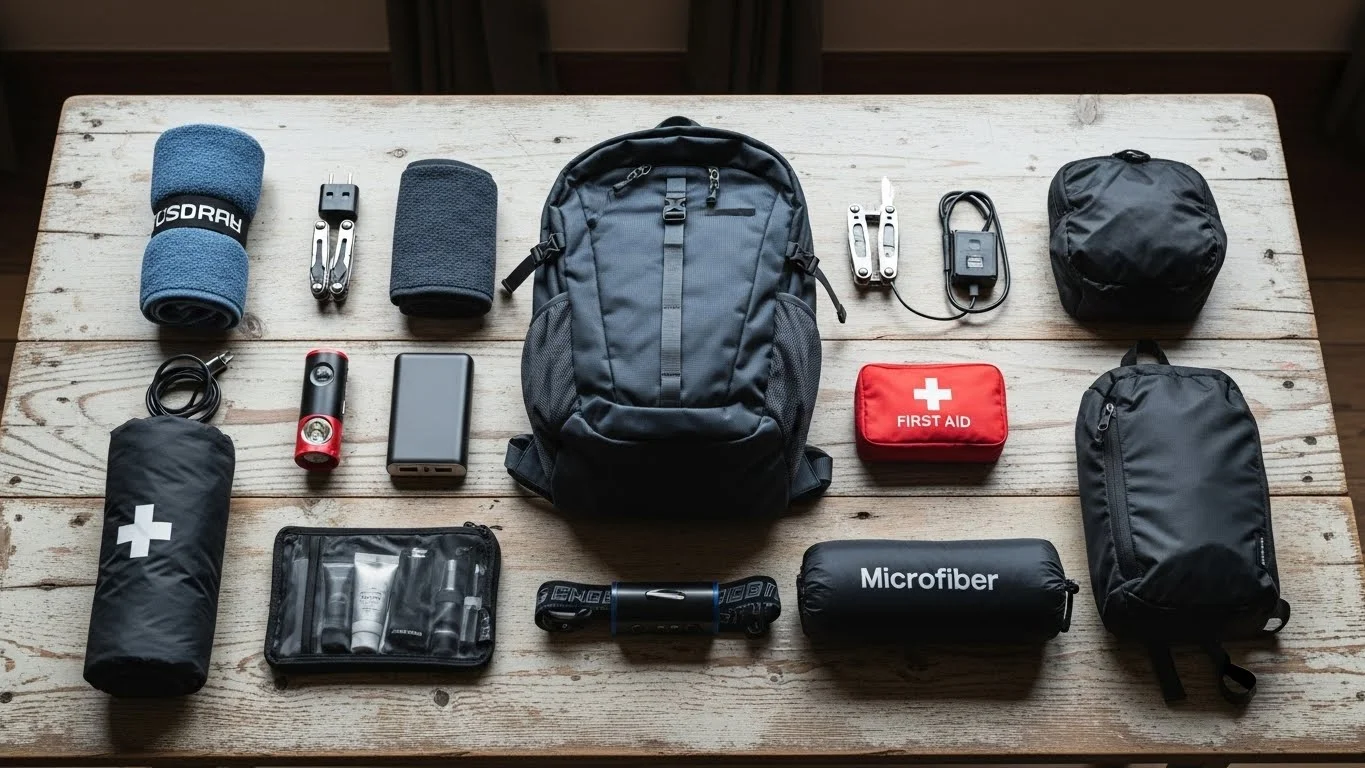
Ultimate Guide to Packing Light for Solo Travel Adventures

Embarking on a solo travel adventure is thrilling, but packing light can transform your experience. Imagine wandering through vibrant streets without the heavy burden of excess baggage—let’s explore how to make that vision a reality! If you’re interested in family travel, check out the Ultimate Guide to Packing Light for Family Travels.

Ultimate Guide to Packing Light for Solo Travel Adventures

Understanding the Importance of Packing Light

Packing light is more than just a trend; it’s a game-changer for solo travelers. I still remember my first solo trip, where I dragged a massive suitcase through cobblestone streets, feeling every bump and crack. It hit me then—traveling light not only makes life easier but also enhances the overall adventure. Let’s dig deeper into why packing light is crucial.

Benefits of Traveling Light

When you decide to pack light, you unlock a world of benefits that can elevate your travel experience. For one, it allows for greater flexibility. I’ve found that without heavy luggage weighing me down, I can hop on public transport, explore hidden gems, and change plans on a whim. Less time spent lugging around bags means more time for adventures—whether that’s strolling through a local market or discovering an off-the-beaten-path cafe.

Traveling light also reduces stress. I used to dread the thought of losing my luggage, but when I switched to a minimalist approach, I eliminated that worry entirely. My belongings are always with me, and I can relax knowing everything I need is within reach. Plus, there’s a certain freedom in carrying just a backpack or a small suitcase; it’s liberating!

Cost savings is another important advantage. Many airlines now charge fees for checked luggage, and avoiding those fees can make a big difference in your travel budget. I remember one trip where I saved enough from not checking bags to treat myself to a special dinner. Every dollar counts when you’re traveling solo! For more packing tips, check out the Top 10 Solo Travel Packing Essentials for Budget Backpackers.

Common Misconceptions About Packing

Despite the clear advantages, I’ve noticed a few common misconceptions about packing light that might hold some travelers back. One belief is that packing light means leaving behind essential items. This couldn’t be further from the truth! I’ve learned through experience that with careful planning, it’s possible to bring everything I need without overpacking.

Another misconception is that packing light limits your wardrobe options. I used to think I needed a different outfit for every occasion, but I’ve found that versatile clothing is key. By choosing pieces that mix and match, I can create multiple outfits from just a few items. It’s about being strategic rather than restrictive.

Some people believe that they need to bring every gadget or tool they might use. However, it’s essential to prioritize what’s truly necessary. I’ve had trips where I packed items I never touched. Over time, I learned to evaluate what I could do without and focus on the essentials that would enhance my travels.

Finally, I’ve encountered those who think packing light isn’t feasible for longer trips. In my experience, longer trips can be managed just as easily with the right techniques. It’s all about planning ahead, being intentional with your choices, and sometimes, doing a little laundry along the way!

Essential Packing Tips for Solo Travelers

Packing light doesn’t have to be an overwhelming task. In fact, I’ve found that with a few strategic tips, it becomes a straightforward process. Here are some insights I’ve gathered over my years of solo travel that can help anyone looking to lighten their load.

Choosing the Right Luggage

The first step in your packing light journey is selecting the right luggage. I recommend opting for a backpack or a carry-on suitcase that is both lightweight and durable. My go-to is a 40-liter backpack, which is spacious enough for essentials but compact enough to avoid overpacking. You want something that fits comfortably and is easy to carry, especially in busy airports or train stations.

Clothing Essentials for Various Climates

When packing for different climates, versatility is key. I usually choose a few core pieces that can adapt to various weather conditions. For instance, having a lightweight, waterproof jacket is essential for unexpected rain or chilly evenings. I also love packing layers—think a tank top, a long-sleeve shirt, and a lightweight sweater. This way, I can adjust my outfit based on the temperature and save space in my bag.

Footwear: Comfort vs. Style

Footwear can make or break your travel experience. I’ve learned that comfortable shoes are non-negotiable, especially when walking is your main mode of transport. I usually bring one pair of versatile walking shoes and a pair of sandals that can double as casual wear. It’s possible to be stylish and comfortable if you choose wisely!

Maximizing Space with Packing Techniques

Maximizing space in your luggage is an art form. I’ve adopted techniques like rolling my clothes instead of folding them, which not only saves space but reduces wrinkles. Additionally, I pack items inside my shoes to utilize every inch of space. It’s amazing how much you can fit if you think creatively!

Using Packing Cubes and Compression Bags

Packing cubes have been a game-changer for me. They help keep my items organized and allow me to see what I have at a glance. I can separate my clothes, toiletries, and electronics easily. Compression bags are also handy for bulky items like jackets or sweaters, allowing me to save even more space without sacrificing comfort.

As I’ve navigated the world of solo travel, I’ve come to believe that packing light is an essential skill that enhances the travel experience. It offers freedom, flexibility, and peace of mind. By understanding the importance of traveling light and implementing these packing tips, we can all set out on our adventures unencumbered and ready to embrace the journey ahead. Additionally, for those looking for budget-friendly travel ideas, the Ultimate Guide to Budget Solo Travel: Best Destinations is a great resource.

Must-Have Items for Solo Travel

Travel Documents and Safety Gear

When I think about packing for a solo trip, my travel documents are always at the top of my list. I’ve learned the hard way that keeping my passport, ID, and any necessary visas organized is crucial. I typically use a travel wallet to keep everything in one place, which also makes it easier to show documents when needed. I also make copies of important documents—both physical and digital. Just in case something gets lost or stolen, having a backup can be a lifesaver.

Alongside my documents, I never forget my safety gear. A small, portable door lock adds peace of mind when I’m staying in hostels or hotels. I also carry a whistle and a personal alarm for emergencies. These items may seem minor, but they provide an extra layer of security, allowing me to explore new places with confidence.

Electronics and Charging Solutions

In today’s digital age, I can’t imagine traveling without my electronics. My smartphone is my lifeline for navigation, communication, and capturing memories. I usually pack a portable charger, as I’ve found that keeping my devices powered can be challenging, especially during long days of exploration. Carrying a universal adapter is also essential for international travel, ensuring I can plug in my devices no matter where I am.

For those who enjoy reading or watching shows while on the go, I recommend downloading books or shows onto my device beforehand. This way, I have entertainment readily available during long flights or train rides without needing to carry heavy books or DVDs.

Toiletries and Personal Care Items

Toiletries can take up unnecessary space if not approached wisely. I’ve adopted a minimalist routine for personal care items. Instead of bringing full-sized products, I invest in travel-sized bottles or use refillable containers for my shampoo, conditioner, and body wash. This not only saves space but also reduces weight.

Another tip I learned is to pack multi-purpose products. For instance, a moisturizer that doubles as a sunscreen can significantly cut down on the number of items I need. I also carry a small toiletry bag that fits all my essentials conveniently. Keeping my toiletries organized helps me avoid rummaging through my bag, saving me time and frustration.

First Aid Kit Essentials

Having a first aid kit is something I never overlook. I usually pack a small, lightweight kit that includes band-aids, antiseptic wipes, pain relievers, and any personal medications I might need. I’ve had moments on my travels where a simple headache or a minor scrape could have turned into a bigger issue without quick access to these essentials. It makes me feel more secure when I know I’m prepared for minor health issues that may arise.

Entertainment Options for Solo Travelers

Traveling alone doesn’t have to mean being bored! I always make sure to pack a few entertainment options to keep myself engaged during downtime. Whether it’s a travel journal to document my experiences or a compact game like a deck of cards, having something to do helps me feel less lonely during long waits or evenings at the hostel.

Music is another great companion on the road. I download playlists or podcasts that I can enjoy during my travels. I remember one evening in a cozy café where I spent hours listening to a podcast while sipping coffee, feeling completely content in my own company. It’s these little moments that can turn a solo trip into a memorable experience.

Clothing Strategies for Minimal Packing

Versatile Wardrobe Choices

When it comes to packing light, having versatile wardrobe choices is a game changer. I’ve learned that selecting clothing that can serve multiple purposes allows me to reduce the number of items I bring. For instance, I love packing a dress that can be dressed up for a night out or dressed down for a casual day of sightseeing. I also find that neutral colors are my best friend; they mix and match easily, which gives me a variety of outfit options without needing to pack a rainbow of clothes.

Another tip I’ve embraced is to choose clothing that can layer well. A simple tank top can be worn under a cardigan during the day and then stand alone at night. This way, I can maximize my outfits while minimizing the number of items in my bag. I also try to include a pair of pants that can transition from day to evening with the right accessories. It’s all about being creative and thinking outside the box!

Layering Techniques for Different Weather

Layering is one of the most effective strategies I’ve discovered for adapting to changing weather conditions. I remember one trip where the forecast promised sunshine, but I found myself in unseasonably cool temperatures. By packing layers, I was able to adjust my outfit on the fly. A lightweight base layer, such as a breathable long-sleeve shirt, combined with a fleece or a thin jacket, allows me to stay comfortable throughout the day.

I usually opt for a mix of materials that provide warmth without bulk. A packable down jacket is a staple in my bag; it’s incredibly lightweight and can easily fit into a corner of my backpack when not in use. I also make sure to bring a scarf—this accessory is not only fashionable but serves multiple purposes, such as keeping me warm or acting as a blanket on chilly flights.

Choosing Quick-Drying Fabrics

One of my favorite discoveries has been the joy of quick-drying fabrics. I can’t tell you how many times I’ve faced unexpected rain or had to do laundry while traveling. By choosing clothes made from quick-drying materials like polyester or merino wool, I can wash my items in the sink and have them ready to wear by morning. This has been a lifesaver, especially during longer trips.

When I shop for travel clothes, I always check the label for care instructions and fabric types. Quick-drying doesn’t mean sacrificing comfort or style, either! Many brands now offer fashionable options that look great and perform well. I love my quick-dry pants; they’re perfect for hikes and casual outings alike, and they keep me cool and dry no matter what the day throws my way.

How to Plan Your Packing List

Creating a Personalized Packing Checklist

Planning is everything when it comes to packing light. I’ve found that creating a personalized packing checklist helps me stay organized and ensures I don’t forget anything essential. I like to start by listing the types of activities I’ll be doing on my trip. This includes everything from sightseeing and dining out to hiking and relaxing on the beach.

From there, I focus on the essentials I’ll need for each activity. For example, if I know I’ll be hiking, I’ll add my walking shoes, a hat, and moisture-wicking clothes to my list. I usually keep my checklist on my phone, so it’s easy to update as I think of new items or remove things I realize I don’t need. This way, I can pack efficiently while ensuring I have everything I need for a successful trip.

Adapting Your List for Different Destinations

Every destination has its unique culture and climate, which means I need to adapt my packing list accordingly. I’ve learned that researching the weather and local customs can make a big difference in what I bring. For instance, when I visited a tropical destination, I focused on lightweight, breathable clothing and didn’t pack any heavy jackets. On the flip side, when heading to cooler locations, I prioritize warm layers and thicker fabrics.

Another aspect to consider is the cultural norms of the places I’ll be visiting. I remember traveling to a conservative destination where dressing modestly was essential. By taking the time to understand these expectations, I can pack more thoughtfully and ensure that I feel comfortable and respectful during my travels.

Using Mobile Apps for Packing Assistance

Technology has made packing easier than ever. I’ve discovered several mobile apps designed to help travelers create packing lists and stay organized. These apps often come with templates that can save time and ensure I don’t overlook any essentials. I’ve found it helpful to use an app that allows me to customize my list and even categorize items by type, making it easy to follow as I pack up.

Some apps also allow users to share packing lists with friends or family, which can be handy for group trips. I’ve used this feature when traveling with friends to ensure we all have what we need without duplicating items. Overall, using mobile apps has streamlined my packing process and made it feel much less overwhelming.

What to Do If You Forget Something

Finding Local Stores for Essential Items

No matter how well I plan, I’ve had moments where I forget crucial items. It’s part of the travel experience! Thankfully, I’ve learned that finding local stores for essential items isn’t as daunting as it seems. I remember one trip when I arrived without sunscreen—definitely a rookie mistake! But I quickly discovered a local pharmacy where I could buy what I needed without any hassle.

When I forget something, I try to stay calm and remind myself that I’m not the first traveler to face this issue. Most destinations have local shops or markets that carry basic travel necessities. I often take a stroll to explore the area while picking up any forgotten items, turning an inconvenience into an opportunity to discover new places.

Tips for Substituting Forgotten Items

If I find myself without something essential, I’ve learned to get creative with substitutions. For instance, I once forgot my travel towel, but I was able to buy a lightweight sarong that worked just as well for drying off after a swim and even doubled as a beach cover-up. I also keep in mind that certain items can be borrowed or shared with fellow travelers, especially in hostels. A friendly conversation can lead to finding someone who has what I need and is willing to lend it.

Frequently Asked Questions

What are the benefits of packing light for solo travel?

Packing light offers several benefits, including greater flexibility to explore, reduced stress from the worry of losing luggage, and potential cost savings by avoiding checked luggage fees.

How can I pack light without leaving behind essential items?

By planning carefully and choosing versatile clothing, it’s possible to bring everything needed without overpacking. Focus on essentials and prioritize what truly enhances your travel experience.

What types of clothing are recommended for packing light?

Selecting versatile clothing that can mix and match is key. Opt for neutral colors, layering options, and clothing that can serve multiple purposes to maximize outfit choices while minimizing items packed.

What packing techniques can help maximize space in my luggage?

Adopting techniques like rolling clothes instead of folding, packing items inside shoes, and using packing cubes and compression bags can help maximize space and keep items organized.

What must-have items should I include for safety and convenience while traveling solo?

Important items include travel documents, a small portable door lock for safety, a whistle, a personal alarm, a portable charger for electronics, and a first aid kit with basic supplies.

How can I ensure my toiletries take up minimal space?

Invest in travel-sized bottles or refillable containers for personal care items and use multi-purpose products, such as a moisturizer that doubles as sunscreen, to reduce the number of items packed.

What are some good entertainment options for solo travelers?

Traveling alone doesn’t have to be boring. Consider packing a travel journal, a deck of cards, or downloading music, playlists, or podcasts to enjoy during downtime.

How can I adapt my packing list for different destinations?

Researching the weather and cultural norms of your destination helps in adapting your packing list. This ensures you bring appropriate clothing and items that align with local customs.

What should I do if I forget an essential item while traveling?

If you forget something, remain calm and look for local stores to purchase the needed item. It’s common for travelers to forget items, and most destinations have shops that sell basic necessities.

How can I substitute for forgotten items during my trip?

Get creative with substitutions, such as buying a lightweight sarong if you forget a travel towel. Additionally, consider borrowing items from fellow travelers, especially in hostels.

Top 10 Solo Travel Packing Essentials for Budget Backpackers

Traveling solo can be one of the most liberating experiences, especially when you’re on a budget. Knowing what to pack is crucial to make your journey smooth and enjoyable. Read Interesting article: Navigating Cultural Norms: Solo Travel Etiquette Essentials

Top 10 Solo Travel Packing Essentials for Budget Backpackers

Understanding the Needs of Solo Budget Backpackers

The Importance of Packing Light

As a solo budget backpacker, I’ve learned that packing light is not just a suggestion—it’s a necessity. When you’re navigating through crowded buses or trains, carrying a heavy backpack can quickly become overwhelming. I remember my first solo trip, where I overpacked, and by the end of the journey, I was exhausted from lugging around my unwieldy bag. Since then, I’ve embraced the art of packing light. It allows for more freedom to explore and move around comfortably. I’ve found that with the right essentials, I can travel efficiently without sacrificing comfort or style.

Choosing a lightweight backpack is the first step. I suggest looking for one that’s made from durable materials yet lightweight itself. This way, you can carry everything you need without straining your back. I always aim for a backpack that fits within carry-on regulations, which also saves me money on checked baggage fees.

Common Challenges Faced by Solo Travelers

Traveling solo can be incredibly rewarding, but it comes with its own set of challenges. One major issue many solo backpackers face is safety. When you’re on your own, you have to be extra vigilant. I remember wandering through the streets of a new city, feeling a mix of excitement and anxiety. I learned quickly that staying aware of my surroundings is key. Also, having a plan for where to stay and how to get there helped ease my worries. Read Interesting article: Top Safety Tips for Solo Backpacking Adventures on a Budget

Another challenge is the potential for loneliness. While I love the independence of solo travel, I’ve had moments where I missed having someone to share experiences with. Making an effort to meet other travelers, whether in hostels or through local tours, can really help. I found that joining group activities often led to friendships that enriched my travel experience.

Budgeting can also be tricky. I remember my early trips where I underestimated costs and ended up stretching my savings too thin. Keeping track of spending can be a challenge, especially when you want to indulge in local cuisine or activities. To mitigate this, I always set a daily budget and stick to it, allowing a little flexibility for unexpected expenses.

Top 10 Packing Essentials for Solo Backpacking

1. Lightweight Backpack

As I mentioned earlier, a lightweight backpack is essential. It should have enough space for your gear but remain easy to carry. Look for adjustable straps and a padded back for comfort. I’ve found that a good backpack can make or break your travel experience.

2. Multi-Purpose Clothing

When it comes to clothing, I always pack items that can serve multiple purposes. I find that a pair of quick-drying pants can double as swimwear, and a lightweight, long-sleeved shirt can protect me from the sun during the day and keep me warm in the evenings. Layering is key! I often pack a light jacket that can be folded away easily. Choosing neutral colors also helps so that I can mix and match items without taking up too much space.

3. Portable Toiletries

I’ve learned that carrying portable toiletries can save both space and hassle. Instead of bringing full-sized bottles, I opt for travel-sized options or even solid toiletries, like shampoo bars. They are compact, eco-friendly, and last a long time. I also recommend packing a small, waterproof bag to keep everything organized and prevent leaks.

4. Travel-Sized First Aid Kit

Having a travel-sized first aid kit is something I never travel without now. It doesn’t have to be huge, just a few essentials like band-aids, antiseptic wipes, and any personal medications I might need. I once had a small cut that turned into an annoyance because I didn’t have the right supplies. Since then, I make sure to have a kit ready to go, and it gives me peace of mind.

5. Compact Sleeping Gear

Often, I find myself in hostels or budget accommodations. Investing in a compact sleeping bag liner can make a huge difference in comfort and hygiene. It’s lightweight and can keep you warm when needed. I also carry a travel pillow that can be stuffed into a small bag, ensuring a restful night’s sleep no matter where I end up.

6. Power Bank and Charging Cables

Staying connected is important, especially when traveling solo. A good power bank is a lifeline for keeping my phone charged for maps and communication. I’ve been in a few situations where my phone battery was running low, and I was grateful I had a power bank to prevent getting lost or unable to reach out for help.

7. Reusable Water Bottle

Staying hydrated is key while traveling. I always carry a reusable water bottle to save money and reduce plastic waste. Many places offer refill stations, and having my own bottle means I can stay hydrated without spending a fortune on bottled water. Plus, it’s better for the environment!

8. Travel Documents Organizer

I’ve experienced the panic of misplacing important documents. A travel documents organizer is a must for me now. I keep my passport, tickets, and any necessary paperwork in one place. This not only keeps me organized but also provides quick access whenever I need it. I feel much more secure knowing everything is in one spot.

9. Budget-Friendly Snacks

Sometimes, I find myself hungry while waiting for public transport or exploring a city. I always pack a few budget-friendly snacks like nuts, granola bars, or dried fruit. They help keep my energy up and save me from spending too much on food when I’m in a pinch. Plus, they’re perfect for long travel days!

10. Travel Insurance Information

Lastly, I always have my travel insurance details at hand. Accidents can happen anywhere, and knowing I have insurance gives me peace of mind. I keep a printed copy and a digital version on my phone. It’s a small step that makes a big difference in feeling secure while exploring the unknown.

Additional Tips for Packing Efficiently

Using Packing Cubes

Packing cubes have been a game-changer for me when it comes to organizing my backpack. When I first discovered them, I was skeptical, thinking they might just take up extra space. However, I quickly learned that they help me maximize every inch of my backpack. I use different colors for various items: one for clothing, another for toiletries, and a third for electronics. This way, when I arrive at my destination, I can easily find what I need without rummaging through my entire bag. Plus, they help compress my clothes, which allows me to fit more into my pack. I wholeheartedly recommend giving packing cubes a try; they can save you time and frustration during your travels.

Rolling vs. Folding Clothes

I used to fold my clothes neatly, thinking it would save space. But after trying rolling, I realized that rolling not only saves room but also reduces wrinkles. I remember packing for a trip to Southeast Asia when I rolled all my clothes and was amazed at how much I could fit into my backpack. Rolling also allows me to see everything at a glance because I can stack the rolls on top of each other. It’s a simple trick that I’ve incorporated into my packing routine, and it definitely makes unpacking at my destination much easier.

How to Choose the Right Backpack Size

Choosing the right size backpack is crucial for a solo budget traveler. I’ve made the mistake of getting a backpack that was either too big or too small. For a week-long trip, I find that a 40-50 liter backpack is ideal. It’s spacious enough to hold my essentials but not so big that it becomes cumbersome. When selecting a backpack, I recommend trying it on and walking around a bit to see how it feels. Look for adjustable straps, and make sure it fits snugly against your back. There’s nothing worse than being on the road with a backpack that feels awkward and heavy.

Safety Considerations for Solo Travelers

Keeping Valuables Secure

As a solo traveler, keeping my valuables secure is always at the forefront of my mind. I’ve learned a few tricks to safeguard my belongings. First, I invest in a theft-proof backpack that has lockable zippers and hidden compartments. It gives me peace of mind knowing that my passport, money, and electronics are secure. Additionally, I always keep a small, portable safe in my accommodations for extra security. On my last trip, I met a fellow traveler who suggested using a money belt. I was hesitant at first, but it turned out to be a great way to carry my cash and cards without drawing attention. I guess it’s all about finding what makes you feel comfortable and secure while exploring new places.

Staying Connected While Traveling

Staying connected while traveling is more important than I initially thought. Besides using my phone for navigation, I often find myself needing to check in with family or make reservations. Before I travel, I make sure to download offline maps and important apps so that I can access them without needing internet. I also look for accommodations that offer free Wi-Fi, which has been a lifesaver during my trips. I remember one evening in a remote area where my phone was my only link to the world. Having a portable hotspot saved me when I needed to reach out for assistance. It’s a good idea to have backup options, just in case you find yourself in an area with spotty service.

Budgeting for Your Solo Trip

How Packing Influences Your Overall Travel Budget

I’ve noticed that how I pack can significantly impact my overall travel budget. The more I bring, the more I tend to spend on baggage fees or transportation. For instance, when I traveled with just a carry-on, I saved a significant amount on both flight costs and convenience. I’ve also found that packing light encourages me to stick to more budget-friendly accommodations and transportation methods, since I’m not burdened by heavy bags. This approach allows me to experience more of what each destination has to offer without overspending. Read Interesting article: Explore the Best Budget Solo Travel Spots Worldwide

Tips for Saving Money on Gear

Investing in travel gear can be expensive, but I’ve learned a few ways to save money without sacrificing quality. First, I recommend buying gear during off-seasons or sales. I’ve picked up some great deals during Black Friday or end-of-summer sales. Additionally, I often check second-hand stores or online marketplaces for gently used gear. I once found a high-quality sleeping bag for a fraction of the price, and it served me well on several trips. Finally, I always do my research to find brands known for their durability and warranty options. Spending a bit more upfront can save money in the long run if the gear lasts longer.

Frequently Asked Questions

What is the most important aspect of packing for solo budget backpacking?

Packing light is crucial for solo budget backpackers as it enhances travel experience and allows for more freedom to explore without being burdened by heavy luggage.

What type of backpack is recommended for solo travelers?

A lightweight backpack that is durable and fits within carry-on regulations is recommended. It should have adjustable straps and a padded back for comfort.

How can solo travelers deal with safety concerns?

Solo travelers should stay vigilant and aware of their surroundings. Investing in a theft-proof backpack with lockable zippers and using a money belt can also help keep valuables secure.

What are some common challenges faced by solo travelers?

Common challenges include safety concerns, potential loneliness, and budgeting difficulties. Making an effort to meet other travelers and keeping track of spending can help address these issues.

What are the top packing essentials for solo backpacking?

The top packing essentials include a lightweight backpack, multi-purpose clothing, portable toiletries, a travel-sized first aid kit, compact sleeping gear, a power bank, a reusable water bottle, a travel documents organizer, budget-friendly snacks, and travel insurance information.

How can packing cubes improve the packing experience?

Packing cubes help organize the backpack by maximizing space and allowing travelers to find items easily. They also compress clothes, enabling more efficient packing.

What is the recommended method for packing clothes?

Rolling clothes is recommended over folding as it saves space, reduces wrinkles, and allows for better visibility of all items at a glance.

What should travelers consider when choosing the size of their backpack?

For a week-long trip, a 40-50 liter backpack is ideal. Travelers should try on the backpack and ensure it fits snugly against their back with adjustable straps for comfort.

How can travelers stay connected while on the road?

Travelers can stay connected by downloading offline maps and important apps before their trip, as well as looking for accommodations that offer free Wi-Fi and considering a portable hotspot for backup.

What are some tips for saving money on travel gear?

To save money on travel gear, buy during off-seasons or sales, check second-hand stores for gently used items, and research brands known for durability and warranty options.

Ultimate Guide to Budget Solo Travel: Best Destinations

Traveling solo on a budget can be one of the most rewarding experiences of your life. It opens the door to new cultures, adventures, and friendships without breaking the bank. Read Interesting article: Explore the Best Budget Solo Travel Spots Worldwide

Ultimate Guide to Budget Solo Travel: Best Destinations

Overview of Budget Solo Travel

Defining Budget Solo Travel

When I think of budget solo travel, I picture a journey where I’m in control of my itinerary and expenses. It’s about venturing out on my own, seeking affordable experiences, and making memories without the hefty price tag. Budget solo travel focuses on finding ways to explore the world economically while enjoying unique experiences tailored to my interests. This could mean choosing hostels over hotels, eating at local markets instead of fancy restaurants, and exploring on foot instead of splurging on guided tours.

Benefits of Traveling Solo on a Budget

Traveling solo on a budget has so many advantages that I’ve come to appreciate. Firstly, I have the freedom to create my own schedule without having to accommodate anyone else’s preferences. I remember my first solo trip; I went to Thailand and spent hours wandering through markets and soaking in the vibrant street life without worrying about keeping someone else entertained.

Another benefit is the opportunity to meet new people. Solo travel often leads to interactions with fellow travelers and locals, which can result in friendships that last long after the trip ends. I’ve found that when I’m alone, I’m more open to connecting with others. Whether it’s sharing a meal with a fellow backpacker or chatting with a local vendor, these moments enrich my travel experience.

Budget travel also encourages creativity. I learned to seek out local transport options, bargain for prices, and search for free or low-cost activities. For instance, instead of spending money on expensive tours, I’ve discovered that joining free walking tours or exploring public parks can offer just as much enjoyment, if not more. Plus, it often leads to unexpected adventures, like stumbling upon a street festival while wandering through a neighborhood.

Ultimately, budget solo travel allows me to explore the world in a way that feels authentic and aligns with my values. I have the chance to dive deep into cultures, savor local cuisines, and create lasting memories, all while keeping my expenses in check. Read Interesting article: Top 5 Budget Solo Travel Itineraries for Adventurers

Best Budget Destinations for Solo Travelers

Backpacking in Southeast Asia

Southeast Asia has become a rite of passage for many travelers, and for good reason. The region is not only beautiful but also incredibly affordable. I remember backpacking through Thailand and Vietnam, where my dollars stretched much further than I ever expected.

Thailand: Bangkok and Chiang Mai

Bangkok is a vibrant city that buzzes with energy. From the moment I stepped off the plane, I was engulfed in a whirlwind of sights, sounds, and smells. Street food stalls line every street, offering delicious dishes for just a couple of dollars. I loved visiting temples like Wat Pho, where the giant reclining Buddha left me in awe. And Chiang Mai, with its lush mountains and rich culture, is perfect for those seeking a more serene experience. I spent my days exploring the old city and my evenings at the night markets, sampling everything from pad thai to mango sticky rice.

Vietnam: Hanoi and Ho Chi Minh City

Vietnam was another highlight of my travels. In Hanoi, I enjoyed bustling streets filled with motorbikes, where I felt completely alive. The food in Vietnam is a dream for any budget traveler. A bowl of pho at a street stall will set you back just a dollar or two. Then, I headed to Ho Chi Minh City, where history meets modernity. I visited the War Remnants Museum and explored the Cu Chi Tunnels, both of which were incredibly eye-opening experiences.

Exploring Eastern Europe

Eastern Europe surprised me with its charm and affordability. The rich history and culture made every moment feel like an adventure.

Poland: Krakow and Warsaw

Krakow stole my heart with its stunning architecture and lively atmosphere. The Main Market Square is a must-visit, where I enjoyed people-watching and sipping coffee outside. I also learned about Poland’s history with a visit to Auschwitz, which was a powerful and moving experience. Warsaw, on the other hand, is a city that beautifully blends the old with the new. I explored its reconstructed Old Town and marveled at the modern skyline.

Hungary: Budapest

Budapest is another gem that offers a perfect mix of culture and relaxation. I found myself wandering the historic Buda Castle and soaking in the thermal baths. The city is also known for its ruin bars, where I spent many evenings enjoying the vibrant nightlife without spending a fortune.

South America Adventures

South America has some of the most breathtaking landscapes and rich cultures I’ve ever encountered. The affordability of the region made it even more enticing.

Peru: Cusco and Machu Picchu

Cusco served as my base for exploring the Sacred Valley and the iconic Machu Picchu. The history and beauty of these places took my breath away. I trekked through lush landscapes and met locals who shared their stories and traditions with me. You can find budget hostels and affordable eateries, making it easy to stick to a budget while enjoying this magical setting.

Colombia: Medellín and Cartagena

In Colombia, Medellín welcomed me with open arms, and its transformation into a safe and vibrant city is inspiring. I took a free walking tour that introduced me to the city’s history and culture. Cartagena, with its colorful streets and Caribbean vibe, felt like a postcard come to life. I loved roaming the Old Town and enjoying fresh seafood from local vendors.

Affordable Cities in the US

Sometimes, we don’t have to travel far to find budget-friendly adventures. Exploring the U.S. can also be a fantastic option for solo travelers.

New Orleans, Louisiana

New Orleans is filled with a unique blend of cultures, music, and cuisine. I strolled through the French Quarter, where live jazz poured out of every corner. The city offers plenty of free festivals and events, making it easy to enjoy the vibrant atmosphere without spending much.

Austin, Texas

Austin’s thriving music scene, outdoor spaces, and food trucks make it an excellent destination for solo travelers. I loved exploring the city’s parks and iconic landmarks like the Texas State Capitol. Plus, the diverse food scene is a treat for any budget-conscious traveler. Read Interesting article: Explore the World: Budget Solo Travel Itineraries

When to Visit Budget-Friendly Destinations

Best Times to Visit Southeast Asia

When I think about planning a trip to Southeast Asia, the timing really makes a difference in my experience. Generally, the best time to visit is during the cool, dry season, which runs from November to February. I remember visiting Thailand during this period, and the pleasant weather made it easier to enjoy outdoor adventures and explore bustling markets. Plus, the skies were mostly clear, perfect for those Instagram-worthy photos!

However, if you’re looking to save even more, consider the shoulder seasons—March to May and September to October. I found that traveling during these months not only means fewer crowds but also lower prices on accommodations and activities. Just be prepared for occasional rain, especially if you go during the rainy season. For me, the occasional downpour in Vietnam added a unique charm to my trip, as the streets transformed into rivers of culture and life.

Optimal Travel Seasons in Eastern Europe

Eastern Europe offers its own unique charm in different seasons. I’ve traveled there in both summer and winter, and both experiences were memorable. The best time to visit is during the late spring (May to June) and early fall (September to October). During these months, I enjoyed mild weather, beautiful landscapes, and vibrant festivals.

Summer can be a fantastic time too, especially for those who love outdoor activities and festivals. I remember exploring Krakow in July, where I stumbled upon a music festival in a park. But I also noticed that prices for flights and accommodations can spike, so it’s wise to book early if you’re going during peak season.

Winter can be magical, especially around the holidays. The Christmas markets in Poland are enchanting, and I found that many attractions offer discounts during this time. Just be sure to prepare for chilly weather, as it can be quite cold, especially in places like Budapest.

Visiting South America: Timing Your Trip

Timing your trip to South America can greatly affect what you see and do. The best time to visit varies by country. For Peru, I found that May to September is the dry season, which is ideal for trekking to Machu Picchu. The weather was perfect for hiking, and the views were breathtaking. I remember reaching the Sun Gate at dawn, and that moment alone made the trip worthwhile.

In Colombia, the dry season runs from December to March and July to August. I visited Medellín during the Festival of the Flowers in August, which was vibrant and full of life. It was one of the highlights of my journey in South America. However, if you’re aiming for lower prices and fewer tourists, consider visiting during the rainy seasons, as I experienced stunning landscapes that were even more lush and beautiful.

Where to Stay on a Budget

Hostels vs. Hotels: Pros and Cons

Choosing where to stay while traveling solo on a budget can sometimes feel overwhelming. I’ve spent countless nights in hostels, and honestly, they’re often my top choice. The energy in hostels is infectious—everyone is there to meet new people and share stories. I remember making friends from all over the world during a hostel stay in Barcelona, and we ended up exploring the city together!

On the flip side, hotels offer more privacy and comfort, but they can be pricey. I’ve stayed in budget hotels when I wanted a good night’s sleep and a private space to unwind. Ultimately, I think it depends on what kind of experience I’m looking for. If I want to socialize and be part of a community, hostels are the way to go. But if I need some alone time to recharge, I lean towards budget hotels.

Alternative Accommodations: Couchsurfing and Airbnb

If you’re looking for unique experiences, I highly recommend exploring options like Couchsurfing and Airbnb. Couchsurfing allowed me to connect with locals who offered a free place to stay, which not only saved money but also provided a more authentic look at daily life in the area. I remember staying with a lovely couple in Istanbul, who shared their favorite local spots and introduced me to delicious homemade meals.

Airbnb can also be a great choice, especially for longer stays. I’ve found charming apartments at reasonable prices, and having access to a kitchen allowed me to cook some meals, which saved me even more money. Just be sure to read reviews and communicate clearly with hosts; my best Airbnb experiences have come from hosts who genuinely wanted to share their city with me.

Budget-Friendly Neighborhoods to Consider

Finding the right neighborhood can make all the difference in your travel experience. I’ve learned that staying in budget-friendly neighborhoods often leads to discovering hidden gems. For example, in Paris, I found a cozy hostel in the Montmartre district. It was a bit farther from the main attractions, but it offered a local vibe and charming cafes where I spent my mornings sipping coffee and enjoying croissants.

In Budapest, I stayed in the Jewish Quarter, which was vibrant and filled with ruin bars and street art. I loved how the area felt alive, and I often wandered the streets late into the evening, discovering new spots. Researching neighborhoods before booking can help ensure you’re not just saving money but also immersing yourself in the local culture.

Top Attractions for Solo Travelers

Must-See Attractions in Thailand

Thailand is filled with incredible sites that resonate deeply with solo travelers. For me, one of the absolute must-sees is the Grand Palace in Bangkok. Stepping into the palace complex is like stepping into a different world—a place where history, architecture, and spirituality intertwine. I remember wandering through the grounds, taking in the intricate designs and vibrant colors of the buildings. It was truly a photographer’s paradise!

Another highlight is the ancient city of Ayutthaya. I decided to take a day trip from Bangkok, and it was worth every minute. Cycling through the ruins, I felt a sense of connection to the past. The temples, with their towering stupas and the occasional cheeky monkey, made for a memorable adventure. It’s a fantastic way to soak in Thailand’s rich history while enjoying some peaceful solitude.

Historical Sites in Poland

Poland is a treasure trove of historical sites that really struck a chord with me. In Krakow, the Wawel Castle is a must. Walking through the castle’s grounds, I felt like I was exploring a fairytale. The views of the Vistula River from the castle are breathtaking, especially at sunset.

Another poignant site is Auschwitz-Birkenau. Visiting this memorial and museum was a powerful experience. I took my time walking through the exhibits, reflecting on the history and the lives impacted by such tragic events. It was a heavy day, but one that I think is crucial for understanding the past and ensuring it isn’t forgotten.

Natural Wonders in Peru

Peru’s natural beauty is something I will never forget. The Sacred Valley is simply stunning, with its lush landscapes and vibrant culture. I remember hiking along the terraces in Ollantaytambo, where I felt a sense of serenity wash over me. The air was fresh, and the views were nothing short of spectacular.

And of course, there’s Machu Picchu. Even though it’s a popular destination, I found that it’s so vast that it’s easy to find your own quiet corners to enjoy the views. I took an early morning hike up to Huayna Picchu, and the sunrise over the ancient ruins was one of those moments I will cherish forever. Standing there, I felt a profound sense of awe, as if I could reach out and touch history.

Local Cuisine on a Budget

Street Food in Southeast Asia

One of my favorite parts of traveling in Southeast Asia is the street food. It’s like a culinary adventure waiting around every corner! In Thailand, I could never get enough of pad thai and mango sticky rice. Street vendors are everywhere, and I loved trying new dishes, often for just a couple of bucks. I remember one evening in Chiang Mai, sitting on a small stool at a night market, devouring a bowl of spicy noodle soup while chatting with a friendly local. It was such a simple yet enriching experience!

In Vietnam, the street food scene is just as vibrant. Pho, banh mi, and fresh spring rolls are staples that I indulged in daily. I found that having a bowl of pho at a local stall, where the broth was simmering all day long, was not just a meal but an experience. Eating alongside locals made me feel like I was part of something bigger, and I loved every bite.

Affordable Dining Options in Eastern Europe

Eastern Europe also has its share of budget-friendly dining options that are simply delightful. In Poland, I discovered that milk bars (bar mleczny) offer traditional Polish dishes at incredibly low prices. I remember trying pierogi filled with potatoes and cheese, and it was comforting and delicious. Eating in these local spots made me feel connected to the culture in a way that fancy restaurants just can’t replicate.

In Hungary, trying goulash at a small eatery in Budapest was a highlight. The rich, hearty flavors warmed me up after a long day of exploring. I found that local eateries often had lunch specials, so I could enjoy a filling meal without breaking the bank.

Local Markets and Food Tours in South America

In South America, local markets are a goldmine for budget travelers. In Colombia, I spent a lovely afternoon at the Plaza de Mercado in Medellín, where I tasted fresh fruits and traditional dishes. The vibrant colors and lively atmosphere made it a feast for the senses. I chatted with vendors, and they often shared tips on where to find the best local meals.

In Peru, the San Pedro Market in Cusco is a must-visit. I loved wandering through the stalls, sampling exotic fruits and local snacks. Joining a food tour in Cusco also allowed me to experience traditional Peruvian dishes while learning about the culinary history of the region. These experiences not only filled my stomach but also deepened my understanding of the local culture.

Safety Tips for Solo Travelers

Frequently Asked Questions

What is budget solo travel?

Budget solo travel is a journey where individuals control their itinerary and expenses, seeking affordable experiences and making memories without spending a lot of money. It involves choices like staying in hostels, eating at local markets, and exploring on foot.

What are the benefits of traveling solo on a budget?

Traveling solo on a budget offers freedom to create your own schedule, opportunities to meet new people, and encourages creativity in finding affordable transport and activities. It allows for authentic exploration of cultures and cuisines while keeping expenses in check.

What are some recommended budget destinations for solo travelers?

Some recommended budget destinations include Southeast Asia (Thailand and Vietnam), Eastern Europe (Poland and Hungary), and South America (Peru and Colombia). Each region offers unique experiences and affordable options for travelers.

When is the best time to visit Southeast Asia?

The best time to visit Southeast Asia is during the cool, dry season from November to February. For lower prices and fewer crowds, the shoulder seasons from March to May and September to October are also good options.

What are the pros and cons of staying in hostels versus hotels?

Hostels offer social energy, opportunities to meet other travelers, and often lower prices, while hotels provide more privacy and comfort but can be more expensive. The choice depends on the traveler’s desired experience.

What are some must-see attractions in Thailand for solo travelers?

Must-see attractions in Thailand include the Grand Palace in Bangkok and the ancient city of Ayutthaya. Both locations offer rich history and stunning architecture, perfect for solo exploration.

What is the street food scene like in Southeast Asia?

The street food scene in Southeast Asia is vibrant and affordable, featuring dishes like pad thai and pho. Street vendors provide delicious meals at low prices, creating a cultural dining experience for travelers.

How can I find budget-friendly dining options in Eastern Europe?

In Eastern Europe, budget-friendly dining options include milk bars in Poland and small eateries in Hungary that offer traditional dishes at low prices. These local spots provide a genuine taste of the culture.

What are some safety tips for solo travelers?

While the article does not provide specific safety tips, general advice for solo travelers includes staying aware of your surroundings, keeping personal belongings secure, and connecting with locals for insights on safe areas.

What alternative accommodations are available for budget travelers?

Alternative accommodations for budget travelers include Couchsurfing, which connects travelers with locals for free stays, and Airbnb, which can offer budget-friendly apartments and a chance to cook meals, further saving money.

Explore the Best Budget Solo Travel Spots Worldwide

Traveling solo doesn’t have to break the bank. If you crave adventure and exploration without the hefty price tag, join me as we uncover the best budget-friendly destinations across the globe! Read Interesting article: Top 5 Budget Solo Travel Itineraries for Adventurers

Overview of Budget Solo Travel

Definition of Budget Solo Travel

Budget solo travel is all about satisfying your wanderlust while keeping your expenses in check. It means opting for experiences and destinations that allow you to immerse yourself in different cultures without spending a fortune. From cheap flights and hostels to local eateries, it’s a way to see the world that focuses on affordability rather than luxury. I remember my first solo trip; I had a specific budget and wanted to stretch every dollar while exploring. It turned out to be one of the most rewarding experiences of my life!

Explore the Best Budget Solo Travel Spots Worldwide

Benefits of Traveling Solo on a Budget

There’s something liberating about traveling solo. You have the freedom to make your own choices, change plans on a whim, and focus on what truly interests you. Traveling on a budget adds another layer of excitement. Here are some of the benefits I’ve discovered:

  • Freedom to Explore: Without the need to coordinate with others, you can visit places that truly pique your interest. I’ve often found myself wandering off the beaten path, discovering hidden gems that larger groups might overlook.
  • Meeting New People: Traveling solo gives you the chance to connect with fellow travelers and locals. I’ve made some great friends in hostels or while sharing meals at community tables. These interactions are often the highlights of my trips.
  • Control Over Budget: When you travel alone, you get to decide how to allocate your budget. Want to splurge on a fancy dinner one night? Go for it! Prefer to save on accommodation? That’s entirely up to you.
  • Personal Growth: Being on your own in a new environment can be challenging, but it’s incredibly rewarding. I’ve learned to navigate foreign cities, overcome language barriers, and feel more confident in my ability to adapt and problem-solve.

Top Budget Solo Travel Destinations Worldwide

Asia

Thailand

Best Cities: Bangkok, Chiang Mai

Thailand is a haven for budget travelers. In Bangkok, the street food is not only delicious but also incredibly cheap. I remember devouring pad thai and mango sticky rice for just a few dollars! Chiang Mai offers a more relaxed vibe, with stunning temples and lush mountains. Here, you can explore local markets and join affordable cooking classes.

Local Experiences: Street Food, Temples

The bustling street food scene in Thailand is something you can’t miss. I recommend trying the local dishes from street vendors; it’s an experience in itself! And don’t forget to visit the majestic temples, like Wat Pho, where you can see the reclining Buddha and soak in the rich history.

Vietnam

Best Cities: Ho Chi Minh City, Hanoi

Vietnam is another gem for budget solo travelers. Ho Chi Minh City is vibrant and full of life, offering plenty of markets and attractions like the War Remnants Museum. I found myself lost in the chaotic yet charming streets, sipping on delicious Vietnamese coffee and enjoying the local cuisine.

Local Experiences: Markets, Halong Bay

In Hanoi, the local markets are a feast for the senses. I remember haggling for souvenirs and tasting pho from a street vendor—it was an unforgettable experience! A trip to Halong Bay, with its stunning landscapes, is also quite affordable if you book in advance.

Europe

Portugal

Best Cities: Lisbon, Porto

Portugal has become one of my favorite European destinations, especially for budget travelers. Lisbon is colorful and full of history, with its affordable public transportation and cheap eats. I loved riding the iconic yellow trams and exploring the charming neighborhoods.

Local Experiences: Fado Music, Historic Sites

Porto, known for its wine, offers breathtaking views along the Douro River. I enjoyed a free walking tour that introduced me to the city’s rich culture, including traditional Fado music in the evenings. It’s amazing how much you can learn and experience without spending a lot!

Hungary

Best Cities: Budapest

Budapest is a stunning city that feels extravagant yet is very budget-friendly. I was pleasantly surprised by how affordable the thermal baths were, offering a unique and relaxing experience. The ruin bars, with their eclectic decorations and lively atmosphere, are a must-visit for any solo traveler.

Local Experiences: Thermal Baths, Ruin Bars

Spending an afternoon in one of Budapest’s famous thermal baths was one of my best decisions. I felt rejuvenated and had the chance to mingle with locals and other travelers alike. Exploring the ruin bars was a delightful experience, allowing me to soak in the nightlife without breaking the bank.

North America

Mexico

Best Cities: Mexico City, Oaxaca

Mexico is a fantastic destination for budget-conscious solo travelers. Mexico City is bustling with culture, history, and delicious food. I was amazed by the affordability of street tacos and the vibrant atmosphere in the markets.

Local Experiences: Cuisine, Cultural Festivals

Oaxaca is known for its rich traditions and culinary delights. I joined a food tour that was not only delicious but also educational. Experiencing local festivals was a highlight of my trip, allowing me to immerse myself in the culture and meet wonderful people.

South America

Colombia

Best Cities: Medellín, Cartagena

Colombia is often overlooked, but it offers incredible experiences for solo travelers. Medellín, with its transformation into a vibrant city, has a lot to offer. I enjoyed the free walking tours and the warm hospitality of the locals.

Local Experiences: Coffee Tours, Historical Sites

In Cartagena, exploring the colorful streets and enjoying the Caribbean vibe was unforgettable. I even took a coffee tour, learning about the coffee-making process while tasting some of the best brews I’ve ever had. It’s a perfect blend of adventure and culture that doesn’t strain the wallet.

When to Visit These Destinations

Best Times for Budget Travel

Timing can play a significant role in how much you spend while traveling. From my experience, the best time for budget travel is often during the shoulder seasons, which are the periods just before and after peak tourist seasons. For instance, visiting Thailand in late September or early October can mean fewer crowds and lower prices on accommodations and activities. I’ve learned that being flexible with travel dates can open up amazing opportunities for savings.

Seasonal Considerations

Each destination has its unique seasons, influencing weather and prices. For example, in Europe, traveling in late fall or early spring can lead to budget-friendly prices while still enjoying pleasant weather. I remember visiting Lisbon in early April, where the flowers were blooming, and I enjoyed exploring without the summer throngs of tourists. In contrast, trying to travel during major holidays or school vacation weeks often leads to inflated prices. I’ve found that doing a little research on seasonal patterns can really pay off.

Local Festivals and Events

Experiencing local festivals can be a highlight of any trip, but they can also affect costs. While some festivals may lead to higher accommodation prices, many offer free events that allow you to immerse yourself in the culture without spending much. For example, I attended the Day of the Dead celebrations in Oaxaca, which was a vibrant experience filled with parades and street performances, and it didn’t cost me a penny to join in on the festivities. I recommend checking local calendars to decide if you want to witness these events and plan your trip accordingly. Read Interesting article: Explore the World: Budget Solo Travel Itineraries

Accommodation Options for Budget Travelers

Hostels

Hostels are often the go-to for budget travelers like myself. They provide not only a bed but also a chance to meet fellow travelers from around the world. I remember staying in a hostel in Budapest that had a rooftop terrace. I met people from different countries, and we shared stories and travel tips. Plus, hostels usually offer kitchen facilities, which can save you money on meals. They often have organized activities too, which makes it easier to connect with others.

Guesthouses

Guesthouses can provide a more intimate and local experience. When I traveled to Vietnam, I chose to stay in a family-run guesthouse in Hanoi. The owners were so welcoming, and they shared their favorite local spots with me. The prices were often comparable to hostels, but the personal touch made it feel more special. I’ve found that guesthouses often have fewer amenities than hotels but make up for it with their charm and hospitality.

Budget Hotels

If you prefer more privacy, budget hotels can be a great option. I once stayed in a budget hotel in Mexico City that was clean and comfortable, yet still affordable. These hotels often provide basic amenities and can be conveniently located near attractions, helping you save on transportation costs. I recommend checking reviews on sites like TripAdvisor to find the best-rated budget hotels that suit your needs.

Alternative Options: Couchsurfing and Airbnb

Couchsurfing is an incredible way to save money while also experiencing a destination like a local. I’ve used Couchsurfing a few times, and it’s led to some of my most memorable travel experiences. Staying with a local allows you to gain insights and tips that you might not find in a guidebook. On the other hand, Airbnb can give you a more home-like experience. I once rented a cozy apartment in Porto, which allowed me to cook and enjoy the local market’s fresh produce. Both options can be budget-friendly if you book early and look for hosts with good reviews. Read Interesting article: How to Pack Light for Budget Solo Travel: Expert Tips

Transportation Tips for Solo Travelers

Public Transportation

Using public transportation is one of the best ways to save money while traveling. I always rely on buses and trains to get around, as they’re often significantly cheaper than taxis or rideshares. For example, in Bangkok, the Skytrain is not only affordable but also a great way to avoid traffic. I recommend getting a transportation card if available; it often gives you discounts and makes traveling seamless.

Walking and Biking

Walking or biking is not only budget-friendly but also an excellent way to explore a new city. I’ve discovered countless hidden gems just by wandering around on foot. In cities like Amsterdam, renting a bike is an affordable option that allows you to cover more ground while experiencing the local atmosphere. I found that biking through the parks and along the canals was one of the highlights of my trip.

Ridesharing and Taxis

While I prefer public transport, there are times when ridesharing services like Uber or local taxi services are necessary. They can save time, especially when you’re tired or have luggage. I always compare prices and look for the best deals. In some cases, sharing a ride with fellow travelers can also cut costs, so don’t hesitate to ask others in your hostel if they want to join you!

Top Attractions and Activities for Solo Travelers

Must-See Landmarks

When I travel solo, I always make a list of must-see landmarks that are iconic to the area. These spots often tell the story of the place and can be the highlight of my trip. For example, in Paris, the Eiffel Tower is a must-visit. I remember standing at the base, looking up in awe, and even managed to take some great selfies with friendly strangers who were also exploring. Many landmarks, like the Colosseum in Rome or the Sagrada Familia in Barcelona, offer affordable entry fees or even free days. I always check if there are any discounts available for solo travelers, especially if you book online.

Outdoor Activities

Being outdoors is one of my favorite ways to engage with a new destination. Whether it’s hiking, biking, or simply strolling through a beautiful park, outdoor activities can be both fulfilling and budget-friendly. I’ve hiked in places like the Cinque Terre in Italy, where the trails connect quaint villages along the coast. The views were breathtaking, and the only cost was the train ticket between the villages. I also love exploring national parks. For instance, visiting Banff in Canada was a dream come true, with stunning landscapes and the chance to meet fellow nature lovers. Many parks have low entrance fees, and the beauty is priceless!

Cultural Experiences

Cultural experiences are what I cherish most about my travels. They allow me to connect more deeply with the places I visit. I often seek out local museums, galleries, and historical sites. In Mexico City, for instance, I spent a day at the National Museum of Anthropology, where I learned about the rich history of ancient civilizations. The entry fee was minimal, and I could have easily spent hours there. I also enjoy attending local performances, whether it’s a dance show in Bali or a traditional music concert in Lisbon. These experiences often provide a glimpse into the heart of a culture and are sometimes free or low-cost, making them perfect for a budget traveler like me.

Local Food and Dining on a Budget

Street Food vs. Restaurants

Food is an essential part of travel, and I find that street food often offers the best way to experience local cuisine at a fraction of the price. I remember wandering through the streets of Hanoi, where the aroma of fresh bánh mì filled the air. I grabbed one for just a couple of dollars, and it was amazing! Street food not only saves money but also allows you to taste authentic dishes. On the other hand, I do enjoy dining in local restaurants from time to time; I look for places where locals eat. I’ve found that these restaurants often offer delicious meals at reasonable prices, especially if you opt for the daily specials or lunch menus.

Local Markets and Food Tours

Visiting local markets is another favorite activity of mine. They provide a sensory overload—colors, smells, and sounds—all while being inexpensive. In Oaxaca, I wandered through the markets, sampling local cheeses and chocolates. I even joined a food tour that took me through the best stalls, where I learned about the ingredients and cooking methods straight from the vendors. It was not only delicious but also educational! I highly recommend checking out food tours; they often offer discounts for solo travelers and provide a unique way to discover hidden culinary gems.

Safety Tips for Solo Travelers

General Safety Guidelines

Traveling solo can be daunting, but I’ve learned a few safety tips that make my journeys more enjoyable. First, I always keep my belongings close, especially in crowded areas. A crossbody bag is my go-to, allowing me to keep my essentials secure while being easily accessible. I also avoid walking alone at night in unfamiliar places, preferring to stick to well-lit areas or using rideshare services. Making a note of emergency contacts and local emergency numbers before arriving is something I find invaluable. It gives me peace of mind knowing I have a plan in case of unexpected situations.

Staying Connected

Staying connected while traveling solo is crucial for my safety. I always make sure to have a local SIM card or an international plan that allows me to use my phone for navigation and communication. Apps like Google Maps have been lifesavers, helping me find my way around new cities. Plus, I love sharing my experiences with friends and family back home. I usually check in with someone every day, just to let them know I’m safe and having fun. It’s a comforting way to maintain connections while exploring the world!

Emergency Contacts and Resources

Before heading out, I compile a list of emergency contacts, including the nearest embassy or consulate, local hospitals, and even a few friends’ phone numbers. Having this information handy helps me feel secure, knowing I can reach out if needed. I also download local emergency apps that provide resources in case of natural disasters or health issues. In one instance, while in Thailand, I was grateful I knew how to contact the local embassy when I lost my passport. It made a stressful situation much more manageable!

Frequently Asked Questions

What is budget solo travel?

Budget solo travel refers to satisfying your desire to explore and experience different cultures while keeping expenses low. It involves choosing affordable destinations, cheap flights, hostels, and local eateries.

What are some benefits of traveling solo on a budget?

Traveling solo on a budget offers several benefits, including the freedom to explore at your own pace, the opportunity to meet new people, control over your expenses, and personal growth through navigating new environments.

What are some recommended budget solo travel destinations in Asia?

In Asia, Thailand and Vietnam are recommended. Thailand offers affordable street food and temples, while Vietnam provides vibrant cities like Ho Chi Minh City and Hanoi, known for their markets and cultural experiences.

Which European destinations are budget-friendly for solo travelers?

Portugal, specifically Lisbon and Porto, and Hungary, notably Budapest, are highlighted as budget-friendly European destinations. Lisbon has affordable public transport and cheap eats, while Budapest is known for its thermal baths and ruin bars.

What accommodation options are available for budget travelers?

Budget travelers can choose from hostels, guesthouses, budget hotels, Couchsurfing, and Airbnb. Hostels provide social opportunities, guesthouses offer a local experience, and Airbnb can provide a home-like atmosphere.

How can solo travelers save on transportation costs?

Using public transportation, walking, and biking are effective ways to save money on transportation. Public transport is often cheaper than taxis, and biking or walking allows for exploration without additional costs.

What types of attractions should solo travelers prioritize?

Solo travelers should prioritize must-see landmarks, outdoor activities, and cultural experiences. Visiting iconic landmarks, engaging in outdoor adventures like hiking, and exploring museums or local performances can enhance the travel experience.

How can solo travelers enjoy local cuisine on a budget?

Solo travelers can enjoy local cuisine by opting for street food, which is often cheaper and more authentic, and visiting local markets. Joining food tours can also be a budget-friendly way to sample various dishes.

What safety tips should solo travelers keep in mind?

Solo travelers should keep their belongings secure, avoid walking alone at night in unfamiliar areas, stay connected through local SIM cards or international plans, and compile a list of emergency contacts before traveling.

When is the best time to travel for budget savings?

The best time for budget travel is often during the shoulder seasons, just before and after peak tourist times, as this can lead to fewer crowds and lower prices on accommodations and activities.

Top 10 Budget-Friendly Destinations for Solo Travelers

Traveling solo can be an exhilarating experience, especially when exploring budget-friendly destinations. These places not only offer stunning sights but also ensure that your wallet stays happy while you make unforgettable memories. For those looking for specific tips, check out the Top 10 Budget-Friendly Destinations for Backpackers 2023.

Top 10 Budget-Friendly Destinations for Solo Travelers

Why Choose Budget-Friendly Destinations?

Benefits of Traveling Solo

When I think about my own solo travel experiences, I can’t help but feel a thrill of excitement. Traveling alone has this unique way of pushing us out of our comfort zones and into the heart of new cultures. I’ve found that being on my own allows me to explore at my own pace, make spontaneous decisions, and fully immerse myself in each moment. Whether that means chatting with locals at a café or wandering through vibrant markets, the freedom is invigorating. Plus, it’s a great opportunity for self-discovery and reflection, which I believe are essential parts of growth.

Cost-Effectiveness and Exploration

One aspect I truly appreciate about budget-friendly destinations is the ability to explore without breaking the bank. I’ve learned that you don’t need to spend a fortune to experience the beauty and culture of a place. In fact, some of my most memorable adventures happened in cities where my daily expenses were minimal. Budget-friendly travel means I can stretch my funds further, allowing for more activities, delicious meals, and unique experiences that might otherwise be out of reach. Plus, with a bit of research, I’ve found that many affordable destinations come with rich history, stunning landscapes, and welcoming locals, making them even more appealing. If you’re interested in traveling with your furry friends, check out the Budget-Friendly Destinations for Solo Cat Travelers.

Top 10 Budget-Friendly Destinations for Solo Travelers

1. Lisbon, Portugal

Overview of Lisbon

Lisbon has a charm that’s hard to resist. I remember wandering through its colorful streets, soaking in the vibrant atmosphere. The city is steeped in history, with stunning architecture, iconic trams, and breathtaking views from places like the Miradouro da Senhora do Monte. Each neighborhood has its own personality, and getting lost in the winding streets feels like an adventure.

Best Time to Visit

The best time to visit Lisbon, in my opinion, is during the spring (March to May) or fall (September to October). The weather is mild, and the tourist crowds are fewer, which allows you to enjoy the sights without feeling rushed. I found that these periods offered the perfect blend of comfortable temperatures and vibrant local events.

Transportation Options

Getting around Lisbon is a breeze. I often took advantage of the metro and trams, which are both affordable and efficient. Walking is also a great option, as many attractions are within a reasonable distance from each other. Don’t forget to grab a Lisboa Card, which offers unlimited travel and discounts on attractions. This card saved me a lot of money during my visit!

Local Cuisine and Food Costs

Food is one of the highlights of any trip, and Lisbon does not disappoint. I remember indulging in delicious pasteis de nata and fresh seafood at local markets. Eating out can be quite affordable, especially if you opt for casual dining spots or food stalls. I often budgeted around €15-20 for a satisfying meal, which allowed me to sample various dishes without feeling guilty about my spending.

Safety Tips for Solo Travelers

Safety is always a concern when traveling alone, and Lisbon is generally a safe city for solo travelers. I made sure to stay in well-lit areas at night and kept my belongings secure. It’s wise to be aware of your surroundings, especially in crowded areas. I also found that engaging with locals often led to helpful tips on safe spots to explore and areas to avoid.

2. Bangkok, Thailand

Overview of Bangkok

Bangkok is a whirlwind of sights and sounds. I was captivated by the bustling streets filled with street food vendors, stunning temples, and vibrant markets. The energy of the city is infectious, and there’s always something to see or do. I remember spending hours exploring the Grand Palace and Wat Pho, where the giant reclining Buddha took my breath away.

Best Time to Visit

The best time to visit Bangkok is between November and February when the weather is cooler and less humid. I found this time ideal for wandering the streets and enjoying outdoor attractions without melting in the heat. Plus, the festive atmosphere during the New Year celebrations was an added bonus!

Transportation Options

Getting around Bangkok can be an adventure in itself. The BTS Skytrain and MRT subway are both affordable and convenient. I often took tuk-tuks, which are fun and provide a unique experience. Just remember to negotiate the fare beforehand! For a more local experience, I enjoyed hopping on a riverboat to escape the traffic and see the city from a different perspective.

Local Cuisine and Food Costs

Food in Bangkok is a highlight for many travelers, and I couldn’t agree more. Street food is not only delicious but also incredibly cheap. I often found myself feasting on pad thai or mango sticky rice for just a few dollars. Budget around $10 a day if you want to enjoy the local cuisine without overspending!

Safety Tips for Solo Travelers

Bangkok is relatively safe, but like any big city, it’s important to take precautions. I always kept my belongings close, especially in crowded markets. It’s wise to trust your instincts and avoid poorly lit areas at night. Engaging with fellow travelers or locals can help you gauge the safety of various neighborhoods.

3. Budapest, Hungary

Overview of Budapest

Budapest is a stunning city that feels like a fairy tale. The mix of history and modernity is captivating. I remember crossing the Chain Bridge and marveling at the views of the Parliament building lit up at night. The thermal baths are an experience not to miss, offering relaxation in a beautiful setting.

Best Time to Visit

The best time to visit Budapest is during spring and fall. The weather is mild, and the city is less crowded compared to summer. I found the spring flowers blooming in the parks made the city even more picturesque.

Transportation Options

Getting around Budapest is convenient and affordable. I used the metro system often, which was quick and efficient. Walking along the Danube was my favorite way to see the city, offering stunning views at every turn.

Local Cuisine and Food Costs

Hungarian cuisine is hearty and delicious. I enjoyed goulash and chimney cake during my stay. Dining out can be very budget-friendly, with meals typically costing around €10-15. I found that trying local markets was a great way to sample various dishes without overspending.

Safety Tips for Solo Travelers

Budapest is generally safe, but it’s always wise to stay vigilant. I avoided displaying valuables and made sure to stay within well-populated areas after dark. I also found that locals were friendly and willing to help if I needed directions.

4. Mexico City, Mexico

Overview of Mexico City

Mexico City is a vibrant blend of culture, history, and modern life. I fell in love with its colorful streets and rich traditions. Visiting the historic center and the Frida Kahlo Museum were highlights of my trip. The city’s art scene is incredible and offers plenty to explore.

Best Time to Visit

The best time to visit is between March and May. The weather is pleasant and perfect for walking around the city. I enjoyed the lively atmosphere during this period, with many festivals and events taking place.

Transportation Options

Mexico City has an extensive public transportation system. I often used the metro, which is both affordable and efficient. Uber is also widely available and provides a safe way to get around, especially late at night.

Local Cuisine and Food Costs

The food in Mexico City is simply amazing. I loved trying tacos from street vendors and indulging in local delicacies. Meals can be very inexpensive, often costing less than $10. I often made my way to local markets, where I could sample a variety of foods without spending a fortune.

Safety Tips for Solo Travelers

While Mexico City is generally safe, it’s important to stay aware of your surroundings. I avoided traveling alone at night and kept my belongings close. Engaging with locals often led to helpful advice on safe areas to visit and those to avoid.

5. Prague, Czech Republic

Overview of Prague

Prague is a dream destination for many travelers, with its fairy-tale architecture and rich history. I remember walking across the Charles Bridge and admiring the stunning views of the city’s skyline. The atmosphere is magical, especially in the old town, where every corner holds a story.

Best Time to Visit

The ideal time to visit Prague is during spring and fall when the weather is mild. I found that the city is less crowded during these times, allowing for a more relaxed experience while exploring.

Transportation Options

Prague has an efficient public transportation system, including trams and a metro. I often walked to soak in the sights, as many attractions are within walking distance of each other. Purchasing a travel pass made navigating the city even easier.

Local Cuisine and Food Costs

Czech cuisine is hearty and satisfying. I enjoyed trying traditional dishes like goulash and trdelník. Meals can be quite affordable, often costing around 200 CZK ($9) at local eateries. I recommend exploring small restaurants away from tourist spots for the best prices.

Safety Tips for Solo Travelers

Prague is known for being safe, but it’s always good to stay cautious. I kept an eye on my belongings in crowded areas and avoided poorly lit streets at night. Engaging with fellow travelers often provided tips on safe neighborhoods and hidden gems.

6. Hanoi, Vietnam

Overview of Hanoi

Hanoi is a city where tradition meets modernity. I loved the hustle and bustle of the streets, with motorbikes weaving in and out of traffic. The Old Quarter is a maze of shops, cafes, and street food stalls, providing endless opportunities to explore and indulge.

Best Time to Visit

The best time to visit Hanoi is between October and April when the weather is cool and dry. I found this period to be perfect for exploring the city without the sweltering heat.

Transportation Options

Getting around Hanoi is easy, with options like motorbike taxis and public buses. I enjoyed renting a bicycle to explore at my own pace. It’s a great way to see the city and discover hidden gems along the way.

Local Cuisine and Food Costs

The food in Hanoi is a highlight of any trip. I indulged in pho and banh mi from street vendors, often spending less than $5 for a satisfying meal. Local markets are a great way to taste a variety of dishes without overspending.

Safety Tips for Solo Travelers

Hanoi is generally safe, but I always kept my belongings secure and stayed aware of my surroundings. It’s wise to avoid isolated areas, especially at night. I found that locals were friendly and often offered help or guidance when needed.

7. Sofia, Bulgaria

Overview of Sofia

Sofia is one of those hidden gems that I stumbled upon unexpectedly. The city boasts a wonderful mix of history, culture, and modern charm. I found myself enchanted by the stunning architecture, from the iconic Alexander Nevsky Cathedral to the vibrant street art scattered throughout the city. There’s a relaxed vibe here that made me feel right at home, as if I were wandering through an undiscovered corner of Europe.

Best Time to Visit

In my experience, the best time to visit Sofia is during the spring (April to June) or early fall (September to October). The weather is pleasant, making it perfect for long walks and outdoor exploration. I remember sitting in a café, sipping coffee, and watching the world go by during these times. Plus, the local festivals in spring and fall add a little extra magic to your visit!

Transportation Options

Getting around Sofia is quite straightforward. I made good use of the metro, which is both affordable and efficient. I also enjoyed walking through the city, as many attractions are close to one another. Public transport is great, but I would recommend downloading a local navigation app to help you find your way. The city’s compact size makes it easy to explore on foot, and you never know what charming spots you might discover along the way!

Local Cuisine and Food Costs

The culinary scene in Sofia is diverse and delicious. I found myself indulging in traditional Bulgarian dishes like banitsa (a flaky pastry) and shopska salad, which is a refreshing mix of tomatoes, cucumbers, and feta cheese. Eating out is very budget-friendly, with meals often costing around 10 BGN ($5). I loved exploring local markets and trying street food; it’s a fantastic way to experience the culture without spending a fortune.

Safety Tips for Solo Travelers

Sofia is generally safe for solo travelers, but like anywhere, it’s important to stay aware. I made sure to keep my belongings secure when exploring crowded areas. Engaging with locals not only enriched my experience but also provided valuable insights into safe neighborhoods and areas to avoid at night. I felt comfortable chatting with shopkeepers and fellow diners, which often led to friendly recommendations and insider tips.

8. Medellín, Colombia

Overview of Medellín

Medellín is a city that truly surprised me. Once known for its troubled past, it has transformed into a vibrant hub of innovation and culture. I was blown away by the friendly locals, known as “Paisas,” who welcomed me with open arms. The city is surrounded by stunning mountains, and I loved riding the Metrocable, which offers breathtaking views of the landscape and the city below.

Best Time to Visit

The best time to visit Medellín is during the dry seasons, which are from December to February and July to August. I visited in the dry season and was treated to pleasant weather, perfect for exploring the city’s parks and museums. Plus, I enjoyed the lively atmosphere of the Feria de las Flores, a colorful flower festival that takes place every August.

Transportation Options

Getting around Medellín is convenient, thanks to its excellent public transportation system. I frequently used the metro and Metrocable, which are both affordable and efficient. I also enjoyed using taxis and ride-sharing apps, especially at night. The locals are friendly and often share tips on the best ways to get around, which helped me feel more comfortable navigating the city.

Local Cuisine and Food Costs

Colombian food is a delightful experience! I loved trying arepas, bandeja paisa, and empanadas from local eateries. Meals can be quite inexpensive, often costing around 15,000 COP ($4). I made it a point to visit local markets, where I could sample various dishes and enjoy the vibrant atmosphere without overspending. The street food scene was also a highlight of my trip!

Safety Tips for Solo Travelers

While Medellín has come a long way in terms of safety, it’s still wise to take precautions. I always kept my belongings close and avoided flaunting valuables. Engaging with local guides or joining group tours can provide extra safety and insight into the city. I found that talking to other travelers and locals helped me gauge which areas were best to explore during the day and which to avoid at night.

9. Marrakech, Morocco

Overview of Marrakech

Marrakech is like stepping into a vibrant tapestry of colors, scents, and sounds. I was mesmerized by the bustling souks filled with spices, textiles, and handcrafted goods. The architecture, from the stunning Koutoubia Mosque to the intricate details of the palaces, left me in awe. I remember spending hours wandering the streets, soaking in the lively atmosphere, and enjoying mint tea in hidden courtyards.

Best Time to Visit

The best time to visit Marrakech is during the mild months of March to May and September to November. I visited in the spring and found the weather perfect for exploring. The blooming gardens and vibrant colors around the city added to the charm, making everything feel alive and delightful.

Transportation Options

Getting around Marrakech can be an adventure in itself. I often walked to explore the narrow streets of the medina, but taxis are also available for longer distances. I found that negotiating the price before getting in was helpful. For a more local experience, I recommend trying the horse-drawn carriages, which offer a unique way to see the city.

Local Cuisine and Food Costs

The food in Marrakech is a feast for the senses. I indulged in tagines, couscous, and fresh pastries, all bursting with flavor. Dining out can be very affordable, with meals often costing around 70 MAD ($7). I found that exploring local stalls and trying street food was a great way to experience authentic Moroccan cuisine without breaking the bank.

Safety Tips for Solo Travelers

Marrakech is generally safe for solo travelers, but it’s wise to exercise caution, especially in crowded areas. I always kept an eye on my belongings and chose well-lit paths at night. Engaging with shopkeepers and locals provided valuable insights into safe areas to visit and tips for navigating the lively streets without feeling overwhelmed.

10. New Delhi, India

Overview of New Delhi

New Delhi is a vibrant metropolis that left a lasting impression on me. The city is a wonderful blend of ancient history and modern life. I remember visiting the Red Fort and the bustling markets of Chandni Chowk, where the energy was palpable. Every corner of the city offers a unique experience, from the tranquil gardens to the lively street food scenes.

Best Time to Visit

The best time to visit New Delhi is between October and March, when the weather is cool and comfortable. I visited during this time and was able to fully enjoy the sights without feeling drained by the heat. The festivals during these months, like Diwali, added an extra layer of excitement to my trip!

Transportation Options

Getting around New Delhi is quite manageable. I frequently used the metro, which is not only affordable but also connects you to many key attractions. Auto-rickshaws are another fun option for shorter distances, but I always made sure to negotiate the fare beforehand. I found that walking in certain areas, especially around historical sites, allowed me to soak in the atmosphere.

Local Cuisine and Food Costs

The food in New Delhi is a highlight that I cherish. I indulged in a variety of dishes, from street vendor chaat to hearty curries. Meals can be very inexpensive, often costing under ₹500 ($6). I loved exploring local markets and trying different snacks, which added to the adventure of my culinary journey.

Safety Tips for Solo Travelers

While New Delhi is generally safe, I always kept my belongings secure and stayed aware of my surroundings. It’s wise to avoid isolated areas, especially at night. Engaging with locals often provided helpful tips on safe neighborhoods and hidden gems worth exploring.

Budgeting Tips for Solo Travelers

How to Save on Accommodation

Affordable Food Options

Free and Low-Cost Activities

Transportation Hacks for Budget Travelers

Frequently Asked Questions

What are the benefits of traveling solo?

Traveling solo allows individuals to push out of their comfort zones, explore at their own pace, make spontaneous decisions, and immerse themselves in new cultures. It’s also an opportunity for self-discovery and reflection.

Why should I choose budget-friendly destinations?

Budget-friendly destinations enable travelers to explore without spending a fortune, allowing for more activities, delicious meals, and unique experiences. Many affordable places have rich history, stunning landscapes, and welcoming locals.

When is the best time to visit Lisbon?

The best time to visit Lisbon is during spring (March to May) or fall (September to October) when the weather is mild and tourist crowds are fewer.

What transportation options are available in Bangkok?

In Bangkok, travelers can use the BTS Skytrain, MRT subway, tuk-tuks, and riverboats for transportation. Each offers an affordable and convenient way to navigate the city.

How much should I budget for food in Mexico City?

Meals in Mexico City can be very inexpensive, often costing less than $10. Exploring local markets allows for sampling a variety of foods without overspending.

Is Budapest a safe city for solo travelers?

Budapest is generally safe for solo travelers, but it’s important to stay vigilant, avoid displaying valuables, and remain within well-populated areas after dark.

What are some local dishes to try in Hanoi?

When in Hanoi, travelers should try pho and banh mi, which can often be found at street vendors and typically cost less than $5 for a satisfying meal.

What safety precautions should I take while in Medellín?

In Medellín, travelers should keep their belongings close, avoid flaunting valuables, and consider engaging with local guides or joining group tours for extra safety.

What is the best way to get around New Delhi?

Getting around New Delhi is manageable using the affordable metro system, auto-rickshaws, or by walking in certain areas, especially around historical sites.

How can I save money while traveling solo?

To save money while traveling solo, consider staying in affordable accommodations, opting for budget-friendly food options, participating in free or low-cost activities, and using transportation hacks to minimize costs. Don’t forget to check out the Top 10 Budget-Friendly Destinations for Solo Female Travelers for more ideas!