Web Analytics

Recent Posts

How to Choose the Best Travel Insurance on a Budget

Traveling is one of my favorite activities, but it often comes with unexpected twists and turns. That’s why finding the best travel insurance on a budget can make all the difference, giving us peace of mind while exploring new places.
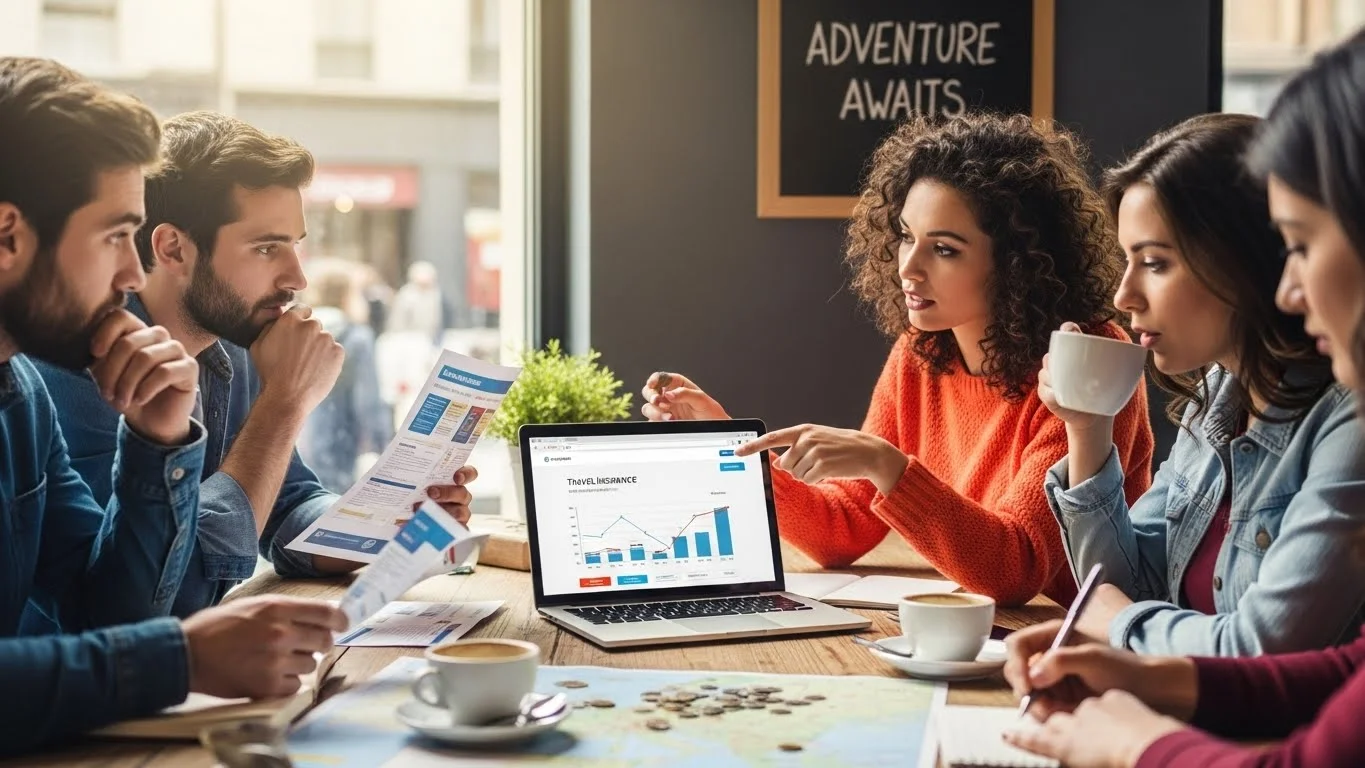
How to Choose the Best Travel Insurance on a Budget

Understanding Travel Insurance

What is Travel Insurance?

Travel insurance is essentially a safety net for travelers. It’s a policy that protects us from various unforeseen events that can occur before or during our trips. I learned early on that things don’t always go as planned. Whether it’s a missed flight, a medical emergency, or lost luggage, having travel insurance can help cover those unexpected costs. It’s not just about protecting ourselves from financial loss; it’s about enjoying our travels with a little less worry.

Types of Travel Insurance Coverage

When I first started looking into travel insurance, I was surprised by how many different types of coverage are available. Here are some of the main types I came across:

  • Trip Cancellation Insurance: This covers costs if we have to cancel our trip for a covered reason. I remember booking a trip and then getting sick just a week before departure. Thank goodness I had cancellation coverage!
  • Medical Coverage: If we’re traveling abroad and fall ill or get injured, this type of insurance can help cover hospital bills and treatment costs. I once sprained my ankle while hiking in the mountains, and having this coverage saved me a lot of stress and money.
  • Emergency Evacuation: This is vital if we find ourselves in a situation where we need to be airlifted to a hospital. I’ve heard stories of travelers who had to be flown home due to severe illnesses, and the costs can be astronomical without insurance.
  • Lost or Delayed Baggage: If our luggage goes missing or gets delayed, this coverage can help us replace essential items while we wait. I once had my bag delayed for two days, and the compensation I received made the experience much more bearable.

Importance of Travel Insurance

Travel insurance has been a lifesaver for me more than once. I believe that its importance really shines through when things do not go as planned. Sure, some might think it’s an extra expense, but I view it as an investment in my peace of mind. Having that safety net allows me to focus on enjoying my trip instead of constantly worrying about what might go wrong. I’ve seen friends travel without insurance and end up regretting it after facing unexpected issues. In my experience, it’s always better to be safe than sorry.

Key Factors to Consider When Choosing Travel Insurance

Coverage Types

When I’m choosing travel insurance, I start by looking closely at the types of coverage available. I assess what I need based on my travel plans. For instance, if I’m going on an adventure trip, I’ll prioritize medical coverage and emergency evacuation. If I’m visiting family, I might focus more on trip cancellation. Understanding my needs helps narrow down my options.

Policy Limits

Another factor I never overlook is the policy limits. This refers to the maximum amount the insurance provider will pay for a claim. It’s important to find a policy that offers sufficient coverage for my potential expenses. I remember reading a policy that seemed cheap at first, only to discover the limits were quite low. This could have left me in a tough situation, so I always check these details carefully.

Exclusions and Limitations

Exclusions can be a real trap if we’re not careful. I once overlooked the fine print and found out my policy didn’t cover certain activities while traveling. It’s crucial to know what isn’t included in our coverage, so I always make sure to read the exclusions thoroughly. I’ve learned to ask questions if something seems unclear, and this has saved me from making mistakes.

Deductibles and Premiums

Premiums are the cost of the insurance, while deductibles are what I have to pay out of pocket before the insurance kicks in. Balancing these two factors is important for keeping my travel budget intact. I look for a plan with a reasonable premium that fits my budget but also has a deductible that I can afford in case of a claim. I’ve often found that comparing a few different providers gives me a clearer view of what’s available.

Claim Process and Customer Support

Finally, I consider the claim process and customer support. No one wants to deal with a complicated claim when they’re stressed from a travel mishap. I’ve learned that a company with easy-to-navigate claim procedures and responsive customer support can make a world of difference. I always check reviews and talk to other travelers about their experiences with claims, which has helped me find reliable providers.

Budget-Friendly Travel Insurance Options

Comparing Costs of Travel Insurance Providers

When I started my search for travel insurance, I quickly realized that not all providers are created equal when it comes to pricing. I made it a point to compare costs across several companies to find the best deals. I found that some companies had lower premiums but offered less coverage, while others might seem pricier but provided more extensive protection. It’s all about finding the right balance. I remember using a spreadsheet to track quotes from different providers, which really helped me visualize my options. By comparing side by side, I felt more confident in choosing a policy that wouldn’t break the bank while still offering solid coverage. Additionally, I discovered some useful tips on how to save big on travel while ensuring I was well protected.

Best Value Policies

In my experience, best value policies are those that offer comprehensive coverage without a hefty price tag. I remember discovering a couple of providers that had great reviews for their customer service and claims process, yet their premiums were surprisingly affordable. I recommend looking for policies that include essential coverages like trip cancellation, medical emergencies, and baggage loss while keeping the cost reasonable. Additionally, I found that some companies offer special packages that bundle multiple types of insurance for a discount, which can be a smart way to save money while getting the coverage I need.

Group and Family Plans

If you’re traveling with family or a group of friends, consider looking into group or family plans. I learned that many insurers provide discounts for groups, which can significantly lower the overall cost per person. Last summer, my friends and I took a trip together, and we opted for a group policy that ended up saving us quite a bit. It was a relief knowing we all had coverage without having to pay individual rates, plus it was easier to coordinate everything under one plan. I recommend checking with the insurance provider to see if they offer group discounts, as it can make a big difference.

Annual vs. Single Trip Insurance

One thing I’ve come to realize is that if you travel frequently, annual travel insurance might be the way to go. I used to get single trip insurance for each journey, but it can add up quickly if you’re traveling multiple times a year. I switched to an annual plan after my third trip in one year, and it was such a relief. It covered all my trips for the year, and I didn’t have to remember to purchase insurance before each one. This approach not only simplified my planning but also saved me money in the long run. I highly recommend considering how often you travel to determine which option is best for your needs.

How to Find Affordable Travel Insurance

Using Comparison Websites

When I needed to find affordable travel insurance, comparison websites became my best friend. These sites allow you to input your trip details and get quotes from multiple providers in one place. I remember sitting on my couch, typing in my travel dates and destination, and being amazed at how quickly I could see side-by-side comparisons. It not only saved me time but also helped me find policies that I wouldn’t have discovered otherwise. My advice is to take advantage of these tools—they can simplify the process and help you pinpoint the best prices and coverage options.

Directly Contacting Insurance Providers

While comparison websites are super helpful, I’ve also found that directly contacting insurance providers can yield great results. I remember once reaching out to a provider to ask about a specific coverage I was interested in. Not only did they clarify a few things that weren’t clear from their website, but they also informed me of a special promotion they were running that wasn’t listed online. Sometimes, a simple conversation can unlock discounts or insights that you might miss otherwise. If you have questions or specific needs, don’t hesitate to pick up the phone or send an email.

Discounts and Promotions

Before finalizing my travel insurance purchase, I always look for any available discounts or promotions. I’ve learned that many insurers offer discounts for various reasons—like being a member of certain organizations, booking online, or even bundling with other types of insurance. For example, I once received a discount because I was a member of a travel association, which was a pleasant surprise. I recommend checking the insurer’s website or asking about promotions when you inquire. It can really make a difference in the final price!

Common Travel Insurance Myths Debunked

Myth: Travel Insurance is Too Expensive

One of the biggest misconceptions I encountered when discussing travel insurance with friends is that it’s too expensive. I remember feeling this way initially, thinking that the cost would eat into my travel budget. However, once I began researching and comparing various policies, I discovered that there are options available for almost every budget. In my experience, the cost of travel insurance often pales in comparison to the potential expenses I could face while traveling. A missed flight or a medical emergency abroad could easily lead to hefty bills. I’ve found that many providers offer affordable plans that cover essential risks without breaking the bank.

Myth: My Health Insurance Covers Travel Risks

Another myth I believed for a while was that my health insurance would cover me while traveling. I assumed that since I had a solid health plan at home, I wouldn’t need additional coverage. However, I learned the hard way that many domestic health plans don’t provide coverage overseas or may have limited benefits for international care. I remember a friend who traveled to Europe and faced a medical emergency; he was shocked to find out his insurance only covered a fraction of the costs. I always recommend double-checking with your health insurance provider to understand what’s covered abroad. Often, having a dedicated travel insurance policy is essential for peace of mind.

Myth: I Don’t Need Travel Insurance for Domestic Travel

Many people think travel insurance is only necessary for international trips, but I’ve found that domestic travel can be just as unpredictable. I’ve had to cancel trips due to unforeseen circumstances, such as family emergencies or weather-related issues, even when traveling within my own country. Having trip cancellation coverage saved me from losing money on non-refundable expenses. I encourage everyone, regardless of where they’re traveling, to consider insurance. The unexpected can happen anywhere, and it’s better to be prepared.

Real-Life Scenarios: When Travel Insurance Saves You Money

Trip Cancellation Examples

Let me share a story about a friend who taught me a valuable lesson about trip cancellation insurance. She had booked a dream vacation to Hawaii, only to face a last-minute family emergency that required her to stay home. Thankfully, she had trip cancellation insurance, which covered her lost deposits and helped her recoup the costs of her flights and accommodations. This experience opened my eyes to how essential cancellation coverage could be. I realized that life is unpredictable, and having that safety net can save us a lot of money and stress.

Medical Emergencies Abroad

There’s also the story of my cousin, who took a spontaneous trip to Thailand. While hiking, he suffered a severe allergic reaction and needed emergency medical treatment. Luckily, he had travel insurance that provided comprehensive medical coverage. The hospital bills were high, but his insurance covered everything, from the ambulance ride to the medications he needed. I remember talking to him afterward, and he emphasized how relieved he felt knowing he had that coverage. It made me realize that medical emergencies can strike at any time, especially when we’re away from home.

Lost or Stolen Belongings

I’ve had my fair share of travel mishaps, but one incident stands out vividly. While on a trip to Europe, I lost my backpack, which contained not only my clothes but also my laptop and travel documents. I was in a panic, not knowing how I would replace everything. Thankfully, I had chosen a policy that covered lost or stolen belongings. After filing a claim, I was able to recover some costs, which eased the financial burden. This experience solidified my belief in the importance of having coverage for such unfortunate events. It’s amazing how much peace of mind can come from knowing you’re protected in these situations.

Tips for Getting the Most Out of Your Travel Insurance

Reading the Fine Print

As I mentioned earlier, reading the fine print is something I’ve learned to prioritize. It’s crucial to understand what’s included in your policy and what isn’t. I remember a situation where I overlooked a specific exclusion regarding adventure sports. Had I planned to go bungee jumping or skiing, I would have been left without coverage. I recommend taking the time to go through the policy details carefully, asking questions if something isn’t clear. This attention to detail can save us from surprises later on.

Documenting Your Trip

Another tip I swear by is documenting everything during my travels. I always take photos of important documents, such as my passport and insurance policy. This way, if something goes wrong, I have quick access to the information I need to file a claim or prove my coverage. I also keep receipts for any expenses related to potential claims, like medical bills or hotel bookings. Having all this documentation ready can streamline the claims process and help ensure I get reimbursed as quickly as possible.

Knowing What to Do in an Emergency

Lastly, knowing what to do in case of an emergency is vital. I always familiarize myself with the contact details of my insurance provider before heading out on a trip. Most companies have a dedicated helpline for travelers, and I make sure to have that information handy. In the past, I’ve had to reach out for assistance during a medical emergency, and having the right contact information made the process much smoother. I feel more prepared and less stressed when I know exactly how to navigate potential issues.

Frequently Asked Questions

What is travel insurance?

Travel insurance is a policy that protects travelers from unforeseen events that can occur before or during their trips, such as missed flights, medical emergencies, or lost luggage. It helps cover unexpected costs and provides peace of mind while traveling.

What types of coverage are available in travel insurance?

The main types of travel insurance coverage include trip cancellation insurance, medical coverage, emergency evacuation, and lost or delayed baggage coverage.

Why is travel insurance important?

Travel insurance is important because it serves as a safety net for travelers, allowing them to focus on enjoying their trip rather than worrying about unexpected issues. It can save travelers from significant financial losses caused by emergencies or cancellations.

What factors should I consider when choosing travel insurance?

Key factors to consider when choosing travel insurance include the types of coverage available, policy limits, exclusions and limitations, deductibles and premiums, and the claim process and customer support.

How can I find budget-friendly travel insurance options?

To find budget-friendly travel insurance, you can compare costs across multiple providers, look for best value policies, consider group or family plans, and determine whether annual or single trip insurance is more suitable for your travel frequency.

What are some common myths about travel insurance?

Common myths about travel insurance include the belief that it is too expensive, that regular health insurance covers travel risks, and that travel insurance is only necessary for international trips.

Can you provide examples of when travel insurance saves money?

Travel insurance can save money in scenarios such as trip cancellations due to emergencies, medical emergencies abroad that require costly treatment, and coverage for lost or stolen belongings during travel.

What is the significance of reading the fine print in a travel insurance policy?

Reading the fine print is crucial because it helps travelers understand what is included in their policy and what is not, preventing unexpected exclusions that could leave them unprotected in certain situations.

What should I document during my travels regarding travel insurance?

Travelers should document important information such as photos of key documents (passport, insurance policy), keep receipts for potential claims, and have all necessary documentation ready to streamline the claims process.

What should I do in case of an emergency while traveling?

In case of an emergency, travelers should familiarize themselves with the contact details of their insurance provider, ensuring they have the necessary information handy to access assistance quickly.

Read Interesting article: Top Luxury Travel Insurance Plans for Budget Backpackers
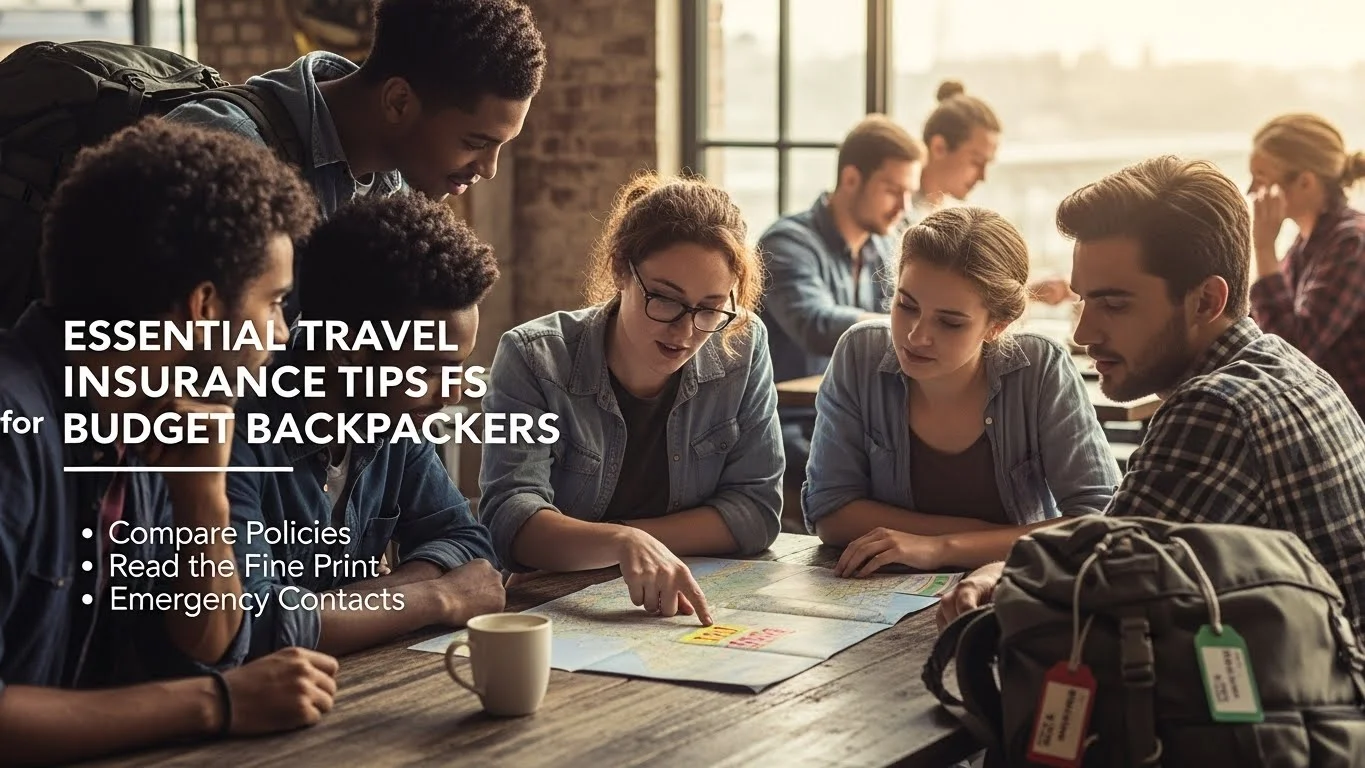
Essential Travel Insurance Tips for Budget Backpackers

Traveling on a budget doesn’t mean you should skimp on safety. For backpackers, understanding travel insurance is crucial to protect your adventures and your wallet. Read Interesting article: Essential Travel Insurance Tips for Solo Travelers

Essential Travel Insurance Tips for Budget Backpackers

Understanding Travel Insurance for Backpackers

What is Travel Insurance?

Travel insurance is a type of insurance designed to cover the unexpected mishaps that can occur while traveling. This can range from medical emergencies and trip cancellations to lost luggage. I remember the first time I set off on my backpacking journey; I thought I could skip this expense. After a few close calls, I quickly learned that travel insurance is a safety net I couldn’t afford to go without. It helps ensure that unforeseen events don’t derail your plans or put you in a financial bind.

Why Do Budget Backpackers Need Travel Insurance?

When you’re on a budget, each dollar counts, and it might be tempting to think that travel insurance is an unnecessary expense. However, I can’t stress enough how vital it is. As budget backpackers, we often travel to various destinations where healthcare might not be as accessible, and activities like hiking or scuba diving might increase our risk of injury. I’ve met travelers who faced hefty hospital bills overseas simply because they opted out of insurance. It’s a wise investment that protects you from potentially devastating costs. Besides, if an emergency arises, having insurance means that you can focus on getting well instead of worrying about how to pay for it. Read Interesting article: Save Big on Travel: Insider Tips for Budget Insurance

Common Misconceptions About Travel Insurance

There are quite a few misconceptions out there about travel insurance that I’ve encountered during my travels. One of the biggest myths is that travel insurance is expensive. While some policies can be pricey, there are plenty of budget-friendly options available. Another misconception is that travel insurance covers everything. Policies have exclusions, and it’s essential to read the fine print. I once assumed my policy covered all types of adventure activities, only to find out that my favorite sport was excluded. It’s crucial to understand what you’re buying to ensure it meets your needs.

Types of Travel Insurance Policies

Comprehensive Travel Insurance

This is the most extensive type of coverage and typically includes a mix of medical, trip cancellation, lost belongings, and more. For me, when planning a longer trip, comprehensive insurance gives me peace of mind knowing that I’m covered for a wide range of issues. I recommend considering this if your travel style is adventurous or if you’re visiting multiple countries.

Medical Insurance

Medical insurance is a must-have for any backpacker, regardless of budget. Healthcare costs can vary drastically from one country to another, and you don’t want to be caught off guard. I’ve had friends who faced serious health issues while abroad and ended up with medical bills that far exceeded what they had budgeted for their entire trip. It’s better to be safe than sorry.

Trip Cancellation Insurance

Life happens. Sometimes, you might need to cancel your trip due to unforeseen circumstances, like illness or family emergencies. Trip cancellation insurance helps you recover the costs associated with lost flights or hotel bookings. I once had a trip planned for months, but a family emergency forced me to cancel. Thankfully, my trip cancellation insurance helped mitigate the financial loss.

Personal Liability Insurance

This type of coverage protects you if someone claims you’ve caused them harm or damaged their property. It’s often overlooked but can be essential. I recall a friend who accidentally broke a local’s item while backpacking and faced a hefty bill. Having personal liability insurance would have saved him a lot of stress.

Specialized Insurance for Adventure Activities

If you plan on engaging in adventure sports like bungee jumping or white-water rafting, you might need specialized insurance. Regular travel insurance often doesn’t cover these activities. I learned this the hard way when I tried to book a last-minute rafting trip and found out that my policy didn’t cover it. Always check the specifics of your coverage based on your itinerary.

Key Coverage Areas for Backpackers

Emergency Medical Coverage

This is arguably the most crucial area for backpackers. It covers the medical expenses resulting from illnesses or injuries incurred while traveling. I once fell ill while on a trip in Southeast Asia and was grateful for the emergency medical coverage that took care of my hospital bills.

Trip Interruption and Cancellation Coverage

Trip interruption coverage helps if you need to cut your trip short or change plans due to emergencies. It’s something I’ve found invaluable, especially as plans can change in an instant.

Lost or Stolen Belongings

Backpackers often carry valuable items, from cameras to electronics. Coverage for lost or stolen belongings ensures that you can recover some of the costs of replacing these items. I remember hearing stories from fellow travelers who lost everything due to theft and had no insurance to help them.

Personal Liability and Legal Assistance

This aspect of coverage can protect you from legal fees if you face a lawsuit while traveling. It’s a safety net that many might overlook, but it’s worth considering. I’ve seen travelers get into tricky situations simply due to misunderstandings or accidents.

Emergency Evacuation and Repatriation

In case you find yourself in a dangerous situation or need to return home urgently, this coverage can help. I’ve learned from experience that navigating emergencies abroad can be incredibly stressful. Having this coverage means you won’t have to worry about the costs involved in getting home safely.

How to Choose the Right Travel Insurance

Assess Your Travel Needs

Choosing the right travel insurance can feel overwhelming, especially with so many options out there. I’ve learned that the first step is to assess my travel needs. Consider the destinations you’ll be visiting and the activities you plan to engage in. Are you going to remote areas where medical facilities are limited? Or perhaps you’re planning to try some extreme sports? For me, understanding my itinerary helped me narrow down the type of coverage I needed. I remember my trip to Peru, where I knew I’d be hiking in the Andes. That prompted me to ensure my policy covered altitude sickness and trekking-related injuries. Think about what could go wrong and how insurance can help mitigate those risks.

Read the Fine Print: Policy Exclusions

Once you have a general idea of what you need, it’s crucial to read the fine print. I can’t stress how many times I’ve seen travelers shocked to discover that their policy had exclusions that significantly impacted their coverage. For instance, some policies won’t cover pre-existing medical conditions or specific adventure sports. I found myself in a similar situation when I realized that my policy wouldn’t cover my scuba diving plans. I recommend making a list of what’s important to you and checking the policy details accordingly. Understanding these exclusions can save you a lot of disappointment later on.

Compare Insurance Providers

Don’t just settle for the first policy you come across. I usually spend some time comparing different insurance providers to find the best deal that meets my needs. Each company has its own strengths, weaknesses, and pricing structures. It’s helpful to make a comparison chart that highlights the coverage options, premiums, and customer service ratings. I once saved a significant amount by switching to a different provider after comparing my options. Plus, it’s a great way to find policies that cater specifically to backpackers, ensuring you’re covered for the unique challenges we face. Read Interesting article: Affordable Transport: Your Guide to Budget-Friendly Travel

Check for Reviews and Recommendations

Before making my final decision, I always check for reviews and recommendations. I often turn to travel forums, social media groups, and even friends who have traveled extensively. Hearing about others’ experiences gives me a clearer picture of how reliable a specific provider is. I remember reading a review about a company that had excellent customer service during claims, which helped me choose them for my last trip. Sometimes, personal anecdotes can guide you better than generic information, so don’t hesitate to ask fellow travelers for their insights.

Budget-Friendly Travel Insurance Options

Finding Affordable Plans

When you’re backpacking, budgeting is key. I know firsthand how difficult it can be to balance quality and cost when looking for travel insurance. Fortunately, there are affordable plans out there. I often start by checking with my bank or credit card provider, as they sometimes offer travel insurance at a discounted rate for account holders. I’ve also found some travel insurance companies specifically designed for budget travelers, which can provide decent coverage without breaking the bank. It’s all about being resourceful!

Using Comparison Websites

Comparison websites are a lifesaver when hunting for budget-friendly travel insurance options. I remember the first time I used one; it saved me time and money. These websites allow you to input your travel details and compare various policies side by side. They highlight the coverage and premiums, making it easy to see which plans fit your needs and budget. Just be sure to double-check the details of each policy, as sometimes the cheapest option may not provide the coverage you require.

Travel Insurance for Long-term Backpacking

If you’re planning to be on the road for an extended period, such as a year-long adventure, you might want to consider long-term travel insurance. I’ve done this for my longer trips and found that it can actually save you money over buying multiple short-term policies. Long-term options typically provide comprehensive coverage that lasts for a set duration—sometimes up to 365 days. They often include benefits tailored for backpackers, such as coverage for multiple countries and various adventure activities.

Group Insurance Plans for Backpacking Buddies

Traveling with friends or a group can be a fantastic experience, and it can also lead to savings when it comes to insurance. I’ve seen group insurance plans that offer significant discounts for multiple travelers on the same policy. If you and your backpacking buddies are planning a trip together, consider looking into these options. Not only does it save money, but it also simplifies the process of managing insurance for everyone in the group. Just make sure the policy covers all members adequately, as everyone’s travel needs can differ.

Tips for Making a Claim

Documenting Your Travel Incidents

One of the most essential steps in making a travel insurance claim is to document everything thoroughly. I learned this the hard way during a trip when my backpack was stolen. I quickly realized that having a record of my belongings and the incident itself was crucial. Taking photos of your valuables, keeping receipts, and even jotting down the details of what happened can make all the difference when filing a claim. I remember feeling overwhelmed after the theft, but having documentation helped streamline the process. I recommend always carrying a small notebook or using a notes app on your phone to record important details, like the location, time, and witnesses of the incident.

Understanding the Claims Process

Each insurance provider has its own claims process, and I’ve found that being familiar with it can save you a lot of headaches later. Before I leave for a trip, I make it a point to read through my policy’s claims section so I know exactly what to expect. When I had to file a claim, I followed the steps outlined in my policy, which included contacting the insurance company as soon as possible. In my experience, being proactive is key. Most companies will require that you submit your claim within a specific time frame, so I set reminders on my phone to ensure I don’t miss any deadlines. Knowing the process ahead of time means I can gather the necessary information and file my claim without unnecessary stress.

Common Pitfalls to Avoid When Claiming

While making a claim, there are several pitfalls that I’ve noticed travelers often encounter. One major issue is not providing sufficient evidence to support the claim. I remember reading about someone who had their phone stolen but couldn’t provide the necessary proof of ownership, and as a result, their claim was denied. To avoid this, I always make sure to keep digital copies of my receipts and important documents, as these can be invaluable if anything goes wrong.

Another common mistake is waiting too long to file a claim. As I mentioned earlier, each policy has its own timeline for claims, so it’s wise to act promptly. I’ve learned that the sooner you file, the sooner you can get back to enjoying your travels without worrying about finances. Lastly, I recommend being honest and straightforward in your claims submission. Misrepresenting any details can lead to a denied claim, which is something no traveler wants to deal with after experiencing an incident.

Frequently Asked Questions about Travel Insurance

Is travel insurance worth it for short trips?

Absolutely! Even for short trips, travel insurance can provide peace of mind. I remember a weekend getaway where I ended up needing medical attention due to a sudden illness. It was a relief to know I had coverage, and I didn’t have to worry about unexpected costs ruining my experience. Short trips can still bring about unforeseen events, and having insurance can safeguard your investment.

What happens if I forget to purchase insurance?

If you forget to purchase travel insurance, unfortunately, you’re out of luck. Once your trip has started, you can’t typically buy a policy that covers the time you are already traveling. I’ve found it helpful to set reminders well in advance of my trips to ensure that I don’t forget this crucial step. If you’ve missed out on insurance, just be extra cautious during your travels and keep an eye on your belongings, as well as your health.

Can I purchase travel insurance after my trip has started?

Generally, you cannot purchase travel insurance for a trip that has already begun. I’ve learned this the hard way when I was in a rush before a departure and almost forgot to buy insurance. If you find yourself in a situation where you need coverage while already traveling, some companies offer specific policies for ongoing travel, but they often come with limitations. It’s always best to secure your insurance before you leave home to ensure comprehensive coverage.

How does travel insurance work with existing medical conditions?

Travel insurance and existing medical conditions can be a tricky combination. Many policies have exclusions for pre-existing conditions, which is something I’ve had to navigate myself. When I traveled with a pre-existing condition, I made sure to look for policies that specifically offered coverage for it. Some insurers might require a declaration of your condition, and you may need to pay a higher premium for that coverage. It’s essential to be upfront about your health situation when purchasing insurance; that way, you can avoid any nasty surprises if you need to make a claim related to your condition.

Frequently Asked Questions

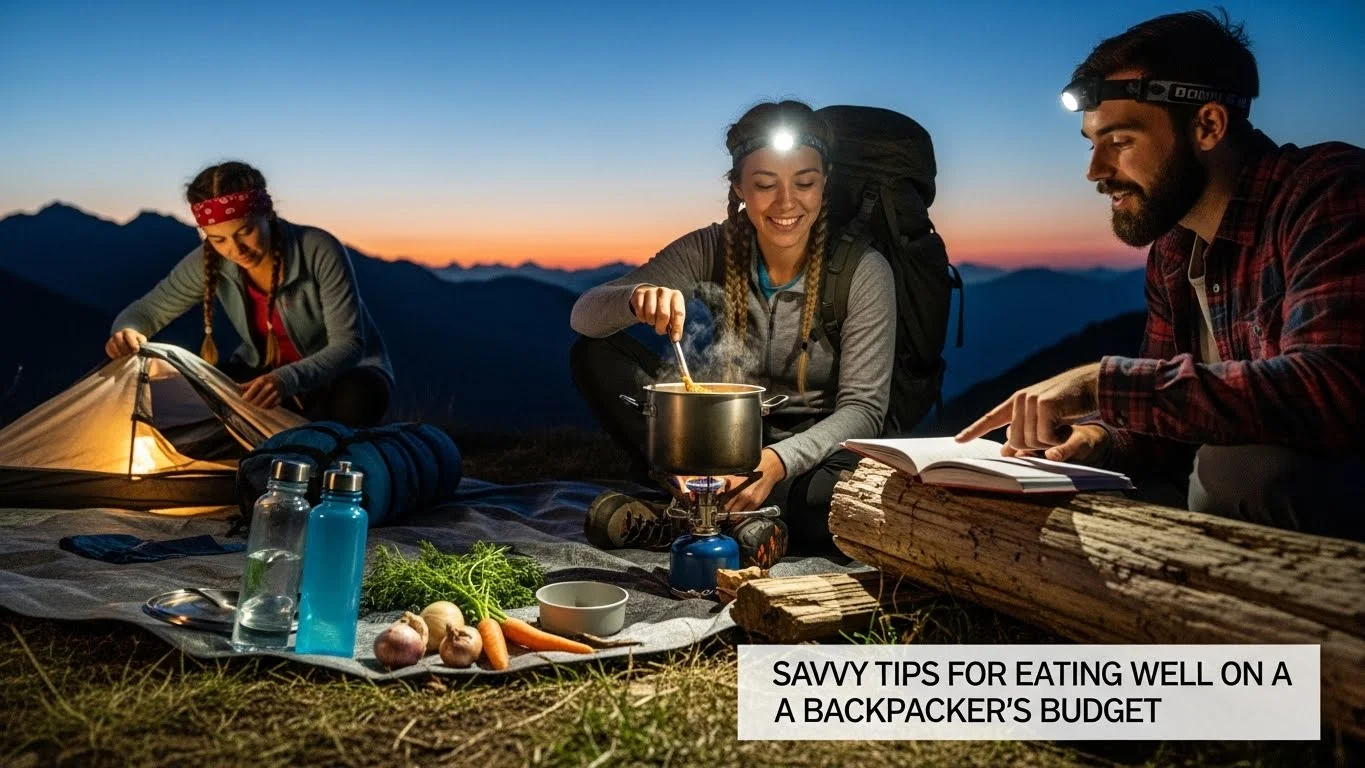
Savvy Tips for Eating Well on a Backpackeru2019s Budget

Eating well while traveling on a budget is an adventure in itself! With a little creativity and planning, I’ve learned that it’s entirely possible to enjoy nutritious meals without breaking the bank. Let’s explore how to make it work!

Savvy Tips for Eating Well on a Backpackeru2019s Budget

Understanding Backpacker Nutrition

The Importance of Eating Well While Traveling

When I first started backpacking, I quickly realized that food was not just fuel; it was also a key part of my travel experience. Eating well while on the road helped keep my energy levels high, which I needed for those long hikes and endless sightseeing. I noticed that when I prioritized nutrition, I felt more alert and ready to take on new experiences. Plus, sharing meals with fellow travelers became a way to bond and share stories. In my opinion, food plays a vital role in enhancing our travel adventures, making it essential to eat well. Eating on a budget is a key part of this experience.

Balancing Nutrition and Budget

Balancing nutritious eating with a tight budget can seem daunting at first, but I’ve found it’s all about making smart choices. I remember a time when I splurged on takeout because I was too tired to look for healthier options. That left a dent in my wallet and didn’t satisfy my hunger. I learned that planning meals ahead and being mindful of where and what I was buying could save me money while still enjoying delicious food. It’s about striking a balance; I don’t always have to eat perfectly, but I aim for a mix of healthy options, local specialties, and the occasional treat. Read Interesting article: Unlocking Travel Secrets: Hacks for Budget-Friendly Trips

Budget-Friendly Grocery Shopping

Finding Local Markets and Grocery Stores

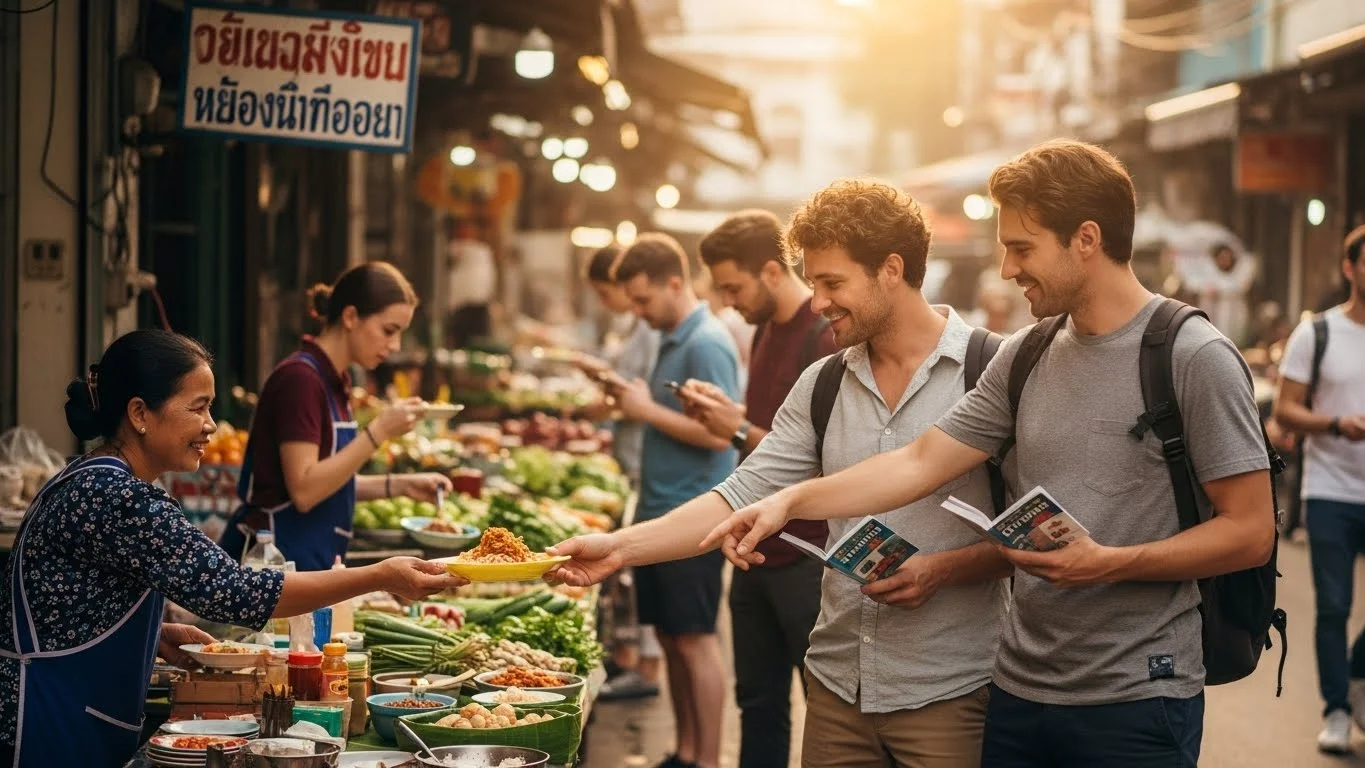
Some of my best food finds have been at local markets and grocery stores. I love exploring these spots not just for the prices but for the experience. I remember wandering through a bustling market in Thailand, surrounded by vibrant colors and exotic smells. There, I discovered fresh fruits and veggies at a fraction of the price I’d pay at a touristy spot. It’s a great way to connect with local culture, too. I recommend asking locals where they shop; they often know the best spots for fresh ingredients at reasonable prices.

Buying in Bulk vs. Small Purchases

When it comes to grocery shopping, I’ve found that buying in bulk can be a game changer. For instance, purchasing a large bag of rice or pasta can save you money in the long run. I’ve done this on multiple trips, and it’s amazing how far a few staples can stretch. However, I’ve also learned that buying small portions can work better for certain items, especially perishable goods like fruits and vegetables. I’ve regretted buying too much of something that I couldn’t consume before it spoiled. So, I usually try to find a balance—buying in bulk for non-perishables while opting for smaller quantities of fresh items.

Essential Pantry Items for Backpackers

Building a solid pantry is crucial for any backpacker. I’ve discovered that keeping a few essential items on hand can make meal prep quick and easy. Some of my go-to pantry staples include:

  • Rice or Quinoa: A versatile base for many meals.
  • Pasta: Quick to cook and pairs well with a variety of sauces.
  • Canned Beans: A great source of protein and can be added to salads or stews.
  • Nut Butter: Perfect for quick snacks and energy boosts.
  • Oats: An easy breakfast option that can be customized with fruits or nuts.

These items not only save money but also allow me to whip up something tasty and filling in no time.

How to Choose Fresh Produce on a Budget

Selecting fresh produce can be tricky on a budget, but I’ve picked up some tips along the way. First, I always check for seasonal fruits and vegetables, as they are usually cheaper and taste better. I also look for any sales or discounts. I remember visiting a farmer’s market in Portugal and snagging ripe tomatoes and peppers for a fraction of what I would pay at a grocery store. Another great tip is to inspect produce closely; I’ve learned to choose items that are firm and free from bruises. It’s all about getting the best value for my money while enjoying fresh flavors!

Cooking on the Go

Essential Cooking Gear for Backpackers

One of the most important lessons I’ve learned while traveling is that having the right cooking gear can make all the difference. When packing, I focus on lightweight, compact tools that can handle a variety of cooking tasks. My go-to items include a portable stove, a small pot, and a multi-tool. I remember my first trip when I packed way too many kitchen gadgets. It was cumbersome and honestly a bit overwhelming. Now, I stick to essentials that allow me to whip up meals without taking up too much space. A good lightweight frying pan is also invaluable, especially for breakfast eggs or stir-fries. I also carry a reusable water bottle; staying hydrated is key, and it saves me money on buying bottled water.

Quick and Easy Recipes for Travelers

Once I have the gear sorted, the next task is figuring out what to cook. I love meals that are quick and satisfying. One of my favorite recipes is a simple veggie stir-fry. I grab whatever fresh produce I can find and toss it in the pan with some soy sauce and sesame oil. It’s fast, nutritious, and can be served over rice or noodles. I also enjoy making wrap sandwiches with canned beans, fresh veggies, and a bit of nut butter or hummus. It’s filling and perfect for on-the-go meals. During my travels, I’ve even experimented with local ingredients to create unique dishes that reflect the flavors of the places I visit. I find that cooking my meals not only saves money but also enriches my travel experience. I always look for budget-friendly recipes that suit my needs.

Meal Prep Tips for Busy Days

Meal prep has become a game-changer for me while traveling. There are days when I’m on the move, and finding time to cook can be tricky. One strategy I use is to prepare meals in advance when I know I’ll have downtime, such as at a hostel or campsite. I like to set aside a few hours on a rest day to cook up a batch of quinoa, roast some veggies, or make a large pot of soup. I then divide everything into reusable containers for easy grab-and-go meals. Another tip I learned is to make use of leftovers creatively. If I have extra rice, I’ll turn it into a breakfast bowl with some eggs or mix it into a salad. This way, I minimize waste and maximize my meals.

Eating Out Without Breaking the Bank

Finding Affordable Local Eateries

Eating out is one of the joys of traveling, but it can get expensive fast. I’ve found that exploring local eateries rather than tourist traps is the way to go. I often ask locals for recommendations, and I’m amazed at the hidden gems they share. One time in Vietnam, I stumbled upon a tiny restaurant filled with locals enjoying steaming bowls of pho. The prices were unbeatable, and the food was incredible! I also look for places that display their menus outside; this helps me gauge prices before committing to a meal. I’ve learned that if a place is busy with locals, it’s usually a good sign that the food is both authentic and affordable.

Understanding Local Cuisine and Prices

Every destination has its own culinary culture, and understanding it can really help when budgeting for meals. I take some time to research the average cost of meals in the area I’m visiting. For example, in some countries, street food can be both delicious and cheap, while in others, sit-down meals might be more affordable. I remember visiting Barcelona and being surprised at how expensive tapas could get at popular tourist spots. By steering clear of those and opting for lesser-known bars, I found fantastic deals and memorable flavors. I also keep an eye out for lunch specials; many restaurants offer significant discounts during the day.

Street Food: A Backpacker’s Best Friend

Street food has become one of my favorite parts of traveling. It’s not only budget-friendly, but it also gives me a taste of authentic local flavors. I’ve savored everything from tacos in Mexico City to banh mi in Hanoi. I feel that eating street food is like taking a culinary tour of the city. However, I always pay attention to hygiene; I look for busy stalls where locals are lined up, which usually indicates fresh and safe food. I also remember to bring cash, as many street vendors don’t accept credit cards. Street food has led to some of my most cherished food memories, and I highly recommend trying it wherever you go.

How to Spot Tourist Traps

Tourist traps can really drain your budget and leave you disappointed with the food. I’ve had my fair share of mediocre meals at overpriced restaurants, so I’ve learned to be cautious. One of the biggest red flags for me is menus that are in multiple languages, especially if they have pictures. These places often cater to tourists rather than offering authentic cuisine. I also pay attention to the location; restaurants situated directly in tourist hotspots tend to be pricier. Instead, I try to wander a bit off the beaten path. It’s amazing what treasures you can find just a few blocks away from the main attractions!

Healthy Snacking While Traveling

Best Portable Snacks for Backpackers

When I hit the road, I’ve found that having healthy snacks on hand is a lifesaver. It keeps my energy up and helps me avoid those overpriced convenience stores. I love packing nuts and seeds; they’re nutrient-dense and light to carry. Almonds and walnuts are my favorites for a quick protein boost. I also like to bring along dried fruits, like apricots or mangoes, which satisfy my sweet tooth without the guilt. One time, I made my own trail mix with dark chocolate chips, pumpkin seeds, and coconut flakes. It was a delicious blend that kept me going during a long hike in the mountains. Granola bars are another great option; I’ve learned to choose ones with minimal added sugar and recognizable ingredients. They’re perfect for stashing in my daypack for a quick snack between sightseeing or hiking adventures.

Staying Hydrated on a Budget

Staying hydrated is crucial, especially when I’m active, but buying bottled water can really add up. I always carry a reusable water bottle. I remember the first time I traveled to Europe and realized how many fountains and refill stations were available, particularly in cities like Rome. I filled my bottle at every opportunity, which not only saved me money but also reduced plastic waste. I’ve also found that some hostels and cafes offer free or low-cost water refills. In hotter climates, I often add a pinch of salt or a splash of lemon to my water for a little flavor and electrolytes. If I’m in a place where the tap water isn’t safe to drink, I look for water purification tablets or filters to make sure I stay hydrated without spending too much.

Tips for Specific Destinations

Eating Well in Southeast Asia

Southeast Asia has been one of my favorite regions for budget-friendly eating. The variety of street food is incredible, and it’s often both delicious and affordable. I particularly enjoy the fresh fruit shakes and local curries. I remember sitting at a street stall in Thailand, where I enjoyed a bowl of pad thai for less than a couple of dollars. The key is to dive into the local specialties; I’ve learned that eating what locals eat is usually cheaper and way tastier. I also make sure to check out local markets for fresh ingredients that I can turn into my own meals. It’s a fun way to experience the culture and try new flavors!

Backpacking Through Europe on a Budget

Traveling through Europe can sometimes be a challenge for budget-conscious eaters, but I’ve found my groove. I often seek out bakeries for fresh bread and cheese, which can make for a fantastic picnic meal in a park. One of my go-tos is a simple sandwich made with crusty bread, local cheese, and some fresh veggies. I’ve also discovered that many European cities have affordable lunch specials during weekdays, which can include a main dish and a drink for a great price. I always keep an eye out for local markets where I can stock up on snacks and picnic supplies. Plus, I try to find accommodations with kitchen access so I can prepare some meals myself.

North American Backpacker Food Hacks

Backpacking in North America has its own set of challenges and rewards. I’ve learned that grocery stores often have ready-to-eat meals, which can be a budget-friendly alternative to dining out. In the US and Canada, I love finding supermarkets that have bulk sections. I can get affordable grains, nuts, and snacks without spending too much. I also enjoy visiting local diners or food trucks for an authentic experience. I found that many offer generous portions at reasonable prices. One of my best memories was at a food truck park in Portland, where I tried a variety of dishes without breaking the bank. And of course, I always keep a stash of energy bars for those long drives between destinations!

Dealing with Dietary Restrictions

Tips for Vegetarian and Vegan Backpackers

As someone who has tried to eat more plant-based while traveling, I know firsthand how important it is to find the right options. I’ve learned to research my destinations ahead of time to find vegetarian and vegan-friendly eateries. Many cities have dedicated vegetarian restaurants or cafes, and I’ve discovered that local markets often have fresh produce and plant-based options. When I was in India, I was amazed by how many delicious vegetarian dishes were available. I also keep my snacks plant-based, like chickpea salad or roasted nuts. If I’m cooking, I make sure to stock up on legumes and grains to create filling meals. Most importantly, I don’t hesitate to ask for modifications when dining out; often, restaurant staff are more than willing to accommodate dietary needs.

Managing Food Allergies While Traveling

Food allergies can add an extra layer of complexity when traveling, but I’ve found ways to manage them. Always carrying a translation card that explains my allergies in the local language has been incredibly helpful. I remember a trip to Japan where I handed my card to restaurant staff, and they were very accommodating. It’s also important to do some research on safe foods before arriving. I often look for allergen-free restaurants or those that are known for being cautious with their ingredients. Whenever possible, I choose to cook my meals; it gives me control over what I’m eating and helps me avoid any surprises. I’ve learned that preparation is key to ensuring safe and enjoyable meals while on the road.

Tools and Apps for Budget Eating

Using Budgeting Apps to Track Food Expenses

In my experience, keeping track of food expenses can be surprisingly easy with the right tools. I’ve started using budgeting apps that help me monitor my spending on food while traveling. This way, I can see where my money is going and adjust my choices if needed. I remember when I first used one of these apps; it was eye-opening to see how much I was spending on meals versus groceries. It made me more mindful of my choices, pushing me to seek out more affordable options. Some apps even allow me to set daily spending limits, which has been a game changer in sticking to my budget.

Finding Local Food Deals and Discounts

Lastly, I’ve discovered that many cities have local apps or websites dedicated to food deals. These can be fantastic for finding discounts at restaurants or special deals at grocery stores. I recall using a local app in Buenos Aires that listed daily specials at various eateries. It helped me enjoy delicious meals without overspending. I also keep an eye on social media; many restaurants promote specials or discounts through their pages. We’ve even stumbled upon happy hour deals that made for a fun dining experience at a fraction of the cost. Adapting to local deals has become a fun challenge during my travels!

Frequently Asked Questions

What is the importance of eating well while traveling?

Eating well while traveling is crucial as it helps maintain high energy levels for activities like hiking and sightseeing. It also enhances the travel experience by allowing travelers to bond over meals and enjoy local cultures.

How can I balance nutrition and budget when traveling?

Balancing nutrition and budget involves making smart choices, such as planning meals ahead, being mindful of purchases, and aiming for a mix of healthy options and local specialties while allowing for occasional treats.

What are some essential pantry items for backpackers?

Essential pantry items for backpackers include rice or quinoa, pasta, canned beans, nut butter, and oats. These staples make meal preparation quick and easy while saving money.

How can I select fresh produce on a budget while traveling?

To select fresh produce on a budget, check for seasonal fruits and vegetables, look for sales or discounts, and inspect items closely for quality, ensuring they are firm and free from bruises.

What cooking gear is essential for backpackers?

Essential cooking gear for backpackers includes a portable stove, a small pot, a multi-tool, and a lightweight frying pan. Additionally, a reusable water bottle is important for hydration and cost-saving.

What are some quick and easy recipes for travelers?

Quick and easy recipes for travelers include veggie stir-fry with fresh produce and soy sauce, wrap sandwiches with canned beans and veggies, and breakfast bowls made with leftovers like rice and eggs.

How can I find affordable local eateries while traveling?

To find affordable local eateries, ask locals for recommendations, look for busy restaurants filled with locals, and check menus displayed outside to gauge prices before dining.

What are the best portable snacks for backpackers?

Best portable snacks for backpackers include nuts and seeds, dried fruits, trail mix, and granola bars with minimal added sugar. These options are nutrient-dense and easy to carry.

How can I stay hydrated on a budget while traveling?

Staying hydrated on a budget can be achieved by carrying a reusable water bottle and refilling it at fountains or refill stations. In places with unsafe tap water, use purification tablets or filters.

What tips can vegetarian and vegan backpackers follow while traveling?

Vegetarian and vegan backpackers should research destinations for plant-based eateries, explore local markets for fresh produce, and don’t hesitate to ask for modifications when dining out to accommodate dietary needs.

How to Find Delicious Low-Cost Dining While Traveling

Traveling shouldn’t break the bank, especially when it comes to dining. I’ve found that with a little creativity and research, you can enjoy delicious meals without overspending. Let’s explore how to savor amazing low-cost dining while on the road. Read Interesting article: Budget Airlines: Your Guide to Low-Cost Air Travel

How to Find Delicious Low-Cost Dining While Traveling

Understanding Low-Cost Dining Options

When I think of low-cost dining while traveling, I get excited about the variety of options waiting to be discovered. From street food vendors to cozy diners, low-cost dining can offer a glimpse into the local culture that high-end restaurants often miss. Understanding the types of low-cost dining options available can help broaden your culinary horizons without draining your wallet.

Types of Low-Cost Dining

First off, let’s dive into what low-cost dining really means. I’ve learned that it can encompass a wide range of experiences. Here are some of the most common types I’ve encountered on my travels:

  • Street Food: One of my favorite ways to eat cheaply is by trying street food. It’s often fresh, flavorful, and oh-so-authentic. I remember wandering through the bustling markets of Bangkok, where vendors served up everything from spicy noodles to sweet mango sticky rice, all at unbeatable prices.
  • Diners and Cafés: Small diners or local cafés can be fantastic for budget dining. They often serve hearty meals at reasonable prices, and I’ve had some of my best breakfasts in these cozy spots. Plus, it’s a great way to chat with locals and get tips on the area.
  • Food Trucks: Food trucks have become popular in many cities, and they often serve up gourmet options at a fraction of the cost of sit-down restaurants. I once discovered a taco truck in Los Angeles that had the best carne asada I’ve ever tasted!
  • Buffets: In some regions, especially in Asia, buffets can be an affordable way to sample a variety of dishes. I’ve enjoyed all-you-can-eat options in places like India and Vietnam, where I could try multiple flavors and dishes for a low price.
  • Local Markets: Shopping at local markets not only saves money but also lets you experience local culture. I’ve often picked up fresh produce, cheeses, and breads and enjoyed a picnic-style meal with friends.

Benefits of Eating on a Budget While Traveling

Eating on a budget while traveling has several perks that go beyond just saving money. From my experience, here are some benefits I’ve enjoyed:

  • Increased Flexibility: When I stick to a budget for meals, I can spend more on experiences like tours or activities. It allows me to explore more without feeling financially constrained.
  • Cultural Immersion: Eating at local eateries or food stalls has allowed me to connect with the culture in a way that a fancy restaurant just can’t offer. I’ve shared meals with locals and learned about their traditions, which has enriched my travel experience.
  • Healthier Choices: Often, low-cost dining options emphasize fresh, homemade dishes rather than processed foods. I’ve found that my meals are not only cheaper but also healthier when I eat where the locals do.
  • Adventurous Eating: Eating on a budget pushes me to try new things. I’ve sampled dishes I might have missed if I were dining at pricier places. The thrill of trying new foods has led to some of my best travel stories.
  • Meeting New People: When I dine at local spots, I often meet fellow travelers and locals. These interactions can lead to friendships and shared experiences, making my travels even more memorable.

Finding delicious low-cost dining options while traveling is not just about saving money; it’s about enhancing the overall experience. I can’t stress enough how much joy I’ve found in exploring culinary delights without overspending. From street food adventures to local markets, my journey through affordable dining has opened up a world of flavors and connections. As we move forward, let’s look at practical ways to research and discover these budget-friendly gems in any destination.

Researching Destinations for Affordable Dining

When it comes to finding low-cost dining options while traveling, doing a little research can go a long way. I’ve found that the right resources can help uncover hidden gems and local favorites that won’t break the bank. Let’s explore several methods I’ve used to research destinations for affordable dining.

Using Travel Apps and Websites

One of my go-to strategies for finding affordable dining is utilizing travel apps and websites. There are so many options out there, but a few have stood out for me. Apps like Yelp and TripAdvisor are fantastic for browsing reviews and ratings, which can help pinpoint budget-friendly places. I remember using Yelp to find a small family-run Italian restaurant in Rome that had amazing pasta for less than ten euros!

Another great resource is Google Maps. By searching for “restaurants near me” or filtering for “cheap eats,” I’ve stumbled upon local spots that weren’t on my radar before. The best part? I can read reviews from fellow travelers and locals, which often highlight the best dishes and prices. It’s like having a local guide right in my pocket. Read Interesting article: How to Travel on a Budget with Kids: Tips & Tricks

Exploring Local Food Blogs and Forums

Connecting with local food bloggers or forums can be incredibly helpful as well. I often find that bloggers have a more personal touch and share hidden treasures that mainstream sites might miss. For example, during a recent trip to Thailand, I discovered a blog that featured street food vendors not commonly known to tourists. These insights led me to some of the most delicious and inexpensive meals of my trip.

Forums like Reddit have specific threads dedicated to food recommendations in various cities. I remember posting a question about cheap eats in Barcelona and received dozens of replies, which helped me create a dining list that included some fantastic tapas bars that were easy on the wallet. Engaging with locals and other travelers in these forums can provide recommendations based on firsthand experiences.

Social Media Recommendations

In today’s digital age, social media is a powerful tool for discovering affordable dining options. Platforms like Instagram and Facebook are filled with food enthusiasts showcasing their culinary adventures. I often search hashtags related to the city I’m visiting, such as #FoodieInParis or #CheapEatsTokyo, and I’m amazed at the variety of recommendations I uncover.

Following local food influencers can also be a game changer. I recall following a local influencer in Mexico City who highlighted street food vendors that were both authentic and budget-friendly. After trying a few of her suggestions, I felt like I’d truly experienced the city’s food scene without spending a fortune. Engaging with posts and asking for tips can lead to valuable insights, making your search for affordable dining more effective.

Local Cuisine: What to Look For

Once I’ve pinpointed where to find affordable dining options, the next step is understanding what to look for in local cuisine. This is where the real adventure begins, as each destination has its unique flavors and specialties. I’ve learned that being open to trying new things can lead to some unforgettable meals.

Street Food Culture

Street food culture is vibrant in many parts of the world, and it’s often the best way to experience local flavors. I remember my time in Malaysia, where the street food scene was bustling with vendors offering everything from satay to char kway teow. Eating street food not only saves money but also allows me to taste authentic dishes that reflect the heart of the culture. I recommend keeping an eye out for long lines at food stalls; often, that’s a sign of great food at a reasonable price.

Local Markets and Food Stalls

Visiting local markets has become one of my favorite pastimes when traveling. These markets are often filled with fresh produce, spices, and ready-to-eat meals that are both delicious and affordable. I vividly recall exploring the Mercado de San Miguel in Madrid, where I tried a variety of tapas for just a few euros each. It was a delightful way to sample different flavors without committing to a full meal. Plus, I felt like a local as I navigated the stalls, tasting my way through the market.

Regional Specialties and Dishes

Every destination has its own regional specialties, and I’ve found that these dishes are often the most affordable. For instance, when visiting Naples, I made sure to indulge in authentic Neapolitan pizza, which is not only iconic but surprisingly inexpensive compared to other dining options. I believe that embracing these local specialties can lead to some of the most memorable meals of our travels. I always ask locals what their favorite dish is, and it rarely disappoints! Read Interesting article: Budget Travel Tips for Exploring Indigenous Heritage Sites

Best Practices for Finding Affordable Eats

I’ve learned that there are effective strategies to find affordable dining options while traveling. With a bit of planning and some savvy moves, I can enjoy delicious meals without overspending. Here are some best practices that have worked for me.

Timing Your Meals

One of the simplest ways to save money on meals is by being strategic about when I eat. I’ve found that dining during off-peak hours can often lead to better prices. For instance, I discovered that many restaurants offer lunch specials that are significantly cheaper than their dinner menus. During my visit to a quaint bistro in Paris, I experienced this firsthand; I ordered a three-course lunch for less than half the price of dinner! I remember feeling thrilled to enjoy a delightful meal at such a great value.

Additionally, I try to avoid dining during the busy dinner rush. Not only does this save me money, but it also allows for a more relaxed dining experience. Eating earlier or later can also mean shorter wait times and a chance to enjoy the ambiance without the crowd.

Dining During Off-Peak Hours

Many places have quieter times during the day when they offer discounts or special deals. For example, I’ve noticed that some cafes and eateries have “happy hour” menus or special promotions for early diners. I remember visiting a tapas bar in Barcelona that had discounted plates during the afternoon hours. It felt like I was getting insider access to a local favorite! Paying attention to these timings can really stretch my budget further.

Utilizing Happy Hours and Specials

Happy hour is a term I’ve grown fond of while traveling. It’s not just about drinks! Many establishments offer food specials during these hours, allowing me to sample a variety of dishes at a lower price. I recall discovering a rooftop bar in Mexico City that had amazing taco deals from 4 PM to 6 PM. I couldn’t resist going for a few rounds, enjoying the stunning view while savoring the incredible flavors of the city. These kinds of offers can make for a delightful dining experience without emptying my wallet.

Moreover, I often look for restaurants that have daily specials. Some places, especially local diners or family-run establishments, may have a rotating menu of affordable dishes that highlight seasonal ingredients. I love asking the staff for their recommendations; they usually know what’s popular and what’s the best deal of the day.

Navigating Dining Options While Traveling

As I venture into different cities, figuring out where to eat can sometimes feel overwhelming. However, I’ve picked up some tips for navigating dining options that keep my meals enjoyable and budget-friendly.

Tips for Eating in Tourist Areas

Tourist hotspots can be a double-edged sword. While they offer many dining options, they can also come with inflated prices. I’ve learned to approach these areas with caution. Instead of jumping into the first crowded restaurant I see, I often take a little time to explore the surroundings.

Sometimes, the best meals are just a few blocks away from the main attractions. I remember wandering away from the busy streets of Florence and stumbling upon a little trattoria that served the most authentic pasta I’ve ever tasted. It was a hidden gem, packed with locals rather than tourists, and the prices were incredibly reasonable. I recommend taking a few moments to explore and ask locals for recommendations, as they often know where the best food can be found.

How to Avoid Tourist Traps

To steer clear of tourist traps, I’ve developed a few strategies. First, I avoid restaurants that have aggressive marketing tactics, like overly enthusiastic staff trying to lure me in. I’ve found that if a place has to work too hard to attract customers, it might not be worth my time or money.

Also, I pay attention to the menu prices. If I see a menu in multiple languages or overly extensive offerings, it’s usually a red flag. Instead, I look for places that highlight local dishes and have a shorter, focused menu. I remember enjoying a delightful plate of pho in Vietnam at a small eatery that only served a few variations of the dish. It was authentic, flavorful, and very affordable.

Finding Hidden Gems: Local Recommendations

Engaging with locals can lead to some of the best dining discoveries. I often strike up conversations with people I meet, whether it’s at my hotel, on tours, or even at a café. I’ve learned that locals often have the best insights about where to find affordable and delicious meals.

On one trip, I asked a friendly shopkeeper in Lisbon where he liked to eat, and he pointed me toward a small, family-run restaurant that I would never have found on my own. The meal was not only cheap but also one of my favorites, featuring traditional dishes made with love. I’ve found that locals appreciate it when travelers show genuine interest in their culture, and they’re usually more than happy to share their favorite dining spots.

As I navigate through various destinations, these practices have made my dining experiences rich and fulfilling without stretching my budget too thin. With a little creativity and openness, I’ve discovered that finding affordable eats can be one of the most enjoyable parts of my travels.

Unique Dining Experiences on a Budget

Food Tours and Tastings

One of the most enriching experiences I’ve enjoyed while traveling is joining food tours. These tours often highlight local delicacies and can be surprisingly affordable. I remember booking a street food tour in Bangkok, where for a reasonable price, I was guided through the maze of stalls, tasting everything from savory dumplings to sweet coconut pancakes. It felt like a culinary adventure, and I left with not just full stomachs but also newfound knowledge about the city’s food culture.

What’s great about food tours is that they usually come with a local guide who shares stories and insights that I wouldn’t have discovered on my own. Plus, they often include tastings at several different spots, allowing me to try a variety of dishes without spending a fortune. I’ve found that these experiences are not just about the food; they also help me connect with other travelers and locals, making them a highlight of my trips.

Cooking Classes as Dining Experiences

Another unique way to enjoy low-cost dining while traveling is through cooking classes. I’ve taken several classes where not only do I learn to cook traditional dishes, but I also get to enjoy the meal I’ve created. During a trip to Florence, I participated in a pasta-making class, and it was one of the best meals I’ve ever had! Not only did I get hands-on experience, but I also tasted the fruits of my labor, all while learning about local ingredients and techniques.

These classes can be a bit pricier than typical dining options, but I’ve found that they often offer good value when you consider the experience and the amount of food included. Plus, I come away with new skills that I can use back home to remind me of my travels.

Picnicking with Local Produce

One of my favorite budget-friendly dining experiences is enjoying a picnic with local produce. I love visiting farmers’ markets or local grocery stores to gather fresh fruits, cheeses, and bread to create a delightful meal. I remember a lovely afternoon in Paris when I picked up a baguette, some cheese, and a bottle of wine from a nearby market. I headed to the beautiful Luxembourg Gardens and laid out my little feast on a bench. It was simple yet so satisfying!

Picnicking not only saves money, but it also allows me to enjoy the scenery and atmosphere of the destination. I’ve found that eating outdoors often enhances the flavors of the food, making it feel all the more special. Plus, there’s something wonderful about taking a step back from the hustle of dining in a restaurant and enjoying a meal at my own pace.

Staying Healthy While Saving Money

Balancing Budget and Nutrition

While I’m all for enjoying delicious meals, I also believe in maintaining a healthy balance when dining on a budget. I’ve learned to make conscious choices that nourish my body without blowing my budget. For example, instead of opting for fried foods or heavy dishes all the time, I try to incorporate fresh fruits and vegetables into my meals. I often look for local markets where I can find fresh produce, which not only supports local farmers but also offers healthier options.

When dining out, I also pay attention to menu items that are grilled, baked, or steamed rather than fried. This approach helps me enjoy local cuisines while still feeling good about my choices. I believe that being mindful of what I eat enhances my overall travel experience, allowing me to feel energized for all the adventures that await.

Identifying Healthy Low-Cost Options

Finding healthy, low-cost options can sometimes be a challenge, but I’ve discovered a few tricks. I often seek out places that focus on fresh ingredients and traditional cooking methods. For instance, in many Asian countries, I’ve found that noodle shops offer delicious bowls of pho or ramen made with fresh vegetables and lean proteins at very reasonable prices. These meals are satisfying and nourishing, making them a great choice when I’m on a budget.

Another strategy I use is to look for vegetarian or vegan restaurants, which tend to be more affordable and often emphasize fresh ingredients. I’ve had incredible plant-based meals in places like India and Thailand that were both delicious and budget-friendly. It’s all about being open to trying new things and exploring what each destination has to offer.

Budgeting for Dining Expenses

Setting a Daily Food Budget

Before setting off on a trip, I find it helpful to establish a daily food budget. This not only helps me manage my finances but also encourages me to make thoughtful dining choices. I typically look at my overall travel budget and dedicate a specific portion for meals based on the destination. Having a clear budget in mind allows me to enjoy meals without constantly worrying about overspending.

During my travels, I track my spending as I go, which helps me stay within my budget. If I splurge on a particularly nice meal, I can adjust my choices for the next few days to balance it out. This flexible approach gives me the freedom to indulge while also being responsible with my spending.

Tracking Spending on Meals

To keep tabs on my dining expenses, I often use a simple app or even just a notes app on my phone. I jot down what I spend on each meal, which helps me see where my money is going. It’s a straightforward way to ensure I’m sticking to my budget and making adjustments if necessary. I’ve found that this practice not only keeps me accountable but also leads to more mindful dining experiences.

Using Technology to Your Advantage

Mobile Apps for Finding Deals

Technology has made it easier than ever to find dining deals while traveling. There are numerous mobile apps designed to help travelers discover local hotspots and discounts. For instance, I often use apps like Groupon or Foursquare, which can lead me to special offers and deals on meals. I once found a fantastic deal on a sushi restaurant in Tokyo, and it turned out to be one of the best dining experiences of my trip!

Additionally, I keep an eye out for apps that are specific to the region I’m visiting. Many cities have their own apps featuring local dining deals or promotions, often exclusive to app users. I love the thrill of finding a hidden gem through these platforms.

Online Reviews and Ratings

Online reviews and ratings continue to be invaluable resources for finding affordable dining options. Websites like Yelp and TripAdvisor not only provide insights into the quality of food but also highlight budget-friendly spots. I often rely on these platforms to read about others’ experiences and see which places consistently receive high praise for their value.

As I read through reviews, I pay attention to comments about portion sizes, pricing, and menu highlights. I find that this approach often leads me to unforgettable meals that fit my budget. It’s a little bit like having a community of fellow travelers guiding my culinary journey, and I appreciate the shared experiences they provide.

Final Thoughts

Traveling and dining on a budget doesn’t mean sacrificing quality or flavor. Through my experiences, I’ve learned that with a little creativity, research, and an open mind, it’s entirely possible to enjoy affordable meals that enrich my travel adventures. Embracing local cuisines, exploring hidden gems, and connecting with locals have not only saved me money but have also made my travels more memorable. As we seek out those low-cost dining options, let’s remember that the joy of travel lies in the stories we create and the flavors we discover along the way.

Frequently Asked Questions

What are some common types of low-cost dining options while traveling?

Common types of low-cost dining options include street food, diners and cafés, food trucks, buffets, and local markets.

What are the benefits of eating on a budget while traveling?

Benefits of eating on a budget while traveling include increased flexibility, cultural immersion, healthier choices, adventurous eating, and meeting new people.

How can I research destinations for affordable dining options?

You can research affordable dining options by using travel apps and websites like Yelp and TripAdvisor, exploring local food blogs and forums, and utilizing social media recommendations.

What strategies can help me find affordable meals in tourist areas?

To find affordable meals in tourist areas, consider exploring a few blocks away from main attractions, avoiding restaurants with aggressive marketing tactics, and looking for places that highlight local dishes.

How can I time my meals to save money?

Timing your meals by dining during off-peak hours or taking advantage of lunch specials can lead to better prices and a more relaxed dining experience.

What are some unique dining experiences I can enjoy on a budget?

Unique dining experiences on a budget include joining food tours, participating in cooking classes, and enjoying picnics with local produce.

How can I maintain a healthy diet while dining on a budget?

You can maintain a healthy diet by making conscious choices, incorporating fresh fruits and vegetables, and opting for grilled, baked, or steamed dishes rather than fried options.

What is the importance of setting a daily food budget while traveling?

Setting a daily food budget helps manage finances, encourages thoughtful dining choices, and allows for flexibility in spending throughout the trip.

How can technology assist in finding dining deals while traveling?

Technology can assist in finding dining deals through mobile apps like Groupon or Foursquare, which provide local dining deals, and by utilizing online reviews and ratings to identify budget-friendly spots.

What should I look for in local cuisine to enhance my travel experience?

Look for local specialties, street food culture, and regional dishes to enhance your travel experience, as these often reflect the authentic flavors and culinary traditions of the area.

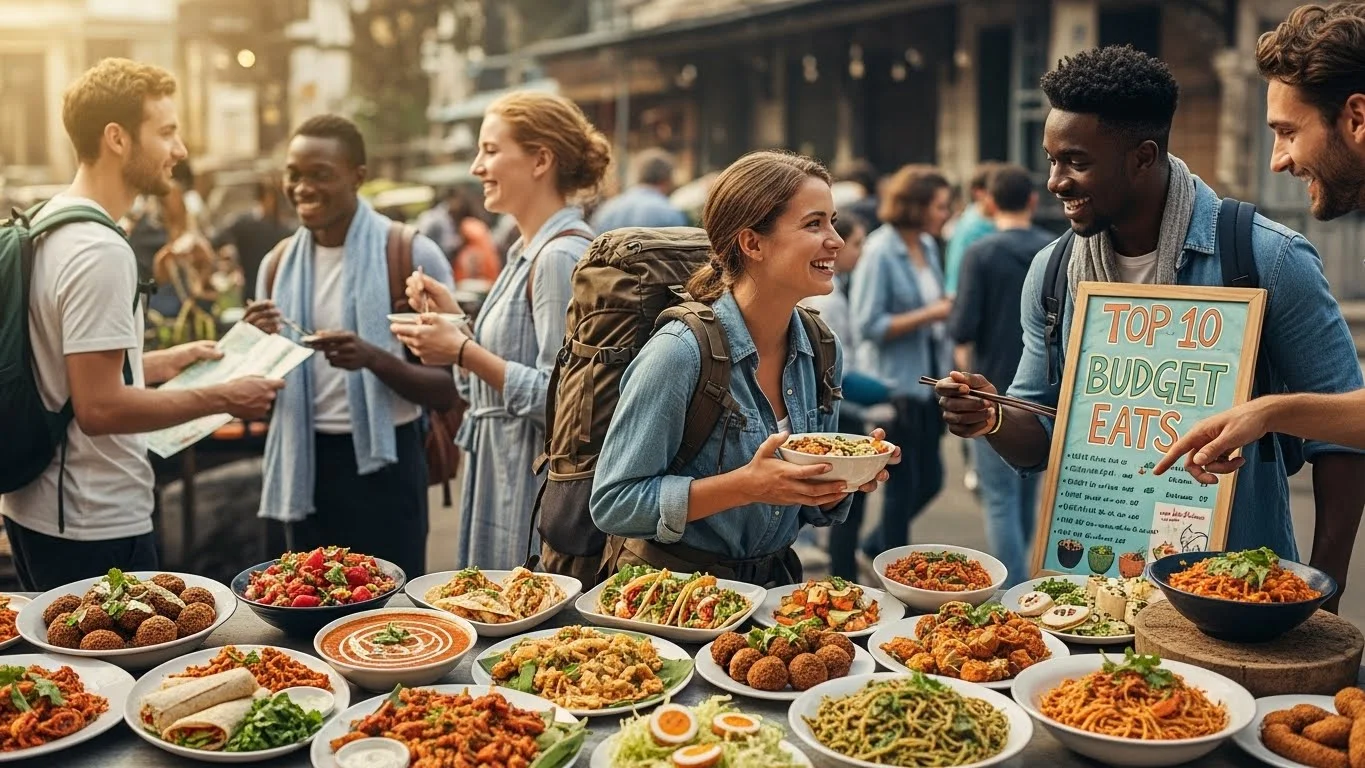
Top 10 Budget Eats for Backpackers Around the World

Traveling on a budget doesn’t mean sacrificing delicious food. As a backpacker, exploring local cuisine is a vital part of the adventure. Here are some incredible budget eats that will satisfy your taste buds without breaking the bank! Read Interesting article: Budget Backpacking: Wildlife Conservation Tours Youu2019ll Love

Top 10 Budget Eats for Backpackers Around the World

Understanding the Budget Backpacker Lifestyle

The Importance of Budget Eats for Travelers

When I first started my journey as a backpacker, I quickly learned that food can make or break your travel experience. Budget eats are not just about saving money; they are about immersing ourselves in the culture and flavors of the places we visit. I remember eating my first street taco in Mexico City, and it was a game changer. The vibrant atmosphere, the fresh ingredients, and the local people all contributed to an unforgettable moment.

Eating on a budget means we can allocate more funds toward experiences like tours, activities, or even just extending our travels. I’ve found that one of the best parts of traveling is finding those hidden gems, the mom-and-pop eateries where locals go. These budget-friendly meals often come with stories, traditions, and warmth that you won’t find in more expensive restaurants.

How Food Affects Travel Experiences

Food is often the heart and soul of any culture. I believe that every meal tells a story about the people and history of a place. For instance, when I indulged in a bowl of pho in Vietnam, it was much more than just a meal. It was an experience wrapped in the aromas of fresh herbs, spices, and the hustle and bustle of the street market. These moments remind me why I travel in the first place.

From my experience, meals shared with locals can lead to meaningful conversations and connections. Whether it’s learning how to roll sushi in Japan or enjoying homemade pasta in Italy, we often leave with not only a full belly but also newfound friendships and invaluable memories. The local food scene provides a unique window into people’s lives and traditions, and I encourage everyone to dive in and experience it fully. Read Interesting article: How to Travel Green: Waste Reduction Tips for Backpackers

Top 10 Budget Eats Around the World

1. Street Tacos in Mexico City

Street tacos are a must-try for anyone visiting Mexico City. The soft corn tortillas, filled with an array of meats, fresh cilantro, onion, and a squeeze of lime, make for a heavenly bite. I often found myself wandering through the bustling streets, trying different stalls and discovering new flavor combinations. Best of all, these gems are usually only a couple of dollars each!

2. Pho in Hanoi, Vietnam

In Hanoi, I was blown away by the rich flavors of pho. The fragrant broth, noodles, and herbs come together to create a dish that feels like a warm hug on a chilly day. You can find pho stalls everywhere, and they’re often bustling with locals, which is always a good sign. A bowl costs just a few dollars, making it a perfect meal for budget-conscious travelers.

3. Samosas in India

When I traveled through India, I quickly fell in love with samosas. These crispy pastries, filled with spiced potatoes and peas, are not only delicious but also incredibly affordable. You can find them at street vendors, and they make for a great snack or light meal. Pair them with mint chutney, and you have a flavorful treat that’s hard to resist.

4. Banh Mi in Ho Chi Minh City, Vietnam

Another Vietnamese delicacy that I couldn’t get enough of was banh mi. This sandwich, a beautiful fusion of French and Vietnamese influences, features a crispy baguette filled with meats, pickled vegetables, and fresh herbs. I remember sitting at a tiny café on a bustling street, savoring each bite for just a couple of dollars, and feeling grateful for the culinary adventure.

5. Kebabs in Istanbul, Turkey

Istanbul’s streets are alive with the aroma of grilled kebabs. These skewered delights are often served with rice or fresh bread and are incredibly flavorful. I enjoyed watching the chefs expertly prepare them while chatting with locals and fellow travelers. For me, a delicious kebab at a local eatery cost less than what I’d spend on a coffee back home!

6. Arepas in Bogotá, Colombia

In Bogotá, arepas quickly became my go-to meal. These corn cakes can be filled with cheese, meats, or even avocado. I discovered them at small food stalls and was amazed at how versatile and affordable they were. Uniting flavor and comfort, arepas are perfect for any time of day.

7. Falafel in Jerusalem, Israel

While wandering the streets of Jerusalem, I stumbled upon a little falafel stand that served up the best falafel I’ve ever tasted. The crispy chickpea balls wrapped in pita with fresh vegetables and tahini sauce were divine. Each bite was bursting with flavor, and at just a few shekels, it was an amazing value.

8. Poutine in Montreal, Canada

In Montreal, I experienced the glorious comfort of poutine—fries topped with cheese curds and smothered in gravy. It’s a hearty meal that I couldn’t resist after a long day of exploring. You can find poutine shops all over the city, and it’s budget-friendly, making it a perfect late-night snack or a filling meal.

9. Currywurst in Berlin, Germany

Berlin’s street food scene wouldn’t be complete without currywurst. This fast-food staple consists of sausage sliced and topped with a tangy curry ketchup. I found it to be a quick, tasty meal that was easy on the wallet. It’s the kind of food that fuels your adventures while you explore the vibrant streets of Berlin.

10. Fish and Chips in London, England

Lastly, I have to mention the classic fish and chips from London. You can find this dish at many pubs and takeaway shops across the city. The crispy battered fish served with thick-cut fries is a quintessential British meal. While London can be expensive, I found plenty of places where I could enjoy this dish without spending a fortune. Read Interesting article: Top 5 Eco-Friendly Nature Retreats on a Budget

Factors to Consider When Choosing Budget Eats

Local Food Markets vs. Restaurants

One of the most exciting aspects of traveling on a budget is deciding where to eat. I often find myself gravitating towards local food markets instead of traditional restaurants. There’s just something about the vibrant atmosphere of a market that makes the experience feel more authentic. For me, it’s not just about the food; it’s about soaking up the local culture. I remember wandering through a bustling market in Thailand, surrounded by the enticing smells of grilled meats and fresh fruits. It felt like an adventure, and I ended up discovering flavors I never would have tried at a sit-down restaurant.

Markets often offer a wide variety of dishes at prices that won’t hurt your wallet. I’ve noticed that vendors are usually more than happy to let you try a sample before you buy, which makes it easier to find something you love. Plus, sitting down with a plate of local fare surrounded by locals can turn an ordinary meal into a cherished memory.

Street Food Safety Tips

While street food can be a budget-friendly and delicious option, I’ve learned that it’s essential to be mindful of safety. I remember my first time trying street food in Bangkok; the excitement was palpable, but I also felt a little apprehensive. To make sure I was eating safely, I developed a few simple rules that have served me well over the years.

  • Look for busy stalls: If a place is crowded with locals, it’s usually a good sign that the food is fresh and safe to eat.
  • Check for cleanliness: I always take a moment to observe the vendor’s setup. Clean utensils and a tidy workspace are reassuring indicators of food safety.
  • Opt for cooked food: Whenever possible, I choose items that are cooked to order. This ensures that the food is hot and reduces the risk of foodborne illness.
  • Trust your gut: If something doesn’t feel right, or if the stall looks questionable, I simply move on. There are always more options!

By keeping these tips in mind, I’ve enjoyed countless street food experiences without any issues. It’s all part of the adventure!

How to Spot Authentic Local Cuisine

Authentic local cuisine is at the heart of budget eats. I’ve discovered that there are a few telltale signs that help me identify the real deal. When I’m wandering through a new city, I often look for places that don’t cater to tourists. I remember being in Florence, where I stumbled upon a tiny trattoria that was packed with locals enjoying their meals. The menu was written in Italian, and the dishes featured ingredients from the surrounding area. I knew I had found something special.

  • Ask locals: Whenever I have the chance, I ask locals for their recommendations. They usually know the best spots that aren’t in the guidebooks.
  • Observe the menu: I look for menus that feature seasonal ingredients or local specialties. A place that prioritizes fresh, local produce is sure to serve authentic food.
  • Listen to the ambiance: The sounds of laughter, clinking glasses, and animated conversations usually mean people are enjoying their meals. It’s a good indication that the food is worth trying.

Finding authentic cuisine is one of my favorite parts of traveling. Each bite feels like a connection to the culture I’m visiting, and the stories behind the food often add to the experience.

Regional Budget Food Guides

North America

In North America, some of my favorite budget eats include tacos from food trucks in Los Angeles and bagels from street vendors in New York City. Each of these dishes embodies the spirit of its city. I once grabbed a bagel with cream cheese and lox from a vendor in a bustling market, and it was such a satisfying experience. Plus, it didn’t cost me much at all!

South America

Traveling through South America, I found that empanadas were a staple in many countries. Each region has its own twist on this delicious pastry. I remember tasting freshly baked empanadas in Argentina, filled with savory meats and spices, and they quickly became a favorite of mine. They’re perfect for a quick snack on the go!

Europe

When in Europe, I can’t recommend exploring local bakeries enough. I’ve enjoyed flaky pastries in France, hearty bread in Germany, and delightful gelato in Italy—all at budget prices. I once spent an entire afternoon hopping from bakery to bakery in Paris, sampling croissants and eclairs, which was a heavenly experience without breaking the bank.

Asia

Asia is a treasure trove of budget eats. I’ve dined on steaming bowls of ramen in Japan and fresh sushi from local markets, all at a fraction of the cost I’d expect at home. Street vendors in Thailand serve up mouthwatering pad thai that I still crave long after my trip.

Africa

In Africa, trying local dishes like tagine in Morocco or bunny chow in South Africa has been an eye-opening experience. These meals are often made with fresh, local ingredients and are incredibly affordable. I remember savoring a well-spiced tagine while sitting with locals, and it was a moment I’ll treasure forever.

Oceania

Finally, in Oceania, I’ve discovered that fish and chips are a must-try in New Zealand and Australia. I found some fantastic local shops where you can get a hearty serving without spending too much. Nothing beats enjoying fish and chips by the beach after a long day of exploring!

Tips for Saving Money on Food While Traveling

Preparing Your Own Meals

One of the best ways I’ve found to save money on food while traveling is by preparing my own meals. Many hostels and guesthouses offer kitchen facilities, which makes cooking an easy and fun option. I often make simple meals like pasta, salads, or stir-fries using local ingredients. It’s not only budget-friendly but also allows me to experiment with the flavors of the region.

I remember a time in Bali when I decided to buy fresh vegetables, rice, and local spices from a market. Cooking my own meal while listening to the sounds of the island around me was an experience I cherished. Plus, I could whip up a tasty dinner for just a few dollars! This way, I also got to meet fellow travelers who were curious about what I was cooking, leading to shared meals and great conversations.

Sometimes, I even make a picnic out of it. Buying fresh bread, cheese, and fruits from local markets and enjoying them in a park or by the beach creates wonderful memories without costing a fortune.

Utilizing Local Grocery Stores

Local grocery stores have become my go-to places for budget eats. They offer a diverse range of products at much lower prices than touristy shops or restaurants. I’ve found that exploring grocery stores can be an adventure in itself. I love wandering the aisles, discovering local snacks and ingredients that I’ve never seen before.

In Spain, I stumbled upon a small grocery store where I bought some chorizo, cheese, and fresh bread. I made myself a delightful sandwich that was not only delicious but also incredibly affordable. It felt great to enjoy a meal that reflected the local flavors without overspending. I often keep an eye out for local delicacies or seasonal items that I can try, and it’s a fantastic way to immerse myself in the local culture.

Joining Food Tours for Budget-Friendly Experiences

Food tours can be a great way to experience local cuisine without breaking the bank. I’ve joined a few during my travels, and they often provide a great value for the money. Many tours include multiple tastings at various locations, allowing you to sample a wide range of dishes in a short amount of time. It’s like a culinary adventure!

For example, in Lisbon, I went on a food tour that took us through the Alfama district. We sampled everything from pastéis de nata to bacalhau, all while learning about the history and culture behind the dishes. The cost was reasonable, and I ended up trying foods I might not have discovered on my own. Plus, the knowledge and stories shared by the guides added a rich layer to the experience.

When considering a food tour, I always check reviews to ensure it’s reputable and focuses on local eats. These tours are usually led by locals who are passionate about their food culture, making them an enjoyable and informative experience.

When to Enjoy Budget Eats: Seasonal Considerations

High Tourist Seasons vs. Off-Peak Times

Timing can significantly impact your food budget while traveling. In high tourist seasons, prices at restaurants can skyrocket, and budget eats may become harder to find amidst the influx of tourists. I’ve noticed that dining options tend to be pricier, especially near popular attractions.

During my trip to Venice, I learned this lesson the hard way. I found myself paying much more for a mediocre meal near St. Mark’s Square than I would have elsewhere. When I returned in the off-peak season, I discovered hidden gems with locals lining up for delicious, budget-friendly meals. I believe that visiting during shoulder seasons not only saves money but also enhances the overall experience by providing a more authentic taste of the culture.

Festivals and Food Events Around the World

Another great way to enjoy budget eats is by timing your travels with local festivals and food events. Many cultures celebrate their culinary heritage through food festivals that showcase local dishes, often at lower prices than you’d find at restaurants. I always keep an eye out for these events when planning my trips.

For instance, I attended a street food festival in Bangkok that featured countless vendors offering mouthwatering dishes at incredibly low prices. I was able to try a variety of foods while enjoying the lively atmosphere. These events often foster a sense of community and allow for deeper connections with the local culture.

Participating in food festivals not only satisfies your taste buds but can also lead to unexpected discoveries of new favorite dishes. I recommend researching local events before your trip to take full advantage of these culinary celebrations.

Frequently Asked Questions

What are some budget eats in Mexico City?

Street tacos are a must-try for anyone visiting Mexico City. They consist of soft corn tortillas filled with an array of meats, fresh cilantro, onion, and a squeeze of lime, usually costing only a couple of dollars each.

What is pho, and where can I find it?

Pho is a popular dish in Hanoi, Vietnam, known for its fragrant broth, noodles, and herbs. It is often found at bustling stalls filled with locals and costs just a few dollars, making it an excellent choice for budget-conscious travelers.

What are samosas and where can I enjoy them?

Samosas are crispy pastries filled with spiced potatoes and peas, commonly found at street vendors in India. They are delicious, affordable, and perfect for a snack or light meal, especially when paired with mint chutney.

What makes banh mi a popular budget meal in Ho Chi Minh City?

Banh mi is a sandwich that combines French and Vietnamese influences, featuring a crispy baguette filled with meats, pickled vegetables, and fresh herbs. It is affordable and offers a delightful culinary experience.

What type of food is popular in Istanbul, Turkey?

Kebabs are a popular street food in Istanbul, often served with rice or fresh bread. They are flavorful and can be enjoyed at local eateries for less than the price of a coffee in many places.

How can I find authentic local cuisine while traveling?

To find authentic local cuisine, look for places that are busy with locals, ask for recommendations, observe menus featuring seasonal ingredients, and listen for a lively atmosphere, which often indicates good food.

What are some budget food options in North America?

In North America, tacos from food trucks in Los Angeles and bagels from street vendors in New York City are popular budget eats, showcasing the local culinary spirit at affordable prices.

What safety tips should I follow when eating street food?

When eating street food, look for busy stalls, check for cleanliness, opt for cooked food, and trust your instincts. If a stall seems questionable, it’s best to move on to another option.

How can I save money on food while traveling?

To save money on food while traveling, consider preparing your own meals using hostel kitchens, utilizing local grocery stores for affordable ingredients, or joining food tours that offer multiple tastings at reasonable prices.

What are some budget-friendly meals to try in Berlin, Germany?

Currywurst is a popular and budget-friendly street food in Berlin, consisting of sausage sliced and topped with a tangy curry ketchup. It’s a quick and tasty meal that is easy on the wallet.

Explore Cheap Transportation Options for Backpacking Trips

Backpacking is an adventure filled with excitement and discovery, but finding affordable transportation is key to making the most of your journey. Let’s dive into the essentials to keep your travels budget-friendly! Read Interesting article: Top 10 Cheapest Transportation Options for Backpackers

Explore Cheap Transportation Options for Backpacking Trips

Understanding Backpacking Transportation Needs

What is Backpacking?

Backpacking, to me, is more than just traveling; it’s an experience that allows us to immerse ourselves in different cultures, landscapes, and communities. It often involves carrying everything we need in a single backpack, whether we’re hiking through mountains, exploring urban jungles, or lounging on beaches. The beauty of backpacking lies in its simplicity and spontaneity. I always feel a sense of freedom when I hit the road with just my backpack, ready to explore. However, to truly enjoy this adventure, understanding how to navigate transportation is crucial.

Importance of Budget-Friendly Transportation

When I first started backpacking, I quickly realized that transportation costs can add up fast. It’s one of the biggest expenses after accommodation. That’s why budget-friendly transportation options are essential. I remember my trip to Europe when I was shocked by how much I could save by choosing trains and buses over taxis or rental cars. Budget transportation allows us to stretch our funds further, giving us the freedom to experience more activities and sights along the way. In my experience, being strategic about how we travel not only helps with costs but also opens up opportunities to meet fellow travelers and locals. Read Interesting article: How to Travel on a Budget: Best Transportation Hacks

Types of Cheap Transportation Options

Public Transportation

Public transportation has been a lifesaver for me during many backpacking trips. It’s typically the most affordable way to get around, and it offers a unique glimpse into local life. Here are some of the best options:

Buses

Buses are often the backbone of public transport in many countries. I’ve taken long-distance buses that were comfortable and surprisingly affordable. In places like South America and Southeast Asia, there are plenty of bus companies offering reliable services. I recommend checking online reviews and booking in advance, especially during peak travel seasons. Many cities also have local buses that can take you to popular attractions without breaking the bank.

Trains

Train travel has a special charm that I absolutely love. There’s something about watching the scenery change outside the window that adds to the adventure. In Europe, for example, I’ve used trains extensively, thanks to various rail passes that provide unlimited travel for a certain number of days. This flexibility allowed me to hop from one city to another without worrying about individual ticket prices. I always recommend checking for discounts or special deals, as they can save a lot of money.

Trams and Subways

In major cities, trams and subways are usually the fastest and most economical way to get around. I remember zipping through the streets of Budapest on the tram—so efficient and affordable! Most cities offer day passes, which can be a great deal if you plan to do a lot of exploring.

Ridesharing Services

Ridesharing has become a popular choice for many backpackers. I’ve used apps like Uber and Lyft in various cities, and it’s often more affordable than traditional taxi services. Sometimes, ridesharing can also be convenient for late-night travels when public transport may not be available.

Popular Apps for Backpackers

When using ridesharing apps, I’ve found it helpful to download the local version, as they can offer unique deals and discounts. In some regions, there are also local ridesharing platforms that might be even cheaper. I keep my phone charged and ready to go, just in case I need to catch a ride!

Carpooling

Carpooling is another fantastic option that I’ve enjoyed. It allows us to share costs with fellow travelers while making new friends along the way. There are various platforms dedicated to connecting people for carpooling, and it can be a fun way to meet locals or other travelers.

Platforms and Tips

Websites and apps like BlaBlaCar have been great for finding rides in countries where public transport might not be as reliable. I recommend reading driver ratings and communicating clearly about pick-up and drop-off points to ensure a smooth ride.

Biking

Biking is not only a budget-friendly transport option, but it also allows you to explore at your own pace. During my travels, I’ve often rented bikes in cities like Amsterdam and Barcelona, and it’s been one of my favorite ways to get around.

Bike Rentals and Sharing Programs

Many cities offer bike rental services or even bike-sharing programs where you can pick up and drop off bikes at various locations. I find that biking gives me a unique perspective of the city, making me feel like a local. Just remember to check the bike paths and traffic rules beforehand!

Walking

Finally, let’s not forget about one of the simplest and cheapest ways to get around—walking. It may sound basic, but some of my best travel memories come from just wandering the streets of a new city on foot.

Best Practices for Exploring on Foot

When exploring on foot, I always keep a good map or my phone handy, so I don’t get lost. I’ve found that wandering can lead to unexpected discoveries—a hidden café, a local market, or a stunning viewpoint. Plus, walking is a great way to stay active while enjoying the sights!

Destination-Specific Transportation Tips

Transportation in Europe

Europe is a backpacker’s dream, and I’ve spent countless hours exploring its diverse landscapes and vibrant cities. One of the first things I noticed is how interconnected the transportation systems are, making it relatively easy to travel without breaking the bank.

Train Passes and Discounts

When I traveled through Europe, I couldn’t get enough of the trains. I learned about various train passes like the Eurail Pass, which allowed unlimited travel in multiple countries for a set number of days. It felt like I was hopping from one adventure to another with just a swipe of my pass. I recommend checking for discounts on passes if you’re under 26, as many countries offer reduced rates for students and young travelers. Websites like RailEurope can help you find the best deals.

Budget Airlines

Another tip I picked up is to keep an eye on budget airlines. I found myself flying between cities at prices that were sometimes cheaper than train tickets. Airlines like Ryanair and EasyJet have extensive networks and often offer flash sales. Just remember to read the fine print, as they might charge extra for baggage or seat selection. I recall snagging a ticket from Barcelona to Paris for less than a meal, which was an incredible deal!

Transportation in Southeast Asia

Southeast Asia holds a special place in my heart, and navigating this region can be both exciting and economical. The local transportation options are plentiful, and I always felt like I was part of the hustle and bustle.

Motorbike Rentals

Motorbike rentals have become my go-to in places like Thailand and Vietnam. The freedom to explore at my own pace is exhilarating! I remember zipping through the streets of Hanoi, wind in my hair, discovering hidden gems that I wouldn’t have found otherwise. Be sure to negotiate the price and check the bike’s condition before renting. Also, don’t forget to grab a helmet—safety first!

Local Buses and Ferries

Local buses can be a real adventure. I once hopped on a local bus in Bali, and it turned into a cultural experience. The bus was packed, and I ended up chatting with friendly locals who shared tips about the best places to visit. Ferries are also popular for island hopping; I took a ferry from Bali to the Gili Islands, and the views were absolutely stunning. Always check the schedules ahead of time, as they can vary, especially during the off-peak season.

Transportation in South America

South America is another continent that dazzled me with its vibrant culture and breathtaking landscapes. Traveling here requires some planning, but it’s definitely worth it.

Long-Distance Buses

Long-distance buses are the backbone of travel in South America. I’ve spent many nights on overnight buses, which often come with reclining seats and meals. It’s a great way to save on accommodation while covering long distances. Companies like Cruz del Sur in Peru and Busbud can help you book tickets in advance. I suggest opting for the higher class service if you can; it’s usually only a tad more expensive and makes the journey so much more comfortable.

Shared Taxis

Shared taxis, or “colectivos,” are another option that I found super helpful, especially in countries like Argentina. It’s a convenient way to travel short distances or from cities to nearby attractions. I remember squeezing into a colectivo with other travelers, sharing stories while taking in the scenic routes. Make sure to confirm the price before getting in, and don’t hesitate to ask the driver if you’re unsure about the destination.

Cost-Saving Transportation Strategies

Planning Your Route

One of the most rewarding experiences I’ve had while backpacking is learning how to plan my route effectively. When I first started, I often found myself wandering aimlessly, which ate into both my time and budget. I realized that taking a little time to map out my itinerary can save me a lot of stress and money. I now use apps and websites to visualize my route, and I try to group attractions that are close together. This way, I can minimize transportation costs and enjoy more of what each destination has to offer. For instance, when I was in Paris, I planned my days around specific neighborhoods, which allowed me to walk between landmarks and soak up the local atmosphere.

Booking in Advance

Booking transportation in advance has saved me a significant amount of money on many occasions. I remember a time in Italy when I decided to take a train from Florence to Venice. By booking my ticket a few weeks early, I snagged a special fare that was nearly half the price of last-minute tickets. Many rail companies offer discounts for early bookings, and I suggest checking their websites or using apps that compare prices. Additionally, for long-distance buses, I’ve found that booking ahead can secure the best seats and prices. It’s a simple strategy, but it can make a substantial difference to our travel budget.

Using Travel Passes

Travel passes have been a game changer for me. In various countries, I’ve taken advantage of passes that allow unlimited travel on public transport for a set number of days. For example, in Japan, the Japan Rail Pass was my best friend. It allowed me to travel across the country without worrying about individual ticket prices. I felt like I was on a treasure hunt, discovering new cities with ease. Plus, when I was in cities like London, I used an Oyster card for the Tube, which saved me a lot compared to single fares. I highly recommend researching regional passes before you go; they can save us time and money, giving us more freedom to explore. Read Interesting article: Top 10 Affordable Transportation Options for Budget Travelers

Traveling During Off-Peak Times

I’ve learned that timing can play a huge role in transportation costs. Traveling during off-peak times, whether it’s early in the morning or late at night, can save us a ton of cash. During my travels in Spain, I noticed that train fares dropped significantly after 9 PM. I remember taking an overnight train from Madrid to Barcelona, which not only saved me a night’s accommodation but was also cheaper than traveling during the day. I recommend checking the transport schedules and planning our trips around these off-peak hours whenever possible. It’s a win-win situation!

Safety Considerations for Backpackers

Staying Safe on Public Transport

Safety is always a priority when I’m navigating new transportation systems. I remember my first time using public transport in a foreign city; I was excited but also a bit anxious. Over time, I learned some valuable tips. First, I always keep my belongings close, especially in crowded areas. I’ve seen pickpockets in action and it’s not a pretty sight! I prefer using a money belt or a secure daypack that I can wear in front of me. Also, I make it a point to stay alert and aware of my surroundings, especially late at night. I usually choose well-lit and populated areas to wait for transport, which gives me peace of mind.

Tips for Night Travel

Traveling at night can be a bit daunting, but it’s often the most economical option. I’ve taken many overnight buses and trains, and they’ve become a staple in my backpacking adventures. However, I always take some precautions. I carry a small flashlight or use my phone’s flashlight feature to navigate dark areas. When boarding, I prefer to travel with a friend or another backpacker if possible. It’s always safer in numbers! I also try to reserve a seat near the driver or in well-lit areas of the transport. It’s comforting to know that I’m in a safer spot.

Keeping Your Belongings Secure

When I’m on the move, I take extra steps to keep my belongings secure. I learned the hard way on my first backpacking trip when I misplaced my wallet during a bus ride. Now, I make sure to have a system in place. I keep my passport, cash, and cards in a safe, hidden spot, while I carry just enough for daily use in a separate, easily accessible pocket. I also recommend using locks for your backpack when you’re on public transport or in shared accommodations. It’s a simple measure, but it can deter opportunistic thieves. I’ve found that being cautious not only protects my belongings but also allows me to enjoy my travels without unnecessary stress.

Additional Resources for Backpackers

Transportation Apps

In today’s digital world, having the right apps on your phone can make a huge difference in our travel experience. I’ve found that transportation apps are essential for navigating new cities and staying updated on the best routes. Apps like Citymapper have helped me plan my public transport journeys with ease, showing me real-time schedules and the quickest ways to get to my destination. I also use Google Maps extensively; it’s not just for walking directions but also provides transit options, including bus and train schedules. I highly recommend downloading these apps before your trip to stay organized and informed.

Online Communities and Forums

The backpacking community is incredibly supportive, and I can’t tell you how many tips I’ve gathered from online forums. Websites like Reddit have dedicated threads where travelers share their experiences and advice on transportation in specific regions. Facebook groups are another great resource. I remember joining a Southeast Asia backpacking group before my trip, and it was invaluable. Members shared their transportation tips, favorite routes, and even warnings about certain areas. Engaging in these communities not only enhances my travel planning but also connects me with like-minded adventurers.

Travel Blogs and Guides

Travel blogs are a treasure trove of information. I’ve spent hours reading about other travelers’ experiences and tips. Blogs often provide detailed accounts of transportation options, costs, and personal stories that resonate with my own fears and hopes. Some of my favorites include The Broke Backpacker and Nomadic Matt, which go into detail about smart travel choices, including transportation. I always suggest checking for up-to-date guides and blog posts, as they can offer insights into changes in transportation systems or emerging budget-friendly options.

Final Thoughts

Backpacking is a journey that goes beyond simply traveling from point A to point B; it’s about making connections, discovering new cultures, and embracing spontaneity. Throughout my adventures, I’ve learned that being resourceful with transportation can significantly enhance our experiences while keeping costs in check. From utilizing public transport to finding unique rideshare options, every little choice adds up to create a richer travel experience. I hope that by sharing these insights, I’ve encouraged you to find your own ways to explore the world affordably and safely. Let’s keep the spirit of adventure alive, and may our paths cross on the road less traveled!

Frequently Asked Questions

“`html

What is backpacking?

Backpacking is an experience that allows individuals to immerse themselves in different cultures, landscapes, and communities while carrying everything they need in a single backpack. It can involve hiking, exploring cities, or relaxing on beaches, and emphasizes simplicity and spontaneity.

Why is budget-friendly transportation important for backpacking?

Transportation costs can be a significant expense for backpackers, second only to accommodation. Budget-friendly options allow travelers to stretch their funds further, enabling them to experience more activities and sights while also providing opportunities to meet fellow travelers and locals.

What are some affordable transportation options for backpackers?

Affordable transportation options for backpackers include public transportation like buses, trains, and trams; ridesharing services such as Uber and Lyft; carpooling; biking; and walking. Each of these methods provides unique benefits and can help save money while traveling.

How can I save money on transportation in Europe?

In Europe, you can save money by utilizing train passes like the Eurail Pass for unlimited travel, keeping an eye on budget airlines for cheap flights, and booking transportation in advance to secure discounts and better prices.

What is the advantage of using local transportation in Southeast Asia?

Local transportation options in Southeast Asia, such as motorbike rentals and local buses, offer an exhilarating way to explore at your own pace while providing a cultural experience. They are often economical and allow travelers to discover hidden gems.

What strategies can help reduce transportation costs while backpacking?

Some strategies to reduce transportation costs include planning your route effectively, booking transportation in advance, using travel passes for unlimited travel, and traveling during off-peak times to take advantage of lower fares.

What safety precautions should I take on public transport?

When using public transport, keep your belongings close, especially in crowded areas, stay alert and aware of your surroundings, and choose well-lit and populated areas for waiting. Using a money belt or secure daypack is also recommended for added security.

How can I keep my belongings secure while traveling?

To keep belongings secure, use a system to separate important items like your passport and cash from daily use items. Carry just enough for daily needs in an easily accessible pocket and consider using locks for your backpack on public transport or in shared accommodations.

What resources can help me with transportation while backpacking?

Resources that can assist with transportation include transportation apps like Citymapper and Google Maps for route planning, online communities and forums for sharing tips, and travel blogs that provide detailed accounts of transportation options and personal experiences.

What is the overall importance of transportation in the backpacking experience?

Transportation is crucial in backpacking as it enhances the overall experience by allowing travelers to explore more, meet new people, and discover diverse cultures while also managing costs effectively.

“`