Web Analytics

Recent Posts

Family Travel: Backpacking Adventures with Your Toddler

Backpacking with a toddler might sound daunting, but it’s an adventure filled with joy and unforgettable moments. Let’s dive into this exciting journey together!
Family Travel: Backpacking Adventures with Your Toddler

Understanding Backpacking with Toddlers

What is Family Backpacking?

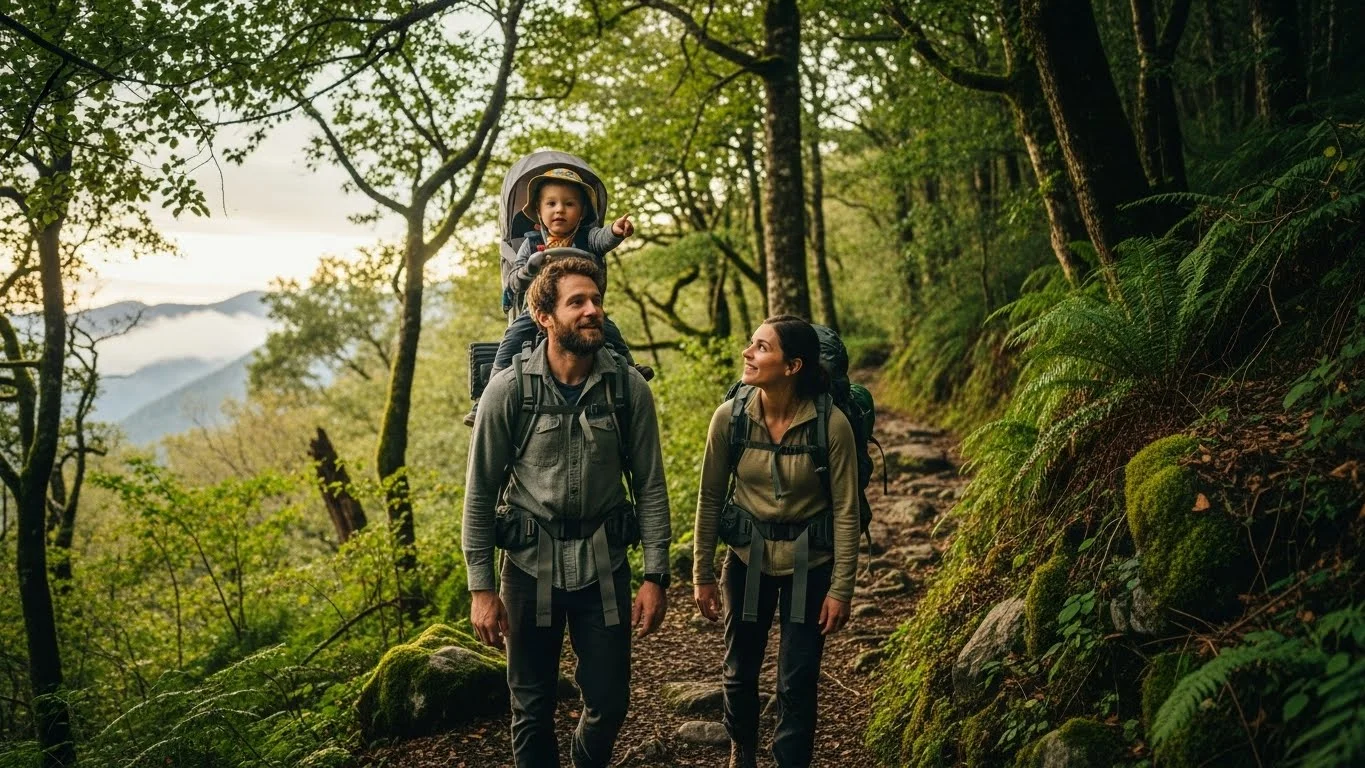
Family backpacking is a unique way to explore the great outdoors with your loved ones while embracing the freedom of travel. For me, it means packing light but smart, hitting the trails, and enjoying nature’s beauty together. It’s not just about hiking; it’s about creating memories that will last a lifetime. I remember our first family backpacking trip with my toddler. We tossed our essentials into a couple of backpacks, strapped my little one into a comfy carrier, and hit the trail with excitement. The adventure was as much about the journey as it was about the destination.

Benefits of Backpacking with Toddlers

Backpacking with toddlers has its fair share of benefits. First, it provides a chance for family bonding. I found that being in nature allows us to disconnect from daily distractions and connect with each other on a deeper level. Watching my toddler marvel at the sights and sounds of the outdoors reminded me of how I used to feel experiencing these wonders for the first time.

Moreover, backpacking encourages a love for nature. Instilling a sense of adventure in our children is so important. I’ve seen my little one develop curiosity about plants, animals, and the environment. Each trip we took ignited a fire of exploration in their heart. Plus, the physical activity is great for everyone! Hiking keeps us active and healthy, and I felt more energized after each outing.

Additionally, traveling as a family offers beautiful opportunities to teach life skills. I like to involve my toddler in simple tasks like helping pack the snacks or choosing which trail to take. It fosters independence and boosts their confidence. There’s something special about watching them take ownership of their adventure. Read more about smart packing hacks for stress-free family travel.

Challenges of Traveling with Young Children

While there are plenty of positives, backpacking with a toddler can also present challenges. I’ve faced my share of hurdles, from unexpected weather changes to tantrums on the trail. One major challenge is managing expectations. Toddlers have their own pace, and I quickly learned that our hiking plans needed to be flexible. Sometimes, we would only go a short distance and spend the afternoon playing by a stream instead of reaching our original goal.

Another challenge is the packing process. Fitting everything into a manageable backpack can be tough. I remember my first attempt; it ended up being a game of Tetris! It’s crucial to prioritize what you bring along. I found that packing lightweight, multipurpose items made a huge difference. Sometimes, the essentials feel overwhelming, especially when it comes to diapers, extra clothes, and snacks!

Lastly, health and safety considerations are always on my mind while backpacking. With a toddler, I tend to be extra cautious. I keep a close eye on where we’re walking, and I always pack a first aid kit. It’s essential to be prepared for minor injuries or illnesses, as they can happen anywhere, especially when you’re far from home. Check out these top safety hacks for family travel with babies and toddlers.

Overall, I’ve learned that every challenge comes with a lesson. Each struggle helps us grow as a family and improves our future adventures. Embracing the bumps along the way has made our journey more memorable.

Planning Your Backpacking Adventure

Choosing the Right Destination

Choosing the right destination is one of the most important steps in planning a successful backpacking trip with a toddler. I’ve learned that not all trails are created equal, especially when it comes to young children. I remember our first family trip when we picked a location based solely on its popularity. It turned out to be a challenging hike for my little one! Now, I always look for destinations that offer gentle trails with beautiful scenery but aren’t too demanding.

In my experience, it’s essential to consider the amenities available, like restrooms and picnic areas. A good spot to stop and have a snack can transform a hiking day. I look for places with nearby water sources, as well, since I like to keep my toddler hydrated. We often go for family-friendly parks or nature reserves that cater to kids, with shorter loops or nature trails that are fun and manageable.

Best Family-Friendly Backpacking Locations

As we’ve explored, I’ve discovered some fantastic family-friendly backpacking locations that cater to families with toddlers. One of my favorite spots is the Great Smoky Mountains National Park. The park has numerous trails that are easy for little legs, plus stunning views and plenty of opportunities to spot wildlife. Another gem is Acadia National Park in Maine, where the carriage roads provide a smooth path perfect for families.

I also recommend the Shenandoah National Park in Virginia. The trails there are often shorter and have plenty of scenic overlooks, which keeps the little ones excited. Closer to home, we enjoy the trails in local state parks. I’ve found that sometimes, the best adventures are just a short drive away, and they offer the same joy without the long travel stress.

When to Travel: Seasonal Considerations

Timing your trip is crucial. I’ve learned that different seasons bring different challenges and joys. For instance, spring offers blooming flowers and mild temperatures, making it a lovely time for hiking. However, I’ve also experienced some rain that caught us off guard! Summer, while warm, can be really hot, and I’ve found it’s best to start early in the morning to avoid the heat of the day. We often plan our hikes around my toddler’s nap schedule, too. It’s amazing how much more enjoyable the trek can be when they are well-rested!

Fall is my favorite season for backpacking. The changing leaves create a stunning backdrop, and the cooler weather makes for comfortable hiking. I always pack layers for my toddler, as temperatures can fluctuate throughout the day. Winter offers a unique opportunity too! If you’re in a snowy area, consider snowshoeing or winter hiking. Just make sure to dress your little one appropriately to keep them warm and safe.

Travel Insurance for Families

While planning your backpacking adventure, I strongly recommend considering travel insurance, especially when traveling with children. I learned this the hard way on a trip where we had to change our plans due to an unexpected illness. Having travel insurance gave me peace of mind, knowing we could get help if something went wrong.

Look for policies that cover trip cancellations, medical emergencies, and even gear loss. It’s worth doing some research to find the right coverage that fits your family’s needs. I often compare different policies to find the one that provides the best protection for our trips. It’s a small investment for the safety and security of your family while on the road.

Essential Gear for Toddler Backpacking

Backpacks and Carriers

When it comes to backpacking with toddlers, choosing the right gear is essential, and I can’t stress enough how important a good backpack or carrier is. I remember when we first ventured out, I thought any old backpack would do. Boy, was I wrong! After some trial and error, I discovered that a well-structured carrier is key for both comfort and safety. I recommend looking for a carrier that offers good back support and a comfortable seat for your little one. This way, both you and your toddler can enjoy the hike without discomfort.

There are various kinds of carriers available, like soft-structured carriers, framed backpacks, and even slings, depending on your preference. Personally, I found framed carriers to be a game-changer for longer hikes. They provide excellent support, and my toddler loved being high up, able to see everything around them. Just make sure to check the weight limit and adjust the straps for a snug fit. I also like to keep a small daypack handy for snacks and essentials, so it’s easy to access when we take breaks.

Comfortable Clothing and Footwear

Comfort is paramount when you’re out on the trail, especially for toddlers who can be quite sensitive to discomfort. I learned this the hard way on one of our previous hikes when my little one started to complain about their shoes halfway through the trail. Now, I always prioritize comfortable, well-fitted footwear. I recommend lightweight, breathable shoes with good traction. Waterproof options can be great too, especially if you’re hiking through wet or muddy areas.

As for clothing, layering is the secret. I’ve found that dressing my toddler in breathable layers helps to regulate body temperature as we trek through varying weather conditions. A moisture-wicking base layer, a cozy mid-layer, and a waterproof outer layer can easily adapt to whatever Mother Nature throws our way. Don’t forget a wide-brimmed hat for sunny days and a warm beanie for cooler hikes!

Must-Have Travel Accessories (Diapers, Snacks, Toys)

When packing for a little one, I’ve learned that it’s all about the essentials. Diapers and wipes are non-negotiable for us, and I always pack more than I think I’ll need. There’s nothing worse than running out of supplies in the middle of nowhere! I also like to bring a changing pad that can easily fit into my pack, making diaper changes on the go a breeze.

Snacks are another vital part of our backpacking gear. I like to prepare a variety of healthy options that my toddler enjoys—think trail mix, fruit, and granola bars. Snacks are not only a great way to keep energy levels up during the hike, but they also serve as a little reward during breaks. I’ve noticed that having a few small treats can do wonders to lift spirits if the trail gets tough!

Lastly, I find it incredibly helpful to pack a couple of lightweight toys or books to keep my toddler entertained during breaks. Simple things like a small puzzle or a coloring book can provide a nice distraction and help them unwind after a long stretch of hiking. A little creativity can go a long way!

First Aid Kit for Toddlers

Taking care of our little ones means being prepared for anything, and that’s where a well-stocked first aid kit comes in. I never leave for a backpacking trip without one, and I can’t emphasize enough how important it is to have the right supplies on hand. My first aid kit includes essentials like adhesive bandages, antiseptic wipes, and children’s pain relievers. I also pack items specific to toddlers, like teething gel and any allergy medications we might need.

Additionally, I’ve found it helpful to include a small temperature thermometer and a list of emergency contacts in our kit. It gives me peace of mind knowing that I’m prepared for minor injuries or illnesses. I also make sure to familiarize myself with any potential hazards in the area we’re hiking, such as poison ivy or insect bites, so I can take preventative measures. Regularly checking our kit before each trip helps ensure I’m not missing any key items.

Overall, I believe that being prepared is half the battle when it comes to backpacking with toddlers. By focusing on the right gear, I’ve made our adventures much more enjoyable for the whole family. Check out these top 10 essential baby gear items for family travel.

Transportation Options for Family Backpacking

Choosing the Right Mode of Transport

When it comes to getting to our backpacking destination, I’ve found that choosing the right mode of transport is crucial. For us, it often depends on the distance we’re traveling and how much gear we need to bring along. I love the convenience of driving; it allows us to pack everything we need without worrying about luggage limits. Plus, we can take breaks whenever my toddler needs to stretch or grab a snack.

However, I also appreciate the adventure of flying or taking a train. I remember a trip where we flew to a national park. It was a bit tricky managing my toddler and the luggage, but the excitement of arriving at a new place made it worth it. It’s essential to consider what will be easiest for your family. If you’re flying, check to see if the airline offers family boarding, which can make the process smoother.

Air Travel Tips with Toddlers

Flying with a toddler can be an experience! I’ve learned that preparation is key. One of my biggest tips is to pack a carry-on with plenty of activities to keep them entertained. I usually include coloring books, small toys, and snacks. I remember our last flight when I introduced a little travel-friendly puzzle, and it kept my toddler occupied for quite a while.

Also, don’t forget to bring a lightweight stroller. It’s a lifesaver in the airport and can double as a place for your little one to nap while you wait. I always check in our stroller at the gate to avoid any issues on the plane. Lastly, I recommend arriving at the airport early. It gives us time to navigate security and allows for any unexpected hiccups without the stress of rushing.

Train and Bus Travel Tips

Traveling by train or bus can be an exciting way to see the countryside. I’ve taken a few train trips with my toddler, and they were some of the most enjoyable experiences we’ve had. Trains often have more space to move around, which I found helpful. I always look for seats that offer a bit of space so my toddler can play with small toys or look out the window.

With buses, the key is to have a solid plan for breaks. I like to choose routes with scheduled stops, allowing us to get off, stretch, and grab a snack. Whether on a train or bus, I find that bringing a small blanket or pillow can make the journey more comfortable for my toddler, especially during longer trips.

Driving with a Toddler: Road Trip Essentials

Road trips can be such a fun way to travel with young kids! I’ve learned that the right preparation can make all the difference. First, I always pack a variety of snacks that are easy to eat in the car. I like to keep things healthy, like cut-up fruits and whole-grain crackers, but I also sneak in a little treat to keep spirits high.

Another essential is a playlist of our favorite songs or audiobooks. Engaging my toddler with stories during the drive can help pass the time. I recall one trip when we listened to a fun children’s podcast, and it turned out to be a hit! And of course, I make sure to include plenty of breaks. Stopping at parks or rest areas not only allows my toddler to burn off some energy but also gives us a chance to enjoy the scenery.

Accommodation Options for Families

Camping vs. Hotels: Pros and Cons

When it comes to accommodation, the choice between camping and hotels really depends on what kind of experience we want. Camping can be a great way to immerse ourselves in nature, and my toddler loves the idea of sleeping under the stars. Setting up our tent and roasting marshmallows becomes part of the adventure. However, I’ve learned that camping requires more preparation and gear, which can be challenging when traveling with a little one.

On the other hand, hotels or lodges provide comfort and convenience. I appreciate having a private bathroom and a place to relax after a long day of hiking. It’s also nice to know that we can easily access meals and amenities. I often look for family-friendly accommodations that offer cribs or play areas, making our stay more comfortable.

Family-Friendly Hostels and Lodges

Hostels aren’t just for backpackers anymore! I’ve discovered many family-friendly hostels that cater to travelers with young children. They often have shared spaces where kids can play, and some even provide family rooms. I enjoy the community vibe, which allows us to meet other families during our travels.

Similarly, lodges often offer a cozy atmosphere and can be a fantastic base for our outdoor adventures. I remember staying at a lodge near a national park that included breakfast and was within walking distance of trails. It made our mornings so much easier, allowing us to fuel up before hitting the trails.

Finding Child-Friendly Rentals

Renting a vacation home or cabin can be another excellent option for families. I love the space and convenience that comes with a rental, especially when traveling with toddlers. It allows us to cook meals, do laundry, and have a separate space for the little ones to play. I often use vacation rental sites to find properties that are kid-friendly, looking for features like fenced yards or proximity to parks.

Moreover, having our own kitchen means I can prepare meals that suit my toddler’s preferences, which can help avoid the stress of restaurant dining. It’s all about creating a home away from home, making our family adventures even more enjoyable.

Activities and Attractions for Toddlers

Nature Trails and Parks

Exploring nature trails and parks is one of the best ways to engage toddlers. I always seek out paths that are short and have interesting features, like streams, bridges, or wildlife. I remember one hike where we spotted a family of ducks, and it turned into a mini-adventure for my toddler. Having these little experiences makes hiking so much more than just walking on a trail.

We also enjoy visiting local parks that have playgrounds or picnic areas. It gives my toddler a chance to play and burn off some energy. I’ve found that mixing up our activities with both hiking and playtime keeps my little one excited and engaged throughout our travels.

Kid-Friendly Attractions and Museums

While nature is fantastic, I also love to sprinkle in visits to kid-friendly attractions and museums. Many towns we visit have children’s museums or interactive exhibits that cater specifically to younger audiences. I remember taking my toddler to a science museum where they could play and learn simultaneously, and we both had so much fun.

Zoos and aquariums are also excellent options. I’ve noticed that my toddler is always mesmerized by animals. It’s a great way to combine learning with fun, and I appreciate how these experiences create lasting memories.

Interactive Experiences for Young Children

Finding interactive experiences can really elevate our family trips. Things like nature crafts, guided tours, or storytelling sessions at national parks can engage toddlers and make the experience memorable. I once signed us up for a ranger-led program that included a treasure hunt. My toddler was so excited to search for hidden items in nature!

These hands-on activities encourage curiosity and exploration. I believe that engaging toddlers in interactive experiences fosters a love for learning and adventure that can last a lifetime.

Food and Nutrition on the Road

Healthy Snacks for Toddlers

Feeding a toddler while on the go can be a challenge, but I’ve found that preparing healthy snacks in advance makes it much easier. I like to pack colorful fruit slices, cheese sticks, and whole-grain crackers in small containers. These snacks are not only nutritious but also easy for little hands to manage. I often bring a mix of sweet and savory options to keep things interesting.

It’s incredible how much energy toddlers have, and I’ve noticed that having healthy snacks on hand helps keep their spirits high during hikes. Sometimes, I even pack a little surprise snack that we can enjoy at a scenic viewpoint, making it feel like a special treat!

Finding Family-Friendly Restaurants

When we’re not cooking, I always look for family-friendly restaurants that offer a welcoming atmosphere for children. I’ve learned that checking out menus ahead of time can save us from the stress of finding something my toddler will eat. Places with a play area or kid’s menu are a huge plus!

Additionally, I try to choose restaurants with outdoor seating. I find that it gives my toddler room to move around if needed, making the dining experience much more enjoyable for everyone.

Cooking While Backpacking: Easy Meal Ideas

Cooking while backpacking can be a fun challenge! I love to keep our meals simple and nutritious. One of my go-to meals is a one-pot pasta dish. I can throw in veggies, protein, and pasta, and it all cooks together without much fuss. Another favorite is burritos; they’re easy to wrap up and can be filled with whatever I have on hand.

I also like to prepare some meals in advance and freeze them. This way, I can just heat them up on our camping stove, and we’re all set for dinner after a long day of hiking. Having a few easy meal options makes our time on the trail much more enjoyable.

Safety and Health Considerations

Keeping Your Toddler Safe While Traveling

Safety is always at the forefront of my mind when we’re out adventuring. I make it a point to talk to my toddler about what to do if they get lost or how to stay close while exploring. I’ve also found that a bright-colored shirt can make them easier to spot in a crowded area or on a trail.

I keep a close eye on them, especially near water or steep areas. I’ve learned to trust my instincts about when to intervene and when to let them explore a bit more independently. It’s all about finding that balance between safety and freedom.

Managing Health Issues on the Road

Managing health issues while traveling is another important aspect to consider. I always bring along any necessary medications, plus a list of allergies or conditions in case we need medical attention. I also take time to familiarize myself with nearby hospitals or clinics at our destination, just in case.

Additionally, I pay attention to my toddler’s hydration, especially during warmer months. Keeping them well-hydrated can prevent many issues, and I always have a water bottle handy while we’re hiking.

Emergency Contacts and Procedures

Having a plan for emergencies gives me peace of mind while we’re on the road. I always carry a list of emergency contacts, including family members and local services from our destination. I also make sure to have an emergency kit in our backpack that includes important medical supplies, just in case.

Before heading out, I like to review basic first-aid procedures and contact information for local authorities. It’s all about being prepared while ensuring we can enjoy our adventures without unnecessary worry.

Budgeting for Your Family Backpacking Trip

Estimating Costs for Accommodation and Travel

Budgeting can be a daunting task, but I’ve learned that breaking down costs into categories makes it manageable. I start by estimating how much we’ll spend on travel and accommodation. If we’re driving, I calculate gas costs and plan for possible overnight stays. I always look for deals or discounts on family-friendly lodgings, which can make a big difference.

When it comes to flights, I try to book well in advance to score better prices. I also keep an eye out for family discounts or promotions that airlines offer; they can really help us save.

Saving Money on Food and Activities

Food expenses can add up quickly, so I’ve found that planning ahead helps. I usually plan to cook at our accommodations or pack meals for our outings. Finding local grocery stores instead of dining out all the time can save us money and provide healthier options for my toddler.

For activities, I look for free or low-cost attractions, such as parks, nature trails, and free events happening in the area. I’ve discovered that many national parks offer free entrance days or discounted rates for families, which can really help stretch our budget.

Tips for Budget-Friendly Backpacking with Toddlers

One of my favorite budget-friendly tips is to travel during off-peak seasons. Not only are prices generally lower, but attractions are less crowded, making the experience more enjoyable for my toddler. I also make a packing list to avoid buying unnecessary items while we’re away.

Lastly, I’ve learned that being flexible with plans can lead to unexpected adventures without breaking the bank. Whether it’s finding a new hiking trail or discovering a quaint little café, sometimes the best experiences come from spontaneity!

Tips for a Successful Backpacking Experience

Setting Realistic Expectations

Setting realistic expectations is crucial for a successful backpacking experience with toddlers. I’ve learned that it’s important to recognize that things may not always go as planned. If my toddler is tired or needs a break, it’s okay to adjust our schedule. I remind myself that the journey is just as important as the destination.

There have been times when we’ve only hiked a short distance or spent more time playing than hiking, and that’s perfectly fine. It’s all part of the adventure!

Flexibility in Your Itinerary

Flexibility has been one of the biggest lessons I’ve learned while backpacking with my toddler. I try to keep our itinerary open-ended, allowing for spontaneity. If we come across an interesting trail or a beautiful spot, I’m all for taking a detour. Some of our best memories have come from those unplanned moments.

Being adaptable means we can truly enjoy our time without the pressure of sticking to a rigid schedule. I think that’s what makes our trips feel more like an adventure rather than a checklist.

Involving Your Toddler in the Planning Process

Involving my toddler in the planning process has been a game-changer. I love to let them choose which trails to explore or snacks to pack. It gives them a sense of ownership over our adventures and makes them excited about the journey ahead. I’ve found that even simple tasks, like picking out their clothes or helping with packing, can make them feel involved and valued.

It’s heartwarming to see their enthusiasm grow when they feel like they’re part of the decision-making process. Plus, it can lead to fun conversations about what we might see or do on our trips!

Final Thoughts

Backpacking with a toddler is undoubtedly a unique journey filled with both challenges and joys. From choosing the right gear to planning our adventures, every step along the way has taught me something new. I’ve realized that the experience is about more than just reaching a destination; it’s about creating lasting memories as a family. Embracing the unexpected, finding joy in the small moments, and involving my toddler in our adventures has made our trips even more special. So, if you’re considering a backpacking trip with your little one, I encourage you to take the leap. You might just find that the adventure is even more rewarding than you imagined.

Frequently Asked Questions

What is family backpacking?

Family backpacking is an adventure that allows families to explore the outdoors together while creating lasting memories. It involves packing light but smart and enjoying nature’s beauty, turning the journey into a meaningful experience.

What are the benefits of backpacking with toddlers?

Backpacking with toddlers provides opportunities for family bonding, encourages a love for nature, and allows children to learn life skills. It helps instill curiosity about the environment and promotes physical activity for the whole family.

What challenges might one face when backpacking with a toddler?

Challenges include managing expectations regarding pace, the packing process, and health and safety considerations. Flexibility is crucial as toddlers may need breaks, and packing efficiently can be a daunting task.

How do you choose the right destination for backpacking with a toddler?

Choosing the right destination involves selecting trails that are gentle and manageable for young children. It’s also important to look for amenities like restrooms and picnic areas, as well as nearby water sources to keep toddlers hydrated.

What are some recommended family-friendly backpacking locations?

Some recommended family-friendly locations include the Great Smoky Mountains National Park, Acadia National Park in Maine, and Shenandoah National Park in Virginia. Local state parks often offer enjoyable short trails as well.

What essential gear should one have for backpacking with toddlers?

Essential gear includes a comfortable and supportive backpack or carrier, lightweight and breathable clothing and footwear, must-have travel accessories like diapers and snacks, and a well-stocked first aid kit tailored for toddlers.

What transportation options are best for family backpacking?

Transportation options vary based on distance and gear. Driving offers convenience, while flying and taking trains can be adventurous. Each mode has its considerations for packing and managing the toddler during travel.

What types of accommodations are suitable for families backpacking with toddlers?

Families can choose between camping, hotels, family-friendly hostels, or vacation rentals. Each option has its pros and cons, with camping providing an immersive nature experience and hotels offering comfort and convenience.

What activities are recommended for toddlers during backpacking trips?

Engaging toddlers in activities like exploring nature trails, visiting kid-friendly attractions and museums, and participating in interactive experiences enhance their enjoyment and learning during trips.

How can families ensure safety while backpacking with toddlers?

Safety can be ensured by keeping a close eye on toddlers, discussing safety procedures, managing health issues, and carrying emergency contacts and supplies. Preparing in advance helps families enjoy their adventures with peace of mind.
Top Tips for Traveling with Toddlers on a Budget

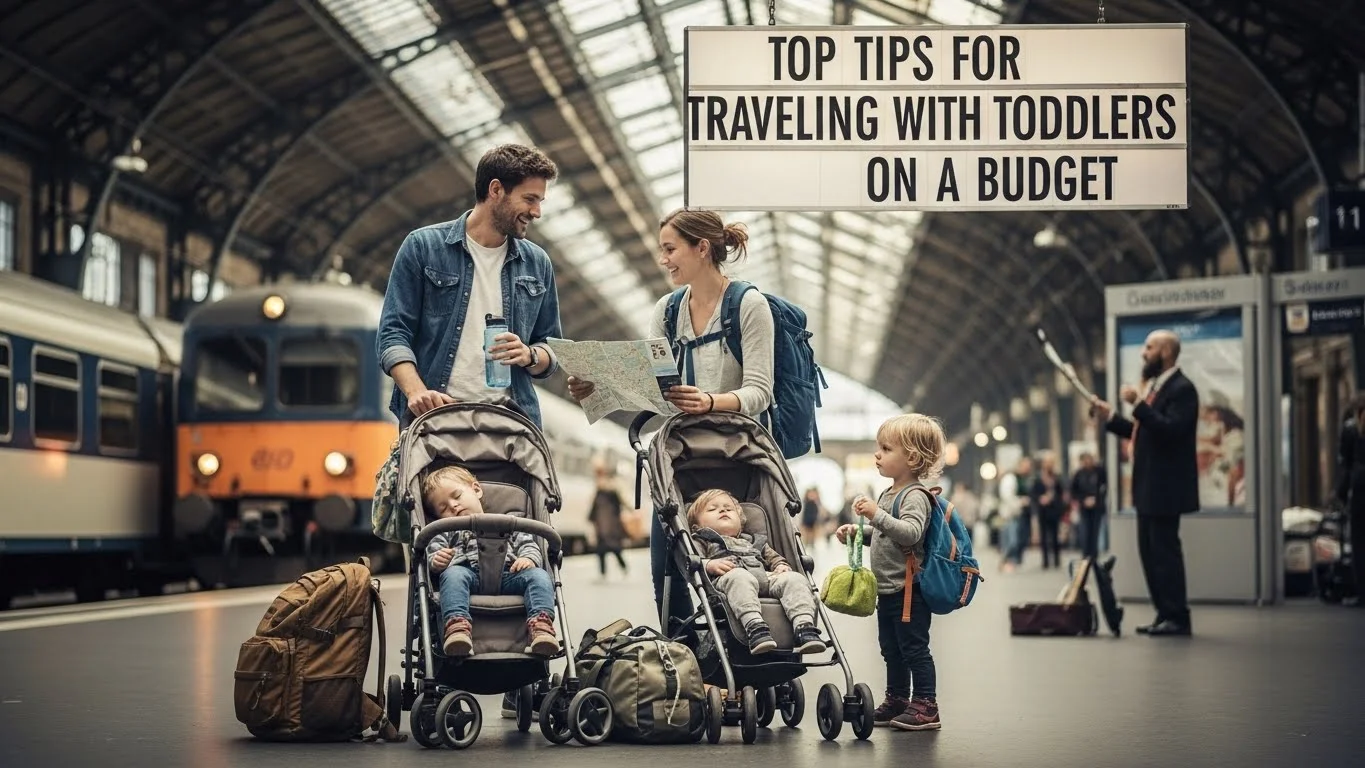
Traveling with toddlers can feel daunting, especially on a budget. However, with the right tips and tricks, you can create unforgettable experiences without breaking the bank. Let’s dive into how to manage this adventure!

Top Tips for Traveling with Toddlers on a Budget

Understanding the Challenges of Traveling with Toddlers

Common Concerns for Parents

When I first took a trip with my toddler, I was filled with excitement but also a fair amount of anxiety. I remember thinking about all the potential challenges: Would they be cranky on the plane? What if they refused to eat anything? Would there be enough activities to keep them engaged? These are common concerns for many parents, and it’s completely normal to feel this way. Toddlers can be unpredictable, and their needs often change rapidly. I learned that being prepared is half the battle. Carrying extra snacks, familiar toys, and having a flexible schedule made a world of difference. Traveling with Toddlers: Airlines That Make It Easy can provide additional insights on how to make flying smoother.

Benefits of Traveling Early

Looking back, I realize that traveling with my toddler at a younger age had its perks. For one, they were more adaptable and less aware of their surroundings. I remember how they would happily be entertained by the simplest things, like watching birds or playing with sand at the beach. Traveling early opened up a world of experiences for us. Not only did it help create strong family bonds, but it also exposed my child to different cultures and environments, which I believe is crucial for their development. So, if you’re hesitant about hitting the road with your little one, I encourage you to go for it! The memories we created during those trips are ones I cherish deeply.

Budgeting for Your Trip

Estimating Travel Costs

Once we decided to travel, the next step was budgeting. I found that making an estimate of all potential costs was essential. This included transportation, accommodation, food, and activities. I took some time to research average costs in the areas we were considering visiting. Websites and travel blogs became my best friends during this process. I created a spreadsheet that outlined our expected expenses so we could have a clearer picture of our budget. This allowed us to adjust our plans if necessary. I also recommend considering the time of year you plan to travel, as costs can fluctuate significantly based on peak seasons.

Finding Affordable Destinations

One of my favorite parts of planning was discovering affordable destinations. I learned that there are plenty of beautiful places that won’t empty your wallet. For example, instead of flying to a popular city, I looked into nearby towns with similar attractions but lower costs. I remember one trip where we found a charming lakeside town that was not only less expensive but also offered free activities like hiking and swimming. It was a win-win for our budget and provided a serene environment for my toddler to explore. I suggest looking for destinations that offer family discounts or free admission for children under a certain age, as this can make a significant difference. Additionally, you can explore Family Adventures: Best Destinations for Traveling with Toddlers for more ideas.

Setting a Daily Budget

After estimating overall travel costs and finding an affordable destination, the next step was to set a daily budget. I remember how important it was for us to manage our daily expenses, especially with a toddler in tow. I decided on a daily limit for food, activities, and extra expenses, which helped keep us accountable. We found that sticking to this budget allowed us to enjoy spontaneous treats without guilt, like ice cream or a small souvenir. It’s also helpful to have a little wiggle room in your budget for unexpected expenses, like a last-minute activity that catches your toddler’s eye.

Choosing Family-Friendly Accommodations

Types of Budget Accommodation

Finding the right place to stay when traveling with a toddler can make or break a trip. I remember the first time I booked a budget hotel, and I was pleasantly surprised. Many budget accommodations are family-friendly, offering more space and necessary amenities without a hefty price tag. I’ve found that hostels, motels, and vacation rentals can be great options. When we stayed in a vacation rental, it felt more like home. We had a kitchen to prepare meals, which saved us money and allowed us to stick to our toddler’s routine.

Kid-Friendly Amenities to Look For

When searching for accommodations, I always look for kid-friendly amenities. Things like a pool, playground, or even complimentary breakfast can significantly enhance our stay. I remember one hotel that provided cribs and high chairs for free, which saved us from lugging extra gear along. Many places that cater to families also understand the need for flexibility. They might offer late check-out or have a staff that’s willing to help with specific requests, which can be a lifesaver.

Using Discounts and Deals

Lastly, I learned that using discounts and deals can significantly reduce accommodation costs. Websites like Groupon or hotel comparison sites often have exclusive offers. I also recommend signing up for newsletters or loyalty programs. I’ve saved quite a bit on stays by being notified of flash sales or discounts specifically for families. Combining these deals with our budget helped us stretch our funds even further while ensuring our toddler had a comfortable place to rest after a day of adventures.

Finding Budget Transportation Options

Flying with Toddlers

When it comes to flying, I have to admit it can be a mixed bag. I still remember my first flight with my toddler; the anticipation was palpable, but so was the anxiety. I learned that the key to a smoother flying experience lies in preparation. First, I tried to book direct flights whenever possible. Layovers can be tricky, especially with a little one who just wants to run around. I also made it a point to choose flights that aligned with their nap schedule. If we could catch a flight during naptime, I found it worked wonders. Not only did my toddler often sleep through most of the flight, but it also allowed me some peace to enjoy my own snack and maybe even a movie! For tips on choosing the right airline, check out Top Family-Friendly Airlines for Traveling with Toddlers.

Another tip I picked up along the way is to check for family boarding options. Many airlines offer early boarding for families, which gave us extra time to get settled without the rush of other passengers. I also made sure to bring a lightweight stroller. It was a lifesaver in the airport and could easily be checked at the gate. Plus, having it meant my toddler had a comfy seat while we waited to board. And let’s not forget the importance of snacks! Packing a variety of their favorite treats kept my little one occupied during the flight.

Alternative Transportation Methods

While flying is often the quickest way to get to a destination, I found that alternative transportation methods can sometimes be just as fun and often cheaper. For instance, road trips have become one of our favorite ways to travel. I discovered that renting a car or using our own allowed for more flexibility, especially with a toddler. We could stop whenever anyone needed a break, and I loved that we could explore hidden gems along the way.

Another option I explored was taking the train. There’s something magical about train travel that I think toddlers really enjoy. The rhythmic motion and the ability to walk around helped keep my little one entertained. I remember one train ride where we spent hours just watching the scenery change. The excitement in their eyes as we passed through fields and forests was priceless. Plus, train stations often have family waiting areas, making it a comfortable experience for us.

Local Transport Tips

Once we arrived at our destination, I quickly learned that knowing how to navigate local transportation can save a lot of time and money. In many cities, public transportation systems are surprisingly family-friendly. I would usually look up the local bus or subway systems before arriving. I remember taking a bus in one city that had a special family pass, allowing us to travel for a flat rate for the day. It was a great deal, and my toddler loved riding the bus! We made a game out of counting all the different buses we saw.

Another useful tip is to download local transportation apps. They often provide real-time updates and route information, which can be a lifesaver when you’re trying to figure out the quickest way to a museum or park. I also recommend packing a small carrier or a lightweight backpack for your toddler if you plan on walking a lot. It can be a great way to keep them close and safe while giving them the chance to explore. And, of course, always keep an eye on your little one in busy areas!

Packing Smartly for Toddlers

Essential Items to Bring

Packing for a toddler can feel overwhelming, but I’ve learned that having a solid list makes it manageable. First and foremost, I always pack a compact travel stroller. It folds up easily and can be stored in the car or on public transport without a hassle. I also make sure to bring a diaper bag that doubles as my carry-on, filled with essentials like diapers, wipes, a change of clothes, and any comfort items my toddler might want, like a favorite blanket or stuffed animal.

Another must-have is a portable high chair or a travel booster seat. I can’t tell you how many times this has saved our meals from turning into chaos! Many restaurants are accommodating, but having my own seat made it easier to stick to our routines. I also prepare a small bag of toys or books that are new or have been tucked away for a while. It’s amazing how a new toy can captivate a toddler’s attention!

Minimizing Luggage Costs

We all know that excess luggage can lead to extra fees, so I’ve learned to pack smartly. For our last trip, I decided to use a larger suitcase. I packed outfits that could mix and match, which not only minimized space but also gave us more outfit options without packing a ton. I also rolled clothes instead of folding them; it really helped save space and reduce wrinkles!

To cut costs even further, I recommend checking in with your airline about their policies on checked bags. Some airlines allow children under a certain age to check a bag for free, which is a great way to save. I also find that using compression bags for clothing can shrink down the bulk of outfits, making it easier to fit everything in one bag.

Using Packing Cubes and Organizers

Using packing cubes has revolutionized the way I pack. Each cube can be designated for different family members or types of items, like clothes or toiletries. It keeps everything organized and makes finding things so much easier when we arrive at our destination. I remember unpacking after a long day of travel and being so grateful that I could easily grab what we needed without rummaging through the suitcase.

Another tip is to use clear plastic bags for liquids and snacks. They make it easy to get through security while keeping everything contained and accessible. Plus, I always carry a few empty bags with me for dirty clothes or items that might be needed later in the day. By using these organizers, I feel more in control of our packing experience, which helps reduce a lot of stress!

Planning Activities and Attractions

Free or Low-Cost Activities

When it comes to planning activities for our trips, I’ve found that some of the best experiences are often free or low-cost. I remember a family vacation where we spent an entire day at a local park. It had a playground, picnic areas, and even a small pond where we could feed ducks. My toddler was thrilled, and we all enjoyed a relaxing day without spending much at all. I always check community calendars or local websites to see if there are any free events happening during our stay, like festivals, outdoor movies, or children’s workshops. These not only provide entertainment but also allow us to immerse ourselves in the local culture.

Another great resource is local visitor centers. They often have brochures filled with free or inexpensive attractions. On one trip, we discovered a nearby nature reserve that had beautiful walking trails and educational programs for kids. Being surrounded by nature was a fantastic way for my toddler to explore and learn at the same time. I can’t recommend enough taking the time to research these opportunities; they often create the most memorable moments.

Choosing Toddler-Friendly Attractions

When planning our itinerary, I try to focus on toddler-friendly attractions that prioritize fun and engagement. Zoos, aquariums, and children’s museums are usually big hits with my little one. I remember visiting a children’s museum where everything was hands-on. My toddler could touch, play, and explore to their heart’s content. I felt good knowing they were learning while having a blast. I’ve learned to look for places with interactive exhibits or activities specifically designed for younger audiences.

In my experience, checking online reviews can also provide insight into how welcoming a location is for kids. I often find that parents share their experiences, giving me a better idea of what to expect. Additionally, I make sure to check for age recommendations or height restrictions to avoid disappointment. Knowing that an attraction is tailored for toddlers makes it easier to plan our day and helps ensure everyone has a good time!

Balancing Activities with Nap Times

One of the most important lessons I’ve learned is the necessity of balancing activities with my toddler’s nap times. I remember one trip where I over-scheduled our days, thinking we could fit everything in. It didn’t take long for my little one to become overtired and cranky, which made the experience less enjoyable for all of us. Now, I try to plan our activities around nap times, allowing for downtime to recharge. We often schedule more exciting activities before nap time or during it, while opting for quieter, low-key options afterward.

For example, if we’re visiting a city, we might explore a park or have lunch at a café during their naptime. This way, they can catch some rest while I can enjoy a little downtime myself. I’ve also found that sometimes just wandering around a new area can be a lovely alternative. Whether it’s strolling through local shops or just enjoying the scenery, it gives us the chance to take a break without feeling rushed. I think that keeping this balance has made our travels much more enjoyable and less stressful.

Food on a Budget While Traveling

Eating Out on a Budget

Eating out with a toddler can be tricky, especially when trying to stick to a budget. I’ve learned a few strategies that have worked well for us. For one, we often look for restaurants that offer kids’ meals. These meals tend to be more affordable and usually come with options that appeal to younger palates, like chicken fingers or pasta. I remember a trip where we visited a local diner that had a “kids eat free” night. It was such a treat for us and helped keep our costs down!

Another tip is to seek out lunch specials. Many places have more affordable lunch menus compared to dinner. By opting for lunch at a slightly earlier hour, we could enjoy a delicious meal without overspending. I also recommend checking out food trucks or local markets. We once stumbled upon a street fair with various vendors offering affordable and tasty bites, which made for a fun and budget-friendly meal option.

Grocery Shopping Tips

One of my go-to strategies for saving money while traveling is to hit the grocery store. I usually plan to prepare some meals in our accommodation, especially breakfast and snacks. I remember one trip where we bought groceries for the week and made simple meals like sandwiches, fruit, and yogurt. It kept us fueled for our adventures without the high costs of eating out for every meal. Plus, it made me feel more at home, which was nice for my toddler.

When shopping, I try to look for local items or specialties, which not only helps save money but also allows us to experience the local culture. I often pick up snacks or treats that we can enjoy while exploring. Another tip is to look for stores that offer bulk bins or discounted items; these can often have great deals on snacks or pantry staples!

Preparing Snacks and Meals

Preparing snacks while on the go is a lifesaver. I always pack a travel-friendly snack bag filled with items like granola bars, fruit, and crackers. I remember a trip where we were out exploring, and my toddler got hungry. Having those snacks on hand made all the difference; it saved us from a potential meltdown and helped us avoid expensive convenience store prices. I also recommend bringing a refillable water bottle. Staying hydrated is key, and it reduces the need to buy drinks throughout the day.

When we have access to a kitchen, I like to get creative with simple meals. Scrambled eggs, pasta, or even a quick stir-fry can be made in a flash, and it gives us a chance to enjoy a home-cooked meal while away. I’ve found that involving my toddler in food preparation can make it even more fun for them. They love to help mix or stir, and it turns into a bonding activity. Overall, being mindful of our food choices while traveling has helped us stay within budget and enjoy our meals together.

Frequently Asked Questions

What are common concerns for parents traveling with toddlers?

Common concerns include potential crankiness on the plane, refusal to eat, and ensuring there are enough activities to keep toddlers engaged. Being prepared with extra snacks and familiar toys can help alleviate these worries.

What are the benefits of traveling with toddlers at a younger age?

Traveling early can make toddlers more adaptable and less aware of their surroundings, allowing them to be entertained by simple things. It also helps create strong family bonds and exposes children to different cultures, which is beneficial for their development.

How can I estimate travel costs for a trip with a toddler?

To estimate travel costs, consider all potential expenses such as transportation, accommodation, food, and activities. Creating a spreadsheet to outline expected expenses can provide a clearer picture of your budget and allow for adjustments if necessary.

What tips can I follow to find affordable destinations for family travel?

Look for nearby towns with similar attractions to popular cities but at lower costs. Consider destinations that offer family discounts or free admission for children, as these can significantly reduce expenses.

What should I look for in family-friendly accommodations?

Seek accommodations that offer kid-friendly amenities such as pools, playgrounds, and complimentary breakfasts. Also, check if they provide cribs or high chairs for free, which can save on extra gear.

What are some tips for flying with toddlers?

Book direct flights whenever possible, align flight times with your toddler’s nap schedule, and take advantage of family boarding options. Packing snacks and a lightweight stroller can also make the flying experience smoother.

What are alternative transportation methods for traveling with toddlers?

Consider road trips or train travel as alternatives to flying. Both options can provide flexibility and are often more engaging for toddlers, allowing for breaks and exploration along the way.

What essential items should I pack when traveling with a toddler?

Essential items include a compact travel stroller, a diaper bag with essentials, a portable high chair or booster seat, and a bag of new toys or books to keep your toddler entertained during the trip.

How can I save money on food while traveling with a toddler?

Look for restaurants with kids’ meals or lunch specials, and consider shopping at grocery stores to prepare some meals. Packing snacks and a refillable water bottle can also help manage food costs on the go.

What strategies can help balance activities with a toddler’s nap times during travel?

Plan activities around your toddler’s nap times by scheduling more exciting outings before or during naptime, and opting for quieter activities afterward. This balance can help prevent overtiredness and ensure a more enjoyable experience for everyone.

Ultimate Guide to Budget Backpacking with Toddlers

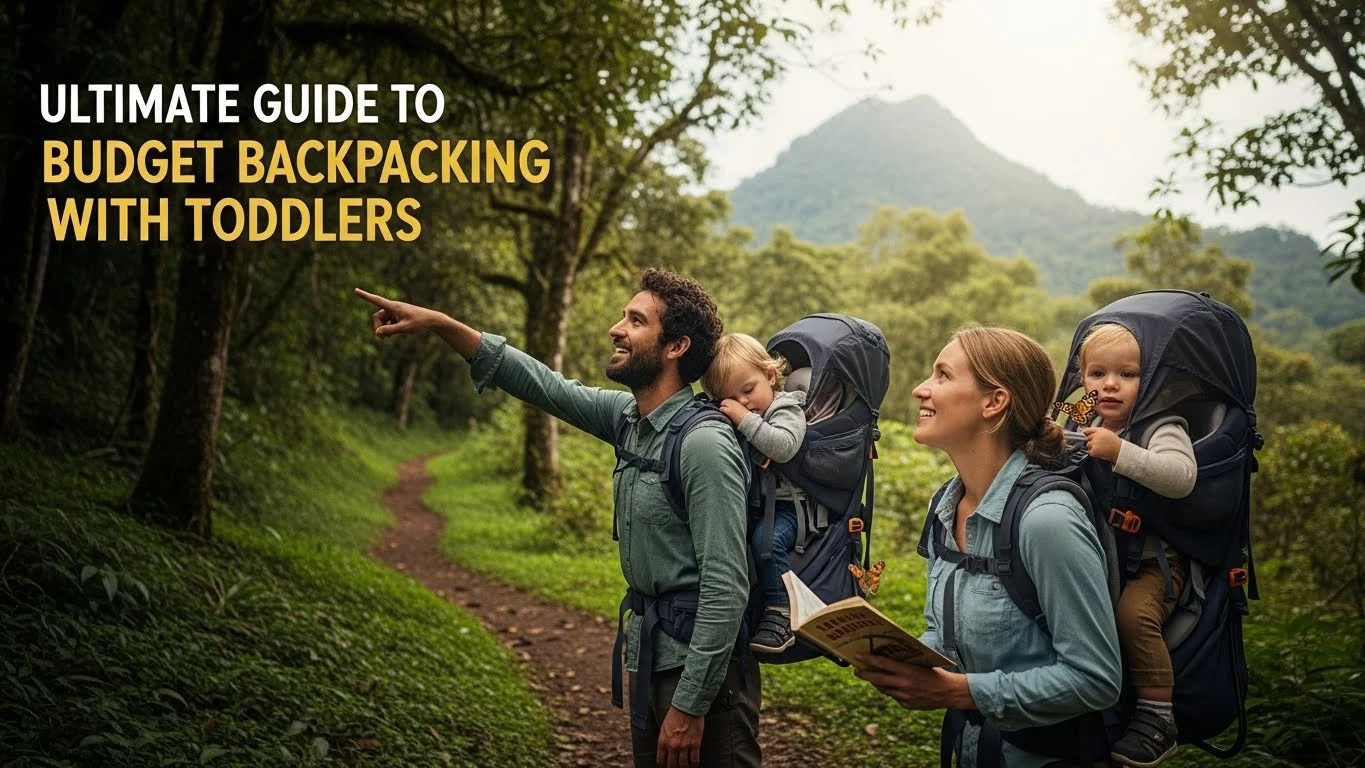
Backpacking with toddlers may sound daunting, but it can be an incredible adventure filled with unforgettable memories! Join me as we explore how to make budget backpacking a fun and enriching experience for both parents and little ones.

Ultimate Guide to Budget Backpacking with Toddlers

Overview of Budget Backpacking with Toddlers

What is Budget Backpacking?

When I think of budget backpacking, I picture a journey where every cent counts, but the experiences are priceless. It’s about exploring new places without breaking the bank. This means choosing affordable accommodations, using public transportation, and often cooking your own meals. I’ve found that budget backpacking is about embracing simplicity, living in the moment, and finding joy in the little things. It encourages creativity in planning and a sense of adventure that can be invigorating for the whole family. Affordable Adventures: Must-Visit Budget Destinations can offer great insights into destinations that are perfect for families.

Why Choose Budget Backpacking with Toddlers?

Choosing to go backpacking with toddlers can be a game changer. I remember the first trip I took with my little one; it felt daunting at first, but the bonds we formed and the lessons we learned made it so worthwhile. Budget backpacking allows us to experience more destinations, meet new people, and teach our kids about the world around them. Plus, it fosters resilience and adaptability in young children. They learn to go with the flow and embrace new environments. I’ve noticed that my toddler has become more curious and adventurous as we travel together. It’s a beautiful way to spend quality time as a family, and it encourages a love for exploration that will last a lifetime!

Planning Your Trip

Choosing Family-Friendly Destinations

When planning our trips, I always start with selecting destinations that offer a child-friendly environment. I look for places with accessible attractions, parks, and family activities. For instance, our trip to Costa Rica was a hit because of the lush landscapes and friendly locals. I recommend researching whether a destination has amenities like kid-friendly restaurants, playgrounds, and easy walking paths. We found that some of our best memories were made in parks where my toddlers could run free, explore nature, and interact with other families.

Best Countries for Backpacking with Toddlers

Some countries stand out as particularly welcoming for families traveling with toddlers. Countries like Portugal, Spain, and Thailand have a reputation for being family-friendly. I remember our time in Portugal, where the locals were incredibly understanding and accommodating. They embraced our kids with open arms. Additionally, Thailand offers beautiful beaches and friendly hospitality that makes traveling with toddlers easier. In my experience, I’ve found that these countries also have affordable options for food and transport, which helps us stick to our budget. Smart Packing Tips for Budget-Friendly Family Adventures can help you prepare for these trips.

When to Travel: Best Seasons for Family Backpacking

Timing your trip can make a big difference in the experience. I’ve learned it’s best to avoid peak tourist seasons, as they can be overwhelming and more expensive. Traveling during shoulder seasons, when the weather is still pleasant but crowds are thinner, can be a great option. We took a trip in the early spring once, and it was perfect for exploring without the hustle and bustle. Not only did we save money on accommodations, but we also enjoyed a more relaxed pace, which is essential when traveling with little ones.

Budgeting Your Trip: Costs to Consider

Budgeting for a backpacking trip can feel tricky, especially with toddlers in tow. I recommend breaking down your expenses into categories like accommodations, transportation, food, and activities. I found it helpful to set a daily spending limit for each category. Also, keep in mind that toddlers often have unpredictable needs, so it’s wise to leave a little wiggle room in your budget for unexpected expenses. Some of our best experiences came from spontaneous activities that we hadn’t planned for, like a local festival or a day at the beach.

Travel Insurance for Families

One aspect I never overlook is travel insurance. It may feel like an extra expense, but it’s worth it for peace of mind. I remember a trip when my toddler got a stomach bug, and having insurance made everything so much easier. It can cover unexpected health issues, trip cancellations, or other emergencies. I recommend researching various options to find a plan that works for your family’s needs. While no one wants to think about mishaps during vacation, being prepared can help you enjoy your adventure without worries.

Essential Gear for Backpacking with Toddlers

Backpacks and Carriers

Choosing the right backpack or carrier is crucial when you’re out exploring with toddlers. I’ve tried several options, and I’ve found that a comfortable child carrier is a game changer. It allows me to carry my little one while keeping my hands free for hiking or setting up camp. I recommend looking for a carrier with extra padding and support, especially for longer treks. There are even models with sunshades and storage pockets for snacks and essentials, which has been super helpful during our adventures. On shorter outings, a lightweight backpack that fits snugly can work well for carrying toys, water, and snacks. My favorite feature is a built-in hydration system; staying hydrated is key for us all, especially when we’re outdoors all day.

Clothing and Footwear for Toddlers

When it comes to clothing, layering is your best friend. I remember our first backpacking trip where I didn’t pack enough warm clothes for my toddler. It was a chilly evening, and I realized how important it is to consider the weather. I like to dress my little one in moisture-wicking base layers, insulated mid-layers, and a waterproof outer layer. For shoes, durable and comfortable footwear is essential. I’ve found that lightweight hiking boots or shoes with good grip can help prevent slips and keep little feet protected. Also, don’t forget hats and sunglasses; they can make a world of difference in sunny weather.

Travel Accessories: Strollers, Diaper Bags, and More

In my experience, a lightweight stroller can be a lifesaver in urban areas or on flat trails. I look for ones that are easy to fold and carry, especially when I need to hop on public transport. For diaper bags, I prefer something with multiple compartments to keep everything organized. I’ve learned to pack only the essentials to avoid carrying excess weight, but I make sure to have extra diapers, wipes, and a changing pad handy. Additionally, incorporating a small first-aid kit is always wise, just in case we encounter any bumps or scrapes along the way. I’ve also found that packing a compact blanket can be handy for picnics or impromptu play areas.

Health and Safety Essentials

Health and safety are my top priorities when backpacking with my toddlers. I always pack sunscreen and insect repellent, especially for outdoor adventures. It’s surprising how quickly little ones can get sunburned or bitten by bugs. I also carry hand sanitizer to keep germs at bay, particularly when we’re eating or playing in public areas. I’ve learned to keep a list of nearby hospitals or clinics in case of emergencies, and I make sure to have all necessary medications easily accessible. Having a basic knowledge of first aid has been a lifesaver, and I even took a course to feel more prepared. The peace of mind knowing I can handle minor injuries allows us to relax and enjoy our travels.

Accommodation Options

Camping: Pros and Cons

Camping with toddlers can be both an adventure and a challenge. I remember the first time we set up camp; it was a mix of excitement and chaos. The pros are clear: being surrounded by nature, the simplicity of outdoor living, and the opportunity for my kids to explore and connect with the environment. It’s amazing to watch them marvel at the stars or chase fireflies at night. However, there are cons to consider too. Toddlers can be unpredictable, and settling them down for sleep in a tent can sometimes be tricky. I’ve learned to create a cozy sleeping area with their favorite blankets and stuffed animals, which helps them feel secure in unfamiliar surroundings.

Hostels vs. Hotels: What Works for Families?

When it comes to accommodations, I’ve found that hostels and hotels each have their advantages. Hostels can be budget-friendly and often have family rooms, but they can sometimes feel cramped and noisy. I remember one stay where my toddler woke up at 2 AM because of the lively atmosphere. On the flip side, hotels typically offer more privacy and amenities like swimming pools or breakfast options, which can be a huge bonus when traveling with kids. I usually base my choice on our destination and the activities we plan to do, balancing cost and comfort.

Finding Budget-Friendly Family Accommodations

Finding budget-friendly family accommodations can feel like a treasure hunt, but it’s possible! I’ve had great luck using booking apps and websites that cater specifically to families. I always read reviews and filter for kid-friendly options. Sometimes, I even reach out directly to the accommodations to ask about family deals or inquire if they have extra amenities for kids. In my experience, staying slightly outside the main tourist areas can also save money and offer a more authentic experience. Plus, we often discover hidden gems in these neighborhoods!

Using Platforms for Family Stays

Platforms like Airbnb or Vrbo have transformed how we find family accommodations. I love the variety of options available, from cozy cabins to spacious apartments. Having a kitchen is a significant advantage as it allows us to prepare meals and snacks, saving money and making it easier to cater to my toddler’s preferences. I always look for places with family-friendly features, like cribs or high chairs, and I read the reviews to ensure it’s safe and suitable for toddlers. My favorite part is the ability to stay in unique locations that give us a more immersive experience in the destination.

Transportation Tips

Best Transportation Options for Families

When traveling with toddlers, figuring out transportation can be a bit of a puzzle. I’ve found that the best options are ones that are flexible and easy to navigate. For our family, public transport has often been the go-to choice. Buses and trains in many countries are surprisingly accommodating for families. I remember hopping on a train in Spain, where the staff was friendly and even helped us with our luggage. Plus, kids often get discounted fares or travel free, which is a nice bonus! I’ve also used rideshare apps in urban areas, which can be convenient, especially when we’ve had a long day exploring.

Public Transport: Navigating with a Toddler

Navigating public transport with toddlers requires a little extra thought and preparation. I always pack a lightweight stroller for easy movement, but I’ve also learned that sometimes it’s easier to have my toddler walk if the distance isn’t too far. It’s a great way for them to stretch their legs and explore! I recommend downloading maps and schedules beforehand; it helps to avoid any confusion when we’re on the go. One tip I’ve picked up is to travel during off-peak hours whenever possible. This way, the trains and buses are less crowded, reducing stress for both me and my little one. I also keep a small backpack with snacks and toys handy, which makes waiting for transport much easier.

Renting a Car: Is it Worth it?

Renting a car can be a double-edged sword when traveling with toddlers. I’ve rented cars on trips where public transport wasn’t as accessible, and it worked out beautifully. It allowed us the freedom to explore at our own pace. However, I’ve also encountered challenges, like navigating unfamiliar roads and dealing with car seats. I learned that many rental companies offer car seats, which can save you the hassle of bringing your own. Just make sure to check their safety standards! If you decide to go this route, I suggest planning your route ahead of time, and using a GPS app that works offline can be a lifesaver in remote areas.

Activities and Attractions for Families

Top Family-Friendly Activities in Popular Destinations

Every destination has its unique charm and opportunities for family-friendly activities. I’ve discovered that local festivals or events can be fantastic for kids. For instance, during our visit to a small town in France, we stumbled upon a local fair with rides, games, and yummy treats. My toddler loved every moment! I recommend checking community calendars or local tourism websites to see what’s happening during your visit. Zoos, aquariums, and botanical gardens are also excellent attractions where little ones can learn and explore in a fun way.

Outdoor Adventures Suitable for Toddlers

Outdoor adventures are some of my favorite activities to share with my toddlers. Nature trails, easy hikes, and beach days are always hits! I remember one particular trip to a national park where we found a short, flat trail perfect for little legs. We packed a picnic and took breaks to look at butterflies and rocks along the way. It was more about the experience than the destination. I recommend researching kid-friendly trails or parks that have amenities like restrooms and picnic areas, which can make the day smoother.

Finding Local Parks and Playgrounds

One of the best ways to let toddlers burn off energy while traveling is to find local parks and playgrounds. I often use apps or websites to locate nearby parks based on our accommodations. Some of our best memories come from spontaneous stops at playgrounds, where my kids can meet local children and make new friends. I remember a lovely park in Australia with a small splash pad. It was a hot day, and letting my kids cool off while I relaxed on a nearby bench was a perfect break for us all!

Kid-Friendly Museums and Cultural Experiences

Museums may not seem like the most exciting place for toddlers, but many offer interactive exhibits designed just for kids. I’ve taken my little ones to science and children’s museums where they could touch and play with exhibits. It’s amazing to see their eyes light up when they discover something new! I recommend checking local listings for family-oriented museum days or workshops. Also, consider cultural experiences such as local cooking classes or traditional crafts; these can be fun and educational, providing your toddlers with a glimpse into the local culture. Backpacking Adventures: Discover Traditional Music & Dance also offers insights on enriching cultural experiences.

Feeding Your Family on a Budget

Cooking Your Own Meals: Tips and Tricks

Cooking your meals while traveling can save a significant amount of money, and it’s also a fun way to bond as a family. I’ve found that staying in accommodations with kitchens, like vacation rentals, makes this much easier. Planning simple meals is key. I tend to stick with easy recipes that require minimal ingredients. For example, pasta and veggies or quesadillas have been staples for us. I also love visiting local markets to find fresh produce and introduce my kids to new foods. It’s a great way to teach them about local cuisine and healthy eating!

Finding Affordable Local Restaurants

Eating out can quickly eat into our budget, so I always look for affordable local restaurants. I’ve discovered that small family-owned eateries often offer the most delicious and budget-friendly meals. I usually ask locals for recommendations; they always know the best spots! I’ve had great experiences at places where I could order a few small dishes to share, making it easier to try different flavors without overspending. Plus, many places offer kids’ menus, which can be a lifesaver.

Snacks and Food for Travel Days

Travel days can be tricky when it comes to keeping toddlers fed and happy. I always make sure to pack plenty of snacks to avoid meltdowns. My go-to snacks include fruits, granola bars, and crackers. I also love including some fun treats, like trail mix, which my kids enjoy mixing themselves. Packing snacks not only keeps them satisfied but also saves money on overpriced airport or train station food. I’ve learned to bring a reusable water bottle for each of us, which is essential for staying hydrated, especially on long travel days.

Frequently Asked Questions

What is budget backpacking?

Budget backpacking involves exploring new places while being mindful of expenses, focusing on affordable accommodations, public transportation, and cooking your own meals. It emphasizes simplicity and creativity in planning, allowing families to enjoy enriching experiences without breaking the bank.

Why is budget backpacking beneficial for families with toddlers?

Budget backpacking allows families to experience more destinations, meet new people, and teach toddlers about the world. It fosters resilience and adaptability in children, encouraging them to embrace new environments and develop a love for exploration.

What should families consider when choosing destinations for backpacking?

Families should select child-friendly destinations with accessible attractions, parks, and family activities. Researching amenities like kid-friendly restaurants and playgrounds can help ensure a positive experience for toddlers.

Which countries are best for backpacking with toddlers?

Countries like Portugal, Spain, and Thailand are known to be particularly welcoming to families traveling with toddlers, offering friendly locals, affordable food and transport, and kid-friendly environments.

What are the best seasons for family backpacking?

Traveling during shoulder seasons, when weather is pleasant but crowds are thinner, is recommended. This can lead to more relaxed experiences and lower accommodation costs, which is especially beneficial when traveling with little ones.

What essential gear should families pack for backpacking with toddlers?

Families should consider comfortable child carriers, layered clothing for varying weather, lightweight strollers for urban areas, and a well-organized diaper bag. Health and safety essentials like sunscreen, insect repellent, and a basic first-aid kit are also important.

What are the pros and cons of camping with toddlers?

The pros of camping include being surrounded by nature and the opportunity for toddlers to explore their environment. However, settling them down for sleep in a tent can be challenging, so creating a cozy sleeping area is essential for security.

How can families find budget-friendly accommodations?

Families can use booking apps that cater to families, read reviews for kid-friendly options, and inquire directly about family deals. Staying slightly outside main tourist areas can also save money while providing a more authentic experience.

What transportation options are best for families traveling with toddlers?

Public transport is often the best option, as buses and trains in many countries are accommodating for families. Renting a car can provide flexibility, but it comes with challenges like navigating unfamiliar roads and dealing with car seats.

What are some tips for cooking meals while traveling on a budget?

Cooking meals can save money and provide bonding opportunities. Families should plan simple recipes, stay in accommodations with kitchens, and visit local markets for fresh produce to introduce toddlers to new foods and healthy eating.

Best Travel Apps to Enhance Your Solo Travel Experience

Traveling solo can be one of the most enriching experiences of your life, and the right apps can make it even better. From planning to navigating, these tools are essential for enhancing your journey. For more insights, check out Essential Travel Apps for Hassle-Free Solo Adventures.

Best Travel Apps to Enhance Your Solo Travel Experience

Understanding the Importance of Travel Apps for Solo Travelers

When I first embarked on my solo travel adventures, I found myself overwhelmed by the vastness of the world and my own uncertainty. It wasn’t until I started using travel apps that I truly felt in control of my journey. These apps have not only made my trips smoother but have also added layers of excitement and safety. For solo travelers, having the right tools at your fingertips can transform an intimidating experience into an enjoyable one.

Benefits of Using Travel Apps

The benefits of travel apps are endless, but let me highlight a few that stand out to me. Firstly, convenience is at the top of my list. Whether I’m booking a last-minute stay or searching for nearby attractions, it’s so easy to pull out my phone and get the information I need. I remember one time in Paris, I used an app to find a cozy café nearby, and it turned out to be one of my favorite spots of the trip.

Another benefit I’ve discovered is the ability to connect with locals. Some apps allow you to meet people in the area, which has led me to some unforgettable experiences. I once met a local artist through a travel app who took me on a private tour of their favorite hidden gems. Without that app, I might have missed out on such a memorable encounter.

How Travel Apps Improve Safety and Navigation

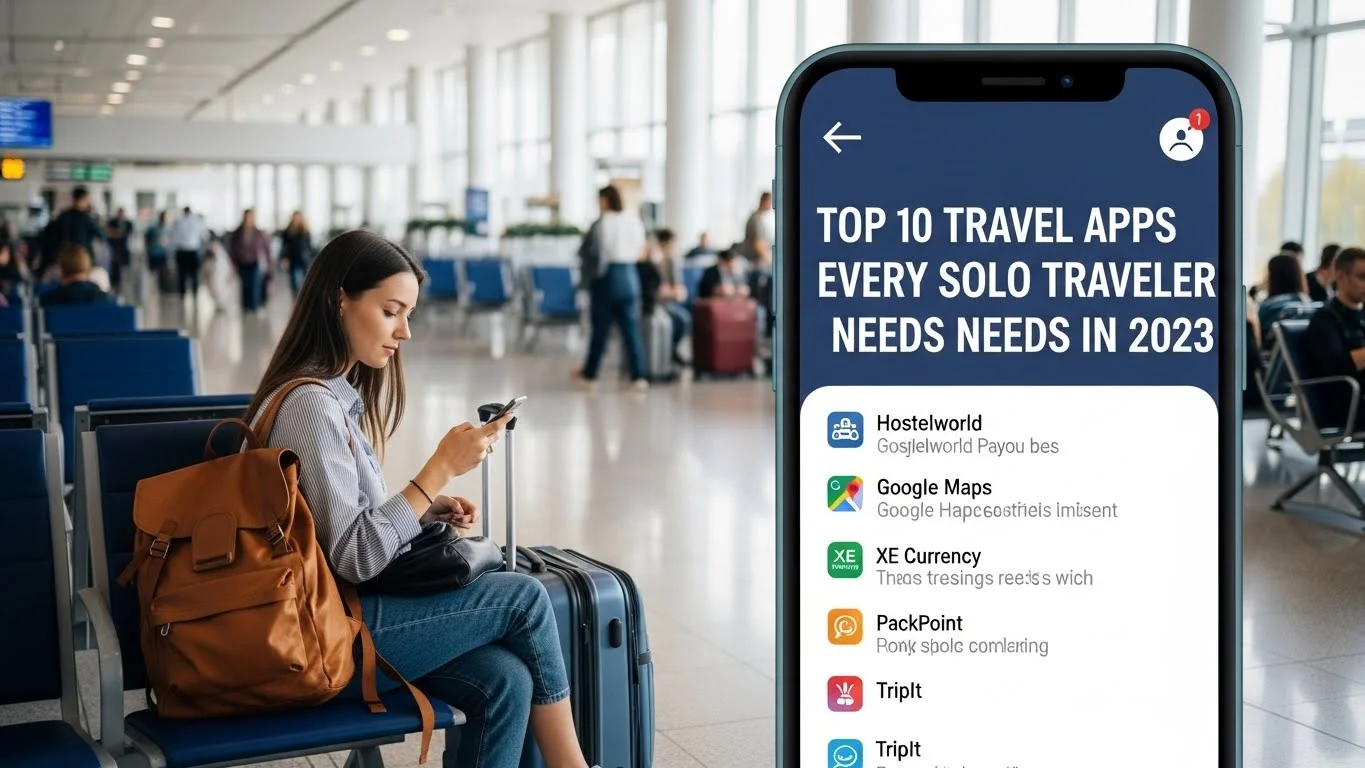
Safety is crucial when traveling alone, and I’ve learned that the right apps can significantly enhance personal security. For example, I always download navigation apps before my trips. They help me find my way around unfamiliar cities without the fear of getting lost. I remember getting turned around in a bustling market in Bangkok, but thanks to my navigation app, I was able to find my way back to my hotel without any issues. For more navigation tips, check out Top 10 Travel Apps Every Solo Traveler Needs in 2023.

Moreover, many apps offer safety features, such as location sharing. This feature allows me to share my real-time location with friends or family back home. Knowing that someone is aware of where I am adds an extra layer of comfort during my adventures. I’ve also read about others using emergency contact apps, which store vital information that can be accessed quickly if needed. These tools make me feel more secure, allowing me to focus on enjoying my travels.

Enhancing Cultural Experiences with Apps

Culture is a big part of why I love to travel, and apps can really enhance that experience. They can give you insights into local customs, traditions, and even language. I remember wandering through the streets of Rome and using an app to learn about the history of the landmarks I visited. It transformed my sightseeing into a rich learning experience rather than just a series of photos for my scrapbook.

Food apps are another fantastic way to dive into local culture. I’ve used apps to find authentic eateries that even the guidebooks didn’t mention. One of my most delicious discoveries was a small family-run trattoria in Florence that I found through a food app. The meal was unforgettable, and the experience of interacting with the owners made it even more special.

In my experience, travel apps can also help with language barriers. While I’ve tried my hand at learning basic phrases in the local language, having a translation app on hand has saved me more than once. I once found myself in a small shop in Tokyo, trying to decipher a menu, and the translation app made everything so much easier. It opened up opportunities for conversations I might have otherwise missed due to language differences.

As I reflect on my solo travel experiences, I realize how integral these apps have become to my journeys. They are not just tools; they are companions that help me navigate, connect, and immerse myself in the local culture. If you’re planning to travel solo, I wholeheartedly recommend embracing these digital resources. By doing so, you may find that your adventures become richer, safer, and more enjoyable than you ever imagined.

Essential Travel Apps for Solo Travelers

As I dove deeper into my travels, I quickly realized that certain apps became indispensable companions on my journeys. They not only helped me navigate new places but also enhanced my overall experience. Here are some of the best travel apps I’ve come across that I believe every solo traveler should consider. For budget-conscious travelers, you can also explore Unlock Savings: Best Travel Apps for Budget Travelers.

Navigation and Mapping Apps

Getting lost while exploring a new city can be a bit nerve-wracking, especially when you’re on your own. That’s where navigation apps come into play, and I can’t stress enough how helpful they have been for me.

Google Maps

Google Maps is like having a personal tour guide in your pocket. I remember using it in Barcelona to find my way to the famous Sagrada Família. The real-time directions and ability to see nearby attractions saved me time and energy. Plus, the street view feature lets you virtually explore an area before you visit, which can be incredibly reassuring for solo travelers.

Waze

While primarily known for driving, Waze has been a lifesaver for navigating cities, especially if you’re renting a car. It provides live traffic updates and alerts about road conditions, which I found super useful when I was driving along the Amalfi Coast in Italy. The winding roads can be tricky, but Waze kept me informed and on track.

Accommodation Booking Apps

Finding a place to stay can be overwhelming, but with the right apps, it becomes a breeze.

Airbnb

Airbnb has opened up so many unique lodging options for me. I love staying in local neighborhoods rather than touristy areas. I once stayed in a charming apartment in Lisbon that felt like a home away from home. The host was incredibly friendly and even provided me with local tips that made my trip unforgettable.

Booking.com

For a more traditional hotel experience, Booking.com is fantastic. I appreciate being able to compare prices and read reviews all in one place. There was a time I needed a last-minute hotel in Prague, and I found a cozy boutique hotel right in the heart of the city. It was perfect for wandering around and enjoying the local culture.

Transportation Apps

Getting around in a new city can be daunting, but transportation apps have made it much easier for me.

Uber

Uber has been my go-to for quick rides when I’m not in the mood to navigate public transport. I remember needing to get to a restaurant in Tokyo, and the convenience of hailing a ride with just a few taps on my phone was a game changer. Plus, I felt safer knowing my driver’s details were logged in the app.

Lyft

In the US, I often opt for Lyft. It’s similar to Uber but has a slightly different vibe. I’ve had some really interesting conversations with Lyft drivers, and that personal touch often makes the ride more enjoyable. Sometimes, these chats have led to discovering hidden gems in the city I would have otherwise missed.

Language Translation Apps

Language barriers can certainly be a hurdle when traveling solo, but several apps help bridge that gap.

Google Translate

Google Translate is a lifesaver for anyone traveling to a country where the language is unfamiliar. I recall being in a market in Bangkok, trying to negotiate prices, and the app allowed me to translate phrases on the spot. It not only helped me communicate better but also made me feel more confident interacting with locals.

Duolingo

Before a trip, I often try to learn basic phrases through Duolingo. It’s a fun and interactive way to pick up a new language. I remember using it before my trip to France, and the phrases I learned helped me connect with locals at cafes and shops. They always appreciate when you make an effort, no matter how small!

Expense Tracking and Budgeting Apps

Keeping track of expenses is crucial while traveling, especially for solo travelers managing their own budgets.

Trail Wallet

Trail Wallet has been excellent for tracking my spending. I can categorize expenses, and it allows me to see how much I’ve spent each day. I remember being surprised at my spending in Paris, and thanks to the app, I was able to adjust my budget on the fly.

Expensify

For those who need a bit more detail, Expensify is great for organizing receipts and expenses. I’ve used it to keep track of my food and transportation costs, especially on longer trips. The ease of scanning receipts means I can focus on enjoying my travels rather than stressing about my budget.

Social Networking and Meetup Apps

Connecting with others is one of the best parts of solo travel, and these apps can facilitate those connections.

Couchsurfing

Couchsurfing is not just about finding a place to sleep; it’s about meeting locals and other travelers. I once stayed with a host in Berlin who showed me around the city, and we ended up exploring street art together. It turned a simple stay into a memorable experience.

Meetup

Meetup allows you to find groups and events that match your interests. I’ve joined photography groups and walking tours in various cities, which has not only enriched my travel experience but also provided me with some lasting friendships.

Specialized Apps for Unique Solo Travel Experiences

As I continued my adventures, I discovered that specialized apps could elevate my solo travel experiences even further. These apps cater to specific interests and activities, making them great companions for discovering the uniqueness of each destination. Whether I was looking for outdoor adventures, culinary delights, or local events, I found that the right app could open doors to new experiences.

Adventure and Outdoor Apps

For those who love the great outdoors, adventure apps can be game-changers. I’ve always been an outdoor enthusiast, and having the right app can make all the difference when exploring nature.

AllTrails

AllTrails has become my go-to app for hiking routes. With thousands of trails listed, I can easily find the perfect hike based on my skill level and interests. I remember hiking in the stunning landscapes of New Zealand, and thanks to AllTrails, I found a breathtaking trail that led to a hidden waterfall. The app provided details about the difficulty level, distance, and even user reviews, which helped me prepare for the trek.

Komoot

Another app that I’ve come to appreciate is Komoot, which is fantastic for planning cycling routes. During a recent trip to Amsterdam, I wanted to explore the city on two wheels. Komoot helped me map out a scenic route that took me through beautiful parks and historic neighborhoods. It even provided voice navigation, which made it easy to focus on the surroundings while cycling.

Food and Restaurant Apps

Food is such an essential part of travel, and I’ve learned that using the right apps can lead to some delicious discoveries.

Yelp

Yelp has been my trusty companion for finding local restaurants and reviews. I remember wandering through the streets of Chicago, feeling overwhelmed by the number of dining options. I turned to Yelp and found a small, tucked-away diner that served the best deep-dish pizza I’ve ever had. The reviews truly helped guide me to that hidden gem.

Tripadvisor

Tripadvisor is another fantastic resource for discovering eateries and attractions alike. I often consult it for recommendations before heading out for the day. While in Thailand, I used Tripadvisor to find a cooking class that taught me how to make traditional Thai dishes. It was a fun experience that allowed me to connect with locals and learn more about their culture through food.

Local Experience Apps

Sometimes, it’s the local experiences that make a trip unforgettable. I’ve found that certain apps can help me immerse myself in the local scene.

Eventbrite

Eventbrite is an app I often use to discover events happening in the cities I visit. I once checked it out while in Austin, Texas, and was thrilled to find a live music event featuring local bands. Attending that concert not only introduced me to new music but also allowed me to meet other travelers and locals who shared my passion for live performances.

Meet Locals

Meet Locals is another app I’ve used to connect with residents. This platform allows travelers to get in touch with locals who are willing to show them around or share experiences. I remember reaching out to a local in Barcelona who offered to take me on a walking tour of her favorite neighborhoods. It was an incredible way to see the city through the eyes of someone who lived there, and I left with a newfound appreciation for the culture.

These specialized apps have enriched my solo travel experiences significantly. They’ve not only made it easier to find adventures and culinary delights but also helped me connect with locals and other travelers. If you’re planning a solo trip, I encourage you to explore these options and see how they can enhance your journey. Each app I’ve mentioned has brought something unique to my travels, helping me create lasting memories and discover the hidden treasures of each destination.

Safety and Emergency Apps for Solo Travelers

When I think about how to travel safely alone, the first thing that comes to mind is having reliable emergency apps. While I love the thrill of exploring new places, I also want to ensure that I’m prepared for anything unexpected. Over time, I’ve found that certain apps can provide peace of mind and make a big difference in emergency situations.

Emergency Contact Apps

These apps can be lifesavers when you find yourself in a bind. I’ve learned the importance of having all my emergency contacts in one place, and that’s where ICE (In Case of Emergency) comes into play.

ICE (In Case of Emergency)

ICE is an app designed to store your emergency contacts, medical information, and critical details that first responders may need. I remember a time when my friend had a health scare while traveling abroad. Thankfully, she had her ICE app set up, allowing her to quickly access vital information that helped medical personnel assist her efficiently. It gave us all a sense of comfort knowing she had everything at her fingertips.

Personal Safety Apps

Beyond storing contacts, personal safety apps can also enhance your safety while traveling solo. In my experience, having a few of these on my phone has made me feel more secure, especially in unfamiliar areas.

Noonlight

Noonlight is an app that allows you to feel safe when walking alone. When I use it, I can program it to send an alert to emergency services if I don’t reach my destination within a set time. I remember walking through a dimly lit area in a city I had never visited before. I activated Noonlight and felt a wave of relief knowing help was just a button away if I needed it.

SafeTrek

Similar to Noonlight, SafeTrek helps you feel secure when you’re out and about. You can hold a button while feeling unsafe, and if you release it without entering your PIN, it automatically alerts the police. I’ve used it a few times when I felt a little uneasy, and it was comforting to know that I had a safety net. It’s a simple tool that can make a huge difference in your peace of mind while traveling alone.

How to Choose the Right Travel Apps for Your Needs

As I’ve traveled, I’ve learned that not all apps are created equal. With so many options out there, it’s essential to choose the ones that truly fit your needs. Here’s how I go about selecting the right travel apps for myself.

Identifying Your Travel Style

Understanding your travel style is key. Are you an adventure seeker, a foodie, or a history buff? Knowing what you enjoy can help narrow down the apps that will enhance your journey. For me, I realized I’m a mix of all three, so I often download apps across different categories to ensure I have a variety of experiences.

Assessing App Features and Reviews

Before downloading, I always check the features and read reviews from other travelers. I find that genuine feedback can provide insight into how well an app works in real-life situations. For instance, I once downloaded a hiking app that had glowing reviews, but after trying it on my trip, I realized it didn’t have the detailed trails I was looking for. Lesson learned!

Considering Data Privacy and Security

In today’s digital age, data privacy is a big concern. I make sure to read the privacy policies of the apps I use, especially those that require personal information or location tracking. It’s crucial to choose apps that prioritize your safety and data security. I’ve had to uninstall a few apps that didn’t meet my standards in this area, and I recommend everyone do the same.

Tips for Using Travel Apps Effectively While Traveling Solo

After using various travel apps over the years, I’ve picked up some tips that have really helped me maximize their benefits while traveling solo.

Downloading Apps Before Your Trip

I always make sure to download all the necessary apps before I leave home. This way, I can familiarize myself with their features without the stress of being in a foreign environment. I remember my first trip to Japan, and I spent an evening going through my travel apps at my hotel, ensuring I felt confident to use them the next day.

Staying Connected: Offline vs. Online Access

Depending on where I am traveling, I often download maps and essential information for offline access. This tactic has saved me countless times, especially in areas with limited connectivity. I once found myself in a remote village in Italy, and my offline maps guided me through winding streets without a hitch.

Customizing App Settings for Personal Use

Many apps allow you to customize settings to fit your preferences. Whether it’s changing notification settings or personalizing routes, taking a few minutes to tweak the app can make it more user-friendly for your travels. I’ve set up my transportation apps to automatically suggest my favorite routes, which saves me time and energy.

Real-Life Experiences: How Apps Changed Solo Travel

Throughout my adventures, I’ve witnessed firsthand how travel apps can shape solo travel experiences. Here are a few case studies that illustrate the impact these apps can have on our journeys.

Case Studies of Solo Travelers

I’ve spoken with several fellow travelers who shared their stories about how apps transformed their solo trips. One friend of mine, Kelly, used an accommodation app to find a unique stay in a remote area of Costa Rica. She ended up meeting fellow travelers at the location, which led to a spontaneous group hike. It was a perfect example of how apps can foster connections that enhance our journeys.

Success Stories from Using Travel Apps

Other solo travelers have similarly experienced the magic of apps. I once met a guy named Marco in a café in Barcelona who told me about a local event he discovered through an app. He ended up attending a flamenco show and said it was the highlight of his trip. Stories like these reinforce my belief that the right apps can elevate our travel experiences in unexpected ways.

Final Thoughts

As I reflect on my solo travel journeys, I realize how much these apps have become an integral part of my experiences. They provide not just convenience, but also safety and connection. By embracing technology, we can enhance our adventures, immerse ourselves in local cultures, and navigate new environments with confidence. I encourage every solo traveler to explore these tools and see how they can enrich your travels. After all, the world is a vast place waiting to be discovered, and with the right apps, we can make the most of every moment.

Frequently Asked Questions

What are the benefits of using travel apps for solo travelers?

The benefits of using travel apps for solo travelers include convenience in booking accommodations and finding attractions, the ability to connect with locals for unique experiences, and enhanced safety through navigation and real-time location sharing features.

How do travel apps improve safety during solo travel?

Travel apps improve safety by providing navigation assistance to avoid getting lost, allowing for location sharing with friends or family, and offering emergency contact features that store vital information for quick access in case of an emergency.

Which navigation apps are recommended for solo travelers?

Recommended navigation apps for solo travelers include Google Maps, known for its real-time directions and street view features, and Waze, which provides live traffic updates and alerts about road conditions.

What accommodation booking apps are beneficial for solo travelers?

Airbnb and Booking.com are beneficial accommodation booking apps. Airbnb offers unique lodging options in local neighborhoods, while Booking.com allows for easy comparison of prices and reviews for traditional hotel experiences.

What language translation apps can help solo travelers overcome language barriers?

Language translation apps like Google Translate and Duolingo are helpful for solo travelers. Google Translate allows for on-the-spot translations, while Duolingo is a fun way to learn basic phrases before a trip.

How can solo travelers keep track of their expenses using apps?

Solo travelers can use expense tracking apps like Trail Wallet for categorical spending insights and Expensify for organizing receipts and expenses, making it easier to manage budgets while traveling.

What social networking apps are useful for connecting with others while traveling solo?

Couchsurfing and Meetup are useful social networking apps. Couchsurfing helps find hosts and local connections, while Meetup allows users to find groups and events that match their interests.

Which apps can enhance outdoor and adventure experiences for solo travelers?

AllTrails and Komoot are great apps for enhancing outdoor experiences. AllTrails helps find hiking routes, while Komoot is excellent for planning cycling routes with voice navigation features.

What emergency apps are recommended for solo travelers?

Recommended emergency apps for solo travelers include ICE (In Case of Emergency), which stores emergency contacts and medical information, and Noonlight and SafeTrek, which enhance personal safety by allowing users to alert emergency services if needed.

How can solo travelers choose the right travel apps for their needs?

To choose the right travel apps, solo travelers should identify their travel style, assess app features and reviews, and consider data privacy and security to ensure they select apps that truly fit their needs.

Essential Travel Apps for Hassle-Free Solo Adventures

Embarking on a solo adventure can be thrilling yet daunting. Thankfully, with the right travel apps, we can navigate the complexities of our journeys, making them smoother and much more enjoyable. For instance, check out the Top 10 Travel Apps Every Solo Traveler Needs in 2023 to enhance your journey.

Essential Travel Apps for Hassle-Free Solo Adventures

Why Travel Apps are Essential for Solo Travelers

As someone who has ventured out on my own numerous times, I can vouch for how crucial travel apps have become for solo travelers. It’s not just about convenience; these tools genuinely enhance our experiences, helping us feel more connected and secure in unfamiliar environments. Let’s break down the importance of these nifty applications.

The Benefits of Using Travel Apps

Using travel apps has transformed the way I plan and experience my trips. From booking flights to finding local hotspots, these apps streamline every aspect of my travel. One of the biggest benefits I’ve noticed is the ease of access to information. Instead of lugging around guidebooks or relying on tourist information centers, I can have everything I need right at my fingertips. Whether it’s checking flight schedules or reading reviews on restaurants, I find myself feeling more empowered and informed.

Moreover, many travel apps offer personalized recommendations based on my preferences and past experiences. This tailored approach not only saves time but also enhances my enjoyment. I often discover hidden gems that I wouldn’t have found otherwise just because an app pointed me in the right direction. For budget-conscious travelers, apps can unlock significant savings. You can learn more in the article Unlock Savings: Best Travel Apps for Budget Travelers.

How Apps Enhance Safety and Convenience

Safety is a primary concern for any solo traveler, and I have found that the right travel apps can significantly enhance my sense of security. Many apps provide real-time updates on emergency situations, offering insights into things like natural disasters or political unrest. They also allow me to share my location with friends or family, which gives them peace of mind when I’m off exploring alone.

Convenience is another factor. With travel apps, I can make reservations, check in for flights, and even order food, all from my smartphone. I remember a trip to Barcelona when my flight was delayed. Instead of panicking, I simply opened my flight app, and within moments, I had the latest updates and even rebooked my connecting flight without a hitch. This kind of convenience allows me to focus on the experiences rather than getting bogged down by logistics.

Must-Have Travel Apps for Planning

When it comes to planning my travels, I’ve found that certain apps are indispensable. Here’s a rundown of the must-have apps that I rely on for making my trips seamless.

Flight Booking Apps

Flight booking apps have become my best friends. I started using apps like Skyscanner and Google Flights to compare prices and find the best deals. These apps allow me to set alerts for price drops, which has saved me a lot of money. I remember when I was planning a trip to New York; I set an alert and was notified when the price for my ideal flight dropped significantly. Snatching that deal felt like hitting the jackpot!

Accommodation Booking Apps

Finding the right place to stay is crucial for a successful trip. Apps like Airbnb and Booking.com have made it so much easier for me to find accommodations that fit my budget and preferences. I love being able to read reviews and check out photos from other travelers. On one of my solo trips to Lisbon, I found a cozy apartment that was not only affordable but also located in a vibrant neighborhood filled with local cafes and shops. It truly enhanced my experience.

Travel Itinerary Management Apps

Managing my itinerary can sometimes feel overwhelming, especially when I’m hopping from one location to another. I’ve started using apps like TripIt, which allows me to consolidate all my bookings and plans in one place. I simply forward my confirmation emails to the app, and it organizes everything neatly. This way, I always have my itinerary handy, which is a lifesaver when I’m on the go.

Local Transportation Apps

Getting around a new city can be tricky, but local transportation apps like Uber or Lyft make it a breeze. I remember feeling apprehensive about navigating public transportation in Tokyo, but I downloaded the local train app, which provided me with real-time schedules and maps. It transformed my experience, allowing me to explore without the fear of getting lost. Plus, ride-sharing apps make it so easy to get from point A to B without the hassle of dealing with cash or language barriers.

As we venture deeper into the world of travel apps, it’s clear these tools can make solo adventures not just manageable but immensely enjoyable. There’s a sense of freedom that comes with knowing I have help at my fingertips, whether I’m planning, navigating, or exploring. I can’t wait to share more about the essential apps that keep my travels smooth and safe in the upcoming sections!

Navigation and Exploration Apps

When I travel solo, one of the most exciting parts is exploring new places. However, this can also be a bit overwhelming without the right tools. I’ve discovered that navigation and exploration apps are essential for making the most of my adventures, especially when I find myself in unfamiliar territory. Let’s dive into some of the apps that have truly transformed my journey.

Offline Maps and GPS Navigation

One of the first things I learned as a solo traveler is that having reliable navigation is key to feeling safe and confident. I’ve tried several mapping apps, but my absolute favorite has to be Google Maps. The best part? I can download maps for offline use! This feature has saved me on numerous occasions, like when I was in a remote area of the Amalfi Coast, where the internet connection was spotty at best. Having the ability to access maps without worrying about data charges was a game-changer. I could explore with ease, knowing I wouldn’t get lost or be stuck without directions.

Public Transport Apps

Using public transport can often be intimidating for solo travelers, but I’ve found that specialized apps can make this process much smoother. For instance, I used Citymapper during my trip to London. This app provided me with real-time updates on bus and train schedules, which made hopping around the city a breeze. I remember standing at a bus stop, unsure of which route to take, and within seconds, Citymapper gave me options and even estimated arrival times. This not only saved me time but also made me feel more integrated into the local lifestyle.

Walking Tour Apps

I love immersing myself in the local culture while traveling, and walking tour apps have been fantastic for this. Apps like Detour and GPSmyCity offer guided audio tours that allow me to explore at my own pace. I recall wandering through the streets of Paris with a walking tour app that narrated the history of the landmarks around me. I could pause whenever I wanted, snap photos, and truly absorb the beauty of the city. It felt like having a personal tour guide, right in my pocket.

Language Translation Apps

Language barriers can be a significant hurdle when traveling solo, but I’ve found that language translation apps can bridge this gap effectively. Google Translate has been a lifesaver for me. Not only can I type in phrases or words, but the app also allows me to use the camera feature to translate signs and menus just by pointing my phone at them. I remember struggling to understand a menu in a small restaurant in Italy, and with a quick scan, I was able to read everything in English. It made my dining experience so much more enjoyable and less stressful.

Budgeting and Expense Tracking Apps

Keeping track of my spending while traveling solo is crucial. I’ve learned from experience that budgeting can make or break a trip. Thankfully, there are apps designed specifically for this purpose. Here’s a look at the ones I find particularly helpful.

Currency Converter Apps

One of my go-to tools is a currency converter app. I often find myself in countries with different currencies, and having an app like XE Currency on my phone makes it easy to see how much I’m really spending. I remember being in Japan and constantly checking the exchange rates before making any purchases. It helped me stay within my budget and avoid any surprises at the end of the day!

Expense Tracking Apps

Tracking expenses has never been easier thanks to apps like Trail Wallet. I can categorize my spending, which helps me see where my money is going. I remember my trip to Thailand, where I set a daily budget. By entering my expenses into Trail Wallet, I was able to adjust my spending habits on the fly, ensuring I had enough funds for the experiences I valued most, like that unforgettable elephant sanctuary visit!

Budget Planning Apps

Before embarking on a trip, I like to have a clear budget in mind. Budget planning apps like Mint have been fantastic for this. They allow me to set travel budgets and goals, and I can link my bank account to keep track of my spending. I remember when I was preparing for a month-long backpacking trip across Europe. Using Mint helped me stay disciplined and focused on saving, which ultimately allowed me to splurge a little on experiences without feeling guilty. For budget backpackers, there are essential tools as well; check out the Top 5 Travel Apps Every Budget Backpacker Must Have.

Safety and Emergency Apps

As a solo traveler, safety is always a top priority for me. I’ve learned that having the right safety apps can make all the difference in ensuring a secure journey. Here’s a look at some apps that I believe are essential for safety while traveling alone.

Emergency Contact Apps

Having a reliable way to reach out for help in emergencies is vital. I often use apps like ICE (In Case of Emergency), which allows me to store important medical information and emergency contacts on my phone. This handy tool gives me peace of mind, knowing that if anything happens, my emergency contacts and medical needs are just a click away.

Solo Travel Safety Apps

Another app I have found incredibly useful is bSafe, which allows me to set up a safety network of friends and family who can track my location. I remember one evening while I was walking back to my hotel in a new city; I activated my bSafe app, and my friends could see my location in real time. I felt much more secure knowing they could check in on me if needed.

Location Sharing Apps

Location sharing apps like Find My Friends have also become a staple in my travel toolkit. I can share my location with trusted friends or family, which gives both me and them peace of mind. I’ve used this feature while hiking alone in unfamiliar areas, and it’s reassuring to know that someone always knows where I am.

Social and Connectivity Apps

When I travel solo, one of the aspects I cherish most is the ability to connect with others. Social and connectivity apps have become invaluable in creating opportunities for interaction and building friendships, even if I’m far from home. Let’s explore some of the apps that have enriched my travel experiences through social connections.

Travel Networking Apps

Travel networking apps like Couchsurfing and Meetup have opened doors to new friendships and experiences. I remember finding a local group through Meetup when I was visiting Berlin. They were hosting a walking tour of the city, and I decided to join. Not only did I get to see the sights, but I also met fellow travelers and locals who shared their stories and recommendations. Engaging with others in a new city made me feel less isolated and more connected to the culture.

Local Event and Meetup Apps

Attending local events is a fantastic way to immerse myself in a new culture, and apps like Eventbrite have been crucial in helping me find interesting activities. On a solo trip to Melbourne, I stumbled upon a food festival happening on the weekend, thanks to Eventbrite. I spent the day sampling delicious local dishes and met numerous food enthusiasts. I even made plans with a couple of people I met there to explore the city together afterward. These spontaneous encounters have often led to some of my best travel memories.

Social Media for Travelers

Social media platforms like Instagram and Facebook can also serve a practical purpose for solo travelers. I often use travel-specific hashtags to discover hidden spots and activities in the cities I’m visiting. During my time in Barcelona, I searched for #BarcelonaEats and found a tiny tapas bar that became one of my favorite dining experiences. Additionally, sharing my own travel moments on these platforms not only keeps my friends and family updated but also helps me connect with others who have similar interests. I’ve even met a few fellow travelers through comments and messages, leading to meet-ups during my journeys.

Health and Wellness Apps

Maintaining my health and wellness while traveling is crucial, especially when I’m on my own. I’ve found that certain health and wellness apps can help me stay fit, healthy, and mindful during my adventures. Here are the apps I find most beneficial.

Travel Health Insurance Apps

Having travel health insurance gives me peace of mind when exploring new destinations. Apps like World Nomads help me manage my travel insurance needs right from my phone. I remember a time in Thailand when I needed to consult the app to find a local healthcare provider. The ability to access my insurance details quickly was incredibly reassuring. Plus, many of these apps can guide me on how to file claims if necessary, making the process much less stressful.

Fitness and Wellness Apps

Staying active while traveling is important for my physical and mental well-being. I often turn to fitness apps like Fitbit or MyFitnessPal to track my activities and maintain a balanced diet. On a recent trip to San Francisco, I used MyFitnessPal to help me log my meals and ensure I was getting enough nutrients while indulging in the city’s diverse culinary offerings. It’s amazing how even a simple walk can lead me to stunning views of the Golden Gate Bridge, and having a fitness app motivates me to explore on foot as much as possible.

Food Safety and Dietary Apps

Food allergies or dietary restrictions can be challenging while traveling, but apps like Find Me Gluten Free and HappyCow have been lifesavers. I’ve relied on these tools to find restaurants that cater to my dietary needs. During a trip to Italy, I used Find Me Gluten Free to locate delicious gluten-free options without compromising on taste. It not only guided me to safe dining choices but also allowed me to enjoy local delicacies without worry.

Specialized Apps for Unique Experiences

Not every travel experience is the same, and that’s where specialized apps come into play. These tools have allowed me to tailor my adventures to fit my interests and passions. Here are some of my favorite specialized apps.

Adventure and Outdoor Apps

For those of us who love the great outdoors, apps like AllTrails are fantastic for discovering hiking and biking trails. I remember planning a hike in the Swiss Alps using AllTrails. It provided detailed maps, user reviews, and even photos from other hikers, which made choosing the right trail easier. Not only did I feel prepared, but I also found a stunning route that I wouldn’t have discovered otherwise.

Cultural Experience Apps

Digging deeper into the culture of a place can be incredibly rewarding. I’ve used apps like Culture Trip to find unique experiences that showcase local art, food, and traditions. While in Istanbul, I stumbled upon a fascinating street art tour recommended by Culture Trip. It turned out to be one of the highlights of my trip, providing insight into the city’s vibrant culture while connecting me with other art enthusiasts.

Food and Drink Apps

Food is a significant part of any travel experience, and apps like Yelp and Zomato have guided my culinary adventures. I enjoy reading reviews and discovering the best local eateries. During a visit to New Orleans, I relied on Yelp to find a hidden gem known for its beignets. The experience was unforgettable, and I ended up chatting with fellow travelers who shared my table. These apps not only help me find great food but also foster connections with others who share my passion for good eats.

Frequently Asked Questions

Why are travel apps essential for solo travelers?

Travel apps are essential for solo travelers as they enhance convenience, security, and overall travel experience. They help travelers feel more connected and informed in unfamiliar environments, making journeys smoother and more enjoyable.

What are the benefits of using travel apps?

Using travel apps provides ease of access to information, personalized recommendations, and the ability to find local hotspots. This tailored approach saves time and enhances enjoyment by allowing travelers to discover hidden gems they might not find otherwise.

How do travel apps enhance safety for solo travelers?

Travel apps enhance safety by providing real-time updates on emergencies, allowing users to share their location with friends or family, and offering insights into local conditions. This gives solo travelers peace of mind while exploring alone.

What are some must-have travel apps for planning trips?

Must-have travel apps include flight booking apps like Skyscanner and Google Flights, accommodation booking apps like Airbnb and Booking.com, itinerary management apps like TripIt, and local transportation apps like Uber and Lyft.

How can navigation apps assist solo travelers?

Navigation apps, such as Google Maps, provide reliable directions and can be used offline, which is crucial for solo travelers in unfamiliar places. Other specialized public transport apps help navigate local transport systems easily.

What budgeting and expense tracking apps are recommended for travelers?

Recommended budgeting and expense tracking apps include currency converter apps like XE Currency, expense tracking apps like Trail Wallet, and budget planning apps like Mint, which help travelers manage their finances effectively.

Which safety and emergency apps should solo travelers consider?

Solo travelers should consider safety apps like ICE (In Case of Emergency) for storing medical information, bSafe for location sharing with friends and family, and Find My Friends for tracking locations in real time.

How can social and connectivity apps enhance solo travel experiences?

Social and connectivity apps such as Couchsurfing and Meetup facilitate opportunities for interaction and friendships, while local event apps like Eventbrite help travelers immerse themselves in local cultures and connect with others.

What health and wellness apps are beneficial for travelers?

Beneficial health and wellness apps for travelers include travel health insurance apps like World Nomads, fitness tracking apps like Fitbit or MyFitnessPal, and food safety apps like Find Me Gluten Free and HappyCow.

What specialized apps can enhance unique travel experiences?

Specialized apps like AllTrails for outdoor adventures, Culture Trip for cultural experiences, and food and drink apps like Yelp and Zomato can tailor travel experiences to individual interests and passions.

Top 10 Travel Apps Every Solo Traveler Needs in 2023

Traveling solo can be both liberating and daunting. Luckily, with the right travel apps, you can turn challenges into exciting adventures. Here’s a guide to the top apps that every solo traveler should have in 2023!

Top 10 Travel Apps Every Solo Traveler Needs in 2023

Why Travel Apps Are Essential for Solo Travelers

As a solo traveler, I’ve discovered that travel apps are not just convenient but essential for making the most of my adventures. They serve as my travel companions, helping me navigate new cities, find great places to stay, and connect with fellow travelers. In this digital age, having access to these tools can elevate your travel experience, offering peace of mind and enhancing your journey in ways I never thought possible. For those looking for inspiration, check out our Top 10 Budget-Friendly Destinations for Solo Travelers.

The Benefits of Using Travel Apps

When I first started solo traveling, I used to rely solely on printed maps and travel guides. However, after trying various travel apps, I quickly realized how much they simplified the planning process and enhanced my overall experience. Here’s what I’ve found:

  • Convenience: Travel apps put everything at your fingertips. From booking accommodations to planning your itinerary, everything can be done on your smartphone. I love how I can compare prices and read reviews instantly.
  • Real-Time Information: The ability to receive real-time updates about flight schedules, transportation options, and local events can be a game changer. I remember a time when my flight was delayed, and my travel app notified me immediately, allowing me to adjust my plans quickly.
  • Cost-Effective: Many apps offer exclusive deals and discounts. I’ve saved a good chunk of change by using apps to find last-minute hotel deals or budget-friendly dining options. If you’re interested in more budget options, check out our Top 10 Budget-Friendly Destinations for Backpackers 2023.
  • Personalization: Many apps learn from your preferences and suggest activities or places that you might enjoy, making the travel experience feel tailored to your interests.

How Apps Enhance Safety and Security

Safety is a top concern when traveling solo, and I’ve found that travel apps can significantly enhance our sense of security. Here are a few ways they help:

  • Location Sharing: Some apps allow you to share your location with trusted friends or family. This feature gives me peace of mind, knowing someone can easily track my whereabouts.
  • Emergency Information: Many travel apps provide essential information, such as local emergency numbers or the nearest hospitals. It’s reassuring to have this information readily available.
  • Safety Alerts: Apps can send out alerts about natural disasters, political unrest, or other safety concerns in your location. I recall receiving a notification about extreme weather while traveling, which allowed me to adjust my plans accordingly.

In my experience, having these safety features at my fingertips makes solo travel not only possible but enjoyable. I know I can navigate unfamiliar places with confidence, knowing I have the resources to keep myself safe.

Top 10 Travel Apps for Solo Travelers in 2023

Now that we’ve explored why travel apps are so vital, let’s dive into the top 10 travel apps that I believe every solo traveler should have in 2023:

1. Google Maps

I can’t stress enough how essential Google Maps is for any traveler. While I love wandering through new places, I also appreciate knowing where I’m going. Google Maps not only provides directions but also shows nearby attractions, restaurants, and public transportation options. It’s been my go-to companion while exploring both urban settings and rural areas.

2. Airbnb

Airbnb has transformed the way I find accommodations. I’ve stayed in everything from cozy apartments to unique treehouses. The app allows me to connect with hosts who often share local tips and hidden gems, making my stay more authentic. Plus, it’s usually more affordable than hotels!

3. TripIt

Keeping track of all my travel plans can be overwhelming at times. That’s where TripIt comes in. This app organizes my travel itinerary in one place, pulling details from my email confirmations. I love how I can easily access my schedule and even view it offline!

4. Skyscanner

Finding the best flight deals can be a hassle, but Skyscanner makes it easy. I’ve used it to compare prices across airlines and even set alerts for price drops. It’s a lifesaver when planning trips on a budget!

5. Hostelworld

For solo travelers looking to meet new people, Hostelworld is unbeatable. I’ve made some great friends from around the world while staying in hostels. The app features reviews, photos, and maps, helping me find the perfect place to stay.

6. Duolingo

Learning a few phrases in the local language can really enhance your travel experience. Duolingo makes language learning fun and engaging. I’ve picked up basic words and phrases, which have helped me connect with locals and navigate new cultures much more easily.

7. Meetup

When I travel solo, I sometimes feel a bit lonely. Meetup has helped me connect with locals and fellow travelers who share similar interests. Whether it’s hiking, dining, or attending events, this app opens up opportunities for socializing and discovering new activities.

8. TravelSafe Pro

TravelSafe Pro is my go-to app for emergency information. It provides essential details about local emergency services, safety tips, and even useful phrases in the local language. I feel more at ease knowing I have all this information handy.

9. XE Currency Converter

Managing currency exchange during my travels can be tricky. XE Currency Converter allows me to track exchange rates in real-time and convert currencies on the go. It’s incredibly useful for budgeting and ensuring I’m getting a fair deal.

10. WhatsApp

Staying connected with family and friends while traveling is important to me. I use WhatsApp to share updates and stay in touch without incurring hefty international charges. Plus, it’s a great way to connect with other travelers I meet along the way.

App Features to Look For

When I started using travel apps, I quickly learned that not all apps are created equal. With so many options available, it’s essential to know what features can truly enhance our solo travel experience. Here’s what I usually look for when choosing a travel app:

User-Friendly Interface

For me, usability is key. I remember downloading a highly recommended travel app only to find it so complicated that I gave up before even using it. A user-friendly interface makes navigating the app a breeze. I prefer apps that have clear menus, intuitive layouts, and easy access to essential features. It saves me time and frustration, especially when I’m on the go.

Offline Access

One of the biggest challenges I’ve faced while traveling is finding reliable internet access. That’s why I always look for apps that offer offline capabilities. For example, Google Maps allows me to download maps for offline use, which has saved my skin more than once in areas with spotty service. This feature means I can still navigate and find key information without worry, even in remote locations.

Real-Time Updates

I can’t emphasize enough how helpful real-time updates are. Whether it’s flight delays or changes in local transport schedules, having this information at my fingertips is invaluable. I’ve experienced moments when my transportation plans changed unexpectedly, and receiving timely notifications through my travel apps helped me stay ahead of the game. It allows me to adapt quickly and keep my travel plans on track.

Local Recommendations

Connecting with local culture is one of my favorite aspects of traveling, and apps that provide local recommendations enhance that experience. I often rely on apps that curate lists of restaurants, attractions, or events based on user reviews and preferences. For instance, Airbnb not only helps with accommodations but also suggests unique experiences and activities hosted by locals. It’s a fantastic way to immerse myself in the destination and discover hidden gems I might have missed otherwise. If you’re looking for eco-friendly options, consider checking out the Top Carbon Neutral Resorts for Budget Travelers in 2023.

How to Maximize the Use of Travel Apps

Once I’ve selected the right travel apps for my journey, I focus on maximizing their potential. Here are some tips I’ve found effective:

Planning Your Itinerary

One of the first things I do before heading out is plan my itinerary using apps like TripIt. I’ve learned that having a well-organized plan can save me a lot of headaches. I input all my bookings and activities into the app, which then organizes everything into a neat schedule. This way, I can visualize my days and make spontaneous decisions while still staying on track. I also like to leave some free time for exploration, ensuring I’m not over-scheduled.

Connecting with Other Travelers

Using apps like Meetup has opened up so many opportunities for me to meet new people. I often search for local events, such as group hikes or cooking classes, where I can interact with other travelers or locals. These experiences have led to lasting friendships and incredible stories. I’ve found that solo travel doesn’t have to mean being alone; it can be a chance to connect with others who share my interests.

Finding Local Experiences

When I’m in a new city, I love using travel apps to find local experiences that go beyond the typical tourist attractions. I rely on recommendations from apps like Airbnb Experiences or even Yelp to discover activities tailored to my interests. I remember stumbling upon a local cooking class in Italy that turned out to be one of the highlights of my trip. It’s these unique experiences that create lasting memories and make my travels truly special.

Tips for Staying Safe While Using Travel Apps

While travel apps offer numerous benefits, I also prioritize my safety while using them. Here are some tips I follow to ensure a secure experience:

Protecting Your Data

When using travel apps, it’s crucial to be mindful of my personal information. I always check the app’s privacy settings and permissions. For example, some apps may request access to my location or contacts, which I evaluate before granting. I believe it’s essential to use apps from reputable developers and read reviews to ensure they prioritize user security.

Avoiding Scams and Fraudulent Apps

Unfortunately, not all apps are trustworthy. I’ve learned to be cautious when downloading new travel apps. I stick to well-known apps with good reviews or get recommendations from fellow travelers. Additionally, I make sure to check the app’s website for legitimacy, as this can help me avoid scams. Being informed goes a long way in keeping my travels safe and enjoyable.

Frequently Asked Questions (FAQ)

What are the best free travel apps for solo travelers?

When it comes to free travel apps, I’ve found several that have become indispensable on my solo journeys. Google Maps is, of course, at the top of my list for navigation. Another fantastic app is Skyscanner, which helps me find the best flight deals without costing a dime. I also love using Duolingo to learn basic phrases in the local language—it’s a free way to enhance my cultural experience. Meetup is another great app that’s free and allows me to connect with locals and fellow travelers for various events. With these apps, I feel well-equipped without spending a lot of money.

How do I choose the right travel app for my needs?

Choosing the right travel app can feel overwhelming, but I’ve learned to narrow it down based on my specific needs. First, I consider what aspect of my travel experience I want to enhance—whether it’s accommodation, navigation, or socializing. I also look for user reviews and ratings to see what others think. From my experience, I prefer apps that offer features I find useful, like offline access or real-time updates. Lastly, I try out a few different apps to see which ones I feel most comfortable using. It’s all about finding what fits my travel style best!

Are travel apps reliable for booking accommodations?

Absolutely! I’ve had great success using apps like Airbnb and Hostelworld for booking accommodations. Both platforms have extensive reviews and ratings that help me make informed decisions. I appreciate that I can see photos and even communicate with hosts directly before making a booking. In my case, I’ve found that these apps often provide more personalized experiences compared to traditional hotels. However, I always read the fine print and check cancellation policies to ensure I’m fully aware of my options. That way, I can travel with confidence!

Can I use travel apps without internet access?

This is such an important question! I’ve faced plenty of situations where reliable internet access was hard to come by. Thankfully, many travel apps offer offline capabilities. For instance, Google Maps allows me to download maps for offline use. I make sure to do this before heading to areas with spotty service. Additionally, I keep important information saved on my phone, like booking confirmations and emergency contacts. By planning ahead, I’ve been able to navigate and stay connected even without internet access.

Final Thoughts

As I wrap up my thoughts on travel apps for solo travelers, I feel a surge of excitement thinking about the adventures that lie ahead. These apps have truly transformed the way I explore the world. They empower us to navigate unfamiliar territories with confidence, stay connected, and discover experiences that resonate with our personal interests. I remember a time when I felt overwhelmed at the thought of traveling alone, but with the help of these handy tools, I now embrace solo travel as a thrilling opportunity for self-discovery and connection.

One of the most rewarding aspects of using travel apps is the way they encourage spontaneity. I’ve learned to embrace flexibility in my travel plans, which often leads to the most memorable experiences. For example, I once used Meetup to join a last-minute group hike in the mountains of Colorado. It turned into an unforgettable day filled with laughter, breathtaking views, and newfound friendships. Those are the moments that remind me why I love to travel solo; every day holds the potential for adventure.

Another important lesson I’ve learned is the value of staying informed. The real-time updates and local recommendations provided by these apps help me stay ahead of the curve, whether I’m dodging a last-minute flight change or discovering a hidden café in a bustling city. I feel empowered to adapt my plans without losing my sense of adventure. Being prepared doesn’t mean you can’t be spontaneous—it just means you’re ready to make the most of every opportunity that comes your way.

Moreover, I can’t stress enough the significance of safety while traveling. The features that enhance our security—like location sharing and emergency information—are invaluable. They allow me to explore with peace of mind, knowing that I have the resources to handle any situation that might arise. I’ve had my share of unexpected challenges, but with the right apps, I’ve managed to navigate them all successfully.

In closing, I encourage you to explore the world of travel apps and find the ones that resonate with your travel style. Each app offers something unique, and the right combination can truly enrich your solo adventures. Whether you’re planning a weekend getaway or a month-long journey, these tools can be your best allies. Embrace the freedom of solo travel, and let technology enhance your experiences. Here’s to many more adventures, connections, and unforgettable memories!

Frequently Asked Questions

What are the benefits of using travel apps for solo travelers?

Travel apps provide convenience by putting everything at your fingertips, real-time information for updates on flights and local events, cost-effective deals, and personalization by suggesting activities based on preferences.

How do travel apps enhance safety and security for solo travelers?

Travel apps enhance safety through features like location sharing, emergency information, and safety alerts about local issues, providing peace of mind while navigating unfamiliar places.

Which travel apps are recommended for solo travelers in 2023?

The top travel apps recommended for solo travelers in 2023 include Google Maps, Airbnb, TripIt, Skyscanner, Hostelworld, Duolingo, Meetup, TravelSafe Pro, XE Currency Converter, and WhatsApp.

How can I maximize the use of travel apps during my trips?

To maximize travel apps, plan your itinerary using apps like TripIt, connect with other travelers through Meetup, and find local experiences using recommendations from apps like Airbnb Experiences or Yelp.

Can I use travel apps without internet access?

Yes, many travel apps offer offline capabilities. For example, Google Maps allows users to download maps for offline use, which is helpful in areas with unreliable internet access.

What features should I look for in a travel app?

When choosing a travel app, look for a user-friendly interface, offline access, real-time updates, and local recommendations to enhance your travel experience.

Are travel apps reliable for booking accommodations?

Yes, travel apps like Airbnb and Hostelworld are reliable for booking accommodations, offering extensive reviews and the ability to communicate with hosts directly before booking.

How do I choose the right travel app for my needs?

To choose the right travel app, consider what aspect of your travel experience you want to enhance, read user reviews, and try out a few different apps to find the one that fits your travel style best.

What are some free travel apps that solo travelers can use?

Free travel apps that solo travelers can use include Google Maps for navigation, Skyscanner for flight deals, Duolingo for language learning, and Meetup for connecting with locals and fellow travelers.

What tips can help ensure safety while using travel apps?

To ensure safety while using travel apps, protect your data by checking privacy settings, avoid scams by using well-known apps, and read reviews to verify their legitimacy.