Web Analytics

Recent Posts

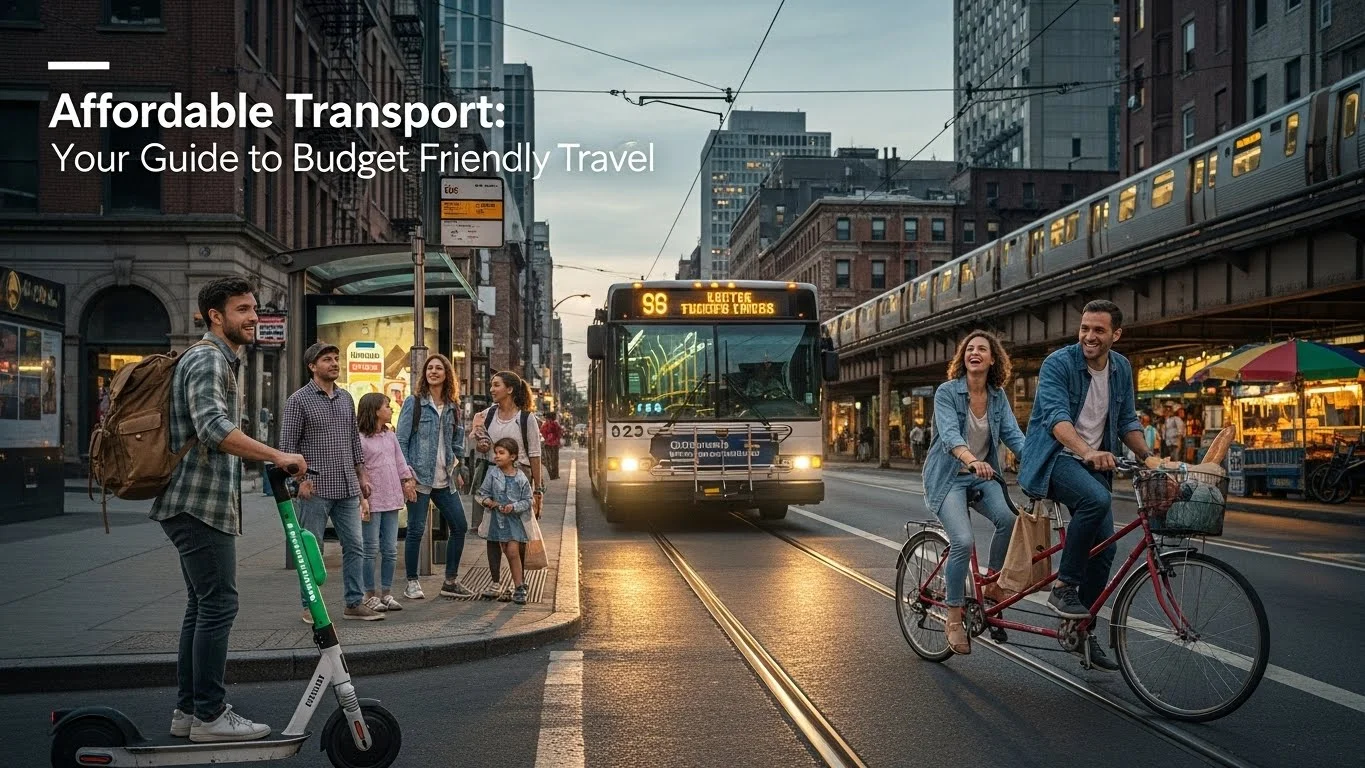
Affordable Transport: Your Guide to Budget-Friendly Travel

Traveling doesn’t have to break the bank! With a little creativity and resourcefulness, we can explore the world without overspending. Let’s dive into the world of affordable transport and discover budget-friendly travel options together.
Affordable Transport: Your Guide to Budget-Friendly Travel

Understanding Affordable Transport Options

When it comes to traveling on a budget, understanding the various transport options available can make a huge difference. I remember my first big trip where I was overwhelmed by the choices. I learned that affordable transport isn’t just about getting from point A to point B; it’s about experiencing the journey itself without overspending. In today’s world, there are so many ways to travel inexpensively, and each has its unique benefits.

Types of Budget-Friendly Transport

From buses to bikes, there are various forms of transport that cater to those of us looking to save money while we travel. I’ve tried many of these options, and each one provides a different perspective of the places I visited. Here are some major types of budget-friendly transport you might consider:

  • Public Transport: This includes buses, trains, subways, and trams, which are often the cheapest way to get around major cities.
  • Ridesharing Services: Apps like Uber and Lyft can be cost-effective for short distances or when public transport isn’t available.
  • Bicycles and E-Scooters: Renting a bike or an e-scooter can be both fun and economical, especially in urban areas.
  • Walking: Sometimes, the best way to explore a new city is on foot, where you can truly soak in the atmosphere.
  • Car Rentals: For road trips or exploring rural areas, renting a car can be a budget-friendly option if shared with friends or family.

Importance of Affordable Transport in Travel

Why is affordable transport so important? For me, it’s about freedom and flexibility. When we save money on transport, we can allocate those savings to experiences, food, or accommodations. Affordable transport opens up opportunities to explore more places, meet new people, and have unforgettable experiences. I remember one trip where I chose to take local buses instead of taxis. Not only was it cheaper, but I also got to chat with locals and learn about their culture. The journey became as memorable as the destination!

Public Transportation: A Cost-Effective Choice

One of my favorite ways to travel on a budget is using public transportation. It’s often the most convenient and economical option, especially in cities with robust transit systems. I’ve traveled to many places where buses and subways were my lifelines, connecting me to all the must-see spots without costing a fortune. Read Interesting article: Affordable Transportation Hacks for Budget Solo Travel

Buses and Subways: Navigating the Urban Jungle

Buses and subways can be your best friends in urban environments. I’ve experienced times when hopping on a subway saved me both time and money. Many cities offer day passes that allow unlimited travel for a set price. When I visited New York City, for example, I bought a week-long MetroCard, which let me ride the subway and buses as much as I wanted. It was not only economical but also allowed me to explore the city like a local.

Trains: Affordable Intercity Travel

For longer distances, trains can be a great budget option. My experience traveling across Europe by train was unforgettable. Trains often have scenic routes, and the travel time is sometimes faster than flying, especially when you factor in airport transfers. I recommend checking out rail passes that offer unlimited travel within a specific time frame. This way, you can hop from one city to another without the stress of individual bookings.

Trams: Exploring Cities on a Budget

Trams are another delightful way to explore a city. They often run through major tourist areas, allowing you to hop on and off easily. I remember riding a tram in San Francisco—it was not only affordable but also a fun way to see the city’s iconic hilly landscape. Many cities offer tram passes, which can save you money if you plan to ride multiple times.

Student and Senior Discounts: Maximizing Savings

If you’re a student or a senior, don’t forget to ask about discounts. Many transport systems offer reduced fares for these groups, which can lead to significant savings. When I was a student, I always carried my ID with me to take advantage of these discounts. It felt great to save money, which I could then spend on other aspects of my travels.

Alternative Transportation Methods

While public transportation is often the go-to option for budget travelers, exploring alternative transportation methods can uncover even more ways to save money. Each of these alternatives provides unique experiences and helps me connect with the local culture in different ways. In my adventures, I’ve discovered some fantastic options that not only fit my budget but also made my travels more enjoyable. Read Interesting article: Affordable Transportation Hacks Every Backpacker Should Know

Carpooling and Ridesharing Services

Carpooling has become one of my favorite ways to travel, especially for longer distances or when I’m in a hurry. I remember a particular trip where I used a ridesharing app to get from one city to another. The fare was significantly lower than a taxi, and I even got to share the ride with a fellow traveler, making the journey more enjoyable as we exchanged stories. Many cities have local carpooling options too, where you can share rides with locals for a fraction of the cost. It’s a great way to meet people and can save us both money and time.

Bikes and E-Scooters: Eco-Friendly and Economical

Renting bikes or e-scooters has become a popular option in many urban areas, and I can see why! There’s something exhilarating about cruising through city streets on two wheels. During my last trip to Amsterdam, I rented a bike and explored the city at my own pace. It was not only affordable but also allowed me to access hidden gems I wouldn’t have found otherwise. E-scooter rentals are also a fun way to zip around town. Just remember to check if there are any special bike lanes or local rules to follow. The fresh air and exercise are just added bonuses!

Walking: The Best Way to Discover Local Culture

Sometimes, the best transportation is simply our own two feet. I’ve found that walking allows me to truly immerse myself in the local vibe. On a trip to Paris, I decided to explore the Montmartre district on foot. Wandering through the cobblestone streets, I stumbled upon a small café that served the best croissants I’ve ever had. Walking not only saved me money but also led to unexpected adventures. I believe that every city has a rhythm, and walking is the best way to feel that heartbeat.

Air Travel: Finding Affordable Flights

When it comes to traveling further afield, finding affordable flights can feel like a daunting task. I’ve spent countless hours searching for the best deals, and I’ve learned some valuable tips along the way. Air travel can be one of the most significant expenses in a trip, so it’s essential to be smart about it.

Budget Airlines: Pros and Cons

Budget airlines can be a fantastic way to save money on flights. I remember flying with a low-cost carrier during a trip to Europe, and while the ticket price was incredibly cheap, I had to be mindful of extra fees for baggage and seat selection. It’s a trade-off, but if you’re flexible and don’t mind a no-frills experience, budget airlines can get you to your destination without breaking the bank. Just be sure to read the fine print and compare the total costs to ensure you’re still getting a good deal.

How to Use Flight Comparison Sites

Flight comparison sites have been game-changers for me when searching for affordable airfare. I’ve used websites like Skyscanner and Google Flights to compare prices across multiple airlines. What I love about these platforms is how they allow me to set alerts for fare drops. If I have a specific destination in mind, I can watch for ticket prices to change. It’s like a little thrill every time I get a notification about a deal!

Booking Tips for Cheap Airfare

Timing is everything when it comes to booking flights. I’ve learned that booking my tickets a few months in advance often leads to better prices. Additionally, flying on weekdays rather than weekends can save me a lot of money. For example, I once saved almost $100 just by shifting my flight from a Saturday to a Tuesday. Don’t forget to keep an eye out for airline sales and promotions—they can provide some incredible deals if you’re flexible with your travel dates.

Travel Off-Peak: Saving on Flights

One of the best decisions I made was to travel during off-peak seasons. Not only do flights tend to be cheaper, but destinations are also less crowded, making for a more pleasant experience. I remember visiting Thailand during the rainy season, and while the weather was unpredictable, I found that the beauty of the country was still breathtaking. Plus, I enjoyed significant savings on flights and accommodations, allowing me to spend more on experiences like local tours and delicious food.

Road Trips: A Budget-Friendly Adventure

Road trips hold a special place in my heart. There’s something magical about hitting the open road, the wind in your hair, and the freedom to explore at your own pace. I’ve taken quite a few road trips, and they’ve often turned into some of my favorite travel memories. Plus, they can be one of the most budget-friendly ways to travel if done right. Here’s how I’ve managed to keep costs down on my adventures.

Choosing the Right Vehicle for Your Trip

Selecting the right vehicle is crucial for a successful road trip. I’ve rented cars, borrowed from friends, and even used my own trusty old sedan for various trips. Each choice has its pros and cons. When I rented a car for a week-long trip along the California coast, I made sure to choose a fuel-efficient model, which helped save on gas. I recommend considering the size of your group and how much luggage you’ll have. If you’re traveling alone or with one other person, a compact car can be a great way to save money. If it’s a family road trip, you might need something more spacious, but always look for options that are fuel-efficient. Trust me; it makes a difference!

Gas-Saving Tips for Long Drives

Gas prices can add up quickly when you’re on a road trip. I learned some valuable gas-saving tips that have helped me reduce those costs significantly. For instance, keeping your tires properly inflated can improve fuel efficiency. I also try to avoid heavy acceleration and braking, as smooth driving can optimize gas mileage. Using apps like GasBuddy allows me to find the cheapest gas stations along my route. Last summer, I was able to save quite a bit by filling up at a station just a few miles off the highway instead of at the more expensive ones right on the interstate. Little habits like these can really pile up the savings!

Planning Your Route for Cost Efficiency

Planning your route carefully can not only save you time but also money. I usually map out my journey ahead of time, looking for scenic routes that don’t veer too far off my path. During my last road trip to the Grand Canyon, I discovered some beautiful small towns and state parks that I might have missed otherwise. I made sure to stop at these places, which saved me from spending money on expensive attractions later. Additionally, I try to avoid toll roads when possible. Every dollar counts, and those extra charges can add up without us even realizing it!

Accommodations and Transport Packages

Finding the right place to stay can be just as challenging as figuring out how to get there. I’ve learned that combining transport and lodging can lead to significant savings. Many travel companies offer packages that include both transportation and accommodations, which can be a game changer if you’re looking to keep costs low.

Combining Transport and Lodging for Savings

When I took a road trip through the Pacific Northwest, I found an amazing deal that bundled a rental car with hotel stays. This not only simplified my planning process but also saved me around 20% compared to booking each separately. If you’re flexible with your travel dates, it’s worth checking these types of packages. I recommend looking at websites that specialize in travel deals, as they often have limited-time offers that can provide substantial discounts.

Travel Passes: Unlimited Travel Deals

Travel passes can be an incredible way to save money while on the road. I’ve used passes that allow unlimited travel on certain public transportation systems or even across multiple regions. For example, while traveling through Europe, I took advantage of a Eurail Pass that allowed me to explore several countries without worrying about the cost of individual train tickets. These passes often come with additional perks, such as discounts on local attractions. Do your research ahead of time to see if there are any passes available for your destination that could help you save money and explore more!

Safety and Comfort on a Budget

While saving money is essential, I believe that safety and comfort should never be compromised during travel. From my experiences, I’ve learned that being smart about my transport choices makes for a more enjoyable journey without breaking the bank.

Choosing Safe Transport Options

When we travel, we should always prioritize safety, especially when using budget options. I’ve had my share of experiences with ridesharing and public transport, and I always check reviews and ratings before choosing a service. If I’m in a new city, I prefer using well-rated services or traveling during peak hours when there are more people around. My experience has taught me that being aware of my surroundings and making informed choices can keep my adventures enjoyable and stress-free.

Travel Insurance: Is It Worth It?

While it may seem like an extra cost, I’ve found that travel insurance can save us a lot of money in case of unexpected situations. On one trip, I had to change my plans due to a sudden illness, and because I had insurance, I was able to recoup most of my expenses. I recommend evaluating the type of coverage that would be most beneficial for your journey. It’s an extra layer of peace of mind that can make a big difference.

Staying Comfortable While Traveling Cheap

Traveling on a budget doesn’t mean sacrificing comfort. I always pack a travel pillow and a lightweight blanket for long journeys. I’ve also learned to bring snacks and water to avoid expensive airport or rest stop prices. Simple things like this keep me happy and comfortable, so I can fully enjoy the experience. Plus, having my favorite snacks on hand makes any trip feel a little more like home.

Frequently Asked Questions

What are some affordable transport options for budget travelers?

Budget travelers can consider various transport options such as public transport (buses, trains, subways, trams), ridesharing services (like Uber and Lyft), bicycles and e-scooters, walking, and car rentals when shared with friends or family.

Why is affordable transport important in travel?

Affordable transport is important because it allows travelers to save money, which can be allocated to experiences, food, or accommodations. It provides freedom and flexibility to explore more places and connect with local culture.

How can public transportation help save money while traveling?

Public transportation is often the most convenient and economical option in cities with robust transit systems, allowing travelers to connect to must-see spots without incurring high costs. Day passes are often available for unlimited travel for a set price.

What are some tips for finding affordable flights?

To find affordable flights, travelers should book tickets in advance, fly on weekdays rather than weekends, and keep an eye out for airline sales and promotions. Using flight comparison sites can also help in finding the best deals.

What are the benefits of traveling during off-peak seasons?

Traveling during off-peak seasons can lead to cheaper flights and accommodations, as well as less crowded destinations, making for a more pleasant experience and allowing travelers to allocate savings to other aspects of their trip.

How can road trips be a budget-friendly travel option?

Road trips can be a budget-friendly option if planned properly. Choosing a fuel-efficient vehicle, using gas-saving tips, and planning routes carefully to avoid toll roads can help keep costs down while providing memorable experiences.

What are travel passes and how can they save money?

Travel passes allow unlimited travel on certain public transportation systems or across multiple regions. They often come with additional perks, such as discounts on local attractions, making them a great way to save money and explore more.

How can travelers ensure safety when using budget transport options?

Travelers can ensure safety by checking reviews and ratings of transport services, using well-rated services, and traveling during peak hours when there are more people around. Being aware of surroundings and making informed choices is essential for a safe experience.

Is travel insurance worth it for budget travelers?

Yes, travel insurance can save money in case of unexpected situations, such as trip cancellations or unexpected medical expenses. It provides peace of mind and can help recoup costs in emergencies.

What can travelers do to stay comfortable while traveling on a budget?

To stay comfortable while traveling on a budget, travelers can pack a travel pillow and lightweight blanket, bring snacks and water to avoid high prices at airports or rest stops, and ensure they have their favorite snacks on hand for a more enjoyable experience.
How to Travel on a Budget: Best Transportation Hacks

Traveling on a budget doesn’t have to mean sacrificing adventure. With a few clever transportation hacks, you can explore new places without breaking the bank!

How to Travel on a Budget: Best Transportation Hacks

Understanding Budget Travel

The Importance of Transportation in Budget Travel

When I think about traveling on a budget, the first thing that comes to mind is transportation. It’s one of the biggest expenses we face while exploring new destinations. I’ve learned that how we choose to get around can make a significant difference in our overall travel costs. From long bus rides to quick train journeys, transportation can either help us save money or drain our wallets.

During my travels, I’ve seen how choosing the right mode of transportation can open up experiences I never anticipated. For example, taking a local bus in a foreign country not only saves money but allows you to see the everyday life of the locals. I remember riding a rickety bus in Costa Rica, which turned out to be one of the highlights of my trip as I chatted with locals and tasted homemade snacks they sold on board. It reminded me that budget travel isn’t just about saving money; it’s about the experiences we collect along the way. Read Interesting article: Budget Travel Tips for Cultural Heritage Enthusiasts

Common Misconceptions About Budget Travel

There are many myths surrounding budget travel that I’ve encountered over the years. One of the biggest misconceptions is that budget travel means sacrificing comfort and quality. I used to think that staying in hostels or using public transportation would be uncomfortable and inconvenient. However, I’ve found that many hostels are incredibly welcoming and offer a chance to meet fellow travelers, while public transport can be a fun and immersive experience.

Another common myth I’ve noticed is that budget travelers can’t access great experiences or attractions. On the contrary, I’ve discovered that many museums and attractions offer free or discounted days, and local events often have minimal costs. I believe that with a little research and flexibility, you can enjoy the best a destination has to offer without overspending.

Types of Transportation for Budget Travelers

Public Transportation

Public transportation is often the most budget-friendly way to get around. I’ve found that cities around the world have efficient subway systems, buses, and trams that can take you right where you want to go. For example, during my visit to Barcelona, I bought a multi-day transport pass that allowed me unlimited access to the metro and buses. This not only saved me money but also made it easy to explore the city at my own pace.

Car Rentals

While renting a car can sometimes be seen as an expensive option, I’ve discovered that it can be cost-effective in certain situations. If you’re traveling with a group or planning to visit rural areas where public transport is limited, splitting the cost of a rental car can save money. I remember renting a car in New Zealand with friends, and it allowed us to explore stunning landscapes that would have been difficult to reach otherwise.

Ride-Sharing Services

Ride-sharing apps like Uber and Lyft can be a convenient way to travel short distances, especially if public transport isn’t available. I often use these services when I’m in a hurry or when I have luggage. However, I always make sure to compare the cost with public transport options to ensure I’m making the most budget-friendly choice.

Bicycles and Scooters

Renting a bicycle or scooter can also be a fun and economical way to explore a new city. I’ve enjoyed pedaling through parks and along waterfronts in various cities, soaking in the sights at my own pace. Many cities have bike-sharing programs, which make it easy to rent a bike for a few hours without the hassle of maintenance.

Walking

Finally, let’s not forget about walking! It costs nothing and is one of the best ways to truly experience a new place. I often set aside time to wander around a city on foot, discovering hidden gems that I might otherwise miss. I remember getting lost in the charming streets of Prague, stumbling upon local cafes and artisan shops, which became some of my favorite memories from that trip.

Best Transportation Hacks

Using Public Transportation Efficiently

One of the best hacks I’ve learned for saving money while traveling is to really get the hang of public transportation. It’s not just about hopping on a bus or train; it’s about using the system to my advantage. When I visited London, I took the time to study the Tube map before I arrived. That way, I knew the quickest routes and the best connections. I even downloaded the Citymapper app, which helped me navigate the city with ease. I felt like a local zooming around the city, and it saved me a ton compared to taking cabs or relying on ride-sharing services.

Another tip I picked up is to travel during off-peak hours whenever possible. In many cities, fares can be significantly cheaper, and it’s much less crowded. I remember taking a subway into Manhattan during rush hour and feeling completely overwhelmed. The next day, I decided to head out earlier, and not only did I pay less, but I also had a more pleasant journey. Little changes like this can make a big difference in both cost and experience.

Finding Discounts and Passes

My experience has taught me that many cities offer transportation passes that can save you a lot of money if you plan to explore extensively. For instance, when I traveled to Paris, I discovered the Paris Visite pass, which allowed unlimited travel on public transportation for a set number of days. I felt so accomplished hopping on and off the metro and bus as I visited iconic landmarks. I also found discounts for museums and attractions included with the pass, which was a delightful bonus!

Additionally, I always check for student discounts or youth passes if I or someone in my group qualifies. During my European backpacking trip, I was amazed at how much I saved just by showing my student ID. It’s definitely worth researching before your trip! Read Interesting article: Affordable Family Adventures: Smart Budget Travel Tips Inside

Timing Your Travel for Cost Savings

Timing can be everything when it comes to transportation costs. I’ve learned to be flexible with my travel dates, especially when booking flights or longer train journeys. I often use flight comparison tools that allow me to see prices across a range of dates. For example, I once changed my departure date by just one day, which saved me over $100 on a flight to Italy. It’s a small adjustment that made a huge impact on my budget.

When it comes to ground transportation, I’ve found that booking tickets for trains or buses in advance can significantly reduce costs. I remember planning a trip from Amsterdam to Berlin. Instead of buying tickets last minute, I reserved them a few weeks ahead and got a fantastic deal. Plus, this gave me peace of mind knowing that my seat was secured.

Booking Transportation in Advance

Booking in advance doesn’t just apply to flights. I’ve found that many train and bus companies offer lower rates for early bookings. When I traveled through Eastern Europe, I reserved my train tickets online days before my journey. Not only did I save money, but it also allowed me to choose my preferred travel times and seats. I felt so relieved not to have to scramble for last-minute tickets!

Additionally, I’ve become accustomed to using websites and apps that compare transportation options. These platforms often highlight the best deals available for my planned routes. I recommend keeping an eye out for promotional fares, especially during off-peak seasons. It’s amazing how much more I can do with the money I save!

Utilizing Apps and Websites for Best Deals

Technology has been a game changer for budget travelers like me. There are so many apps and websites designed to help us find the best transportation deals. My favorites include Skyscanner for flights and Rome2rio for comparing various transport options between destinations. When planning a trip, I often start by typing in my route to see all available modes of transport, their costs, and travel times.

I also love using public transportation apps specific to cities, like Transit or Citymapper. They not only provide route information but also real-time updates on delays or changes. This has saved me from scrambling when things don’t go as planned. I remember being in San Francisco when a bus I wanted to take was delayed. Thanks to the app, I quickly found an alternative route and ended up discovering a charming café while I waited. That unexpected detour turned into one of my favorite memories from the trip!

Destination-Specific Transportation Tips

Budget Transportation in Major Cities

New York City

New York City is known for its bustling atmosphere, and navigating it can feel overwhelming at times. My first tip is to embrace the subway system. It’s one of the most cost-effective ways to get around, and once I got the hang of it, I found it exhilarating! I often bought a MetroCard for unlimited rides over a set period. This allowed me to hop on and off as I explored different neighborhoods—like enjoying a late-night slice of pizza in Brooklyn and then heading back to Manhattan without worrying about the cost.

Another great option is the Staten Island Ferry, which is completely free! It offers stunning views of the Statue of Liberty and the Manhattan skyline. I remember taking the ferry at sunset, and it became one of my favorite moments on that trip. Plus, walking around neighborhoods like Greenwich Village or the Lower East Side is a must, and it doesn’t cost a dime!

London

In London, the Oyster Card is a game changer. It’s a smart card that allows you to travel seamlessly on the Tube, buses, and even some riverboats. I made sure to load mine with just enough to cover my intended trips, and it saved me a lot compared to buying single tickets. Plus, I loved how it automatically calculated the best fare, so I never worried about overpaying.

Walking is also a delightful way to see the city—especially along the Thames River. I found that many attractions, like the Tower of London and the Tate Modern, are within walking distance from each other. I often packed a picnic and enjoyed it in one of the many parks, which added a lovely break to my busy sightseeing schedule.

Tokyo

Tokyo’s transportation system is impressively efficient. I recommend getting a prepaid Suica or Pasmo card. These cards are super easy to use for trains, subways, and even vending machines! I still remember the first time I tapped my card and felt like a local. The trains are punctual, and there’s a vast network that connects you to almost every corner of the city.

Another unique experience is using the Yurikamome Line, which is an automated train that offers breathtaking views of the Rainbow Bridge and Tokyo Bay. It’s a fun way to travel, and the ticket prices are quite reasonable. Plus, walking through neighborhoods like Shibuya and Harajuku is a must for experiencing the city’s vibrant culture without spending a lot.

Paris

Paris is one of my favorite cities to explore on a budget. The Metro is not only affordable but also incredibly efficient for getting around. I often bought a Paris Visite pass, which allowed unlimited travel on public transportation and even included discounts at various attractions. One of my favorite hacks was taking the Metro to a stop near a famous landmark, then walking to enjoy the sights. For example, strolling along the Seine River to the Eiffel Tower was a lovely way to experience the city.

Additionally, I found that biking through Paris was a fantastic option. The Vélib bike-sharing program made it easy to rent a bike for a few hours. Riding past the charming streets and stopping for a café au lait became one of my cherished memories in the city. Read Interesting article: Budget Travel Tips for Families: Explore Without Breaking the Bank

Traveling in Developing Countries

Local Buses and Taxis

Traveling in developing countries can be an adventure in itself. I remember hopping on a local bus in Guatemala, which was an eye-opening experience. These buses, known as “chicken buses,” are often colorful and lively. The fares are incredibly low, and the journey allows you to interact with locals, which I found to be enriching. However, it’s essential to check the schedules and routes in advance, as they can be less reliable than in more developed areas.

For shorter trips, I often used local taxis or tuk-tuks. In places like Thailand, negotiating fares upfront became part of the experience. I remember haggling over a price with a tuk-tuk driver, and it felt like I was truly immersing myself in the culture. Just be sure to agree on a price before starting your ride to avoid any surprises later!

Negotiating Fares

Negotiating fares is certainly a skill I honed while traveling in various developing countries. I learned that being friendly yet firm helps. For instance, in Morocco, my friends and I often took taxis and found that discussing the fare openly before getting in reduced misunderstandings. I also discovered that sometimes it’s easier to get a local to help negotiate for you, especially in markets or with street vendors.

Being aware of local prices can help too. I often did a bit of research online or asked locals about a fair price for common routes. This knowledge empowered me to negotiate confidently without feeling like I was overpaying. It’s all about balance—being respectful while also making sure I’m not taken advantage of.

Traveling with Kids or Pets on a Budget

Family-Friendly Transportation Options

Traveling with kids can be a whole different ballgame when it comes to budgeting and transportation. I’ve found that planning ahead is key to making the journey enjoyable for everyone. One of my favorite options is using family passes for public transportation. Many cities offer discounted rates for families, which can save us a significant amount of money. I remember when we visited London; the Oyster Card allowed my family to travel together at a lower cost, making it easier to explore without worrying about the fare for each individual ride.

When we traveled to theme parks, I discovered that many places have shuttles specifically designed for families. These shuttles often run directly to the parks and can save us from the hassle of parking and traffic. On one trip to Disneyland, we took a shuttle from our hotel that dropped us off right at the entrance. It was convenient and spared us the stress of navigating busy roads with the kids in tow.

In addition, I always make sure to check if any transportation options offer child-friendly features. For instance, I once took a train in Germany that had a play area for kids, which kept them entertained during the journey. It was a win-win for us, allowing for some downtime while still on the move!

Pet Travel Considerations

Traveling with pets can feel daunting, but it’s become a rewarding experience for me. I’ve learned to choose places that are pet-friendly, which often makes transportation easier. For instance, many trains and buses allow pets, sometimes even for free or at a discounted rate. During a road trip, I found that planning ahead by booking pet-friendly accommodations and ensuring they had the right amenities made the travel experience smoother.

When it comes to flying, I always check the airline’s pet policy beforehand. Some airlines allow pets to travel in the cabin, which is a great option for us. I remember when I flew with my dog, I made sure to bring a comfortable carrier and some familiar toys to help keep him calm during the flight. I also packed treats and a water bottle, so he felt comfortable and happy.

It’s also important to consider the pet’s temperament and health when traveling. I’ve learned that taking shorter trips first can help gauge how my pet will behave. By gradually introducing them to travel, it reduces anxiety for both of us. Ultimately, I’ve found that with some planning, traveling with pets can be a joy.

Safety Tips for Budget Travelers

Staying Safe While Using Public Transportation

Safety is always on my mind when I’m traveling, especially on public transportation. I’ve found that staying aware of my surroundings is crucial. I remember a time in Barcelona when I was so focused on my phone that I didn’t notice a group of individuals who were trying to distract me. Thankfully, I noticed just in time and moved away. I always try to keep my belongings close, especially in crowded areas.

Another tip is to travel during daylight hours whenever possible. I feel much more comfortable navigating a new city when it’s light out. If I need to travel late at night, I often opt for ride-sharing services instead of public transport, as it offers a more direct and safer route to my destination.

Scams to Watch Out For

Throughout my travels, I’ve encountered a few scams that I wish I had known about beforehand. One of the most common is the overcharging taxi driver. I always make sure to agree on a fare or ask for a meter before getting in. I also prefer to use ride-sharing apps, as they provide an upfront fare and help me avoid confusion.

Another scam I’ve come across involves people pretending to offer assistance with directions or transportation, only to ask for money later. I’ve learned to be polite but cautious. If I need help, I prefer to ask staff at restaurants or shops, as they tend to be more trustworthy.

Environmental Considerations in Budget Travel

Sustainable Transportation Options

As I’ve become more conscious of my environmental impact, I’ve sought out sustainable transportation options while traveling. I’ve found that using public transport, biking, or walking not only saves money but also reduces my carbon footprint. For example, during a trip to Amsterdam, biking around the city was not only budget-friendly but also allowed me to appreciate the beautiful scenery in a greener way.

When possible, I also look for eco-friendly rental car companies that prioritize sustainability. For instance, during a recent trip to California, I rented a hybrid car which was a great way to explore while minimizing my environmental impact. I believe that every little bit counts!

Reducing Your Carbon Footprint While Traveling

Reducing my carbon footprint has become a priority for me, and I try to be mindful of my choices while traveling. I make an effort to pack lightly, as this not only saves on baggage fees but also decreases the overall weight of the transport vehicle. When I travel by air, I also opt for direct flights whenever possible to minimize fuel consumption.

Additionally, I’ve found that supporting local businesses—like using local guides or dining at nearby restaurants—can benefit the community and lessen my impact. It feels good to know that my travel choices are contributing positively, and it enhances my overall experience.

Final Thoughts

Traveling on a budget doesn’t mean compromising on experiences or safety. I’ve learned that with a bit of planning, flexibility, and creativity, we can explore the world without draining our wallets. Whether we’re hopping on a local bus, renting a bike, or navigating through urban jungles, each journey can be filled with adventure, learning, and joy. As we embrace budget travel, let’s remember to be mindful of our surroundings and make choices that are not only cost-effective but also environmentally responsible. Happy travels!

Frequently Asked Questions

What is the significance of transportation in budget travel?

Transportation is one of the biggest expenses faced while exploring new destinations. Choosing the right mode of transportation can significantly impact overall travel costs and open up unique experiences.

What are some common misconceptions about budget travel?

One misconception is that budget travel means sacrificing comfort and quality. Many hostels are welcoming, and public transportation can be enjoyable. Another myth is that budget travelers cannot access great experiences; however, many attractions offer free or discounted days.

What are the most budget-friendly transportation options for travelers?

Budget-friendly transportation options include public transportation such as buses and subways, car rentals when shared in a group, ride-sharing services for short distances, renting bicycles or scooters, and walking for free exploration.

How can I use public transportation efficiently while traveling?

To use public transportation efficiently, study the transport system before arrival, travel during off-peak hours, and utilize apps like Citymapper for navigation to save both time and money.

What tips can help find discounts and passes for transportation?

Many cities offer transportation passes that allow unlimited travel for a set number of days. Additionally, checking for student discounts or youth passes can lead to significant savings.

Why is timing important when booking transportation?

Being flexible with travel dates can lead to cost savings, especially for flights. Booking tickets in advance for trains or buses often results in lower prices compared to last-minute purchases.

What are some destination-specific transportation tips?

Using a MetroCard in New York City for unlimited subway rides, an Oyster Card in London for seamless travel, a Suica or Pasmo card in Tokyo for easy transit, and a Paris Visite pass for unlimited travel in Paris are all effective strategies for budget travelers.

How can families travel on a budget with children?

Families can save money by using family passes for public transportation, taking shuttles to theme parks, and choosing transportation options with child-friendly features, like trains with play areas.

What should I consider when traveling with pets on a budget?

When traveling with pets, choose pet-friendly transportation options and accommodations. Always check airline pet policies and ensure your pet is comfortable during travel by bringing familiar items and planning shorter trips to gauge their temperament.

What safety tips should budget travelers keep in mind while using public transportation?

Stay aware of your surroundings, travel during daylight hours when possible, and opt for ride-sharing services at night for safer transport. Additionally, be cautious of common scams, such as overcharging taxi drivers or individuals offering unsolicited assistance.

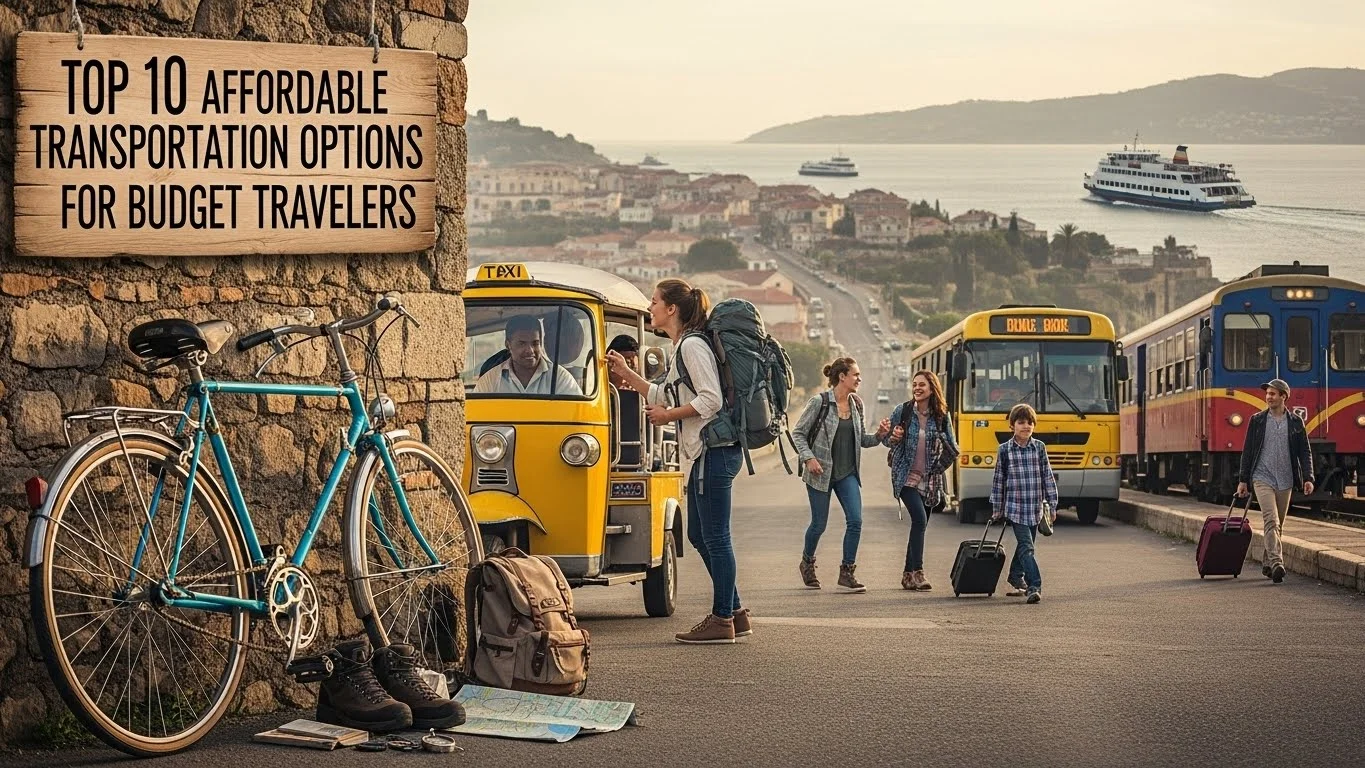
Top 10 Affordable Transportation Options for Budget Travelers

Traveling on a budget doesn’t mean sacrificing adventure. With the right transportation options, we can explore new places without breaking the bank. Let’s dive into the world of affordable travel choices!

Top 10 Affordable Transportation Options for Budget Travelers

Understanding Affordable Transportation

The Importance of Budget-Friendly Travel

When I first began traveling, I quickly realized that transportation costs could either make or break my budget. I remember one trip where I spent more on taxis than on food and accommodation combined! This experience taught me the importance of finding budget-friendly travel options. Affordable transportation not only helps us save money but also allows us to explore more. Every dollar saved on getting from point A to point B can be spent on experiences, local cuisine, or even souvenirs. I believe that everyone deserves to travel and enjoy the wonders of the world, regardless of their budget.

How Transportation Affects Travel Costs

Transportation can significantly impact our overall travel expenses. From my experience, whether it’s flying, driving, or taking public transit, the costs can add up quickly. For instance, I once took a flight to a destination, only to realize that the airport was far from the city. I ended up spending a small fortune on airport shuttles and taxis. This taught me to consider the entire journey, not just the initial ticket price. I’ve found that understanding the local transportation landscape is crucial. This means looking into buses, trains, and rideshare options that might be more economical than traditional methods. Planning ahead can truly save us from unexpected costs.

Top 10 Affordable Transportation Options

1. Public Transit Systems

Public transit is often the unsung hero of budget travel. Whenever I arrive in a new city, I make it a point to find out about the local transit system. It’s not only affordable but also a fantastic way to experience the culture. Here’s what I’ve discovered about two major forms of public transit:

Subways and Metros

Subways and metros are usually the fastest way to get around a city. I remember hopping onto the metro in Paris, and it was not only efficient but also a fun experience. The ticket prices are typically very reasonable, especially if you purchase a multi-day pass. These passes are often designed for tourists and can save you a lot of money if you plan on using the subway frequently. I recommend checking out city maps and planning your routes ahead of time to make the most of your metro experience.

Buses and Trolleys

Buses and trolleys are another great option. I’ve taken many city buses and found them to be an excellent way to see the sights without spending too much. In some places, like San Francisco, riding a trolley even feels like a fun tourist attraction! Many cities also have apps that let you track bus routes in real-time, which can make navigation easier. I highly suggest taking advantage of any free or discounted rides that might be available during certain times of the day.

2. Rideshare Services

Rideshare services like Uber and Lyft have transformed how we travel short distances. While they can be pricier than public transit, I’ve found them to be a lifesaver in areas where public options are limited or if I’m traveling late at night.

How to Use Uber and Lyft Effectively

To save money on rideshares, I always compare prices before ordering a ride. Sometimes, I’ll see promotions or discounts in the app, especially for first-time users or during off-peak hours. Planning your rides ahead of time can also help — for instance, if I know I’ll need a ride to the airport at a specific time, I’ll schedule it in advance to avoid surge pricing.

Cost Comparison with Taxis

I’ve often compared rideshare services to traditional taxis, and I typically find that rideshare options are cheaper and more transparent about pricing. In many cities, taxis can have hidden fees or long waits that can inflate costs. I usually prefer rideshare services because they allow me to see the estimated fare before I even get in the car.

3. Car Rentals

Renting a car can be a great option if you’re traveling to remote areas or planning a road trip. I’ve had some of my best adventures while driving through stunning landscapes that are hard to access by public transport.

Finding Affordable Car Rental Services

To find affordable car rentals, I usually start by checking comparison websites that aggregate prices from various companies. This has saved me money more times than I can count. Additionally, I like to keep an eye out for discounts offered through memberships, like AAA or credit card promotions. Booking in advance is also a tip I swear by — prices can skyrocket as the rental date approaches.

Tips for Budget-Friendly Car Rentals

When renting a car, I’ve found that opting for economy vehicles can save a lot on gas and rental fees. Also, I always make sure to read the fine print about insurance options; sometimes, my personal car insurance covers rentals, which can save me additional costs. And, of course, I never forget to return the car with a full tank to avoid those steep refueling charges!

4. Bicycles and E-Bikes

Exploring a city on a bike is something I absolutely love. It gives you the chance to see things at your own pace while getting some exercise!

Bike-Sharing Programs

Many cities now have bike-sharing programs that allow you to rent a bike for a few hours or a day. I’ve found these programs to be not only affordable but also a fun way to cover more ground than walking. Plus, it’s an eco-friendly way to travel! I recommend checking for any apps that let you find nearby bikes and track your usage easily.

Renting E-Bikes for Longer Distances

If you’re planning to travel longer distances, e-bikes can be a great option. I tried renting one during my last trip, and it felt like a game-changer. With the extra boost from the motor, I could explore further without getting too tired. Many rental places offer hourly rates or day passes, which can be more economical than a car rental for short trips.

Top 10 Affordable Transportation Options

5. Walking Tours

Benefits of Exploring on Foot

Walking has become one of my favorite ways to discover a new city. There’s something magical about wandering through streets, feeling the vibe of the place, and stumbling upon little gems that you might miss when using other modes of transportation. I love the freedom it gives me to pause whenever something catches my eye, whether it’s a quaint café, a street performer, or a beautiful piece of architecture. Plus, it’s a fantastic way to stay active while traveling! I often find that I learn more about a city when I’m on foot, as I can truly soak in the atmosphere around me.

Free Walking Tours in Major Cities

One of the best discoveries I made was the concept of free walking tours. Many cities around the world offer these tours, where you can explore with a knowledgeable guide who shares insights and stories about the area. I remember joining a free walking tour in Florence, and it turned out to be one of the highlights of my trip! While the tour is technically free, it’s customary to tip the guide based on how much you enjoyed the experience. I always set aside some cash for this, as I genuinely appreciate the effort and expertise they provide. It’s a win-win—great information and a budget-friendly way to see the sights!

6. Long-Distance Buses

Popular Long-Distance Bus Companies

When I need to travel between cities, I often opt for long-distance buses. Companies like Greyhound in the U.S. or FlixBus in Europe offer affordable fares and comfortable seating. I’ve had some pleasant experiences on these buses, especially when I could book my tickets in advance. I once took a long bus ride from Barcelona to Madrid, and it was not only economical but also a scenic journey. The views of the countryside were breathtaking, making the trip feel like an adventure in itself.

Comparing Costs with Train Travel

While trains can be an attractive option, I’ve found that long-distance buses often come at a fraction of the cost. For example, I did a cost comparison for a trip from Paris to Amsterdam and was shocked to find that the bus was significantly cheaper than the train. Of course, travel time can be longer with buses, but that’s something I don’t mind if it saves me money. Plus, I get to save those extra bucks for experiences once I arrive at my destination!

7. Budget Airlines

How to Find Cheap Flights

When it comes to flying, budget airlines have revolutionized affordable travel. I’ve flown with various low-cost carriers, and while their service might not always compare to traditional airlines, the savings can be substantial. I always recommend using fare comparison websites to find the best deals. I’ve scored some incredible prices by booking my flights several months in advance or being flexible with my travel dates. I remember booking a round trip from London to Barcelona for less than $50—definitely a steal!

Tips for Using Budget Airlines

To make the most of budget airlines, I learned to pack light. They often have strict baggage policies, and checking a bag can add significant costs. I’ve become a pro at fitting everything I need into a carry-on. Additionally, I always keep an eye out for extra fees—some airlines charge for everything from seat selection to snacks on board. By being mindful of these costs, I can enjoy a great flight without overspending.

8. Carpooling and Ride Sharing

Apps and Websites for Carpooling

Carpooling has become a great way to connect with fellow travelers while saving money. I’ve used apps like BlaBlaCar, where I can share a ride with someone heading in the same direction. This not only cuts down on costs but also allows me to meet new people along the way. I remember a trip where I carpooled from Amsterdam to Brussels; I met a fellow traveler from Brazil, and we ended up sharing travel tips and stories the entire ride.

Cost-Saving Benefits

Carpooling can be a fantastic alternative to renting a car or taking public transport, especially for longer trips. I’ve noticed that splitting the cost of gas with just one or two other passengers makes the journey much more affordable. Plus, I love the idea of reducing my carbon footprint by sharing rides. It feels good to know I’m contributing to a more sustainable way of traveling!

9. Trains and Rail Passes

Affordable Train Travel Options

Train travel is often associated with scenic views and comfortable rides. I’ve taken several train journeys across Europe, and they’ve always been a joy. While tickets can be pricey, I’ve found that booking in advance or using rail passes can lead to significant savings. I once bought a Eurail pass, which allowed me to travel through multiple countries for one flat rate. It was an incredible way to see Europe while keeping my budget in check.

Understanding Rail Passes

Understanding the different rail passes available can make a huge difference in cost. Many countries offer passes specifically for tourists, allowing unlimited travel within a certain timeframe. I’ve also found it helpful to check for special discounts on specific routes or times. By doing a bit of research ahead of time, I’ve managed to travel efficiently without overspending.

10. Ferries and Water Taxis

Exploring Cities via Water

Ferries and water taxis offer a unique perspective on cities, especially those with beautiful coastlines or rivers. I remember using a ferry to get from one island to another in Greece, which turned out to be an adventure in itself! The sea breeze and stunning views made the journey memorable. I often look for ferry services when traveling to coastal cities, as they can be a fun and picturesque way to get around.

Cost-Effective Ferry Services

Many ferries offer affordable rates, especially if booked in advance. I’ve found that some cities also have public ferries that can transport you at a fraction of the cost of private water taxis. I highly recommend checking local transportation options for ferries as they can often provide a scenic alternative to traditional travel methods. Plus, who doesn’t love a good boat ride?

Tips for Choosing the Right Transportation Option

Assessing Your Budget

When it comes to choosing the right transportation, I’ve learned that assessing my budget is critical. I remember planning a trip where I thought I could splurge a little on a rental car, thinking it would be more convenient. However, after crunching the numbers, I realized that using public transit or rideshare services would allow me to save enough for a fancy dinner or a special activity. I find it helpful to break down my travel costs into categories: accommodation, food, transportation, and activities. This way, I can see exactly how much I have left to allocate for each aspect of my trip.

Understanding Local Transportation Landscapes

Each city has its own transportation nuances, and I’ve learned that understanding these can greatly enhance my travel experience. For instance, I once visited Tokyo, where the subway system can seem daunting at first. But after a bit of research, I discovered that it’s one of the most efficient and affordable ways to navigate the city. I recommend checking local travel blogs or forums to learn about the best transportation options in your destination. Sometimes, cities even have tourist passes that allow unlimited use of public transit for a set number of days, which can be a fantastic deal!

Safety and Reliability Considerations

Safety is always a priority for me when choosing transportation options. I’ve had experiences where I felt uneasy about using certain modes of transport, especially at night or in unfamiliar areas. I recommend reading reviews or asking locals about the best and safest ways to get around. For example, I once took a rideshare in a city where I was unfamiliar with the area, and I felt much more at ease after checking the driver’s rating and reading comments from other passengers. It’s also smart to stay aware of your surroundings and trust your instincts. If something doesn’t feel right, I’ve learned it’s okay to wait for a different option.

Making the Most of Your Transportation Choices

Planning Ahead

One thing I’ve discovered that can make or break my travel experience is planning ahead. I usually create an itinerary that includes how I’ll get from one place to another. For instance, when planning my itinerary for a recent trip to Italy, I mapped out not only the major sights but also how I would travel between them. This included looking up train schedules, subway routes, and even potential walking paths. I’ve found that having a rough plan helps avoid unnecessary stress, especially when traveling in a foreign country where language barriers might complicate things.

Utilizing Apps and Technology

Technology has become my ally when it comes to transportation. I’ve downloaded several apps that help me navigate public transport, compare rideshare prices, and even check real-time traffic updates. For example, I’ve used Google Maps extensively to find public transit routes and schedules. I also love using transportation apps that allow me to book tickets in advance, which can save time and even money. I remember once using an app to book a train ticket in advance, securing a great deal that I wouldn’t have found had I waited until the last minute.

Being Flexible with Your Plans

While planning is essential, I’ve also learned that flexibility can lead to unexpected adventures. I’ve had days where my planned transportation options didn’t pan out, leading me to try something new. For instance, I once missed a train in Germany and decided to take a scenic bus ride instead. The bus took a longer route through beautiful countryside, and I ended up enjoying the journey just as much as the destination. I believe that being open to changing plans can enhance the travel experience and lead to delightful surprises.

Overcoming Transportation Challenges

Dealing with Delays and Cancellations

Delays and cancellations can be a traveler’s worst nightmare. I remember being stuck at an airport for hours when my flight was delayed, and I felt the frustration rising. To combat these situations, I’ve learned to keep calm and have a backup plan. Having a list of alternative transportation options can ease the stress. For instance, when I’ve faced flight cancellations, I’ve quickly looked for nearby buses or trains to my destination. I also make sure to stay updated with notifications from my transportation provider, so I know what to expect and can adjust accordingly.

Handling Language Barriers

Traveling in a country where I don’t speak the language can be daunting, especially when it comes to transportation. I remember a time in Spain when I struggled to communicate with a bus driver. To prepare for such situations, I’ve started learning a few basic phrases in the local language, especially transportation-related ones. I also find it helpful to download translation apps, which can translate text or help me communicate if needed. In many cases, gestures and smiles can go a long way in bridging language gaps, but having a little knowledge can boost my confidence when navigating unfamiliar transportation systems.

Staying Comfortable

Comfort is key when I’m traveling, especially on long journeys. I always pack a small travel kit that includes items like a neck pillow, snacks, and water. I’ve learned the hard way that staying hydrated and having something to munch on can make a long bus or train ride much more enjoyable. It’s also essential to dress comfortably; I usually opt for layers since temperatures can vary. Whether it’s a packed subway during rush hour or a long-distance train ride, being comfortable makes all the difference in my travel experience.

Frequently Asked Questions

What are some budget-friendly transportation options for travel?

Some budget-friendly transportation options include public transit systems, rideshare services, car rentals, bicycles and e-bikes, walking tours, long-distance buses, budget airlines, carpooling, trains, and ferries.

How can public transit systems benefit travelers on a budget?

Public transit systems are often affordable and provide a fantastic way to experience local culture. They typically have reasonable ticket prices, especially with multi-day passes, and can save significant money compared to other transportation methods.

What tips can I use to save money when using rideshare services like Uber and Lyft?

To save money on rideshare services, compare prices before ordering, look for promotions or discounts in the app, and schedule rides in advance to avoid surge pricing.

What should I consider when renting a car on a budget?

When renting a car, check comparison websites for the best prices, look for discounts through memberships, book in advance, choose economy vehicles, and ensure you understand the insurance options to avoid extra costs.

Are bike-sharing programs a good option for budget travelers?

Yes, bike-sharing programs are affordable and allow travelers to cover more ground than walking while providing an eco-friendly way to explore the city.

How can I find affordable long-distance bus options?

Look for companies like Greyhound in the U.S. or FlixBus in Europe, which offer affordable fares. Booking tickets in advance can also help secure lower prices.

What benefits do budget airlines offer for travelers looking to save money?

Budget airlines offer substantial savings on flights, especially when booked in advance or with flexible travel dates. However, travelers should be aware of strict baggage policies and extra fees.

How can carpooling help reduce travel costs?

Carpooling allows travelers to share ride costs with others, making it a cheaper alternative to renting a car or taking public transport for longer trips while also reducing carbon footprints.

What are some tips for using trains efficiently while traveling?

To use trains efficiently, book tickets in advance, consider purchasing rail passes for unlimited travel, and research special discounts on specific routes to save money.

What should I do if I experience delays or cancellations while traveling?

Keep calm and have a backup plan by knowing alternative transportation options. Stay updated with notifications from your transportation provider to adjust your plans accordingly.

Read Interesting article: Budget Backpacking: Smart Hacks for Affordable Adventures

Read Interesting article: Affordable Adventures: Must-Visit Budget Destinations

Unlocking Travel Secrets: Hacks for Budget-Friendly Trips

Ready to explore the world without breaking the bank? Let’s dive into travel hacks that will help you experience thrilling adventures while sticking to your budget!

Unlocking Travel Secrets: Hacks for Budget-Friendly Trips

Understanding Budget Travel

What is Budget Travel?

I remember the first time I decided to travel on a budget. It was thrilling and a bit daunting at the same time. Budget travel is all about finding ways to explore new places while minimizing expenses. It’s not just about spending less; it’s about making smart choices that allow you to enjoy your adventures without financial stress. You can still have amazing experiences, whether it’s a weekend getaway or a month-long trek through Europe. The key is to prioritize what matters most to you and find ways to save in other areas.

Benefits of Traveling on a Budget

Traveling on a budget has so many perks. First and foremost, it opens up opportunities to travel more frequently. I’ve often found that choosing budget-friendly options allows me to plan multiple trips a year instead of just one. Plus, managing your money wisely while traveling helps you build valuable skills, like budgeting and resourcefulness—skills that can benefit you in everyday life, too!

Another benefit is the chance to connect with locals. When you’re not splurging on fancy hotels or expensive restaurants, you tend to seek out authentic experiences. This could mean staying in hostels, trying street food, or even volunteering. I’ve met some incredible people and made lifelong friends through my budget travels, and I feel those connections have enriched my experiences in ways that money simply can’t buy.

Common Misconceptions About Budget Travel

There are plenty of misconceptions floating around about budget travel that I’ve come across over the years. One of the biggest myths is that budget travel means sacrificing comfort or quality. That couldn’t be further from the truth! I’ve stayed in some amazing hostels and found cozy, affordable accommodations through platforms like Airbnb that felt just as luxurious as a pricey hotel.

Another misconception is that budget travel is only for young backpackers. In my experience, travelers of all ages can benefit from budget-friendly options. Whether you’re a student, a family, or a retiree, there are countless ways to travel on a budget. It’s all about finding what works for you and being open to new experiences.

Finally, some people think that traveling on a budget means you can’t enjoy great food or activities. I’ve discovered that many cities offer fantastic street food and free or low-cost attractions. I remember savoring delicious local dishes at food markets, all while keeping my wallet happy. Budget travel opens the door to a world of flavors and experiences that you might miss if you stick to the tourist traps.

Essential Budget Travel Hacks

Finding Affordable Flights

When it comes to traveling on a budget, finding affordable flights is crucial. I’ve spent countless hours searching for the best deals, and I’ve learned a few tricks along the way. The first hack that I swear by is using flight comparison websites. Websites like Skyscanner or Google Flights allow you to compare prices across multiple airlines. This way, you can easily spot the best deals. I’ll often set up price alerts, so I’m notified when fares drop for my desired destinations.

Using Flight Comparison Websites

Flight comparison websites are game changers. I recall finding a round-trip ticket to Europe for half the price through Skyscanner after weeks of searching. By being diligent and checking various sites, I managed to snag an incredible deal that allowed me to explore more than I originally planned. It’s definitely worth spending some time browsing these sites.

Flexible Travel Dates

If you can, keep your travel dates flexible. I’ve noticed that flying mid-week or during off-peak seasons can yield significantly cheaper flights. When we traveled to Thailand, shifting our departure by just a few days saved us hundreds of dollars. Plus, airports are less crowded during these times, making the overall experience more enjoyable.

Booking in Advance vs. Last Minute

There’s a lot of debate around whether to book flights in advance or wait for last-minute deals. In my experience, booking a few months ahead often gives you the best rates, especially for popular destinations. However, I’ve also had success with last-minute bookings when airlines release unsold tickets. It’s like a bit of a gamble, but if you’re feeling adventurous, it can pay off.

Accommodation Tips

Finding budget accommodations is another essential part of traveling affordably. I’ve tried everything from hostels to vacation rentals, and I have some great tips to share.

Hostels vs. Hotels

Hostels are often the go-to choice for budget travelers, and for good reason. They’re not just for young backpackers; they can be clean, comfortable, and a great place to meet fellow travelers. During my travels in Southeast Asia, I stayed in fantastic hostels that provided cozy beds and even free breakfast. It’s a fun way to connect with others while saving money.

Vacation Rentals and Airbnb

Airbnb is another fantastic option that has worked wonders for me. I’ve found beautiful homes and apartments that often cost less than a hotel room. Plus, having a kitchen allows me to cook some meals, saving even more money. I remember staying at a quaint little Airbnb in Lisbon with a stunning view and a kitchen to whip up breakfast. It felt like home!

Staying with Locals

Staying with locals through platforms like Couchsurfing can add a unique twist to your travels. Not only is it budget-friendly, but it also allows you to immerse yourself in the local culture. I’ve had some unforgettable experiences staying with locals who showed me around their neighborhoods, shared meals, and even included me in family events. It’s a great way to make genuine connections and learn more about the places you visit.

Transportation on a Budget

Once you arrive at your destination, getting around can also eat into your budget if you’re not careful. I’ve discovered several tricks that help me save money on transportation.

Public Transportation Options

Public transportation is often the most budget-friendly way to get around a new city. I’ve always found local buses and trains to be affordable and efficient. For instance, in Tokyo, I was amazed at how easy it was to navigate the subway system. I bought a day pass that allowed me unlimited travel, which turned out to be a steal.

Walking and Biking

Whenever possible, I love to explore a new place on foot or by bike. Not only is it free, but it’s also a fantastic way to soak in the local atmosphere. I remember wandering through the charming streets of Amsterdam on a rented bike, discovering hidden gems I would have missed otherwise. Walking gives you a chance to interact with locals and really take in your surroundings.

Ridesharing Services

Ridesharing apps like Uber or Lyft can be cost-effective alternatives if public transport isn’t available or convenient. I often use these services for late-night outings when public transport is sparse. Just be sure to compare prices and check for any ongoing promotions or discounts.

Smart Budgeting for Your Trip

Creating a Travel Budget

When I first started traveling on a budget, I quickly realized that creating a travel budget is essential to avoid overspending. It’s all about mapping out my expenses before I leave home. I usually begin by determining how much I can afford to spend on the entire trip. This includes transportation, accommodation, food, activities, and a little cushion for unexpected expenses. I like to think of it as my travel roadmap—one that guides me through my adventure while keeping my finances in check.

Estimating Daily Expenses

To make my budgeting process easier, I estimate my daily expenses based on my destination. I’ve learned that some places are more expensive than others, so I do a bit of research beforehand. For example, when I traveled to Italy, I knew that dining out could quickly add up, so I allocated more for food and cut back on other areas. I often set aside a specific amount for each day, which helps me stay disciplined and gives me the freedom to enjoy my trip without anxiety over money.

Using Budgeting Apps

In today’s digital age, budgeting apps have become my best friends! I’ve tried several, but one that I keep coming back to is Trail Wallet. It’s straightforward and allows me to track my spending in real-time. I can categorize my expenses, see how much I have left for the day, and even set budgets for different categories. I feel a sense of control when I can check my app and see how I’m doing financially while traveling. I highly recommend finding an app that works for you to keep your budget organized and accessible.

Saving on Food and Dining

Food is one of my favorite parts of traveling, but it can also eat up a large chunk of my budget if I’m not careful. I’ve discovered some fantastic ways to save money on food while still enjoying delicious meals.

Eating Like a Local

One trick I’ve learned is to eat like a local. I’ve found that searching for local eateries instead of touristy restaurants can lead to some hidden culinary gems at a fraction of the price. For example, in Mexico, I stumbled upon a family-run taqueria that served the best tacos I’ve ever had—at just a couple of dollars each! It’s all about seeking out where the locals go to eat; they often have the tastiest and most affordable options.

Finding Street Food and Food Markets

Street food has become one of my go-to options while traveling. It’s not only budget-friendly, but it’s also a fantastic way to soak in the local culture. I remember exploring the street food scene in Bangkok, where I tried everything from spicy papaya salad to sweet mango sticky rice for just a few bucks. Food markets are another great option. I love wandering through bustling markets, sampling different dishes, and enjoying the vibrant atmosphere. Plus, it’s a great way to taste various local flavors without breaking the bank.

Grocery Shopping for Meals

Sometimes, I find that cooking my meals can be a fun and cost-effective way to save money. If I have access to a kitchen (thanks to Airbnb or hostels), I like to visit local grocery stores or markets to pick up fresh ingredients. I’ve enjoyed making simple meals like pasta or stir-fries, which not only keeps my costs down but also gives me a little taste of home while I travel. I remember cooking a delicious pasta dish in a cozy kitchen in Florence with fresh tomatoes and basil from the local market. It was a highlight of my trip, and I spent hardly anything!

Maximizing Experiences on a Budget

Free and Low-Cost Attractions

One of the best parts of budget travel is discovering that you don’t need to spend a lot to have incredible experiences. I’ve always made it a point to seek out free and low-cost attractions whenever I visit a new city.

Exploring Nature and Parks

Nature is often the best free attraction available, and I love spending time outdoors. Whether it’s hiking through national parks, lounging on the beach, or strolling through botanical gardens, I find that these experiences often leave the biggest impression. I remember hiking the breathtaking trails in Utah’s Zion National Park, where the stunning views were entirely free! Nature has a way of refreshing my spirit, and it usually comes with no price tag attached.

Free Museums and Cultural Events

Many cities offer free or low-cost museum days or cultural events, which are golden opportunities to immerse myself in local history and art. I once visited the Louvre in Paris on a free admission day; it was packed, but I got to see some of the world’s most famous artworks without spending a dime. I always check local tourism websites or community boards to find out what’s happening during my visit. It’s amazing how much culture I can soak up without spending a fortune.

Walking Tours and Local Festivals

Walking tours are another fantastic way to explore a new city while learning about its history and culture. I’ve joined several free walking tours led by passionate locals who share their insights and stories. It’s a great way to get a feel for the city and meet fellow travelers. Additionally, local festivals often offer free entertainment, food, and activities. During my stay in Edinburgh, I stumbled upon a street festival, complete with music and dance performances—it was a highlight of my trip!

Discount Passes and City Cards

If you know you’ll be visiting several attractions, purchasing a discount pass or city card can save you money. I’ve used these in cities like London and Barcelona, where the passes provided free or discounted entry to top sights and included public transport options. Unlock Affordable Travel: Top Hacks for Budget Adventurers can provide additional insights on how to maximize your experience without overspending.

Benefits of City Passes

City passes can be a great investment, especially if you plan to see multiple attractions in a short period. I once bought a city pass in New York City that allowed me to visit the Statue of Liberty, the Empire State Building, and more—all while saving money compared to purchasing tickets individually. It felt like I was getting a VIP experience without the hefty price tag.

Where to Purchase and How to Use

Most city passes can be purchased online or at tourist information centers. I usually do a bit of research to find out which attractions are included and whether it’s worth the investment based on my travel plans. Using the pass is usually straightforward; just show it at the entrance or scan it for entry. It’s a hassle-free way to maximize my experience while being mindful of my budget.

Travel Off-Peak

Understanding Off-Peak Travel Seasons

Traveling during off-peak seasons has become one of my favorite strategies for saving money. Off-peak times vary by destination, but generally, they fall outside of school holidays, major festivals, or peak travel months. For example, I’ve noticed that visiting Europe in early spring or late fall often means fewer crowds and significantly lower prices. I remember traveling to Paris in January, and while it was chilly, I enjoyed shorter lines at major attractions and found accommodations at a fraction of the summer prices.

Benefits of Traveling During Off-Peak Times

One of the biggest benefits of off-peak travel is the cost savings. Flights, accommodations, and even activities can be much cheaper. I’ve booked flights to popular destinations for half the price simply by avoiding peak travel times. Additionally, traveling during these quieter periods often allows for a more relaxed experience. I love having more space to explore and connect with locals. The atmosphere is often more authentic when you’re not surrounded by tourists jostling for the same views.

Another advantage is the enhanced availability of accommodations and activities. I vividly remember booking a cozy bed and breakfast in a scenic town in Italy during the off-season. The owner had more time to chat and share local tips with me, making my stay feel even more special. Plus, some attractions offer off-peak discounts, which can be a delightful surprise!

Tips for Finding Off-Peak Deals

Finding off-peak deals can be easier than you think! I usually start by researching the destination’s peak seasons, which often involves checking tourism websites or travel blogs. Websites that focus on travel trends can provide insights into the best times to visit. Once I know when off-peak is, I set alerts for flights and accommodations to monitor prices.

Flexibility is crucial. If you can adjust your travel dates, even by a few days, you might score a significant deal. I’ve often found that shifting my travel by just a week can lead to savings that make a trip much more affordable. I also recommend considering alternative destinations that are less popular but equally charming. For example, instead of the busy streets of Rome, you might find a hidden gem in a nearby town that offers a rich cultural experience without the crowds.

Travel Insurance and Safety on a Budget

Importance of Travel Insurance

While it may seem like an extra expense, travel insurance has become essential for me. I’ve learned the hard way that unexpected events can happen, whether it’s a canceled flight, lost luggage, or even a sudden illness while abroad. Having travel insurance provides peace of mind, knowing that I’m covered if something goes wrong. A friend of mine had to cancel his trip due to a family emergency, and his travel insurance saved him hundreds of dollars. It’s worth considering as part of your budget.

Finding Affordable Travel Insurance Options

Over the years, I’ve become quite savvy at finding affordable travel insurance. I typically start by comparing several insurance companies online. Websites like InsureMyTrip or Squaremouth allow you to compare policies based on your needs and budget. It’s also helpful to read reviews and check the coverage carefully. I remember one trip when I opted for a policy that included coverage for adventure activities like hiking. It was reassuring to know I was protected during my outdoor escapades!

Another tip is to check if your credit card offers travel insurance as a perk. Some cards provide coverage for trip cancellations or medical emergencies, which can save you from purchasing additional insurance. I’ve done this on several trips, and it’s a relief knowing I have that safety net without extra costs.

Staying Safe While Traveling on a Budget

Traveling on a budget doesn’t mean compromising on safety. In fact, I believe it’s even more important to stay vigilant when I’m trying to save money. One of my first steps is to research the areas I plan to visit. I’ve read countless travel blogs and forums to get a sense of which neighborhoods are safe and which to avoid. It’s always a good idea to stay in well-reviewed accommodations and to be cautious when wandering in unfamiliar areas.

I also learned to be mindful of my belongings. While I love to explore local markets, I keep my valuables secure and often use a money belt or a crossbody bag. It’s not about being paranoid; it’s just about being smart. I’ve had a couple of close calls with pickpockets, and taking simple precautions has helped me keep my travels stress-free.

Finally, I stay connected. I always let someone know my travel plans, especially if I’m heading out alone or exploring off-the-beaten-path areas. Having a charged phone with local emergency numbers saved me once when I found myself in a tricky situation. It’s comforting to have a plan and know that I can reach out for help if needed.

Resources and Tools for Budget Travelers

Budget Travel Blogs and Websites

As a budget traveler, I’ve found that tapping into the vast resources available online can be incredibly beneficial. There are some fantastic budget travel blogs and websites that I turn to for inspiration and tips. Sites like Nomadic Matt and The Blonde Abroad offer a wealth of information that’s helped me plan my trips. I remember stumbling upon a blog that detailed how to visit Japan on a budget, and it completely changed my perspective on traveling there. Essential Packing Hacks for Budget Solo Travelers can also enhance your travel experience!

Travel Apps for Budgeting and Planning

In this digital age, there’s an app for just about everything, and budgeting is no exception. I’ve loaded my phone with apps that help me manage my finances while I travel. Besides my budgeting app, I also use travel planning apps like Roadtrippers to map out my adventures. It’s so easy to find interesting stops along the way, and I love discovering hidden gems I may have missed otherwise!

Social Media Groups and Forums for Tips

Lastly, social media has opened up a whole new world of travel resources. I’ve joined several Facebook groups dedicated to budget travel, where members share their experiences, tips, and even last-minute deals. These communities have provided invaluable support and have connected me with fellow travelers who are just as enthusiastic about exploring the world on a budget. It’s like having a personal travel guide right in my pocket!

Frequently Asked Questions

What is budget travel?

Budget travel is about finding ways to explore new places while minimizing expenses. It involves making smart choices that allow for enjoyable adventures without financial stress, enabling travelers to have amazing experiences, whether for a weekend or a longer trip.

What are the benefits of traveling on a budget?

Traveling on a budget opens up opportunities for more frequent trips, helps develop valuable budgeting and resourcefulness skills, and allows for authentic experiences by connecting with locals. Budget travel can lead to making lifelong friends and enriching experiences.

What are some common misconceptions about budget travel?

Some misconceptions include the belief that budget travel means sacrificing comfort or quality, that it is only for young backpackers, and that it limits food and activity options. In reality, budget travelers can find quality accommodations, enjoy local cuisine, and engage in various activities without overspending.

How can I find affordable flights?

Using flight comparison websites like Skyscanner or Google Flights can help find the best deals. Keeping travel dates flexible and booking in advance are also effective strategies to secure affordable flights.

What are some tips for budget accommodations?

Consider staying in hostels, using platforms like Airbnb for vacation rentals, or engaging in Couchsurfing to stay with locals. These options can provide comfortable stays while allowing for cultural immersion and savings.

What are some effective ways to save on food while traveling?

Eating like a local, finding street food, visiting food markets, and grocery shopping for meals are great ways to save money on food while enjoying delicious local cuisine.

What are free and low-cost attractions I can explore while traveling?

Many cities offer free nature spots, parks, free museum days, cultural events, and walking tours. Engaging in local festivals and seeking out discount passes can also enhance the travel experience without significant costs.

Why is off-peak travel beneficial?

Traveling during off-peak seasons can lead to cost savings on flights, accommodations, and activities. It often provides a more relaxed experience with fewer crowds and better availability of services.

How important is travel insurance when traveling on a budget?

Travel insurance is essential as it provides peace of mind against unexpected events like canceled flights or medical emergencies. It helps protect financial investments made for the trip.

What resources can I use for budget travel planning?

Budget travel blogs, websites, and apps for budgeting and planning are invaluable. Additionally, social media groups and forums can provide tips, experiences, and support for budget travelers.

Budget Backpacking: Smart Hacks for Affordable Adventures

Budget backpacking opens the door to incredible adventures without breaking the bank. Whether you’re dreaming of exploring hidden gems or bustling cities, there are ways to make your travel dreams a reality! For more tips, check out Top Budgeting Hacks for Solo Female Backpacking Trips.

Budget Backpacking: Smart Hacks for Affordable Adventures

Understanding Budget Backpacking

Definition of Budget Backpacking

Budget backpacking is all about traveling with minimal expenses while maximizing experiences. It involves planning trips on a tight budget, often prioritizing unique experiences over luxury. I remember my first backpacking trip; I was nervous about costs but excited about the freedom of the open road. For me, it was less about high-end hotels and more about discovering local cultures, making unforgettable memories, and meeting fellow travelers. The beauty of budget backpacking lies in its flexibility, allowing us to adapt plans and make spontaneous decisions that often lead to the most rewarding experiences.

Benefits of Budget Backpacking

The benefits of budget backpacking are numerous, and they extend beyond just saving money. First, it encourages creativity in how we experience new places. When we travel on a budget, we often seek out local, inexpensive activities and food, which exposes us to authentic culture. I’ve savored delicious street food that I would have missed in a fancy restaurant. Secondly, budget backpacking often fosters connections with other travelers. I’ve made lifelong friends in hostels and shared rides, bonding over our shared experiences and stories. Lastly, budget travel teaches valuable life skills. Navigating new places, managing finances, and overcoming challenges on the go have all contributed to my personal growth and confidence. It’s incredible how much I’ve learned about myself through these experiences.

Planning Your Budget Backpacking Trip

Setting a Realistic Budget

Before embarking on a budget backpacking adventure, we need to set a realistic budget. I like to break it down into categories: transportation, accommodation, food, activities, and souvenirs. Start by researching average costs in your chosen destination. For example, during my trip to Southeast Asia, I found that I could get by on a mere $30 a day! This included meals, transportation, and accommodation. I recommend tracking every expense during your trip to see if you’re sticking to your budget. It’s a great way to adjust on the fly, ensuring we don’t overspend.

Choosing Affordable Destinations

Some destinations are naturally more budget-friendly than others. For instance, countries in Southeast Asia, Eastern Europe, and Central America often offer a lot for a little. I’ve traveled to places like Vietnam and Hungary, where the cost of living is low, but the experiences are rich and varied. Researching destinations that align with your budget can greatly enhance your trip. I remember when I decided to visit Portugal instead of Spain. While both are beautiful, my budget stretched much further in Portugal, allowing me to explore more and even splurge a little on experiences like a wine tour in the Douro Valley. It’s all about making smart choices!

Best Times to Travel for Budget-Friendly Options

Timing is everything when it comes to budget backpacking. Traveling during the off-peak season can save us a significant amount on flights and accommodations. I learned this the hard way when I visited a popular beach destination in the summer and was shocked at the prices. Now, I always check the best times to visit; often, early spring or late fall can provide great weather and fewer crowds. Additionally, some destinations offer discounts during certain months, so it’s worth doing a bit of research ahead of time. I remember timing my trip to visit Thailand during the shoulder season, which allowed me to enjoy beautiful weather, fewer tourists, and better prices!

Smart Hacks for Saving Money on Travel

Using Travel Rewards and Points

One of the best secrets I’ve discovered over the years is the power of travel rewards and points. I remember the first time I signed up for a travel rewards credit card; it felt like I had unlocked a new level in my travel adventures. By using it for everyday purchases, I accumulated points that later translated into free flights and hotel stays. I’ve even managed to book a round-trip flight to Europe solely using points! I recommend researching various loyalty programs offered by airlines and hotels. It’s worth it to compare what’s available and find the best fit for your travel habits. Plus, some credit cards offer great bonuses for sign-ups, which can give your travel plans an immediate boost! For more travel tips, check out 10 Essential Travel Hacks for Budget Backpacking Adventures.

Finding Cheap Flights

Finding cheap flights can feel like a treasure hunt, but I’ve learned some solid strategies that make it much easier. First, I always compare prices on multiple platforms like Google Flights, Skyscanner, and Kayak. I’ve noticed that sometimes, one site offers a significantly lower price than others. Additionally, being flexible with my travel dates can save me a lot of money. I often check the “flexible dates” option when booking, which allows me to see if flying a day earlier or later could drop the fare. Another trick I’ve used is setting flight alerts. When I have a destination in mind, I’ll set alerts on different travel sites to notify me when prices drop. It’s like having a personal assistant hunting deals for me!

Budget Accommodation Options

Finding affordable places to stay is crucial for budget backpackers. I’ve tried various accommodation types, each with its charm and advantages. Here are a few options that I often recommend:

Hostels

Hostels are a staple for budget backpackers, and for good reason! I’ve met some of my best travel buddies in hostels. They offer not only affordable beds but also a chance to connect with fellow travelers. I remember one night in a cozy hostel in Berlin, where we ended up having an impromptu dinner party with travelers from all over the world. Many hostels also provide kitchen facilities, which allows us to cook our own meals and save even more. Plus, they often organize group activities, which can be a fun way to explore a city!

Couchsurfing

Couchsurfing has been a game changer for my travels. It’s a great way to meet locals and get a genuine feel for a place. I’ve stayed with some incredible hosts who not only provided a free place to sleep but also shared their favorite spots and tips for navigating the city. My experience in Lisbon stands out; my host took me to hidden viewpoints and local cafés that I never would have found on my own. Just remember to respect your host’s space and follow their house rules, as building trust is key in this community.

Camping

If you’re looking for an adventure and want to save money, camping can be an exhilarating option. I’ve pitched my tent in various places, from national parks to beaches, and it always adds a unique twist to my travels. Camping not only saves money on accommodation but also allows us to immerse ourselves in nature. I vividly recall a night camping under the stars in Yosemite, where I felt so connected to the environment. Just be sure to research the camping regulations in your chosen destination, and remember to pack the right gear!

Packing Tips for Budget Backpackers

Essential Gear for Backpacking

When it comes to packing for my trips, I’ve learned that having the right gear makes a world of difference. For starters, a good quality backpack is essential. I’ve gone through a few different ones, but my current pack is lightweight and has multiple compartments, which makes organizing my essentials a breeze. I also recommend packing a portable charger; it’s saved me countless times while navigating new cities or capturing memories with my camera. Additionally, investing in a solid pair of walking shoes has been crucial. I remember the blisters I suffered from cheap shoes on my first trip, and since then, I always prioritize comfort over style.

Clothing Choices for Various Climates

Packing for different climates can be tricky, but I’ve developed a system that helps me stay prepared. Layering is key; I often bring a mix of lightweight and warmer clothes that can be adjusted depending on the weather. When I traveled to New Zealand, for instance, I packed a light rain jacket, which ended up being a lifesaver during an unexpected downpour. I also recommend choosing versatile clothing that can be mixed and matched, allowing for various outfits without taking up too much space in your bag.

How to Pack Light and Smart

Packing light is an art I’ve mastered over the years. I’ve learned to make a checklist of essentials and stick to it, which helps avoid overpacking. Rolling my clothes instead of folding them has also been a game changer; it saves space and minimizes wrinkles. Lastly, I always pack a reusable shopping bag. It comes in handy not just for groceries but also as an extra bag for laundry or souvenirs I pick up along the way. By packing efficiently, I feel more mobile and ready for whatever adventures come my way!

Transportation on a Budget

Public Transport vs. Private Transport

When it comes to getting around on a budget, I’ve found that public transport is often the way to go. Buses, trains, and subways can be a bit intimidating at first, especially in a foreign country, but they are usually much more affordable than taxis or private rides. During my trip to Japan, I relied heavily on the train system, which was not only efficient but also a fantastic way to see the cities. In my experience, I saved so much money by using local transport passes. These passes often cover multiple rides for a flat fee, making it easier to explore without constantly worrying about costs.

On the flip side, I sometimes opt for private transport when I’m in a group or in places where public transport isn’t readily available. Ridesharing apps like Uber or Lyft can be convenient, especially after a long day of exploration. I’ve noticed that sharing these rides with friends can split the cost significantly, making it more budget-friendly. Just be sure to weigh the pros and cons and see what fits your travel plans best!

Hitchhiking and Ridesharing Tips

I know hitchhiking might sound a bit daunting, but it’s been one of the most adventurous and memorable experiences of my travels. A few years back, I decided to hitchhike through Iceland. I was pleasantly surprised by how friendly the locals were. Most people I encountered were happy to give me a ride, and it opened up conversations that enriched my journey. Safety is crucial, though; I always made sure to choose drivers who seemed trustworthy and were heading in the same direction as me. Also, having a sign with the name of my destination helped drivers know where I wanted to go.

Ridesharing is another excellent option. I’ve used services like BlaBlaCar, which connects travelers going the same way, allowing for shared rides at a fraction of the cost of a taxi or bus. I remember sharing a ride from Prague to Budapest with a couple of fellow travelers. Not only did we save money, but we also made new friends along the way! Always check the driver’s ratings and communicate through the app to ensure a smooth experience.

Walking and Biking as Affordable Options

One of my favorite ways to explore a new place is simply by walking. It allows me to really soak in the sights, sounds, and smells of a destination. I’ve discovered hidden gems in cities that I would have easily missed if I had opted for faster transportation. Plus, it’s a great way to stay active while traveling! I remember strolling through the narrow streets of Florence, Italy, and stumbling upon a small art gallery that was completely off the beaten path. That spontaneous moment led to one of my favorite travel stories.

Biking is another fantastic option for budget travelers. Many cities offer bike rentals at low rates, and some even have free bike-sharing programs. I experienced this firsthand in Amsterdam, where biking is part of the culture. It was not only economical but also allowed me to cover more ground than walking. I recommend checking out local bike rental shops or apps that facilitate bike sharing. Just make sure to familiarize yourself with local biking rules to stay safe on the roads!

Food on a Budget While Traveling

Cooking Your Own Meals

One of the best ways to save money while traveling is to cook some of your own meals. Many hostels and budget accommodations come with kitchen facilities, allowing us to whip up quick and easy dishes. I remember during my trip to Australia, I would buy fresh produce from local markets and prepare simple meals. Not only was it budget-friendly, but I also enjoyed the experience of cooking with new friends I met at the hostel.

Cooking at home can also be a fun way to bring a taste of the local cuisine back to your plate. I’ve experimented with local ingredients and recipes I learned from locals. It’s a great way to engage with the culture while sticking to your budget. Plus, sharing a meal with fellow travelers in a communal kitchen often leads to delightful conversations and new friendships!

Finding Local Street Food and Markets

If you’re not in the mood to cook, street food is a fantastic alternative. I’ve discovered some of the most delicious meals from food stalls and markets around the world. Street vendors often offer authentic local dishes at a fraction of the cost of restaurants. For instance, in Thailand, I couldn’t resist trying pad thai from a street vendor; it was not only tasty but also incredibly cheap! I like to take the time to research popular food markets in the cities I visit, as they often have a variety of options to choose from.

Additionally, visiting local markets is a great way to soak in the culture and meet locals. I remember wandering through a bustling market in Mexico City, sampling tacos and fresh fruit while chatting with vendors. It was an experience that I cherished and one that helped me save significantly on meals.

Budget-Friendly Restaurants and Cafés

When I do eat out, I always look for budget-friendly restaurants and cafés. I’ve found that asking locals for recommendations often leads to hidden gems that may not be in guidebooks. I recall dining at a small, family-run restaurant in Lisbon where the prices were incredibly reasonable, and the food was exceptional. It’s worth checking out lunch specials or daily deals, as many places offer discounts during off-peak hours.

Another trick is to avoid touristy areas when searching for a meal. I’ve learned that restaurants near major tourist attractions often charge higher prices for mediocre food. Instead, venturing a bit further can lead to authentic dining experiences at a much better value. With a little effort and exploration, we can enjoy delicious meals that don’t break the bank!

Frequently Asked Questions

What is budget backpacking?

Budget backpacking is all about traveling with minimal expenses while maximizing experiences. It involves planning trips on a tight budget, prioritizing unique experiences over luxury, and adapting plans spontaneously to create rewarding adventures.

What are the benefits of budget backpacking?

The benefits of budget backpacking include saving money, fostering creativity in experiencing new places, building connections with other travelers, and developing valuable life skills such as navigating new environments and managing finances.

How can I set a realistic budget for my trip?

To set a realistic budget, break down your expenses into categories like transportation, accommodation, food, activities, and souvenirs. Research average costs in your destination and track your expenses during the trip to ensure you stay within budget.

Which destinations are considered budget-friendly?

Destinations in Southeast Asia, Eastern Europe, and Central America are often more budget-friendly. Countries like Vietnam and Hungary provide rich experiences at lower costs compared to more expensive countries like Spain.

When is the best time to travel for budget-friendly options?

Traveling during the off-peak season can save money on flights and accommodations. Early spring or late fall often provide good weather and fewer crowds, while some destinations offer discounts during certain months.

How can travel rewards and points help save money?

Using travel rewards and points accrued from credit cards or loyalty programs can lead to free flights and hotel stays. Research different loyalty programs and take advantage of sign-up bonuses to boost your travel plans.

What are some affordable accommodation options for backpackers?

Affordable accommodation options include hostels, Couchsurfing, and camping. Hostels provide budget beds and opportunities to meet fellow travelers, while Couchsurfing allows for free stays with locals, and camping offers a unique outdoor experience.

What are some tips for packing light for a backpacking trip?

Packing light involves making a checklist of essentials, rolling clothes to save space, and including a reusable shopping bag. Layering clothing is also helpful to adapt to different climates without overpacking.

What are some budget transportation options while traveling?

Public transport is often the most budget-friendly option, with buses, trains, and subways being cheaper than taxis. Hitchhiking and ridesharing can also save money, and walking or biking allows for exploration while staying active.

How can I save money on food while traveling?

Cooking your own meals in hostels, trying local street food, and finding budget-friendly restaurants can help save money on food. Engaging with local markets also provides affordable meal options and a chance to experience the culture.

Read Interesting article: 10 Essential Travel Hacks to Save Big on Your Next Trip

10 Essential Travel Hacks to Save Big on Your Next Trip

Traveling can be an incredible experience, but it often comes with a hefty price tag. Luckily, I’ve learned some invaluable travel hacks that can help us save big on our next adventure. Let’s dive into these money-saving tips! Read Interesting article: How to Save Big: Smart Travel Hacks for Shoestring Travelers

10 Essential Travel Hacks to Save Big on Your Next Trip

Understanding Travel Hacks

What Are Travel Hacks?

When I first heard about travel hacks, I was intrigued. I learned that these aren’t just random tips; they are clever strategies that help travelers maximize their experiences while minimizing costs. From finding the best flight deals to discovering hidden gems in a new city, travel hacks are all about being smart with our resources. For example, I once discovered a last-minute flight deal simply by adjusting my travel dates by a day. This small tweak saved me over $200!

Why Use Travel Hacks?

Using travel hacks makes perfect sense, especially when we want to explore more without breaking the bank. I believe that everyone should have the opportunity to travel, and these hacks can make that possible. When I started incorporating hacks into my travels, I noticed I could either save money for experiences or splurge on nice meals. It’s all about prioritizing and being resourceful. Plus, knowing how to navigate the travel landscape makes the journey more enjoyable. There’s something satisfying about scoring a great deal or uncovering a unique experience that most tourists miss. It’s like having a secret map to the best parts of our destination!

Planning Your Trip: Key Hacks

Best Times to Book Flights

One of the first things I learned was when to book flights. Generally, booking 6-8 weeks in advance is ideal, but it can vary based on the destination and time of year. I’ve noticed that flying on Tuesdays or Wednesdays often yields lower fares because fewer people are traveling then. Plus, if you’re flexible about your travel dates, you can save even more. I once saved a significant amount by shifting my trip by just a few days. Google Flights is a fantastic tool that helped me visualize price trends and find the best times to fly.

Utilizing Fare Alerts and Comparison Sites

Setting up fare alerts has been a game-changer for me. Websites like Skyscanner and Kayak allow you to track flight prices and will notify you when they drop. Last summer, I was itching to visit Europe, and I set alerts for multiple destinations. Within weeks, I got an email about a flash sale on flights to Paris, and I jumped on it immediately. Comparison sites are also invaluable as they aggregate prices from various airlines, making it easy to spot the best deals. I always feel a rush of excitement when I find a cheaper flight option that I hadn’t considered before. Read Interesting article: 10 Essential Travel Hacks for Budget Backpacking Adventures

Flexible Travel Dates and Destinations

If there’s one travel hack that I swear by, it’s maintaining flexibility in both dates and destinations. I remember planning a trip to the Caribbean and, after a little research, I discovered that flying into a nearby island was significantly cheaper than my original choice. It not only saved me money but opened up new adventures I wouldn’t have had otherwise. Traveling during off-peak seasons is another excellent way to save. Prices for flights and accommodations plummet when you avoid holidays and school breaks. It’s something I always keep in mind when planning my trips!

Accommodations: Save on Stays

Finding Affordable Hotels and Hostels

Accommodations can often take a big bite out of our travel budget. I’ve found that looking beyond traditional hotels can help us save a lot. Hostels aren’t just for young backpackers; they often have private rooms at a fraction of the cost of hotels. During my trip to Amsterdam, I booked a cozy hostel that offered both a fun atmosphere and a private room for a great price. Websites like Hostelworld and Booking.com are fantastic for comparing options and finding the best deals.

Using Vacation Rental Platforms Wisely

Vacation rental platforms like Airbnb can also provide great savings. I remember my stay in a charming apartment in Lisbon that felt more like home than a hotel. It was centrally located and even had a kitchen, which allowed me to cook some meals. This not only saved money but added to the overall experience of living like a local. I always check reviews and ensure the host is reliable before booking, as it can make a huge difference in our experience.

Understanding Loyalty Programs and Rewards

If you travel frequently, joining loyalty programs can be a smart move. I signed up for a hotel loyalty program, which allowed me to earn points for free nights and perks like complimentary breakfasts. The first time I used my points for a free stay, I felt like I had struck gold! It’s worth taking the time to read the fine print to maximize our benefits. Even if I’m not a frequent traveler, I still keep an eye out for credit cards that offer travel rewards, which can add up quickly.

Transportation: Cost-Effective Options

Public Transportation vs. Car Rentals

When it comes to getting around a new city, I’ve often found that public transportation is the way to go. It’s usually much cheaper and gives us a real feel for the local culture. I remember hopping on the metro in Barcelona; it was not only affordable but also super convenient. I could zip around the city without the hassle of parking or navigating traffic. Plus, I had the chance to meet locals and other travelers, which made the experience even richer. That said, there are times when renting a car is worthwhile, especially if we’re planning to explore more remote areas. I learned that if we’re going to rent a car, it’s best to book in advance and compare prices. Websites like Kayak or Rentalcars.com have helped me score some sweet deals. Just keep in mind the costs of gas and parking, which can add up quickly!

Using Ride-Sharing Apps Effectively

Ride-sharing apps like Uber or Lyft have become my best friends while traveling. They are often cheaper than traditional taxis, and I love the convenience of hailing a ride with just a few taps on my phone. I remember a night out in New Orleans when I used Lyft to get back to my hotel after a fun evening. It was way less expensive than taking a taxi, and I didn’t have to worry about figuring out public transportation late at night. One tip I’ve found helpful is to check if any local promotions or discounts are available. Sometimes, new users can score a significant discount on their first ride, and even existing users can benefit from referral codes. I always keep an eye out for these little opportunities to save!

Booking Train and Bus Tickets in Advance

For longer distances, trains and buses can be a budget-friendly option. I’ve had some memorable journeys on trains in Europe, where booking my tickets in advance saved me a significant amount. I learned that many train companies offer substantial discounts for early bookings, and I’ve found that the longer I wait, the higher the prices go. I particularly enjoyed a scenic train ride from Florence to Venice. By booking ahead, I not only saved money but also secured a window seat with stunning views. I recommend checking websites like Eurostar or Amtrak, depending on where you are traveling, to compare prices and schedules. And if you have the flexibility, traveling during off-peak hours can often lead to even better deals.

Food and Dining: Eating on a Budget

Local Markets and Street Food

One of my favorite parts of traveling is exploring the local food scene. I’ve discovered that local markets and street food vendors can offer amazing meals at a fraction of the cost of restaurants. I remember wandering through a market in Bangkok, where I sampled delicious pad thai from a street vendor for just a couple of dollars. Not only was it authentic and tasty, but it also allowed me to interact with the locals, which added to the experience. If you’re unsure where to find the best street food, I recommend asking locals for their favorites. They often know hidden gems that aren’t in any tourist guidebooks. Plus, trying local food is a huge part of immersing ourselves in the culture!

Happy Hour and Dining Deals

When we do decide to dine at a restaurant, I always look for happy hour specials or meal deals. Many places offer discounted appetizers or drinks during specific hours, which can save us quite a bit. I remember in San Francisco, my friends and I enjoyed a fantastic happy hour at a rooftop bar with stunning views, all while enjoying lower prices. Apps like Yelp or local food blogs can help us find these deals, and it’s always worth checking menus online before heading out. We also make it a point to look for lunch specials, as they are often more affordable than dinner menus.

Cooking Your Own Meals

Staying in a place with a kitchen has been a game-changer for our travel budgets. I often try to book accommodations that offer kitchen facilities, especially for longer stays. Cooking our meals not only saves money but can also be a fun way to try local ingredients. During a week in Italy, I made it a point to shop at local markets and whip up some pasta dishes. It felt satisfying to create my meals, and we saved a lot compared to eating out every day. I recommend bringing a few essential items with you, like a travel-sized spice kit, which can add flavor to our dishes without taking up much space. It’s a small investment that can really enhance our cooking experience!

Activities and Attractions: Affordable Fun

Free and Low-Cost Attractions

Every city has its share of free or low-cost attractions, and I’ve made it a point to seek these out. I remember visiting Washington, D.C., where many of the museums are free. It was a joy to explore the National Gallery of Art without spending a dime! I always check tourism websites or local blogs to find out what’s available for free. Walking through parks, visiting public beaches, or enjoying scenic viewpoints are also fantastic ways to soak in the local culture without spending much. Even in major cities, I’ve found beautiful parks that offered a peaceful escape from the hustle and bustle.

City Passes and Discount Cards

City passes can be an incredible way to save on attractions. I learned this during a trip to New York City, where a multi-attraction pass allowed me to visit several famous sites for a reduced price. I was able to see the Statue of Liberty, the Empire State Building, and more—all while saving money compared to buying individual tickets. Before purchasing a city pass, I recommend evaluating which attractions we really want to see and if the pass covers them. It’s essential to do the math to ensure it’s worth the investment!

Free Walking Tours and Local Events

Free walking tours have become a staple for me whenever I visit a new city. These tours often provide a great overview of the area, and the guides are usually very knowledgeable and passionate about their cities. I’ve found that most of them work on a tipping basis, so I always make sure to give a fair tip based on the experience. Additionally, I keep an eye on local event calendars. Often, there are festivals, concerts, or community events that are free or low-cost. I remember stumbling upon a street festival in Prague and enjoying local music and food without spending much at all. Engaging with the locals during these events can lead to unforgettable memories!

Travel Insurance: Save on Emergencies

Understanding Different Types of Travel Insurance

When I first started traveling, I used to think travel insurance was an unnecessary expense. But after hearing a few horror stories from friends about canceled flights and lost luggage, I decided to look into it. I learned that there are various types of travel insurance, including trip cancellation, medical coverage, and baggage protection. Trip cancellation insurance is particularly useful if we need to cancel our trip due to emergencies, as it can help recover non-refundable expenses. Medical coverage can be a lifesaver in case we get sick or injured abroad, which can happen more often than we think! I remember a friend who broke her ankle while hiking in Costa Rica. Without travel insurance, she would have faced hefty medical bills. So, it’s really about having peace of mind while we explore the world.

How to Choose the Right Policy

Choosing the right travel insurance policy can feel overwhelming with so many options available. What I found helpful was to compare several providers before making a decision. Websites like InsureMyTrip and Squaremouth allow you to compare plans side by side, making it easier to understand what’s included. I always look for coverage that suits my travel style. For instance, if I’m going on an adventure trip, I make sure to select a policy that includes adventure sports coverage. Reading reviews from other travelers can also shed light on how reliable a company is. In my experience, it’s worth taking the time to ensure that I pick a policy that meets my needs without costing an arm and a leg.

When Insurance Can Save You Money

While it might seem like an added expense, I’ve realized that travel insurance can actually save us money in the long run. For example, if a flight is canceled and we need to book a last-minute ticket on another airline, travel insurance can reimburse us for that cost. I once had a flight delay that caused me to miss a connecting flight. Thanks to my travel insurance, I was able to file a claim and recover most of the expenses for the new ticket. Additionally, if we’re traveling internationally, having medical insurance can prevent us from facing outrageous medical bills if something goes wrong. Trust me, being prepared is worth every penny!

Smart Packing: Avoid Extra Costs

Checklist for Avoiding Luggage Fees

Over the years, I’ve learned that packing smartly can save us from annoying extra costs, especially when it comes to luggage fees. I remember the first time I traveled with a budget airline and ended up paying a hefty fee for checked baggage. Since then, I’ve made it a point to travel with just a carry-on. I’ve found that creating a packing checklist helps ensure I don’t overpack but still have everything I need. I focus on versatile clothing that can be mixed and matched, and I always roll my clothes to save space. Also, investing in a lightweight, durable carry-on bag has made a big difference in my travel experience, keeping me organized and fee-free.

Essential Items to Bring for Cost Savings

When I pack, I always think about items that can help me save money on the road. For instance, I carry a reusable water bottle, which allows me to stay hydrated without needing to buy bottled water. Many airports and tourist attractions now have water refill stations, so I fill up before heading out. I also bring a portable charger for my devices since searching for charging stations can sometimes lead to unexpected costs, especially in touristy areas. Lastly, I always have a small first-aid kit in my bag. It’s saved me money on minor ailments or injuries that can happen unexpectedly while traveling.

Packing Techniques to Maximize Space

Maximizing space in my luggage has become something of an art form for me. I’ve experimented with various packing techniques, and I’ve found that using packing cubes is a game-changer. They help me keep my clothes organized and make it easier to find what I need without digging through my entire bag. I also utilize every nook and cranny of my luggage, like stuffing socks into shoes or filling empty spaces with smaller items like chargers and toiletries. This not only maximizes space but keeps my belongings secure during transit. I remember on one trip, I managed to fit everything I needed for a week into a single carry-on, and it felt incredibly liberating!

Using Technology to Your Advantage

Travel Apps for Budgeting and Planning

In today’s digital age, there’s an app for everything, and travel is no exception. I’ve found that using budgeting apps like Trail Wallet or Expensify can help me keep track of my spending while on the road. It’s so easy to lose track of expenses when we’re enjoying our travels, but these apps help me stay mindful of my budget. I also rely on planning apps like TripIt that allow me to organize all my travel details in one place. Having everything from my flight info to accommodation addresses at my fingertips is incredibly convenient and reduces stress.

Currency Converter Apps

Dealing with different currencies can be a challenge, especially when I’m trying to stick to a budget. Currency converter apps are a lifesaver, allowing me to quickly see how much I’m spending in real-time. I particularly enjoy using XE Currency, which not only gives me live exchange rates but also allows me to track multiple currencies at once. It makes me feel more comfortable making purchases abroad, knowing I’m not overpaying.

Finding Wi-Fi and Staying Connected

Staying connected while traveling can be a bit tricky, but I’ve learned some effective ways to find Wi-Fi and save on data roaming charges. I often check apps like WiFi Map, which shows locations of free Wi-Fi hotspots nearby. Many cafes and restaurants offer free Wi-Fi, and I’ve found that asking locals for recommendations can lead me to great spots. Additionally, I make sure to download important maps and documents before heading out to avoid using data when I’m out and about. Staying connected helps me navigate and stay in touch with friends and family without incurring extra charges.

Frequently Asked Questions

What are travel hacks?

Travel hacks are clever strategies that help travelers maximize their experiences while minimizing costs. They include tips for finding the best flight deals and discovering unique experiences in a new city.

Why should I use travel hacks?

Using travel hacks allows travelers to explore more without overspending. They enable individuals to save money for experiences or enjoy better accommodations, making the travel journey more enjoyable.

When is the best time to book flights?

Generally, the best time to book flights is 6-8 weeks in advance, but this can vary depending on the destination and time of year. Flying on Tuesdays or Wednesdays often yields lower fares.

How can I set fare alerts for flights?

Websites like Skyscanner and Kayak allow users to set up fare alerts to track flight prices and notify them when prices drop, helping to secure the best deals.

What should I consider when choosing accommodations?

Look beyond traditional hotels; consider booking hostels that offer private rooms or vacation rentals like Airbnb. It’s also essential to check reviews and the reliability of hosts before booking.

What are some budget-friendly dining options while traveling?

Exploring local markets and street food vendors can provide authentic meals at lower costs. Additionally, checking for happy hour specials or cooking your own meals can save money on dining.

How can I save on transportation costs during my travels?

Utilizing public transportation is often cheaper than renting a car. If renting a car is necessary, booking in advance and comparing prices can help secure better deals.

What are free or low-cost attractions to look for?

Many cities have free or low-cost attractions like museums, parks, and scenic viewpoints. Checking local tourism websites can help identify these opportunities.

Why is travel insurance important?

Travel insurance provides peace of mind and can save money in emergencies, such as trip cancellations or unexpected medical expenses abroad. It’s worth considering for all travel plans.

How can I maximize packing space and avoid luggage fees?

Packing smartly can prevent extra costs associated with luggage fees. Using a carry-on, creating a packing checklist, and utilizing techniques like packing cubes can help maximize space effectively.

Read Interesting article: DIY Travel Hacks: Affordable Activities for Your Next Adventure