
Web Analytics

Recent Posts

How to Score Affordable Hostels: Tips for Budget Travelers

Finding affordable accommodations can transform your travel experience. Hostels offer budget-friendly options that are more than just a place to sleep; they open doors to adventures and connections. For those interested in optimizing their journey, Master Travel-Safe Packing: Tips for Budget Backpackers provides essential insights.
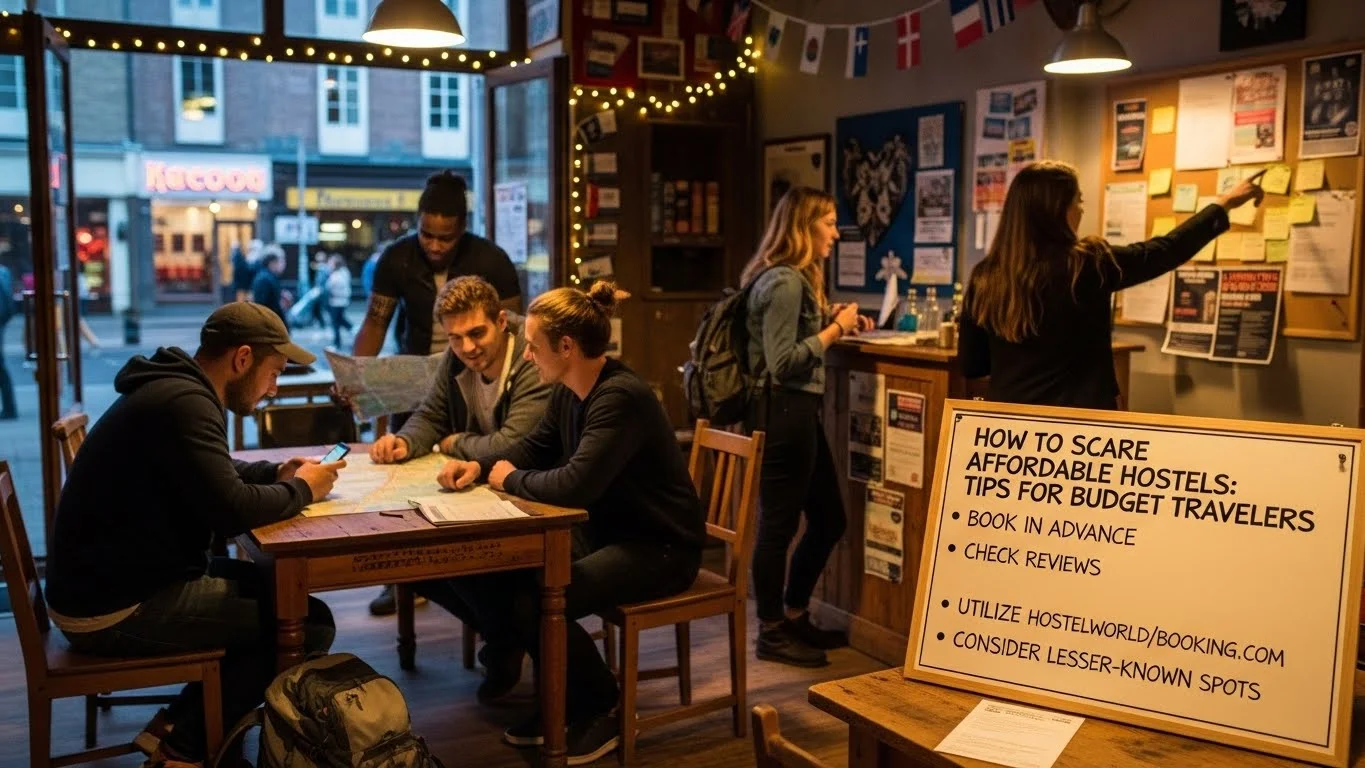
How to Score Affordable Hostels: Tips for Budget Travelers

Understanding the Hostel Landscape

What is a Hostel?

When I first heard about hostels, I was a bit skeptical. I imagined cramped spaces and loud parties. But as I learned more, I discovered that hostels are simply budget-friendly lodgings where travelers can share a room, facilities, and experiences. They cater primarily to young travelers, backpackers, and those looking for a more communal atmosphere. From my own travels, I’ve come to appreciate the unique vibe hostels provide—it’s a blend of comfort, community, and adventure that I haven’t found anywhere else.

Types of Hostels: Shared vs. Private Rooms

One of the first decisions you’ll face when choosing a hostel is whether to book a shared or private room. Shared rooms, where multiple travelers sleep in bunk beds, are usually the cheapest option. I remember staying in a 10-bed dorm in Paris; it was an experience filled with laughter and late-night conversations. On the other hand, if you value privacy or are traveling with a partner, private rooms are a great option, often still at a fraction of hotel prices. I found that many hostels offer a variety of room types, allowing us to pick what best fits our travel style and budget.

Key Differences Between Hostels and Hotels

Understanding the differences between hostels and hotels can really help you decide where to stay. First off, cost is a significant factor. Hostels are generally much cheaper than hotels, making them ideal for budget travelers. Beyond price, the atmosphere is different—hostels tend to be lively and social, whereas hotels can feel more impersonal. I’ve found myself meeting fascinating people in hostel common rooms, sharing stories and travel tips over coffee. Hostels often provide communal kitchens and lounges, allowing guests to cook meals and connect, which is something I’ve always appreciated. Plus, the flexibility of hostel check-in and check-out times can be a lifesaver, especially when traveling through different time zones.

Benefits of Staying in Hostels

Cost-Effectiveness for Budget Travelers

The primary reason I choose hostels is for their cost-effectiveness. As a budget traveler, I want to stretch my dollars as far as they can go. Staying in a hostel allows me to allocate more of my budget to experiences rather than accommodations. I remember a trip to Southeast Asia, where the cost of staying in a hostel was a fraction of what a hotel would’ve been. This saved me enough to take a cooking class and even enjoy a few local excursions!

Social Environment and Community

One of the best parts of staying in a hostel is the chance to meet people from all over the world. I’ve shared meals with travelers from Europe, exchanged stories with backpackers from Australia, and even made lifelong friends along the way. The communal spaces in hostels often foster an environment of camaraderie. I vividly remember sitting in a hostel lounge in Barcelona, sharing travel tips and laughs with a group of fellow travelers. It’s a unique experience that I believe enriches your journey.

Access to Local Insights and Travel Tips

Hostels often provide more than just a bed; they serve as a hub of local knowledge. Many have staff who are passionate about their cities and eager to share hidden gems with you. I’ve found that hostel staff are usually well-informed about the best local eateries, must-see attractions, and off-the-beaten-path adventures. On several occasions, they’ve pointed me to places I wouldn’t have found in a guidebook. For instance, at a hostel in Budapest, I discovered a quaint little café that served the best pastries – a true local secret! Additionally, Top Eco-Friendly Tips for Cultural Exploration on a Budget can provide insights on how to explore sustainably.

When to Book Hostels for the Best Rates

Understanding Peak and Off-Peak Seasons

When I started traveling, I quickly learned that timing is everything when it comes to finding the best rates on hostels. Each destination has its peak and off-peak seasons, which can significantly impact prices. For instance, I remember visiting Barcelona during the summer, when the city is flooded with tourists, and hostel prices skyrocketed. The atmosphere was vibrant, but my wallet felt the pinch! I’ve found that traveling during the shoulder season—those months just before or after the peak—can provide a good balance. You still get pleasant weather and fewer crowds, plus much better rates on accommodations.

Timing Your Booking for Discounts

Booking at the right time can also be a game-changer. I’ve noticed that many hostels offer discounts for early bookings, especially if you plan ahead. I once booked a hostel in Prague three months in advance and saved a considerable amount compared to what I would have paid if I booked a week before my trip. On the other hand, some hostels may drop their prices as the date approaches, trying to fill up empty beds. I think it really depends on the destination and the time of year, so I always keep my eyes peeled for any deals while planning my travels.

Last-Minute Deals vs. Early Bird Discounts

There’s a bit of an art to knowing whether to go for early bird discounts or last-minute deals. I’ve had experiences with both strategies. For example, when I was in Lisbon, I decided to book my hostel just a few days before my arrival and snagged an incredible last-minute deal that included breakfast! However, I’ve also been in situations where my preferred hostel was fully booked because I waited too long. I realized that being flexible with my plans often helps, allowing me to take advantage of any spontaneous offers or last-minute discounts available. I recommend doing a bit of research on popular booking sites to see which hostels offer the best deals at different times.

Where to Find Affordable Hostels

Popular Booking Platforms and Websites

Finding affordable hostels has never been easier with various booking platforms available. I often turn to sites like Hostelworld and Booking.com to compare prices and read reviews. These platforms allow me to filter my search based on price, location, and amenities, which is super helpful. I remember using Hostelworld during a trip to Thailand, and the user-friendly interface made it easy to find a cozy spot to rest my head after a long day of exploring. I also like that these platforms often have special deals or discounts, so it’s worth checking them regularly.

Using Social Media and Travel Forums

Social media has become a treasure trove of travel tips, and I’ve found that platforms like Instagram and Facebook groups can lead to some fantastic hostel recommendations. I often follow travel influencers who share their experiences and sometimes even discount codes with their followers. Additionally, forums like Reddit or TripAdvisor can be a gold mine for finding hidden gems. I once stumbled upon a post talking about a lesser-known hostel in Lisbon that was not only affordable but also had a fantastic view of the city. Engaging with the travel community online has enriched my adventures immensely.

Local Recommendations and Word of Mouth

Sometimes, the best recommendations come from fellow travelers or locals. I’ve had some of my most memorable hostel stays thanks to chatting with other backpackers I met on the road. After sharing travel stories, I learned about amazing hostels in cities I hadn’t planned to visit. I also like to ask locals for their recommendations—those who live in the area often know the best spots that aren’t highlighted in travel guides. One time in Budapest, I chatted with a bartender who pointed me toward a hostel that had a fantastic atmosphere and was budget-friendly. Trusting these personal recommendations can often lead to unexpected adventures!

Evaluating Hostel Quality and Amenities

Reading Reviews and Ratings

Before I book a hostel, I always take the time to read reviews and ratings. User experiences can give me invaluable insights into what to expect. I remember booking a hostel that had great photos and a decent price, but the reviews were mixed about cleanliness. I decided to avoid it and went with another place that had glowing feedback about its friendly atmosphere and well-maintained facilities. I also look for responses from the hostel management to see how they handle criticism. This often reflects their customer service and commitment to providing a great experience.

Key Amenities to Look For: Wi-Fi, Kitchen, etc.

When evaluating hostels, I focus on the amenities that will enhance my stay. For me, reliable Wi-Fi is a must, especially if I need to catch up on travel planning or stay in touch with family. I also love hostels with communal kitchens; cooking my meals can save so much money and allows me to connect with other travelers. I’ve had some great cooking sessions with fellow guests, sharing recipes and local food tips. Additionally, secure lockers for my belongings and laundry facilities are also high on my list. These small comforts can make all the difference during a long trip.

Location Considerations: Proximity to Attractions and Transport

Location is another key factor I consider when booking a hostel. I often prefer a place that is within walking distance of major attractions or has easy access to public transport. On a trip to Rome, I stayed at a hostel just a short walk from the Colosseum, which made exploring the city so much more enjoyable. I also like to check how close the hostel is to local eateries and shops. Being in a vibrant neighborhood can really enhance the overall travel experience. I’ve discovered some of my favorite local spots just by wandering around the areas surrounding hostels.

Tips for Scoring the Best Deals on Hostels

Utilizing Discounts and Loyalty Programs

When it comes to saving money on hostels, I’ve realized that discounts and loyalty programs can be a game changer. Many booking platforms offer special deals that can significantly lower your costs. I remember discovering a 10% discount on my next booking just for signing up for a newsletter. It doesn’t take much effort, and those savings add up! Additionally, some hostels have their own loyalty programs. After staying at a particular hostel a few times, I received a free night’s stay. It felt great to be recognized as a repeat guest, and it encouraged me to return. If you’re planning to travel often, it might be worth it to look for hostels that reward loyalty.

Joining Hostel Affiliations or Memberships

Another tip I’ve found useful is joining hostel affiliations or memberships. Organizations like Hostelling International offer memberships that provide discounts at participating hostels worldwide. I remember joining when I was planning a big trip through Europe. The small fee I paid for the membership quickly paid for itself with the discounts I received. It also gave me access to a network of hostels that prioritize safety and quality, which made me feel more secure while traveling. If you’re a frequent traveler, I recommend exploring these options to maximize your savings.

Negotiating Rates Directly with Hostels

Believe it or not, negotiating rates directly with hostels can sometimes work in your favor. I’ve had success simply asking if there are any special rates available for longer stays or if they can offer a discount for booking directly through their website. I remember a time in Lisbon when I reached out to a hostel to inquire about rates for a four-night stay. They were more than happy to provide a discount because it meant filling a room rather than relying on third-party booking fees. I felt empowered from that experience, and it taught me that sometimes, a simple question can lead to better deals.

Staying Safe in Hostels

Understanding Hostel Security Features

Safety is a top priority for many travelers, and it’s something I think about before booking a hostel. I always look for hostels with solid security features, such as lockers for personal belongings and 24-hour reception. I remember one hostel in Prague had electronic key card access, which made me feel more secure. It’s essential to choose a place that takes security seriously. Additionally, I often check if the hostel provides surveillance cameras in common areas; it’s just one more layer of reassurance while I’m traveling.

Best Practices for Personal Safety

Outside of hostel security, there are several best practices I’ve adopted to stay safe while traveling. First, I always keep my valuables close, either in a secure locker or on my person. I’ve learned that using a money belt or a hidden pouch can be a lifesaver in crowded areas. I also try to be mindful of my surroundings and avoid drawing too much attention to myself, especially when I’m in a new place. When meeting new people in hostels, I’m friendly but cautious, especially in the early stages of making new friends. Trusting my instincts has served me well, and it’s something I encourage others to do as well.

What to Do in Case of Emergencies

Emergencies can happen anywhere, and it’s important to have a plan. I always make sure to have the local emergency numbers saved on my phone, as well as the contact information for my country’s embassy. I remember a minor incident where I lost my phone, and having those numbers saved made it much easier to report the loss and get help. Additionally, I try to familiarize myself with the layout of the hostel upon arrival, noting the nearest exits and emergency procedures. It’s just one way to feel more secure and prepared while on the road.

Making the Most of Your Hostel Experience

Getting Involved in Hostel Activities

One of the best ways to enhance your hostel experience is by getting involved in the activities they offer. Many hostels organize events like group dinners, city tours, or game nights. I remember a fantastic pub crawl organized by a hostel in Berlin; it was a great way to meet fellow travelers and get to know the city. Participating in these activities not only makes your stay more enjoyable, but it also connects you with others who share a passion for travel. I highly recommend checking the hostel’s activity board or asking the staff about upcoming events to make the most of your stay.

Meeting Other Travelers and Networking

One of the biggest perks of staying in a hostel is the opportunity to meet other travelers. I’ve met people from all walks of life and shared countless amazing stories over breakfast or in the common area. I often strike up conversations with fellow guests, and sometimes even join them for sightseeing. It’s incredible how a shared experience can lead to friendships that last beyond the trip. I’ve even collaborated on travel plans with other backpackers, which made my adventures even richer.

Exploring Local Culture Through Hostel Events

Many hostels also focus on showcasing local culture through special events or workshops. I remember staying at a hostel in Thailand that offered traditional cooking classes for guests. Participating in that class not only enhanced my culinary skills but also deepened my appreciation for local traditions. These experiences are often affordable and provide a unique way to connect with the culture of the place you’re visiting. I encourage everyone to take advantage of these opportunities when they arise; you never know what new interests you might discover! For those passionate about heritage, check out Budget Travel Tips for Cultural Heritage Enthusiasts.

Frequently Asked Questions

What is a hostel?

A hostel is a budget-friendly lodging option where travelers can share a room, facilities, and experiences. They primarily cater to young travelers and backpackers, providing a communal atmosphere filled with comfort and adventure.

What types of rooms can you find in hostels?

Hostels typically offer two types of rooms: shared rooms, where multiple travelers sleep in bunk beds, and private rooms for those who value privacy. Shared rooms are usually the cheapest option, while private rooms still offer affordable rates compared to hotels.

What are the key differences between hostels and hotels?

Hostels are generally much cheaper than hotels, making them ideal for budget travelers. They tend to have a lively and social atmosphere, while hotels can feel more impersonal. Hostels often provide communal kitchens and lounges, fostering connections among guests.

How can staying in hostels be cost-effective for travelers?

Staying in hostels allows budget travelers to stretch their dollars further by allocating more of their budget to experiences rather than accommodations. Hostels offer significantly lower prices compared to hotels, enabling travelers to participate in activities like cooking classes and local excursions.

When is the best time to book hostels for the best rates?

The best time to book hostels is during the shoulder season—just before or after peak tourist seasons—when prices are generally lower. Additionally, booking early can yield discounts, while some hostels may offer last-minute deals to fill empty beds.

What are popular platforms to find affordable hostels?

Popular booking platforms for finding affordable hostels include Hostelworld and Booking.com. These sites allow users to compare prices, read reviews, and filter searches based on price, location, and amenities.

How can social media help in finding hostels?

Social media platforms like Instagram and Facebook groups can provide valuable hostel recommendations. Following travel influencers and engaging in travel forums like Reddit or TripAdvisor can lead to discovering lesser-known, affordable hostels.

What safety features should travelers look for in hostels?

Travelers should look for hostels with solid security features, such as lockers for personal belongings and 24-hour reception. Additional measures like electronic key card access and surveillance cameras in common areas can enhance security.

What are some best practices for staying safe in hostels?

To stay safe in hostels, travelers should keep valuables secure, be mindful of their surroundings, and trust their instincts when meeting new people. It’s also important to familiarize oneself with the hostel layout and local emergency numbers upon arrival.

How can travelers make the most of their hostel experience?

Travelers can enhance their hostel experience by getting involved in hostel activities, networking with other travelers, and participating in events that showcase local culture, such as cooking classes or city tours.

Ultimate Guide to Finding Cheap Places to Stay While Traveling

Traveling can be an exhilarating experience, but finding affordable places to stay can be a daunting task. I’ve been there, juggling my budget while trying to make the most of my trips. Let’s dive into the world of budget accommodations! Read Interesting article: How to Find Cheap Places to Stay While Traveling

Understanding Different Types of Accommodations

When it comes to finding cheap places to stay, understanding the different types of accommodations available is key. Each option has its pros and cons, and knowing them can help us make informed decisions based on our travel style and budget. I’ve explored various options, and here’s what I’ve found.

Ultimate Guide to Finding Cheap Places to Stay While Traveling

Hotels

Hotels are perhaps the most common choice for travelers. They range from budget motels to luxury resorts. Personally, I find that budget hotels can offer great deals, especially if you book in advance or during a sale. Some hotel chains often have loyalty programs that provide additional discounts and perks, which I have used to my advantage on several occasions. Just remember to look for reviews on sites like TripAdvisor to ensure you’re getting a decent place for your money.

Hostels

Hostels are a fantastic option for budget travelers, especially if you’re open to meeting new people. I remember my first hostel stay; it was a bit intimidating, but I ended up making friends from all over the world! Most hostels offer dormitory-style rooms, which can significantly lower costs. They often have shared kitchens, which helps save money on meals. If you’re traveling solo or with friends, hostels can be a lively and affordable way to experience a new city. Read Interesting article: Traveling Solo with Pets: Where to Stay on a Budget

Airbnb and Vacation Rentals

Airbnb and other vacation rental platforms have revolutionized the way we find accommodations. Staying in someone’s home can provide a unique local experience that hotels simply can’t match. I’ve stayed in everything from cozy apartments to treehouses! Often, you can find budget-friendly options, especially if you’re traveling in a group and can split the cost. Just be sure to read the reviews and check the cancellation policy before booking, as experiences can vary widely.

Bed and Breakfasts

Bed and breakfasts (B&Bs) offer a cozy and personal touch. They often include breakfast in the price, which can save you money on meals. I’ve stayed at some charming B&Bs where the hosts shared local tips that made my trip even better. While they can be a bit pricier than hostels, they often provide a more intimate setting and local flavor that I cherish.

Campsites and Glamping

If you love nature, campsites can be a fantastic budget option. I remember camping under the stars, which was a magical experience. Campsites are usually much cheaper than hotels, and you can find them in beautiful locations. For those who prefer comfort, glamping (glamorous camping) has become popular, offering a more luxurious experience without losing the outdoor charm. If you’re adventurous, this could be a great way to save some money while enjoying nature!

In my experience, the key to finding cheap accommodations is to be open-minded about where you stay. Each option has its advantages, and sometimes the less traditional choices can lead to the most memorable experiences. I encourage you to consider what kind of experience you want and choose accordingly.

Budgeting for Your Trip

Once you understand the types of accommodations available, the next step is budgeting for your trip. I’ve learned that setting a clear budget can help avoid financial stress while traveling.

Setting a Daily Accommodation Budget

First, determine how much you can spend on accommodations daily. I usually set aside a percentage of my overall travel budget for lodging. This helps me narrow down my options. For instance, if I plan to travel for five days, I’ll divide my total accommodation budget by five. This makes it easier to stick to my budget while searching for places to stay.

Identifying Hidden Costs

One thing I’ve noticed is that some accommodations come with hidden costs that can add up quickly. These may include cleaning fees, service charges, or even taxes. I always check the fine print before booking. It’s also wise to consider costs for parking, Wi-Fi, or breakfast if they aren’t included. Being aware of these potential expenses helps me stay on track financially.

How to Save on Food and Transportation

Food and transportation can also eat into your budget. I’ve found that staying in places with kitchen facilities allows me to prepare some meals, which can save a lot. Additionally, using public transportation instead of taxis can help keep costs down. I love exploring cities by walking or biking; it’s a great way to see the sights and save money! Read Interesting article: Best Cheap Transport Options for Solo Backpackers

In my journey of finding affordable places to stay, I’ve learned that a little research can go a long way. By understanding the types of accommodations and budgeting wisely, we can make our travel dreams a reality without breaking the bank.

Where to Look for Cheap Places to Stay

Finding great deals on accommodations starts with knowing where to look. Over the years, I’ve discovered various online resources that have helped me snag some fantastic bargains. Here are my go-to places for finding cheap stays.

Online Booking Platforms

Online booking platforms like Booking.com, Expedia, and Agoda have become my best friends when searching for affordable accommodations. They often feature a wide range of options, from hotels to hostels and vacation rentals. I appreciate how user-friendly these sites are; I can filter my searches based on price, location, and amenities. One tip I’ve learned is to be flexible with your dates. Sometimes, shifting your stay by even one day can lead to significant savings. I remember booking a hotel for a weekend stay, and by moving it to a mid-week visit, I saved over 30%! It’s worth checking these platforms regularly, as they often run promotions and flash sales.

Comparison Websites

Comparison websites like Trivago and Kayak allow me to see prices across multiple booking platforms at once. This feature has saved me a lot of time and money. I love how these sites let you compare not just the price, but also the included amenities and cancellation policies. Once, I found a hidden gem of a hotel that was cheaper than anything I had seen directly on the booking sites. It felt like winning the travel lottery! I recommend checking these comparison sites to ensure you’re getting the best deal possible.

Travel Apps for Last-Minute Deals

There’s something exhilarating about last-minute travel deals! Apps like HotelTonight and Last Minute Travel specialize in offering discounted rates for last-minute bookings. I’ve used HotelTonight several times when my plans changed unexpectedly. The thrill of finding a beautiful room at a steep discount always feels like a bonus adventure. Just keep in mind that availability can be limited, so it’s best for spontaneous travelers like myself. If I’m in a city and decide to extend my stay, I can easily find a comfy place without burning a hole in my wallet. It’s a win-win!

Local Listings and Classifieds

Sometimes, the best deals come from local listings and classifieds. Websites like Craigslist, Facebook Marketplace, or local tourism boards often feature budget accommodations that might not be listed on major booking sites. I recall discovering a charming bed and breakfast through a local Facebook group. The price was so reasonable, and the owner provided personal insights about the area that made my stay even more enjoyable. While I always approach these listings with caution and check reviews or references, they can lead to some unique finds. I encourage you to explore these local options, especially if you’re traveling to less touristy areas.

Timing Your Bookings

Timing has a significant impact on accommodation prices, and I’ve learned that when I book can be just as important as where I book. I’ve found that being strategic about my timing can lead to substantial savings.

Best Times to Book Accommodations

Generally, booking in advance is a good strategy. I like to look for accommodations at least a few months before my trip, especially for popular destinations. However, I’ve also discovered that booking too early can sometimes lead to higher prices. I’ve read that the sweet spot is usually around 1-2 months before your trip. During this period, prices tend to fluctuate, and you might catch a last-minute sale. I remember booking a hotel for a summer trip in early June, and I was pleasantly surprised to find a great deal that hadn’t been available months before.

Off-Peak Travel Benefits

Traveling during the off-peak season is another strategy I’ve used to save money. I’ve found that many destinations are less crowded and more affordable during these times. For instance, I love visiting cities during the shoulder seasons—spring and fall—when the weather is still pleasant, but prices are lower. I remember visiting Europe in early spring, and I was able to enjoy major attractions without the large crowds and inflated prices that come during summer. It felt like I had the place to myself!

Last-Minute Deals and Discounts

While I’ve mentioned last-minute apps, I’ve also had success finding deals directly through hotel websites. Many hotels offer discounts for last-minute bookings, and I’ve been able to score rooms for half the price just by checking their websites a few days before my arrival. Signing up for newsletters from my favorite hotels often gives me early access to these deals. I once booked a last-minute stay at a lovely resort just by keeping an eye on their newsletter! Being flexible with my plans has opened up a world of savings.

Timing your bookings wisely can be a game-changer in your travel budget. By being strategic, I’ve learned to make the most of my accommodations while ensuring I don’t overspend. It really is all about finding that balance!

Tips for Finding the Best Deals

Now that we’ve explored where to look for budget accommodations and how to time your bookings, let’s dive into some practical tips that have helped me snag the best deals over the years. I’ve picked up a few tricks along the way that I believe can make a significant difference in your travel budget.

Using Price Alerts and Notifications

One of my favorite tools for finding great deals is setting up price alerts on various booking websites. This feature allows me to receive notifications when prices drop for specific accommodations I’m interested in. I remember planning a trip to a popular beach resort and setting up alerts for multiple hotels. After a couple of weeks, I received an alert for a fantastic deal that saved me almost 25% off the regular price! It’s super easy to set up and can really pay off if you’re patient and flexible with your plans.

Leveraging Loyalty Programs and Memberships

If you find yourself frequently booking accommodations, I highly recommend taking advantage of loyalty programs. Many hotel chains have rewards systems that allow you to earn points with each stay. I’ve been a member of several loyalty programs, and it’s rewarding to get free nights or upgrades just for staying with the same brand. Additionally, some credit cards offer travel rewards that can be applied toward hotel bookings. I once stayed at a hotel for free after accumulating points through my credit card’s travel rewards program. It’s a simple way to save money while enjoying perks!

Social Media and Travel Forums

Social media can be an unexpected goldmine for finding deals. I often follow travel accounts on Instagram and Twitter, where companies sometimes post exclusive discounts or flash sales. Joining travel forums, like those on Reddit or specific travel websites, has also connected me with other travelers sharing their tips and experiences. I remember discovering a little-known site through a travel group that offered amazing prices on accommodations. The collective knowledge of fellow travelers can lead to unique opportunities that I might not have found on my own.

What to Consider When Choosing Accommodations

As exciting as it is to find budget accommodations, it’s also essential to consider a few factors to ensure a pleasant stay. Over the years, I’ve learned that some aspects can make or break our travel experience.

Location: Proximity to Attractions

When choosing where to stay, location is crucial. I’ve made the mistake of opting for cheaper accommodations that were far away from the main attractions. This often led to spending more on transportation and wasted time commuting. I’ve found that staying within walking distance or near public transportation can significantly enhance the travel experience. For instance, during my last trip to London, I chose a budget hotel just a short walk from the tube station, and it made exploring the city so much easier and more enjoyable!

Amenities: Wi-Fi, Breakfast, Parking

Another consideration is the amenities offered by the accommodation. I’ve always appreciated places that provide complimentary Wi-Fi and breakfast, as these can save both time and money. Some hotels offer free breakfast, which allows me to start my day without scrambling for food. If you’re traveling by car, checking for free parking can also be a big plus. I remember staying at a budget hotel that not only had free parking but also free breakfast, making it a fantastic deal overall.

Reviews and Ratings

Before finalizing my accommodation, I always check reviews and ratings. Websites like TripAdvisor and Google Reviews provide insights from fellow travelers about their experiences. I’ve found that reading about others’ stays can help me avoid potential pitfalls. For example, I once avoided a place with consistently low ratings regarding cleanliness, which ultimately saved me from an unpleasant experience. I recommend looking for places that have a good balance of positive reviews and take note of any recurring complaints.

Cancellation Policies

Lastly, I always consider the cancellation policies of accommodations. Life can be unpredictable, and it’s essential to have flexibility in case plans change. I once booked a stay at a hotel with a strict no-refund policy, and unfortunately, I had to change my travel dates, leading to a financial loss. Most places offer varying cancellation policies, and I’ve learned that opting for accommodations with more forgiving terms can save me from stress later on. I always take a moment to read the fine print before hitting that “book” button.

By keeping these tips in mind, I’ve been able to find budget accommodations that not only fit my wallet but also enhance my travel experiences. It’s all about being informed and making choices that align with my travel needs and preferences. The right accommodations can truly transform a trip!

Safety and Security Tips for Budget Travelers

As much as I love to save money while traveling, my safety and security are always top priorities. I’ve learned a few key tips that help me feel secure without spending a fortune. Here’s what I keep in mind when I’m on the road.

Choosing Safe Neighborhoods

When picking accommodations, I always consider the neighborhood’s safety. I’ve heard horror stories about travelers staying in areas that looked nice online but were actually sketchy. Before booking, I take some time to research the neighborhood. I often check online forums, read local news, or ask friends who’ve been there. I remember my trip to a vibrant city where I chose a hostel in an area known for its nightlife. While it was fun, I later realized that it had some safety concerns after hearing about incidents from locals. Now, I always aim to stay in neighborhoods that are well-regarded for safety, even if it means spending a bit more.

Protecting Your Belongings

Keeping my belongings safe while traveling is crucial. I always use a combination of strategies to protect my valuables. For instance, I carry a money belt under my clothes to keep cash and important documents secure. I also use locks on my luggage and in shared dorm rooms. When staying at hostels, I’ve found that some offer lockers for an extra layer of security, which I always recommend using. Once, I had a near-miss when I left my backpack unattended for just a moment; it was a wake-up call. Now, I’m much more vigilant about where I place my belongings, especially in crowded areas.

Emergency Contacts and Resources

It’s always a good idea to have a plan in case of emergencies. I make a list of important contacts, including local emergency services, the nearest embassy, and even my accommodation’s contact information. I keep this list handy on my phone and in my travel journal. I’ve found that being prepared helps me feel more at ease while exploring new places. During one trip, I got lost in a foreign city and was grateful to have my emergency contacts written down. I was able to reach out for help quickly, which made all the difference. Plus, I’ve learned to familiarize myself with local customs and laws; it’s part of being a responsible traveler.

Unique Accommodation Options for Budget Travelers

Beyond the standard options, there are some unique accommodations that can provide memorable experiences without breaking the bank. I’ve dabbled in a few of these, and they can be both affordable and enriching.

House Sitting and Pet Sitting

House sitting is a fantastic way to stay in a nice place for free. I’ve done this a couple of times, and it was an enriching experience. Not only do you get free accommodation, but you often have the privilege of staying in a local home and experiencing life as a resident. I remember one time I took care of a lovely dog in a cozy neighborhood while the owners were away. It felt like a mini-vacation and allowed me to explore the area from a local’s perspective. Websites like TrustedHousesitters can connect you with homeowners looking for someone to care for their property and pets.

Volunteering for Free Accommodation

Volunteering can also provide a way to save on lodging. I’ve participated in programs like WWOOF (World Wide Opportunities on Organic Farms), which allow me to work a few hours a day in exchange for food and accommodation. This experience not only helped me save money but also allowed me to meet wonderful people and learn new skills. I remember helping out on a farm in Italy, which turned out to be one of my favorite travel experiences.

Staying with Locals: Couchsurfing

Couchsurfing is another option I’ve explored. It’s a great way to meet locals, share stories, and often stay for free. I’ve had some amazing experiences staying with hosts who gave me insights into their city that I would never have found in a guidebook. I remember one particular stay where my host took me to a local festival, and it was a highlight of my trip. While I always take precautions and read reviews before staying with someone, I’ve found that the connections made through Couchsurfing can be incredibly rewarding.

Planning Your Stay: Creating an Itinerary

With my accommodations sorted, I like to create a flexible itinerary that incorporates my stays while allowing for spontaneous exploration. This has been a game-changer for my travels.

Incorporating Accommodations into Your Travel Plans

I often plan my daily activities based on where I’m staying. For instance, if I’m near a popular attraction, I might prioritize visiting that site on the first day. This way, I can maximize my time and minimize travel costs. I remember a trip to Paris where I stayed near the Louvre; I was able to visit early in the morning and avoid the crowds. It made the experience so much more enjoyable!

Setting a Flexible Schedule for Exploration

While having a plan is essential, I’ve learned that flexibility can lead to unexpected adventures. I try to leave parts of my itinerary open for spontaneous discoveries. On a recent trip, I stumbled upon a local market while wandering through a neighborhood, which turned out to be the highlight of my day. I’ve made it a point to allow myself time to explore without a strict schedule, as it often leads to the most memorable experiences.

Using Local Transport for Cost-Effective Travel

Finally, I always opt for local transportation whenever possible. Using buses, trams, or even walking can save money and give me a chance to see the city from a different perspective. I love hopping on public transport and experiencing the daily life of locals. During my travels, I often download local transit apps to navigate easily. Plus, it’s a great way to immerse myself in the culture!

Final Thoughts

Traveling on a budget doesn’t have to mean sacrificing comfort or experiences. With the right strategies, from choosing unique accommodations to planning flexible itineraries, we can explore the world without financial stress. I’ve learned that every trip is an opportunity for adventure, and sometimes the most memorable experiences come from thinking outside the box. So, let’s keep exploring, stay curious, and make the most of our journeys while keeping our budgets in check!

Frequently Asked Questions

What are the different types of budget accommodations available for travelers?

There are several types of budget accommodations, including hotels, hostels, Airbnb and vacation rentals, bed and breakfasts, and campsites or glamping. Each type offers unique advantages and can cater to different travel styles and budgets.

How can I set a daily accommodation budget for my trip?

To set a daily accommodation budget, first determine your overall travel budget and allocate a percentage for lodging. Divide your total accommodation budget by the number of days you plan to travel, which helps narrow down your options and stick to your budget.

What are some hidden costs to look out for when booking accommodations?

Hidden costs can include cleaning fees, service charges, taxes, and additional costs for parking, Wi-Fi, or breakfast if they aren’t included in the price. Always check the fine print before booking to avoid unexpected expenses.

What platforms can I use to find cheap places to stay?

Online booking platforms like Booking.com, Expedia, and Agoda are great for finding affordable accommodations. Comparison websites like Trivago and Kayak allow you to compare prices across multiple platforms, while travel apps like HotelTonight offer last-minute deals.

When is the best time to book accommodations for the best prices?

Generally, booking accommodations 1-2 months in advance is ideal, as prices tend to fluctuate during this period. Traveling during off-peak seasons can also lead to more affordable options and fewer crowds.

How can loyalty programs help save money on accommodations?

Loyalty programs from hotel chains allow you to earn points for each stay, which can be redeemed for free nights or upgrades. Additionally, some credit cards offer travel rewards that can be applied towards hotel bookings, providing further savings.

What should I consider when choosing accommodations for safety and security?

When choosing accommodations, consider the safety of the neighborhood, use locks on your luggage, and take advantage of lockers in shared dorm rooms. It’s also wise to have a list of emergency contacts handy in case of unexpected situations.

What unique accommodation options are available for budget travelers?

Unique accommodation options include house sitting, pet sitting, volunteering for free accommodation, and Couchsurfing. These alternatives can provide enriching experiences while saving money on lodging.

How should I incorporate my accommodations into my travel plans?

Plan your daily activities based on the location of your accommodations to maximize time and minimize travel costs. Allow flexibility in your schedule for spontaneous discoveries, and utilize local transportation for a cost-effective way to explore.

What are some strategies for finding the best deals on accommodations?

Set up price alerts on booking websites, take advantage of loyalty programs, leverage social media for exclusive discounts, and explore local listings for unique finds. Researching and being patient can lead to significant savings.

Top 10 Budget Accommodations for Backpackers in 2024

Traveling on a budget doesn’t mean sacrificing comfort or adventure. In 2024, backpackers can explore amazing destinations while enjoying affordable accommodations that don’t break the bank! For more insights, check out our article on Top Eco-Friendly Accommodations for Budget Backpackers.

Understanding Budget Accommodations for Backpackers

What are Budget Accommodations?

When I think about budget accommodations, I picture cozy hostels filled with fellow travelers, guesthouses brimming with local charm, and perhaps a serene campsite under the stars. Budget accommodations are lodging options specifically designed for travelers looking to save money while enjoying unique experiences. These places prioritize affordability, often offering shared facilities and communal spaces that make it easy to meet new friends. From my experience, budget accommodations can range from basic shared dorms to private rooms at low prices, ensuring there’s something for everyone.

Top 10 Budget Accommodations for Backpackers in 2024

Why Choose Budget Accommodations?

Choosing budget accommodations has always been my go-to strategy for travel. For starters, it allows me to stretch my travel budget further, which means more adventures and experiences. When I stay in a hostel or a guesthouse, I often find a vibrant atmosphere and the opportunity to connect with other travelers. It’s not just about saving money; it’s about the shared experiences and camaraderie that come with it. I believe that these accommodations enrich my travels, allowing me to immerse myself in local cultures and lifestyles without spending a fortune. If you’re interested in more options, consider exploring our list of 10 Affordable Accommodations for Budget Backpackers.

Types of Budget Accommodations

Backpacking opens up a world of possibilities when it comes to places to stay. Here’s a closer look at some of the most popular types of budget accommodations I’ve encountered over the years.

Hostels

Hostels have become a staple for backpackers like us. They often offer dormitory-style rooms where you can sleep in a shared space, making it one of the most affordable options around. I remember my first hostel experience in Barcelona; the lively atmosphere was infectious! Many hostels also provide kitchens, allowing us to cook our meals and save even more. Plus, the communal areas are great for meeting fellow travelers, sharing stories, and making plans. Some hostels even organize events, like pub crawls or city tours, which can be a fantastic way to explore a new place.

Guesthouses

If you’re looking for a bit more privacy, guesthouses can be a wonderful choice. They are often family-run and provide a more personal touch than larger hotels. I fondly recall staying in a guesthouse in Thailand, where the owners treated us like family. They shared local tips and even cooked us breakfast each morning. Guesthouses usually offer private rooms at budget prices, making them perfect for couples or those wanting a quieter experience while still being part of the local scene.

Campsites

Campsites are another fantastic option, especially if you love the outdoors. I’ve enjoyed some of my most memorable nights camping under the stars. Whether it’s a designated camping area in a national park or a cozy spot by the beach, being in nature can be refreshing. Campsites are usually inexpensive, and many have facilities like showers and kitchens. Just imagine roasting marshmallows over a campfire after a day of hiking! It’s a unique experience that’s hard to replicate in a hotel.

Budget Hotels

When I need a bit more comfort but still want to keep costs down, I often turn to budget hotels. These can be slightly pricier than hostels but offer amenities like private bathrooms and sometimes even breakfast included. I stayed at a budget hotel in Prague once, and it was a perfect blend of comfort and affordability. The key is to look for smaller chains or independent hotels that cater to budget travelers. They often provide a great experience without the high price tag typical of larger hotel chains.

Factors to Consider When Choosing Accommodations

Location

Location is crucial when selecting where to stay. From my travels, I’ve learned that being close to public transportation and major attractions can save a lot of time and money. I often look for accommodations in neighborhoods that are lively but not overly touristy. This way, I can experience the local vibe while still being accessible to the sights I want to see.

Price Range

Understanding your budget is essential. I usually set a daily accommodation limit to help guide my choices. Prices can vary significantly based on location and time of year, so it’s wise to do a bit of research before booking. You’d be surprised at how much you can find in your price range if you look during the off-peak season. For more insights on budget accommodations, check out Sleep Cheap: Best Budget Accommodations for Backpackers.

Amenities and Facilities

Every traveler has different needs. For me, Wi-Fi is a must, as I love sharing my travel experiences in real-time. Some travelers prioritize laundry facilities or communal kitchens. I recommend making a list of your essential amenities before you start searching, ensuring you find a place that meets your needs.

Safety and Security

Safety is always a top concern for me while traveling. I often check the security measures of accommodations, like lockers for valuables and 24-hour reception. It’s important to feel secure in your space, especially when you’re in a new city. I usually read reviews that specifically mention safety to help guide my choices.

Reviews and Ratings

Finally, reading reviews and ratings can provide invaluable insights. I make it a habit to check multiple platforms and look for recent reviews. Genuine feedback from fellow travelers often highlights what to expect and can help me avoid potential pitfalls, ensuring I choose a well-reviewed place.

Top 10 Budget Accommodations for Backpackers in 2024

1. The Flying Pig Hostel – Amsterdam

Overview

The Flying Pig Hostel in Amsterdam is a haven for budget travelers seeking a vibrant atmosphere. It’s located near the city center, making it easy to explore famous sites like the Anne Frank House and the Van Gogh Museum. The hostel has a unique, laid-back vibe that makes you feel right at home.

Key Features

  • 24-hour reception
  • Free Wi-Fi
  • On-site bar and café
  • Daily social events

Price Range

Prices start around $30 per night for a dorm bed, which is quite reasonable for Amsterdam.

Reviews

Travelers rave about the friendly staff and the vibrant atmosphere. Many guests note that it’s more than just a place to sleep; it’s a community for travelers.

2. HI Hostel – Vancouver

Overview

HI Hostel in Vancouver is perfect for those who want a mix of city life and outdoor adventures. This hostel is situated near the beautiful Stanley Park, providing easy access to nature while being close to downtown attractions.

Key Features

  • Self-catering kitchen
  • Free breakfast
  • Game room and communal area
  • Bike rentals available

Price Range

Dormitory beds start at about $35 per night, making it an excellent choice for budget-conscious travelers in a city known for its high costs.

Reviews

Guests appreciate the clean facilities and the friendly atmosphere. Many enjoy the organized events that help foster connections between travelers.

3. Casa de la Musica – Havana

Overview

In the heart of Havana, Casa de la Musica offers a culturally rich experience. This guesthouse is not only affordable but also allows you to immerse yourself in Cuban music and art.

Key Features

  • Live music events
  • Shared kitchen
  • Cultural activities and workshops
  • Friendly local hosts

Price Range

Rooms start at around $25 a night, offering great value for such a vibrant location.

Reviews

Many guests highlight the warm hospitality and the chance to connect with local culture. The musical evenings are particularly praised for their authenticity.

4. The Backpack – Cape Town

Overview

The Backpack in Cape Town is more than just a hostel; it’s a socially responsible establishment that supports local communities. It’s located near the city center and offers breathtaking views of Table Mountain.

Key Features

  • Socially responsible travel practices
  • Swimming pool
  • On-site café
  • Free Wi-Fi

Price Range

Dormitory rates start at $40 per night, which is a fair price considering the location and the mission behind the hostel.

Reviews

Travelers appreciate the ethical focus and enjoy the vibrant atmosphere. Many guests also love the communal spaces that encourage interaction.

5. The Green House – Chiang Mai

Overview

The Green House in Chiang Mai is a peaceful retreat that offers a blend of comfort and affordability. Nestled in the Old City, it’s close to temples and night markets.

Key Features

  • Private and dormitory rooms
  • Garden area for relaxation
  • Free breakfast
  • Organized tours and activities

Price Range

Prices begin at about $15 per night, making it one of the most affordable options in the area.

Reviews

Guests rave about the tranquil atmosphere and the friendly staff, who are always willing to help with local tips and recommendations.

6. KEX Hostel – Reykjavik

Overview

KEX Hostel in Reykjavik is a trendy spot housed in a former biscuit factory. It’s an ideal base for exploring Iceland’s stunning landscapes while enjoying a unique and quirky setting.

Key Features

  • On-site restaurant and bar
  • Live music and events
  • Free Wi-Fi
  • Cozy common areas

Price Range

Dormitory beds start around $40 per night, which is a steal for a city known for its high prices.

Reviews

Travelers love the eclectic vibe and the chance to meet locals and fellow travelers alike. Many highlight the fun activities organized by the hostel.

7. Mellow Fellow Hostel – Berlin

Overview

Mellow Fellow Hostel is a laid-back option in the heart of Berlin. It’s a great place to relax after a day of exploring the city’s rich history and culture.

Key Features

  • Free breakfast
  • Bar and lounge area
  • Bike rentals
  • Kitchen facilities

Price Range

Prices start at about $30 per night for a dorm bed, making it a budget-friendly choice in an expensive city.

Reviews

Guests often mention the friendly staff and the relaxed environment. The communal kitchen is a favorite spot for cooking and socializing.

8. Hostelworld’s Top Picks – Dublin

Overview

Hostelworld’s top picks in Dublin offer a selection of budget-friendly accommodations that cater to various tastes. From modern hostels to charming guesthouses, there’s something for everyone.

Key Features

  • Variety of accommodation styles
  • Central locations
  • Social activities and pub crawls
  • Free Wi-Fi and breakfast options

Price Range

Prices typically range from $25 to $50 per night, depending on the type of accommodation you choose.

Reviews

Many travelers appreciate the central locations and the chance to engage with other backpackers. The social atmosphere is often highlighted in reviews.

9. The Wanderlust – Sydney

Overview

The Wanderlust in Sydney is a stylish hostel that caters to modern travelers. Located near the iconic Bondi Beach, it’s perfect for beach lovers and city explorers alike.

Key Features

  • Roof terrace with ocean views
  • Free yoga classes
  • Shared kitchen and lounge areas
  • Organized tours and activities

Price Range

Dormitory beds start at around $35 per night, which is a great deal for such a prime location.

Reviews

Guests rave about the stunning views and the friendly staff. The social events are a hit, providing opportunities to meet fellow travelers.

10. Hostel Alguacil – Madrid

Overview

Hostel Alguacil in Madrid is a cozy spot that combines comfort with affordability. It’s conveniently located near major attractions, making it easy to explore the city.

Key Features

  • Private and shared rooms
  • Free Wi-Fi
  • 24-hour reception
  • Common kitchen facilities

Price Range

Prices start at about $25 per night, making it one of the most economical choices in the city.

Reviews

Travelers appreciate the cleanliness and the welcoming atmosphere. Many guests highlight the helpful staff who provide great local recommendations.

Tips for Finding the Best Budget Accommodations

Using Online Booking Platforms

When I’m on the hunt for budget accommodations, online booking platforms have become my best friends. Websites like Hostelworld, Booking.com, and Airbnb allow us to compare prices and read reviews all in one place. I appreciate the filters that help me narrow down my options based on price, amenities, and location. I’ve found some hidden gems through these sites, ones that I wouldn’t have discovered otherwise. For instance, last summer in Lisbon, I stumbled upon a small guesthouse that offered a cozy room at half the price of nearby hotels, simply because it wasn’t listed on the mainstream travel sites. I recommend taking the time to explore different platforms; they each have unique listings that cater to various travel styles and budgets.

Reading Reviews and Comparisons

One of the most valuable resources when selecting accommodations is the reviews left by other travelers. I always take the time to read through them, focusing on the most recent comments. I’ve learned that feedback can reveal a lot about the cleanliness, atmosphere, and staff friendliness of a place. For example, during my trip to Budapest, a review pointed out that a particular hostel offered free walking tours, which ended up being one of the highlights of my stay. I also like to check if the reviews mention any consistent issues, like noise levels or security concerns. It’s all about gathering as much information as I can to make an informed decision.

Booking in Advance vs. Last Minute

Deciding when to book is another critical factor for budget travelers. I’ve tried both approaches, and each has its perks. Booking in advance often secures better rates, especially for popular destinations or during peak seasons. I remember planning a trip to Paris months ahead and snagging a fantastic rate at a boutique hostel. However, I’ve also had success with last-minute deals. Sometimes, if you’re flexible with your plans, you can find amazing discounts as hosts look to fill their rooms. During a spontaneous weekend in Berlin, I found a last-minute deal that allowed me to stay in a trendy neighborhood for a fraction of the usual price. It’s all about reading the situation and being willing to adapt.

Local Recommendations and Networking

Connecting with locals or fellow travelers can lead to some of the best budget accommodations. I always try to chat with people I meet along my journeys, whether it’s at a café or while waiting in line. They often have insider tips on affordable places to stay that might not be widely advertised. For instance, while exploring Chiang Mai, I met a local who suggested a family-run guesthouse that was off the beaten path. It turned out to be one of the most memorable stays I’ve ever had, complete with home-cooked meals and personalized tours of the area. Networking with other travelers can also lead to shared accommodations, cutting costs even further. I once shared a spacious Airbnb with a group I met at a festival, and it was not only economical but also a lot of fun!

Top 10 Budget Accommodations for Backpackers in 2024

1. The Flying Pig Hostel – Amsterdam

Overview

The Flying Pig Hostel in Amsterdam is a haven for budget travelers seeking a vibrant atmosphere. It’s located near the city center, making it easy to explore famous sites like the Anne Frank House and the Van Gogh Museum. The hostel has a unique, laid-back vibe that makes you feel right at home.

Key Features

  • 24-hour reception
  • Free Wi-Fi
  • On-site bar and café
  • Daily social events

Price Range

Prices start around $30 per night for a dorm bed, which is quite reasonable for Amsterdam.

Reviews

Travelers rave about the friendly staff and the vibrant atmosphere. Many guests note that it’s more than just a place to sleep; it’s a community for travelers.

2. HI Hostel – Vancouver

Overview

HI Hostel in Vancouver is perfect for those who want a mix of city life and outdoor adventures. This hostel is situated near the beautiful Stanley Park, providing easy access to nature while being close to downtown attractions.

Key Features

  • Self-catering kitchen
  • Free breakfast
  • Game room and communal area
  • Bike rentals available

Price Range

Dormitory beds start at about $35 per night, making it an excellent choice for budget-conscious travelers in a city known for its high costs.

Reviews

Guests appreciate the clean facilities and the friendly atmosphere. Many enjoy the organized events that help foster connections between travelers.

3. Casa de la Musica – Havana

Overview

In the heart of Havana, Casa de la Musica offers a culturally rich experience. This guesthouse is not only affordable but also allows you to immerse yourself in Cuban music and art.

Key Features

  • Live music events
  • Shared kitchen
  • Cultural activities and workshops
  • Friendly local hosts

Price Range

Rooms start at around $25 a night, offering great value for such a vibrant location.

Reviews

Many guests highlight the warm hospitality and the chance to connect with local culture. The musical evenings are particularly praised for their authenticity.

4. The Backpack – Cape Town

Overview

The Backpack in Cape Town is more than just a hostel; it’s a socially responsible establishment that supports local communities. It’s located near the city center and offers breathtaking views of Table Mountain.

Key Features

  • Socially responsible travel practices
  • Swimming pool
  • On-site café
  • Free Wi-Fi

Price Range

Dormitory rates start at $40 per night, which is a fair price considering the location and the mission behind the hostel.

Reviews

Travelers appreciate the ethical focus and enjoy the vibrant atmosphere. Many guests also love the communal spaces that encourage interaction.

5. The Green House – Chiang Mai

Overview

The Green House in Chiang Mai is a peaceful retreat that offers a blend of comfort and affordability. Nestled in the Old City, it’s close to temples and night markets.

Key Features

  • Private and dormitory rooms
  • Garden area for relaxation
  • Free breakfast
  • Organized tours and activities

Price Range

Prices begin at about $15 per night, making it one of the most affordable options in the area.

Reviews

Guests rave about the tranquil atmosphere and the friendly staff, who are always willing to help with local tips and recommendations.

6. KEX Hostel – Reykjavik

Overview

KEX Hostel in Reykjavik is a trendy spot housed in a former biscuit factory. It’s an ideal base for exploring Iceland’s stunning landscapes while enjoying a unique and quirky setting.

Key Features

  • On-site restaurant and bar
  • Live music and events
  • Free Wi-Fi
  • Cozy common areas

Price Range

Dormitory beds start around $40 per night, which is a steal for a city known for its high prices.

Reviews

Travelers love the eclectic vibe and the chance to meet locals and fellow travelers alike. Many highlight the fun activities organized by the hostel.

7. Mellow Fellow Hostel – Berlin

Overview

Mellow Fellow Hostel is a laid-back option in the heart of Berlin. It’s a great place to relax after a day of exploring the city’s rich history and culture.

Key Features

  • Free breakfast
  • Bar and lounge area
  • Bike rentals
  • Kitchen facilities

Price Range

Prices start at about $30 per night for a dorm bed, making it a budget-friendly choice in an expensive city.

Reviews

Guests often mention the friendly staff and the relaxed environment. The communal kitchen is a favorite spot for cooking and socializing.

8. Hostelworld’s Top Picks – Dublin

Overview

Hostelworld’s top picks in Dublin offer a selection of budget-friendly accommodations that cater to various tastes. From modern hostels to charming guesthouses, there’s something for everyone.

Key Features

  • Variety of accommodation styles
  • Central locations
  • Social activities and pub crawls
  • Free Wi-Fi and breakfast options

Price Range

Prices typically range from $25 to $50 per night, depending on the type of accommodation you choose.

Reviews

Many travelers appreciate the central locations and the chance to engage with other backpackers. The social atmosphere is often highlighted in reviews.

9. The Wanderlust – Sydney

Overview

The Wanderlust in Sydney is a stylish hostel that caters to modern travelers. Located near the iconic Bondi Beach, it’s perfect for beach lovers and city explorers alike.

Key Features

  • Roof terrace with ocean views
  • Free yoga classes
  • Shared kitchen and lounge areas
  • Organized tours and activities

Price Range

Dormitory beds start at around $35 per night, which is a great deal for such a prime location.

Reviews

Guests rave about the stunning views and the friendly staff. The social events are a hit, providing opportunities to meet fellow travelers.

10. Hostel Alguacil – Madrid

Overview

Hostel Alguacil in Madrid is a cozy spot that combines comfort with affordability. It’s conveniently located near major attractions, making it easy to explore the city.

Key Features

  • Private and shared rooms
  • Free Wi-Fi
  • 24-hour reception
  • Common kitchen facilities

Price Range

Prices start at about $25 per night, making it one of the most economical choices in the city.

Reviews

Travelers appreciate the cleanliness and the welcoming atmosphere. Many guests highlight the helpful staff who provide great local recommendations.

Final Thoughts

Traveling on a budget can be one of the most rewarding experiences. From my own journeys, I’ve discovered that it’s often the little things—like sharing a laugh with a fellow backpacker in a hostel or discovering a hidden guesthouse—that become the highlights of my trips. When we choose budget accommodations, we not only save money but also open ourselves up to unique experiences that can truly enrich our travels.

I’ve seen how budget options can lead to meaningful connections with locals and other travelers. Whether it’s a friendly conversation in the kitchen of a hostel or a shared meal at a guesthouse, these moments often stay with me long after the trip is over. In a way, budget accommodations act as gateways to deeper cultural exchanges, allowing us to experience life as locals do.

As we explore our world, it’s essential to remember that every penny saved can lead to the next adventure. I encourage you to embrace the spirit of budget travel, remain open to new experiences, and immerse yourself in the communities you visit. After all, travel is as much about the journey as it is about the destination.

So, as you plan your next trip, keep these tips and recommendations in mind. I’m excited for you to discover the wonderful world of budget accommodations and the adventures that await! Let’s hit the road and create unforgettable memories together!

Frequently Asked Questions

What are budget accommodations?

Budget accommodations are lodging options specifically designed for travelers looking to save money while enjoying unique experiences. These places prioritize affordability, offering shared facilities and communal spaces that make it easy to meet new friends.

Why should I choose budget accommodations?

Choosing budget accommodations allows travelers to stretch their travel budget further, enabling more adventures and experiences. They often provide a vibrant atmosphere and the opportunity to connect with other travelers, enriching the travel experience.

What types of budget accommodations are popular among backpackers?

Popular types of budget accommodations include hostels, guesthouses, campsites, and budget hotels. Each option offers different experiences, from shared dormitory-style rooms to private rooms and outdoor camping spots.

What amenities do budget accommodations typically offer?

Amenities can vary, but many budget accommodations offer Wi-Fi, communal kitchens, laundry facilities, and organized events. It’s essential for travelers to make a list of their essential amenities before searching for accommodations.

How important is location when choosing budget accommodations?

Location is crucial, as being close to public transportation and major attractions can save time and money. Travelers often prefer accommodations in lively neighborhoods that are not overly touristy to experience the local vibe.

What is the average price range for budget accommodations?

Prices for budget accommodations can vary significantly based on location and time of year. For example, dorm beds can start around $15 to $40 per night, depending on the destination and amenities offered.

Are safety and security important considerations in budget accommodations?

Yes, safety is a top concern for travelers. It’s important to check for security measures such as lockers for valuables and 24-hour reception to ensure a secure environment, especially in new cities.

How can I find reliable reviews for budget accommodations?

Reading reviews and ratings on multiple platforms is recommended to gain insights into accommodations. Genuine feedback from fellow travelers can help avoid potential pitfalls and ensure a well-reviewed choice.

What are some examples of budget accommodations in 2024?

Examples include The Flying Pig Hostel in Amsterdam, HI Hostel in Vancouver, Casa de la Musica in Havana, The Backpack in Cape Town, and The Green House in Chiang Mai, each offering unique features and pricing.

What are the key features of hostels as budget accommodations?

Hostels often feature dormitory-style rooms, communal areas, kitchens for cooking, and organized social events. They are known for their affordability and vibrant atmosphere, making them popular among backpackers.

Sustainable Packing Solutions for Your Next Adventure

Ready to make your next adventure eco-friendly? Let’s explore sustainable packing solutions that not only lighten your load but also lighten our planet’s burden. Join me on this journey to pack smart and travel responsibly! Read Interesting article: Eco-Friendly Packing Tips for Budget Backpackers

Understanding Sustainable Packing

What is Sustainable Packing?

Sustainable packing is more than just a buzzword; it’s a mindset that prioritizes the environment while we travel. From the materials we choose to the way we organize our gear, sustainable packing focuses on minimizing our carbon footprint and reducing waste. I remember the first time I consciously packed using sustainable methods. It felt empowering to know that every choice I made was benefiting our planet. Sustainable packing involves using materials that are biodegradable, recycled, or reusable, ensuring that what I take on my adventure has a minimal impact on the Earth.

Sustainable Packing Solutions for Your Next Adventure

The Importance of Sustainable Packing for Travel

As travelers, we have a unique opportunity to impact the world positively. I’ve often reflected on how my choices, even in packing, can contribute to a larger change. The traditional travel industry has a substantial environmental footprint, contributing to pollution and waste. By embracing sustainable packing, we can challenge this norm. For instance, using biodegradable packing materials helps reduce plastic waste, while choosing reusable containers cuts down on single-use items. I believe that with every sustainable choice we make, we encourage others to follow suit, creating a ripple effect that can lead to significant change. Read Interesting article: Budget Backpacking: Wildlife Conservation Tours You’ll Love

Essential Sustainable Packing Materials

Biodegradable Packing Materials

When I discovered biodegradable packing materials, it felt like a revelation. Instead of bubble wrap or plastic peanuts, I started using materials made from corn starch or recycled paper. Not only do they protect my belongings, but they also break down naturally after use, reducing landfill waste. I’ve found that biodegradable packing peanuts are surprisingly effective and can be disposed of without guilt. It’s a small change, but it makes a big difference. Each time I unpack, I feel good knowing that I made a choice that benefits the environment.

Recycled and Upcycled Products

In my quest for sustainable packing, I stumbled upon a range of recycled and upcycled products that are both functional and stylish. For instance, I found a backpack made from recycled plastic bottles, which sparked my interest in how everyday items can be repurposed. Upcycled products often have a unique story and craftsmanship that adds character to my travel gear. Plus, it feels great to support brands that are committed to sustainability. I always check labels and research brands before buying, ensuring they prioritize environmental responsibility.

Reusable Packing Cubes

One of my favorite discoveries has been reusable packing cubes. These handy organizers not only keep my gear tidy but also eliminate the need for disposable plastic bags. I remember my first trip using packing cubes; it made unpacking at my destination a breeze. I could easily separate my clothes, toiletries, and accessories, making it easier to find what I needed. Investing in sturdy, washable packing cubes has been a game-changer for my travel organization. Plus, they’re great for minimizing the space in my luggage, allowing me to pack efficiently without compromising on sustainability.

ECO-Friendly Toiletries and Containers

Toiletries can often be a hidden source of waste during travel. I’ve learned to switch to eco-friendly toiletries, like solid shampoo bars and refillable containers. These options not only reduce plastic waste but also often come in smaller sizes, making them perfect for travel. I remember the first time I used a solid shampoo bar; it was surprisingly effective and took up minimal space in my bag. I also invested in refillable toiletry bottles, which I can reuse for my favorite products. This way, I avoid the temptation of buying single-use plastic bottles while on the road.

Choosing the Right Sustainable Gear

Eco-Conscious Backpacks and Luggage

When it comes to sustainable packing, the gear you choose is crucial. I’ve learned that investing in eco-conscious backpacks and luggage not only supports sustainable practices but also often comes with features that enhance my travel experience. Brands that prioritize sustainable materials, like recycled fabrics or natural fibers, often create durable and stylish options. I personally love a backpack that’s both functional and environmentally friendly. It’s a win-win! Plus, knowing that I’m contributing to a more sustainable industry feels really good.

Multi-functional Travel Gear

Multi-functional travel gear has become a staple in my packing routine. I discovered that items like a versatile jacket can serve as both a raincoat and a warm layer, which minimizes the need for additional clothing. This not only saves space but also reduces overall consumption. I find that opting for products that serve multiple purposes is not only practical but also aligns with my sustainable goals. It encourages me to think critically about what I truly need for my travels.

Clothing Made from Sustainable Fabrics

As I’ve delved deeper into sustainable packing, I’ve shifted my focus to clothing made from sustainable fabrics. Brands that use organic cotton, Tencel, or recycled materials not only offer stylish options but also contribute to reducing environmental harm. I remember when I first wore a Tencel shirt on a trip; it was incredibly comfortable and breathable. Supporting brands that prioritize sustainability in their production processes aligns with my values and makes me feel good about my travel wardrobe.

Strategies for Packing Sustainably

Minimizing Single-Use Plastics

One of the most impactful changes I’ve made in my packing routine is minimizing single-use plastics. I used to rely heavily on plastic bags and wrappers for organizing my travel items, but I quickly realized the negative impact these have on the environment. Instead, I started using reusable alternatives like silicone bags and cloth pouches. These not only help keep my snacks fresh but are also easy to wash and use over and over again. I remember the first time I packed my snacks in a silicone bag; it felt good knowing I was avoiding waste while still enjoying my favorite treats on the go.

Another small but significant shift was investing in a reusable water bottle. I used to buy bottled water frequently while traveling, which contributed to a lot of plastic waste. Now, I carry a sturdy stainless steel bottle that keeps my drinks cold. Whenever I arrive at a new destination, I look for water refill stations or ask locals where I can fill up. This practice has not only reduced my waste but also saved me money over time. It’s become a part of my travel identity, and I even encourage fellow travelers to do the same!

How to Pack Light and Smart

Packing light has become a game changer for me, and it’s also a sustainable approach. I used to struggle with overpacking, bringing items I thought I might need but never used. Now, I follow a simple formula: if I can’t see myself using it at least three times, it stays home. This mindset has helped me pack with intention, focusing only on the essentials. I remember a trip where I managed to fit everything I needed in a carry-on. It was liberating to not deal with checked luggage, and I felt more mobile as I navigated through airports and train stations.

One packing strategy I swear by is the rolling method. Rolling my clothes instead of folding them not only saves space but also reduces wrinkles. I also keep a packing checklist on my phone, which helps me stay organized and focused on what I truly need. This way, I avoid the temptation of throwing in extra items “just in case.” The thrill of having a light bag that I can easily carry around has transformed my travel experience.

Using Natural Fiber Packing Materials

In my ongoing journey toward sustainable packing, I’ve begun using natural fiber packing materials. Instead of plastic wrap or synthetic fillers, I try to use items like cotton or jute bags. These materials are biodegradable and often have a lower environmental impact compared to their synthetic counterparts. When I started wrapping fragile items in cotton fabric, it felt good to be utilizing something that would decompose naturally instead of lingering in landfills for years. Plus, it adds a touch of charm to my packing!

For my clothing, I also switched to reusable cotton laundry bags. They are perfect for separating dirty clothes from clean ones while traveling. I find that they not only keep my luggage organized but also contribute to my sustainable packing efforts. Every time I use these natural fiber materials, I feel a sense of pride knowing I’m making choices that align with my values. The more I incorporate these practices, the more enjoyable and meaningful my travel experiences become.

Tips for Sustainable Travel Practices

Choosing Eco-Friendly Accommodations

When it comes to sustainable travel, where we stay can make a big difference. I’ve learned to seek out eco-friendly accommodations that prioritize sustainability. From eco-lodges that use solar energy to hotels that implement water-saving practices, these options not only reduce my carbon footprint but also often provide a unique experience. I remember a trip where I stayed at a small eco-lodge surrounded by nature. The owners were passionate about conservation, and it was inspiring to hear their stories. I felt I was part of something bigger, contributing to a sustainable tourism model.

When booking, I always look for certifications like Green Key or LEED, which indicate that the property adheres to sustainable practices. Supporting these businesses helps promote the idea that we can travel and still respect the environment. It’s rewarding to know that my choices, even in accommodation, can positively influence the travel industry.

Supporting Local Businesses

One of the most fulfilling aspects of traveling sustainably is supporting local businesses. I’ve made it a point to shop at local markets, eat at family-owned restaurants, and participate in community tours. This not only helps the local economy but also provides me with authentic experiences. I remember visiting a small town where I bought handmade crafts directly from the artisans. It felt great knowing my money was going directly to the people who created those beautiful items. Plus, the stories behind each piece added a personal touch that mass-produced souvenirs simply can’t match.

By engaging with locals, I also learn more about their culture and traditions, which adds depth to my travels. I think it’s essential for us as travelers to be mindful of our impact and directly support the communities we visit. It’s a small way to give back while enriching our own experiences.

Carbon Offset Options for Travel

As I’ve become more aware of my travel footprint, I’ve started exploring carbon offset options. I learned that my flights and road trips contribute to greenhouse gas emissions, so I decided to take responsibility for my environmental impact. Many airlines and travel companies offer carbon offset programs that allow travelers to compensate for their emissions by supporting renewable energy projects or reforestation initiatives. I remember my first time using a carbon offset service; it felt empowering to know that I was contributing to efforts that could help mitigate the effects of climate change.

While it might seem like a small gesture in the grand scheme of things, every little bit helps. I think of it as a way of balancing out my love for travel with my commitment to the planet. I encourage fellow travelers to consider looking into these options as well. It’s a simple yet effective way to travel more responsibly.

Where to Buy Sustainable Packing Solutions

Top Brands for Eco-Friendly Travel Gear

As I dove deeper into sustainable packing, I was thrilled to discover a variety of brands dedicated to creating eco-friendly travel gear. One of my go-to brands has become Patagonia. They not only produce durable outdoor gear but also prioritize sustainability through their materials and manufacturing processes. I love how they offer products that are not only functional but also stylish, allowing me to feel good about my choices while looking great on my travels.

Another brand that caught my eye is tentree. They focus on planting ten trees for every item sold. I was impressed by their commitment to reforestation and their stylish apparel made from sustainable materials. Every time I wear their clothes, I can’t help but feel like I’m contributing to a bigger cause.

For packing accessories, I found myself often reaching for brands like Baggu and Stasher, which offer reusable bags and containers made from sustainable materials. They’re practical, come in a variety of sizes, and are perfect for organizing my travel essentials while keeping waste to a minimum. Shopping from these brands has turned into a fun treasure hunt for eco-conscious products that fit my travel needs.

Online Resources and Retailers

Finding sustainable packing solutions has also become easier thanks to online resources and retailers. Websites like EarthHero and EcoVessel are fantastic starting points. They curate collections of eco-friendly products, ranging from packing materials to travel gear. I remember browsing their sites and feeling so inspired by the vast array of options. It’s like a one-stop-shop for anyone looking to make a positive impact with their purchases. Read Interesting article: Top 10 Sustainable Cultural Festivals You Can’t Miss

Additionally, many local co-ops and health food stores are starting to stock eco-friendly travel items. I’ve enjoyed visiting farmers’ markets and local shops, discovering unique products that aren’t available elsewhere. This not only supports local businesses but also encourages a community focus on sustainability.

For those who are more inclined to shop online, I recommend checking out platforms like Amazon for their “Climate Pledge Friendly” section, where you can filter for sustainable products. It’s a great way to find items with verified eco-friendly credentials all in one place. Plus, reading customer reviews has helped me gauge the effectiveness and sustainability of products before making a purchase.

Real-Life Examples of Sustainable Packing

Case Studies: Travelers Who Packed Sustainably

To inspire others on this journey, I’ve sought out stories from fellow travelers who have successfully packed sustainably. One of my favorite examples is a friend who traveled to Southeast Asia with only a carry-on bag. She managed to fit all her essentials using reusable packing cubes, eco-friendly toiletries, and a versatile wardrobe made from sustainable fabrics. I remember how amazed I was when she shared her packing list with me, showing that you don’t need a lot to travel well and consciously.

Another inspiring story comes from a travel blogger who embarked on a year-long trip around the world. She documented her sustainable packing choices on her blog, emphasizing the importance of minimalist packing and multi-functional gear. Her approach involved investing in high-quality, durable items that served various purposes, which not only saved space but also reduced waste. Reading her experiences made me realize that sustainable packing is about making informed choices that fit my lifestyle.

Interviews with Eco-Conscious Adventurers

I also had the pleasure of interviewing eco-conscious adventurers who are passionate about sustainable travel. One traveler I spoke with shared how he incorporates local practices into his packing routine. He often brings along a reusable shopping bag and utensils, which he uses while exploring local markets and street food vendors. This way, he minimizes waste and supports the local economy directly. Listening to his experiences made me see how simple actions can lead to meaningful changes.

Another interview highlighted the journey of a couple who made a commitment to travel sustainably for their honeymoon. They packed light, focusing on quality over quantity, and made a point to choose eco-friendly accommodations and support local businesses. Their story reinforced the idea that sustainable travel can be both enjoyable and responsible, inspiring me to take a similar approach in my own travels.

Overcoming Challenges in Sustainable Packing

Common Misconceptions about Sustainable Travel

As I navigated my sustainable packing journey, I encountered several misconceptions that often deter people from adopting these practices. One common myth is that sustainable travel is overly expensive. I’ve found that while some eco-friendly products might have a higher upfront cost, they often save money in the long run due to their durability and reusability. It’s about shifting our mindset to view these purchases as investments rather than expenses.

Another misconception is that sustainable packing requires a complete overhaul of one’s travel habits. In my experience, it’s more about making small, manageable changes that add up over time. I started by replacing just a few items in my luggage with eco-friendly alternatives and gradually expanded from there. Seeing how easy it was to incorporate these changes made the journey less overwhelming and more enjoyable.

Cost vs. Value of Sustainable Packing Solutions

The conversation about cost versus value in sustainable packing is important. I remember feeling hesitant to spend more on eco-friendly items, worried I wouldn’t get my money’s worth. However, I’ve learned that sustainable items often come with better quality and longevity. For instance, I invested in a high-quality reusable water bottle that has lasted me years, whereas I used to buy countless single-use bottles that quickly added up financially and environmentally. The value of sustainability lies not just in the purchase price but in the overall impact on our planet and our travel experiences.

Frequently Asked Questions

What is sustainable packing?

Sustainable packing is a mindset that prioritizes the environment while traveling. It focuses on minimizing carbon footprints and reducing waste by using materials that are biodegradable, recycled, or reusable.

Why is sustainable packing important for travel?

Sustainable packing is important because it allows travelers to positively impact the environment. By using biodegradable materials and reusable containers, travelers can help reduce pollution and waste associated with traditional travel practices.

What are biodegradable packing materials?

Biodegradable packing materials are alternatives to traditional packing supplies like bubble wrap. They are made from materials such as corn starch or recycled paper, which break down naturally after use, reducing landfill waste.

What are some examples of recycled and upcycled products for packing?

Examples of recycled and upcycled products include backpacks made from recycled plastic bottles and various functional travel items that have been creatively repurposed, often supporting brands committed to sustainability.

How do reusable packing cubes contribute to sustainable packing?

Reusable packing cubes help organize gear without the need for disposable plastic bags. They keep items tidy and make unpacking easier, while also promoting efficient packing and minimizing waste.

What are eco-friendly toiletries and containers?

Eco-friendly toiletries include products like solid shampoo bars and refillable containers that help reduce plastic waste. They are often smaller and more travel-friendly, promoting sustainability during trips.

How can travelers minimize single-use plastics while packing?

Travelers can minimize single-use plastics by using reusable alternatives such as silicone bags for snacks and carrying a stainless steel water bottle to avoid buying bottled water, thus reducing plastic waste.

What strategies can help in packing light and smart?

Strategies for packing light include following a simple formula of packing only items that will be used multiple times, using the rolling method for clothes, and keeping a packing checklist to avoid overpacking.

What types of accommodations should travelers seek for sustainable travel?

Travelers should seek eco-friendly accommodations that prioritize sustainability, such as eco-lodges using solar energy or hotels with water-saving practices, to help reduce their carbon footprint.

How can travelers support local businesses while traveling sustainably?

Travelers can support local businesses by shopping at local markets, dining at family-owned restaurants, and participating in community tours, which helps strengthen the local economy and provides authentic experiences.

Eco-Friendly Packing Tips for Budget Backpackers

As a budget backpacker, I’ve learned to embrace eco-friendly packing. It not only saves money but also helps protect our beautiful planet. Let’s dive into some practical tips that can make your travel more sustainable without breaking the bank! Read Interesting article: Top Eco-Friendly Packing Hacks for Sustainable Travel

Understanding Eco-Friendly Packing

What is Eco-Friendly Packing?

Eco-friendly packing is all about using materials and methods that minimize harm to the environment. It involves choosing sustainable products, reducing waste, and avoiding single-use plastics whenever possible. I remember when I first started packing for my travels, I would grab whatever was convenient, often without thinking about its environmental impact. Over time, I realized that even small changes in how I pack could contribute to a healthier planet. From using biodegradable bags to packing light, I discovered that eco-friendly packing is a way to align my travel habits with my values.

Eco-Friendly Packing Tips for Budget Backpackers

Why Choose Eco-Friendly Packing?

Choosing eco-friendly packing goes beyond just being kind to the environment; it also enhances my travel experience. For one, I feel more connected to the places I visit when I know I’m doing my part to preserve them. Plus, eco-friendly products often come with the added bonus of being more durable and versatile. I’ve found that investing in quality items pays off in the long run. They save me money because I don’t have to replace them as often. Not to mention, being mindful about packing can also help keep my bag lighter and easier to manage, which is a major win for any backpacker! Read Interesting article: Pack Smart: Light Packing Strategies for Long Journeys

Essential Eco-Friendly Packing Materials

Biodegradable Packing Cubes

One of my favorite eco-friendly packing materials is biodegradable packing cubes. They help keep my belongings organized and are made from materials that break down over time. I love how neat they make my backpack look! Plus, they come in various sizes, allowing me to pack efficiently. When I’m done with my trip, I can feel good knowing that these cubes won’t linger in a landfill forever.

Reusable Produce Bags

When I started using reusable produce bags for my travels, I felt like I had discovered a secret weapon against waste. These bags are perfect for carrying snacks, laundry, or even small gear items. They’re lightweight and foldable, taking up almost no space in my backpack. I’ve even used them for shopping at local markets, and the vendors appreciate my effort to reduce plastic waste. It’s a win-win!

Eco-Friendly Toiletries

Switching to eco-friendly toiletries has made a significant difference in my packing routine. I now opt for solid shampoo bars, bamboo toothbrushes, and compostable razors. Not only do these items save space, but they also help reduce plastic waste. I remember my first trip using solid toiletries; I was amazed at how little space they took up in my bag and how long they lasted. Plus, they often have fewer chemicals, which makes me feel better about my health and the environment.

Natural Fiber Clothing

When it comes to clothing, I’ve found that natural fibers like cotton, hemp, and linen are the way to go. These materials are biodegradable and often more breathable than synthetic options. I try to pack clothes that I can wear multiple times without needing to wash them constantly, which also saves water. I remember packing a few versatile pieces that I could dress up or down, which helped me travel lighter while looking good.

Recycled Paper or Fabric for Notes

If you’re like me and love to jot down memories or travel notes, consider using recycled paper or fabric notebooks. I’ve found that they add a personal touch to my travel experience while being eco-conscious. I often enjoy writing in my notebook at the end of the day, reflecting on my adventures. Knowing I’m using recycled materials makes it even more special.

Budget-Friendly Packing Strategies

How to Pack Light and Right

Packing light is essential for any backpacker, especially if you want to save on baggage fees or simply make your journey easier. I learned to create a packing list and stick to it. This helps me avoid the temptation to overpack. I also focus on taking versatile pieces that I can mix and match. It’s amazing how much I can fit into my backpack when I’m intentional about my choices!

Choosing Multi-Purpose Items

Multi-purpose items are my best friends when it comes to packing. For example, I like to bring a sarong that can serve as a beach towel, a blanket, or even a fashion accessory. I’ve found that selecting items that serve multiple functions not only saves space but also cuts down on the number of things I need to bring. This way, I can enjoy my travels without the burden of a heavy backpack.

Thrifting and Second-Hand Gear

Thrifting has become one of my favorite ways to gather gear for my travels. Not only do I save money, but I also give new life to items that might otherwise go to waste. I remember scoring a fantastic backpack at a thrift store for a fraction of the price. It was durable, stylish, and had plenty of room for my essentials. This approach not only helped my wallet but also contributed to sustainable practices.

DIY Packing Solutions

Getting creative with DIY packing solutions can be both economical and eco-friendly. I’ve made my own packing cubes from fabric scraps and used old shoelaces to create makeshift straps for securing items in my bag. These little DIY hacks have not only saved me money but also added a personal touch to my travel gear. I love the idea of crafting something functional from what I already have!

Eco-Conscious Travel Practices

Reducing Single-Use Plastics

One of the biggest changes I made in my travels was to actively reduce single-use plastics. I remember the first time I saw how much plastic waste was generated from just a week of travel. It was eye-opening. Now, I always carry a reusable water bottle, which not only keeps me hydrated but also helps me avoid those pesky plastic bottles. I’ve also started using my own utensils and straws, which I keep in a small pouch in my bag. It feels great to know I’m making a difference, and many places have refill stations or offer discounts for bringing your own containers. It’s a simple habit that goes a long way in cutting down plastic waste!

Choosing Sustainable Accommodations

When it comes to where I stay, I try to choose eco-friendly accommodations. I’ve learned that many hostels, hotels, and eco-lodges are dedicated to sustainable practices, like using renewable energy, recycling, and sourcing local food. During my last trip, I stayed in a hostel that had a garden where they grew herbs for their kitchen. It was such a cool experience to eat meals made from ingredients grown right on-site! I always look for places with positive reviews on sustainability, and I feel good knowing my choices support responsible tourism.

Responsible Travel Behavior

Being a responsible traveler is something I’ve really come to value. This means respecting local cultures, wildlife, and environments. For me, this includes learning a few phrases in the local language, so I can connect better with locals. I also make an effort to follow the rules at national parks and reserves, like staying on designated paths and not feeding animals. I remember visiting a beautiful national park and being amazed at the diverse wildlife. The rangers had signs everywhere about keeping the environment safe. It reminded me of my role in preserving these natural wonders for future generations.

Maximizing Space and Minimizing Waste

Efficient Rolling vs. Folding Techniques

When it comes to maximizing space in my backpack, I swear by rolling my clothes instead of folding them. Rolling not only saves space but also helps prevent wrinkles, which is a bonus. I remember the first time I tried rolling my clothes; I was shocked at how much more I could fit into my bag! Plus, it makes it easier to find what I need without rummaging through everything. I’ve developed a little routine of rolling my clothes up tightly and placing them in my packing cubes. It’s become second nature, and it’s made my packing experience so much smoother.

Using Compression Bags

Compression bags have been a game changer for me, especially for bulkier items like jackets or sweaters. I discovered them during a particularly chilly trip where I needed to bring a heavier coat. I was amazed at how much space I saved by using these bags! They allow me to squeeze out excess air, making my backpack a lot lighter and more organized. I’ve even used them for dirty laundry to keep it separate from my clean clothes. It’s a practical solution that I highly recommend if you want to maximize space while traveling.

Leave No Trace Principles

Adopting the Leave No Trace principles has become a core part of my travel philosophy. I remember hiking in a stunning national park where the surroundings were pristine, and I was reminded of the importance of leaving places just as I found them. I always make sure to pack out any trash I generate and even pick up litter I find along the way. It’s a simple way to show respect for nature and ensures that these beautiful spots remain enjoyable for everyone. I encourage fellow travelers to learn about and practice these principles; it’s all about protecting our planet while enjoying it!

Eco-Friendly Packing Tips for Various Destinations

Urban Backpacking

For urban backpacking, I find it essential to pack smart and light. Cities often have convenient access to shops and services, so I focus on versatile clothing that can adapt to different settings. I love wearing layers to accommodate varying temperatures throughout the day. I also recommend bringing a reusable tote or backpack to carry groceries or souvenirs, keeping my plastic waste down. Public transport is a great way to explore cities, and I’ve learned to navigate local systems instead of relying on taxis or rideshares, which is both eco-friendly and budget-friendly.

Nature and Wilderness Trips

When venturing into nature, my packing style shifts a bit. I prioritize items that are durable and can withstand the elements. I’ve invested in a good-quality, reusable water filter, allowing me to fill up on clean water from natural sources without relying on plastic bottles. I also pack lightweight, biodegradable soap for washing dishes or myself. It feels good to know that I’m minimizing my impact on the environment while enjoying the great outdoors. And of course, I always respect wildlife and their habitats, so I keep my distance and avoid feeding them.

Beach and Coastal Adventures

Beach trips call for a different kind of eco-friendly packing. I love using a natural fiber beach bag that’s stylish and sustainable. I also make sure to pack reef-safe sunscreen to protect marine life while enjoying the sun. A fun tip I’ve learned is to bring a reusable silicone bag for snacks and sandwiches, which keeps everything fresh and reduces plastic waste. I also enjoy taking a few biodegradable trash bags to collect any litter I come across on the beach. It’s a small but meaningful action that can help keep our oceans clean.

Resources for Eco-Friendly Backpackers

Websites and Apps for Sustainable Travel

Finding reliable resources for eco-friendly travel has been a game-changer for me. There are several websites and apps that focus on sustainable travel options. One of my favorites is Eco Embassy, which provides tips on how to travel sustainably, along with lists of eco-friendly accommodations and activities in various destinations. I often check it before planning a trip to ensure I’m making responsible choices.

Another handy app I discovered is Birdwatcher, which helps travelers find local wildlife-friendly activities and accommodations. The user-generated content and reviews have guided me to places that prioritize nature conservation. Plus, there’s something special about connecting with fellow travelers who share similar values. I’ve met some great people through these platforms who have inspired my eco-conscious journey.

Books and Guides on Eco-Conscious Packing

When I’m looking for inspiration or deeper knowledge about sustainable travel, I turn to books. One that I particularly loved is “The Eco-Travel Guide” by Michael McCoy. It’s packed with practical tips and insights that opened my eyes to new ways of traveling sustainably. I remember curling up with it one rainy afternoon and jotting down notes on how to incorporate eco-friendly practices into my next adventure.

Another great read is “How to Travel the World on $50 a Day” by Matt Kepnes, which not only covers budget travel but also emphasizes responsible tourism. I found it refreshing to see how he weaves sustainability into the narrative, making it easier to see that eco-friendliness and budget travel can go hand in hand. These books have become my go-to resources, guiding my packing strategies and travel choices. Read Interesting article: 10 Genius Packing Hacks for Effortless Travel

Community Groups and Forums

Joining community groups and forums has been one of the best ways for me to connect with like-minded travelers. Platforms like Reddit’s Sustainable Travel subreddit provide a space where people share tips, experiences, and resources for eco-friendly travel. I remember posting a question about sustainable packing tips for my upcoming trip, and the responses I received were incredibly helpful. It felt great to be part of a community that cares about making a positive impact.

Facebook groups are another fantastic way to engage with fellow eco-conscious travelers. I’m part of a group called Eco-Friendly Travel, where members exchange ideas on sustainable practices, gear recommendations, and personal stories. The sense of camaraderie in these groups is uplifting, and I love learning from others who are equally passionate about eco-friendly travel. It’s a reminder that we’re all in this together, striving for a more sustainable world.

Another resource I found useful is Meetup.com, which often lists local events or groups focused on sustainable travel and environmental conservation. I once attended a workshop on eco-friendly travel in my city, and it was inspiring to hear from experienced travelers who shared their stories and tips. These face-to-face interactions can spark ideas and motivate us to take further steps toward sustainability.

Overall, whether it’s through websites, books, or community forums, there’s a wealth of resources available for eco-friendly backpackers. These tools have not only enriched my travel experience but also made me feel more connected to the world around me. I encourage anyone interested in sustainable travel to explore these resources and find what resonates best for their journey!

Final Thoughts

As I reflect on my journey to embrace eco-friendly packing and travel, I can’t help but feel a sense of pride in the choices I’ve made. Adopting sustainable practices has not only transformed the way I pack, but it has also enriched my travel experiences. I believe that every small step counts, whether it’s swapping out a plastic toothbrush for a bamboo one or using a reusable water bottle instead of buying bottled water. These seemingly minor changes have made a big difference in how I engage with the world around me.

Traveling sustainably allows me to connect deeper with the places I visit. I’ve noticed that when I’m more mindful of my impact, I appreciate the beauty of nature and local cultures even more. The conversations I’ve had with locals, the markets I’ve visited, and the natural wonders I’ve explored have all felt more meaningful. It’s comforting to know that my choices contribute to preserving these experiences for future travelers.

Looking ahead, I plan to continue refining my eco-friendly packing and travel habits. I’m excited to explore new destinations while remaining committed to minimizing waste and supporting local communities. I encourage fellow backpackers and travelers to embrace this mindset. It’s not about perfection; it’s about making conscious choices that align with our values.

For those just starting out, remember that every action counts, no matter how small. Seek out resources that resonate with you—books, apps, and community groups can provide invaluable support and inspiration. Share your experiences and tips with others, as I’ve found that discussing our journeys can spark new ideas and motivate change. Together, we can create a positive impact on both our travels and the planet.

In the end, eco-friendly travel is about balance. It’s about enjoying the places we visit while protecting them for generations to come. As I prepare for my next adventure, I feel reassured that I can explore the world and do my part in caring for it. Here’s to more sustainable journeys ahead!

Frequently Asked Questions

What is eco-friendly packing?

Eco-friendly packing is about using materials and methods that minimize harm to the environment. It involves choosing sustainable products, reducing waste, and avoiding single-use plastics whenever possible.

Why should I choose eco-friendly packing?

Choosing eco-friendly packing enhances your travel experience by making you feel more connected to the places you visit and often leads to using more durable and versatile products, which can save you money in the long run.

What are biodegradable packing cubes?

Biodegradable packing cubes are eco-friendly materials that help keep belongings organized and break down over time, making them a sustainable packing choice.

How can I pack light and right?

Packing light involves creating a packing list to avoid overpacking and focusing on versatile pieces that can be mixed and matched, allowing you to fit more into your backpack.

What are multi-purpose items and why are they useful?

Multi-purpose items serve more than one function, like a sarong that can act as a beach towel, blanket, or accessory. They save space and reduce the number of items needed to bring on a trip.

Why is reducing single-use plastics important while traveling?

Reducing single-use plastics helps minimize plastic waste generated during travel. Using a reusable water bottle and utensils can significantly lower your plastic footprint.

What are the Leave No Trace principles?

Leave No Trace principles encourage travelers to respect nature by packing out trash, avoiding littering, and preserving the environment for future generations.

How can I find eco-friendly accommodations?

Look for hostels, hotels, and eco-lodges that prioritize sustainable practices, such as using renewable energy and sourcing local food. Positive reviews on sustainability can also guide your choices.

What resources are available for eco-friendly backpackers?

There are websites, apps, books, and community groups focused on sustainable travel. Resources like Eco Embassy and community forums can provide valuable tips and connect you with like-minded travelers.

What is the significance of using natural fiber clothing?

Natural fiber clothing, like cotton, hemp, and linen, is biodegradable and often more breathable than synthetic options. Choosing these materials helps reduce environmental impact and can save water by minimizing laundry needs.

Pack Smart: Light Packing Strategies for Long Journeys

Embarking on a long journey can be thrilling, yet the thought of packing can quickly dim that excitement. Let’s explore how to pack smart and light, transforming your travel experience into something seamless and enjoyable. For more detailed strategies, check out the Ultimate Guide to Packing Light for Extended Backpacking.

Understanding the Importance of Light Packing

When I first started traveling, I used to pack everything but the kitchen sink. The idea of being prepared led me to overstuff my suitcase, only to find myself struggling with heavy bags at airports and train stations. Over time, I learned that light packing is not just a trend; it’s a game changer for long journeys.

Pack Smart: Light Packing Strategies for Long Journeys

Benefits of Packing Light for Long Journeys

Packing light offers numerous benefits that can significantly enhance your travel experience. For starters, it allows for greater mobility. I remember the time I had to navigate through a crowded train station with a hefty suitcase. It was exhausting! When you pack light, you can move freely, hop on and off public transport, and make spontaneous decisions without being bogged down by excess baggage.

Another major advantage is the potential for cost savings. Airlines often charge hefty fees for checked luggage, and I’ve learned that carrying a smaller bag can save you money. Plus, when you travel light, you have the flexibility to explore more, whether it’s an unexpected hike or a last-minute detour. I found that the freedom to change plans without worrying about my luggage was one of the most liberating feelings. For more tips, you might want to read Master Packing Light: Essential Tips for Long Trips.

Common Misconceptions About Light Packing

Despite the clear advantages, many people have misconceptions about light packing. One common myth is that packing light means sacrificing comfort or style. I used to think I’d need a different outfit for every occasion, but I’ve learned that versatility is key. By choosing clothes that can be mixed and matched, I can create multiple outfits without filling my suitcase to the brim.

Another misconception is that packing light is only for minimalist travelers or those who enjoy roughing it. I’ve found that light packing can suit all types of travelers, whether you’re heading off on a luxurious getaway or a rugged adventure. It’s all about being strategic with your selections. The more I’ve practiced, the more I’ve discovered that it’s possible to have everything I need without the bulk.

Essential Packing Strategies

Now that we understand why light packing is essential, let’s dive into some strategies that can help us pack efficiently for long journeys. These tips have transformed the way I approach packing, making it less of a chore and more of an art form.

Creating a Packing List

One of the first steps I take when preparing for a trip is creating a packing list. I start by jotting down everything I think I’ll need, then I refine it. This method prevents me from forgetting essential items while also helping me visualize what I’m bringing. I’ve learned to focus on the essentials and eliminate duplicates. For example, instead of bringing five pairs of shoes, I choose versatile options that can serve multiple purposes.

Choosing the Right Luggage

The type of luggage you use can heavily influence your packing experience. I’ve experimented with various bags over the years, and I’ve found that a good quality carry-on suitcase with ample compartments is my best friend. It allows me to keep things organized and accessible. Additionally, I’ve noticed that using a lightweight backpack for day trips has been a game changer, providing convenience without adding extra weight.

Utilizing Packing Cubes and Compression Bags

Packing cubes have become a staple in my travel routine. They help categorize my clothing, making it easier to find what I need without rummaging through my entire bag. Compression bags are another fantastic tool. They help reduce the volume of bulkier items, allowing me to fit more into less space. I remember packing a winter jacket in a compression bag for a ski trip; it saved so much room while ensuring I stayed warm on the slopes!

Role of Versatile Clothing

Choosing versatile clothing is critical for light packing. I often select items that can be dressed up or down, depending on the occasion. For instance, a simple black dress can be worn at night with heels or during the day with sneakers. I also consider fabrics that dry quickly and resist wrinkles, as they can help me stay fresh and stylish without excessive packing. I love packing items that can serve multiple roles; it makes my suitcase lighter and my travel experience more enjoyable. To learn more about effective packing strategies, check out The Ultimate Guide to Packing Light and Smart.

Clothing Essentials for Long Trips

Choosing Multi-Functional Clothing

When it comes to long trips, I can’t emphasize enough the value of multi-functional clothing. These are the pieces that can serve more than one purpose, making them true packing heroes. For example, a pair of joggers can be perfect for a long flight, yet stylish enough for a casual dinner out. I often choose tops that can transition from day to night with just a change of accessories. I remember packing a simple button-up shirt that I could wear while sightseeing during the day and later dress up with a statement necklace for an evening out. This versatility not only cuts down on the number of items I need to bring but also gives me more options when I arrive.

Fabric Choices: Lightweight vs. Heavyweight

The fabric of the clothing I choose can make a huge difference in my packing strategy. I’ve learned to prioritize lightweight, breathable materials for my long trips. Fabrics like merino wool and synthetic blends dry quickly, are comfortable for longer wear, and resist wrinkles—making them perfect travel companions. For instance, I once packed a lightweight merino wool sweater that kept me warm on chilly evenings, but was also breathable enough for warmer days. On the other hand, heavyweight clothing can take up more space and can feel restrictive, which is something I want to avoid when I’m traveling. So, I always keep an eye out for clothing that balances comfort with functionality.

Layering Techniques for Various Climates

Layering is one of my go-to strategies for packing efficiently for diverse climates. I’ve experienced trips where I left home in sunny weather only to face chilly winds at my destination. I always pack base layers, mid-layers, and outer layers. A lightweight tank top, a versatile cardigan, and a packable rain jacket can easily adapt to changing weather conditions. I remember a trip to Europe where I layered my clothing throughout the day, adding or removing items as the temperature fluctuated. It not only kept me comfortable but also allowed me to pack fewer bulky items. Layering is key to staying prepared and stylish without excess baggage.

Toiletries and Personal Care Items

Travel-Sized Toiletries vs. Full-Sized Products

When it comes to toiletries, I’ve learned that travel-sized products can be a game changer. Instead of lugging around full-sized bottles, I often opt for travel-sized toiletries or decant my favorite products into smaller containers. This not only saves space but also keeps my bag lighter. I remember the first time I packed my toiletries in decent-sized travel containers; I was amazed at how much room I saved. It’s also worth checking if your accommodations provide essentials like shampoo and conditioner, which can further lighten your load.

Multi-Purpose Toiletries

I’ve discovered that multi-purpose toiletries are fantastic for light packing. Products that serve multiple functions can save both space and weight in my bag. For example, a moisturizer with SPF can eliminate the need for a separate sunscreen, and a tinted moisturizer can serve as both foundation and hydration. I once brought a solid shampoo bar that not only cleaned my hair but also worked as a body wash! These smart choices not only help me stay fresh but also keep my toiletry bag minimal.

Organizing Your Toiletry Bag Efficiently

Organization is crucial for toiletries, especially when packing light. I like using a toiletry bag with compartments so I can easily find what I need without creating a mess. I also keep my liquids in a separate, resealable bag to comply with airport security rules. I remember a time when I didn’t have a plan, and my bag turned into a chaotic jumble. Now, I make it a point to arrange everything neatly, ensuring I can grab what I need in a hurry. A well-organized toiletry bag can significantly enhance my travel experience, making it easier to maintain my routine on the road.

Technology and Accessories

Choosing the Right Gadgets for Travel

In today’s digital age, I can’t imagine traveling without my tech gadgets. However, I’ve learned to be selective. I prioritize multifunctional devices, like my tablet, which can serve as an e-reader, a notebook, and a streaming device all in one. This reduces the number of items I need to carry. I remember carrying a bulky laptop on a trip; it was so cumbersome! Now, I stick to lightweight and compact gadgets that meet my needs without adding unnecessary weight.

How to Pack Cables and Chargers Smartly

Cables and chargers can quickly become tangled and take up space if not packed smartly. I use small pouches to keep my cables organized, which also helps me avoid the frustrating experience of digging through my bag to find a charger. I also try to limit the number of chargers I bring; I often use devices that can share chargers, like my phone and tablet. This way, I keep my tech gear minimal while still staying connected.

Travel-Friendly Accessories to Consider

Accessories can enhance any outfit, and I’ve found that choosing travel-friendly options is beneficial. Scarves can add style, warmth, and take up minimal space. I also love packing a compact travel umbrella in case of unexpected rain. A good pair of sunglasses and a versatile hat can elevate my look while providing practical benefits. These small items can make a big difference in how I feel about my style while traveling.

Food and Snacks for Long Journeys

Lightweight Snacks to Pack

One aspect of traveling that I often overlook until it’s too late is food. Hungry travelers can become cranky travelers, and I’ve been there! Packing lightweight snacks has become one of my essentials for long journeys. I love to bring items that are not only easy to carry but also provide a good energy boost.

Some of my go-to snacks include mixed nuts, trail mix, and protein bars. They are packed with nutrients and keep me feeling full without weighing me down. I remember a long flight I took where I packed some homemade granola bars; they were a lifesaver during the mid-flight snack slump. I also like to add dried fruits like apricots or bananas—they provide a sweet treat and are super light.

Another thing I’ve found helpful is to consider portion sizes. Instead of bringing a whole bag of chips, I pre-pack them in smaller, resealable bags. This way, I can snack without the temptation to overindulge, and it keeps my bag organized.

Choosing Hydration Solutions

Staying hydrated while traveling is crucial, especially during long journeys. I’ve learned that the best way to do this is by investing in a good, reusable water bottle. Not only is it eco-friendly, but it also saves money, as I can refill it at water stations or during layovers.

When I first started traveling, I’d often forget to drink enough water, and I’d end up feeling sluggish and tired. Now, I make it a point to sip water throughout my journey. I also like to carry electrolyte tablets, which I can add to my water for a quick energy boost. They’ve been especially helpful on long flights where cabin pressure can dehydrate me faster than I realize.

I also try to research my destination beforehand to see if there are any hydration options available. Sometimes, accommodations provide free bottled water, or I can buy it easily once I arrive. Knowing I have hydration sorted out brings me peace of mind during my travels.

Meal Prep Ideas for Extended Travel

For longer trips, I’ve discovered that meal prepping can be a game changer. I often prepare simple meals that can last a few days and are travel-friendly. For instance, I like to make quinoa salads or wraps filled with protein and fresh vegetables. They’re nutritious and keep well in a cooler bag.

I remember a camping trip where I made a batch of pasta salad. I packed it in a sturdy container, and it lasted a couple of days without spoiling. Having a ready-made meal saved me from the hassle of finding food on the go, especially in remote areas where options can be limited.

I also like to bring along a few spices or condiments in travel-sized containers to easily enhance the flavor of meals on the road. A dash of hot sauce or a sprinkle of seasoning can make even the simplest meal feel special. It’s all about finding ways to make my meals enjoyable without adding too much bulk to my luggage.

Travel Documents and Essentials

Organizing Important Documents

One of the most important aspects of traveling is keeping my documents organized. I’ve learned the hard way that a disorganized bag can lead to a lot of stress, especially at airport security or when checking into accommodations.

I now use a travel wallet to keep my passport, boarding passes, hotel reservations, and any other important documents all in one place. It’s a small investment that has saved me time and headaches. I also make sure to have copies of essential documents, like my passport and travel insurance, in case anything gets lost.

When I travel, I like to keep my travel wallet in an easily accessible spot, so I can grab it quickly when I need to. I remember a trip where I had to dig through my backpack to find my boarding pass at the gate, and it was so stressful! Since then, I’ve adopted this organization strategy, and it has made a world of difference.

Digital vs. Physical Copies of Travel Documents

In this digital age, I find that having both digital and physical copies of my travel documents is a fantastic strategy. I usually scan important documents and save them on my phone and in a cloud storage service. This way, I can easily access them even if my physical copies get lost or damaged.

I remember a time when I misplaced my hotel reservation while traveling. Luckily, I had a digital copy on my phone, and I was able to show it to the staff, which saved me a lot of hassle. I recommend keeping these digital copies organized in a dedicated folder on your device for easy access.

That said, I still prefer having physical copies as a backup. I print out my itineraries, tickets, and other essential documents and keep them in my travel wallet. It’s comforting to know I have options in case of technology failures or dead batteries.

How to Keep Your Valuables Safe

Keeping my valuables safe while traveling is always a top priority for me. I’ve learned a few strategies that help protect my essentials, such as money, credit cards, and electronics.

One of my favorite methods is to use a money belt or a hidden pouch under my clothes. It keeps my cash and cards secure against pickpockets, especially in crowded tourist areas. I also divide my cash and cards—keeping some in my wallet and some in my money belt—so if one gets lost or stolen, I still have access to funds.

When it comes to electronics, I always use a sturdy case for my devices. I also try to avoid drawing attention to them. I remember a time when I was in a busy market, and I kept my phone tucked away instead of flaunting it. This simple action helped me feel more secure and allowed me to enjoy my surroundings without worry.

By being proactive and organized, I’ve found that I can keep my valuables safe and enjoy my travel experiences to the fullest.

Frequently Asked Questions

What are the benefits of packing light for long journeys?

Packing light allows for greater mobility, making it easier to navigate crowded areas and use public transport. It can also lead to cost savings, as airlines often charge fees for checked luggage. Additionally, traveling light provides the freedom to explore spontaneously without being burdened by excess baggage.

How can I create an efficient packing list?

Start by jotting down everything you think you’ll need, then refine the list by focusing on essentials and eliminating duplicates. This method helps visualize what you’re packing and ensures you don’t forget important items.

What type of luggage is recommended for light packing?

A good quality carry-on suitcase with ample compartments is ideal for keeping things organized and accessible. Additionally, using a lightweight backpack for day trips can provide convenience without adding extra weight.

What are packing cubes and how do they help?

Packing cubes help categorize clothing, making it easier to find items without rummaging through the entire bag. They maximize space and organization, improving the overall packing experience.

What should I consider when selecting clothing for long trips?

Choose versatile clothing that can be dressed up or down depending on the occasion. Opt for lightweight, breathable fabrics that dry quickly and resist wrinkles to ensure comfort and functionality during your travels.

How can I pack toiletries efficiently?

Use travel-sized toiletries or decant products into smaller containers to save space. Organize your toiletries in a bag with compartments and keep liquids in a resealable bag to comply with security regulations.

What snacks are best to pack for long journeys?

Lightweight snacks like mixed nuts, trail mix, protein bars, and dried fruits are excellent options. They are easy to carry, provide good energy boosts, and help maintain your mood during travels.

How can I stay hydrated while traveling?

Invest in a reusable water bottle that can be refilled during your journey. Consider carrying electrolyte tablets for an energy boost, and research hydration options available at your destination to ensure you stay hydrated.

What strategies can I use to organize important travel documents?

Use a travel wallet to keep your passport, boarding passes, and reservations organized. It’s also helpful to have both digital and physical copies of essential documents for easy access in case anything gets lost or damaged.

How can I keep my valuables safe while traveling?

Utilize a money belt or hidden pouch under your clothes to secure cash and credit cards. Divide your cash and cards between different locations, and use sturdy cases for electronics to avoid drawing attention and protect your valuables.