Web Analytics

Recent Posts

Discover 5 Types of Carbon Offsetting Programs for Travelers

Traveling opens our eyes to the world’s beauty, but it also impacts the environment. As travelers, we can take steps to offset our carbon footprint and protect the planet for future generations. Let’s dive into the fascinating world of carbon offsetting! Read Interesting article: Explore Carbon Offset Travel: A Guide for Responsible Adventurers

Discover 5 Types of Carbon Offsetting Programs for Travelers

Understanding Carbon Offsetting

What is Carbon Offsetting?

Carbon offsetting is a way to compensate for the greenhouse gas emissions we create through our activities, especially when we travel. Whenever I hop on a plane or take a road trip, I know I’m contributing to carbon emissions. Carbon offsetting allows me to invest in projects that reduce or remove emissions elsewhere, effectively balancing out my travel impact. It’s like planting a tree to offset the carbon my car produces during a long drive. This simple act can make a significant difference.

Why is Carbon Offsetting Important for Travelers?

As someone who adores exploring new places, I’ve become increasingly aware of the environmental costs of travel. Carbon offsetting is crucial because it helps mitigate the effects of climate change, which is intensifying due to our carbon emissions. By participating in these programs, we can contribute to a more sustainable planet while still enjoying our journeys. I believe it’s our responsibility as travelers to leave a positive impact on the places we visit. Plus, it can be a rewarding experience to know that by offsetting, we’re helping to preserve the beauty we enjoy.

How Carbon Offsetting Works

So, how does carbon offsetting actually work? It’s pretty straightforward. When I choose to offset my carbon footprint, I typically purchase carbon credits. Each credit represents a reduction or removal of one ton of carbon dioxide or its equivalent in other greenhouse gases. The money I spend goes towards funding projects aimed at reducing emissions, like renewable energy initiatives or forest conservation efforts. As I dig deeper into this, I find that it’s essential to understand where my offset contributions are going and what kind of impact they’re making. It creates a more personal connection to the projects I support, making my travel feel even more meaningful.

Types of Carbon Offsetting Programs

1. Tree Planting Initiatives

Overview of Tree Planting Programs

One of the most popular forms of carbon offsetting is tree planting. I’ve participated in a few tree planting initiatives, and I loved the experience! These programs work by planting trees that absorb carbon dioxide as they grow. They not only help offset emissions but also restore habitats, improve air quality, and provide shade and shelter.

Benefits of Tree Planting for the Environment

Tree planting is beneficial for many reasons. Trees act as natural air filters, absorbing CO2 and releasing oxygen. They also play a crucial role in supporting biodiversity. I’ve seen firsthand how a single tree can provide habitat for countless species. Plus, tree planting can combat soil erosion, improve water cycles, and enhance local ecosystems. Whenever I think about my contributions, it warms my heart to know I am part of something so significant.

How Travelers Can Participate

Getting involved in tree planting initiatives is easier than I imagined. Many organizations allow travelers to donate or even volunteer to plant trees during their trips. I’ve signed up for programs that include planting trees as part of a guided tour. It feels great to contribute directly while enjoying the beauty of nature. If you’re planning a trip, look for programs that offer hands-on opportunities to plant trees. This way, you can make a tangible difference while creating unforgettable memories.

2. Renewable Energy Projects

What Are Renewable Energy Projects?

Renewable energy projects are another excellent way to offset carbon emissions. These initiatives focus on developing energy sources that are sustainable, like solar, wind, and hydroelectric power. I remember learning how these projects can significantly cut down emissions compared to traditional fossil fuels. By investing in renewable energy, we can support the transition to a greener future.

Impact on Global Carbon Emissions

When I think about the global impact of renewable energy, it’s impressive. These projects help reduce reliance on fossil fuels, which are major contributors to carbon emissions. Supporting renewable energy initiatives not only offsets my travel emissions but also contributes to cleaner air and a healthier planet. I believe that even the smallest contribution can lead to significant changes over time.

Examples of Renewable Energy Programs for Travelers

Travelers can find various renewable energy programs to support. I’ve come across options ranging from investing in solar energy installations in developing countries to supporting wind farms. Some travel companies even partner with these projects to offer travelers a chance to add a carbon offset contribution to their trip costs. I’ve found that exploring these options can enhance my travel experience while making a positive impact. Read Interesting article: Top Carbon Offset Travel Options for Eco-Conscious Backpackers

3. Community-Based Projects

Understanding Community Carbon Offsetting

Community-based projects are an incredible way to offset carbon emissions while directly supporting the people and places we visit. These initiatives often focus on empowering local communities, helping them develop sustainable practices that benefit both the environment and their livelihoods. I remember my trip to a small village in Central America, where I learned about a program that trained locals in eco-friendly farming techniques. It was enlightening to see how they were taking steps to reduce their carbon footprint while improving their quality of life.

Benefits to Local Communities and Ecosystems

One of the most moving aspects of community-based projects is the direct impact they have on local populations. As travelers, we can contribute to bettering the lives of individuals while also addressing climate change. I’ve seen firsthand how these projects create jobs, improve education, and promote health and well-being. They often involve sustainable agriculture, which not only helps secure food sources but also restores ecosystems by encouraging biodiversity. For me, supporting these initiatives feels like a win-win; I’m not just offsetting my carbon emissions, but I’m also playing a part in uplifting communities.

How to Engage with Community Projects While Traveling

Getting involved in community-based projects can be both rewarding and impactful. When I travel, I make it a point to seek out local organizations that offer volunteer opportunities or programs where I can contribute financially. I’ve enjoyed experiences like working alongside farmers to learn about organic crops or participating in workshops to promote sustainable practices. Websites like Workaway and HelpX can connect you with hosts looking for volunteers, often in exchange for accommodations. This not only makes my travel more meaningful but also allows me to forge genuine connections with locals.

4. Conservation Programs

What Are Conservation Programs?

Conservation programs are designed to protect and restore ecosystems, often focusing on wildlife and habitats under threat. I find it fascinating how these programs combine science, community engagement, and sustainable practices to create a lasting impact. For example, I had the opportunity to participate in a conservation project that aimed to protect endangered sea turtles. It was thrilling to be involved in something that contributes to preserving our planet’s biodiversity.

Preserving Biodiversity Through Carbon Offsetting

By supporting conservation programs, we not only offset carbon emissions but also work towards preserving the rich diversity of life on Earth. Healthy ecosystems can absorb more carbon dioxide, which is vital in combating climate change. I’ve learned that protecting natural habitats helps maintain the delicate balance needed for all species to thrive. When we contribute to these programs, we’re supporting efforts to keep endangered species alive and sustain the ecosystems they inhabit.

How Travelers Can Support Conservation Efforts

There are numerous ways travelers can support conservation efforts. I love searching for eco-tours that include contributions to wildlife sanctuaries or protected areas. Some organizations offer options where a portion of tour fees goes directly to conservation projects. Additionally, I recommend volunteering with local wildlife organizations during my travels. This hands-on experience not only fosters a deeper connection to the environment but also allows us to learn valuable insights about conservation challenges and successes.

5. Carbon Credits Purchase

What Are Carbon Credits?

As I delved further into carbon offsetting, I came across carbon credits, which are an essential part of the equation. Each carbon credit represents one ton of carbon dioxide emissions that has been reduced or removed from the atmosphere. I’ve learned that purchasing these credits can support various initiatives, such as renewable energy projects or reforestation efforts. It’s a straightforward way to take responsibility for my travel impact and contribute to positive change.

How to Purchase Carbon Credits

Purchasing carbon credits has become more accessible than ever. I usually research reputable carbon offset programs online, where I can see their project details and the specific impacts they’ve made. Many platforms allow you to calculate your travel emissions and suggest the appropriate number of credits to purchase. I find it helpful to look for programs that are transparent about their projects and provide information on how the funds are used. This gives me peace of mind that my contributions are making a real difference.

Evaluating Credibility of Carbon Credit Programs

It’s vital to ensure that the carbon credit programs I support are credible. I typically look for certifications from recognized organizations that assess the program’s integrity, like the Verified Carbon Standard or the Gold Standard. These certifications indicate that the projects meet specific criteria and genuinely contribute to reducing carbon emissions. I’ve learned that by choosing reputable programs, I can feel confident that my efforts to offset my travel emissions are having a meaningful impact.

Choosing the Right Carbon Offsetting Program

Factors to Consider When Selecting a Program

When I first started looking into carbon offsetting, I was overwhelmed by the number of programs out there. It was tough to know which ones were genuinely making a difference. Over time, I learned that there are a few key factors to consider when selecting the right carbon offsetting program. First, I always check the type of projects supported by the program. I want to ensure they align with my values—whether it’s tree planting, renewable energy, or community development.

Next, understanding the program’s transparency is crucial. I appreciate when organizations openly share their project details, methodologies, and the impact they’ve created. This transparency helps me feel confident that my contributions are used effectively. Additionally, I consider the program’s track record. Have they been around for a while? What do past participants say? Reviews and testimonials can provide insights into the program’s effectiveness and reliability.

Lastly, I think about their credibility. It’s essential to look for certifications from recognized organizations that validate their efforts. This extra layer of assurance helps me choose programs that genuinely contribute to carbon offsetting, ensuring my participation is meaningful.

Reputable Organizations and Certifications

Finding reputable organizations has been a game-changer for me. Some well-known names in the carbon offsetting world include ClimateCare, Gold Standard, and the Verified Carbon Standard. These organizations have established themselves as leaders in promoting sustainable practices and ensuring that projects meet high standards for effectiveness and integrity.

When I see certifications from these organizations, I feel more secure in my choice. For example, the Gold Standard certification means that projects contribute not just to climate action but also provide social benefits. It resonates with me because it reflects a holistic approach to sustainability. Knowing that my contributions can support renewable energy projects in developing countries, alongside improving local communities’ living standards, makes my travel endeavors feel even more rewarding. Read Interesting article: Top Carbon Neutral Resorts for Budget Travelers in 2023

How to Calculate Your Carbon Footprint as a Traveler

Tools for Measuring Carbon Footprint

Calculating my carbon footprint used to feel like a daunting task, but I discovered some fantastic tools that simplify the process. Websites like CarbonFootprint.com and the Nature Conservancy’s carbon footprint calculator allow me to input details about my travel, such as the distance traveled, mode of transportation, and accommodations. I found these tools user-friendly and informative, providing a clear picture of my emissions and how my travels impact the environment.

Moreover, many airlines and travel companies are now offering their carbon calculators, which is a great way to estimate the emissions associated with specific flights. I remember using my airline’s tool before booking a trip and being surprised by the carbon emissions associated with my itinerary. It made me think twice about my travel choices and motivated me to offset those emissions proactively.

Understanding Your Travel Impact

Understanding my travel impact is an ongoing learning experience. I’ve realized that it’s not just about the mode of transportation; factors like accommodation choices, activities, and even dining can contribute to my overall footprint. For instance, I learned that traveling by train usually produces fewer emissions than by plane. Likewise, opting for eco-friendly accommodations can significantly lower my impact. When I stay at places that prioritize sustainability, like using renewable energy or minimizing waste, I feel like I’m making a meaningful contribution.

Additionally, I’ve noticed that my activities during travel can impact carbon emissions. Engaging in local experiences or choosing to walk or bike instead of driving can help reduce my footprint. I’ve found that being mindful of my choices not only benefits the environment but also enriches my travel experience. It pushes me to connect more deeply with the locations I visit, enhancing my understanding of different cultures and communities.

By keeping track of my carbon footprint and actively seeking ways to minimize it, I feel empowered to make smarter travel decisions. It’s become a part of my travel planning process, allowing me to embark on adventures that align with my values while contributing positively to the planet.

Tips for Responsible Travel and Carbon Offsetting

Best Practices for Eco-Friendly Traveling

I’ve learned that practicing eco-friendly travel doesn’t have to be complicated. In fact, it can be quite enjoyable! One of my favorite tips is to choose sustainable transportation options whenever possible. For instance, I often look for train routes instead of flights or consider carpooling with fellow travelers. Not only does this reduce my carbon footprint, but it also allows for more scenic views along the way. I remember taking a breathtaking train ride through the mountains, which was a much richer experience than flying.

Staying in eco-friendly accommodations has also become a priority for me. I actively seek hotels or lodges that prioritize sustainability—such as using renewable energy, implementing water conservation measures, and reducing waste. I was thrilled to discover a charming eco-lodge during my last trip that sourced its food locally and even had a zero-waste policy. Supporting these businesses feels good, knowing that my choices contribute to the local economy and the environment.

Engaging with local communities is another way to travel responsibly. When I visit a new place, I strive to support local artisans, farmers, and businesses. By purchasing locally made products or dining at family-owned restaurants, I not only enjoy authentic experiences but also help ensure that my travel benefits the community. It’s rewarding to know that I’m leaving behind a positive impact.

Incorporating Offsetting into Your Travel Plans

Incorporating carbon offsetting into my travel plans has become second nature for me. Before booking a trip, I typically calculate my expected carbon emissions and explore offset options. Many travel companies now offer carbon offset contributions as part of the booking process. I find it easy to add a small fee to my travel costs that goes toward offsetting my emissions. It feels like a responsible choice that aligns with my values.

Moreover, I’ve made it a habit to keep track of my trips and their associated emissions. This not only helps me stay accountable but also provides insight into my travel habits. Whenever I notice that I’m flying more often, I remind myself to balance that out with additional carbon offsetting. I’ve even started sharing my experiences with friends and family, encouraging them to think about their travel impacts too. It’s amazing how a simple conversation can inspire others to take action.

Final Thoughts

Traveling is one of life’s greatest joys, but it’s essential to remember the responsibility we have toward our planet. Carbon offsetting allows us to enjoy our adventures while also contributing positively to the environment. Through tree planting initiatives, renewable energy projects, community-based programs, and conservation efforts, we can make a real difference. By being mindful of our choices and incorporating carbon offsetting into our travel plans, we can ensure that future generations can enjoy the same breathtaking landscapes and vibrant cultures that we cherish today. I encourage everyone to explore these options and find what resonates with them. Together, we can travel responsibly and protect the beauty of our world.

Frequently Asked Questions

What is carbon offsetting?

Carbon offsetting is a way to compensate for the greenhouse gas emissions created through activities, particularly travel. It allows individuals to invest in projects that reduce or remove emissions elsewhere, effectively balancing out their travel impact.

Why is carbon offsetting important for travelers?

Carbon offsetting is crucial for travelers because it helps mitigate the effects of climate change, which is exacerbated by carbon emissions. By participating in offsetting programs, travelers can contribute to a more sustainable planet while enjoying their journeys.

How does carbon offsetting work?

Carbon offsetting typically involves purchasing carbon credits, where each credit represents a reduction or removal of one ton of carbon dioxide or its equivalent in other greenhouse gases. The funds from these purchases go toward projects that aim to reduce emissions, such as renewable energy initiatives or forest conservation efforts.

What are some types of carbon offsetting programs?

Types of carbon offsetting programs include tree planting initiatives, renewable energy projects, community-based projects, and conservation programs. Each type focuses on different methods to reduce carbon emissions and support environmental sustainability.

How can travelers participate in tree planting initiatives?

Travelers can get involved in tree planting initiatives by donating or volunteering to plant trees during their trips. Many organizations offer programs that include hands-on opportunities to plant trees as part of guided tours.

What are renewable energy projects?

Renewable energy projects focus on developing sustainable energy sources like solar, wind, and hydroelectric power. By investing in these projects, travelers can help reduce reliance on fossil fuels and contribute to a greener future.

What are community-based projects in carbon offsetting?

Community-based projects aim to offset carbon emissions while supporting local communities. These initiatives often focus on empowering locals to develop sustainable practices that benefit both the environment and their livelihoods.

How can travelers support conservation efforts?

Travelers can support conservation efforts by participating in eco-tours that contribute to wildlife sanctuaries or protected areas, as well as volunteering with local wildlife organizations during their travels.

What are carbon credits?

Carbon credits represent one ton of carbon dioxide emissions that has been reduced or removed from the atmosphere. Purchasing these credits supports various initiatives, such as renewable energy projects or reforestation efforts.

How can travelers calculate their carbon footprint?

Travelers can calculate their carbon footprint using tools like carbon footprint calculators available on websites such as CarbonFootprint.com. These tools allow users to input details about their travel, providing a clear picture of their emissions and environmental impact.

Affordable Eco-Conscious Gear for Responsible Travelers

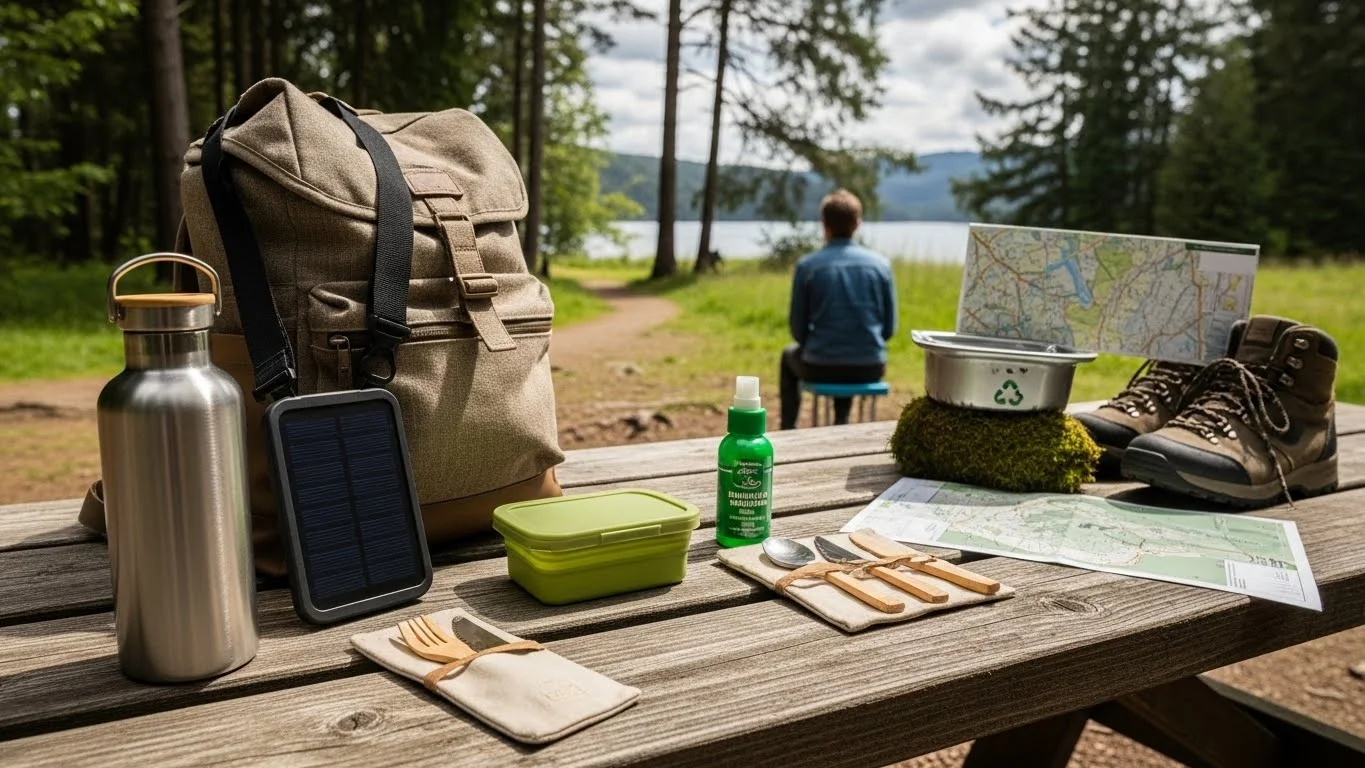
Traveling with a purpose is more rewarding than ever, especially when we embrace eco-conscious choices. Affordable, eco-friendly gear not only lessens our footprint but also enhances our adventures in meaningful ways. If you’re looking for some great options, check out our Top Eco-Conscious Travel Gear for Budget Backpackers.

Affordable Eco-Conscious Gear for Responsible Travelers

Understanding Eco-Conscious Travel

What is Eco-Conscious Travel?

When I first heard the term “eco-conscious travel,” I was intrigued. It sounded like a lofty goal, something that only seasoned travelers could achieve. However, as I explored this concept further, I discovered that eco-conscious travel is simply about being aware of our impact on the environment while we explore the world. It involves making choices that support sustainability—like opting for local experiences, choosing transportation that emits fewer greenhouse gases, and using gear that minimizes waste. For us, it’s about being mindful of how our adventures affect the planet and the communities we visit.

Why Choose Affordable Eco-Friendly Gear?

Affordability is a big deal for many travelers, myself included. I remember a time when I thought being eco-friendly meant spending a fortune on high-end brands. But I learned that there are plenty of budget-friendly options out there that don’t compromise on quality or purpose. Choosing affordable eco-friendly gear allows us to travel responsibly without breaking the bank. It’s empowering to know that we can make a difference without feeling like we have to sacrifice our budget. Plus, many of these brands focus on creating durable products, which means I often save money in the long run since I don’t have to replace them frequently.

The Impact of Responsible Travel on the Environment

Traveling has an incredible power to connect us with different cultures and experiences, but it also comes with responsibilities. I’ve seen firsthand how tourism can harm environments if not approached thoughtfully. From littering to habitat destruction, the negative impacts can be significant. But when I choose responsible travel practices—like staying in eco-friendly accommodations or supporting local businesses—I can help mitigate these effects. I remember visiting a small island community where the support from eco-conscious travelers helped fund conservation efforts. It felt great knowing that my choices contributed to preserving their beautiful environment.

Additionally, the collective impact of responsible travel can lead to positive changes in local economies and ecosystems. By opting for eco-friendly gear and practices, we help create a demand for sustainable tourism, which encourages businesses to adopt greener practices. I believe that as more travelers make these choices, the industry will shift towards being more environmentally friendly. The power of our purchasing decisions is truly remarkable!

Essential Categories of Eco-Conscious Gear

Eco-Friendly Clothing

When it comes to eco-friendly clothing, I’ve discovered that there are many options made from sustainable materials like organic cotton, hemp, and recycled fabrics. These clothes not only feel great on the skin, but they also reduce the environmental impact of production. I love wearing items that I know are made with care for the planet. Plus, they often come in stylish designs that suit my travel aesthetic. I remember buying a lightweight jacket made from recycled materials that became my go-to for chilly evenings. Not only did it keep me warm, but it also sparked conversations about sustainability!

Sustainable Footwear

Finding sustainable footwear was a journey in itself. I’ve tried various brands, and I was thrilled to discover options made from recycled plastics and natural materials. Shoes that are built to last while being kind to the environment have become a staple in my travel gear. I recall walking miles in a pair of eco-friendly sneakers that not only supported my feet but also made me feel good about my choice. The comfort and performance were just as important to me as the environmental impact.

Reusable Travel Accessories

Reusable travel accessories are a game-changer for eco-conscious travelers. From water bottles to tote bags, I’ve swapped out single-use items for reusable ones. Carrying a stainless-steel water bottle has not only saved me money on drinks but has also kept me hydrated without contributing to plastic waste. I love that I can fill it up at water fountains or refill stations while exploring new cities. Additionally, packing my own utensils and straws has helped me avoid unnecessary plastic waste while dining out. If you’re interested in more gear options, check out our Must-Have Eco-Friendly Gear for Sustainable Adventures.

Eco-Conscious Camping Gear

For those who enjoy the great outdoors, eco-conscious camping gear is essential. I remember my first camping trip with a tent made from sustainable materials. It was a little more expensive than traditional options, but knowing it was made with the environment in mind made it worth the investment. I’ve also found solar-powered lanterns and cooking gear that reduce reliance on fossil fuels. These choices have enhanced my camping experiences while ensuring that I leave no trace behind.

Biodegradable Toiletries

When I started looking into biodegradable toiletries, I was amazed at how many options are available. From soap to toothpaste, I’ve found products that are not only effective but also gentle on the planet. I remember using a shampoo bar that lasted for weeks, and it felt wonderful knowing it was completely plastic-free. These small changes in our personal care routines can make a big difference in reducing waste during our travels.

Solar-Powered Gadgets

Lastly, solar-powered gadgets have become some of my favorite travel companions. Whether it’s a portable charger or a camping stove, these eco-friendly devices allow me to stay connected and powered up without relying on non-renewable energy sources. I recall a trip where I used a solar charger to power my phone while hiking in a remote area. It felt great to be off the grid while still being able to capture beautiful moments without worrying about battery life.

Top Affordable Eco-Conscious Gear Brands

Patagonia

Patagonia is one of those brands that really resonate with me. I remember first hearing about them through a friend who raved about their commitment to the environment. Their mission goes beyond just making high-quality outdoor clothing; they actively engage in environmental activism, which is something I admire. I’ve purchased a couple of their jackets that not only keep me warm but also last through multiple trips and adventures. Plus, their Worn Wear program allows us to buy used gear or trade in our own, keeping items in circulation longer. It’s great knowing that I’m contributing to a more sustainable cycle when I choose Patagonia.

REI Co-op

REI Co-op is another favorite of mine. It’s not just a store; it feels like a community for outdoor enthusiasts who care about the planet. I love how they support local sustainability initiatives and offer a wide range of eco-friendly gear. Their Co-op brand products are often made with sustainable materials, which makes it easier to find what I need without compromising my values. I remember walking into their store and being amazed by their selection of gear, from tents to hiking boots, all designed with the environment in mind. Plus, their return policy is super generous, which gives me peace of mind when trying new products.

ecologyst

My experience with ecologyst has been truly eye-opening. This brand focuses on making clothing from organic and recycled materials, which I find incredibly important. I recently picked up a cozy sweater that I absolutely love. It’s not just stylish; it’s also made to last. What really stands out about ecologyst is their transparency regarding their supply chain and production processes. They are dedicated to reducing waste and ensuring ethical labor practices, which makes me feel good about supporting them. Every time I wear my ecologyst gear, I feel like I’m making a small statement about sustainability.

Allbirds

When it comes to footwear, Allbirds has a special place in my heart. I was skeptical at first, thinking that shoes made from wool and eucalyptus wouldn’t hold up on my travels. But after trying a pair of their sneakers, I was hooked! They are super comfortable and surprisingly durable. I’ve worn them on hikes, city strolls, and even casual outings. Allbirds is all about creating shoes that are not only stylish but also eco-friendly. Their carbon offset program reassures me that I’m actively contributing to a better future while enjoying my adventures in comfort.

Outerknown

Outerknown has become a go-to brand for my casual wear. Their focus on sustainability and fair labor practices aligns perfectly with my values. I remember buying a pair of their board shorts made from recycled materials, and I was thrilled with how comfortable they were. Every piece from Outerknown is designed with intentionality, which is refreshing in a world full of fast fashion. I appreciate that they make it easy to find stylish options that are also kind to the planet. It’s a win-win for me!

Buying Guides for Eco-Conscious Gear

How to Choose Sustainable Clothing

Choosing sustainable clothing doesn’t have to be overwhelming. I like to start by looking for materials that are organic or recycled. Brands that are transparent about their sourcing and production processes also catch my attention. I often check for certifications like GOTS (Global Organic Textile Standard) or OEKO-TEX, which ensure that the clothing meets certain environmental and social criteria. When I find a piece that I love, I ask myself if it fits into my current wardrobe and if I can see myself wearing it frequently. If it passes that test, I go for it!

Finding Affordable Eco-Friendly Footwear

When searching for eco-friendly footwear, I’ve learned to look beyond just the price tag. I focus on durability and comfort, as these aspects save me money in the long run. I often research brands that use sustainable materials, like recycled plastics or natural fibers. It helps to read reviews and watch for sales or discounts, which many eco-conscious brands frequently offer. I remember scoring a fantastic pair of eco-friendly sandals during a seasonal sale. They’ve become my favorite travel companions!

Selecting Reusable Accessories for Travel

Choosing reusable accessories is all about practicality and convenience for me. I start by assessing what I typically use on my trips, like water bottles, bags, and utensils. I look for lightweight and durable options that can withstand travel wear and tear. Brands that offer multi-functional items—like a bag that can turn into a backpack—are always a plus. I’ve found that incorporating these reusable items into my travel routine not only reduces waste but also makes my adventures a lot easier.

Choosing Eco-Friendly Camping Equipment

When it comes to camping gear, I try to invest in items that will last for years. I look for products that are made from sustainable materials, like tents made from recycled fabrics. I also consider the weight and packability since I often hike to my camping spots. It’s important for me to choose gear that aligns with my eco-conscious values. I remember researching solar-powered gadgets for my camping trips, and they’ve made a world of difference in my outdoor experiences.

Tips for Selecting Biodegradable Toiletries

Selecting biodegradable toiletries has become a fun challenge for me. I love browsing the aisles for products that are not only effective but also planet-friendly. I always check the ingredients, looking for natural options without harsh chemicals. Brands that offer solid forms of products—like shampoo bars or toothpaste tablets—are my favorites since they come with less packaging. I’ve even started making some of my own toiletries, which has been a rewarding experience!

Where to Buy Affordable Eco-Conscious Gear

Online Retailers

When I need eco-conscious gear, I often turn to online retailers. They offer a vast selection and the convenience of shopping from home. There are websites dedicated to sustainable products, like EarthHero and Package Free Shop, where I’ve found everything from reusable bags to biodegradable toiletries. The ability to compare prices and read reviews helps me make informed decisions. Plus, I appreciate that many of these retailers focus on transparency about their sourcing and production practices. I remember finding an amazing deal on a solar-powered charger that I use regularly—it’s like shopping for a purpose!

Local Eco-Friendly Stores

Visiting local eco-friendly stores is one of my favorite weekend activities. There’s something special about supporting businesses that align with my values. In my town, we have a small shop that specializes in sustainable products, and I love browsing their carefully curated selection. From organic clothing to reusable kitchenware, I often find unique items that I can’t get anywhere else. Plus, chatting with the owners and staff usually leads to valuable recommendations. I once discovered a new brand of biodegradable soap because the owner was excited to share her latest find with me!

Second-Hand Shops and Thrift Stores

Shopping second-hand has not only saved me money but has also become a thrilling treasure hunt. I’ve found incredible eco-friendly gear at thrift stores, from gently used camping equipment to stylish jackets. These items often come with a story, which makes them even more special. I remember scoring a vintage backpack—well-made and durable—that has accompanied me on many adventures. Thrift shopping is not only sustainable, but it also feels good to give a second life to items that might otherwise go to waste. Plus, it’s a fun way to express my personal style!

Trade and Swap Events

Participating in trade and swap events has opened up a world of possibilities for acquiring eco-conscious gear. I’ve attended several community events where people bring items they no longer need and exchange them for something new to them. It’s a fantastic way to refresh my travel essentials without spending a dime. I remember trading a pair of hiking boots I had outgrown for a water bottle and a set of reusable utensils. The sense of community and sustainability at these events is inspiring, and I love knowing that I’m part of a movement that prioritizes reducing waste.

Travel Tips for Eco-Conscious Travelers

Reducing Carbon Footprint While Traveling

Reducing my carbon footprint has become a priority for me during my travels. One of the simplest ways to achieve this is by choosing direct flights when possible, as layovers can increase emissions. I also try to travel by train or bus instead of flying when feasible; I’ve found it to be more scenic and relaxing! Additionally, I make it a point to use public transportation or bike rentals instead of taxis when I arrive at my destination. It’s a wonderful way to immerse myself in the local culture while being kinder to the planet. For more tips, check out our article on Top Carbon Offset Travel Options for Eco-Conscious Backpackers.

Supporting Local Economies

Supporting local economies is a value I hold dear whenever I travel. I’ve learned how impactful it can be to choose local restaurants, shops, and guides. I remember dining at a small family-owned eatery during a trip to Thailand, and the delicious food was just one part of the experience—the owners shared their stories and traditions with us. By choosing local, I feel more connected to the community and contribute positively to their economy. I always seek out local crafts and handmade products to bring home as souvenirs, knowing that I’m helping artisans thrive.

Minimizing Waste During Your Journey

Minimizing waste during my travels has become a natural habit. I always carry a reusable tote bag for shopping and a stainless-steel water bottle to avoid single-use plastics. I’ve started using beeswax wraps instead of plastic wrap for snacks or leftovers, and it’s been a game-changer. I remember once being in a market and realizing I forgot my reusable bag; I felt so guilty asking for a plastic one. Now, I keep a foldable bag in my travel pack just in case! These small changes have made a big difference in how I approach waste while traveling.

Eco-Friendly Travel Apps and Resources

There are some fantastic apps and resources available for eco-conscious travelers. I’ve found apps like “Ecolabels” helpful for identifying sustainable products while shopping. Another favorite of mine is “Green Map,” which showcases eco-friendly places in cities around the world, from parks to restaurants. I also follow several eco-conscious travel blogs and podcasts that inspire me with tips and stories from like-minded travelers. These resources not only enhance my travel experiences but also keep me motivated to stay committed to my eco-conscious journey.

Frequently Asked Questions

What is eco-conscious travel?

Eco-conscious travel is about being aware of our impact on the environment while exploring the world. It involves making choices that support sustainability, such as opting for local experiences, choosing low-emission transportation, and using gear that minimizes waste.

Why is affordable eco-friendly gear important?

Affordable eco-friendly gear allows travelers to make responsible choices without overspending. Many budget-friendly options do not compromise on quality, enabling travelers to save money in the long run by investing in durable products.

How can responsible travel impact the environment?

Responsible travel can mitigate negative effects of tourism, such as littering and habitat destruction. By choosing eco-friendly accommodations and supporting local businesses, travelers can contribute to environmental conservation and positively impact local economies.

What types of sustainable clothing materials are recommended?

Eco-friendly clothing can be made from sustainable materials like organic cotton, hemp, and recycled fabrics. These materials help reduce the environmental impact of clothing production while providing comfort and style.

What are some examples of reusable travel accessories?

Examples of reusable travel accessories include stainless-steel water bottles, tote bags, and utensils. These items help reduce single-use plastic waste while being practical for travelers.

What should travelers consider when choosing camping gear?

Travelers should look for camping gear made from sustainable materials, such as tents from recycled fabrics. Durability, weight, and packability are also important factors to ensure the gear aligns with eco-conscious values.

What are biodegradable toiletries?

Biodegradable toiletries are personal care products that break down naturally and are gentle on the environment. Examples include soap, shampoo bars, and toothpaste tablets, which help reduce waste during travels.

Which brands are recommended for affordable eco-conscious gear?

Some recommended brands for affordable eco-conscious gear include Patagonia, REI Co-op, ecologyst, Allbirds, and Outerknown. These brands focus on sustainability and offer a range of products designed with environmental considerations in mind.

Where can travelers find eco-conscious gear?

Travelers can find eco-conscious gear at online retailers specializing in sustainable products, local eco-friendly stores, second-hand shops, and through trade and swap events that promote sustainability.

How can travelers reduce their carbon footprint?

Travelers can reduce their carbon footprint by choosing direct flights, using public transportation, and opting for train or bus travel when feasible. These choices help minimize emissions and allow for a more immersive travel experience.

Must-Have Eco-Friendly Gear for Sustainable Adventures

Embarking on sustainable adventures isn’t just a trend; it’s a way of life. By choosing eco-friendly gear, we can explore the great outdoors while protecting the planet we love. Read Interesting article: Essential Gear for Eco-Friendly Camping on a Budget

Must-Have Eco-Friendly Gear for Sustainable Adventures

Understanding Eco-Friendly Gear

What is Eco-Friendly Gear?

Eco-friendly gear refers to equipment and supplies designed with environmental sustainability in mind. This includes products made from renewable resources, items that are biodegradable or recyclable, and gear produced through ethical manufacturing processes. Personally, I love the idea of investing in gear that not only enhances my outdoor experience but also minimizes harm to the planet. From reusable water bottles to solar-powered gadgets, each piece of eco-friendly gear contributes to a larger movement towards sustainable living.

The Importance of Sustainability in Outdoor Adventures

When I first started exploring the outdoors, I didn’t think much about my impact on the environment. I was more focused on the adventure itself. However, as I learned more about climate change and environmental degradation, I realized that my choices matter. Sustainable outdoor adventures are crucial because they help protect the very landscapes we enjoy. By choosing eco-friendly gear, we’re not just reducing waste; we’re also inspiring others to think about their environmental footprint. I believe that every small change can have a big impact. When we prioritize sustainability, we ensure that future generations can experience the beauty of nature too.

Essential Eco-Friendly Gear for Sustainable Adventures

Reusable Water Bottles

One of the simplest yet most impactful changes I made was switching to a reusable water bottle. I used to rely on single-use plastic bottles, but I quickly learned about the harmful effects they have on the environment. Now, I carry a stainless steel or glass bottle on every adventure. Not only do these bottles keep my drinks cold or hot for hours, but they also help reduce plastic waste significantly. Plus, many outdoor locations have refill stations, so I never have to worry about running out of water. I recommend looking for bottles that are insulated and easy to carry, like those with built-in handles or carabiner clips.

Biodegradable Camping Supplies

When it comes to camping, I’ve found that biodegradable supplies make a huge difference. From plates to utensils, using compostable items means I can enjoy my meals without feeling guilty about the waste I’m creating. Brands are now offering a variety of biodegradable options, including cups, cutlery, and even trash bags. I remember one camping trip where I used corn-based utensils, and I felt great knowing they would break down naturally instead of lingering in a landfill for years. This gear not only supports a cleaner environment but also adds a unique touch to outdoor dining.Read Interesting article: Top 10 Eco-Friendly Travel Gear for Budget Backpackers

Solar-Powered Gadgets

During my adventures, I’ve come to rely on solar-powered gadgets. Whether it’s a charger for my phone or a lantern for my campsite, these tools harness the sun’s energy, which feels so much better than using disposable batteries. I once spent a week in the wilderness with a solar charger, and it worked beautifully. Each day, I’d set it out in the sun, and by evening, I had enough charge to keep my devices powered. Plus, it’s a fun way to embrace renewable energy while enjoying the great outdoors.

Recycled and Upcycled Clothing

Fashion choices can also impact the environment. I’ve started choosing clothing made from recycled materials or upcycled fabrics. Brands are innovating, creating stylish outdoor gear that reduces waste. I have a jacket made from recycled plastic bottles, and it not only keeps me warm but also sparks conversations about sustainability. When shopping, I look for labels that specify their materials and practices. It’s great to wear something that tells a story while keeping me comfortable on the trail.

Eco-Friendly Footwear

Comfortable footwear is essential for any adventure, and I’ve discovered that eco-friendly options are often just as stylish and functional as traditional ones. I’ve invested in shoes made from sustainable materials that are designed to last. They provide the support I need while hiking and are made with practices that reduce environmental impact. It’s satisfying to know that every step I take is a step towards sustainability. I recommend checking out brands that focus on using natural or recycled materials in their shoes.

Green Cooking Equipment

Cooking outdoors is one of my favorite parts of any adventure. I’ve switched to using green cooking equipment, such as lightweight, durable pots made from recycled aluminum. I also love my solar oven, which allows me to cook meals using only the sun’s energy. This gear not only reduces my carbon footprint but also inspires me to get creative with my outdoor cooking. I remember one trip where I baked fresh bread in my solar oven, and it was a hit with my friends. Investing in eco-friendly cooking gear has transformed my outdoor dining experience.

Top Brands for Eco-Friendly Adventure Gear

Patagonia: Leading the Charge in Sustainability

When it comes to eco-friendly adventure gear, Patagonia is a brand I truly admire. They were one of the pioneers in promoting sustainability in outdoor clothing and gear. Their commitment to reducing their environmental footprint is evident in everything they do, from using recycled materials to promoting fair labor practices. I remember the first time I bought a Patagonia jacket made from recycled polyester. It felt good to wear something that not only looked great but also supported a brand that values the planet. They also have a program called Worn Wear, which encourages customers to repair and recycle their gear, reminding us all that every piece of clothing has a story and a purpose.

REI: A Commitment to Environmental Responsibility

REI has been a go-to for my outdoor gear for years, and I love that they focus on sustainability. Their co-op model allows members to support a company that gives back to the environment. They invest in conservation projects and promote eco-friendly brands. I often find myself browsing their extensive selection of gear, knowing that many products are made with sustainable practices in mind. Plus, their recycling and repurposing initiatives, like accepting used gear for resale or recycling, make it easy for me to reduce my own waste while shopping.

The North Face: Innovations in Eco-Friendly Materials

The North Face has also made significant strides in sustainability. They’ve developed a range of products using recycled and organic materials, which makes me feel even better about my gear choices. I’ve had a couple of their jackets and backpacks that not only performed exceptionally well but also used innovative fabrics to reduce environmental impact. Their “Clothes the Loop” program, which encourages recycling worn items, is another reason I enjoy supporting their brand. It feels good to know that I’m contributing to a cycle that prioritizes sustainability.

Merrell: Sustainable Footwear Options

Footwear can be a tricky area when it comes to sustainability, but Merrell stands out for its eco-friendly options. I’ve worn their shoes on many trails, and I’ve been impressed by their commitment to using sustainable materials. They focus on creating durable footwear that minimizes waste while maximizing comfort. I recently treated myself to a pair of Merrell hiking boots made from recycled materials. The comfort and support they provide during long hikes are incredible, and knowing they’re made with the environment in mind is a fantastic bonus.

Tips for Choosing Eco-Friendly Gear

Identifying Sustainable Materials

When I set out to buy gear, I’ve learned to check for sustainable materials. Many brands are now transparent about what goes into their products. Look for fabrics made from organic cotton, recycled plastics, or natural fibers like hemp. I always feel better when I see these materials listed, knowing they have a reduced environmental impact. I often educate myself on the types of materials used, which helps me make informed choices that align with my values.

Assessing Brand Practices and Certifications

Not all brands are created equal, so I recommend researching a brand’s practices. Certifications like Fair Trade, Global Organic Textile Standard (GOTS), and OEKO-TEX can indicate a commitment to ethical production. I’ve found that looking for these labels not only simplifies my shopping experience but also assures me that I’m supporting companies that care about the planet. Checking a brand’s website for sustainability reports or initiatives is another step I take to ensure I’m making responsible choices.

Considering Longevity and Durability

In my experience, investing in durable gear is one of the best ways to practice sustainability. I prefer to buy fewer items that last longer rather than frequently replacing cheap products. This mindset has saved me money in the long run and reduced waste. For example, I bought a high-quality tent several years ago that has been through countless camping trips without a hitch. It’s great to know that every time I use it, I’m not just enjoying my adventure; I’m also minimizing my environmental footprint.

How to Maintain Your Eco-Friendly Gear

Proper Cleaning and Care Techniques

Taking care of my eco-friendly gear has become a priority for me. I’ve learned that many products require specific cleaning methods to maintain their longevity. For instance, I always follow the care instructions on my clothing labels and use eco-friendly detergents. I remember ruining a favorite jacket by tossing it in the dryer without realizing it shouldn’t be dried that way. Now, I air-dry most of my gear, which not only extends its life but also saves energy.

Repairing vs. Replacing Gear

Repairing gear instead of replacing it has become a satisfying practice for me. I often take the time to fix small tears or issues, rather than automatically throwing something away. There are many resources and repair kits available for common gear problems, and I’ve even learned a few sewing techniques. I remember a trip where I successfully patched a hole in my favorite backpack, and it felt great knowing I had saved it from the landfill. I believe that repairing gear not only saves money but also fosters a deeper connection to our equipment.

Eco-Friendly Practices for Sustainable Adventures

Leave No Trace Principles

Embracing eco-friendly practices goes hand in hand with using sustainable gear. One of the most important concepts I’ve learned is the Leave No Trace principles. These seven principles guide us in minimizing our impact while enjoying nature. I remember my first camping trip where I didn’t fully understand how to practice Leave No Trace. I left food scraps and trash behind, thinking they would decompose quickly. But I learned that even organic waste can harm wildlife and ecosystems. Now, I always pack out what I pack in, ensuring that my campsite remains as pristine as I found it. These principles are easy to follow and have made my outdoor experiences more meaningful, knowing I’m doing my part to protect the environment.

Choosing Sustainable Destinations

Where we choose to explore also plays a crucial role in sustainability. I’ve started to consider the environmental impact of my travel choices. Opting for local destinations or places that prioritize conservation can make a significant difference. For instance, instead of flying across the country for a hiking trip, I’ve discovered beautiful trails and parks within driving distance. Not only does this reduce my carbon footprint, but it also supports local economies. I’ve found that local adventures often lead to hidden gems I might have overlooked, leading to unexpected discoveries and experiences while minimizing my impact on the environment. Read Interesting article: Top Eco-Conscious Travel Gear for Budget Backpackers

Engaging in Local Conservation Efforts

Getting involved in local conservation efforts has become a rewarding part of my outdoor lifestyle. I’ve participated in clean-up events and tree-planting initiatives, which have connected me with like-minded individuals who share my passion for the environment. Volunteering not only helps the planet but also allows me to learn about local ecosystems and wildlife. I remember a day spent cleaning up a local beach with others; it was heartwarming to see how many people cared about preserving our environment. Engaging in these efforts gives me a sense of purpose and strengthens my commitment to sustainable living. I encourage everyone to seek out local organizations or initiatives that resonate with them and get involved.

Frequently Asked Questions (FAQs)

What are the benefits of using eco-friendly gear?

Using eco-friendly gear has numerous benefits, both for the planet and for us as adventurers. Firstly, it helps reduce our environmental footprint, which is crucial in combating climate change. Secondly, many eco-friendly products are made from high-quality materials that are designed to last longer, ultimately saving us money over time. I also find that these products often come with innovative features that enhance my outdoor experiences, like improved durability or unique functionality. Lastly, using sustainable gear fosters a sense of connection to nature and encourages others to think about their choices, creating a ripple effect in promoting environmental awareness.

How can I tell if a product is truly eco-friendly?

I’ve learned to look for specific indicators to determine if a product is genuinely eco-friendly. First, I check the materials used in the product—organic, recycled, or natural fibers are good signs. I also look for certifications, such as Fair Trade or GOTS, which can indicate ethical and sustainable practices. Additionally, I appreciate brands that are transparent about their manufacturing processes and environmental impact. When I find that a company shares its sustainability report or initiatives on its website, it reassures me that I’m making a responsible choice. It may take a little extra time to research, but it’s worth it to support brands that align with my values.

Are eco-friendly products more expensive?

While eco-friendly products can sometimes carry a higher price tag, I’ve found that the investment is often worth it. Many sustainable items are made from high-quality materials designed for durability and longevity, which means I spend less in the long run by not having to replace them frequently. Additionally, supporting eco-friendly brands contributes to a market that prioritizes sustainability, which can lead to more affordable options over time as demand increases. I try to view my purchases as an investment in both my adventures and the health of our planet.

Where can I find eco-friendly gear for my next adventure?

Finding eco-friendly gear has become easier as more brands prioritize sustainability. I often start my search at local outdoor retailers, like REI, which have a dedicated selection of eco-friendly products. Online platforms also offer a plethora of options; websites like Patagonia and The North Face allow me to filter products based on sustainability criteria. I’ve also discovered smaller, niche brands through social media and eco-conscious blogs that focus on innovative, sustainable gear. Joining eco-conscious communities online can be a great way to discover new products and share recommendations with others who share the same passion for the environment.

Final Thoughts

As I reflect on my journey towards sustainable adventuring, I realize that every choice we make can lead to a more environmentally friendly lifestyle. Embracing eco-friendly gear and practices has enriched my outdoor experiences, allowing me to connect with nature while also doing my part to protect it. Each piece of sustainable gear is not just a tool for adventure; it’s a statement about our values and a commitment to the planet.

I’ve seen firsthand how small changes can lead to significant impacts. For example, when I started using biodegradable camping supplies, I felt a sense of relief knowing that my waste wouldn’t contribute to long-lasting pollution. Likewise, investing in high-quality, eco-friendly clothing has not only kept me comfortable but also sparked conversations with fellow adventurers about the importance of sustainability in our lives.

Engaging in local conservation efforts has been one of the most rewarding aspects of my journey. I’ve met incredible people who share the same passion for the environment, and together we’ve made a positive impact in our communities. It’s empowering to know that we can all contribute to making the world a better place, simply by caring for the environments we love.

So, whether you’re planning a weekend camping trip or a longer hiking adventure, I encourage you to think about how your choices can align with a sustainable lifestyle. Choose eco-friendly gear, practice responsible outdoor ethics, and consider how you can give back to nature. Together, we can enjoy the beauty of the outdoors while ensuring that it remains intact for generations to come.

Let’s embrace this journey towards sustainability, making each adventure not just an escape but a chance to make a difference. I know that with every step we take, we can foster a deeper appreciation for our planet and inspire others to join us on this path. After all, the great outdoors is a treasure worth protecting, and it’s up to us to ensure its beauty endures.

Frequently Asked Questions

What is eco-friendly gear?

Eco-friendly gear refers to equipment and supplies designed with environmental sustainability in mind. This includes products made from renewable resources, items that are biodegradable or recyclable, and gear produced through ethical manufacturing processes.

Why is sustainability important in outdoor adventures?

Sustainable outdoor adventures are crucial because they help protect the landscapes we enjoy. By choosing eco-friendly gear, we reduce waste and inspire others to consider their environmental footprint, ensuring that future generations can experience the beauty of nature.

What are some essential eco-friendly gear items for adventures?

Essential eco-friendly gear includes reusable water bottles, biodegradable camping supplies, solar-powered gadgets, recycled and upcycled clothing, eco-friendly footwear, and green cooking equipment.

How can I identify sustainable materials when purchasing gear?

To identify sustainable materials, look for fabrics made from organic cotton, recycled plastics, or natural fibers like hemp. Many brands are transparent about their materials, which helps in making informed choices.

What practices can help maintain eco-friendly gear?

Maintaining eco-friendly gear includes proper cleaning and care techniques, such as following care instructions and using eco-friendly detergents. Additionally, repairing gear instead of replacing it fosters a deeper connection to the equipment.

What are the Leave No Trace principles?

The Leave No Trace principles are guidelines that help minimize our impact while enjoying nature. They include packing out what you pack in, which ensures that campsites remain pristine and protects wildlife and ecosystems.

How can I choose sustainable travel destinations?

Choosing sustainable destinations involves opting for local places or those that prioritize conservation. This reduces carbon footprints and supports local economies while allowing for unexpected discoveries during adventures.

Are eco-friendly products typically more expensive?

While eco-friendly products can sometimes be more expensive, they are often made from high-quality materials designed for durability, ultimately saving money in the long run by reducing the need for frequent replacements.

Where can I find eco-friendly gear for my adventures?

You can find eco-friendly gear at local outdoor retailers like REI, or online at websites such as Patagonia and The North Face. Smaller, niche brands focusing on sustainability can also be discovered through social media and eco-conscious blogs.

What are the benefits of using eco-friendly gear?

Using eco-friendly gear reduces environmental footprints, often involves high-quality materials that last longer, enhances outdoor experiences with innovative features, and fosters a sense of connection to nature while promoting environmental awareness.

Top Eco-Conscious Travel Gear for Budget Backpackers

Traveling doesn’t have to come at the expense of our planet. For budget backpackers like us, eco-conscious gear can make a huge difference in our adventures while keeping our environmental impact low.

Top Eco-Conscious Travel Gear for Budget Backpackers

Understanding Eco-Conscious Travel Gear

What is Eco-Conscious Travel Gear?

Eco-conscious travel gear refers to products designed with the environment in mind. These items are typically made from sustainable materials, use natural dyes, and are produced through ethical manufacturing processes. I remember the first time I discovered eco-friendly gear; it felt like a light bulb went off in my head. I realized that I could enjoy my travels while also being kind to the planet. From backpacks to toiletries, eco-conscious gear is about making mindful choices that benefit both us and the earth.

Benefits of Eco-Conscious Gear for Backpackers

Choosing eco-conscious travel gear comes with a multitude of benefits. For starters, many eco-friendly products are more durable. I’ve found that items made from sustainable materials often last longer than their conventional counterparts. This means fewer replacements and less waste over time. Additionally, eco-conscious gear typically features designs that prioritize functionality. For example, I’ve used backpacks made from recycled materials that are not only sturdy but also lightweight and functional. They fit all my essentials without weighing me down, which is crucial when you’re backpacking across hilly terrains. Another benefit is the positive impact on local communities. Many eco-friendly brands focus on fair trade practices and work with local artisans. When I purchase from these companies, I feel like I’m contributing to a better world, supporting jobs and livelihoods in the areas I explore. Finally, using eco-conscious gear can inspire others. When friends see my sustainable choices, they often ask questions and express interest in making similar shifts. It creates a ripple effect, encouraging more people to travel responsibly. For those looking to further enhance their eco-friendly travel, Top Carbon Offset Travel Options for Eco-Conscious Backpackers is a great resource.

Essential Eco-Conscious Gear for Budget Backpackers

Eco-Friendly Backpacks

When it comes to backpacking, your backpack is your lifeline. I can’t stress enough how important it is to invest in an eco-friendly backpack. Look for options made from recycled plastics or organic cotton. Brands like Patagonia offer a range of backpacks that are not only stylish but also durable and environmentally friendly. I personally love my recycled polyester backpack. It’s super lightweight and has held up against rain, mud, and everything in between. Plus, knowing it’s made from recycled materials gives me peace of mind. The investment is often worth it, especially when you consider how much use you’ll get out of it.

Sustainable Clothing Options

Choosing the right clothing is another essential aspect of eco-conscious travel. I’ve made it a point to opt for clothes that are made from organic cotton, hemp, or recycled materials. Not only do these fabrics often feel better on my skin, but they also tend to be more breathable and comfortable for long hikes. Brands like prAna and Toad&Co provide an array of sustainable clothing options that are perfect for outdoor adventures. I have a pair of recycled material hiking pants that are durable, lightweight, and have pockets—what more could I ask for? Layering is key in backpacking, so having versatile pieces that can be mixed and matched is incredibly helpful.

Biodegradable Toiletries

Toiletries are often overlooked in the quest for eco-friendly travel gear, but they can make a big difference. I switched to biodegradable toiletries a few years ago, and it was a game-changer. From shampoo bars to bamboo toothbrushes, there are so many options available that reduce plastic waste. My favorite has been a solid shampoo bar that lasts for months. It’s compact, easy to carry, and I never have to worry about spilling liquid shampoo in my bag. Plus, I feel good knowing I’m not contributing to the plastic pollution problem that plagues our oceans.

Reusable Water Bottles and Filters

Staying hydrated is crucial while backpacking, and using a reusable water bottle is one of the easiest ways to be eco-conscious. I carry a stainless steel bottle with me everywhere. Not only does it keep my water cool, but it also reduces my reliance on single-use plastic bottles. To take it a step further, I invested in a water filter. I love that I can refill my bottle from streams or taps without worrying about contaminants. It’s saved me money and, more importantly, reduced the amount of plastic waste I produce during my travels.

Solar-Powered Chargers

In our tech-driven world, staying connected while traveling is often a necessity. I used to worry about draining my devices, but solar-powered chargers have changed the game for me. These chargers are eco-friendly and allow me to harness the power of the sun to keep my gadgets juiced up. I’ve used a portable solar charger on several trips, and it’s been incredibly reliable. I simply set it out while I’m hiking or relaxing, and by the time I’m back at camp, my devices are charged and ready to go. It’s a win-win for me and the environment.

Top Brands for Eco-Conscious Travel Gear

Patagonia: Leading the Way in Sustainability

When I think of eco-friendly travel gear, Patagonia always comes to mind first. This brand has been a pioneer in sustainable practices for years, and their commitment to the environment is genuinely inspiring. I remember the first time I bought a Patagonia jacket; it was not just about the quality but also the feeling that I was supporting a brand that values sustainability as much as I do. Their products are made from recycled materials, and they offer a repair program that encourages customers to keep their gear in use longer rather than tossing it aside. This aligns perfectly with my belief that we should all aim to reduce waste whenever we can.

Patagonia also donates a percentage of their profits to environmental causes, which makes me feel even better about my purchases. They offer everything from technical gear for serious adventures to casual wear that’s perfect for everyday use. For budget backpackers like us, their gear might seem a bit pricey initially, but the durability and ethical practices behind the brand make it a worthwhile investment.

Terra Thread: Affordable and Eco-Friendly Options

Another brand that really caught my attention is Terra Thread. I stumbled upon them while searching for affordable eco-friendly backpacks, and I was pleasantly surprised. They focus on using organic cotton and recycled materials to create their products, which is a huge plus for me. I remember ordering a tote bag from them that I now use for day trips and groceries. It’s sturdy, stylish, and I love that I can carry it around without worrying about harming the planet.

What I admire most about Terra Thread is their dedication to fair trade practices. They ensure that everyone involved in their supply chain is treated fairly, which is something I believe we should all consider when making purchases. If you’re looking for practical, budget-friendly options that don’t compromise on sustainability, I highly recommend checking them out.

REI Co-op: Quality Gear with a Green Focus

REI Co-op is another go-to for me when it comes to eco-conscious travel gear. Their commitment to sustainability is evident in their wide range of products. I always find myself browsing their website for new gear before a trip. They have a fantastic selection of outdoor clothing, gear, and accessories, and many items are made with recycled materials or sustainable practices. Plus, the REI Co-op membership offers discounts and access to unique events, which is a bonus for anyone who loves exploring the outdoors.

One thing I really appreciate about REI is their used gear program, where you can buy quality secondhand items at a fraction of the price. This is a great option for budget backpackers who want eco-friendly gear without breaking the bank. I once found a used tent that was still in excellent condition, and it served me well on multiple camping trips. Their focus on sustainability, community, and outdoor adventure makes REI a brand I love to support.

Budget-Friendly Tips for Eco-Conscious Backpacking

Where to Find Affordable Eco-Friendly Gear

Finding eco-conscious travel gear on a budget can feel daunting at times, but I’ve discovered some great strategies along the way. One of my favorite places to start is online marketplaces like Poshmark or eBay. I’ve found gently used items from trusted brands at a fraction of the retail price. Plus, buying secondhand reduces waste, which is a win-win!

Another tip is to keep an eye out for sales events at eco-friendly brands. Many companies have seasonal sales where you can snag great deals on sustainable items. Joining email lists or following brands on social media can help you stay updated on these offers. I once scored an amazing deal on a pair of eco-friendly hiking boots during a clearance sale—it definitely paid off!

Secondhand Shopping for Sustainable Items

Secondhand shopping has become one of my favorite pastimes. Not only is it a budget-friendly option, but it’s also a fantastic way to find unique and high-quality gear. I love visiting local thrift stores and consignment shops, where I’ve stumbled upon some hidden gems like gently used jackets, camping gear, and even travel accessories. Each item I find has its own story, and I feel good knowing that I’m giving it a new life.

There are also online platforms dedicated to secondhand outdoor gear, like GearTrade or REI’s used gear section, where you can find items specifically tailored for travelers and outdoor enthusiasts. It’s amazing how much you can save while being kind to the planet at the same time!

DIY Solutions for Travel Gear

If you’re crafty or love a good project, I’ve found that creating your own travel gear can be a fun and rewarding experience. For instance, I made my own lightweight travel pouch from upcycled fabric scraps, and it’s perfect for organizing my toiletries. Not only did I save money, but I also made something unique that reflects my personality.

There are countless DIY projects available online for creating everything from reusable snack bags to travel pillowcases. I’ve even seen tutorials for making your own eco-friendly soap or shampoo bars, which can save you money in the long run. If you’re looking for a way to personalize your travel gear while being eco-friendly, I highly encourage you to give DIY a try!

Eco-Conscious Travel Accessories

Packable Tote Bags

One of the simplest yet most effective eco-conscious accessories I’ve added to my travel gear is a packable tote bag. I can’t tell you how many times I’ve been in a situation where I needed an extra bag for groceries, souvenirs, or even dirty laundry. These tote bags are lightweight, easy to fold, and take up almost no space in my backpack. I’ve found that having one on hand makes it so much easier to avoid single-use plastic bags when I’m out and about.

I remember a trip to a farmer’s market where I didn’t plan on buying much but ended up with an armful of fresh produce. Having my packable tote meant I could carry everything without the guilt of using plastic bags. Plus, many brands make these totes from recycled materials, which aligns perfectly with my eco-conscious goals.

Travel Utensils: Reducing Single-Use Plastics

When it comes to meals on the go, I’ve made it a habit to carry my own travel utensils. I can still recall the first time I grabbed a bamboo fork and knife set before heading out on a trip. Not only did it save me from using single-use plastic cutlery, but it also sparked conversations with fellow travelers about sustainability. It’s amazing how such a small change can lead to bigger discussions about our individual impacts on the environment.

These travel utensils often come in compact cases, making them easy to store. Whenever I find myself eating street food or enjoying a picnic, I pull them out with pride. I’ve even found some sets that include reusable straws, which has further decreased my reliance on disposable plastics. For me, it’s about creating new habits that honor our planet while enjoying delicious meals on my travels.

Eco-Friendly Sleeping Gear

Getting a good night’s sleep while traveling is crucial, and I’ve found that eco-friendly sleeping gear makes a significant difference in comfort and sustainability. I invested in a sleeping bag made from recycled materials, and I honestly couldn’t be happier. It not only keeps me warm during chilly nights, but I also feel good knowing that my choice supports sustainable practices. I remember one camping trip in the mountains where the temperature dropped unexpectedly, and my sleeping bag proved to be a lifesaver!

Additionally, I’ve seen some fantastic options for eco-friendly sleeping pads that provide insulation and comfort without harming the environment. Many of these products are made from natural materials and are designed to be lightweight, which is perfect for backpacking. I even discovered a company that produces sleeping pads that are fully biodegradable, which is just incredible. Having quality, eco-friendly sleeping gear allows me to enjoy my adventures outdoors while minimizing my impact.

Traveling Responsibly: Beyond Gear

Choosing Eco-Friendly Accommodations

While packing the right gear is essential, I’ve learned that where I stay during my travels plays a huge role in my overall environmental impact. I always try to choose eco-friendly accommodations whenever possible. This includes everything from hostels that implement green practices to hotels that focus on sustainability.

On a recent trip, I stayed at a small eco-lodge that was built using local materials and offered a unique experience. They used solar panels for energy and had a garden where they grew some of their own food. It was refreshing to see how they blended comfort with sustainability, and I felt good knowing my stay was supporting eco-friendly practices. I encourage fellow travelers to do a bit of research and seek out accommodations that prioritize sustainability; it can enhance the experience while helping the planet.

Supporting Local Communities

As I travel, I’ve found that supporting local communities is not just about buying souvenirs but also about engaging with the culture and economy. I always try to eat at local restaurants rather than large chains. Not only do I get to enjoy authentic cuisine, but I also know that my money is going directly to the community rather than a corporation. I remember sharing a meal with a family-run eatery in Thailand; the food was incredible, and the stories they shared about their traditions made the experience unforgettable.

Additionally, I look for opportunities to participate in local workshops or buy handmade crafts. This not only supports artisans but also gives me a deeper understanding of the culture I’m experiencing. In my opinion, connecting with locals is one of the best parts of traveling, and it reinforces the importance of responsible travel.

Minimizing Your Carbon Footprint While Traveling

Every little choice we make while traveling can contribute to minimizing our carbon footprint. I’ve become more mindful about my transportation options. Whenever possible, I opt for public transport, biking, or walking rather than renting a car or relying on taxis. I remember exploring a city on foot and discovering hidden gems that I would have missed if I had taken a bus or taxi. It’s a great way to immerse myself in the local culture.

Additionally, I try to offset my carbon footprint by supporting companies that focus on sustainability. Some airlines, for example, offer carbon offset programs where you can contribute to environmental projects to balance out your travel emissions. It’s a small step, but it makes me feel more proactive about my environmental responsibility. I believe that as travelers, we have a duty to protect the beautiful places we visit, and being conscious of our carbon footprint is one way to do that.

Frequently Asked Questions

What is eco-conscious travel gear?

Eco-conscious travel gear refers to products designed with the environment in mind, typically made from sustainable materials, using natural dyes, and produced through ethical manufacturing processes.

What are the benefits of using eco-conscious gear for backpackers?

Benefits include increased durability, functional designs, positive impacts on local communities, and the potential to inspire others to travel responsibly.

What type of materials should I look for in eco-friendly backpacks?

Look for backpacks made from recycled plastics or organic cotton. Brands like Patagonia offer a range of stylish and durable eco-friendly backpacks.

What clothing options are recommended for eco-conscious travel?

Opt for clothing made from organic cotton, hemp, or recycled materials. Brands like prAna and Toad&Co provide sustainable clothing options suitable for outdoor adventures.

How can biodegradable toiletries contribute to eco-conscious travel?

Biodegradable toiletries, such as shampoo bars and bamboo toothbrushes, reduce plastic waste and have a lower environmental impact compared to conventional toiletries.

What are the advantages of using reusable water bottles and filters?

Reusable water bottles reduce reliance on single-use plastic, and water filters allow travelers to refill their bottles from natural sources without worrying about contaminants.

Which brands are known for their commitment to sustainability in travel gear?

Patagonia, Terra Thread, and REI Co-op are notable brands known for their commitment to sustainability and eco-friendly practices in their travel gear.

How can I find affordable eco-friendly gear?

Look for gently used items on online marketplaces like Poshmark or eBay, keep an eye out for sales at eco-friendly brands, and consider secondhand shopping at thrift stores and consignment shops.

What DIY solutions can I create for eco-conscious travel gear?

You can create your own travel gear, such as lightweight pouches from upcycled fabric or eco-friendly soap and shampoo bars, which can be both cost-effective and personalized.

How can I minimize my carbon footprint while traveling?

Minimize your carbon footprint by opting for public transport, biking, or walking whenever possible, and consider supporting companies that focus on sustainability and carbon offset programs.

Read Interesting article: Top 5 Wildlife Conservation Tours for Eco-Conscious Travelers

Read Interesting article: Budget-Friendly Eco Camping: Top Tips for Green Travelers

Top Tips for Engaging in Community-Based Tourism Responsibly

Community-based tourism offers travelers an incredible opportunity to connect with local cultures and support communities. However, engaging responsibly is essential to ensure that our impact is positive and sustainable. Read Interesting article: How Community-Based Tourism Supports Local Cultures and Economies

Top Tips for Engaging in Community-Based Tourism Responsibly

Understanding Community-Based Tourism

Definition of Community-Based Tourism

When I first heard about community-based tourism (CBT), I was intrigued. It’s different from traditional tourism because it focuses on the community’s needs and perspectives. CBT involves local people in the planning and management of tourism initiatives, allowing them to share their culture, traditions, and environment with visitors. This model not only promotes cultural exchange but also empowers communities economically and socially. I’ve come to appreciate how CBT can create genuine connections between travelers and locals, fostering mutual respect and understanding.

Benefits for Local Communities

One of the first things I noticed when I began exploring community-based tourism was how beneficial it is for local communities. By participating in CBT, communities can showcase their heritage and earn income directly from visitors. This empowers them to invest in their own development, such as building schools, improving healthcare, or preserving local traditions. For instance, I once visited a village in Guatemala where the local women created beautiful textiles. They shared their stories and skills, and I could see how proud they were to sustain their craft. Seeing firsthand how tourism helped these women achieve financial independence was truly inspiring. Read Interesting article: The Best Community-Based Tourism Destinations for Eco-Travellers

Impact on Local Economies

Beyond individual stories, community-based tourism has a broader impact on local economies. When travelers choose CBT, they often spend money on local accommodations, restaurants, and shops instead of large, international chains. This keeps the money circulating within the community. I remember dining at a family-owned restaurant in a small village in Peru, where each meal was prepared with love and local ingredients. Not only did I enjoy a delicious meal, but I also felt good knowing my money was supporting the family and their neighbors. It’s a win-win situation that can lead to sustainable economic growth and a more resilient community.

Why Responsible Tourism Matters

Environmental Sustainability

As I continued my journey into responsible tourism, I learned that sustainability is a crucial aspect of engaging with communities. Environmental sustainability means making choices that protect the natural environment of the places we visit. I’ve seen beautiful landscapes transformed by careless tourism practices, which can lead to pollution, wildlife disruption, and habitat destruction. That’s why I always seek to leave a place better than I found it. Simple actions, like eliminating plastic waste or choosing eco-friendly accommodations, can make a significant difference.

Cultural Preservation

Another essential aspect of responsible tourism is cultural preservation. I believe it’s vital to respect and honor the traditions of the communities we visit. Many cultures are at risk of disappearing due to globalization and mass tourism. When I traveled to a remote island in Indonesia, I was struck by how the locals maintained their customs despite the pressures of modern society. I made a conscious effort to learn about their rituals and participate respectfully. This not only deepened my appreciation for their way of life but also helped preserve their culture by showing interest and respect.

Supporting Local Economies

Supporting local economies is a common theme in responsible tourism. I often reflect on how my travel choices affect the communities I visit. Opting to buy handmade crafts or eat at locally owned restaurants creates jobs and sustains livelihoods. For instance, during my travels in India, I visited a small market where artisans showcased their work. I made sure to purchase directly from them, knowing that my support would help them thrive. This kind of engagement fosters a sense of community and creates lasting relationships between travelers and locals.

Top Tips for Engaging in Community-Based Tourism Responsibly

1. Research the Community

Before visiting a community, I always spend time researching their culture, values, and challenges. Understanding the context helps me approach my visit with sensitivity and respect. Websites, documentaries, and travel blogs can provide a wealth of information. I found that engaging with the community’s history and social issues before traveling makes my experience richer and more meaningful. Read Interesting article: Explore Community-Based Tourism: Your Guide to Responsible Adventures

2. Choose Local Guides and Services

When I travel, I prioritize hiring local guides and using community-run services. These individuals offer insights that you won’t find in guidebooks, and you support their livelihoods directly. On a recent trip to Costa Rica, my local guide shared his deep knowledge of the rainforest and its ecosystems, enhancing my appreciation of the area. Plus, it felt good to know that my choice benefited the community.

3. Respect Local Cultures and Traditions

I believe that respecting local cultures is paramount. This means being aware of customs, dress codes, and photography rules. For example, when visiting sacred sites, I always dress modestly and ask for permission before taking photos. During my travels in Japan, I learned the importance of bowing as a greeting, which enriched my interactions with locals. It’s the little things that can make a big difference in how we are perceived.

4. Engage with Community Projects

Finding ways to engage with community projects can greatly enhance your experience and contribute positively. I often look for opportunities to volunteer or participate in community activities. When I visited a village in Thailand, I joined a rice planting activity, which not only helped the locals but also allowed me to learn about their agricultural practices. It was a rewarding experience that created lasting memories.

5. Practice Sustainable Travel Habits

Practicing sustainable travel habits is a commitment I take seriously. Simple actions, like reducing plastic use, conserving water, and being mindful of energy consumption, can significantly lessen our environmental footprint. For instance, I always carry a reusable water bottle and a cloth bag to avoid single-use plastics while traveling. These small changes can lead to a more sustainable way of exploring.

6. Be Mindful of Your Environmental Impact

Being mindful of our environmental impact is crucial when we travel. I’ve seen firsthand how tourism can strain natural resources. When visiting fragile ecosystems, I make sure to follow guidelines and stay on marked trails. For example, during my visit to the Galapagos Islands, I was amazed at how strict the regulations were. This helped preserve the unique biodiversity of the islands, and I felt proud to contribute to their protection.

7. Support Local Businesses and Artisans

Finally, I always seek to support local businesses and artisans. Buying handmade items or dining at local restaurants not only enriches my experience but also strengthens the economic foundation of the community. I’ve learned that these purchases often come with stories and cultural significance, making them cherished souvenirs that remind me of my travels.

Common Pitfalls to Avoid in Community-Based Tourism

Exploitation of Local Resources

As I delved deeper into community-based tourism, I became increasingly aware of the potential pitfalls that can arise. One of the biggest issues is the exploitation of local resources. It’s easy to overlook how our presence can strain community assets, such as water, food, and even cultural heritage. For example, I once visited a beautiful village known for its stunning landscapes and rich traditions. However, I learned that the influx of tourists had led to overfishing and depletion of local resources, which threatened the very fabric of their way of life. This experience made me realize that while we seek to enjoy and learn, we must also be vigilant about how our actions affect the communities we visit. It’s crucial to ask ourselves: Are we consuming more than we should? Are our activities sustainable? Awareness is key to preventing exploitation.

Disrespecting Local Customs

Another common pitfall is disrespecting local customs, which can have lasting negative effects on community relationships. I remember traveling to a rural area where I was welcomed warmly, but I accidentally made a cultural faux pas. I wore shoes inside a local home, not realizing it was a sign of disrespect. The look on my host’s face made me feel terrible, and I quickly understood that being mindful of customs is essential. I learned to ask questions, observe local behaviors, and be open to guidance on how to act. Respecting traditions not only enriches our experiences but also helps build trust and rapport with the community. In my travels, I’ve found that taking a moment to understand local customs can lead to more genuine interactions and avoid misunderstandings.

Overtourism and Its Effects

Overtourism is a term that’s been gaining traction, and for good reason. I’ve experienced firsthand how too many travelers can overwhelm a small community, leading to negative consequences for both residents and the environment. On a trip to a popular destination, I was shocked by the crowding and the strain it put on local services. The beauty that once drew us there was marred by litter and noise. It was a wake-up call for me to understand that not all places can handle the same level of tourism. I realized that while I want to explore new cultures, I also have a duty to seek out alternatives and less-visited locations. By spreading out our travel habits, we can help preserve the charm of these hidden gems and reduce the pressure on heavily trafficked areas.

How to Choose Ethical Community-Based Tourism Experiences

Identifying Certified Ethical Operators

Choosing ethical community-based tourism experiences can be a game changer. I’ve learned that one of the best ways to ensure that my travel supports local communities is to look for certified ethical operators. These organizations often go through rigorous assessments to ensure they benefit local people and the environment. I remember feeling relieved when I found a travel company that had certifications from recognized ethical tourism organizations. They provided insights into how they worked with communities, ensuring that profits were shared and sustainable practices were followed. Researching these operators before booking a trip has become a key part of my planning process. It gives me peace of mind knowing that my travels are making a positive impact.

Reading Reviews and Testimonials

Another important step in choosing ethical experiences is to read reviews and testimonials. I often rely on feedback from other travelers who have engaged in community-based tourism. Their stories can shed light on the authenticity of the experience and the operator’s commitment to ethical practices. I remember reading about a family who visited a village where local guides led their tour. They spoke highly of the personal connections they made, which made me feel confident about pursuing a similar experience. Reviews can help me gauge whether a tourism initiative genuinely benefits the community or if it’s merely a facade for profit.

Evaluating the Impact of Your Visit

Finally, I’ve found it essential to evaluate the impact of my visit. Before I travel, I think about the kind of footprint I want to leave. I’ve asked myself questions like: Will my presence help or hinder? I try to seek experiences that leave a lasting, positive effect on the community. For instance, I once volunteered for a day at a local school while visiting a rural town. I helped paint classrooms and engage with children, which felt rewarding and provided tangible support to the community. It’s experiences like these that remind me of the importance of being intentional about how I engage with the places I visit. Understanding the potential impact of my presence shapes my travel choices, making them more meaningful and responsible.

Success Stories of Community-Based Tourism

Case Study: The Maasai Community in Kenya

One of the most compelling success stories I came across during my exploration of community-based tourism is the Maasai community in Kenya. Here, I discovered that tourism has been harnessed to create sustainable livelihoods for the Maasai people while preserving their cultural heritage. I was fortunate enough to visit a Maasai village where the locals shared their traditions, dances, and crafts with visitors. The income generated from tourism directly supports their schools and healthcare initiatives. Witnessing how they balanced preserving their identity with welcoming travelers was truly inspiring. It reinforced my belief that when done right, community-based tourism can empower locals and create a mutually enriching experience.

Case Study: The Tribal Villages of Thailand

Another remarkable example is the tribal villages in Thailand, where community-based tourism has flourished. I visited a village where the Karen people offered immersive experiences, from learning about their weaving techniques to participating in traditional cooking classes. I noticed how the income from these activities empowered them to maintain their lifestyle and improve their living conditions. It was heartwarming to see how they embraced visitors while sharing their rich history. This experience not only enriched my understanding of their culture but also allowed me to contribute to their ongoing development in a respectful manner.

Case Study: Indigenous Tourism in Canada

In Canada, Indigenous tourism has emerged as a powerful way to reconnect with the land and culture. During my travels, I participated in a guided tour led by an Indigenous elder who shared stories and insights about the land’s history and significance. This experience opened my eyes to the importance of recognizing Indigenous rights and preserving their traditions. The earnings from tourism directly benefit the community, allowing them to invest in cultural preservation and education. I felt honored to be part of an experience that not only educated me but also supported the revival of a rich cultural heritage.

Resources for Responsible Community-Based Tourism

Books and Articles on Responsible Tourism

Finding the right resources can significantly enhance our understanding of responsible community-based tourism. I remember picking up a book called “The New Tourist: A Guide to Responsible Travel,” which opened my eyes to various aspects of sustainable tourism. It not only offered practical tips but also shared compelling stories from travelers who made a positive impact on the communities they visited. Another great read is “Overbooked: The Exploding Business of Travel and Tourism” by Elizabeth Becker. This book dives deep into the tourism industry and its implications on local cultures and environments. These kinds of resources have helped me develop a more conscientious approach to my travels, making my experiences richer and more fulfilling.

Websites and Organizations Promoting Ethical Travel

While exploring community-based tourism, I stumbled upon various websites and organizations dedicated to promoting ethical travel. One of my favorites is the Responsible Travel website, where I found numerous trips that focus on supporting local communities. They have a great selection of tours that are vetted for their ethical practices, ensuring that travelers can engage meaningfully. Another organization I highly recommend is the Global Sustainable Tourism Council (GSTC), which sets global standards for sustainable tourism. Their website is a treasure trove of information about best practices and certified operators. Engaging with these resources has made me feel more connected to the broader movement towards responsible tourism.

Online Courses for Responsible Tourism Practices

In my quest to become a more responsible traveler, I also discovered online courses focusing on sustainable tourism practices. Platforms like Coursera and edX offer courses tailored to various aspects of responsible travel, from understanding the impacts of tourism to learning how to implement sustainable practices on the ground. I took a course called “Sustainable Tourism: Society & Environmental Aspects” which provided valuable insights into how tourism affects local communities and what we can do to mitigate those effects. Participating in these courses not only expanded my knowledge but also empowered me to make informed choices during my travels.

As I ventured deeper into community-based tourism, I realized that the journey doesn’t end with just understanding and engaging responsibly. It’s also about sharing what I’ve learned with others. I often find myself discussing my experiences with friends and family, encouraging them to think critically about their travel choices. I believe that conversations about responsible tourism can ripple outwards, inspiring others to join the movement and help create a more sustainable future for travel. So, as we explore the world, let’s keep seeking knowledge, sharing resources, and advocating for responsible tourism practices that uplift communities and preserve the beauty of our planet.

Frequently Asked Questions

What is community-based tourism (CBT)?

Community-based tourism (CBT) focuses on the needs and perspectives of local communities. It involves local people in the planning and management of tourism initiatives, allowing them to share their culture, traditions, and environment with visitors.

How does community-based tourism benefit local communities?

CBT allows communities to showcase their heritage and earn income directly from visitors, enabling them to invest in their development, such as building schools and improving healthcare. This model empowers communities economically and socially.

What are the environmental sustainability practices in responsible tourism?

Environmental sustainability in responsible tourism involves making choices that protect the natural environment, such as reducing plastic waste, choosing eco-friendly accommodations, and being mindful of resource consumption.

Why is cultural preservation important in community-based tourism?

Cultural preservation is vital because many local cultures are at risk of disappearing due to globalization and mass tourism. Respecting and honoring local traditions helps maintain cultural identity and fosters mutual respect.

What are some tips for engaging in community-based tourism responsibly?

Some tips include researching the community before visiting, choosing local guides and services, respecting local cultures and traditions, engaging with community projects, practicing sustainable travel habits, and supporting local businesses and artisans.

What are common pitfalls to avoid in community-based tourism?

Common pitfalls include the exploitation of local resources, disrespecting local customs, and contributing to overtourism, which can overwhelm small communities and strain local services and environments.

How can travelers choose ethical community-based tourism experiences?

Travelers can choose ethical experiences by identifying certified ethical operators, reading reviews and testimonials from other travelers, and evaluating the potential impact of their visit on the community.

Can you provide examples of successful community-based tourism initiatives?

Examples include the Maasai community in Kenya, where tourism supports their schools and healthcare, tribal villages in Thailand that offer immersive experiences, and Indigenous tourism in Canada that promotes cultural preservation and education.

What resources are available for responsible community-based tourism?

Resources include books and articles on responsible tourism, websites and organizations that promote ethical travel, and online courses focused on sustainable tourism practices.

How can travelers advocate for responsible tourism practices?

Travelers can advocate for responsible tourism by sharing their experiences and knowledge with others, encouraging discussions about travel choices, and inspiring others to join the movement towards sustainable travel that uplifts communities.

How Community-Based Tourism Supports Local Cultures and Economies

Community-based tourism is a vibrant way to explore the world while making a positive impact on local cultures and economies. It connects travelers with communities, fostering rich experiences that benefit everyone involved. Read Interesting article: Explore Community-Based Tourism: Your Guide to Responsible Adventures

How Community-Based Tourism Supports Local Cultures and Economies

Understanding Community-Based Tourism

Definition of Community-Based Tourism

Community-based tourism (CBT) is all about connecting travelers with local communities in a way that is respectful and mutually beneficial. I remember my first experience with CBT on a trip to a small village in Thailand. Instead of just visiting the usual tourist spots, we stayed with a local family, shared meals, and learned about their traditions. This kind of tourism focuses on authentic experiences and sustainable practices, allowing visitors to engage directly with the community.

History and Evolution of Community-Based Tourism

The roots of community-based tourism can be traced back to the growing awareness of the negative impacts of mass tourism. I’ve seen firsthand how traditional tourism can sometimes overshadow local cultures, leading to the commodification of unique traditions and lifestyles. As more people started to seek genuine connections through travel, CBT emerged as a solution. It evolved in the 1980s and 1990s, gaining traction among travelers who wanted to make a difference while enjoying their journeys. My journey through various countries has shown me that CBT can revive local economies while preserving the culture and heritage of communities.

Key Principles of Community-Based Tourism

At its core, community-based tourism is built on a few key principles that set it apart from traditional tourism. From my experience, these principles include:

  • Community involvement: Local communities are actively engaged in the planning and management of tourism activities. This means their voices are heard, and they have a stake in the outcomes.
  • Respect for local culture: CBT encourages travelers to appreciate and respect the unique customs and traditions of the communities they visit. I always make it a point to learn about the local culture before visiting to ensure I’m being respectful.
  • Environmental sustainability: CBT seeks to minimize the ecological footprint of tourism by promoting responsible practices. I’ve seen initiatives where local guides educate tourists on preserving the natural environment, which truly enhances the travel experience.
  • Economic benefits: It aims to ensure that a significant portion of tourism revenue stays within the community, helping to improve the quality of life for residents. I felt great knowing that my spending directly supported the family who hosted me during my travels.

These principles resonate with my belief that travel should be about connection, respect, and mutual benefit. They guide how communities can harness tourism as a force for good, while travelers can engage in meaningful experiences that contribute positively to local cultures.

Benefits of Community-Based Tourism

Support for Local Economies

The impact of community-based tourism on local economies is profound. I’ve seen firsthand how it creates jobs, not just in tourism, but also in related sectors like agriculture and handicrafts. When I visited a village that practiced CBT, I learned that local artisans were able to sell their crafts directly to tourists, providing them with a sustainable income. This kind of tourism empowers communities by generating revenue that can be reinvested into local projects, improving schools, healthcare, and infrastructure. Benefits of Community-Based Tourism for Eco-Conscious Travelers

Preservation of Cultural Heritage

One of the most rewarding aspects of community-based tourism is its ability to preserve cultural heritage. During my travels, I’ve encountered villages that have made a concerted effort to maintain their traditional practices, even as tourism grows. By sharing their customs with visitors, these communities reinforce their cultural identity. I remember watching a local dance performance that had been passed down through generations, knowing that my presence helped keep that tradition alive.

Environmental Sustainability

Community-based tourism also champions environmental sustainability. In my experience, I’ve noticed that many CBT initiatives focus on protecting natural resources. For example, I once stayed in an eco-lodge that promoted conservation efforts and educated visitors on local flora and fauna. This initiative not only protected the environment but also enhanced the visitor experience by offering unique insights into the ecosystem.

Empowerment of Local Communities

Finally, community-based tourism empowers local communities. I’ve met many individuals who have taken the initiative to become guides or entrepreneurs within their communities. They share their stories, knowledge, and skills with tourists, fostering a sense of pride and ownership over their cultural assets. This empowerment is transformative, creating opportunities for community members to lead and benefit directly from tourism.

How Community-Based Tourism Enhances Local Cultures

Promotion of Traditional Arts and Crafts

One of the most beautiful aspects of community-based tourism is how it elevates traditional arts and crafts. I remember visiting a small village in Peru, where artisans crafted intricate textiles using techniques passed down through generations. Tourists weren’t just spectators; they were invited to participate in the weaving process. This hands-on experience not only helped me appreciate the skill involved but also provided the artisans with a platform to showcase their work. I learned that the income from these crafts directly supported local families and kept their cultural traditions alive. When travelers choose to buy handmade items, they’re not only getting a unique souvenir; they’re directly contributing to the preservation of cultural identities.

Integration of Local Culinary Experiences

The culinary experiences offered through community-based tourism are equally enriching. I fondly recall a cooking class I took in a small village in Italy. The local chef, an elder woman with a wealth of knowledge, shared family recipes that had been handed down for generations. As we chopped, stirred, and savored the aromas, I felt a deep connection to the culture through food. In many ways, culinary arts are a reflection of a community’s history and values. I’ve seen how local families invite travelers into their kitchens, creating an opportunity to learn about ingredients, cooking methods, and the cultural significance behind each dish. This not only enhances our travel experience but also helps to sustain local food traditions.

Preservation of Indigenous Languages and Practices

Community-based tourism also plays a crucial role in preserving indigenous languages and practices. I met a group of indigenous people in New Zealand who were actively working to revitalize their language through tourism initiatives. They offered workshops and storytelling sessions that immersively introduced visitors to their native tongue. I participated in one such session where, instead of just listening, we were encouraged to speak and practice. This interactive approach helped me appreciate the complexity and beauty of their language. By engaging in these experiences, tourists contribute to the survival of languages that would otherwise face decline. It’s heartening to see how travel can foster a deeper connection to linguistic heritage.

Involvement of Local Guides and Storytellers

Local guides and storytellers are often the heart and soul of community-based tourism. I’ve had the pleasure of being guided by locals who share not just facts but also stories that breathe life into the places I visited. For instance, while hiking through a national park in Kenya, our guide shared stories about the land’s history, the wildlife, and even tales of his ancestors. This narrative approach transformed a simple hike into a rich learning experience. It reminded me that every landscape has a story, and the people who inhabit these places are the best narrators. Their involvement ensures that the essence of the culture is preserved, and it also fosters a sense of pride and ownership among community members.

Impact on Local Economies

Job Creation in Tourism-Related Sectors

Community-based tourism significantly impacts local economies, particularly through job creation. I’ve seen villages where young people, who might have otherwise migrated to cities for work, find fulfilling jobs right at home. In a village in South Africa, I met several young women who had become trained tour guides. They shared their knowledge of local wildlife and culture, earning a respectable income while showcasing their community. This trend not only provides economic stability but also encourages young people to invest in their communities. It’s inspiring to see how tourism can create diverse job opportunities that cater to various skills and interests.

Support for Local Businesses and Entrepreneurs

Another significant benefit of community-based tourism is the support it provides to local businesses and entrepreneurs. I remember visiting a small café in a rural area of Guatemala that was frequented by tourists. The café sourced its ingredients from local farmers, creating a ripple effect that benefited the entire community. The owners shared that the influx of tourists allowed them to expand their menu and even hire more staff. This kind of support empowers locals to innovate and improve their businesses while ensuring that the economic benefits remain within the community.

Revenue Distribution in Communities

The distribution of revenue generated from community-based tourism is crucial for ensuring that benefits reach local residents. I’ve visited places where profits from tourism are pooled together to fund community projects. In a village I explored in the Philippines, a portion of the revenue was used to build a school and improve local healthcare facilities. Seeing the tangible benefits of tourism reinvested into the community was incredibly fulfilling. It highlighted the importance of transparent systems that manage and distribute tourism revenue effectively, ensuring that the entire community reaps the rewards.

Investment in Community Infrastructure

Lastly, community-based tourism often leads to investments in infrastructure that benefit both locals and visitors. I’ve traveled to areas where roads, sanitation, and public spaces have been improved due to the growth of tourism. For example, in a small town in Costa Rica, tourism revenue funded the construction of a community center that hosts workshops and events. This not only enhances the quality of life for residents but also creates a more enjoyable experience for visitors. It’s a win-win situation where tourism acts as a catalyst for broader community development.

Challenges of Community-Based Tourism

Overtourism and Its Effects

While community-based tourism brings many benefits, it also has its challenges. One of the most pressing issues I’ve observed is overtourism. In some popular destinations, the influx of visitors can overwhelm local communities, leading to strained resources and infrastructure. I remember visiting a charming village that was once peaceful, but during peak tourist season, it felt crowded and chaotic. This not only impacts the daily lives of residents but can also diminish the very culture that tourists come to experience. It’s essential for communities and travelers alike to find the right balance between welcoming visitors and maintaining their way of life.

Balancing Economic Benefits with Cultural Integrity

Another challenge lies in balancing economic benefits with cultural integrity. I’ve witnessed situations where communities have commercialized their traditions to attract tourists, which can lead to a dilution of authenticity. For instance, while attending a cultural festival, I noticed that some performances seemed tailored to the preferences of tourists rather than being true to the community’s heritage. This raises the question of how to preserve cultural integrity while still reaping the economic rewards of tourism. I believe it’s crucial for communities to engage in thoughtful conversations about how to share their culture without compromising their values.

Need for Sustainable Practices

Sustainability is another significant concern in community-based tourism. In my travels, I’ve seen that not all initiatives are created equal; some lack a clear plan for environmental conservation. For example, I visited a community that was heavily reliant on natural resources for tourism activities, but they had not implemented sustainable practices. I felt a sense of unease knowing that the very environment that drew us there was at risk. It’s vital for communities to adopt sustainable practices that protect their resources while ensuring that tourism can be a long-term benefit rather than a short-lived boom.

Community Engagement and Participation Issues

Lastly, community engagement is a critical factor that can impact the success of community-based tourism. I’ve been in situations where local residents felt excluded from the decision-making processes regarding tourism in their area. For instance, while visiting a village, I learned that tourism initiatives had been designed by external organizations without input from locals. This lack of participation can lead to misunderstandings, resentment, and ultimately, a disconnect between the community and tourists. I believe that involving community members from the start is essential to create a sense of ownership and ensure that tourism activities align with their values and needs.

Successful Examples of Community-Based Tourism

Case Study: Community-Based Tourism in Thailand

Thailand provides a fantastic example of successful community-based tourism. During my visit to a village in Northern Thailand, I discovered a unique initiative where locals organized homestays for tourists. This program allowed visitors to experience daily life alongside their host families. I fondly remember sharing meals, learning about rice farming, and even participating in traditional ceremonies. The village benefited from this arrangement, as it provided income while preserving their cultural practices. It was inspiring to see how they embraced tourism as a way to showcase their heritage while maintaining their unique identity.

Case Study: Indigenous Tourism in Canada

Indigenous tourism in Canada is another successful model of community-based tourism. I had the opportunity to join a guided tour led by an Indigenous community member who shared stories and traditions linked to the land. This experience not only educated me about their culture but also allowed the community to earn income while preserving their heritage. I learned how they focus on authenticity and sustainability, ensuring that every visitor leaves with a deeper understanding of their way of life. This approach fosters respect and appreciation for Indigenous cultures, making it a model worth emulating in other parts of the world.

Case Study: Rural Tourism in Italy

In Italy, rural tourism has flourished through community-based initiatives that invite travelers to experience authentic village life. I stayed in a small agriturismo, where I helped with grape harvesting and learned about traditional winemaking. The owners explained how tourism helped sustain their family farm, allowing them to maintain their agricultural practices while sharing their passion with visitors. This synergy between agriculture and tourism created not just an income stream but also a deeper connection between the travelers and the land. It reminded me of the beauty of blending experiences and livelihoods in a way that benefits everyone.

Case Study: Eco-Tourism in Costa Rica

Costa Rica is known for its commitment to eco-tourism, and during my visit, I saw this firsthand. Many communities have embraced eco-friendly practices, creating experiences that highlight their rich biodiversity. I took part in a tour that was led by local guides who educated us about the delicate ecosystems and the importance of conservation. The revenue generated from these tours directly supported community projects aimed at protecting the environment. It was uplifting to see how eco-tourism not only benefits the environment but also strengthens the community’s ties to their natural surroundings. The Best Community-Based Tourism Destinations for Eco-Travellers

How to Engage in Community-Based Tourism

Finding Authentic Experiences

When it comes to community-based tourism, one of the most rewarding aspects is discovering authentic experiences. I’ve found that researching local customs and traditions beforehand can help me appreciate the depth of the experiences offered. Websites, travel blogs, and social media can be great resources for finding genuine activities. For instance, I once stumbled upon a local festival that was not widely advertised but was filled with vibrant traditions and local joy. To me, it felt like a hidden gem, showcasing the community’s spirit. By prioritizing authenticity in our travel plans, we can truly engage with the communities we visit and create lasting memories.

Choosing Responsible Tour Operators

Another key aspect is selecting responsible tour operators who prioritize community engagement and sustainability. I remember feeling a sense of relief when I found a tour company that was committed to ethical practices. They provided transparency about how their operations supported local communities and ensured that a portion of the profits went back to those communities. Before booking any tour, I now make it a habit to ask about their practices and how they involve local residents. This not only enhances my travel experience but also ensures that my presence benefits the community I’m visiting.

Interacting Respectfully with Local Cultures

Respectful interaction is crucial in community-based tourism. I always try to approach local cultures with an open mind and a willingness to learn. Whether it’s greeting locals in their native language or participating in customs, I find that such gestures foster goodwill and build connections. During my travels, I’ve learned that small things, like asking for permission before taking photos or being mindful of cultural sensitivities, can go a long way. These interactions not only enrich our experiences but also show that we value and respect the communities we visit.

Supporting Local Economies as a Traveler

As travelers, we hold the power to support local economies through our choices. I’ve made it a point to shop at local markets, dine at family-owned restaurants, and stay in locally-owned accommodations. Every dollar spent locally contributes to the community’s welfare. For example, during a trip to a coastal town, I chose to eat at a small seafood shack run by a local family instead of a big chain restaurant. Not only was the food delicious, but I also felt good knowing my meal was directly benefiting the community. By consciously supporting local businesses, we can help sustain the very cultures and economies we are so eager to experience.

Future of Community-Based Tourism

Trends in Sustainable Travel

Looking ahead, I believe community-based tourism will increasingly align with the trends of sustainable travel. As more travelers become aware of their impact, there’s a growing demand for experiences that benefit communities and the environment. From my perspective, this shift encourages destinations to adopt practices that protect their cultural and natural resources while providing meaningful interactions for visitors.

The Role of Technology in Community-Based Tourism

Technology will also play a significant role in shaping the future of community-based tourism. I’ve observed how social media and online platforms can connect travelers with local experiences that were previously hard to find. For instance, apps that highlight local guides and experiences can empower communities by giving them a platform to showcase their offerings. I’m excited to see how technology can bridge the gap between tourists and local cultures, making it easier for us to engage authentically.

Global Initiatives and Partnerships

Global initiatives promoting sustainable tourism will further encourage community-based tourism. I’ve seen various organizations work to support local communities through training and resources. These partnerships not only support local economies but also promote cultural exchange. I think it’s vital for travelers to recognize and participate in these initiatives, as they often lead to richer experiences and better outcomes for the communities involved.

Encouraging Local Government Support

Finally, local government support is crucial for the success of community-based tourism. I’ve seen how policies that encourage sustainable practices and protect cultural heritage can benefit communities. When local governments collaborate with communities to promote tourism, it can lead to more structured and meaningful experiences for travelers. I believe that as travelers, we should advocate for such support, as it ultimately leads to a more sustainable tourism model that benefits everyone involved.

Final Thoughts

Community-based tourism offers a beautiful way to connect with different cultures while making a positive impact on local communities. My experiences have taught me that through mindful travel, we can foster genuine relationships and contribute to the preservation of cultural heritage. I feel a sense of responsibility to engage thoughtfully and support local economies. As we continue to explore the world, let’s remember the power of our choices and how they can lead to meaningful connections that benefit both travelers and the communities we visit.

Frequently Asked Questions

What is community-based tourism?

Community-based tourism (CBT) is a form of tourism that connects travelers with local communities in a respectful and mutually beneficial way, focusing on authentic experiences and sustainable practices.

What are the key principles of community-based tourism?

The key principles of community-based tourism include community involvement, respect for local culture, environmental sustainability, and ensuring economic benefits stay within the community.

How does community-based tourism support local economies?

Community-based tourism supports local economies by creating jobs, providing sustainable income for local artisans, and enabling communities to reinvest revenue into local projects such as schools and healthcare.

What role does community-based tourism play in preserving cultural heritage?

Community-based tourism helps preserve cultural heritage by allowing communities to share their customs with visitors, thereby reinforcing their cultural identity and maintaining traditional practices.

What challenges does community-based tourism face?

Challenges of community-based tourism include overtourism, balancing economic benefits with cultural integrity, the need for sustainable practices, and issues with community engagement and participation.

Can you provide an example of successful community-based tourism?

One successful example of community-based tourism is in Thailand, where locals organize homestays for tourists, allowing visitors to experience daily life while providing income and preserving cultural practices.

How can travelers engage in community-based tourism?

Travelers can engage in community-based tourism by finding authentic experiences, choosing responsible tour operators, interacting respectfully with local cultures, and supporting local economies through their choices.

What future trends are expected in community-based tourism?

Future trends in community-based tourism include a greater alignment with sustainable travel practices, the use of technology to connect travelers with local experiences, and increased support from local governments for sustainable tourism initiatives.

How does technology influence community-based tourism?

Technology influences community-based tourism by connecting travelers with local experiences through social media and online platforms, empowering communities to showcase their offerings and engage authentically with tourists.

Why is local government support important for community-based tourism?

Local government support is crucial for community-based tourism because policies that encourage sustainable practices and protect cultural heritage can lead to more structured and meaningful experiences for both travelers and communities.