Web Analytics

Recent Posts

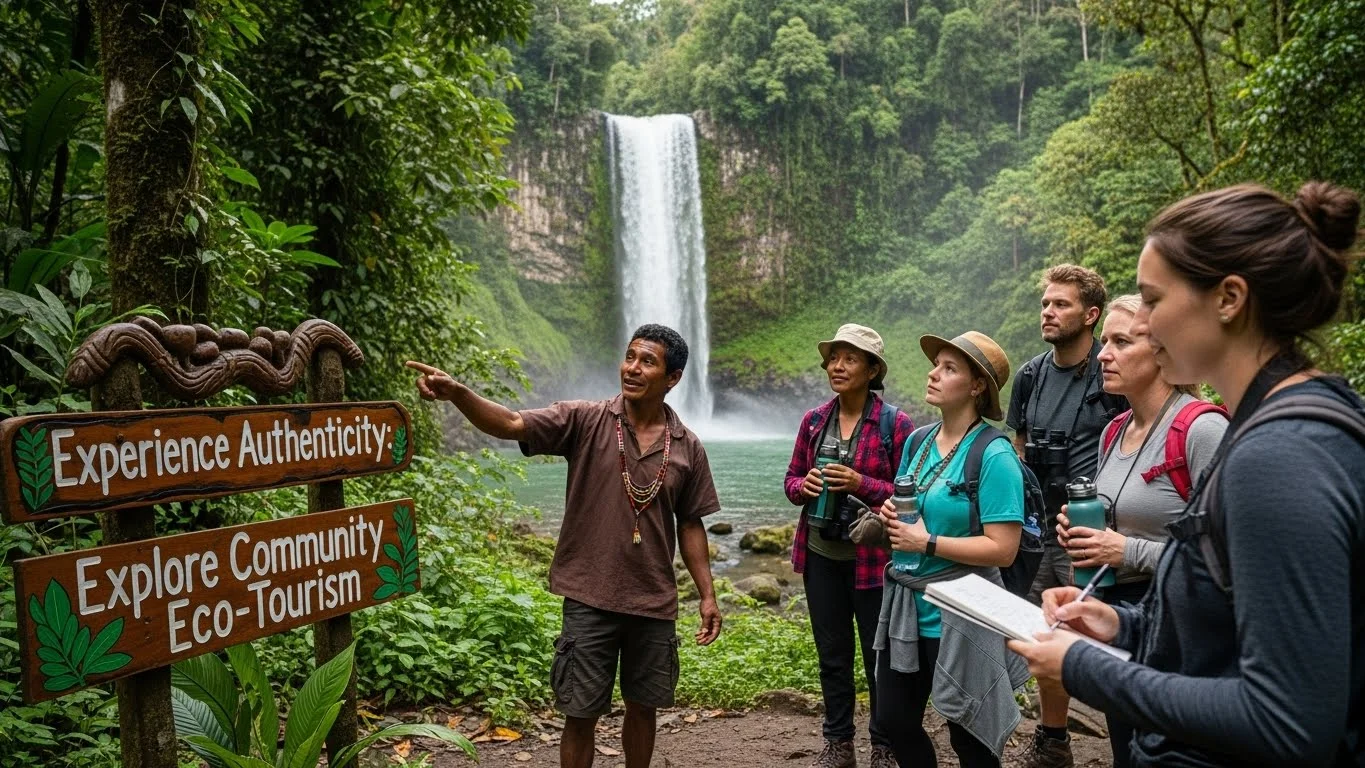
Experience Authenticity: Explore Community Eco-Tourism

Have you ever wanted to travel in a way that not only enriches your experience but also supports the communities you visit? Community eco-tourism offers just that—a chance to connect with nature, culture, and local people while making a positive impact. Join the Adventure: Community Eco-Tourism Initiatives Explained is a great resource to learn more about this fascinating approach.
Experience Authenticity: Explore Community Eco-Tourism

Understanding Community Eco-Tourism

When I first heard the term “eco-tourism,” I was curious about what it truly meant. As I explored, I discovered that eco-tourism is not just about visiting beautiful places; it’s about creating a sustainable travel experience. It focuses on responsible travel to natural areas that conserves the environment and improves the well-being of local people. This approach resonated with me deeply. It felt right to travel in a way that respects the land and culture while also supporting the communities that call these places home.

Definition of Eco-Tourism

Eco-tourism can be defined as a form of sustainable travel aimed at experiencing and conserving the natural environment. It encourages travelers to minimize their footprint while maximizing their experience. I remember my first eco-tourism adventure in Costa Rica, where I got to hike through lush rainforests, spot colorful wildlife, and learn about the local ecosystem. The guides were not only knowledgeable but also passionate about protecting their environment, which made the experience even more meaningful.

Importance of Community Involvement

One aspect of eco-tourism that stands out to me is community involvement. When local communities play an active role in eco-tourism, it leads to a more authentic experience for travelers. I’ve found that engaging with local people adds a rich layer to my travels. Their stories, traditions, and insights brought the destinations to life in ways that guidebooks never could. I’ve learned that community involvement not only helps preserve culture but also fosters a sense of pride among locals, making them more invested in the protection of their environment. How Community-Based Eco-Tourism Benefits Local Cultures explores this important aspect further.

Benefits of Eco-Tourism for Local Communities

Through my experiences, I’ve noticed several key benefits that eco-tourism brings to local communities. First and foremost, it creates jobs. Many communities rely on eco-tourism for their livelihood, whether it’s through guiding tours, running accommodations, or selling local crafts. I remember visiting a small village in Thailand where local families opened their homes to travelers, allowing them to experience daily life while providing much-needed income. This setup not only benefits the families but also gives travelers a unique, personal experience.

Furthermore, eco-tourism often leads to environmental conservation efforts. Many communities prioritize preserving their natural surroundings, knowing that their livelihood depends on the health of their environment. I’ve seen this firsthand in places like the Amazon, where local groups work tirelessly to protect their forests from deforestation. Knowing that my travel dollars contribute to these efforts makes me feel good about my choices.

In addition to economic benefits, eco-tourism fosters cultural exchange. When travelers engage with local cultures, it encourages cross-cultural understanding and appreciation. I’ve enjoyed many meals with local families, learning about their customs and traditions, which I would have never encountered in a typical tourist setting. These experiences help break down barriers and promote respect between different cultures, which I believe is vital in our interconnected world.

Lastly, eco-tourism can lead to improved infrastructure. As communities develop to accommodate eco-tourists, they often invest in better roads, sanitation, and healthcare. I’ve visited remote areas where my presence, and the presence of other travelers, has prompted local governments to improve facilities and services for everyone, not just tourists. It’s inspiring to see how responsible travel can uplift entire communities.

In my opinion, community eco-tourism is a win-win situation, benefiting both travelers and local inhabitants. As we explore new destinations, we can contribute to preserving the beauty and culture of the places we visit. I’ve learned to appreciate the stories behind the landscapes and the people who call them home, making every trip an adventure filled with purpose and meaning. By choosing to travel in this way, I feel like I am not just a visitor; I’m part of a larger story, one that honors and supports the communities I encounter.

Key Elements of Authentic Eco-Tourism Experiences

Environmental Sustainability

When I think of eco-tourism, environmental sustainability is the cornerstone that holds everything together. It’s about preserving the natural world for future generations while allowing travelers like us to enjoy its beauty responsibly. I remember standing on a cliff in Costa Rica, gazing out at the vast ocean, feeling a sense of gratitude for the pristine landscapes around me. It became clear that eco-tourism is not just about enjoying nature; it’s about protecting it. I’ve seen numerous eco-friendly initiatives, like solar-powered lodges and waste management systems, which reduce our impact on the environment. These experiences made me feel proud to be a traveler who contributes to conservation efforts rather than detracting from them.

Cultural Preservation

Cultural preservation is another essential element of authentic eco-tourism. I’ve discovered that many communities are eager to share their customs and history with visitors, which fosters a sense of connection and respect. For instance, during my travels to a small village in Peru, I participated in traditional rituals and learned about their ancestral practices. It felt incredible to be welcomed into their world, and I realized that by participating in these experiences, I was helping to keep their culture alive. Supporting local artisans and participating in cultural events not only enriches our travels but also empowers communities to maintain their heritage. This mutual respect creates a bond that transcends borders.

Local Economic Support

Local economic support is vital in ensuring that eco-tourism benefits the communities we visit. I’ve noticed that when travelers choose local operators and services, the money goes directly to the families and businesses that need it most. I recall staying at a family-run eco-lodge in Nicaragua, where the owners shared their stories about the challenges they faced and how eco-tourism has helped them thrive. By spending my dollars on local guides, markets, and accommodations, I felt like I was making a tangible difference in their lives. It’s a reminder that our travel choices hold power, and supporting local economies can lead to sustainable growth and development.

Top Destinations for Community Eco-Tourism

Amazon Rainforest, South America

The Amazon Rainforest is a wonderland of biodiversity, and eco-tourism here is flourishing. I’ve had the privilege to take guided tours with local indigenous groups, learning about their deep connection to the land and the importance of conservation. It was awe-inspiring to see how they live in harmony with nature, and I felt honored to experience their world while contributing to their efforts in protecting this vital ecosystem.

Maasai Mara, Kenya

Visiting the Maasai Mara in Kenya was a dream come true for me. The opportunity to witness the Great Migration and learn about the Maasai culture was nothing short of magical. Staying in eco-friendly camps run by the Maasai gave me insight into their traditions and challenges. It was enlightening to see how eco-tourism supports wildlife conservation while providing sustainable income for the local communities.

Ubud, Bali, Indonesia

Ubud, Bali, is known for its lush landscapes and vibrant culture. I fell in love with this place, where eco-tourism thrives. I visited rice paddies, participated in workshops with local artisans, and enjoyed healing retreats. The focus on wellness and sustainability made my experience holistic and fulfilling. Supporting local businesses in Ubud made me feel connected to the community, and I loved the chance to learn from talented locals. Top 5 Community Eco-Tourism Initiatives You Must Experience highlights some great options to explore here.

Patagonia, Chile and Argentina

Patagonia has a special place in my heart. The stunning mountains, glaciers, and lakes create a breathtaking backdrop for eco-adventures. I remember hiking in Torres del Paine National Park, where I met local guides passionate about conservation. Their commitment to preserving the environment was contagious, and I felt encouraged to be more environmentally conscious in my own life. It’s a destination that showcases how eco-tourism can blend adventure with sustainability.

Rural Communities in Thailand

Rural communities in Thailand offer some of the most authentic eco-tourism experiences I’ve ever encountered. I spent time in a small village where I learned about traditional farming practices and even helped with rice planting. The warm hospitality of the locals left a lasting impression on me. Their pride in their heritage and the desire to share it with travelers made each moment special. By visiting these communities, I felt a sense of purpose, knowing that my presence was supporting their livelihoods.

How to Choose an Eco-Tourism Destination

Researching Local Operators

When it comes to choosing an eco-tourism destination, my first step is always to research local operators. I believe that the right local guides can truly enhance the experience. They know the land intimately, understand its ecosystems, and can share fascinating stories that bring the area to life. I remember booking a tour in the Galápagos Islands with a local operator who was deeply committed to conservation. Their passion was infectious, and I felt like I was learning from the best. I suggest looking for operators who emphasize sustainable practices, such as minimizing waste, protecting wildlife, and respecting cultural traditions. Online platforms and eco-tourism directories can be great resources for finding reputable local companies.

Understanding Eco-Certifications

Eco-certifications can be a helpful guide when deciding where to go. I’ve learned to look for certifications that indicate a company’s commitment to sustainable practices. For instance, organizations like EarthCheck and Green Globe provide certifications that require companies to meet strict environmental and social criteria. When I traveled to Costa Rica, seeing those certifications gave me peace of mind that I was supporting businesses genuinely invested in eco-friendly practices. It’s also worth noting that sometimes smaller, local operators may not have formal certifications but still practice sustainability authentically. Engaging with them can often lead to unique, meaningful experiences.

Reading Reviews and Testimonials

As I plan my trips, I always find it helpful to read reviews and testimonials from other travelers. Websites like TripAdvisor and Google Reviews often provide insights into people’s experiences with various eco-tourism operators. I recall reading a review about a homestay in a rural village in Peru where the visitors praised the hosts for their hospitality and the immersive experiences they offered. This kind of feedback helps me feel more confident about my choices. I also look for comments on how the operators engage with the community and their efforts in conservation. Genuine testimonials can reveal a lot about a company’s values and practices.

Activities to Experience Authentic Eco-Tourism

Wildlife Watching and Conservation

One of my favorite activities while traveling is wildlife watching. There’s something exhilarating about observing animals in their natural habitats. During a trip to the Amazon Rainforest, I had the chance to join a guided night walk, where I spotted rare nocturnal creatures. The guides emphasized the importance of conservation efforts and shared how tourism plays a role in protecting these species. I always feel a deeper connection to nature when I recognize the responsibility we have in preserving it. Look for eco-tours that include wildlife conservation components, as they often provide educational experiences and opportunities to support local conservation initiatives.

Community Cultural Exchanges

Engaging in community cultural exchanges is another enriching facet of eco-tourism. I’ve participated in various cultural exchange programs that allowed me to interact with local families, learn their customs, and even join in on traditional celebrations. One memorable experience was during a festival in a small village in Thailand. The locals welcomed us with open arms, and I learned to dance to their traditional music. These moments create bonds that transcend language barriers, and I believe they foster mutual respect. Seek out activities that allow you to immerse yourself in local cultures, as they can be incredibly rewarding.

Nature Hiking and Exploration

Nature hiking is at the heart of many eco-tourism adventures. I’ve always loved exploring trails that lead to breathtaking views and hidden gems. Hiking in Patagonia was particularly unforgettable; the landscapes were so stunning that I often found myself stopping just to take it all in. Many eco-tourism destinations offer guided hikes that not only showcase natural beauty but also educate travelers about the environment and conservation efforts in place. I suggest choosing trails that are less crowded, as this not only enhances the experience but also helps in minimizing our impact on the environment.

Workshops on Traditional Crafts

Taking part in workshops on traditional crafts is an engaging way to immerse yourself in a community’s culture. I’ve had the chance to learn pottery from local artisans in Mexico and weaving from women in Guatemala. These hands-on experiences not only taught me about their art but also the stories behind each technique. Supporting these artisans helps preserve their crafts and empowers them economically. If you’re interested in learning about local practices, I recommend looking for workshops that allow you to create something unique while connecting with the community.

Where to Stay: Eco-Friendly Accommodations

Eco-Lodges and Camps

Finding the right place to stay can significantly enhance our eco-tourism experience. I’ve stayed in eco-lodges and camps that prioritize sustainability, offering unique accommodations that blend seamlessly with nature. For instance, in Costa Rica, I spent a few nights in an eco-lodge built with sustainable materials and designed to minimize its environmental impact. These lodges often provide insights into local biodiversity and conservation efforts, which I found incredibly valuable. When choosing where to stay, I suggest looking for places that utilize renewable energy, practice water conservation, and source food locally.

Homestays with Local Families

Homestays offer an intimate glimpse into daily life and can be one of the most rewarding choices. I’ve had wonderful experiences staying with local families, sharing meals, and participating in their routines. One of my fondest memories was in a small village in Vietnam, where I learned to cook traditional dishes with my host family. The warmth and hospitality made me feel like part of their community, which is something I cherish. If you’re looking for authenticity, I highly recommend considering homestays, as they often support local economies directly.

Green Hotels Certification

Staying in hotels that have received green certifications can ensure that your accommodation adheres to eco-friendly practices. I’ve come across hotels that focus on energy efficiency, waste reduction, and community involvement. It’s reassuring to know that my stay is contributing positively to the environment. When booking, I like to check for certifications like LEED (Leadership in Energy and Environmental Design) or similar local certifications. These hotels often provide a comfortable stay while prioritizing sustainability, making it a win-win for the traveler and the environment.

Local Cuisine and Dining Experiences

Farm-to-Table Dining

When I think about my travels, the memories of local cuisine are often as vivid as the landscapes I explored. Farm-to-table dining has become a highlight for me during my eco-tourism adventures. I remember dining in a small restaurant in Ubud, Bali, where the ingredients were sourced from local farmers just a few miles away. The freshness of the food was unparalleled, and the flavors were a true reflection of the region. Supporting these local farms not only ensures that I’m enjoying delicious meals but also helps sustain the community’s agricultural practices. I’ve learned that when we choose to eat locally, we contribute to a cycle that benefits both the environment and local economies. It’s a satisfying experience to enjoy a meal knowing that every bite supports the community.

Traditional Cooking Classes

Participating in traditional cooking classes has been one of the most enjoyable ways to immerse myself in local cultures. I recall a cooking class I took in Thailand, where I learned to make authentic Pad Thai from a local chef. She shared not just recipes but also stories about her family’s culinary traditions. The entire experience felt like a celebration of culture, and I walked away with more than just new skills; I gained a deeper appreciation for the community’s traditions. Cooking classes often emphasize the use of local ingredients, which reinforces the connection between food and place. I highly recommend seeking out these classes as they provide a wonderful opportunity to engage with locals while enjoying a hands-on experience.

Street Food Tours with Locals

Street food tours are another fantastic way to dive into a destination’s culinary landscape. During my travels in Mexico, I joined a street food tour led by a local resident who was passionate about sharing the food culture of her city. We tasted everything from tacos to tamales, and I loved learning about the ingredients and cooking methods behind each dish. These tours not only satisfy my appetite but also foster a sense of community between travelers and locals. I’ve found that street food often reflects the heart and soul of a place, and by participating in these tours, we’re directly supporting street vendors and their families. It’s a fun, flavorful way to explore a city while making a positive impact.

Planning Your Eco-Tourism Trip

Best Times to Visit Eco-Tourism Destinations

Planning my eco-tourism trips has taught me the importance of timing. The best times to visit often align with local seasons and festivals, which can enhance the experience immensely. For instance, I learned that visiting Costa Rica during the dry season not only offers pleasant weather for exploring but also coincides with the turtle nesting season. I felt fortunate to witness sea turtles making their way to the shore—an experience I’ll cherish forever. Researching the best times to visit ensures that I can participate in local events and witness nature at its finest. I recommend checking local calendars and seasonal guides to maximize my experience and minimize the impact on local ecosystems.

Budgeting for Your Eco-Tour

Budgeting for an eco-tourism trip can feel daunting, but I’ve found it essential for a satisfying experience. I usually start by researching the costs of local accommodations, meals, and activities. One tip that has worked for me is to prioritize experiences that directly benefit the local community, even if they might be a bit more expensive. For example, I once splurged on a guided tour led by a local artisan in Guatemala, and it turned out to be one of the highlights of my trip. I suggest setting a flexible budget that allows for spontaneous opportunities while ensuring that funds go to local businesses and initiatives.

Travel Insurance and Safety Considerations

Travel insurance is something I never overlook when planning my eco-tourism adventures. Given that many eco-friendly destinations may be remote or less developed, having insurance provides peace of mind. I remember a hiking trip in Patagonia where unexpected weather changes made the trails challenging. Knowing I had coverage allowed me to enjoy the experience without worrying about potential mishaps. I also recommend researching any safety considerations specific to the destination, whether it’s health precautions or local customs. Being prepared ensures that I can focus on enjoying the journey and connecting with the community.

Responsible Eco-Tourism Practices

Reducing Your Carbon Footprint

As I’ve traveled, I’ve become increasingly aware of my carbon footprint. I try to make conscious decisions that lessen my impact on the environment. For instance, I often opt for public transportation or eco-friendly travel options whenever possible. During a trip to Europe, I relied on trains instead of flying, which allowed me to enjoy scenic views while reducing emissions. It’s a small change that makes a difference, and I encourage others to consider their travel choices as well. Every bit helps in promoting sustainability.

Respecting Local Cultures and Traditions

Respecting local cultures and traditions is at the heart of eco-tourism. I’ve learned the importance of being mindful of local customs, whether it’s dressing appropriately or seeking permission before taking photos. I once visited a sacred site in Peru and was reminded to be quiet and respectful, which deepened my appreciation for the experience. By honoring local traditions, we show that we value the heritage and practices of the communities we visit. This respect fosters goodwill and encourages a positive exchange between travelers and locals.

Supporting Local Businesses and Artisans

Supporting local businesses and artisans has become a priority in my travels. I gravitate toward markets and shops where local crafts are sold. I remember shopping for handmade textiles in a small village in Thailand, where the artisans shared their stories behind each piece. Not only did I come home with unique souvenirs, but I also felt good knowing my purchases supported the community. I believe that by choosing to spend our dollars wisely, we can help sustain local economies and contribute to preserving traditions.

Challenges and Criticisms of Eco-Tourism

Overtourism in Popular Destinations

While eco-tourism has many benefits, I’ve noticed that some popular destinations face the challenge of overtourism. Places that attract a lot of visitors can struggle with environmental degradation and cultural dilution. I’ve visited once-quiet areas that have become overrun with tourists, which can detract from the very experiences we seek. It’s a reminder that sustainable travel requires balance. I believe it’s essential for us as travelers to seek lesser-known spots and travel during off-peak times to help alleviate some of this pressure.

Greenwashing and Authenticity Issues

Greenwashing is another issue that has caught my attention. I’ve come across businesses that claim to be eco-friendly but don’t follow through with genuine practices. It’s crucial to do our research and support those who truly prioritize sustainability. I remember feeling disappointed after staying at a place that advertised itself as “green” but had little evidence to back it up. Being informed and discerning in our choices ensures that we support authentic eco-tourism initiatives.

Impact on Local Communities

The impact of eco-tourism on local communities can be a double-edged sword. While it can bring economic benefits, it can also lead to challenges such as displacement and cultural commodification. I’ve seen how some communities have had to adapt quickly to accommodate tourists, which can sometimes result in a loss of authenticity. It’s important for us to engage in conversations with locals and understand their perspectives to ensure that tourism is a force for good rather than a burden.

The Future of Community Eco-Tourism

Trends Shaping the Eco-Tourism Landscape

Looking ahead, I’m excited about the trends shaping the future of community eco-tourism. More travelers are seeking authentic experiences that connect them with local cultures and environments. This shift toward meaningful travel inspires communities to embrace eco-tourism as a way to preserve their heritage. I’ve seen an increase in initiatives that promote sustainable practices and prioritize community involvement. It’s heartening to witness this evolution as travelers increasingly recognize the value of responsible tourism.

The Role of Technology in Eco-Tourism

Technology is also playing a significant role in eco-tourism. I’ve noticed how apps and platforms can help travelers find eco-friendly options, from accommodations to activities. Additionally, technology can facilitate better communication between local communities and travelers, fostering understanding and collaboration. During my travels, I’ve benefited from using apps that suggest sustainable businesses and experiences, making it easier to align my choices with my values.

Advocacy and Policy Changes for Sustainable Tourism

Finally, advocacy and policy changes are crucial for the future of eco-tourism. I believe that as travelers, we can also be advocates for sustainable policies that protect local environments and communities. By supporting organizations that fight for responsible tourism practices, we can help ensure that these beautiful places remain for future generations. I’ve seen firsthand the importance of collective action in driving change, and I’m hopeful that as more travelers embrace these values, we can create a brighter future for eco-tourism.

Final Thoughts

Community eco-tourism has enriched my travels in ways I never imagined possible. It has taught me the importance of connection—connection to the land, the people, and the cultures we encounter. By supporting local communities and embracing sustainable practices, I feel like I’m part of something bigger, a movement that honors both nature and humanity. I encourage everyone to consider eco-tourism as a way to travel with purpose and intention, creating memories that not only fill our hearts but also uplift the communities we visit. After all, the world is not just a destination; it’s a shared home we must care for together.

Frequently Asked Questions

What is community eco-tourism?

Community eco-tourism is a sustainable travel approach that aims to connect travelers with nature, culture, and local communities while making a positive impact. It emphasizes responsible travel to natural areas that conserve the environment and improve the well-being of local people.

How does eco-tourism benefit local communities?

Eco-tourism benefits local communities by creating jobs, supporting cultural exchange, and fostering environmental conservation. It provides income through guiding tours, running accommodations, and selling local crafts, while also encouraging communities to prioritize the health of their environment.

What are some key elements of authentic eco-tourism experiences?

Key elements of authentic eco-tourism experiences include environmental sustainability, cultural preservation, and local economic support. These elements ensure that tourism enhances the cultural and natural heritage of the places visited while benefiting local residents.

Can you name some popular destinations for community eco-tourism?

Popular destinations for community eco-tourism include the Amazon Rainforest in South America, Maasai Mara in Kenya, Ubud in Bali, Patagonia in Chile and Argentina, and rural communities in Thailand.

How can travelers choose eco-tourism destinations effectively?

Travelers can choose eco-tourism destinations effectively by researching local operators, understanding eco-certifications, and reading reviews and testimonials from other travelers. This helps ensure that their travel choices align with sustainable practices.

What activities can travelers participate in while engaging in eco-tourism?

Travelers can participate in activities such as wildlife watching and conservation, community cultural exchanges, nature hiking and exploration, and workshops on traditional crafts. These activities enrich the travel experience and promote interaction with local cultures.

What types of accommodations are recommended for eco-tourism?

Recommended accommodations for eco-tourism include eco-lodges and camps, homestays with local families, and green hotels that have received eco-certifications. These options prioritize sustainability and provide unique and authentic experiences.

What should travelers consider when planning their eco-tourism trip?

Travelers should consider the best times to visit eco-tourism destinations, budget for their trip, and ensure they have travel insurance. These factors can significantly enhance their overall experience and ensure safety while traveling.

What are some responsible eco-tourism practices travelers should follow?

Responsible eco-tourism practices include reducing carbon footprints, respecting local cultures and traditions, and supporting local businesses and artisans. These practices help minimize negative impacts and promote sustainable tourism.

What challenges does eco-tourism face today?

Eco-tourism faces challenges such as overtourism in popular destinations, greenwashing by businesses that falsely advertise themselves as eco-friendly, and potential negative impacts on local communities, including displacement and cultural commodification.
Join the Adventure: Community Eco-Tourism Initiatives Explained

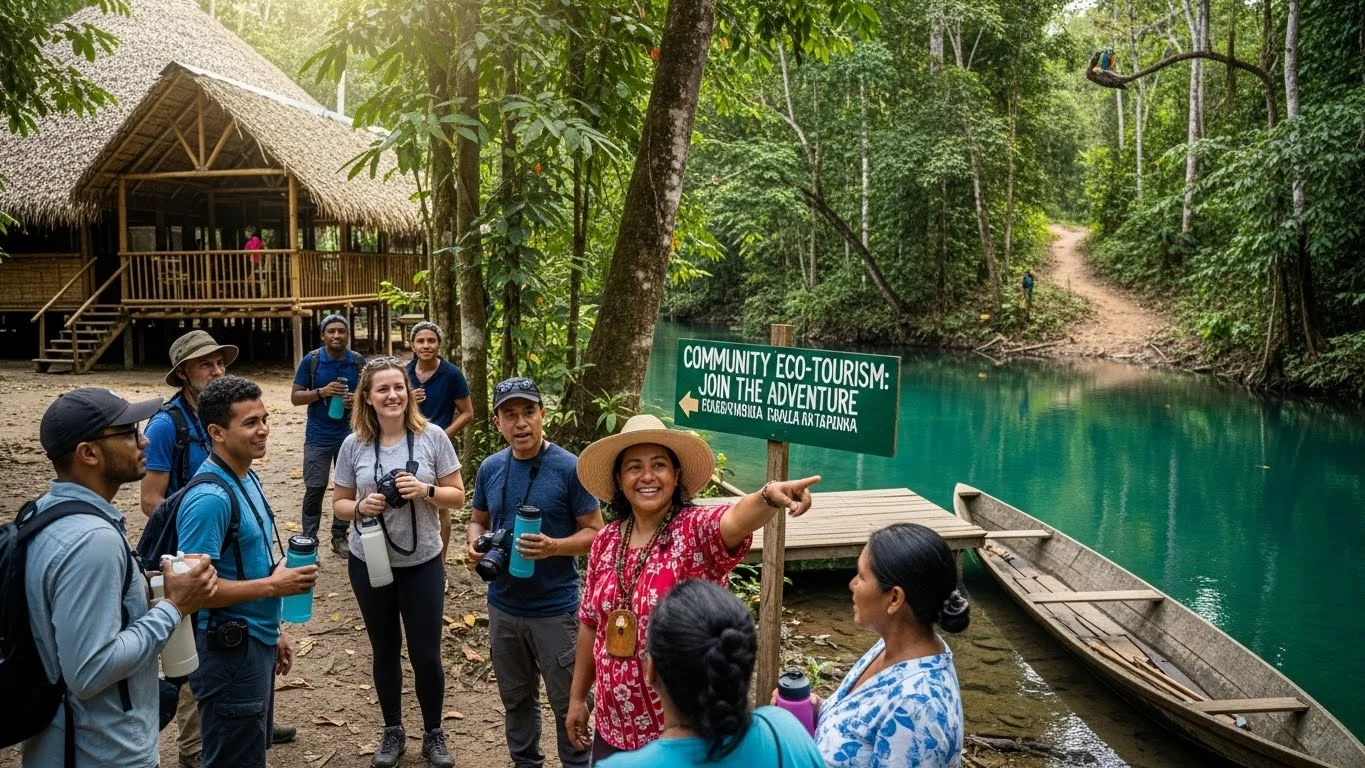
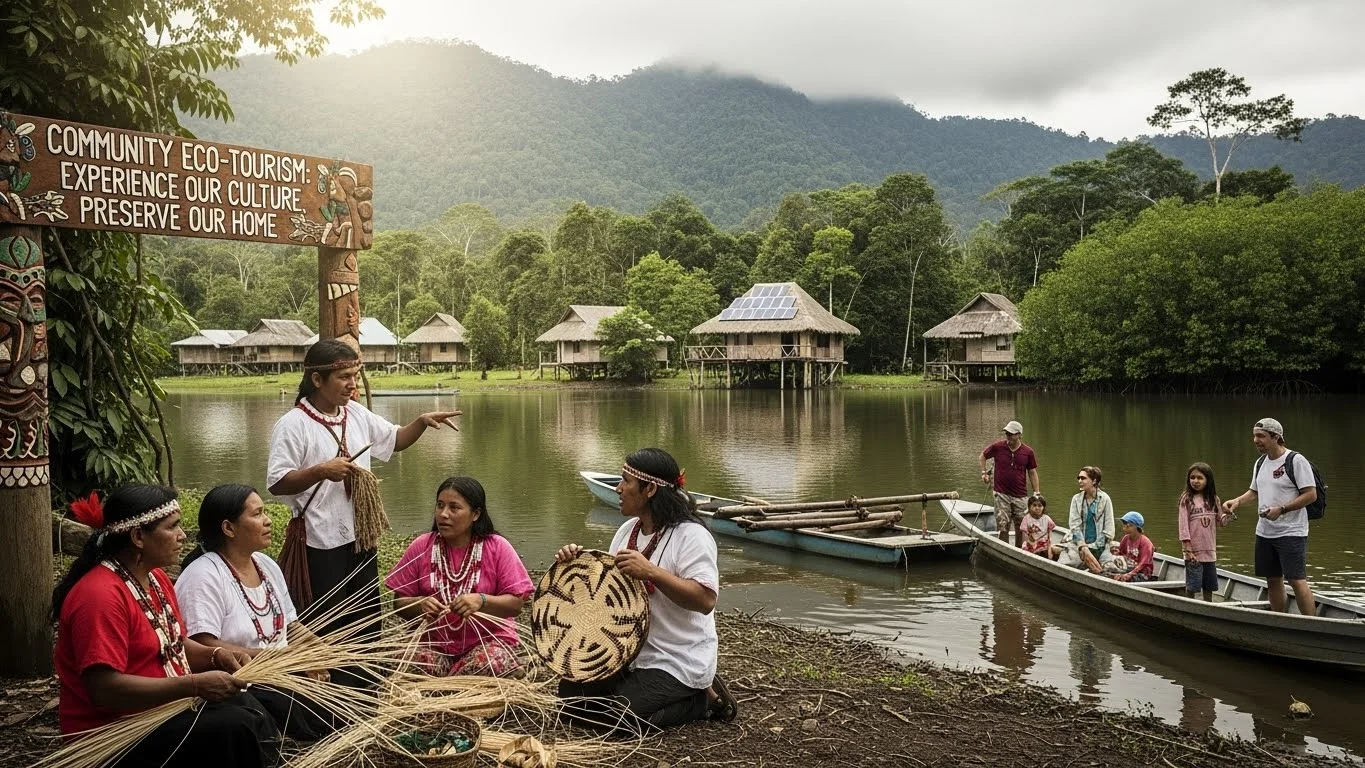
Imagine exploring breathtaking landscapes, rich cultures, and vibrant communities while making a positive impact. Community eco-tourism invites us to join this adventurous journey, promoting sustainability and connecting travelers with local people.

Join the Adventure: Community Eco-Tourism Initiatives Explained

Understanding Community Eco-Tourism

When I first heard the term “eco-tourism,” I thought it was just another buzzword in the travel industry. But over time, I’ve learned that it encompasses so much more than just visiting beautiful places. Community eco-tourism is a way to travel responsibly while supporting local communities and preserving natural resources. It’s about forming a connection with the environment and the people who call it home. Let’s dive deeper into what this all means. Read Interesting article: Top 5 Community Eco-Tourism Initiatives You Must Experience

Definition of Eco-Tourism

Eco-tourism is essentially a form of sustainable travel focused on experiencing natural areas while minimizing the impact on the environment. It often emphasizes education and conservation, allowing travelers to appreciate the beauty of their surroundings. I remember my first eco-tourism trip where I visited a national park. It was refreshing to know that by being there, I was contributing to the protection of that ecosystem.

The World Conservation Union defines eco-tourism as “responsible travel to natural areas that conserves the environment, respects the local culture, and promotes sustainability.” What I find fascinating is the emphasis on responsibility; it’s about making choices that benefit both the traveler and the local community. It’s not only about enjoying the beauty of nature but also about preserving it for future generations. Read Interesting article: How Community-Based Eco-Tourism Benefits Local Cultures

The Role of Community in Eco-Tourism

One of the most remarkable aspects of community eco-tourism is the role of the local community. They are often the stewards of the land and possess invaluable knowledge about their environment. When I visited a small village in Guatemala, the locals shared their traditions, stories, and ways of living. It was eye-opening to realize how much I could learn from them, and it made my travel experience much richer.

In community eco-tourism, local inhabitants play a crucial role in crafting and leading tourism initiatives. This can mean guiding tours, running homestays, or showcasing local crafts and cuisine. By empowering communities to take the lead in tourism, we ensure that they not only benefit economically but also maintain their cultural heritage. It’s a win-win for both travelers and locals, fostering understanding and mutual respect.

Benefits of Community Eco-Tourism

Participating in community eco-tourism has a multitude of benefits—not just for travelers, but for the communities we visit. From my experience, these benefits can be grouped into several key areas:

  • Economic Growth: Eco-tourism creates jobs and provides additional income for families. When I stayed at a locally owned guesthouse, I knew my dollars were going directly to the community.
  • Environmental Protection: Many eco-tourism initiatives focus on conservation efforts. By visiting these areas, we help fund projects that protect local wildlife and habitats. I always feel good knowing my travel choices contribute to preserving nature.
  • Cultural Exchange: Engaging with locals allows us to learn about their culture and lifestyles. I cherish the moments when local families welcomed me into their homes, sharing meals and stories. It deepens our understanding of the world.
  • Awareness and Education: Eco-tourism encourages travelers to be more conscious of their impact. I’ve become more aware of sustainable practices and have adopted them in my daily life since my travels.

These benefits illustrate how community eco-tourism can create a positive ripple effect. When we travel with purpose, we support local economies, protect the environment, and foster cross-cultural understanding. Each trip becomes more than just a vacation; it transforms into an opportunity for meaningful interactions and lasting memories.

Throughout my journeys, I’ve seen firsthand how community eco-tourism initiatives can flourish and bring about positive change. Whether it’s a small village in Southeast Asia or a remote community in South America, the spirit of eco-tourism is alive and thriving. As we explore these initiatives further, we discover both the challenges they face and the incredible potential they hold for the future. Read Interesting article: Discover Community-Based Eco-Tourism: Travel with Impact

Key Principles of Eco-Tourism Initiatives

Sustainability Practices

When I think about sustainability in eco-tourism, I often reflect on the little changes we can make that lead to bigger impacts. Sustainable practices are at the heart of community eco-tourism, laying the groundwork for responsible travel. This can mean choosing accommodations that use renewable energy, reducing waste, and conserving water. During my travels, I’ve encountered places that emphasize these practices. For instance, at an eco-lodge in the Amazon, I noticed how they composted organic waste and had rainwater collection systems. These efforts not only help the environment but also inspire visitors to adopt similar habits when they return home. It’s that kind of education and awareness that stays with us long after the trip is over.

Conservation Efforts

Conservation is another key principle of community eco-tourism that I find incredibly inspiring. Many initiatives are centered around protecting unique ecosystems and endangered species. For example, I recall visiting a wildlife sanctuary in Madagascar where the locals worked tirelessly to rehabilitate lemurs. They offered guided tours, sharing their knowledge about the importance of preserving these animals and their habitats. These conservation efforts often rely on the support of eco-tourists. By visiting these sites, not only do we learn about the importance of biodiversity, but our entrance fees directly contribute to ongoing conservation projects. I felt honored knowing that my visit was making a difference—helping to save species and preserve natural habitats for future generations.

Community Involvement

One of the most rewarding aspects of community eco-tourism is the involvement of local people in every aspect of the initiative. This is where the magic happens. I’ve seen how communities can come together to create unique experiences that reflect their culture and heritage. In Peru, for instance, I joined a community-led tour where local guides took us through the Sacred Valley. They shared stories about their ancestors and the significance of various landmarks. It was more than just sightseeing; it felt like I was part of their world, experiencing their traditions firsthand. This level of involvement ensures that tourism remains authentic and benefits the community directly.

Economic Benefits to Local Communities

Traveling in a way that supports local economies has become increasingly important to me. Eco-tourism not only creates jobs but also stimulates local businesses. I remember staying in a small guesthouse run by a family in a rural village. It amazed me how every dollar I spent on lodging, meals, and crafts flowed back into the community, helping to improve their quality of life. These economic benefits can be seen in various forms— from job creation in hospitality and guiding services to promoting local artisans. The ripple effect is significant. When we choose to support these local businesses, we’re not just travelers; we’re partners in fostering economic growth. It’s a fulfilling feeling to know that my travel choices contribute to the well-being of the communities I visit.

Notable Community Eco-Tourism Initiatives Worldwide

Case Study: Costa Rica’s Eco-Tourism Model

Costa Rica is often heralded as a pioneer in eco-tourism, and my experiences there truly reinforced that reputation. The country has dedicated a significant portion of its land to national parks and reserves, making it a haven for nature lovers like myself. What I found remarkable was how the government collaborates with local communities to promote sustainable tourism. For example, I visited a community that offered tours of their sustainable coffee farms. It was incredible to see how they balanced agriculture with conservation, preserving local wildlife habitats while providing visitors with a glimpse of their daily lives. This model has not only helped Costa Rica protect its biodiversity but has also allowed local families to thrive. Each visit supports their efforts, ensuring that both nature and the community prosper together.

Case Study: Kenya’s Community-Based Wildlife Conservation

Kenya’s approach to eco-tourism is another shining example. I had the privilege of visiting a Maasai community that actively participates in wildlife conservation. They have established initiatives that allow them to benefit from tourism while protecting their lands and wildlife. I remember taking part in a guided walking safari where the Maasai shared their deep knowledge of the ecosystem. They explained how their presence helps deter poaching and promotes sustainable practices. It struck me how important it was for communities to be involved as stewards of their land, creating a harmonious relationship between people and nature.

Case Study: Peru’s Sacred Valley Eco-Tourism

In Peru, the Sacred Valley offers another compelling case of community eco-tourism. I had the chance to explore this stunning region, where local communities have developed sustainable practices that showcase their culture while preserving the environment. During my stay, I participated in a workshop with local artisans who crafted beautiful textiles. They shared their techniques passed down through generations, allowing me to appreciate the craftsmanship involved. This not only helped me take home a unique souvenir but also supported their livelihoods directly.

Case Study: Thailand’s Community-Led Conservation Projects

In Thailand, I encountered community-led conservation projects that focus on marine and rainforest ecosystems. One of the most impactful experiences was visiting a coastal village where locals engage in sustainable fishing practices. They educated tourists about the importance of preserving marine life, sharing how overfishing affects their community. I joined a beach cleanup organized by local volunteers, which was both humbling and empowering. It was a reminder that we can all contribute to making our destinations better for both nature and the communities that inhabit them. The connections I made there have inspired me to seek out similar initiatives wherever I travel.

How to Get Involved in Community Eco-Tourism

Choosing Eco-Friendly Destinations

When I plan my travels, I always start by selecting eco-friendly destinations. It’s become a priority for me to ensure that my adventures support sustainable practices. I often look for places that are committed to preserving their environment and culture. Websites dedicated to eco-tourism can be incredibly helpful, as they list destinations that prioritize sustainability. During my travels, I’ve found that smaller, locally-owned accommodations often embody the spirit of eco-tourism. For instance, when I stayed at a bed and breakfast in a coastal town, the owners had implemented several green practices, like using solar panels and sourcing food from local farmers. These choices made my stay not just enjoyable but also aligned with my values. Taking the time to research potential destinations and their eco-tourism initiatives can be an enlightening experience. It opens up a world of options that can enhance our understanding of the places we visit while ensuring we leave a positive impact behind.

Volunteering Opportunities

Volunteering is another fantastic way to engage with community eco-tourism. I’ve personally volunteered on a few occasions, and it has been some of the most rewarding experiences of my travels. Organizations often seek volunteers for various projects, from wildlife conservation to community development. I remember volunteering in a turtle conservation program in Mexico. My days were filled with beach clean-ups and night patrols to protect nesting turtles. The sense of camaraderie among the volunteers and locals was incredible. We shared stories, laughter, and a common goal: protecting these beautiful creatures. If you’re looking to make a deeper connection with the community while contributing to meaningful projects, volunteering is a wonderful option. Many organizations have short-term and long-term commitments, so you can choose what fits your schedule best.

Supporting Local Businesses

One of the simplest and most impactful ways we can support community eco-tourism is by consciously choosing to spend our money in local businesses. I’ve learned to prioritize dining in locally owned restaurants, shopping at artisan markets, and using local guides for tours. This not only provides a more authentic experience but also ensures that my money goes directly to the community. During a trip to Thailand, I decided to eat at a small family-run restaurant instead of a chain. The food was not only delicious but also prepared with love and tradition. I even got to chat with the family about their recipes and culture. That meal was one of the highlights of my trip, proving that supporting local businesses can lead to unforgettable experiences. By choosing to buy local, we help drive economic growth in the communities we visit. It’s a way to ensure that our travel has a lasting, positive impact far beyond our stay.

Participating in Eco-Tourism Programs

Many destinations offer structured eco-tourism programs that allow travelers to engage in sustainable practices while exploring local culture and nature. I’ve participated in several of these programs, each time learning something new and enriching my travel experience. For example, I joined a guided eco-tour in a rainforest in Belize, where the local guides shared their knowledge about the flora and fauna. We learned how to identify medicinal plants and understand their importance to the local culture. The guide’s passion for conservation was infectious, and I came away with a deeper appreciation for the delicate balance of ecosystems. These programs often include activities like tree planting, wildlife monitoring, or cultural workshops, providing hands-on experiences that foster a deeper connection to the destination. Participating in such programs not only enriches our travels but also reinforces our commitment to sustainability.

Challenges Facing Community Eco-Tourism

Overtourism and Its Impact

While community eco-tourism has numerous benefits, it’s essential to acknowledge the challenges it faces. One of the most significant issues is overtourism. I’ve seen firsthand how an influx of visitors can strain local resources and lead to environmental degradation. I remember visiting a beautiful national park that was once pristine, but due to rising tourist numbers, it started to show signs of wear. Trails became eroded, wildlife was disturbed, and litter was left behind. This experience highlighted the importance of responsible travel practices and the need for sustainable visitor management. To tackle overtourism, it’s crucial for travelers to be mindful of their impact. Opting for off-peak travel times, choosing lesser-known destinations, and advocating for limits on visitor numbers can help mitigate these issues.

Managing Environmental Sustainability

Another challenge is managing environmental sustainability. It’s not enough to simply promote eco-tourism; we must ensure that initiatives are genuinely sustainable and not just marketed as such. I’ve encountered situations where eco-lodges claimed to be eco-friendly but lacked genuine practices for sustainability. This emphasizes the need for transparency and accountability in eco-tourism initiatives. Travelers should seek out certifications, read reviews, and ask questions about the practices of the businesses they support. I find that doing a little research can go a long way in ensuring that my travel choices align with my values.

Balancing Profit with Conservation

Finding the right balance between profit and conservation is another ongoing struggle within community eco-tourism. While economic benefits are essential for local communities, it’s vital that these initiatives don’t compromise the very resources they aim to protect. During my travels, I’ve seen instances where community-led projects became more focused on generating revenue than on preserving the environment. This situation can lead to exploitation and can undermine the goals of eco-tourism. It’s a delicate balance that requires ongoing dialogue and cooperation between stakeholders.

Community Conflicts and Solutions

Lastly, community conflicts can arise when different groups have competing interests in tourism development. I’ve observed this in several places where local communities had differing opinions on how to approach eco-tourism. Some may prioritize economic growth, while others focus on cultural preservation or environmental conservation. To navigate these conflicts, open communication and collaboration are essential. Encouraging dialogue between community members can lead to solutions that respect everyone’s needs and values. I’ve found that when communities come together to discuss their vision and goals, the outcomes are often more sustainable and inclusive. By understanding these challenges, we can better equip ourselves as travelers to contribute positively to community eco-tourism. It’s a journey of learning and growth that extends beyond the places we visit—it shapes us as responsible global citizens.

Frequently Asked Questions

What is community eco-tourism?

Community eco-tourism is a form of sustainable travel that promotes responsible tourism while supporting local communities and preserving natural resources. It aims to connect travelers with the environment and the people who live there.

How does eco-tourism differ from traditional tourism?

Eco-tourism focuses on experiencing natural areas with minimal environmental impact and emphasizes education and conservation, while traditional tourism may not prioritize sustainability or local community involvement.

What are the key benefits of community eco-tourism?

The benefits of community eco-tourism include economic growth for local communities, environmental protection through conservation efforts, cultural exchange between travelers and locals, and increased awareness and education about sustainable practices.

How can travelers support local communities through eco-tourism?

Travelers can support local communities by choosing to stay in locally-owned accommodations, dining at local restaurants, shopping at artisan markets, and engaging in community-led tours and activities.

What are some examples of successful community eco-tourism initiatives?

Examples of successful community eco-tourism initiatives include Costa Rica’s sustainable coffee farms, Kenya’s Maasai community wildlife conservation efforts, Peru’s Sacred Valley cultural experiences, and Thailand’s community-led conservation projects.

How can individuals get involved in community eco-tourism?

Individuals can get involved in community eco-tourism by choosing eco-friendly destinations, volunteering for conservation projects, supporting local businesses, and participating in structured eco-tourism programs.

What challenges does community eco-tourism face?

Challenges include overtourism, managing environmental sustainability, balancing profit with conservation, and navigating community conflicts regarding tourism development.

How can travelers mitigate the impacts of overtourism?

Travelers can mitigate the impacts of overtourism by visiting during off-peak times, choosing lesser-known destinations, and advocating for limits on visitor numbers in popular areas.

What role do local communities play in eco-tourism?

Local communities play a crucial role in eco-tourism by crafting and leading tourism initiatives, guiding tours, running homestays, and showcasing their cultural heritage, which helps ensure that the benefits of tourism are shared locally.

Why is sustainability important in eco-tourism?

Sustainability is important in eco-tourism because it ensures that tourism practices protect the environment, support local economies, and preserve cultural heritage for future generations while minimizing negative impacts.

How Community-Based Eco-Tourism Benefits Local Cultures

Community-based eco-tourism is more than just a travel trend; it’s a powerful way to connect with local cultures while promoting sustainability. I’ve seen firsthand how these initiatives uplift communities and preserve their unique identities. Read Interesting article: Discover Community-Based Eco-Tourism: Travel with Impact

How Community-Based Eco-Tourism Benefits Local Cultures

Understanding Community-Based Eco-Tourism

Definition of Community-Based Eco-Tourism

Community-based eco-tourism, in my experience, is a form of travel that emphasizes the involvement of local communities in managing and benefiting from tourism activities. Unlike mass tourism, it focuses on creating authentic experiences that allow visitors to engage with the local culture, environment, and way of life. The idea is not just to visit a place but to truly immerse oneself in its essence. I remember my first trip to a small village where the locals guided us through their daily routines, sharing their stories and traditions. It felt less like tourism and more like a cultural exchange.

Key Principles of Eco-Tourism

From what I’ve learned, there are several core principles that define eco-tourism. First is sustainability, which aims to minimize the environmental impact of tourism while supporting conservation efforts. This means that while we as tourists explore beautiful landscapes, we also contribute to their preservation. Another principle is community involvement. Eco-tourism encourages local input in tourism decisions, ensuring that the benefits of tourism reach the people who live there. I’ve seen how this collaboration empowers locals, as they become stewards of their environment and culture. Lastly, education plays a critical role. Tourists are often educated about the local ecosystem and cultural heritage, which fosters respect and understanding.

Differences Between Traditional and Community-Based Eco-Tourism

It’s interesting to observe how traditional tourism often prioritizes profit over people and the planet. In contrast, community-based eco-tourism focuses on the well-being of local cultures and the environment. During my travels, I noticed that traditional tours often whisk visitors through sights without any real connection to the local culture. In community-based eco-tourism, however, I was encouraged to interact with locals, learn their stories, and even participate in cultural practices. This not only enriched my experience but also fostered mutual respect between us and the community. For instance, visiting a traditional cooking class run by local women was eye-opening. I learned not just how to cook their dishes, but also the history and significance behind each recipe.

Benefits to Local Cultures

Preservation of Cultural Heritage

One of the most profound benefits of community-based eco-tourism is its role in preserving cultural heritage. I’ve seen how tourism can help revive and sustain traditions that might otherwise fade away. For example, in a small village I visited, the influx of curious travelers encouraged locals to share their traditional dances and crafts. This not only kept these practices alive but also instilled pride in the younger generation. They began participating in cultural events, realizing the value of their heritage. It’s a beautiful cycle that reinforces their identity while allowing us to appreciate their uniqueness.

Strengthening Local Economies

We often think about tourism as a way to boost economies, but community-based eco-tourism takes this a step further. It’s not just about making money; it’s about funneling that income back into the community. I remember chatting with a local artisan who explained how tourism allowed her to support her family and invest in her craft. Instead of sending profits to large corporations, the money I spent on handmade souvenirs directly benefited her and her community. This way, local businesses thrive, and the community feels empowered to sustain itself. Read Interesting article: Budget Travel: Embrace Community-Based Eco-Tourism Now

Empowerment of Local Communities

Empowerment is another crucial outcome of community-based eco-tourism. When locals have a seat at the table, they can voice their needs and desires. During my travels, I noticed how communities that embraced eco-tourism had a stronger sense of ownership over their resources. They initiated projects that aligned with their values, leading to greater satisfaction and long-term benefits. For example, eco-tourism can provide training for locals in hospitality and guiding, enabling them to take pride in sharing their culture and environment with visitors.

Promotion of Sustainable Practices

Lastly, community-based eco-tourism promotes sustainable practices on multiple levels. I’ve witnessed how local communities implement strategies to protect their environment while welcoming tourists. For instance, in an eco-lodge I stayed at, waste management was a top priority. They encouraged us to reduce our plastic use and even offered workshops on sustainable living. This not only educated tourists but also inspired locals to adopt more environmentally friendly practices. It’s heartening to know that our travel choices can lead to positive change in these communities.

Impact on Local Traditions and Practices

Revitalization of Traditional Arts and Crafts

One of the most beautiful aspects of community-based eco-tourism is its ability to revitalize traditional arts and crafts. When I visited a village known for its unique pottery, I saw how eco-tourism breathed new life into age-old practices. The artisans were excited to showcase their skills to visitors, sharing the stories behind each piece they created. I learned that many of these crafts were at risk of disappearing as younger generations turned to modern jobs. However, with the increased interest from eco-tourists, the community has found renewed motivation to pass these skills down. This not only preserves their heritage but also creates a living link between past and present, reminding us all of the importance of keeping traditions alive.

Enhancing Cultural Exchanges

Cultural exchange is at the heart of community-based eco-tourism. I often reflect on the moments when I shared meals with local families, learning about their customs and daily life. These interactions forged connections that went beyond simple tourist experiences. I remember joining a storytelling night where elders shared tales of their ancestors, rich with history and wisdom. Such exchanges not only enriched my understanding but also allowed locals to see their culture through fresh eyes. This back-and-forth interaction fosters respect and deeper appreciation for each other’s ways of life, creating a bond that encourages mutual understanding.

Support for Local Festivals and Events

Community-based eco-tourism can significantly boost local festivals and events, providing them with much-needed visibility and support. I’ve had the privilege of attending a vibrant harvest festival in a rural village, where locals invited tourists to participate in their celebrations. The festival showcased traditional music, dance, and food, creating an atmosphere of joy and unity. I learned that the influx of tourists during such events helped fund the community’s initiatives, allowing them to continue these cherished traditions year after year. It was heartwarming to see how eco-tourism could strengthen communal ties and revive celebrations that honor their culture. Read Interesting article: Budget Backpacking: Embrace Community-Based Eco-Tourism

Environmental Benefits of Community-Based Eco-Tourism

Conservation of Natural Resources

Community-based eco-tourism goes hand-in-hand with the conservation of natural resources. I was amazed to learn about the sustainable practices implemented by local guides in a rainforest area I visited. They educated tourists about the importance of protecting their natural surroundings, demonstrating how every visitor could contribute to conservation efforts. For instance, I participated in a tree-planting event that not only offset our carbon footprint but also helped restore the ecosystem. I felt a profound connection to the land and realized how tourism could lead to active participation in preserving our planet.

Protection of Endangered Species

During my travels, I encountered several programs dedicated to protecting endangered species. In one instance, I visited a community-led initiative in an area known for its rare wildlife. The locals had developed eco-tours that highlighted these species while also generating funds to protect their habitats. I felt inspired as I learned how the community worked tirelessly to educate visitors about the importance of biodiversity. These efforts ensured that both tourists and locals could appreciate the beauty of these creatures while taking action to safeguard their future.

Promotion of Biodiversity

Community-based eco-tourism plays a pivotal role in promoting biodiversity. I remember walking through a stunning nature reserve, guided by a local who passionately spoke about the various plant and animal species that thrived there. This experience opened my eyes to the interconnectedness of ecosystems. By engaging in eco-tourism, I realized that our choices as travelers could help protect not only specific sites but also the rich tapestry of life around them. Supporting local conservation projects fosters a sense of responsibility among tourists and reinforces the idea that we all share a stake in preserving the planet’s diversity.

Challenges and Considerations

Balancing Tourism and Cultural Integrity

While community-based eco-tourism has many benefits, it’s essential to acknowledge the challenges that come with it, particularly in balancing tourism and cultural integrity. During my travels, I’ve seen places where the influx of tourists led to cultural dilution, with traditions being altered to cater to visitors’ expectations. I think it’s crucial for communities to set clear boundaries and prioritize their cultural values. It’s a delicate dance between sharing their culture and preserving its authenticity, and I believe that open communication with visitors can help navigate this balance.

Managing Visitor Impact on Local Communities

Another challenge I’ve observed is managing visitor impact on local communities. While tourism can bring economic benefits, it can also strain resources and infrastructure. In one village I visited, the sudden surge of tourists overwhelmed the local water supply, and the community struggled to cope. This experience highlighted the need for sustainable visitor management practices. I think that by educating ourselves as travelers and being mindful of our consumption, we can minimize our footprint and help alleviate pressure on these communities.

Ensuring Community Participation and Benefit Sharing

Ensuring that all community members participate in and benefit from eco-tourism is vital. I’ve seen instances where only a handful of locals reaped the rewards of tourism, while others were left behind. It’s important for tourism initiatives to promote inclusivity, allowing everyone in the community to have a voice and share in the profits. I believe that this can be achieved through community meetings and collaborative planning, ensuring that eco-tourism truly serves the interests of the entire community.

Case Studies of Successful Community-Based Eco-Tourism Initiatives

Example 1: The Maasai Mara, Kenya

When I think about successful community-based eco-tourism, the Maasai Mara in Kenya immediately comes to mind. This region, known for its breathtaking landscapes and rich wildlife, has embraced eco-tourism by allowing the Maasai people to manage and profit from tourism activities. During my visit, I stayed in a tented camp run by Maasai locals. They guided us through the savannah, sharing their deep knowledge of the land and its inhabitants. I learned that not only do these eco-lodges help preserve wildlife, but they also empower the Maasai community by providing jobs and supporting local schools. This approach has fostered a sense of pride among the Maasai, as they see the direct benefits of protecting their homeland. Witnessing their commitment to conservation was inspiring and made me appreciate the delicate balance between tourism and wildlife protection.

Example 2: The Amazon Rainforest, Brazil

The Amazon Rainforest is another remarkable example where community-based eco-tourism plays a crucial role in conservation. I remember visiting a small community in Brazil that had developed eco-tours showcasing the rainforest’s biodiversity. The locals, who had previously struggled with deforestation and illegal logging, found a new way to earn an income by sharing their knowledge of the forest. I participated in guided hikes where the community’s leaders educated us about medicinal plants and the importance of preserving their ecosystem. This initiative not only generates income for the community but also helps protect the rainforest from harmful practices. I was amazed to hear how the community had taken ownership of their environment, showing that eco-tourism can be a powerful tool for both economic and ecological sustainability.

Example 3: The Sami Culture, Norway

In Norway, the Sami people have embraced community-based eco-tourism as a way to share their unique culture while also promoting environmental sustainability. I had the opportunity to visit a Sami village during my travels, where I experienced traditional reindeer herding firsthand. The Sami guides explained the significance of their way of life and how they depend on the reindeer for both sustenance and cultural identity. By participating in activities like reindeer sledding and learning about their customs, I gained a deeper understanding of their heritage. The income generated from eco-tourism supports their community, helps preserve their traditions, and raises awareness about their challenges. It was clear to me that this form of tourism not only benefits the Sami but also teaches visitors about the importance of respecting indigenous cultures and their connection to the land.

How to Get Involved in Community-Based Eco-Tourism

Finding Eco-Tourism Destinations

If you’re interested in exploring community-based eco-tourism, finding the right destinations is key. I often turn to travel blogs, social media, and eco-tourism websites that highlight sustainable travel options. Many organizations focus on promoting responsible tourism, and I’ve found that they often list local communities that offer authentic experiences. When researching, I recommend looking for places that prioritize community involvement and environmental stewardship. My experience has shown that the more I connect with local efforts, the richer my travel experiences become.

Choosing Responsible Tour Operators

Selecting the right tour operator can make a significant difference. I always look for companies that demonstrate a commitment to sustainable practices and community engagement. Reading reviews and testimonials can provide insight into their operations. I’ve had great experiences with operators who collaborate with local artisans and guides, ensuring that the community benefits directly from tourism. It’s reassuring to know that my travel choices contribute positively to the places I visit, and I believe that as travelers, we have the power to influence the industry by supporting ethical companies.

Volunteer Opportunities in Local Communities

Another fulfilling way to engage with community-based eco-tourism is through volunteer opportunities. I’ve volunteered with several organizations that focus on conservation and cultural exchange. These programs often provide hands-on experiences, allowing me to work alongside locals and learn about their projects. Whether it’s helping with environmental restoration or teaching English, volunteering fosters genuine relationships and an understanding of local challenges. I’ve found that giving back enriches my travels and creates lasting memories, as it allows me to witness the impact of my contributions firsthand.

Future Trends in Community-Based Eco-Tourism

Increased Focus on Sustainable Development Goals (SDGs)

As we move forward, I believe that community-based eco-tourism will increasingly align with the Sustainable Development Goals (SDGs) set by the United Nations. I’ve noticed a growing awareness among travelers about the importance of sustainability, and many are seeking out experiences that contribute to these goals. This trend encourages local communities to adopt practices that not only benefit their immediate environment but also promote social and economic development. I think it’s exciting to see how eco-tourism can play a role in achieving these global objectives while enriching our travel experiences.

Technological Innovations in Eco-Tourism

Technological innovations are also shaping the future of community-based eco-tourism. I’ve seen how apps and online platforms can connect travelers with local guides and experiences seamlessly. These advancements can enhance the visitor experience while ensuring that local communities receive fair compensation. For example, I recently used an app that allowed me to book eco-tours directly with local providers, bypassing larger corporations. This direct connection not only supports the community but also ensures that I’m participating in a more authentic and responsible form of tourism.

Growing Demand for Authentic Cultural Experiences

Finally, there’s a growing demand for authentic cultural experiences among travelers. I’ve observed that more people are looking for meaningful connections rather than superficial sightseeing. This trend is encouraging communities to share their stories and traditions in ways that resonate with visitors. I think it’s wonderful to see travelers wanting to engage with locals, strengthening the bonds between cultures. As this demand grows, I believe communities will continue to innovate and find ways to showcase their heritage while preserving their integrity.

Frequently Asked Questions

What is community-based eco-tourism?

Community-based eco-tourism is a form of travel that emphasizes the involvement of local communities in managing and benefiting from tourism activities. It focuses on creating authentic experiences that allow visitors to engage with local culture, environment, and way of life.

What are the key principles of eco-tourism?

The core principles of eco-tourism include sustainability, community involvement, and education. Sustainability aims to minimize environmental impact while supporting conservation, community involvement ensures locals benefit from tourism, and education fosters respect and understanding of local ecosystems and cultural heritage.

How does community-based eco-tourism differ from traditional tourism?

Community-based eco-tourism prioritizes the well-being of local cultures and the environment, whereas traditional tourism often focuses on profit. Eco-tourism encourages interaction and cultural exchanges with locals, enriching visitor experiences and fostering mutual respect.

What are the benefits of community-based eco-tourism for local cultures?

Community-based eco-tourism helps preserve cultural heritage, strengthens local economies, empowers communities, and promotes sustainable practices. It encourages locals to share their traditions, boosts local businesses, and fosters a sense of ownership and pride in their culture and environment.

Can community-based eco-tourism help in the conservation of natural resources?

Yes, community-based eco-tourism supports the conservation of natural resources by educating tourists about the importance of protecting the environment and involving them in conservation efforts, such as tree planting and wildlife protection initiatives.

What challenges can arise from community-based eco-tourism?

Challenges include balancing tourism with cultural integrity, managing visitor impact on local communities, and ensuring that all community members participate in and benefit from eco-tourism initiatives. Open communication and sustainable visitor management practices are essential to address these issues.

What are some successful examples of community-based eco-tourism initiatives?

Successful examples include the Maasai Mara in Kenya, where the Maasai people manage tourism and benefit directly; the Amazon Rainforest in Brazil, where locals developed eco-tours to protect biodiversity; and the Sami culture in Norway, which shares their heritage through eco-tourism while promoting sustainability.

How can travelers get involved in community-based eco-tourism?

Travelers can get involved by finding eco-tourism destinations through travel blogs and websites, choosing responsible tour operators that support local communities, and participating in volunteer opportunities that allow for hands-on engagement with local initiatives.

What future trends are expected in community-based eco-tourism?

Future trends include an increased focus on Sustainable Development Goals (SDGs), technological innovations connecting travelers with local experiences, and a growing demand for authentic cultural experiences among travelers seeking meaningful connections.

How does community-based eco-tourism promote cultural exchanges?

Community-based eco-tourism fosters cultural exchanges by encouraging interactions between travelers and locals, allowing for shared meals, storytelling, and participation in traditional events. These exchanges enhance mutual understanding and appreciation for each other’s ways of life.

Top 5 Community Eco-Tourism Initiatives You Must Experience

Let’s dive into the world of community eco-tourism, where travel meets sustainability and local cultures thrive. Discovering eco-friendly initiatives not only enriches our experiences but also helps the communities we visit. Discover Community-Based Eco-Tourism: Travel with Impact and see some incredible projects you won’t want to miss!

Top 5 Community Eco-Tourism Initiatives You Must Experience

Understanding Community Eco-Tourism

Definition of Eco-Tourism

Eco-tourism, in my view, is a way of traveling that focuses on experiencing natural areas while promoting conservation and respecting local cultures. It’s more than just a vacation; it’s about connecting with the environment and supporting the communities that protect it. When I first learned about eco-tourism, it struck me how powerful travel could be when paired with responsibility. Instead of just passing through a place, eco-tourism invites us to engage and contribute, leaving a positive mark on the world.

The Principles of Community-Based Eco-Tourism

Community-based eco-tourism is built on a few key principles that I think are vital. First, it emphasizes local participation, ensuring that community members play an active role in tourism. This means that when we travel, we are not just visitors; we are guests who support local economies and learn from the people who call these places home. Another principle is sustainability. Community eco-tourism initiatives aim to minimize environmental impact and promote the conservation of natural resources. I remember feeling a sense of fulfillment when I realized that my travel choices could help preserve the beauty of a destination for future generations.

Benefits of Eco-Tourism for Local Communities

The benefits of eco-tourism for local communities are immense. From my experiences, I’ve seen how these initiatives can create jobs, support local artisans, and foster cultural exchange. For instance, when travelers choose eco-friendly lodgings or participate in community-led tours, the money flows directly into the hands of locals. This kind of economic boost can help fund schools, health care, and conservation efforts. I believe it’s crucial for us as travelers to understand that our choices do not just affect our own experiences but also the lives of the people we meet along the way. Budget Travel: Embrace Community-Based Eco-Tourism Now to see how you can make a difference.

Top 5 Community Eco-Tourism Initiatives

1. Initiative in Costa Rica: The Monteverde Cloud Forest Reserve

Overview of the Reserve

Monteverde Cloud Forest Reserve is a stunning destination that captures the essence of biodiversity. As I walked through the lush greenery, I was in awe of the variety of flora and fauna. The reserve spans over 26,000 acres and is home to thousands of species, including the elusive quetzal bird. It’s a paradise for nature lovers and adventurers alike. The misty trails and unique ecosystems provide a truly immersive experience with nature.

Local Community Involvement

The locals are deeply involved in the reserve’s conservation efforts. Community members lead tours, sharing their knowledge of the ecosystem and its importance. I found it inspiring to hear their stories and see how passionate they were about protecting their environment. They also benefit from the eco-tourism revenue, which supports their families and promotes sustainable practices. It felt good to know that my visit contributed to their livelihood.

Activities to Experience

When I visited, I tried a canopy tour, which was an adrenaline rush! Soaring through the treetops gave me a new perspective on the forest. There are also guided hikes, birdwatching tours, and opportunities to learn about the coffee-growing process from local farmers. Each activity I participated in was not just fun but also educational. I left with a deeper appreciation for the natural world and the community working to preserve it.

2. Initiative in Thailand: The Community-Based Tourism in Chiang Mai

Overview of the Program

Chiang Mai, with its rich culture and stunning landscapes, offers a fantastic community-based tourism initiative. I was amazed at how the program connects travelers with local families, allowing us to experience their traditions firsthand. The vibrant markets, beautiful temples, and surrounding mountains create an inviting atmosphere that draws visitors from all over the world.

Engagement with Local Culture

During my stay, I had the chance to participate in a cooking class with a local family. It was such a memorable experience! I learned to make traditional Thai dishes using ingredients from their garden. The warmth and hospitality of the locals made me feel like part of their family. I think engaging with the community in this way enriches our travel experiences and fosters mutual respect.

Eco-Friendly Activities Available

There are so many eco-friendly activities to choose from in Chiang Mai. Trekking through the hills, visiting ethical elephant sanctuaries, and participating in community workshops are just a few options. Each experience is designed to highlight the importance of conservation and cultural preservation. I loved how these activities allowed me to connect with nature while also supporting the local way of life.

3. Initiative in Kenya: Maasai Mara Eco-Tourism Projects

Overview of Maasai Mara

Maasai Mara is one of Africa’s most iconic wildlife reserves, and experiencing it through eco-tourism is truly unforgettable. The landscapes are breathtaking, and the opportunity to see wildlife in their natural habitat is a dream come true for many travelers. I remember being awestruck during a safari, witnessing lions, elephants, and more roaming freely.

How the Community Benefits

In Maasai Mara, eco-tourism initiatives are designed to benefit the local Maasai community directly. From what I learned, a portion of the proceeds from tourism goes towards community development projects, such as schools and health clinics. It was heartening to see how tourism could be a force for good, helping to sustain the local culture and improve lives.

Wildlife Conservation Efforts

Wildlife conservation is at the heart of the eco-tourism efforts in Maasai Mara. I experienced firsthand how local guides are trained to promote conservation awareness among visitors. They share their knowledge about the ecosystem and the challenges faced by wildlife. It made me realize how important it is for us to support these efforts, ensuring that future generations can enjoy the incredible biodiversity this region has to offer.

4. Initiative in Peru: Sacred Valley Community Projects

Overview of the Sacred Valley

The Sacred Valley in Peru is not just a breathtaking landscape; it’s a place rich in culture and history. When I visited, I was instantly captivated by the majestic mountains, ancient ruins, and the vibrant life of the local communities. This valley, nestled between Cusco and Machu Picchu, has been inhabited for centuries, and its profound connection to the Inca heritage is evident everywhere. Exploring this area felt like stepping back in time, and I learned that local eco-tourism initiatives are helping to preserve this unique culture while providing travelers with unforgettable experiences.

Local Artisans and Cultural Experiences

One of the highlights of my trip was engaging with local artisans who craft beautiful textiles and pottery. I visited a community workshop where women were weaving intricate patterns, and they generously shared their stories and techniques with us. I felt honored to witness their artistry and learned about the significance of each design. Buying their handcrafted goods not only supported their livelihoods but also allowed me to take home a piece of their culture. It made me realize how important it is to empower local artisans and celebrate their creativity.

Eco-Friendly Lodging Options

During my stay in the Sacred Valley, I chose to stay at an eco-lodge that was designed with sustainability in mind. The accommodations were built using local materials, and they emphasized energy efficiency and water conservation. I appreciated how the lodge blended seamlessly into the natural surroundings, allowing us to enjoy the stunning views without disturbing the environment. I found that staying in eco-friendly lodgings can truly enhance the overall experience, making me feel more connected to the area and its people.

5. Initiative in Portugal: The Alentejo Region Eco-Tourism

Overview of the Alentejo Region

The Alentejo Region in Portugal is often referred to as the country’s hidden gem. I was fortunate enough to explore this area, which is characterized by rolling hills, olive groves, and charming villages. The landscape feels untouched and serene, making it an ideal destination for eco-tourism. I was amazed by how much the local community values sustainability. Their commitment to preserving the environment is inspiring, and it’s reflected in their eco-tourism initiatives.

Community Involvement in Agriculture

What stood out to me during my visit was the emphasis on community involvement in agriculture. I had the pleasure of participating in a farm tour where local farmers showcased their organic practices. We helped harvest olives and learned about sustainable farming methods. The farmers were incredibly passionate about their work, and it was evident how much they care for their land. Supporting these agricultural initiatives not only benefits the environment but also strengthens the local economy, which was something I felt good about as a traveler.

Activities and Attractions

There are so many activities to enjoy in the Alentejo Region. I went hiking along the beautiful coastline, sampled local wines at family-owned vineyards, and enjoyed traditional meals made with fresh ingredients from the region. Each experience felt authentic and rewarding. I noticed that by engaging in these activities, I was not just a tourist but a participant in their way of life. It made me appreciate the importance of eco-tourism in promoting local culture and environmental sustainability. Budget Backpacking: Embrace Community-Based Eco-Tourism to explore more about such initiatives.

How to Choose the Right Eco-Tourism Initiative

Factors to Consider When Selecting an Initiative

Choosing the right eco-tourism initiative can be a little overwhelming, but I’ve learned to focus on a few key factors. First, consider the sustainability practices of the organization. I always look for initiatives that have clear guidelines on how they minimize their environmental impact. Another factor is the level of community involvement. It’s important to me that local people are actively engaged in the tourism process, as their insights and experiences enrich our travels. Lastly, do some research on the types of activities offered. I personally prefer initiatives that provide immersive experiences and allow me to connect with nature and culture.

Evaluating Community Impact

When I evaluate the impact of an eco-tourism initiative, I look for transparency. It’s helpful to choose organizations that provide information on how they contribute to local communities. For instance, I appreciate when they share statistics about job creation, educational programs, or conservation efforts they support. It gives me a sense of assurance that my travel contributes positively to the places I visit. I also think it’s worthwhile to read reviews from other travelers to gain insight into their experiences and the initiative’s effectiveness.

Personal Interests and Eco-Tourism Goals

Lastly, I believe it’s essential to align my travel goals with the eco-tourism initiative I choose. For me, I’m drawn to projects that focus on wildlife conservation, cultural exchanges, or community development. I take the time to reflect on what aspects of eco-tourism resonate with me the most. Whether it’s a desire to learn about traditional crafts, support wildlife protection, or simply enjoy nature, I find that having clear goals enhances my experiences and satisfaction as a traveler.

When to Visit Community Eco-Tourism Initiatives

Best Seasons for Eco-Tourism

Finding the right time to visit a community eco-tourism initiative can significantly enhance your experience. From my travels, I’ve learned that each location has its own peak season, which often aligns with the best weather conditions and local festivals. For instance, visiting Costa Rica during the dry season from December to April means you can explore the Monteverde Cloud Forest Reserve with less rain, allowing for clearer views and more wildlife sightings. Similarly, in Thailand, the best time to experience Chiang Mai is from November to February when the weather is cooler and more pleasant for trekking and outdoor activities.

Moreover, I’ve discovered that visiting during the shoulder seasons can be beneficial as well. These periods, just before or after peak times, usually offer fewer crowds and can provide a more intimate experience with the local culture. For example, if you travel to the Sacred Valley in Peru during March or October, you might enjoy a quieter atmosphere while still witnessing the beauty of traditional festivals and local customs.

Weather Considerations

Weather is a crucial factor to consider when planning your eco-tourism adventures. I’ve made the mistake of not checking the climate of a destination, and it definitely affected my experience. For example, I visited the Maasai Mara in Kenya during the rainy season, thinking it would be an excellent time for lush landscapes and wildlife migrations. While the scenery was stunning, the muddy roads made certain areas difficult to access, limiting my safari options.

In contrast, I found that the best time to explore the Alentejo region in Portugal is during the spring or early fall. The mild temperatures make hiking and vineyard tours enjoyable, and you can avoid the intense summer heat that can be quite uncomfortable. Always check local weather patterns before your trip to help plan your activities accordingly. This way, you can maximize your experiences and minimize any weather-related disappointments.

Tips for Responsible Eco-Tourism Travel

Supporting Local Economies

One of the most rewarding aspects of eco-tourism, in my experience, is the opportunity to support local economies directly. I’ve made it a point to choose local guides, markets, and small businesses during my travels. For example, while in the Sacred Valley, I opted to eat at family-run restaurants rather than larger chains, and I noticed that the quality of the food and the warmth of the service were truly exceptional. Every time I purchased handmade crafts from local artisans, I felt a connection to their stories and livelihoods, knowing my money was contributing to their communities.

Another way to support local economies is by participating in community-led tours. These experiences often provide authentic insights into the culture and environment, which you won’t find in conventional tourist packages. I remember taking a guided hike in the Alentejo region led by a local who not only shared the history of the area but also introduced us to traditional farming techniques. I left with not only memories but also a deeper appreciation for the local economy and its sustainability efforts.

Respecting Local Cultures and Practices

Respecting local cultures is essential for responsible eco-tourism. I’ve learned that being aware of cultural customs and traditions can greatly enhance my travel experience. For instance, when I participated in a cooking class in Chiang Mai, I made sure to dress appropriately and learn a few basic Thai phrases to show my respect for the culture. I found that locals appreciated my efforts to engage with their traditions, and it fostered a sense of connection between us.

Furthermore, I believe it’s important to be open-minded and adaptable. Sometimes, local practices may differ from what I’m used to, and embracing those differences has enriched my travels. Whether it’s understanding the significance of certain rituals or participating in community events, these experiences can offer profound insights that transform a typical trip into something memorable and meaningful.

Minimizing Environmental Impact

As travelers, we hold a responsibility to minimize our environmental impact. I’ve found that small changes in my travel habits can make a big difference. For instance, I always carry a reusable water bottle and shopping bag to reduce plastic waste. During my hikes in the Monteverde Cloud Forest Reserve, I made sure to stay on marked trails to protect the delicate ecosystems and prevent erosion.

I also pay attention to my energy and water usage while staying at eco-friendly lodges. I try to limit my shower times and turn off lights when I leave my room. These minor adjustments may seem insignificant, but they contribute to the overall sustainability efforts of the places I visit. By adopting these practices, I feel empowered to be a part of the solution, ensuring that the beautiful destinations I cherish remain intact for future generations to enjoy.

Frequently Asked Questions

What is eco-tourism?

Eco-tourism is a way of traveling that focuses on experiencing natural areas while promoting conservation and respecting local cultures. It encourages travelers to engage with the environment and support the communities that protect it.

What are the key principles of community-based eco-tourism?

The key principles of community-based eco-tourism include local participation, sustainability, and minimizing environmental impact. It ensures that community members play an active role in tourism and that tourism supports local economies and conservation efforts.

How does eco-tourism benefit local communities?

Eco-tourism benefits local communities by creating jobs, supporting local artisans, and fostering cultural exchange. Money spent on eco-friendly lodgings or community-led tours goes directly to locals, helping fund schools, healthcare, and conservation efforts.

What activities can travelers experience in the Monteverde Cloud Forest Reserve in Costa Rica?

Travelers can participate in activities such as canopy tours, guided hikes, birdwatching tours, and learning about the coffee-growing process from local farmers, all of which offer educational experiences in nature.

What is the significance of community-based tourism in Chiang Mai, Thailand?

In Chiang Mai, community-based tourism connects travelers with local families, allowing them to experience traditions firsthand, such as participating in cooking classes and engaging in various eco-friendly activities.

How does eco-tourism in Maasai Mara benefit the local Maasai community?

Eco-tourism initiatives in Maasai Mara benefit the local community by directing a portion of tourism proceeds towards community development projects, such as schools and health clinics, while promoting wildlife conservation.

What local artisan experiences can be found in the Sacred Valley, Peru?

In the Sacred Valley, travelers can engage with local artisans who craft textiles and pottery, visit community workshops, and learn about their techniques and cultural significance, while also supporting their livelihoods by purchasing handcrafted goods.

What activities can visitors enjoy in the Alentejo region of Portugal?

Visitors can enjoy activities such as hiking along the coastline, sampling local wines at family-owned vineyards, and participating in farm tours to learn about organic practices, all while supporting the local economy.

What factors should travelers consider when selecting an eco-tourism initiative?

Travelers should consider the sustainability practices of the organization, the level of community involvement, and the types of activities offered, ensuring they align with their personal interests and eco-tourism goals.

What are some tips for responsible eco-tourism travel?

Tips for responsible eco-tourism include supporting local economies by choosing local guides and businesses, respecting local cultures and practices, and minimizing environmental impact by adopting sustainable travel habits, such as using reusable products and conserving resources.

Discover Community-Based Eco-Tourism: Travel with Impact

Have you ever dreamed of traveling in a way that not only enriches your experience but also leaves a positive impact on the communities you visit? Community-based eco-tourism is the answer, creating connections that go beyond the typical tourist path.

Discover Community-Based Eco-Tourism: Travel with Impact

Understanding Community-Based Eco-Tourism

When I first learned about community-based eco-tourism, it struck me as a fresh approach to travel. This concept revolves around engaging travelers with local communities, allowing us to immerse ourselves in their cultures while promoting environmental sustainability. It’s not just about visiting a new place; it’s about building relationships and fostering a deep respect for our planet and its inhabitants.

Definition of Eco-Tourism

So, what exactly is eco-tourism? At its core, eco-tourism is responsible travel to natural areas that conserves the environment, respects local cultures, and helps improve the well-being of local communities. I remember my first eco-tourism experience, where the focus wasn’t just on seeing beautiful landscapes but on understanding the ecosystems and the people who call them home. It felt rewarding to know that my travel choices contributed to preserving these areas.

Eco-tourism often emphasizes education, sustainability, and the protection of wildlife and their habitats. It encourages travelers like us to make informed decisions and to appreciate the delicate balance of nature and culture. Through eco-tourism, we can explore the world without leaving a negative footprint.

Importance of Community Involvement

Community involvement is a cornerstone of eco-tourism. When I traveled to a small village in Guatemala, I noticed how local families were directly involved in the tourism process. They weren’t just passive observers; they were the guides, the hosts, and the storytellers. This involvement ensures that the economic benefits of tourism stay within the community, allowing them to thrive and preserve their way of life.

Involving communities also means that the experiences we have as tourists are authentic. We get to learn about local traditions, cuisines, and lifestyles directly from the source. This kind of interaction enriches our travels and allows us to appreciate the diversity that exists in our world. Budget Backpacking: Embrace Community-Based Eco-Tourism is an excellent resource for those looking to make a positive impact while exploring.

Benefits of Eco-Tourism for Local Communities

One of the most significant benefits of community-based eco-tourism is the economic boost it provides to local areas. I remember visiting a project in Costa Rica, where profits from eco-tourism were invested back into the community, funding schools, health services, and conservation efforts. It was inspiring to see how tourism can lead to real change.

  • Job Creation: Eco-tourism creates jobs in guiding, hospitality, and crafts. This offers local residents a chance to earn a living while showcasing their culture.
  • Conservation Efforts: Many eco-tourism initiatives fund conservation projects, protecting natural habitats and wildlife. This is crucial in areas where traditional livelihoods may threaten the environment.
  • Cultural Preservation: As travelers seek authentic experiences, communities are encouraged to maintain and promote their traditions, languages, and crafts.

From my experience, these benefits extend beyond just financial gains. They foster pride in local heritage. I’ve seen how communities that engage with eco-tourism become ambassadors of their culture, which can lead to a greater appreciation from visitors like us.

Traveling with a purpose has transformed my way of seeing the world. It’s incredibly fulfilling to know that my travels contribute to something bigger. Community-based eco-tourism is about making meaningful connections, understanding different ways of life, and supporting those who are often overlooked by conventional tourism. Next time I plan a trip, I’ll definitely be looking for opportunities to engage with local communities, and I encourage you to consider doing the same. Not only will we enrich our experiences, but we can also help create a better world for everyone involved.

Key Principles of Community-Based Eco-Tourism

Sustainability and Conservation

One of the first things that caught my attention about community-based eco-tourism is its strong emphasis on sustainability. I’ve always believed that travel should leave a positive mark, not just on my experiences but on the environment as well. When I reflect on my travels, it’s clear that sustainable practices are at the heart of eco-tourism. This means not only protecting natural habitats but also ensuring that the resources we use during our travels are renewable and responsibly managed.

During my visit to a small eco-lodge in Costa Rica, I was amazed by the ways they practiced sustainability. From solar panels to organic gardens, every aspect was designed to minimize environmental impact. I learned that by working with the surrounding ecosystems rather than against them, we could enjoy beautiful landscapes while preserving them for future generations. It made me realize how my choices as a traveler could contribute to conservation efforts, and I felt a sense of responsibility to make those choices consciously.

Empowerment of Local Communities

Empowerment is another key principle of community-based eco-tourism that resonates with me. It goes beyond simply providing jobs; it’s about giving locals a voice in how their communities are portrayed and how tourism affects them. I’ve seen firsthand how empowering local communities can lead to a sense of pride and ownership. For example, in the artisan villages I visited in Peru, local craftspeople were not only selling their goods but were also sharing the stories and traditions behind their creations. It was heartwarming to witness their passion and how they felt valued in the process.

Empowerment also means that local communities can make decisions about tourism development that align with their values and needs. I think this is crucial because when communities feel empowered, they are more likely to engage with tourists and share their rich cultures, which makes the travel experience even more meaningful for us.

Respect for Local Cultures and Traditions

Respecting local cultures and traditions is something I’ve always tried to prioritize in my travels. I believe that every culture has something unique to offer, and community-based eco-tourism encourages this mindset. When I traveled to a village in Thailand, I was struck by how the local community opened their arms to share their customs, food, and beliefs with me. It felt like a privilege to be invited into their world and learn about their way of life.

In eco-tourism, respecting local cultures means acknowledging their history and traditions, and understanding how tourism impacts their lives. I noticed that many eco-tourism operators emphasize this cultural respect by involving local families in tourism activities, ensuring that we, as tourists, are not just passive observers but active participants in the community’s story. It’s a beautiful way to create connections between us and the places we visit.

Top Destinations for Community-Based Eco-Tourism

Amazon Rainforest, Brazil

The Amazon Rainforest is a perfect example of a destination where community-based eco-tourism thrives. When I think of my experiences in the Amazon, I remember the incredible guides, who were local Indigenous people. They shared their deep knowledge of the flora and fauna, and I felt truly connected to the land. It was fascinating to learn about their sustainable practices for living in harmony with nature. Supporting eco-lodges and tours run by local communities means that part of the proceeds goes towards conservation and the protection of this vital ecosystem.

Chiang Mai, Thailand

Chiang Mai has long been a favorite of mine, particularly for its vibrant culture and welcoming people. Here, community-based eco-tourism has flourished with opportunities for cultural exchanges, such as cooking classes with local families and visits to ethical elephant sanctuaries. I found it incredibly rewarding to learn about traditional Thai cooking while supporting local chefs. This kind of experience not only benefits the community economically but also promotes cultural understanding and appreciation.

Masai Mara, Kenya

The Masai Mara is another exceptional destination for community-based eco-tourism. I’ll never forget the breathtaking landscapes and the rich wildlife, but what truly stood out was meeting the Maasai people. They shared their stories and traditions with me, which enriched my understanding of their connection to the land. Many eco-lodges in the area work closely with Maasai communities to ensure that tourism benefits them directly. I witnessed how the funds from eco-tourism were used for education and health initiatives, making a tangible difference in their lives.

Galápagos Islands, Ecuador

The Galápagos Islands are famous for their unique biodiversity, and visiting them through a community-based eco-tourism lens offers a special perspective. I remember exploring the islands with local guides who passionately shared their knowledge about the conservation efforts in place. Their insights transformed my experience from just sightseeing to understanding the delicate balance of this ecosystem. By choosing local operators, I felt proud knowing that my visit contributed to the protection of the islands and the well-being of their inhabitants. Budget Backpacking: Discovering Indigenous Eco-Tourism Gems is a great read for those interested in finding more unique experiences.

How to Choose a Responsible Eco-Tourism Operator

Researching Operators: What to Look For

Choosing the right eco-tourism operator can make a world of difference in your travel experience. I remember when I was planning a trip to an eco-lodge in Belize; I spent a lot of time researching various operators. I found that a good starting point is to look for companies that have a clear commitment to sustainability and community involvement. This means they not only focus on environmental conservation but also prioritize the welfare of local communities.

One thing I always check is whether the operator collaborates with local communities to ensure that the economic benefits of tourism are shared. When I came across an operator that engaged local guides and offered local cuisine, I felt much more confident in my choice. It’s also worth looking for programs that provide educational experiences, like workshops on traditional crafts or cooking classes. These opportunities make my travel experiences richer and more meaningful.

Certifications and Accreditations

Certifications can be a telling sign of an eco-tourism operator’s commitment to responsible practices. I’ve learned to look for recognized certifications, such as those from the Global Sustainable Tourism Council or Rainforest Alliance. These certifications often indicate that the operator meets certain standards for sustainability, community involvement, and environmental awareness.

During my travels, I’ve found that operators with certifications often provide detailed information about their practices and policies. For example, while planning a trip to a wildlife sanctuary, I discovered that the operator I chose had been awarded for their conservation efforts and community programs. This not only reassured me about their dedication but also enriched my experience, knowing I was supporting a reputable company.

Reviews and Testimonials from Previous Travelers

Reading reviews and testimonials is another crucial step in choosing an eco-tourism operator. I often turn to platforms like TripAdvisor or dedicated travel blogs, where I can find authentic experiences shared by fellow travelers. When I was researching an eco-tour in Madagascar, I stumbled upon a glowing review from someone who had participated in a community project. They described how deeply they connected with the locals, which made me even more eager to visit.

It’s also helpful to look for detailed accounts that highlight what others enjoyed about their experiences and any challenges they faced. I value honest feedback, and when I see a mix of positive and constructive reviews, it gives me a more balanced perspective. These shared experiences often guide my decision-making process, helping me to find operators that prioritize genuine connections with communities.

Experiences You Can Expect in Community-Based Eco-Tourism

Wildlife Watching and Conservation Efforts

One of the most thrilling aspects of community-based eco-tourism is the opportunity for wildlife watching and participating in conservation efforts. I remember an extraordinary day spent at a marine reserve in Belize, where our group was not just observing the sea life but also contributing to a coral restoration project. We learned about the delicate balance of marine ecosystems and how our actions could play a role in their preservation.

Participating in conservation efforts like this adds depth to our travels. Rather than being passive observers, we become active participants in protecting the environments we love. I’ve found that these experiences not only spark a sense of responsibility but also create lasting memories and connections to the places we visit.

Participating in Cultural Exchange Programs

Cultural exchange programs are another highlight of community-based eco-tourism. I recall taking part in a program where I lived with a family in a rural village in Peru. They welcomed me into their home, and we shared meals, stories, and laughter. It was a transformative experience that allowed me to learn about their customs, beliefs, and daily life. This kind of immersion fosters mutual respect and understanding, which I believe is essential in our increasingly globalized world.

These exchanges are often designed to benefit both travelers and host communities. By participating, we gain authentic insights and create genuine connections, while the locals receive support and recognition for their culture. It’s a win-win that I believe contributes to a more meaningful travel experience.

Hands-On Sustainable Agriculture Experiences

Hands-on sustainable agriculture experiences are another fantastic way to engage with local communities. I remember visiting a small farm in Costa Rica, where I was taught about organic farming practices. Getting my hands dirty while planting and harvesting taught me not only about food but also about the hard work and dedication that goes into sustainable agriculture.

These experiences often include learning about traditional farming techniques and the importance of biodiversity. I found it incredibly rewarding to understand the connection between the food we eat and the land it comes from. This knowledge deepens our appreciation for local cuisine and the cultural significance behind it, enriching our overall travel experience.

Tips for Traveling Responsibly

Minimizing Your Carbon Footprint

As someone who deeply cares about the environment, I always strive to minimize my carbon footprint while traveling. I’ve learned that small changes can make a big difference. For instance, I try to choose direct flights when possible, as layovers can significantly increase emissions. Additionally, I often opt for public transportation instead of taxis or rental cars, which helps reduce my impact and allows me to immerse myself in the local culture. Walking or biking is another great way to explore a destination while being eco-friendly.

When I traveled to Amsterdam, I was thrilled to discover how bike-friendly the city was. Renting a bicycle not only cut down my carbon emissions but also allowed me to see the city from a unique perspective. I felt more connected to the place, and I enjoyed the health benefits of cycling. I encourage everyone to consider how they can make greener choices, whether it’s using refillable water bottles, packing light, or supporting accommodations that practice sustainability.

Supporting Local Economy and Businesses

Another key aspect of responsible travel is supporting the local economy. I make it a point to shop at local markets, dine at family-owned restaurants, and stay in locally run accommodations instead of large hotel chains. This not only helps the local community thrive but often leads to more authentic experiences. For example, during my stay in a small village in Vietnam, I was able to taste the most delicious home-cooked meals prepared by a local family. It was a delightful experience that I still cherish.

By supporting local artisans and craftsmen, I’ve also discovered unique souvenirs that carry a story, rather than mass-produced items. I remember buying handwoven baskets from a local weaver, and it felt rewarding to know my purchase directly benefited their family and the community. It’s these connections that make our travels more meaningful and memorable.

Respecting Local Customs and Environments

Respect is essential in any travel experience, particularly when it comes to local customs and environments. I always take the time to research the cultural practices of the places I visit. For example, I learned about the importance of dress codes in certain religious sites, ensuring I dressed appropriately out of respect for local customs. This not only shows appreciation but also fosters goodwill between travelers and host communities.

Respecting the environment is equally important. I’ve made it a habit to follow guidelines for wildlife encounters, such as keeping a safe distance and not feeding animals. During my visit to a national park, I noticed how crucial it was to stick to marked trails to protect the natural habitat. Each time I travel, I remind myself that I am a guest in these beautiful places, and it’s my responsibility to leave them as I found them.

Challenges in Community-Based Eco-Tourism

Balancing Tourism and Conservation

Despite the many benefits of community-based eco-tourism, challenges remain. One significant issue I’ve observed is the struggle to balance tourism with conservation. While tourism can provide much-needed funding for conservation efforts, the influx of visitors can sometimes lead to environmental degradation. I remember visiting a popular eco-tourism site where the sheer number of tourists was starting to affect the delicate ecosystem. It was a stark reminder that we must remain vigilant about the impact our travels can have.

Potential Exploitation of Local Communities

Another challenge is the potential exploitation of local communities. While eco-tourism aims to empower these communities, there have been cases where outsiders have taken advantage of their resources without providing fair compensation. I think it’s crucial for travelers to be aware of this and to choose operators that genuinely prioritize community welfare. Transparency in how funds are distributed is vital to ensuring that the benefits reach the intended recipients.

Environmental Impact of Increased Tourism

Lastly, the environmental impact of increased tourism cannot be ignored. Even eco-tourism can have a carbon footprint. For instance, I’ve noticed that even eco-lodges can consume large amounts of resources. It’s important for all of us to stay informed and advocate for practices that prioritize sustainability and environmental protection. By being conscientious travelers, we can help mitigate these impacts and support a more sustainable future for eco-tourism.

Future of Community-Based Eco-Tourism

Trends in Eco-Tourism

The future of community-based eco-tourism looks promising, with a growing awareness about the significance of sustainable travel. I’ve noticed a trend towards more personalized and immersive experiences, encouraging deeper connections between travelers and local cultures. It’s exciting to see how this shift is shaping the industry, making it possible for us to learn and engage meaningfully.

Role of Technology in Sustainable Travel

Technology is playing an increasingly important role in promoting eco-tourism. I’ve seen how apps and platforms help travelers find eco-friendly accommodations and activities. These tools not only make it easier to travel responsibly but also connect us with local guides and initiatives. For instance, I recently used an app that highlighted community-led projects in destinations I wanted to visit, allowing me to plan a more impactful trip.

Government and NGO Involvement in Eco-Tourism Initiatives

Government and NGO involvement is also crucial for the future of community-based eco-tourism. I believe that collaboration between these entities can lead to better regulations and support for local communities. I’m hopeful that as awareness spreads, more resources will be allocated to preserve natural habitats and empower local people, creating sustainable solutions that benefit everyone.

Final Thoughts

Community-based eco-tourism has changed my perspective on travel. It’s about much more than seeing new places; it’s about forging connections, learning, and giving back to the communities that welcome us. By choosing to travel responsibly, we can create lasting memories while also contributing positively to the world around us. Let’s continue to explore, engage, and empower each other, making our travels a force for good.

Frequently Asked Questions

What is community-based eco-tourism?

Community-based eco-tourism is a travel approach that engages travelers with local communities, allowing for cultural immersion while promoting environmental sustainability. It focuses on building relationships and fostering respect for the planet and its inhabitants.

What are the key principles of community-based eco-tourism?

The key principles include sustainability and conservation, empowerment of local communities, and respect for local cultures and traditions. These principles ensure that tourism is beneficial for both travelers and the communities they visit.

How does eco-tourism benefit local communities?

Eco-tourism provides economic boosts through job creation, conservation efforts, and cultural preservation. It helps local communities thrive by ensuring that the economic benefits of tourism stay within the community, funding education and health services, and encouraging the maintenance of local traditions.

What types of experiences can travelers expect in community-based eco-tourism?

Travelers can expect experiences such as wildlife watching, participating in conservation efforts, engaging in cultural exchange programs, and hands-on sustainable agriculture experiences. These activities promote interaction with local communities and contribute to environmental sustainability.

What should travelers look for when choosing an eco-tourism operator?

Travelers should research operators with a clear commitment to sustainability and community involvement, check for recognized certifications, and read reviews and testimonials from previous travelers to ensure they prioritize ethical practices.

What challenges does community-based eco-tourism face?

Challenges include balancing tourism with conservation, potential exploitation of local communities, and the environmental impact of increased tourism. These issues highlight the importance of responsible travel practices.

What role does technology play in eco-tourism?

Technology helps promote eco-tourism by connecting travelers with eco-friendly accommodations and activities. It also facilitates the discovery of community-led projects, enhancing responsible travel planning.

What are some top destinations for community-based eco-tourism?

Top destinations include the Amazon Rainforest in Brazil, Chiang Mai in Thailand, the Masai Mara in Kenya, and the Galápagos Islands in Ecuador. Each of these locations offers unique opportunities for cultural exchange and environmental conservation.

How can travelers minimize their carbon footprint while traveling?

Travelers can minimize their carbon footprint by choosing direct flights, using public transportation, opting for biking or walking, and supporting accommodations that practice sustainability.

Why is supporting local economies important in eco-tourism?

Supporting local economies is crucial as it helps local communities thrive and fosters authentic travel experiences. By purchasing from local markets, dining at family-owned restaurants, and staying in locally-run accommodations, travelers contribute directly to the well-being of the community.

Budget Backpacking: Discover Cultural Festivals Sustainably

Budget backpacking is an exciting way to explore the world while experiencing unique cultural festivals. By traveling sustainably, we can enjoy these vibrant events without leaving a heavy footprint on the planet. For those interested in attending festivals specifically, check out Backpacking to Music Festivals: A Budget Traveler’s Guide.

Budget Backpacking: Discover Cultural Festivals Sustainably

Understanding Budget Backpacking

What is Budget Backpacking?

Budget backpacking is all about exploring new places with limited funds while embracing adventure and cultural experiences. It’s a way to see the world without breaking the bank. I remember my first backpacking trip; I had just a few hundred dollars and a desire to see everything. I packed my essentials, grabbed my trusty backpack, and set off. The thrill of navigating unfamiliar streets and meeting new people was absolutely intoxicating. I found that budget backpacking allows us to immerse ourselves in local cultures, make lifelong memories, and discover hidden gems that traditional tourists often miss. If you’re looking for festivals to enrich your travel experience, consider Backpacking on a Budget: Cultural Festivals Worth Visiting.

Benefits of Budget Backpacking

There are countless benefits to budget backpacking, but for me, the most significant ones revolve around freedom and connection. First, the financial aspect allows us to stretch our travel dollars, making it possible to visit multiple destinations without feeling financially strained. I’ve learned to prioritize experiences over luxury, which has led to some of my most cherished memories.

Another advantage is the opportunity for cultural immersion. By staying in hostels, eating street food, and using public transportation, we get a real taste of local life. I’ve shared meals with families in Southeast Asia and danced with locals during festivals in South America. These interactions have enriched my travels in ways I never expected.

Finally, budget backpacking often fosters a sense of community among travelers. Whether it’s swapping stories over a campfire or sharing tips in a hostel common room, I’ve found that fellow backpackers are often open and friendly. We support each other, share resources, and create bonds that last beyond our travels.

Essential Gear for Backpackers

When it comes to packing for a backpacking trip, I’ve learned that less is more. The key is to choose versatile gear that serves multiple purposes. Here’s what I consider essential:

  • Backpack: A good-quality, comfortable backpack is crucial. I usually opt for one around 50-70 liters, providing enough space for my belongings without being too heavy.
  • Clothing: I stick to lightweight, quick-drying clothes that can be layered. A few t-shirts, a pair of pants, and a warm layer are usually sufficient. I recommend packing clothes that can easily mix and match.
  • Sleeping Gear: A compact sleeping bag and a lightweight sleeping pad have been lifesavers during my travels, especially when I decide to camp or stay in hostels.
  • Cooking Equipment: A portable stove and cooking utensils are great for preparing meals on the go. I love being able to whip up a simple meal in a hostel kitchen or at a campsite.
  • First Aid Kit: I never travel without a basic first aid kit. It gives me peace of mind knowing I’m prepared for minor injuries or illnesses.
  • Water Bottle and Filter: Staying hydrated is important, and I always carry a refillable bottle. A water filter or purification tablets can be invaluable in areas where clean water isn’t readily available.

Over the years, I’ve tried to be strategic about my packing. I always remind myself that if I can buy it on the road, I probably don’t need to pack it. This approach not only lightens my load but also allows for some spontaneous shopping adventures.

Ultimately, budget backpacking has taught me the value of simplicity. By focusing on the essentials and being open to new experiences, I’ve been able to explore the world in ways I never thought possible. Whether it’s joining a local festival, hiking in stunning landscapes, or simply soaking in the culture of a new city, I feel grateful for every moment of my journey. For more insights on exploring unique festivals, check out Explore Unique Festivals: Your Budget Backpacking Guide.

Choosing Sustainable Travel Practices

What is Sustainable Travel?

Sustainable travel is a concept that resonates deeply with me as I journey around the world. It’s about leaving a positive impact on the places we visit while minimizing our environmental footprint. I think of it as a way of traveling that respects both the planet and the cultures we encounter. When I first heard about sustainable travel, I was intrigued. It made me consider the choices I was making on my trips. Instead of just checking off destinations from a list, I began to think about how my travels could benefit local communities and preserve the environment.

From my experience, sustainable travel can take many forms. It involves supporting local businesses, choosing eco-friendly accommodations, and being mindful of our resources. I’ve found that when I engage in sustainable practices, my adventures become richer and more fulfilling. I remember attending a local market in a small town where I bought handmade crafts. Not only did I get a unique souvenir, but I also supported artisans trying to make a living. These experiences make me feel more connected to the places I visit.

Eco-Friendly Packing Tips

Packing for a trip can sometimes feel overwhelming, but I’ve learned that keeping it eco-friendly doesn’t have to be complicated. I try to pack items that are both practical and sustainable. For instance, I always bring a reusable shopping bag. It’s perfect for carrying groceries or souvenirs, and it helps me avoid single-use plastics. Whenever I can, I choose travel-sized toiletries that are biodegradable or come in refillable containers. I also opt for clothes made from natural materials, as they tend to be more sustainable than synthetic fabrics.

Another tip I’ve found useful is to carry a portable cutlery set and a reusable straw. I often grab takeout meals, and being able to use my own utensils instead of disposables feels good. I also pack a small cloth napkin, which comes in handy for meals on the go. These small choices make a difference, and I feel proud knowing I’m doing my part for the environment.

Transportation Options for Sustainable Travel

Transportation plays a huge role in our travels, and I’ve learned how important it is to choose eco-friendly options whenever possible. Public transportation is often my go-to choice. I love hopping on a bus or train; it gives me a chance to see the local scenery and meet people. I remember traveling across Europe by train, where the views were breathtaking and the journey itself was an adventure. Plus, trains emit less carbon compared to planes, making it a more sustainable choice.

When I find myself in a city, I often rent a bike. It allows me to explore at my own pace while reducing my carbon footprint. I’ve discovered hidden gems in cities this way—like quaint cafes or local shops tucked away from the busy tourist areas. Walking is another favorite of mine. It’s the best way to truly soak in the atmosphere of a place. I’ve explored markets, parks, and street art this way, making the journey itself just as rewarding as the destination.

For longer trips, I try to choose flights that have lower environmental impacts, and whenever I can, I offset my carbon footprint through various programs. While flying is not the most eco-friendly option, I believe it’s important to make informed choices that allow us to travel responsibly.

Top Cultural Festivals Around the World

Asia

Holi Festival (India)

The Holi Festival in India is a riot of colors and joy. I remember participating in my first Holi; it was like stepping into a vibrant painting! Everyone throws colored powders, dances, and sings together. This festival celebrates the arrival of spring and the victory of good over evil. I felt a sense of unity among the locals and other travelers, making it an unforgettable experience.

Songkran (Thailand)

Songkran, the Thai New Year, is another festival that’s close to my heart. It’s celebrated with massive water fights! When I joined in, I found it exhilarating to splash water on strangers and be splashed in return. This festival is not only about the fun; it marks a time for cleansing and renewal. I loved seeing the mix of tradition and festivity as families poured water over Buddha statues, symbolizing purification.

Africa

Timkat (Ethiopia)

Timkat is Ethiopia’s Epiphany celebration, and it blew me away with its deep spiritual significance and vibrant rituals. I was captivated by the procession of priests carrying the tabots (replicas of the Ark of the Covenant). The atmosphere was electric as people celebrated with music and dance. I felt honored to witness this unique blend of faith and culture.

Fes Festival of World Sacred Music (Morocco)

Attending the Fes Festival of World Sacred Music was a transformative experience for me. I was surrounded by the sounds of diverse musical traditions from around the globe. The festival highlights the power of music to connect people, and I found myself moved by the performances. It was a reminder of how art transcends language and cultural barriers.

Europe

La Tomatina (Spain)

La Tomatina is a festival that’s all about fun and chaos. I participated in the tomato fight in Buñol, and I have to say, it was one of the messiest and best days of my life. The sheer joy of throwing tomatoes with thousands of people was infectious! It felt like a giant, playful gathering where everyone was just there to have a good time.

Oktoberfest (Germany)

Oktoberfest in Munich is a celebration of Bavarian culture that I couldn’t miss. I loved trying out different local beers and enjoying traditional foods like pretzels and sausages. The atmosphere was filled with laughter and music, and I felt like I was part of something larger than myself. It’s a festival that brings together people from around the world, creating a sense of camaraderie.

North America

Mardi Gras (USA)

Mardi Gras in New Orleans is a feast for the senses, with colorful parades and lively music filling the streets. I was amazed by the creativity of the floats and costumes. Sharing beads with strangers and dancing to the rhythm of jazz created an unforgettable experience that highlighted the city’s rich culture.

Toronto International Film Festival (Canada)

The Toronto International Film Festival (TIFF) is a haven for film lovers. I had the chance to watch some amazing films and even attend Q&A sessions with directors. It was inspiring to see filmmakers from diverse backgrounds come together to share their stories. I felt a part of a creative community that celebrated the art of storytelling.

South America

Carnival (Brazil)

Carnival in Brazil is one of the most famous festivals in the world, and I was lucky enough to experience it in Rio de Janeiro. The energy was contagious as samba dancers paraded through the streets. I remember dancing along with locals and visitors, completely swept up in the celebration. It was a true testament to the joy of life!

Inti Raymi (Peru)

Inti Raymi, the Festival of the Sun, is a deeply-rooted cultural celebration in Peru. I found it fascinating to witness the Incan rituals and the reverence for nature. The colorful costumes, music, and dances transported me back in time. It felt like a genuine connection to the rich history and traditions of the Andes.

Planning Your Festival Itinerary

How to Choose Festivals Based on Your Interests

Choosing the right festivals to attend can be a game-changer for our travel experiences. Personally, I like to think about what excites me most—whether it’s music, food, art, or cultural traditions. For example, I’ve always loved music, so when I sought out festivals, I made sure to include events like the Fes Festival of World Sacred Music. It was such a joy to be surrounded by different musical styles and cultures. I recommend making a list of your interests and then researching festivals that align with those passions.

Another great approach is to look for festivals that offer unique experiences, such as local customs or traditional ceremonies. I remember attending Inti Raymi in Peru, which was not only visually stunning but also steeped in history. This kind of deeper engagement adds a rich layer to our travels. I often check festival calendars online and follow travel blogs for inspiration, which has led me to some hidden gems I wouldn’t have found otherwise.

Best Times to Visit Cultural Festivals

Timing can truly make or break a festival experience. I’ve found that many festivals have specific times of the year when they occur, often linked to local seasons or harvest celebrations. Researching these can save us from showing up at a destination only to find out that the festival is happening a week later! I remember planning a trip to Thailand and discovering that Songkran coincided perfectly with my travel dates. Experiencing the water festival during the hot season was a remarkable highlight of my journey.

It’s also worth noting the best times to book flights and accommodations. I’ve learned that booking early can help avoid inflated prices, especially around popular festivals. Sometimes, I even set reminders for when tickets go on sale or when to book a hostel to ensure I have a spot during busy times.

Budgeting for Festival Travel

Budgeting is an essential part of planning any trip, especially when attending festivals. I usually start by determining how much I’m willing to spend on the entire trip, which includes travel, accommodation, food, and festival tickets. I’ve learned the hard way that festivals can sometimes have steep entry fees, so it’s important to factor those into my budget.

One of my favorite tips is to look for free or low-cost events happening during the festival. Often, there are parades, street performances, and community activities that don’t require a ticket. This way, I’m still able to soak up the atmosphere without spending a fortune. I once stumbled upon a local art exhibition during Mardi Gras in New Orleans that was completely free, which added an unexpected layer to my experience.

Another practical budgeting tip is to plan meals around the festival. I often indulge in street food, which not only saves money but also lets me experience local flavors. I remember savoring delicious taco stands during a cultural event in Mexico, and it turned out to be one of the best meals of my trip. Being flexible with my budget allows me to enjoy the festival to its fullest without feeling stressed about overspending.

Accommodation Options for Backpackers

Hostels and Guesthouses

When it comes to accommodation, I’ve found that hostels and guesthouses are often the best fit for budget travelers like us. They provide not only a place to sleep but also a built-in community. I remember staying at a hostel in Barcelona where I connected with fellow travelers over shared meals and spontaneous adventures. It was such a rewarding experience to swap stories and tips with people from around the world.

Hostels often offer dormitory-style rooms, which are more affordable than private accommodations. However, if you’re looking for a bit more comfort, guesthouses can be a great option. They usually have a homely feel and provide a unique insight into local life. I once stayed at a guesthouse in Thailand run by a lovely family who shared traditional meals with us. It made my stay feel much more personal than a regular hotel ever could.

Couchsurfing and Homestays

Couchsurfing has become one of my favorite ways to travel on a budget. It allows us to stay with locals for free, and I’ve had some of my most memorable experiences this way. I remember couchsurfing in Istanbul and being welcomed into a local’s home, where we shared meals and explored the city together. It gave me a unique perspective that I wouldn’t have had otherwise.

Homestays are another fantastic option. They offer a similar experience to couchsurfing, but often come with a more structured arrangement. Staying with a family can provide cultural insights that go beyond what you’d find in guidebooks. I enjoyed a homestay in Vietnam, where I learned about traditional cooking methods and even participated in a local festival. These experiences enrich our travels and create lasting connections.

Camping and Outdoor Options

If you’re a nature lover like me, camping is an exhilarating way to save money while enjoying the great outdoors. I’ve camped in national parks and even near some festival grounds, which allowed me to be close to the action while maintaining a budget. Camping not only provides a unique experience but also connects you with nature. I remember one trip where I camped under the stars near a festival. The memories of sitting by the campfire, sharing stories with friends, and listening to the distant sounds of celebration are priceless.

For those who may not own camping gear, I’ve discovered that many places offer rental services. Additionally, some festivals even provide designated camping areas, which can be a fun and affordable way to meet fellow festival-goers. Just be sure to check specific festival guidelines regarding camping to plan accordingly.

Frequently Asked Questions

What is budget backpacking?

Budget backpacking is a way of exploring new places with limited funds while embracing adventure and cultural experiences. It allows travelers to see the world without breaking the bank and immerses them in local cultures.

What are some benefits of budget backpacking?

The benefits of budget backpacking include freedom to stretch travel dollars, opportunities for cultural immersion, and fostering a sense of community among travelers. It allows for prioritizing experiences over luxury, leading to meaningful memories.

What essential gear should I pack for a backpacking trip?

Essential gear for a backpacking trip includes a good-quality backpack (50-70 liters), lightweight and quick-drying clothing, a compact sleeping bag and pad, cooking equipment like a portable stove, a first aid kit, and a refillable water bottle with a filter.

What is sustainable travel?

Sustainable travel is about leaving a positive impact on the places visited while minimizing environmental footprints. It involves making choices that respect the planet and local cultures, such as supporting local businesses and choosing eco-friendly accommodations.

What eco-friendly packing tips can I follow?

Eco-friendly packing tips include using a reusable shopping bag, choosing travel-sized biodegradable toiletries, opting for natural fabric clothing, carrying a portable cutlery set, and bringing a cloth napkin to reduce single-use plastics.

What transportation options are best for sustainable travel?

For sustainable travel, public transportation is a great option, as it reduces carbon emissions. Biking and walking are also excellent ways to explore local areas while minimizing environmental impact. For longer trips, choosing flights with lower environmental impacts and offsetting carbon footprints is advisable.

What are some top cultural festivals around the world?

Top cultural festivals mentioned include Holi in India, Songkran in Thailand, Timkat in Ethiopia, the Fes Festival of World Sacred Music in Morocco, La Tomatina in Spain, Oktoberfest in Germany, Mardi Gras in the USA, the Toronto International Film Festival in Canada, Carnival in Brazil, and Inti Raymi in Peru.

How can I choose festivals based on my interests?

To choose festivals based on interests, consider what excites you the most, such as music, food, or cultural traditions. Research festivals that align with your passions and look for unique experiences that offer deeper engagement with local customs.

What budgeting tips should I consider for festival travel?

When budgeting for festival travel, determine your total spending limit for travel, accommodation, food, and festival tickets. Look for free or low-cost events, plan meals around street food, and be flexible with your budget to make the most of your experience.

What accommodation options are available for budget backpackers?

Accommodation options for budget backpackers include hostels and guesthouses, couchsurfing, homestays, and camping. These options provide opportunities for community interaction, cultural insights, and unique experiences while keeping costs low.