Web Analytics

Recent Posts

Top Eco-Friendly Packing Hacks for Sustainable Travel

Traveling sustainably has never been more important. With eco-friendly packing hacks, we can explore the world while minimizing our impact on the environment. Let’s dive into some useful tips and tricks to make our next adventure more sustainable!

Top Eco-Friendly Packing Hacks for Sustainable Travel

Understanding Eco-Friendly Packing

What is Sustainable Travel?

Sustainable travel is all about making choices that protect our planet while allowing us to enjoy the beauty of different cultures and landscapes. I remember my first conscious decision to travel sustainably—it felt empowering. This approach focuses on minimizing carbon footprints, supporting local economies, and conserving natural resources. For me, it means traveling with a purpose, often opting for eco-friendly accommodations, supporting local artisans, and being mindful of my consumption during trips. Read Interesting article: Essential Green Packing Tips for Budget Backpackers

The Importance of Eco-Friendly Packing

When I think of packing for my travels, I used to prioritize convenience and style over sustainability. However, I started to realize that how we pack can significantly affect the environment. The importance of eco-friendly packing lies in reducing waste, conserving resources, and encouraging a mindset that values sustainability. By choosing sustainable packing methods and materials, we can all contribute to a healthier planet. I’ve learned that even small changes—like swapping out plastic bags for reusable ones—can make a real difference over time.

Essential Eco-Friendly Packing Materials

Reusable Packing Cubes

One of my favorite packing solutions has been reusable packing cubes. They come in various sizes and help keep my luggage organized. I used to struggle with rummaging through my suitcase, but packing cubes have changed that. Not only do they help maximize space, but they also eliminate the need for disposable plastic bags. You can find these cubes made from recycled materials, making them even more eco-friendly. I love how I can separate my clothes, toiletries, and electronics while being kind to the earth!

Bamboo Toothbrushes

Switching to a bamboo toothbrush was a game changer for me. Traditional plastic toothbrushes contribute to tons of waste, and I felt guilty every time I threw one away. Bamboo toothbrushes are not only biodegradable but also stylish! They come in various designs, and using one feels great because I know I’m making a better choice for the environment. Plus, they’re lightweight, which makes them perfect for travel.

Biodegradable Toiletries

When I started exploring biodegradable toiletries, I was amazed at the options available. From shampoo bars to compostable wipes, these products are gentle on the planet. I found that packing solid toiletries reduces the risk of spills in my luggage, and they often last longer than their liquid counterparts. It’s satisfying to know that I’m cleaning myself without contributing to plastic waste. I sometimes even make my own toiletries using simple ingredients, which adds a personal touch to my travel routine!

Eco-Friendly Travel Bags

Choosing the right travel bag can really impact your sustainability journey. I’ve transitioned to eco-friendly bags made from recycled or upcycled materials. These bags not only look good but are often designed to last. I remember purchasing a backpack made from recycled water bottles, and it has held up beautifully over time. Investing in a durable, eco-friendly travel bag means I won’t have to replace it frequently, which reduces waste in the long run. Read Interesting article: Top Eco-Friendly Transportation Tips for Budget Travelers

Top Packing Hacks for Sustainability

Rolling vs. Folding Clothes

One packing hack I swear by is rolling my clothes instead of folding them. I initially thought folding was the best way to keep my outfits neat, but rolling saves so much space and reduces wrinkles. Plus, I’ve noticed that it minimizes the amount of space my clothes take up, allowing me to pack more sustainably. It’s like a little puzzle—finding the perfect way to fit everything in while staying organized and efficient!

Using Reusable Ziplock Bags

Switching to reusable ziplock bags has transformed my packing game. I used to rely on single-use plastic bags to store snacks and toiletries, but now I carry a set of reusable ones. They’re easy to clean, durable, and help keep my items organized. I’ve even used them to separate dirty clothes from clean ones. It feels good knowing I’m cutting down on plastic waste while still having a practical solution for my packing needs.

DIY Travel Organizers from Recycled Materials

If you’re crafty, making your own travel organizers from recycled materials can be a fun project! I’ve used old fabric scraps to create pouches for my chargers, toiletries, and even snacks. It’s a great way to personalize your travel gear while being eco-conscious. Plus, every time I pull them out, I remember the creativity that went into making them, which adds a special touch to my travel experiences.

Minimizing Plastic Use

One of my biggest goals while traveling is to minimize plastic use. I’ve learned to carry my own reusable utensils, straws, and bags. Whenever I dine out, I make it a habit to refuse single-use plastics. It might feel awkward at first, but I’ve found that many restaurants are supportive of sustainable choices. I remember one recent trip where I asked for my drink without a straw, and the waiter smiled and said, “Great choice!” It’s all about normalizing these habits.

Clothing Choices for Sustainable Travel

Choosing Natural Fabrics

When it comes to packing clothes for my travels, I’ve discovered that choosing natural fabrics can make a significant difference. I used to grab whatever was on sale without considering the material, but now I focus on items made from organic cotton, linen, or hemp. These fabrics are not only biodegradable but also tend to be more breathable and comfortable, which is a bonus during long journeys. I remember wearing a linen shirt on a hot day—it felt so light and airy! Plus, by picking natural materials, I feel like I’m nurturing the planet while enjoying my adventures.

Pack Versatile Clothing

I’ve learned that versatility is key when packing clothes for a trip. Instead of bringing an outfit for every occasion, I now pack items that can be mixed and matched. For example, I often take a simple pair of black pants that can be dressed up or down, along with a few interchangeable tops. This approach not only saves space in my suitcase but also means I’m not contributing as much to fast fashion. I remember a trip where I wore the same dress in three different ways—once with sandals for a casual day, then with a scarf and boots for a dinner out. It felt great to be resourceful and stylish!

Layering for Different Climates

Layering has become one of my favorite packing strategies. It allows me to adapt to different climates without overpacking. I often start with a lightweight base layer, add a cozy sweater, and top it off with a versatile jacket. This way, I’m prepared for anything from chilly mornings to warm afternoons. I recall one trip where I layered up for a mountain hike, only to shed my layers as the sun came out. It’s all about being smart with what I bring, and it feels good knowing that I’m not lugging around unnecessary clothing.

Smart Packing Techniques

How to Maximize Space in Your Luggage

Maximizing space in my luggage has been one of those skills that I’ve really had to hone over time. I used to think stuffing my bag to the brim was the way to go, but now I take a more strategic approach. Besides rolling my clothes, I use packing cubes to compartmentalize items. I also fill my shoes with socks or small items, which helps utilize every bit of space. I once managed to pack for a week-long trip in a carry-on by using these tricks, and it felt liberating not to have to check a bag!

Leave Room for Souvenirs

I love picking up little souvenirs when I travel, but I’ve learned to leave some space in my luggage for them. I often set aside a small section of my suitcase specifically for new items. This approach has saved me from the stress of deciding what to leave behind or, worse, having to buy another bag. On a recent trip to Italy, I left room for a beautiful ceramic plate I found in a local market. It’s a reminder of my travels and the people I met along the way.

Utilizing Every Nook and Cranny

Utilizing every nook and cranny in my luggage has become somewhat of a game for me. I look for spots that might be overlooked, like the space in between shoes or the pockets of my travel bag. I keep small items like chargers, jewelry, or snacks tucked away in these spaces. It’s surprising how much I can fit when I get creative! I remember a trip where I managed to fit an entire picnic setup into my bag by cleverly arranging everything. It made for an unforgettable day at the park!

Sustainable Travel Gear and Accessories

Solar-Powered Chargers

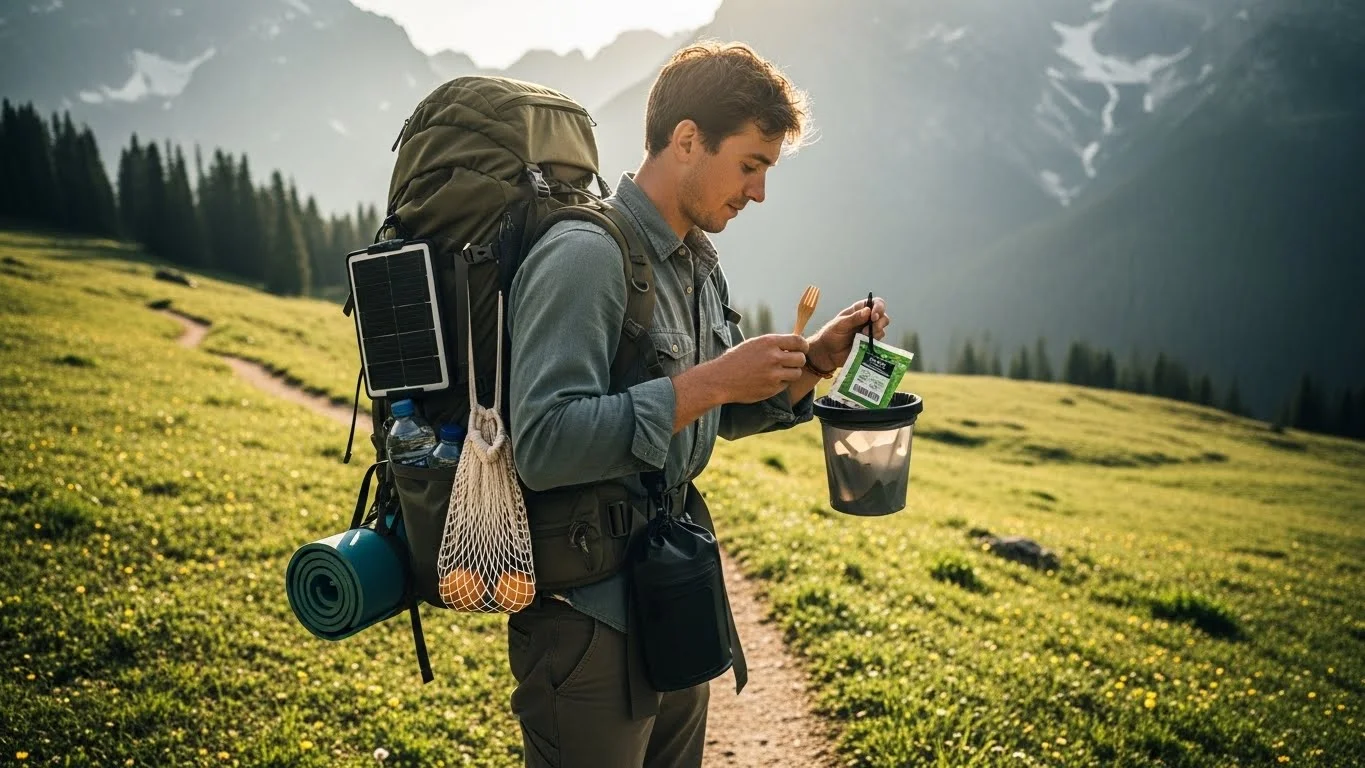
One of my favorite travel accessories is my solar-powered charger. It’s a simple device, but it has made a world of difference. I often find myself in places where outlets are scarce, especially when I’m out exploring. With the solar charger, I can keep my devices powered up without relying on electricity, which feels great for the environment. I remember being on a hiking trip where I was able to charge my phone while enjoying the beautiful landscape. It’s a practical and eco-friendly solution!

Eco-Friendly Water Bottles

I can’t stress enough how important it is to have an eco-friendly water bottle when traveling. I used to buy bottled water constantly, but now I carry a reusable bottle that I can refill. It not only saves me money but also significantly reduces plastic waste. I’ve found that many places have water refill stations, which makes it easy to stay hydrated on the go. Plus, I love having my favorite bottle with me; it feels like a little piece of home no matter where I am.

Reusable Shopping Bags

Bringing along reusable shopping bags has become a must for me. They’re perfect for carrying groceries, souvenirs, or any spontaneous purchases I might make. I’ve noticed that many places I visit encourage the use of reusable bags, which is refreshing. I remember a market in Thailand where the vendor was thrilled when I pulled out my own bag. It made me feel like I was contributing to a larger movement toward sustainability in travel.

Traveling with Food Sustainably

Bringing Your Own Snacks

Bringing my own snacks has been a game changer for my travel experience. I used to rely on convenience stores or airport shops, which often sell single-use plastic-wrapped snacks. Now, I pack healthy, homemade options like granola bars or dried fruit in reusable containers. This not only cuts down on waste but also saves money. I remember a long flight where I enjoyed my homemade trail mix while everyone around me was munching on processed snacks. It felt good to make healthier, more sustainable choices!

Using Reusable Containers

Using reusable containers has simplified my travel routine. Whether I’m bringing snacks for a day trip or leftovers from a meal, these containers are perfect for keeping everything fresh. I’ve found that they stack well in my bag and help prevent spills. When I visited a local restaurant in Mexico, I asked for a to-go container, and the staff happily obliged when I handed them my reusable one. It’s become second nature to me, and it feels great to reduce waste while enjoying delicious meals.

Tips for Reducing Waste While Traveling

Choosing Eco-Conscious Accommodations

When I travel, one of the first things I consider is where I’m going to stay. I’ve realized that choosing eco-conscious accommodations can make a huge difference in my overall sustainability efforts. I often look for hotels or hostels that have green certifications or that actively promote sustainable practices. For instance, I recently stayed at a place that used solar panels for energy and had a strong recycling program in place. Not only did it feel good to support a business that cares about the planet, but I also got to learn more about their initiatives. Plus, these places often have a unique charm and character that big chain hotels just can’t match.

Participating in Local Sustainability Initiatives

One of the most rewarding experiences I’ve had while traveling is participating in local sustainability initiatives. I remember being in Costa Rica, where I joined a beach cleanup organized by a local non-profit. It was a fantastic way to meet new people and give back to the community while enjoying the stunning coastline. These initiatives often welcome travelers who want to contribute, and I’ve found that it enhances my connection to the places I visit. It’s a reminder that we can all play a part in preserving the beauty of our world, and it makes my travels even more meaningful. Read Interesting article: Explore Nature: Affordable Eco-Friendly Fishing Adventures

Traveling Mindfully

Reducing Carbon Footprint

Reducing my carbon footprint while traveling is something I actively strive for. I’ve learned to consider how I get from one place to another. Instead of always flying, I sometimes opt for trains or buses, which often have a lower impact on the environment. During a recent trip across Europe, I took several train journeys instead of short flights. Not only did I enjoy scenic views, but I also felt good knowing I was making a more sustainable choice. Plus, it gave me more opportunities to meet locals and experience the culture along the way.

Embracing Slow Travel

Slow travel has become a philosophy I deeply embrace. Instead of rushing through a list of destinations, I now focus on truly experiencing a few places. I remember a trip to Japan where I spent a week in a single town, soaking in the culture, trying local foods, and making friends. This approach helps reduce the amount of travel I do, which in turn lessens my environmental impact. It’s also incredibly fulfilling to dive deeper into a place and appreciate its unique aspects. I believe that this style of travel not only benefits the planet but also enriches my personal experiences.

Educating Others on Sustainable Practices

Sharing My Journey

As I’ve learned more about sustainable travel, I’ve felt a strong desire to share my journey with others. I often talk to friends and family about eco-friendly practices and the importance of being mindful travelers. I remember one dinner where I shared my packing tips and how easy it can be to make small changes. To my surprise, they were really interested and even started asking questions! It’s rewarding to see others become excited about sustainability, and it feels like we’re all on this journey together. I’ve even started a small blog where I share my travel stories and eco-friendly tips, and I love hearing back from readers who feel inspired to change their habits.

Encouraging Local Businesses

Supporting local businesses has become a priority for me while traveling. I love seeking out farmers’ markets, artisanal shops, and restaurants that prioritize local ingredients and sustainable practices. Not only do these places offer unique products, but I also feel good knowing my money is going directly to the community. On my last trip to Mexico, I stumbled upon a small restaurant that sourced all its ingredients from local farmers. The food was incredible, and I learned so much about the region’s culinary traditions. It’s experiences like these that make me appreciate the places I visit even more.

Reflection and Adaptation

Learning from My Experiences

Every trip I take teaches me something new about travel and sustainability. I often reflect on my experiences and think about what worked and what didn’t. For example, after a trip where I overpacked, I made a note to be more mindful of my clothing choices next time. I’ve started keeping a travel journal where I jot down lessons learned and ideas for future adventures. This practice not only helps me grow as a traveler but also reinforces my commitment to sustainability. Each trip becomes a chance to adapt and improve, and it’s exciting to see how I can make a difference through my choices.

Staying Inspired

Staying inspired to travel sustainably can sometimes be challenging, especially with so many options out there. I’ve found that following like-minded individuals and organizations on social media keeps my passion alive. I regularly engage with posts that promote eco-friendly travel tips and success stories. I also read books and watch documentaries about sustainable practices and environmental issues, which continually motivate me to stick to my values. It’s a wonderful reminder that I’m part of a larger community working towards a common goal, and I’m excited to see how we can all make a positive impact on the world.

Frequently Asked Questions

What is sustainable travel?

Sustainable travel is about making choices that protect our planet while allowing us to enjoy the beauty of different cultures and landscapes. It focuses on minimizing carbon footprints, supporting local economies, and conserving natural resources.

Why is eco-friendly packing important?

Eco-friendly packing is important because it helps reduce waste, conserve resources, and encourages a mindset that values sustainability. Small changes, like using reusable bags instead of plastic, can contribute to a healthier planet over time.

What are reusable packing cubes?

Reusable packing cubes are organizational tools that come in various sizes to help keep luggage organized. They maximize space and eliminate the need for disposable plastic bags, making them an eco-friendly packing solution.

How can I minimize plastic use while traveling?

Minimizing plastic use while traveling can be achieved by carrying reusable utensils, straws, and bags. Refusing single-use plastics at restaurants and being mindful of your consumption are also effective strategies.

What are biodegradable toiletries?

Biodegradable toiletries include products like shampoo bars and compostable wipes that are gentle on the planet. These products reduce plastic waste and often last longer than traditional liquid toiletries.

What are some benefits of using natural fabrics for packing clothes?

Choosing natural fabrics, such as organic cotton, linen, or hemp, can reduce environmental impact since these materials are biodegradable. They also tend to be more breathable and comfortable, enhancing the travel experience.

How can I maximize space in my luggage?

Maximizing space in luggage can be achieved by rolling clothes instead of folding them, using packing cubes to compartmentalize items, and filling shoes with small items. These techniques help utilize every bit of space effectively.

What is the significance of bringing your own snacks while traveling?

Bringing your own snacks helps reduce waste from single-use plastic packaging and can save money. Packing healthy, homemade options in reusable containers is a sustainable choice that enhances the travel experience.

How can I participate in local sustainability initiatives while traveling?

Participating in local sustainability initiatives, such as beach cleanups or community projects, allows travelers to give back to the community and enhances their connection to the places they visit.

What is slow travel and its benefits?

Slow travel is a philosophy that emphasizes spending more time in fewer places to truly experience the culture and environment. This approach reduces the amount of travel done, lessening environmental impact, and enriches personal experiences.

Essential Green Packing Tips for Budget Backpackers

Backpacking doesn’t have to mean sacrificing our planet for adventure. With a few green packing tips, we can explore the world while keeping it beautiful for generations to come. Let’s dive into how you can travel sustainably on a budget!

Essential Green Packing Tips for Budget Backpackers

Understanding Eco-Friendly Backpacking

What is Green Packing?

Green packing is all about being conscious of our choices while we travel. It means selecting items that have minimal environmental impact, using renewable resources, and avoiding products that contribute to pollution or waste. For me, green packing isn’t just a trend; it’s a mindset that influences what I bring along on my adventures. I’ve learned that even seemingly small decisions can make a big difference when we’re out exploring the world.

Benefits of Eco-Friendly Travel

There’s something incredibly rewarding about knowing that my travels are leaving a positive mark on the environment. Eco-friendly travel brings numerous benefits. It often leads to a deeper connection with the places we visit and the cultures we experience. When I choose local, sustainable options, I get to meet wonderful people and savor authentic cuisine that I might have missed otherwise. Plus, I feel good knowing that I’m helping to preserve stunning landscapes and wildlife for future travelers.

Why Budget Backpackers Should Care

As budget backpackers, we often look for ways to save money while maximizing our experiences. Embracing eco-friendly practices can actually help us achieve this! Sustainable choices can lead to lower costs, like using refillable water bottles instead of buying plastic ones or choosing to camp in nature rather than staying in expensive hotels. I realized that being mindful about what I pack not only helps protect the environment but also enhances my overall travel experience. It’s a win-win!

Essential Green Packing Tips

Choosing Sustainable Travel Gear

When I first started backpacking, I didn’t pay much attention to the environmental impact of my gear. Over time, I noticed that sustainable gear lasts longer and performs better. I recommend looking for brands that prioritize eco-friendly materials, like recycled fabrics or organic cotton. For instance, my trusty backpack is made from recycled water bottles, and it’s held up beautifully over several trips. By investing in durable, sustainable gear, we can travel light and reduce waste at the same time.

Eco-Friendly Backpack Options

Speaking of backpacks, selecting the right one is crucial for budget travelers. There are fantastic options out there made from environmentally friendly materials. I’ve found that some brands even offer repair services, which is a great way to extend the life of our gear. Look for backpacks with minimal packaging and those that support fair labor practices. When I choose a backpack that aligns with my values, I feel more connected to my journey.

Biodegradable Toiletries and Products

One of my favorite changes I made to my packing list was to switch to biodegradable toiletries. Regular shampoos and soaps can harm the environment, especially when they end up in lakes or rivers. I’ve started using solid shampoos and soaps that come in minimal packaging. Not only do they smell amazing, but they also last longer than traditional products. Plus, I don’t have to worry about spills! I feel great knowing that my hygiene routine is eco-friendly.

Reusable Water Bottles and Containers

Water is essential during any adventure, but buying bottled water is both expensive and harmful to the environment. I always carry a reusable water bottle, which I refill throughout the day. Many places offer free water stations, so I save money and reduce plastic waste. I also bring a few reusable containers for snacks or leftovers. This way, I can enjoy delicious local foods without the guilt of contributing to single-use plastics. It’s become a simple habit that makes a huge difference.

Choosing Lightweight and Multi-Purpose Items

I’ve learned that packing light is not just about saving space; it’s also about being resourceful. My favorite items are those that serve multiple purposes. For example, I carry a sarong that works as a beach towel, picnic blanket, and even a cover-up. Choosing lightweight, versatile items reduces the need for extras that can weigh us down. Every ounce counts when we’re trekking through beautiful landscapes, and I love the freedom that comes with a lighter load.

Clothing Considerations for Green Backpackers

Opting for Sustainable Fabrics

When it comes to clothing, I’ve learned that making eco-conscious choices can really enhance my travel experience. I try to choose clothes made from sustainable fabrics such as organic cotton, hemp, or bamboo. These materials are not only better for the environment, but they also tend to be softer and more breathable. I remember buying a bamboo t-shirt during one of my trips, and it quickly became one of my favorites. It was lightweight, comfortable, and I felt good knowing it was made from renewable resources. Plus, it doesn’t hurt that these fabrics often last longer, which means fewer replacements and less waste over time.

Packing Versatile Clothing

As a budget backpacker, I’ve discovered that versatility is key when it comes to clothing. Rather than packing a whole wardrobe, I focus on bringing pieces that can be mixed and matched. For instance, a pair of black leggings can be dressed up with a nice top for a night out or worn casually during the day with a t-shirt. I also love packing a lightweight jacket that can be layered for warmth or used as a windbreaker. This approach not only saves space in my backpack but also reduces the temptation to buy unnecessary clothing while on the road. It feels great to travel light while still looking good!

How to Minimize Clothing Waste

Minimizing clothing waste is another significant step I’ve taken to travel sustainably. Instead of tossing out worn clothes, I try to repair or repurpose them. I carry a small sewing kit with me for quick fixes, like sewing on a button or patching a small tear. I’ve even turned an old t-shirt into a reusable shopping bag. This way, I get to extend the life of my clothes and reduce waste. If I do find myself needing to get rid of items, I look for local charities or thrift shops where I can donate my clothing instead of throwing it away. This practice helps others while keeping textiles out of landfills.

Food and Cooking Essentials

Packable Snacks and Local Foods

Food plays an essential role in my travel experiences, and I’ve found that packing snacks not only saves money but also helps me eat more sustainably. I love preparing trail mix at home with nuts, seeds, and dried fruit. It’s a healthy, energy-boosting snack that keeps me going during long hikes. I also make it a point to try and eat local foods when I arrive at my destination. Visiting local markets is one of my favorite activities! Not only do I get to indulge in fresh produce and regional specialties, but I also support local farmers and businesses.

Using Reusable Utensils and Containers

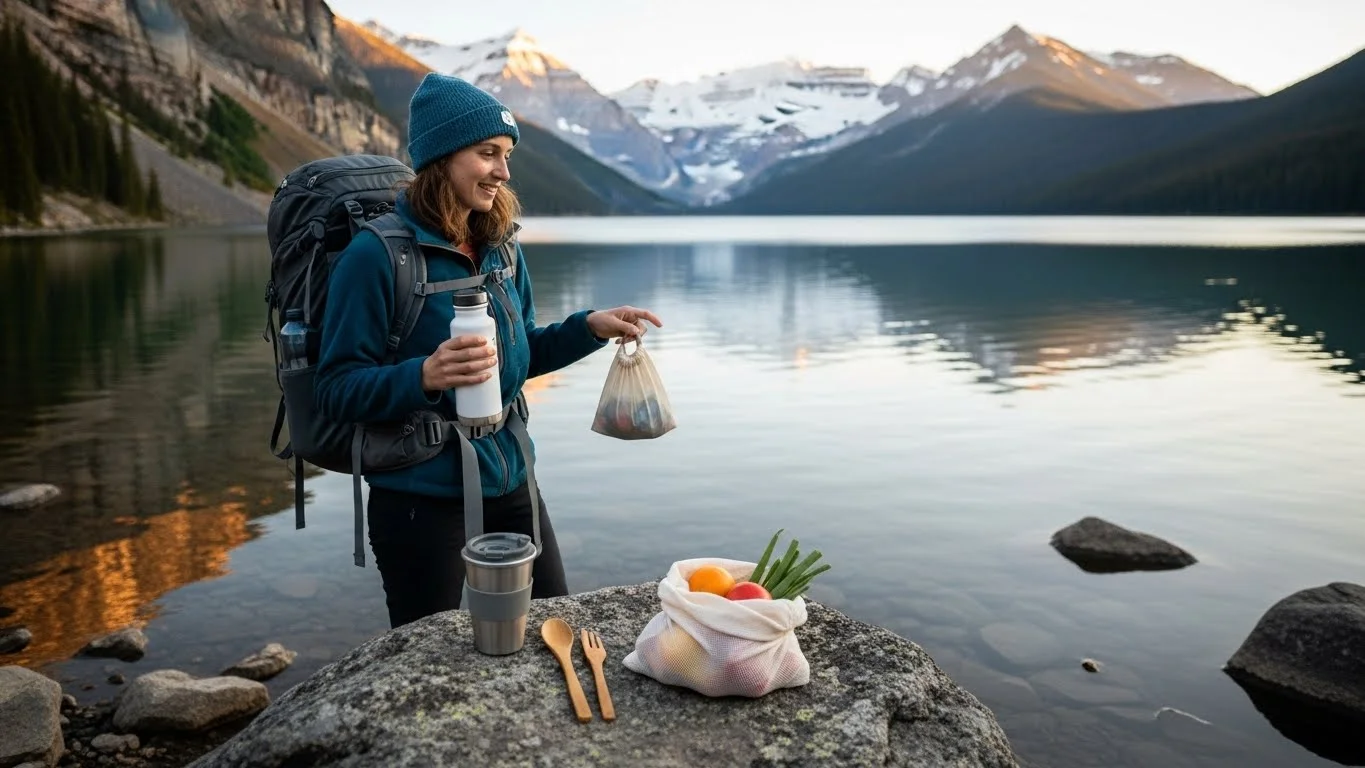
When it comes to eating while traveling, I always carry my reusable utensils and containers. It was a game-changer for me when I realized how often I would use single-use plastic cutlery and takeout containers. I bought a compact set of bamboo utensils and a couple of stainless-steel containers that easily fit in my bag. Now, when I grab a meal from a street vendor or a local café, I can say no to disposables. It feels good to know I’m making a small, but impactful choice every time I eat. Plus, I often get compliments on my stylish set!

Cooking with Portable Equipment

For those times when I’m camping or staying in hostels with kitchens, I’ve found that having portable cooking equipment can be a real asset. I invested in a lightweight camping stove and a little cookware set that fits neatly in my backpack. Cooking my meals not only saves money but also allows me to source local ingredients and enjoy the experience of preparing food. I remember making a delicious pasta dish with fresh veggies I bought from a local market—it was a great way to immerse myself in the local culture while being mindful of my food choices. Plus, cooking can be a wonderful bonding experience with fellow travelers!

Transportation and Eco-Conscious Travel

Choosing Public Transport Over Cars

Transportation is another area where I strive to make more eco-friendly choices. Whenever possible, I opt for public transport instead of renting a car. Buses, trains, and even bikes are great ways to explore a new place while minimizing my carbon footprint. I’ve found that taking public transport often allows me to see more of the local culture and community. For instance, on one trip, I rode a train through the countryside, which offered stunning views and a chance to chat with locals. It’s a more authentic experience compared to speeding by in a car!

Eco-Friendly Travel Apps and Resources

To further support my eco-conscious travel, I utilize various apps and resources designed to help travelers make sustainable choices. I love using platforms that connect me with eco-friendly accommodations, local guides, and even activities focused on conservation. Apps that help me track my carbon footprint or suggest sustainable restaurants have also become a part of my travel toolkit. It’s amazing how technology can assist us in making better choices while on the go.

Carbon Offset Options for Flights

Though I try to limit flying when I can, sometimes it’s unavoidable. When I do need to book a flight, I make it a habit to invest in carbon offset programs. These initiatives allow travelers like us to contribute towards projects that reduce greenhouse gas emissions, such as reforestation or clean energy projects. It feels good to know that I’m taking responsibility for my travel’s environmental impact. I always remind myself that while I can’t eliminate my carbon footprint entirely, I can certainly take steps to lessen it.

Responsible Waste Management

Leave No Trace Principles

One of the key philosophies I’ve embraced while backpacking is the Leave No Trace principles. This set of guidelines helps us minimize our impact on the environment, ensuring that we leave the beautiful places we visit as we found them. I remember my first camping trip in a national park; I was amazed by the stunning scenery and wildlife. It was then that I realized how important it is to take care of these natural spaces. Each time I set out on an adventure, I make it a point to adhere to these principles: plan ahead, travel on durable surfaces, dispose of waste properly, and respect wildlife. These small actions can collectively make a big difference.
For example, I always pack out what I bring in, including trash and leftover food. It’s become second nature to me now, and I feel a sense of pride knowing I’m doing my part to protect our planet.

How to Properly Dispose of Waste Abroad

When I travel to new countries, I’ve learned that waste disposal practices can vary greatly. Researching how to properly dispose of waste in each location has become an essential part of my trip planning. I remember a time in Southeast Asia when I discovered that some areas had limited waste management facilities. This prompted me to carry a small bag for trash, making sure that I didn’t contribute to littering or pollution. I also keep an eye out for recycling bins, and I’ve made it a habit to separate recyclable materials whenever possible. Additionally, I try to ask locals or fellow travelers about the best practices in their area, as they often have valuable insights. This way, I can make sure that I’m respecting local customs while being environmentally responsible.

Reducing Single-Use Plastics While Traveling

Single-use plastics are everywhere, and they can be particularly challenging to avoid while traveling. However, I’ve discovered some easy ways to reduce my reliance on them. I always keep a foldable shopping bag in my backpack for impromptu markets or grocery runs, which helps me avoid plastic bags. I also bring my own reusable straw and coffee cup, which has saved me from countless disposable ones at cafes. It’s become a fun challenge to see how many single-use items I can avoid on each trip. I remember one week-long trip where I didn’t use a single piece of plastic. It felt amazing! It’s all about making conscious choices, and I believe that every little step counts.

Budgeting for Green Travel

Finding Affordable Eco-Friendly Accommodations

Finding eco-friendly accommodations on a budget can feel daunting, but I’ve learned that it’s totally possible. I often search for hostels or guesthouses that practice sustainability, like using solar energy or offering organic breakfasts. Websites and apps focused on eco-friendly travel have become invaluable in my search. For instance, I once found a charming eco-lodge that sourced all its food locally and used rainwater for its bathrooms. Not only was it budget-friendly, but I also felt good supporting a business that aligned with my values. I’ve discovered that sometimes the most memorable stays are those that are a little different and eco-conscious!

Cost-Effective Sustainable Practices

Adopting sustainable practices can actually save us money in the long run. For me, cooking my meals while traveling has been a game-changer. By buying local ingredients and preparing my own food, I not only save money but also enjoy a more authentic culinary experience. I’ve learned to frequent local markets, where I can find fresh produce at a fraction of the cost of restaurants. Plus, it’s a wonderful way to connect with the local culture. I’ve even met some incredible locals who shared their favorite recipes with me! This practice has enriched my travel experiences and kept my budget in check.

Budget Tips for Eco-Conscious Backpackers

As eco-conscious backpackers, we can implement various budgeting tips to enhance our travel while being kind to the planet. One of my favorite strategies is to travel during the off-peak season. Not only are accommodations and flights generally cheaper, but popular sites are also less crowded, allowing for a more genuine experience. I also recommend using public transportation instead of taxis or rideshares whenever possible. It’s more budget-friendly, and I often get to see parts of a city I wouldn’t have otherwise noticed. Finally, I’ve learned to embrace flexibility in my travel plans. Sometimes the best experiences come from spontaneous decisions, like taking a side trip to a less touristy area that is often more budget-friendly and environmentally responsible.

Engaging with Local Communities

Supporting Local Businesses and Artisans

Engaging with local communities is one of the most rewarding aspects of traveling sustainably. I always make an effort to support local businesses and artisans whenever I can. Whether it’s dining at a family-owned restaurant or buying handmade crafts from markets, I love knowing that my money is going directly to the people in the area. I remember visiting a small village where I bought handwoven baskets from a local artisan. The experience of chatting with her and learning about her craft made the purchase so much more meaningful. Plus, I get unique souvenirs that tell a story and support the local economy.

Participating in Eco-Friendly Activities

While traveling, I actively seek out eco-friendly activities that allow me to connect with nature and the community. Whether it’s joining a guided hike, participating in a beach clean-up, or volunteering for a reforestation project, I’ve found these experiences deepen my understanding of the places I visit. I once participated in a tree-planting event during my travels, and it was incredibly fulfilling to know that my efforts would help improve the environment long after I left. These activities not only benefit the planet but also connect me with like-minded travelers and locals, enhancing my travel experience. Engage Locally: Top Tips for Sustainable Travel Adventures

Volunteering for Environmental Causes

Volunteering for environmental causes has become a significant part of my travel routine. I’ve found that dedicating a few hours or days to help in conservation efforts not only feels great but also allows me to give back to the communities I visit. From sea turtle rescue projects to wildlife rehabilitation, I’ve participated in various initiatives that focus on preserving nature. Each time, I leave with a renewed sense of purpose and connection to the planet. Plus, I often meet amazing people who share the same passion for sustainability, making it a win-win situation. Travel Green: Affordable Wildlife Conservation Experiences

Frequently Asked Questions

What is green packing?

Green packing is about being conscious of our choices while we travel, selecting items that have minimal environmental impact, using renewable resources, and avoiding products that contribute to pollution or waste.

Why should budget backpackers care about eco-friendly travel?

Budget backpackers can save money while maximizing experiences by embracing eco-friendly practices, which can lead to lower costs, such as using refillable water bottles instead of buying plastic ones or camping instead of staying in expensive hotels.

What are some essential green packing tips?

Essential green packing tips include choosing sustainable travel gear, using biodegradable toiletries, carrying reusable water bottles and containers, packing lightweight and multi-purpose items, and opting for versatile clothing made from sustainable fabrics.

How can I minimize clothing waste while traveling?

To minimize clothing waste, you can repair or repurpose worn clothes, carry a small sewing kit for quick fixes, and donate items to local charities or thrift shops instead of throwing them away.

What is the importance of using public transport when traveling?

Using public transport minimizes your carbon footprint and often allows you to see more of the local culture and community, providing a more authentic travel experience.

How can travelers properly dispose of waste abroad?

Travelers should research local waste disposal practices, carry a small bag for trash, look for recycling bins, and ask locals about the best practices in their area to ensure they are being environmentally responsible.

What are the benefits of supporting local businesses while traveling?

Supporting local businesses and artisans allows travelers to contribute directly to the local economy, gain unique souvenirs, and have meaningful interactions with the community.

How can cooking with portable equipment benefit travelers?

Cooking with portable equipment saves money, allows travelers to source local ingredients, and provides a fulfilling experience of preparing food while immersing oneself in the local culture.

What strategies can budget-conscious travelers use to find eco-friendly accommodations?

Travelers can search for hostels or guesthouses that practice sustainability through websites and apps focused on eco-friendly travel, often finding budget-friendly options that align with their values.

What role do eco-friendly activities play in sustainable travel?

Participating in eco-friendly activities, such as guided hikes or beach clean-ups, deepens travelers’ understanding of the places they visit while benefiting the environment and connecting with like-minded individuals.

Simple Waste Reduction Practices for Sustainable Travel Adventures

Traveling is one of life’s greatest joys, but it can also contribute significantly to waste. Let’s explore simple waste reduction practices that can make our adventures more sustainable and enjoyable. Read Interesting article: How to Travel Green: Waste Reduction Tips for Backpackers

Simple Waste Reduction Practices for Sustainable Travel Adventures

Understanding Waste Reduction in Travel

The Importance of Sustainable Travel

When I think about travel, I often envision breathtaking landscapes, vibrant cultures, and unforgettable experiences. However, I’ve also learned that our adventures can have a lasting impact on the planet. Sustainable travel is about making choices that help preserve the beauty and integrity of the places we visit. It’s not just a trend; it’s a responsibility that we all share. When we travel sustainably, we ensure that future generations can enjoy the same wonders of our world.

For me, sustainable travel is all about balance. I want to explore new destinations while respecting the environment and local communities. By being mindful of our impact, we can contribute to a positive travel culture that values nature and heritage. It’s a journey that enriches not just our lives but also the lives of those we encounter along the way.

What is Waste Reduction?

Waste reduction is more than just recycling; it’s about minimizing our overall waste footprint. I’ve come to realize that every little action counts. Whether it’s choosing reusable items or avoiding products with excessive packaging, each choice plays a role in reducing the waste we generate. I’ve found that being intentional with my decisions can lead to significant changes over time.

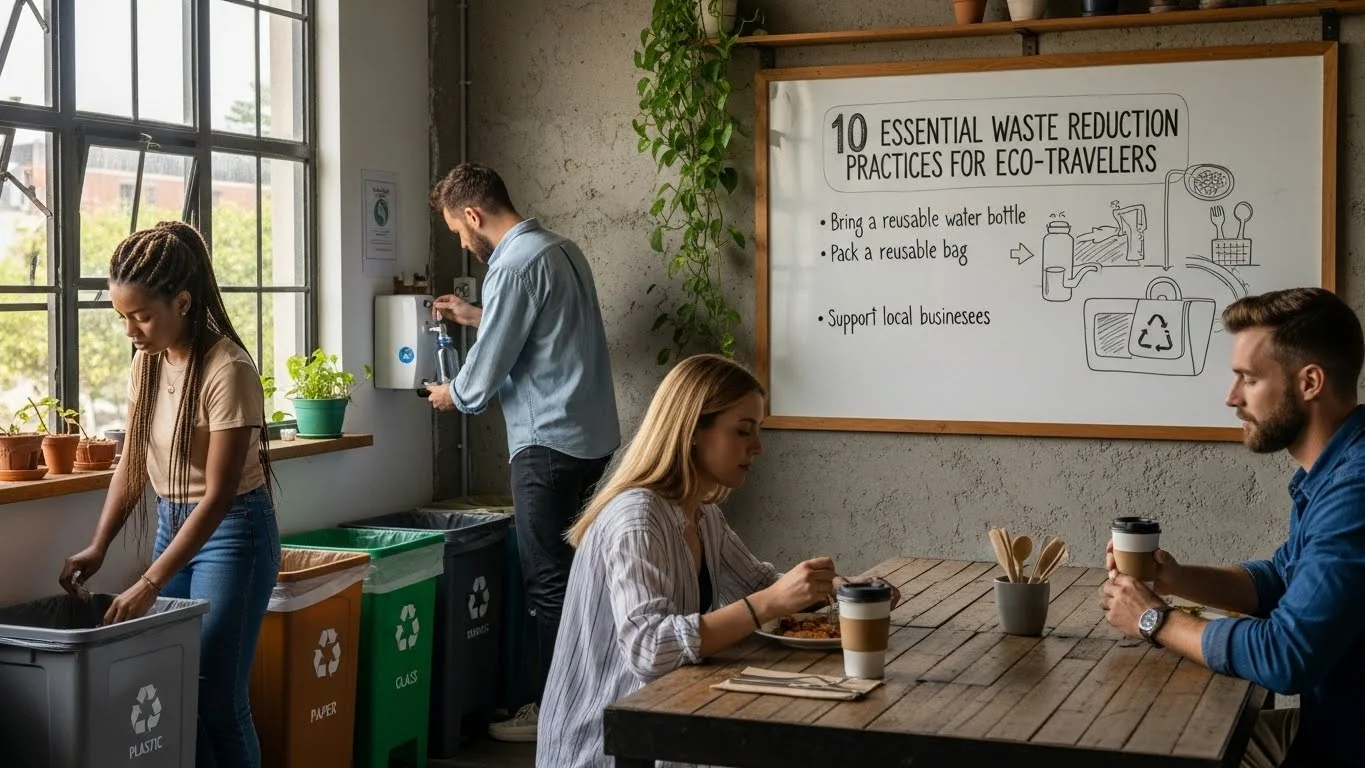
For instance, I’ve started carrying a reusable water bottle and shopping bag with me. This simple habit not only reduces plastic waste but also saves me money on bottled drinks. Waste reduction encourages us to think critically about our consumption patterns, prompting us to ask whether we really need that extra item or if there’s a more sustainable alternative. Read Interesting article: 10 Essential Waste Reduction Practices for Eco-Travelers

The Environmental Impact of Travel Waste

Travel waste can take many forms, from plastic bottles and food scraps to discarded electronics and hotel toiletries. I remember a trip where I noticed an overwhelming amount of litter on a beautiful beach. It struck me how our enjoyment could inadvertently harm the environment. According to studies, tourism generates a staggering amount of waste, contributing to pollution and habitat destruction.

When we travel, we often use more resources than we do at home. Hotels consume water and energy, restaurants generate food waste, and transportation contributes to greenhouse gas emissions. I’ve learned that being aware of these impacts can inspire us to choose more sustainable options. By actively working to reduce waste, we help protect the ecosystems we cherish and support local communities that depend on tourism for their livelihoods.

In my experience, understanding the environmental impact of travel waste has been a game-changer. It motivates me to seek out solutions and adopt practices that minimize my footprint. Whether it’s a weekend getaway or a month-long journey, I believe that we have the power to make a difference, one trip at a time.

Simple Practices for Reducing Waste While Traveling

1. Packing Wisely

Packing effectively is one of the simplest ways to reduce waste while traveling. I’ve learned that less is often more when it comes to what I bring along. By choosing multi-purpose items and being selective about what I pack, I can lighten my load and my environmental impact.

Choosing Reusable Items

One of my favorite practices is to choose reusable items. I always pack a reusable water bottle, a travel mug for coffee, and cloth bags for shopping. These items not only help reduce single-use plastics but also ensure I have what I need for various situations. I remember the time I forgot my reusable bag and had to buy a plastic one at a market. It was a little reminder of how easily we can slip into habits that contribute to waste.

Minimizing Single-Use Plastics

Minimizing single-use plastics is another crucial step. I try to avoid items like plastic straws, cutlery, and cups by bringing my own alternatives. It was eye-opening when I realized how much plastic I used without thinking! Now, I carry a set of bamboo utensils and a stainless-steel straw. Not only do they help reduce waste, but they also spark conversations about sustainability with fellow travelers.

2. Sustainable Transportation Options

Transportation is a significant contributor to travel waste and carbon emissions. I’ve made a conscious effort to explore sustainable options whenever I travel. Not only do these choices help the environment, but they can also enrich the travel experience.

Using Public Transport

Public transport has become one of my favorite ways to navigate new cities. I love the feeling of being among locals and experiencing the culture firsthand. Plus, it’s usually more affordable and reduces the carbon footprint compared to renting a car. On my last trip to Europe, I took the train between cities. It was not just efficient; the scenic views were breathtaking!

Carpooling and Ride-Sharing

When public transport isn’t available, I often turn to carpooling or ride-sharing options. These methods can help reduce the number of vehicles on the road, cutting down on traffic and emissions. I remember meeting some wonderful people while sharing rides, and it often leads to unexpected adventures.

Biking and Walking

Biking and walking are great ways to explore a destination while minimizing waste. I’ve found that wandering through a city on foot allows me to discover hidden gems that I would have otherwise missed. Many cities offer bike rentals, and I love the freedom it gives me to roam at my own pace.

3. Eco-Friendly Accommodations

Where we stay can have a significant impact on our waste footprint. I’ve made it a habit to seek out eco-friendly accommodations whenever possible. It’s a great way to support businesses that prioritize sustainability. Read Interesting article: Engage Locally: Top Tips for Sustainable Travel Adventures

Choosing Green Hotels

Green hotels often implement practices that conserve energy and reduce waste, such as using renewable energy sources and providing recycling bins. I’ve stayed in several eco-friendly hotels that made me feel good about my choice. The experience was not only comfortable but also aligned with my values.

Staying with Locals

Staying with locals through platforms like Airbnb or Couchsurfing can also be a sustainable option. It allows me to immerse myself in the culture and supports local economies. I remember staying with a lovely family in Thailand, and they shared their favorite spots away from the tourist traps. It felt like a more authentic way to travel.

4. Responsible Eating Habits

Food is a huge part of any travel experience, and I’ve realized that I can make choices that reduce waste while still enjoying delicious meals. I love trying local cuisine, and I’ve adopted some habits that help minimize waste.

Eating Local and Seasonal Foods

Eating local and seasonal foods not only supports local farmers but also reduces the carbon footprint associated with transporting food. I’ve discovered that local markets often have the freshest produce, and I enjoy the flavors unique to each destination. On one trip, I took a cooking class where we used local ingredients, and it was a fantastic way to connect with the culture.

Reducing Food Waste at Restaurants

When dining out, I’ve learned to be mindful of portion sizes to minimize food waste. I often share dishes with friends or ask for smaller portions. Many restaurants are willing to accommodate, especially if you explain your commitment to reducing waste. I once had a lovely meal where I requested a smaller serving, and the chef was thrilled to accommodate my request!

5. Mindful Activities and Experiences

Travel is about more than just seeing sights; it’s about the experiences we create. I’ve found that participating in mindful activities can be both fulfilling and eco-friendly.

Participating in Eco-Tours

Eco-tours allow me to explore nature while learning about conservation efforts. I’ve had the opportunity to hike with local guides who shared their knowledge about protecting the environment. These experiences have not only deepened my appreciation for nature but also inspired me to be a better steward of the earth.

Volunteering Opportunities

Volunteering while traveling is another impactful way to give back. I’ve participated in beach clean-ups and conservation projects, which felt incredibly rewarding. It’s a chance to connect with the community, meet fellow travelers, and make a positive impact.

Waste Reduction Tools and Resources

Apps for Sustainable Travel

I’ve found that technology can be a great ally in my quest for sustainable travel. There are several apps designed to help travelers reduce waste and make eco-friendly choices. One of my favorites is HappyCow, which helps me find vegan and vegetarian restaurants. This not only supports local businesses but also contributes to lower carbon footprints associated with meat production. I remember using it on a trip to Barcelona, where I discovered amazing plant-based eateries that I wouldn’t have found otherwise.

Another handy app is PackPoint, which assists in packing efficiently. It generates packing lists based on my destination, weather, and activities. By using this app, I’ve been able to avoid overpacking, which reduces the temptation to buy unnecessary items while on the road. I’ve learned that when I pack smartly, I can enjoy my travels without the burden of extra baggage.

For those looking to make the most of their public transport options, Citymapper is a lifesaver. It provides real-time information on public transportation routes, helping me navigate unfamiliar cities without the need for a car. Using public transport not only minimizes emissions but also encourages me to engage more with the locals. It’s often where I’ve made the best memories!

Websites and Blogs for Eco-Conscious Travelers

In my journey toward sustainable travel, I’ve come across some fantastic websites and blogs that offer valuable insights and tips. One that really resonates with me is Green Travel Media. They provide a wealth of information on eco-friendly travel options and highlight destinations committed to sustainability.

I also love reading The Culture Trip, which not only showcases local attractions but often includes sustainable travel tips for each destination. Their articles have inspired many of my travel choices, reminding me to seek out local experiences that honor the environment and cultural heritage.

Additionally, following eco-conscious travel bloggers on social media has been incredibly beneficial. They share their experiences, tips, and ideas that have inspired me to think critically about my travel habits. Engaging with these communities has made me feel like I’m part of a larger movement, and it’s reassuring to know I’m not alone in this journey.

Case Studies and Success Stories

Travelers Who Successfully Reduced Waste

I often find motivation in the stories of fellow travelers who have successfully reduced their waste while exploring. One such story is from a couple I met on my travels named Julia and Mark. They dedicated an entire year to traveling around the world with an incredibly low waste lifestyle. They packed only what they could carry in a single backpack and made it a point to say no to single-use plastics. Their commitment inspired me to rethink my own habits, and I still try to adopt some of their strategies today.

Another inspiring example is a group of backpackers I encountered in South America who initiated a project called “Leave No Trace.” They organized clean-up events in the areas they visited, actively engaging the local community and travelers alike. Their passion for preserving the environment was contagious, and I felt honored to join them for a day, picking up litter while enjoying the beautiful landscapes. It showed me that collective action can lead to meaningful change.

Innovative Companies Promoting Sustainable Travel

While individual efforts are vital, I’ve noticed that some companies are stepping up to promote sustainable travel on a larger scale. One that stands out is Intrepid Travel, which focuses on small-group travel experiences that prioritize local cultures and sustainability. They’ve made it a point to minimize their environmental impact while providing authentic experiences. Their commitment to responsible tourism has encouraged me to choose their tours over others that might not share the same values.

Another innovative company is Airbnb, which has made significant strides in promoting eco-friendly stays. They provide tools for hosts to implement sustainable practices, like using solar energy and offering recycling options. I’ve enjoyed staying in homes that embody these practices, which not only enriches my travel experience but also aligns with my values.

It gives me hope to see these companies leading the way in making travel more sustainable. Their initiatives remind me that each of us can contribute to a better future while enjoying the places we love.

Common Challenges and Solutions

Overcoming Obstacles to Waste Reduction

Even with the best intentions, I’ve faced challenges in my journey toward waste reduction while traveling. One hurdle is finding accessible recycling and composting facilities, especially in less developed areas. I remember a trip where I struggled to find places to dispose of my waste responsibly, which was frustrating. To overcome this, I’ve started carrying a small reusable trash bag with me to collect any waste until I can find a proper disposal option. It’s a simple solution that makes me feel more in control of my impact.

Another challenge is the temptation to indulge in convenience. Sometimes, it’s easy to grab a quick snack wrapped in plastic instead of seeking out sustainable options. To combat this, I’ve learned to plan ahead by bringing snacks from home, such as nuts or dried fruits. This not only reduces waste but also saves me money and gives me healthier options while on the go.

How to Stay Committed to Sustainable Practices

Staying committed to sustainable practices can be tough, especially when faced with societal norms and the pressure to conform. I’ve found that setting clear personal goals helps me stay focused. For instance, I aim to use my reusable items for every trip and remind myself of the positive impact each small action can have. Keeping a travel journal to document my experiences and reflect on my waste reduction journey has also been a game-changer; it reinforces my commitment and allows me to see my progress.

Additionally, surrounding myself with like-minded travelers has been incredibly motivating. Joining local groups or online communities focused on sustainable travel has provided me with a support system, where we can share tips, ideas, and experiences. It feels rewarding to know that we’re all on this journey together, striving to make our world a better place for future travelers.

Future of Waste Reduction in Travel

Emerging Trends in Sustainable Travel

I’ve noticed that the landscape of travel is constantly evolving, and sustainability is becoming a core focus for many travelers and companies alike. One trend that excites me is the rise of “slow travel.” This approach encourages us to take our time and immerse ourselves deeply in a destination, rather than rushing through it. I believe this trend not only reduces waste but also allows us to build meaningful connections with the local culture and environment. When I traveled to a small town in Italy, I chose to stay for a week rather than a few days. This slower pace allowed me to explore hidden corners, meet locals, and truly appreciate the beauty around me.

Another emerging trend is the increased use of technology to enhance sustainable travel. I’ve seen apps that help travelers track their carbon footprints, find eco-friendly accommodations, and connect with local guides who prioritize sustainable practices. For instance, using platforms that promote carbon offsetting for flights can be a game-changer. I remember when I booked a flight recently; I was prompted to contribute a small fee to offset my carbon emissions, and I felt good knowing I was taking a step in the right direction.

Additionally, eco-conscious travel packages are gaining popularity. More tour companies are offering trips specifically designed to minimize environmental impact, showcasing local culture and promoting conservation efforts. I’ve found that these packages often include activities like wildlife conservation or community-driven initiatives, which enrich the travel experience while helping to preserve the very places we love to visit.

Potential for Policy Changes and Industry Standards

As I’ve followed the conversation around sustainable travel, it’s encouraging to see that more governments and organizations are recognizing the importance of implementing policies that support waste reduction. I believe this could be a turning point for the travel industry. For example, some countries are beginning to enforce stricter regulations on plastic usage in tourism-heavy areas. I remember visiting a city on the coast that had banned plastic straws and single-use plastic bags, which felt like a breath of fresh air. It was inspiring to see how local businesses adapted and thrived under these new guidelines.

Furthermore, there’s a growing push for industry standards that require hotels and travel companies to adopt sustainable practices. I recently read about a certification program for hotels that ensures they meet specific environmental criteria, such as energy efficiency and waste management. Hotels with these certifications not only attract conscious travelers like myself but also contribute positively to their communities by setting examples for sustainability.

In my travels, I’ve also noticed that customer demand plays a significant role in shaping company policies. When travelers prioritize sustainability, businesses are more likely to respond. I’ve taken part in surveys and feedback forms where I emphasized my preference for eco-friendly practices. It feels empowering to know that our voices can influence change in the travel industry.

I truly believe the future of travel lies in our ability to embrace sustainability. By continuing to support businesses and policies that prioritize waste reduction, we can help create a travel culture that values our planet and its resources. The possibilities are endless, and as travelers, we have the power to steer the industry toward a more responsible and enjoyable future.

Frequently Asked Questions

What is sustainable travel?

Sustainable travel is about making choices that help preserve the beauty and integrity of the places we visit, ensuring that future generations can enjoy the same wonders of our world. It involves balancing exploration with respect for the environment and local communities.

How can I reduce waste while traveling?

You can reduce waste by packing wisely, choosing reusable items, minimizing single-use plastics, utilizing sustainable transportation options, staying in eco-friendly accommodations, and being mindful of your eating habits.

What are some examples of reusable items to bring on trips?

Examples of reusable items include a water bottle, a travel mug for coffee, cloth shopping bags, bamboo utensils, and a stainless-steel straw. These items help reduce single-use plastics and can be used in various situations during your travels.

How does transportation impact travel waste?

Transportation contributes significantly to travel waste and carbon emissions. Opting for public transport, carpooling, ride-sharing, biking, or walking can reduce the number of vehicles on the road, lowering both traffic and emissions.

What are eco-friendly accommodations?

Eco-friendly accommodations are hotels or lodging options that implement practices to conserve energy and reduce waste, such as using renewable energy sources and providing recycling bins. Staying with locals through platforms like Airbnb can also be a sustainable option.

How can eating habits affect waste while traveling?

Eating local and seasonal foods supports local farmers and reduces the carbon footprint associated with transporting food. Additionally, being mindful of portion sizes and sharing dishes can help minimize food waste at restaurants.

What are some tools or resources for sustainable travel?

Apps like HappyCow for finding vegan restaurants, PackPoint for efficient packing, and Citymapper for public transport navigation can aid in making eco-friendly choices. Websites and blogs such as Green Travel Media and The Culture Trip also provide valuable insights and tips.

How can travelers overcome challenges to waste reduction?

Travelers can overcome challenges by carrying a reusable trash bag for waste disposal, planning ahead with snacks from home, and setting clear personal goals to stay committed to sustainable practices while traveling.

What emerging trends are shaping sustainable travel?

Emerging trends in sustainable travel include the rise of “slow travel,” increased use of technology to enhance eco-friendly choices, and the popularity of eco-conscious travel packages that minimize environmental impact while promoting local culture and conservation efforts.

What role do policies and industry standards play in sustainable travel?

Policies and industry standards are becoming increasingly important as more governments and organizations recognize the need for waste reduction. Stricter regulations on plastic usage in tourism and certification programs for hotels can help establish sustainable practices in the travel industry.

How to Travel Green: Waste Reduction Tips for Backpackers

Traveling is one of life’s greatest joys, but it often comes with a hefty environmental cost. As a backpacker, I’ve learned that going green doesn’t mean sacrificing adventure; it means embracing a more mindful way of exploring our beautiful planet. For more tips on sustainable travel, check out Navigating Sustainably: Budget-Friendly Green Travel Tips.

How to Travel Green: Waste Reduction Tips for Backpackers

Understanding Green Travel

What is Green Travel?

Green travel, in my experience, is all about minimizing our environmental impact while exploring new places. It’s a conscious effort to travel sustainably, focusing on reducing waste, conserving resources, and respecting local cultures and environments. I remember my first trip where I aimed to be eco-friendly, and it changed the way I viewed travel forever. I realized that even small changes could make a big difference.

Importance of Waste Reduction in Travel

When we travel, we often generate a lot of waste, from food packaging to disposable travel items. I came to understand that reducing this waste is crucial for several reasons. First, less waste means less pollution, which helps protect the beautiful landscapes and wildlife we love to explore. Second, many destinations are struggling with waste management, especially in popular tourist areas. By reducing our waste, we can lessen the burden on these communities and contribute positively to their environments. I recall visiting a stunning national park, but the litter I saw along the trails was heartbreaking. It motivated me to be more responsible in my own travels. For more detailed strategies, you can read 10 Essential Waste Reduction Practices for Eco-Travelers.

Benefits of Traveling Green for Backpackers

Traveling green has a range of benefits that go beyond just being eco-friendly. For one, it often leads to a more authentic travel experience. By choosing to support local businesses and eat local foods, I found myself immersing deeper into the culture. I remember a trip to Southeast Asia where I ate at family-run restaurants instead of big chains. Not only was the food fresher and tastier, but I also connected with the locals in a way that felt genuine and fulfilling. Additionally, adopting green practices often leads to cost savings. Reusable items can save money in the long run, and many eco-friendly accommodations offer discounts for those who travel sustainably. Plus, by making smarter choices, I felt a sense of accomplishment and pride, knowing I was doing my part to protect the planet.

Essential Waste Reduction Tips for Backpackers

Choosing Eco-Friendly Gear

When I first started backpacking, I didn’t give much thought to the gear I was using. But over time, I began to realize that the choices I make about my equipment can have a significant impact on the environment. I try to prioritize eco-friendly gear made from sustainable materials. For instance, I now look for backpacks made from recycled fabrics or biodegradable materials. I’ve found that many brands are committed to reducing their carbon footprint, and it feels good to support those initiatives. Not only am I making a positive choice for the planet, but I also love the quality and durability of these products. Investing in gear that lasts longer means less waste over time, which is a win-win for me and the environment.

Minimizing Single-Use Plastics

Single-use plastics are everywhere, and I used to be a culprit of using them without thinking. However, I’ve learned that minimizing their use is essential. I remember my first trip where I made a conscious effort to avoid plastic bottles and bags. Instead, I carried my reusable water bottle and shopping bags. This small change not only helped reduce my plastic footprint but also saved me money on bottled water. I found that many places offer refill stations, making it easy to stay hydrated without hurting the planet. Plus, it feels great to know I’m making a difference with these choices.

Utilizing Reusable Items

Reusable items have become my best friends when I travel. I always pack my stainless steel straw, bamboo cutlery, and a sturdy food container. I remember a time when I went on a hiking trip and brought along my reusable container filled with homemade snacks. Not only was it more enjoyable than pre-packaged items, but I also felt proud knowing I was reducing waste. Using these items helps eliminate the need for disposable utensils and containers, which can often end up in landfills. I think it’s essential for us as travelers to make these changes, as they can lead to a more sustainable adventure.

Smart Packing Techniques

Packing smartly has not only improved my travel experience but has also contributed to waste reduction. I’ve learned to pack light, which means I take only what I really need. This not only makes it easier to move around but also reduces the temptation to buy things I don’t need while on the road. I started making a list of essentials before packing to avoid overstuffing my bag. I also discovered that packing versatile clothing items can help cut down on the number of outfits I need, which is a win for both my backpack and the planet. I remember feeling so accomplished after fitting everything I needed into my carry-on!

Eco-Conscious Transportation Options

Choosing Public Transportation

I can’t stress enough how much of a difference using public transportation can make when traveling. It’s something I’ve embraced wholeheartedly. Buses, trains, and trams are not only more eco-friendly than individual car rides, but they also offer a unique glimpse into the culture of a place. I remember taking a train across Europe, and it was a fantastic way to meet locals and see the countryside. Each stop was an opportunity for adventure, and I found it much more enriching than being stuck in a car. Plus, I saved on gas expenses, which let me splurge a little more on experiences!

Benefits of Walking and Biking

Walking and biking are two of my favorite ways to explore new destinations. I’ve realized that there’s no better way to immerse myself in a place than by getting up close and personal with it. I remember renting a bike in a small coastal town and exploring hidden beaches and local shops that I never would have seen otherwise. It’s a great workout and a fantastic way to enjoy the scenery. Plus, I love that I’m not contributing to pollution while I travel this way. It feels good to know that I’m doing my part to protect the environment.

Carpooling and Ride-Sharing Options

When public transport isn’t an option, I often turn to carpooling or ride-sharing services. This is a great way to reduce the number of vehicles on the road and save costs at the same time. I remember using a ride-sharing app to connect with other travelers heading to the same destination. Not only did I save money, but I also met some interesting people along the way. It’s amazing how sharing a ride can lead to unexpected friendships and shared experiences. By choosing to carpool, I felt like I was contributing to a greener journey while enjoying the company of fellow travelers.

Staying in Green Accommodations

Identifying Eco-Friendly Hostels and Hotels

Finding eco-friendly accommodations has become one of my favorite parts of planning a trip. I’ve learned that many hostels and hotels are now prioritizing sustainability, and discovering these places can enhance my travel experience. I remember staying at a hostel in Costa Rica that was completely off the grid, powered by solar panels. The owners were passionate about conservation and even organized local clean-up efforts. When I choose a place to stay, I look for signs of their eco-conscious practices, like energy-efficient lighting or water-saving systems. Websites like EcoBnB and Green Key help me find accommodations that are committed to sustainability, making it easier to make responsible choices while I travel.

What to Look for in Sustainable Lodging

When I’m on the hunt for sustainable lodging, I keep a few key factors in mind. For starters, I look for establishments that use locally sourced materials and support local artisans. It creates a sense of community and ensures that my money helps the local economy. I also check if the place has a recycling program or composting initiatives. A great example was when I stayed at an eco-lodge in the Amazon rainforest, where they not only recycled but also educated their guests on local flora and fauna. These experiences deepen my understanding of the destinations I visit. Lastly, I appreciate accommodations that provide public transportation access or bike rentals, aligning perfectly with my travel values.

Participating in Local Eco-Tourism Initiatives

One of the most rewarding aspects of my travels has been participating in local eco-tourism initiatives. I remember visiting a community in Thailand where I joined a program focused on preserving the local environment. We planted trees, participated in wildlife monitoring, and learned about the importance of sustainable practices firsthand. These experiences not only allow me to give back but also connect me with the community in a meaningful way. I believe it’s essential to engage with the local culture and to support efforts that promote environmental stewardship. Many places offer eco-tours that educate travelers about conservation, and I always try to seek these out when I can. For insights on connecting with local communities, check out How to Connect with Local Communities While Traveling Green.

Responsible Consumption While Traveling

Eating Local and Plant-Based Foods

Food has always been a massive part of my travel experiences. I’ve discovered that choosing local and plant-based options not only supports farmers but also reduces my carbon footprint. During a trip to Italy, I made it a point to eat at local markets and small family-owned restaurants. The flavors were incredible, and I felt good knowing I was supporting the community. I also found that plant-based meals typically require fewer resources to produce, meaning fewer emissions and less water usage. I remember tasting the freshest pasta made from locally sourced ingredients, and it reminded me of how delicious and sustainable eating can be!

Supporting Local Businesses and Artisans

As I travel, I’ve become increasingly aware of the impact that my spending can have on local economies. Shopping at local markets and buying handmade products not only supports artisans but also gives me a unique souvenir that tells a story. I once visited a small village in Mexico where I spent an afternoon learning from local artisans how they crafted their goods. I left with a beautiful handwoven basket and a deeper appreciation for the culture. I believe that by choosing to support local businesses, we can make a positive difference while enjoying authentic experiences. Plus, it feels good knowing that my purchases directly benefit the people whose culture I’m there to appreciate.

Reducing Food Waste on the Road

Food waste is a significant issue worldwide, and I’ve made it a point to minimize my waste while traveling. I’ve learned to be more mindful about portion sizes and to only order what I know I can eat. When I find myself with leftover food, I’ve started asking locals for suggestions on how to donate it or share it with someone in need. I remember visiting a restaurant in Vietnam that encouraged customers to bring their containers for leftovers, which helped reduce waste. Additionally, I’ve found that making my snacks while on the road not only cuts down on food waste but also allows me to explore local ingredients. It’s a win-win, as I can enjoy homemade treats while reducing my environmental impact.

Engaging with Nature Responsibly

Leave No Trace Principles

Embracing the Leave No Trace principles has been a game-changer for my travels. I remember the first time I hiked in a national park and learned about these guidelines. The concept is simple: we should leave nature as we found it, and that means packing out what we bring in. I’ve made it a habit to carry a small trash bag in my backpack to pick up any litter I see along the trails, whether it’s mine or someone else’s. It’s a small effort, but it makes a significant difference in preserving the beauty of the landscapes we cherish. These principles have not only changed how I interact with nature but have also inspired me to encourage others to do the same. Every time I hike, I feel a sense of responsibility to protect that environment for future generations.

Participating in Local Conservation Efforts

Getting involved in local conservation efforts has added a meaningful layer to my travel experiences. I remember visiting a coastal town where I joined a beach clean-up organized by a local conservation group. It was rewarding to spend time with fellow travelers and locals while making a tangible difference in the environment. Engaging with these initiatives helps build a connection to the community and allows us to learn about the unique challenges they face. Whether it’s helping to restore a habitat or participating in tree planting, contributing to these efforts has become a highlight of my travels. I believe that as travelers, we have the opportunity to give back to the places we visit and support their long-term environmental goals.

Wildlife Watching Best Practices

Wildlife watching is one of my favorite activities while traveling, but it’s essential to do it responsibly. I’ve learned that keeping a safe distance from wildlife and observing without disturbing their natural habitats is crucial. I remember a thrilling moment when I spotted a family of elephants in the wild. I stayed back, using my binoculars and camera without intruding on their space. Respecting wildlife ensures their safety and well-being and enhances our experience as travelers. I also make an effort to educate myself on the local wildlife and their habits. Understanding the ecosystem enriches my appreciation of nature and reinforces the importance of protecting these creatures for future generations.

Waste Reduction and Recycling Resources

Apps and Tools for Eco-Friendly Travel

In today’s digital age, there are so many apps and tools available that can help us travel more sustainably. I’ve found apps dedicated to finding eco-friendly accommodations, tracking my carbon footprint, and even locating recycling facilities nearby. One app that I love is called “Good On You,” which rates fashion brands based on their sustainability practices. It’s so helpful to know which companies align with my values while I shop for travel gear. These resources make it easier to make informed decisions and contribute to a greener travel experience.

Understanding Local Recycling Practices

Every destination has its recycling rules, and I’ve learned that understanding these practices can significantly reduce waste during my travels. I remember feeling overwhelmed when I first arrived in a new country, unsure of how to dispose of my recyclables. However, by doing a little research or asking locals, I found that many places have their systems in place. Some countries have specific bins for different types of recyclables, while others may have drop-off centers. Being mindful of local practices not only minimizes my waste but also shows respect for their systems and environment.

Finding Waste Management Facilities

Knowing where to find waste management facilities has been invaluable to my travels. I remember a trip where I was in a remote area, and I had no idea where to dispose of my waste properly. Fortunately, I had done some research beforehand and found a nearby facility that accepted recyclables and organic waste. Having that information made it easy for me to reduce my environmental impact, even in less touristy areas. I’ve learned that it’s always worth seeking out local resources for waste disposal, as it helps me stay committed to my goal of traveling responsibly.

Community Involvement and Awareness

Volunteering Opportunities for Backpackers

Volunteering while traveling has been one of the most fulfilling aspects of my adventures. I’ve discovered countless organizations that welcome travelers who want to lend a hand. From helping with environmental conservation projects to assisting in local schools, these experiences have deepened my connection to the places I visit. I remember volunteering in a rural village where I helped teach English to children. It was incredibly rewarding to see their eager faces as they learned, and it reminded me of the importance of giving back. These opportunities not only enrich my travel experience but also help create positive change in the communities I visit.

Joining Eco-Friendly Travel Groups

Joining eco-friendly travel groups has connected me with like-minded travelers who share my passion for sustainability. I’ve met some incredible people through these communities, and we’ve exchanged tips and experiences about responsible travel. Being part of a group dedicated to green practices inspires me to stay committed to my values. I remember attending a local meet-up where we discussed our favorite eco-friendly destinations and shared resources. It’s comforting to know that I’m not alone in my journey toward more sustainable travel.

Sharing Your Green Travel Experiences

Sharing my green travel experiences has become a personal mission of mine. I believe that by spreading the word, I can inspire others to think more about their impact on the planet. Whether it’s through social media, blogs, or casual conversations, I love recounting my adventures and the eco-friendly choices I’ve made along the way. I remember posting about my trip where I focused on sustainable practices, and the response was overwhelming. Friends and family started asking for tips for their travels, and it felt great to know I was making a difference. I encourage everyone to share their journeys; you never know who you might inspire to travel more responsibly.

Final Thoughts

Traveling sustainably isn’t just a trend; it’s a necessity for preserving our planet. Through my experiences, I’ve learned that every little action counts, from the gear we choose to the accommodations we book. Engaging with local communities and respecting nature adds depth to our adventures and creates lasting memories. I hope that by sharing my journey towards green travel, I encourage you to join in this movement. Together, we can explore the world while protecting it for generations to come. Let’s embark on this journey of mindful exploration and make a positive impact wherever we go.

Frequently Asked Questions

“`html

What is Green Travel?

Green travel is about minimizing our environmental impact while exploring new places. It involves a conscious effort to travel sustainably, focusing on reducing waste, conserving resources, and respecting local cultures and environments.

Why is waste reduction important in travel?

Reducing waste is crucial because it helps protect landscapes and wildlife by minimizing pollution. Many destinations struggle with waste management, especially popular tourist areas, so by reducing waste, travelers can lessen the burden on these communities.

What are the benefits of traveling green for backpackers?

Traveling green leads to a more authentic experience by supporting local businesses and immersing in local culture. It can also result in cost savings through reusable items and eco-friendly accommodations, providing a sense of accomplishment in protecting the planet.

What are some essential waste reduction tips for backpackers?

Backpackers should choose eco-friendly gear, minimize single-use plastics, utilize reusable items, and practice smart packing techniques to reduce waste during their travels.

How can public transportation benefit eco-friendly travel?

Using public transportation is eco-friendly and allows travelers to experience local culture. It reduces the carbon footprint associated with individual car rides and can lead to enriched travel experiences.

What should travelers look for in eco-friendly accommodations?

Travelers should seek accommodations that prioritize sustainability, such as those using locally sourced materials, having recycling programs, or providing access to public transportation and bike rentals.

How can travelers participate in local eco-tourism initiatives?

Travelers can engage in local eco-tourism initiatives by participating in conservation programs, such as tree planting or wildlife monitoring, which help support the local environment and community.

What are some responsible practices for wildlife watching?

Responsible wildlife watching involves keeping a safe distance and observing without disturbing habitats. Educating oneself about local wildlife enhances appreciation and reinforces the importance of protecting these creatures.

What resources are available for eco-friendly travel?

There are many apps and tools that help travelers find eco-friendly accommodations, track their carbon footprint, and locate recycling facilities, making it easier to make sustainable travel choices.

How can travelers give back to local communities while traveling?

Travelers can give back by volunteering for local organizations, joining eco-friendly travel groups, and sharing their green travel experiences to inspire others to adopt sustainable practices.

“`

10 Essential Waste Reduction Practices for Eco-Travelers

Traveling is an adventure that broadens our horizons, but it also leaves a mark on our planet. As eco-travelers, we can explore the world while minimizing our impact through mindful waste reduction practices.

10 Essential Waste Reduction Practices for Eco-Travelers

Understanding Waste Reduction in Eco-Travel

What is Eco-Travel?

Eco-travel, for me, is all about exploring the beauty of our planet while keeping sustainability at the forefront of our adventures. It involves choosing travel methods, accommodations, and activities that prioritize environmental health and respect local cultures. I’ve found that eco-travel is not just a trend; it’s a lifestyle choice that allows us to connect with nature and communities in a meaningful way. Whether it’s hiking through a national park, visiting local markets, or volunteering for conservation efforts, eco-travel reminds us of the responsibility we carry as global citizens. Read Interesting article: Top Eco-Friendly Accommodations for Budget Backpackers

The Importance of Waste Reduction

As I’ve traveled, I’ve become acutely aware of the waste our journeys can generate. From plastic bottles to single-use items, every bit adds up. Waste reduction is crucial because it helps preserve the natural beauty we seek to enjoy. When we consciously reduce waste, we’re not only protecting the environment but also contributing to the well-being of local communities that depend on healthy ecosystems. I believe that by implementing simple practices, we can enjoy our travels while leaving a lighter footprint.

Environmental Impact of Travel

Traveling can have significant environmental impacts, and I’ve seen firsthand how these effects can vary depending on our choices. Transportation alone contributes to a large portion of greenhouse gas emissions. When I fly, I often feel a pang of guilt thinking about the carbon footprint of my journey. Additionally, the waste generated by tourism—like littering at beautiful beaches or overflowing trash bins in popular destinations—can harm wildlife and degrade natural habitats. It’s essential to recognize these impacts and strive to mitigate them through responsible travel practices.

Essential Waste Reduction Practices

1. Choose Sustainable Accommodations

When I plan a trip, one of the first decisions I make is where to stay. Choosing accommodations that focus on sustainability has been a game-changer for me. I look for hotels and lodges that implement eco-friendly policies, such as using renewable energy, minimizing water usage, and supporting local communities. Some hotels even offer to plant trees for every guest. It feels good knowing that my stay contributes positively to the environment instead of adding to its burden.

2. Pack Light and Smart

My packing strategy has evolved over the years. Initially, I would toss in everything I thought I might need, but I quickly learned that less is more. By packing light, I reduce the amount of luggage I bring, which can also lessen carbon emissions during air travel. I focus on versatile clothing items that I can mix and match, and I leave behind anything I won’t truly use. This not only saves space but also prevents me from contributing to the excessive waste associated with fast fashion.

3. Bring Reusable Items

One of the easiest ways to reduce waste while traveling is by bringing reusable items. I’ve found that having the right tools makes a huge difference in my travel experience.

Reusable Water Bottles

For me, a reusable water bottle is a must-have. I always fill it up before heading out and refill it whenever I can. Not only does this cut down on purchasing single-use plastic bottles, but it also saves me money. Plus, many places have water refill stations, and I feel good knowing I’m helping reduce plastic waste.

Reusable Bags

I never leave home without a couple of reusable bags tucked into my backpack. Whether I’m shopping at a local market or just carrying my beach gear, these bags are invaluable. They’re sturdy, stylish, and eliminate the need for plastic bags. I love how easy it is to say no to plastic when I have my own bags ready to go.

Reusable Cutlery and Containers

Another favorite of mine is my travel cutlery set and containers. I always carry them when I know I’ll be eating on the go or indulging in street food. This way, I can avoid disposable utensils and containers that often end up in landfills. It’s a small step, but it makes me feel proactive in my commitment to reducing waste.

4. Opt for Public Transportation

Whenever I travel, I embrace public transportation as my primary means of getting around. Not only is it often more affordable, but it also reduces the carbon footprint associated with private vehicles. I’ve enjoyed taking local buses, trains, and even bikes, which gives me a unique perspective of the destination. Plus, I get to interact with locals and experience the culture in a way that taxis or rental cars wouldn’t allow. Read Interesting article: Top Eco Practices for Budget Backpacking Cyclists

5. Support Local Businesses

Supporting local businesses is a win-win for me. When I eat at local restaurants, shop at markets, or book tours with local guides, I know my money is going directly to the community. This not only helps the local economy but also reduces the environmental impact associated with large, international corporations. I’ve discovered some of my most memorable experiences come from engaging with the locals and learning about their way of life.

6. Minimize Food Waste

Food waste is a significant concern during travel, and I’ve learned to be more mindful about what I consume.

Planning Meals

Before my trips, I often plan my meals based on local cuisine and what I can realistically eat. This helps me avoid over-ordering and ensures that I’m savoring every bite of local dishes without waste. I’ve even found that asking locals for their recommendations often leads to delightful culinary adventures!

Composting Options

If I’m staying somewhere longer, I look for composting options. Many eco-friendly accommodations offer compost bins for organic waste. It feels satisfying to know that even in my travels, I’m contributing to reducing food waste responsibly.

7. Practice Responsible Souvenir Shopping

When it comes to souvenirs, I’ve shifted my mindset. Instead of buying mass-produced trinkets that often end up in the back of a drawer, I focus on meaningful items that reflect the culture and artistry of the place I’m visiting. I’ve collected handmade crafts and locally sourced products that are unique and sustainable, which I cherish even more than any generic souvenir.

Essential Waste Reduction Practices

8. Participate in Eco-Friendly Activities

One of the most rewarding aspects of eco-travel is immersing myself in activities that are both fun and beneficial to the planet. I’ve discovered that participating in eco-friendly activities not only enriches my travel experience but also helps reduce environmental impact. For example, I often look for opportunities to join beach clean-ups or tree-planting events while traveling. These activities allow me to give back to the communities I visit and foster a deeper connection with the environment. I remember one trip where I volunteered with a local conservation group to help rehabilitate a nature reserve. Not only did I learn about the local ecosystem, but I also met amazing people who share my passion for sustainability. Read Interesting article: Engage Locally: Top Tips for Sustainable Travel Adventures

9. Educate Yourself and Others

I find that knowledge is a powerful tool in the realm of eco-travel. Before embarking on a journey, I take time to learn about the environmental challenges faced by the destination I’m visiting. Understanding the local issues allows me to be a more responsible traveler. For instance, I’ve read about coral bleaching in certain tropical regions and made a conscious decision to support marine conservation efforts while there. Beyond my own learning, I also enjoy sharing what I’ve discovered with friends, family, and fellow travelers. I believe that the more we talk about sustainable practices, the more people will be inspired to make changes in their travel habits. I often share tips on social media or in travel groups, hoping to spark eco-conscious conversations.

10. Offset Your Carbon Footprint

Traveling often comes with a certain level of guilt when I think about my carbon footprint, especially when flying. To address this, I’ve adopted a practice of offsetting my carbon emissions. There are various organizations that allow travelers to calculate their carbon footprint based on their travel plans and then contribute to projects that help reduce greenhouse gases, such as reforestation initiatives or renewable energy projects. I remember my first time offsetting—after booking a flight, I spent a few minutes online, calculated my carbon impact, and made a small donation. It felt empowering to take responsibility for my travel choices and contribute to a positive cause.

Tools and Resources for Eco-Travelers

Eco-Travel Apps

Over the years, I’ve come to appreciate how technology can aid in my quest for sustainable travel. There are several eco-travel apps that have made my planning process smoother and more environmentally friendly. Apps like ‘Green Globe’ help me find certified sustainable businesses, while ‘Good Travel’ connects me with eco-friendly tours and accommodations. I also love using ‘HappyCow’ to locate vegan and vegetarian restaurants, which often align with sustainable practices. Having these tools at my fingertips means I can make informed choices on the go.

Websites for Sustainable Travel Information

I often turn to specific websites for guidance on sustainable travel. For instance, ‘Sustainable Travel International’ offers resources and articles that help me stay up-to-date on best practices. ‘The Adventure Travel Trade Association’ also provides insights into eco-friendly travel trends and initiatives. These platforms not only inform me but also inspire me to continue my journey of responsible travel. I feel a sense of community when I read about others who share the same values and goals.

Community Platforms for Eco-Travelers

Connecting with like-minded travelers has been invaluable in my eco-travel journey. I’ve found community platforms, like ‘Eco Warrior Collective’ and various Facebook groups, where individuals share experiences, tips, and resources. Engaging in these communities allows me to swap stories and discover hidden gems from other eco-travelers. I remember posting about a recent trip and receiving a flood of recommendations from fellow travelers. It’s comforting to know that we’re not alone in our efforts to make a positive impact through travel.

Case Studies: Successful Eco-Travel Initiatives

Destination Examples

As I dive deeper into the world of eco-travel, I’ve come across incredible examples of destinations that have successfully implemented sustainable practices. For instance, Costa Rica stands out to me with its commitment to conservation and eco-tourism. The country has made significant investments in protecting its national parks and biodiversity. I’ve seen how local businesses flourish through eco-conscious efforts, attracting travelers who want to experience nature while preserving it.

Traveler Testimonials

Hearing from fellow travelers who have embraced eco-travel always inspires me. I remember reading a blog post from a traveler who shared their experience of visiting Bhutan, a country that measures its success by holistic happiness and environmental conservation. They described how the country prioritizes sustainable tourism, limiting the number of visitors to protect its cultural heritage and natural beauty. Their story reminded me that with every travel choice we make, we can contribute to a larger movement towards sustainable travel.

Future Trends in Eco-Travel and Waste Reduction

Innovations in Sustainable Travel

Looking ahead, I’m excited about the innovations that are reshaping the future of eco-travel. I’ve come across advancements in sustainable transportation, such as electric buses and solar-powered ferries, which promise to reduce emissions. Additionally, I’ve read about hotels implementing cutting-edge waste reduction technologies, like composting toilets and greywater recycling systems. These innovations not only improve the travel experience but also demonstrate a commitment to protecting our planet.

Government and Industry Initiatives

Governments and businesses are becoming increasingly aware of their role in promoting sustainable tourism. I’ve seen initiatives geared toward incentivizing eco-friendly practices among hotels and tour operators. Programs that provide certification for sustainable tourism practices help travelers easily identify responsible choices. It gives me hope that as awareness grows, more destinations will prioritize environmental health and offer us meaningful ways to travel responsibly.

Tools and Resources for Eco-Travelers

Eco-Travel Apps

I’ve found that technology can be a great ally in my eco-travel journey. There are numerous eco-travel apps that help streamline my planning while keeping sustainability in mind. For instance, I love using apps like ‘Green Globe,’ which helps me find certified sustainable businesses wherever I go. It’s rewarding to know that the hotels and tours I choose are committed to eco-friendly practices. Another app I frequently turn to is ‘Good Travel,’ which connects me with eco-conscious tours and accommodations, making it easy to align my travel choices with my values.

One of my favorites is ‘HappyCow,’ which locates vegan and vegetarian restaurants. Not only do these often support local farmers, but they also tend to emphasize sustainable practices. Having these tools at my fingertips means I can easily make informed decisions while on the road, allowing me to enjoy my trips without compromising my eco-friendly principles.

Websites for Sustainable Travel Information

When I want to dig a little deeper into sustainable travel, I turn to specific websites that provide valuable resources and information. ‘Sustainable Travel International’ is one of my go-tos. They offer a wealth of articles and guides that help me stay updated on best practices for eco-travel. It’s reassuring to know that I can rely on their knowledge to enhance my trips while minimizing my impact.

Another great resource is ‘The Adventure Travel Trade Association.’ They share insights into eco-friendly travel trends, certification programs, and best practices around the world. I often discover new ideas and initiatives that inspire me to adopt more sustainable habits during my travels. Reading about others who share the same passion for responsible tourism reinforces my commitment to making mindful choices.

Community Platforms for Eco-Travelers

One of the most enriching aspects of my eco-travel journey has been connecting with like-minded individuals. I’ve found that community platforms, such as ‘Eco Warrior Collective’ and various Facebook groups, provide a supportive environment where travelers share experiences, tips, and resources. Engaging in these communities has opened my eyes to local initiatives and hidden gems that I might have missed otherwise.

I remember posting about a recent trip to a national park in my favorite eco-travel group. I was overwhelmed by the responses; fellow travelers shared their insights, recommendations, and even local contacts that enhanced my experience. These communities have built a sense of camaraderie, reminding me that we’re all in this together, striving to make a positive impact through our travel choices.

Case Studies: Successful Eco-Travel Initiatives

Destination Examples

As I delve into eco-travel, I come across remarkable examples of destinations that have successfully integrated sustainable practices into their tourism models. One standout for me is Costa Rica, which has made a name for itself as a leader in eco-tourism. The country’s commitment to conservation and protecting its rich biodiversity is evident everywhere I look—from the lush rainforests to the pristine beaches.

I’ve seen first-hand how local businesses thrive when they prioritize eco-conscious practices. For instance, many tour operators focus on sustainable wildlife experiences, allowing travelers to connect with nature while supporting conservation efforts. I remember hiking through one of their national parks and being amazed by the balance they’ve struck between tourism and environmental stewardship. It’s inspiring to see how a destination can flourish while placing a high value on protecting its natural resources.

Traveler Testimonials

Hearing stories from fellow travelers who embrace eco-travel truly motivates me. I recall reading a blog post from a traveler who visited Bhutan, a country that measures its success by holistic happiness and environmental conservation. Their experiences highlighted how Bhutan prioritizes sustainable tourism by limiting the number of visitors and emphasizing cultural preservation. The traveler shared how the country’s approach allowed them to engage deeply with the local culture and environment, creating an unforgettable journey.

Such testimonials remind me that every travel choice we make can contribute to a larger movement toward sustainable tourism. When I read about their adventures, I feel encouraged to continue seeking out destinations and experiences that align with my values of environmental responsibility and cultural respect.

Future Trends in Eco-Travel and Waste Reduction

Innovations in Sustainable Travel

Looking ahead, I’m genuinely excited about the innovations that are transforming the landscape of eco-travel. I’ve come across advancements in sustainable transportation that could revolutionize how we explore the world. For example, electric buses and solar-powered ferries are becoming more prevalent, promising to significantly reduce emissions and enhance our travel experiences. I can’t wait to see how these innovations will make it easier for travelers like us to minimize our environmental impact.

Additionally, hotels are stepping up their game by implementing cutting-edge waste reduction technologies. I’ve read about properties installing composting toilets and greywater recycling systems, which show a deep commitment to environmental stewardship. These advancements not only improve the travel experience but also set a standard for the industry, encouraging others to follow suit. Each positive change reinforces my belief that we can enjoy travel while caring for the planet.

Government and Industry Initiatives

Governments and businesses are becoming increasingly aware of their responsibility in promoting sustainable tourism. I’ve noticed various initiatives aimed at incentivizing eco-friendly practices among hotels and tour operators. Programs that provide certification for sustainable tourism practices help travelers easily identify responsible choices. This gives me hope that as awareness grows, more destinations will prioritize environmental health and offer us more meaningful ways to travel responsibly.

For instance, I’ve seen regions implementing policies that encourage local produce sourcing, waste reduction strategies, and conservation programs. It feels encouraging to know that the industry is evolving and that my choices as a traveler can coincide with broader efforts to protect our planet. Every small change counts, and I’m excited to be part of this movement toward a more sustainable future in travel.

Frequently Asked Questions

What is eco-travel?

Eco-travel is about exploring the beauty of our planet while prioritizing sustainability. It involves choosing travel methods, accommodations, and activities that respect environmental health and local cultures, allowing for a meaningful connection with nature and communities.

Why is waste reduction important in eco-travel?

Waste reduction is crucial because it helps preserve the natural beauty we seek to enjoy. By consciously reducing waste, travelers protect the environment and contribute to the well-being of local communities that depend on healthy ecosystems.

What are some essential waste reduction practices for eco-travelers?

Essential waste reduction practices include choosing sustainable accommodations, packing light and smart, bringing reusable items, opting for public transportation, supporting local businesses, minimizing food waste, practicing responsible souvenir shopping, participating in eco-friendly activities, educating oneself and others, and offsetting carbon footprints.

How can travelers choose sustainable accommodations?

Travelers can choose sustainable accommodations by looking for hotels and lodges that implement eco-friendly policies, such as using renewable energy, minimizing water usage, and supporting local communities. Some hotels even offer to plant trees for every guest.

What are some reusable items that eco-travelers should bring?

Eco-travelers should bring reusable water bottles, reusable bags, and travel cutlery and containers. These items help reduce single-use plastics and minimize waste during travel.

How does using public transportation benefit eco-travel?

Using public transportation reduces the carbon footprint associated with private vehicles and is often more affordable. It also provides travelers with a unique perspective of the destination and opportunities to interact with locals.

What steps can travelers take to minimize food waste while traveling?

Travelers can minimize food waste by planning meals based on local cuisine and what they can realistically eat, avoiding over-ordering, and looking for composting options at eco-friendly accommodations.

Why is supporting local businesses beneficial for eco-travel?

Supporting local businesses helps boost the local economy and reduces the environmental impact associated with large, international corporations. It also enhances the travel experience by allowing travelers to engage with local culture.

What tools and resources are available for eco-travelers?

Eco-travelers can utilize various tools and resources such as eco-travel apps like ‘Green Globe’ and ‘Good Travel,’ websites like ‘Sustainable Travel International,’ and community platforms like ‘Eco Warrior Collective’ to find sustainable options and connect with like-minded travelers.

What future trends are emerging in eco-travel and waste reduction?

Future trends in eco-travel include innovations in sustainable transportation, such as electric buses and solar-powered ferries, and advancements in waste reduction technologies in hotels. Additionally, governments and businesses are increasingly promoting sustainable tourism initiatives.

How to Connect with Local Communities While Traveling Green

Traveling green is not just a trend; it’s a lifestyle choice that allows us to explore the world while respecting our planet and its people. Connecting with local communities adds depth to our travel experiences and helps preserve the cultures we cherish. Read Interesting article: Guide to Staying Connected During Solo Adventures

How to Connect with Local Communities While Traveling Green

Understanding Green Travel

Definition of Green Travel

Green travel, in my experience, means making conscious choices that minimize our impact on the environment while enhancing the local communities we visit. It’s about being aware of our carbon footprint, opting for eco-friendly modes of transport, and supporting local businesses rather than large corporations. When I began to travel with this mindset, I discovered a whole new layer of adventure and connection. It’s not just about the destination; it’s about how we get there and the people we meet along the way.

Benefits of Sustainable Travel

There are countless benefits to sustainable travel. First, I’ve noticed that it often leads to more enriching experiences. When I stay in locally-owned accommodations or eat at family-run restaurants, I get to experience the heart of a place in a way that large tourist destinations can’t replicate. Plus, I feel good knowing my choices support the local economy and help preserve the environment.

Additionally, traveling green has personal benefits too. I find that it fosters a deeper connection with the places I visit. By interacting with locals and understanding their way of life, I gain insights that I would never have discovered through traditional tourism. It creates a sense of community and belonging, which is a feeling I cherish when I’m far from home. Read Interesting article: Essential Apps to Stay Connected When Traveling Alone

Importance of Connecting with Local Communities

Connecting with local communities is essential for several reasons. For one, it helps to bridge cultural gaps and fosters mutual respect. I remember my first trip to Costa Rica; I participated in a community art project, and it was one of the most rewarding experiences of my life. I learned about the local culture, made friends, and contributed something meaningful to the community. This connection not only enriches my travels but also creates a positive impact on the locals.

Moreover, when we engage with communities, we help to preserve their unique traditions and lifestyles. Many local cultures are at risk of fading due to globalization. By supporting local artisans, attending cultural events, and participating in community initiatives, we play a part in keeping these traditions alive. I’ve found that the more I engage, the more I appreciate the subtle nuances of each culture, making my travels far more memorable.

Preparing for Your Green Journey

Researching Local Communities

Preparation is key to making the most of your green journey. Before I embark on a trip, I spend time researching the communities I’ll be visiting. I look into their customs, traditions, and any sustainable practices they might have. This not only helps me understand the culture better but also allows me to plan my activities around local events or festivals. Websites, travel blogs, and social media platforms are excellent resources for this kind of research. I’ve often found that connecting with locals on social media can provide insider tips that traditional travel guides might miss.

Choosing Sustainable Accommodations

When it comes to accommodations, I always opt for places that prioritize sustainability. This might mean choosing eco-lodges, hostels, or bed-and-breakfasts that use renewable energy, practice water conservation, and support local businesses. I remember staying at an eco-friendly lodge in the Amazon rainforest, where the owners were committed to preserving the environment. It felt good knowing that my stay contributed to conservation efforts and that I was supporting a family-run business. Websites like EcoBnB and Green Key can help find environmentally-friendly options.

Understanding Local Customs and Etiquette

Another essential aspect of preparing for green travel is understanding local customs and etiquette. Each culture has its own set of norms, and being respectful of these can go a long way in building positive relationships with locals. For instance, in some cultures, it’s customary to greet people with a handshake, while in others, a bow is more appropriate. I’ve learned that taking the time to learn a few phrases in the local language can also open doors and show that I respect their culture. It’s the little things that make a big difference in how I connect with people during my travels.

Ways to Connect with Local Communities

Participating in Community Events

One of the most rewarding ways I’ve found to connect with local communities is by participating in their events. This could be anything from a village festival to a local market day. I remember attending a harvest festival in a small Italian town, where the locals invited me to join in the grape stomping. Not only did it give me a deeper appreciation for their traditions, but I also had a blast mingling with the locals and sharing laughter. These events are often filled with music, dance, and food, allowing me to immerse myself in the culture and create memories that last a lifetime.

By taking part in these gatherings, we also show our support for their way of life and help keep these traditions alive. So, next time you’re traveling, check local calendars for events happening during your visit. It’s a fantastic opportunity to connect, learn, and enjoy a genuine slice of local life.

Volunteering Opportunities

Volunteering while traveling has been one of the most impactful experiences for me. It’s a way to give back to the communities that welcome us. I’ll never forget my time volunteering at a wildlife sanctuary in South Africa. Not only did I contribute to a cause I cared about, but I also formed deep connections with fellow volunteers and local staff. We shared stories, laughter, and a commitment to the animals we were helping.

Many places offer structured programs for travelers who want to volunteer, whether it’s teaching English, participating in conservation efforts, or helping with community development projects. I believe that volunteering is a two-way street; while we give our time and energy, we also receive invaluable life lessons and friendships in return. Plus, it’s a chance to step outside the typical tourist experience and make a real difference.

Engaging in Local Workshops and Classes

Another enriching way to connect with local communities is by participating in workshops or classes offered by locals. I recall a cooking class I took in Thailand, where I learned to make traditional dishes from a local chef. It was more than just a cooking lesson; it was an opportunity to hear stories about family recipes and cultural significance behind the food. I even made some lifelong friends during the class, sharing meals and laughter as we learned.

Engaging in workshops allows us to not only pick up new skills but also to understand the cultural context behind them. Whether it’s pottery, dance, or language, these experiences help us appreciate the artistry and heritage of the community. I’ve found that locals are often thrilled to share their knowledge, making these classes a wonderful way to connect on a personal level. Read Interesting article: Top Tips for Staying Connected While Traveling Solo

Staying with Locals: Homestays and Couchsurfing

Staying with locals has transformed the way I experience new places. I remember my first homestay in Peru, where I lived with a lovely family in a small village. They welcomed me into their home and shared their daily lives with me. I enjoyed homemade meals, participated in their daily routines, and even attended local celebrations with them. This intimate experience made me feel a part of their world, rather than just a visitor.

Couchsurfing is another option that has given me the chance to connect with locals. I’ve had incredible experiences staying with hosts who not only provided a place to sleep but also became friends who showed me around their city. They shared their favorite spots and hidden gems that I would have never found in a guidebook. It’s these authentic connections that truly enrich our travel experiences and open our eyes to how others live.

Eco-Friendly Transportation Options

Walking and Biking Through Local Areas

When exploring a new destination, I always try to walk or bike whenever possible. There’s something magical about wandering through the streets on foot or cycling along scenic paths that allows me to soak in the atmosphere. I remember biking through Amsterdam’s canals, where I could stop at quirky shops, chat with locals, and truly feel the pulse of the city. Walking and biking not only reduce carbon emissions but also give us a chance to discover hidden treasures that we might miss when traveling by car.

Public Transportation and Its Benefits

Using public transportation has become a preferred choice for me during my travels. It’s an excellent way to experience the daily life of locals and see how they navigate their cities. I’ve often found that trains, buses, and trams offer a unique perspective on a place, giving me insights I wouldn’t gain otherwise. For example, riding the bus in Mexico City exposed me to the vibrant street culture and the friendliness of the people. Plus, it’s usually a lot cheaper than renting a car, allowing me to allocate more funds to local experiences.

Carpooling and Ride-Sharing with Locals

Carpooling or using ride-sharing services can also be a greener way to get around while connecting with locals. I’ve had some of my most enlightening conversations during rideshare trips. One time, I shared a ride with a local artist who gave me insight into the city’s art scene and recommended off-the-beaten-path galleries to visit. These interactions often lead to unexpected friendships and unique local experiences, reinforcing the idea that our journeys are often shaped by the people we meet along the way.

Experiencing Local Culture and Tradition

Exploring Local Markets and Artisans

One of my favorite ways to dive into the heart of a community is by exploring local markets. These vibrant spaces are often bustling with energy and filled with colors, scents, and sounds that tell the story of a place. I remember wandering through a market in Marrakech, where I was surrounded by spices, textiles, and handmade crafts. It was a sensory overload in the best way possible. By purchasing goods directly from artisans, I felt not only a connection to their work but also a sense of pride in supporting their craft. Knowing my money was going directly to the hands that made the items made those souvenirs so much more meaningful.

Visiting local markets also allows us to engage with the community in a genuine way. I often find myself chatting with vendors, learning about their products, and sometimes even getting a glimpse into their daily lives. These interactions create a rich tapestry of experiences that no guidebook can capture. Plus, you can often find unique items that reflect the local culture, making them perfect mementos of your travels.

Tasting Authentic Local Cuisine

Food is such an integral part of any culture, and I believe that tasting authentic local cuisine is one of the best ways to immerse myself in a new place. I’ve had the pleasure of indulging in incredible dishes that are deeply rooted in tradition. For instance, during a trip to Vietnam, I took a street food tour that introduced me to pho and banh mi from local vendors. The flavors were far richer than anything I had tried back home. Through food, I not only satisfied my hunger but also learned about the history and stories behind each dish.

Eating at local restaurants, food stalls, or even at home with a family can provide insight into the community’s values and lifestyle. I’ve had experiences where locals shared the significance of certain ingredients or cooking methods, which added another layer to my understanding of their culture. I’ve found that sharing a meal often leads to heartwarming conversations, creating connections that span beyond just the food on the table.

Attending Festivals and Cultural Celebrations

Attending local festivals or cultural celebrations has been a highlight of many of my travels. There’s something magical about being part of a community’s joyous occasion, whether it’s a traditional dance, a religious festival, or a harvest celebration. I remember being in India during Diwali, the festival of lights. The atmosphere was electric, with colorful decorations, fireworks, and families coming together to celebrate. It was an honor to be included in the festivities, and I felt a profound sense of connection to the culture.

These events often offer unique opportunities to witness age-old traditions and practices. I’ve participated in local dances, learned traditional songs, and even tried my hand at making artisanal crafts during these celebrations. It’s a chance not just to observe but to engage and learn. I recommend checking local calendars before your trip to find out if any festivals are happening during your visit—it’s an experience you won’t want to miss.

Building Lasting Connections

Social Media and Community Engagement

In today’s digital age, social media can be a powerful tool for connecting with locals. Before heading to a new destination, I often join local groups or follow community pages to get a sense of what’s happening. This can lead to discovering events, festivals, or even meet-ups that I might not have found otherwise. I remember reaching out to a local artist through Instagram before my visit to Barcelona. She invited me to her studio, where I not only saw her work but also gained insight into the local art scene. It was a fantastic way to connect and build a friendship before I even arrived!

Using platforms like Facebook or local forums can help foster relationships with individuals who share similar interests. Engaging online can lead to offline connections that enrich our travel experiences, allowing us to experience a destination through the eyes of a local.

Creating Meaningful Friendships

Some of the most treasured memories I have from my travels are the friendships I’ve formed along the way. These relationships often start with small conversations but can grow into meaningful connections that last long after the trip ends. I’ve met people who have invited me to their homes, shared meals, and introduced me to their families. I believe that these interactions create a richer travel experience and help break down barriers between cultures.

In many cases, these friendships have led to return visits. I’ve hosted friends I made abroad when they traveled to my city, and it’s been rewarding to share my culture with them as they did with me. I’ve learned that fostering these connections not only enhances our understanding of different cultures but also creates a global community that celebrates diversity.

Supporting Local Businesses and Initiatives

Supporting local businesses is a practice I prioritize during my travels. Instead of heading to chain stores, I seek out small shops, cafés, and artisans that contribute to the local economy. I’ve found that these businesses often provide a more authentic experience. For example, I once stumbled upon a quaint coffee shop in a small town in Italy where the owner roasted his own beans. Not only did I enjoy a fantastic cup of coffee, but I also learned about his roasting process and the local coffee culture.

By consciously choosing to spend my money at local businesses, I feel like I’m contributing positively to the community. It’s a simple yet effective way to make a difference and ensure that the places we love to visit can thrive. Whenever I can, I recommend these local spots to other travelers, helping to spread the word and encourage more people to support the community.

Frequently Asked Questions

What is the definition of green travel?

Green travel refers to making conscious choices that minimize our impact on the environment while enhancing the local communities we visit. It involves being aware of our carbon footprint, opting for eco-friendly transport, and supporting local businesses over large corporations.

What are the benefits of sustainable travel?

Sustainable travel leads to more enriching experiences, such as staying in locally-owned accommodations and eating at family-run restaurants. It supports the local economy, fosters deeper connections with places, and helps preserve the environment and local cultures.

Why is connecting with local communities important?

Connecting with local communities bridges cultural gaps, fosters mutual respect, and helps preserve unique traditions and lifestyles that may be threatened by globalization. Engaging with locals enriches travel experiences and creates a positive impact on the community.

How can I prepare for a green journey?

Preparing for a green journey involves researching local communities, choosing sustainable accommodations, and understanding local customs and etiquette. This preparation allows for deeper cultural understanding and a more meaningful travel experience.

What are some ways to connect with local communities while traveling?

Travelers can connect with local communities by participating in community events, volunteering, engaging in local workshops, and staying with locals through homestays or couchsurfing. These interactions create authentic connections and enrich the travel experience.

What are eco-friendly transportation options for travelers?

Eco-friendly transportation options include walking or biking through local areas, using public transportation, and carpooling or utilizing ride-sharing services. These methods reduce carbon emissions and enhance the opportunity to interact with locals.

How can exploring local markets benefit travelers?

Exploring local markets allows travelers to engage with the community, learn about local products, and support artisans directly. This experience provides a deeper connection to the culture and often results in unique, meaningful souvenirs.

Why is tasting authentic local cuisine significant?

Tasting authentic local cuisine is essential as it offers insights into a community’s values and traditions. Sharing meals with locals often leads to heartwarming conversations and a greater understanding of the culture behind the food.

How can social media be used to connect with locals?

Social media can help travelers connect with locals by joining local groups or following community pages to discover events or meet-ups. Engaging with locals online can lead to offline connections that enhance the travel experience.

What is the impact of supporting local businesses while traveling?

Supporting local businesses contributes positively to the community and provides a more authentic travel experience. By choosing small shops and local artisans, travelers help sustain the local economy and ensure that the places they visit thrive.